Deborah Lebree's podcast

The Fight for the West Bank
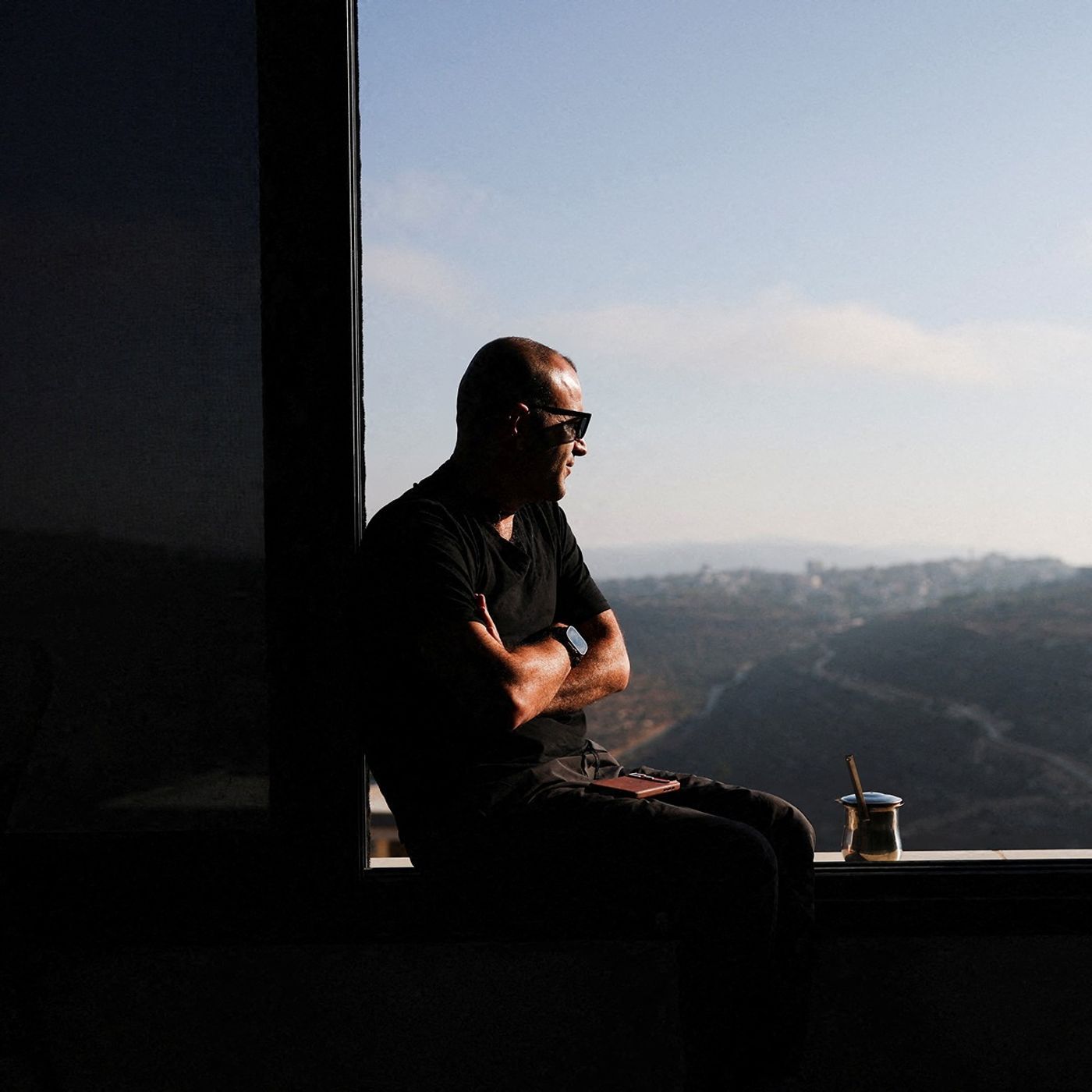
Over the past year, there has been an increase in violence in the West Bank. Israeli settles have terrorized Palestinians, set fire to their property, uprooted their olive groves and stolen their animals in an effort to drive them off their land. Rachel Abrams speaks to Loui Ridi, a Palestinian American in the West Bank, about the settlers who have arrived at his doorstep. Guest: Loui Ridi, a Palestinian American in the West Bank. Background reading: With the world distracted by war, extremist settlers have intensified their attacks in the West Bank.An assault by Israeli settlers on Palestinians last w...
How a Teenager Found Undiagnosed Brain Injuries in the Military

Warning: this episode contains mentions of suicide. New reporting has found that the impact of rough sea waves on rescue-boat crews in the Coast Guard can lead to long-term effects, including traumatic brain injury. Dave Philipps, who reports about veterans for The New York Times, explains the significant blind spot in the Coast Guard and talks about how a teenager helped expose this widespread danger. Guest: Dave Philipps, who reports about war, the military and veterans for The New York Times. Background reading: Rescue-boat crews show signs of brain injuries.After an article by The Times, the Coast Guard vowed to...
How Flock Cameras Took Over America

This summer, Fernando Alfonso, the Texas editor for The New York Times, got in a car with a man named Philip. They drove around the suburban streets of Dallas searching for traffic cameras — not for a red-light camera, or a speed-trap camera, but something new, an automatic license-plate reader made by a company called Flock. Law enforcement officials say these cameras are essential to fighting crime, but Phillip and people like him, who have located 100,000 flock cameras all over the country, see them as something else: the beginnings of a surveillance state. Today, Kashmir Hill, a technology and privacy writer at...
Who Will Rule the 2026 U.S. Open?

The U.S. Open, the final tournament of the tennis season, is getting underway. The world’s best players are heading to the U.S.T.A. Billie Jean King National Tennis Center in Queens, N.Y., to battle it out for the chance to play a championship match at Arthur Ashe Stadium, the largest tennis arena in the world. The players come freighted with great expectations, previous victories and defeats, aches and pains, personal dramas and professional rivalries, all of which they will carry with them out on the court when they play. Tennis is a game that exposes a...
Ina Garten Says You Can Either Get on Her Train or Get Out of the Way

At 78, the cookbook author and Food Network host knows what she likes, knows what she wants and isn’t stopping anytime soon. Thoughts? Email us at theinterview@nytimes.comWatch our show on YouTube: youtube.com/@TheInterviewPodcastFor transcripts and more, visit: nytimes.com/theinterview For more information on today’s episode, visit nytimes.com/thedaily. Transcripts of each episode will be made available by the next workday. Subscribe today at nytimes.com/podcasts or on Apple Podcasts and Spotify. You can also subscribe via your favorite podcast app here https://www.nytimes.com/activate-access/audio?source=podcatcher. For more podcasts and narra...
Lindsay Clancy Is on Trial. So Is Postpartum Psychosis.
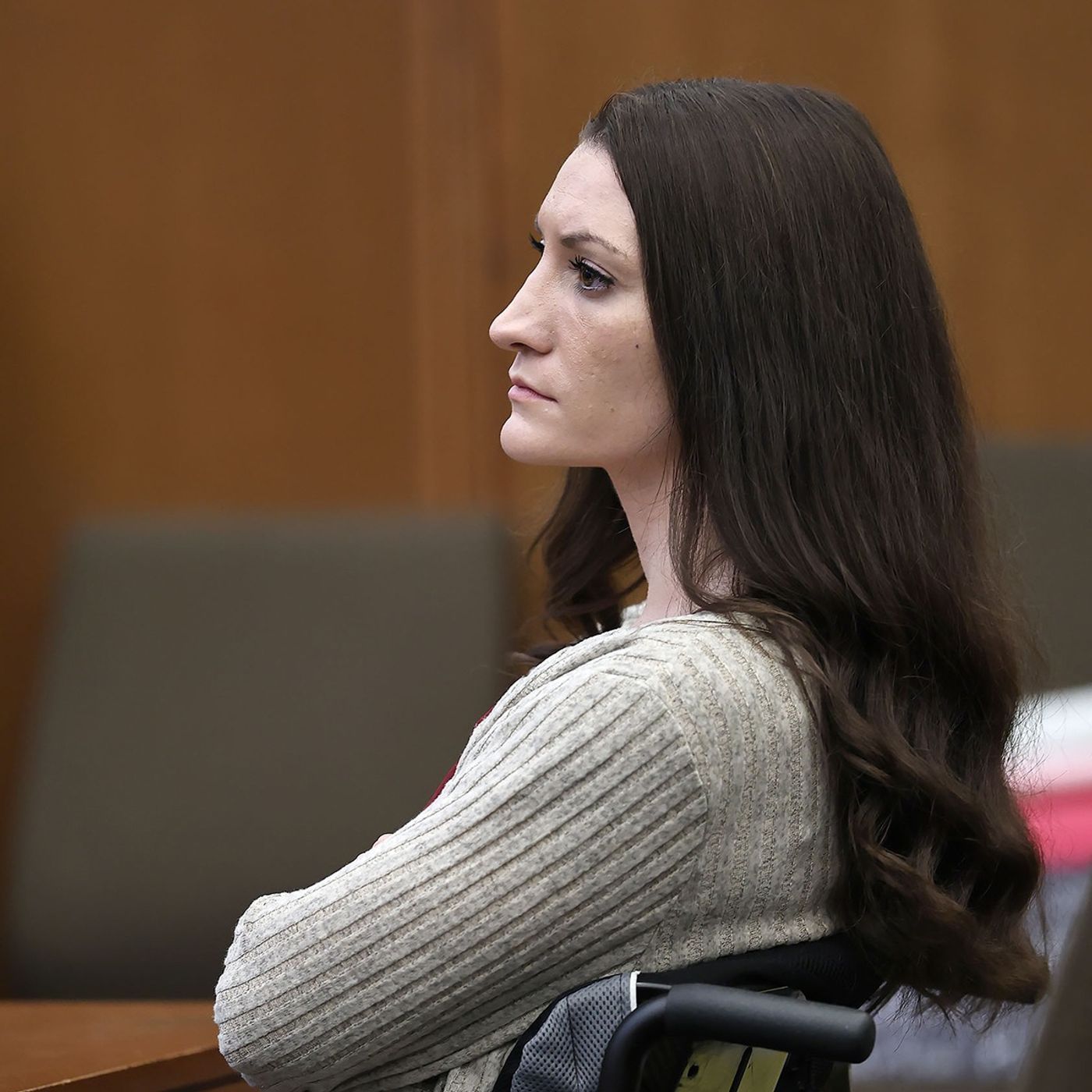
Warning: this episode mentions suicide. The trial of Lindsay Clancy, a mother who is being tried for the killings of her three young children, has captivated the country for weeks. It has also raised difficult questions about how we treat postpartum women who are in crisis. Ellen Barry, a New York Times reporter who has been covering the trial, takes us inside the courtroom and explains the stakes of the outcome. Guest: Ellen Barry, a reporter covering mental health for The New York Times. Background reading: What we know about the trial of Lindsay Clancy for her children’s deaths.Why...
A Historic Settlement Over Social Media Addiction

Meta, the world’s biggest social media company, reached a multibillion-dollar legal settlement on Wednesday over claims that its technology was addictive to children. The company agreed to impose major changes to how minors use its products. Cecilia Kang, a technology reporter for The New York Times, explains why a company that almost never backs down finally cut a deal, and whether this will start a new era of accountability for Big Tech. Guest: Cecilia Kang, a reporter covering technology and regulatory policy for The New York Times. Background reading: Meta will pay up to $17.1 billion over claims of social med...
The Stunning Rise of the Democratic Socialists of America

This summer, the Democratic Socialists of America have mounted their biggest and most successful attempt yet to redefine the Democratic Party. They have defeated its candidates in primary after primary from coast to coast. As its electoral success grows, the organization is confronting big, unresolved questions about what it stands for and what level of compromise is required to become a lasting political force. Charles Homans, who talked to more than 30 D.S.A. candidates, organizers, members and volunteers across the countries, discusses the rise and limitations of the D.S.A. Guest: Charles Homans writes about national politics for T...
Canada Is Done With Trump

In a dramatic decision, the prime minister of Canada abruptly cut off negotiations with the United States, delivering the message to President Trump that he would rather engage in an ugly trade war than submit to an unfair deal. Matina Stevis-Gridneff, the Canada bureau chief for The New York Times, explains how the two countries reached a breaking point and describes Canada’s plan to withstand economic warfare. Guest: Matina Stevis-Gridneff, the Canada bureau chief for The New York Times. Background reading: Here’s what to know about the trade war.This is how the U.S.-Canada talks collapsed.The t...
Natalie Harp’s Devotion to Trump

Natalie Harp is a constant presence at President Trump’s side. She’s a 35-year-old gatekeeper, deciding much of what he sees. She stays up late with him to draft his social media posts and even texts with world leaders on his behalf. Today, Maggie Haberman, a White House correspondent for The New York Times, covers what we know about Trump’s closest aide and why people inside and outside the White House are questioning her devotion to the president. Guest: Maggie Haberman, a White House correspondent for The New York Times. Background reading: President Trump’s White House aide Natalie...
Think Baseball Is Boring? The Savannah Bananas Are Here to Fix That.

Jesse and Emily Cole created theSavannah Bananaswith a simple mission in mind: to make baseball as entertaining as possible. They introduced some innovations to America’s pastime, including twerking umpires, stilt-walking pitchers and TikTok-ready choreographed dance numbers. They tinkered with the rules of baseball, making a game that was shorter and faster, with plenty of opportunities for fan engagement. The result? A sports sensation. In the 10 years since its founding, the team has become one of the most popular sports organizations in the world, reaching tens of millions of fans online, with a waiting list of millions of others hoping to...
An Expert on Conflict Says Your Relationships Are Doomed Without It

The author Priya Parker says the key to human connection is to lean into the fight. Thoughts? Email us at theinterview@nytimes.comWatch our show on YouTube: youtube.com/@TheInterviewPodcastFor transcripts and more, visit: nytimes.com/theinterview Subscribe today at nytimes.com/podcasts or on Apple Podcasts and Spotify. You can also subscribe via your favorite podcast app here https://www.nytimes.com/activate-access/audio?source=podcatcher. For more podcasts and narrated articles, download The New York Times app at nytimes.com/app.
Hosted by Simplecast, an AdsWizz company. See pcm.adswizz.com for information about our collection and u...
When Private Equity Comes for Your Favorite Team

Last week, the owner of the Los Angeles Lakers announced he was selling the basketball team for $12.5 billion — the highest price ever paid for a professional sports team. The deal has shocked the sports world and drawn new attention to a growing trend: Big groups of investors have been buying up professional sports teams as the franchises chase skyrocketing valuations. Today, Pablo Torre, the host of “Pablo Torre Finds Out,” explains the deal and how big money is transforming our relationship with the sports we love. Guest: Pablo Torre, a Pulitzer Prize-winning journalist and the host of “Pablo Torre Finds Out.” Ba...
Who Moves Up, and Who's Pushed Out, in Pete Hegseth's Military

For the past 18 months, Defense Secretary Pete Hegseth has remade the top ranks of the U.S. military — dismissing or sidelining many whose rise he believes was aided by D.E.I. and replacing them with officers who fit his definition of merit. In the process, many argue he’s prioritizing loyalty to him and his ideas over loyalty to the military itself. Today, Greg Jaffe, a New York Times reporter who covers the Pentagon and the U.S. military, takes us inside the hiring and firing for a single job that has become a case study for Hegseth’s approa...
El Niño Is Back. And Worse Than Ever.

The global chaos agent known as El Niño is back, and this year it’s already on track to be, by far, the strongest and most severe on record, wreaking havoc on weather across the world. Today, Chico Harlan, the global climate reporter for The New York Times, goes over El Niño’s history, its inner workings and its increasingly destructive fallout. Guest: Chico Harlan, the global climate correspondent for The New York Times. Background reading: El Niño, the Pacific climate shift that comes around once or twice a decade, is back, warming tropical oceans and setting off cons...
What Went Wrong on the U.S.S. Lincoln?

For the past two weeks, family members of sailors have been raising alarms about the conditions aboard the U.S.S. Abraham Lincoln, which has a crew of about 5,000 and has been at sea for almost nine months straight. Today, John Ismay, a New York Times reporter who covers the Pentagon with a focus on armed conflict and the defense industry, discusses what went wrong on the ship and how it could affect the U.S. military’s ability to fight wars. Guest: John Ismay, a New York Times reporter who covers the Pentagon with a focus on armed conflict an...
Luigi Mangione’s High-Risk Legal Strategy
In the two years since a masked man shot and killed a health care executive, the national spotlight has turned to the primary suspect, Luigi Mangione. The overwhelming evidence has pointed to his guilt, and the question on most minds has been: What might the defense of one of the most famous murder suspects in America look like? At a hearing on Friday, we got our first glimpse at an answer, one that appears to include a full-throated embrace of his guilt. Today, Benjamin Weiser, a reporter covering the justice system for The New York Times, and Hurubie Meko, a...
What Makes a Killer Thriller?
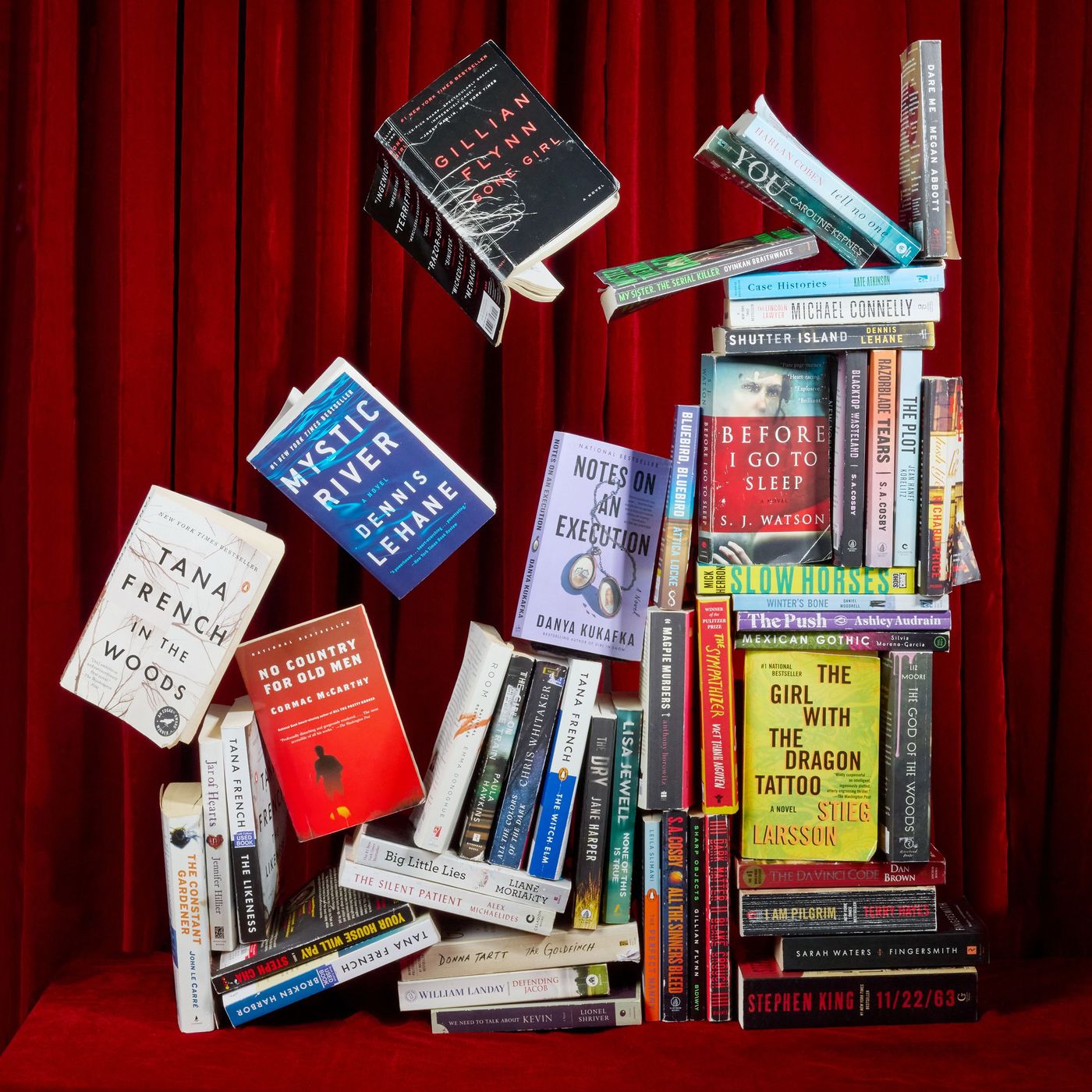
The New York Times Book Review recently released its list of the 50 best thrillers of the 21st century. To put it together, the team asked almost 300 authors and other experts to vote for the best heart-thumping, page-turning, white knuckle reads published since 2000. In this episode of “The Sunday Daily,” Natalie Kitroeff talks with the Times thrillers columnist, Sarah Lyall, about how the list came together. Then, Natalie speaks with one of the greatest thriller writers of this century — with four books featured on the list — the author Tana French. On Today’s Episode: Sarah Lyall writes a monthly thrillers column for The Ne...
The Charming, Amusing, Surprisingly Low-Confidence Matthew Rhys

The “Widow’s Bay” star on his two Emmy nominations, his penchant for going dark and his wobbly self-esteem. Thoughts? Email us at theinterview@nytimes.comWatch our show on YouTube: youtube.com/@TheInterviewPodcastFor transcripts and more, visit: nytimes.com/theinterview Subscribe today at nytimes.com/podcasts or on Apple Podcasts and Spotify. You can also subscribe via your favorite podcast app here https://www.nytimes.com/activate-access/audio?source=podcatcher. For more podcasts and narrated articles, download The New York Times app at nytimes.com/app.
Hosted by Simplecast, an AdsWizz company. See pcm.adswizz.com for information about our col...
The Secret Spy Network Feeding Russia’s War Machine

Ukraine is running desperately low on interceptor missiles, leaving its cities and people nearly defenseless against Russian missile and drone attacks. How Russia has been able to sustain those attacks has been a mystery — until now. Today, Jane Bradley, a Britain-based investigative reporter for The New York Times, explains her investigation into the spy network that has allowed the Kremlin to keep this war going. Guest: Jane Bradley, a Britain-based investigative reporter for The New York Times. Background reading: A Russian spy who used the Aeroflot office in Tokyo to smuggle high-tech weapon components into Russia has left Japan after a T...
Are The Democratic Socialists Winning or Losing?

This week, Francesca Hong, a democratic socialist running for governor in Wisconsin, suffered an upset after a double-digit lead in the polls. Last week, Dr. Abdul El-Sayed, a progressive, pulled off a stunning victory in Michigan against his well-funded opponent. Nate Cohn, the chief political analyst for The New York Times, makes sense of what happened in Wisconsin and Michigan, and what it might tell us about the future of the Democratic Party. Guest: Nate Cohn, the chief political analyst for The New York Times. Background reading: Dr. El-Sayed’s triumph against an establishment-backed candidate in Michigan was a big win...
All the President’s Planes

When President Trump left Turkey, the White House said publicly that he was boarding the old Air Force One — but that plane was a decoy. In a highly elaborate escape plan prompted by a credible Iranian threat, Trump was secretly moved through a catering cart to a military aircraft, leaving passengers unknowingly flying on the decoy plane. Today, Maggie Haberman, a White House correspondent for The New York Times, details the operation’s risks and what it reveals about how seriously the administration views the danger to the president. Guest: Maggie Haberman, a White House correspondent for The New York Time...
The U.S. Missile Stockpile Is Dangerously Low

As the fighting with Iran has dragged on, American forces have been burning through their weapons, creating a shortage of munitions that is leaving the United States and its allies in the region much more vulnerable. Today, Eric Schmitt, a national security correspondent for The New York Times, explains why Washington is running out of key missiles so quickly, and how the munitions shortage might affect the safety of U.S. troops and the Trump administration’s efforts to end the war. Guest: Eric Schmitt, a national security correspondent for The New York Times. Background reading: The war in Iran ha...
Why Adults Are Getting Cancer at a Younger Age
For years, cancer has been seen as a disease people mostly get when they’re older. That seems to be changing as more young people are getting cancer than ever before. Today, Nina Agrawal, a health reporter for The New York Times, explains what scientists are learning about the factors driving the rise and what it means for a generation of young cancer survivors. Guest: Nina Agrawal, a health reporter for The New York Times. Background reading: Hundreds of New York Times readers shared their experiences with early-onset cancers. Here are seven of their stories.Research is starting to offer clu...
Is 'Gentle Parenting' Ruining French Children?

“Traditional” French parenting is built on a foundation of firm boundaries, strictness and punishment for misbehavior. Within these rules, children are also allowed freedom and autonomy, which some say results in both well-behaved children and stress-free parents. In recent years, though, American-style “gentle” or “positive” parenting has gained a toehold in the country, unsettling decades of orthodoxy about the best way to raise a French child. It has prompted a fierce debate, with both sides accusing the other of being harmful. In today’s episode, Madeleine Schwartz, a journalist who lives in Paris, talks with Michael Barbaro about the dispute over parenting...
Billy Strings Escaped the Darkness. He’s Playing to Not Go Back.

The genre-straddling musician could have been lost to addiction and trauma. Instead he’s filling arenas. Thoughts? Email us at theinterview@nytimes.comWatch our show on YouTube: youtube.com/@TheInterviewPodcastFor transcripts and more, visit: nytimes.com/theinterview Subscribe today at nytimes.com/podcasts or on Apple Podcasts and Spotify. You can also subscribe via your favorite podcast app here https://www.nytimes.com/activate-access/audio?source=podcatcher. For more podcasts and narrated articles, download The New York Times app at nytimes.com/app.
Hosted by Simplecast, an AdsWizz company. See pcm.adswizz.com for information about our collection and use...
Is America’s Drinking Water the Next Front in the Iran War?

Over the past week, a growing number of municipalities across the United States have reported that their water systems were hacked. The Times has found that the attacks were most likely perpetrated by Iran. Today, Dustin Volz, a cybersecurity and intelligence correspondent for The New York Times, explains how the hacking exposes yearslong failed efforts to shore up vulnerabilities in U.S. infrastructure, and how Iran may be seeking a new kind of leverage that could extend the war’s reach to within U.S. borders and affect something as elemental as the water we drink. Guest: Dustin Volz, a cy...
The Cyclospora Mystery: How Human Poop Got on So Much Lettuce

U.S. health officials linked six more states to what’s now the largest outbreak of cyclospora in American history — an outbreak that has contributed to at least two deaths, sickened thousands of people and left the rest of us increasingly scared of salad. Today, Christina Jewett and Caroline Hopkins Legaspi, two public health reporters who have covered the parasite for The New York Times, discuss what’s been learned about where it comes from, how it spread so quickly and why our food safety system seems to be powerless to stop it. Guest: Christina Jewett, covers the Food and Drug Ad...
Arizona’s Food Stamp Crisis Is Coming for the Rest of the U.S.

The United States is undergoing one of the biggest changes to its social safety net in recent history, with huge numbers of people getting dropped from the government’s food assistance program. Nowhere has this been more dramatic than in Arizona. Jason DeParle, who covers poverty for The New York Times, explains why so many people are suddenly losing access to this key benefit, and what implications it could have for the rest of the country. Guest: Jason DeParle, who writes about poverty in the United States for The New York Times. Background reading: Faced with piles of new paperwork, peo...
Will Michigan Rewrite the Rules of Democratic Politics?

In Michigan, a race for U.S. Senate is not only testing the growing appeal of left-wing populism. It could also be a turning point in a long-running debate among Democratic voters about the importance of electability. Michael Kruse, who writes about politics for The New York Times, traveled to Michigan with the producers Asthaa Chaturvedi and Anna Foley of “The Daily” to speak to voters and campaign volunteers. Guest: Michael Kruse, a politics reporter for The New York Times. Background reading: Michigan’s tense Democratic Senate race poses a big test for a divided party.Can a progressive win in a pu...
The Tangled Tale of the Tate Brothers and the Trumps

Warning: This episode contains strong language. Over the past decade, the Tate brothers have built a global empire around pornography, hypermasculinity and overt misogyny. At the same time, they have been repeatedly accused of assaulting and trafficking women. A Times investigation found that as their legal troubles mounted, the Tates found powerful allies in the Trump family and administration. Megan Twohey, who has been covering the story, explains just how important those alliances became and why they are now starting to unravel. Guest: Megan Twohey, an investigative reporter for The New York Times. Background reading: How a manosphere star accused o...
After Losing Her Limbs, Our Cooking Columnist Returns to the Kitchen

For decades, the kitchen was the centerpiece of Yewande Komolafe’s life. She spent long hours there, first as a restaurant cook and later as a recipe developer. But though she loved the often-intense culinary world, she had to navigate it with certain limitations: She was born with sickle cell disease, an inherited blood disorder, which required her to carefully manage her working life. She did so successfully, becoming a celebrated cookbook author and food writer for The Times. A medical crisis in December 2023 changed all of that. Komolafe ended up in a coma for six weeks, and after emerging le...
The Fight Tearing Apart Silicon Valley

For years, a debate has been simmering in Silicon Valley over the right way to build artificial intelligence. Should it be open and free for anyone to use, or should we tightly control how it’s made and who can access it? Mike Isaac, who covers technology for The New York Times, explains why the release of two Chinese models pushed that debate to a boiling point this week, and how it could end up reshaping the future of A.I. Guest: Mike Isaac, a New York Times reporter based in the San Francisco Bay Area, covering tech companies and Si...
Europe Is Burning

This summer, wildfires have been raging across Europe. France and Spain have been hit particularly badly, with hundreds of thousands of acres incinerated and entire communities devastated. Chico Harlan, the global climate correspondent for The New York Times, and Mark Landler, the Paris bureau chief, explain how much the continent may need to adapt to climate change. Guest: Chico Harlan, the global climate correspondent for The New York Times, covering the changing planet.Mark Landler, the Paris bureau chief of The New York Times, covering France, trans-Atlantic relations and the future of Europe. Background reading: Europe’s summer of reckoning is...
Israel, AIPAC and Difficult Questions for Democrats

The American Israel Public Affairs Committee, a pro-Israel lobbying group known as AIPAC, has spent a record amount of money in this year’s midterm elections to either oust or support candidates based on their support of Israel. Jonathan Mahler, a writer for The New York Times Magazine, discusses the new litmus test for the left at a time when the United States’ relationship with Israel is under scrutiny. Guest: Jonathan Mahler, a staff writer for The New York Times Magazine covering a wide range of topics, including politics, entertainment, education, media, the law and sports. Background reading: AIPAC wants Democ...
The Iranians Who Want More War

Fractures in Tehran are pitting a faction favoring negotiation with Washington against hard-liners who oppose making a deal with the United States. Guest: Abdi Latif Dahir, a Middle East correspondent for The New York Times, covering Lebanon and Syria.Farnaz Fassihi, the United Nations bureau chief for The New York Times. She also covers Iran and how countries around the world deal with conflicts in the Middle East. Background reading: What a journey through wartime Iran revealed.Divisions festered within Iran over talks with the United States. Photo: Agence France-Presse — Getty Images For more information on today’s episode, visit nytimes...
What A.I. Is Actually Doing to the Economy

As artificial intelligence becomes more advanced, people are getting more nervous about how it could change the economy and their jobs. Ben Casselman, the chief economics correspondent for The New York Times, explains why A.I.’s impact is so hard to pin down and what we can learn from the tech disruptions of the past. Guest: Ben Casselman, the chief economics correspondent for The New York Times. Background reading: Ben Casselman, the chief economics correspondent for The New York Times. Photo: George Wylesol For more information on today’s episode, visit nytimes.com/thedaily. Transcripts of each episode will be mad...
Why Do Some Memories Survive Dementia?

When the Times reporter Ellen Barry’s father developed dementia after a fall, her family spent years trying to manage his erratic behavior and confusion. They struggled to convince him that he was home, he was safe, and he shouldn’t try to leave. The experience was exasperating and impossible to understand. Today, Ellen tells the story of those years, and of how she discovered scientific research that helped explain everything her family had lived through — research that could potentially help to save precious memories from being lost forever. On Today’s Episode Ellen Barry, a mental health reporter for The New...
Karl-Anthony Towns Knows the Knicks' Win Was Bigger Than Basketball

New York’s star center on playing for his mom, Patrick Ewing. generations of emotional fans — and himself. Thoughts? Email us at theinterview@nytimes.comWatch our show on YouTube: youtube.com/@TheInterviewPodcastFor transcripts and more, visit: nytimes.com/theinterview Subscribe today at nytimes.com/podcasts or on Apple Podcasts and Spotify. You can also subscribe via your favorite podcast app here https://www.nytimes.com/activate-access/audio?source=podcatcher. For more podcasts and narrated articles, download The New York Times app at nytimes.com/app.
Hosted by Simplecast, an AdsWizz company. See pcm.adswizz.com for information about our colle...
Could ‘Trump Accounts’ Actually Close the Wealth Gap?
This month, President Trump announced the start of “Trump accounts,” an investment device that could eventually help address the nation’s wealth gap. Claire Cain Miller, who covers families and education for The New York Times, explains how these accounts work and why so many Americans have yet to sign up. Guest: Claire Cain Miller writes for The Upshot, which uses data and visuals to help explain the world. Background reading: Many children don’t have Trump accounts. Some are missing out on $1,000. Photo: Allison Robbert for The New York Times For more information on today’s episode, visit nytimes.com/thedaily...
