Evidence → Cognition → Discernment™️ - Your Pathway to AI Leadership
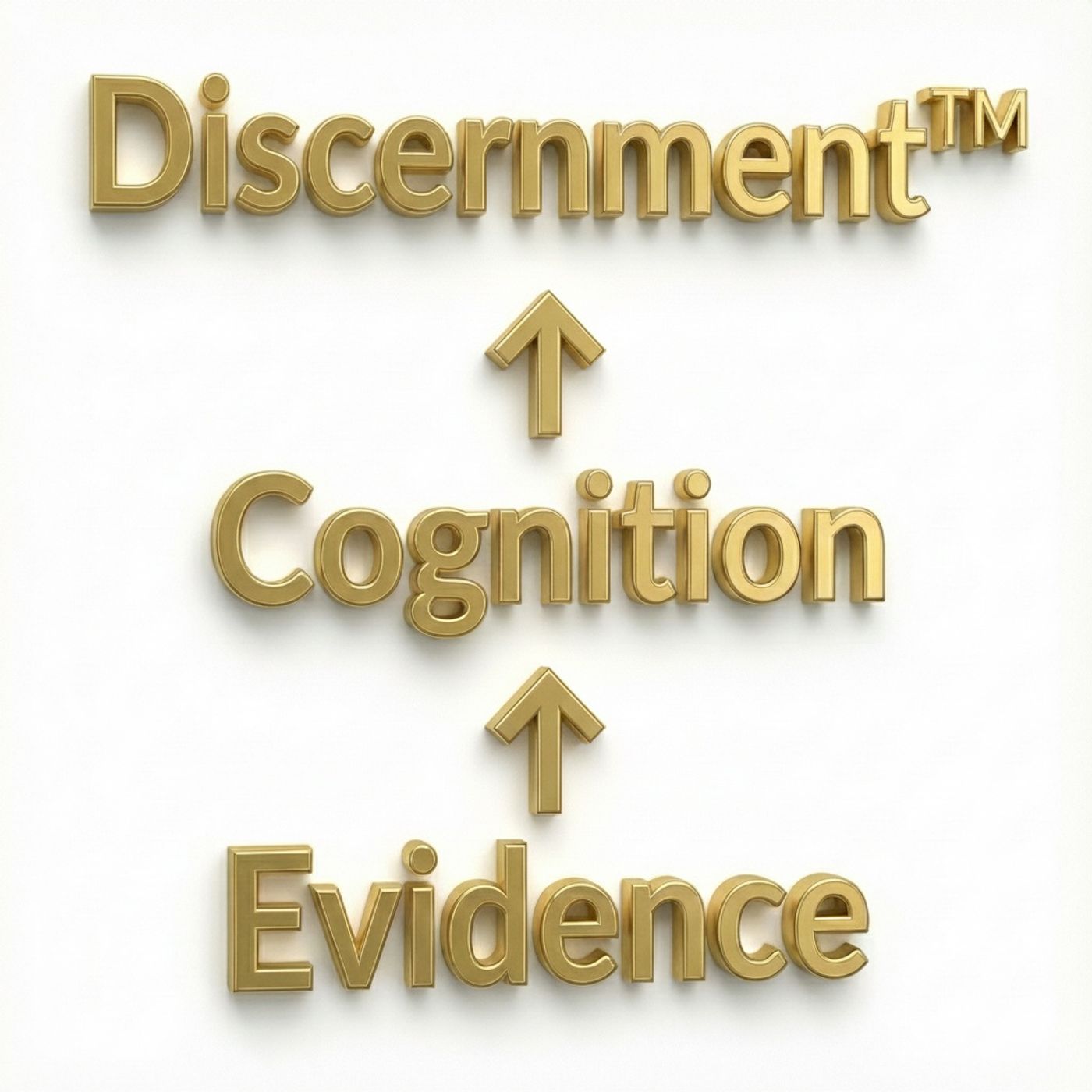
Fusion Bridge — Pathway to AI Leadership explores how people can collaborate with AI without outsourcing judgment. The spine is a three-step method: Evidence → Cognition → Discernment — a bridge from what’s scattered to what’s chosen. Through essays, reflections, and practical examples, I show how the Context & Critique Rule™ keeps thinking visible, decisions explainable, and responsibility human.
Navigating the Institutional Formation Gap in the AI Age

Greg Twemlow explores the Institutional Formation Gap, a modern crisis where artificial intelligence disrupts the traditional journey from education to professional maturity. He argues that while automation provides efficiency for organisations, it creates Formation Debt by removing the entry-level tasks through which young people once developed professional judgement. To navigate this fractured landscape, individuals must take personal responsibility for their growth without waiting for institutional permission. Twemlow suggests a collaborative ecology involving AI as a learning ally, alongside peer reciprocity, human mentorship, and real-world consequences. Ultimately, the text encourages a move beyond merely producing artefacts to becoming a person capable...
Context and Critique, AI Slop and Human Discovery

This source examines the risks of cognitive flatness in artificial intelligence, arguing that treating these systems as simple answer engines leads to the production of intellectual "slop". Author Greg Twemlow introduces the Context & Critique Rule™ as a necessary framework for maintaining human agency and accountability during high-stakes digital collaborations. By intentionally applying cognitive friction, users can move beyond superficial machine fluency to achieve genuine discovery and innovation. The text emphasises that while AI can manage middle-layer operations like data synthesis, humans must remain responsible for the origination and moral consequences of the work. Ultimately, the article advocates for a sovereign re...
Why Concentrated Capital Is the 21st Century’s Greatest Vulnerability
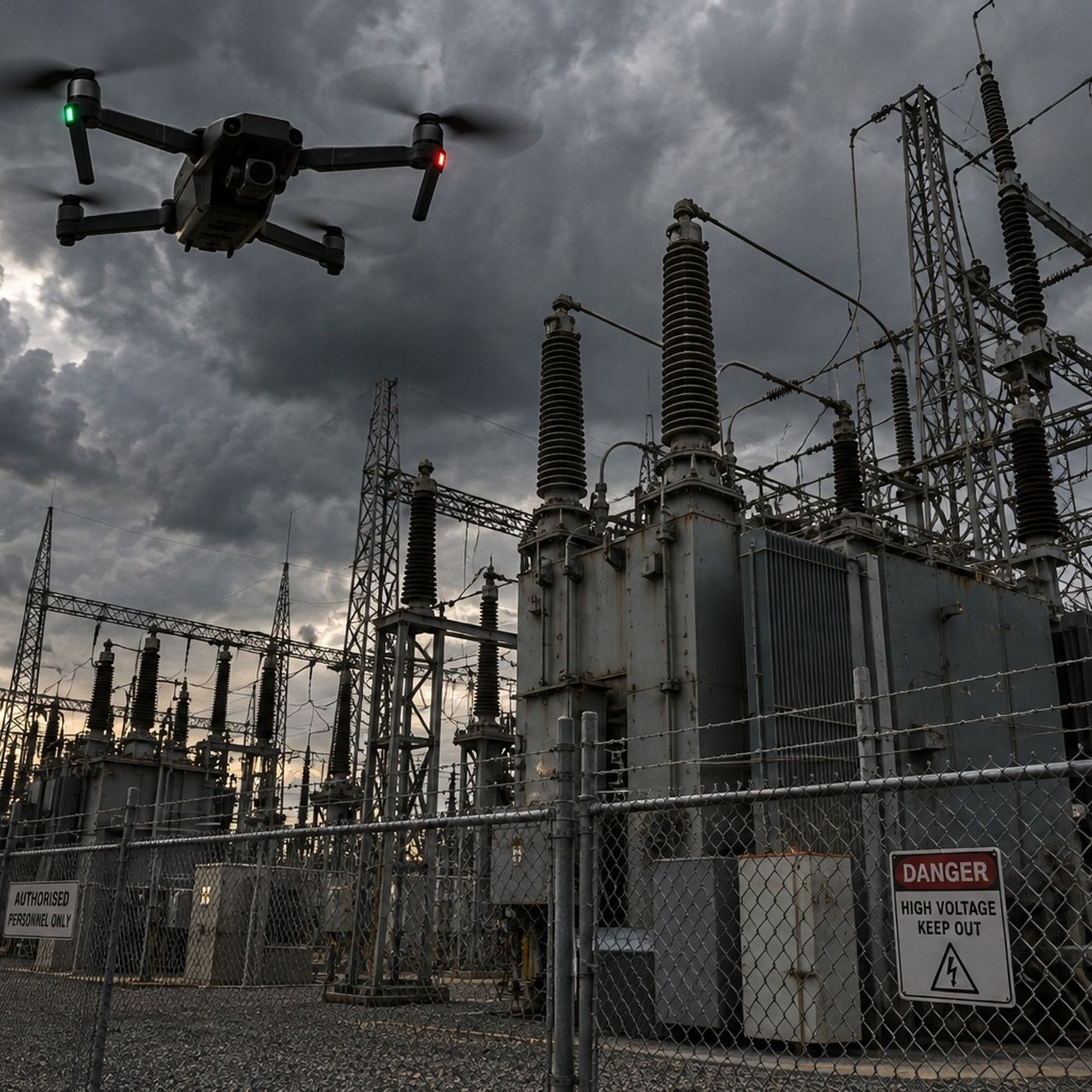
In this article, Greg Twemlow argues that the long-standing industrial preference for centralised infrastructure has transformed from an economic strength into a dangerous security vulnerability. He explains that modern advancements in cheap, precision technology, such as drone swarms, allow adversaries to easily disable massive assets by merely targeting their unhardened external connectors. This shift has created a cost-exchange inversion where the financial burden of defending monolithic power grids, naval fleets, and AI clusters far outweighs the cost of attacking them. Consequently, the financial insurability of these concentrated systems is collapsing as risk models struggle to account for such asymmetric threats...
Why Humanity Should Adopt the Voyager Playbook

Greg Twemlow’s essay explores the Voyager space mission as a masterclass in long-term vision and intergenerational stewardship. Although originally designed for a five-year task, the spacecraft have endured for nearly half a century because the engineers planned for possibilities far beyond their initial mandate. Twemlow introduces the "Voyager Playbook," a set of principles that prioritise adaptability and purpose over rigid adherence to original plans. He also highlights the role of "Discerner Architects," those capable of managing complex systems by distinguishing enduring goals from outdated methods. Ultimately, the text serves as a metaphor for humanity's future, arguing that while artificial in...
AI Workflow Redesign as the New Apprentice Proving Ground

The provided text argues that artificial intelligence is currently dismantling the traditional developmental rungs where junior workers once learned professional judgement. To solve this, author Greg Twemlow proposes a new apprenticeship model focused on AI workflow redesign, where novices act as systems interrogators rather than mere production clerks. By mapping organisational processes using ANSI syntax, apprentices identify where machines can handle high-volume tasks while ensuring human discernment remains the final decision gate. This approach addresses the mapping problem—the difficulty firms face in integrating AI effectively—by leveraging the fresh perspective of the beginner under the expert guidance of a ment...
Why an AI World Needs a 2,400-Year-Old Philosopher

In an age dominated by artificial intelligence, Greg Twemlow argues that we must adopt the Socratic method to maintain our intellectual independence. He warns that relying on the effortless fluency of machine-generated answers leads to a dangerous state of cognitive passivity and unearned certainty. To counter this, individuals should treat AI as a challenging interlocutor rather than a definitive oracle, using rigorous cross-examination to expose hidden biases and logical contradictions. By embracing epistemic humility—the honest admission of what we do not know—we create the necessary friction for genuine understanding. Ultimately, the text suggests that our sovereignty as thinkers depe...
The Formation Debt We Cannot See

Greg Twemlow explores the concept of formation debt, which occurs as artificial intelligence increasingly automates the entry-level tasks once performed by human novices. This shift creates an immediate productivity dividend for companies, but it simultaneously removes the essential "apprenticeship" through which young workers develop professional judgment and expertise. By replacing junior roles with automated systems, the text argues that society is losing the developmental infrastructure required to produce the next generation of leaders and specialists. The consequences are often hidden because they result from a lack of hiring rather than sudden layoffs, leaving graduates stranded between education and adulthood. Ultimately...
The Reading Crisis Is Also a Crisis of Formation

Greg Twemlow explores the reading crisis as a fundamental failure in human formation, arguing that literacy is essential for developing personal agency and judgment. He introduces the Expression-to-Agency Pathway, which uses storytelling, peer rehearsal, and public presentation to help students gain confidence through lived experience. While artificial intelligence did not cause these educational issues, it can conceal the problem by producing high-quality work that masks a person's lack of true understanding. Twemlow contends that without mastering literacy, individuals risk becoming dependent on technology, ultimately losing their cognitive sovereignty. To prevent this, he advocates for educational methods that ensure humans remain...
The Machine Wants Your Compliance

In this essay, Greg Twemlow explores the intersection of human agency and technological systems by synthesising the philosophies of Albert Camus and Joseph Campbell. He argues that modern society acts as an impersonal machine that demands compliance through algorithms, bureaucracy, and a focus on efficiency over empathy. By examining Campbell’s mythic monomyth alongside Camus’s concept of the absurd, the author presents a framework for maintaining personal integrity against dehumanising forces. While Campbell provides the internal psychological spine to face one’s own fears and ego, Camus offers an ethical shield to resist systemic injustice and abstraction. Ultimately, the text s...
The AI-Machine and Mnemosyne, the Greek Goddess of Memory

This article by Greg Twemlow explores the intersection of artificial intelligence and human memory, using the Greek goddess Mnemosyne as a metaphor for deep recollection. The author describes a personal experiment where he used an AI "Connections Machine" to analyse a decade of his own writing to uncover hidden patterns and "revelatory" links between his past and future. He introduces the Context & Critique Rule, a framework ensuring that while technology can surface non-obvious relationships, human judgement remains the final authority on meaning. This process is central to his Formation Bridge concept, which provides a structured, asynchronous pause for individuals at...
Open Hand and the Directed Mind

Greg Twemlow’s essay explores the concept of human sovereignty and how individuals can maintain a sense of purpose without becoming trapped by rigid expectations. He argues that modern life and artificial intelligence often force us toward quick, superficial answers that may stifle personal growth. To counter this, the author proposes a philosophy involving an open hand, representing receptivity, and a directed mind, which provides necessary discipline. By integrating context and critique, humans can use technology as a tool for validation rather than allowing it to dictate their life’s direction. Ultimately, the text encourages a reflective tempo where meaning is a...
The Connections Machine

In this article, Greg Twemlow defines artificial intelligence as a connections machine that expands the boundaries of human discovery. He introduces the concept of pull potential, arguing that the technology’s greatest utility is its ability to draw out deeper insights from the user through collaborative inquiry. By moving beyond simple pattern matching, AI allows individuals to surface non-obvious relationships across vast bodies of knowledge, a process Twemlow calls Breakout Autonomy. However, he cautions that users must apply his Context & Critique Rule to ensure they remain the architects of their own work. Ultimately, the source emphasises that while AI can su...
PwC Just Measured What I Named “the Judgment Gap”
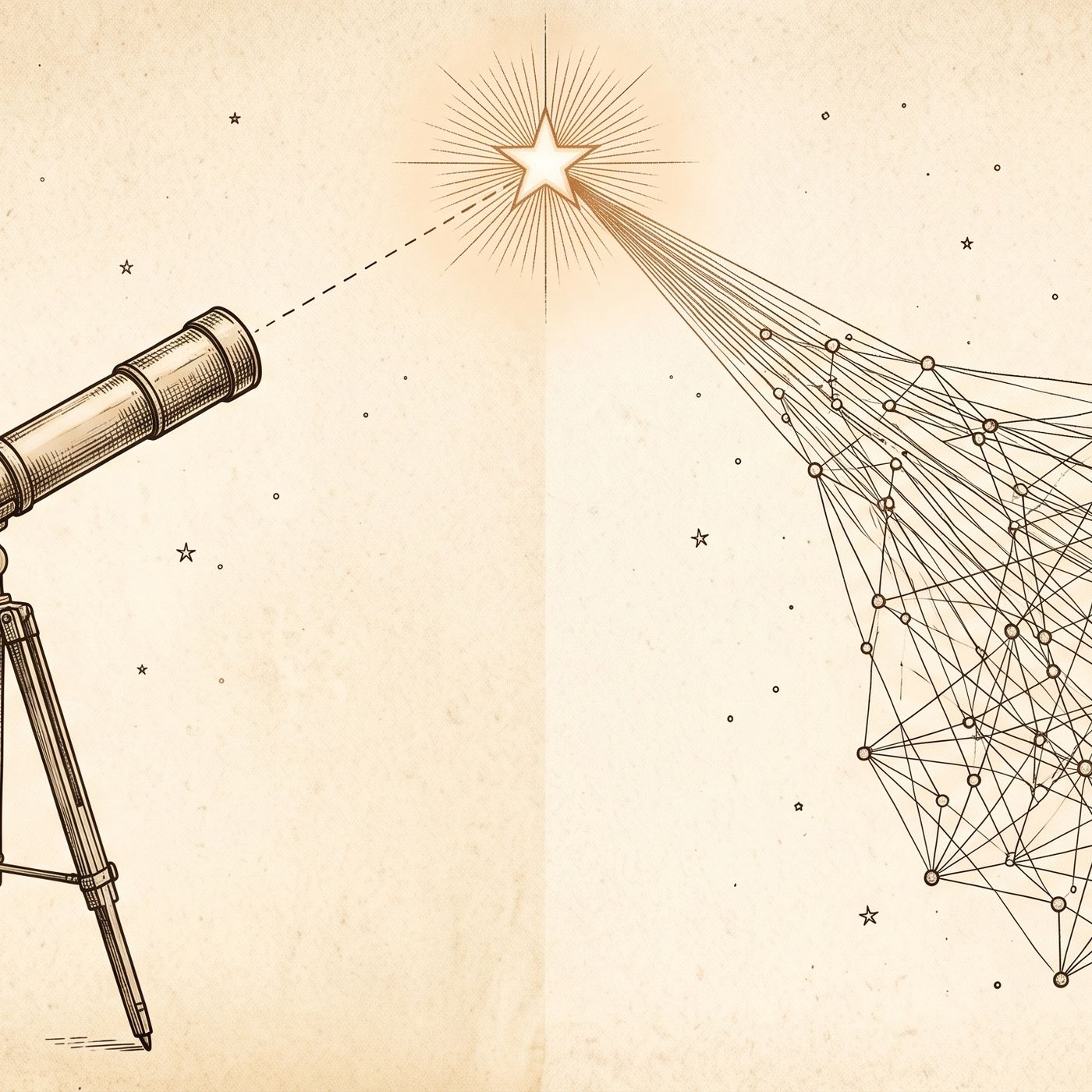
In this article, Greg Twemlow highlights a significant alignment between his own theories and new global labour-market data from PwC. Both sources conclude that as AI automates execution, professional value is shifting away from mere output and toward high-level human judgment and creativity. Twemlow argues that this "judgment gap" requires organisations to deliberately reinvest the time saved by technology into better decision-making rather than simple cost-cutting. While PwC provides the statistical evidence for this shift, Twemlow offers a practical framework called the Context & Critique Rule to help individuals refine their discernment. Ultimately, the text suggests that in an AI-driven economy...
Reclaiming a Disposition Toward Thinking

Greg Twemlow argues that as artificial intelligence becomes increasingly fluent and competent, humans face a growing risk of cognitive disengagement by accepting machine output too readily. He introduces the metaphor of a red light to represent the moment an AI's response feels complete, signaling that the user must deliberately pause and enter a "Critique mode" to maintain their own curiosity. By treating AI as a cognitive muse rather than a mere answer-finding tool, individuals can engage in an iterative collaboration that elevates human reasoning to higher levels of abstraction. Twemlow suggests that true human value now resides in discernment and...
We’re a Remix of Borrowed Atoms

In this philosophical essay, Greg Twemlow explores the concept of human mortality as a temporary "lease" of atoms provided by the earth. He argues that our physical bodies are merely a remix of ancient elements that must eventually be returned to the biosphere to sustain new life. By viewing death as a graceful act of reciprocity rather than a tragic loss, Twemlow suggests we can find liberation from material accumulation and existential dread. This perspective encourages a shift from extracting resources to practising micro-heroism, focusing on the quality of our service and relationships during our finite time. Ultimately, the text...
The Lost Rite of Passage

Greg Twemlow’s text explores the Career Polycrisis, a phenomenon where artificial intelligence and corporate automation have dismantled the traditional entry-level pathways for university graduates. This rupture has destroyed the historical rite of passage into adulthood, leaving young people in a state of psychological and professional limbo. Twemlow argues that we must shift our focus from industrial "careers" to a Life Arc built on character and human formation. To combat this crisis, he proposes the Transition Team framework, which encourages universities to guide students through collaborative, real-world business challenges. By applying the Context & Critique Rule, graduates can reclaim their agency an...
Formation - A Framework for AI Human Development

Greg Twemlow introduces Formation as a vital developmental framework designed to evaluate the human impact of artificial intelligence within modern organisations. Unlike standard skill training, this concept focuses on nurturing lifelong judgment, ownership, and navigation as automation threatens traditional entry-level learning pathways. By applying this lens to industry data, Twemlow argues that businesses are currently dismantling the apprenticeship layers where critical discernment was historically cultivated. He identifies a significant accountability gap, noting that while firms claim to have clear AI governance, very few actually hold humans responsible for machine-driven outputs. The text advocates for intentional organisational design to ensure that...
Formation of Your Life

Greg Twemlow explores the concept of Formation, defined as the lifelong journey of developing personal judgement and taking ownership of one’s life. He reflects on his own transition from being "creatively compliant" in a structured career to embracing the courage required to publish personal work and stand behind his own ideas. This transition is encapsulated in his trademarked mantra, "Never be afraid to hang your art on the wall," which encourages individuals to move beyond unexamined habits and inherited identities. Twemlow argues that while our backgrounds provide necessary discipline, true growth requires crossing a bridge to expose our authentic se...
Creativity — the power to inspire

Greg Twemlow argues that creativity is the essential human skill that distinguishes us from artificial intelligence, yet modern schooling and societal pressures often suppress this natural genius. To combat this decline, he introduces the Creativitee program, which empowers parents to act as a "Creative Muse" for their children. By fostering a supportive home environment, parents can help kids maintain their imagination and curiosity well into adulthood. The text draws on insights from experts like Sir Ken Robinson and Joseph Campbell to highlight how bravery and resilience are required to share one’s work with the world. Ultimately, the sources advocate fo...
Across History, Humans Eventually Vanish Inside Their Own Machinery
The provided text explores how modern civilisations use abstraction to distance themselves from the physical world and human dignity. By stripping nature of its sacred value and treating it as a mere economic resource, society has created a bloodless logic that eventually reduces people to statistical data. Author Greg Twemlow argues that while historical oppression relied on force, the rise of artificial intelligence threatens to erase human agency through the seductive power of hyper-convenience. To combat this, he proposes a framework of Context and Critique, which encourages individuals to slow down and reclaim their cognitive sovereignty. Ultimately, the source calls...
Human Sovereignty and the Architecture of Discernment
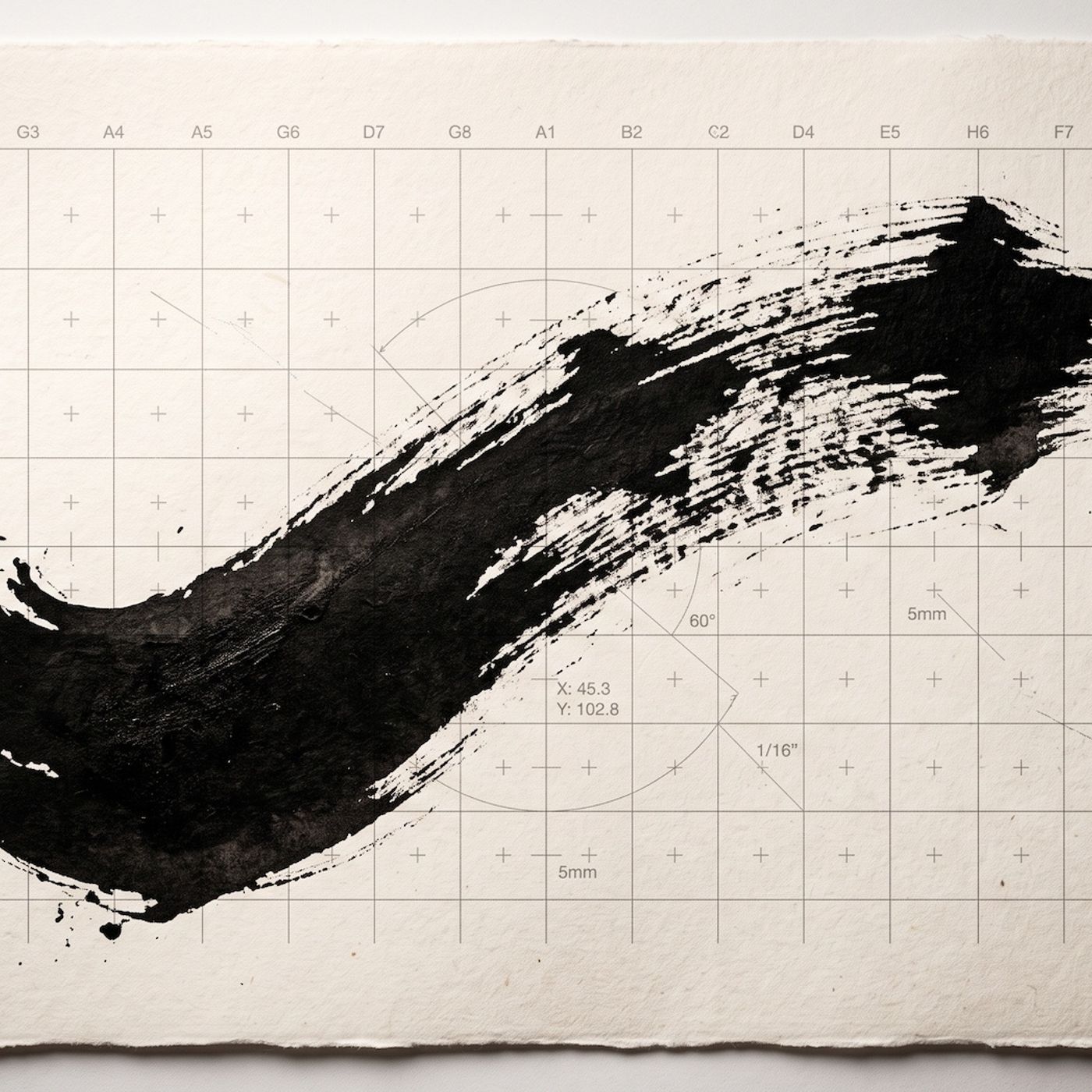
In this article, Greg Twemlow argues that human discernment must remain the cornerstone of learning and professional life to prevent generative AI from eroding our cognitive sovereignty. He introduces the Context & Critique Rule™, a framework inspired by Bruce Lee’s philosophy, which encourages users to "intercept" automated fluency with mandatory friction and intentional reasoning. The text highlights a growing crisis where entry-level employment is vanishing because basic tasks are now automated, leaving young workers without traditional opportunities to develop professional judgment. To counter this, the author proposes using Direction and Traction Plans to help students build portfolios based on real-world prob...
The Friction of Meaning

In this article, Greg Twemlow explores the tension between automated efficiency and authentic human insight within the landscape of generative artificial intelligence. Drawing on Jerome Bruner’s metaphors, the author argues that the instantaneous nature of AI threatens to bypass the essential mental struggle required for deep understanding and creative breakthrough. To combat this, he proposes the Context & Critique Rule™, a cognitive discipline designed to reintroduce necessary friction into the creative process. By intentionally slowing down to interrogate machine-generated results, individuals can move beyond superficial completion toward genuine revelation. Ultimately, the text asserts that human dignity in a digital age is d...
Standing at the Doorway to Enterprise AI

In this article, Greg Twemlow explores the corporate paradox where widespread AI adoption fails to deliver significant organisational improvements due to hidden labour and unverified outputs. He introduces the concepts of botsitting, the time lost correcting machine errors, and botshitting, the act of submitting unvalidated AI work. To combat the erosion of cognitive capital, Twemlow proposes the Context & Critique Rule, a framework designed to ensure human judgment remains central to the technological interaction. He suggests that businesses must move beyond seeing AI as a mere efficiency tool and instead use it as a catalyst for deeper thinking and rigorous interpretation...
Why Everyone Judges and Very Few Critique

In this article, author Greg Twemlow explores the "uni-context" theory proposed by philosopher Agnes Callard, which describes how modern digital life has collapsed distinct social spheres into one flat, judgmental field. Twemlow argues that while this shift makes universal condemnation easy, it has destroyed our capacity for meaningful critique, which requires specific standards and personal accountability. He suggests that simply restoring local contexts is insufficient, as isolated groups often become echo chambers that lack the "mirror" of honest correction. To fix this, he introduces his Context & Critique Rule, asserting that true growth only occurs when people commit to rigorous, transparent...
AI Delivers Fluent Answers While Humans Outsource Their Judgement

The provided text introduces Fusion Bridge, a framework designed by Greg Twemlow to safeguard human judgement and responsibility as artificial intelligence becomes more prevalent. It argues that while AI offers rapid, fluent answers, it risks encouraging humans to outsource their critical thinking and accountability. To counter this, the author proposes a philosophy called Formation, which focuses on developing a person's lifelong capacity to navigate uncertainty and own their decisions. This is practiced through the Context & Critique Rule, ensuring users deeply understand a problem before using AI and rigorously challenge its outputs afterwards. The framework is applied through programs like Formation...
An AI Mirror for the Board of Directors
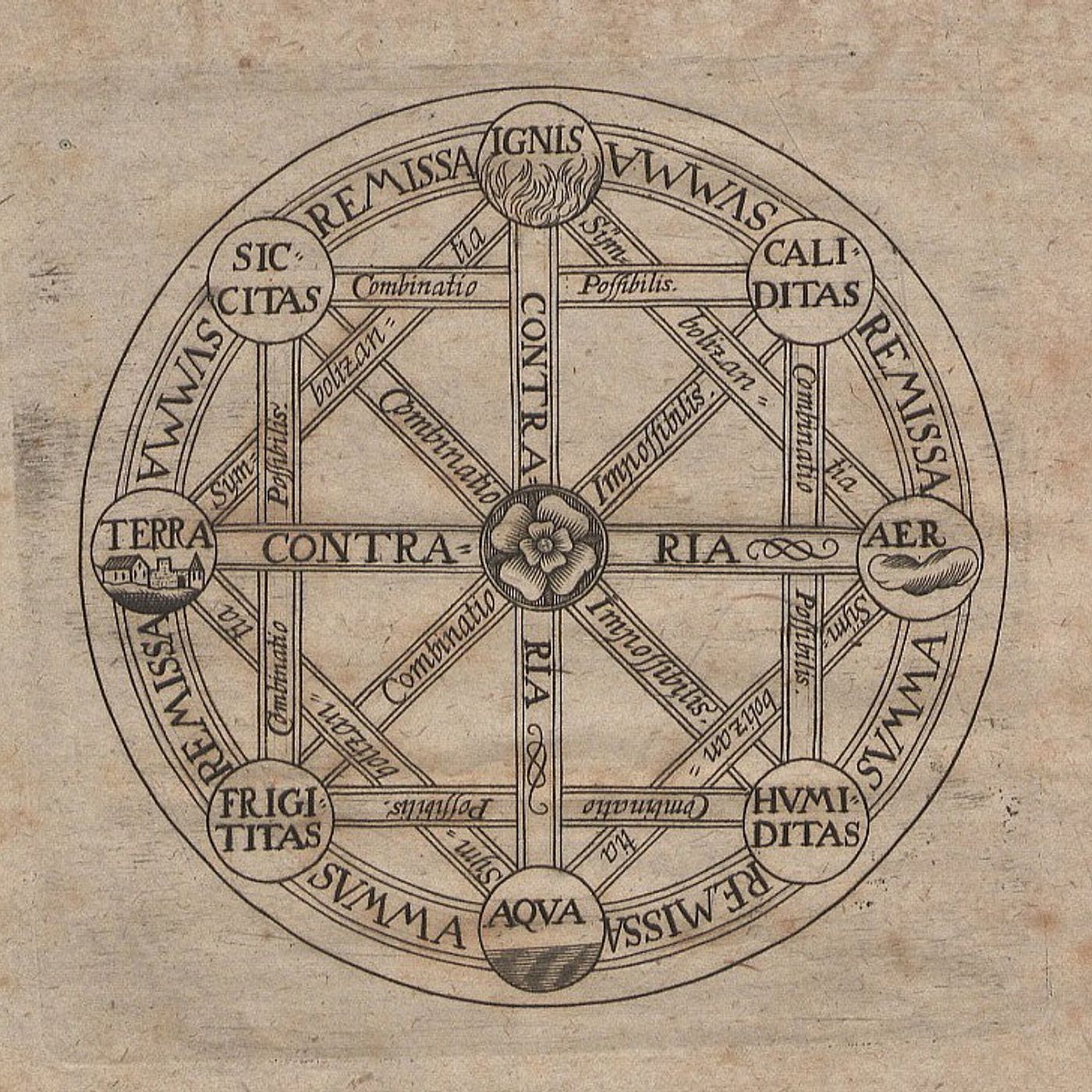
In this article, Greg Twemlow introduces the concept of cognitive capital, which represents a company's ongoing ability to apply human reasoning and accountability to complex problems. He argues that as businesses adopt artificial intelligence, boards of directors must look beyond simple operational efficiency and monitor how automation might be eroding human expertise. To prevent cognitive atrophy and a loss of professional development for junior staff, Twemlow suggests that every AI-driven proposal should explicitly state how it will protect or enhance the organisation's internal judgement. He proposes a practical tool called the Context & Critique Cover, a structured framework that requires authors...
The Cover That Revealed the Answer
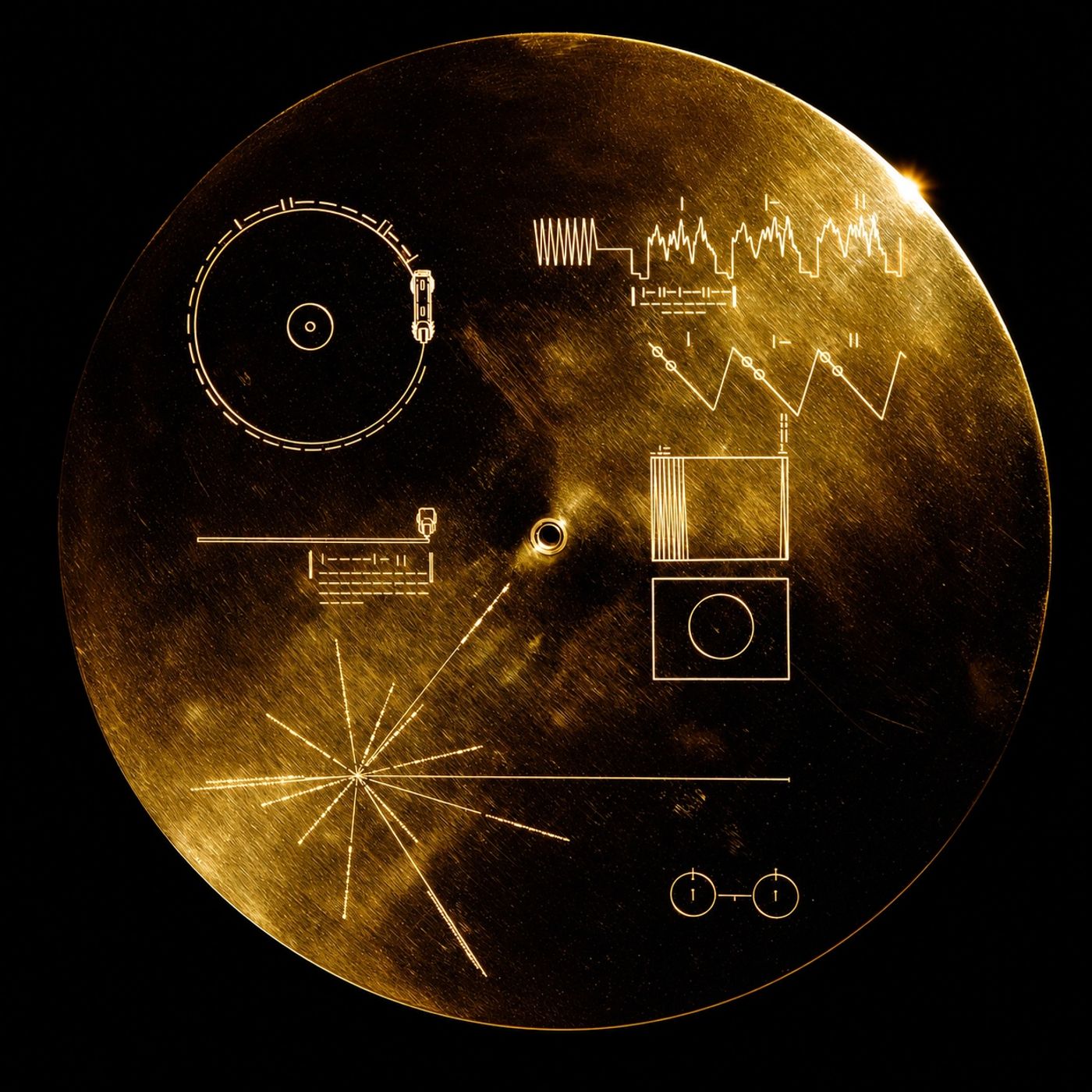
This article by Greg Twemlow explores how the Voyager Golden Record cover provides a vital lesson for maintaining human judgement in the era of artificial intelligence. The author argues that just as the Voyager cover taught unknown recipients how to decode and trust its message, modern AI-generated work must include a transparent method of interpretation. To address this, Twemlow introduces the Context & Critique Cover™, a protocol designed to ensure that AI outputs are not merely persuasive but are properly interrogated and anchored in human accountability. Through his Formation Bridge learning system, he advocates for a disciplined approach where users must de...
Formation, Critique, and the Surprise That Changed My Thinking

Greg Twemlow explores the intersection of human development and artificial intelligence, introducing Formation as a lifelong process of refining one's judgment, responsibility, and character. He argues that while AI can offer rapid answers, its true value lies in acting as a reflective mirror that helps humans notice hidden patterns in their own thinking. To navigate this relationship safely, Twemlow advocates for the Context & Critique Rule, a disciplined protocol that prevents users from blindly accepting machine-generated outputs. By intentionally defining situational stakes and rigorously interrogating AI responses, individuals can avoid the trap of cognitive shortcuts. Ultimately, the source suggests that technology...
The Formation Bridge - Building Judgement in the AI Era

Greg Twemlow argues that artificial intelligence is currently dismantling the traditional apprenticeship layer where young people historically developed professional judgement. By automating entry-level tasks like research and drafting, technology has removed the essential friction and supervised practice required to transition from education to professional capability. To address this gap, the author proposes the "Formation Bridge," a structured framework that uses AI as a supportive scaffold rather than a shortcut. This model employs specific agentic layers to help students identify core problems, weigh evidence, and navigate ethical consequences of their work. Ultimately, Twemlow asserts that schools and businesses must collaborate to...
Can Schools Teach Formation?

In this article, Greg Twemlow introduces the concept of Formation, defined as a lifelong journey where individuals cultivate judgement, ownership, contribution, and navigation. He argues that contemporary schools often prioritise curriculum completion and grading over the genuine human development required to thrive in an era of artificial intelligence. To address this, the author suggests that educators should move beyond simple information transfer by designing lessons that require students to engage with uncertainty and personal responsibility. By using a shared vocabulary rather than rigid rubrics, teachers can help students connect their academic work to their evolving character and agency. Ultimately, Twemlow...
Why Formation is the Most Important Word of the AI Age

Greg Twemlow argues that Formation is the most critical concept for navigating a world shaped by artificial intelligence. He defines this as the lifelong development of wisdom, responsibility, and judgement, a process distinct from mere technical training. While society often prioritises functional efficiency, Twemlow warns that AI-driven automation threatens the traditional pathways, like entry-level jobs, where human character and practical discernment are built. He asserts that institutions—including schools and workplaces—must be held accountable for how they contribute to this developmental growth rather than just delivering outputs. Ultimately, the text highlights that while AI provides rapid answers, we must pres...
The Climb You Have to Make to Conquer AI

In this article, Greg Twemlow introduces a methodology for effectively using artificial intelligence without sacrificing individual critical thinking. He proposes the Context & Critique Rule, a discipline where users must define their specific intent before engaging with AI and rigorously interrogate the results afterwards. Twemlow argues that while technology offers effortless answers, true understanding requires the human effort of "climbing" to a conclusion rather than being placed there by a machine. He uses the geometric metaphor of a circle to illustrate how personal discipline bends a machine's straight, average output into a finished, authored shape. To demonstrate his commitment, he shares...
The Geometry of Human Sovereignty

Greg Twemlow explores the necessity of maintaining human cognitive sovereignty amidst the rapid advancement of artificial intelligence. He introduces the Context & Critique Rule™, a cognitive discipline designed to prevent "algorithmic drift" by forcing individuals to intentionally slow down and interrogate automated outputs. Using a geometric metaphor, Twemlow argues that humans must provide the intent and moral boundaries necessary to transform a machine's linear processing into a meaningful, sovereign resolution. He warns that as AI absorbs entry-level professional roles, the economic and social value of a person will depend entirely on their capacity for independent discernment and accountability. Ultimately, the text se...
Reclaiming Accountability in the Machine Age

In this article, Greg Twemlow explores the intersection of human accountability and modern technology by drawing parallels with the management philosophy of legendary engineer Clarence “Kelly” Johnson. Twemlow argues that while Johnson's "Skunk Works" model prioritised speed through lean organisation, the modern era has mistakenly adopted rapid output at the expense of personal responsibility. To combat the risk of mindless automation, the author introduces the Context & Critique Rule™, a cognitive protocol designed to reinsert human judgment into the AI-driven workflow. He posits that individuals must act as "Discerners" who critically evaluate machine-generated results rather than accepting them at face value. Ultima...
The Language of Creative Impact
Author Greg Twemlow examines the intersection of human creativity and artificial intelligence by analysing director Martin Scorsese’s use of a generative tool called Flux. While the software helps solve the transmission problem of moving a director's internal vision onto a screen quickly, Twemlow argues that the machine only provides raw creative clay. To ensure quality and collaborative depth, he introduces the Language of Impact, a framework built on the dual pillars of context and critique. This method transforms the lead creator into a sort of archaeologist who guides a team of experts to uncover and refine a shared vision. Ul...
The Freedom Not to Stop Thinking

This text explores how the philosophical insights of Albert Camus can be applied to the modern challenge of artificial intelligence. The author argues that the primary danger of AI is not its potential for error, but its convenience, which encourages humans to abandon their own critical judgment. By drawing on Camus’s work regarding human dignity and the tendency of systems to reduce people to mere abstractions, the source introduces a practical discipline called the Context & Critique Rule. This framework requires users to investigate the origins of machine-generated answers and interrogate their assumptions before accepting them. Ultimately, the sources suggest th...
Institutions Have Abandoned Our Young People

In this article, Greg Twemlow argues that modern institutions have failed to provide a reliable developmental path for the upcoming generation. He suggests that artificial intelligence is eroding the traditional apprenticeship layer, threatening the process by which young people acquire human judgment and professional competence. To counter this, he introduces the Context & Critique Rule™, a framework designed to maintain human agency and accountability when using technology. This method encourages individuals to become their own "personal institutions" by applying deliberate friction to AI-generated outputs. Ultimately, the text serves as a call for students to move beyond passive consumption and embrace the ro...
The Great Synchrony Deception - Why AI Pilots Fail

Greg Twemlow argues that the overwhelming failure rate of AI pilots stems from a deep-seated reliance on "synchronous" work models established over the last 250 years. He suggests that most executives mistakenly use technology to merely speed up traditional human relays and meetings rather than fundamentally redesigning their firms. This "Great Synchrony Deception" blinds leaders to the potential of asynchronous operations, where machines handle coordination while humans focus on defining problems and owning consequences. Twemlow warns that simply hollowing out middle-management layers to gain efficiency risks destroying the very apprenticeships required to develop future judgment. Ultimately, he advocates for an agentic...
Are You In the Knowledge-Worker Compression Zone?

In his article, Greg Twemlow argues that generative AI is fundamentally hollowing out the middle layers of professional work, creating a structural crisis for white-collar careers. He introduces the Knowledge-Work Abstraction Stack to illustrate how automation is absorbing routine production and verification, which previously served as the vital training ground for junior employees. This shift leads to occupational downgrading, where displaced workers are forced into lower-skilled roles, causing hidden financial and psychological strain on households. Twemlow advocates for a Discernment Ascent, urging professionals to secure their value by focusing on the "human bookends" of defining complex problems and bearing moral...
Buckled in on the Trajectory to a Shattering, Systemic Disruption

In this evocative essay, Greg Twemlow warns that modern civilisation is repeating the fatal errors of ancient empires by mistaking technical mastery for immunity from nature. He argues that our obsession with digital infrastructure and hyper-accelerated networks has created a dangerous detachment from the biological systems that actually sustain life. By comparing ancient obsidian tools to modern silicon chips, the author illustrates a persistent human arrogance that prioritises economic momentum over ecological health. Twemlow suggests that we have engineered a crisis of accountability where global supply chains hide the environmental destruction caused by our consumption. To prevent a systemic collapse...
