Psychofarm Podcast

PsychoFarm Podcast is a deep dive into the intersection of psychiatry, psychopharmacology, and the evolving understanding of mental health. Hosted by psychiatrists Dr. Greg Malzberg and Dr. Fu, each episode breaks down the clinical insights and philosophical debates behind diagnosing mood and personality disorders, choosing medications (including our psychiatric medication tier lists), TMS, and the challenges of psychiatric training. Thoughtful analysis, expert opinions, and practical advice for clinicians and curious listeners. psychofarm.substack.com
Is Autism Overdiagnosed? How Psychiatrists Assess Adults

Is autism overdiagnosed? In Part 2 of our autism series, two adult psychiatrists ask why U.S. autism prevalence went from about 1 in 150 to about 1 in 31, what should count as a mental disorder, and how to evaluate an adult who arrives asking whether they have autism.
What we cover
* Why autism diagnoses have climbed, from about 1 in 150 children around 2000 to about 1 in 31 in 2022, and whether better recognition or a shift toward naming ordinary traits as disorders explains most of the rise.
* What DSM-5 changed: Asperger's syndrome and childhood disintegrative disorder folded into autism spectrum...
How to Stabilize Mood without Medications: Social Rhythm Therapy Anyone Can Use with Dr. Jim Phelps

How to stabilize mood may have a lot to do with the rhythms that organize everyday life. Dr. Jim Phelps explains social rhythm therapy as a practical framework anyone can learn from, especially people with mood disorders: regular sleep and wake times, morning light, evening darkness, predictable routines, and gradual changes that actually fit real life. We discuss circadian rhythm, blue light, dawn simulators, amber glasses, weekends, night shifts, exercise, and the social rhythm metric. Although these ideas are especially important in bipolar disorder, the broader lesson is universal: the brain responds to consistent environmental cues, and small changes...
Diagnostic Hierarchy Explained: Why Patients Get 5 Diagnoses

Why do so many patients arrive with four, five or six psychiatric diagnoses? Mark Ruffalo, a psychoanalytically trained clinical social worker who teaches psychiatry residents, joins Dr. Malzberg and Dr. Fu to discuss his new paper with psychiatrist Ronald Pies in Psychiatric Services, “The Need for a Validity-Based Diagnostic Hierarchy in DSM-6.” We trace how DSM-III chose reliability over validity, why the Washington University group of Robins and Guze pushed back, and how losing the diagnostic hierarchy opened the door to false comorbidity, polypharmacy and symptom-by-symptom treatment. Mark lays out which conditions sit at the top of a validity-based hier...
The Psychology of Elizabeth Holmes in You Can See Everything: Narcissism, Autism, or Manipulation?

You Can See Everything psychological analysis returns in Part 2 as two psychiatrists revisit Elizabeth Holmes, Billy Evans, and Nathan Fielder’s documentary. We examine the scenes that divided viewers, from the Abbott and Costello joke and Holmes’s statements about Theranos to Billy’s egg-mixing, social media posts, and comments about revenge. Along the way, we discuss narcissism, psychopathy, autistic traits, and the difference between personality traits and psychiatric disorders. We also explore why people repeat familiar relationship dynamics and how a film can become a mirror for the audience’s own assumptions. This is a discussion of psychological ideas, n...
You Can See Everything Psychological Analysis by Clinical & Forensic Psychiatrists

You Can See Everything is one of the strangest films about Elizabeth Holmes yet, and in this episode two psychiatrists try to make sense of it. We explore what Nathan Fielder’s interviews bring out in Holmes and Billy Evans, from unusual facial expressions and her distinctive voice to the couple’s intense descriptions of love. Using psychoanalytic concepts such as narcissism, splitting, borderline personality organization, identity diffusion, and the “as-if personality,” we examine how people construct a sense of self and why someone might defend a version of reality that others find impossible to believe. We also ask what doc...
Antipsychotic Tier List: Ranking the Best and Worst Anti-psychotics
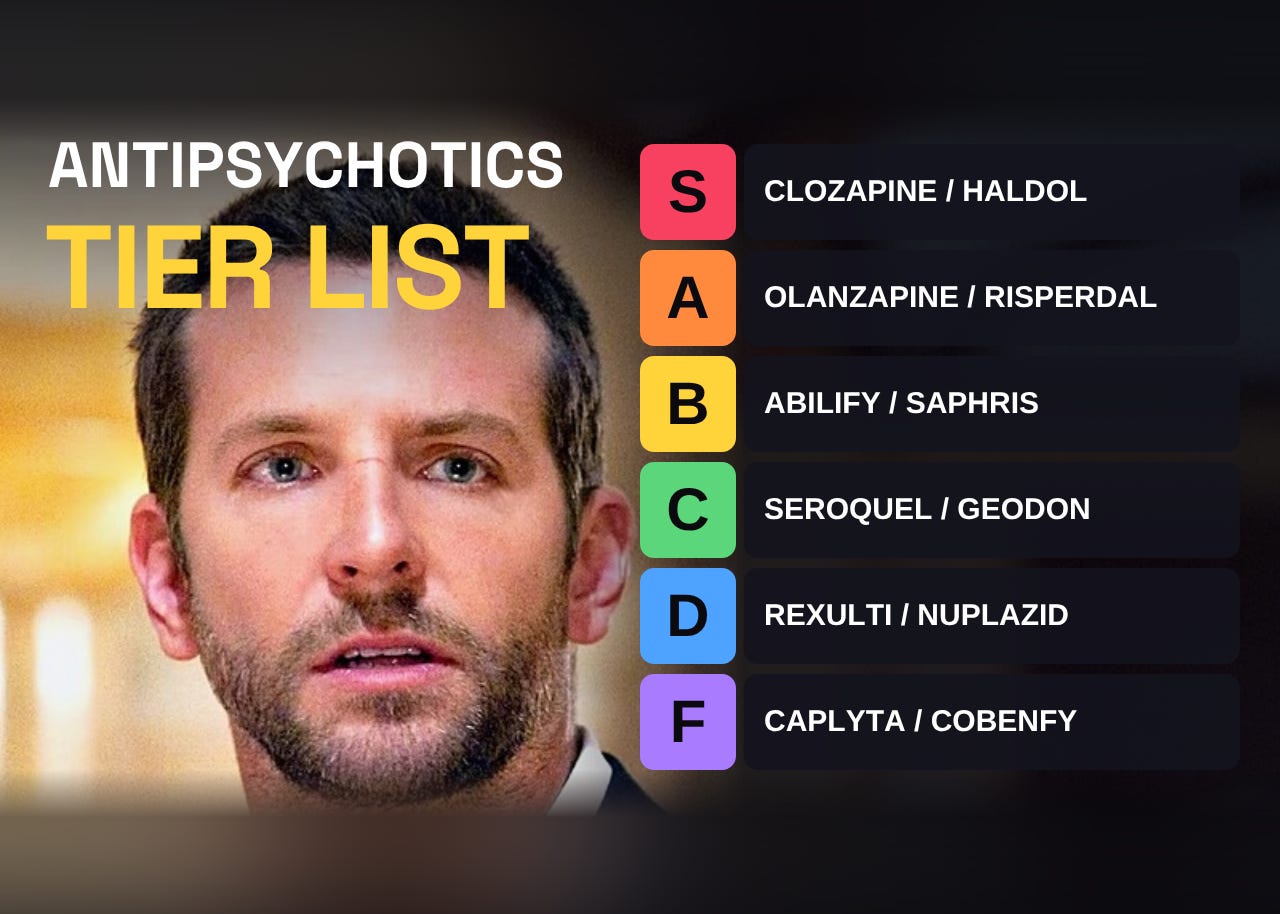
Antipsychotic medications are not interchangeable, and the tradeoffs between efficacy, metabolic burden, movement side effects, sedation, and adherence can be huge. In this episode, we build an antipsychotic tier list and rank medications including clozapine, olanzapine, haloperidol, risperidone, lurasidone, quetiapine, aripiprazole, and more. Along the way, we connect receptor pharmacology to practical clinical pearls, including food requirements, smoking effects, prolactin, akathisia, EPS, weight gain, long-acting injectables, and clozapine monitoring. We also discuss how medication choice shifts across schizophrenia, bipolar disorder, bipolar depression, and mood symptoms.
What we cover
* The ranking method: efficacy in schizophrenia and...
Trauma and PTSD: How the DSM Criteria Actually Help Us Understand What’s Going On
PTSD diagnosis is more complicated than identifying a trauma history. In this episode, we break down what qualifies as Criterion A trauma, the major PTSD symptom clusters, and how intrusion, avoidance, negative beliefs, hyperarousal, and dissociation can show up in practice. We also discuss acute stress disorder, fragmented traumatic memory, and why PTSD can be mistaken for depression, anxiety, mania, concentration problems, or psychosis. Along the way, we focus on careful trauma assessment: establishing a timeline, considering alternative diagnoses, monitoring the patient’s level of distress, and gathering what you need without turning a diagnostic interview into trauma therapy.
...What Patients Should Know When Diagnosed With Depression
What should patients know when they are diagnosed with depression? In this episode, psychiatrists Dr. Malzberg and Dr. Fu cover what they wish every patient knew from the start. They explain why a depression diagnosis is a useful shorthand rather than a fixed identity, how biological, psychological, and social factors feed into each other, and how medication, therapy, and lifestyle changes work together. You will hear practical first steps like behavioral activation, a steady wake time, morning sunlight, and cutting back on alcohol and cannabis, plus what to do if treatment stalls and how to decide who to tell...
Autism Diagnosis Explained: DSM-5 Criteria, Autistic Traits & the Difficult Differential
Autism diagnosis is more complicated than recognizing a handful of autistic traits. In this episode, Dr. Fu and Dr. Malzberg unpack the DSM-5-TR criteria for autism spectrum disorder, including social communication differences, restricted and repetitive behaviors, developmental onset, impairment, and Levels 1–3. They then tackle one of the hardest parts of adult autism assessment: differential diagnosis, including overlap with ADHD, schizophrenia, and personality disorders. The conversation also explores theory of mind, masking, the double empathy problem, weak central coherence, and the empathizing-systemizing framework. The goal is a more clinically useful way to think about what distinguishes autistic traits from au...
How to Diagnose Bipolar Disorder with Dr. Phelps: Hypomania, Mixed States & the Clues DSM Misses
Diagnosing bipolar disorder is rarely as simple as finding a clear episode of hypomania. Dr. Phelps explains why bipolarity is better understood across a mood spectrum and walks through the clues that can help distinguish bipolar depression from unipolar depression: age of onset, family history, course of illness, treatment response, cyclicity, and collateral history. We also dig into mixed states, the “four A’s” of anxiety, anger, agitation, and attention problems, antidepressant activation, the HCL-32, and the Bipolarity Index. The larger theme is diagnostic humility: uncertainty is often appropriate, and treatment decisions should reflect both the strength of the eviden...
Lindsay Clancy Case: Biggest Misconceptions After the Mistrial Explained by a Forensic Psychiatrist
Lindsay Clancy’s insanity defense is the focus of this forensic psychiatry follow-up after the mistrial. We revisit the case through the lens of legal insanity, postpartum psychosis, malingering, criminal responsibility, and the difference between a legal conclusion and a moral judgment. We also discuss why psychosis cannot be reduced to a single reported voice, how forensic psychiatrists think about exaggeration versus malingering, questions around expert testimony and diagnosis, and the relationship between psychosis and violence. Finally, we look at medication nonadherence, culpability, how uncommon the insanity defense may be, and what questions arise when someone is found not gu...
Lindsay Clancy Trial: A Forensic Psychiatrist Explains Psychosis, Malingering, & the Insanity Defense

Lindsay Clancy postpartum psychosis and the insanity defense are examined through a forensic psychiatry lens in this episode. We discuss how psychiatrists distinguish psychosis from malingering, whether someone can be psychotic while still appearing organized, command hallucinations, delusions, altruistic filicide, and what criminal responsibility actually asks. We also look at Dr. Philip Resnick’s testimony, Clancy’s psychiatric treatment, fragmented care, collateral information, and the limits of ruling out bipolar disorder after a brief evaluation. Finally, we explore why the case has produced such intense public reactions and why psychiatry often requires tolerating uncertainty rather than forcing complex patients or c...
Affective Neuroscience: Understanding Patients Beyond DSM Diagnoses
Affective neuroscience in psychiatry may offer a better way to understand patients who do not fit neatly into DSM categories. Dr. White joins us to explain Jaak Panksepp’s seven primary emotional systems, the difference between affect and emotion, and how subcortical emotional arousal interacts with cortical regulation. We discuss anger, borderline personality disorder, cognitive decline, mindfulness, ACT, emotional blunting with SSRIs, and why some cases labeled treatment-resistant depression may need a better formulation rather than another medication. We also get into the neuroscience behind the model… from decortication and brain-stimulation studies to TMS… and ask what psychiatry loses when d...
The Psychology of Seinfeld: What’s Really Wrong With George, Kramer, Jerry & Elaine?

We put the Seinfeld cast on the proverbial couch, not to slap diagnoses on fictional characters, but to show why personality formulation can tell us far more than a psychiatric label.
Is George a vulnerable narcissist, borderline, or something more complicated? Does Jerry’s obsession with cleanliness and order actually resemble OCD or an obsessive-compulsive personality style? Could Kramer meet criteria for antisocial personality disorder despite being charming, affectionate, and largely nonviolent? And is Elaine secretly the healthiest person in the group?
Along the way, we explore flanderization, narcissism, borderline personality organization, obsessive-compulsive personality traits, ps...
Sleep Medications Treatment Tier List: Best Insomnia Medications Ranked
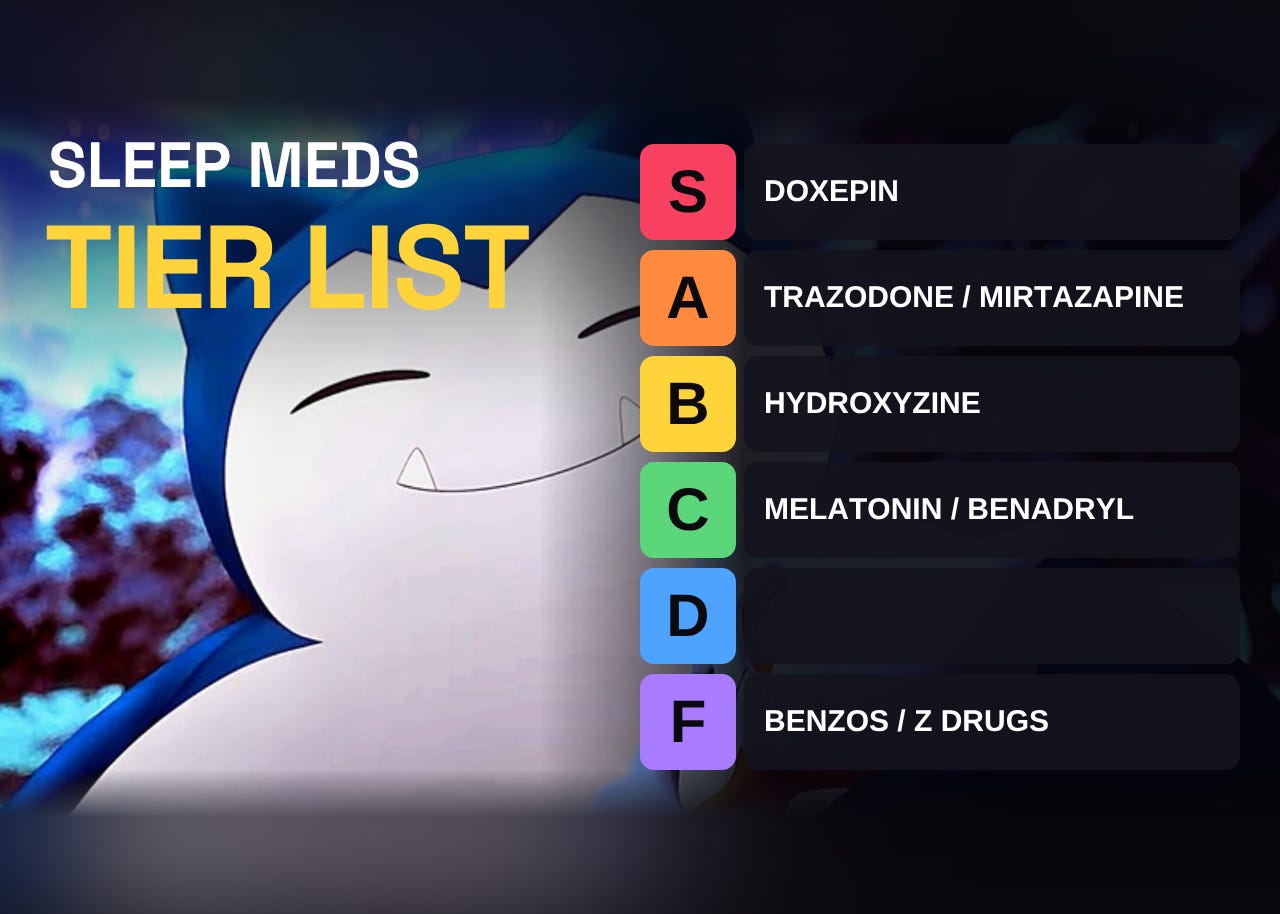
In this episode, the hosts rank the behavioral and medication strategies they use for sleep problems in psychiatric practice, starting with strict wake times, CBT-I, sleep hygiene, exercise, and treating the underlying disorder. They compare doxepin, trazodone, mirtazapine, hydroxyzine, melatonin, gabapentin, benzodiazepines, Z-drugs, antipsychotics, and other options, with attention to sleep onset, sleep maintenance, side effects, dependence, sleep architecture, and comorbid conditions. The conversation also covers caffeine and stimulant timing, alcohol and cannabis, primary sleep disorders, and why diagnosis should guide insomnia treatment before medication choice.
What we cover
* The framing for the tier list...
Mood Stabilizers for Bipolar Disorder: Lithium, Lamotrigine, Depakote & More
Mood stabilizers for bipolar disorder can be confusing because lithium, lamotrigine, Depakote, carbamazepine, and oxcarbazepine have very different strengths, risks, and clinical roles. In this episode, two psychiatrists break down how they think about maintenance treatment, lithium dosing and monitoring, common side effects, lab levels, toxicity counseling, and medication interactions. They also compare Depakote for mania, lamotrigine for bipolar depression, carbamazepine’s interaction burden, and the potential role of oxcarbazepine. Along the way, they discuss combination treatment, diagnostic uncertainty, pregnancy and fertility considerations, rash counseling, and why effective bipolar care requires focusing on long-term episode prevention rather than the sy...
Dr. Jim Phelps’ Bipolar Treatment Tier List: Lessons from 30+ Years in Psychiatry
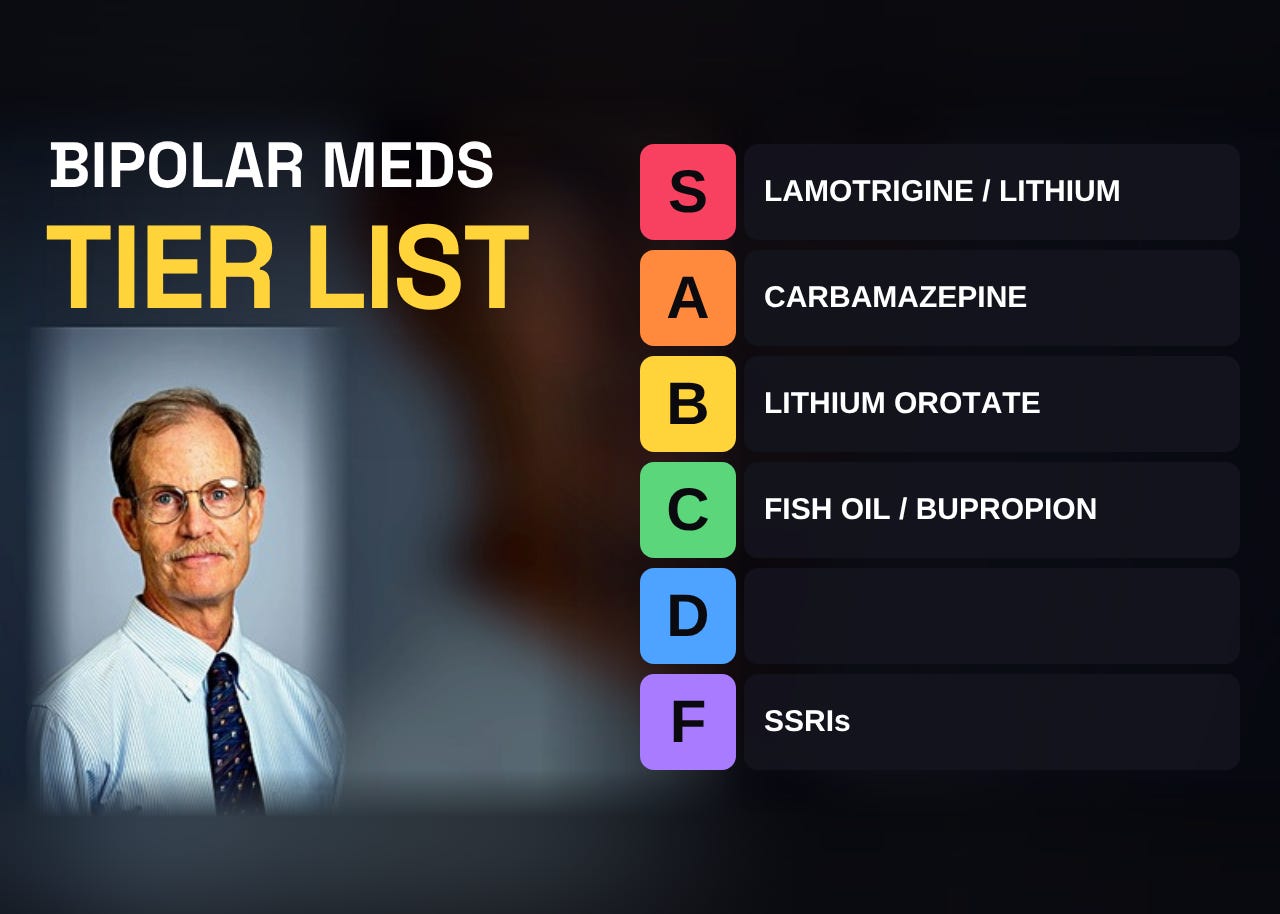
Bipolar disorder treatment is put to the test in this clinically grounded tier list with psychiatrist Jim Phelps. He and Dr. Malzberg rank low-dose lithium, lamotrigine, social rhythm therapy, dark therapy, dawn simulators, antidepressants, carbamazepine, supplements, ketogenic diet, mood tracking, and group psychoeducation. Along the way, they discuss why sleep and circadian rhythm belong in the mood stabilizer conversation, how antidepressants may worsen cycling or mixed states, and why the long-term goal is not simply treating the mood of the day. The episode also explores practical adherence, bipolar comorbidity, passive sleep tracking, and underused nonmedication approaches.
Dr...
Anxiety Medications Tier List: The Best and Worst Treatments for GAD
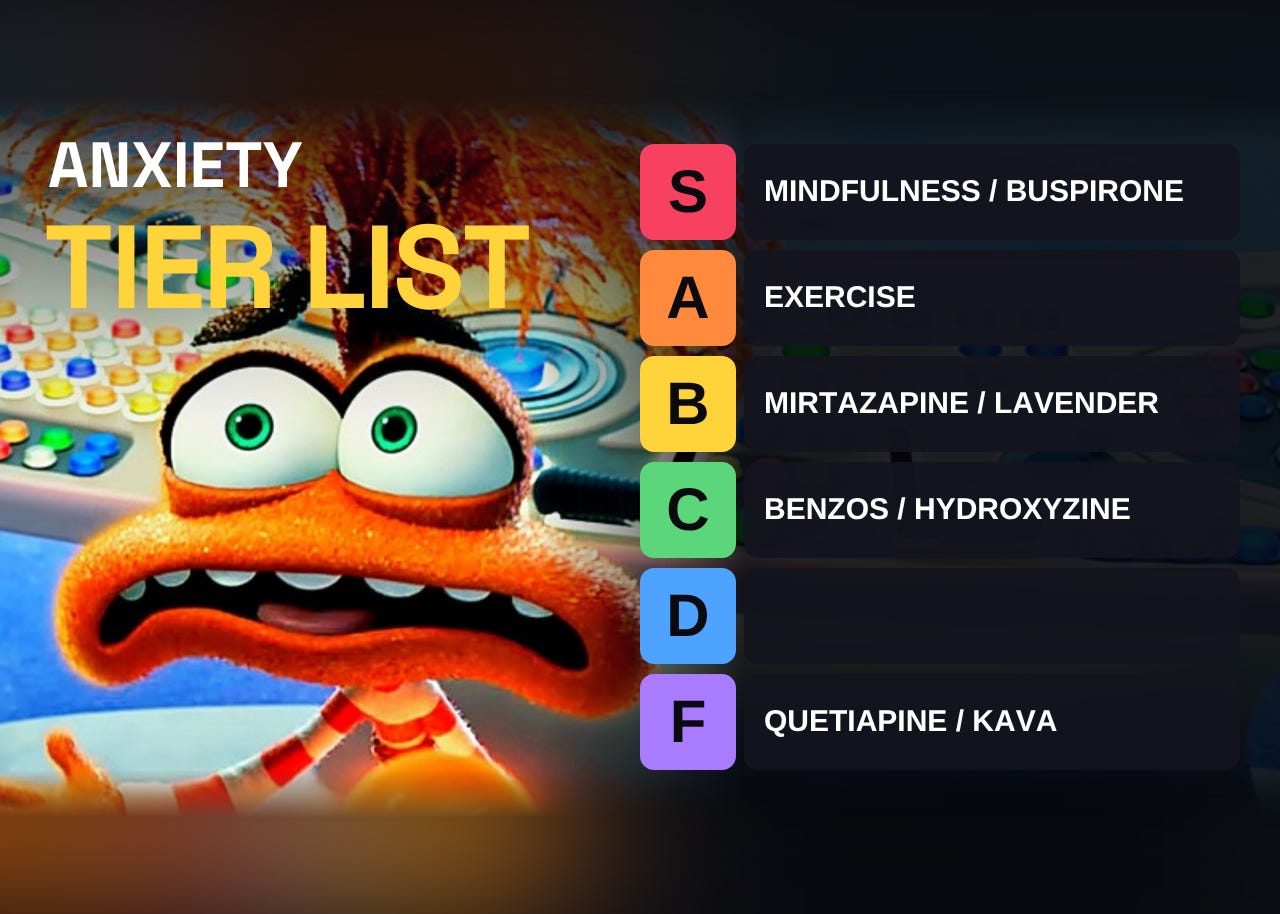
Anxiety medications tier list: two psychiatrists rank the treatments they actually use for generalized anxiety disorder… and the ones they avoid. The discussion covers first-line SSRIs, why buspirone may be underrated, when benzodiazepines can help or harm, and how to think about mirtazapine, hydroxyzine, propranolol, gabapentin, pregabalin, quetiapine, and bupropion. Just as important, the episode argues that “anxiety” is not a diagnosis: re-diagnosis, mindfulness, CBT and ACT principles, exercise, reducing caffeine or stimulants, and understanding avoidance may matter more than adding another prescription. The result is a practical, opinionated guide to anxiety treatment that combines evidence, clinical experience, side effect...
Psychodynamic Technique and Therapeutic Intervention: Mirroring, Clarification, Confrontation, Interpretation

Psychodynamic therapy interventions are the focus of this episode, organized through a practical levels framework for clinicians. Dr. Fu and Dr. Greg break down empathic mirroring as a way to keep the patient’s narrative moving, clarification as a tool for deepening detail, confrontation as a gentle way to point out patterns or discrepancies, and interpretation as the rare intervention that should come only after enough groundwork. Along the way, they connect these skills to diagnostic interviewing, medication management, forensic psychiatry, therapeutic alliance, and the difference between helping a patient talk more and pushing too quickly toward insight.
...
ECT Treatment: When to Refer, Who It Helps, and What Actually Happens with Dr. MaryEllen Eller

Unfortunately no Dr. Fu today, but Dr. Malzberg speaks with the wonderful psychiatrist Dr. Mary Ellen Eller, who walks through what modern electroconvulsive therapy actually looks like and when clinicians should consider it. The episode covers ECT history, stigma, seizure monitoring, memory concerns, side effects, and the real-world logistics patients face during a treatment course. It also explores where ECT fits in the algorithm for severe depression, depression with psychosis, catatonia, bipolar mania. The result is a grounded, clinician-friendly guide to a misunderstood treatment.
This is a public episode. If you would like to discuss this...
Suicide Risk Assessment: Acute vs Chronic Risk, Formulation, and Suicidal Ideation Types

Suicide risk assessment is often taught like a checklist, but this episode argues that the real work is formulation. We talk about why history is only the starting point, how acute and chronic risk differ, and why suicidal ideation can mean very different things depending on context. We cover stress-related suicidality, intoxication, baseline recurrent thoughts, mood and psychotic disorders, OCD intrusive thoughts, hospitalization decisions, red flags, countertransference, and documentation. The result is a practical psychiatry conversation for clinicians and trainees who want to think more clearly about suicide risk without pretending they can predict the future.
What...
Antidepressant Tier List: Psychiatrists Rank Depression Medications for MDD
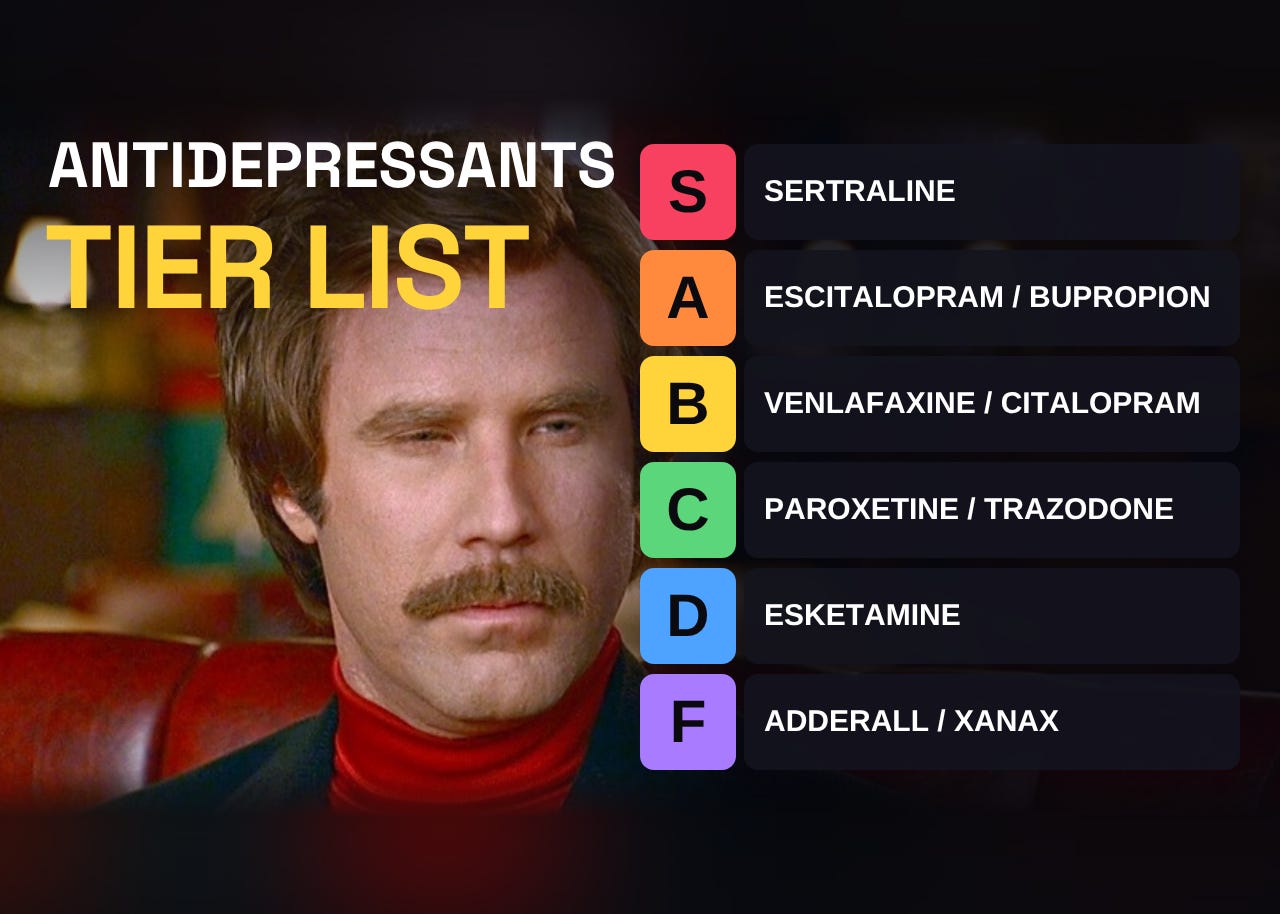
Psychiatrists rank antidepressants for major depressive disorder, including SSRIs like sertraline, escitalopram, fluoxetine, and paroxetine; SNRIs like venlafaxine and duloxetine; and atypical options like bupropion and mirtazapine. They also cover lithium, low-dose aripiprazole, trazodone, esketamine, stimulants, benzodiazepines, TCAs, and MAOIs, with emphasis on diagnosis, side effects, withdrawal, weight gain, sexual dysfunction, anxiety, insomnia, and why “which antidepressant is best” depends on the patient.
What we cover
* How the hosts set the rules for a tier list of antidepressants for major depressive disorder: one ranks by tolerability (especially avoiding weight gain) and then efficacy, the other goes...
Mindfulness in Psychiatry: How to Teach It as a Clinical Treatment Skill

Mindfulness in psychiatry is the focus of this episode, with Doctors Malzberg and Fu treating it as a practical clinical skill rather than vague wellness advice. They define mindfulness as deliberate attention to the present moment without judgment, then connect it to DBT, MBCT, ACT, anxiety, depression, PTSD, substance use, and trauma-informed care. The conversation also covers when mindfulness should be modified, why it is not always a standalone treatment, and how clinicians can teach it through short, scheduled practice, DBT “what skills,” grounding techniques, and careful follow-up.
What we cover
* Why mindfulness can be trea...
Psychiatric Technique for Diagnostic Interviewing and Therapy: 6 Mantras Every Clinician Should Know

Psychotherapeutic techniques are the subject of this episode, as the conversation lays out six memorable therapy mantras for better diagnosis, formulation, and treatment. Rather than focusing on abstract theory, the discussion shows how clinicians can stay close to patient material, clarify vague symptom language, notice countertransference, rewind key moments, and make links that improve both psychotherapy and medication management. It’s a practical lesson in interviewing: ask simpler questions, tolerate not knowing too quickly, observe contradictions, and avoid getting lost in content when the process is where the diagnostic data actually lives.
What we cover
* Wh...
Psychodynamic Technique and Therapeutic Intervention: Containment
Psychodynamic technique is the throughline of this episode, which argues that the core skills of therapy belong at the center of psychiatry, not at the margins. The conversation maps five levels of intervention, from level zero through interpretation, while stressing that the most important work usually happens earlier: frame, alliance, follow the affect, and technical containment. Rather than glamorizing clever interpretations, the episode shows why reflective listening, emotionally accurate language, and careful therapeutic interventions help patients think, regulate, and elaborate on their experience. It’s a practical discussion for clinicians who want to improve interviewing, formulation, and treatment across ev...
Tips to Avoid Burnout in Psychiatry (Outpatient, mostly)
In this episode, Dr. Fu and Dr. Malzberg share practical systems for time protection: start on time, end on time, finish documentation inside the visit, and use tools like AI scribes and quiet typing gear. They also lay out clear messaging rules so emails, texts, and forms do not become off-the-clock clinical care, plus the value of emergency slots. The deeper work is emotional: process the job with mentors or supervision, know your limits, and build a real life outside medicine so you can stay effective for the long game.
What we cover
* Why outpatient...
CPTSD vs BPD: How to Think About the Difference and What to Do About It
In this episode, Dr. Malzberg and Dr. Fu tackle one of psychiatry’s hottest diagnostic debates: complex PTSD versus borderline personality disorder. They walk through the DSM-5 and ICD-11 definitional differences, the historical roots of the C-PTSD concept in Judith Herman’s work, and the real clinical distinctions clinicians can use to differentiate the two. More than a theoretical argument, the conversation zeroes in on how to communicate these diagnoses to patients, why BPD stigma drives some of the debate, and what therapies fit each presentation… from DBT and mentalization-based therapy to EMDR and trauma-focused approaches.
What we cov...
Detecting Subtle Signs of Psychosis: Assessment of Voices, Delusions, and Psychosis

Subtle psychosis can be missed when you rely on checklists or slip into an interrogator stance. We break down a clinician-friendly approach to detecting psychosis early: use countertransference as a signal, mirror emotion without agreeing with delusions, and clarify the patient’s narrative without derailing it. You’ll also get an OLDCARTS-style framework for taking a voice-hearing history (onset, location, duration, character, and more), plus practical alliance moves for paranoia. We close with how to bridge the treatment gap once you’re seeing the pattern clearly.
What we cover
* Using countertransference as a signal: noticing your o...
How to Diagnose Bipolar Disorder: The Interview Framework That Beats Screening Questions

Bipolar diagnosis is tricky without labs, so this episode lays out a practical, semi-structured interview you can use in real clinics. We start with what many clinicians skip: a medication and substance timeline, plus medical causes, before jumping into mood symptoms. Then we map major depressive episodes, screen for hypomania with narrative follow-ups, and compare behavior to baseline instead of trusting yes/no answers. Along the way we cover classic pitfalls and mimics, including PTSD insomnia, borderline traits, psychosis-related agitation, and ADHD mislabeling. Finally, we talk about when tools like the MDQ or Rapid Mood Screener help, and why...
What Makes a Belief a Delusion? Delusions, Thought Disorder, the TALD Scale
How do you actually evaluate a “delusion” in the room, especially when the belief could be plausible, culturally reinforced, or tied to mood or substances? In this episode, we break down a practical approach to psychosis language, why “fixed false belief” is often insufficient, and the interview questions that help clarify origin, certainty, flexibility, and function. We also use the TALD framework to expand beyond the usual linear vs circumstantial vs tangential model of thought disorder, then apply everything to a case vignette where a single supplement becomes the explanation for an entire life collapse. Educational and clinically focused.
What is Psychosis? Look at the DSM, Common Mimics, and a Framework for the Differential

What does “psychosis” actually mean, and how do clinicians recognize it in practice? In this episode, we define psychosis as a syndrome (not a single diagnosis) and walk through the core symptom domains: delusions, hallucinations, disorganized thinking/speech, disorganized behavior, and negative symptoms. We focus on the differential diagnosis, including how to distinguish schizophrenia-spectrum and schizoaffective disorders from mood disorders with psychotic features, trauma-related phenomena, borderline personality disorder, neurodevelopmental presentations (including autism spectrum traits), and substance-induced psychosis. We share red flags that can be easy to miss, like new-onset suspiciousness, functional decline, social withdrawal, and subtle thought disorganization, and we e...
Top 10 Things to Know About Clozapine
In this episode, we outline the top 10 things clinicians need to know before prescribing clozapine. Aimed at psychiatrists and trainees, we cover when to use Clozaril. for treatment-resistant schizophrenia and highlight unique benefits like reducing suicidal behavior and aggression. We also discuss why this gold-standard treatment remains underused and review the monitoring protocols. Crucial safety considerations are addressed, including how to watch for neutropenia and constipation. Tune in for practical tips on clozapine titration, side effect management, and best practices to ensure safe and effective use of this life-changing medication.
This is a public episode. If...
Disability Claims 101 for Psychiatrists: Programs, Pitfalls, and Practical Steps
Today we tackle a nerve-wracking topic for many clinicians: psychiatric disability assessments and paperwork. We break down everything from FMLA leave and short-term disability to Social Security benefits, explaining how to evaluate mental health impairments and fill out disability forms ethically. They discuss how to handle patient requests for time off work, balance treatment with recovery, and even touch on ADA accommodations like emotional support animals. Without the jargon, they share tips to avoid pitfalls and personal biases, helping you feel more confident in this tricky area. It’s a practical guide to navigating the gray areas of disability cl...
How to Decide When ADHD Is Actually ADHD

Many adults who struggle with concentration, disorganization, or procrastination wonder if they have ADHD. But when is it ADHD, and how can you suss this out? In this episode, two psychiatrists explore a nuanced case of possible ADHD to demonstrate why diagnosis isn’t always straightforward. They discuss how personal history, childhood environment, mood swings, and even personality traits can all cloud the clinical picture. Listeners will learn how a comprehensive evaluation is done, what other conditions can mimic ADHD, and which practical strategies (like structured routines or therapy) can help improve focus. We emphasize careful assessment and a ho...
Why the Therapeutic Alliance Matters in Psychiatry: Recognizing and Repairing Ruptures with Dr. Catherine Eubanks
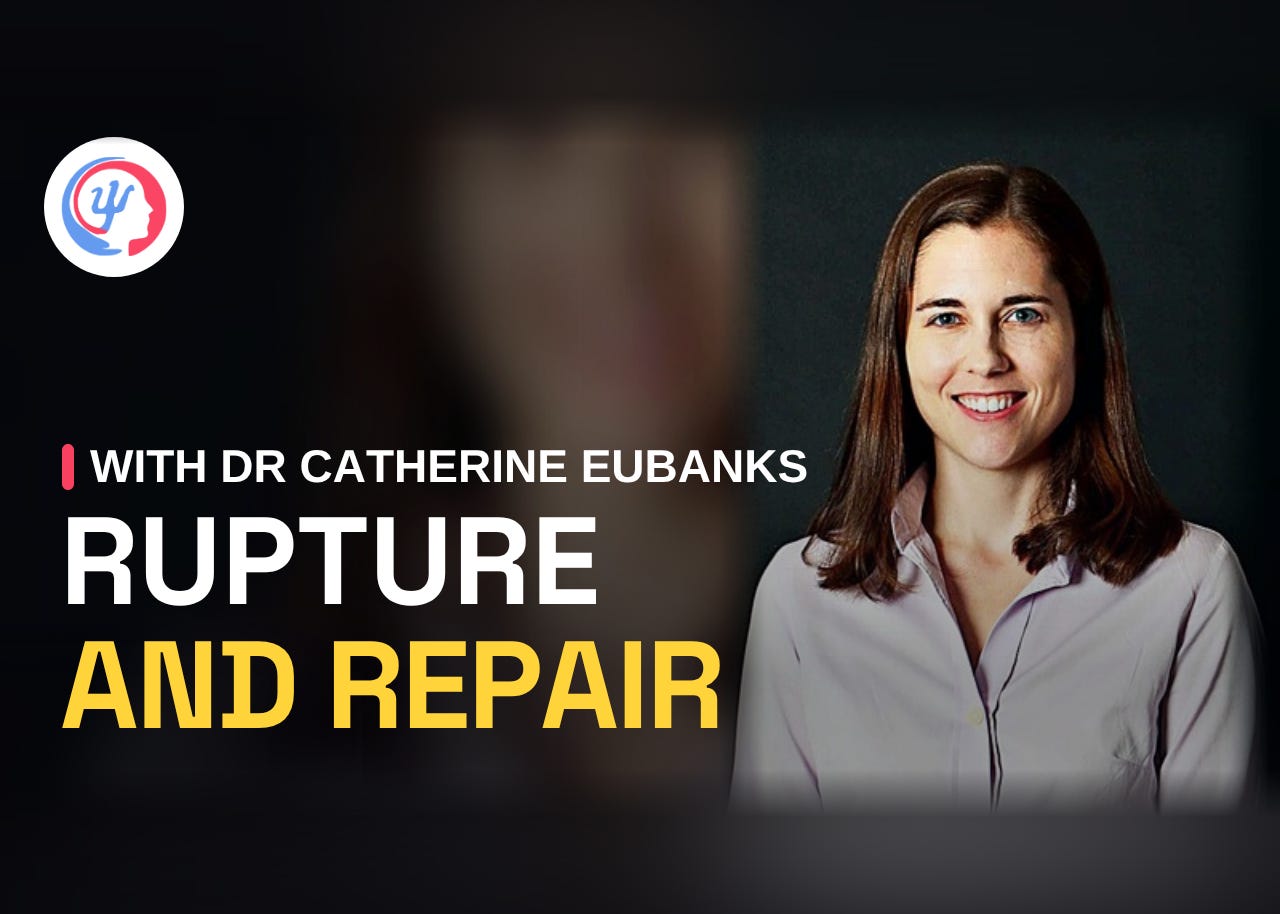
Dr. Catherine Eubanks, PhD joins us to unpack the therapeutic alliance in everyday practice: how to spot withdrawal and confrontation ruptures, why Bordin’s goals–tasks–bond still predicts outcomes, and how metacommunication jump starts repair. We translate research into concrete moves you can use in brief psychiatric visits, psychotherapy, and supervision. We discuss telehealth, boundaries, and measuring ruptures with the 3RS system. Clinicians, trainees, and curious listeners will leave with a clearer lens and usable language for repair that strengthens trust and improves care across settings.
Upcoming Workshop
Alliance Rupture Repair with Dr. J. Christ...
ADHD Is Not the Only Diagnosis: Differential and Diagnostic Hierarchy

Why does it feel like everyone thinks they have ADHD lately? In this episode, two psychiatrists discuss the differential of ADHD. They explore how social media trends (like viral TikTok videos) are fueling ADHD self-diagnosis, and they emphasize the importance of careful evaluation. You’ll learn how to think through whether it’s ADHD vs. look-alike conditions such as depression, anxiety, trauma, OCD, sleep deprivation, or even just chronic stress and burnout. The doctors also talk about the burnout mental health providers are facing with so many people seeking ADHD meds, and they share their balanced approach to diagnosing and...
Is Psychoanalysis Still Relevant in Modern Psychiatry?
Is psychoanalysis still relevant in modern psychiatry and medication management? We unpack psychodynamic therapy, DSM-5 personality disorders, object relations, ego psychology, splitting, projective identification, attachment theory, and how solid psychiatric formulation improves outcomes in even medication management.
What we cover
* The opening question of whether psychoanalysis matters in an era of medication management, and why the terms psychoanalysis, psychoanalytic psychotherapy and psychodynamic therapy are used loosely, with the hosts disagreeing on whether they differ.
* A quick tour of the schools: Freud's drive theory, Anna Freud and ego psychology, object relations (Klein and Kernberg...
Handling Difficult Situations in Psychiatry: ADHD Evaluations, Benzo Requests, Disability Claims, and Involuntary Admissions

In this episode, we dive into the complexities of the therapeutic alliance and the real challenges psychiatrists face in everyday practice. From patients insisting on ADHD diagnoses and stimulant prescriptions to those requesting Xanax, disability paperwork, or resisting involuntary admission, we role play common clinical encounters and discuss practical strategies for navigating them. Drawing on concepts like collaboration and alliance, we highlight tools for psychiatrists, therapists, and clinicians to manage difficult conversations without burning out.
What we cover
* Therapeutic alliance as purposeful collaboration (agreement on tasks and goals) plus an affect bond (mutual trust and...
How to Do a Psychiatric Intake | The Art and Science of the First Hour

In this episode we break down how to run a focused, humane, and evidence informed psychiatric intake. We start with setting the frame and role clarity, then show how to use a free narrative to map life course symptoms before moving into targeted history, DSM-5 criteria, and the mental status exam. Along the way we tackle common requests for ADHD or autism evaluations, the risks of checklist thinking, and when to pivot to structured tools. We close with communicating impressions, treatment planning, and next steps.
What we cover
* Why the intake is hard, especially when...
The Treatment Frame in Action: Lessons from ‘I Fell in Love with My Psychiatrist’
Boundaries aren’t just rules in psychiatry… they’re part of the treatment itself. In this episode, we explore therapeutic ruptures, transference and countertransference, and how clear treatment frames protect patients, clinicians, and the therapeutic process. From handling “doorknob comments” to navigating burnout, we highlight the practical ways psychiatrists and therapists can use boundaries to strengthen care and reduce resentment.
What we cover
* Addressing ruptures, boundary crossings and frame violations early, with one host's own frame for medication management: starting and ending on time, rescheduling when too much of a visit is lost, and being explicit t...
