NNI BITES, BIG LEARNINGS
Welcome to the NNI Podcast brought to you by Nestlé Nutrition Institute.NNI BITES, BIG LEARNINGS is a comprehensive podcast series that brings together esteemed experts from across the globe to explore the latest advancements in pediatric and maternal nutrition. With a practical approach, each episode offers valuable insights and actionable knowledge, empowering clinicians to effectively translate the latest scientific findings into their clinical practice. This podcast series serves as an useful resource, providing clinicians with a wealth of information to address various nutritional challenges and find innovative solutions.
Milestones in Maternal Nutrition - Combating Maternal Anemia - Episode 7
For Healthcare Professionals Only
Nestlé Nutrition Institute
Milestones in Maternal Nutrition - Long-chain Fatty Acids in Pregnancy - Episode 6
In this episode of Milestones in Maternal Nutrition, Professor Andrew Prentice interviews Professor Maria Makrides, exploring the evolving science of long-chain omega-3 fatty acids during pregnancy and their implications for maternal and infant health. Professor Makrides explains how omega-3 fatty acids, particularly DHA, support fetal brain and nervous system development during late gestation, while also influencing the timing of parturition through their effects on inflammatory pathways and prostaglandin balance. The discussion traces the scientific journey from early epidemiological observations to randomized trials and large-scale meta-analyses demonstrating that omega-3 supplementation may reduce the risk of early preterm birth, particularly among women...
Milestones in Maternal Nutrition - Protein Energy Supplements in Pregnancy - Episode 5
In this episode of Milestones in Maternal Nutrition, Professor Andrew Prentice with Professor Kathryn Dewey talks about the role of protein-energy supplementation during pregnancy and its potential to improve birth outcomes among nutritionally vulnerable populations. Professor Dewey explains how maternal undernutrition contributes to low birth weight, small-for-gestational-age birth and preterm delivery. This discussion explores the scientific evidence behind balanced energy-protein (BEP) supplementation, including historical trials, evolving WHO recommendations and the complexities surrounding optimal protein composition and maternal metabolic health. They also explored emerging approaches such as small-quantity lipid-based nutrient supplements (SQLNS), targeted nutritional strategies, and the practical challenges of implementing...
Milestones in Maternal Nutrition - Multiple Micronutrient Supplements in Pregnancy - Episode 4
In this episode of Milestones in Maternal Nutrition, Professor Andrew Prentice speaks with Dr. Klaus Kraemer about the development and the science behind UNIMMAP — the standardized multiple micronutrient supplement formulated for pregnant women in low- and middle-income countries. Dr. Kraemer explains how data from over 20 randomised trials and multiple meta-analyses demonstrate that multiple micronutrient supplements (MMS) reduces low birth weight by 12% and preterm birth by 8% compared to standard iron and folic acid, with even greater benefits — approaching 20% reduction in low birth weight and 30% in infant mortality — among underweight and anemic women. The discussion addresses UNIMMAP's formulation history, manufacturing complexity, cost-effectiveness, and th...
Milestones in Maternal Nutrition - Folic Acid Prevents Neural Tube Defects - Episode 3
In this episode of Milestones in Maternal Nutrition, Professor Andrew Prentice speaks with Professor Helene McNulty about the landmark evidence linking periconceptional folic acid supplementation to the prevention of neural tube defects (NTDs). Professor McNulty traces the science from early observational findings to the pivotal 1991 MRC trial demonstrating a 72% protective effect against NTD recurrence, and a subsequent Hungarian trial showing 100% protection against first occurrence. The discussion examines why dietary folate alone is insufficient, how mandatory fortification programmes in the US and Canada have safely reduced NTD prevalence over three decades, and why the standard 400 microgram dose remains appropriate for most...
Milestones in Maternal Nutrition - Understanding the Placental Supply Line - Episode 2
In this episode of Milestones in Maternal Nutrition, Professor Andrew Prentice speaks with Professor Amanda Sferruzzi-Perri about the remarkable biology of the placenta and its critical role as the fetus’s supply line during pregnancy. Professor Sferruzzi-Perri explains how the placenta develops from the earliest stages of embryonic life to regulate the transfer of oxygen, early metabolites and nutrients from mother to baby, while also adapting to changes in the maternal environment. The discussion explores how maternal nutrition, health, and metabolic status can influence placental development and function, shaping fetal growth and long-term health outcomes. Together, they examine how placental dy...
Milestones in Maternal Nutrition - Nutrition and the Early Programming of the Embryo - Episode 1
In this episode of Milestones in Maternal Nutrition, Dr. Carla Cerami speaks with Professor Andrew Prentice about how a mother's diet and nutritional status around the time of conception can leave a lasting imprint on her baby's biology — shaping health outcomes that persist across an entire lifetime. Professor Prentice explains how key nutrients, particularly B vitamins and folate, fuel the epigenetic processes that regulate how a baby's genes are expressed during the earliest and most critical days of embryonic development. The discussion draws on how his team’s research in rural Gambia revealed that seasonal differences in maternal diet can meas...
Dr. Antje Körner - Beyond Nutrition: A Comprehensive Exploration of Obesity in Early Childhood - Workshop 103 - Session 2 - Episode 9
In this new series of NNI Bites, Big Learnings, we are featuring episodes covering the NNI & WNSC Workshop 103. In this episode, Dr. Yvan Vandenplas speaks with Dr. Antje Körner about childhood obesity as a complex, multifactorial disease that takes root in the earliest years of life. Dr. Körner highlights that obesity is not simply a nutritional issue but rather the result of a complex interplay between genetic predisposition, biology, and environment — with parental overweight being the strongest single risk factor for childhood obesity. She calls for early identification of high-risk children through well-child visits and precision prevention strategies, stre...
Dr. Rosan Meyer - Navigating Allergies: The Role of Complementary Feeding in Food Allergy Prevention - Workshop 103 - Session 2 - Episode 8
In this new series of NNI Bites, Big Learnings, we are featuring episodes covering the NNI & WNSC Workshop 103. In this episode, Dr. Yvan Vandenplas speaks with Dr. Rosan Meyer about how early complementary feeding practices shape food allergy outcomes in infants. Dr. Meyer highlights that a four-to-six-month window of opportunity exists for allergen introduction — with evidence from the LEAP and EAT studies showing that early introduction of peanut and egg significantly reduces allergy risk — while also emphasizing that introduction before four months offers no benefit and may be harmful. She further encourages a holistic approach to complementary feeding that prioritizes diet...
Professor Nadja Haiden - Nurturing Preterm Infants: Transitioning to Effective Feeding Strategies - Workshop 103 - Session 2 - Episode 7
In this new series of NNI Bites, Big Learnings, we are featuring episodes covering the NNI & WNSC Workshop 103. In this episode, Dr. Yvan Vandenplas speaks with Professor Nadja Haiden about supporting the nutritional needs of preterm infants after discharge from the neonatal intensive care unit. Professor Haiden emphasizes that post-discharge nutrition is not a one-size-fits-all approach, and that success depends on individualized monitoring, parental support, and timely interventions — with the goal of achieving proportional catch-up growth while preserving the benefits of human milk feeding. She also highlights the importance of proactive micronutrient supplementation, particularly vitamin D and iron, and notes th...
Dr. Natalia Ferré - Insights from TOMI Study: A Case Study in Toddler Nutrition - Workshop 103 - Session 1 - Episode 6
In this new series of NNI Bites, Big Learnings, we are featuring episodes covering the NNI & WNSC Workshop 103. In this episode, Professor Raanan Shamir interviews Dr. Natália Ferré about early metabolic programming and the role of dietary protein in obesity prevention. Dr. Ferré explains that the early protein hypothesis suggests higher protein intake in the first months of life is linked to rapid growth and later obesity risk — a concept first demonstrated in the CHOP study, where infants consuming lower-protein formula showed significantly reduced obesity risk by six years of age. She also shares early findings from the ToMI study...
Professor Patrick Tounian - Young Child Formula: The Latest Recommendations & Practical Applications - Workshop 103 - Session 1 - Episode 5
In this new series of NNI Bites, Big Learnings, we are featuring episodes covering the NNI & WNSC Workshop 103. In this episode, Professor Raanan Shamir speaks with Professor Patrick Tounian about the role of young child formula in meeting the nutritional needs of toddlers beyond infancy. Professor Tounian explains that without young child formula, it is remarkably difficult for toddlers to meet their daily iron requirements through diet alone, and that untreated iron deficiency in early life can lead to irreversible neurological damage and lifelong cognitive impairment. He recommends young child formula until children are able to consume adequate amounts of...
Dr. Sean Deoni - Feeding the Future: How Nutrition Shapes Brain Development and Learning - Workshop 103 - Session 1 - Episode 4
In this episode of NNI Bites, Big Learnings featuring the NNI & WNSC Workshop 103, Professor Raanan Shamir interviews Dr. Sean Deoni about the critical role of nutrition in early brain development. Dr. Deoni explains that the brain grows by approximately a factor of three in the first two years of life, with myelination requiring a precise combination of fatty acids, DHA, choline, cholesterol, and — as revealed by the RESONANCE study — niacin, which supports both synaptic transmission and myelin synthesis. He concludes that nutrition's impact on neurodevelopment is both profound and modifiable, and that when paired with stimulation and responsive caregiving, optimal earl...
Professor Ciarán Forde - Learning to eat: Exploring Food Texture, Taste, and Eating Behavior - Workshop 103 - Session 1 - Episode 3
In this new series of NNI Bites, Big Learnings, we are featuring episodes covering the NNI & WNSC Workshop 103. In this episode, Professor Raanan Shamir speaks with Professor Ciarán Forde about how children learn to eat during the first two years of life. Professor Ford explains that the ability to bite, chew, and swallow is entirely learned — not innate — and that early, progressive texture exposure is essential not only for developing feeding skills and dietary preferences, but also for healthy oral anatomical development. He also draws on data from the GUSTO cohort to show that obesogenic eating styles — such as faster...
Professor Ciaran Ford - Learning to eat: Exploring Food Texture, Taste, and Eating Behavior - Workshop 103 - Session 1 - Episode 3
For Healthcare Professionals Only
Nestlé Nutrition Institute
Dr. Julie Lanigan - Addressing the Gap: From the cradle to the playground - Workshop 103 - Session 1 - Episode 2
In this episode of NNI Bites, Big Learnings featuring the NNI & WNSC Workshop 103 series, Professor Raanan Shamir speaks with Dr. Julie Lanigan about optimising early childhood nutrition across the first years of life. Dr. Lanigan shares that the first 1,000 days are a uniquely important window for growth and the formation of dietary habits, and that new data from the MILQ study suggests that the micronutrient content of human milk may be lower than previously estimated — making the quality of complementary foods more important than ever. She also emphasizes that during the preschool years, family modeling behaviors such as eating together an...
Prof. Raanan Shamir - Complementary Feeding: What Makes it Important? - Workshop 103 - Session 1 - Episode 1
In this episode of NNI Bites, Big Learnings, we are covering the NNI & WNSC Workshop 103 series. In the first episode, Dr. Yvan Vandenplas interviews Professor Raanan Shamir about the importance of complementary feeding in early childhood. Professor Shamir emphasizes that timing is critical — with a four-to-six-month window recommended by most societies — and that both early and late introduction carry distinct risks, including non-communicable diseases, food allergy, and nutritional inadequacy. He further highlights that healthy complementary feeding goes beyond nutrition, influencing microbiome composition and allergy prevention, and should consist of a diverse, nutrient-dense diet rich in fiber, iron, zinc, and omega-3, and...
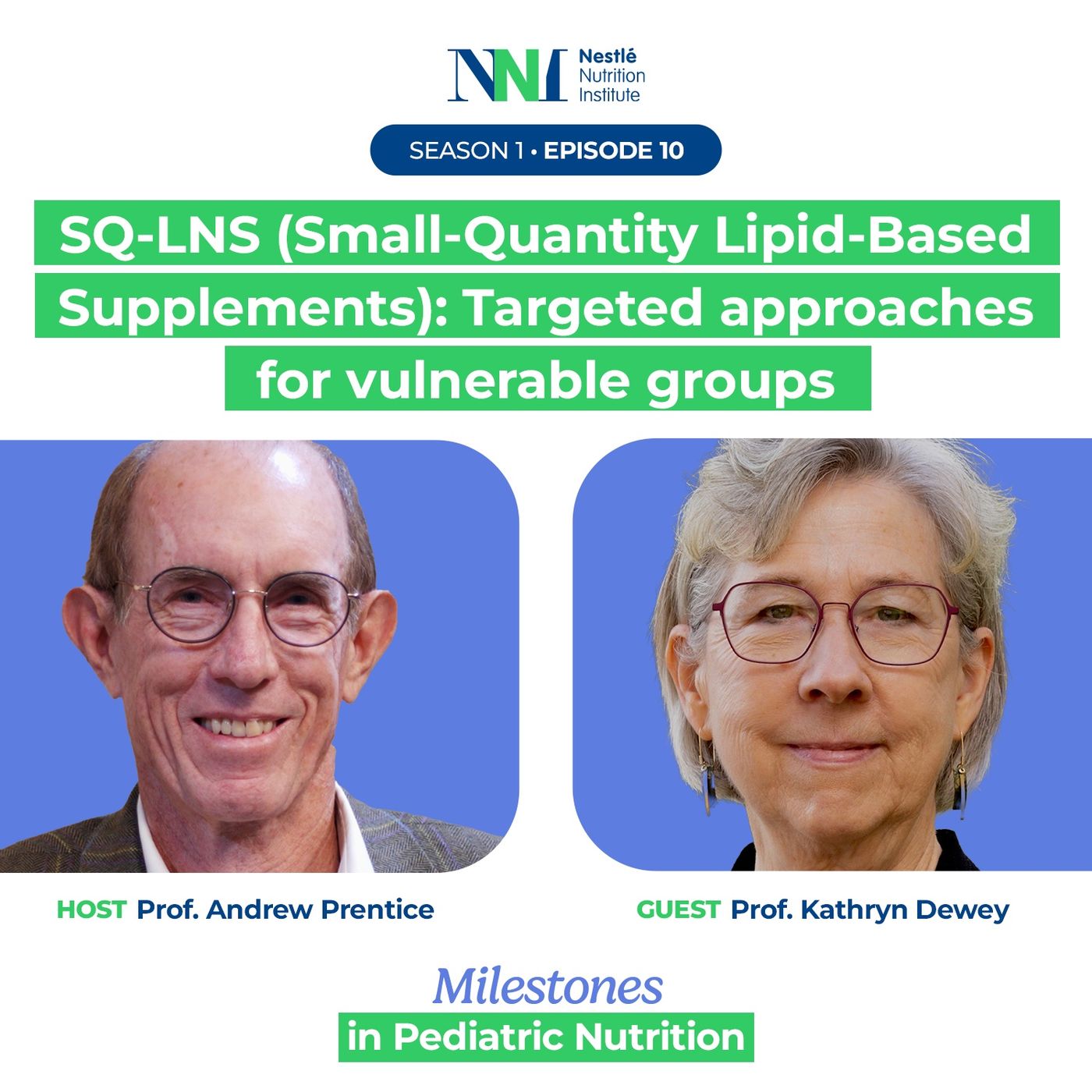
Milestones in Pediatric Nutrition - SQ‑LNS (Small‑Quantity Lipid‑Based Supplements): Targeted approaches for vulnerable groups - Episode 10
For Healthcare Professionals Only
Nestlé Nutrition Institute
Milestones in Pediatric Nutrition - Ready‑to‑Use Therapeutic Foods: Treating severe acute malnutrition at scale - Episode 9
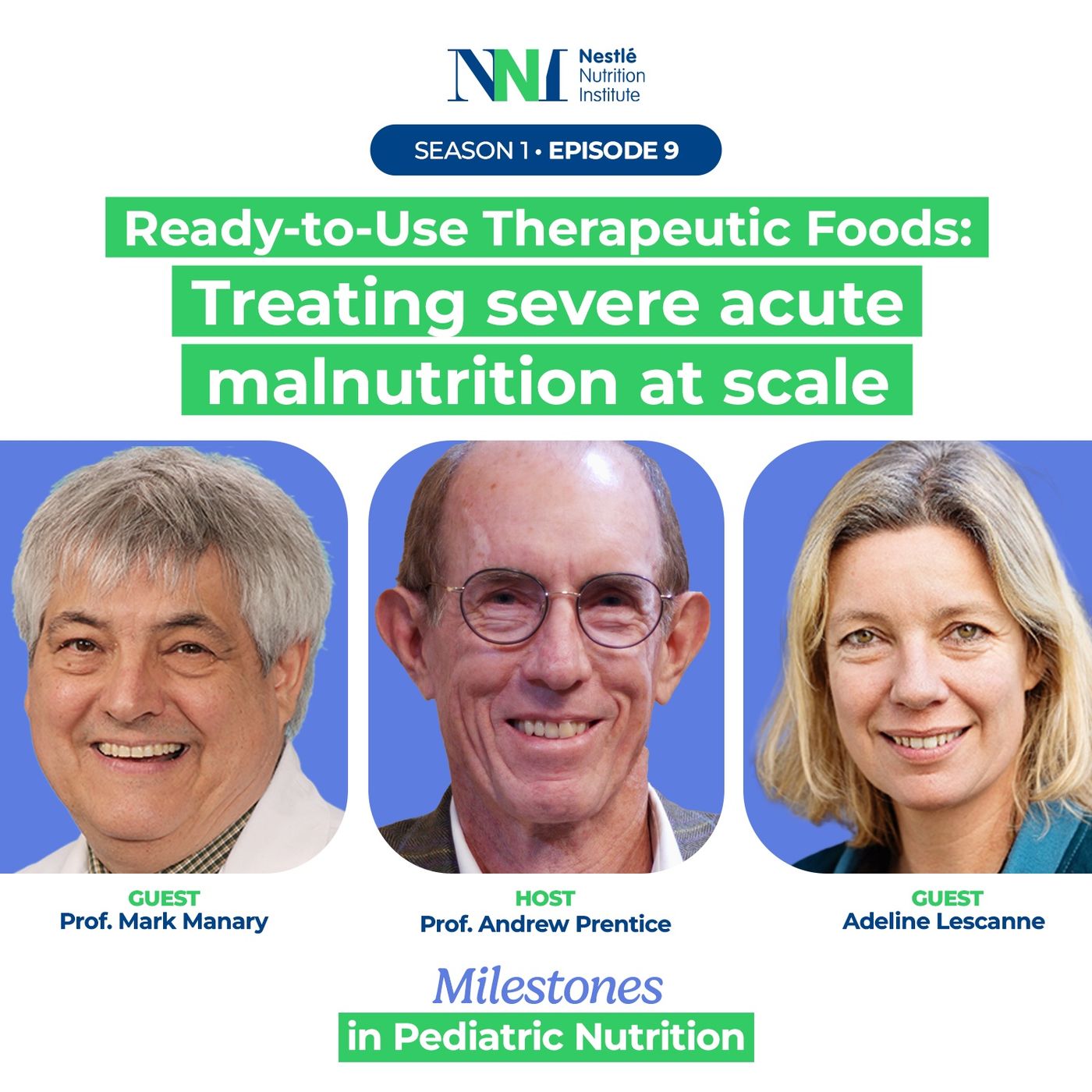
In this episode of Milestones in Pediatric Nutrition, Professor Andrew Prentice interviews Professor Mark Manary from Washington University and Adeline Lescanne, CEO of Nutriset, about ready-to-use therapeutic foods (RUTF) for severe acute malnutrition (SAM). Professor Manary describes how hospital-based treatment historically achieved only 45% recovery rates, prompting exploration of home-based alternatives. The RUTF concept, inspired by low-moisture foods like chocolate spread and halva, emerged through collaboration between André Briend and Michel Lescanne. Initial clinical trials in 2001 demonstrated dramatic improvements, achieving 90% recovery rates compared to 45% with traditional hospital care. The low water content prevents bacterial growth, enabling safe community-based treatment. Nutriset developed t...
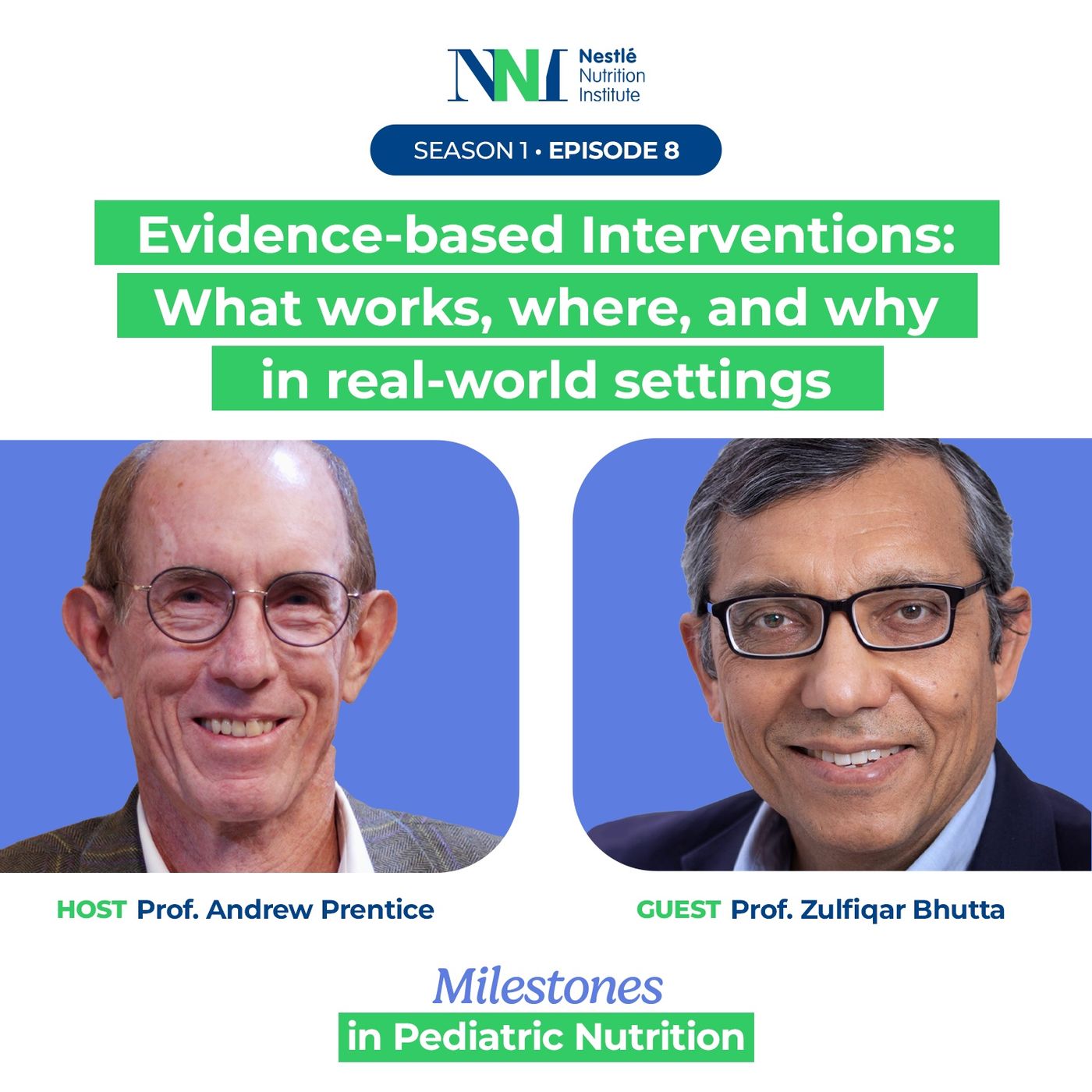
Milestones in Pediatric Nutrition - Evidence‑based Interventions: What works, where, and why in real‑world settings - Episode 8
For Healthcare Professionals Only
Nestlé Nutrition Institute
Milestones in Pediatric Nutrition - Pre‑ & Probiotics: Evidence behind the microbiome in pediatric care - Episode 7
In this episode of Milestones in Pediatric Nutrition, Professor Andrew Prentice interviews Professor Hania Szajewska from the Medical University of Warsaw about probiotics and prebiotics in pediatric nutrition. Professor Szajewska emphasizes the importance of evidence-based definitions from the International Scientific Association for Probiotics and Prebiotics (ISAPP), requiring documented health benefits in randomized controlled trials before products can be classified as probiotics or prebiotics. The discussion highlights critical factors influencing infant gut microbiota development, including mode of delivery, feeding method, and antibiotic exposure, with breastfeeding providing human milk oligosaccharides (HMOs) that selectively promote bifidobacteria. Professor Szajewska reviews current evidence from ESPGHAN...
Milestones in Pediatric Nutrition - DOHaD (Developmental Origins): The lifelong imprint of early nutrition - Episode 6
In this episode of Milestones in Pediatric Nutrition, Professor Andrew Prentice interviews Professor Chittaranjan Yajnik about the Developmental Origins of Health and Disease (DOHaD) theory. Professor Yajnik traces its origins to David Barker's "Fetal Origins of Adult Disease" hypothesis, which demonstrated geographic correlations between early-life deprivation and adult cardiovascular disease mortality across English counties. The theory has evolved beyond hypothesis status, supported by cohort studies, animal models, and research demonstrating how intrauterine and early-life conditions influence later risk of non-communicable diseases. Professor Yajnik discusses his collaboration with Barker beginning in 1991 and explains why India provided an ideal research setting given...
Milestones in Pediatric Nutrition - Advances in Pre‑Term Nutrition: Optimizing growth and outcomes for the smallest patients - Episode 5
In this episode of Milestones in Pediatric Nutrition, Professor Andrew Prentice speaks with Professor Josef Neu from the University of Florida about advances in preterm infant nutrition. Professor Neu traces the field's evolution from the late 1800s, when incubators adapted from poultry technology reduced mortality by half, through critical developments including infection control, mechanical ventilation, and surfactant therapy. The discussion highlights the unique nutritional demands of premature infants, requiring approximately 120 calories per kilogram daily and 3-4 grams of protein per kilogram to support rapid growth and neurodevelopment. Professor Neu addresses historical controversies, including delayed enteral feeding practices, and emphasizes the...
Milestones in Pediatric Nutrition - Biofortification of Staple Foods: Breeding nutrition into daily diets - Episode 4
In this episode of Milestones in Pediatric Nutrition, Professor Andrew Prentice interviews Dr. Howarth Bouis, 2016 World Food Prize laureate and founding director of HarvestPlus, about the development and impact of biofortification of staple crops. Dr. Bouis describes how his work began in the early 1990s, driven by the high recurrent costs of supplementation and the potential for crops themselves to deliver essential micronutrients. He outlines key challenges, such as combining nutrient density with high yields, ensuring bioavailability, achieving consumer acceptance, and sustaining long-term investment in crop development. Since its launch in 2003, HarvestPlus has developed biofortified varieties of 13 staple crops targeting...
Milestones in Pediatric Nutrition - Micronutrient Powders: Scaling simple solutions for micronutrient deficiencies - Episode 3
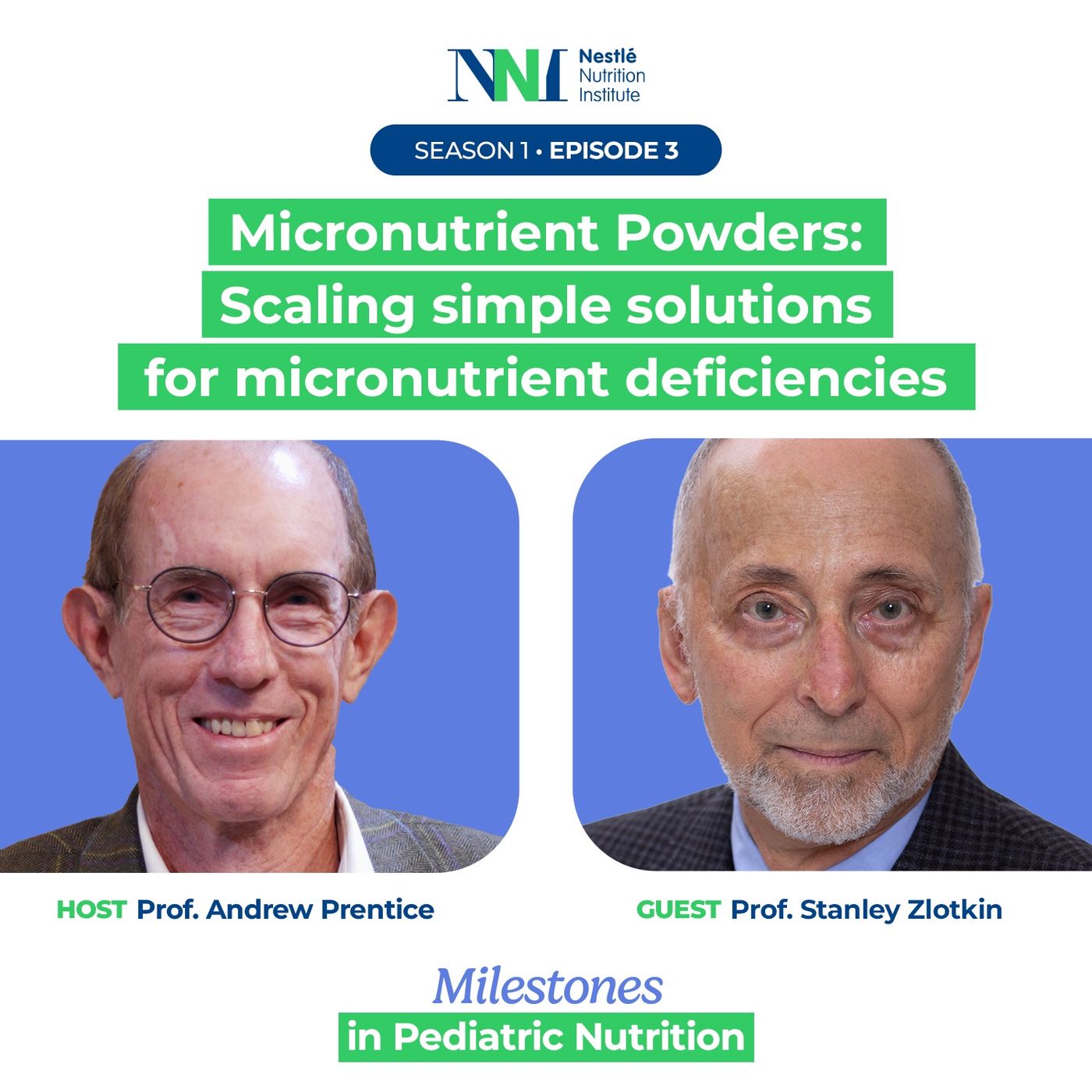
In this episode of Milestones in Pediatric Nutrition, Professor Andrew Prentice speaks with Professor Stanley Zlotkin from the University of Toronto about the development and global impact of sprinkles and multiple micronutrient powders (MNPs). Professor Zlotkin describes how his formative experience in Nigeria inspired his commitment to addressing childhood malnutrition. Recognizing poor compliance with traditional iron drops, Professor Zlotkin developed microencapsulated ferrous fumarate that could be sprinkled onto home-prepared complementary foods without affecting taste, color, or texture. The first efficacy trial in Ghana demonstrated effectiveness comparable to iron drops, supporting subsequent expansion to a formulation containing 17 essential vitamins and minerals...
Milestones in Pediatric Nutrition - Universal Vitamin A: The public‑health impact of large‑scale supplementation - Episode 2
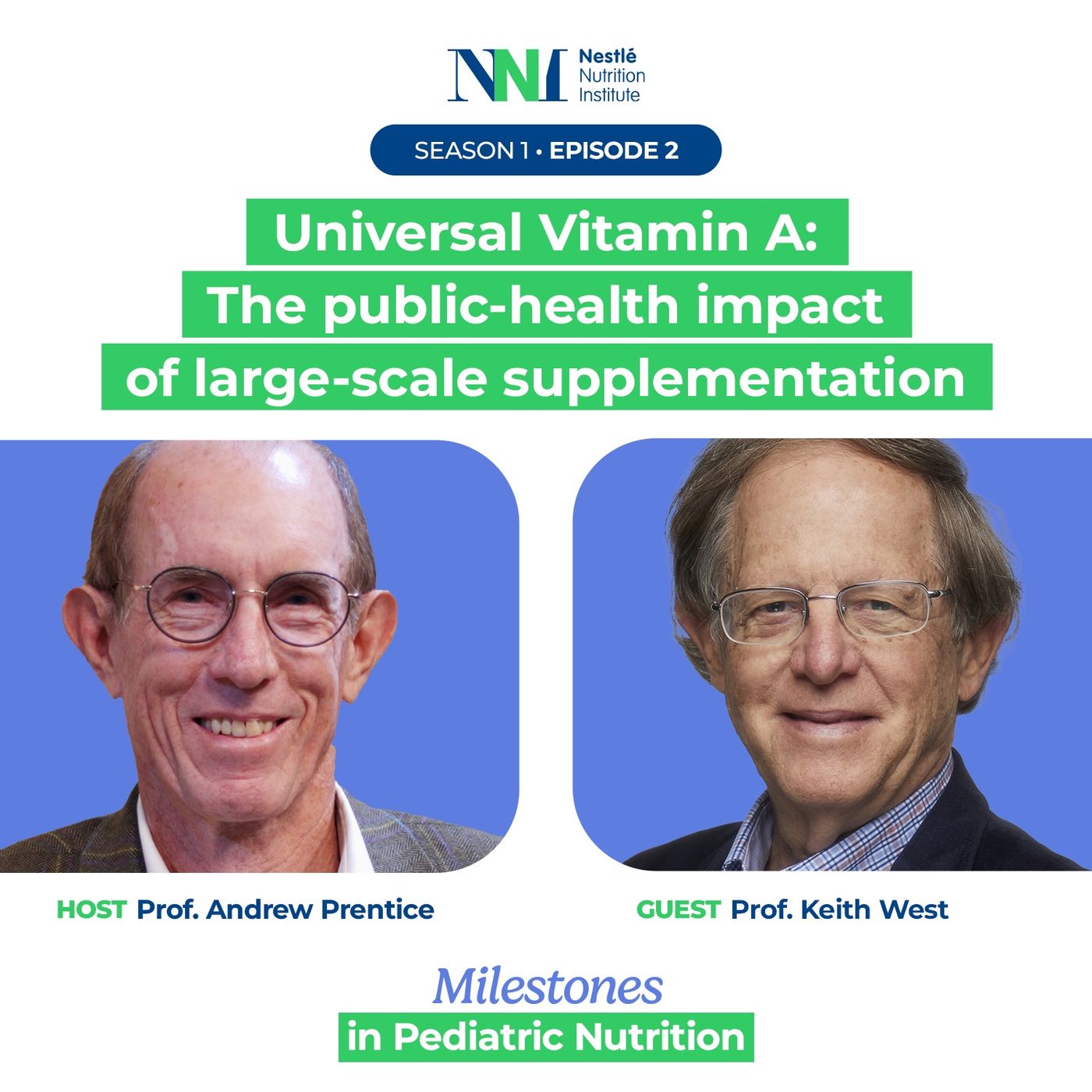
In this episode of Milestones in Pediatric Nutrition, Professor Andrew Prentice interviews Professor Keith West from Johns Hopkins University about the development and impact of universal vitamin A supplementation programs. Professor West traces the evolution from early clinical observations linking vitamin A deficiency to ocular manifestations and childhood blindness, to the pivotal studies in the 1980s by Alfred Sommer's team demonstrating its association with child mortality. He highlights the landmark Aceh trial (1983–1984), which showed a 34% reduction in preschool child mortality, followed by replication trials and meta-analyses across multiple countries demonstrating 23–30% mortality reduction. These findings supported large-scale implementation of twice-yearly supplementation prog...
Milestones in Pediatric Nutrition - WHO Growth Standards: How global growth curves transformed assessment and policy - Episode 1
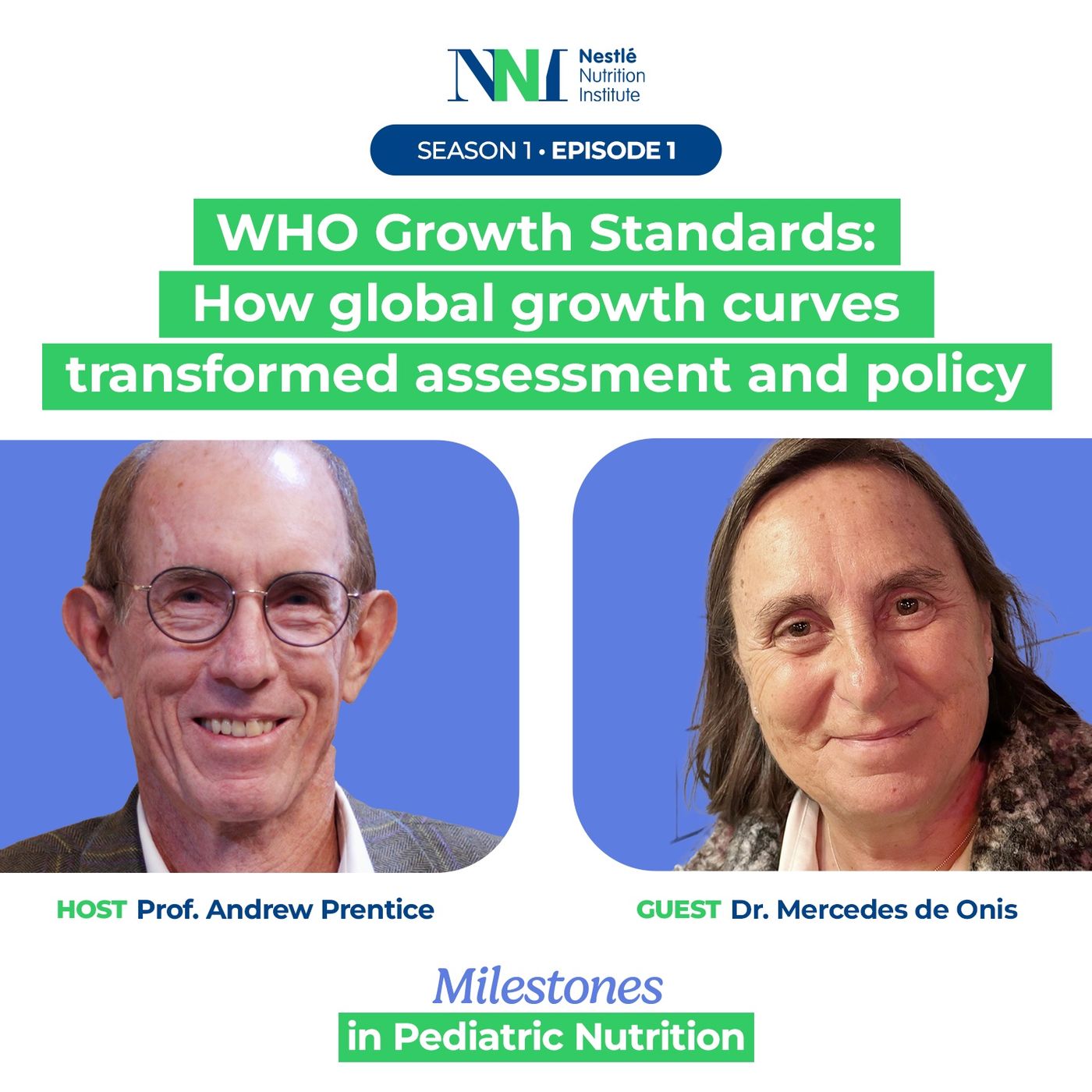
In this episode of Milestones in Pediatric Nutrition, Professor Andrew Prentice interviews Dr. Mercedes de Onis, the principal architect of the WHO Child Growth Standards now used in over 150 countries worldwide. Dr. de Onis discusses the limitations of earlier growth references, particularly the NCHS curves, which were based primarily on U.S. populations and often suggested growth faltering in breastfed infants. She describes the landmark WHO Multicentre Growth Study, conducted between 1997 and 2003 across six countries, which established prescriptive standards based on optimal growth conditions, including exclusive breastfeeding and supportive environments. Launched in 2006, the WHO Child Growth Standards introduced key metrics...
Prof. Kate Ward - Calcium and Iron Nutrition Through the Reproductive Life Course - Annales Nestlé - Episode 21
Professor Kate Ward shares how calcium and iron are vital nutrients throughout the reproductive life course, with heightened importance during adolescence, pregnancy, and lactation. Adequate intake through balanced diets, and targeted supplementation where needed, supports bone health, fetal development, and anemia-prevention. Population-specific guidance and further research are key to addressing deficiencies and optimizing health outcomes for women and their offspring.
For Healthcare Professionals Only
Nestlé Nutrition Institute
Dr. Otilia Perichart-Perera - Nutrition for Optimal Lactation - Annales Nestlé - Episode 20
Dr. Otilia Perichart-Perera discusses how optimal maternal nutrition during lactation supports the mother’s health, as well as the infant’s growth and development. Breastfeeding increases energy and nutrient demands, making adequate intake of omega-3 fatty acids, iron, and vitamin D essential. Balanced diets, appropriate supplementation, and strong breastfeeding support can help sustain milk quality, prevent deficiencies, and promote continued breastfeeding success.
For Healthcare Professionals Only
Nestlé Nutrition Institute
Dr. Nandita Perumal - Nutrition During Pregnancy and Birth Outcomes - Annales Nestlé - Episode 19
Dr. Nandita Perumal highlights how balanced, diverse, and nutrient-rich diets are essential for healthy pregnancy outcomes. Increased energy and nutrient needs during pregnancy support maternal health, placental function, and fetal growth. Meeting, but not exceeding, these nutritional requirements helps ensure appropriate gestational weight gain and reduces the risk of adverse outcomes, supporting both maternal well-being and the child’s lifelong health trajectory.
For Healthcare Professionals Only
Nestlé Nutrition Institute
Dr. Linden Stocker and Prof. Alexandra Kermack - Nutrition for Preconception Health and Fertility - Annales Nestlé - Episode 18
Dr. Linden Stocker and Professor Alexandra Kermack discuss how preconception nutrition and lifestyle choices made by both parents have a lasting impact on fertility, pregnancy outcomes, and the long-term health of their children. Balanced dietary patterns rich in essential macro and micronutrients, fiber, and antioxidants, support reproductive health, while excess alcohol, caffeine, and ultra-processed foods can pose risks. Early education, public health strategies, and tailored guidance can help integrate preconception nutrition into broader reproductive health practices.
For Healthcare Professionals Only
Nestlé Nutrition Institute
Prof. Elvira Verduci - CF Practices, Implications for Future Healthy Eating and Long-Term Health - Annales Nestlé - Episode 17
Professor Elvira Verduci talks about complementary feeding as a critical window for shaping future health, emphasizing its role in bridging nutrient gaps beyond six months. She explains the importance of introducing solids between 17 and 26 weeks, noting that earlier introduction may have health risks, while delays may cause deficiencies. She further explains how responsive feeding and parenting styles help build healthy eating habits, while starting before four months may raise obesity risk. Approaches should be tailored to each child’s needs, culture, and family practices to encourage lifelong healthy eating.
For Healthcare Professionals Only
Nestlé Nutrition Institute
Dr. Julie Mennella - Biological and Experiential Factors that Impact the Acceptance of Complementary Foods - Annales Nestlé - Episode 16
Professor Julie Mennella explores how biological and experiential factors shape infants’ acceptance of complementary foods, beginning with flavor learning in utero through exposure to maternal diet in amniotic fluid and breast milk. She explains that taste and smell are functional before birth, with innate preferences for sweet and umami, aversions to bitter and sour, and an evolving acceptance of salt after four months. She emphasizes on delaying added sugars until after two years, practicing healthy eating within the family, and leveraging early sensory plasticity to foster healthy dietary habits. The discussion highlights that flavor learning is a dynamic, reciprocal process be...
Dr. Agnes Leung - Prevention of Food Allergy: Harmonizing Perspectives from the East and West - Annales Nestlé - Episode 15
Professor Agnes Leung highlights how cultural, environmental, and dietary factors shape food allergy prevention, combining insights from Eastern and Western perspectives. She notes differences in prevalence, allergen profiles, and anaphylaxis trends, with peanuts and tree nuts noted to be more common in the West, while shellfish and certain local foods predominate in Asia. She discusses both the LEAP and EAT studies, which show that early introduction of allergenic foods, particularly in high-risk infants, can significantly lower allergy risk. She emphasizes the need to tailor prevention strategies to local diets, allergen patterns, and cultural practices, and to update recommendations as new...
Dr. Luis Moreno - Complementary Food And Obesity - Annales Nestlé - Episode 14
Professor Luis Moreno discusses the important role of complementary feeding in preventingchildhood obesity, highlighting the need for timely introduction to support healthygrowth and reduce long-term obesity risk. The discussion explores how early or delayedintroduction of solids, consumption of high energy-dense foods, and excessive animalprotein can increase adiposity, while nutrient-dense, fiber-rich foods and early vegetableexposure foster healthier habits. The episode further reviews mixed evidence on baby-led weaning, the influence of complementary feeding on gut microbiota, and the needfor parental education to guide portion sizes and food choices. Key preventive strategieswere emphasized including promoting breastfeeding, ensuring balanced nutrient intake,and aligning feeding...
Dr. Zulfiqar Bhutta - Early Growth and Impacts on Long-Term Neurodevelopment and Human Capital - Annales Nesté - Episode 13
Dr. Zulfiqar Bhutta shares insights on the first 1,000 days from conception to two years, highlighting the links between early growth, optimal nutrition, neurodevelopment, and lifelong potential. This episode delves into the the crucial period of early growth and its impact on long-term cognitive development and overall health. It explores key elements—such as appropriate nutrition and a healthy environment—that supports a child’s optimal growth and neurodevelopment later in life, as well as evidence-based interventions that link maternal and early childhood nutrition to adult health and productivity.
For Healthcare Professionals Only
Nestlé Nutrition Institute
Dr. Berthold Koletzko - Is Growth in Early Childhood a Window of Opportunity for Programming Long-Term Health? - Annales Nesté - Episode 12
Dr. Berthold Koletzko shares the long-term benefits of maximizing the “window of opportunity” for growth and nutrition in early life, in line with healthy growth trajectories measured through z-scores for length, weight, body fat, metabolic markers, and more. The episode also delves into the initial results of an ongoing clinical trial and the effects of reduced protein intake on toddlerhood and later obesity risk. It also highlights the importance of monitoring weight trends, supporting breastfeeding, and promoting healthy feeding practices to reduce excessive weight gain and lower the risk of metabolic diseases later in life.
For Healthcare Professionals Only...
Dr. Rosan Meyer - An Update on the Diagnosis and Management of FG and Catch-Up Growth in Young Children - Annales Nesté - Episode 11
Dr. Rosan Meyer shares guidance on defining faltering growth (FG) and provides key updates on the interplay of factors that may cause FG as well as its prevalence across populations. Early identification and targeted intervention through regular monitoring and nutritional support are crucial to improving long-term outcomes. This podcast presents the latest clinical recommendations for proper assessment of growth trends in children to support accurate diagnosis and effective management of faltering growth.
For Healthcare Professionals Only
Nestlé Nutrition Institute
Dr. Tanis Fenton - Principles, practicalities & pitfalls of growth assessments - Annales Nestlé - Episode 10
Dr. Tanis Fenton discusses the different genetic and environmental factors to take into consideration when evaluating normal growth in infants and children. A child’s position on a chart does not tell the whole story as nutrition, genetic potential, or body composition influence an individual's normal growth. This episode further emphasizes the need to look beyond standard growth charts and, instead, towards individual assessments and growth patterns measured over time for accurate diagnoses to prevent unnecessary interventions.
For Healthcare Professionals Only
Nestlé Nutrition Institute
Dr. Gianluca Lista - Preterm nutrition and brain development - Annales Nestlé - Episode 9
Dr. Gianluca Lista examines the relationship between early nutrition and brain development in preterm infants. The discussion summarizes the latest knowledge on human milk and its components, such as HMOs and LCPUFAs, and how these can contribute to neurodevelopmental processes, specifically myelination and grey and white matter brain maturation.
For Healthcare Professionals Only
Nestlé Nutrition Institute