Myth of the 20th Century

The sun never sets on the American Empire... (Or does it?) theamericansun.substack.com
This Time the World - George Lincoln Rockwell
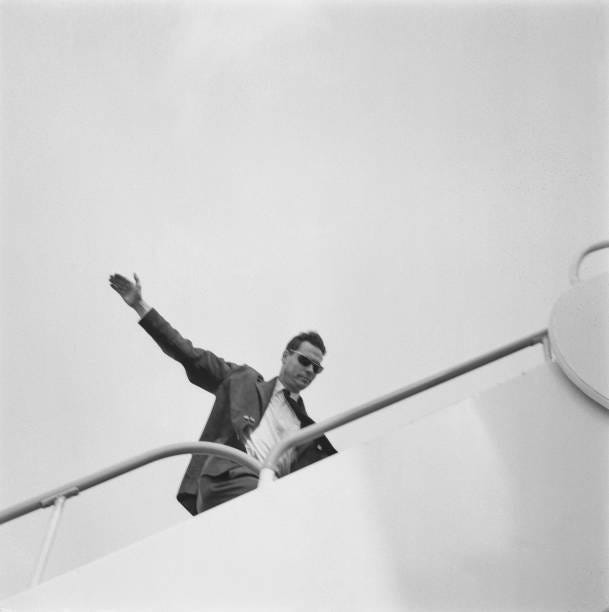
George Lincoln Rockwell, having served as a naval aviator and commander in the US armed forces in World War II and the Korean War, returned to civilian life as an illustrator and worked in the publishing industry. It didn’t take long for him to start noticing the prevalence of Jewish Americans in the profession, and their disproportionate promotion of things like modern art, which he found offensive and subversive to European culture. Over time, as his studies into the world wars and forces behind them intensified, he began to believe that behind the attacks on Western Ci...
Life in New York
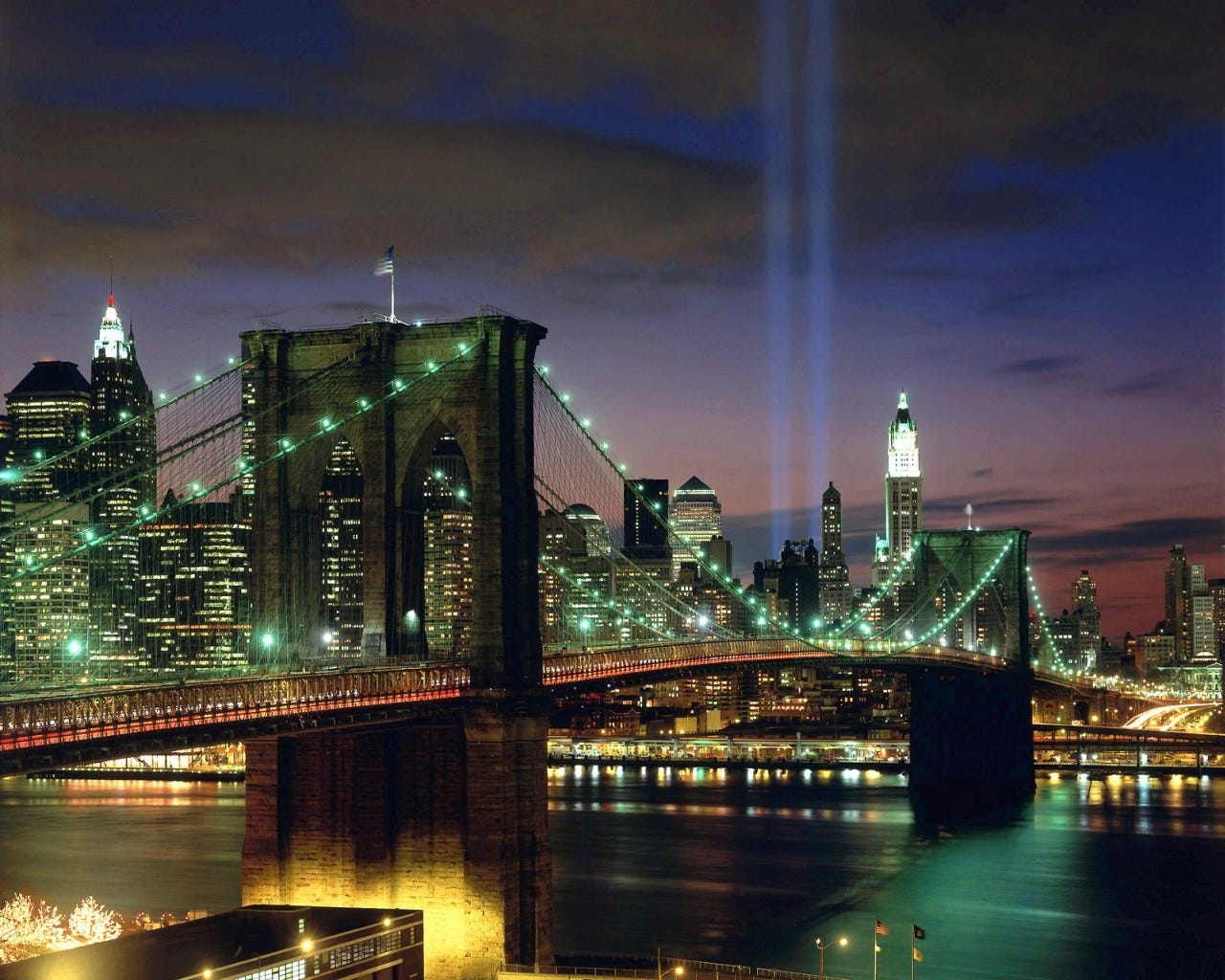
What started out as a discussion of New York real estate quickly evolved into a deep dive on the inner working of big city politics and demographics. Join returning guests Lamprey and Ace as we talk about what it’s like making rent in Manhattan, what changed since COVID gutted the city and its subsequent revival, and the all important question of how to find that private equity wife on a modest banker’s salary.
-- Brought to you by --
Very special guest Lamprey Milt
Youtube: https://www.youtube.com/@MGTOWCHATS/videos
The Crusades - Battle for the Holy Land
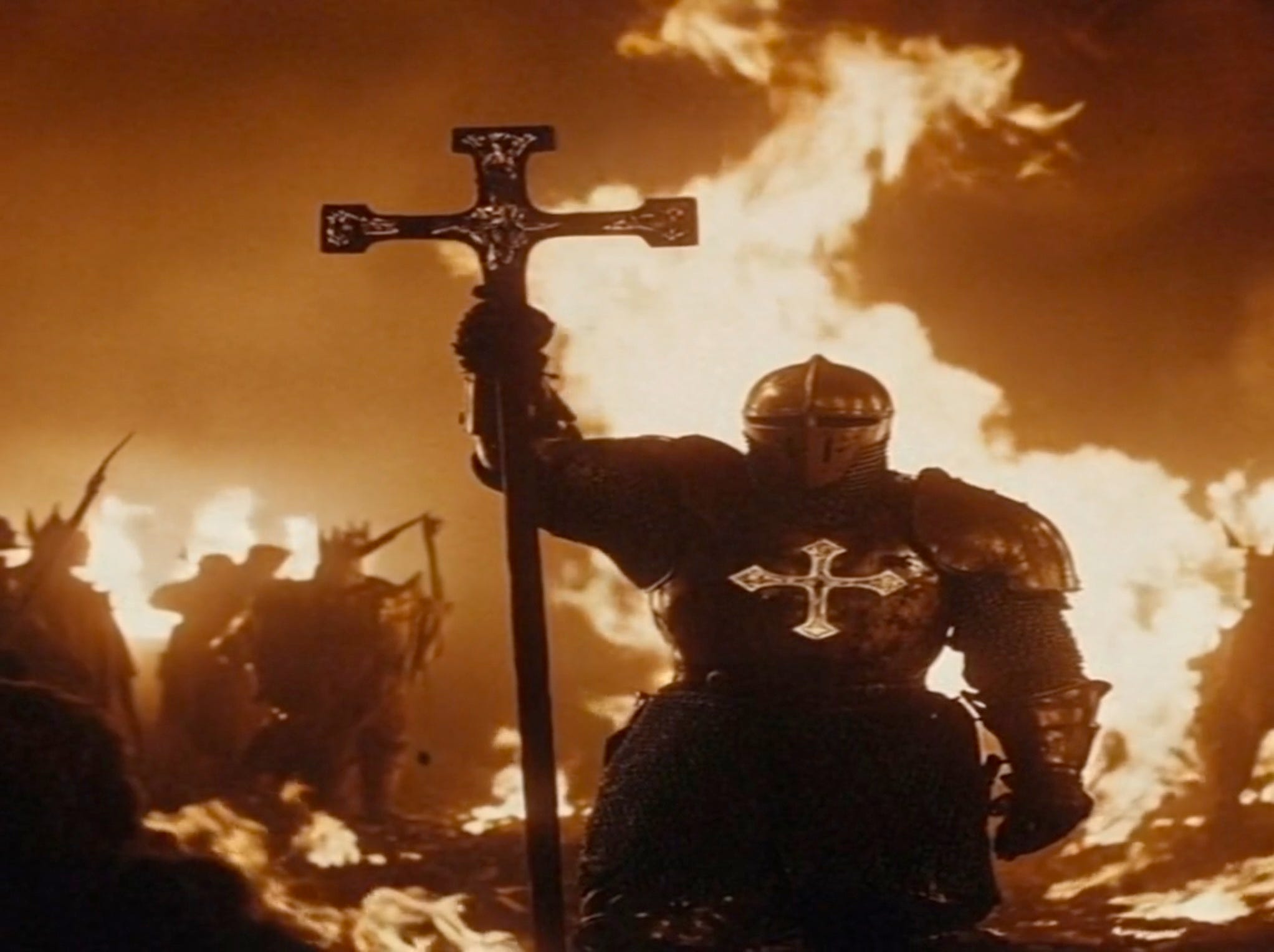
In civil society, we are taught that violence is only justified in special contexts, carried out with careful measure and in the defense of that which is good. Extending that logic, warfare becomes just if the cause is righteous - against a foe who is corrupt - and justifies the sometimes brutal nature of conflict. This notion of moral war extends back centuries, and is used - and abused - by many an opportunistic politician to take power selfishly at the expense of others, which sadly seems to be a pattern held to this very day. In the Christian...
Legacy of the Revolution - The United States at 250

Since the discovery the New World by European explorers and the settlement of North America by English colonists, the land now occupied by the United States stood out for its tremendous natural wealth that remained untouched by the great population centers and civilizations of the Old World. The only question was who would subdue this continent, and in what fashion would it unfold. After several rocky starts, with conflicts between native populations and amongst the European powers and colonists, once the United States began its march westwards in earnest in the 1800s the makings of a superpower were clear...
Chip War - the Race for Silicon Sovereignty

In times past, wealth and power were often measured in land, given its accompanying population and natural resources. With the industrial revolution, access to cheap and plentiful energy such as coal and oil accelerated these natural advantages, and often determined victory or defeat in the high-intensity conflicts of the 20th century. But in the modern era, information and artificial intelligence are proving determining factors in conflicts in business and in war, from the success of search giants like Google to the decisive blow dealt to Iraq in the first Gulf War through smart munitions. Underpinning it all is the...
The American Southwest

From the towering red cliffs to the scorching deserts of the American Southwest, people have always lived by the natural beauty of the landscape - and died by the scarcity of resources and the violence incumbent on the populations that have passed through. After the Pleistocene glaciation carved much of the dramatic rock faces and left verdant streams, agricultural civilizations rose and gave way to more nomadic and violent ones as the waters receded and the deserts we know today took hold. Only until recently, however, has the Sunbelt as its economic promoters like to call it seen significant...
Dire Straits - an Update on Iran
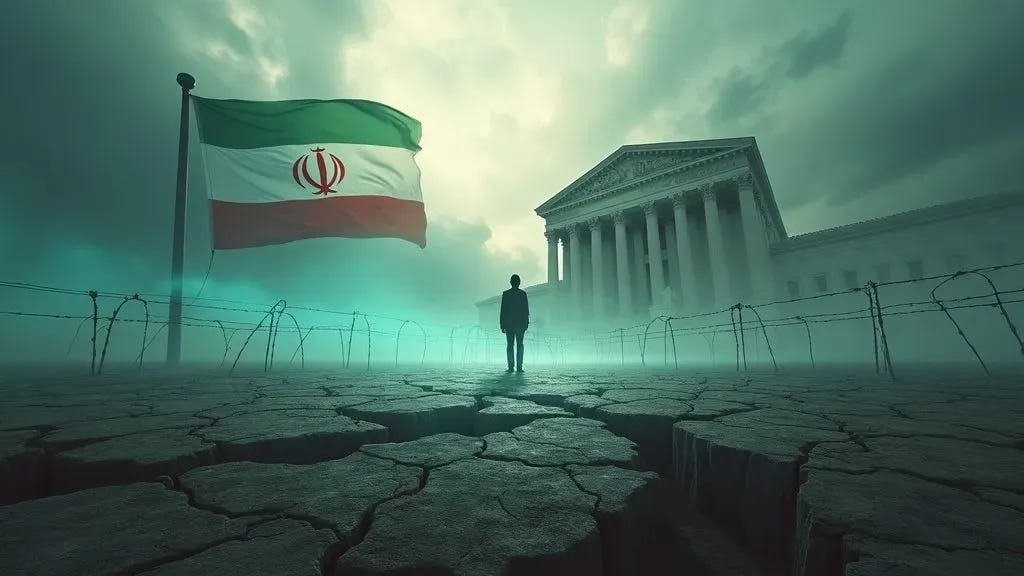
Over the past 9 weeks, the conflict with Iran, Israel, and the United States has gone from intense aerial bombardment and missile strikes to a tense standoff in the Strait of Hormuz, with both sides blocking passage of the other’s ships and exchanging intercepts of the occasional oil or cargo vessel attempting to slip through the lines. While the ongoing economic havoc this has caused is clear, from oil price rises to shortages of fertilizer, what is less clear are the long-term shifts in global alliances that have centered around the petro-states of the Gulf region. Tonight we are jo...
Palantir - The Eye of Sauron
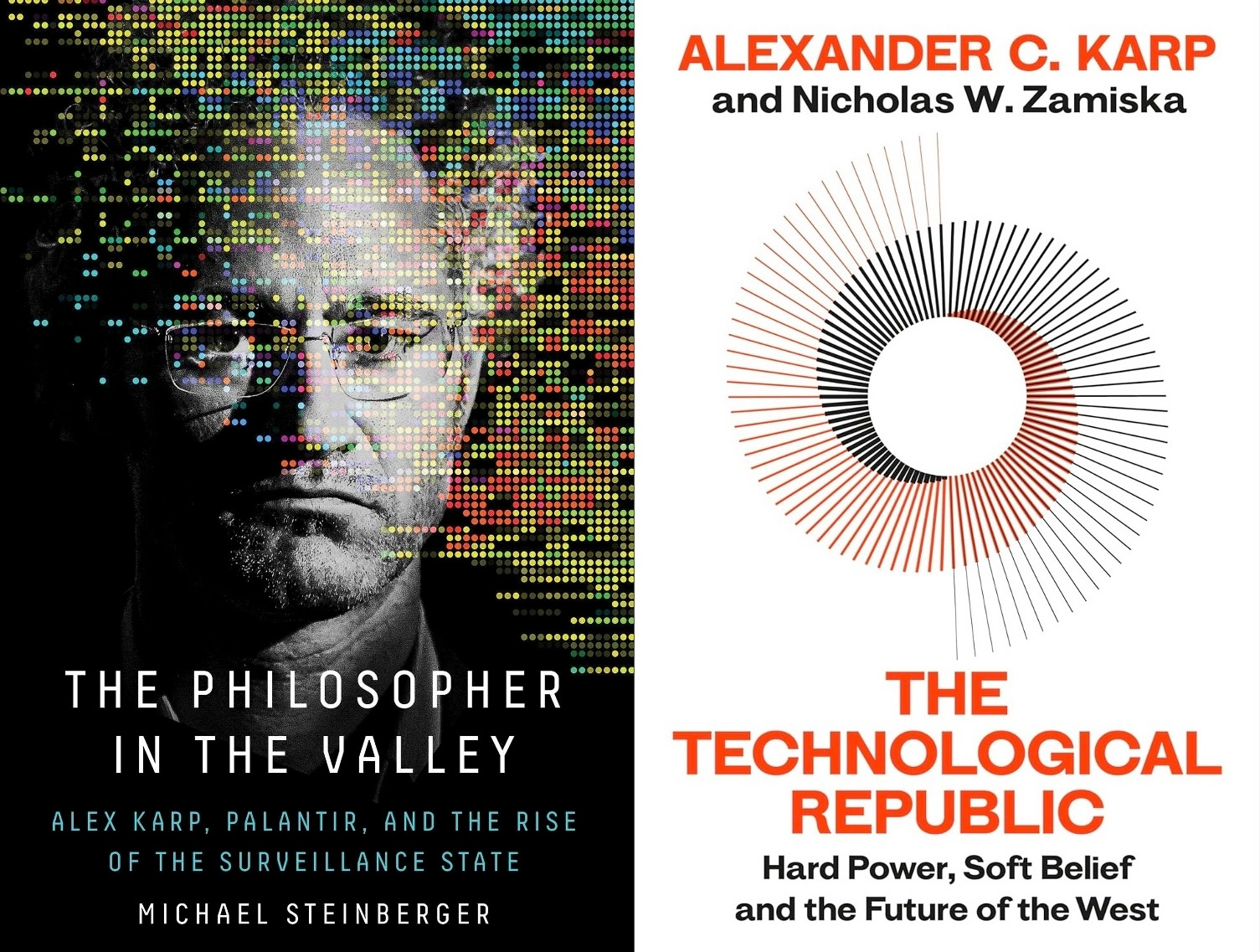
In the words of Alex Karp, long standing CEO of Palantir Technologies, “the atomic age is ending, and a new era of deterrence built on A.I. is set to begin.” Subject of a new biography ‘The Philosopher in the Valley’ and his own book ‘The Technological Republic’, Alex Karp lays out his vision of defending America with technological hard power, a recognition that our enemies are real and must be deterred through superior capability, and realigning our culture around national pride and loyalty to the republic. Controversial amongst a wide range of Americans from progressive liberals on the left and dis...
Global Realignment - Battle for the World Economy
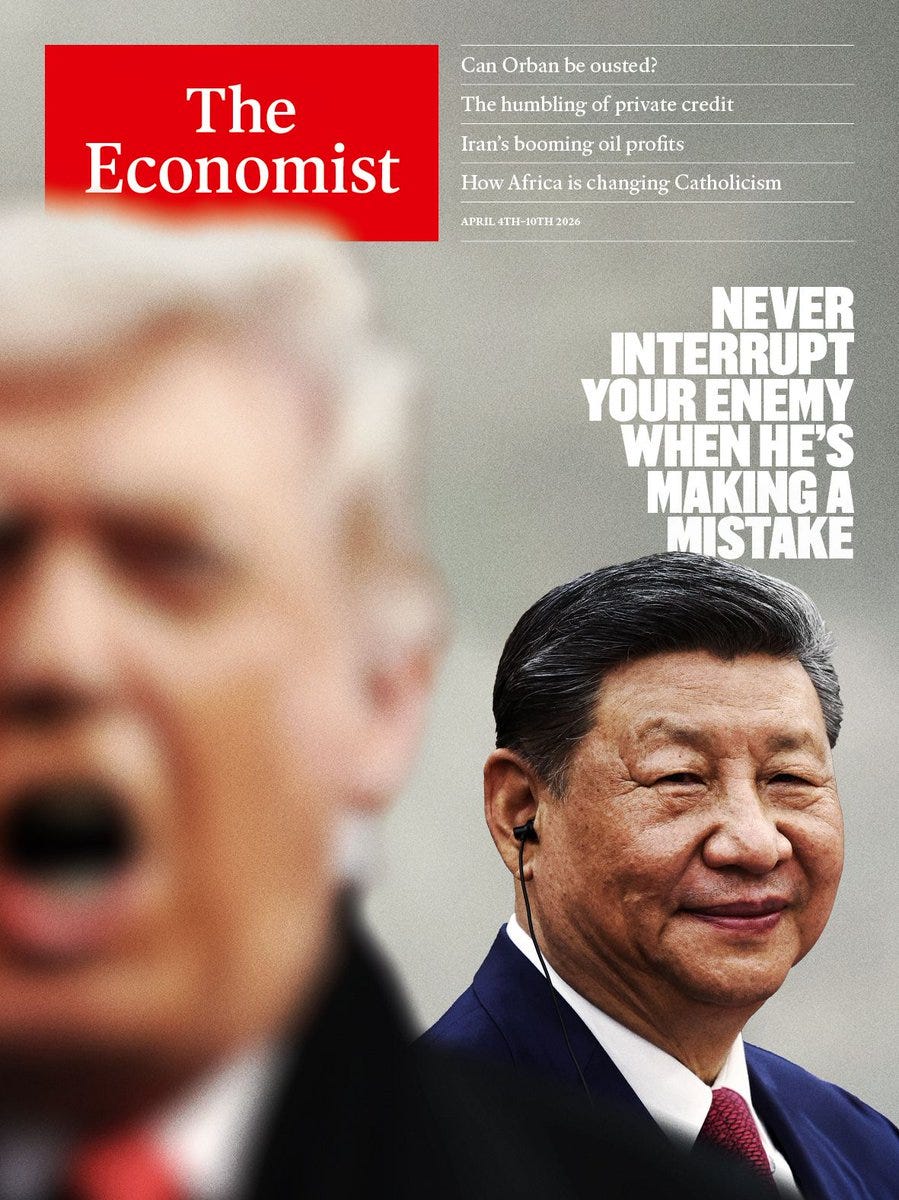
On Tuesday, April 7th, 2026, after over a month of air raids over Iran and retaliatory missile strikes on Israel and neighboring Gulf states, the United States and Iran announced a tentative cease fire to hostilities. News of this sent stocks markets surging the following day and oil futures plummeting, but unfortunately over the weekend negotiations broke down surrounding the terms of a peace deal, most notably focused on the opening of the Strait of Hormuz as well as limiting Iranian nuclear capabilities and the presence of American military bases in the region. With the future geopolitical situation in question...
Global Realignment - Battle for the Middle East
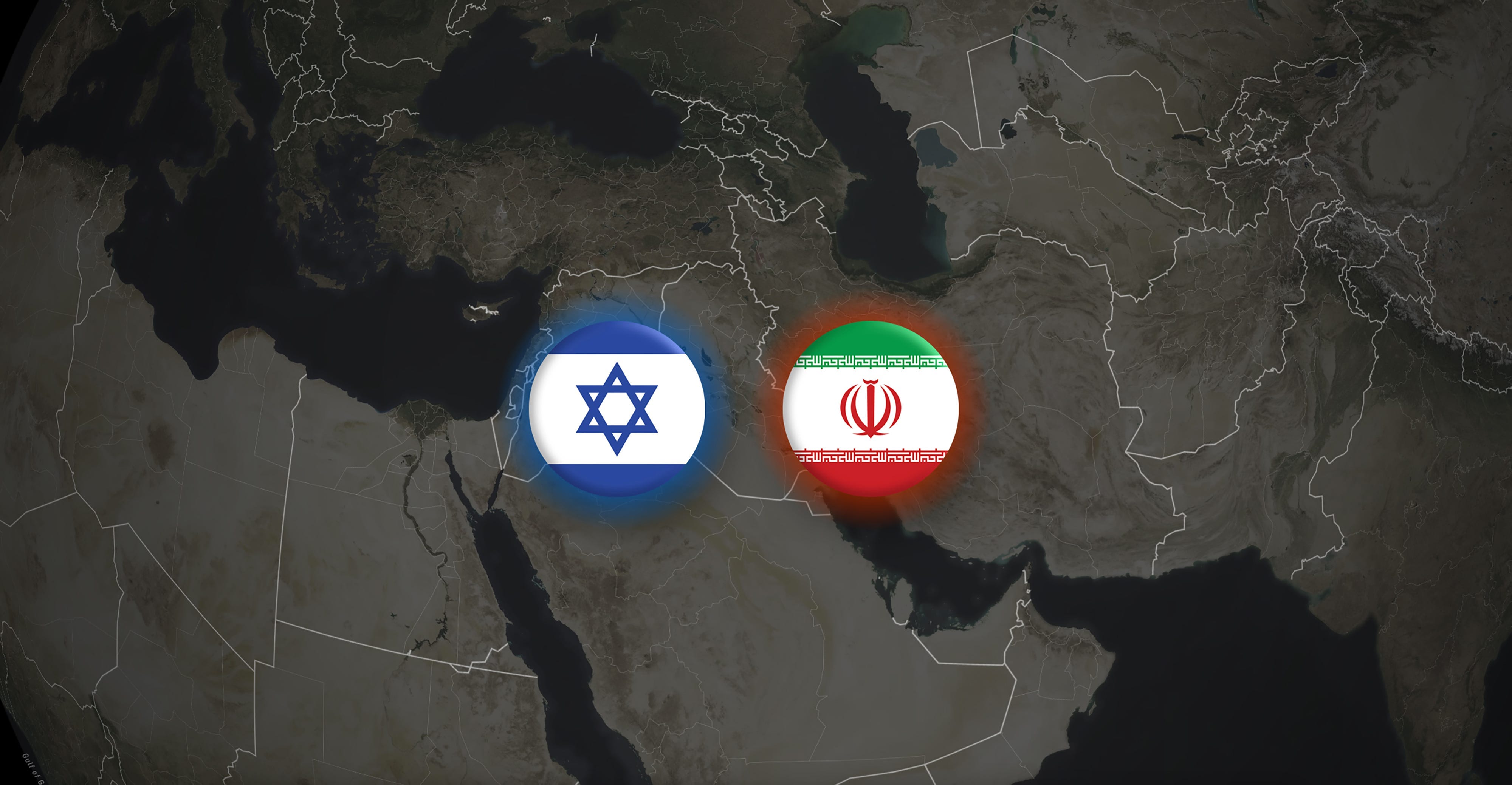
As the ongoing Iran-Israel crisis continues into its third week of 2026, with tentative peace terms quickly being dashed by missile strikes from both sides and the US military floating the idea of sending ground forces into Iran, the price of Brent crude oil has nearly doubled and remained elevated as the Straights of Hormuz remain impeded, shutting off over 20% of the worlds petroleum supply. But whether this gets resolved in two months or two years, the long term ramifications are profound: American military hegemony is in deep question as an aircraft carrier withdraws from battle and the...
Tyranny in Modern America - an Aristotelian Examination of the Managerial State
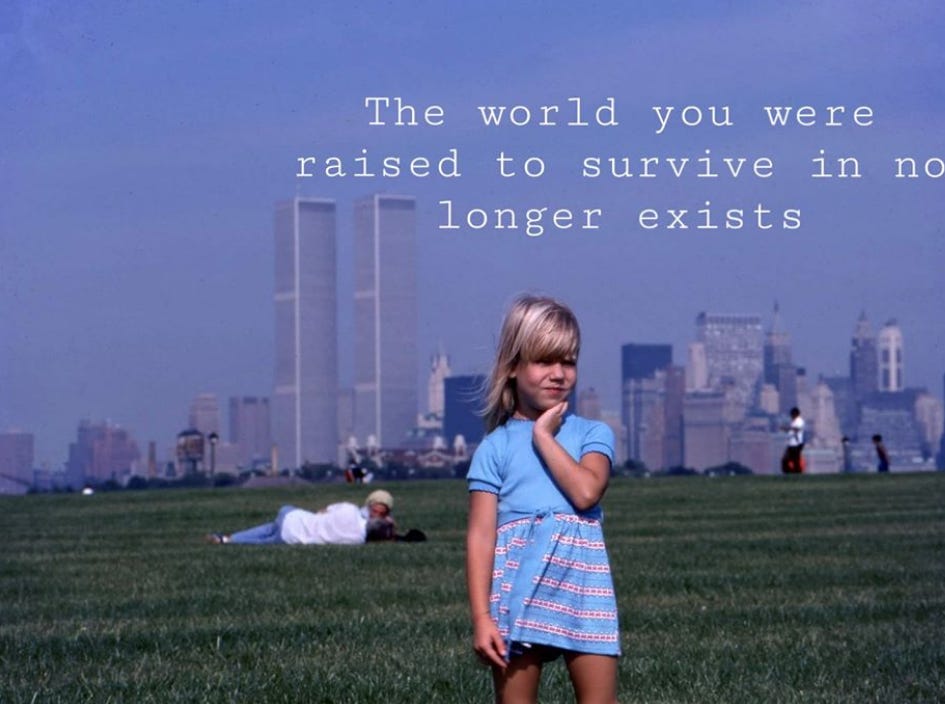
I was at church the other day. For the past two years that hasn’t been unusual. But what struck me was how leaden the message from the pastor felt. As American and Israeli bombs rained down on Iranian targets - including their supreme leader and a now confirmed schoolhouse for girls - we in the church pews were told America is the richest country in the world, and how we were chosen to serve others - in our community and outside of it. After service, struggling with my difficultly in giving aid to enemies and lobbing mi...
Iran Strike II - Return to the Gulf - After Dark
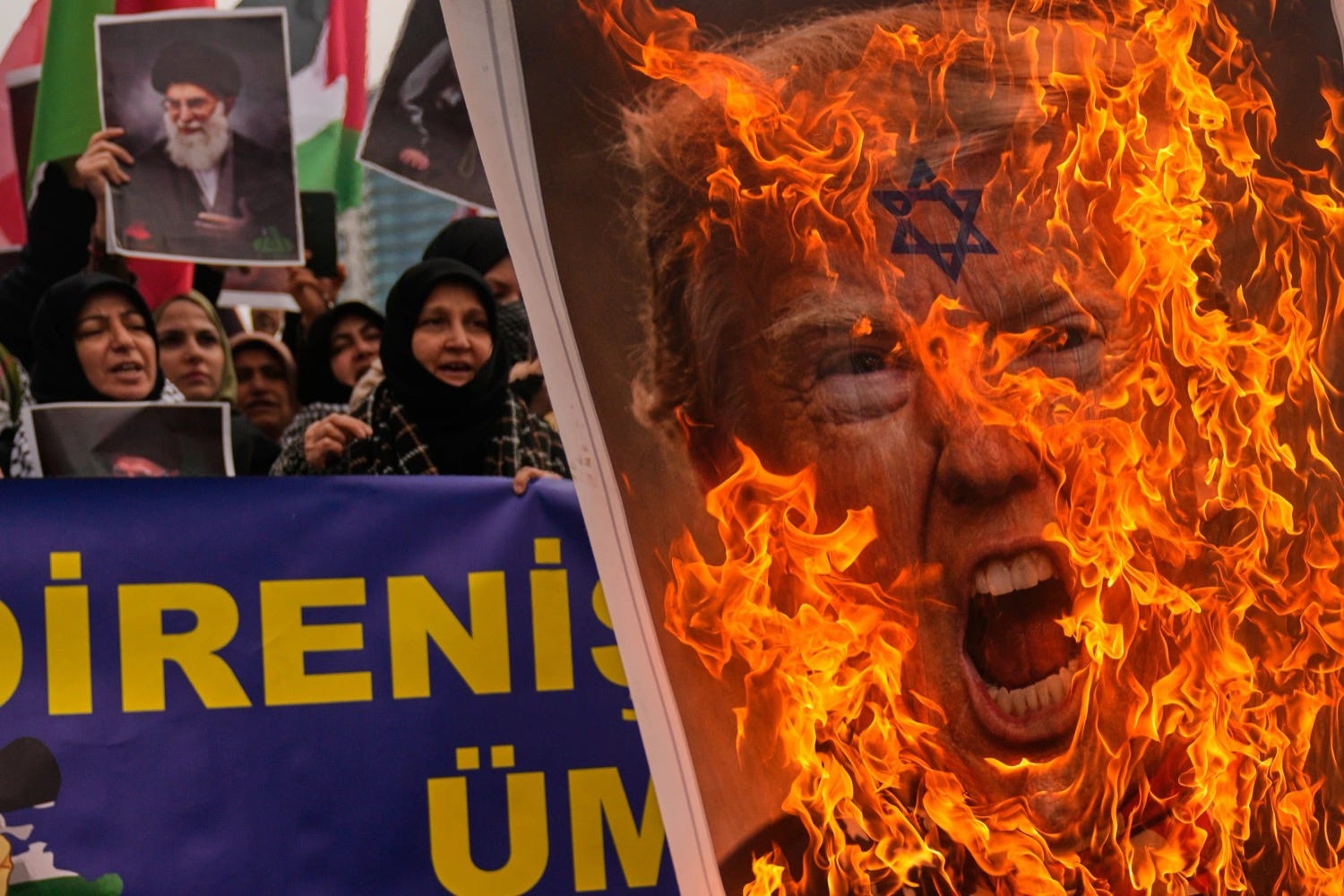
On February 28th, 2026, the US and Israel launched over 900 air strikes on Iranian air defense and missile sites, after weeks of military buildups in the region, and at the time of this publication has escalated to over 2,000 individual targets struck in the past few days within Iran. Among the casualties was Iran’s Supreme Leader Ayatollah Ali Khamenei, and in retaliation Iran launched drone and missile attacks against Tel Aviv and cities and US military bases in the surrounding Gulf States. Opinion around the world was extremely mixed, with many Iranian expats cheering the move, hoping for a return of...
Concentration - with Germar Rudolf - The World at War - Part XV
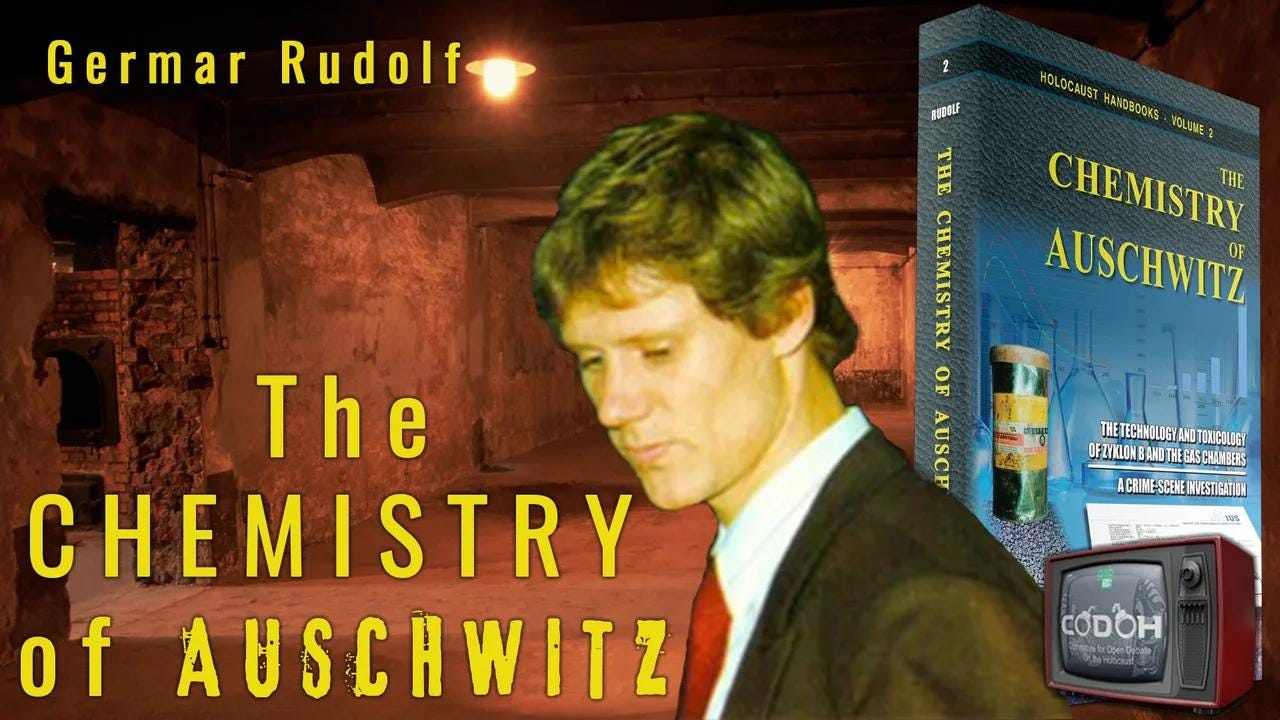
It has now been over 80 years since the end of World War II, and at least 50 years since the concept of the Holocaust has entered the mainstream discourse. But Holocaust skepticism - let alone revisionism - is something that remains taboo, and in many European countries is actually illegal. Germar Rudolf, a native of Germany and trained chemist, was imprisoned there for his work on questioning the lack of chemical evidence in the alleged gas chambers in the concentration camps in Germany and occupied Poland in WWII. Now living in the United States, where the free speech laws are...
Tribal Future of the West
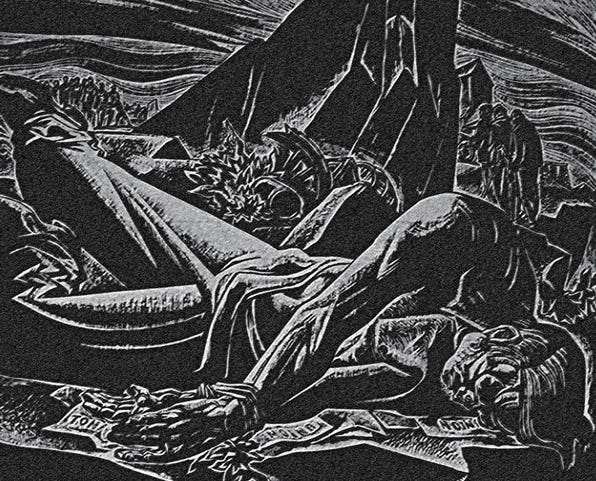
Nature abhors a vacuum - as the saying goes - but in civilization, people abhor ineffective leadership. When the sovereign cedes its de facto authority when it fails to uphold its de jure responsibilities, rivals step in to fill the void. Historically, this took form in collapsing empires, rival nations, and feuding warlords. Today, we are seeing more decentralized power systems such as multinational corporations and financial networks develop as the central governments of the world fail to keep up with the needs of the common man. Tonight we are joined by Mike Maxwell of Imperium Press...
Canada - After Dark
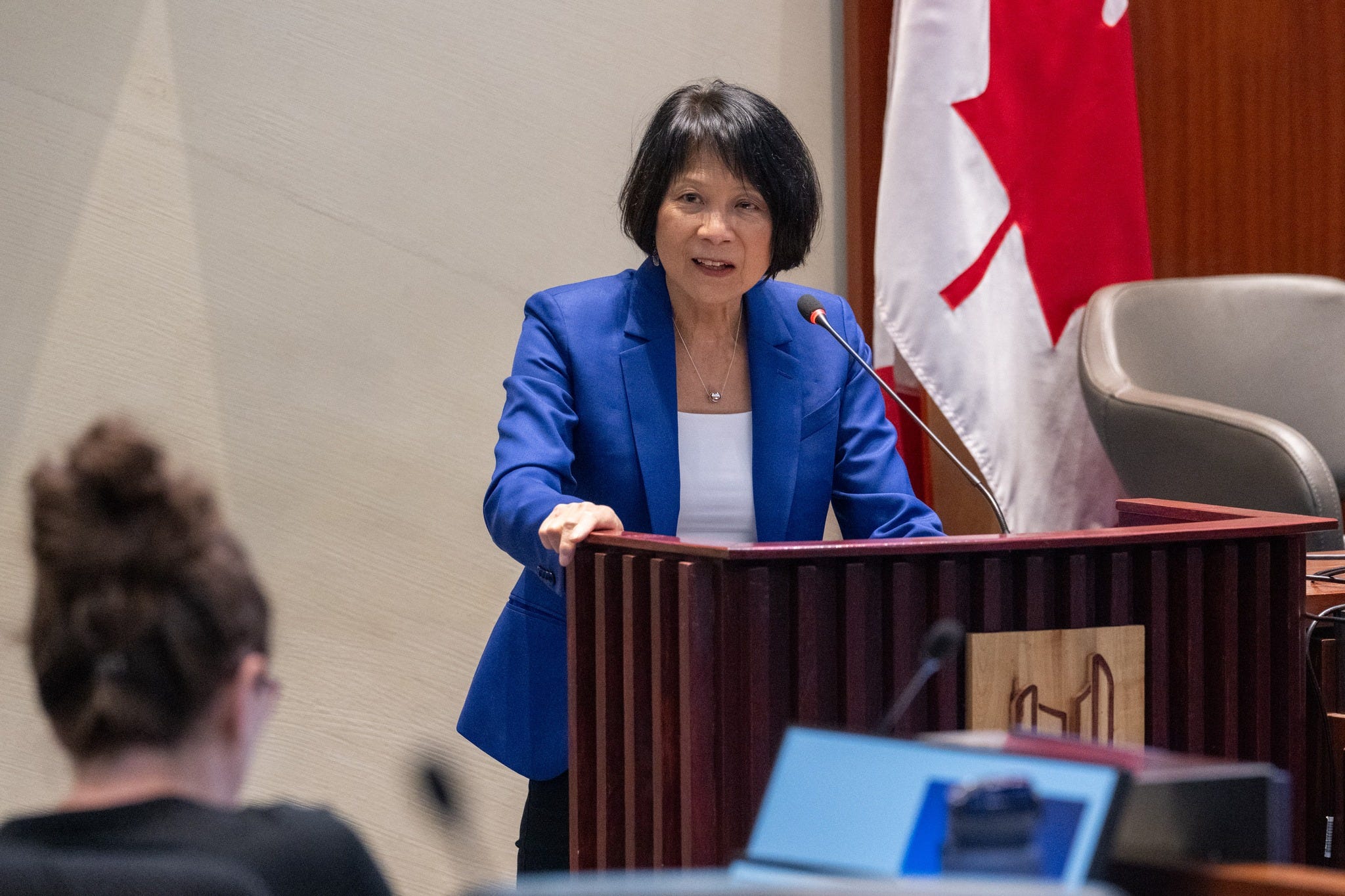
Prior to the 1980s and even into the 1990s, Canada represented one of the final frontiers in Western Civilization, relatively untouched by globalization owing to a harsh climate and rugged landscape, geographically isolating it from trade and migration outside of with the United States. But as China entered the World Trade Organization in 2000 and India began a concerted effort to integrate with former and current Commonwealth nations, Canada saw a massive influx of trade and people from these countries and witnessed its demographic balance shift from over 95% European in 1971 to under 57% in 2025. The mass immigration was particularly pronounced under...
Jungle Strike - Venezuela and Operation Absolute Resolve
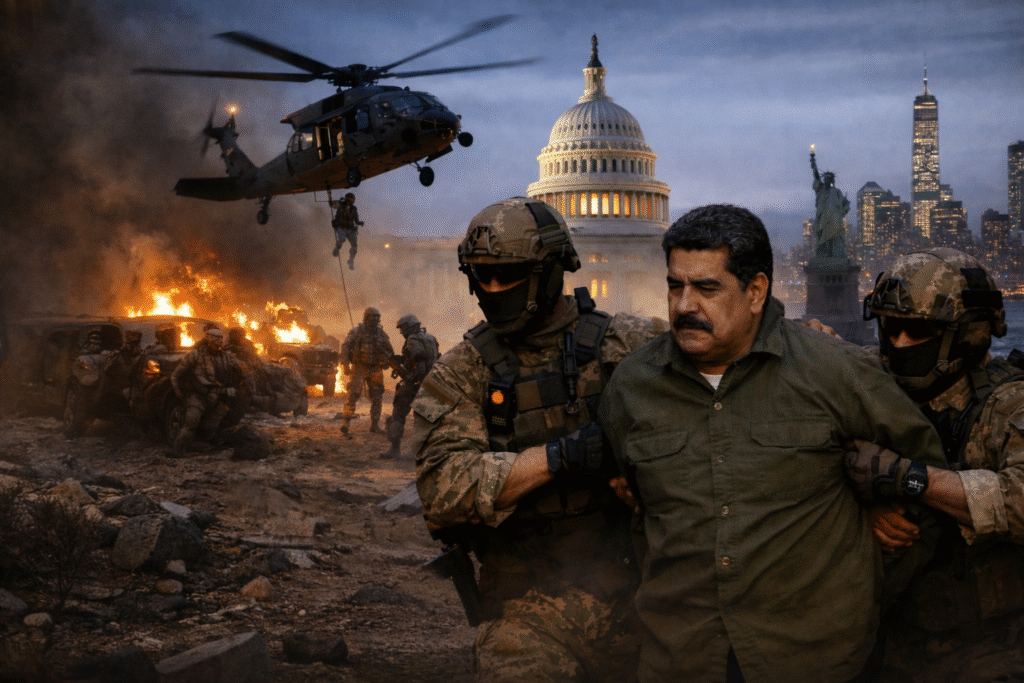
In the aftermath of the United States’ removal of Venezuelan president Nicolas Maduro on January 3rd, 2026, the world is rife with speculation as to the reasons for the operation, ranging from oil politics, drug interdiction, and broader geopolitical rivalries between the United States and the coalition of global superpowers in the BRICS alliance. Although generally unpopular with Venezuelans residing in the country, the 7 million or so Venezuelan diaspora in the United States has largely expressed support for the removal of Maduro, whom they see as a continuation of failed Chavismo policies that has seen the country’s major economic driv...
2025 - Year in Review

Following a wild election in 2024, which included an assassination attempt on then candidate and now President Donald Trump, 2025 was bound to be controversial. Realizing the fears and hopes of millions, the United States began enforcing its borders again, and enacting trade tariffs designed to shore up is dwindling manufacturing base. Geopolitically, attempts were made to wind down the Ukraine war, but other conflicts flared up between India and Pakistan and Iran and Israel. Domestically, the economy continued to hum along on the back of a now extended AI boom, but many people found basic housing unaffordable, and tensions grew...
The Housing Crisis - with Stormy Waters

In 1980, the median priced home in the United States was equivalent to 3 years of the median annual salary. In 2023, this had risen to 6 years - an effective doubling of real home prices. Despite attempts at lowering interest rates in the past year, wages have not kept up with housing costs, and many Americans are struggling to buy their first home, with almost 20% of Millennials living with their parents today, up from around 10% for young adults in the 1970s. Tonight, returning guest Stormy Waters joins us to discuss how America’s local, state, and national economic policies are deeply tied to...
Fighting for Territory - Lessons from the Spanish Civil War - with Karl Dahl
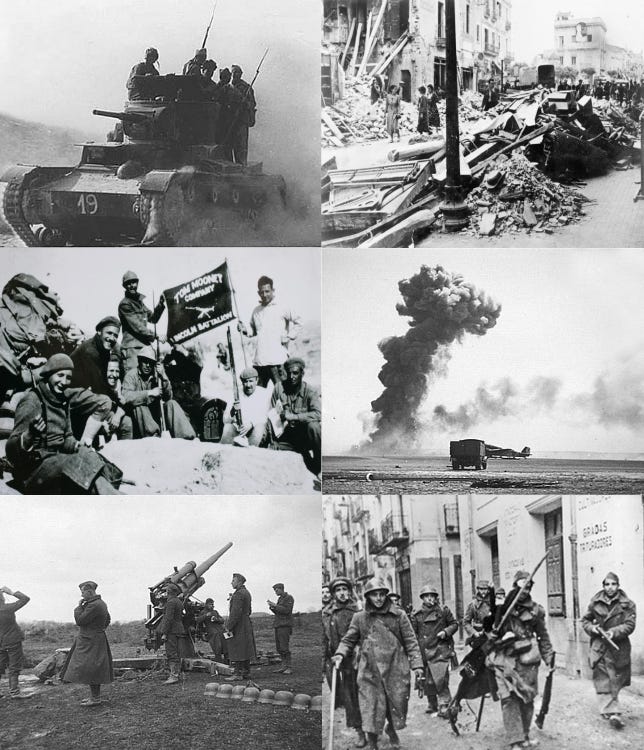
During the first and second world wars, Spain remained neutral and largely unscathed by the fighting. But between the wars, Spain was embroiled in an internal conflict that quickly drew in foreign powers from the Soviet Union, the fascist world, and the democratic capitalist nations of the West. This Spanish Civil War raged for three years and destroyed much of the country’s infrastructure, and revealed to everyone the strategies and tactics that made and broke roughly equally matched forces fighting over deep-seated ideological issues. Karl Dahl, joining us to discuss what happened and how the rightist forces under Fr...
Nuremberg - The Final Battle - The World at War - Part XIV
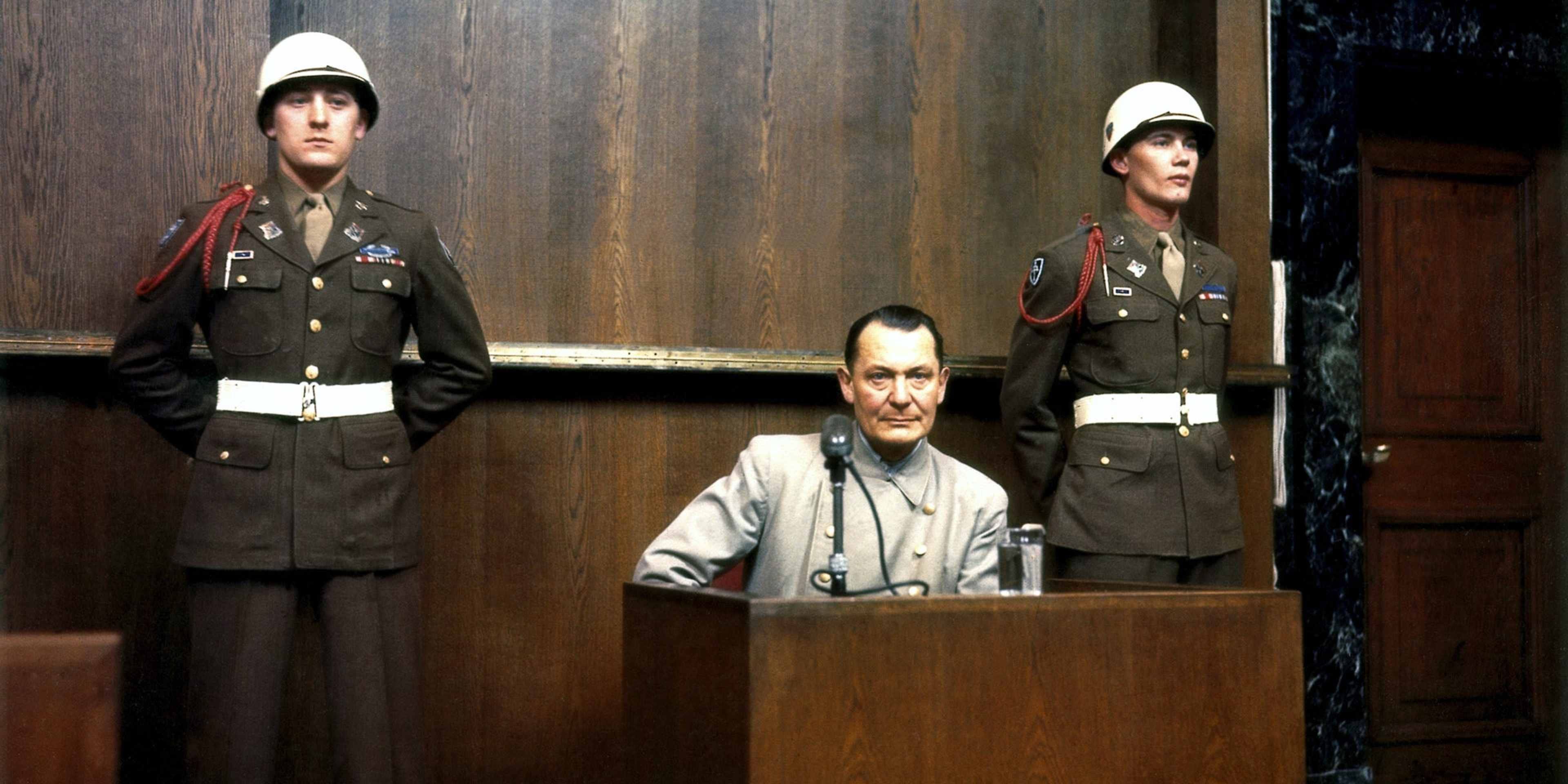
In the demolition of Nazi Germany, the first act was a bloody, physically destructive war that lasted less than six years, resulting in ruined cities and millions dead. But the population largely persisted, and in order to make it clear that the Allies’ version of the truth would stand the political test of time, the International Military Tribunal at Nuremberg tried over 20 German leaders for various political offenses such as “crimes against peace” and “conspiracy to commit aggressive war.” Tonight Thomas 777 rejoins us to delve into the specific cases of some of the most notable defendants like Rudolf Hess and Herman...
Nuremberg - The Reckoning - The World at War - Part XIII
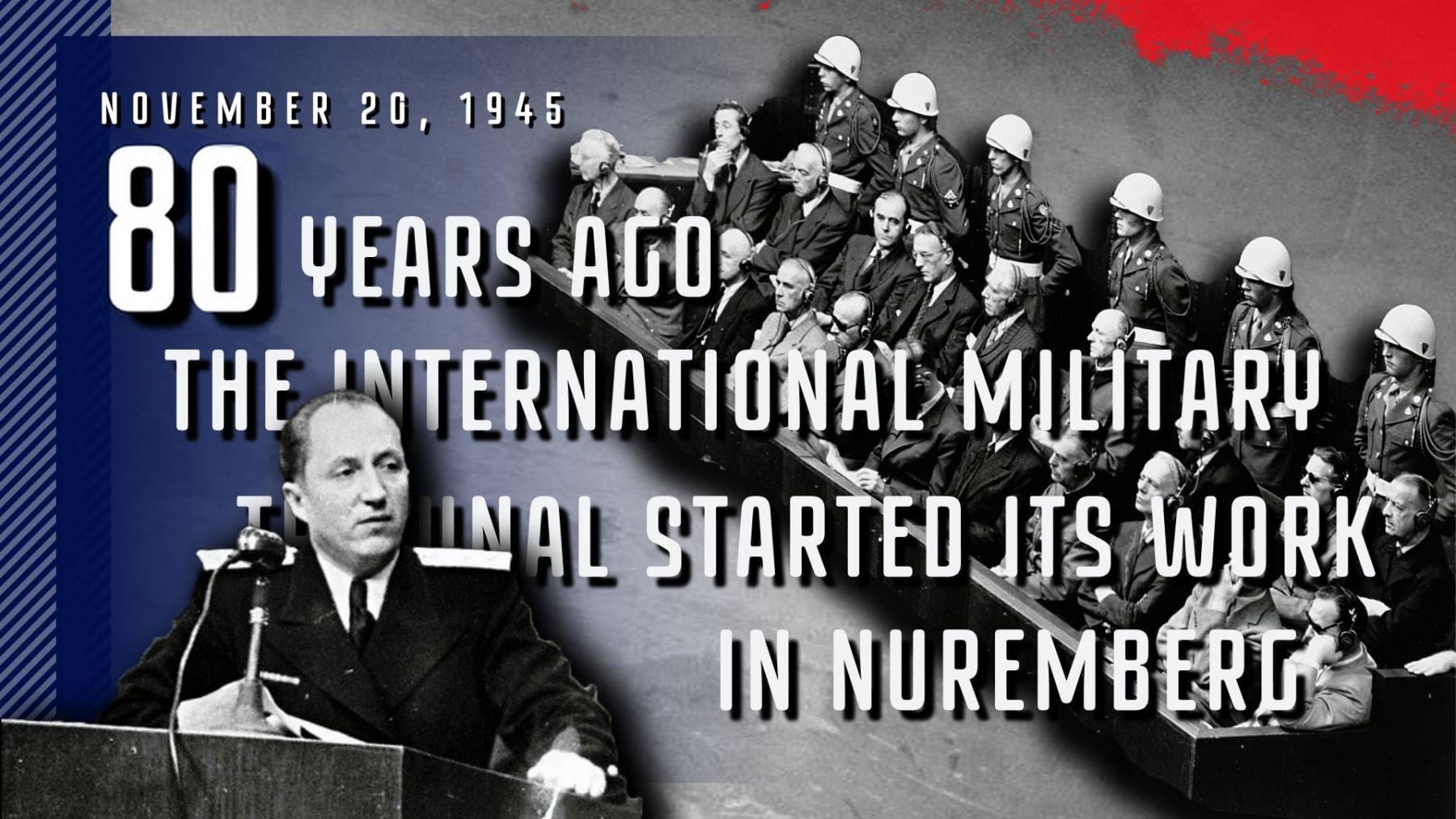
After the bloodiest conflict in history, where all sides piled millions of bodies in burnt-out husks of once great European cities, the victors of WWII decided to prosecute the war further upon the former leaders of their vanquished enemy. In November 1945, mere months after the official surrender of Germany and Japan, the International Military Tribunal convened on the German city of Nuremberg to present evidence of “crimes against humanity” by the Nazi high command. Their guilt was all but predetermined, yet the way in which the American, British, French and Soviet delegations would make their case was far from deci...
Crowbar - Legacy of the Black Cube
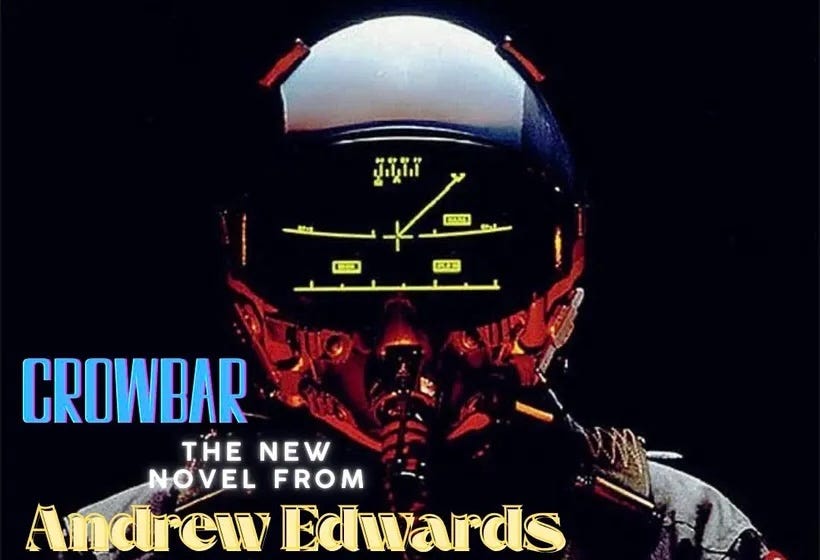
Set in the Cold War tensions of the early 1980s American West Coast, ‘Crowbar’ follows a cast of shadowy operatives working the between spaces of black market drugs, guns, and intelligence agency missions. Its author Andrew Edwards joins us tonight for a discussion of his latest work, and why the ‘NOIR’ genre of fiction speaks to men of our generation living in the midst of a rudderless empire in a morally ambiguous time, where good and evil transmogrify between the light and dark into an amorphous gray..
-- Brought to you by --
Very spe...
The World at War - Part XII - Lend-Lease and the Arsenal of Democracy

Over the course of WWII, the United States, having no territory attacked or taken save a few islands in the Pacific, managed to supply nearly 50% of Britain’s food, almost all of its petroleum, and upwards of 40% of various strategic raw materials and food stuffs the Soviet Union needed in their respective fights with Nazi Germany. This program, authorized almost a year before the attacks on Pearl Harbor by the Japanese in late 1941, was entitled Lend-Lease, and by the end of the war funneled 90% of its budget of war material towards the European Theatre - despite America not having be...
The World at War - Part XI - Kamikaze - Unconditional Surrender
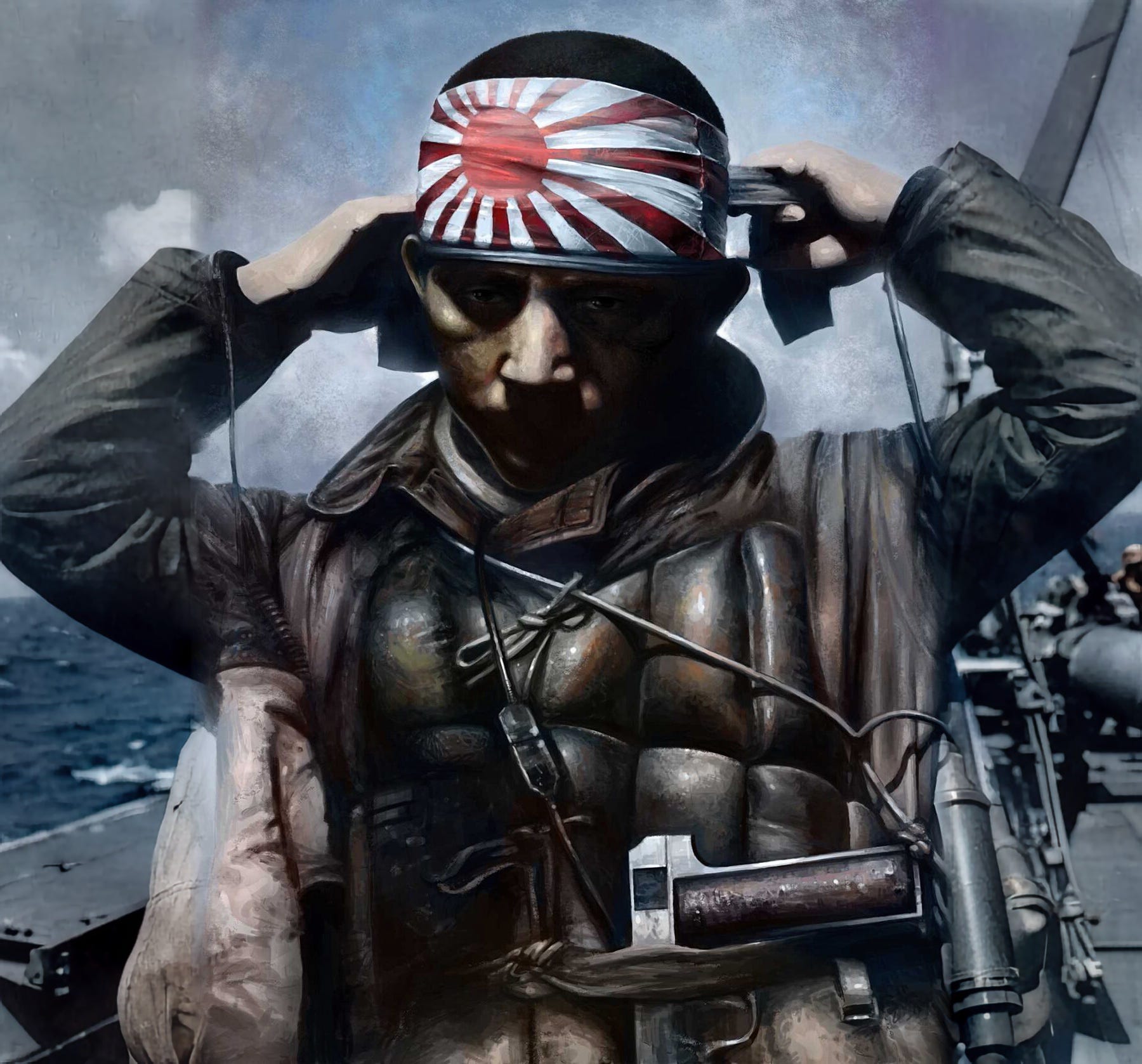
In 1967, director Kihachi Okamoto released the film ‘Japan’s Longest Day’, depicting the pivotal 24 hours the government debated if they would accept the Allies’ terms for surrender in 1945. For context, the movie summarizes Japan’s point of view: “for the first seven months of the war Japan was overwhelmingly dominant. In the blink of an eye, the Imperial Forces gained complete ascendancy in the Pacific, the Indian Ocean and projected their immense military might as far south as Australia. But in the Pacific Theatre, a crucial strategic battle was lost at Midway. From that day forward the power of the Imperial...
The World at War - Part X - Downfall of the Reich (Myth20c - Ep304)
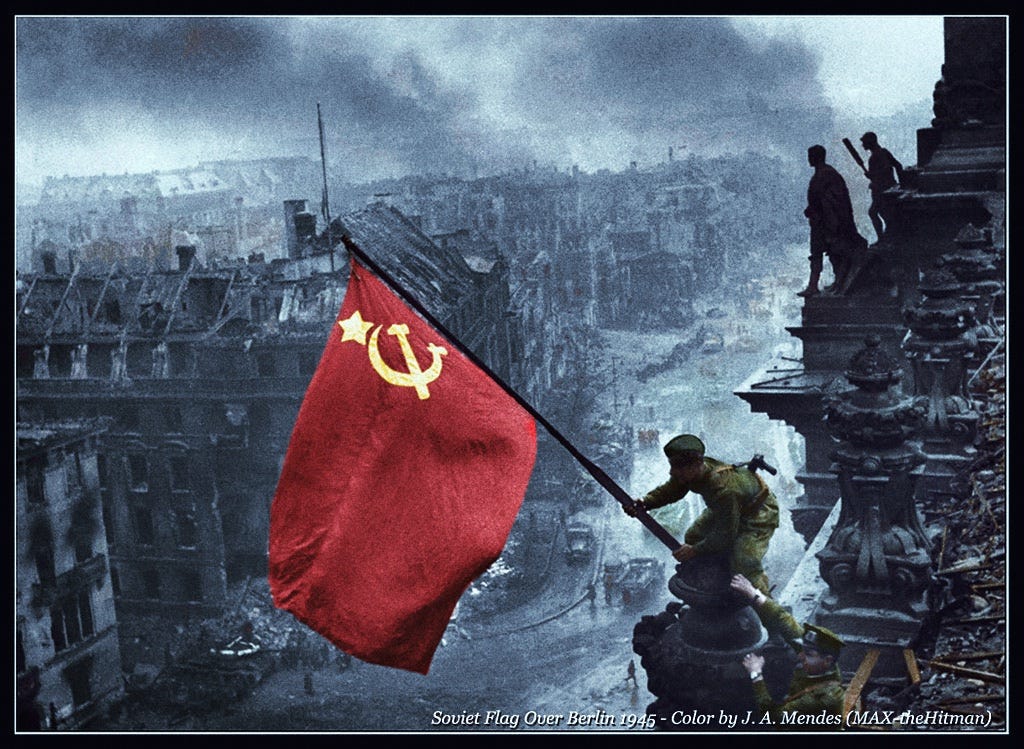
In the final year of WWII, the overwhelming weight of the Allied assault on the Third Reich brought into full focus the severity of Germany’s situation. From the east, the Red Army went from recapturing Soviet territory to advancing into Axis countries. From the west, the successful American and British landings at Normandy help prompt a failed coup attempt on Hitler’s life a month later, and from the air German cities continued to be incinerated - military and civilian populations alike. In the movie ‘Der Untergang’ portraying the final days in Berlin at the Führerbunker, Hitler states “i...
The World at War - Part IX - The Nightmare Forest (Myth20c - Ep303)
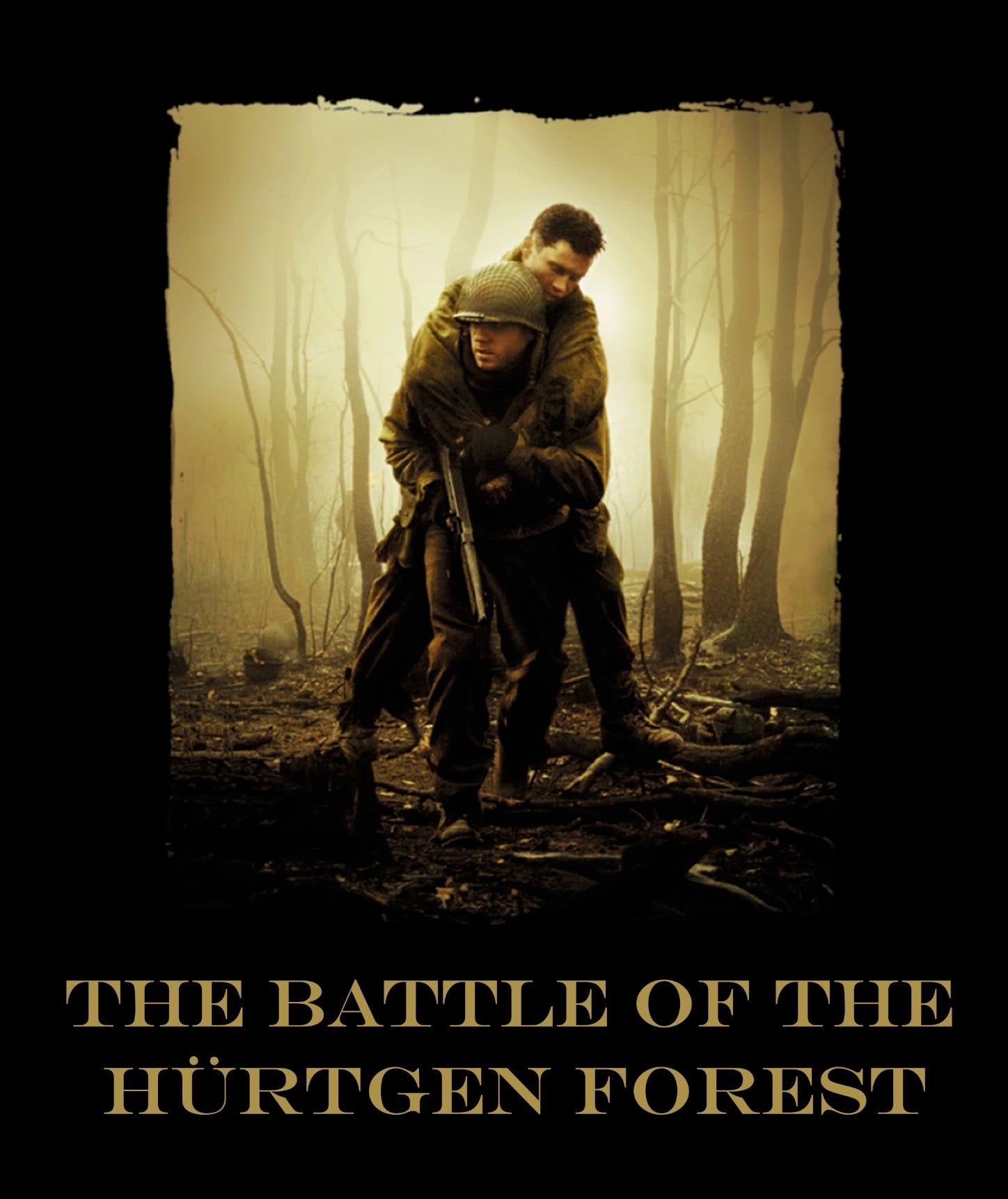
In 1944, the western and eastern fronts began collapsing on the German Reich, following the capitulation of its ally Italy in 1943 and the successful landing of Allied forces in France in June, 1944. In terms of production, the Allies already outstripped Germany 4 to 1, and with the Wehrmacht allocating upwards of 80% of its men and materiel to the defense against the Red Army in the east, the West Wall remained relatively unprotected. After storming through the Normandy beaches and breaking through the Bocage hedgerows of France, it was this progress and numerical superiority that led the US military into a false sense...
The World at War - Part VIII - Operation Overlord (Myth20c - Ep302)
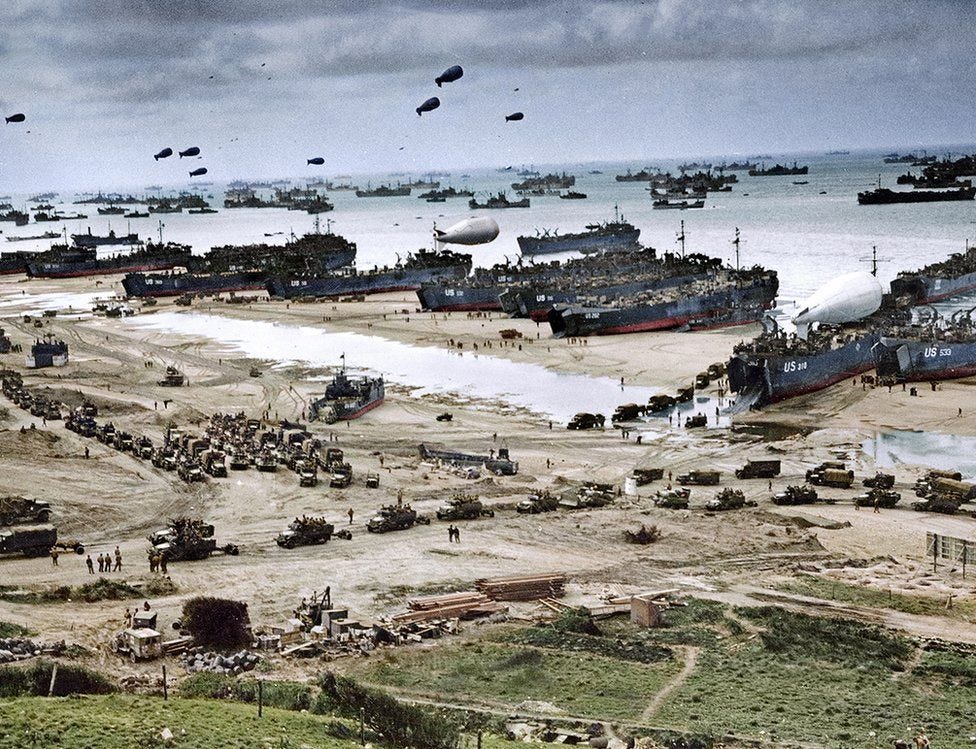
In the minds of many Americans - arguably owing to the canonization of D-Day by Hollywood movies - the battle to take Europe from the Germans began in earnest on June 6th, 1944, when American, British, and Canadian troops successfully established a beachhead on French soil for the first time after the Reich's takeover of France in 1940. But to the Germans, and almost certainly to the Soviets, who had been fighting ferociously in the East for 3 years to the tune of over 10-15 million dead, the Normandy landings were a footnote in much greater civilization struggle. Nonetheless, the sheer technical...
The World at War - Part VII - Germany Under Siege (Myth20c - Ep301)
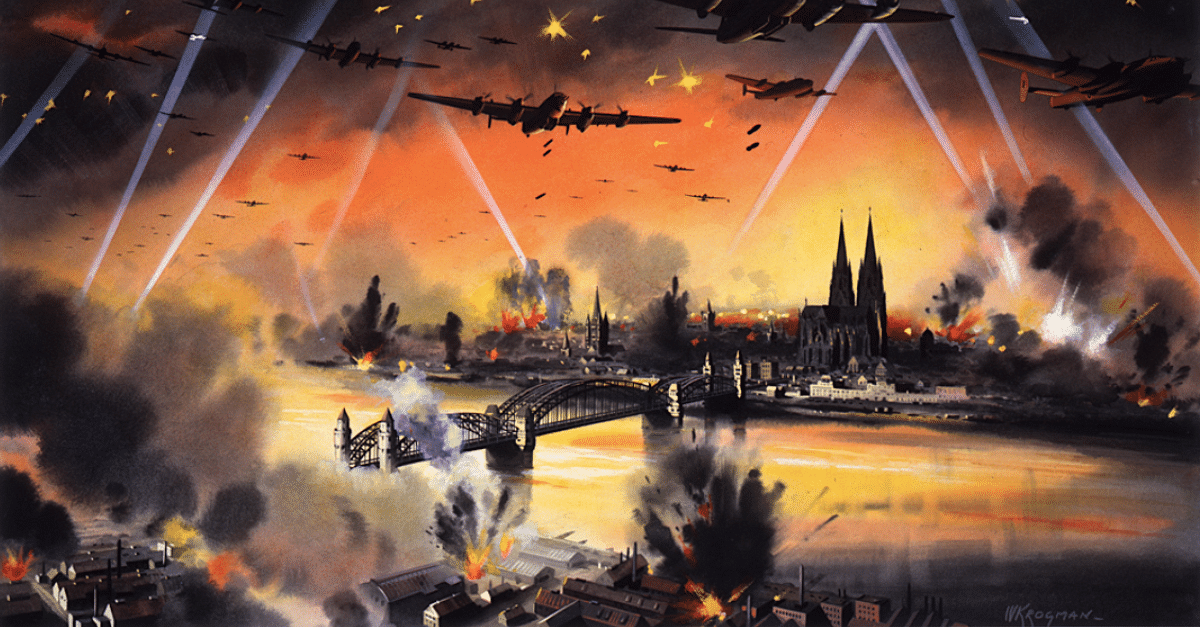
Throughout history, man has fought and died on the battlefield of war. Civilian non-combatants, if affected, were subject to siege, depredations and pillage - but rarely faced the same level of slaughter as their front line compatriots. In World War II, however, the degree to which the civilian population became the targets themselves reached an unprecedented level - as was the case when British and American bomber command targeted scores of German cities and neighborhoods bearing little to no military strategic value - resulting in over 1 million civilian casualties and dwarfing the losses suffered by the British during the...
Episode 300 - Perpetual Color Revolution - After Dark (Myth20c - Ep300)
In 480BC at the Battle of Thermopylae, King Leonidas led a valiant defense of Sparta with a contingent of 300 men against the overwhelmingly numerically superior Persian army, tens of thousands of whom the Spartans and Greek allies killed in the 3 day struggle. While the ultimate outcome of Thermopylae was a tactical defeat and loss of life for the defenders, the fact that they held off such a force for as long as they did inspired the entire Greek world, calling up the courage and bravery of more men to ultimately end the Persian invasion for good. As our 300th...
The World at War - Part VI - Desert War and the Southern Front (Myth20c - Ep299)
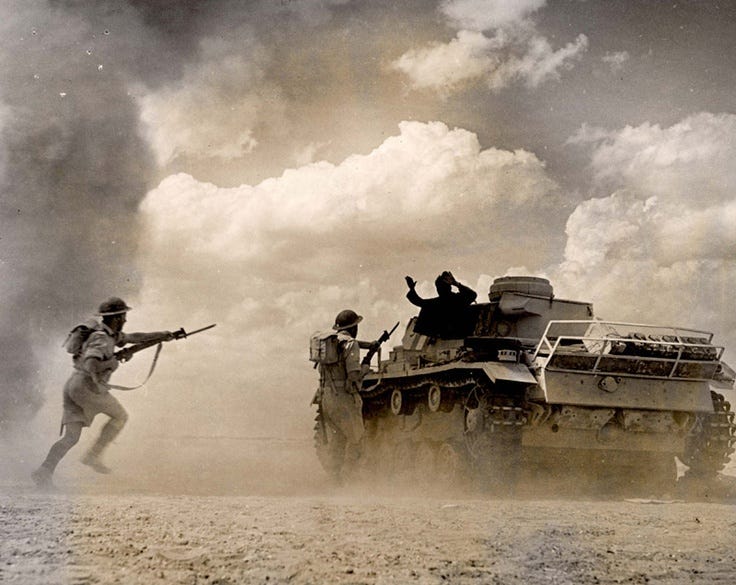
Much of WWII history revolves around the major powers and conflict zones of Northern Europe and East Asia. But the North African desert witnessed some of the wildest swings in territory gained and lost as the opposing armies of Italy, Germany, Britain, and America first tested their land tactics in a major way against each other in the war in fierce aerial and tank battles. To help us understand the significance of Spain in setting the stage for the fascist, communist and capitalist conflict that took place most brutally after the end of the Spanish Civil War in 1939, Pete...
The World at War - Part V - Pacific War (Myth20c - Ep298)
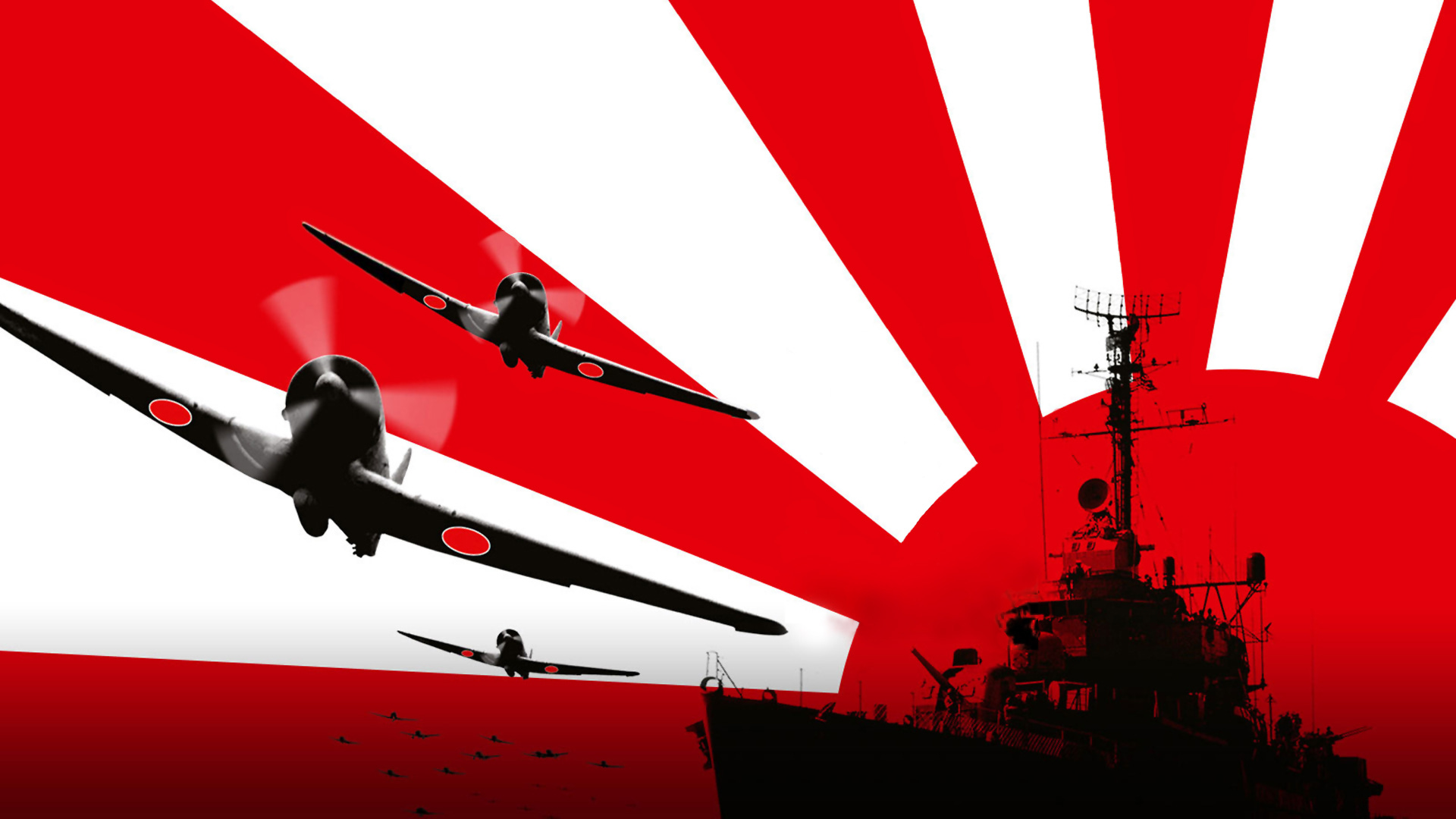
As the European powers emerged from World War I and the Great Depression, Japan faced its own challenges on the Pacific Rim. Aiming to build a power base independent of the imperial powers of Britain, France, Russia and the United States encroaching on China and the surrounding nations over the past century, Japan had embarked on an industrial and military modernization program that resulted in a series of victories in Korea and modern day northern China. Noticing the economic success and rapid military conquests of Nazi Germany in 1940, Tokyo also signed the Tripartite Pact with Berlin and Rome, and...
The World at War - Part IV - The Eastern Front (Myth20c - Ep297)
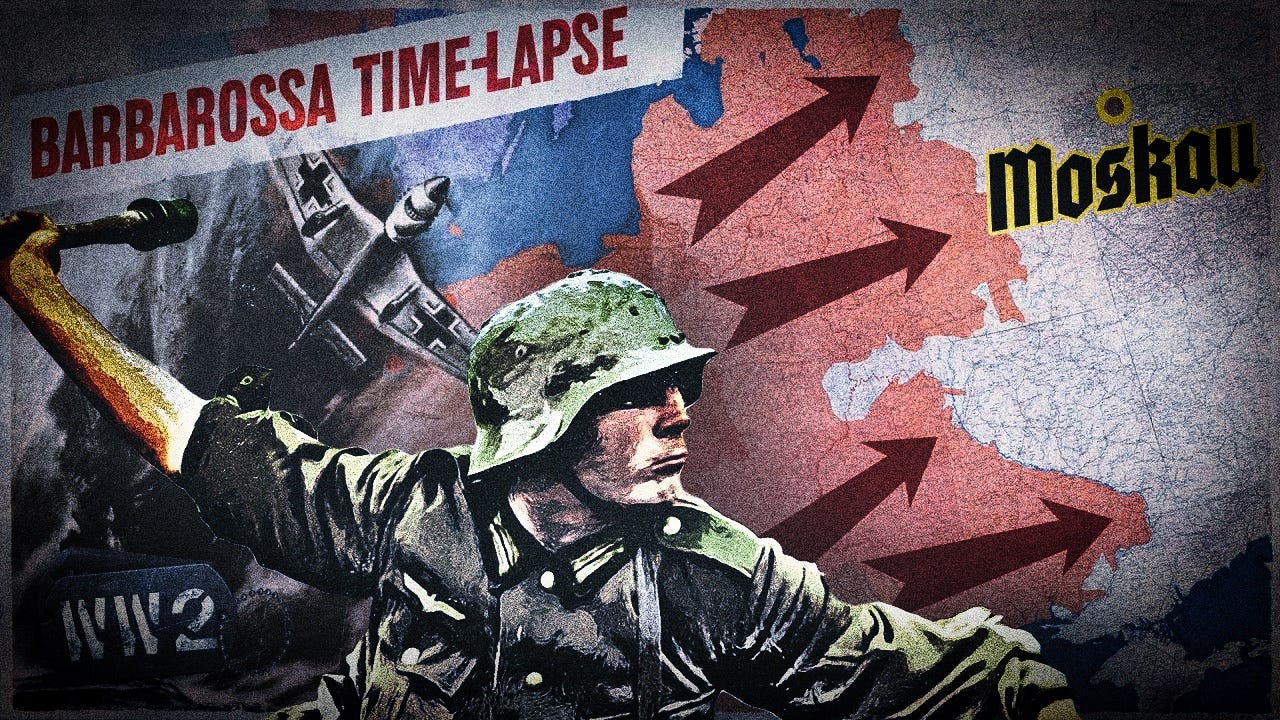
As the summer of 1941 approached, the geopolitical map of the world hinged around three main power blocs: the Anglo-American alliance, the Soviet Union, and the nascent but growing empires of the fascist world. Having witnessed the rapid expansion of Nazi Germany into occupying France, Norway, the low countries and portions of Eastern Europe, the Soviet Union for its part in 1940 annexed sections of Finland in a short but brutal war, went on to take Bessarabia from Romania, and then finally the Baltic states of Lithuania, Latvia, and Estonia. Bound together in a non-aggression pact signed in 1939, Hitler and Stalin...
The World at War - Part III - The Battle of Britain (Myth20c - Ep296)
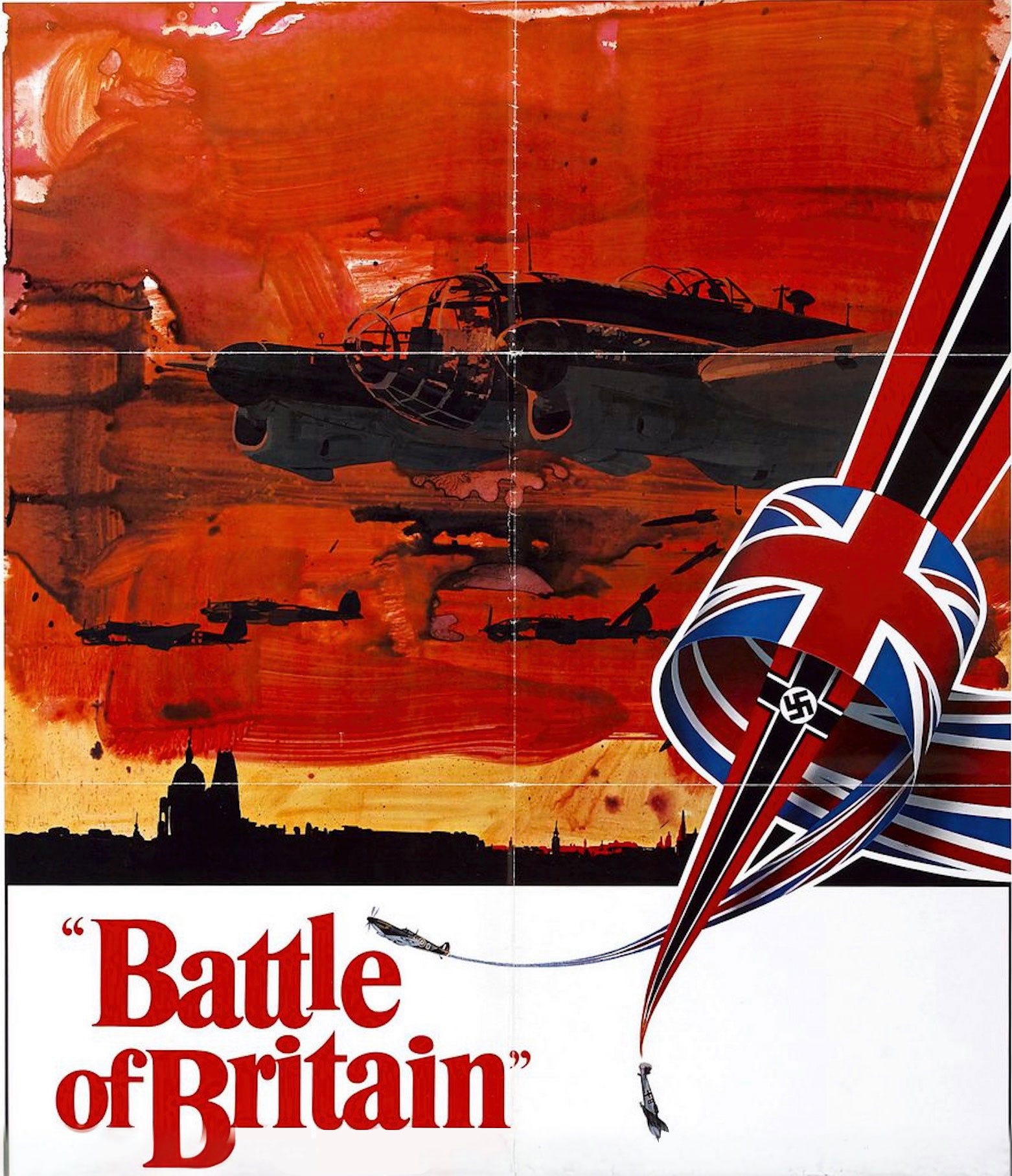
After jointly declaring war on Germany in September, 1939 and with France capitulating in June, 1940, Great Britain stood alone in its quest to subdue Nazi Germany and prevent its emerging continental empire from eclipsing Britain’s global one. Winston Churchill in particular proved decisive in refusing peace offers from Adolf Hitler, and despite protests from his cabinet, gambled the British Empire on maintaining their vital military and supply lines with the United States while under aerial bombardment during the ‘Blitz’ and losing millions of tons of shipping to the Kriegsmarine. The World at War series highlights the losses the British suffer...
Iran Strike - After Dark (Myth20c - Ep295)
On June 21st, 2025, the United States launched a series of air strikes on Iranian installations allegedly containing facilities and equipment designed for building weapons grade nuclear material. The strikes follow a series of missile exchanges between Tel Aviv and Tehran over the past few weeks, which again follow a long standing series of proxy wars, sabotage and assassinations going back decades between Israel and Iran. Apart from economic sanctions, however, the direct military bombardment of Iran by the United States as a proxy for Israel is new, and raises alarms not only on the side already critical of the...
The World at War - Part II - The Western Front (Myth20c - Ep294)

The 20th century war between the Western European powers, which began in earnest in 1914 and halted after four bloody years of fighting, resumed again officially in 1939. Following the swift occupation of Poland by Germany and the USSR, Britain and France declared war on Germany, but limited their actual fighting to leafleting and a few naval skirmishes. In May, 1940, however, Germany broke the deadlock and invaded France through the low countries and forced Paris to capitulate in 5 short weeks. Tonight, as continuation of our ongoing coverage of ‘The World at War’ series, we discuss episodes 2 and 3 on the British and Fren...
The World at War - Part I - A New Germany (Myth20c - Ep293)

As the world’s largest scale conflict in terms of active battle space and commitment of men, material, and of course the tragic loss of over 70 million lives, World War II has been a topic this show has touched upon but never fully addressed. As this year is the 80th anniversary of the end of the war and our 10th year of podcasting, Myth of the 20th Century is embarking on a multi-part series structured about the 1973 British documentary ‘The World at War’. We are hoping to include a panel of military and historical experts, and as such we are ho...
Camp of the Feints - India vs. Pakistan (Ep. 292)

On May 10th, 2025, India and Pakistan agreed to a ceasefire, brokered by the United States, after weeks of fighting in one of the bitterest military exchanges in years. This followed an attack on Indian tourists in the disputed region of Kashmir where Pakistani militants executed 26 Indian civilians, and follows decades of border skirmishes and conflicts that has never fully abated since the two countries’ bloody separation in the aftermath of India’s independence from the British Empire. What makes this conflict even more dangerous is the repeated threats both sides have made to one another with nuclear weapons. Tonight we r...
Trade War - After Dark (Myth20c - Ep291)

On April 2nd, 2025, The Trump Administration announced what they called ‘Liberation Day’ for Americans. Rather than a reference to an occupation from a kinetic war, the White House was referring to liberation from a sociopolitical regime waging an economic war. The announcement focused on a series of tariffs designed to redress serious trade imbalances in manufactured goods with countries around the world, particularly in Asia and Europe. The next morning, almost without hesitation, the US stock markets plummeted, followed by another drop of over 5% the next day. Almost as quickly, many on the right and people ostensibly aligned with the...
The Years of Great Silence - Ethnic Germans in the USSR (Myth20c - Ep290)

In the summer of 1941, Nazi Germany broke the peace and trade agreement they signed in 1939 with Moscow and invaded the Soviet Union in the largest land military operation the world had ever seen. Over the next four years as these two superpowers brutally killed each other, over 1 million ethnic Germans living in Russia whose settlement dated back to the 18th century, found themselves caught in a precarious position. Tonight we are joined by Dr. J. Otto Pohl to discuss his work ‘The Years of Great Silence’ detailing the tragic outcome this population experienced during the 1930s on through the 1950s, a...
Long Term Capital Management - When Genius Failed (Myth20c - Ep289)

In 1998, Long Term Capital Management received a $3.6 billion bailout from a private consortium of Wall Street banks. This amount, while staggering to most, belied an even greater $1 trillion in notional liability LTCM was facing if circumstances had worsened. What led to the firm’s insolvency was a confluence of extreme events in the markets ranging from the Asian Financial Crisis to the Russian sovereign debt default, compounded by an over-reliance on complex mathematical models and high amounts of leverage. What was even more surprising, however, was how this failure was led by a team of world renowned financiers, including tw...
