BRAINLAND
Brainland the podcast navigates the boundary between neuroscience, the arts and humanities with the occasional wander off piste. It began as a neuro-historical exploration of the background to the Brainland the opera but quickly spread its wings. A Brainland Collective production. Hosted on Acast. See acast.com/privacy for more information.
THE PROTO-PSYCHOLOGY OF MICHEL DE MONTAIGNE
In this essay, sorry, podcast, Neil Kenny, specialist in French literature and society in the 16th and 17th centuries opens us the period in which Montaigne composed his 'essais', first published in 1580, before talking about the man himself, including his education (he only spoke Latin for the first six years of his life - an educational experiment of his dad). Neil had suggested a number of chapters that might coincide with the notion of proto-psychology and Ken was especially excited by 'On practising' which includes a detailed account of a head injury and it's aftermath experienced shortly before his...
WIREHEADS: An unatural history of technology and the brain.
In this episode cultural historian Mike Jay shares some of the stories in his new book 'Wireheads'. Our conversation ranges from an eighteenth century Bedlam patient to Elon Musk's 'Neuralink' along the way taking in Havana syndrome and direct energy weapons, the shifting notion of delusion, hoped for effects of electricity on child intelligence, and a variety of doctors who, over the years, have thought it a good idea to put wires into the brain, often with infamous results. We discuss how societal currents, such as increasing violence in the US in the late 60s and early '70s...
PATTERN SEEKING: Autism, evolution and us.
In his book 'The Pattern Seekers' Sir Simon proposes that what has made us successful as a species is our ability to see patterns, 'systemise' and create 'if, then, and' sequences that have enabled us to invent and experiment also and how this ability relates to autism. Our conversation travels from a 40 thousand year old tuned bone flute to creating 'neuro-affirmative' environments in schools and work. Along the way we discuss why Eindhoven has double the rates of childhood autism than other equivalent Dutch cities, what was gleaned from 20 thousand Danish samples of amniotic fluid, why autistic people are...
NEUROMANCER: Cyberpunk at 40.
It is 42 years since the publication of William Gibson's game changing science fiction novel 'Neuromancer' and in 2027 Apple TV's much heralded 10 part adaptation of the novel is being released. In this episode academic Curtis Runstedler references the novel's antecedents, including Burgess's 'A Clockwork Orange' and Ballard's 'The Atrocity Exhibition', but especially Ridley Scott's 1982 film 'Blade Runner' and authors it deliberately sought distance from, especially Asimov and Heinlein. After outlining the plot and main characters we discuss the hyper-capitalist world in which it is set, the major role of AI characters 'Wintermute' and 'Neuromancer' and the strong female character Molly...
THE RATIO CLUB: UK cybernetics powerhouse.
In this special 100th episode of Brainland sometime co-host Andy Platman and Ken talk with Phil Husbands about the 'Ratio Club', a dining club of medics, mathematicians, engineers and physiologists that met regularly between 1949 and 1955 to talk cybernetics. Phil's definitive history of the group is in its final edit. The most well known member was, at the time, Grey Walter, who we talked about in an earlier episode (https://shows.acast.com/brainland/episodes/grey-walter). After introducing 'Ratio' and its members (and why that name), Phil talks about the different disciplines of members (medic/psychiatrists, physiologists, mathematician/statisticians, engineers...
WHAT HAS GREEK TRAGEDY EVER DONE FOR US?
Did anyone write about human psychology long before there was such a term? Yes and this season we are going to discuss five of them, beginning with three Greek tragedians. 32 of their plays have survived, written almost two and a half thousand years ago and a small sample of a thousand or so performed in the 'golden age' of Greek democracy. After talking though their historical and social context, and a brief diversion into Christopher Nolan's 'Odyssey', Simon dismantles Nietzsche's influential take on Greek tragedy, favouring a more nuanced and strange take, referencing especially Euripides, whose plays mostly feature...
HUMANISH: The many faces of anthropomorphism
In this conversation, animal behaviourist Justin Gregg talk through the many facets of our species' tendency to attribute human qualities to animals and things, as well as the opposite, to deny human qualities to classes of fellow humans. Our conversation ranges over enthusiasm for dolphin midwives, cuddly sharks and alligators and the difference between dogs and wolves. We talk about the possible effects of giving storms female names, 'companion cubes', using animals in marketing and why cartoon animal violence feels OK. Our desire to put intentions and humanish causation on the universe may explain aspects of religion a tendency...
EXPLORING THE AUTISTIC BRAIN
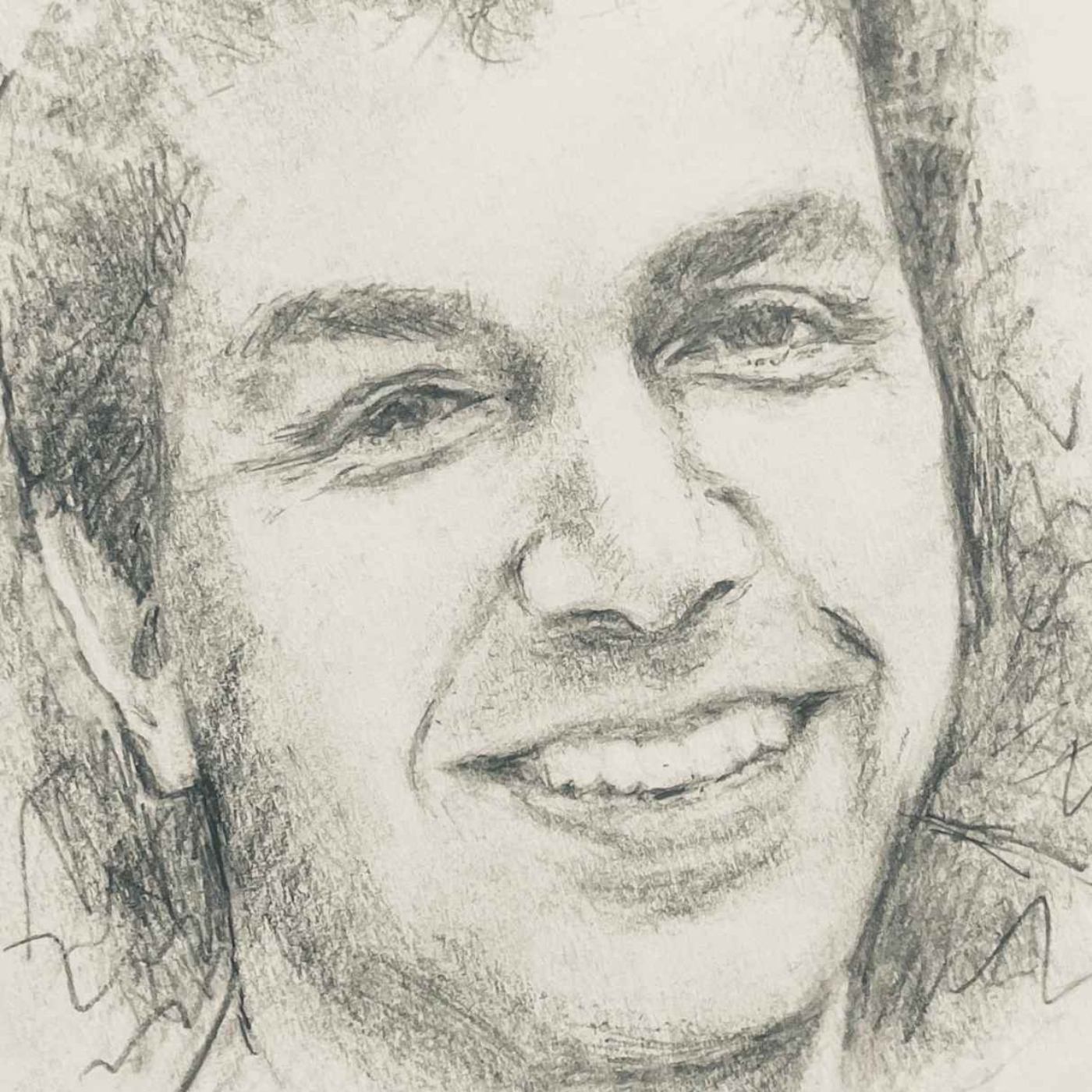
In another wide ranging conversation, Prof Rajesh Kana, author of the recent book 'The Neuroscience of Autism' walks us through this potentially complex subject. After definitions we talk about overlaps with other conditions, especially ADHD, and how this is worked with in brain imaging studies. We talk about competing causal hypotheses the varied use of the MRI brain scanner to image structures, pathways, chemical concentrations and local energy use. The examination that perhaps has the most potential is pathways, relating to what has recently been labelled 'the connectome' - the more complex the behaviour or demand (and effective social...
SPEAK! On the neuroscience of language...
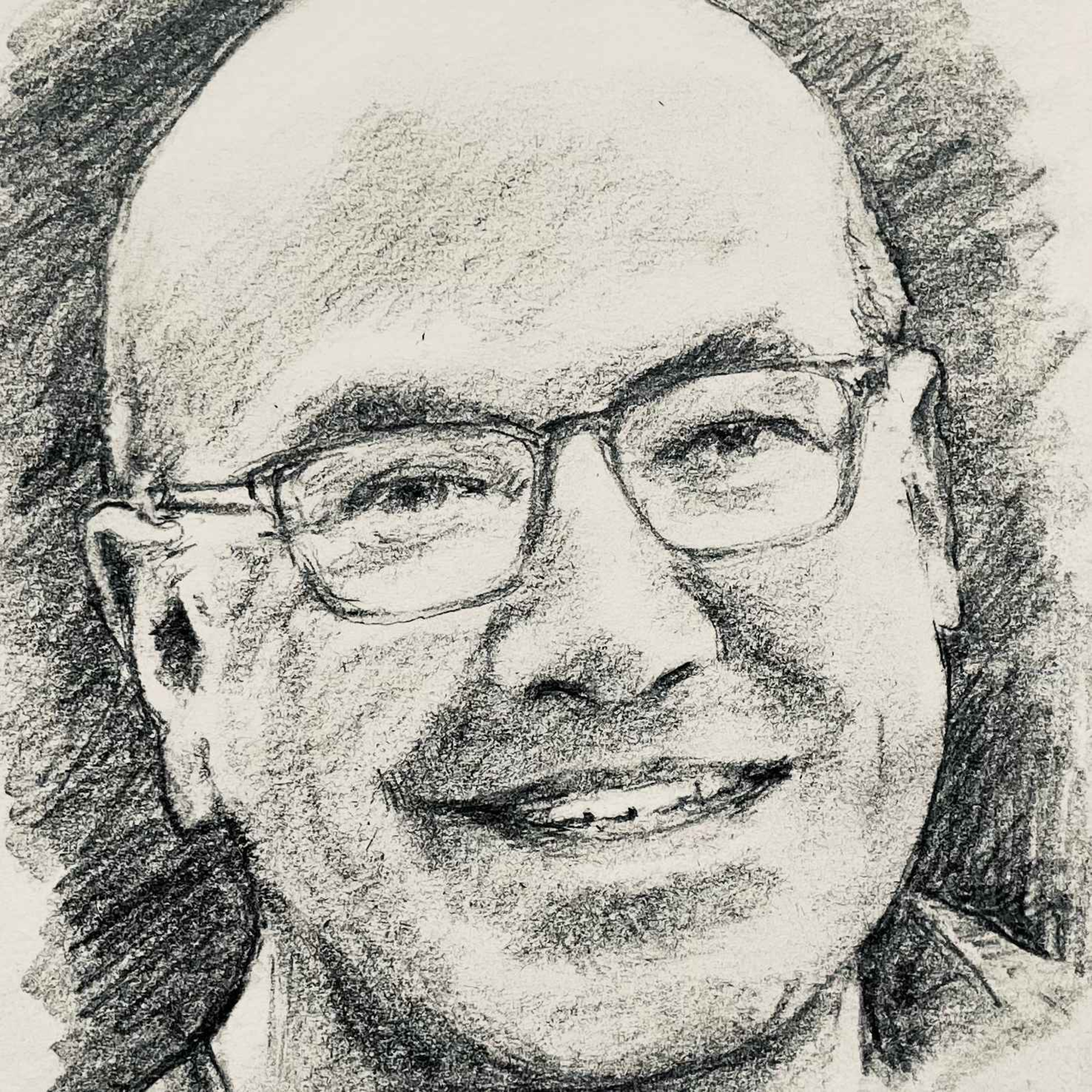
In this conversation Jonathan Peelle, language researcher and author of the a recent book on the subject, ranges over many aspects of the brain origins of language. We begin by discussing nineteenth century luminaries Broca and Wernicke and the effect of the First World War on simplistic notions of localisation, revived in modified form by Penfield and Geschwind in the '50s and '60s. We talk about the various stages of understanding and using language, including non-verbal aspects of communication and non verbal language use (sign language). After discussing the various brain investigation tools used in language research...
CHESS MASTERY AND THE ART OF THINKING SIDEWAYS
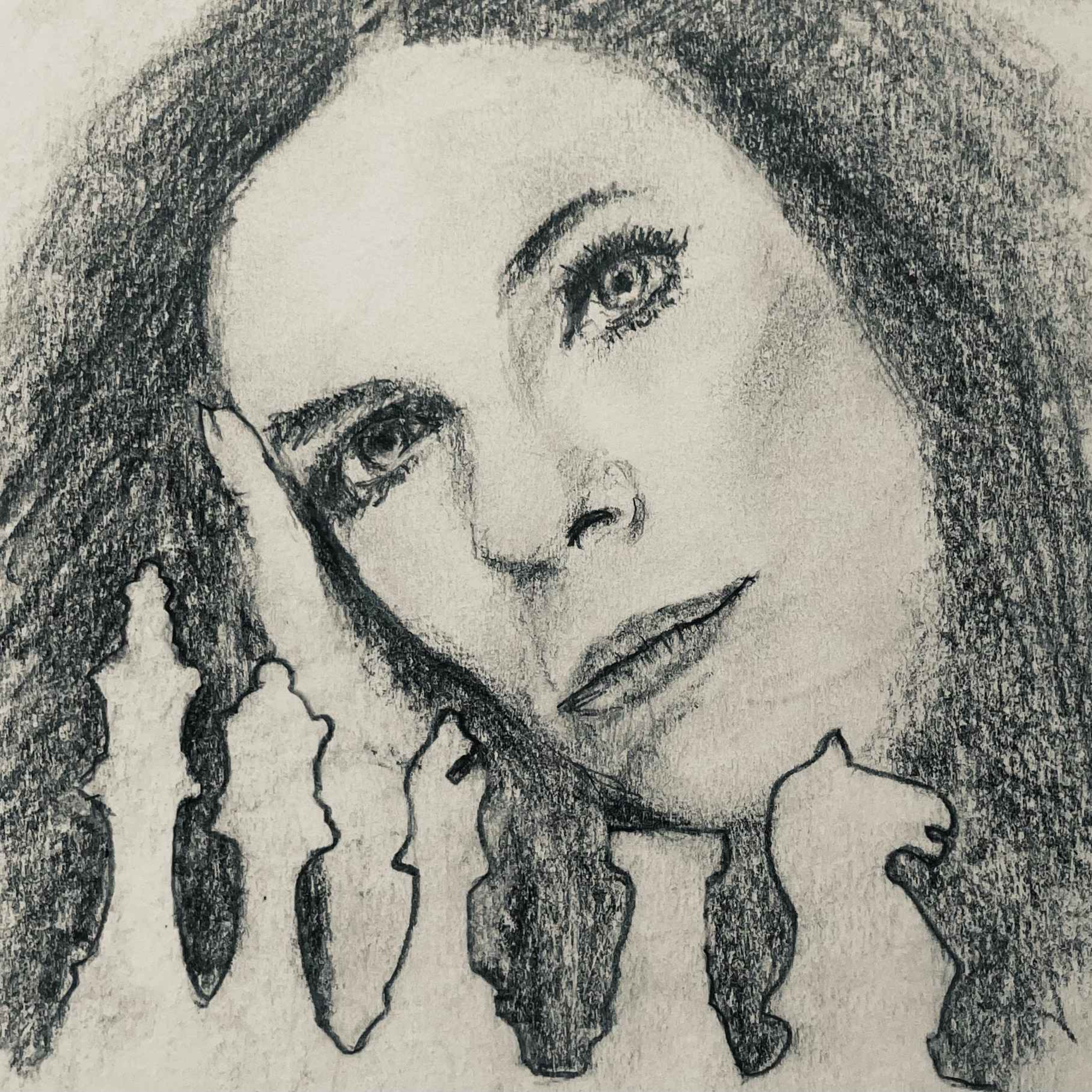
In this episode expert chess player Jennifer Shahade talks about the world of competitive chess and her motivation for writing her recent book 'Thinking Sideways'. In a wide ranging conversation, we discuss the changes in chess since the events depicted in the TV series 'Queen's Gambit', especially the greater involvement of children, now learning from the age of 4, and also women. We touch on discrimination and abusive behaviour in relation to the game, physical and online, some called out by Jennifer herself. Some figures from the past who were expert chess players get a mention, in fields as diverse...
THE VISIONARY FICTION OF KAREL ČAPEK
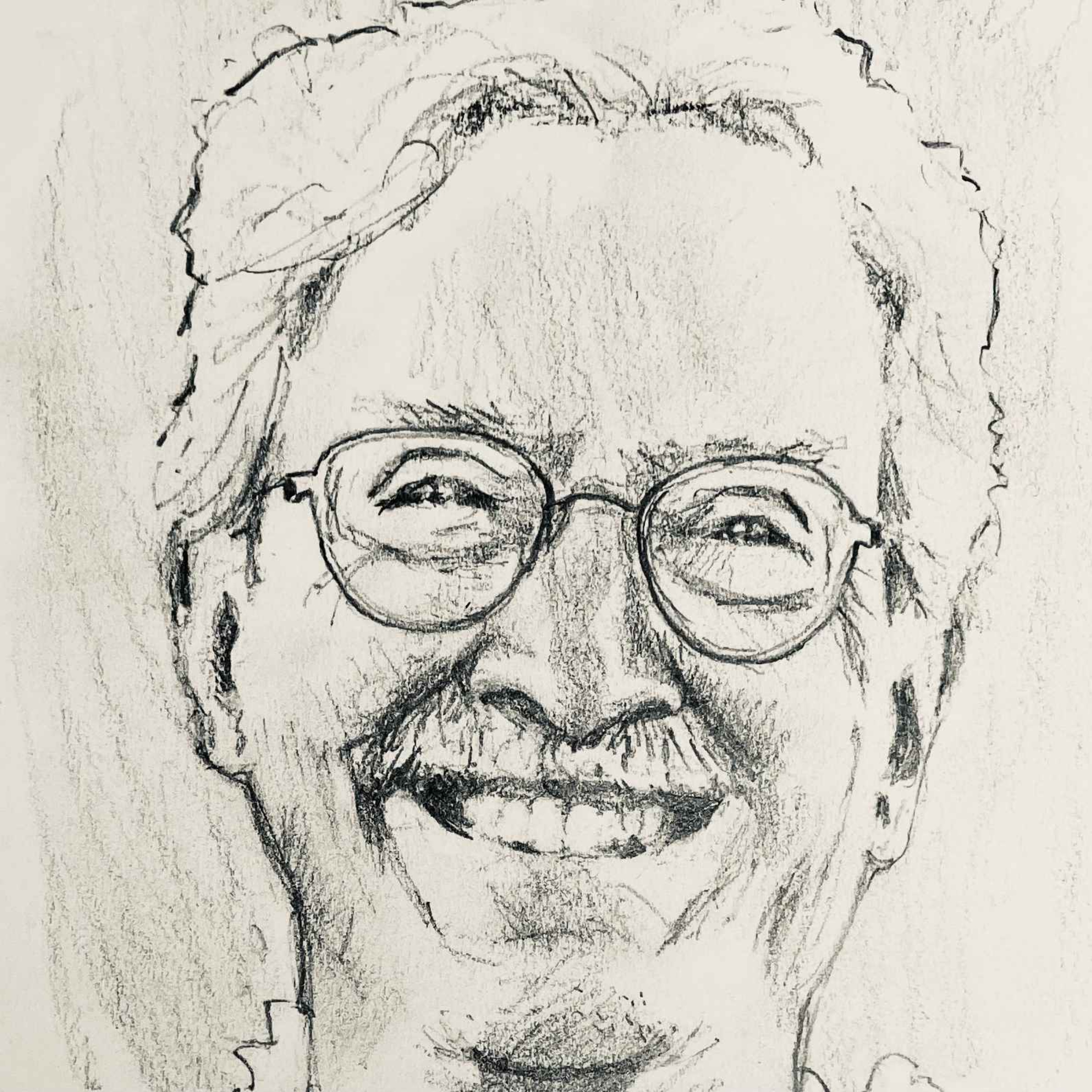
In this episode John Rieder, a leading authority on early science fiction and its critique of colonialism and more talks about Czech writer Karel Čapek, whose play 'RUR', 'Rossums Universal Robots', introduced the word 'robot' to the world. We discuss the way early sci fi, such as Well's 'War of the Worlds', offered a subtle critique of colonialism and uncontrolled profit/capitalism. John outlines the plots and the various subtexts of three Čapek's extraordinary novels recognised as early examples of science fiction: 'War with the Newts' (1936), 'The Absolute at Large' (1922) and Krakatit (1924), exploring the targets of his satire and hi...
CHESS HEAD: Could regular chess playing remodel your brain?
In this episode we discuss the history and evolution of chess and how chess competence, up to grand master, is rated, including how this would stand up in a scientific research setting. We talk through the range of brain investigation studies included in their recent review and some of the technical background to those tests and limitations of their methods before moving on to the areas of difference between novice players and experts, relating to pattern recognition, memory, imagery and decision making. An interesting finding was reduced grey matter volume in key areas in experts and we talk about...
CHALLENGING THE BOUNDARIES OF THE HUMAN: Post-humanism in literature and film
In this episode we explore how post-humanist ideas and perspectives, discussed in the earlier episode with Christine Daigle (season 2, episode 7), are reflected in literature and film. Fresh from teaching a course on post-humanist literature and film, Russ Kilbourn chooses three novels and five films, the former including Mary Shelley's 'Frankenstein' (also discussed in detail at the end of season 2 episode 39), 'Split Tooth' by Inuit musician and writer Tanya Tagak and 'Lament for Julia by Susan Taubes. After defining 'posthumanism' Russ draws out the common threads from those narratives before moving on to his film picks including Villeneuve's 'Arrival', 'Ex...
FOUND IN TRANSLATION: Linguistic shape-shifting.
In this episode we talk to linguist and academic Nicoletta Asciuto about her York university module 'Found in Translation' and four of her former students. Nicoletta talks about her move from monolingual upbringing to knowledge of ten languages, her decision to teach a module about translating to English from whatever home language. She discusses the often powerful emotional effect of translation for her students, four of whom agreed to join her on the podcast to talk about their work and personal experience - translation as, by turns, mindful, calming, focussing, escapist, deeply connecting to the past/heritage, and, as...
DERRIDA'S CAT: Exploring the boundaries of the human.
In this episode French philosophy specialist Judith Still talks about Jacque Derrida and in particular his late preoccupation with the animal-human boundary. After surveying philosophical writing on animals going back two millennia, including related views on indigenous peoples, the enslaved and women, Judith talks about the challenges of reading Derrida. We discuss his early life, as a Jewish boy in Algeria, excluded from education in the Vichy period. We deconstruct deconstruction (sort of) before touching on his notion of 'leaving a trace', whether birds create something akin to symphonies and anyway their superiority to us, along with dolphins, in...
DOPPELGANGER: Doubles in psychiatry, neurology and fiction.
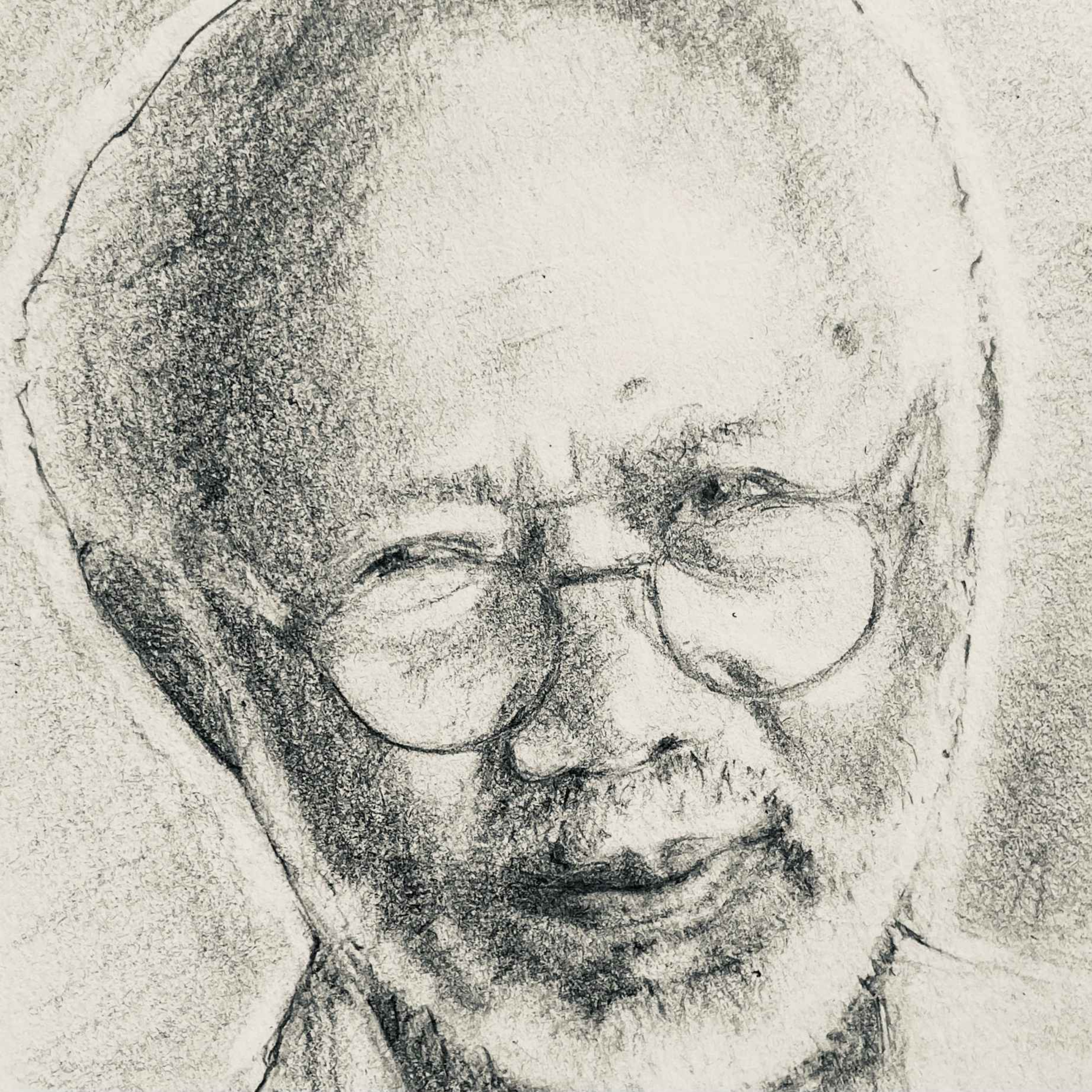
In this extraordinarily wide ranging podcast, we talk about doubles from the point of view of psychopathology, neuroscience, and what they tell us about the nature of self. Our neuroscience discussion includes the work of Head, Schilder, Damasio (around the idea of body schema/representations in the brain and their implication - a kind of neural double) followed by a fascinating deviation into Melzak's exploration of the phantom limb and the 'neural matrix' that may underlie it. Our 'double in literature' chat ranges from Euripides over 2 millenia ago to Patrick McGrath's 1999 novel 'Spider' by way of a Scottish gothic...
BIOETHICS AND THE NEW WORLD ORDER
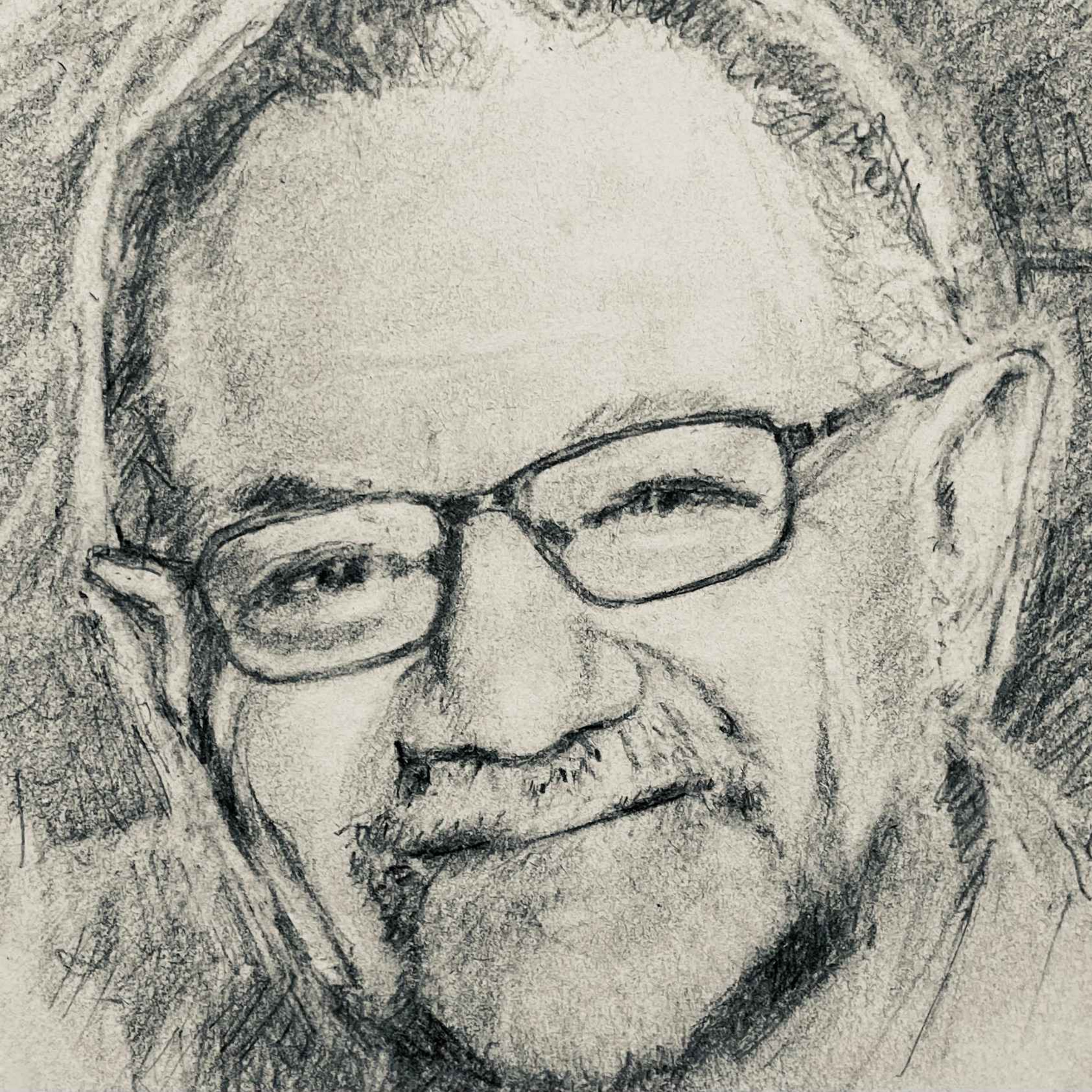
Leading ethicist/philosopher Jonathan D. Moreno makes a welcome return to Brainland to discuss his recently published and compelling book 'ABSOLUTELY ESSENTIAL: Bioethics and the Rules-based Order'. We talk about the history of clinical and bioethic and outline their main components in application to humans. Topics discussed include the Nuremberg trials and why it took 20 years before a consensus in the medical profession, the currently accepted 'ethical principles' and how long term and ethically flawed studies on syphilis triggered them. Jonathan also talks about the notion of 'invisible colleges', the relatively recent requirement for medics to fully inform patients...
POSTHUMANIST VULNERABILITY
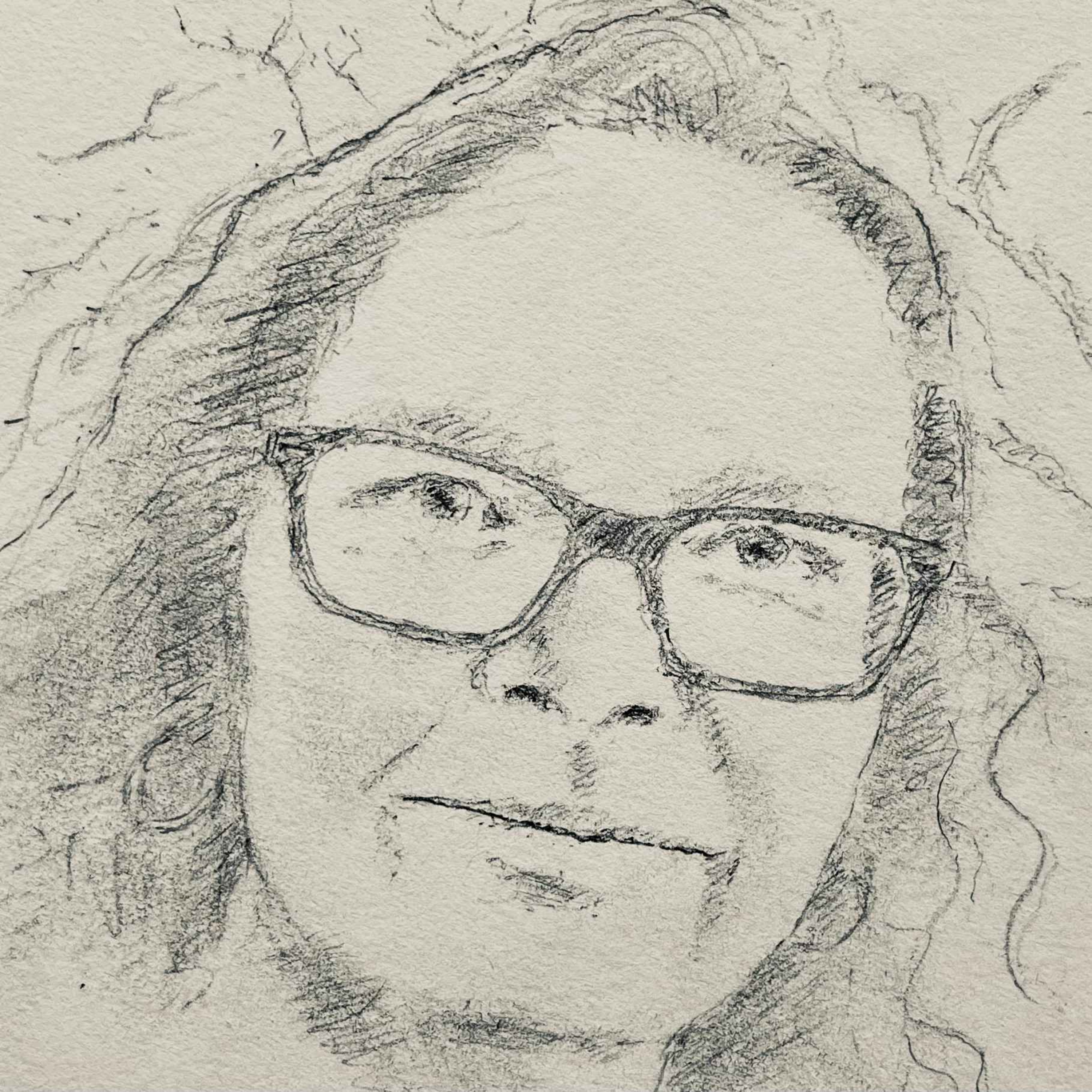
In this episode Christine Daigle, a leading figure in posthumanist philosophy and material feminism, begins by defining those terms before unpacking some of the ideas in her recent book 'Posthumanist Vulnerability: An affirmative ethics'. The humanist and Christian traditions both privilege the human, particularly the male human, in the sense of having 'dominion' over the rest of nature and, too often, women. Posthumanism breaks away from this and material feminism is concerned with the physical and material/economic constraints on women (really oversimplifying - listen to Christine's version). We move on to discuss the unusual structure of the book...
FREUD AND THE NEUROSCIENCE OF MENTAL HEALING
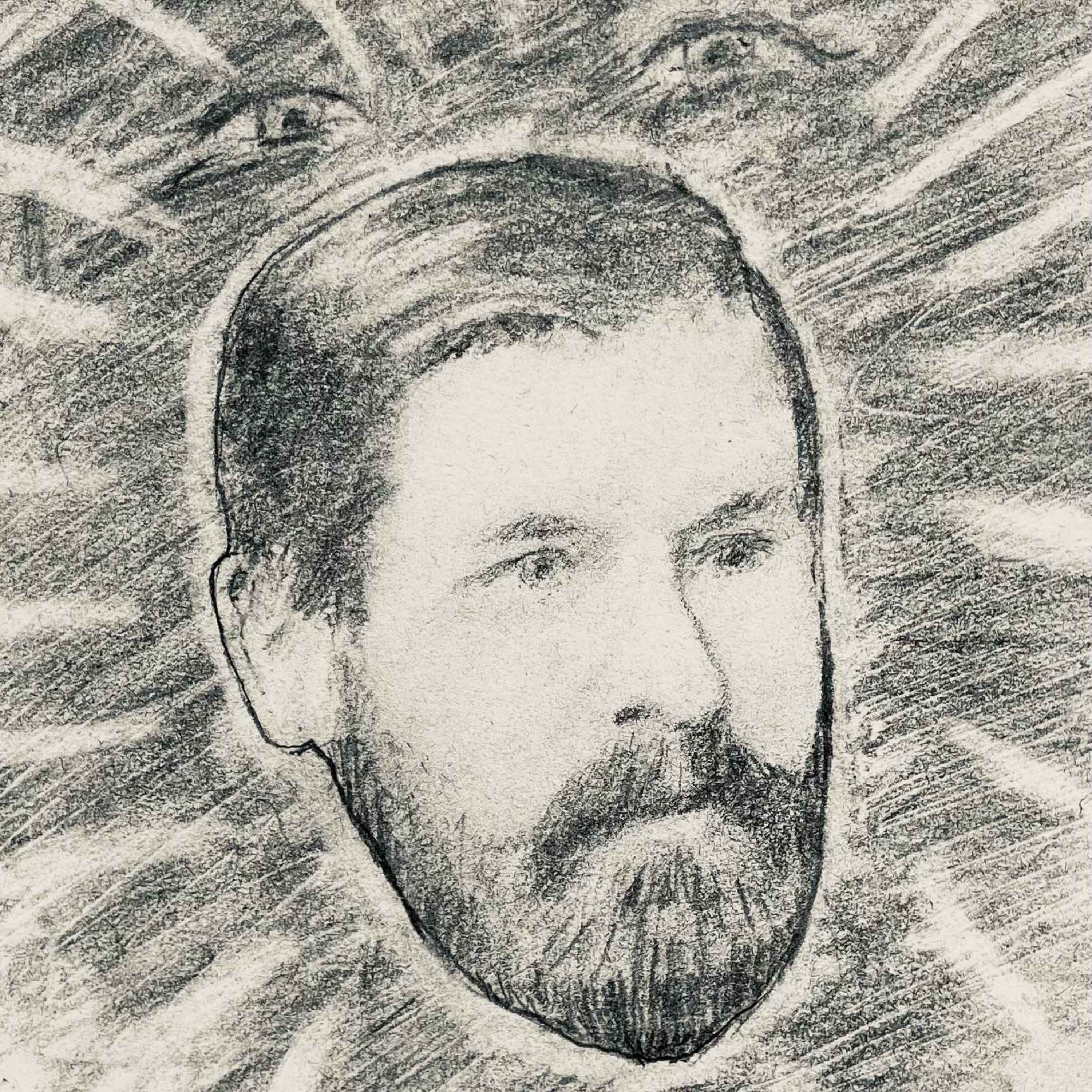
Mark Solms is a neuroscientist and psychoanalyst fluent in German, which is why in the 1990s, he agreed to take on the daunting task of collating and translating Freud's 23 years of writing on the brain and neurology pre-psychoanalysis. In this episode Marks talks in detail about Freud's early work in neuroscience, and explains how this transitioned into his theories of the mind and how to help the mentally troubled. After discussing something of his own family life, we move on to his very difficult first case as an analyst and from that to an understanding of why psychoanalysis became...
PROTO: Uncovering the shared origin of the world's most spoken languages.
In this episode Laura Spinney talks about the background to her book 'Proto', an extraordinarily wide ranging and engaging account of the origin and archeology of Indo-European languages. We discuss the source of ancient DNA that is uncovering the extraordinary migration west of nomads from the Ukranian and Russian steppe along with their language, the ancestor of the most spoken languages in the world. Early philology, copper smelting (5000 years ago), pottery decoration of lactose intolerance ( among those nomad herdsmen and women) all get a mention. We also discuss before we discuss the origins of celtic languages and the various...
GEORGE SAND: The life, times and shifting reputation of an early feminist writer and thinker.
In this podcast we discuss 19th century French novelist, dramatist and memoirist George Sand. In a wide-ranging conversation, based on Fiona's very readable and recent biography, we talk about Sand's great literary success in an era in which she was a political progressive abolitionist, early feminist and even ecologist. Her unusual origins, unhappy marriage, rapid literary success and famous relationship with/patronage of the composer Chopin get an airing. We talk about her first novel, 'Indiana', which contains critiques of arranged marriage and slavery, insightful reflections on language and the politics of her era and influenced the later Bronte...
TRANSHUMANISM: Humanity's great hope or the devil's work?
In this episode Stefan Sorgner, a leading academic in the growing field of transhumanist philosophy defines and talks about his route to the subject before drawing a distinction, elaborated in his upcoming book, on the difference between 'classical' and 'Euro' varieties. He stresses that, in a sense, we have been augmented humans ('cyborgs'), since we acquired the ability to create and use language, tools, clothes, fire, writing, herbs etc. all of which enable us to go beyond our basic physical and mental limitations. He talks about the importance of Nietzsche's philosophy importance for the subject and defends him against...
THE MATCHBOX GIRL: Recreating Hans Asperger's world in fiction
In this episode novelist and playwright Alice Jolly talks about her latest novel, 'The Matchbox Girl'' about a neurodiverse girl and then young woman who is referred to Asperger's clinic in Vienna in the 1930s. Alice talks about her decision to use a female patient/narrator and how the book 'felt like a radio you couldn't properly tune in' until she found Adelheid, her narrator's voice. We discuss other members of the clinical team including Annie Weiss and George Frankl, both of who had to leave the clinic because they were Jewish and migrated to America. We discuss revelations...
HANS ASPERGER AND THE AUTISTIC SPECTRUM: Reflections on the past, present and future
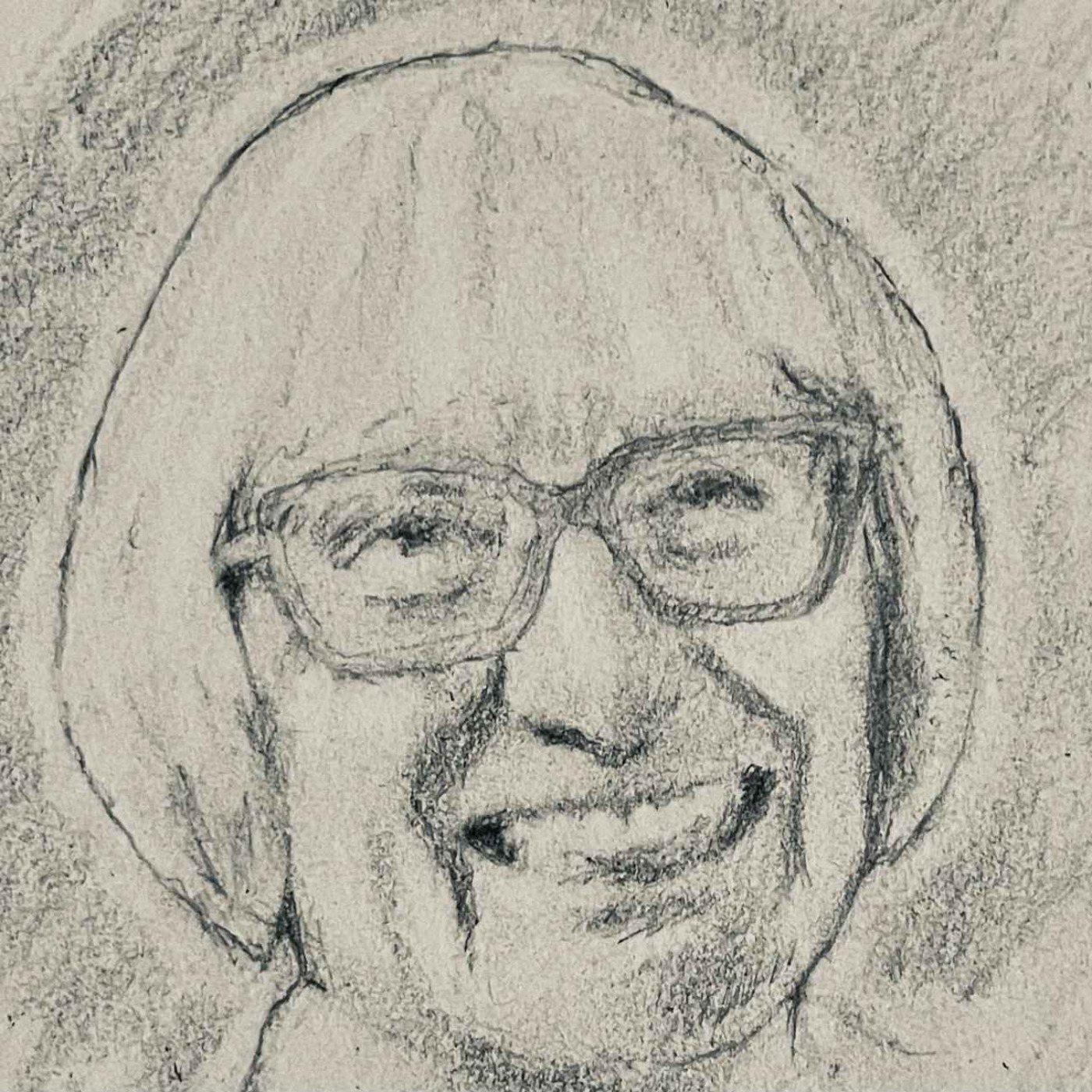
For the first episode of season 3 your host travelled to North London to record a conversation with Dame Uta Frith whose translation of Hans Asperger’s now famous paper was published 35 years ago. After discussing her reasons for moving to the UK, Uta talks about Lorna Wing’s work and influence before discussing the innovative and multidisciplinary clinic in which Asperger worked in the 1930 and 40s and the structure of his paper - four detailed case descriptions of children with what best translates as ‘autistic psychopathology’. We discuss origin of the term ‘autistic’ and how the concept has evolved since the 1960s, from a...
SEASON 2 FINALE: Surfing Brainland
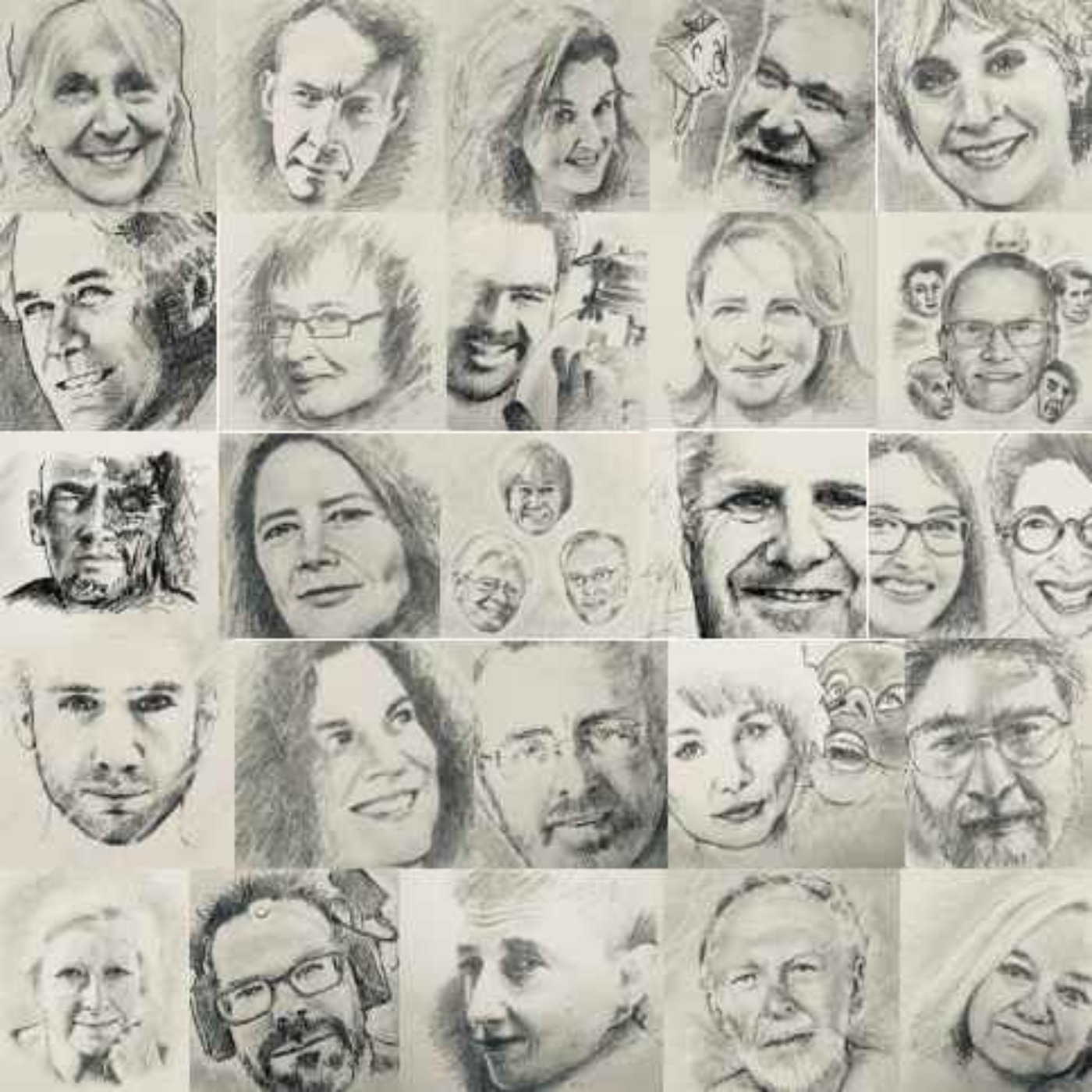
The final episode of season 2 is a compilation of 10 male and 10 female voices from season two, chosen more or less at random, about 90 seconds from each episode sampled at or around 20 minutes in. Thanks to all guests for a fascinating season and see you in season 3.
The key to the episodes and timings is below:
1.10. Kimberly Campanello.(26) DANTE, DOPAMINE AND ME: Neuro-poetic and other explorations into language.
2.36. Mark Solms. (29) '...PERCHANCE TO DREAM: On the neuroscience of sleep and dreaming...
4.12. Raquel Medina. (2) I FEEL I AM NOT IN MY PERFECT M...
FRANKENSTEIN DISASSEMBLED: The remarkable life of Mary Shelley.
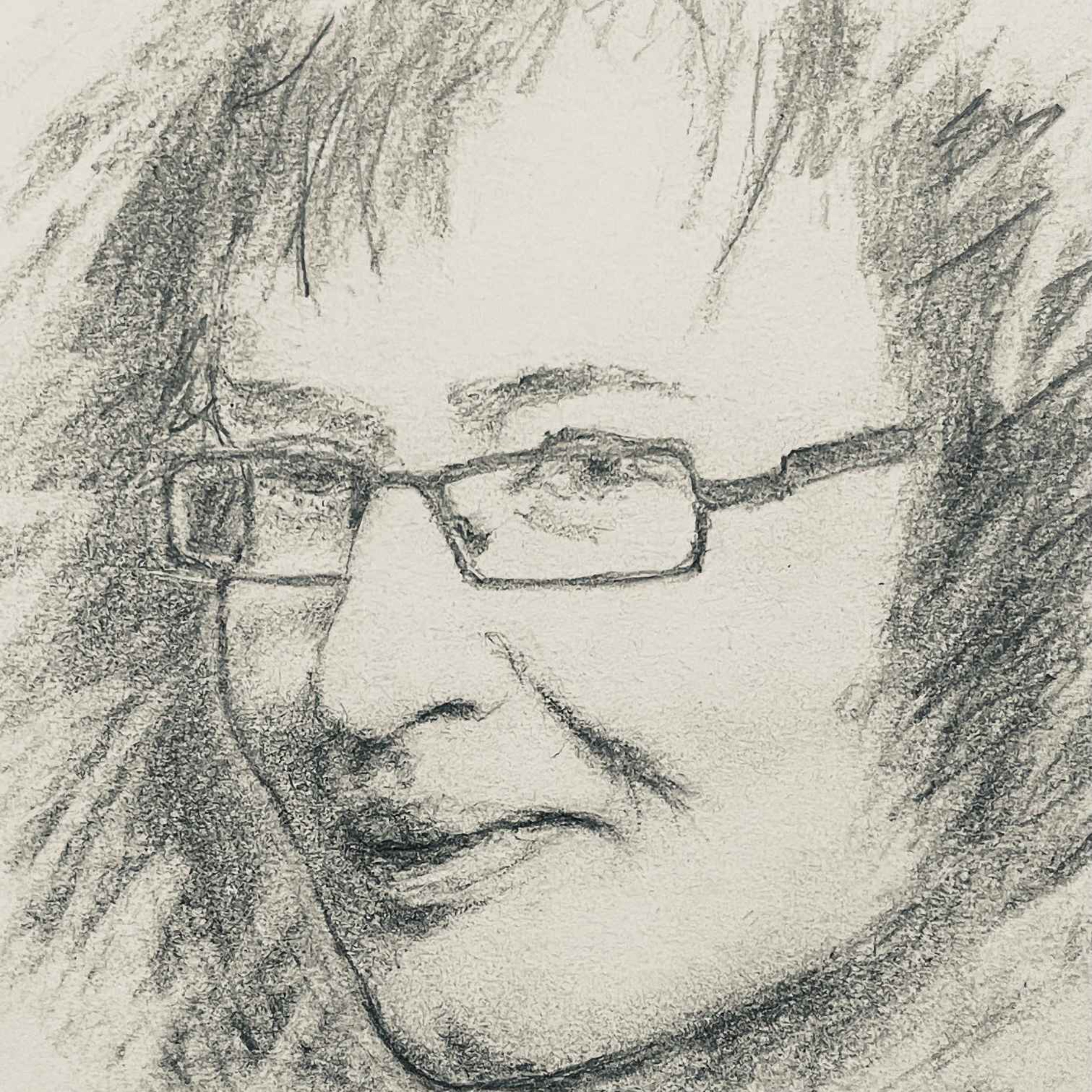
Fiona Sampson's probing biography of Mary Shelley is the first of a trilogy of biographies of 19th century writers of the romantic period. After sharing her approach to biography, Fiona talks about Mary's famous parents: Mary Wollstonecraft, influential philosopher and educator, who died of puerpural fever shortly after Mary's birth, and William Godwin and radical philosopher. We discuss the intellectual household in which she became a precociously intelligent child, her reading that included key 'natural philosophers, of the day, two long childhood trips that found their way into 'Frankenstein', her elopement at 16 with philandering poet Shelley, the ever-present step-sister...
DISCOVERING EISENSTEIN: Part 2 - Neuroscientific collaborations.
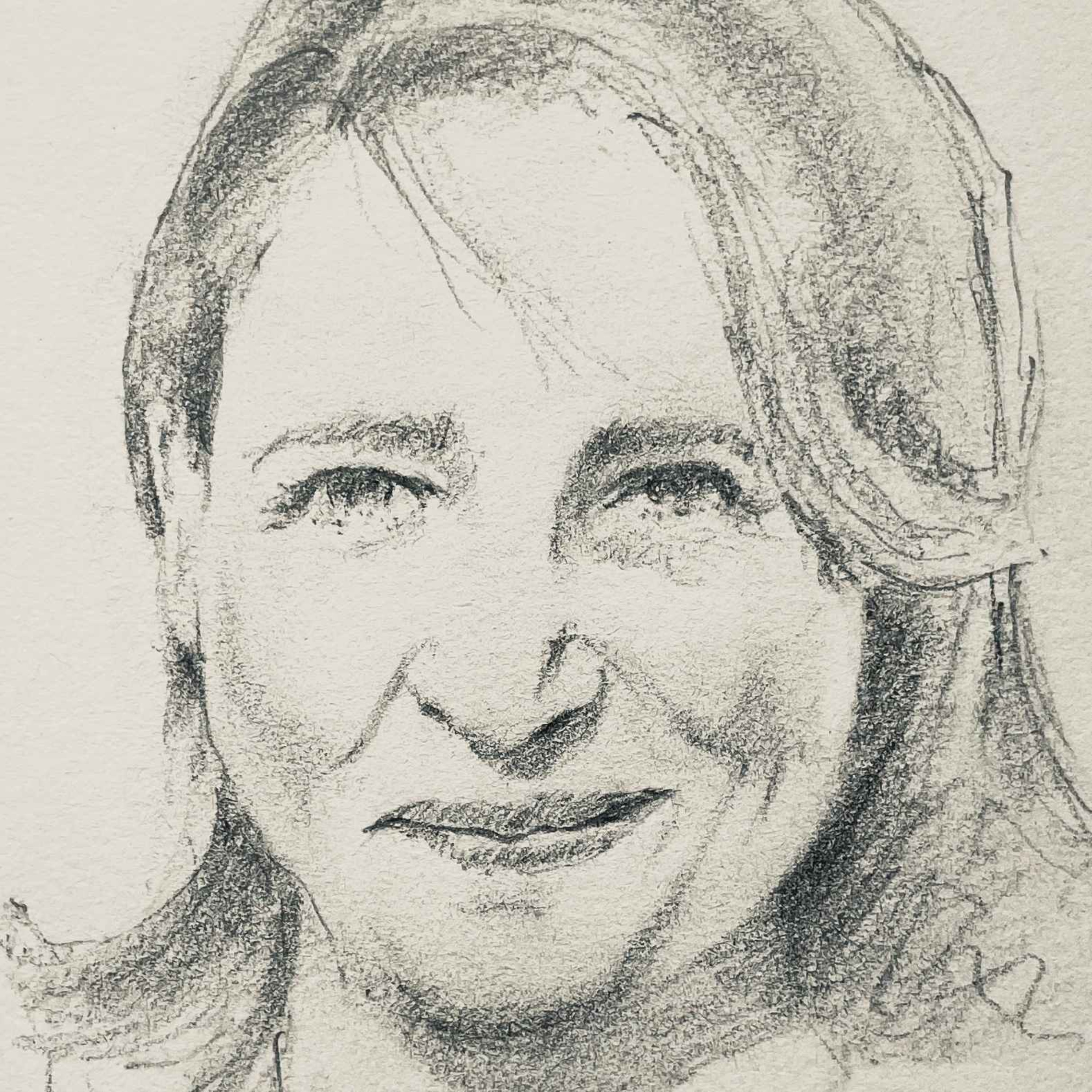
Soviet era film director and theorist Sergei Eisenstein began collaborating with Alexander Luria and Lev Vigotsky, key figures in neuropsychology and developmental psychology, in 1925, the year he released his most famous film, Battleship Potemkin. Julia Vassilieva, after studying psychology in Moscow, got the opportunity to study the papers of Luria and Vigotsky, both of whom had a long term collaboration with Eisenstein. We talk about them, their work, Eisenstein's involvement in their research and what he took from them. Julia outlines the perilous times they lived in, Luria means of surviving the various purges and how out of favour...
DISCOVERING EISENSTEIN: Part 1 - Life and films.
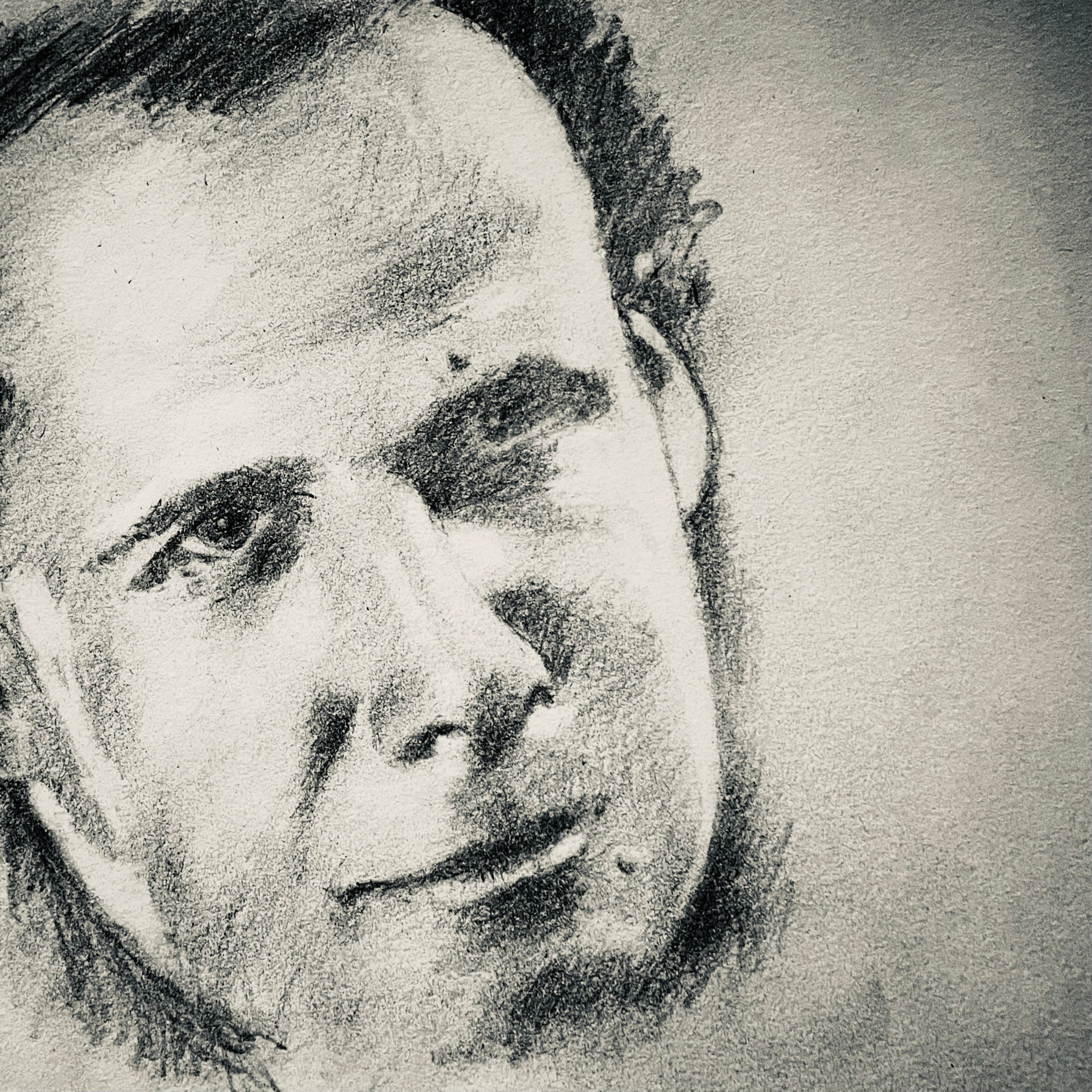
This is the first of two episodes on the life, work and collaborations of Soviet film director and theorist Sergei Eisenstein. Ian Christie has researched and written about Eisenstein for more than 40 years. In this wide ranging conversation, we talk about the influence of his troubled childhood, the importance of drawing throughout his life, the international fame that resulted from his second film 'Battleship Potemkin' (made a century ago) and his early theoretical writing on montage. We discuss his 3 year trip abroad, including Hollywood where he became a friend of Chaplin, the profound effect on his thinking and work...
AN ARTIFICIAL HISTORY OF NATURAL INTELLIGENCE: Time travelling the mind.
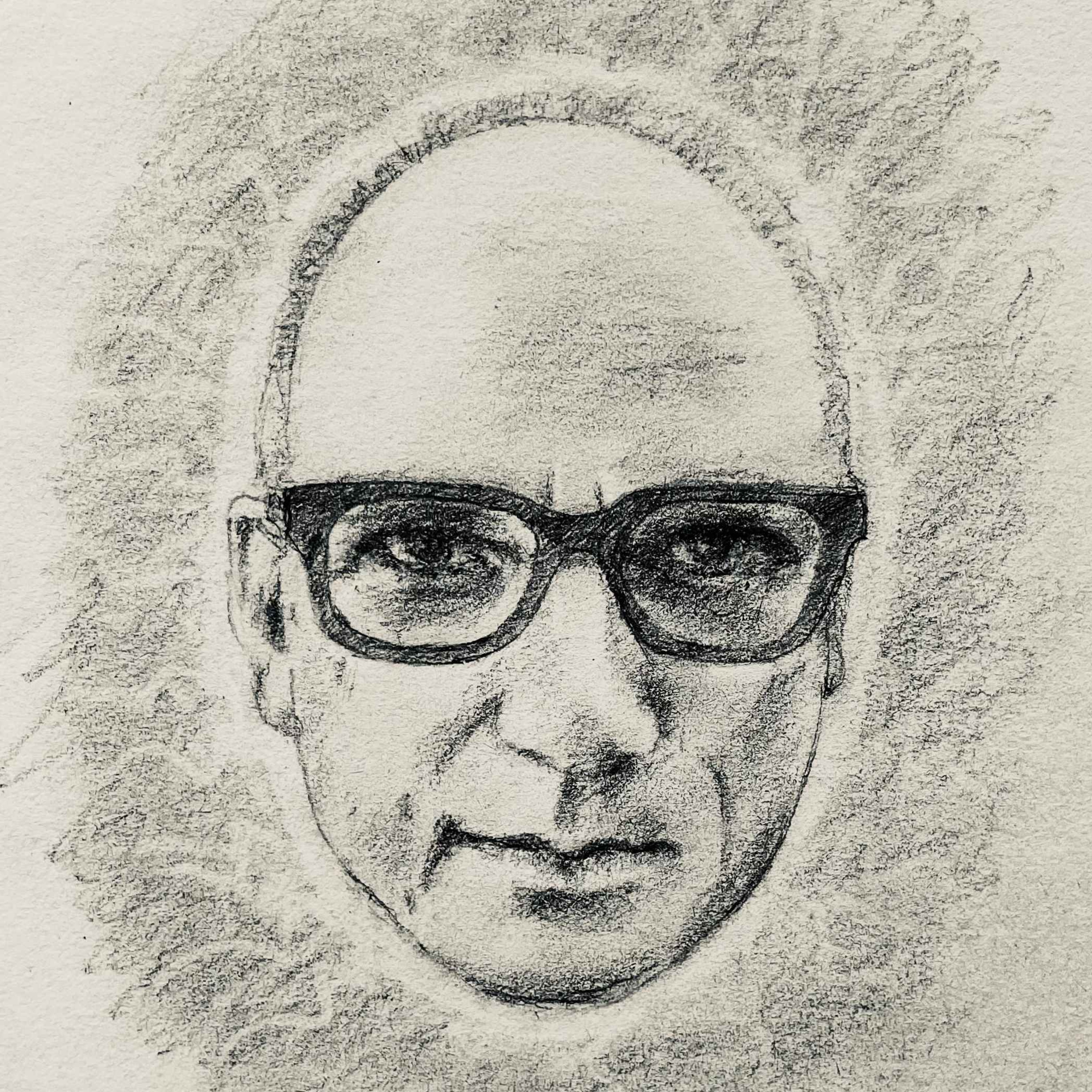
In this episode David Bates discusses his recent book An Artificial History of Natural Intelligence: Thinking with machines from Decartes to the digital age', a masterly survey of the history of intelligence and its aids. The book is the summation of 20 years of scholarship, a kind of time travel of the mind, and the range of topics we cherry-pick include the influence of automata on Descartes's thinking and pocket watches on Kant's, Spinoza's 'bloodworms', Peirce's hypothesis as 'emergency thought', Hughling Jackson on the brain as a continuously evolving organ, the origin of the notion of brain plasticity, Wolfgang' Köh...
WILLIAM SARGANT AND HIS 'SLEEP ROOM': Shrinks, spooks and medical hubris.
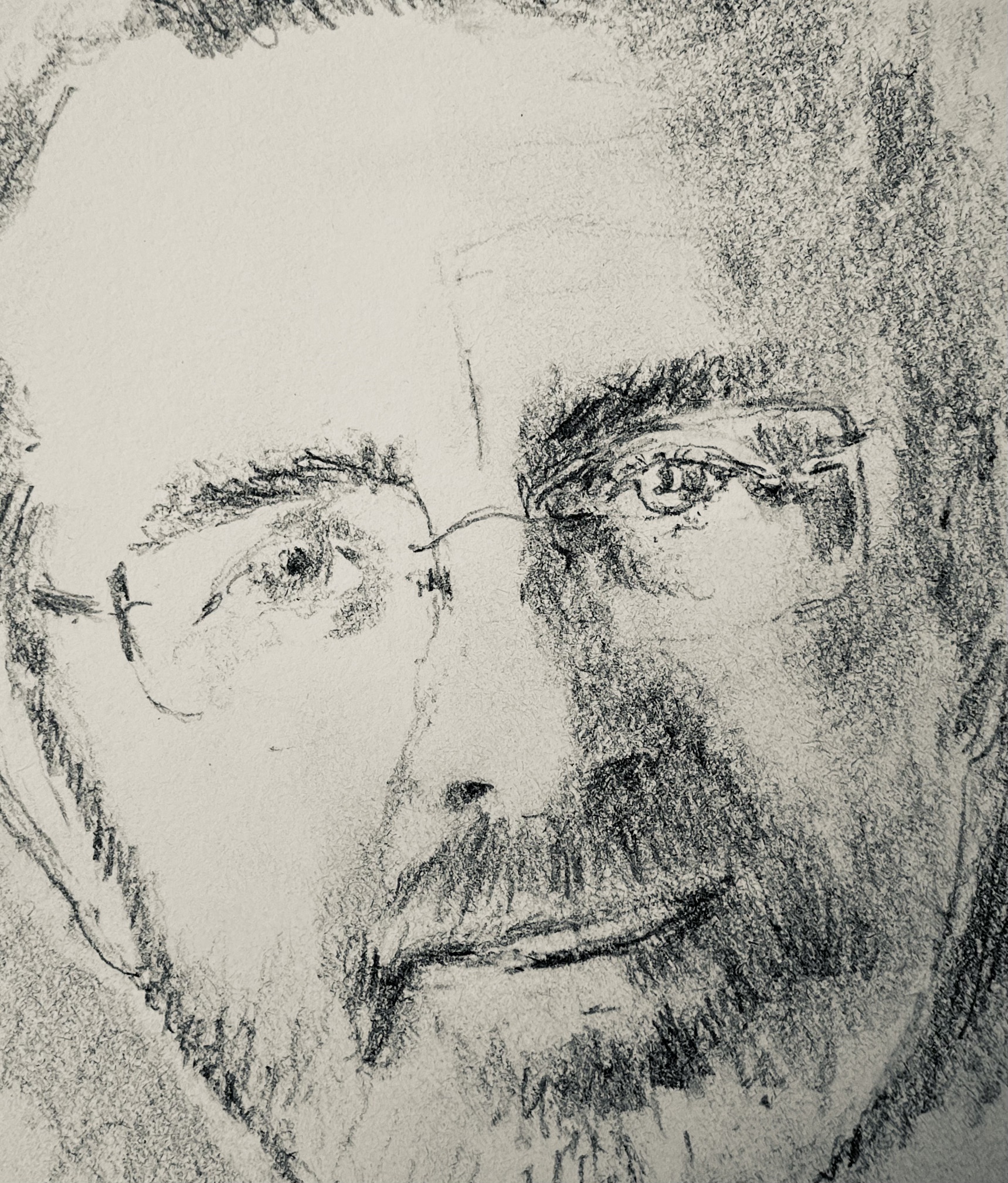
In this podcast novelist and journalist Jon Stock discusses his latest book 'The Sleep Room: A very British Medical scandal', is a factual account of psychiatrist William Sargant (1907-88 ) that focusses particularly on Sargant's controversial 20 year 'sleep room' regimen for mental illness that combined continuous narcosis, high dose mixed antidepressants, major tranquillisers and ECT, sometimes extending over several months. We talk about Sargant's early life and the influence of his strict methodist father, who sparked an interest in conversion and, later in brainwashing, a subject that brought him to the attention of intelligence services at the height of the...
MANHANDLING THE BRAIN: How did damaging the brains of the mentally ill ever seem a good idea?
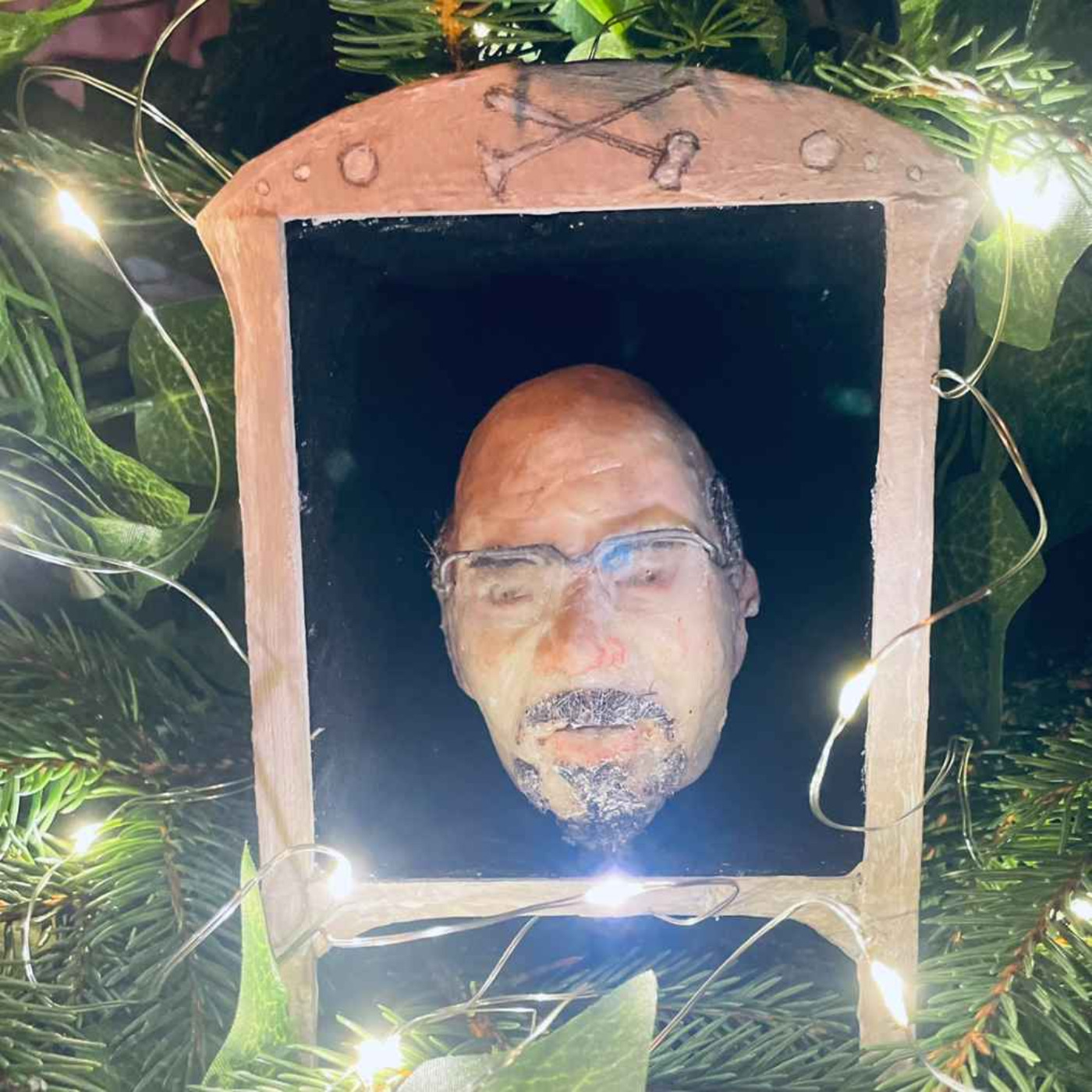
In this festive episode Ken reads 'Manhandling the Brain', his essay on the origins of mid-20th century psychosurgery, an attempt to understand how, for over 20 years, so many people thought it such a good idea to damage the brains of the severely mentally ill and the lessons that can be learned.
Participants:
Ken Barrett, visual artist, writer and retired neuropsychiatrist: http://www.kenbarrettstudio.co.uk
Full text of the essay with bibliography and references are here, preceded by an essay on the early days of the EEG and more: http...
THE HORROR! The anatomy of fear in film.
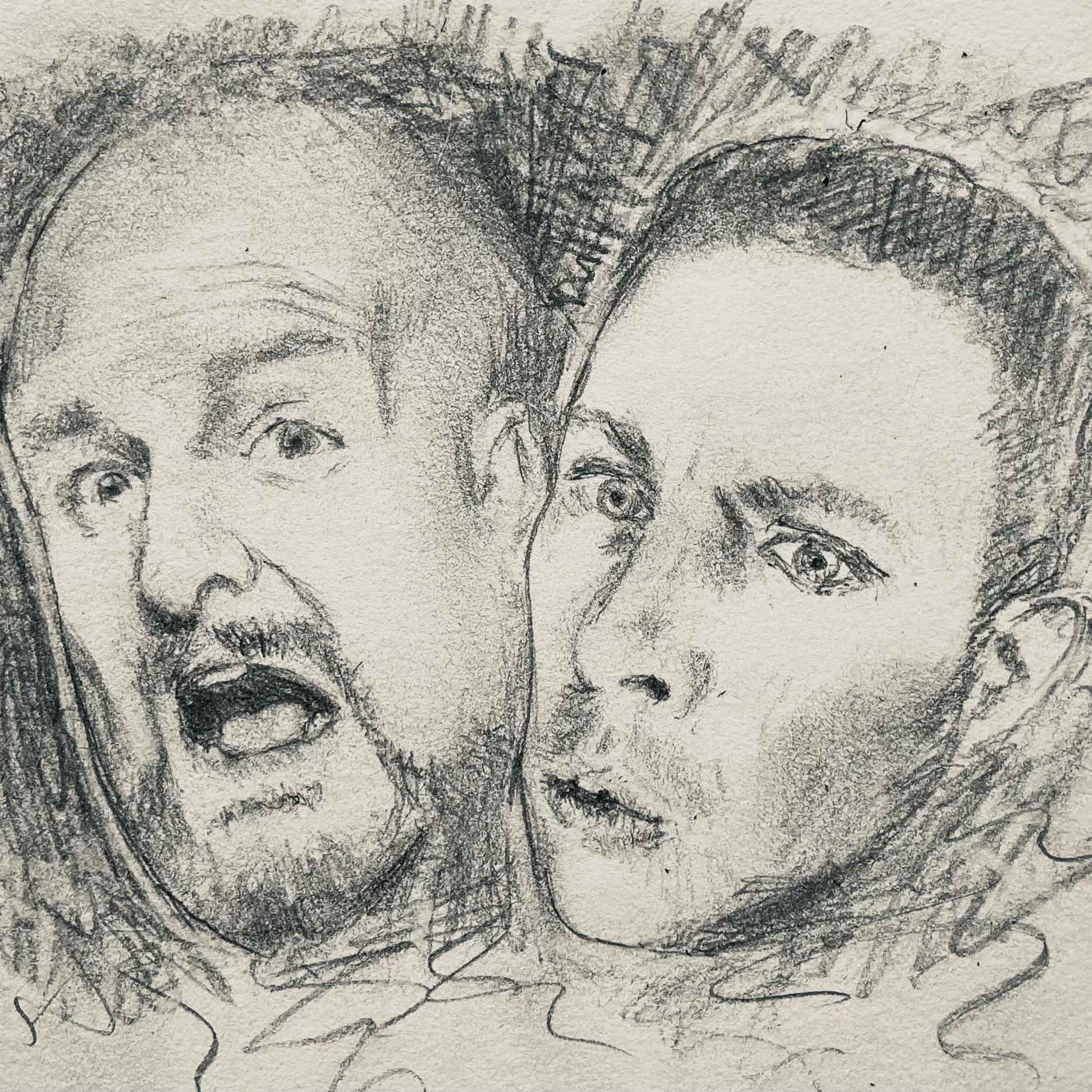
In this episode film critic/writer Matt Glasby and artist Barney Bodoano discuss their innovative book on horror movies 'The Book of Horror: The anatomy of fear in film'. After talking about their gateway into their horror obsession Matt takes us through his seven 'scare tactics', techniques used by film makers to evoke shock, dread, revulsion etc. including specifically filmic techniques such as 'dead space'. Barney talks about how he chose an evocative image to represent each film and his decision to use charcoal and chalk as his medium. Their book scores each of 37 films on each of the 7...
HORROR ON THE BRAIN: The neuroscience behind sci fi and horror.
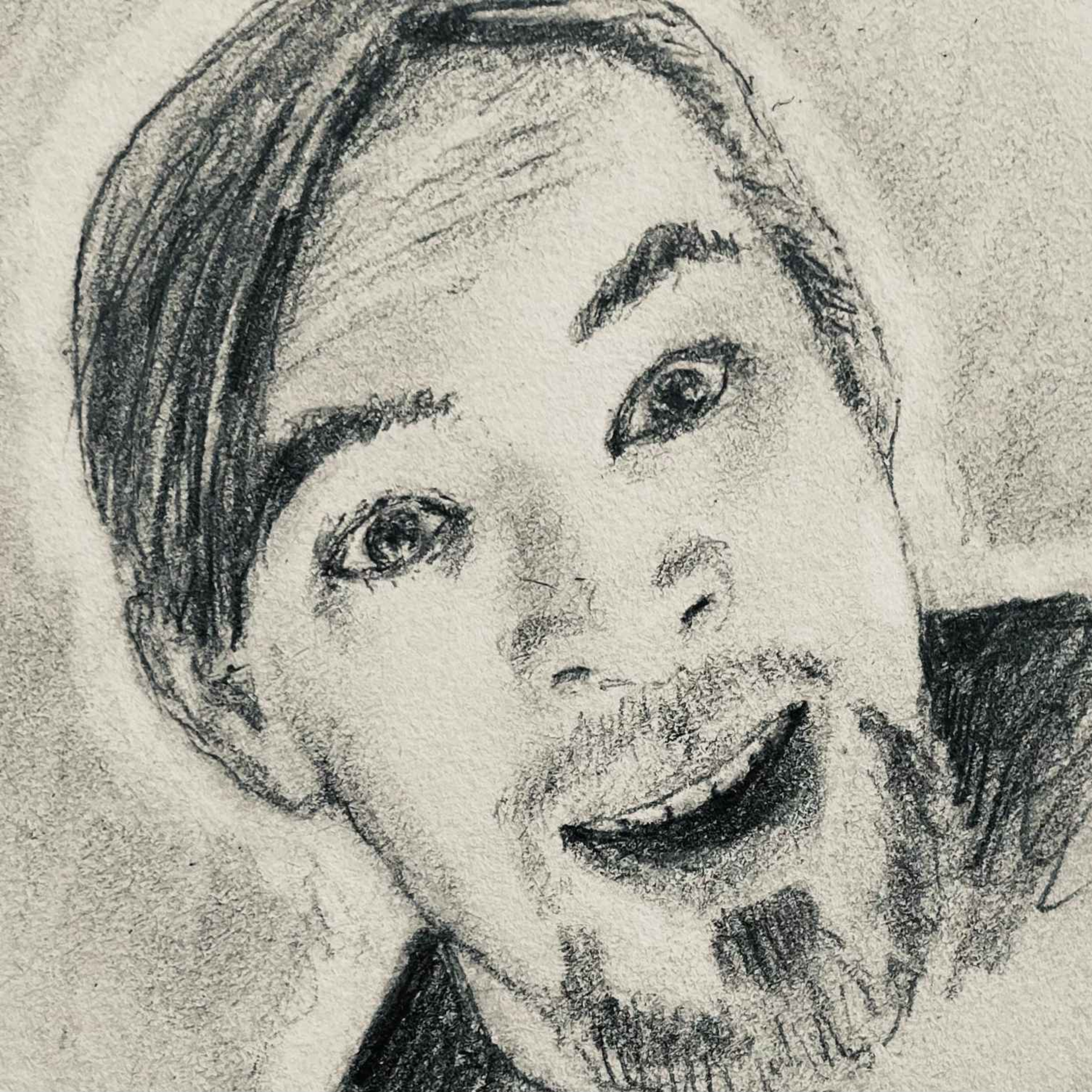
Austin Lim's book 'Horror and the Brain' uses work from the horror and science fiction genres as a way into discussing a neuroscience and a range of related stories. We discuss why on earth so many people inflict the feelings provoked by horror fiction on themselves ans talk about a range of brain structures that play a role in fear, emotion and attachment behaviour (with a diversion into love, oxytocin and prairie voles). We talk about the amygdala, insula and the pathways that include them and the systems triggered by disgust and the uncanny, moving from the real story...
DREAM WARRIORS: Exploring the world of the surrealists...

In 1924 French poet Andre Breton wrote that ‘Surrealism is based on the belief in the omnipotence of dreams, in the undirected play of thought’. Surrealism grew out of the anarchistic DaDa movement triggered by the carnage of WW and was fueled by Freud's writing on the unconscious. Roland Penrose was a leading surrealist artist and also a key figure in bringing the movement to the UK in the 1930s and setting up the Institute of Contemporary Art. Photographer Lee Miller's work was also often surreal in composition and intention, including her accidental discovery of the 'solarisation' technique whilst working with...
DREAMWORKS: Fellini's dream obsession, from graphic diaries to movies.
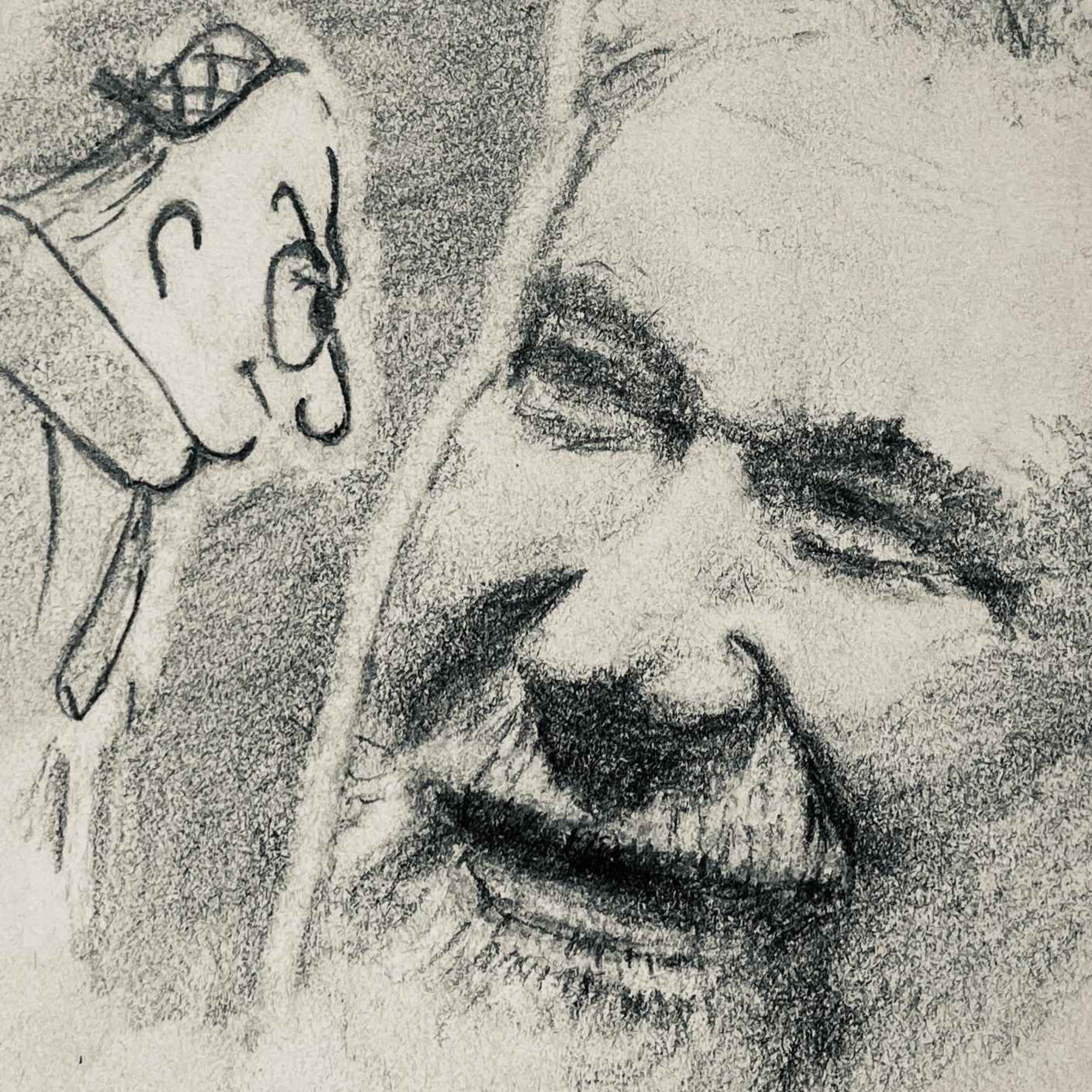
Frank Burke is a leading film scholar with a long interest in Italian director Federico Fellini (1920-1993). Few artists were more obsessed with their dreams than Fellini. In this conversation we talk about his early interest in puppets and circus, and his jobs, before moving into film, as an illustrator and caracaturist. Drawing was always an important part of his preparation for movies but he also kept a graphic, drawn dream diary in the '60s and '70s, at the suggestion of Jungian analyst Ernst Bernhard. We discuss his interest in the work of another analyst, James Hillman...
'...PERCHANCE TO DREAM: On the neuroscience of sleep and dreaming...
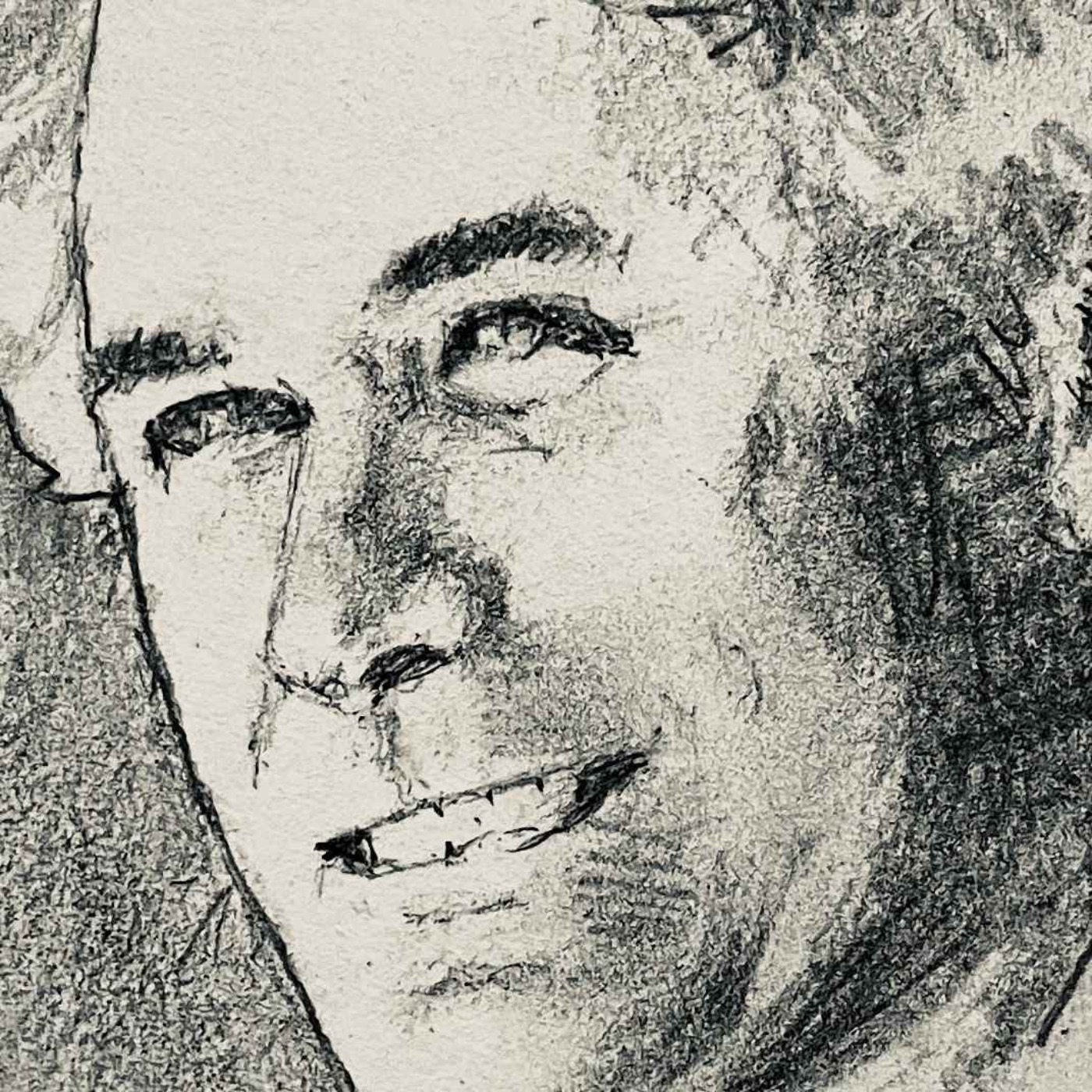
In this wide ranging conversation Mark Solms talks about his seminal research in the '80s on the effect of brain lesions on patient reports of dreaming. After a brief visit to Charcot and Wilbrand in the late 19th century, we discuss the research of Dement and colleagues in the 1950s, when it was discoverd that every 90 minutes or so during sleep our EEG is more like the awake state, with asociated rapid eye movments (REM). We discuss Jouvet's work in the '60s in which the origin of REM sleep was found to be in the brain stem...
MUSIC OF THE SPHERES: Exploring the strange power of plainchant.
In this podcast we discuss the music called plainchant or plainsong - what it is, how did it arise and what effect does it have? We discuss the modal nature of the music, possible links to earlier Jewish intoning and the importance of resonance in recording. Bernard describes his research project in which subjects record their responses, relating to memory, emotion and transcendence. Three short extracts of the recordings he used are included in the podcast and fuller versions can be accessed through the links below. Some results are included before a diversion into philosopher Vladimir Jankélévitch an...
NEUROPSYCHIATRY AFTER DARK: Service development as 'social sculpture'?
Joseph Beuys was a radical post-war German artist who worked in unusual media and in the 1970s developed the notion of ‘social sculpture’ based on the concept that everything is art and every aspect of life could be approached creatively. For episode 17 this season Hugh Rickards, a younger neuropsychiatric colleague from the English Midlands, read and discussed his essay 'The lost tribes of neuropsychiatry'. At the end of that Hugh asked if he could ask me about my experience of creating a neuropsychiatry service in the ‘80s and ‘early ‘90s, with the help of a lot of colleagues, in a National...
DANTE, DOPAMINE AND ME: Neuro-poetic and other explorations into language.
In this podcast Kimberly Campanello, a poet, novelist and academic, talks frankly about her early onset Parkinson's disease and how this lead her to pursue her Italian roots in Puglia. On a visit there, to her great grandmother's village, she literally discovered Dante's 'Comedia', which she is currently 'reversioning' - a method that involves processing the original Italian, a range of translations and commentaries, plus her life experience, coloured by her condition. She discussed making creative use of the effects of Parkinson's and the beneficial effects of her writing on her motor function, similar to the benefits of walking...
'THE BURDEN': The life and times of the Burden Neurological Institute and Hospital.
The Burden Neurological Institute (and Hospital) opened its' doors in 1939 and closed in 2000. In this wide ranging conversation, Jonathan Bird and Ken Barrett, neuropsychiatric alumni, chew the fat about the history of 'The Burden', the research home of Grey Walter who featured in the last Brainland episode. We discuss the unusual origin, Frederick Golla, the first director, the impact of the war, a wide range of characters who worked there and the work they did. A bit niche? Absolutely, but hey, that's Brainland!
Participants:
Jonathan Bird, Retired Consultant Neuropsychiatrist, Bristol.
Ken Barrett...
