MZH - Shiur Klali
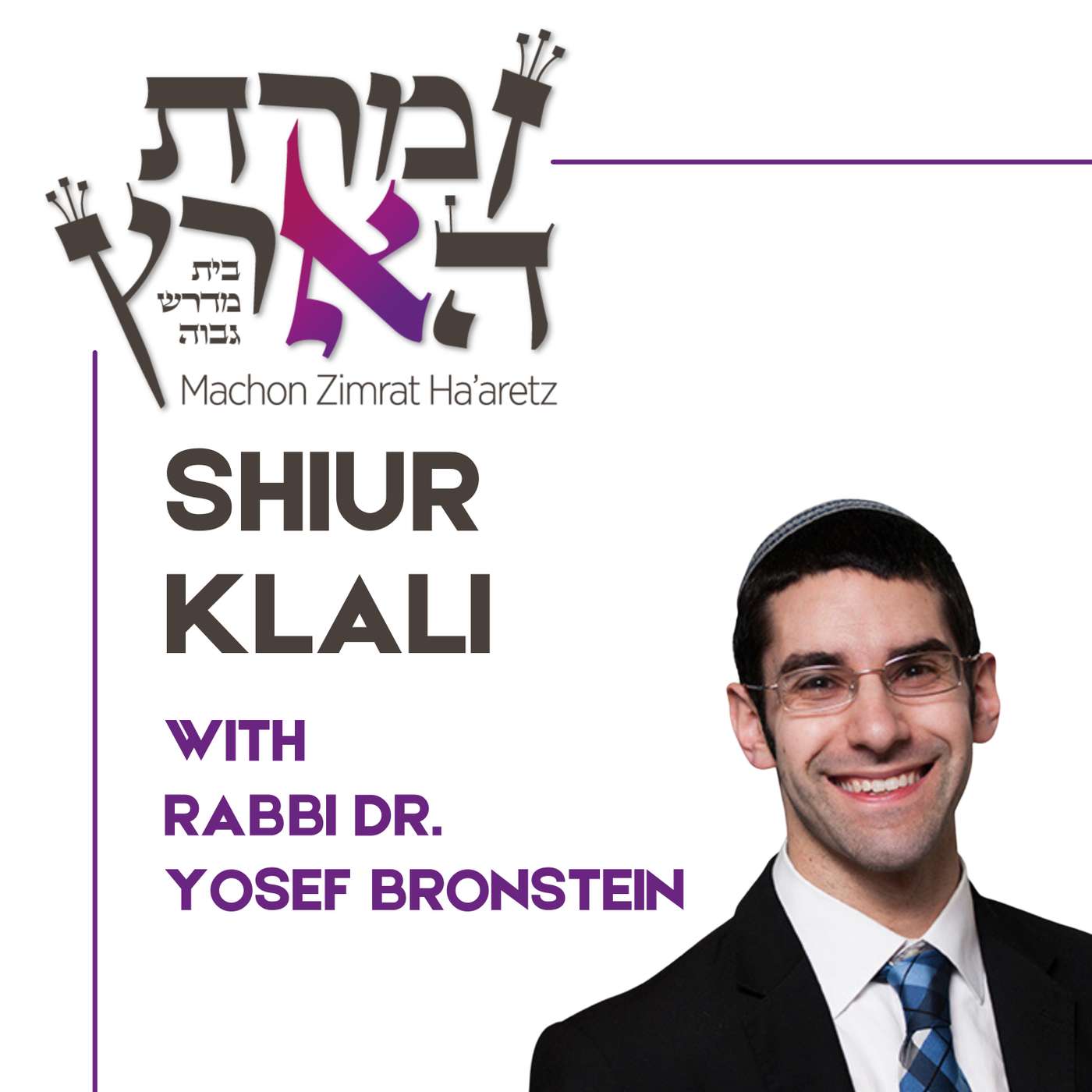
Rabbi Dr. Yosef Bronstein is the Rosh Beit Midrash of Machon Zimrat Ha'aretz, embedded into the ever-growing Shirat David Community. This dynamic community of 140+ families in the Zayit neighborhood of Efrat, fosters spiritual growth, passionately serving Hashem with joy. With Machon Zimrat Ha'aretz in Zayit, we aim to enhance Kehilat Shirat David and the broader Efrat community via impactful programs, including this monthly Shiur Klali.
Can a Non-Observant Jew Count for a Minyan or Receive an Aliyah?
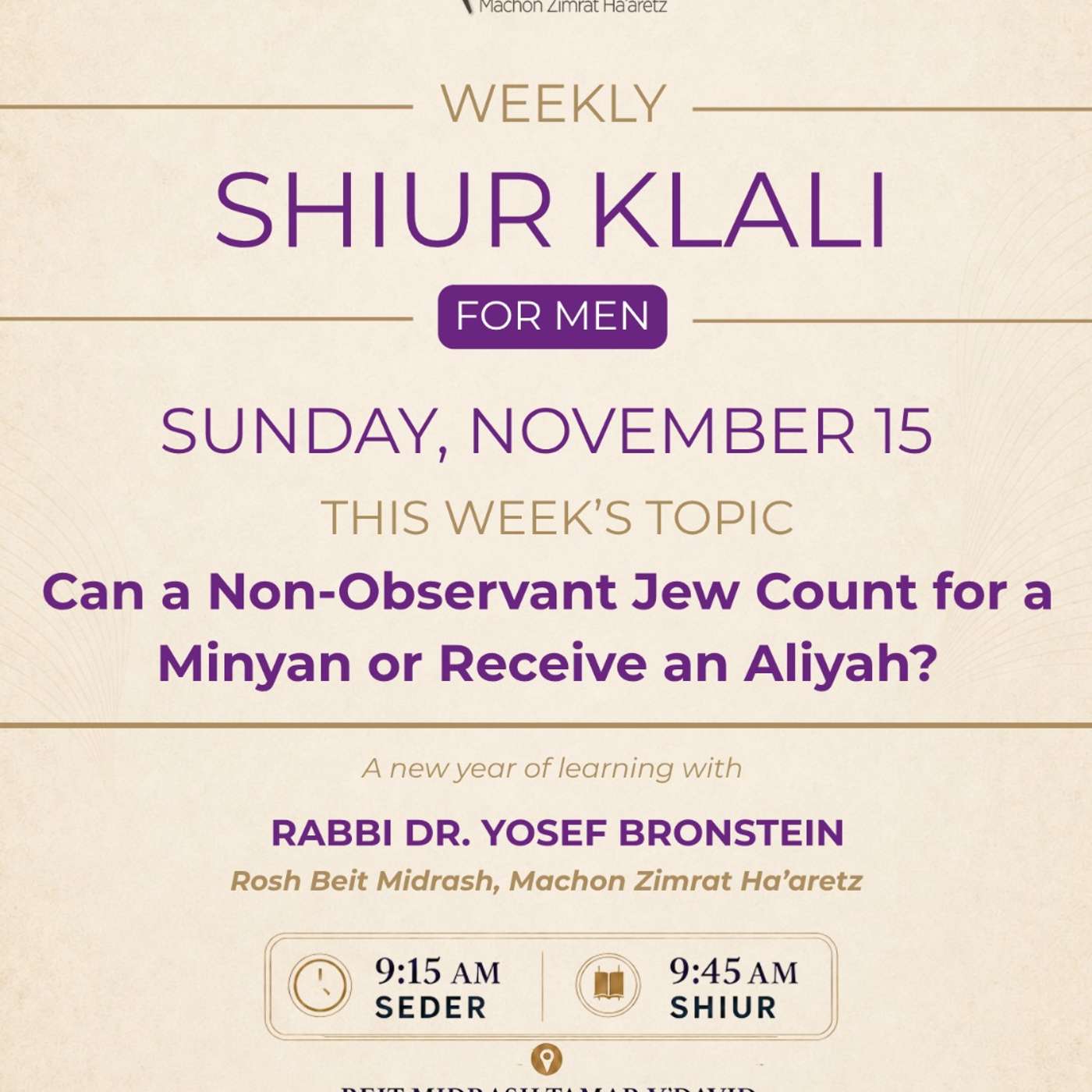
This shiur explores the halachic status of non-observant Jews regarding their inclusion in a minyan and their eligibility to receive an aliyah. The analysis balances the technical requirements of davar sheb'kedusha with the broader principles of achdus and the potential for kiruv. Ultimately, the speaker emphasizes that while there are strict halachic parameters, local rabbinic discretion is essential to navigate the tension between communal standards and the dignity of the individual.
Are There Jews Whom We Are Not Supposed To Love?
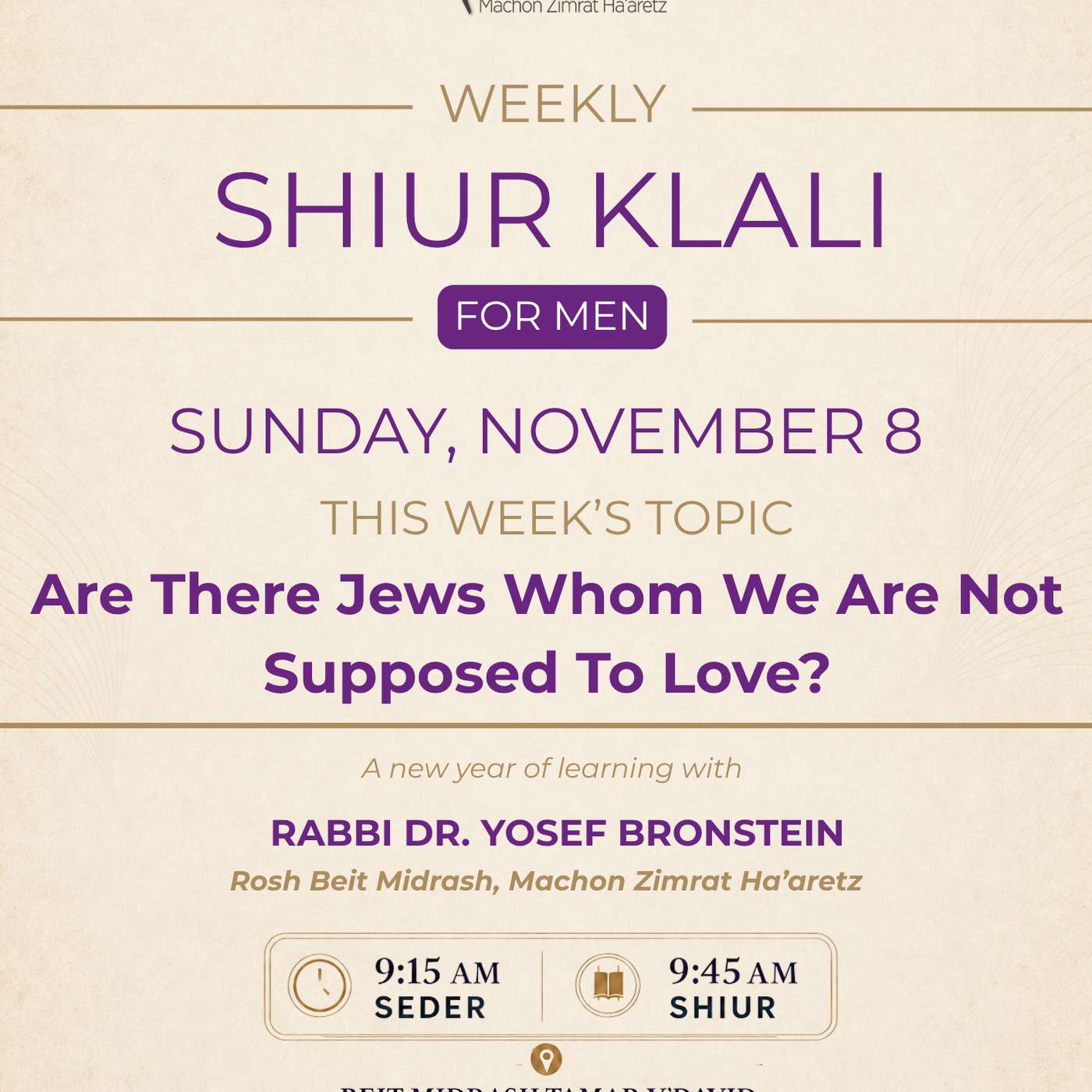
This shiur examines the tension between the mitzvah of V'ahavta L'reacha Kamocha and the Gemara's directive to hate those who commit sins. The discussion explores how various Rishonim and Acharonim, including the Tanya and the Lubavitcher Rebbe, resolve the apparent contradiction between loving all Jews and hating Reshaim. Ultimately, the lecture highlights how contemporary Poskim like the Chazon Ish navigate these sources to determine the practical application of these laws in the modern era.
Is Anyone Nowadays a תינוק שנשבה?
This shiur explores the evolving halachic status of non-observant Jews, specifically examining the application of the 'tinok shenishba' (captured child) category to contemporary secular populations. It traces the development of this concept from the Rambam's treatment of Karaites through the 19th-century German Reform movement to modern Israeli society. The lecture highlights the tension between strict legalistic interpretations of a 'mumar' (heretic) and the meta-halachic frameworks of Ahavas Yisrael and societal influence advocated by figures like Rav Kook and the Chazon Ish.
Correction from the shiur:
I erroneously conflated Rav Dovid Tzvi Hoffman's second argument as...
Who is a תינוק שנשבה?
This shiur explores the halachic status of a 'tinok shenishba' (a child captured among non-Jews) and how this category is applied to non-observant Jews. Rabbi Dr. Yosef Bronstein traces the evolution of this concept from the Gemara in Maseches Shabbos through the Rambam's treatment of the Karaite community. The lecture concludes by setting the stage for a deeper analysis of how contemporary poskim, such as the Chazon Ish, apply these complex categories to modern secular society.
Are There Limits to ישראל אף על פי שחטא ישראל הוא?
Can a Jew Lose His Jewishness?
This shiur explores the halachic question of whether a person born Jewish can ever lose their status as a Jew. Rabbi Dr. Yosef Bronstein analyzes conflicting Talmudic sources and the varying approaches of Rishonim and Acharonim regarding the status of a mumar (apostate). The discussion highlights the tension between viewing Jewishness as an immutable ontological reality versus a covenantal status that could potentially be severed.
What Creates Kaparah on Yom Kippur?
What Creates Kaparah on Yom Kippur? Reading the Rambam with Rav Soloveitchik and the Lubavitcher Rebbe
Can a Jew Lose His Jewishness
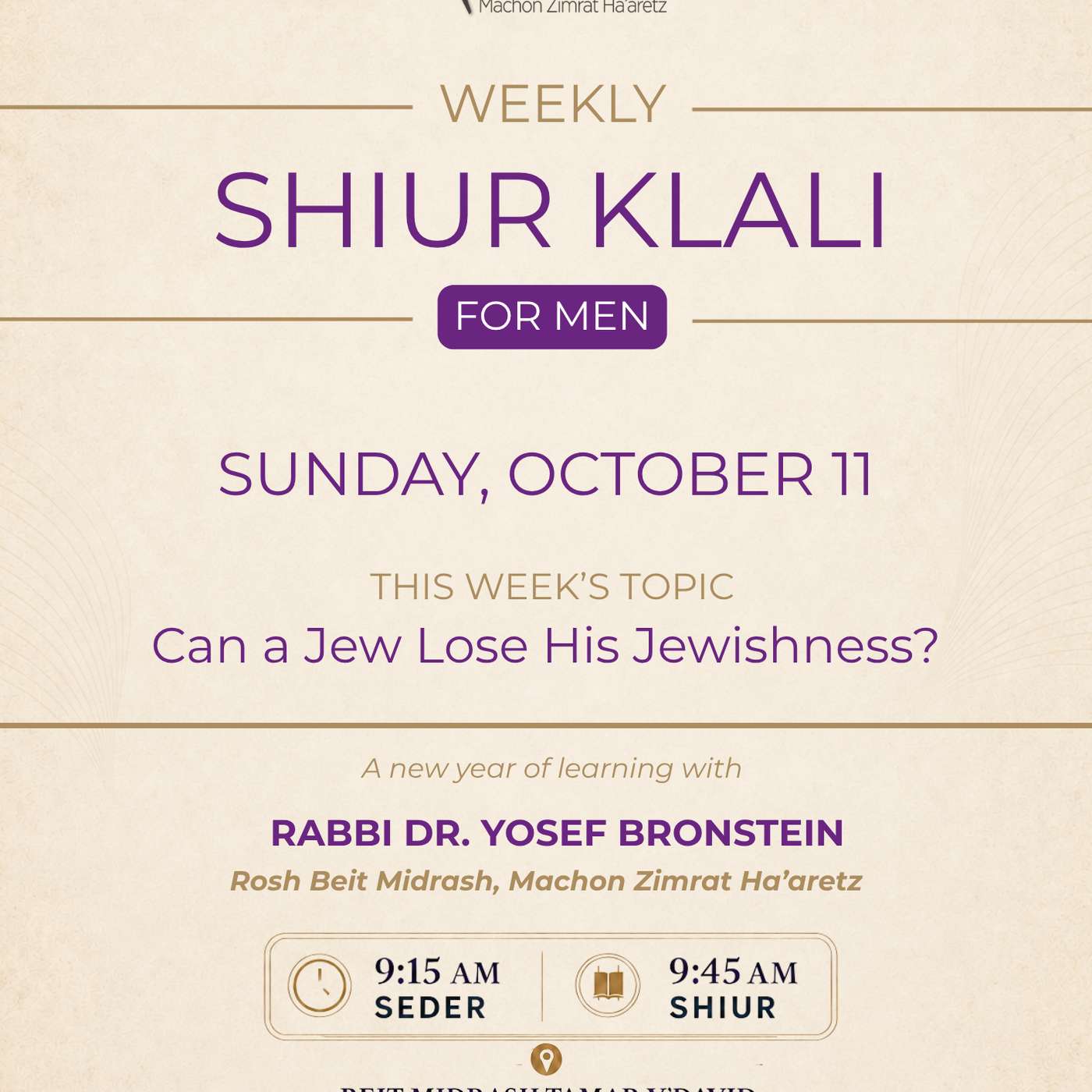
Can a Jew lose their Jewishness? This opening shiur in the Kedushas Yisrael series explores the halachic debate surrounding apostasy, assimilation, and Jewish identity. Drawing on the Gemara and Rishonim, it examines the distinction between a Jew’s core status and their ability to perform certain religious acts—and asks whether Jewishness is an unchangeable essence or a covenantal bond.
Hallel at Night: Between the Seder and the Night of Yom Ha'Atzamut
Why Is There a Mitzvah to Live in Eretz Yisrael?
Is There a Mitzvah of Kibbush Eretz Yisrael Nowadays?
Please note that I misspoke when describing Rashi on the pasuk of והורשתם את הארץ וישיבתם בה. I said in the shiur that Rashi understood the pasuk to be a הבטחה. The Or HaChaim explains that Rashi understands והורשתם to be a command and וישיבתם בה is a הבטחה. My apologies.
ביאת כולכם: Did the Return of Am Yisrael to Eretz Yisrael Impact Kedushat Ha'aretz?
Did Eretz Yisrael Retain Its Kedusha During the Long Galut Until Today?
How Did Am Yisrael Sanctify Eretz Yisrael?
Who Made Eretz Yisrael Kadosh?
What is a “Hand”? Amputees and Tefillin Shel Yad
Is It Muttar to Daydream While Wearing Tefillin?
תפילין, ארץ ישראל, וחיילי צה"ל
What Goes On The Doorpost? Between The Blood Of The Korbon Pesach And The Mitzva Of Mezuzah
Are Jews In Chutz La’aretz Obligated In Mezuzah (And Other Mitzvot)?
Is Purim a Celebration of the Death of Our Enemies? Halacha and Hashkafa
Does a Mirpeset Need a Mezuzah?
What Should One Think About When Seeing a Mezuzah?
Are All of Our Sifrei Torah Pasul? A Halachik Analysis of the Text of Our Torah
Mechikas Shem Hashem
The Name of Hashem in a Bathroom and the Shuls of Gush Katif:
Can one Destroy a Kadosh Object to Save It From Desecration?
בעניין צורת האותיות - When Is A Letter Still A Letter
בעניין קרי וכתיב
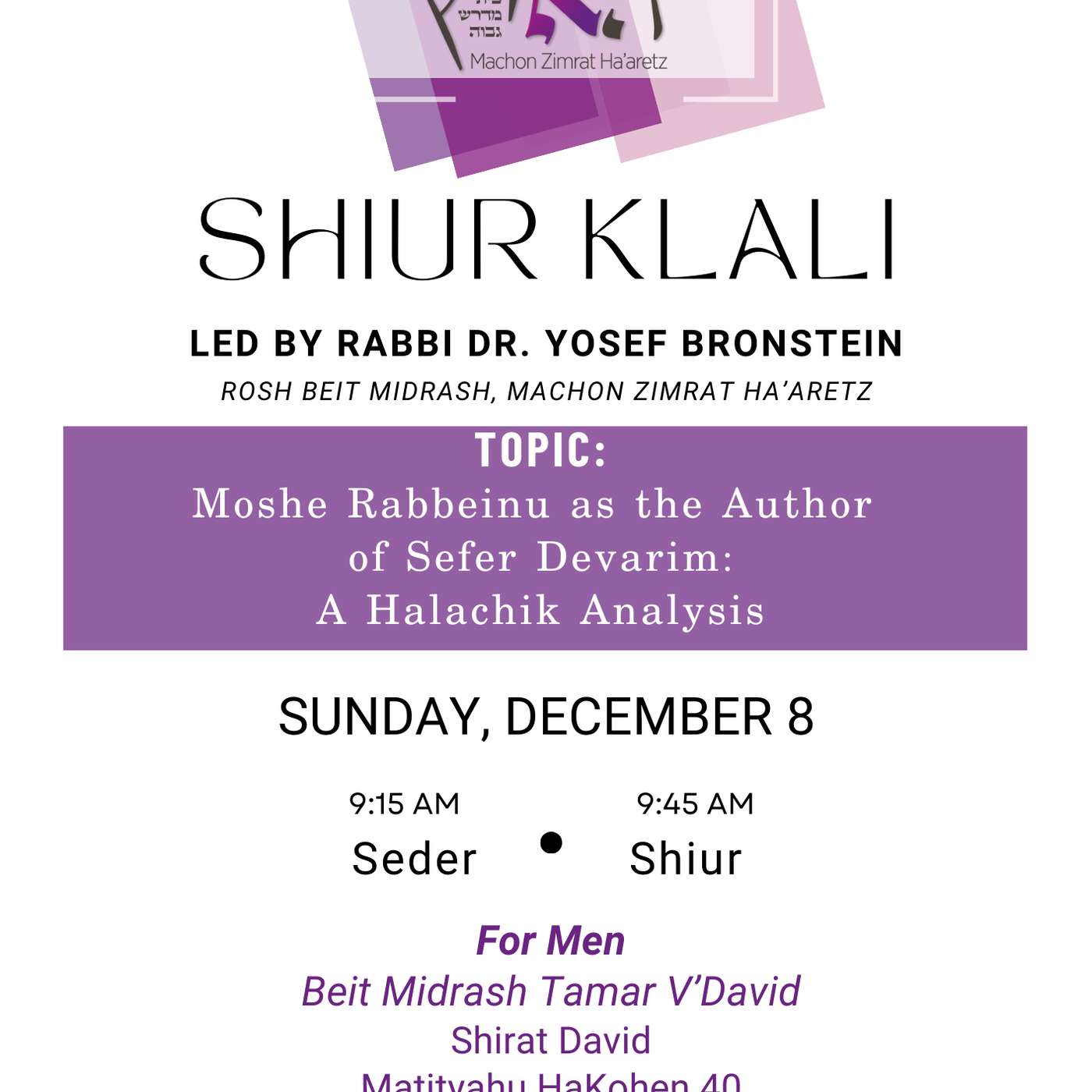
Moshe Rabbeinu as the Author of Sefer Devarim: A Halachik Analysis
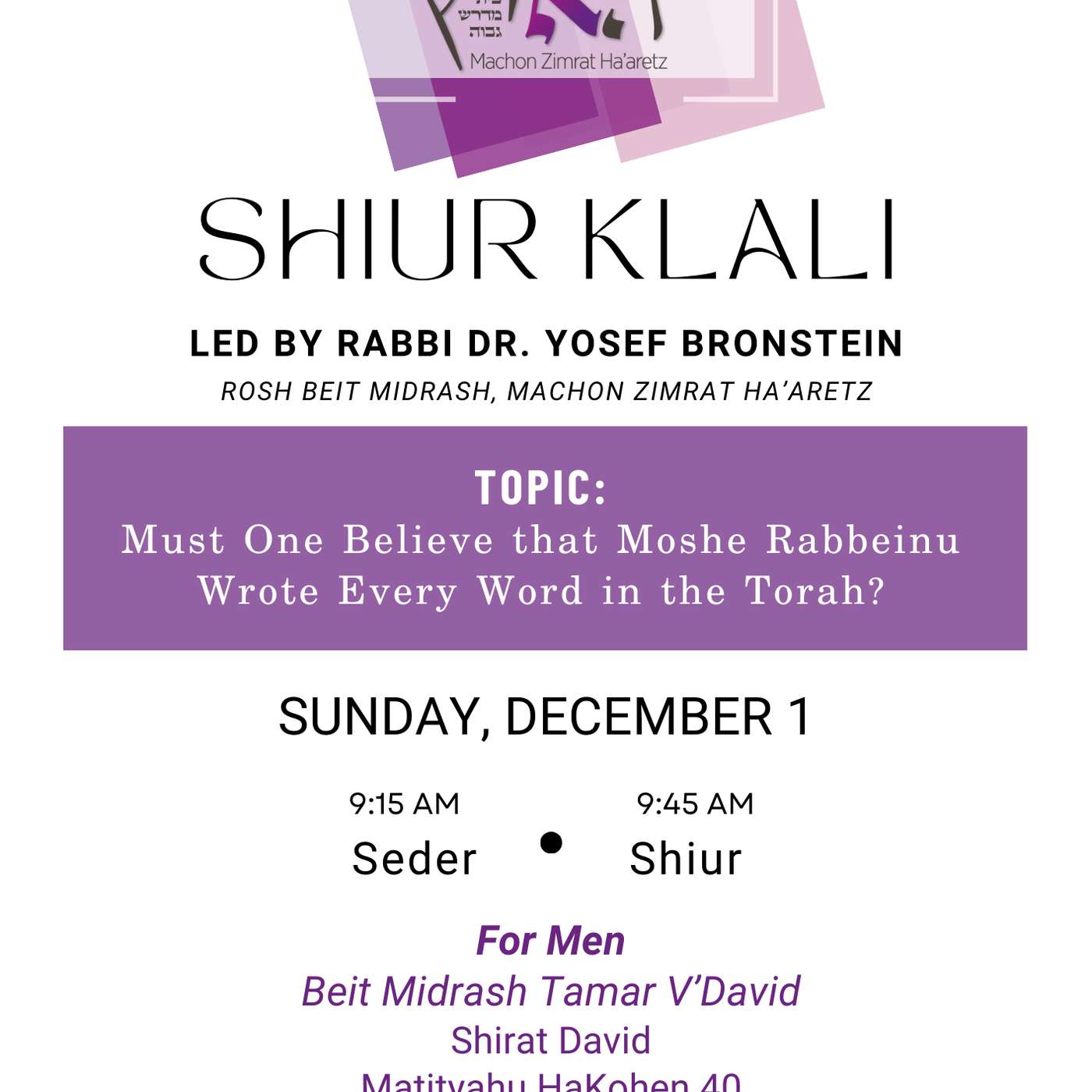
Must One Believe that Moshe Rabbeinu Wrote Every Word in the Torah?
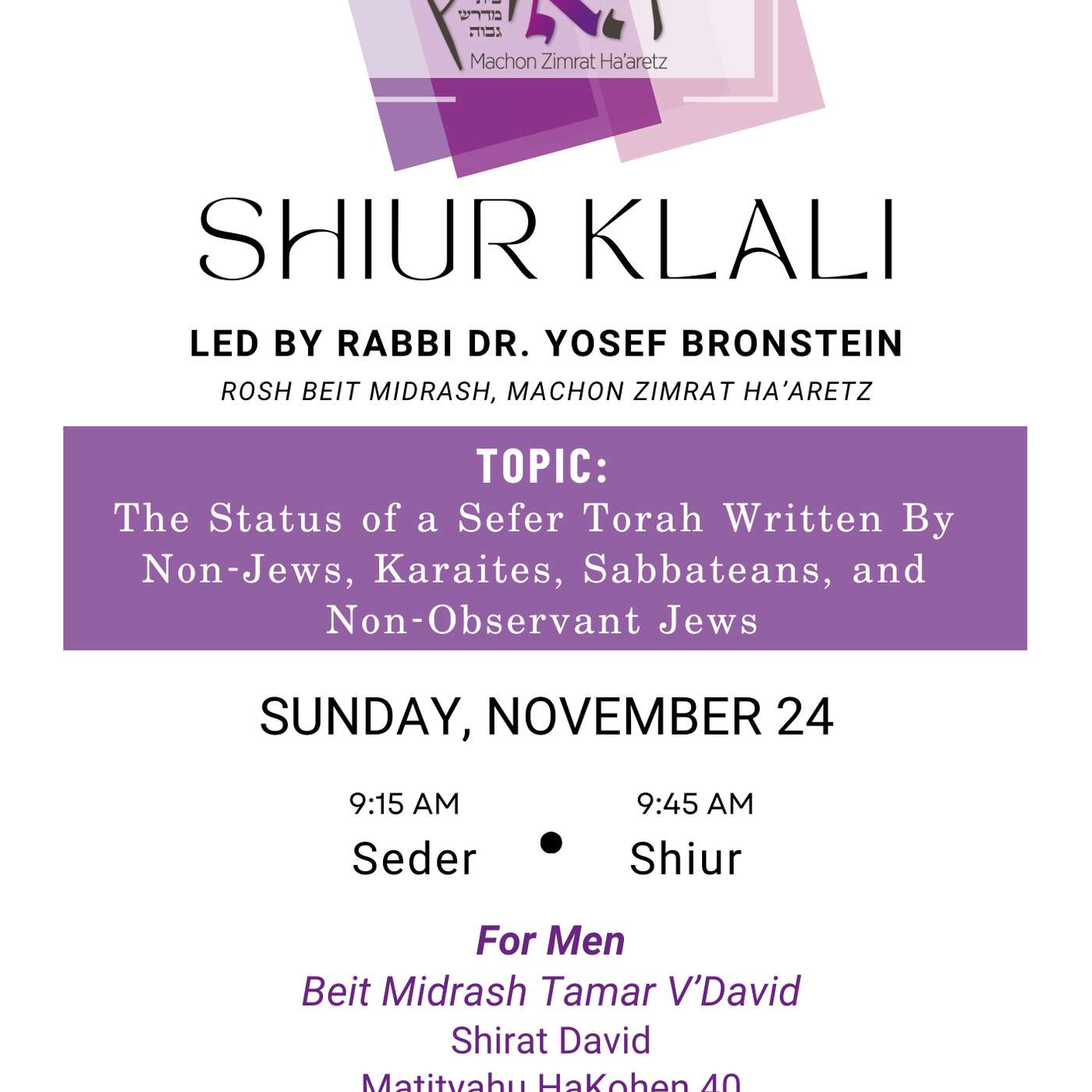
The Status of a Sefer Torah Written By Non-Jews, Karaites, Sabbateans, and Non-Observant Jews
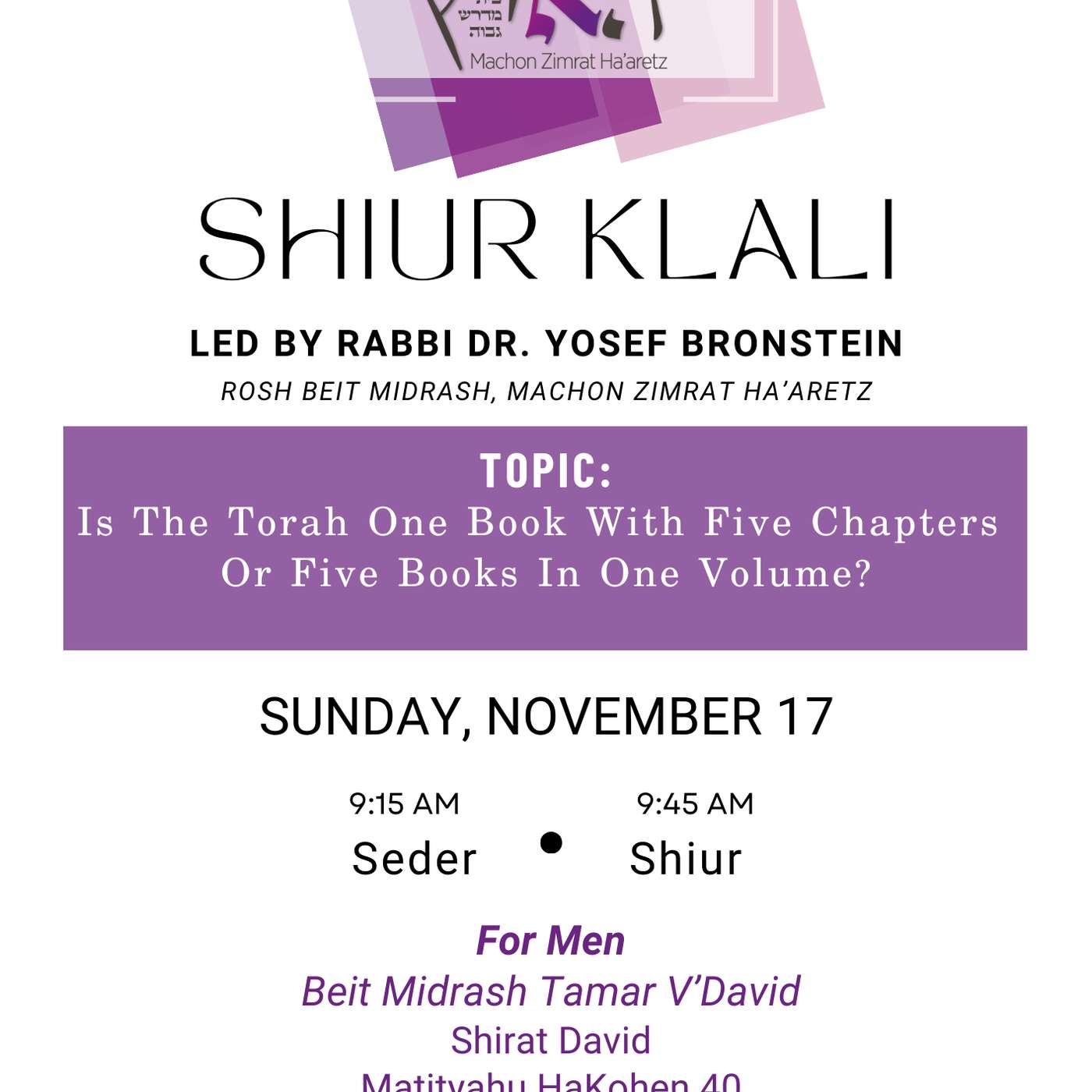
Is The Torah One Book With Five Chapters Or Five Books In One Volume?