Unspun

Unspun is critical thinking about the news. Hear real examples, past and present, of newsmakers attempting to mislead you and understand how they manipulate the truth. Learn how to avoid being swayed by fake news and misinformation. Get Unspun, because you deserve the truth.
Who Controls Your News Feed? Algorithms, Inequality, and the News You See (UnSpun Journal Club)

You probably saw some news today.
But did you choose it?
Or did it simply find you?
In this episode of UnSpun, DrSturg looks at research examining how people experience news in everyday life—and why that experience differs depending on how much money you have and how educated you are. The industry needs to look at audiences differently, and the implications for democracy are profound.
LINKS
Paper covered in this episode
Follow Dr. Sturg
BlueSky -Prof. Amanda Sturgill (@DrSturg)
Websites -Sturg says|Unsp...
Can You Trust Influencers? The Hidden Power of Parasocial Relationships
Why does an influencer you've never met sometimes feel like a friend?
In this episode of UnSpun, DrSturg looks at the psychology behind parasocial relationships — the one-sided relationships audiences can develop with influencers, creators, streamers, and other public figures.
We’ll look at how influencers create a sense of intimacy and how those relationships can make advertising more persuasive, reduce our resistance to sales pitches, increase loyalty, and encourage people to spend more time and money with a creator. They can also create enormous pressure for influencers themselves.
And the stake...
Science for the rest of us: Why experts need a megaphone (UnSpun Rewind)
It's harder to get quality information on science that affects your health and life. Dr. Sturg interviews science communicator and neuroscientist Dr. Ben Rein on how researchers with media skills can make a difference. PLUS,
People rely on some bad cues for how to make choices, and sometimes newsmakers don't help. In this episode, learn why "we've always done it this way" can be a bad thing.
Follow Dr. Ben Rein
https://www.benrein.com
https://www.tiktok.com/@dr.brein?lang=en
https://www.instagram.com/doctor.brein...
Why quality news matters: Journalism and Democracy (UnSpun Rewind)

How can we be drowning in information and at the same time, badly informed? In this week's UnSpun, DrSturg breaks down the relationship of journalism and democracy. Journalism came first, and democracy wouldn't exist without it. But today, journalism is struggling and around the world, democracy is struggling right along with it. Find out how the relationship works, why it's failing and what you can do about it as you get UnSpun.
Follow Dr. Sturg
BlueSky -Prof. Amanda Sturgill (@DrSturg)
Websites -Sturg says|Unspun’s Substack
Questions and Tips
TheU...
What happens when the rich control the news? UnSpun Rewind: Press in an Oligarchy
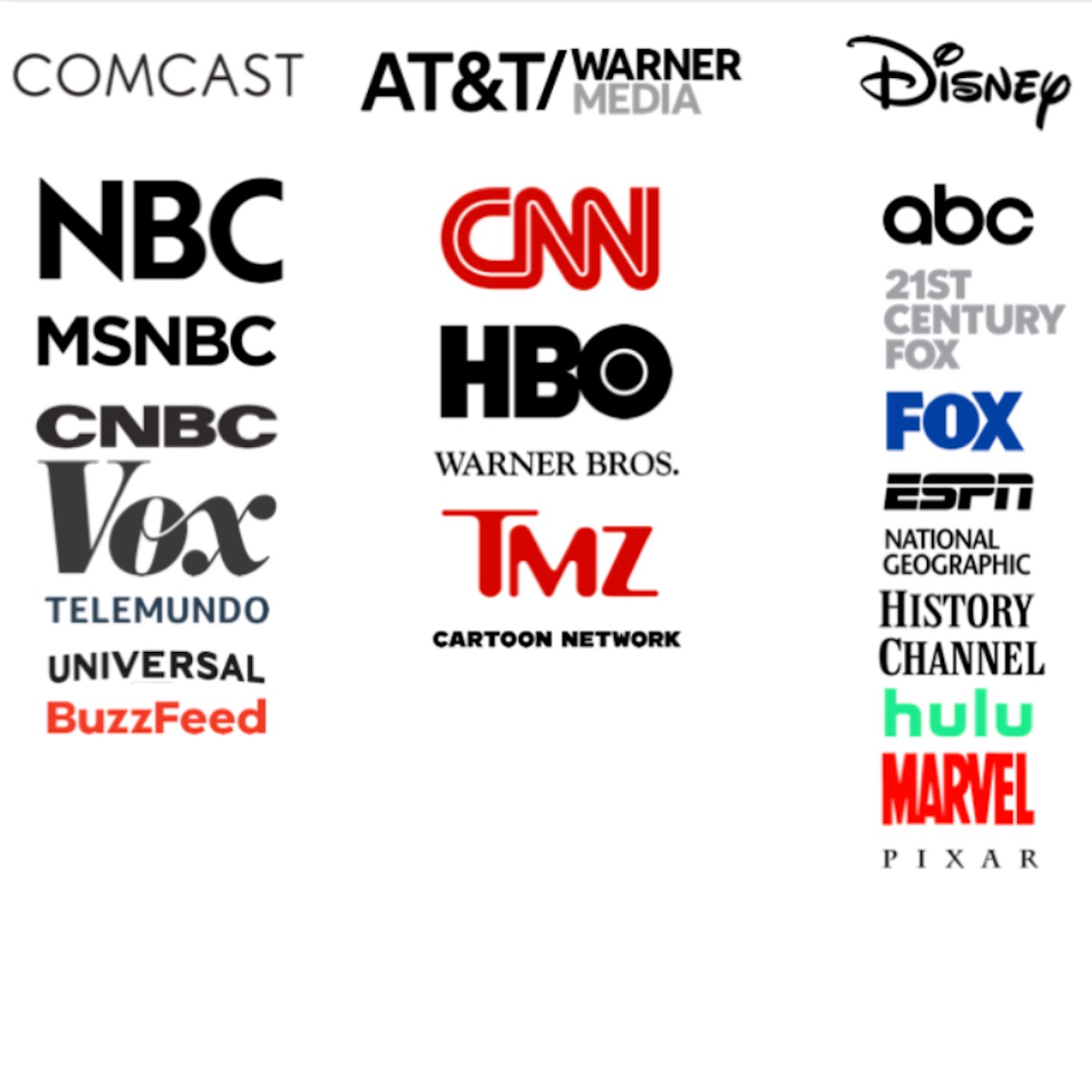
Who really controls the news? And what happens when it's the wealthy? In this UnSpun, rewind, Dr. Sturg explores the role of the press in an oligarchy, which is where a small, powerful elite shapes public perception through media ownership, restricted access, and censorship. From billionaire-backed news outlets to state-controlled media, learn how information is manipulated and some things journalists can do to fight back.
Follow Dr. Sturg
BlueSky -Prof. Amanda Sturgill (@DrSturg)
Websites -Sturg says|Unspun’s Substack
Questions and Tips
TheUnspunPodcast@gmail.com
D...
Why is the government targeting universities and the media? UnSpun Rewind on Authoritarians and the News

On this week's UnSpun, DrSturg explores why authoritarian governments target the press and educational institutions, and how these tactics are appearing in democracies worldwide:
Why authoritarian governments restrict press freedom:
Resources mentioned:
Survey: http://bit.ly/UnSpunSurveyBooks: "Detecting Deception: Tools to Fight Fake News" and "We Are #AltGov: Social Media Resistance from the Inside"Advertising Inquiries: https://redcircle.com/brands
Privacy & O...
Why does everything feel broken? How newsmakers use sabotage methods to undermine your confidence in your government
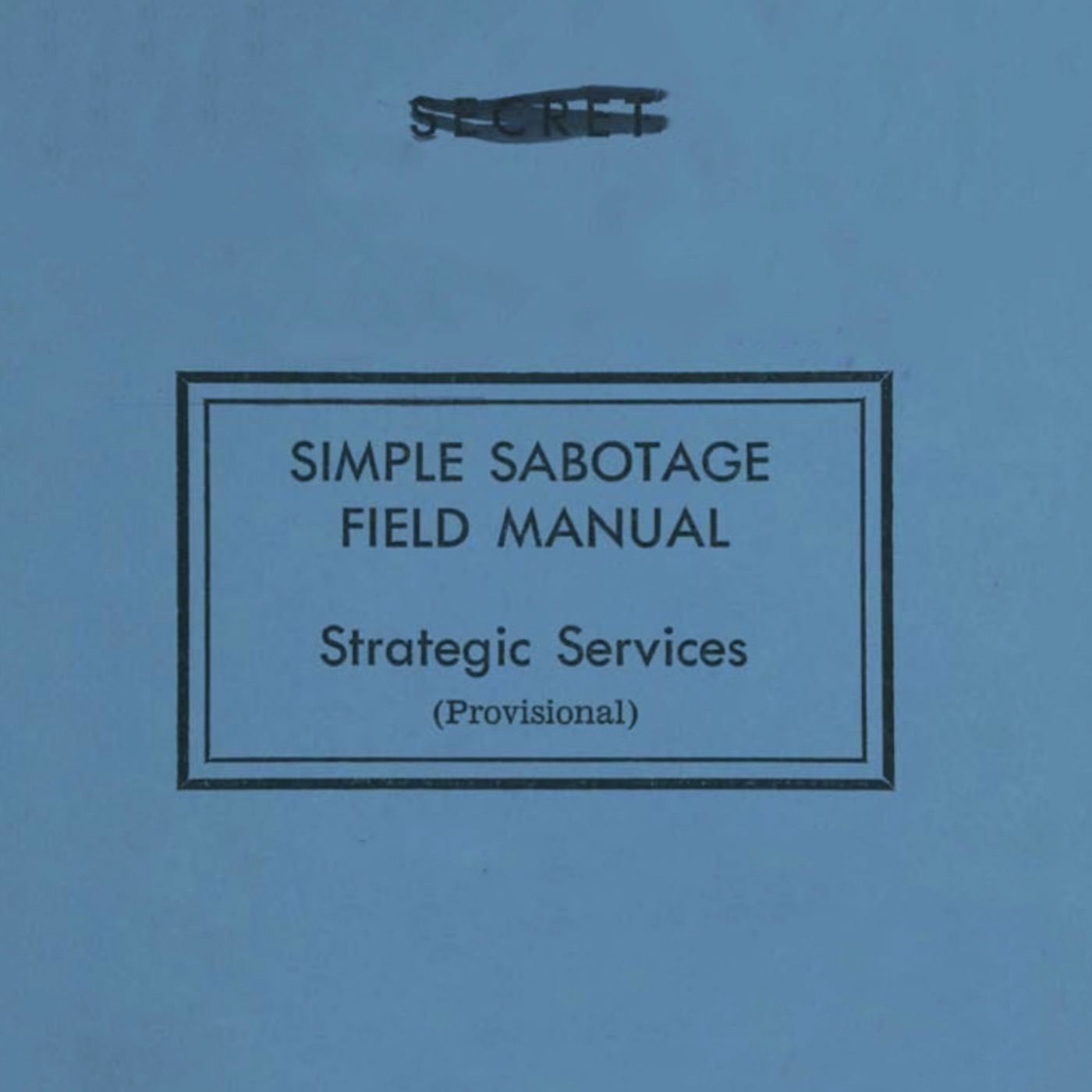
There was a secret playbook for destroying governments and newsmakers use some of the same tactics on YOU right now.
What if the chaos in your government isn't an accident? In 1944, the OSS (now the CIA) wrote a classified manual teaching resistance fighters how to dismantle a Nazi occupation from within. Today, those same tactics are being used by governments, politicians and would-be authoritarians,and it's working.
In this episode of UnSpun, DrSturg goes over the 5 sabotage strategies straight from the now declassified Simple Sabotage Field Manual. Learn what to look for with examples from...
Less news, more noise: Why weaker newscasts are bad for democracy

America has more news shows than ever, but somehow, we have less information.
In this episode of UnSpun Journal Club, DrSturg looks as new research analyzing more than fifty years of American broadcast television news. Researchers found that advertising has expanded while substantive public-interest reporting has steadily declined.
She also looks at how political rhetoric shapes public perception, why language that divides people into "normal" and "abnormal" matters and the best thing you can do to fight it.
LINKS
The Vanderbilt TV News Archive
Original Paper from This Episode
The hidden cost of paywalls: How restricting news hurts democracy
Quality journalism costs money while misinformation is usualy free?
But most quality news is behind a paywall and few people want to pay.
In this episode of UnSpun, DrSturg traces the history of the news paywall from the early days of online newspapers to today's subscription economy and examines what decades of research tell us about who pays, who doesn't, and what that means for public knowledge.
Follow @drsturg on Bluesky
DrSturg's book, Detecting Deception: Tools to Fight Fake News teaches you how to identify this kind of shad...
Should We Trust AI Fact Checkers? | UnSpun Journal Club
Can artificial intelligence help stop misinformation—or could it quietly make the problem worse?
In this episode of UnSpun Journal Club, check out new research on whether communication managers trust AI fact-checking tools and what happens when humans remain "in the loop."
Follow Dr. Sturg
BlueSky -Prof. Amanda Sturgill (@DrSturg)
Websites -Sturg says|Unspun’s Substack
Questions and Tips
TheUnspunPodcast@gmail.com
Dr. Sturg’s Books
Detecting Deception: Tools to Fight Fake News
We are #AltGov: Inside the Resistance on Social Media<...
From Waco to Tulsi Gabbard: How the news media struggle to cover cults
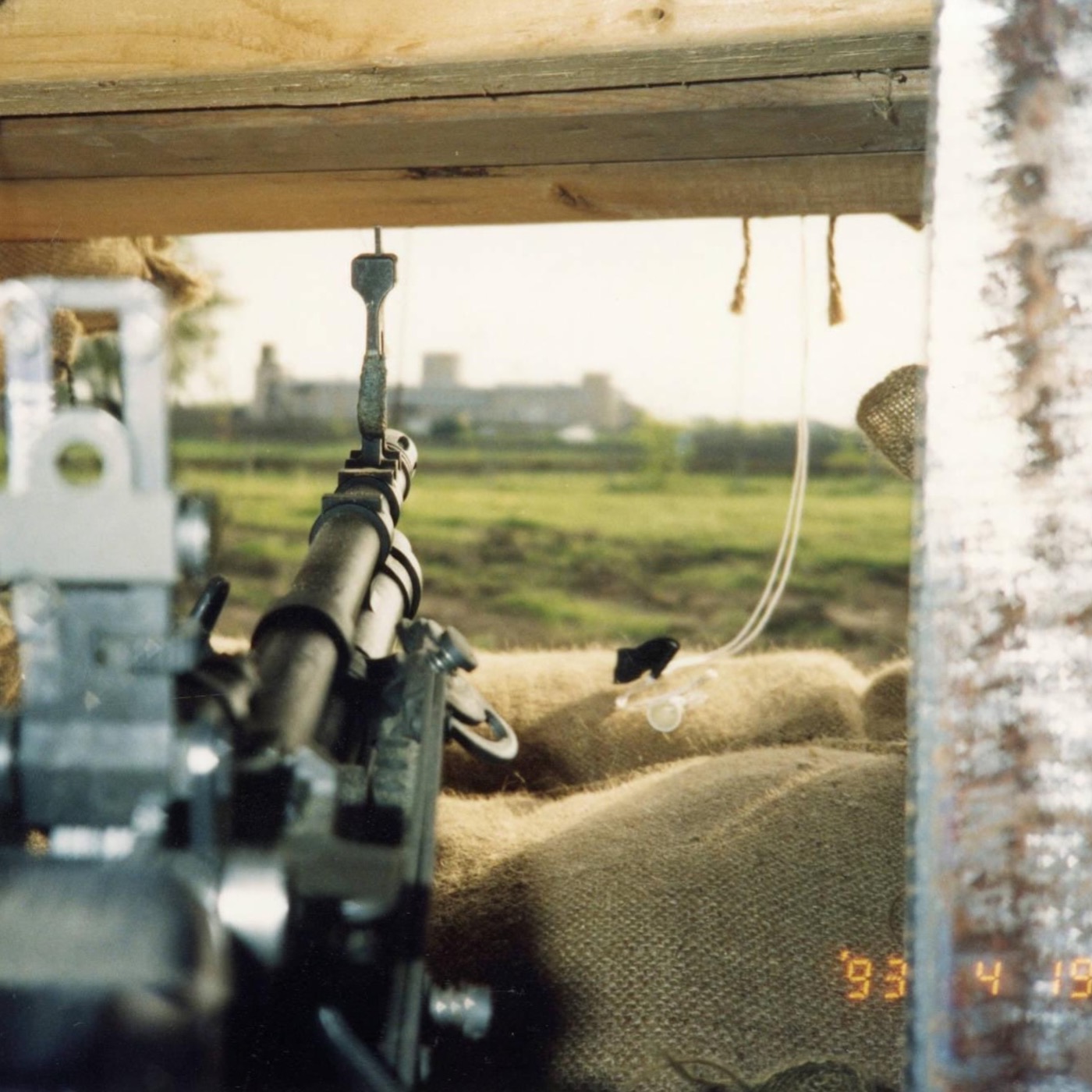
What happens when secretive religious movements intersect with politics?
In this episode of Unseen, Dr. Sturg begins with the present: recent reporting on Tulsi Gabbard and the Science of Identity Foundation before tracing the fascinating history of journalists covering new religious movements from the 1930s to today and on multiple continents. She has aliens, telepathy and a wild story about how a news guy actually tipped off the Branch Davidians.
Links
Here's the Washington Post piece on Gabbard (gift link)
Check out the Heaven's Gate website - still maintained by some f...
The reflecting pool is blue: The Big Lie (UnSpun Rewind)

If you repeat a lie enough, people may start to believe it. This idea of the big lie has been around for a while, but the last 8 years it has been so bad that fact checkers had to create a whole new rating level for how bad the lying is. Dr. Sturg breaks down the history of the big lie and shows how surrogates and supporters help to spread it.
In the interview, author and professor Dr. Jen Mercieca breaks down Texas politics, explains how dead Greeks have a lot to say about productive communication, and how f...
Why do conservatives think the media hates them? UnSpun Journal Club
Why is your grandma convinced that the news thinks she's mean or ignorant? In this week's episode of the UnSpun journal club, DrSturg looks at a study on folk theories of media bias. For the respondents in this story, bias was about more than just acts. facts. It was about representation, language, identity and whether people felt like journalists welcomed their perspectives. And the study gives advice on how to talk about the news to people who think the news is out to get them.
Here is the original paper.
DrSturg's book, Detecting Deception: Tools to...
Is media bias getting worse: Are politicians right?
Is the media actually biased? Or do we just think it is?
In this episode of UnSpun, DrSturg examines decades of research on media bias, political polarization, cable news and the psychology of news consumption. From Fox News and CNN to newspapers, social media and more, she explores what researchers have found about bias in news coverage and how people on opposite sides of an issue can see the same story completely differently.
Do the politicians yelling #FakeNews have a point?
Find out in this week's UnSpun.
**Check out DrSturg on B...
How to say nasty things while staying popular: UnSpun Journal Club
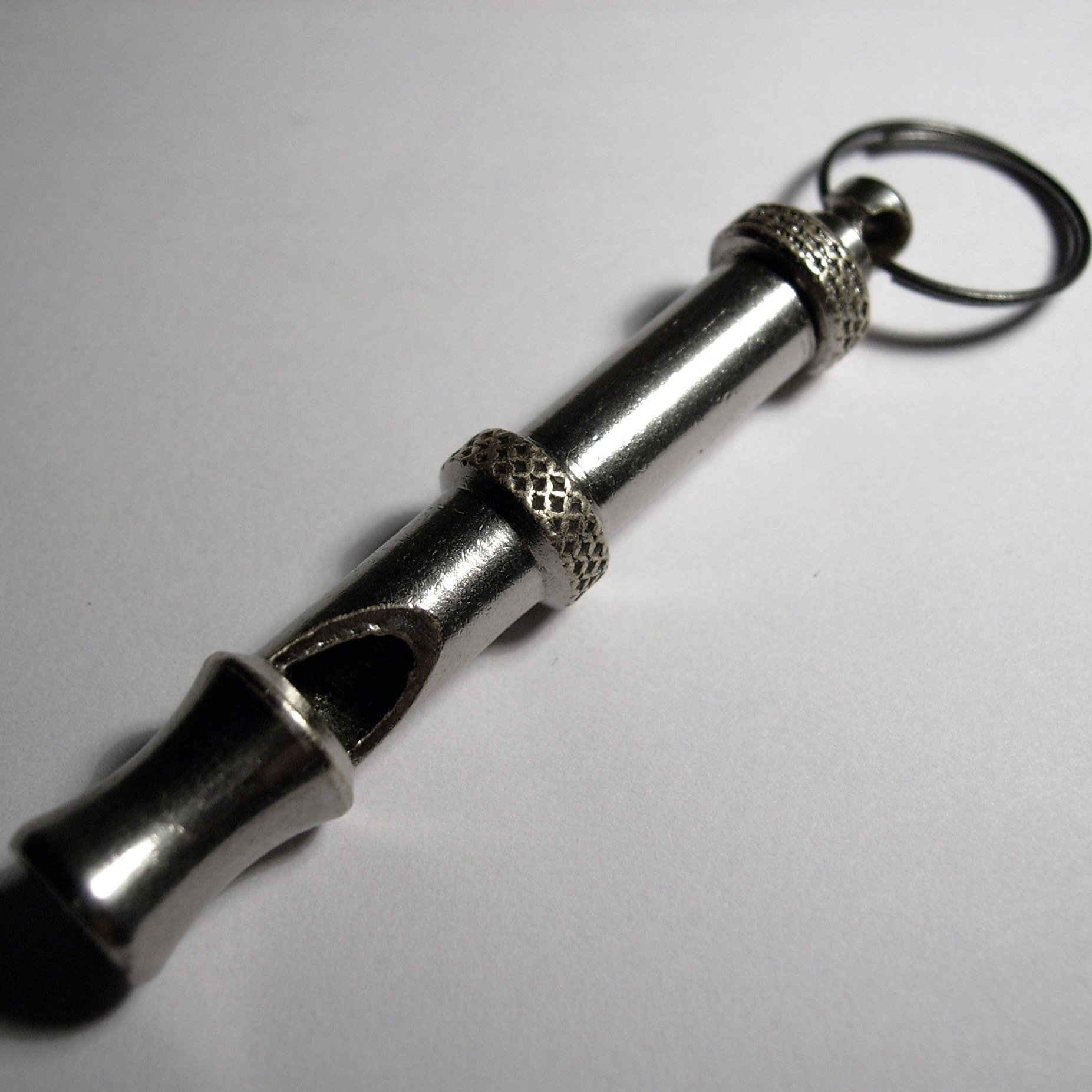
This week's paper, from Sweden, answers an important question: when politicians dogwhistle racism, can it make them MORE popular?
In this episode, DrSturg breaks down clearly what a dog whistle is and the clever way this paper studied the matter. She ends with advice on what YOU can do to not fall victim and a message for journalists.
Here is the original paper.
DrSturg's book, Detecting Deception: Tools to Fight Fake News is on sale! It also teaches you how to identify this kind of shady language yourself, using real examples from the...
News Consolidation is Bad for Audiences

This week is Stephen Colbert’s final on CBS, and it's part of a larger story behind modern media: consolidation. When a few companies own more of the places you get information, it affects how much corruption there is, how much you know about yourself and your neighbors and the fabric of society itself.
So much of the information we get now feels overwhelming but strangely thin. You'll learn why, as well as how local journalism was never just content. It was civic infrastructure.
Today's Front Pages Gallery mentioned in the episode.
Check ou...
How AI Swarms Could Make Social Media Intolerable | UnSpun Journal Club

In this UnSpun Journal Club episode, Dr Sturg looks at a recent paper on what malicious AI swarms could mean for democracy, public debate, and social media itself. They could borrow from the older playbook of harassment and sealioning, made worse as agentic AI systems can imitate people, flood conversations, and manufacture the appearance of consensus.
The question is not just whether AI can generate convincing content. It is whether it can reshape what people think is real.
Find the paper here.
Check out Dr. Sturg's book with tips on how you can sp...
Is it bad for blllionaires to control the news? Unspun Rewind
What happens when a handful of very wealthy control what gets reported and how/
In this UnSpun rewind, we look at the role of the press in an oligarchy—a system where power is concentrated in the hands of a few. From media ownership by figures like Jeff Bezos and David Ellison to global examples like Venezuela and Russia, this episode explores how information can be shaped or even suppressed.
You’ll learn how partisan media ecosystems create entirely different realities, why journalists face increasing pressure and risk, and what happens when regulation,and even trut...
Why the News Feels So Overwhelming (And What It’s Doing to You

In this episode of UnSpun, learn the hidden manipulation behind the news.
From TV journalism of the '80s, with “if it bleeds, it leads,” to today’s algorithm-driven outrage, news has evolved into a system designed to capture attention.
I walk through the research on clickbait and emotional manipulation to explain how it shapes not what you believe and how you act.
Topics include:
The psychology of clickbait and the “curiosity gap.”Why outrage spreads faster than informationHow fear and anger drive engagementThe illusion of knowledge in modern mediaWhat sensationalism does to democrac...Do social media algorithms change your mind? - Unspun Journal Club
Do social media algorithms actually change what you believe?
In this episode of UnSpun, we break down new research from on the political effects of X’s feed algorithm. Using a real-world experiment with X users, the study tests what happens when people switch between chronological and algorithmic feeds.
We also examine the legacy of Cambridge Analytica and the broader concerns about filter bubbles, misinformation,and algorithmic influence.
It's more complicated than the headlines suggest.
Algorithms may not change your identity—but they can shape what you see, who you follow, and h...
Influencers, Politics, and the New Information Economy
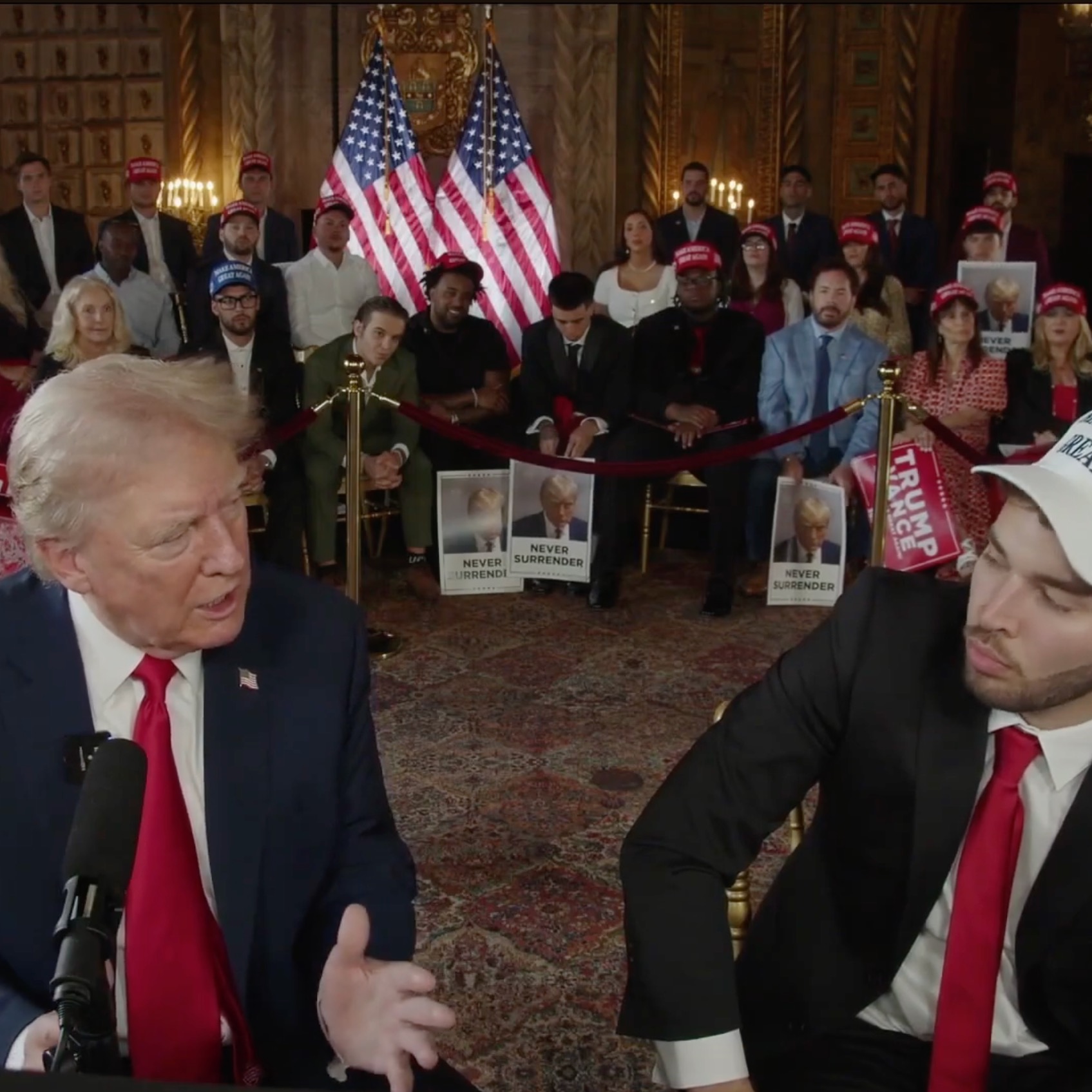
In this episode of UnSpun, I look at the growing power of influencers in politics and public life. From streamers and commentators to legacy journalists turned creators, the media landscape has changed fast. Who gets trusted? Who gets heard? And what does it mean when more people get their news from personalities instead of institutions?
I explore how influencers shape political knowledge, why they are so effective, how platform incentives affect what gets said, and what YOU can do to evaluate information more carefully.
Topics include:
Trump’s appearances on influencer platformsPew Research on new...Nightmare fuel: Rapid-fire convincing disinformation without the data center

Welcome to Journal Club 6, which is about how it's gotten easy and inexpensive to make seemingly limitless disinformation ready to go straight into your feeds.
Back in Roman times, it took control of the money mint to create and scale harmful propaganda. in this week's episode, Dr. Sturg looks at a paper that tested if it's possible to create convincing fake news without even having to pay for Chat GPT compute credits. The findings are not good news, but better to know.
Find this week's paper here.
And you can get better at...
Why are politicians swearing more and does it matter?
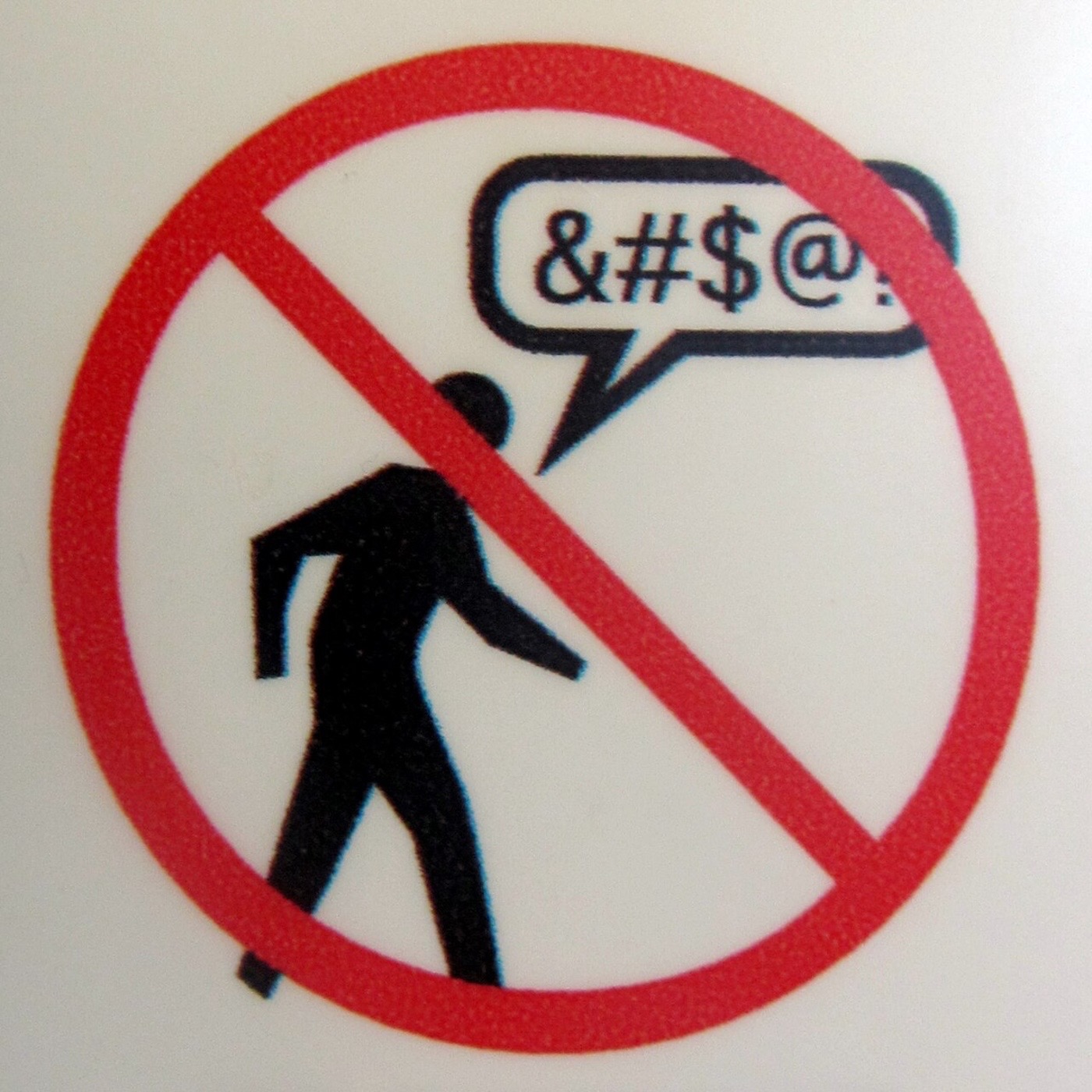
Why do politicians swear—and why does it work?
In this episode of UnSpun, DrSturg examines how profanity functions as a political tool. From viral moments like Biden’s hot mic comment abotu Peter Doocy to the Trump Access Hollywood tape and John Fetterman’s “jagoff” controversy, explore how vulgar language captures attention and, for some, signals authenticity.
But there’s a trade-off.
Research shows that while profanity can help mobilize supporters, for others it can also erode trust, deepen polarization and even divert attention away from substantive issues.
Find out what happens...
The Power of Local News in Fighting Misinformation: Journal Club Episode 5
In this episode of UnSpun Journal Club, we break down new research on one of the biggest challenges in today’s information environment: misinformation.
Most conversations focus on fact-checkers or national media. But this paper argues something different—that local journalism may be one of the most effective tools we have for stopping misinformation where it starts.
We explore why misinformation spreads so effectively, why traditional responses often fall short, and what role local news might play moving forward.
The question is not just whether local journalism works.
It’s whether it will...
Baghdad Bob to AI War Propaganda: The First Story in a War Is Often Wrong

In this episode of UnSpun, we examine how governments shape wartime narratives and how journalists have challenged them across modern history. From Baghdad Bob’s surreal press conferences during the 2003 invasion of Iraq to the Pentagon Papers, the My Lai massacre, and the Abu Ghraib scandal, the episode explores how independent reporting has exposed truths that official accounts initially concealed.
We also examine how war reporting has evolved since World War II, including the rise of embedded journalism, the role of social media in modern conflicts, and the risks journalists face when reporting from the ground.
A...
A quick video can slow the spread of fake news: Unspun Journal Club 4
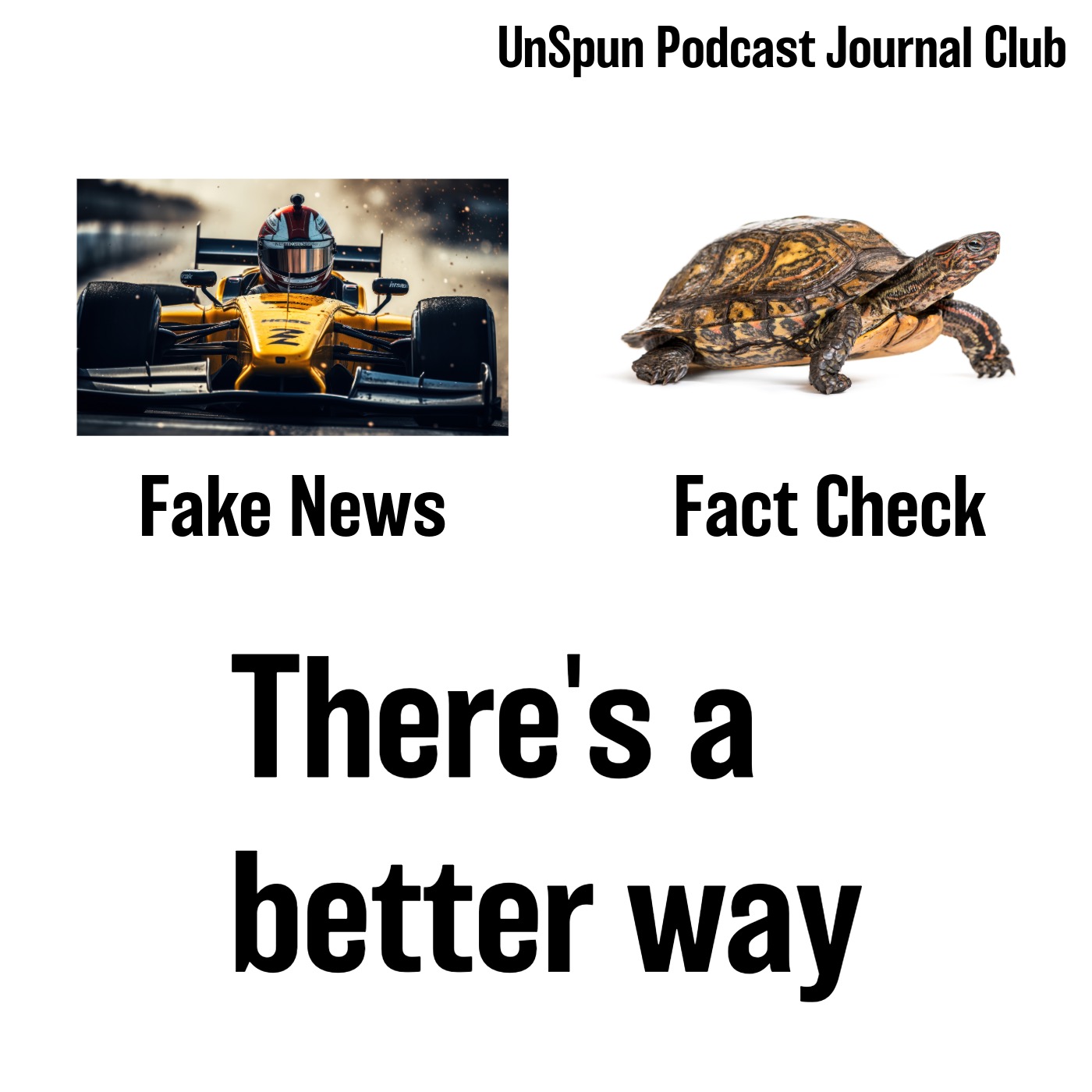
Can we stop misinformation before it spreads?
In this episode of UnSpun Journal Club, I break down a real-world Instagram field study on “prebunking” — a strategy that teaches people to recognize manipulation tactics before they encounter viral misinformation.
Instead of fact-checking after the damage is done, researchers tested whether a short 19-second video about emotional manipulation could strengthen people’s ability to detect misleading content in their feeds.
The results? It did -- and the effect lasted five months.
We explore:
How prebunking differs from debunkingWhy misinformation spreads faster than fact checksHo...The anatomy of a scandal: Why the Epstein files don't just fade away
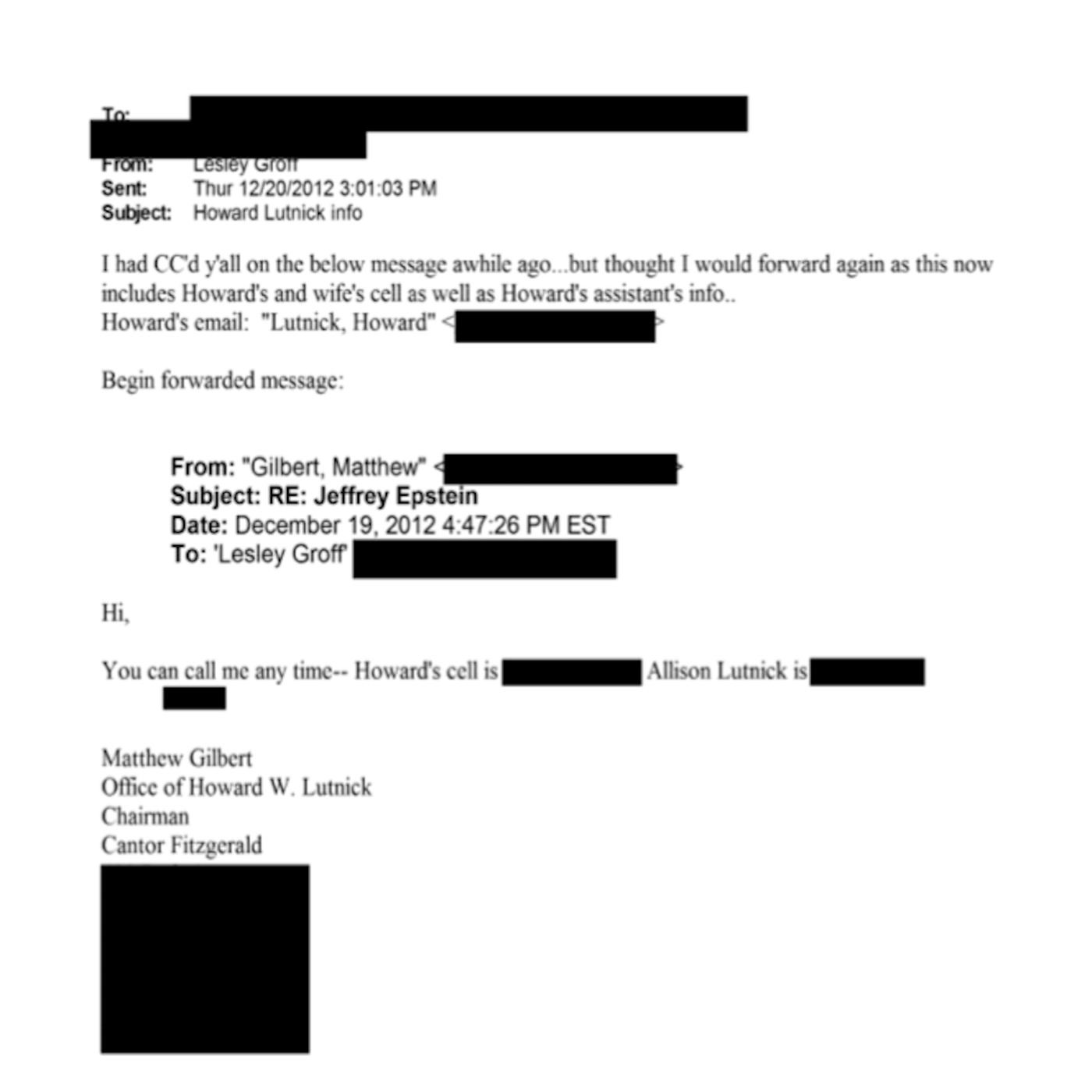
Some scandals flare up, peak, and vanish. Others come back for years.
In this episode of UnSpun, I trace the difference.
Why was the Access Hollywood episode a brief burst, while h the Jeffrey Epstein case a story keeps returning in cycles, fed by court filings, testimony, and periodic document releases.
Join me as I break down the structural forces that determine whether a scandal sticks.
Advertising Inquiries: https://redcircle.com/brands
Privacy & Opt-Out: https://redcircle.com/privacy
Deepfake videos make lies feel more true: UnSpun Journal Club 3

Deepfakes don’t just tell you lies. They show you “proof.”
In this episode of UnSpun Journal Club, I break downresearch from by Hwang, Ryu ad Jeong Cyberpsychology, Behavior, and Social Networking examining whether deepfake videos make misinformation more believable than text alone.
The findings are concerning:
But there’s good news. A short media literacy lesson—just seven minutes—helped a lot.
I'll unpack:
Why video feels more like evidenceWhether media literacy education actually worksWhat this means for journalism, democracy, and everyday media consumersIf you care about...
Are independent journalists doing a better job?

Newsrooms are shrinking and experienced reporters are getting pushed onto Substack or into freelance work.
Does it change the news you receive when journalism moves from institutions to individuals?
In this episode of UnSpun, DrSturg looks at the complicated trade-offs that come with at the rise of freelance and independent journalism. From Washington Post layoffs to Substack newsletters, and from Don Lemon’s arrest to Nick Shirley's video about Minnesota daycares, we she considers how ethics, accountability, legal protection, and financial pressure change when journalists work alone.
Independence can mean freedom, but it can...
How social media markets reward fake news; UnSpun Journal Club 2
Why don't fact checks stop fake news from spreading?
In this episode of UnSpun Journal Club, I break down research by Carlos Diaz Ruiz from the Hanken School of Economics that argues disinformation spreads not just because people believe it, but because digital media markets reward it.
We look at how attention turns into money. How platforms, advertisers, and influencers all benefit when content spreads fast—whether it’s true or not. From Macedonian fake news sites during the 2016 U.S. election to modern social media algorithms, this episode explains the problem when disinformation pays.
...
How Ideas Go From Unthinkable to Obvious (And Why Politicians Follow)
Political change doesn't start with politics. Evidence suggests something else happens first.
In this episode of UnSpun, we look at how media attention, repetition, and trust quietly shape what ideas feel acceptable long before policy is written. And news events like shooting protesters in Minneapolis can get liberals talking about gun rights and conservatives advocating for the right to protest a republican government.
Using real research and real-world examples,, explore how
• Media environments shape what politicians think voters want
• Repetition turns controversial ideas into “common sense”
• Attacking the press weakens accountability
• Social pre...
The moral side of misinformation: UnSpun journal club
Most efforts to stop misinformation focus on helping people recognize what’s wrong. But new research suggests that knowledge isn’t always the problem. Sometimes people share misinformation on purpose—because it feels useful, political, or appealing.
This editon of UnSpun journal club breaks down Moral Deliberation Reduces People’s Intentions to Share Headlines They Recognize as “Fake News” by Daniel A. Effron Judy Qiu, Deborah Shulman
These authors report on a reason why people might sometimes share information they know isn't true and found a way to discourage it.
Advertising Inquiries: https://redc...
Why Social Media Makes You Feel Informed (Even When You’re Not)
ou probably don’t go looking for the news anymore.
It finds you.
A post. A clip. A friend’s reaction. A meme that feels like a headline. Before you’ve read a single article, you already have an opinion.
In this episode of UnSpun, look at how social media has quietly changed what news feels like — and what that change does to trust and understanding. Drawing on recent research, we explore why feeds can make us feel informed without giving us context, why trust shifts from institutions to individuals, and why following real jour...
"Don't tell me what to think" : Why we push back against truth
Why do people reject information meant to help them?
In this episode of UnSpun, we explore psychological reactance — the instinct to resist control — and how it shapes our reactions to fact-checks, corrections, and even each other. From COVID-19 warning labels to social-media fatigue and holiday-table arguments, DrSturg traces how the need for freedom can make truth feel like pressure. And she offers a better way to get people to stop rejecting facts.
Topics covered:
– What psychological reactance is
– How social media architecture amplifies defiance
– Why corrections often backfire
– How to ta...
Invisible weapons: How media makes you a casualty in a hybrid war

In today’s wars, the battlefield is more than land, sea, or air—it’s information.
This episode of UnSpun examines how media has become both a weapon and a target in the age of hybrid warfare. From Russian deepfakes in Ukraine to meme wars in U.S. politics, information has become the terrain where global power is contested.
Learn how disinformation systems are built, how governments—both authoritarian and democratic—deploy them, and how ordinary citizens can defend themselves.
Advertising Inquiries: https://redcircle.com/brands
Privacy & Opt-Out: https://redcircle.com/privacy
From Knitting Codes to Encrypted Chats: The Evolution of Resistance Communication
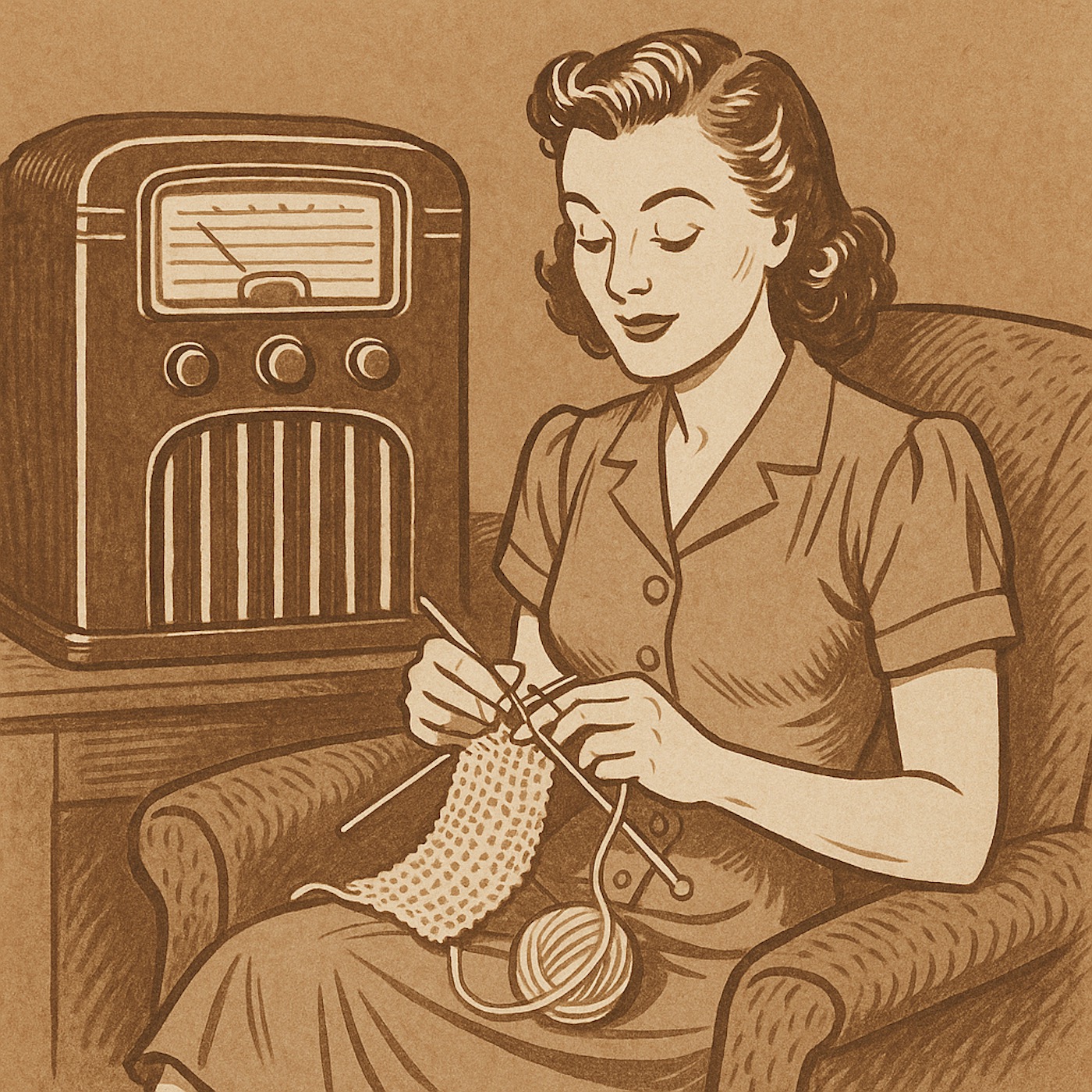
In this episode of UnSpun, we trace the invisible architecture that keeps truth alive when communication is forbidden.
From Phyllis Latour Doyle’s coded knitting in Nazi-occupied France to encrypted mesh networks during Hong Kong’s pro-democracy protests, “The Geometry of Trust” reveals how humans build secret systems of meaning under surveillance.
This episode explores how communication itself becomes resistance when power demands silence.
🔗 Check my book on the #AltGov resistance movement here: https://amzn.to/4qDapCv🎧 Listen wherever you get your podcasts.
Advertising Inquiries: https://redcircle.com/brands
Privacy & Opt-O...
Is nationalism the new religion?
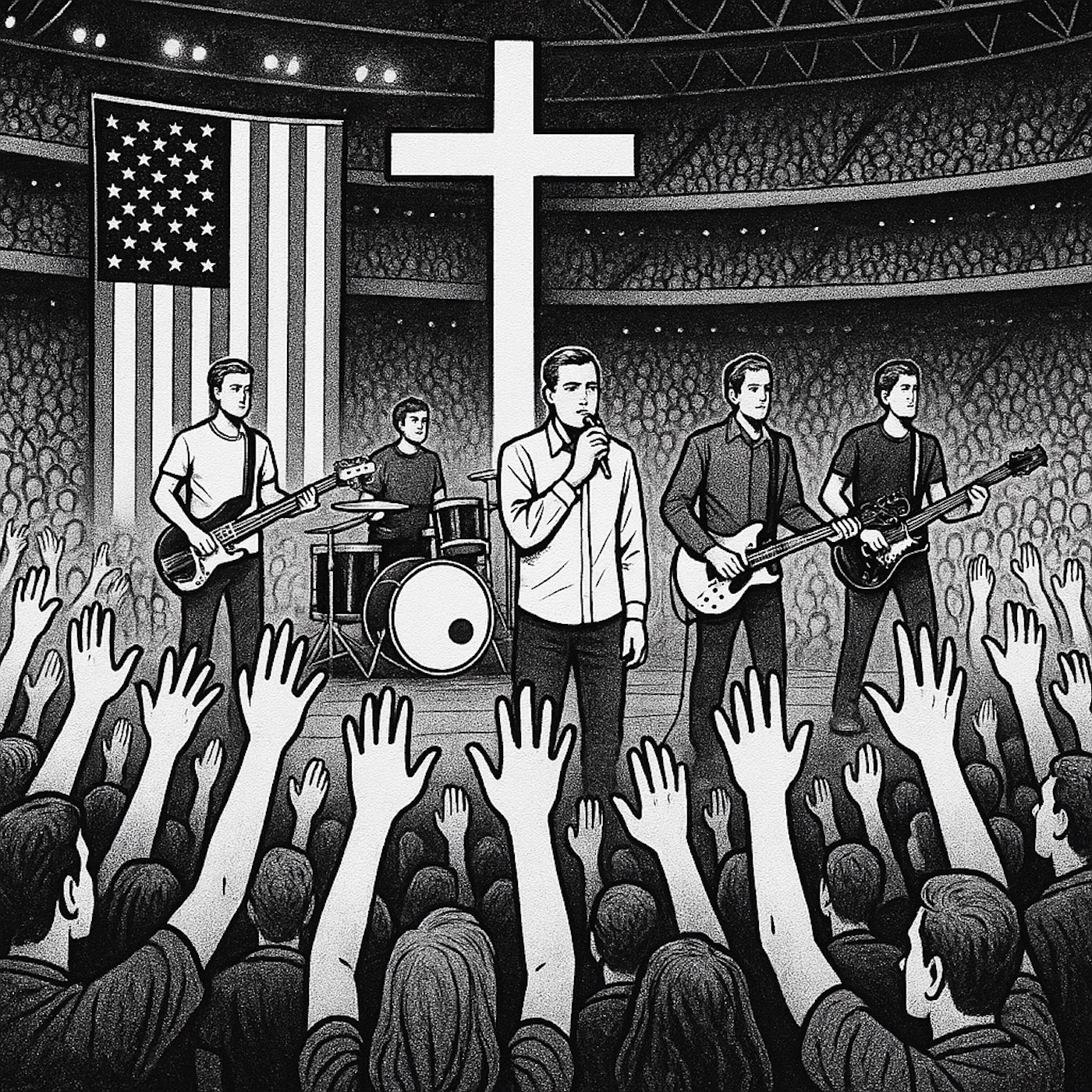
In this episode of UnSpun, we examine a phenomenon hiding in plain sight — the rise of civil religion. From stadium memorials that look like worship services to presidents who sound like preachers, faith and politics have fused into something new — and dangerous. We trace how America’s patriotic rituals became sacred texts, how global leaders have learned the same language, and what happens when dissent becomes heresy.
Advertising Inquiries: https://redcircle.com/brands
Privacy & Opt-Out: https://redcircle.com/privacy
Who Decides What Counts as Hate Speech? From Henry Ford to Late Night TV
What exactly is “hate speech”—and who gets to decide?
This episode of UnSpun traces the shifting definitions of hate speech across a century of mass media. From Henry Ford’s antisemitic newspaper in the 1920s to Father Coughlin’s radio sermons, from Rwanda’s radio-fueled genocide to Roseanne Barr’s infamous tweet, Don Imus’s firing, and the recent suspensions of Jimmy Kimmel and Stephen Colbert—we follow how governments, corporations, and audiences have drawn, erased, and redrawn the boundaries of speech.
Along the way, we uncover how U.S. free speech law differs from Europe’s, how t...
Law and Order: When safety becomes suppression
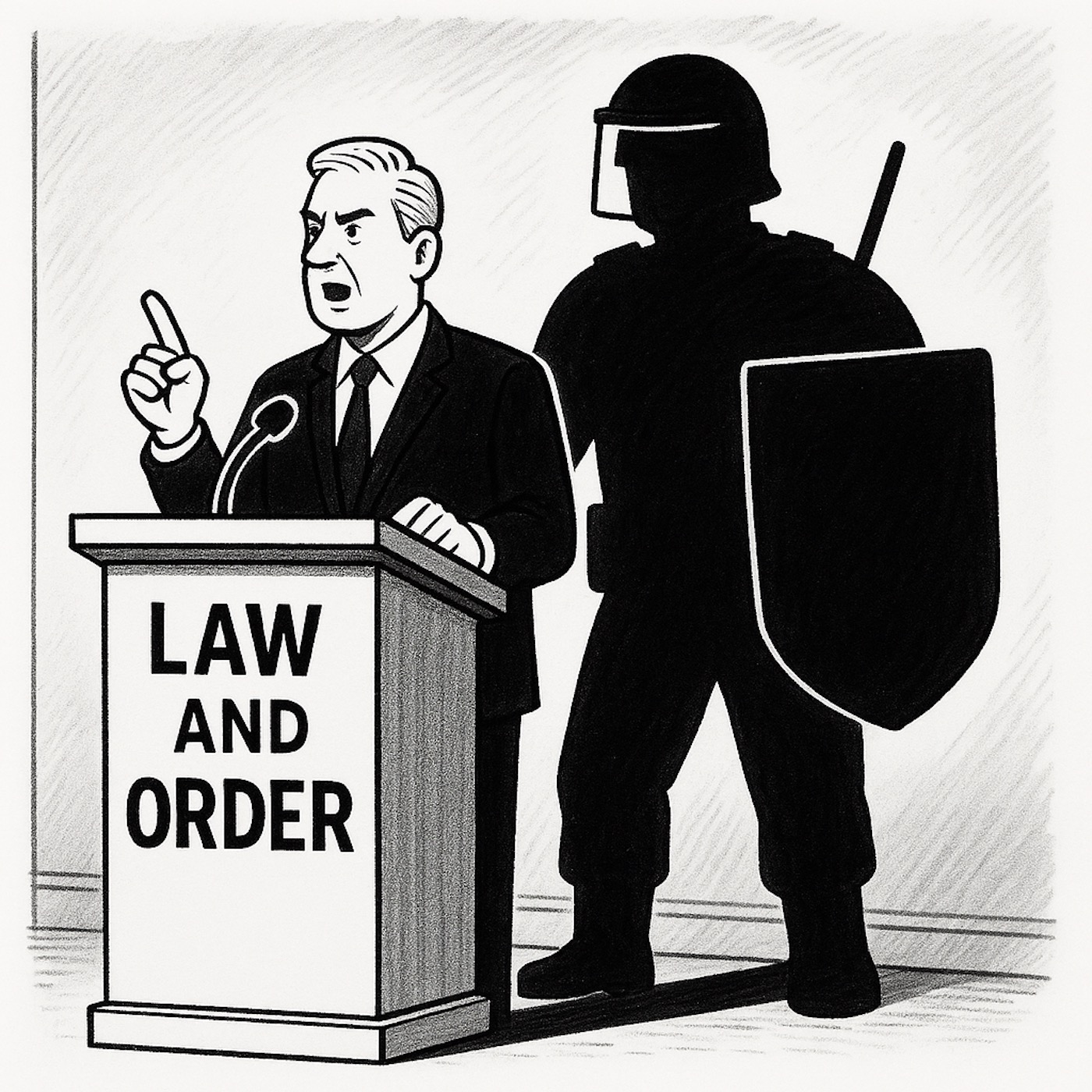
Law and Order” — it sounds reassuring. But what does it really mean?
In this week’s episode of UnSpun, we unpack how those three words have been used across centuries — from 1500s England to 1960s Alabama to 2020s America — not just to fight crime, but to reshape societies.
In this episode, we explore:
The hidden history of “law and order” as a political weaponHow leaders like George Wallace, Richard Nixon, and Donald Trump used the phrase to suppress dissentThe role of economic fear in making people trade freedom for controlGlobal examples from Canada, China, Turkey, Eastern...Divided We Scroll: How Wedge Issues and Purity Tests Keep You Distracted and Ineffective
“You either agree with us… or you’re out.”
Ever felt like saying the wrong thing—even gently—could get you exiled from your community, your party, your friend group?
In this episode of UnSpun, Dr. Sturg explores the rise of ideological purity tests:
Why your social feed feels like a loyalty gauntletHow politicians, religious leaders, and even scientists use purity rhetoric to silence dissentThe hidden power of wedge issues in dividing movementsAnd how the internet has made it faster, more punishing, and more profitableLearn how groupthink spreads, what purity logic...
