You're Dead to Me
The comedy podcast that takes history seriously. In each episode of You’re Dead to Me from BBC Radio 4, Greg Jenner is joined by a comedian and an expert historian to learn and laugh about the past.History isn’t just about dates and textbooks – it’s about extraordinary characters, amazing stories, and some very questionable fashion choices. How long did it take to build an Egyptian pyramid? What does the Bayeux Tapestry reveal about medieval life? Why did it take nearly half a millennium for Joan of Arc to become a saint? And was Catherine the Great really all that gre...
History of Underwear (Radio Edit)

Greg Jenner is joined in western Europe by historian Dr Serena Dyer and comedian and actor Vic Michaelis to learn all about the hidden history of underwear.
For as long as people have been wearing clothes, they have been wearing garments under them – Romans at Hadrian’s Wall were sent underpants, and even Ötzi the Iceman was discovered wearing a form of undergarment. But what were people wearing before the invention of underwires and elastic, so essential to our modern conceptions of underwear?
This episode traces the history of our underthings in western Europe and the U...
Akhenaten and Nefertiti (Radio Edit)
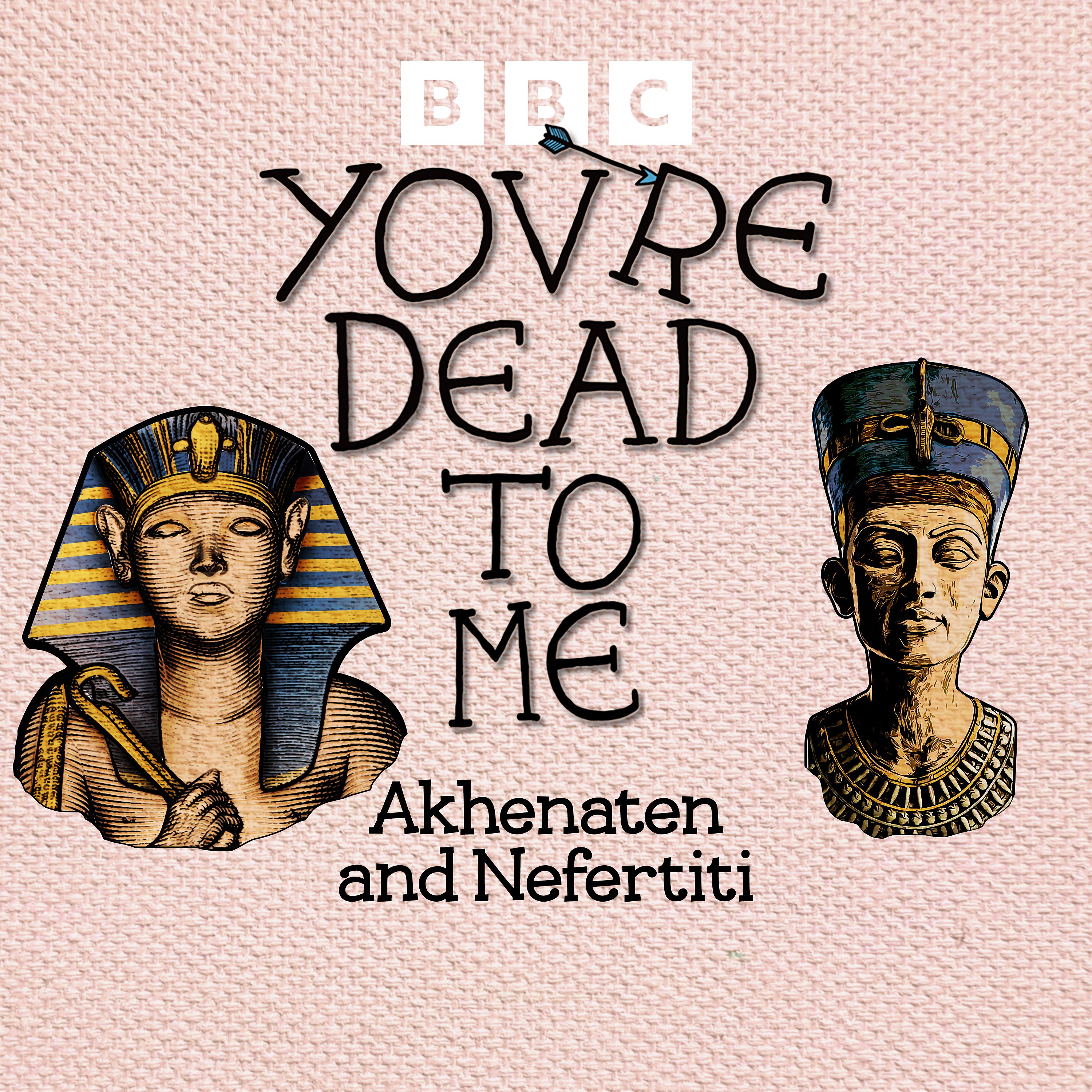
Greg Jenner is joined in ancient Egypt by historian and curator Dr Campbell Price and comedian Sikisa to learn all about Tutankhamun’s parents, Nefertiti and Akhenaten.
As well as their famous son, this ancient Egyptian power couple are best known in the modern age for two reasons. Firstly, Nefertiti’s legendary beauty – her portrait bust is instantly recognisable around the world. Secondly, Akhenaten’s religious radicalism, which saw him reorient Egyptian belief towards the sun god Aten and build an entirely new capital away from the traditional seat of power at Thebes.
This episode traces t...
Anne Bonny and Mary Read (Radio Edit)
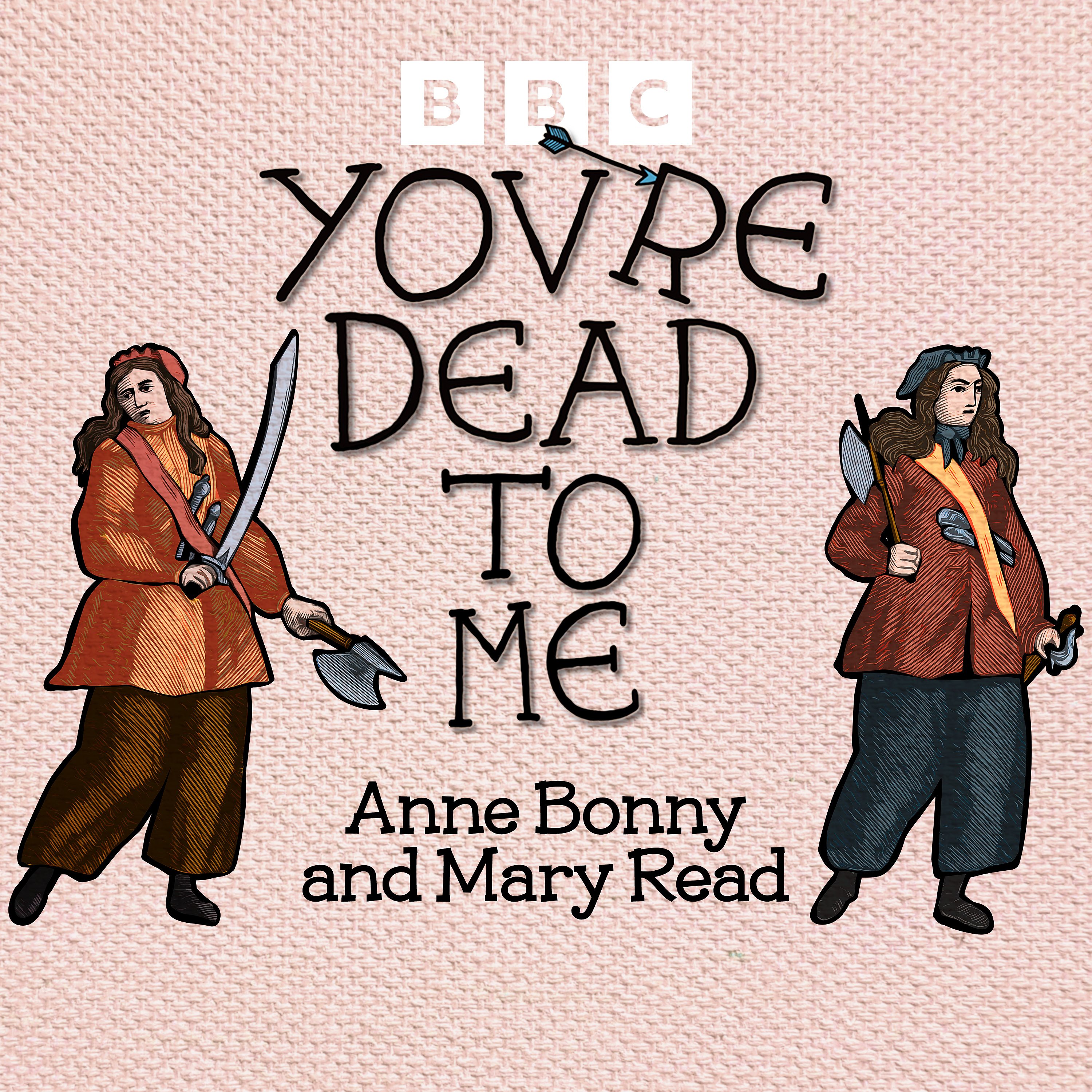
Greg Jenner is joined in the 18th-century Caribbean by historian and curator Hannah Cusworth and comedian Kemah Bob to learn about the swashbuckling lives of pirates Anne Bonny and Mary Read. These women and their adventures on the high seas have become the stuff of legend, helped along by the sensational account of their lives written shortly after their capture.
Though they are famous for the short period they spent together on a pirate ship, dressed as men to hide their true identities, the two had very different backgrounds. Anne was the well-off and rebellious daughter of...
Medieval Saints (Radio Edit)
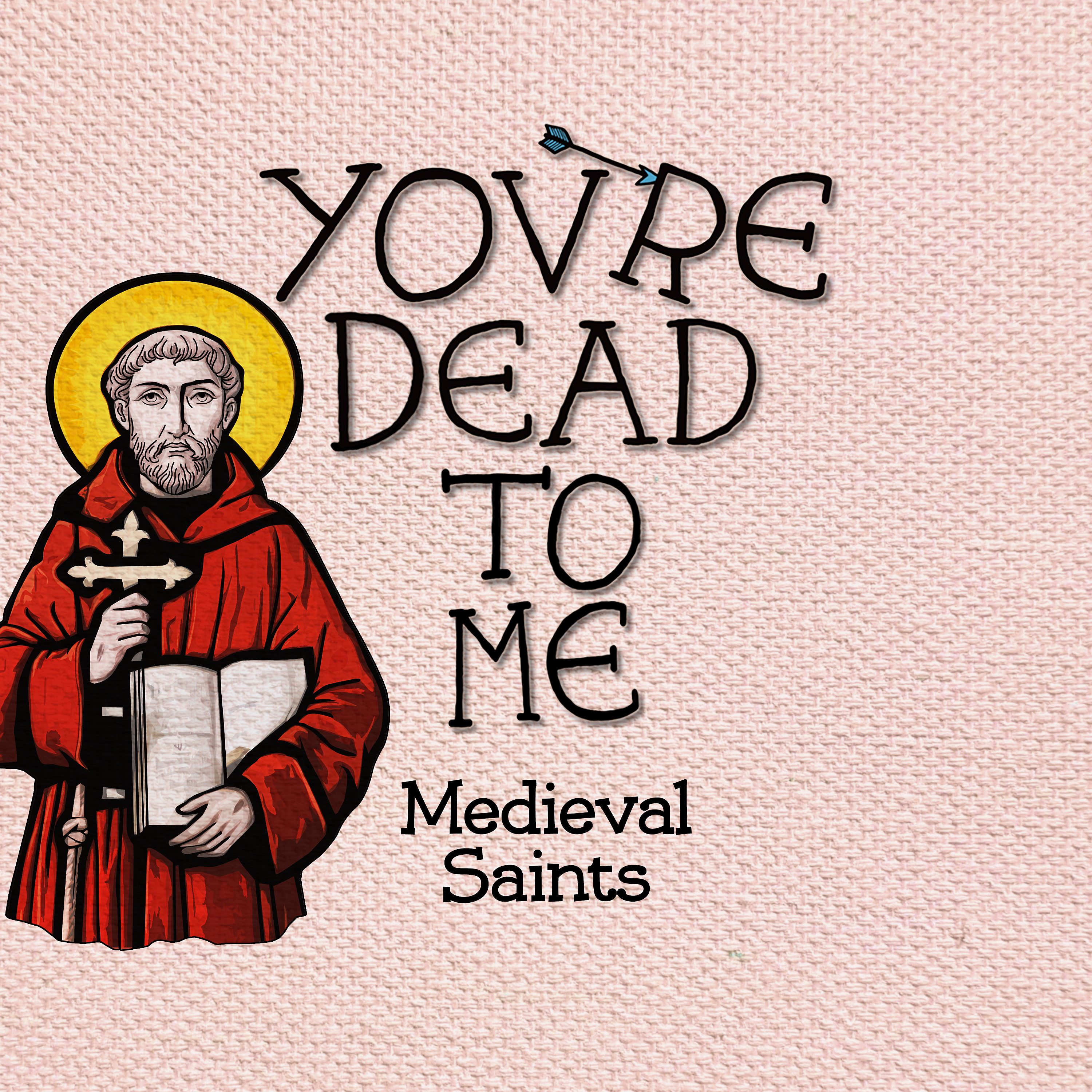
Greg Jenner is joined in medieval Europe by historian Dr Simon Yarrow and comedian Rachel Parris to learn all about the cult of saints and their relics. The veneration of saints still plays an important role in the lives of Catholics all over the world, but what did the cult of saints – and especially devotion to their relics – play in medieval Europe?
This episode explores all aspects of the topic: who became a saint, and how the canonisation process changed over the centuries as the papacy tried to more tightly control it. What sorts of signs and mira...
Francis Galton (Radio Edit)
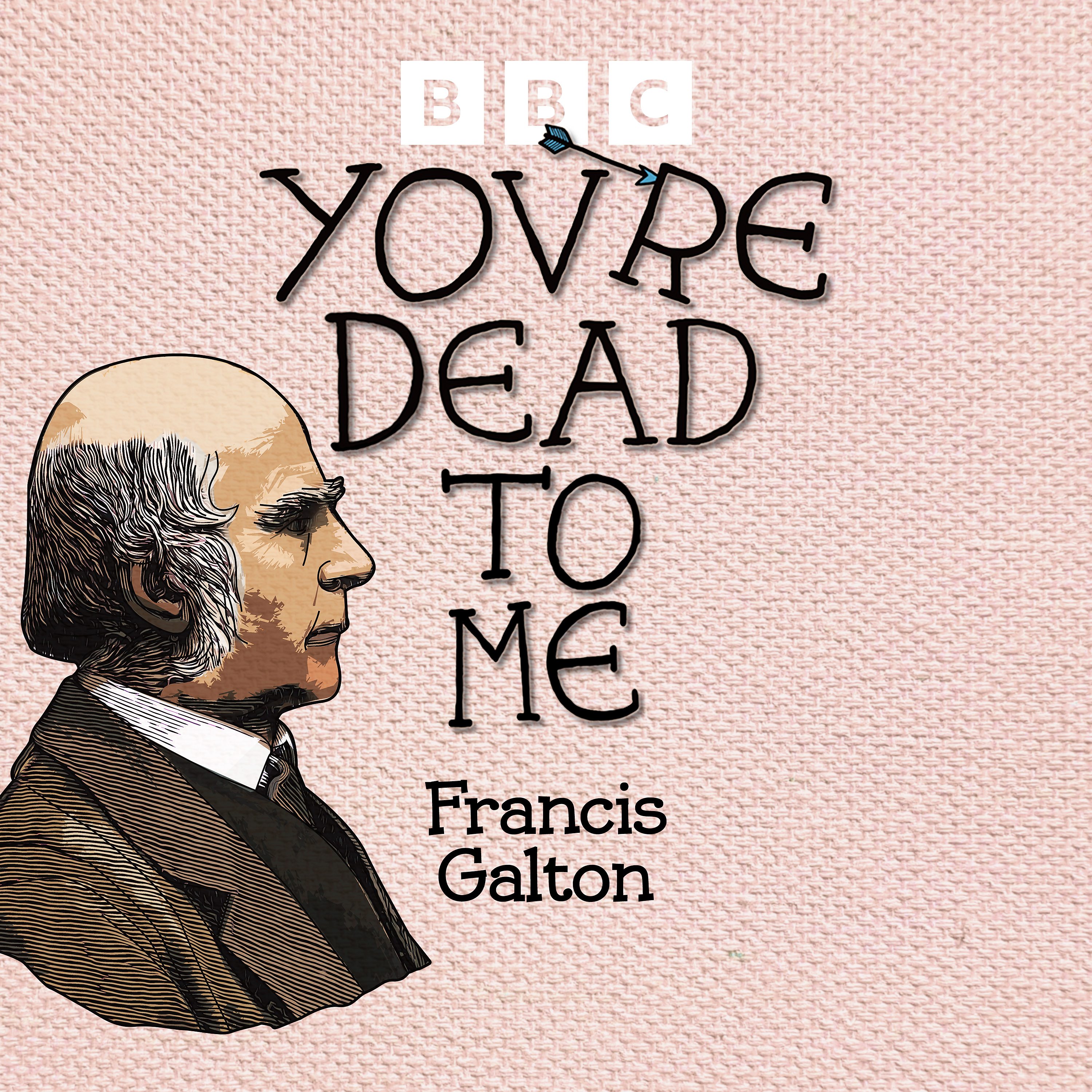
Greg Jenner is joined in Victorian England by historian and curator Subhadra Das and comedian Desiree Burch to learn all about the life of scientist and eugenics pioneer Francis Galton. He was many things: a Victorian gentleman scientist, an inventor of whacky devices, a pioneer of fingerprinting technology, the less famous cousin of superstar naturalist Charles Darwin, and an important figure in the development of statistics. But more importantly – and more troublingly – Francis Galton originated the now discredited science of eugenics. His theories about how to apply principles of good breeding to humans, and his advocacy of ways to impr...
The Iliad and Odyssey (Radio Edit)
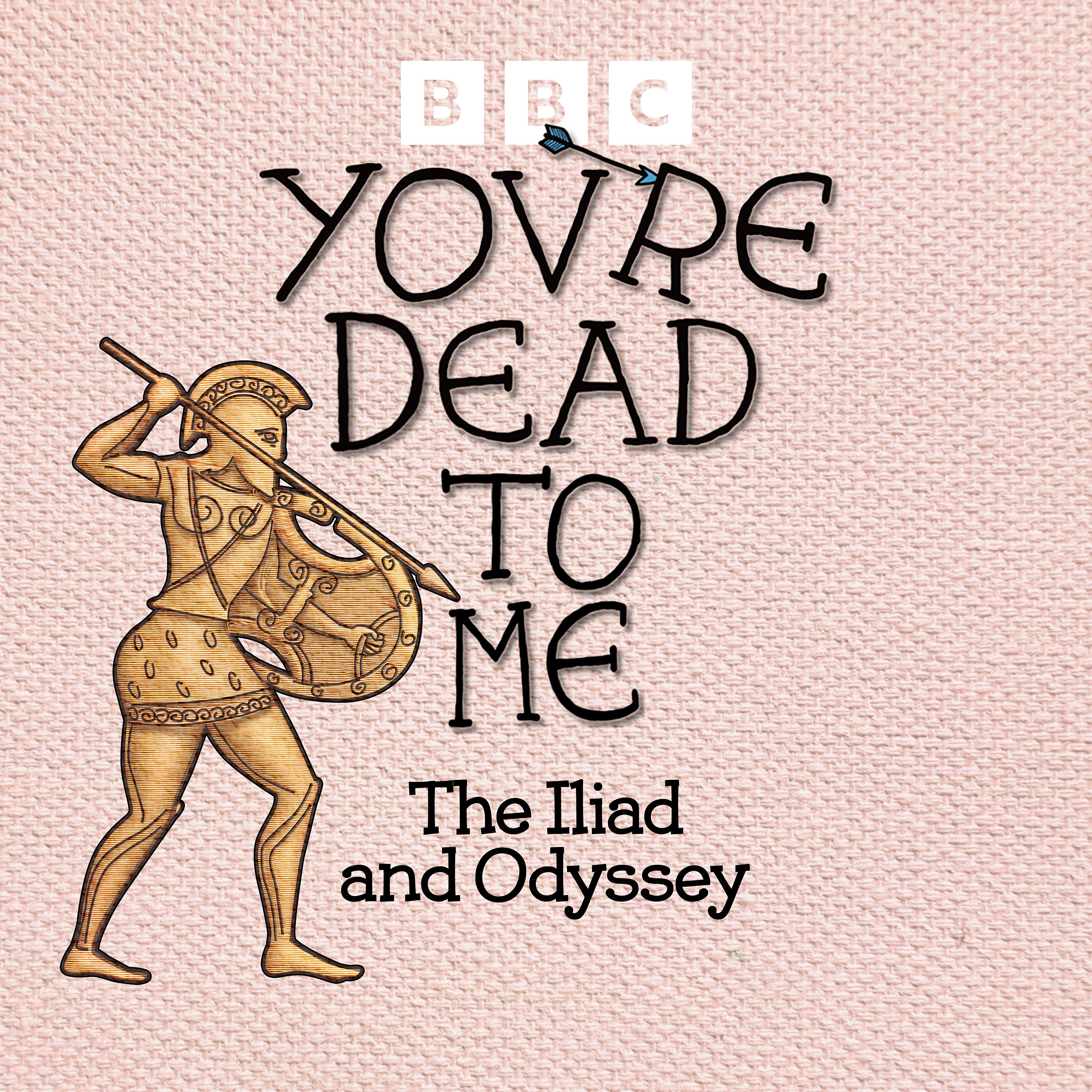
Greg Jenner is joined in ancient Greece by historian Dr Emily Hauser and comedian and actor Kiell Smith-Bynoe to learn about the epic poems the Iliad and Odyssey. Traditionally attributed to the poet Homer, these works tell parts of a legend that has fascinated us for centuries: the story of the Trojan War.
Featuring a cast of unforgettable characters – Achilles, Odysseus, Paris, Helen, Hector and Agamemnon – the war between ancient Greece and Troy has inspired writers, artists and filmmakers for over a millennium. But the Iliad and Odyssey only recount episodes of this much bigger story. The Ilia...
The History of Fandom, 1700-1900 (Radio Edit)
Greg Jenner is joined by Dr Corin Throsby and Stuart Goldsmith to look at early cultural fandom in the 18th and 19th centuries. Although many consider Beatlemania to be the start of what is now considered fan culture, Greg and his guests consider some much earlier and often hilarious examples of the birth of fandom. This episode was recorded live at the 2022 Hay Festival.
This is a radio edit of the original podcast episode. For the full-length version, please look further back in the feed.
Research by Emmie Rose Price-Goodfellow Written by Emma Nagouse and...
New: The Hitler Diaries Scandal (from The History Podcast)

When Germany's biggest magazine Stern announced in 1983 that they'd found the long-lost diaries of Adolf Hitler, the world was poised to rewrite history. Unfortunately, they were fake. In this new series of The History Podcast, The Hitler Diaries Scandal, Andrew Hunter Murray goes back to the 1980s to uncover last century’s biggest ever publishing scandal, a forgery which rocked the world and destroyed reputations. It’s a tale of greed, obsession and mass delusion. It includes Hermann Göring’s yacht, Nazi-themed honeymoons, Idi Amin’s underpants, and more details almost too unbelievable for words. This is a teaser of...
Scottish Supernatural Beliefs: witches, ghosts and fairies in the early modern period

Greg Jenner is joined by Dr Martha McGill and comedian Marjolein Robertson in early modern Scotland to learn all about beliefs in witches, fairies, ghosts and more. Jacobean Scotland is famous for witch trials, partly inspired by King James’ obsession with witches – he even published a book on the subject, ‘Daemonologie’. But beliefs in other supernatural beings existed in early modern Scotland too. Protestant ministers discouraged and then encouraged the telling of ghost stories to reinforce the faith of their congregations. One minister theorised that fairies were halfway between men and angels. People worried that the devil might enter through...
Special Episode: 1066 and the Battle of Hastings

Greg Jenner is joined in medieval England by Dr Erin Goeres and comedian Alison Spittle to learn all about the tumultuous events of 1066, famously depicted on the Bayeux Tapestry, to celebrate its arrival in London. The death of Edward the Confessor without an heir in January 1066 kicked off a three-way battle for the English throne. The contenders? His brother-in-law, Harold Godwinson, who had himself crowned before Edward’s body was cold. His cousin William, already duke of Normandy. And the Norwegian king and famed warrior, Harald. Over the course of just a few short weeks in early autumn, the fi...
Medieval Korea: from the Goryeo to Joseon periods

Greg Jenner is joined in medieval Korea by Dr John Lee and comedian Erika Ehler to learn all about the Goryeo and Joseon dynasties. Nowadays, Korean culture has a global reach and international fanbase – but what about the country's medieval history? During the period known in Europe as the Middle Ages, the ancient kingdoms of Korea were unified, and the resulting polity ruled in turn by two dynasties, the Goryeo and the Joseon. This episode explores this period in Korea’s history, from the foundation of the Goryeo state in 918, through the Mongol invasions of the thirteenth century and the...
Henry Cyril Paget: the dancing marquess of Anglesey

Greg Jenner is joined by Professor Viv Gardner and comedian Morgan Rees in 19th-century Wales to learn about the fabulous, theatrical life of Henry Cyril Paget. Born into an important aristocratic family – his ancestor had been Wellington’s second-in-command at Waterloo – Henry had a very different approach to his wealth and social status. After a childhood spent in Paris, he moved to Anglesey, and after inheriting his title and fortune, set about spending it on his passions: jewels, clothes and the theatre. He remodelled the family home, Plas Newydd, renaming it Anglesey Castle and making it the home of his th...
History of Tea: Britain’s stolen brew

Greg Jenner is joined by Professor Yangwen Zheng and comedian Hugh Dennis to learn about the global history of tea, and how it became Britain’s national drink. Despite its popularity in the UK, much of our tea is grown in India and Kenya, while the tea plant itself is native to China. The story of how it made its way into Britain’s kitchens – and the nation’s hearts – is surprisingly bloody, encompassing war, colonialism, and even botanical theft. This episode charts the global history of tea from its Chinese origins, taking in the Mongol invasions, the contested role of a...
Emperor Constantine the Great: Christianity and the Roman Empire

Greg Jenner is joined in ancient Rome by Professor Lucy Grig and comedian Ivo Graham to learn all about Emperor Constantine the Great and the Christianisation of the Roman empire. Born not in Rome but in the Balkans, Constantine’s life was shaped by the turbulent politics of the late third century. He grew up as Emperor Diocletian – remembered now as a savage persecutor of Christians – was establishing the Tetrarchy, with four rulers now in control of the empire. One of these was Constantine’s father, Constantius. But when Constantius died in York, his son was acclaimed emperor in his plac...
History of Underwear: from shirts and stays to bras and briefs
Greg Jenner is joined in western Europe by historian Dr Serena Dyer and comedian and actor Vic Michaelis to learn all about the hidden history of underwear. For as long as people have been wearing clothes, they have been wearing garments under them – Romans at Hadrian’s Wall were sent underpants, and even Ötzi the Iceman was discovered wearing a form of undergarment. But what were people wearing before the invention of underwires and elastic, so essential to our modern conceptions of underwear? This episode traces the history of our underthings in western Europe and the USA from the medie...
Akhenaten and Nefertiti: religious revolution in ancient Egypt
Greg Jenner is joined in ancient Egypt by historian and curator Dr Campbell Price and comedian Sikisa to learn all about Tutankhamun’s parents, Nefertiti and Akhenaten. As well as their famous son, this ancient Egyptian power couple are best known in the modern age for two reasons. Firstly, Nefertiti’s legendary beauty – her portrait bust is instantly recognisable around the world. Secondly, Akhenaten’s religious radicalism, which saw him reorient Egyptian belief towards the sun god Aten and build an entirely new capital away from the traditional seat of power at Thebes. This episode traces their lives as members...
Anne Bonny and Mary Read: real-life pirates of the Caribbean
Greg Jenner is joined in the eighteenth-century Caribbean by historian and curator Hannah Cusworth and comedian Kemah Bob to learn about the swashbuckling lives of pirates Anne Bonny and Mary Read. These women and their adventures on the high seas have become the stuff of legend, helped along by the sensational account of their lives written shortly after their capture. Though they are famous for the short period they spent together on a pirate ship, dressed as men to hide their true identities, the two had very different backgrounds. Anne was the well-off and rebellious daughter of a merchant...
Medieval Saints: miracles, relics and pilgrimage
Greg Jenner is joined in medieval Europe by historian Dr Simon Yarrow and comedian Rachel Parris to learn all about the cult of saints and their relics. The veneration of saints still plays an important role in the lives of Catholics all over the world, but what did the cult of saints – and especially devotion to their relics – play in medieval Europe? This episode explores all aspects of the topic: who became a saint, and how the canonisation process changed over the centuries as the papacy tried to more tightly control it. What sorts of signs and miracles proved some...
Francis Galton: Victorian scientist and pioneer of eugenics
Greg Jenner is joined in Victorian England by historian and curator Subhadra Das and comedian Desiree Burch to learn all about the life of scientist and eugenics pioneer Francis Galton. He was many things: a Victorian gentleman scientist, an inventor of whacky devices, a pioneer of fingerprinting technology, the less famous cousin of superstar naturalist Charles Darwin, and an important figure in the development of statistics. But more importantly – and more troublingly – Francis Galton originated the now discredited science of eugenics. His theories about how to apply principles of good breeding to humans, and his advocacy of ways to impr...
The Iliad and Odyssey: heroic epics from ancient Greece
Greg Jenner is joined in ancient Greece by historian Dr Emily Hauser and comedian and actor Kiell Smith-Bynoe to learn about the epic poems the Iliad and Odyssey. Traditionally attributed to the poet Homer, these works tell parts of a legend that has fascinated us for centuries: the story of the Trojan War. Featuring a cast of unforgettable characters – Achilles, Odysseus, Paris, Helen, Hector and Agamemnon – the war between ancient Greece and Troy has inspired writers, artists and filmmakers for over a millennium. But the Iliad and Odyssey only recount episodes of this much bigger story. The Iliad, focusing on t...
El Cid (Radio Edit)
Greg Jenner is joined in medieval Spain by historian Professor Nora Berend and comedian Toussaint Douglass to learn about the colourful life and afterlife of the warrior known as El Cid.
El Cid – real name Rodrigo Díaz – was a mercenary in eleventh-century Spain who fought for both Christian kings and Muslim rulers before setting himself up as ruler of Valencia. This episode explores his dramatic life in the period before religious divisions were key on the Iberian Peninsula, and an ambitious warrior might fight for whoever would pay him. It then traces the legend that grew up ar...
Empress Dowager Cixi (Radio Edit)
Greg Jenner is joined in 19th-century China by historian Professor Yangwen Zheng and comedian Sophie Duker to learn about the Qing dynasty ruler Empress Dowager Cixi.
A contemporary of Queen Victoria, Cixi rose from low-ranked concubine to de facto ruler of China for nearly half a century, and lived through a dizzying array of events in China’s nineteenth-century history, including the Taiping Rebellion, the Opium Wars, and the Boxer Rebellion. Ruling through her son and then her nephew, Empress Dowager Cixi dominated late Qing dynasty China, and oversaw a variety of economic and military – if not poli...
History of the Telephone (Radio Edit)
For our 150th episode, Greg Jenner is joined by historian Professor Iwan Morus and comedian Catherine Bohart to learn about the history of the telephone on its 150th anniversary.
The inventor of the telephone, Alexander Graham Bell, was granted the American patent for his new communication system 150 years ago, on the 7th March 1876, beating out fellow inventor Elisha Gray who had submitted his patent on the very same day. But Bell still had to convince people that this novel form of communication would change their lives, and so he set out on a promotional tour across America...
Announcing Series 12
Greg Jenner looks ahead to the new series of You're Dead to Me.
If you’re in the UK, listen first on BBC Sounds, or watch on iPlayer from Friday 26 June.
If you’re outside the UK, you can find us on BBC.com or wherever you get your podcasts, with the new series beginning on Friday 24 July.
Why do British people love tea? (from Here For The History)
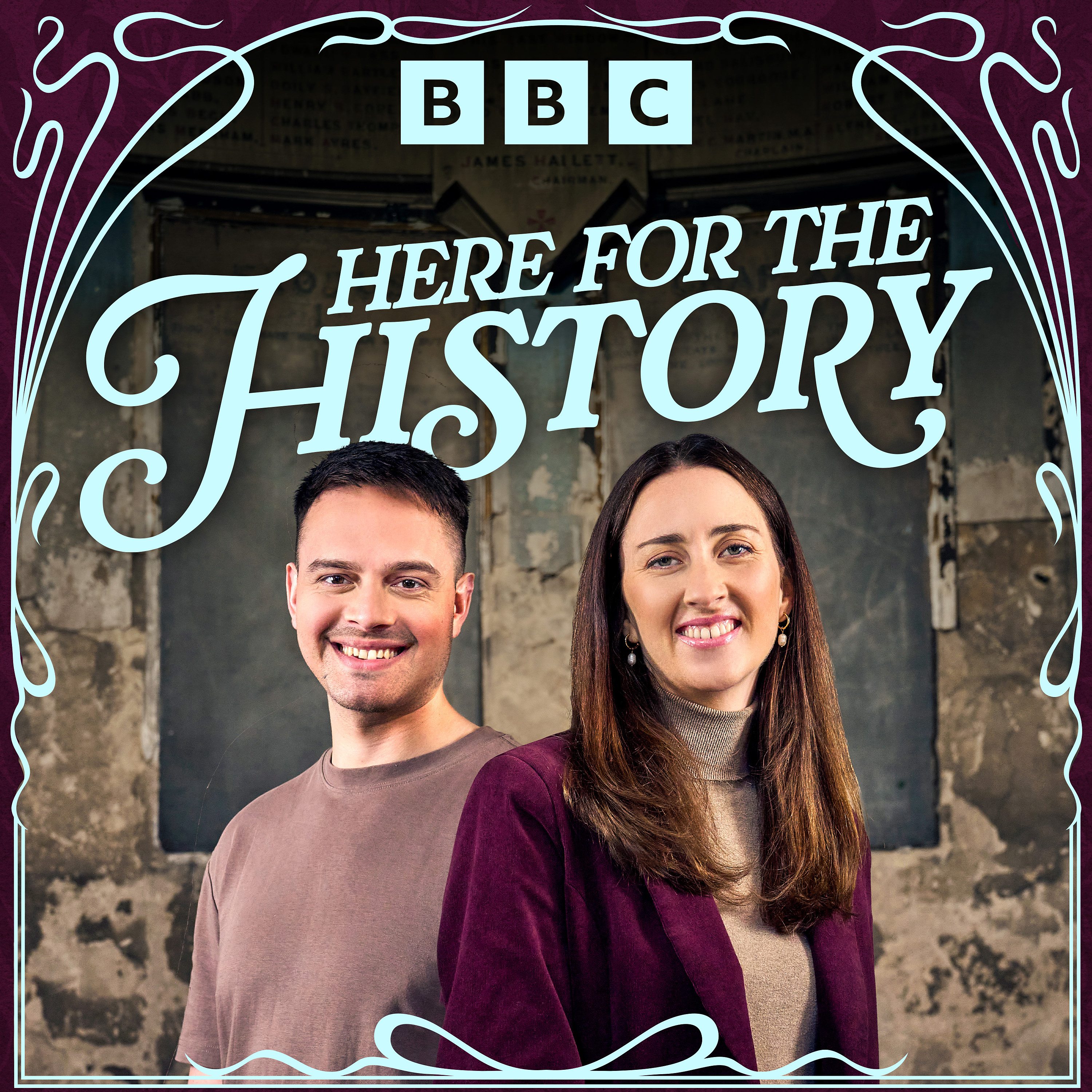
Where exactly does the British love affair with tea begin? It all starts with a Portuguese princess…
In this first episode of Here For The History, Alice Loxton and Ben Henderson explore the origin story of the British love of tea. Starting with the first appearance of tea in England in the 1600s and its popularisation in the English royal court, the story takes a dark turn as the British East India Company seeks to break China’s monopoly on tea production leading to the Opium Wars and corporate espionage.
Here For The History is a ne...
History of Spices (Radio Edit)
Greg Jenner is joined by historian Dr David Veevers and comedian and quizzer Paul Sinha to learn all about the global history of spices and the spice trade.
Nowadays, we take spices for granted, and our kitchen cabinets are full of ginger and cinnamon, cumin and coriander, pepper and nutmeg. But despite their contemporary status as a staple of diets around the world, the majority of spices are native only to Asia (barring notable exceptions like chilli peppers). In this episode, we tell the story of how spices went global, from the very earliest days of the...
Epic of Gilgamesh (Radio Edit)
Greg Jenner is joined in the ancient world by Dr Moudhy Al-Rashid and comedian Marjolein Robertson to learn all about the famous Mesopotamian poem, the Epic of Gilgamesh.
Sumerian poems about a legendary king called Gilgamesh began to be composed sometime in the third millennium, and were told and retold throughout Mesopotamia until a Babylonian scholar named Sîn-leqi-unninni wrote down what has become the standard version. The tale he recorded tells of a tyrannical king of Uruk, Gilgamesh, and the transformative journey he takes with his enemy-turned-friend (and possibly more), Enkidu. In the 3100 lines of the p...
Hypatia of Alexandria (Radio Edit)
Greg Jenner is joined in late antique Egypt by Professor Edith Hall and comedian Olga Koch to learn about the life of mathematician Hypatia of Alexandria.
An important mathematical and astronomical thinker, Hypatia is best known today for her brutal death at the hands of Christian fundamentalists. Born to a well-respected mathematician named Theon in fourth-century Alexandria, Hypatia received an unusually advanced education for a woman, and eventually took over her father’s school. But with the city in which she lived riven by religious and political conflicts during the declining days of the Roman empire, she ca...
Geoffrey Chaucer (Radio Edit)
Greg Jenner is joined in medieval England by Professor Marion Turner and comedian Mike Wozniak to learn all about Geoffrey Chaucer, author of the Canterbury Tales.
Since the 15th century, Chaucer has been referred to as the father of English literature. He was one of the first authors to champion the use of Middle English for poetry instead of Latin, and after the invention of the printing press, his works became the foundation of the English literary canon – long before Shakespeare ever put quill to parchment. But Chaucer’s life was as extraordinary as his legacy, living as h...
Lena Horne (Radio Edit)
Greg Jenner is joined in 20th-century America by Dr Hannah Thuraisingam Robbins and comedian Desiree Burch to learn all about singer and Hollywood actress Lena Horne.
Born into a middle class Black family in New York, a young Lena Horne soon followed in the footsteps of her actress mother and made her début at the famous Cotton Club aged only 16. After making her name as a singer and performer – and following the end of her tumultuous first marriage – Horne transferred to the west coast and bagged a Hollywood contract with MGM. There, she appeared in a numbe...
Philippe, Duc d’Orléans (Radio Edit)
Greg Jenner is joined in 17th-century France by Dr Jonathan Spangler and comedian Tom Allen to learn all about Philippe, Duc d’Orléans, Louis XIV’s younger brother.
King Louis XIV is one of the most famous monarchs in French history: the man who built and presided over the glittering court at Versailles, established himself as an absolute ruler, and whose 72-year reign is still the longest in European history. But what about his younger brother, Philippe? Who was the man who grew up and lived in the shadow of the Sun King? Raised to defer to hi...
Renaissance Medicine (Radio Edit)
Greg Jenner is joined in the 16th century by Dr Alanna Skuse and comedian Ria Lina to learn all about medicine and medical professionals in Tudor and Stuart England.
In Renaissance-era England, medicine was still based on the theory of the four humours, passed down from ancient Greek and Roman physicians like Hippocrates and Galen. But from the reign of Henry VIII, there were signs of change. The invention of the printing press led to an explosion in medical and anatomical books, and the circulation of ideas from across Europe. The College of Physicians was founded in 1518...
Emperor Nero (Radio Edit)
Greg Jenner is joined in ancient Rome by Professor Mary Beard and comedian and actor Patton Oswalt to learn all about Emperor Nero.
Nero has gone down in history as one of Rome’s most infamous rulers – the villain in any number of films and television programmes, and the man who fiddled while the eternal city burned. He was also emperor during a number of momentous moments in the history of ancient Rome, including the revolt in Britain led by Iceni warrior queen Boudica. But does he deserve his notorious posthumous reputation?
This episode explores the...
The Terracotta Army (Radio Edit)
Greg Jenner is joined in Ancient China by Professor Julia Lovell and special guest Phil Wang for a close look at The Terracotta Army.
In 1974, a family of farmers made arguably the greatest archaeological discovery of all time when they uncovered arrowheads and fragments of terracotta whilst digging a well. Join us as we examine one of the most astounding mausoleum sites in the world - one so large that much of it still remains to be explored.
This is a radio edit of the original podcast episode. For the full-length version, please look further...
Medieval Irish Folklore (Radio Edit)
In this special live episode, recorded at the 2023 Hay Festival, Greg Jenner is joined by Dr Gillian Kenny and comedian Seán Burke to learn about medieval Irish folklore.
Greg and his guests discuss the lore and stories from Gaelic Irish culture. Gaelic culture remained the dominant set of cultural and societal beliefs on the island of Ireland well into the 17th century until it was destroyed by a succession of English invasions.
But what were these beliefs and how did the Christianisation of Ireland from the 5th century onwards amalgamate pre-Christian stories into it?
El Cid: the life and legend of a medieval Spanish warrior
Greg Jenner is joined in medieval Spain by historian Professor Nora Berend and comedian Toussaint Douglass to learn about the colourful life and afterlife of the warrior known as El Cid. El Cid – real name Rodrigo Díaz – was a mercenary in eleventh-century Spain who fought for both Christian kings and Muslim rulers before setting himself up as ruler of Valencia. This episode explores his dramatic life in the period before religious divisions were key on the Iberian Peninsula, and an ambitious warrior might fight for whoever would pay him. It then traces the legend that grew up around him a...
Empress Dowager Cixi: from concubine to ruler of China
Greg Jenner is joined in 19th-century China by historian Professor Yangwen Zheng and comedian Sophie Duker to learn about the Qing dynasty ruler Empress Dowager Cixi.
A contemporary of Queen Victoria, Cixi rose from low-ranked concubine to de facto ruler of China for nearly half a century, and lived through a dizzying array of events in China’s nineteenth-century history, including the Taiping Rebellion, the Opium Wars, and the Boxer Rebellion. Ruling through her son and then her nephew, Empress Dowager Cixi dominated late Qing dynasty China, and oversaw a variety of economic and military – if not poli...
History of the Telephone: 150th anniversary special
For our 150th episode, Greg Jenner is joined by historian Professor Iwan Morus and comedian Catherine Bohart to learn about the history of the telephone on its 150th anniversary. The inventor of the telephone, Alexander Graham Bell, was granted the American patent for his new communication system 150 years ago, on the 7th March 1876, beating out fellow inventor Elisha Gray who had submitted his patent on the very same day. But Bell still had to convince people that this novel form of communication would change their lives, and so he set out on a promotional tour across America and England...
History of Spices: commerce, colonialism and culinary innovation
Greg Jenner is joined by historian Dr David Veevers and comedian and quizzer Paul Sinha to learn all about the global history of spices and the spice trade. Nowadays, we take spices for granted, and our kitchen cabinets are full of ginger and cinnamon, cumin and coriander, pepper and nutmeg. But despite their contemporary status as a staple of diets around the world, the majority of spices are native only to Asia (barring notable exceptions like chilli peppers). In this episode, we tell the story of how spices went global, from the very earliest days of the spice trade...
Epic of Gilgamesh: myths and heroes in ancient Mesopotamia
Greg Jenner is joined in the ancient world by Dr Moudhy Al-Rashid and comedian Marjolein Robertson to learn all about the famous Mesopotamian poem, the Epic of Gilgamesh. Sumerian poems about a legendary king called Gilgamesh began to be composed sometime in the third millennium, and were told and retold throughout Mesopotamia until a Babylonian scholar named Sîn-leqi-unninni wrote down what has become the standard version. The tale he recorded tells of a tyrannical king of Uruk, Gilgamesh, and the transformative journey he takes with his enemy-turned-friend (and possibly more), Enkidu. In the 3100 lines of the poem, they f...
