Top Comment
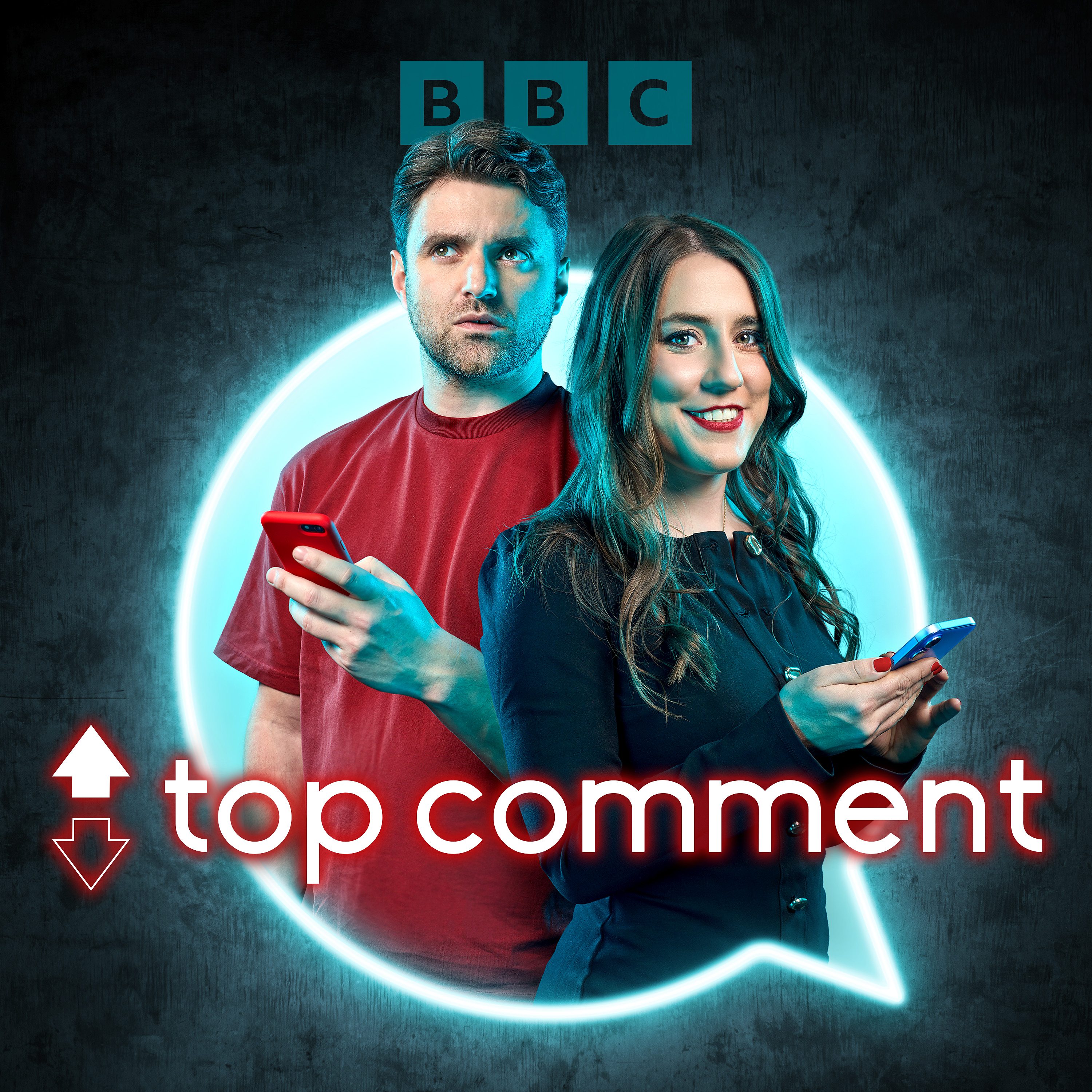
The story behind your social media feed, from BBC correspondent Marianna Spring and investigative journalist Matt Shea. Top Comment investigates what's blowing up online. From global events that go viral across social media, to bizarre moments that spill into real life, Marianna and Matt unpack the trends, theories and digital chaos shaping our world.If you want to get in touch about something you saw when scrolling, our email address is topcomment@bbc.co.uk or you can send us a WhatsApp on +44 330 123 9480.You can also hear Marianna's previous series for the BBC in this feed, including Marianna in Conspiracyland...
Sleuth wars, incels in STEM, and just want Harambe back
An inquest is set to open on Friday into the deaths of three sisters whose bodies were recovered from the sea off the coast of Brighton. The case has led to rampant speculation online, particularly after it emerged that a widely shared image provided by family members appeared to be AI-generated. From unfounded conspiracies about serial killers, to a broader debate over the handling of cases involving black people, it has captivated TikTok sleuths, some of whom are even turning on each other.
Also this week - a decade on from his death, Matt and Marianna remember...
Why you're wrong about Palantir, and TL;DR Tolkien
The US tech giant Palantir holds contracts with some of the most influential entities in the world, from government departments and pharmaceutical companies to military contractors and banking powerhouses. Funding links to the CIA, misconceptions about how it operates, and broader concerns surrounding the use of private data, have all led to a significant protest movement online at the firm's increasing integration into major institutions. On this episode, Matt and Marianna consider why a narrative framing Palantir as a malevolent force is flourishing on social media, and ask whether this stealthy reputation actually suits its business model.
...
BONUS: Taylor Lorenz says "don't blame social media"
On this bonus interview episode, Matt and Marianna are joined in the studio by leading social media journalist Taylor Lorenz. They discuss the evolution of meme culture, Clavicular's enduring virality, and why Elon Musk briefly kicked her off X. Plus, as the list of countries seeking stricter regulation of social media grows, why is Taylor so resistant to the legislation being proposed in the UK and US, and what are the alternatives?
Top Comment is hosted by Marianna Spring and Matt Shea. The series producer is Laurie Kalus. The social producer is Sophie Millward. The technical producer...
Decline porn (part II), VPN patriotism, and Charli XCX's finsta drop
Foreign-based social media accounts are masquerading as patriotic Brits lamenting the UK's 'decline'. These profiles, which use AI to amplify anti-immigrant rhetoric, are being viewed and shared by vast audiences who are often unaware of the content's origin. The BBC has seen evidence that dozens of those posting from Eastern Europe to South Asia are coordinating their activity through group chats, with some even claiming to be in communication with political actors inside the UK. Marianna and Matt discuss the ideological approach of these remote creators, and explain why their tactics are reminiscent of modern state-backed influence campaigns.
<...Dare Market, hantavirus, and wtf is going on at JPMorgan?
Launched last year, the website Dare Market describes itself as "the platform where you can dare anyone to do almost anything for real cash bounties". On this episode, Marianna speaks to Isla Rose Perfito, the founder of the site inviting comparisons to Black Mirror. From the individuals putting themselves at risk for financial gain, to brands sponsoring increasingly outlandish challenges, we ask whether her vision of a flourishing attention economy which rewards small entrepreneurial creators is realistic. And, why did the Church of Scientology send her a cease and desist letter?
Also this week, a viral interview f...
Shooting conspiracies, breakup texts, and Dana White's cortisol spike
Following an apparent assassination attempt at the White House Correspondents' Association dinner on Saturday night, dozens of high-profile conservative accounts posted almost identical reactions on X. On this episode, Matt and Marianna explain why some people think these posts are coordinated, and debunk false claims the event itself was staged.
Also this week, why are conspiracy theories surrounding the tick-borne infection Lyme disease receiving so much online attention? And, the AI songs TikTok users are creating with texts from their ex.
Top Comment is hosted by Marianna Spring and Matt Shea. The series producer is...
BONUS: Live at Maida Vale Studios
For this bonus episode, Matt and Marianna are joined by producer Laurie on stage at Castfest - a live event at the BBC's Maida Vale Studios. They discuss why we're making Top Comment, the challenges of reporting on fast-moving internet culture stories, and some highlights from previous episodes.
Top Comment is hosted by Marianna Spring and Matt Shea. The series producer is Laurie Kalus. The social producer is Sophie Millward. The technical producer was Ben Andrews. The editor is Justine Lang. The senior news editor is Sam Bonham.
If you want to get in touch...
Haley Beck explained, and the crypto operation hijacking the BBC
Haley Beck - the sister of influencer Noah Beck - has denied wrongdoing after police recommended she be charged over allegations she cultivated a sexual relationship with a student in Arizona. The case is receiving outsized attention on TikTok, from testimonies by the teacher's former students, to those dissecting the thousands of messages she exchanged with the alleged victim. As details from a police report dubbed the 'Beckstein files' continue to circulate, Marianna and Matt consider what this coverage means for the rights of those at the centre of the case, and the integrity of any potential prosecution.
Coachella, GRWM fakers, and Justin Bieber is chronically online
Ahead of Coachella's second weekend, Matt and Marianna are discussing how the festival often referred to as the 'Influencer Olympics' has become a microcosm of creator culture. They chat about people posting from their hotels without ever entering the event, the TikTokers mourning collapsed brand deals which may never have existed, and the AI influencers sharing their generated experiences in the desert.
Also this week, social media outrage appears to be fuelling protests over Surrey Police's response to the rape of a young woman by a group of men in Epsom. As online speculation grows about the...
Iran, slopaganda, and the lego-inspired creator behind it all
Lego-inspired characters depicting conflict in the Middle East. This Iranian brand of so-called slopaganda has been viewed hundreds of millions of times and it is colouring the conversation around the US and Israel's war with Iran. On this episode, we speak to a key creator behind the content - the man who calls himself Mr Explosive - and challenge him on his connection to the Iranian government.
Also this week, will a TikToker running into the Church of Scientology's LA headquarters rekindle the trend of 'trespasser content'? And how Nutella are capitalising on the historic Artemis II...
Misogyny, boomers, and China just got Krissed
When newly-elected Green Party MP Hannah Spencer gave her maiden speech on International Women's Day, she was subject to a torrent of online abuse targeting her appearance, with one user on X prompting Grok to "smarten up" her look. The chatbot continues to be flooded with similar requests, despite a crackdown by the platform on 'undressing' content earlier this year. Marianna and Matt discuss how AI is supercharging misogyny online, and hear from Hannah Spencer about her experience.
Also on this episode, apparently it's a bad week to be a boomer (unless you're Kris Jenner). We chat...
Meta, YouTube, and a damning addiction verdict
After a California jury found Meta and YouTube liable in a landmark social media addiction case, we explain why the platforms you use may soon be unrecognisable. Plus - an exclusive interview with an expert witness from the trial, the world-leading addiction psychiatrist Anna Lembke, about how tech companies used persuasive design techniques found in gambling to keep us hooked online.
Also on this episode, after Instagram and OnlyFans removed the accounts of the so-called 'Maga dream girl', Matt and Marianna discuss the world of AI influencers. As an increasing number of virtual creators amass millions of fo...
Whistleblowers, dolphin memes, and a million dollar toilet
How has an algorithmic arms race created an environment where controversial and incendiary content is routinely amplified on our feeds? On this episode, Marianna discusses her latest investigation, which provides a paper trail showing how social media giants ignored internal warnings about the design of their platforms. She's heard from whistleblowers about problematic moderation practices, how companies deal with so-called borderline content, and the troubling reality that algorithms may now be beyond our control.
Also this week, we look at the website 'your ai slop bores me' which launched two weeks ago and is already claiming over...
Nancy Guthrie, TikTok sleuths, and Starmer's cringeposting era
Almost six weeks since the disappearance of Nancy Guthrie (the 84-year-old mother of Today show host, Savannah Guthrie) the case which has shocked America remains unsolved. It's also led to a host of online amateur sleuths broadcasting their own investigations to a mass audience on TikTok, with many descending on Guthrie's home in Tucson, Arizona. Marianna has reached out to some of the people posting to discuss their motives, the issue of misinformation and the risk of undermining an active investigation.
And, as TikTok montages from the official account of UK Prime Minister Sir Keir Starmer attract c...
School wars, Dubai's crisis PR, and is Fabrizio cancelled?
A series of posts appearing to encourage violence between neighbouring UK schools has caused widespread moral panic, and prompted police forces to issue dispersal orders. But, with zero incidents reported, could the 'red vs blue' phenomenon be a phantom trend? Matt and Marianna discuss the knowledge gap between parents and younger people on social media, and how online frenzies can have dangerous real-world consequences.
Also, has Iran's retaliation to days of US-Israeli strikes exposed the reality of Dubai's flourishing influencer economy? As people in the UAE shelter from the threat of drones, content creators have been warned...
Kalshi, Polymarket, and gamifying the future
Over the past year, prediction markets like Kalshi and Polymarket have exploded in popularity, as users bet on everything from battles in Ukraine to sex toys being thrown at sports games. So with concerns over both regulation and the prevalence of insider information inviting intense scrutiny, Matt has been examining how these platforms really work.
Also on this episode, is the recent rise in measles cases in London down to disinformation? With several proponents of vaccine scepticism being welcomed back to social media, Marianna explains how these often discredited accounts are being amplified online.
And...
Decline porn explained, and why Clavicular is misunderstood
If your feed has been flooded with content about the 'dangers' of western cities like London or San Francisco, you're not alone - it's part of a growing phenomenon known as decline porn, and it's driving narratives of political neglect and uncontrolled immigration.
On this episode, Marianna examines a niche take on this trend - AI videos which falsely portray zoos and waterparks in Croydon. She tracks down the original creator of these posts, and explains why they might not be as innocent as they seem.
Also, Matt has been investigating Clavicular - the internet's...
Introducing... Top Comment
In this brand new weekly show, BBC correspondent Marianna Spring and investigative journalist Matt Shea talk through the stories behind your social media feed. From global events that go viral, to bizarre moments that spill into real life, Marianna and Matt unpack the trends, theories and digital chaos shaping our world.
Marianna in Conspiracyland 2: 6. The Inquest
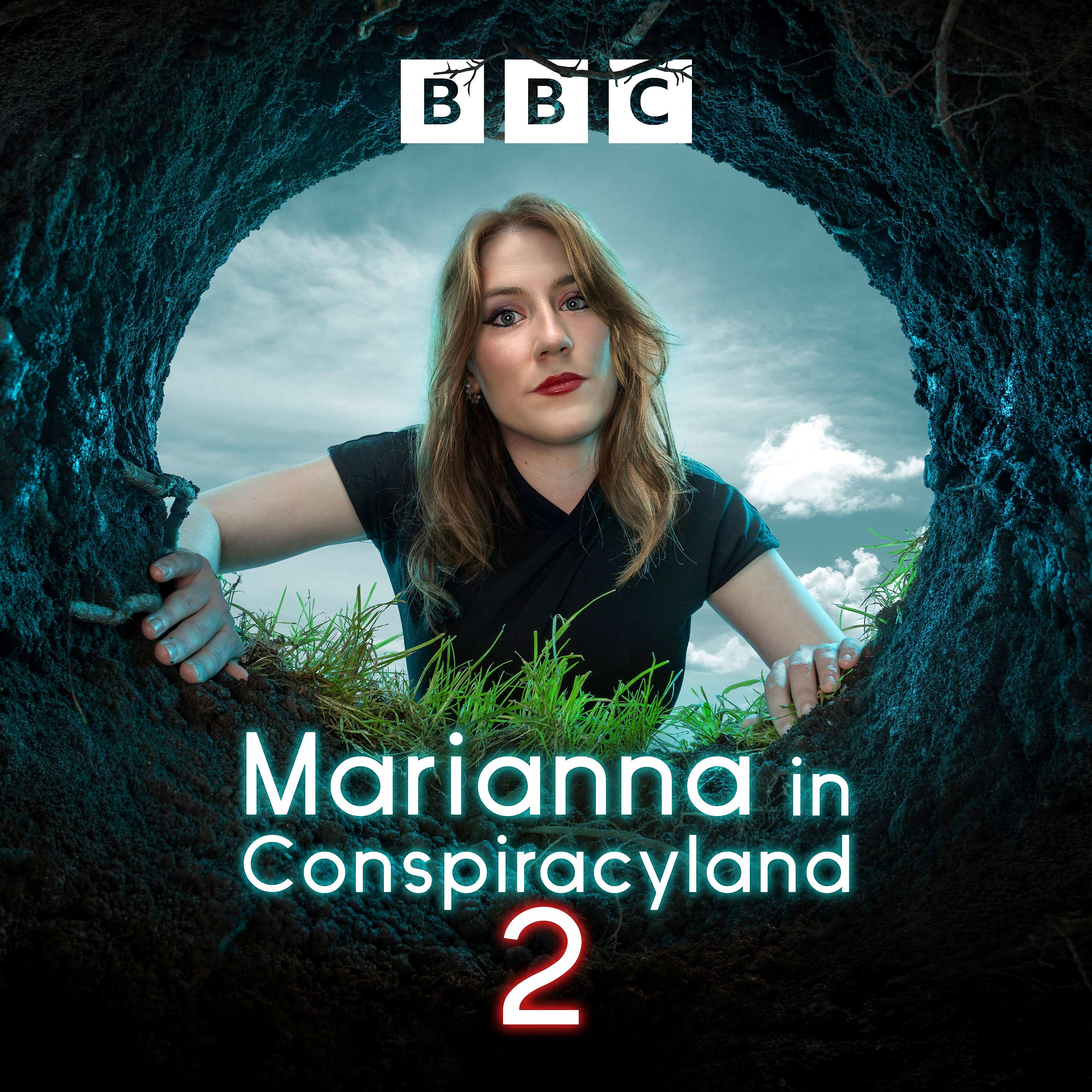
Can Coroners' courts cope with conspiracy?
It’s been more than a year since Paloma Shemirani died after rejecting chemotherapy in favour of alternative methods. Her brother Gabriel blames the beliefs of their mum Kate - who is a prominent British conspiracy theorist - for his sister’s death. This summer, he’s found himself face to face with his mum for the first time since Paloma died at an inquest into how and why she lost her life. After investigating - and revealing - what happened to Paloma for the first time almost four months ago, the BB...
Marianna in Conspiracyland 2: 5. A collective immune system
Can people fight back against medical misinformation? In the months after Paloma’s death, her brothers say they want to prevent other deaths, and they believe social media companies should take stronger action against medical misinformation. Meanwhile her Mum, Kate Shemirani, takes to social media to share a different account of her death. She has promoted a range of unproven theories on social media and podcasts about how Paloma was murdered by medical staff. The BBC has not seen evidence to support this. The BBC’s social media investigations correspondent Marianna Spring interrogates whether and how some politicians and soci...
Marianna in Conspiracyland 2: 4. The Archaeologists
Are we equipped to deal with a rising tide of misinformation? The BBC’s social media investigations correspondent Marianna Spring investigates how safeguarding procedures work and how social services and hospitals are trying to deal with the mainstreaming of medical misinformation. She speaks to a social worker who says it’s time for the law to be reviewed in England and finds out more about what happened to Paloma in the months after she left hospital. Were there missed opportunities to help her?
Host: Marianna Spring Producer: Anna Harris Story Editor: Matt Willis Sound Engineer: Tony Churnside Prod...
Marianna in Conspiracyland 2: 3. Down the cancer conspiracy rabbit hole
What are cancer patients seeing on social media? The BBC’s social media investigations correspondent Marianna Spring goes down the cancer conspiracy rabbit hole to find out. She returns to the days Paloma spent in hospital after her cancer diagnosis to analyse the advice Paloma was being given by medical staff versus the advice she was receiving from alternative practioners and her Mum, Kate Shemirani. Marianna investigates Paloma’s mum’s platform as a conspiracy theory influencer and looks at the wider role some social media sites are playing in turbocharging accounts that promote health misinformation. Plus, she speaks to the...
Marianna in Conspiracyland 2: 2. Conspiracyland at home
Could the answer lie in the past? The BBC’s social media investigations correspondent, Marianna Spring, continues investigating what happened to Paloma Shemirani. She speaks to Paloma’s brothers to see if the answers could lie in the house they grew up in. Who is Paloma’s mum - prominent British conspiracy theorist influencer Kate Shemirani - and how did her beliefs evolve and impact Paloma and her siblings? Could her mum’s conspiracy theory views have influenced Paloma’s decision to reject chemotherapy?
Host: Marianna Spring Producer: Anna Harris Story Editor: Matt Willis Sound Designer: Tony Churnside ...
Marianna in Conspiracyland 2: 1. The Dove and the Pigeon
What happened to Paloma? Aged 22, Paloma Shemirani has her whole life ahead of her. She’s recently graduated, moved into a flat and found a job. But just days before Christmas in 2023 she receives bad news, she has cancer - an aggressive but treatable form of Lymphoma. Despite a good prognosis, Paloma decides - at least initially - to reject chemotherapy. The BBC’s social media investigations correspondent Marianna Spring investigates what happened and what this tells us about the mainstreaming of anti-medicine ideas.
Host: Marianna Spring Producer: Anna Harris Story Editor: Matt Willis Sound Designer: Tony Chur...
Introducing... Diddy on Trial
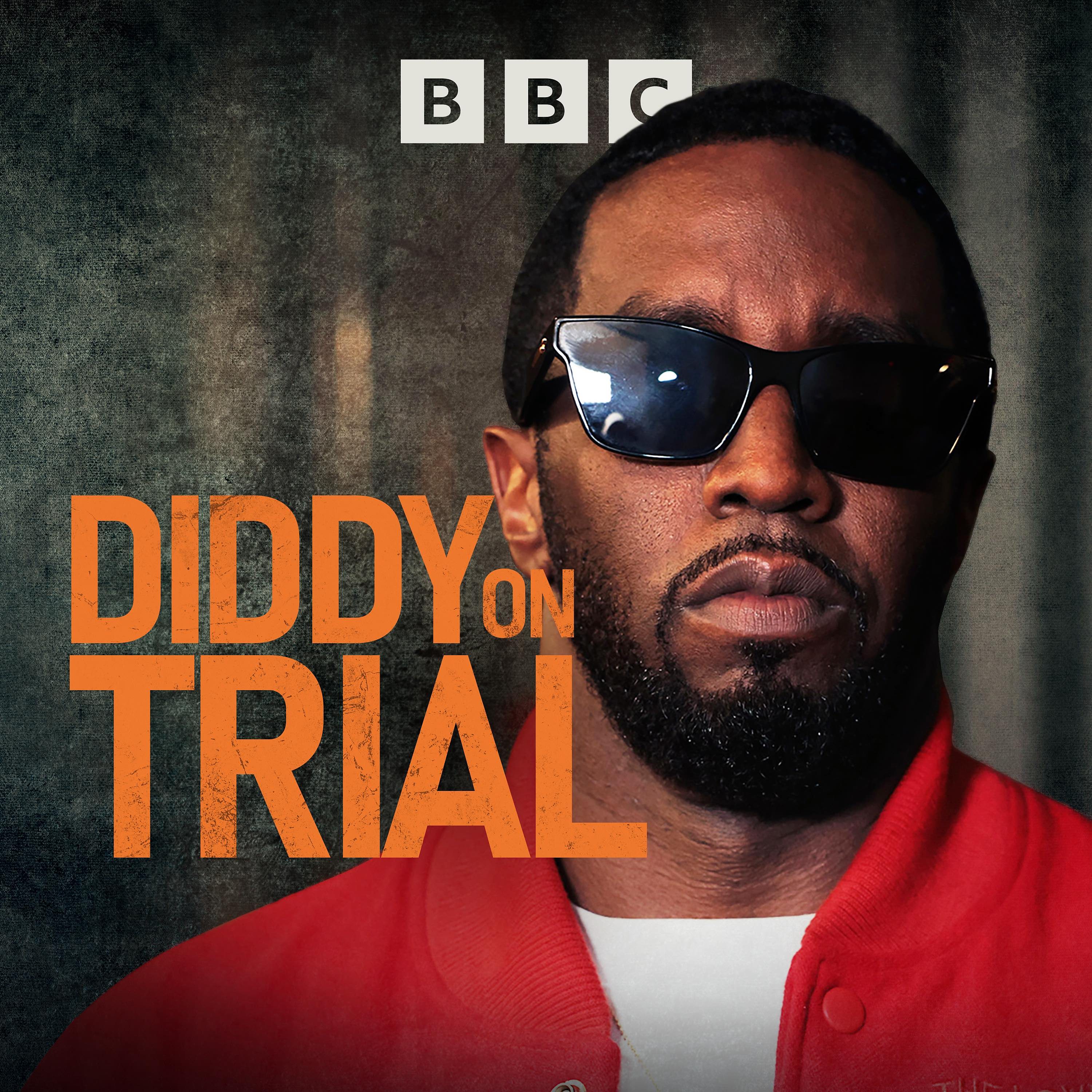
From starting Bad Boy Records in 1993 and signing the Notorious BIG, to becoming a billionaire business mogul, through to the recent federal charges. Anoushka Mutanda-Dougherty traces Diddy’s history with Rolling Stone Senior Investigative Reporter Cheyenne Roundtree. Sean ‘Diddy’ Combs is currently behind bars in a notorious New York jail, awaiting trial on three federal charges, which he denies.
Diddy on Trial is here to investigate the rumours, confront the theories, and give you the answers that you need. We also want YOU to be part of the conversation. Have you any burning questions about the cases or the...
Americast: Why Trump Won (and Why Harris Lost)
In this bonus episode, the Americast team gets together for an election inquest to examine what went right and wrong. Is Joe Biden to blame for Harris’ loss? Or did something else cause the VP to underperform with the voters she needed to win?
Was Trump’s straight-forward messaging a winning strategy? Or has there been a fundamental shift among American voters that goes beyond politics?
Why Do You Hate Me? USA: 5. Fandom Frenzies: Who’s afraid of little old us?
In Why Do You Hate Me? USA, BBC disinformation and social media correspondent Marianna Spring is investigating how what’s happening online can shape the 2024 presidential election. In this episode, Marianna goes deep inside the world of a particular kind of social media tribe: the fandom. These groups revolve around the love for celebrities from pop stars like Taylor Swift to billionaire Elon Musk. And now political activists are operating a bit like fandoms to boost the chances of their favourite candidate. So could the social media tactics used by mega fans change the minds of voters in the up...
Why Do You Hate Me? USA: 4. Doxxed and Blocked: ‘We’re distressed about war in the Middle East and now trolls are after us.'
Few topics have caused as much division online as the deepening war in the Middle East. In this episode, Marianna is in New York investigating the experiences of students targeted on social media. They have been affected by doxxing – where their personal information is shared online triggering racist and misogynistic hate – by people wanting to make a wider political argument. The abuse that they have received has impacted each of their views in different but significant ways and potentially influenced their vote in the US presidential election. Marianna tracks down some of their trolls and confronts one of them.
Why Do You Hate Me? USA: 3. The Fable of the Pikesville Clip: ‘I’ve been burnt by the fire once, so I’ll think twice before posting’
A headteacher at a school in small American suburb of Baltimore was a prominent member of the local community. But many in the neighbourhood turned on Principal Eric Eiswert, after an audio clip emerged of him appearing to make racist and antisemitic remarks. Except, what no one knew then was that another bombshell would transform what they thought of the headteacher – and of themselves. In this episode of Why Do You Hate Me? USA, Marianna investigates the network of posts and people that can make it so hard to know what’s really going on, even down the street. She...
Why Do You Hate Me? USA: 2. Counting The Threats: 'I just work in IT – why am I getting threats from election deniers?'
What are the real-world consequences of the belief that almost anything and everything can be staged or rigged – from assassination attempts to elections? In Why Do You Hate Me? USA, BBC disinformation and social media correspondent Marianna Spring is investigating how what’s happening online can shape the 2024 presidential election. In this episode, Marianna continues her journey through Colorado to hear about what happens when some people no longer trust systems and institutions – and then send hate to the people they see complicit in unproven plots and conspiracies. She meets the election workers who feared for their safety after Donald...
Why Do You Hate Me? USA: 1. Wild Thoughts: 'I hate Trump, she likes him – we both think he staged assassination attempts'
Meet Camille and ‘Wild Mother’. Both women love nature, animals, and the outdoors. Both women also believe the assassination attempts on Donald Trump were staged – but have very different political views. Why do people believe the things they do? And what role do social media sites – and their algorithms – play? In this series, BBC disinformation and social media correspondent Marianna Spring travels to the United States to investigate the social media backdrop to the 2024 presidential election and explore the different ways in which what is happening online is influencing the campaign offline. Marianna starts her journey in Colorado, looking at how con...
Why Do You Hate Me? USA: Introducing... Why Do You Hate Me? USA
For the second series of BBC Radio 4’s Why Do You Hate Me, disinformation and social media correspondent Marianna Spring heads to the USA. She investigates the social media backdrop to the presidential election, interrogating different online phenomena and cases of hate – looking at how they could potentially influence the way people vote.
Marianna travels from Colorado to Baltimore and New York, tracking down both those harmed and causing harm on social media. She investigates everything from extreme hate targeting officials and students, to online fandoms, deepfakes and corrosive conspiracy theories.
Over five episodes, she unco...
Welcome to Conspiracyland
This is the new home of Marianna Spring's social media and disinformation investigations for BBC Radio 4. Listen back to Death by Conspiracy, War on Truth, Disaster Trolls, Conspiracyland and Why Do You Hate Me? Plus, hear the new series, Why Do You Hate Me? USA, coming soon.
Why Do You Hate Me?: 5. I Went Inside The World Of The Trolled And The Troll
Marianna investigates online abuse targeting Eni Aluko and tracks down one of her trolls.
In this series, Why Do You Hate Me?, Marianna Spring delves into her inbox to investigate extraordinary cases of online hate like this one. She meets the people at the heart of the conflicts, to see if understanding – even forgiveness is possible.
In this episode, she speaks to former footballer Eni Aluko and investigates the wave of online abuse directed at her. Marianna tracks down one of the people behind the abusive messages to understand why they do it.
If...
Why Do You Hate Me?: 4. I Received Online Death Threats And The Premier League Caught My Troll
The Premier League has told the BBC it’s fighting a rise in social media threats against both its players and their families, with a team dedicated to hunting down online trolls. The BBC’s Disinformation and social media correspondent Marianna Spring goes inside the team for the first time, talks to striker Neal Maupay about social media abuse - and tracks down the man they helped convict for threatening him.
In this series, Why Do You Hate Me?, Marianna delves into her inbox to investigate extraordinary cases of online hate like this one. She meets the peop...
Why Do You Hate Me?: 3. Sadiq Khan: I Didn’t Say That!
Last November, a faked audio clip of London's mayor went viral. Marianna Spring talks to Sadiq Khan about the impact it had and tracks down it's suspected creator.
The clip used artificial intelligence to create a replica of Mr Khan's voice saying words scripted by the faker, disparaging Remembrance weekend with an expletive and calling for pro-Palestinian marches to take precedence.
In this series, Why Do You Hate Me?, Marianna Spring delves into her inbox to investigate extraordinary cases of online hate like this one. She meets the people at the heart of the conflicts...
Why Do You Hate Me? Episode 1
When Julia Wandelt posted on social media that she believed she was Madeleine McCann, she became a lightning rod for online anger. In the first of a new series exploring extraordinary cases of online hate and the possibility of forgiveness, Marianna Spring, the BBC's Disinformation and social media correspondent, speaks to Julia about her motives and regrets.
Listen to more episodes of Why Do You Hate Me on BBC Sounds or wherever you get your podcasts. For this series, Marianna Spring (one of the most trolled BBC journalists) dives into her inbox and investigates a different extraordinary...
Coming up on… Why Do You Hate Me?
The online world can be a breeding ground for hate. But why do some people behave the way they do on social media?
In each episode, the BBC's Disinformation and social media correspondent Marianna Spring - one of the most trolled BBC journalists - dives into her inbox and investigates a different extraordinary case of online hate to find out.
She meets the people at the heart of these conflicts, and in some cases brings them together, to see if understanding - even forgiveness - is ever possible.
You can listen to the...
Why Do You Hate Me?: 2. I Believed Conspiracies About The Shooting I Survived
Marianna Spring talks to a survivor of the mass shooting in Las Vegas in 2017 about how posts on a social media account made him question an event he’d witnessed with his own eyes
Listen to more episodes of Why Do You Hate Me on BBC Sounds or wherever you get your podcasts. For this series, Marianna Spring (one of the most trolled BBC journalists) dives into her inbox and investigates a different extraordinary case of online hate to find out. She meets the people at the heart of these conflicts, and in some cases brings them to...
Why Do You Hate Me?: 1. I Regret Posting Online That I Was Madeleine McCann
When Julia Wandelt posted on social media that she believed she was Madeleine McCann, she became a lightning rod for online anger. In the first of a new series exploring extraordinary cases of online hate and the possibility of forgiveness, Marianna Spring, the BBC's Disinformation and social media correspondent, speaks to Julia about her motives and regrets.
Listen to more episodes of Why Do You Hate Me on BBC Sounds or wherever you get your podcasts. For this series, Marianna Spring (one of the most trolled BBC journalists) dives into her inbox and investigates a different extraordinary...
