Eschatology Matters

Your online destination for Biblical end times teaching consistent with Reformed Christianity. Eschatology Matters is a ministry that is committed to furthering discussion and study in the area of eschatology. Specifically, Eschatology Matters examines the eschatological views consistent with Reformed Christianity—those views which are covenantal in perspective. To pursue this goal, Eschatology Matters promotes conferences, interviews, and presentations that further the growth of Reformed eschatology within the church.
AI, Human-Skin Robots, and the Tower of Babel: Have We Gone Too Far? | RICHARD REACTS

Scientists in Japan have developed robotic faces covered with living human skin. But as artificial intelligence and robotics advance, an important question emerges: Just because humanity can create something, does that mean we should?
In this episode of Richard Reacts, Richard Henry examines the growing world of humanoid robots, artificial intelligence, and technological innovation through a biblical worldview.
Drawing from Genesis 10–11 and the Tower of Babel, Richard explores the difference between exercising godly dominion over creation and pursuing technological advancement without moral restraint.
Are we witnessing extraordinary human ingenuity, or are we repeating the ar...
4) How to Interpret Daniel: 5 Rules for Getting Prophecy Right
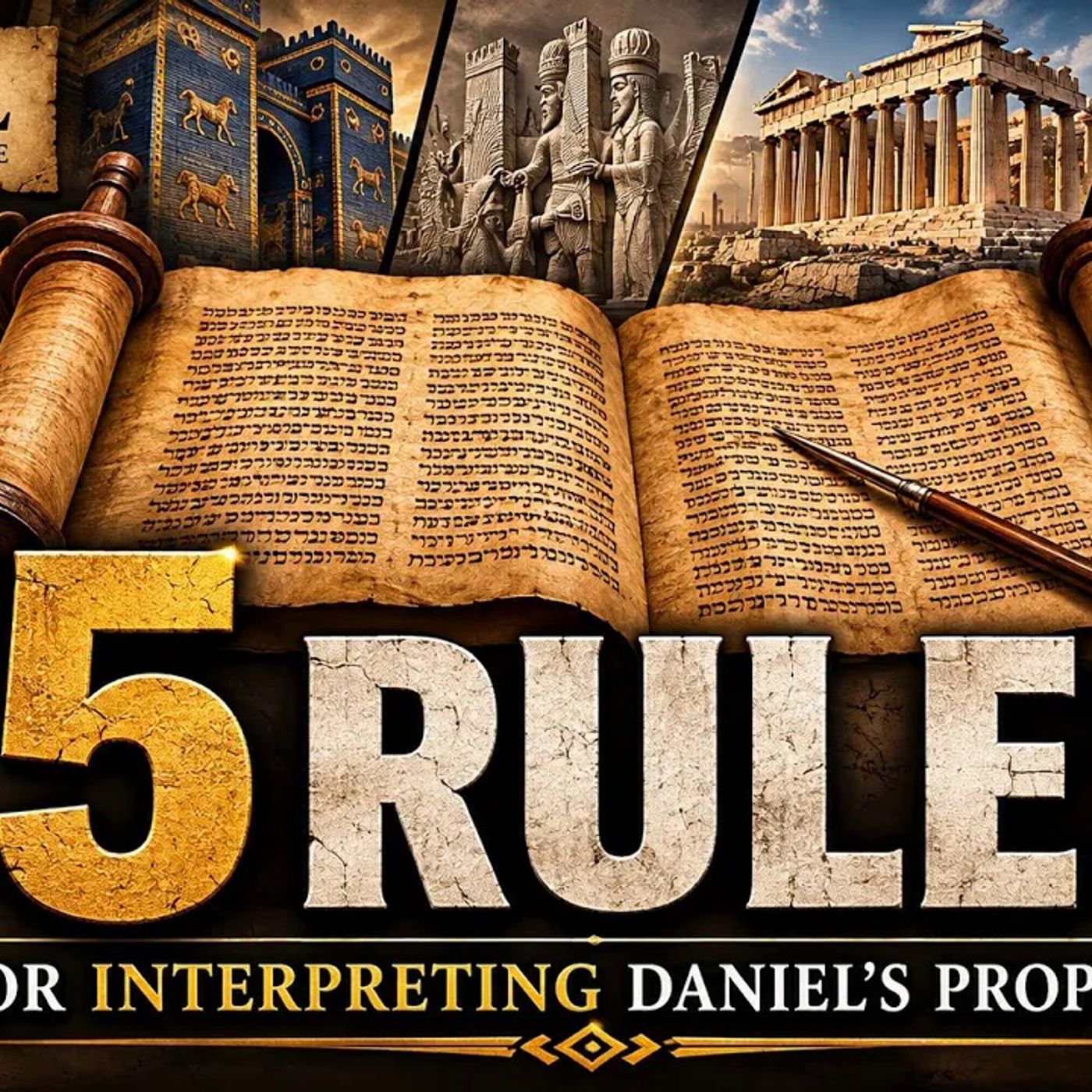
How should Christians interpret the difficult passages in Daniel?
In this episode, Jay Rogers lays out five basic principles for understanding Daniel’s prophetic visions.
He argues that Daniel interprets Daniel, that each vision recapitulates and expands on the earlier visions, that Daniel’s burden centers on the restoration of the temple and the coming of the Messiah, and that the fourth kingdom should be understood in relation to Rome and the first-century arrival of Christ’s kingdom.
This episode provides a framework for interpreting Daniel consistently, especially in the disputed passages of Daniel 2, 7, 9, 11, and 12...
Stop Being Comfortable With Mediocre Christianity
Have you become comfortable with spiritual mediocrity?
In this episode of Take Heart, Cory Wing challenges Christians to reject complacency and pursue genuine growth in godliness. Drawing from 1 Timothy 4:11–16, Cory examines how our speech, conduct, love, faith, and purity should reflect a life devoted to Christ.
This episode explores the importance of the ordinary means of grace—Scripture, prayer, preaching, and the sacraments—and the responsibility of every believer to faithfully use the gifts God has given them.
Spiritual growth requires perseverance, discipline, and a lifelong commitment to God's Word. But godliness isn't about earnin...
Should Christians Support the Death Penalty?
Does the Bible support capital punishment? What authority does God give civil government to administer justice, and how does the death penalty point us to the cross of Jesus Christ?
In this episode of Shadows to Substance, Pastor George Sayour examines the biblical case for capital punishment, the controversy surrounding the Fort Hood shooter, and whether executions should be publicly broadcast.
Drawing from Genesis 9, the Mosaic Law, Romans 13, and Acts 2, George explores the responsibility of civil magistrates, the importance of due process, and the distinction between church and state.
He also considers arguments from...
How to Make Your Town Christian Again
What would happen if Christians stopped merely reacting to cultural decline and started building communities designed to flourish for generations?
On this episode of The World View, Alex Kocman welcomes church planter Andy Rush to discuss building strong Christian communities through local churches, education, family life, business, and civic engagement.
From Christian boroughs to five-generation planning, they explore how the Great Commission transforms not only individuals but entire communities.
Can Christians build lasting institutions that serve their neighbors, strengthen families, and advance the Kingdom of Christ for generations?
Learn more about City...
Christian Nationalism vs. Two Kingdoms: Who Has It Right?
What authority does civil government actually have under God? And where do Christian nationalism, two-kingdom theology, and natural law fit into the discussion?
On this episode of The Magistrate, Josh Howard and James Baird revisit James's debate with Levi Secord, hosted by Christ Overall, and examine some of the most important disagreements in contemporary Christian political theology.
From the relationship between Scripture and natural law to blasphemy laws, civil justice, COVID restrictions, and the Ten Commandments, Josh and James explore the biblical and philosophical foundations of government.
They also discuss the value of formal...
Does the Bible Command Christians to Support Israel?
Does the Bible command Christians to support modern Israel? Or has dispensational theology confused the relationship between Israel, the Church, and the gospel?
In this episode of Richard Reacts, Richard Henry responds to William Wolfe's comments about Israel, American politics, and Southern Baptists.
Richard challenges the idea that criticizing political support for Israel is equivalent to antisemitism, examines the influence of dispensationalism, and explains why Scripture does not demand unconditional loyalty to the modern nation-state of Israel.
Drawing from Galatians and the doctrine of justification by faith alone, Richard argues that there is only...
3) Preterism vs. Futurism: How Should We Read Bible Prophecy?
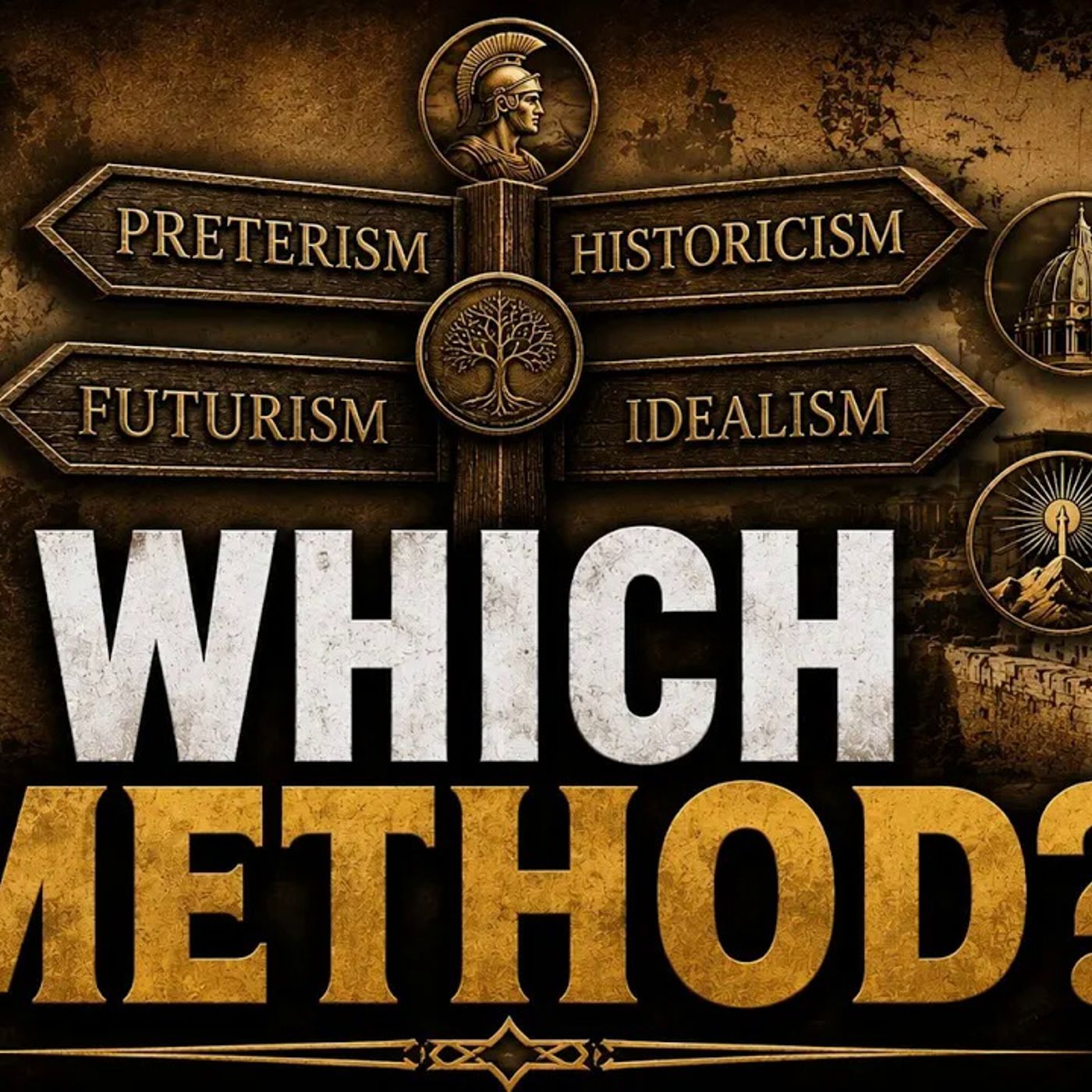
What are the major Christian views of the millennium and biblical prophecy?
In this episode, Jay Rogers explains the difference between premillennialism, postmillennialism, and amillennialism, while also distinguishing those millennial views from the four major methods of interpreting prophecy: preterism, historicism, futurism, and idealism.
Rather than treating labels as substitutes for careful Bible study, this episode calls Christians to ask what Daniel itself teaches about the timing, sequence, and meaning of its visions.
Watch all of our videos and subscribe to our channel for the latest content >HereHere
Is the Great Commission Already Finished?
Has the Great Commission already been fulfilled? And can modern missionary movements realistically finish the task by 2033?
In this episode of The World View, Alex Kocman challenges two competing ideas: that the apostles completed the Great Commission in the first century and that modern missions organizations can place a deadline on its fulfillment.
Examining Matthew 28, Romans 15, Colossians 1, and other key passages, Alex explains why discipling the nations involves far more than reaching a predetermined number of people groups.
The church's mission continues through evangelism, baptism, church planting, and teaching until Christ returns.
...
Should America Recognize Christ as King?
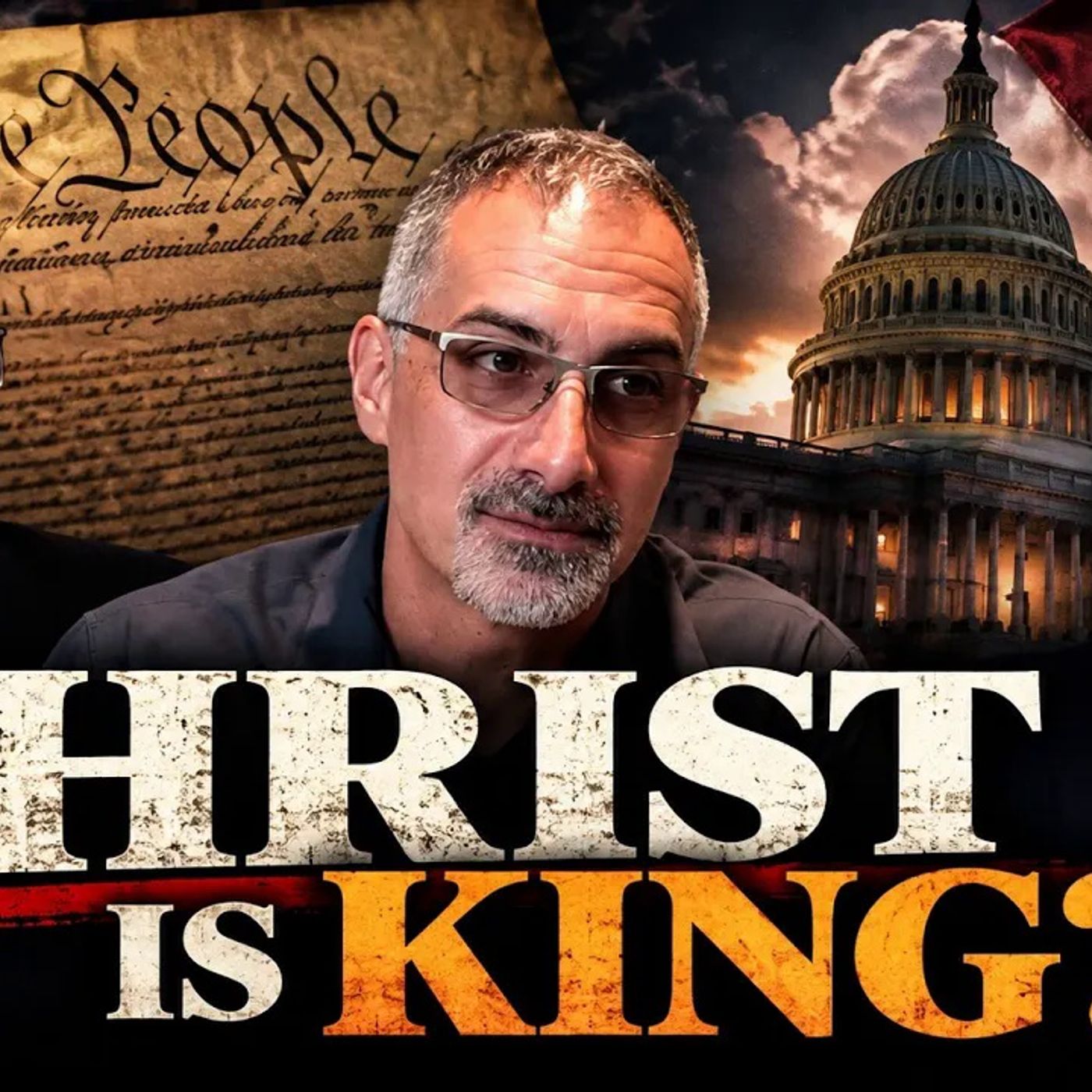
Should the United States formally recognize Christ as Lord, or would that be improper for a nation filled with unbelief and public sin?
In this episode of The Magistrate, Josh Howard is joined by James Baird and George Sayour for a panel discussion on Christian nationalism, national repentance, constitutional recognition of Christ, and whether nations function as moral agents before God.
They discuss historical Presbyterian debates over adding Christ to the Constitution, the Covenanters, post–Civil War America, the role of states versus the federal government, and the difference between empty religious language and genuine repentance.
Kid Rock Says “Jesus Is King” Is It Genuine? | RICHARD REACTS
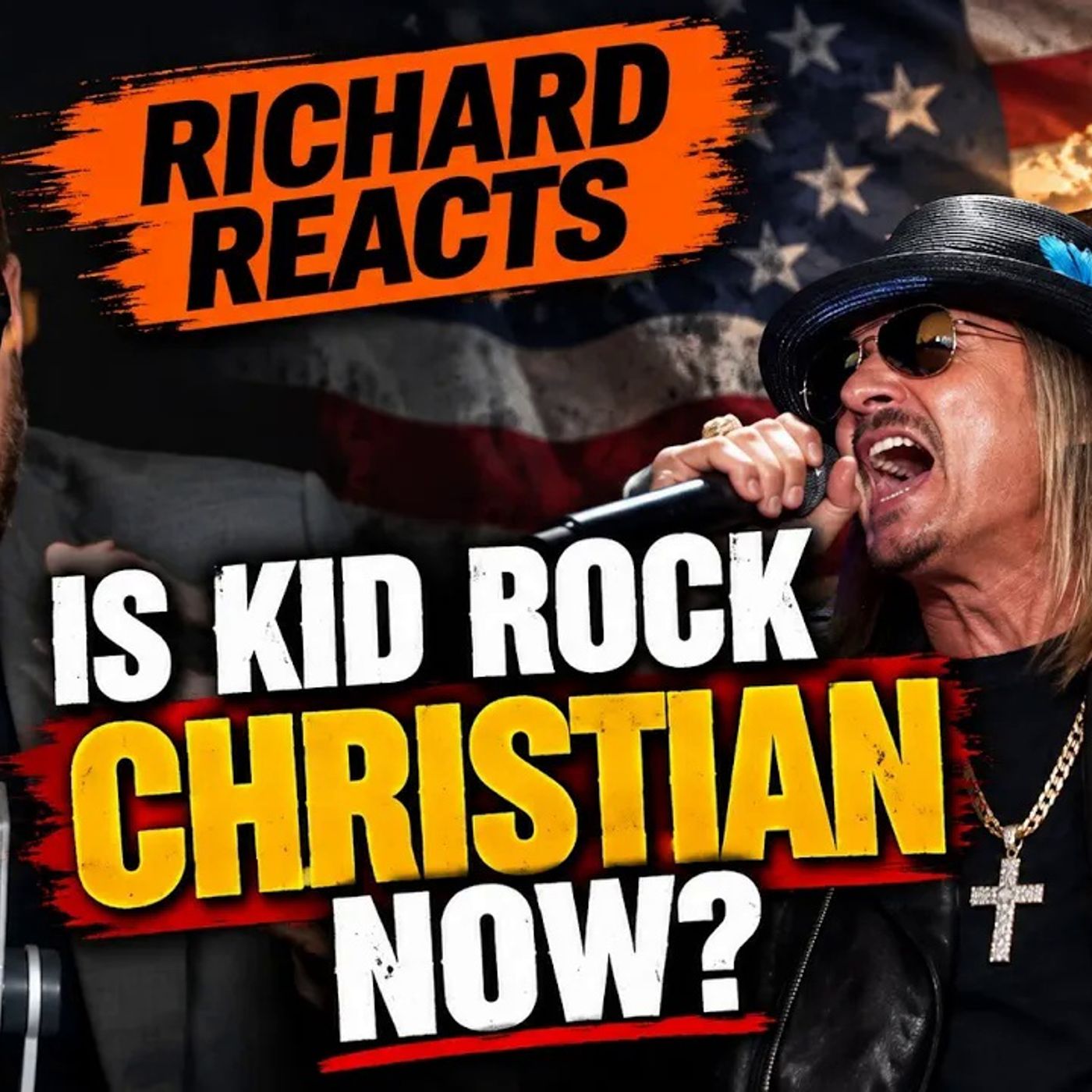
Is Kid Rock’s “Jesus Is King” song a genuine confession of faith, a cultural Christian turn, or just another celebrity “Christian era”? In this episode of Richard Reacts, Richard Henry responds to Kid Rock’s music video built around James 1:17 and reflects on what Christians should do when public figures claim Christ. Richard discusses the lyrics, baptism imagery, celebrity conversions, cultural Christianity, Johnny Cash, Kanye West, Kirk Cameron, and the need for both discernment and grace. Rather than instantly dismissing or blindly embracing every famous person who uses Christian language, this reaction video calls believers to test the spirits, rejoice when...
2) Daniel’s Prophecies: What Can We Know for Certain?
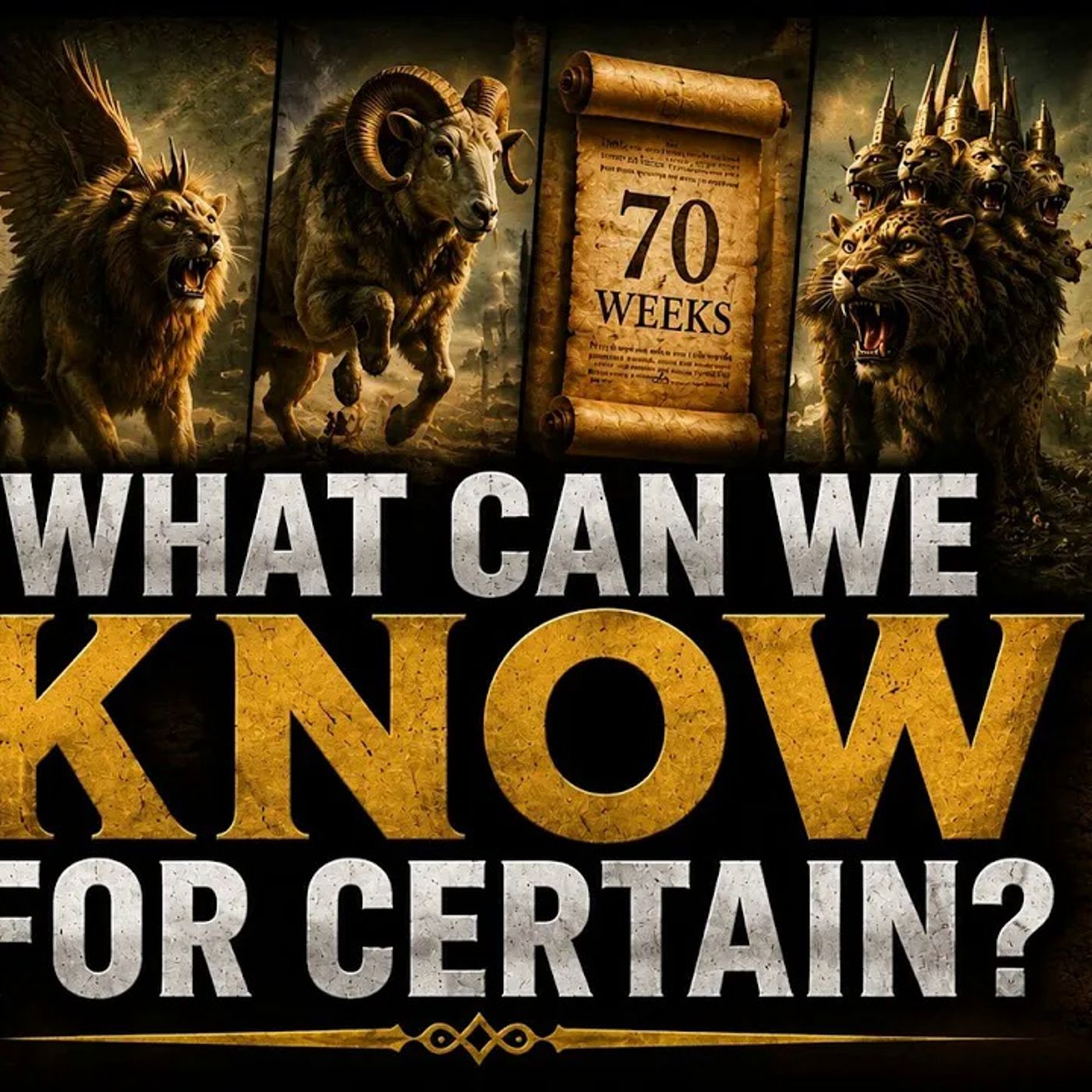
How should Christians understand the major prophetic visions in the book of Daniel?
In this opening episode, Jay Rogers introduces the five major visions of Daniel, from Nebuchadnezzar’s statue in Daniel 2 to the beasts of Daniel 7, the ram and goat of Daniel 8, the seventy weeks of Daniel 9, and the detailed prophecy of Daniel 10–12.
He explains where conservative scholars broadly agree, where major disagreements begin, and why Daniel is essential for understanding Revelation, Matthew 24, the Roman Empire, the coming of Christ, and the kingdom of God.
Watch all of our videos and subscribe to our...
Are Your Desires Ruling You?
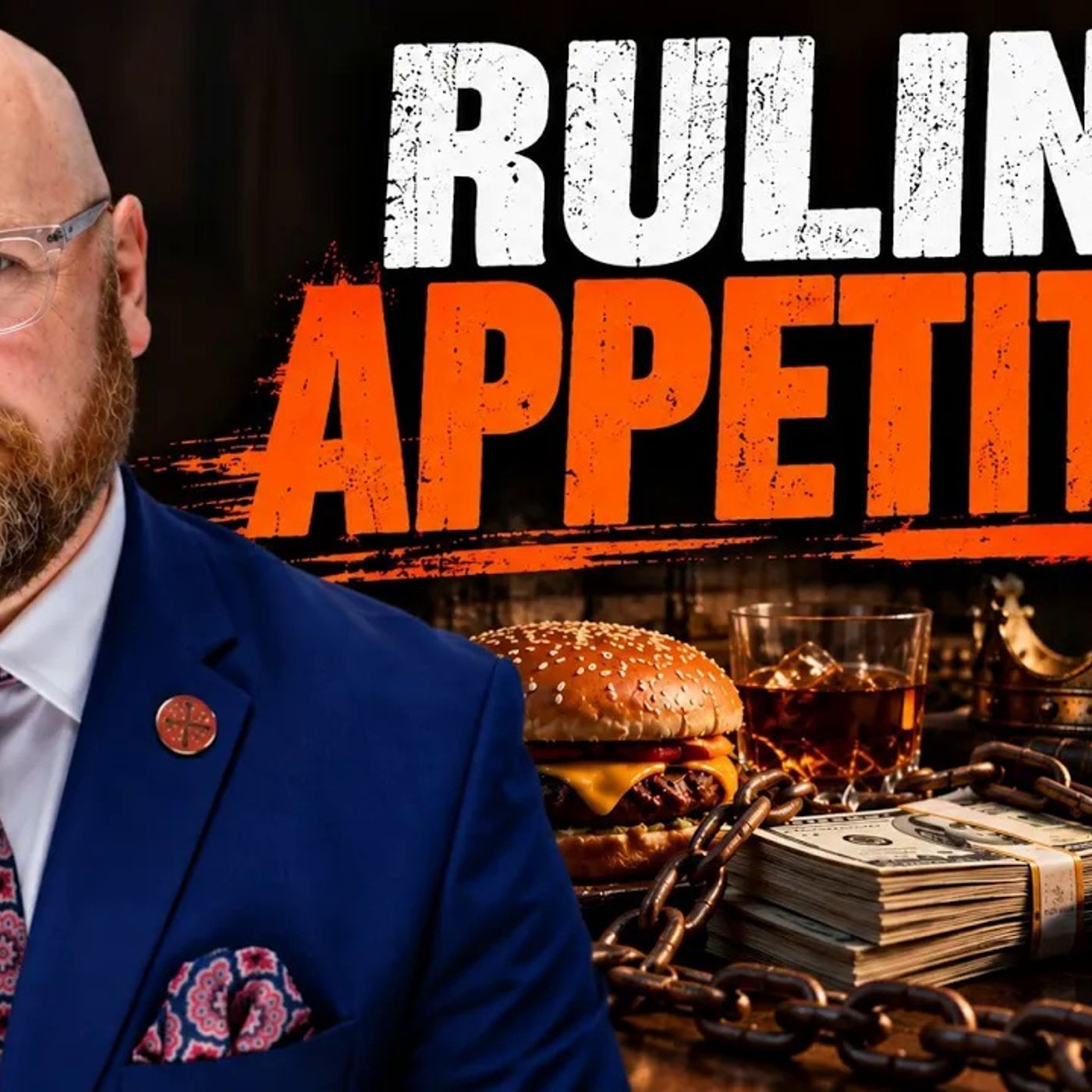
How should Christians think about appetite, desire, pleasure, and self-control?
In this episode of Take Heart, Cory Wing examines how good gifts from God can become ruling appetites when they begin to master us.
From food and sexuality to money, entertainment, and comfort, Cory explores the biblical call to enjoy God’s gifts without turning them into idols—and why our deepest desires can only be satisfied in Christ.
Watch all of our videos and subscribe to our channel for the latest content >HereHere
Christian, Your Mission Is to Plunder the Nations!
What does it mean for Christians to “plunder the nations”?
George Sayour traces this biblical theme from Israel’s exodus out of Egypt through Solomon, the prophets, and the nations coming to Christ.
Drawing from Exodus, 1 Kings, Isaiah, Luke, Acts, Zechariah, and the early church fathers, George argues that God’s purposes were never confined to one nation or one piece of land.
The mission expands outward as the gospel goes to the nations and the treasures, cultures, wisdom, and peoples of the world are brought under the lordship of Christ.
This is not c...
Is The Great Commission About Saving Individuals or Discipling Nations?
What does the Great Commission actually command—evangelizing individuals, discipling nations, or both?
Alex Kocman examines Matthew 28, Charlie Kirk’s “make heaven crowded” movement, and the debate over what it means to “make disciples of all nations.” Drawing from Matthew 28, Daniel 7, Psalm 2, Revelation 5, and the Greek grammar of the Great Commission, Alex argues that Christ’s mission includes personal conversion, baptism, teaching, church membership, and the long-term discipling of peoples and nations under His Lordship.
Watch all of our videos and subscribe to our channel for the latest content >HereHere
"Why I’m Not a Christian Nationalist": Responding to J.D. Greear
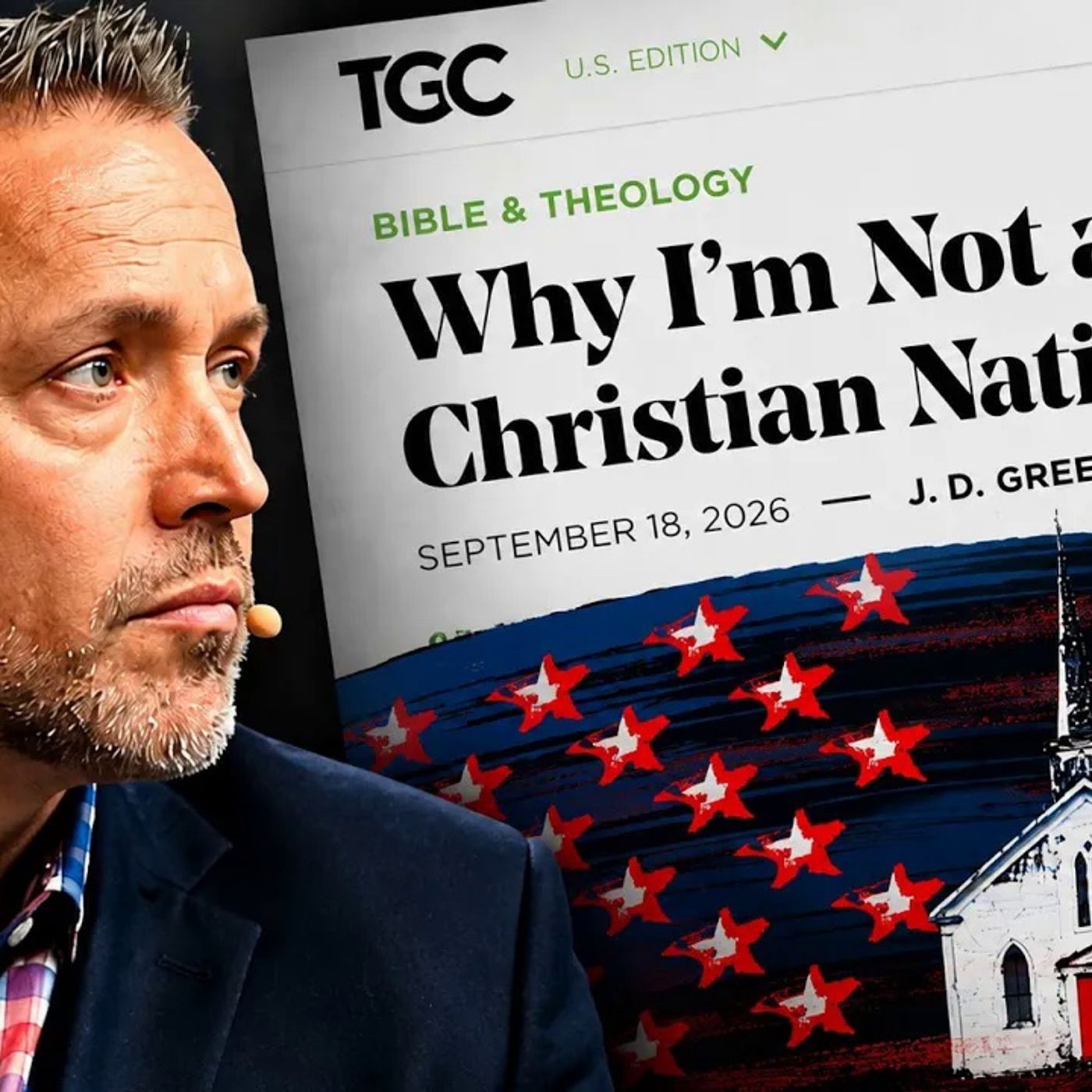
J.D. Greear recently published “Why I’m Not a Christian Nationalist,” arguing for a particular understanding of religious liberty, government, and the relationship between Christianity and the American nation. On this episode of The Magistrate, Josh Howard is joined by George Sayour to respond.
Is civil government actually capable of moral neutrality?
Should nations recognize the Lordship of Christ?
And how should Christians distinguish religious liberty from the idea that government can operate without reference to an ultimate standard of justice?
Josh and George interact with Greear’s arguments while drawing from his...
Stop Living Like the Gospel Loses | Habakkuk 2:14
What if Christians have learned to expect defeat when Scripture teaches us to expect the victory of Christ’s kingdom?
“The earth will be filled with the knowledge of the glory of the Lord as the waters cover the sea.” — Habakkuk 2:14 In this episode of the Based Boomer Podcast, Mike DeVirgilio reflects on Iain Murray’s The Puritan Hope and the historic Christian confidence in the advance of the gospel. From the Puritans and the Great Awakenings to the rise of pietism, dispensational pessimism, and modern evangelical retreat, Mike examines how Christians came to expect less from the Great Comm...
The Seven Churches Were Standing at Ground Zero
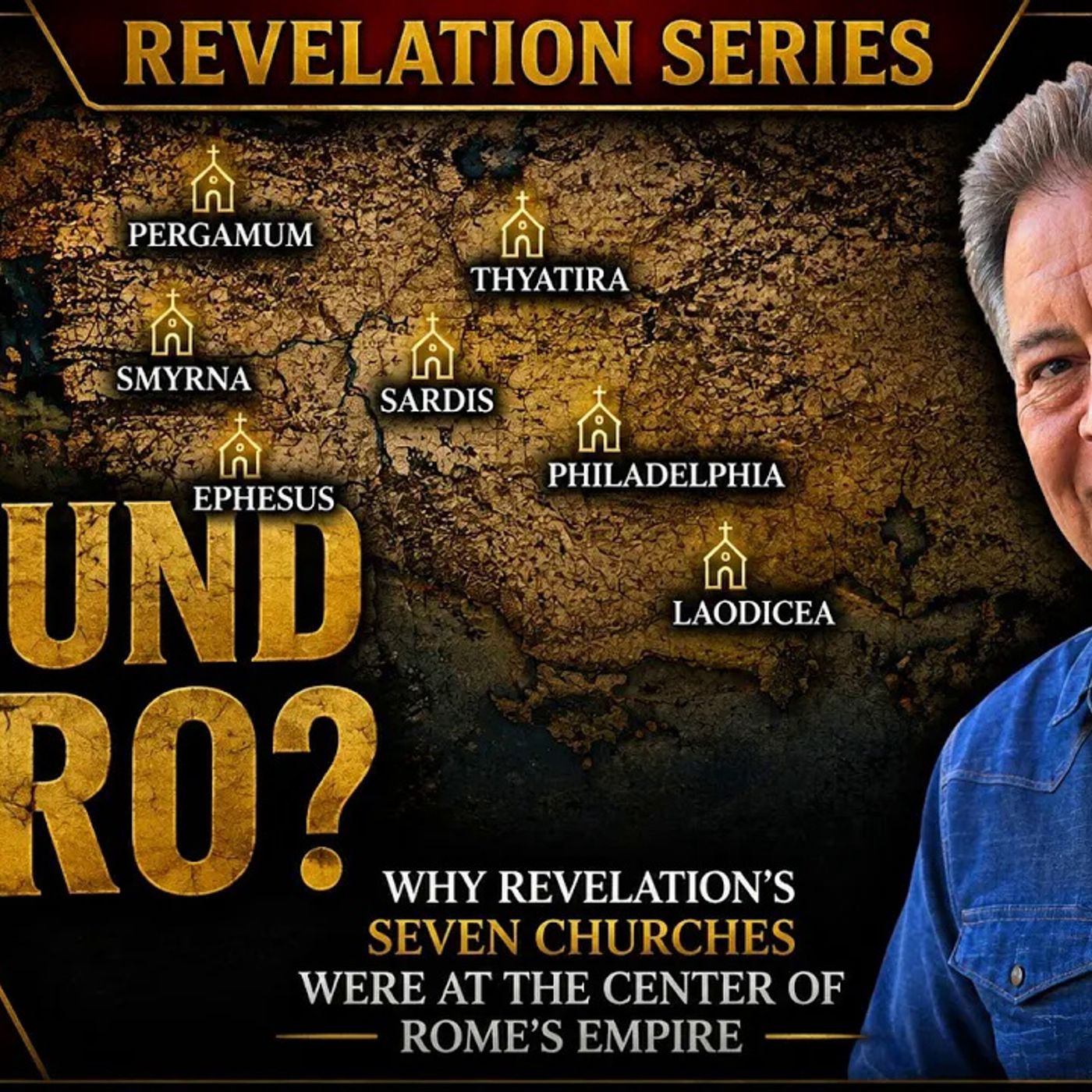
If Revelation is largely concerned with first-century events, why was it addressed to seven churches in Asia Minor instead of Jerusalem?
This episode explores why Ephesus, Smyrna, Pergamum, Thyatira, Sardis, Philadelphia, and Laodicea were not random congregations, but strategically placed churches living at the center of Roman power, emperor worship, military roads, trade routes, political chaos, and rumors surrounding Nero’s death.
By placing Revelation in its first-century context, we see why the book spoke directly to believers facing imperial pressure and why its message remains clear: empires rise and fall, but history belongs to Christ.
Why Ingratitude Is More Dangerous Than You Think
How can Christians cultivate genuine gratitude in everyday life?
In this episode of Take Heart, Cory Wing explains why thankfulness is more than good manners—it is a matter of the heart and an expression of love for God.
Drawing from Romans 1, James 1, 1 Corinthians 4, Luke 17, Psalm 92, 1 Thessalonians 5, Romans 8, and other passages, Cory examines the spiritual danger of ingratitude, how complaining grows when we lose sight of God’s grace, and why every good gift should lead us back to the Giver.
Cory also offers a practical seven-day gratitude challenge: recognize specific blessings, turn complaints into...
New Book Should Steve Lawson Return to Ministry Richard Reacts
Should Steve Lawson return to public ministry?
In this episode of Richard Reacts, Richard Henry responds to the release of Lawson’s Mercy in the Wilderness and the debate surrounding forgiveness, restoration, and qualification for ministry following his public moral failure.
Richard examines the distinction between forgiveness and restored trust, the biblical qualifications for Christian leaders, the consequences of long-term deception, and whether repentance necessarily means restoration to public teaching.
This is a discussion about grace, accountability, pastoral qualification, repentance, and the seriousness of sin among Christian leaders.
Al Mohler vs Doug Wilson What Is A Nation Really?
What is a nation—and why does that question matter for Christians, missions, and the Great Commission?
In this episode of The World View, Alex Kocman responds to the “Which Way America?” debate featuring Al Mohler, Doug Wilson, Joe Rigney, and Paul Miller. Before Christians debate what a nation should do, Alex argues, we first need to define what a nation actually is.
Drawing from Genesis 10, Matthew 28, Acts 17, Revelation, Psalm 2, and the history of Christian missions, Alex examines the biblical concept of nations and the roles of land, lineage, language, law, liturgy, and culture.
What d...
Should America Put Christ Back in the Constitution?
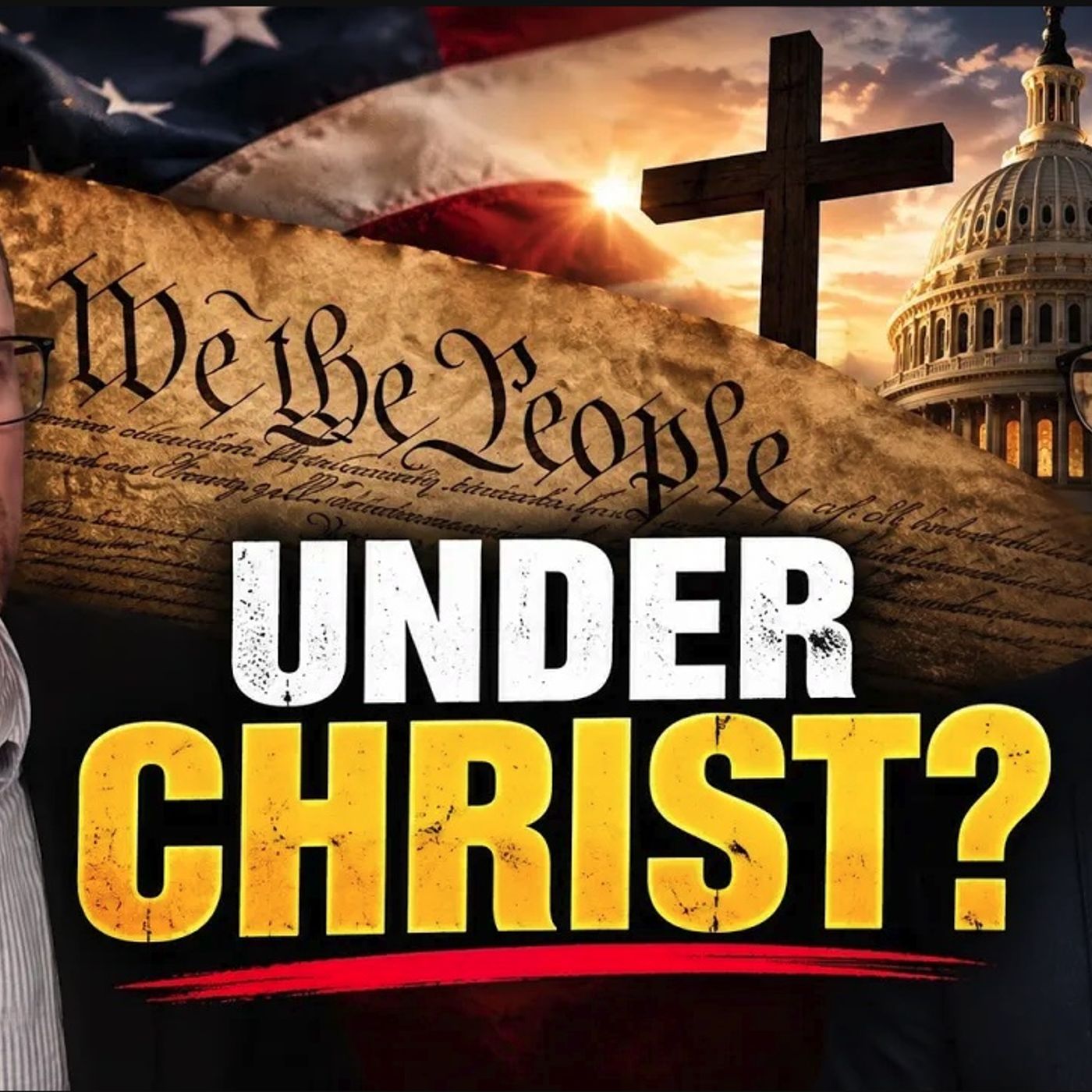
Should the United States Constitution explicitly acknowledge the triune God of the Christian faith?
In this episode of The Magistrate, Josh Howard and James Baird discuss the history, theology, and political implications of a Christian constitutional amendment.
They examine recent debates surrounding Al Mohler, Baptist and Presbyterian responses, the historical support of figures like Charles Hodge and old Princeton, the post-Civil War push for a “God amendment,” and the later Supreme Court shifts that changed how religion and government were understood in America.
This episode explores whether nations should publicly recognize Christ as Lord, what...
Flock Cameras Are Watching You. Should Christians Care
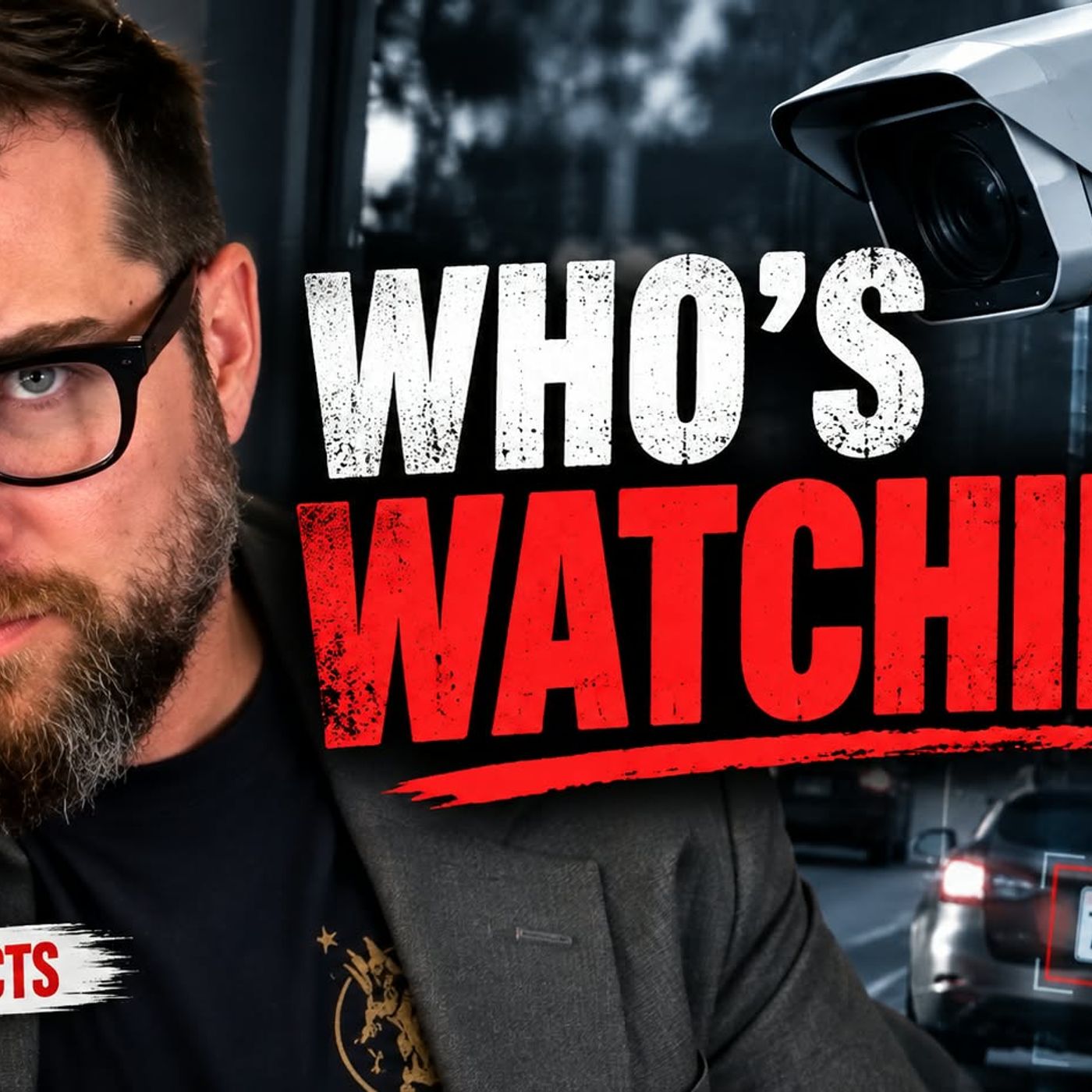
Are Flock cameras about public safety—or are they another step toward mass surveillance and a low-trust society?
Richard Henry examines the rise of AI-powered license plate readers, government surveillance, privacy concerns, and the erosion of civil liberties.
But the issue goes deeper. Richard considers what Scripture says about knowledge, authority, human sin, and God’s omniscience—and why a society cannot surveil its way out of moral decay.
Watch all of our videos and subscribe to our channel for the latest content >HereHere
1) Daniel’s Prophecies What’s Clear, What’s Controversial, and Why It Matters
Why does the book of Daniel remain one of the most debated books of biblical prophecy?
In this newly recorded introduction to his series on Daniel, Jay Rogers lays the foundation for understanding Daniel’s prophecies from a preterist perspective. He explains the background behind his studies, how his work in Revelation and Matthew 24 shaped his approach, and why getting the historical context right is essential for interpreting Daniel.
Some of Daniel’s prophecies are remarkably clear. Others have produced centuries of disagreement. Throughout this series, Jay will examine both—working through the text, historical setting, compet...
God’s Law Can’t Save You—So Why Should You Love It?
What role does God’s law play in the Christian life?
In this episode of Take Heart, Cory Wing explains why Christians must reject both legalism and antinomianism.
Drawing from Scripture and the Westminster Standards, Cory shows that God’s law cannot save sinners, justify believers, or produce righteousness. Only Christ can save.
But for those saved by grace through faith, God’s law becomes a gracious guide for obedience, sanctification, holiness, justice, and love for God and neighbor.
Watch all of our videos and subscribe to our channel for the latest conten...
Christians Are Called to Holy War—But Not the Way You Think
What does the Bible mean by “holy war”—and what does it look like under the reign of Christ?
In this episode of Shadows to Substance, Pastor George Sayour walks through Zechariah 9 and its prophecy of the Messiah who comes lowly, riding on a donkey, speaking peace to the nations, and ruling from sea to sea.
From bows, arrows, swords, and battle to Ephesians 6 and the sword of the Spirit, George shows how the warfare of Christ’s kingdom is carried forward through the Word of God, prayer, truth, righteousness, faith, and the proclamation of the gospel t...
If You Don’t Love the Church, You Don’t Love Jesus
Can you truly love Christ while remaining indifferent toward His church?
In this final message through the Olivet Discourse, Pastor Brian Gunter examines Matthew 25 and Jesus’ separation of the sheep and the goats. Christ identifies Himself with His people so closely that how they are treated is counted as treatment of Christ Himself.
What does this passage reveal about genuine faith? What separates the sheep from the goats? And what does Jesus’ warning mean for Christians who claim to love Him while neglecting His church?
Drawing from Matthew 24–25, Acts 9, and the broader testimony of Script...
What Makes People Join Mass Movements? | The Magistrate
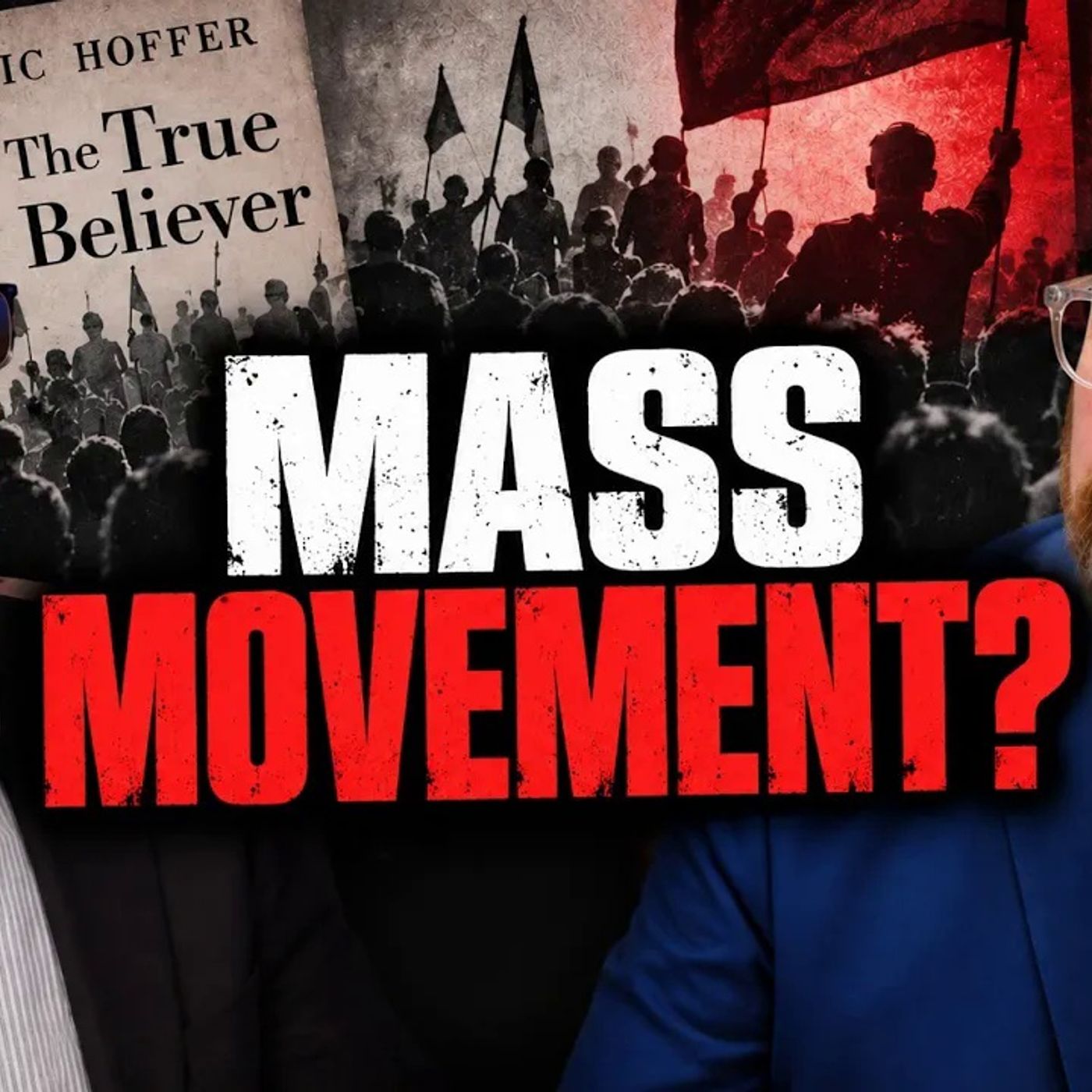
What makes people surrender themselves to a mass movement—and why are periods of cultural instability especially fertile ground for them?
In this episode of The Magistrate, Josh Howard is joined by Cory Wing to examine Eric Hoffer’s The True Believer, Harold Brown’s work on sensate culture, and the Christian response to revolutionary movements, social unrest, and ideological fanaticism.
They discuss disaffected young men, family breakdown, the search for identity and meaning, and why Christianity offers something fundamentally different from utopian political movements.
How should Christians recognize the forces shaping our cultural moment...
The Beast That Died and Came Back: Rome, Nero, and Revelation’s Deadly Wound
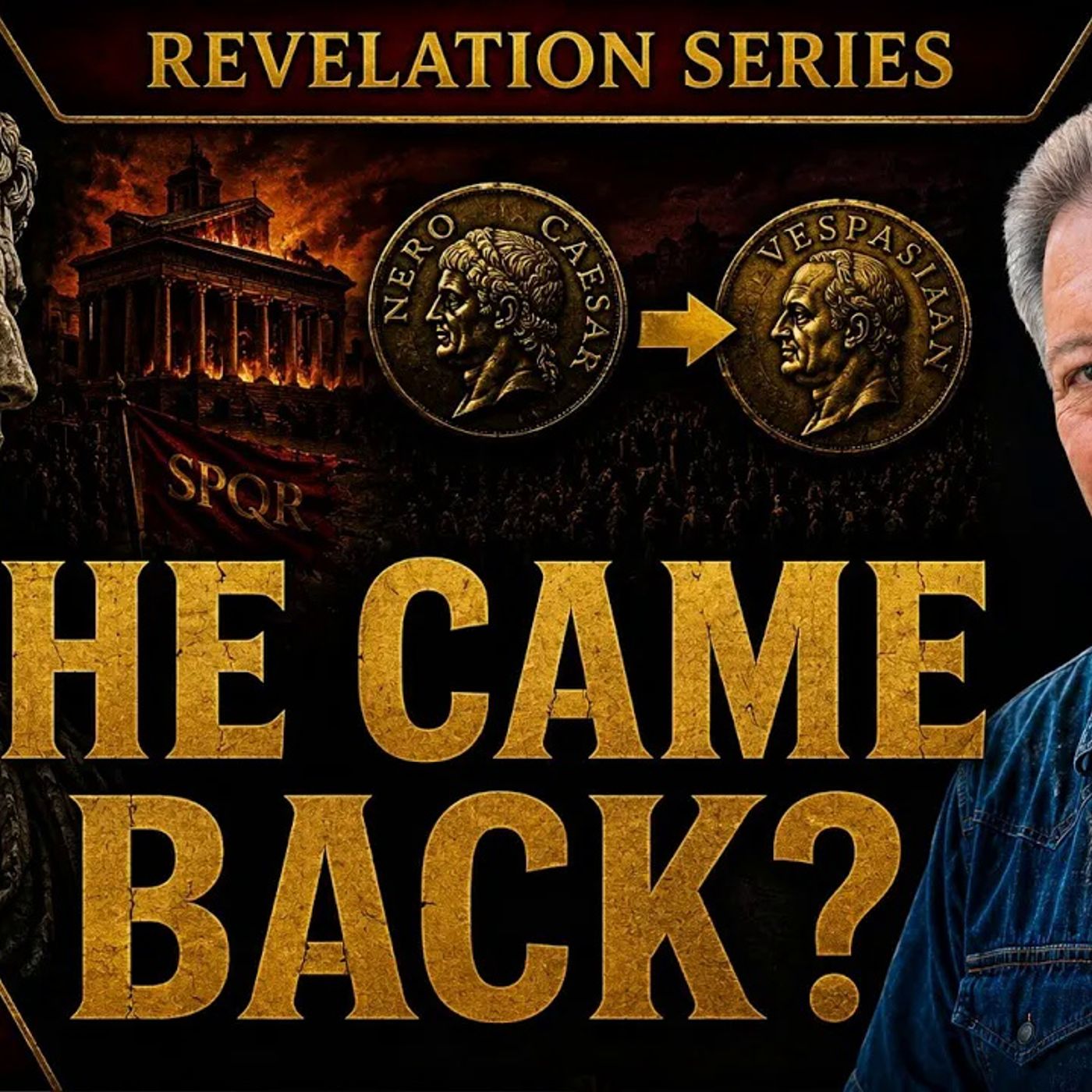
What if Revelation’s beast with the fatal wound was not a prediction of a future global apocalypse, but a powerful image rooted in the chaos of first-century Rome? This episode examines Nero’s death, the Year of the Four Emperors, the terrifying Nero Redivivus legend, and Vespasian’s rise to power. By comparing Revelation’s imagery with the near-collapse and dramatic recovery of the Roman Empire, it presents a historically grounded case that the beast’s “deadly wound” and healing were realities the original audience would have immediately understood.
Watch all of our videos and subscribe to our channel fo...
The Lindsay Clancy Verdict Update: Did Justice Fail?
In this episode of Richard Reacts, Richard Henry is joined by Tanner Cartwright to discuss the verdict, the public response, and the biblical principles at stake. They address the command “You shall not murder,” the insanity defense, personal accountability, the influence of modern feminism, the devaluing of children through abortion, the created differences between men and women, and why biblical justice must not be replaced by sentimental excuses. This episode is a sobering call to recover moral clarity, protect children, uphold justice, and return to God’s design for men, women, families, and society.
Watch all of our videos...
God Has Not Abandoned You in the Fire
Why does God allow Christians to suffer? How should believers respond when suffering comes through sickness, loss, persecution, broken relationships, or the ordinary pain of life in a fallen world?
In this episode of Take Heart, Cory Wing walks through what Scripture teaches about suffering, God’s sovereignty, persecution, and the presence of Christ in the valley.
Looking at Genesis 3, Romans 8, Joseph, the cross of Christ, Psalm 23, Daniel, Shadrach, Meshach, Abednego, Stephen, Polycarp, and the persecuted church throughout history, Cory reminds believers that suffering is not evidence that God has abandoned His people.
Instead, Chr...
Christianity Was Never Supposed to Be This Weak
Is Christianity only about personal salvation—or is the gospel meant to transform the world?
In this episode of The Based Boomer Podcast, Mike D’Virgilio challenges the idea that Christianity should remain a private faith concerned only with individual salvation and personal holiness.
Drawing from Scripture, Mike argues that Christ’s reign has implications for every area of life—and that Christians should expect the gospel to bear fruit in families, churches, cultures, and nations.
From Colossians 2 and Psalm 110 to 1 Corinthians 15 and the Great Commission, Mike lays out a biblical vision of Christ’s advancin...
The Servant Jesus Called Wicked and Lazy
Will people be judged for failing to use what God has entrusted to them? In Matthew 25, Jesus tells the parable of the talents—a sobering picture of servants awaiting the return of their master.
Pastor Brian Gunter continues his series through the Olivet Discourse, examining what this parable teaches about faithfulness, stewardship, and our responsibility while we await Christ’s return. God has entrusted His people with gifts, opportunities, resources, and time—and He expects His servants to put them to work for His kingdom.
What does it mean to bury your talent? Why was the unfait...
The Great Commission Is Bigger Than Personal Evangelism

In this episode of The Magistrate, Josh Howard is joined by Alex Kocman to examine Matthew 28:18–20 and Christ’s command to disciple the nations.
They discuss the Greek construction of the Great Commission, the meaning of “all nations,” and the relationship between evangelism, discipleship, the Church, and the civil magistrate.
What does it mean for Christ to possess all authority in heaven and on earth? Are Christians called merely to make individual converts, or does the Great Commission have implications for families, cultures, rulers, and nations?
Josh and Alex also discuss missions, Christian nationalism, ordered...
Was Nero’s Lover a Secret Christian? The Mystery of Claudia Acte
Who was Claudia Acte—and why did she remain loyal to Nero when virtually everyone else abandoned him?
In this episode, Jay Rogers examines the remarkable story of Claudia Acte, a former slave who became one of Nero Caesar’s closest companions and remained connected to him through the darkest years of his reign. Against the backdrop of Nero’s persecution of Christians, the collapse of his rule, and his violent death, Acte emerges as one of the most intriguing figures surrounding the infamous emperor.
But was Claudia Acte herself a Christian?
We separate the hi...
JD Vance on The View: Immigration, Race, and Liberal Double Standards | Richard Reacts
What happens when JD Vance walks into one of America's most hostile television panels and refuses to accept the framing?
In this episode of Richard Reacts, Richard Henry watches Vice President JD Vance's appearance on The View and breaks down the discussion surrounding immigration, race, law enforcement, identity politics, and media narratives.
Beyond the headlines, Richard examines how worldview shapes political debate, why Christians should recognize competing moral frameworks, and how modern media often influences the terms of public conversation.
Watch all of our videos and subscribe to our channel for the latest content >...
Why Weve Got Discipleship All Wrong
What does biblical discipleship actually look like?
Is it a program, a class, a conference, or something much more personal?
In this episode of Take Heart, Cory Wing explores the biblical pattern of discipleship: following Christ while intentionally helping others do the same.
From Jesus and His disciples to Paul and Timothy, Titus 2, Deuteronomy 6, and the Great Commission, Scripture presents discipleship as something woven into ordinary Christian life.
Cory discusses proximity, intentional relationships, spiritual accountability, intergenerational wisdom, family discipleship, and the importance of Christians simply doing life together within the local church.
Di...
Biblical Theology vs. Systematic Theology: Why You Need Both
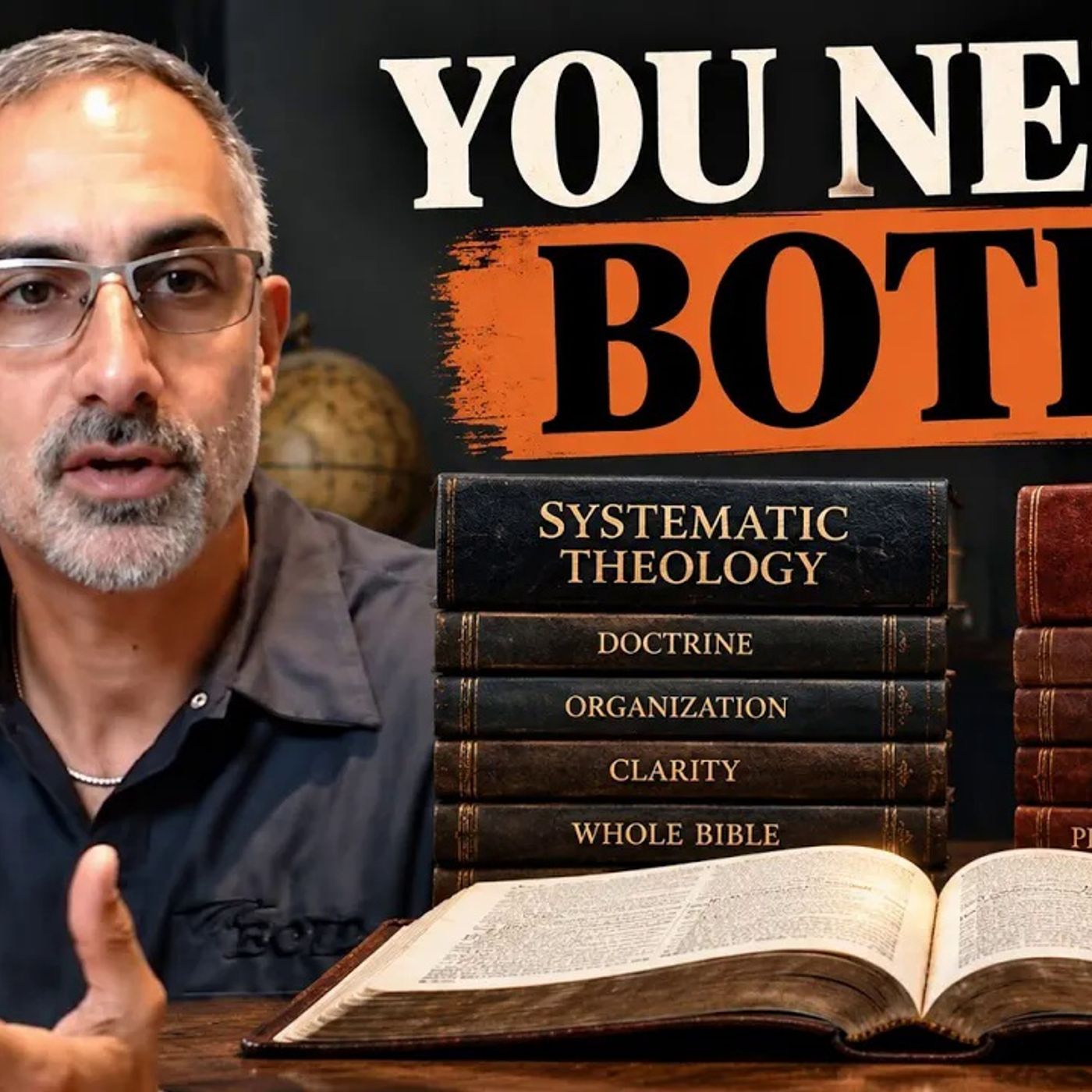
Should Christians prefer systematic theology or biblical theology?
In this episode of Shadows to Substance, George Sayour explains why the church needs both. Systematic theology gathers everything Scripture teaches on a doctrine and organizes it clearly, while biblical theology traces how God unfolds those doctrines through redemptive history.
Using examples from covenant theology, Christology, David, Adam, Goliath, and the greater Son of David, George shows how biblical theology helps us see the shadows that point forward to Christ without abandoning the doctrinal clarity of systematic theology.
This episode calls Christians to recover the beautiful...
The Key to Understanding Revelation
How are Christians supposed to understand the strange imagery of Revelation? Jacob Glass explains why Revelation isn’t an impossible mystery—and why the Old Testament provides the key to understanding John’s visions.
Watch all of our videos and subscribe to our channel for the latest content >HereHere
Is Christian Nationalism Really a Dangerous Error? | Responding to Phil Johnson
Is Christian nationalism a dangerous eschatological error—or does the debate reveal a much deeper disagreement about Christ’s rule over nations?
In this episode of The Magistrate, Josh Howard is joined by guest host Cory Wing to respond to Phil Johnson’s recent comments on Christian nationalism and postmillennialism.
They examine whether nations can become Christian, whether the church is called to transform culture, the proper distinction between church and state, and whether civil government can ever truly be morally neutral.
Along the way, Josh and Cory interact with questions surrounding John MacArthur, Grace...
