Secrets and Spies Podcast: Espionage | Global Issues | Current Affairs
Secrets and Spies sits at the intersection of intelligence, covert action, real-world espionage, and broader geopolitics in a way that is digestible but serious. Hosted by filmmaker Chris Carr and writer Matt Fulton, each episode unpacks global events through the lens of intelligence and geopolitics, featuring expert insights from former spies, authors, and analysts. Tune in for balanced, critical perspectives that will expand your understanding of our uncertain world, deciphering the most enigmatic professions, ideologies, and organizations that shape the global landscape. Subscribe to Secrets and Spies today on all major podcast streaming platforms. Our Hosts Host Chris Carr, driven...
What the Next 10 Years Look Like: China, Russia, Europe and AI | Sam Lichtenstein RANE
Sam Lichtenstein, director of analysis at the global risk intelligence firm RANE, returns to walk Chris through RANE's 2025–2035 decade forecast: a multipolar world in which no great power has the will or the means to set the rules. The big calls include a China turned inward by economic and demographic strain even as its coercion of Taiwan intensifies; a Europe pushed toward integration as the American security anchor weakens; a Russia that won't remain a pariah forever; intra-Sunni rivalry reshaping the Middle East; and global jihad's center of gravity settling in the Sahel. They also cover AI's disruption of wh...
Russia’s worldview, disinformation, and the politics of influence | Dave Troy
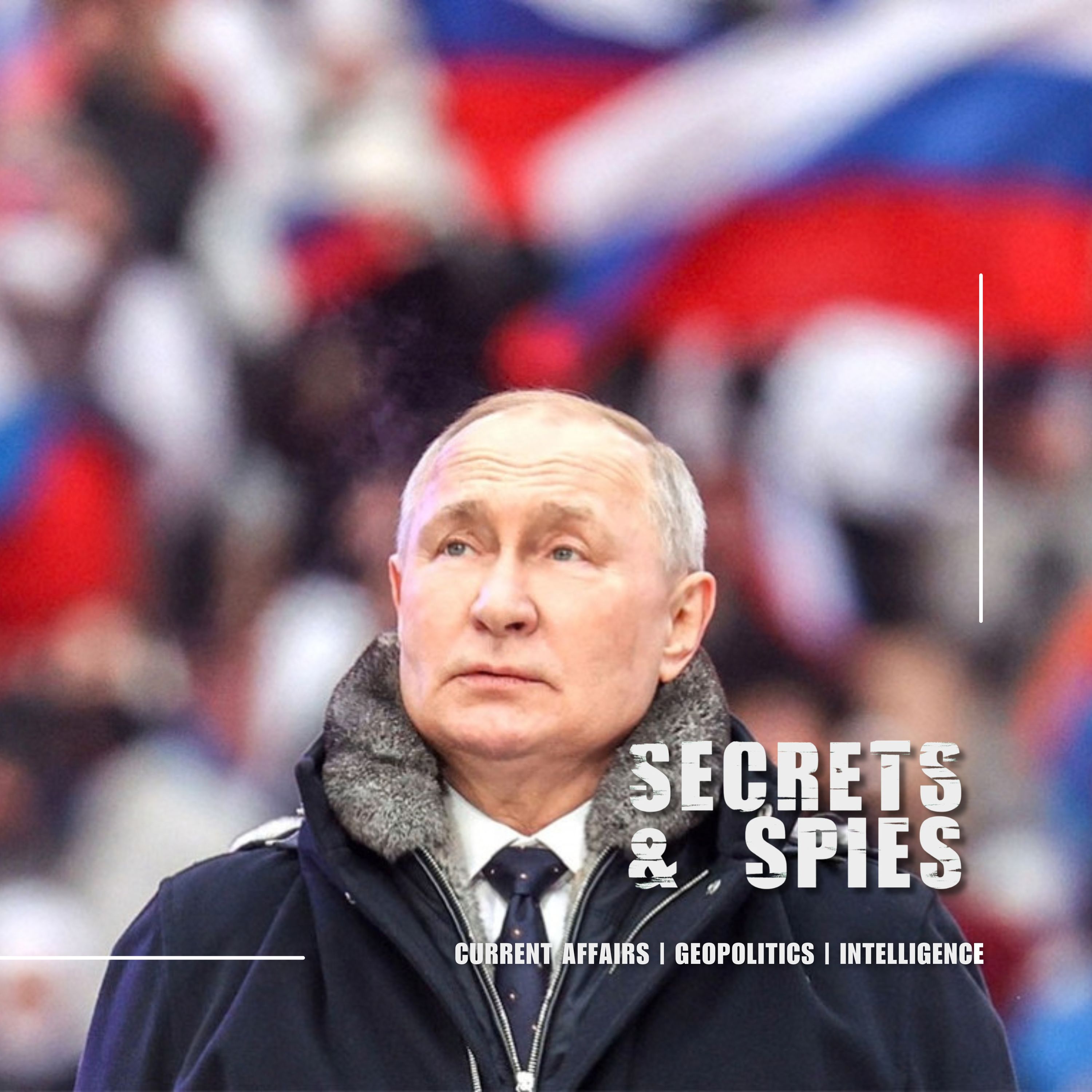
Every week, the Security Council of the Russian Federation publishes a digest of world events as Moscow sees them. Investigative journalist Dave Troy has been reading them closely, and he argues they matter not because they’re accurate, but because they show the story the Kremlin tell itself and its allies. Dave returns to the show to talk with Chris about his piece "What Russia Believes." His central claim is that the Kremlin sees the war in Ukraine less as a fight over territory than as a contest over the shape of the world order itself — and its real camp...
The Stay Behinds: Sweden’s Cold War Guardians | Johan Wennström
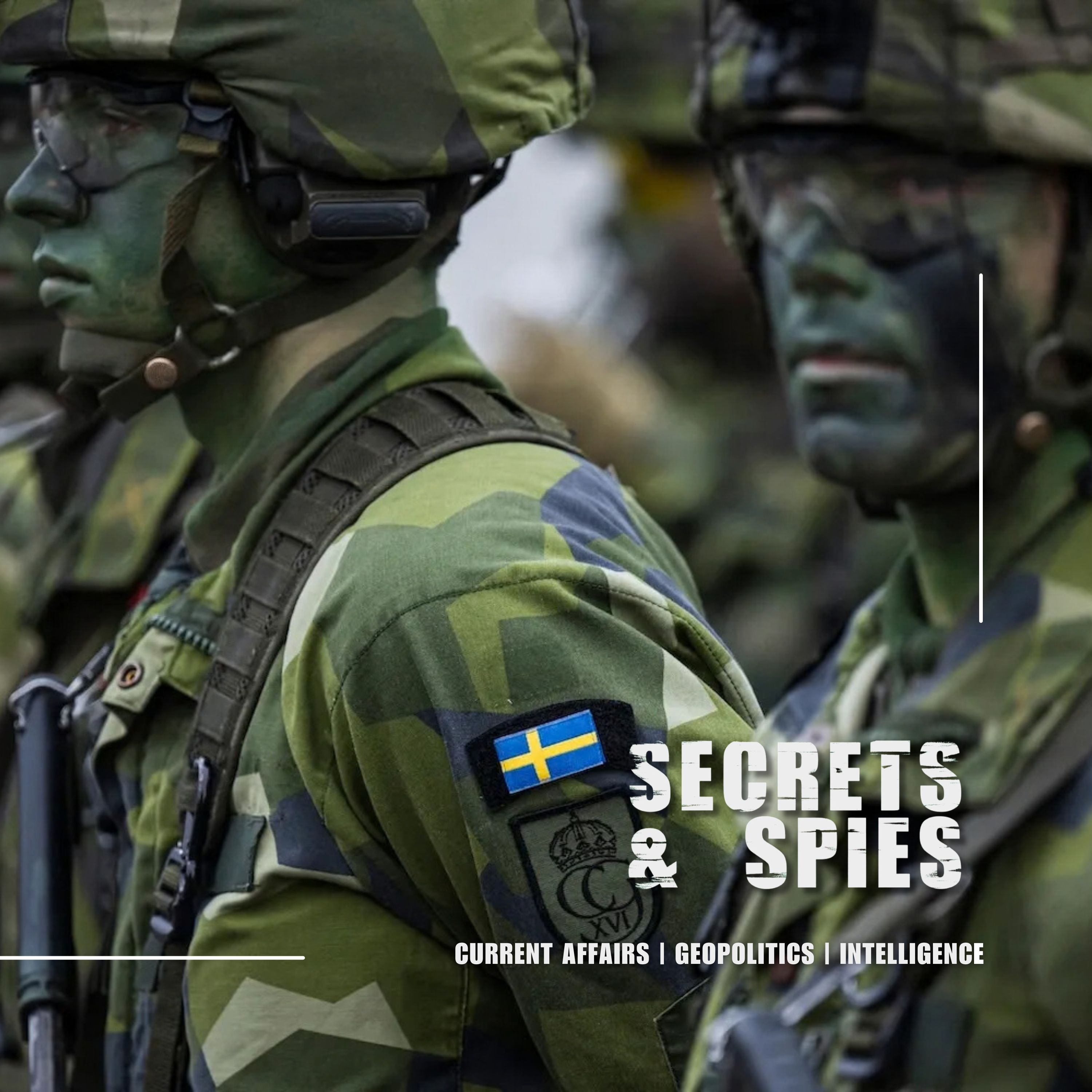
Beginning in 1949, officially non-aligned Sweden did something it kept secret for half a century: in close cooperation with the CIA and MI6, it built a clandestine civilian resistance network meant to outlast a Soviet occupation and fight on from within. Its members were ordinary people, farmers, salesmen, gamekeepers, organized into cells that never met. In this episode, Matt talks with Johan Wennström of the Swedish Defence University, whose book The Stay Behinds: Sweden’s Cold War Guardians is the first in-depth English account of the network — the tradecraft, the human cost, and why it suddenly speaks to a Europ...
The Nerd Reich | Gil Durán
Journalist Gil Durán spent years in political consulting before returning to reporting, and eventually, to the beat that became the subject of his book, The Nerd Reich. He joins Chris to lay out his case that a corner of Silicon Valley has turned against democracy itself — an ideology he traces from the 1997 book The Sovereign Individual, through neo-reactionary blogger Curtis Yarvin, to Balaji Srinivasan’s "network state" — with Peter Thiel, Elon Musk, and Vice President J.D. Vance at its center. His argument, Durán insists, rests on what these men have said on the record: that democracy is obsol...
Ratcliffe’s Moscow Warning, Iran’s Long Reach, and an Alliance on Edge | Espresso Martini
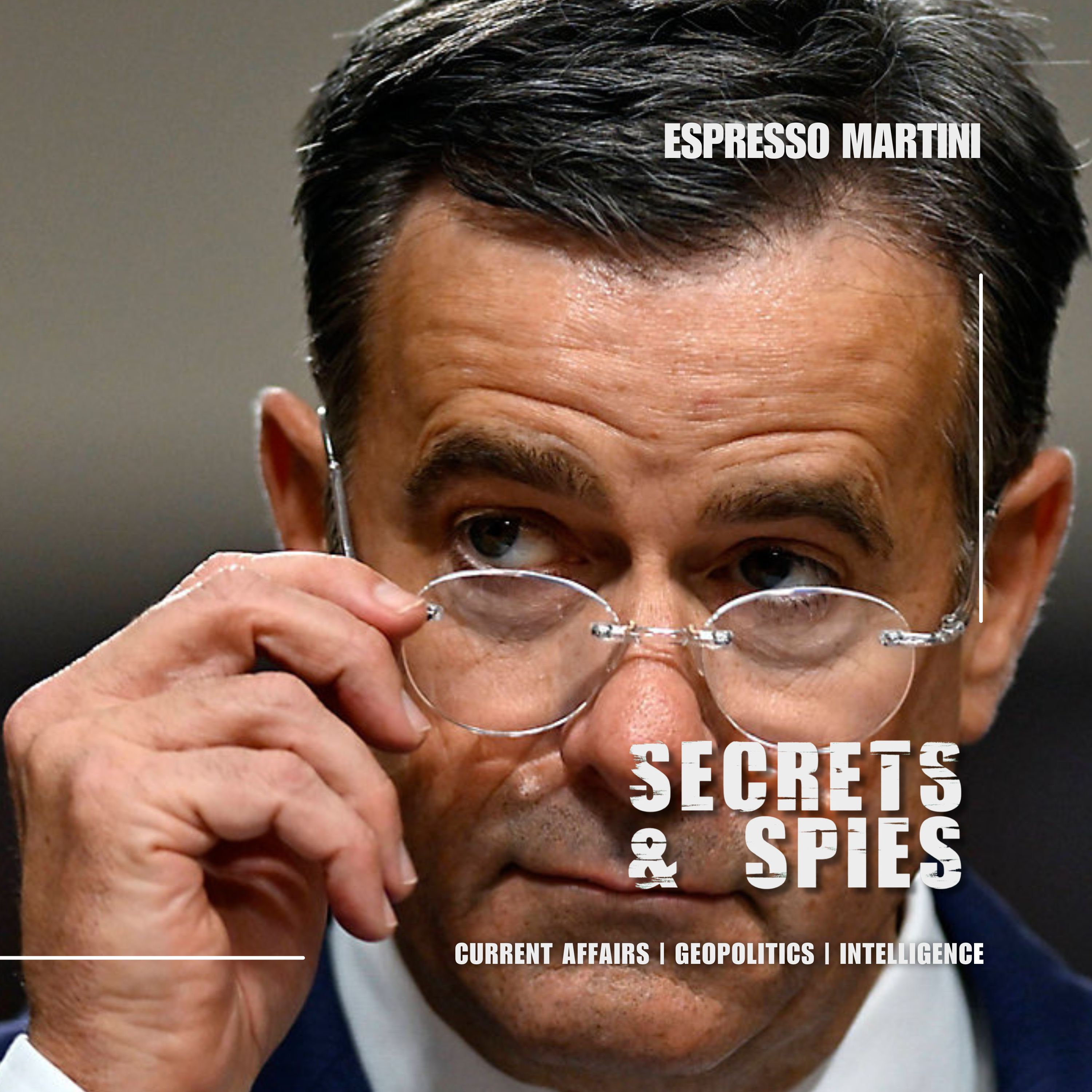
Chris and Matt open season eleven, and Secrets & Spies’ tenth anniversary, with three stories from a busy August. First, CIA Director John Ratcliffe’s trip to Moscow, a rare visit by an agency chief since Bill Burns went in 2021, reportedly carrying a blunt warning against testing NATO amid U.S. assessments that a cornered Russia might attempt a limited probe of the alliance. Then, a New Yorker investigation into how Iran now reaches its critics abroad by renting the local underworld — Romanian petty criminals, teenagers recruited over Snapchat — a "cutout of a cutout" model built to defeat the way security...
A Rebel, a Traitor, and the Birth of the IRA | Rory Carroll
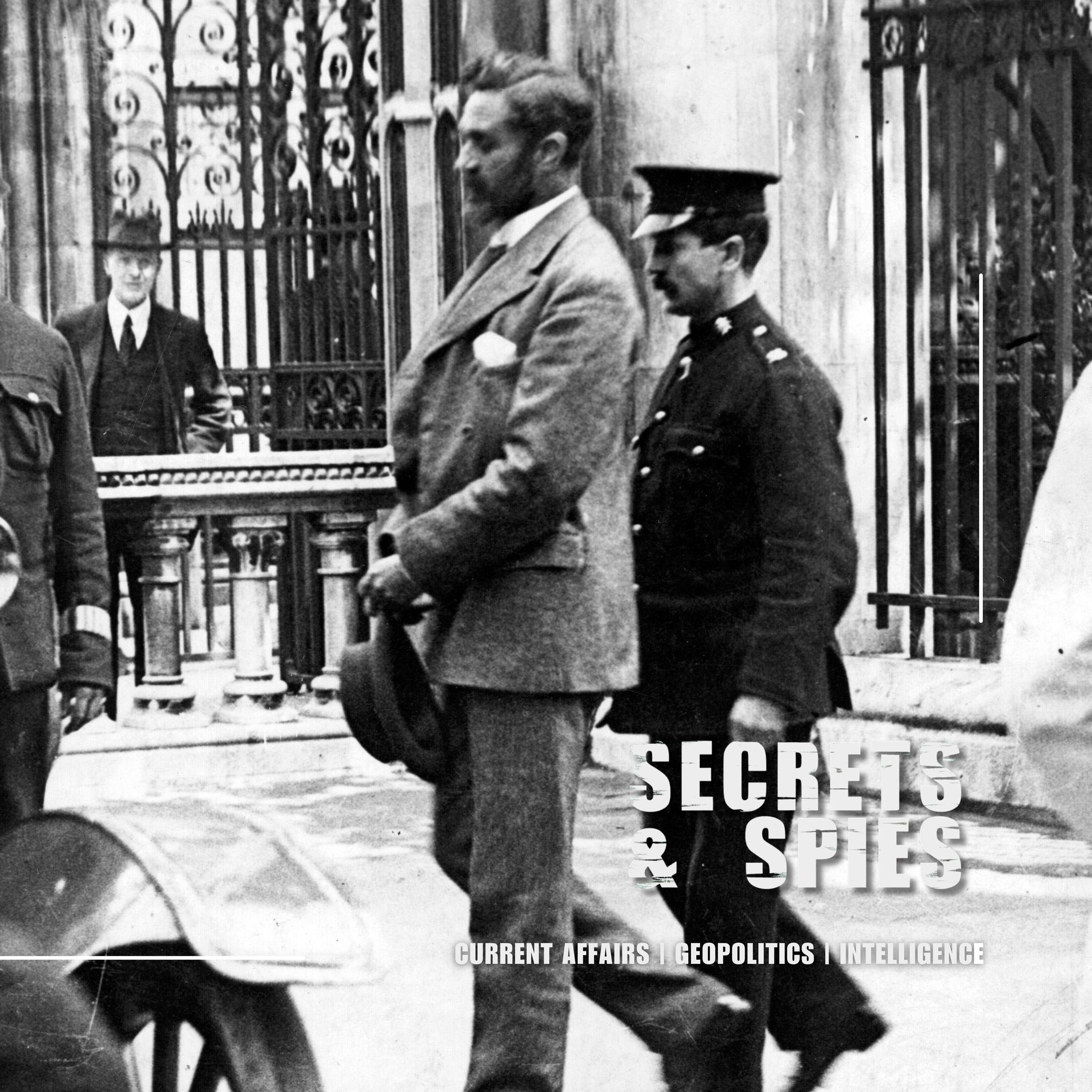
Before Bletchley Park, there was Reginald "Blinker" Hall, the Admiralty’s mercurial intelligence chief whose codebreakers read Germany’s wireless traffic during World War I, giving Britain a front-row seat to the plot behind the 1916 Easter Rising. His target was Sir Roger Casement: a diplomat knighted for exposing colonial atrocities, turned Irish rebel, caught after a U-boat put him ashore in Kerry. Rory Carroll, The Guardian’s Ireland correspondent and acclaimed author of Killing Thatcher, joins Chris to trace the manhunt — and Casement’s "Black Diaries," the still-contested record of his private life that Hall leaked to break a clemency c...
Ortiz’s War: The Most Decorated Marine in the OSS | Nicholas Reynolds & Katie S. Sanders
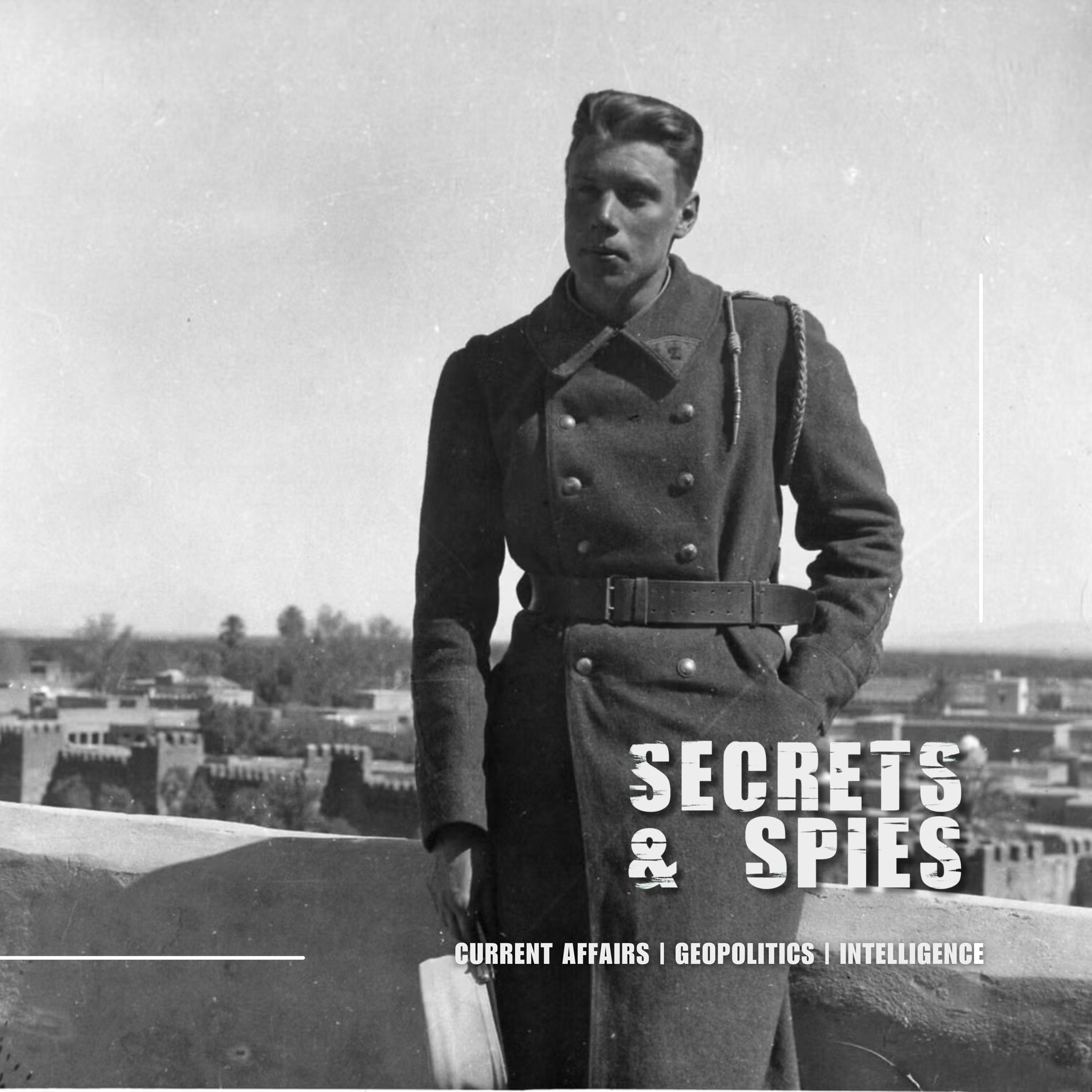
Peter J. Ortiz was the most battle-decorated member of the OSS, America’s wartime forerunner to the CIA, and one of the most decorated Marines of the Second World War. In 1944, the former French Foreign Legionnaire twice parachuted into occupied France to arm the Maquis, sabotage German lines, and feed intelligence to London ahead of D-Day. Chris speaks with former Marine and CIA historian Nicholas Reynolds and journalist Katie S. Sanders—whose grandfather, a downed airman, was among those Ortiz rescued—about their book Ortiz’s War, and the moment when Ortiz surrendered to a hundred Germans to spare a villag...
How GPS Became a Weapon | Katherine Dunn
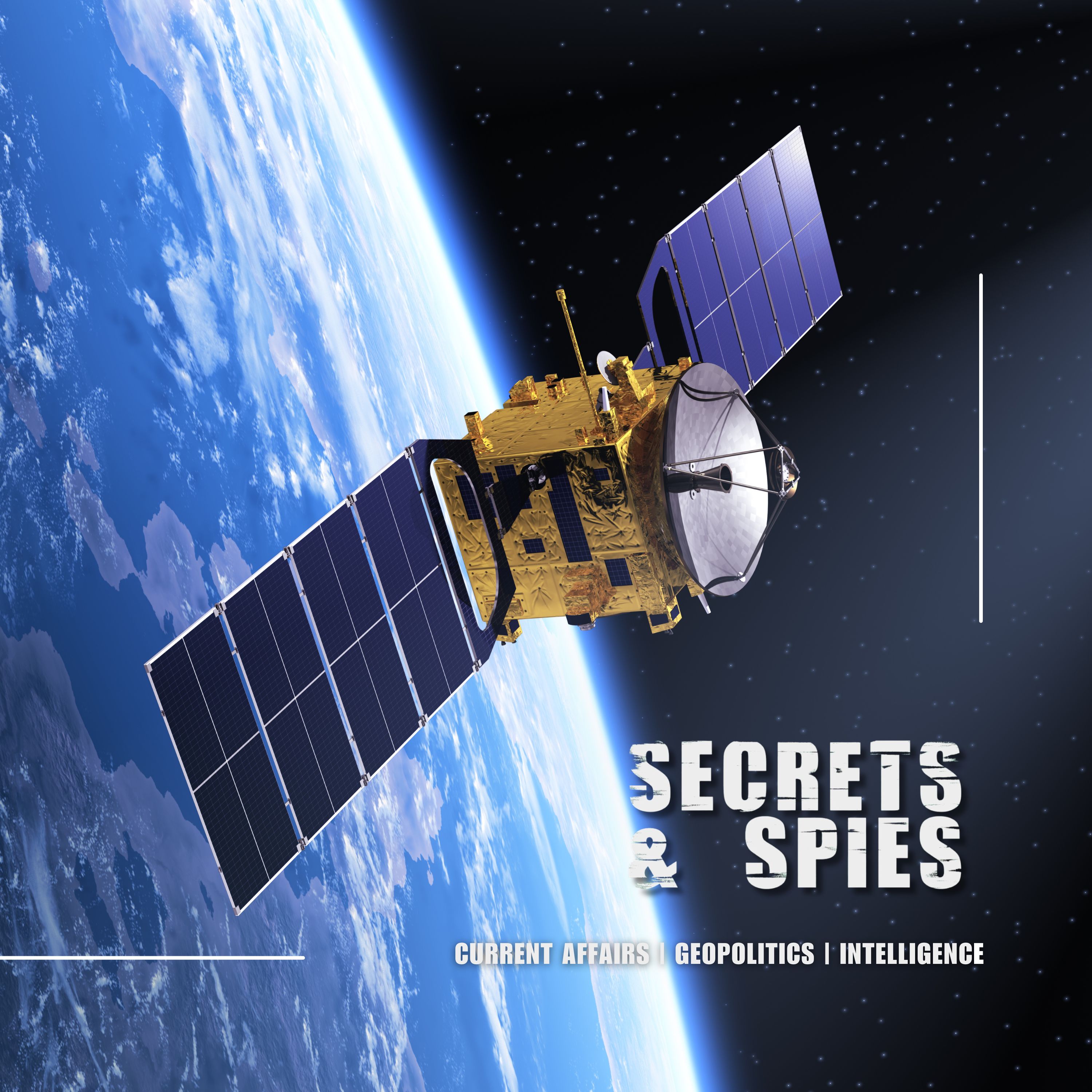
GPS is the rare piece of infrastructure most of us never think about until it fails — and it is failing more often, in more places, by design. In Little Blue Dot: How GPS Shaped the Modern World, journalist Katherine Dunn traces the system from its Cold War origins — wartime radio beams, Vietnam's precision-bombing problem, the Soviet shock of Sputnik — to its current role underpinning modern life, governing not just where we are but the precise time that keeps power grids, markets, and supply chains in sync. Chris talks with Dunn about how a taxpayer-funded military tool became invisible civilian scaffo...
Meir Dagan, Mossad, and the Art of Intelligence | Samuel M. Katz
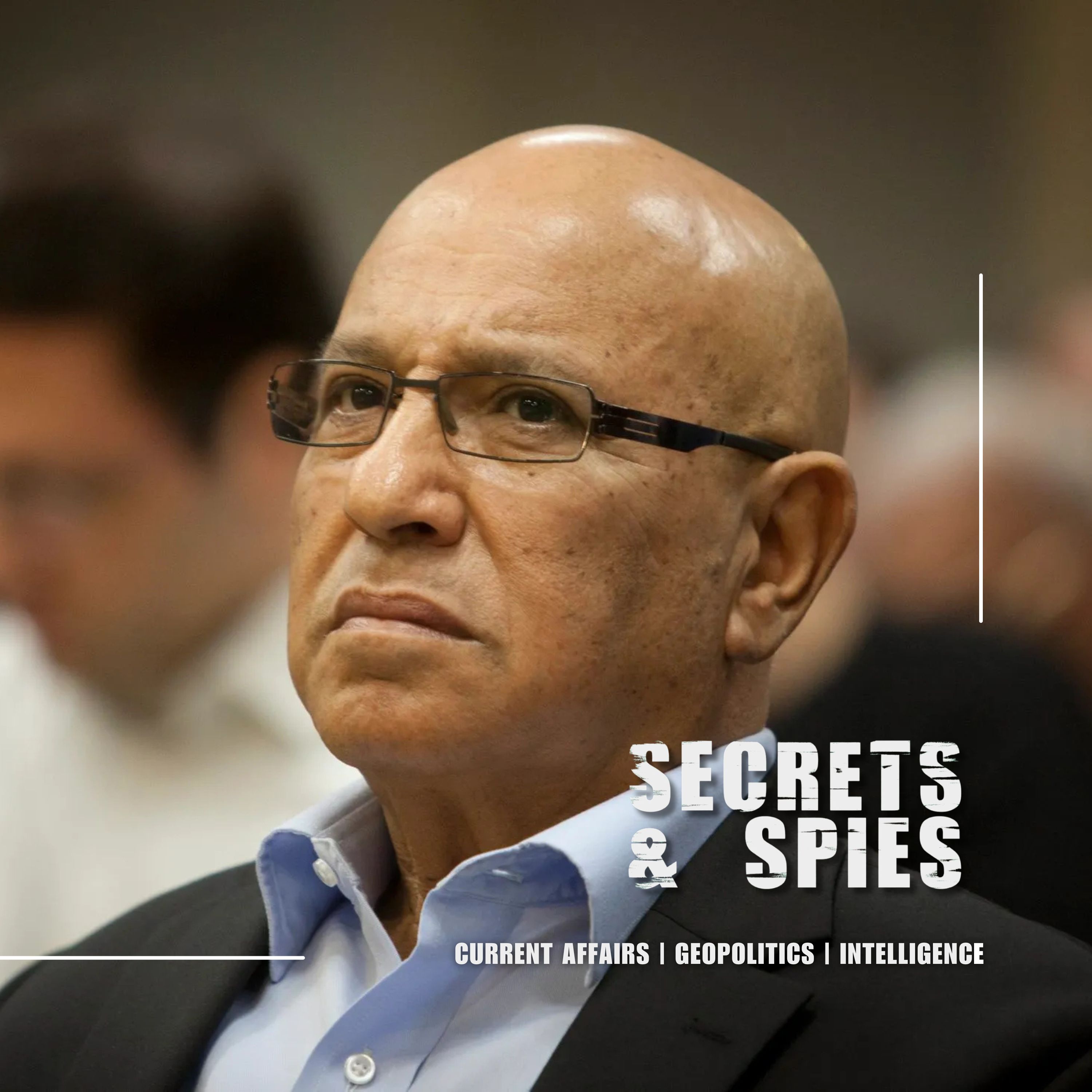
Samuel M. Katz is a New York Times bestselling author and one of the foremost chroniclers of Middle Eastern conflict, special operations, and intelligence. His latest book, The Architect of Espionage, is the biography of Meir Dagan — the Holocaust survivor turned soldier turned spymaster who reshaped Mossad from a cautious intelligence collector into a direct-action force of global reach. Chris speaks with Katz about the experiences that forged Dagan: rejection from Israel's elite commando ranks, the undercover war he built in Gaza under Ariel Sharon, and the Lebanon fighting that made him a man of war who hated war. Th...
Inside the Imperial War Museums’ Spies, Lies and Deception Exhibition | Amanda Mason
Amanda Mason is a senior curator of contemporary conflict at the Imperial War Museums, where she previously worked on the museum's acclaimed Secret War gallery. Chris speaks with her about Spies, Lies and Deception, the IWM's major exhibition on espionage and military deception now showing at IWM North in Manchester until August 31. Drawing on more than sixty original objects, documents, and artifacts — from Operation Mincemeat's pocket litter and Noor Inayat Khan's letters from occupied France to the Portland Spy Ring's suburban cover and the Trent Park eavesdropping operation — the exhibition traces deception from the trenches of the First World War...
Political Violence on the Rise and Israel's Plot to Install Ahmadinejad | Espresso Martini
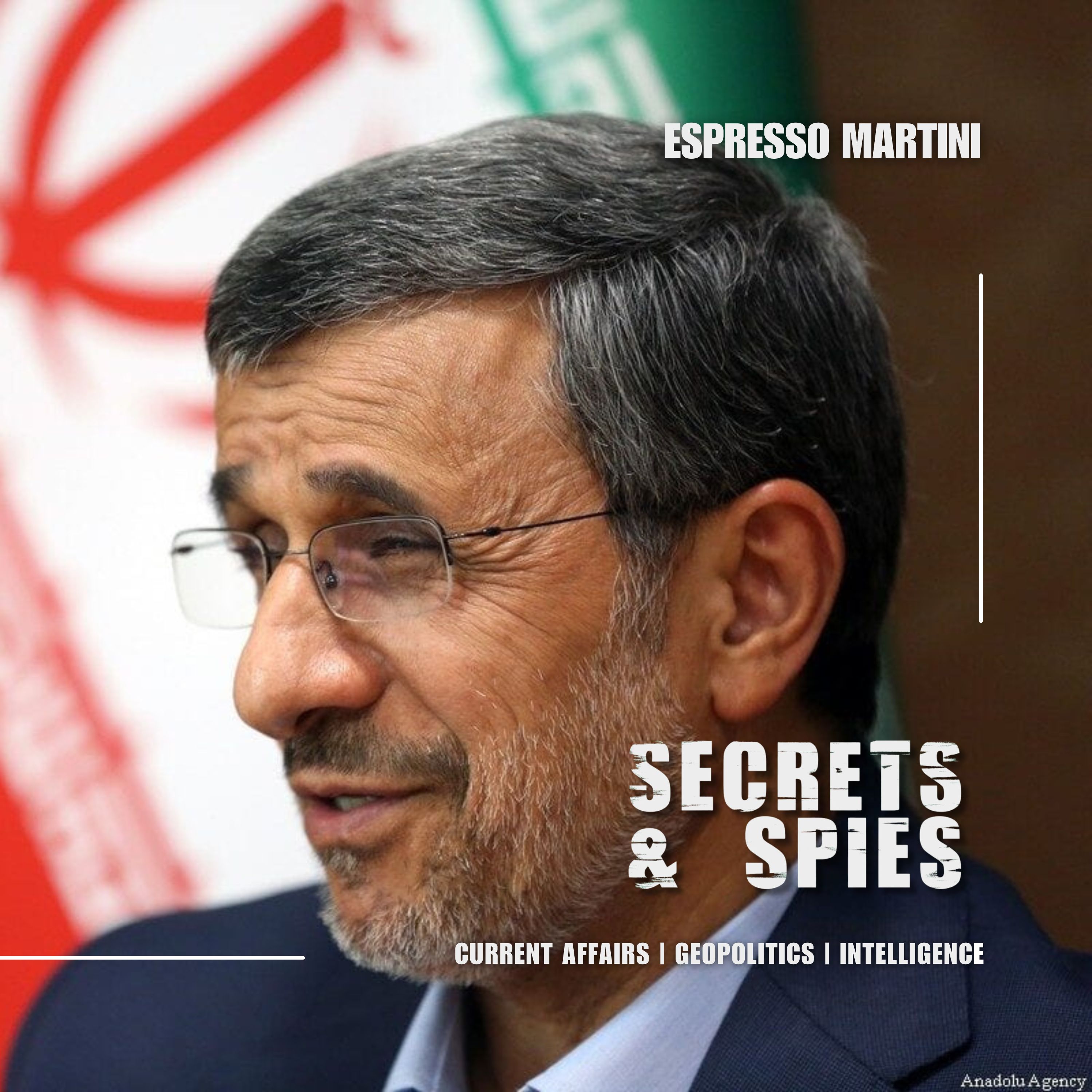
For years, according to a New York Times report, Mossad quietly cultivated former Iranian president Mahmoud Ahmadinejad, the Holocaust denier who once called for Israel's destruction, as the man it hoped to install in Tehran. The plan collapsed on the opening day of the war, when he lost his nerve in a Mossad safe house. Chris and Matt trace how a run of tactical brilliance curdled into strategic fantasy, then turn to Pickaxe Mountain — the buried nuclear site Trump keeps threatening to strike, but that even America's largest bunker-buster may not reach — and ask whether hitting it ends anything. They...
Putin’s Survival Machine | Sean Wiswesser
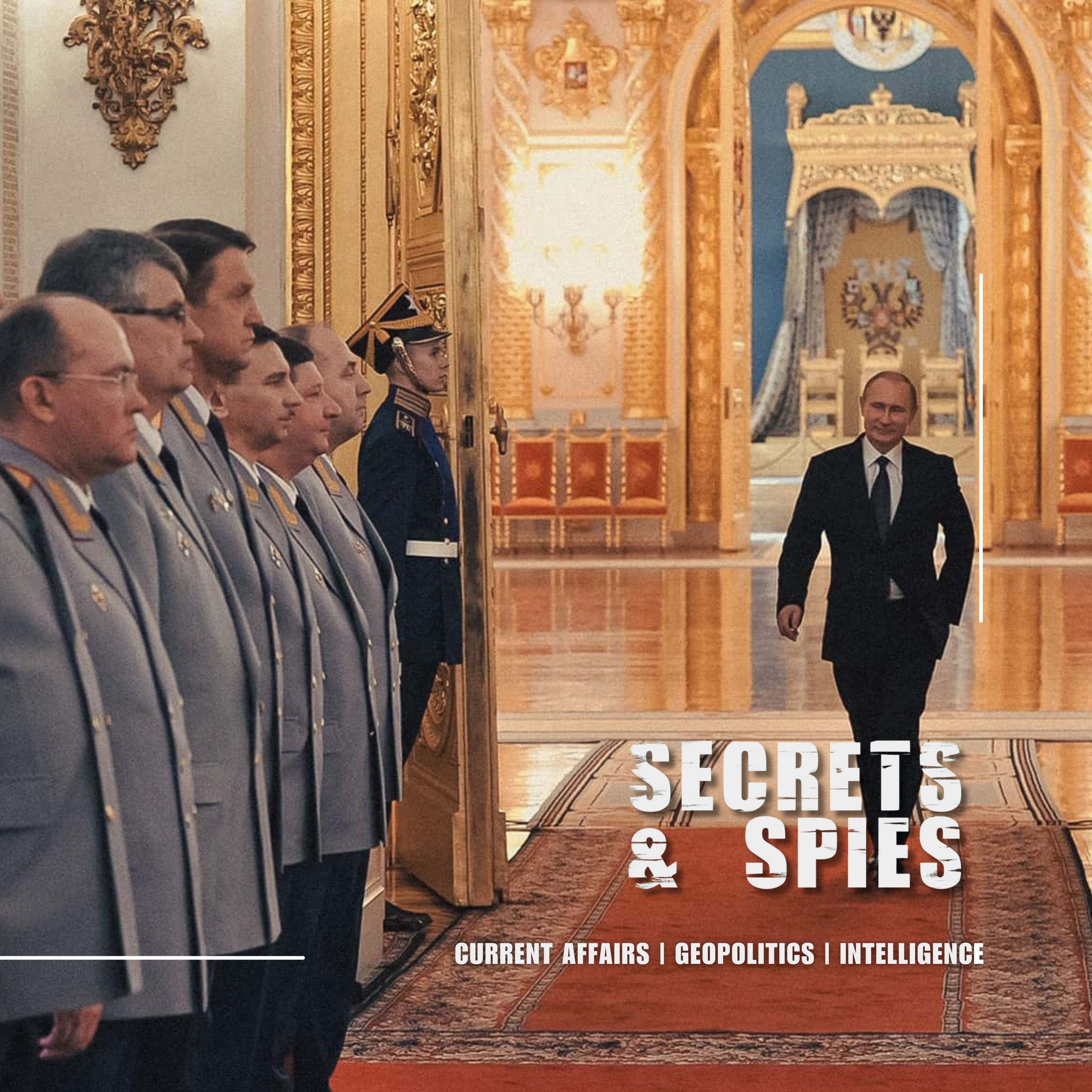
Every few months, a rumor or prediction suggests Vladimir Putin is finally cornered — a purge, a battlefield setback, a grim Victory Day parade. Former senior CIA officer Sean Wiswesser, author of Tradecraft, Tactics, and Dirty Tricks, says the West keeps mistaking Russia's elite infighting for weakness. Drawing on his recent Foreign Policy and Cipher Brief essays, he joins Matt to map the authoritarian machine Putin built to survive exactly these moments — the layered security state, the loyalty he fosters rather than assumes, and why the 2023 Wagner mutiny revealed his regime's strength rather than its cracks. Then the question the surv...
Germany Rewrites the Rules for its Spies | Florian Flade
For most of its history, Germany's foreign intelligence service was built to watch, not to act — a constraint rooted in the country's experience of the Gestapo and the Stasi. A sweeping draft law would change that, letting the BND conduct sabotage, covert interference, and offensive cyber operations for the first time. Chris speaks with German investigative journalist Florian Flade, among the first to report on the draft, about what's driving the overhaul — Russia's war and hybrid campaign, and eroding trust in Washington under Trump — and the unease that lingers around empowering services that once served dictatorships.
Subscribe and sh...
Britain's Next PM, AI's Counterintelligence Problem, and Ukraine's Warrior-Witches | Espresso Martini
Britain is changing prime ministers again: Keir Starmer is out after two years, with Greater Manchester mayor Andy Burnham the favourite to replace him — inheriting an underfunded defence plan and the wreckage of Peter Mandelson's Epstein-tainted appointment, all of it driven by the fear of Reform. Chris and Matt then ask what happens when the mole is a machine, using Anthropic's Claude blackmail experiment and Melissa Graves's Lawfare essay to reframe AI in intelligence work as a counterintelligence problem. Finally, Ken Harbaugh's Atlantic report on Ukraine's "warrior-witches" — women running honeypots and directing drone strikes from occupied ground, where the olde...
The Guru, the Loyalist, and the DNI After Gabbard | Shane Harris
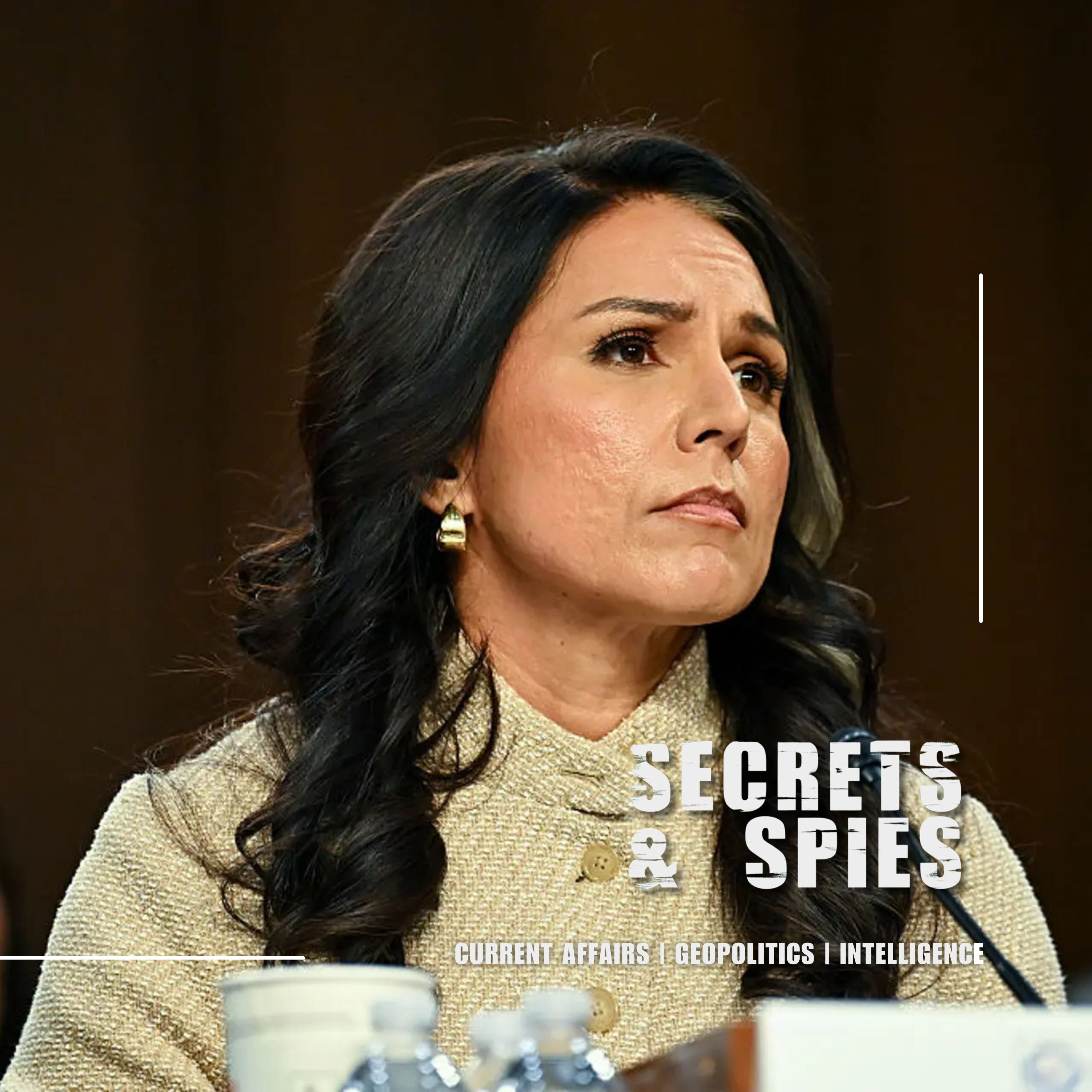
For most of her career, Tulsi Gabbard may have been taking direction from a reclusive Hawaii guru — the allegation at the center of a Washington Post investigation that shadowed her out of office as Director of National Intelligence. Her replacement, federal housing-finance official Bill Pulte, arrived with no national security background and, as The Atlantic's Shane Harris reports, may be holding the job unlawfully. Two directors in two months. Matt speaks with Shane — who's been reporting both stories — to trace them to a single fault line: an office built after 9/11 to coordinate the spy agencies has proven uniquely easy to pol...
Iran Survived. Now What? | Espresso Martini
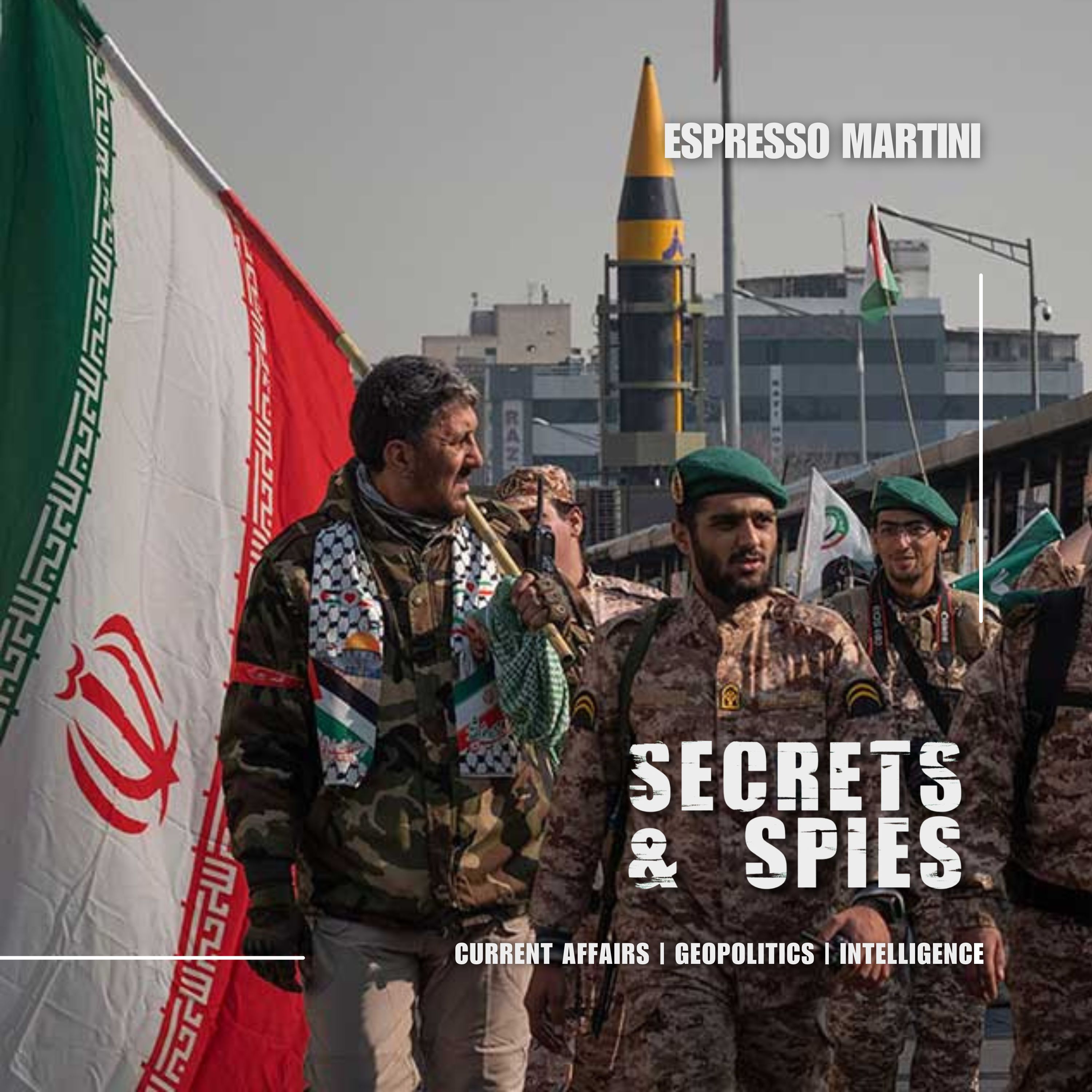
Chris and Matt dig into the fine print of the U.S.-Iran memorandum signed this week by President Trump in Versailles, separating what Tehran banks immediately — sanctions relief, frozen funds, an open Strait of Hormuz — from what's still contingent on a future nuclear settlement, and why claiming victory now looks premature. From there, a Foreign Affairs piece reframes the war's aftermath: rather than breaking the Islamic Republic, the campaign may have hardened it, elevating a younger, more nationalist generation around Mojtaba Khamenei whose pragmatism is tactical rather than moral — and inviting an uneasy comparison to Putin's Russia. They close...
Full Stack Spies: Cyber Espionage in the Age of US China Competition | Ahana Datta Fasel
Ahana Datta Fasel began as an ethical hacker for the British government before becoming cyber chief at the Financial Times, where nation-state actors targeting journalists became a daily reality. Her PhD on the political economy of digital espionage produced Full Stack Spies: Cyber Espionage in the Age of US-China Competition, which argues that cyber operations function as a mirror of the states behind them — their psychology, risk tolerances, and strategic ambitions made visible. She discusses with Chris how China has compensated for limited tradecraft sophistication with persistent scale and a dispersed ecosystem of front companies over three decades; what a...
Iran, China, and the New Middle East | Ahmed Aboudouh from Chatham House
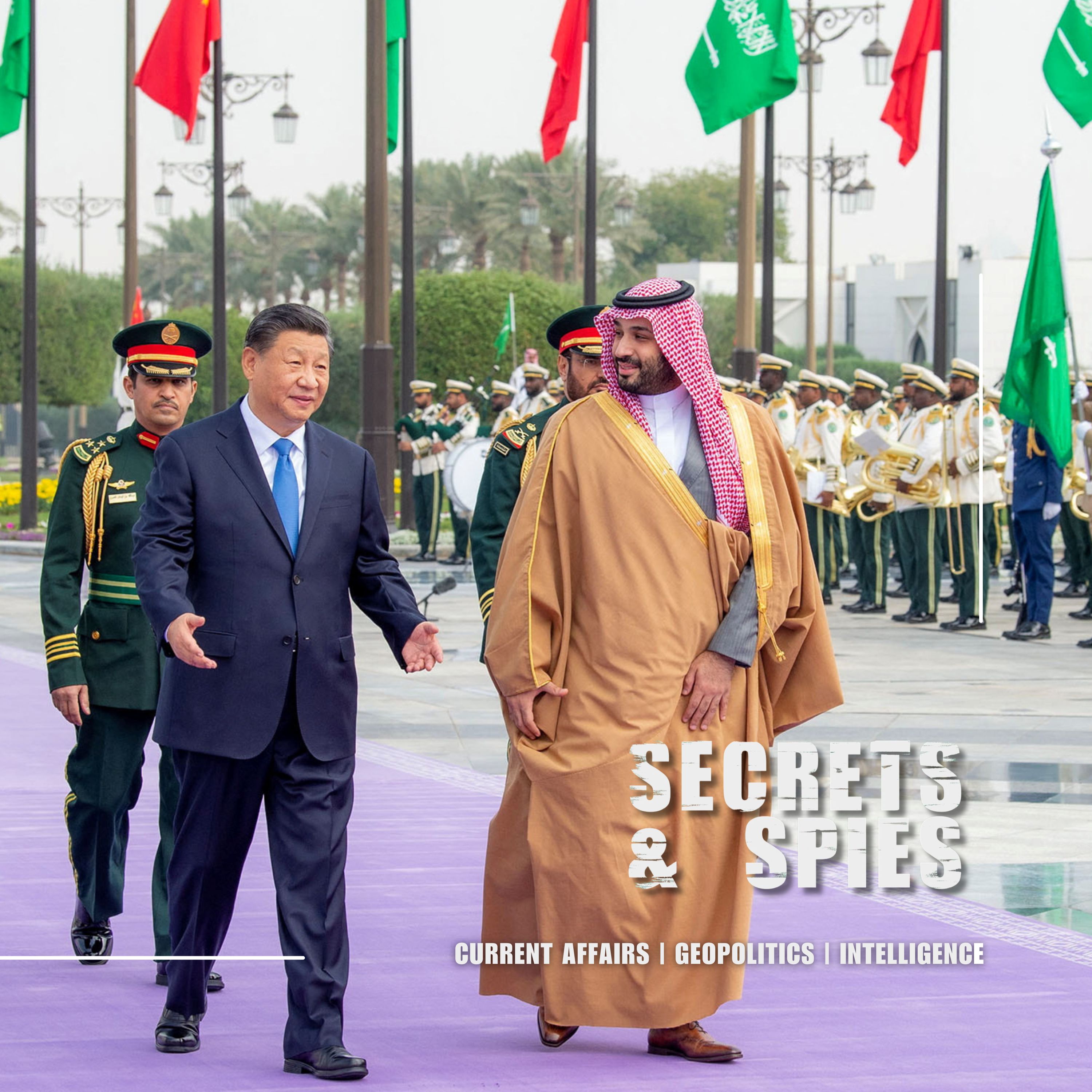
Ahmed Aboudouh — associate fellow at Chatham House's Middle East and North Africa Programme and head of the China Studies Unit at the Emirates Policy Center — joins Chris to assess the shifting architecture of power in the Middle East. He argues that China has no coherent regional strategy and that Washington's expectation of Chinese pressure on Tehran reflects a fundamental misreading of Beijing's interests and the limits of coercive statecraft. He traces how Egypt’s diplomacy reflects a country that has traded regional leadership for crisis management, explains why Arab states want a normalized Iran rather than a weakened one, and ar...
Think Like a Spy: What Intelligence Work Really Teaches About People | Julian Fisher
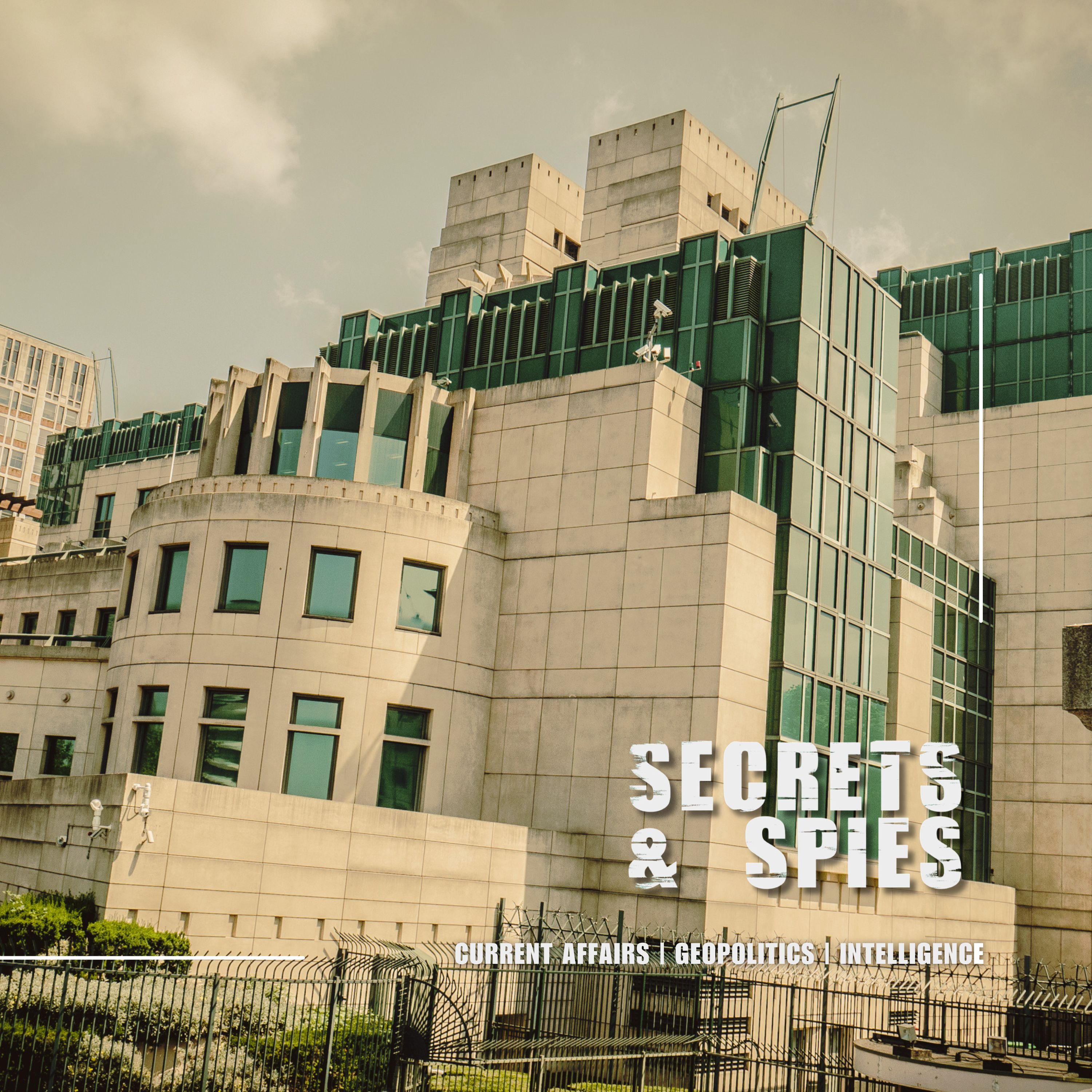
Julian Fisher spent his career as a British intelligence operative before distilling what he learned into the Think Like a Spy: Strategic Relations Workshop—and his central argument is counterintuitive: the most transferable lessons from intelligence work aren't classified techniques, they're interpersonal skills. In conversation with Chris, Fisher argues that human intelligence, at its core, is the disciplined practice of building trust, reading people accurately, and cultivating long-term strategic relationships—competencies with direct applications in leadership, negotiation, and professional life. The conversation covers his distinction between influence and manipulation (one operates in a subject's interests; the other subverts them), the...
A Rich Harvest of Bitter Fruit: CIA, MI6, and Covert Action in Cold War Albania | Stephen Long
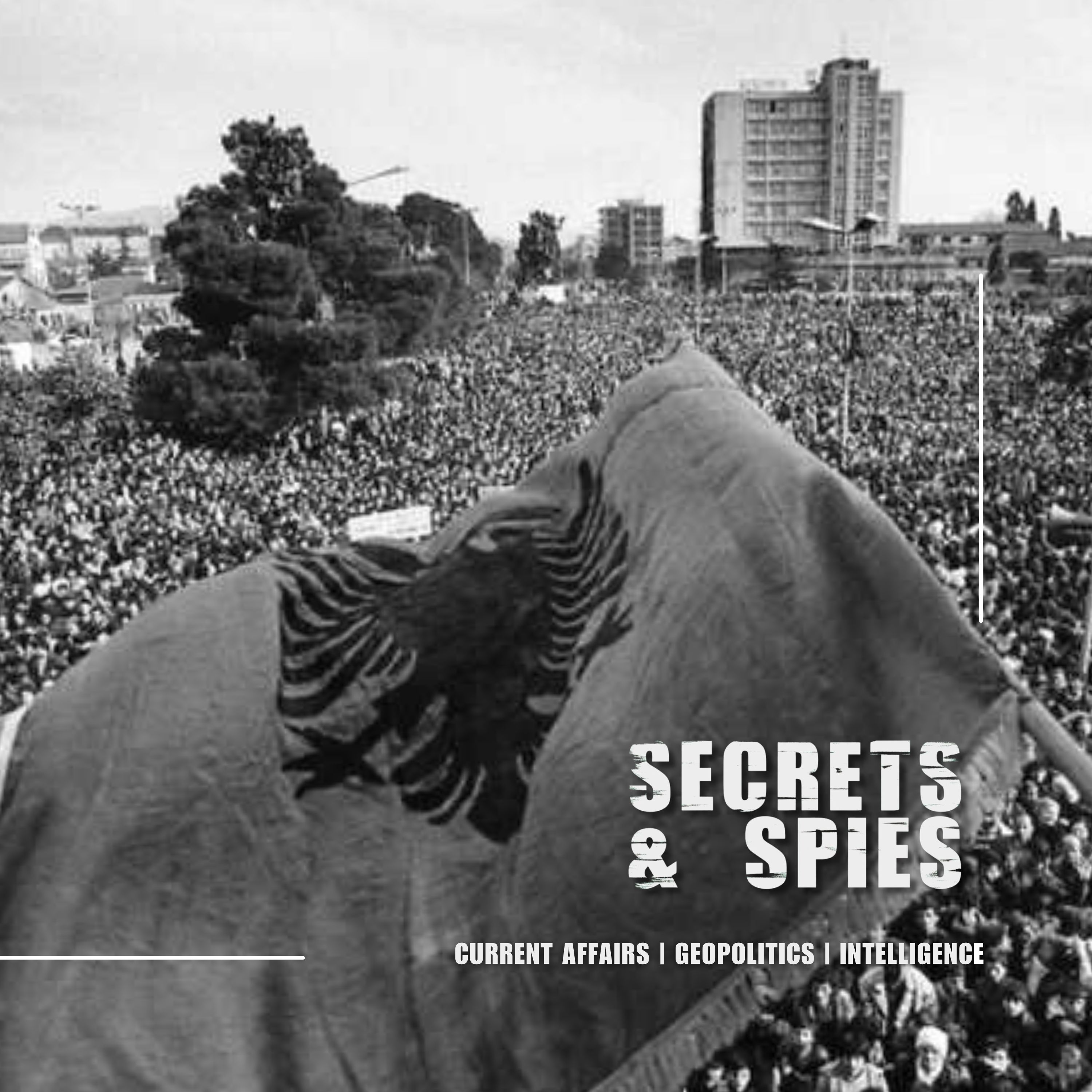
In the late 1940s and early 1950s, CIA and MI6 launched an audacious series of clandestine operations to infiltrate and destabilize Communist Albania — and lost nearly every agent they sent in. Historian Stephen Long, Assistant Professor in International Relations at Xi'an Jiaotong-Liverpool University and author of A Rich Harvest of Bitter Fruit, reconstructs how the Albanian Sigurimi, one of Eastern Europe's most formidable counterintelligence services, turned the West's covert action program into a catastrophe — aided, from the inside, by British Russian spy Kim Philby. Long examines the fractured exile networks that became the human raw material for these missions, the...
Gabbard Resigns, Trump Meets Xi, and China's Capitol Hill Spy Pitch | Espresso Martini
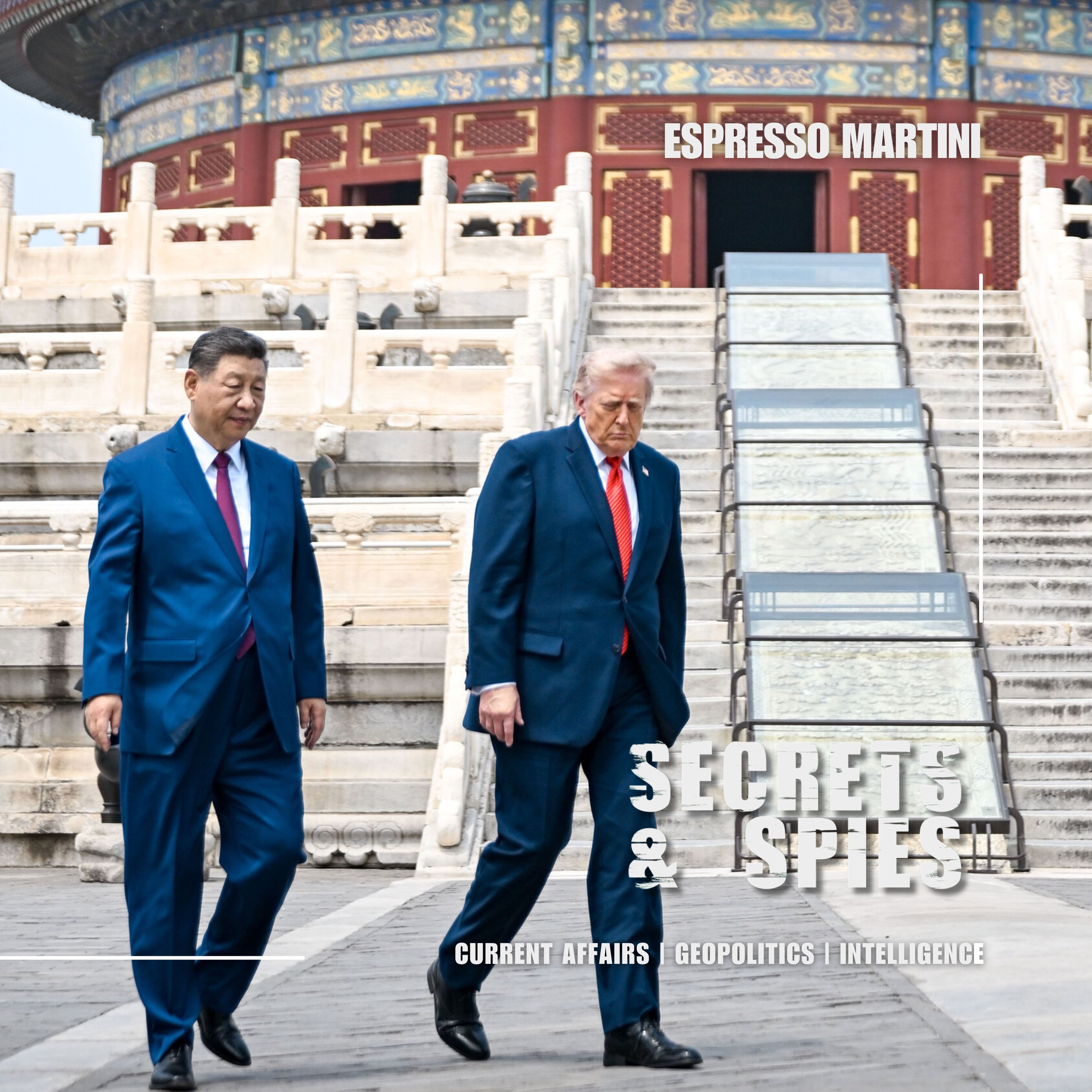
Chris and Matt break down a packed few weeks in intelligence and geopolitics, opening with the resignation of Tulsi Gabbard as Director of National Intelligence — a departure framed officially around her husband's illness but widely read as an exit under pressure. Drawing on a Bulwark piece by former CIA officer John Sipher, they examine whether the ODNI was ever structurally sound enough to survive a politicized occupant, and what Gabbard's tenure — from her reversal on the IC's Iran nuclear assessment to her exclusion from senior meetings — reveals about what this administration actually wants from intelligence. From there, the episode turns...
America’s War Powers Crisis | Brian Finucane
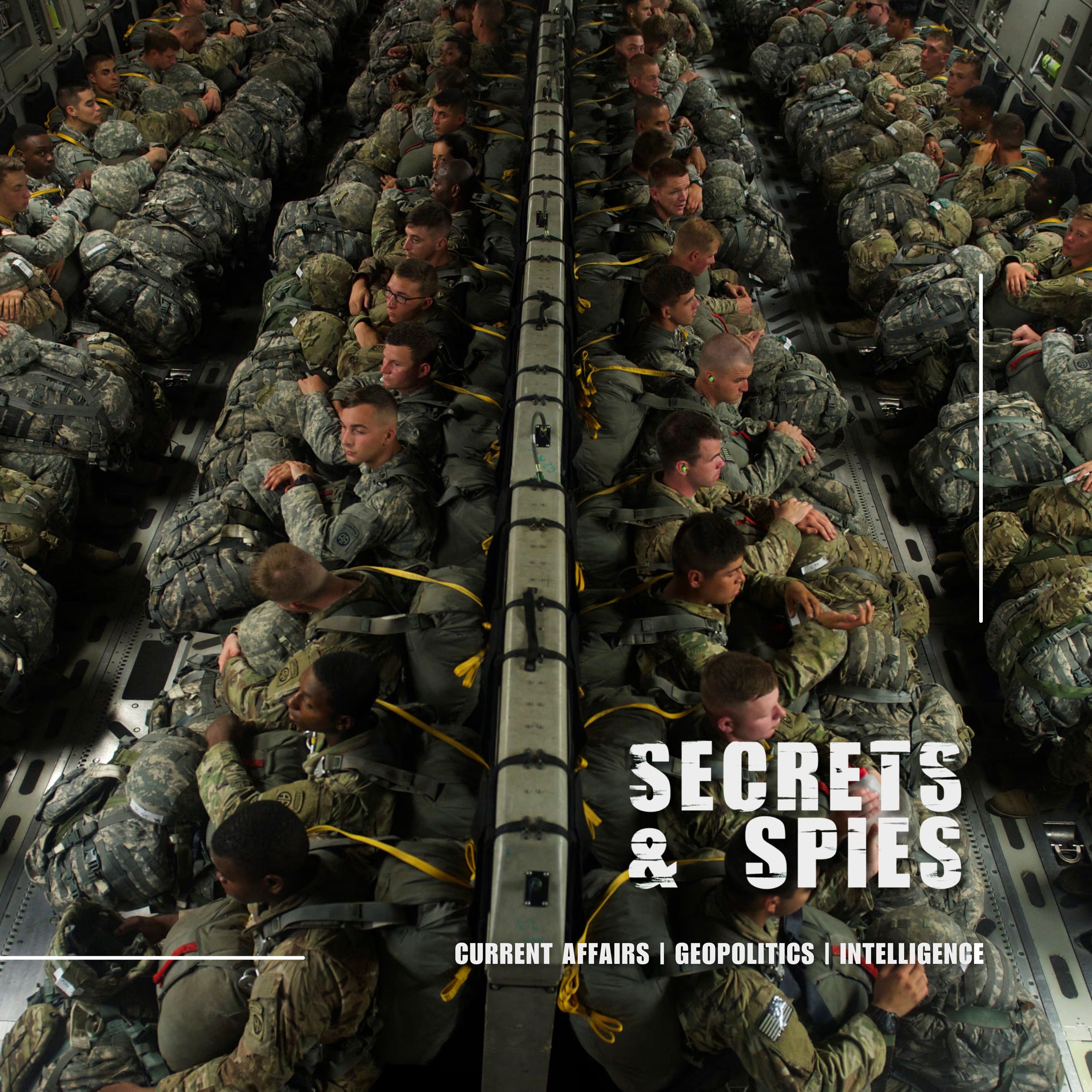
The U.S. Constitution gives Congress the power to declare war. Congress hasn't formally done so since 1942. Brian Finucane, a former State Department lawyer and current senior adviser at the International Crisis Group, joins Matt to make sense of how that happened — and what it means now that the United States is at war with Iran. Brian has spent years arguing, across administrations of both parties, that executive branch war-making has drifted dangerously far from its constitutional moorings. Operation Epic Fury, he contends, is the most consequential test of that argument yet.
Subscribe and share to stay ah...
A Spy at War | Charles Beaumont
Charles Beaumont spent years as an MI6 officer running human sources before turning to fiction—and his second novel, A Spy at War, carries the authority of someone who has actually done the work. Set against the early days of the Ukraine War in 2022, the book maps the architecture of Russian disinformation: corruption narratives seeded into sympathetic media, useful idiots at senior policy levels, and the Chechen enforcers whose own histories implicate Moscow in the violence that built Putin's state. His conversation with Matt covers the CIA-SIS pre-invasion intelligence coup, the fracturing transatlantic alliance, and the Global South's soft-power va...
No show on Saturday 9th May. We will return on 16th May. Chris has some episode recommendations from our back catalogue
There will be no show on Saturday 9th May as we are on a production break. We will return on Saturday 16th May
Chris has some recommendations from our back catalogue.
Chris's Episode recommendations
From CIA to CEO with Rupal Patel
Audio: https://pod.fo/e/371b55
YouTube: https://youtu.be/94-vBjgdNzA
Former CIA analyst Rupal Patel joins Chris to explore reinvention, resilience and life after intelligence, from tactical ignorance and time management to building a life that truly fits.
The Fourth Intelligence revolution with Anthony Vinci<...
Iran Stalemate, the End of Orbán, and the CIA in Mexico | Espresso Martini

Two months into Operation Epic Fury, the US and Iran remain locked in an uncomfortable limbo: a ceasefire is technically holding, the Strait of Hormuz is still contested, and diplomacy has collapsed over the question of nuclear enrichment. Chris and Matt assess the war's compounding costs—severely drawn-down munitions stockpiles with implications stretching from Taiwan to NATO, and reporting that JD Vance has privately challenged whether the Pentagon is telling the president the truth about how the war is going. Then: Viktor Orbán is out in Hungary after sixteen years, replaced by Peter Magyar in a cleaner democratic han...
A Spy’s Guide to Cold War Berlin | James Stejskal
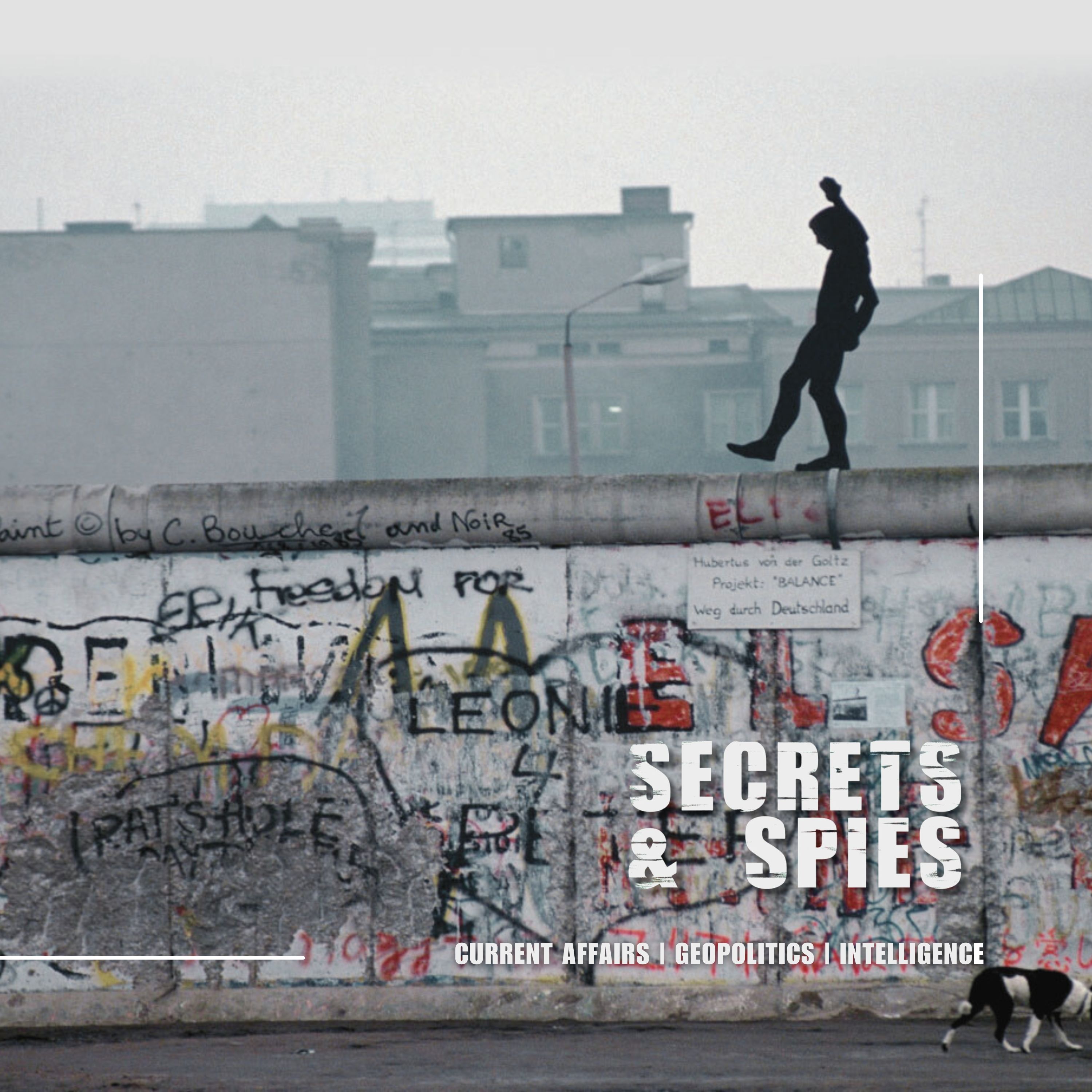
In today’s episode, former Special Forces Detachment A operator James Stejskal shares his extraordinary insights into Berlin's role as the epicenter of Cold War espionage. From his personal experiences in the city to the strategic importance of intelligence operations, James explains how Berlin became the world's most notorious spy hub. Whether you're a history buff or an espionage enthusiast, this conversation unveils the secrets behind Berlin's legendary status in covert warfare.
Subscribe and share to stay ahead in the world of intelligence, global issues, and current affairs.
More on Cold War Berlin
Sp...
Able Archer: The Nuclear War Game That Almost Ended the World | Brian J. Morra
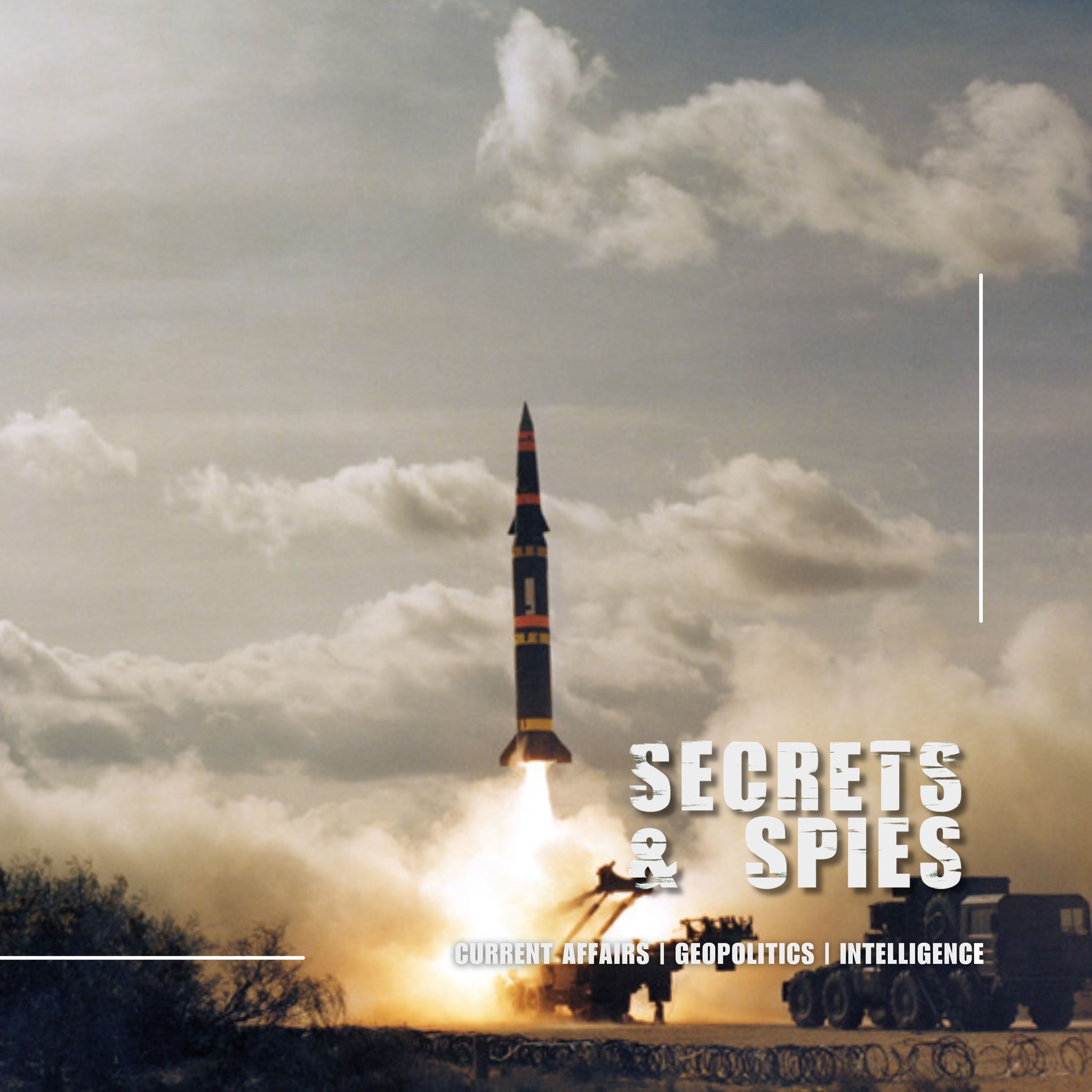
In the fall of 1983, NATO's annual nuclear war exercise, Able Archer 83, brought the United States and the Soviet Union closer to catastrophe than almost anyone in Washington understood at the time. Brian J. Morra—decorated former Air Force intelligence officer, aerospace executive, and author of the historical thriller The Able Archers—was inside those events: stationed in Tokyo during the KAL 007 shootdown, transferred to Washington just as the crisis peaked, and present in Germany as Soviet nuclear alerts reached levels never seen before or since. He walks Chris through the paranoia that drove Operation RYAN, the Kremlin's vast intelligence coll...
What Hollywood Gets Wrong About the CIA | John Sipher & Jerry O’Shea
John Sipher and Jerry O'Shea, former senior CIA officers and co-founders of Spycraft Entertainment, return to the show for a conversation with Matt and Chris about what Hollywood gets wrong about espionage—and what they're trying to do about it. They dig into the tropes that break the spell (the lone hero, the ditched tail, the torture-porn shortcuts), why real intelligence work is quieter, more bureaucratic, and more character-driven than the screen suggests, and how lazy spy fiction feeds the conspiracy theories they now debunk on their podcast Mission Implausible. Their conversation ranges across the economics of pitching subtlety to...
Tradecraft, Tactics, and Dirty Tricks | Sean Wiswesser
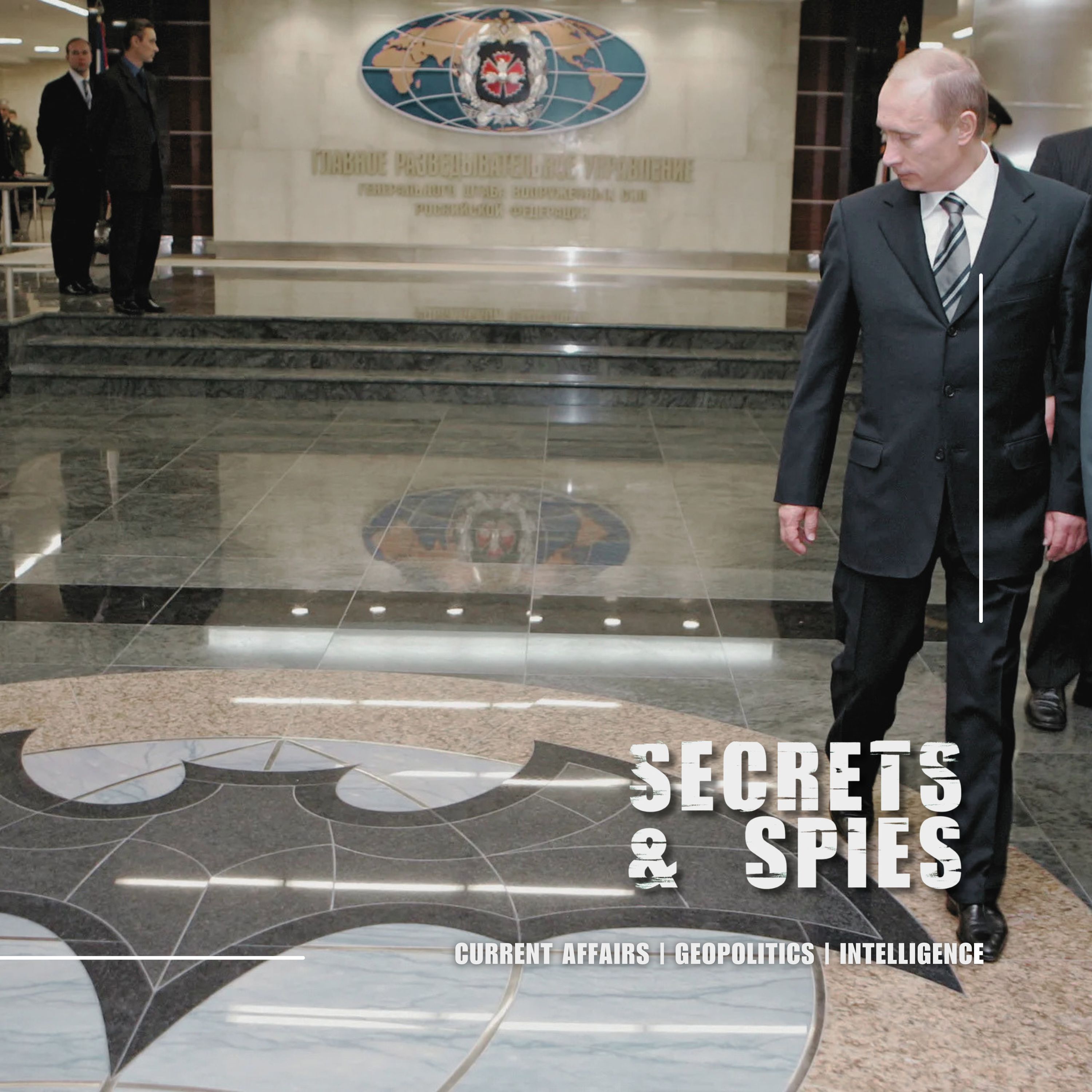
Sean Wiswesser spent three decades in the U.S. intelligence community, much of it running operations against Russia for the CIA. His new book, Tradecraft, Tactics, and Dirty Tricks, dissects of how the FSB, SVR, and GRU actually do their work: dead drops, signal sites, surveillance detection routes, and the street tradecraft that protected agents like Aldrich Ames and Robert Hanssen for years. Wiswesser explains why Russian services keep returning to Cold War–era methods, breaks down the operational differences between the SVR and GRU, and assesses elite units like Alpha, Vympel, and Spetsnaz whose mythology often outpaces their re...
Inside the New Apostolic Reformation: Faith, Power, and American Politics | Pastor Louis Florio
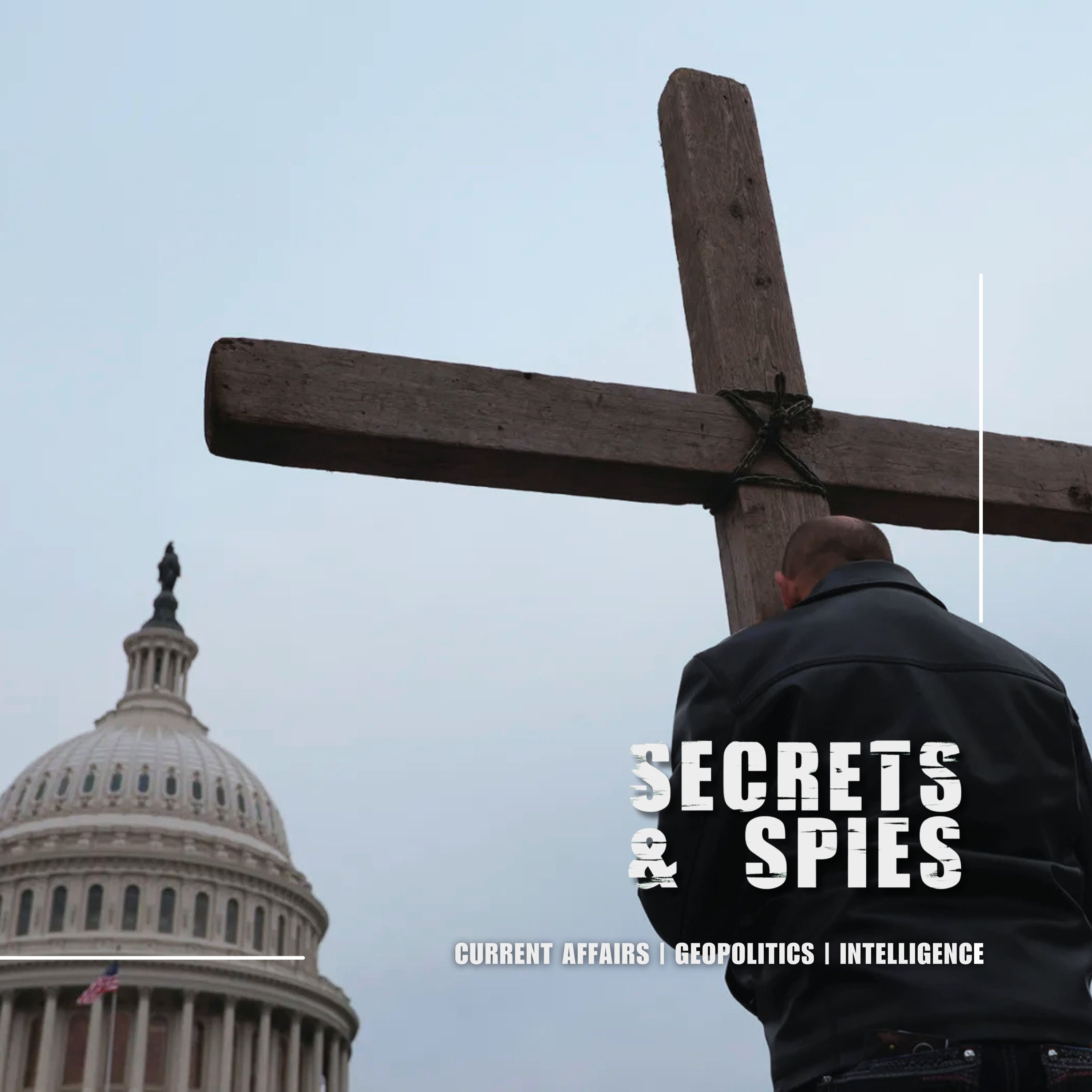
Pastor Louis Florio—Lutheran pastor, former military intelligence officer, and police chaplain in Virginia—joins Chris to explain the New Apostolic Reformation (NAR): what it actually is, where it came from, and why it matters beyond the pews. Florio traces the movement's roots in the mid-20th-century Latter Rain revival, unpacks its core doctrines of dominionism and post-millennialism, and explains how its network of self-proclaimed apostles and prophets has embedded itself inside American evangelical politics largely without recognition. The conversation covers the five-fold ministry structure, NAR's proprietary Bible translation, its links to Christian nationalism, cult-like abuse dynamics, and the theo...
Boots in Iran, Putin's War Plans, and China in Orbit | Espresso Martini
Chris and Matt are back for Espresso Martini. Nearly a month into Operation Epic Fury, Washington appears to be laying the groundwork for potential ground operations inside Iran—but the two options on the table, seizing Kharg Island or securing Tehran's enriched uranium stockpile, are both far harder to execute than advertised. They dig into what a nuclear material extraction would actually require, and what growing strain on U.S. interceptor stockpiles and carrier availability signals about the campaign's trajectory. Then, a deep dive into the Guardian's reconstruction of how CIA and MI6 accurately predicted Russia's 2022 invasion—and why no o...
No Show This Saturday. Please check out our interview with Trevor Barnes
Hi everyone, I hope you are well. There will be no show this weekend as we need to take a breather. Our next show will be Saturday 28th March
If you haven’t caught up with our latest episode, please check out our interview with Trevor Barnes about the Bulgarian Spy Ring trial via the links below:
Audio: https://pod.fo/e/3afd42
YouTube: https://youtu.be/VWODfRZZA2o
If you enjoy a show please Buy Us A Coffee: https://buymeacoffee.com/secretsandspies
See you next week.
Support Secre...
Inside the Bulgarian Spy Ring Trial | Trevor Barnes
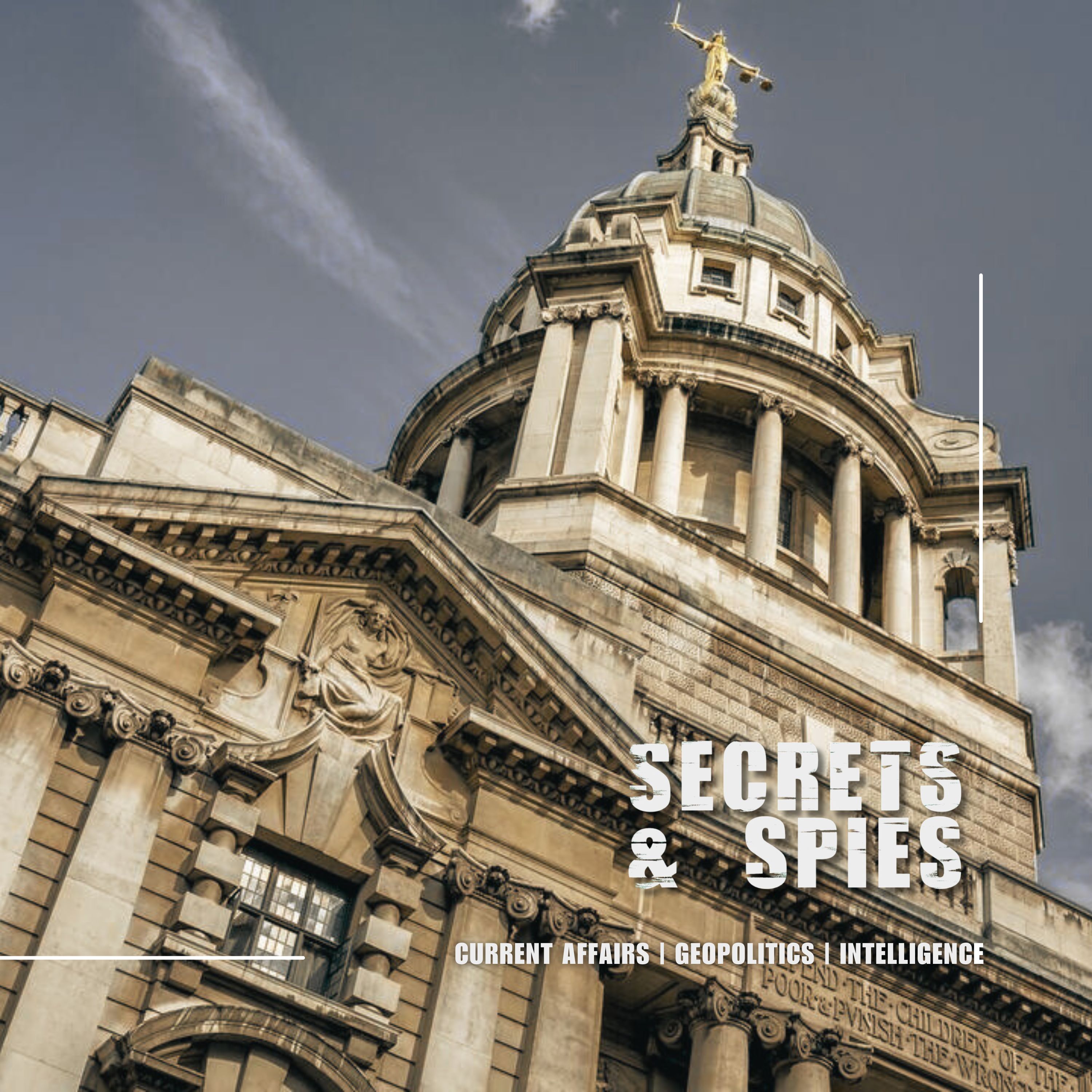
Chris speaks with intelligence historian and journalist Trevor Barnes about the Bulgarian spy ring trial at the Old Bailey, one of the most significant espionage cases in the UK since the Cold War. Barnes attended the proceedings and walks Chris through how a network of Bulgarian nationals, allegedly directed remotely by fugitive Wirecard executive Jan Marsalek from Moscow, was tasked with surveilling journalists and dissidents across Europe — including Bellingcat investigator Christo Grozev — in operations that prosecutors suggested could have enabled kidnapping or assassination. The case cracked open after a US intelligence tip-off, was jointly handled by MI5 and the Met...
How China Steals America’s Secrets | David Shedd & Andrew Badger
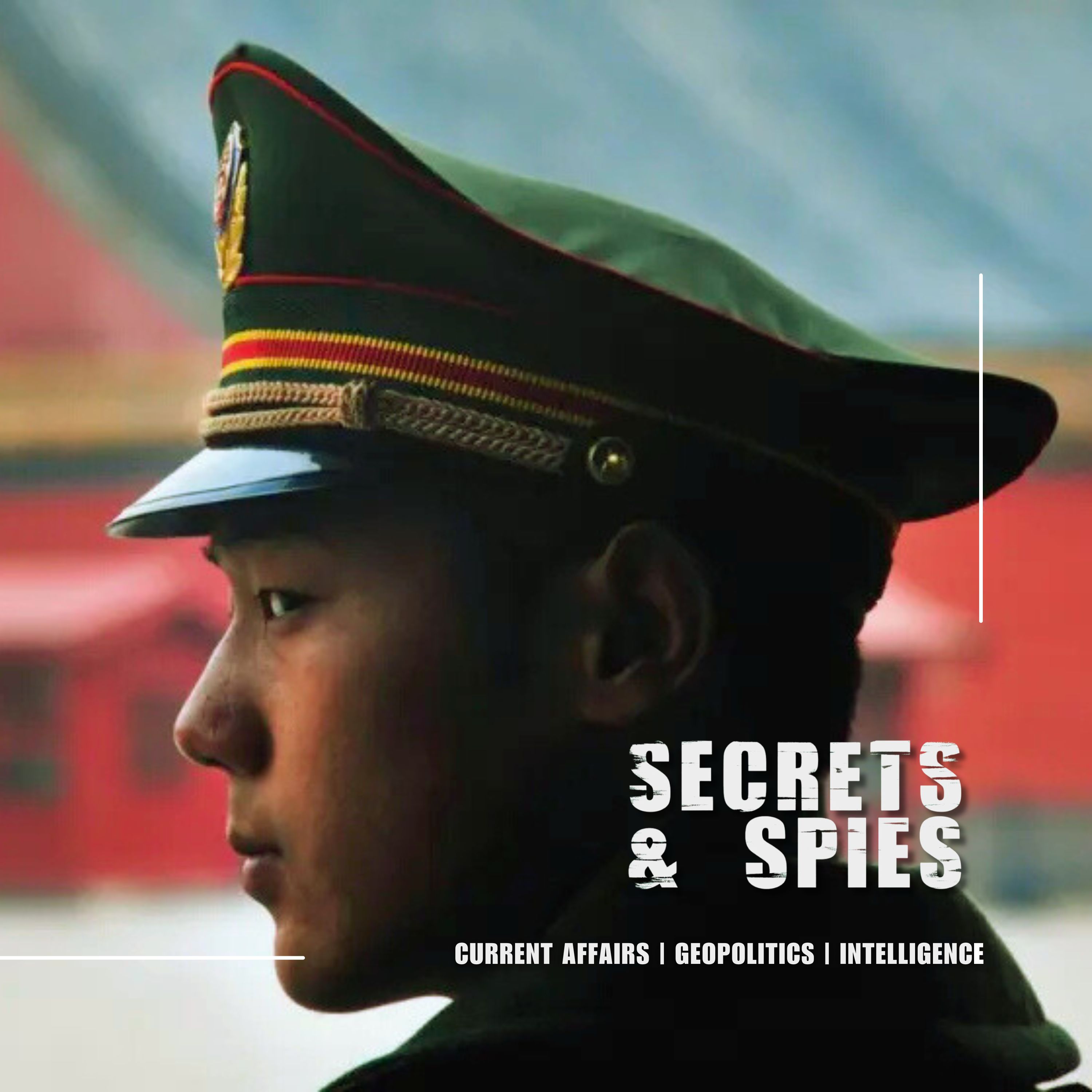
David Shedd served as acting director of the Defense Intelligence Agency; Andrew Badger is a former DIA case officer now teaching state-sponsored espionage at Oxford. Together they've written The Great Heist: China's Epic Campaign to Steal America's Secrets. Matt talks with them about how the Ministry of State Security evolved from a backwater service into what they argue is the world's most powerful intelligence agency; how Beijing replaced Cold War recruitment tradecraft with guanxi-based social obligation and what the authors call "crowd-sourced espionage"; how Made in China 2025 functioned as a national collection priority list driving theft across defense, tech...
Iran After Khamenei | Phillip Smyth
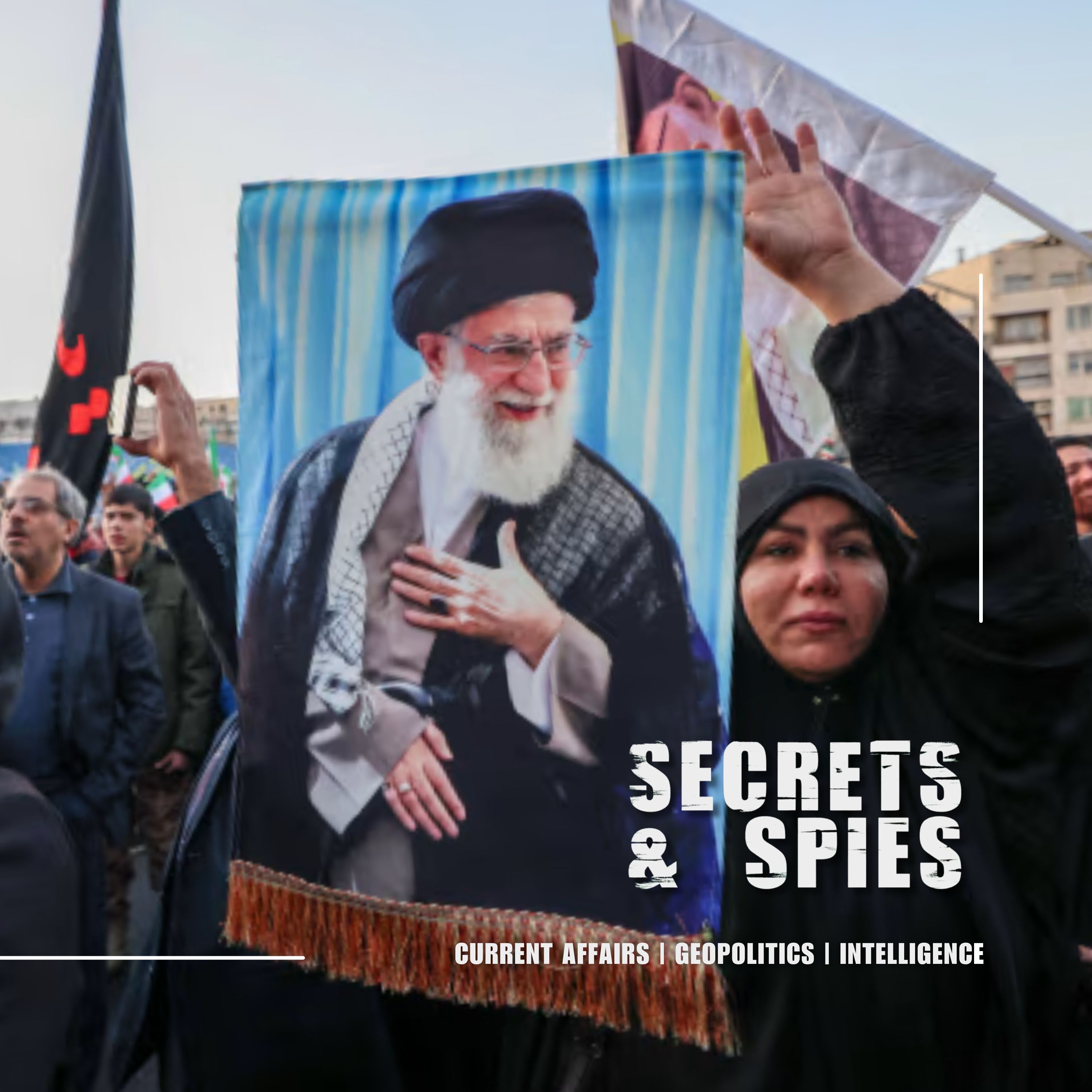
Israel has killed Ayatollah Ali Khamenei. The IRGC's senior leadership is decimated. The CIA is reportedly arming Kurdish opposition forces along the Iran-Iraq border. Phillip Smyth — one of the foremost experts on Iran's Shia proxy networks — joins Matt to make sense of what comes next: why Khamenei's succession is far more fraught than most analysis acknowledges; why the proliferation of "new" armed groups on the battlefield is largely a disinformation campaign run by established militias; the limits of a Kurdish covert action strategy; why a regime that survives under Khamenei’s son would look essentially identical to the one the Is...
Plotters: The UK Terrorists Who Failed | Lizzie Dearden
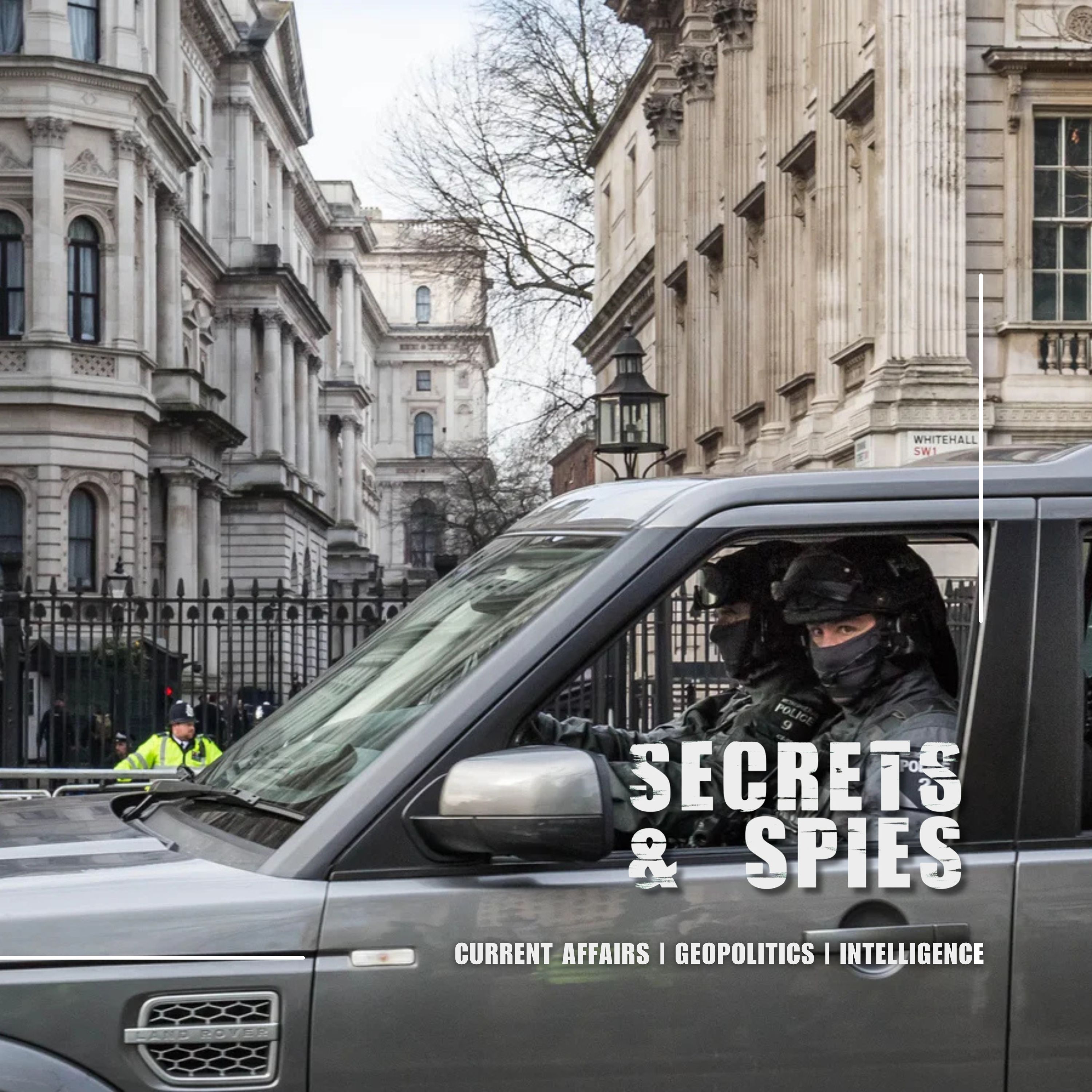
In this conversation, Lizzie Dearden, a journalist specializing in terrorism reporting, shares her journey into the field, the writing of her book Plotters, and insights into the evolving landscape of terrorism in the UK. She discusses the emotional atmosphere of terrorism trials, the shift in threats post-2017, and the complexities of radicalization. Dearden highlights the challenges of public perception, the role of intelligence agencies, and the significance of case studies like Haroon Syed's. The conversation also touches on the impact of AI on radicalization and the future of terrorism.
Subscribe and share to stay ahead in the...
Ukraine’s Struggle, Four Years On | Ben Wittes
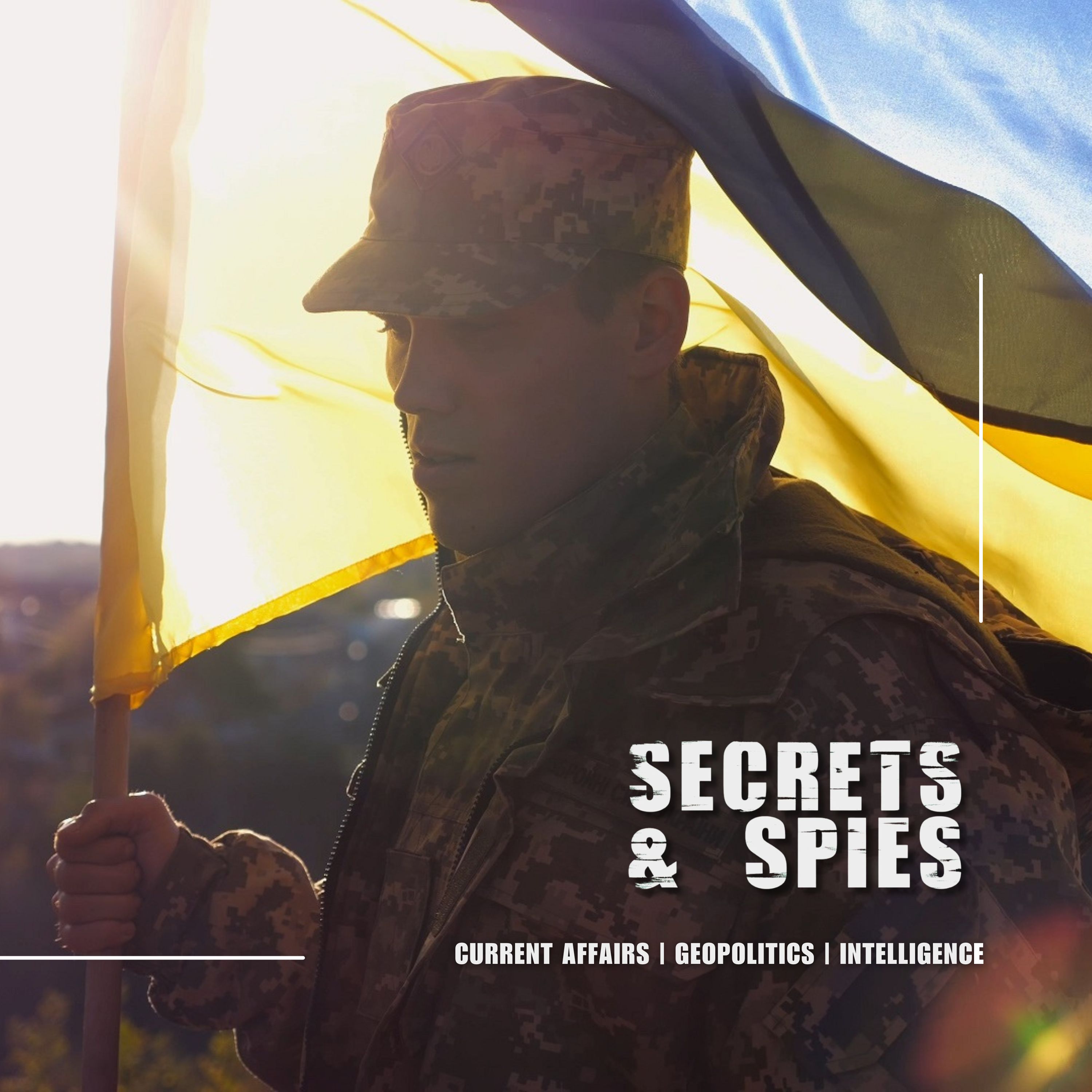
Benjamin Wittes, editor-in-chief of Lawfare, joins Matt and Chris after spending two weeks traveling across Ukraine—from Kyiv to Kharkiv and Odesa—as the war enters its fourth year. What he describes is sobering. Cities that appear functional on the surface are living through freezing temperatures, rolling blackouts, nightly missile strikes, and the constant threat of drone attacks. Families endure shattered infrastructure and relentless uncertainty, while society strains to maintain some semblance of normal life. Ben reflects on the exhaustion and resilience of the Ukrainian people, the rapidly evolving drone war reshaping modern combat, and why Western audiences often misu...
Jan Marsalek’s Spy Ring and a Telegram Trail to Moscow | Manuel Bewarder
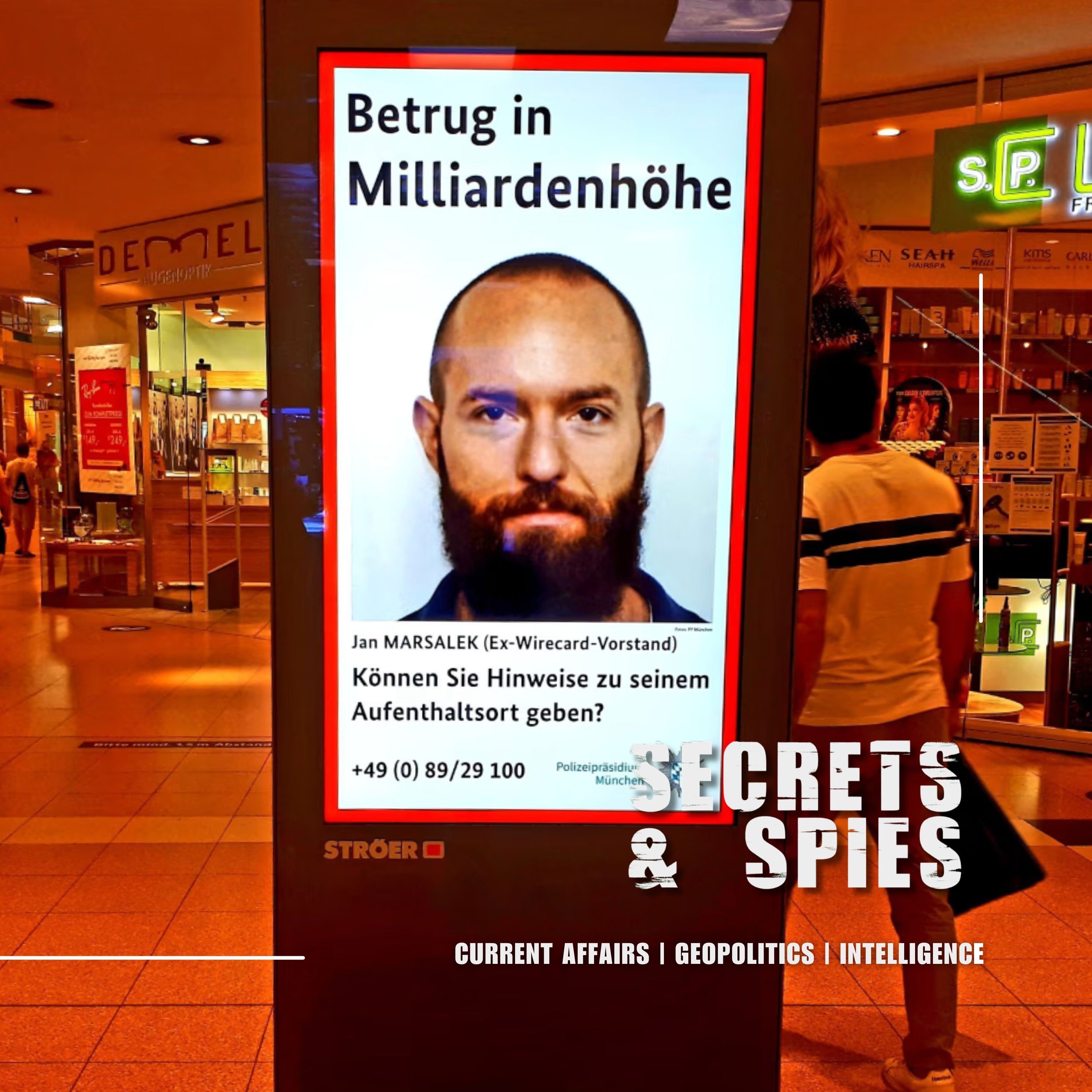
In this episode, Chris speaks with German investigative journalist Manuel Bewarder about the Jan Marsalek spy network and the landmark UK trial that exposed it. They unpack how the former Wirecard executive allegedly directed a Bulgarian spy ring from Moscow, targeting journalists, dissidents, and even U.S. military facilities in Germany. Drawing on thousands of Telegram messages revealed in court, Manuel explains how the network operated, how close it came to violence, and what the case reveals about modern Russian espionage—from freelance-style proxy networks to sabotage plots and battlefield intelligence collection. They also explore ongoing investigations in Austria an...
Epstein’s Russian Espionage Ties and a World Out of Bounds | Espresso Martini
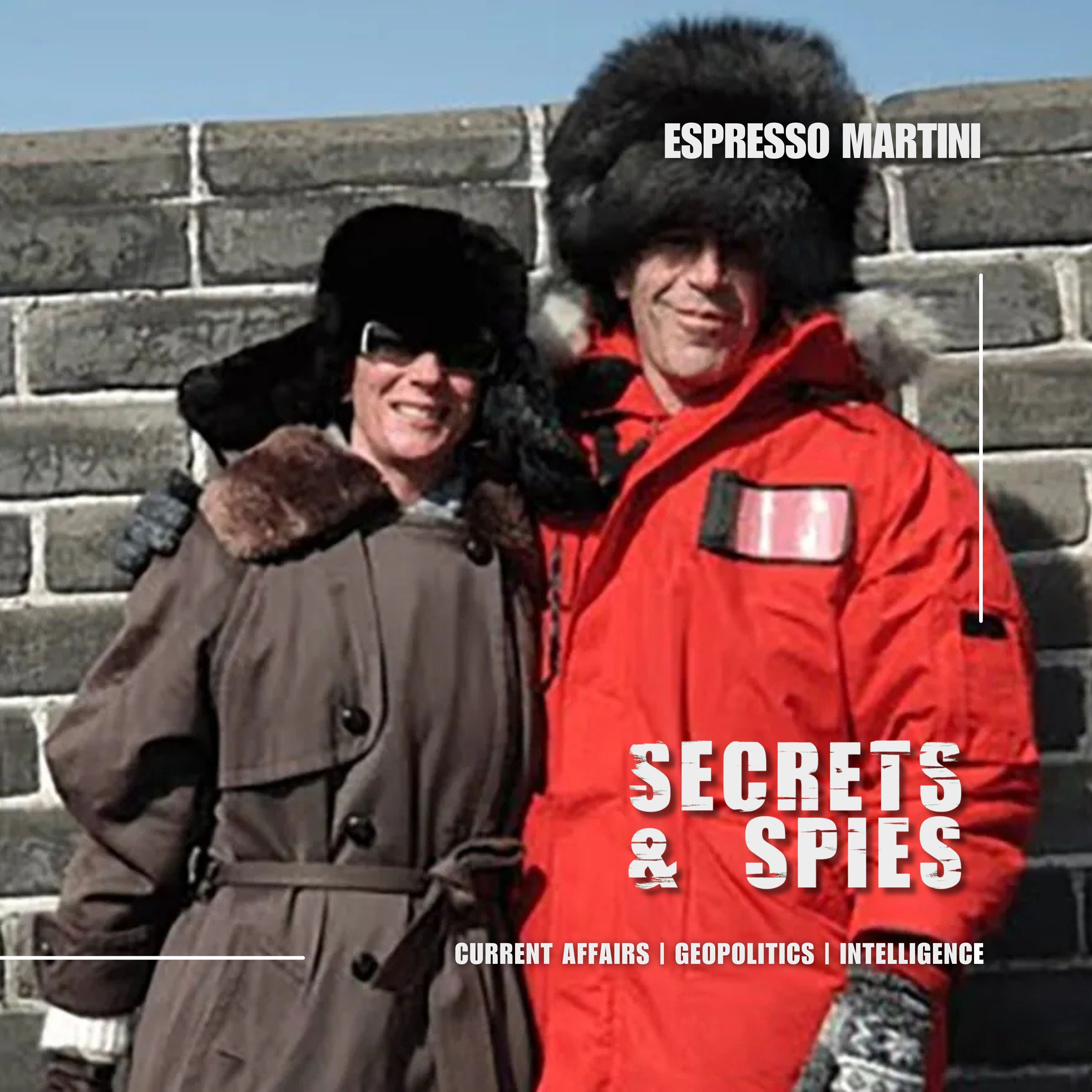
This week on Espresso Martini, Chris and Matt examine a set of stories pointing to a more volatile intelligence and political landscape. They unpack Poland’s investigation into whether Jeffrey Epstein functioned as a long-running collector of kompromat tied to Russian interests, and what the available evidence does — and does not — tell us about his relationship with Moscow. In Germany, the expulsion of a Russian military attaché and the arrest of an alleged spy accused of mapping defense and drone infrastructure highlight Berlin’s shift toward treating Russian intelligence activity as operational preparation for sabotage on NATO soil. The episode a...
How Russia Protects its Nuclear Submarines | Florian Flade
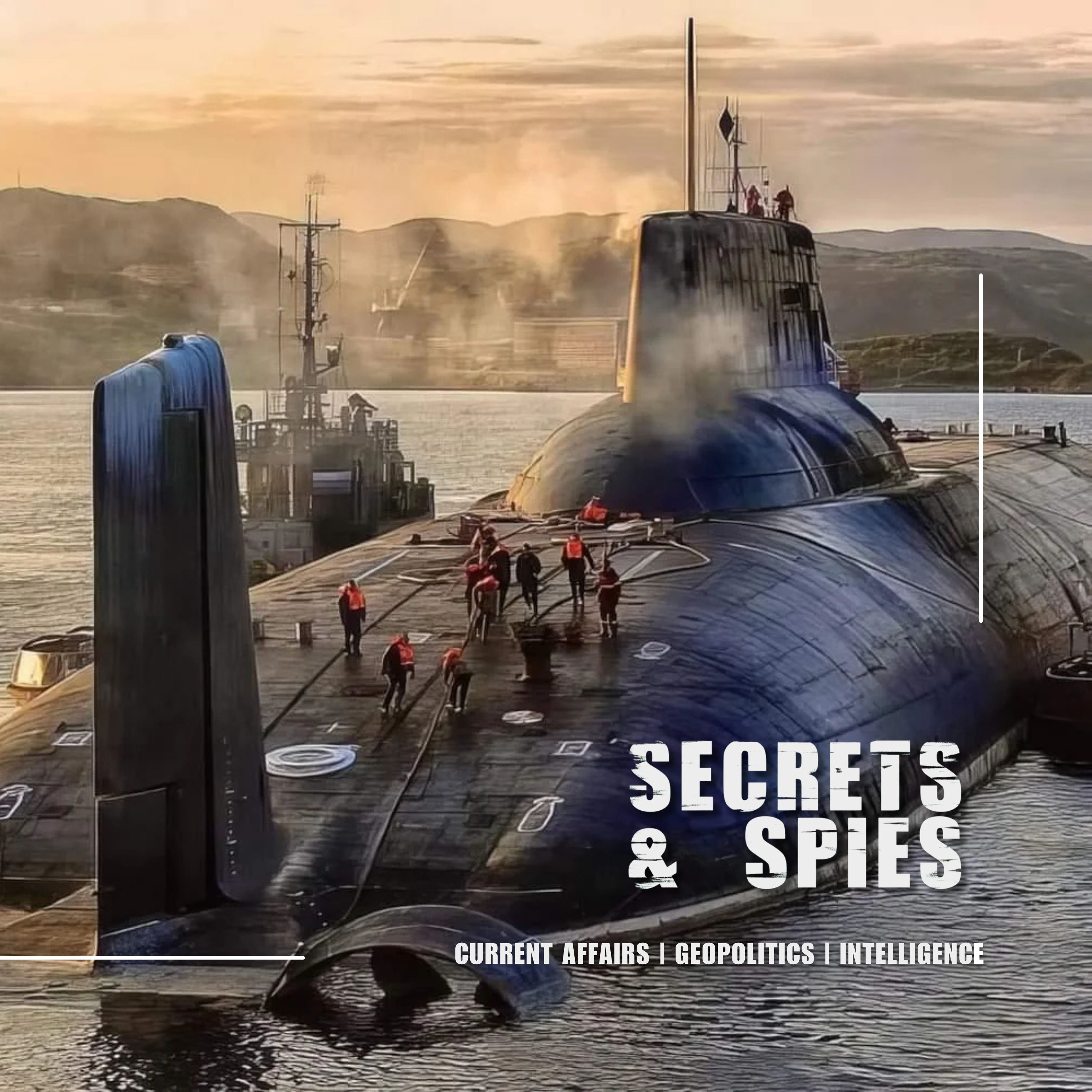
Investigative journalist Florian Flade returns to discuss Russia's Harmony Undersea Surveillance System, a project aimed at protecting its nuclear submarine fleet. Florian and Chris cover the international collaboration involved in Florian’s investigation, the strategic importance of the Harmony system, and the challenges of reporting on sensitive military topics. Florian also highlights the broader implications of Russia's military activities in the Arctic and the ongoing efforts to counteract Russian procurement networks for Western technology.
Subscribe and share to stay ahead in the world of intelligence, global issues, and current affairs.
