Growing For Market Podcast

Growing for Market is the farmer-to-farmer magazine for local food and flower growers, for 33 years and growing. GFM keeps you informed about the business of growing and selling vegetables, cut flowers, plants, herbs, and other food products. If you are market farming or gardening, you'll find valuable information that will help make your business more profitable and enjoyable, all written by farmers, for farmers. Please join us today! Link: https://growingformarket.com/pages/growing-for-market-podcast
Understanding our weird weather with meteorologist Keith Carson

Back when I first heard about climate change, I thought the weather patterns would stay the same, and it would just be a couple degrees hotter. However, as we’re finding out, our changing climate is resulting in more extreme weather as well. This week we talk with Keith Carson, meteorologist and Director of Environmental and Science Communications at Maine Conservation Voters to try and understand if there are any patterns emerging as our weather changes, since being able to anticipate the weather is so valuable for farmers.
We talk about why we’re having more extreme weat...
Answering greenhouse tomato frequently asked questions with Martijn van Stee of Enza Zaden in Holland
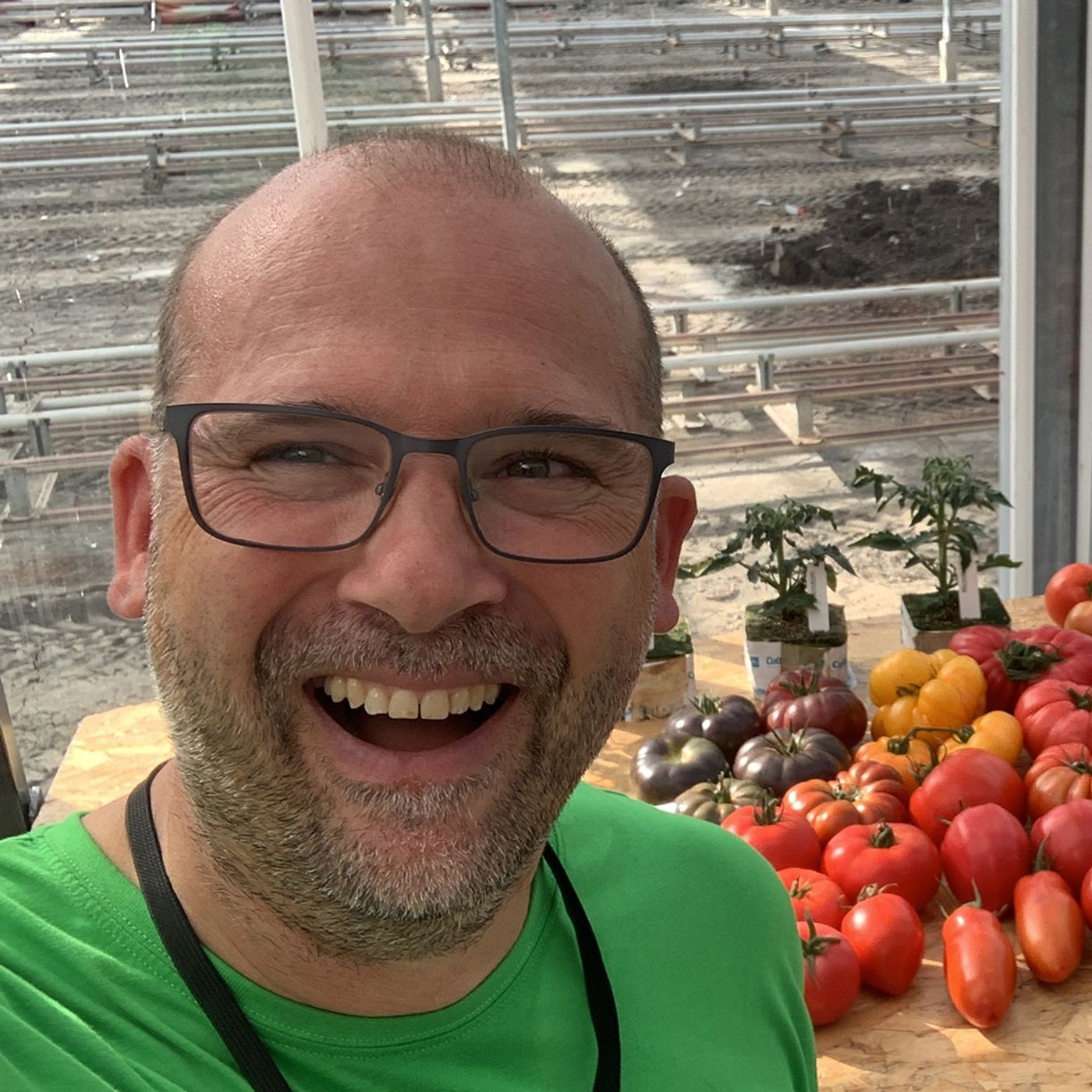
We’ve been getting a lot of greenhouse tomato questions lately, so we invited Martijn van Stee back to the podcast to find out how they breed varieties to deal with the biggest challenges in greenhouse production. Martijn is the Global Manager for tomato breeding at Enza Zaden (means Enza Seeds), one of the top greenhouse vegetable breeders in the world. We had Martijn on the podcast a couple years ago to talk about tomato rootstocks, so we were really glad to have him back to talk about top varieties this time.
We talk about how to fi...
Investing in land along with farmers with Martín Lemos of Dirt Capital Partners

Martín Lemos tells us how his background in farming helps him evaluate the impact of projects Dirt Capital Partners is considering funding from the farming side of things. It is their goal to invest in regenerative agriculture projects, for example helping a farmer expand with a bigger farm. He tells us how they do investment for and with farmers, with making farmer ownership the goal.
We discuss how farmers may only buy a farm once or twice in their lifetimes, so Dirt Capital Partners brings expertise to that transaction on behalf of farmers. He tells us h...
Going to great lengths to protect the garlic seed supply with Warren Ham and Roshan Ghimire of August’s Harvest in Ontario

August’s Harvest was Canada’s first meristem clean seed garlic program providing virus and pathogen clean planting stock to North America. This week, we talk with Warren Ham and Roshan Ghimire of August’s Harvest in Ontario about how they started with the meristem clean seed program after it became clear there was a lot of pest and disease in commercially available seed garlic in North America after the 2013 season. This is the same technique that has been used for decades to produce pest and disease-free seed potatoes.
We talk about which garlic pests and diseases to keep...
Improving the greenhouse climate with convection tube heating and shade cloth with John Wells of Rimol Greenhouse Systems

There’s a type of heater setup that delivers heat right where you need it and can offer some important advantages over forced air heat, but we don’t see many of them in the field. We think lack of knowledge about the technogy is the limiting factor, and it turns out there is also some customization involved, so we got ahold of John Wells at Rimol Greenhouse Systems to break it down for us. The tech we’re talking about is called convection tube heating, and it has as much to do with how the heat is delivered as the...
Modern draft animal power with Becky Frye and Donn Hewes in New York State
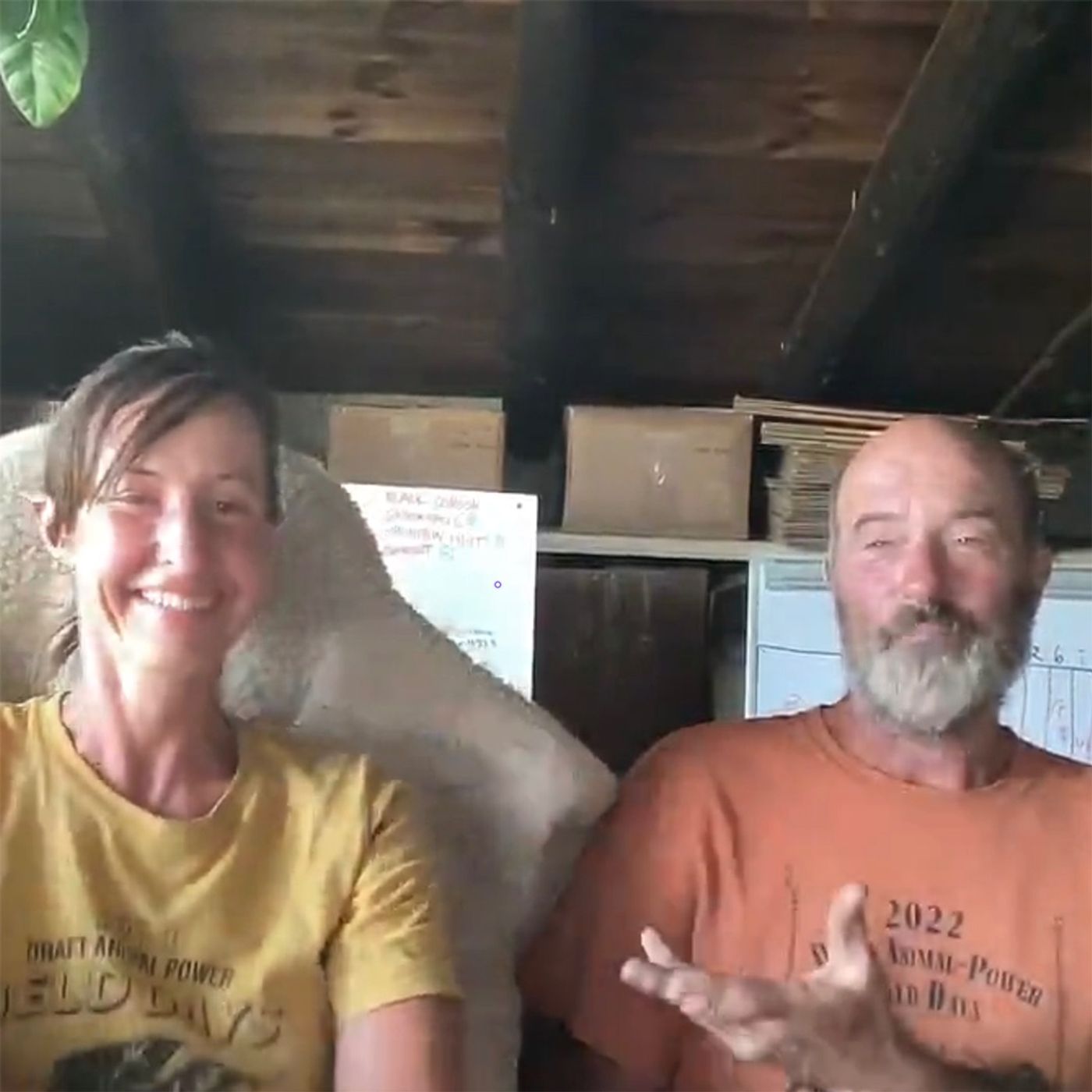
The Draft Animal Power Field Days are coming right up from October 2-4, and horse farmers Becky Frye and Donn Hewes tell us how they farm cooperatively thanks to a connection made through the Draft Animal Power Network (DAPNet). In addition to telling us about the ways to learn about horse farming at the Field Days, Becky and Donn tell us what it’s like to farm with horses. They both farm at Northland Sheep Farm, one of the oldest organic sheep dairies in the country which Donn and his wife Maryrose Livingston took over from the original owners.
...Greenhouse culture of ranunculus, snapdragons, lisianthus and more with Rebecca Kutzer-Rice of Moonshot Farm in New Jersey
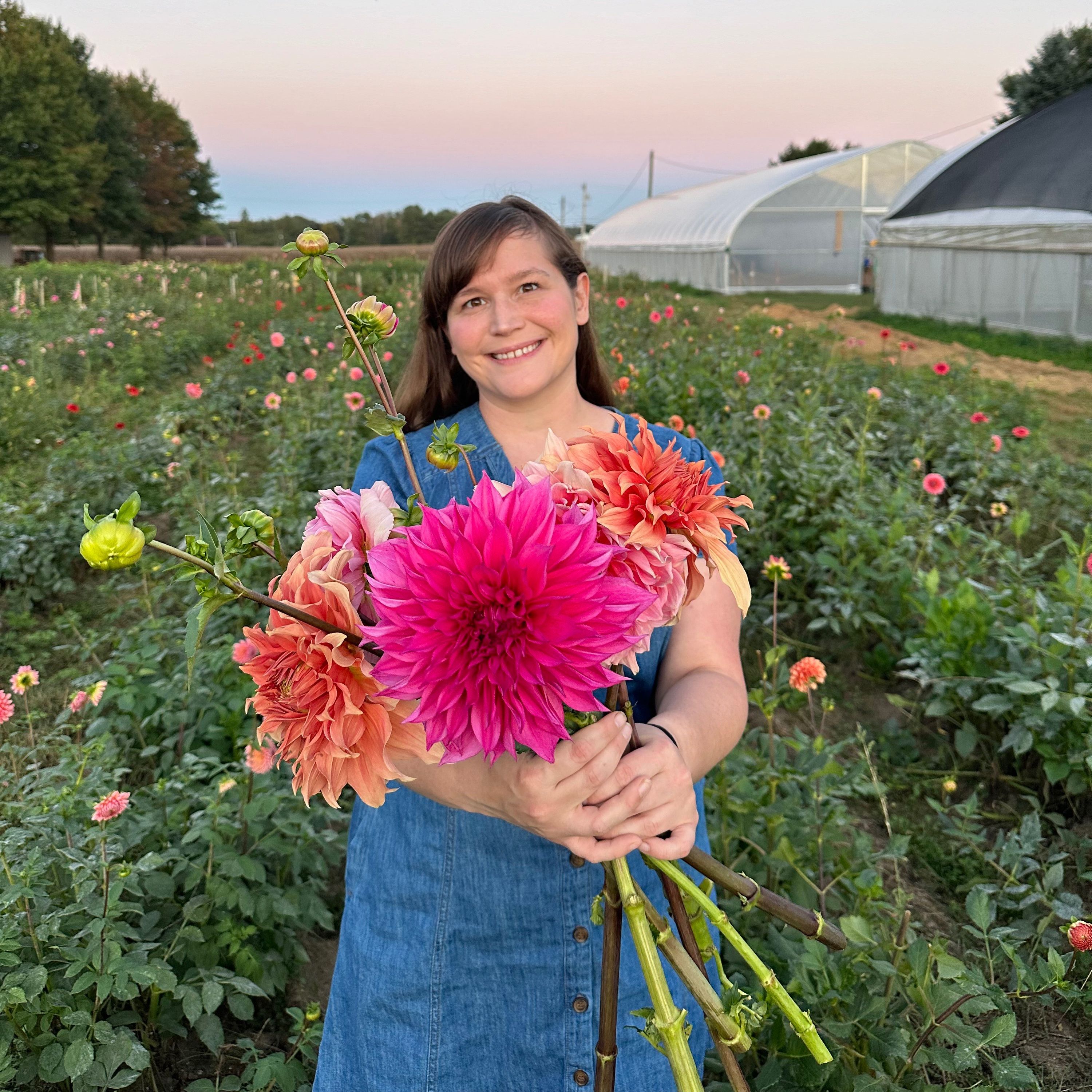
There are two sources of inspiration for this week’s interview: one was Rebecca Kutzer-Rice’s article “Why and how we automated our flower greenhouses,” which you can read here. And the other is the 40hr Farmer live greenhouse coaching and video course, brought to you by Growing for Market and Orisha greenhouse automation (it’s also free for all GFM subscribers by the way- get the code to register from the home page when you log in). Now, The 40hr Farmer is currently an in-depth look at greenhouse tomato growing, but in the future we are going to expand it...
Your bug questions answered part two with Dr. Anna Wallingford of New Hampshire Community Supported Research
When we asked what insect pests were bugging you, we got so many questions it turned into two podcast episodes! So, this week we sit back down with Dr. Anna Wallingford of New Hampshire Community Supported Research to answer the second half of the bug questions submitted by the audience. The first half of this podcast ran the week of 7/7/26 so you can still listen to that one if you haven’t yet. There’s also a free article linked in the show notes- cabbage aphids come up in the interview, so we linked to Dr. Wallingford’s article from t...
Building and scaling an authentic farm brand with Clarenda “Farmer Cee” Stanley of Green Heffa Farms in North Carolina

This week we have the pleasure of learning from Clarenda “Farmer Cee” Stanley, author of the new book, The Black Girl’s Guide to Building a Boutique Farm: Practical Advice to Keep Your Business Cute, Profitable, and Sustainable. In the book and interview, Cee tells us how she built her own Green Heffa Farms in North Carolina. She uses her background as a marketing and fundraising expert to provide practical guidance on launching and growing a farm brand rooted in authenticity and community.
In the interview we talk about how to establish a brand identity and then scale it as your f...
Your bug questions answered part one with Dr. Anna Wallingford of New Hampshire Community Supported Research
It’s that time of year when the pests and the questions about how to keep them in check are building up. So, in keeping with the mission of Dr. Anna Wallingford’s New Hampshire Community Supported Research to respond to what growers are wondering about, we surveyed our audience and asked her how to deal with the insect pests that are bugging you this time of year. In fact, we got so many bug questions this turned into a two-parter, so in this installment we talk about how to tell which of three potential pests tomato leafminer might be. ...
Flower plug and propagation trends with Bailey Hale of Farmer Bailey plug and plant brokers

When he was running Ardelia Farm in Vermont, Bailey Hale found that many trending flower varieties were not available in quantities market farmers could use, or available at all, which led him to start brokering orders with other growers. In this interview, we hear about how that business grew until Farmer Bailey plant brokerage became the full-time business and moved to Portugal. Bailey tells us how his background as a floral designer and farmer helps him spot new varieties that will become important for flower growers.
Bailey and host Rebecca Kutzer-Rice of Moonshot Farm discuss why growers a...
Greenhouse soil best practices with Judson Reid of Cornell University in New York State
Soil is finally getting the attention it deserves, and though many of the best practices in the field hold true in the greenhouse, there are some important differences and that’s what we talk about this week with Judson Reid. We talk about why you can’t apply all the fertility a long-season crop like tomatoes need at the beginning of the season, and how to handle supplemental fertility needs. Judson tells us why water may be the most important input going into your greenhouse and what to get it tested for.
We also discuss how much orga...
The big peony episode with Kate-Lynn Clark of En Fleurs farm in Quebec
When Kate-Lynn Clark got the opportunity to take over a peony farm, it didn’t include the land. So she dug up and moved over 250 varieties of peonies to her family’s farm in Brownsburg-Chatham, Quebec. There she runs En Fleurs, shipping peony roots to Canada and the USA, so we figured she could tell us everything about planting and maintaining peonies!
We cover the difference between tree peonies and herbaceous peonies, why they need a certain amount of chilling for good blooming, and why intersectional peonies may be a more reliable option for southern growers. We also...
Incorporating agroforestry into Delight Flower Farm with Maggie Taylor in Illinois
In 2023, Maggie Taylor wrote an article for Growing for Market Magazine about several projects she had started as part of a grant program incorporating agroforestry into Delight Flower Farm in Illinois. Since many of the projects were on a three-year timeline, we thought this would be a great time to check in and see how they turned out! The projects included alley cropping, windbreak renovation, wildlife structures, cover cropping and adding an additional high tunnel through the NRCS EQUIP program.
You can read her original article in the link above or show notes below. Then, hear what M...
Lessons from 37 years of market farming with Chip and Susan Planck of Wheatland Farms in Virginia
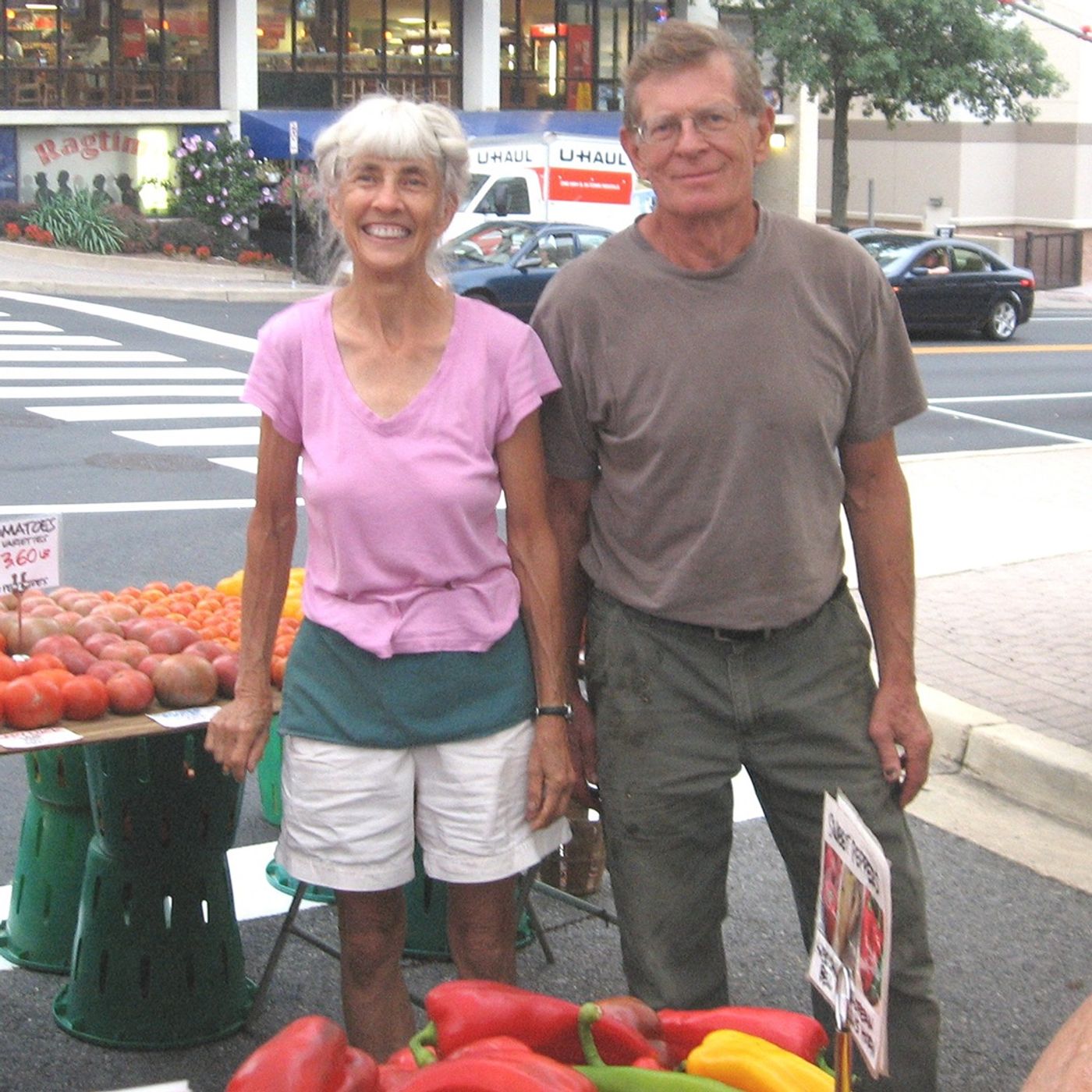
Chip and Susan Planck ran Wheatland Farms growing vegetables in Virginia for 37 years, and in this interview, we talk with them about what worked, what didn’t and what changed in market farming over almost four decades. We talk about founding farmers markets, and then how they pulled off 10-15 farmers markets every week during the season. That involved employing hundreds of people over the years, and we talk about why it was important to hire people and not have them work as apprentices or interns.
We also talk about narrowing down your crop list, the group fa...
Breeding hyloom and disease-resistant tomatoes with Greg Vogel of Cornell University

“Hyloom” tomato varieties have become popular with growers for the combination of heirloom flavor and looks, and grower-friendly traits like improved vigor and disease resistance. In this interview we talk with Greg Vogel, Assistant Professor of Plant Breeding and Genetics at Cornell University, who is working on breeding hyloom tomato varieties. If you’re a tomato nerd you’re in luck because we go deep on them in this interview.
We talk about what makes an heirloom, what makes a hyloom and the traditional breeding practices that allow any farmer to try their hand at making one. We also...
Doubling greenhouse tomato yields and beyond using automation with Drew Cramer of Ghost House Farm in Michigan
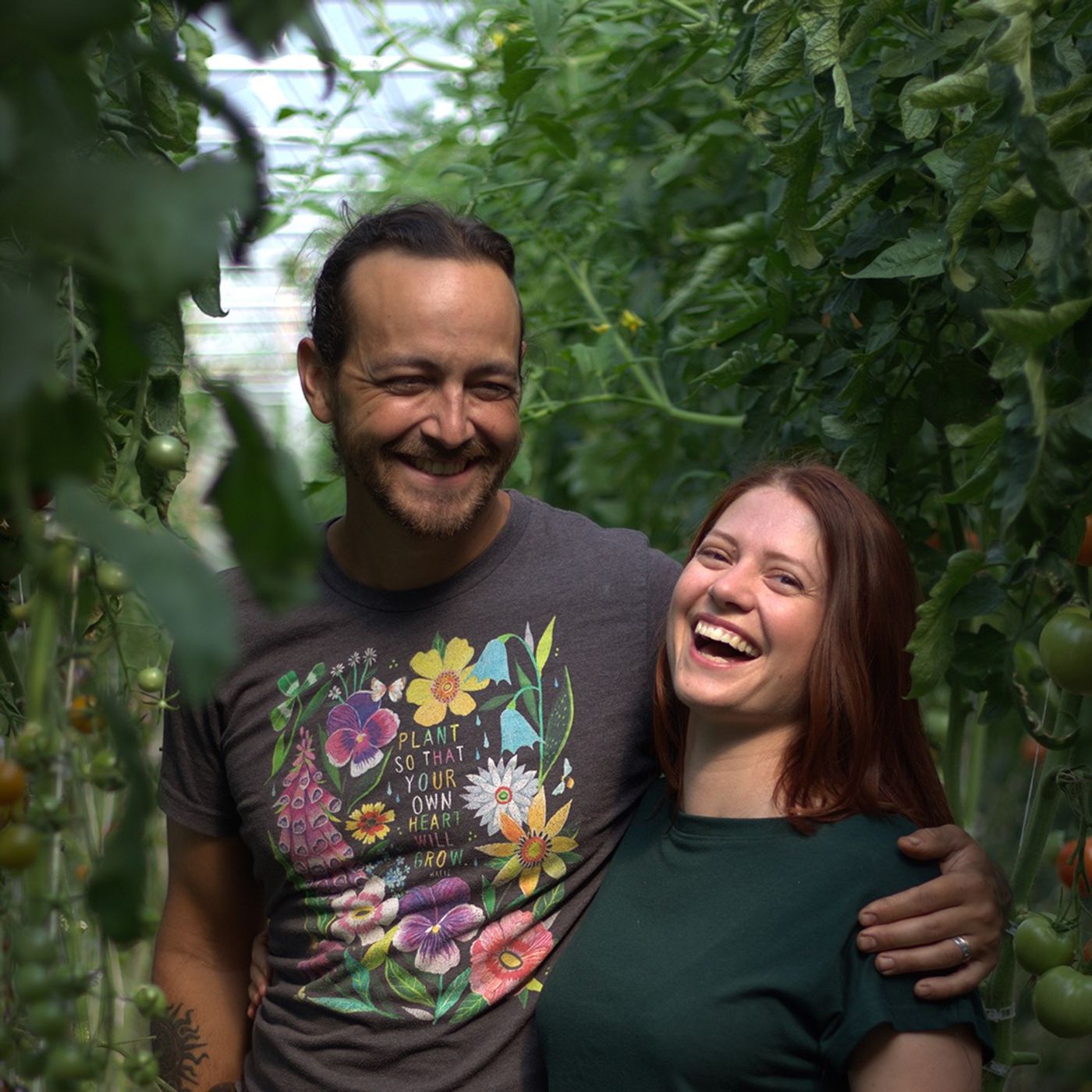
On this week’s podcast we talk with Drew Cramer of Ghost House Farm in Michigan about how he more than doubled his greenhouse tomato yields through good management and automation. Automation makes the difference between just controlling the temperature in a greenhouse and controlling the climate. And controlling the climate is what creates a growth-promoting, disease-discouraging greenhouse environment.
In this interview we get nerdy to talk about the management practices Drew used and the ways he managed the climate for increasing yields and decreasing disease over time. We talk about how he used pulse irrigation and hu...
Beyond NPK: micronutrients with macro impact with Gregg Forster of Wisconsin Mineral Solutions

Nitrogen, phosphorus and potassium get a lot of attention, but there are other nutrients that are just as important for soil and plant health. In this week’s interview, we talk with Gregg Forster of Wisconsin Mineral Solutions about some of those other nutrients, including the role of calcium as the “truck” that helps move other nutrients in the plant, the role of boron as the “wheels” on the truck, and the role calcium plays in improving soil texture. But like most things in life there can be too much of a good thing, so we also talk about how much c...
Scaling and planning microgreen production with Garrett Corwin of Piedmont Microgreens and Microgreen Manager in North Carolina
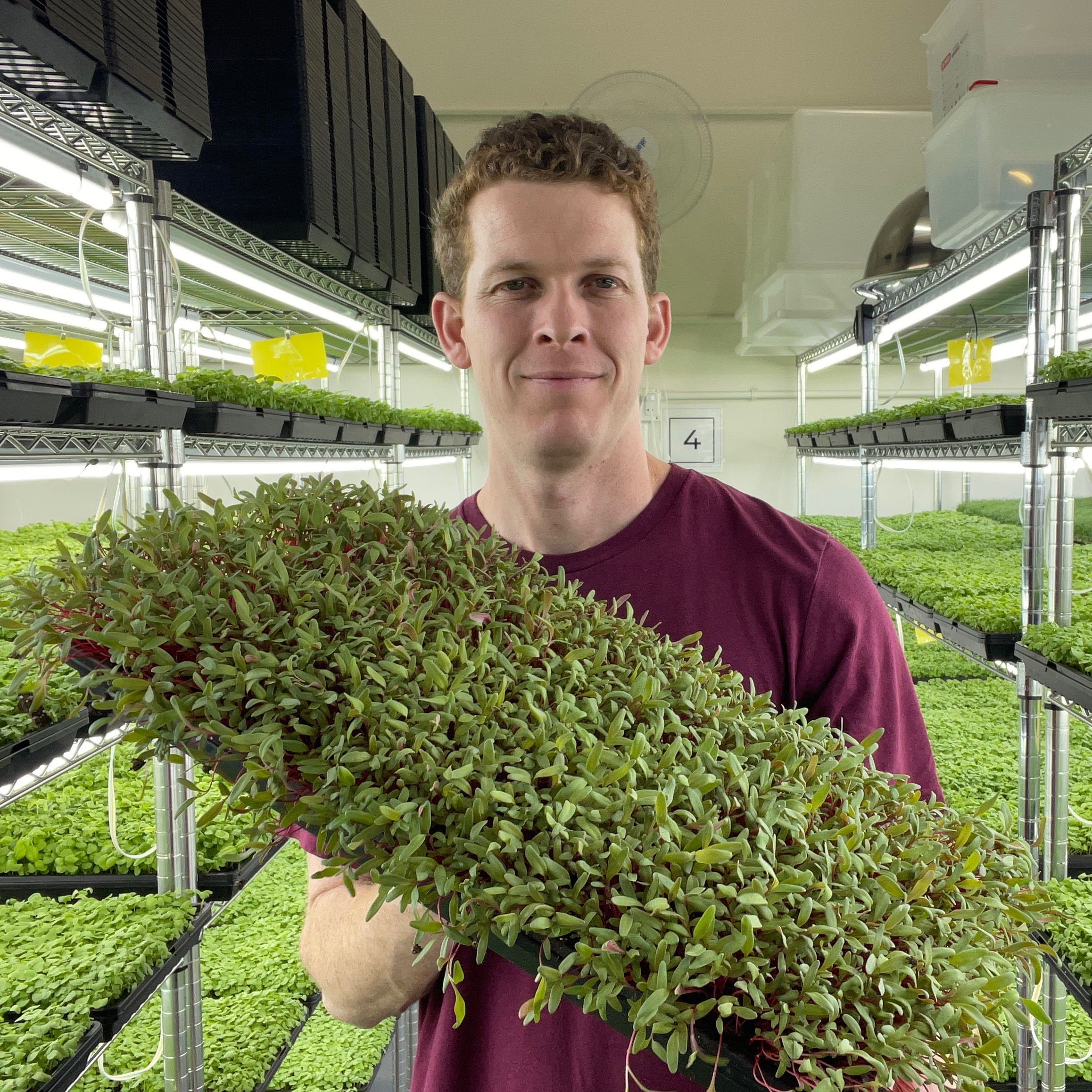
Garrett Corwin started Piedmont Microgreens out of his garage in Durham, North Carolina, and after six years he’s scaled the business to 350-400 trays a week. In addition to the farmers market, Piedmont sells to more than 50 restaurants, grocery stores and wholesalers, including FreshPoint and Sysco with just a two-person team. As the business expanded, Garrett realized the limitations of spreadsheets for crop planning, so he enlisted the help of his brother Spencer to help build a better way to keep track of their crops and customers.
Spencer left a software engineering role at Meta to hel...
Seattle Growers Market: Lessons from 15 years of cooperative flower marketing with SGM General Manager Carrie Read
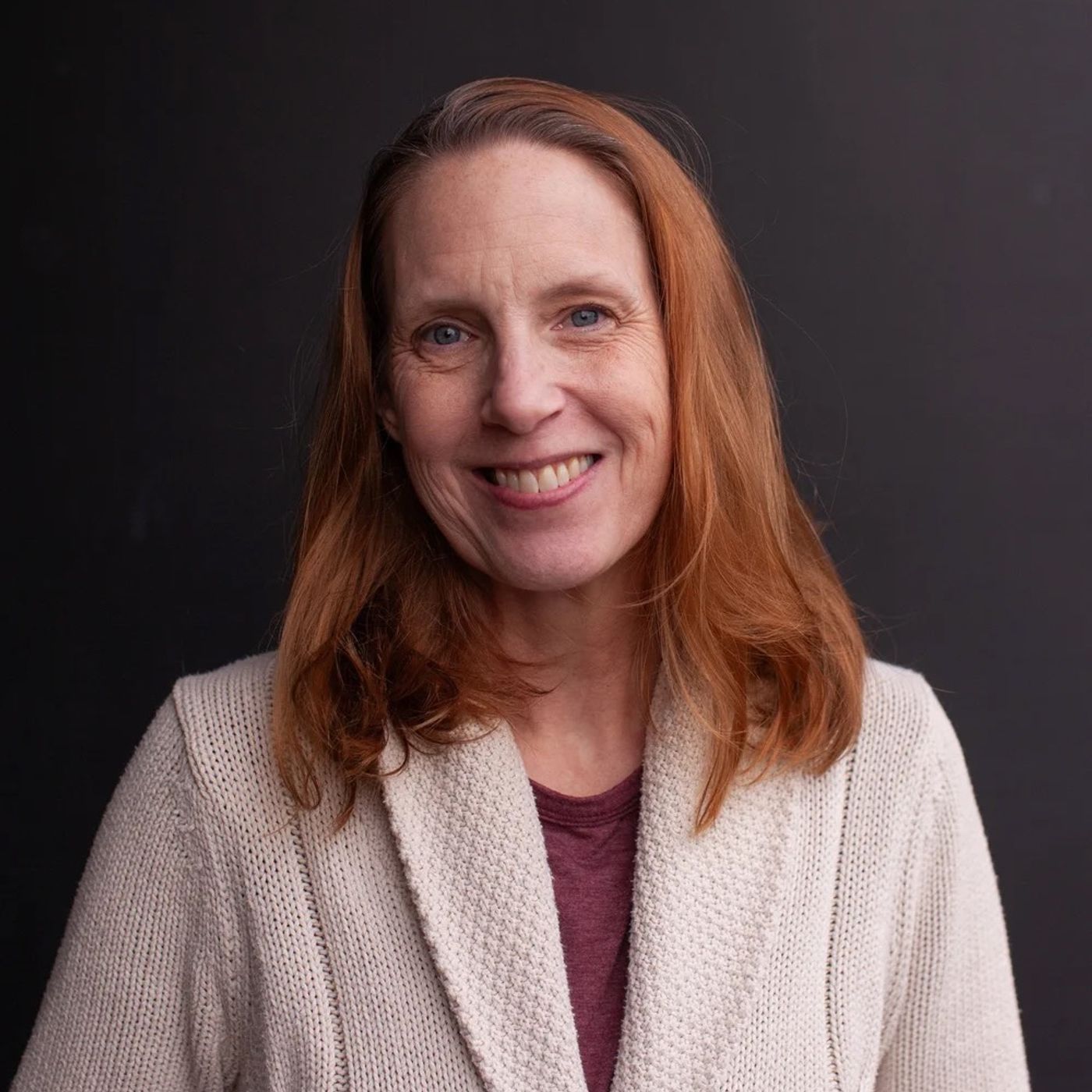
One trend we’ve noticed is the growing number of flower farming cooperatives. We think it might be part of local growers banding together to increase market power as the American flower market bounces back from decimation due to the Andean Trade Preference Act, but don’t take it from us. This week we talk with Carrie Read, the General Manager of the Seattle Growers Market (recently rebranded from the Seattle Wholesale Growers Market), which is celebrating 15 years in 2026.
We talk with Carrie about how the coop is structured, grower fees, and the digital sales platform they use...
Community supported farm research with Anna Wallingford of New Hampshire Community Supported Research
When Anna Wallngford got fired (twice) by DOGE from her job doing entomological research for the federal government, she formed New Hampshire Community Supported Research to keep the work she was doing on behalf of farmers going. If you can do community supported agriculture why not community supported research, right? Hear about the research she was doing for the government, what it was like to get one of the infamous “fork in the road” emails, and her plans for NHCSR.
Along with the projects she’s got lined up for 2026, we talk about how research is funded, since t...
Building a 24-hour collective flower market with Colleen McCoole Payne of the Kansas City Flower Farmer Wholesale Market
In this week’s interview we hear from Colleen McCoole Payne about how she and more than 20 other growers built the Kansas City Flower Farmer Wholesale Market to help them sell more to florists by working together. In 2023 Colleen started working with a few growers to create a wholesale market similar to a farmers market where they did not need to create an LLC and each grower would invoice the buyers that bought from them. Fast forward three years and now the market just moved into its own permanent space after using temporary and pop-up locations for the first th...
How small farms can stand out from big food using good marketing with Jakub Kosmowski of Farma Wola in Poland

Jakub Kosmowski left a career in marketing to start the vegetable CSA farm Farma Wola in Poland. In this interview, he tells us how he adapted the marketing principles he used with Fortune 500 companies to develop a market for and sell CSA shares for his farm. Jakub tells us how any type of farm can use the four Ps of marketing- “product, place, price and promotion” to think about the big picture before putting effort into marketing. Then we compare the merits of the different marketing channels- email vs social media vs paid advertising- to decide which channels make sens...
Customizing POS systems for farmers and farmstand tips with Lindsey Lusher Shute of Farm Generations Cooperative and GrownBy
Most point of sale (POS) systems were designed for businesses like restaurants and retail, and aren’t perfect fits for farm businesses. In this episode, Lindsey Lusher Shute tells us how she has been working on customizing POS systems for farmers, and how she has been beta testing the system in her own farm’s store. Innovations include being fully customizable to support a range of farms, being able to process SNAP/EBT, customer and sales tracking, and integration with scanner, printer and cash register.
We also hear how she re-established her own farm’s store after having...
Folks who help farmers: how to find and work with them with Sarah Geurkink from the Organic Association of Kentucky
In today’s episode, we explore the range of people who whose job is to help farmers, and how to get the most out of these relationships. We refer to these people as a group as technical assistance, or “TA” providers, and it can include extension agents, people at nonprofit or NGOs, professors, etc. And our guest today is one of those people- Sarah Geurkink is the Organic Production Specialist for the Organic Association of Kentucky [OAK].
Sarah draws on her own farming background and experience working with farmers at OAK to help growers understand how to find TA...
Boost farm revenue by adding dried herbs to your crop plan with Emily Springer of Meeting House Farm and Collaborative in Maine
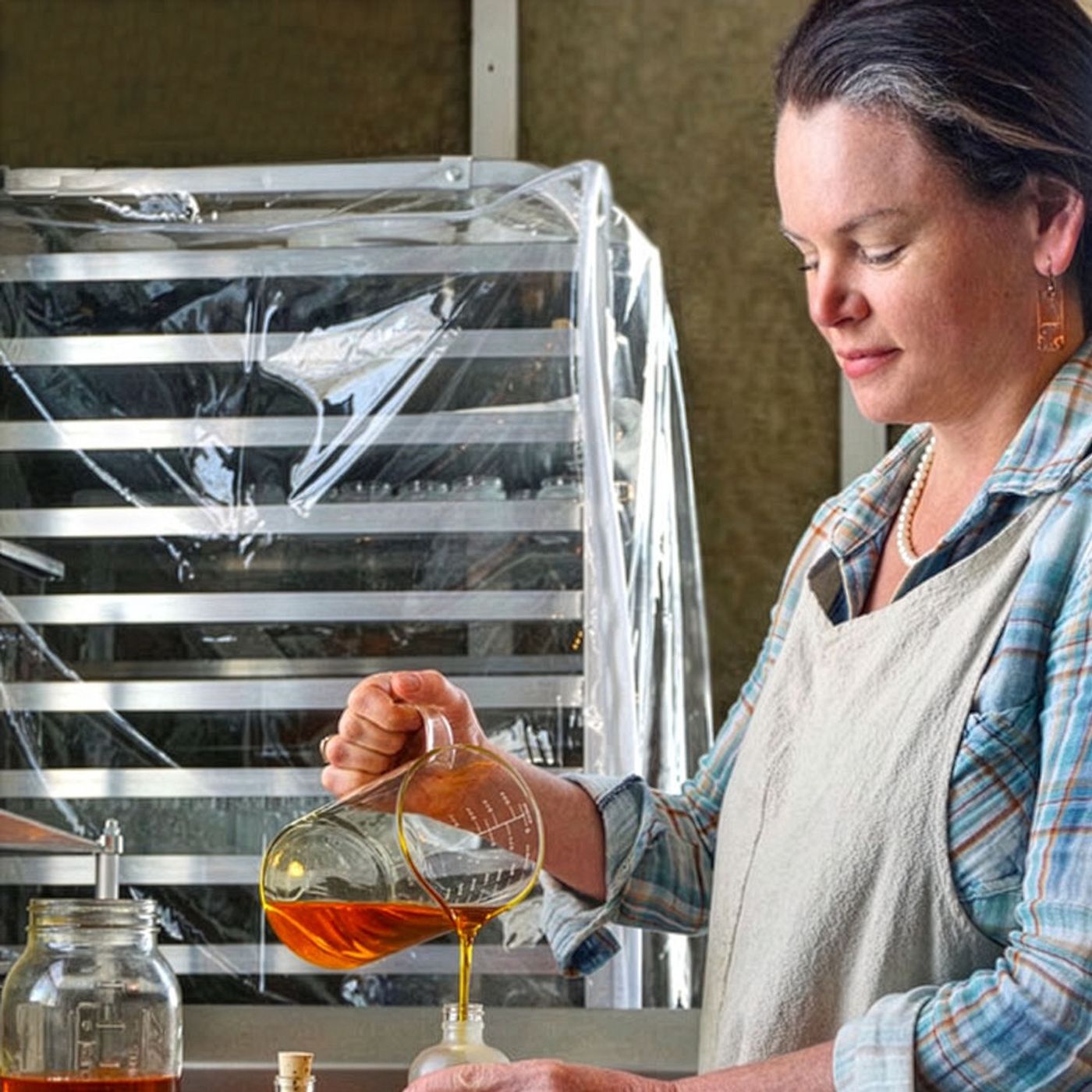
Most flower and vegetable growers can add herbs to their existing crop plans without changing what they’re already doing- and dried herbs can complement the fresh crops by providing a year-round income stream. On this week’s podcast we talk with Emily Springer of Meeting House Farm and Collaborative in Maine about how she grows herbs on the farm and sells them through the collaborative. Emily started the collaborative so growers can use the online sales platform to connect with buyers nationwide and ship herbs from their own farms.
She tells us how over 80% of the herbs...
Sweet corn- can you make money on it? And best practices with Dan Fillius from Iowa State University
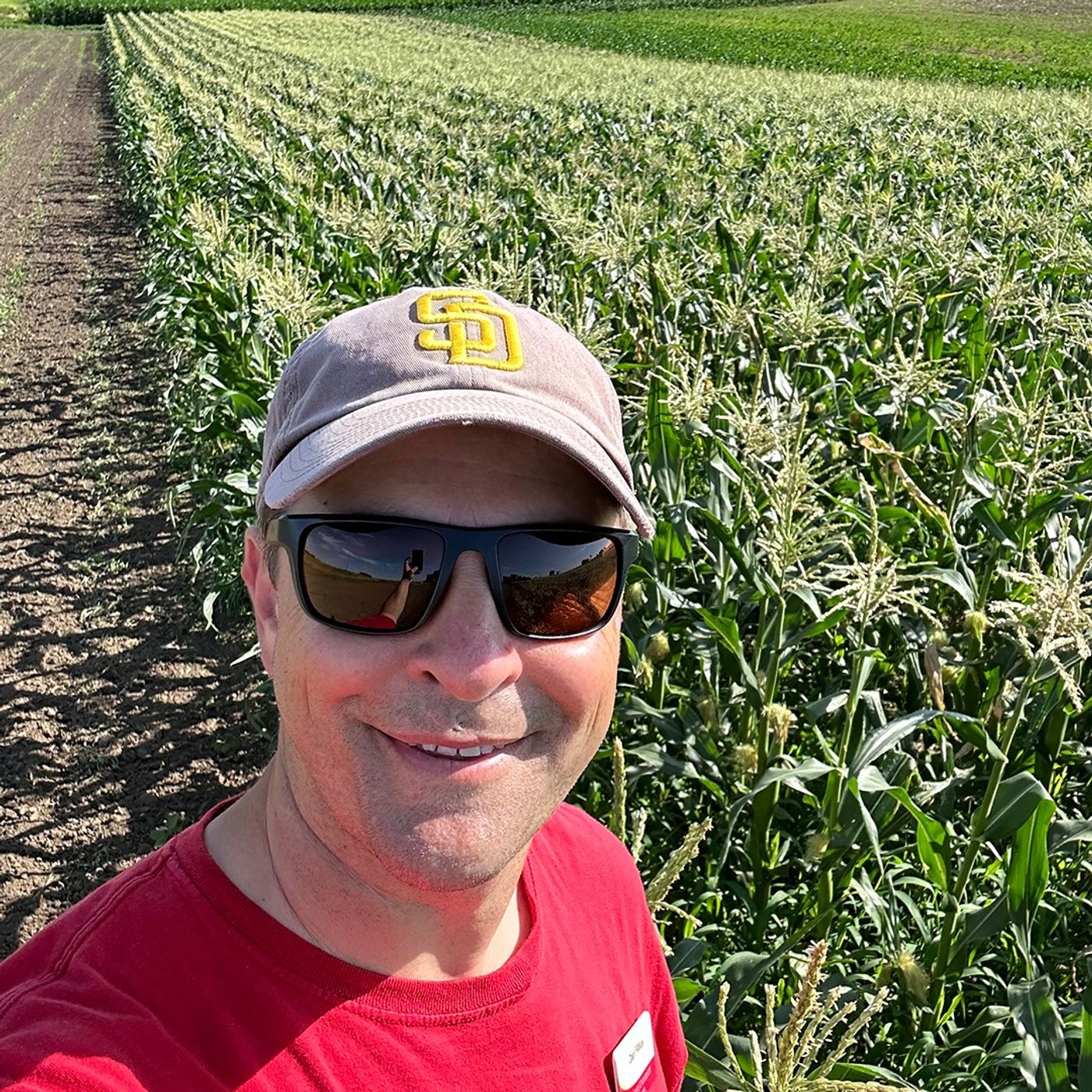
Everyone loves sweet corn, but can you make money on it? This pod episode sets out to answer the age-old question, and shine light on the best practices that will give growers the best chance of being profitable with this summer favorite. We also discuss whether sweet corn can function as a “loss leader,” i.e. come for the sweet corn, stay for the tomatoes and salad mix theory that might justify growing it at a loss to get customers in the door (or the farmers market stand, as the case may be).
This podcast episode is a co...
The future of market farming in the era of digital sales with Amelia Ihlo of Rooted Farmers and Jill Shea of the Connecticut Flower Collective
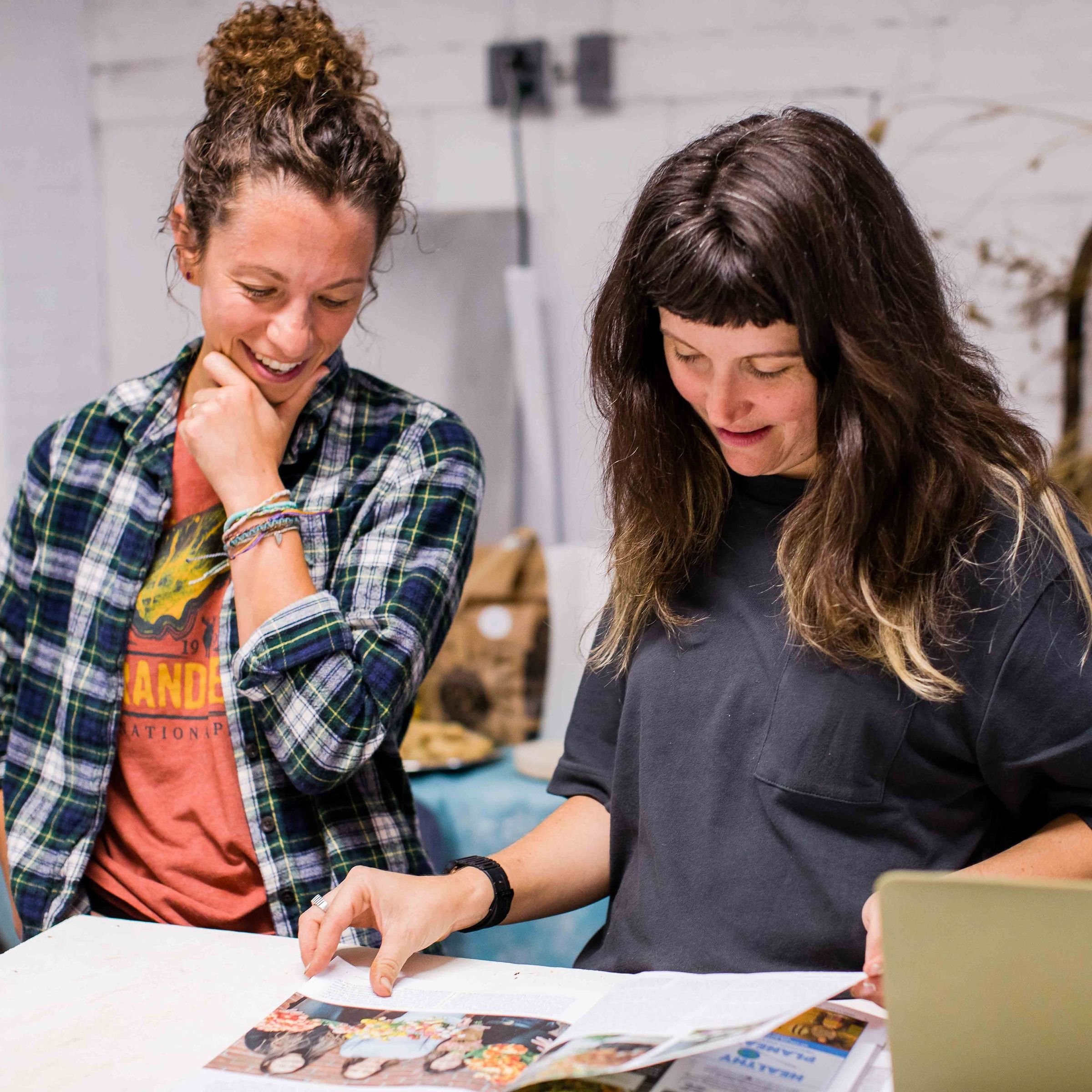
What does the future of market farming look like in the era of digital sales? Our guests this week, Amelia Ihlo of Rooted Farmers and Jill Shea of the Connecticut Flower Collective had the bright idea to take the 35th anniversary of Growing for Market Magazine as an opportunity to step back and look at the last 35 years of market farming, and think about what is going to shape the next 35 years. As we discuss, the number of farms is going down every day, lots of food is wasted before it even makes it off the farm, and costs...
How to send better farm emails with email expert Angie Machado
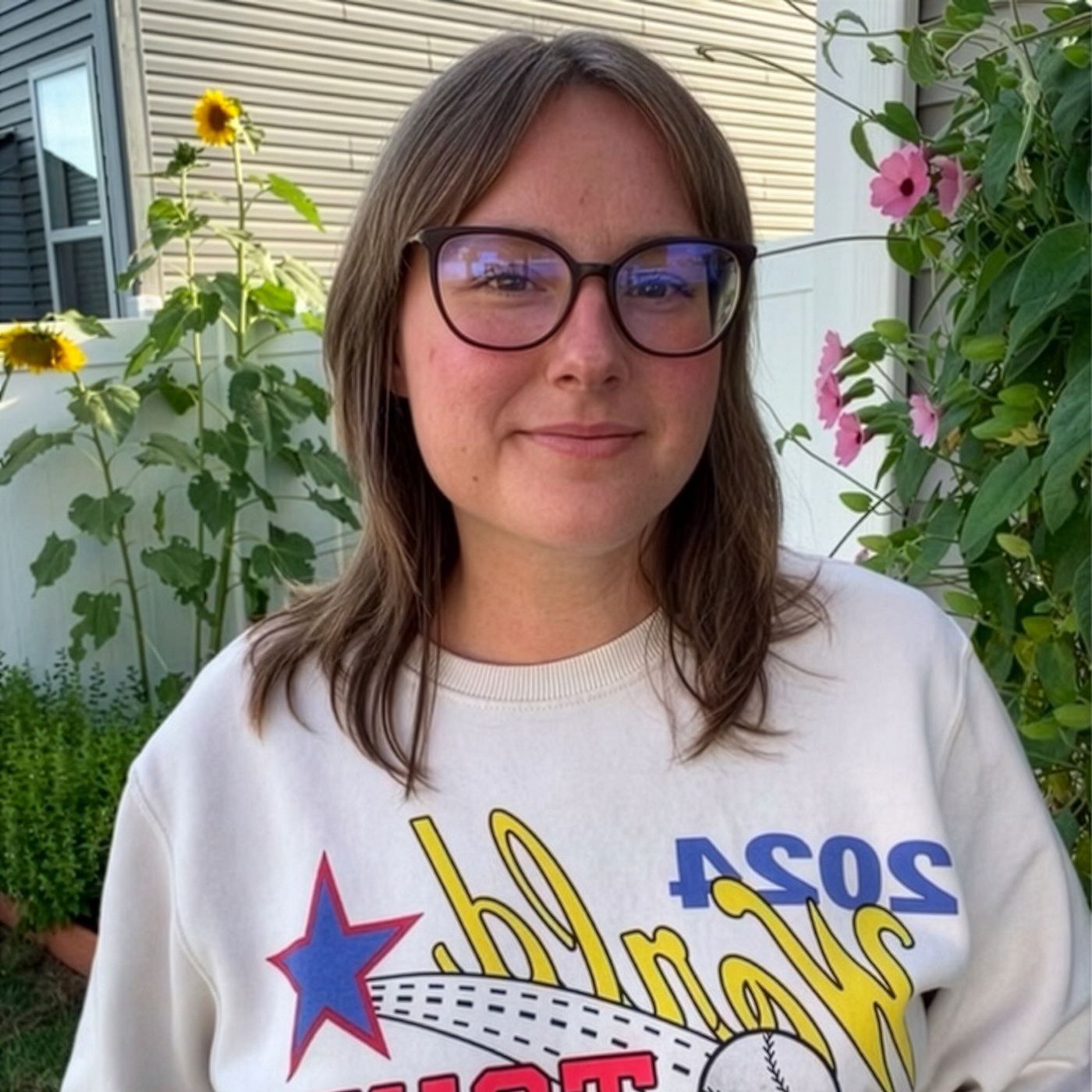
Though Angie Machado is now an email expert, she got her start in the flower world, so she understands the unique needs of farm businesses. In this episode she shares her journey from working with flowers to specializing in email marketing. This interview covers how to build an effective email list, create engaging content, balance sales and value in emails, and avoid common pitfalls. Angie also highlights the significance of personalization and segmentation in email marketing, providing practical tips for farmers to enhance their email marketing efforts.
We talk about the big questions, like why you would...
A conversation with one of our farmer/writers on how immigration enforcement is playing out in Minneapolis and its effect on farms with Sam Oschwald Tilton
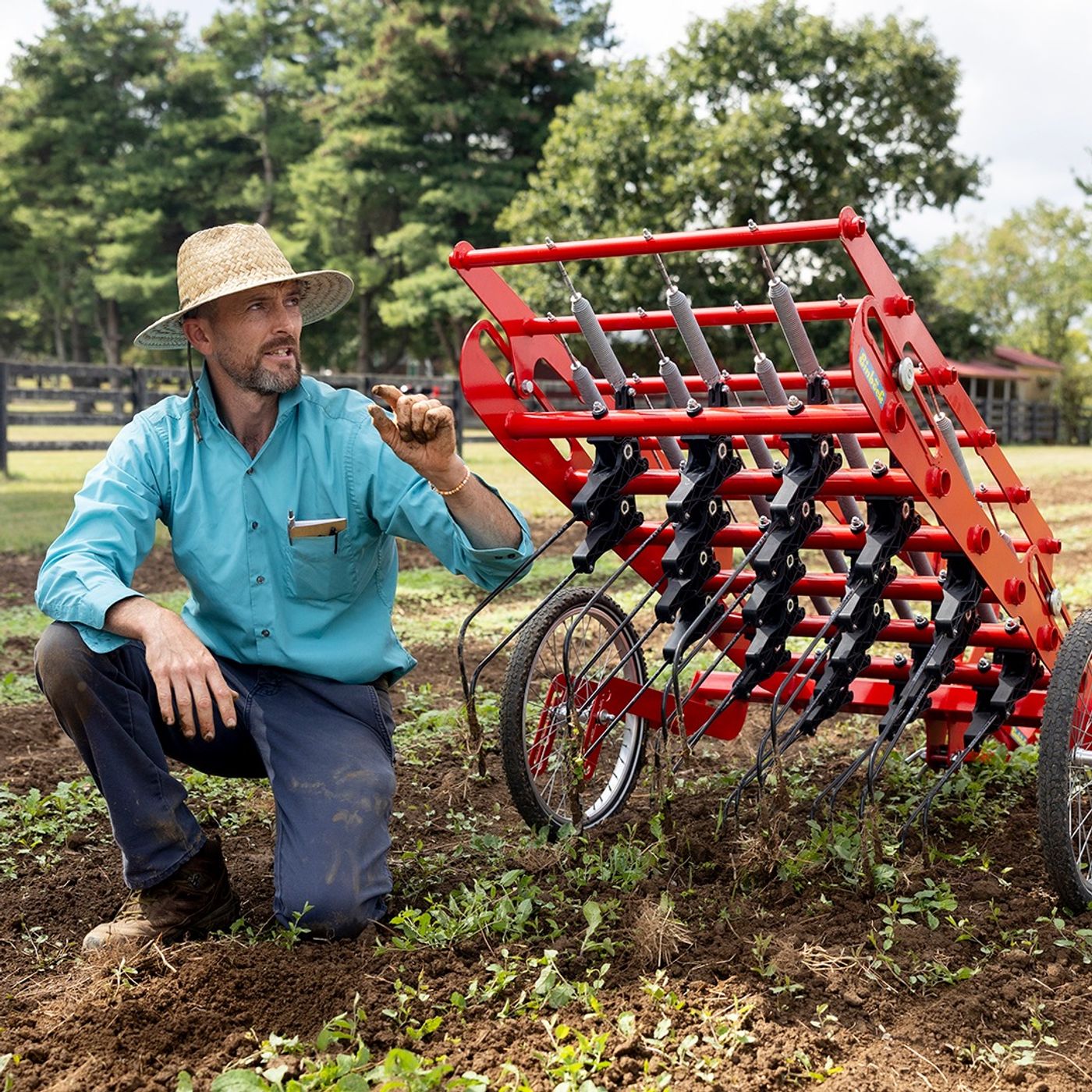
In this bonus episode of the Growing for Market Podcast, we hear from long-time GFM writer, farmer and Minneapolis resident Sam Oschwald Tilton about how immigration enforcement is playing out in Minneapolis. In an industry with an estimated 40% of workers undocumented, the way immigration laws are enforced probably has a bigger impact on farming than any other industry. Many farmworkers with legal status- for example those on H-2A, refugee, asylum or H-2B visas- have been detained in the current immigration enforcement.
The fact that even documented workers are being detained is disrupting both farms and f...
Switching from veg and flowers to seeds + tips from 30 years of farming with Sebastian Aguilar of Summertime Seed Co. in Oregon
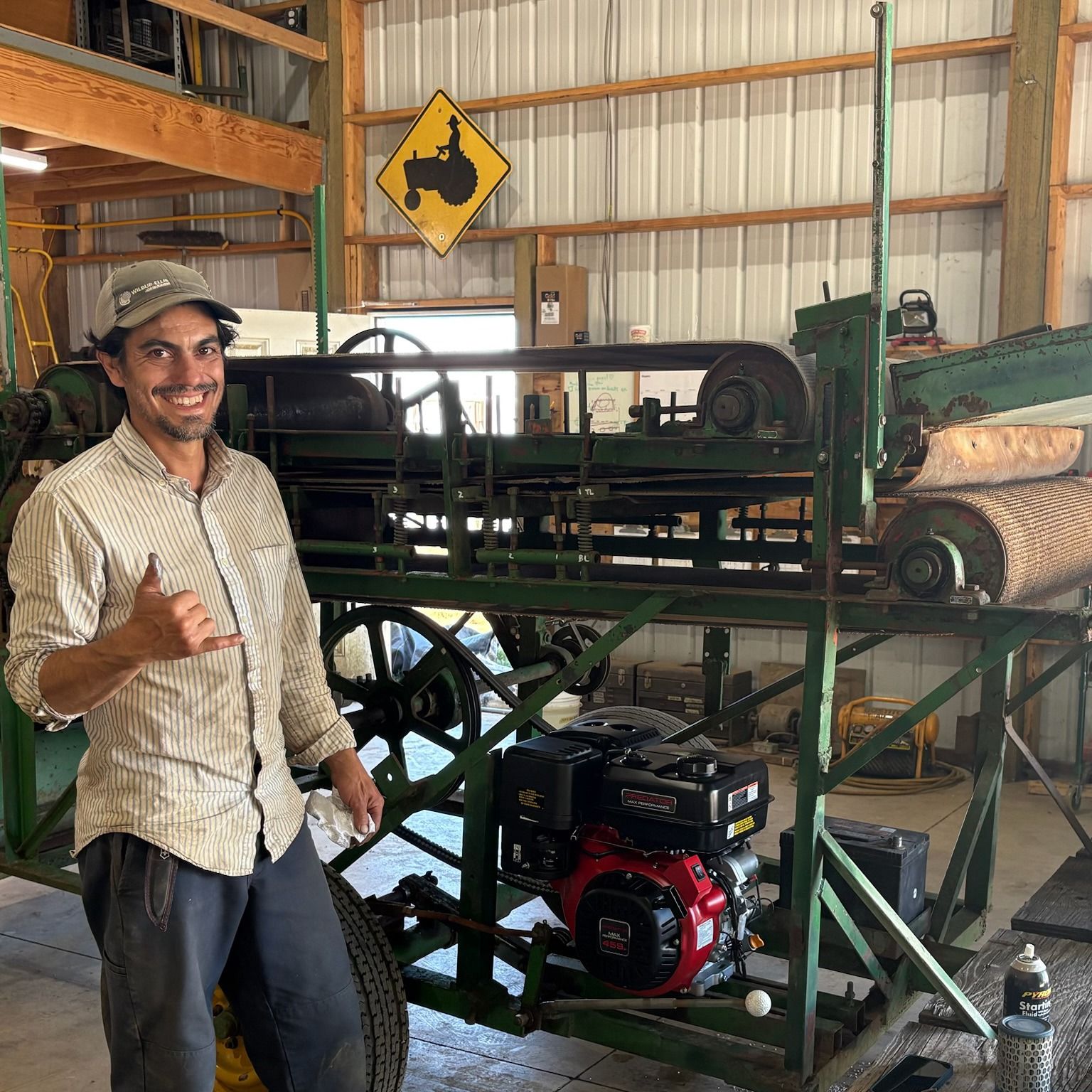
Sebastian Aguilar started farming in 1997, and for much of that time he was growing flowers and vegetables for market with his family. Learn why they made the switch to seeds, and how their operation changed when they went from market farming to seed farming.
It’s not all about seeds, though- there are plenty of practical tips from Sebastian’s 30 years of farming experience. We discuss how they maintain permanent beds with a tractor, how they have been using a tine weeder to work down the weed seed bank in cover crops, and how they use an app c...
Building a farm with smart borrowing and pivoting from wholesale to retail with Brian Bates of Bear Creek Organic Farm in Michigan
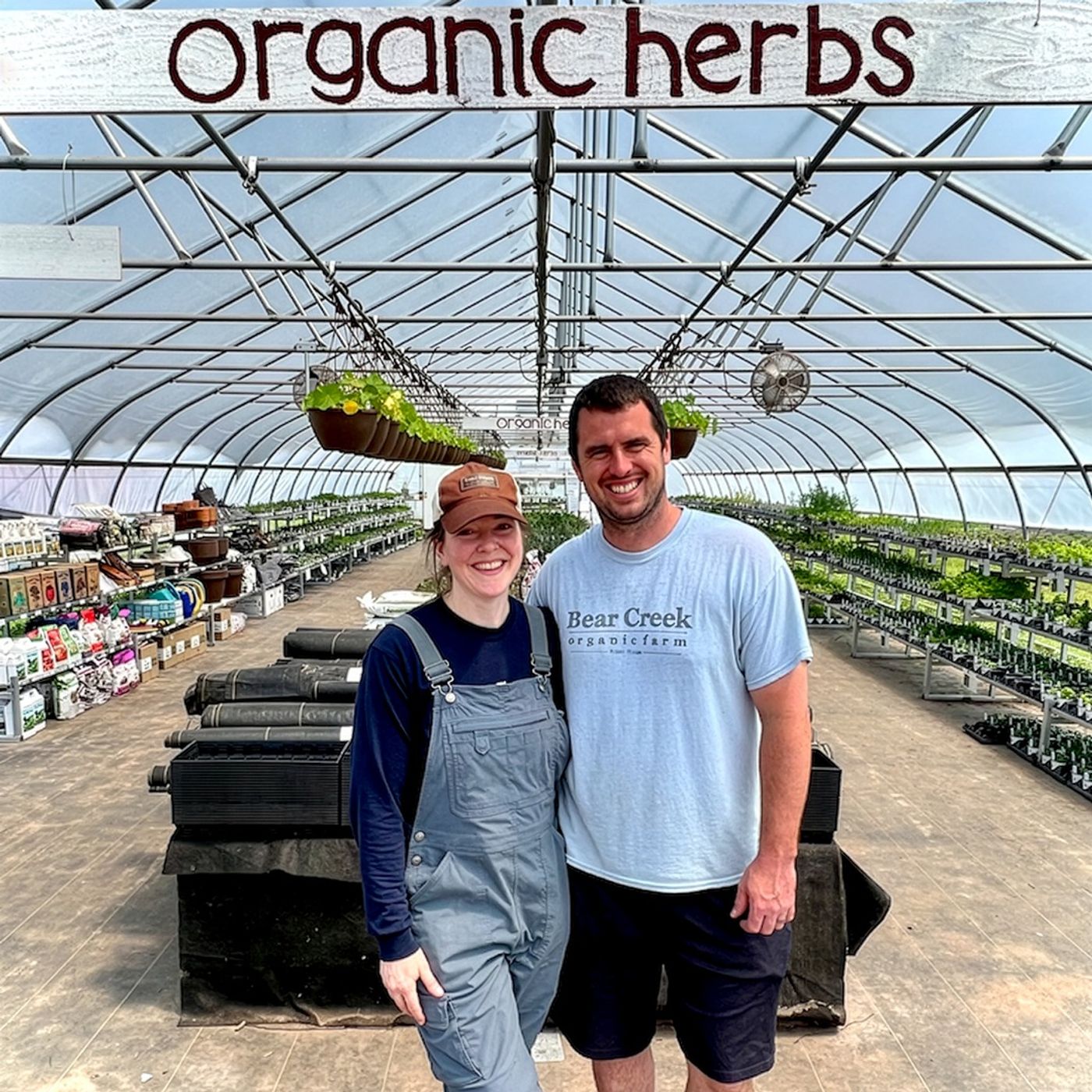
Brian Bates and his wife Anne run Bear Creek Organic Farm in Petoskey, Michigan. A little over a decade after starting their farm, they are grossing over $1.5 million from their on-farm store- which is surprising considering that before COVID, their farm was mostly wholesale, whereas now most of their sales come from on-farm retail. In retrospect, it’s easy to think the last decade was an uninterrupted period of growth; however in this interview, we’ll talk about the bumps along the way and how they overcame them. We also talk about the big pivot that changed their farm from...
“Lower the noise” on the farm with detailed planning and systems with Luke Sheldrick of Terramor Farm in Ontario
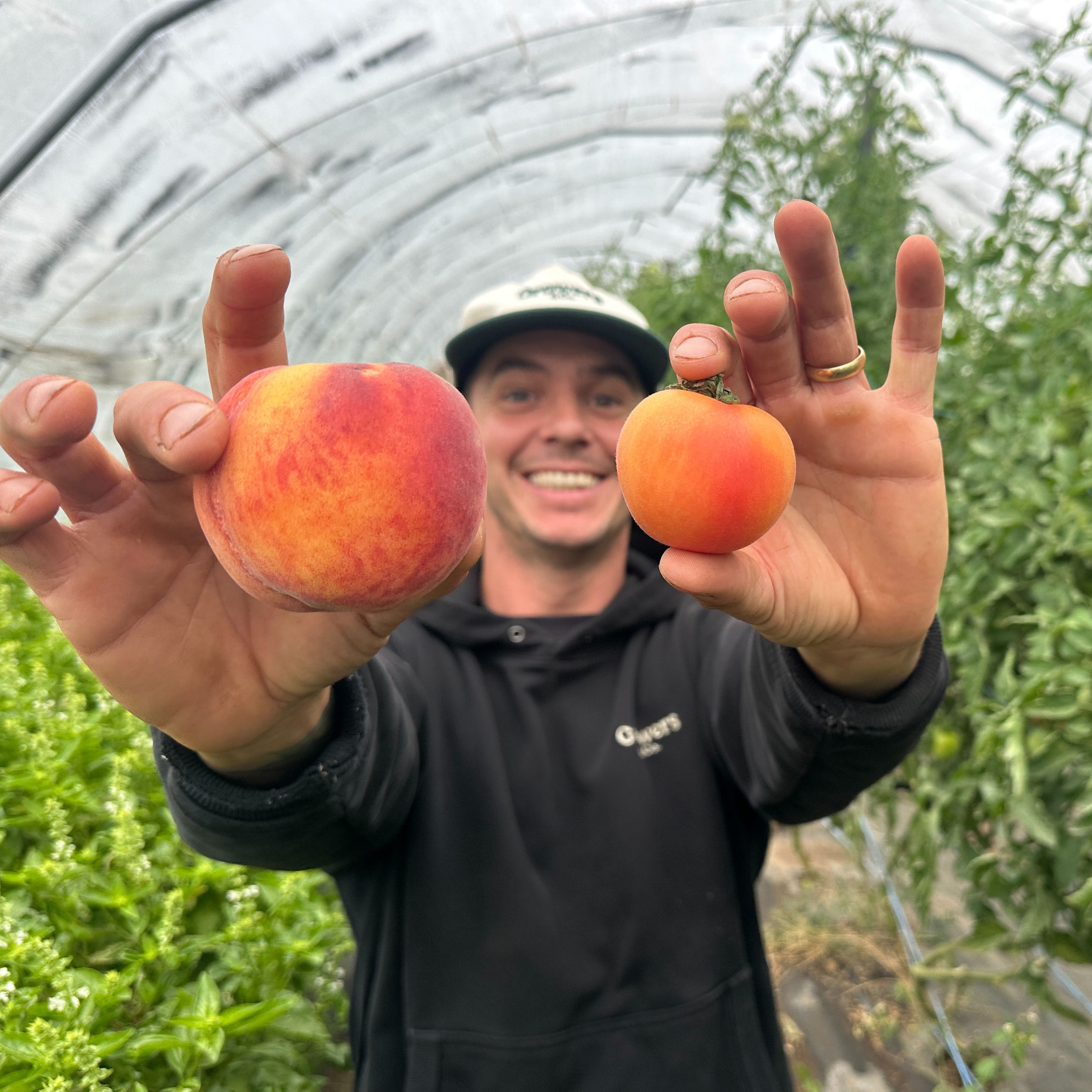
Luke Sheldrick and his partner Dana run Terramor Farm in Burnstown, Ontario, about an hour west of Ottawa. After a decade of growing vegetables and cut flowers for a CSA, local restaurants and retail as well as farmers markets, Luke uses a number of systems to plan out the farm year and keep the plan on track through the haze of the season. In addition to hearing about the farm, we’ll discuss how this all comes together to plan crops, keep in touch with customers and keep track of employees.
Luke is also a partner with the...
How farmers are changing cropping strategies in response to a changing climate with Masha Vernik
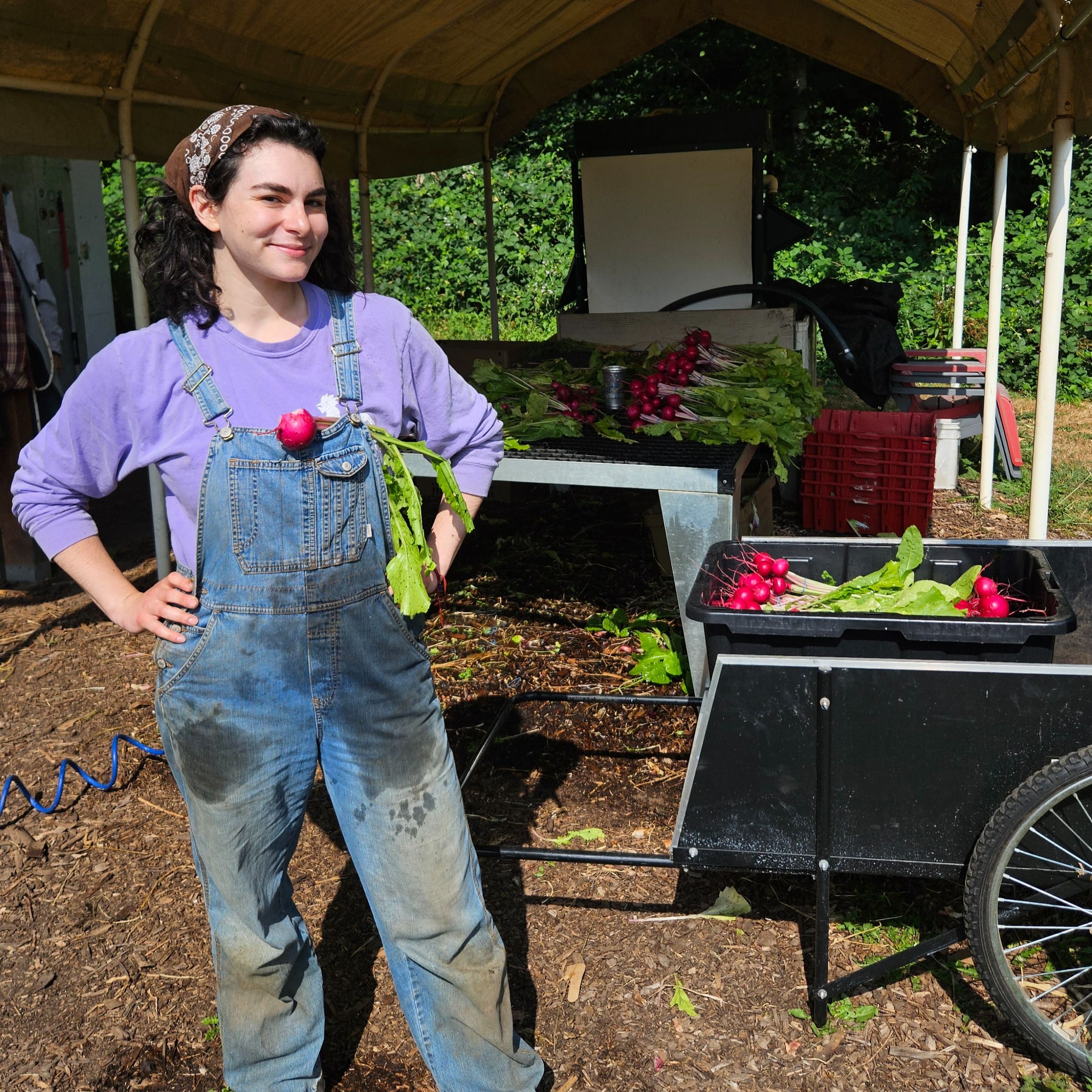
This week’s podcast guest Masha Vernik interviewed nearly 30 farmers in the Pacific Northwest about how they are changing their cropping strategies in response to climate change for her master’s thesis at The University of Washington. In the process, she collected a lot of data and anecdotes about all aspects of how farmers in the region are being affected by, and adapting to, climate change.
In addition to her academic work, Masha has also worked on several farms in the region. Regardless of where your farm is located, there is a lot to learn from this inter...
Changing mum bloom time with light deprivation and recovering from natural disaster with Rose and Rick Bengtson of Ice Moon Farms in Texas
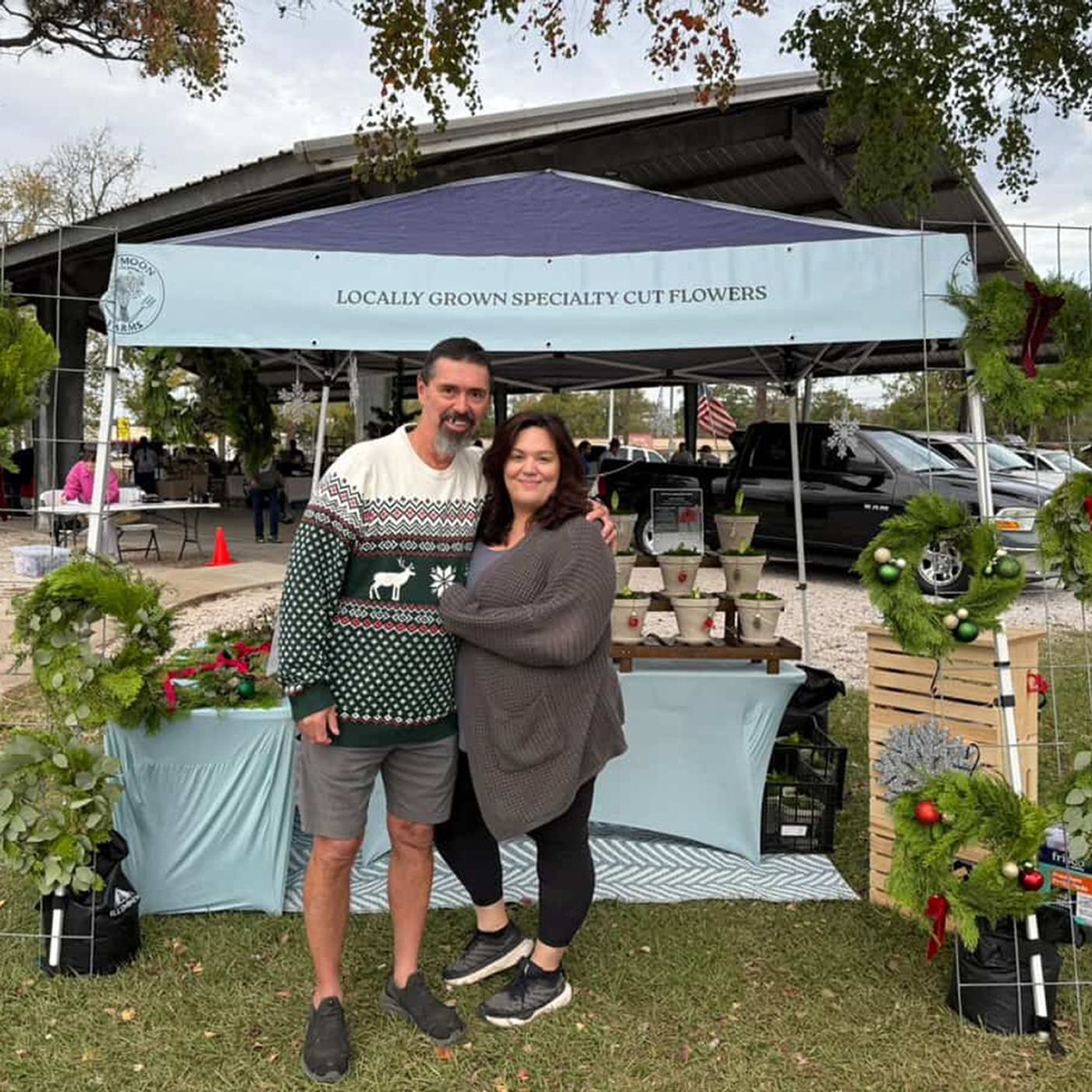
During their first full season, Rick and Rose Bengtson of Ice Moon Farms suffered catastrophic damage from wind and flooding. As devastating as that was, they bounced back and we can learn from the way they rebuilt and the strategies they used to prolong cashflow later into the fall to make up for some of the income they missed in the summer.
One of those strategies was holiday wreaths and amaryllis- another was using light deprivation to get chrysanthemums to bloom earlier. Learn how this worked out in practice and considerations if you’re thinking of doing the...
Late-season superstars: heirloom chrysanthemums from propagation to sale with Kate Dagnal of Goose Creek Gardens in Pennsylvania

Heirloom chrysanthemums fill an important role for local growers- as very late bloomers they can be one of the last flowers in the fall to keep cash flow going after others have succumbed to the cold. Our guest this week, Kate Dagnal of Goose Creek Gardens, grows thousands of bouquets every year for grocery stores, and heirloom chrysanthemums are the anchor flower she uses to finish out the season. In this interview we go deep on everything you need to know to grow great heirloom chrysanthemums, including propagation, growing, harvesting and postharvest.
We discuss why new varieties...
Perennial vegetables to plant once and harvest many times with Michalina Hunter of Cicada Seeds in British Columbia

This week Michalina Hunter tells us how she got so interested in perennial vegetables that she started a seed company specializing in them, Cicada Seeds! In this interview with host April Parms Jones, we hear about the advantages of vegetables that you can plant once and harvest many times, including crops like skirret, spinach vine, perennial kale, perpetual leeks, perennial celery, sweet lettuce and more.
They also talk about how to propagate perennial crops, since some of them involve techniques like cold stratification or vegetative propagation to get them going. Lastly, they discuss how to prepare ground...
Breedng biodiverse Pacific Northwest-adapted seeds with Andrew Still of Adaptive Seeds in Oregon
This week Andrew Still tells us how Adaptive Seeds started in 2009 as an outgrowth of the Seed Ambassadors Project to steward and keep rare and heritage vegetable and flower varieties alive. In the intervening 15+ years they have furthered their mission of preserving open pollinated varieties and breeding new ones that are adapted to the Pacific Northwest. Interviewer Andrew Mefferd had the pleasure of visiting the farm where they grow much of their seed a decade ago- now we get to catch up and hear about how this farm-based seed company has grown in the intervening decade.
We...
The fertilizer you make every day: fertilizing with urine with the Rich Earth Institute

Farmers are used to the idea of fertilizing with manure, however one species’ output is usually not used: our own. This is despite the fact that effluent from water treatment is a large contributor to excess nitrogen in our waterways and the nutrient pollution that’s responsible for the “dead zone” in the Gulf of Mexico. If we could recapture those nutrients, not only could it give farmers a cheap, readily-available source of fertility, but it would reduce the amount of pollution going into our waterways.
Our three guests this week just finished a SARE grant project looking...
Breeding regionally adapted vegetables with Edmund Frost of Common Wealth Seed Growers in Virginia
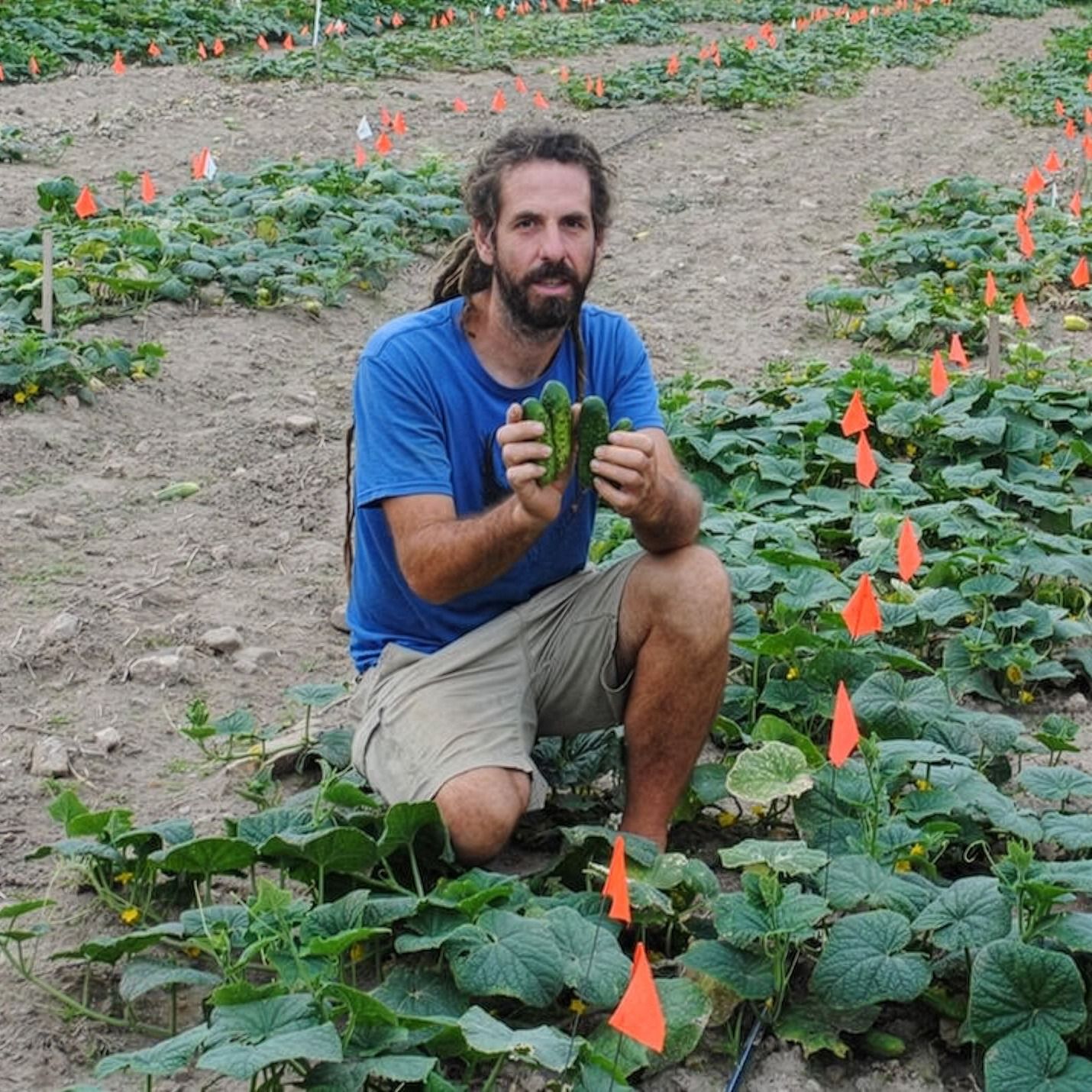
There are very few one-size-fits-all solutions in agriculture- most things depend on the weather, soil, pests, diseases and a host of other conditions for a particular farm. One of the most exciting trends in agriculture right now is the development of varieties that are suited to specific regional conditions. Common Wealth Seed Growers breeds open-pollinated vegetable varieties that are adapted to their region- in this case the southern USA.
This week’s guest Edmund Frost has managed seed production and research at Twin Oaks Seed Farm in Central Virginia since 2008. He also leads Common Wealth Seed Growers, a...
