For the Life of the World / Yale Center for Faith & Culture
Seeking and living a life worthy of our humanity. Theological insight, cultural analysis, and practical guidance for personal and communal flourishing. Brought to you by the Yale Center for Faith & Culture.
The Struggle to Be Honest: Truth, Lies, AI, and Humanity / Christian B. Miller
Honesty may be the virtue we prize most in other people, and it is eroding fast. Philosopher Christian B. Miller, A. C. Reid Professor of Philosophy at Wake Forest University and author of The Honesty Crisis, argues that we are living through not one honesty crisis but several at once, each driven by new technologies that make dishonesty more tempting and harder to catch.
In this episode with Evan Rosa, Miller unpacks what has actually changed: why AI cheating feels efficient, effective, and evasive to students who assume everyone else is doing it; how sermon plagiarism moved...
Heart of Flesh: Meditation, Psychology, Growth, and Self-Transcendence / Miguel Farias
What happens when an ancient discipline built to remake the self in the context of a way of life and normative map gets sold back to us as lifehacking for stress relief and optimization?
Experimental psychologist Miguel Farias, co-author of The Buddha Pill and founding director of the Brain, Belief, and Behaviour Lab at Coventry University, has spent two decades studying what meditation actually does to people, and what modern appropriation has forgotten about ancient tradition.
“The possibilities of self-deception are endless. … The mind is clever, so you have to move beyond that level of clev...
Homesick: Alienation, Belonging, and World Decay in a Technological Age / Ian Marcus Corbin
It took Odysseus ten years to sail home from Troy to Ithaca; we can fly the same distance in about an hour. But faster travel hasn't brought us any closer to home. We can know more, do more, and connect more than ever, and yet our ability to belong to our own reality seems to be shrinking. Philosopher Ian Marcus Corbin, who teaches at Harvard Medical School and directs Harvard's Public Culture Project, takes up that paradox in his new book, To Arrive Where We Started: Belonging in the Modern World. The title comes from T.S. Eliot's Four...
Scandalous Witness: Christians Reckoning with History and Values / Lee C. Camp
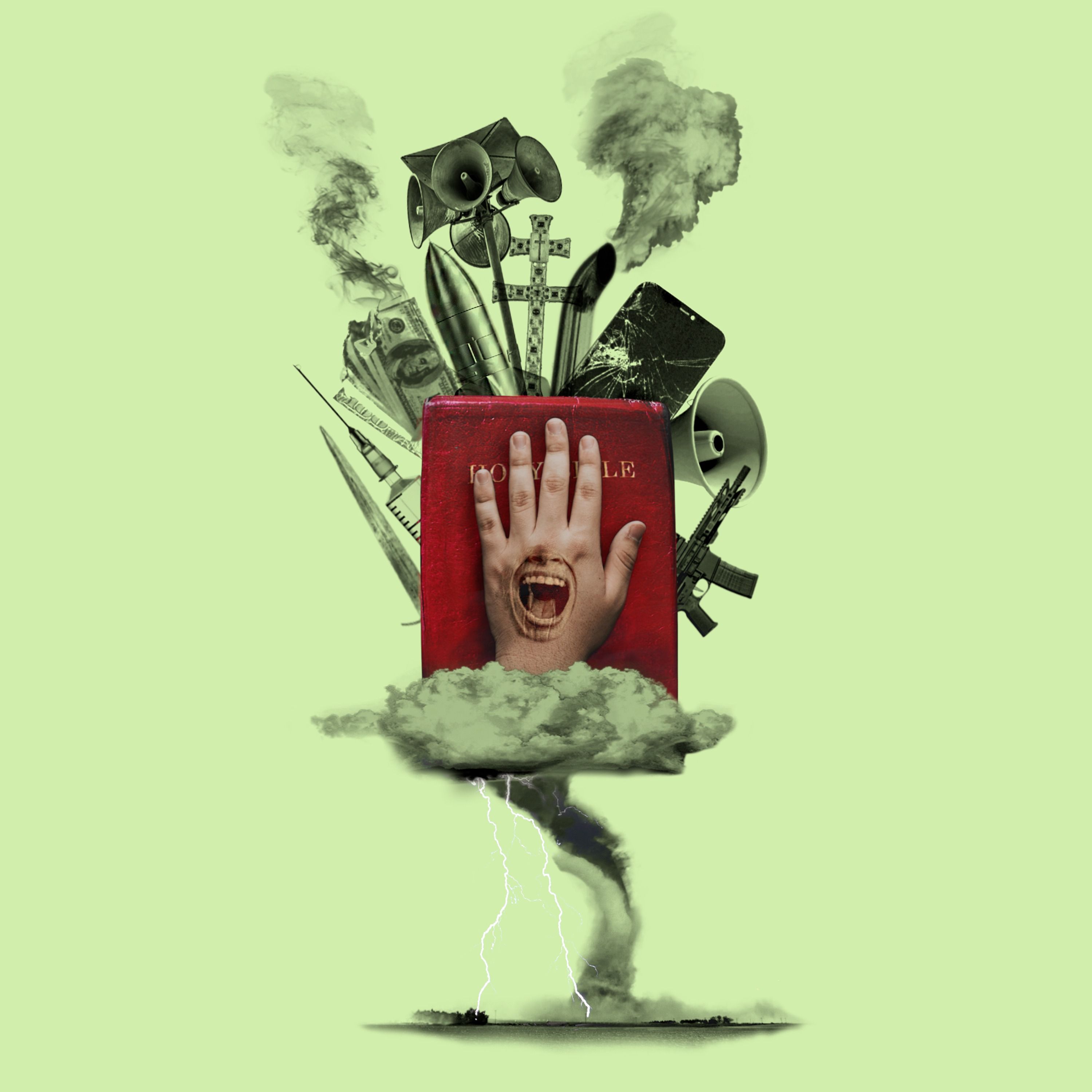
Everything is “maxxed” right now, and the news cycle in particular seems to be historymaxxing, insisting that things have never been worse than they are now. And the threats are real, from AI and global warming to election integrity—foreign affairs gone wrong, and violence abroad, in our homes, and in our schools. But the news maxxes us on fear, and so do politicians and corporations, because they want us to do something. If theologian Lee C. Camp is right, history was already maxed at the incarnation, and it came through a subversive way of life: humble, compassionate, at times...
How and Why We Grow: Relational Spirituality and Practicing Unto Virtue / Liz Hall and Todd Hall
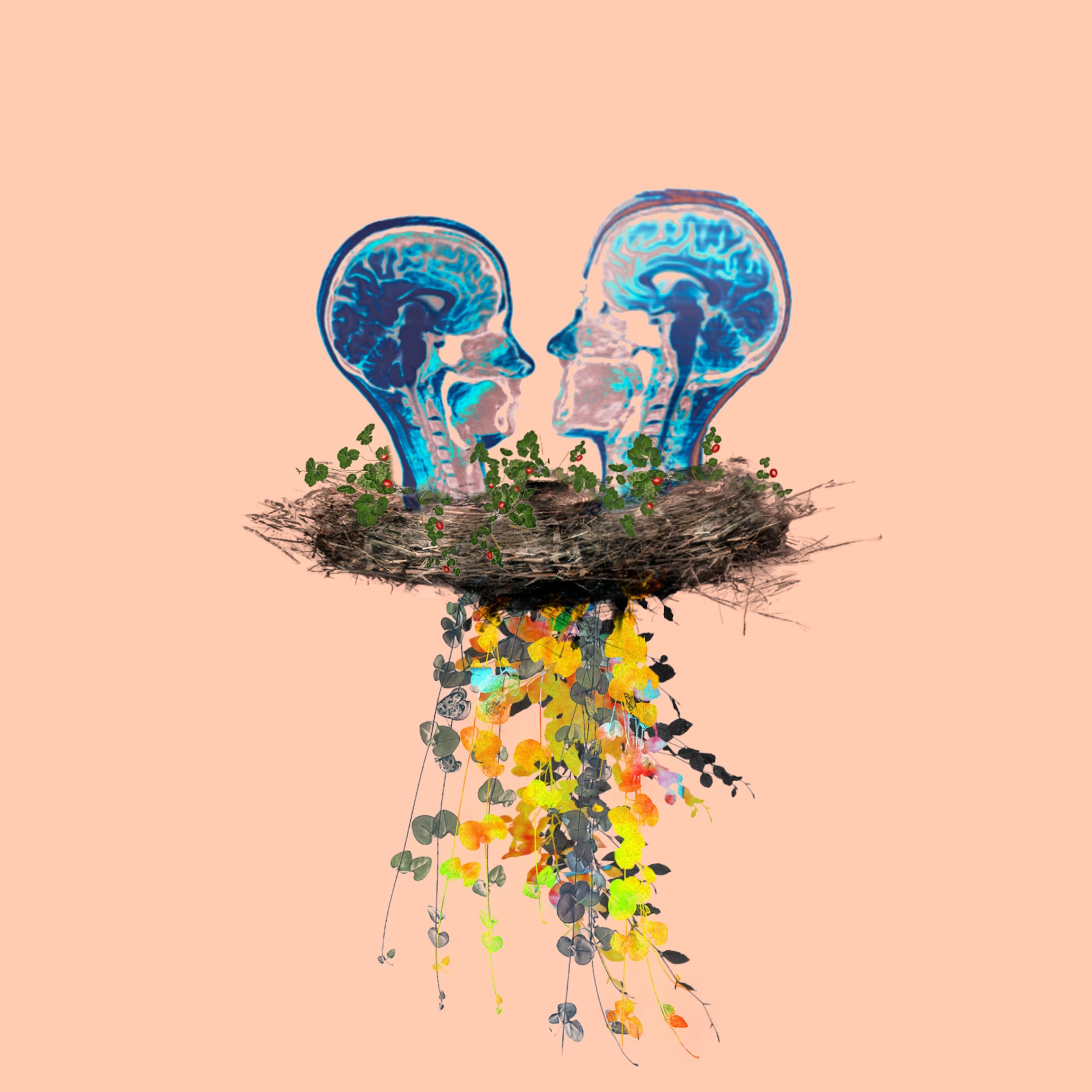
Human growth can seem to just happen—genes, care, and nurture set each of us on a trajectory across the lifespan. But how do people actually grow toward wholeness, and is virtue even the point?
Psychologists Liz Hall and Todd Hall of Biola University’s Rosemead School of Psychology, coauthors of Relational Spirituality, bring psychological science and Christian theology together to answer. The conversation grows out of the Martin Institute’s Practice Unto Virtue project, which gathered theologians, psychologists, philosophers, and biblical scholars at Westmont College in spring 2026 to ask how Christian practices like prayer, fasting, and servic...
Technology, Wonder, and Attention / Aaron Cline Hanbury

Technology, Aaron Cline Hanbury suggests, is never a purely neutral tool. But the history of ethical thinking about technology shows that as long as there's been technology, there's been anxiety about it. Or perhaps more accurately, anxiety about what we might do with it. And increasingly, what it might do to us.
A journalist, founding editor of Common Good magazine, and author of Wired for Wonder, Hanbury came of age as the internet entered the home and has spent his career reporting from the places where technology, faith, and everyday life collide. Rather than offering another list...
Can Political Enemies Be Civic Friends? / Robert George (From the Archives)
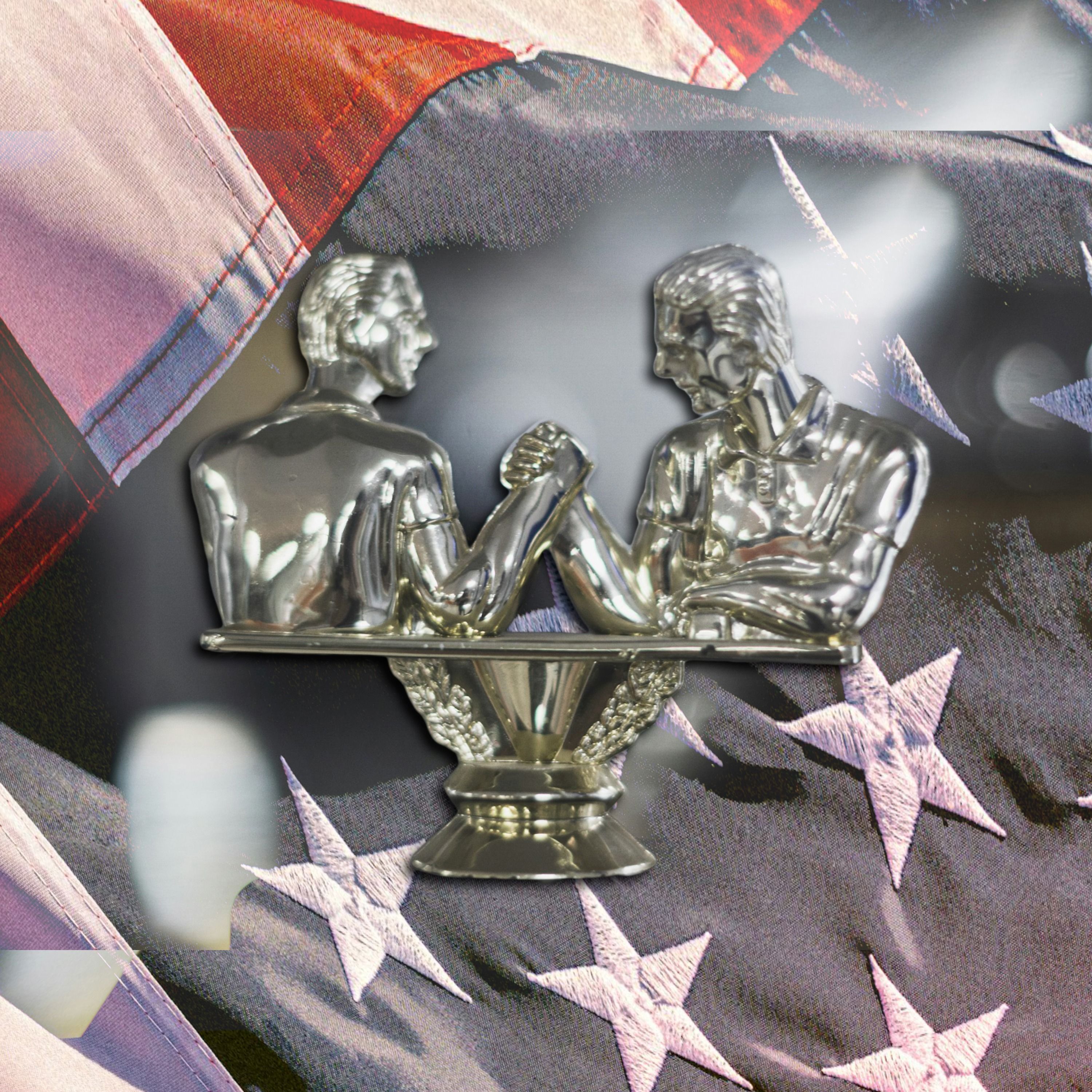
Civic friendship is not a nicety. For self-governing people, it is a necessity. What happens to a democracy when citizens stop seeing each other as citizens at all?
Robert P. George is Princeton’s McCormick Professor of Jurisprudence, director of the James Madison Program in American Ideals and Institutions (and known for his enduring friendship with Cornel West) argues that “the collapse of civic friendship is a catastrophic threat to public life.”
In this bonus segment from his November 2020 conversation with Evan Rosa, Robert George presents the difference between civility and mere ‘politesse; the habit of wrapp...
How to Die Well / Lydia Dugdale (From the Archives)
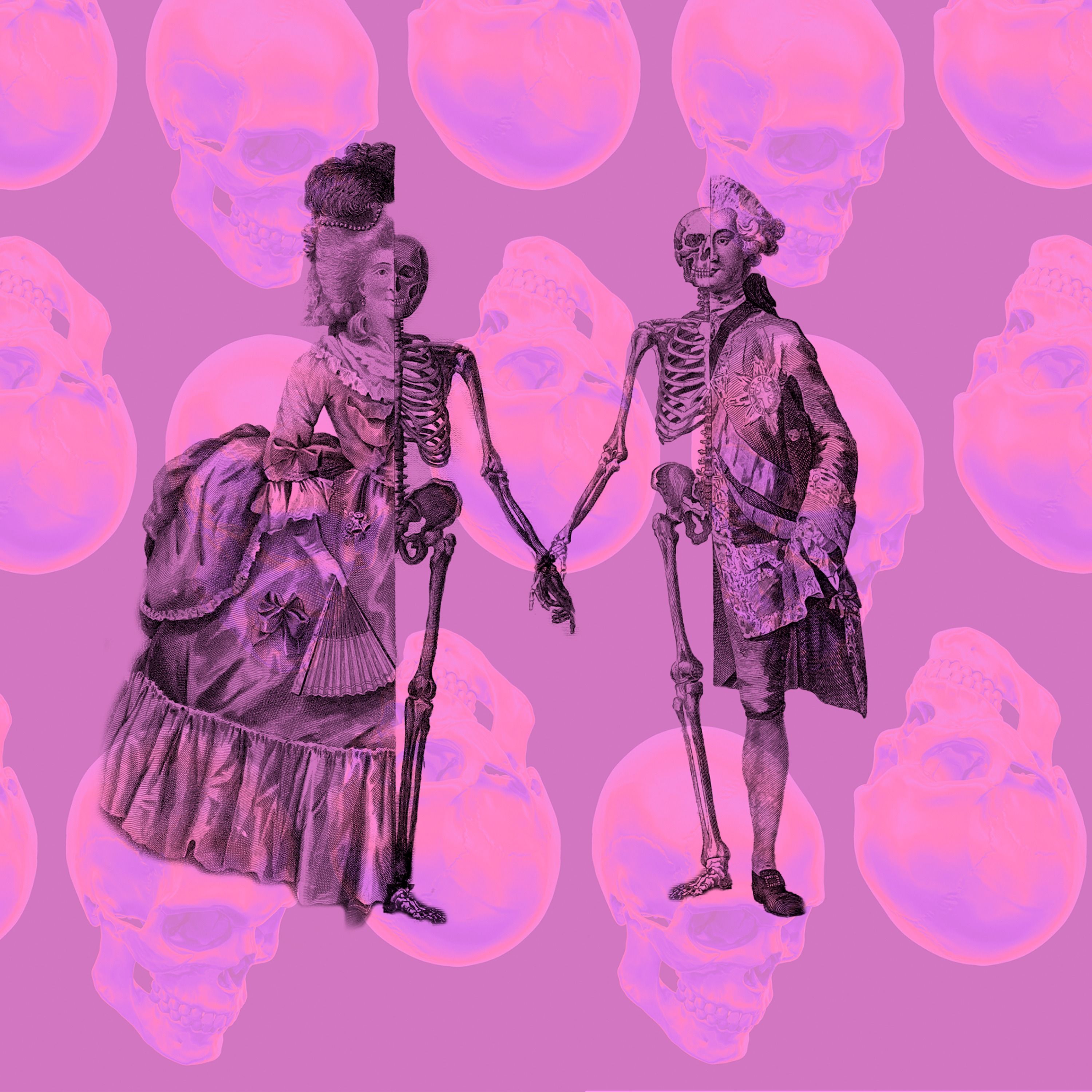
Why don’t more doctors talk about death? Dr. Lydia Dugdale has been asking this question since she was a medical student. She is the Silberberg Professor of Medicine and directs the Center for Clinical Medical Ethics, and two books on how we die, including "The Lost Art of Dying."
"Most medical professionals today are very unpracticed at talking to patients about their mortality," she says.
Not only unpracticed, but even themselves afraid.
In this bonus clip from Episode 232 with Macie Bridge, Dugdale traces the path from that early perplexity on the wards to...
You Must Change Your Life (From the Archive)
We were made by a Maker to be makers. Bruce Herman joins Evan Rosa to diagnose the quiet illness of a passive consumer culture that trains us to sit in front of screens and scroll and take, rather than make. “When we’re not making something, we’re not whole. We’re not healthy.“ His cure is stubbornly ordinary: go make a loaf of bread, grab a stick and start carving, make a good meal or a good cocktail for the person visiting you—anything is resistance to this hypnotic, passive culture.
From episode 216 of the podcast, in this segm...
I Don't Know What Faith Means Anymore: Terminal Illness, Poetic Faith, and Theological Doubt / Miroslav Volf and Christian Wiman

For twenty years, Christian Wiman has lived with a rare, incurable cancer. In the fall of 2022, during a stretch when the illness was especially bad, he wrote to his friend and Yale colleague Miroslav Volf: “I don’t know what faith means anymore. I’m a 56-year-old with a pile of books behind me and an experimental bone marrow transplant ahead of me, and I don’t know what faith means.” That letter became the seed of an extended correspondence between the poet and the theologian, now published as Glimmerings: Letters on Faith between a Poet and a Theologian.
In t...
Owning Grief Redemptively: The Wound of Loss, the Failure of Theodicy, and the Cry of Suffering Love / Nicholas Wolterstorff

More than forty years after his twenty-five-year-old son Eric died in a climbing accident, philosopher Nicholas Wolterstorff joins Miroslav Volf to revisit the grief behind his classic Lament for a Son and his recent Living with Grief.
“If he was worth loving when alive, he was worth grieving when dead.”
In this episode they reflect together on mourning loss, refusing both the consolations of theodicy and the pressure to move on. Together they discuss owning grief rather than disowning it, lament as a cry that transcends analysis, and the limits of explaining suffering through theodicy. They...
Anonymous Spiritual Hitchhiking: Emotional Health in the Digital Age / Anonymous
We’re used to hostile online encounters with total strangers. It fuels the digital economy. But what if there were a way to experiment with radical emotional honesty with an anonymous other—much the same as you’d experience at an Alcoholics Anonymous meeting? The anonymous founder of This Life, an audio-only app built on anonymity, joins For the Life of the World to argue that emotional and spiritual progress is still possible at scale.
"What's really kind is to care about somebody else. And then even more kind than that is to allow somebody else to care a...
How to Read William Blake: Imagination and Flourishing Beyond Reason Alone / Mark Vernon
What does it take to put a fractured world back together? Philosopher and psychotherapist Mark Vernon joins Evan Rosa to explore William Blake as the great counter-Enlightenment guide for our anxious, divided age.
"The world comes to be seen as it truly is, which is infinite, and that can embrace distinction difference as much as similarity and sharing."
In this episode with Evan Rosa, Vernon explains how to read William Blake, and reflects on Blake as the most important post-Reformation Christian mystic—a poet, painter, and philosopher offering not just a diagnosis of modern division bu...
Perseverance Through Weariness, Exhaustion, and Burnout: The Desert Wisdom of Christian Resilience / Tish Harrison Warren
What sustains faith when prayer feels flat and God seems distant—and there's no clear tragedy to explain it? Anglican priest and former New York Times columnist Tish Harrison Warren joins Macie Bridge to talk about weariness, burnout, and the quiet middle stretches of a long spiritual life. Drawing on her new book What Grows in Weary Lands, she turns to the Desert Fathers and Mothers for a resilience that resists both flaming out and numbing out.
"It felt like the call had dropped, like the line had gone dead."
In this episode with Macie Br...
To Be Human Is to Be Unfinished: Anxiety, Existential Psychology, and Flourishing / Dan Koch & Kristen Tideman

What if the anxiety you most want to get rid of is the one you most need to listen to? Existential psychologist Dan Koch and marketing strategist Kristen Tideman join Evan Rosa for a conversation about what anxiety is actually for—and what happens when it turns against you. "To be human is to be unfinished. It is to have constantly limits around you, and your choice is to accept them or pretend they're not there." In this episode, they reflect together on the existential roots of anxiety and what it looks like to confront real limits—from an MS d...
Dwell in the Darkness: John's Passion Narrative, Good Friday, and the Education of Desire / David Ford

As Christians enter the most solemn stretch of the liturgical year, theologian David Ford — who spent over twenty years writing his commentary on the Gospel of John — makes the case that no other Gospel prepares you for the cross the way John does. "The right question is not so much what happened on the cross, as who happened on the cross. All through the gospel, every chapter, John is saying — who Jesus is is the most important thing." In this episode with Macie Bridge, Ford reflects on why John's Gospel resists rushing past darkness to get to Easter. Together they d...
How to Read Ecclesiastes: Absurdity, Futility, and the Simple Value of Life / Jesse Peterson
The book of Ecclesiastes has puzzled readers for millennia with its unflinching observations about absurdity, meaninglessness, vanity, and futility. Biblical scholar Jesse Peterson joins Evan Rosa to discuss his book, Qoheleth and the Philosophy of Value, bringing contemporary philosophy into dialogue with this ancient text and reflecting on what happens when a sage confronts the gap between expectation and reality.
"Can you view your work, your toil, not just as a means to a further end? Can you rather turn to simply enjoy the work itself?"
Together they discuss the distinction between meaning and value...
Loyalty Without Idolatry: Religious Vibe Shift and a Theology of Democratic Life / Luke Bretherton
Increasingly, it seems that a very public and nationalized Christianity is bouncing back as a live, contested question around the world, and there’s a temptation to exist on the extremes of either loyalty to the point of idolatry, or total opposition to the point of suspicion of the human beings we need to get along with every day.
That creates a dilemma for Christian witness, one that can perhaps only be solved by the courage and fortitude to live in the tension this creates, honoring everyone’s dignity, and not falling into a gross idolatry of the...
The Wound and the Gaze: Trauma Theology, Contemplative Healing, and Becoming Beloved / Bo Karen Lee
Theologian Bo Karen Lee joins Ryan McAnnally-Linz to explore how the multiple layers of trauma—pandemic grief, racialized violence, intergenerational wounding, vicarious suffering—can be met by the resources of Ignatian spirituality and contemplative prayer. Writing and teaching at the intersection of Christian formation and social justice, Lee brings both scholarly precision and uncommon personal candor to one of the most urgent conversations in theology today.
"Trauma tends to isolate and alienate us from our siblings, our human siblings. But ironically, this witnessing of one another's pain is the source of healing. So it has the very oppo...
The Accessorized Bible: Interpretation, Responsibility, and the Ethics of Reading / David Dault

What happens when we stop treating the Bible as a sacred object and start paying attention to how we actually use it? In this conversation, theologian David Dault reflects on interpretation, responsibility, and the ethics of reading scripture in a fractured world.
In this episode with Evan Rosa, Dault reflects on interpretation, responsibility, and how readers shape the meaning and moral impact of the Bible.
Together they discuss the materiality of scripture, translation and betrayal, moral seriousness, scriptural reasoning across traditions, catastrophic love, and the ethical responsibility readers bear for how sacred texts are used.<...
Season of Rebellion / Esau McCaulley on Lent [From the Archives]
Today we’re bringing you an episode with Esau McCaulley, from the Lenten season of 2023. Esau sees Lent as a practice of collective generational wisdom, passed down through centuries of sacramental rhythms—but as a contemporary reality, Lent is a spiritual rebellion against mainstream American culture.
He construes Lent as a season of repentance and grace; he points out the justice practices of Lent; he walks through a Christian understanding of death, and the beautiful practice of stripping the altars on Maundy Thursday; and he’s emphatic about how it’s a guided season of pursuing the grace to...
Your Whole Self at Work: The Sociology of Religion in the Workplace / Elaine Ecklund
Work shapes identity, community, and meaning—but how should faith show up in professional life? Sociologist Elaine Ecklund discusses religion in the workplace, drawing on research conducted with co-author Denise Daniels.
“I think our faith compels us to hope for and enact flourishing for everyone.”
In this episode with Evan Rosa, Ecklund reflects on vocation, gender, authenticity, and principled pluralism in modern workplaces. Together they discuss workplace identity, gender discrimination, calling across occupations, boundaries around work, religion’s public role, and pluralism in professional life.
Episode Highlights
“I think our faith compels us...
Faith and Character in a Polarized Society / John Kasich
Can faith sustain courage and openness in a polarized democracy? Former Ohio governor and presidential candidate John Kasich reflects on faith, fear, character, and public life amid deep political polarization and religious tension in America.
“There is a certain comfort in knowing you have somebody who’s always in your corner.”
In this conversation with Evan Rosa, Kasich reflects on personal faith shaped by tragedy, the search for purpose, and why character matters more than ideology in leadership. Together they discuss religious faith in American life, his experience running in the 2016 Republican presidential primaries, voting on cha...
Forgiving Our Fathers: Time, Mortality, and Finding Peace / Stan Grant

Mortality, fragility, forgiveness, and peace. Journalist and author Stan Grant offers a genre-bending work of prayer, memory, and theology shaped by fatherhood, Aboriginal inheritance, masculinity, and mortality.
“I see this as a gift from God, a creator that allows us to find each other again.”
In this conversation with Evan Rosa, Grant reflects on his 2025 book, Murriyang: Song of Time—his philosophical and spiritual exploration of the human place in the world and faith as lived experience rather than abstraction. He looks closely at his father’s life in order to come to terms with his own...
Religion and Modern Slavery: Moral Blindness, Religious Responsibility, and the Psychology of Power / Kevin Bales and Michael Rota
Slavery did not end in the nineteenth century—it persists today, hidden in global supply chains, religious justifications, and systems of power. Kevin Bales and Michael Rota join Evan Rosa to explore modern slavery through history, psychology, and theology, asking why it remains so difficult to see and confront.
“It’s time some person should see these calamities to their end.” (Thomas Clarkson, 1785)
“There are millions of slaves in the world today.” (Kevin Bales, 2025)
In this episode, they consider how conscience, power, and religious belief can either sustain enslavement or become forces for abolition. T...
The Nail in the Tree: Sandy Hook School Shooting, Violence, Childhood, Poetry / Carol Ann Davis

Poet and essayist Carol Ann Davis (Fairfield University) joins Evan Rosa for a searching conversation on violence, childhood, and the moral discipline of attention in the aftermath of Sandy Hook. Reflecting on trauma, parenting, childhood, poetry, and faith, Davis resists tidy narratives and invites listeners to dwell with grief, healing, beauty, and pain without resolution.
“I don’t believe life feels like beginnings, middles, and ends.”
In this episode, Davis reflects on how lived trauma narrows attention, reshapes language, and unsettles conventional storytelling. Together they discuss poetry as dwelling rather than explanation, childhood and formation amid v...
How to Read Blaise Pascal: Grace, Modern Longing, and Wagering with Fire / Graham Tomlin
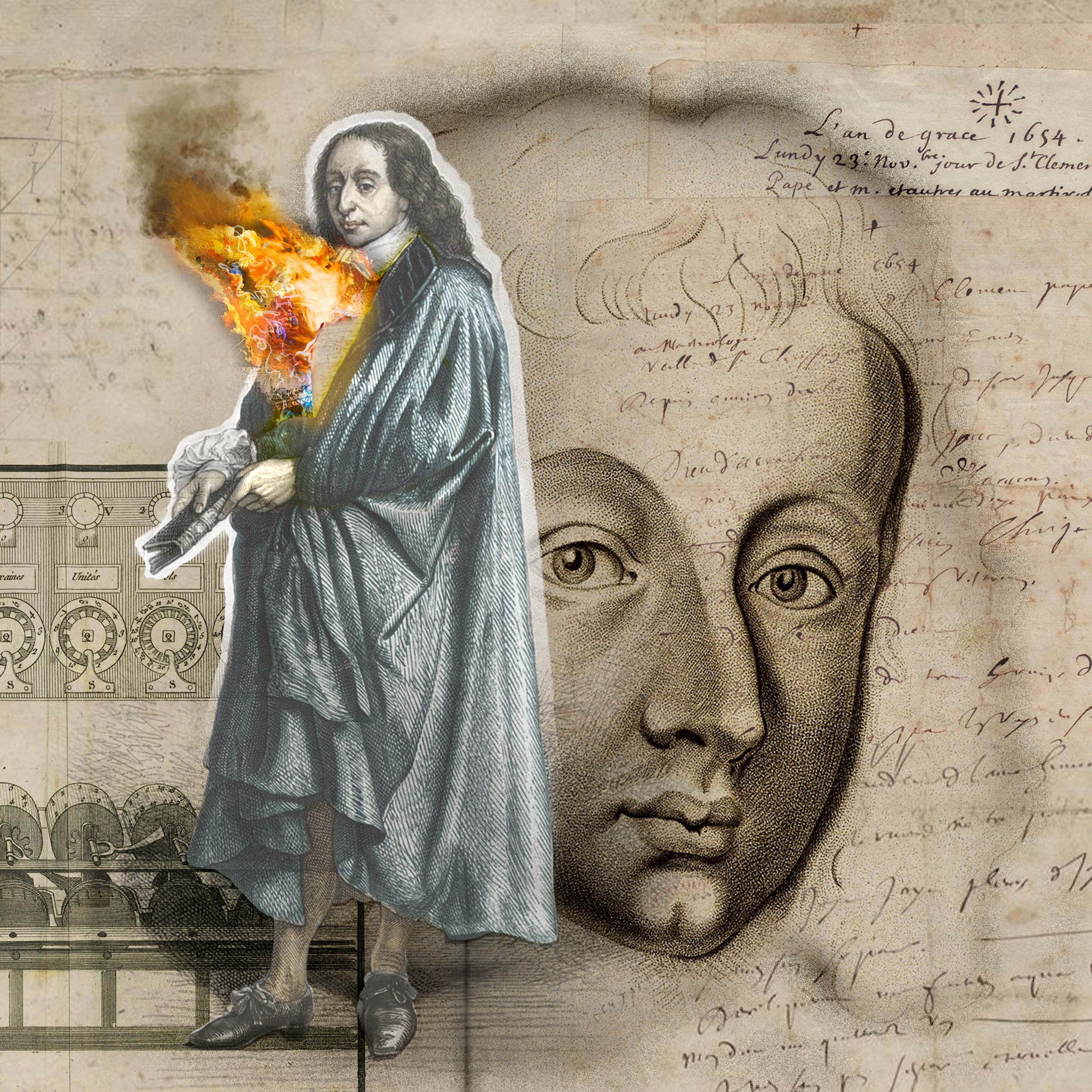
“Our longings are much more powerful than our logic, and our desires are stronger than our reason.” (Graham Tomlin on the thought of Blaise Pascal)
The Rt. Rev. Dr. Graham Tomlin (St. Mellitus College, the Centre for Cultural Witness) joins Evan Rosa for a sweeping exploration of Blaise Pascal—the 17th-century mathematician, scientist, philosopher, and theologian whose insights into human nature remain strikingly relevant. Tomlin traces Pascal’s life of brilliance and illness, his tension between scientific acclaim and radical devotion, and his deep engagement with Descartes, Montaigne, and Augustine. The conversation moves through Pascal’s analysis of self-de...
Creaturely Loneliness: Desire, Grief, and the Hope of Encounter / Macie Bridge & Ryan McAnnally-Linz (SOLO Part 6)
Loneliness seems to be part of what it means to be a relational being. Does that mean loneliness can never really be “solved”? Here’s one way to think about loneliness: As a gap between relational expectation and social reality—something that signals our essentially relational, reciprocal nature as human beings.
This episode is part 6 of a series, SOLO, which explores the theological, moral, and psychological dimensions of loneliness, solitude, and being alone.
In this reflective conclusion to the series, Macie Bridge and Ryan McAnnally-Linz explore loneliness not as a pathology to solve but as a univer...
Dying Alone: Terminal Loneliness, Modern Medicine, and Contemplative Solitude / Lydia Dugdale (SOLO Part 5)

Living alone may be difficult, but what about dying alone? Physicians and nurses are the new priests accompanying people as they face death. But the experience of nursing homes, assisted living, and palliative wards are often some of the loneliest spaces in human culture.
“He said, ‘Someone finally saw me. I’ve been in this hospital for 20 years and I didn’t think anyone ever saw me.’”
This episode is part 5 of a series, SOLO, which explores the theological, moral, and psychological dimensions of loneliness, solitude, and being alone.
In this episode, Columbia physician an...
Women Alone with God: Extraordinary Lives of Medieval Women / Hetta Howes (SOLO Part 4)
What is the role of solitude in Christian history? Medievalist Hetta Howes comments on the allure of enclosure, how seeking solitude supports community, and what these ancient lives reveal about our modern search for connection.
“Even those moments of solitude that she’s carving for herself are surprisingly sociable.”
This episode is part 1 of a 5-part series, SOLO, which explores the theological, moral, and psychological dimensions of loneliness, solitude, and being alone.
Medieval Anchoresses and Women Mystics sought a life of solitude with and for God—what about their vocation might illuminate our perspect...
Lonely Tech: AI, Isolation, Solitude, and Grace / Felicia Wu Song (SOLO Part 3)
Is technology the source or salve of social isolation? Given the realities of increasing division, the epidemic of loneliness, and unwanted isolation today, how should we think about the theological, ethical, and spiritual dimensions of the human experience of aloneness?
“AI technologies aren’t capable of creating conditions in which grace can happen—it’s endemic to personhood.”
This episode is part 3 of a 5-part series, SOLO, which explores the theological, moral, and psychological dimensions of loneliness, solitude, and being alone.
In this episode, sociologist Felicia Wu Song joins Macie Bridge to discuss the sociol...
Notice the Absence: Ecological Loneliness, Local Attention, and Interspecies Connection / Laura Marris (SOLO Part 2)
Consider human ecological loneliness and our longing for reconnection with all creation. What healing is available in an era defined by environmental loss and exploitation? Can we strengthen the fragile connection between modern society and the space we inhabit?
“Loneliness is the symptom that desires its cure.”
In this episode Macie Bridge welcomes writer, translator, and poet Laura Marris to reflect on her essay collection The Age of Loneliness, a meditation on solitude, grief, and the ecology of attention. Marris considers what it means to live through an era defined by environmental loss and human disc...
Flourishing Alone / Miroslav Volf (SOLO Part 1)
Theologian Miroslav Volf reflects on solitude, loneliness, and how being alone can reveal our humanity, selfhood, and relationship with God.
This episode is part 1 of a 5-part series, SOLO, which explores the theological, moral, and psychological dimensions of loneliness, solitude, and being alone.
“Solitude brings one back in touch with who one is—it’s how we stabilize ourselves so we know how to be ourselves with others.”
Macie Bridge welcomes Miroslav for a conversation on solitude and being oneself—probing the difference between loneliness and aloneness, and the essential role of solitude in a flour...
Christian Faith and Public Service / Sen. Kirsten Gillibrand (D-NY)
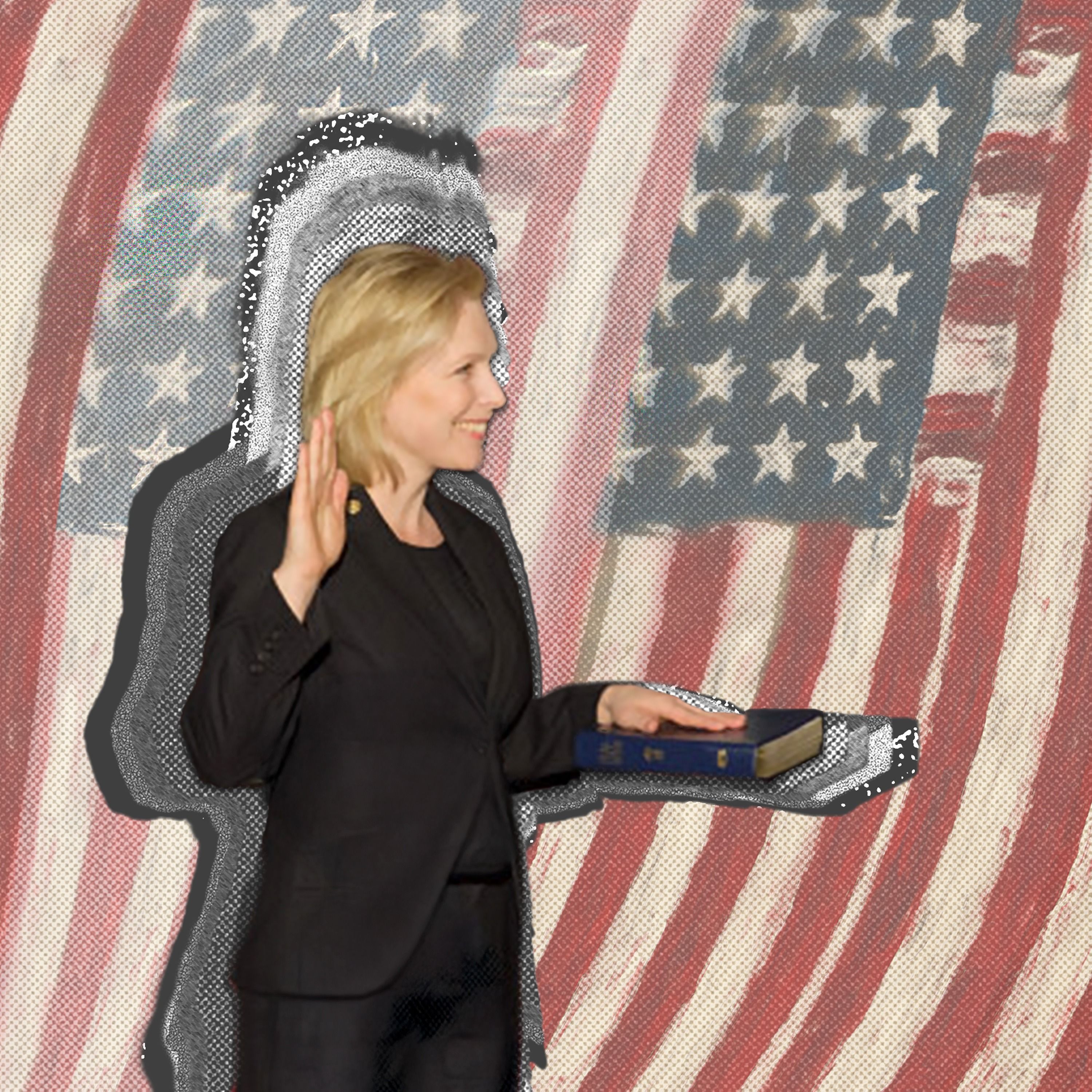
From bipartisan cooperation to prayerful gratitude, Senator Kirsten Gillibrand joins Drew Collins to reflect on joy, wisdom, and love of enemy in a divided nation—offering a vision of public service grounded in the way of Jesus.
“Jesus defied expectations—he welcomed the stranger, he fed the hungry, he loved his enemies.”
Together they discuss the role of faith in public life amid deep division. Reflecting on Jesus’s call to love our enemies and the Apostle Paul’s exhortation to “rejoice always,” she describes how Scripture, prayer, and gratitude sustain her work in the U.S. Senate.
...Irrevocable Covenant: Against Supersessionism / R. Kendall Soulen
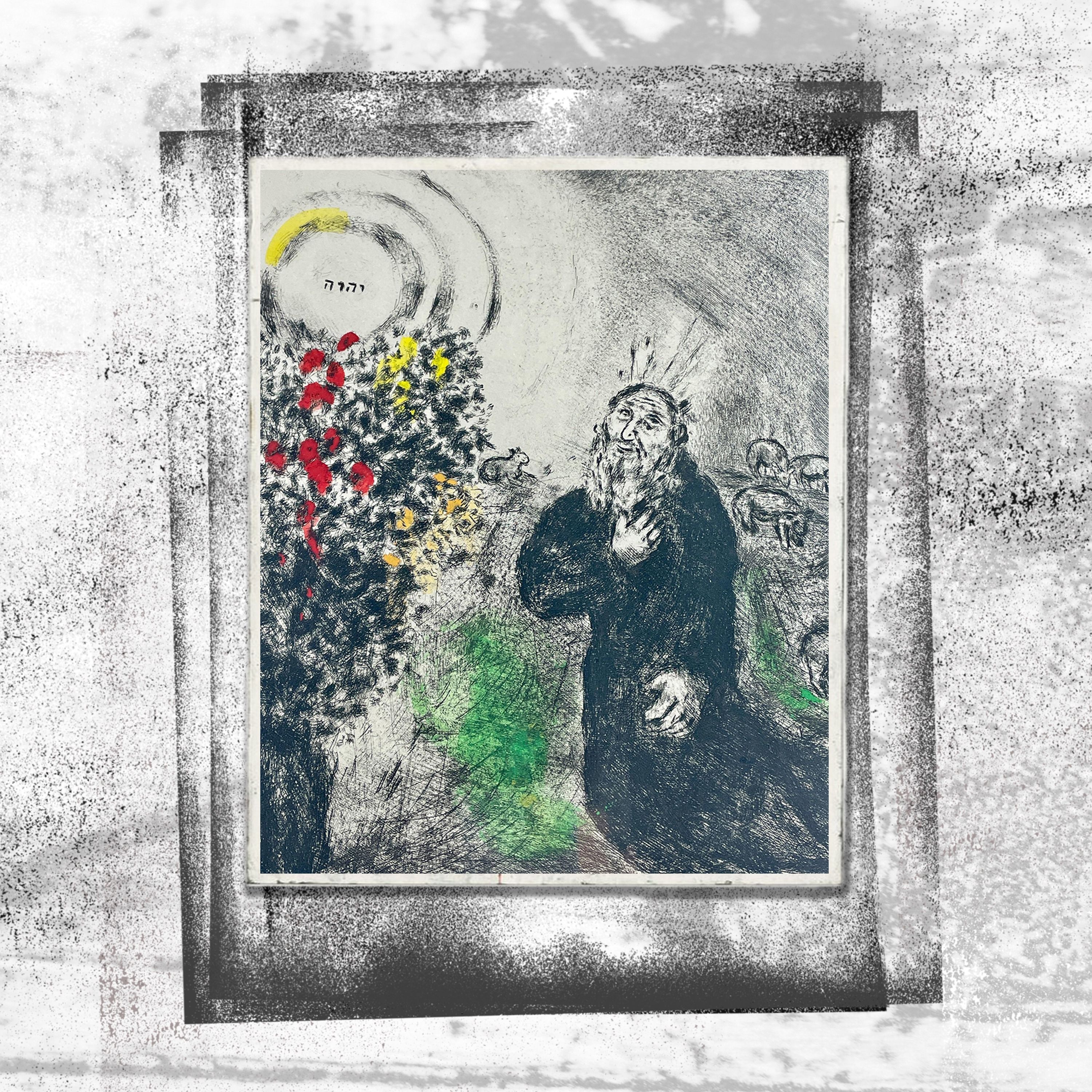
“The gifts and the calling of God are irrevocable.” Theologian R. Kendall Soulen joins Drew Collins to discuss supersessionism, the name of God (tetragrammaton), the irrevocable covenant between God and the Jews, and the enduring significance of Judaism for Christian theology.
Together they explore religious and ethnic heritage, cultural identity, community, covenant, interfaith dialogue, and the ongoing implications for Christian theology and practice.
They also reflect on how the Holocaust forced Christians to confront theological assumptions, how Vatican II and subsequent church statements reshaped doctrine, and why the gifts and calling of God remain irrevocable. Soul...
Burnout and Sabbath / Alexis Abernethy
Clinical psychologist Alexis Abernethy explores burnout, Sabbath rest, and resilience—reframing rest as spiritual practice for individuals and communities.
“For me, it’s knowing that the Lord has made me as much to work as much to be and to be still and know that he is God.”
On this episode, clinical psychologist Alexis Abernethy (Fuller Seminary) joins Macie Bridge to discuss burnout, Sabbath, worship, mental health, and resilience in the life of the church. Defining burnout through its dimensions of emotional exhaustion, depersonalization, and reduced sense of accomplishment, Abernethy reflects on how church life can inte...
How to Read the Gospel of John / David Ford
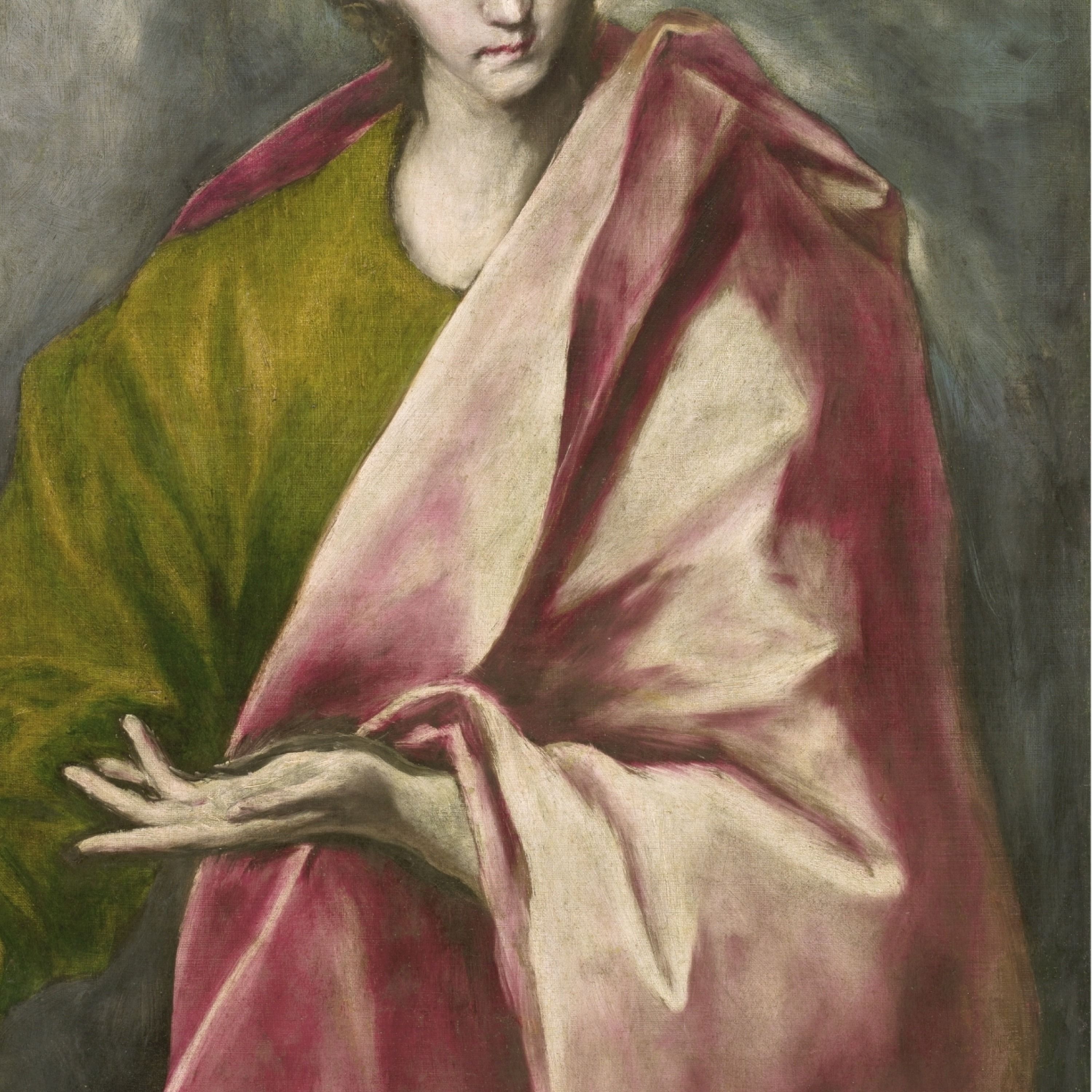
The Gospel of John is a gospel of superabundance. The cosmic Christ made incarnate would of course yield an absolute superabundance of grace, love, and unity.
What makes John’s Gospel so distinct from the Synoptics? Why does it continue to draw readers into inexhaustible depths of meaning? In this conversation, theologian David Ford reflects on his two-decade journey writing a commentary on John. Together with Drew Collins, he explores John’s unique blend of theology, history, and literary artistry, describing it as a “gospel of superabundance” that continually invites readers to trust, to reread, and to enter in...
Amor Mundi Part 5: Humility and Glory of Love / Miroslav Volf's 2025 Gifford Lectures

Miroslav Volf critiques ambition, love of status, and superiority, offering a Christ-shaped vision of agapic love and humble glory.
“’And if you received it, why do you boast as if it were not a gift?’ If you received everything you have as a gift and if your existence as the recipient is also a gift, all ground for boasting is gone. Correspondingly, striving for superiority over others, seeking to make oneself better than others and glorying in that achievement, is possible only as an existential lie. It is not just a lie that all strivers and boasters tell t...
Amor Mundi Part 4: The Earth Embraced / Miroslav Volf's 2025 Gifford Lectures

Miroslav Volf explores agapic love, creation’s goodness, and God’s grief—an alternative to despair, power, and world rejection.
“When a wanted child is born, the immense joy of many parents often renders them mute, but their radiant faces speak of surprised delight: ‘Just look at you! It is so very good that you are here!’ This delight precedes any judgment about the beauty, functionality, or moral rectitude of the child. The child’s sheer existence, the mere fact of it, is ‘very good.’ That’s what I propose God, too, exclaimed, looking at the new-born world. And that uncond...
Amor Mundi Part 3: Loving Our Fate? / Miroslav Volf's 2025 Gifford Lectures

Miroslav Volf critiques Nietzsche’s vision of power, love, and suffering—and offers Jesus’s unconditional love as a more excellent way.
The idea that competitive and goalless striving to increase one's power is the final Good, does very important work in Nietzsche’s philosophy. For Nietzsche, striving is good. Happiness does not rest in feeling that one's power is growing. In the modern world, individuals are, as Nietzsche puts it, ‘crossed everywhere with infinity.’ …
And therefore condemn to ceaseless striving … The will to power aims at surpassing the level reached at any given time. And that goal ca...
