Reckoning with Jason Herbert

Reckoning with Jason Herbert is a long-form conversation podcast about history, the outdoors, and the stories that shape who we are.Each episode features historians, writers, scientists, and thinkers in wide-ranging conversations about wild places, forgotten pasts, cultural memory, and the forces—human and natural—that continue to shape our lives.This isn’t a news cycle show or a debate podcast. It’s a space for reflection, curiosity, and serious conversation—meant to be listened to slowly.If you’re interested in history beyond textbooks, the outdoors beyond recreation, and stories that linger long after they’re told, this show is for yo
Episode 207: Onondaga: The Central Fire of the Iroquois with Michael Oberg

“We’re still here.” Historian Michael Oberg joins Jason Herbert to explore the history of the Onondaga Nation, keepers of the central fire of the Haudenosaunee Confederacy, also known as the Iroquois Six Nations.
Drawing on his book The Central Fire of the Iroquois, Oberg traces a community’s enduring commitment to its homeland, sovereignty, and traditions despite centuries of invasion, dispossession, and efforts to erase its identity. We discuss the Peacemaker and Hiawatha, the Great Law of Peace, and how ceremony, diplomacy, and listening have sustained the Onondaga people.
What changes when we place Onondaga...
Episode 206: Historians At The Movies: Battleship with Colin Colbourn and Trent Hone

Can you really drift a battleship? Which American admiral would you trust to fight an alien invasion—and which one would get us all killed? Naval historian Trent Hone and military historian Colin Colbourn join Jason Herbert to put Battleship (2012) through a very unserious inspection with some serious U.S. Navy history.
Using the film’s alien showdown as our starting point, we explore the USS Missouri, Iowa-class battleships, and how naval warfare actually works. Could a crew of veterans bring a museum ship back into combat? How do you aim those enormous guns? And why did batt...
Episode 205: Freedom's Ghosts: Ben Vereen & Amethyst Davis on The Grey House and the Meaning of Juneteenth

Episode Description
As America prepares to commemorate Juneteenth, Jason Herbert sits down with legendary actor Ben Vereen and breakout star Amethyst Davis for a powerful conversation about The Grey House—the Civil War-era drama that explores freedom, resistance, and the unfinished legacy of slavery. Drawing on their experiences bringing the series to life, Vereen and Davis reflect on portraying Black Americans during Reconstruction, the importance of telling stories that many would rather forget, and why history remains a battleground today.
The conversation moves beyond filmmaking to explore Black liberation, hi...
Episode 204: Water, Power, and the Future of the American West: Deep Time on Mono Lake with Robert Marks

What can a salty desert lake in Eastern California teach us about climate change, Indigenous history, migration, and the future of the American West? On this episode of Reckoning with Jason Herbert, historian Bob Marks joins Jason to discuss his new book, Deep Time in the Mono Lake Basin, and the remarkable 10,000-year environmental history of Mono Lake Basin.
From the ancient world of the Northern Paiute and migrating Wilson’s phalaropes to the rise of Los Angeles water politics and the ecological battles that inspired comparisons to Chinatown, this conversation explores how humans transformed one of No...
Episode 203: Pressure with Colin Colbourn and Todd Arrington

D-Day is one of the most studied military operations in history. But what if the fate of the Allied invasion hinged not on generals, tanks, or landing craft—but on a weather forecast?
In this episode of Reckoning with Jason Herbert, Jason is joined by historians Todd Arrington and Dr. Colin Colbourn to discuss the new film Pressure, starring Brendan Fraser as General Dwight D. Eisenhower and Andrew Scott as meteorologist James Stagg. Together they explore the extraordinary decisions made in the days before June 6, 1944, when uncertain forecasts, competing personalities, and the weight of history converged on a...
Episode 202: World War II in Alaska: Alaska Native Resilience, Relocation, and Resistance with Holly Guise

World War II reached far beyond the beaches of Normandy and the islands of the Pacific. It also came to Alaska, where Indigenous communities found themselves on the front lines of invasion, military occupation, and forced relocation.
In this episode of Reckoning with Jason Herbert, historian Holly Miowak Guise discusses her groundbreaking book Alaska Native Resilience: Voices from World War II. Drawing on more than 90 oral history interviews with Alaska Native elders, Guise reveals how Alaska Native communities experienced the Aleutian Campaign, wartime relocation camps, segregation, military service, and the ongoing realities of colonialism in America's far...
Episode 201: The Theater of War: James Verini on Mariupol, Putin, and Ukraine’s Fight for Survival

What happened at the Mariupol Drama Theater — and what does it reveal about the larger war between Russia and Ukraine?
In this episode of Reckoning with Jason Herbert, historian Jason Herbert sits down with acclaimed journalist and author James Verini to discuss his powerful new book, The Theater, an intimate account of the bombing of the Mariupol Drama Theater during Russia’s 2022 invasion of Ukraine.
Together, they explore the siege of Mariupol, the human cost of modern warfare, and the terrifying role propaganda plays in shaping reality during conflict. The conversation moves beyond headlines into the...
Episode 200: How Beer Changed the World | Jeffrey Pilcher on History, Capitalism, and Craft Brewing

Historian and food studies scholar Jeffrey Pilcher joins Reckoning with Jason Herbert to explore the surprising global history of beer and how one of humanity’s oldest drinks became a worldwide commodity. Drawing from his new book Hopped Up: How Travel, Trade, and Taste Made Beer a Global Commodity, Pilcher traces beer’s journey from ancient brewing traditions to modern craft breweries, revealing how beer shaped—and was shaped by—capitalism, industrialization, migration, empire, advertising, and working-class culture.
In this episode, we discuss the origins of brewing in the ancient world, the rise of lager and Pilsner in Centr...
Episode 199: First in War, Last of His Kind: H.W. Brands on George Washington

What made George Washington more than a Founding Father? In this episode of Reckoning with Jason Herbert, historian H. W. Brands joins Jason to explore the man behind the marble statue—soldier, strategist, slaveholder, revolutionary, and reluctant president.
Drawing from Brands’ new biography of Washington, the conversation dives deep into the personality and contradictions of America’s first president. Together, they examine Washington’s rise during the French and Indian War, his leadership during the American Revolution, the brutal realities of Valley Forge, and the immense pressure of holding the Continental Army together when independence seemed impossible.
But...
Episode 198: Honor, Fear, and the Green Knight: Matt Gabriele on Arthurian Myth and Medieval Masculinity

What does The Green Knight reveal about masculinity, honor, fear, and the strange world of medieval storytelling?
In this episode of Reckoning with Jason Herbert, historian and medievalist Matt Gabriele joins Jason for a deep dive into David Lowery’s haunting adaptation of the Arthurian legend Sir Gawain and the Green Knight. Together, they unpack the film’s rich symbolism, eerie atmosphere, and surprisingly human portrayal of knighthood in the Middle Ages.
From Dev Patel’s unforgettable performance as Gawain to the mythology surrounding King Arthur, the conversation explores how medieval people understood honor, courage, religi...
Episode 197: Soylent Green Explained: Eco-Dystopia, Climate Anxiety, and the 1970s That Still Haunt Us

What if our most famous environmental dystopias reveal as much about fear and ideology as they do about the future?
In this episode of Reckoning with Jason Herbert, I sit down with film scholar Matthew Thompson, author of On Life Support, to unpack the haunting world of Soylent Green—and the larger tradition of eco-dystopian cinema that emerged in the 1970s.
We explore how films like Soylent Green, Planet of the Apes, and Silent Running channeled the anxieties of the early environmental movement, from overpopulation and pollution to resource scarcity and class inequality. Drawing on th...
Episode 196: Linford Fisher on the Hidden History of Indigenous Slavery in America

What if American slavery didn’t begin in 1619?
In this episode, historian Linford Fisher joins me to discuss Stealing America: The Hidden Story of Indigenous Slavery in US History and the overlooked history of Indigenous enslavement.
We explore how Native slavery shaped early America—from the Pequot War and Yamasee War to land theft, westward expansion, and boarding schools—and why this history still matters today.
A powerful rethink of American origins—and the stories we’ve been missing.
Episode 195: How The Fast and Furious Franchise Remade Hollywood

What does The Fast and the Furious actually tell us about Hollywood—and about us?
This week on Reckoning with Jason Herbert, I’m joined by Dan Hassler-Forest to break down one of the most unlikely blockbuster franchises of the 21st century. From its origins as a street racing film in 2001 to a global, multi-billion-dollar saga, Fast & Furious didn’t just evolve—it helped reshape how Hollywood thinks about franchises, audiences, and storytelling.
We dive into the rise of serialized blockbusters, the meaning of “family,” the franchise’s approach to masculinity and diversity, and why this series re...
Episode 194: The Menu with Emily Contois and Mark Johnson

Two of our earliest guests are back — and 200 episodes later, the conversation is better than ever.
Jason sits down with Emily Contois (Associate Professor of Media Studies at the University of Tulsa and author of *Diners, Dudes, and Diets*) and Mark Johnson (Assistant Professor of History at UT Chattanooga and author of the newly released *American Bacon: The History of a Food Phenomenon*) to dig into the 2022 satirical horror film *The Menu* — and end up covering pretty much everything worth knowing about American food culture along the way.
What starts as a film discussion quickly beco...
Episode 193: John Quincy Adams After the Presidency: Bob Crawford on America’s Founding Son and the Fight Against Slavery

John Quincy Adams is one of those figures who seems to sit quietly in the background of American history — the son of a Founder, a one-term president, a man often overshadowed by bigger personalities. But look closer, and a very different story emerges. After losing the presidency, Adams didn’t fade away. He reinvented himself. He returned to Washington, entered the House of Representatives, and became one of the most relentless and morally uncompromising voices of his generation — especially on slavery.
In his new book America’s Founding Son: John Quincy Adams from President to Political Maverick, Bob Craw...
Episode 192: Miccosukee Sovereignty, the Everglades, and a Forgotten Cold War Story

What does it mean to fight for your people—not on a battlefield, but in courtrooms, in capitals… and even on the global stage?
In this episode of Reckoning with Jason Herbert, I’m joined by filmmaker and Miccosukee storyteller Montana Cypress to talk about his powerful new film, Becoming Buffalo. At the center of the story is Buffalo Tiger—a man raised in the Everglades who would go on to lead his people into one of the most unlikely diplomatic moments in American history: a meeting with Fidel Castro during the Cold War.
But this con...
Episode 191: Rewriting the West: Megan Kate Nelson and the Myths We Still Believe

In this episode of Reckoning with Jason Herbert, I’m joined by historian Megan Kate Nelson to talk about her new book The Westerners: Mythmaking and Belonging on the American Frontier—and why the frontier myth refuses to die.
We dig into the stories of seven people who lived the West in real time—Indigenous women, Black frontiersmen, Chinese migrants, and white settlers—and how their lives complicate the familiar narrative of pioneers and progress.
Along the way, we explore:
The origins of the frontier myth and why it still shapes American identity Figures like Sacaga...Episode 190: Timecop with John Wyatt Greenlee and Robert Greene II

What if time travel wasn’t about discovery—but control?
In this episode of Reckoning with Jason Herbert, we dive into the 1994 sci-fi action film Timecop—a quintessential 90s blockbuster starring Jean-Claude Van Damme that blends time travel, political corruption, and high-octane action into something far more revealing than it first appears.
Joining me are Reckoning stalwarts and my great friends, historians Robert Greene II and John Wyatt Greenlee. Together, we explore what Timecop tells us about the 1990s—an era shaped by anxieties over government power, deregulation, and the growing sense that the past itself c...
Episode 189: Breaking Away with James Longhurst

In this episode, I sit down with historian James Longhurst, author of Bike Battles, to break down the 1979 film Breaking Away and what it reveals about cycling and American life. We talk about why this coming-of-age sports movie still resonates, how it captures class and masculinity, and what it says about the 1970s bike boom. Along the way, we dig into the history of bicycling in America, the politics of the road, and how debates over bike infrastructure, cities, and transportation continue today. From Greg LeMond to Lance Armstrong to the rise of e-bikes, this is a conversation about...
Episode 188: Kelly Ramsey--Life on the Fireline in the Burning American West

Wildfires are no longer rare disasters in the American West—they are a defining feature of the landscape. But very few people have seen them up close.
In this episode, Jason Herbert speaks with Kelly Ramsey, author of Wildfire Days: A Woman, a Hotshot Crew, and the Burning American West. Ramsey spent multiple seasons on an elite wildland firefighting crew—known as hotshots—the teams sent to the most dangerous parts of massive fires.
Ramsey was also the only woman on her crew, navigating a demanding and deeply male-dominated cultur...
Episode 187: Who Built American Barbecue? with Adrian Miller

Barbecue is American history — but not the version most of us were taught.
In this episode, I talk with James Beard Award–winning historian Adrian Miller about the untold story behind his book Black Smoke: African Americans and the United States of Barbecue.
Who built American barbecue? How did enslaved pitmasters shape a national cuisine? Why have Black barbecue traditions been minimized in the stories we tell about Texas brisket, Memphis ribs, and Southern food culture?
We dive into Juneteenth celebrations, church barbecues, political gatherings, regional myths, and the fight over what counts as “...
Episode 186: Clue: Laughter, Paranoia, and the Politics of the 1980s with Julio Capó, Jr.

What if Clue isn’t just a cult comedy — but a sharp satire of the Cold War?
In this episode of Reckoning with Jason Herbert, historian Julio Capó Jr. joins me to unpack the surprisingly profound history lesson hidden inside the 1985 film Clue. Set in a 1950s mansion but released during the Reagan era, Clue plays with paranoia, anti-communism, class anxiety, and America’s nostalgic myths about the past — all while delivering rapid-fire jokes and multiple endings.
We explore how the film reflects Cold War politics, the cultural mood of the 1980s, and wh...
Episode 185: Creating The Gray House with Lori McCreary, Leslie Greif, and Roland Joffe

Today on the podcast, we’re stepping inside The Gray House—not just the story you see on screen, but the one behind it. This episode is a behind-the-scenes look at how this series came to life: how it was conceived, how it was built, and why it mattered enough to tell it this way.
I’m joined by executive producers Lori McCreary and Leslie Greif, along with director Roland Joffé. Together, they walk us through the creative choices, the production challenges, and the larger questions they were wrestling with as they ma...
Episode 184: Purple Rain and Prince’s Minneapolis with Rashad Shabazz
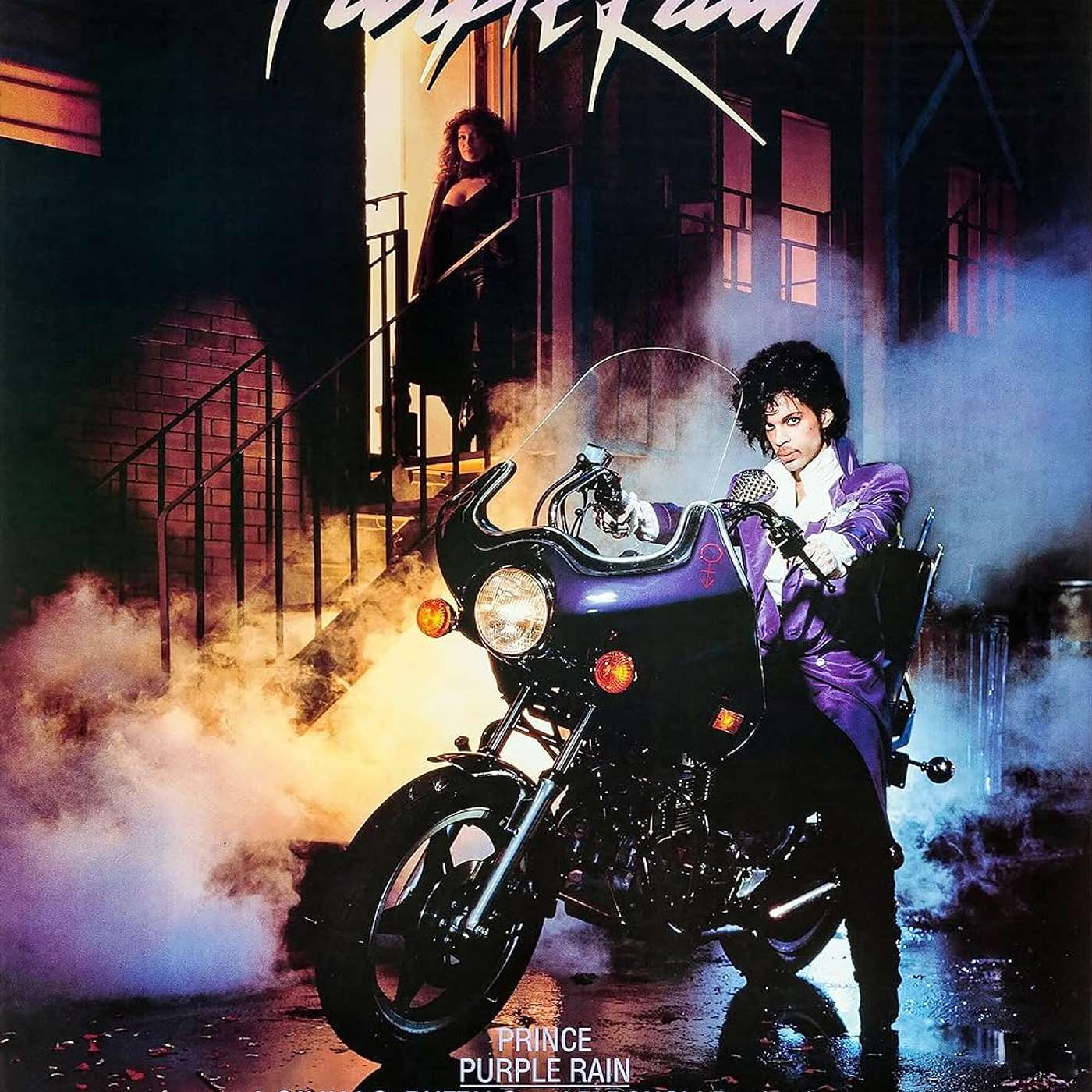
In this episode, I sit down with cultural geographer Rashad Shabazz to dissect the 1984 classic starring Prince — and ask the uncomfortable questions.
Is The Kid a tortured genius… or a young man replaying generational trauma?
Is the final performance redemption — or dominance?
And what does Minneapolis represent in a film about Black masculinity, ambition, and control?
We unpack race, space, violence, desire, artistic genius, and the myth of upward mobility — all through the lens of one of the most iconic soundtracks of the 1980s.
This is Purple Rain as you’ve never hear...
Episode 183: Heather Cox Richardson on Abraham Lincoln: Vampire Hunter
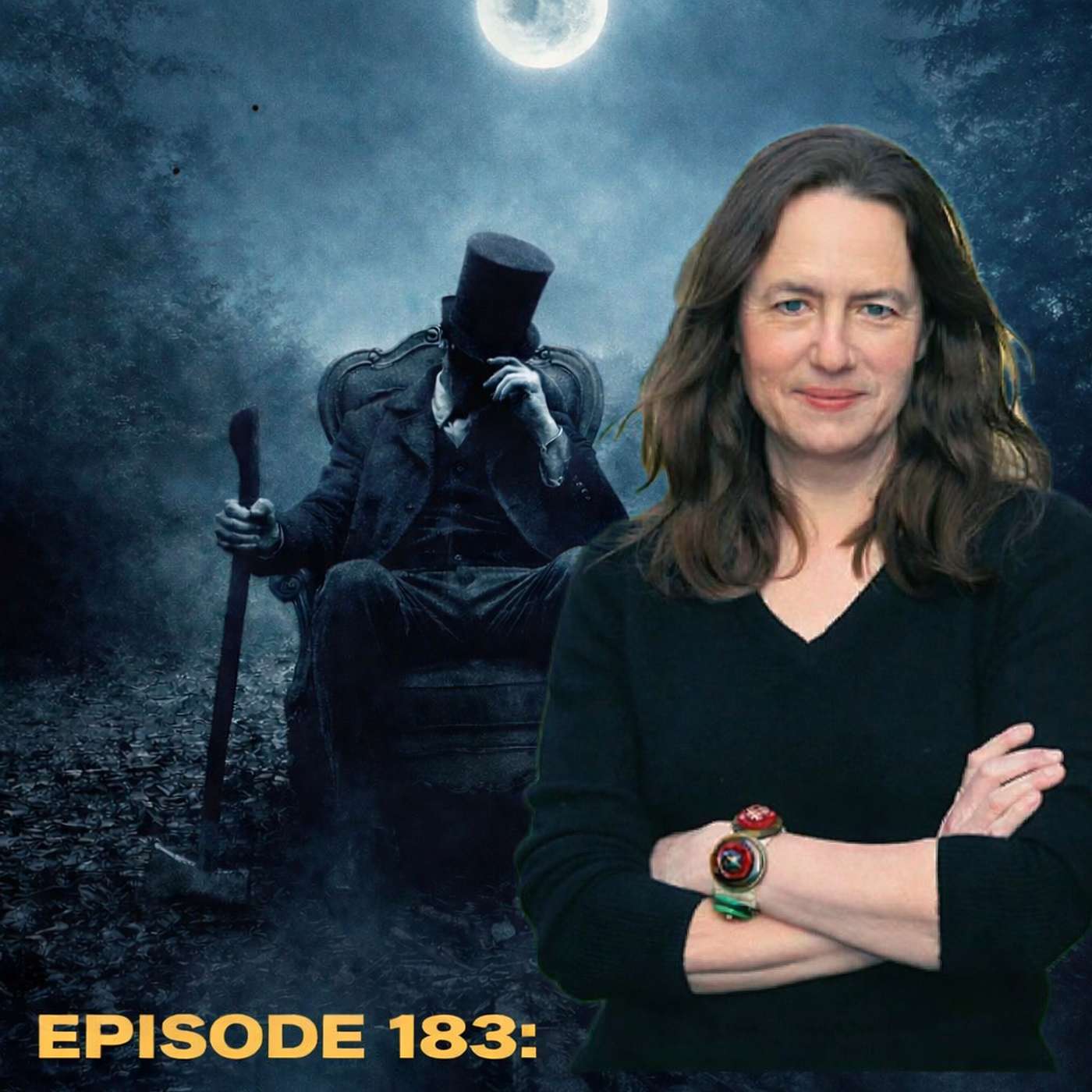
In Episode 183 of Reckoning with Jason Herbert, historian Heather Cox Richardson joins the show for a lively and surprisingly sharp conversation about the film Abraham Lincoln: Vampire Hunter—and what it reveals about American mythmaking.
What happens when we place a fantastical, axe-wielding Abraham Lincoln alongside the real political crises of the 1860s—and our own? We explore the Civil War, Reconstruction, the endurance of the “Lost Cause,” and the power of storytelling in shaping national memory. Along the way, we ask whether some myths refuse to die… and whether th...
Episode 182: Contagion of Liberty: Smallpox, Freedom, and America's First Culture War with Andrew Wehrman
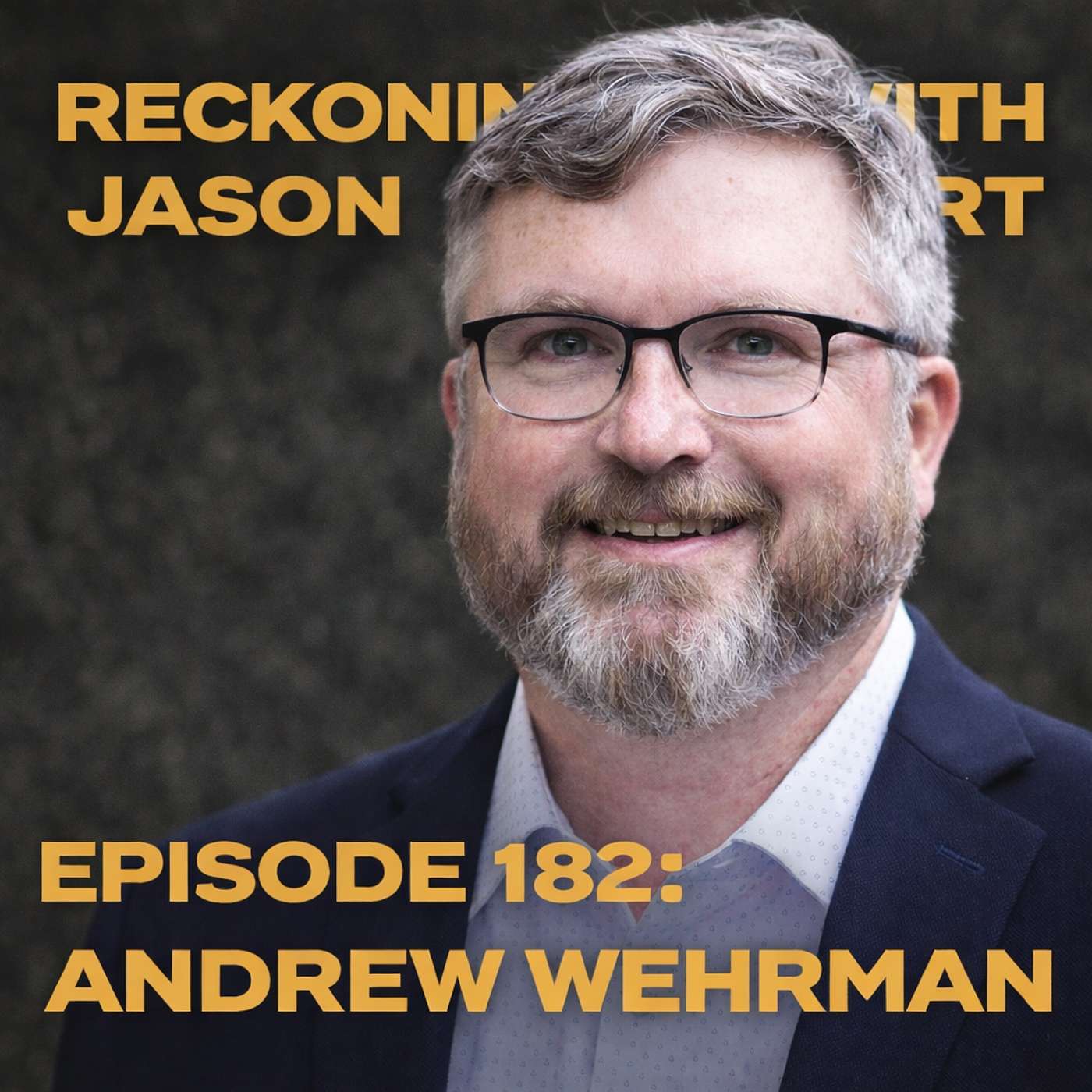
In this episode of Reckoning, historian Andrew Wehrman, author of Contagion of Liberty, explores how smallpox and inoculation shaped the American founding—and ignited some of the earliest debates over liberty, risk, and public health.
Long before COVID-19, Americans wrestled with questions of bodily autonomy, religious belief, communal obligation, and government authority, all in the shadow of a deadly disease and without modern medical knowledge. From local resistance to inoculation to George Washington’s controversial decision to mandate it in the Continental Army, this conversation places early American public health in its full moral and political context.
Episode 181: Jack El-Hai on Nuremberg, “The Nazi and the Psychiatrist,” and the Limits of Understanding
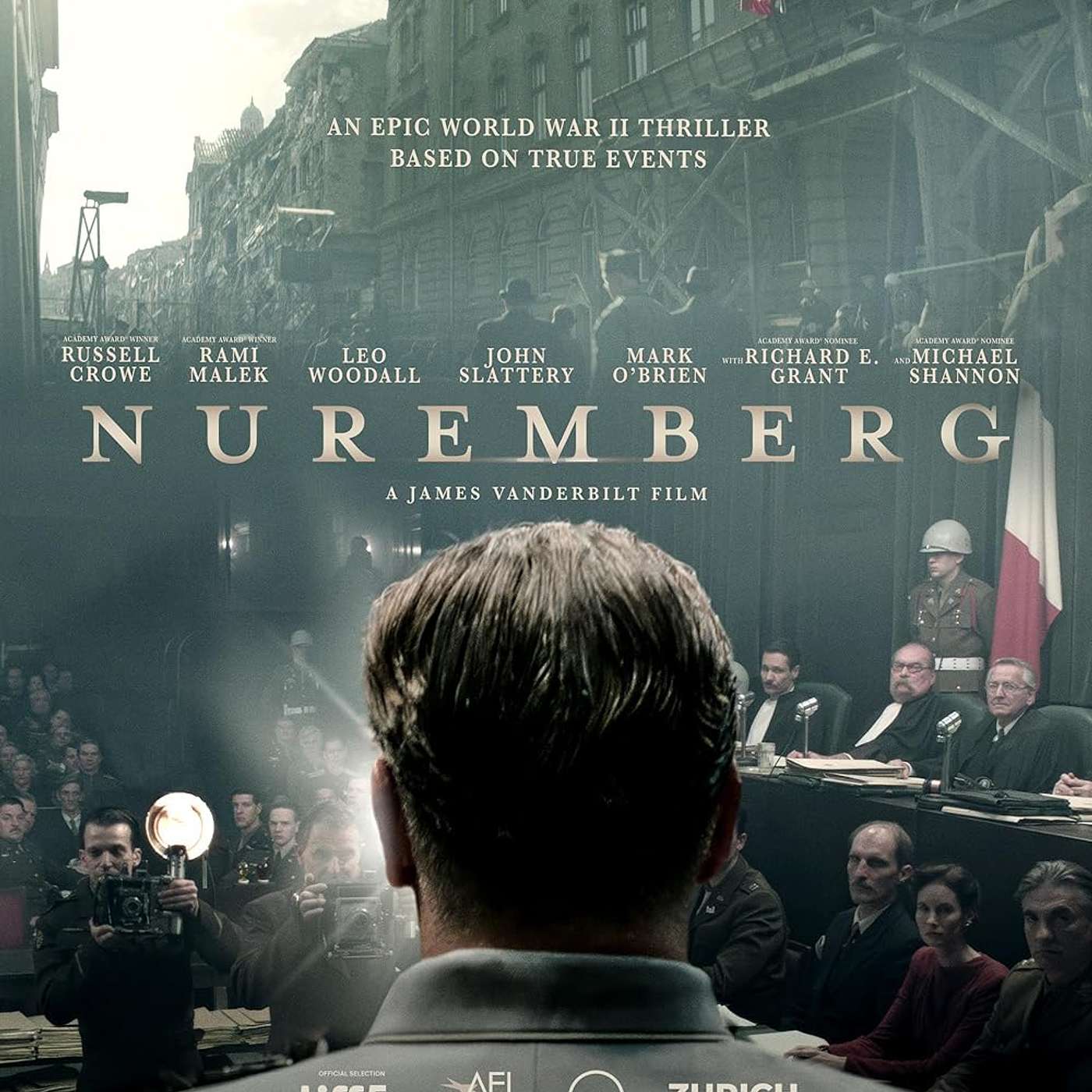
In this episode of Reckoning, we speak with author and journalist Jack El-Hai about the new film Nuremberg and the deeper questions it raises about justice, memory, and moral responsibility.
Drawing on his book The Nazi and the Psychiatrist, El-Hai examines the relationship between Hermann Göring and Dr. Douglas Kelley during the Nuremberg Trials, and what it reveals about psychology, power, and the human impulse to explain evil. The conversation considers how early efforts to diagnose Nazism continue to shape the way we understand perpetrators—and the limits of that understanding.
This episode asks wha...
Episode 180: Julie Reed on Cherokee Land, Language, and the Power of Women
In this episode, I’m joined by Cherokee scholar and author Julie Reed to talk about her powerful book Land, Language, and Women: A Cherokee and American Educational History.
We explore how Cherokee women have shaped—and continue to sustain—relationships to land, community, and language in the face of colonial violence and dispossession. Reed shows how land is not simply territory, language is not merely words, and women are not peripheral to history, but are instead central to cultural survival and meaning.
Our conversation moves between history, storytelling, gender...
Episode 179: Coyote America with Dan Flores

There is probably no historian working today more influential in shaping how we think about the way in which humans and animals engage with each other and the environment than Dan Flores. Today, Dan joins in to talk about his epic work, Coyote America: A Natural and Supernatural History, on the eve of its 10th anniversary release, along with discussions on wolf reintroduction, bison on the plains, the American Serengeti, and his relationship with Steven Rinella and the crew over at Meateater.
About our guest:
New York Times best-selling author Dan Flores is one of A...
Episode 178: The Great Math War: When Math became a Battlefield

This week Jason Socrates Bardi joins in to talk about about the rivalry between three mathematicians that defined the fifty years surrounding World War I.
About our guest:
Jason Socrates Bardi is an award-winning journalist in DC who has written two books about the history of math: The Calculus Wars and The Fifth Postulate. He has published hundreds of articles about modern science and medicine in outlets including the San Francisco Chronicle, Good Morning America, US News & World Report, and The Lancet. He lives in Bethesda, Maryland.
Episode 177: The Quiet Crisis in America's Creeks

This week Dr. Zackary Graham drops in to talk about one of America's most important environmental stewards--the crawfish--and why their disappearance should worry us all.
About our guest:
Zack is an evolutionary and behavioral ecologist who studies crayfish diversity. The goal of his research is to untangle the ecological and evolutionary complexities that have led crayfishes to be amongst the most successful freshwater animals within the Eastern United States and beyond.
He is the author of an upcoming popular science book (available 1/6/26) on crayfish entitled Crayfish, Crawfish, Crawdad: The Biology and Conservation of No...
Episode 176: Multipass to the Past: The Wild Origins of The Fifth Element

Egyptologists Dr. Julia Troche and Matt Szafran join in this week to talk about the history behind The Fifth Element and how the anxieties of the 90s are reflected in Luc Besson's campy space opera.
About our guests:
Dr. Julia Troche is an Egyptologist and Associate Professor of History. In 2022 she was awarded her university's highest teaching award followed by the Missouri Governor's Award for Education Excellence. She is committed to advocating for students, early career scholars, and contingent faculty, and fostering inclusive spaces for learning about the ancient world. She is dedicated to the...
Episode 175: When Harry Met Sally

This week Kate Sheppard and Thomas Lecaque drop in to talk about the greatest romcom of all time.
About our guests:
Dr. Kathleen Sheppard earned her PhD in History of Science from the University of Oklahoma in 2010. After a post-doctoral teaching fellowship at the American University in Cairo, she arrived at Missouri S&T in the fall of 2011. She teaches mainly survey courses on modern Western Civilizations, which is arguably one of the most important courses students in 21st century America can take. Her main focus is on the history of science from...
Episode 174: How the Outdoor Industry Sold Nature to America

This week Dr. Rachel Gross drops in to explain the rise of outdoor goods manufacturers and how they sold us on going outside.
About our guest:
Rachel Gross is an environmental, cultural, and public historian specializing in the history of the modern U.S. Her research and teaching interests center on business, consumer culture, and gender, and she is especially interested in what seemingly ordinary consumer goods tell us about identity and power. She teaches courses on capitalism, commodities, women and gender, and public history.
Episode 173: Is Hamburger Hill the greatest war film we ever forgot?

This week historians John McManus and Waitman Beorn drop in to talk about the history behind Hamburger Hill, arguably the greatest war film we ever forgot.
About our guests:
John C. McManus is Curators’ Distinguished Professor of U.S. military history at the Missouri University of Science and Technology (Missouri S&T). This professorship is bestowed by the University of Missouri Board of Curators on the most outstanding scholars in the University of Missouri system. McManus is the first ever Missouri S&T faculty member in the humanities to be named Curators’ Distinguished Prof...
Episode 172: The Making, Meaning, and Myths of Mount Rushmore

This week author Matthew Davis drops in to talk about the complex history and significance of Mount Rushmore, including its ties to the Lakota people, the role of Gutzon Borglum, and the evolving meaning of the monument in contemporary society. We also dig in on the misconceptions surrounding Rushmore, the importance of indigenous perspectives, and the future of the site in terms of stewardship and representation.
About our guest:
Matthew Davis is a writer who lives in Washington, D.C. He is the author of When Things Get Dark: A Mongolian Winter’s Tale and th...
Episode 171: Sahara: The Franchise That Wasn’t

Sahara had everything going for it: a big cast led by ultra hot actors Matthew McConaughey and Penelope Cruz, a devoted fan base of author Clive Cussler’s novels, and a big budget courtesy of Disney. And then it came out and flopped. But that doesn’t mean it’s still not fun and it doesn’t mean that we can’t have real conversations about history. In fact, the movie gives us the perfect opportunity to talk about artifact recovery and repatriation. Joining me today are Colin Colbourn and Derek Abbey from Project Recover, a nonprofit group dedicated to searchin...
Episode 170: The Founder of the American West You've Never Heard Of
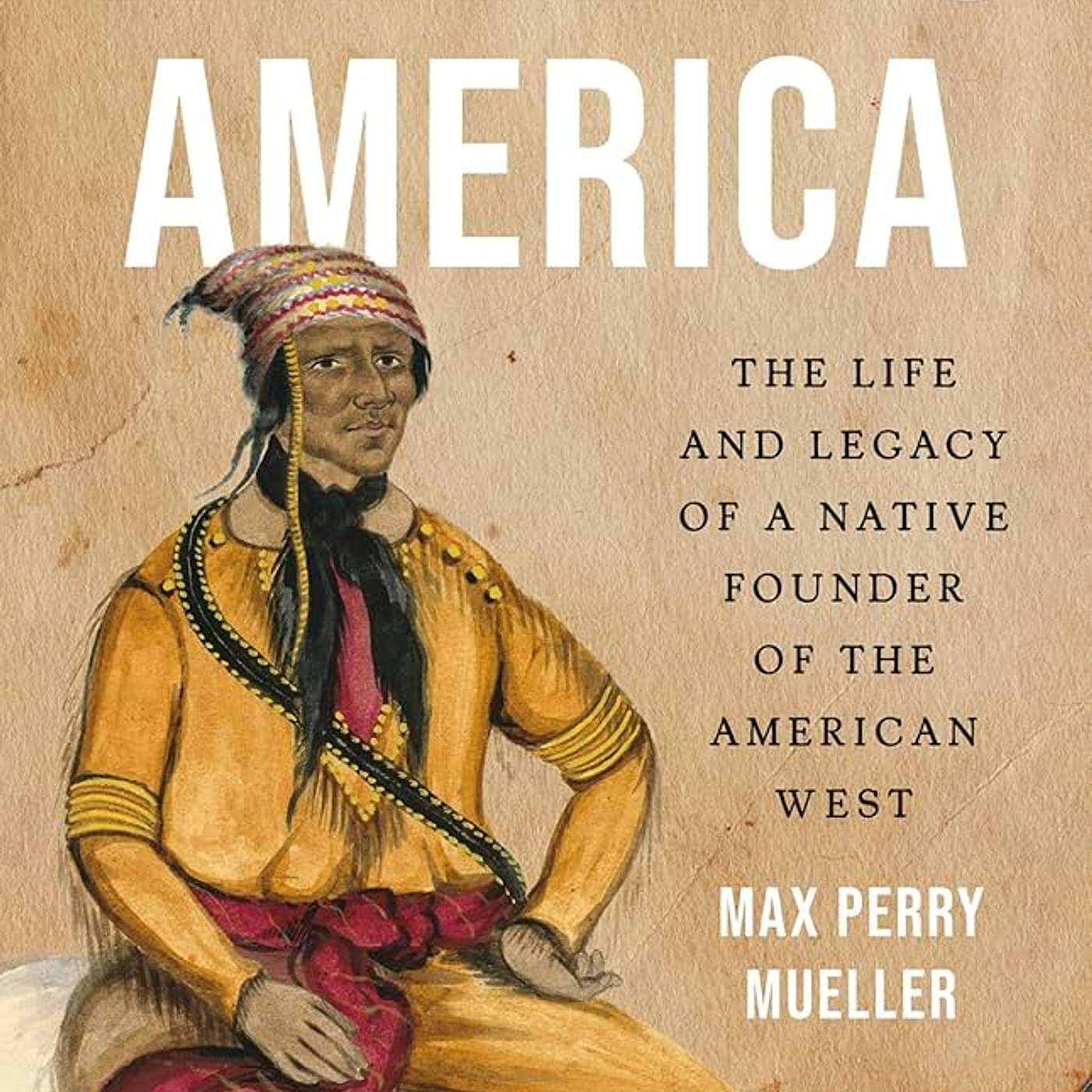
This week Max Perry Mueller drops in to talk about Wakara, a Ute man who shaped the modern American West. We also talk about the complexities of Native American identity, the impact of Manifest Destiny, and the ethical considerations in writing Native history. Max also highlights the importance of cultural exchange, environmental stewardship, and the ongoing struggles for repatriation and rematriation of Indigenous remains.
About our guest:
Max Perry Mueller (PhD, Harvard University) is an assistant professor in the Department of Classics and Religious Studies. He is also a fellow at the Center for Great...
Episode 169: Is Pompeii the best bad movie/good history ever made?
2014's Pompeii is all over the place. Designed to be a Roman apocalypse story with a star making turn by Game of Thrones' Kit Harrington, Pompeii fizzled at the box office. But strangely, it's a phenomenal film to talk about the Roman empire and the eruption of Mount Vesuvius. Historian and archaeologist Dr. Steven Tuck joins in to talk everything this film gets right and wrong about Roman history. Easily one of our best episodes ever.
About our guest:
Steven L. Tuck is a professor of classics, who is currently head of classics...
Episode 168: How Colorado Springs became the epicenter of evangelical capitalism with Will Schultz
How did a small town south of Denver emerge as the center of evangelical capitalism after World War II? Historian Dr. William Schultz explains how evangelicals' faith intertwined with a specific interpretation of Americanism, especially during the Cold War era, and how this allowed them to transition from the margins of society to the epicenter of conservative dialogue.
About our guest:
William Schultz is a historian of American religion with an interest in the intersection of religion, politics, and capitalism. Schultz is currently finishing his first book, Jesus Springs: Evangelical Capitalism and the Fate of a...
