Daybreak
Business news is complex and overwhelming. It doesn’t have to be. Every day of the week, from Monday to Friday, Daybreak tells one business story that’s significant, simple and powerful. Hosted from The Ken’s newsroom by Snigdha Sharma and Rachel Varghese, Daybreak relies on years of original reporting and analysis by some of India’s most experienced and talented business journalists.
Welcome to the 'brain gym': DIY neurotech is now in India, no prescription required
For decades, sending an electric current into the brain meant a hospital, a doctor, and a diagnosis. A Bengaluru startup called Mave Health wants to move it into your daily routine. Its Rs 30,000 headset uses tDCS, a low current to the prefrontal cortex, to ease stress before it builds.
The technology is decades old and well-evidenced. What's new is who controls it. Mave sells directly to consumers, no prescription and no regulator sign-off, on the argument that it's simply a consumer electronic. The Ken reporter Sudeshna Ray wore one herself to find out how that feels.
<...Banks are being asked to become “cool” for Gen Z. Their problem isn't branding
India's finance minister wants public sector banks to get "cool" for Gen Z. With yoga vouchers, youth kiosks, awareness campaigns.
But the numbers tell a different story. PSBs are losing young Indians as both depositors and borrowers, while, at the same time, fintech lenders capture 57% of India's small-ticket loan market. Some, even at interest rates as high as 600%.
On this episode, host Rachel Varghese asks why India's public banks misdiagnosed the problem, what it's actually costing young borrowers, and whether the tools to fix it, like cheaper credit, and faster underwriting, that already exist can...
Ten minutes to your door, no minutes to clean
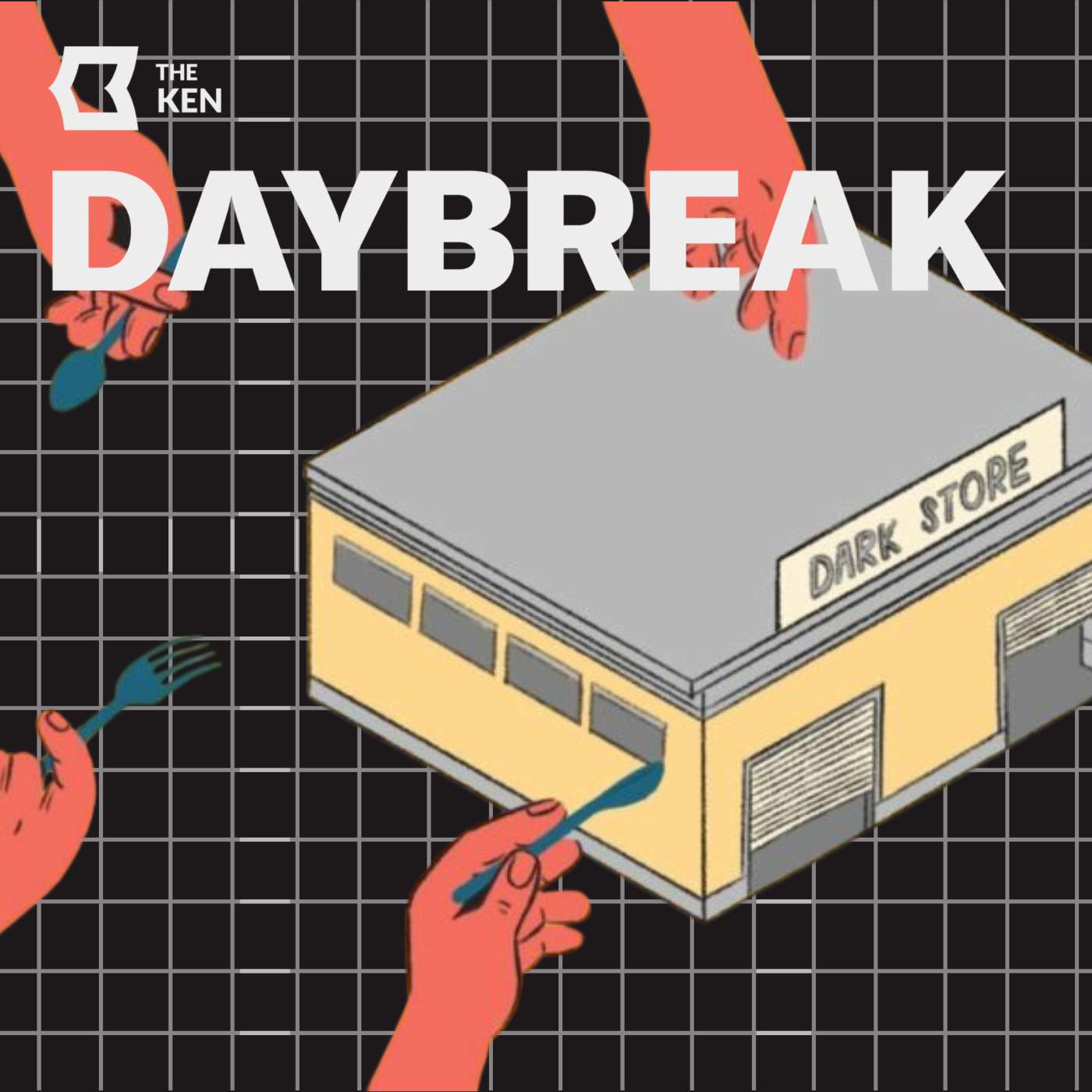
Tukaram Mundhe, Maharashtra's food-safety chief, has gone viral this month for shutting famous restaurants and even noticing Shah Rukh Khan over an ad . Earlier this month his inspectors inspected around a dozen dark-store belonging to Blinkit, Zepto and Instamart. He isn't alone. On 22 August, a separate regulator in Telangana raided the dark stores behind grocery apps in Hyderabad, shutting four on the spot for expired stock and pests.
Everyone's cheering the crackdown. But it can't fix what it found. To deliver in ten minutes, a dark store packs a supermarket's worth of stock into a residential space...
India trains more ethical hackers than anywhere else. It just can't give them a reason to stay
When Nisarga Adhikary found critical flaws in CBSE's exam portal, the board denied it. So he broke back in, filmed it, and left anime videos running on their servers.
IIT Kanpur hired him the same week it launched India's first undergraduate cybersecurity degree — one that recruits through hackathons and sends students to work at government security agencies for two of the four years.
India produces a quarter of all researchers on global bug bounty platforms. The bounties come almost entirely from foreign companies. The RBI is now hiring cybersecurity talent on three-year contracts with no re...
India's $60 billion data-center bet, and the jobs it won't actually create
Every Indian state wants to be the country's data-centre capital.
Gujarat, Andhra Pradesh, Maharashtra. They're all handing out land, power, decades of tax breaks, all chasing the same promise: jobs.
The Ken reporters Inderpal Singh and Mrunmayee Kulkarni ran the numbers on what the jobs actually cost. And the math does not hold up.
On this episode of Daybreak, we go inside what's causing the data-centre boom. Why these buildings are designed to need almost no one, what states are actually betting on, and if the data-centre industry will see the same ecosystem...
Why Tata 1mg thinks speed is the wrong bet in pharma
Tata 1mg just reported revenue of nearly 3,000 crore rupees for the last financial year, roughly ten times what it earned when Tata took control, and it is turning a profit while much of the sector bleeds cash.
In an e-pharmacy market obsessed with 10-minute delivery and deep discounts, 1mg won by doing the opposite. It capped its discounts and built its own labs and supply chain, and it treats fast delivery as a minor add-on.
In this episode, we unpack why patience beats blitzscaling in Indian healthcare and what 1mg means when it calls healthcare...
India cracked the code on microdramas. It also cracked the timer

China's microdrama industry took nearly eight years — and real government money — to reach the point where regulators had to step in over AI-flooded, quality-degraded content.
India's biggest platforms don't have eight years. They're building AI into production from day one, racing to scale catalogues before fatigue sets in.
Host Rachel Varghese, gets into why JioHotstar, ShareChat, and Kuku TV are pouring money into two-minute dramas, what a Chinese skincare brand's meteoric rise (and equally fast fall) reveals about the ceiling on this format, and whether India's shortcut to scale comes with a shortcut to burnout too...
The more AI can do your job, the safer it may be
India built its IT industry on millions of coders doing exactly the work generative AI now does in seconds. So everyone knew who would feel the pressure first.
The data refuses to cooperate.
A survey of 1,552 tech professionals by the app Blind last week found the engineers, the ones everyone expects AI to replace, are the least worried of anyone surveyed. And an ICRIER study of 651 firms found the roles most exposed to AI, developers and analysts, are the ones firms want most.
Why does demand for technical workers persist as AI takes...
LLMs are the new pied pipers of the stock market
An HSBC survey found that 86% of affluent Indian investors are now using AI in their trading. That's the highest share of any country surveyed, above China, Singapore, and the US. Nearly half say AI tools are their primary source of investment ideas.
Most of them are using the same two or three chatbots. And a growing body of academic research has found that when millions of investors ask the same models the same questions, they get the same answers — and pile into the same stocks at the same time.
And it's already creating an effect in...
India banned Chinese drones. Army, CRPF, and BSF can’t stop using them
India has been talking about drones a lot lately, from Operation Sindoor to the government's $2 billion plan for combat drones.
But long before that, in the forests of Chhattisgarh, security forces had already settled on the drone they trusted most. It is Chinese, made by a company called Da-Jiang Innovations, or DJI, and the government banned it years ago.
So why do India's soldiers keep reaching for it?
Based on investigation by Pratap Vikram Singh for The Ken
Daybreak is produced from the newsroom of The Ken, India’s first subscriber-only bu...
Anthropic just made Claude-assisted content traceable. Not everyone is happy
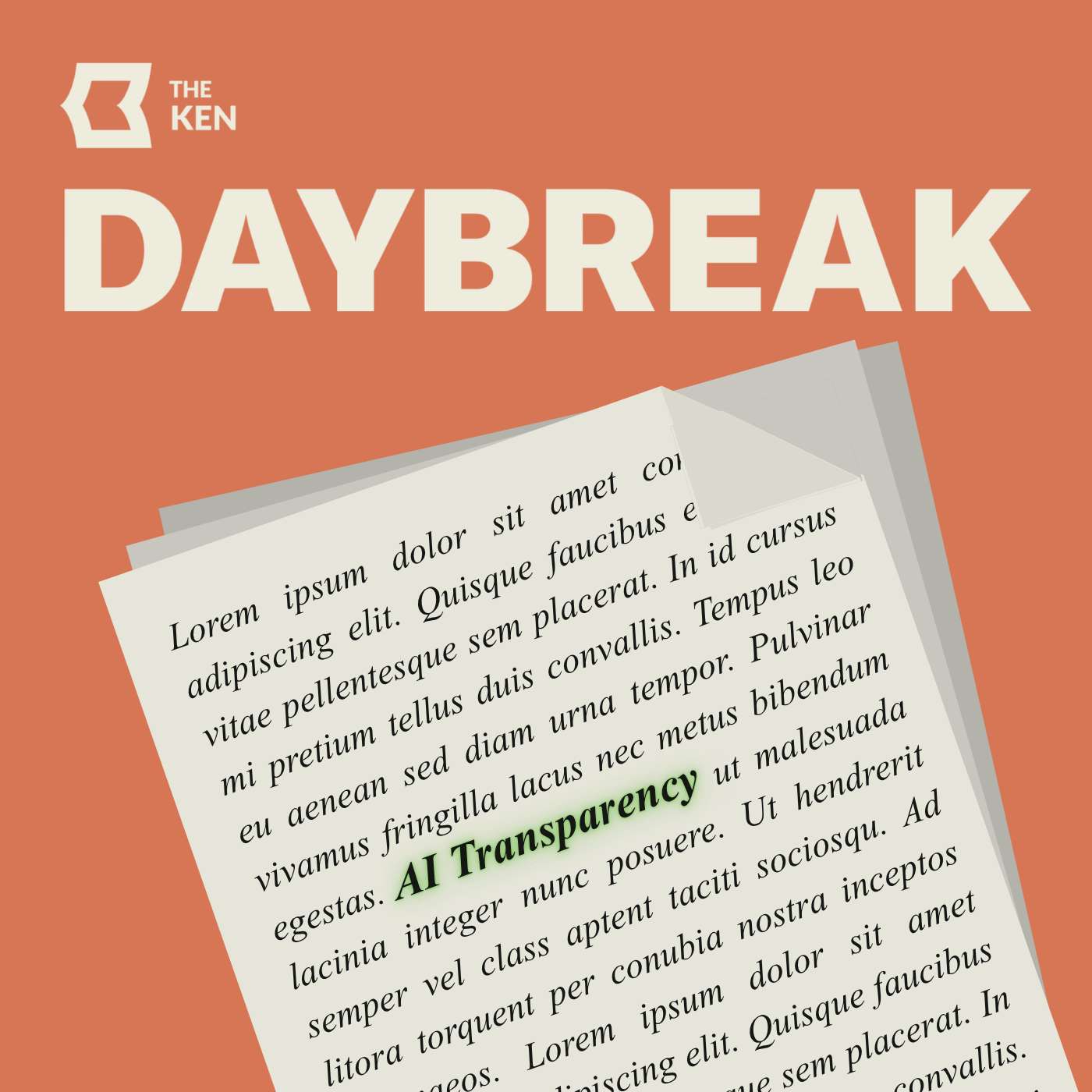
Earlier this week, Anthropic began stamping an invisible watermark into the text and images Claude generates. The move came in order to comply with the EU AI Act but it will be switched on worldwide.
It is the thing teachers, editors, and hiring managers had been demanding for years — a way to finally tell human work from machine. Within hours, many people who pay for Claude were in revolt, calling it a scarlet letter on their own work.
But the mark barely does what either side thinks, right now. And the people it exposes are ra...
Did your ticket to The Odyssey cost a bomb? Blame Hollywood's China problem
The Odyssey and Spider-Man: Brand New Day just broke India's box office records back to back — and PVR Inox's stock jumped almost 20% in the process. It looks like proof that Indian audiences are finally back in theatres. But that's not all.
The real story runs through just 34 IMAX screens, a decade-old trade deal that quietly expired, and a geopolitical rift thousands of miles away that has nothing to do with India at all.
Today on Daybreak, we look at how a nationwide screen shortage — something that should have hurt business — became PVR Inox's most profitable weapon...
Your money is already talking to AI
From platforms like Cred, Zerodha, and Groww integrating AI assistants, to Sebi-registered advisors now using AI to generate personalised investment recommendations, the shift is already underway.
And with nearly 140 million investors and fewer than a thousand registered advisors to serve them, the math alone might make AI advice not just convenient, but necessary.
Tune in.
**This episode was first published on 26 March, 2026
Daybreak is produced from the newsroom of The Ken, India’s first subscriber-only business news platform. Subscribe for more exclusive, deeply-reported, and analytical business stories.
Casual dining doesn't scale like fast food. Bharti is betting on Olive Garden anyway
On a hot Thursday evening in Delhi, people are queuing outside India's first Olive Garden. Some found it on Instagram. Others wandered over from the business park next door. Almost all have waited at least half an hour.
Bharti Group wants 10 Olive Gardens in three years, and 125 total restaurants — more than double what it runs today. Indians are dining out more than ever, and serious money is following.
But the most successful restaurants in India have deliberately stayed small. The ones that tried to scale mostly didn't. And Bharti's confidence rests entirely on a simple ob...
Where to invest Rs 1 lakh, Rs 10 lakh, Rs 1 crore
Six months on, the answer has shifted. A US-Israeli war against Iran hit an already fragile stock market. Gold cooled, silver crashed, and real estate stayed flat, pushing investors toward fixed income for want of better returns.
So we put the same question to the same five experts, four Sebi-registered advisers and a private wealth manager. Their consensus on diversification holds, but the reasons behind it have hardened.
Daybreak is produced from the newsroom of The Ken, India’s first subscriber-only business news platform. Subscribe for more exclusive, deeply-reported, and analytical business stories.
How some RBI-licensed NBFCs charge 600% interest and stay legal
If you Google "paisa de do", dozens of near-identical websites appear. Some, offering cash in 15 minutes. The interest rate on some of these loans is 600% per annum and the lenders are RBI-licensed.
One borrower started with a Rs 75,000 loan. Within five months, he was paying Rs 6 lakh a month across eight different loan apps just to stay afloat.
The Ken's Mutasim Khan found 25 such NBFCs, some reporting revenue growth of 3,000 times in a single year. In 2024, the RBI flagged 45% annual interest as predatory. These lenders charge more than ten times that. And nobody has stopped...
Zepto beat Instamart. It still couldn't beat the market
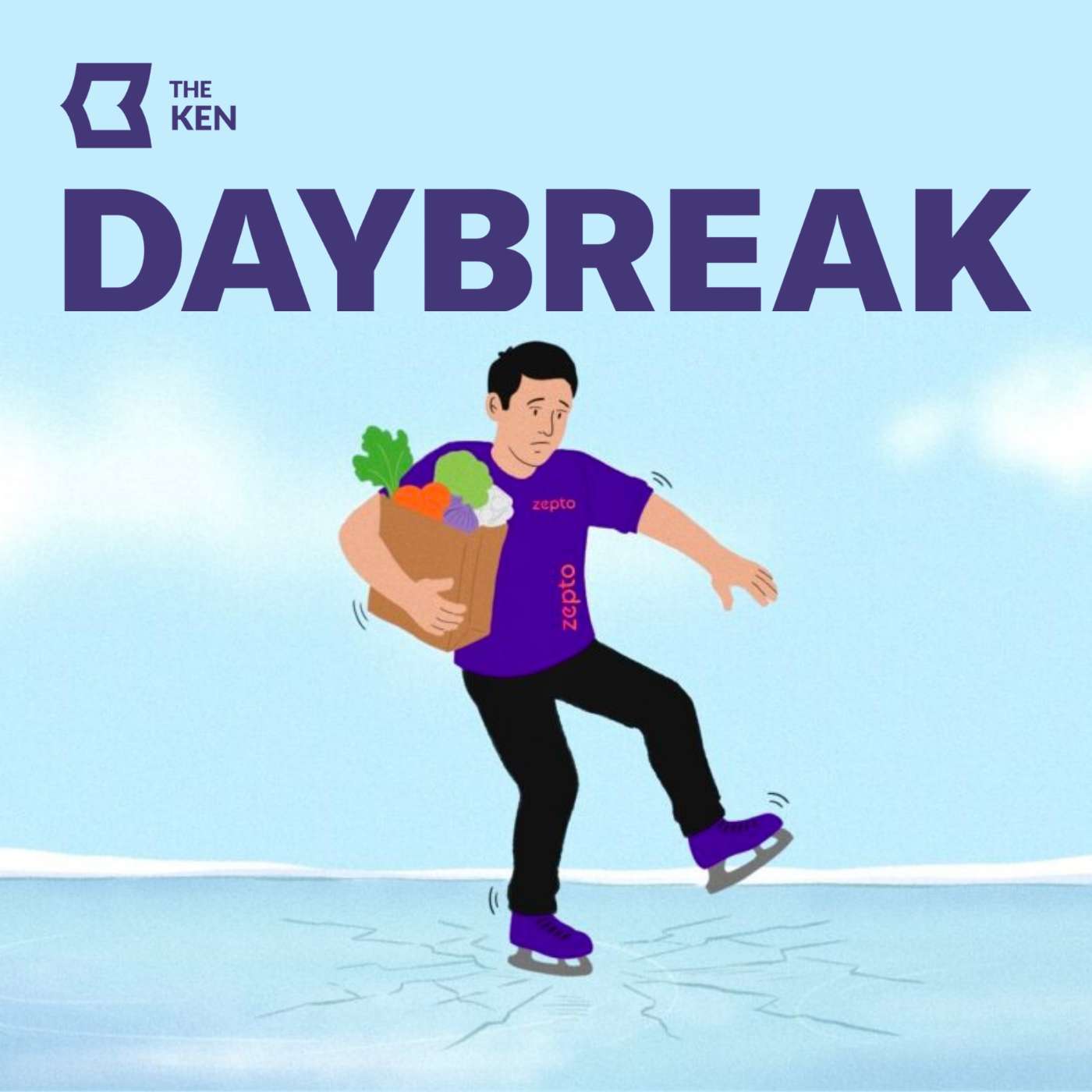
Zepto nearly doubled its revenue in a year, processes more orders than Swiggy Instamart, and has raised over 2.5 billion dollars from private investors.
But when it filed to go public, India's largest mutual funds said they'd value it at less than half of what private investors had in it's last fundraise.
The IPO is now delayed by two quarters. The cash reserves are falling. And six players are competing in a quick commerce market that analysts say can only sustain a few.
Zepto's growth story has always worked in its favour but the p...
India's retirement crisis belongs to the young
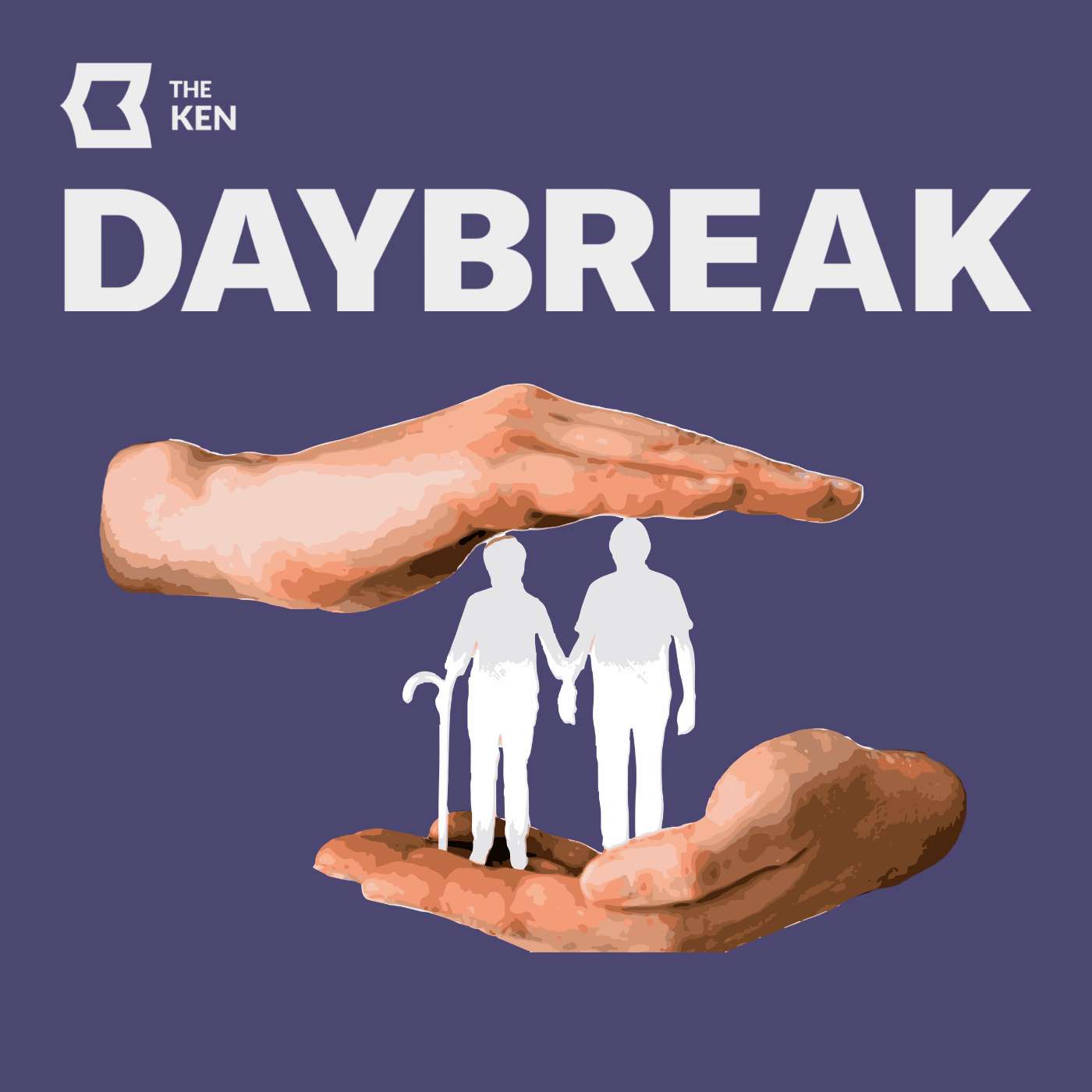
For generations, Indian families have shared the financial responsibility of ageing. Parents invested in their children through education, weddings and first homes, often expecting that support to come full circle in later life.
But the economics behind that arrangement are changing. India is ageing rapidly but also living longer. The number of people over 60 expected to more than double by 2050 even as formal retirement coverage reaches only a fraction of the workforce. Meanwhile, it is taking longer for younger working Indians to become financially secure which in turn is affecting their savings.
As these two...
India’s study-abroad lenders are forced to choose their plan B. It's India
Amit was a computer science student who used to have a loan, a plan, and a flight to Canada. But then the college his visa depended on was derecognised. And an NBFC called Credila ended up with a Rs 20 lakh problem.
Amit's story is becoming an industry pattern. Canada has cut active student volume by over 50%. The US and UK are tightening too. Study-abroad applications are down 25 to 30%, and the NBFCs that built their entire business on overseas education loans — with 80 to 92% of their books concentrated there — are quietly shelving IPO plans and pivoting to domestic lending.
India solved the wrong oil problem first
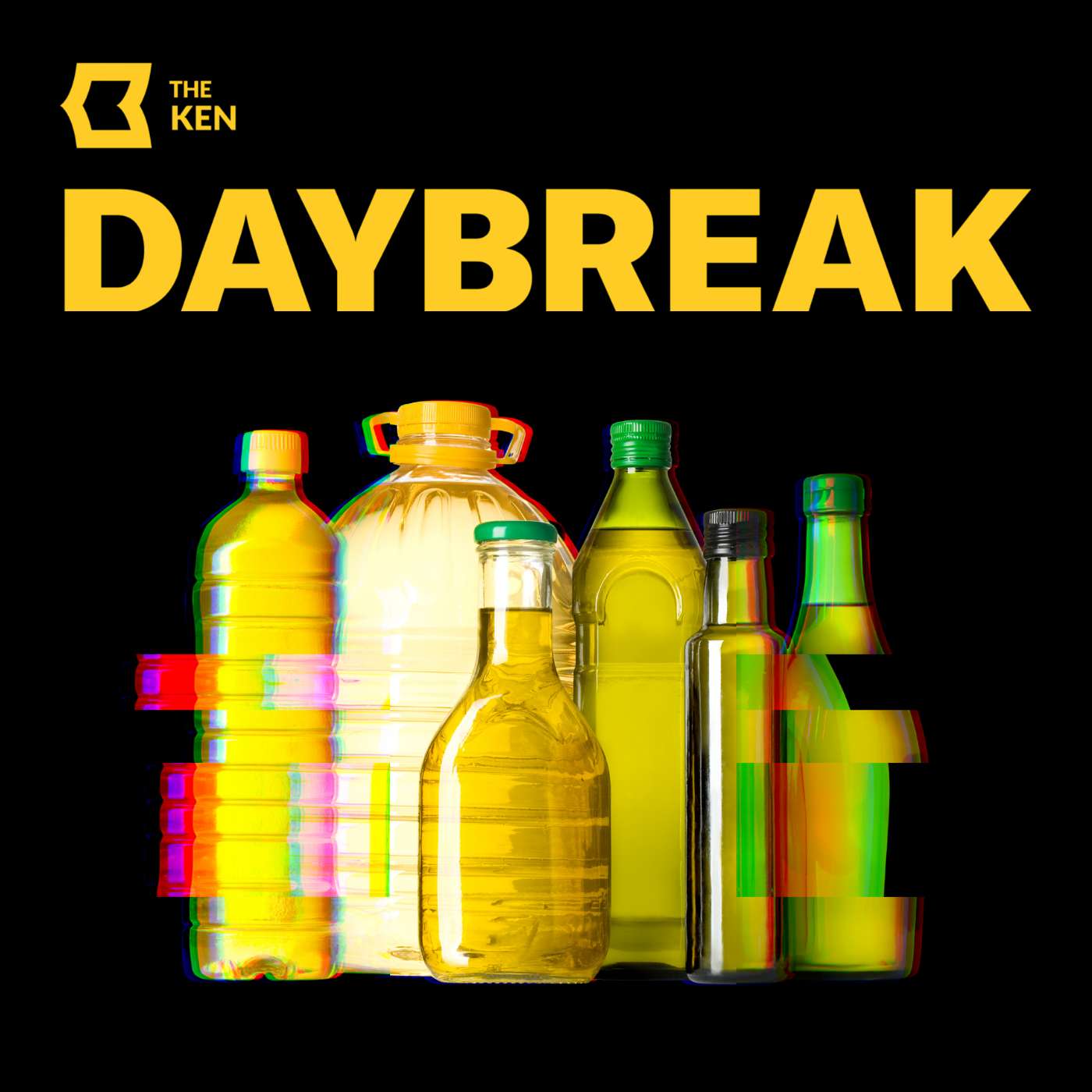
India is the world's top sunflower oil buyer, and Black Sea attacks have sent it hunting across South America. Shipments from Russia and Ukraine are running weeks late, and prices are climbing.
The substitutes are squeezed too. Indonesia is diverting more palm oil into biodiesel, and China's record soybean buying keeps the soy complex tight. A weak monsoon has thinned India's harvest.
But the country has two oil problems, the crude it burns for fuel and the cooking oil it imports for the kitchen. It threw its capital at the fuel one first, reaching 20% ethanol b...
Assam's tech dreams run on water that drowns it every year

Assam is enduring some of its worst flooding in years, with the death toll inching to a hundred and lakhs affected. It is also happens to be the state that recently landed India's first chip assembly plant, a ₹27,000 crore Tata facility, and the centrepiece of Japan's growing push into the Northeast. The plant itself is light on water.
But the deeper ecosystem Assam is chasing, chemicals and the rest of the chip supply chain, is thirsty, and the state is highlighting its abundant water as the draw.
The trouble is those same rivers flood it al...
Why Indian pharma isn't scared of a 100% tariff (yet)
Last Tuesday, Trump announced 100% tariffs on generic medicines imported into the US. By Wednesday, Indian pharma stocks were already falling even though the tariff doesn't take effect for two years.
Trump wants import companies to reshore their manufacturing to the US so that the country can secure life-saving medication in the event of global supply chain disruptions.
India supplies nearly 50% of all generic medicines consumed in America — birth control, antidepressants, hypertension treatments. The companies most exposed say shifting manufacturing to the US in two years isn't realistic. Building a viable generics ecosystem there takes at le...
Burger King India finally works but its stock still refuses to celebrate
Burger King India is one of the country's better-run quick-service chains. Gross margins are at record highs, restaurant-level profits have doubled, and the burger chain has posted five straight quarters of same-store-sales growth.
So why does its stock sit close to where it listed six years ago?
Part of the answer is Indonesia, where an old acquisition keeps bleeding cash. The rest is the new owner. A pharma family has taken control of Restaurant Brands Asia, pouring in far more money than its expansion needs, much of it debt backed by pledged shares.
...
IT jobs are being remade. Accenture and TCS are the first dominoes to fall
When Accenture employees in Pune walked into their appraisal meetings in May, they expected the routine conversations. Instead, they found out things would be done differently this year.
They did get their full salary hike. But not the way it was done up until now. Half went into the base salary. The other half arrived as a lump sum in June. On paper, nothing was lost. In practice, though, every future raise now compounds on a smaller number. And that's what affects gratuity, loan eligibility, and long-term salary growth. Even TCS has done something similar with bonuses. <...
From Bengaluru to Mumbai to Pune, metro projects are colliding with India’s monsoons
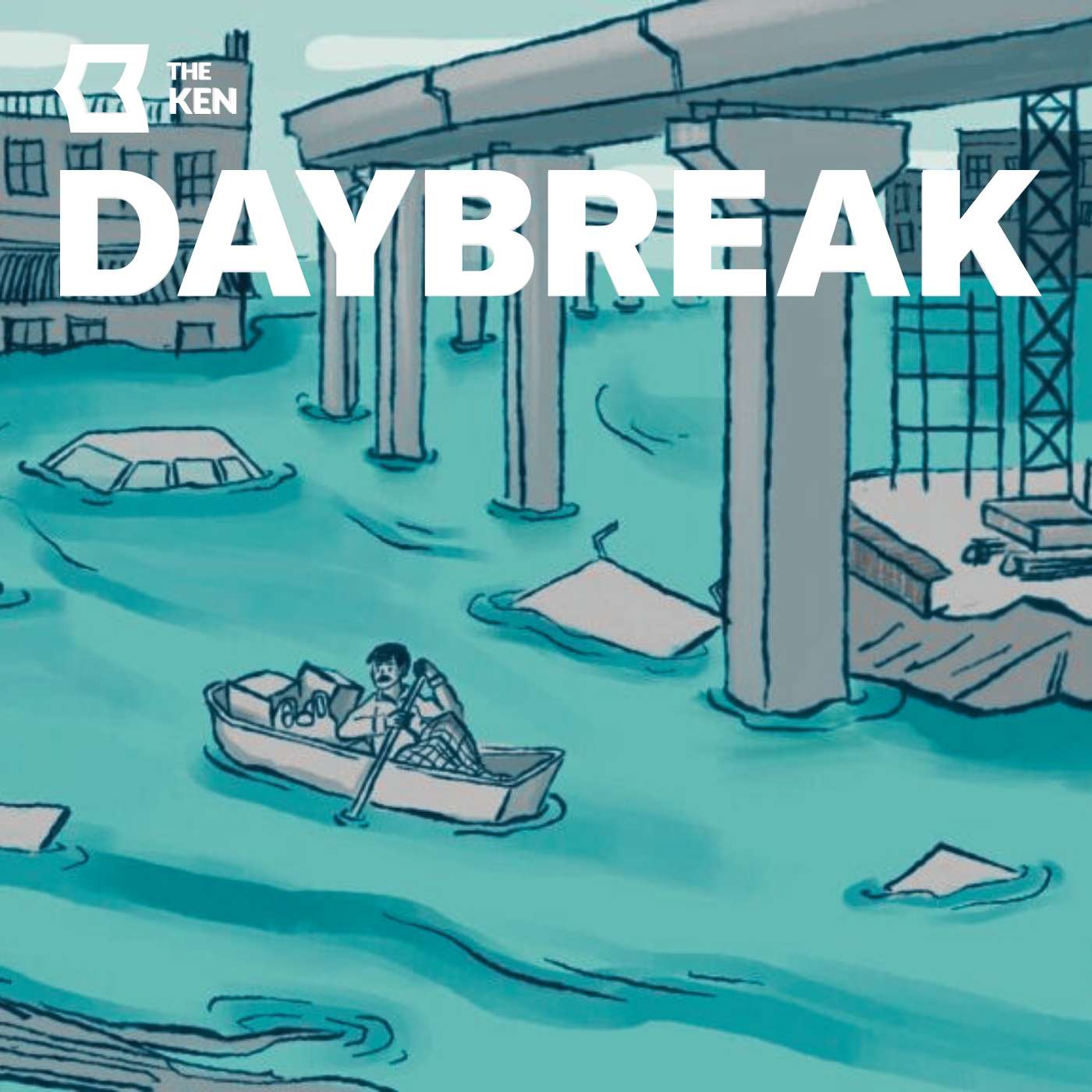
In September 2022, Bengaluru's worst urban floods in recent memory swallowed the Outer Ring Road, including areas like Bellandur, Marathahalli, Mahadevapura, while the metro's Blue Line was under active construction through the same corridor.
Three years later, the metro corporation still wasn't in the room when the city held its monsoon preparedness meeting. It was never invited.
Weeks after that meeting, a hailstorm hit. Eight people died in an accident. The flooded areas sat directly above the upcoming Pink Line.
Mumbai. Pune. Bengaluru. Same story, different cities.
India is spending over Rs 2...
Third Wave built a coffee brand. Now it's betting against it
No coffee chain in India is clearly profitable. Third Wave Coffee, which lost 110 crore rupees in FY24 with nearly 70% of its stores in the red, is trying to change that with cake. Its new sub-brand, Third Rush, has put around 200 dessert items on the menu, with plans for 50 cafes by year-end.
CEO Rajat Luthra, former head of KFC India, has already pared the losses. The dessert margins clear 50% and the chain badly needs the footfall.
But customers walk into Third Wave for coffee not tres leches.
Can desserts turn the business around without...
OpenAI's next product is a companion. Its own research says that's the problem
OpenAI's own research found that its heaviest users were also its loneliest and most emotionally dependent. The top 10% kept triggering classifiers built to detect unhealthy attachment.
The response was to build a screenless AI companion designed to live in your home, learn your habits, access your emails, and get harder to let go of over time.
Meta, meanwhile, is selling AI glasses with Kylie Jenner's voice for an extra hundred dollars — and they sold out before the launch event ended.
Both companies have documented the risks of AI dependency internally. Both are shipping an...
India's monopoly moment
From airports to cricket broadcasts, India’s family conglomerates keep turning up everywhere. According to the 2024 Barclays-Hurun report, one family’s wealth alone equals nearly one-tenth of everything India produces in a year. India is running a version of the economic playbook that South Korea and Indonesia once ran — protect your conglomerates and let them do the building.
South Korea came through it, at enormous political and economic cost. Indonesia’s economy contracted by 13% in a single year.
India is somewhere earlier in that story. In this episode of Daybreak, host Snigdha Sharma asks which ending w...
AI gets its health advice from hospitals. Hospitals get it from AI. Neither is right
If you search "diabetes blood sugar level" on Google, the AI overview gives you a number. The number is wrong, the source is a hospital website, and the article on that website was written by AI.
This is the loop: AI writes flawed medical content for hospital websites, AI search tools treat it as authoritative, and the final result is patients make health decisions based on it. An audit of nearly 500 articles across Apollo, Max, Fortis, Medanta, and Artemis found incorrect drug recommendations, outdated protocols, and Western benchmarks applied to Indian patients.
Nobody is legally...
$15 billion in security deposits: India's tenants are their landlords' cheapest lenders
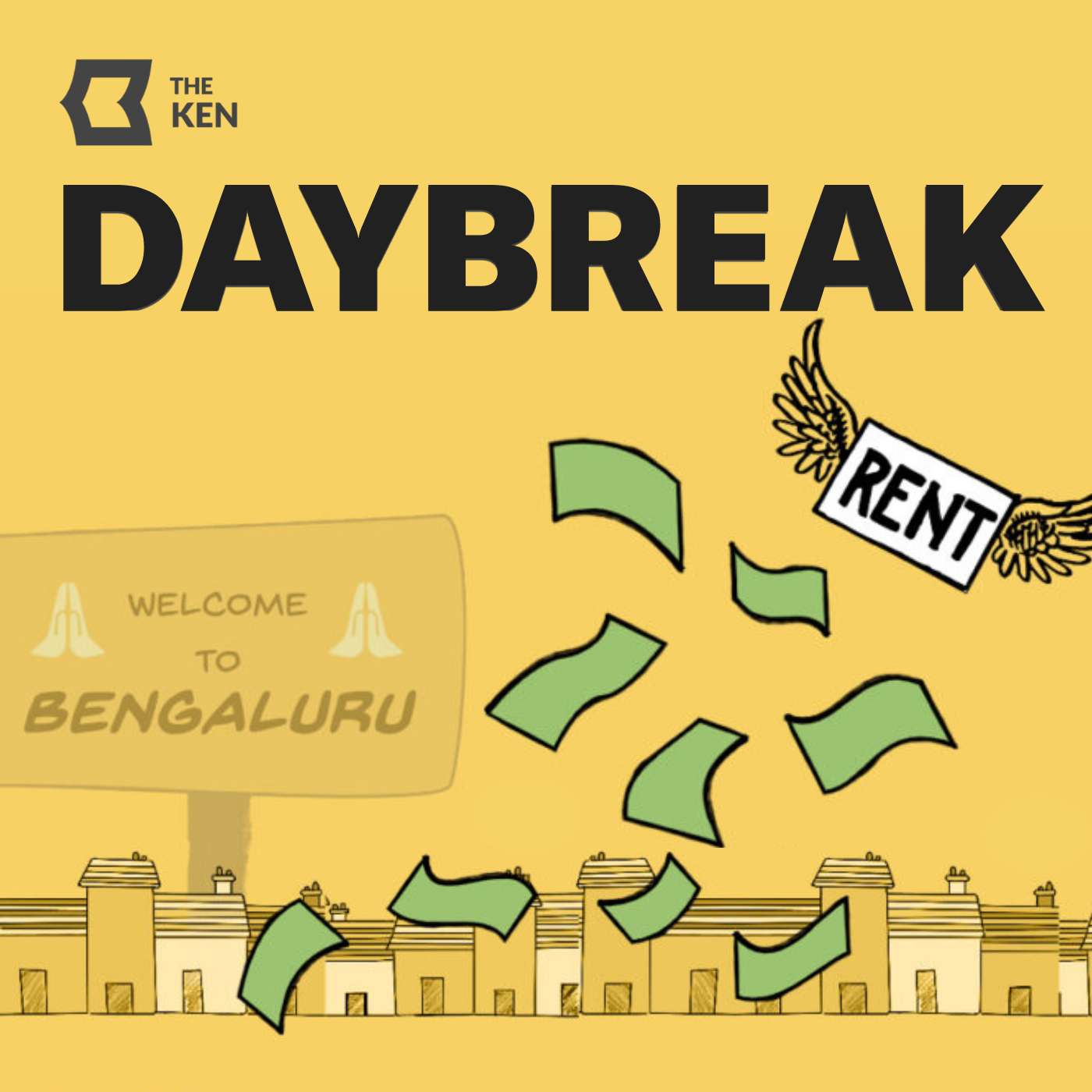
Tenants across India's six biggest metros have handed landlords Rs 1.26 trillion in security deposits, a new NoBroker study estimates. Around $15 billion of tenant money, refundable in name, sits in landlords' accounts earning interest for people it does not belong to.
In this episode, host Snigdha Sharma ask what a deposit actually costs a renter, and arrives at a number: nearly a month's rent, every year. The same tenant who pays 2 months' deposit in Mumbai is asked for 10 in Bengaluru, and in Delhi NCR, about 4 in 10 never got their full deposit back.
Renting was meant to...
Cred’s first profitable quarter comes with a trade-off. No, not Kunal Shah
Cred just reported its first profitable quarter. Meta invested 8,500 crore rupees. And Kunal Shah walked out the door.
Eight years of questions about Cred's business model ended the moment it finally had answers. The design-first, exclusivity-obsessed fintech that rewarded creditworthy Indians with gold credit cards now makes most of its money from lending — the same way every other UPI app does.
Shah left for WhatsApp. Meta needed someone who could monetise a billion Indian users without making regulators nervous.
What that means for both companies is the more interesting question.
Scripted by...
Indian broadcasters are pouring money into reality TV. Netflix's collapsing second seasons show why
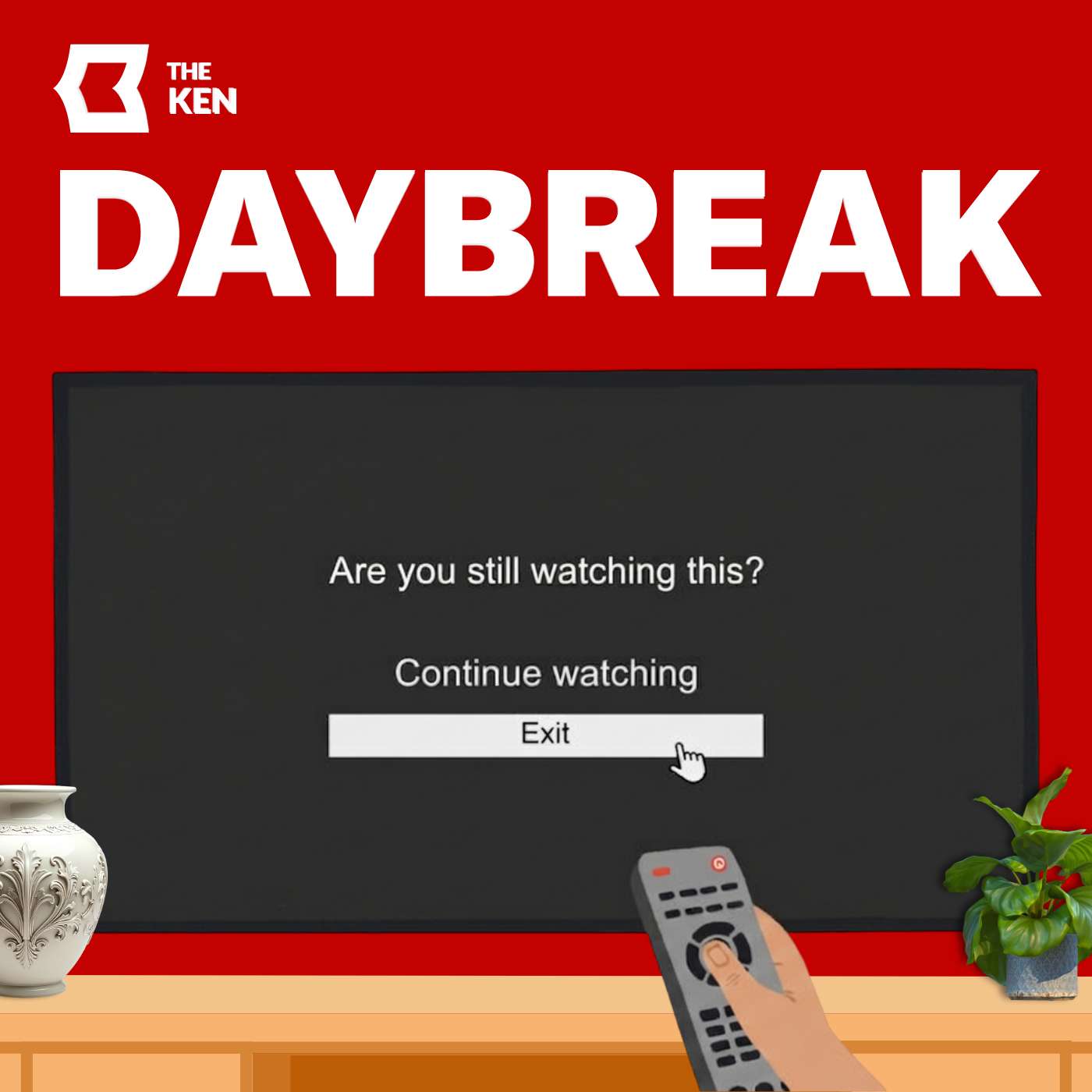
Netflix built its empire on one idea: watch what you want, when you want, all at once. Now it's losing viewers to YouTube, struggling to bring audiences back for season two, and internally discussing always-on live channels and ad bundles you can't skip.
Which is to say: it's considering becoming cable TV.
The irony is that while Netflix is scrambling for answers in the US, India may already have one. A reality show that airs almost every night at 8pm just cracked Netflix's global top 10. The format that streaming was supposed to kill is doing...
Adani made his billions from ports. His new bet is far from the shore
In October last year, a ship owned by Adani Ports slowed to less than one knot near Malta. It held that position for over seven days, directly above the cables linking Malta to Sicily. It was no accident.
India's largest private port operator has quietly built a fleet of more than a hundred vessels across 12 countries. Their job is servicing the world's offshore energy infrastructure. The business grew 134% in a single year.
Ports made Adani rich. But there are only so many ports you can build.
What the conglomerate does next may depend on...
Inside India’s 90-day countdown for CBSE schools to embrace AI
In April, India made AI education mandatory across 28,000 CBSE schools, giving them 90 days to comply. Most had already finalised their academic calendars for the year.
Some schools were ready. Others scrambled. A few found that the harder problem wasn't the teachers — it was the students. At one Hyderabad school already using an AI learning tool, kids were
From 2029, AI becomes a compulsory board exam subject and the government is betting that deadline will change everything.
Tune in.
Daybreak is produced from the newsroom of The Ken, India’s first subscriber-only business news...
Miss a smartphone EMI, and your lender can now wirelessly strip the ‘smart’ out of it
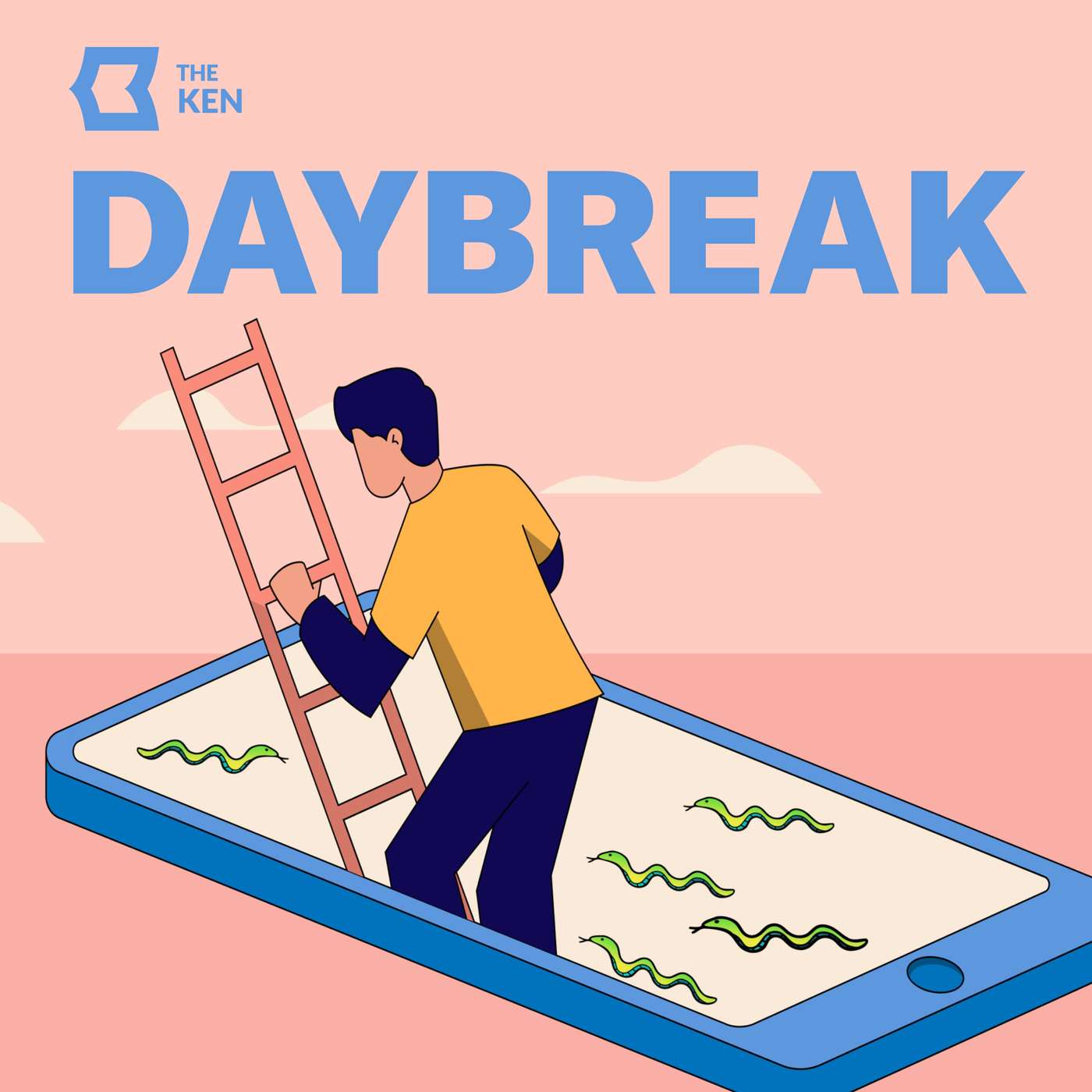
Naresh drives for Rapido. When his phone died, so did his income — for seven days, until he could borrow enough to replace it.
Until 2024, India's biggest consumer lenders had turned that exact vulnerability into a recovery tool. Miss an EMI, lose your phone. It worked so well that smartphone lending grew from 1% to nearly 40% of consumer borrowing in three years.
Then the RBI banned it.
Lending collapsed by 80%. Delinquencies rose. Rejection rates hit 50%.
Now the tool is coming back. This time with guardrails. The question is whether they're enough.
*We w...
For India's e-rickshaws, price decides what's safe and virality decides if anyone cares
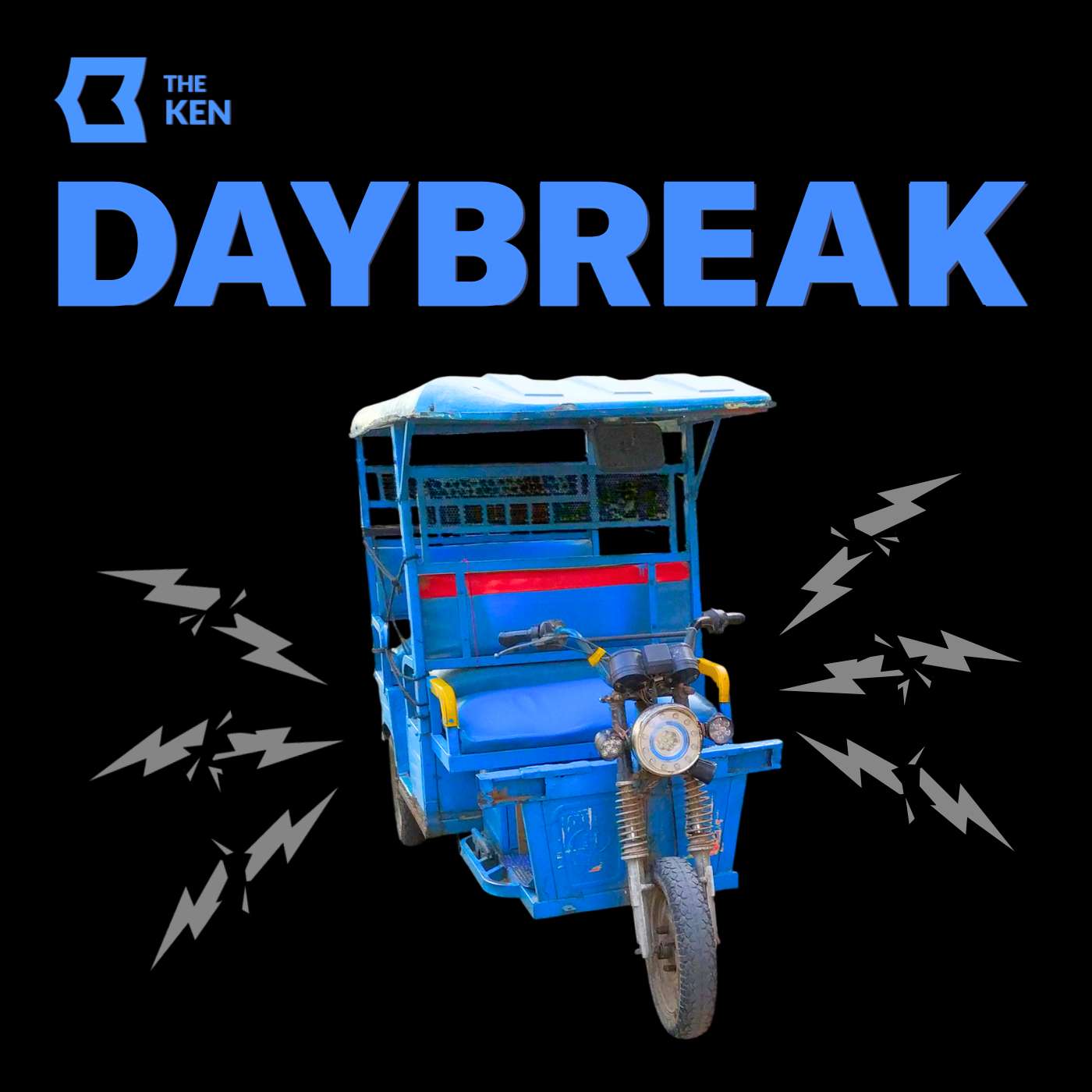
Last week, the government ordered Apple and Google to pull at least three battery management system or BMS apps that were being used to switch off e-rickshaws mid-road. If you've been on Instagram, you've seen the videos. A prankster opens the app, taps a switch, and a passing e-rickshaw just dies.
It works because the cheap lithium batteries these vehicles run on often ship from China with their Bluetooth wide open, no password at all. The flaw was documented publicly years ago and nothing happened until it went viral. The batteries are still exposed.
In...
WhatsApp wants businesses to have a username. It hasn't said who's protected from fakes
WhatsApp just announced usernames for Indian users. Two days later, the Indian government told it to stop.
The privacy case for usernames is real — phone numbers are permanent, linked to everything, and once shared, impossible to take back.
But India already has 43,000 WhatsApp-related cybercrimes in a single quarter. And when TechCrunch tested the feature, handles like "rbi_verify," "indiamodi," and "ambanijio" were still available for anyone who gets there first.
WhatsApp has until tomorrow to explain itself to MeitY. And even if the deadline keeps getting extended, the problem isn't going away.
D...
Optimist wants to reinvent the AC. Daikin and LG don’t need to
Your AC is running longer this year and the machines responsible may have been designed for a different climate entirely. Optimist, a two-year-old Gurugram startup, has built what it says is India's most energy-efficient residential AC. It is recalibrated for Indian humidity, sourced almost entirely from local suppliers, and engineered with components the industry has long considered too expensive to bother with.
But 70% of AC sales in India happen offline, shelf space belongs to brands with decades of dealer relationships, and Optimist is nowhere on the floor yet.
How long can a better product afford...
The world's largest advertising agency made $20 billion last year. You've probably never heard of Accenture Song
In May, L'Oréal ended a 16-year agency relationship. The reason? Simply that a competitor was better prepared with better data and AI capabilities.
This incident illustrates the shift that's happening in advertising right now. The agencies that bet on technology early are pulling ahead. The ones that are built on relationships are finding out how quickly those erode.
Sitting unnoticed at the top of this reshuffled industry is Accenture Song. It's the world's largest advertising agency that doesn't really call itself one. It made 20 billion dollars last year. And it's barely visible in India.
...Daybreak Friday: UPI blinks, Google faces a $4.7B fine, LIC to shoulder India's oil bill, and more

When a bill arrives, what do you pay it with? That's the question running underneath this week's Daybreak roundup. The government of India is answering it with slices of LIC and other PSUs, because the American war in Iran has kept oil expensive and the budget is straining.
OYO's parent is answering it with money from public investors, most of which will go straight to its lenders.
Google spent eight years arguing it shouldn't have to answer at all, until Europe's top court settled the matter this week.
And then there's UPI, which...