Think Neuro
The Think Neuro podcast from Pacific Neuroscience Institute takes you into the clinic, operating room and laboratory with doctors and surgeons who are tackling the most challenging brain diseases and disorders. You’ll go deep into the brain and beyond, exploring the neurological processes and structures that control our health, hormones, behaviors, movements, moods, and emotions. You’ll learn about new therapies that are giving hope for sufferers of the most challenging diseases, and you’ll hear about some habits you can develop to keep your brain in good working order for years to come. We’ll show you why patients...
What Are Meningiomas? with Nouzhan Sehati, MD
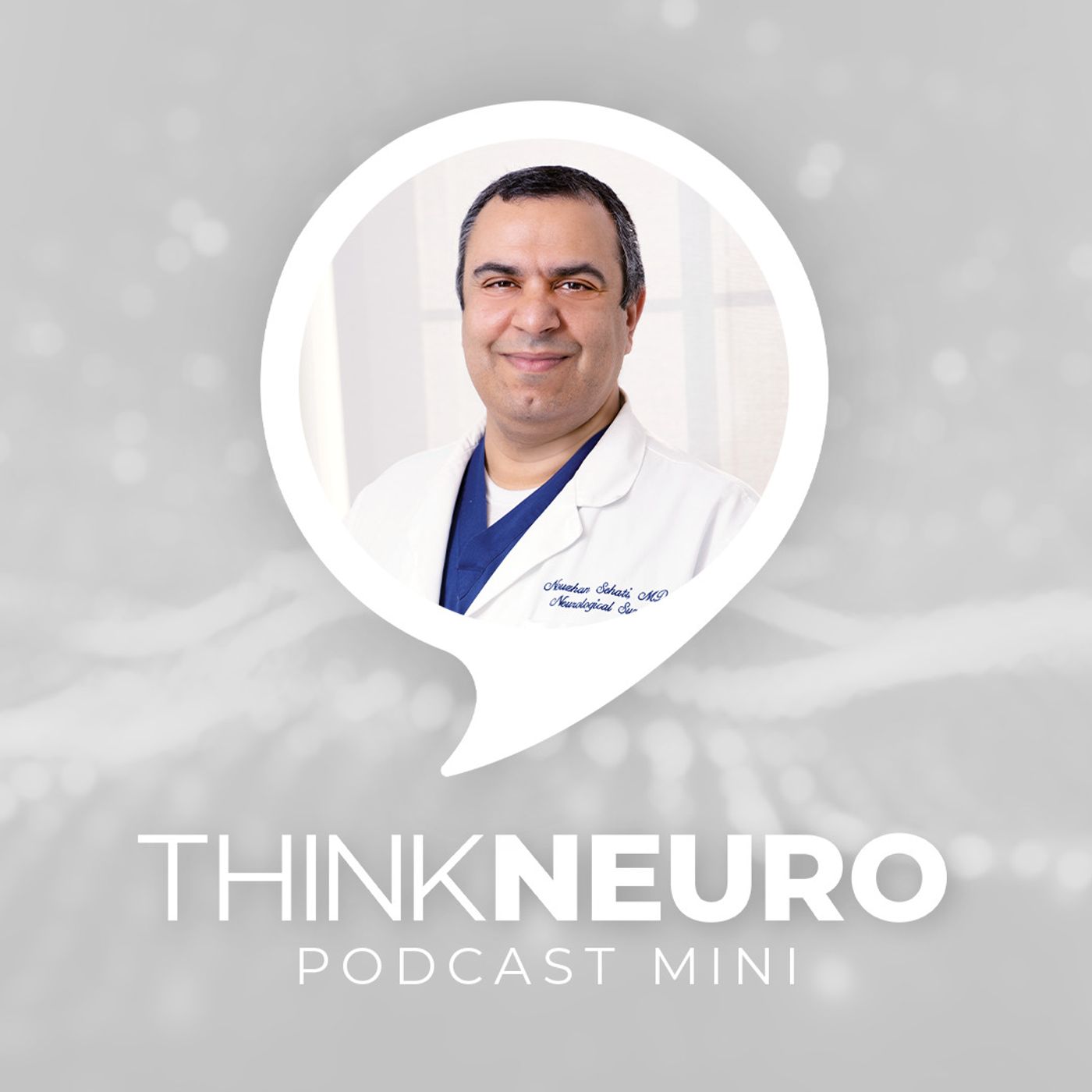
Dr. Nouzhan Sehati, is a board-certified neurosurgeon who specializes the treatment of a wide variety of brain, spine and spinal cord disorders at Pacific Neuroscience Institute. His expertise is in surgical and nonsurgical management of degenerative, traumatic and neoplastic (tumor) diseases of the brain and spine with a focus on minimally invasive techniques.
Dr. Sehati believes in clinical excellence and comprehensive care for all of his patients. His compassionate approach involves working as a partner with his patients, honoring patient individuality and dignity, understanding the patient’s needs and preferences, discussing all aspects and options of treatment availa...
Brain Aneurysm Management with Ashkan Mowla, MD
In general, aneurysms are only detected after they have burst although they may sometimes be detected during the course of other tests. Operating on the arteries of the brain may feel scary but there have been tremendous advances in the way that aneurysms are surgically treated. The interventional neuroradiologist has several options for treating the aneurysm from the inside of the blood vessel based on the patient’s status. These kinds of surgery, called endovascular neurosurgery or embolization, are performed using the minimally invasive microcatheter-based approach mentioned earlier. In this way, aneurysms can be treated by coiling, stent coiling, fl...
74. Understanding the Full Spectrum of Parkinson's Disease with Melita Petrossian, MD
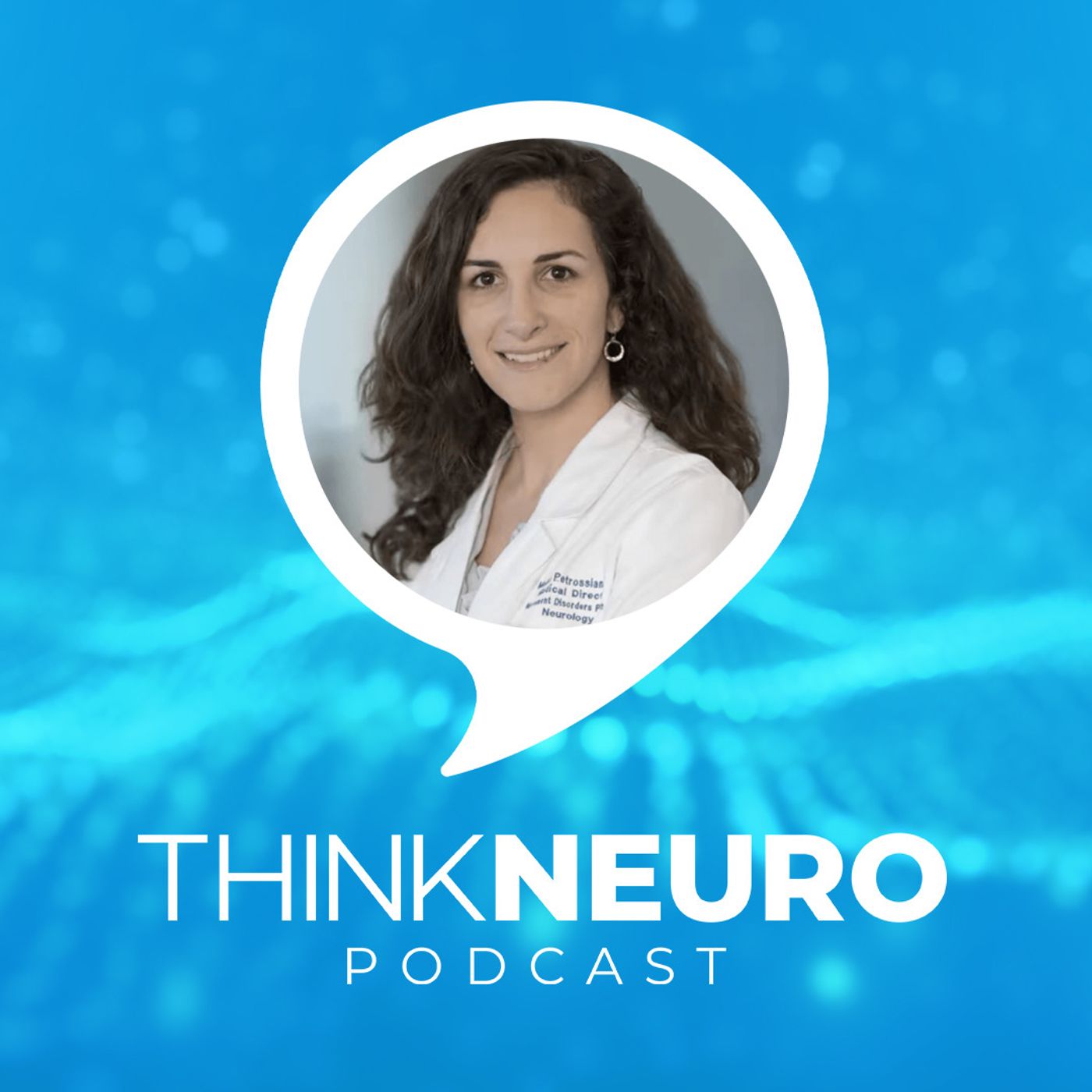
Parkinson’s disease is a neurologic movement disorder. It affects the brain and causes difficulty with movement, with the most common motor symptoms being tremors, stiffness or rigidity of muscles, and slowness of movement. According to the American Parkinson Disease Association, it is the fastest growing neurodegenerative disease in the world, and the second most common after Alzheimer’s disease, with an estimated 1 million people in the U.S. and more than 10 million people worldwide living with Parkinson’s.
In addition to the well-known motor symptoms of tremors, rigidity and slowness, Parkinson’s disease also manifests in non-moto...
Spotlight Replay: 34. Treating the Wonder that is the Voice Box | Dr. Omid Mehdizadeh
Two slender muscles carry out some of the most important—and taken-for-granted—tasks in our lives. These muscles make up what we have come to call our “voice box,” and they not only produce the sounds that we make—they also close on cue to protect our lungs as we swallow. In this Spotlight Replay, we revisit a conversation with Dr. Omid Mehdizadeh, who treats voice and swallow disorders, in which he helps us appreciate the vital role of this unsung hero, our voice box. Let’s listen in!
Spotlight Replay: Episode 50. Loneliness, a Panel Discussion: Drs. Shanthi Gowrinathan, Amit Kochhar and Courtney Voelker
Survey after survey is telling us that Americans are increasingly feeling lonely. It’s a trend that’s been growing for years and, while it was exacerbated during the pandemic when we were instructed to socially isolate, it continues even as society has reopened. In this Spotlight Replay, we revisit a panel discussion in which three doctors at Pacific Neuroscience Institute tell how they help people deal with different causes of loneliness. Doctors at PNI discover loneliness in their patients, often for specific causes that can be treated. Dr. Courtney Voelker sees patients with hearing so compromised that they can’...
Meet Dr. Noa Tal
Fellowship trained, Noa Tal, MD, is a devoted endocrinologist committed to delivering exceptional care and striving for excellence in her field. With a diverse background encompassing medicine, research, teaching, and wellness, she endeavors to make significant contributions to healthcare. At the Pituitary Disorders Center at Pacific Neuroscience Institute®, Dr. Tal cares for patients with endocrine issues as a result of pituitary tumors.
Dr. Tal earned her medical degree from Tel Aviv University School of Medicine and completed her internal medicine residency at Montefiore Medical Center in Bronx, NY. Subsequently, she pursued further specialization through an endocrinology fellowship a...
73. Treating the Whole Patient, Not Just the Cancer
When someone is diagnosed with a brain tumor, their world can shift overnight, bringing challenges that reach far beyond the medical diagnosis. A tumor is, first and foremost and most obviously, a health challenge. Like any serious illness, however, it also taxes people mentally and psychologically. Patients and their families have to navigate a complex medical system, take in new and challenging information, and make large, potentially life-changing decisions. Because of this stressful environment, Pacific Neuroscience Institute’s Dr. Shanthi Gowrinathan, a psychiatrist who specializes in treating people with cancer, is part of a team that helps people cope wi...
Spotlight Replay: 48. Charting the Brain, in Great Detail | Dr. Garni Barkhoudarian & Josh Emerson
The doctors at Pacific Neuroscience Institute believe strongly in educating other neurosurgeons in the latest techniques for minimally invasive surgery. PNI’s Pacific Rim Master Class in Endoscopic Endonasal and Keyhole Surgery is right around the corner, coming up at the end of March. In this Spotlight Replay, we return to the episode in which Dr. Garni Barkhoudarian talks about his commitment to pay forward his own neurosurgery education. We also hear from medical illustrator and animator Josh Emerson, manager of PNI’s Neuroanatomy Lab, who tells us how people can learn about the fascinating inner anatomy of the brai...
Spotlight Replay: 37. Treating Essential Tremor, a Little-Known but Prevalent Disease | Dr. Melita Petrossian
March is Essential Tremor Awareness Month. Essential tremor is one of the most common movement disorders, affecting millions of people around the world. In this Spotlight Replay, we return to the episode in which Dr. Melita Petrossian discusses the diagnosis and treatment of Essential Tremors, and explains how these tremors differ from those seen in people with Parkinson’s Disease. Keeping hope alive, the International Essential Tremor Foundation’s theme this year is, “Still Believing in Answers for ET.” While the exact cause of Essential Tremor remains unknown, Dr. Petrossian and the team at PNI work hard to help alleviat...
Treating Spinal Deformities with Marcus Mazur, MD
Spinal deformity refers to abnormal curvatures of the spine, such as scoliosis, lordosis, and kyphosis. These conditions can arise from genetic defects, injuries, diseases like osteoporosis or arthritis, neuromuscular disorders, or poor posture. Symptoms range from visible misalignment to pain, weakness, loss of sensation, and in severe cases, paralysis or organ compression. Treatment options vary from observation, bracing, medications, and physical therapy to complex surgeries, with early diagnosis offering the best outcomes.
Marcus D. Mazur, MD, FAANS, is a board-certified fellowship-trained spine neurosurgeon. His clinical practice focuses on adult spinal surgery for disorders on the cervical, thoracic...
72. Revolutionary Robotic Surgery for Head & Neck Cancer Treatment
Don’t be surprised if you find yourself needing head and neck cancer surgery and your surgeon has an unexpected assistant: a robot. But it won’t be R2D2 or C3P0 from Star Wars. Instead, the modern medical robot is a high-tech tool that surgeons use to perform sensitive tasks in hard-to-reach places. In this episode, Dr. Vivian Wu, a head and neck surgeon at Pacific Neuroscience Institute, takes us into the new world of robotic surgeries. Dr. Wu also tells us about some new tests that can show how successful someone’s cancer treatment has been, withou...
Treatment & Management of Dural Arteriovenous Fistulas (DAVFs) with Adi Iyer, MD, MS | A PNI Minute
Dural arteriovenous fistula (DAVF) is a rare vascular condition where abnormal connections (fistulas) form between branches of arteries and veins in the dura mater, the brain's covering. The dural arteries deliver high-pressure, oxygen-rich blood to the brain, while the dural veins return deoxygenated, low-pressure blood to the heart. DAVF causes high-pressure arterial blood to flow into veins or sinuses meant for low-pressure blood, which can lead to ruptures, brain hemorrhages, and other neurological issues.
Meet Dr. Aditya (Adi) Iyer, a board-certified, fellowship-trained neurosurgeon specializing in vascular diseases of the brain and spine at Pacific Neuroscience Institute®. As o...
12. Alzheimer’s: Too Common, and So Mysterious | Dr. Verna Porter
One in ten Americans who are 65 and older suffer from Alzheimer’s dementia. It’s the 6th leading cause of death in the country, and it is a scourge worldwide. But little is known about what causes Alzheimer’s, and cures have been elusive. Dr. Verna Porter specializes in treating people with Alzheimer’s, and she remains optimistic. Until we have a remedy, she advises people to eat well and get plenty of sleep. Patients with Alzheimer’s often have abnormal levels of a gummy plaque called amyloid protein crowded around the neurons of the brain. No one knows for sure w...
Meet Dr. Ashkan Mowla
Ashkan Mowla, MD, FAHA, FAAN, is neuro-interventional surgeon at the Pacific Neuroscience Institute® (PNI). He specializes in minimally invasive endovascular procedures to treat conditions and diseases of the brain and spine, including stroke, brain aneurysm, brain and spine arteriovenous malformation and fistula and carotid and intracranial disease.
He is triple board-certified neurologist with fellowship training in stroke and cerebrovascular diseases and also interventional neuroradiology. Prior to joining PNI, he was an assistant professor of neurological surgery at the Keck School of Medicine, University of Southern California (USC), Los Angeles, CA for 5 years.
71. Combining Exercise and Gaming for Better Brain Health
Ryan Glatt turned his recovery from a traumatic brain injury into a passion for helping others restore and preserve the health of their brains. He now runs the Fit Brain Program at PNI, where he oversees a marvelous room, the Brain Gym. He leads people through workouts in which they move their bodies while exercising their minds, and where specialized brain-body exercise machines flash and beep. In addition to being the Fit Brain director, Ryan is also a brain health coach, which means that, he works as a specialized personal trainer for people who want to stave off cognitive...
Treating Spinal Deformities with Marcus Mazur, MD
Spinal deformity refers to abnormal curvatures of the spine, such as scoliosis, lordosis, and kyphosis. These conditions can arise from genetic defects, injuries, diseases like osteoporosis or arthritis, neuromuscular disorders, or poor posture. Symptoms range from visible misalignment to pain, weakness, loss of sensation, and in severe cases, paralysis or organ compression. Treatment options vary from observation, bracing, medications, and physical therapy to complex surgeries, with early diagnosis offering the best outcomes.
Marcus D. Mazur, MD, FAANS, is a board-certified fellowship-trained spine neurosurgeon. His clinical practice focuses on adult spinal surgery for disorders on the cervical, thoracic...
Understanding Pseudotumor Cerebri with Dr. Alexander Solomon | A PNI Minute
Pseudotumor cerebri (PTC), also known as idiopathic intracranial hypertension, is a condition caused by elevated cerebrospinal fluid pressure in the brain. The symptoms of this condition mimic those of a brain tumor, giving it the name pseudotumor cerebri, meaning "false brain tumor." The increased pressure can cause swelling of the optic nerve and can result in loss of vision. Medications can often reduce the pressure and headache, but surgery is necessary in some cases.
Alexander M. Solomon, MD, is a neuro-ophthalmologist and strabismus surgeon at Pacific Neuroscience Institute in Santa Monica and Torrance, CA. Dr. Solomon’s pe...
Meet Marcus D. Mazur, MD

Marcus D. Mazur, MD, FAANS, is a board-certified fellowship-trained spine neurosurgeon. His clinical practice focuses on adult spinal surgery for disorders on the cervical, thoracic, and lumbar spine. He is a recognized expert in the treatment of adult spinal deformity, complex revision surgery, spinal oncology, and minimally invasive spine surgery. He also practices general neurosurgery.
Dr. Mazur completed his neurosurgery residency at the University of Utah and a postgraduate spine fellowship at the University of Virginia. Prior to joining PNI, he was a tenured faculty member at the University of Utah, where he was the program director...
Inside the Mind of a Top Neurosurgeon: Dr. Dan Kelly on Risk and Resilience | Guest Podcast
Dr. Daniel Kelly joins Dr. Stephen Sideroff this week on the Quantum Leadership Podcast.
In this powerful episode of the Quantum Leadership Podcast, Dr. Stephen Sideroff sits down with Dr. Dan Kelly, one of the nation’s leading neurosurgeons and co-founder and director of the Pacific Neuroscience Institute, for an illuminating look at the inner work, vision, and steady courage behind his remarkable leadership journey.
From leaving a secure tenured role at UCLA to create an entirely new model of neuroscience care, to performing high-stakes brain tumor surgeries where a millimeter can change a life, Da...
What Are Meningiomas? with Dr. Nouzhan Sehati
A meningioma is a type of tumor that arises from the meninges, which are the protective membranes that surround the brain and spinal cord. It is typically a slow-growing, usually benign tumor, derived from the cells of the arachnoid cap cells or the meningeal cells themselves. Meningiomas are the most common primary brain tumor. Fortunately, most are benign and slow-growing although up to 10% can grow rapidly. They are more common in women than men and can occur in all ages but are typically seen in middle-aged and older adults. Most meningiomas needing surgery can be removed through one of...
The Indomitable Dr. Howard Krauss | Guest Podcast
The Indomitable Dr. Howard Krauss
Guest podcast: Out of the Blindspot with Dr. Ore-ofe Adesina
Originally aired in 2 parts March 10 & April 21, 2025
Dr. Howard Krauss is a pioneering surgical Neuro-ophthalmologist specializing in minimally invasive orbital and oculoplastic surgery and adult strabismus. A leader in ophthalmology and medicine, he has blazed the trail for many who followed his footsteps into this specialty as surgeons. We’ll learn about his formative years including his journey from rocket scientist to neuro-ophthalmologist. We continue our conversation, learning about his experience training to become a surgical neuro-ophthalmologist, his experience as a co...
How to Identify and Treat Thyroid Nodules with Vivian Wu, MD
Thyroid nodules are growths on your thyroid. They are usually benign (not cancer). They may become overactive and make too much of the thyroid hormone.
All types of hyperthyroidism are due to an overproduction of thyroid hormones. Hyperthyroidism (an overactive thyroid) causes your thyroid to make more thyroid hormone than your body needs. Hyperthyroidism can accelerate your body functions such as your metabolism (can cause unintentional weight loss) or a rapid or irregular heart rate.
Multiple Sclerosis and Wellness with Dr. Barbara Giesser

Multiple sclerosis (MS) is a chronic autoimmune neurological disorder that affects the central nervous system, specifically the brain and spinal cord. In multiple sclerosis, the body’s immune system mistakenly attacks the protective covering of nerve fibers, called myelin, in the central nervous system. This immune-mediated damage disrupts the normal flow of electrical impulses along the nerves, leading to a wide range of neurological symptoms.
For people with MS, exercise and physical activity can be variously challenging. However, being physically active is one of the most beneficial adaptations to a lifestyle with MS. The six pillars of br...
Chris' Story - Hemifacial Spasm
Hemifacial Spasm is a potentially debilitating condition where the facial muscles of expression spasm uncontrollably. Botulinum toxin can control the spasm, but in severe cases, minimally invasive surgery for microvascular decompression of the facial nerve is more efficacious.
Listen to Chris B's story as he dealt with this issue and sought definitive care at the Pacific Neuroscience Institute with Dr. Garni Barkhoudarian and Dr. Melita Petrossian.
Neurosurgical Fellowship Training at Pacific Neuroscience Institute
The Pacific Brain Tumor Center and Pacific Pituitary Disorders Center offers a 1-year neurosurgery fellowship in minimally invasive surgery for brain, pituitary and skull base tumors. Our clinical training program is focused on endoscopic endonasal and keyhole surgical approaches, neuro-endoscopy, pituitary tumor management and multimodality neuro-oncology treatments. The fellowship emphasizes operative and peri-operative patient management, outpatient evaluation of new patients and follow-up patients as well as clinical and anatomical laboratory research projects. The fellowship is integrated into the Saint John's Cancer Institute Surgical Oncology Fellowship.
Qualified applicants must have completed training in an ACGME-accredited neurosurgical residency program...
70. The Lifestyle Roadmap to Improving Your Memory and Brain Health
Our memory isn't just a passive function. Just like our muscles, it's something that can be trained, optimized, and protected. Subtle changes in our memory can signal the earliest stages of cognitive decline, but preventative interventions can make a huge difference. That's exactly what Dr. Karen Miller, Senior Director of the Brain Wellness and Lifestyle Program at PNI, helps her patients achieve. Dr. Miller specializes in personalized approaches to improve brain health. One technique is the "memory palace," a method that links information to familiar places and strengthens one's ability to recall information. In this episode, learn how Dr...
Our Philosophical Approach to Spine Care with Jean-Philippe Langevin, MD
Spinal disorders may be caused by spine trauma, genetic components or disease including cancer. As the backbone is made of bone, a misconception is that all spine issues are taken care of by orthopedic surgeons. In reality, neurosurgeons are integrally involved in spinal surgery due to the delicate nature and proximity of major nerves in these regions.
To meet the need for a specialty spine center in the South Bay area, in 2019, Providence Little Company of Mary Medical Center Torrance opened its state-of-the-art Spine Institute, bringing together a multidisciplinary team of surgical experts of neurosurgeons and orthopedic...
Cochlear Implants Crash Course with Mathilde Tranberg, Cochlear Implant Ambassador
A cochlear implant for hearing loss is an electronic device that is implanted into the inner ear (the cochlea) and is used to restore hearing in patients who no longer benefit from traditional hearing aids or have hearing loss in just one ear. While a cochlear implant does not re-create normal hearing, it allows individuals to understand speech and perceive sounds in a way that improves communication and quality of life.
Mathilde Tranberg is the dedicated Cochlear Implant Outreach Ambassador at Pacific Head & Neck, Pacific Neuroscience Institute. Mathilde was born profoundly deaf and received Cochlear Implants when...
Malia's Grateful Patient Story | AVM Treatment at PNI
While traveling with her family, 17-year-old Malia experienced a grand mal seizure while she was sleeping. Her parents immediately brought her back to Los Angeles to the care of Dr. Walavan Sivakumar at Pacific Neuroscience Institute South Bay, in Torrance, Ca. An MRI showed that Malia had an Arteriovenous Malformation which likely had been growing for a few years. Learn more about the life-saving surgery and treatment that Dr. Sivakumar and the multi-specialty team at PNI-South Bay and Providence Little Company of Mary Torrance performed to put Malia back on course to live a long and full life.
69. A Silent Revolution in Hearing Loss Treatment
Cochlear implants are leading a revolution in the treatment of hearing loss. According to a 2022 study, only about 10% of those who qualify for cochlear implants have received them. Cost, accessibility, and lack of awareness are only some roadblocks for potential patients. At Pacific Neuroscience Institute, Dr. Courtney Voelker and Dr. Chester Griffiths are working to change that. Dr. Voelker is recognized as one of the nation’s top cochlear implant surgeons, with patients as young as five months old. Dr. Griffiths is the founder of Pacific Head & Neck, a premier clinic in Los Angeles. Because hearing loss is the le...
Smell Dysfunction Challenges & Treatment with Dr. Michael Yong | A PNI Minute
Smell loss after viral infections can be difficult to manage. Dr. Yong uses various techniques to target smell recovery which is a complex process involving neurons in the nose and brain. Smell is intricately linked in both emotional and functional terms with quality of life. Learn more about smell dysfunction and treatment.
Multidisciplinary Voice Clinic at PNI
Having a healthy voice is important for everyone, whether you are a professional singer, teacher, salesperson or simply like to read aloud to your grandchildren. Similarly, our ability to swallow is an essential part of everyday life and when comprised can feel frustrating and even embarrassing in public settings. If you suffer from hoarseness or trouble with your voice or throat, our team of expert ENT providers can help. We provide comprehensive care for voice and swallowing disorders. Omid Mehdizadeh, MD is our fellowship trained laryngologist who specializes in voice and swallowing treatment and care.
68. Innovative Techniques for Stroke Intervention and Prevention
Approximately every 40 seconds, someone in the United States has a stroke. About 87% of all strokes are ischemic strokes, which blocks blood flow to the brain. When it comes to treating strokes, knowing the signs and symptoms is important so you can act fast. Dr. José Morales is a vascular neurologist and neurointerventional surgeon at Pacific Neuroscience Institute. Dedicated to serving his patients, Dr. Morales specializes in minimally invasive endovascular procedures that treat conditions and diseases of the brain and spine, such as strokes. Listen to this episode and find out how Dr. Morales treats stroke, the importance of early d...
Focused Ultrasound Treatment for Tremors with JP Langevin, MD & Natalie Diaz, MD
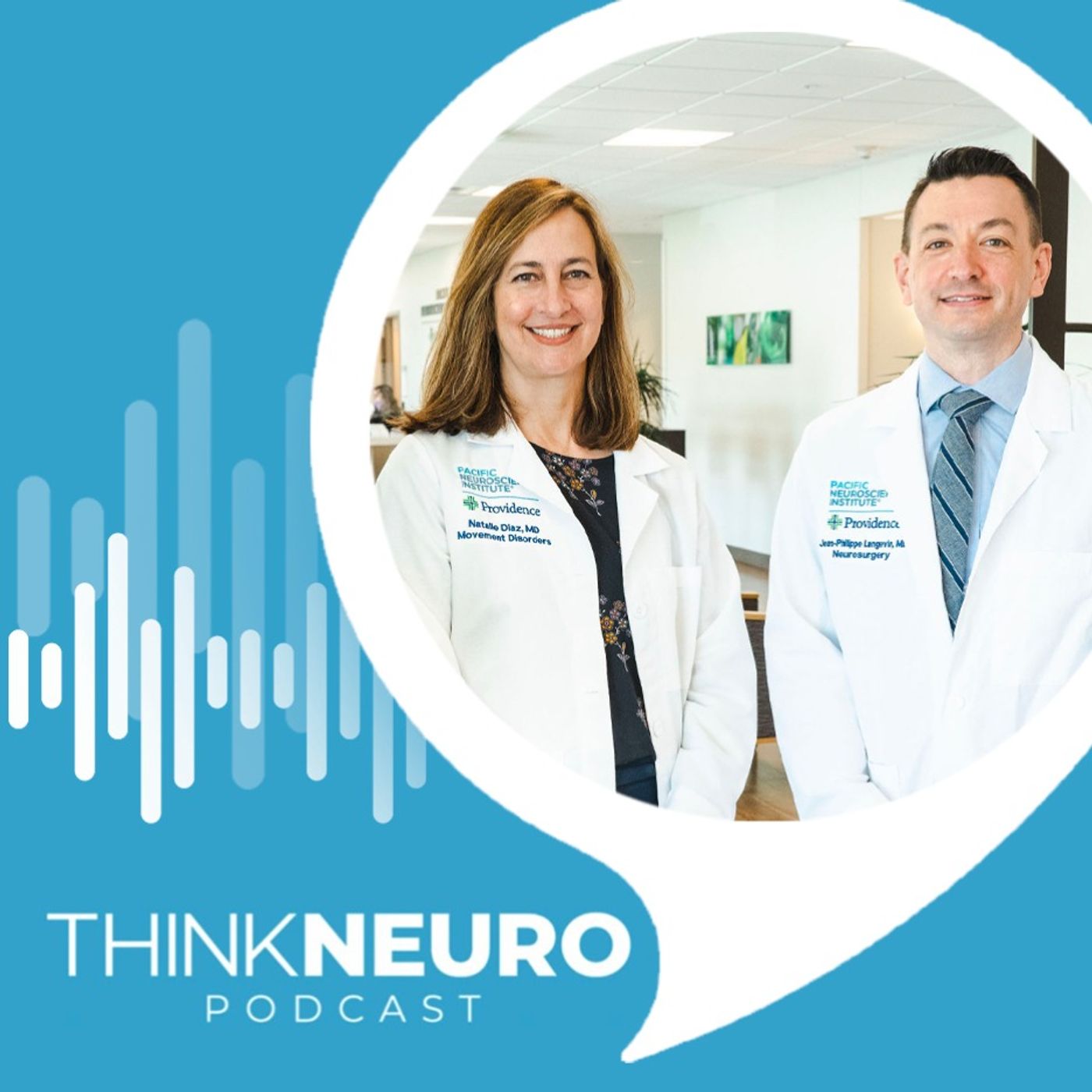
Focused Ultrasound is an incisionless treatment for patients with Essential Tremor (ET) and Tremor Dominant Parkinson’s Disease (TDPD) who have not responded to medication. It uses high intensity ultrasound waves guided by MRI to treat deep areas in the brain associated with tremor, with no permanent implants or general anesthesia. There is little to no risk of infection and patients usually return home the same day with immediate tremor improvements.
Skin Cancer Prevention and Treatment Options with Vivian Wu, MD
Skin cancer is the most common form of cancer in the United States and involves abnormal growths of skin cells that can form anywhere on the body, but most frequently appear on skin that is exposed to the sun, such as the face.
Vivian F. Wu, MD, MPH, is a surgeon-scientist specializing in all cancers of the head and neck, including those of the tongue, throat, voice box, thyroid, skin, and salivary glands.
Introduction to Enhanced Recovery After Surgery (ERAS) with Walavan Sivakumar, MD
Enhanced Recovery After Surgery (ERAS) is revolutionizing perioperative care by shifting away from conventional methods toward a patient-centered, evidence-based approach. ERAS protocols focus on optimizing recovery across all surgical stages—before, during, and after the procedure—through personalized therapies. Key elements include nutritional support, patient education, minimally invasive techniques, and multimodal pain management, all designed to improve surgical outcomes.
Human Papillomavirus (HPV) Cancer Treatments with Dr. Vivian Wu
Human Papillomavirus (HPV) is a small DNA virus that infects skin and wet surfaces of the body. The virus is typically spread through vaginal, anal, or oral sex. There are over 100 different types of HPV. The most common types of HPV are found on the skin and appear as warts. It is one of the most common types of sexually transmitted infections worldwide. HPV is responsible for more than 90% of anal and cervical cancers. The high-risk types of HPV form in the back of the throat, also known as Oropharyngeal Cancer.
Vivian F. Wu, MD, MPH, is...
67. Decoding Pituitary Disorders Through Hormone Investigation | Noa Tal, MD
Tucked deep within the brain and no larger than a pea, the pituitary gland is often called the body’s “master gland.” It oversees the endocrine system—a network of glands and organs that produce hormones regulating everything from growth and metabolism to reproduction and mood. At Pacific Neuroscience Institute’s Pituitary Disorders Center, endocrinologist Dr. Noa Tal specializes in identifying and treating hormone and endocrine imbalances. Patients may present with a wide range of symptoms—unexplained weight gain, irregular menstrual cycles, hot flashes, or mood changes—that often seem unrelated. In cases like Cushing’s disease, a pituitary tumor triggers e...
Synkinesis after Bell's Palsy | Nicky's Grateful Patient Story
Five days after the birth of her second son, Nicky developed Bell's palsy, a facial paralysis affecting one side of the face. In a majority of people symptoms resolve with steroids and anti-viral treatments. The symptoms lingered for a year despite treatment at which point she was diagnosed with synkinesis, or abnormal facial nerve movement, which occurs about 10% of patients. Nicky was relieved as the diagnosis represented a path forward. Dr. Amit Kochhar at Pacific Neuroscience Institute has been working with Nicky for 2 years and she feels very grateful his expertise in treating synkinesis.
The Things That (Should) Happen at Your Appointment with Your Neurologist with Barbara Giesser, MD | Guest Podcast
Most people living with MS don't see their neurologist often. For many, it might be only once or twice a year. A lot of important things take place during that appointment. Symptoms are assessed. Decisions about disease-modifying therapies are made or, sometimes, changed. Questions get asked and, hopefully, answered. Dr. Barbara Giesser returns to the podcast, this time, to review the things that should be discussed and followed up on at your appointment with your neurologist or MS specialist. We're also sharing some good news about MS research funding from the National MS Society and the International Progressive MS...


