Humans + AI
Exploring and unlocking the potential of AI for individuals, organizations, and humanity
Oren Etzioni on the evolution of AI agents, bounded autonomy, augmenting science, and democratizing capabilities
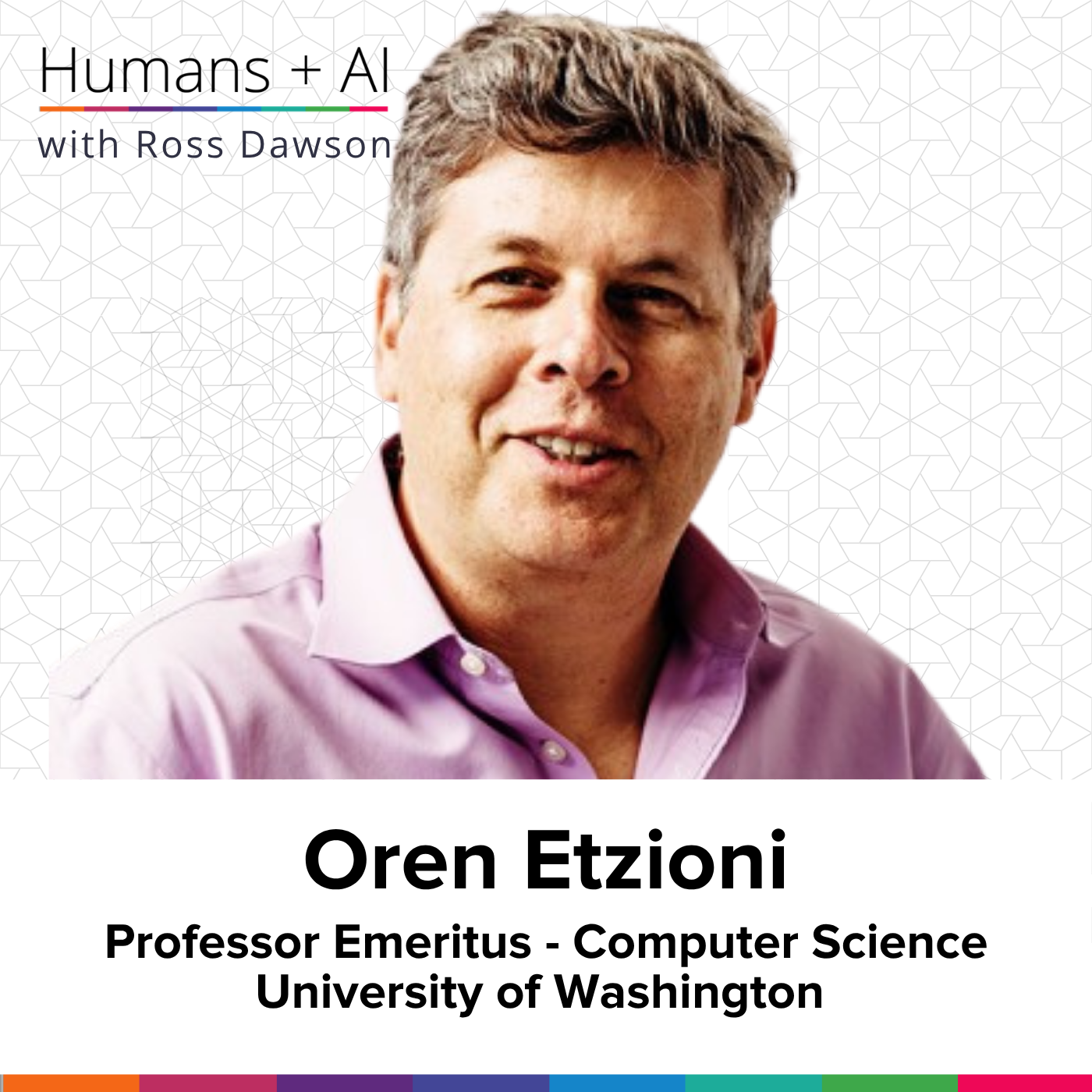
Join Professor Oren Etzioni, Professor Emeritus of Computer Science at the University of Washington and founding CEO of the Allen Institute for Artificial Intelligence, as he explores the evolution of agentic AI from early software agents to today’s autonomous assistants. Discover how natural language breakthroughs have transformed human-AI interaction, the challenges of building digital trust, and why maintaining human accountability remains essential. Tune in for practical insights on effective interface design, ways to bound AI autonomy, and how AI is democratizing cognitive potential and accelerating expert work.
Ross Dawson on Recursive Self-Improvement in Humans + AI Systems
In this episode, futurist and strategy advisor Ross Dawson, Chairman of Advanced Human Technologies and founder of Informivity, explores how recursive self-improvement and double loop learning are transforming both AI systems and human learning in organizations. Listeners will discover key differences between single and double loop systems, the role of reinforcement learning in AI advancement, and practical steps for integrating effective learning loops to enhance AI-human collaboration. Ross shares why maintaining human judgment is crucial as AI evolves, and offers insights for chief learning officers on redesigning organizational learning for the AI era.
David Weinberger on beautiful particulars, healing the mind/body split, morality, and the case for optimism
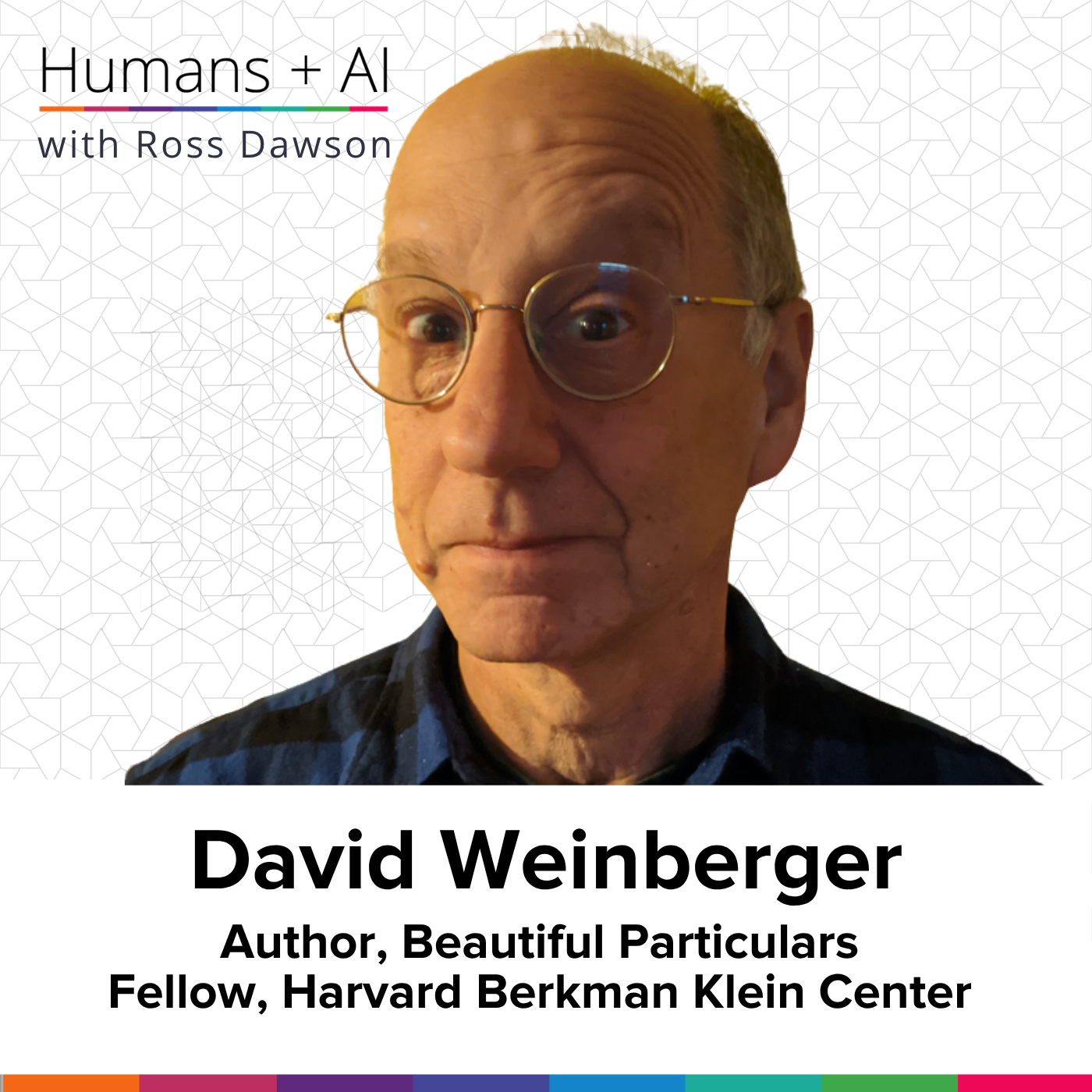
In this episode, David Weinberger—author of 'Beautiful Particulars' and researcher at Harvard MetaLab—explores how artificial intelligence is reshaping Western ideas about universal laws, human cognition, and the value of lived, bodily experiences. Listeners will discover why AI thrives on processing immense particulars and how integrating human generalization with AI’s specificity can build complementary intelligence. Weinberger offers insight into the philosophical impact of technology, the centrality of embodiment for meaning and morality, and an optimistic vision for using conversational AI to deepen learning and curiosity in real-life situations.
Nirit Cohen on uniquely human contribution, questions over answers, horizontal knowledge sharing, and intentional chaos
In this episode, Nirit Cohen—founder of Workfutures and former senior global people leader at Intel—explores the shifting boundaries between work and life in an era shaped by technology and automation. Drawing on her expertise in digital workplace transformation, Cohen discusses why uniquely human contributions remain critical, how to uncover hidden value within organizations, and the dangers of viewing people as interchangeable with AI. Listeners will gain new perspectives on nurturing adaptability, collaboration, and human-centered leadership as organizations evolve in the face of automation and changing roles.
Mickey McManus on co-thinking, beautiful complexity, pro-social design, and evolutionary social science
Join Mickey McManus, Executive Coach and Senior Advisor at Boston Consulting Group, as he explores the frontiers of embodied intelligence and cognitive scaffolding in AI-driven transformation. Drawing from evolutionary design principles and his experience in innovation labs, Mickey explains how human cognition extends into our environments and how feedback loops—both augmenting and corrupting—shape the future of pro-social AI and organizations. Listeners will gain valuable insights on pace layering, spatial thinking, and hands-on strategies for adopting AI, including ethical considerations at the cutting edge of synthetic biology.
Ramez Naam on cognitive prostheses, the infinite resource, AI and human rights, and mass empowerment of humanity
Join author, investor, and climate innovator Ramez Naam—co-chair of Singularity University’s Energy & Environment group—as he explores how cognitive prosthesis and brain-to-AI interfaces are reshaping human expertise and collaboration. Drawing from his background in clean energy and science fiction, Naam discusses how decentralized, open-weight AI models and a climate solutions mindset can foster resource abundance, democratize intelligence, and fuel curiosity-driven progress. Listeners will gain insight into the promise of augmenting human agency and the societal risks and rewards of rapidly evolving AI technologies.
Gideon Nave and Steven Shaw on system 3 thinking, strategic delegation, cognitive surrender, and the ethics of AI in marketing
Join Gideon Nave, Associate Professor of Marketing at Wharton, and Steven Shaw, postdoctoral researcher, as they unpack their influential work on 'system three' cognition—the idea of AI as an artificial thinking system. They explain the distinction between cognitive offloading and the deeper dangers of cognitive surrender when humans rely too fully on AI, and reveal both the improvements and risks this shift poses for our reasoning and critical thinking. Drawing from empirical research, the episode explores strategies for intentional AI use, the psychological and ethical implications for society, and why calibrated trust and thoughtful guardrails are now essential in...
Daniel Fallmann on democratizing expertise, dynamic interfaces, judgment amplification, and organizational intelligence
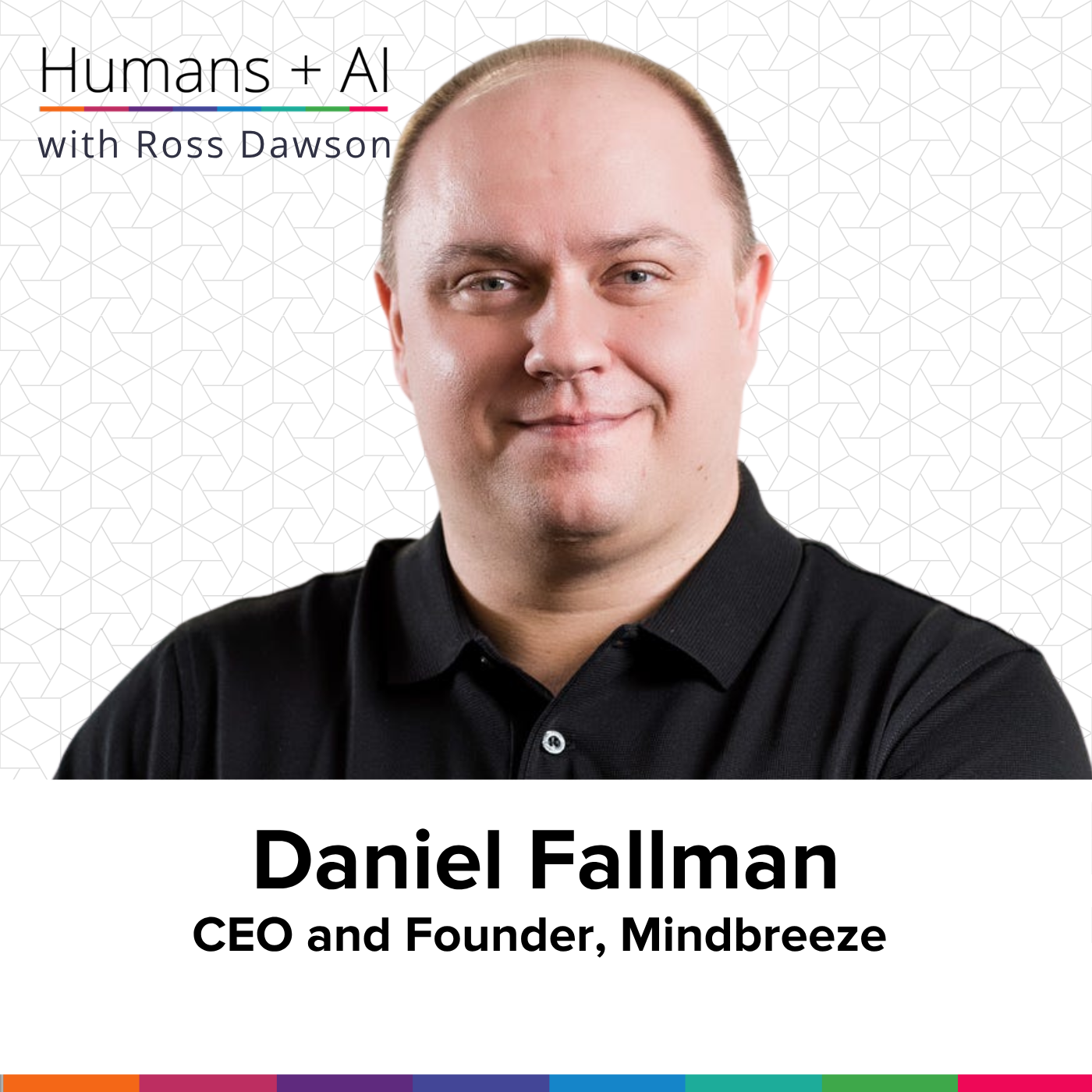
In this episode, Mindbreeze CEO Daniel Fallmann explores the evolution of AI from automation to the augmentation of human expertise, focusing on how organizations can leverage agentic workflows, context-aware decision support, and collective intelligence. Listeners will learn strategies for balancing human judgment and AI in complex decisions, how connecting distributed knowledge across organizational silos empowers better outcomes, and the importance of explainability and traceable audit trails. Gain insights into judgment amplification, enterprise simulations, and the future of end-to-end agentic AI for informed, transparent decision making.
Natalie Buda Smith on AI in libraries, human at the center, deeper storytelling, and language recreation
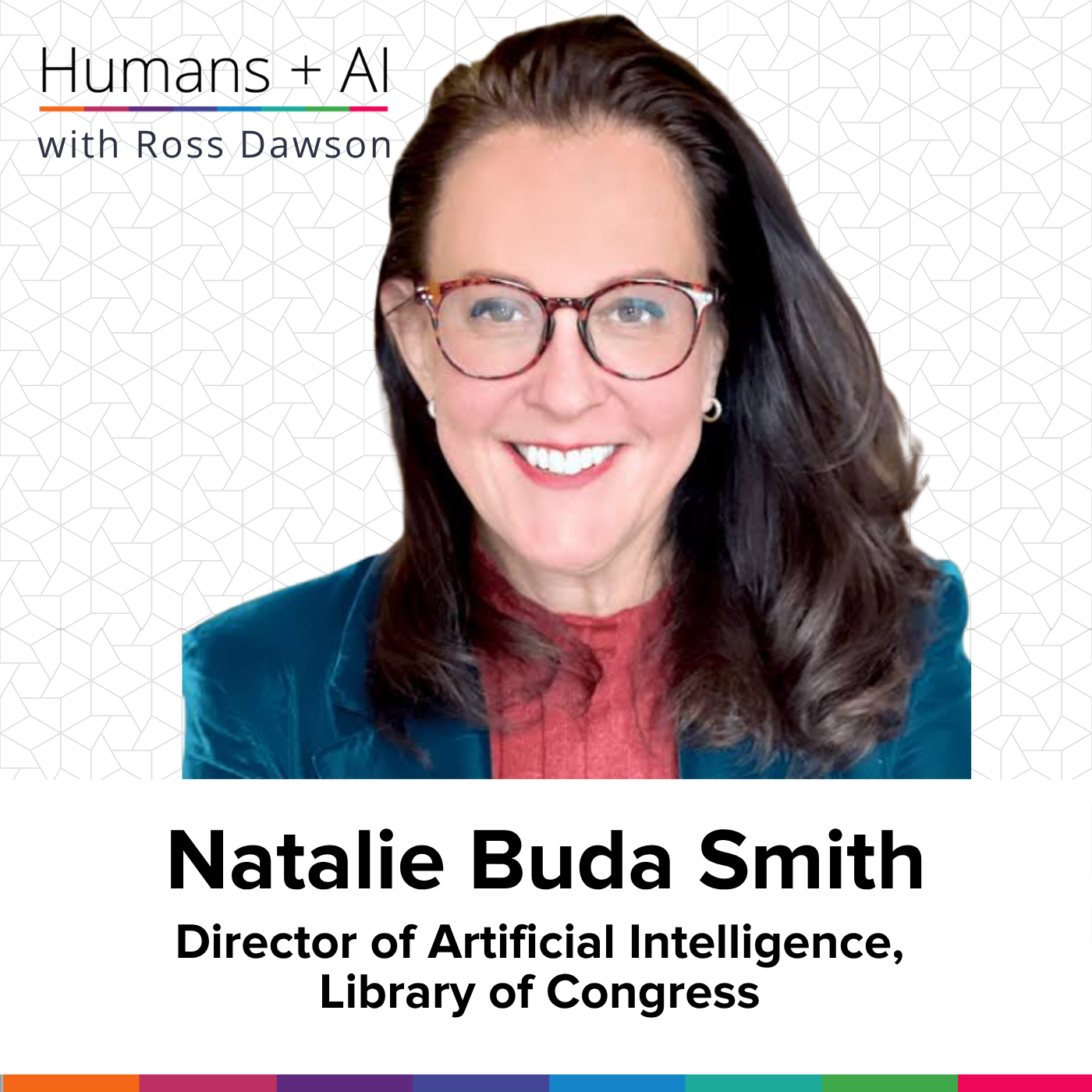
Join Natalie Buda Smith, Director of AI at the Library of Congress, as she explores how digital interfaces and AI are revolutionizing access to human knowledge and cultural memory. In this episode, you'll learn about the shift from primary source access to information intermediated by AI, the importance of preserving historical context through multiple digitization versions, and the challenges of navigating proprietary data and open APIs. Natalie Buda Smith shares firsthand insights into empowering staff with AI tools, fostering personalized information delivery, and how collaborative, AI-powered projects are surfacing new connections and creative storytelling across diverse collections.
Scott Wolfson on cognitive fitness, System 3 thinking, mastery skill games, and Strategic Imagination Machines
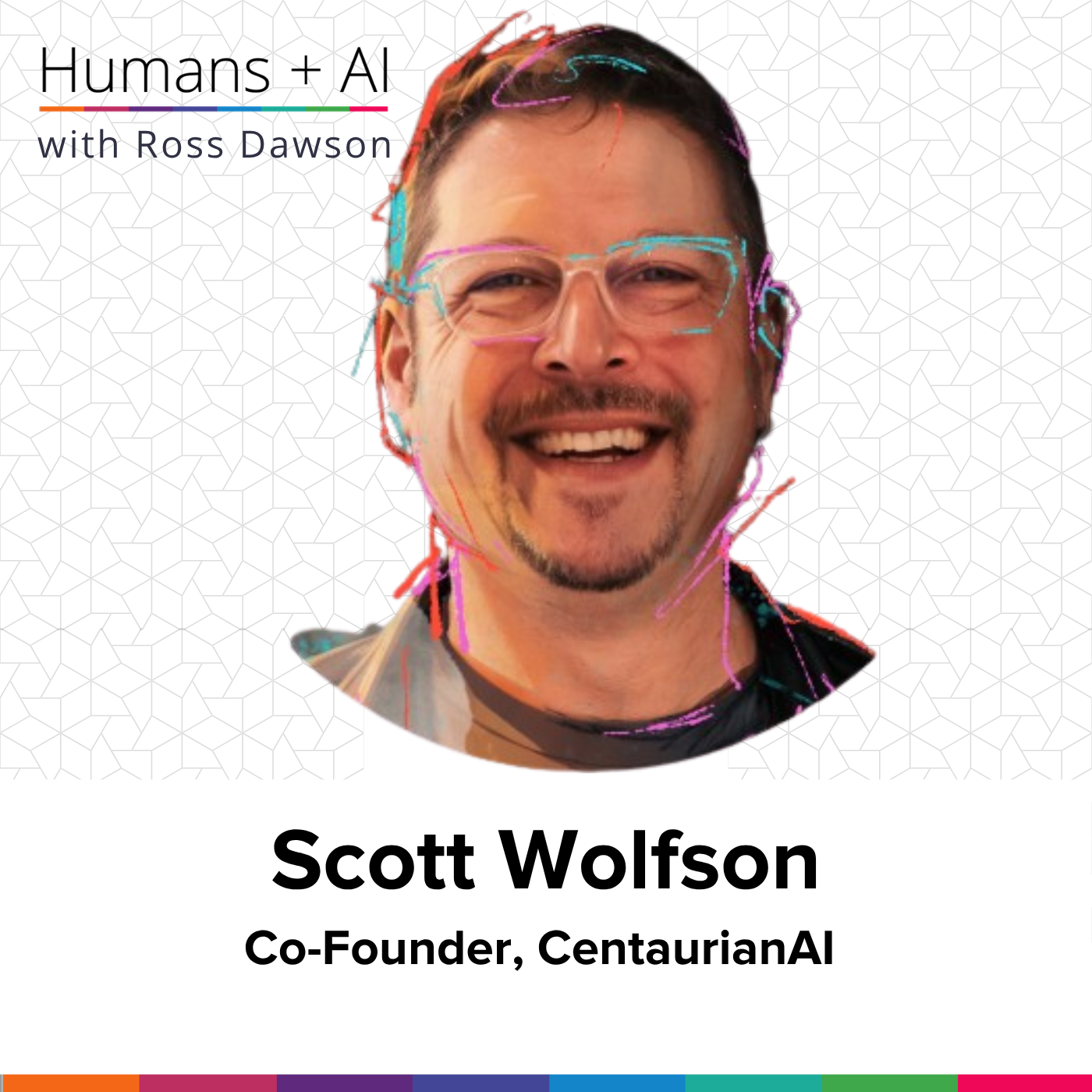
In this episode, CentaurianAI Co-Founder shares how becoming 'unbottable' is essential in the age of AI and explores the Centaur chess mindset for thriving alongside intelligent machines. Listeners will discover practical techniques—like brain dumping, ignorance mapping, and the 'think, prompt, check' approach—to boost cognitive fitness, foster independent thinking, and future-proof their unique value. The conversation delves into mastery skill games, motivational intelligence, and the power of collective, connected intelligence for building a truly wisdom-driven future with AI.
Hala Nelson on human machine coexistence, ontology first, AI driven digital twins, and bidirectional connections to reality
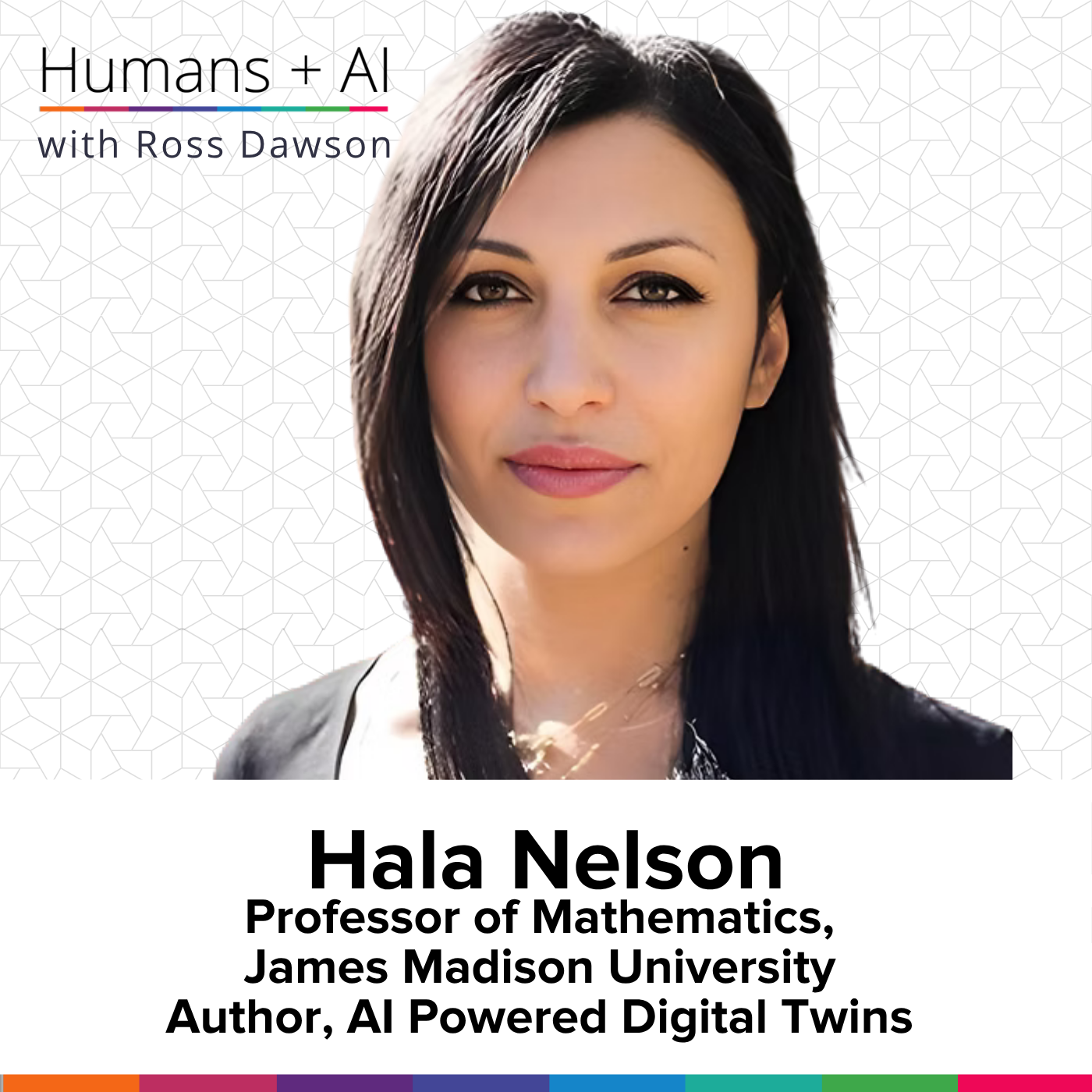
Explore how AI is redefining the boundaries between uniquely human intelligence and machine capabilities, and discover which aspects of intelligence remain distinctly human. This episode delves into building smarter, more efficient organizations by leveraging the complementary strengths of people and AI—focusing on the critical role of an ontology-first approach, knowledge graphs, and live digital twins in digital transformation. Listeners will gain actionable insights into integrating dynamic processes for real-time decision-making, structuring enterprise knowledge, and eliminating organizational inefficiencies using practical, AI-powered solutions.
Ross Dawson on cognitive friction, beyond Human-in-the-loop, and AI-augmented strategy
"The value is created in the friction, in the engagement between humans and AI—the pushing back by the humans, the pushing back by the machines."
–Ross Dawson
About Ross Dawson
Kathleen deLaski on reimagining higher education, generational mobility, building AI skills, and human originality
"There’s a real 'skillification' movement where you just want to get the training you need when you need it."
–Kathleen deLaski
About Kathleen deLaski
David Vivancos on the end of knowledge, cognitive flourishing, resilient societies, and artificial democracy
"Delegating knowledge is not the same as delegating wisdom. You learn by experience, and if you don't have any experiences...you will get cognitive atrophy."
–David Vivancos
About David Vivancos
Jon Husband on wirearchy, web weaving, the relational economy, and drift diving
"What I'm really interested in and fascinated about is that, as AI penetrates and spreads throughout the workplace and gets placed into or integrated into workflows, the first thing that happens is that people in the mix are going to have to learn how to use AI and learn why to use AI when they do."
–Jon Husband
About Jon Husband
Michael Gebert on designing freedom, human self-determination, cognitive sovereignty, and systems of agency
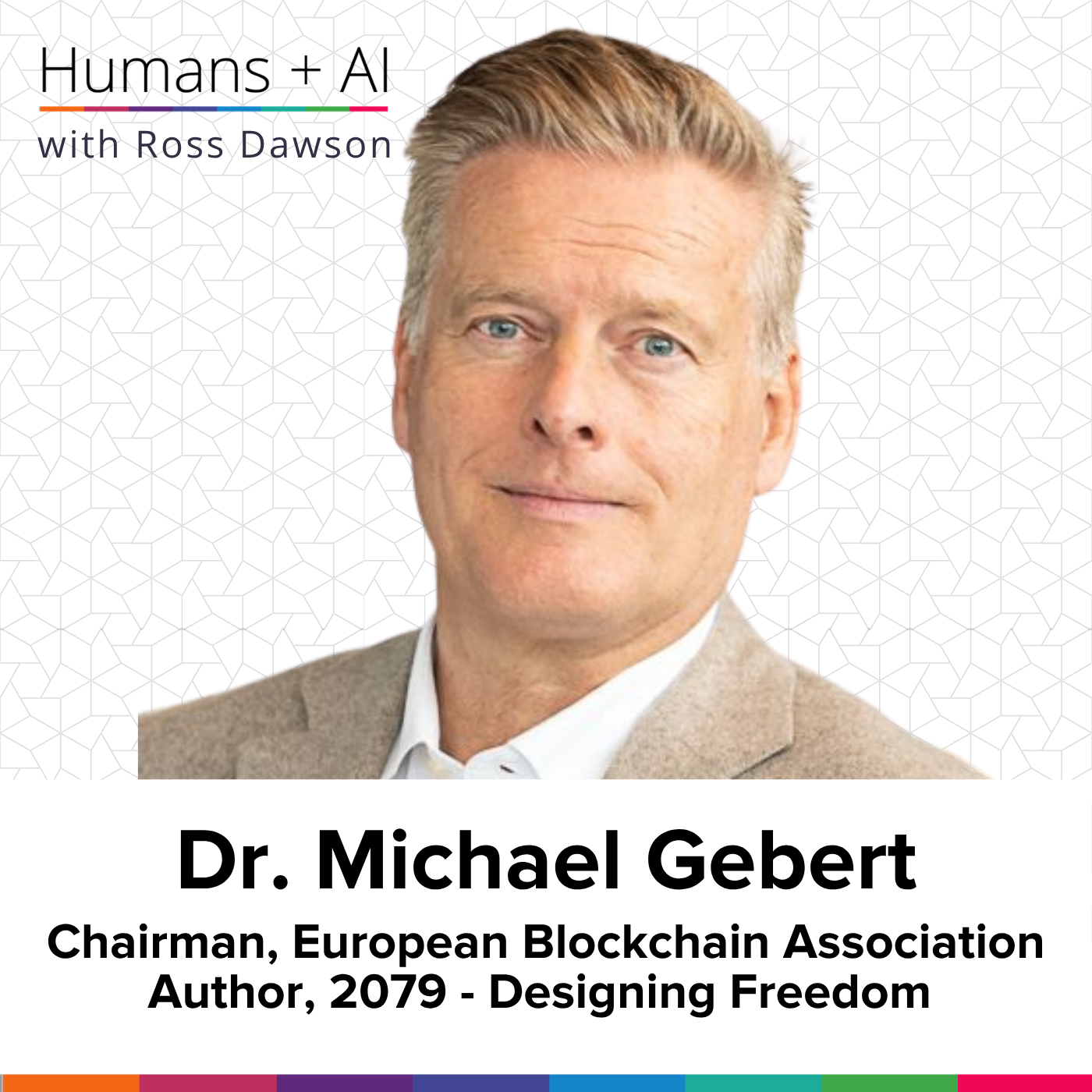
"Freedom no longer exists outside the systems, and it depends on the design. Coming back to the design, it's about understanding that we need to distinguish between intelligent systems and agency."
–Dr Michael Gebert
About Dr Michael Gebert
Marshall Kirkpatrick on cognitive levers, combinatorial possibilities, symphonic thinking, and compound learning
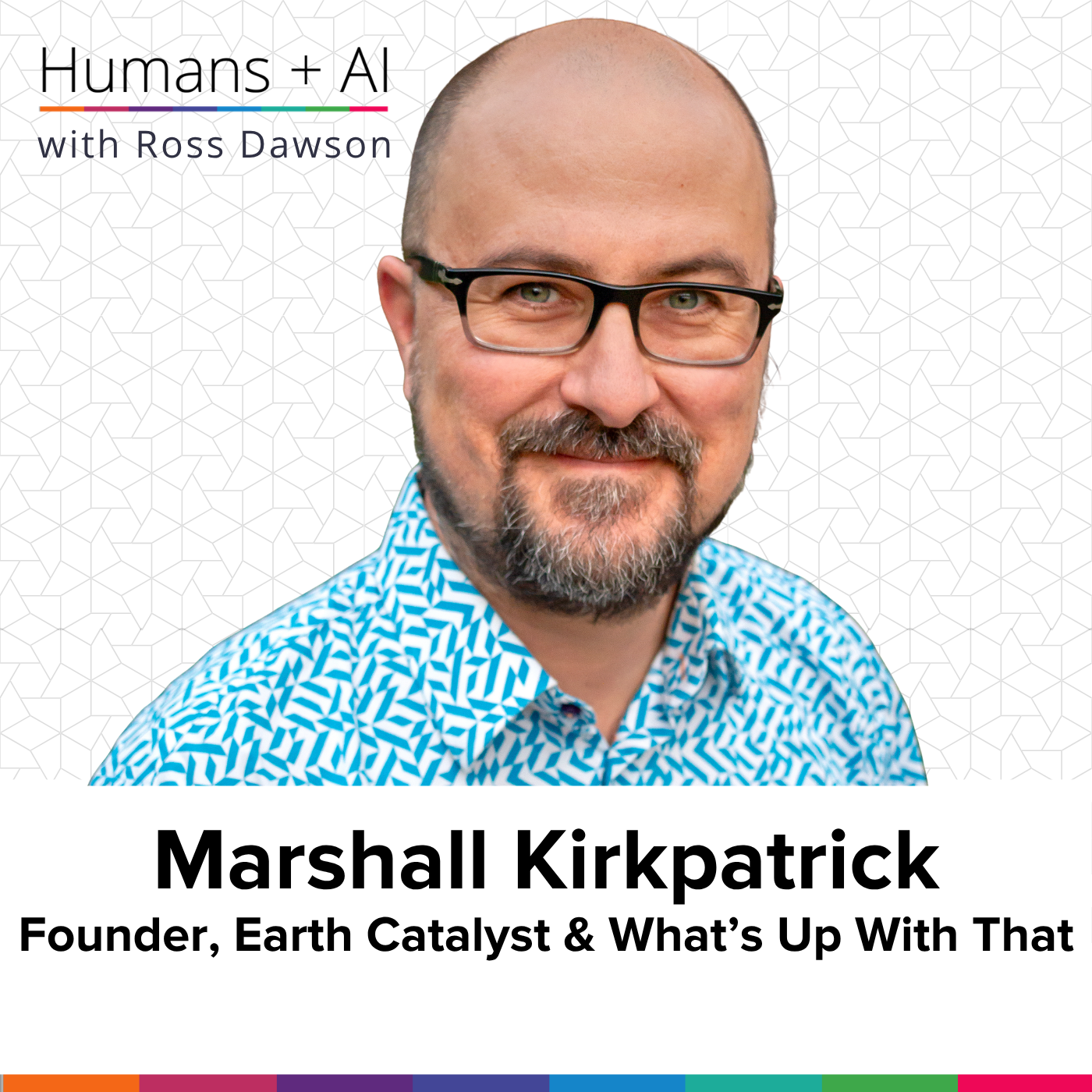
"The technology we're working with today really makes a lot of those best practices and mental models and the whole toolkit more accessible than ever to more people."
–Marshall Kirkpatrick
About Marshall Kirkpatrick
Nina Begus on artificial humanities, AI archetypes, limiting and productive metaphors, and human extension
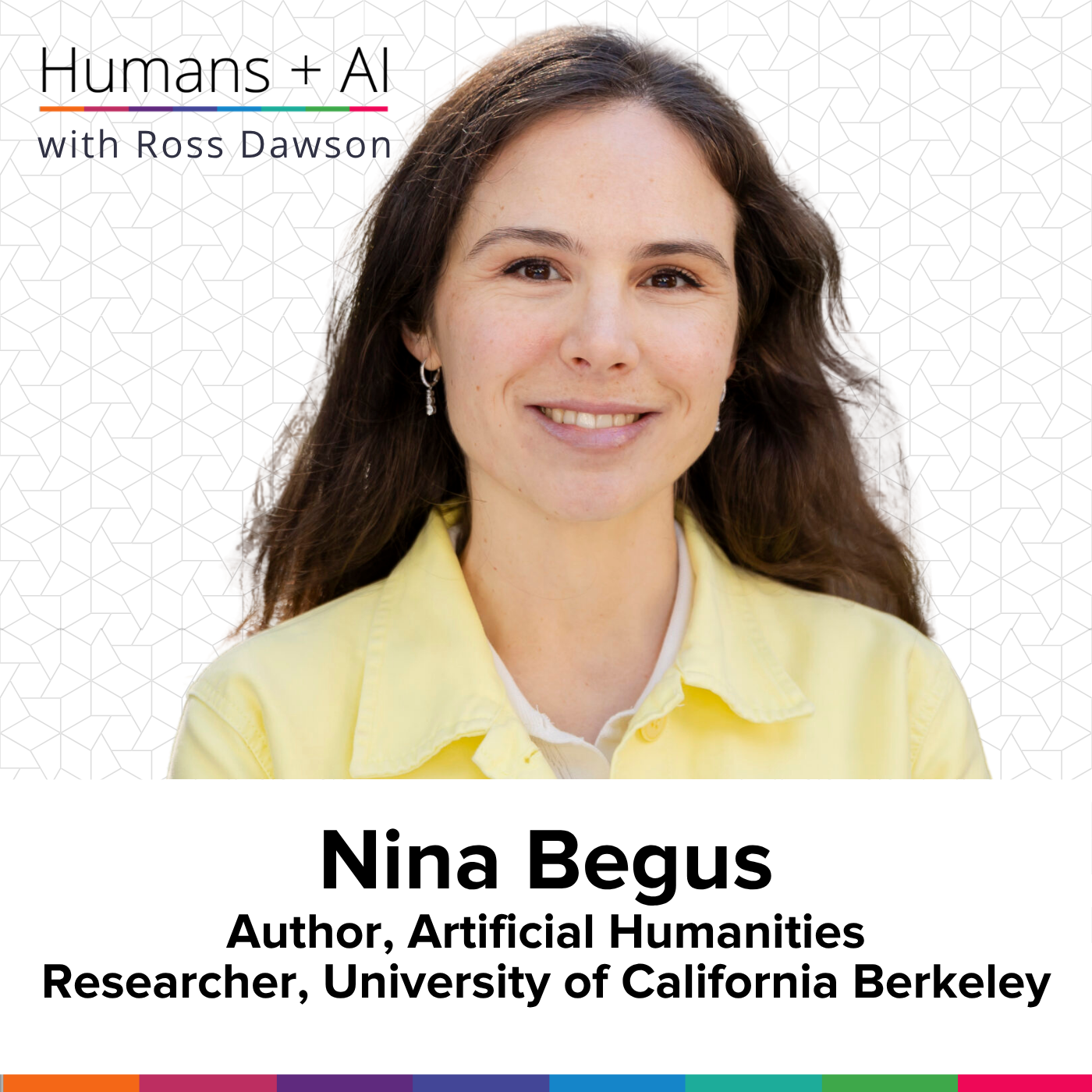
"Fiction has this unprecedented power in tech spaces. The more I started talking to engineers about their technical problems, the more I realized there's so much more that humanities could offer."
–Nina Begus
About Nina Begus
Henrik von Scheel on making people smarter, wealthier and healthier, biophysical data, resilient learning, and human evolution
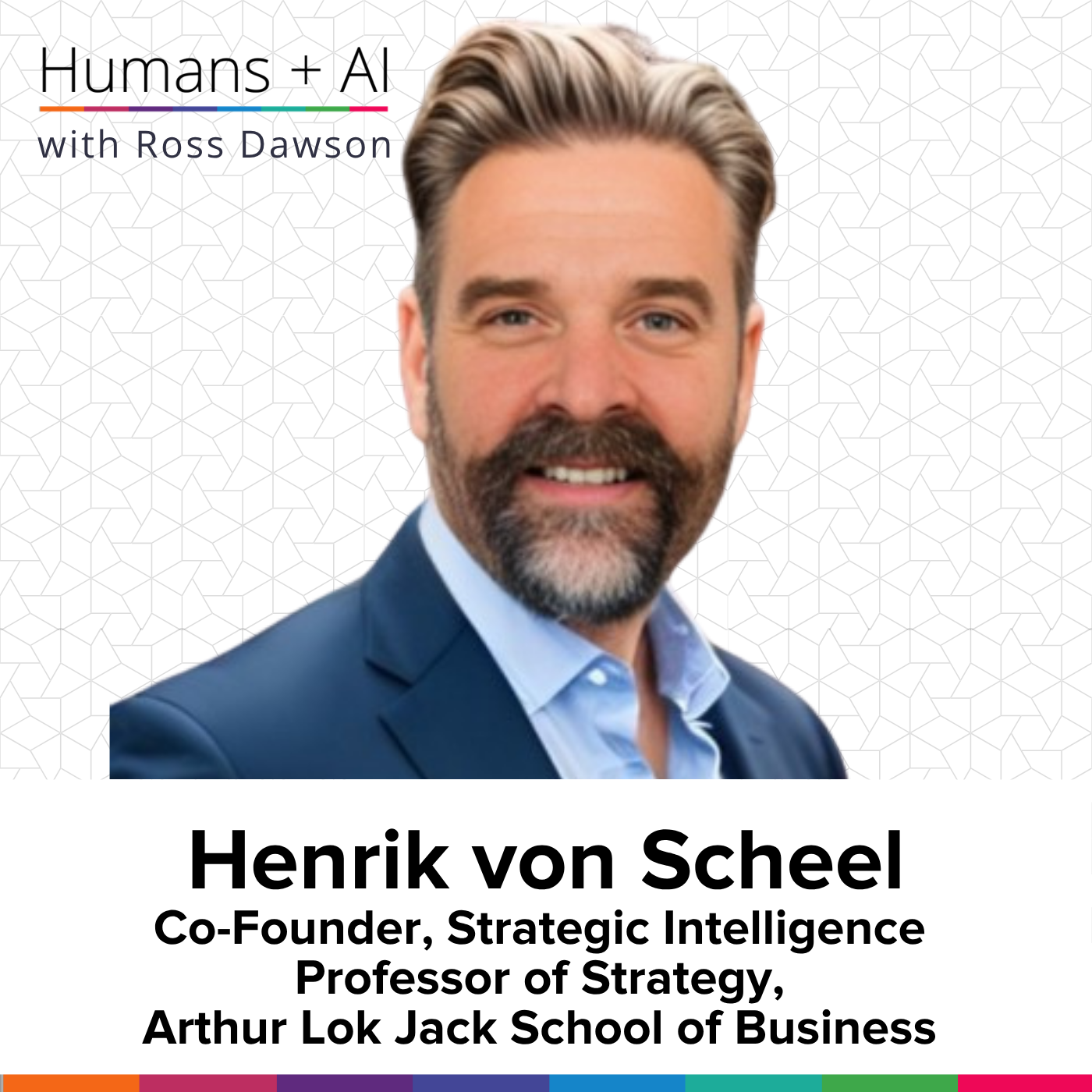
"The center of any change that we're doing in the fourth industrial revolution is always the human being, because humans have an ability to adopt, adapt to skills, and adjust to an environment."
–Henrik von Scheel
About Henrik von Scheel
Joanna Michalska on AI governance, decision architectures, accountability pathways, and neuroscience in organizational transformation
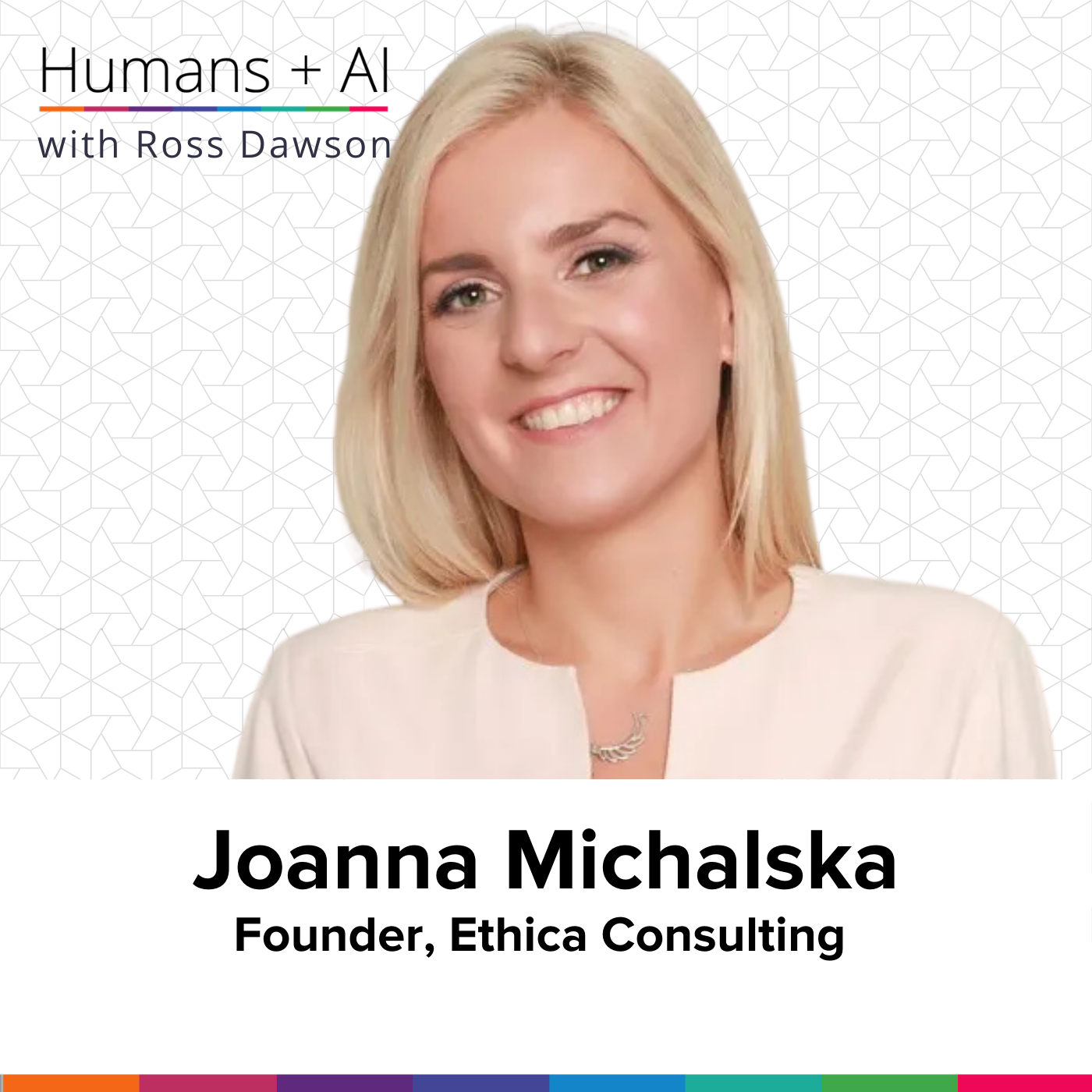
"Determining accountability, the ability to intervene, the time to intervention, the time to stop, pause, change, alter—there are so many different layers that need to be thought through."
–Joanna Michalska
About Dr Joanna Michalska
Cornelia Walther on AI for Inspired Action, return on values, prosocial AI, and the hybrid tipping zone
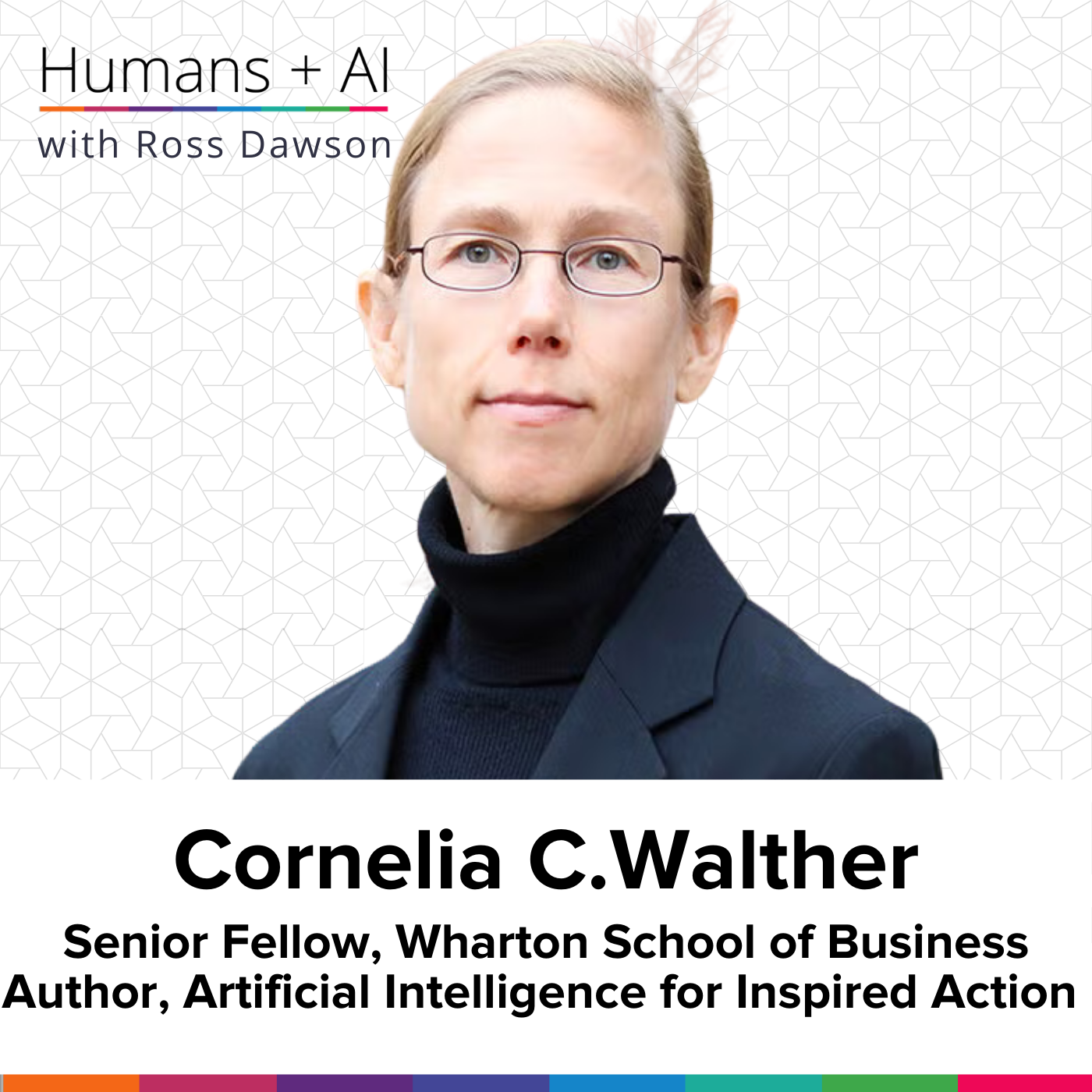
"You and I, we're part of this last analog generation. We had the opportunity to grow up in a time and age where our brains had to evolve against friction."
–Cornelia C. Walther
About Cornelia C. Walther
Ross Dawson on Humans + AI agentic systems

"Transparency has to be built into the structure so that you know where the decision is made, what authorizations are given, and have an audit trail visible so you can always see what is going on."
–Ross Dawson
About Ross Dawson
Davide Dell’Anna on hybrid intelligence, guidelines for human-AI teams, calibrating trust, and team ethics
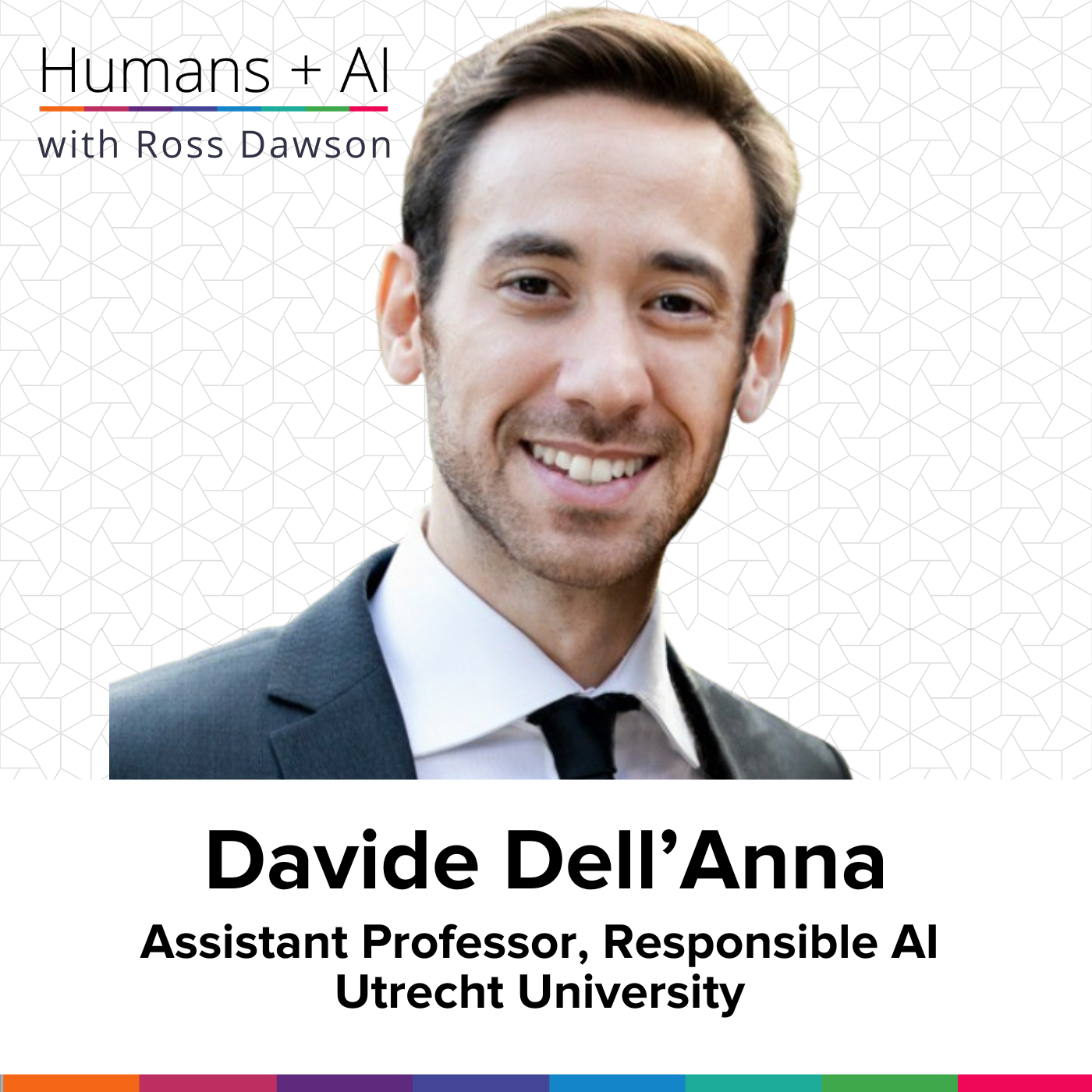
"In this sense, human and AI means a synergy where teams of humans and AI together lead to superior outcomes than either the human or the AI operating in isolation."
– Davide Dell’Anna
About Davide Dell’Anna
Felipe Csaszar on AI in strategy, AI evaluations of startups, improving foresight, and distributed representations of strategy

"You can create a virtual board of directors that will have different expertises and that will come up with ideas that a given person may not come up with."
– Felipe Csaszar
About Felipe Csaszar
Lavinia Iosub on AI in leadership, People & AI Resources (PAIR), AI upskilling, and developing remote skills
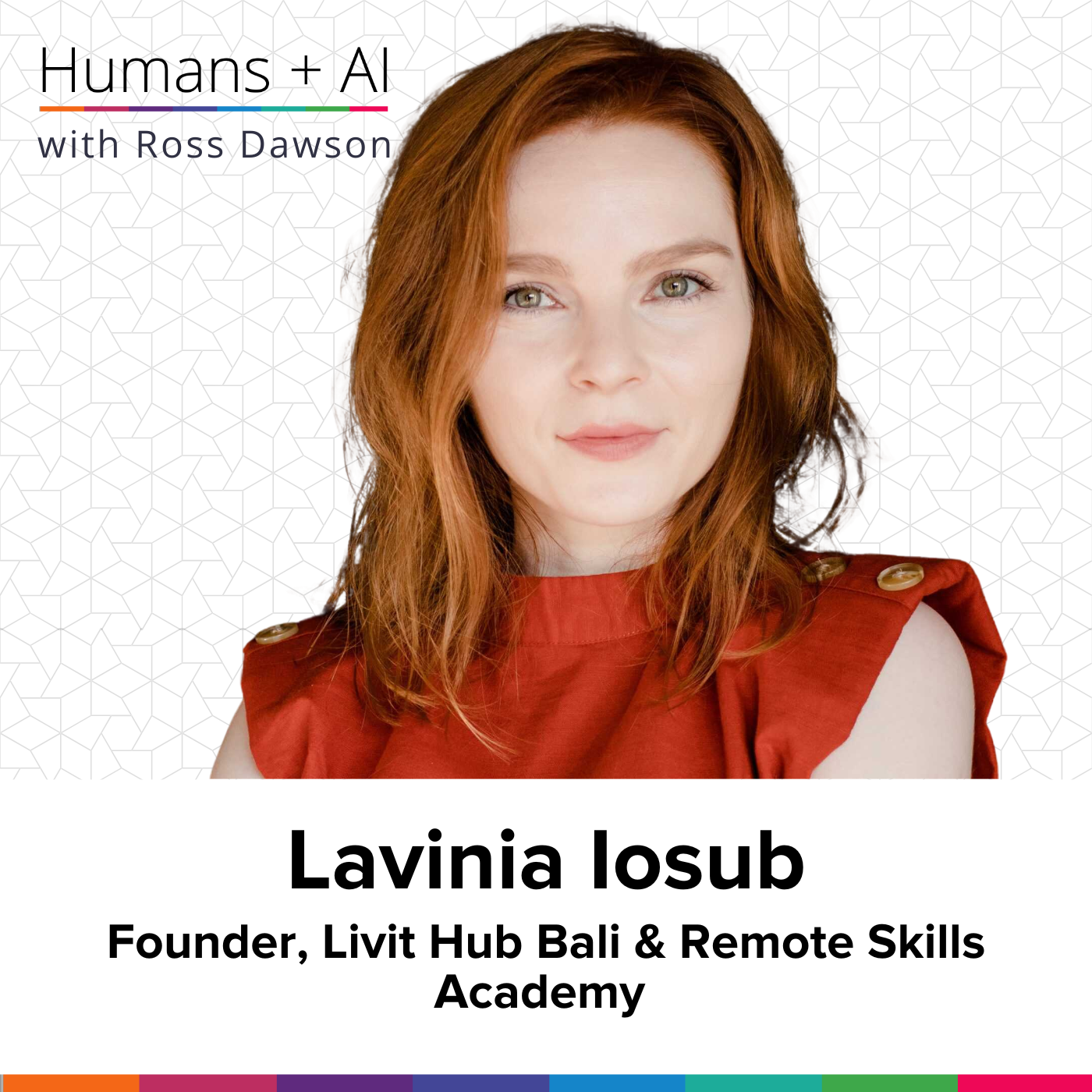
"In this next era, the key to leadership will be blending systems thinking and AI automation—at least being aware of what you can do with it—with empathy, discernment, connection, and clarity.”
– Lavinia Iosub
About Lavinia Iosub
Jeremy Korst on the state of AI adoption, accountable acceleration, changing business models, and synthetic personas

"What we're seeing now is that when we think about some of the friction and challenges of adoption, this isn't a technology issue, per se. This is a people opportunity."
–Jeremy Korst
About Jeremy Korst
Nikki Barua on reinvention, reframing problems, identity shifts for AI adoption, and the future workforce

"Some of this that we've come across is even the identity shift that is necessary, because old identities served a pre-AI work environment, and you cannot go into a post-AI era with the old identities, mindsets, and behaviors.”
–Nikki Barua
About Nikki Barua
Alexandra Samuel on her personal AI coach Viv, simulated personalities, catalyzing insights, and strengthening social interactions

"My core Viv instruction—which is both, I think, brilliant and dangerous, and I think it was sort of accidental how effective it turned out to be—is, I told Viv, 'You are the result of a lab accident in which four sets of personalities collided and became the world's first sentient AI.'"
–Alexandra Samuel
About Alexandra Samuel
Lisa Carlin on AI in strategy execution, participative strategy, cultural intelligence, and AI’s impact on consulting
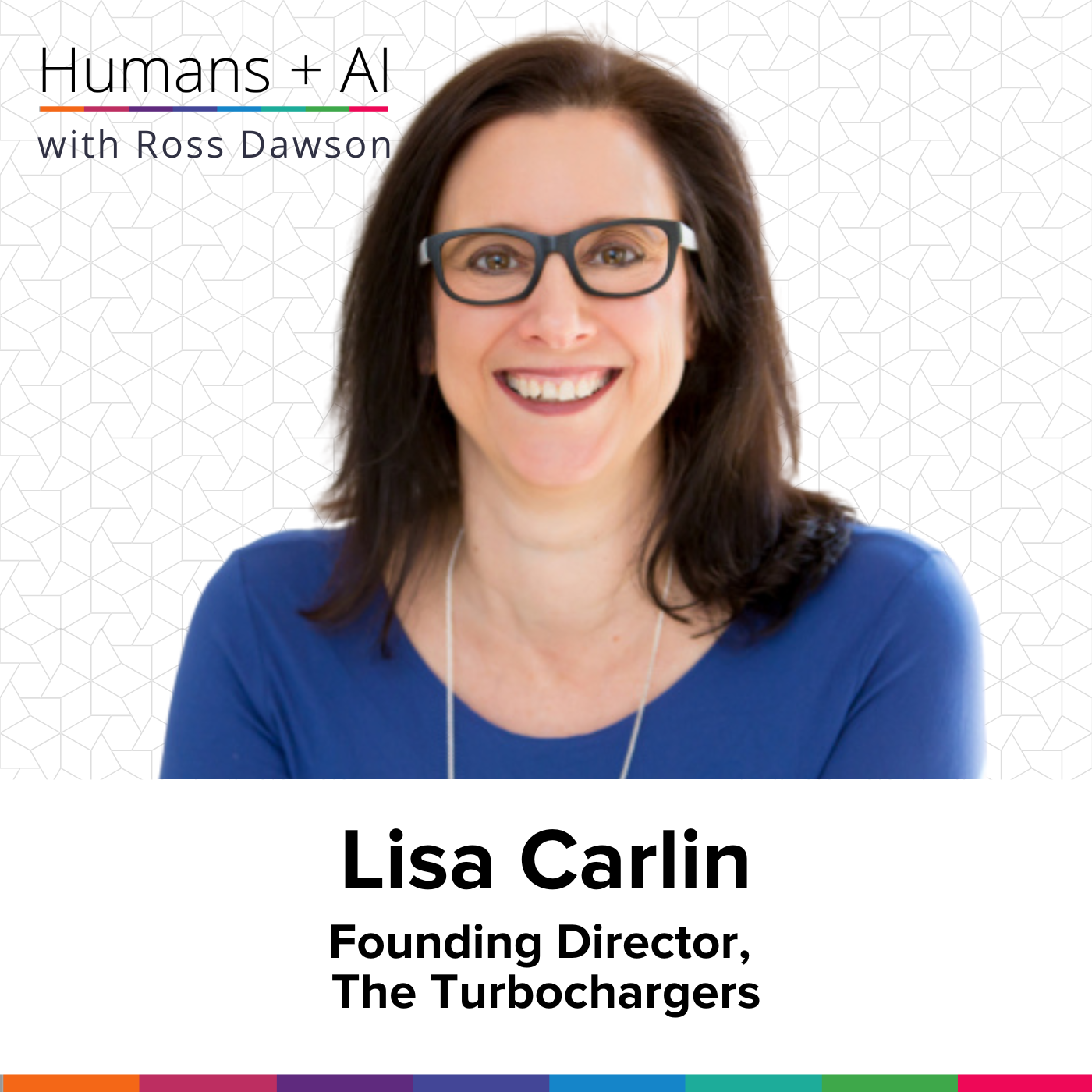
"You're using AI to generate solutions for ideation. Once you've got the ideas, you can do an initial cull with AI, or you can do it via humans."
–Lisa Carlin
About Lisa Carlin
Nicole Radziwill on organizational consciousness, reimagining work, reducing collaboration barriers, and GenAI for teams

"Let’s get ourselves around the generative AI campfire. Let’s sit ourselves in a conference room or a Zoom meeting, and let’s engage with that generative AI together, so that we learn about each other’s inputs and so that we generate one solution together.”
–Nicole Radziwill
About Nicole Radziwill
Joel Pearson on putting human first, 5 rules for intuition, AI for mental imagery, and cognitive upsizing
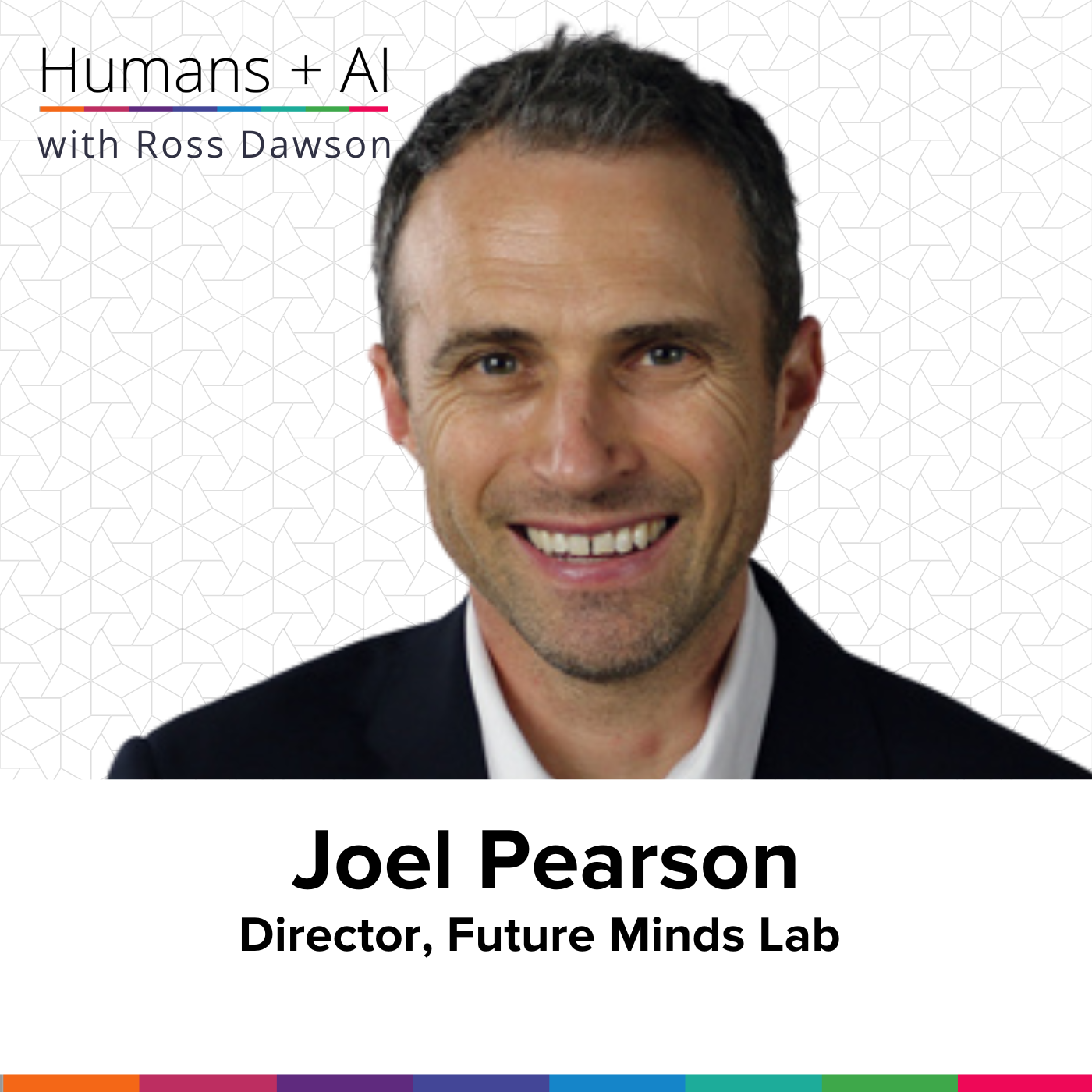
"This is the first time, really, humanity's had the possibility open up to create a new way of life, a new society—to create this utopia. And I really hope we get it right.”
–Joel Pearson
About Joel Pearson
Diyi Yang on augmenting capabilities and wellbeing, levels of human agency, AI in the scientific process, and the ideation-execution gap
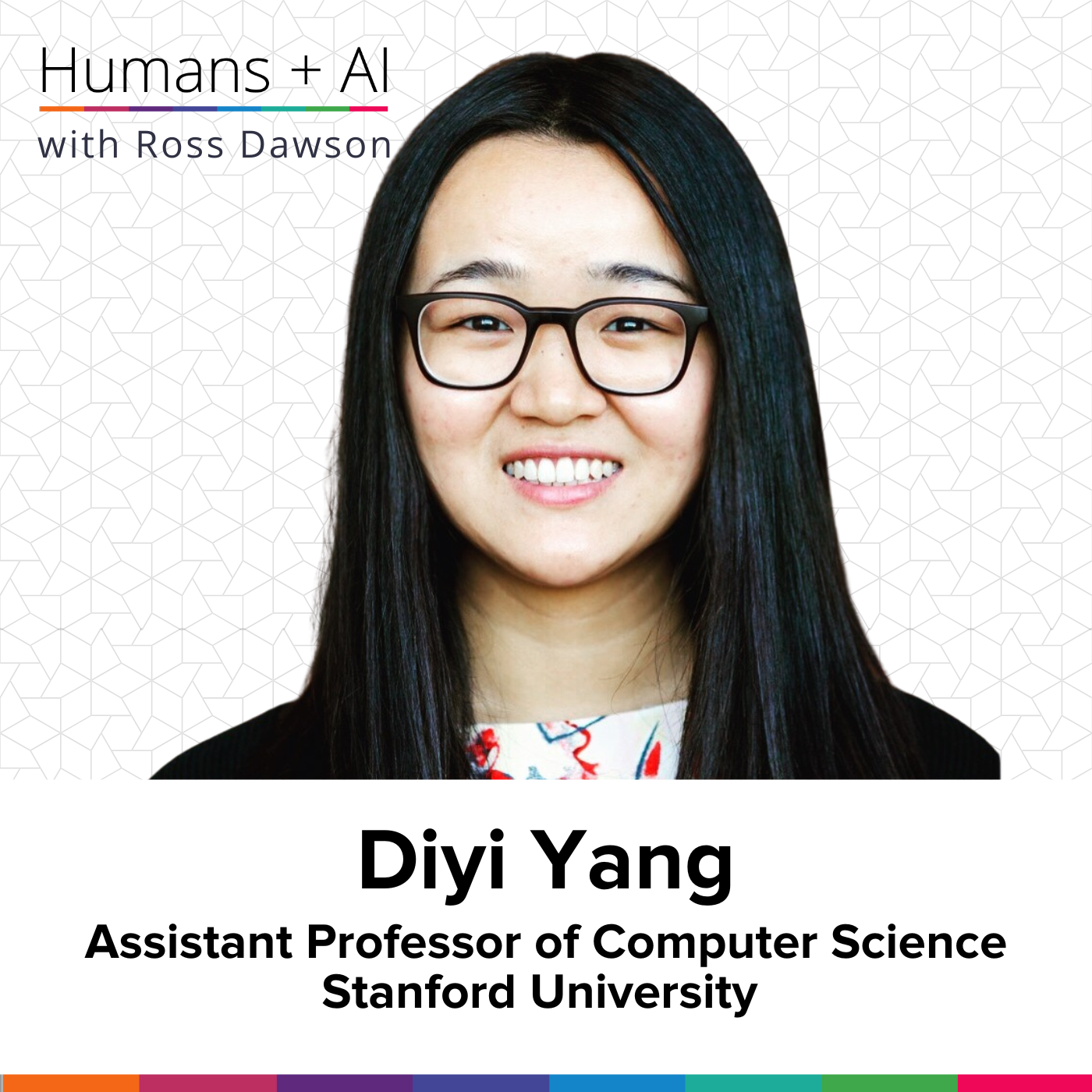
"Our vision is that for well-being, we really want to prioritize human connection and human touch. We need to think about how to augment human capabilities."
–Diyi Yang
About Diyi Yang
Ganna Pogrebna on behavioural data science, machine bias, digital twins vs digital shadows, and stakeholder simulations

"It's very important to understand that human data is part of the training data for the algorithm, and it carries all the issues that we have with human data."
–Ganna Pogrebna
About Ganna Pogrebna
Sue Keay on prioritizing experimentation, new governance styles, sovereign AI, and the treasure of national data sets
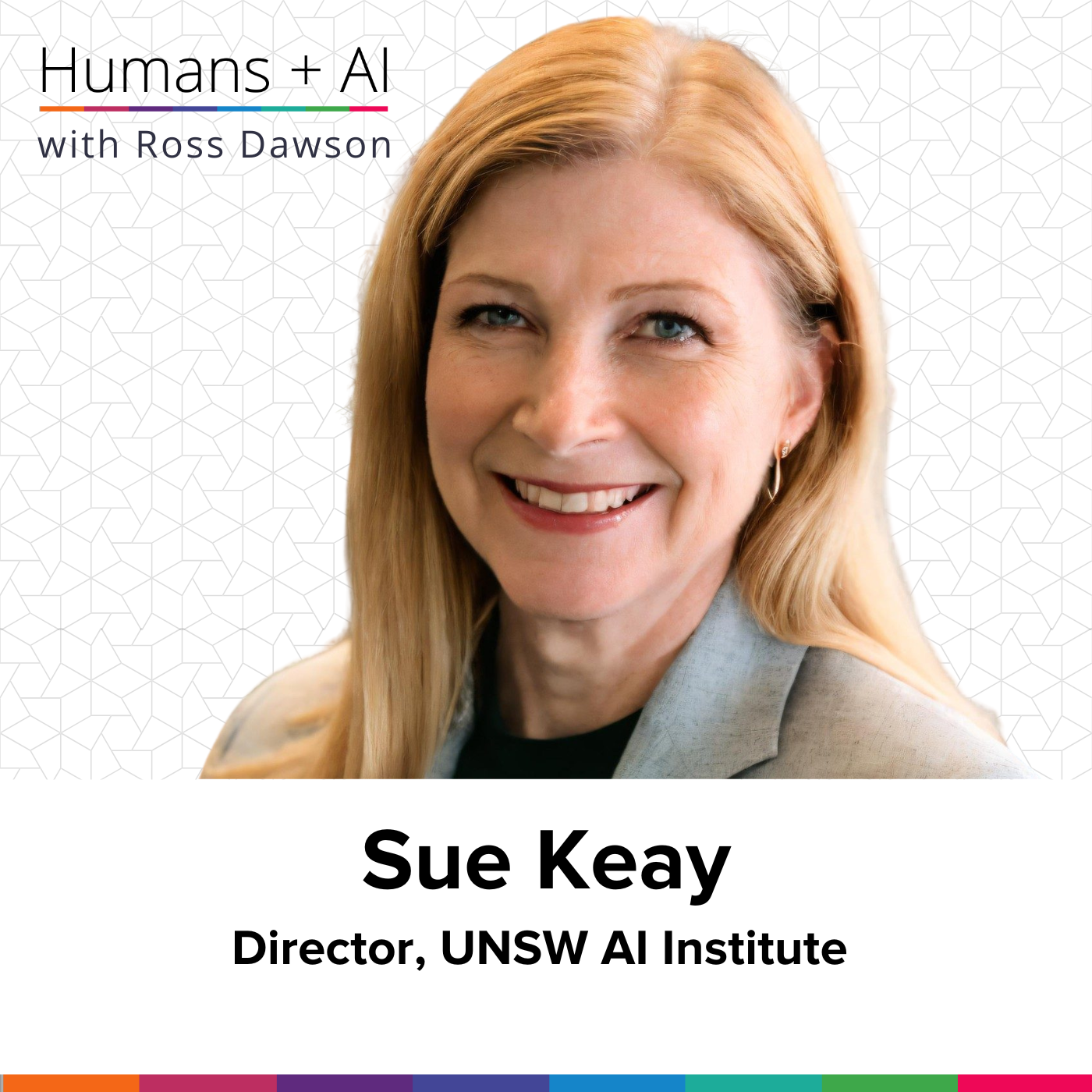
"Our Great Barrier Reef is the size of Italy. We don't have enough people to really go out there and dive and do the work that needs to be done to help protect it."
–Sue Keay
About Sue Keay
Dominique Turcq on strategy stakeholders, AI for board critical thinking, ecology of mind, and amplifying cognition
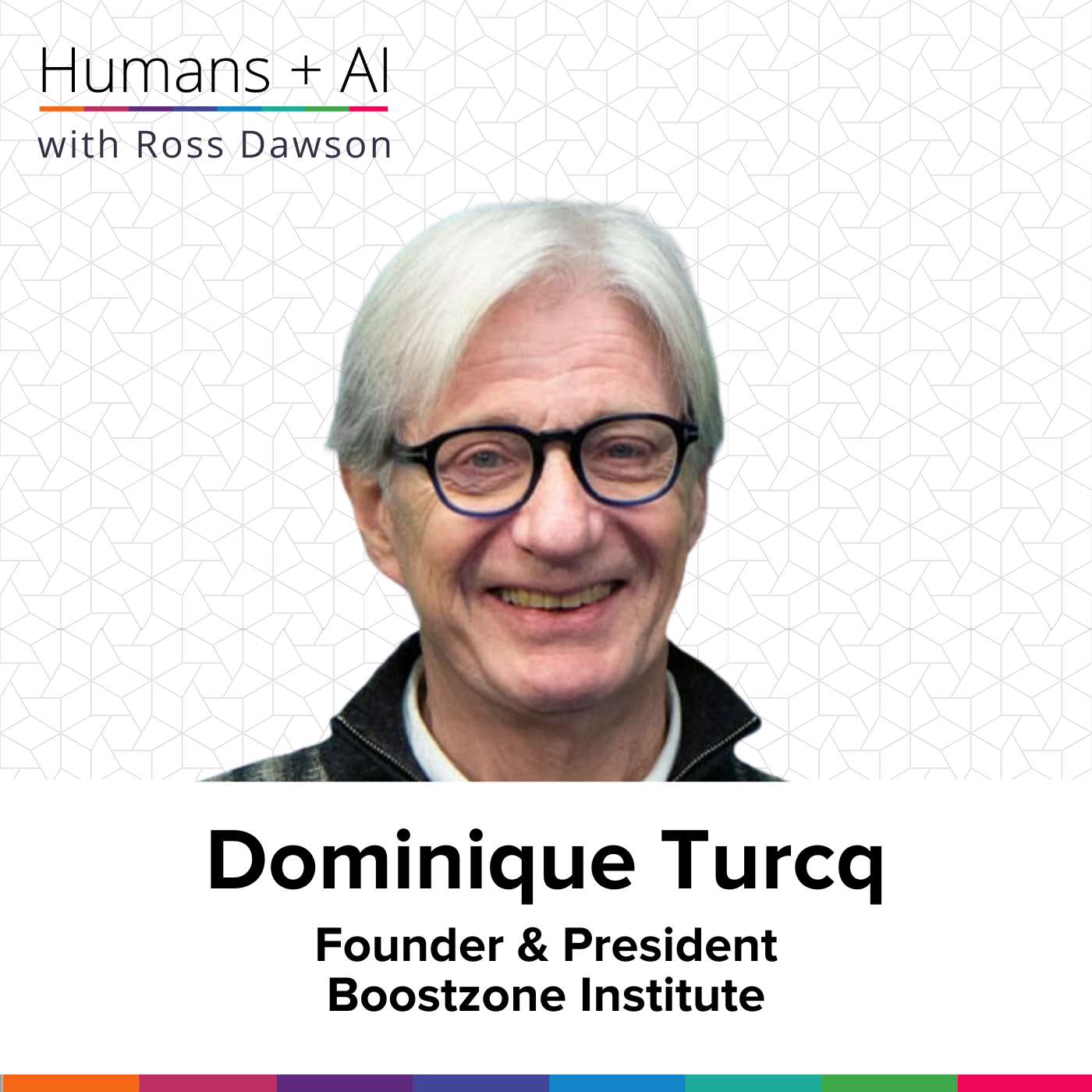
"But an interesting part here, and it's linked to strategy, is how much AI will change the relationship between management, the executive team, and the board."
–Dominique Turcq
About Dominique Turcq
Beth Kanter on AI to augment nonprofits, Socratic dialogue, AI team charters, and using Taylor Swift’s pens

"I call it the AI sandwich. When we want to use augmentation, we're always the bread and the LLM is the cheese in the middle."
–Beth Kanter
About Beth Kanter
Ross Dawson on Levels of Humans + AI in Organizations
"It is our duty to find out how we can best use it, where humans are first and Humans + AI are more together."
–Ross Dawson
About Ross Dawson
Iskander Smit on human-AI-things relationships, designing for interruptions and intentions, and streams of consciousness in AI
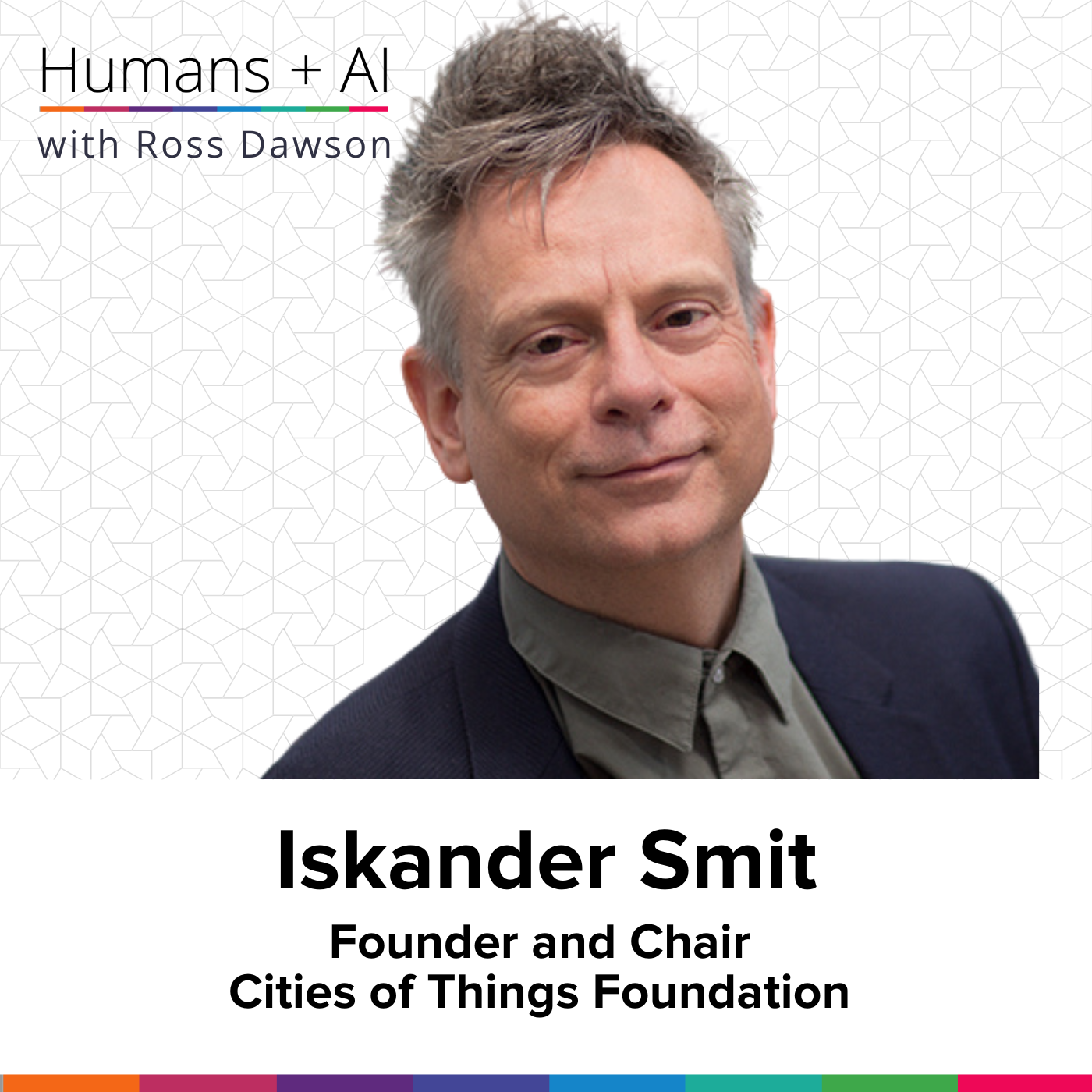
"I really believe that we need to design friction into the system, not what is usually the goal in digital spaces, where you try to remove all the friction."
–Iskander Smit
About Iskander Smit
Brian Kropp on AI adoption, intrinsic incentives, identifying pain points, and organizational redesign
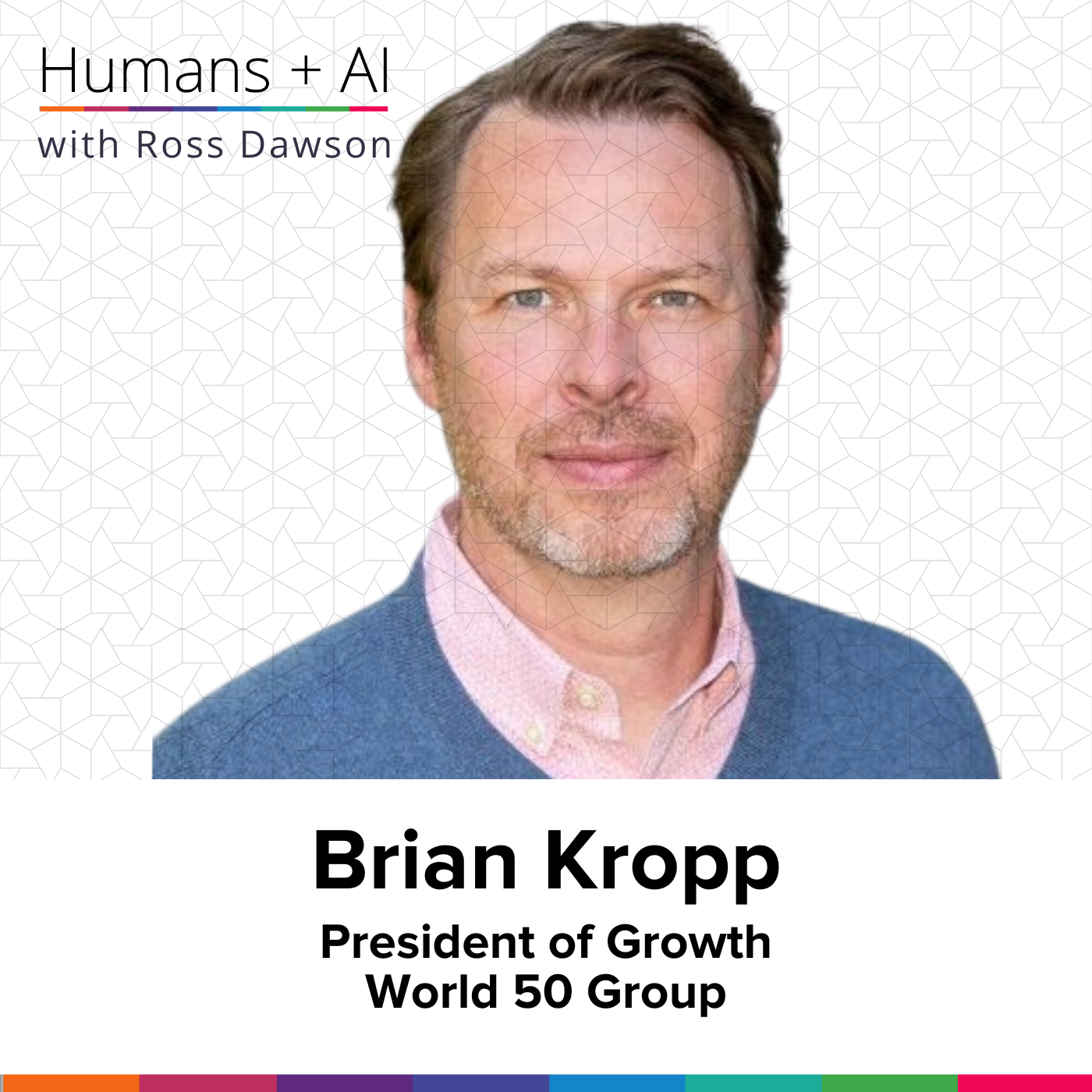
"If you're not moving quickly to get these ideas implemented, your smaller, more agile competitors are."
–Brian Kropp
About Brian Kropp
Suranga Nanayakkara on augmenting humans, contextual nudging, cognitive flow, and intention implementation
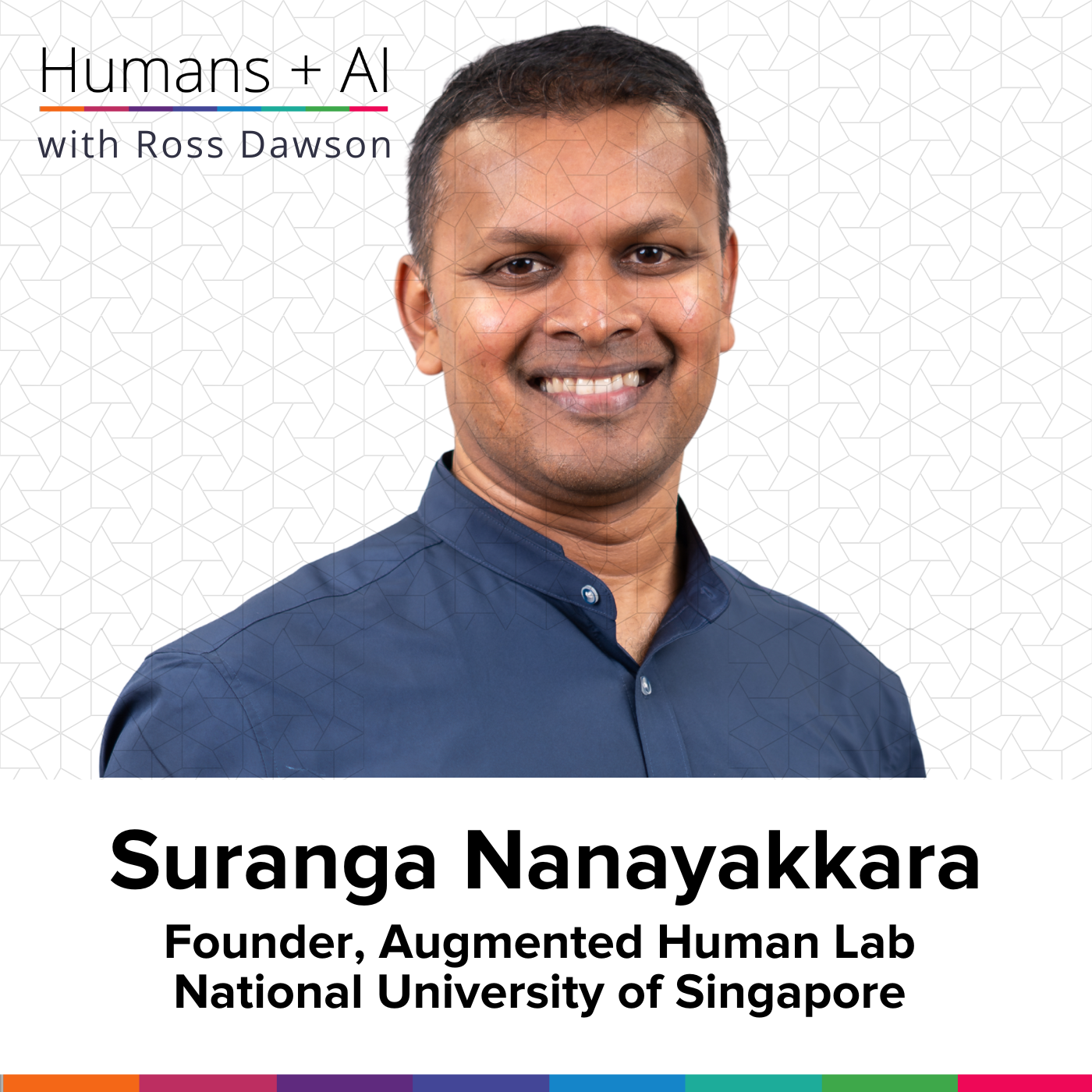
“There’s a significant opportunity for us to redesign the technology rather than redesign people.”
–Suranga Nanayakkara
