Beyond the Garden Basics
Picking up where the Garden Basics podcast left off. gardenbasics.substack.com
The Best Roses for Fall Color? We Have Suggestions.
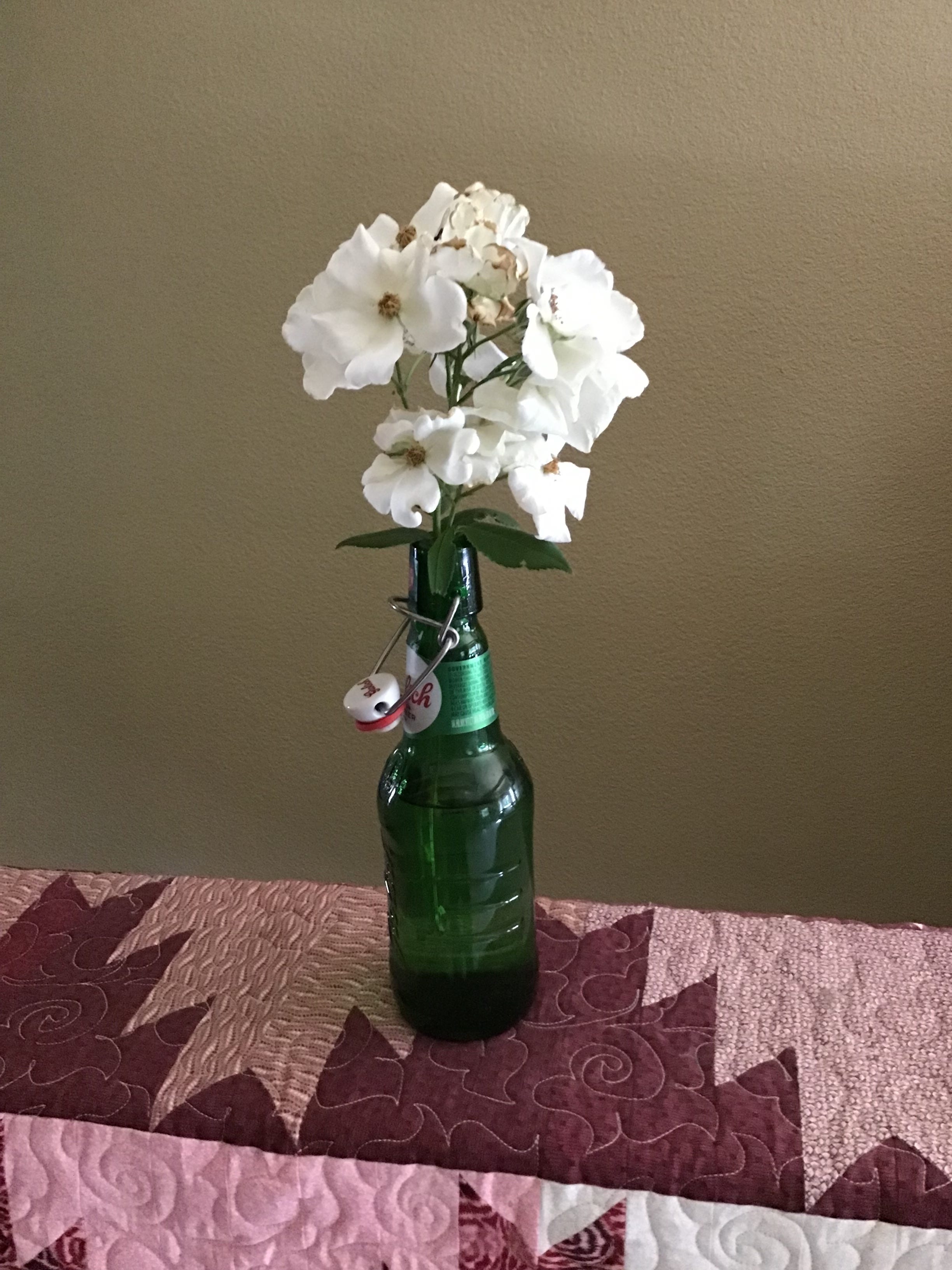
In today’s podcast, I tell a long, drawn out story about what happened the night before my wedding in 1980. Yes, it is a garden story, about the Cecile Bruner rose. But, we quickly turn to a chat with Ben Hanna of heirloomroses.com, who describes how he and his wife came to own the company after leaving corporate life over a decade ago. He says their shared love of gardening and roses, plus the chance to work closer to family, made the business a good fit. He also notes that all five of his children have worked at th...
Tips for Growing Tomatoes in a Greenhouse in Fall, Winter, and Spring
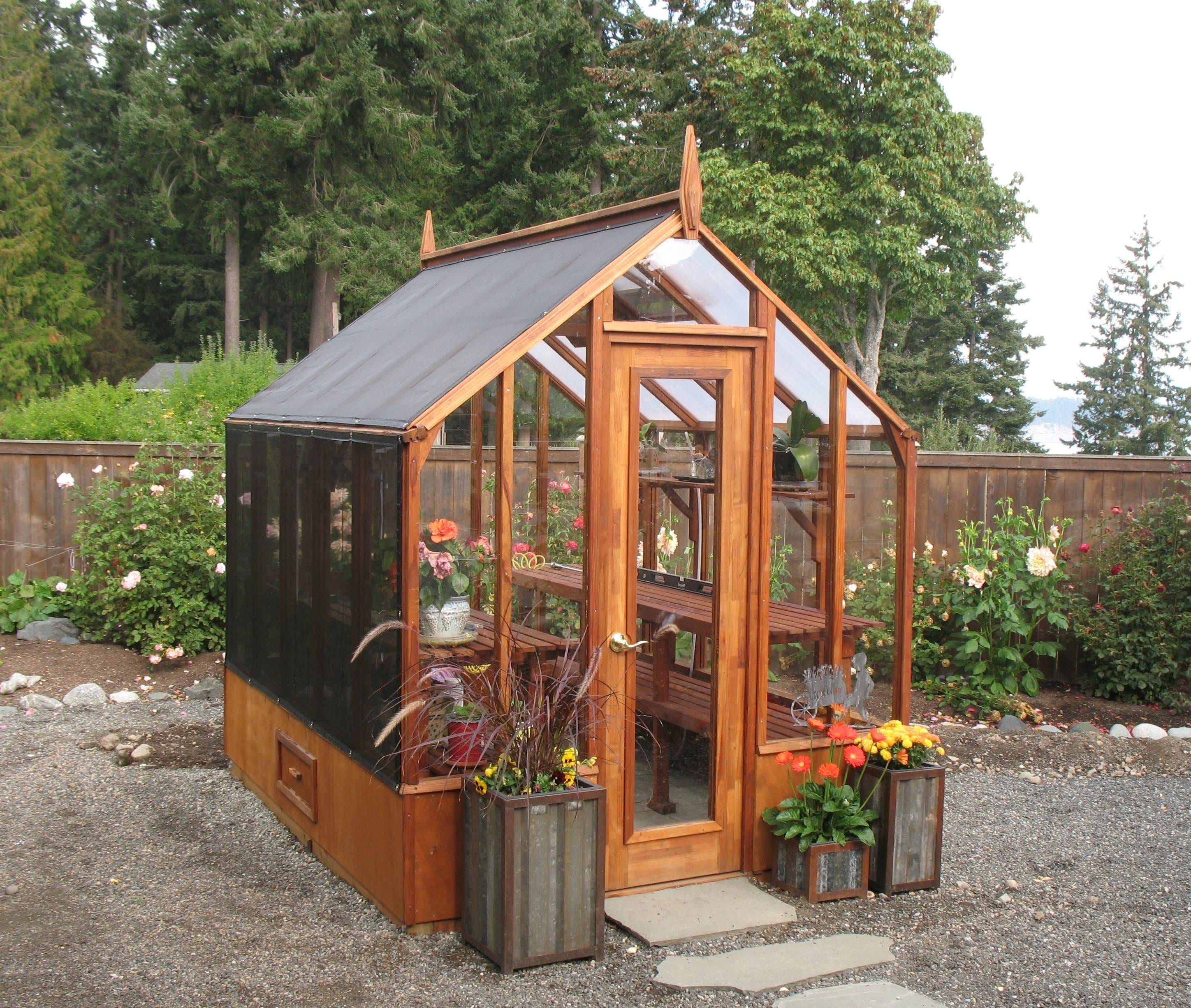
In today’s podcast, we talk with Mark Seibert of Sturdi-Built greenhouses in Oregon. The interview covers key considerations for first-time greenhouse buyers, including choosing the right site, with emphasis on sunlight, southern exposure when possible, and local hazards such as trees or lawn equipment. It also discusses heat control and utilities, recommending ventilation, shade cloth, fans, water access, and electrical service with safety protections.
Seibert also explains that lean-to greenhouses can work if the roof pitch and site conditions fit, and says a well-built greenhouse can last 20 to 30 years.
Growing Hobby Greenhouse Tomatoes in th...
Pumpkins with Less Sprawl? Choose Mini-Pumpkins.
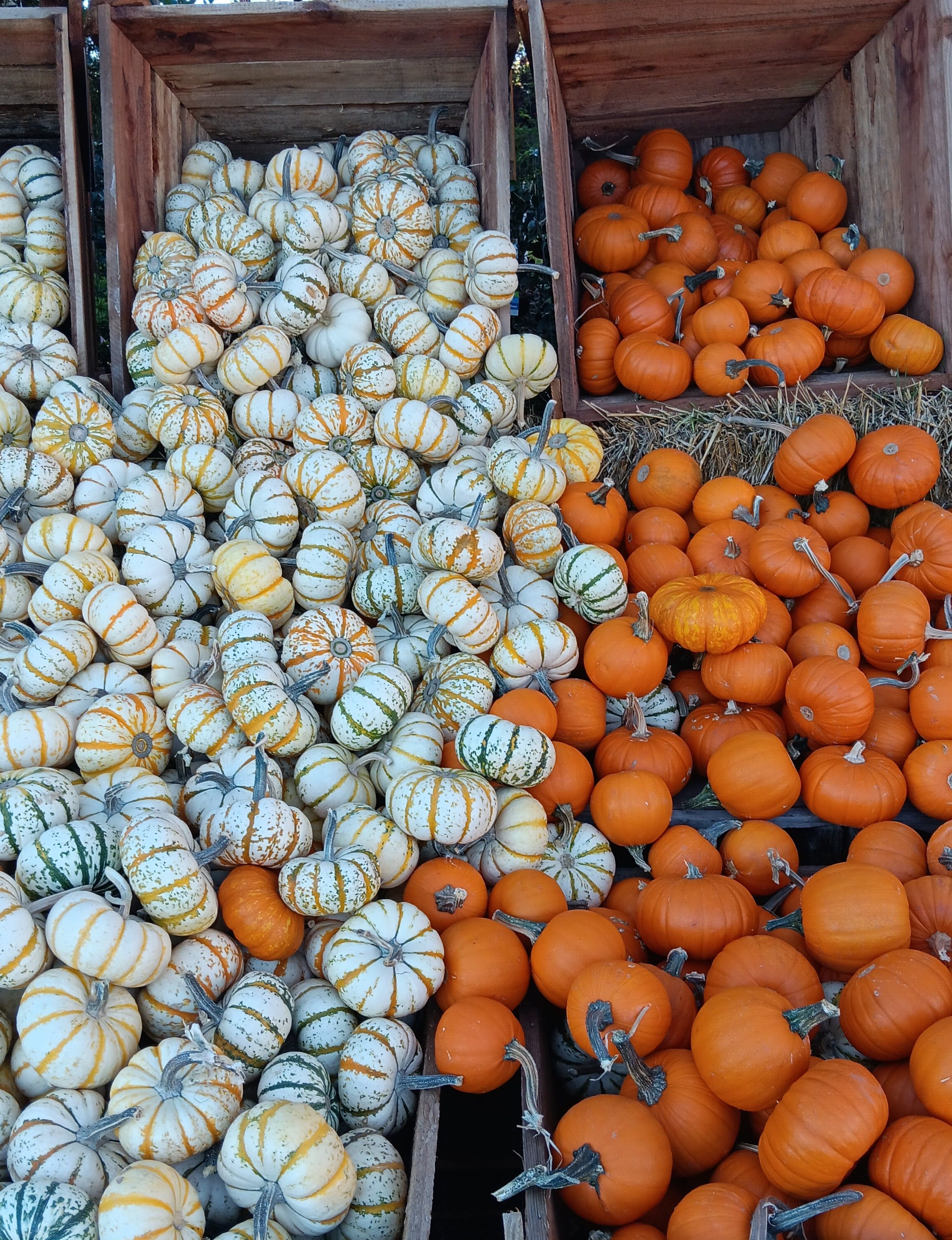
The discussion in today’s podcast focuses on pumpkins. Warren Roberts, Superintendent Emeritus of the UC Davis Arboretum, explains that the pumpkin is botanically a fruit, though it is usually eaten as a vegetable. He says the plant belongs to the genus Cucurbita, which is native to the Americas, especially Mexico and the Andes.
He describes pumpkin types and notes that many large pumpkins are hybrids, often involving Cucurbita maxima. He contrasts these with the smaller typical pumpkin species, Cucurbita pepo. The conversation also covers the origin of jack-o’-lanterns, whose purpose, Roberts says, came from hollowed-out turn...
Wildfire Smoke vs. You and Your Garden
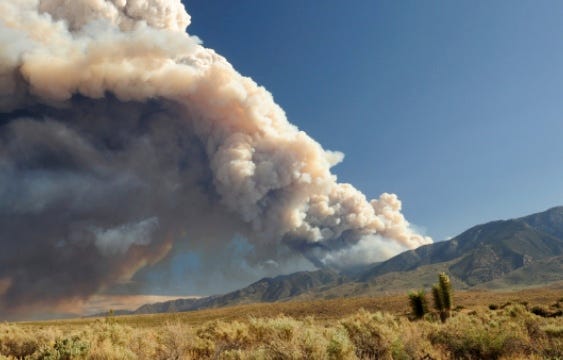
You know trouble awaits if there is a really orange sunrise on an otherwise clear morning. That usually indicates there’s lots of smoke in the air. In today's newsletter, we talk about the effects of wildfire smoke on you and your garden.
In today’s podcast (above), University of California Wildfire specialist Kevin Marini discusses the wildland-urban interface areas and why they matter for wildfire risk. He explains that many homes in California and other states are built close to wild vegetation, and that it is embers rather than large flames that are often the main caus...
Growing Cool Season Vegetables
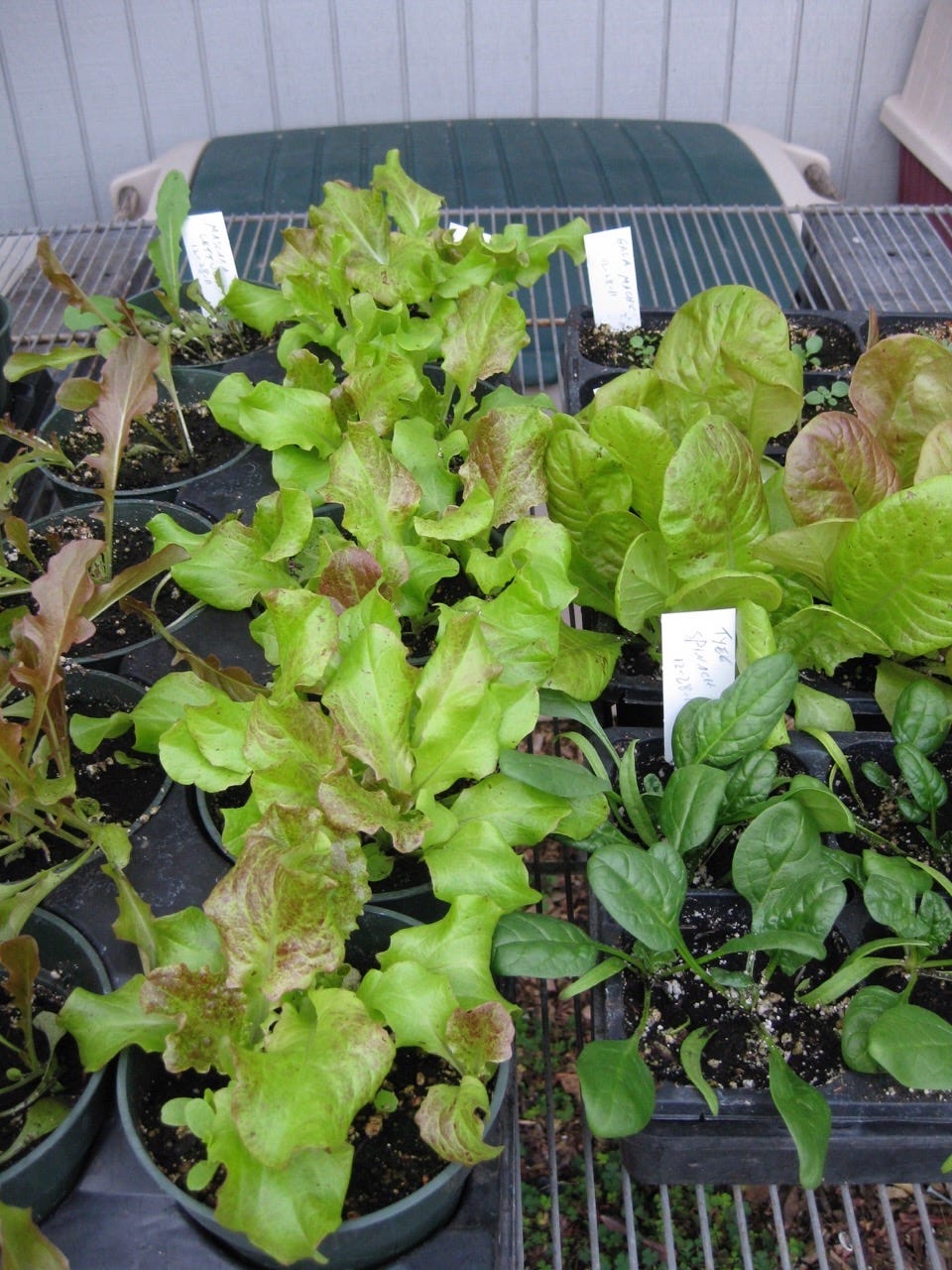
In today’s podcast, we talk with two nurserypeople who know their cool season veggies: Don Shor, owner of Redwood Barn Nursery in Davis, CA; and professional horticultural consultant and Master Gardener Quentyn Young. They offer tips for both the usual and the unusual food crops to grow during the cooler weather. Among their advice:
• Start now. In the mild-winter parts of the country (zones 8 and 9, much of the West Coast, the Southwest and the South), September through November is prime planting time for cool season crops. The summer garden doesn’t have to be finished before you ge...
Getting the Soil Ready for Cool Season Plants
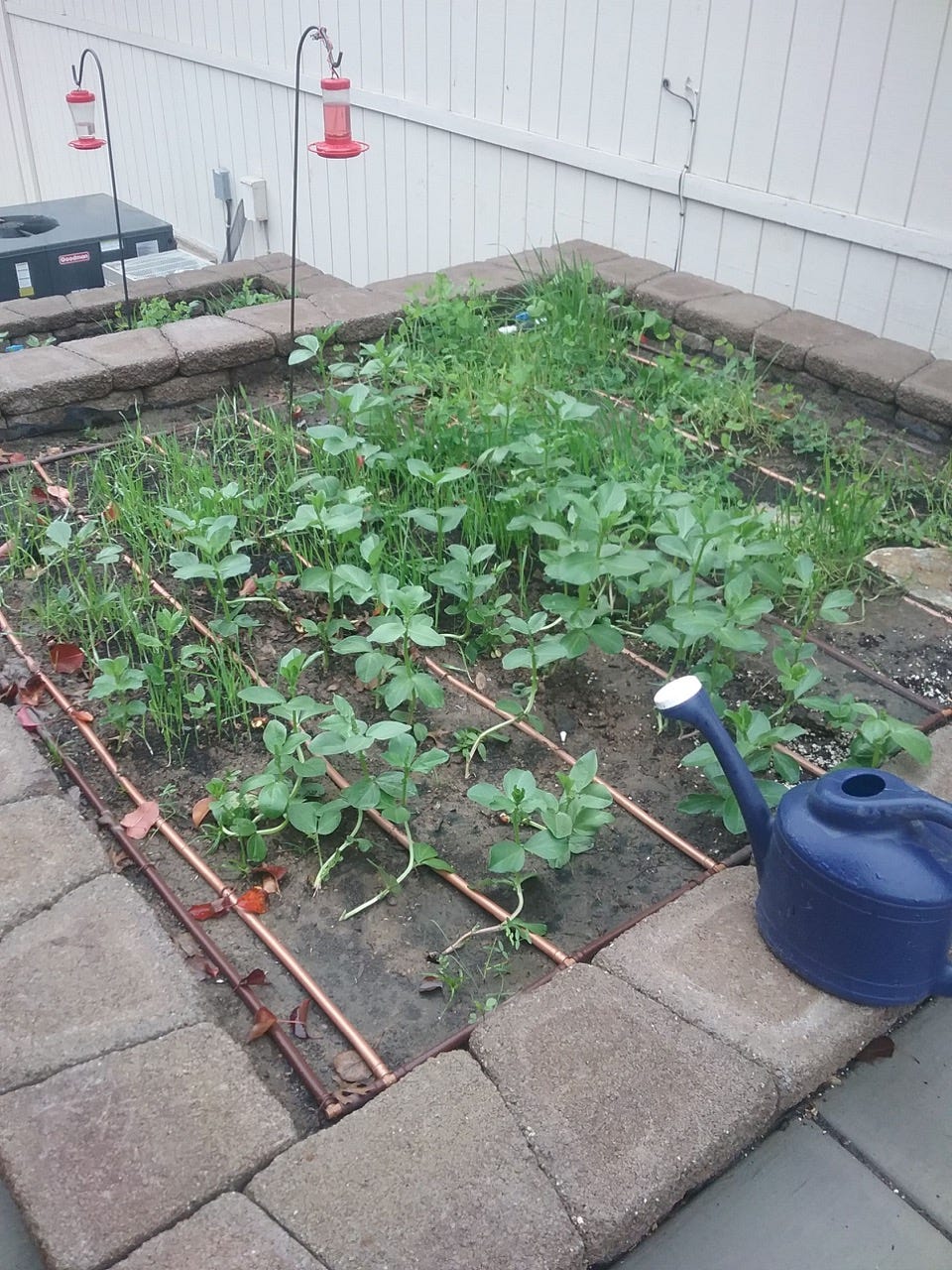
In today’s podcast, Sacramento County Master Gardener and vegetable expert Gail Pothour explains how to transition garden beds and raised beds from warm-season crops to cool-season plantings. We talk about clearing out tomatoes, peppers, squash, cucumbers, and melons at the end of summer: should you pull out the plant or cut it off at the soil line? It depends. Gail will explain, emphasizing the importance of checking the roots of summer garden plants if they were victims of pests or disease. Gail mentions the advantages of adding compost and lightly working it into the soil rather than doing he...
Cool Season Garden PLANNING Time is Here
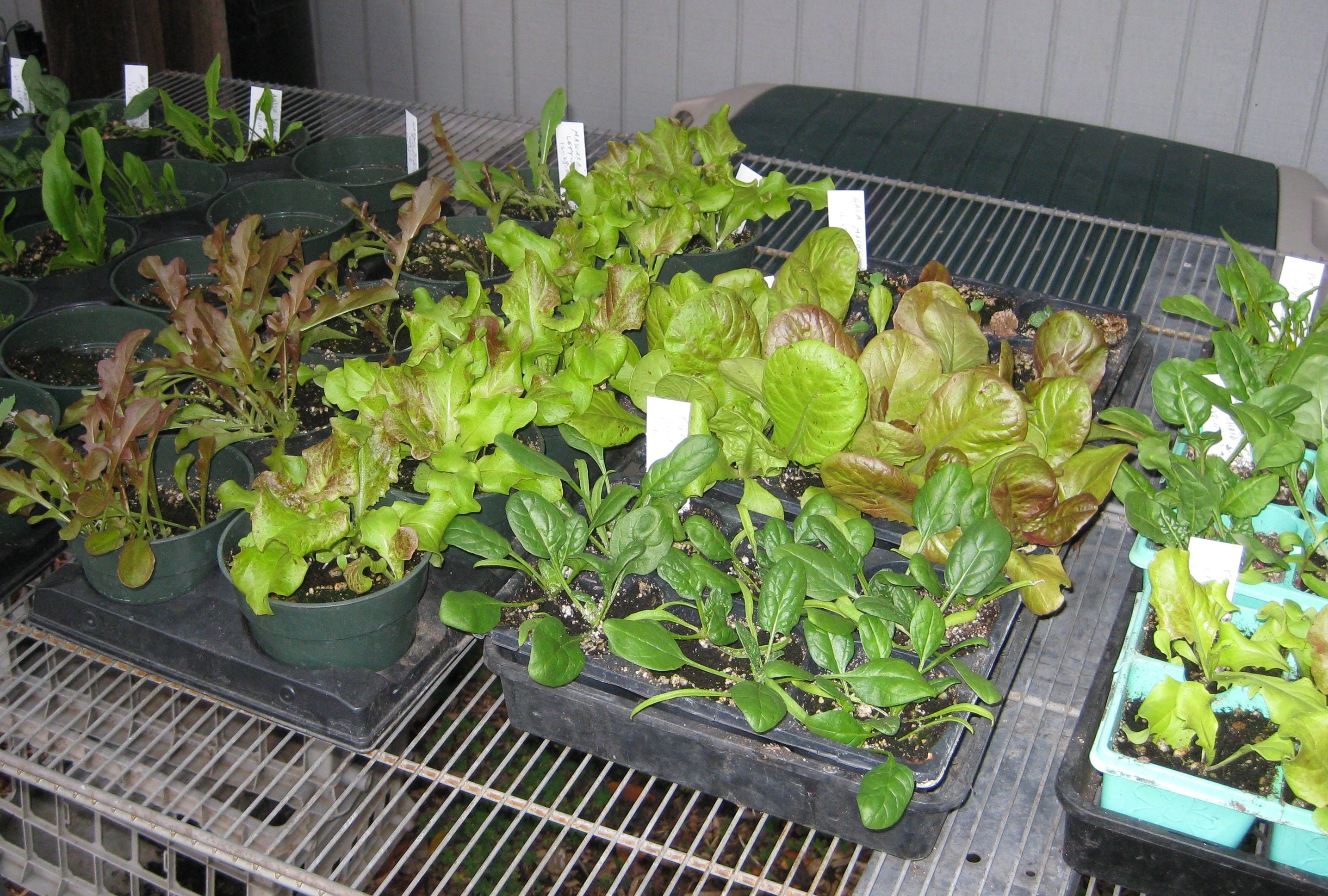
In today’s podcast, Master Gardener and vegetable expert Gail Pothour talks about cool season greens to grow in your backyard garden during the fall and winter. There’s a human-corrected transcript at the bottom of this newsletter. Among the main points in our conversation:
* Cool season vegetable gardening works especially well in USDA zones 7, 8, 9, and 10; but in colder areas you can grow food nearly year round if you plan for it.
* Late summer into early fall is the time to pull tired summer crops, work in some compost and fertilizer, and get cool season seed...
Pruning Blackberries

In today’s podcast, we talk with Sacramento County Master Gardener Michael Stinson about the when, how and why of pruning blackberry vines. Don’t want to listen? Here’s a summary. A complete transcript is at the bottom of this newsletter.
Pruning Blackberries: Key Points
From a conversation with Sacramento County Master Gardener Michael Stinson
• Blackberry plants are perennials that can live 15 to 20 years, but each individual cane only last around two seasons, with a notable exception.
• First year canes are called primocanes. Second year canes, the ones that flower and fruit...
Controlling Puncturevine Weed and Liquidambar Tree Seeds

We tackle two prickly topics: the spiky, caltrop-like seed balls of puncturevine weed and the “sputniks” of liquidambar (sweet gum) trees. Yes, those sharply pointed spheres that fly in the autumn breeze do resemble Eisenhower-era, low-earth orbiting Russian weapons of no destruction.
This is a public episode. If you'd like to discuss this with other subscribers or get access to bonus episodes, visit gardenbasics.substack.com/subscribe
Saving Homegrown Tomato Seeds...and more about Tomatoes!
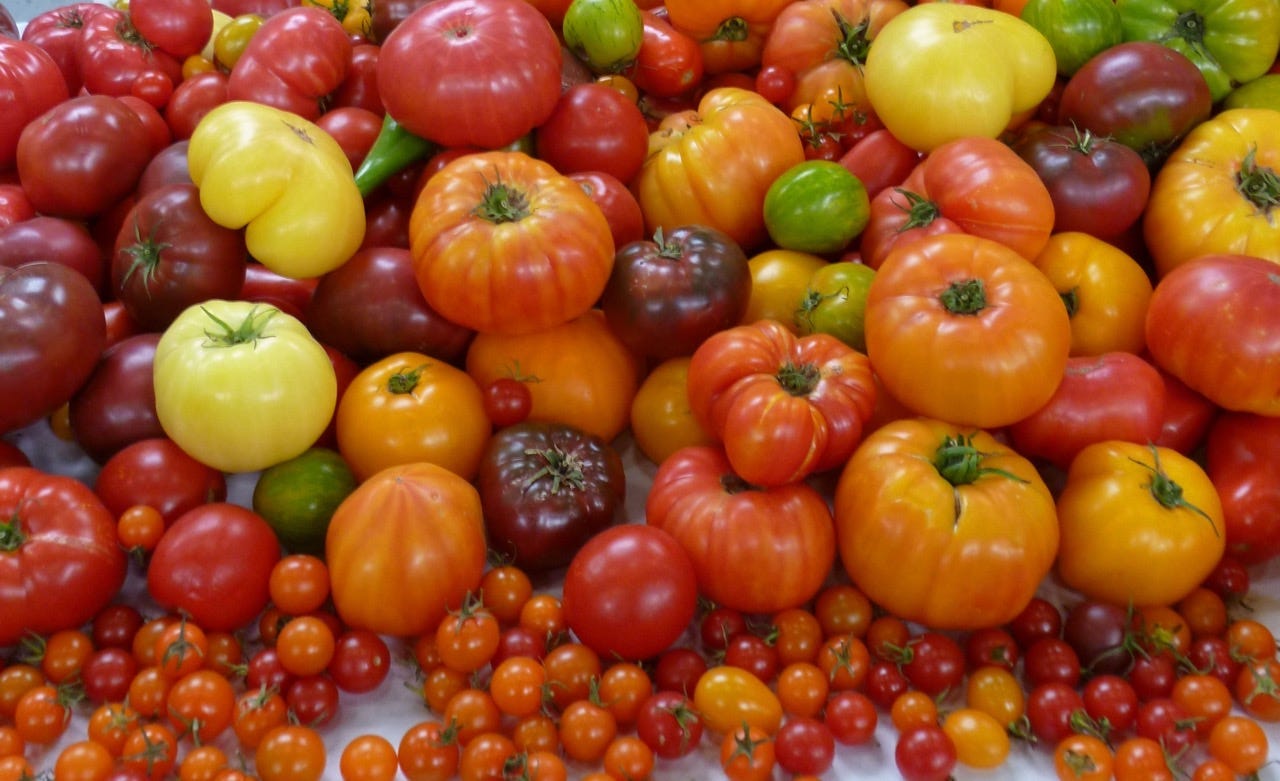
Collecting, Storing and Using Home-Saved Tomato Seeds
If you want to save seeds of a particular tomato variety, remember that many varieties are hybrids; they may not necessarily come back with the same traits as the tomato you enjoyed last season. According to Penn State Extension, the result of these crosses usually only lasts one generation, so the seeds harvested from hybrids may produce disappointing results.
Or, may not be a disappointment. Tomato flowers are primarily wind-pollinated. So, those plants grown in isolation or covered with insect netting during their flowering period may provide satisfactory...
Heat-Tolerant Roses
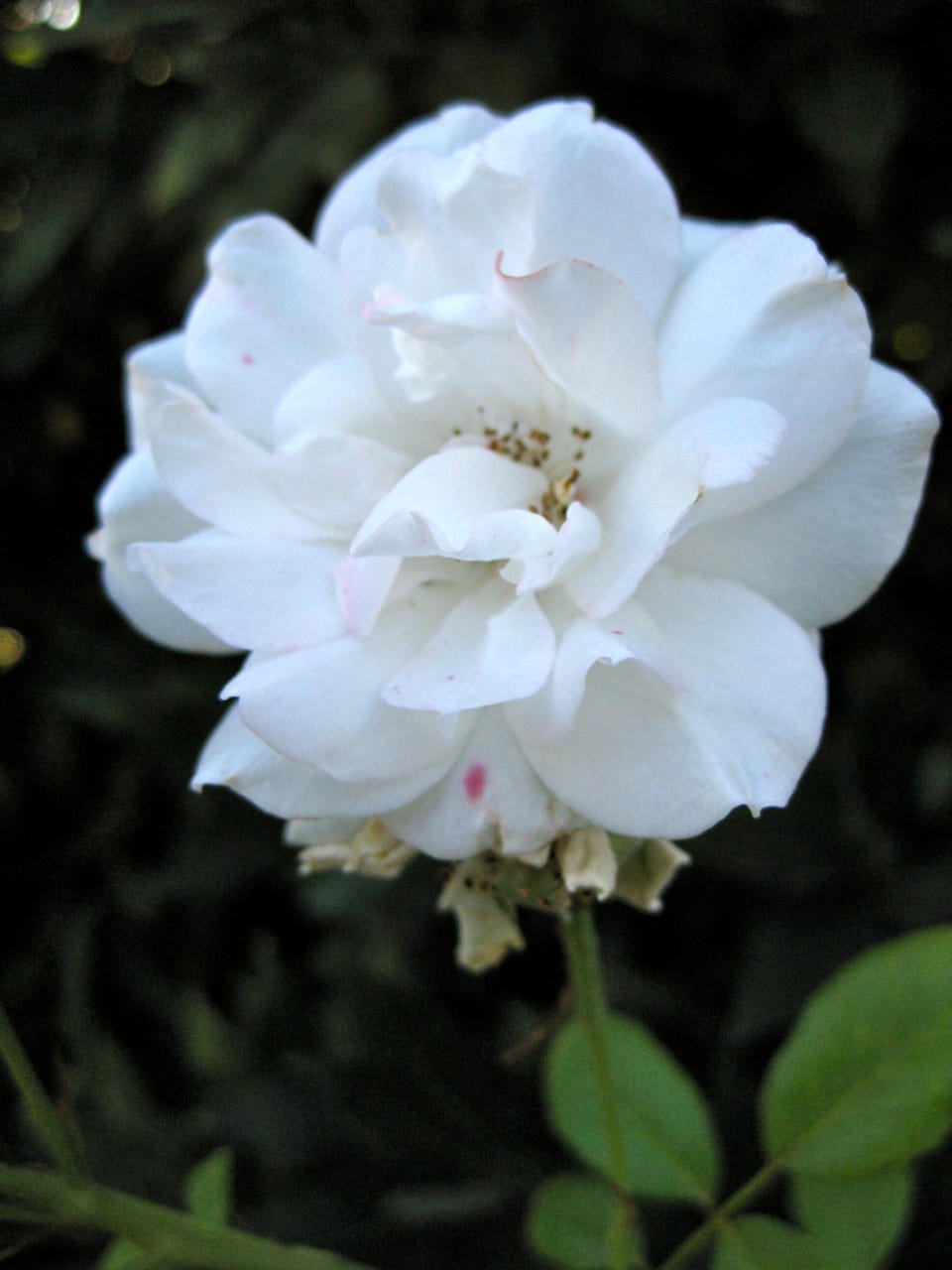
“Of all flowers, methinks rose is best”. Shakespeare said that. He lived in Stratford-upon-Avon, about halfway between London and Birmingham, England. However, the roses he saw 600 years ago never endured 100 degree heat…until recently.
Although roses were found originally in Central Asia, they spread quickly throughout the Northern Hemisphere between the 12th and 18th centuries.
Those old roses wouldn’t stand a chance in the heatwaves of the 21st century, succumbing to scorched flowers, leaves, and buds…as well as dying off due to a lack of regular watering in drought-effected areas.
Of course, hy...
Dealing with Tomato Blossom End Rot
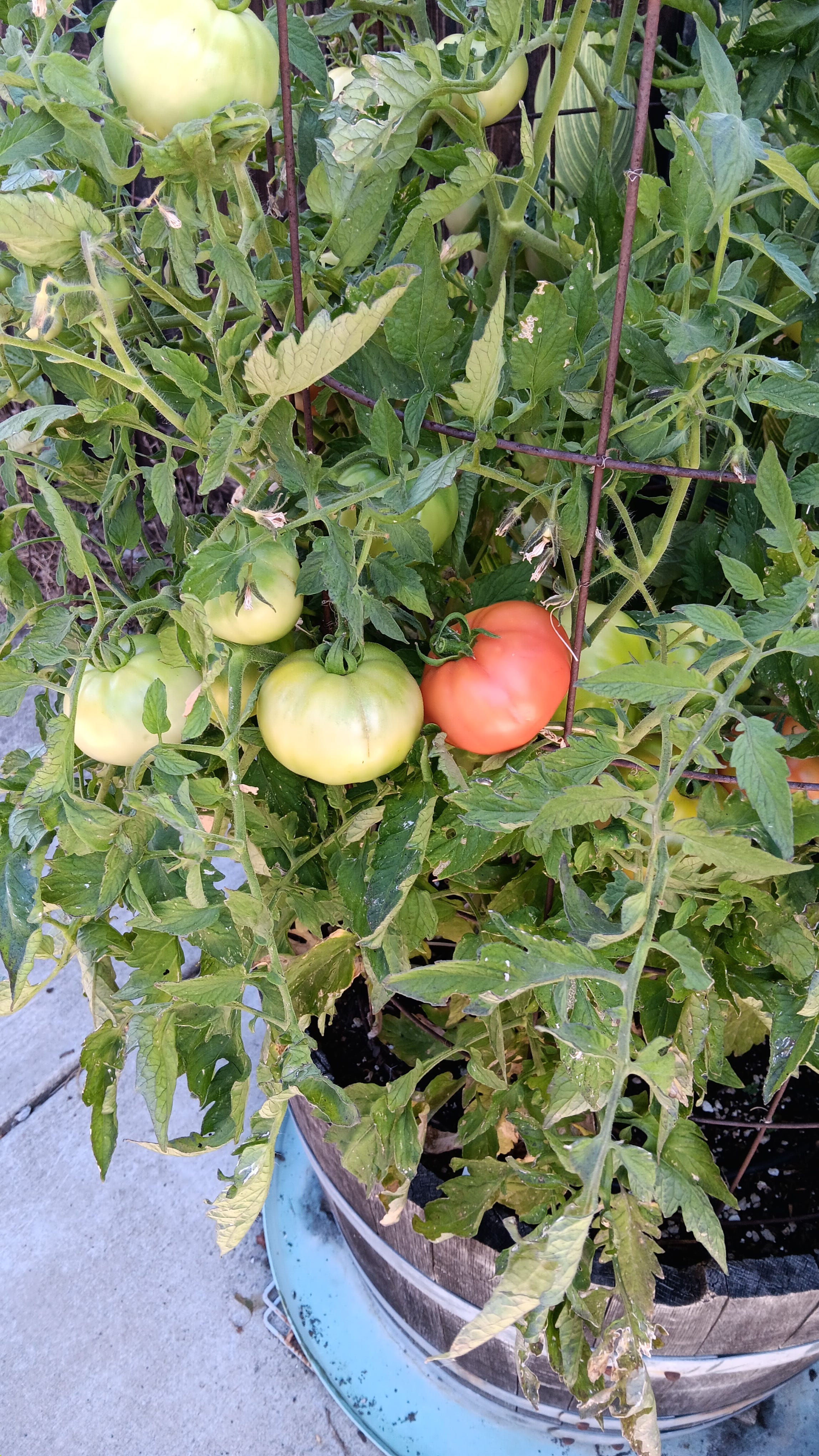
Blossom end rot is generally considered the most common tomato problem for backyard gardeners in the US. It causes a dark, sunken, leathery spot on the bottom of the fruit, and it’s usually caused by inconsistent watering (not actually a soil calcium deficiency in most cases) that disrupts calcium uptake in the plant.
For those of you at home keeping score, close runners-up are early blight and septoria leaf spot, both fungal diseases that cause yellowing and spotted leaves, especially in humid climates.
The big difference between blossom end rot and all those runner-up pr...
What To Do When a Wildfire Approaches Your Home

Today’s podcast and newsletter of Beyond the Garden Basics is something a bit different, but very important: what to do around your home, both inside and outside, if a wildfire is in the area, and you have a few hours before an evacuation becomes mandatory.
That was the topic in a Youtube video presented by Todd Lando, a battalion chief and wildfire mitigation specialist for the Central Marin Fire District. Marin County is in northern california, just north of San Francisco, a bucolic area with hills, mountains and forests abutting the Pacific Ocean. As you might im...
Zinnias vs Powdery Mildew
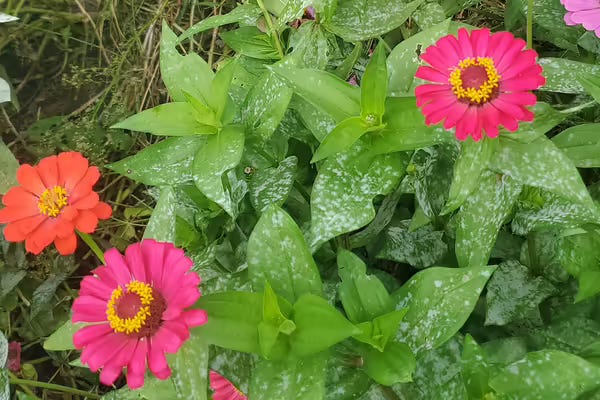
Before we attempt to rid our zinnias of powdery mildew disease, let’s first hear from Debbie Flower, who has plenty of zinnia growing tips for us in today’s podcast. Here’s the quick summary of our chat, which included how to cut outdoor flowers for indoor use. A complete transcript can be found at the bottom of today’s newletter.
* Plant zinnias in full sun. They’re heat and drought tolerant, and bloom most prolifically when days are under 12 hours (expect peak blooms in fall). Planting zinnias where they get full sun, with proper spacing (18”-24” apart...
Growing a Cool Season Garden
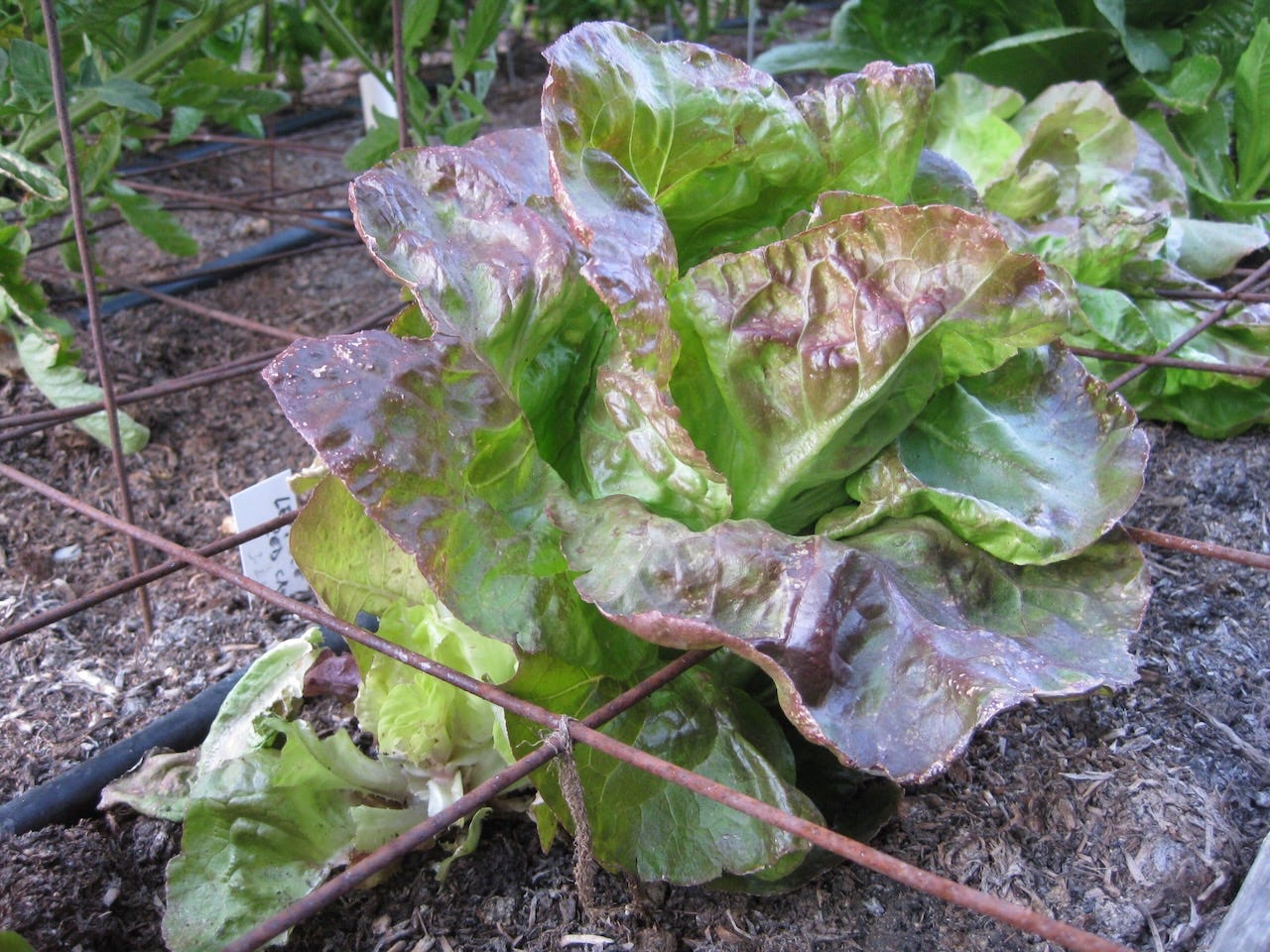
In today’s podcast, Master Gardener Gail Pothour and myself discuss some of the most popular cool season vegetables to grow in the cooler months here in USDA Zone 9 and elsewhere: carrots, lettuce, peas, and beets.
Now’s the time to start the cool season vegetable garden!
Do you want your family to eat healthy year-round? The healthiest, freshest foods are the fruits and vegetables you grow yourself. And in many areas of the West and South, the 365-day vegetable garden is easy to achieve. And now, summer, is the time to be planting the seed...
Tomato Troubleshooting Tips
Paid subscribers to the Beyond The Garden Basics get exclusive newsletters and podcasts each Monday!
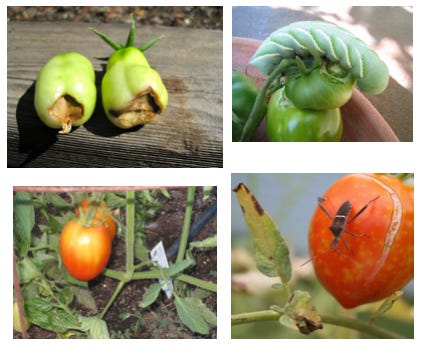
In today’s podcast (above), Don Shor from Redwood Barn Nursery in Davis, CA and I discuss common tomato problems and how changing weather is affecting them, especially in hotter summers. We focus first on blossom end rot, which usually appears on the first fruit and is linked to cool temperatures during fruit development and soil that stays too wet.
This is a public episode. If you'd like to discuss this with other subscribers or get access to...
Plants for Dry Shade
Beyond The Garden Basics is a reader-supported publication. To receive new posts and support my work, consider becoming a paid subscriber.
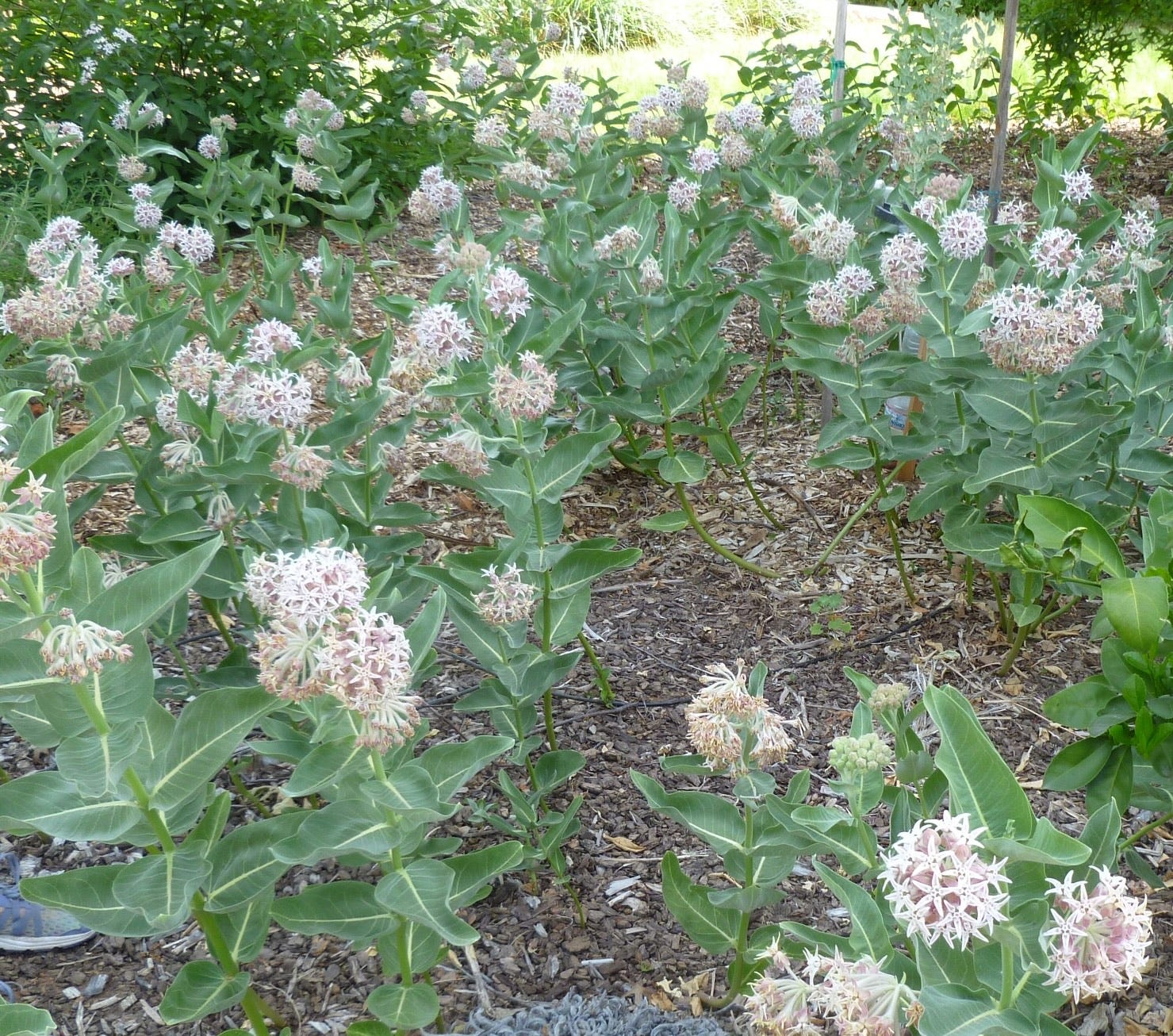
In today’s podcast, America’s Favorite Retired College Horticulture Professor, Debbie Flower, shows us around her yard and garden. But it’s more than talking about the plants. Debbie also shares her planting and irrigation tips for a thriving garden of natives, perennials, trees and shrubs…most of which have been trained to do well on less water! There’s a human-corrected transcript at the bottom of this newsletter of the podcast if you prefer to use you...
Alternative Summer Greens
Every Monday, paid subscribers get exclusive, first looks about various garden topics, such as today’s. Just one of the benefits for paid subscribers. Thank you for your support!
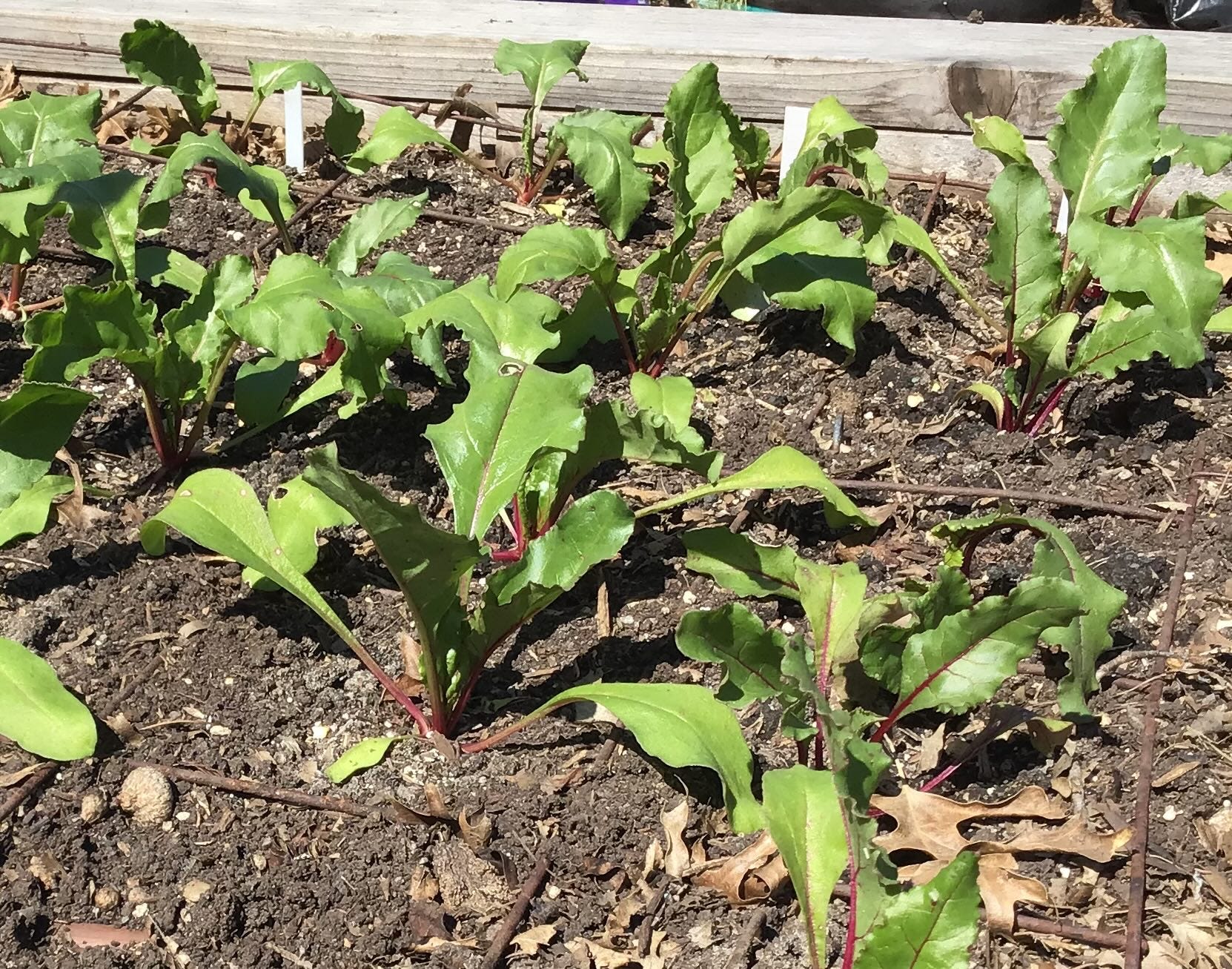
When you live in a hot area of USDA Zone 9, where it gets over 100 degrees in the summer, and you want a fresh salad… you can forget about growing lettuce and spinach, at least most of them, because at some point they’re going to bolt. Usually it might be July or August, but eventually most of the cool season greens in USDA Zone 9, by late summer, they just b...
Summer Heat vs. Japanese Maple Trees
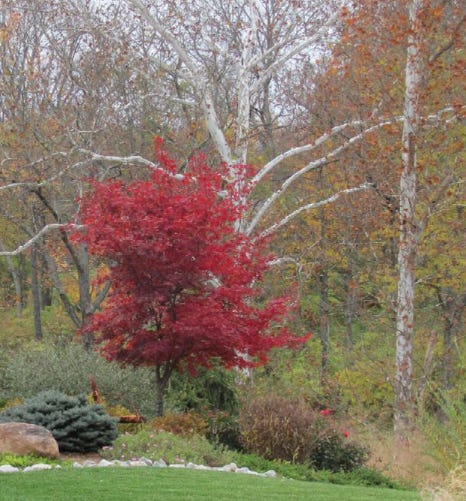
In today’s podcast, nurseryman and Japanese maple expert Chris Aycock of El Dorado Nursery provides the basics for Japanese maple care, especially in the summer months.
Chris focuses on growing Japanese maples in different climates, explaining that the main factor is matching varieties to local conditions and caring for them appropriately.
For hot valley areas, he says mulch is very important to keep roots cool, and morning sun with afternoon shade is ideal. He also notes that some varieties can handle full sun, but they should be planted away from hot walls because reflected he...
Can You Grow a Peach Tree from Seed?
Thanks for being a paid subscriber to Beyond the Garden Basics!
No time to listen to today’s podcast (above) with Ed Laivo? Here’s a summary. And below that, the actual transcript, with pictures, links, and music!
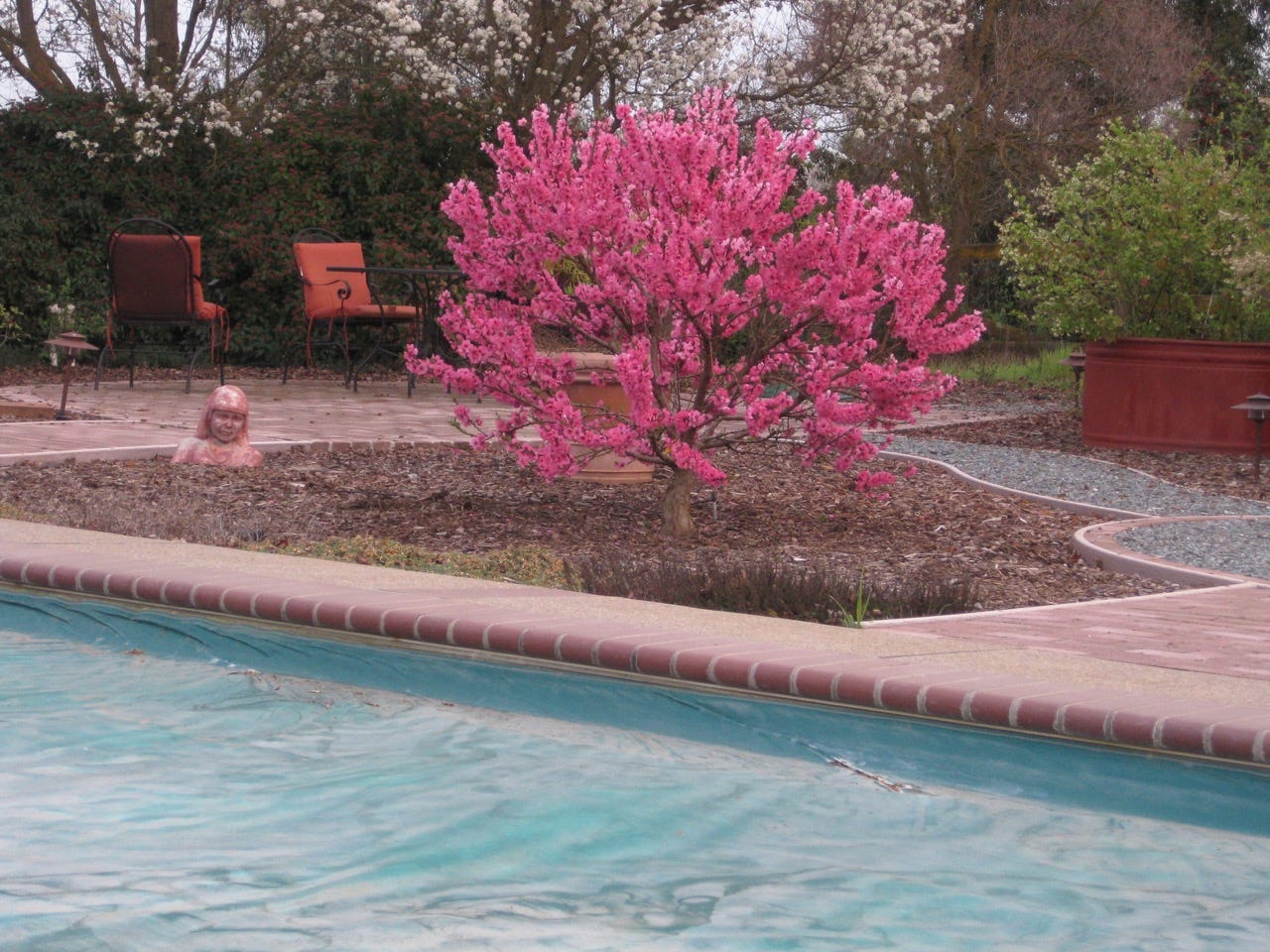
* Don’t expect a seed-grown peach to match the parent. Genetics are unpredictable. There’s a 70–90% chance the fruit will be disappointing or the tree won’t produce at all.
* Check whether your seedling tree even has a rootstock by looking at the base for a graft bump. A true seedling grows on its own roots, which...
Too Many Peppers? Try This Popular Sweet Pepper Relish Recipe
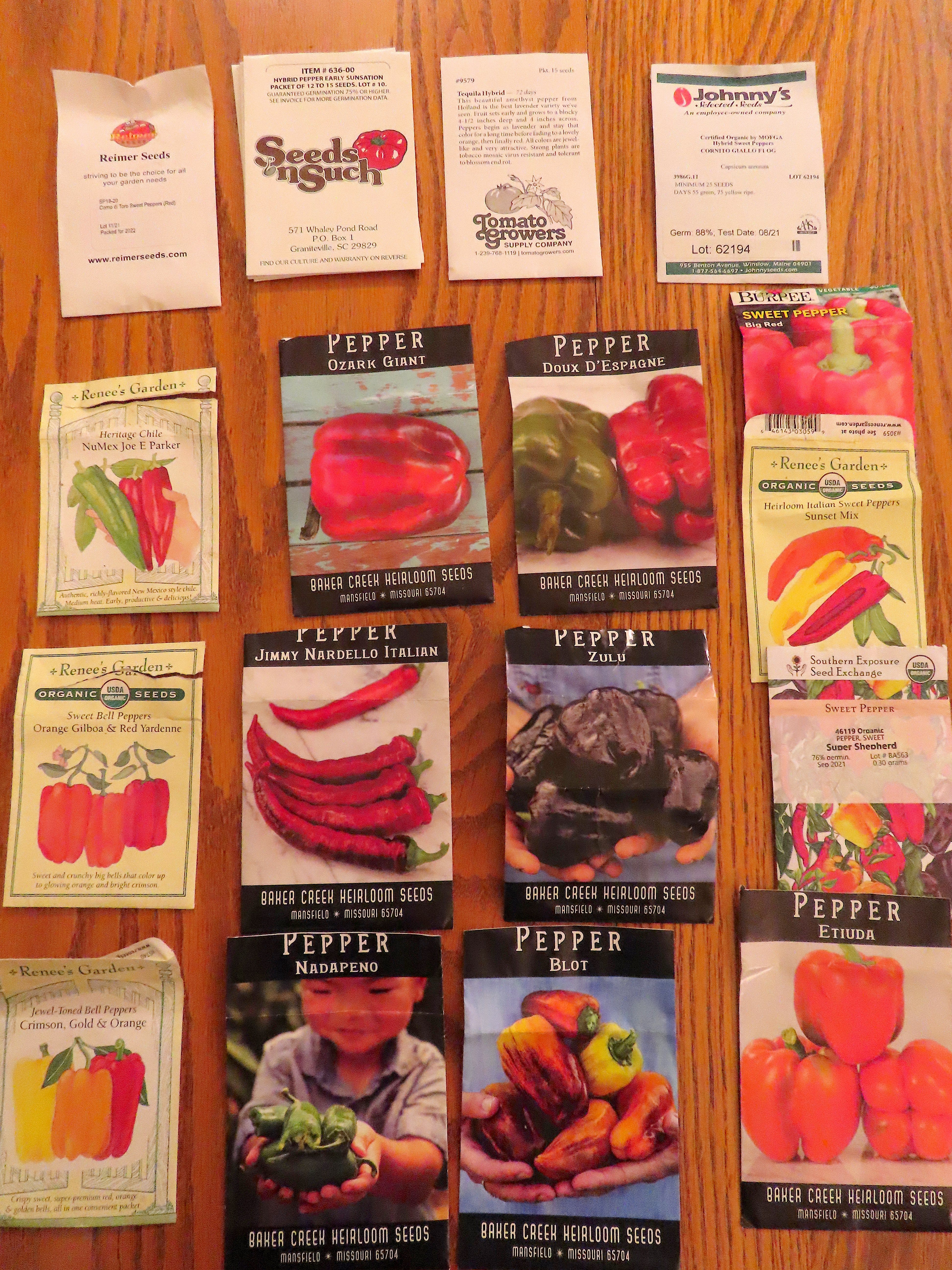
In today’s podcast (above), we talk with renowned pepperhead Dave DeWitt, author of several hot pepper books. We talk hot pepper basics, and Dave adds advice on how to overwinter your hot pepper plants for a second year of growth (and heat!). We have a complete, human-corrected transcript of the podcast towards the bottom of today’s newsletter. Short of time? Here are the main points from today’s podcast:
* Start from seed for variety, or order early from pepper catalogs. Super-hot varieties like Bhut Jolokia or Scorpion peppers may be difficult to find as transplants, so gro...
The Best Roses For Cut Flowers
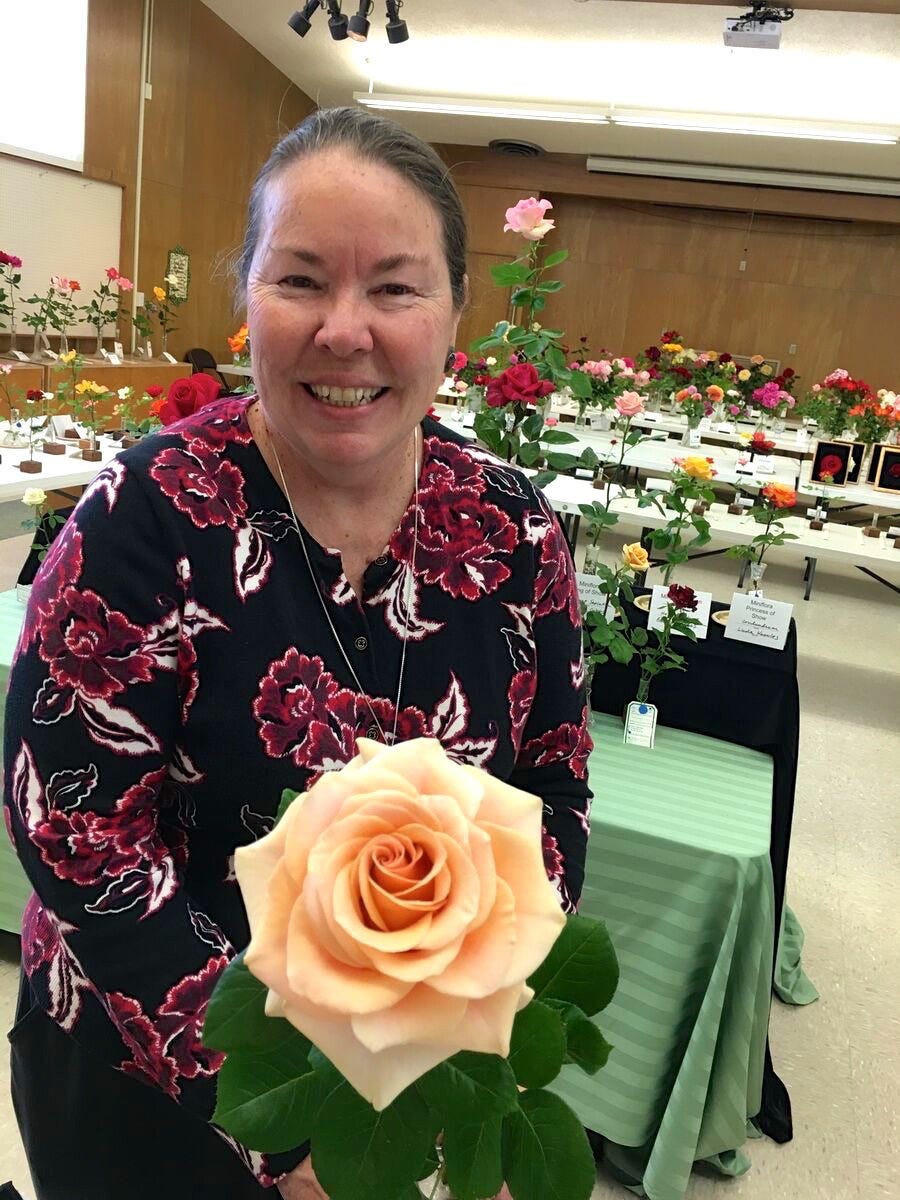
Bullet Points from the Podcast, “The Best Roses for Cut Flowers”
* Always cut long stems, not just the spent bloom. Snipping only 1-2 inches when deadheading causes the plant to push out short, crooked replacement growth; cutting deep into the cane produces another long stem.
* Make cuts just above a five-leaflet leaf (not a three-leaflet one), and choose a node pointing outward from the bush’s center. This improves air circulation and keeps stems growing straight.
* Recut stems underwater every couple of days, trimming about an inch off the bottom to remove air bubble...
When Should You Prune Your Blueberries?
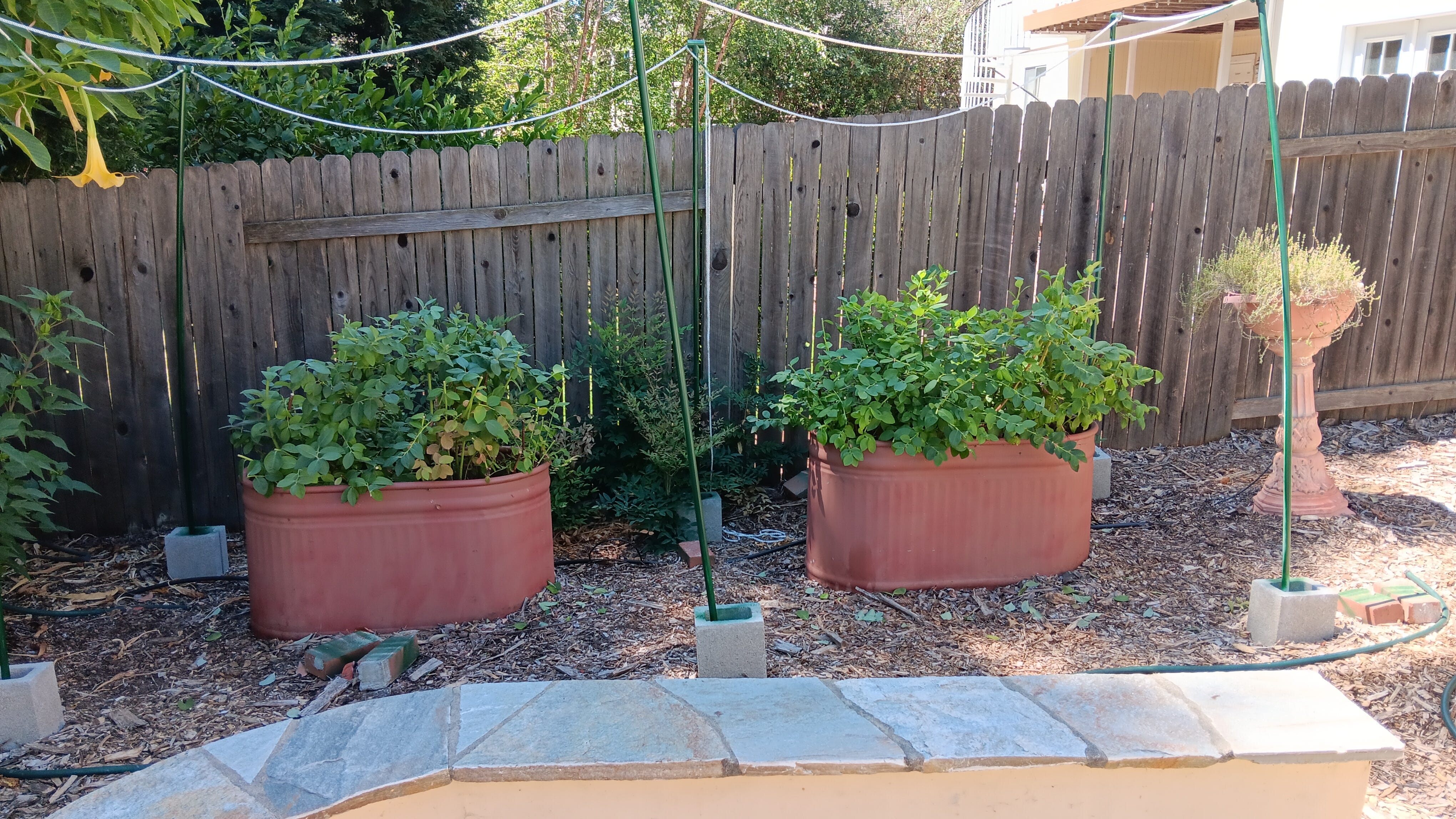
I just finished pruning my blueberry plants. In July.
WHAT?!? Aren’t you supposed to prune them in the winter?
It depends.
It depends on where you live, the type of blueberry plant you are growing, and whoever’s advice you want to follow. For the sake of reliability, we concentrate on the advice from University Extension publications from throughout the country in our zone by zone breakdown, below.
This is a public episode. If you'd like to discuss this with other subscribers or get access to bonus episodes, visit gard...
How to Plant and Care for a Shade Tree
Beyond The Garden Basics is a reader-supported publication. To receive exclusive posts and complete access to past editions , consider becoming a paid subscriber.
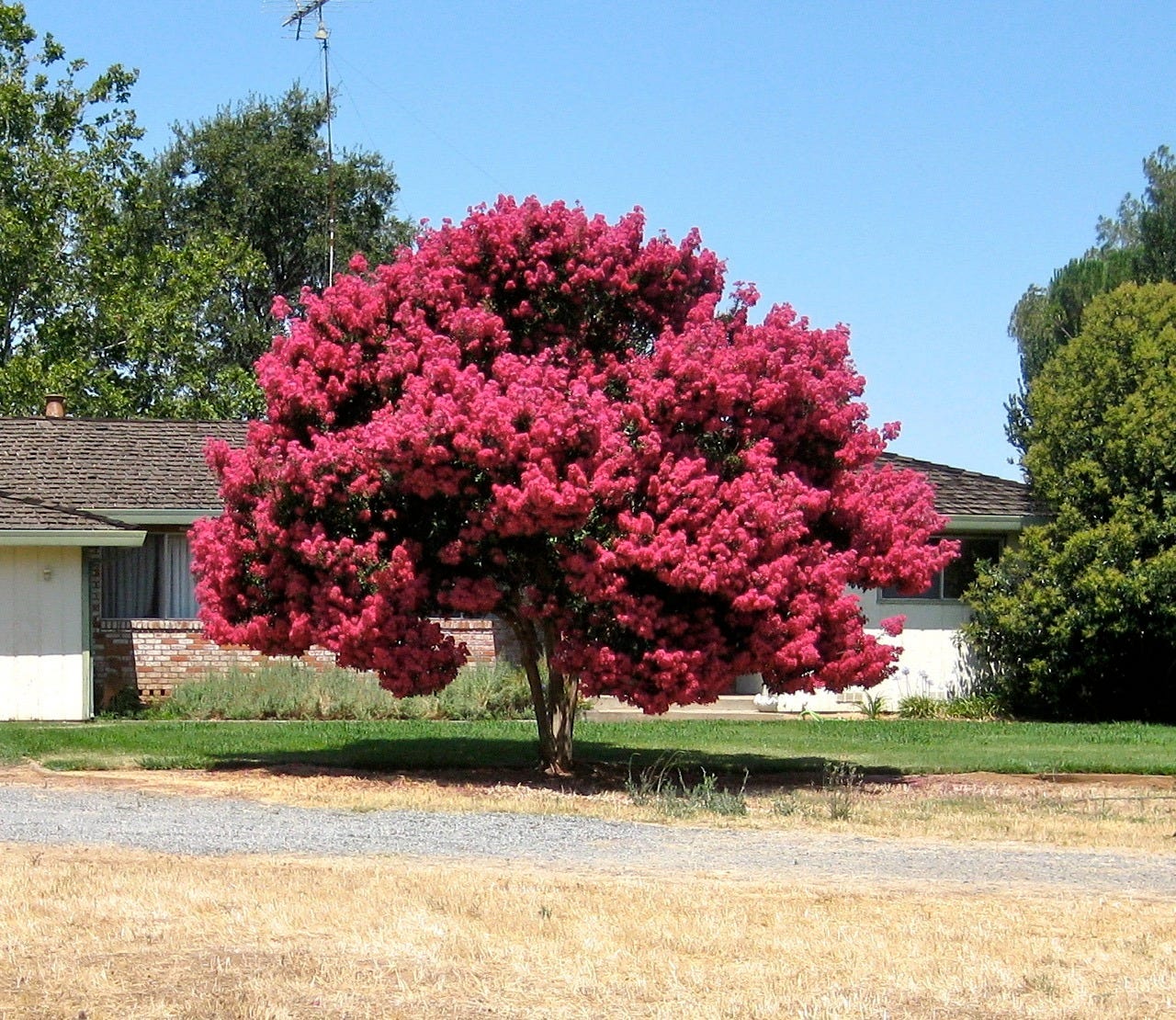
Today’s podcast interview focuses on consulting arborists and how they help property owners evaluate tree health. Gordon Mann explains that a consulting arborist provides independent inspections, identifies problems such as leaning, branch breakage, bark shedding, root issues, and recommends options for treatment or mitigation rather than only suggesting removal or trimming.
But we talked about a lot more regarding shade trees. Among the topics discussed:
* Ca...
Home Weather Station Setup for Gardeners
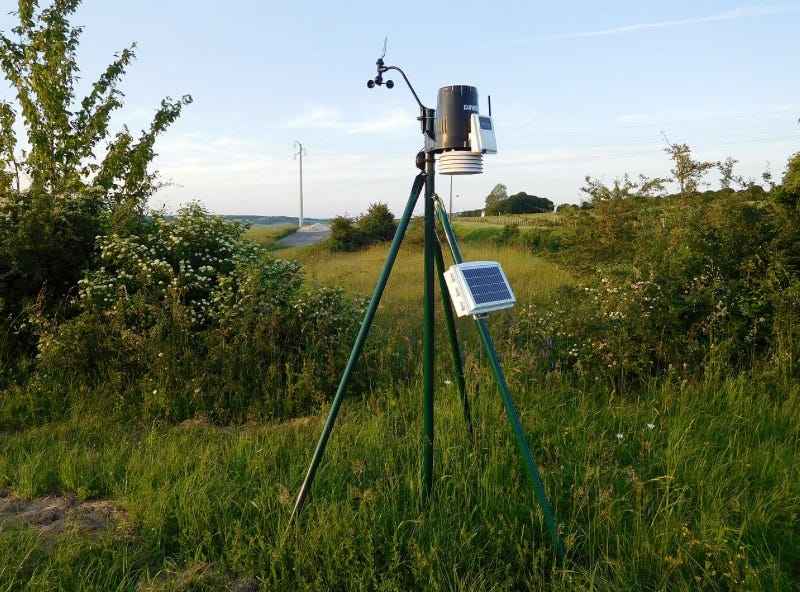
Today’s newsletter podcast is a special treat for readers and listeners of the Beyond the Garden Basics newsletter/podcast who might also be weather nerds…and what gardener isn’t? It’s an interview with climate scientist Daniel Swain, who, besides being a University of California Ag and Natural Resources employee at the California Institute for Water Resources, is well known on social media. Swain runs the Weather West website as well as his frequent presentations talking about extreme weather conditions in California and the west on YouTube, Bluesky, and other social media outlets.
The inte...
More Heat-Beating Garden Tips
You may recall a couple of weeks ago on June 12, the Beyond the Garden Basics podcast featured myself and America’s Favorite retired horticulture professor, Debbie Flower, talking about protecting your outdoor plants in containers from the searing summer heat. That conversation was recorded during a live presentation at the 2023 Harvest Day festivities, put on by the Sacramento County, California Master Gardeners at the Fair Oaks Horticulture Center.
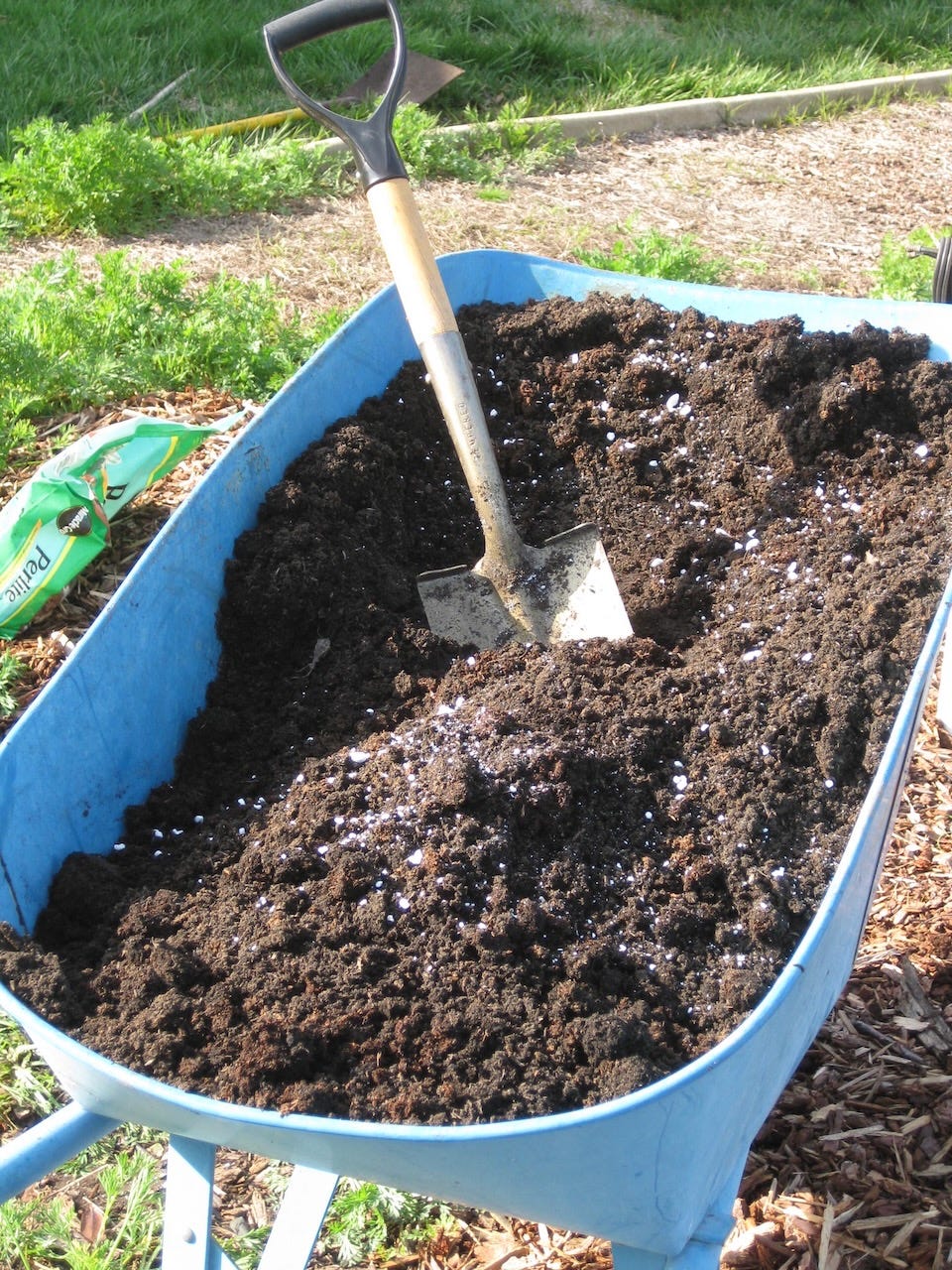
Today’s podcast is the rest of that live presentation, where we discuss tips for saving Time Money and Water in the garden. Meanwhile, in this week’s newsletter, we hav...
Controlling Starthistle, Summer's Most Evil Weed*
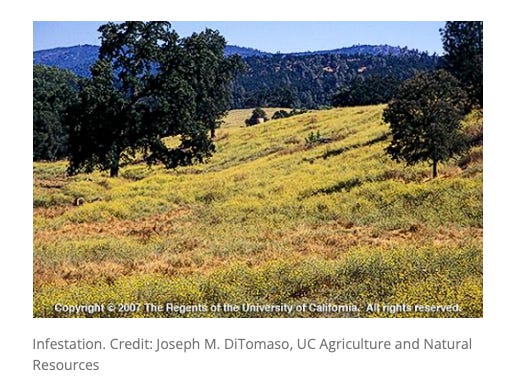
Today’s newsletter is all about starthistle, and all the ways you can control this summer weed…organically. If you want to read about chemical controls for starthistle, check out this University of California Ag and Natural Resources publication, “Yellow Starthistle”.
In today’s podcast (above), America’s Favorite Retired College Horticulture Professor and I talk about the chemical side of weed control products, including all the different formulations of Roundup that are on the market, but they all have very different tasks; some can even sterilize your soil, making your garden unavailable for weeks, months, - or according...
Your Garden vs. Summer Heatwaves
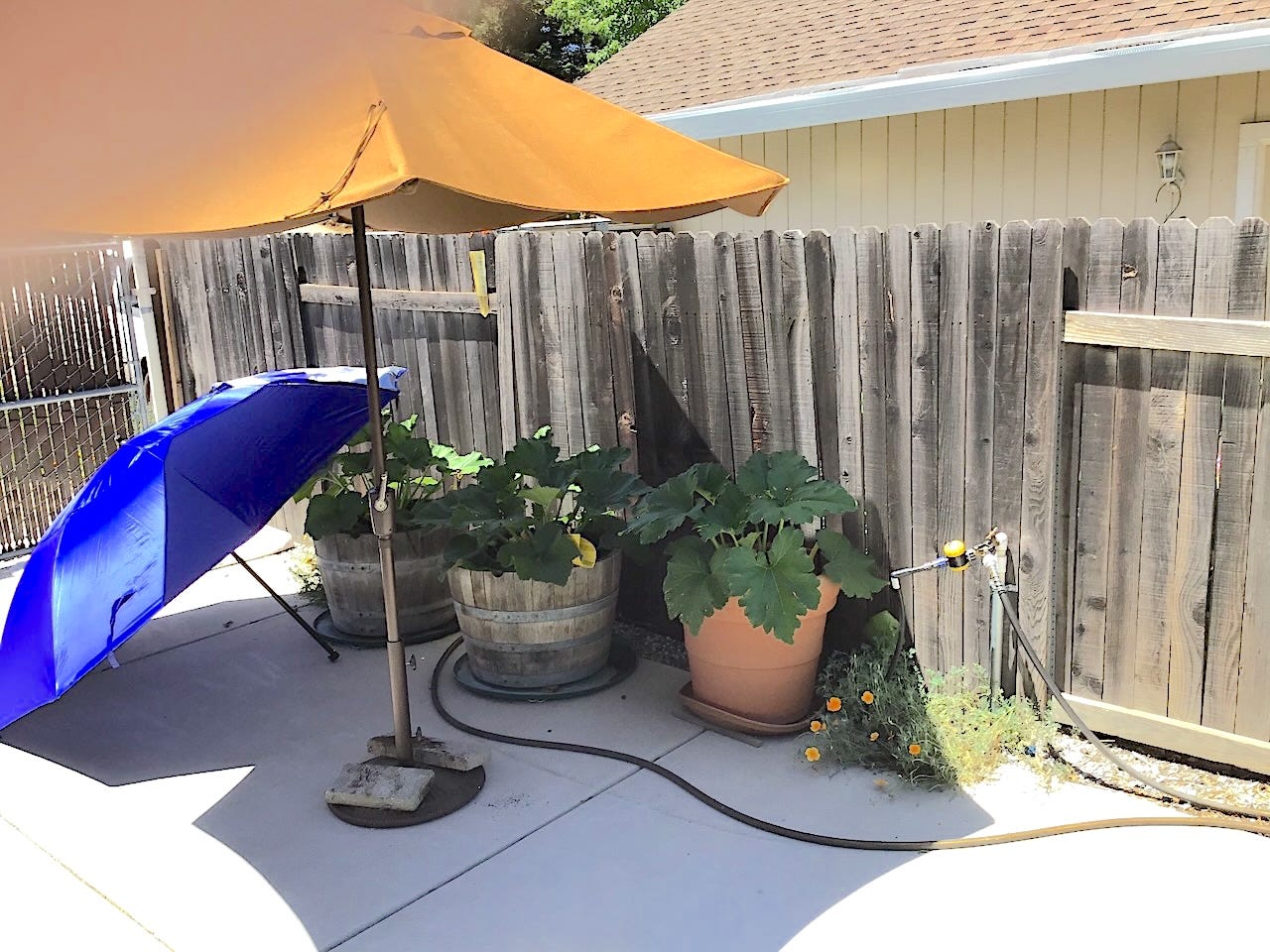
We tackle how to help your garden cope with the late spring and all-summer heat waves coming our way in today’s podcast and newsletter. In the first part of the podcast (above), America’s Favorite Retired College Horticulture Professor, Debbie Flower, and I, concentrate on helping your plants in containers stay cooler in the summer.
The second part of today’s podcast features a September 2022 chat with Sacramento County Master Gardener Gail Pothour, who had specific tips for helping your vegetable plants manage the heat.
This is a public episode. If you'd like to dis...
Other Vegetables That Love the Heat
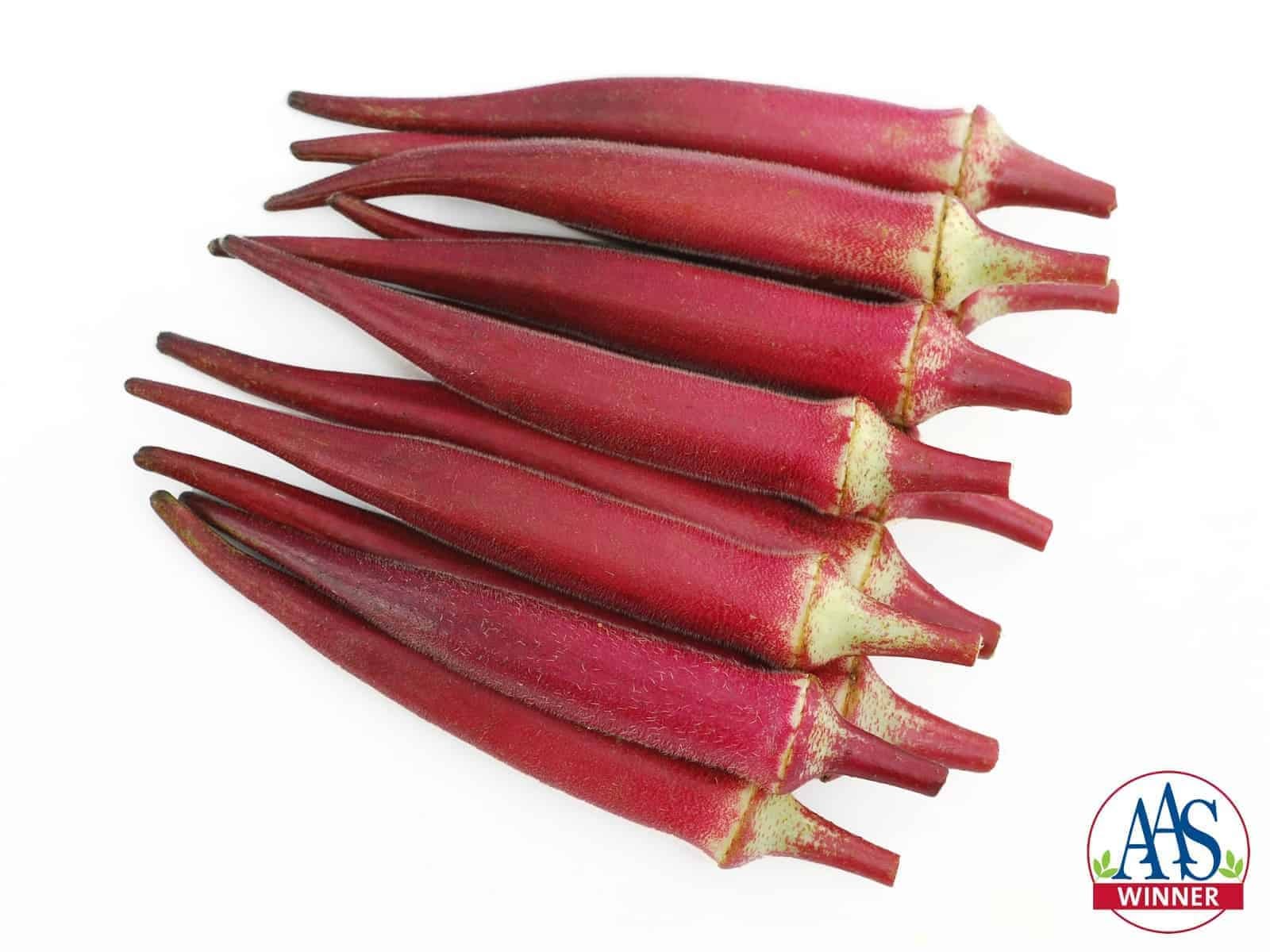
Today’s podcast features Sacramento County Master Gardener and vegetable expert Gail Pothour, extolling the virtues of growing okra in the summer. Gail’s encyclopedic knowledge of this warm weather crop will amaze you. Perhaps it’s her South Carolina heritage that adds to her love of okra. Sometimes disdained for its mucilanginous flavor (aka “slimy”), okra is a plant of many uses, including its leaves and flowers.
What? Plant in June or early July? Yes, indeed. Many popular home garden crops - melons, squash, sweet corn, popcorn, and okra - get off to a stronger start when the s...
A Deep Dive Into Citrus Containers
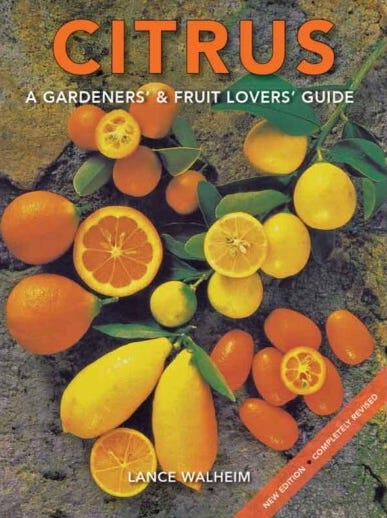
Garden book author and citrus expert Lance Walheim, is a big proponent of growing citrus trees in containers. We discuss his techniques in today’s podcast, along with shameless plugs for his new book, “Citrus: A Gardeners’ & Fruit Lovers’ Guide.”
For those of you in a hurry, here are some of the important points we touch on in the podcast:
Choose compact citrus varieties for containers — Meyer lemon, kumquat, calamondin, and Bearss limes are ideal; avoid vigorous types like Lisbon lemon or grapefruit, which will quickly outgrow most pots.
Upgrade container size gradually When repotti...
Your 7 Favorite Beyond the Garden Basics Newsletter Editions
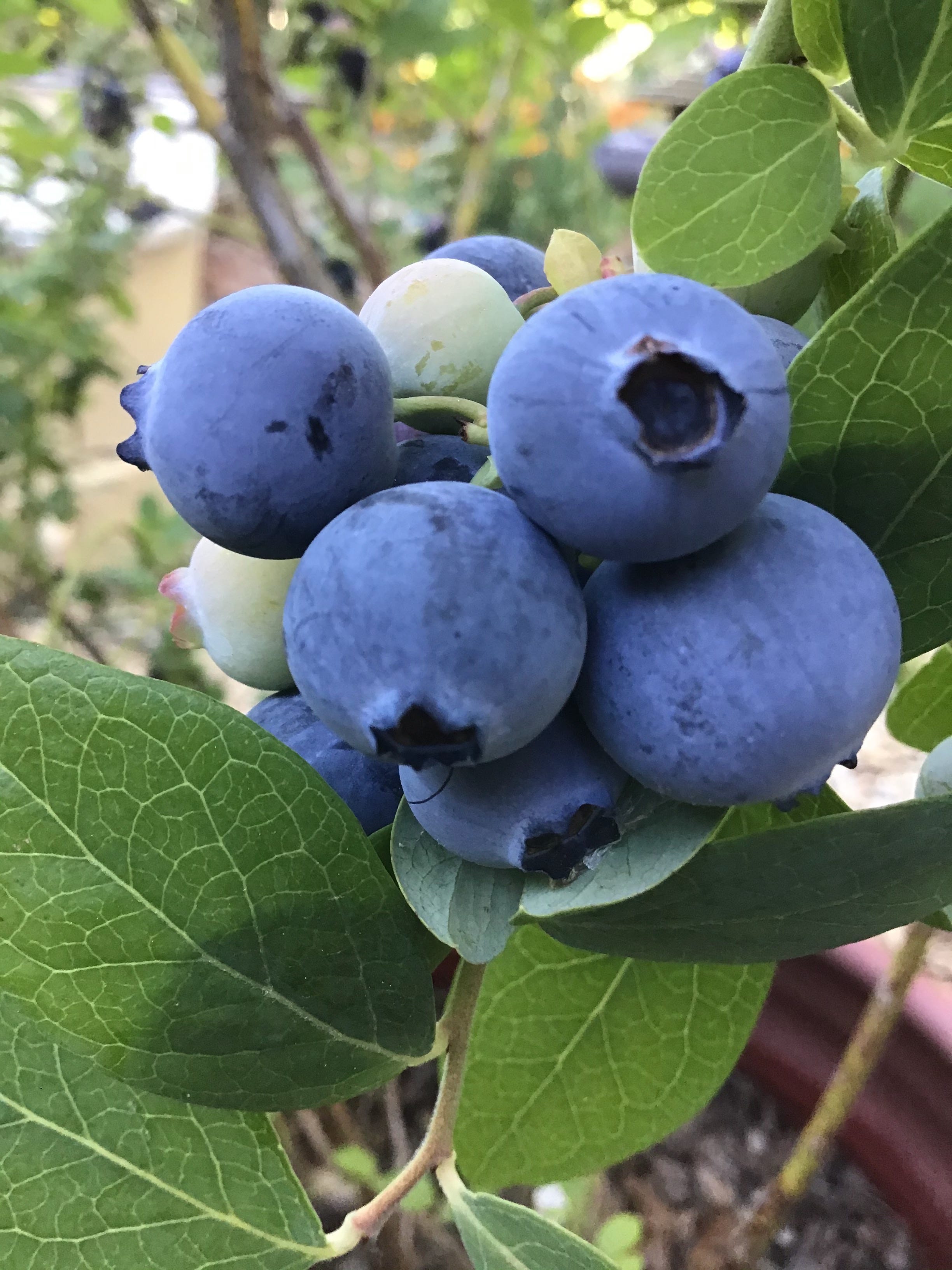
The Beyond the Garden Basics newsletter and podcast has been around awhile, with over 450 editions since August of 2022. That’s a lot of gardening info!
Checking out nearly four years of newsletters and podcasts to learn more about gardening can be a daunting task. So, to help ease the process a bit, here are the seven most clicked-on (and time spent with) editions.
This is a public episode. If you'd like to discuss this with other subscribers or get access to bonus episodes, visit gardenbasics.substack.com/subscribe
The No-Turn, Easy Compost Pile
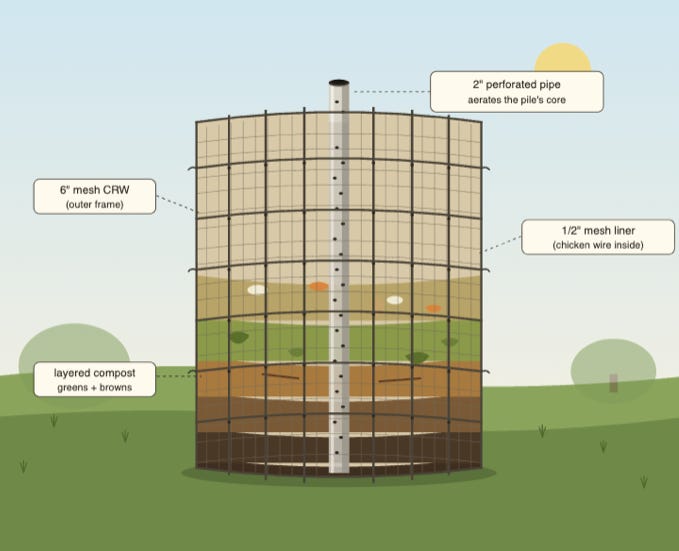
In case you need a refresher course, here are some points about the benefits of using compost in your garden, according to the UC Master Gardeners of Alameda County:
• Improves Soil Structure (Tilth): Lightens heavy clay soils and adds structure to sandy soils.
• Saves Water: Increases the water-holding capacity, reducing runoff and water usage.
• Feeds Plants & Soil Life: Adds slow-release nutrients and boosts beneficial microorganisms and earthworms.
• Balances pH: Helps to buffer and balance soil pH (acidity/alkalinity).
• Reduces Needs: Lowers the need for commercial soil conditioners and chemical fertilizer...
Is This the Longest Lasting Cut Flower? Perhaps. But, Beware.
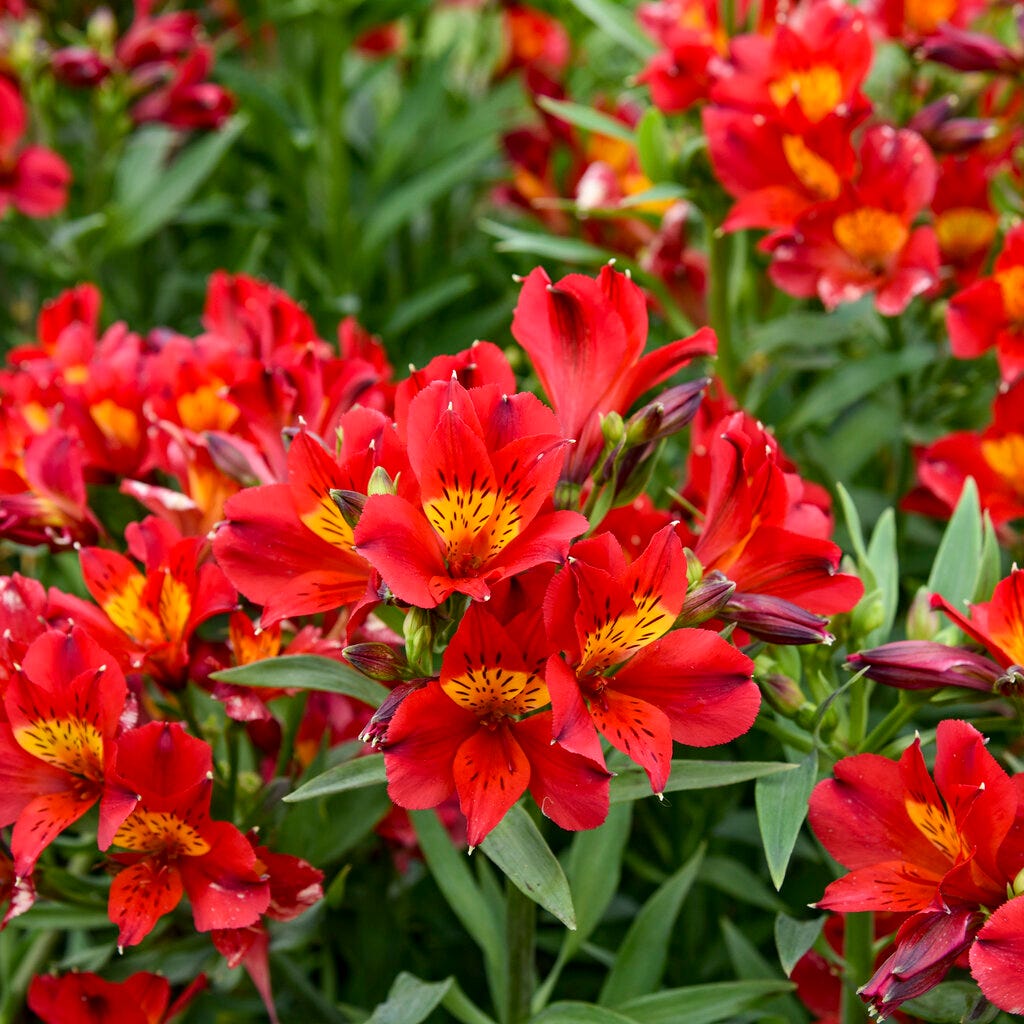
Is there a better-looking, longer lasting, cut flower than the alstroemeria? Is there a more invasive, underground spreading plant than the alstroemeria?
Sometimes, to get to heaven, you have to go through a little hell.
Also known as the Peruvian Lily, Lily of the Incas, Parrot Lily, Princess Lily, and “How the Heck Did You Get Over to the Other Side of the Garden?”, alstroemerias can easily last two weeks as a cut flower. Longer, if you are conscientious about clean water and floral preservatives (more on that below).
This is a...
Tips For Growing Blackberries
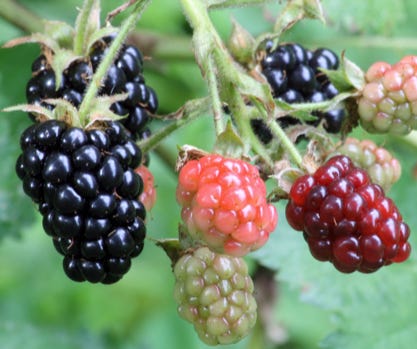
If you’re looking for a superfood to grow, it’s hard to beat blackberries. They can be grown in just about every state in the United States. They’re highly adaptable, and they thrive in USDA zones from 4 all the way up through 10. Here in California, in USDA zone 9, they do quite well. They grow nearly anywhere that has enough sun.
Today, we talk with Master Gardener and berry expert Jeff Smoker, who has tips for growing blackberries.
Blackberries are considered a superfood.
According to North Carolina State University, a superfood is so-cal...
All About Basil
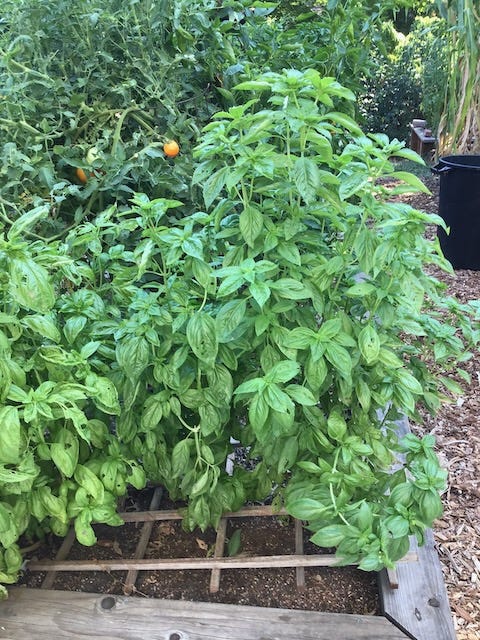
In this episode, we discuss the essentials of basil cultivation, highlighting the basil basics for home gardens. We cover basil soil preparation, planting, timing, and a few of the various flavorful basil varieties such as Sweet, Thai, and cinnamon basil. We include basil care tips such as watering, fertilization, and pest management.
Special guest Rose Loveall-Sale from Morningsun Herb Farm shares her knowledge about basil’s cultural significance and culinary uses, as well as sharing her vast knowledge of even more basil varieties. Her audio was taken from her how-to basil video on YouTube , because this week sh...
Growing Sweet Potatoes
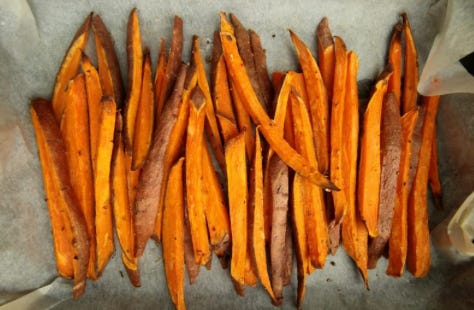
Sweet potatoes are one of the most under-appreciated crops you can grow. But it will reward those gardeners who give sweet potatoes what they really need: heat.
As you will hear in the podcast with Master Gardener and vegetable expert Gail Pothour, sweet potatoes have some very particular needs. A San Joaquin County (CA) listener wrote in asking how to alleviate the frustration of trying to sprout sweet potato slips from organic potatoes in a cold house in January. That’s the core problem right there — sweet potatoes are tropical plants, closer kin to morning glory than to t...
Mycorrhizal Activity and Your Plants' Health
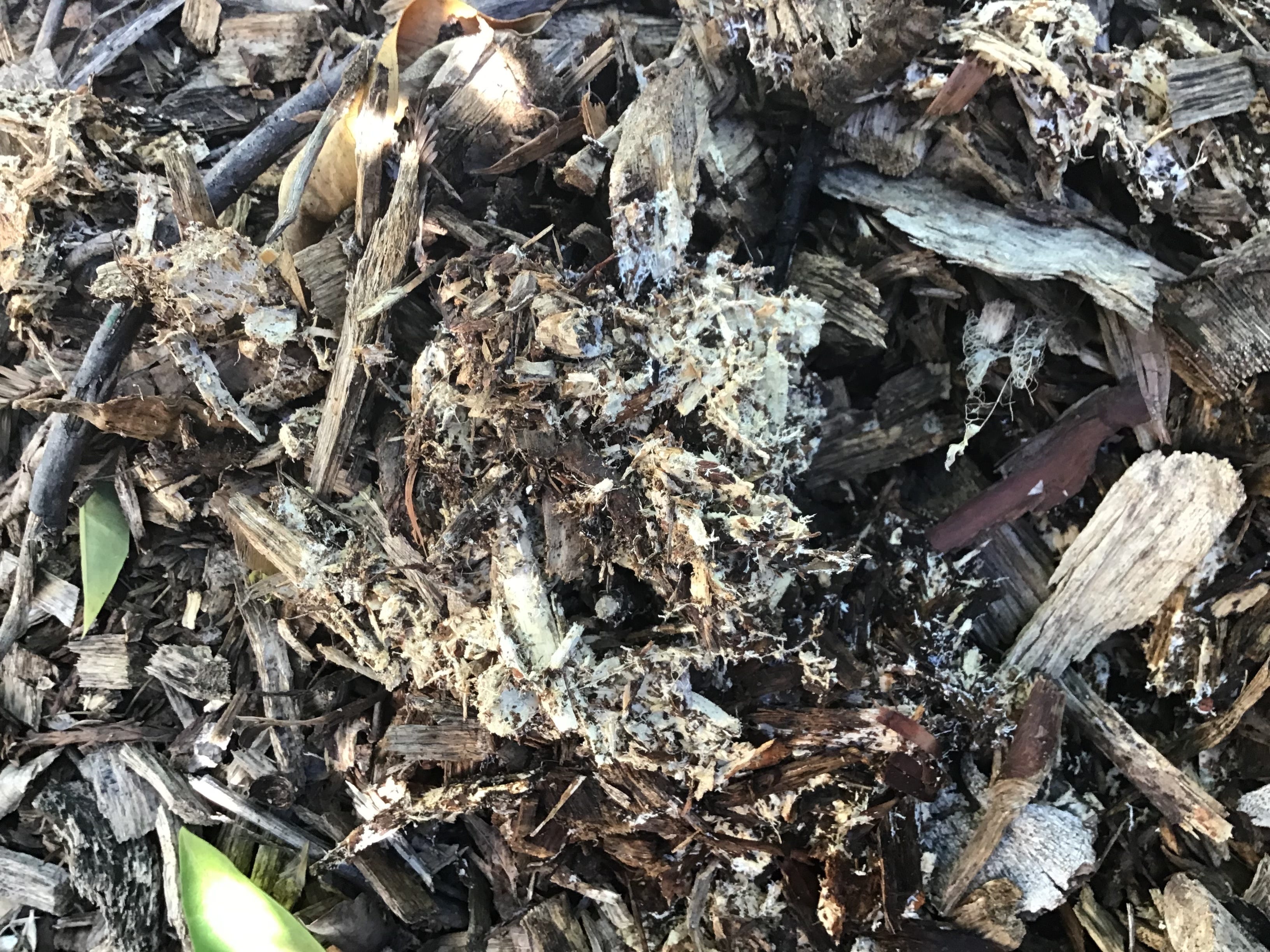
Soil mycorrhizae. What is it? If you’ve seen any of the “Avatar” movies, you would know that James Cameron probably has a good grasp of the subject…and you would have a basic understanding of what we are going to talk about today. Without mycorrhizal activity, there would be very little gardening.
To return to the “Avatar” comparison, you know how in those movies, if anyone fell ill or was near death or they needed to call in the National Guard, they could stick a tree root in their ear and they’d get healthy or victorious, an...
How Safe is Rain Barrel Water? When to Plant Warm Season Vegetables and Flowers.
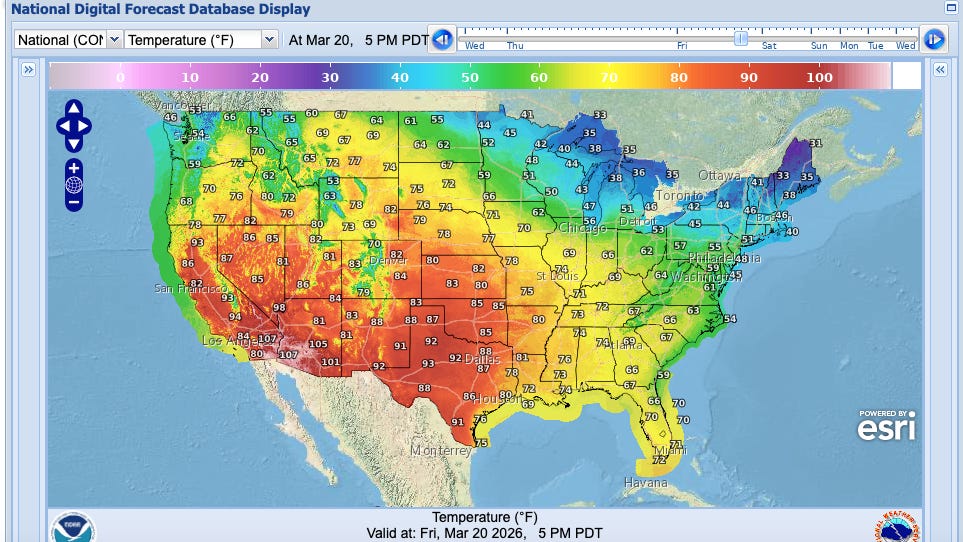
We talk about water safety and rain barrels with Sacramento County Master Gardener and vegetable expert Gail Pothour who swears up and down on her stack of Ruth Stout gardening books that she would NEVER drink water from a rain barrel…nor would she water her edible plants with it.
What’s a gardener to do?
This is a public episode. If you'd like to discuss this with other subscribers or get access to bonus episodes, visit gardenbasics.substack.com/subscribe
The 2026 Tomato Preview Show!
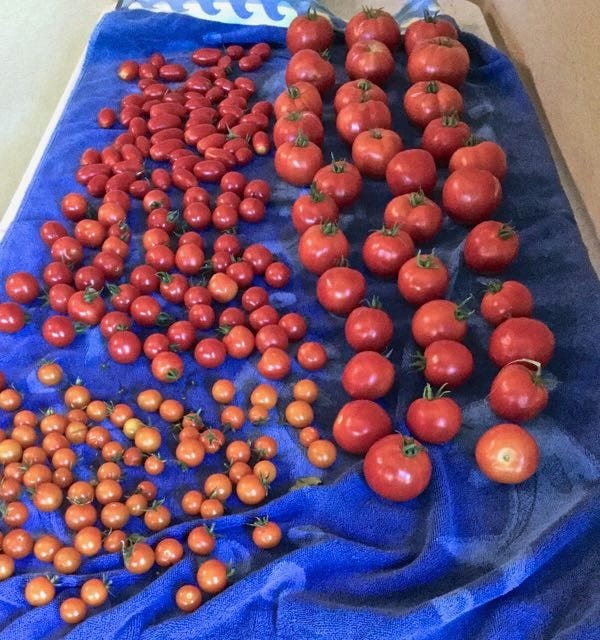
If we sound excited, we are! It’s getting close to tomato planting time! In this week’s podcast and newsletter, Don Shor of Redwood Barn Nursery in Davis, CA and I discuss this year’s unusual weather, emphasizing the importance of proper soil temperature and patience when planting. Don shares insights on different tomato varieties, explaining determinate, indeterminate, and heirloom types, alongside effective watering and mulching techniques for possible drought conditions. We offer tips for new gardeners, encouraging variety and restraint in their tomato-growing journey.
This is a public episode. If you'd...
Growing Citrus Trees in a Non-Citrus Environment
This is a free preview of a paid episode. To hear more, visit gardenbasics.substack.com
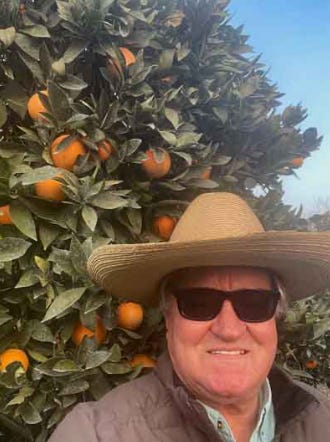
Farmer Fred interviews horticulturist and commercial citrus grower Lance Walheim about the history and cultivation of citrus fruits, covering varieties, growing tips, pest challenges, and the joys of homegrown citrus.