Figuring It Out
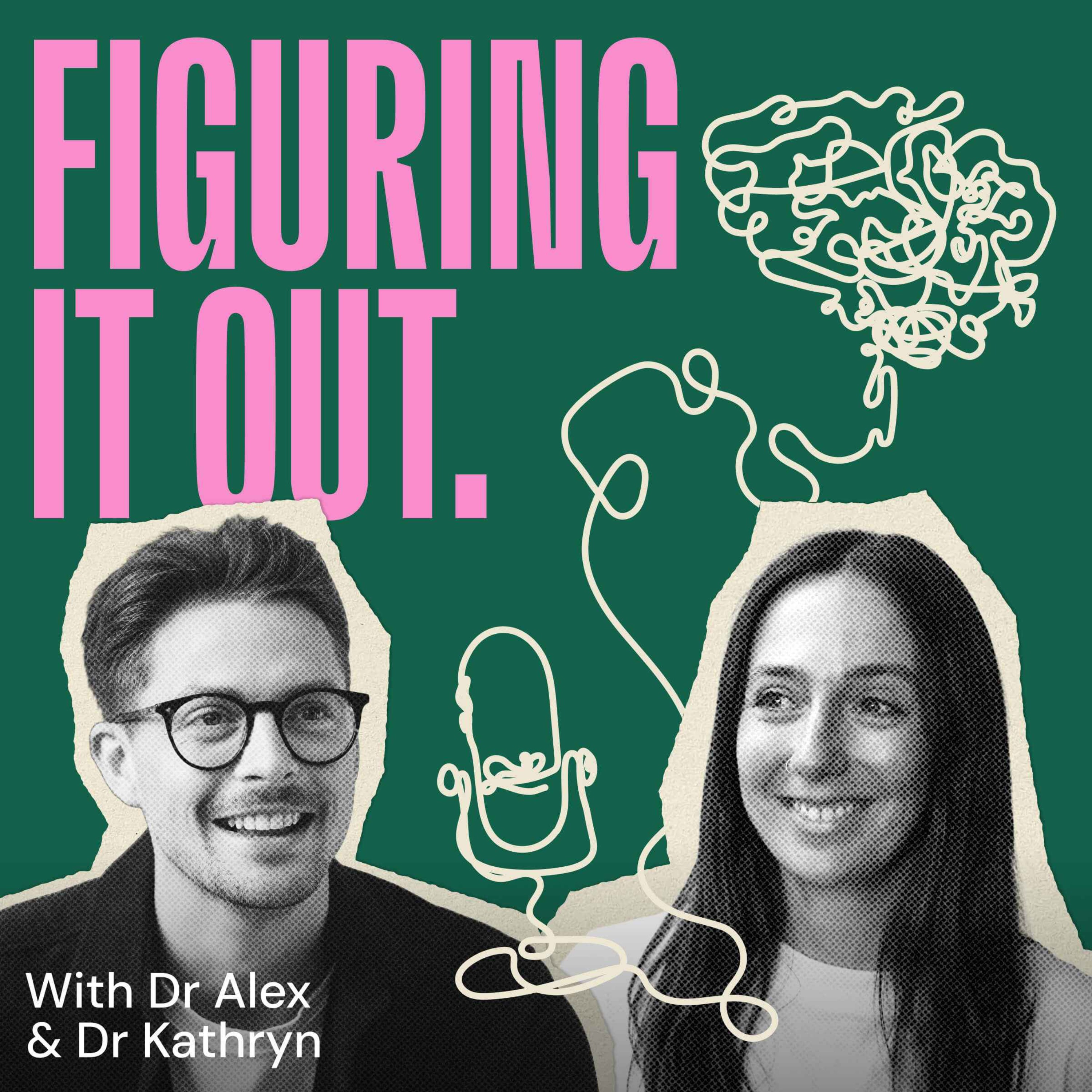
Having amassed millions of downloads with his hugely successful Stompcast podcast, Dr Alex George is putting down his stomping boots to try and answer life’s big questions. But he’s not alone. Dr Alex is joined by research scientist Dr Kathryn Bates. Combining their two worlds to answer the questions we all carry around with us, about our minds, our relationships, our choices and our health. We Google them at 2AM, we talk about them with friends and we wonder if we’re the only ones. Each episode arrives in three parts from Monday to Wednesday. Part One tackles the Big...
ADHD & Autism: Why Emotional Pain Can Hit Harder and Last Longer | Pt 2
Why can an upsetting interaction stay with you for days, or even weeks? And why can emotional pain feel so difficult to move on from?
In Part 2 of Figuring It Out, Dr Alex George and research scientist Dr Kathryn Bates answer a listener's question about why emotional pain can feel stronger and last longer for some people with ADHD and autism.
They explore emotional regulation, rumination, rejection sensitivity and alexithymia, which can make it difficult to identify and describe what you're feeling. Alex opens up about how he experiences frustration, why it can take...
Late Autism & ADHD Diagnosis: Why It Changes How You See Yourself | Pt 1
Have you ever felt different without really understanding why? And what happens when an autism or ADHD diagnosis changes the way you've always seen yourself?
In Part 1 of Figuring It Out, Dr Alex George and research scientist Dr Kathryn Bates explore how we develop our sense of identity, why it continues to change throughout our lives, and how a late diagnosis can bring a complicated mix of relief, grief and self-discovery.
Alex opens up about questioning his own identity after being diagnosed with ADHD, OCD and autism, while Kathryn explores the research behind how...
Autism & Special Interests: Why They're More Important Than You Think | Pt 3
Could your special interests be doing more for your wellbeing than you realise? For autistic people, these interests can be much more than hobbies, potentially helping with emotional regulation, reducing stress and providing a sense of comfort.
In Part 3 of Figuring It Out, Dr Alex George and research scientist Dr Kathryn Bates explore the surprising benefits of autistic special interests and what the research tells us about their role in emotional wellbeing.
They also put common claims about ADHD and autism to the test in Myth, Fact and It's Complicated. Does masking look...
Autistic Burnout: Why It's More Than Just Being Tired | Pt 2
Autistic burnout is more than just feeling tired. It can involve overwhelming exhaustion, difficulty managing everyday tasks and a reduced tolerance to sensory input. But what causes it, and what can help?
In Part 2 of Figuring It Out, Dr Alex George and research scientist Dr Kathryn Bates explore what autistic burnout actually is, how masking, sensory overload and the pressure to meet everyday expectations can contribute, and why recovery isn't always straightforward.
They also answer a listener's dilemma: can you realistically manage a demanding full-time career as an autistic person without burning out? <...
ADHD & Autism: The Hidden Cost of Masking | Pt 1
Ever come home from a social event feeling completely drained? For many autistic people and people with ADHD, socialising can be exhausting, particularly when masking and sensory overload come into play.
In Part 1 of Figuring It Out, Dr Alex George and research scientist Dr Kathryn Bates explore what ADHD and autistic masking actually look like, why people feel the need to hide certain traits, and the emotional toll of constantly trying to fit in.
They also unpack the science behind sensory overload, why everyday environments can feel overwhelming, and what researchers are still...
The Science Behind Exercise and Chronic Pain | Pt 3
Does exercise help chronic pain, or could it make things worse? And what does the science actually say about treating chronic pain?
In Part 3 of Figuring It Out, Dr Alex George and research scientist Dr Kathryn Bates investigate common myths about chronic pain and pain management in Myth, Fact and It's Complicated.
From exercise and physical activity to pain medication, the nervous system and ageing, they explore what research tells us about chronic pain treatment, why there's no one-size-fits-all solution and why finding the right balance between movement and rest matters.
<...
What If Pain Is All In Your Head? | Pt 2
Can your mind change how much pain you feel? And why does chronic pain sometimes come and go, even when nothing else seems to have changed?
In Part 2 of Figuring It Out, Dr Alex George and research scientist Dr Kathryn Bates answer a listener's dilemma about fluctuating chronic pain and explore the fascinating relationship between the brain, nervous system and our experience of pain.
They unpack the mind-body connection, the cycle of pushing through pain and then crashing, and how our beliefs about our bodies may influence pain management. Plus, what can you do...
The Gender Pain Gap: Why Aren't Women Being Heard? | Pt 1
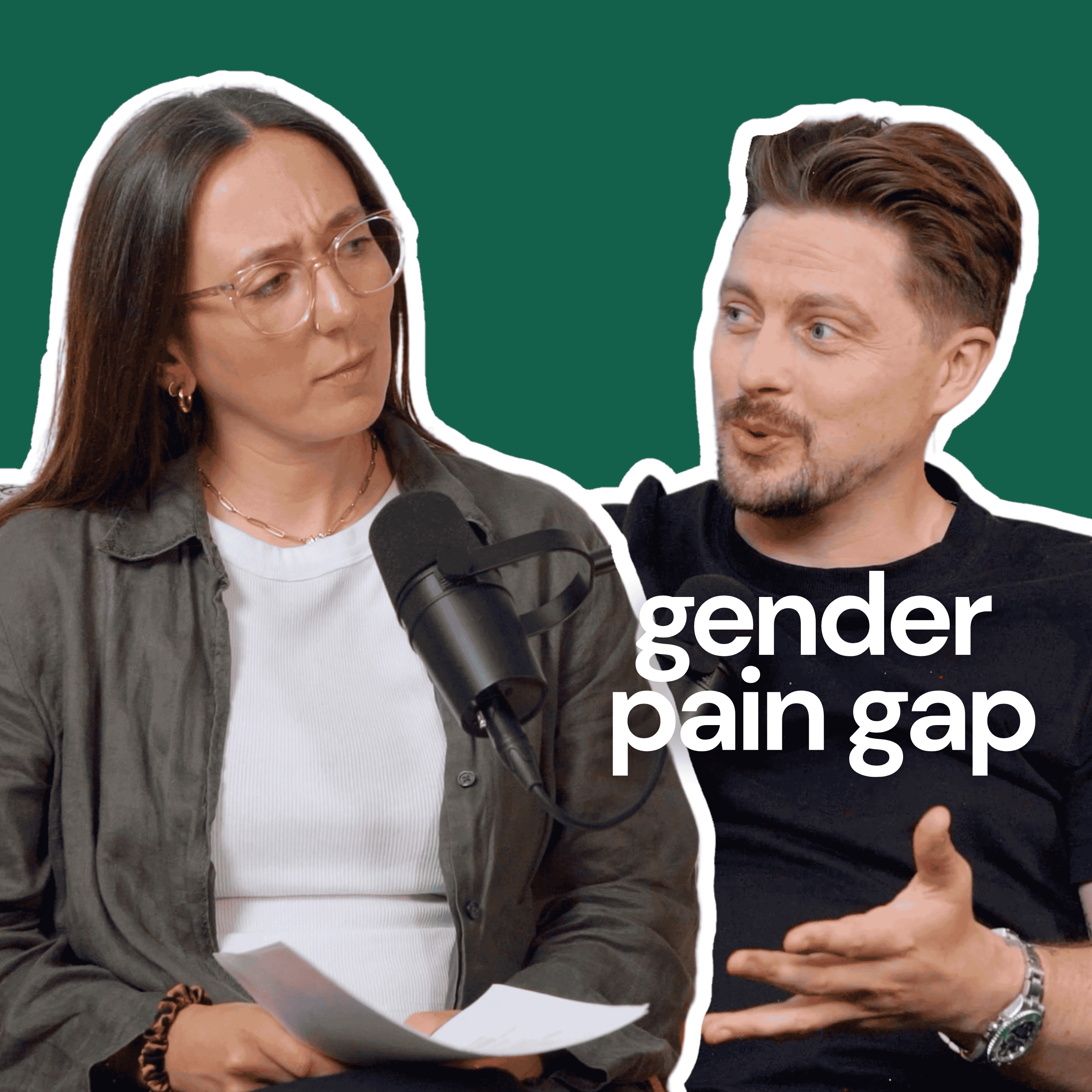
Most of us think pain is simple: you get hurt, a signal travels to your brain, and it hurts. But what happens when there’s no injury to see, and no one believes you?
In Part 1 of the Figuring It Out podcast, Dr Alex George and research scientist Dr Kathryn Bates explore what pain actually is, how the way experts define it has changed, and why chronic pain can be real even when scans show nothing.
They also ask why some people are believed more than others. From the gender pain gap to th...
Does What Doesn’t Kill You Make You Stronger? | Pt 3

“Never give up” sounds like good advice. But is pushing through always helpful, or can being resilient mean knowing when to stop?
In Part 3 of the Figuring It Out podcast, Dr Alex George and research scientist Dr Kathryn Bates put common claims about resilience to the test in Myth, Fact and It’s Complicated.
Are we born resilient, or can we build resilience at any age? Can resilience and emotional distress exist at the same time? And how much does financial security affect our ability to cope? Alex and Kathryn explore the pressure to kee...
Is It Normal to Feel Like You're Barely Holding It Together? | Pt 2
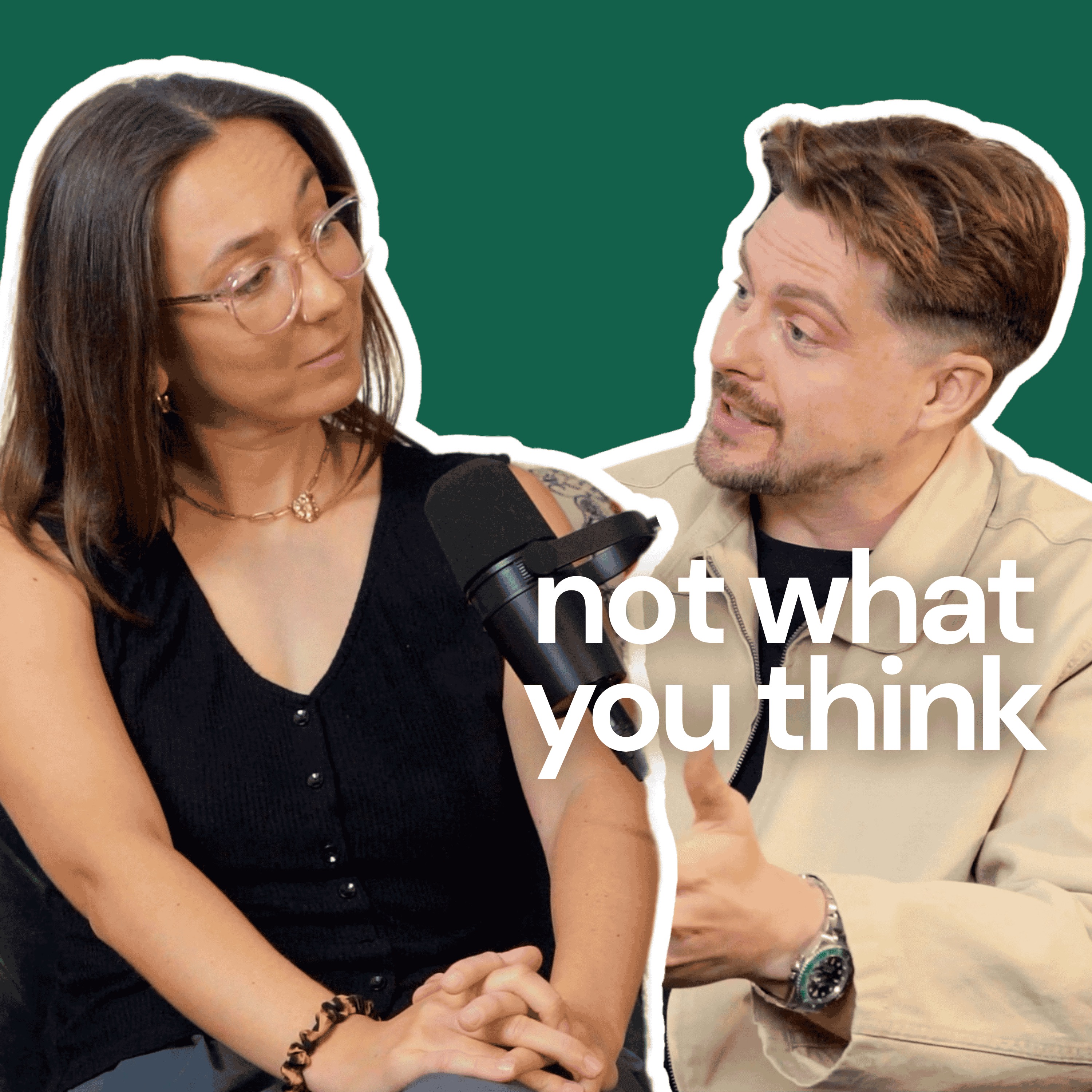
Everyone tells you how strong you are. But inside, you feel like you’re barely holding it together. Does that mean you’re not actually resilient?
In Part 2 of the Figuring It Out podcast, Dr Alex George and research scientist Dr Kathryn Bates explore resilience and coping with stress through a listener’s dilemma: why is there such a gap between how others see them and how they really feel?
Together, they explore what building resilience can look like day to day, from reframing difficult situations and asking for help to finding purpose and ma...
How Do You Keep Going When You Feel Like Giving Up? | Pt 1
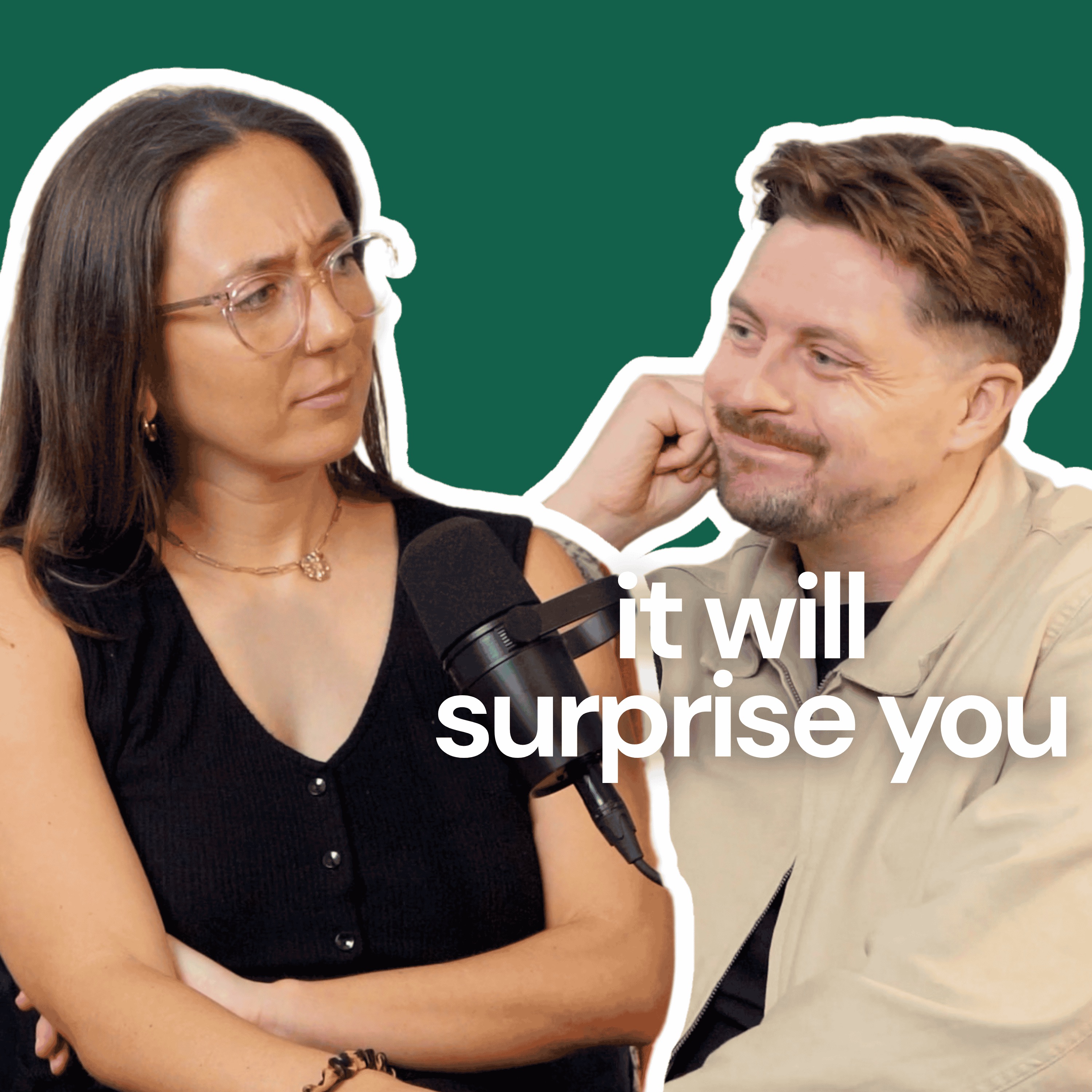
Ever looked at someone going through a difficult time and wondered how they’re coping so well? What makes us more resilient, and how much of it comes from things we don’t see?
In Part 1 of the Figuring It Out podcast, Dr Alex George and research scientist Dr Kathryn Bates explore what resilience really means, how researchers study it, and why there’s more to coping with adversity than individual willpower.
From the way our brains and bodies respond to stress to the support we get from other people, they unpack what shapes...
Is Loneliness As Bad For You As Smoking? | Pt 3
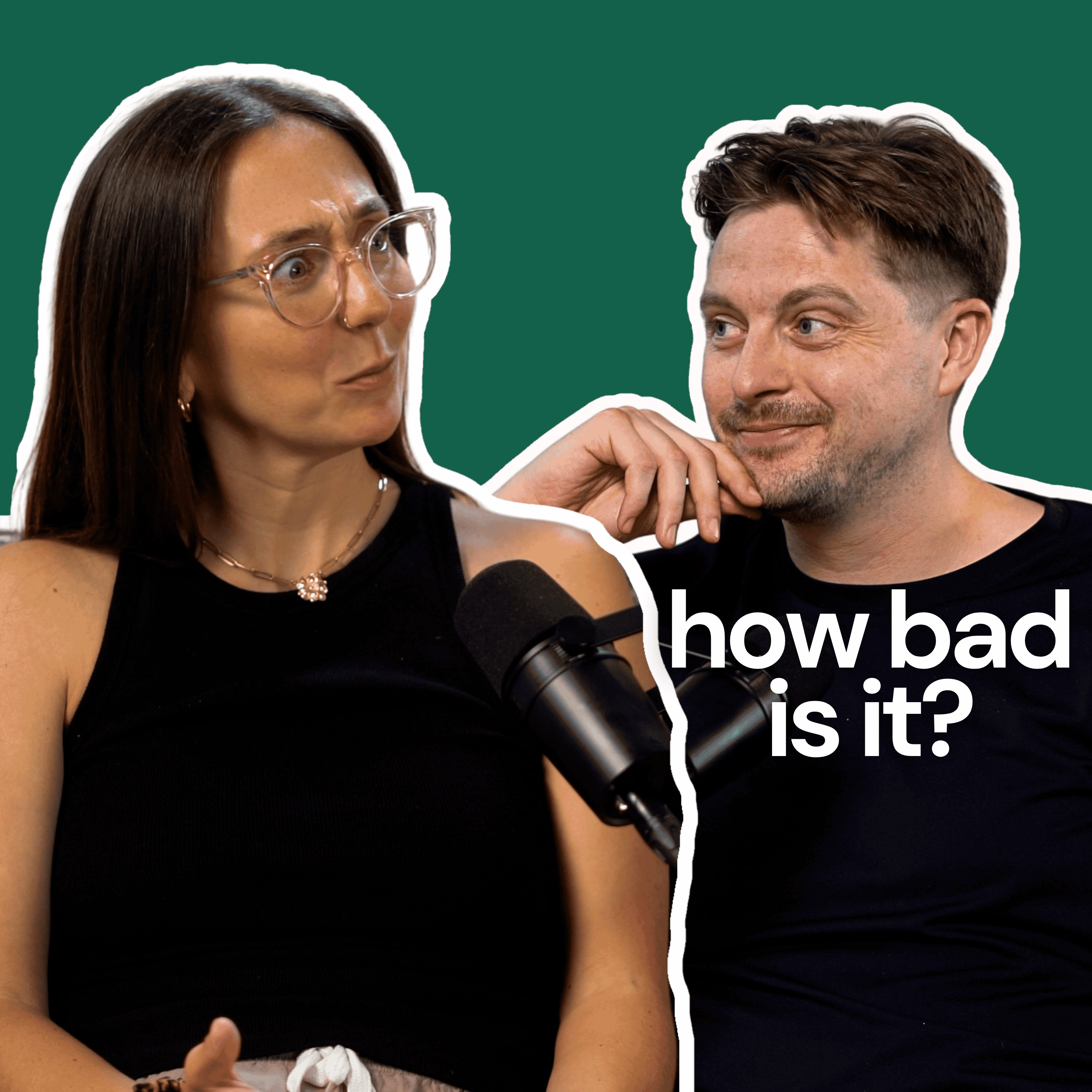
Is loneliness really as bad for you as smoking? In Part 3, Dr Alex George and research scientist Dr Kathryn Bates put some of the most common claims about loneliness to the test. Does the quality of our relationships matter more than the quantity? Can being in a crowd actually make us feel lonelier? And are humans the only animals that experience loneliness?
No lectures. No easy answers. Just two people trying their best to figure it out.
We're not here to give medical advice, we're just two friends exploring the science and figuring...
Why Is It So Hard To Make Friends As An Adult? | Pt 2
Why is it so hard to make friends as an adult? In Part 2, Dr Alex George and research scientist Dr Kathryn Bates explore how long it really takes to form a close friendship, why we tend to underestimate how much other people like us, and what changes when making friends no longer happens automatically. Plus, why even the smallest interactions with strangers and acquaintances might matter more than we realise.
No lectures. No easy answers. Just two people trying their best to figure it out.
We're not here to give medical advice, we're...
Why Are We Lonelier Than Ever? | Pt 1
Why are we lonelier than ever? In Part 1, Dr Alex George and research scientist Dr Kathryn Bates explore what loneliness actually is, why being alone isn’t the same as being lonely, and what can happen when loneliness becomes persistent. They also look at why meaningful connection may be getting harder to find, whether social media is really making us lonelier, and why loneliness isn’t simply an individual problem.
No lectures. No easy answers. Just two people trying their best to figure it out.
We're not here to give medical advice, we're just...
Do All Animals Hold Grudges? | Pt 3
Do animals hold grudges? Can crows really remember someone who wronged them for 17 years? And does time heal all wounds?
In Part 3, Dr Alex George and research scientist Dr Kathryn Bates put common claims about revenge and forgiveness to the test in Myth, Fact and It’s Complicated. They explore revenge-like behaviour across the animal kingdom, including the remarkable ability of crows to recognise and remember human faces. They also ask whether time naturally leads to forgiveness, how rumination can keep old hurt alive and what it really takes to let go. Plus, they end with a...
Why Is It So Hard to Forgive Someone? | Pt 2

Why is it so hard to forgive someone, especially when you believe they meant to hurt you? Why can we accept damage caused by a storm more easily than harm caused by another person?
In Part 2, Dr Alex George and research scientist Dr Kathryn Bates work through a listener dilemma inspired by Oliver Sacks. They explore how our brains interpret intention, betrayal and broken trust, why these can make interpersonal harm so difficult to process, and what forgiveness really means. They also examine why forgiving is an active process rather than simply forgetting, and what research...
Is Revenge Good for You? | Pt 1
Is revenge ever good for you? Why does the idea of getting even feel so satisfying, and what happens after we act on it?
In Part 1, Dr Alex George and research scientist Dr Kathryn Bates explore the evolutionary and psychological roots of revenge, from anger, shame and humiliation to the brain’s reward response. They examine why the anticipation of revenge can feel better than the reality, and how resentment, rumination and holding a grudge can affect our relationships, sleep, mental health and physical wellbeing.
No lectures. No easy answers. Just two people tr...
Can You Really Catch Up on Lost Sleep? | Pt 3
Can a weekend lie-in really help you catch up on lost sleep, or is repaying your sleep debt more complicated than that?
In Part 3, Dr Alex George and research scientist Dr Kathryn Bates put common sleep myths to the test in Myth, Fact and It's Complicated. They explore catch-up sleep, power naps and whether napping deserves its lazy reputation. Plus, do you really need morning sunlight within the first 10 minutes of waking, and does sleeping in a cold room help you sleep better?
No lectures. No easy answers. Just two people trying their...
8 Hours of Sleep but Still Exhausted? | Pt 2
Getting 8 hours of sleep but still waking up exhausted? In Part 2, Dr Alex George and research scientist Dr Kathryn Bates tackle a listener's dilemma: should you stick to an early wake-up time or make sure you get a full night's sleep?
They explore sleep quality, deep sleep and the relationship between your sleep schedule and body clock, asking whether the eight-hour rule works for everyone. Plus, what can the history of biphasic sleep, or sleeping in two shifts, tell us about the way we sleep today?
No lectures. No easy answers. Just two...
Is Waking Up at 5am Actually Good For You? | Pt 1
Could your 5am morning routine be working against your body clock? And if you struggle to wake up early, does that really mean you lack discipline?
In Part 1, Dr Alex George and research scientist Dr Kathryn Bates explore the 5am Club, chronotypes and why some people are morning people while others are night owls. They get into circadian rhythms, social jetlag and the pressure to be productive, asking whether forcing an early start is actually good for you.
No lectures. No easy answers. Just two people trying their best to figure it out.<...
What Does Empathy Look Like In Autism? | Pt 3
Do autistic girls present differently to autistic boys? Is it true that autistic people lack empathy? And where does sensory overload actually come from? In Part 3, Dr Alex George and research scientist Dr Kathryn Bates put the most common claims about autism to the test in Myth, Fact or It's Complicated.
No lectures. No easy answers. Just two people trying their best to figure it out.
We're not here to give medical advice, we're just two friends exploring the science and figuring out life together. If you have any concerns about your health...
Are We All A Bit Autistic? | Pt 2
Are we all a bit autistic? In Part 2, Dr Alex George and research scientist Dr Kathryn Bates work through a listener's dilemma about where differences in traits ends and autism begins, and why the spectrum is not a line from a little bit autistic to very autistic.
No lectures. No easy answers. Just two people trying their best to figure it out.
We're not here to give medical advice, we're just two friends exploring the science and figuring out life together. If you have any concerns about your health, please speak to your...
Why Are Two Autistic People So Different? | Pt 1
What does it mean to be autistic? In Part 1, Dr Alex George shares his own experience of understanding autism, alongside research scientist Dr Kathryn Bates as they discuss different levels of support, why we must validate the spectrum of experience, and why there's no single biological cause. Plus, some alarming findings about the amount of neuroscience research focusing on women’s health.
For more information on why paracetamol does not cause autism, go to the Unbiased Science Pod: https://www.instagram.com/p/DO4qNwdjQyH/?img_index=1
No lectures. No easy answers. Just two p...
Is Female Intuition Real? | Pt 3
Is female intuition actually real? And does sleeping on a decision genuinely make it better? In Part 3, Dr Alex George and research scientist Dr Kathryn Bates put some of the most common claims about intuition to the test in Myth, Fact and It’s Complicated, including whether anxiety is simply your gut telling you something is wrong.
No lectures. No easy answers. Just two people trying their best to figure it out.
We're not here to give medical advice, we're just two friends exploring the science and figuring out life together. If you ha...
Does Your Body Know Something You Don’t? | Pt 2
Is gut instinct just your body noticing something before your conscious mind catches up? In Part 2, Dr Alex George and research scientist Dr Kathryn Bates explore how physical sensations can influence our decisions, the science of somatic markers and the gut-brain connection, and why a feeling in your stomach doesn’t necessarily mean someone is untrustworthy.
No lectures. No easy answers. Just two people trying their best to figure it out.
We're not here to give medical advice, we're just two friends exploring the science and figuring out life together. If you have an...
Can You Trust Your Gut Instinct? | Pt 1
Should you always trust your gut instinct? In Part 1, Dr Alex George and research scientist Dr Kathryn Bates explore the neuroscience of intuition, why it can be accurate, why it can also fail, and how to tell whether the feeling in your gut is worth listening to.
No lectures. No easy answers. Just two people trying their best to figure it out.
We're not here to give medical advice, we're just two friends exploring the science and figuring out life together. If you have any concerns about your health, please speak to your...
Can Rejection Actually Make You More Creative? | Pt 3
Can rejection actually make you more creative? In Part 3, Dr Alex George and research scientist Dr Kathryn Bates put some surprising claims about rejection to the test in Myth, Fact and It's Complicated including whether rejection can boost creativity, whether social media is making us more sensitive to it, and whether rejection sensitivity is really just another name for worrying.
No lectures. No easy answers. Just two people trying their best to figure it out.
We're not here to give medical advice, we're just two friends exploring the science and figuring out life...
How Do You Stop Taking Rejection Personally? | Pt 2
Can you actually become less sensitive to rejection? In Part 2, Dr Alex George and research scientist Dr Kathryn Bates tackle a listener’s dilemma about internalising failure and avoiding conflict, and explore what can help when rejection takes over, from breaking cycles of overthinking and reframing situations to self-compassion and acceptance.
You can read about tips from a psychologist in this article: https://www.psychologytoday.com/gb/blog/what-the-wild-things-are/202506/the-deep-sting-of-rejection-0.
No lectures. No easy answers. Just two people trying their best to figure it out.
We're not here to give me...
Why Does Rejection Feel Physically Painful? | Pt 1
Why does rejection hurt so much, and why do some people feel it far more intensely than others? Paris Hilton has described Rejection Sensitive Dysphoria as “like a demon in your mind” but what actually is RSD, and why can it feel so physical? In Part 1, Dr Alex George and research scientist Dr Kathryn Bates explore the science behind rejection sensitivity, its links with ADHD and neurodivergence, and why our brains are wired to see social exclusion as a threat.
No lectures. No easy answers. Just two people trying their best to figure it out.
<...
Can Hypnosis Unlock Repressed Memories? | Pt 3
Does stress help you remember things better? Does alcohol erase your memories? And can hypnosis actually unlock memories you’ve buried?
In Part 3, Dr Alex George and research scientist Dr Kathryn Bates put these common beliefs about memory to the test in Myth, Fact and It’s Complicated. They cover why hypnosis may be more likely to create false memories than recover repressed ones, and the surprising number of clinicians who believe repressed trauma can be uncovered in therapy.
No lectures. No easy answers. Just two people trying their best to figure it out...
Photographic Memory Isn't Real: Here's the Science | Pt 2
A listener asks: do some people really have a photographic memory, or is something else going on? In Part 2, Dr Alex George and research scientist Dr Kathryn Bates explore the science behind extraordinary memory, from artist Stephen Wiltshire’s ability to recreate incredibly detailed cityscapes to the rare phenomenon that allows some people to recall almost every day of their lives in remarkable detail. Plus, what does it actually mean if you can’t picture things in your mind? And what did the co-founder of Pixar discover when he explored how differently we visualise the world?
No l...
Why Can't I Remember My Childhood, But My Sibling Can? | Pt 1
Why do some people have vivid memories from early childhood while others have almost none, and does that mean they have a better memory?
In Part 1, Dr Alex George and research scientist Dr Kathryn Bates get into how memory actually works, the 108-year-old neuroscientist behind one of the most important discoveries in memory research, and the landmark car crash experiment that showed how changing a single word can alter what someone remembers.
No lectures. No easy answers. Just two people trying their best to figure it out.
We're not here to...
Are Gratitude Journals and Your Mindset Just Manifestation Rebranded? | Pt 3
Social media claims your brain is wired to help you manifest. Gratitude journals and positive mindsets are often presented as the science-backed alternative to vision boards, but is any of it actually the same thing? In Part 3, Dr Alex George and research scientist Dr Kathryn Bates separate myth from fact as they explore the neuroscience behind manifestation, the difference between a positive mindset and magical thinking, and what placebo effects really tell us about the power of our beliefs.
No lectures. No easy answers. Just two people trying their best to figure it out.
<...
If I Think I'll Fail, Am I More Likely To? | The Science Of Self-Fulfilling Prophecies | Pt 2
If you think you're going to fail, are you more likely to? In Part 2, Dr Alex George and research scientist Dr Kathryn Bates explore the science of self-fulfilling prophecies, what the evidence actually shows, why the effects are weaker than many self-help books claim, and what a study of six-year-olds reveals about the surprising power of other people's expectations. Plus, Alex and Kathryn reflect on how they deal with failure, and Kathryn explains why, as a scientist, she fails at something every day.
No lectures. No easy answers. Just two people trying their best to figure...
Did Dua Lipa Really Manifest Her Husband? | Pt 1
Dua Lipa says headlining Glastonbury was on her dream board and even believes she manifested her husband. Millions of videos on TikTok are about manifestation, but does any of it actually work? In Part 1, Dr Alex George and research scientist Dr Kathryn Bates explore the psychology of manifestation, why a Cambridge professor calls it pseudoscience, and what the evidence on goal setting actually shows.
No lectures. No easy answers. Just two people trying their best to figure it out.
We're not here to give medical advice, we're just two friends exploring the science a...
Will Humans Ever Live Forever? | Pt 3
Does your life really flash before your eyes when you die? Are humans the only species that know they're going to die? And could we ever live forever? In Part 3, Dr Alex George and research scientist Dr Kathryn Bates separate Myth, Fact and It's Complicated as they explore the science behind some of the biggest questions about death and dying, consciousness, immortality and what it means to be human.
No lectures. No easy answers. Just two people trying their best to figure it out.
We're not here to give medical advice, we're just...
Why Thinking About Death Could Change Your Life | Pt 2
How do you find acceptance in grief and come to terms with the idea of your own death? Will we be able to live forever? In Part 2, Dr Alex George reflects on losing his brother to suicide and what finding acceptance has looked like for him. Alongside research scientist Dr Kathryn Bates, they explore the psychology of grief, bereavement, mortality and why thinking about death could actually change the way you live.
No lectures. No easy answers. Just two people trying their best to figure it out.
We're not here to give medical...
Does Your Brain Give You 7 Minutes When You Die? | Pt 1
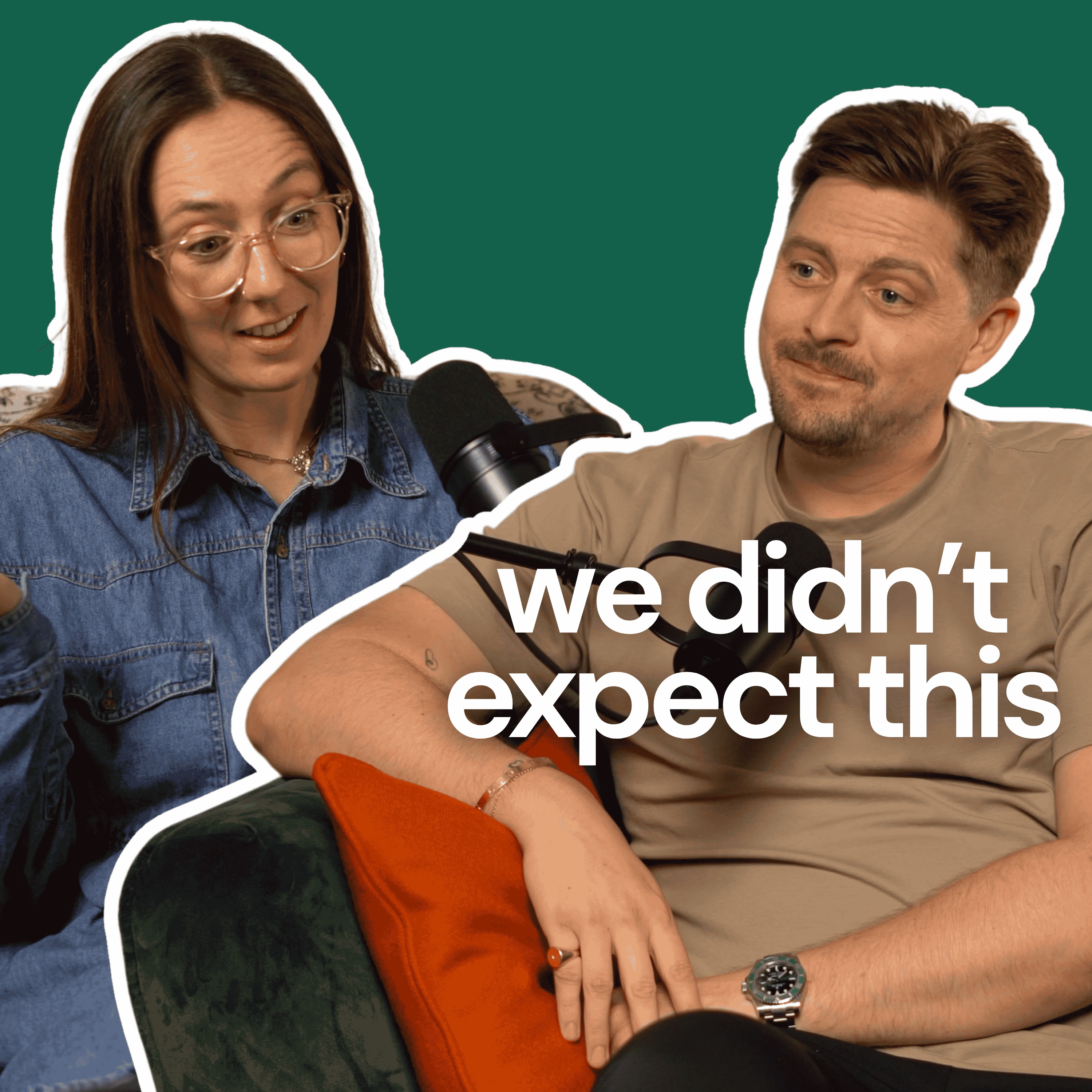
What happens in the brain when you die? Does your life really flash before your eyes? Do we get to relive our best experiences? In Part 1, Dr Alex George and research scientist Dr Kathryn Bates explore the science of near-death experiences, consciousness and the life review - from the tunnel of light to the latest research on brain activity in the moments after the heart stops. Together, they unpack what neuroscience can tell us about death and dying, and where the science still leaves unanswered questions.
No lectures. No easy answers. Just two people trying their...
Can Social Media Really Ruin Your Focus? | Pt 3
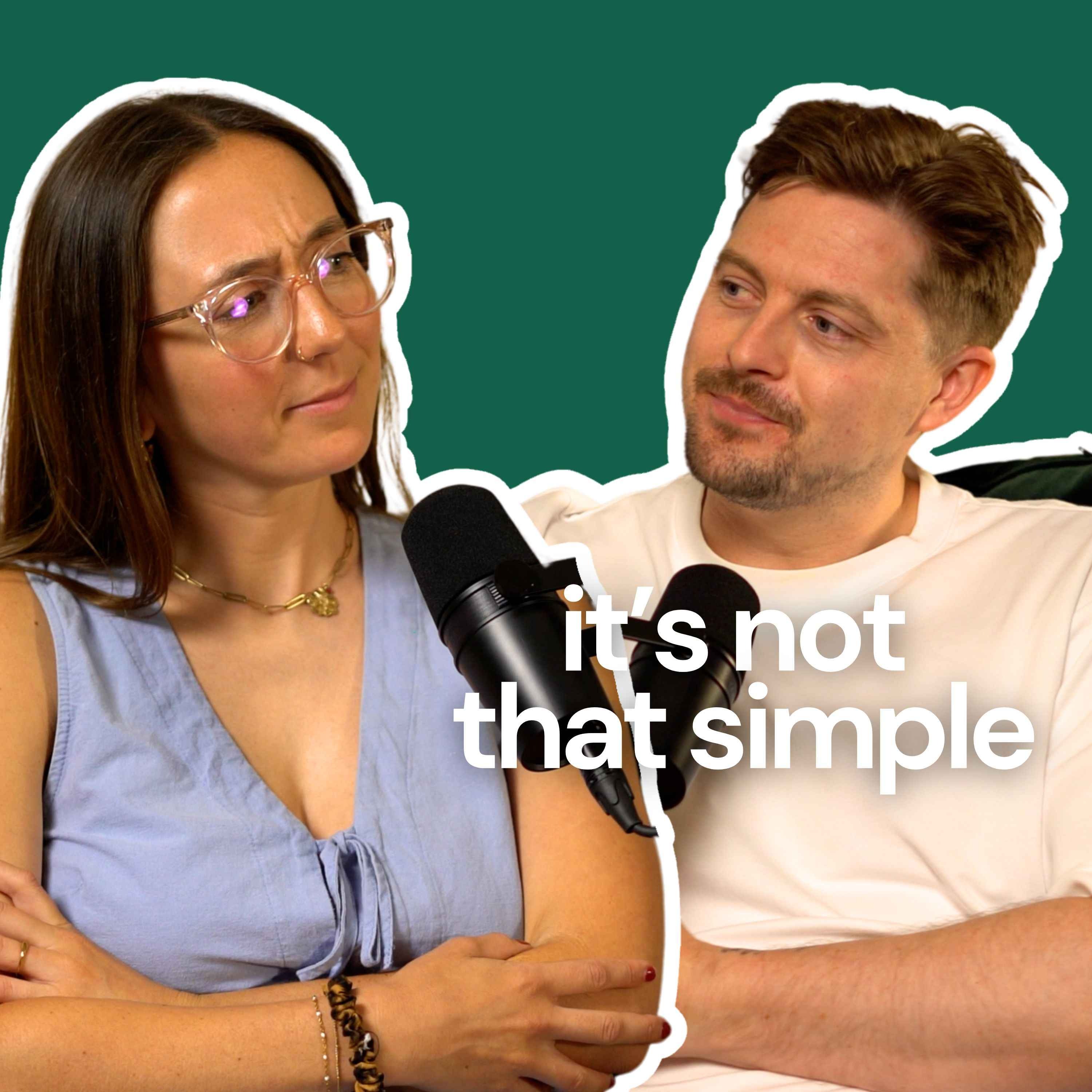
Is social media really ruining our attention spans? In Part 3 of the Figuring It Out podcast, Dr Alex George and research scientist Dr Kathryn Bates put some of the biggest claims about focus and distraction to the test in Myth, Fact or It's Complicated. Can you train yourself to focus?
Is social media really to blame? And what does the evidence actually say?
No lectures. No easy answers. Just two people trying their best to figure it out.
We're not here to give medical advice, we're just two friends exploring the...
Why Can I Focus On Everything Except What Actually Matters? | Pt 2
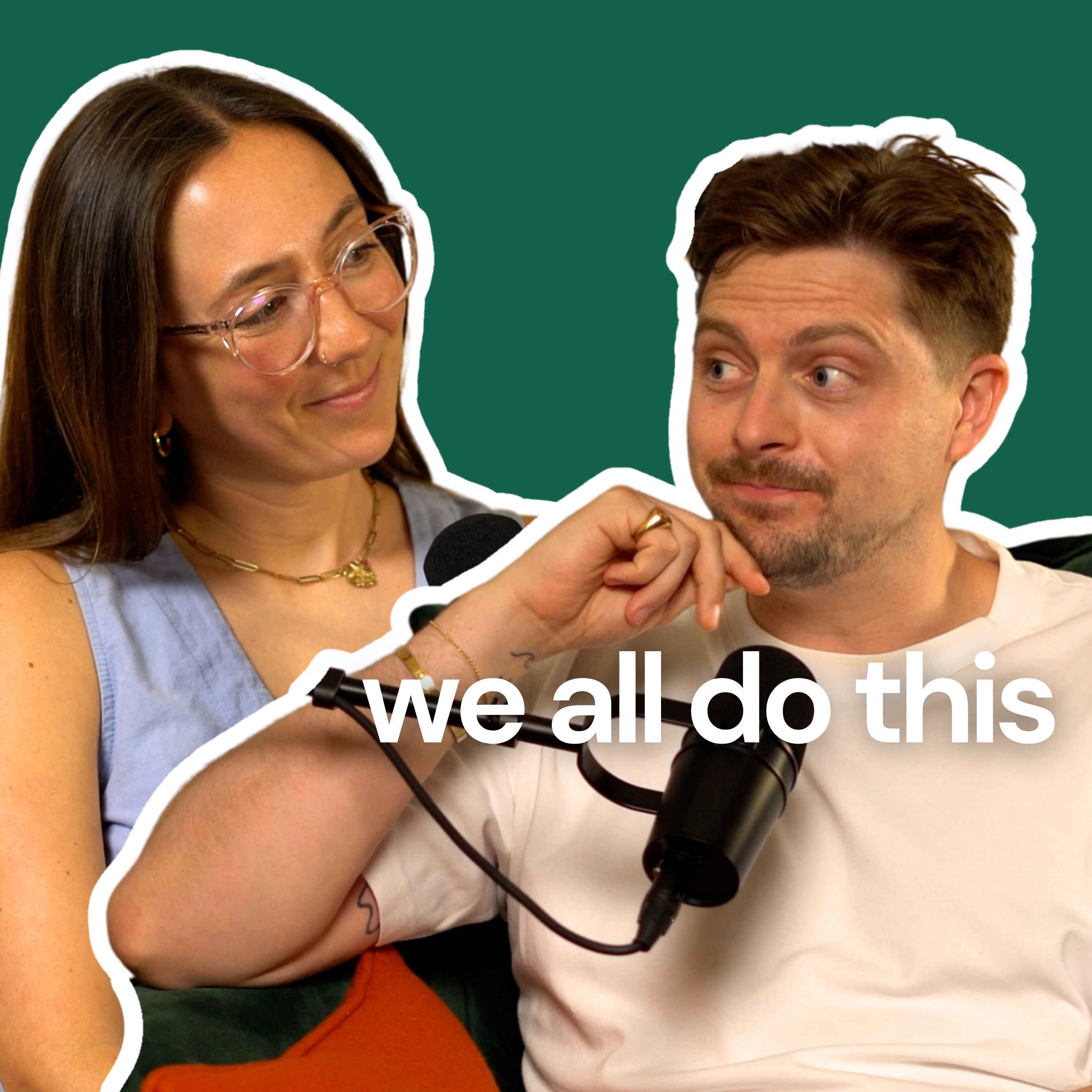
Why is it so much easier to focus on random things or a new hobby than an important deadline? In Part 2 of the Figuring It Out podcast, Dr Alex George and research scientist Dr Kathryn Bates answer a listener's dilemma about why our brains are drawn to distractions, what's really happening when we struggle to focus, and what the science says we can actually do about it.
No lectures. No easy answers. Just two people trying their best to figure it out.
We're not here to give medical advice, we're just two friends...
