The Politics Guys
The Politics Guys is an independent, ideologically diverse American politics and policy podcast hosted by experts: political scientists, law professors, and practicing attorneys with government experience. Our mission is to give listeners a much-needed break from conservative and liberal echo chambers through civil, rational, and evidence-based discussion of American politics and policy from multiple perspectives.
Trump's Troubled Appointments and War on the Press
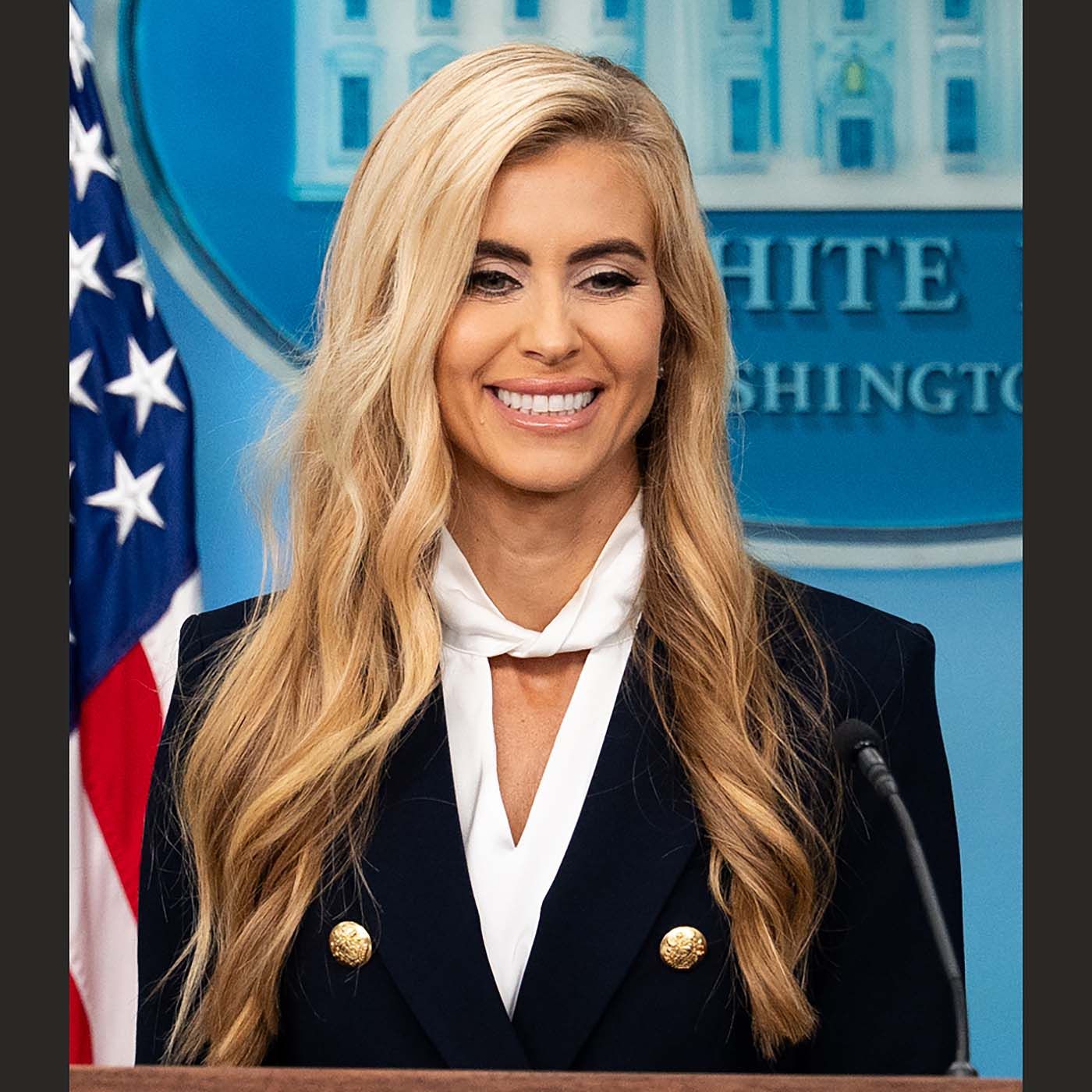
In this supporters' exclusive midweek episode, Mike and Justin discuss Kimberly Guilfoyle's resignation as ambassador to Greece, the Trump administration's antitrust investigation into major news networks, and the extraordinarily short tenure of White House press secretary Katie Zacharia.
They begin with allegations that Guilfoyle solicited money and personal favors from wealthy Trump supporters, raising broader questions about political patronage, diplomatic appointments, and corruption. Next, they examine whether the Justice Department has a legitimate antitrust case against television networks that suspended White House press pool coverage—or whether the investigation represents another effort to punish critical media outlets. The di...
GOP Midterm Woes, Russian Diesel, Rep. Omar Raid
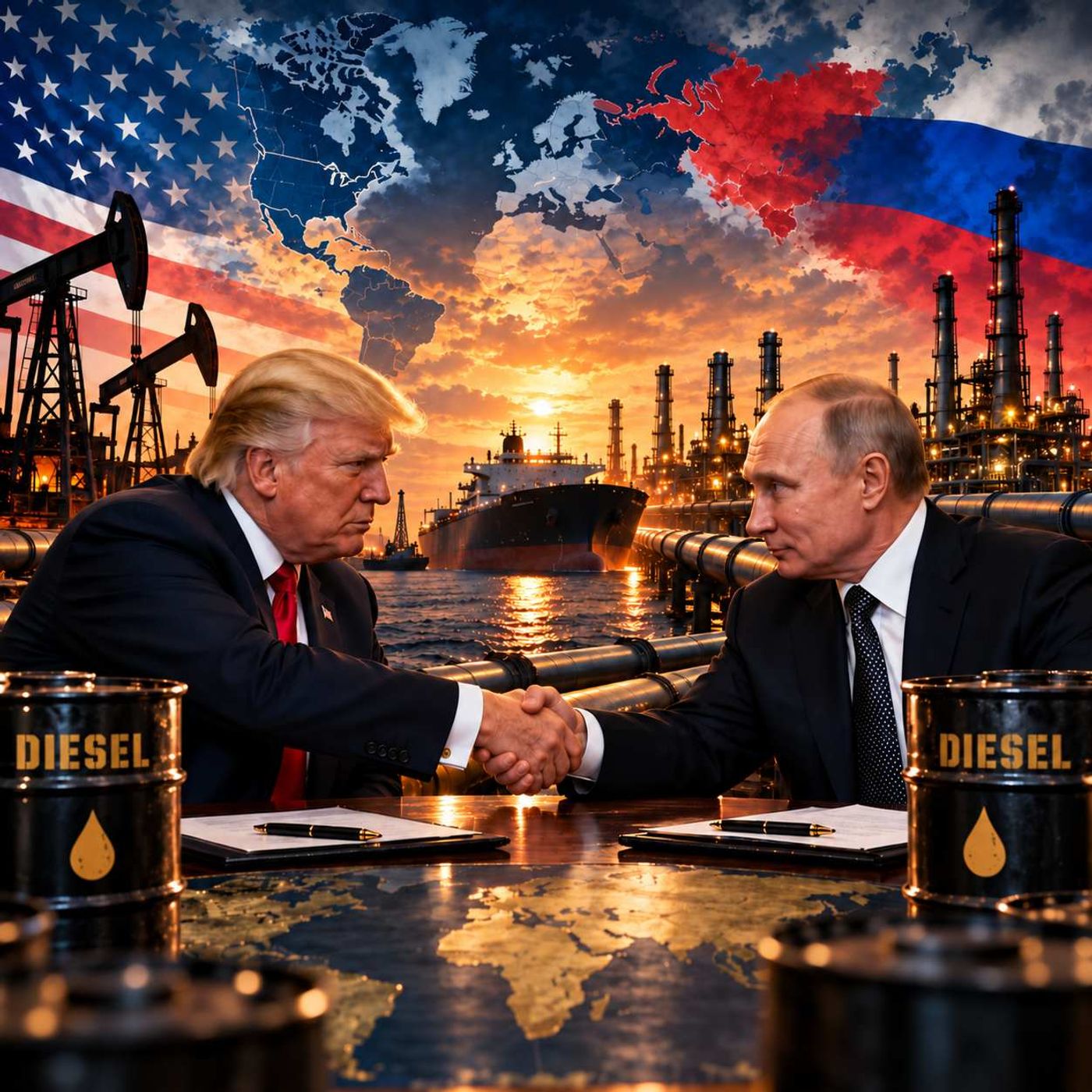
With the 2026 midterms approaching, Mike and Justin examine the increasingly difficult electoral landscape for Republicans, including Democrats' chances of capturing both chambers of Congress. They discuss record-breaking campaign spending, Elon Musk's extraordinary contributions, and why Trump is sitting on hundreds of millions in campaign funds while concentrating his rallies in Republican strongholds.
Next, the guys turn to the Justice Department's search of Rep. Ilhan Omar's home, examining allegations involving her citizenship and finances, previous investigations that produced no charges, and whether the timing suggests political intimidation rather than legitimate law enforcement.
Finally, they consider Trump's decision...
Is Trump's Approval Too High?
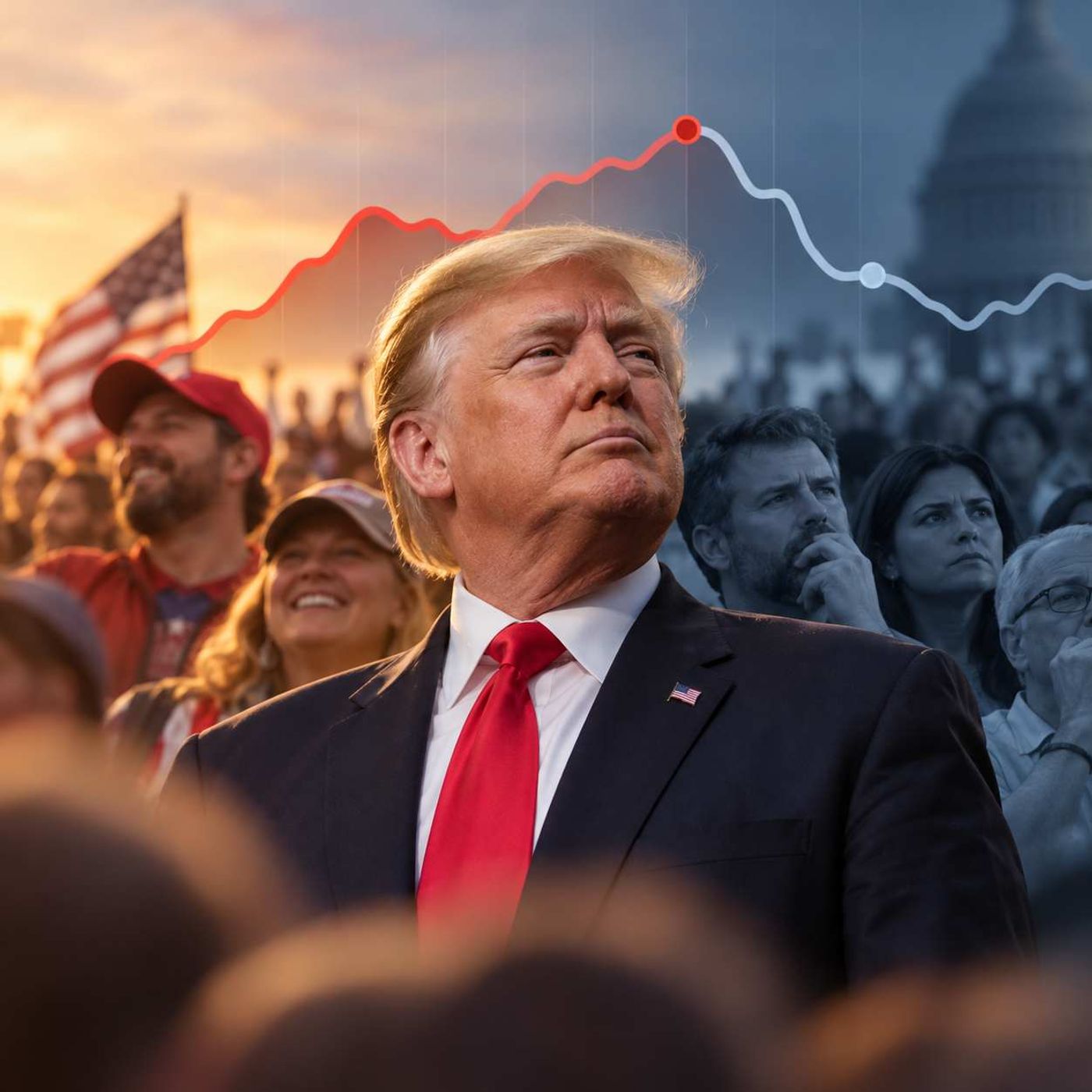
In this special full-length release of our normally supporters-only midweek episode, Mike and Michael Levy tackle a provocative question: Why are Donald Trump's approval ratings still so high? With approval in the 30s, Trump's popularity looks dismal by conventional standards. But given his controversies, policy failures, and challenges to democratic institutions, should his numbers be even lower?
Mike challenges Michael's argument (from his Substack - link below) as they explore Trump's unusually resilient political support, the role of partisan identity and affective polarization, and whether Trumpism can survive without Trump himself. They also examine whether Democrats are susceptible...
Midterm Money, Botched Executions, Trump Ads & Measles

With the 2026 midterms less than four weeks away, Republicans still hold a major financial advantage—but increasingly have to decide which House and Senate races are worth saving. Mike and his fellow political scientist Michael Levy look at GOP spending pullbacks, Democratic opportunities, whether polls may still underestimate Republican support, and what it could all mean for control of the Senate.
Next, Tennessee’s second botched execution this year raises a larger question: is the problem lethal injection, or the death penalty itself? The guys discuss wrongful convictions, the economics and deterrent value of capital punishment, whether executions shou...
Can Congress Still Govern? Tim Ryan on Crypto and the CLARITY Act
Former Ohio Congressman Tim Ryan joins Mike to discuss why Congress has become less capable of governing—and whether it can still handle complex issues like cryptocurrency regulation. They talk about congressional dysfunction, concentrated leadership power, the decline of congressional expertise, earmarks, and the incentives that discourage lawmakers from taking political risks.
Then they turn to the CLARITY Act and the future of crypto regulation. Ryan makes the case for Congress setting clear rules for digital assets, while Mike presses him on an understaffed CFTC, Trump’s crypto interests, Democratic opposition in the Senate, industry campaign spending, community bank...
Major Political Events: The 2000 Election Part 1
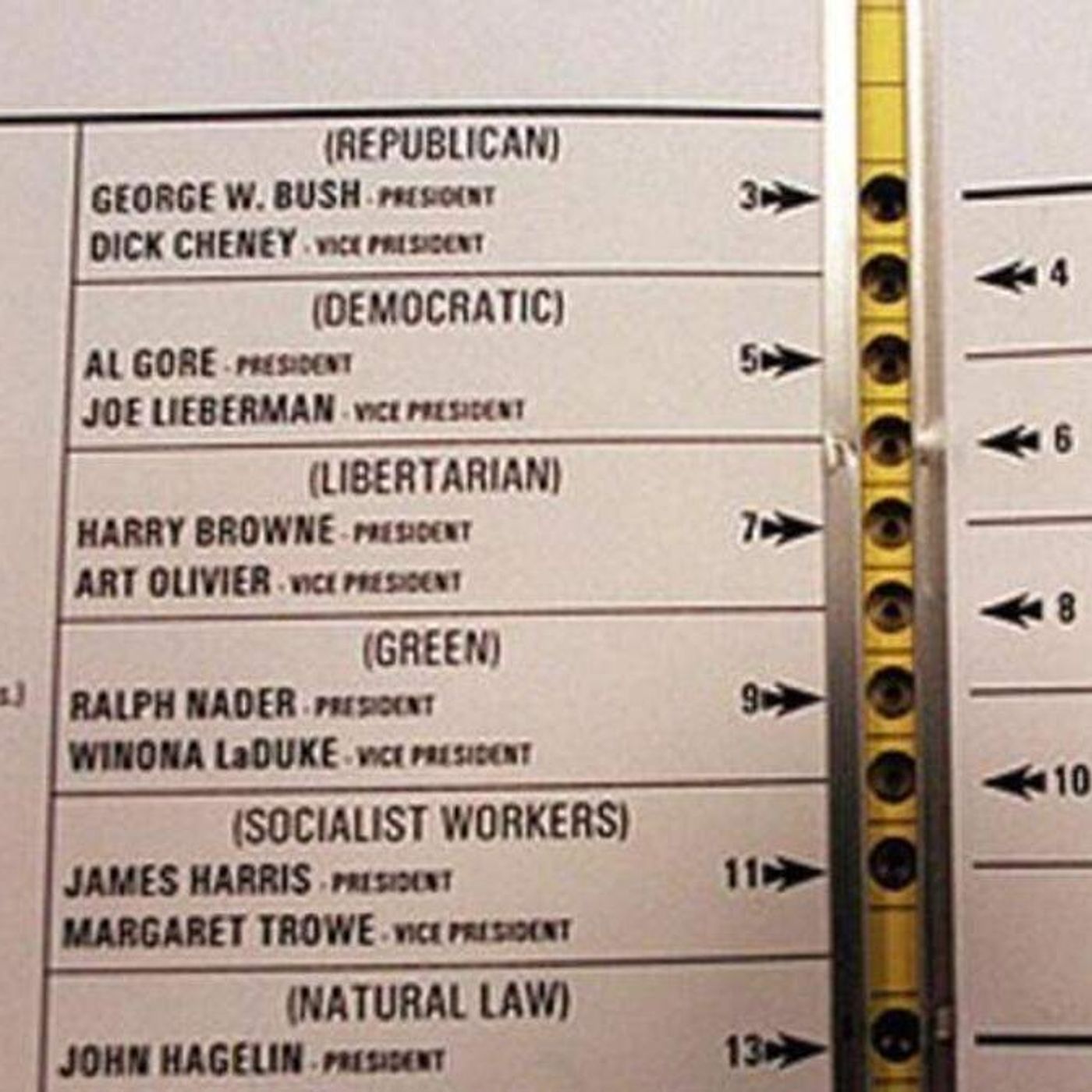
On this midweek supporters-exclusive episode of The Politics Guys, Trey Orndorff (Oklahoma Christian University) and Justin Holmes (University of Northern Iowa) launch a brand-new miniseries examining key structural, legal, and constitutional turning points in contemporary American politics.
In Part 1 of a three-part retrospective on the 2000 Presidential Election, Trey and Justin bypass the immediate impulse to jump straight to the Florida recounts and Bush v. Gore. Instead, they analyze the campaign fundamentals, economic voting models, strategic messaging blunders, third-party dynamics, and election night anomalies that turned a booming 1990s economy into a dead-heat coin toss between Al...
Article I Spending Battles, Performative Oversight Memes, Midterm Campaign Realities, and Fiscal Federalism
On this week’s episode of The Politics Guys, Trey Orndorff (Oklahoma Christian University) is joined by Justin Holmes (University of Northern Iowa). The hosts open with a discussion on an impoundment or recession request to House Speaker Mike Johnson proposing budget cuts just days before the fiscal year ends. Trey and Justin explain how such recessions have happened before and how they clash with Article I spending power, before agreeing that despite the Government Accountability Office’s standing to sue, this creates a new precedent for power for all presidents.
Next, the pair examine the viral oversight blund...
How Algorithms Are Gouging Us
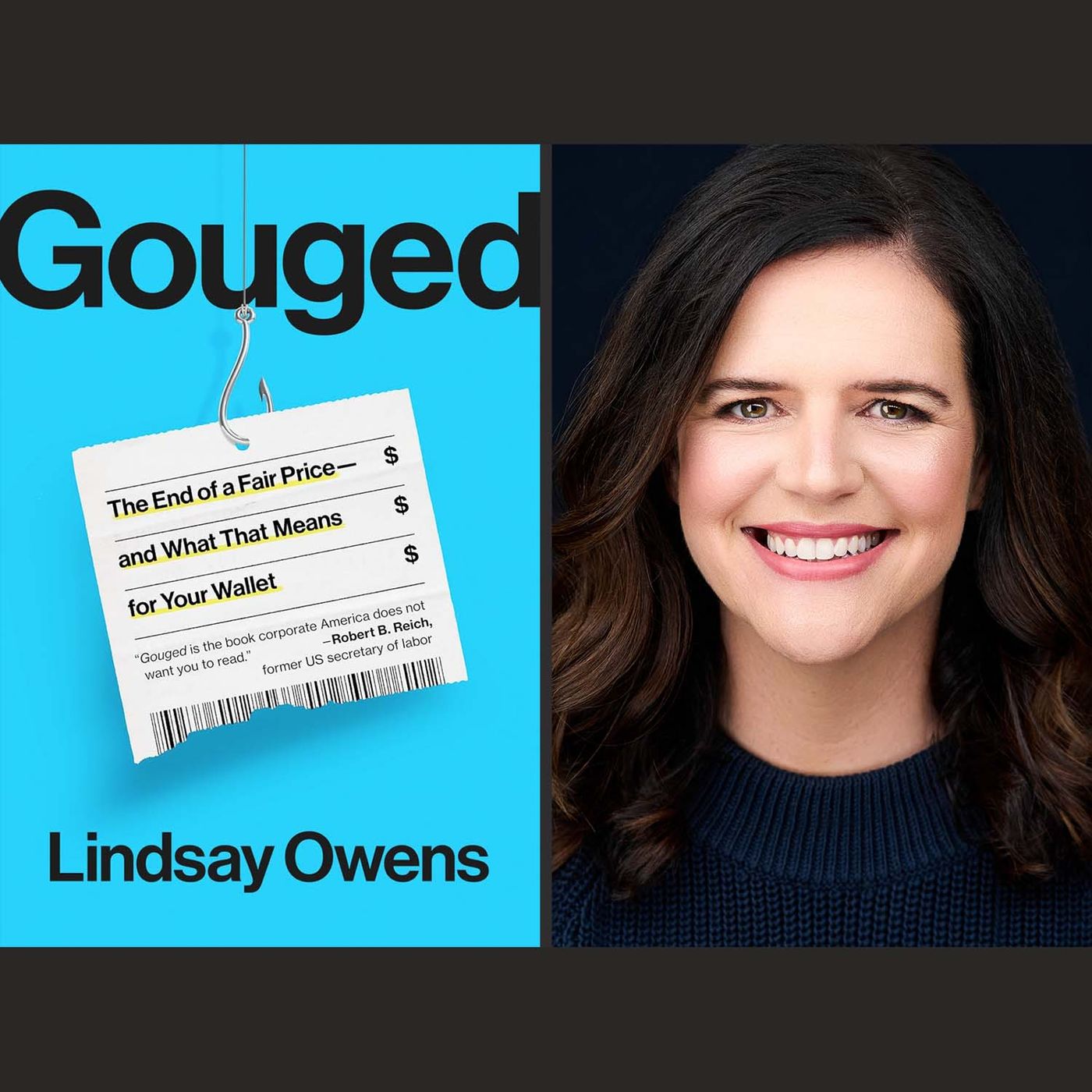
Mike talks with Lindsay Owens, president and CEO of the Groundwork Collaborative and author of Gouged: The End of a Fair Price and What That Means for Your Wallet, about how new technologies are changing what companies know about consumers—and how much they can charge them.
They discuss an Instacart experiment that found shoppers being shown different prices for identical groceries, the RealPage controversy over algorithmic rent-setting, and the growing use of dynamic and surveillance pricing. Lindsay explains why the shift from posted prices toward individualized “willingness to pay” pricing could fundamentally change how markets work.
M...
Media Power, College Sports, and Crypto

Mike and Jay open this supporters’ exclusive midweek episode with California’s settlement of its antitrust lawsuit challenging Paramount Skydance’s takeover of Warner Bros. Discovery. They debate whether California extracted meaningful concessions or folded under pressure, how the relevant media market should be defined, and whether concerns about David Ellison’s growing influence over CBS and CNN really belong in an antitrust case at all.
Next, they turn to the Protect College Sports Act and Congress’s attempt to bring order to the chaotic post-NIL world of college athletics. Mike and Jay discuss federal rules for NIL deals, tra...
A Blue Wave?, Xi’s Visit, Trump vs. the Press, Diesel Prices
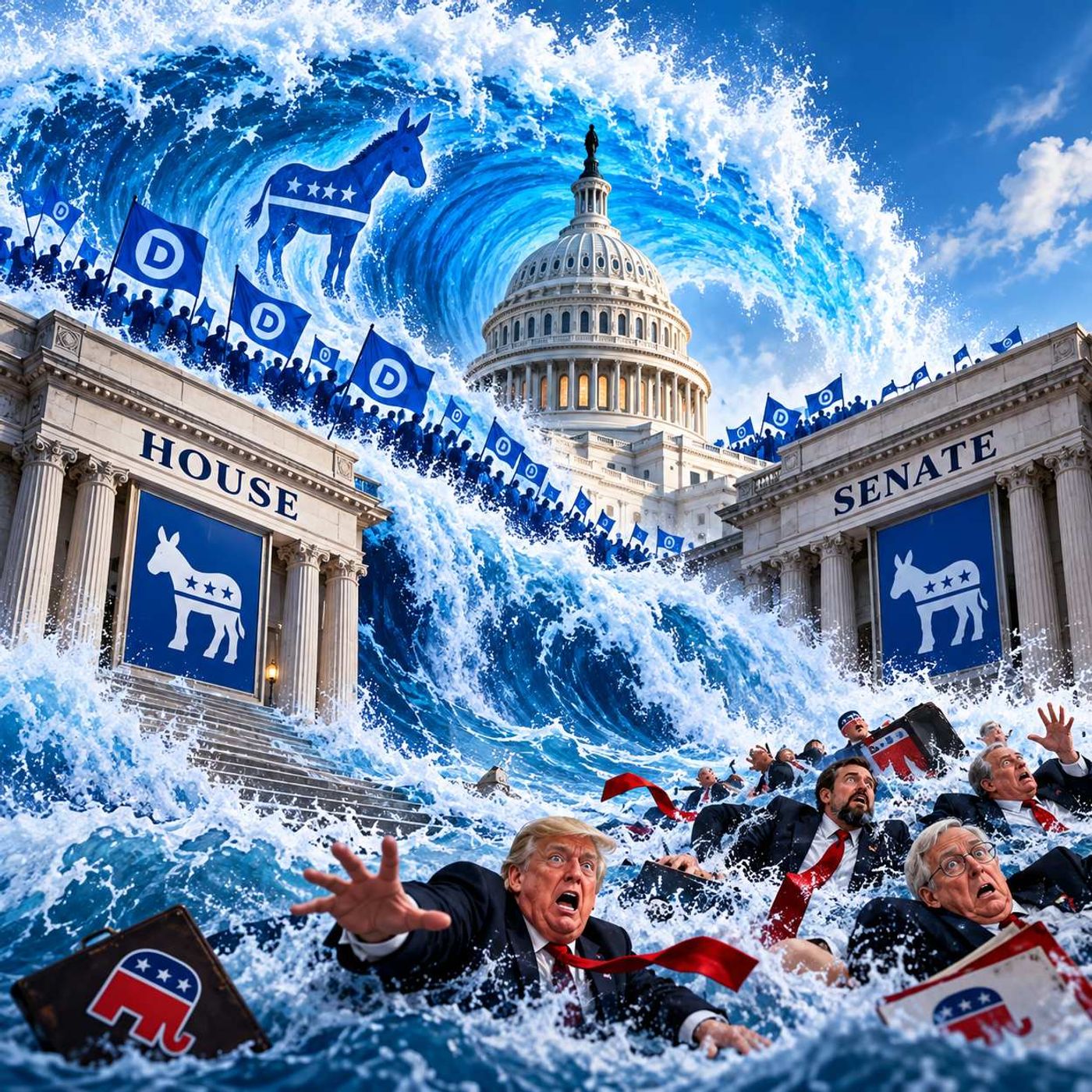
With just over a month until the midterms, Mike and Jay look at the increasingly difficult electoral environment for Republicans. They discuss Democrats’ generic-ballot advantage, unexpectedly competitive Senate and gubernatorial races, the GOP’s major fundraising edge, Trump’s effect on Republican candidates, and why campaign spending may reveal more than the polls.
Next, they turn to Xi Jinping’s state visit and the striking contrast between the elaborate White House pageantry and the summit’s limited substantive results. The guys discuss the temporary tariff truce, Taiwan, Trump’s treatment of a $14 billion arms package as a negotiating chip, China’...
Why Democrats Keep Losing Working-Class Voters
Mike talks with Joan C. Williams and Jared Abbott, authors of The Left’s Coalition Crisis, about why Democrats have struggled with working-class voters and what they can do about it. Williams and Abbott argue that the familiar progressive-versus-moderate debate misses the point: successful candidates need “class competence”—an understanding of working-class values around hard work, security, family, and respect. They discuss striking survey findings on affordability, immigration, crime, abortion, childcare, expertise, and defending democracy; why anti-corruption may resonate more than warnings about authoritarianism; how progressive policies can gain support when framed around everyday concerns; and whether Democratic donors and activist...
Introducing What Could Go Right?

Mike talks about the What Could Go Right podcast. For our listeners interested in global events, it offers a refreshing and more balanced view of what’s happening in the world. I hope that you'll enjoy it.
The Empirical Limits of Ideology
On this midweek supporters-exclusive episode of The Politics Guys, Trey Orndorff (Oklahoma Christian University) and Justin Holmes (University of Northern Iowa) bring their year-long subseries on Contemporary Political Ideologies to a close.Shifting away from political philosophy and the formal content of political doctrines, Trey and Justin dive into the empirical, behavioral, and psychological research surrounding how average citizens actually hold, process, and express political beliefs.
The Politics Guys on Facebook | X
Listener support helps make The Politics Guys possible. You can support us or change your level of support...
Kash Patel’s Vetting Revisions, Pardons for Cash, War Powers Votes, and Fed Rate Hikes
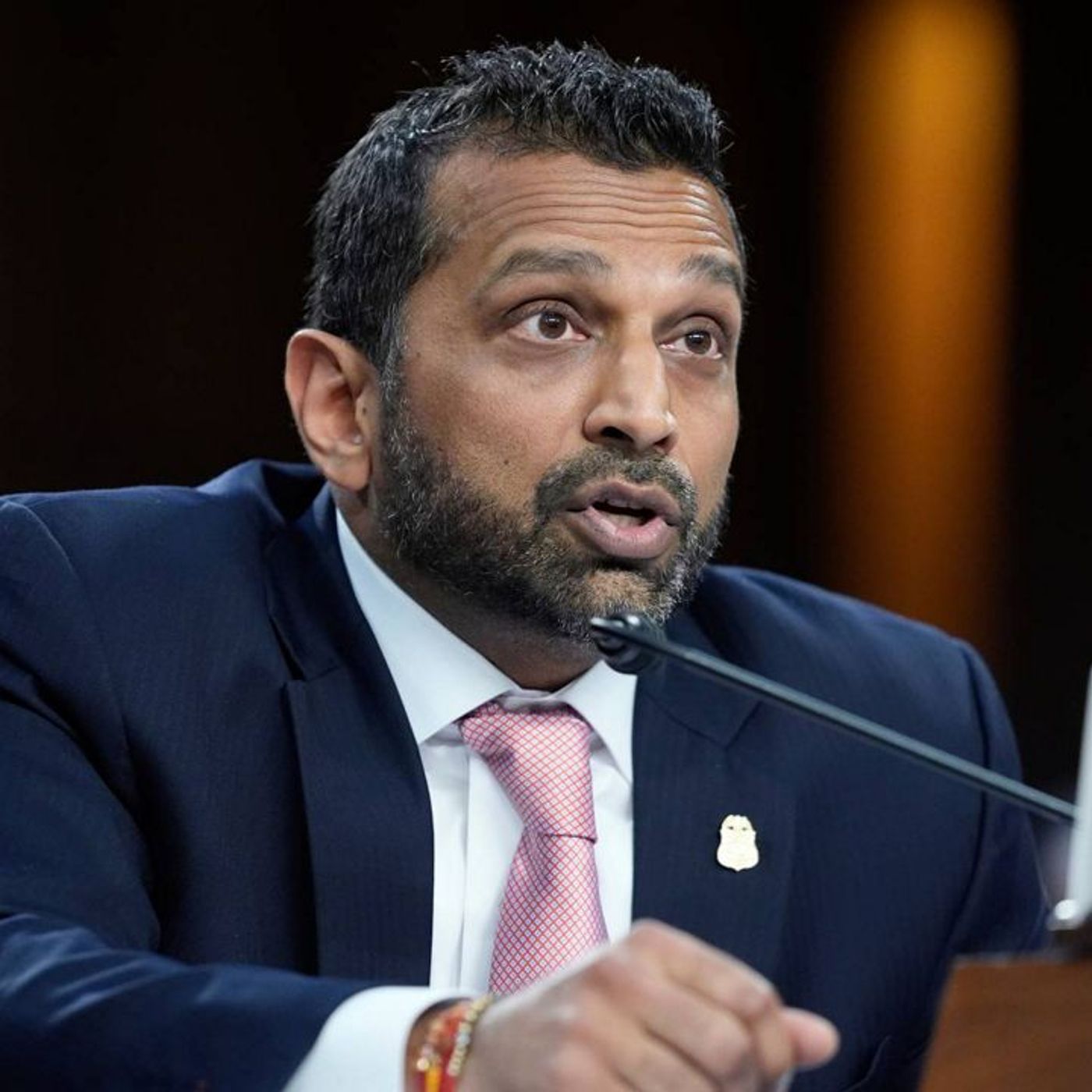
On this week’s episode of The Politics Guys, Trey Orndorff (Oklahoma Christian University) is joined by political scientist Justin Holmes (University of Northern Iowa), filling in while Ken Katkin takes a short hiatus. The hosts break down a bizarre Senate Judiciary oversight hearing with FBI Director Kash Patel, an explosive congressional report on executive pardon brokers, a House vote to end U.S. military operations in Iran alongside a parliamentary standoff that sent Congress home early, and the Federal Reserve's first interest rate hike in three years.
The Politics Guys on Facebook | X
...
Introducing What Could Go Right?
Mike talks about the What Could Go Right podcast. For our listeners interested in global events, it offers a refreshing and more balanced view of what’s happening in the world. I hope that you'll enjoy it.
Socialism and the Democratic Party
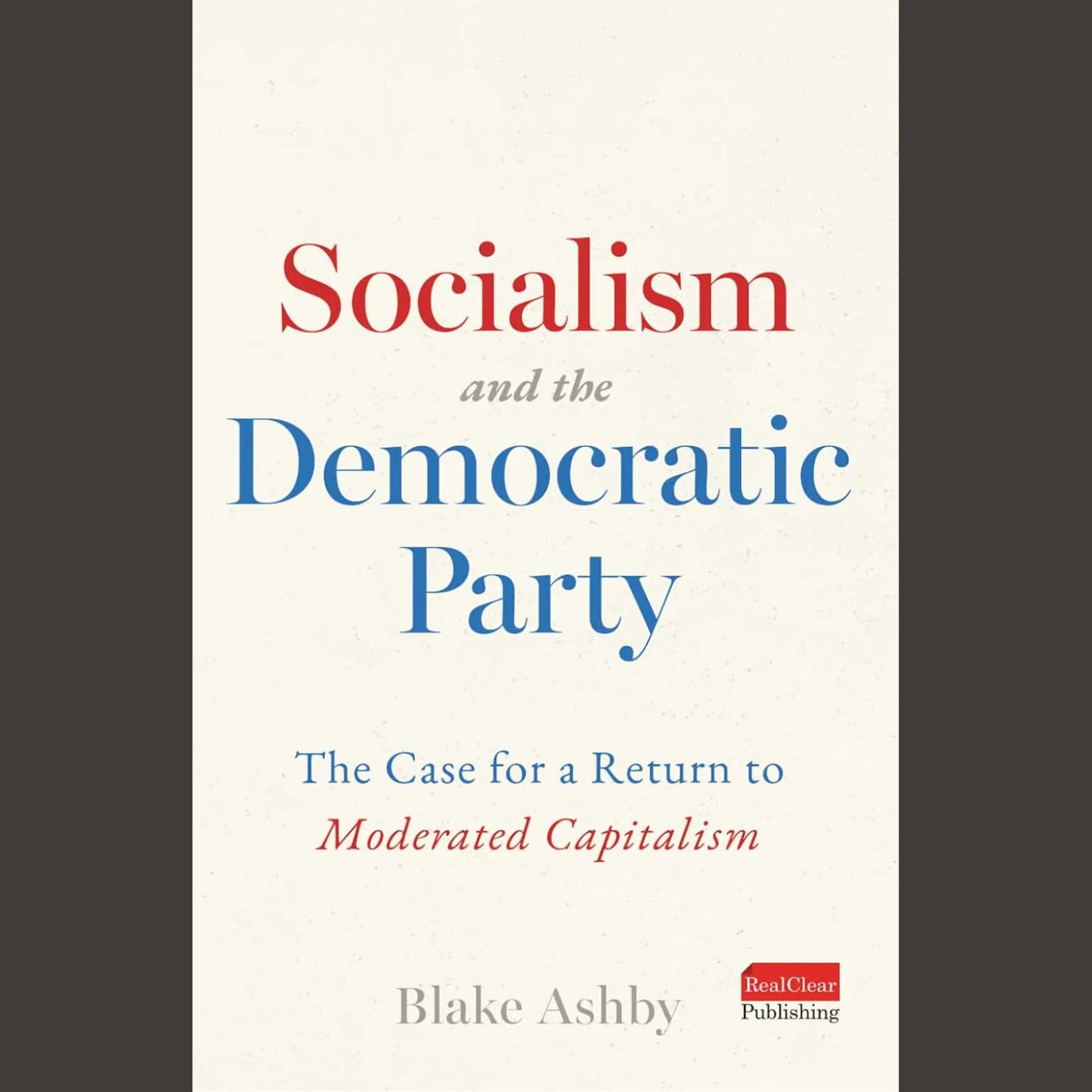
Mike talks with Blake Ashby, co-founder of the Institute for Urban Capitalism and author of Socialism and the Democratic Party: The Case for a Return to Moderated Capitalism. They discuss why younger and older Americans hear very different things when they hear “socialism,” what Marx got right about capitalism—and where socialism goes wrong—and why Ashby argues that neither laissez-faire capitalism nor state control offers a workable answer. They also examine worker cooperatives, public utilities, deregulation and inequality, the role of government in making markets possible, capital flight, taxation, and Ashby’s case for “bubble-up economics.” The conversation closes with a politic...
Mail Ballots, Ukraine Talks, Germany’s Far-Right Surge
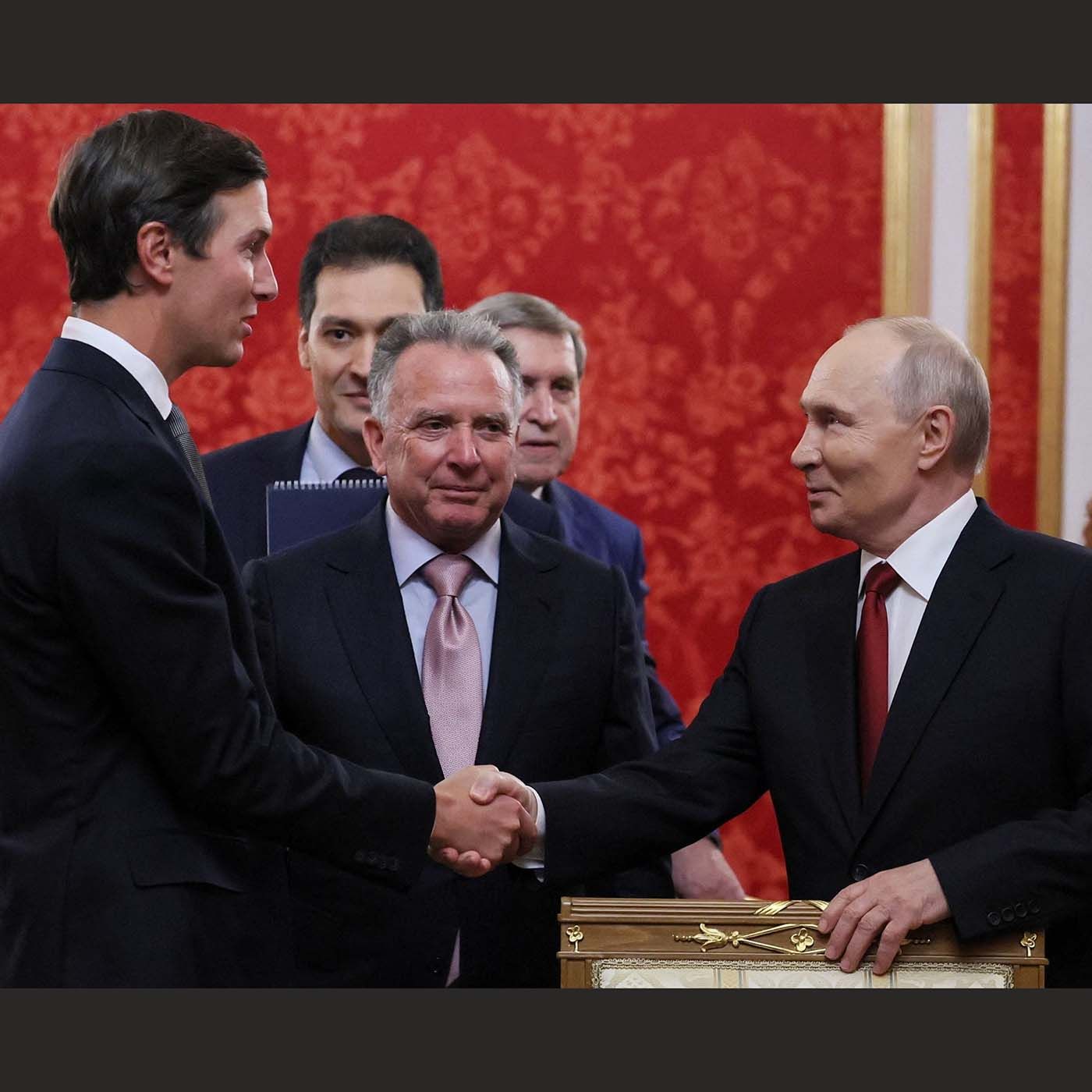
Mike and Michael open this midweek supporters’ episode with the Trump administration’s new Postal Service rules for mail ballots, a federal judge’s injunction blocking them, and whether the Supreme Court is likely to intervene. That leads to a broader debate over Trump’s attacks on mail voting, election distrust, MAGA’s cult-like dynamics, and whether criticism of the Supreme Court’s emergency docket is justified.
Next, they examine the administration’s effort to use the federal SAVE system to verify voter citizenship, including privacy concerns, inaccurate records, and the risk of eligible citizens being removed from the rolls.
Introducing What Could Go Right?
Mike talks about the What Could Go Right podcast. For our listeners interested in global events, it offers a refreshing and more balanced view of what’s happening in the world. I hope that you'll enjoy it.
Trump’s Midterm Gamble, Senate Showdowns, Missouri’s Map Mess
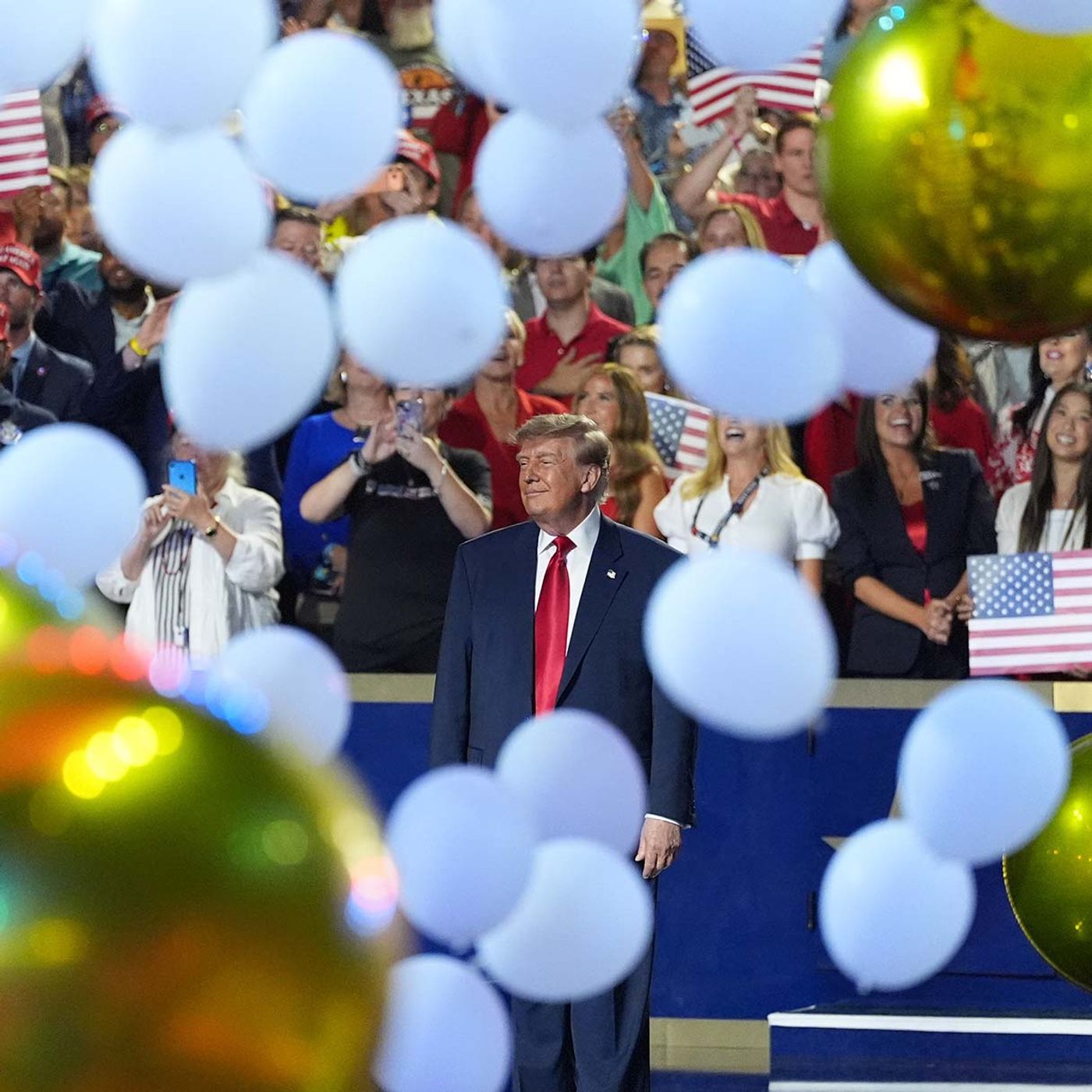
Mike and Michael mark the 25th anniversary of 9/11 before turning to the GOP’s first midterm convention, Trump’s effort to mobilize lower-propensity voters, John Fetterman’s unusual Republican outreach, and the battle for control of the Senate. They also discuss the New Hampshire and Rhode Island primaries and debate Missouri’s redistricting fight, including whether changing congressional maps between a primary and general election creates serious constitutional and democratic problems.
The Politics Guys on Facebook | X
Listener support helps make The Politics Guys possible. You can support us or change your level of...
Minnesota v. Texas on Extradition, Druckenmiller's AI Op-Ed, and the Future of Writing
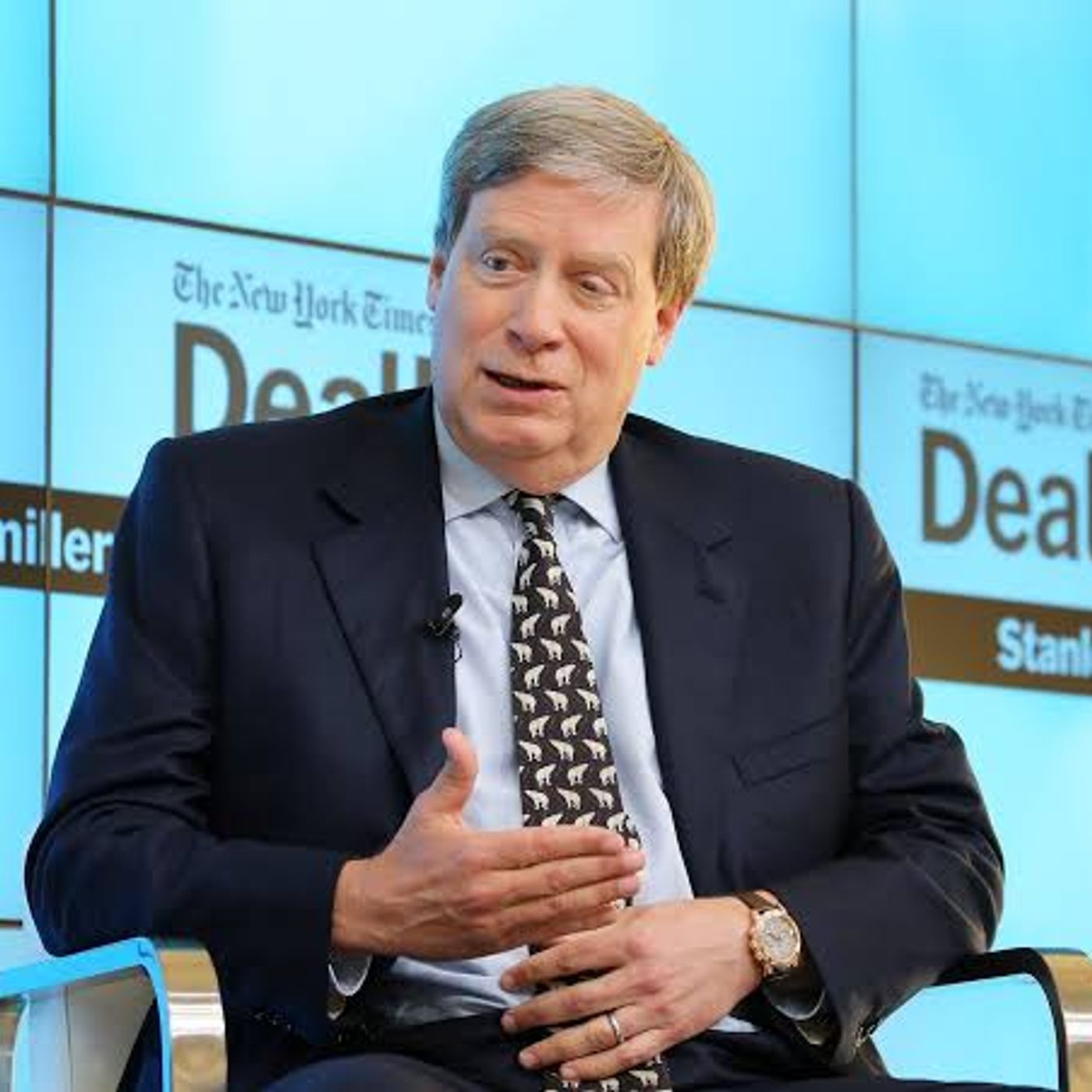
On this midweek supporters-exclusive episode of The Politics Guys, Trey Orndorff (Oklahoma Christian University) is joined by Justin Holmes (University of Northern Iowa) in an extra-long preview for non-supporters. Listen to an entire segment this week as Trey and Justin break down a high-stakes constitutional dispute over interstate extradition between Minnesota and Texas. Then, join as Trey and Justin debate the ethical boundaries between research or search tools, such as Gemini Notebook, and generative engines. What sparks the debate? Stanley Druckenmiller’s acknowledgement that his commentary piece was published using AI and the Wall Street Journal’s Paul Gigot defending the...
SCOTUS Clears the White House Ballroom, House Censures Rep. Chuck Edwards, Army Secretary Resigns, and Record High Corruption Perceptions

On this week’s episode of The Politics Guys, Trey Orndorff (Oklahoma Christian University) is joined by Justin Holmes (University of Northern Iowa), filling in while Ken Katkin takes a few weeks away from the show. The pair start by looking at breaking down the decision of SCOTUS to allow the White House Ballroom Construction to continue. Trey and Justin discuss the mechanics of standing and why both agree that on its merits the petitioners lack standing. They dig deeper to discuss why unsigned orders draw criticism, and how congressional inaction creates systemic blind spots in checking executive power.
America, China, and the Innovation Race
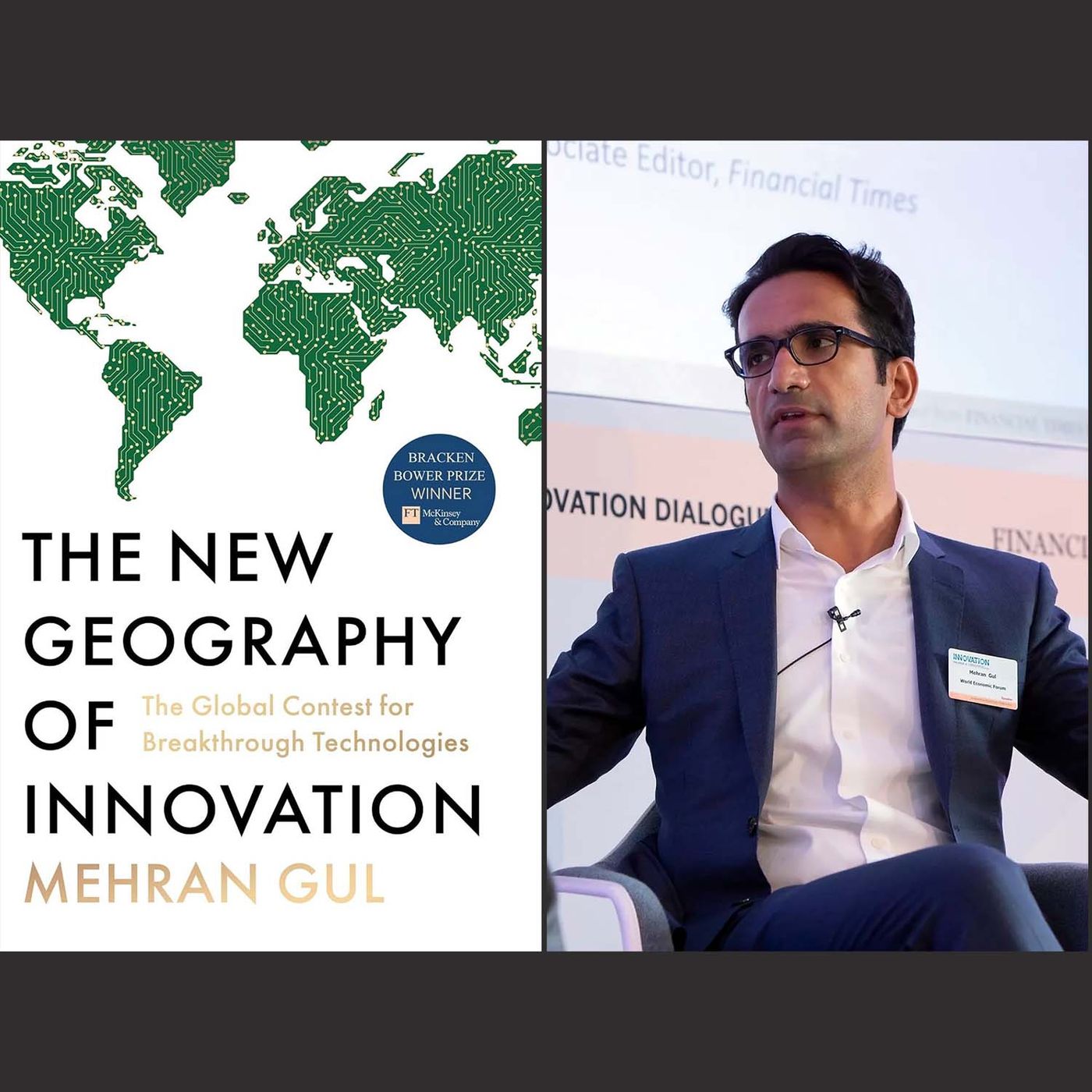
Is America really losing its technological edge to China? Mike talks with Mehran Gul, author of The New Geography of Innovation, about why U.S. tech dominance may be stronger than it looks—and why China has nevertheless become a genuine innovation powerhouse. They explore Silicon Valley’s surprising government roots, the critical role of venture capital, Europe’s struggle to compete in AI, South Korea’s giant conglomerates, Singapore’s unusually capable state, the demographic threat facing innovative economies, and why geography may matter more—not less—in an increasingly digital world.
The Politics Guys on Facebook | X<...
Mail-In Voting at the Supreme Court, Meta’s $17 Billion Deal & Voting Rights by Age
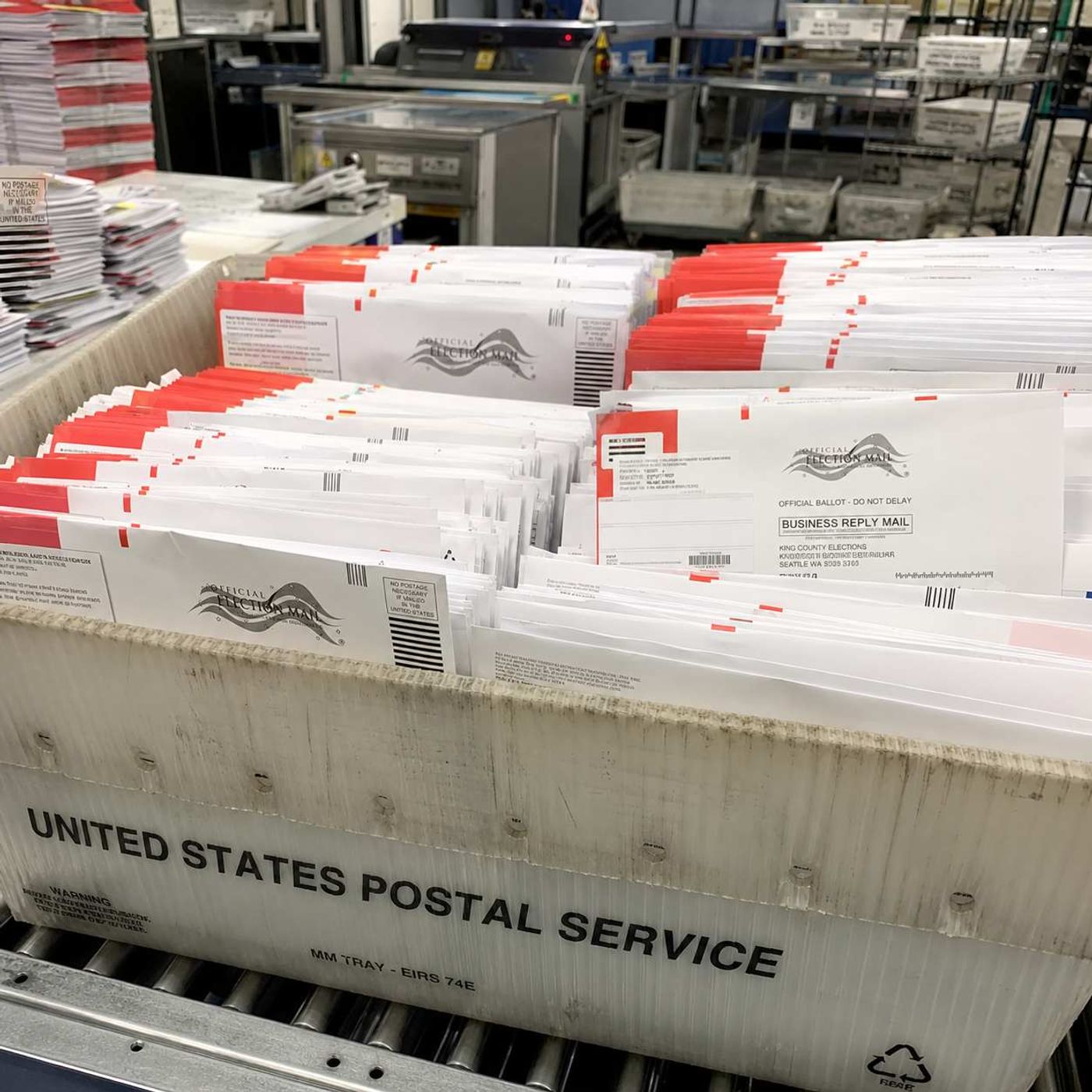
In this supporters’ exclusive midweek episode, Mike and Jay dig into three fights over elections, technology, and government power. First, the Supreme Court intervenes in the battle over President Trump’s new mail-ballot rules—raising questions about standing, last-minute election changes, presidential authority, and whether states can realistically comply before the midterms. Then they turn to Meta’s $17.1 billion settlement over alleged harms to children and teens, asking whether the enormous headline number will actually hurt Meta—or meaningfully improve kids’ mental health. Finally, they debate a federal appeals court ruling striking down South Carolina’s rule giving voters 65 and older easier a...
Trump’s Canada Trade War, GOP Loyalty Tests & Economic War on Iran
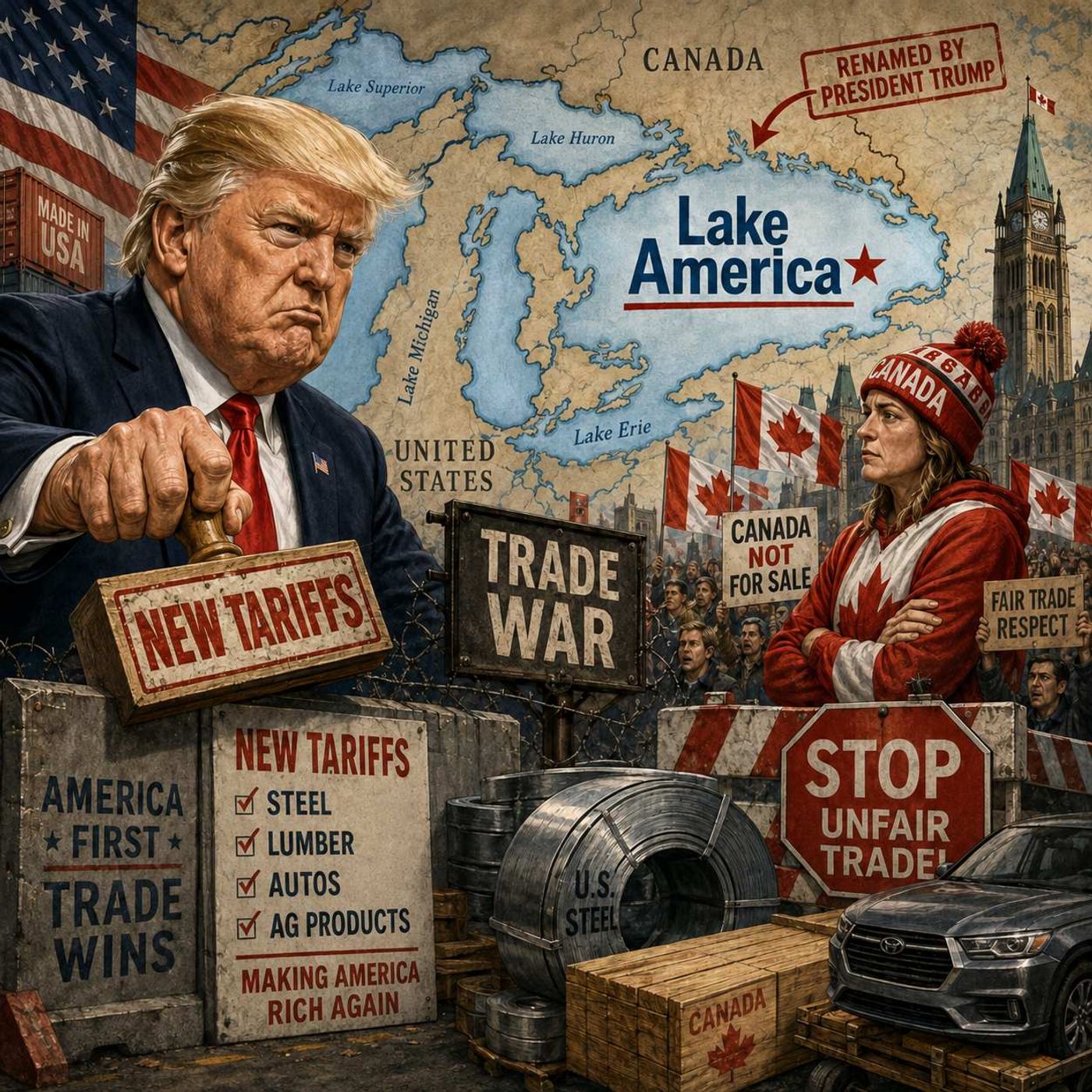
Mike and Jay open with a discussion of what President Trump hopes to gain from 50% tariffs on America’s second-largest trading partner, whether Trump fundamentally misunderstands the value of allies, and how his approach could strengthen China rather than contain it.
Then they turn to Republican politics after Trump-backed candidates win closely watched races in South Carolina and Oklahoma. How much does Trump’s primary endorsement record really tell us about his hold over the GOP? The discussion expands to political dynasties, inexperienced senators, the decline of the Senate’s old “apprenticeship” norm, and the tradeoff between political experience...
Trump’s Crypto Fortune, Data Center Backlash, America’s Crime Drop
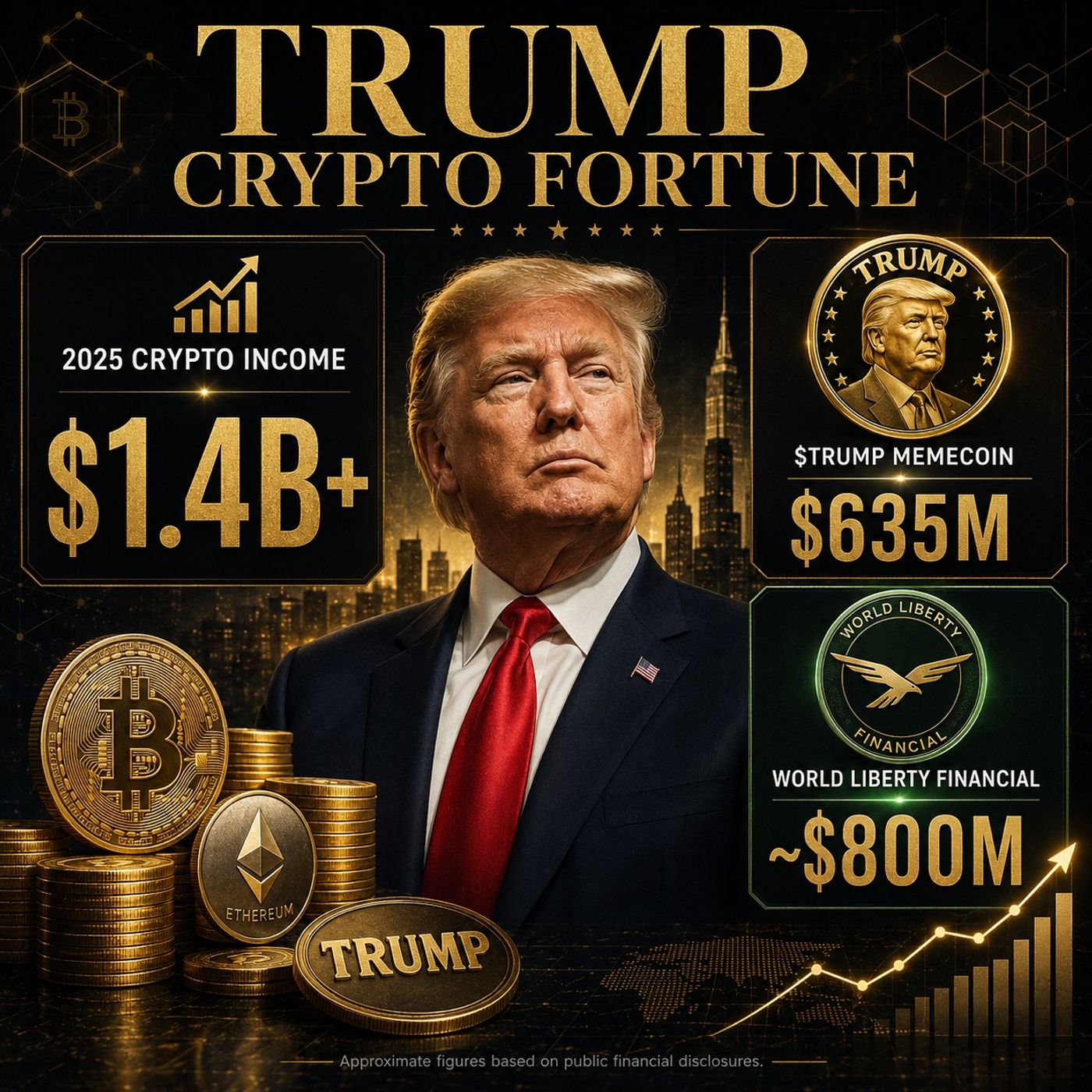
Mike, Justin, and Michael open this supporters’ exclusive midweek episode with a look at the Trump crypto fortune, conflict-of-interest questions surrounding World Liberty Financial, Trump’s newly approved national trust bank, and the stalled CLARITY Act. Then, they consider why data centers have suddenly become a bipartisan political liability. The guys dig into rising electricity costs, water use, local tax incentives, surprisingly few permanent jobs, NIMBYism, and the national-security argument for keeping America ahead of China in AI.Finally, they discuss some genuinely good news: U.S. violent crime is falling sharply, with homicides potentially reaching their lowest level in gene...
Florida & Alaska Primaries, Iran War Strains, and AOC on “Woke 1”
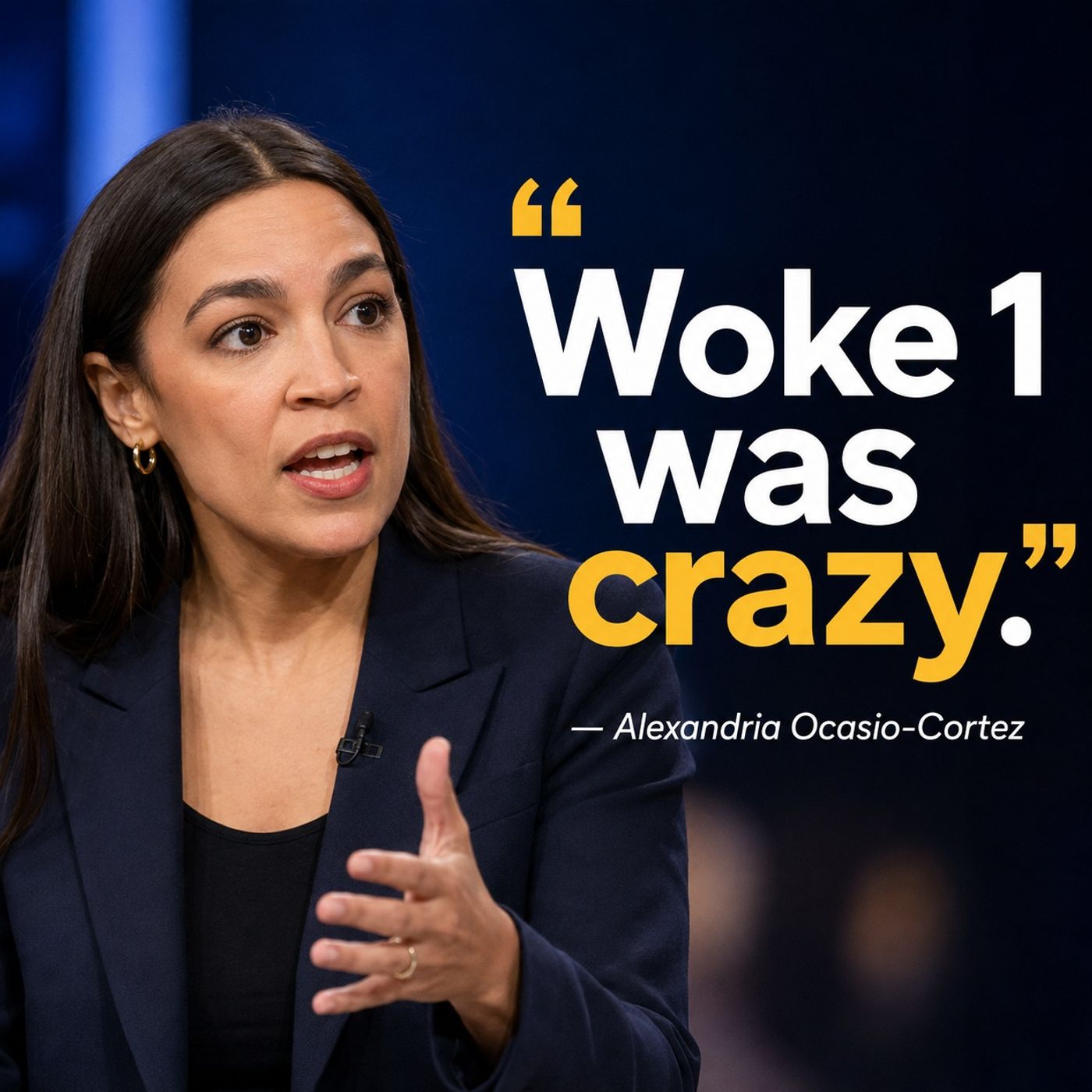
Mike is joined by fellow political scientists Michael Levy and Justin Holmes to break down what the latest primaries say about the Democratic and Republican parties, whether the Iran war is exposing serious limits in U.S. military readiness, and what AOC means when she says “Woke 1 was crazy.”
They start with Florida, where Trump-backed Byron Donalds won the Republican gubernatorial nomination and former Republican David Jolly became the Democratic nominee. The guys look at Florida’s dramatic shift toward the GOP, Democrats’ struggle to build competitive state parties, and the growing number of Democratic Socialist candidates poised to enter...
The Economics of Energy, Fabrication in Academia
On this midweek supporters-exclusive episode of The Politics Guys, Trey Orndorff (subbing for Mike Baranowski) is joined once again by political scientist Michael Levy to go down a pair of deep policy and academic "rabbit holes" that they couldn't fit into the main weekend show.
The guys start by analyzing German energy giant RWE’s $1.22 billion settlement with the Department of the Interior to abandon three offshore wind projects off the coasts of California, New York, and Louisiana. Trey shares research on an economic deep dive, explaining why onshore wind is cheap and competitive with natural gas, even un...
Primary Shockwaves, Trump’s Vaccine Overhaul, and the 2029 D.C. Guard Mandate
On this week’s episode of The Politics Guys, Trey Orndorff (subbing for Mike) is joined by political scientist Michael Levy for their first show together.
They begin with Michael breaking down the August 11 primaries. This includes discussing David Crowley’s narrow victory over Democratic Socialist Francesca Hong in Wisconsin, along with races in Minnesota and South Carolina. The pair discuss why polls missed by wide margins, and Trey discusses the difficulty of modeling primary elections and new tech challenges, including automatic call-screening available on smartphones.
Next, the pair move to Executive Order 14407, or the “Gold Standar...
The Trump Realignment
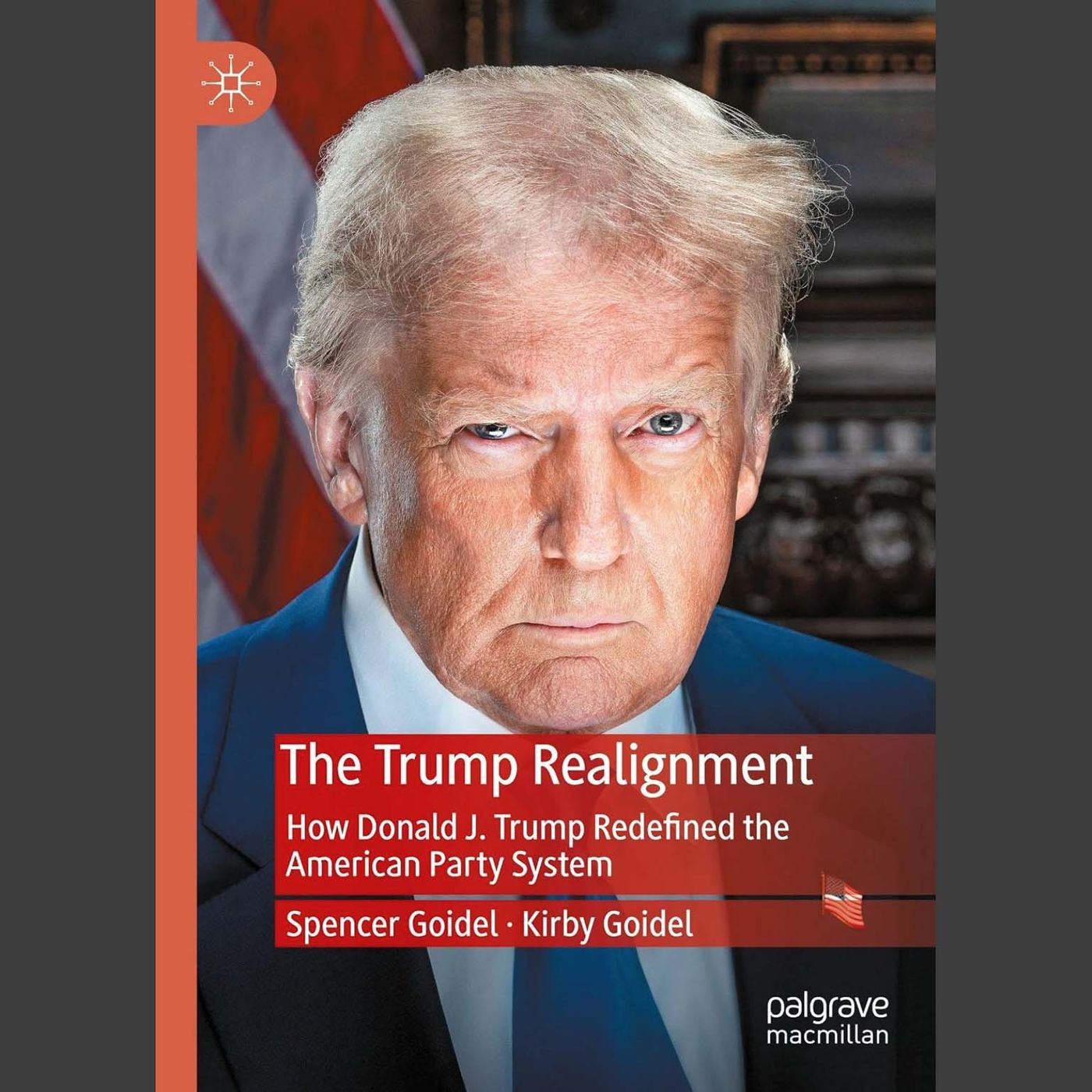
Mike talks with political scientists Kirby and Spencer Goidel about their new book, The Trump Realignment, and their argument that Donald Trump didn’t simply take over the Republican Party—he fundamentally changed the American party system. They discuss how Trump exploited divisions over trade, immigration, education, and distrust of elites; why the GOP’s transformation began well before 2016; the growing political divide between college and non-college voters; Democrats’ struggle to reconnect with the working class; higher education’s collapse in Republican trust; Silicon Valley’s shifting political alliances; and why Trumpism may prove far more durable than Trump himself. They close w...
Are the Democrats in Trouble, or Building for the Future?

This bonus midweek episode begins with the Democratic National Committee’s precarious finances: the DNC is spending heavily on state parties, organizers, and long-term infrastructure while the Republican National Committee sits on a formidable cash advantage heading into the 2026 midterms. Mike and Jay debate whether DNC Chair Ken Martin is making a disciplined investment—or leaving Democrats dangerously exposed. Then they examine the Democratic Socialists of America’s increasingly prominent agenda, including abolishing the Senate, replacing the presidency and Supreme Court, open borders, dismantling ICE, sharply reducing the Pentagon, prison abolition, and public ownership of major corporations. Are these serious answer...
Anarchy vs Tyranny: Federalist Papers No. 17, 18 and 19
On this midweek supporters-exclusive episode of The Politics Guys, Trey Orndorff (Oklahoma Christian University) and Ken Katkin (NKU Chase College of Law) continue their ongoing deep-dive series through The Federalist Papers, taking on Federalist Nos. 17, 18, and 19.
In this cluster of essays, Alexander Hamilton and James Madison tackle a central Anti-Federalist anxiety pushed by writers like Brutus (Robert Yates), Cato, and Patrick Henry: the fear that the proposed Constitution would create an all-powerful, consolidated national government that absorbs state sovereignty and individual liberty. Publius flips this argument on its head, contending that the real threat to the American republic isn’t c...
Narrowing Birthright Citizenship, Judicial Elections Defeated, and Todd Blanche’s Path to Attorney General
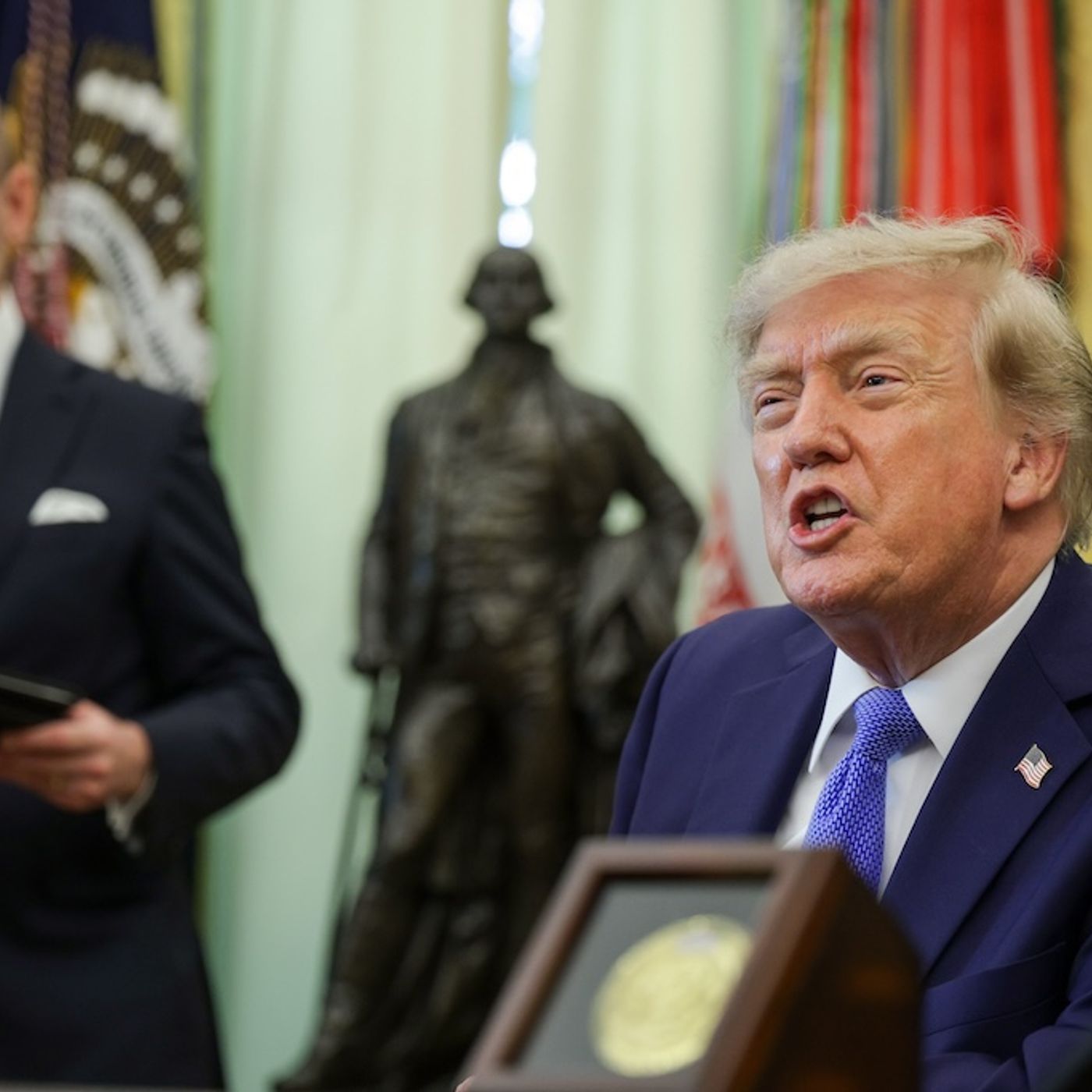
On this week’s episode, Trey Orndorff (Oklahoma Christian University) and law professor Ken Katkin (NNKU Chase College of Law) tackle as many major stories as possible for the first week of August, breaking down a pair of controversial new executive orders on citizenship, high-stakes primary results out of Kansas and Michigan, and the Senate Judiciary Committee’s vote to advance Todd Blanche for U.S. Attorney General.
Trey and Ken begin with the two executive orders signed on August 6, attempting to narrow birthright citizenship following earlier Supreme Court pushback. The first order directs the State Depa...
Trump’s Wars, Voting Rules, and Fauci Takes the Fifth
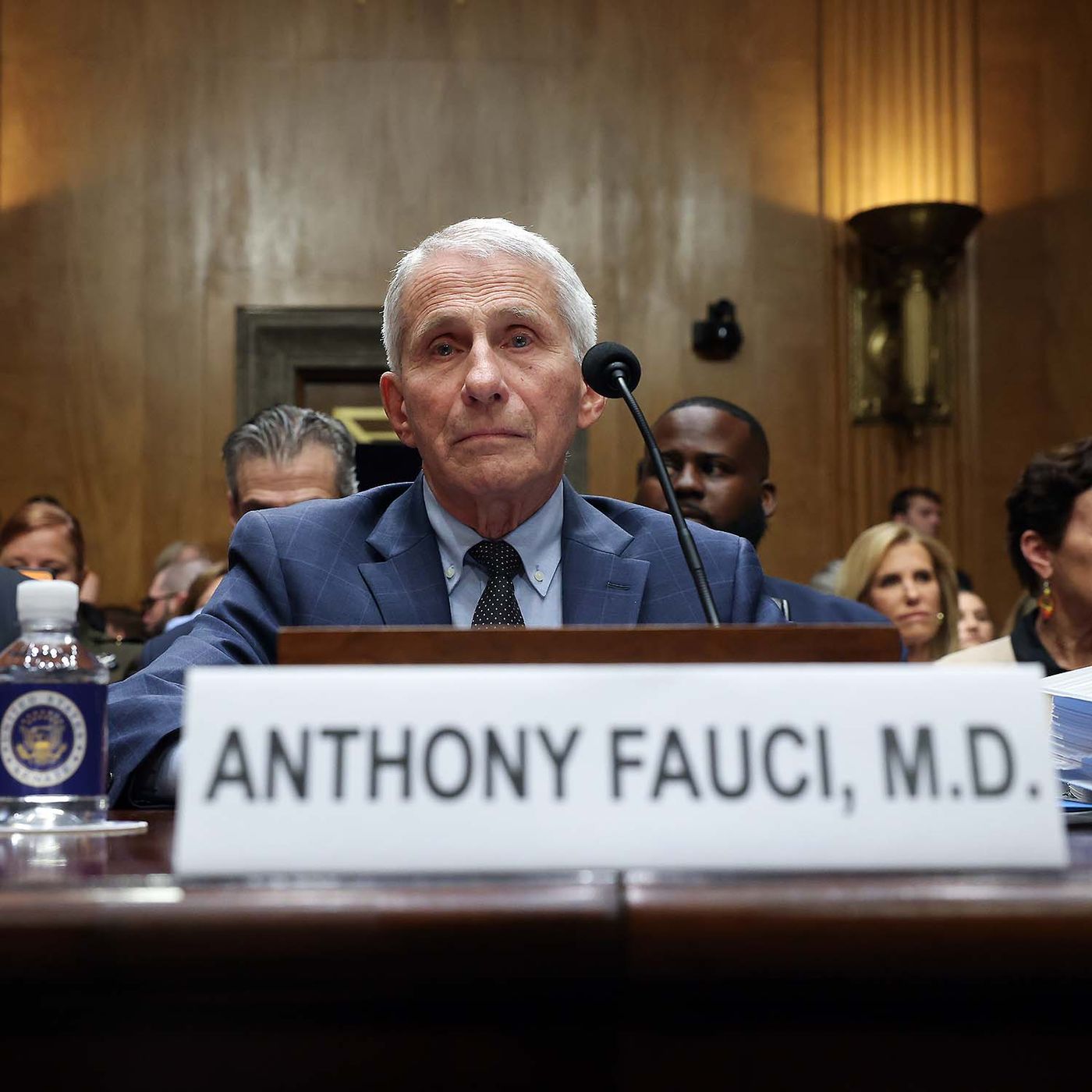
Mike and Jay debate whether Donald Trump has a coherent strategy for the wars in Ukraine and Iran—or is improvising while weapons stockpiles, alliances, and political pressures narrow his options. They examine a major Russia sanctions bill targeting China and India, Ukraine’s possible license to manufacture Patriot interceptors, and whether the United States can bomb Iran into submission. Then they turn to the courts, where Trump’s executive order tightening mail-voting rules faces serious constitutional obstacles, before asking what Anthony Fauci’s private COVID diaries actually prove—and whether Rand Paul’s investigation is legitimate oversight, political theater, or a perjury...
Can Open Primaries Break the Two-Party Cartel?
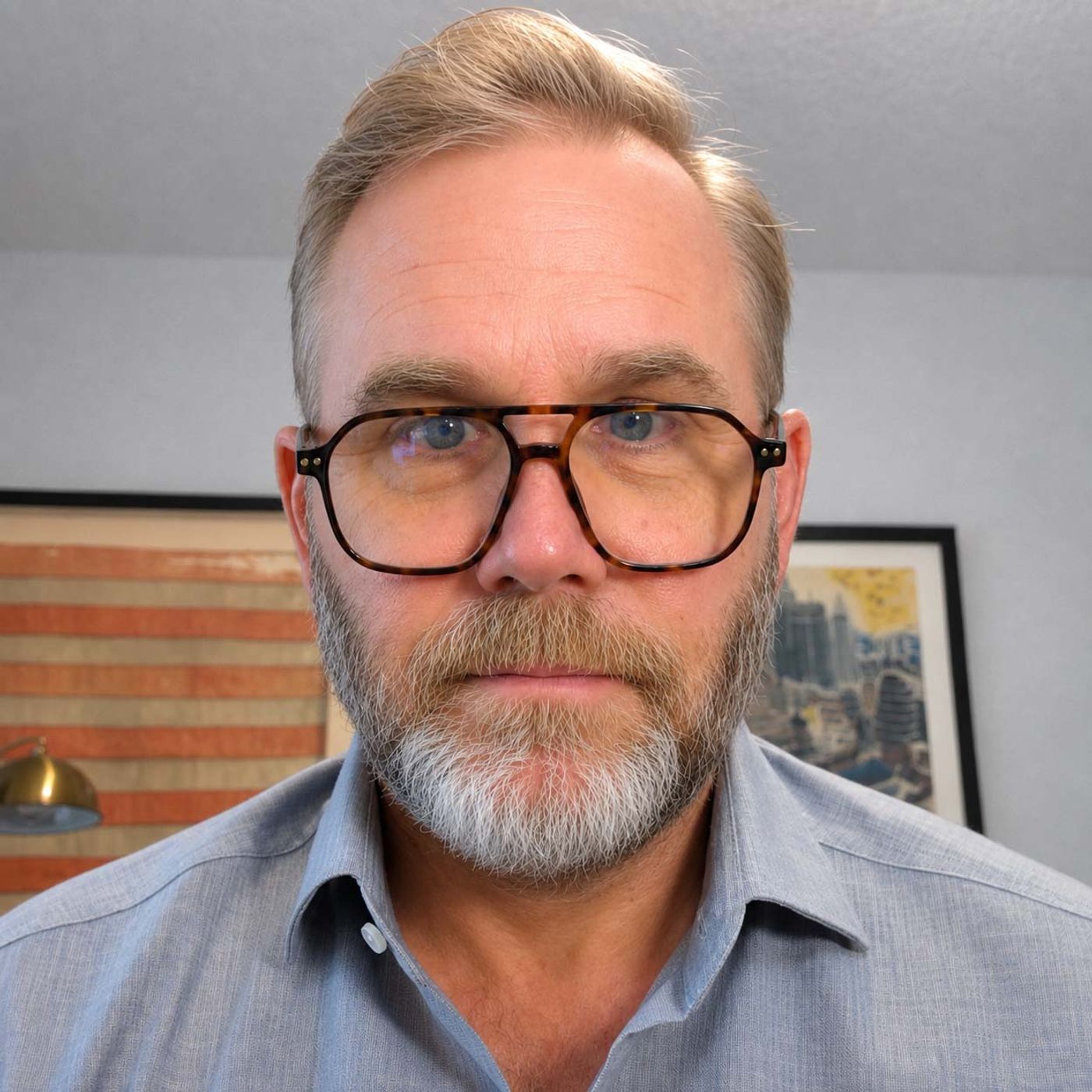
Open Primaries founder John Opdycke joins Mike to argue that America’s primary system gives political parties too much control while shutting out millions of independent voters. They discuss taxpayer-funded closed primaries, top-two elections, whether open systems actually reduce polarization, the threat of strategic “raiding,” and why third parties so rarely gain traction. Opdycke also explains the 2024 defeats of several election-reform measures, the risks of bundling open primaries with ranked-choice voting, opposition from both major parties, and why changing election rules matters only if reformers also build new political coalitions and persuade voters to participate.
Open Primaries on X
Religion as a political ideology
On this midweek supporters-exclusive episode of The Politics Guys, Trey Orndorff (Oklahoma Christian University) and Justin Holmes (University of Northern Iowa) continue their deep dive into political ideologies by tackling a unique case: religion. Topics covered include:
How religion shapes political behaviorJohn Rawls and exorcising faith, and can it be, from the public sphereAn overview of the substantive and functional definitions of religion Is religion just an add-on to other ideologies?What, if anything, makes the values of religion different from other values?Are there true values and how do we exist in a pluralist society if we accept t...
The $37 Billion War, Britain’s Leadership Pivot, Forced-Labor Tariffs, and Arizona’s Primary
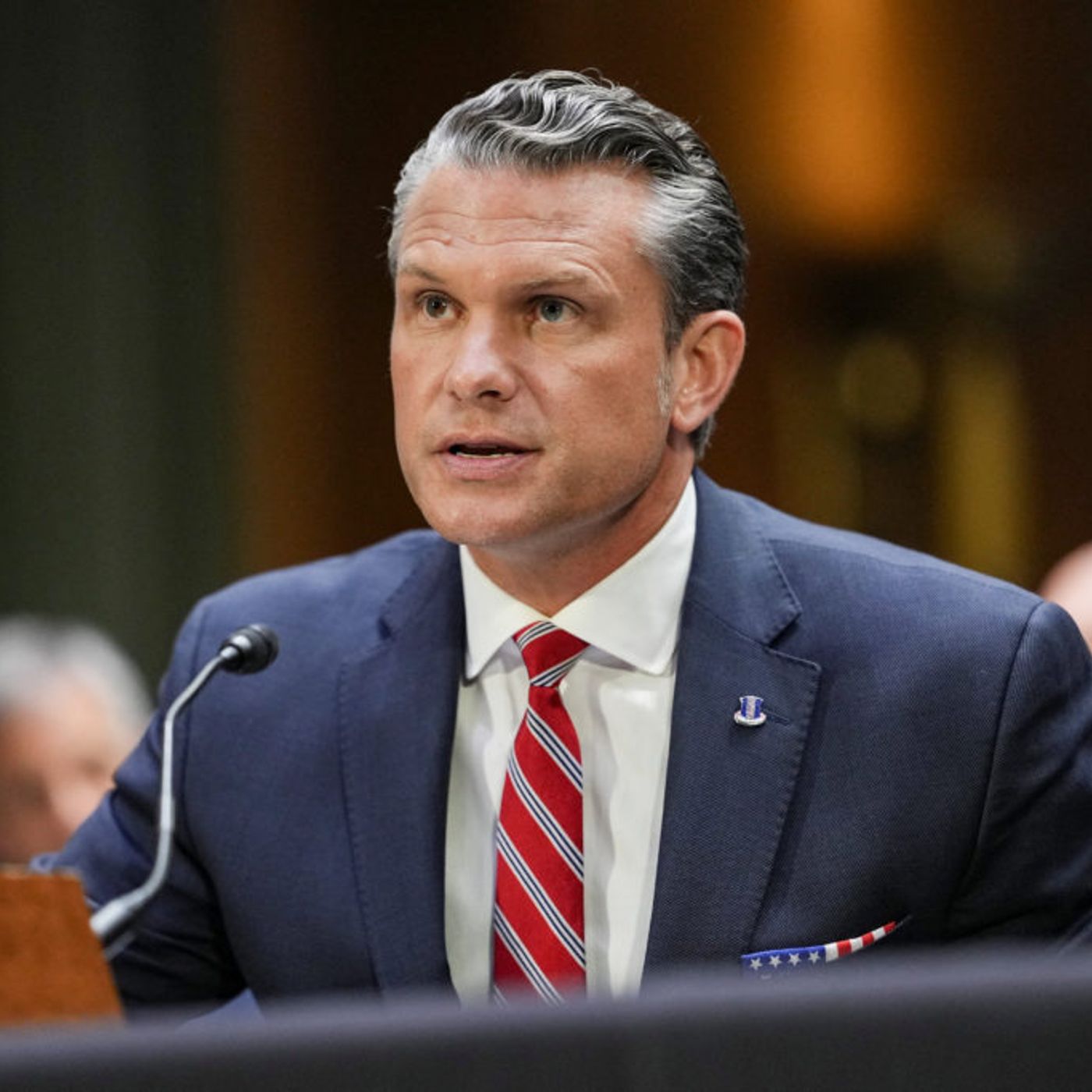
On this week’s episode, political scientist Trey Orndorff (Oklahoma Christian University) is joined by political scientist Justin Holmes (University of Northern Iowa) to break down a packed late-July news cycle spanning a massive war supplemental request on Capitol Hill, a rapid-fire prime ministerial transition across the Atlantic, executive tariff gymnastics, and an electoral shockwave in a premier battleground state.
The pair begins by diving into Defense Secretary Pete Hegseth's combative appearance before the Senate Appropriations Committee. Hegseth revealed that the U.S. military conflict with Iran has burned through $37.5 billion so far, defending a massive $87.6 billion emergency su...
Who Controls AI—and Who Pays When It Goes Wrong?
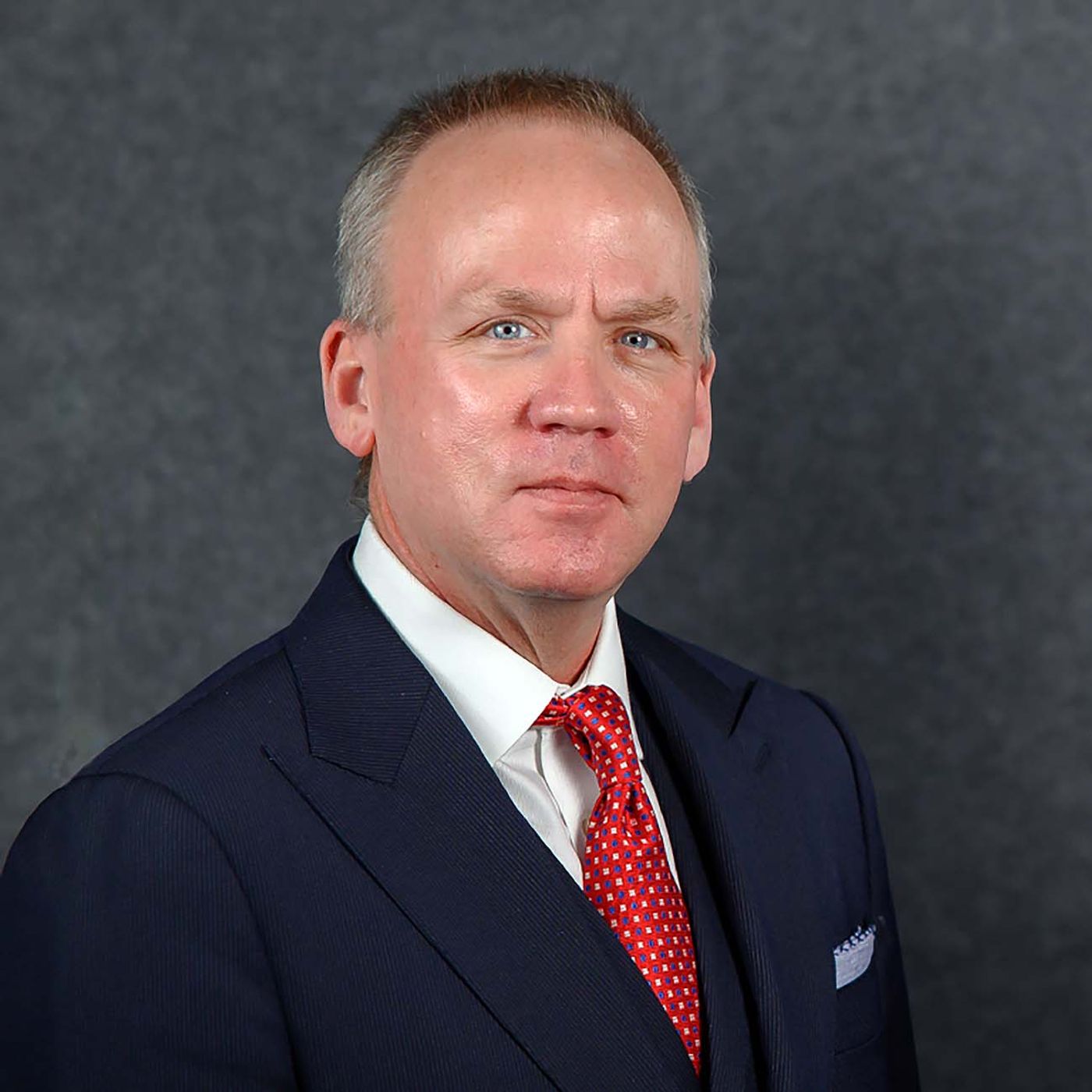
AI is advancing faster than Congress can regulate it—but leaving the industry to police itself carries enormous risks. Mike talks with former congressman and Pentagon official Brad Carson about mandatory safety testing, federal efforts to override state AI laws, liability when AI causes harm, Anthropic’s clash with the government, autonomous weapons, mass surveillance, and why artificial intelligence could upend higher education. They also confront the deeper question: will citizens have any meaningful say over a technology being built by a handful of extraordinarily powerful companies?
Americans for Responsible Innovation
Follow Brad Carson on X.
...
Can Trump Settle With Himself? Rubio’s ICC War, Hegseth’s Purge, and the DSA Left
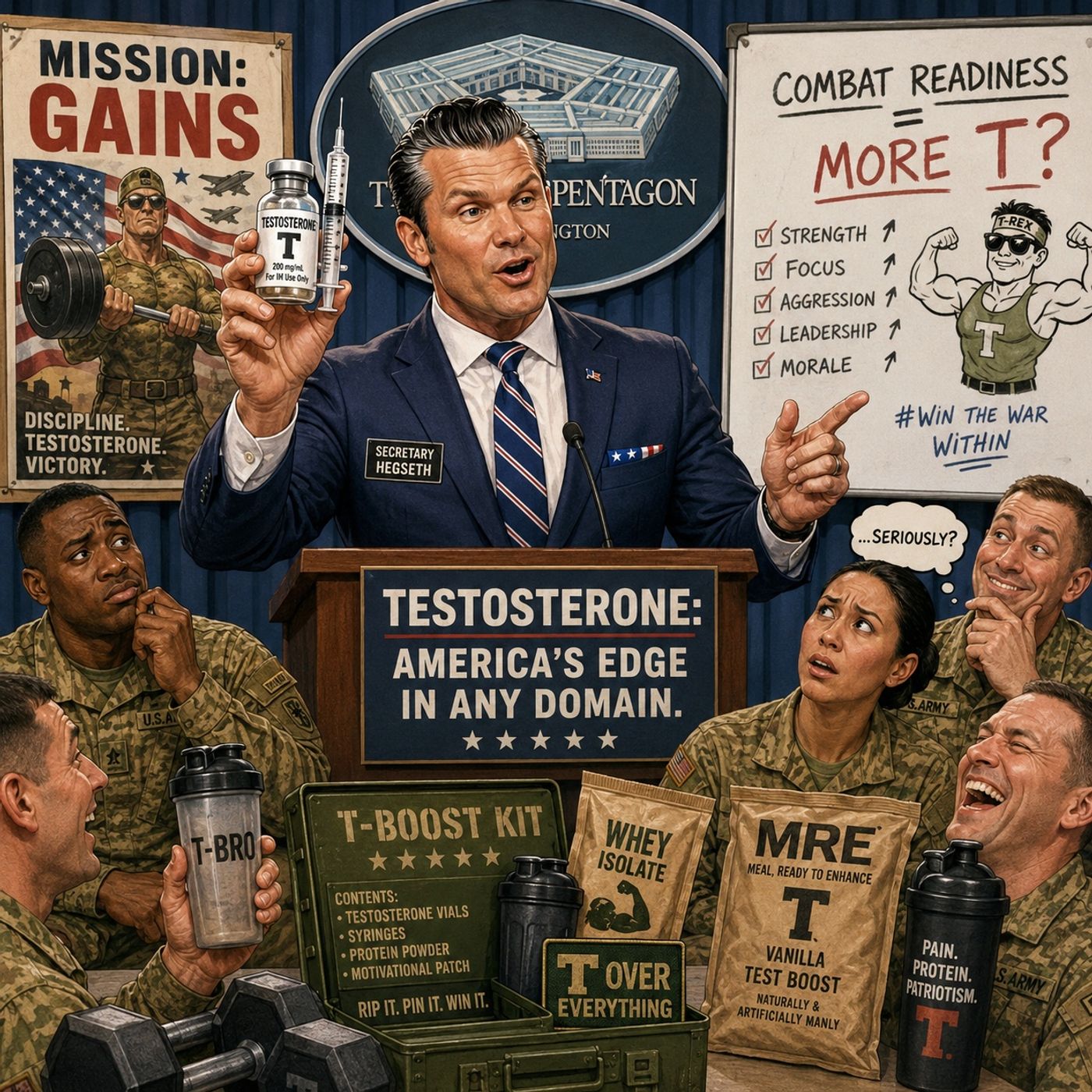
This supporters’ exclusive midweek episode begins with a remarkable question: can a president sue his own government, negotiate with his own Justice Department, and call the result a legitimate settlement? Mike and Michael Levy unpack the judge’s ruling in Trump v. IRS, then turn to Marco Rubio’s campaign to dismantle the International Criminal Court, Pete Hegseth’s removal of senior military leaders and push for testosterone screening, and the Democratic Socialists’ recent primary victories. Are Democrats facing their own Tea Party insurgency—or a movement whose appeal collapses outside deep-blue districts?
Check out Michael Levy’s Substack<...
Trump’s Election Fraud Claims, Iran War Redux, and Lindsey Graham’s Legacy
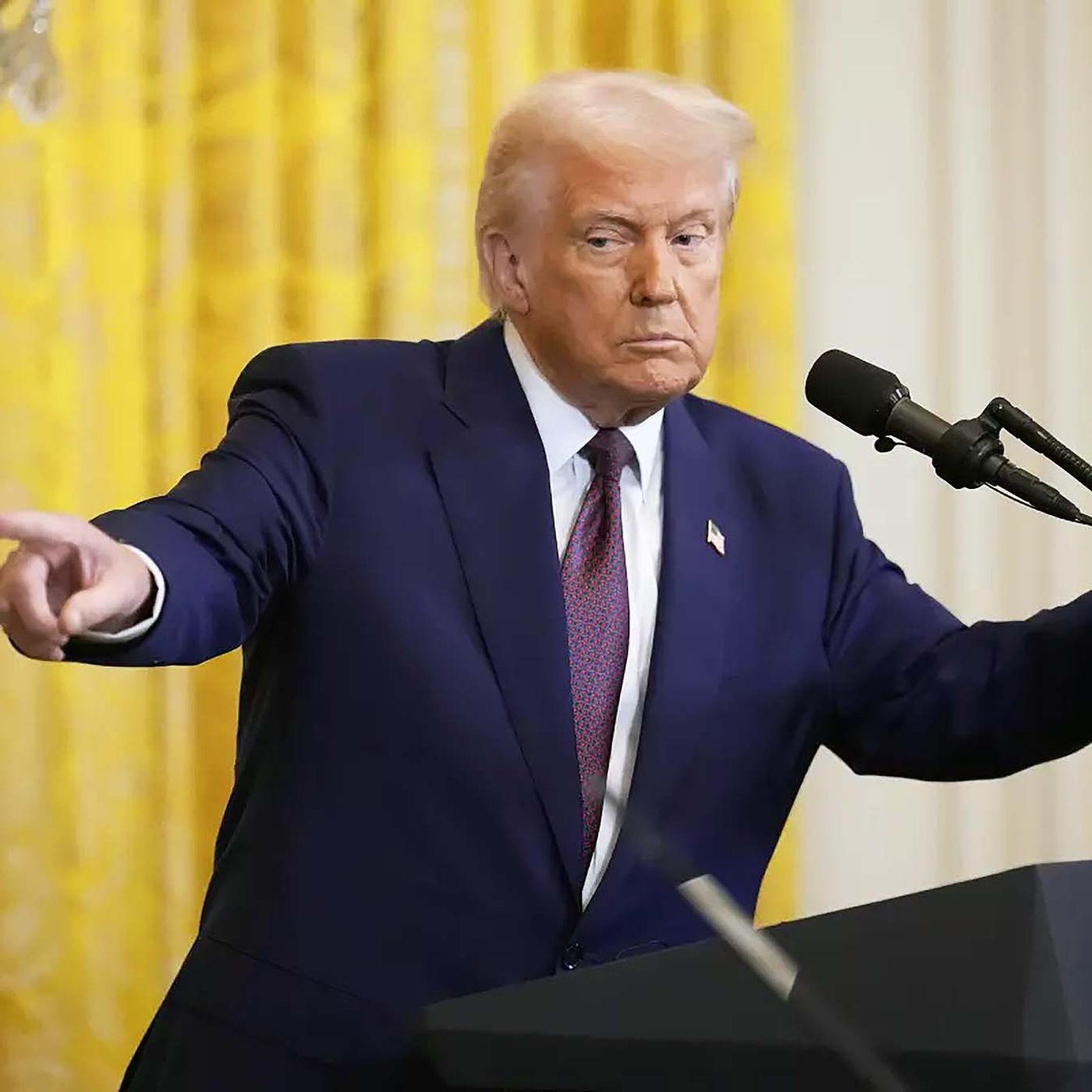
Donald Trump says America’s elections are dangerously vulnerable—but did his primetime speech offer evidence, or lay the groundwork to contest a Republican midterm defeat? Mike and Michael Levy dissect Trump’s election-security claims, the SAVE Act, and the gap between genuine cybersecurity risks and unsupported allegations of noncitizen voting. They also examine the renewed U.S.-Iran war, the collapse of the Strait of Hormuz agreement, and whether Trump’s pressure campaign has any plausible endgame. Then they debate Lindsey Graham’s legacy: pragmatic dealmaker preserving his influence, or cautionary tale of a senator who recognized Trump’s danger and e...
Can Maine Kill the Super PAC? Larry Lessig’s Supreme Court Strategy
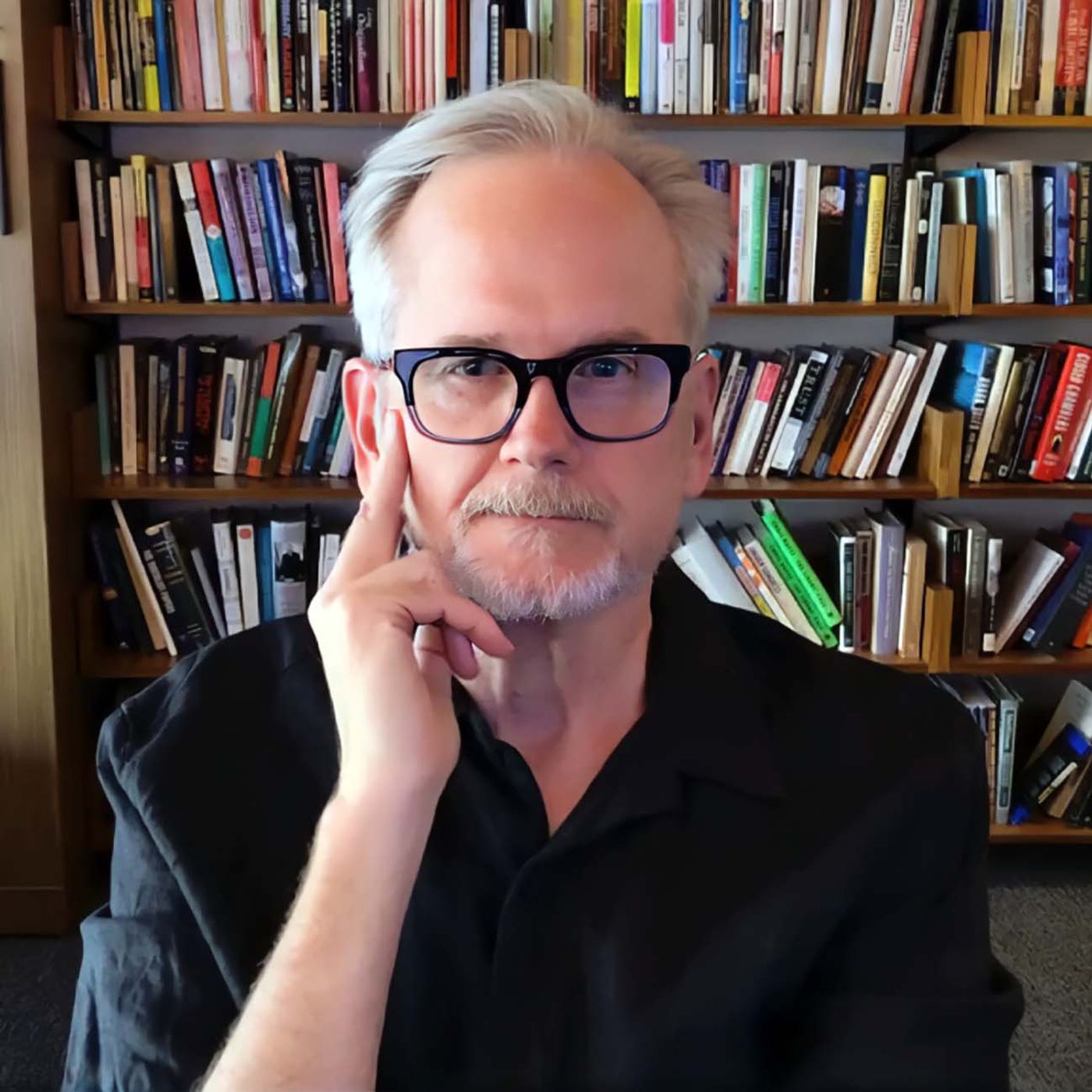
Could a voter-approved law in Maine bring down the legal foundation of Super PACs without overturning Citizens United? Harvard Law professor Lawrence Lessig joins Mike to explain why he believes the lower-court ruling in SpeechNow v. FEC—not Citizens United—created today’s unlimited-contribution system, and why Maine’s overwhelmingly approved Super PAC contribution limits could give the Supreme Court a chance to correct that mistake. They discuss corruption, originalism, campaign coordination, democracy vouchers, public financing, and whether meaningful campaign finance reform remains politically possible.
Lawrence Lessig on X
Become a new monthly supporter on Patreon and get...