The Pulse
Go on an adventure into unexpected corners of the health and science world each week with award-winning host Maiken Scott. The Pulse takes you behind the doors of operating rooms, into the lab with some of the world's foremost scientists, and back in time to explore life-changing innovations. The Pulse delivers stories in ways that matter to you, and answers questions you never knew you had.
Out of Control: The Science Behind Hiccups, Runner’s Trots and Seizures

We like to think that we're in charge of our own bodies — but sometimes our bodies have other ideas. A hiccup interrupts a sentence. A runner's digestive system stages a revolt. And during a seizure, the brain's electrical activity can take control of movement altogether. On this episode, when the body stops following orders, and what we can do about it.
For most people, hiccups are a minor and passing annoyance — but for Sierra Pisenti, they've been a painful, recurring problem for most of her life. After trying just about every home remedy she could find, she discovered an un...Rediscover the Joy of Doing Nothing

We live in an age of self-optimization — a time when seemingly everyone is striving to squeeze more from our already packed days. But what are we sacrificing with all of that productivity? On this episode, we talk with two former overachievers about how the search for perfection impacted their lives, and how they decided to do less and find more joy.
We talk with writer and filmmaker Priyanka Mattoo about learning to embrace inefficiency — and how, after a lifetime of perfectionism, letting go helped her rediscover joy. Her new book is “How to Be Less Useful: The Joy of Ine...The Ghost in the Machine: When Tech Seems to Have a Mind of Its Own

Sometimes, it can feel like tech has a mind of its own — from the smart speaker that suddenly starts laughing, to the chatbots that say oddly human things. On this episode, stories about “the ghost in the machine.” We investigate why a strange man’s name kept appearing in our show transcripts, learn about the long history of tech in horror, and hear the spooky story of an AI agent that went rogue.
A few months ago, Pulse producer Lindsay Lazarski noticed something strange — a man’s name that kept appearing in our interview transcripts: Aaron Ross Powell. In this home...Why Nurturing Connection is Good for Your Health

Most Americans say that spending time with loved ones is one of the most important things in their lives — and yet, amid the hustle and bustle of our day-to-day, relationships often take a backseat to other commitments. We find ourselves canceling date nights to finish work, rescheduling family calls to catch up on chores — maybe even choosing to scroll on our phones over a night out with friends. It can be hard making time for friends and family — and easy to tell ourselves they’ll still be there tomorrow — but there’s a cost to neglecting our personal connections. New research...
The Peptide Craze: Benefits, Risks and the Science Behind Them
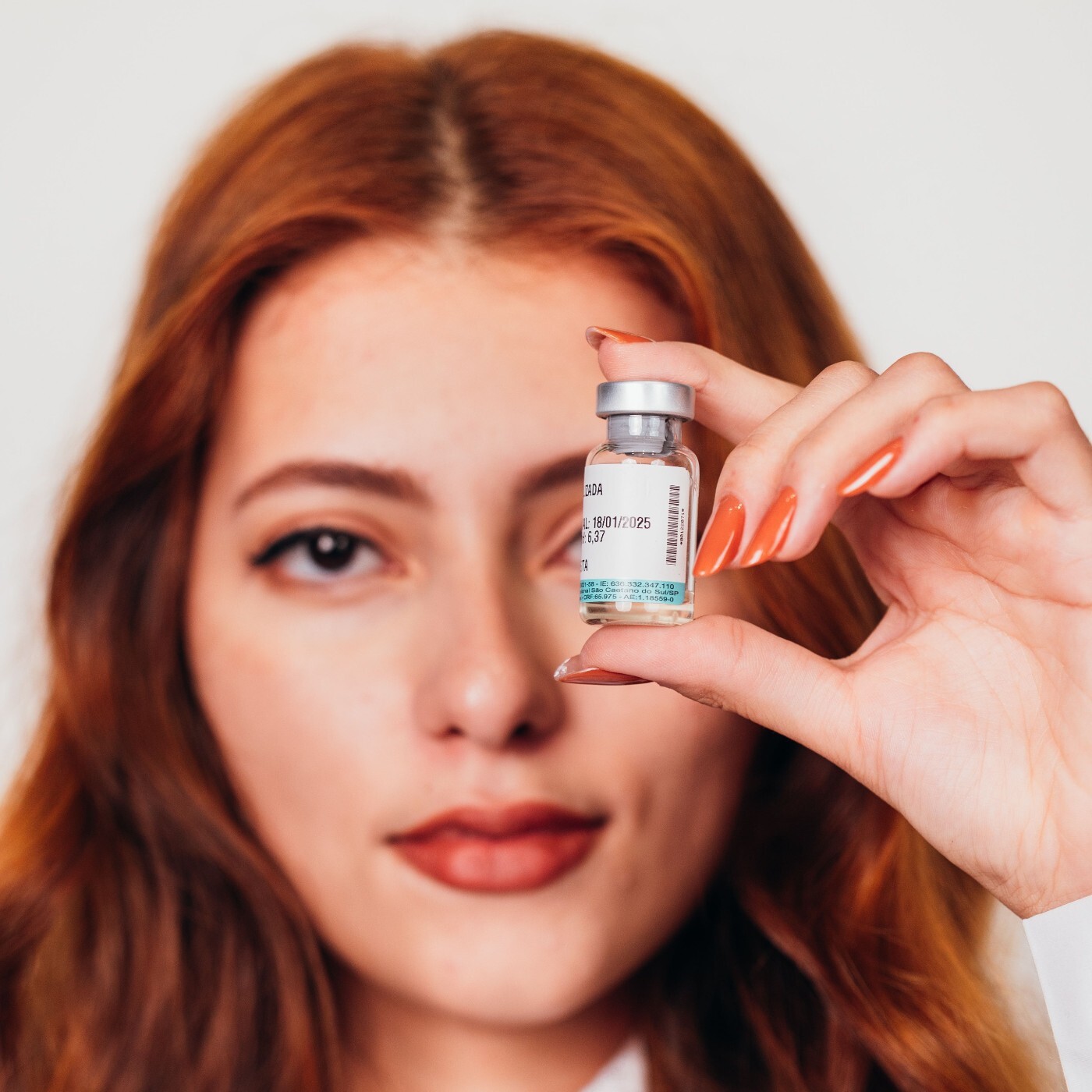
Peptides are having a moment – but how much do we actually know about them? On this episode, we explore the potential benefits and risks. We investigate the science behind peptides, find out what lagging research and regulation could mean for regular users, and learn about how — and whether – to use peptides in a responsible way.
We talk with Stanford pathology professor Katrin Svensson about what exactly peptides are, what led to their explosion in popularity, and the dangers of unregulated use, both for consumers and for the field of peptide research. Reporter Bruce Gil dives into the world of cons...Adult ADHD: Why You Know What to Do But Can’t Do It

On this episode, we explore ADHD in adults — how to spot it, how to treat it, and how to function with it. We talk with a leading psychologist about what’s behind ADHD’s often frustrating symptoms, hear about what it’s like receiving a diagnosis late in life, and find out why people with ADHD are often very sensitive.
People with ADHD often struggle with task initiation — especially when it comes to tasks that they find boring, complicated, or aversive. Pulse reporter Liz Tung offers a day-in-the-life glimpse at what it’s like trying to start one of these tas...The Fight to Save Rural Hospitals — and Access to Healthcare

It’s a story that’s unfolding across America, from Texas to Tennessee, Kansas to the Rust Belt — rural hospitals are struggling or closing, leaving residents, towns, and entire regions without access to important healthcare services, from cancer screenings to maternity care. For some people, it can even mean a several-hour drive to the nearest emergency room — and in life-or-death situations, those extra miles can make a big difference.
On this episode, we explore the rural healthcare crisis, and emerging solutions aimed at increasing — or at least preserving — access to care. We visit communities in rural Pennsylvania where residen...
The Strange Science of Color — And Our Quest to Understand It
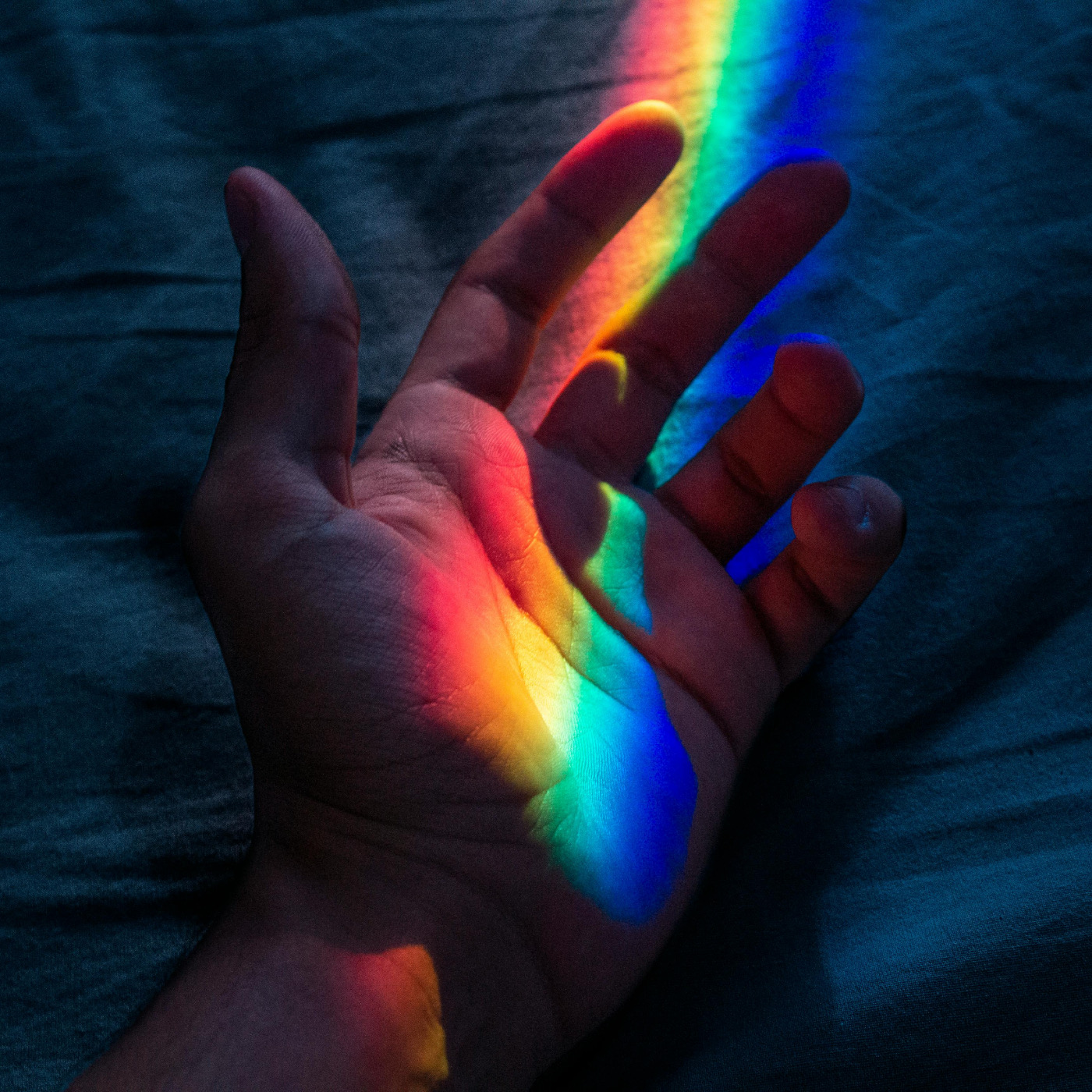
On this encore episode, we explore the world of color — from how we perceive it, to our efforts to describe and differentiate its many shades. We talk with a lexicographer about efforts to standardize synthetic colors, and how we describe them, and investigate how we know that the colors we see are the same as the ones everyone else sees.
The Pulse host Maiken Scott adds some pops of color to her all-black wardrobe with help from Jill Rafter, a color consultant with House of Colour, who breaks down seasonal palettes and how to choose your ideal hues ba...How the Cereal Industry Won Breakfast
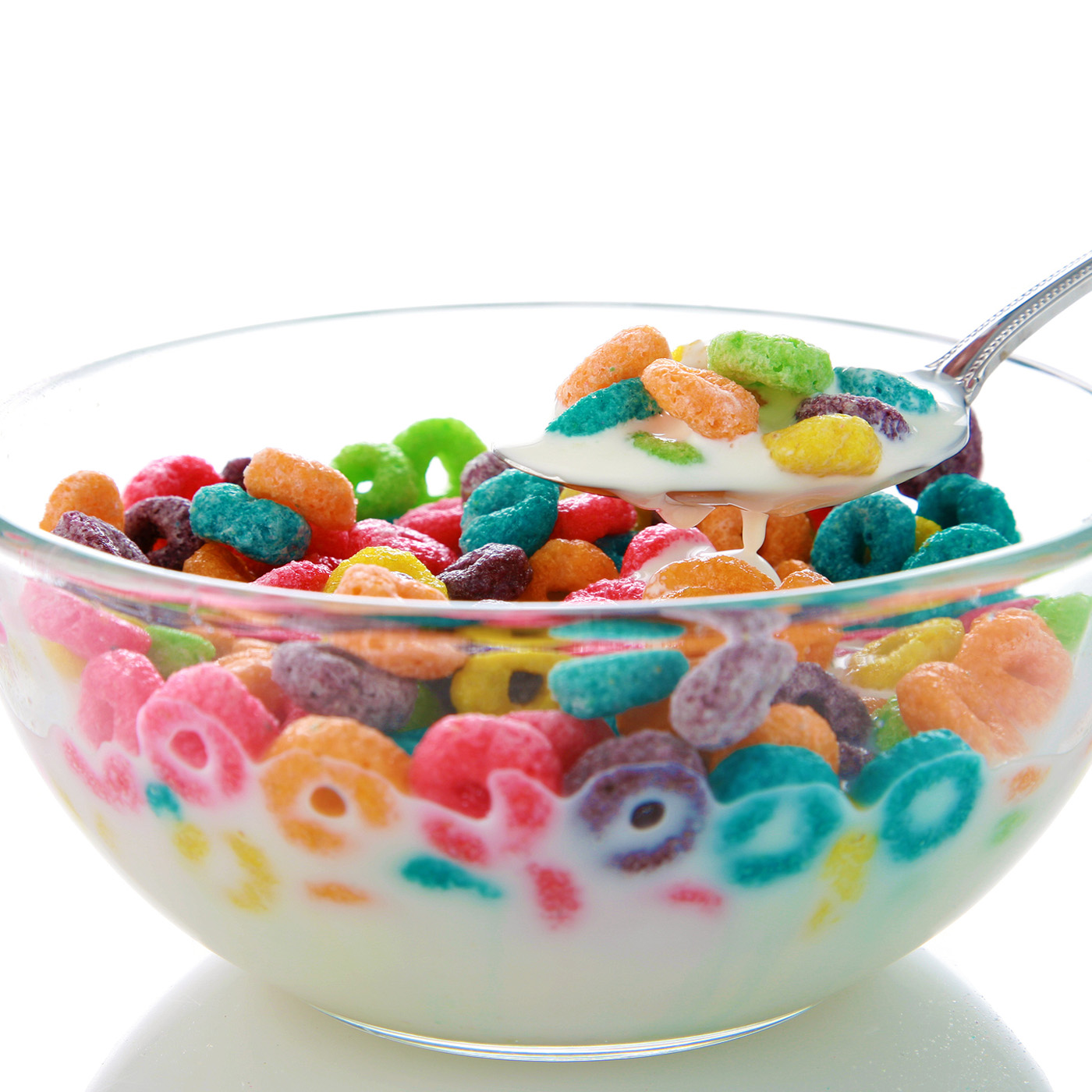
Cereal was born as a health food — but quickly, sweet, crunchy flavor, bright colors, and fun shapes became more important than the nutritional value. That didn’t stop cereal companies from leaning into health claims, though. From Cheerios to Frosted Flakes and Wheaties, brands made bold promises to lower cholesterol, promote weight loss, boost fiber and even help prevent cancer. These healthy messages were also paired with eye-catching designs and beloved mascots. It was all a powerful marketing formula, one that sold a dream to buyers — that indulging in sugary cereal could also be a healthy choice. But, over the yea...
The Science of Eating: What We Get Wrong About Diet and Nutrition

We all know we’re supposed to eat healthy — but what exactly does that mean? On this episode, what’s on your plate, why it matters, and how to make sense of conflicting nutrition advice. We talk with paleoanthropologist Daniel Lieberman about what human evolution can teach us about how we should eat, look at a typical teen’s sugar intake, and explore barriers to serving healthy and fresh school lunches.
We all know we’re supposed to limit our sugar intake — but tracking how much we’re actually eating can be hard, especially given how many products, ranging from p...Under Pressure: How Weather Affects our Health

As summer winds down, some people are celebrating the approach of fall, while others are dreading the shorter, colder days. We know that weather can affect our mood — maybe we're extra irritable when it's hot, or gloomy when it's gray — but it can also influence our overall health. On this episode, a look at how weather affects well-being and health, from its impact on menstrual cycles to chronic conditions like asthma and pain.
Can extreme heat affect your menstrual cycle? The internet thinks so. In June, , a strange phenomenon went viral on social media — thousands of women experienced unexpe...'I Could Have Been Lindsay Clancy’

A judge declared a mistrial in the murder trial of Lindsay Clancy after jurors said they were deadlocked over whether she should be held criminally responsible for strangling her three children in January 2023: Cora, 5, Dawson, 3, and Callan, who was just 8 months old.
The shocking case touched a nerve with millions of people who have been following the trial and asking: How could a mother kill her three young children?
British journalist Katinka Blackford Newman also followed the trial closely, but she has a different perspective. She says her own story could have ended up like Cl...
The Search for Life on Mars: From Mars Mania to NASA’s Rovers

On this episode, a look back at our search for life on Mars. We hear about the Viking mission to Mars — the first to land a craft on the Red Planet — and the controversy over what it discovered, what drove a national obsession with the “Martian civilization” in the early 1900s, and how NASA repairs its rovers from millions of miles away.
Back in the early 1900s, a strange phenomenon was sweeping the nation — “Mars Mania,” a belief shared by scientists and the public alike that Mars was home to a sophisticated civilization poised to guide us into the future. We...Jon Ronson, 101 Princesses, and a World of Unraveling Men

Journalist Jon Ronson's new book starts with a series of panicked text messages from his son — who had been lured to a massive, gothic-looking castle in Connecticut. A female friend had been invited to a party by a wealthy older man from Tinder. But there was no party. Instead, they were asked to join a reality show that was going to be called "101 Princesses" where women compete for the castle owner’s affection. Ronson tracked down the castle's owner and found a much bigger story waiting inside. He joins us to talk about "The Castle" and men searching for purp...
The Search for Wilderness

Sometimes, modern life can feel like an endless cacophony of distractions. We spend our days being inundated with noise and traffic, news and emails, obligations and hectic schedules. Many of us long to escape to nature or the wilderness — someplace simpler, quieter — where we can find peace and reconnect with what's really important. But can we ever truly get away? We tend to think of the wilderness as land that's untouched by human hands — vast, and pristine. But the more you seek out that version of nature, the blurrier the idea seems to become. Even the most remote landscapes on Ear...
What's Really Going On Inside Animals' Heads?

Do animals feel love, anger, or empathy? Researchers have long dismissed such ideas as anthropomorphism, arguing that attributing human emotions to animals was unscientific.
But as we learn more about animal sentience, that’s starting to change — and, in the process, we’re learning more than ever about the complex inner lives of animals, including why we may be more alike than we once thought.
On this encore episode, we explore what researchers have discovered about what’s really going on inside other species’ heads. We talk with a primatologist about why she believes baboons and other...
Quitting Antidepressants: From Withdrawal to Tapering One Step at a Time

Erica Gerard tried to find the right antidepressant for over two decades, one where the benefits outweighed the side effects. Finally, she decided to get off her medication. What followed was a harrowing journey she was not prepared for. On this episode, what people should consider before quitting. We also explore whether new tools could help doctors better match patients with medications.
Journalist Erica Gerard was first prescribed Prozac in college after years of feeling sad, lonely and disconnected from her peers. The medication helped — but it also left her constantly exhausted and feeling as though she was wa...The Science of Imagination: Transforming How We Think, Feel, and Live
In some ways, our imagination is like an all-access pass. It can transport us to a different place, it allows us to picture a beautiful beach, or a lush flower garden. We can envision what our lives may look like in the future or revisit the past. Psychologist Cassandra Vieten argues that using our imagination is not about immersing ourselves in a fantasy world. It’s a powerful tool that affects our physical and mental health, our relationships with others, and life trajectories and careers. Vieten joins us to talk about her research, and her new book, “Imagine That: Tran...
Think Inside the Box: How Limits Fuel Creativity
We tend to think that creativity flourishes in the absence of limits, when we have all of the freedom to innovate and dream big. But what if the opposite is true? What if constraints — from strict rules to tight deadlines — actually make us more creative?
On this episode, we explore how limitations force us to think differently, solve problems in unexpected ways, and allow us to create our best work. We talk with science writer David Epstein about his new book “Inside the Box: How Constraints Make Us Better.”
He explains how restrictions led to the inve...
The Future of Pain Relief: Managing Chronic Pain, Laughing Gas, and Safer Opioids
Millions of people in the U.S. have chronic pain that’s unresponsive to medical interventions. But there are new and comprehensive ways of treating pain. We explore how emotions, stress, sleep, and diet impact pain, a new option for easing labor pain, and emerging research that could reduce the addictive properties of opioids.
We often think of pain as a physical ailment — but newer research shows that pain has as much to do with our brains as it does our bodies. We talk with pain researcher and psychologist Rachel Zoffness about how emotions shape — and construct — our experien...Jet Lag, Cruise Outbreaks, and Vacation Constipation: How to Deal with Travel Health Woes

Vacations are a time to experience new things, and restore our minds and bodies — but sometimes the opposite happens. On this episode, when vacations wreck your health — and how to deal. We hear about evidence-based ways of overcoming jet lag, tips for avoiding "vacation constipation,” surviving the cruise from hell, and what's behind snorkeling deaths in Hawaii.
SHOW NOTES:
We hear from listeners about their worst vacation-related health incidents, ranging from chicken pox to head injuries. Ahead of an international trip, Pulse host Maiken Scott talks with Olivia Walch, a researcher at University of Michigan and CEO of...How Reliable Is Forensic Science? The Truth About Criminal Profiling and Investigations

Investigators have long relied on science to help solve crimes, from fingerprint and blood splatter analysis to the psychology of criminal minds. But not every investigative technique rests on solid scientific ground. On this episode, how science is used in criminal investigations, and what happens when these methods aren’t as reliable as we might think.
For years in Hollywood, a kind of mythology has been growing around a specific kind of investigator: FBI behavioral analysts, better known as criminal profilers — agents specially trained in psychology to help decode the minds of serial offenders. In TV shows and movi...Chasing Wildlife: From the Golden Toad to Giant Elephants

When twin brothers Trevor and Kyle Ritland were children, their father — a biologist — would tell them stories about a mythical creature that lived high in the misty mountains of Costa Rica: the golden toad. The toad was elusive, he told them — but for a few weeks every spring, hundreds of them would emerge from the shadows to mate, lighting up the dense forest like brilliant spots of fire. Until one day, the golden toad vanished — never to be seen again.
It’s mysteries like these that have drawn scores of researchers out of their labs and into the wild —...
From Buzz to Burnout: How Alcohol Affects the Brain and Body
At the best of times, alcohol makes us feel great — relaxed and gregarious, warm and fuzzy, happy and confident. But at the worst of times, it can morph into a serious problem, damaging our relationships, our health, and our lives as a whole. On this encore episode, we explore our relationship with alcohol. Why we consume it, how it affects us, and when it’s time to quit.
We talk with surgeon and recovering alcoholic Charles Knowles about how booze affects our brains and health, and what finally pushed him to give up alcohol for good; we hear...
How Science and Ingenuity Built Early America
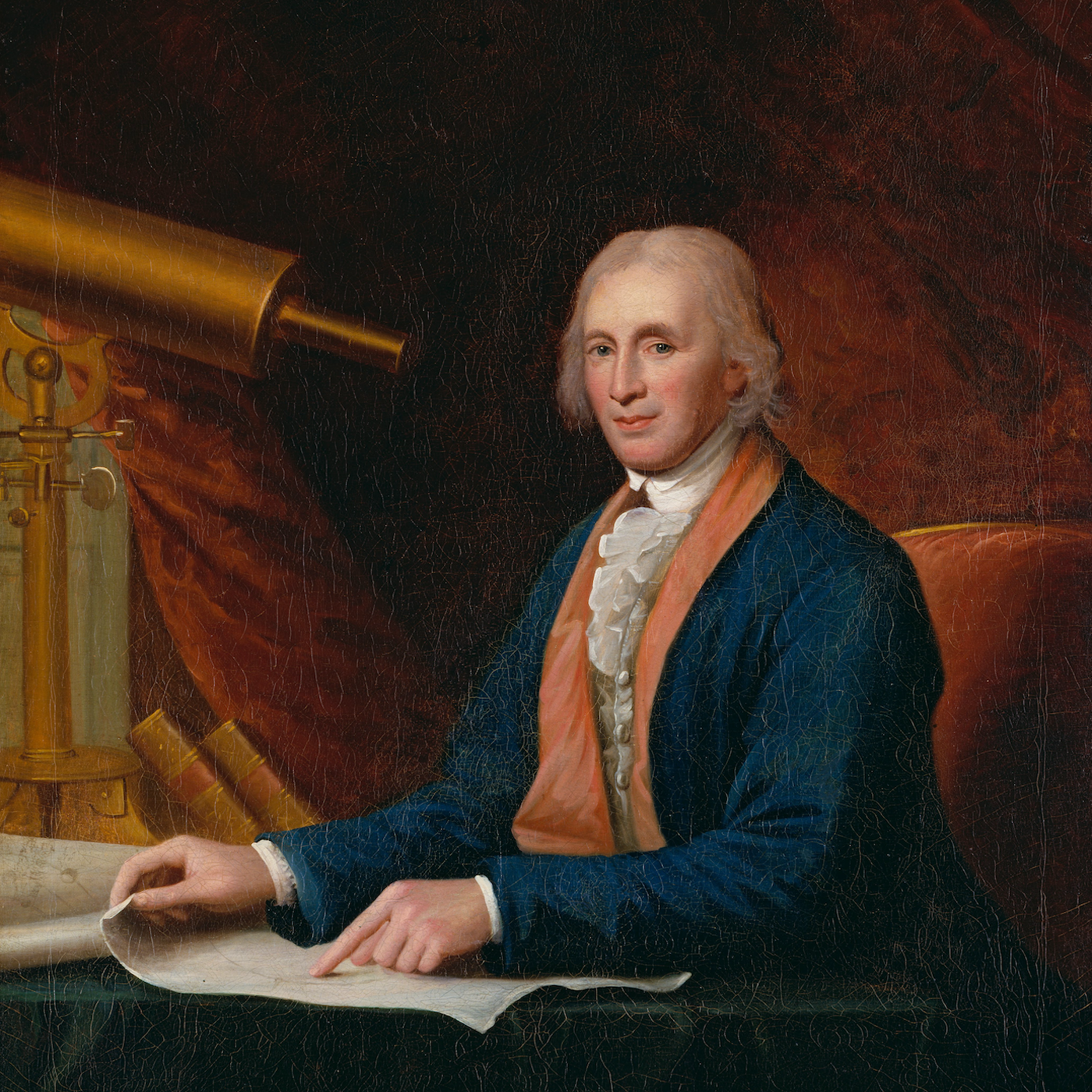
Two hundred and fifty years ago, Philadelphia was not just the center of political revolution, but a hub of scientific discovery. For America’s founders, science was more than a pastime — it was a way of understanding the world and the natural laws that shaped it. On this episode, we explore how science and innovation helped give birth to a new nation.
We visit the American Philosophical Society in Philadelphia to explore how tracking the transit of Venus in 1769 became a major success for astronomers in the colonies, one that put American science on the map. We’ll also h...The Body Remembers: Exploring the Invisible Wounds Left by Serious Illness
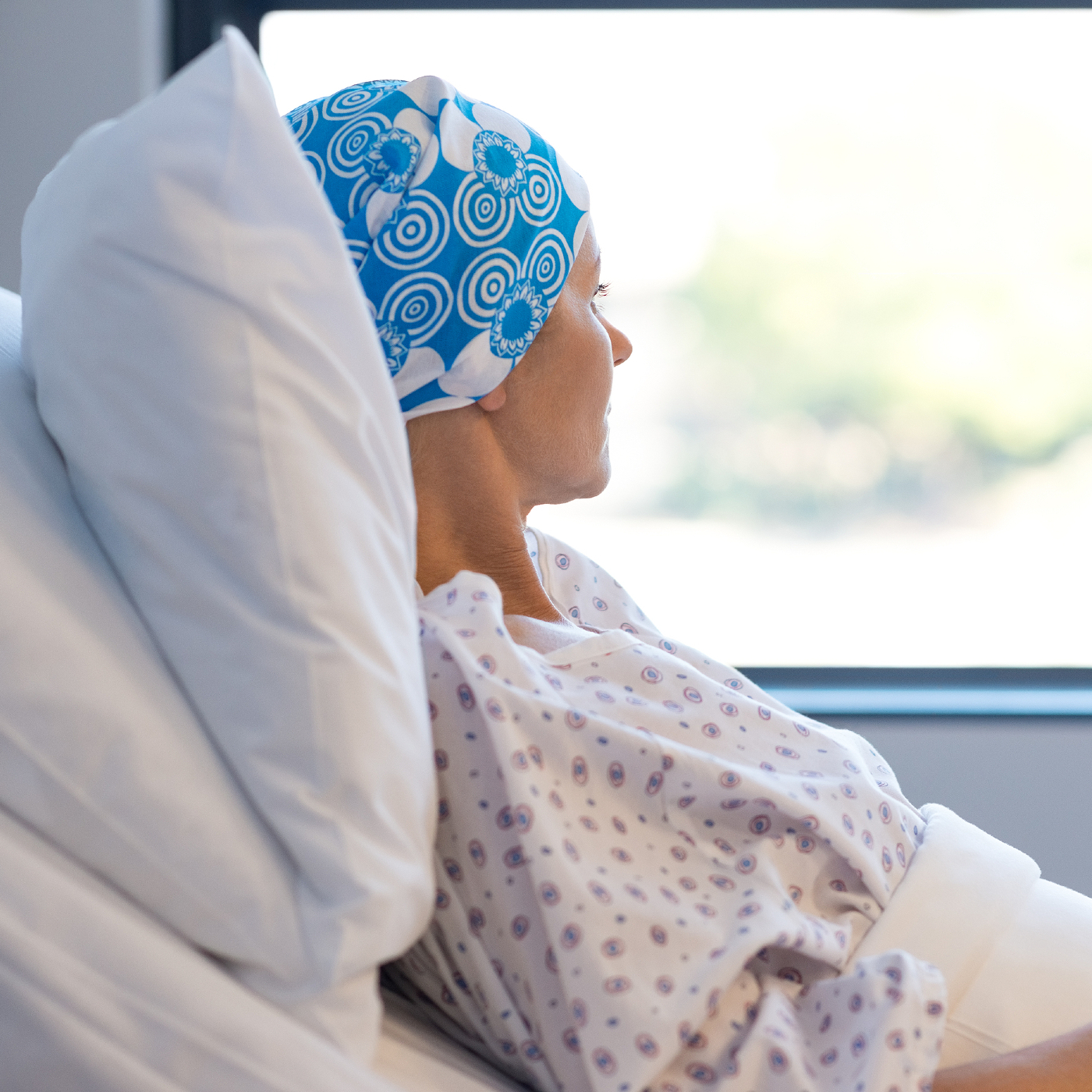
On this episode, we explore the lingering effects of medical crises, both physical and emotional, and what true healing really means. We hear about one doctor’s journey to reconnecting with her body — and her pain — after nearly dying, what researchers are learning about medical trauma, and how a traumatic brain injury transformed the lives and marriage of a couple.
As a physician, Rana Awdish’s goal was to get her patients healthy as quickly as possible. But when she experienced her own medical emergency — one that ended her pregnancy and nearly killed her — her perspective on the role of clini...You’ve Heard of ‘Dad Bod’ But How About ‘Dad Brain?’

We often talk about the biological and emotional transformation of motherhood, but what happens to men’s brains when they become fathers?
On this episode, host Maiken Scott chats with psychologist and researcher Darby Saxbe to explore her new book, “Dad Brain: The New Science of Fatherhood and How It Shapes Men’s Lives.”
While the "dad bod" is a common trope, Saxbe’s research reveals that the changes go much deeper. Drawing on longitudinal studies, she explains how fatherhood triggers a biological reorganization — including measurable changes in brain volume within the social cognition network and dynamic...
How Music Shapes Memory, Emotion, and Imagination
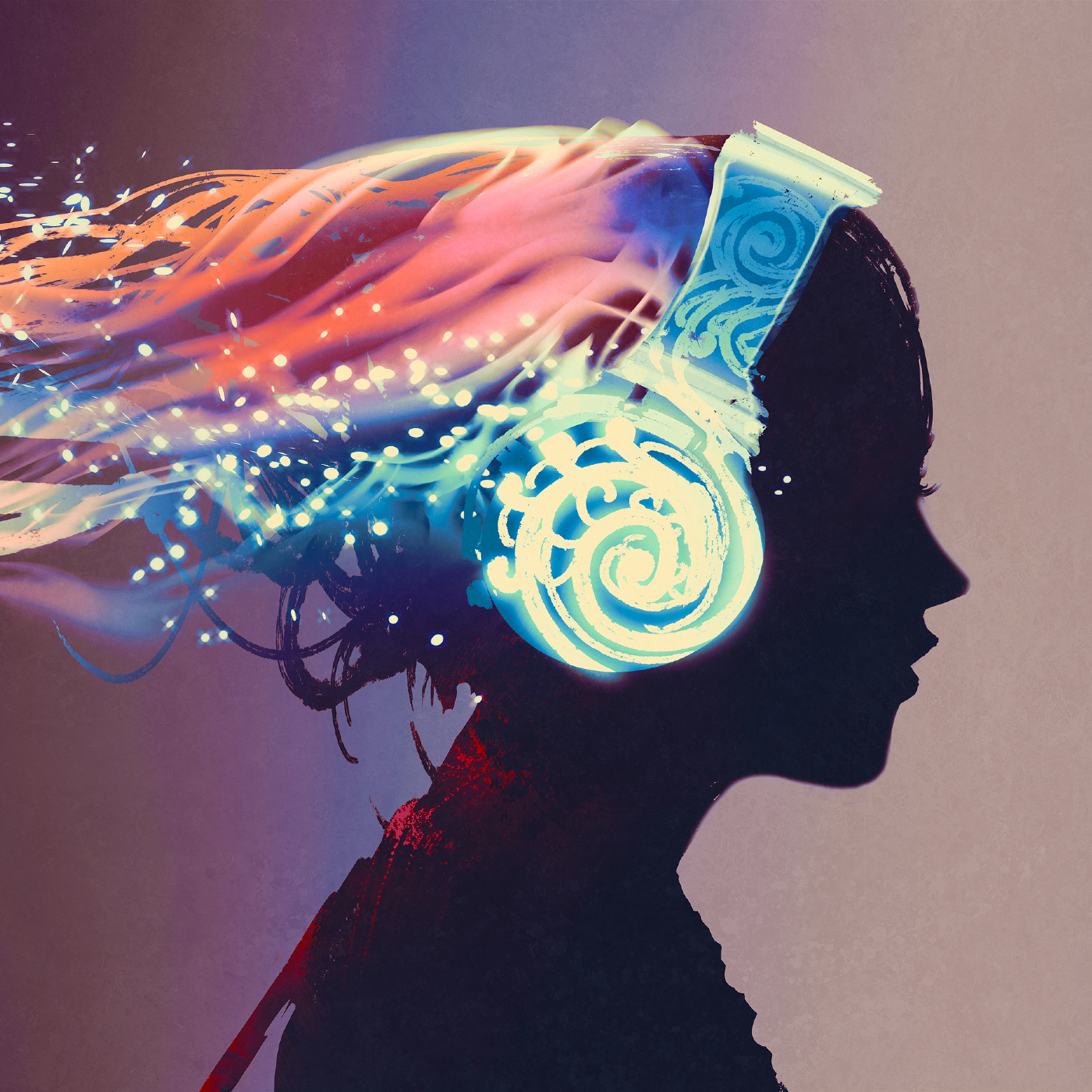
Music can transport us to a different time and place — but how does that happen? We explore how music affects our brains — from its ability to tap into our memories and imaginations, to “musical daydreaming” and how it helps us understand both the world and ourselves. We also discuss the therapeutic power of music.
We talk with Elizabeth Margulis, director of the Music Cognition Lab at Princeton University, about how music affects our brains, and how it helps us make meaning and sense — both of ourselves, and of the world. Her new book is “Transported: The Everyday Magic of Musical D...When Healthcare Meets the Law: Abortion, Cannabis, and Corporate Medicine
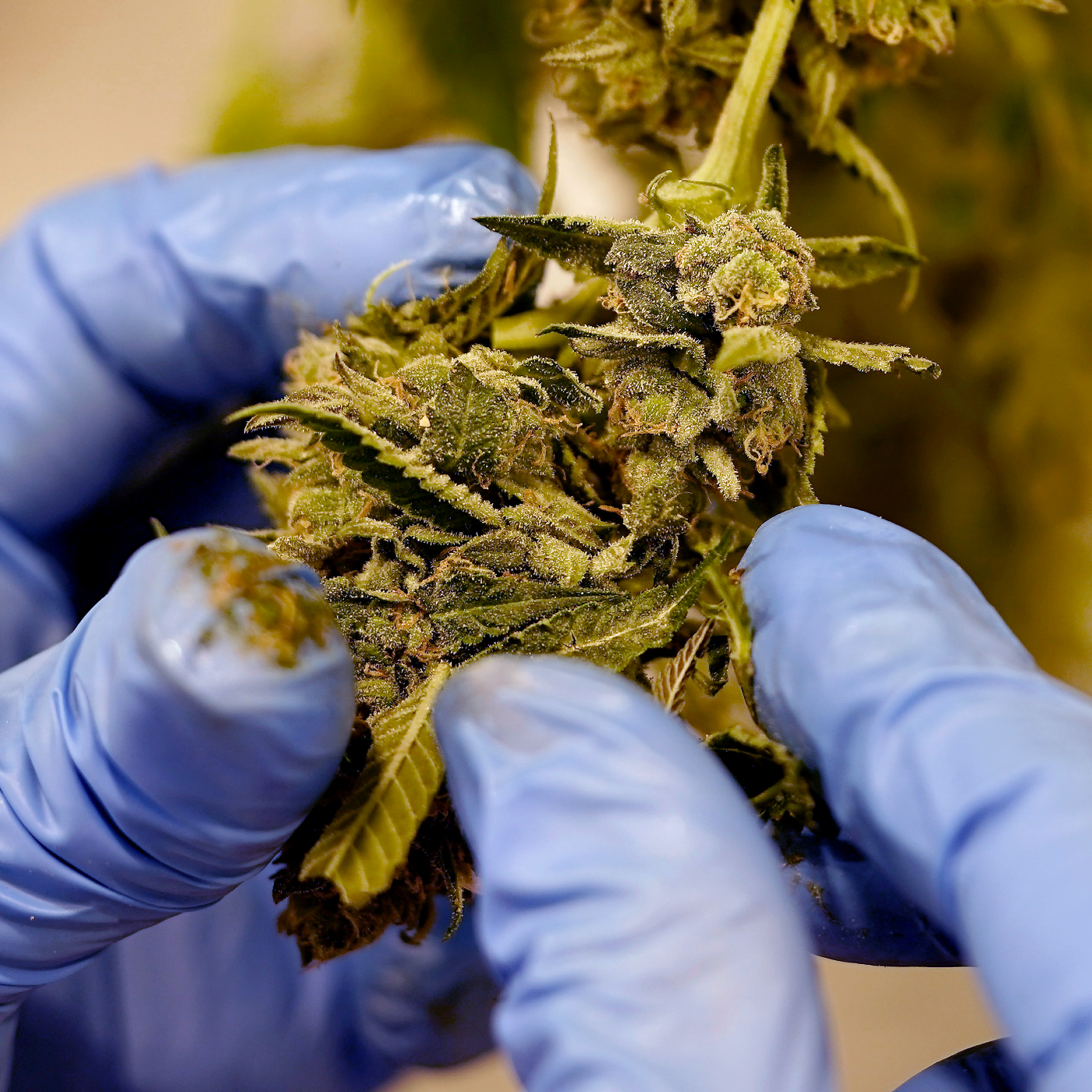
On this episode, we look at the intersection of health, medicine, and the law. We explore how the upcoming rescheduling of marijuana may impact research on the drug, hear the story of a doctor who faced manslaughter charges in the 1970s for providing an abortion, and learn about legislation that some states are using to try and keep private equity out of medicine.
Near the end of 2025, President Donald Trump made an announcement that marijuana advocates had been waiting decades to hear — plans by the federal government to move cannabis from schedule 1 to schedule 3, a much less restrictive le...Engineering Happiness into Our Daily Lives

Think about the last time you were really happy — where were you? What were you doing? Who were you with? And, most importantly, how can you recreate that feeling?
Happiness can feel like lightning in a bottle — beautiful in the moment, but hard to find and harder yet to sustain. So what is it that makes for a happy life? And how do we engineer our lives for greater contentment, fulfillment, and joy?
On this encore episode: the science of happiness and how we can experience more of it every day. We talk with psychologist Eric...
The Strange Science of Color — And Our Quest to Understand It
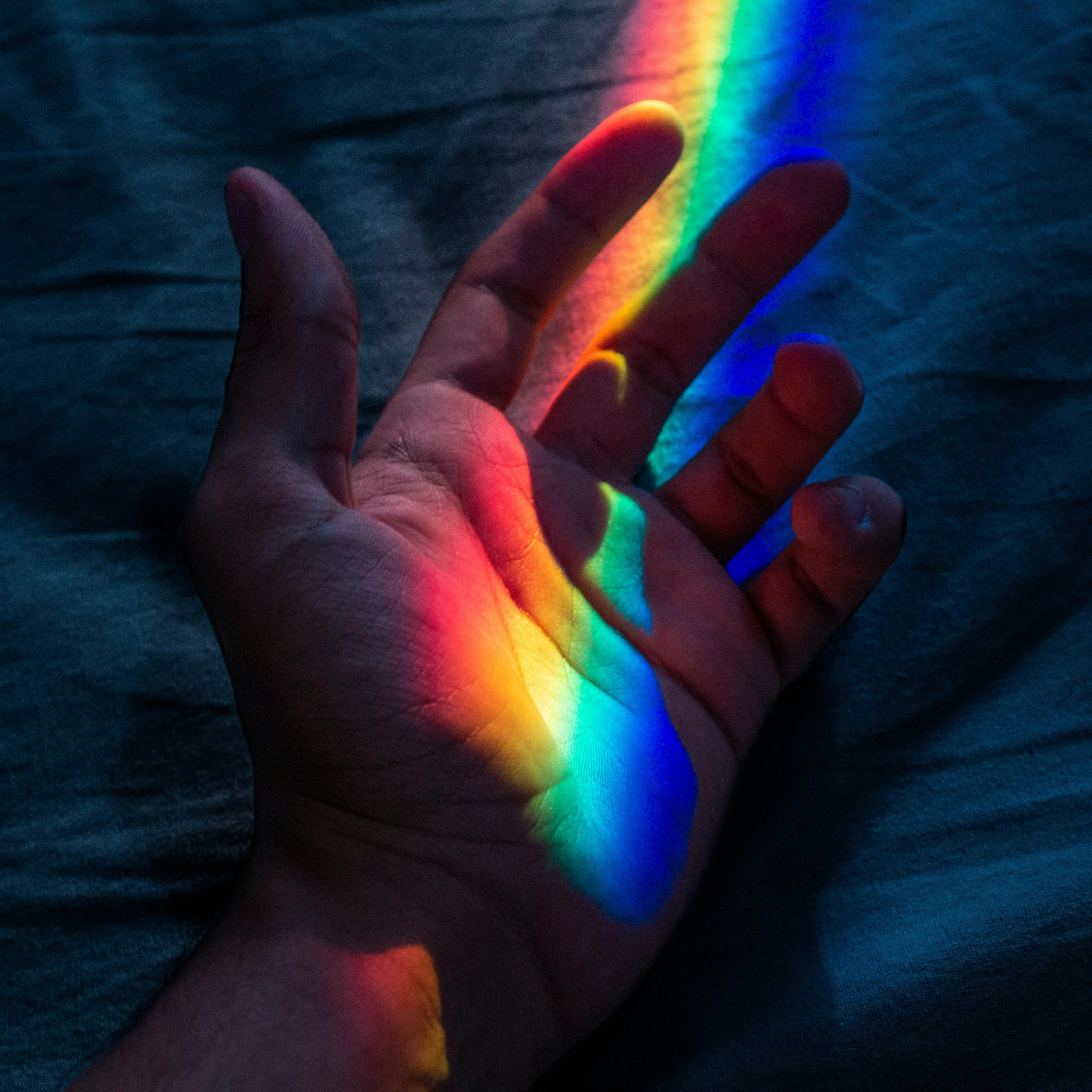
On this episode, we explore the world of color — from how we perceive it, to our efforts to describe and differentiate its many shades. We talk with a lexicographer about efforts to standardize synthetic colors, and how we describe them, and investigate how we know that the colors we see are the same as the ones everyone else sees.
The Pulse host Maiken Scott adds some pops of color to her all-black wardrobe with help from Jill Rafter, a color consultant with House of Colour, who breaks down seasonal palettes and how to choose your ideal hues based on...What It Takes to Survive a Disaster
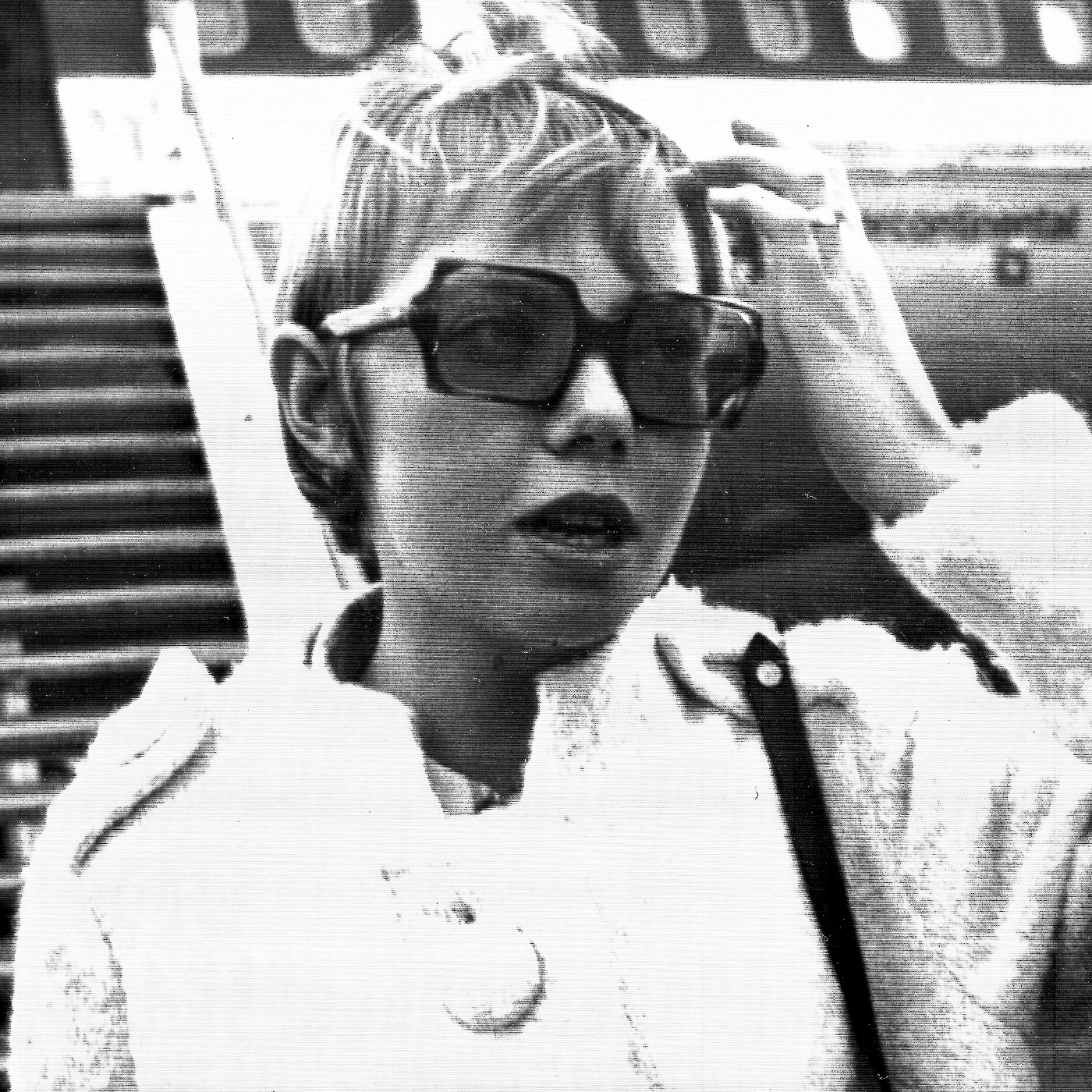
When disaster strikes and the chips are down, who makes it out alive? On this episode, we explore what it takes to survive a crisis. We hear the incredible story of a 17-year-old girl, who after surviving a plane crash, faced a harrowing journey though the Amazon to safety, why some people experience hallucinations when facing death, and how we’re wired to behave in emergencies.
On Christmas morning in 1971, 17-year-old Juliane Koepcke woke up deep in the jungle, injured, in shock, and utterly alone. She was the sole survivor of a plane crash that had dumped her in...The Complexity of Motherhood

How do you sum up the experience of motherhood, and all of the changes it brings, both big and small? It’s a transformation that affects everything — hormones, body image, relationships, feelings, money, career — even the answers to larger, existential questions like, “Who am I in this world, and what is my role?”
On this episode, we explore the impact of motherhood. We talk with a psychologist about “matrescence” — a term used to describe the multi-faceted transformation ushered in by motherhood — and why it comes as a surprise to so many mothers. We find out how motherhood rewires the brain...
Healing with Psychedelics: Veterans, PTSD, and the Science of Mind-Altering Drugs
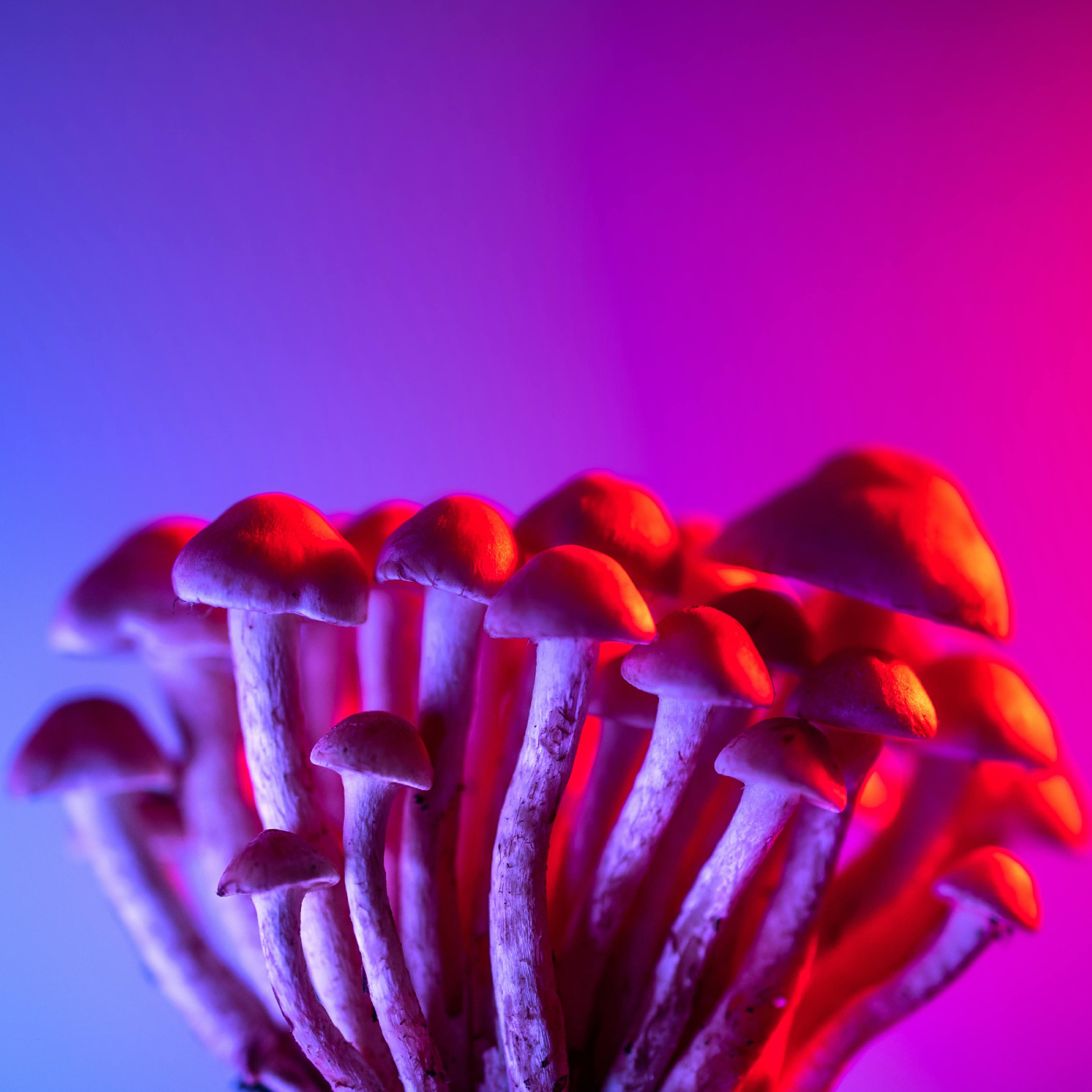
For decades, psychedelics like LSD, psilocybin, and MDMA were regarded as dangerous drugs of abuse — but that’s started changing as research increasingly reveals their ability to help treat serious mental health issues. On this episode, we listen back to past conversations about the science behind these drugs’ therapeutic potential, along with powerful stories of healing.
When Marcus Capone retired from the Navy SEALS in 2013 after more than a decade of service, he found himself at loose ends, and battling a deep depression. He cycled through antidepressants and other prescription medications, but nothing worked — until his wife suggested a radica...40 Years After Chernobyl: What Caused the Disaster — and How It Changed Nuclear Energy

Forty years ago, news was only beginning to emerge that an accident had occurred — one that could put millions of people at risk. A reactor at Chernobyl Nuclear Power Plant, then part of the Soviet Union, had exploded, releasing a plume of radioactive gases and particles into the atmosphere and spreading some of the most hazardous radionuclides known to humanity.
We look back at what caused this devastating nuclear accident, and explore its legacy with Adam Higginbotham, author of “Midnight in Chernobyl: The Untold Story of the World's Greatest Nuclear Disaster.” He describes the perfect storm of Soviet...
So Many Cravings, So Few Rewards: Understanding How Dopamine Works

Science writer Michaeleen Doucleff was sitting on a beautiful beach with her daughter, but she couldn’t relax. She kept reaching for her phone, checking it over and over. She was frustrated but couldn’t stop. Why was she doing this? In her new book, “Dopamine Kids: A Science-Based Plan to Rewire Your Child's Brain and Take Back Your Family in the Age of Screens and Ultraprocessed Foods,” Doucleff explores how devices can hijack our brain’s reward system to keep us coming back for more, even after the pleasure is gone.
What Greenland Can Teach Us About The Earth’s Past and Future
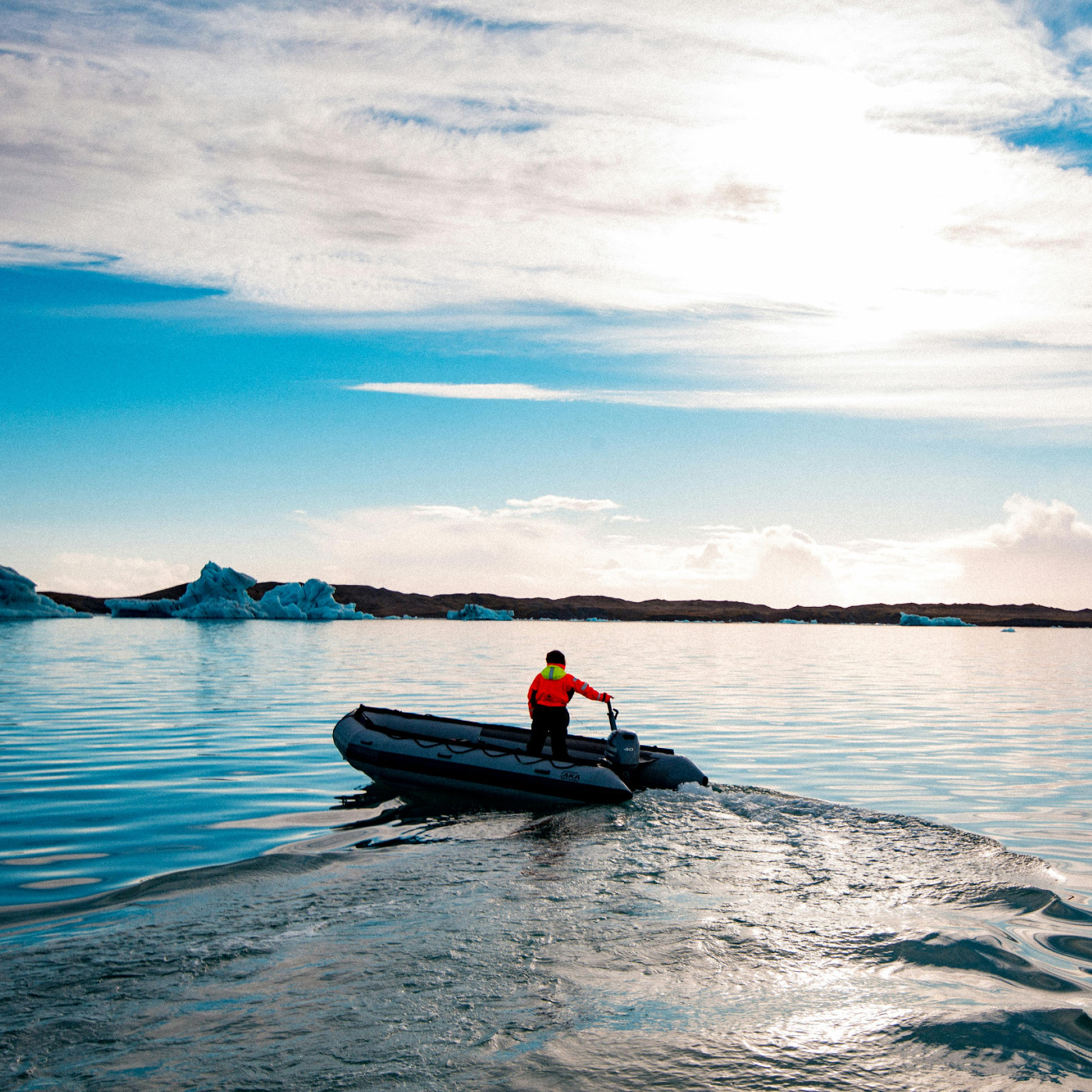
Politicians are eyeing Greenland as an important strategic location, perfectly situated between Europe and North America. President Donald Trump has said he remains highly interested in acquiring or controlling Greenland as a national security and economic asset. But for a lot of researchers, Greenland is a beautiful and fragile place that holds important clues to the Earth’s past and future. So what are they learning about the large, icy island?
On this episode, we’ll explore some of the research happening in Greenland. We’ll hear about archeologists digging up Viking graves to find out why a settl...
Inside the Boom of Urgent Care: How It’s Changing American Medicine

The number of urgent care centers in the U.S. has doubled over the past decade, and it isn’t hard to see why — they fill a void in the market. Urgent care offers quick and convenient access to medical care when patients can’t get an appointment to see their primary care doctor, but their issue doesn’t seem to warrant an ER visit. But the rapid rise of urgent care has come with some growing pains — questions over the quality of care, and how they’re affecting doctor-patient relationships. On this encore episode, we explore the rise of urgent ca...
Why We Need to Talk About Poop
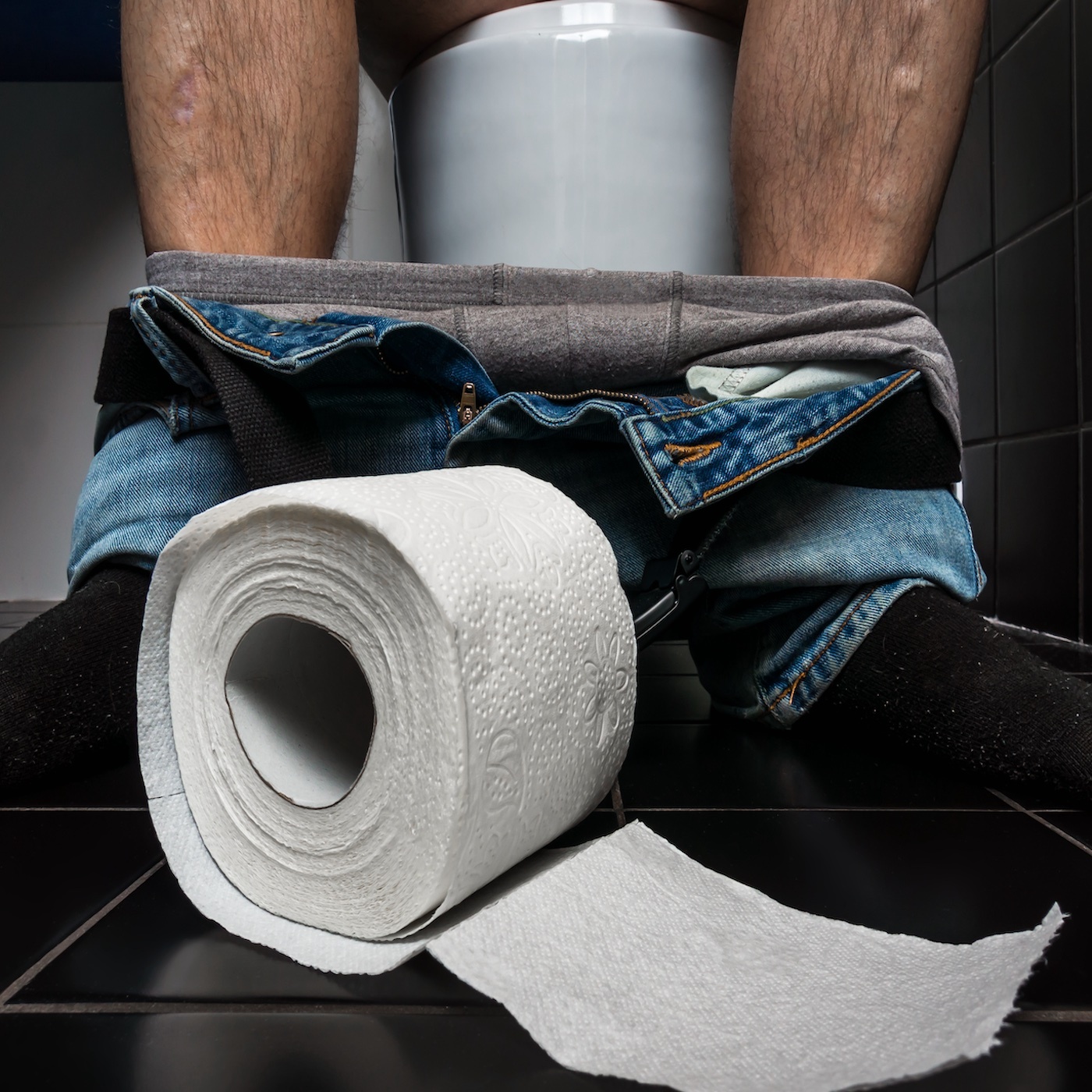
Have you ever looked in the toilet bowl and wondered, ‘Is that normal?’ Well, you’re not alone — and according to neurogastroenterologist Trisha Pasricha, it’s time to talk about poop.
Pasricha says understanding what’s normal about your bowel movements isn’t just a silly or squeamish conversation, but one that can be lifesaving. Digestive issues affect millions of Americans, yet many of them are scared to discuss them, even with their doctors. Meanwhile, the rate of irritable bowel syndrome or IBS has doubled since the COVID-19 pandemic, and the number of young people dying from colon cancer is...
The Problem with Being Perfect: How Unrealistic Standards Hurt Our Minds and Bodies

We often think of perfectionism as a virtue; a kind of shorthand for high standards, a solid work ethic, and attention to detail.
But in reality, perfectionism can be a paralyzing force — like sand wedged in the gears of our minds. It slows us down, makes us question our choices, and traps us in an endless cycle of tweaking and re-tweaking, unable to move on to the next task. It can even have consequences for our health, as we push ourselves beyond our limits, in pursuit of impossible standards. And it’s on the rise, especially among teen...
