CFO THOUGHT LEADER

CFO THOUGHT LEADER is a podcast featuring firsthand accounts of finance leaders who are driving change within their organizations. We share the career journey of our spotlighted CFO guest: What do they struggle with? How do they persevere? What makes them successful CFOs? CFO THOUGHT LEADER is all about inspiring finance professionals to take a leadership leap. We know that by hearing about the successes — (and yes, also the failures) — of others, today’s CFOs can more confidently chart their own leadership paths across the enterprise and take inspired action.
2016: Building the Operating System for Agentic Automation | Ryan Roccon, CFO, Zapier

At Zapier, the rise of AI is changing more than the automation products customers build. It is reshaping how the company organizes, invests, prices its offerings, and thinks about its next stage of growth.
COO and CFO Ryan Roccon describes Zapier’s emerging role as the place where AI-built work actually runs. As tools such as Claude, Cursor, and ChatGPT make it increasingly easy to build applications and agents, he sees a different challenge emerging: keeping those automations reliable, observable, auditable, and cost effective once they enter production.
That challenge is influencing Zapier’s product and...
When AI Changes the EPM Decision | David Den Boer, CEO, Column5 Consulting
AI is rapidly changing not only what finance technology can do, but how CFOs should think about the technology stack itself.
In this bonus episode of CFO Thought Leader, David Den Boer, CEO of Column Five and Darwin Analytics, joins Jack Sweeney to explore how AI is reshaping enterprise performance management—and why finance leaders may need to rethink long-held assumptions about EPM platforms, data systems and analytics.
Den Boer describes a market in which capabilities once associated with EPM are increasingly emerging from multiple directions. Large language models, data platforms, business intelligence tools and EP...
1215: Building Finance for the Long Game | Jassica Somers, CFO, Aledade

At Aledade, CFO Jessica Somers is helping finance navigate a business where investment decisions can take years to fully reveal their value.
The technology-driven, physician-led company works with more than 3,000 primary care practices and touches more than 3.6 million patients, using data and technology to support proactive, preventive care. Its value-based model also creates an unusual finance challenge: connecting better patient outcomes with healthcare savings and, ultimately, financial performance.
That long-term orientation shapes how Somers approaches capital allocation. Aledade has built its own technology platform rather than relying on another company’s roadmap, reflecting what Somers de...
1214: The CFO Checklist Keeps Growing | Jack Gordon, CFO, Harri

For Jack Gordon, the CFO role at Harri increasingly extends beyond finance—and into the mechanics of how an AI-powered business scales.
Harri, a workforce operating system focused on hospitality, has evolved from a point solution into a broader platform spanning talent acquisition, workforce management, and employee engagement. Gordon says the company’s opportunity rests partly on years of data accumulated across mission-critical workflows, an advantage that becomes increasingly important as AI reshapes workforce technology.
That evolution is also reshaping Gordon’s finance agenda. As Harri rolls out its AI platform, understanding the changing unit econom...
1213: When Constructive Tension Yields Sharper Decisions | Martin Uhrik, CFO, Third Bridge

When Martin Uhrik compared the margins of two visual-effects brands at Technicolor, one appeared far more profitable than the other. Uhrik tells us the reported difference prompted him to investigate. One brand showed project results only to the direct-margin level, rather than revealing fully absorbed profitability.
Uhrik says he asked the business-unit CEO why the company was not showing creatives “the true state of the business.” The response was resistance: management feared that exposing weaker bottom-line results could cost the premium brand its talent and luster.
Uhrik insisted. According to him, the business began showing crea...
1212: When Working Capital Rewrites the CFO Agenda | Dan Barzily, CFO, Tipalti

Shortly after Dan Barzily became CFO of Tipalti, a go-to-market transformation altered the company’s working-capital profile. One quarter later, Barzily tells us, the company missed its forecast across multiple parts of the P&L.
The surprise reached back to a subject he had barely considered since his university accounting class. “It really hit me,” Barzily recalls. “I’m now the CFO, and I’m in charge of those things.”
Until his appointment, Barzily says, he had never expected to become a CFO. He studied engineering, where he developed skills in analytics, accuracy, modeling, forecasting, and making ass...
1211: Mission, Means, and the Will to Grow | Jonathan Ma, CFO, Sutter Health
Jonathan Ma recalls being at his parents’ home in Nebraska one Saturday when his Morgan Stanley boss called with advice: pursue an opportunity at Sutter Health. After nearly 15 years, the mentor believed the retiring treasurer’s position could be Ma’s next step.
Ma tells us he had not considered the opportunity. Although he knew Sutter Health’s mission and some of its people, he says the call “planted” the seed. His mentor had seen something in him that he had not yet recognized.
That moment echoed the way Ma describes his development at Morgan Stanley. He...
1210: The Best Trade May Be the One You Don’t Make | Shive Verma, CFO, Robinhood
Six weeks before Lehman Brothers went under, Shiv Verma tells us, he joined a hedge fund as the world felt like it was falling apart. After building structured-credit and CLO models at J.P. Morgan from 2006 to 2008, Verma says he helped buy back assets originated at par for five cents on the dollar.
A mentor there supplied a rule Verma still carries: “The best trade you ever make is often the trade you don’t make.”
For Robinhood’s CFO, the line offers a double meaning—and a little fun. In the interview, however, Verma applies it...
1209: Finding a Larger Voice in the Room | Ross Grainger, CFO, Nasuni
Ross Grainger remembers an early chapter of his career when finance was only one part of the job.
After stepping outside a traditional finance path to own and operate a Mako auto-body franchise, Grainger tells us he learned what it meant to “act like an owner.” That sometimes meant cleaning toilets, learning to paint cars, welding, doing body work, handling customer service, and making outside sales calls. But the experience also taught him another lesson: even if a leader can do everything, “you shouldn’t do those things forever” if they pull you away from where you can provid...
1208: Quality, Trust, and Scale | Cal Brouilette, CFO, Flatiron Health
Cal Brouilette recalls a sleepless night in Houston, speaking at 3 a.m. with someone from Blackstone about a purchase-and-sale agreement and transition-service agreements. It concerned a power-plant portfolio sale at Direct Energy, a Centrica subsidiary, that Brouilette places in 2013.
According to Brouilette, the assignment arrived in late September, when the CEO wanted the portfolio sold and announced before year-end. That left at most 120 days. Brouilette says he was managing finance and accounting, functioning as a business-unit CFO and loading up on MBA classes at Rice because his job had seemed stable.
The new assignment changed...
1287: Putting Guardrails Around Aggressive Growth | Jamie Schroeder, CFO, Premium Guard Inc.

Jamie Schroeder’s finance career began on the shop floor at Ford Motor Company. As part of Ford’s rotational development program, Schroeder tells us, he spent a month working in the paint shop at an assembly plant outside Cleveland. The experience was designed around “learning the business and getting your hands on the business” so that finance could become an informed partner to operations.
That operating mindset followed Schroeder to Scotts Miracle-Gro, where unfamiliar assignments became a recurring source of development. According to Schroeder, he was repeatedly placed in situations involving ambiguity, collaboration, and the need to “crea...
1206: The CFO as an Architect of Execution | Phil Fracassa, CFO, Magna International
At Timken, it was generally known that Phil Fracassa knew he would become CFO after the company separated its steel business. But first, he tells us, the board gave him a different assignment: lead the project management office and set both resulting companies up for success.
The separation followed pressure from an activist investor and extensive board consideration of strategy, stakeholder impact, operating performance, capital allocation, risk, and long-term shareholder value, according to Fracassa. Once the decision was made, his team had just under a year to carve out a business that had been part of Timken...
1205: Giving Every Decision-Maker 40 Analysts | Matt Ostrower, CFO, Link Logistics
Matt Ostrower remembers losing sleep over a decision that carried consequences for employees, lenders, and shareholders.
At Site Centers, Ostrower tells us, the management team was confronting two challenges. Investor fears about the internet’s impact on retail real estate were depressing stock and bond valuations. Then Hurricane Maria struck Puerto Rico, leaving a portfolio of company assets out of commission for months.
The immediate pressure was to reopen properties and navigate the crisis. But Ostrower says the team forced itself to “pull back” and consider how the company could emerge positioned for growth.
Work...
1204: When Capital Conviction Matters More Than Market Timing | Andrew Korn, CFO, EliseAI

Andrew Korn tracks growth first. EliseAI had surpassed $200 million in annual recurring revenue when he spoke with us, and Korn tells us the company had maintained year-over-year growth above 100% throughout his four and a half years there—“correlation, not causation,” he adds.
That growth gives finance a clear assignment. According to Korn, EliseAI monitors gross margins and burn while ensuring its spending remains prudent and directed toward investments capable of moving the business forward.
The company operates in housing and healthcare, two industries Korn describes as representing about 40% of U.S. GDP combined. He tells us bot...
1203: Making Strategy—and the Money—Move Together | Laura Miller, CFO, Strata Design Technology
In April 2020, Laura Miller stepped into her first CFO role at Pampered Chef. According to Miller, she was pregnant with her second child, working with a new CEO and joining an executive team that had never worked together in the building before the pandemic sent everyone home.
Demand was anything but predictable. Miller tells us that Pampered Chef’s independent consultants could hold parties online while consumers, confined to their homes, purchased kitchen equipment and looked for ways to earn money. That summer brought a business boom—and immediate pressure on working capital, supply chains and forecasting.
1202: Allocating Capital in an Age of AI | Samantha Greenberg, CFO, AlphaSense
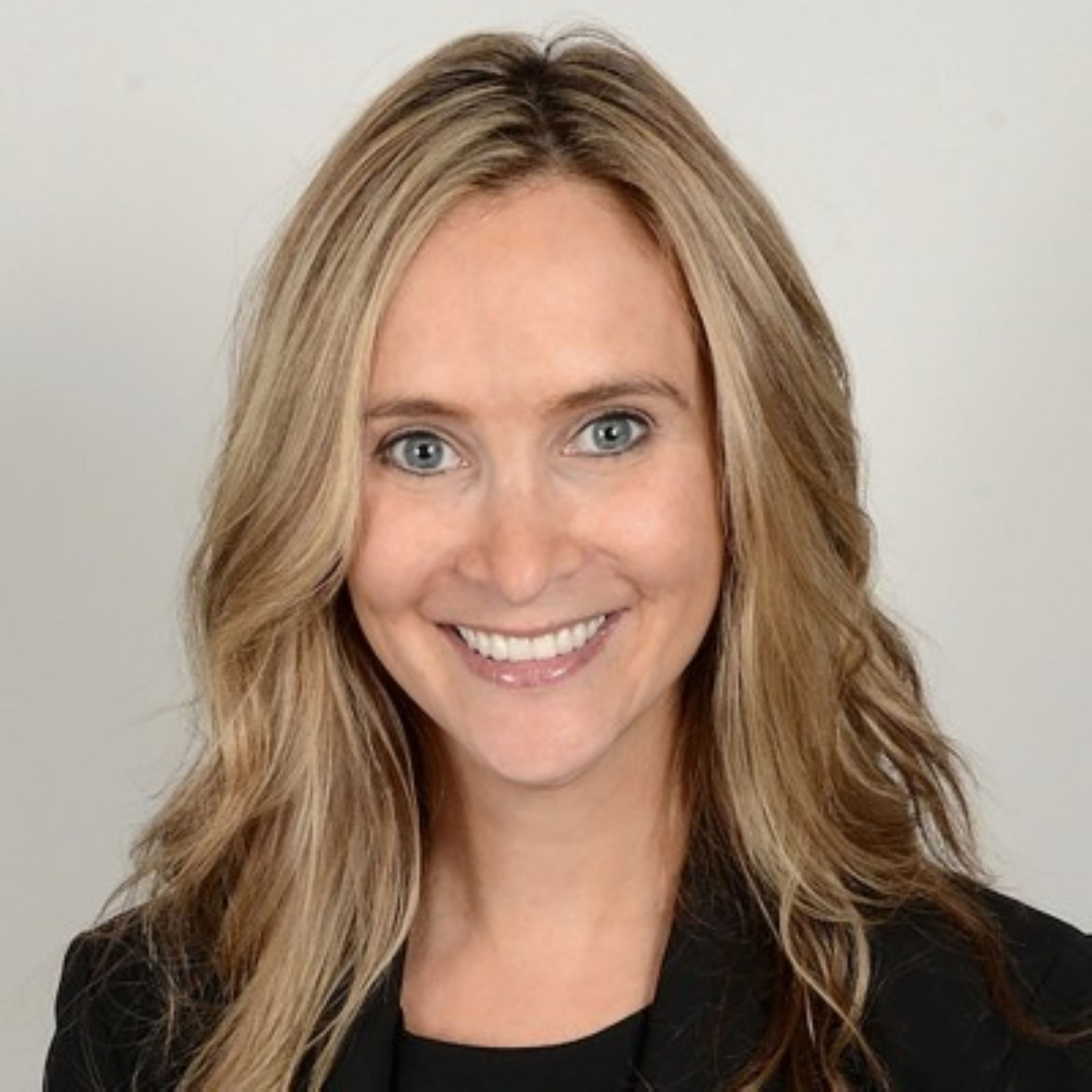
In the early months of Francisco Partners, Samantha Greenberg sat in a room on folding chairs with the firm’s cofounders and one other colleague, planning the business.
According to Greenberg, the private equity firm was pursuing an idea that many considered impossible in the late 1990s: executing leveraged buyouts of technology companies. Greenberg tells us she was drawn to the vision because it challenged the belief that technology businesses could not be predictable or capitalized with debt.
During the firm’s first year, Greenberg says, the team closed its first fund. She helped build oper...
The Weekend CFOs Couldn’t Reach Their Cash

What happens when a company has money—but its CFO cannot reach it?
Over one extraordinary weekend, finance leaders found themselves confronting a threat few had anticipated: cash locked inside a failing bank, payroll approaching, and no certainty about what Monday would bring.
This episode brings together the experiences of Ben Gammell, Larry Roseman, Dan Murphy, Stacy Tumarkin, and Sarah Spoja. Their stories capture the crisis from different vantage points—from companies scrambling to protect their own liquidity to finance teams helping customers regain access to theirs.
The discussion is less about the coll...
1201: From Bitcoin Infrastructure to the AI Power Economy | Gary Vecchiarelli, CFO, CleanSpark
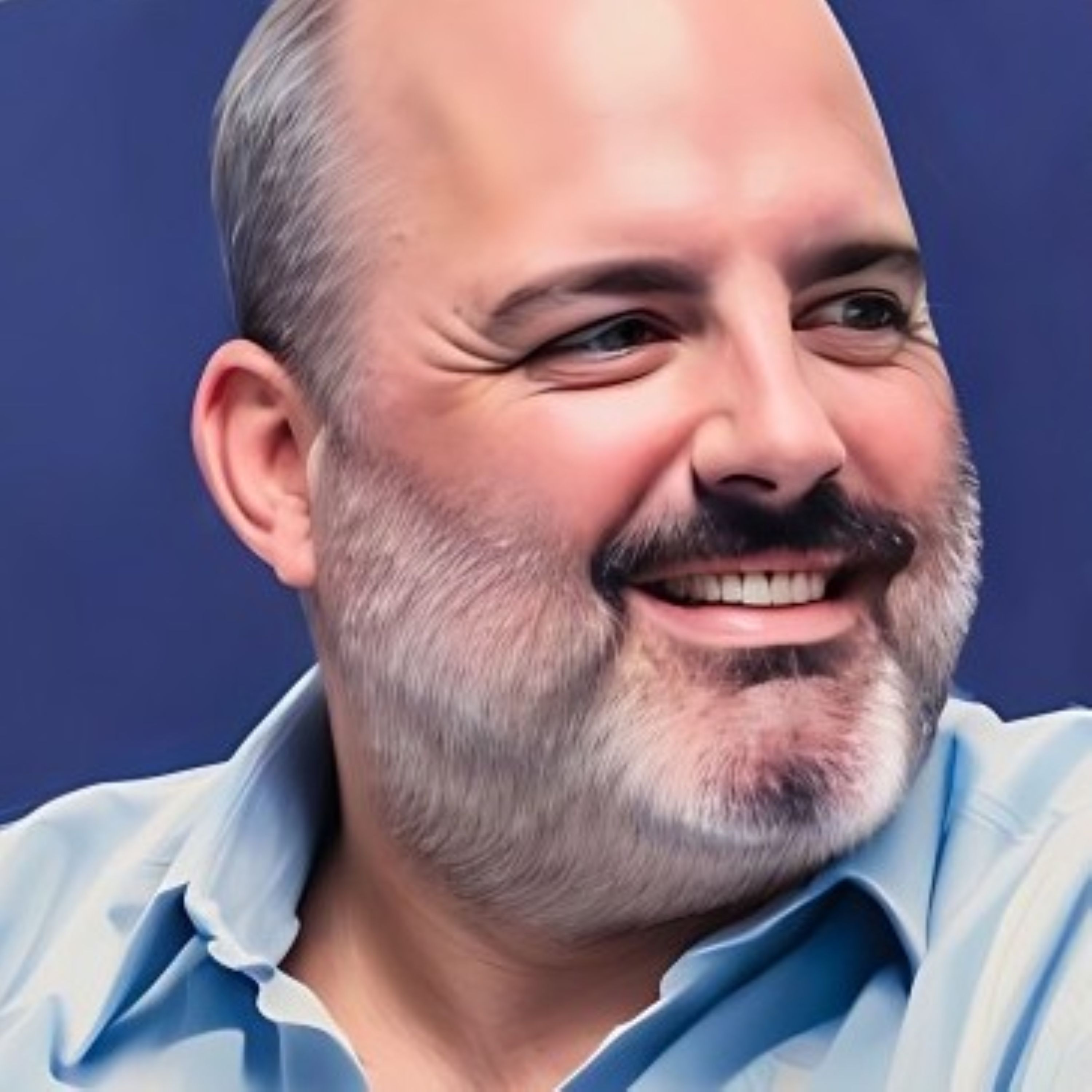
In high school, Gary Vecchiarelli received day-old copies of Investor’s Business Daily from a business teacher. Stock prices still appeared in fractions, and the teacher told him that he would know he had made it when he rang the bell on Wall Street.
Vecchiarelli tells us that the remark stayed with him for decades. He later rang the Nasdaq bell—an experience made more meaningful because his family knew the story. Long before that moment, however, he had begun ordering boxes of annual reports and reading financial statements he did not yet fully understand. He was draw...
The Credibility Playbook: How CFOs Restore Belief
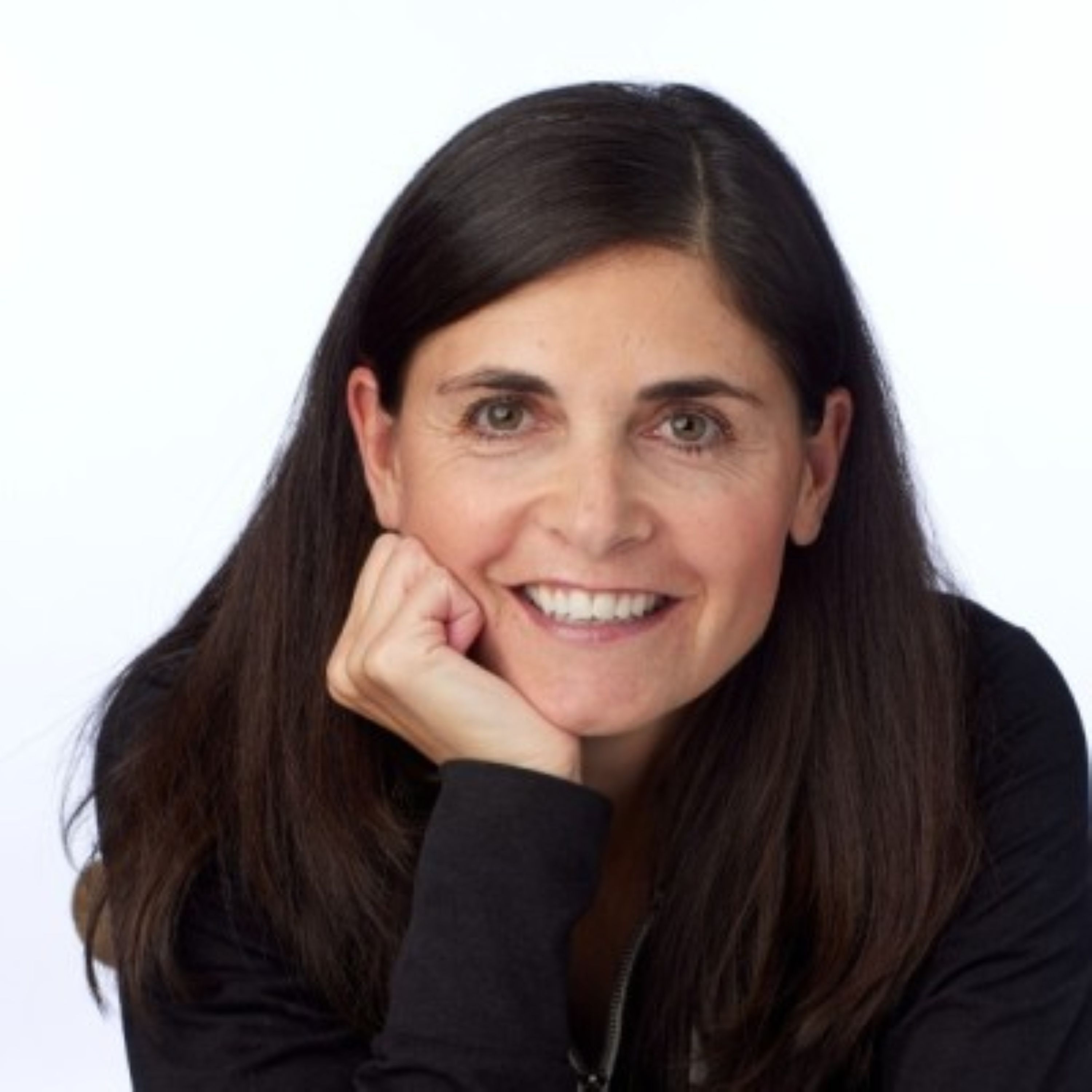
What does it take for a CFO to restore credibility?
Every finance leader eventually encounters a defining moment when confidence has been shaken—whether by slowing growth, a financial crisis, or years of eroding investor trust. In those moments, success depends on more than financial expertise. It requires disciplined execution, transparent leadership, and the ability to deliver on commitments when every decision is under scrutiny.
In this special compilation episode of CFO Thought Leader, we revisit three conversations that reveal how credibility is earned—and, when necessary, rebuilt.
Aidan Viggiano, CFO of Twilio, refl...
1200: When Finance Owns the Future | Mark Khavkin, CFO, Rula
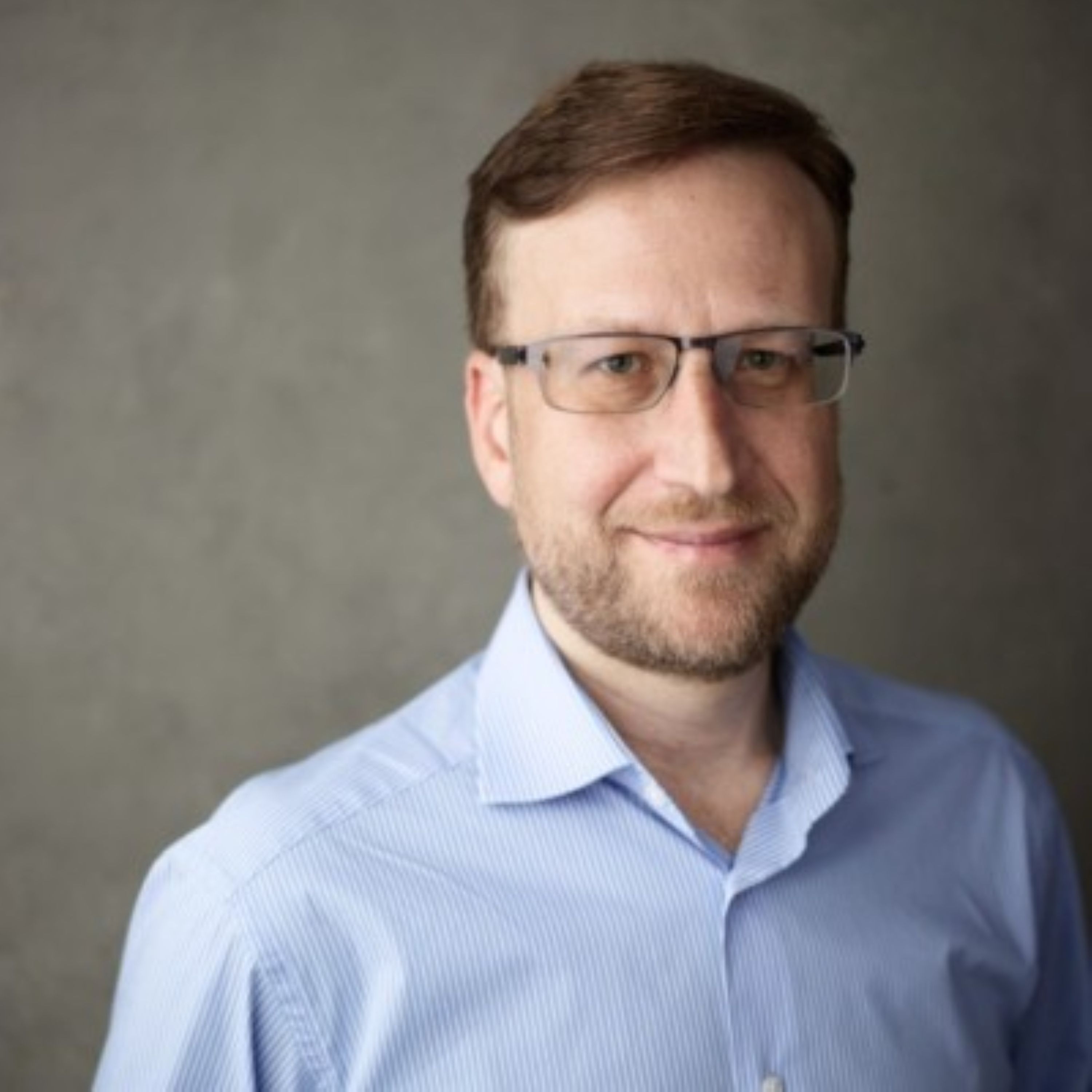
Mark Khavkin often finds his best ideas somewhere near the Golden Gate Bridge.
The Rula CFO tells us that he bikes from San Francisco across the bridge and into Marin County—not to compete, but to clear his mind, enjoy the view, and stop for a latte in Sausalito. “A lot of times great ideas come somewhere just before or after the bridge,” Khavkin says.
That preference for space and perspective also appears in how he leads. Compared with a decade ago, Khavkin says that he has become more comfortable trusting people to reach the right...
1199: The CFO’s Biggest Challenge Isn’t AI—It’s Leading Through It | John Kinzer (Interim CFO), OneStream
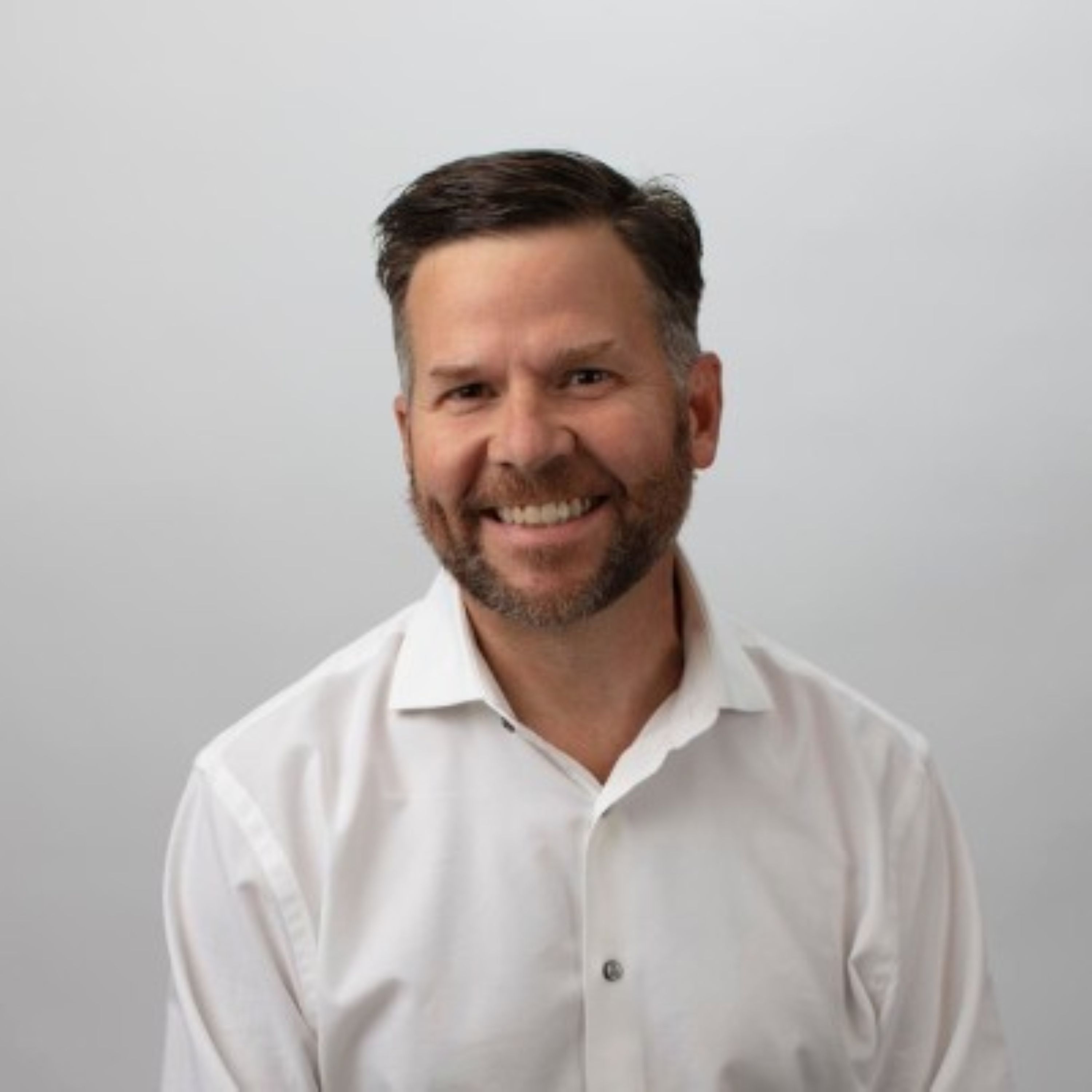
John Kinzer still remembers sitting in a closed meeting at MCI, presenting revenue results, when something unexpected caught his attention. It wasn’t the numbers he was reporting—it was the questions coming from the FP&A team. Listening to their discussion, he realized, “I also want to see that side of it,” Kinzer tells us. That moment led him from revenue reporting into business planning, where a manager helped shape the analytical skills that would define his career.
Looking back, Kinzer tells us those early experiences proved invaluable. Long-distance telephone plans behaved much like today’s subscripti...
1198: Building Long-Term Value Starts With Better Capital Allocation | Shane Hostetter, CFO, Chemours
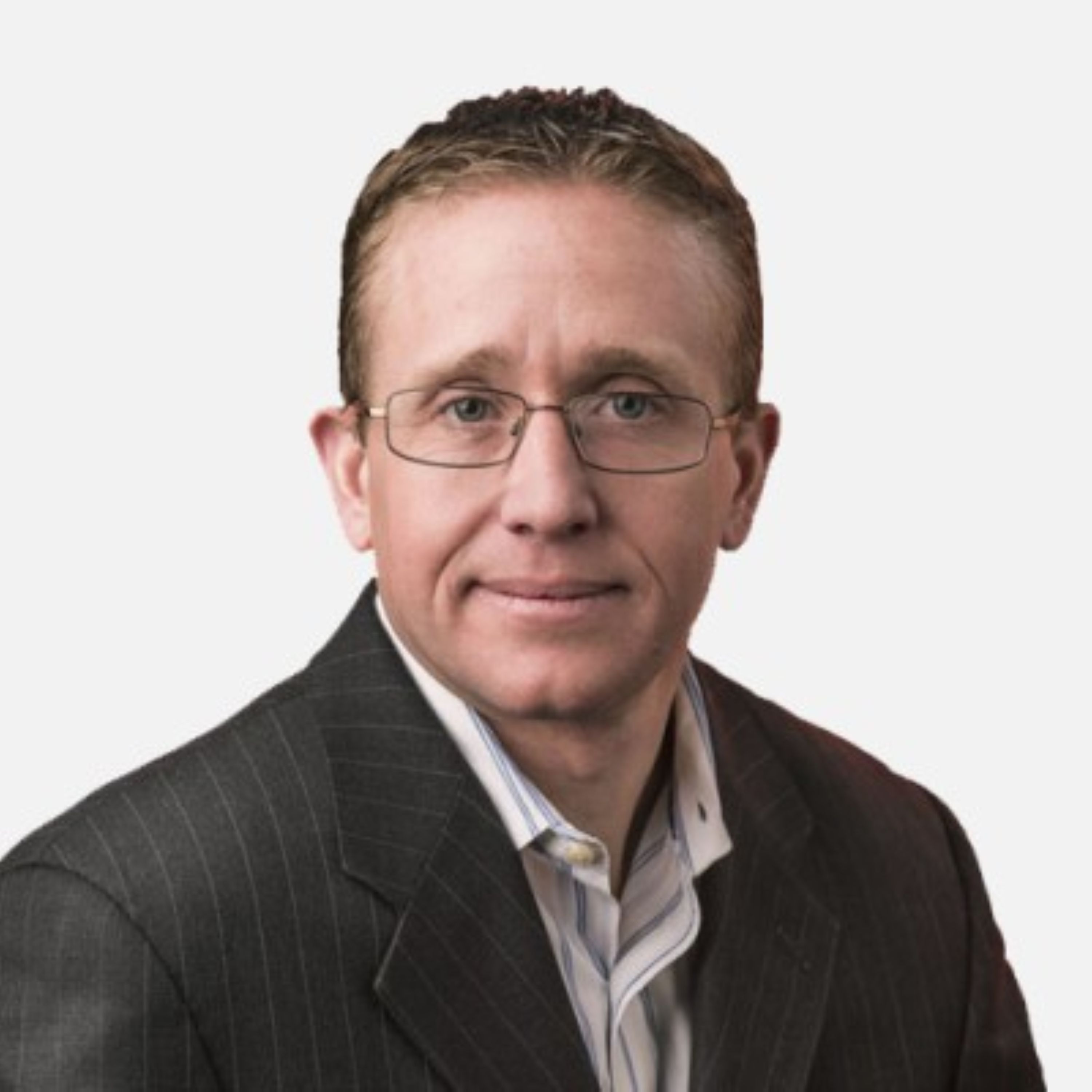
When Shane Hostetter arrived at Chemours in 2024, he stepped into a company facing liquidity challenges while also pursuing important long-term growth opportunities. His goal was not to replace decades of institutional knowledge but to complement it. Chemours CEO Denise brought nearly forty years of experience with DuPont and Chemours, while Hostetter brought an external perspective. Combining those viewpoints, he tells us, helped create “the best of both worlds.”
That approach reflects much of Hostetter’s broader leadership philosophy. Rather than viewing finance solely through the lens of reporting, he focuses on building a stronger foundation for future growth...
Inside the CFO Mindset Before the Deal
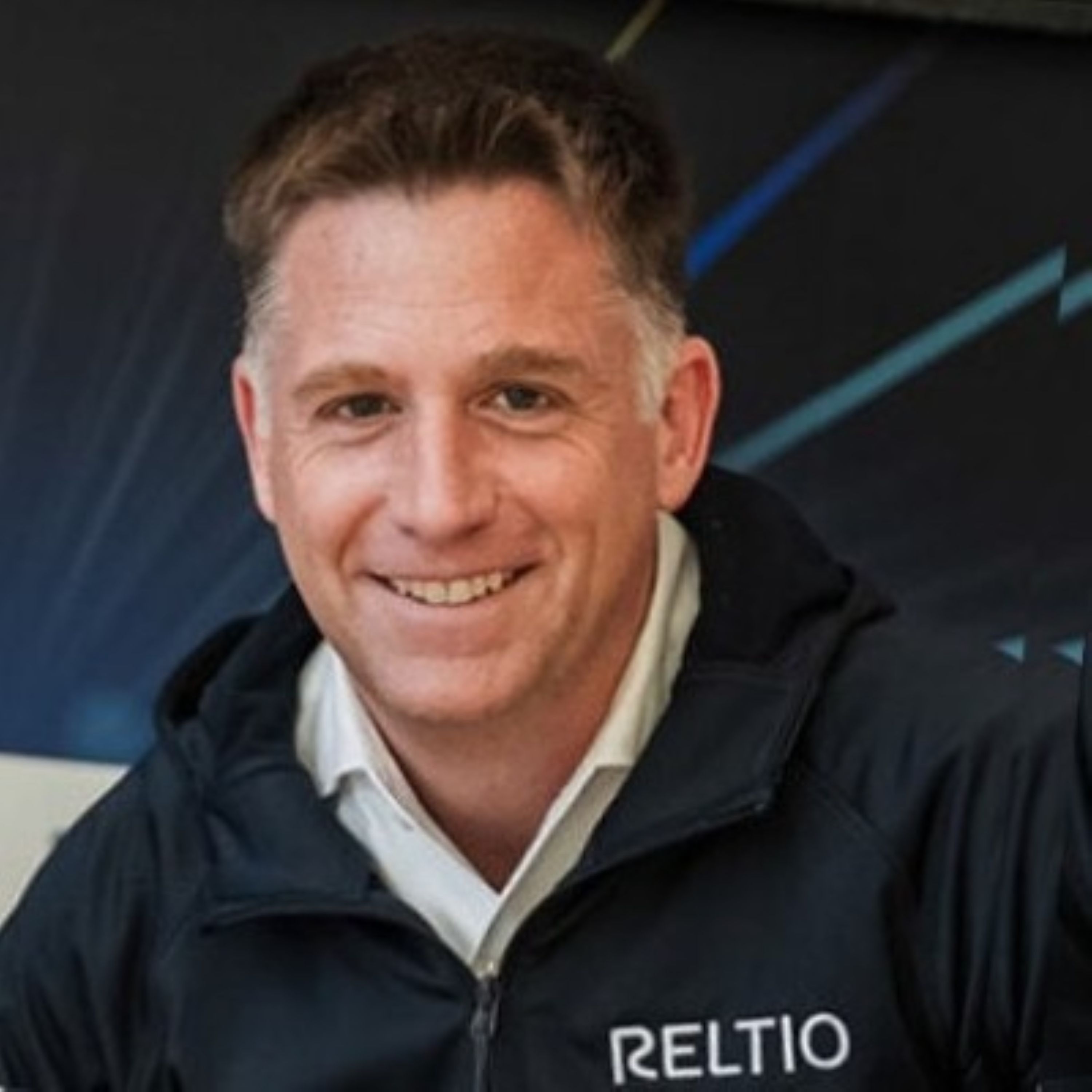
Three accomplished CFOs. Three candid conversations. One revealing look at how finance leaders think about acquisitions before the headlines ever appear.
In this special CFO Thought Leader edition, we revisit conversations with Jonathan Carr, former CFO of Armis, James Redfern, CFO of Reltio, and Toby Driver, CFO of IdeaGen. Each discusses acquisitions from a different vantage point—planning, integration, organizational readiness, and the people challenges that ultimately determine whether a transaction creates lasting value.
What makes these discussions especially compelling is their timing. Carr and Redfern shared their perspectives months before their companies were acquired. Se...
1197: The CFO Who Learned Finance by Owning Sales | Sinohe Terrero, CFO, Envoy
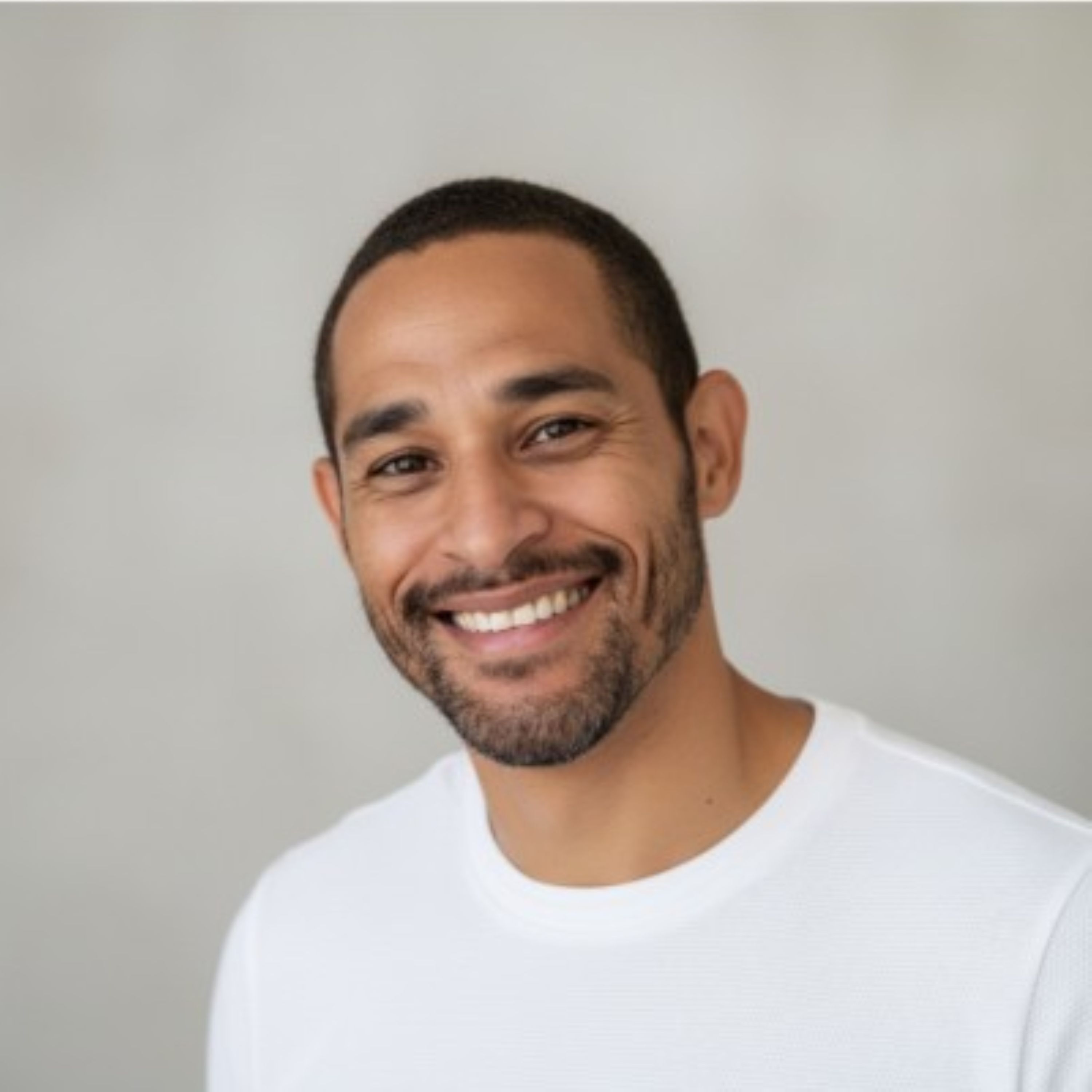
Sinohe Terrero still remembers the timing. He joined Envoy in January, only to see the workplace transformed just two months later as offices around the world shut down because of COVID. The company had been building products for offices, but suddenly, almost no one was going to the office, Terrero tells us.
That abrupt shift forced Envoy to rethink its future. The company quickly introduced a product called Protect to help organizations safely welcome employees and visitors back into their facilities. From there, it expanded into desk management, room scheduling, deliveries, analytics, and ultimately a broader suite...
Inside the IPO: Three CFOs, Three Perspectives
Taking a Company Public: What CFOs Know
What does it really take to prepare a company for life as a public company?
In this special CFO Thought Leader compilation, we revisit three conversations with finance leaders who helped guide some of the technology industry's most recognizable companies through the IPO journey. Rather than focusing on the transaction itself, these CFOs share what happened behind the scenes—the operational changes, leadership decisions, and financial discipline required long before the opening bell rang.
John Kinzer, former CFO of HubSpot, explains how preparing for an IPO re...
1196: Your Next Finance Hire Should Think Like a Founder | Martino Cadoni, CFO, DeepL
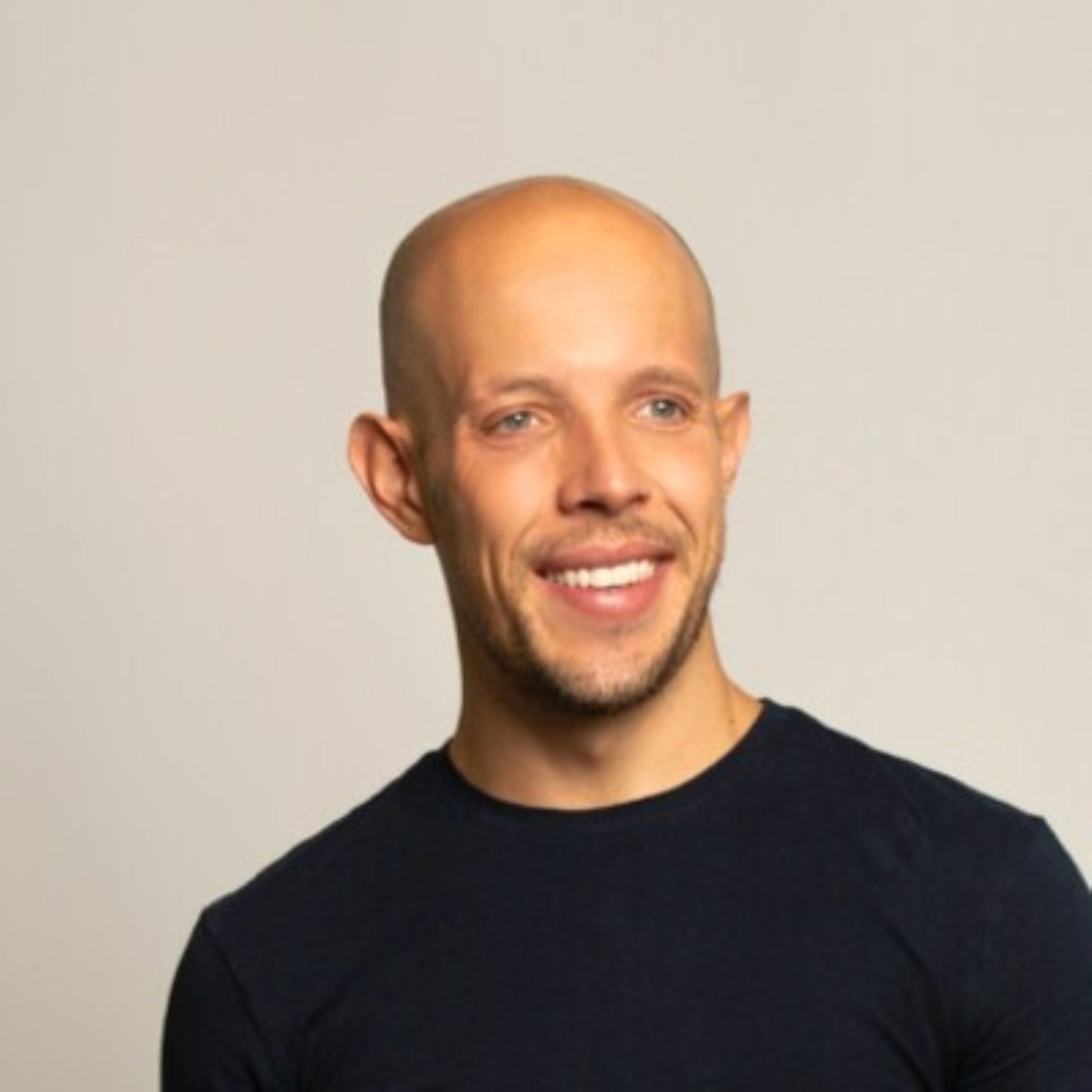
When Martino Cadoni joined DeepL, he arrived with an unusual perspective—he already knew the company’s product firsthand. Earlier in his career at Klarna, he had helped introduce DeepL as a translation solution, making the transition from customer to CFO especially meaningful. Today, DeepL is backed by investors including HV Capital, Benchmark, Index Ventures, ICONIQ, and Atomico, Cadoni tells us. Working alongside those firms, he says, continually pushes him “out of the comfort zone.”
That mindset mirrors the company’s trajectory. DeepL supports “almost 50 percent of the Fortune 500 companies,” Cadoni tells us, while continuing to grow and mature for...
1195: When Finance at the Center of the AI Code Revolution | Jean Compeau, CFO, Sonar
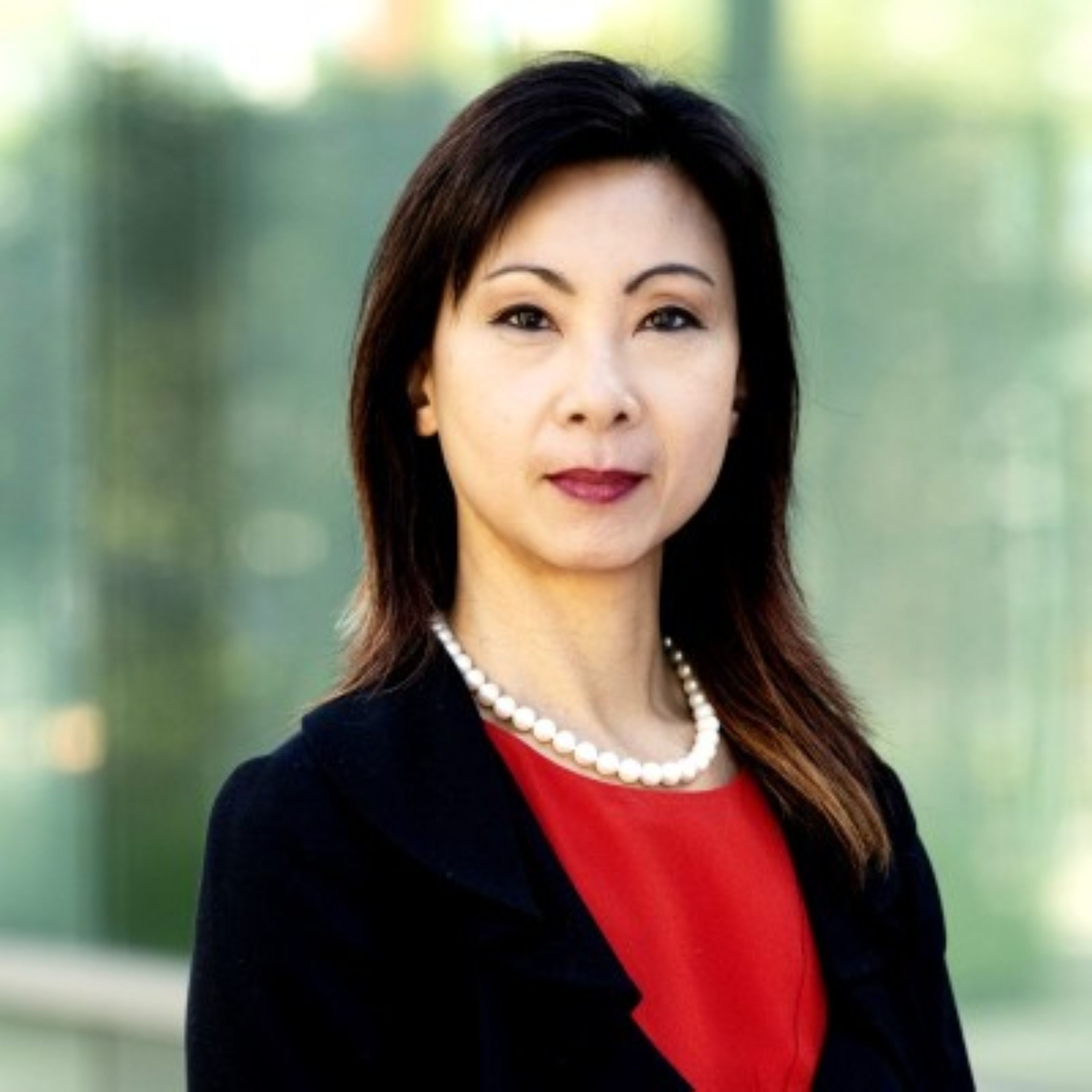
When Jean Compeau joined Sonar as CFO in March 2025, AI coding was not yet dominating industry conversations. By the summer and fall that followed, however, the landscape had shifted dramatically. Today, AI agents are producing software code at a pace that humans cannot easily verify, creating both opportunity and risk.
That shift sits at the center of Sonar’s mission. The company is the global leader in AI code verification and governance in what it calls the agentic-centric development lifecycle, or “ACDC, just like the band,” Compeau tells us. The scale is significant. Sonar is trusted by 7 millio...
1194: Why Curiosity Creates Better Finance Leaders | Stacey Jenkins, CFO, Aerotek
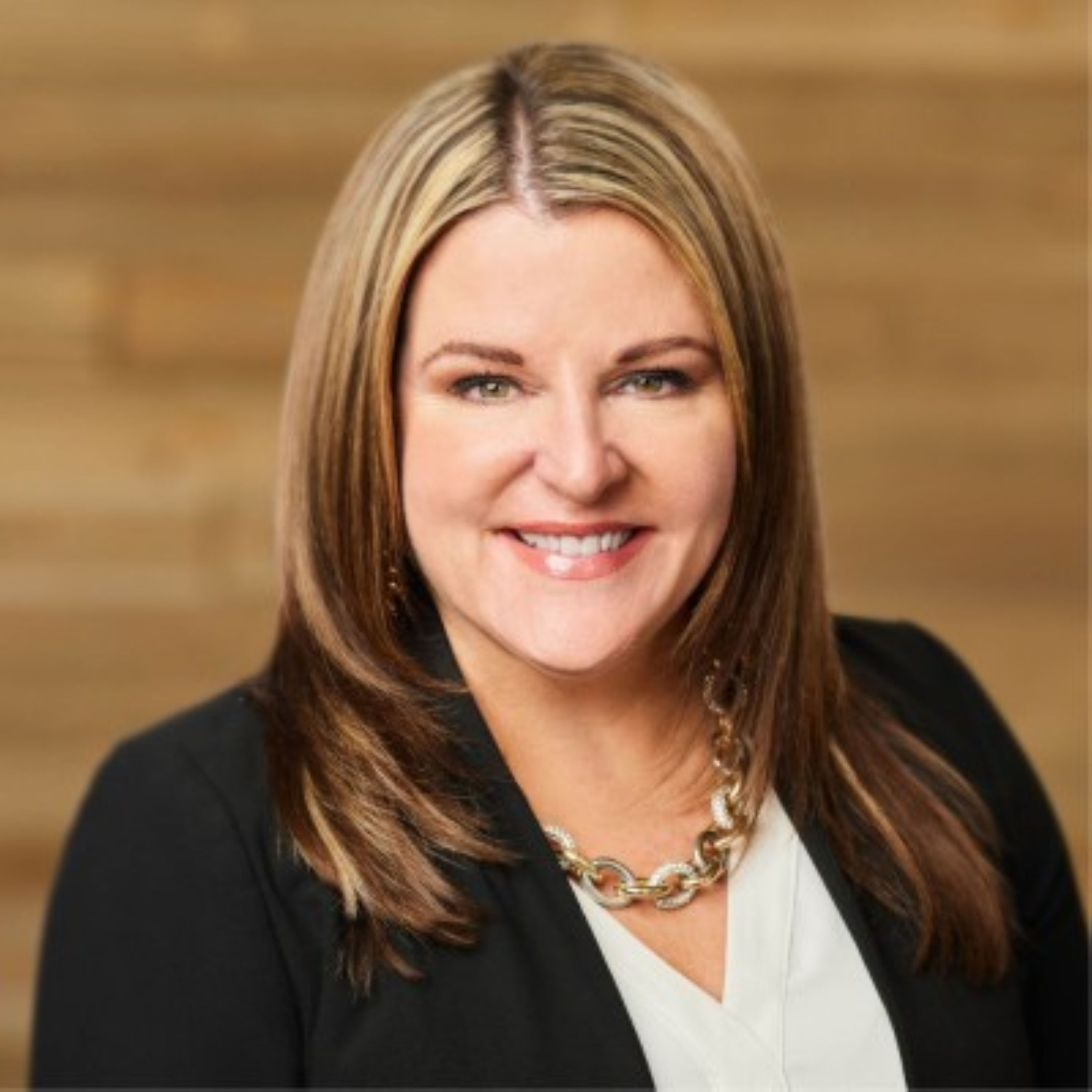
Each day, Stacey Jenkins watches a different set of indicators than the quarterly financial results that eventually appear on a report. Candidate applications, recruiter activity, and other throughput measures help tell the story of where AeroTech’s business may be headed. Financial results are “the lagging indicator,” Jenkins tells us.
That perspective reflects how she views both finance and leadership. While AeroTech remains focused on helping clients solve talent challenges and build flexible, specialized workforces, the company has steadily expanded its approach. Today, it is helping clients rethink how work gets done through workforce solutions, data insights, and ne...
1193: Building Finance Functions That Shape Outcomes | Jesse Waldron, CFO, Thyme Care
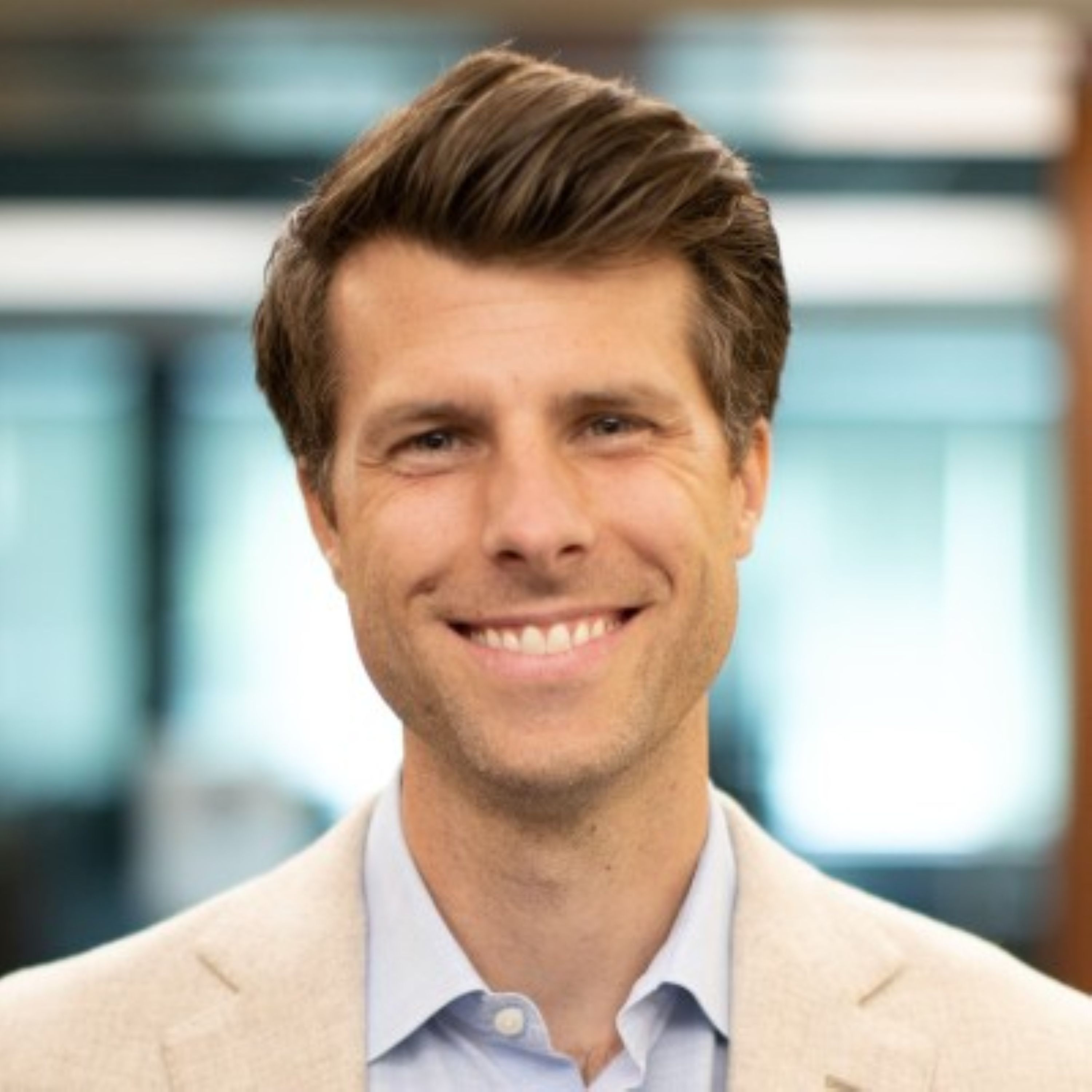
When Jesse Waldron describes Thyme Care’s work, he begins with the patient experience. Cancer patients, he explains, are often thrust into a healthcare system that can feel overwhelming both financially and emotionally.
That reality sits at the center of Thyme Care’s mission. As an oncology care navigation company, Thyme Care helps patients move through their cancer journey while also partnering with health plans and oncology providers. The company works at the intersection of those relationships, helping coordinate care and improve outcomes.
Waldron tells us that Thyme Care partners first with health plans, which iden...
1192: Building Through Disruption | Christina Spade, CFO, Catalant
Five weeks into her role as CFO of Catalant, Christina Spade is helping guide a company that she believes is positioned for a different era of consulting.
Catalant was founded out of Harvard Business School in 2013 and began as an independent consultant matchmaking company, Spade tells us. Today, she describes the firm as a “Consulting 2.0” business built around agile, fit-for-purpose consulting designed to help organizations solve problems and create value more quickly.
The company’s evolution mirrors broader changes in the consulting industry. Independent consultants were often viewed skeptically a decade ago, Spade tells us. But as...
1191: From Complexity to Clarity: Building Operational Maturity | David Forlizzi, CFO, Salsify
When David Forlizzi describes Salsify, he begins with a simple observation: “We all use it every day.” Unlike some of the highly technical software businesses where he previously spent his career, Salsify’s value proposition is visible to anyone who shops online.
Product content sits at the center of the company’s platform, Forlizzi tells us. Whether consumers are browsing a brand website, Amazon, or another online retailer, they rely on product descriptions, photos, videos, and specifications to make purchasing decisions. When that information is inconsistent or incomplete across channels, it can undermine confidence and influence buying behavior...
1190: Fixing What Growth Tries to Hide | Jaylene Kunze, LegitScript
When Jaylene Kunze was asked to help rebuild a struggling subsidiary in the United Kingdom, she packed up her family and moved overseas with her nine-month-old daughter. The assignment was one more example of the type of challenge that would come to define her career. Rather than following a traditional finance path, Kunze gravitated toward what she calls “the fixer” role, stepping into situations where businesses needed operational repair, process improvement, or organizational change.
That mindset began to take shape through compliance and Sarbanes-Oxley work. While many viewed the documentation requirements as burdensome, Kunze tells us the proc...
1189: Why Finance Should Lead with “Yes, And” | Bruno Annicq, CFO, Wellhub
A conversation from years earlier still stands out to Bruno Annicq. While working at AOL, he was supporting business leaders and helping tell the story of the business through data and analytics. Then a senior executive, Holly Hess, approached him with an unexpected suggestion: Why not become the CFO of AOL’s platforms business?
Annicq’s reaction was immediate. “Wait, me? Are you sure?” he recalls. Until that moment, he had never envisioned himself as a finance leader. Hess, however, saw something different—a broad skill set developed through engineering studies, consulting at McKinsey, and operational leadership roles insi...
1188: Testing Assumptions Before Burning Capital | Kevin Hettrich, CFO, QuantumScape
Kevin Hettrich walked into a conference room with a whiteboard full of numbers and a problem no one had fully articulated. QuantumScape’s leadership team was discussing how to scale an expensive R&D tool used to produce early battery materials. Hettrich had spent two weeks gathering data, talking with engineers, and analyzing manufacturing economics. Then he laid out the comparison: QuantumScape’s current performance, the best anyone had achieved in any industry, and what would ultimately be required to succeed in automotive production. There were “six orders of magnitude” separating the industry benchmark from what the company would eventual...
Bonus Replay: Building Luxury Growth Without Losing Financial Discipline | Paolo Poma, CFO, Lamborghini
In early 2009, Paolo Poma found himself navigating what he recalls as a “really tough” period. At the time, he was helping steer Ducati through a leveraged buyout negotiated before the collapse of Lehman Brothers. Debt obligations had arrived just as markets were “plummeting,” Poma tells us, while lenders closely monitored covenant compliance and private equity owners pressed ahead with the deal.
Poma remembers sitting with bankers and shareholders through repeated discussions about liquidity, budgets, and cash generation. “Planning cash was crucial because covenants on cash were really tight,” he tells us. The experience forced him to balance operational...
Bonus Replay: Building an Early Warning System | Patrick McClymont, CFO, Hagerty
Patrick McClymont still remembers the moment at IMAX when the numbers began moving in the wrong direction. Hired to help drive external growth through acquisitions and partnerships, he instead found himself sitting with CEO Rich Gelfond building what he calls an “early warning system.” Together, they agreed to monitor the next three film titles and “hold ourselves accountable” to a short-term scorecard, McClymont tells us. If the numbers shifted further, strategy would have to shift with them.
That experience reinforced a lesson McClymont carried from his earlier years at Goldman Sachs and into multiple CFO roles: “the numbers do...
1187: Pattern Recognition: How CFOs See Around Corners | Alex Chun, CFO, NEOGOV
Alex Chun already knew the management team at NEOGOV long before he became its CFO. As an investor at Warburg Pincus, he spent more than four years “in the trenches” with NEOGOV’s leadership team, flying to Los Angeles to work through operational challenges alongside them, Chun tells us.
His path to finance leadership did not begin in accounting or FP&A. Instead, Chun spent nearly a decade evaluating companies at Morgan Stanley, General Atlantic, and Warburg Pincus, developing what he calls “pattern recognition” by analyzing “dozens, if not hundreds” of businesses, Chun tells us.
That investor...
1186: Keeping the Applause in Check | Adam Goldbruch, CFO, DoorLoop
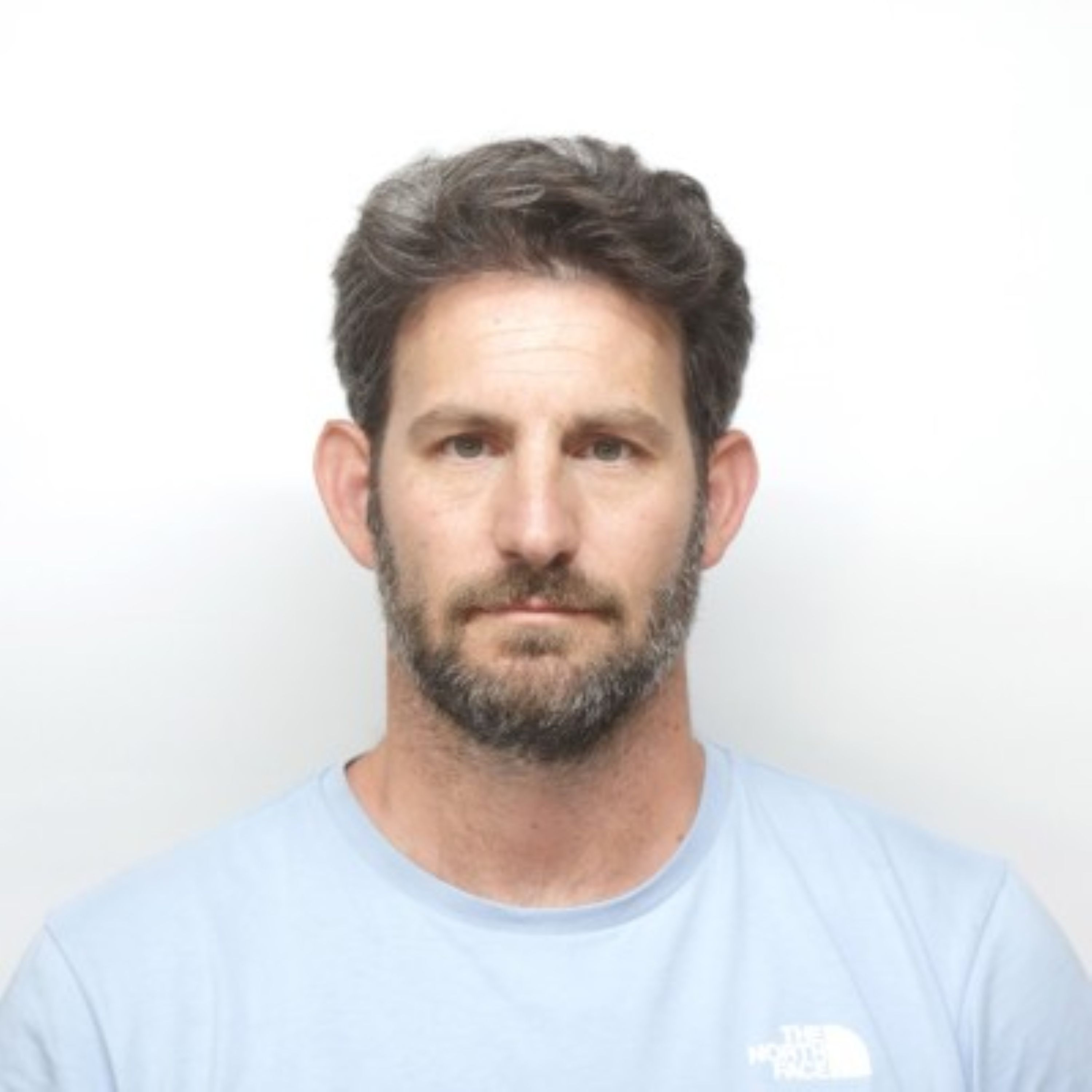
Adam Goldbruch still remembers the celebration. In 2017, he stood inside a Tel Aviv startup office while employees cheered a milestone: a Disney princess quiz had generated “2.8 million page views,” he tells us. Champagne circulated as the founder delivered a visionary speech about changing communication through content.
At the time, Goldbruch was young enough to be swept up in the excitement, but skeptical enough to question what those metrics truly meant. Three years later, he found himself in the same company leading cost reductions and layoffs after realizing the celebrated KPI had not translated into sustainable value, he tell...
1185: Scaling Smarter in the AI Era | Sarah Riley, CFO, dpt Labs
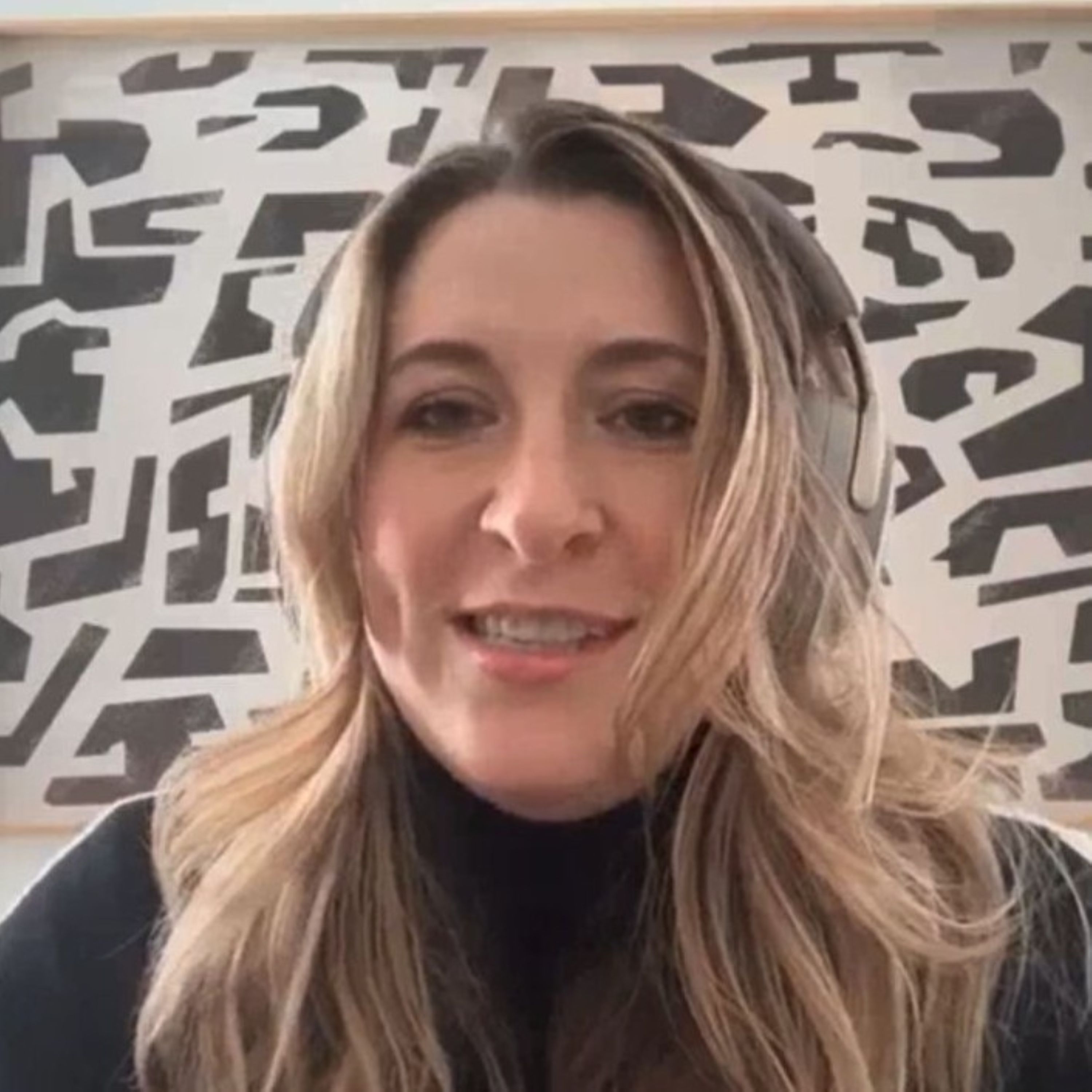
When the pandemic began reshaping the world in early 2020, Sarah Riley was helping guide finance at Zoom through an unprecedented surge in demand. “You could see the volume of Zoom almost spiking up by the regions that were going into shutdown,” Riley tells us. What followed was unlike anything most software companies had experienced before. During her four years at Zoom, the company expanded from roughly $200 million in ARR to $4 billion, Riley tells us. At one point, Zoom spent nearly half a billion dollars on AWS infrastructure costs it had not anticipated, she explains.
For Riley, the expe...
1184: From Deal Sheets to Operating Seats | Rick Hasselman, CFO, Salesloft
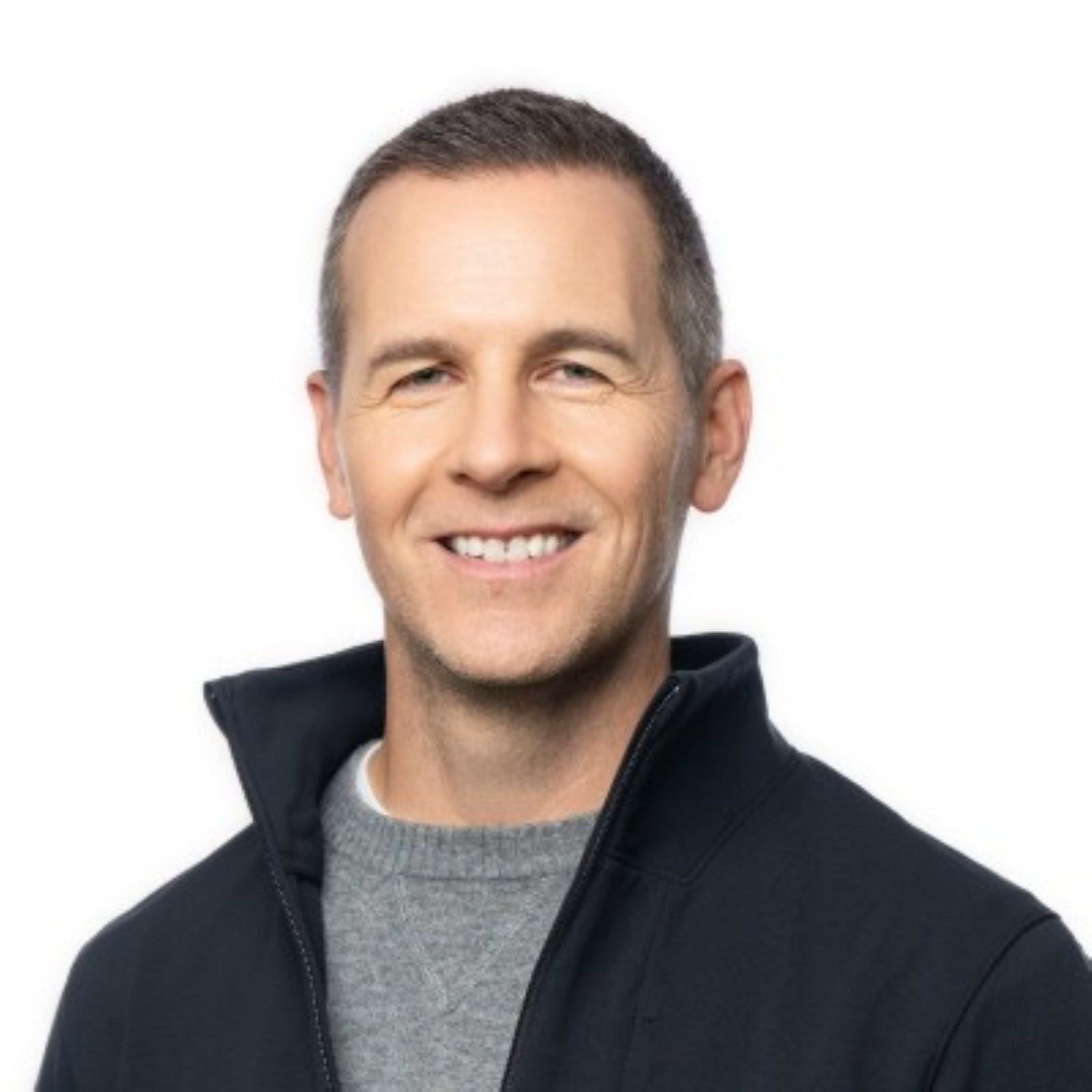
Rick Hasselman recently boarded “a moving train,” describing his arrival at a newly merged SalesLoft and Clari business as both complex and energizing. Just a month and a half into the role, he is already immersed in integrating a $300 million-plus revenue company, he tells us.
That early moment captures a defining pattern across Hasselman’s career: a willingness to enter dynamic environments and impose structure where complexity dominates. At SalesLoft, that means unifying systems, aligning data, and translating operational activity into actionable insight. The merged platform combines sales engagement, forecasting, and conversational intelligence—capabilities that, when integrated, allow te...
