A is for Architecture Podcast

Explore the world of architecture with the A is for Architecture Podcast hosted by Ambrose Gillick. Through conversations with designers, scholars and practitioners, Ambrose unpacks the creative and theoretical dimensions of architecture. Whether you're a professional, student, or design enthusiast, the A is for Architecture Podcast offers the best insights into how buildings shape society and society shapes buildings. To keep it free and good, subscribe to the podcast on Patreon. The podcast is not affiliated with Ambrose's place of works.
Timothy Soar: Images of architecture.
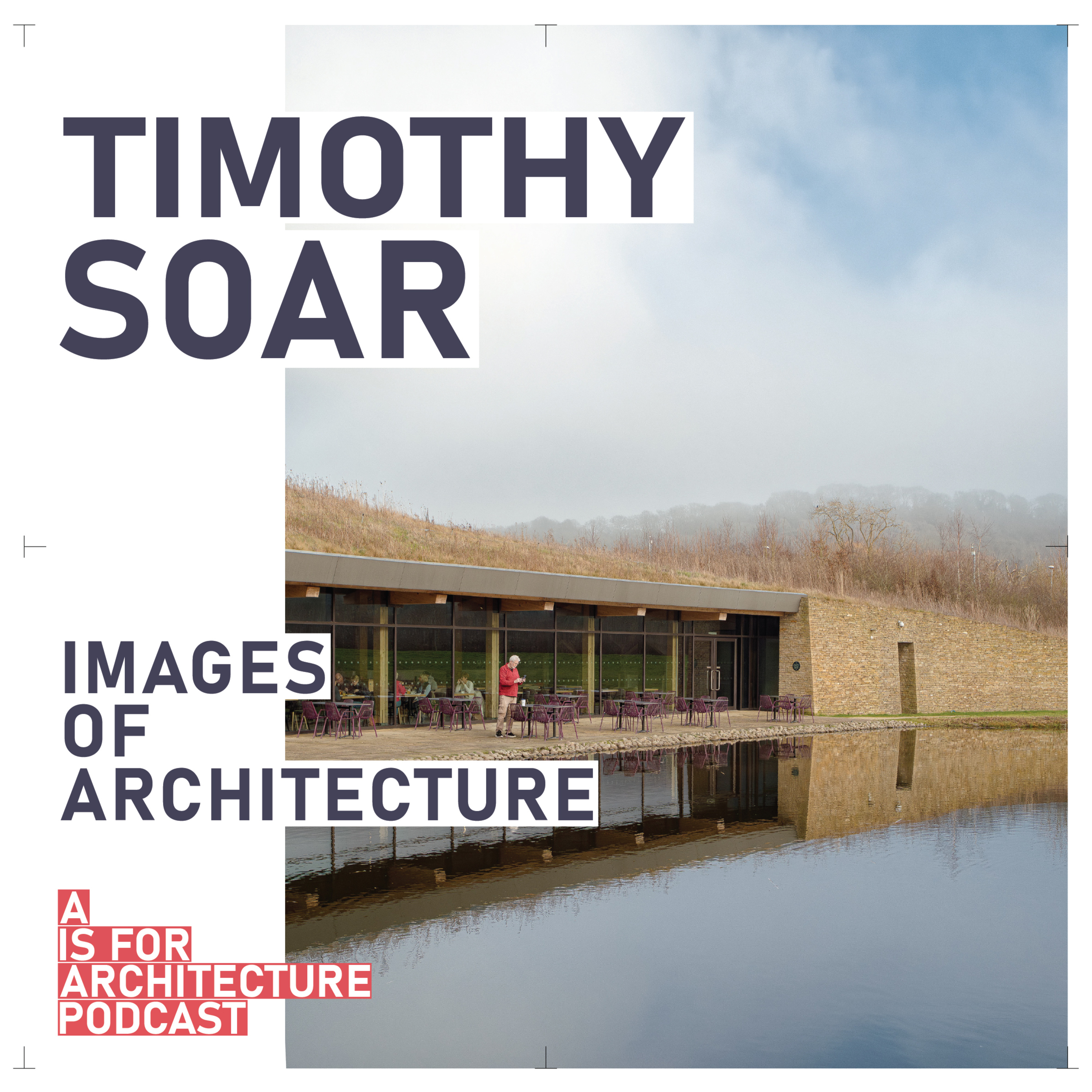
As George Berkeley almost almost said, if architecture is built in a city but no one takes its picture, does it make a sound? Photography is intrinsic to architecture, so much so that most of us only know buildings through the images made of them.
What the photographer does then is to manifest architecture in the general imagination; arguably, it makes buildings architecture, elevating it beyond context and into objects: known, identifiable and desired. That means the photograph has in itself meaning, which in turn lends photography ethical content. So it’s an important job. It needs to...
Irénée Scalbert: Earth City Architecture.
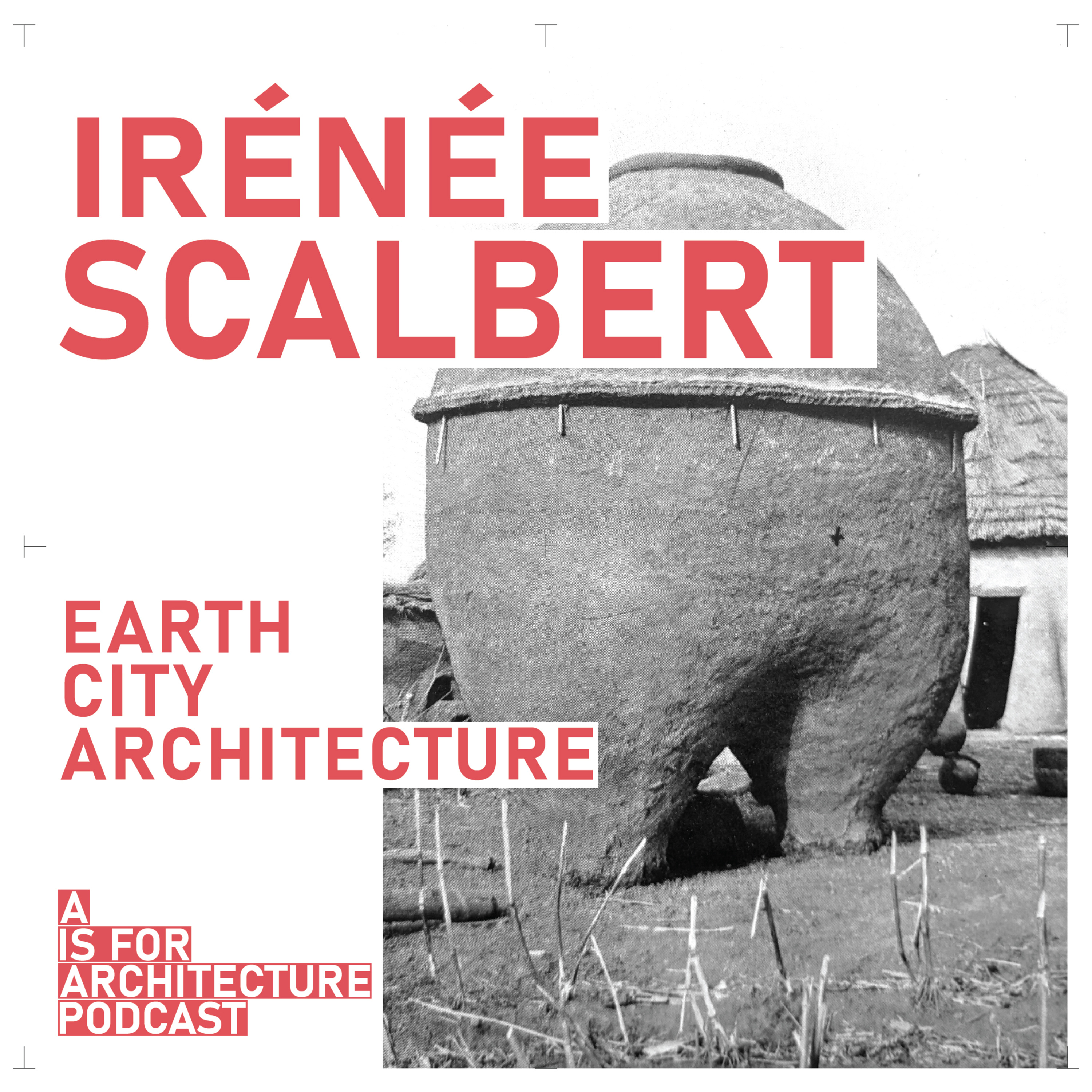
After the exhaustion of modernist functionalism and Koolhaasian bigness, architecture should be reconceived within the limits of the earth, as craft, stewardship, locality and bricolage. In short, architecture is just more complicated than that. So suggests Irénée Scalbert, architectural critic and historian, in his recent book, Totems: Selected Essays on Architecture, published by Park Books this year,
The title image of the totem — an object whose power comes from its correct form and from its community's investment in it or that, and not from mere symbolism — seems to me to gather in Irénée’s whole pro...
Jo Farb Hernández: Artists as architects.
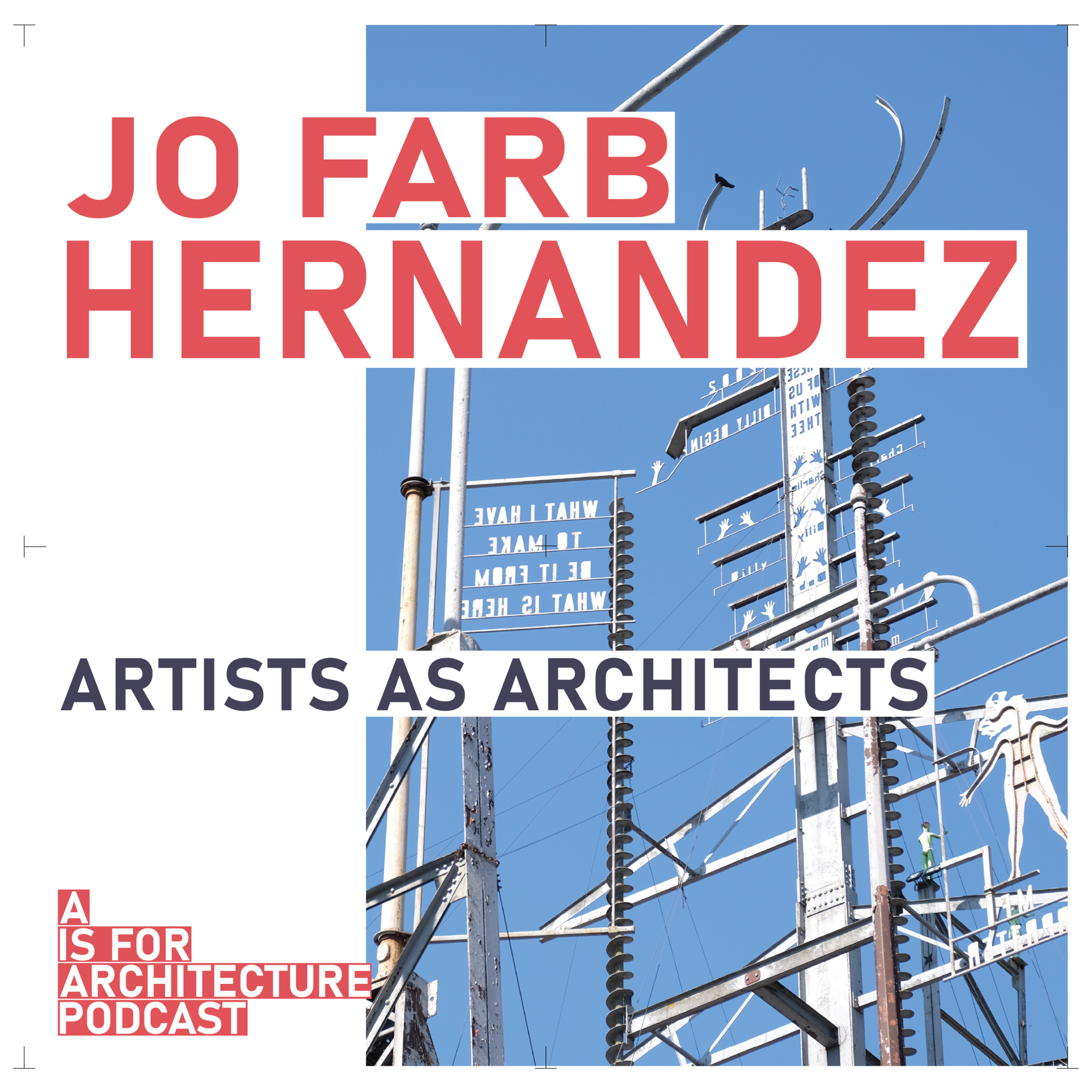
For Immanuel Kant, an aesthetic experience required four conditions: disinterestedness, universality, purposiveness and necessity. Architecture, as such, has always struggled with this, because its appreciation is fundamentally tied to a sense of its utility – as shelter, symbol, status, want – and its designedness evidence of its adherent beauty relative to its purpose.
Artist made architecture of the sort documented in scholar, author, folklorist and former director and curator of SPACES, Jo Farb Hernández's Architectural Fantasies: Artist-Built Environments, and published by Tra Publishing in April this year, might square the circle. Here we have an extraordinary range of place...
Winka Dubbeldam: Architecture and hybridity.
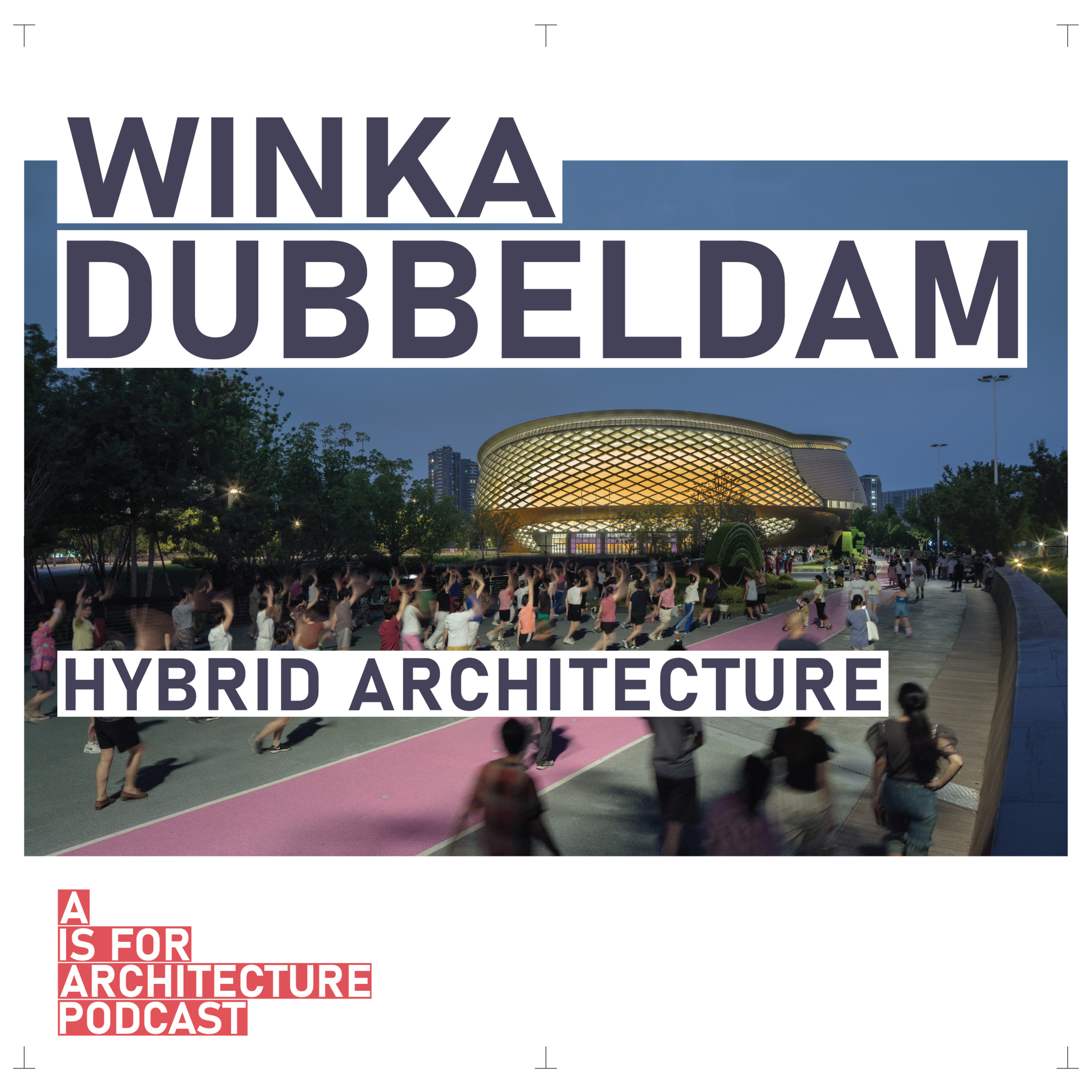
What if buildings could free themselves – or be freed by their architects – of the stricture of type, of discrete identity, of typology? What might happen if, for example, a school and a house - schoolness and houseness – were hybridized? What if building and non-building, even, were wedded? Might this, perhaps, offer a way to negotiate, heal even, the nature-architecture divide?
This is not pompous and pretentious speculation, but the proposal of Winka Dubbeldam, founder-director of Archi-Tectonics and director and CEO of the Southern California Institute of Architecture (SCI-Arc), in her recent edited book, Monsters and Mutants: Explorations in the...
Paul Knox: London, heritage and capital.
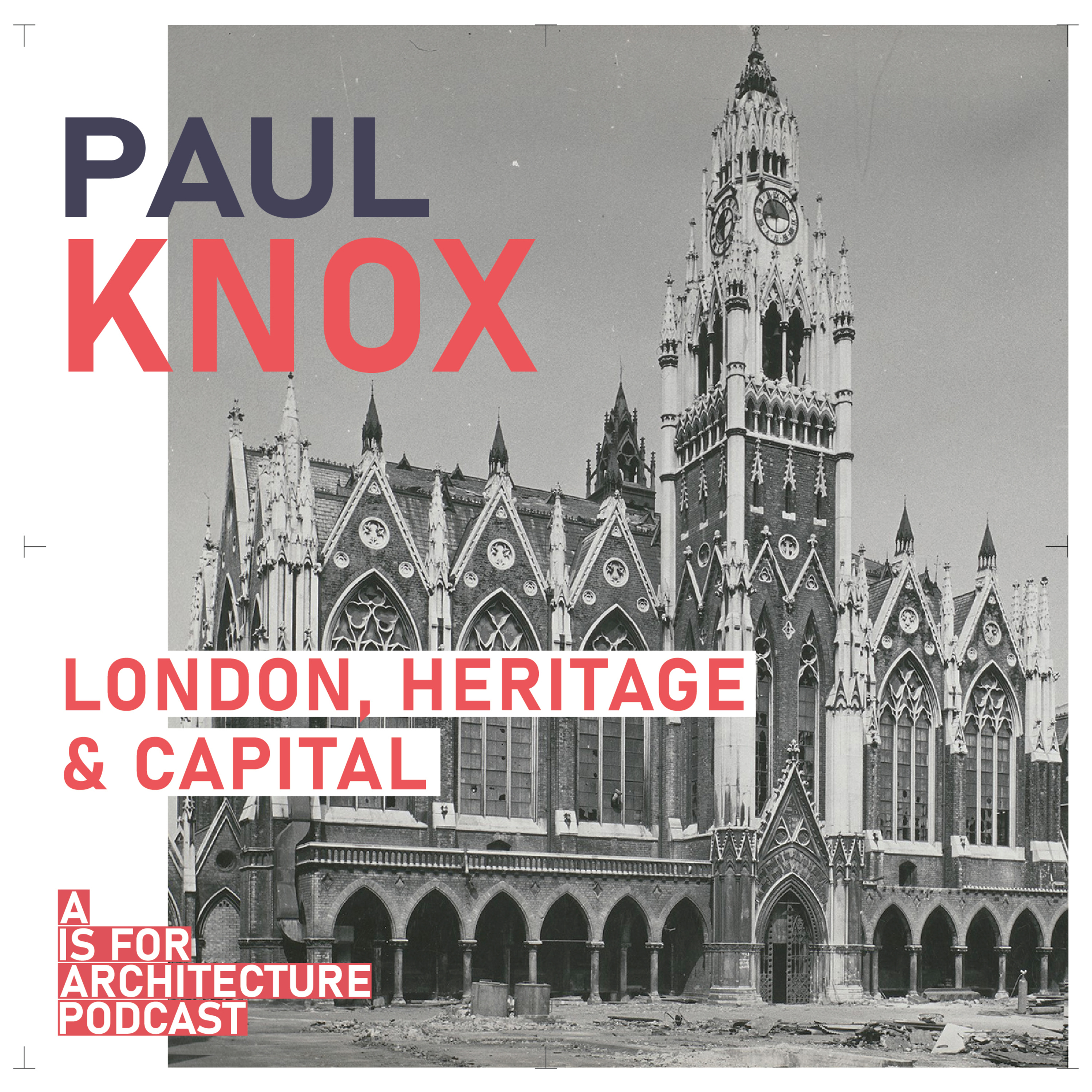
In this episode of the A is for Architecture Podcast, I spoke with Paul Knox, University Distinguished Professor at Virginia Tech, about his 2025 book, Lost London: From Crystal Palace to Heston Airport, a History in 25 Missing Buildings, published by Yale University Press in April this year.
Lost London’s provocative move is to insist that ordinary buildings — a pub in Poplar, a roadhouse on a bypass, a block of council flats in Hackney — deserve the same analytical attention as a Wren church or a Robert Adam terrace. As one perhaps should expect from an urban geographer, this pushes...
Vanessa Grossman: Architecture and the communists.
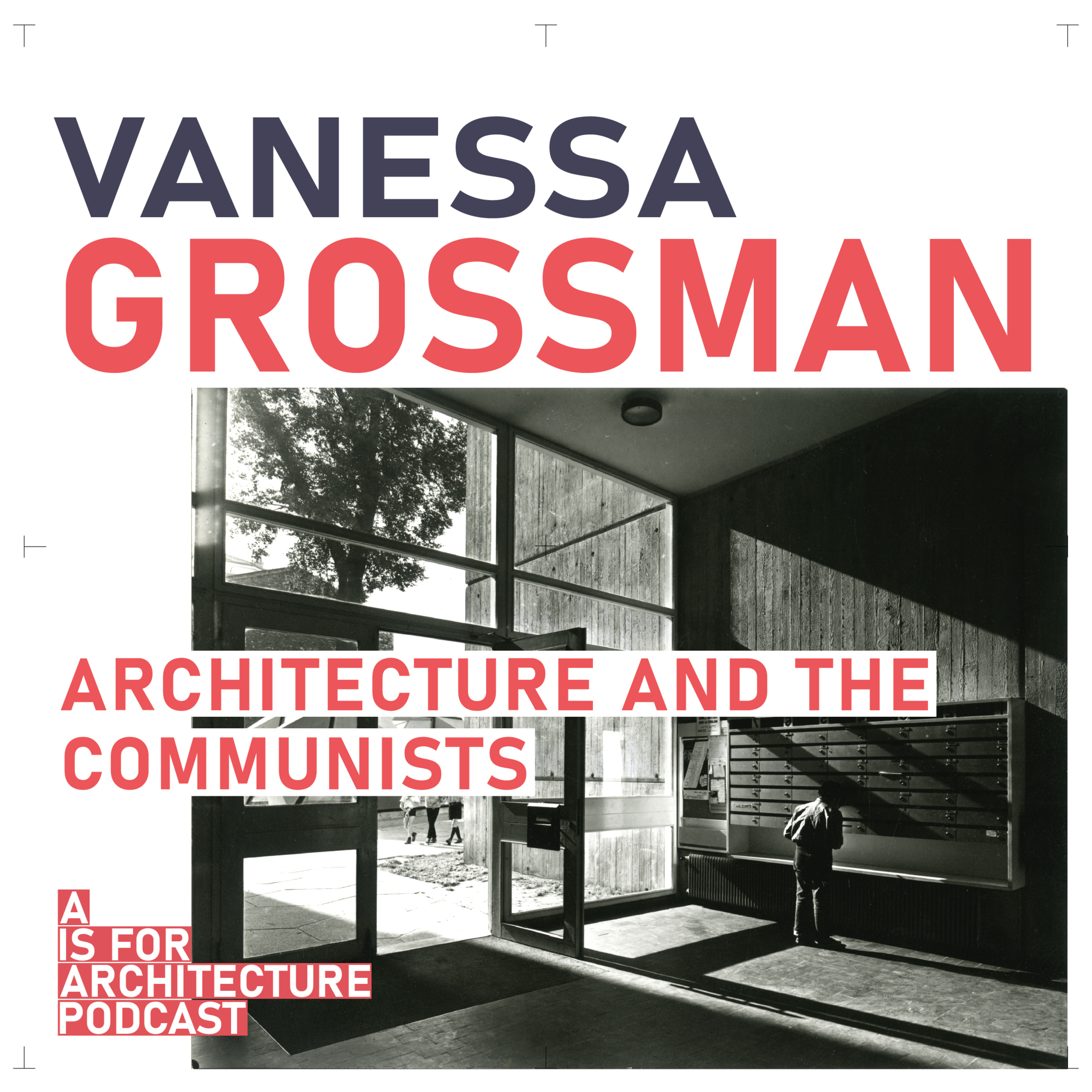
In this episode of the A is for Architecture Podcast, I spoke to architect and historian, Vanessa Grossman, Assistant Professor of Architecture at the University of Pennsylvania’s Weitzman School of Design, about her 2024 book, A Concrete Alliance: Communism and Modern Architecture in Postwar France, published by Yale University Press.
Sampling only the most tantalizing soupçon of the book’s ideas, Vanessa and I discuss the relationship between the French Communist Party and postwar modernist architects, and how for them concrete served not just as a symbol of avant-garde taste but also political commitment. Architects like Oscar N...
Asma Mehan: Architecture in the shadow of oil.
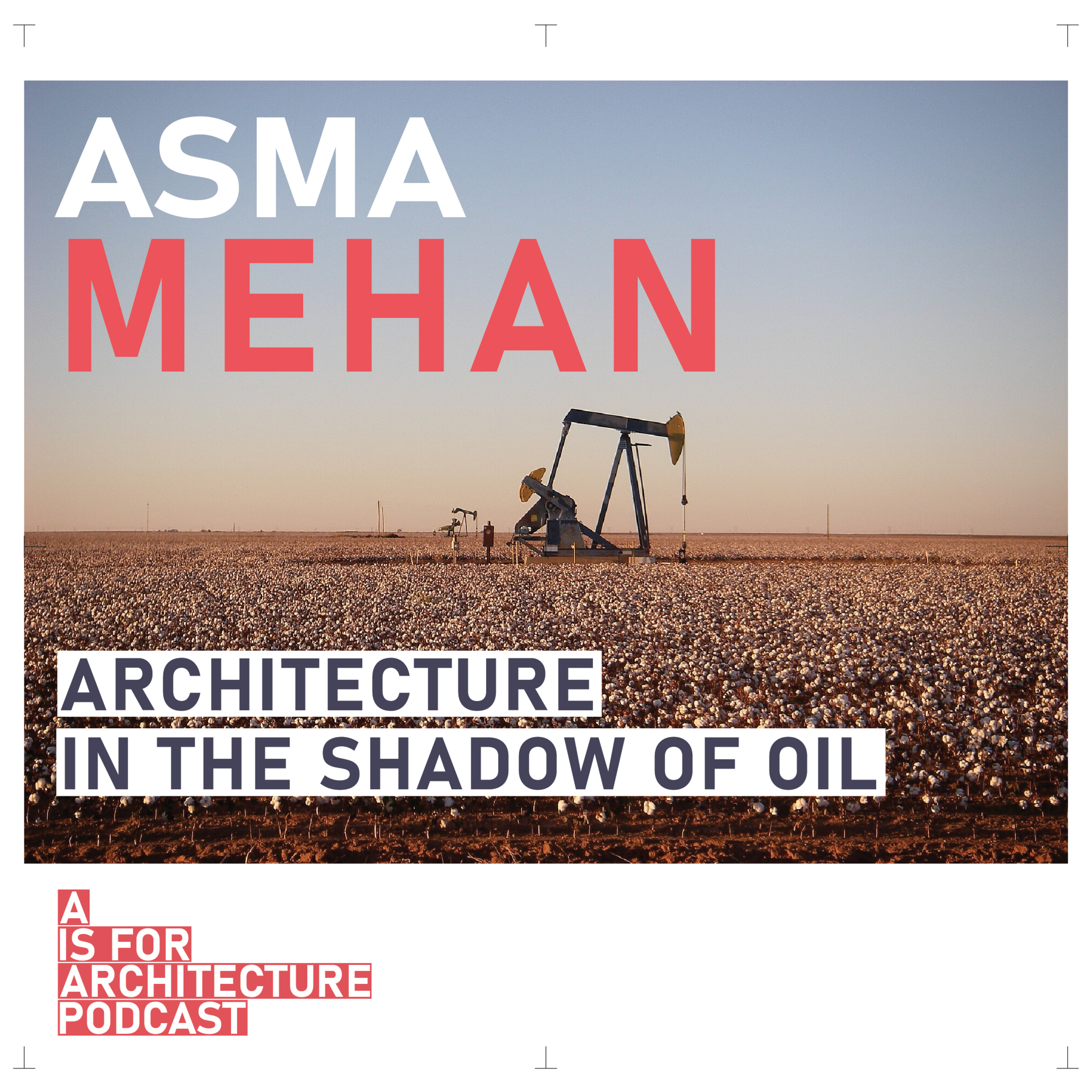
In the latest episode of the A is for Architecture Podcast, I spoke to architect and scholar, Asma Mehan, Assistant Professor at the Huckabee College of Architecture, Texas Tech University and director of the Architectural Humanities and Urbanism Lab (AHU_Lab), about her edited volume, After Oil: A Comparative Analysis of Oil Heritage, Urban Transformations, and Resilience Paradigms, published by Springer in 2025.
In our conversation, Asma speaks about the close link between modern architecture, urbanism and the extraction, production and consumption of oil, what Peter Droege, I think, termed Fossil City.
Asama – and the book – howev...
Leslie Kern: Resisting gentrification.
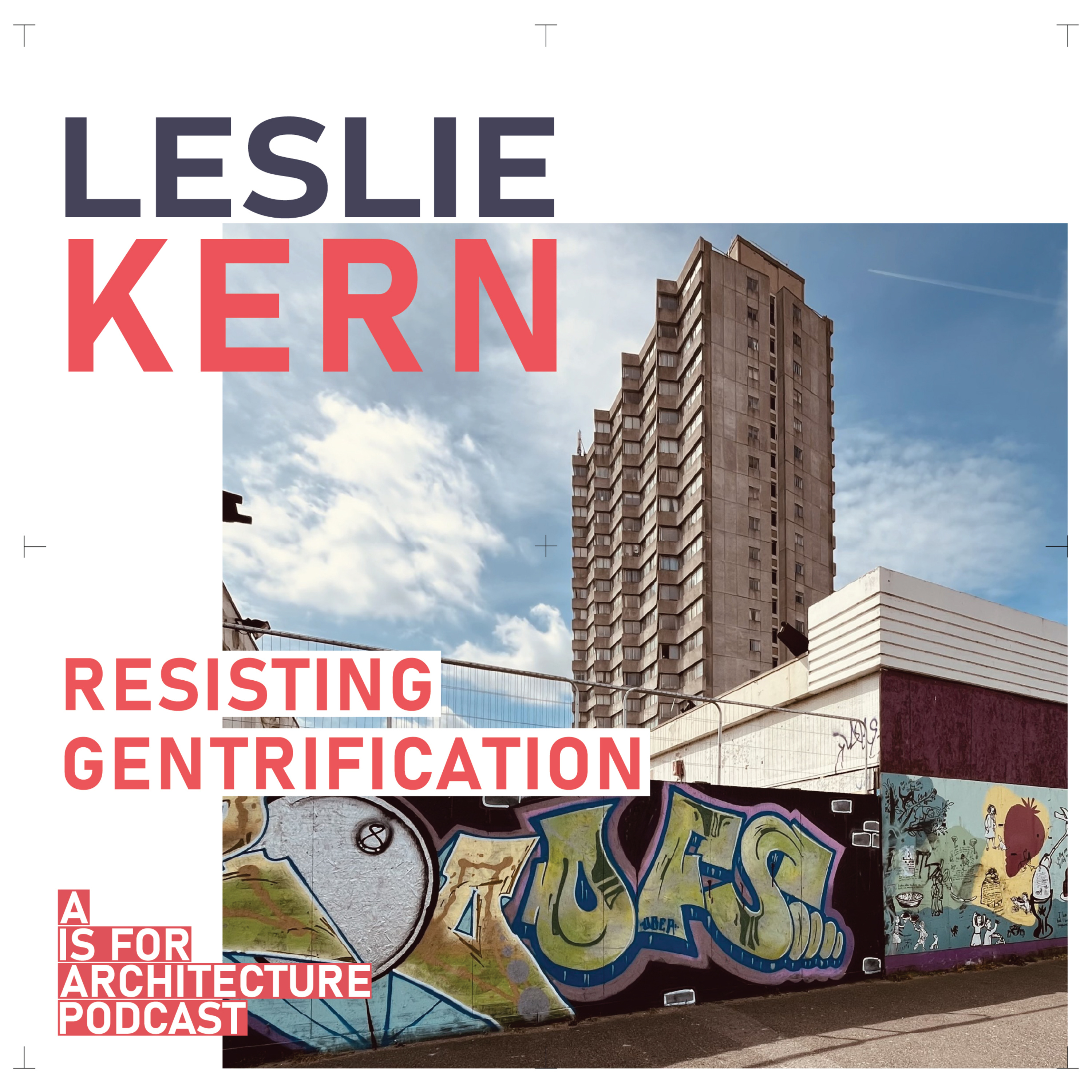
In this episode of the A is for Architecture Podcast, I spoke to scholar, activist, author and feminist totem, Leslie Kern, about Gentrification is Inevitable and Other Lies, which she published with Verso in 2022. In Leslie and my conversation we speak broadly about her work and approach, some themes from the book, and how resistance is not just necessary, but possible too.
in 1964 Ruth Glass, in her introduction to London: Aspects of Change, named the phenomenon: ‘One by one, many of the working class quarters of London have been invaded by the middle classes—upper and lower. Shabb...
Spyros Papapetros and Gerd Zillner: Kiesler: magic, metaphysics and home.
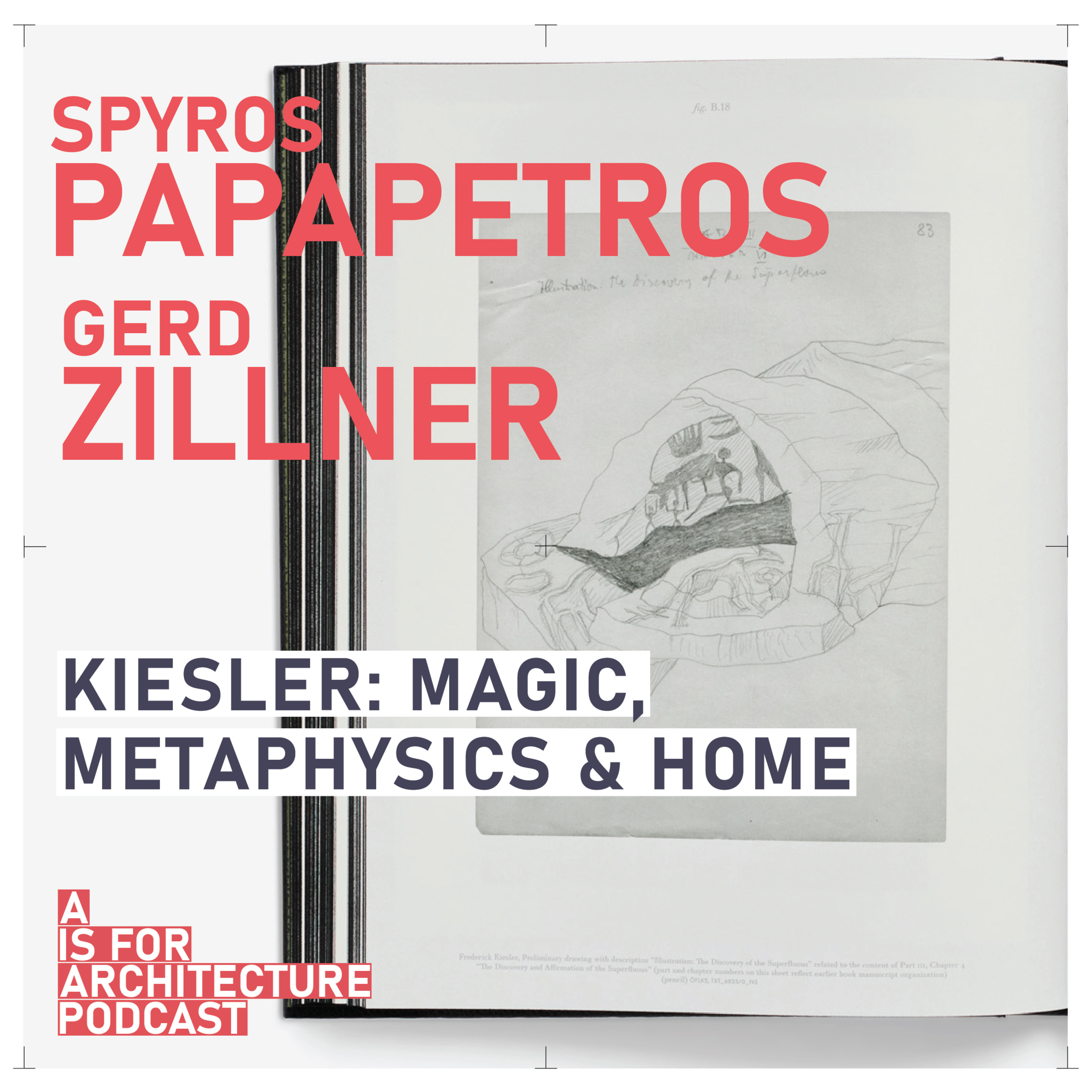
Frederick Kiesler was an Austrian-American architect, artist and theorist who, born at the tail end of the nineteenth century, bore witness to the irresistible rise of modernism in architecture and alongside it, the pyrrhic victory of amoral, individuated thinking, revealed so starkly in the mania of colonialism and the horrors of its implosion in the first half of the twentieth century.
In this episode of the A is for Architecture Podcast, I spoke with Spyros Papapetros, Associate Professor of Architecture at Princeton University, and Gerd Zillner, Director of the Frederick and Lillian Kiesler Private Foundation, Vienna, about...
Beatriz Colomina: Architecture as disease and cure.

Bellerophon, son of Poseidon and Eurynome, slew the Chimera and, full of hubris, believed he had a rightful place on Mount Olympus among the gods and set off there on his winged horse, Pegasus. Zeus did not like this and sent a gadfly to sting Pegasus, which threw Bellerophon, who fell back to Earth and died.
The story of modernism has maybe been a little tinged by hubris too. We have defeated all the monsters, presented an architecture and urbanism which proclaims it will do away with social and pathological ills, if only we would let it, a...
Hilde Heynen & Lucía Pérez-Moreno: Feminist ecologies and architecture.
If one were to be the sort of inelegant person to point such things out, one might point out that despite all the egalitarian rhetoric, we still live in an architectural culture that cultivates dominance, not in the sense of dominion as rooted in domus, home, but in the dual senses of control and territory. The star architects we are assured we must look to, the big, bold, challenging buildings they erect, condition folk to see a casual way of acting act relative to ecologies, economies, cultures and justice as normative, ideal, something to believe in.
In...
Stefan Al: Houses, forms, cultures.
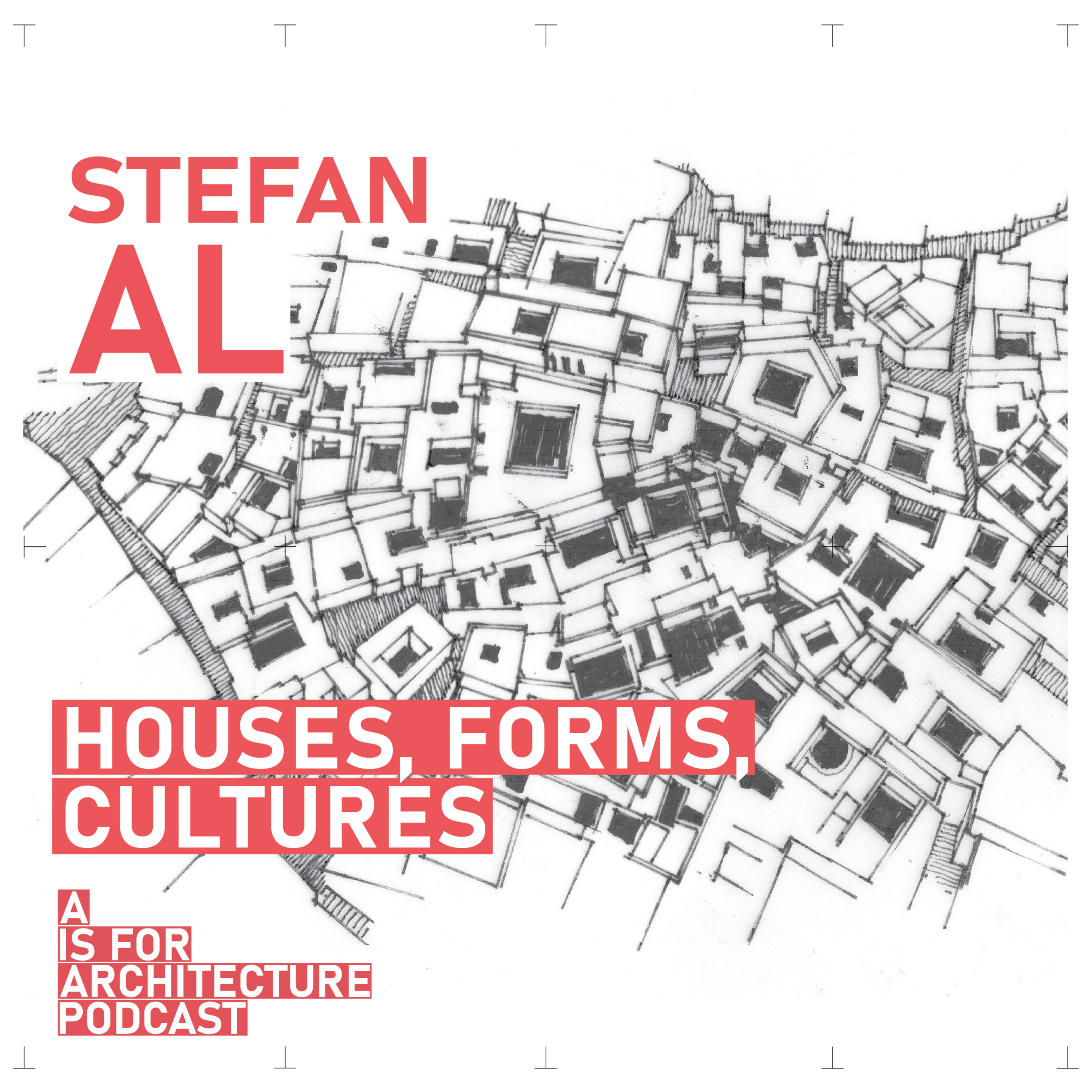
Despite the fact that theorists probably live in one, homes are rather poorly theorized. Why is this so? Perhaps it is the ascent of the domestic in capitalist bourgeois culture – the world within a world – that makes them the seat of late modernity’s subjective turn which, in its turn, made home personal, and therefore ungeneralisable. Who knows.
What I do know is that architect, writer and associate professor in the Department of Urban Policy and Planning at Hunter College, New York, Stefan Al has written a new book on them, Dwelling on Earth: The Past and Future...
Miriam Attwood & John Kinsley: Building community.
Nine out of ten architectural practices in Europe are involved in designing private housing, according to the Architects Council of Europe, with the work generating 54% of the average practice’s turnover. But according to RIBA, in 2018 in the UK only 6% of housing was designed by architects. So housing is incredibly important to the economy of a profession which is very marginal to the production of housing in general. How did we get here?
In this episode of the A is for Architecture Podcast I spoke to an architect and their client, or a client and their architect, ab...
Tim Altenhof: Atmospheres and architecture.
Close study of singular aspects of building culture remains the mainstay of good architectural scholarship. Through detail, universals can be revealed. This is the case with Tim Altenhof’s Breathing Space: The Architecture of Pneumatic Beings, published by Zone Books in March this year (distributed by Princeton University Press), the subject of the latest A is for Architecture Podcast episode.
Breathing Space is an elegant exploration of the role of breath – breathing – in the development of buildings, and the way consciousness of the human lung has shaped architectural design, not least in the emergence of analogies between buildings...
Ed Wall: Architecture & war.
With warfare seemingly creeping up on us – because governments keep starting them – it seemed like a good idea to speak to Ed Wall, Professor of Cities and Landscapes at the University of Greenwich, about his book Architecture for Warfare: How Corporations Profit from Destruction and Reconstruction, published by Jovis in December last year.
It’s difficult to know what to say about this, beyond what Professor Wall describes in the book: there is a seam of architectural practice which makes the infrastructure of war and reconstruction, and makes a good deal of good business whilst doing it. Isn’t i...
Andreas Lechner: Forms and typologies.
In Episode 194 of the A is for Architecture Podcast, architect and writer and Andreas Lechner, Associate Professor of Design and Building Theory at TU Graz in Austria and founder of Studio Andreas Lechner, also based in Graz. We connected off the back of my previous conversation with Hans van der Heijden – with whom he had spoken on Drawing Matters last summer.
Specifically, Andreas and I spoke about his book, Thinking Design: Blueprint for an Architecture of Typology (Park Books 2021), a book which combines theoretical reflection on architectural teaching with an illustrated visual atlas of 144 projects – all drawn orth...
Lee Ivett: Blueprint for a new architecture.
In the 193rd episode of this here A is for Architecture Podcast, Lee Ivett joined me for a second time, 1591 days since his last appearance here. Now a Professor and Head of the London School of Architecture, and still an active architect, I wanted to speak to Lee to discuss architectural education and practice life.
As architecture’s professional bodies push for recognition and reform, whilst governments – or their financial backers – who knows - seemingly push back, it appears like the profession is at an inflection point. Lee argues for a radical shift in how we train the ne...
Itohan Osayimwese: Africa, ornament and architecture.
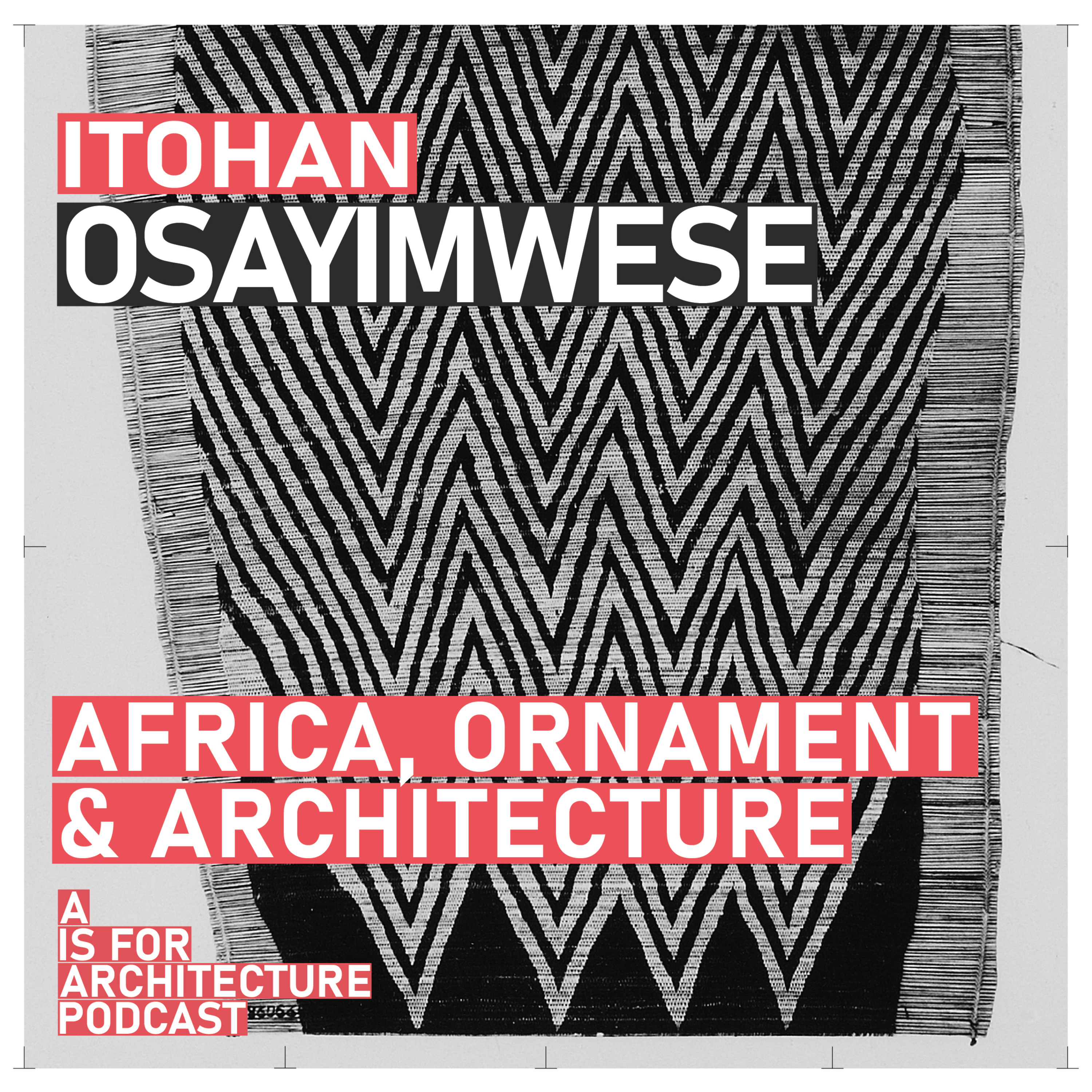
In Episode 192 of the A is for Architecture Podcast, Itohan Osayimwese, Professor of the History of Art & Architecture and Urban Studies and Department Chair at Brown University, discusses small parts of her big book, Africa's Buildings: Architecture and the Displacement of Cultural Heritage, published with Princeton University Press in October last year.
In our conversation, Itohan argues that during the age of European empire, colonizers not only expropriated African art and artifacts but systematically – strategically - dismembered buildings, removing them piece-by-piece. In doing so, structural and ornamental components became, in the alienating setting of European and North Ame...
Ellen Braae & Thordis Arrhenius: Scandinavia and the architecture of welfare.
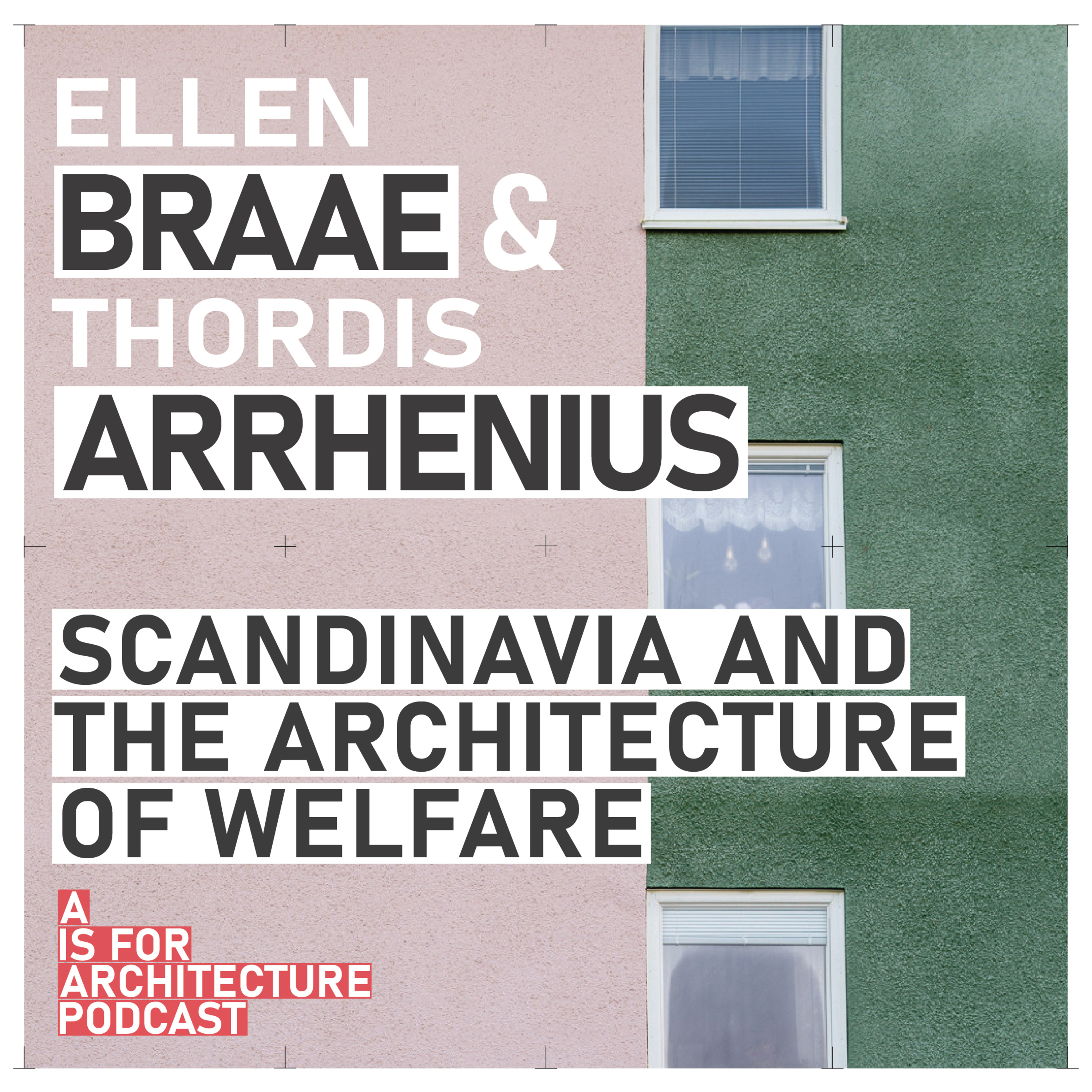
The A is for Architecture Podcast’s 191st episode is a conversation with two professors, Ellen Braae & Thordis Arrhenius, about their and Guttorm Ruud’s publication, Architecture and Welfare: Scandinavian Perspectives, which came out with Birkhäuser in 2025.
To summarise the book is hard, composed as it is of twenty essays by different authors exploring aspects of postwar Scandinavian architecture and the role it played in materialising welfare state ideals, giving spatial form to principles of equality, collectivism and democracy. Today, as the political consensus around universal welfare has been weakened from within and without, the book asks u...
Alexander Josephson: Practice life and the political.
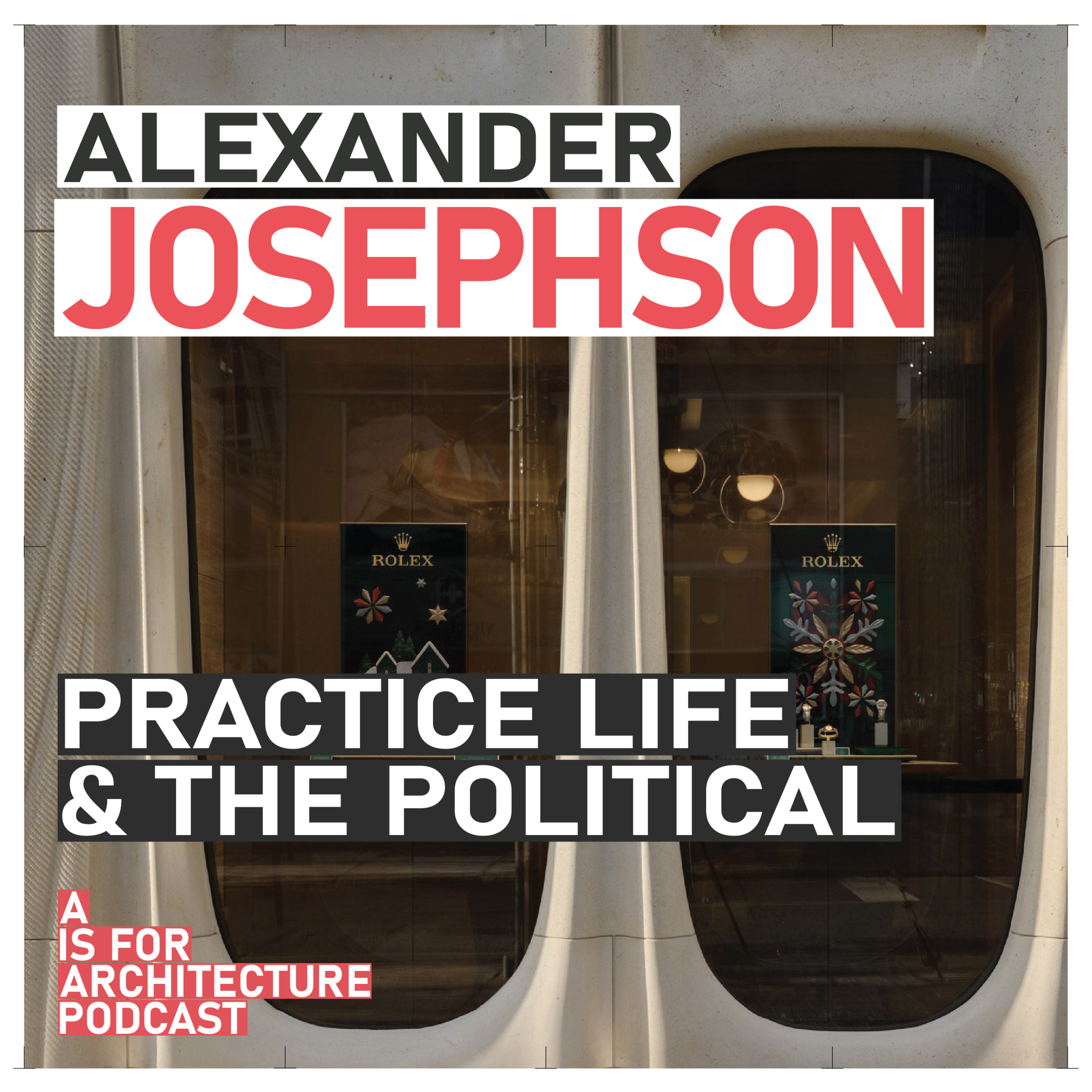
For Episode 190 of the A is for Architecture Podcast, Alexander Josephson, architect, lecturer at the University of Toronto’s Daniels Faculty of Architecture, and in 2012, co-founder of PARTISANS, a Toronto-based collective of architects, designers and thinkers that, among other things, is currently collaborating on the renewal of the Hearn Generating Station, a massive decommissioned power plant on Toronto’s waterfront, projected to hold the largest gallery space in North America as part of its transformation into 'a city in a building'. The practice’s works are regularly featured in global design publications.
Alex also founded Cumulus, a tech s...
Frances Northrop and Amica Dall: Commons and cooperative practice.
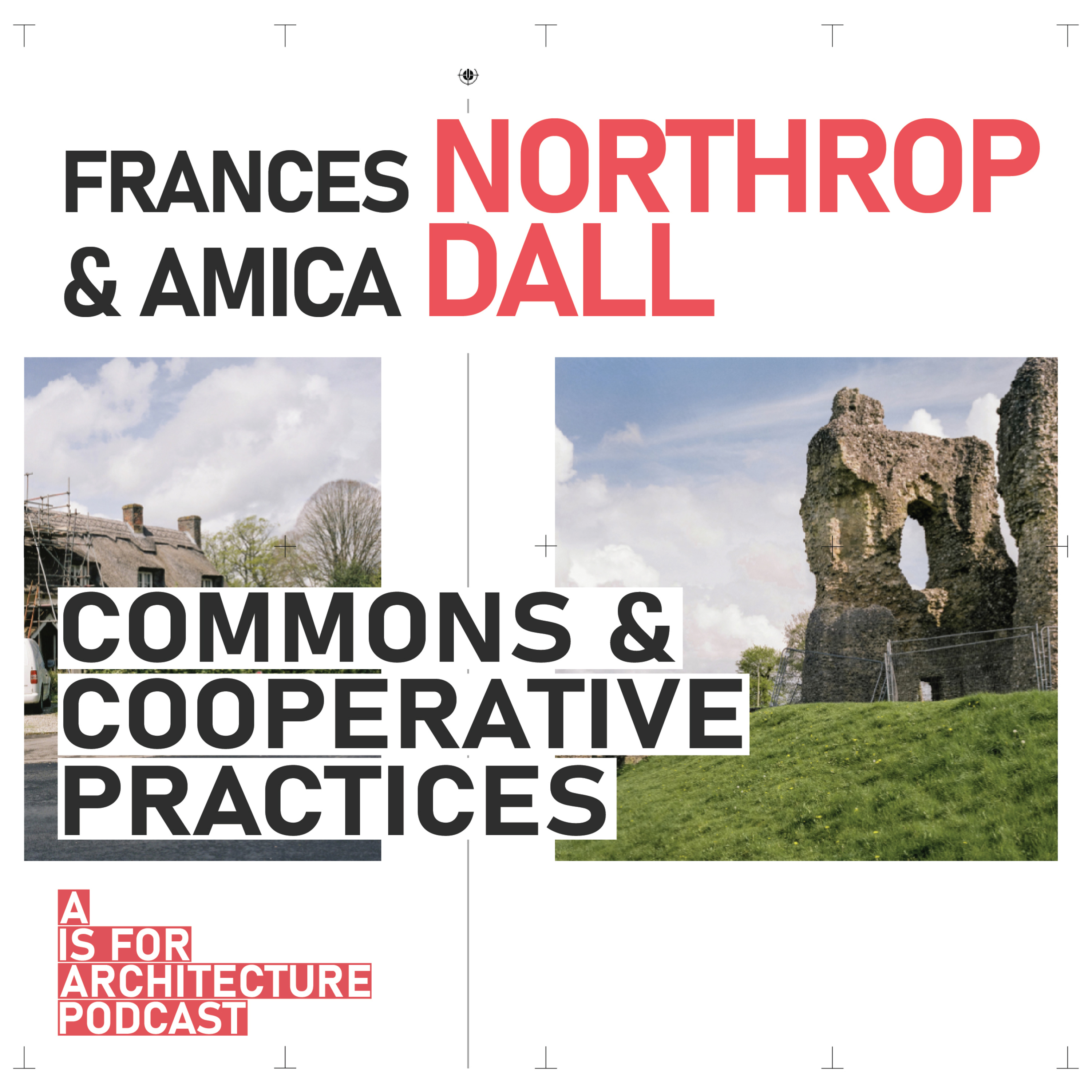
For this episode of the A is for Architecture Podcast, Amica Dall, co-founder of Assemble, writer and researcher, and Frances Northrop, head of community economic power at the New Economics Foundation and a director of Totnes Community Development Society discuss Common Treasures (Vol. 1 & 2), published by Little Toller Books in 2025.
Common Treasures was founded in 2025 by members & collaborators of Assemble to explore challenges in rural communities through practical, grassroots responses. Its aim is to enable rural communities, landowners, housing providers, and local authorities to achieve better shared outcomes for the people living and working there, and the land t...
Nele De Raedt & Maarten Delbeke: Beauty, aesthetics.
For Episode 188 of the A is for Architecture Podcast, Nele De Raedt and Maarten Delbeke discuss some small parts of the 2025 book, Beauty in Architecture: Perspectives from Theory and Practice, which they edited and published with Bloomsbury.
Beauty in Architecture connects ideas from across practice and theory that consider how beauty might again become central to architectural discourse. Beauty has re-emerged in public debate, but sadly it remains contested in critical discussions, often treated with suspicion – as an issue of politics, more or less. But, as we discuss, perhaps by taking beauty seriously, architecture might permit of – and art...
Fernando Lara: Alternative American architectures.
In Episode 187 of the A is for Architecture Podcast, Fernando Lara, professor of architecture at the Weitzman School of Design, University of Pennsylvania, discusses his book, Spatial Theories for the Americas: Counterweights to Five Centuries of Eurocentrism, published by the University of Pittsburgh Press in 2024.
Spatial Theories for the Americas critiques the dominance of Eurocentric, cartesian and elitist frameworks in architectural and urban studies, imposed through the colonial-modernist project, particularly as they impinge upon the articulation of indigenous practices, spatial knowledges and cultural forms. Fernando argues that these perspectives failed to reflect the unique realities of the A...
Francis Terry: New classical architecture.
In Episode 186 of the A is for Architecture Podcast, neoclassical architect Francis Terry, founder of Francis Terry and Associates, discusses his upbringing, education, drawing, work, practice and the imposed politics of it all.
In our binary times, it seems strange to think of traditional classical design -still so popular among the public - as somehow controversial, and yet here we are. The institutional profession certainly preferences contemporary modernism – look at all the prize winner – but perhaps this is hardly surprising given widespread disinterest in- and lack of practical knowledge of – the techniques and patterns of traditional design in arch...
Fatina Abreek-Zubiedat: Making Gaza.
In the latest episode of the A is for Architecture Podcast, recorded at the end of last year, Fatina Abreek-Zubiedat spoke to me about her new book, A Territory in Conflict: Eras of Development and Urban Architecture in Gaza, published by the University of Pittsburgh Press.
The Gaza Strip was formed after the 1948 Arab-Israeli War and served to accommodate fleeing refugees. Until 1967 Administered by Egypt, Israel's occupation of the region after the Six Day War saw settlement building and military governance, till in 2005 it withdrew and Hamas took control. But the story of Gaza’s form – it’s spat...
Patrick Hutchison: Into the woods.
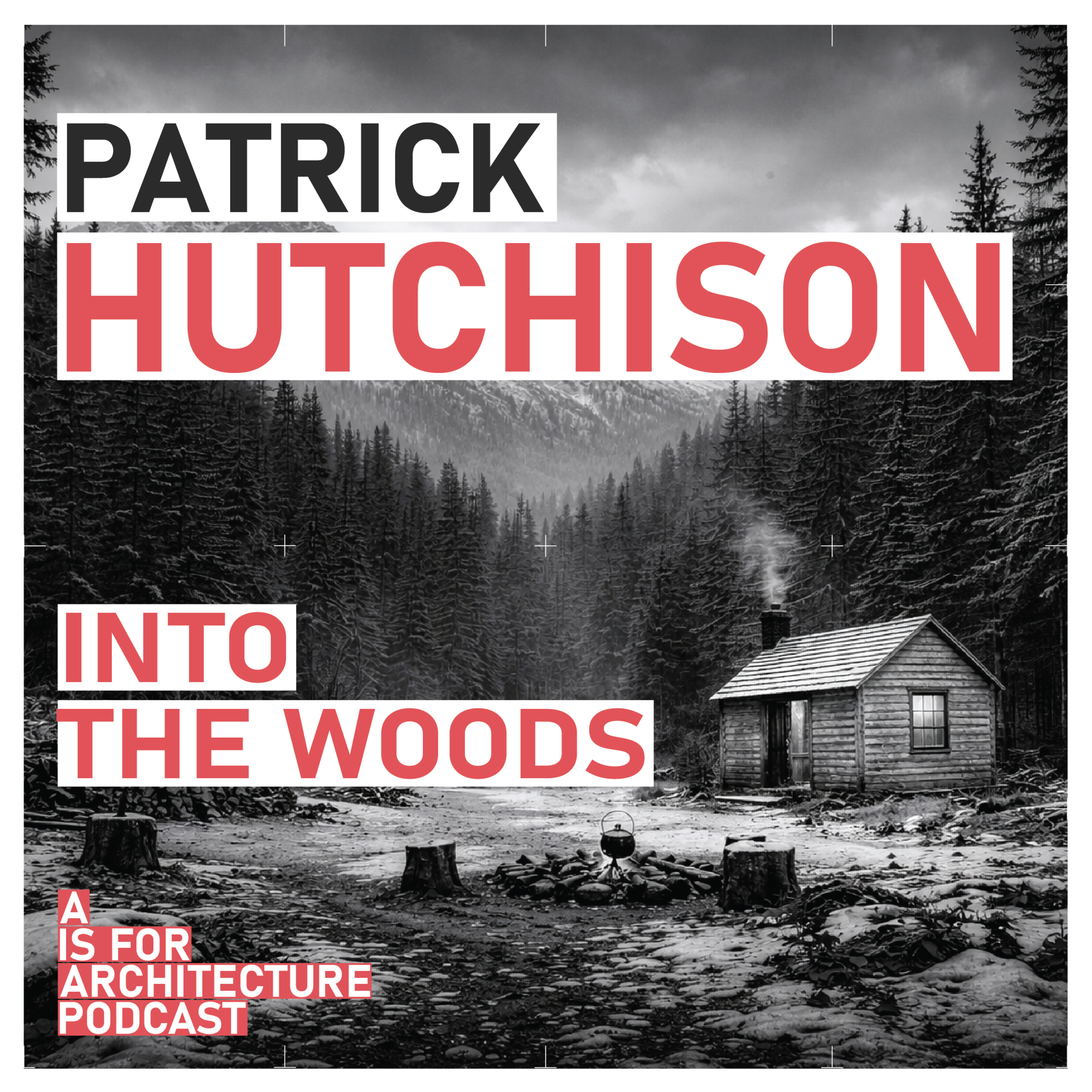
For the first episode of 2026 for the A is for Architecture Podcast, we’re starting slow and steady – but rather inspiringly I think - with Patrick Hutchison, a builder.
Patrick’s very recent book, Cabin: Into the Woods with a Clueless Craftsman, which he published with Harper Collins in November 2025, tells the story of his journey from copywriter to carpenter and now, bestselling author and carpenter, via the renovation – the discovery, in a manner - of a small cabin in the woods.
It’s an elegant story indeed, which beyond a sort-of practical how-to for other itchy...
Gili Merin: Jerusalem pilgrim city.
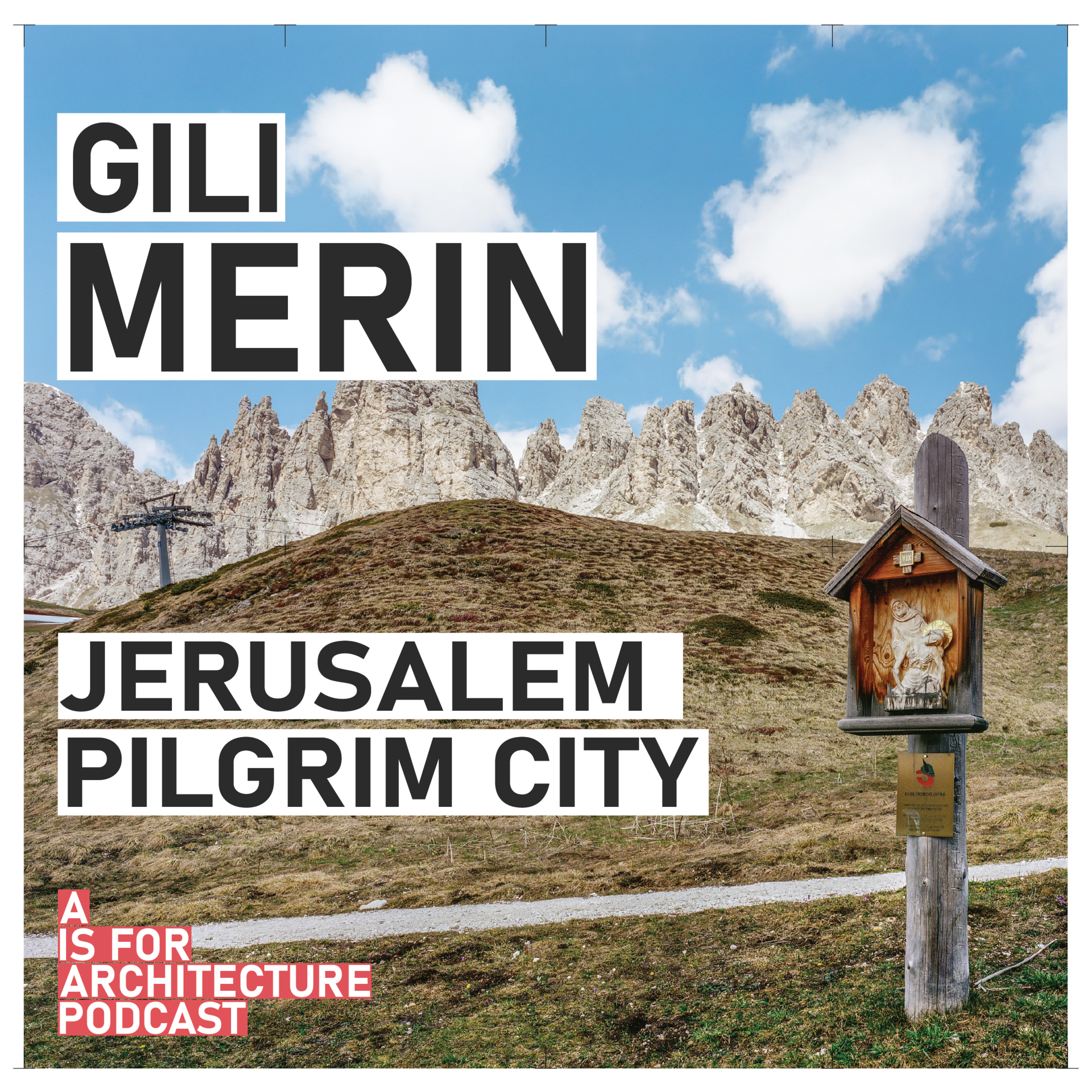
It’s Christmas, and just past Hanukkah, and in recognition of that, Episode 183 of the A is for Architecture Podcast, is a conversation with architect, photographer and writer Gili Merin, about her extraordinary and exquisite book, Analogous Jerusalem, which came out with Humboldt Books earlier this year.
In Analogous Jerusalem, Gili explores how the sacred topography of the Jerusalem of the pilgrim—particularly the Via Crucis or Stations of the Cross —has been analogically recreated across Europe. Combining essays and a photographic travelogue Gili argues that these "analogous" Jerusalems often surpass the original in their materialisation because, freed f...
Andreea Mihalache: Modern architecture and boredom.
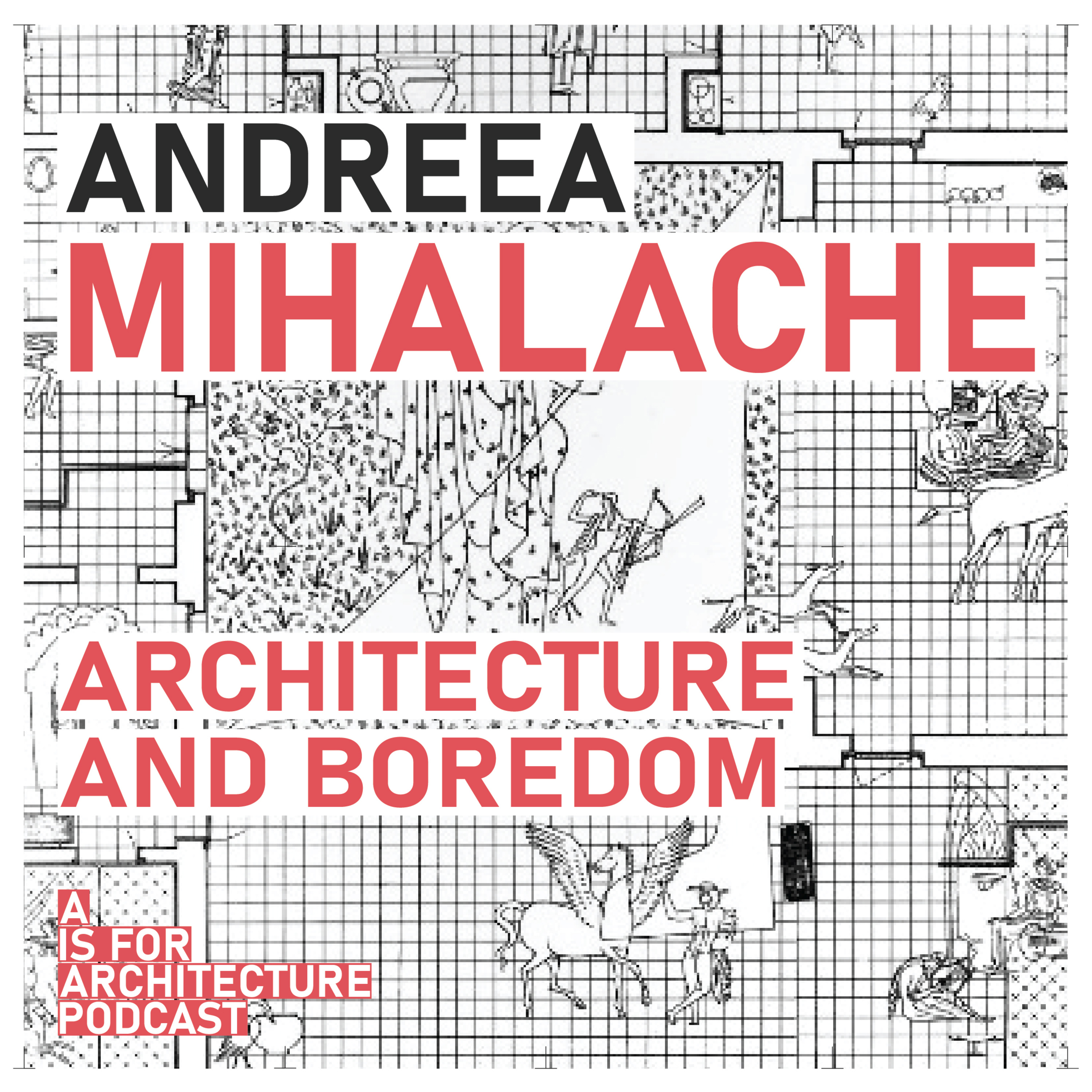
In the 182nd episode of the A is for Architecture Podcast, Andreea Mihalache joined me to discuss her new book, Boredom and the Architectural Imagination: Rudofsky, Venturi, Scott Brown, and Steinberg, which she published with the University of Virginia Press in 2024.
Exploring the boundaries of boredom, Andreea and I discuss Bernard Rudofsky, Robert Venturi and Denise Scott Brown and Saul Steinberg, the four thinker-makers of the twentieth century explored in her excellent book, whose writing and design challenged boredom’s pervasive, creeping grip on the modern imagination.
Looking at our orderly, crisp and glassy, financialised citi...
Larissa Fassler: Mapping meaning in the city.
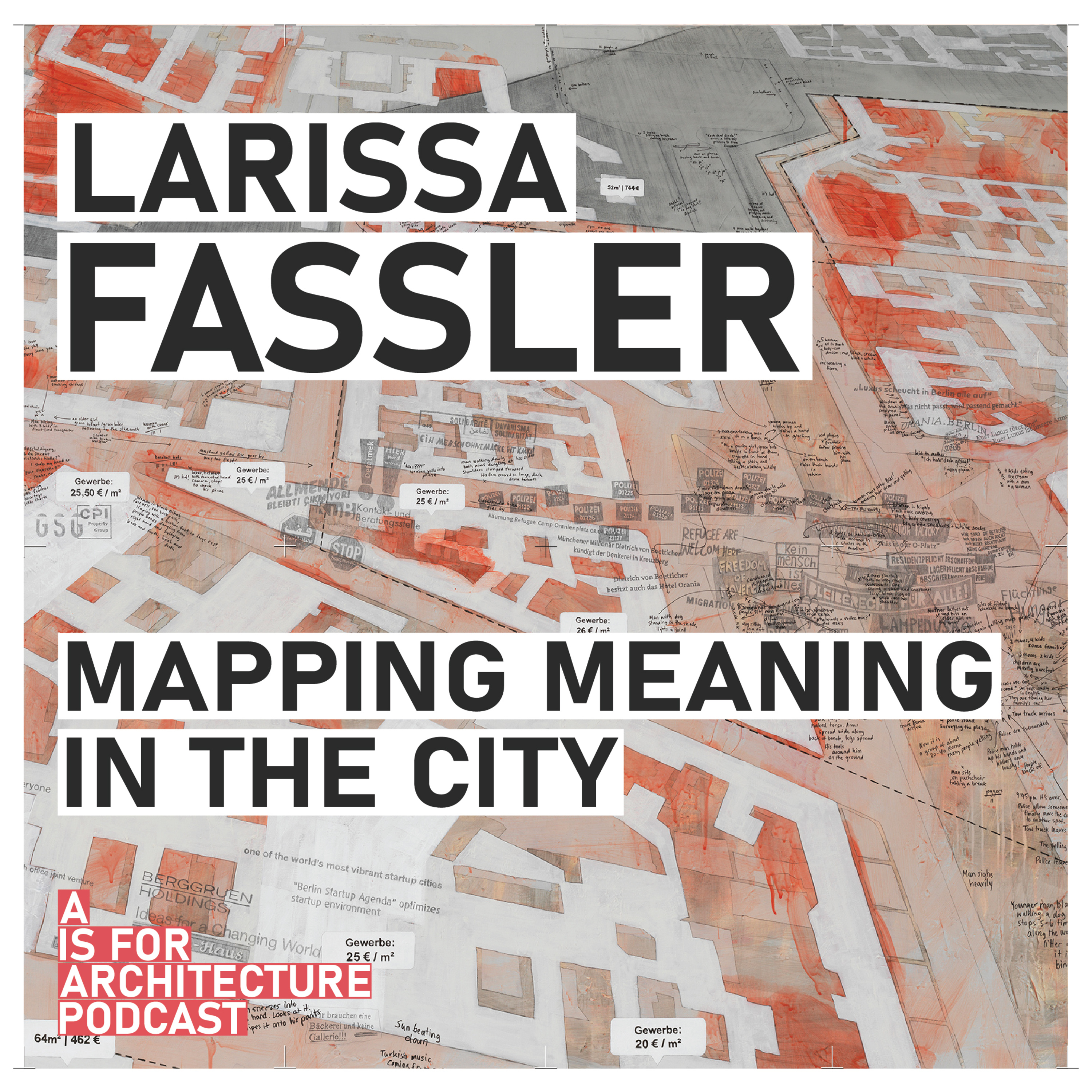
For Episode 181 of the A is for Architecture Podcast, I was joined by the Berlin-based artist, Larissa Fassler whose work explores through imagery and sculpture - aesthetic, layered, ambiguous maps, models and interventions - the social and political spatialites of cities and their everyday encounter by people there. Larissa’s work has intrigued and delighted me for quite a long time, so it was a real prize to finally get to meander with her through a very little of her thinking, experiences, background and motivations.
As I understand it, Larissa’s work derives from deep engagement in plac...
Peter Stutchbury: Voices, sky, land and folk.
For Episode 180 of the A is for Architecture Podcast, the extraordinary Australian architect, Peter Stutchbury, joined me to speak about a little of his work, his origins, his purpose and his ethic. It’s an extraordinary story, beautifully told by a wonderful man, a worthy addition for this, a jubilee episode.
Peter’s work is deeply rooted in the land and culture of his homeland, and all the complexity that implies. There are histories, cosmologies, manners and methods, which are drawn together in places and through this, in Peter’s telling, ‘the work becomes a means of connectio...
Shiben Banerji: Occult modernist urban visions.
Episode 179 of the A is for Architecture Podcast is a fascinating, expansive discussion with scholar, planner and architect, Dr Shiben Banerji, associate professor in the Department of the History of Art at UC Berkley, about some small parts of his sprawling and wonderful Lineages of the Global City: Occult Modernism and the Spiritualization of Democracy, which he published with the University of Texas Press in July this year.
In the shadow of empire-collapsing wars and revolutions, Shiben explains, occult modernists of the early-twentieth-century saw not just chaos, but a rare chance to forge a spiritually united humanity...
Adam Sharr: Heidegger (ahem), building, senses.
In Episode 178 of this incessant podcast, Adam Sharr, Professor of Architecture at Newcastle University, discusses his 2007 book, Heidegger for Architects, published by Routledge.
Heidegger’s ideas haunt architectural discourse, practice and education, which remain inwardly wedded to concepts like dwelling, place, authenticity, world and building, ideas that are rooted in his work. Arguably, his ideas remain foundational in debates on sustainability and human-centred design too.
Yet despite this influence, Heidegger’s writing’s opacity and his philosophical entanglements—intellectual, political, and ethical—make him a challenging figure to approach. So we deal with this, including Heidegger’s...
Alva Gotby: Other means of dwelling.
In this new episode of the A is for Architecture Podcast, writer and organiser, Alva Gotby, discusses her recent latest book, Feeling at Home: Transforming the Politics of Housing, published by Verso in January this year.
Feeling at Home is rooted in Marxist feminism, and approaches housing as more-than-shelter, but rather as a key site for reproducing labour power under capitalism, perpetuating all the inequalities. Alva extends this critique, proposing what is called family abolitionism, arguing for the collectivisation of domestic life the better to dismantle the nuclear family as a capitalist institution. But Alva isn’t also...
Piers Taylor: Building in place.
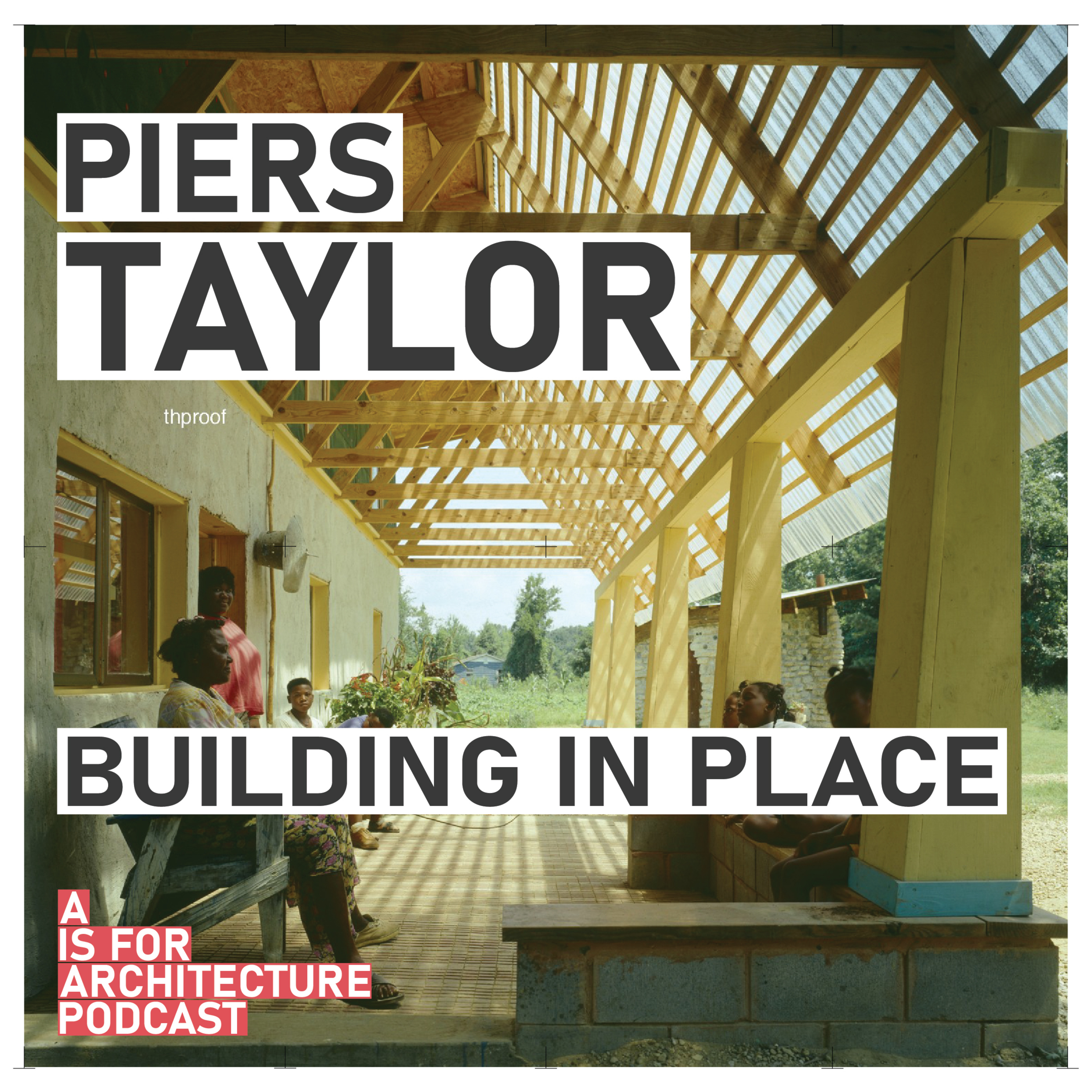
The A is for Architecture Podcast’s latest episode is a discussion with the architect, writer, teacher and broadcaster, Piers Taylor. It is Piers’ second time on the show, but rather than his practice, this time we discuss his freshly minted book, Learning from the Local: Designing responsively for people, climate and culture, published by RIBA Publishing last month.
In Learning from the Local, Piers presents global examples of low-carbon, context-responsive architecture. In arguing for a post-global architecture, examining geology, waste, ecology, self-build and community engagement, the book proposes a sort-of vernacular. We talk this, Oz, practice, good pr...
Jeana Ripple: Architecture, materials, technology and equity.
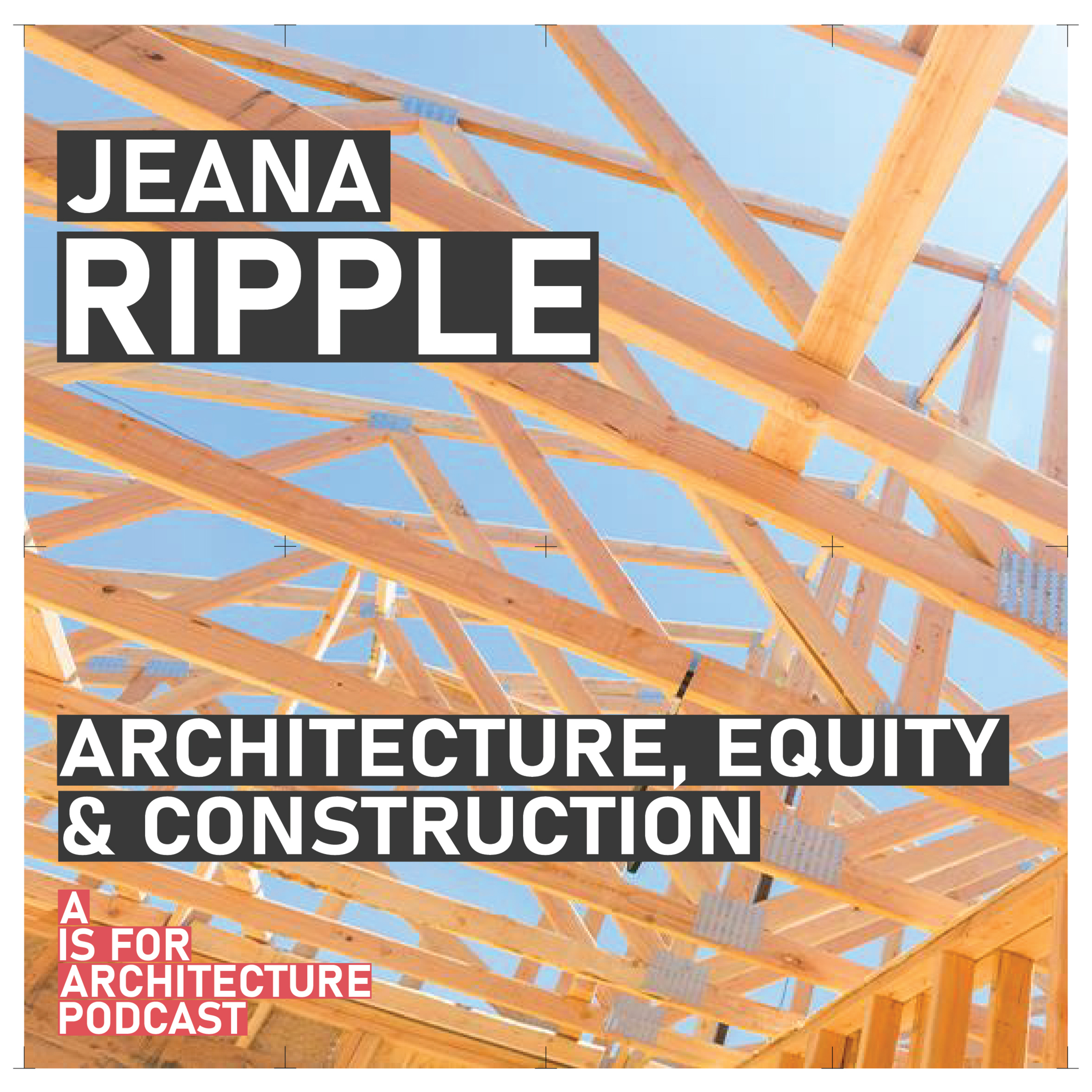
In the latest episode of the A is for Architecture Podcast Jeana Ripple, Chair and Vincent & Eleanor Shea Professor in the School of Architecture at the University of Virginia, joined me to discuss her recent book, Type V City: Codifying Material Inequity in Urban America, published by the University of Texas Press in August this year.
In Type V city, Jeana describes how building codes or regulations in the USA have shaped urban landscapes. Specifically, Jeana explores how the construction of light, combustible wood-frame buildings – known as Type V construction - have codified inequities in social, economic, envi...
Patrick Lynn Rivers & Kai Wood Mah: Situated practices.
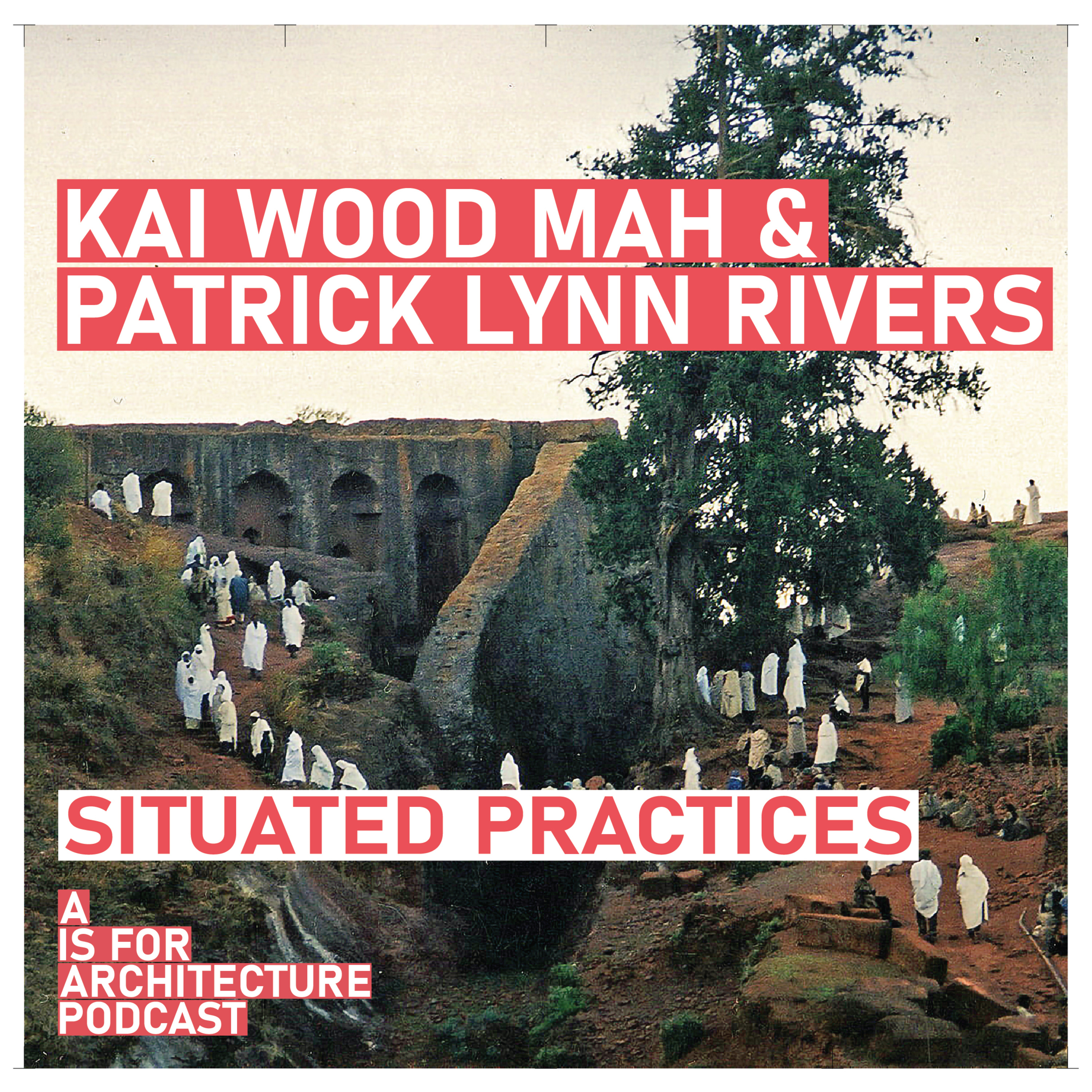
The A is for Architecture Podcast’s newest episode is a conversation with North American scholars, social scientist Patrick Lynn Rivers and design historian Kai Wood Mah, about their book, Situated Practices in Architecture and Politics, published by Dalhousie Architectural Press in 2024.
In our conversation, Patrick and Kai speak of the importance of situated learning and practice, which involves architects engaging with communities to co-create knowledge as a mode not just of transforming spaces and making things, but as an ethnographic means of seeing things through the eyes of communities. Situated practices, they argue, force a necessary politi...
Hans van der Heijden: A rationalist architecture.
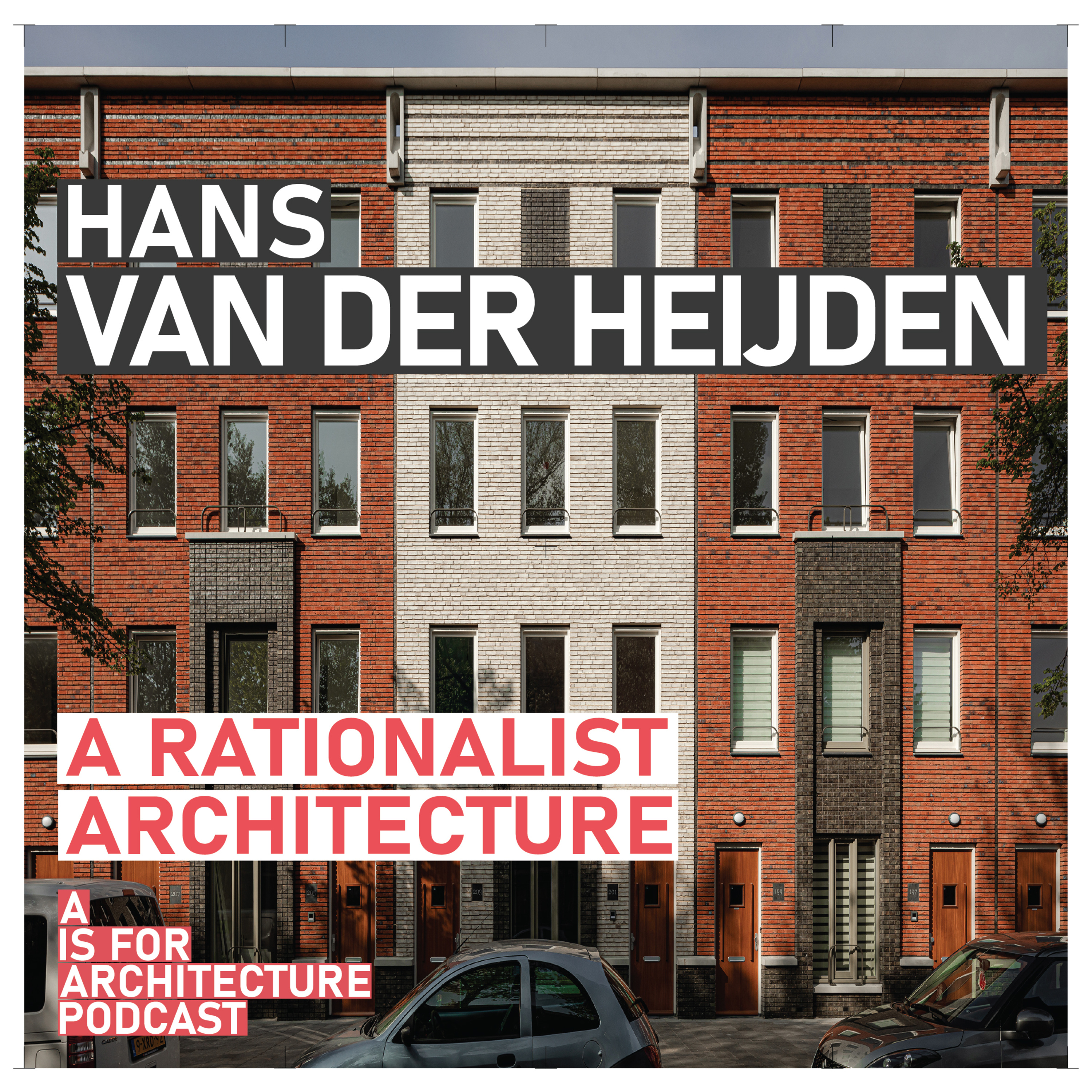
In the latest episode of the A is for Architecture Podcast Amsterdam-based architect Hans van der Heijden discuss themes of his design work and writing. Founder of Hans van der Heijden Architects, a practice which track context through deep research realised in, as I see it, a sort-of fitting architecture.
Hans and I connected over a mutual interest in the pursuit of the/ a common city. Our conversation centres on Hans’ book, The Residential Palazzo (Het woonpalazzo) in Design Research, Education and Practice, published this year by HvdHA which, along with the built work Hans speaks of, rai...
Peter Apps: Home making and unmaking.
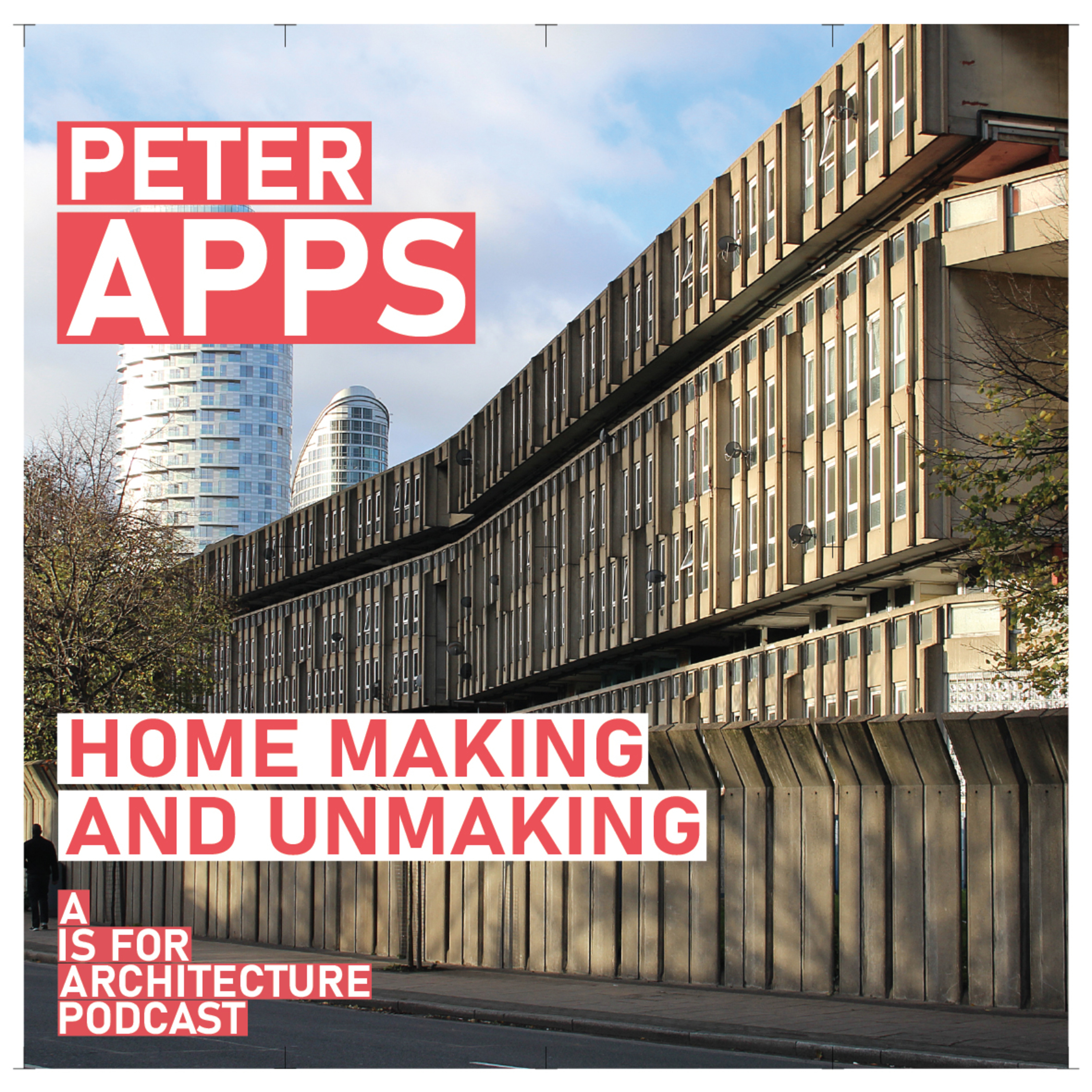
In this episode of the A is for Architecture Podcast the journalist, writer and Deputy Editor at Inside Housing, Peter Apps discusses his very recent book, Homesick: How Housing Broke London and How to Fix It, published by One World Publications in September this year.
Peter became something of a big noise when he won the Orwell Prize for Political Writing in 2023 for his book, Show Me the Bodies: How We Let Grenfell Happen, also published with Oneworld. In that, Peter’s account exposed the systemic failures, negligence and cost-cutting in construction and regulation that led to the...
Stefano Boeri: Architecture with nature.
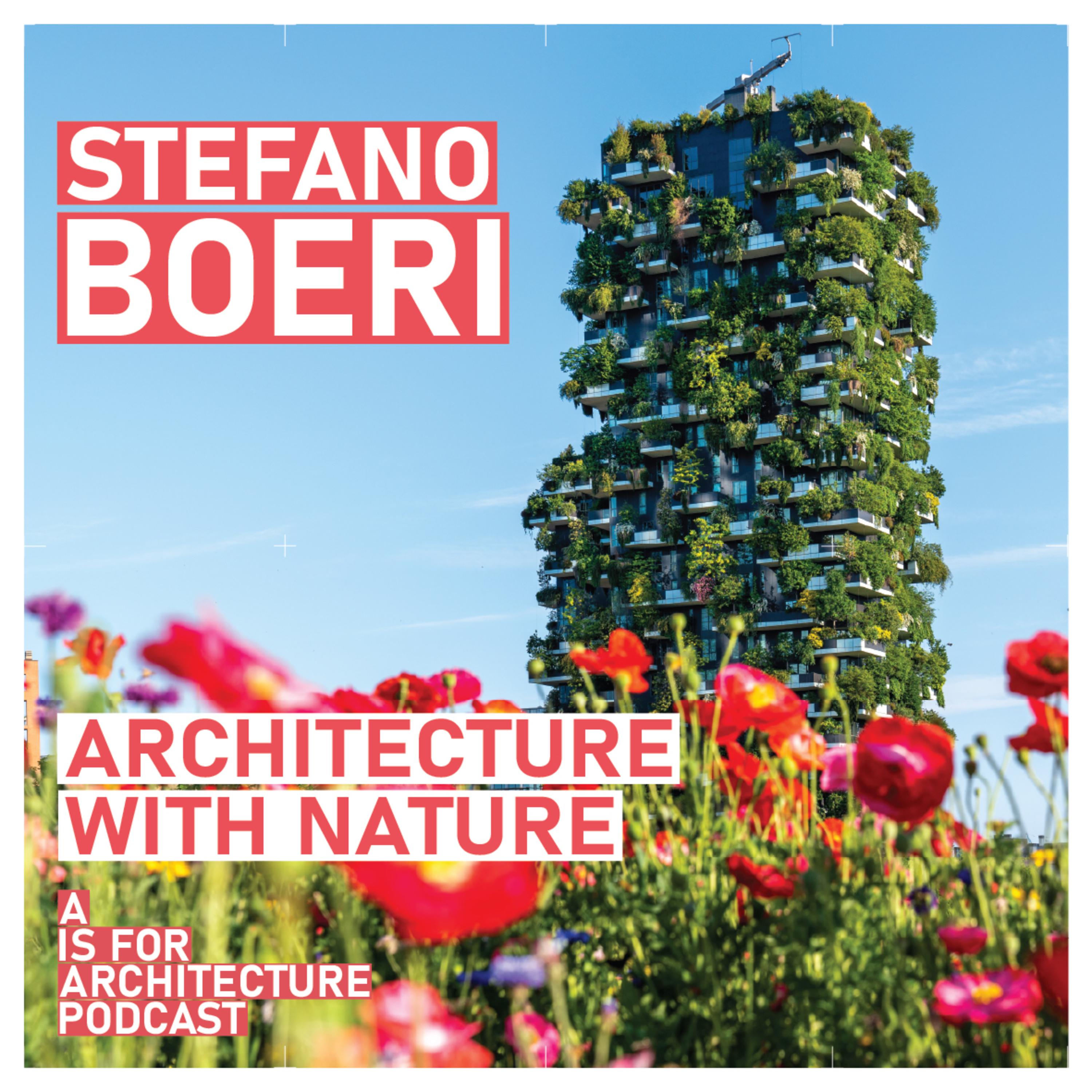
In the A is for Architecture Podcast’s latest episode, Stefano Boeri - architect, urban planner, Professor of Urban Planning at Milan Polytechnic, President of the Future of the City Foundation and former editor of Domus (among some other things…) - joined to speak about his upbringing and education in Milan and Venice, his influences, mentors and inspirations, and the development of his design thinking and practice, Stefano Boeri Architetti. Now a leading voice in European – and more recently global – architecture, Professor Boeri’s work presents us with a new and beguiling vision, one that combines modern urban lifestyles with a genu...
James Benedict Brown & Derek Jones: The design studio.
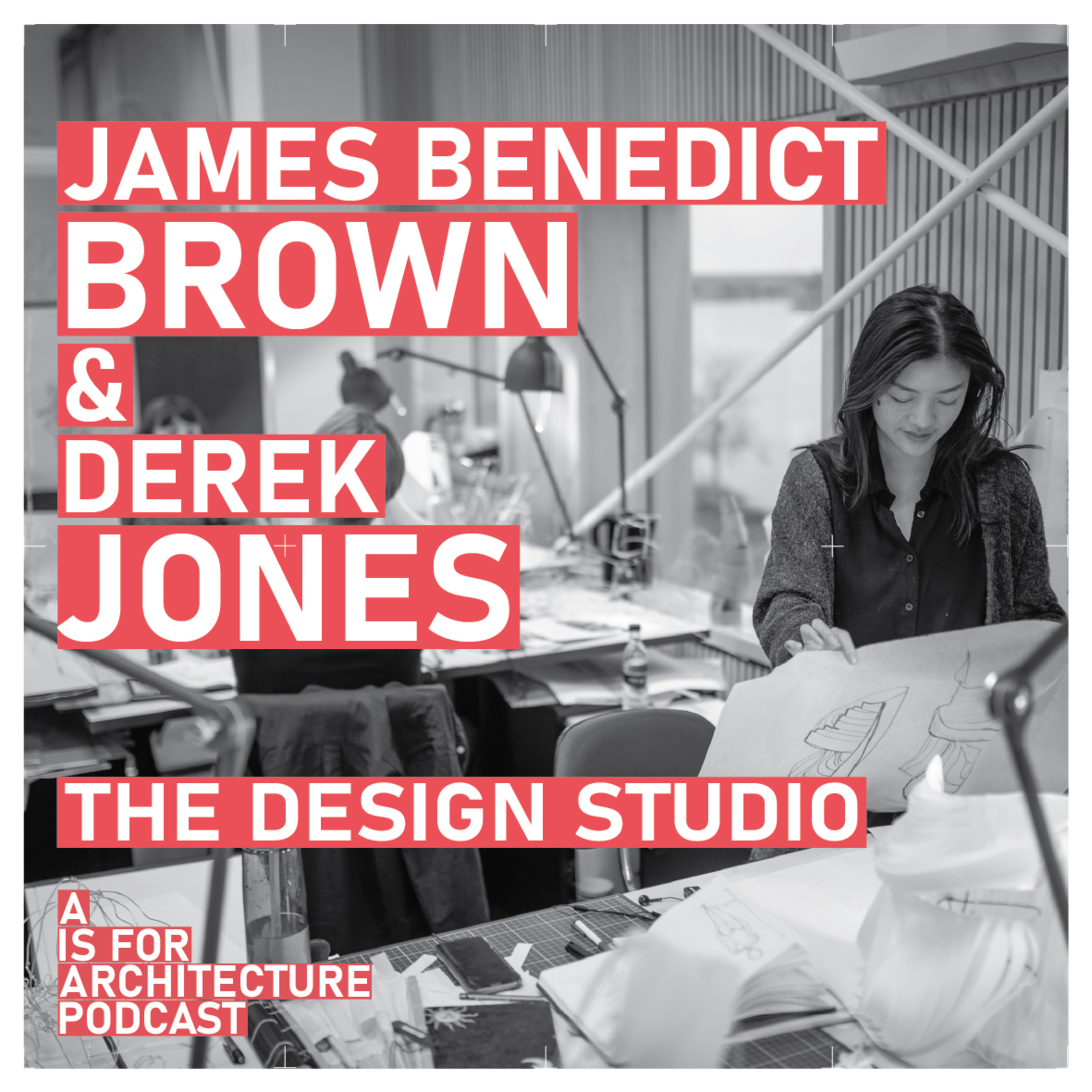
In the newest episode of the A is for Architecture Podcast, I got to speak to Derek Jones and James Benedict Brown, two of five scholars responsible for the very recently published Studio Properties: A Field Guide to Design Education, published by Bloomsbury this year and also available as an open access publication on the Bloomsbury website.
Alongside Elizabeth Boling, James Corazzo, Colin M. Gray and Nicole Lotz, James and Derek have written a book to help clarify the operation of the design studio in education. Repositioning ‘studio’ not as a monolithic entity but as a landscape made...