Lost Women of Science
For every Marie Curie or Rosalind Franklin whose story has been told, hundreds of female scientists remain unknown to the public at large. In this series, we illuminate the lives and work of a diverse array of groundbreaking scientists who, because of time, place and gender, have gone largely unrecognized. Each season we focus on a different scientist, putting her narrative into context, explaining not just the science but also the social and historical conditions in which she lived and worked. We also bring these stories to the present, painting a full picture of how her work endures.
Conversation: If I Am Right, and I Know I Am: Inge Lehmann, the Woman Who Discovered Earth’s Innermost Secret
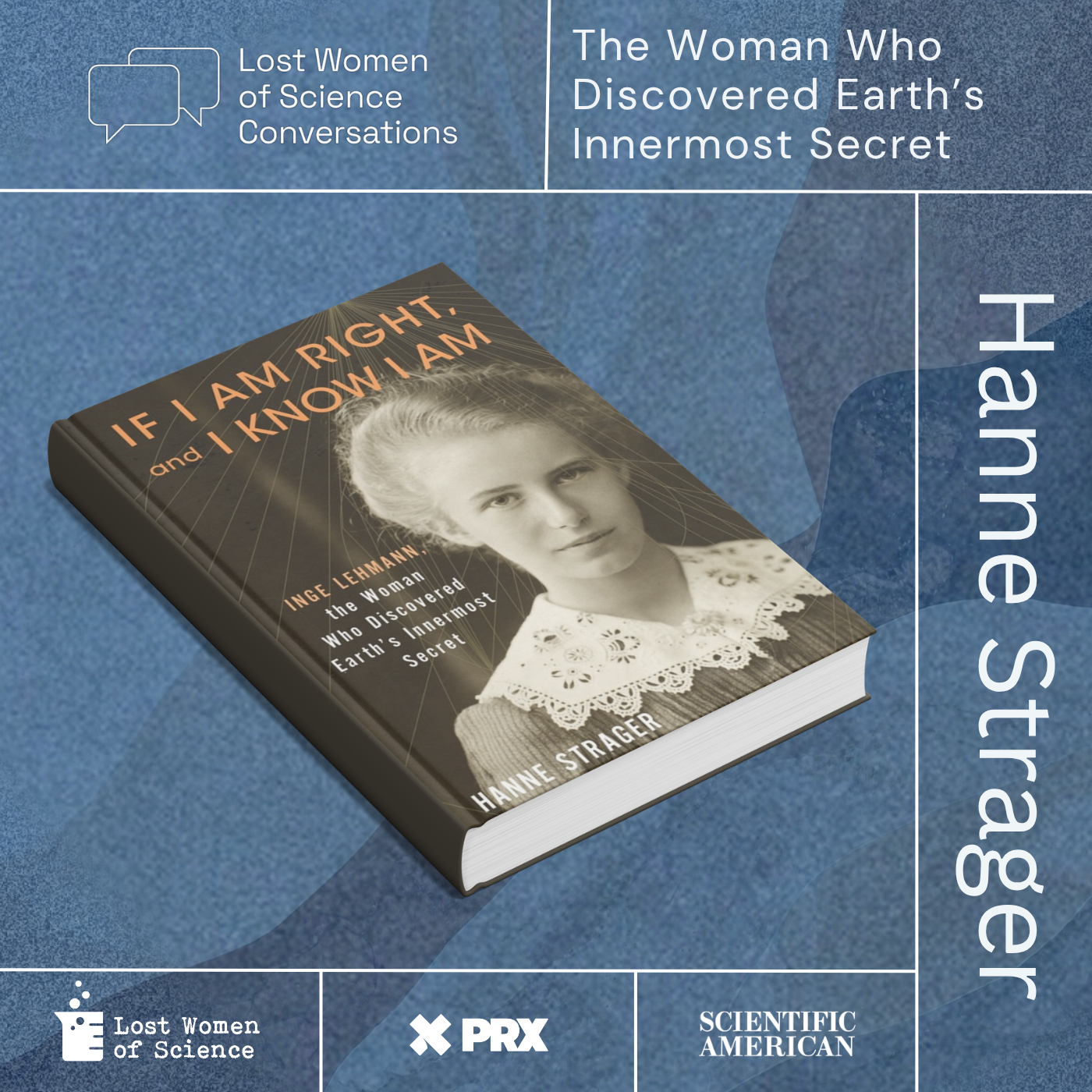
In this episode of Lost Women of Science Conversations, host Carol Sutton Lewis speaks with science writer Hanne Strager about her biography of Inge Lehmann, the pioneering Danish seismologist who discovered that Earth has a solid inner core..
Largely unknown outside scientific circles, Lehmann fundamentally transformed our understanding of what lies at the heart of our planet. She did this in 1936 by identifying anomalies in earthquake waves that others had overlooked. At the time, scientists believed Earth’s core was entirely liquid. Lehmann proposed instead that a solid inner core lay hidden within it — a groundbreaking insight that...
BONUS: Agnes Pockels and the Kitchen Sink Myth
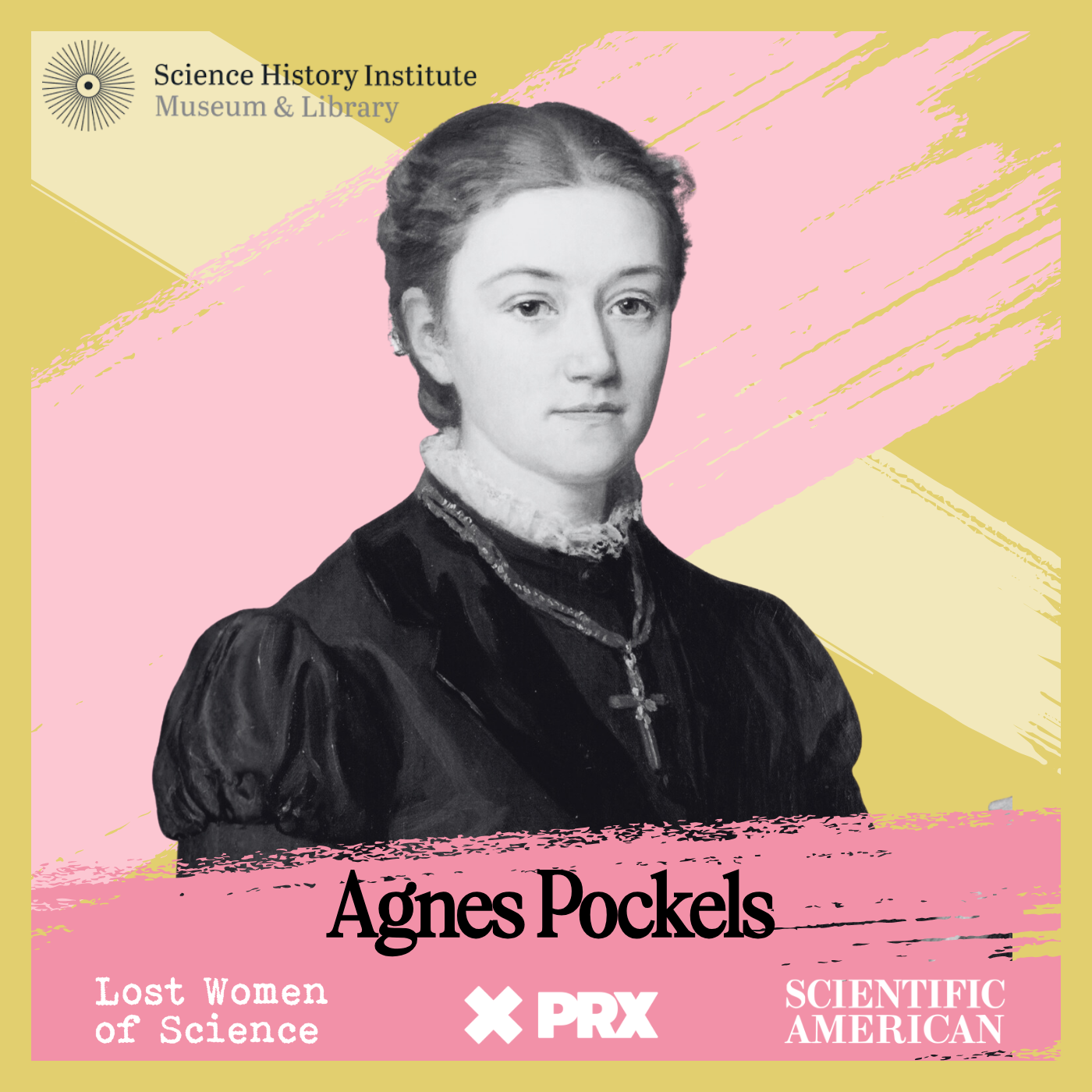
This bonus episode is a co-production with Distillations, a podcast produced by the Science History Institute.
Agnes Pockels did pioneering work in surface science. Her invention, the Pockels Trough, became the basis for an instrument that helped Katherine Burr Blodgett and Irving Langmuir make discoveries in material science that quietly shape our everyday world.
But the way we talk about Agnes’s life and work often falls back on familiar tropes about women’s domestic roles, assumptions about how science gets done, and what it looked like to do science as a woman in the 19th ce...
Layers of Brilliance: Vanishing Act -- Episode Six
How is a legacy preserved, and how is someone forgotten? Determined to make a final name for himself, Irving Langmuir ventures into science that even he might classify as pathological wishful thinking, while Katharine continues her work as the diligent experimenter. But her contributions faded from both the company’s and the public’s memory. We go to visit her, to say good-bye – and we look at the wisdom she imparted to the next generation of inquiring minds.
Learn about your ad choices: dovetail.prx.org/ad-choicesLayers of Brilliance: The Self You Have to Live With - Episode Five
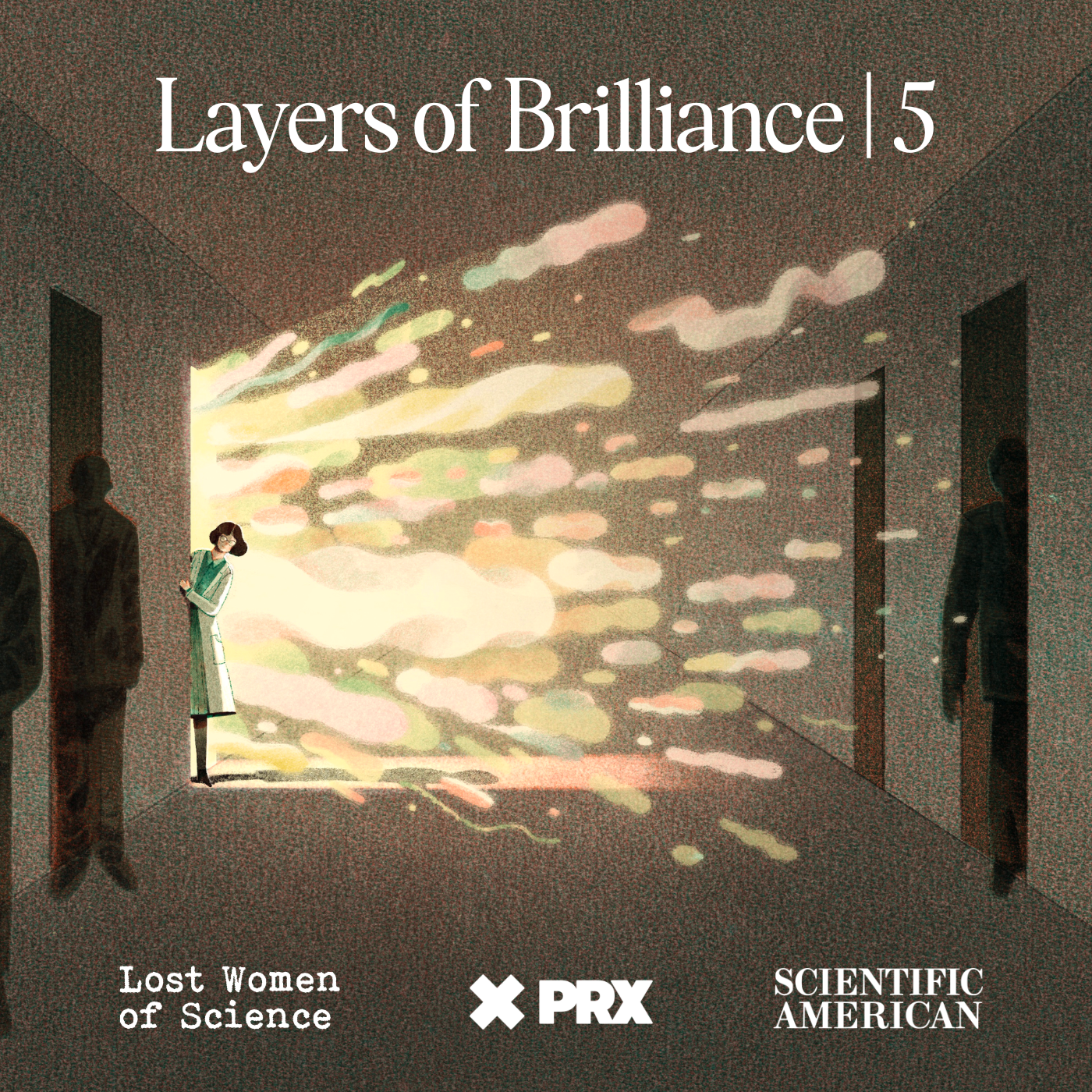
Katharine’s relatives lead the production team to a collection of papers and artifacts stored in a New England storage unit, revealing an inner struggle she kept carefully out of sight – even as she was making history in the laboratory.
Learn about your ad choices: dovetail.prx.org/ad-choicesLayers of Brilliance: The Breakthrough - Episode Four
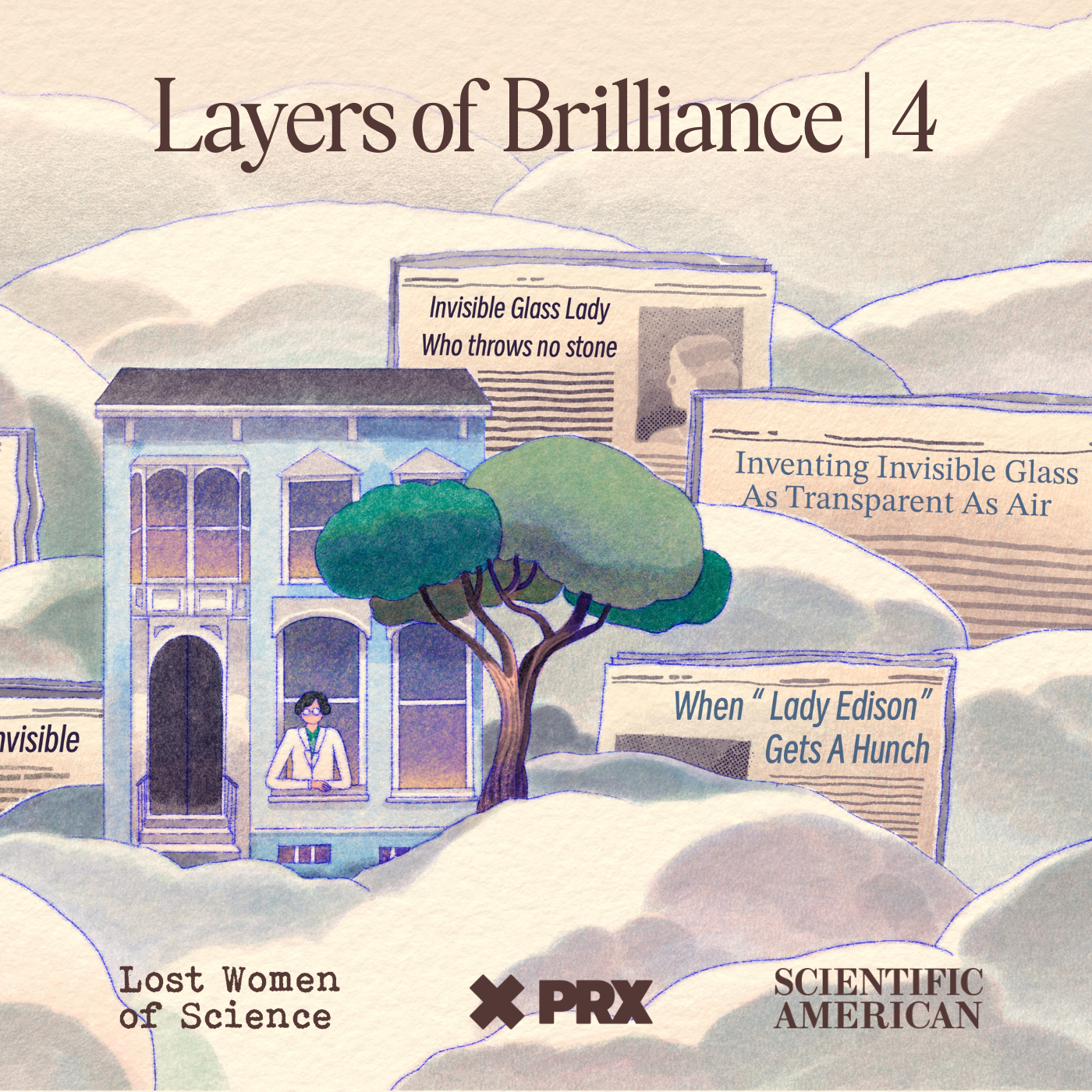
The 1930s prove to be an exceptional decade for research at The General Electric Company. Katharine Burr Blodgett works closely alongside her boss, Irving Langmuir who, in 1932, wins the Nobel Prize for Chemistry. In 1938, Katharine’s meticulous experiments with thin film coatings on solid surfaces lead to her most important breakthrough: non-reflecting glass. The General Electric Company’s public relations machine kicks into high gear. Katharine becomes an overnight sensation, both in the scientific community and in the press, which dub her discovery “invisible glass.” The assistant to the Nobel Prize winner, long invisible herself, takes center stage.
Layers of Brilliance: The Air She Breathed -- Episode Three
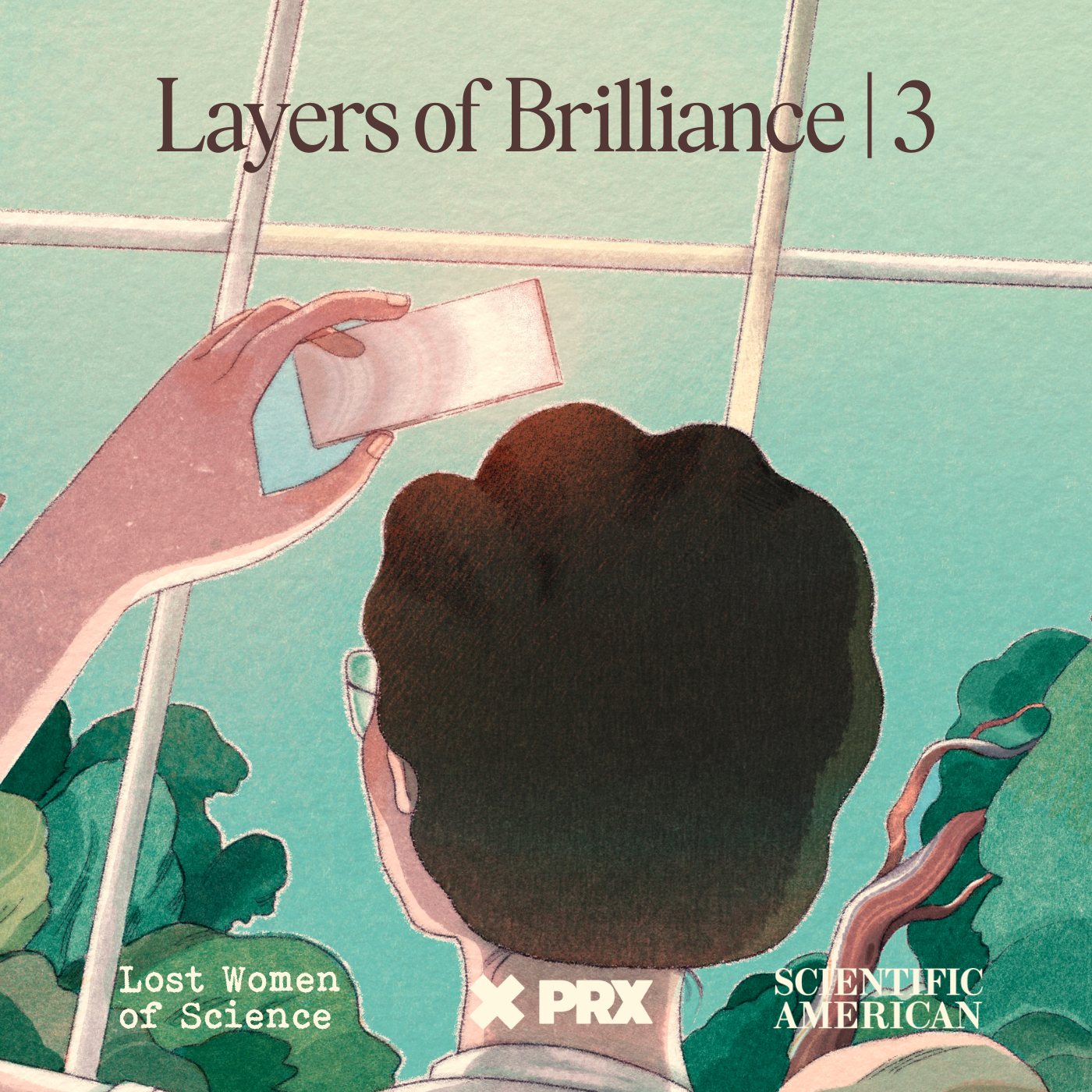
The only woman in a laboratory filled with men, Katharine Burr Blodgett soon becomes indispensable as an assistant to The General Electric Company’s most famous scientist, Irving Langmuir. Their working relationship is an elegant symbiosis: her forte is experimentation, his is scientific theory. We follow their partnership as they successfully find ways to build a better lightbulb but Langmuir stumbles with an off-the-wall theory of matter. All the while, Katharine builds her life in Schenectady: going to church, making new friends, falling in love. In 1924, she embarks on a new journey to the University of Cambridge, where she st...
Layers of Brilliance: The 'House of Magic' -- Episode Two
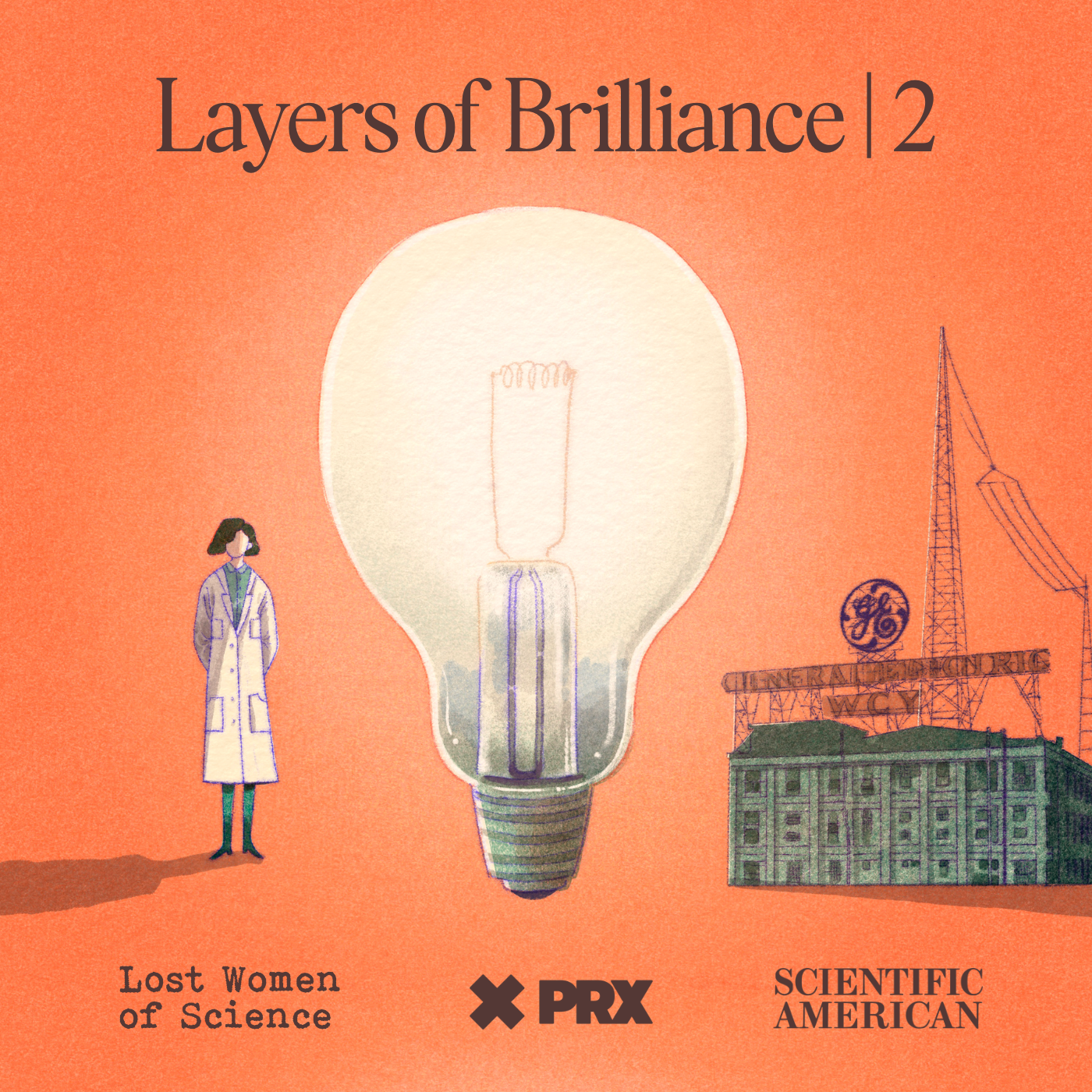
Katharine Burr Blodgett arrives at The General Electric Company’s legendary research laboratory in Schenectady, New York, known as the “House of Magic.” She was just 20 years old when she entered a world built almost entirely for men. She joins as assistant to the brilliant and eccentric Irving Langmuir, a star chemist whose fundamental work in materials science and light bulbs would bring fame to him, and fortune to GE.
The General Electric Company was an obvious choice for a brilliant young scientist. But was it the promise of scientific discoveries that drew Katharine to Schenectady or the nee...
Layers of Brilliance: The Chemical Genius of Katharine Burr Blodgett - Episode One
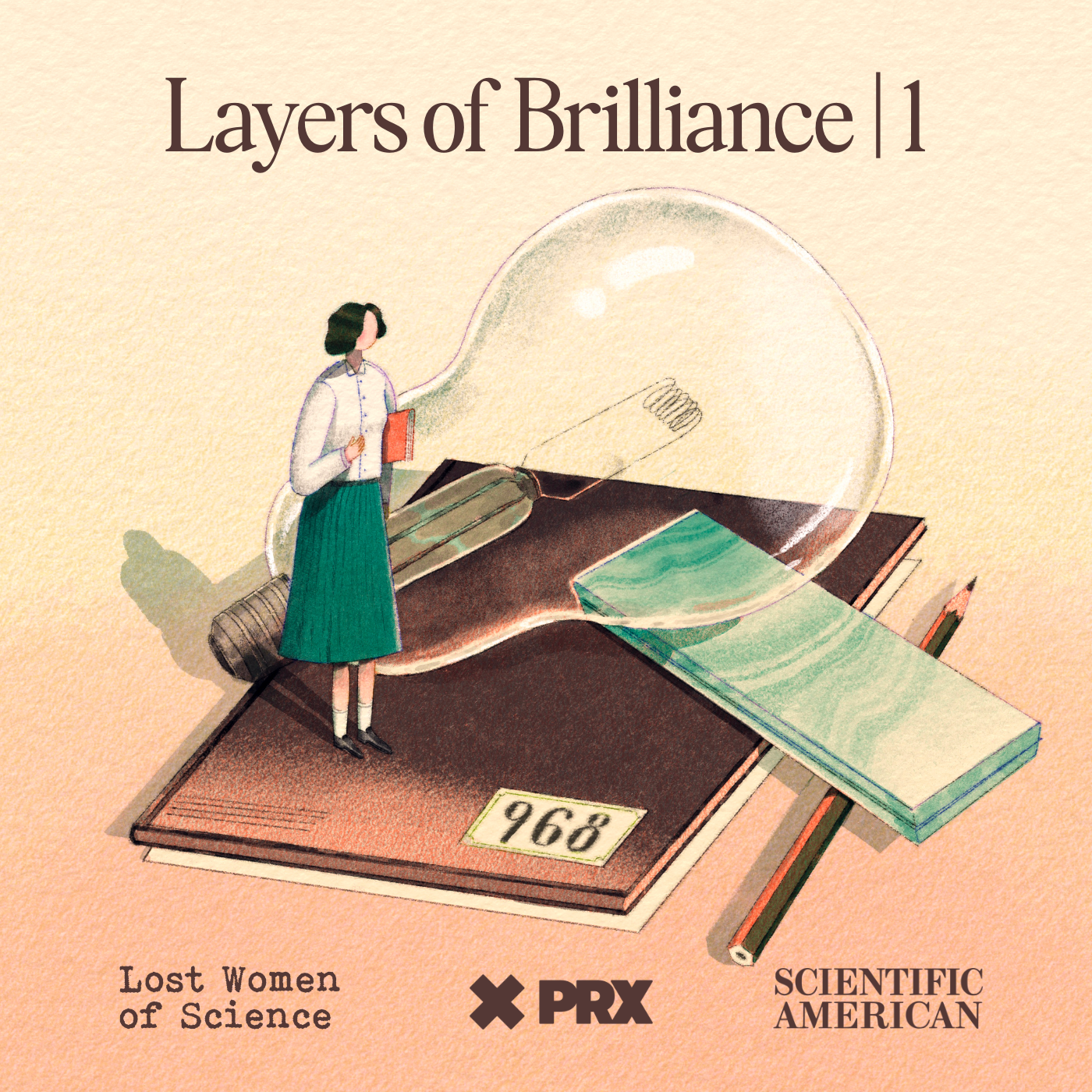
In the first of this five-part season we trace Katharine’s early years as she picks up European languages, her early scientific education at a progressive New York school for girls and then Bryn Mawr, a women’s college. She seems destined to end up working at the General Electric Company’s industrial research lab, but first she must prove herself at the University of Chicago, where, in the middle of World War I, she works to improve the life-saving gas mask.
Layers of Brilliance
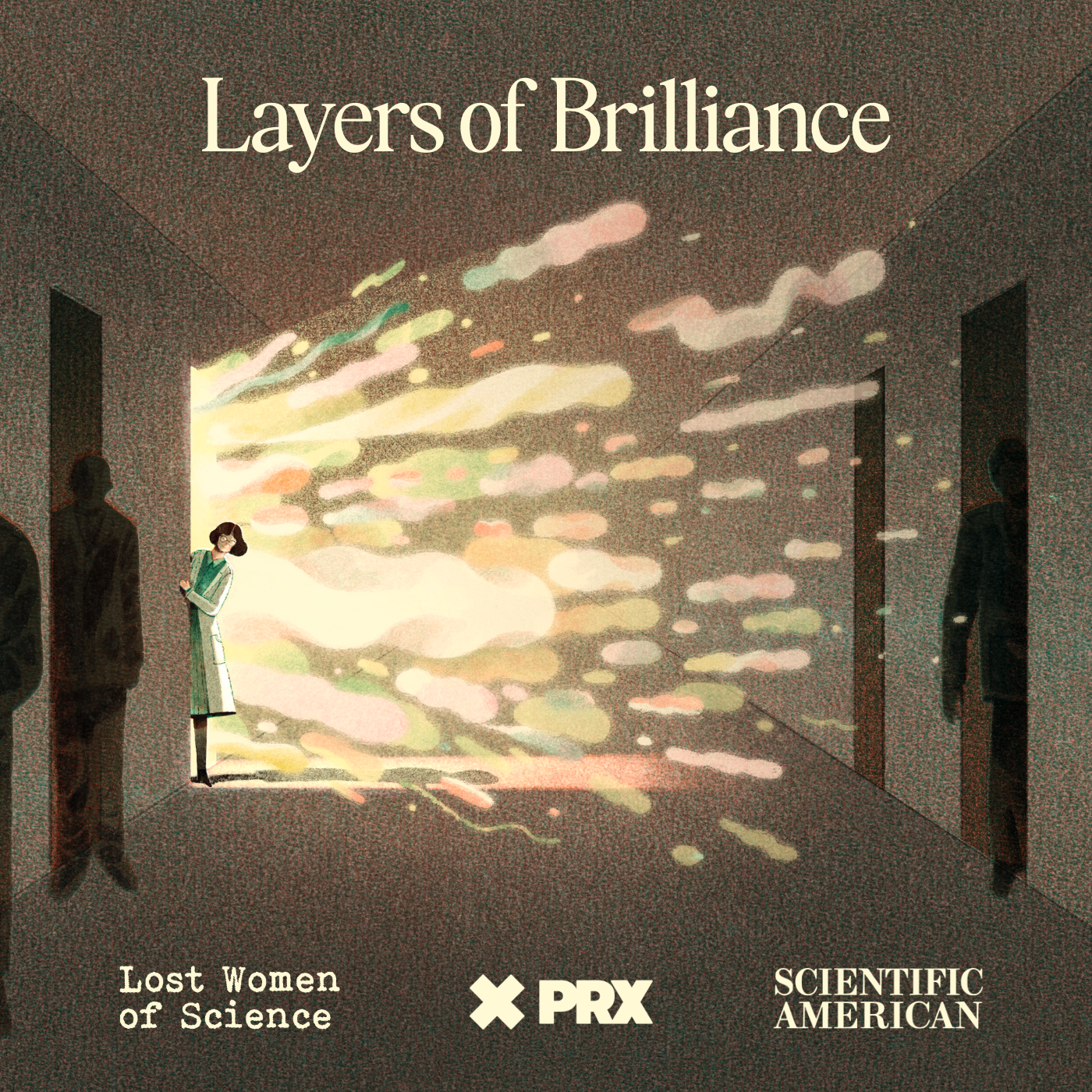
Introducing Layers of Brilliance, a six-part season that brings to life the story of a woman whose discoveries in materials science quietly shape our everyday world – but whose legacy was long eclipsed by the famous scientist she worked with.
In 1918, at just twenty years old, Katharine Burr Blodgett arrived at the General Electric Company’s industrial research laboratory in Schenectady, New York – a place known as the House of Magic. There she began a decades-long collaboration with Irving Langmuir, GE’s star scientist, who would go on to win the Nobel Prize in Chemistry. While Langmuir became a public...
The Lost Women of Science - Our Book for Young Readers
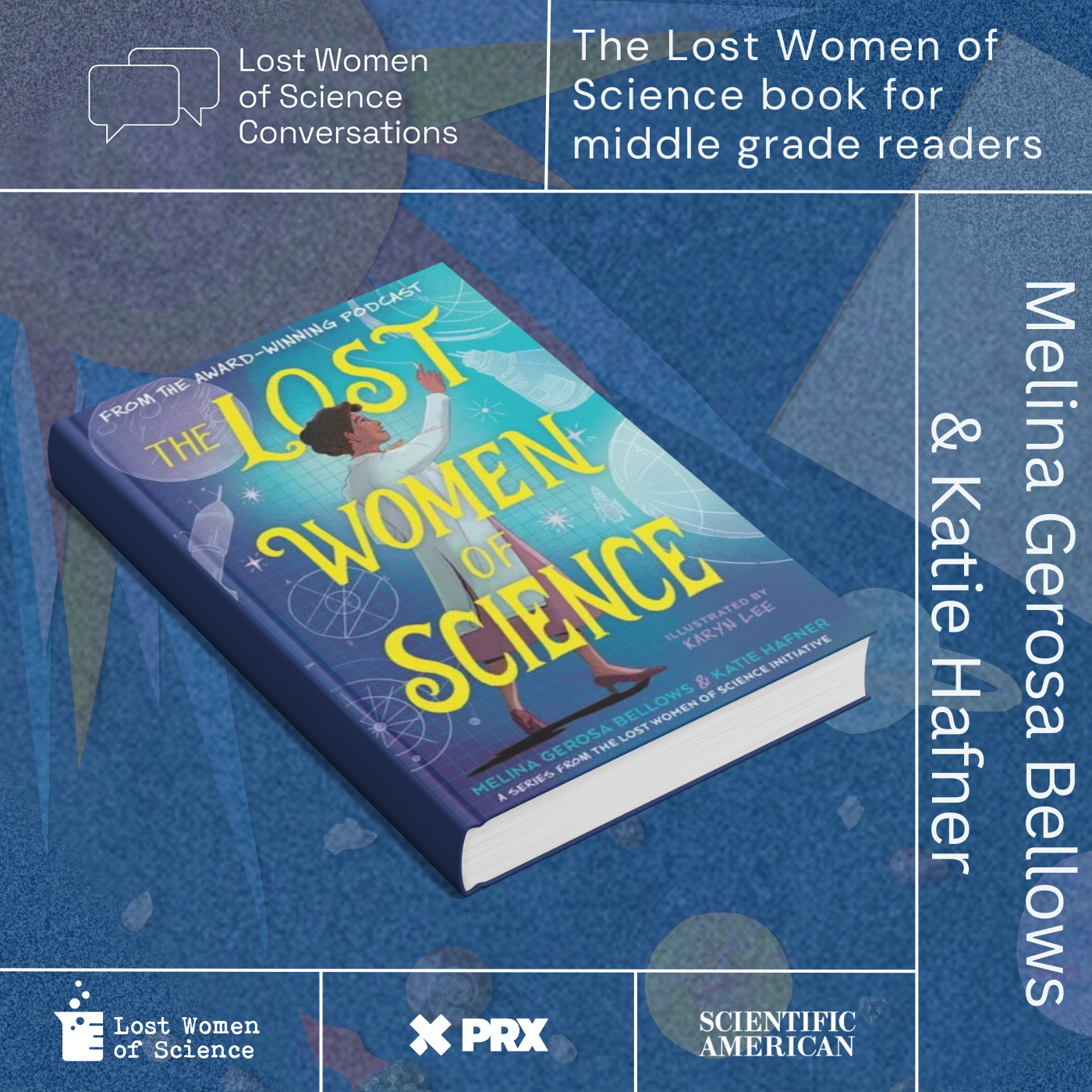
The Lost Women of Science by Melina Gerosa Bellows and Katie Hafner is an exciting book for young readers that brings to life the stories of ten remarkable women who changed the world of science but have been forgotten, or written out of history completely. Published by Penguin Random House’s Bright Matter imprint, the book transforms podcast episodes into a collection of inspiring biographies written for middle school readers.
In this Lost Women of Science Conversation, Melina and Katie talk about their favorite female scientists and why their grit and determination can help inspire curiosity in the...
For Susan
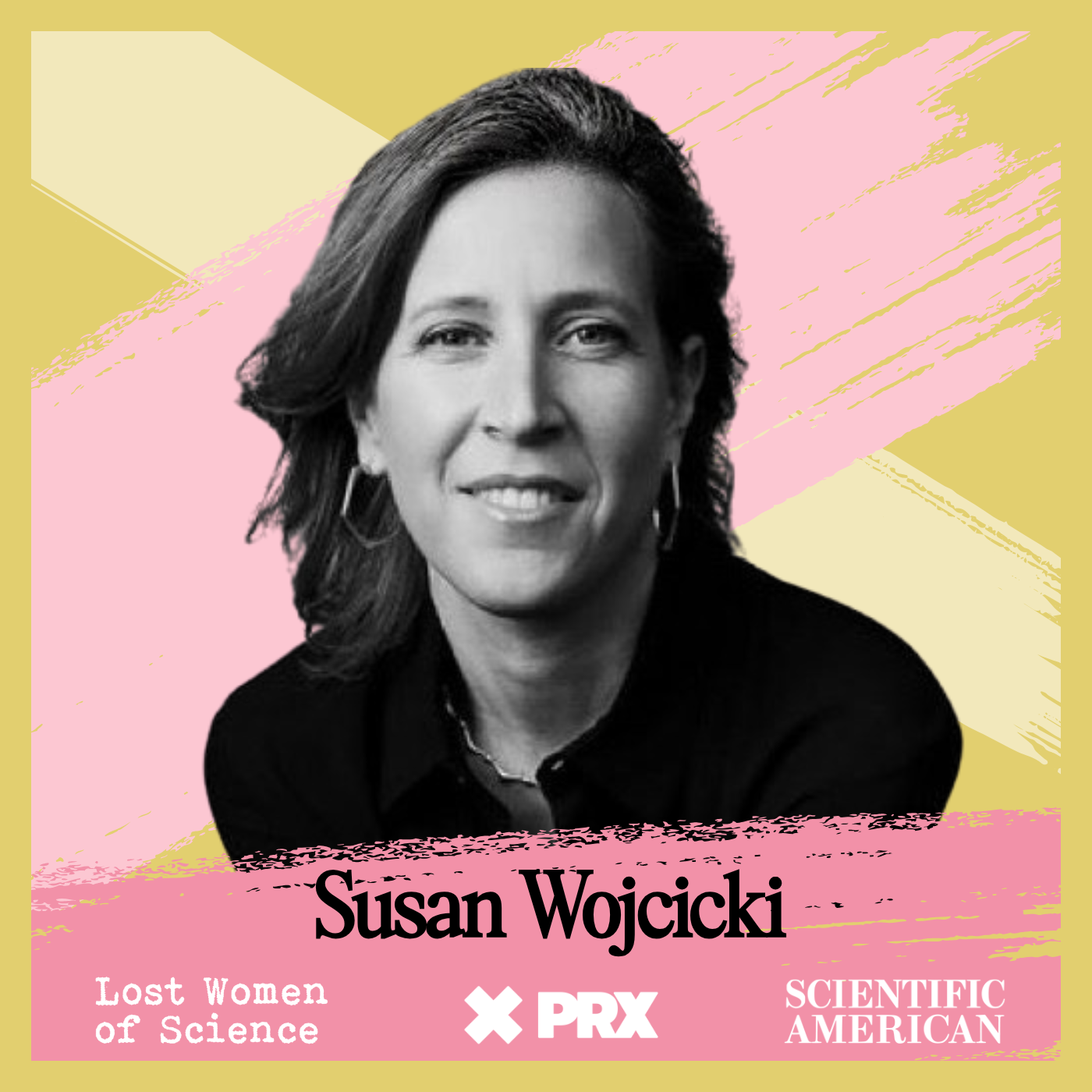
In 2022, Susan Wojcicki was on top of the world—CEO of YouTube, parent to five kids, and running a few miles a day—when she received a shocking diagnosis: metastatic lung cancer. She soon resigned from YouTube and dedicated herself to fighting the disease and looking for answers. Why does the leading cause of cancer deaths receive less funding than some less lethal cancers? How could her lung cancer have progressed so far undetected? And how did Susan get lung cancer, when she had never smoked? This episode is dedicated to her.
The Mouse Lady
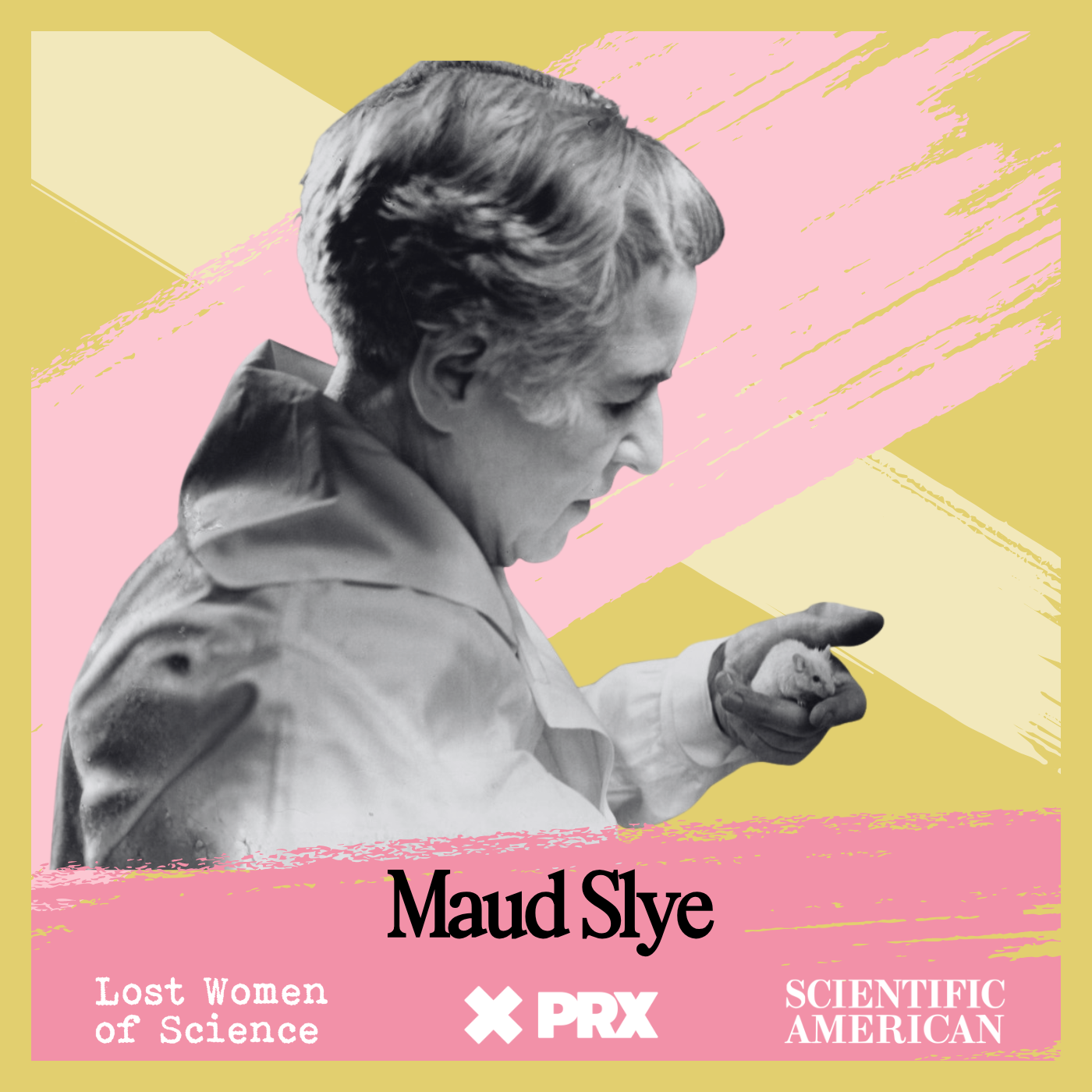
In the 1910s, a relatively unknown cancer researcher named Maud Slye announced the first results of a study with the loftiest ambitions: to identify what causes cancer. To answer that question, the University of Chicago geneticist had bred tens of thousands of mice, enough to fill a three-story building. She carefully documented their ancestry and their morbidities and performed autopsies. And to Slye, her findings were clear: vulnerability to cancer was hereditary. If we wanted to, we could eliminate it. But Slye made some crucial mistakes along the way—and a number of enemies.
Lost Women of Science Conversations: Rosalind - The Opera

Composer Peter Hugh White and librettist Clare Heath join host Rosie Millard in front of a London audience to explore why the story of chemist and x-ray crystallographer Rosalind Franklin and the race to uncover the structure of DNA makes such a compelling subject for an opera.
We hear excerpts that capture the contrasting personalities at the centre of this scientific drama — James Watson, the brash young researcher at the University of Cambridge; Francis Crick, his more measured collaborator; and Maurice Wilkins, an anxious biophysicist uneasy about being outshone by his brilliant colleague, Franklin.
It’s a...
Best Of: Finding Dora Richardson: The Forgotten Developer of Tamoxifen, a Lifesaving Breast Cancer Therapy - Episode Two
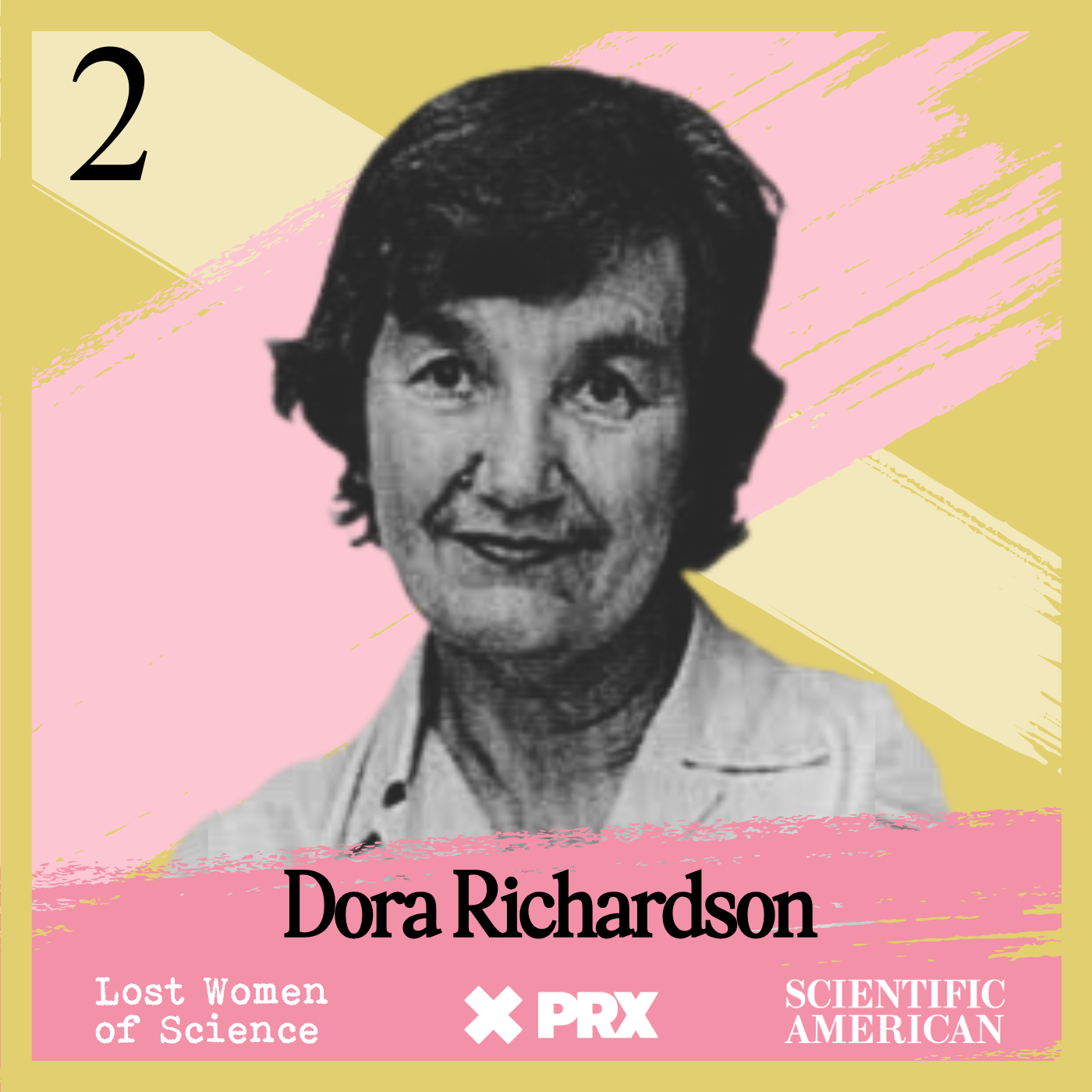
Although initial clinical trials of tamoxifen as a treatment of breast cancer were positive, Imperial Chemical Industries (ICI) did not believe this market would be commercially viable. The company had hoped for a contraceptive pill – tamoxifen didn’t work for that – not a cancer treatment. In 1972 the higher-ups at ICI decided to cancel the research.
But Dora Richardson, the chemist who had originally synthesized the compound, and her boss, Arthur Walpole, were convinced they were on to something important, something that could save lives. They continued the research in secret. Tamoxifen was eventually launched in 1973 and went on to be...
Encontrando a Dora Richardson – La desarrolladora olvidada del tamoxifeno, una terapia vital contra el cáncer de mama
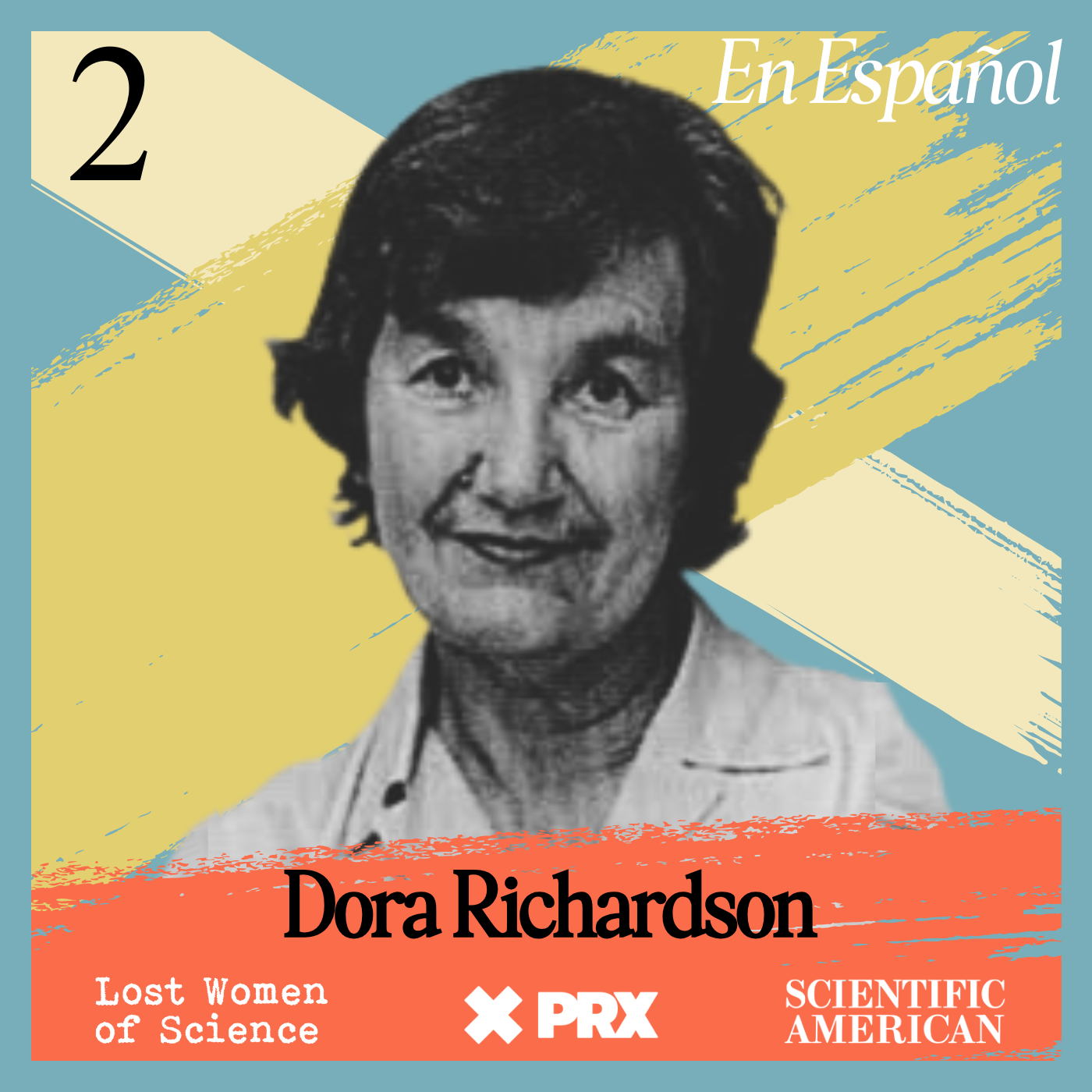
Aunque los ensayos clínicos iniciales del tamoxifeno como tratamiento del cáncer de mama fueron positivos, Imperial Chemical Industries (ICI) no creía que este mercado fuera comercialmente viable. La compañía esperaba una píldora anticonceptiva (el tamoxifeno no funcionó para eso), no un tratamiento contra el cáncer. En 1972, los superiores del ICI decidieron cancelar la investigación. Pero Dora Richardson, la química que originalmente había sintetizado el compuesto, y su jefe, Arthur Walpole, estaban convencidos de que estaban en algo importante, algo que podría salvar vidas. Continuaron la investigación en secreto. El tamoxifeno s...
Best Of: Finding Dora Richardson, The Forgotten Developer of Tamoxifen, a Lifesaving Breast Cancer Therapy - Episode One
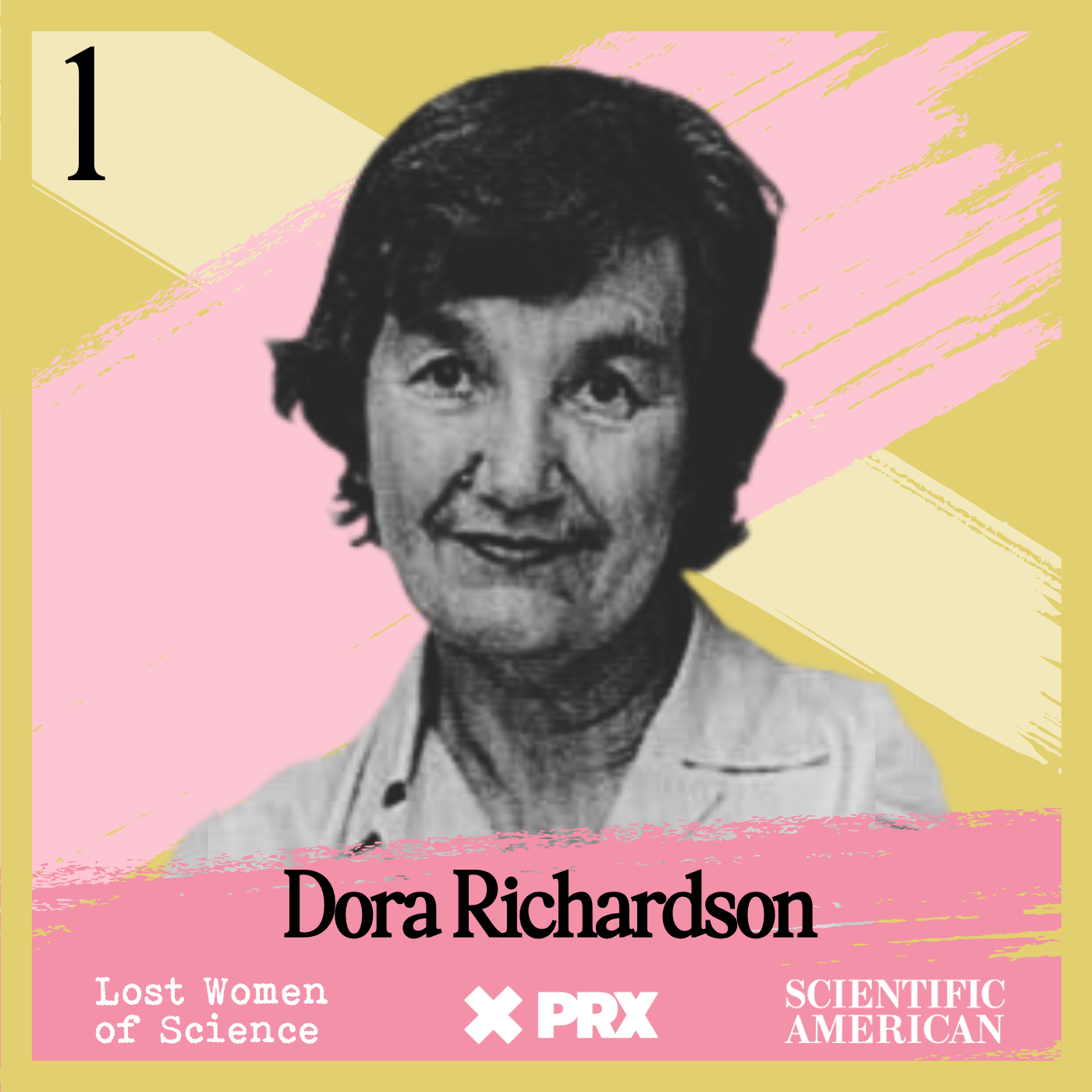
In the early 1960s, Dr. Dora Richardson synthesized a chemical compound that became one of the most important drugs to treat breast cancer: tamoxifen. Although her name is on the original patent, her contributions have been lost to history.
In the first episode of this two-part podcast, Katie Couric introduces us to Dora’s story, and we show how Lost Women of Science producer Marcy Thompson tracked down Dora’s firsthand account of the history of the drug’s development. This document, lost for decades, tells the story of how the compound was made and how Imperial Chemic...
Encontrando a Dora Richardson – Episodio 1
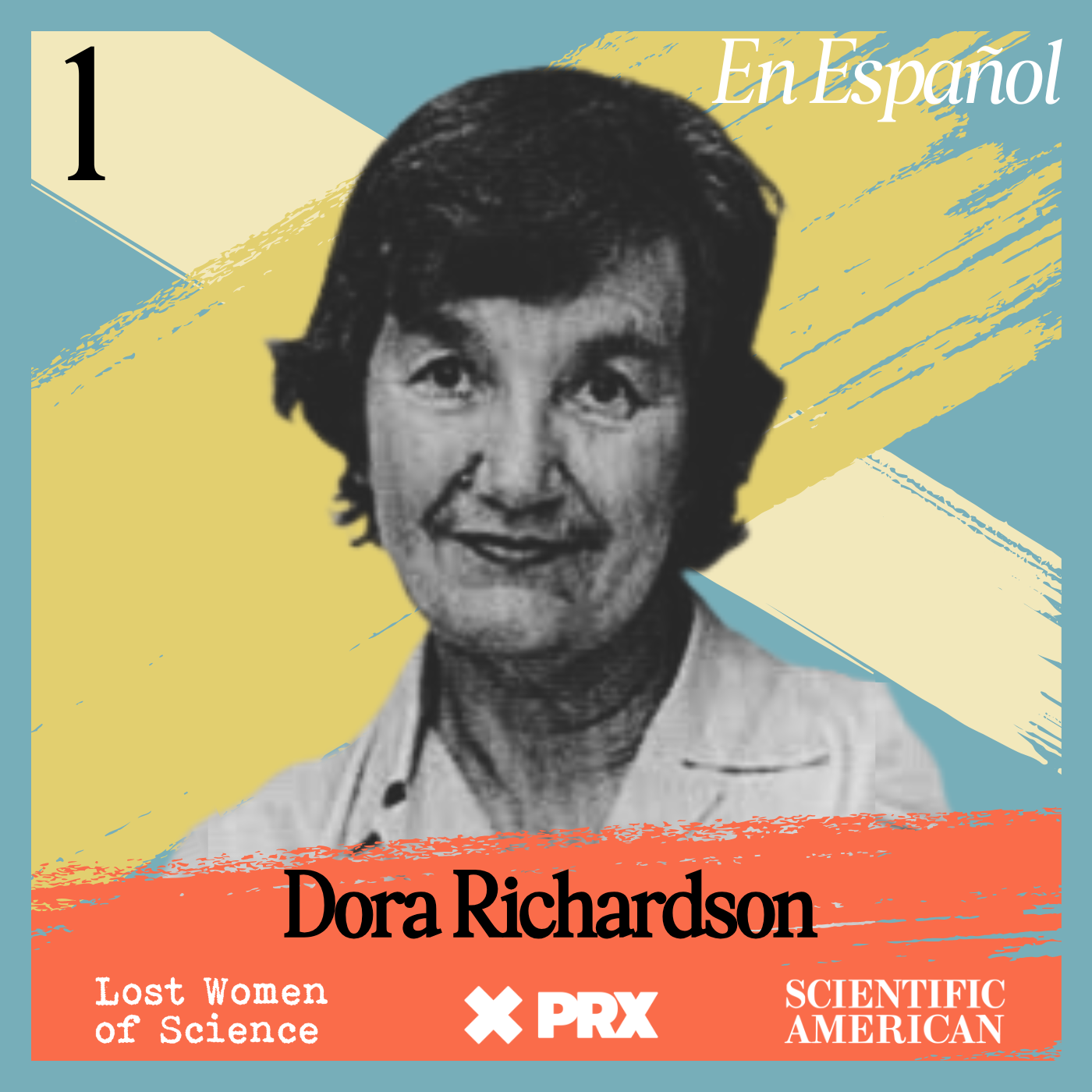
A principios de la década de los sesenta, la Dra. Dora Richardson sintetizó un compuesto químico que se convirtió en uno de los medicamentos más importantes para tratar el cáncer de mama: el tamoxifeno. Aunque su nombre aparece en la patente original, sus contribuciones fueron olvidadas por la historia. En el primer episodio de este podcast de dos partes, les contamos la historia de Dora y de cómo Marcy Thompson, productora de Lost Women of Science, rastreó su relato en primera persona sobre el desarrollo del medicamento. Este documento, perdido durante décadas, narra cómo se c...
Opening Doors to Computer Science
In high school, Carla Brodley was almost shut out of computer science when boys took over all the computers. But she rediscovered her love for the field in college and has made it her mission to open doors for others. At Northeastern University, she founded the Center for Inclusive Computing, which now partners with more than 100 institutions to make computer science more accessible. As a result of Brodley’s push to introduce more flexible degree programs, more women — and especially more women of color — have not only enrolled but stayed in the field. Now, with support from Pivotal, a group o...
Frances Glessner Lee: The Mother of Forensic Science
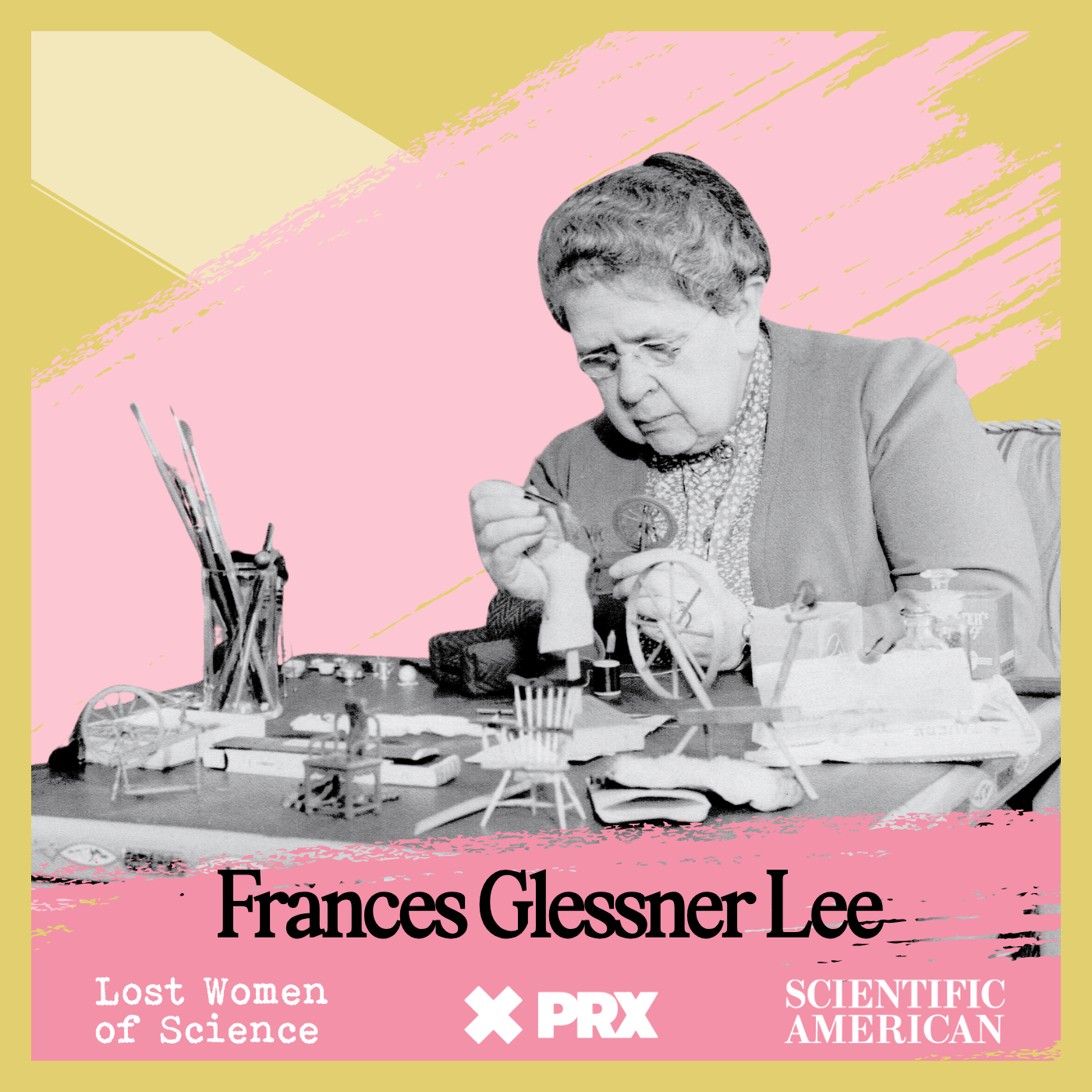
Frances Glessner Lee discovered her true calling later in life. An heiress without formal schooling, she was in her fifties when she transformed her fascination with true crime and medicine into the foundation of a new field: forensic science. In the late 1920s, she drew inspiration from a family friend, a medical examiner involved in notorious cases— including the infamous Sacco and Vanzetti trial. For Glessner Lee, the puzzle of untangling the truth about violent deaths proved irresistible. She recognized that solving crimes demanded both rigorous methods and professional training. She funded and helped found the Department of Legal Me...
The Mothers of Gynecology
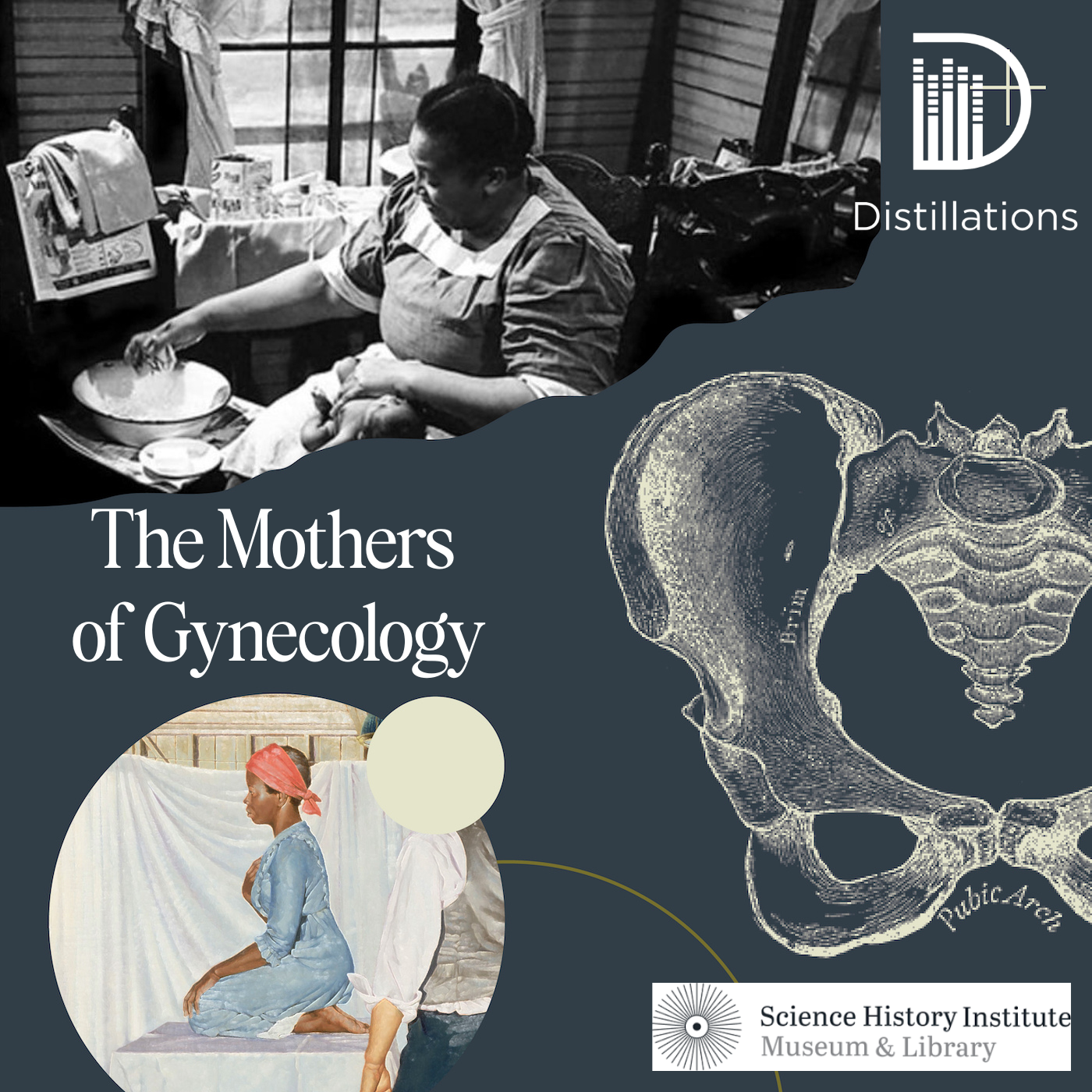
In this episode, Katie Hafner joins Alexis Pedrick and Mariel Carr to bring you The Mothers of Gynecology, part of Innate: How Science Invented the Myth of Race, a podcast and magazine project produced by the Science History Institute that explores the historical roots and persistent legacies of racism in American science and medicine.
Of all wealthy countries, the United States is the most dangerous place to have a baby. The maternal mortality rate is abysmal, and it's getting worse. And there are huge racial disparities: Black women are three times more likely to die in childbirth...
Best Of: Dr. Sarah Loguen Fraser, an Ex-Slave’s Daughter, Becomes a Celebrated Doctor
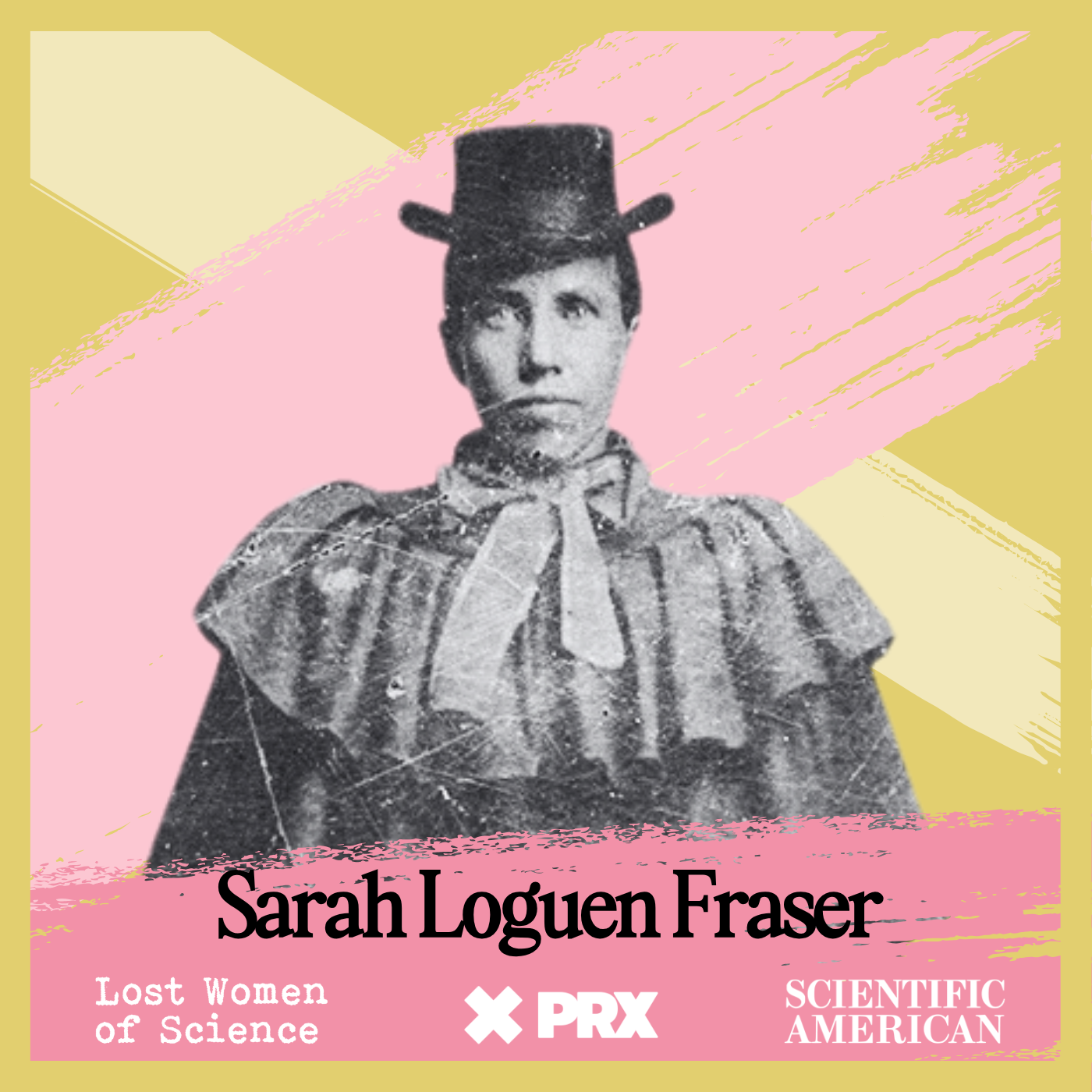
Born in 1850, Sarah Loguen found her calling as a child, when she helped her parents and Harriet Tubman bandage the leg of an injured person escaping slavery. When the Civil War ended and Reconstruction opened up opportunities for African Americans, Loguen became one of the first Black women to earn a medical license. But quickly, racist Jim Crow laws prevailed. At the urging of family friend Frederick Douglass, Loguen married and, with her new husband, set sail for the Dominican Republic where more was possible for a person of color. This is her story.
This Best Of...
La Dra. Sarah Loguen Fraser, hija de un ex esclavo, se convierte en una destacada médica
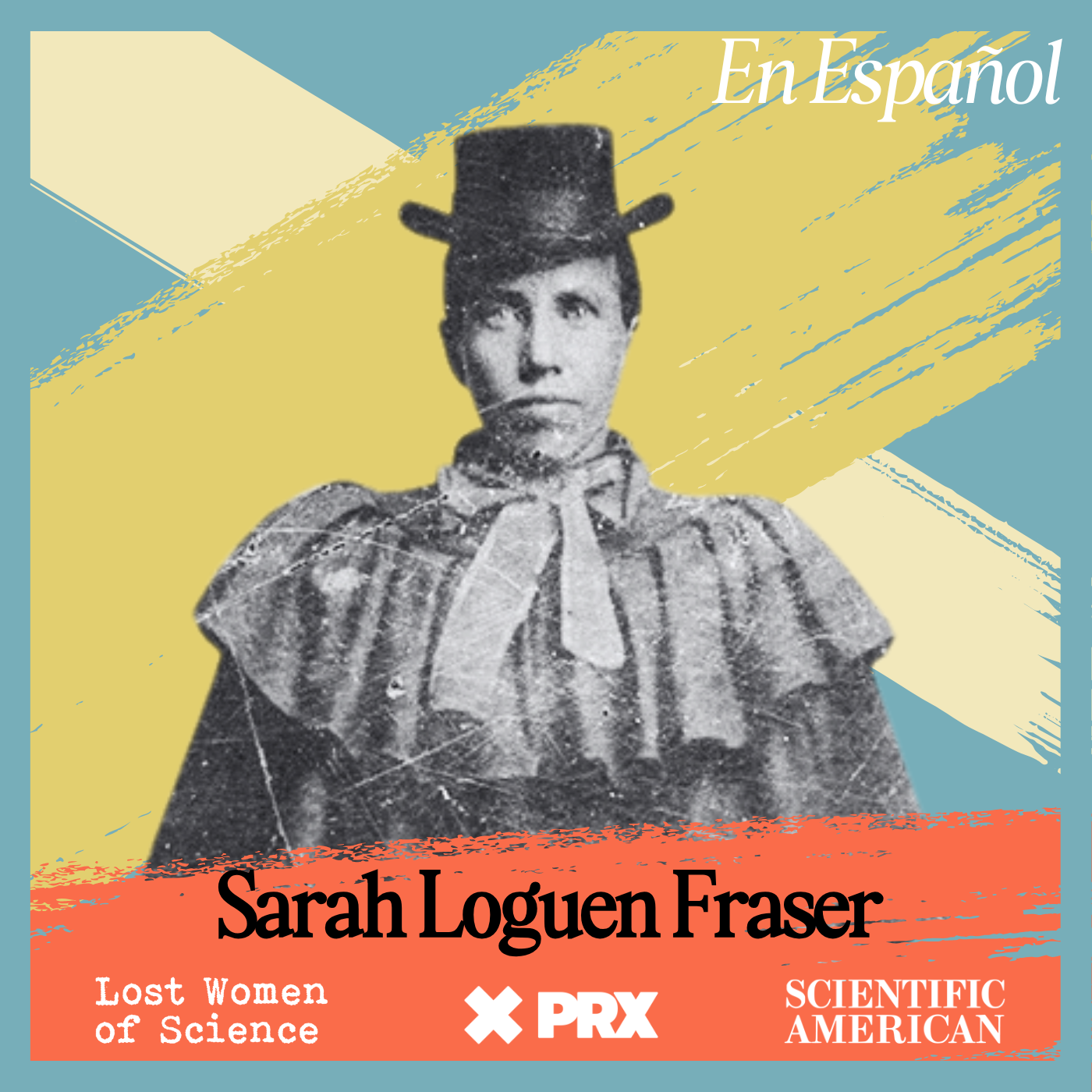
Nacida en 1850, Sarah Loguen encontró su vocación cuando era niña, cuando ayudó a sus padres y a Harriet Tubman a vendar la pierna de una persona herida que escapaba de la esclavitud. Cuando terminó la Guerra Civil y la Reconstrucción abrió oportunidades para los afroamericanos, Loguen se convirtió en una de las primeras mujeres negras en obtener una licencia médica. Pero rápidamente, prevalecieron las leyes racistas de Jim Crow. A instancias de un amigo de la familia, Frederick Douglass, Loguen se casó y, con su nuevo esposo, se embarcó hacia la República Dominicana, donde era pos...
Mujeres perdidas del Proyecto Manhattan: Carolyn Beatrice Parker
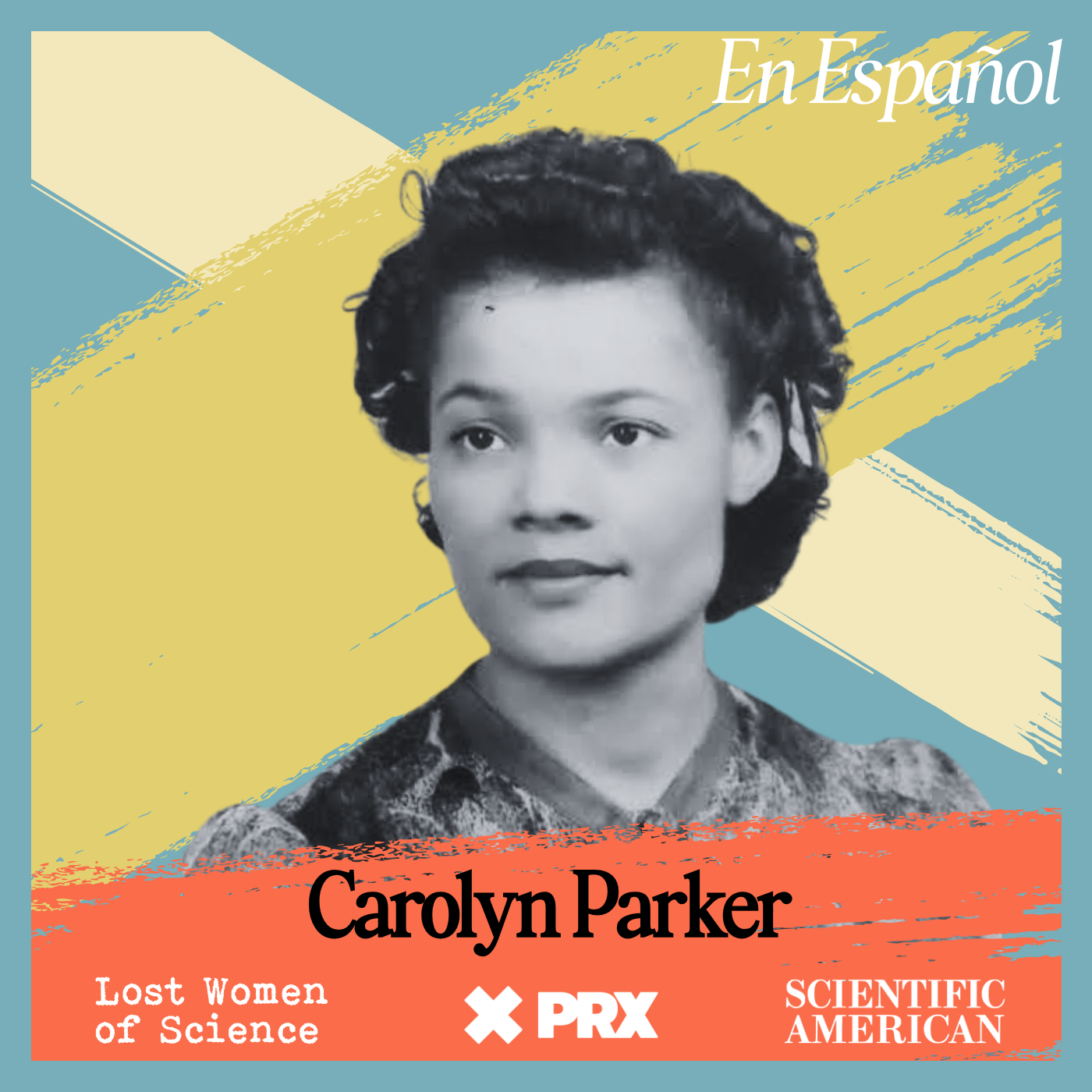
Carolyn Beatrice Parker provenía de una familia de médicos y académicos y trabajó durante la Segunda Guerra Mundial como física en el Proyecto Dayton, una parte fundamental del Proyecto Manhattan encargada de producir polonio. El polonio es un metal radiactivo que se utilizó en la producción de las primeras armas nucleares. Después de la guerra, Parker continuó su investigación y sus estudios en el Instituto Tecnológico de Massachusetts, pero murió de leucemia a los 48 años antes de que pudiera defender su tesis doctoral. Décadas más tarde, durante el apogeo de las p...
Best Of: Lost Women of the Manhattan Project - Carolyn Beatrice Parker
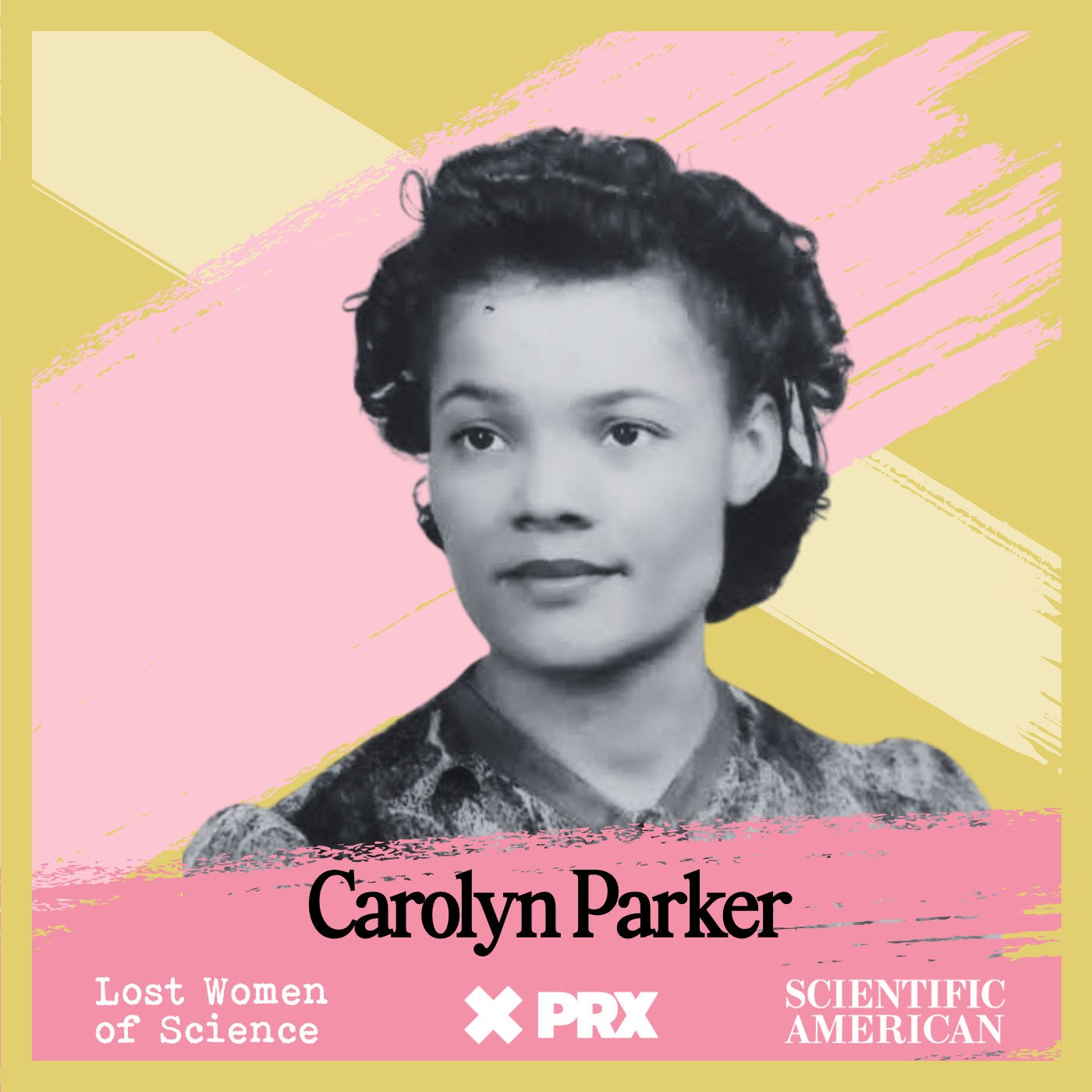
Carolyn Beatrice Parker came from a family of doctors and academics and worked during World War II as a physicist on the Dayton Project, a critical part of the Manhattan Project tasked with producing polonium. Polonium is a radioactive metal that was used in the production of early nuclear weapons. After the war, Parker continued her research and her studies at the Massachusetts Institute of Technology, but she died of leukemia at age 48, before she was able to defend her PhD thesis. Decades later, during the height of the Black Lives Matter protests, citizens in her hometown of Gainesville...
Emma Unson Rotor: la física filipina que desarrolló un arma ultrasecreta
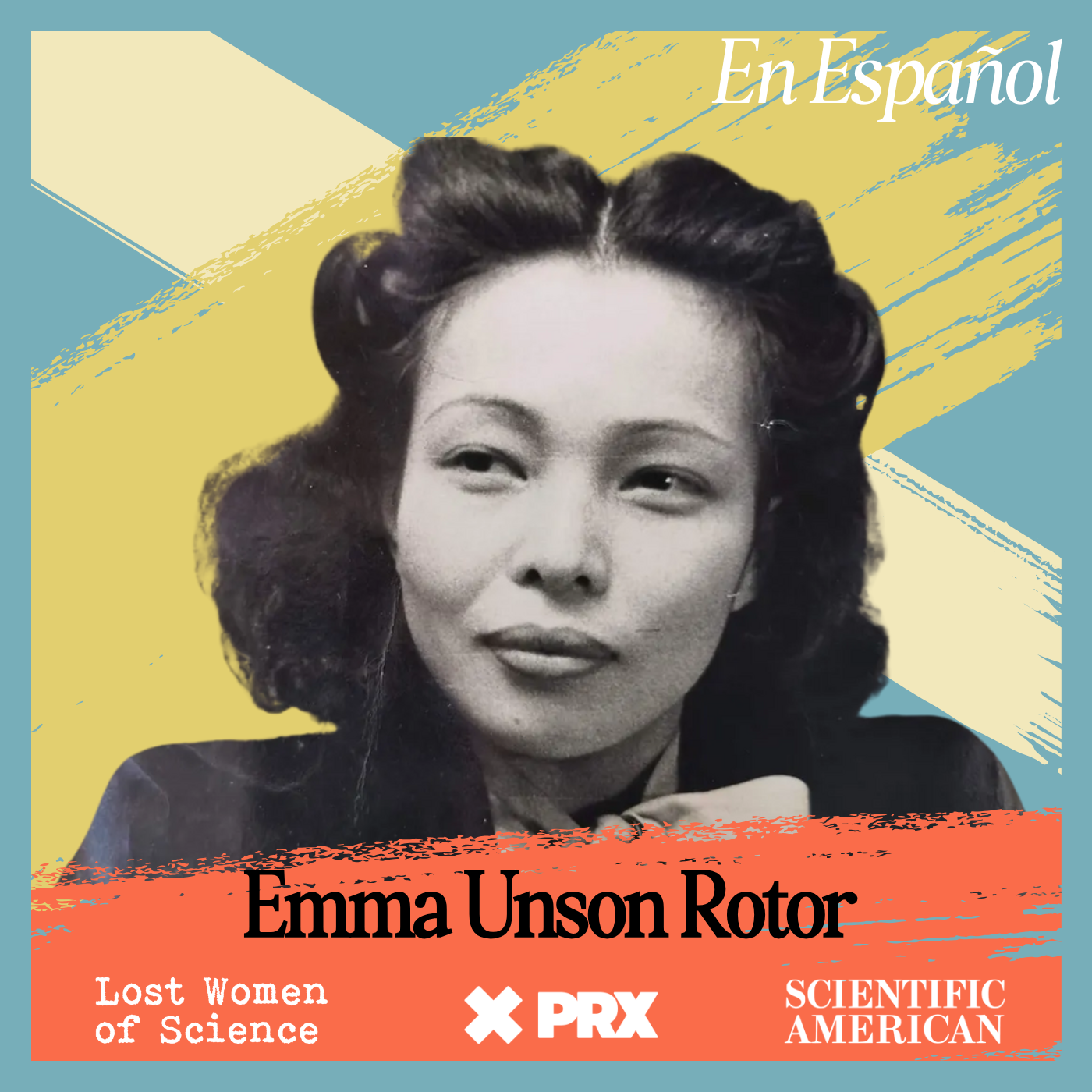
Emma Unson Rotor se tomó un permiso de su trabajo como profesora de matemáticas en Filipinas para estudiar física en la Universidad Johns Hopkins en 1941. Sus planes se vieron interrumpidos cuando el Ejército Imperial Japonés invadió y ocupó Filipinas. Incapaz de acceder a la beca que le había brindado el gobierno filipino para asistir a Johns Hopkins, se unió a la División de Desarrollo de Artillería del Buró Nacional de Estándares. Fue allí donde realizó investigaciones pioneras sobre la espoleta de proximidad, considerada “la primera arma ‘inteligente’ del mundo”, en palabras del físico Frank Belkna...
Best Of: Emma Unson Rotor: The Filipina Physicist Who Developed a Top Secret Weapon
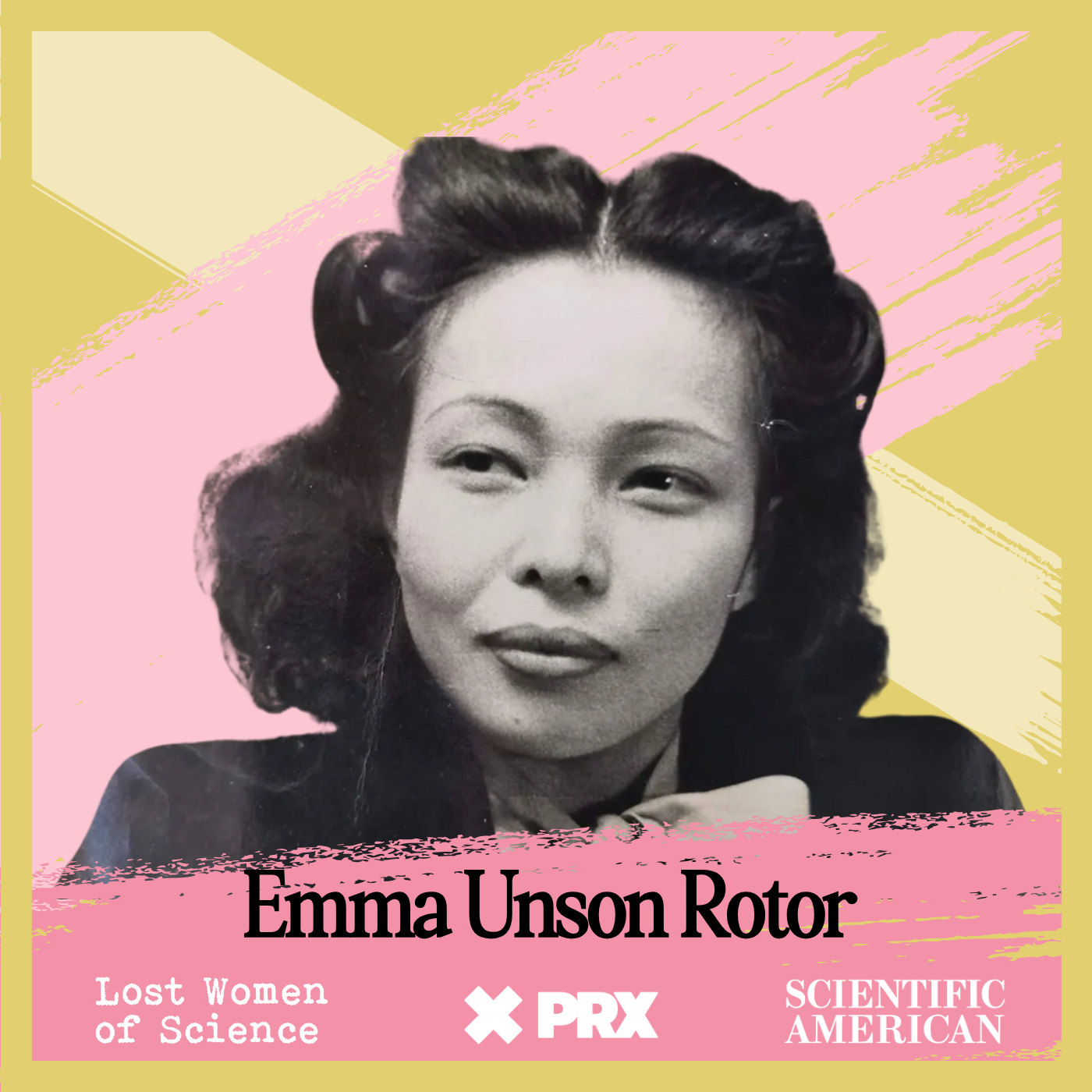
Emma Unson Rotor took leave from her job as a math teacher in the Philippines to study physics at Johns Hopkins University in 1941. Her plans were disrupted when the Imperial Japanese Army invaded and occupied the Philippines. Unable to access her Philippine government scholarship to attend Johns Hopkins, she joined the Ordnance Development Division at the National Bureau of Standards. It was here that she did groundbreaking research on the proximity fuze, the “world’s first ‘smart’ weapon,” in the words of physicist Frank Belknap Baldwin, who also helped develop the technology.
This Best Of episode, which first aire...
Best Of: The Victorian Woman Who Chased Eclipses
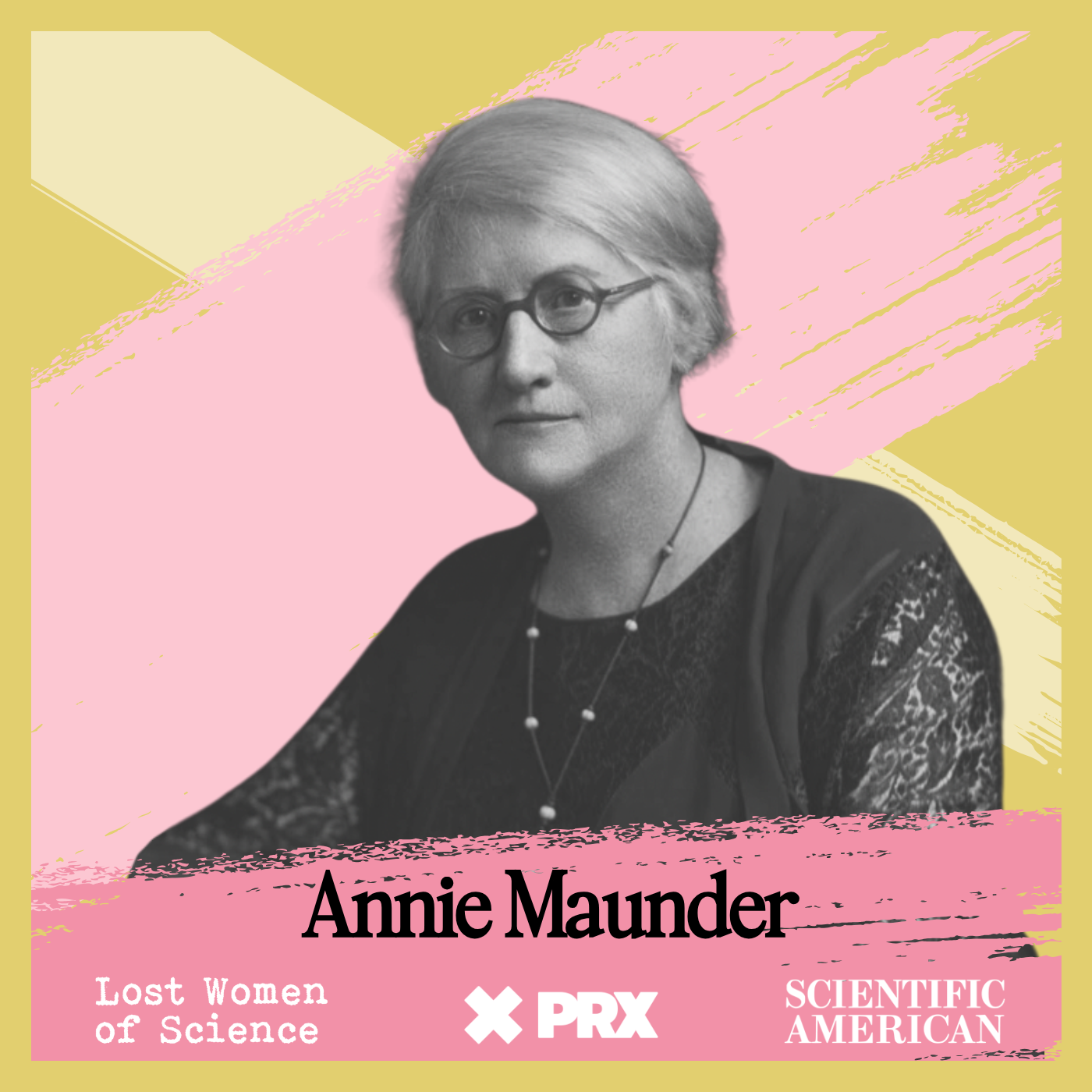
The year is 1897 and Annie Maunder, an amateur astronomer, is boarding a steamship bound for India from England. Her goal: to photograph a total solar eclipse. Maunder was fascinated by the secrets of the sun and was determined to travel the globe and unlock them. She understood that the few minutes of darkness during a solar eclipse presented a special opportunity to explore the nature of the sun. Her observations led to our greater understanding of how the sun affects the earth, but like so many early female scientists, her contributions and achievements have been forgotten.
This...
La mujer victoriana que perseguía los eclipses
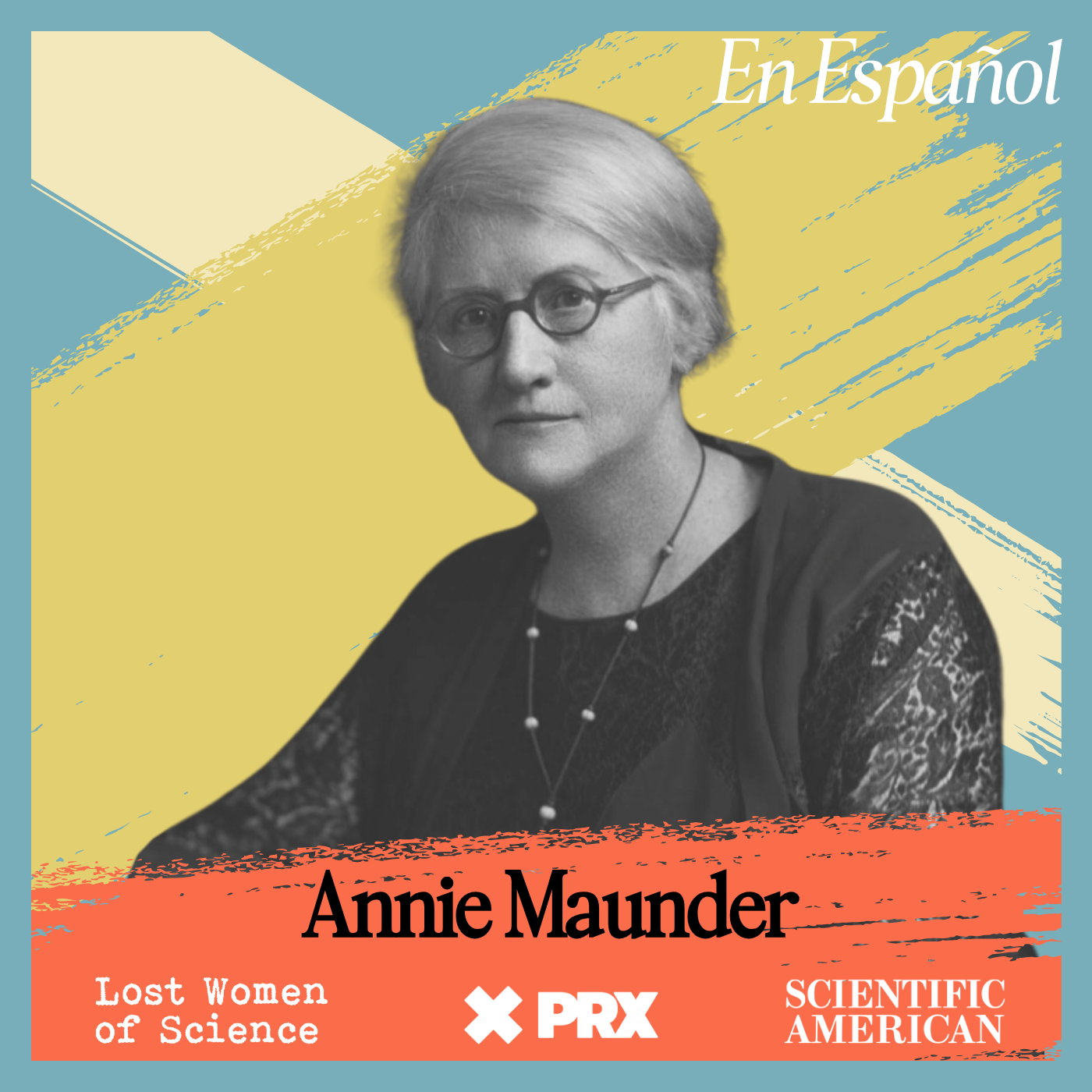
Corre el año 1897 y Annie Maunder, una astrónoma aficionada, aborda un barco de vapor con destino a la India desde Inglaterra. Su objetivo: fotografiar un eclipse total de sol. Maunder estaba fascinado por los secretos del sol y estaba decidido a viajar por el mundo y descubrirlos. Comprendió que los pocos minutos de oscuridad durante un eclipse solar presentaban una oportunidad especial para explorar la naturaleza del sol. Sus observaciones condujeron a una mayor comprensión de cómo el sol afecta a la Tierra, pero al igual que muchas de las primeras científicas, sus contribuciones y logr...
Lost Women of Science - Mujeres Olvidadas de la Ciencia - En Espanõl
Esto es Lost Women of Science - Mujeres Olvidadas de la Ciencia. Laura Gómez, conocida por su papel de Blanca Flores en la exitosa serie de Netflix “Orange Is the New Black”, es el narradora del podcast Lost Women of Science en el que contamos las historias de destacadas científicas cuyo trabajo cambió nuestro mundo, pero cuyos nombres fueron prácticamente olvidados y casi borrados de la historia.
La semana que viene estrenamos una nueva temporada en español, en la que contaremos la historia de una mujer victoriana que viajó por todo el mundo para perse...
Lost Women of Science - In Spanish!
After the success of our bilingual season about the first female doctor trained in the Dominican Republic, The Extraordinary Life and Tragic Death of Evangelina Rodríguez Perozo, we are adapting more of our episodes in Spanish. Starting next week, listen out for the stories of astronomer Annie Maunder, physicists Emma Unson Rotor and Carolyn Parker, and chemist and forensic scientist Mary Louisa Willard in Spanish and English.
As we always say, for every Marie Curie or Rosalind Franklin whose story has been told, hundreds of female scientists remain unknown to the public at large. So, we il...
The Weather Expert Who Answered the $64,000 Question
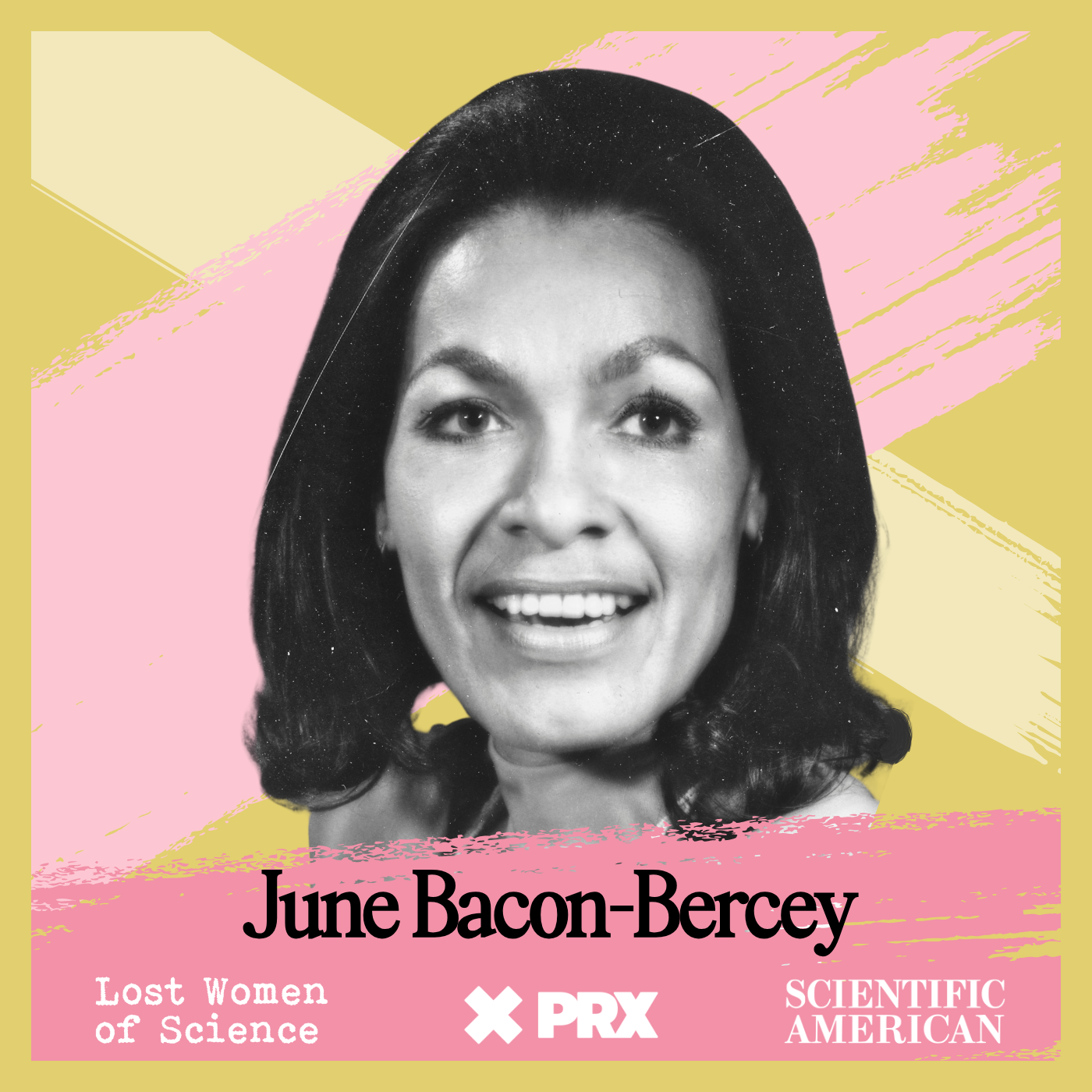
In the mid-1940s, a teenage June Bacon-Bercey saw the image of a nuclear explosion on the cover of Time magazine and immediately had questions. How would the particles in the mushroom cloud move through the air? What effect would this have on our atmosphere? To find the answers, she set out to study atmospheric science, just as the field of meteorology was coming of age.
Her career would take her to places few Black women had gone before: the Atomic Energy Commission as a senior researcher; a TV news station in Buffalo, New York, as an...
Florence Nightingale and her Geeks Declare War on Death
In this episode from the Cautionary Tales podcast, Harford teams up with actor Helena Bonham Carter, a distant relative of Florence Nightingale, to tell the story of how the ‘“Lady with the Lamp” revolutionized public health with a pie chart. Nightingale was a statistician as well as a nurse, and it was her use of data graphics that led hospitals to introduce hygiene measures that we now take for granted. Her charts convinced the establishment that deaths due to filth and poor sanitation could be averted, saving countless lives. But did Nightingale also open Pandora’s Box by showing that gra...
Lost Women of Science Conversations: Air-borne
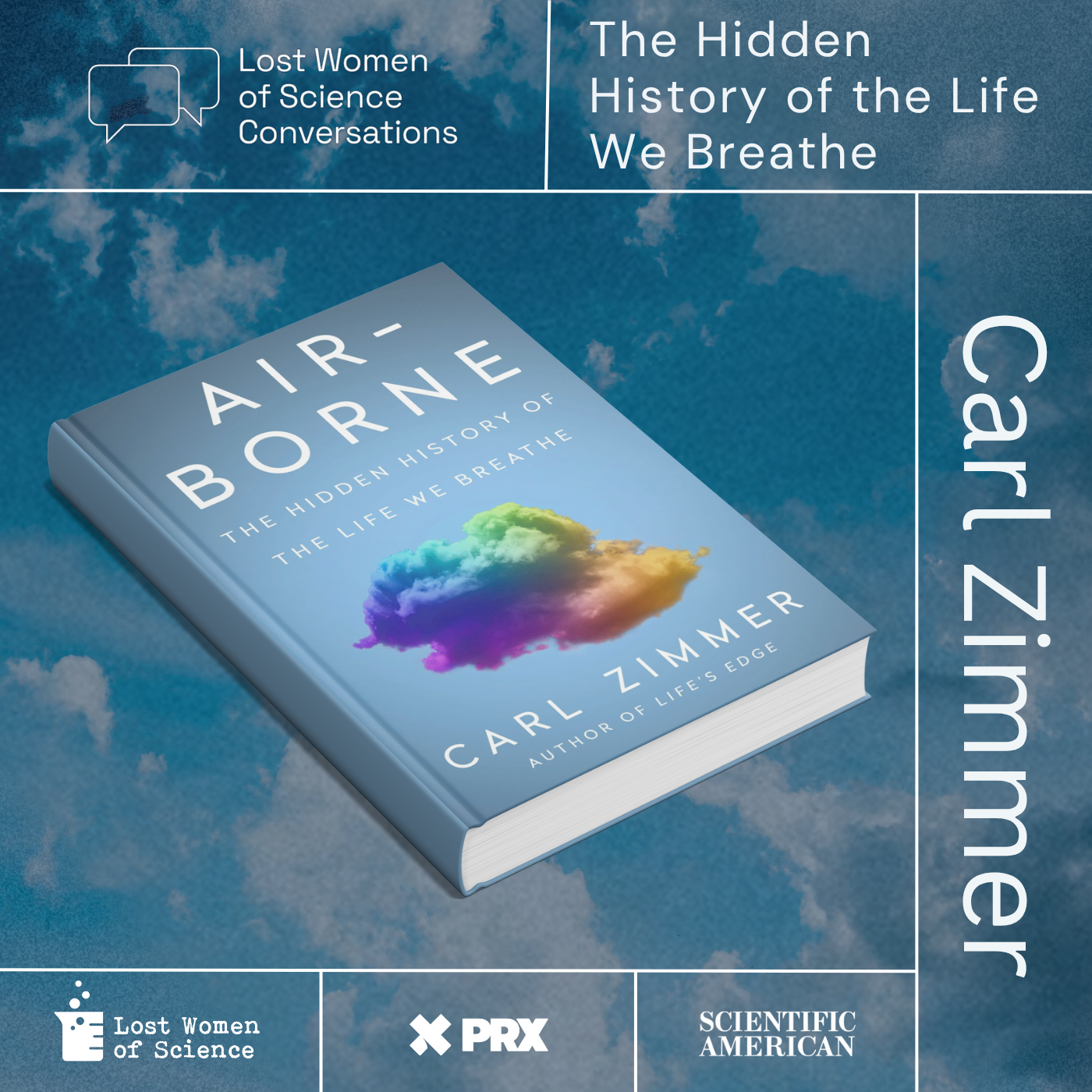
Air-Borne: the Hidden History of the Air We Breathe by Carl Zimmer charts the history of the field of aerobiology: the science dealing with airborne microorganisms. In this episode, we discover the story of two lost pioneers of the 1930s, physician and self-taught epidemiologist Mildred Weeks Wells and her husband sanitary engineer William Firth Wells, who proved that infectious diseases could be spread long distances through the air. But the pair had a reputation as outsiders and they failed to convince the scientific establishment, who ignored their findings for decades. What the pair figured out could have saved many li...
Buried History: The Feminist Birth of the Home Pregnancy Test
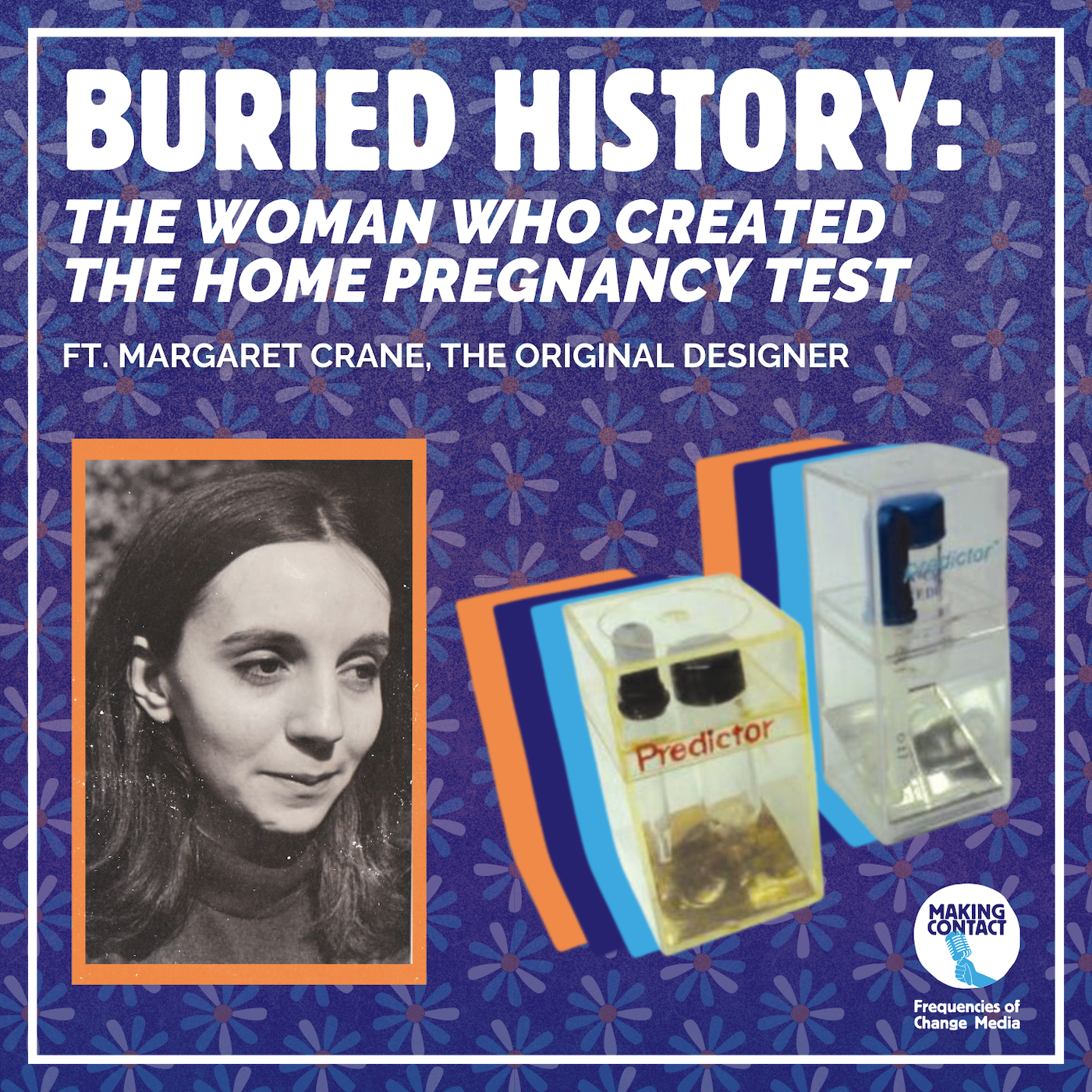
Today, we take it for granted that you can buy a home pregnancy test at the pharmacy. Before the end of the 1970s, this was not the case. Then along came Margaret Crane, a young designer working for a pharmaceutical company. Looking at the rows of pregnancy tests in the lab one day in 1965, she thought, “Well, women could do that at home!” But Crane faced an uphill battle to convince the pharmaceutical companies, the medical community, and conservative social leaders that at-home pregnancy testing was safe and necessary.
This podcast first aired in 2014, when Margaret Crane’s role...
Lost Women of Science Conversations: The Elements of Marie Curie
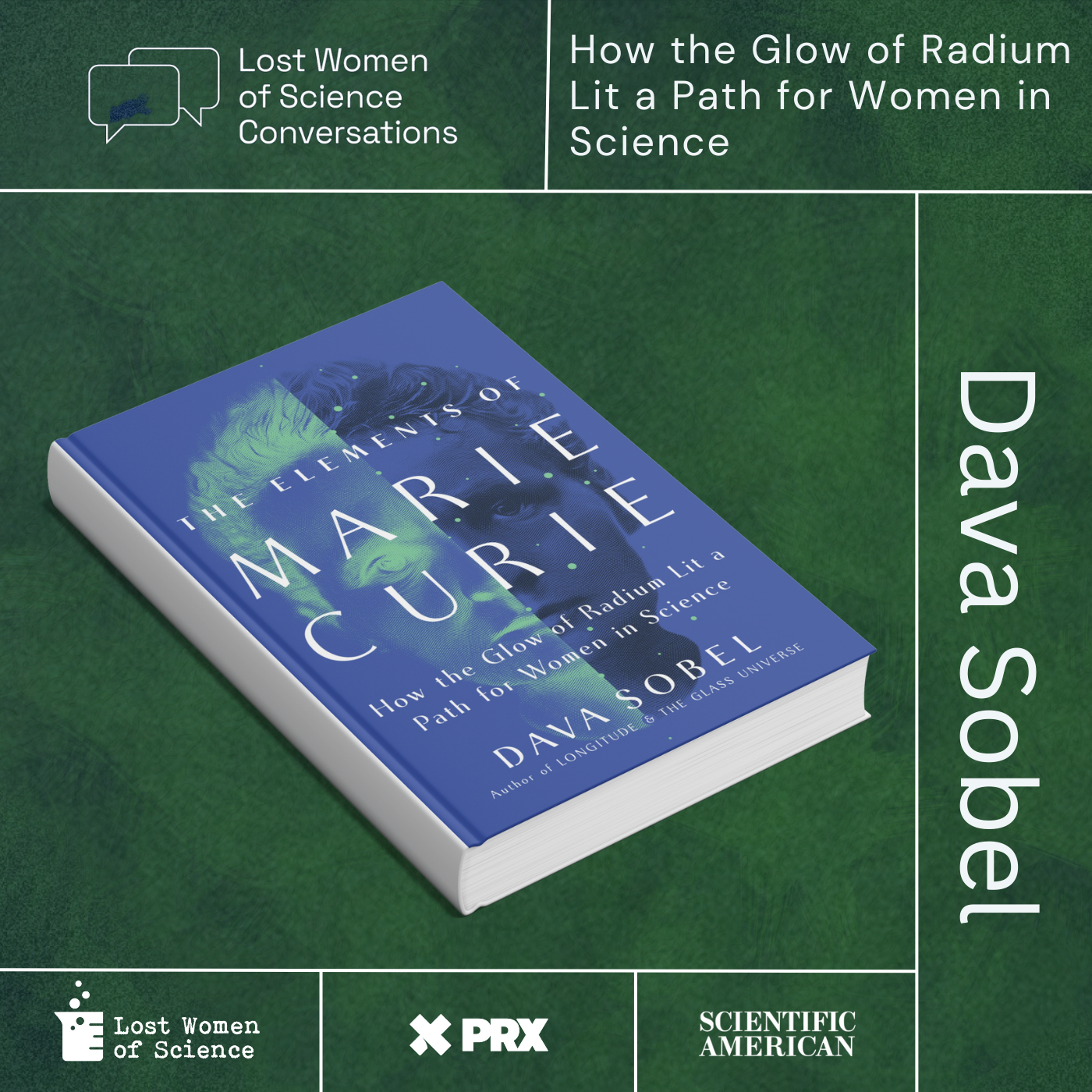
In The Elements of Marie Curie: How the Glow of Radium Lit a Path for Women in Science Dava Sobel celebrates the many women who came to Paris to work with Marie Curie after she won the 1903 Nobel Prize in Physics. Many of these women went on to become experts in radioactivity, creating their own networks to support female scientists.
Among others, we meet Norwegian Ellen Gleditsch, who was the first person to introduce the science of radioactivity to Norway and Canadian Harriet Brooks, who eventually gave up her stellar scientific career to marry. In retelling the s...
In Evangelina's Footsteps | 5
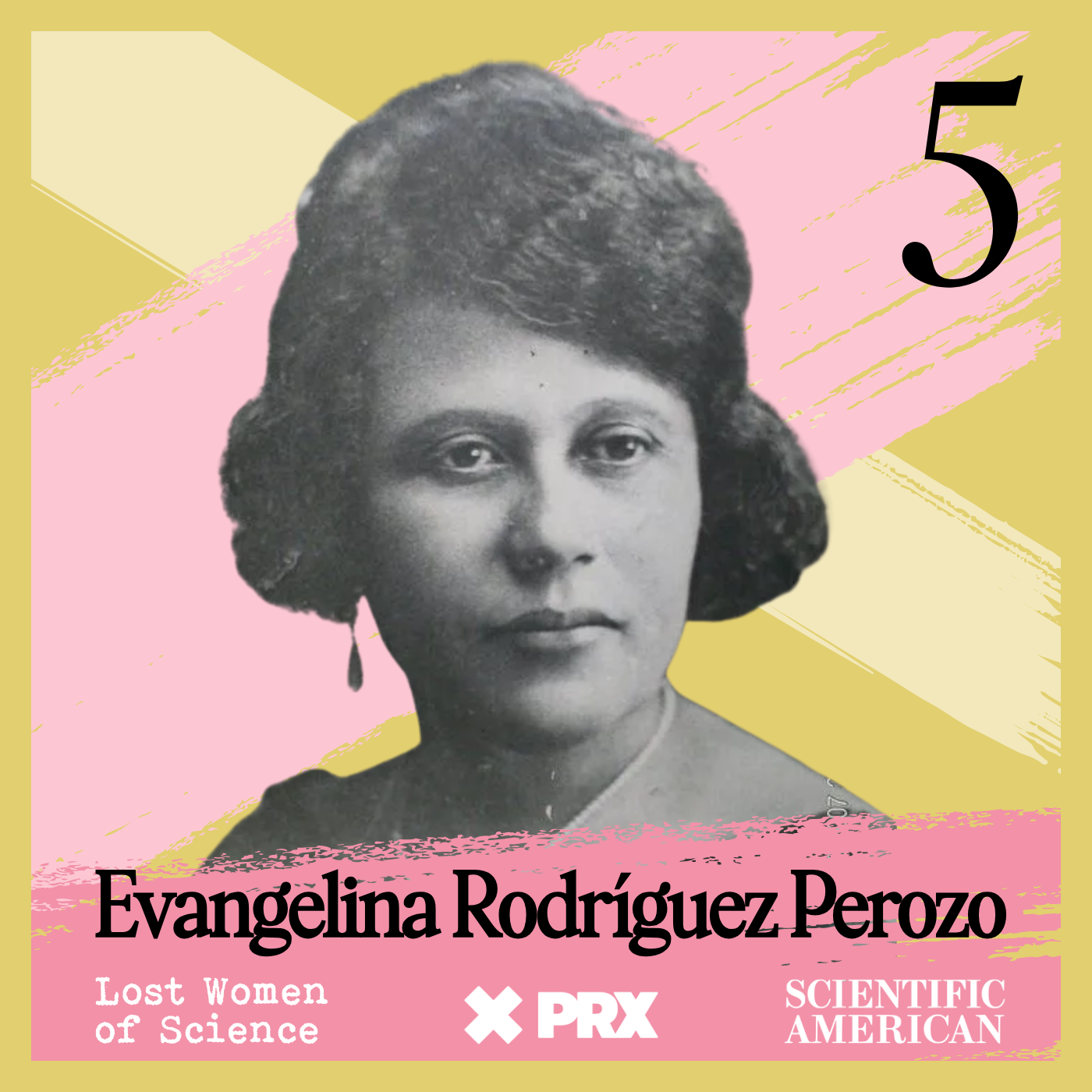
After Evangelina Rodríguez Perozo died in 1947, the Trujillo regime did its best to erase her legacy, while at the same time appropriating her ideas. Yet those who had known and loved Evangelina in San Pedro de Macorís, where she spent most of her life, kept her memory alive, sharing stories of her kindness and her work. After the assassination of Rafael Leónidas Trujillo in 1961, Dominicans across the country started to recover her story. Laura Gómez follows in Evangelina’s footsteps across Santo Domingo, the city where Evangelina studied medicine, and visits the memorials that are testam...
Siguiendo los pasos de Evangelina | 5
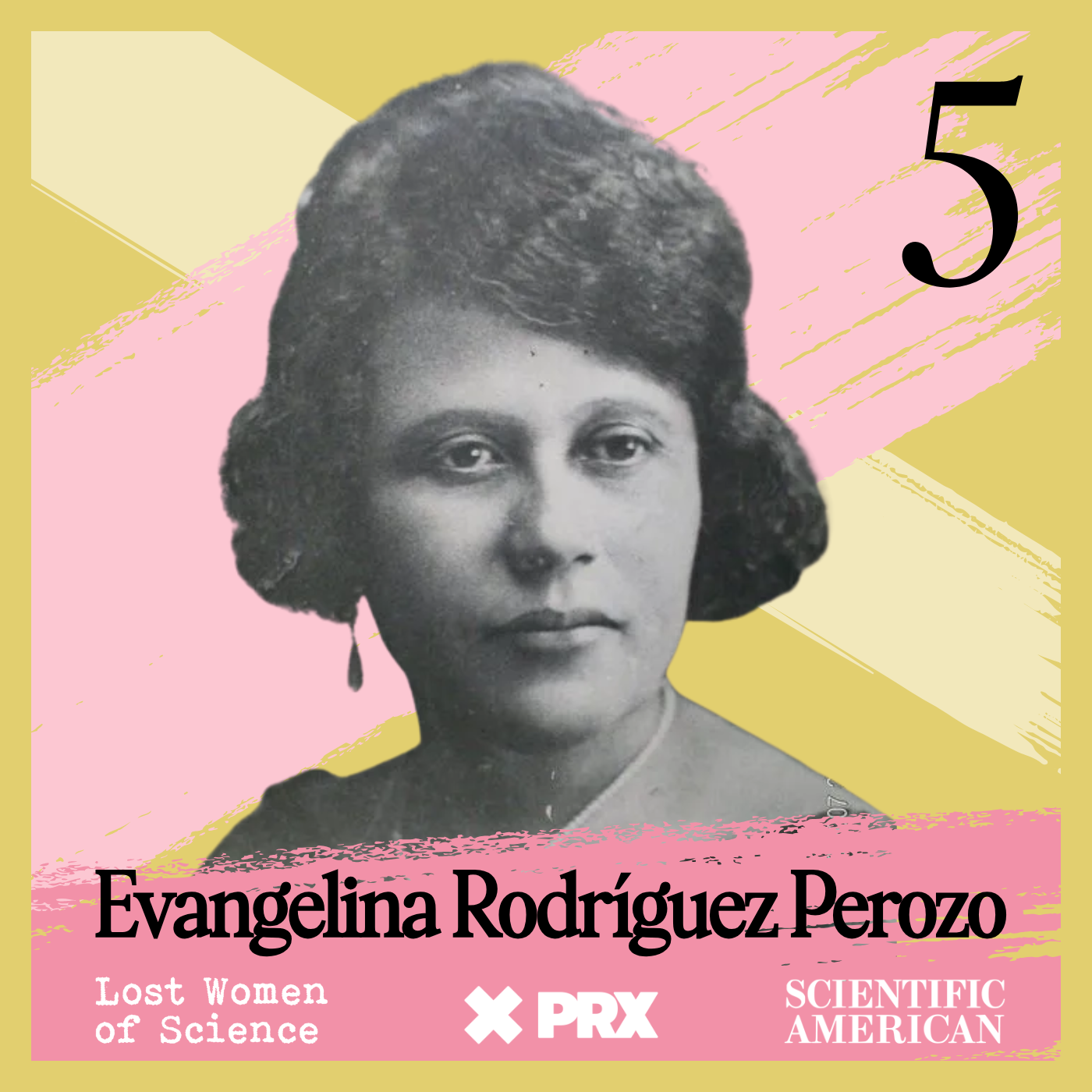
Tras la muerte de Evangelina Rodríguez Perozo en 1947, el régimen de Trujillo hizo todo lo posible no solo por borrar su legado, sino también por apropiarse de sus ideas. Sin embargo, quienes conocieron y quisieron a Evangelina en San Pedro de Macorís mantuvieron su memoria viva, compartiendo historias sobre su bondad y su trabajo. Tras el asesinato de Rafael Leónidas Trujillo en 1961, los dominicanos de todo el país empezaron a recuperar su historia. Laura Gómez sigue los pasos de Evangelina por Santo Domingo, la ciudad donde estudió medicina, y visita los monumentos que son...
El dictador y la doctora | 4
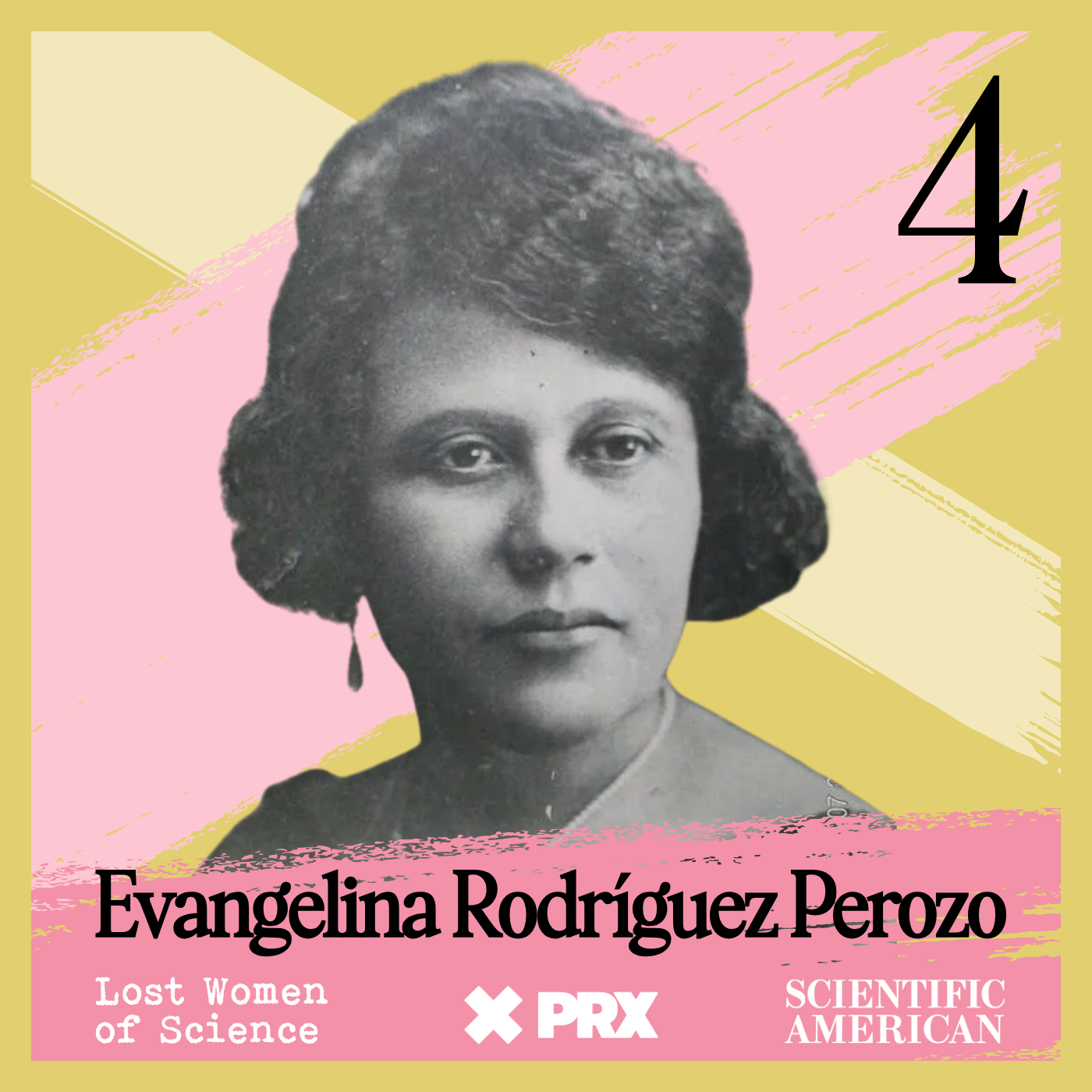
En 1930, Rafael Leónidas Trujillo toma el poder en la República Dominicana e instaura un reino de terror. El controvertido trabajo de Evangelina la puso en conflicto con el nuevo régimen. Sus ideas radicales sobre la sanidad y los derechos de la mujer, junto con su negativa a doblegarse ante Trujillo, la dejaron cada vez más aislada. Cada vez más gente se distanciaba de ella. Con los años, su salud mental se deterioró y perdió todo lo que apreciaba.
The Dictator and the Doctor | 4
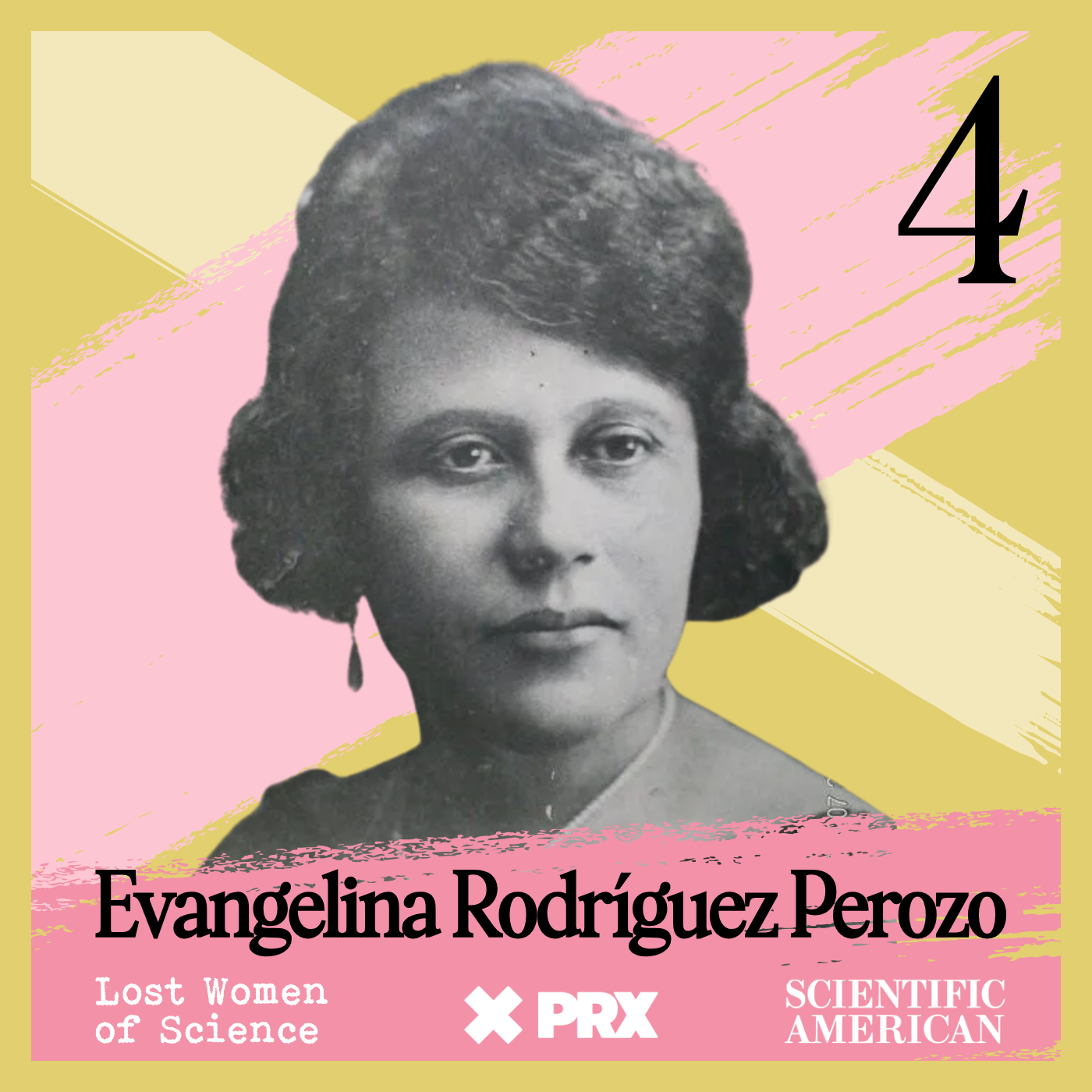
In 1930, Rafael Leónidas Trujillo seized power in the Dominican Republic and introduced a reign of terror. Evangelina’s controversial work brought her into conflict with the new regime. Her radical ideas about healthcare and women's rights, along with her refusal to kowtow to Trujillo, left her increasingly isolated. More and more people distanced themselves from her. Over the years, her mental health deteriorated, and she lost everything she held dear.
El retorno de la doctora rebelde | 3
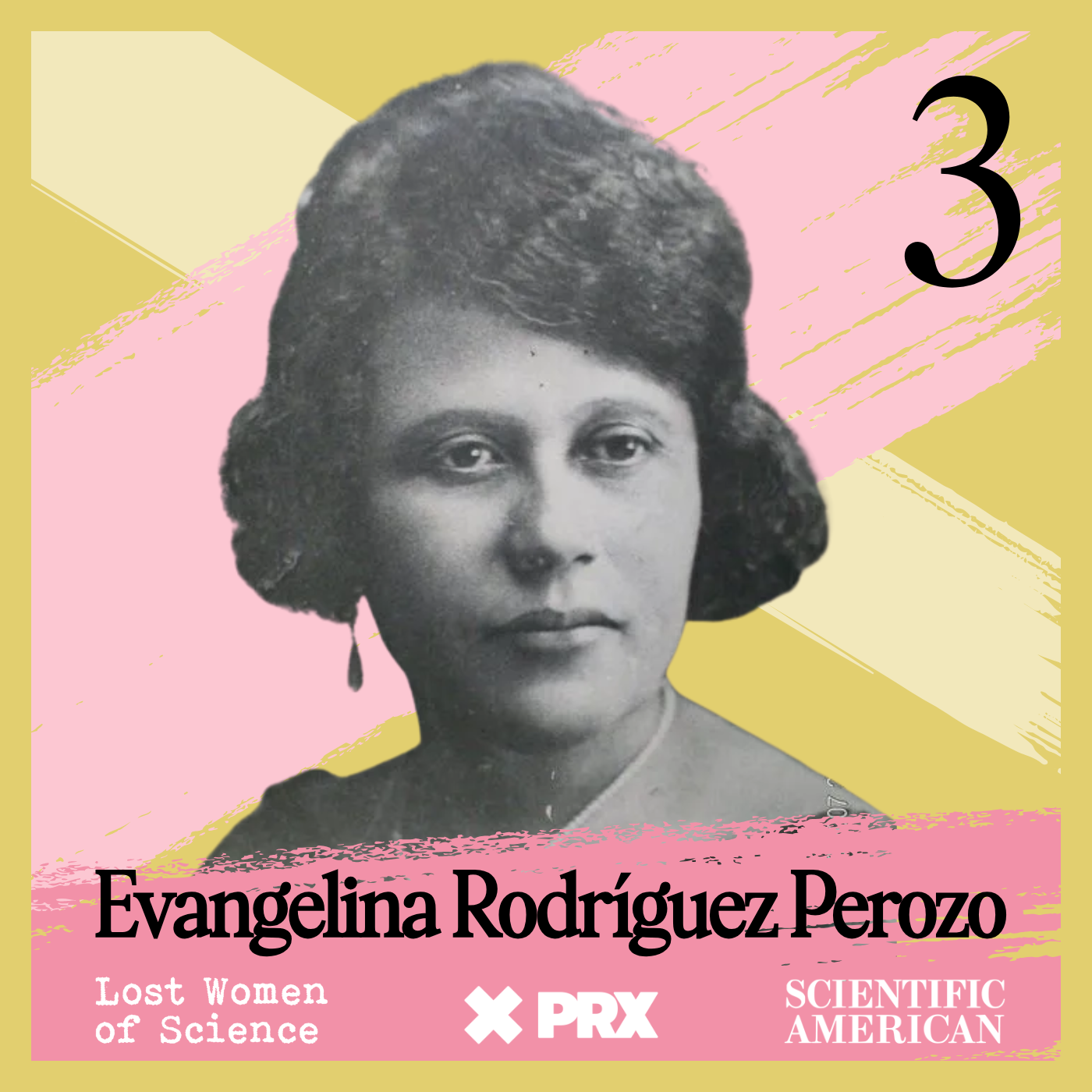
Evangelina recibió una calurosa bienvenida de regreso a su país, y se pone a trabajar de inmediato, introduciendo sus nuevas ideas sobre la atención en salud a mujeres y niños. Montó su propio consultorio médico, y convenció a algunos campesinos para que distribuyesen leche gratis a niños pobres. Pero su proselitismo alrededor de los métodos anticonceptivos y su trabajo con prostitutas incomodaron hasta a sus amigas. Sus ideas eran muy avanzadas para la época, y aquellos que la rodeaban no supieron valorarlas.


