Education, The Creative Process: Educators, Writers, Artists, Activists Talk Teachers, Schools & Creativity
Education episodes of the popular The Creative Process podcast. We speak to educators, writers, artists, activists,teachers, librarians in the arts, STEM and other disciplines. To listen to ALL arts and education episodes of "The Creative Process · Arts, Culture and Society", you’ll find our main podcast on Apple: tinyurl.com/thecreativepod, Spotify:tinyurl.com/thecreativespotify, or wherever you get your podcasts! Exploring the fascinating minds of creative people.Conversations with writers, artists and creative thinkers across the Arts and STEM. We discuss their life, work and artistic practice. Winners of Oscar, Emmy, Tony, Pulitzer, leaders and public figures share rea...
Speaking Out of Place: Getting Our Political Voices Back
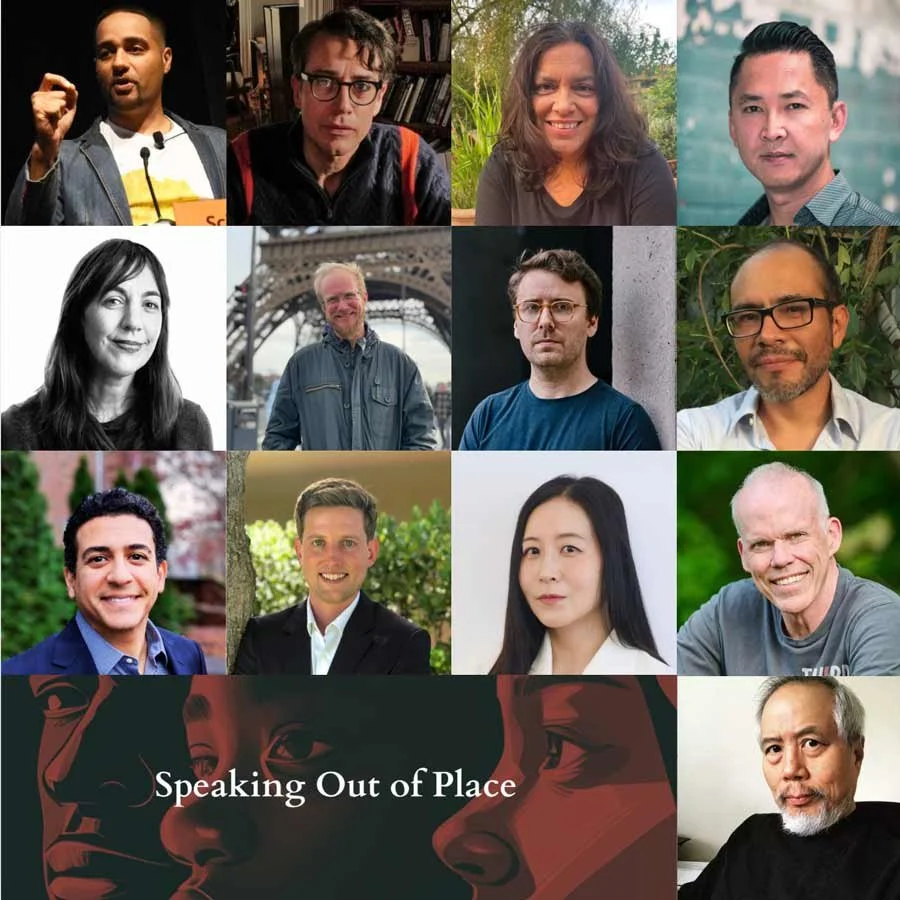
That need to reclaim our voice often starts in the very spaces where we feel most silenced. We live in an era where institutional decay and asymmetrical class power have made social consent seem almost irrelevant to the ruling class. To understand how we change those incentives, we have to look at the systems designed to silence us, and the movements successfully disrupting them. Today, we hear from scholars and educators rewiring our institutions—Jesse Hagopian, Eunsong Kim, Tim Hewlett, and Sara Ahmed. We turn to the authors documenting the human cost of these systems—Benjamin Moser, Viet Thanh Nguy...
EMMY VAN DEURZEN on Existential Freedom, Psychotherapy & Finding Meaning - Highlights
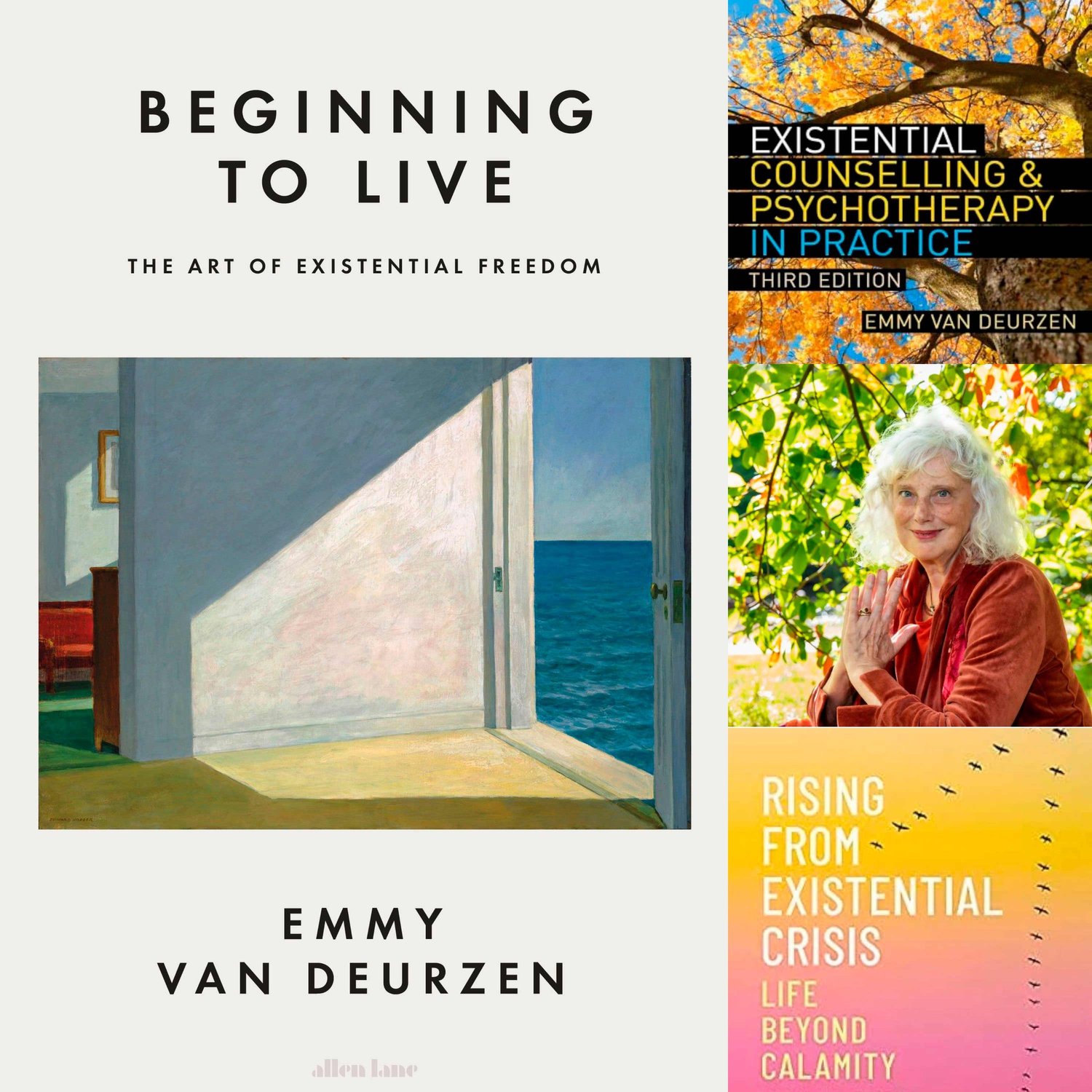
Emmy van Deurzen is a philosopher, a therapist and a pioneer who has spent five decades mapping the architecture of human existence. Born in the Netherlands and trained in the radical psychiatric wards of France, she came to London in 1977 to work alongside R.D. Laing, only to realize the anti-psychiatry movement had kind of lost its way. She decided to build something new. Today, she's the founder of the New School of Psychotherapy and Counselling and the leading voice of existential therapy in the United Kingdom and founded the Existential Movement.
Her work challenges the medical...
Los Angeles, Lost Dreams & Learning from Living World - A Road Trip w/ CHIARA BARZINI - Highlights
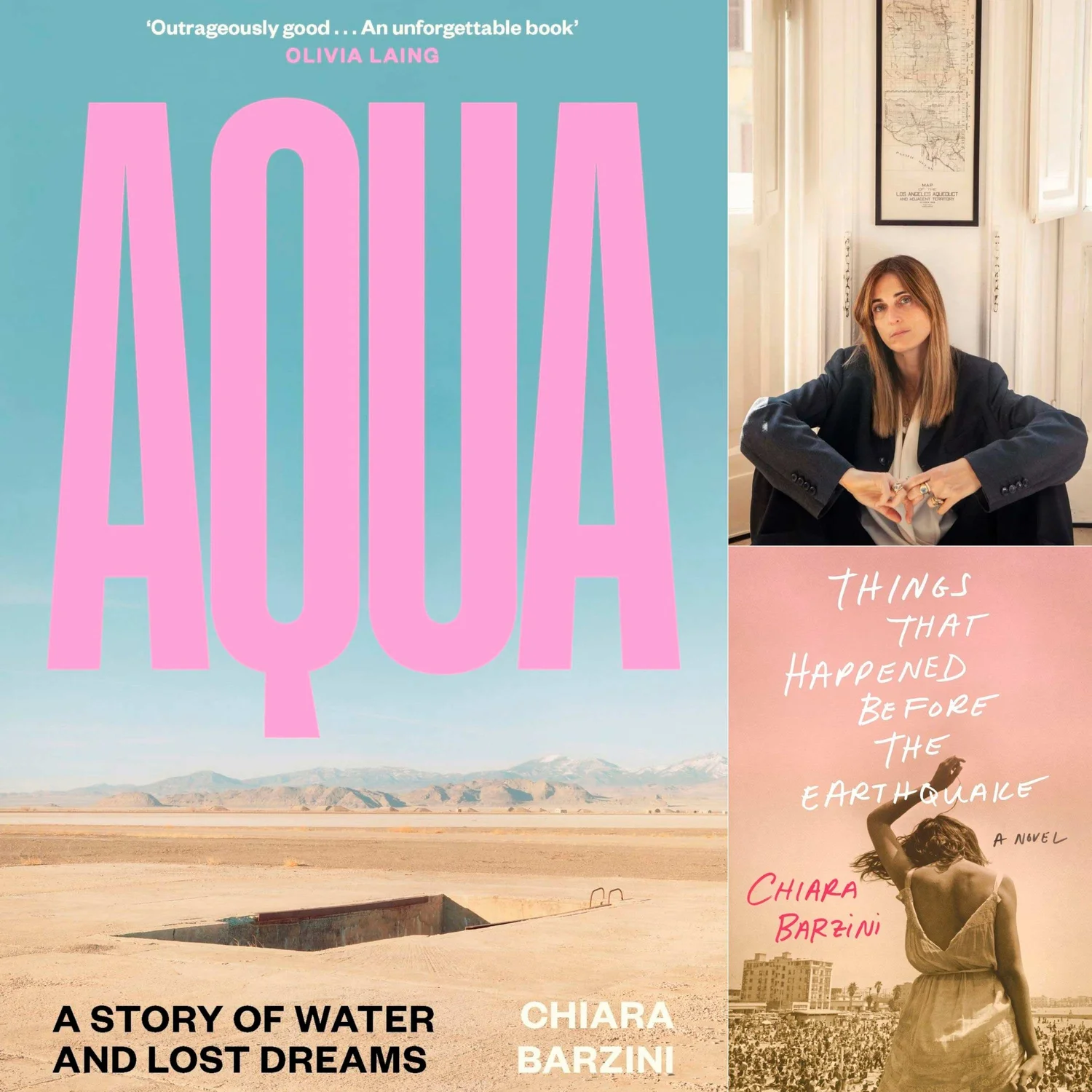
Chiara Barzini has spent her life navigating the literal and cultural fault lines between Italy and California. Today we will discuss her book, Aqua: A Story of Water and Lost Dreams, and her life as an artist living between two countries. In her acclaimed 2017 novel, Things That Happened Before the Earthquake, she wrote about arriving in the San Fernando Valley just weeks after a catastrophic natural disaster and the illusions of the '90s.
In Aqua, she examines nature, the California water crisis and the broken dreams of the Hollywood machine. We talk about family, film, art...
AQUA: A Story of Water & Lost Dreams w/ Author, Screenwriter CHIARA BARZINI
“I think first of all that in order to have disillusion, you need to have illusion and I really want to sort of take a stand in the name of being a delusional person, you know? I do think illusions are necessary to our sense of creativity, and we need to fall in love with extreme projects, and we need to have ideas that are sometimes unsustainable. We need to dream big in order to be creative and feel alive. The illusions that are a part of Aqua are larger illusions. They're illusions that have to do with my ad...
Time, Memory & the Art of Translation with GEORGI GOSPODINOV & ANGELA RODEL
“We are in the middle of a labyrinth which suggests to us many fake corridors. What's the superpower of literature? Literature is like an antidote against propaganda. Propaganda explains the world easily in a two-dimensional way. Literature gives you a more complex explanation. Literature tells personal stories.”
Today, we have a conversation about time, memory, and the bittersweet geography of human sorrow. Georgi Gospodinovis widely considered one of the most daring voices in contemporary European literature. His acclaimed novel, The Physics of Sorrow, won the prestigious Jan Michalski Prize in 2016, blending ancient myth and quantum physics to chroni...
Life and Art at LINCOLN CENTER: Chief Artistic Officer SHANTA THAKE on the Power of the Arts - Highlights
"I really do believe that the arts are critical to how we move forward together, and live performance in particular, I think, is a way of us practicing how to move across our ideological boundaries and find one another and imagine these new worlds together and create together."
Shanta Thake is the Chief Artistic Officer at Lincoln Center for the Performing Arts—the nation's largest performing arts complex. Before stepping into this role, she spent nineteen years at The Public Theater, shaping the city's cultural landscape through Joe's Pub and expansive community initiatives. Today, she is tearing do...
Literature is an Antidote to Propaganda - Grief, Memory & Humanity w/ G. GOSPODINOV & A. RODEL - Highlights
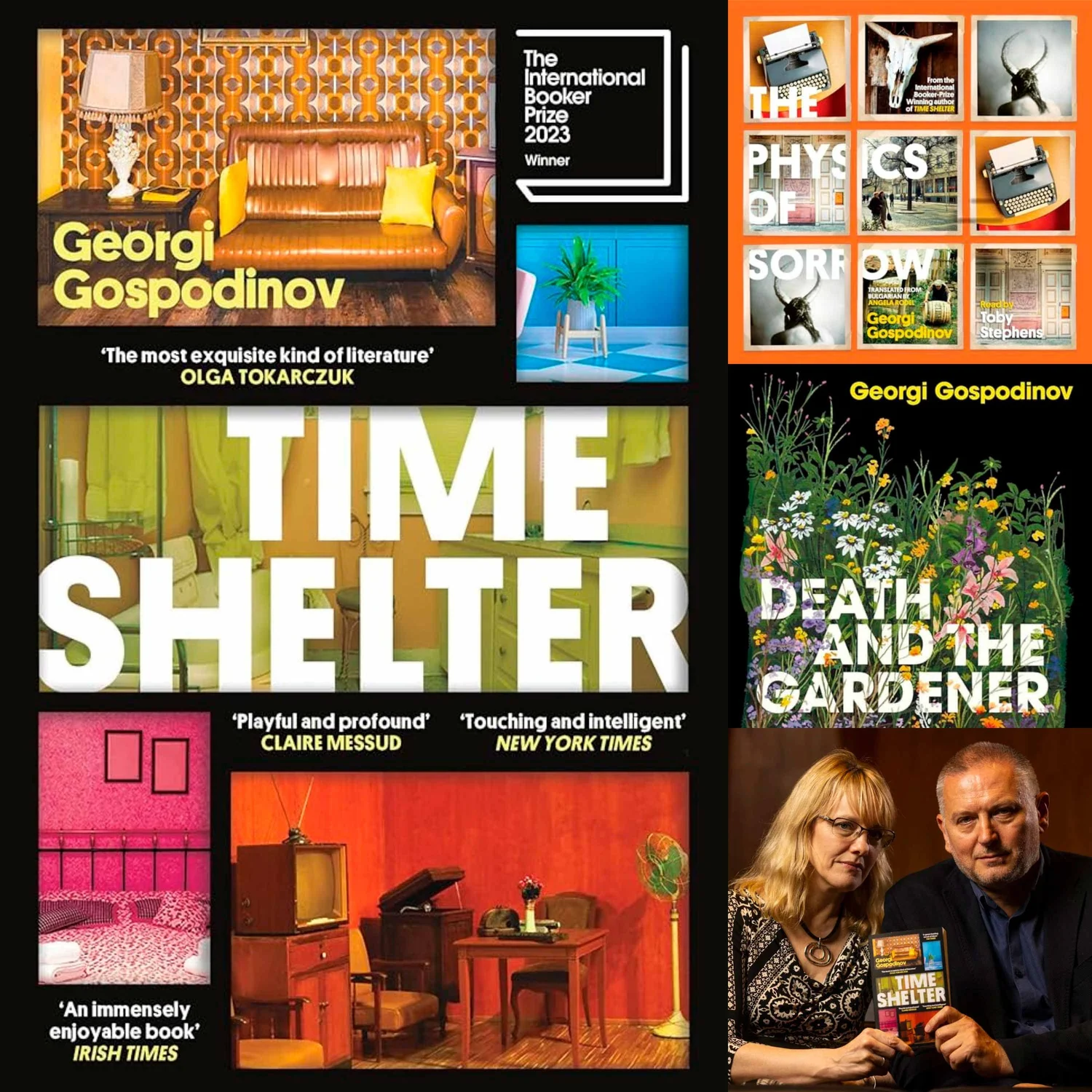
Today, we have a conversation about time, memory, and the bittersweet geography of human sorrow. Georgi Gospodinovis widely considered one of the most daring voices in contemporary European literature. His acclaimed novel, The Physics of Sorrow, won the prestigious Jan Michalski Prize in 2016, blending ancient myth and quantum physics to chronicle the delicate realities of post-socialist Eastern Europe. Joining him is Angela Rodel, a brilliant linguist, musician, and translator whose profound artistic empathy carries the flowing cadences of the Bulgarian language into vivid English. Together, this extraordinary creative duo made history by winning the 2023 International Booker Prizefor Time Shelter—th...
LINCOLN CENTER: Celebrating the Performing Arts & the Human Spirit w/ SHANTA THAKE
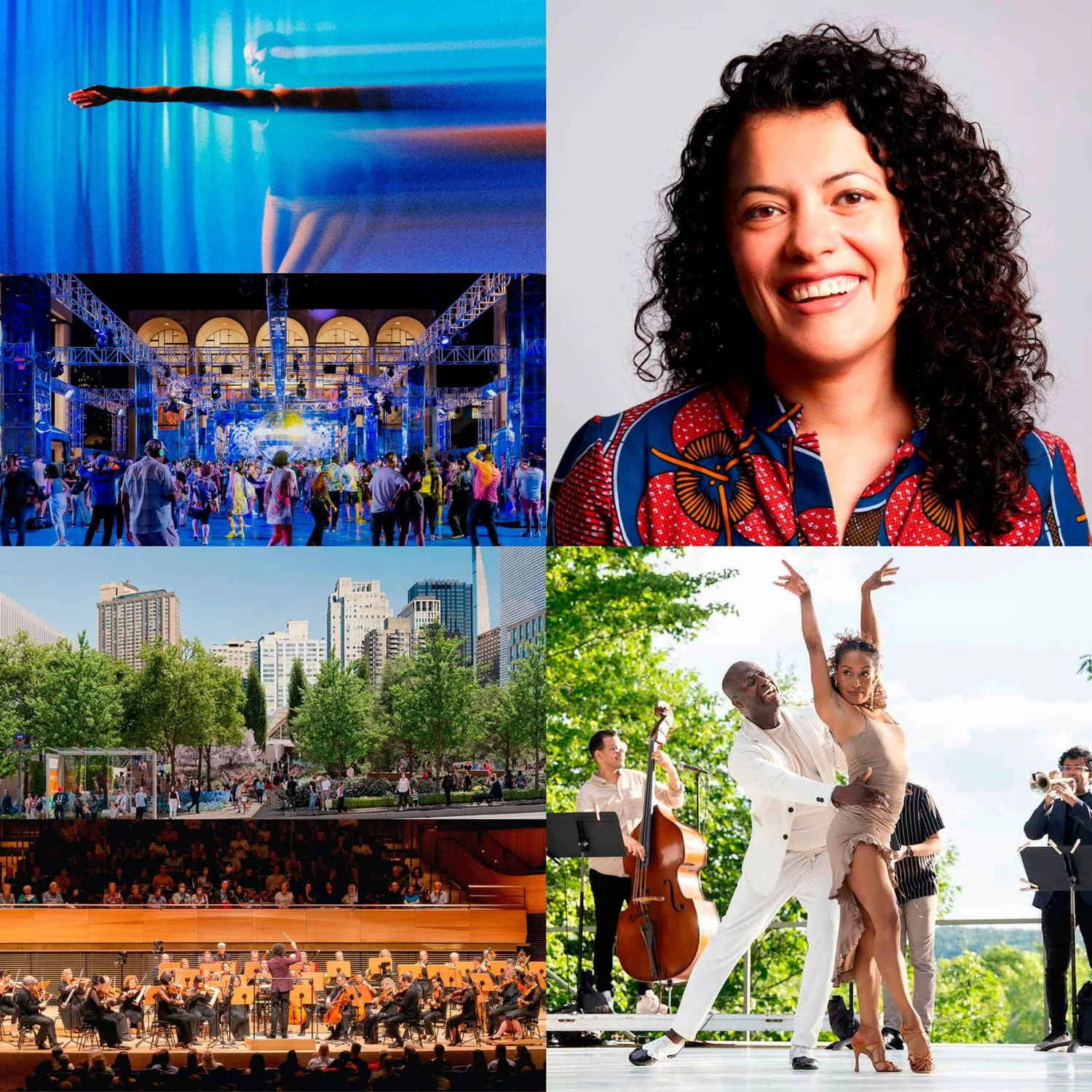
“Lincoln Center is multiple stages. I think probably over three dozen stages across 16 acres. It is a vast canvas in and of itself. And then we have this beautiful plaza that leads to this beautiful campus, and that’s the visual I think that most people have when they think of Lincoln Center is this beautiful fountain in the center and these three gorgeous buildings.It’s New York’s biggest plaza, and it feels very vibrant and beautiful. In the summer, we really take that plaza and we transform it into a dance floor. So this idea of also int...
Surviving the AI Hype Cycle Without Losing Your Mind (or Your Job) w/ NACHO DE GREGORIO
“ I'm a believer in this technology. I believe that the cheaper it is, the more people will use it. So, even if we assume that models will get smaller for the same level of intelligence, the demand to actually have more compute is going to be enormous. And the reason why you want to have the, the compute close to you is not only in terms of performance. As a national security threat, I'm not saying this will happen, but it could happen that, China or US or whoever decides to stop exporting compute to the rest of the worl...
Our Wild Familiars - DR. DAN WERB on Animals that Live Among Us & Urban Wildlife Conservation - Highlights
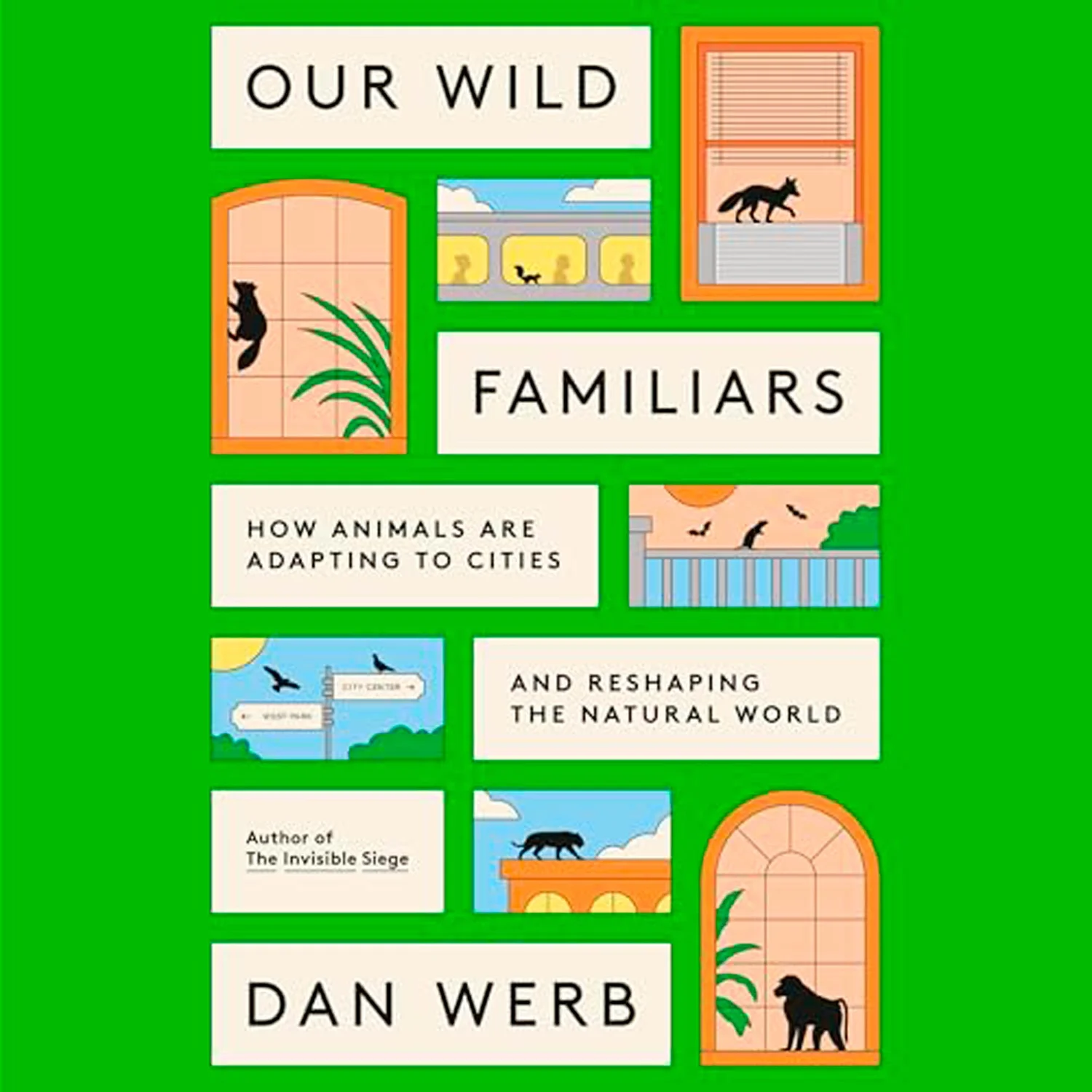
If you live in a city, you’ve probably had that moment in the middle of the night. You hear a scratching in the walls, or you catch the glowing eyes of a raccoon peering out from a dumpster, and for a second, the concrete world feels a lot less 'controlled' than we like to pretend. We’ve been taught to think of cities as 'biological deserts'—places where nature goes to die. But my guest today, Dan Werb, says that’s a myth we tell ourselves to feel safe. Dan is an award-winning epidemiologist and a musician, and in his n...
How Animals Are Adapting to Cities & Reshaping the Natural World w/ Author & Epidemiologist DAN WERB
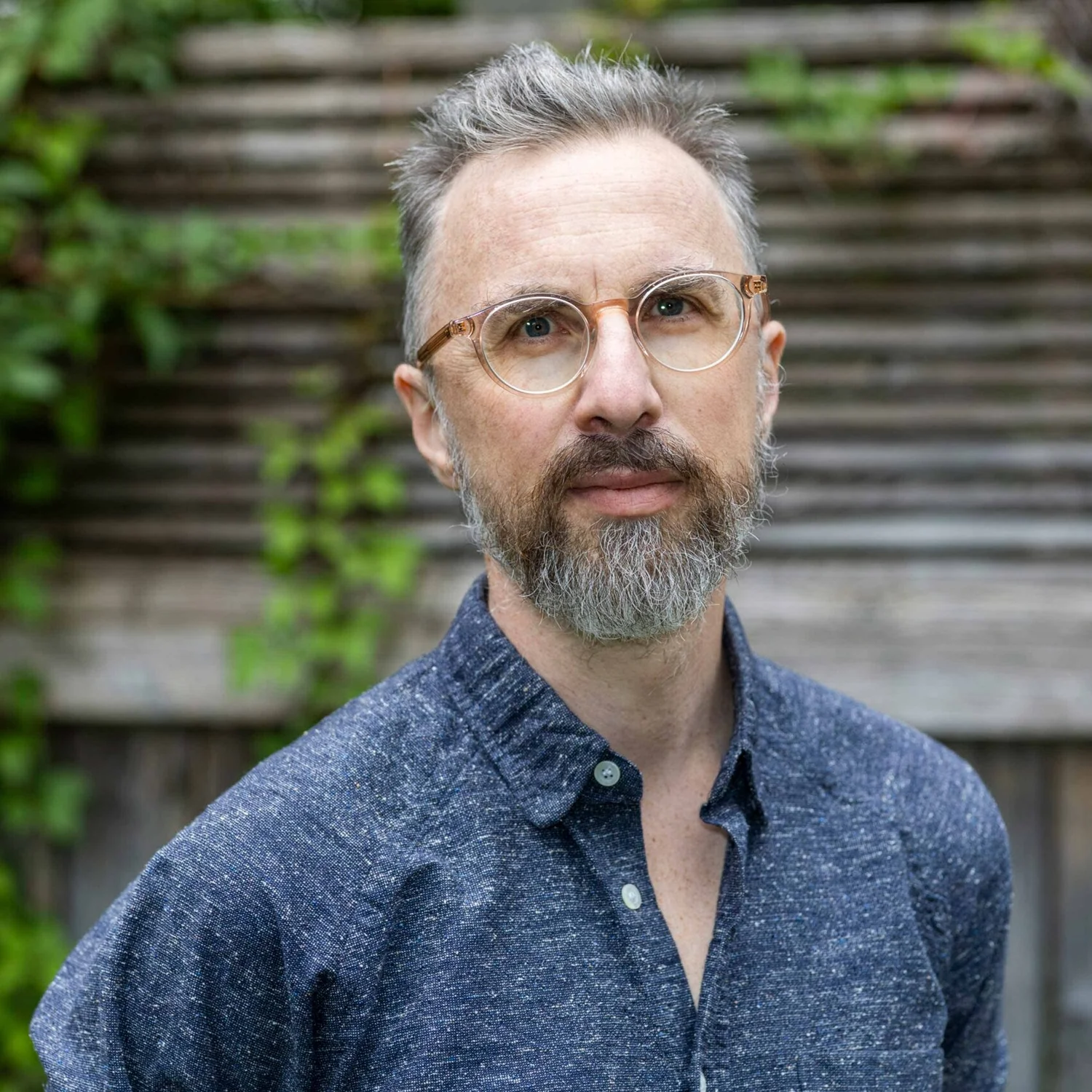
"So synanthropes are animals that have adapted to human-modified environments, and the Greek translation essentially is together with humans, so synanthrope. And they're a fascinating subset of wild animals that they're all around us, but we don't really notice them. And so in this new book, I was excited about writing something that had to do with the natural world. I was excited about writing something that touched on climate change. These are not just insects and earthworms and things like that. These are very large predators that have nevertheless found a way to survive among us. And that...
The $7.5 Trillion Gamble on AI Domination & The Future of Humanity w/ NACHO DE GREGORIO
For over a decade, technology has promised to make life easier. Social media was meant to connect us, we were told smartphones would simplify our lives, and now artificial intelligence promises to lift even more daily burdens. Yet these advances also raise an important question: when do tools enhance human creativity, and when do they replace the very experiences that give life meaning? While AI holds immense promise, many people face challenges coping with current technological advancements that ‘redefine’ human communication, work, education, and democratic values. Today, we examine societal and cultural impacts of AI, identity, inclusion, governance, education, and...
Humans as Storytelling Animals: Poets, Novelists & Musicians on the Power of Writing
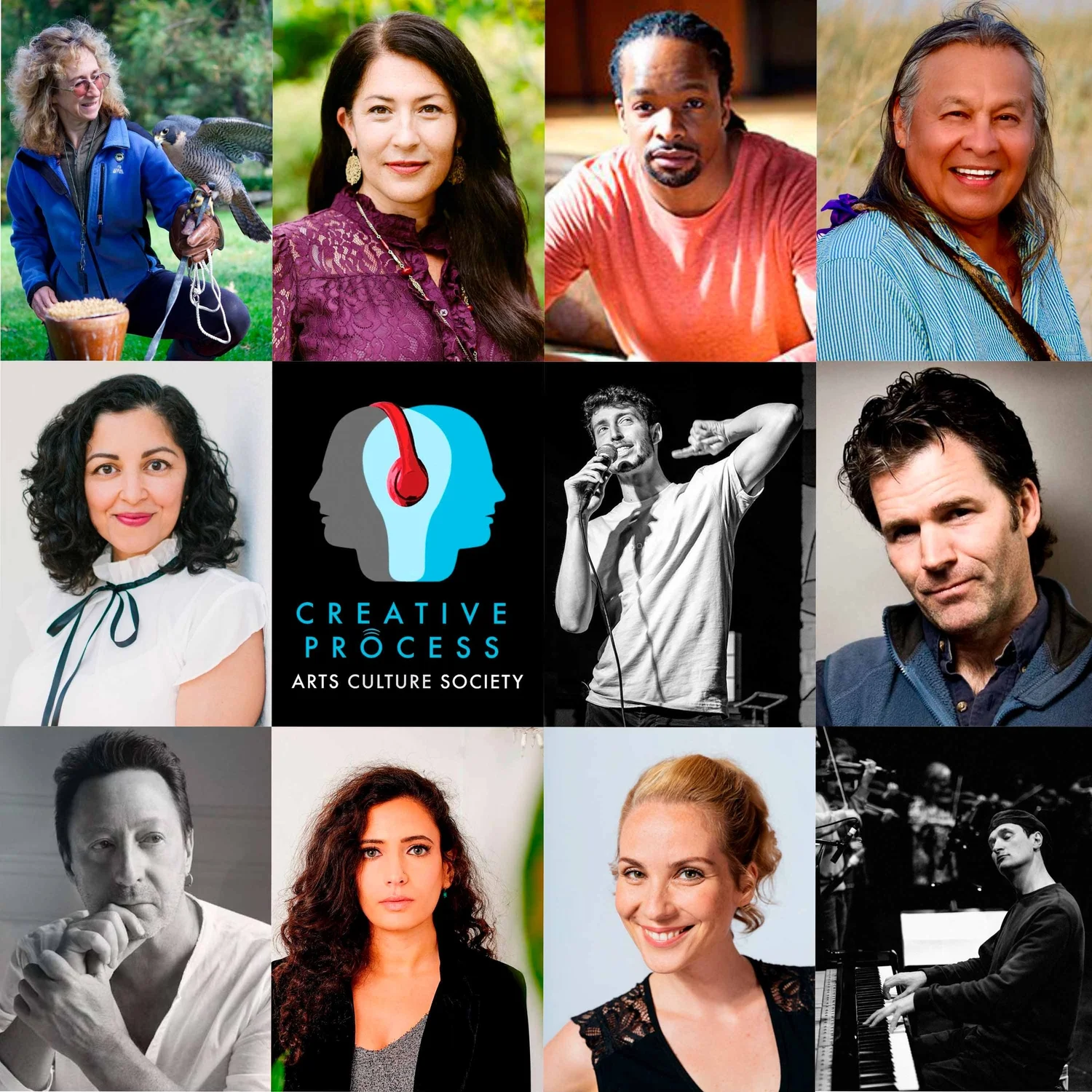
Why do we write? Is it to capture a memory before it vanishes or to build a bridge between the person we are and the stories we've been told? In this episode of The Creative Process, we explore the practice of writing as an awakening and tool for discovery with a group of celebrated poets, novelists, musicians and thinkers.
We hear from neuroscientist, dancer and author Julia Christensen on how literature inspires transformative aesthetic experiences. Award-winning poet and clinical psychologist Hala Alyan discusses navigating displacement through narrative, while bestselling author Andre Dubus III reflects on the honest...
From Extraction to Regeneration: Redesigning Our Relationship with Nature
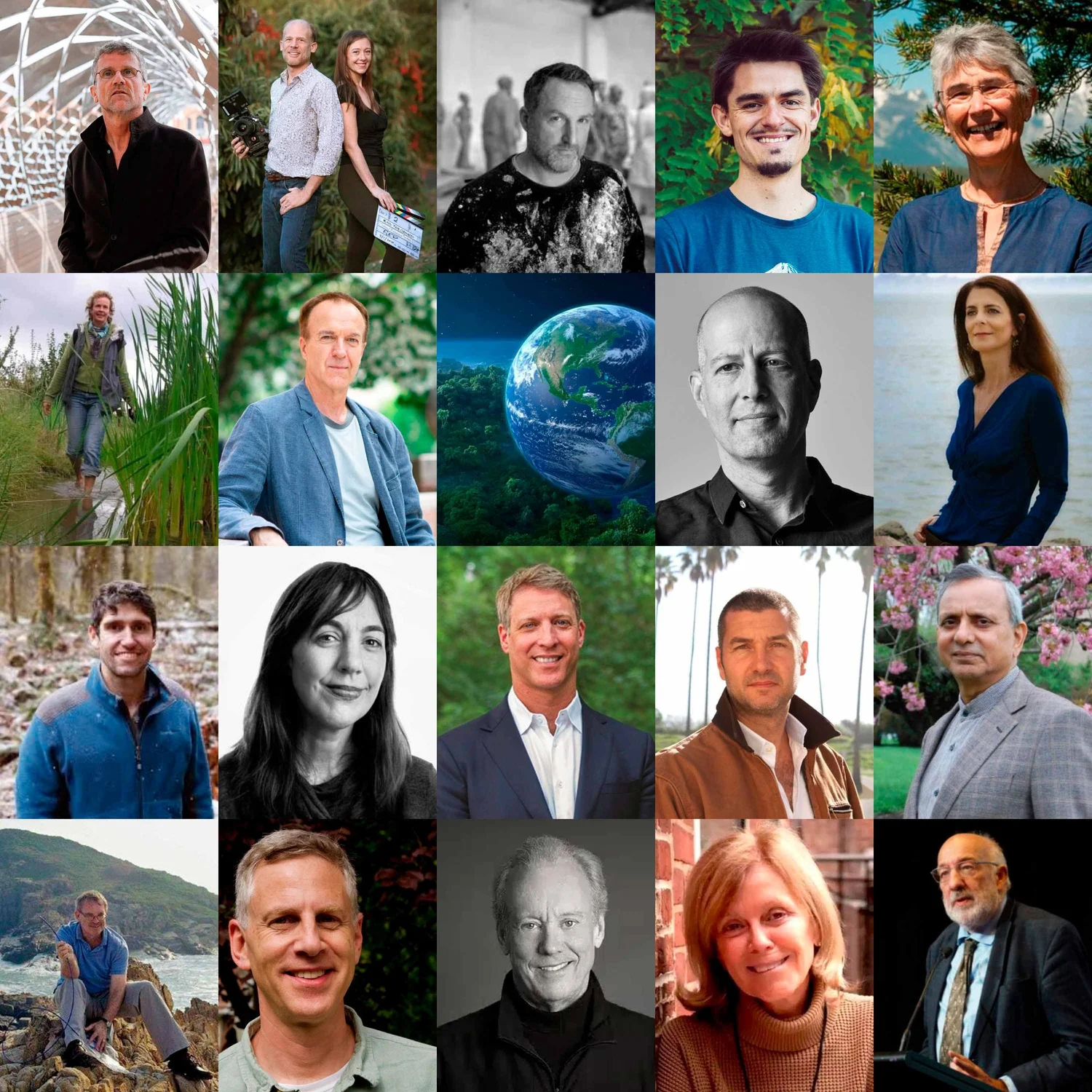
Today, we examine how we will adapt to a changing climate and learn to listen to the Earth.(0:00) Abrahm Lustgarten(Reporter, ProPublica) (3:00) Jon Gertner (Author, The Ice at the End of the World) (5:32) Bill Hare (CEO, Climate Analytics) (6:35) Rob Nixon (Prof. Environmental Humanities, Princeton) (8:12) Louis de Jaeger (Co-founder, Food Forest Institute) (10:06) Kathleen Rogers (Pres., EarthDay.org) (11:31) Rebecca Tickell (Filmmaker, Groundswell) (13:42) Ben Goldfarb (Author, Crossings) (14:56) Jane Madgwick (CEO, Plantlife International) (19:23) Jason deCaires Taylor (Sculptor, Underwater Museums) (21:02) William McDonough (Architect, Cradle to Cradle) (23:19) Euan Nisbet(Scientist, Royal Holloway) (26:06) Roland Geyer (Author, The Business of Less) (28:15) Ron Gonen (CEO, Closed Loop Partners) (29:34)
Building Bridges Between Memory, Nature & Architecture with SALWA & SELMA MIKOU
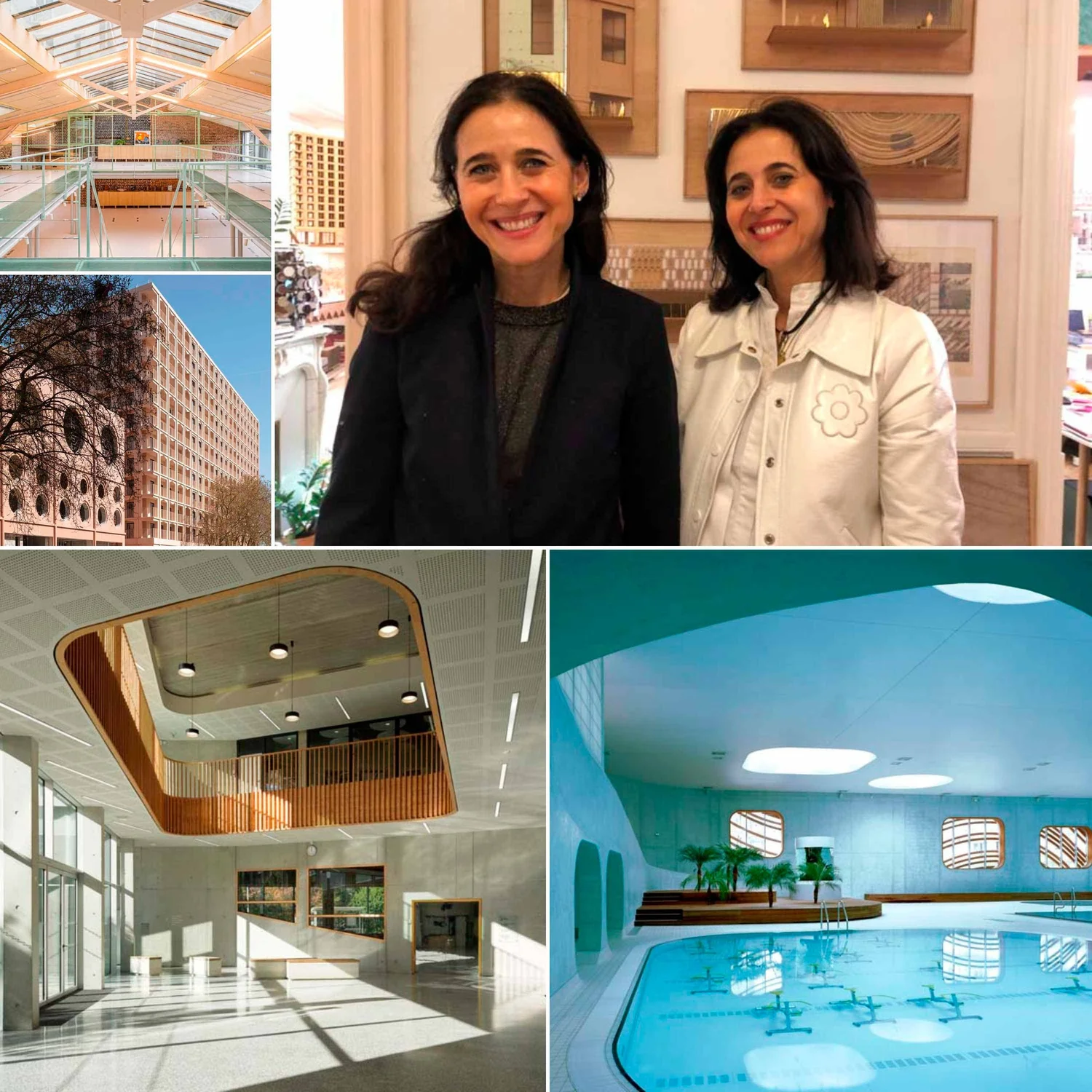
“Architecture should bring a true sensation of wellbeing. We were really lucky to experience that as children, and now as architects, we try to bring all that we learned into our practice.”
Salwa and Selma Mikou are the founders of Paris-based Mikou Architecture. Born in Fez, Morocco and educated in Paris, they have spent the last two decades reimagining the relationship between the built environment and the cultural landscape.
After honing their craft under two of the world’s most iconic architects, Jean Nouvel and Renzo Piano, they founded their own studio. For them, architecture is a l...
Listening to the Living World: Biologist DAVID GEORGE HASKELL on Flowers, Forests & Songs of Nature - Highlights
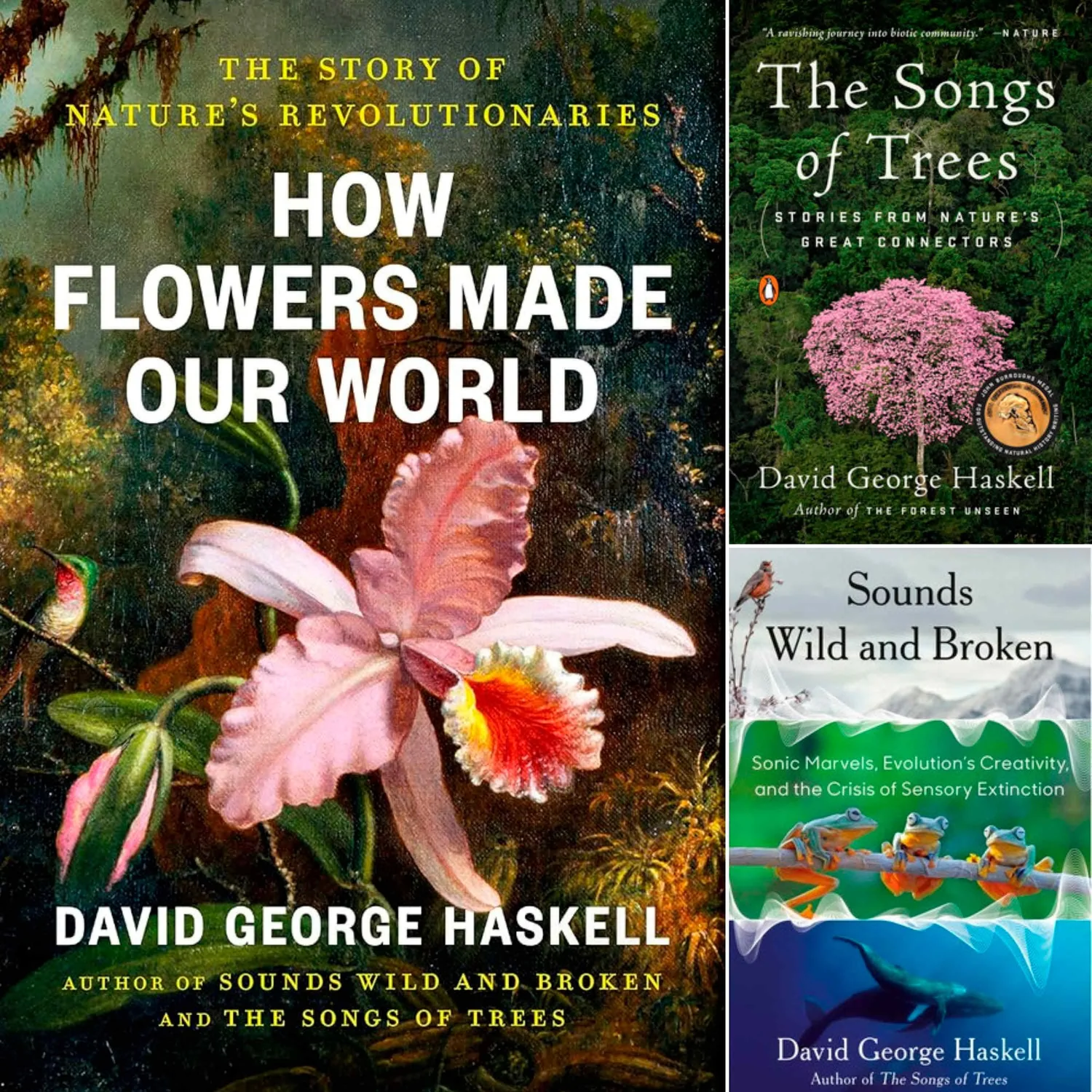
Step into the deep time of the forest floor, where a single fallen leaf contains the history of the world, and invisible fungal networks hum with ancient conversations. Biologist and acclaimed author David George Haskell reveals a staggering truth: we are completely dependent on the botanical world, and our belief in strict human individuality is a biological illusion.
Haskell has spent much of his life training himself to see the universal within the infinitesimally small. He's famously sat for a year in a single square meter of Tennessee's forest, a mandala experience that revealed the deep history...
How Flowers Made Our World: DAVID GEORGE HASKELL on Deep Time, Plant Intelligence & Listening to the Living World
What if the defining revolution of Earth's history wasn't led by animals or humans, but by flowers? Are we truly individuals, or are our bodies and minds just walking ecosystems?
Our guest today is David George Haskell, a biologist who has spent much of his life training himself to see the universal within the infinitesimally small. He's famously sat for a year in a single square meter of Tennessee's forest, a mandala experience that revealed the deep history of the world through a single fallen leaf. He's a two-time finalist for the Pulitzer Prize for his books Th...
Why Do We Listen to the Talkers More Than the Builders Saving the Planet? - Physicist, Designer, Investor TOM CHI - Highlights
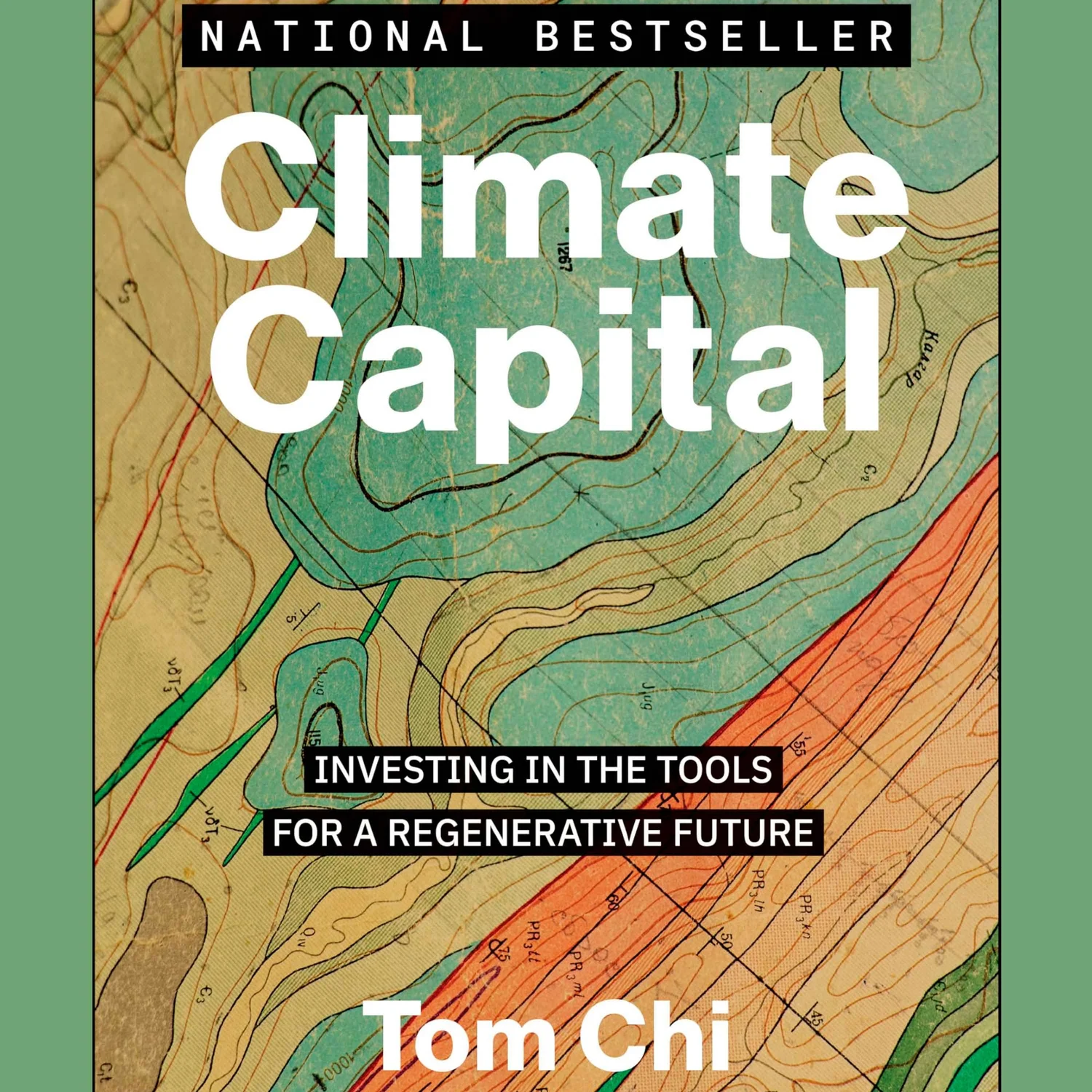
Why does our economy treat environmental destruction as an inevitable side effect rather than a massive design flaw? How can shifting our focus from polarizing "talkers" to practical "builders" literally save the planet? We are repeatedly told that the climate crisis is too vast and volatile to solve, but what if the true obstacle is simply bad design?
Tom Chi is a physicist, designer, inventor, and investor whose work has shaped everything from Google Glass and rapid prototyping at Google X to some of the most ambitious climate technologies being built today. He’s now the founding par...
Climate Capital with TOM CHI - Google X Co-founder, Founding Partner At One Ventures
“In the book I spend a bunch of time basically teaching skills and teaching frameworks of thinking. Not to indoctrinate, it's not a framework like an ideology where you need to believe exactly these things. This is a lot more about how does one use their minds effectively to solve problems that have been solved before. Of course, I work on things that have to do with investment and climate and the future of the economy and automation. The main things I'm trying to teach in the book are skills around creativity, critical thinking, community compassion and frameworks around ho...
The Psychological & Emotional Impact of Occupation w/ Actress, Director CHERIEN DABIS
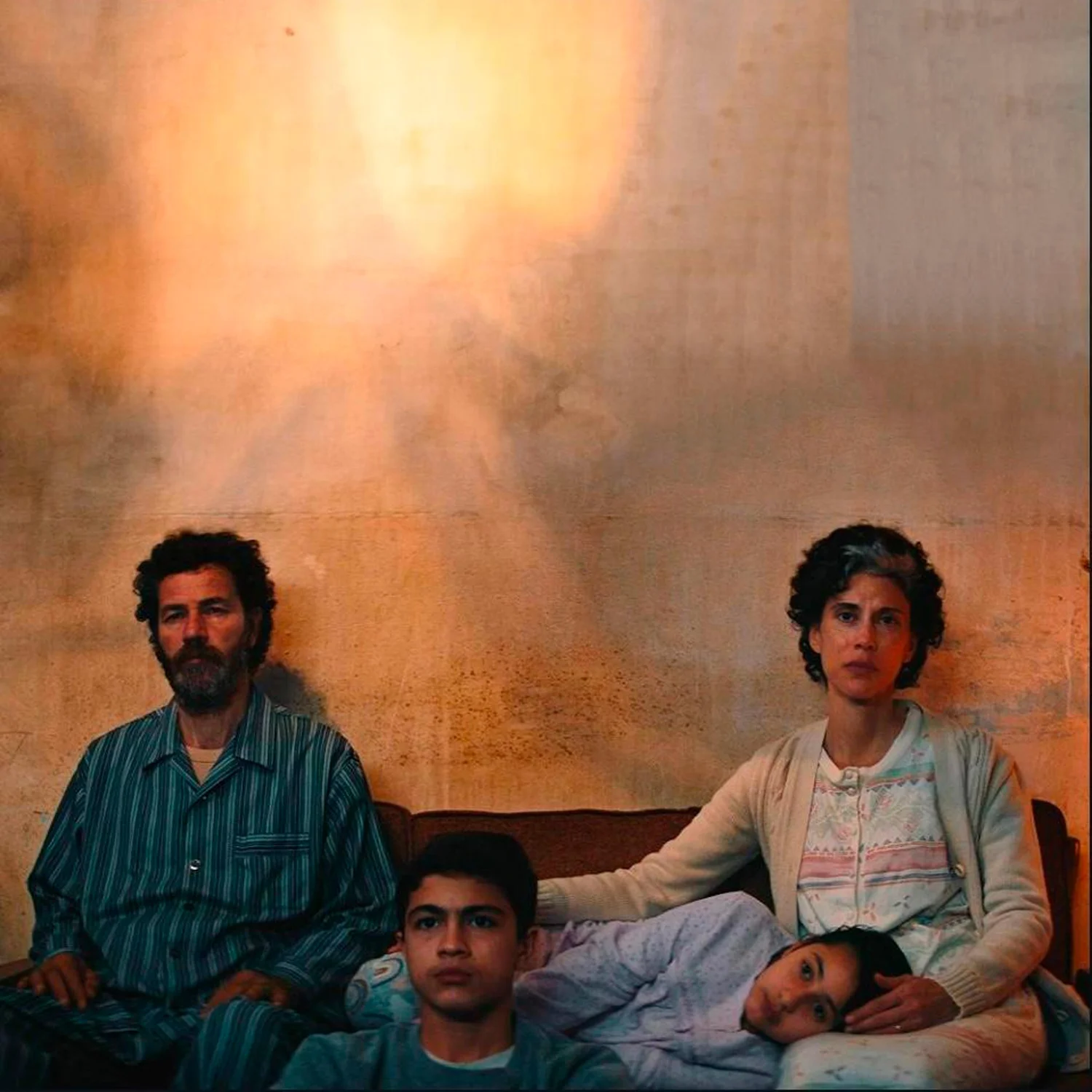
“These oppressive structures are built to strip us of our humanity. One of the ways they do that is by filling us with anger and hatred. If we allow ourselves to stay there, we're doing the job of the oppressor for them by slowly killing ourselves. I wanted to make a movie that would remind people that we can't allow them to win by giving up our humanity. We have to hold onto our humanity and try in these impossible circumstances.”
My guest today is Cherien Dabis. She’s a filmmaker and actress who has spent much of her...
Game Over: Metrics, Big Data & Why We Need to Stop Keeping Score w/ C. THI NGUYEN - Highlights
"To be in the process of making things, to be in the process of talking to people about what things mean. The creative process is actually, I think, the most meaningful part of life, but it's very hard to measure. When we get shoved towards a world that demands easy measurables, it's very hard to optimize away from the creative process and optimize towards things that are more static."
On this episode of The Creative Process, philosopher C. Thi Nguyen joins us to discuss his new book, The Score: How to Stop Playing Somebody Else's Game. He...
The Score: How to Stop Playing Somebody Else's Game with C. THI NGUYEN
We live in a world obsessed with tracking. From our sleep scores to our social media engagement, invisible systems constantly quantify our worth. But when we replace our deepest values with these thin, easily measurable numbers, we lose a part of our humanity. It is time to step outside the magic circle of optimization and reclaim the unstructured joy of being alive.
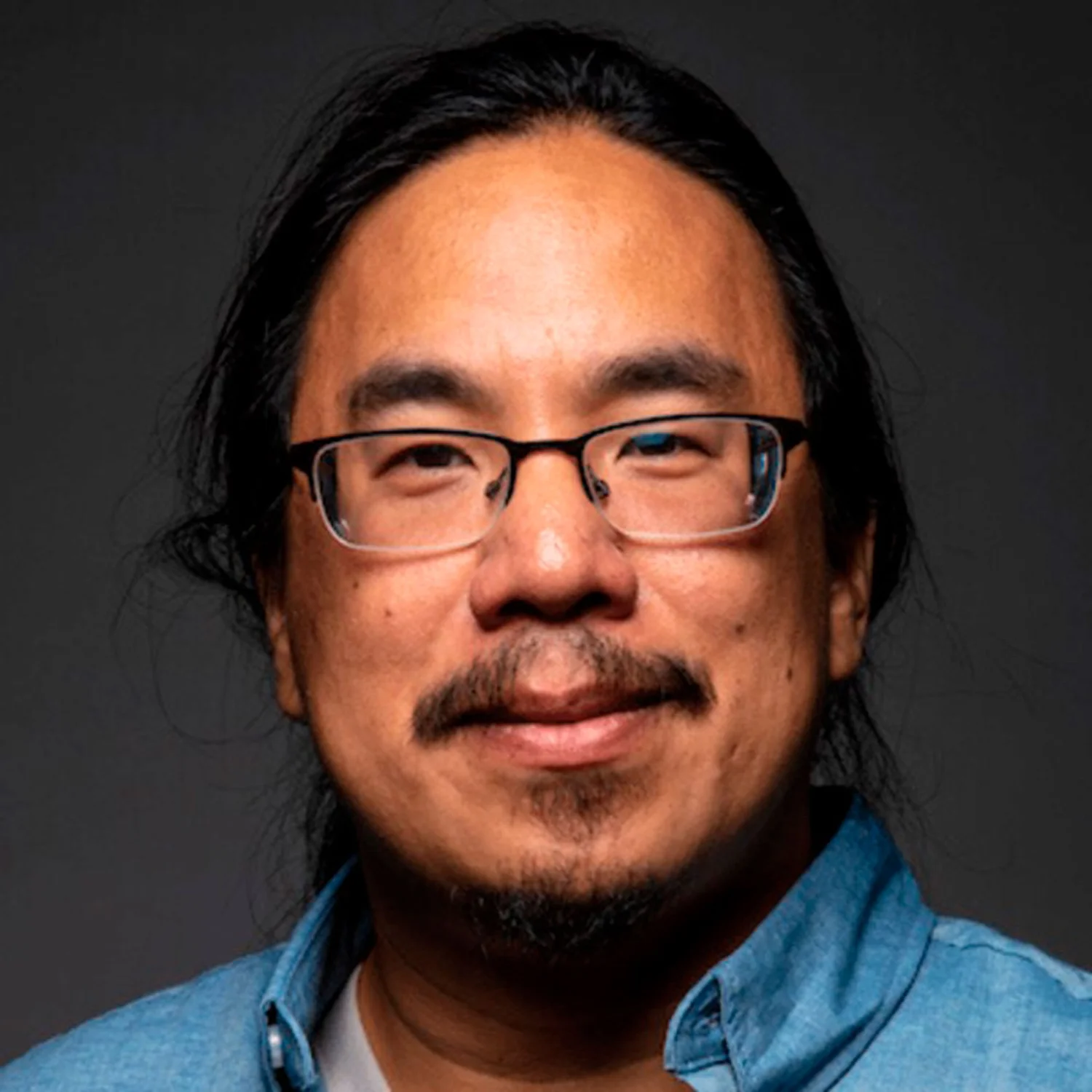
C. Thi Nguyen is a philosopher whose work gets to the heart of the invisible structures that define modern life. He first established himself as a food writer, exploring the sensory world, before turning his in...
Trust, Education & Writing as Resistance w/ AL KENNEDY - Highlights
"The thing that puzzled him was why people don't agree to be fully expressed while they're alive. Why does it only happen in their last moment? Why wouldn't you live being fully expressed?"
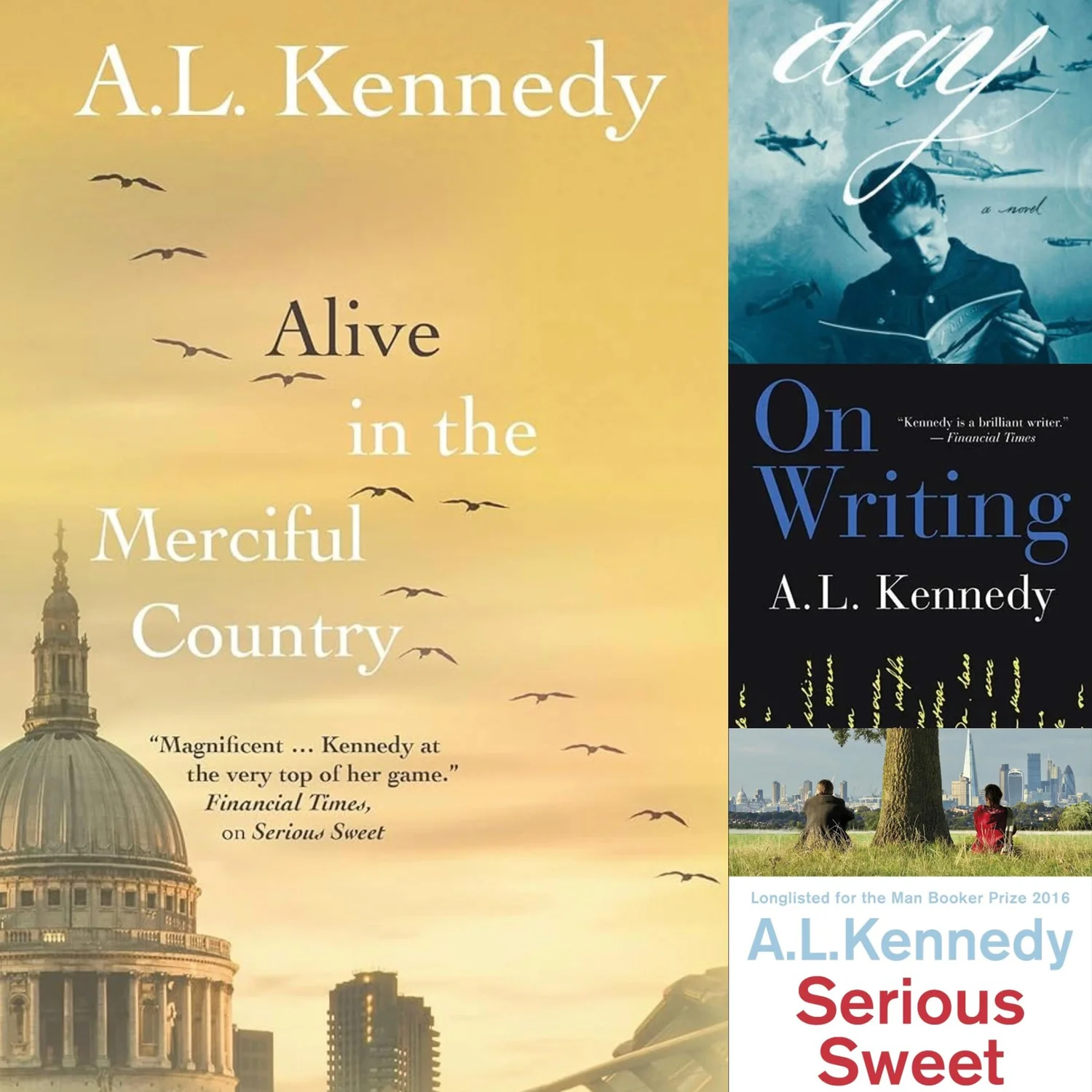
My guest today is AL Kennedy. She is one of Britain’s most acclaimed and versatile literary voices, a writer who can inhabit the internal life of a soldier in a POW camp, as she did in her Costa Book Award-winning novel Day, as easily as she can navigate the "professional lying" of a modern civil servant.
Her latest novel, Alive in the M...
The Art of Fiction, Democracy & Truth with AL KENNEDY
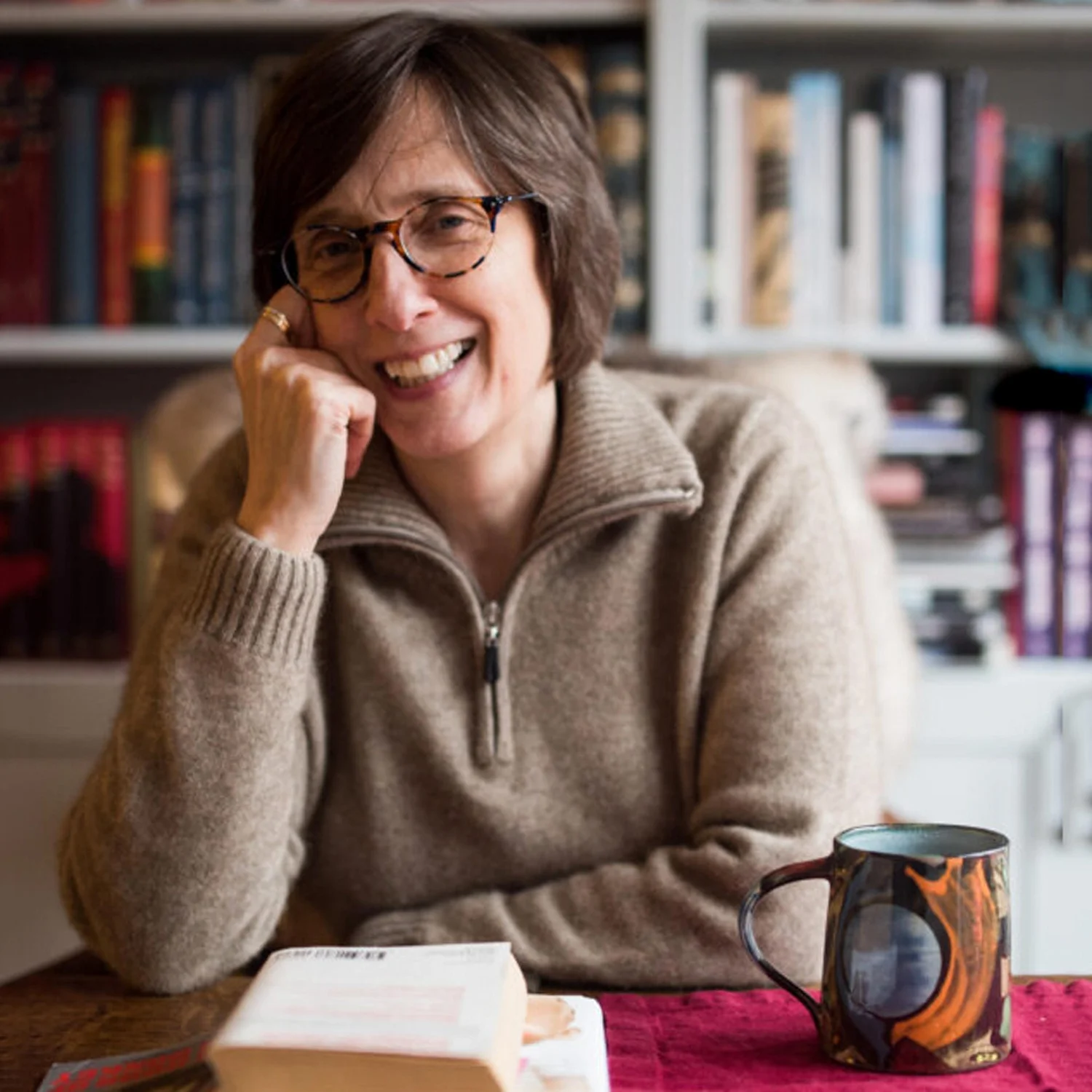
What happens when the state infiltrates your most intimate relationships? How do we protect the innocence and imagination of children in an increasingly authoritarian world? “"If you have love, eventually you're going to win. It's not that people aren't going to die. It's not terrible things aren't going to happen. But if you stay with that and you stay centered in that, you'll get through and you will not have turned into a monster in order to overcome monsters.”
My guest today is AL Kennedy. She is one of Britain’s most acclaimed and versatile literary voices, a writ...
SIRI HUSTVEDT on Love, Grief & Her Late Husband PAUL AUSTER - Highlights
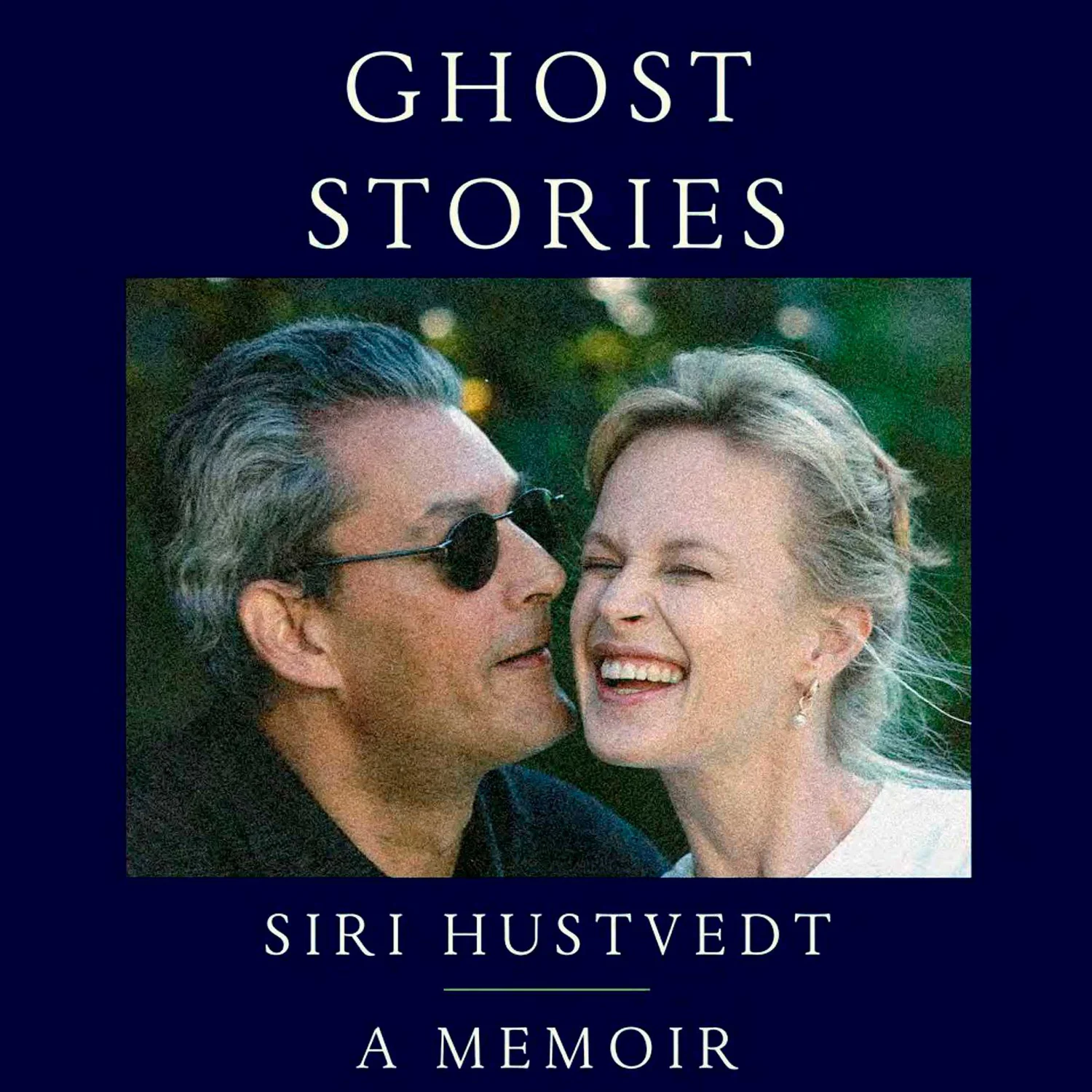
“Grief is a particular kind of unrequited love. It wasn't unrequited in the past. Usually, we think of unrequited love as you never got to do it, you never had it for yourself. But, in fact, there can be requited love, which is then unrequited love in the paroxysms of grief.”
Today, we are honored to welcome a writer whose work has long explored the intimate landscapes of the mind, memory and the heart. Siri Hustvedt’s writing moves between the personal and the philosophical, the literary and the deeply human. Her work bridges collections of essays, non-fi...
Ghost Stories: A Memoir of Love & Grief with SIRI HUSTVEDT
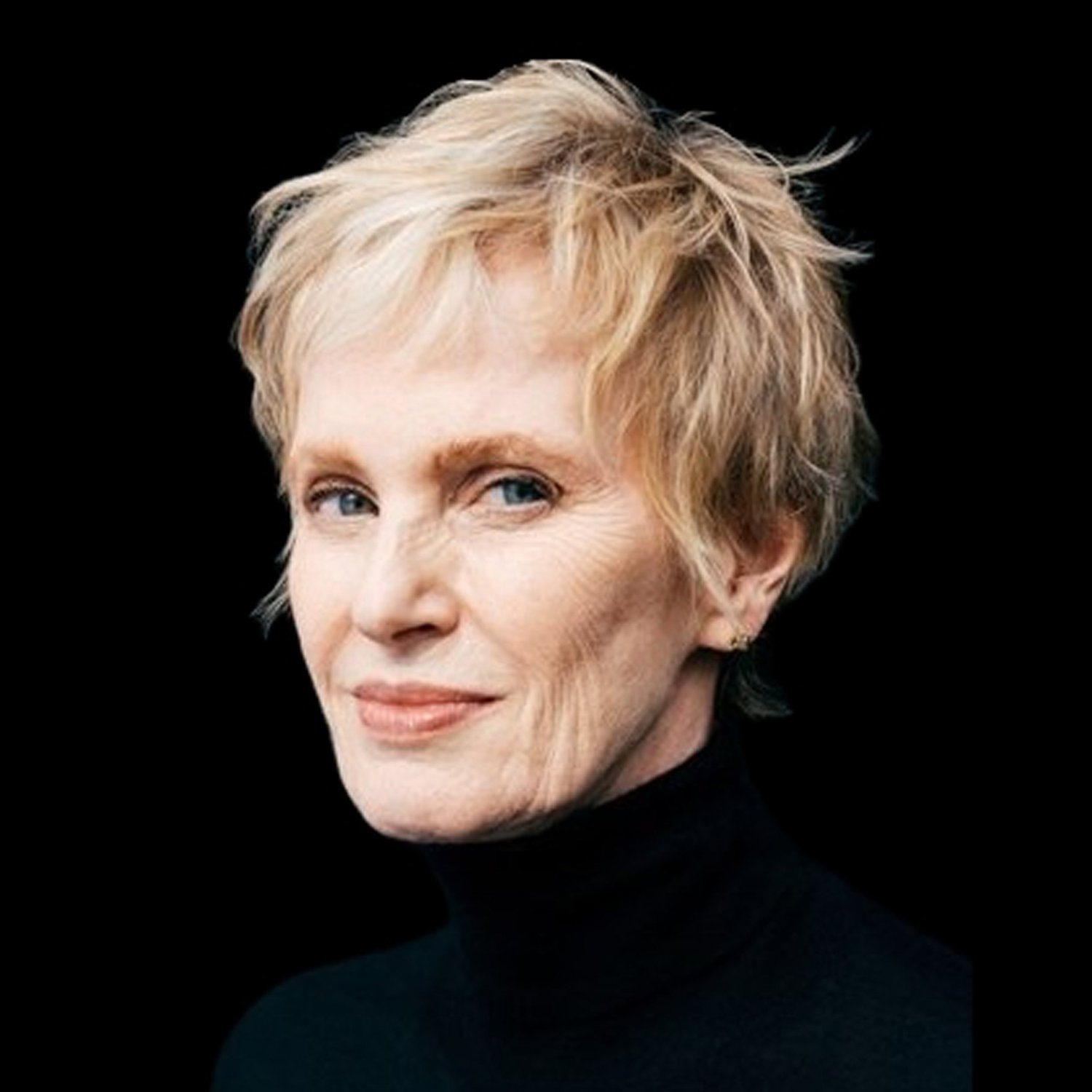
“Grief happens because you don't stop loving the person who died. The person doesn't exist in your reality anymore. The everyday is not colored and shaped by this other human being, but you don't stop loving the person. So grief is a particular kind of unrequited love. And probably without that dynamic relationship with this person, I would be someone else. And he would've been someone else. I mean, Paul died before me. But we were, I think, hugely important to the drama of becoming in our own lives.”
Today, we are honored to welcome a writer whos...
Who Are We? What Makes Us Care? Jim Shepard, Neil Patrick Harris, John Patrick Shanley & Artists Share Their Stories

Can curiosity and empathy be taught? How can we expand our sense of solidarity through stories? In this episode, we explore the internal dialogues of artists, actors and writers to ask what it means to step into someone else's shoes.
(0:00) Novelist Jim Shepard discusses Literature as a Tool for Emotional Education and Exploring History
(2:05) Tony Award-winning Actor Neil Patrick Harris on Being Moved by Theater and its Ability to Bridge Worlds
(3:55) Novelist Katie Kitamura on How a Book is Made in Collaboration with the Reader
(5:00) Screenwriter, Playwright Laura Eason on Inhabiting t...
The Healing Power of the Arts: Longevity, Immunity & Wellbeing w/ DAISY FANCOURT - Highlights

"Within society, we seem to have separated the arts out, so they're not so much a part of our daily lives. Often there's something that we feel we should do as a kind of leisure activity or hobby if we have enough time or if we have enough money to engage in them. And this is so fundamentally different to how humans engaged with the arts. When we look back thousands of years, it just was part of the everyday, and I feel like that's a major loss within contemporary societies."
Daisy Fancourt is a Professor of...
ART CURE: How the Arts Can Transform Our Health with DAISY FANCOURT
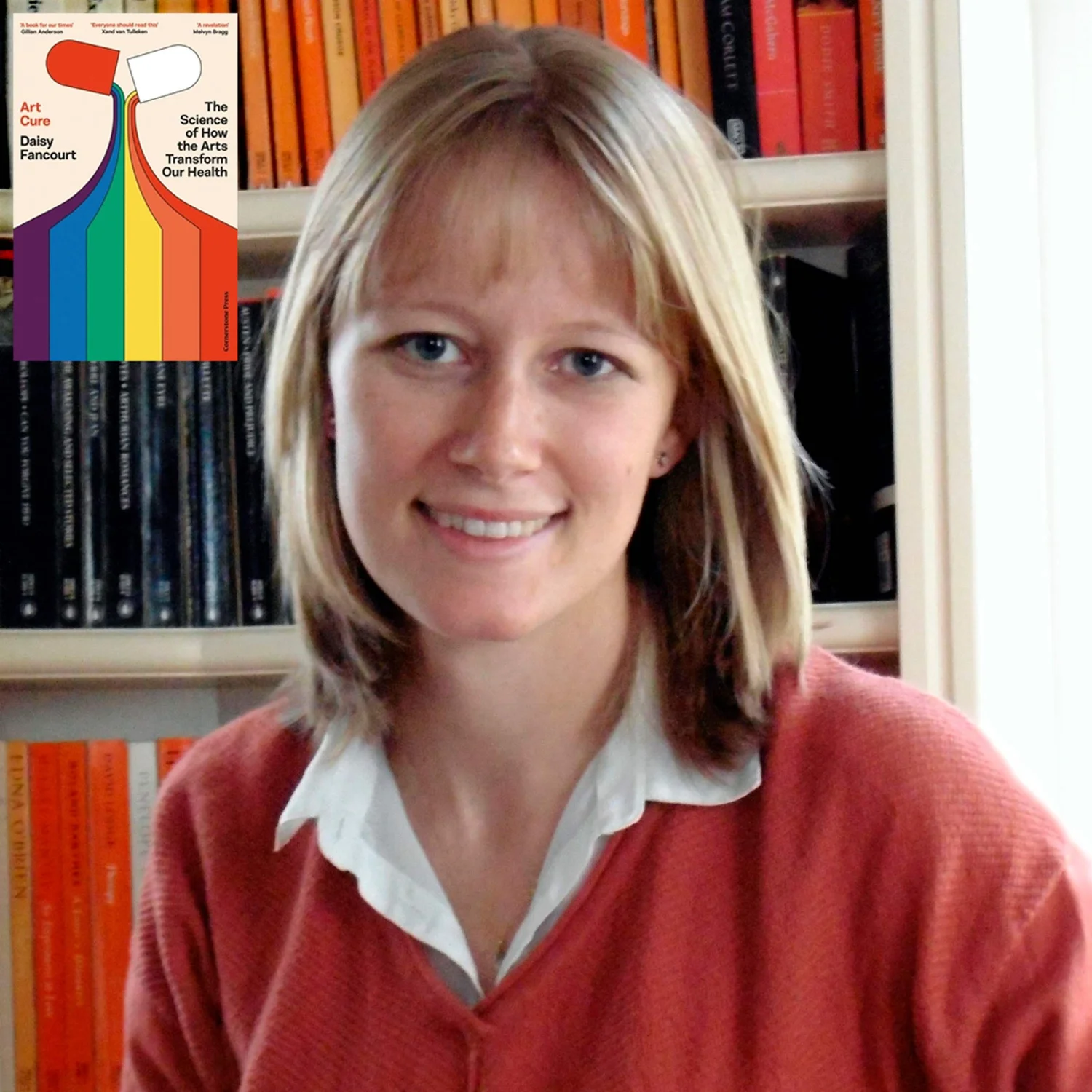
Did you know that visiting a museum can lower your cortisol levels? Or that singing can bond a group faster than almost any other activity? We tend to think of the arts as entertainment, but science tells a different story. Today, we explore why creativity is hardwired into our biology and how it can be used to treat everything from postnatal depression to stroke recovery.
Daisy Fancourt is a Professor of Psychobiology & Epidemiology at UCL and the author of Art Cure: The Science of How the Arts Transform Our Health. A pioneer in the field of psychoneuroimmunology...
Muse Cells & The Future of Health: Why Stars like Chris Hemsworth & Tony Robbins Turn to Regenerative Medicine

“They're kind of like a hidden superhero in your body and we just didn't know they existed. Muse cells eat the damaged cells, and they can actually turn into new cells using the cellular machinery.”
Dr. Adeel Khan is a global thought leader in regenerative medicine. He is the CEO and Founder of and founder of Eterna Health, whose work with MUSE cell therapy—developed in collaboration with its discoverer, Professor Mari Dezawa—has made him the go-to expert for world leaders, athletes, and celebrities Chris Hemsworth, Kim Kardashian, and Tony Robbins. In this episode, we move beyond th...
Reimagining Longevity: DR. ADEEL KHAN on Muse Cells & the Future of Regenerative Medicine

"The repair mechanisms don't work as well as you get older... The whole idea was: if we can give you more of the 'repair guys,' maybe we can reverse disease."
Dr. Adeel Khan is a global thought leader in regenerative medicine. He is the CEO and Founder of and founder of Eterna Health, whose work with MUSE cell therapy—developed in collaboration with its discoverer, Professor Mari Dezawa—has made him the go-to expert for world leaders, athletes, and celebrities Chris Hemsworth, Kim Kardashian, and Tony Robbins. In this episode, we move beyond the hype of "anti...
The Wisdom of Nature: Artists & Scientists on The Beauty & Fragility of Our Planet

In this special edition, we hear from our guests from across the arts and sciences. From composers and poets to forest ecologists and climate envoys, they tell the story of our planet. Moving beyond the data of destruction, we explore the intelligence of nature, the ethics of what we eat, and the empathy required to save our future.
MAX RICHTER, Composer, Sleep, The Blue Notebooks
CARL SAFINA, Author, Becoming Wild
ADA LIMÓN, 24th US Poet Laureate
CYNTHIA DANIELS, Grammy Award-winning Sound Eng.
SUZANNE SIMARD, Finding the Mother Tree
The Musician Who Sings to Animals - PLUMES on Trust & Cross-Species Communication - Highlights

On Music, Trust and Connection with the Animal World
“Mostly I’ll play in a minor key, something sad, which I think can work for an animal because they can sense the sadness, and they try to reassure me and comfort me. I chose love songs because I'm convinced they are very intuitive and they can sense what I am trying to say to them, and profess my love in a way. I think there's always a way to connect, and if you're being cautious and don't threaten the animals, something beautiful can happen.”
Musician Plumes...
Animals & The Healing Power of Music with Musician PLUMES

How is music a pathway to understanding animals?
Musician Plumes takes his guitar to the world's most unlikely concert halls—farms, sanctuaries, and wild habitats. A passionate advocate for veganism and animal welfare, we discuss what animals hear, how trust forms, and what music can reveal when it enters a world not made for humans alone.
“Mostly I’ll play in a minor key, something sad, which I think can work for an animal because they can sense the sadness, and they try to reassure me and comfort me. I chose love songs because I'm convince...
Speaking Out of Place - DAVID PALUMBO-LIU on Reclaiming Our Political Voices - Highlights

On the urgent need to reclaim our political voices, the forces that silence dissent, and how art and poetry are crucial tools for survival
Our guest today is an activist scholar who believes the classroom is inseparable from the public square. David Palumbo-Liu is the Louise Hewlett Nixon Professor of Comparative Literature at Stanford University and a founding faculty member of Stanford’s Program in Comparative Studies in Race and Ethnicity. But his work has long reached beyond the academy. Through his book, Speaking Out of Place: Getting Our Political Voices Back, and his podcast of the sa...
Reclaiming the American Dream with DAVID PALUMBO-LIU – Stanford Professor, Author & Host, Speaking Out of Place

On the urgent need to reclaim our political voices, the forces that silence dissent, and how art and poetry are crucial tools for survival
“There is a dispute about what the American Dream is or how it would play out in different circumstances. The American dream has essentially been narrowed into a white Christian nationalist notion of things so that everything that falls outside what they imagine that to be is not only undesirable, but should be the subject of extermination, deportation, and detention. I am heartened by the fact that more of our 'better angels' are em...
The Writer's Voice: Novelists, Poets, Memoirists & Editors Share Their Stories

How do writers develop their voice, showing us what is important in life?
ADA LIMÓN (24th U.S. Poet Laureate, Startlement, The Carrying) explains that her poetry begins with a bodily sensation or curiosity, not an idea. She values the space and breath poetry offers for unknowing and mystery, finding solace in the making and the mess, not in answers. She discusses being free on the page to be her whole, authentic, complicated self.
JAY PARINI (Author, Filmmaker, Borges and Me) calls poetry the prince of literary arts—language refined to its apex of mem...
Writers on Memory, Language & the Power of the Unconscious

How can we use negative spaces in fiction to engage with readers’ imaginations? How are memory and trauma passed onto us through language? How do we become more than the stories we tell ourselves?
KATIE KITAMURA (Author, Audition, Intimacies) emphasizes that a book is created in collaboration with the reader, using negative spaces in the narrative structure to allow for reader interpretation, paralleling the space between audience and actor in performance.
PAUL LYNCH (Booker Prize-winning Novelist, Prophet Song) discusses the richness and slipperiness of the English language in Ireland, shaped by the overlay of English on...
The AI Wager: Betting on Technology’s Future w/ Philosopher & Author SVEN NYHOLM - Highlights

“ I think we're betting on AI as something that can help to solve a lot of problems for us. It's the future, we think, whether it's producing text or art, or doing medical research or planning our lives for us, etc., the bet is that AI is going to be great, that it's going to get us everything we want and make everything better. But at the same time, we're gambling, at the extreme end, with the future of humanity , hoping for the best and hoping that this, what I'm calling the AI wager, is going to work out to our...
The Ethics of AI w/ SVEN NYHOLM, Author & Lead Researcher, Munich Centre for Machine Learning

As we move towards 2026, we are in a massive “upgrade moment” that most of us can feel. New pressures, new identities, new expectations on our work, our relationships, and our inner lives. Throughout the year, I've been speaking with professional creatives, climate and tech experts, teachers, neuroscientists, psychologists, and futureists about how AI can be used intelligently and ethically as a partnership to ensure we do not raise a generation that relies on machines to think for them. It’s not that we are being replaced by machines. It’s that we’re being invited to become a new kind of hu...
