ICRC Humanitarian Law and Policy Blog
The International Committee of the Red Cross (ICRC) Humanitarian Law & Policy blog is a unique space for timely analysis and debate on international humanitarian law (IHL) issues and the policies that shape humanitarian action.
Fact-finding in the age of distrust: the continued relevance of the IHFFC

At a time when allegations of serious violations of international humanitarian law (IHL) are increasingly contested, establishing the facts independently and impartially seems more important yet difficult than ever. Political divisions and declining trust in international institutions have made credible fact-finding particularly challenging. Yet the international community does not need to start from scratch. More than three decades ago, states established the International Humanitarian Fact-Finding Commission (IHFFC), a permanent, independent mechanism to inquire into alleged serious violations of IHL and facilitate the restoration of respect for the law. The Commission has demonstrated its ability to operate, yet it is rarely...
Beyond the blast radius: climate harm and IHL’s “widespread, long-term and severe” threshold for absolutely prohibited environmental damage

Armed conflict can aggravate climate change through consequences that lie beyond an attack’s immediate physical footprint. Yet international humanitarian law’s prohibition of methods or means of warfare expected to cause widespread, long-term and severe damage to the natural environment is too often assessed through a temporally short and geographically bounded account of harm. In this post, part of our series on Emerging Voices, Climate change, conflict and humanitarian action, and War, Law and the Environment, Giorgia Pane argues that foreseeable climate-related effects should enter that assessment, through a climate-informed approach to the existing cumulative test. It suggests that “long-t...
A collective step forward: the outcome document on achieving meaningful protection for hospitals in armed conflict

Hospitals and other medical facilities enjoy specific protection under international humanitarian law (IHL), yet the reality in contemporary armed conflicts is starkly different. Attacks against health-care facilities, their misuse and impediments to their functioning continue to put patients and medical personnel at risk and undermine access to essential medical care. Against this backdrop, more than 100 states from all regions came together through the Global IHL Initiative to examine what meaningful protection for medical facilities requires in practice. In this post, ICRC Legal Advisers Supriya Rao and Alexander Breitegger examine the recently released outcome document on Achieving Meaningful Protection for Medical...
Eyes in the sky, weapons in hand: FPV drones and the challenges for IHL and the protection of civilians
Drones have become a defining feature of contemporary armed conflicts. Their use has surged dramatically in recent years, originally with the proliferation of inexpensive, commercially available systems, and increasingly with militaries also manufacturing drones at scale. Among these, first-person view (FPV) drones – small, agile aircraft controlled by an operator with a live video stream directly from the drone's camera – have emerged as a particularly versatile tool. Small, cheap, and easy to assemble and operate, FPV drones have reportedly been used by both state and non-state armed actors in conflicts across all regions of the world, including in Latin America, Gaza, Syri...
Contemporary accomplices? Considering the potential liability of AI targeting system providers under the Rome Statute

Artificial intelligence (AI)-enabled targeting systems are increasingly being used in armed conflicts to process data and provide lists of military objectives. This raises a difficult question that has received little attention: Could the senior executives of the technology companies that provide these systems face criminal liability under international law when their systems contribute to serious violations of international humanitarian law? In this post, part of our Emerging Voices series, Rosa Villar Orero, PhD candidate at the University of Aberdeen, argues that Article 25(3)(d)(ii) of the Rome Statute, as operationalized through the Katanga test, offers a potential doctrinal avenue...
Yesterday’s children: now is the time to repatriate the children – and the young people who have “aged out” of childhood – in the camps and prisons of north-east Syria and Iraq
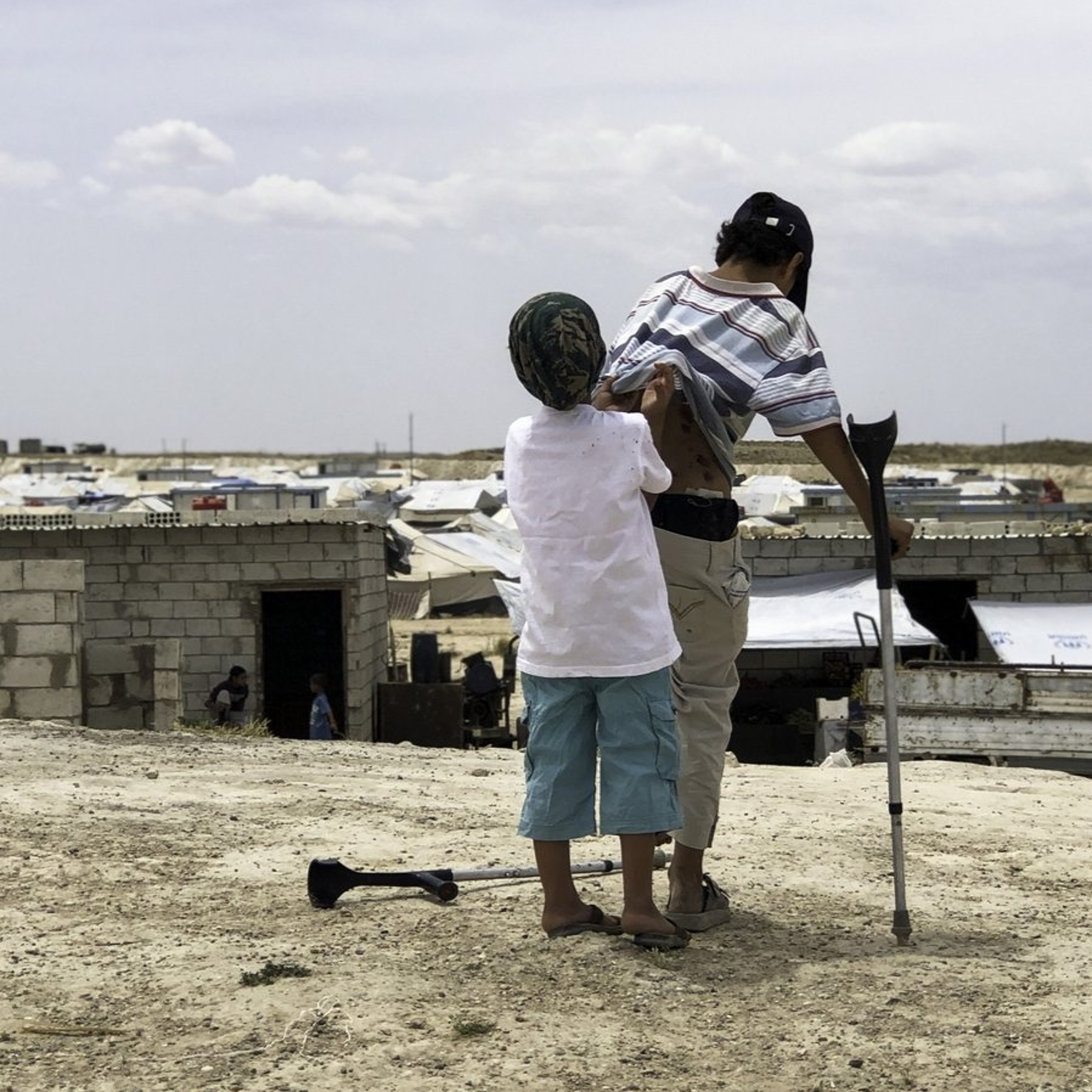
Several years after the Islamic State group lost its last territory in March 2019, tens of thousands of Syrians, Iraqis, and third-country nationals from around 60 countries – including many children – remained in camps and prisons in north-east Syria and Iraq. In early 2026, almost 6,000 detainees were transferred to Iraq, among them children who were caught up in a war they did not choose. Repatriation remains the best way forward for most of the third-country nationals – but a deeply disturbing trend concerns the exclusion of young third-country nationals who “age out” of childhood from repatriation efforts. In this post, ICRC Advisers Julia Joerin, Vanessa Murphy, an...
AI will not set its own limits in warfare. States must.

Artificial intelligence (AI) is being developed at extraordinary speed, prompting warnings from within the technology industry itself that advances may be outpacing our ability to understand and control its risks. Nowhere are the stakes higher than in armed conflict. As militaries increasingly explore the integration of AI into weapons and military decision-making, technological capability can easily be mistaken for inevitability: if a system can be built, the assumption follows that it will eventually be deployed. History suggests otherwise. States have made choices before about which technologies of warfare to prohibit, constrain or refrain from using – and they face such a ch...
Influencer, gamer, soldier, spy: the online era of child recruitment and its implications in international law (Part II)

As social media and gaming platforms create new interfaces between tech-savvy children and armed actors, new questions should be asked regarding how the law prohibiting child recruitment and use in hostilities can be promoted and enforced online. In this two-part post, ICRC Advisers Vanessa Murphy, Siobhan Sparkes McNamara, and Tilman Rodenhäuser consider how the digital environment is transforming more traditional forms of child recruitment, give a rough typology of related trends in the information and communications (ICT) environment, identify the relevant international law, and propose recommendations to improve compliance with these laws in the digital age.
Influencer, gamer, soldier, spy: the online era of child recruitment and its implications in international law (Part I)

As social media and gaming platforms create new interfaces between tech-savvy children and armed actors, new questions should be asked regarding how the law prohibiting child recruitment and use in hostilities can be promoted and enforced online. In this two-part post, ICRC Advisers Vanessa Murphy, Siobhan Sparkes McNamara, and Tilman Rodenhäuser consider how the digital environment is transforming more traditional forms of child recruitment, give a rough typology of related trends in the information and communications (ICT) environment, identify the relevant international law, and propose recommendations to improve compliance with these laws in the digital age.
Terrorist, war criminal, or both? Towards dual prosecutions of war crimes and terrorist offences

A leading media figure and foreign fighter of a notorious group designated as terrorist was sentenced to life imprisonment for “conspiracy to provide material support to a foreign terrorist organization, resulting in death”. Although outwardly appearing to quench the thirst of esteemed Lady Justice, the criminal charge reveals only part of the picture: in addition to having provided material support, the defendant was also filmed personally executing two kneeling soldiers, in other words, a foreseeably serious violation of international humanitarian law (IHL). Whilst these factual elements are mentioned with regard to the aggravated circumstances of the conduct and resulting consequences for...
“Aid must be sustainable”: communities affected by conflict share what they want from humanitarians
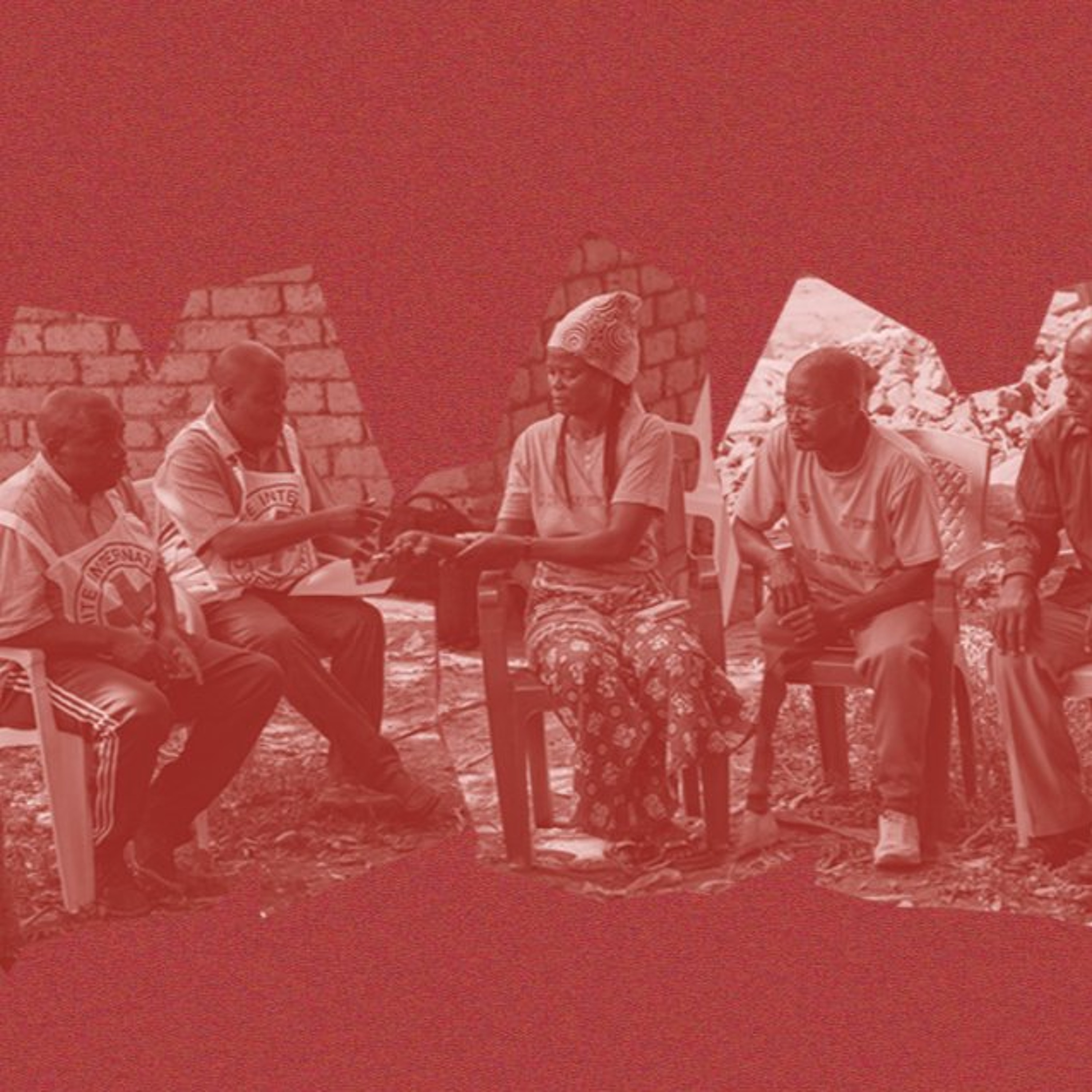
The humanitarian landscape is being reshaped by converging trends, including the rapid adoption of new technologies in warfare, growing restrictions on how and where humanitarians can operate, impacts of the climate crisis and steep reductions in funding. How are these trends shaping the needs of communities? What should communities realistically expect from humanitarians making difficult trade-offs in the face of an increasingly fraught operational space and precipitous funding declines? These are some of the key questions the ICRC's new policy report seeks to answer, based on focus group discussions with communities in the Democratic Republic of Congo, South Sudan and Uk...
The humanitarian case for universalizing the Convention on Cluster Munitions
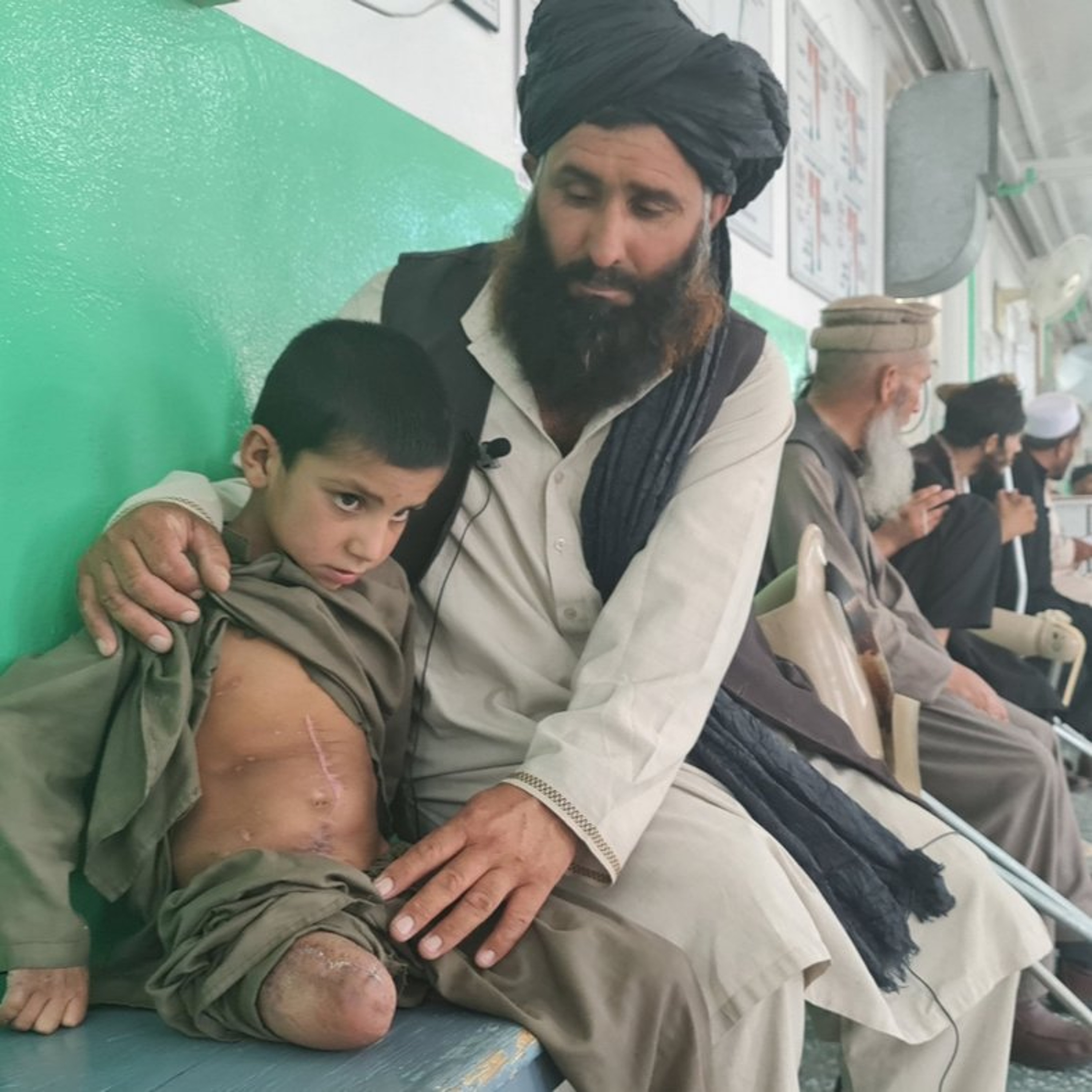
Cluster munitions cause harm both at the moment of attack and long after fighting has ended. By scattering submunitions across wide areas, often with high failure rates, they expose civilians to immediate danger while leaving behind unexploded ordnance that can kill and injure for decades. For survivors, the consequences can last a lifetime, extending beyond the initial injury to affect physical and mental health, education, livelihoods and participation in community life. The Convention on Cluster Munitions was created in response to these documented and enduring humanitarian consequences, combining prohibition of the weapon with obligations to clear contaminated areas and assist...
Before the fighting begins: IHL and the location of military objectives
International humanitarian law (IHL) is primarily associated with the conduct of hostilities and the protection of people during armed conflict. Yet some of the decisions that determine civilian risk in a future conflict are made long before fighting begins, including where states choose to locate military infrastructure. This raises an important question: what role does IHL play in peacetime decisions that may shape the humanitarian consequences of a future war? In this post, Gabija Grigaitė examines whether IHL requires states to consider civilian protection when deciding where to locate new military objectives. Using Lithuania’s planned brigade-level military training area as...
Civilian protection has a dependency-chain problem
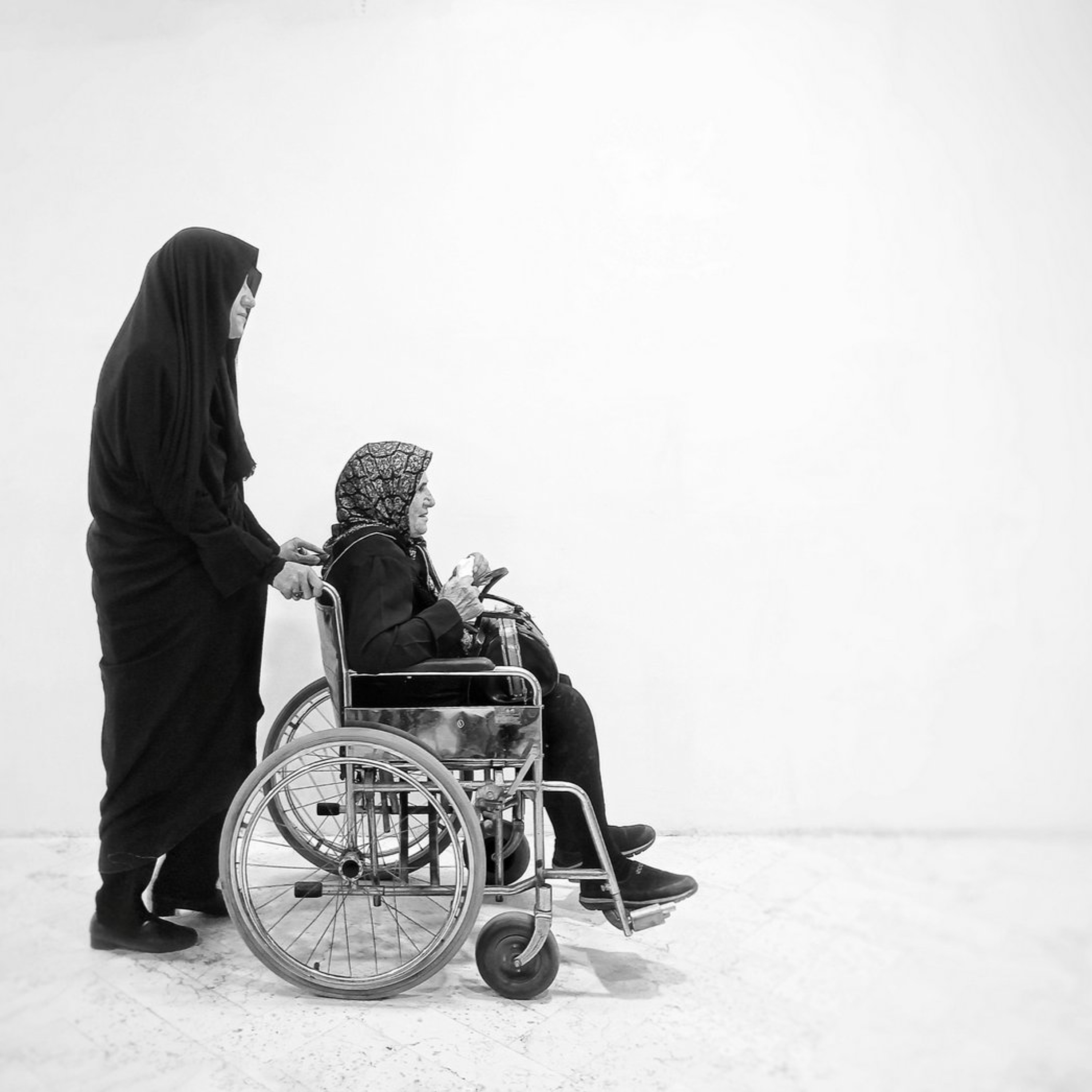
Civilian protection is often assessed by whether a person has been warned, evacuated, registered, sheltered or reached with relief. For many persons with disabilities, each measure depends on a wider chain: support persons, assistive devices, accessible communication, transport, medication, electricity, rehabilitation and local services. This post introduces the dependency-chain test and links it to existing international humanitarian law (IHL) rules on proportionality, precautions, warnings, evacuation, displacement, non-discrimination and relief. Lassi Murto is a Finnish disability-rights advocate, Chair of SMA Finland and Programme and Thematic Advisor at Abilis Foundation. He lives with spinal muscular atrophy and uses personal assistance in daily...
The machines must not choose who dies: a humanitarian case for disarming AI

As states race to develop autonomous weapons systems, the effort to agree binding international rules on machine decisions over life and death has reached a critical moment. In this post, Eberechukwu Owuamanam, Jesuit scholastic and humanitarian practitioner, argues that Pope Leo XIV's call to “disarm” artificial intelligence should be taken literally when it comes to such weapons. Writing from a humanitarian perspective shaped by work in the Global South, he contends that no autonomous system should ever select and attack a human being without meaningful human control, warns that automated force will fall hardest on those least able to build or r...
Memorializing IHL violations in the age of AI: opportunities and risks for transitional justice
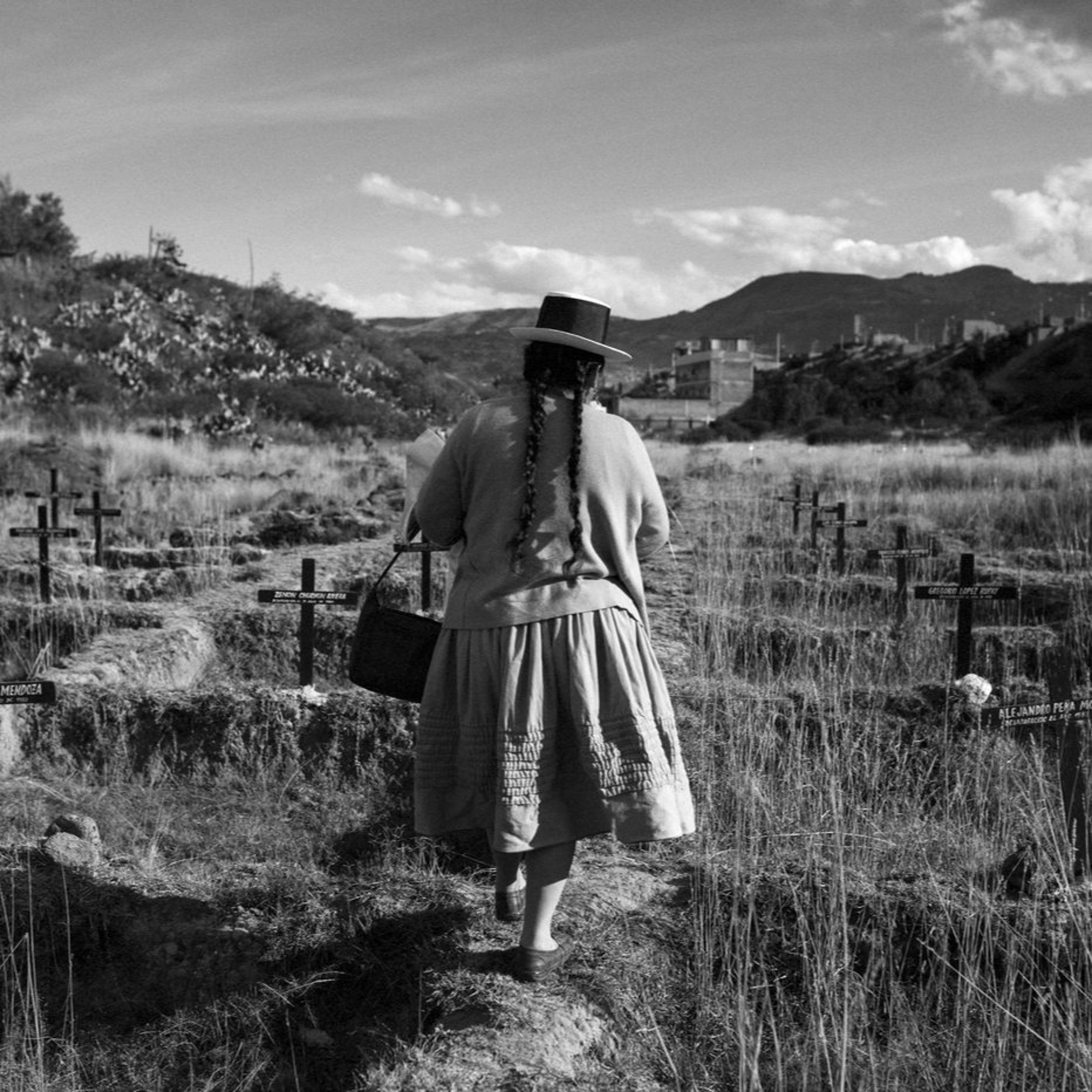
Memorialization, one of the five pillars of transitional justice, plays a vital role in preserving the memory of international humanitarian law (IHL) violations and gross human rights violations, supporting accountability, and preventing recurrence. Building an accurate and inclusive collective memory of past atrocities is a resource-intensive process, fraught with challenges ranging from limited access to archives and conflict zones to the risk that dominant narratives overshadow marginalized voices. Artificial intelligence (AI) and data-driven technologies are increasingly used to ease these burdens, from cross-referencing dispersed records to expanding public access to memorialization projects. In this post, Paola Forgione and Megah Bintang...
“A number that learned how not to scream”: the case for community-led metrics on protection

The international humanitarian system has built a sophisticated architecture for the protection of civilians, namely political resolutions, cluster coordination mechanisms, reporting frameworks, and accountability tools. Yet when conflict-affected people are asked directly whether they feel protected, or whether they trust the actors claiming to protect them, the answer is frequently at odds with the system’s own assessments. Despite commitments under the Grand Bargain to center local actors and affected communities, research consistently reveals a persistent gap between how humanitarian actors evaluate their own performance and how affected communities experience it. In this post, part of our ongoing series “Delivering for...
Amplifying Pacific voices: the region’s crucial role in advancing IHL

Pacific Island states have long demonstrated leadership in promoting peace, disarmament, and humanitarian values. From traditional customs that reflect principles contained in contemporary international humanitarian law (IHL), to global advocacy for nuclear disarmament and environmental protections during armed conflict, the region is uniquely equipped to contribute to discussions on advancing IHL. This is particularly important in the context of contemporary challenges, including climate change, the illicit trade of small arms, cyber operations, and the vulnerability of submarine data cables that affect Pacific livelihoods. In this post, ICRC Legal Advisers Hannah Crothers and Catherine Thornton explore the importance of amplifying Pacific...
The shelter that shone in the distance | Written and Performed by Mamuch Bey

For the world's more than 120 million forcibly displaced people, the idea of refuge is not an abstraction – it is a horizon, an act of imagination, and sometimes the only thing that keeps hope alive. Yet as displacement becomes more protracted, more politicized, and more invisible to public attention, the language of solidarity risks being hollowed out. World Refugee Day, marked each year on 20 June, is a moment to resist that hollowing – to insist that the dignity and rights of displaced people are not seasonal concerns, and that solidarity is not a sentiment but a practice, one with concrete legal and huma...
African traditions and the protection of children in armed conflict
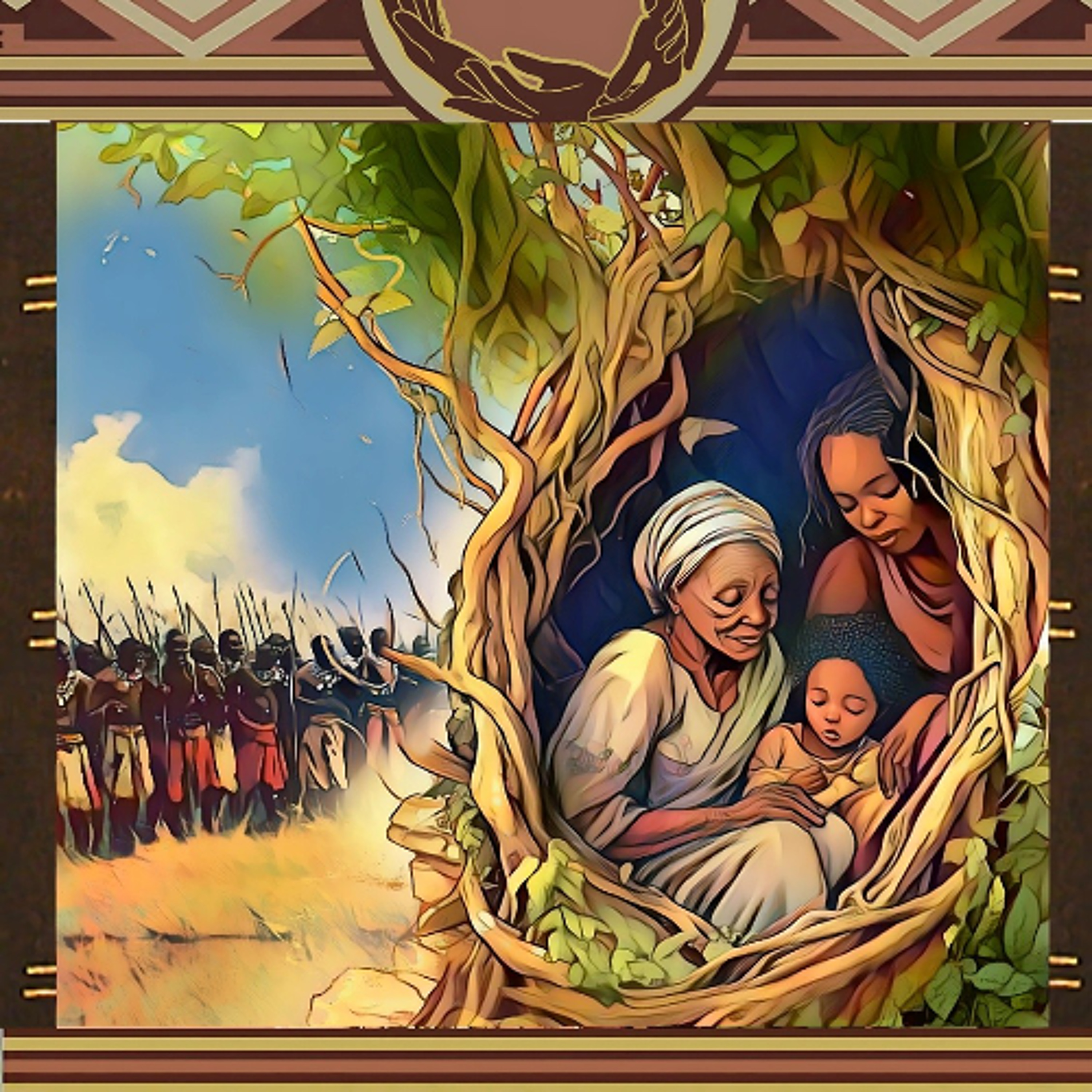
Across Africa, norms regulating the conduct of hostilities long predate the codification of modern international humanitarian law (IHL). The ICRC Tool on African traditions and the preservation of humanity in warfare highlights how many African societies developed rules limiting violence, protecting civilians, and preserving human dignity during conflict. These traditions resonate strongly with contemporary IHL principles and offer important insights for current efforts to protect children affected by armed conflict. At a time when children continue to face killing and maiming, attacks on schools and hospitals, recruitment, displacement, and profound psychological harm, grounding humanitarian protection in both legal obligations and...
We helped individuals while harming persons: what conflict-affected communities deserve beyond beneficiary status
Conflict and displacement do more than destroy homes, livelihoods, and infrastructure. They also fracture the social relationships through which people sustain dignity, identity, and collective life. Yet humanitarian responses often focus primarily on individuals as beneficiaries, measured through categories of vulnerability, targeting, and service delivery. In many conflict settings, this approach can actively erode the communal bonds, local agency, and relational structures that communities themselves rely on to survive and recover. In this post, part of our new series “Delivering for people in an evolving humanitarian landscape”, Eberechukwu Owuamanam, Jesuit scholastic and humanitarian practitioner, draws on experiences from conflict-affected and disa...
Climate resilience is not optional: what people in fragile, urban settings should expect from WASH
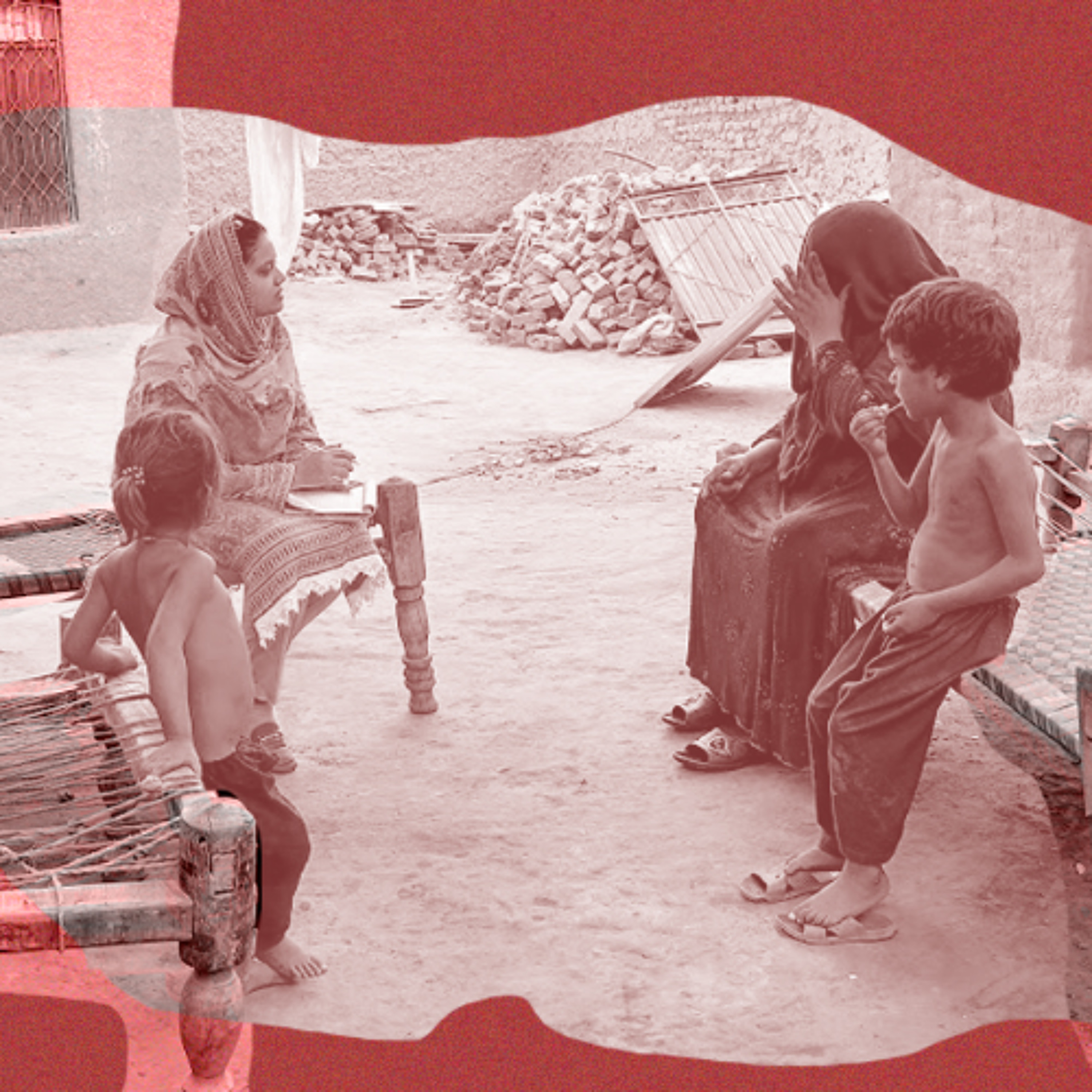
Climate change is intensifying water insecurity in fragile urban settings, where ageing infrastructure, rapid urbanization, and inequality already strain access to essential services. In Peshawar, Pakistan, a city hosting generations of Afghan refugees and facing growing water scarcity, climate pressures have reduced river flow, damaged infrastructure for water, sanitation and hygiene (WASH), and increased waterborne disease. These impacts fall most heavily on refugees, informal settlement residents, and other marginalized communities with limited access to safe and reliable water and sanitation services. In this post, part of our new series “Delivering for people in an evolving humanitarian landscape”, Sundus Tehreem Shahzad Khat...
Life teaches before school does: the invisible curriculum of the super child

Refugee education is often framed in terms of access, infrastructure, and policy – but for children who grow up inside camps, meaningful learning begins long before they enter a classroom. It unfolds in everyday camp life: in caregiving roles, improvised survival strategies, and the small responsibilities that accelerate emotional maturity and practical skill. Imagination, resilience, and daily contribution form an “invisible curriculum” that shapes identity, agency, and social belonging, strengths that formal schooling in many crisis contexts can fail to acknowledge. In this post, the first in our new series “Delivering for people in an evolving humanitarian landscape”, education specialist Sara Aleisseh dr...
Why Africa should act now on explosive weapons in populated areas: Malawi’s case for action
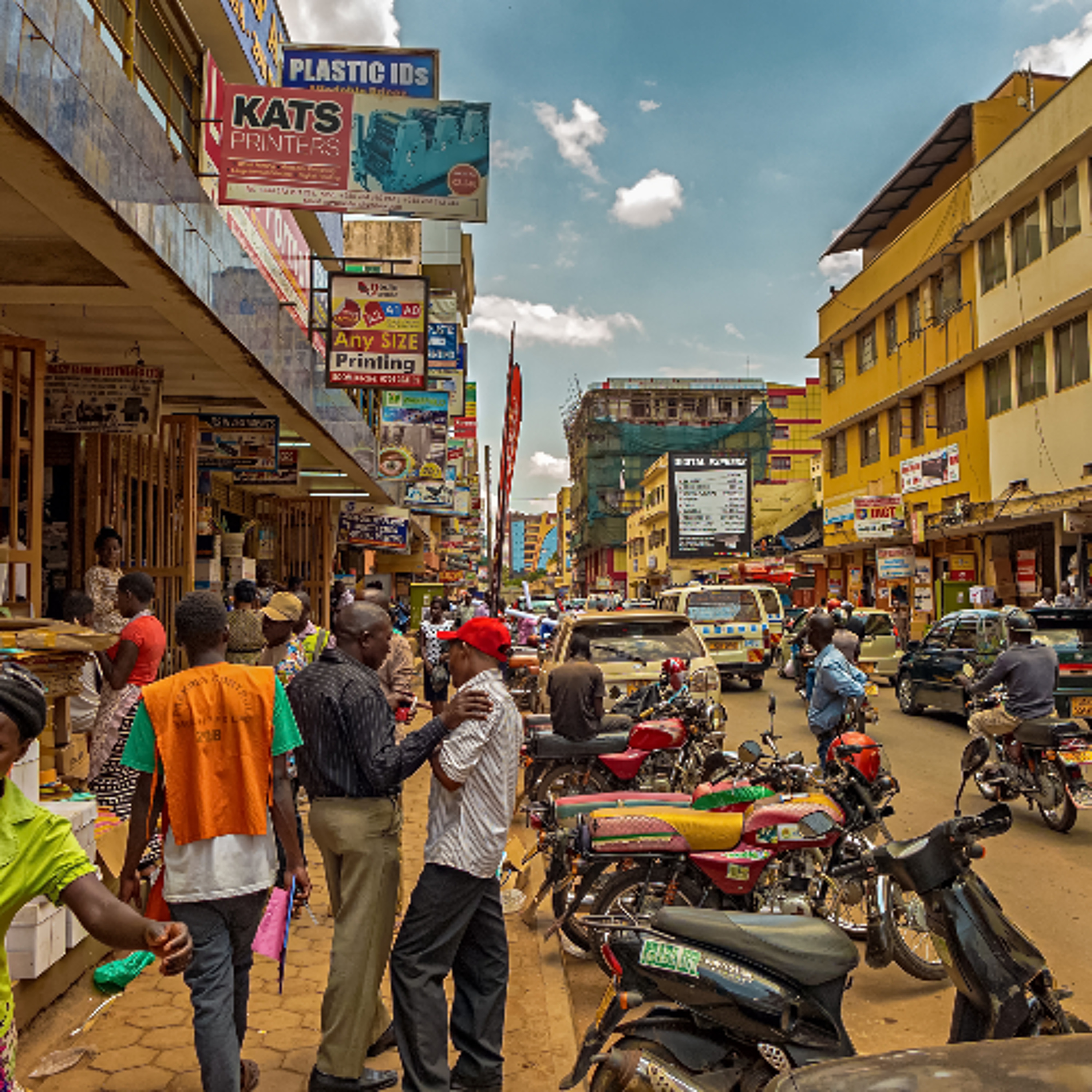
Across contemporary armed conflicts, the use of explosive weapons in populated areas (EWIPA) has emerged as one of the gravest threats to civilians. Urban centres are increasingly sites of hostilities, where the use of explosive weapons with wide-area effects causes devastating and often predictable harm. In Africa, where rapid urbanization intersects with persistent insecurity in several regions, the humanitarian consequences are particularly acute. Civilians, essential infrastructure, and long-term development prospects are all at risk, raising urgent questions about how international humanitarian law (IHL) can be better implemented in practice. In this post, Brigadier General (Professor) Dan Kuwali, Chief Strategist, Commandant-Emeritus...
Collaboration without over-reliance: the role of industry in making military AI "lawful by design"
In the policy debate on artificial intelligence (AI) in the military domain, there is a growing consensus that international humanitarian law (IHL) must be a central consideration in the design of military AI systems. The imperative to make military AI systems “lawful by design” has, naturally, led to a sharper focus on the role of industry. But what this means in practical terms for AI suppliers – and how states can and should collaborate with industry to strengthen IHL compliance – remains an open question. In this post, Laura Bruun and Netta Goussac from the Stockholm International Peace Research Institute (SIPRI) argue that whi...
Three lives, one vision: how Dunant, Demidoff and Abdelkader shaped modern humanitarianism
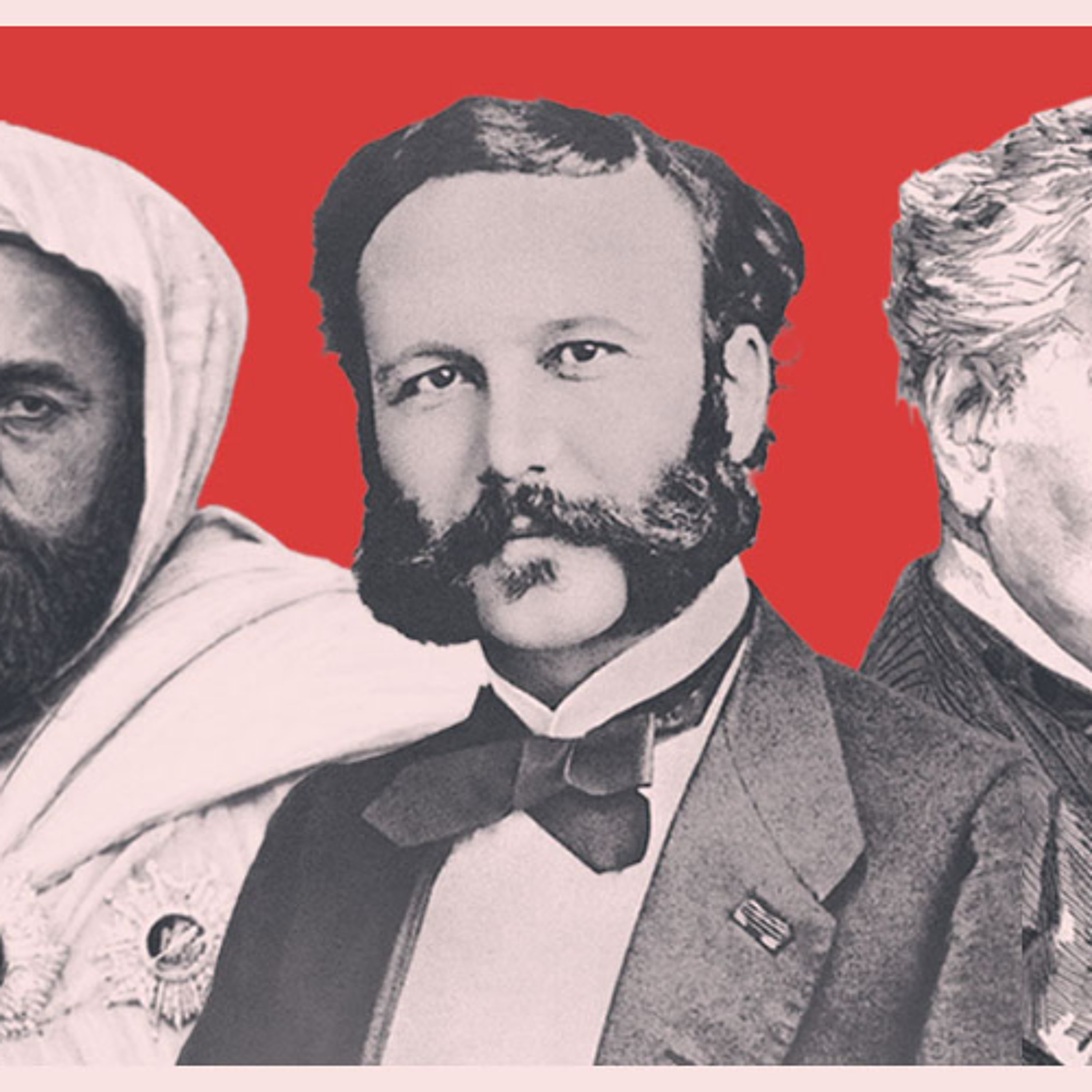
The brutal effects of war have long prompted efforts to limit suffering and preserve humanity in times of conflict. Across cultures, religions, and legal traditions, people have sought to restrain violence and preserve a measure of humanity in conflict. Yet the emergence of modern humanitarianism in the nineteenth century marked a turning point: compassion became increasingly organized, codified, and institutionalized. Against the backdrop of industrialized warfare, technological change, and growing public awareness of battlefield suffering, new forms of humanitarian action began to take shape. In this post, ICRC experts Anastasia Kushleyko, Cédric Cotter, and Ahmed Al-Dawoody revisit the contributions o...
Enforced disappearances: universal responses to a worldwide phenomenon

Enforced disappearances remain an issue of profound seriousness, with lasting consequences for the families of those affected. These realities continue to raise complex legal and practical questions in criminal and human rights law at national, regional, and international levels. This issue remains a priority for UN treaty bodies, Special Procedures, and the International Committee of the Red Cross. In this post, Milica Kolaković-Bojović, PhD, a Former Vice President of the UN Committee on Enforced Disappearances and Prof. Grażyna Baranowska, the Vice-chair of the UN Working Group on Enforced and Involuntary Disappearances, analyse a multidimensional approach to the phenomenon of e...
Lebanon's wartime decision to ban anti-personnel mines
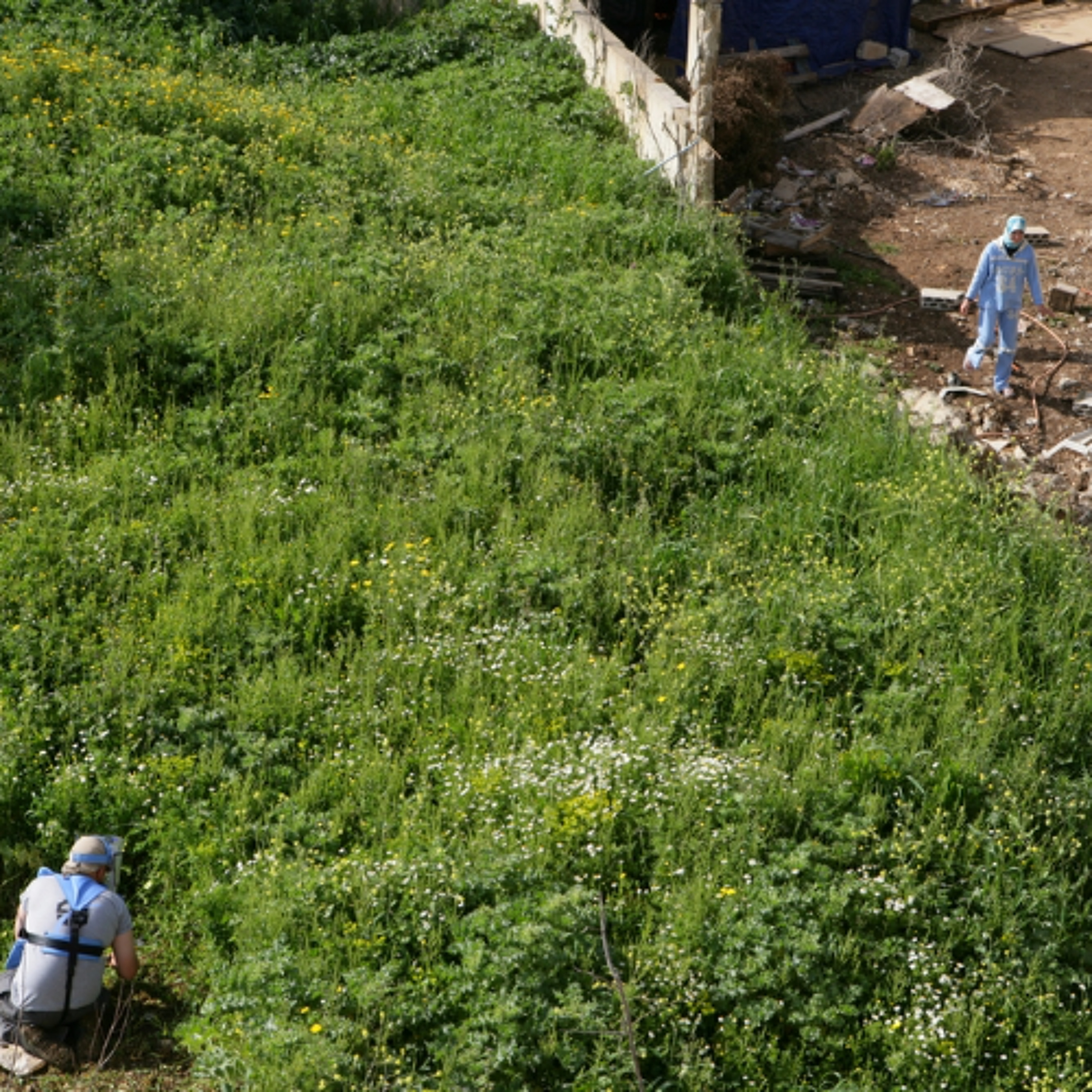
Lebanon’s accession last week to the Anti-Personnel Mine Ban Convention (APMBC) comes not in a time of peace, but amid ongoing conflict – precisely when the consequences of inaction are most visible. In communities across the country, particularly in the south, anti-personnel mines are not relics of past wars, but active threats shaping daily life, obstructing return, and undermining recovery. Lebanon’s decision reflects a stark reality: weapons that continue to harm long after their use cannot be reconciled with the protection of civilians. In this post, Brigadier General Ziad Rizkallah of the Lebanese Army traces how Lebanon’s lived experien...
Attacks on the medical mission: identification of issues and good practices
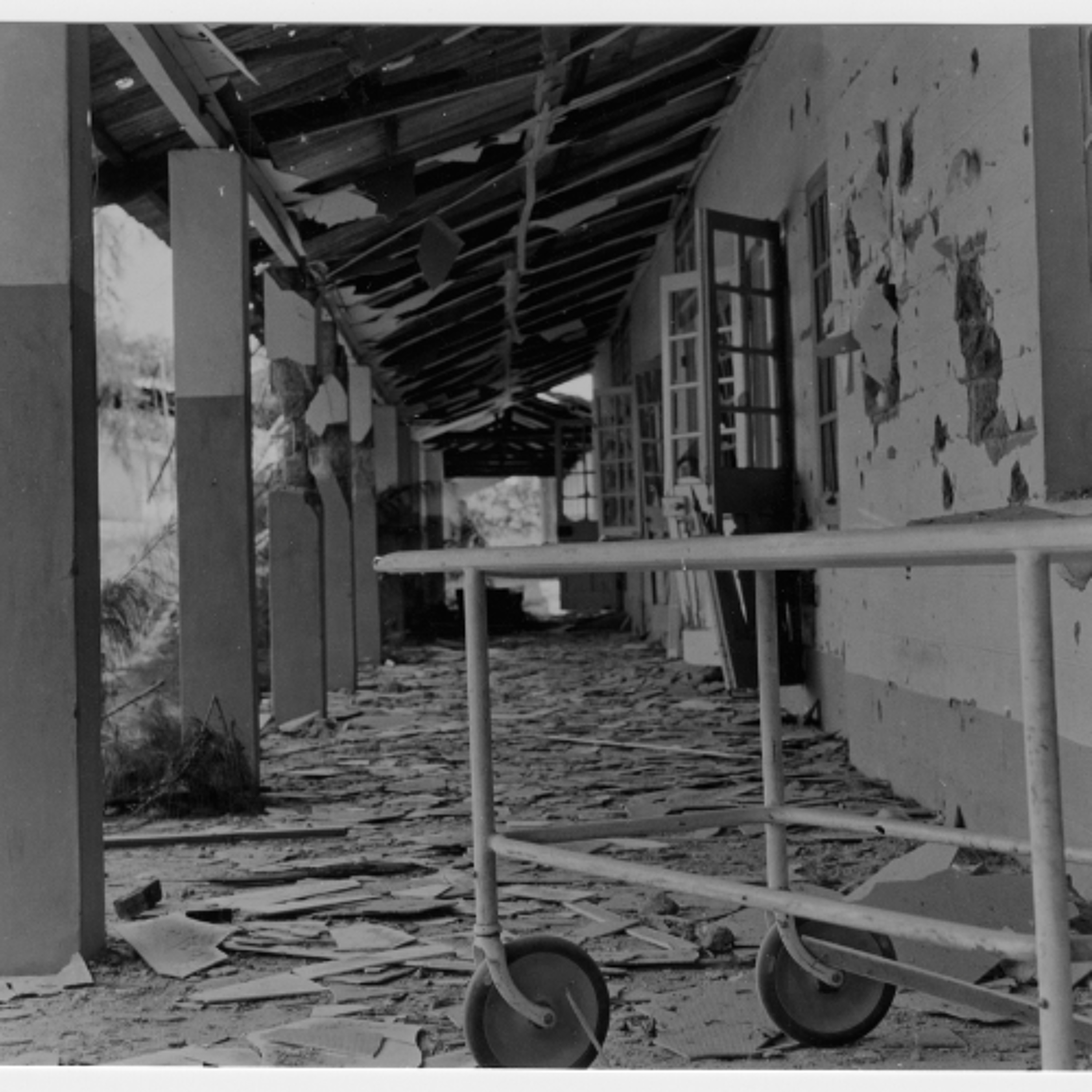
During the last decade, attacks against hospitals have been a hallmark of almost every conflict. What humanitarian medical practitioners have witnessed and denounced for years has become alarmingly routine. International humanitarian law (IHL) is sometimes criticized for failing to protect the very purpose that justified its own existence, particularly when the states responsible for its enforcement remain incapable or unwilling to stand up for the protection of medical facilities in armed conflicts. In this post, Claude Maon, Legal Director for Médecins Sans Frontières (MSF), highlights the need to build consensus around the specific protection of the medical mission un...
Gender (re)balancing: the updated ICRC Commentary on the Fourth Geneva Convention
International humanitarian law (IHL) has long been critiqued for its gendered fault lines, specifically the marginalization of violence and harm to women and girls during armed conflict, laid bare by the lacunae of protection found in the normative content of the Geneva Conventions. The inadequacy of this normative protection finds a parallel in the Pictet Commentary, whose contours reflect patriarchy, entrenched gender stereotypes, and a lack of awareness of, and disregard for, the vulnerabilities, positionalities and participation of women in war. The limitations of the Fourth Geneva Convention (GC IV), in particular, have been substantively explored by feminist scholars over...
Upholding IHL protections against the risks of ICT activities in armed conflict
Across the world, essential civilian services increasingly depend on information and communication technologies (ICTs). These same technologies are also reshaping the conduct of armed conflict. As warfare becomes more digitalized, a critical question emerges: how can civilians be protected in an interconnected battlespace? Ensuring the faithful implementation of international humanitarian law in relation to ICT activities is central to this challenge. In this post, Wen Zhou, ICRC Legal Adviser with the Global Initiative to Galvanize Political Commitment to International Humanitarian Law (Global IHL Initiative), draws on discussions under the ICT workstream of the Initiative to highlight key humanitarian and legal...
Complying with IHL in large-scale conflicts: movement, mass displacement and family links
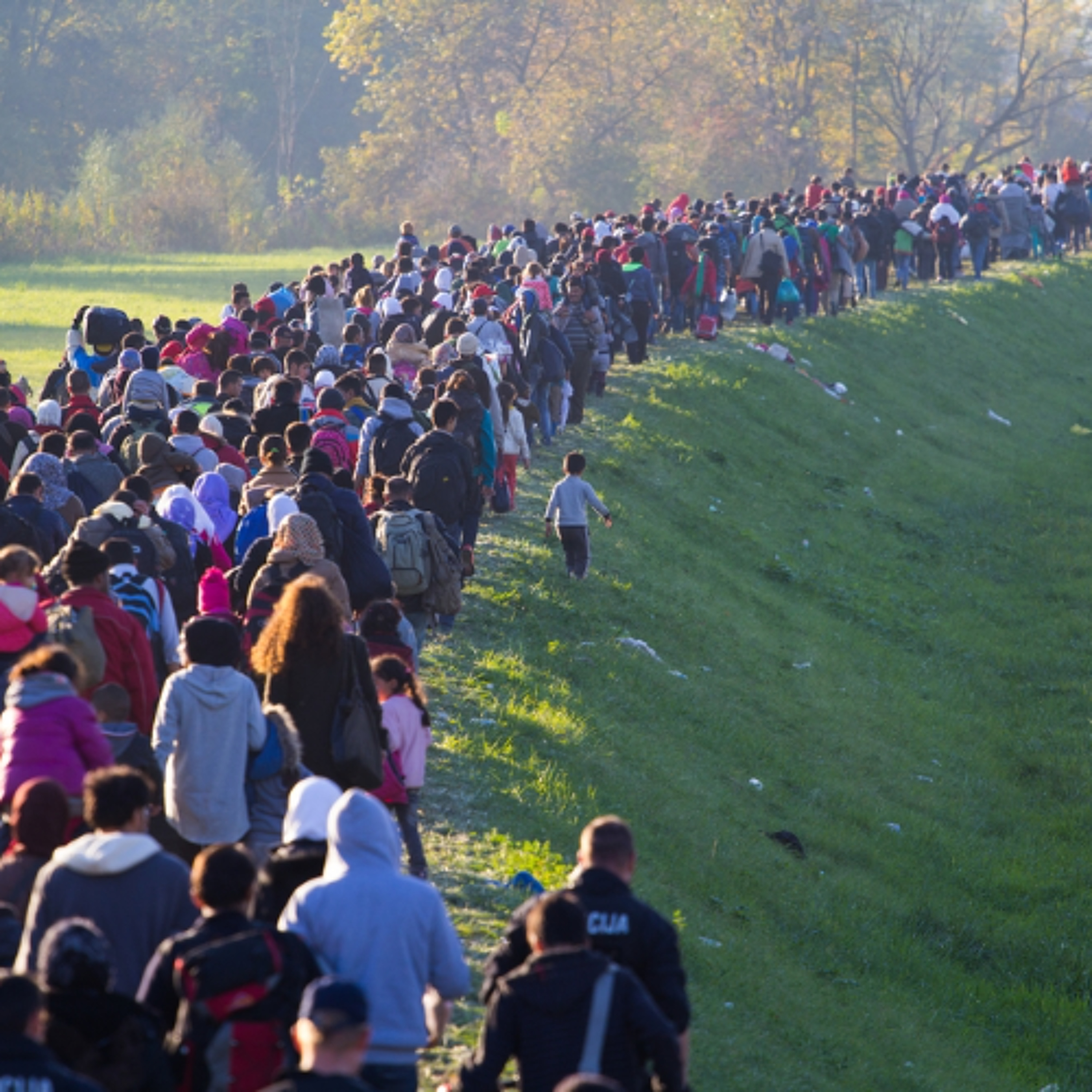
By the end of 2024, the Office of the United Nations High Commissioner for Refugees estimated that 123.2 million people worldwide were forcibly displaced as a result of persecution, conflict, violence, human rights violations and events seriously disturbing public order. If a large-scale conflict erupts, the intensity, scale and tempo of military operations will only worsen this trend, impacting not only those displaced but also receiving communities, and potentially those staying behind. International humanitarian law’s (IHL) rules seek to prevent displacement due to armed conflict – while respecting people’s agency and genuine will to move – and to reduce harms to civilians, includin...
Why Nordic governments must uphold the global ban on anti-personnel mines
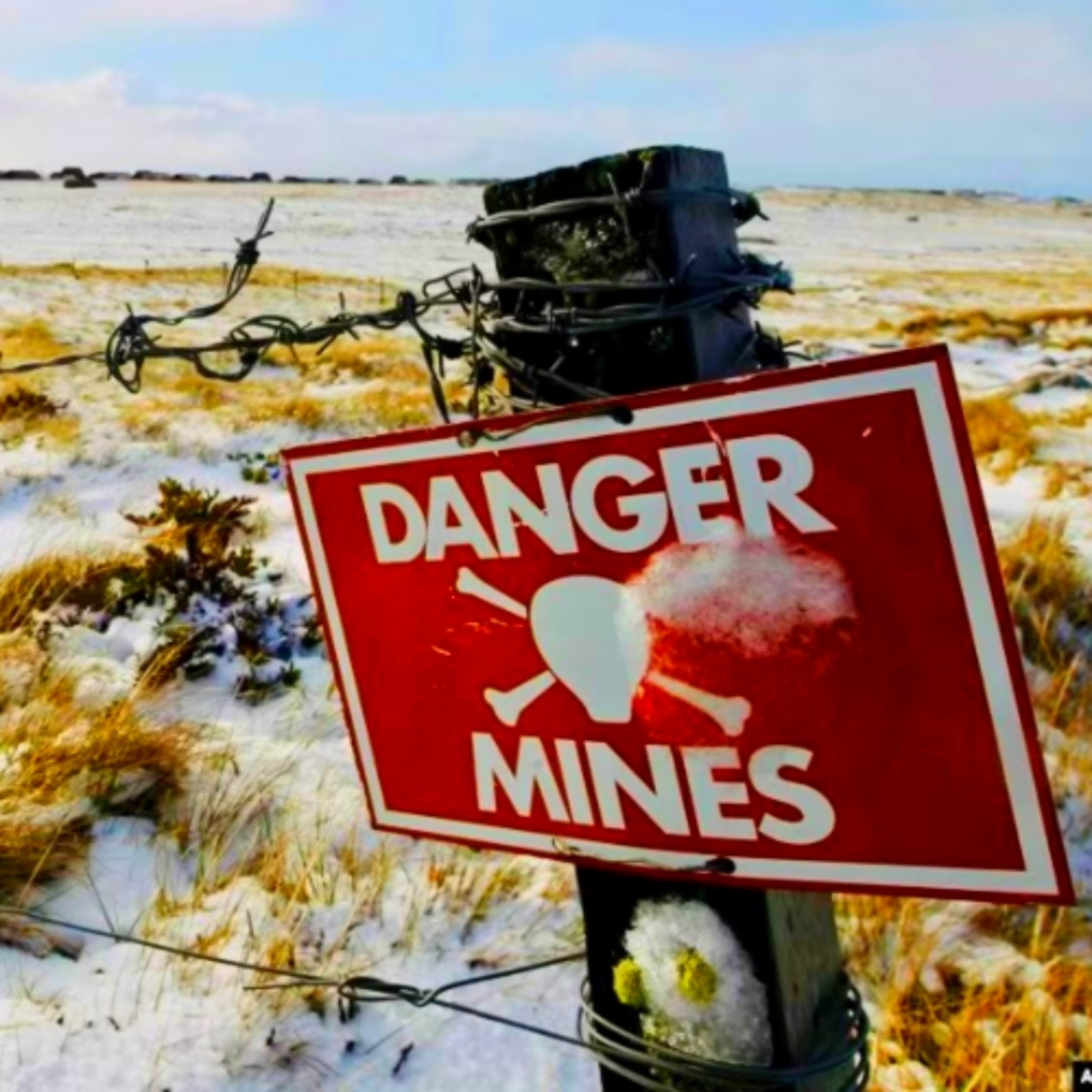
As security concerns intensify across Europe following the escalation of the international armed conflict between Russia and Ukraine in 2022, several states – including Finland, Poland, and the Baltic countries – have moved to withdraw from the Anti-Personnel Mine Ban Convention (APMBC), while similar calls have emerged in other Nordic countries. These developments reflect a growing perception that existing humanitarian disarmament commitments may constrain military effectiveness in a deteriorating security environment. Yet they also raise fundamental questions about the continued relevance of these commitments at a time when they are most needed. In this post, the Secretaries-General of the Danish, Finnish, Norwegian and Swed...
Restoring education after armed conflict: an IHL-guided framework
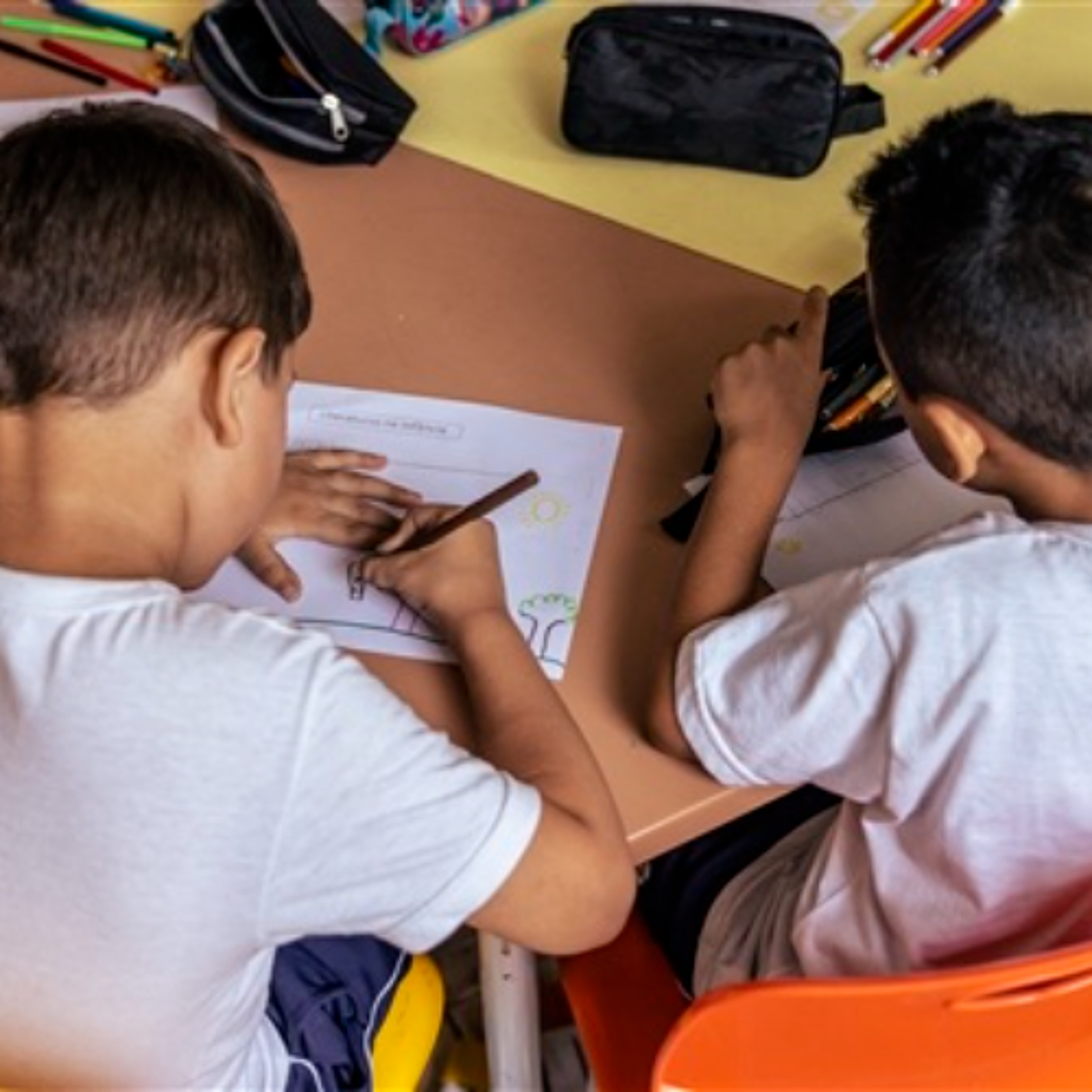
When armed conflict ends, education does not always return with it. In many post-conflict settings, schools remain closed long after ceasefires, while children stay at home, enter work, remain displaced or navigate unsafe environments. Education systems remain constrained by destroyed infrastructure, militarization, unexploded ordnance, trauma and fear. Although international humanitarian law (IHL) and international human rights law (IHRL) require the continuity of education even during armed conflict, schooling is frequently disrupted in practice, raising questions about how education can be safely restored after conflict. IHL regulates the conduct of hostilities and contains important protections for children and access to education...
When the perpetrator is the climate
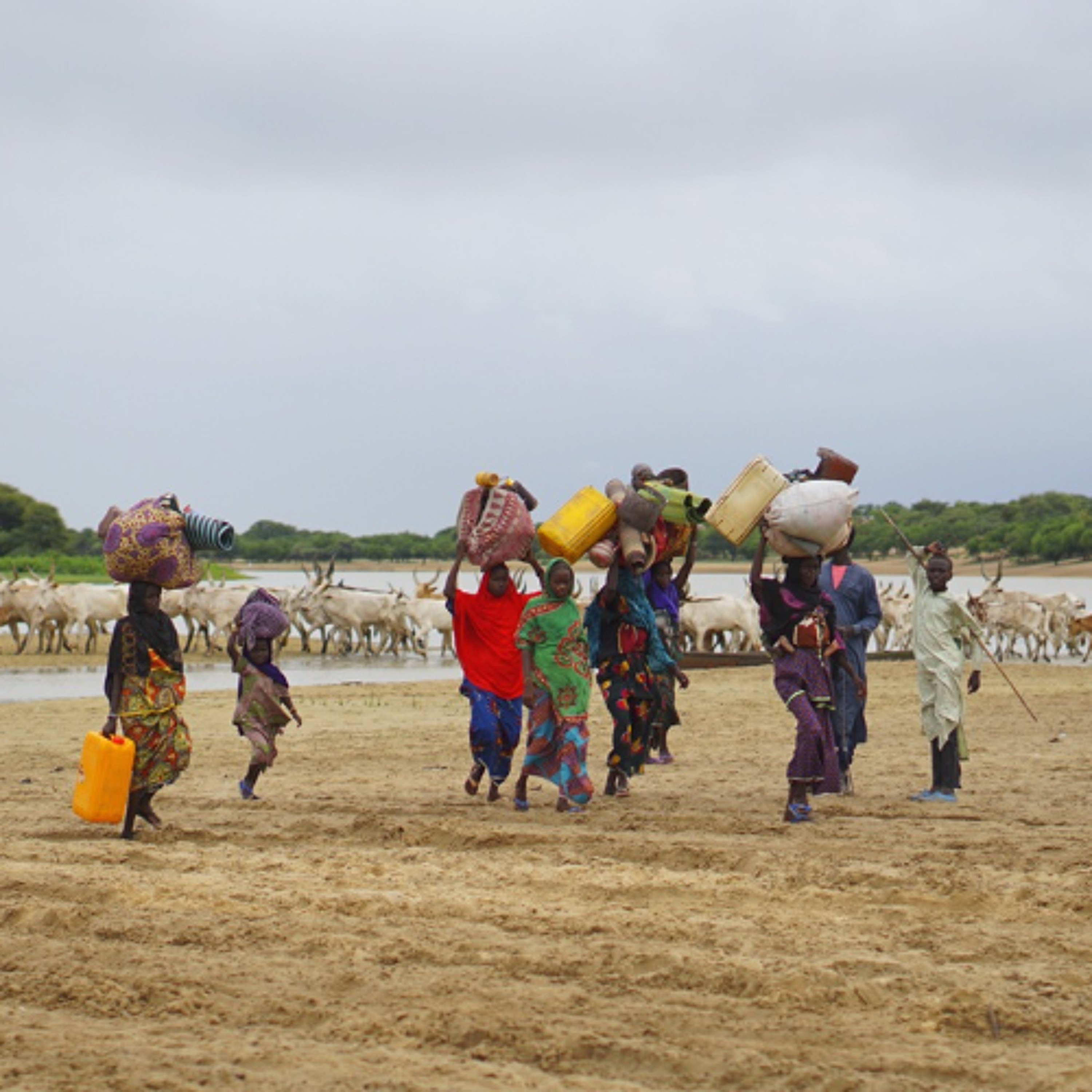
Climate change and armed conflict increasingly intersect in humanitarian settings. While the sector is now alert to climate-related risks – particularly in disaster response, resilience programming, and displacement governance – the ways these risks are interpreted and operationalized vary across institutional mandates and operational contexts. In protection practice within conflict-affected settings, climate impacts are still often framed primarily as “conflict multipliers” rather than direct drivers of civilian harm. This narrow lens risks overlooking the very insecurities communities experience most acutely: displacement, restricted movement, isolation, and livelihood collapse. In this post, researcher and former ICRC delegate Lina Aburas argues that our current conflict-centered analysis...
Deciding under algorithms: artificial intelligence and the protection of civilian infrastructure in armed conflict

Artificial intelligence (AI)-based decision-support systems are increasingly embedded upstream of the use of force, shaping how military actors plan attacks, assessing effects, and anticipating harm. In contemporary urban warfare, where civilian infrastructure forms complex and deeply interconnected systems, these tools are increasingly used to guide decisions with far-reaching humanitarian consequences. This raises critical questions for international humanitarian law (IHL), which requires parties to anticipate and mitigate foreseeable civilian harm when applying the principles of proportionality and precaution, including indirect, cumulative and systemic effects on civilian infrastructure. In this post, independent legal researcher Yéelen Marie Geairon argues that while A...
Engaging non-state armed groups on the protection of missing people and their families
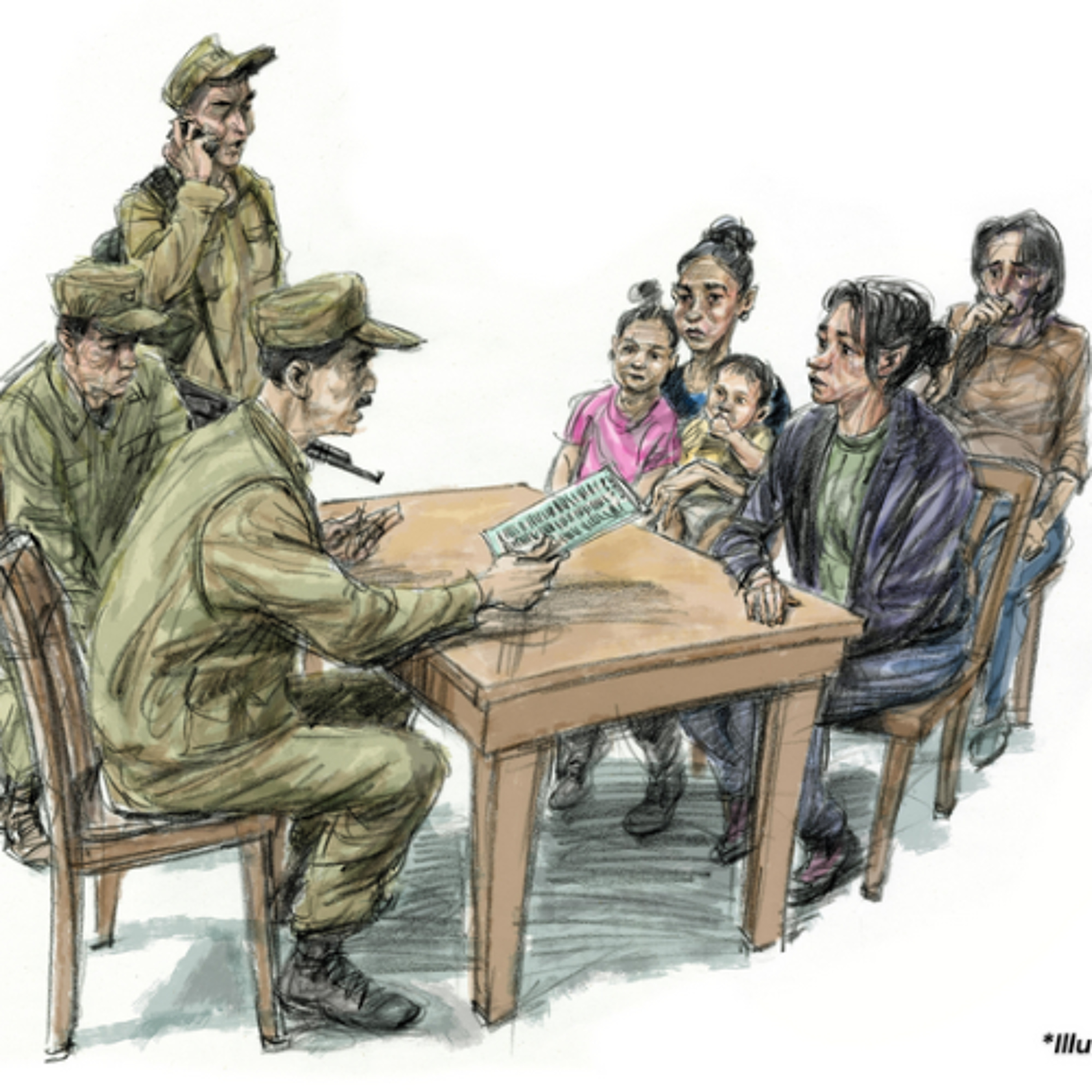
The ICRC continues to witness unacceptable levels of suffering when the law designed to protect families, prevent people from going missing, and ensure the dignified and respectful treatment of the dead is disregarded. At the same time, we have also documented countless, daily efforts by parties to armed conflict to prevent family separation, clarify the fate and whereabouts of missing people, and treat the dead with dignity and respect. This is a humanitarian imperative, a legal obligation that should be a priority of any party to an armed conflict. In this post, ICRC Legal Advisers Tilman Rodenhäuser and Ximena L...
The adoption of the 1949 Geneva Conventions: a humanitarian break and colonial continuity
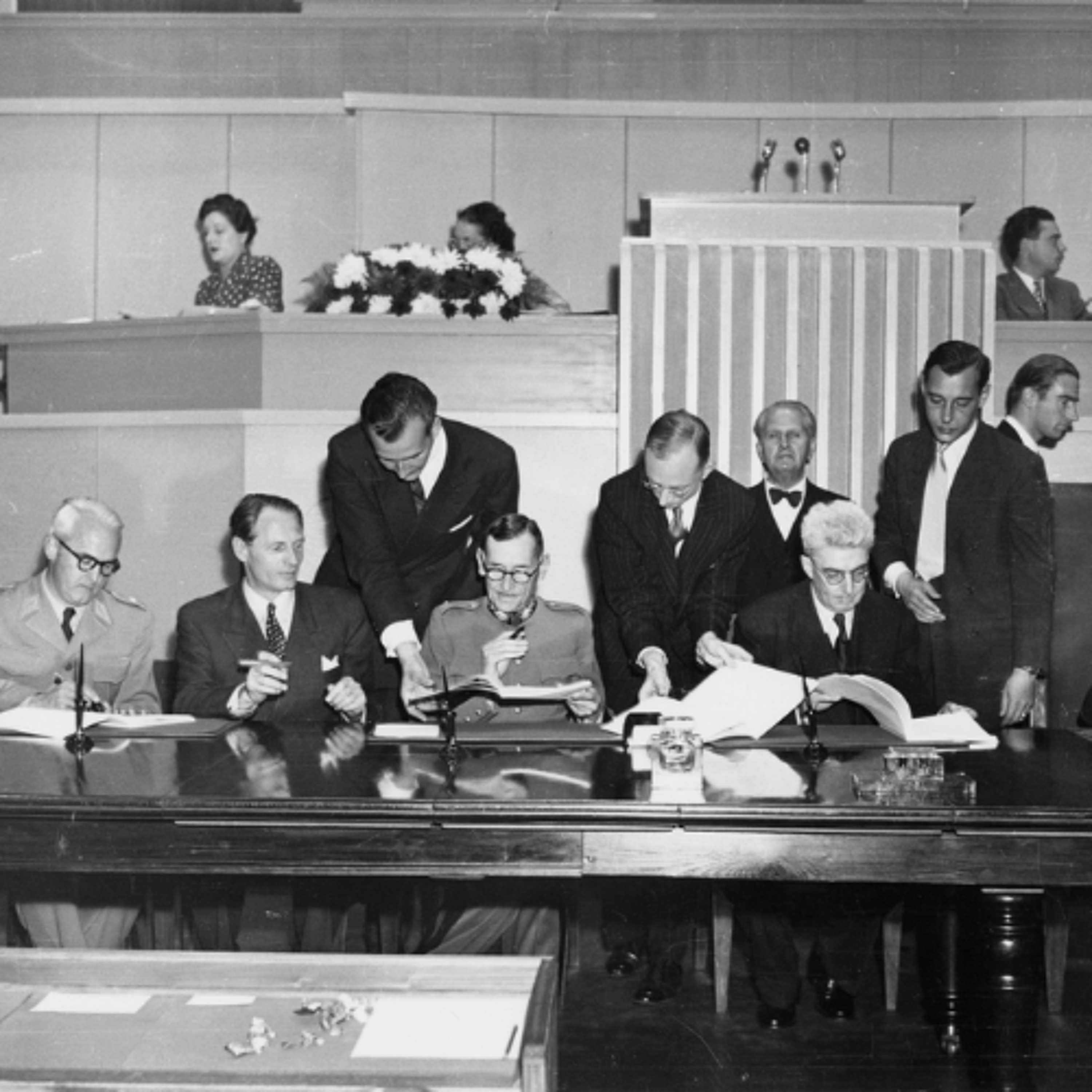
More than seven decades after their adoption, the four Geneva Conventions of 1949 remain foundational to contemporary international humanitarian law (IHL). Efforts to update their Commentaries testify to both the resilience of the Geneva Conventions and their enduring relevance in modern armed conflicts. Yet the story of their making is inseparable from the longer history of the law of armed conflict, which developed in the late nineteenth century within a deeply hierarchical international legal order. From the perspective of colonized states and territories, that history reveals a persistent divide between European and non-European worlds, a divide that shaped not only general...
Islamic law and the right to life in armed conflict
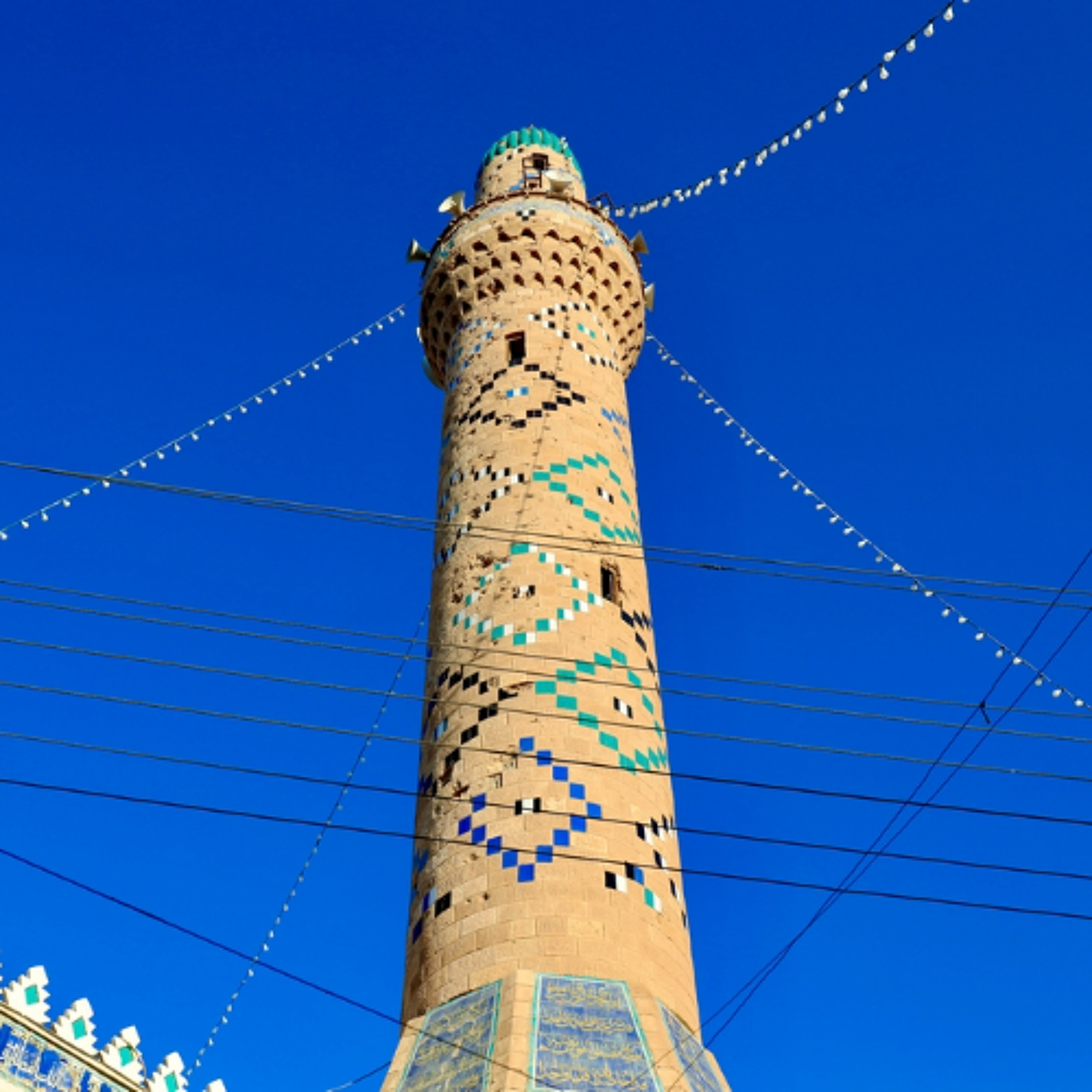
Islamic legal traditions and the modern framework of international humanitarian law (IHL) emerged from different contexts and traditions, but they share many underlying values – such as restraint, humanity, and the protection of those not (or no longer) participating in hostilities. Islamic law therefore offers a distinct but complementary perspective to IHL on the sanctity of life (ḥurmat al-nafs), particularly in contexts where international legal frameworks lack traction, understanding, or perceived legitimacy. In this post, and as part of our Emerging Voices series, legal researcher Alannah Travers explores how Islamic law, as its own coherent and longstanding legal tradition, offers a para...
“If it ain’t broke, don’t fix it”: the ICRC’s approach to Common Article 3 in its updated Commentary
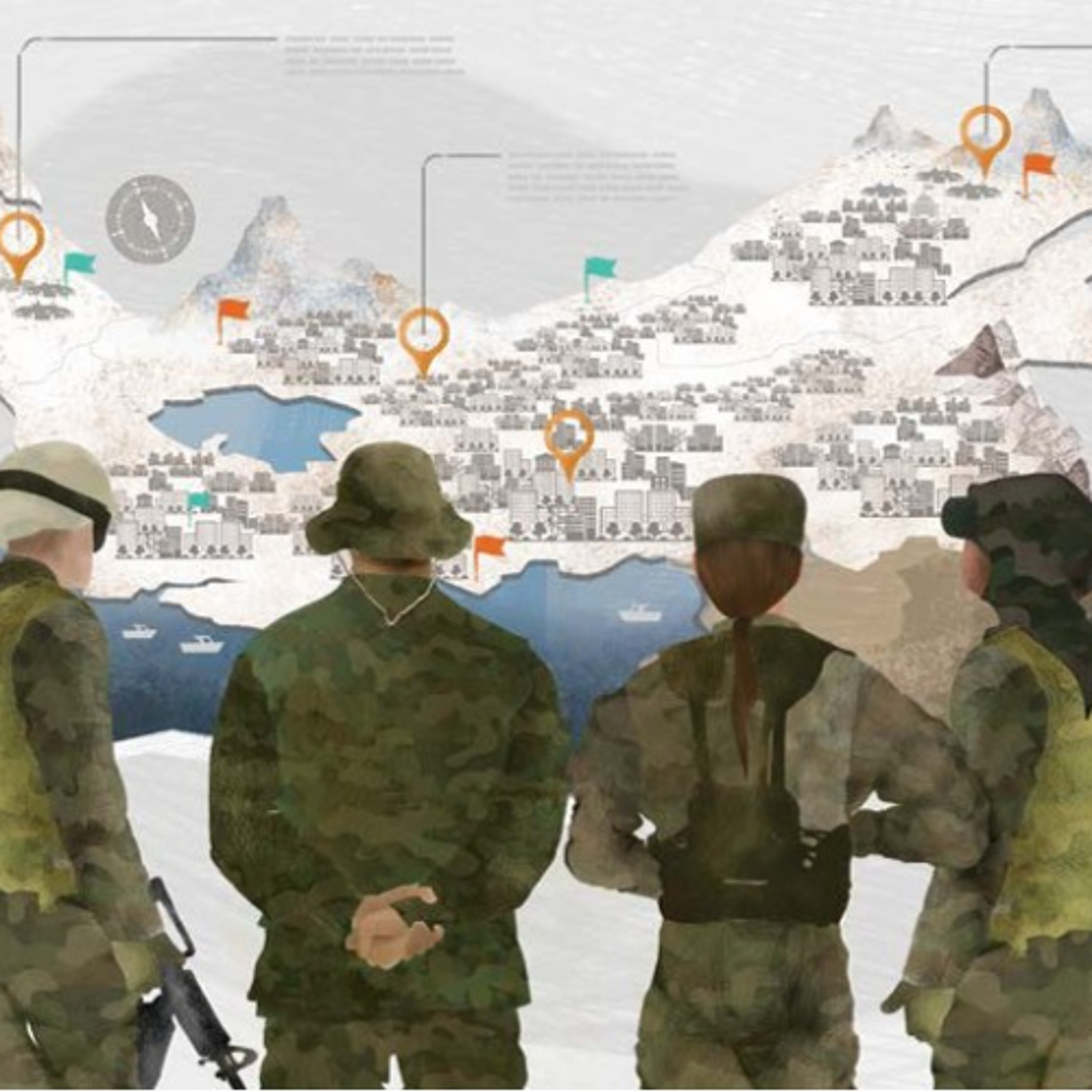
The updated ICRC Commentary on the Fourth Geneva Convention (GC IV) includes a number of important updates to its treatment of Common Article 3 (CA3). These relate primarily to three areas: the treatment of coalitions in non-international armed conflict (NIAC); the provision of support by one party to another; and questions of gender and the treatment of other marginalized groups. In this post – part of a joint blog symposium on the updated GC IV Commentary with EJIL: Talk! and Just Security – Associate Professor Katharine Fortin examines these developments, highlighting their significance and strengths while also pointing to areas that may warrant furt...
