Everyday Environment Podcast
Everyday Environment delves into the intricate web of connections that bind us to the natural world. From water, air, energy, plants, and animals to the complex interactions within these elements, we aim to unravel the ties that link us to our environment. Through a variety of educational formats, including podcasts, blogs, and videos, we strive to foster a deeper understanding of these connections among the residents of Illinois. Explore more at go.illinois.edu/everydayenvironment. Hosted by: Abigail Garofalo, Amy Lefringhouse, and Erin Garrett
A case study in invasive species management: Emiquon Preserve with Dr. Maria Lemke
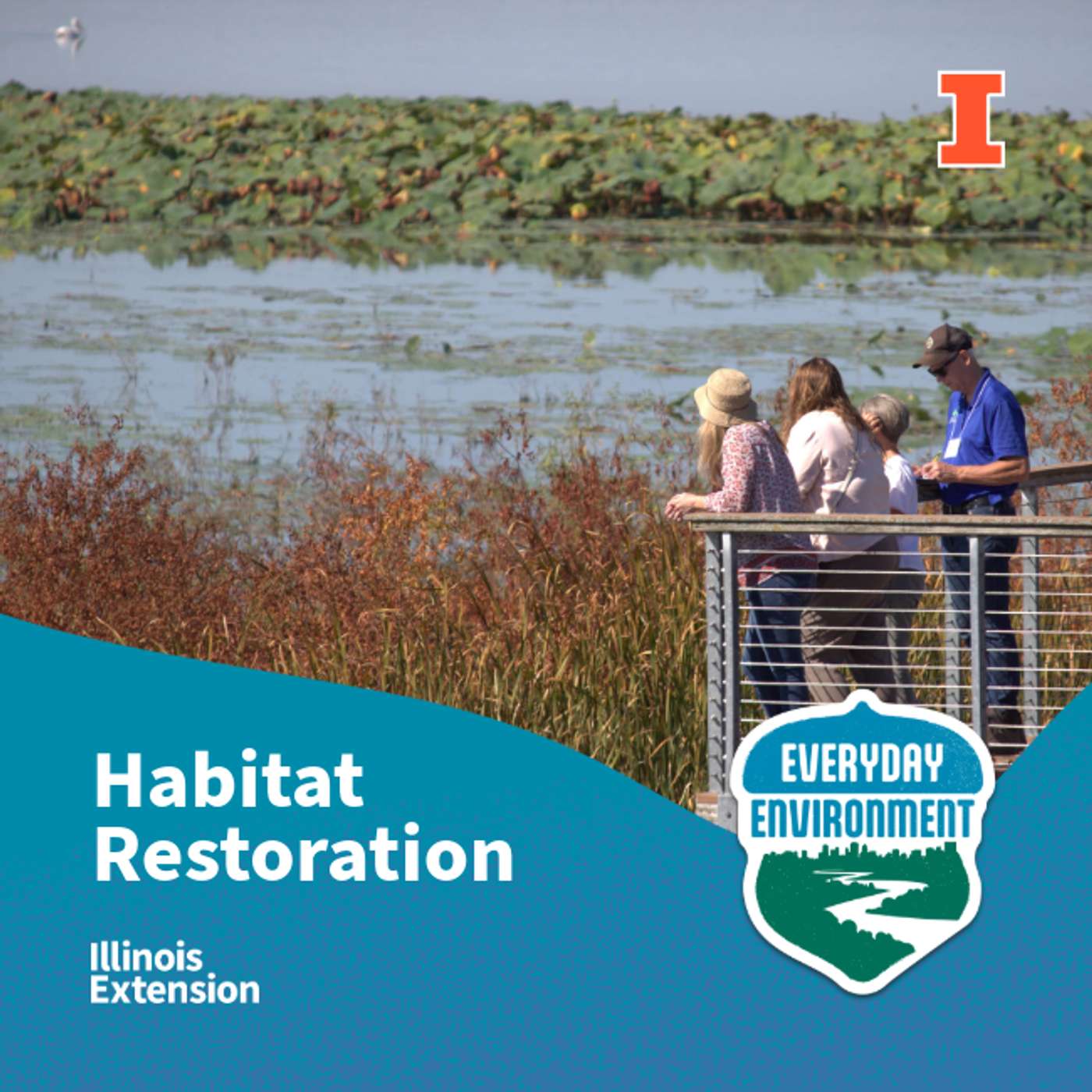
After decades of draining the land for agriculture, restoring water to The Nature Conservancy’s Emiquon Preserve helped recreate high quality wetland, lake, and marsh habitats that were once common along the Illinois River. Maintaining these high-quality habitats requires monitoring and effectively managing invasive species. This episode's discussion will focus primarily on our efforts to better understand and manage the common carp population at Emiquon to reduce negative impacts on water quality and vegetative habitats.
Resources mentioned:
Emiquon PreserveRamsar sitesEmiquon Preserve Monitoring at Forbes Biological StationShare your own Everyday Observation
Was there som...
Mushroom minute: a look at the invasive golden oyster mushroom with Aishwarya Veerabahu
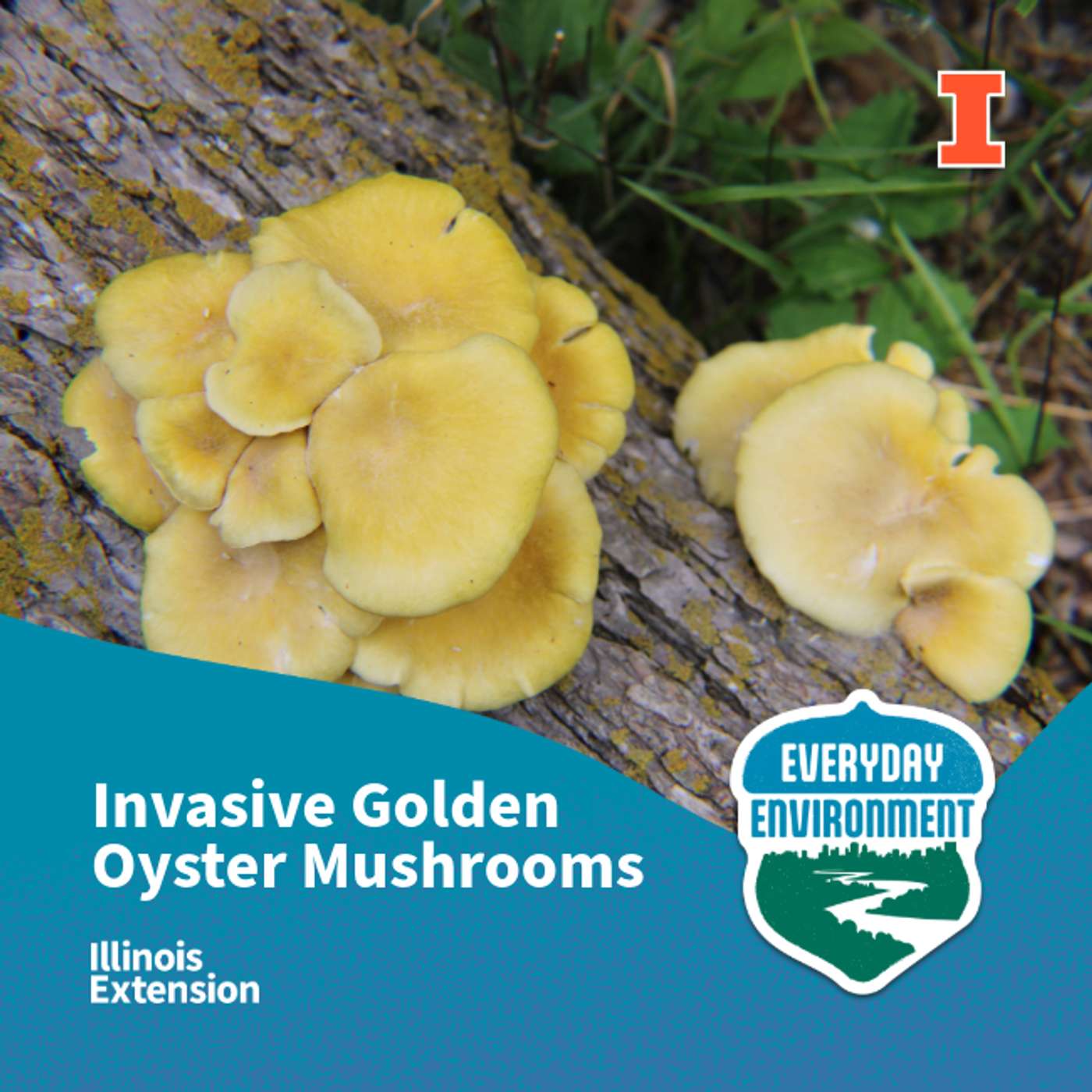
Abigail and Amy chat with Aishwarya Veerabahu, a mycologist and PhD candidate at the University of Wisconsin-Madison. She enlightens us with the issues surrounding the golden oyster mushroom, a representative of the fungi kingdom , one kingdom we haven't discussed. We explore the rapid spread of the golden oyster mushroom across eastern North America, what happens when an invasive fungus moves into native woodland ecosystems, and why mushrooms growing on dead trees can tell us a lot about forest health. Plus, we somehow end up debating the difference between a rock pigeon and a mourning dove, so, bird experts we n...
Carrying a shield against invasive carp with Steven Butler
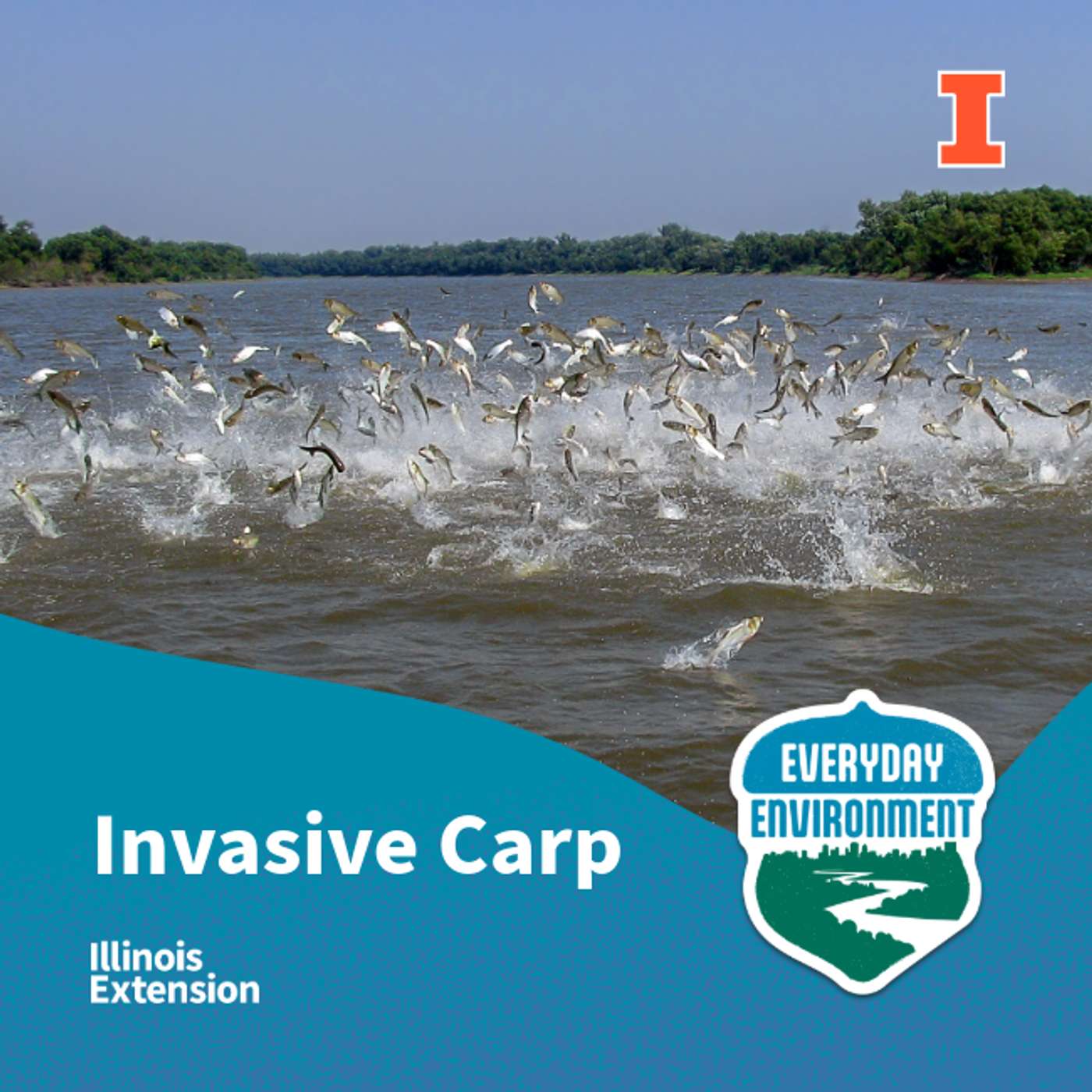
Join Steve Butler, Biologist at the Kaskaskia Biological Field Station, as he discusses invasive carp (silver carp, bighead carp, grass carp, and black carp) and their reproducing populations throughout much of the Mississippi River basin. This set of fish have altered the structure and function of aquatic food webs, thereby impacting native fish assemblages. Due to concerns about the impacts of invasive carp on aquatic ecosystems and the risks of these species spreading into the Great Lakes via the Illinois River and the Chicago Area Waterway System, considerable efforts have been undertaken to understand the ecology of these invasive f...
Ornamental plants on the move: who is escaping from your garden with Theresa Culley
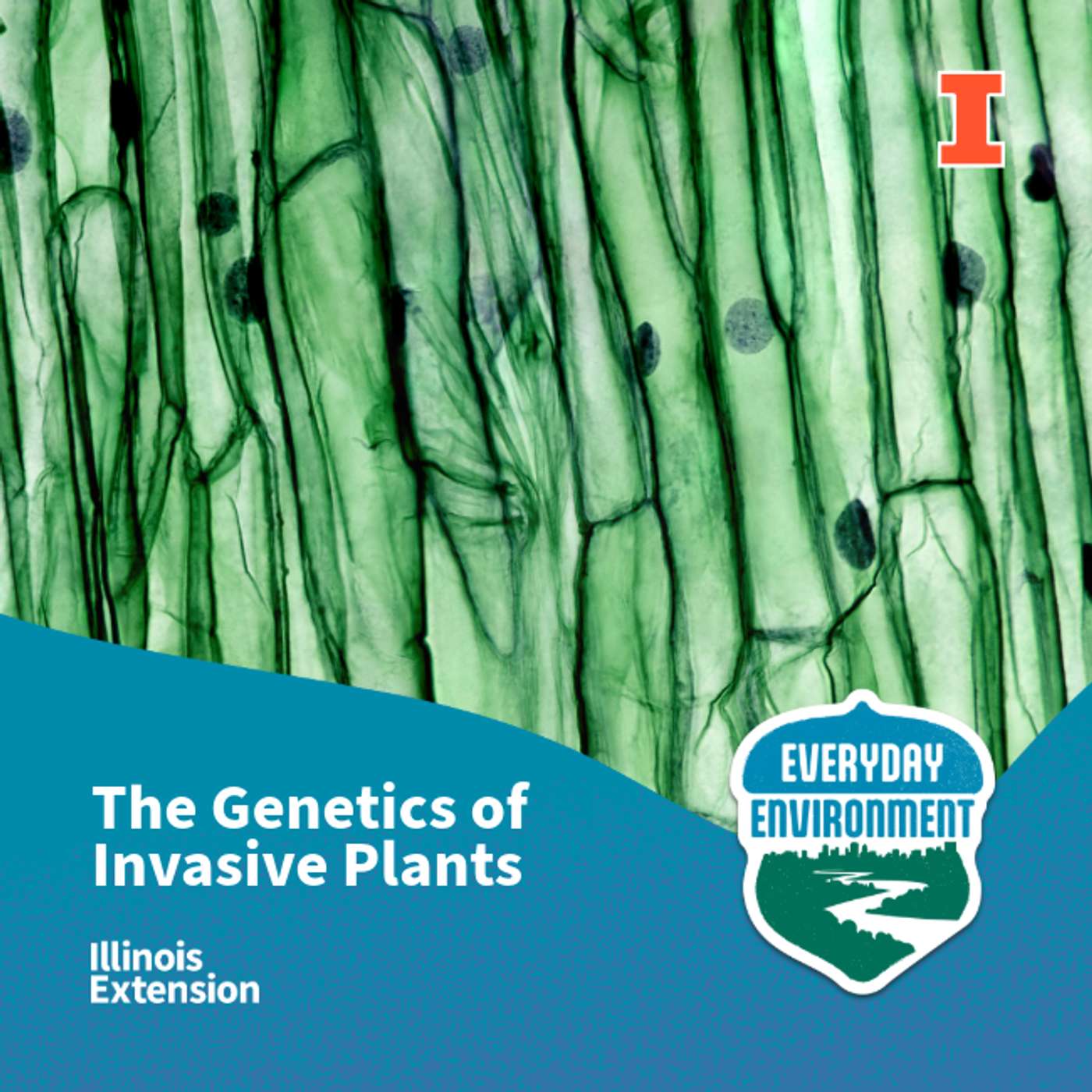
Join us as we chat with Dr. Theresa Culley, a genetic researcher from the University of Cincinnati. We discuss the genetics of invasives and how genetics helps solve the puzzle of how different invasive species have escaped from managed spaces. Discover the stories of buckthorn, wintercreeper, Callery pear and much more. Listen to Erin and Abigail's minds be blown by the diversity of genetic options for "escape."
Share your own Everyday Observation
Was there something about this topic we didn’t cover? See something cool in nature? Let us know! Send us your question or sh...
Protecting ag commodities, ecosystems and urban environments from invasive pests: the CAPS program with Kelly Estes
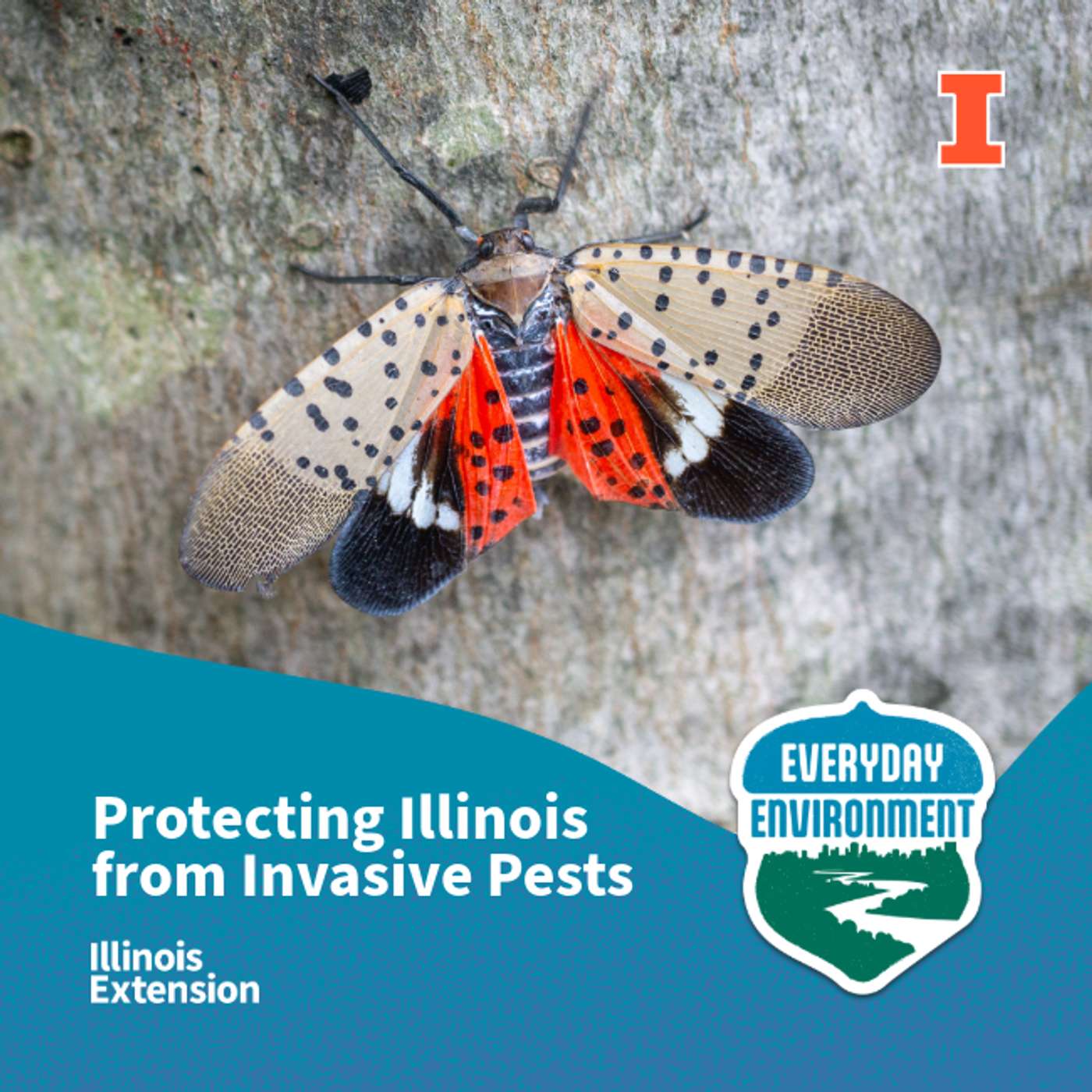
During this episode of Everyday Environment, hosts Amy and Erin chat with Kelly Estes from the Illinois Cooperative Agricultural Pest Survey. We learn about how the CAPS program works and surveys for invasive pests in our state.
Resources
IL CAPS programPest TrackerShare your own Everyday Observation
Was there something about this topic we didn’t cover? See something cool in nature? Let us know! Send us your question or share your everyday nature observation with us at go.illinois.edu/EEconnect, and we may share it in a future blog or podcast.
...Tree check! Spotting invasive pests early with Tricia Bethke
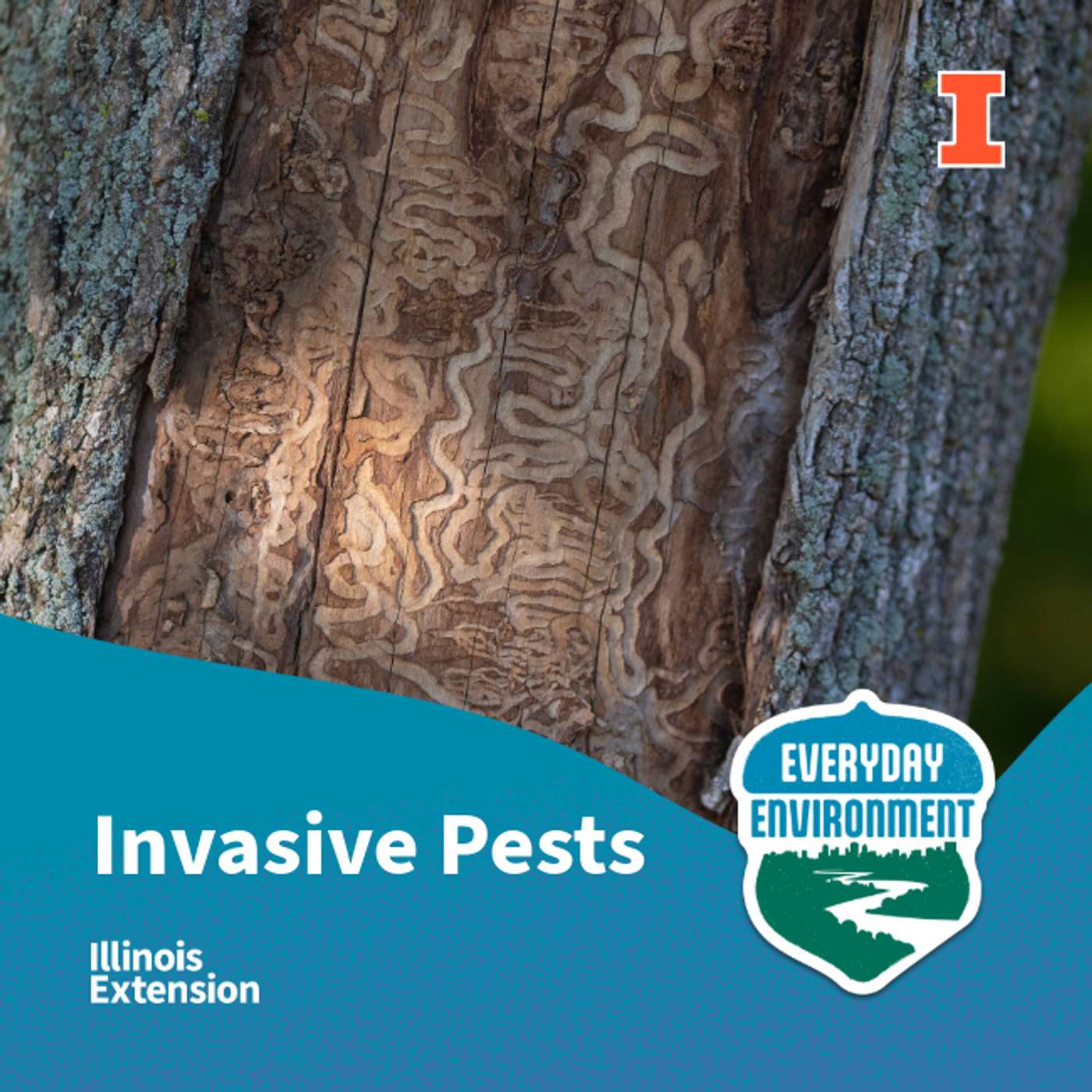
Everyday Environment talks with Tricia Bethke, Illinois’ Forest Pest Outreach Coordinator, about the growing threat of invasive pests. We explore how these pests are impacting our forests, what a “tree check” looks like, and which warning signs to watch for in your own yard and community.
Learn More
Invasive insectsSpotted Lanternfly reporting via email: lanterfly@illinois.eduElm zigzag sawflyShare your own Everyday Observation
Was there something about this topic we didn’t cover? See something cool in nature? Let us know! Send us your question or share your everyday nature observation with us at go...
When good plants go bad: invasives in the home landscape with Chris Enroth
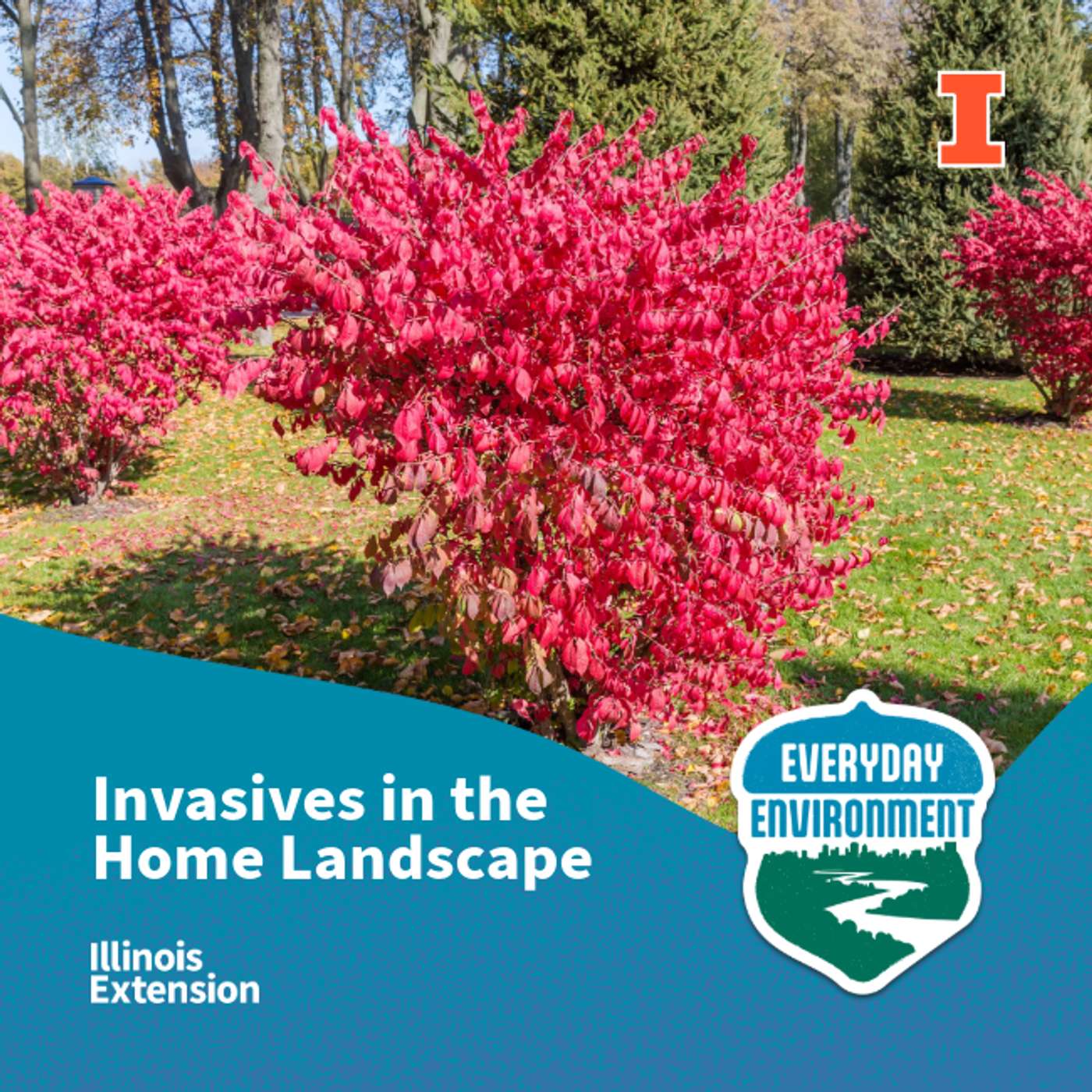
Listen in on our chat with Chris Enroth, fellow Illinois Extension Horticulture Educator and also co-host of the Good Growing podcast, about invasives in the home landscape. We discuss the challenge of plants that are not listed on regulation lists, how to tackle invasives without getting overwhelmed, replacement species, and Chris's favorite butterfly!
Learn More
Share your own Everyday Observation
Was there something about this topic...
Looking back to move forward: using historical data to understand invasions with TJ Benson
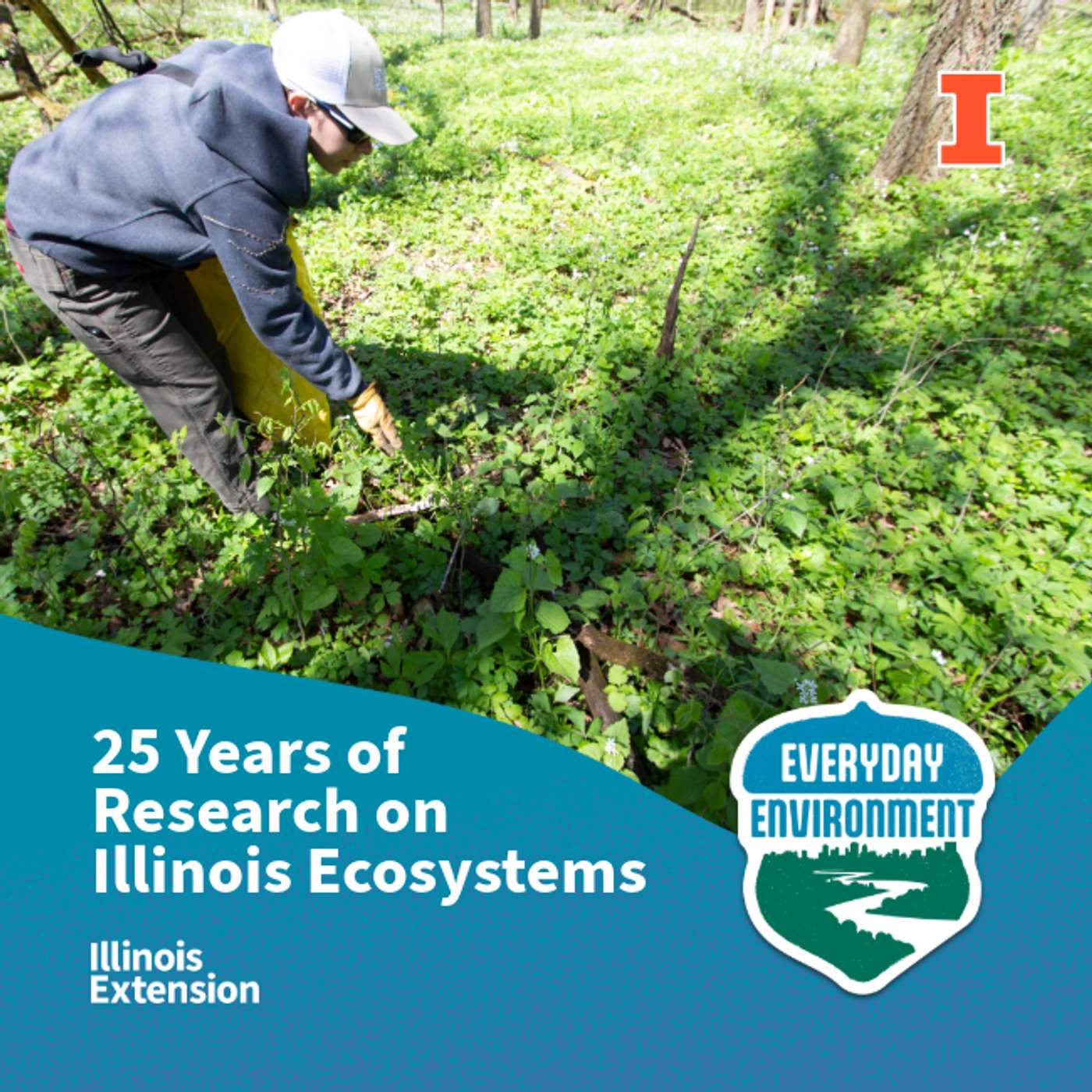
This week we welcome TJ Benson from the Illinois Natural History Survey to talk about the Critical Trends Assessment Program (CTAP), and how data collected can teach us how invasions have changed plant and animal communities in Illinois.
Share your own Everyday Observation
Was there something about this topic we didn’t cover? See something cool in nature? Let us know! Send us your question or share your everyday nature observation with us at go.illinois.edu/EEconnect, and we may share it in a future blog or podcast.
Questions? We'd love to...
Wading through the data: understanding EDDMapS, a leader in invasive species mapping with Rebekah Wallace
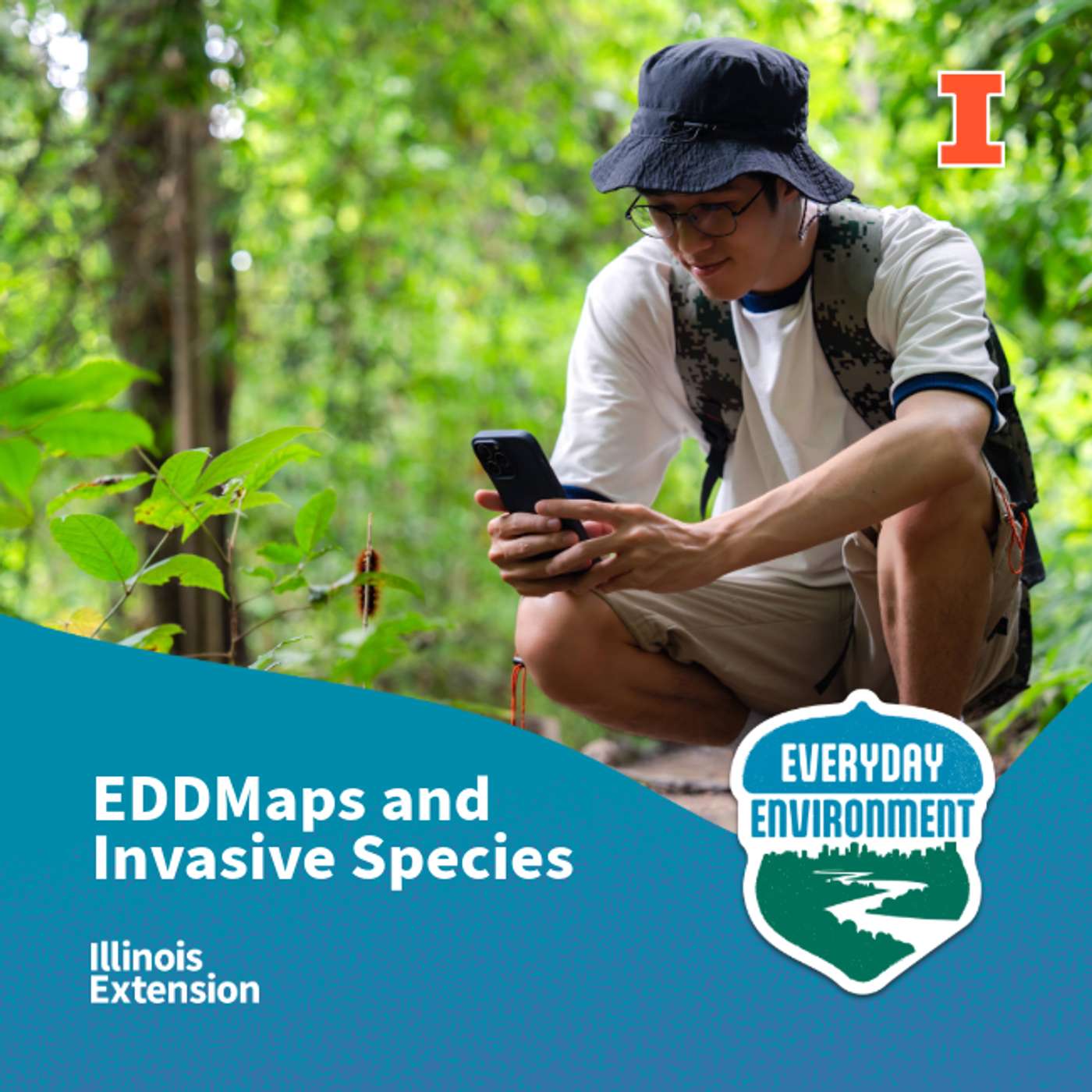
This week on Everyday Environment we chat with Rebekah Wallace out of the University of Georgia. Rebekah is the coordinator for EDDMapS, a platform used by the general public and professionals alike for invasive, pest, and biocontrol species reporting and distribution monitoring. For 20 years, this platform has worked with partners across the US and Canada to develop tools to help aggregate distribution data, educate the public on invasive species, document management efforts, anticipate spread, and more. Learn about the fascinating ways that this tool can help with invasive species management on the ground.
Resources
EDDMapSLearn more...Early detection in public gardens with Michelle Beloskur
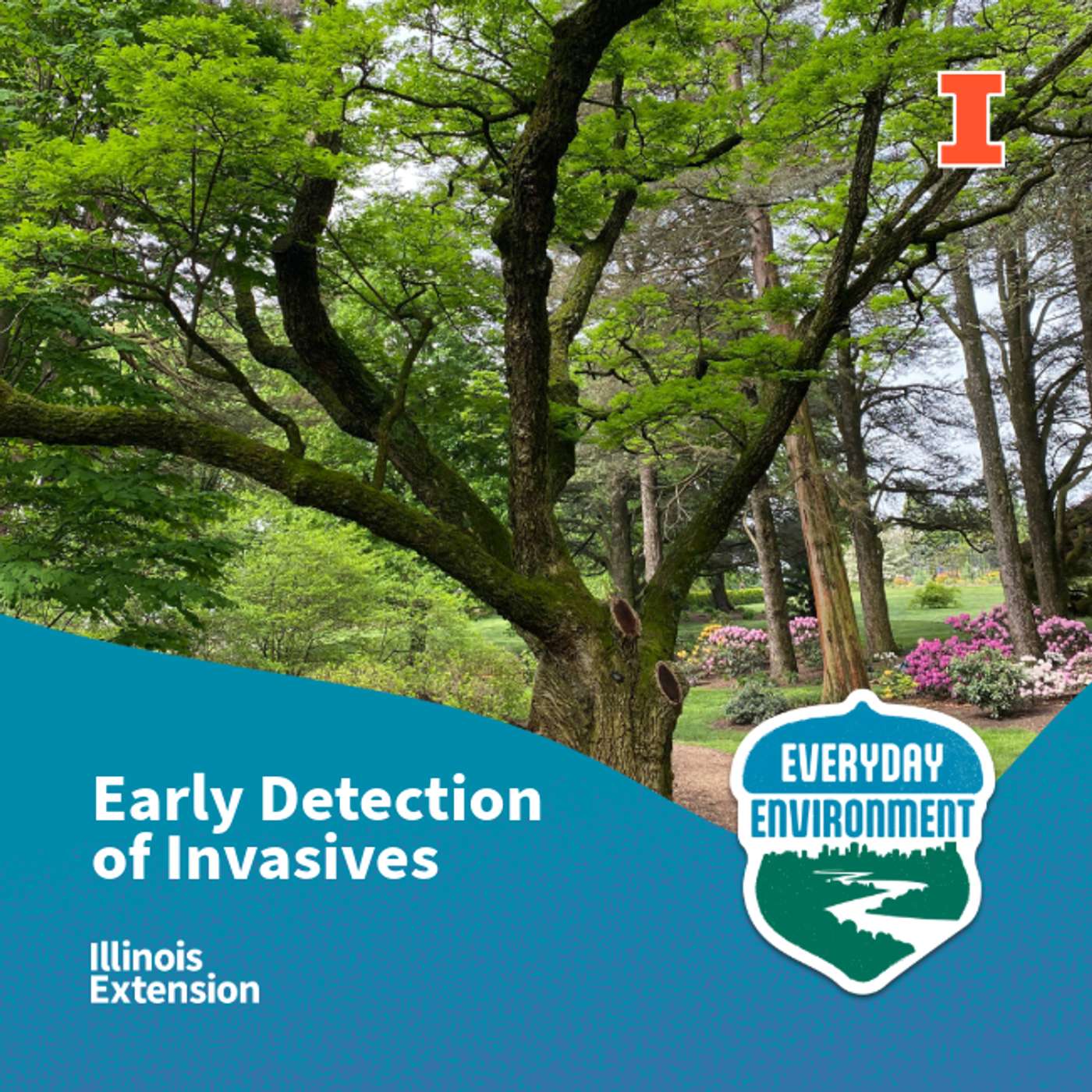
Join us as we chat with Michelle about the invasive plant early detection efforts of the Midwest Invasive Plant Network. We take a special focus on the Public Gardens as Sentinels against Invasive Plants initiative, a program focused on sharing information and creating a network to detect potential invasive species.
Resources:
MIPN WebsitePrinted Resources from MIPNMIPN WebinarsEarly Detection Plant SpeciesReport sightings of Invasive PlantsPGSIP Data DashboardPGSIP Plant AlertsShare your own Everyday Observation
Was there something about this topic we didn’t cover? See something cool in nature? Let us know! Send us you...
Breaking down invasive species rules & regulations with Chris Evans
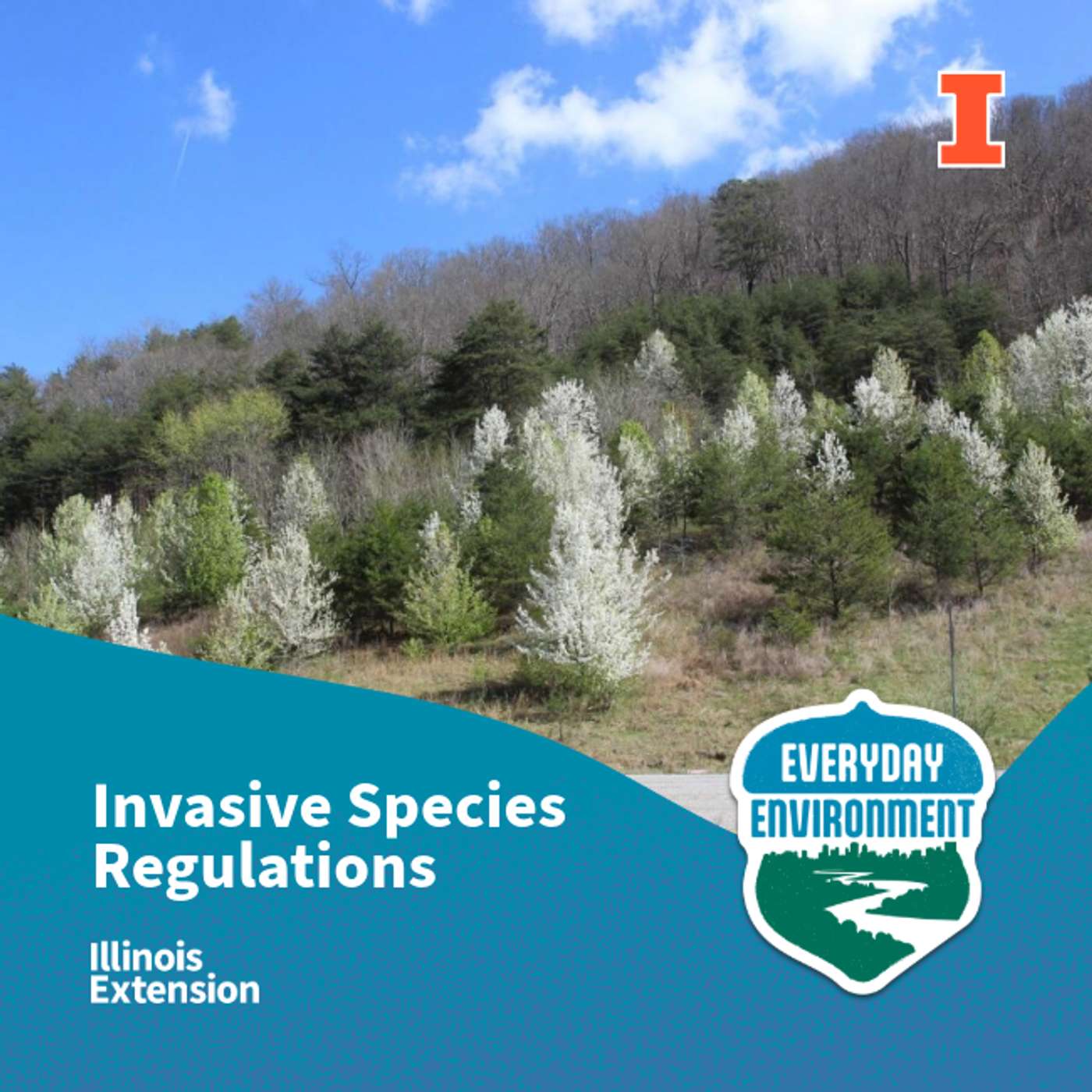
In this episode of Everyday Environment, hosts Erin and Amy sit down with Chris Evans to break down how invasive species are regulated in Illinois—and why it matters to you. Illinois recently added nine species to the Illinois Exotic Weed Act, making it illegal to buy, sell, or transport them. From the Exotic Weed Act to the Noxious Weed Law, these regulations are designed to slow the spread of invasive species by limiting movement, guiding management priorities, and protecting ecosystems and economies. Tune in to learn what’s changed, how the process works, and what it means for land...
Words matter: how we engage others to care about invasive species with Emily Steele and Phil Anderson
This week we're joined by our marketing and communications manager Emily Steele! We chat with Emily about how our words matter when we talk about invasive species and how we can encourage people to manage invasive species through value-based communication and engagement approaches. We also hear from Phil Anderson, a biology professor at University of Illinois, who shares his experience using cosplay and tabletop role-playing game themes to create inclusive and effective outreach events that teach non-scientists concepts from invasion biology through roleplay activities.
Resources
Learn more about cosplay for science at www.cosplayforscience.com...
Season 4 Preview and Invasives 101
The Everyday Environment team is back for a new season this spring to discuss Invasive species. Get a preview of what is in store as well as a primer on Invasive Species from everyone's favorite Extension person: Chris Evans.
Invasives Species 101 starts at 20:30
Original Episode from the archives: Invasive Alert: Spotted Lanternfly
Share your own Everyday Observation
Was there something about this topic we didn’t cover? See something cool in nature? Let us know! Send us your question or share your everyday nature observation with us at go.illinois.edu/EE...
Taking action for wildlife: The power of community science
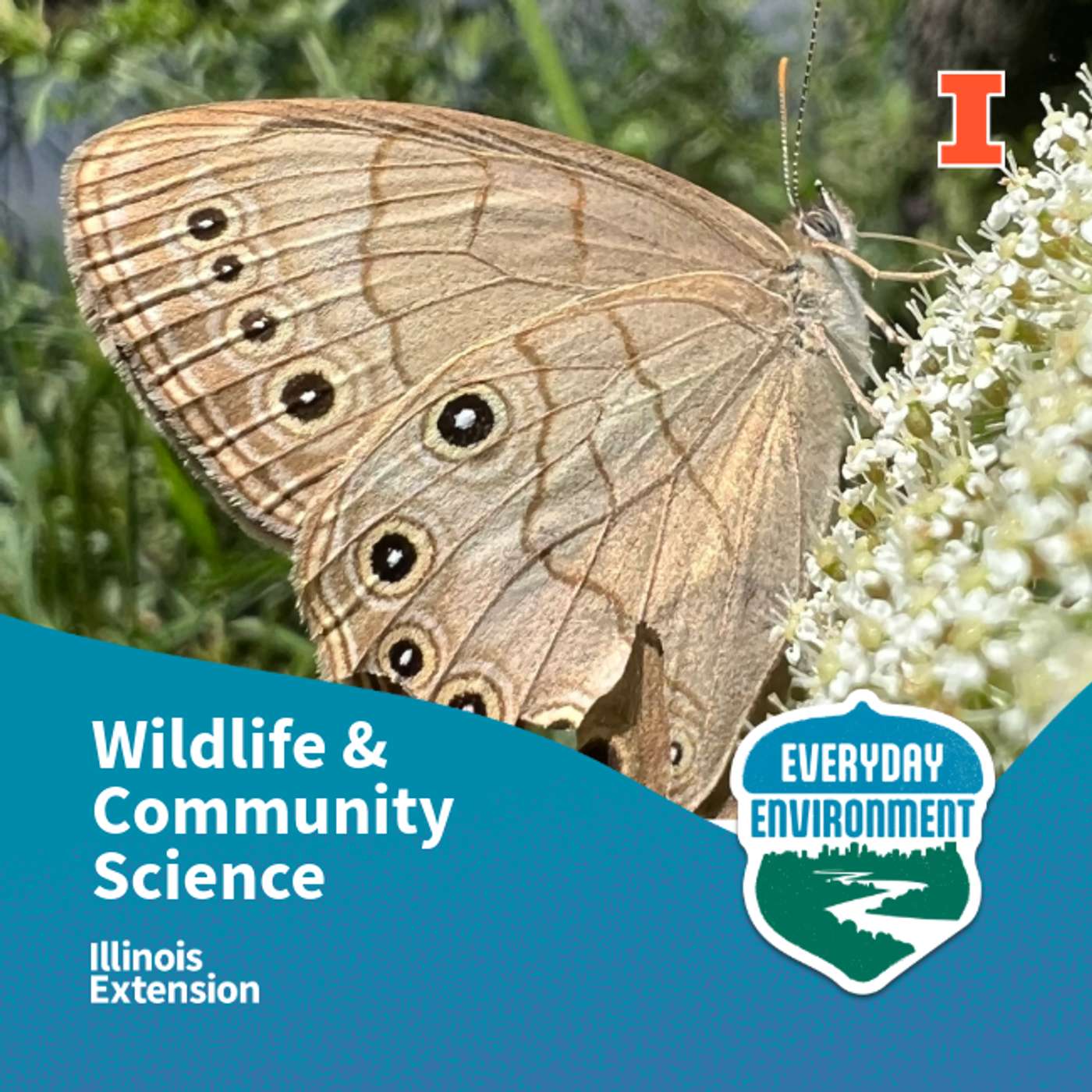
In this episode of the Everyday Environment Podcast, hosts Amy Lefringhouse and Karla Griesbaum talk with Allen Lawrance, Curator of Entomology at the Peggy Notebaert Nature Museum, to discuss the power of community science and how volunteers contribute valuable data to wildlife monitoring programs across Illinois. Allen highlights initiatives like the Illinois Butterfly Monitoring Network, the Illinois Odonate Survey, and the Calling Frog Survey. These programs help track species abundance and distribution and are crucial for understanding environmental change, including the impacts of habitat loss and climate change. Allen emphasizes that anyone can participate with basic training—no science ba...
Get to know your neighbors: listening to Illinois wildlife with Brodie Dunn
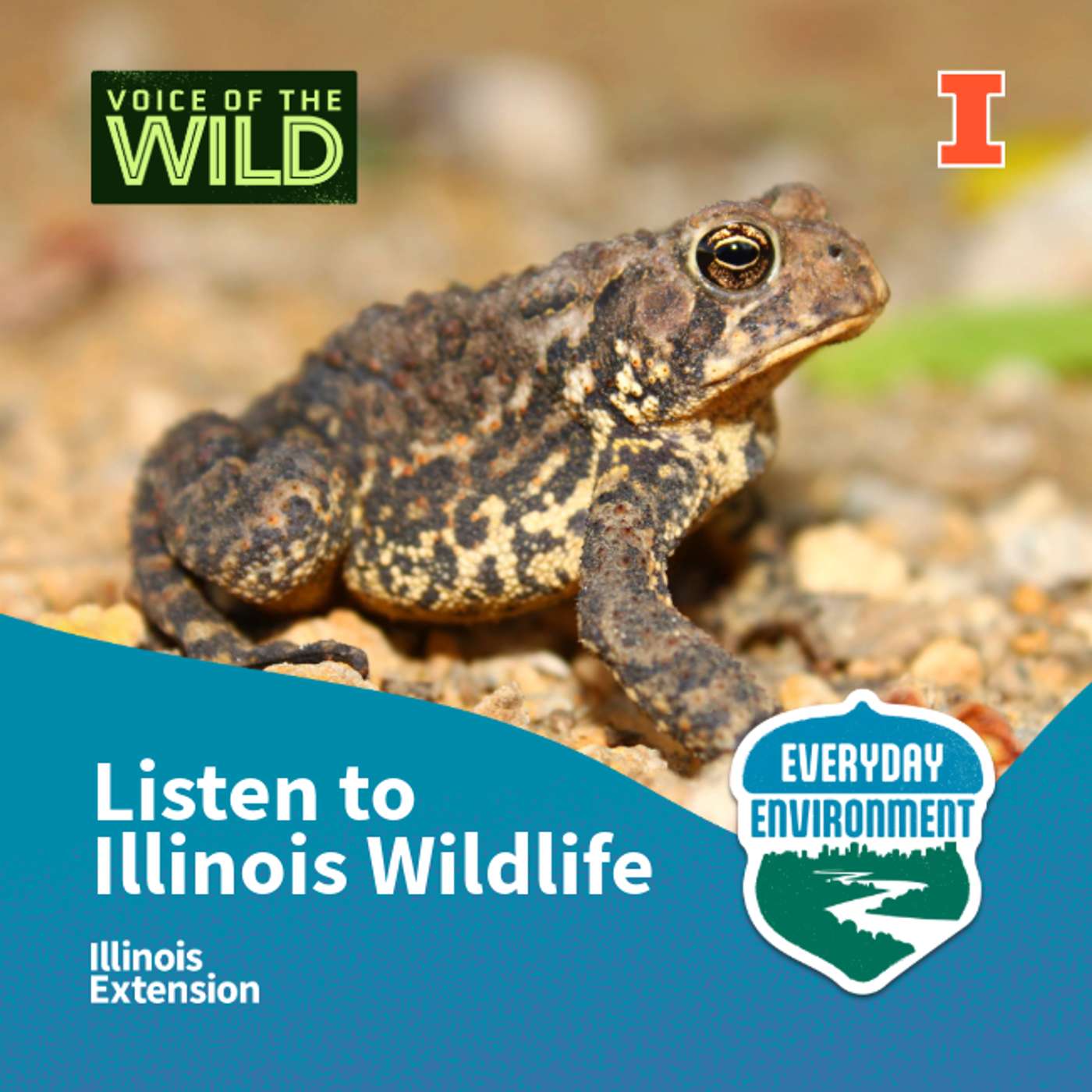
If you learn to listen for wildlife, you’ll start finding it everywhere. Learning a bird’s song or an insect’s call means you can sense them even when they are out of sight or pick out their call from a chaotic audio background that the brain normally filters out. There are side benefits too; sometimes an animal’s call is the only way to identify it, and it’s often the easiest way to share nature with friends. Learn more about wildlife sounds from Voice of the Wild's Brodie Dunn.
Check out Brodie's Voice of the Wild P...
Gopher it: Uncovering the unique ecology of the plains pocket gopher
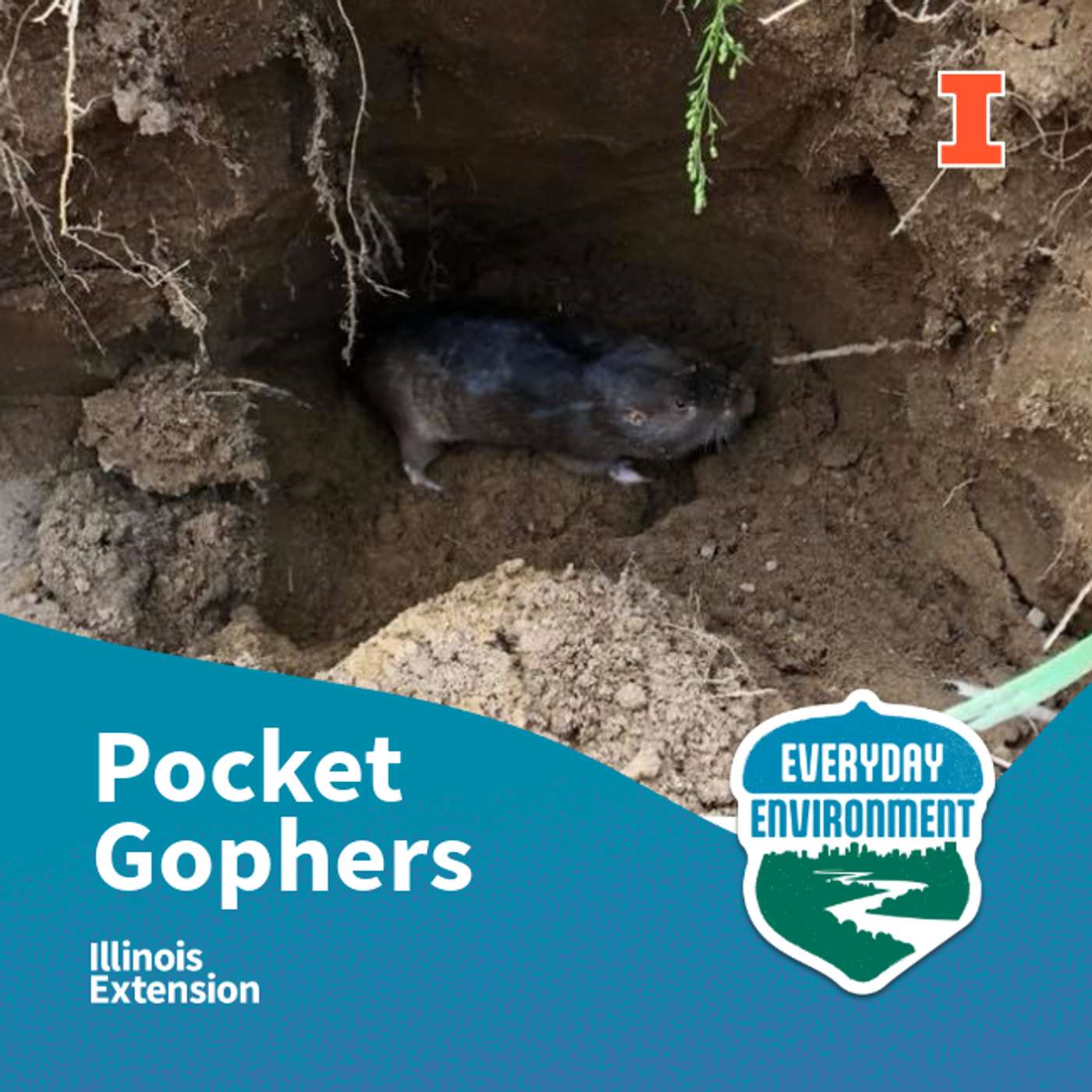
Beneath Illinois’ soil lives a little-known but ecologically important animal — the plains pocket gopher. In this episode, hosts Amy Lefringhouse and Darci Webber talk with Nathan Alexander, postdoctoral researcher at the Illinois Natural History Survey, about what makes this gopher unique to Illinois. Nathan shares how this “angry potato” of the prairie shapes soil health, how agriculture has influenced its habitat over time, and why this subspecies has a fascinating Ice Age origin story. Listeners will also learn how community science can help researchers better understand and protect this elusive species.
Share your own Everyday Observation
Was th...
Movement of Armadillos in Illinois with Agustin Jimenez
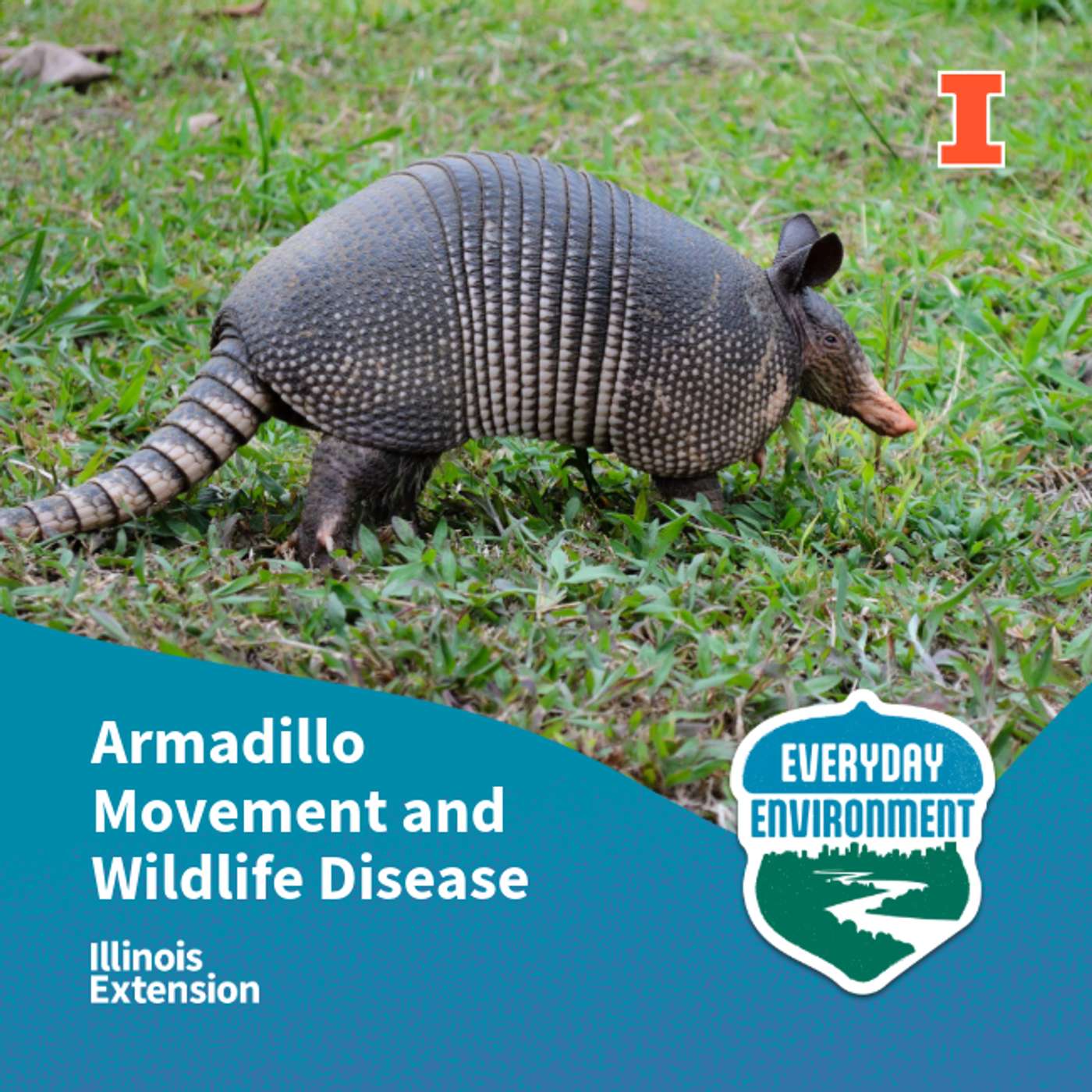
The Mexican long-nosed armadillo (Dasypus mexicanus) has become a recent addition to the local fauna of Illinois as a response to habitat alteration and climate change. With these new species and many others comes new diseases and exposure of pathogens. Join Southern Illinois University associate professor Agustin Jimenez as he discusses zoonotic diseases and how the movement of Illinois wildlife, particularly armadillos, is impacting our understanding of pathology.
Share your own Everyday Observation
Was there something about this topic we didn’t cover? See something cool in nature? Let us know! Send us your question or...
City dwellers: the Urban Coyote Research Project with Chris Anchor
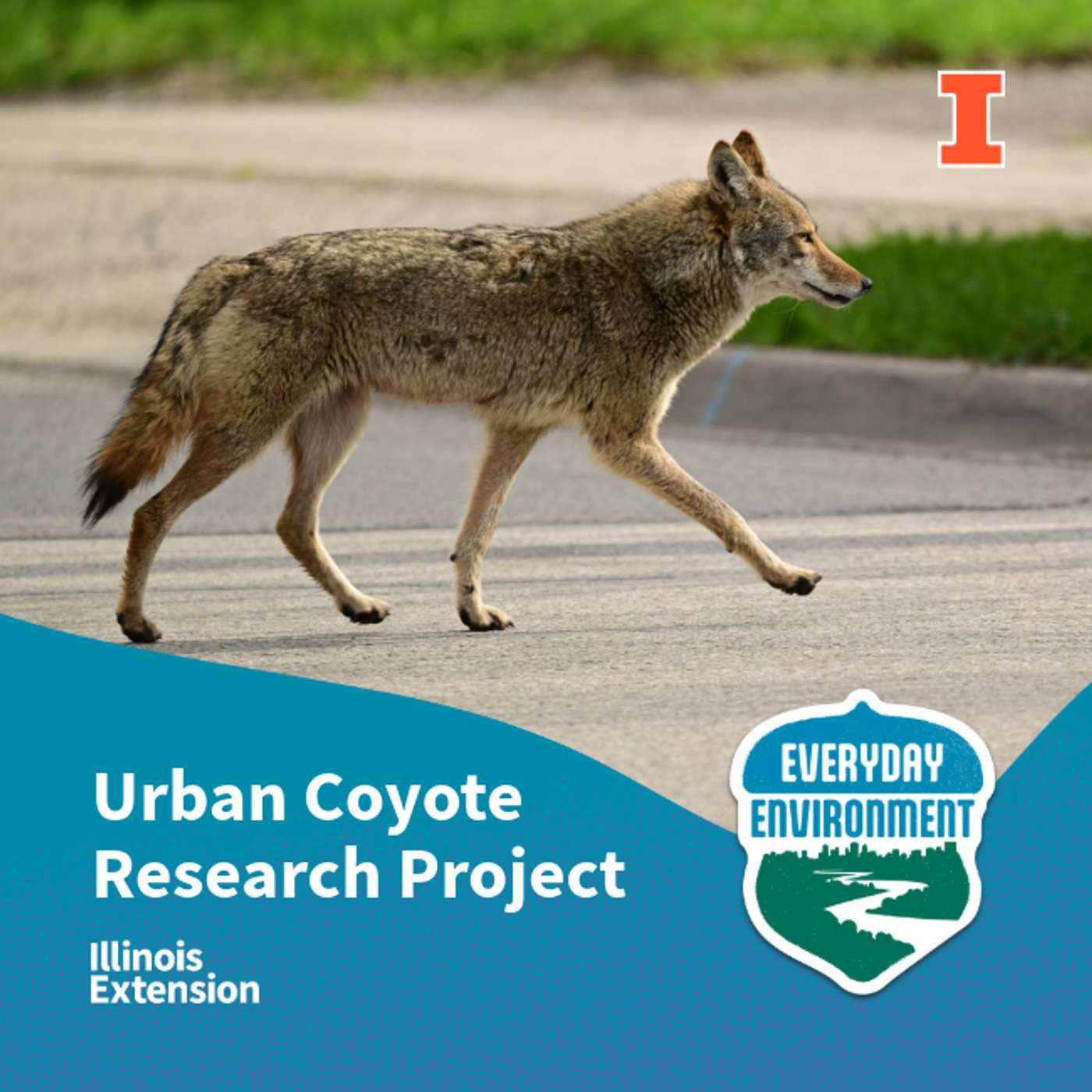
The Urban Coyote Research Project is an ongoing 25-year project studying coyotes in the Chicagoland area. Join Chris Anchor, wildlife biologist for the Forest Preserves of Cook County, as he discusses his 40-year career in wildlife management and the insights we’ve gained from this long-term research project.
Learn more about Urban Wildlife:
Share your own Everyday Observation
Was there something about this topic we didn’t cover? See something cool in nature? Let us know! Send us you...
An alien experience they just keep coming back for: fish hatcheries in Illinois with Kayleigh Smith
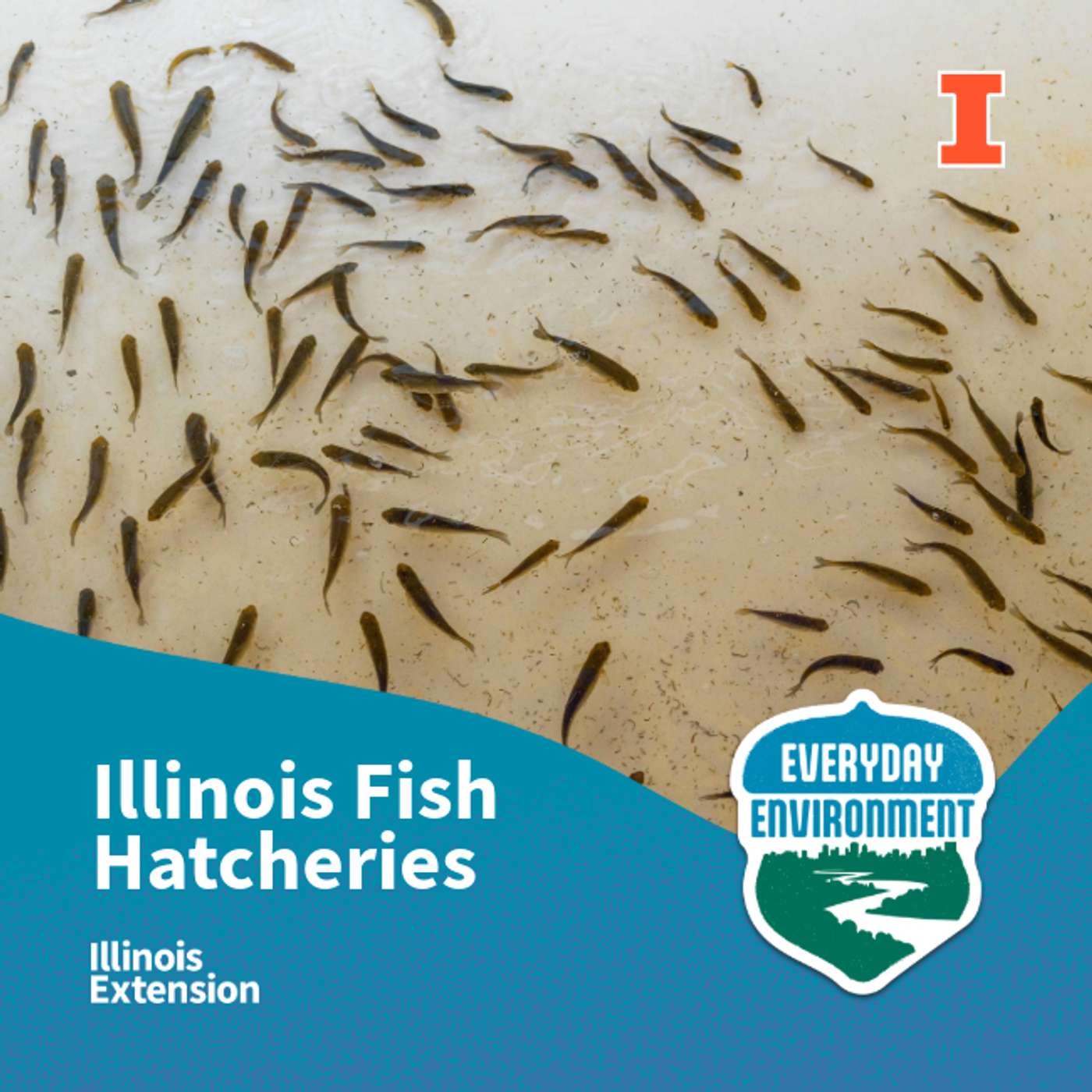
Fish hatcheries are an important tool for the heritage and recreation of Illinois wildlife. Join Kayleigh Smith, Outreach specialist for the IDNR Jake Wolf Memorial Fish Hatchery as she discusses the work at the fish hatchery and how it support conservation of Illinois wildlife.
Share your own Everyday Observation
Was there something about this topic we didn’t cover? See something cool in nature? Let us know! Send us your question or share your everyday nature observation with us at go.illinois.edu/EEconnect, and we may share it in a future blog or podcast.
...What role do bison play in restoring Illinois prairies?
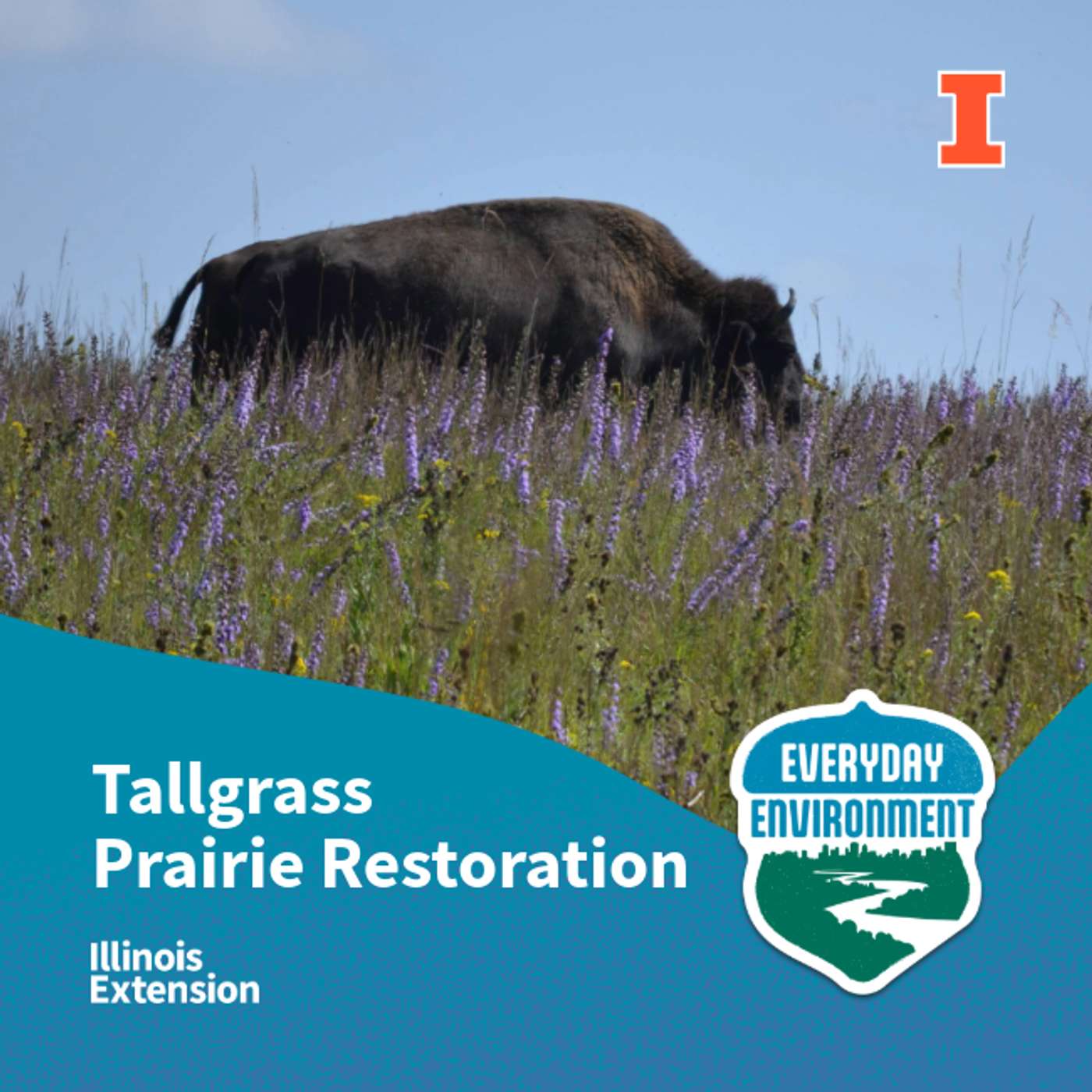
Find out the difference between bison and buffalo...Amy and Darci talk with Dr. Elizabeth Bach from The Nature Conservancy about prairie restoration at Nachusa Grasslands. From reintroducing bison to boosting biodiversity, the conversation explores how science, history, and community come together to restore Illinois’ tallgrass prairie.
Resources to learn more
Nachusa GrasslandsResearch by moonlight: Study shows bison alter ‘landscape of fear’ for rodents in grasslandsPlant and bird responses to bison grazing at Nachusa GrasslandsGrassland Restoration NetworkInvertebrate responses to bison grazing and prescribed fire management (research article)Share your own Everyday Observation
Was there...
Wildlife in trouble: when to step in and when to step back
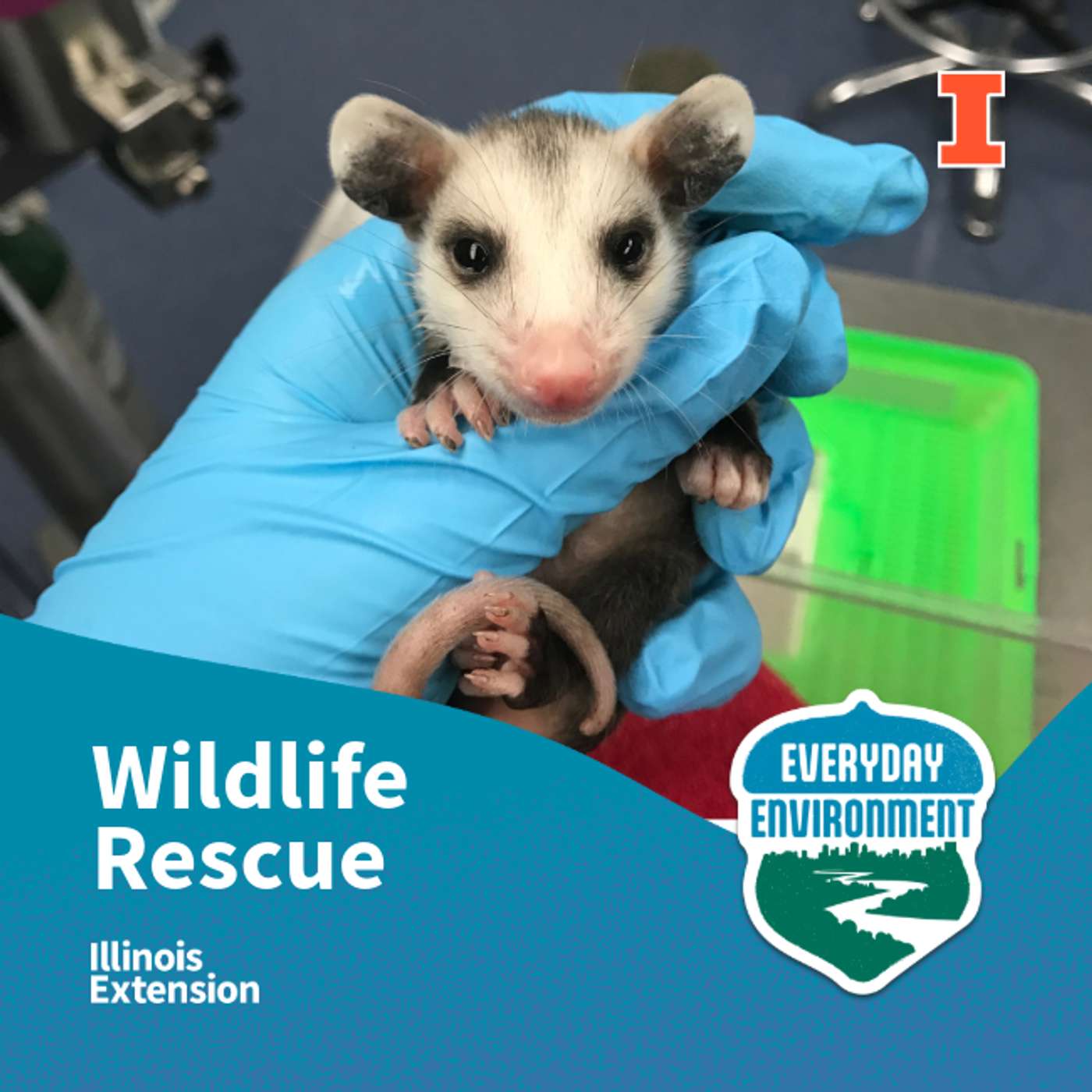
Hosts Amy Lefringhouse and Darci Webber chat with Sydney Oliveira from the University of Illinois Wildlife Medical Clinic about what to do if you find injured wildlife, how to prevent common injuries, and the vital role rehabilitation and education play in conservation.
Resources to learn more
University of Illinois Wildlife Medical ClinicIllinois Extension WildlifeNational Wildlife Rehabilitators AssociationWildlife Illinois - Orphaned WildlifeLicensed Wildlife Rehabilitator MapShare your own Everyday Observation
Was there something about this topic we didn’t cover? See something cool in nature? Let us know! Send us your question or share yo...
It's all edges: road ecology with Kevin Rohling
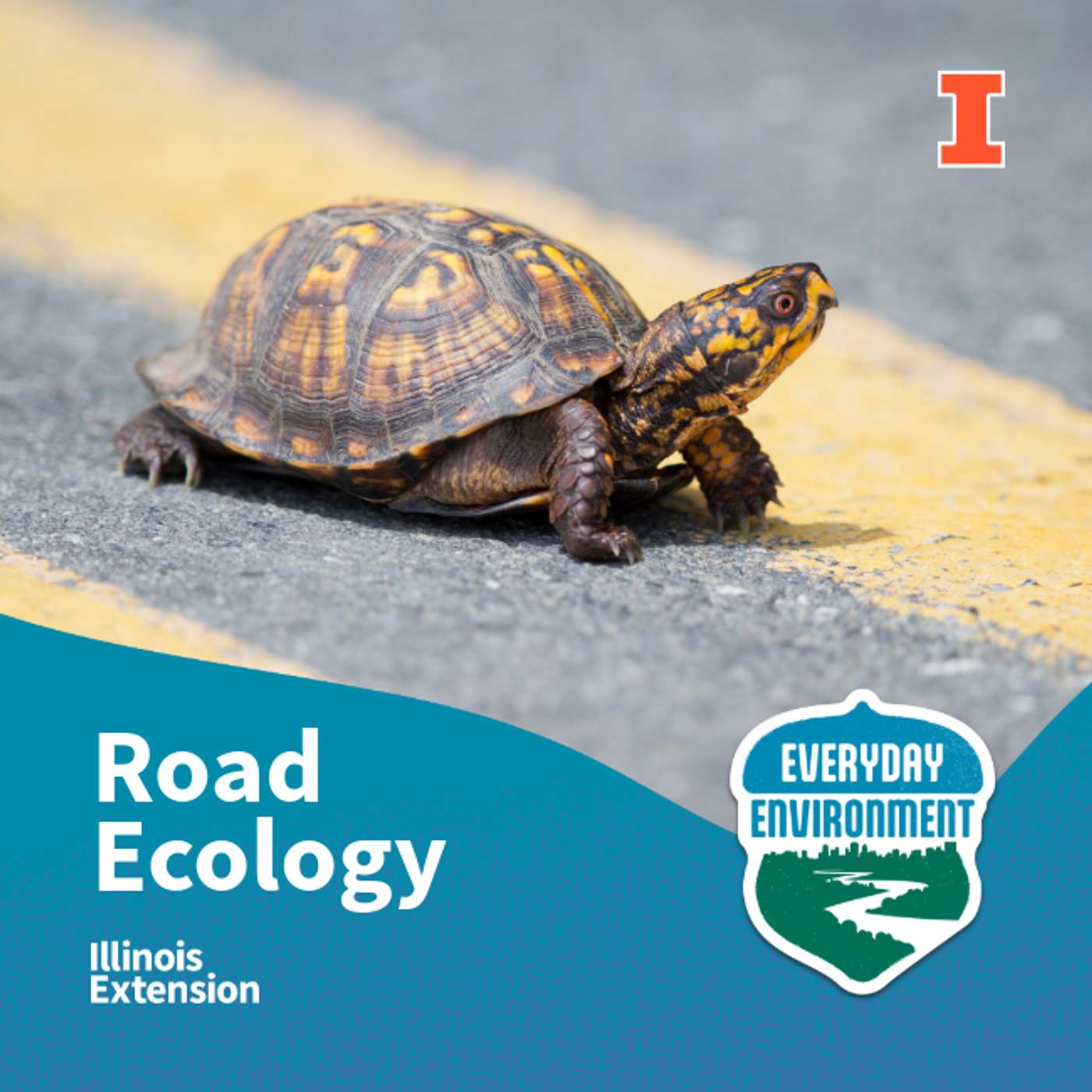
There are nearly 4 million miles of roadway in the U.S., allowing people to access almost anywhere, at any time, which has its benefits for people but also numerous ecological drawbacks. Learn from Kevin Rohling how roads alter the ecology of an area and affect our wildlife.
Check out the Everyday Environment Blog for more information and a reference to the studies Kevin discusses in the podcast.
Questions? We'd love to hear from you!
Abigail Garofalo aeg9@illinois.edu, Erin Garrett emedvecz@illinois.edu, Amy Lefringhouse heberlei@illinois.edu
Subscribe to our N...
Environmental DNA basics: how we detect hidden life with Dr. Mark Davis
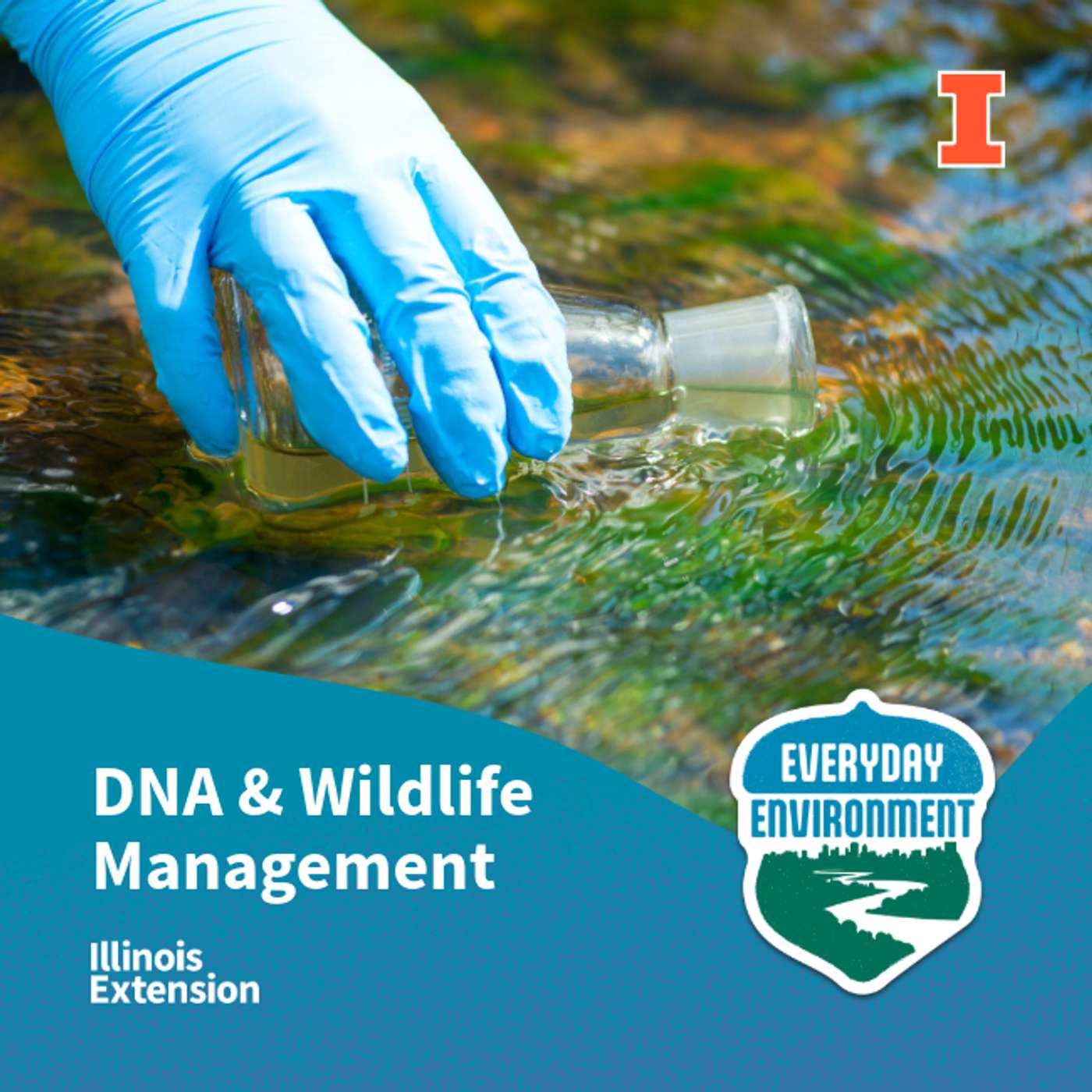
In this amazing episode, conservation biologist Dr. Mark Davis joins hosts Amy and Karla to explain environmental DNA (eDNA)—genetic material shed by organisms into their surroundings. This tool allows researchers to detect species in water, soil, and air without disturbing them. A fascinating look at how invisible clues in nature help protect biodiversity.
Highlights:
- Rediscovering the endangered salamander mussel in Illinois after 100 years using eDNA.
- Detecting rare Hawaiian birds through flower samples.
- eDNA enables faster, less invasive biodiversity surveys.
- Limitations include short DNA lifespan an...
A poster child for wildlife conservation: quail in Illinois
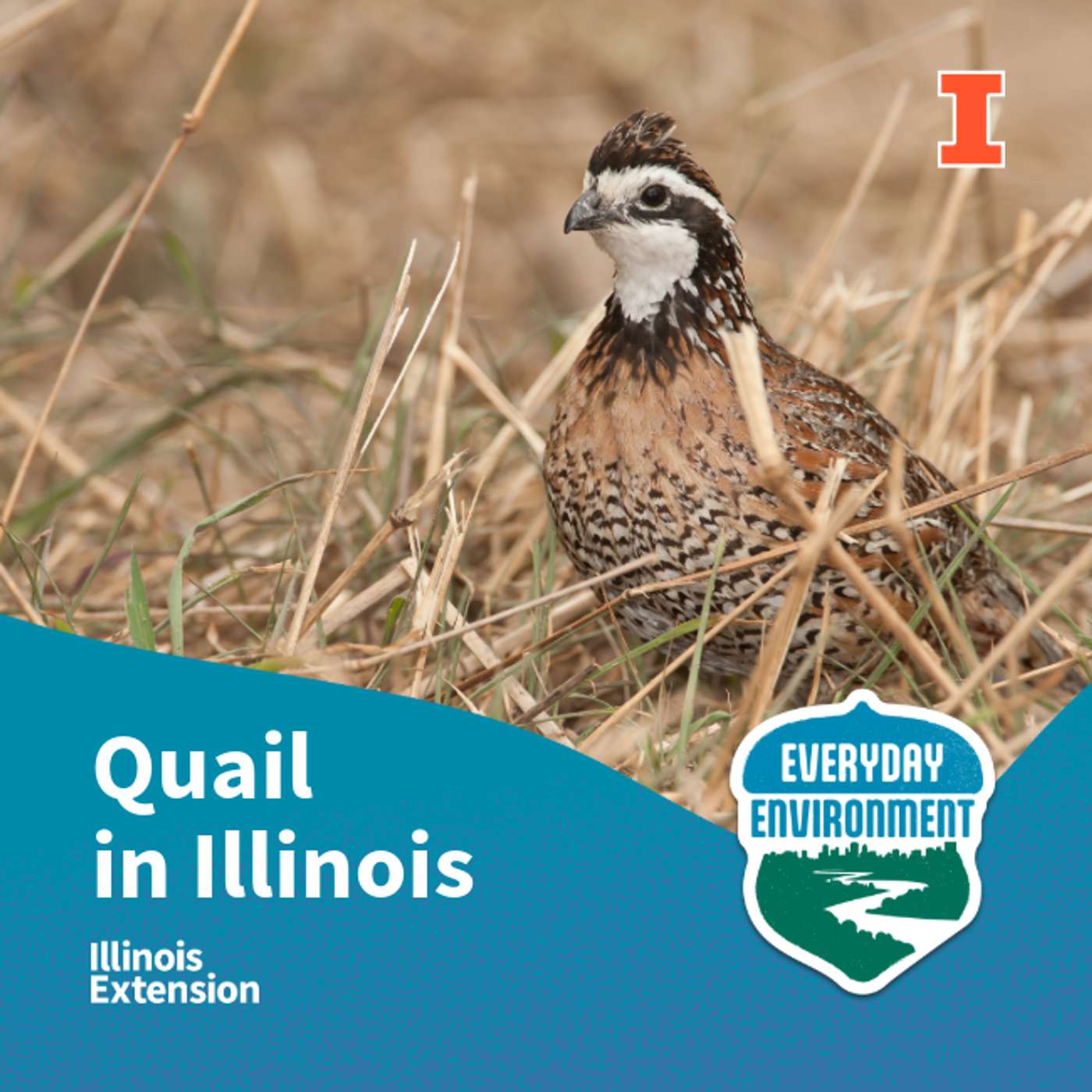
Join Quail Forever biologist Brodie Eddington as he shares his expertise and experience with quail and the restoration of their habitat. Quail are culturally significant to Illinois , and their conservation is important for the preservation of this heritage and our Illinois ecosystems. Learn about the status of bobwhite quail populations, the culture around this species, and what Illinois organizations and residents are doing to protect this species.
Resources:
Pheasants Forever and Quail Forever IllinoisIDNR Quail Hunting InformationQuestions? We'd love to hear from you!
Abigail Garofalo aeg9@illinois.edu, Erin Garrett emedvecz@illinois.edu, A...
Funding the wild: the role of outdoor recreation in conservation
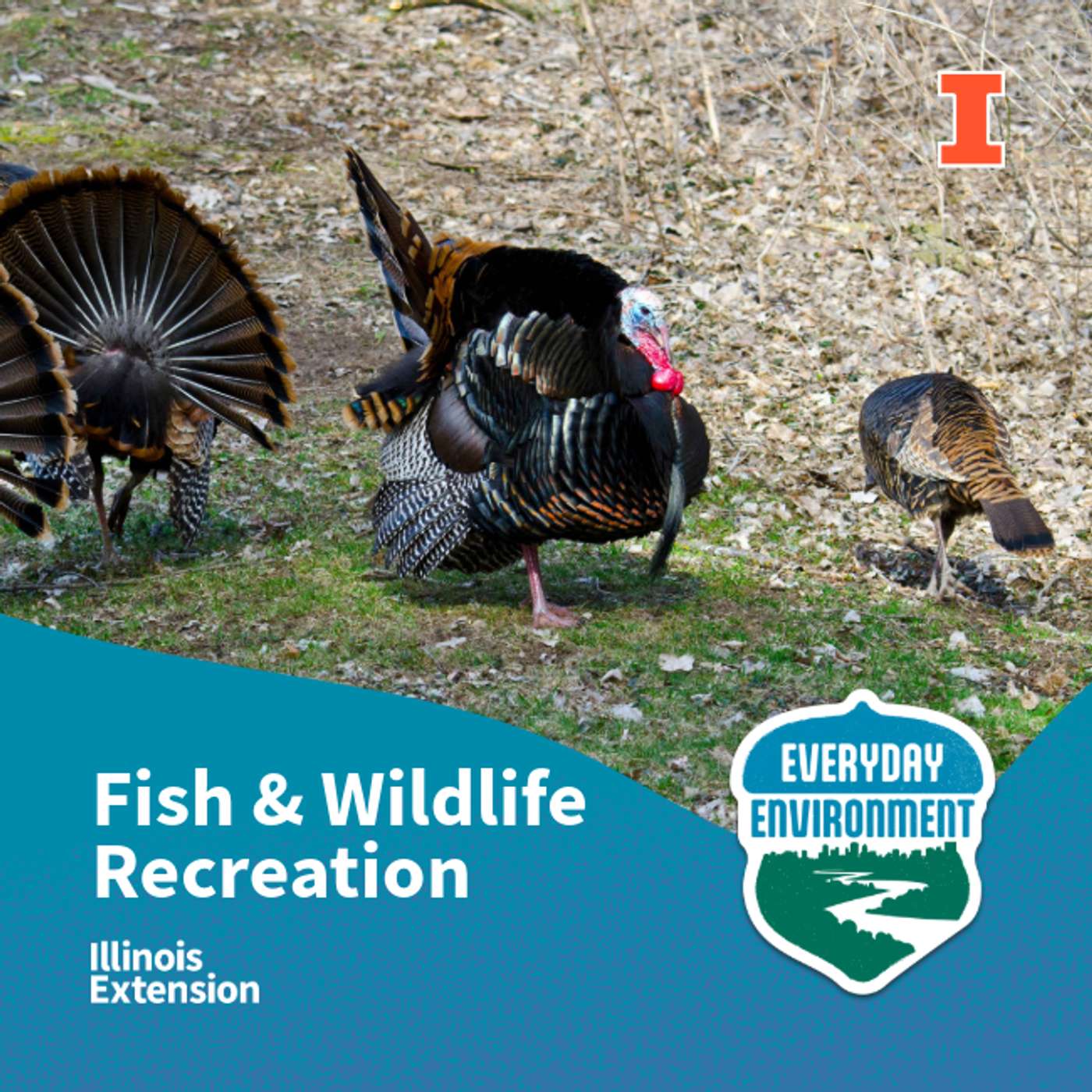
In this episode of the Everyday Environment Podcast, hosts Amy Lefringhouse and Karla Griesbaum dive into outdoor recreation trends and their connection to conservation. Curt Sinclair from Illinois 4-H discusses how outdoor activities such as hunting and fishing contribute to conservation funding through license fees and federal programs. The conversation highlights the importance of accessible outdoor spaces, youth involvement, and everyday citizens playing a role in conservation.
Resources to learn more
Illinois Learn to Hunt program
Illinois Department of Natural Resources (IDNR)
Hunters Feeding Illinois program (IL Extension)
Hunt Illinois
I...
There's a snake in my basement!: wildlife encounters with Joy O'Keefe
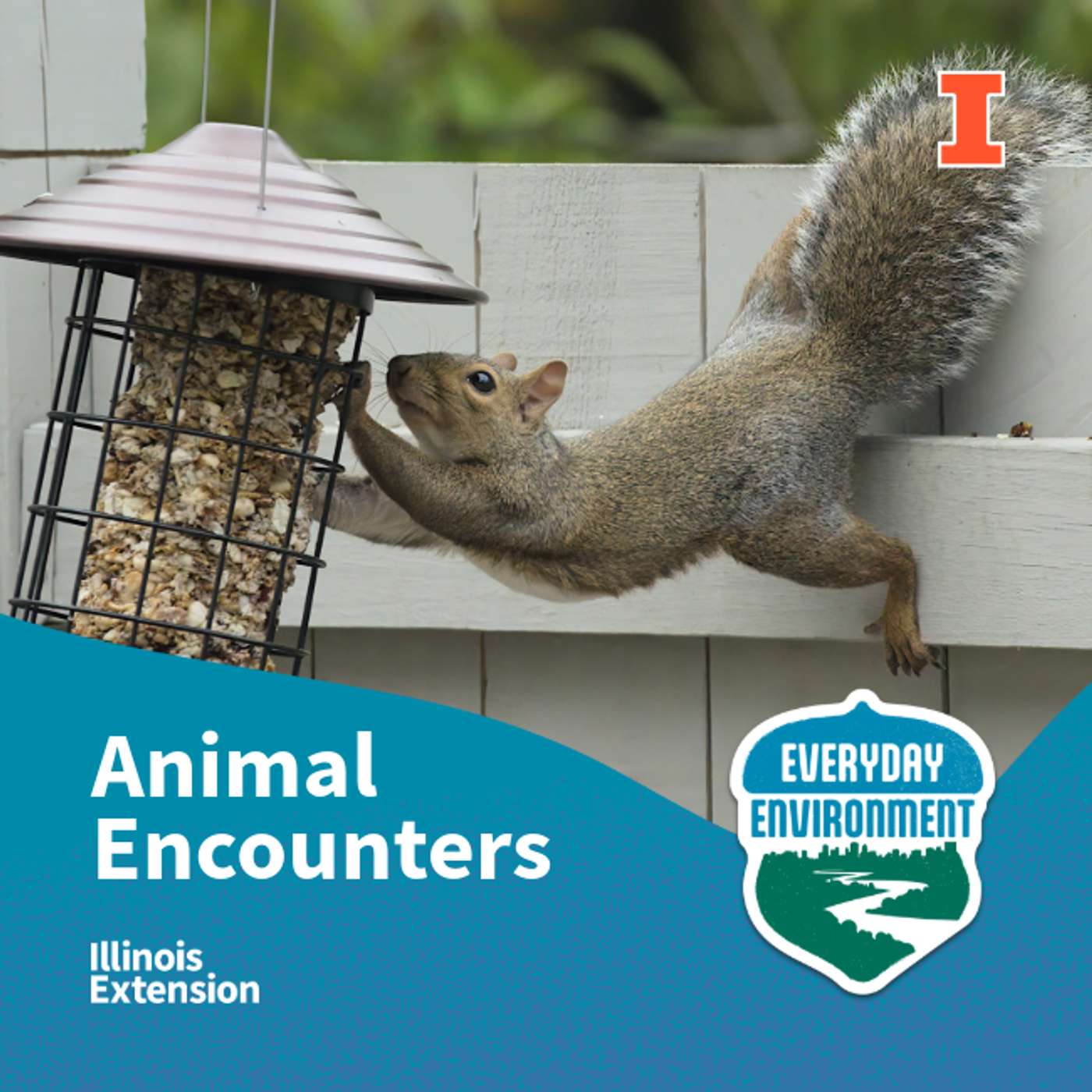
Animal Encounters are everywhere, but what do I do if encounter one? What should I expect to see at this moment? Join Joy O’Keefe, Extension Wildlife Specialist as she answers your burning questions about the wildlife we see everyday.
Check out the Illinois Extension Wildlife Website to learn more about these encounters.
Questions? We'd love to hear from you!
Abigail Garofalo aeg9@illinois.edu, Erin Garrett emedvecz@illinois.edu, Amy Lefringhouse heberlei@illinois.edu
Subscribe to our Newsletter
Check out our Blog
See the Everyday Environment Archives
New season, new puns: the season 3 preview
Join Everyday Environment for Season 3 as we explore a brand new aspect of the natural world with new hosts and new guests! Join Amy and Abigail as they welcome new hosts, Karla and Darci, and give you a preview of what to expect for the Wildlife season of Everyday Environment.
From the episode:
Questions? We'd love to hear from you!
Abigail Garofalo aeg9@illinois.edu, Erin Garrett emedvecz@illinois.edu, Amy Lefringhouse heberlei@illinois.edu
Subscribe to our Newsletter
Check out our Blog
See the...
From youth to adults: engaging our communities to learn about their water
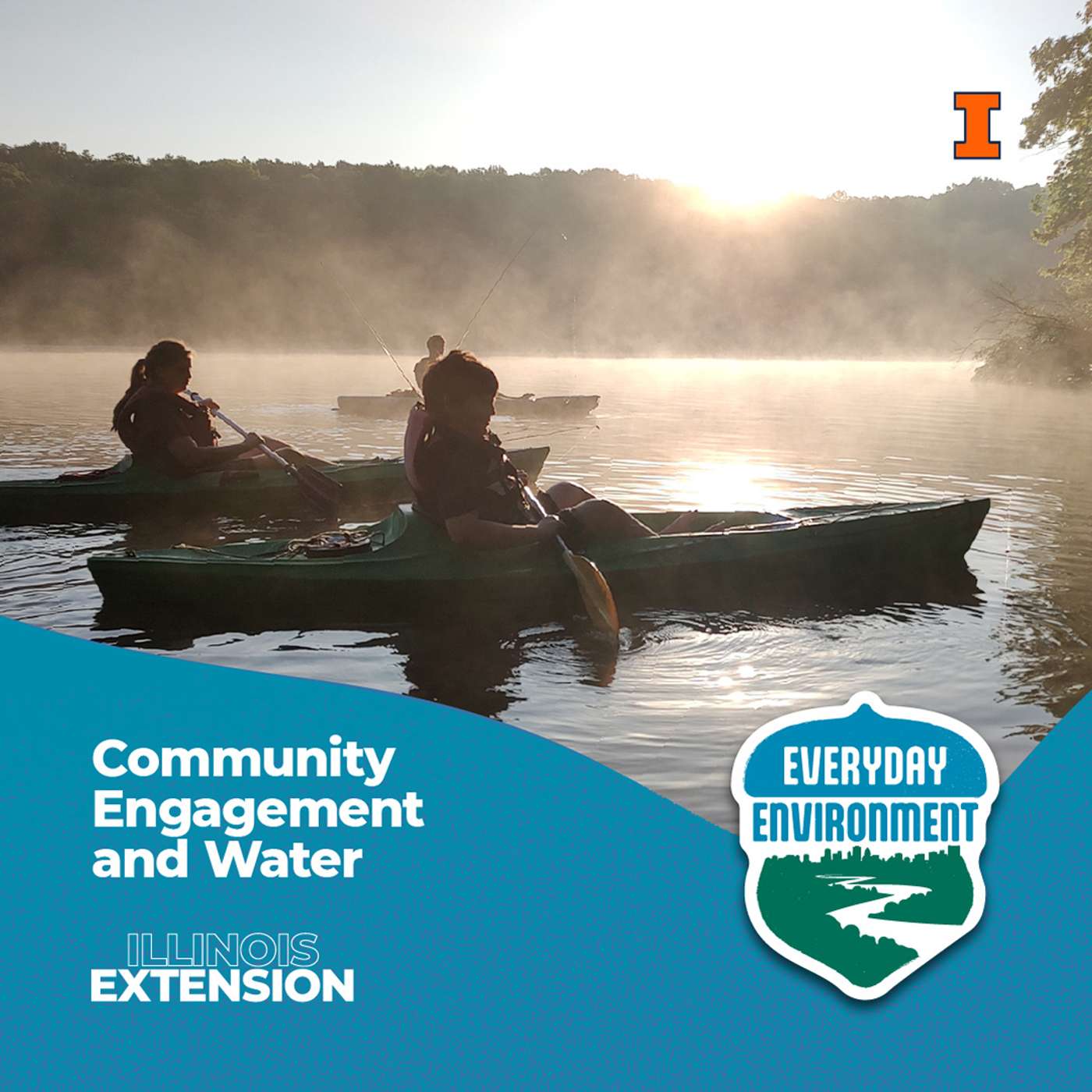
This week we chat with Peggy Anesi, Natural Resources, Environment, and Energy Educator for Illinois Extension in northern Illinois. Peggy brings a wealth of experience in environmental education and shares her experiences working to engage different audiences all about water. From Watershed Stewards to a Paddle and Learn program to youth educational offerings, Peggy discusses the importance of engaging communities at multiple levels to become advocates for clean water in their communities. Check out Peggy's blog on this topic here.
Learn more about the Watershed Stewards program
Questions? We'd love to hear from you!
...
Water Economics: The Pricing Puzzle
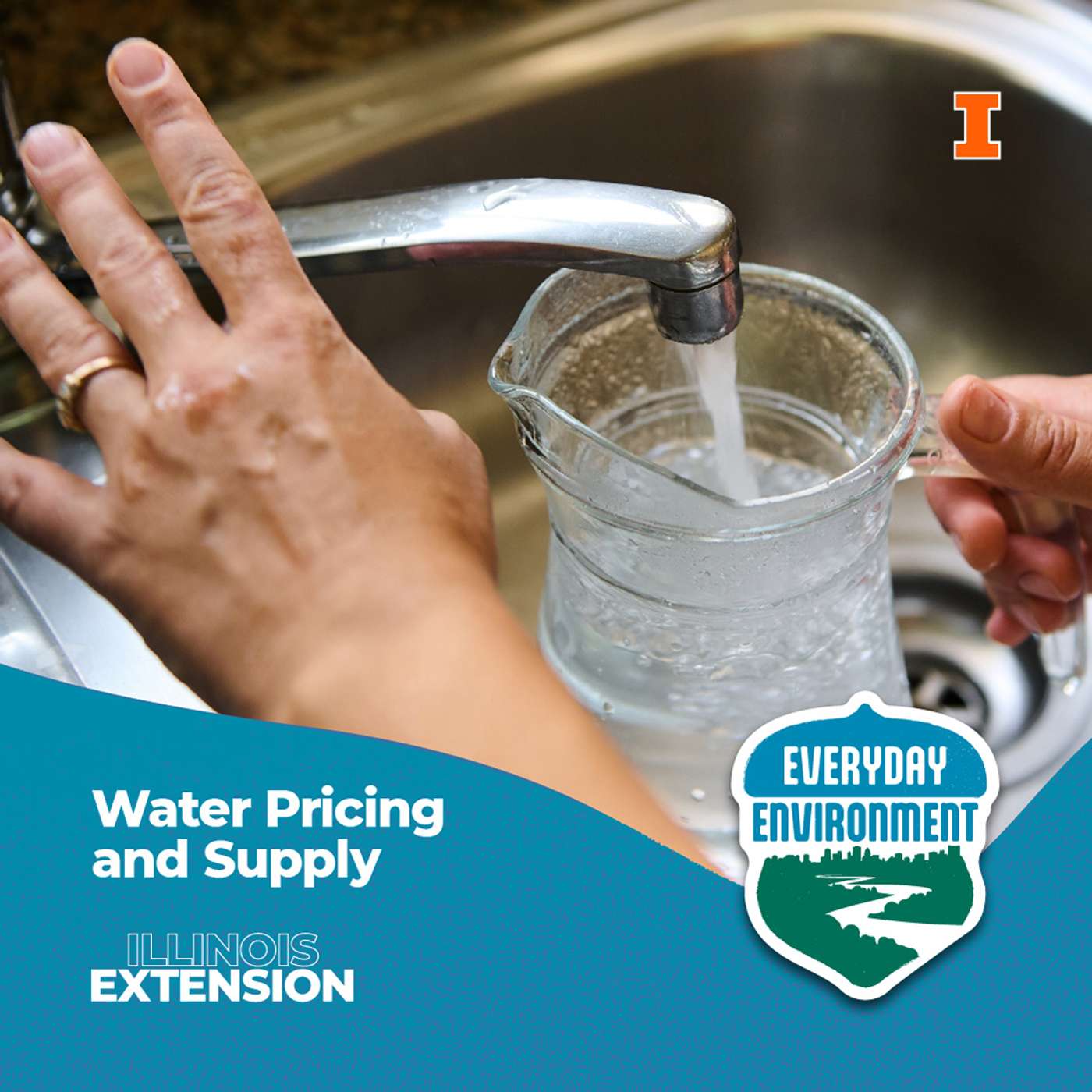
In this episode of Everyday Environment, hosts Amy and Abigail explore the puzzle of water pricing with guest Margaret Schneemann, Water Resource Economics Specialist with Illinois Extension and Illinois-Indiana Sea Grant. From aging infrastructure and economic planning to affordability and policy decisions, Margaret helps piece together the many factors that influence what we pay for water. Tune in for a deep dive into the hidden systems—and tough choices—behind every drop from your tap.
Resources to learn more:
Illinois State Water Survey interactive map of public water sourcesQuestions? We'd love to hear from you!<...
Protecting our water supply with helicopters? How communities are tackling water challenges
While the City of Chicago and many of its surrounding communities have access to water from Lake Michigan, the rest of Northeast Illinois relies primarily on groundwater aquifers for all its drinking water. These groundwater aquifers provide a wide range of opportunities for drinking water…as well as a variety of challenges. Tune in as we talk to Scott Kuykendall, McHenry County Water Resource Specialist, about our water resources. You'll learn all about Illinois geology, its aquifers, and what communities are doing to help protect our water supply. For additional information and graphics, check out Scott's blog!
Resou...
Taking a systems-based approach to community water management
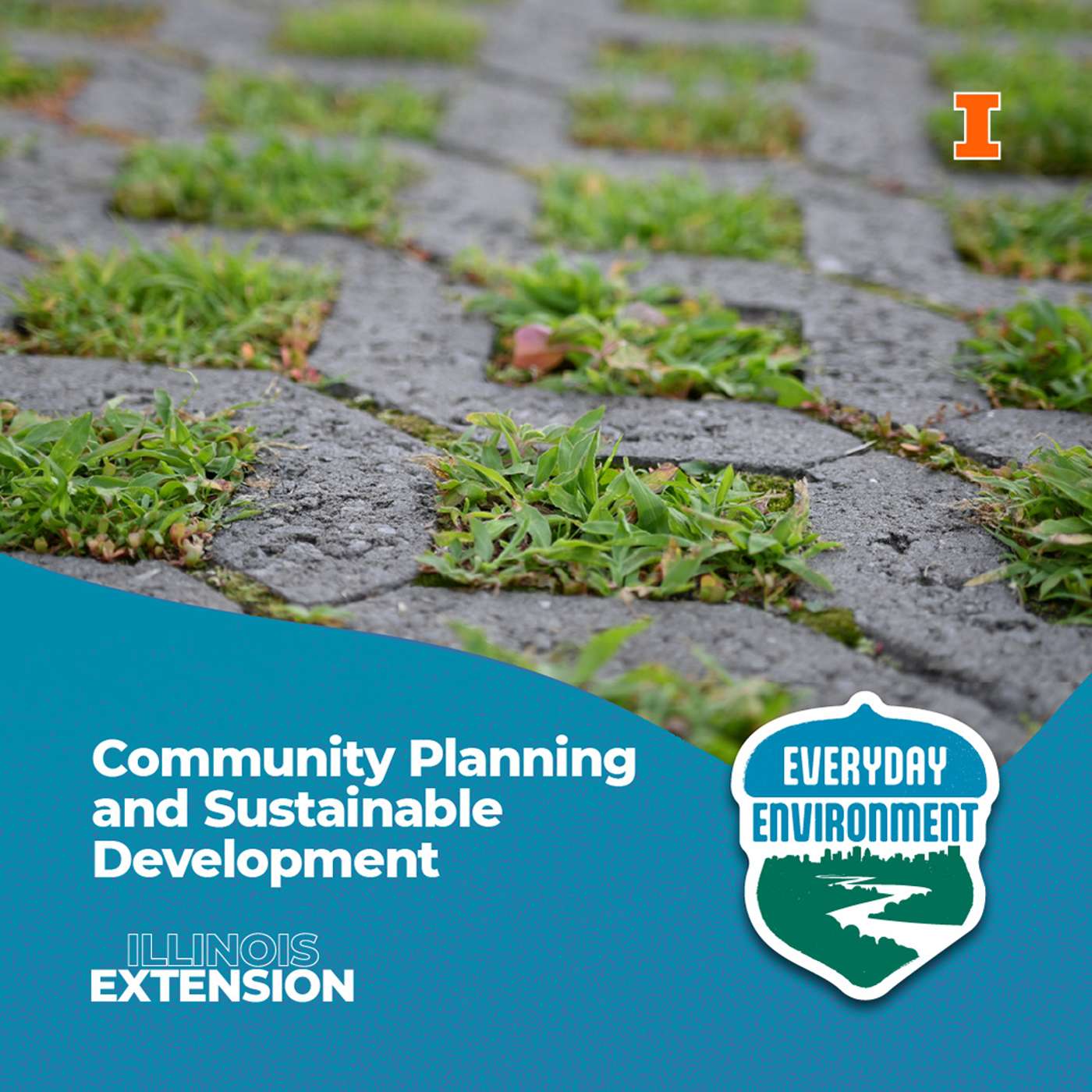
This week we chat with Kara Salazar from Purdue Extension and Illinois-Indiana Sea Grant about how communities approach sustainable development around their water resources. Kara discusses the challenges of managing stormwater, green infrastructure solutions like bioswales and permeable pavements, how you can become involved in learning more about your community’s water, and how climate change is impacting water resource planning. Check out our blog on this topic here.
Resources:
EDEN – Extension Disaster Education Network
Climate Change and Sustainable Development
One Water Approach to Water Resources Management
Questions? We'd love to hear from...
Taking into consideration the next 100 years: the reversal of the Chicago River
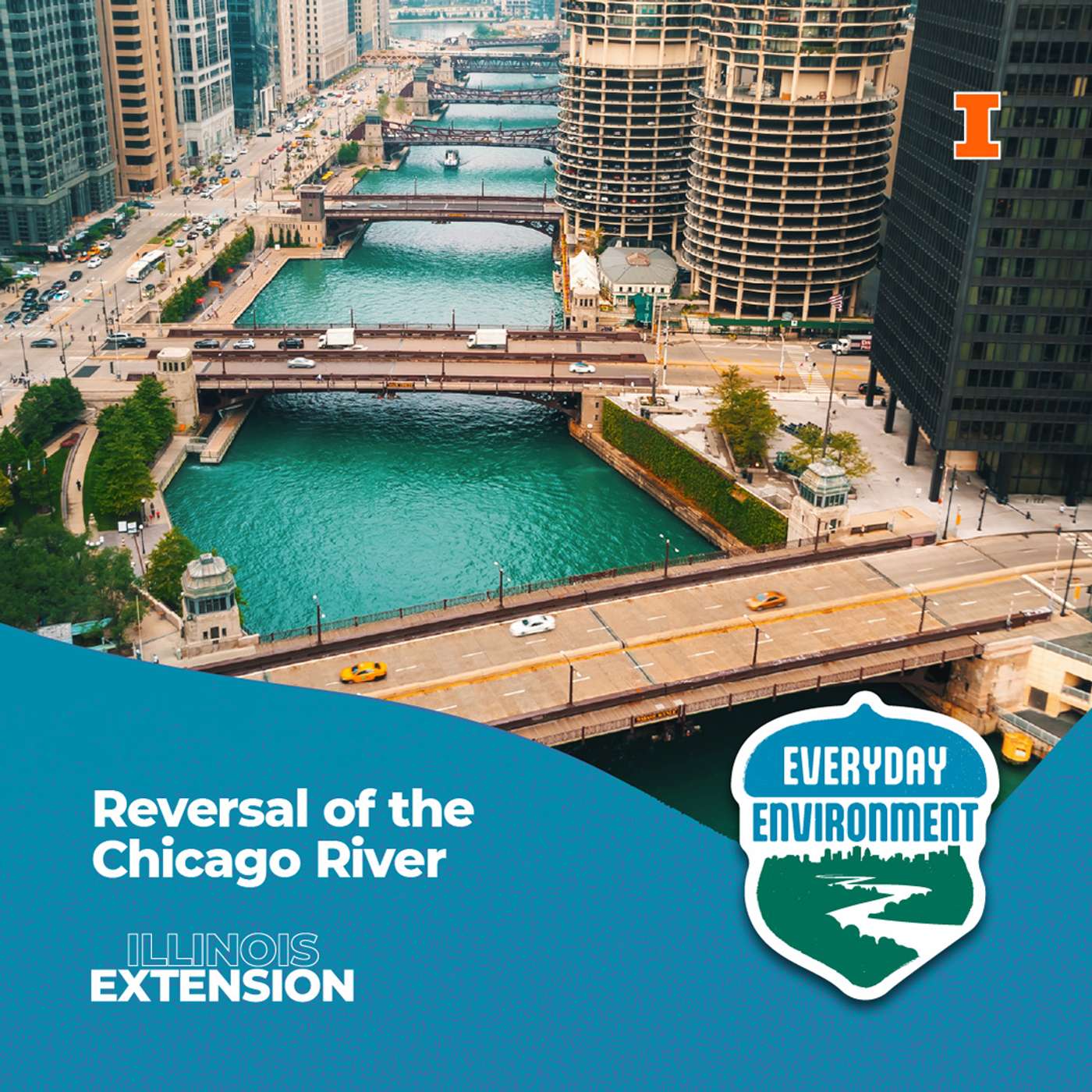
The history books often referred to the reversal of the Chicago River as an engineering marvel, but how did they do it? Why did they do it? and Why is it important to learn about it? Join Phil Nicodemus from Urban Rivers as he discusses the history of the Chicago River and the historical and current work done on the Chicago River to support humans and biodiversity.
To read about it, check out the Everyday Environment Blog
Questions? We'd love to hear from you!
Abigail Garofalo aeg9@illinois.edu, Erin Garrett emedvecz@illinois.edu, Amy...
Rain gardens and nerding out over native plants
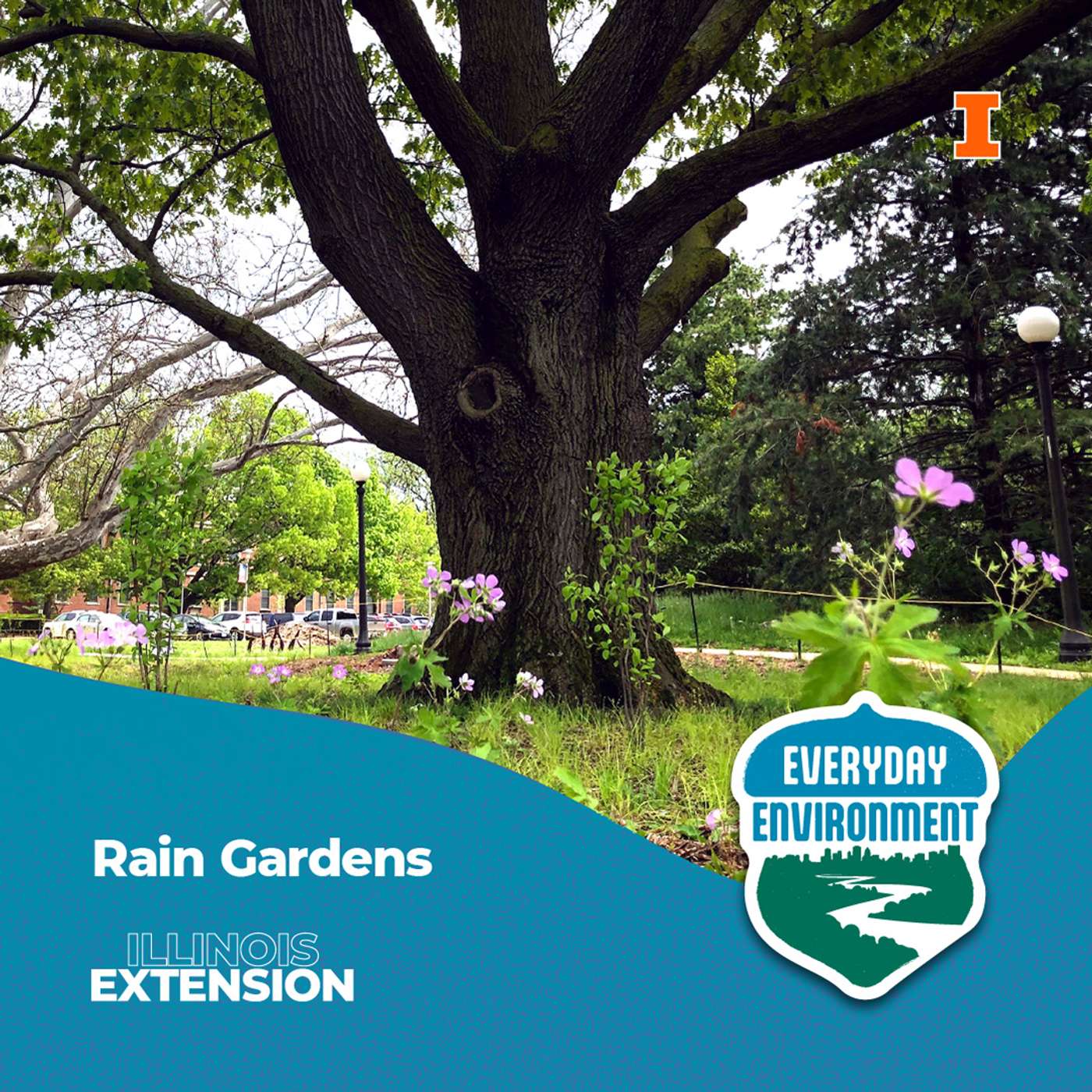
Join the Everyday Environment team as we chat with Layne Knoche, Stormwater Outreach Associate, to explore the importance of rain gardens and how they help manage stormwater, support biodiversity, and improve water quality. We chat about some good design tips and ideas, the basic make-up of a rain garden and spend some extra time really diving into our obsession with native plants.
Resources mentioned in the pod:
CoCoRaHS community science projectRed Oak Rain GardenRed Oak Rain Garden ResourcesIllinois Groundwork Plant FinderLawn to Lake MidwestNutrient loss in our waterways: the role of agriculture
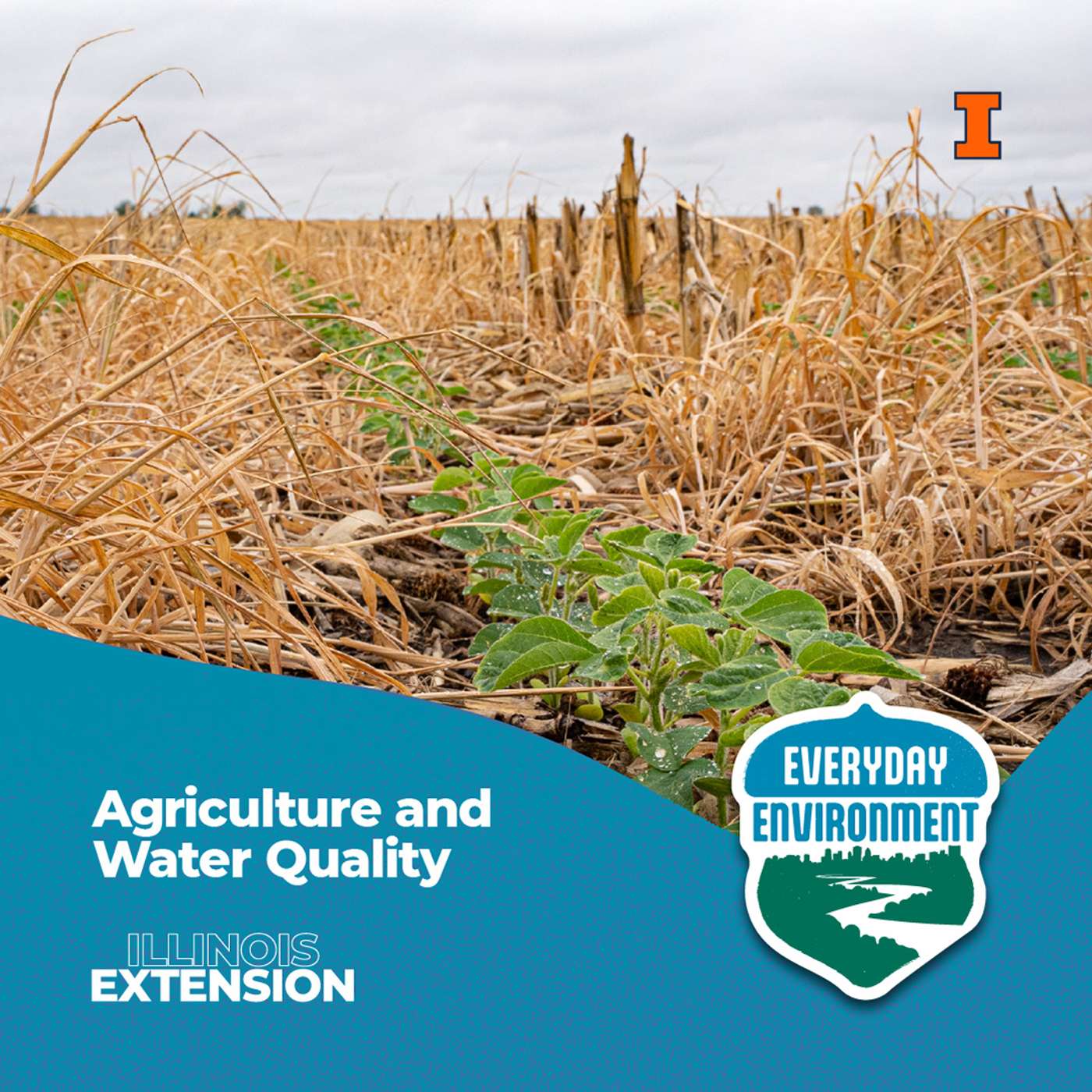
Everybody has a part to play in protecting the valuable resource that is water. So what is the part of farmers? As producers of our food, fiber, and fuel, farmers are essential to our economy, our plates, and our way of life. Learn from Rachel Curry about the options farmers have to protect water quality and the challenges they face in doing so. Check out the blog post on this topic for more information.
Resources:
Check out Illinois Extension’s nutrient loss reduction website to learn more about nutrient loss.
Saturated buffer video
Nutrient Lo...
A gauntlet for Carp: invasives species in our waterways
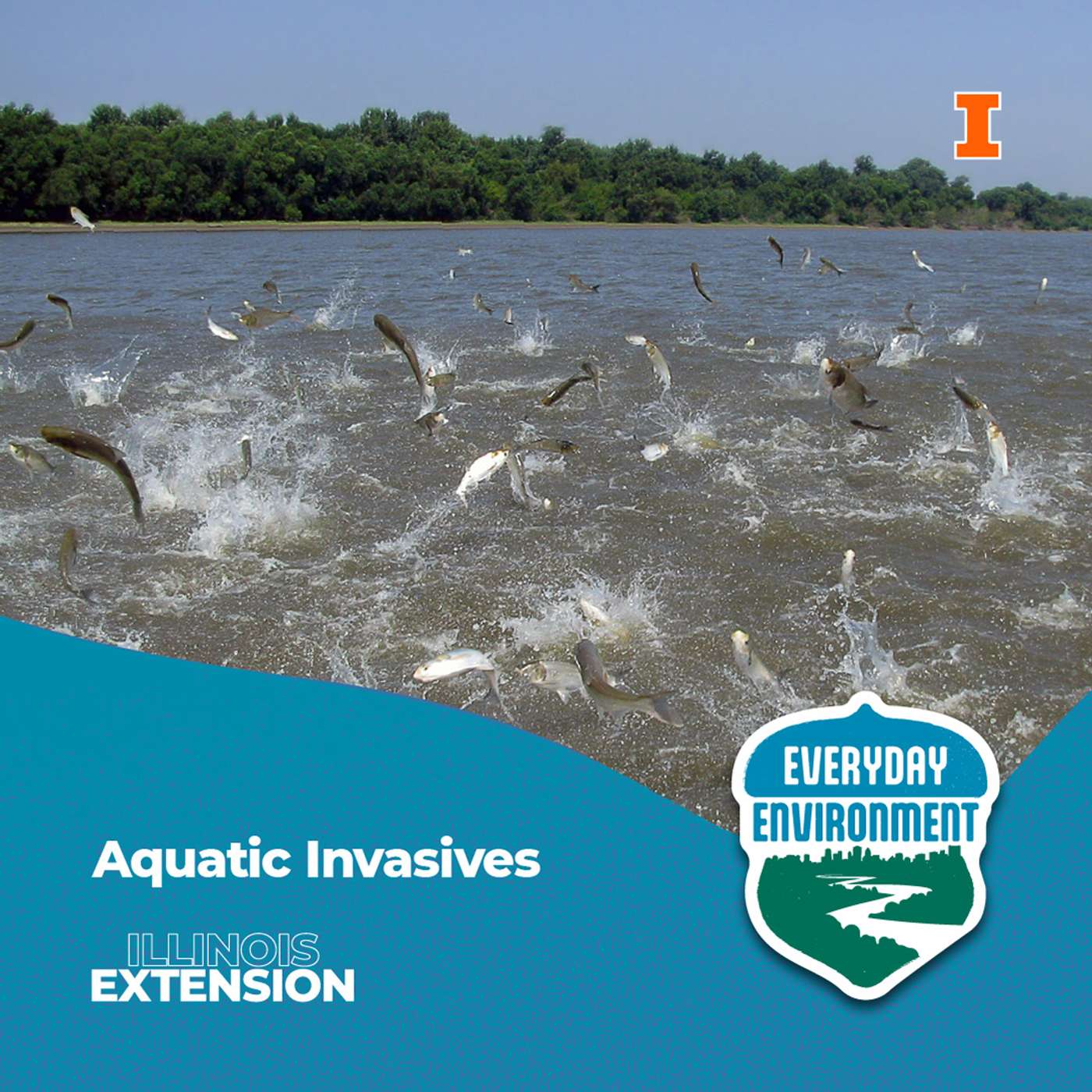
From the Mississippi River to Lake Michigan, Illinois’ waters are incredible environmental and economic resources, supporting a diversity of plants and animals, providing drinking water for millions of people, and allowing for transportation and recreation. However, aquatic invasive species can threaten these resources. These organisms cause harm to native species and collectively costing humans millions of dollars annually in impacts and control. Join the Everyday Environment team as they chat with Aquatic Invasive Species Specialist, Katie O'Reilly from Illinois Indiana Sea Grant.
Resources:
Transport Zero Campaign
Aquatic Invaders in the Marketplace
Invasive Crayfish Collaborative
Rain Check: Creative ways to use stormwater to your advantage
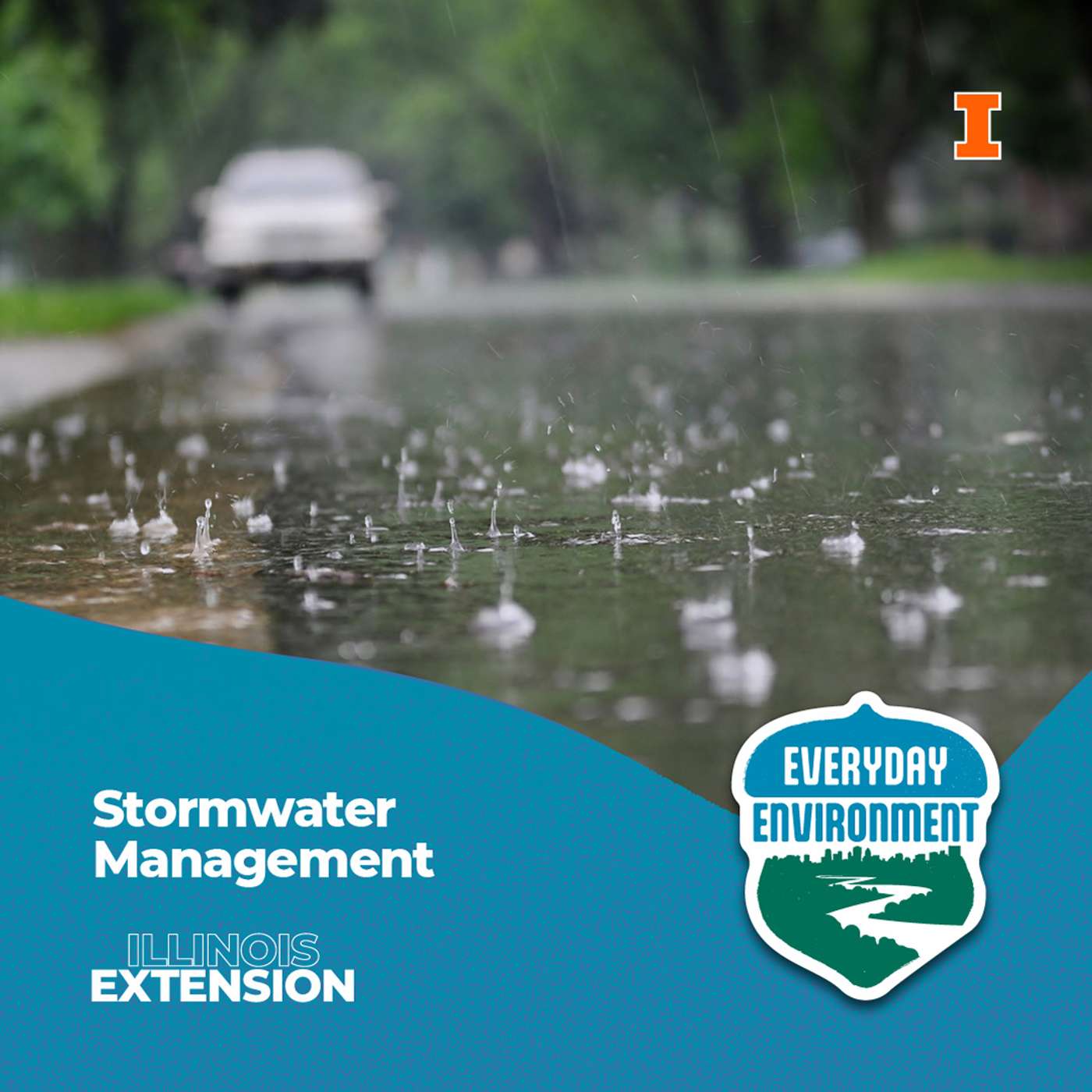
In this episode, we talk with Eliana Brown, Water Quality and Stormwater Specialist with University of Illinois Extension. Eliana explains how we can do simple things that improve lakes and rivers and why it's important to do so. This podcast complements Extension's Stormwater@Home video series.
With Eliana, we define stormwater, explore the challenges and solutions of stormwater management, and discuss innovative technologies being implemented within Illinois communities. Erin and Amy both serve mostly rural landscapes so we talk about the differences between urban and rural stormwater management. As always, come away with a few tips about what you...
What you should know about contaminants of emerging concern
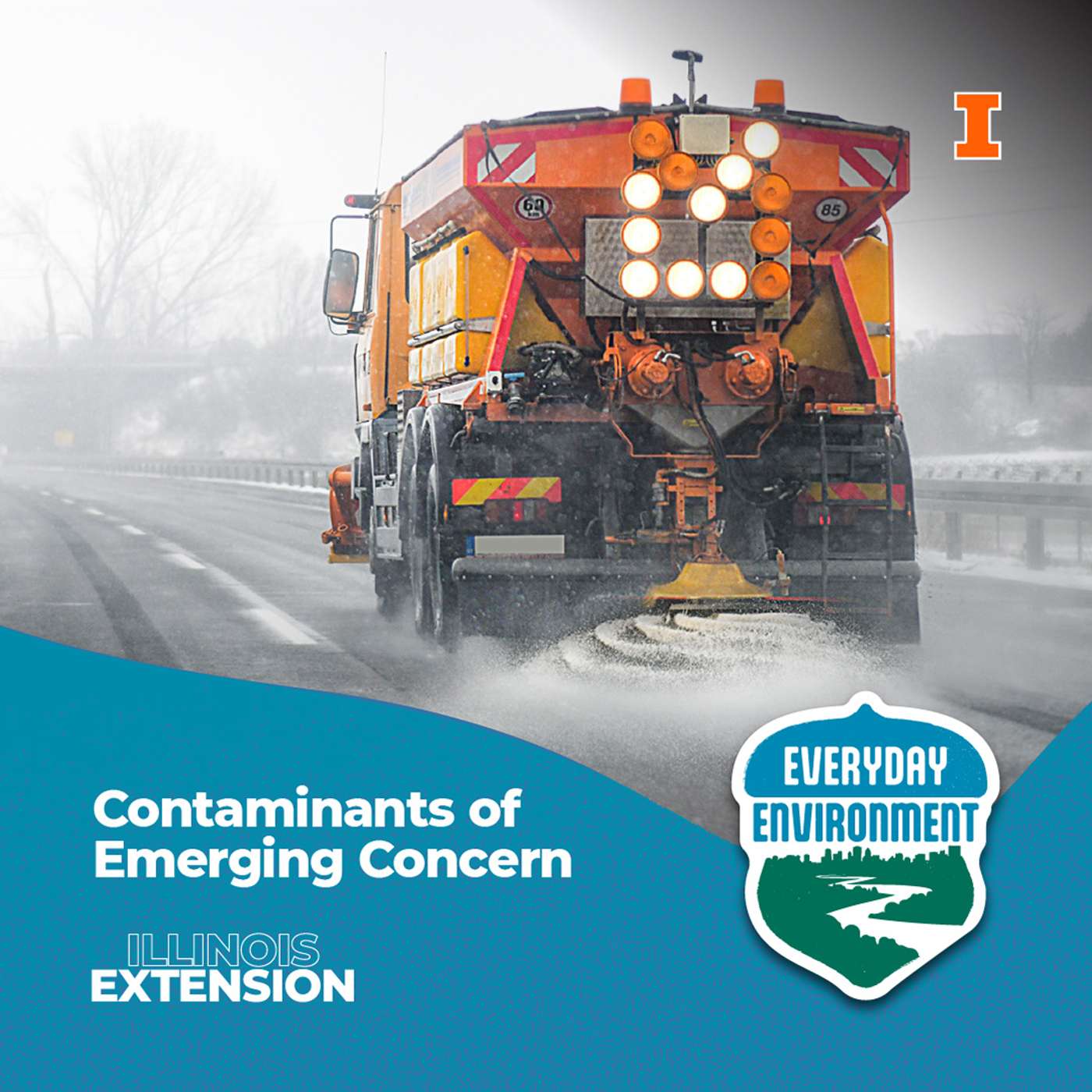
When people think about ‘contaminants of emerging concern’ in our waters, it sounds like a scary, complicated thing. But in truth, it’s not. There are a number of things in our everyday lives that can pollute our water – even medicine, clothing, and what we use to keep our homes safe and beautiful can become contaminants. In this podcast episode, we’ll discuss how to keep these everyday materials from becoming something that pollutes our water. Check out the blog post on this topic for more information.
Resources:
Unwantedmeds.org
Questions? We'd love to hear from y...
Science is not just for the professionals: RiverWatch and community science
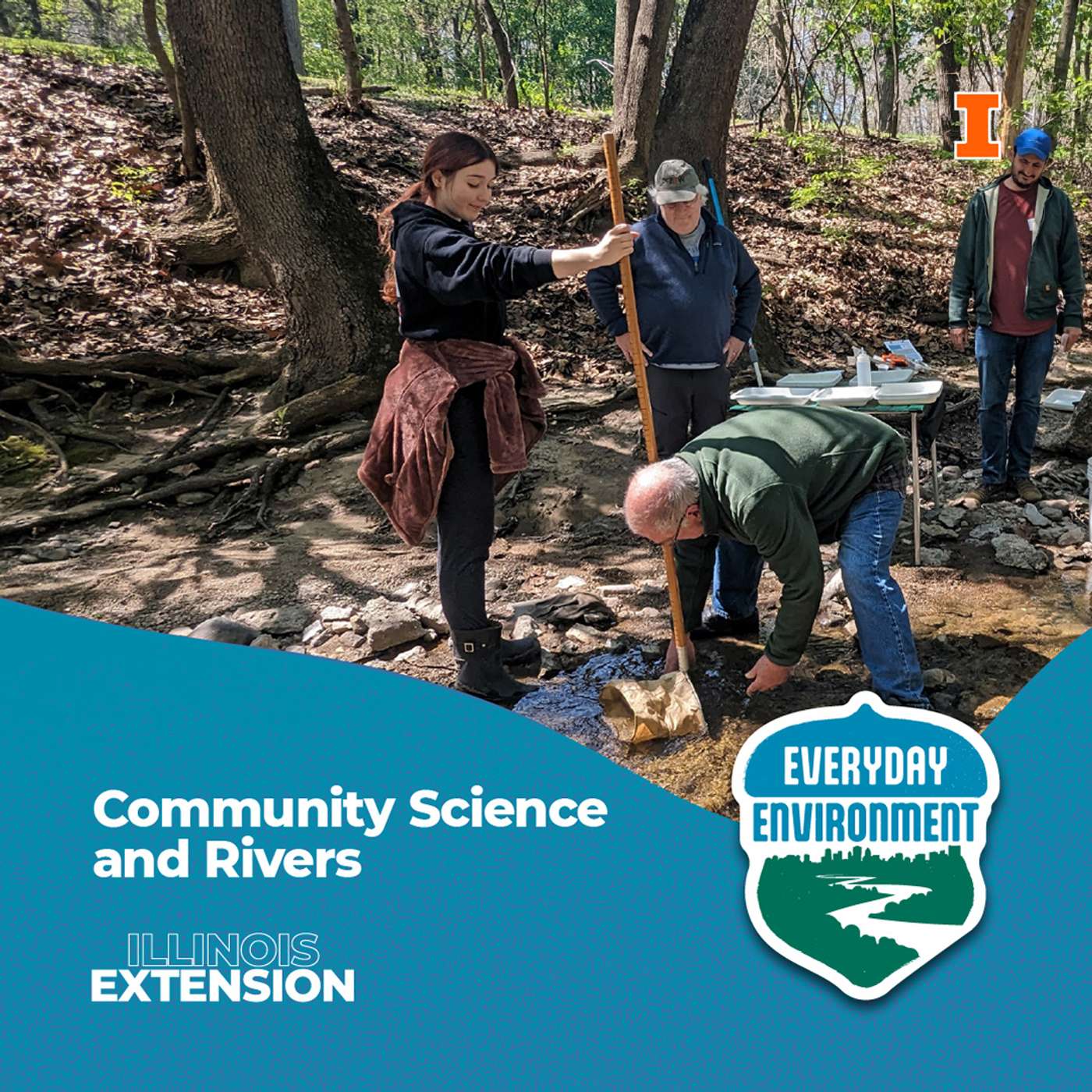
Illinois RiverWatch is a statewide community science (i.e. citizen science) program that trains volunteers to monitor water quality in their local streams. Learn how volunteers across the state use small water bugs, called macroinvertebrates, to look at stream health. Check out the blog post on this topic for more information.
Illinois RiverWatch: Check out upcoming volunteer trainings and subscribe to their newsletter Podcast: The Science Behind Fall Color, Good Growing. Abigail mentioned this during Everyday ObservationsQuestions? We'd love to hear from you!
Abigail Garofalo aeg9@illinois.edu, Erin Garrett emedvecz@illinois.edu, Amy Lefringhouse h...
From raindrop to river: State Hydrologist explains watershed basics
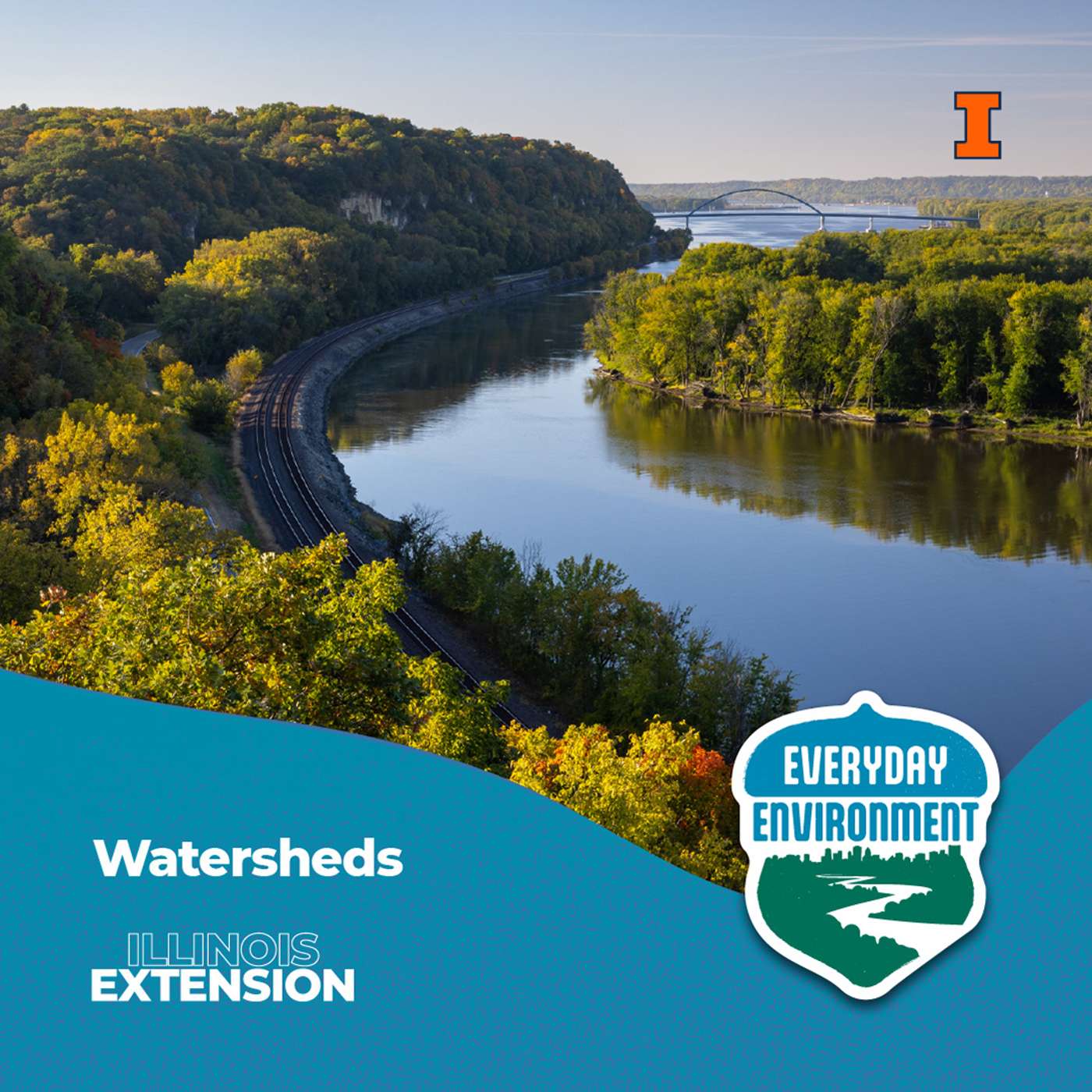
Watersheds are everywhere, adjusting and reforming all the time - they are not static. Watersheds are a reflection of natural and human activities: as activities change so do watersheds as well as the waterways within them. Whatever happens upstream goes downstream. Hear from State Hydrologist and Interim Director of the Illinois State Water Survey, Laura Keefer, about how movement of water and sediment in a watershed shows we all live downstream. Check out the blog post on this topic for more information.
Learn More:
Major Watersheds of Illinois map (Illinois State Water Survey)Illinois State Water...Water connects us all: a season 2 preview
Preview what to expect from season two of Everyday Environment. Abigail, Erin, and Amy give listeners a peak behind the scenes of how the podcast is produced and what to expect in our upcoming season on water.
Subscribe to our Newsletter
Check out our Blog
See the Everyday Environment Archives


