University of Minnesota Press
Authors join peers, scholars, and friends in conversation. Topics include environment, humanities, race, social justice, cultural studies, art, literature and literary criticism, media studies, sociology, anthropology, grief and loss, mental health, and more.
Refusing the machine.
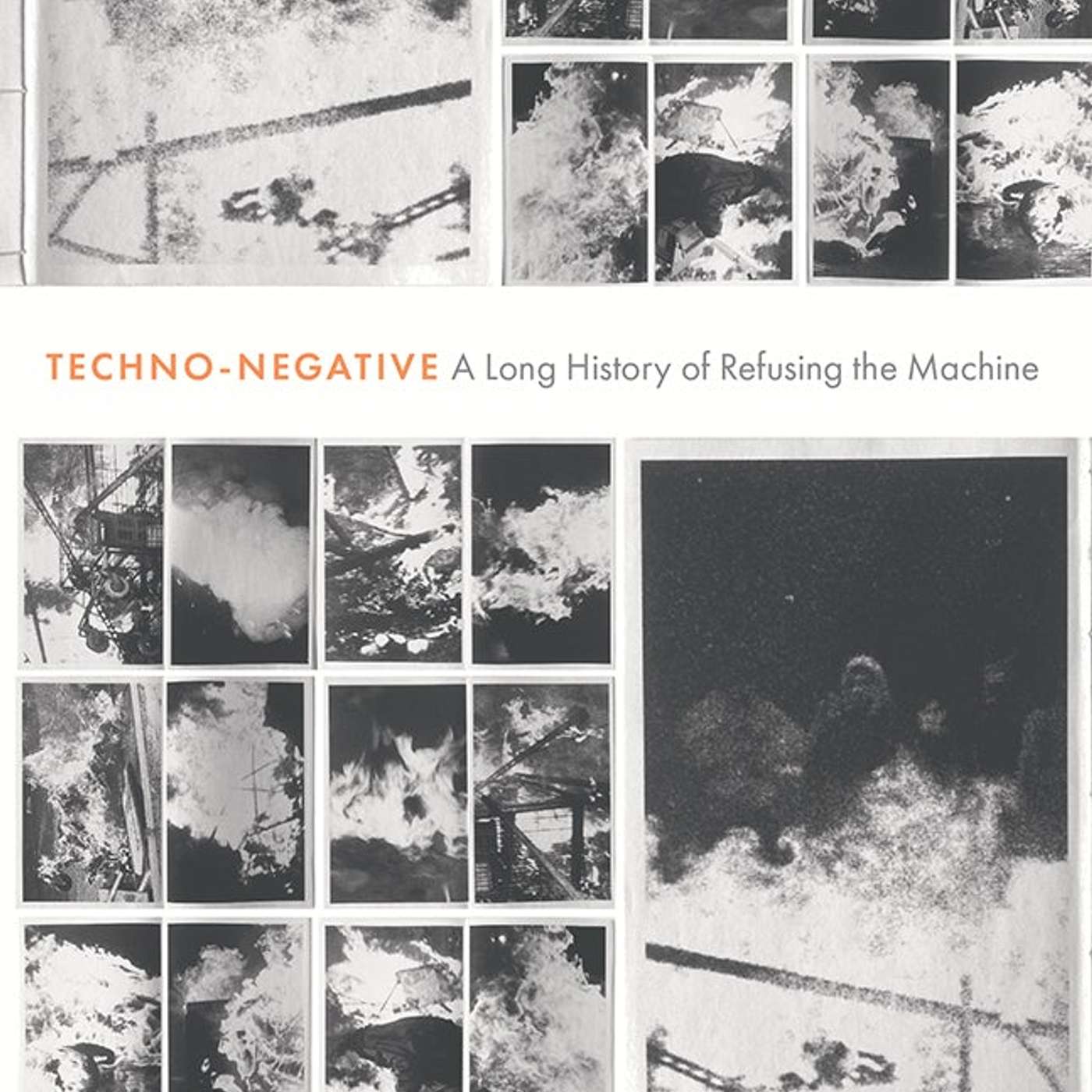
The history of technology is often told as a history of progress. Thomas Dekeyser turns this story on its head, leading a journey to the critical junctures where people have rejected and tried to undo, rather than adopt, new technologies. In Techno-Negative: A Long History of Refusing the Machine, Dekeyser challenges readers to rethink the terms of our technological present and future. Here, Dekeyser is joined in conversation with Brian Merchant and Sarah Sharma.
Thomas Dekeyser is a filmmaker and lecturer in human geography at the University of Southampton and author of Techno-Negative: A Long History...
Cinematic activism and solidarity politics in the US
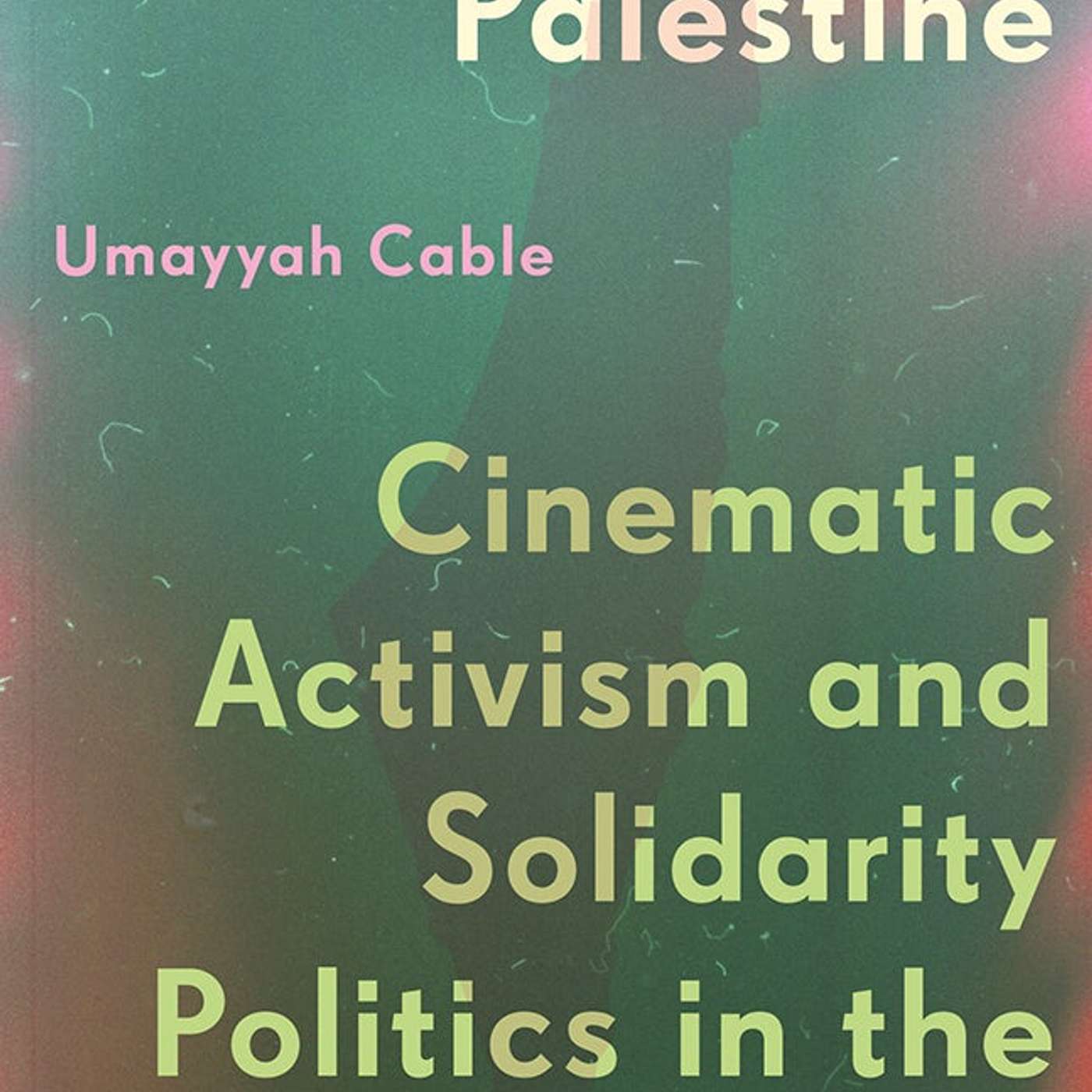
For decades, Arab American activists and allies have used film, video, and multimedia to mobilize support for the Palestinian cause in the United States. In Mainstreaming Palestine: Cinematic Activism and Solidarity Politics in the United States, a detailed history of cinema’s role within the broader solidarity movement, Umayyah Cable analyzes the various strands of cinematic activism that have helped move Palestinian liberation politics from the periphery and into the mainstream. Cable is joined here in conversation with Evelyn Alsultany, Keith Feldman, and Melani McAlister.
Umayyah Cable is assistant professor of American culture and film, television, and me...
Cybercultural revolution in the 1960s.
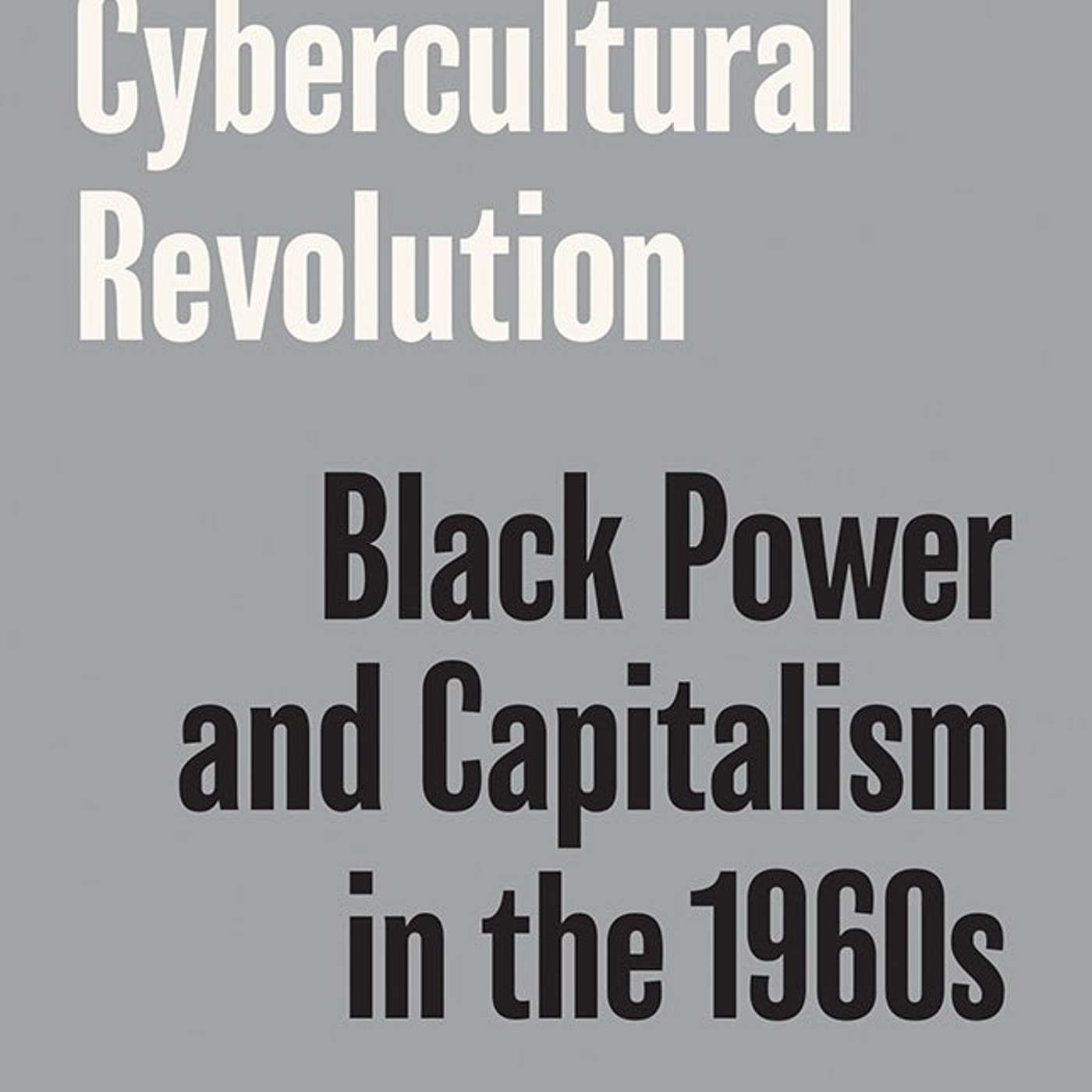
In the 1960s, artists, writers, and activists prefigured the wider discourse around automation and made it a central concern of their politics. Drawing upon James and Grace Lee Boggs’s notion of the cybercultural era, and examining the works of Martin Luther King Jr., Noah Purifoy, and the Black Panthers, Brian Bartell provides a crucial key to understanding the historical dynamics responsible for our technocapitalist, AI-driven present. Here, Bartell is joined in conversation with John Elrick.
Brian Bartell teaches courses on politics and aesthetics, media studies, and race and technology studies at Occidental College in Los Angeles an...
Abolitionist thinking, practical realities, and radical change
Far from being unrealistic, abolition is an indispensable part of a realist politics. In the book Prison Abolition for Realists, Anna Terwiel examines the work of abolitionist thinkers and activists since the 1960s—Michel Foucault, Liat Ben-Moshe, Angela Y. Davis, and more—to argue that prison abolition is a realist political project. Terwiel is joined here in conversation with Kirstine Taylor. This conversation took place in late 2025. Access a transcript of this conversation: https://share.transistor.fm/s/0b209d97
Anna Terwiel is assistant professor of political science at Trinity College in Hartford, Connecticut, and codirector of Trin...
Helen Hoover's Place in the Woods
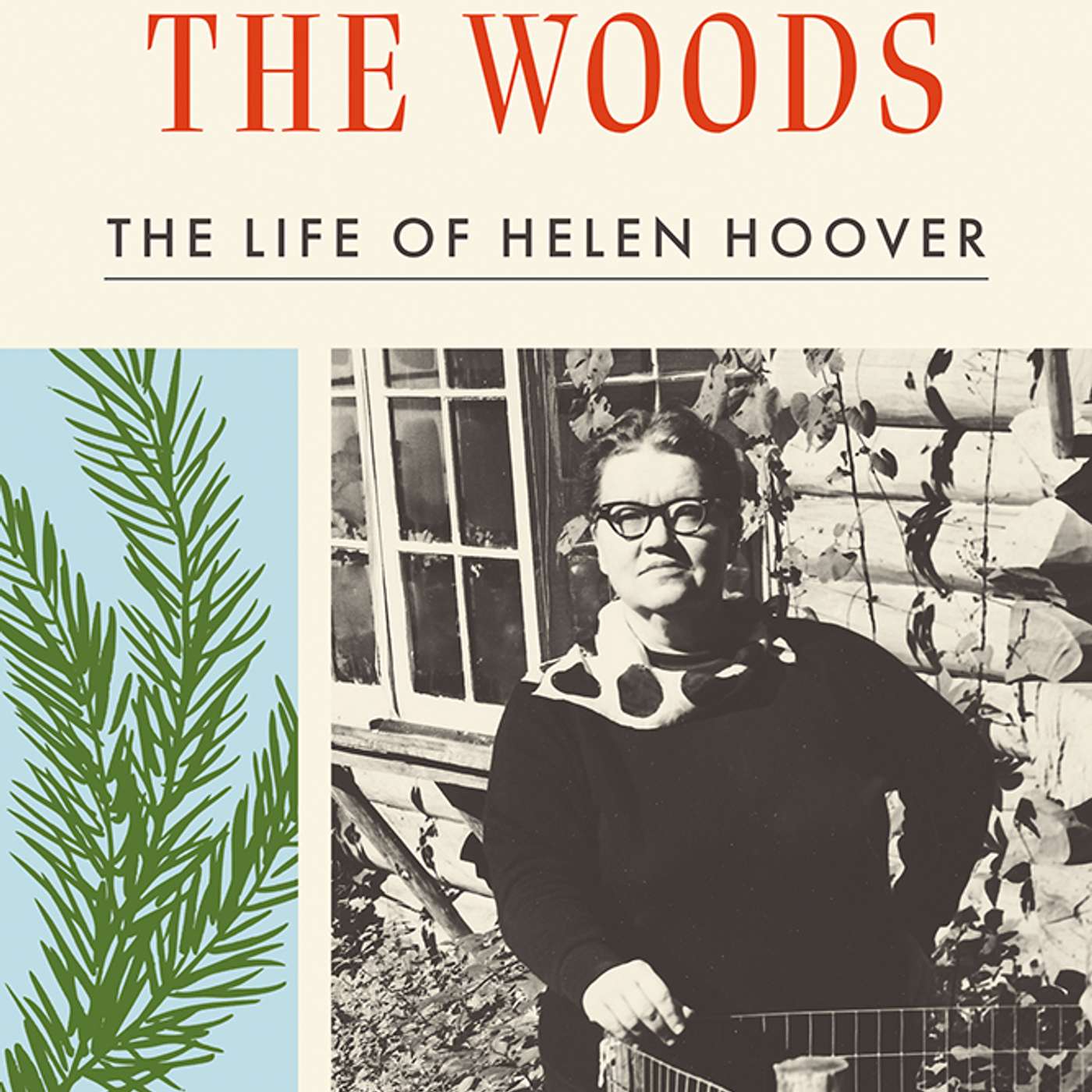
During the late 1950s through the early 1970s, Helen Hoover’s stories and essays of life in the wilderness on northern Minnesota’s Gunflint Lake, published in popular magazines and several bestselling books (including The Gift of the Deer in 1966 and A Place in the Woods in 1969), found millions of fans and earned her accolades alongside nature writers like Sigurd Olson, Rachel Carson, Sally Carrighar, and Calvin Rutstrum. Hoover’s own unlikely history of leaving a corporate career in Chicago for a small cabin without electricity or running water is just one chapter of the remarkable life that David Hakens...
On gender and sport
At age 60, Erica Rand decided to take up pairs figure skating. As two white queer adult skaters, Rand and her partner have come into direct contact with the interconnected binarisms that shape athletic participation, from oversimplified distinctions between cis and trans to the artificial division between athletic and artistic. Rand’s book Skating Away from the Binary is a call to transform gender norms in sport. Here, Rand is joined in conversation with Travers and Mary Louis Adams. This conversation was recorded in December 2025. Access a transcript: https://share.transistor.fm/s/5ce9d8f8
Erica Rand is...
Navigating and challenging deep-seated racial injustices in the Midwest.
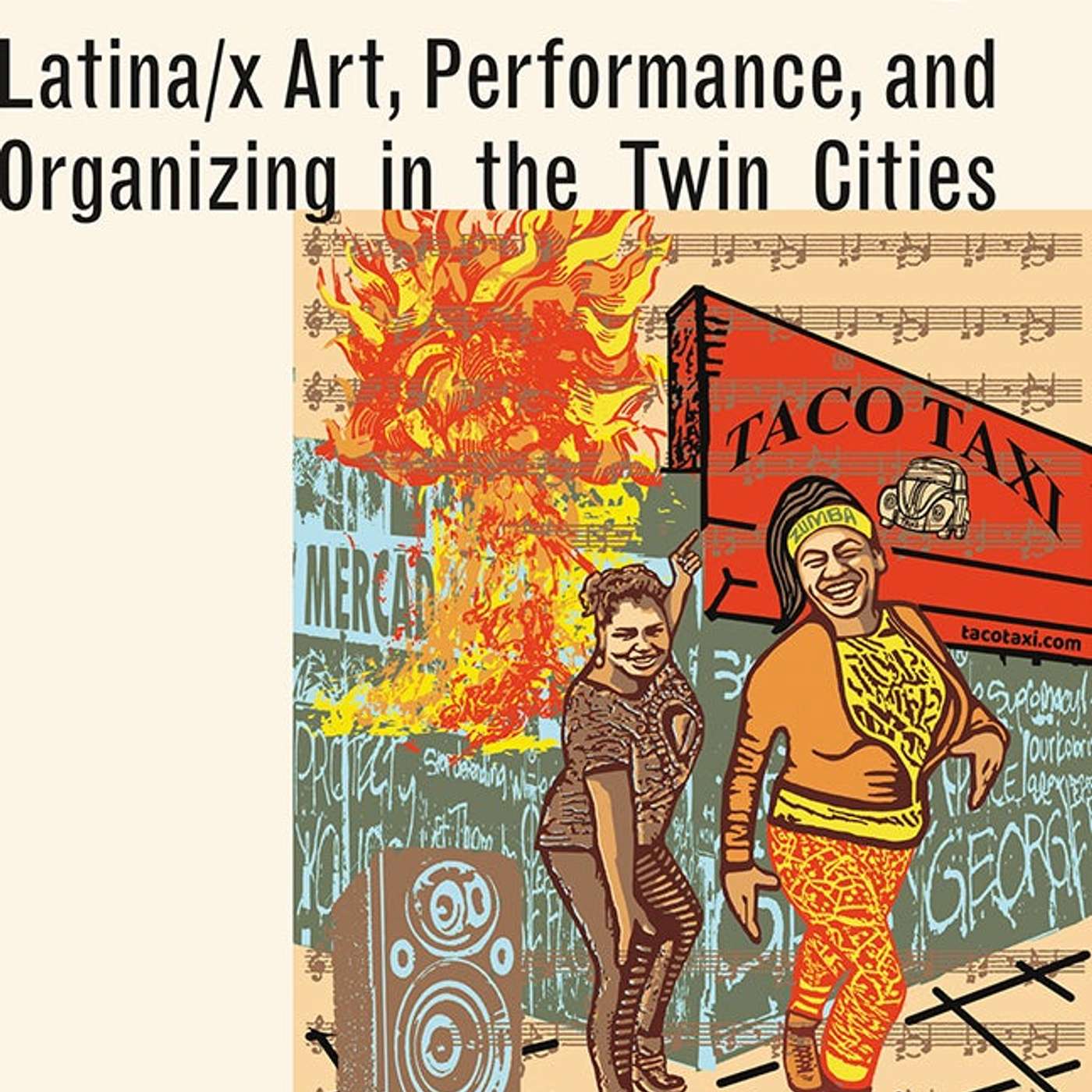
Movidas are subtle yet strategic actions through which Latina/x artists forge solidarities, mobilize for justice, and reclaim space. In Place-Keepers, Jessica Lopez Lyman centers Latina/x women and gender nonconforming artists from Chicana/Mexicana, US Central American, and Caribbean backgrounds and examines how these artists respond to systemic oppression through public performances and behind-the-scenes negotiations with the state, nonprofits, and other institutions—establishing a crucial framework for understanding art as activism. Here, Lopez Lyman is joined in conversation with Kristie Soares and Karma Chaves. Access a transcript: https://share.transistor.fm/s/97747e66
Jessica Lopez Lyman is...
The perilous edge between patriotism and fascism

The work of Maria Janion, one of Eastern Europe’s most profound intellectuals, who witnessed the rise of authoritarian nationalism in Poland, German occupation during World War II, Soviet control, and Poland’s uneasy integration into the West, explores this fine line. Janion’s writings have been gathered by Marta Figlerowicz into the recently published volume The Bad Child: A Maria Janion Reader, and Figlerowicz is joined here in conversation with Noah Feldman to talk about Janion’s writing, which offers sharp insights into how societies develop and assert their identities and histories—often at the cost of the people. Th...
Anti-mafia organizing and solidarity movements in Italy
For more than 150 years, Italy has been home to a resilient and evolving resistance against the pervasive influence of mafias. While these criminal organizations are renowned for their vast international business enterprises, the collective actions taken to oppose them are less known. Drawing on ethnographic fieldwork among anti-mafia alliances in Campania, Sicily, and other parts of Italy, Christina Jerne explores anti-mafia activism, revealing how ordinary people resist, counter, and prevent criminal economies from proliferating. Jerne is joined in conversation with Deborah Puccio-Den and Trine Mygind Korsby. Access a transcript: https://share.transistor.fm/s/9dc8cf86
...
Retirement special: Publishing leaders look back at decades of transformation and tenacity in the industry.
Douglas Armato, the fifth director in the University of Minnesota Press's 100-year history, will soon retire after 27 years of leadership at the Press—following an almost-50-year career in book publishing. On the occasion of this milestone event, he unites several titans of university publishing in a tremendous conversation about change and comradeship, past progress and future speculation, and persistent through it all, an abiding passion for what is at the core of this work: books. Gathered with Armato are Lisa Bayer, director of University of Georgia Press; Greg Britton, editorial director at Johns Hopkins University Press; Jennifer Crewe, as...
Blindness and blind spots.
“Jovencito, it’s going to be lonely being different and yet strong in this world,” James Francisco Bonilla’s grandmother told him when he was ten. Born with congenital cataracts, James had limited vision in his right eye and none in his left. At age nine, after a classmate hurled a horseshoe at his face in a racially motivated assault, James’s right eye was injured and he became legally blind. At home, too, he feared physical violence, experiencing the unpredictable outbursts of a single mother suffering from severe mental illness. Throughout his youth as a Puerto Rican New Yorker, Ja...
Medical technology and bodily authority

As medical advancements continue to shape the detection, diagnosis, and treatment of disability and illness, technology is often presented as a path to autonomy. Rebecca Monteleone shows how such technologies contribute to a cruel double bind, forcing disabled people to be accountable for adapting to a world built by and for nondisabled people while dismissing their lived experiences in favor of medical expertise. In the new book The Double Bind of Disability, Monteleone explores anecdotes about prenatal genetic screening, deep brain stimulation, and do-it-yourself artificial pancreas systems, exposing new relationships among disability, authority, knowledge, and responsibility. Monteleone is joined...
The digitized afterlives of cultural objects.
What is the opposite of “big” data? In a society where households commonly store personal archives of photos, financial records, and other documents, the “little” database—the personal data collection that is stored and backed up and not accessed frequently—deserves a category of its own. In The Little Database: A Poetics of Media Formats, Daniel Scott Snelson examines globally accessible little databases, such as Textz, Eclipse, and UbuWeb, explores how digital archives dramatically transform the artifacts they host, and asks how they might help us better understand our own private collections in turn. Snelson is joined in conversation with Vicki B...
Indigenous filmmaking and futures
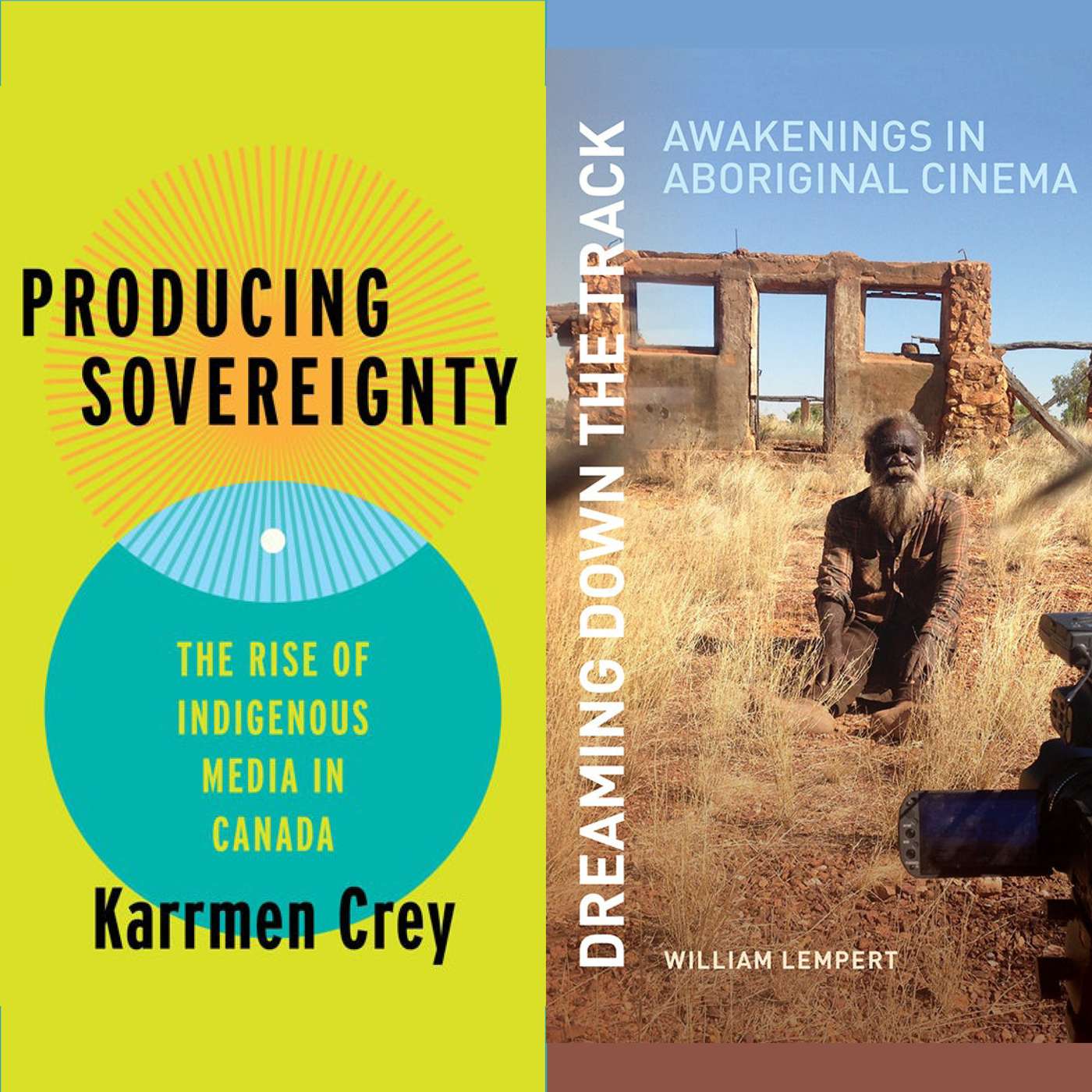
What lives in the spaces between dreams and apocalypse? Two authors discuss their books on Indigenous media: Karrmen Crey, whose Producing Sovereignty: The Rise of Indigenous Media in Canada considers the political and cultural conditions that enabled the proliferation of Indigenous media across Canada in the early 1990s. The product of years of embedded fieldwork within Indigenous film crews in Northwestern Australia, William Lempert’s Dreaming Down the Track delves deeply into Aboriginal cinema as a transformative community process. Crey and Lempert are joined in conversation here about the process of preserving community stories and enacting sovereign futures. Access a...
Surrealism and selfhood
In interwar Paris, the encounter between surrealism and the nascent discipline of ethnology led to an intellectual project now known as “ethnographic surrealism.” Joyce Suechun Cheng considers the ethnographic dimension of the surrealist movement in its formative years in her new book The Persistence of Masks: Surrealism and the Ethnography of the Subject, the inaugural volume in the University of Minnesota Press’s Surrealisms series. By broadening the scope of ethnographic surrealism, Cheng offers new insights that challenge longstanding beliefs about this multifaceted movement in poetry, the arts, and culture. Here, Cheng is joined in conversation with Surrealisms series editor...
“Not everybody has seven mothers.”
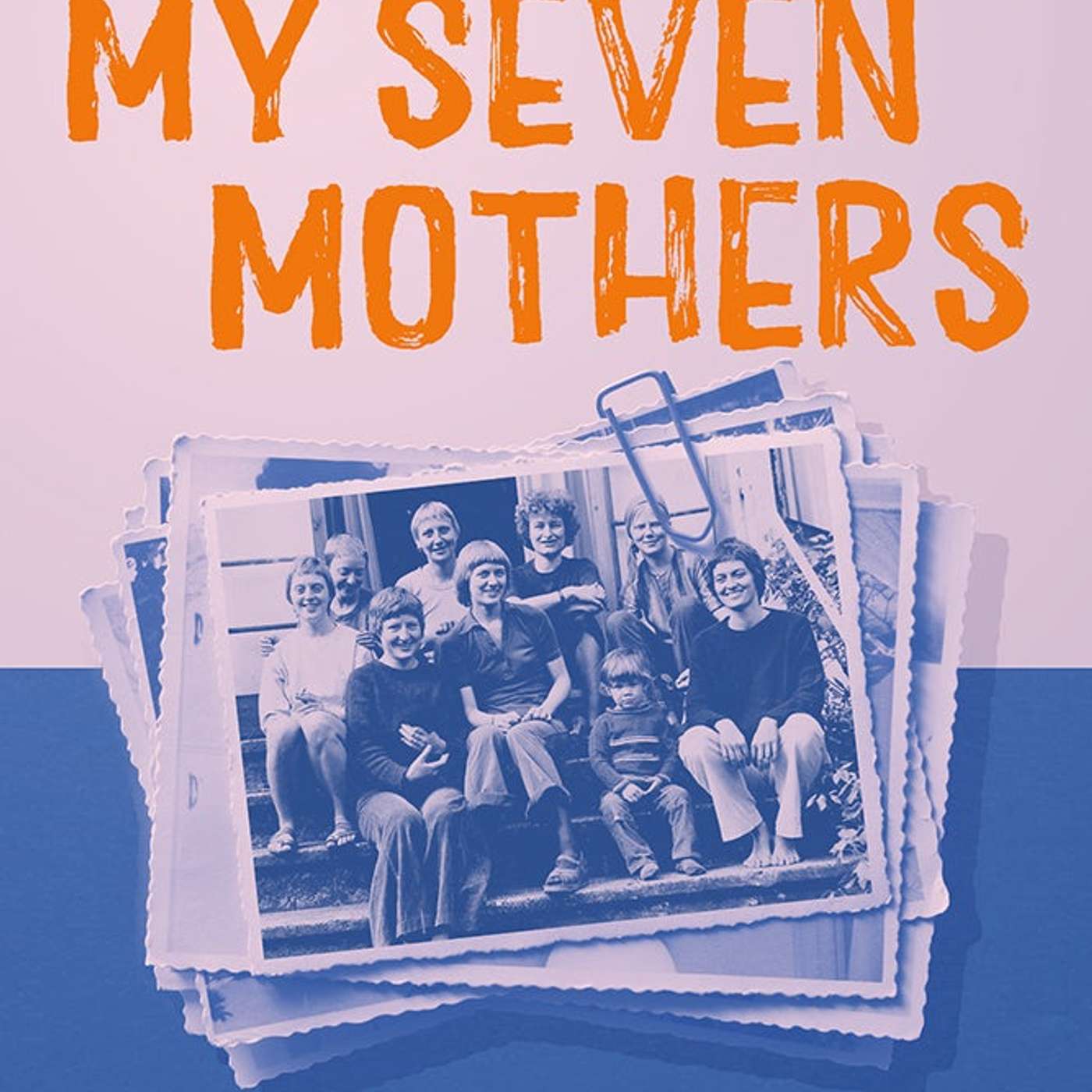
In Copenhagen in 1972, during the exhilarating early days of women’s liberation in Scandinavia and dramatic social change around the world, seven women had a child together. Recounting her mothers’ history—from the passions and beliefs they shared to the political divisions over sexual identity that ultimately split them apart—Pernille Ipsen’s chronicle of gender, sexuality, and feminism as it was constructed, contested, and lived reminds us that new worlds are always possible. Here, Ipsen is joined in conversation with Adriane Lentz-Smith. Access a transcript: https://share.transistor.fm/s/04d4beb5
Pernille Ipsen is author of My Seve...
Nonbinary Jane Austen
Chris Washington reads Jane Austen differently from how she is classically understood; rather than the doyen of the cisheteronormative marriage plot, Washington argues that Austen leverages the generic restraints of the novel and envisions a nonbinary future that traverses the two-sex model of gender that supposedly solidifies in the eighteenth century. Here, Washington discusses a politics built on plurality and possibility with Marquis Bey, Christopher Breu, and Alison Sperling. Access a transcript: https://share.transistor.fm/s/57e6a465
Chris Washington is associate professor of English at Francis Marion University. He is author of Nonbinary Jane Austen...
Three economies of transcendence
“Lack of political will and corruption of the ruling class are certainly enormous obstacles but do not (fully) explain the widespread inaction against our current multidimensional crisis (ecological catastrophe, failing democracies, permanent and more destructive wars, etc.).” So opens Andrea Righi’s Three Economies of Transcendence, which takes a deep philosophical dive into the fundamental dimensions of subjectivity, society, and time through the lens of transcendence. Here, Righi is joined in a wide-ranging conversation with Michael Lewis about finitude, infinitude, evolution, neoliberalism, and radical change. Access a transcript: https://share.transistor.fm/s/aab495f2
Andrea Righi is a c...
Star Trek and the franchise era.
In his book Late Star Trek, Adam Kotsko analyzes the wealth of content set within Star Trek’s sprawling continuity, beginning with the prequel series Enterprise, highlighting creative triumphs and the tendency for franchise faithfulness to get in the way of new ideas. Arguing against the consensus that franchises are a sign of cultural decay, Kotsko zeroes in on their status as modern myths, owned as corporate intellectual property, as a source of creative limitation. Here, Kotsko is joined in conversation with David Seitz. Access a transcript: https://share.transistor.fm/s/1a04a2fd
Adam Kotsko te...
Pseudoscientific phenomena and cultural thought
Some attributes of the paranormal mind are dismissed as nonsense, but what can an exploration of pseudoscientific phenomena tell us about accepted scientific and cultural thought? In Parascientific Revolutions: The Science and Culture of the Paranormal, Derek Lee traces the evolution of psi epistemologies and uncovers how these ideas have migrated into scientific fields such as quantum physics and neurology, as well as diverse literary genres including science fiction, ethnic literature, and even government training manuals. Here, Lee is joined in conversation with Alicia Puglionesi. Access a transcript: https://share.transistor.fm/s/8d8167e3
Derek Lee...
Replacing the state.
Sasha Davis, an activist and scholar of radical environmental advocacy, brings new hope for social justice movements by looking to progressive campaigns that have found success by unconventional means. From contesting environmental abuse to reasserting Indigenous sovereignty, these movements demonstrate how people can collectively wrest control over their communities from oppressive governments and manage them with a more egalitarian ethics of care. The work is exciting, it’s messy, and it seeks to change the world. Here, Davis joins Laurel Mei-Singh and Khury Petersen-Smith in conversation about his new book, Replace the State: How to Change the World When El...
Capitalism Hates You: Horror film and Marxist theory.
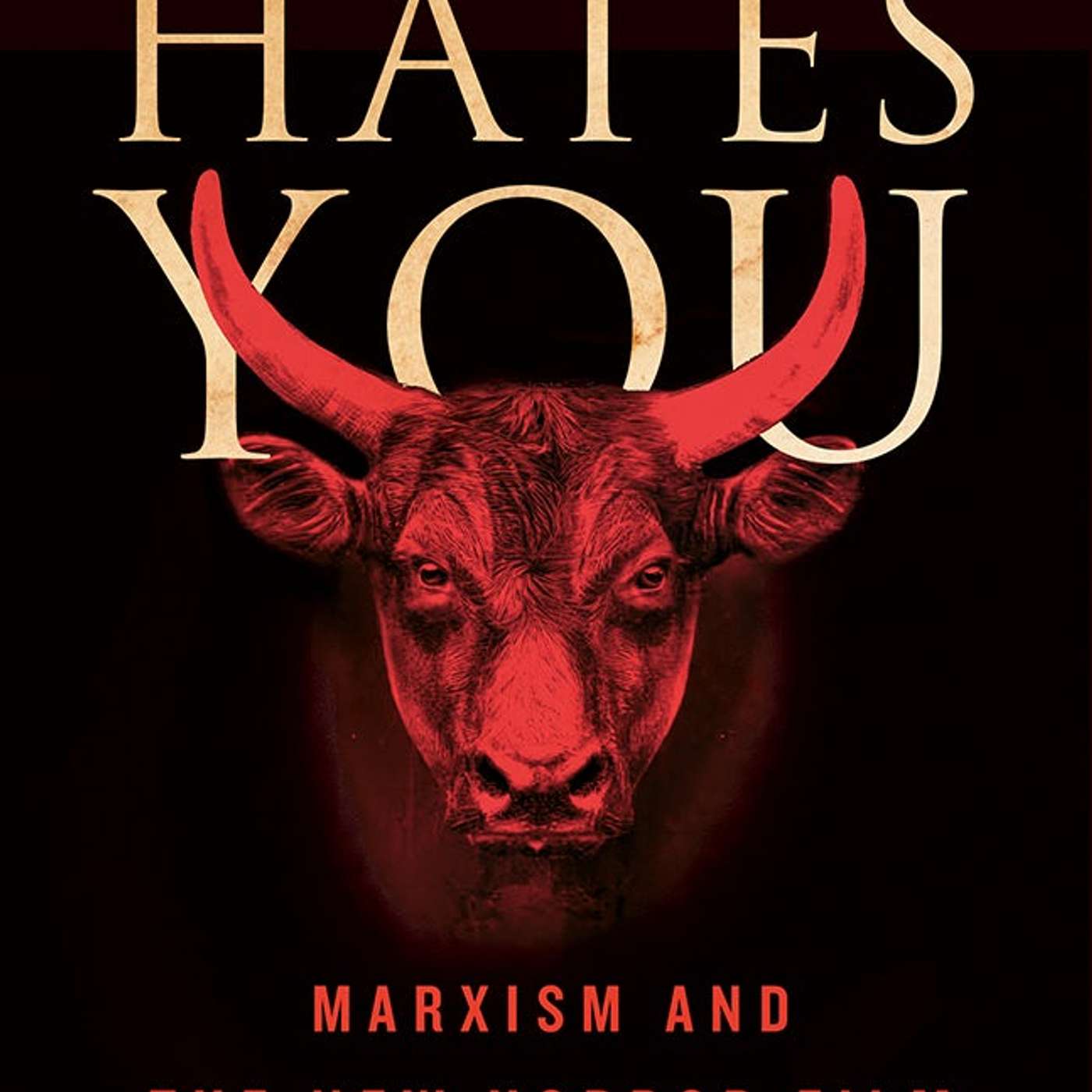
From Get Out to The Babadook to Saint Maud: In his new book, Josh Gooch uses the horror film genre to expose the hostile conditions of life under capitalism, drawing connections between Marxist theory and contemporary narratives of psychological unease. Here, Gooch is joined in conversation with Jo Isaacson. This episode contains spoilers for multiple films (list below). Access a transcript: https://share.transistor.fm/s/535654e1
Joshua Gooch is professor of English at D’Youville University in Buffalo, New York. He is author of Capitalism Hates You: Marxism and the New Horror Film; Dickensian Affects: Charles Di...
Typophoto and graphic design’s early years.
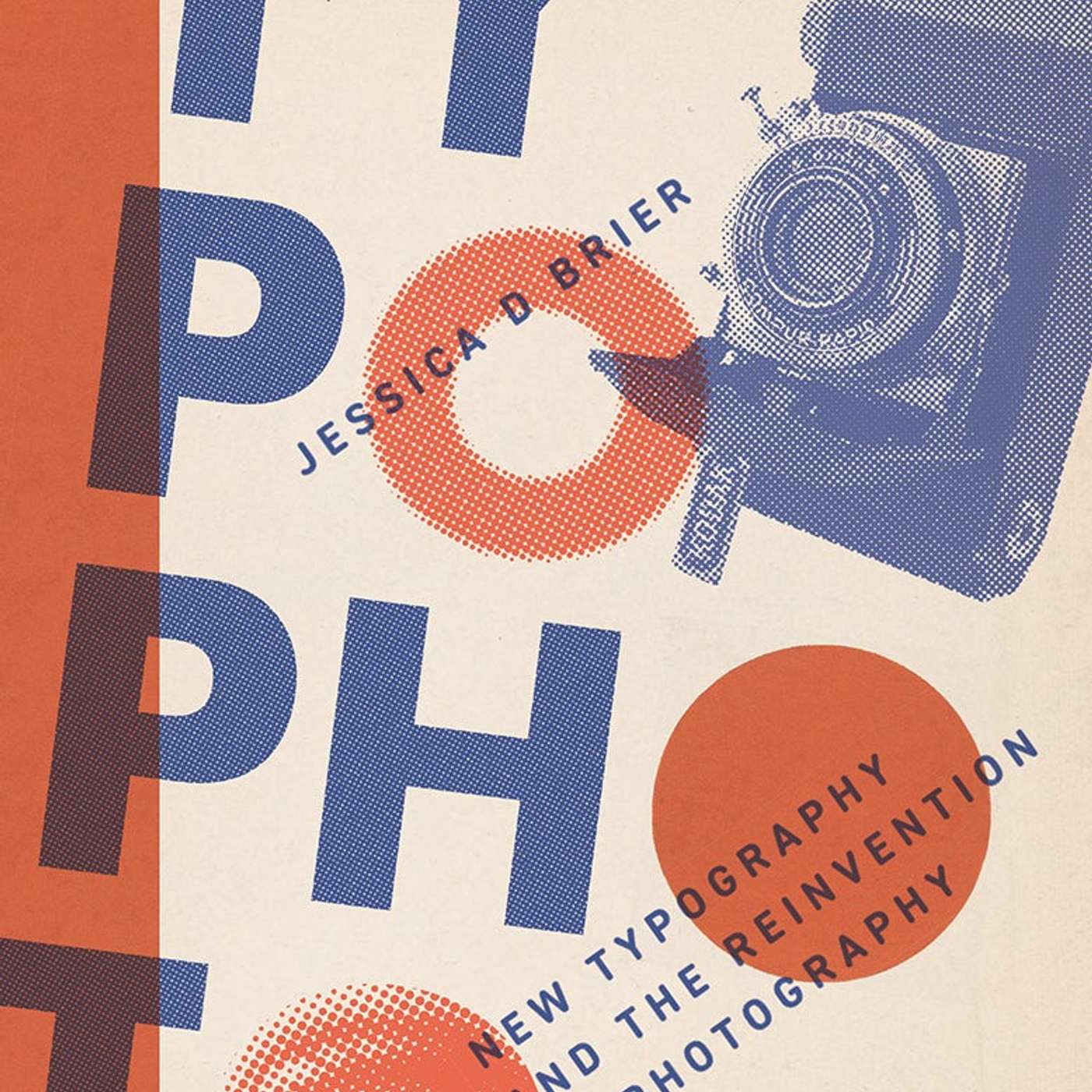
Between the World Wars, ideas about meaning, truth, and the ethics of persuasion informed newly articulated principles for combining word and image. The young field of graphic design developed quickly during this period, and photography played a central role as a visual language of modern life. The concept Typophoto was coined by Bauhaus artist László Moholy-Nagy and played a foundational role in the modernist graphic design movement known as the New Typography. Here, Jessica D. Brier, author of Typophoto: New Typography and the Reinvention of Photography, joins Ellen Lupton in conversation about this fascinating period in design history. Ac...
The dream of indefinite life.
From Plato and Derrida to anti-aging treatments, cryogenics, cloning, and whole-brain uploads, the dream of indefinite life is technological and, as Adam Rosenthal shows in Prosthetic Immortalities: a matter of prosthesis, the transformation of the original being. There can be no certainty of immortality and yet, the problem of immortality continues to haunt the soul. Rosenthal engages David Wills and Deborah Goldgaber in a conversation that touches on philosophy, transhumanism, biopolitics, Dolly the sheep and the return of the dire wolf, what it means to extend life or, ultimately, to extend death. Access a transcript: https://share.transistor.fm...
How fascist ideas permeate contemporary culture.
Presenting a view of fascism as a complex power network that plays out on scales both large and small, Alexander Menrisky, author of Everyday Ecofascism, shows how extremist sentiments have crept into everyday language, stories, and ideas. He illuminates ecofascism’s narrative patterns and their easy permeation of environmentalist discourses, from back-to-the-land movements to the resurgence of psychedelic drugs, food localism, and pandemic politics. Here, Menrisky is joined in conversation with April Anson and Kyle Boggs. Access a transcript: https://share.transistor.fm/s/add5e9b8
Alexander Menrisky is assistant professor of English at the University of...
Public history, memory, and building a tribal archive.
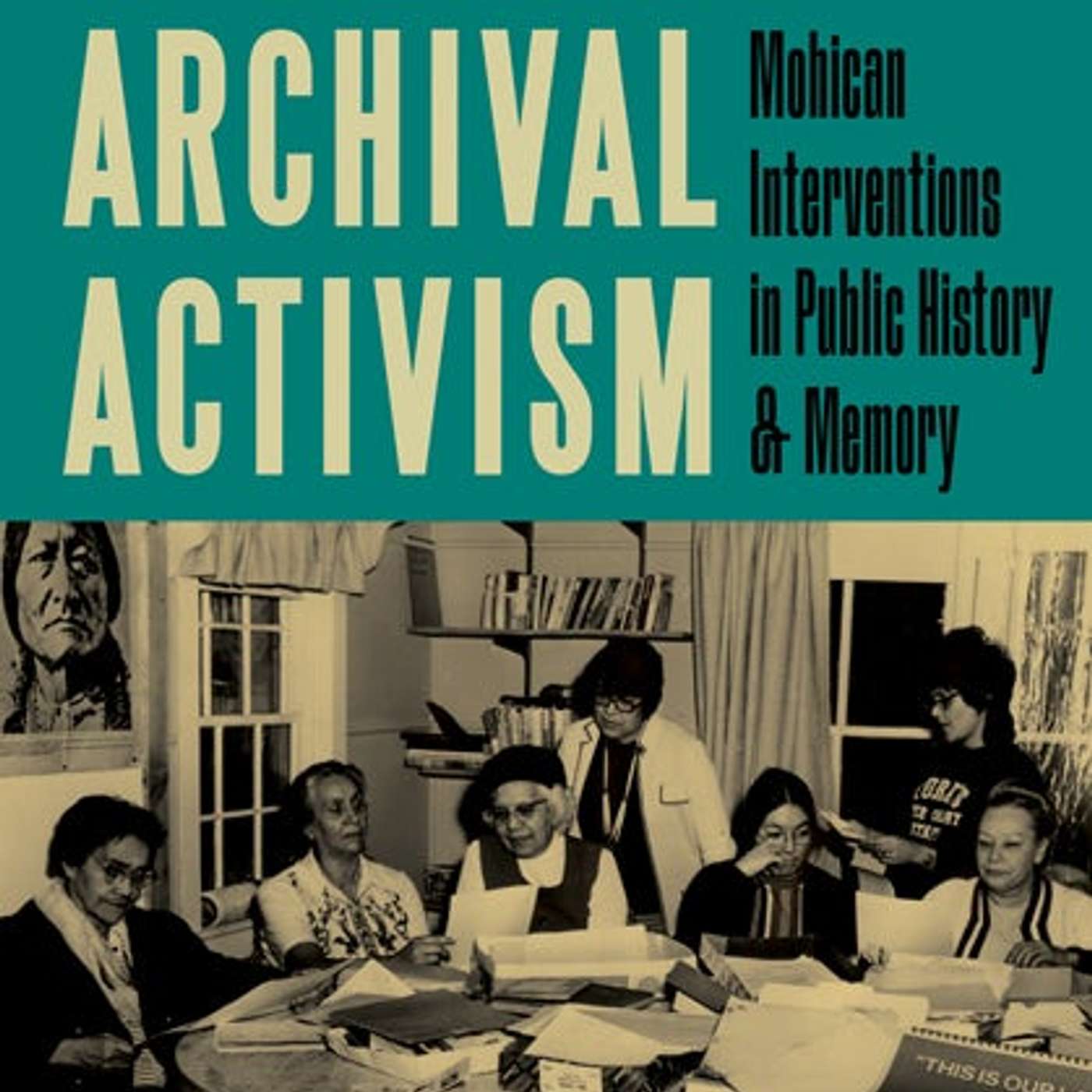
The story of the Stockbridge-Munsee Mohican Nation and its Historical Committee—and its fifty-year fight to recover and rewrite its history—is the focus of Rose Miron’s award-winning book Indigenous Archival Activism. Miron’s research and writing are shaped by materials found in the tribal archive and ongoing conversations as part of her more-than-a-decade-long reciprocal relationship with the Stockbridge-Munsee Mohican Nation. Miron is not Mohican and is careful to consider her own positionality and reflects on what it means for non-Native researchers and institutions to build reciprocal relationships with Indigenous nations in the content of academia and public history...
Has the city become history?
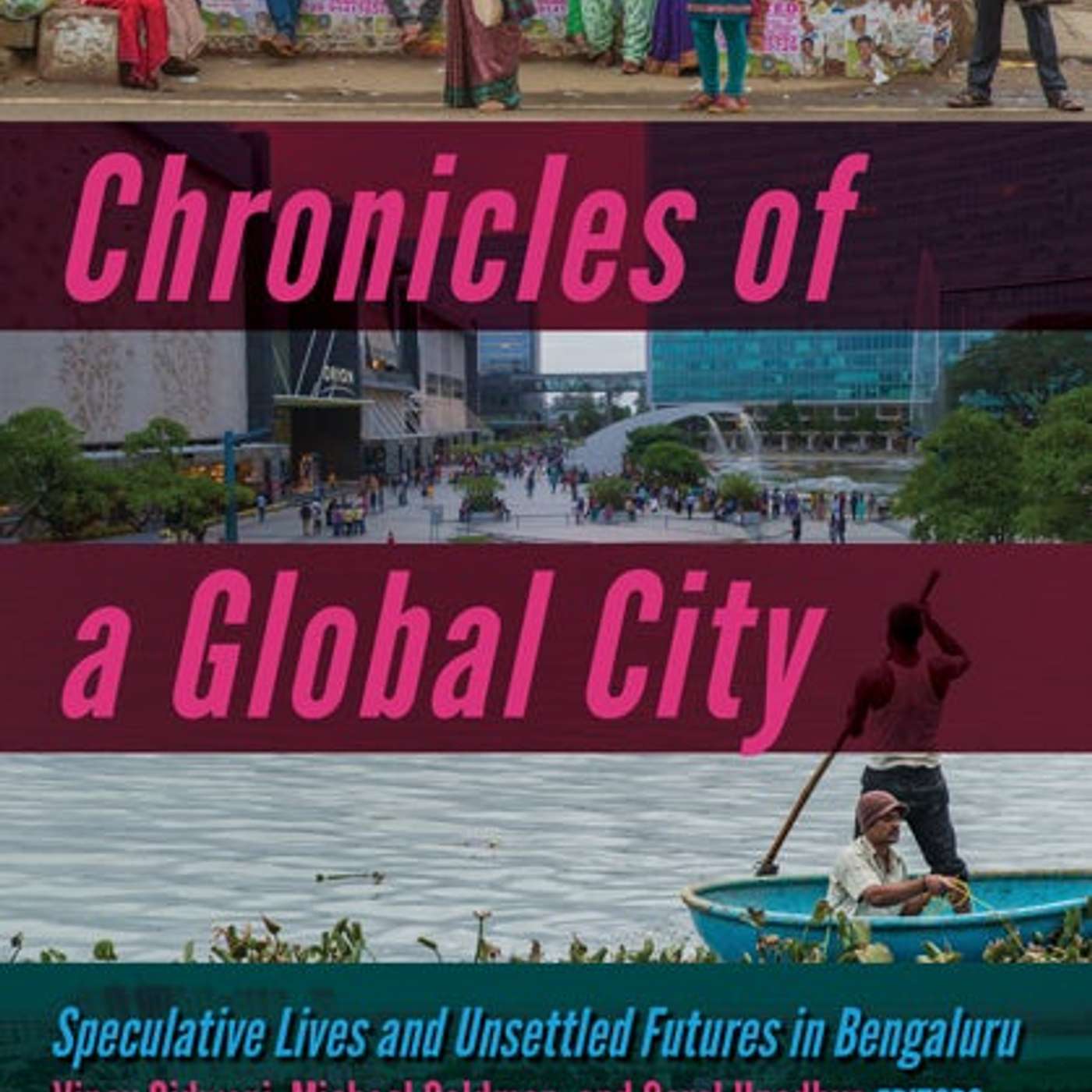
Society has yet to fully grapple with the administrative chaos that has ensued from the growth of the urban. One such city allows tremendous insight into the process of urbanization in the new millennium: Bengaluru. During the past two decades, Bengaluru’s real estate sector and infrastructure investments have exploded in a massive transformation that stimulated rapid urbanization and unbounded growth. The coedited collection of writings Chronicles of a Global City: Speculative Lives and Unsettled Futures in Bengaluru explores how people caught up in the whirlwinds of change—construction laborers, street vendors, gig workers—experience, struggle, strive, and speculate to mak...
To live lightly on the planet.

Tamara Dean's quest to live lightly on the planet in the midst of the environmental crises of our time led her to a landscape unlike any other: the Driftless area of Wisconsin, a region untouched by glaciers, marked by steep hills and deeply carved valleys, capped with forests and laced with cold, spring-fed streams. There she confronted, in ways large and small, the challenges of meeting basic needs while facing the ravages of climate change. Here, Dean is joined in conversation with Curt Meine. Access a transcript: https://share.transistor.fm/s/5aa2e548
Tamara Dean is...
Can we design better public streets?
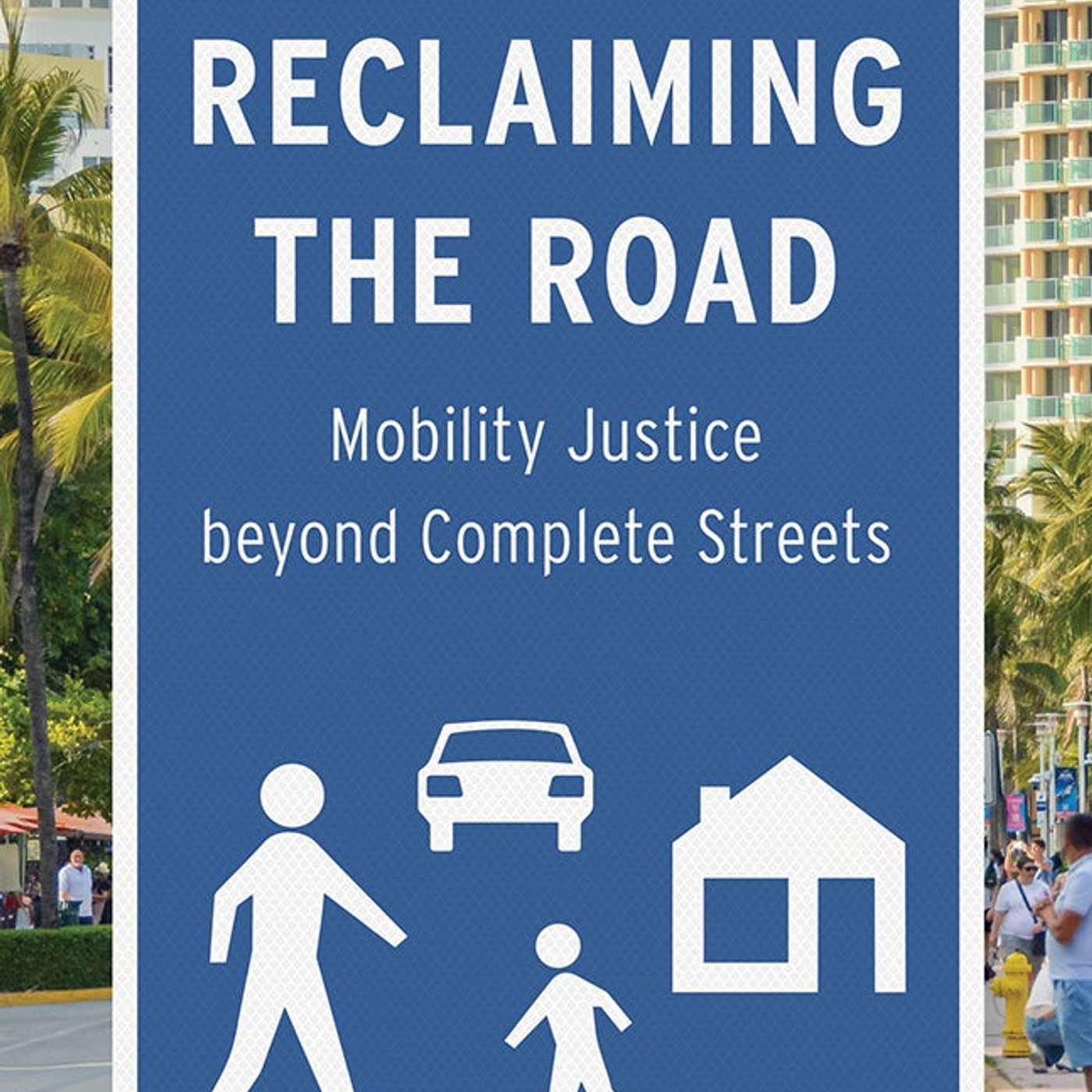
Cities across the US are rethinking streets, going beyond sidewalks and bike lanes to welcome nonmotorists to share the roadway. David L. Prytherch, author of Reclaiming the Road: Mobility Justice beyond Complete Streets, traces the historical evolution of America’s streets and explores contemporary movements to retake them from cars for diverse forms of mobility and community life. Can we design more just streets? Here, Prytherch is joined in conversation with Mimi Sheller and Peter Norton. Access a transcript: https://share.transistor.fm/s/0e507210
David Prytherch is professor of geography at Miami University in...
Cinemal: Films and animals, majesty and mystery
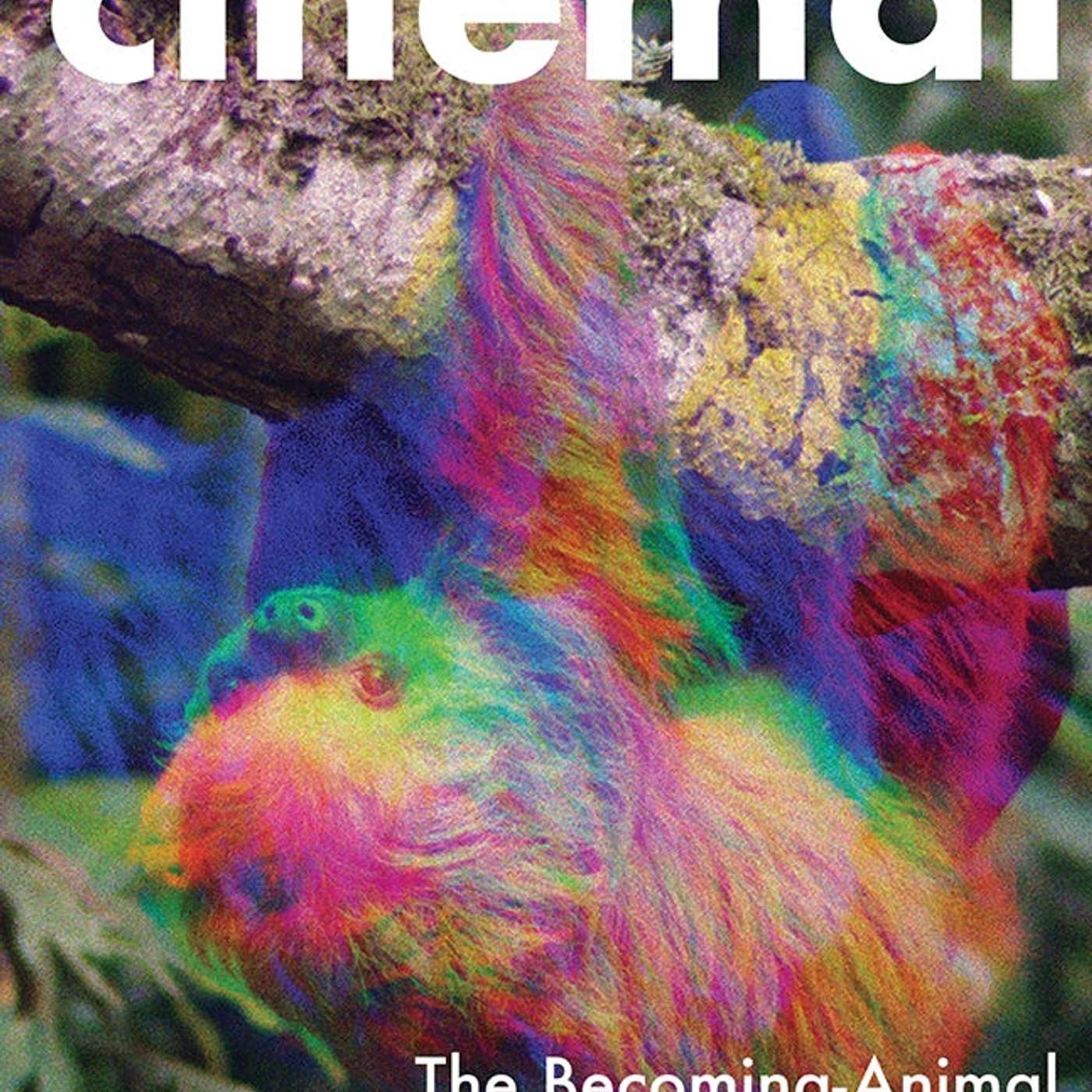
Cinema can be furtive and intensely beautiful—and it can leave a viewer craving more. Cinemal is Tessa Laird’s passionate inquiry into the desire to write about animals and to write about art, juxtaposing the two and burrowing into the ways that films mimic the majesty, mystery, and movements of animals. Here, Laird is joined in conversation with Giovanni Aloi and Caroline Picard, editors of the Art after Nature series with University of Minnesota Press. Access the transcript: https://share.transistor.fm/s/92fb9e20
Tessa Laird is an artist, writer, and senior lecturer at the Vict...
Is aggression inevitable?
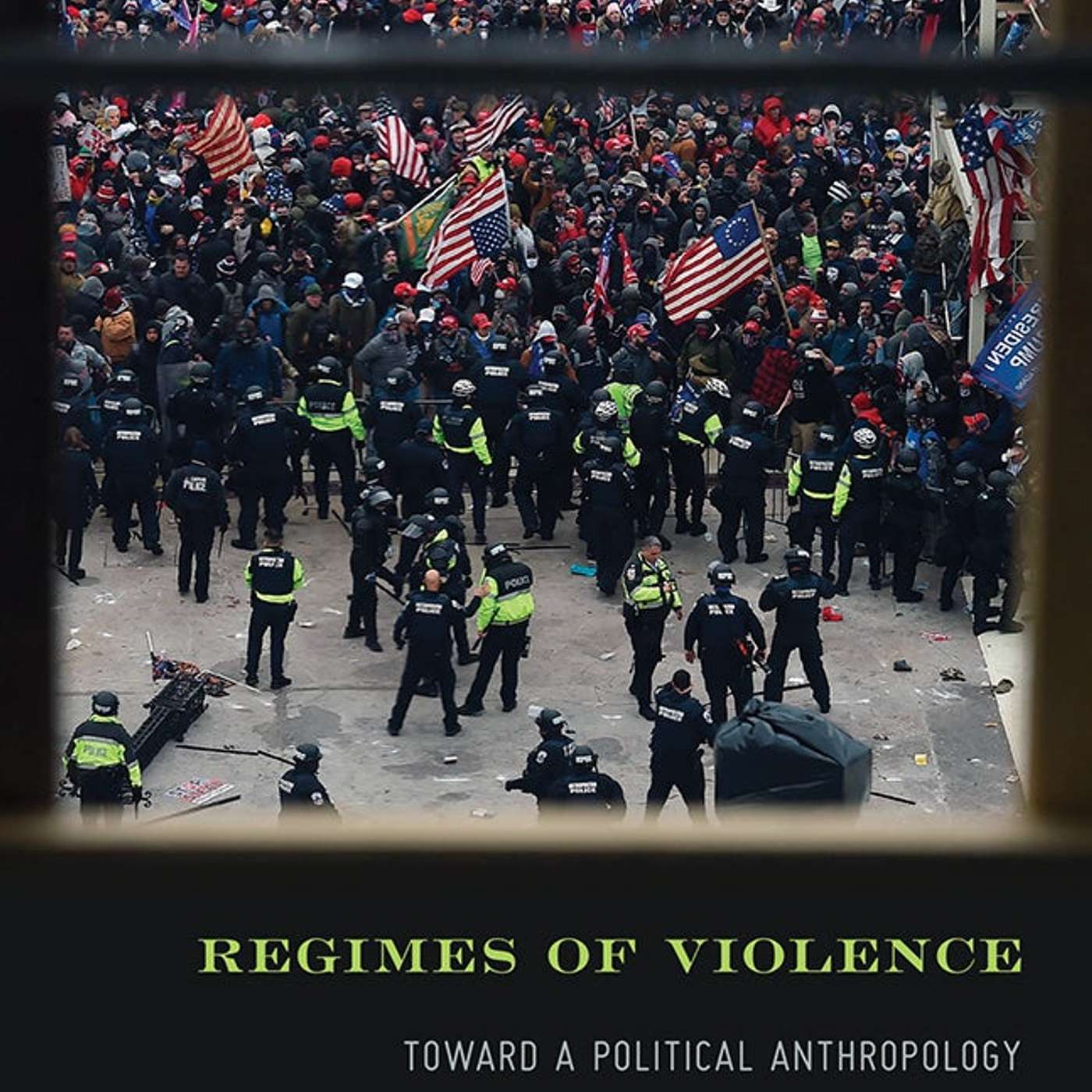
“There is no such thing as a raw, natural, aggressive urge that underlies human violence. While we inherit defense mechanisms, they work only when triggered culturally.” So opens John Protevi’s Regimes of Violence: Toward a Political Anthropology, which takes as its biocultural basis that social practices shape our bodies and minds, and analyzes human aggression throughout history: early nomadic foragers, organized sports, berserkers and blackout rages, maroons escaping slavery, the January 6th invasion of the US Capitol, and responses to the Covid-19 pandemic. Protevi entwines the philosophical with the anthropological and considers why humans’ capacity for cooperation and sharing...
The rural Midwest, foreign policy, and the ways we do history

Scholars have long challenged the common assumption of midwestern isolationism. In Global Heartland, historian Peter Simons reorients the way we look at the critical period in US history from the 1930s through 1950s, showing how farmers across the Midwest understood their work as contributing to an era of international upheaval, geographical reimagination, and global ecological thinking. Here, Simons is joined in conversation with Michael Lansing about the rural heartland, US foreign policy, and the changing and multidisciplinary ways that scholars approach history. Access the transcript: https://share.transistor.fm/s/7484314a
Peter Simons is...
Judith Butler and Talia Mae Bettcher talk philosophy, personhood, resistance
Talia Mae Bettcher’s Beyond Personhood provides an entirely new philosophical approach to trans experience, trans oppression, gender dysphoria, and the relationship between gender and identity. Arguing that the tense relation between trans oppression and resistance is mediated through the complex social phenomenon of gender make-believe, Bettcher introduces the groundbreaking theory of interpersonal spatiality, which requires rejection of the philosophical concepts of person, self, and subject. Here, Bettcher is joined in conversation with Judith Butler. Access the transcript: https://share.transistor.fm/s/28136788
Talia Mae Bettcher is professor of philosophy at California State University, Los Angeles, and au...
Thinking elementally, from the microbe to the vast seafloor

"Infrastructure is invisible until it breaks." How do we visualize something that cannot be physically seen? What limitations do existing knowledge structures impose that reverberate through planetary problem-solving processes, including public health and environmental crises? This episode brings together two scholars who think elementally: Lisa Yin Han, who operates in the blue humanities or ocean humanities, who studies mediation and the deep seafloor; and Gloria Chan-Sook Kim, who focuses on scientific problems of knowledge and visualization and more specifically, microbes. Their astounding conversation goes from emerging microbes to the seabed to places where their research intersects, including catastrophic deferral, sc...
Coral and coralations with Melody Jue and Ann Elias

There's living coral, and then there's Coral—the iconicity and imaginary of living coral. As Melody Jue writes in Coralations, coral alternates between signifying an organism and signifying an environment, all too often imagined as a tourist destination. In rethinking the limitations of Coral, Jue opens up possibilities for a more expansive sense of environmental media, more inclusive goals for multispecies justice, and more nuanced forms of oceanic care work. Here, Jue is joined in conversation with Ann Elias. Access the transcript: https://share.transistor.fm/s/8d824dd9
Melody Jue is associate professor of English at th...
Super 100th Spectacular!

University of Minnesota Press, est. 1925, turns 100 this year. Yes, we are twice as old as Saturday Night Live. And just as old as The New Yorker and The Great Gatsby. The Press has had only five directors in its history, and many current staff have been on for more than a few decades.
How about another serendipitous milestone: this podcast, est. 2020, is releasing its 100th episode right here, right now. The past 99 episodes have focused on our authors. Between authorship and publication, a book passes through more than a few hands, and today we...
Playhouses and the architecture of childhood.

Between the 1850s and 1930s, before playhouses for children reached the mainstream, they were often fully functional cottages designed by well-known architects for British royalty, American industrialists, and Hollywood stars. Recognizing the playhouse in this era as a stage for the purposeful performance of upper-class identity, Abigail A. Van Slyck illuminates their role as carefully planned architectural manifestations of adult concerns, from Queen Victoria and Prince Albert’s Swiss Cottage (1853) to the children’s cottage on the grounds of Cornelius Vanderbilt’s Newport mansion (1886) to the glass-block playhouse given to Shirley Temple in 1936, and many more in between. Here, Van Sl...
“I want to be a living work of art”: On the Marchesa Luisa Casati
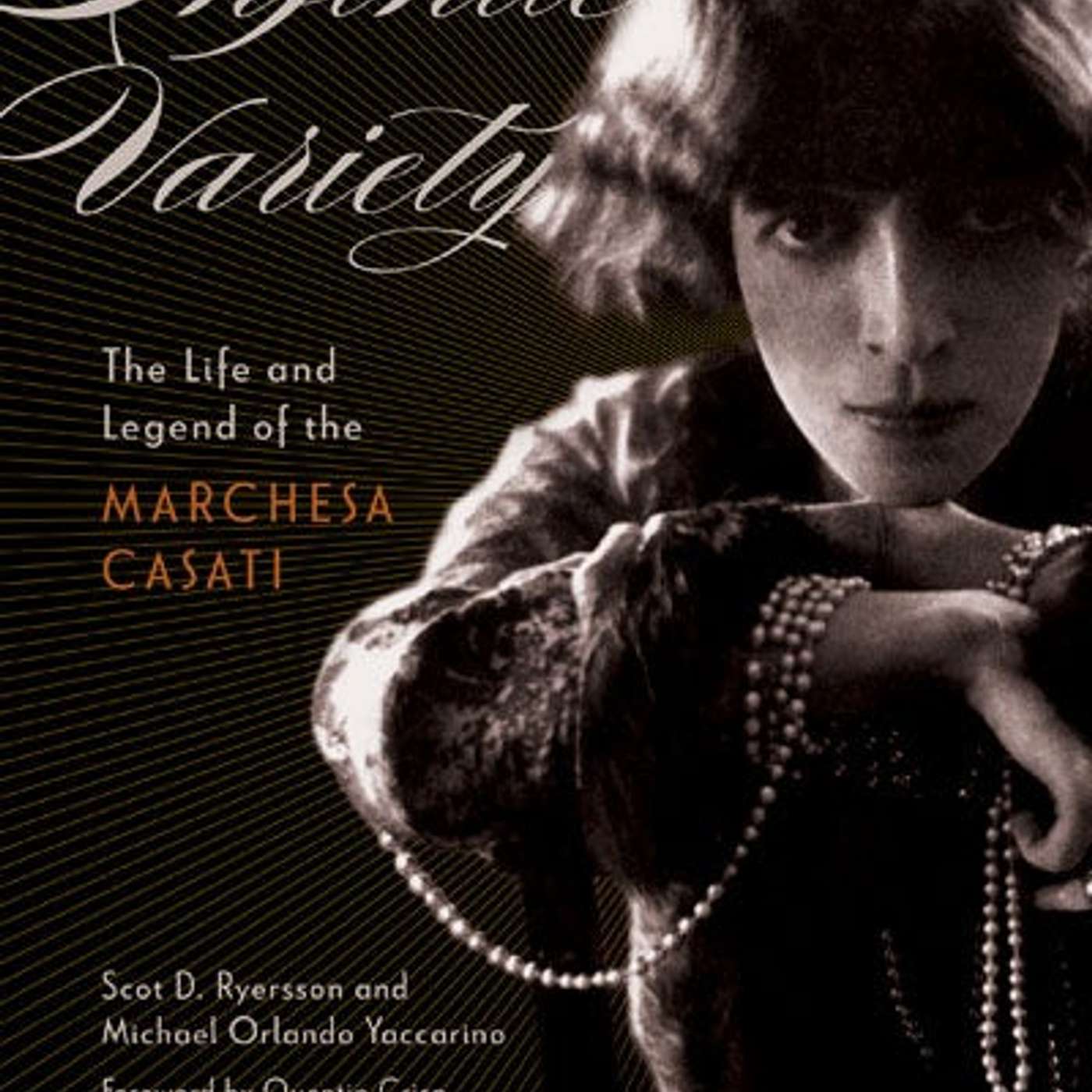
“If the public can predict you, it starts to like you. But the Marchesa didn’t want to be liked.” For the first three decades of the twentieth century, the Marchesa Luisa Casati astounded Europe. Artists such as Man Ray painted, sculpted, and photographed her; writers such as Ezra Pound and Jack Kerouac praised her strange beauty. An Italian woman of means who questioned the traditional gender codes of her time, she dismissed fixed identities as mere constructions. Gathering on the occasion of the 25th anniversary of the first publication of Infinite Variety: The Life and Legend of the Marche...
It’s a microbe’s world. We just live in it.

Microbes: We can’t see them, but we have no choice but to live with them. Microbes have significant, enduring impacts on human health and remind us to resist the abstraction of crucial forces in our everyday lives. Welcome to a multidisciplinary conversation about microbes, featuring Amber Benezra (Gut Anthro), Gloria Chan-Sook Kim (Microbial Resolution), and Matthew J. Wolf-Meyer (American Disgust) in a wide-ranging conversation that opens up possibilities for imagining more equitable approaches to science, visualizing and embodying the microbe, and conceptualizing health at individual, societal, and planetary levels. Access the transcript: https://share.transistor.fm/s/e13d8...
Our shared needs connect us: Writers respond to the science of animal conservation.
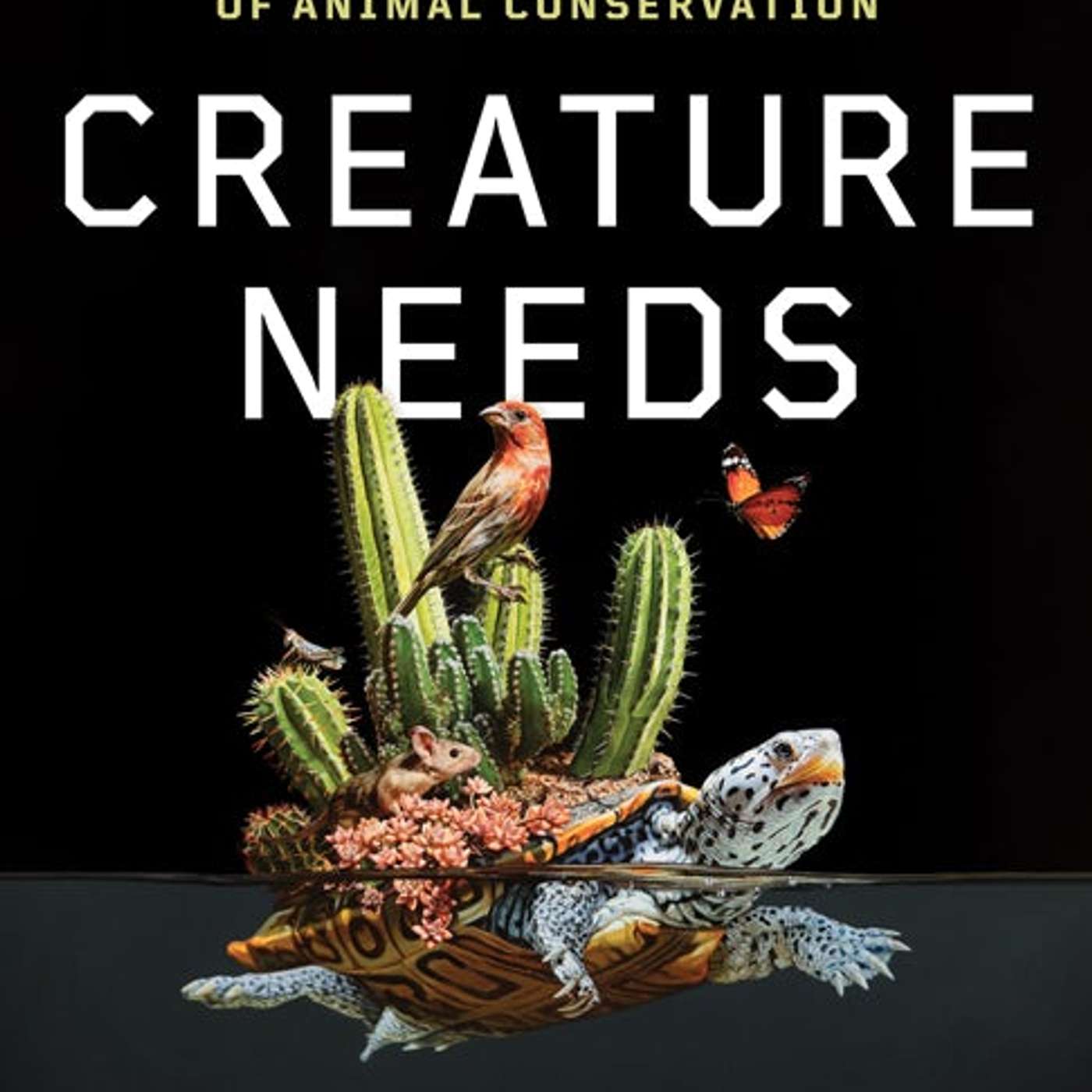
Humans are one species on a planet of millions of species. The literary collection Creature Needs is a project that grew out of a need to do something with grievous, anxious energy—an attempt to nourish the soul in a meaningful way, and an attempt to start somewhere specific in the face of big, earthly challenges and changes, to create a polyvocal call to arms about animal extinction and habitat loss and the ways our needs are interconnected. The book’s editors, Christopher Kondrich, Lucy Spelman, and Susan Tacent, are joined here in conversation. Access the transcript: https://share.tran...


