GZERO World with Ian Bremmer

The United States will no longer play global policeman, and no one else wants the job. This is not a G-7 or a G-20 world. Welcome to the GZERO, a world made volatile by an intensifying international battle for power and influence. Every week on this podcast, Ian Bremmer will interview the world leaders and the thought leaders shaping our GZERO World.
Latin America's political future, with Michelle Bachelet and Iván Duque
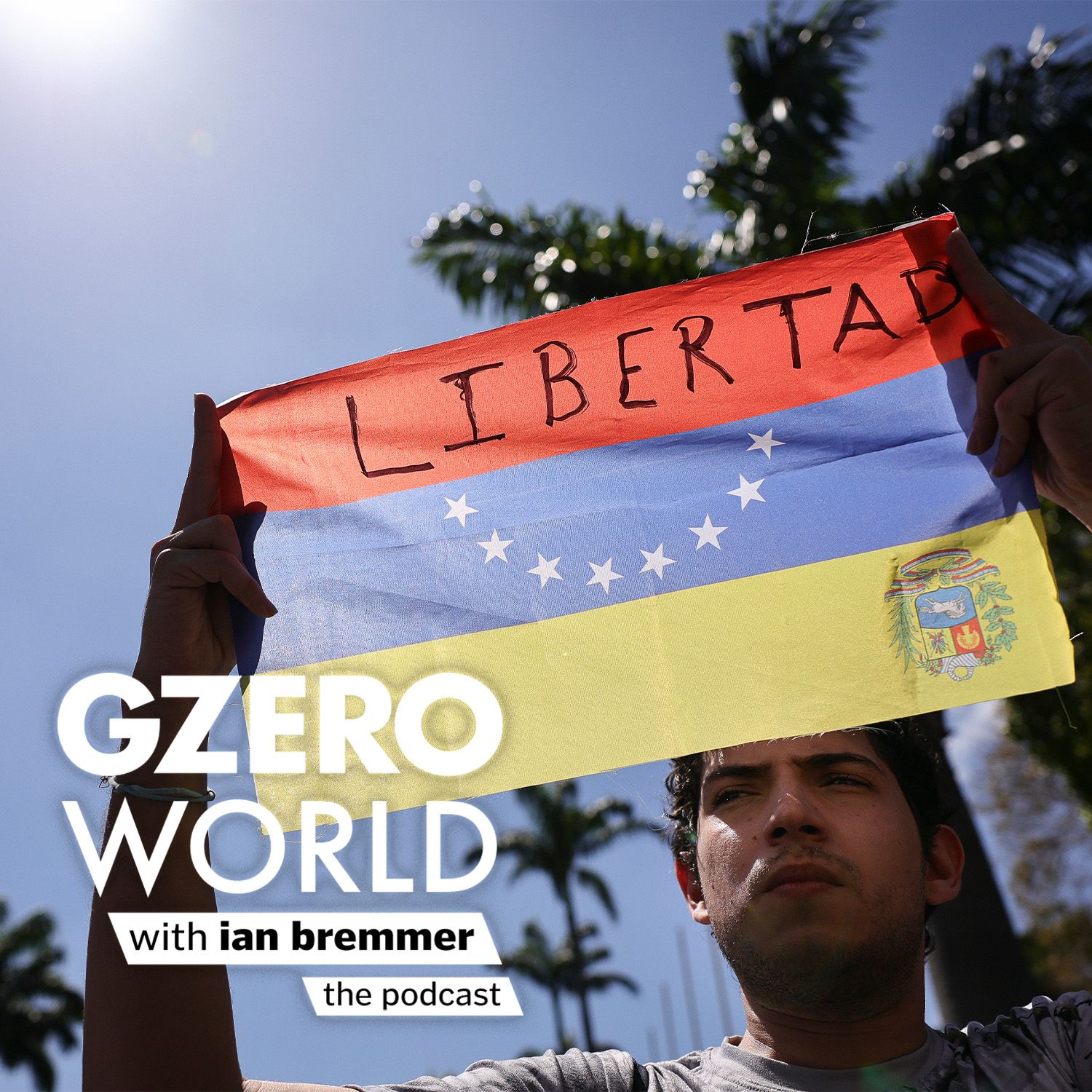
Latin America’s political pendulum is swinging to the right. After years of left-wing governments dominating much of the region, conservative leaders are gaining ground, promising to tackle crime, revive struggling economies, and restore order. Yet through decades of political swings, many of the region’s biggest challenges remain unresolved. Is there still room for moderate politics in an increasingly polarized region?
On the latest episode of the GZERO World podcast, Ian Bremmer sits down with two former presidents from opposite sides of the political spectrum: Chile’s Michelle Bachelet and Colombia’s Iván Duque. They have come...
The high-stakes race to control AI, with Ben Buchanan
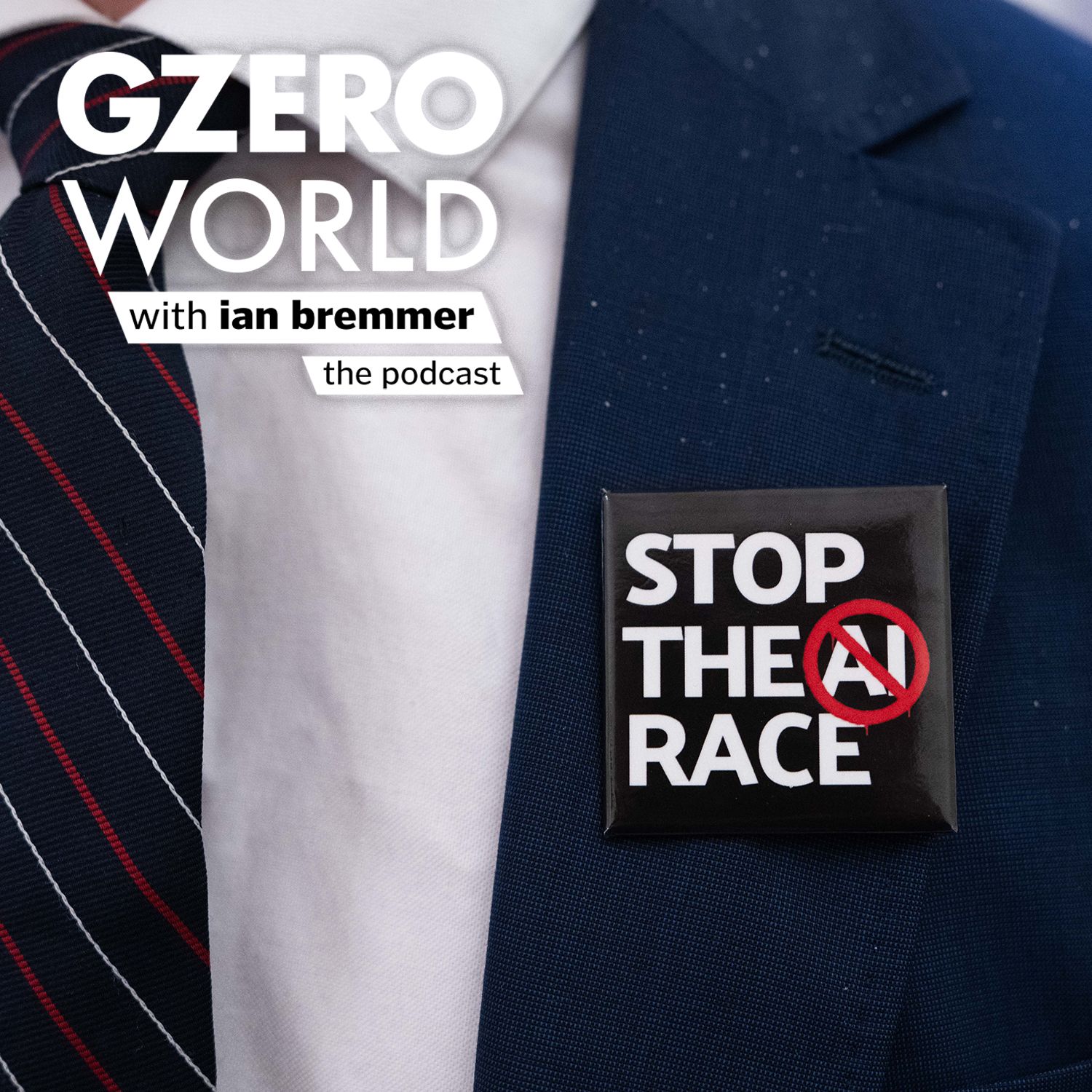
The race for artificial intelligence supremacy is accelerating, and the stakes couldn't be higher. The US and China are competing to develop increasingly powerful AI systems that could transform economies, militaries, and the global balance of power. But as the technology advances, so do the risks. Could the race to build superintelligent machines outpace humanity's ability to control them?
On the GZERO World podcast, Ian Bremmer speaks with Ben Buchanan, former White House AI advisor and co-author of The Bitter Struggle: Superintelligence, Superpowers, and the Fate of the World, about the competition shaping the future of AI...
Europe under pressure, with Polish Foreign Minister Radoslaw Sikorski
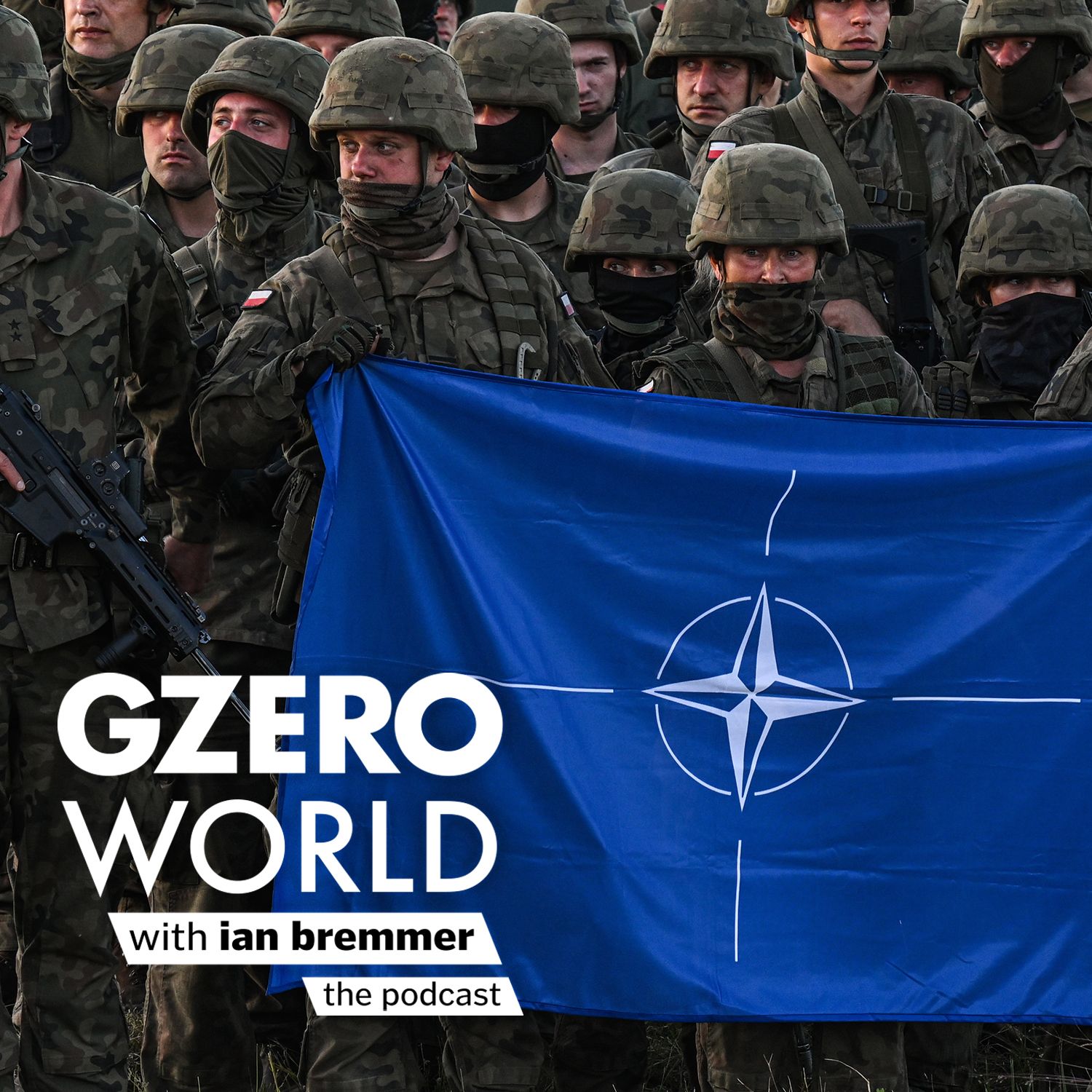
How worried should Europe be that Russia’s war in Ukraine could spill beyond its borders? For nearly five years, the war has largely stayed where it started: inside Ukraine. But Russia is increasingly taking the fight beyond the battlefield. Moscow has stepped up a campaign of hybrid warfare across Europe—arson, cyberattacks, disinformation, even assassinations.
Where is the line between a war in Ukraine and a wider war in Europe? And what happens if that line is crossed? Polish Foreign Minister Radosław Sikorski joins Ian Bremmer to assess the state of the war, Europe’s resolve...
Middle East elections and escalation, with Brett McGurk
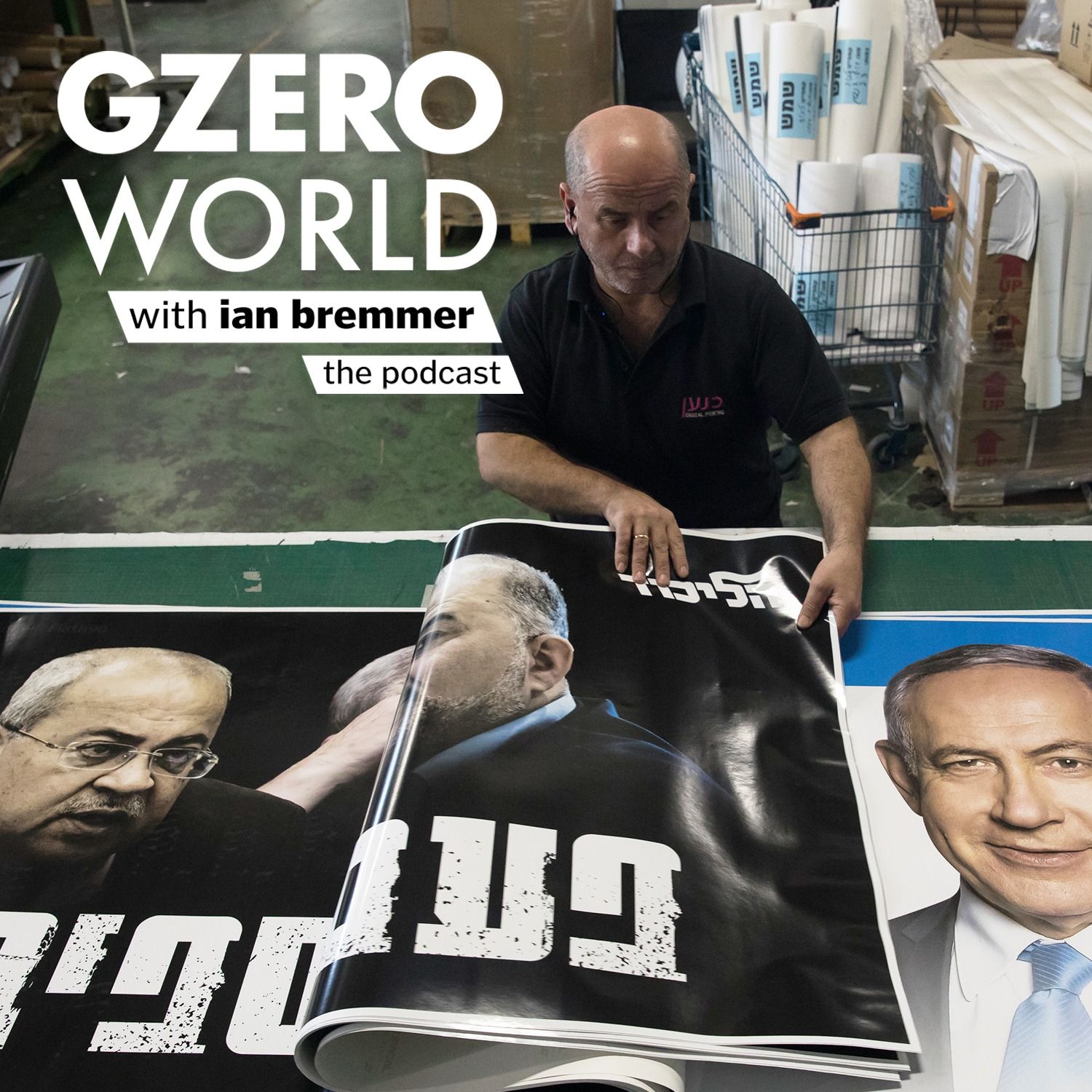
As Israel and the US head toward elections, the Middle East faces the prospect of further escalation. The Iran war has no clear endpoint, Houthi attacks are threatening US partners, and governments across the region are questioning whom they can count on.
On the GZERO World podcast, Ian Bremmer speaks with Brett McGurk, former White House Middle East coordinator, about Washington’s objectives and the difficult choices ahead. Drawing on his experience negotiating with Iran, McGurk explains why economic pressure needs to serve a realistic diplomatic goal. But he is skeptical that an agreement is close: “They will...
2026 Midterms and the battle for Congress, with Amy Walter and Liam Donovan
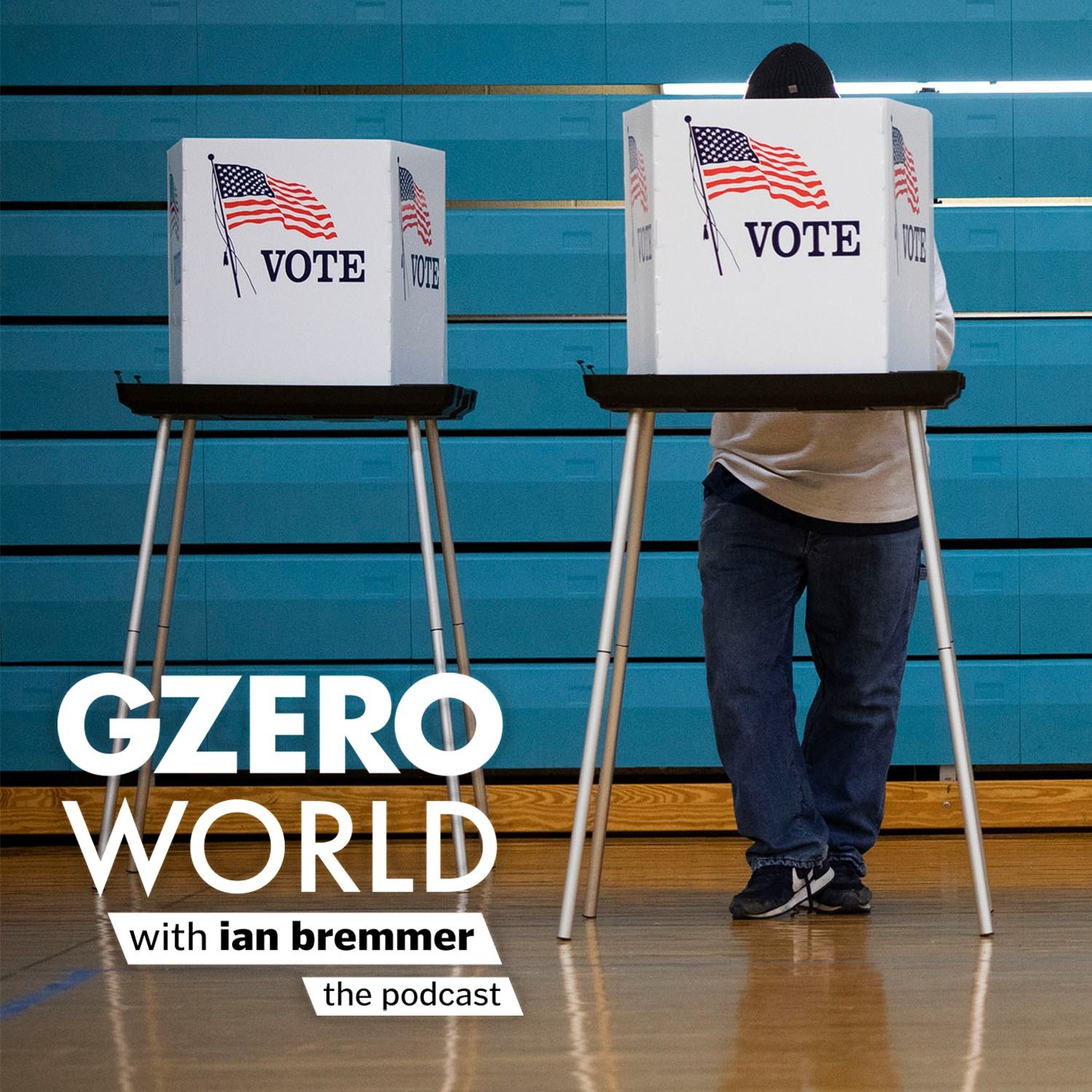
Could a blue wave be coming in November? With the 2026 midterms approaching, Democrats are hoping to flip both chambers of Congress, while Republicans are fighting to hold onto their narrow majorities. But the battle for the House and Senate looks very different, and even with voter frustration mounting, the outcome is far from certain.
On the GZERO World podcast, Ian Bremmer sits down with Amy Walter, editor-in-chief of the Cook Political Report, and Republican strategist Liam Donovan to examine the state of the midterm races. They discuss why the Iran war and rising gas prices have become...
Three years after October 7, with Aaron David Miller
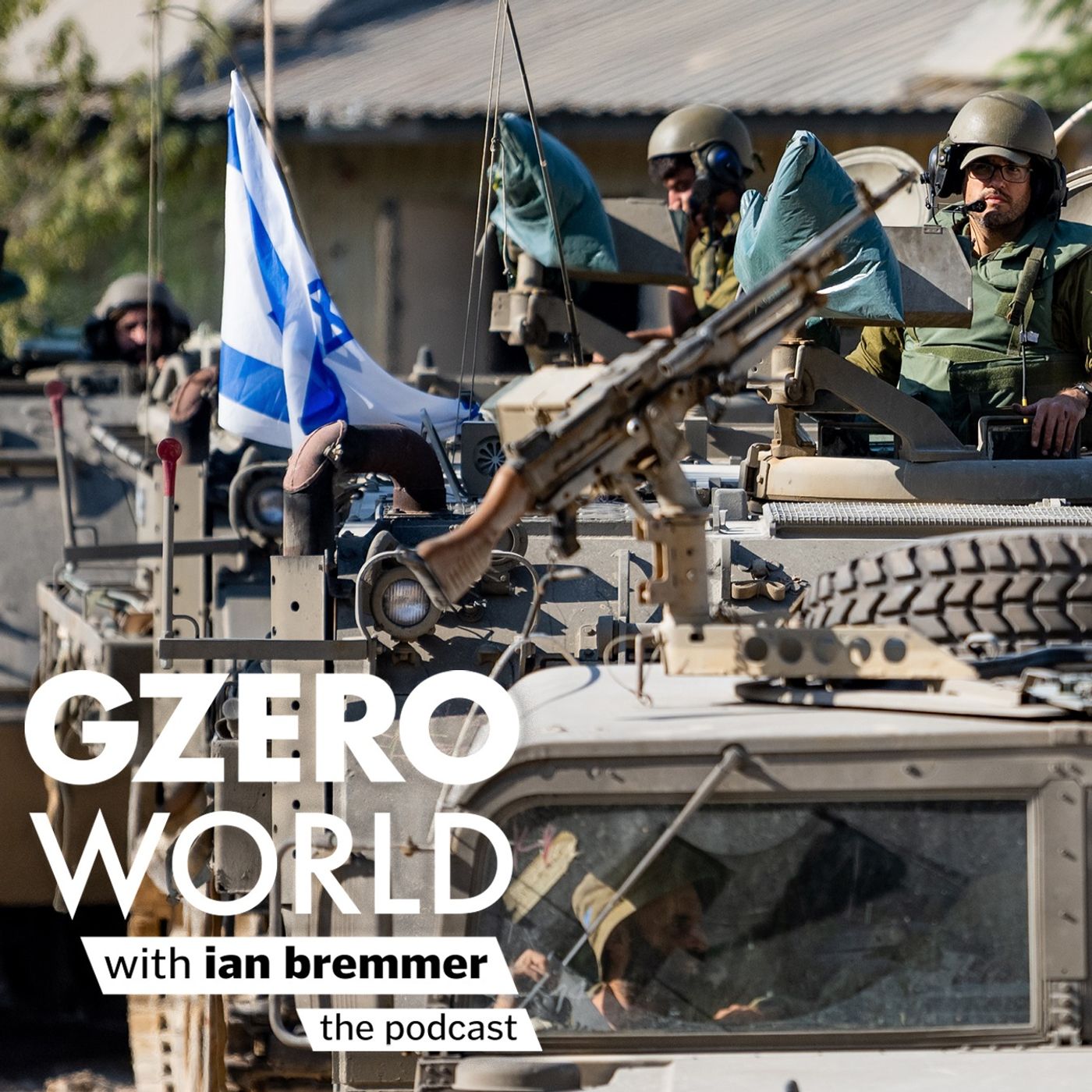
Three years after the October 7 attacks, Gaza remains divided and without a clear path forward. Hamas has been severely weakened militarily but retains significant influence, while Palestinians continue to face difficult humanitarian conditions and little prospect of a political breakthrough.
On the GZERO World Podcast, Ian Bremmer sits down with former US Middle East negotiator Aaron David Miller to take stock of Israel and the region three years later. They discuss why Hamas has proven so difficult to dislodge, what Israel’s October 27 election could actually change, and why a new government may look different at home wit...
The great US-China superpower rivalry, with Elizabeth Economy
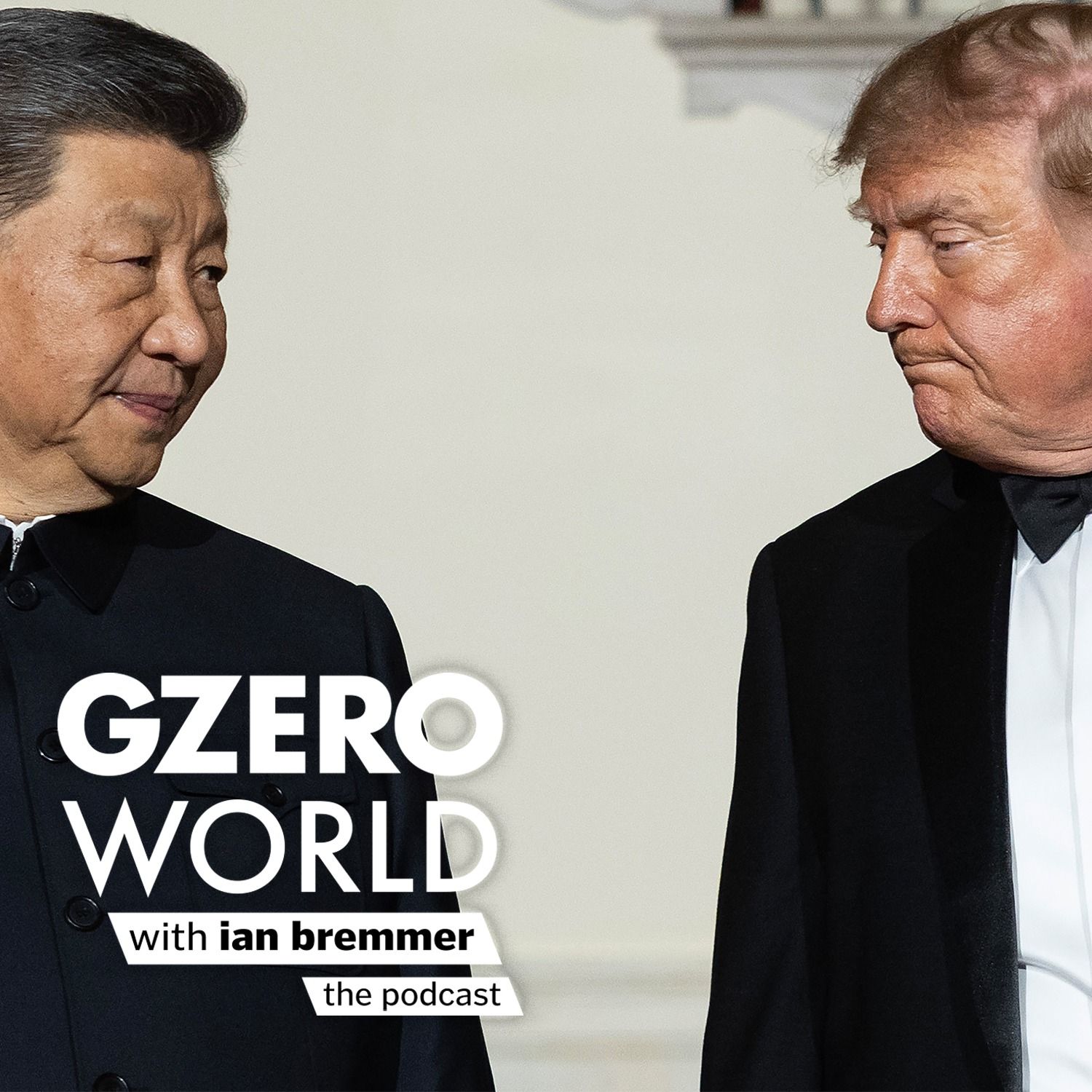
President Trump and China’s Xi Jinping traded handshakes, toasts, and pandas at a diplomatic summit at the White House last week, but beneath all the pageantry, the rivalry between the world’s two most powerful countries is only getting more intense. Hoover Institution Senior Fellow Elizabeth Economy joins Ian Bremmer on the GZERO World podcast for a look at what’s really driving the relationship between the US and China right now, where each side has leverage, and whether the US is falling behind in the race for global influence and technological dominance.
From Beijing's perspective, the sec...
The UN at a crossroads, with Secretary-General António Guterres
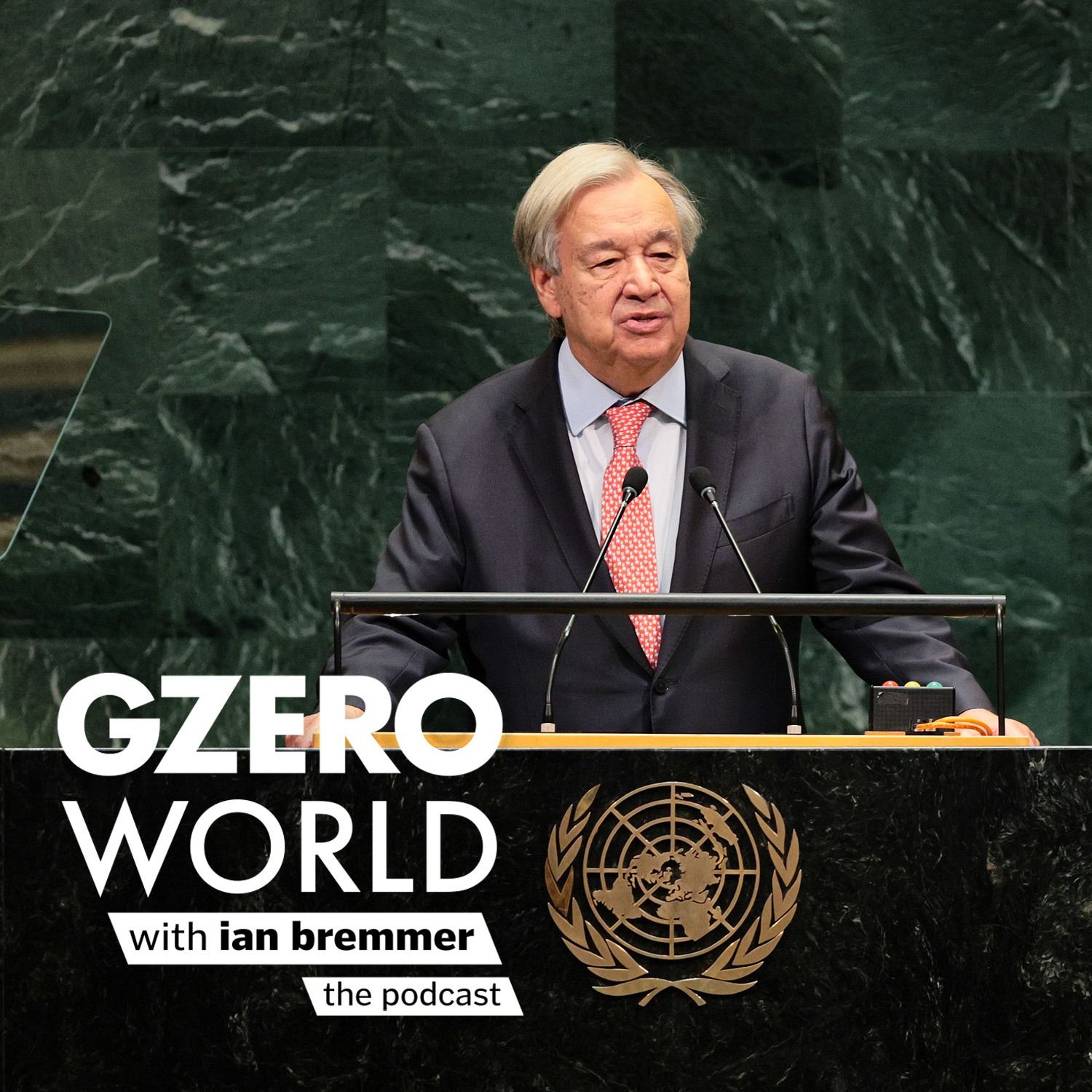
This week on the GZERO World Podcast, Ian Bremmer sits down with UN Secretary-General Antonio Guterres on the sidelines of the General Assembly for the final time in his official capacity as UN chief. After a decade as the UN’s top diplomat, the former Portuguese Prime Minister is leaving his position at a moment of great global instability. Wars grind on in Ukraine and Iran with no end in sight. Humanitarian crises in Gaza and Sudan have exposed how little leverage the international system has when powerful states and their partners act with impunity. With faith in global in...
Bioweapons, AI, and the end of the world, with Annie Jacobsen
For decades, nuclear war has represented the ultimate doomsday scenario. But investigative journalist and author Annie Jacobsen says biological warfare may pose an even greater overall threat. Unlike nuclear weapons, which require tightly controlled materials, enormously expensive delivery systems, and specialized expertise, the barriers to developing biological weapons can be far lower. And artificial intelligence could lower them further.
Ian Bremmer sits down with Jacobsen to discuss how AI is changing the landscape of catastrophic risk. As increasingly powerful models make sophisticated scientific knowledge easier to access, they could allow bad actors to bypass years of specialized...
The enduring legacy of 9/11, with former Defense Secretary Mark Esper
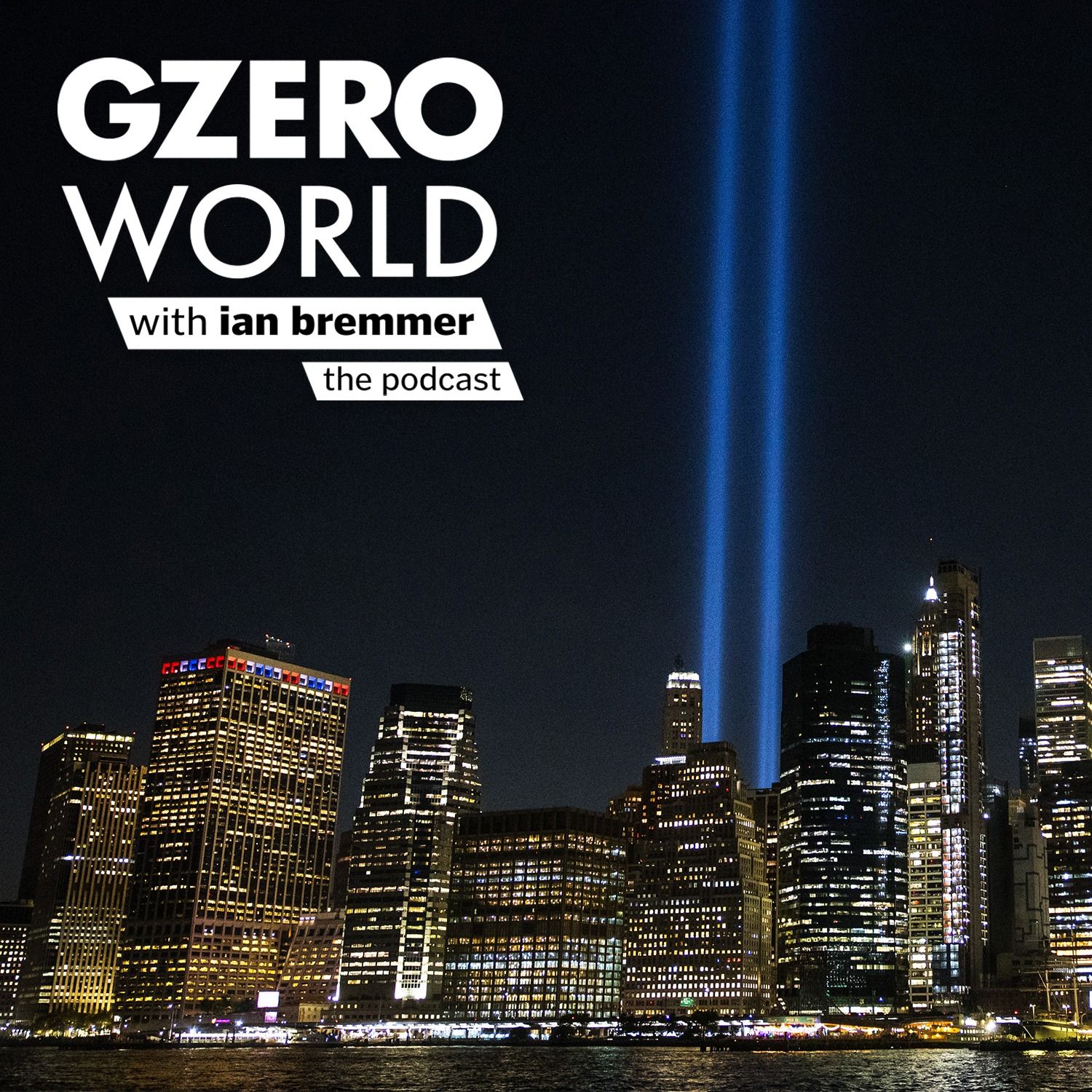
This week marks 25 years since 9/11—the deadliest terror attack the world has ever seen and a defining moment in American history. The attacks transformed US politics and national security. The war on terror became the organizing principle of American foreign policy. Former Secretary of Defense Mark Esper joins Ian Bremmer on the GZERO World Podcast to reflect on the day that forever changed how Americans thought about national security, and how the United States wielded its enormous power around the world.
How much did we learn from the post-9/11 era and do we risk repeating the same mis...
The race to build humanity's future in space, with Chris Hadfield
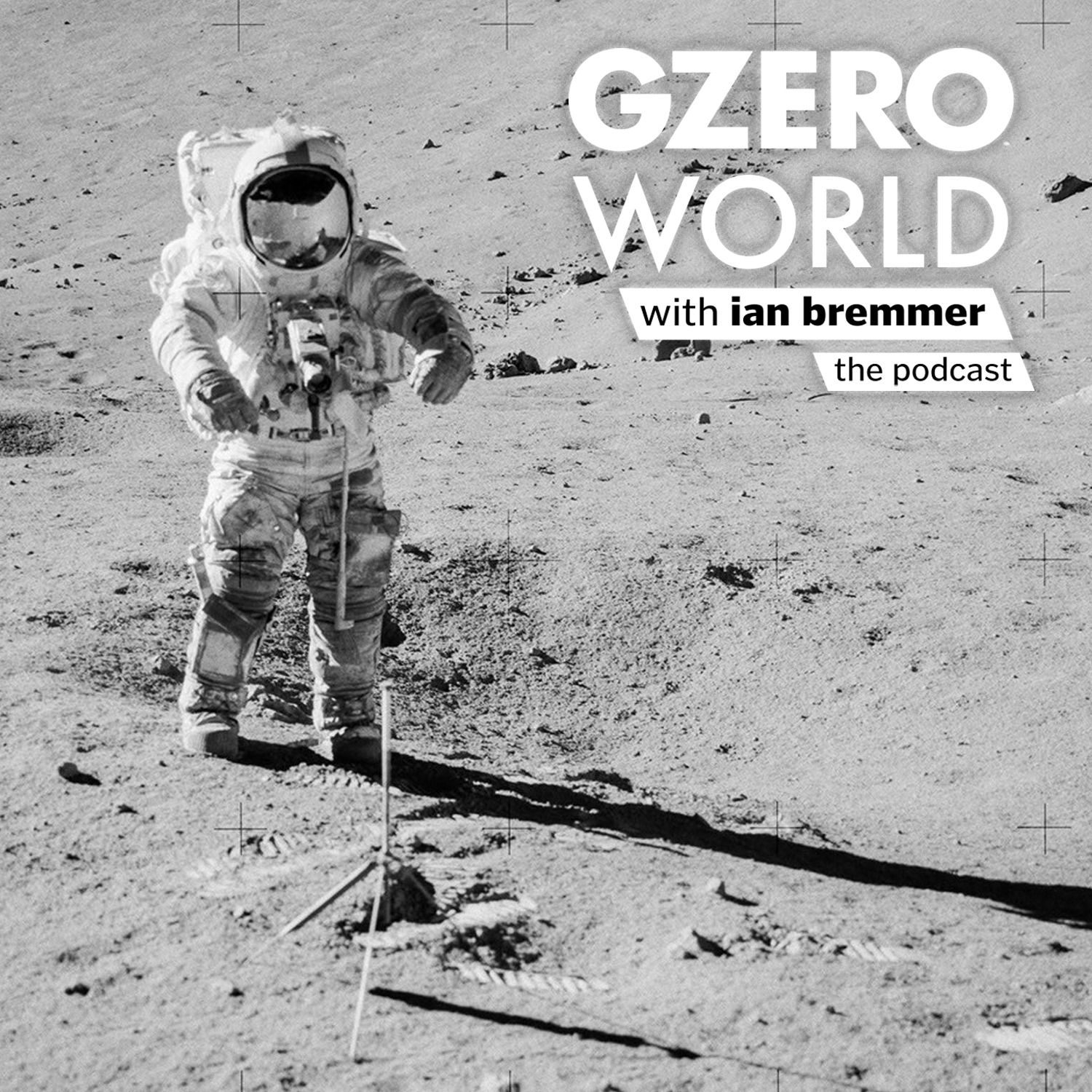
More than half a century after humans last walked on the Moon, the next era of space exploration is taking shape. Getting there is cheaper, private companies are playing a much bigger role, and discoveries like vast reserves of lunar water have made the prospect of establishing a permanent presence on the Moon far more realistic.
Ian Bremmer sits down with Canadian astronaut Chris Hadfield to talk about what this new space age could look like. They discuss the growing competition between the US and China, whether rivals can cooperate on the lunar surface, and who gets...
The global aid crisis, with David Miliband
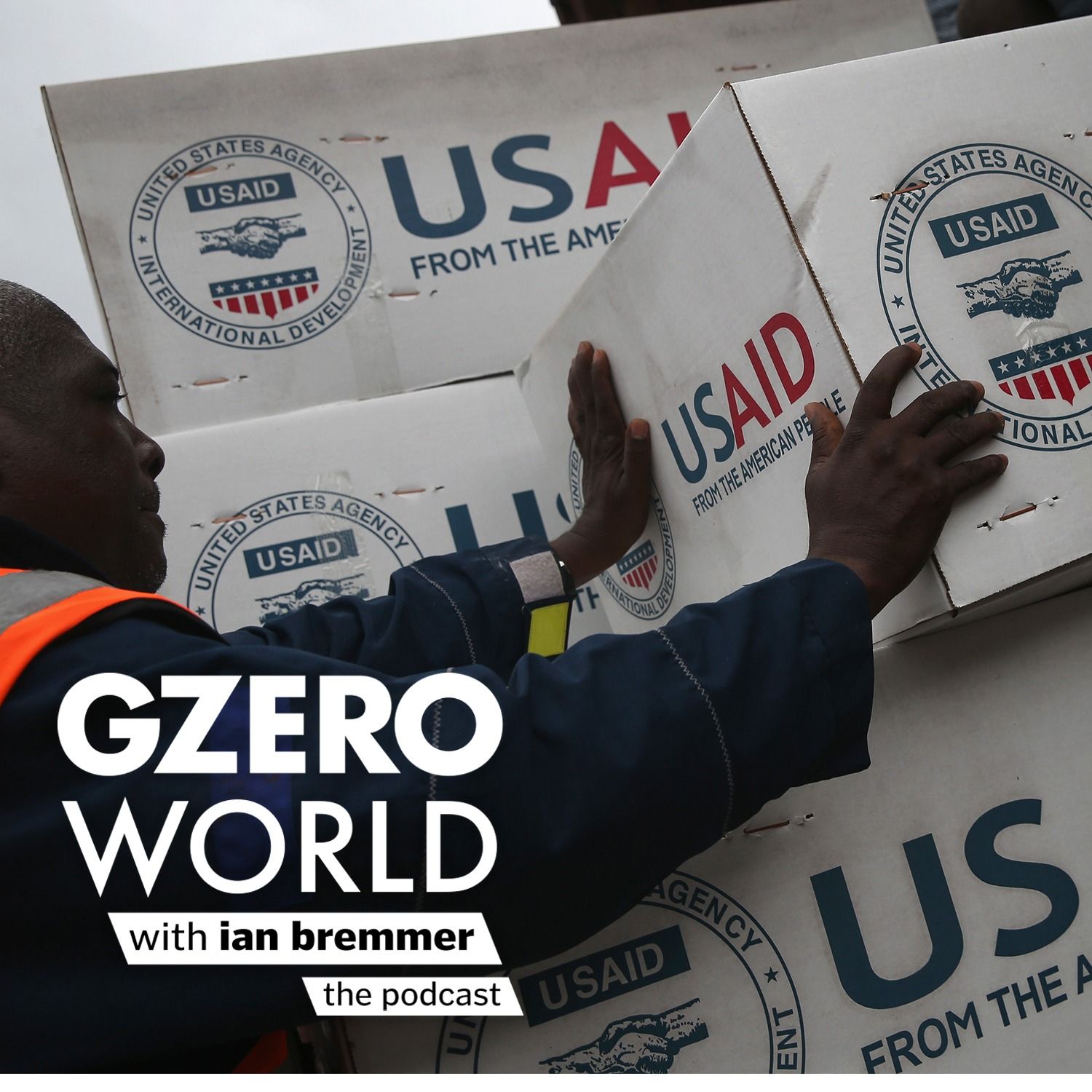
What happens when the world’s safety net disappears? For decades, international aid has helped fight poverty, stop disease outbreaks, and keep fragile societies from falling over the edge. But after the shutdown of USAID last year, the relief system is in danger of collapsing entirely. International Rescue Committee President & CEO David Miliband joins Ian Bremmer on the GZERO World Podcast to talk about the long shadow cast by America’s retreat from global aid and what comes next.
In truth, there has never been enough humanitarian aid to help the millions of people who desperately need it e...
The UK a decade after Brexit, with Rory Stewart
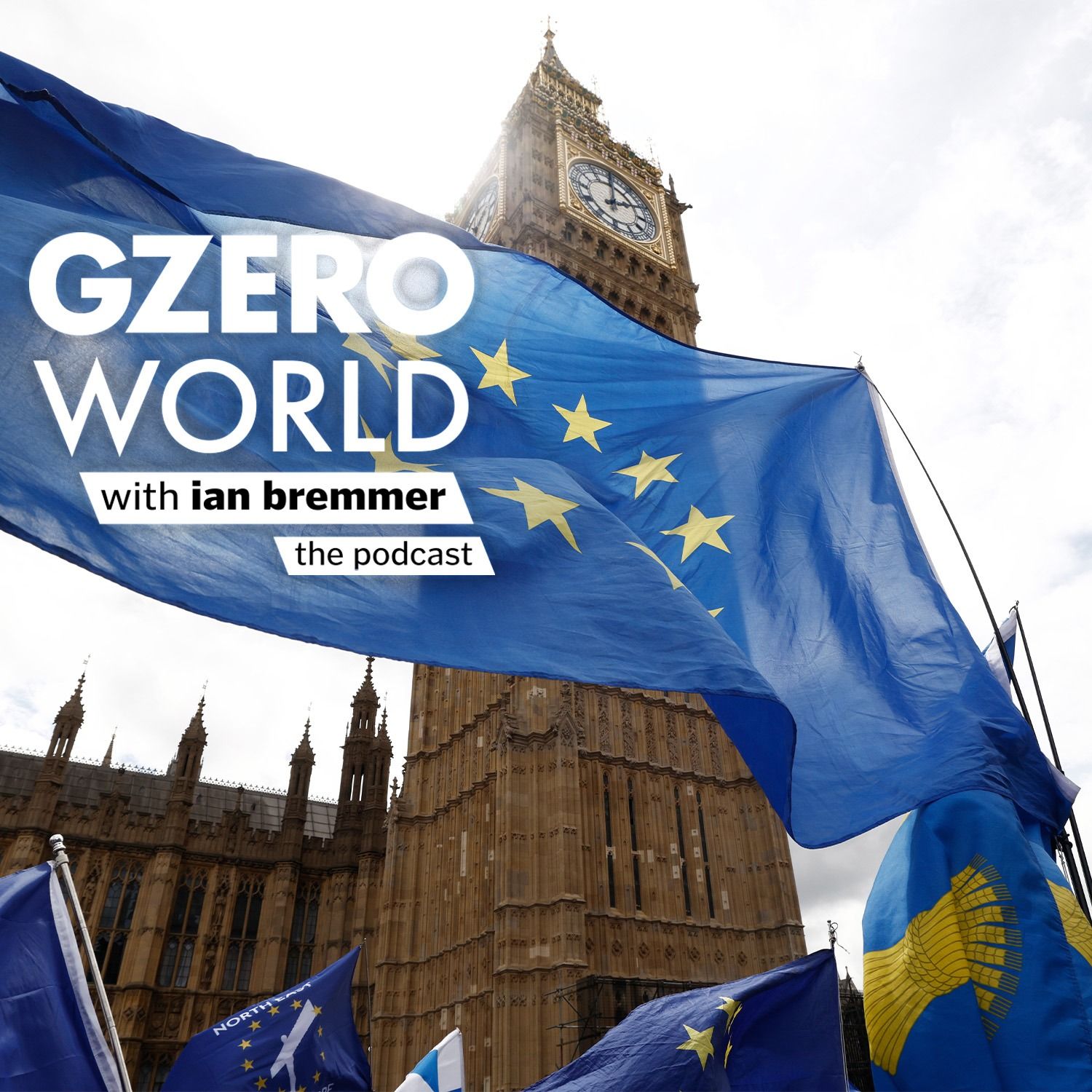
Ten years ago, Britain voted to leave the European Union in one of the most consequential political decisions of the 21st century. Supporters promised greater sovereignty, stronger economic growth, and a more independent future. Instead, Brexit ushered in a decade of political upheaval, economic uncertainty, and a fundamental rethinking of Britain's role in the world.
On this episode of the GZERO World podcast, Ian Bremmer sits down with former UK cabinet minister Rory Stewart to assess Brexit's legacy a decade later. They discuss whether the referendum's core promises have been fulfilled, why Britain's economy has struggled to...
Lebanon's best chance for peace, with Kim Ghattas

While the world’s attention has focused on the Strait of Hormuz and the escalating conflict between the United States and Iran, another potentially transformative front has opened in Lebanon. Israeli attacks against the Iranian-backed group Hezbollah have left more than 4,000 people dead and displaced over a million. Now, a fragile ceasefire has raised a question diplomats have struggled with for decades: Can Hezbollah actually be disarmed?
On the GZERO World Podcast, Ian Bremmer speaks with Lebanese-born journalist and Middle East expert Kim Ghattas about Iran’s shrinking regional influence, Israel’s possible plans for a long-term buffer...
Inside Ukraine's strategy to pressure Putin, with Dmytro Kuleba
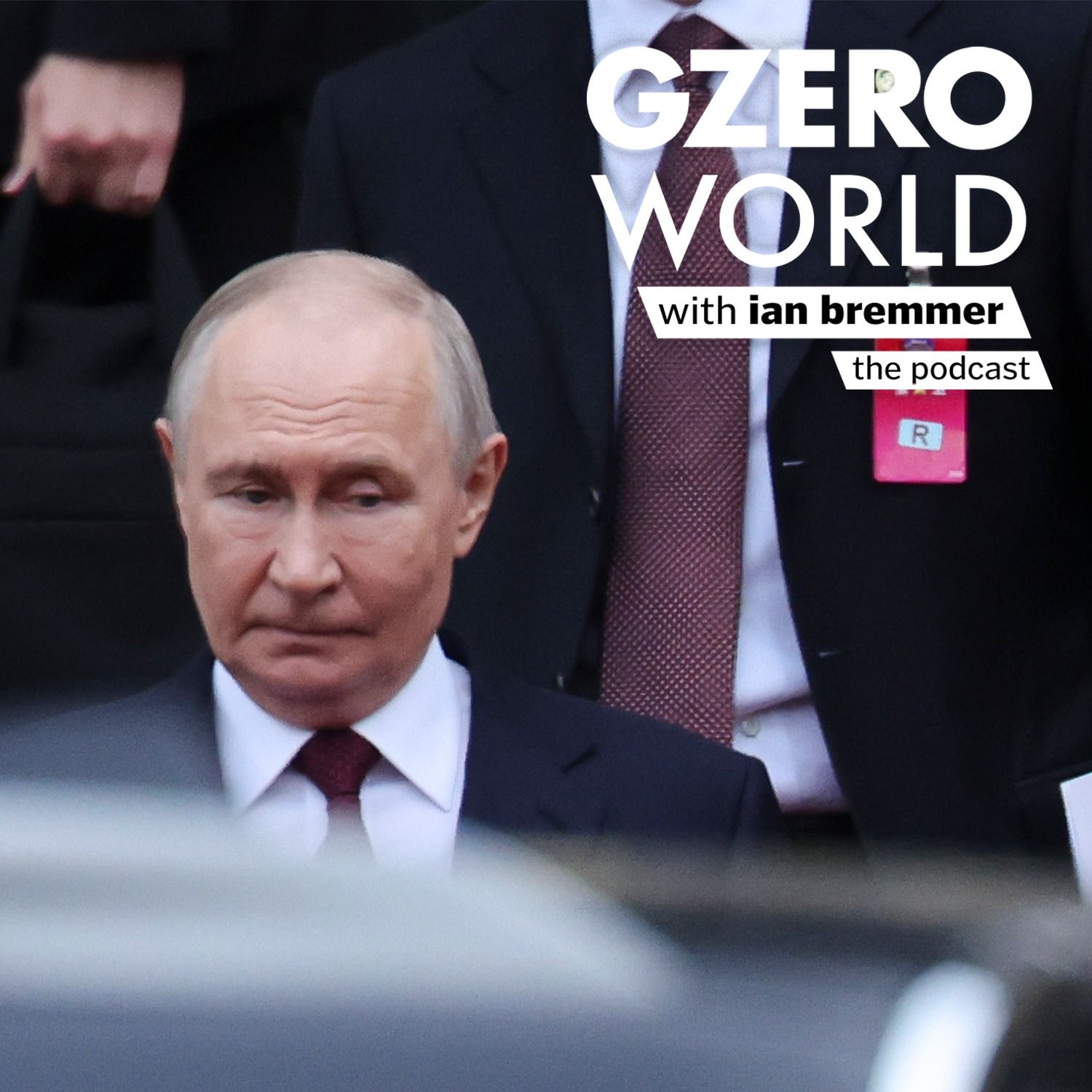
For more than four years, Russia has wagered that it can outlast Ukraine. The Kremlin has more troops, more resources, and a greater tolerance for casualties, betting that Kyiv—and its Western allies—will eventually lose the will to keep fighting.
But that assumption is being tested. Ukraine is carrying out increasingly sophisticated strikes deep inside Russian territory, forcing Moscow to defend military bases, energy infrastructure, and even symbolic strongholds like Crimea. At the same time, NATO support has strengthened, Europe is expanding its defense cooperation with Kyiv, and President Donald Trump has struck a noticeably warmer tone...
The human cost of Iran's war, with Yeganeh Torbati
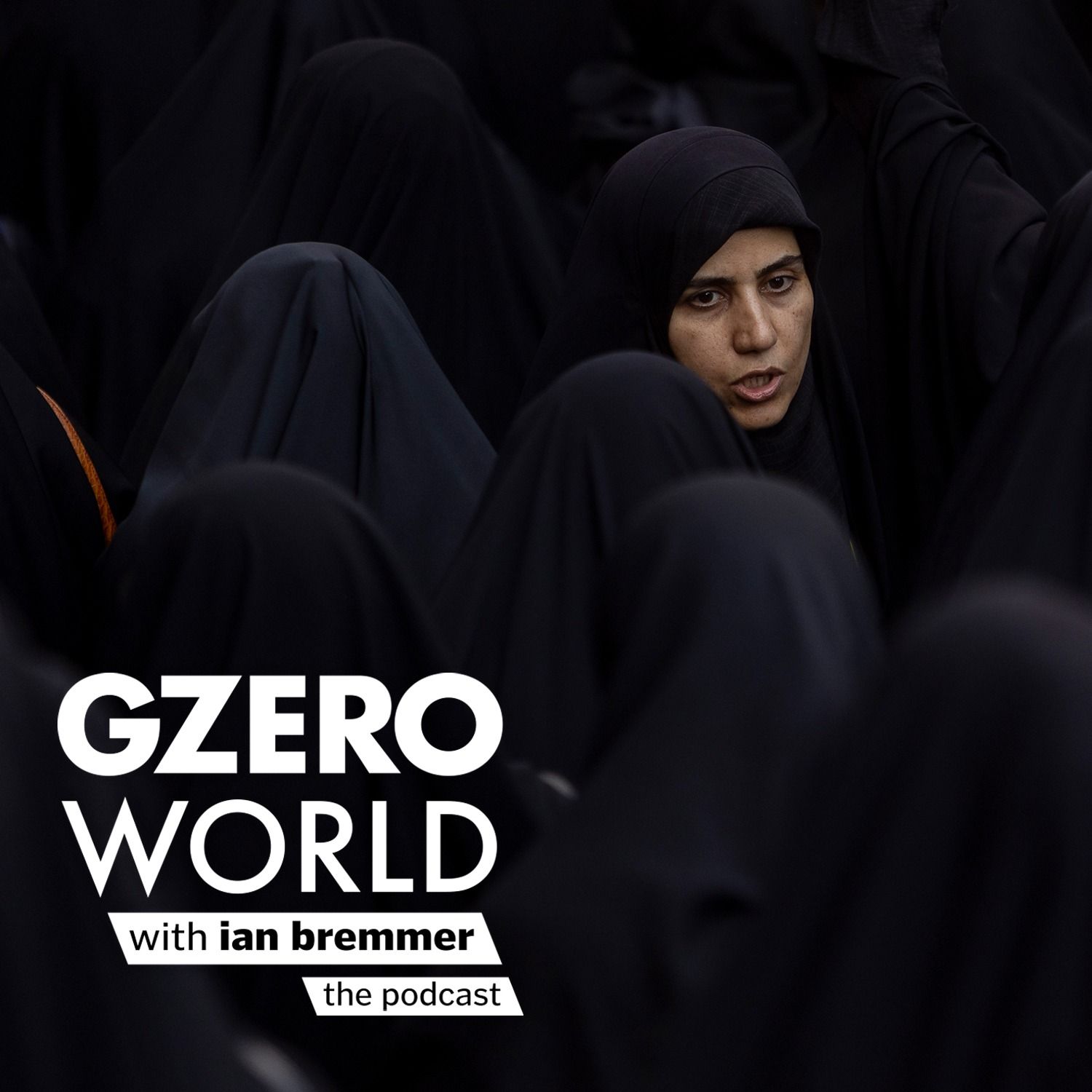
Iran’s government emerged from the war with a powerful new story to tell: it withstood attacks from the United States and Israel, kept its grip on power, and gained fresh leverage in the region. But that is not how the conflict looks from inside the country.
For ordinary Iranians, the conflict has brought more fear, deeper economic pain, and little sign that the political change many hoped for is any closer. The protest movement that shook the country has been pushed underground by a brutal crackdown, while the government uses internet restrictions to make it harder fo...
America at 250: Patriotism, Trump, and America's future, with Bill Maher

America turns 250 at a time when even celebrating the country can feel political. In the latest episode of the GZERO World podcast, Ian Bremmer sits down with comedian and political commentator Bill Maher to discuss patriotism, polarization, and the arguments Americans are having over what their country represents.
Maher argues that patriotism should not belong to US President Donald Trump or any one political party. Americans can confront the country’s failures, he says, without losing sight of the ideals and institutions that have helped drive progress: the rule of law, civil rights, scientific inquiry, and a sy...
The future of the Democratic party, with Josh Shapiro
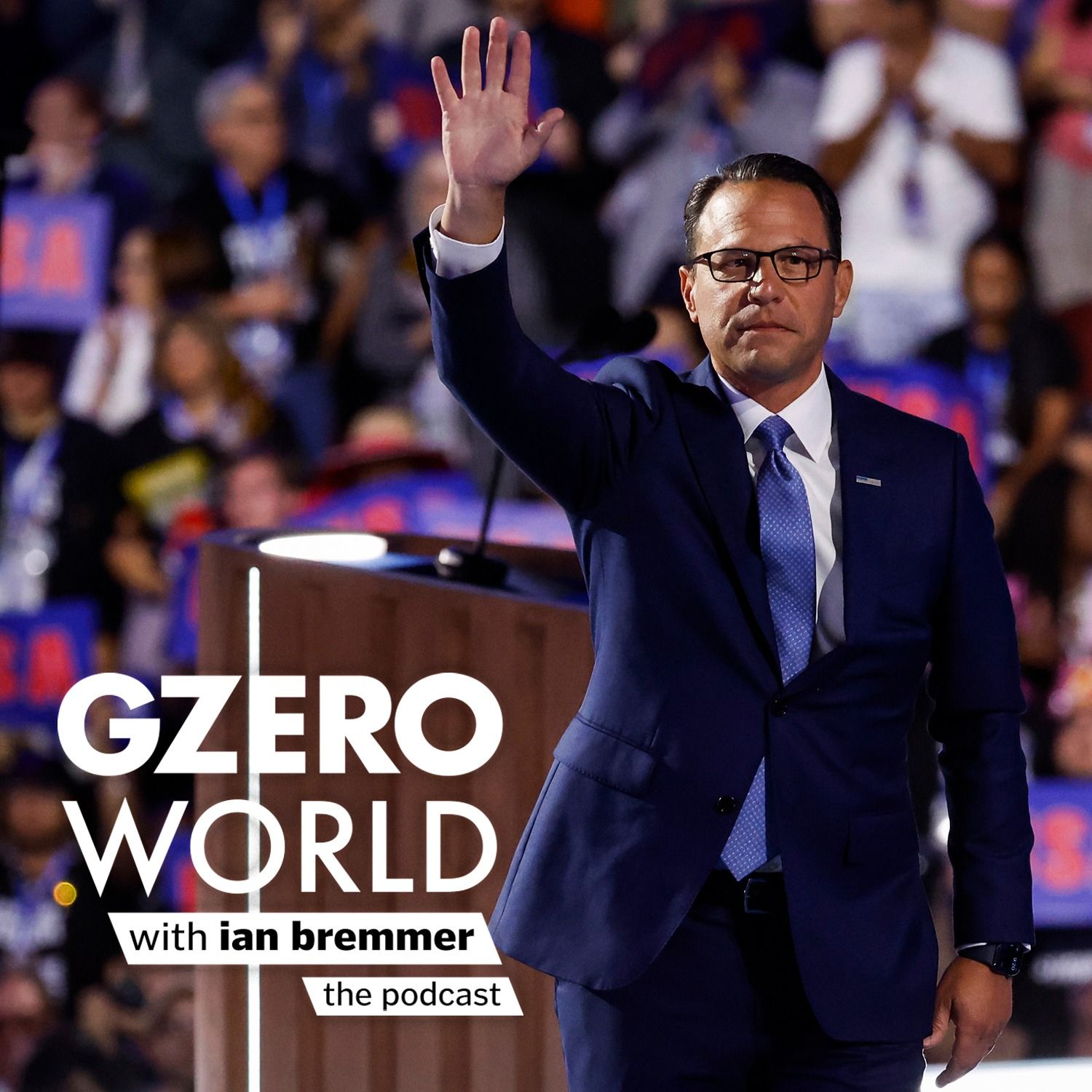
What can Democrats learn from winning in America's ultimate swing state? On the latest episode of the GZERO World podcast, Ian Bremmer sits down with Pennsylvania Governor Josh Shapiro to discuss the future of the Democratic Party, the growing crisis of trust in American institutions, and the biggest challenges facing the country at home and abroad.
The conversation spans a wide range of issues: the future of North American trade and USMCA, the economic impact of tariffs, the war in Iran, changing US policy toward Israel, and the challenge of regulating artificial intelligence without stifling innovation. Shapiro...
World Cup politics, with the Financial Times' Simon Kuper
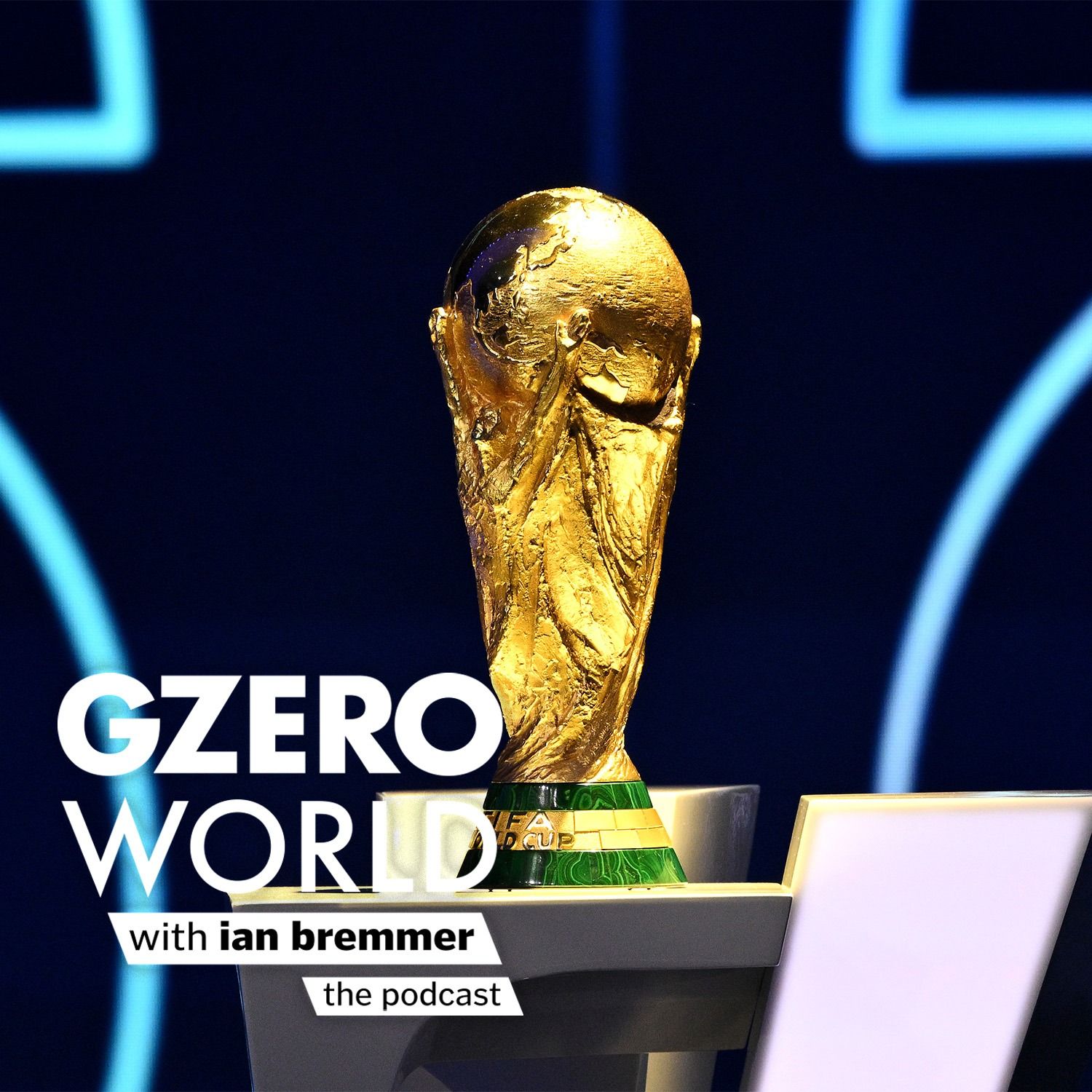
The World Cup descends on North America this week, bringing with it billions of viewers, billions of dollars, and no shortage of political controversy. But according World Cup Fever author Simon Kuper, none of that is new - the tournament has always reflected the world around it.
On GZERO World, Kuper and Ian Bremmer discuss how national teams have become flashpoints in debates over immigration and identity, why FIFA remains one of the world's most powerful and least accountable organizations, how Iran's World Cup campaign could become a geopolitical spectacle, and what the tournament reveals about nationalism...
The Supreme Court's biggest tests ahead, with Emily Bazelon
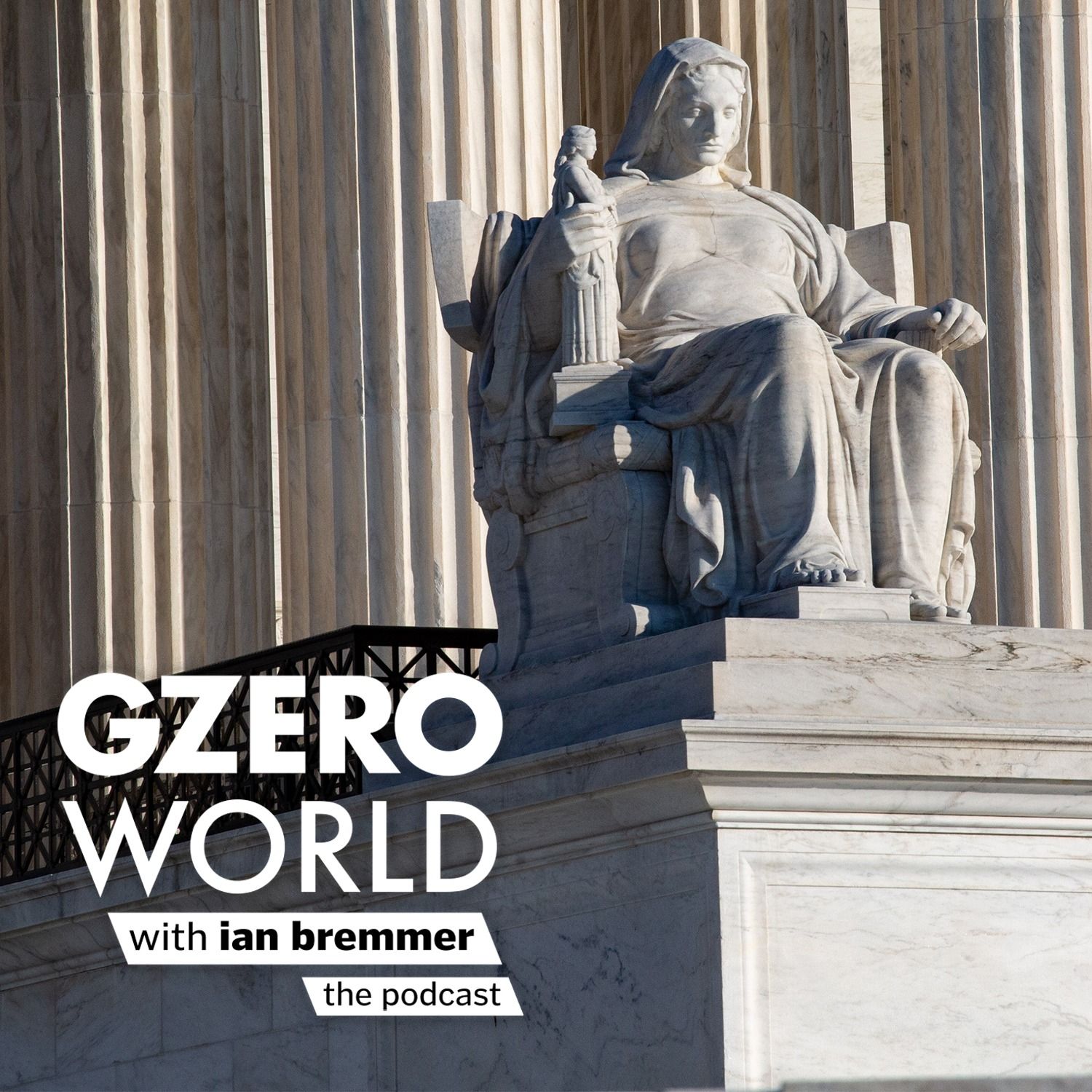
From birthright citizenship to the independence of federal agencies, the Supreme Court is poised to decide a series of cases that could redefine the balance of power in Washington. Yale legal scholar and New York Times Magazine staff writer Emily Bazelon joins Ian Bremmer to assess what's at stake and whether the judiciary remains an effective check on presidential authority.
Bazelon argues that Trump's effort to end birthright citizenship is unlikely to succeed, but says other pending cases involving the Federal Reserve and the Federal Trade Commission could significantly expand presidential control over agencies that Congress intentionally...
Winners and losers of the Iran war, with Kori Schake
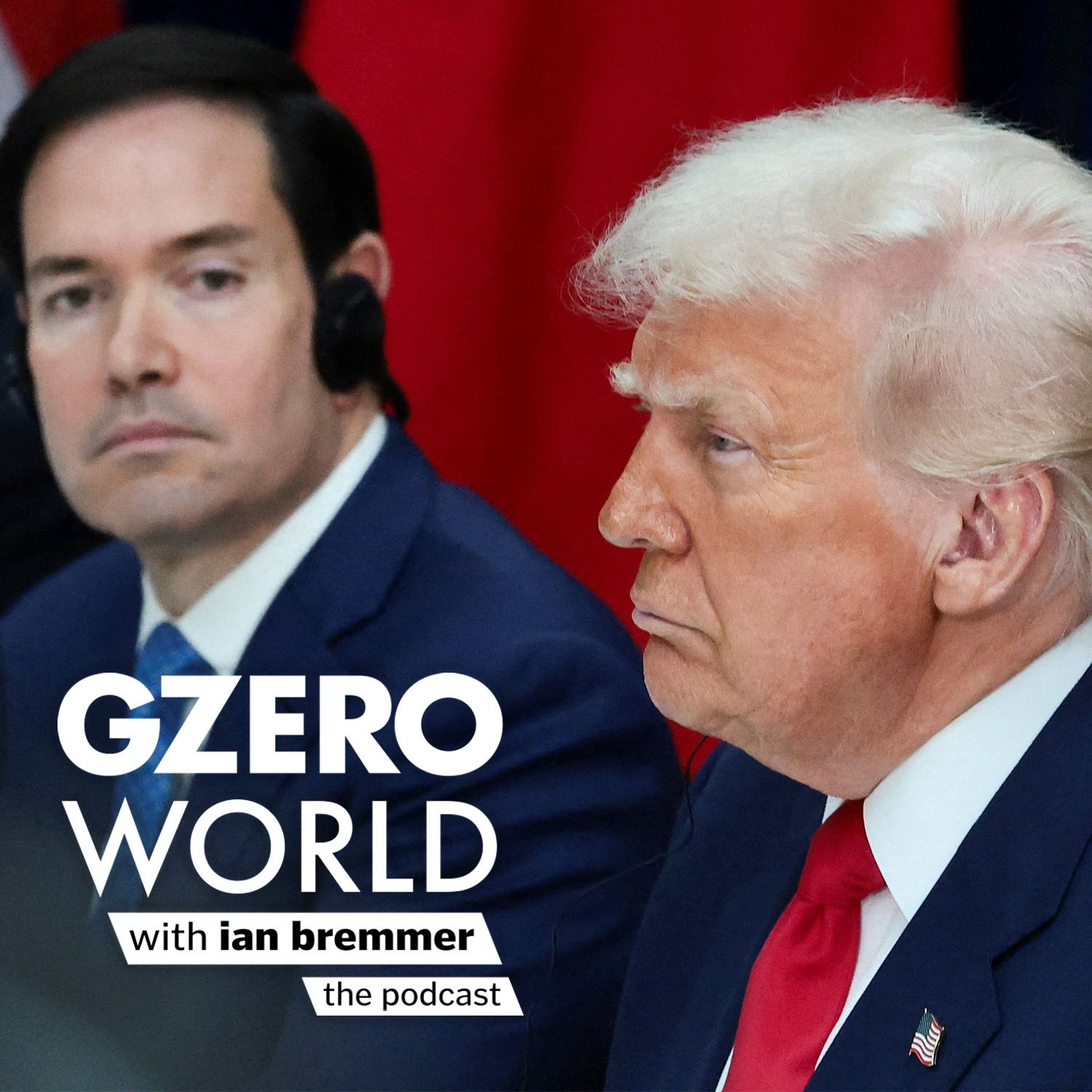
Operation Epic Fury may be over, but the Iran war is far from resolved. On this week's episode, American Enterprise Institute Kori Schake joins Ian Bremmer to discuss the conflict's global ripple effects.
With the Strait of Hormuz effectively closed to commercial shipping, the US finds itself in what Schake calls a Mexican standoff, unable to force Iran's hand without dramatic escalation, and unwilling to accept the humiliation of ceding control of one of the world's most critical waterways. Meanwhile, Washington's two biggest rivals are gaining ground. Russia is cashing in on higher oil prices at a m...
How AI is transforming warfare and the US military with Katrina Manson
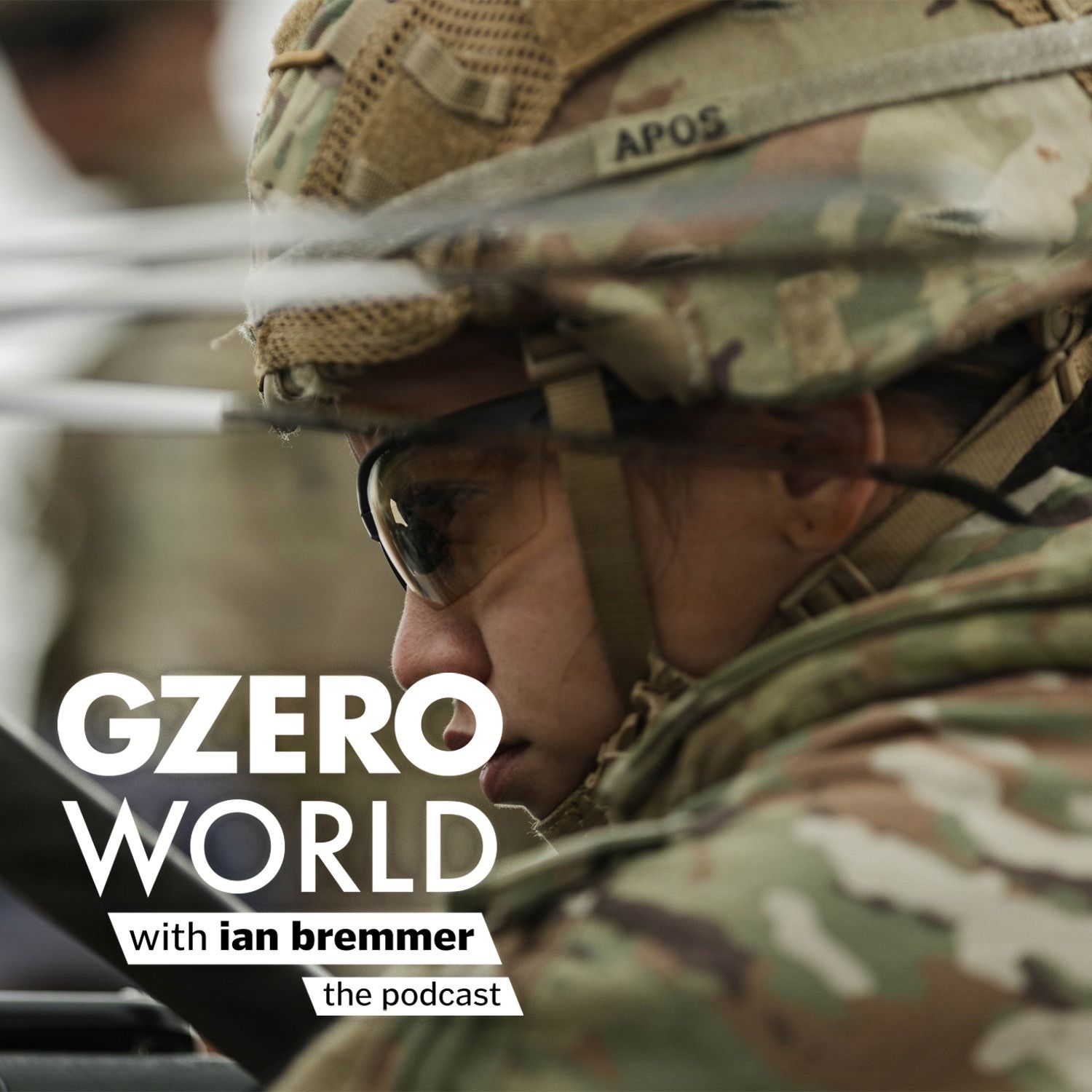
Ian Bremmer's guest this week is author and Bloomberg defense tech reporter Katrina Manson, who spent years reporting on Project Maven for her new book on the Pentagon's AI push.
The program launched in 2017 with a narrow mandate: use machine learning to process drone footage. It has since expanded into something far more ambitious. Autonomous weapons, drone swarming technology, and AI-assisted targeting are now central to how the Pentagon talks about modern warfare.
The tech rollout is fast, but not reliable. Algorithms fail when the battlefield changes. The targeting process is accelerating to the point...
Cuba's Trump standoff and economic crisis with Michael Bustamante
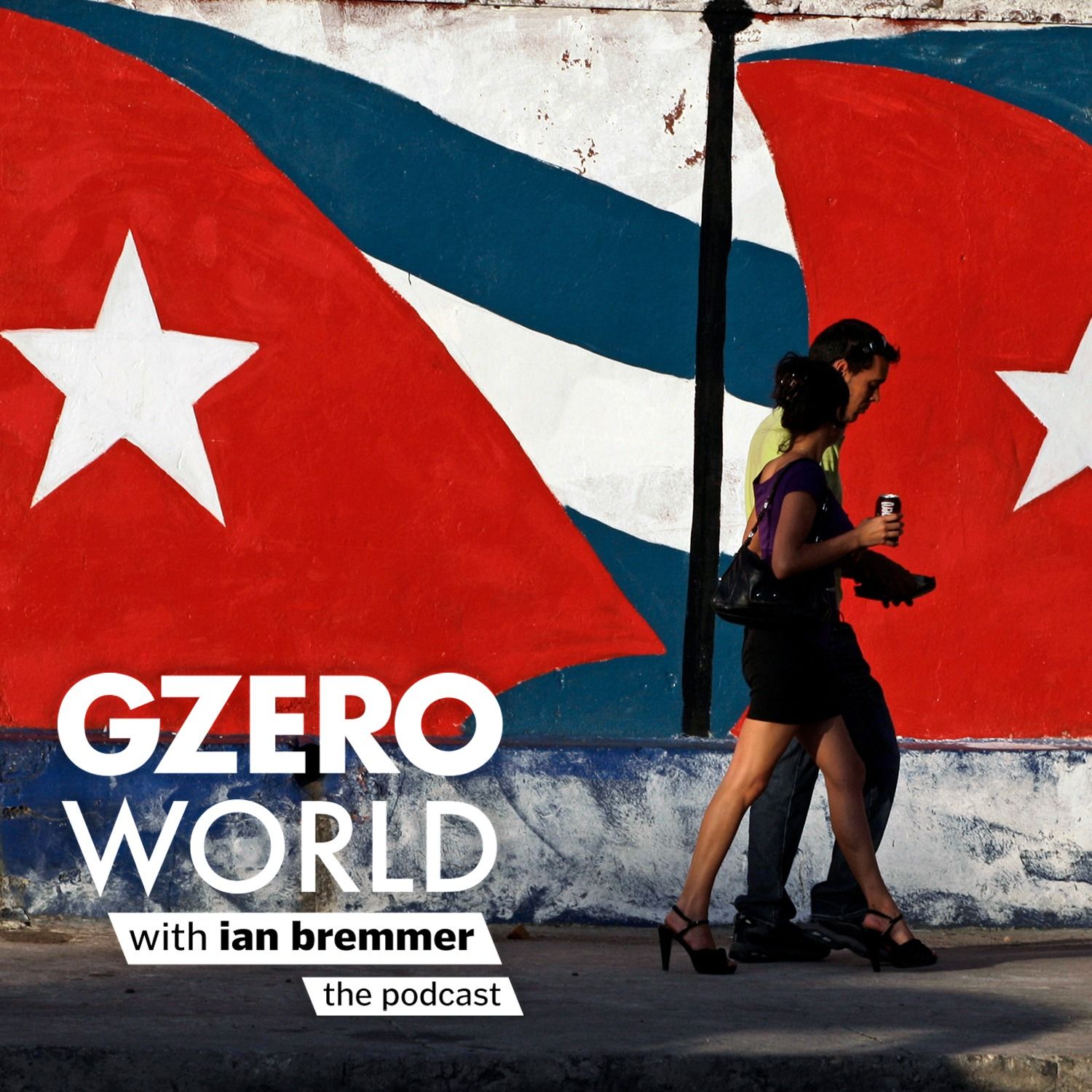
Historian Michael Bustamante joins Ian Bremmer to discuss Cuba's economic freefall, Trump's end game, and the hopes of Cuban Americans.
This week, Ian Bremmer sits down with University of Miami historian and Cuba expert Michael Bustamante to make sense of the US-Cuba standoff.
Cuba is in its worst crisis in 30 years, with basic necessities like fuel, water and food in short supply. Between one and two million Cubans have left in the past five years, the largest exodus in the island's history. And the opposition is too weak, too scattered, and too decimated by exile...
North Korea's nuclear gamble pays off, with the WSJ's Jonathan Cheng
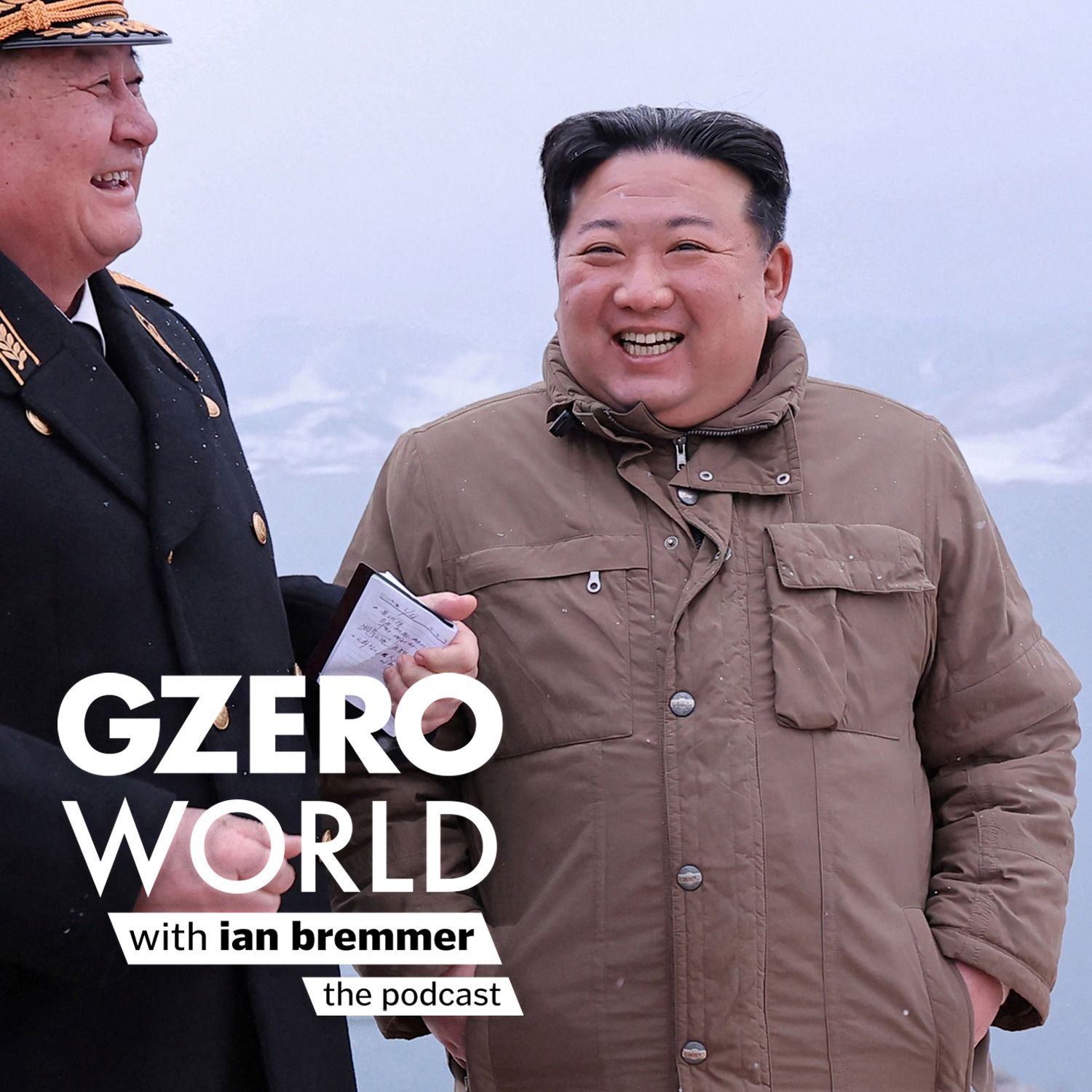
North Korea has nuclear weapons, a succession plan hiding in plain sight, and a personality cult that has outlasted Stalin's and Mao's combined. Wall Street Journal's Beijing bureau chief Jonathan Cheng argues the world keeps misreading Pyongyang because it insists on reducing it to an authoritarian state.
North Korea is also a religious society, built on a divine rule centered on a "god-king", Cheng argues. Kim Jong Un, third generation leader of the Kim dynasty was able to consolidate his power while developping the nuclear arsenal his father had succesfully created.
Now, with the Iran...
Assessing the Iran War's "structural damage" with Harvard economist Gita Gopinath
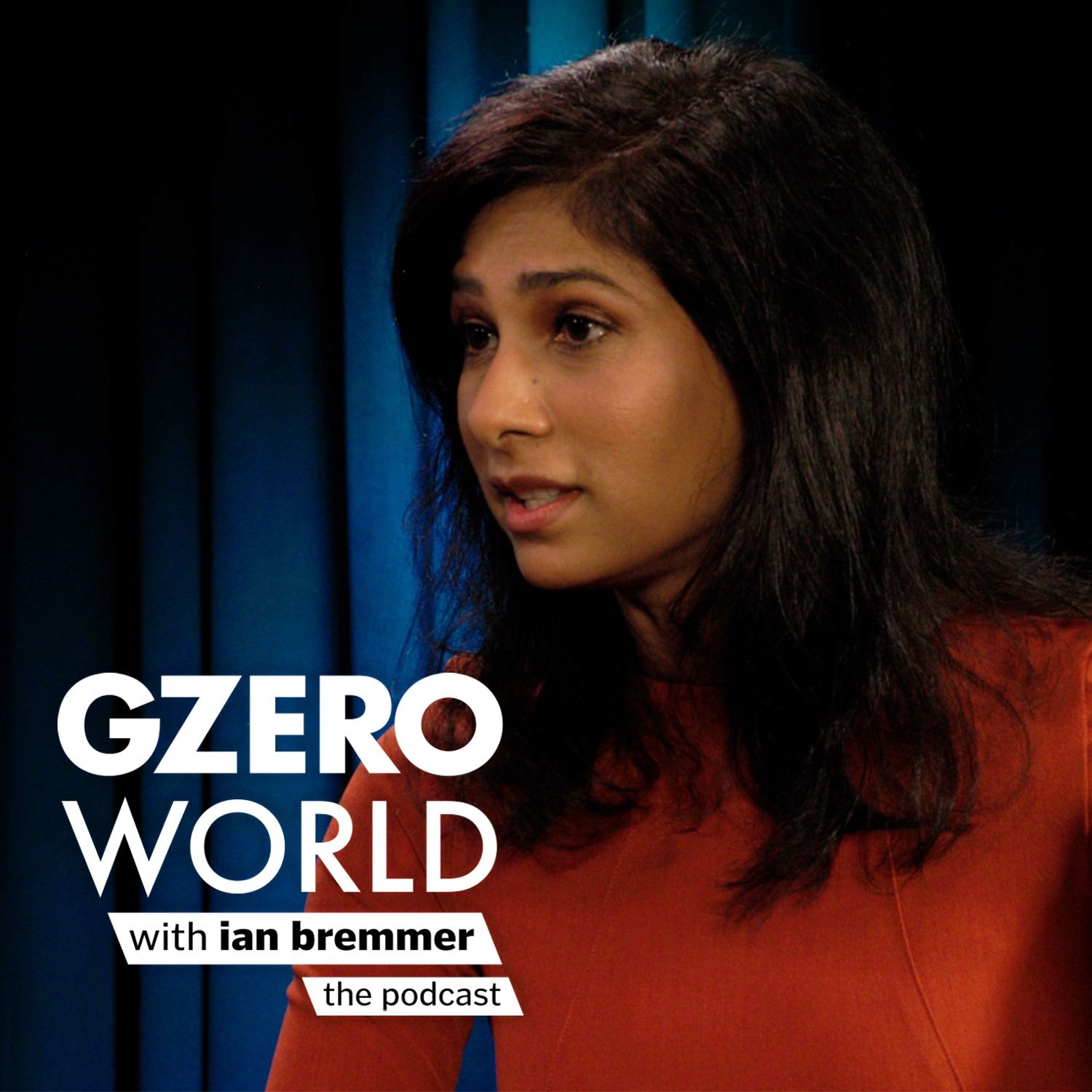
Rising energy prices, higher inflation, and growing economic uncertainty — a Harvard economist says the fallout from the Iran war is already being felt.
On the GZERO World Podcast, Ian Bremmer sits down with Harvard economist and former IMF Deputy Managing Director Gita Gopinath to unpack how the conflict is rippling through the global economy. As oil and gas prices surge, inflation is climbing, adding new costs for households and businesses and putting pressure on growth worldwide.
Gopinath explains that while the immediate hit to global growth may seem modest, the bigger concern is longer-term “structural dama...
Viktor Orbán's last stand, and the future of Europe's far right with Ivan Krastev
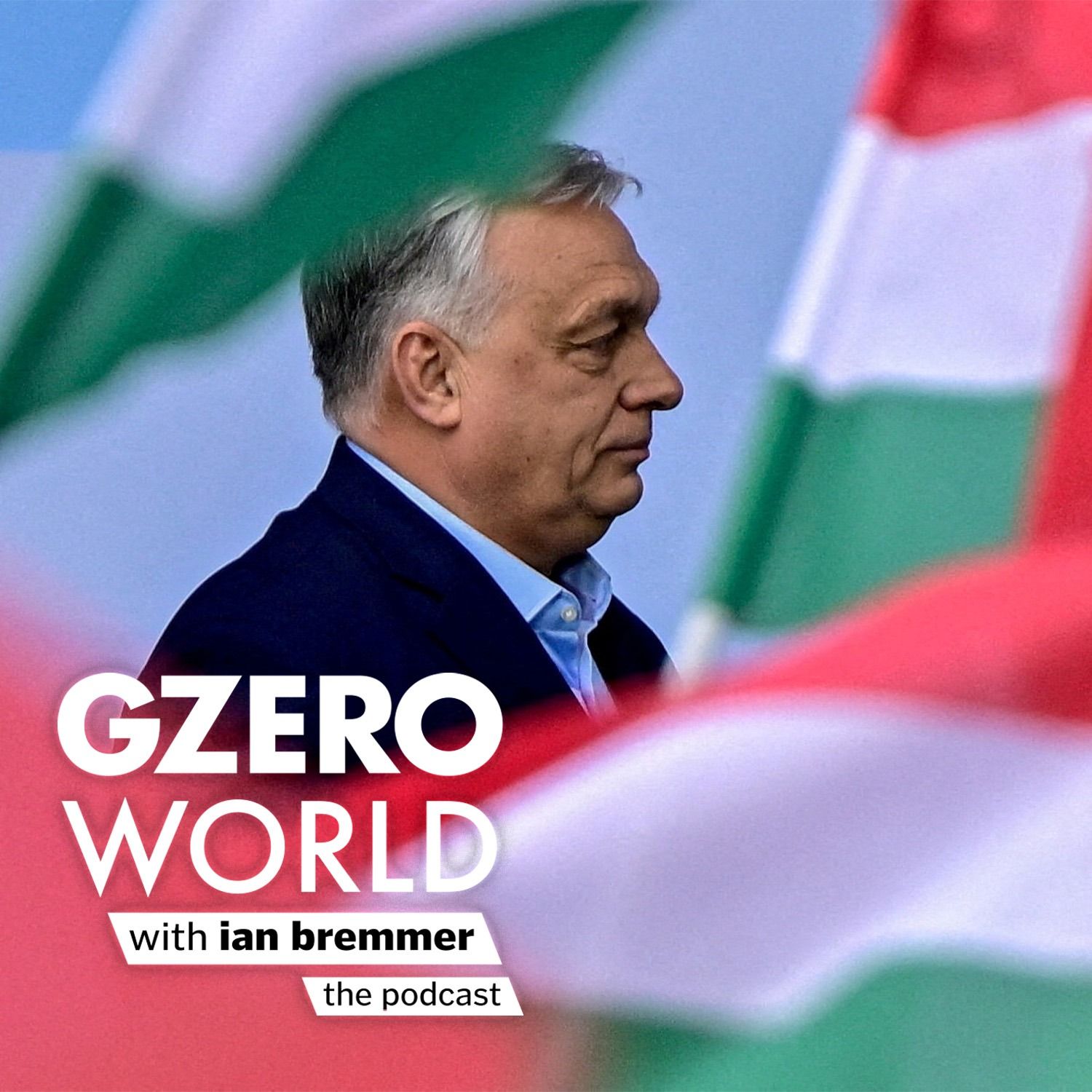
Ian Bremmer sits down with Ivan Krastev, Chairman of the Centre for Liberal Strategies and political scientist, to discuss Hungary's consequential upcoming election and what it means for the far right globally.
For sixteen years, Viktor Orbán has dominated Hungarian politics, rewriting rules, consolidating power, and positioning himself as Europe's leading nationalist and Donald Trump's closest ally on the continent. But with parliamentary elections approaching on April 12th, his aura of invincibility is finally cracking. Opposition candidate Péter Magyar, a conservative former Orbán insider, is polling ahead by double digits, and the Trump administration is...
Rahm Emanuel on Trump's Iran war “of choice” and midterm implications
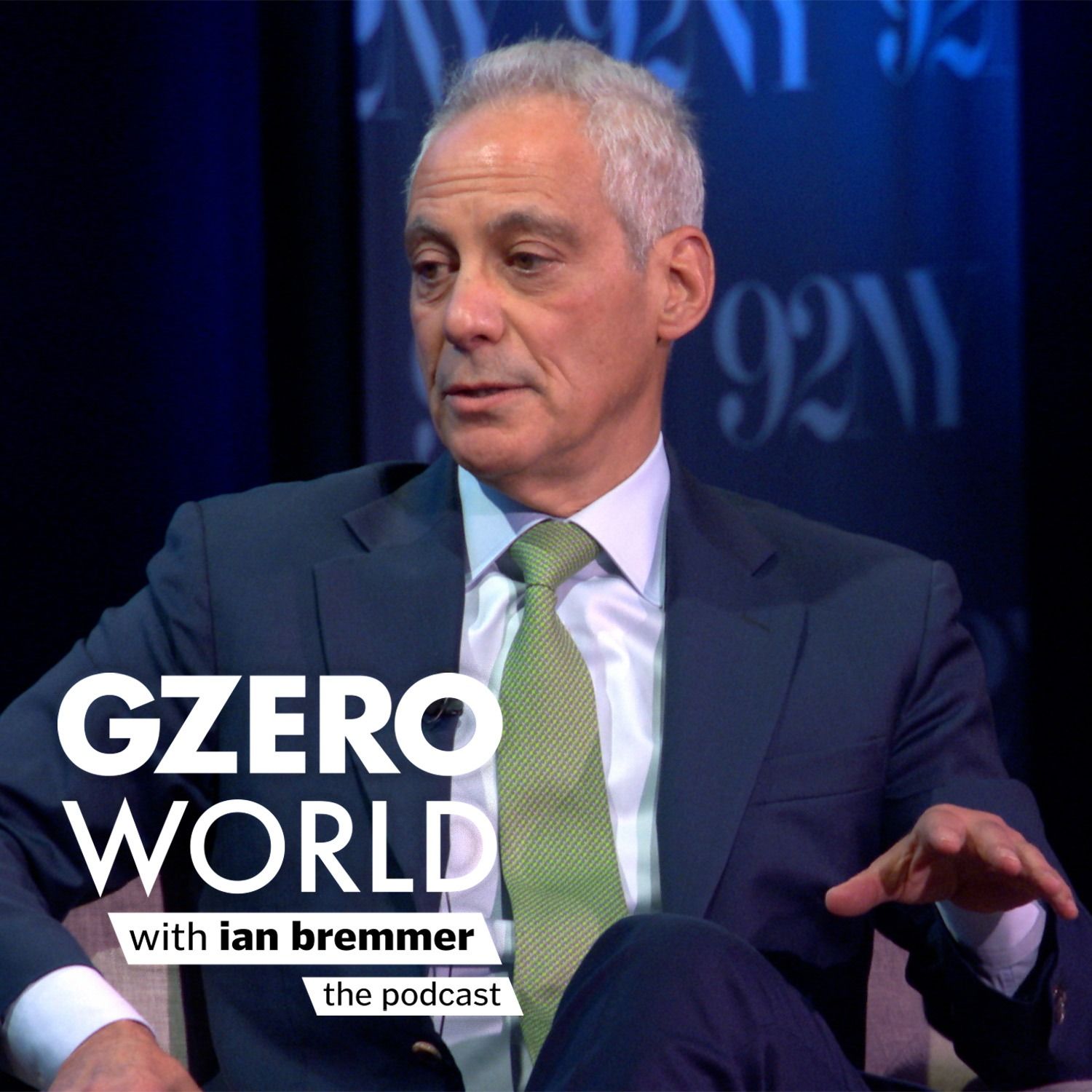
Ian Bremmer and Rahm Emanuel discuss the deepening conflict in the Middle East, US foreign policy under Trump, and the upcoming midterms.
Rahm Emanuel argues that this is a war of choice, one President Trump made himself, not one driven by external pressures like Israel’s influence. While the Prime Minister of Israel has long pushed for military action, Emanuel stresses that the responsibility for war ultimately lies with the US president, not foreign actors. He also highlights how America’s fractured political system has complicated decision-making, making it harder for the US to act with a unif...
Unpacking Iran’s competing endgames with Brookings Institution’s Thomas Wright
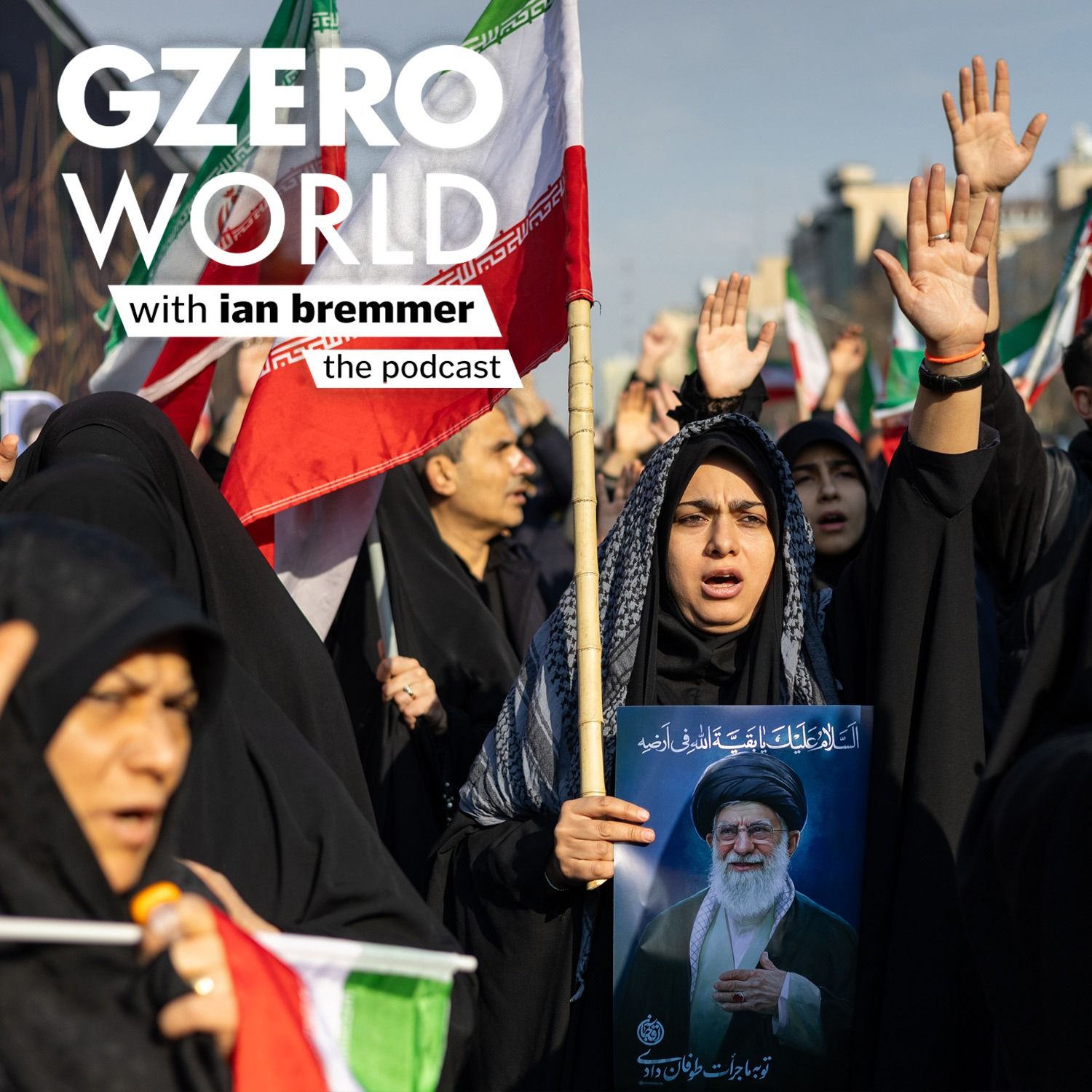
Ian Bremmer sits down with Thomas Wright, Brookings Institution fellow and former Senior Director at the US National Security Council, to unpack the deepening war in Iran and the divergent strategies shaping it.
What are the possible outcomes for the widening conflict in Iran? What began as a dramatic opening strike has evolved into a far more complex war, with Washington, Jerusalem, and Tehran all pursuing different aims. Wright argues this isn’t simply about degrading military capability; it’s about competing endgames that may pull the region in unpredictable directions.
As Wright explains, the Unit...
Tariffs: what comes next with Paul Krugman and Scott Lincicome
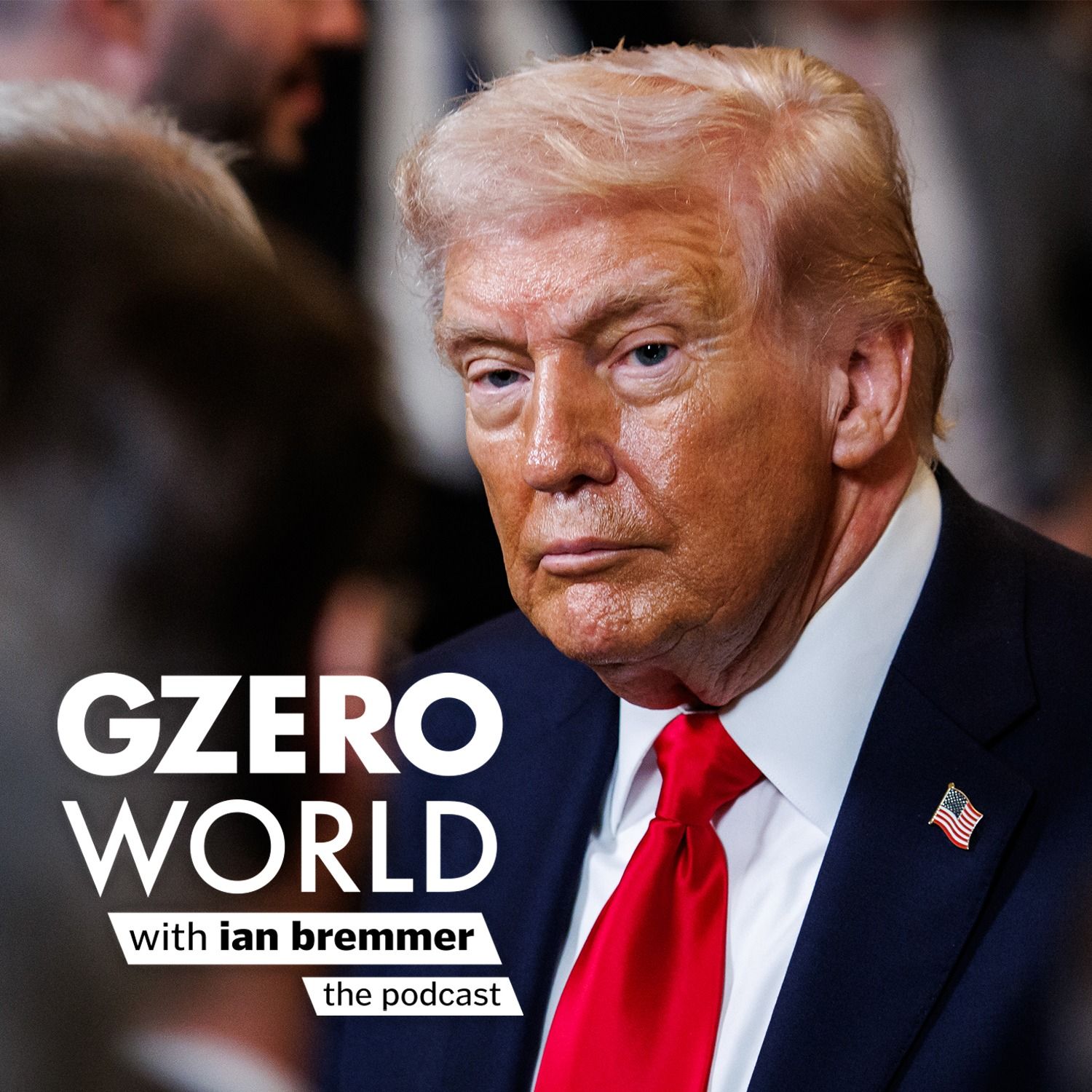
While Washington has become more hostile to globalization, Americans continue to buy foreign goods in record numbers. Lincicome notes that economic nationalism is “about an inch deep,” with support collapsing when Americans face higher prices for domestic products.
The conversation also explores the impact of tariffs on businesses and consumers. Lincicome explains that if certain tariffs are ruled illegal, companies could seek refunds totaling up to $175 billion, potentially through litigation rather than administrative action. Krugman emphasizes that while policy debates grab headlines, public perception and midterm politics may ultimately matter more than the details of trade law or c...
Iran at war with Carnegie’s Karim Sadjadpour
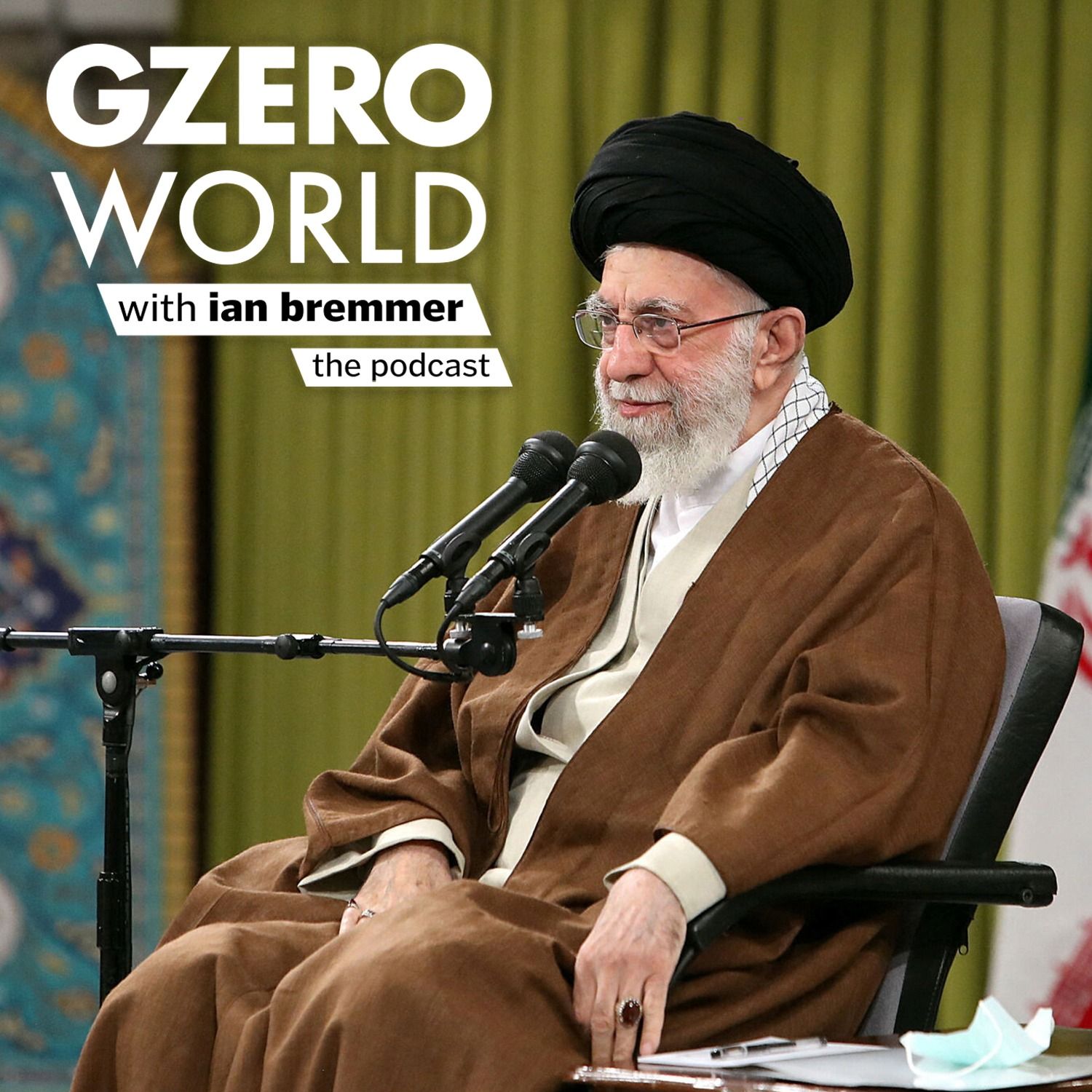
Ian Bremmer sits down with Karim Sadjadpour of the Carnegie Endowment for Peace to examine Iran’s precarious position on the global stage and the forces shaping the country. At the heart of the discussion is the regime’s internal fragility. Sadjadpour explains that many inside Iran, including elements of the Revolutionary Guards, are “waiting for Ayatollah Khamenei to die.”
The conversation also explores Iran’s isolation in the international arena. While 90% of its oil goes to China at deep discounts, Sadjadpour points out that Chinese and Russian interests in Iran diverge sharply. Despite the pressures at home and ab...
President Trump's power-first foreign policy with CFR's President
From sweeping tariffs to threats of military action and withdrawal from international institutions, Trump has demonstrated a willingness to break with the United States' approach to international relations. When the US shifts from global order architect to challenger, what kind of system emerges, and how do other countries react? On the GZERO World Podcast, Ian Bremmer sits down with former US Trade Representative and Council on Foreign Relations President Michael Froman to discuss.
Michael Froman tells Ian Bremmer that under Trump's second term, he’s been less surprised by a single policy shift than by how quickly ot...
Cyber resilience for small enterprises
As more small businesses move sales, payments, and customer relationships online, they unlock new opportunities, but they also become easier targets for cyber-criminals and other threat actors.
In this episode of Local to global: The power of small business, host JJ Ramberg sits down with Shamina Singh, Founder & President of the Mastercard Center for Inclusive Growth, and Brian Cute, Interim CEO and Director of Capacity & Resilience at the Global Cyber Alliance, to explore what Southeast Asia’s fast-growing digital economy reveals about the cybersecurity challenges facing micro, small and medium-sized businesses everywhere.
Together, they unpack wh...
Singapore's global moment, with President Tharman Shanmugaratnam
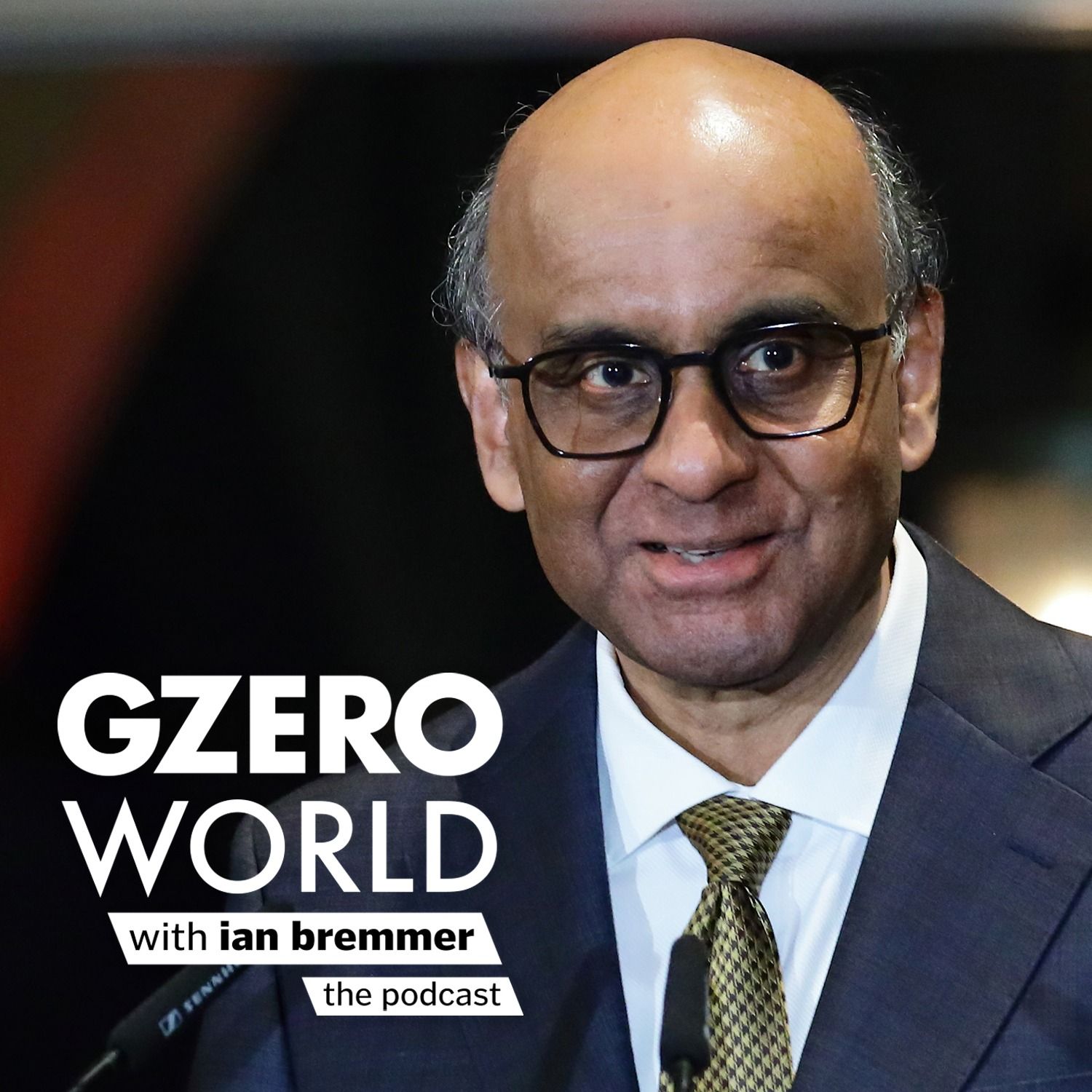
How does a small country like Singapore, strategically positioned between the US and China, navigate a world of growing uncertainty? On the GZERO World Podcast, Ian Bremmer sits down with Singapore’s President Tharman Shanmugaratnam to unpack a global order in flux. For a small country at a global crossroads, managing the current geopolitical moment isn't an abstract concept. It is central to its survival. Despite "radical uncertainty," the city-state has continued to flourish as a global hub for finance, trade, and technology.
From the sidelines of Davos, Bremmer and Shanmugaratnam look at the rapidly changing global or...
Europe's wake-up call, with Alexander Stubb and Kristalina Georgieva
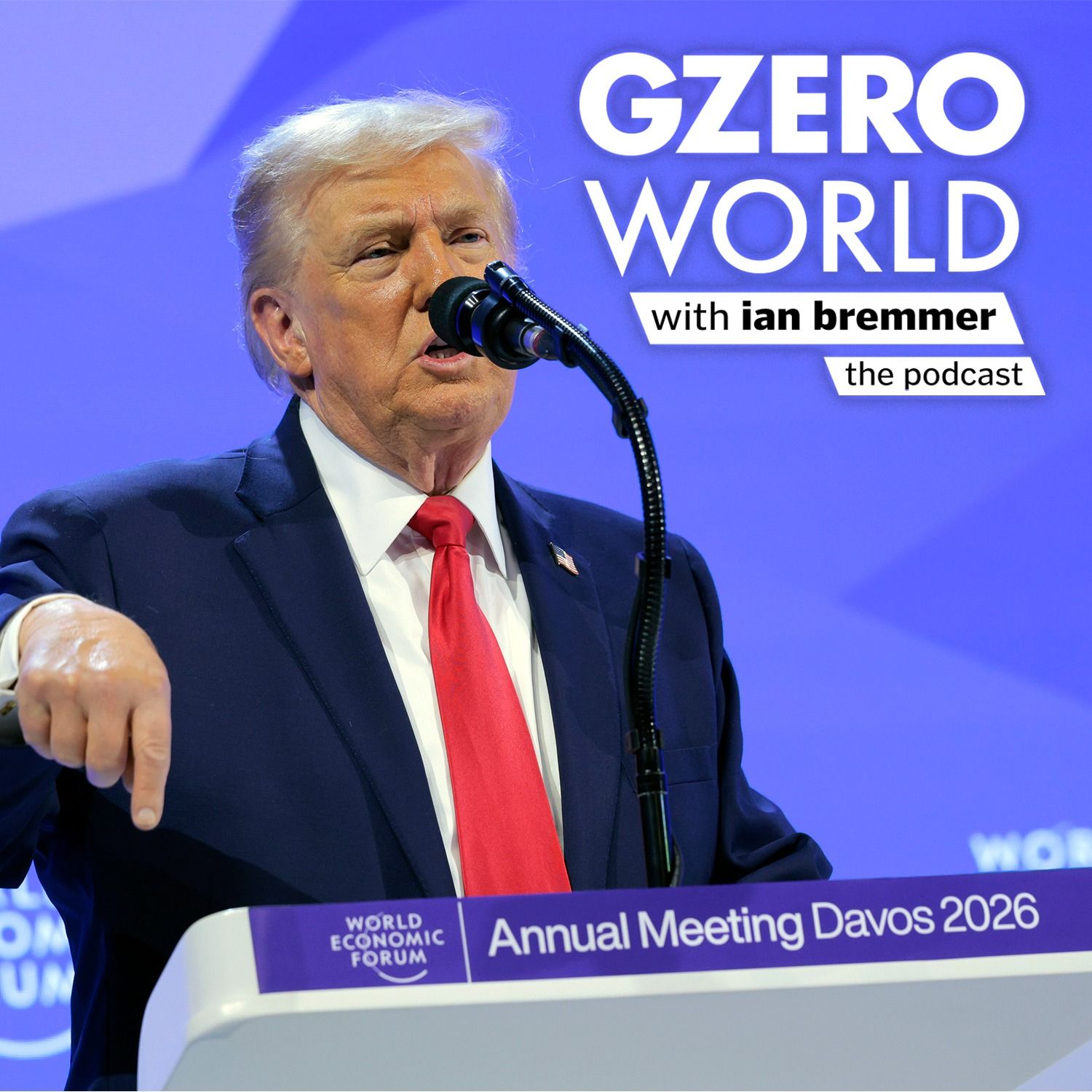
The GZERO World Podcast heads to Davos, Switzerland for the World Economic Forum this week for a look at transatlantic relations and how President Trump’s second term is reshaping the global order. Uncertainty and tensions were high this week as Trump doubled down on his desire to control Greenland—before announcing a deal with NATO over the Danish territory’s future and walking back tariff threats. Ian Bremmer spoke with Finnish President Alexander Stubb on the sidelines of Davos to discuss the future of the transatlantic relationship, Arctic security, the war in Ukraine and why, despite so many geopol...
Trump's second term–one year in, with Stephen Walt
It’s been a year since President Trump returned to office, this time with fewer constraints, a better understanding of how government works, and a much more muscular view of US foreign policy. This week on the GZERO World Podcast, Harvard’s Stephen Walt joins Ian Bremmer to help answer a simple question with complicated answers: what kind of presidency is he building this time around?
Over the past year, we’ve seen a dramatic expansion of presidential power and a rewriting of America's role in the world. There’s been a retreat from multilateral institutions, targeting of long...
Venezuela after Maduro with Senator Gallego and Frank Fukuyama
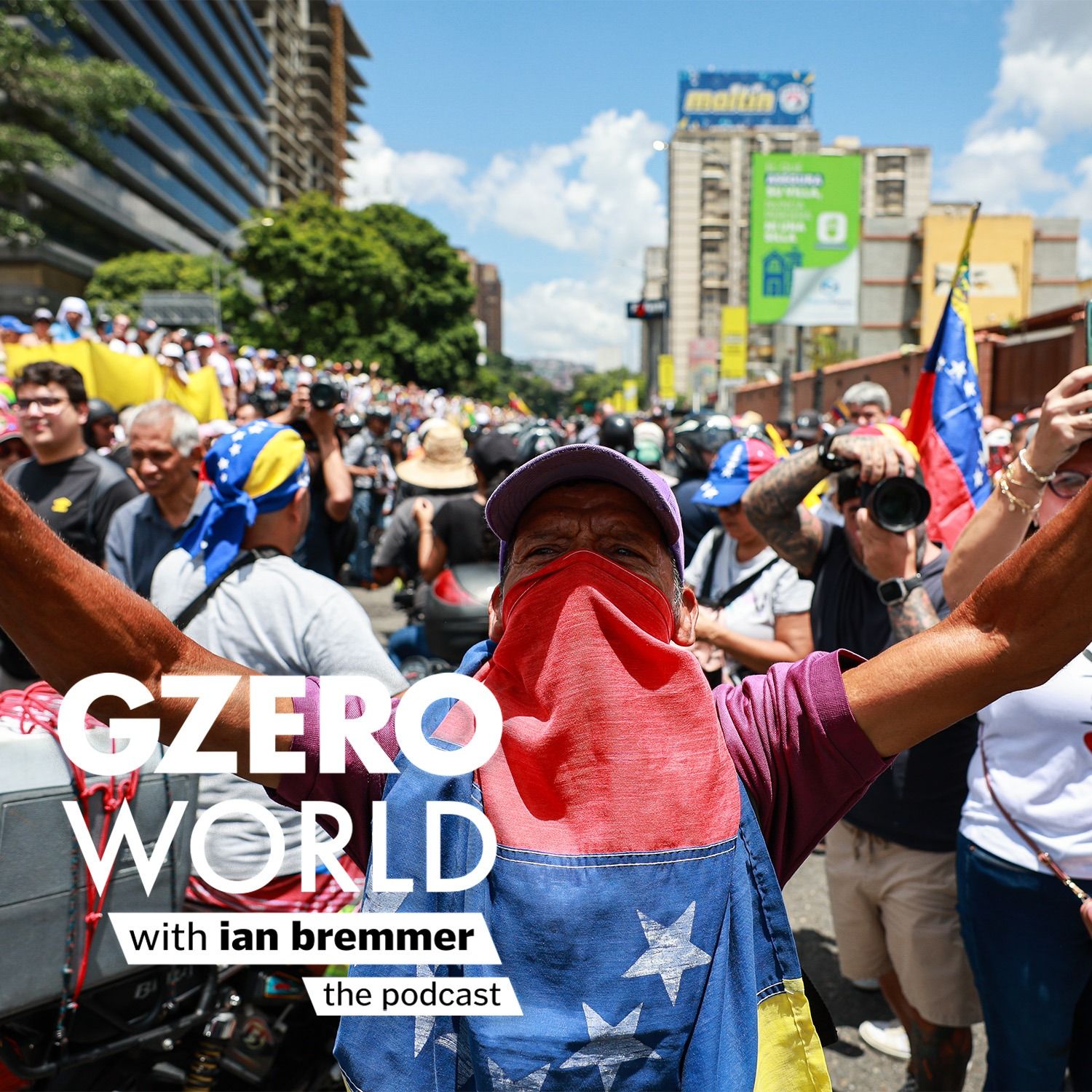
Ian Bremmer unpacks the fallout from the Trump administration’s dramatic operation in Caracas that captured Venezuelan strongman Nicolás Maduro and brought him to the US to face federal charges. The raid was a stark demonstration of American power, and few are mourning the fall of a leader whose rule helped collapse Venezuela and drive millions to flee. But even with Maduro gone, the hard questions start immediately: who governs now, how long does the US stay involved, and how quickly could “stability” turn into something far messier?
First, Bremmer speaks with Democratic Senator Ruben Gallego, who say...
The biggest geopolitical risks of 2026 revealed
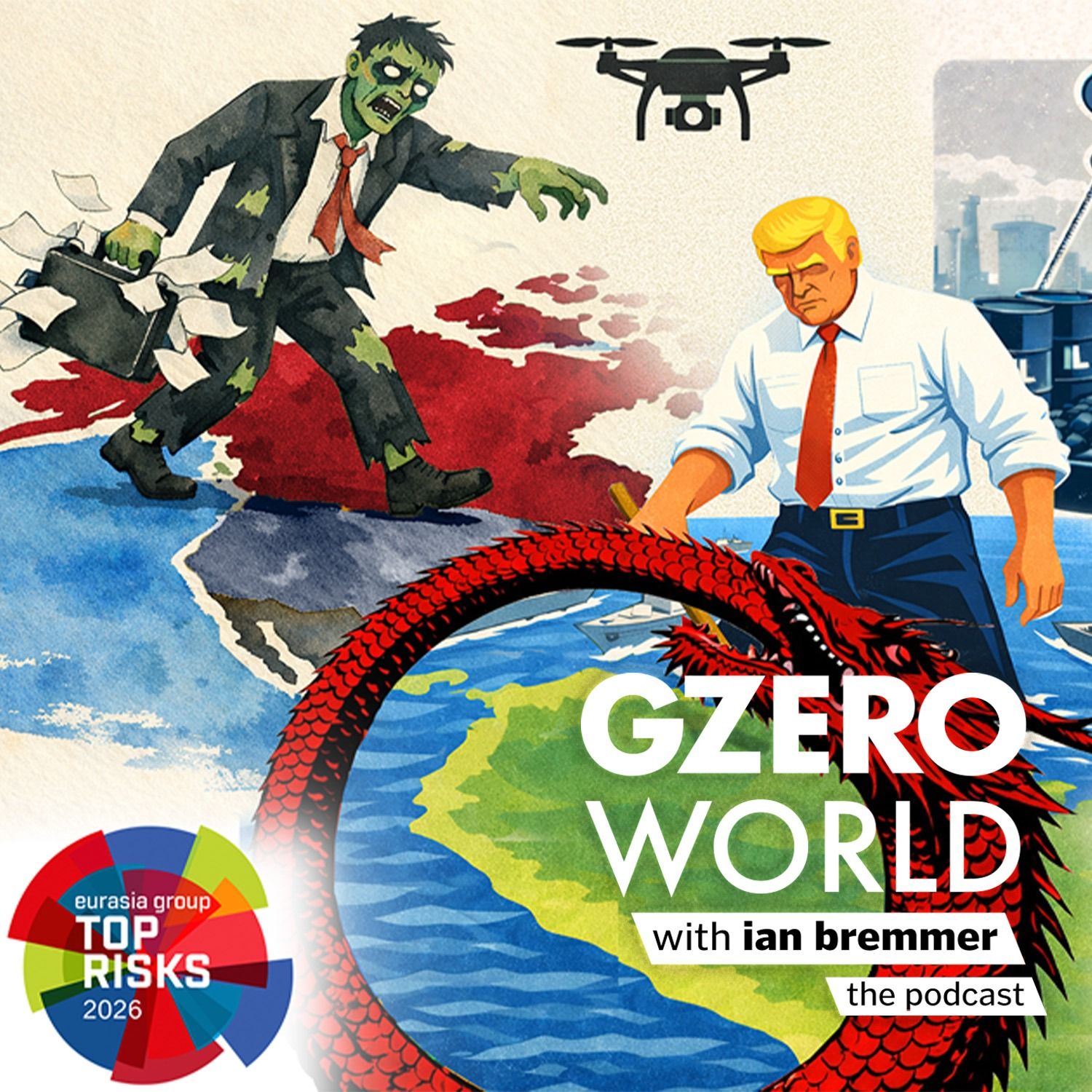
With the global order under increasing strain, 2026 is shaping up to be a tipping point for geopolitics. From political upheaval in the United States to widening conflicts abroad, the risks facing governments, markets, and societies are converging faster—and more forcefully—than at any time in recent memory.
To break it all down, journalist Julia Chatterley moderated a wide-ranging conversation with Ian Bremmer, president of Eurasia Group and GZERO Media, and a panel of Eurasia Group experts, to examine the findings of their newly-released Top Risks of 2026 report.
One theme dominates the discussion: the United Stat...
War and Peace in 2025, with Clarissa Ward and Comfort Ero
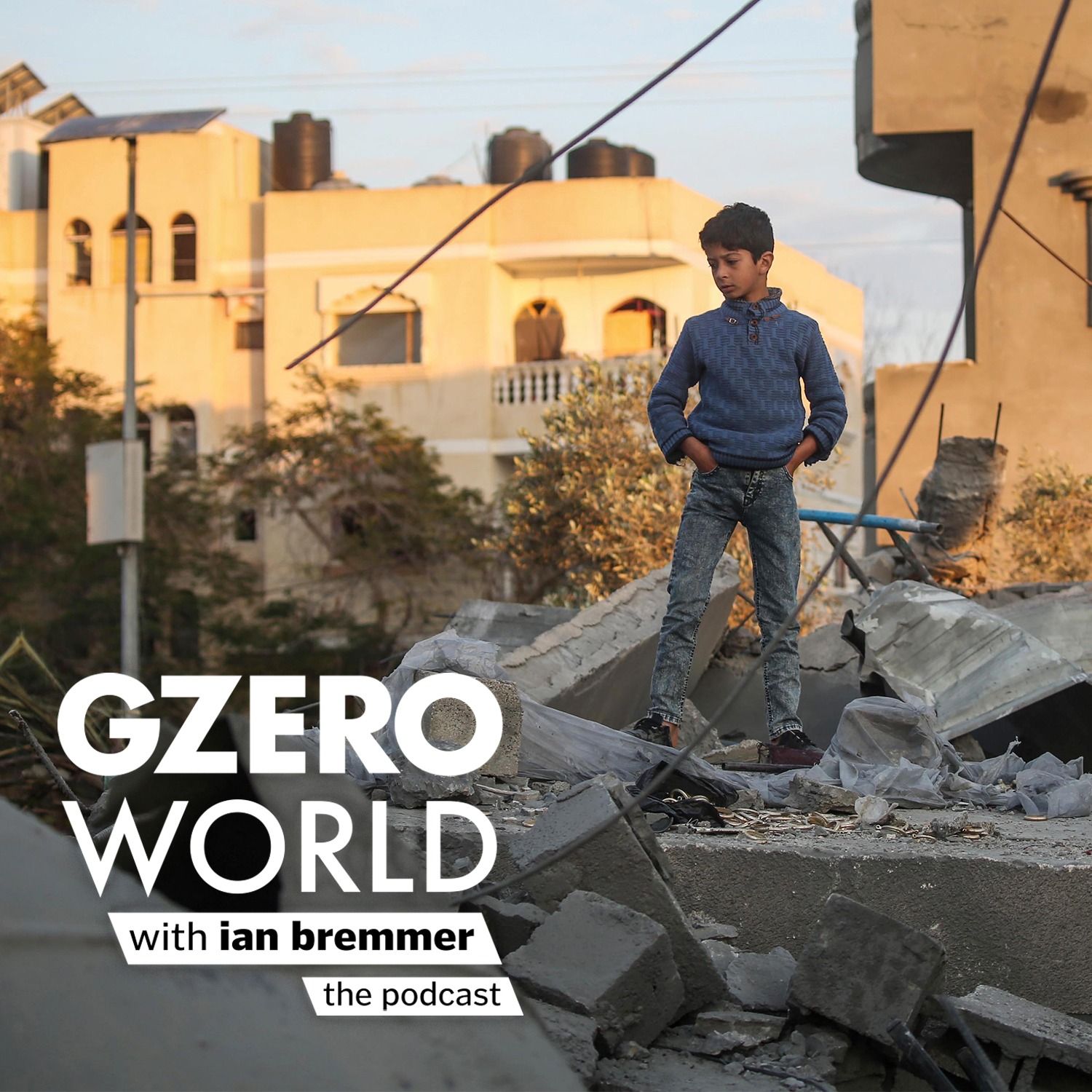
This week, instead of zooming in on a single conflict, the GZERO World Podcast looks back on 2025 and takes stock of a world increasingly defined by conflict. Ian Bremmer sits down with CNN Chief International Correspondent Clarissa Ward and Comfort Ero, President and CEO of the International Crisis Group to look at some of the biggest crises of 2025–-both the headline making wars and the ones the world overlooked.
Gaza and Ukraine captured the world’s attention this year. But at the same time, around 60 other armed conflicts and struggles have been raging around the world. It’s the...
Why we still trust Wikipedia, with cofounder Jimmy Wales
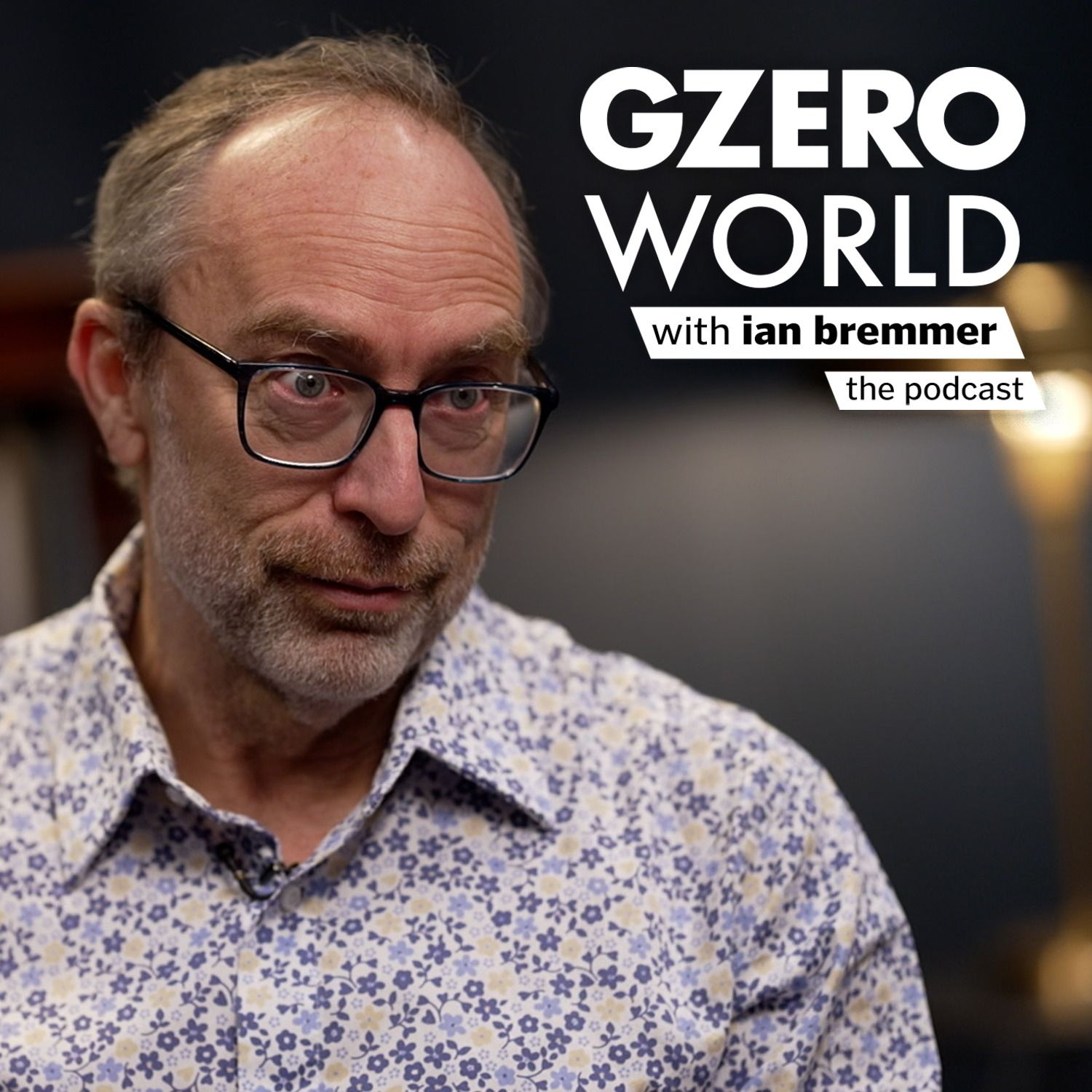
At a moment when Americans can’t agree on much of anything, one unlikely institution still commands broad trust: Wikipedia. Ian Bremmer sits down with Wikipedia cofounder Jimmy Wales to ask why the crowdsourced encyclopedia remains one of the most visited and relied-upon sites in the world, even as trust in media, government, and tech companies continues to collapse.
That trust, Wales argues, comes from Wikipedia’s decentralized model and its refusal to speak with a single authoritative voice on contested issues. “We don’t try to answer the question or take a side,” Wales says. “What we do is des...
The human cost of AI, with Geoffrey Hinton
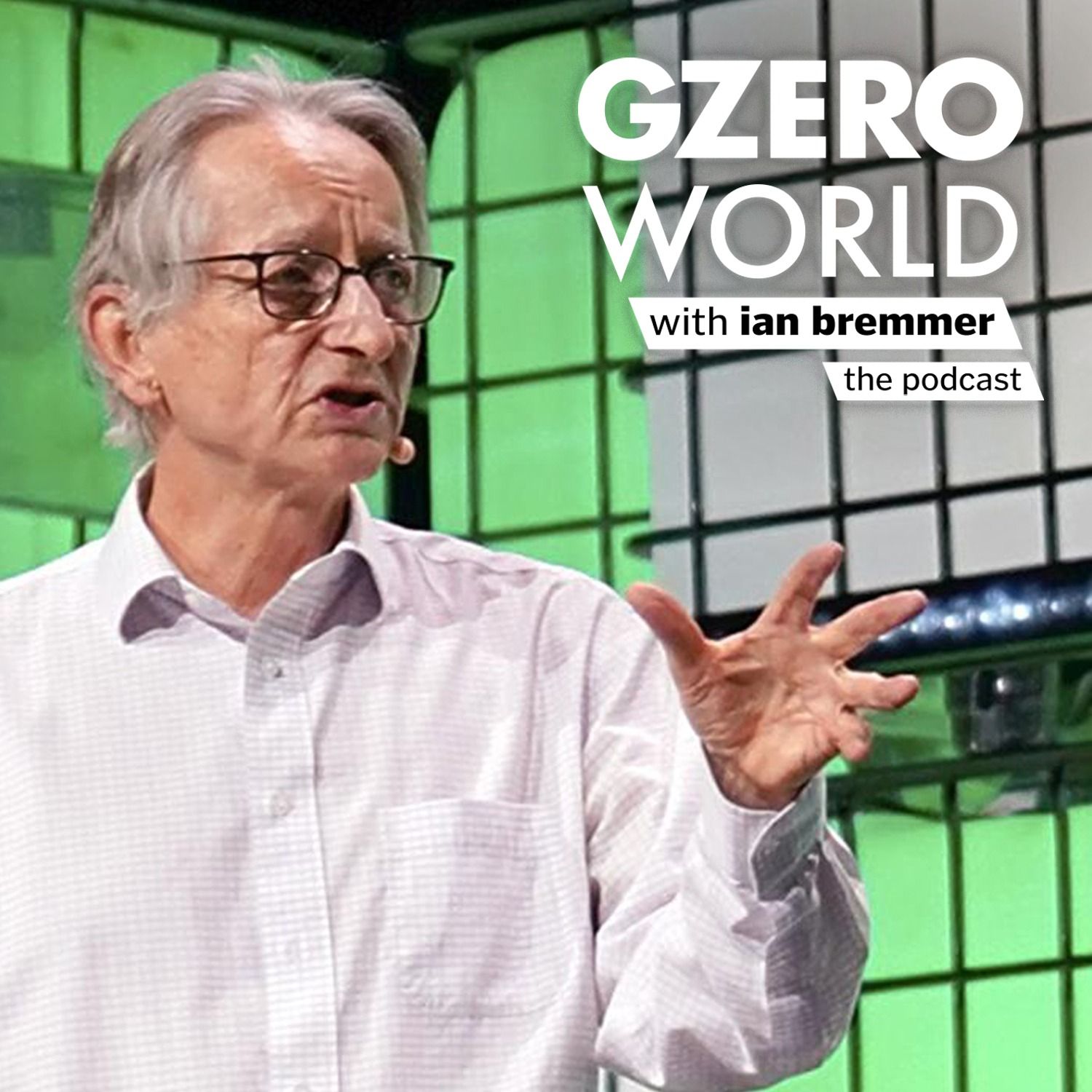
Computer scientist and Nobel laureate Geoffrey Hinton joins Ian Bremmer on the GZERO World podcast to talk about artificial intelligence, the technology transforming our society faster than anything humans have ever built. The question is: how fast is too fast? Hinton is known as the “Godfather of AI.” He helped build the neural networks that made today’s generative AI tools possible and that work earned him the 2024 Nobel Prize in physics. But recently, he’s turned from a tech evangelist to a whistleblower, warning that the technology he helped create will displace millions of jobs and eventually destroy humanity...
