The Extreme Crisis Leadership Show
This podcast series is a companion to my book Station Blackout - Inside the Fukushima Nuclear Disaster and Recovery. This series delves deeper into the extreme crisis lessons learned from my experience and research to provide you with rich insights on how you can lead through any crisis. I believe that you’ll find the stories enlightening and interesting. I intend to stretch your thinking about leadership in a crisis and tug at your emotions with these podcasts. You will gain insights into what it takes to respond to a nuclear event. One of the most significant human-made events possible. Yo...
Module 8 Beyond the Simulator
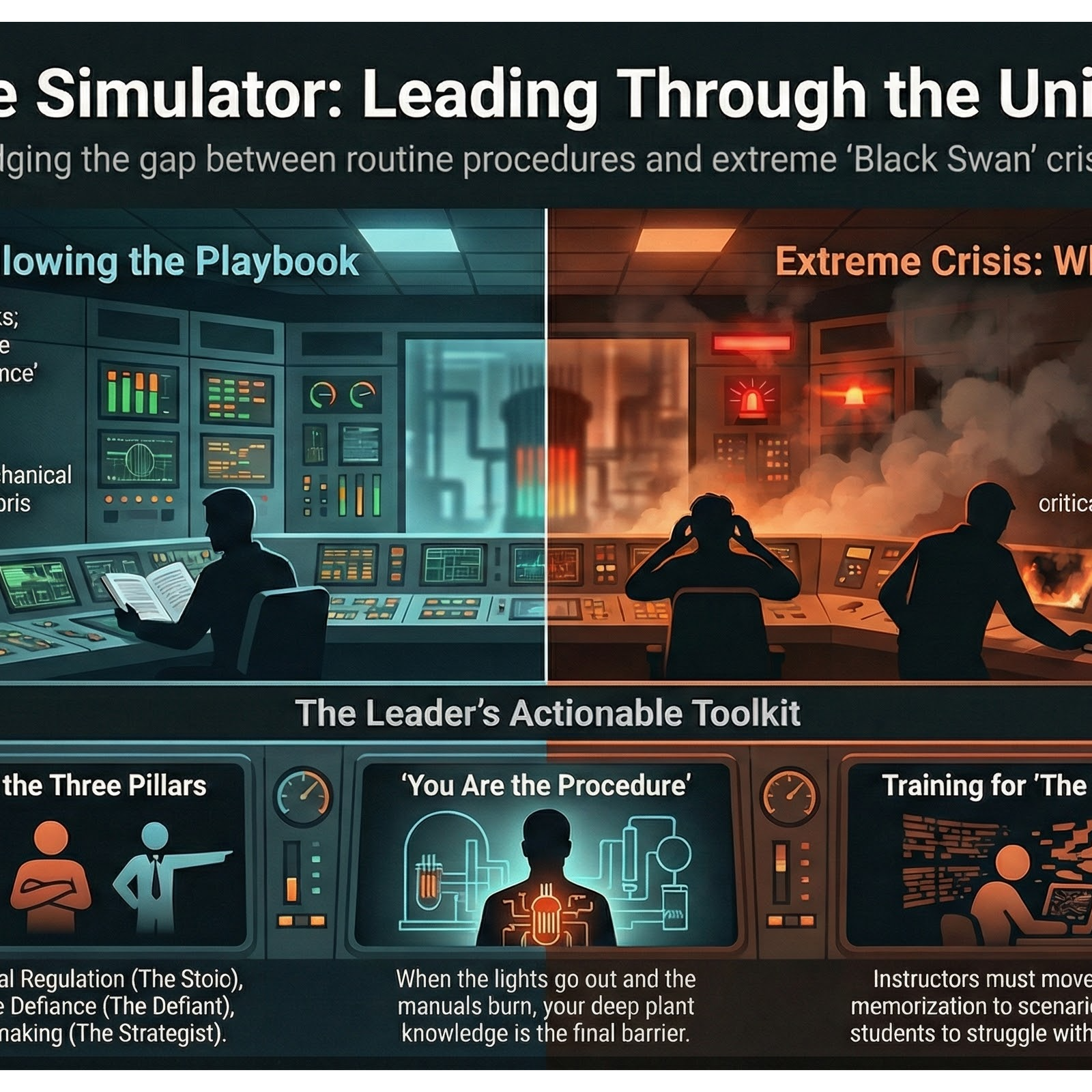
Introduction: Beyond Rote Procedures The core theme of the episode centers on the reality that in extreme nuclear crises, training ends and adaptive capacity begins. The guiding principle is simple: "When the lights go out, YOU are the procedure".
Routine vs. Extreme Crises Most operators train for routine crises where a playbook exists and outside help is just a phone call away. However, the episode shifts focus to Extreme Crises (like Fukushima or Zaporizhzhia) which are "Black Swan" events with no playbook, where leaders experience isolation and threats to life.
The Failure of Imagination & Blind...
Module 7 Epilogue
This training curriculum focuses on crisis leadership and human performance during catastrophic "Black Swan" events where standard procedures fail. By analyzing disasters like Fukushima, Deepwater Horizon, and Browns Ferry, the modules teach operators to recognize when manuals become "shackles" that no longer reflect physical reality. A central theme is the "1% Cognitive Contingency," which empowers leaders to prioritize technical justice and public safety over corporate assets or rigid compliance. The text highlights how organizational silence, the normalization of deviance, and oversight collapse contribute to failures in high-stakes environments. Ultimately, the materials advocate resilience-based training that builds the moral courage and...
Module 6 Beyond Design Basis
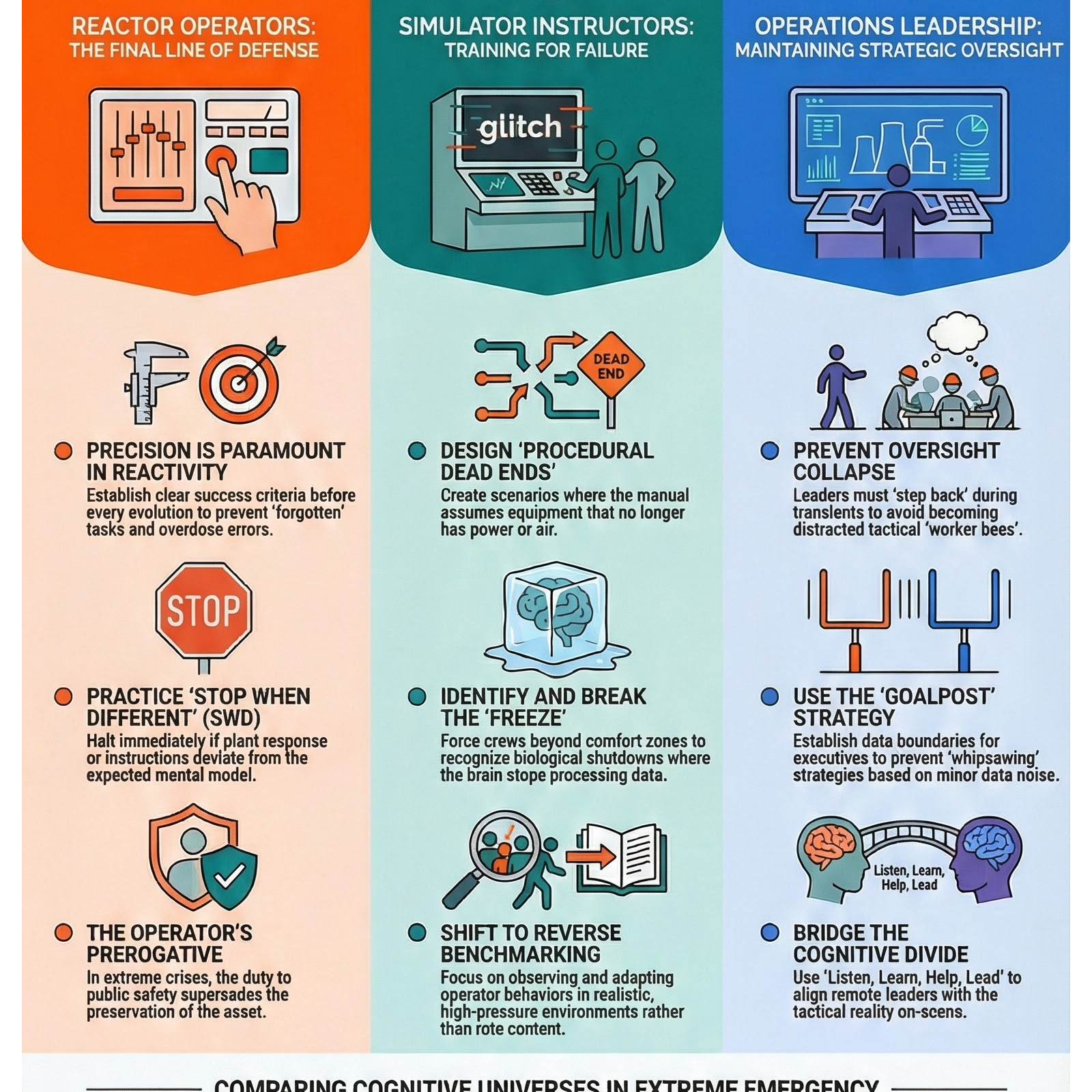
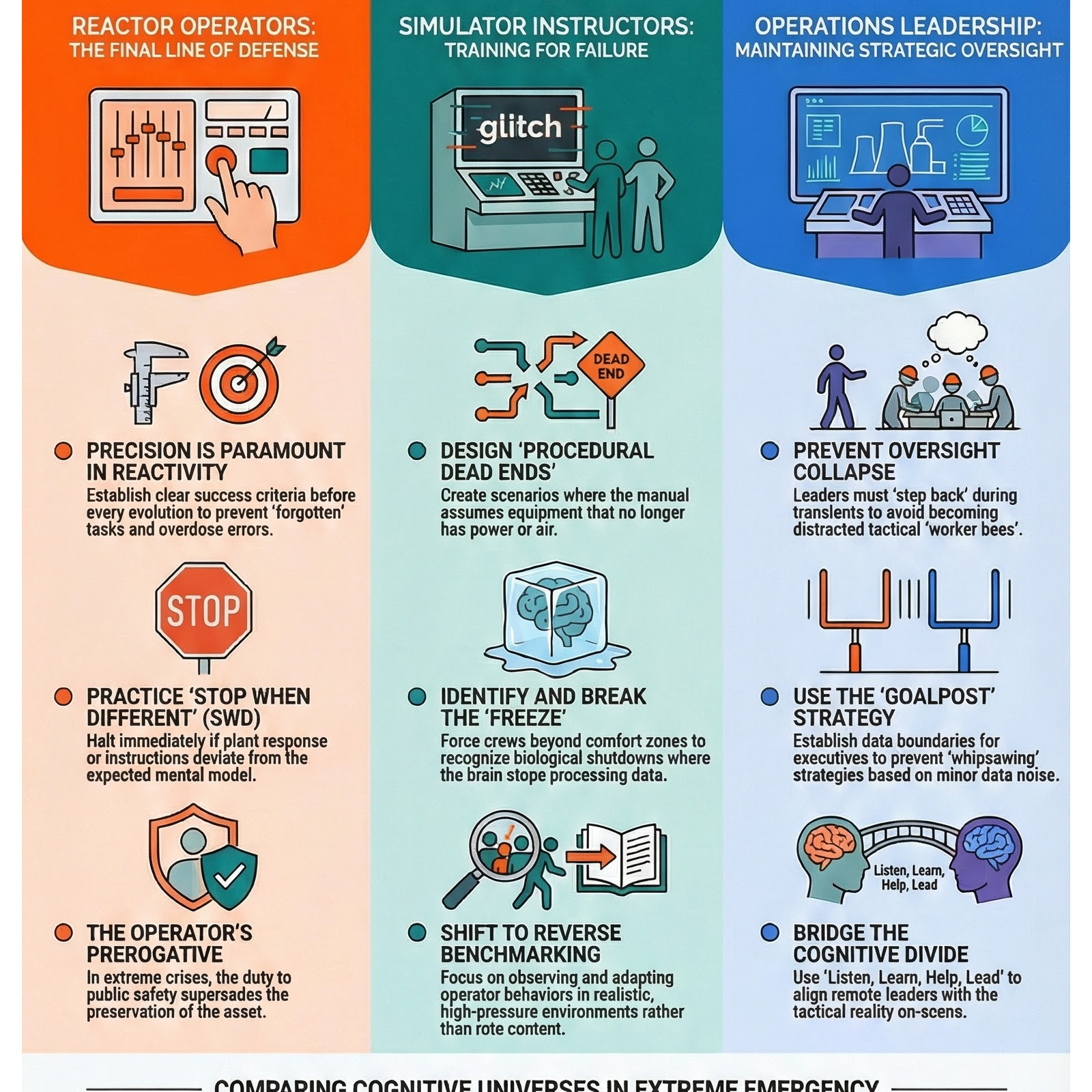
This educational module explores the transition from routine operations to extreme leadership when unforeseen catastrophes, or Black Swans, render standard procedures obsolete. By analyzing historical nuclear crises like Fukushima and Zaporizhzhia, the text illustrates how complacency and a failure of imagination often precede disaster, necessitating a shift from administrative management to adaptive, decisive action. The curriculum emphasizes vital leadership principles such as establishing a shared reality through transparent communication, maintaining physical presence at the scene, and exercising the operator’s prerogative to defy corporate orders in favor of public safety. Ultimately, the material seeks to build adaptive capacity in op...
Module 5 Browns Ferry
A white swan turns black
Module 4a Paks
A white elephant becoming a black rhino
Module 4 Deepwater
Another Ultimate Black Swan
Module 3 Fukushima
The ultimate Black Swan
Module 2 October 4
A white swan that cascades
Module 1 Operator Extreme Crisis Training
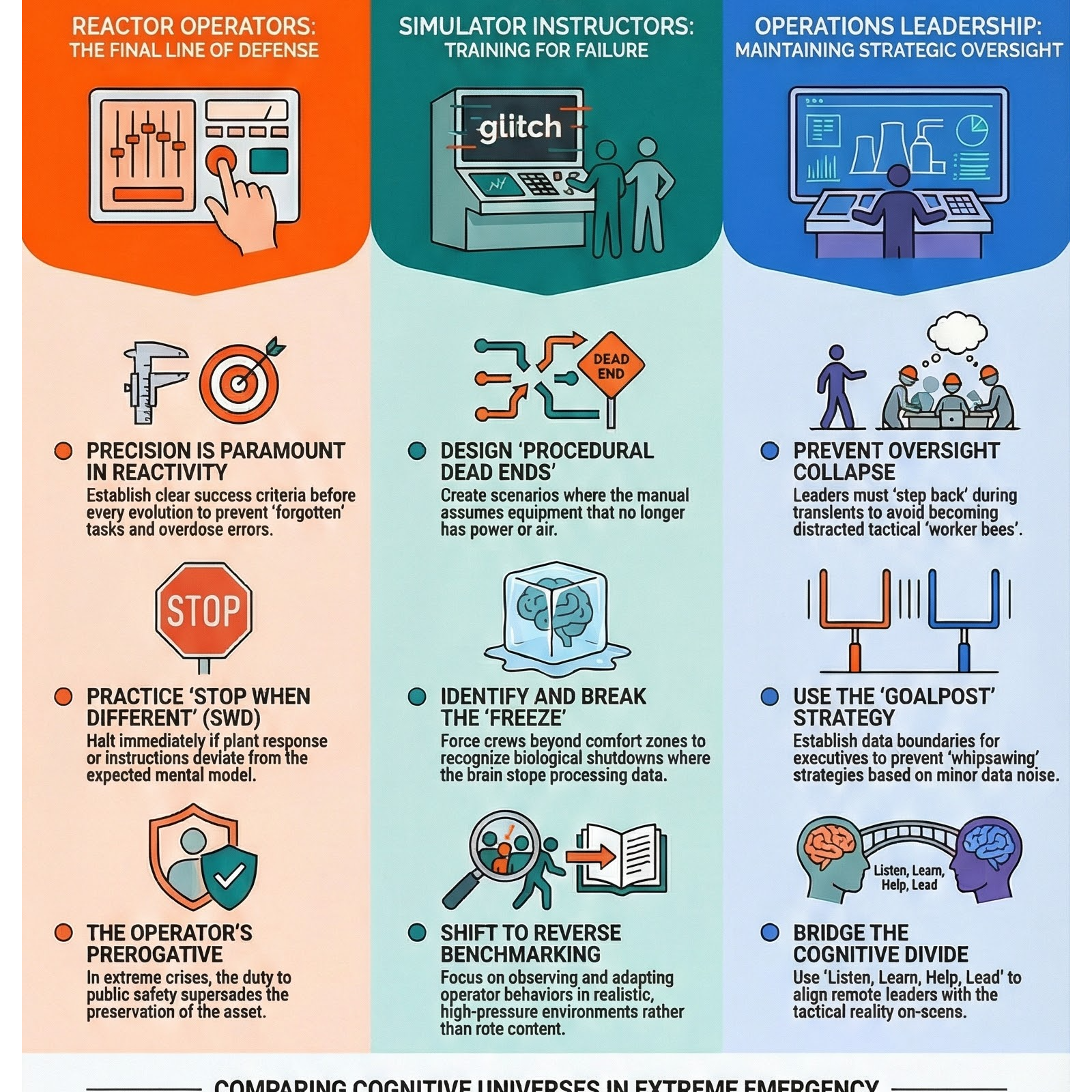
Introduction to Extreme Crisis Leadership
Unlock the Corporate Crisis
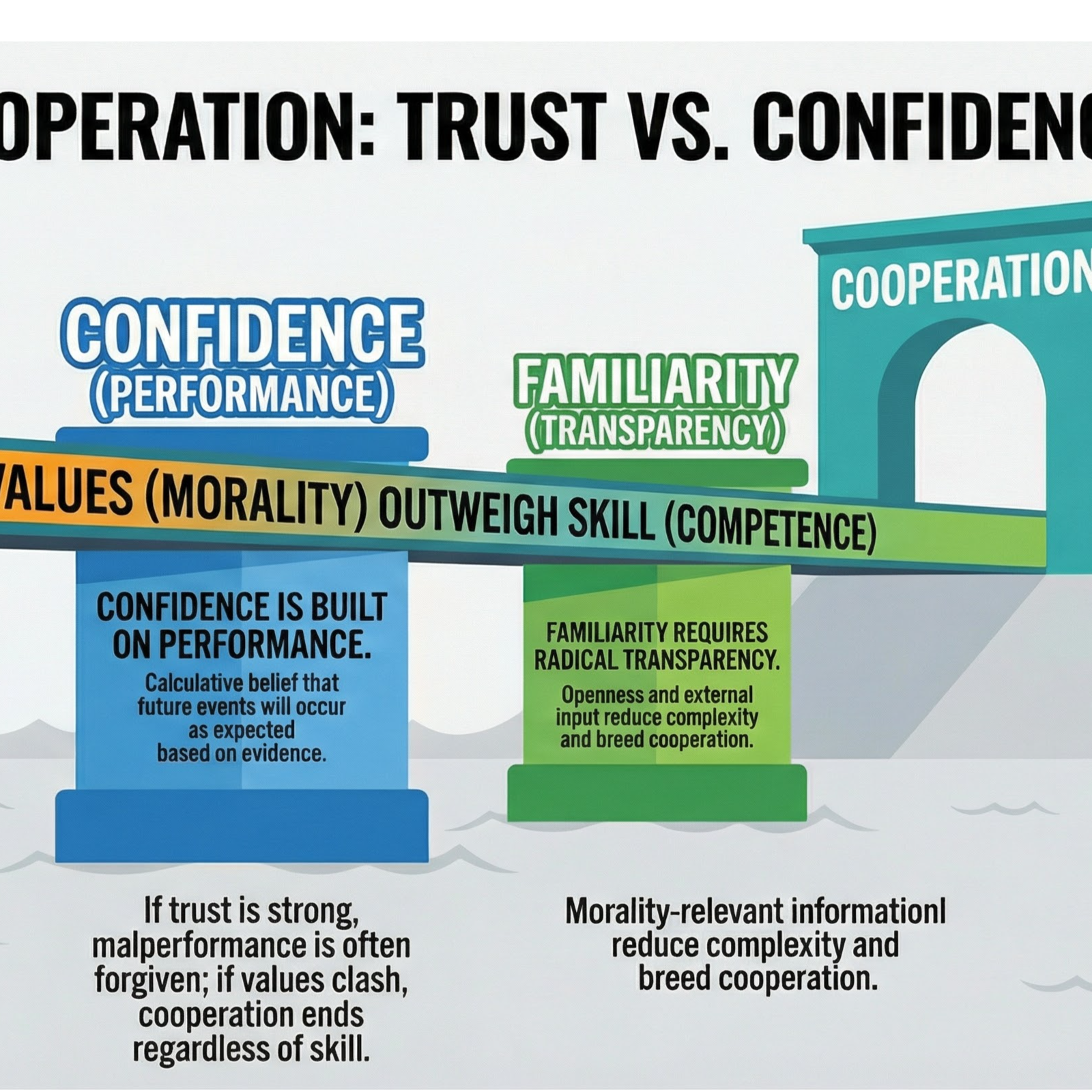
Shared values build a foundation for organizational trust by establishing a bond of perceived similarity in intentions and morality that shapes how an organization's actions are interpreted.
1. The Definition of Trust as Value Similarity Fundamentally, trust is defined in these texts as the willingness to make oneself vulnerable to another based on a judgment of value similarity,,.
Morality over Performance: Trust is rooted in "morality-relevant information" (values, intentions, benevolence, integrity) rather than "performance-relevant information" (skills, competence, track record),.Agency: Shared values indicate that the other party is an "agent" who thinks and intends as you do...Why Data Can't Fix a Moral Crisis
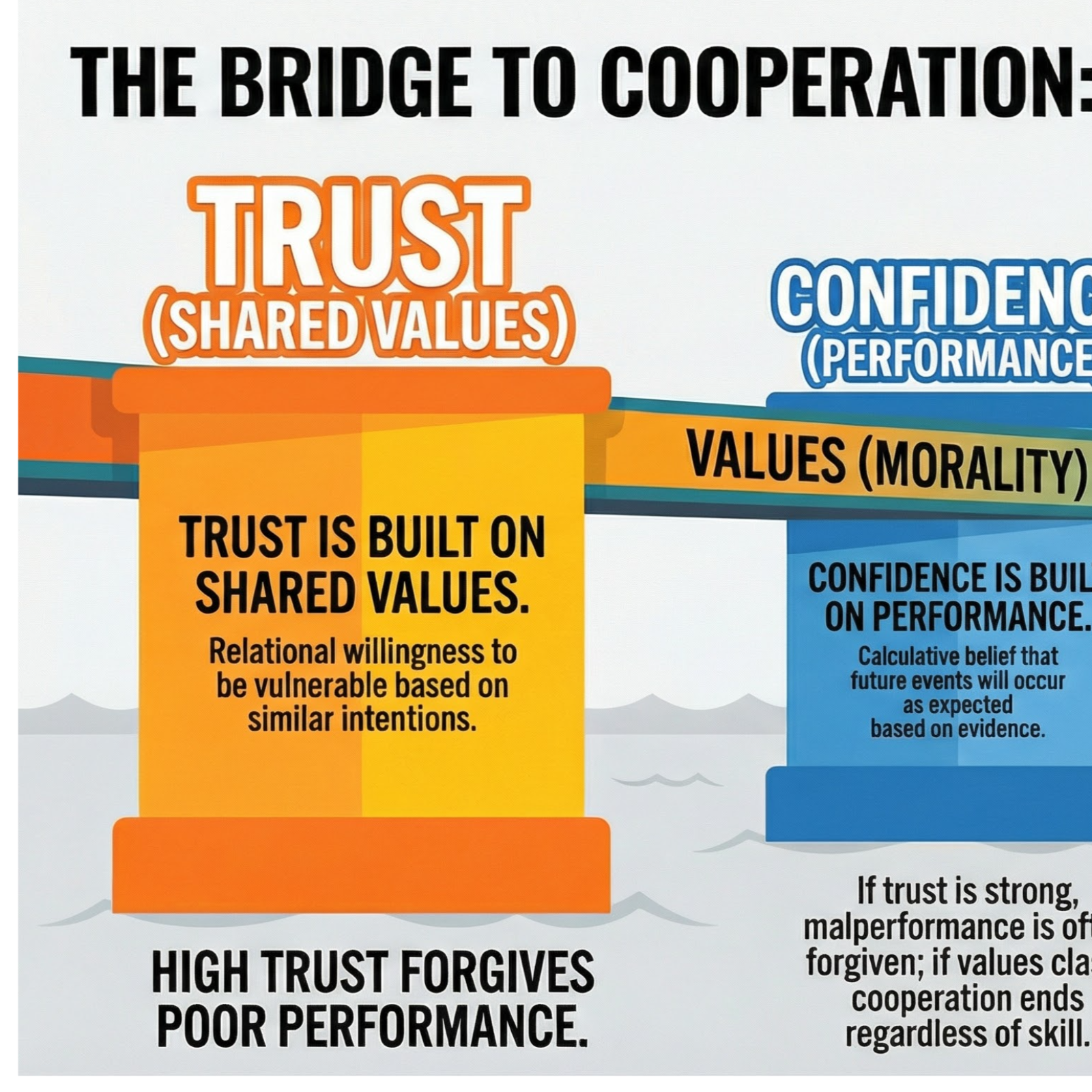
This Episode is a framework for establishing organizational integrity through three core pillars: trust, confidence, and familiarity. It suggests that shared values must be consistently demonstrated across every level of a company to create a reliable cultural foundation. To ensure sound decision-making, the source advises leaders to pause during periods of uncertainty and seek broader perspectives until safety is restored. Furthermore, the document highlights the importance of transparency, advocating for open honesty and the inclusion of outside viewpoints to build collective knowledge. By focusing on these elements, an organization can foster a secure environment where reflection and collaboration guide...
When Nuclear Manuals Become Suicide Pacts
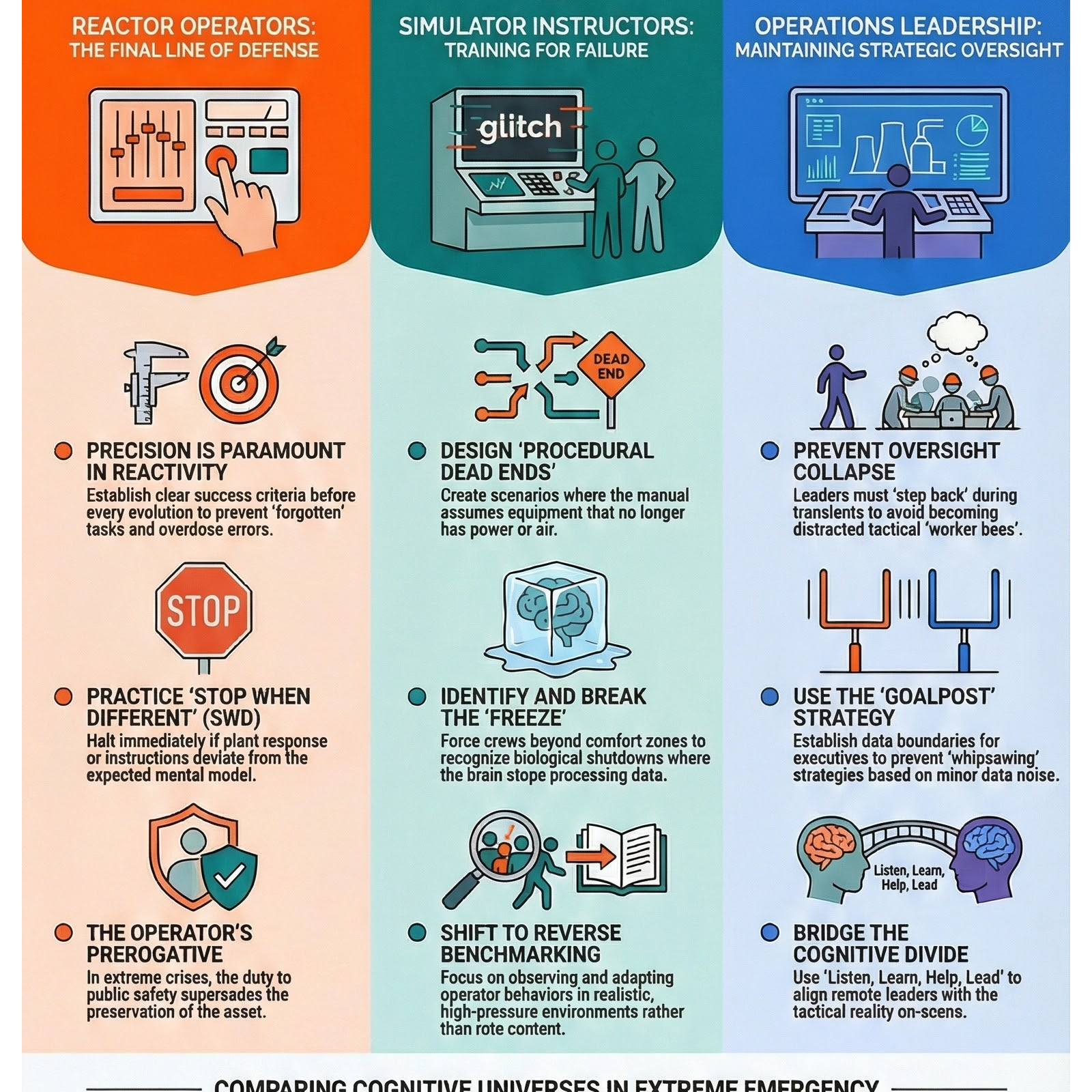
Standard Operating Procedures (SOPs) are the backbone of safety for 99% of nuclear operations. But what happens during the terrifying 1%—the "Black Swan" events—where following the rules guarantees failure?
Key Segments & Takeaways:
1. The "Manifesto of the Last Resort."
The Core Doctrine: Competence assumes the procedure works; Mastery knows what to do when it doesn't.Anchor vs. Shackle: A procedure is an anchor that prevents panic, but it becomes a "suicide pact" (shackle) when the infrastructure assumed by the step (power, air, valves) no longer exists.The Bushido Mindset: When the system fractures, the operator is t...AI Is the Second Fire: From the Hearth to the Algorithm
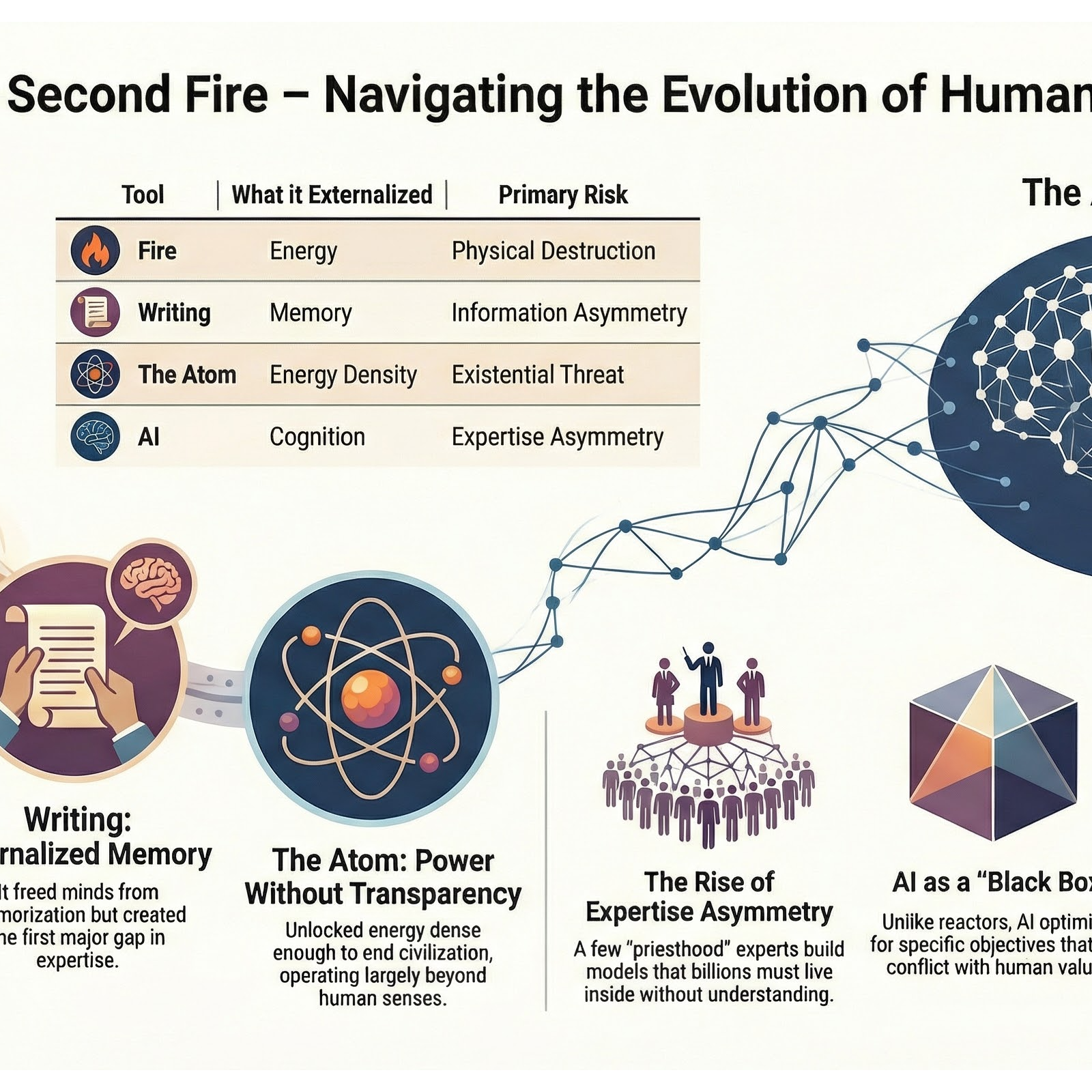
Episode Title: AI Is the Second Fire: From the Hearth to the Algorithm
Episode Summary: In this episode, we explore the provocative argument that Artificial Intelligence is not just another invention, but a fundamental "threshold" in human history—comparable to the discovery of fire, the invention of writing, and the splitting of the atom. Drawing on the perspective of a nuclear safety expert who witnessed the Fukushima meltdown, we discuss how dangerous tools reshape civilization, the growing gap between those who build AI and those who live with it ("expertise asymmetry"), and why the real challenge isn't co...
The 1% Contingency: Leading Where the Manual Ends
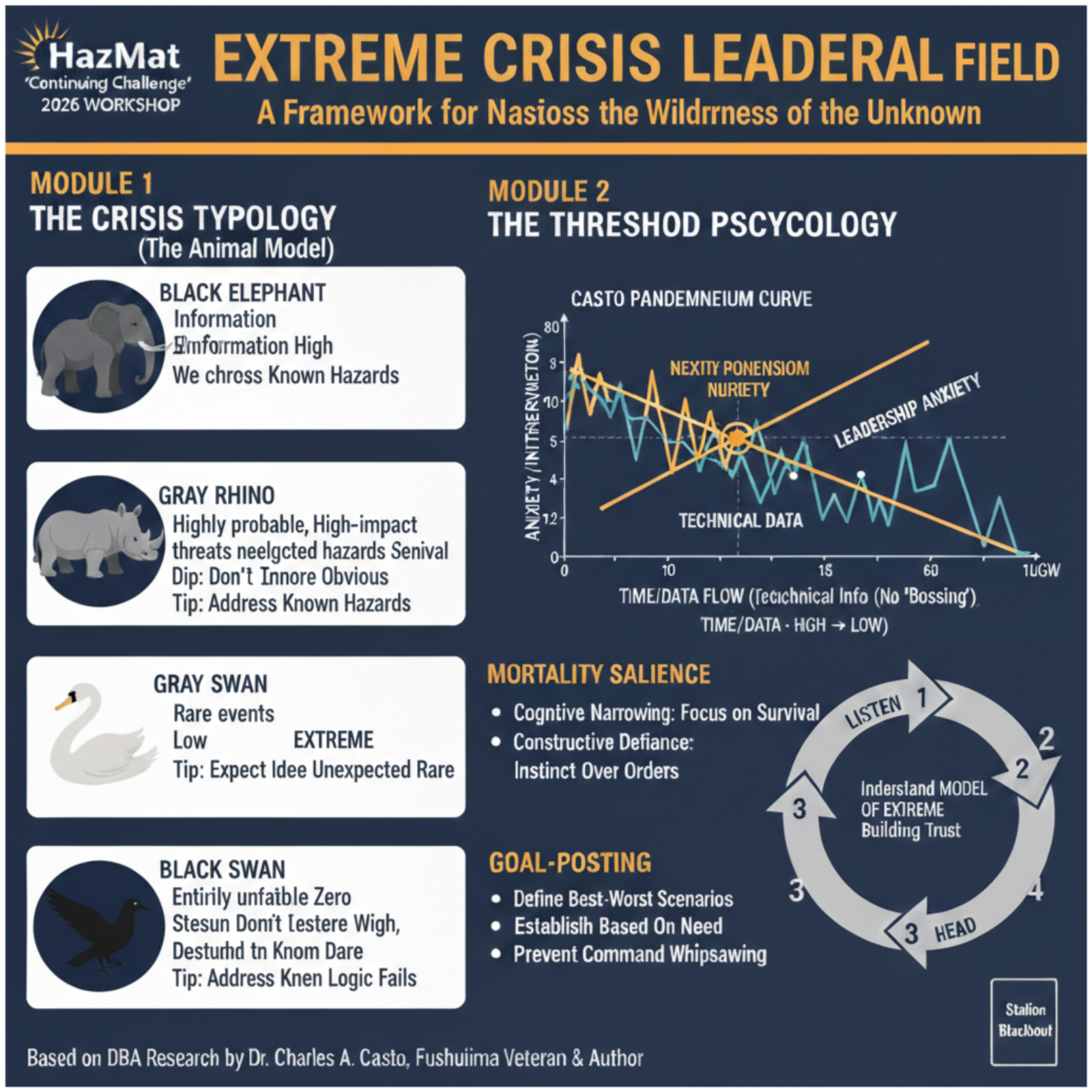
Here is a draft of the episode note for the audio overview, based on the Operator Training 2026 modules provided in your sources.
Episode Title: The 1% Contingency: Leading Where the Manual Ends
Episode Summary: In this deep-dive session, we explore the "Operator Training 2026" curriculum, specifically focusing on Extreme Crisis Leadership and the concept of the "1% Cognitive Contingency." While 99% of operations rely on strict procedural compliance, this episode examines the terrifying 1% of cases—"Black Swan" events—where the physical reality of the plant contradicts the assumptions written in the manual.
We analyze forensic case studies from...
Extreme Crisis Communications - Trust and Confidence
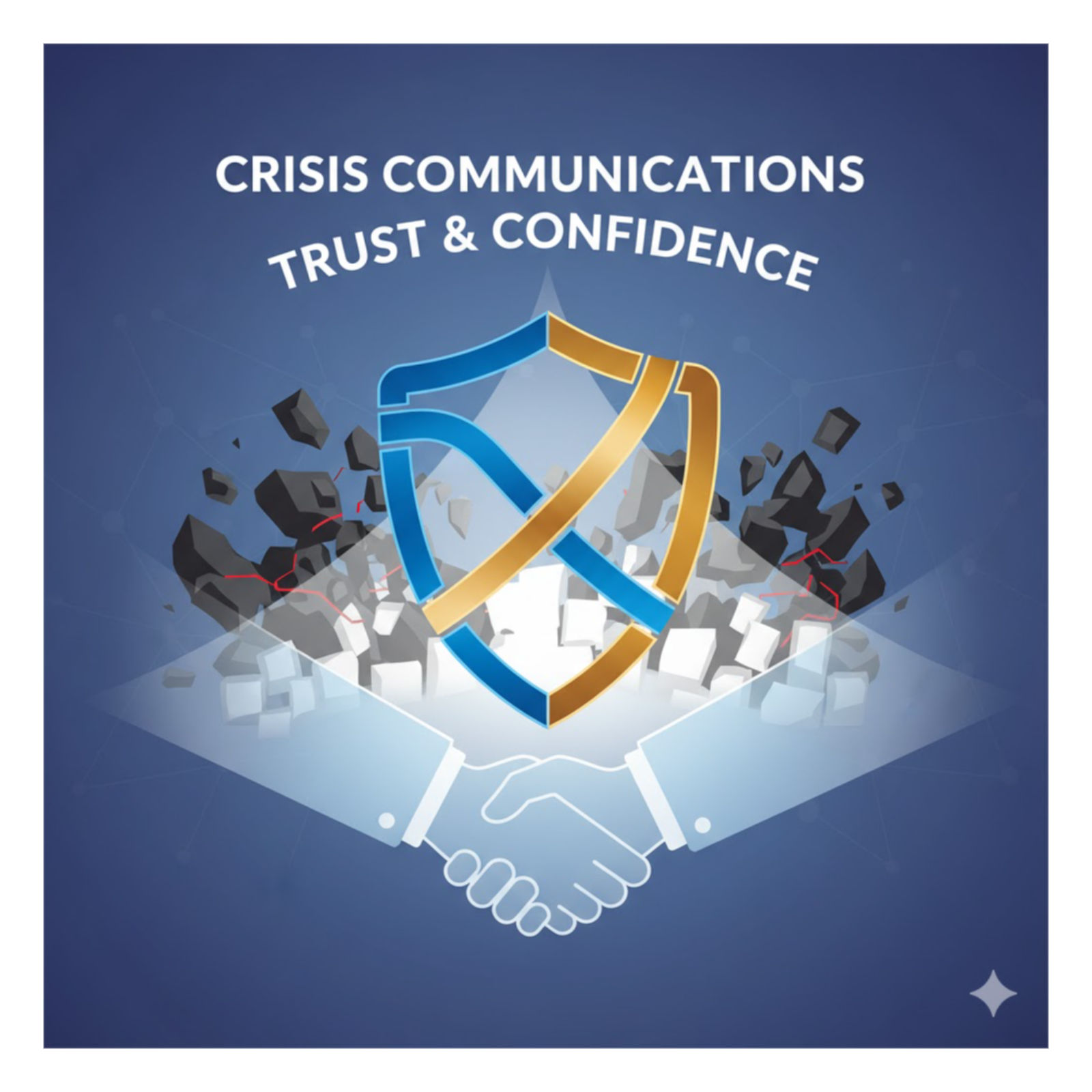
Surprising Truths About Why We Distrust Institutions (And What They Get Wrong About Us)”
🧠 Introduction: The Trust Gap
Institutions often misread public skepticism as ignorance or irrationality. When officials declare a risk “low” or “acceptable,” many people still feel uneasy—not because they misunderstand the data, but because they don’t trust the messenger. This disconnect isn’t just about poor communication; it’s about a deeper misalignment in values and expectations.
1. 🎯 Trust vs. Confidence: A Crucial Distinction
Confidence is about competence—believing an institution can do its job based on evidence and track record.Trust is...Leadership Insights: Interview Summary of Ikuo Izawa Fukushima Control Room Operator
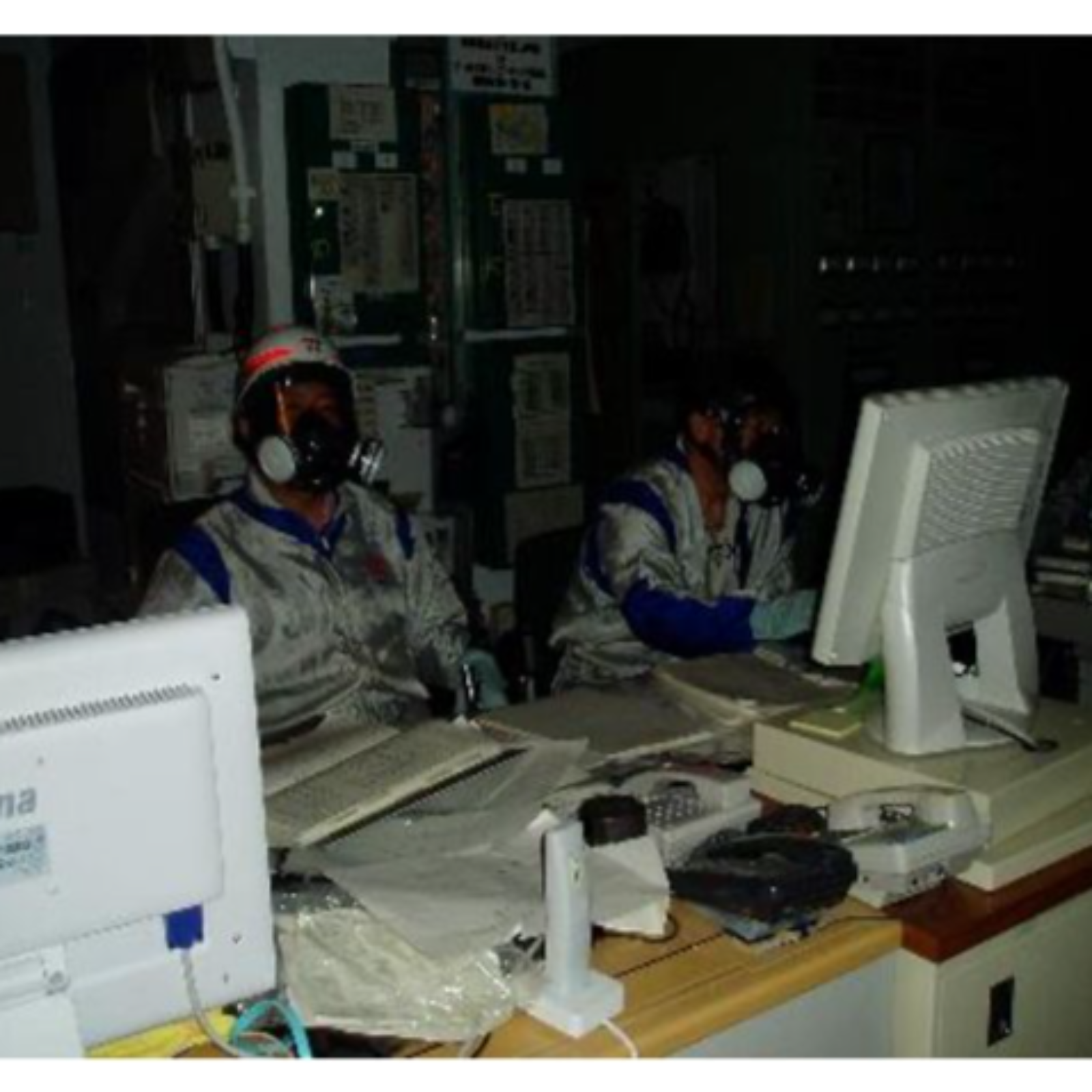
No more heroes: A discussion with a shift supervisor of Fukushima Dai-ichi
If I were cornered. I would try to get out of the corner not by skills, but by spirit.
-Ikuo Izawa (2013)
Those prophetic words come from a leader who experienced forces of physics and nature far beyond those experienced by most leaders. This article is a composite discussion between Dr. Charles Casto, 60 years old, the team leader for the United States government in Japan during the Fukushima accident, and Ikuo Izawa, shift supervisor at Fukushima Dai-ichi, during the March 2011 accident. Ikuo...
When the routine goes bad - The PAKS nuclear Plant Accident
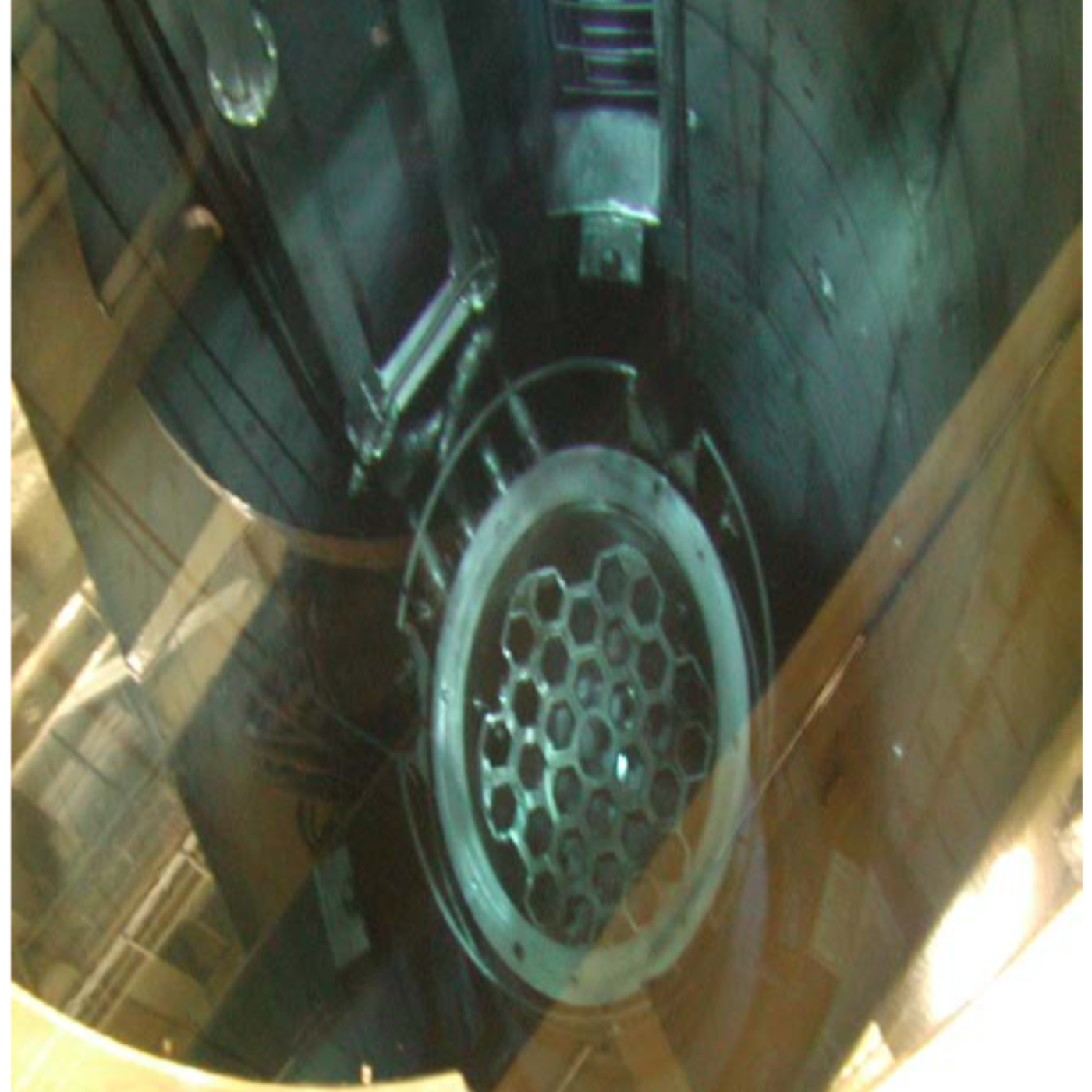
Here are the episode notes for an audio overview about the Paks Nuclear Power Plant incident, with all references removed:
Episode Title: The Paks Nuclear Incident: Lessons from a Fuel Cleaning Accident
Overview: This episode explores the April 10, 2003, fuel damage incident at the Paks Nuclear Power Plant (NPP) in Hungary, which occurred during a chemical cleaning process. We will detail the event's timeline, the underlying causes identified by an International Atomic Energy Agency (IAEA) mission, the public response, and the critical insights gained from this significant nuclear safety event.
Key Discussion Points:
...The Unprecedented Crisis at Zaporizhzhia: A Nuclear Plant Under Fire
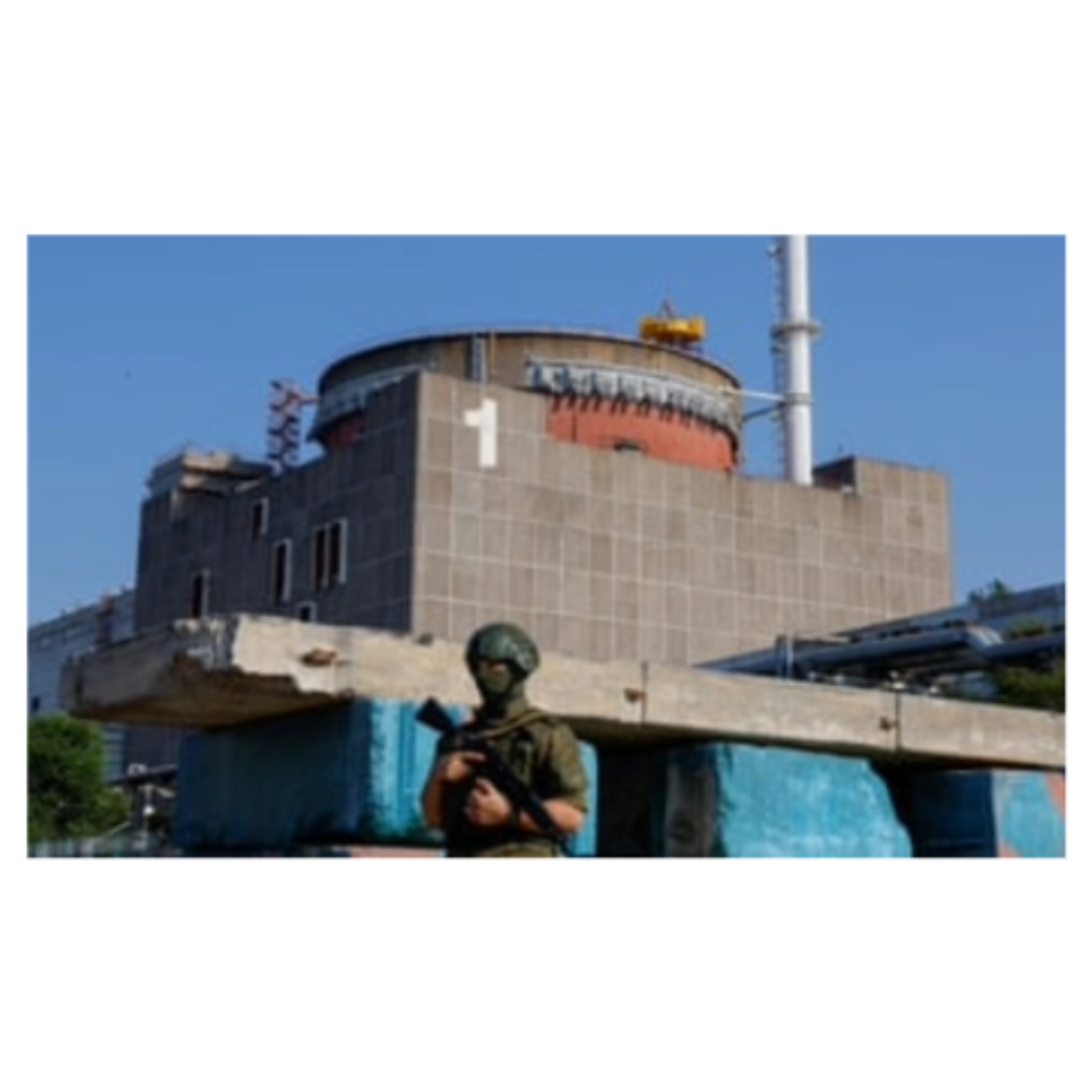
Overview: This episode delves into the critical situation at the Zaporizhzhia Nuclear Power Plant (ZNPP) in Ukraine, the largest nuclear facility in Europe. We'll explore the unprecedented nature of this military-provoked crisis at a civilian power plant, the severe threats it poses, the plant's unique design, its historical context, and the urgent measures proposed by experts to prevent a potential nuclear disaster.
Key Discussion Points:
The Unprecedented Situation:ZNPP is Europe’s largest nuclear facility, housing six reactors that supply almost half of Ukraine's nuclear energy and one-fifth of its total electricity. The plant employs 15,000 people.Th...Browns Ferry - The Fire that Changed Nuclear Power
The spring has been a bad season for nuclear power plants.
On one cool March Day, both reactors operated at full power, delivering 2200 megawatts of electricity to the community.
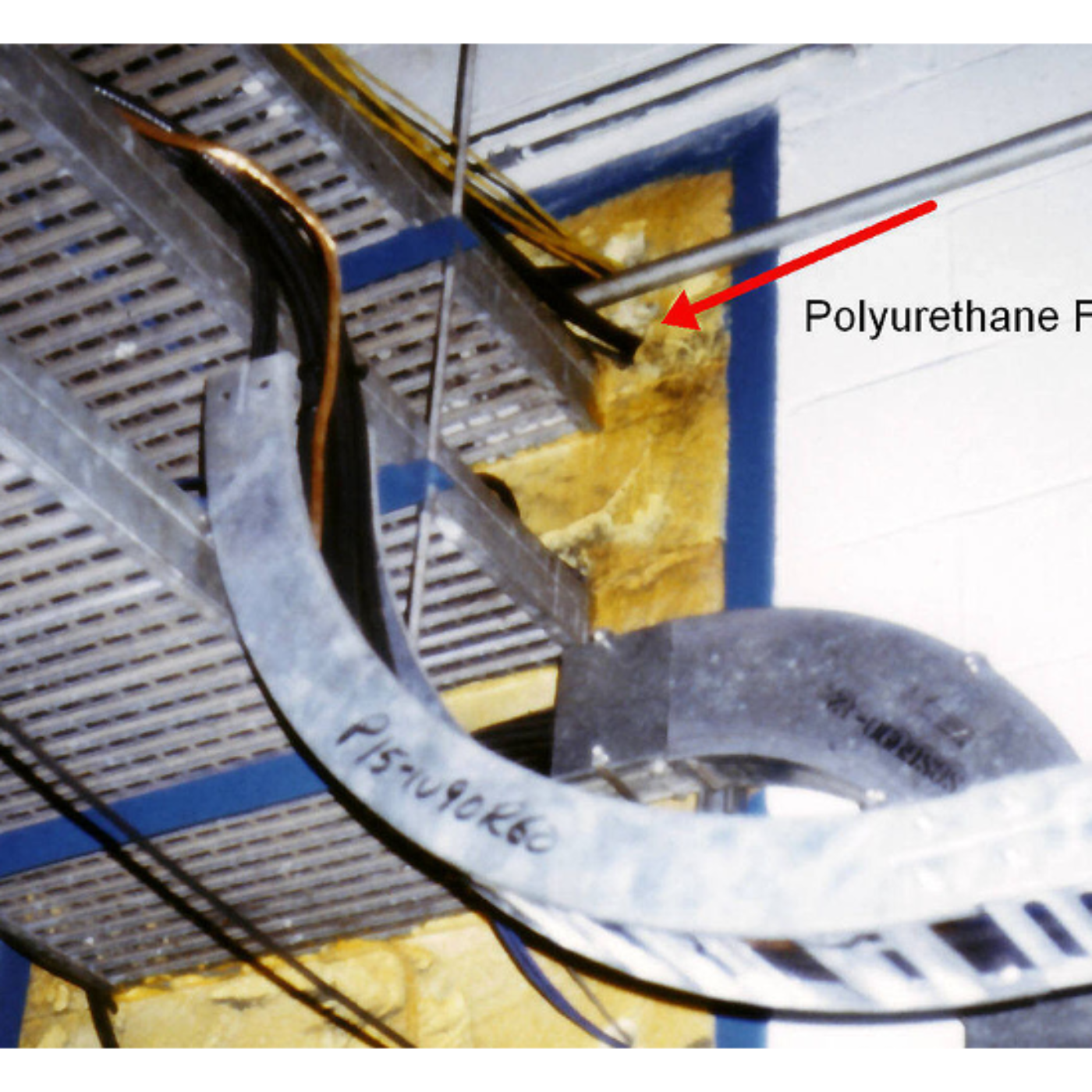
In the bowels of the plant, there’s an electrical cable room that spreads the essential cables for the two reactors. It’s the electrical lifeblood for controlling two reactors. It separates the non-safety side of the building from the safety side, where all the emergency equipment is housed. Just below the plant's control room, two construction workers were trying to seal air leaks between the buil...
Integrated Theory of Extreme Crisis Leadership

This episode summarizes the dissertation of Dr. Charles Casto, Extreme Crisis Leadership: is there a unified theory of approach to leadership? This text is an in-depth qualitative study of leadership in extreme events, drawing upon interviews and existing literature. It explores key aspects such as situational context, felt emotions, sensemaking, decision-making, and crisis response, examining how these factors influence leadership effectiveness during unpredictable crises. The research aims to identify unique leadership challenges and concepts that emerge in extreme situations, suggesting that non-linear approaches are often required. The study seeks to contribute to theory-building in extreme crisis leadership by analyzing...
Station Blackout - Inside the Fukushima Nuclear Plant Disaster and Recovery
This book summary provides a comprehensive account of the Fukushima nuclear disaster of 2011, primarily focusing on the leadership and response efforts from both Japanese and American perspectives. It details the catastrophic impact of the earthquake and tsunami, the challenges faced by Fukushima Daiichi and Daini plant operators in the immediate aftermath, and the complexities of international cooperation in mitigating the crisis. The narrative highlights heroic actions by individuals despite immense danger and fear, examines the decision-making processes under extreme pressure, and reflects on the lessons learned regarding crisis management, communication, and public trust.
Extreme Crisis Global Leadership Lessons
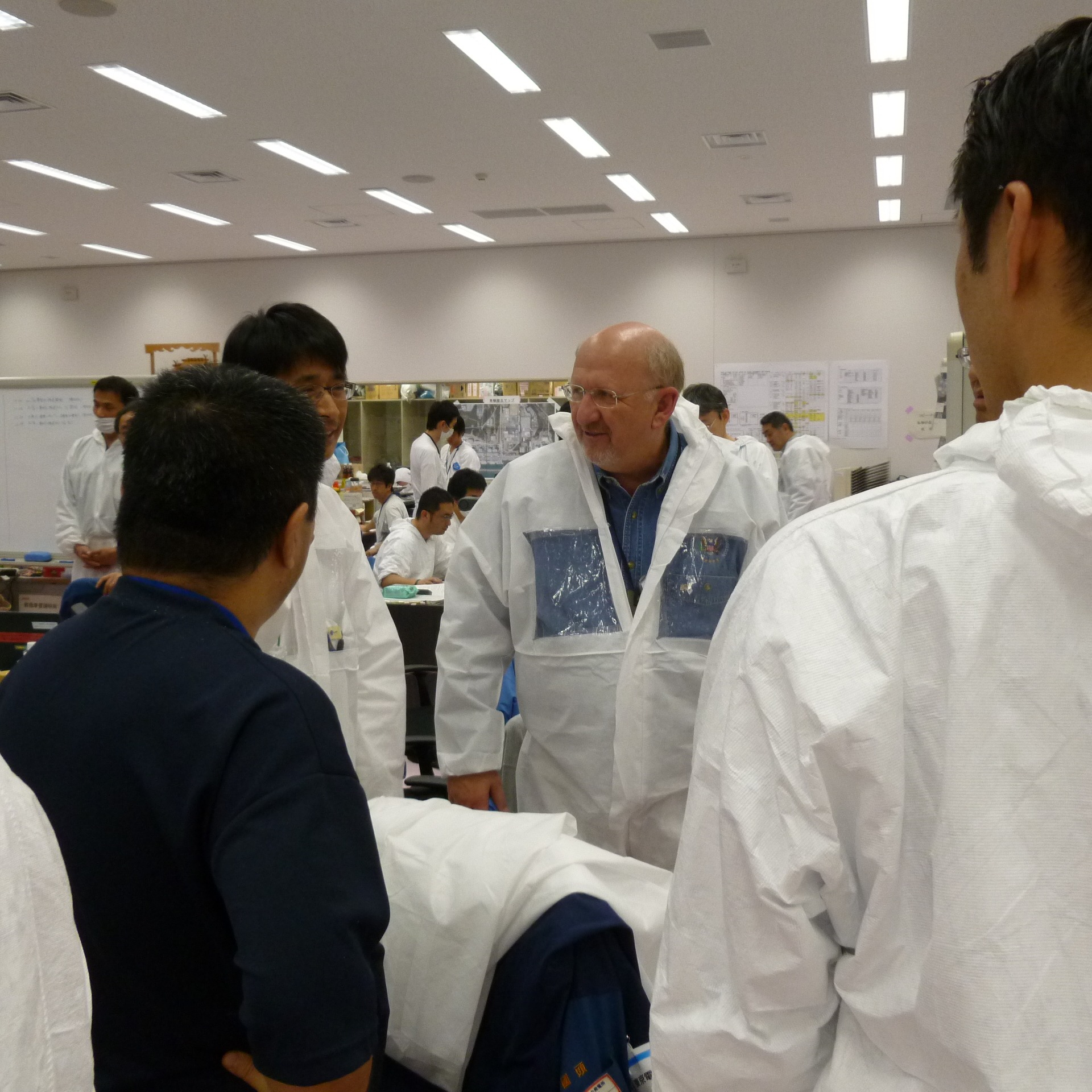
This summarizes the key themes and essential insights from the provided excerpts of "SIREN Global Nuclear Leadership in the Extreme," a seminar featuring Dr. Charles "Chuck" Casto, a former NRC Regional Administrator and expert in crisis leadership. The excerpts focus on global crisis leadership, the attributes of extreme crisis leadership based on Dr. Casto's research, and personal lessons learned from the Fukushima Daiichi accident.
Main Themes:
The world's interconnectedness and the challenges of global crisis response: Dr. Casto highlights the "flat earth" reality, where crises in one country can have global repercussions. This necessitates a more...Extreme Crisis Leadership Lessons from an Insider
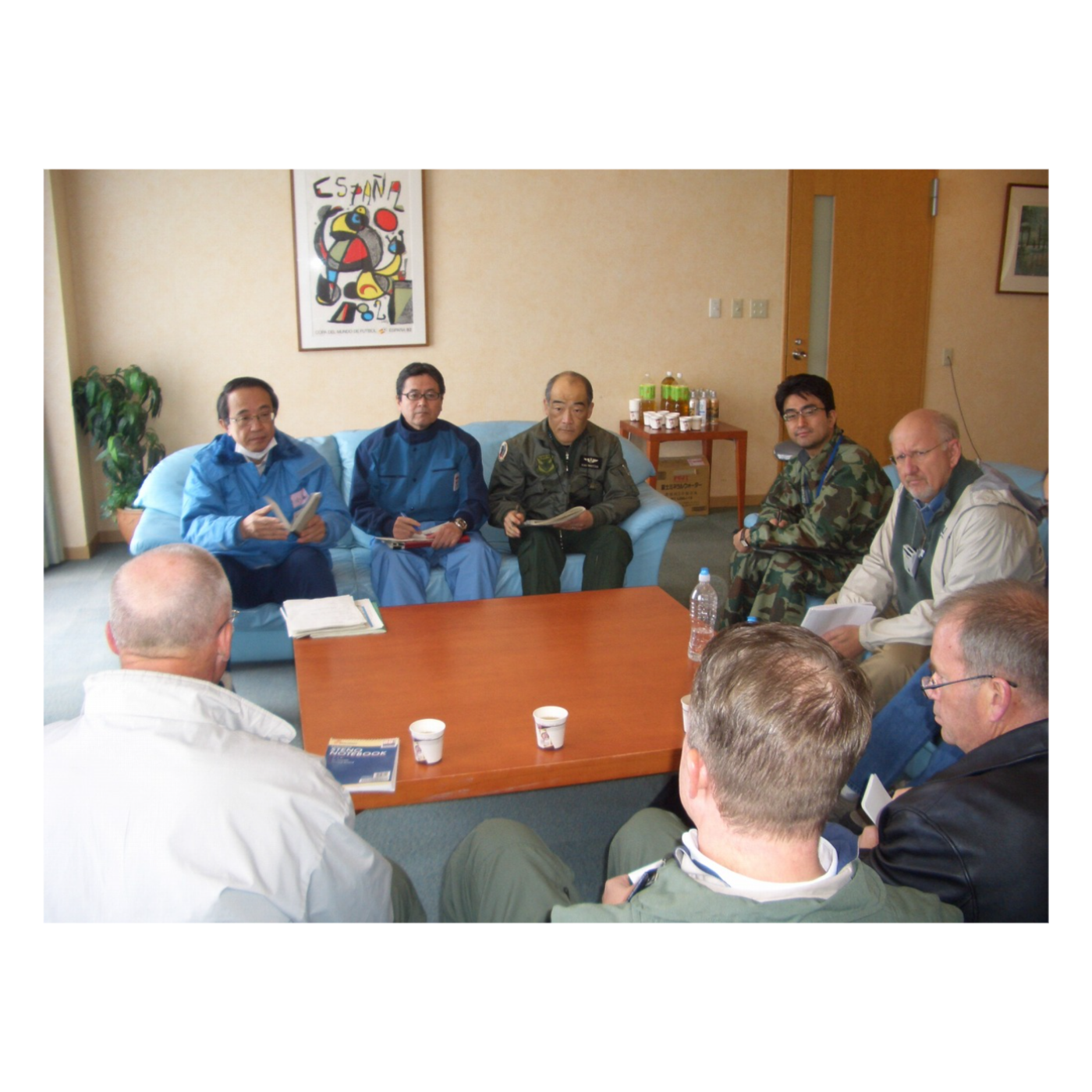
Dr. Casto discusses the "five crises" of the Fukushima disaster: earthquake, tsunami, nuclear event, societal crisis, and policy crisis. Analyze the interconnectedness of these five crises and explain why addressing only the technical aspects (earthquake, tsunami, and nuclear event) is insufficient for Japan to safely restart its nuclear energy program, according to Dr. Casto.Dr. Casto highlights the importance of communication and information flow during a major crisis, particularly in the context of first-world nations assisting each other. Discuss the specific challenges he identifies regarding communication during the Fukushima crisis and propose potential solutions based on his insights for improving...
Extreme Crisis Leadership Show - Alabama Burning - Browns Ferry Disaster
The incredible story of a near-meltdown of two nuclear reactors on March 22, 1975. On one chilly March day, with two reactors operating at full power, delivering 2200 megawatts of electricity to the community, workers began a sequence of events that would result in a near-meltdown of Unit 1 reactor core. In the plant's bowels, there is an electrical cable room, called a cable spreading room, that separates the essential electrical cables for two reactors. This room and those cables are the electrical lifeblood for controlling the reactors. It's the heart and mind of the reactor.
On this day, two construction...


