The Science Show - Separate stories podcast
The Science Show gives Australians unique insights into the latest scientific research and debate, from the physics of cricket to prime ministerial biorhythms.
Lab Notes: Talking gliders... from up a tree
Dr Ana Gracanin almost lives in the forest, as she speaks to Jonathan Webb this week, 20 metres off the ground in the canopy of a tree near Canberra.
As an ecologist, she climbs into old-growth trees and peers inside their hollows to see what she can find.
She's looking for a gremlin-like creature on this night… and she may have just found it.
You can binge more episodes of the Lab Notes podcast with science editor and presenter Jonathan Webb on the ABC Listen app (Australia). You'll find episodes on animal behaviour, human he...
Getting to know the neighbours
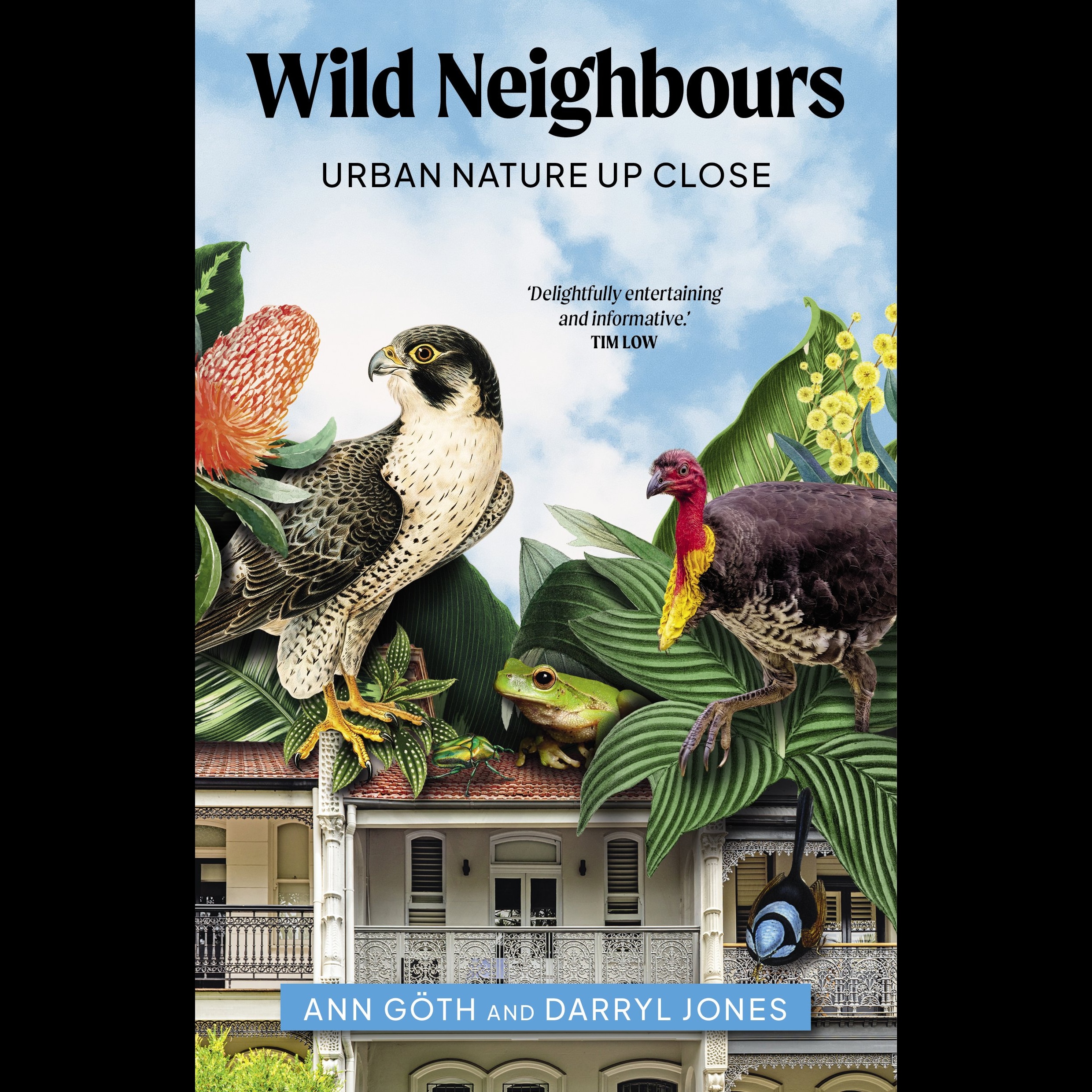
Birds, possums, blue-tongued lizards, all populate our cities and getting to know them is a project of ecologist Darryl Jones and science teacher Ann Göth. Wild Neighbours explores the habits, personalities, quirks, ingenuity and everyday dramas of the animals and plants that live among us.
Meanjin returns
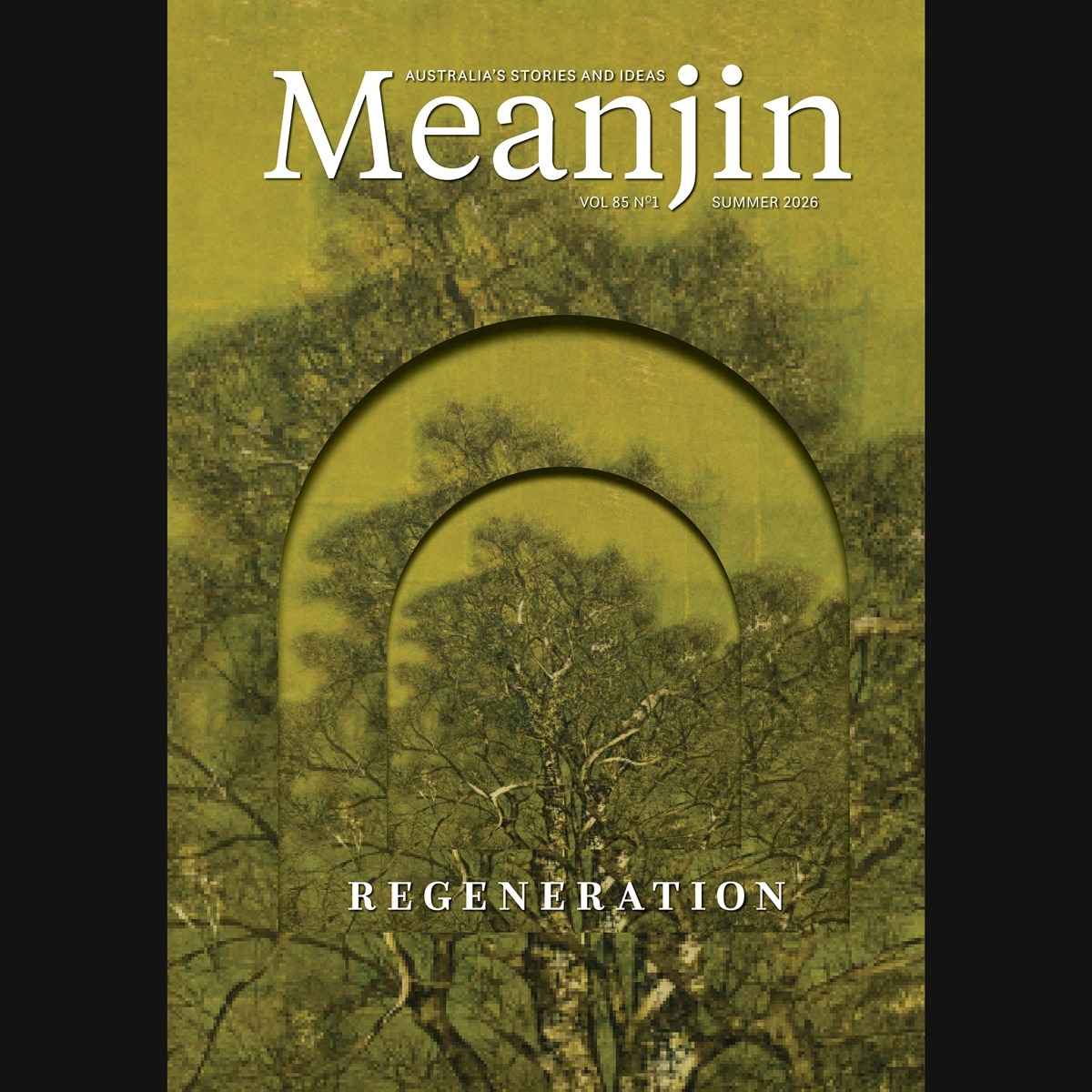
It was founded in 1940 as a home for Australian poetry, fiction, essays, memoir, and criticism. Its name comes from a First Nations word for the area around central Brisbane. Meanjin was published for many years by Melbourne University Press and closed in 2025. But in 2026 it is reemerging, published by Queensland University of Technology with editor Ashley Hay.
Science highly regarded in Taiwan
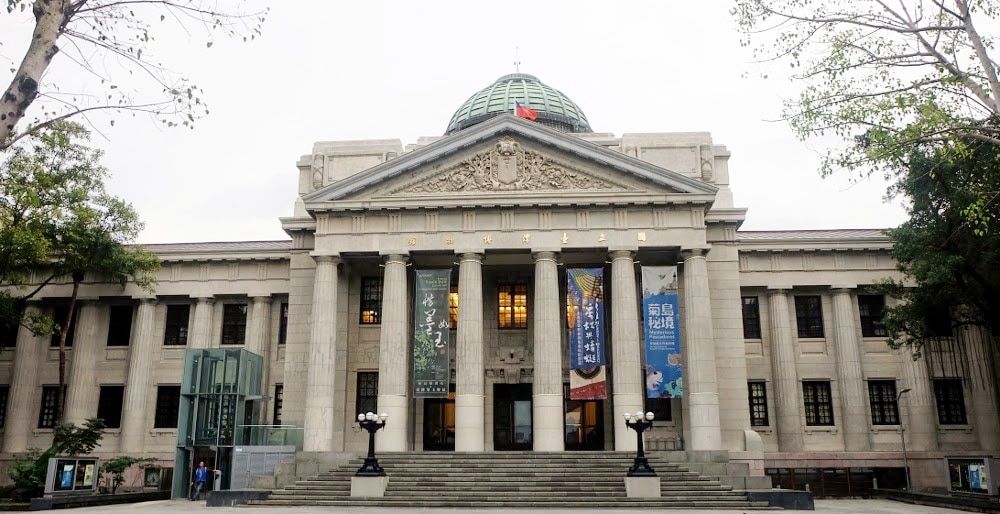
While interest in science amongst Australian school children is sometimes questioned, we contrast Australia with the situation in Taiwan. Fang Hui-Shih from the National Taiwan Museum describes interest in science amongst her country’s students as strong. Being educated, 90 per cent of the population accept the science of climate change, and the country has a strong community of citizen scientists.
The Australian Museum approaches 200 years
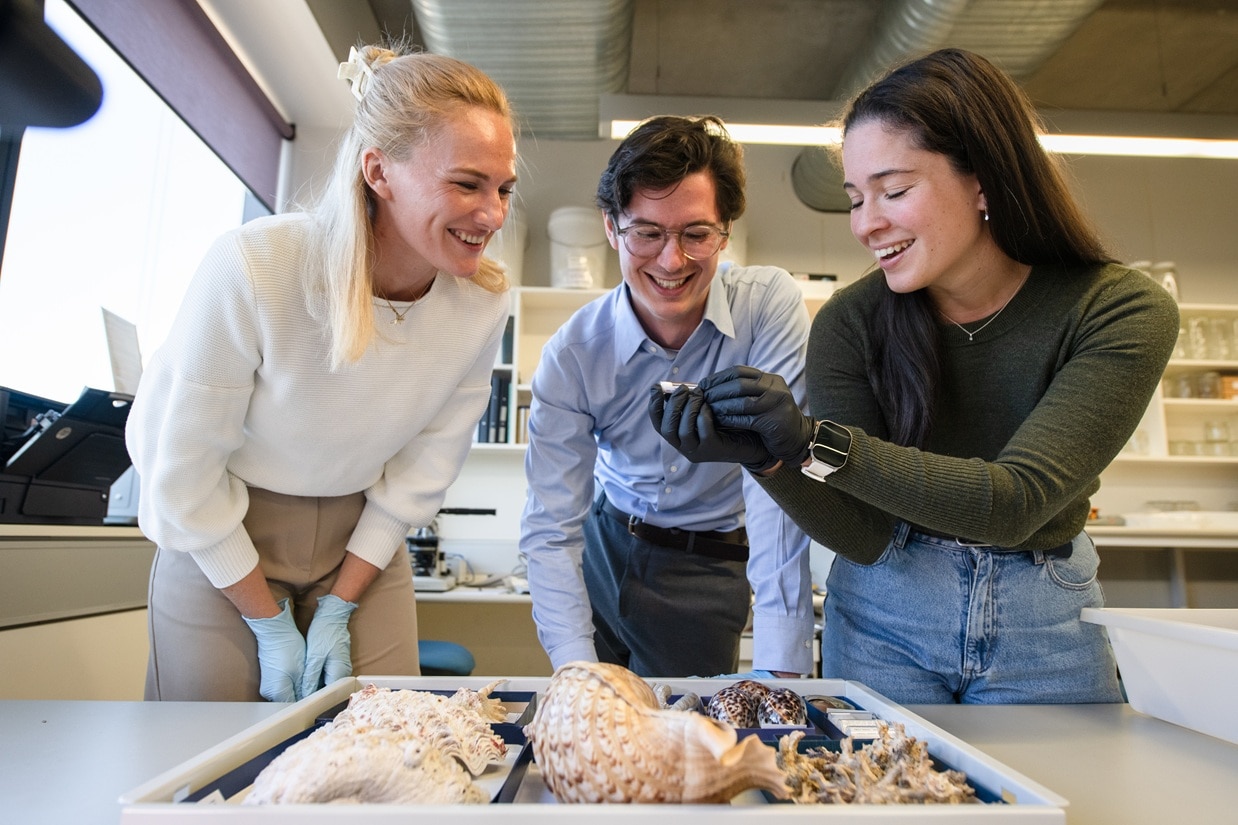
Australian Museum director Kim McKay says the site of the present museum, founded in 1827 opposite St Mary’s Cathedral in Sydney, was the old convicts’ garden where their food was grown. McKay recalls discoveries made by museum scientists over the decades and describes how they have enhanced the nation’s education and culture.
Vale John Carmody
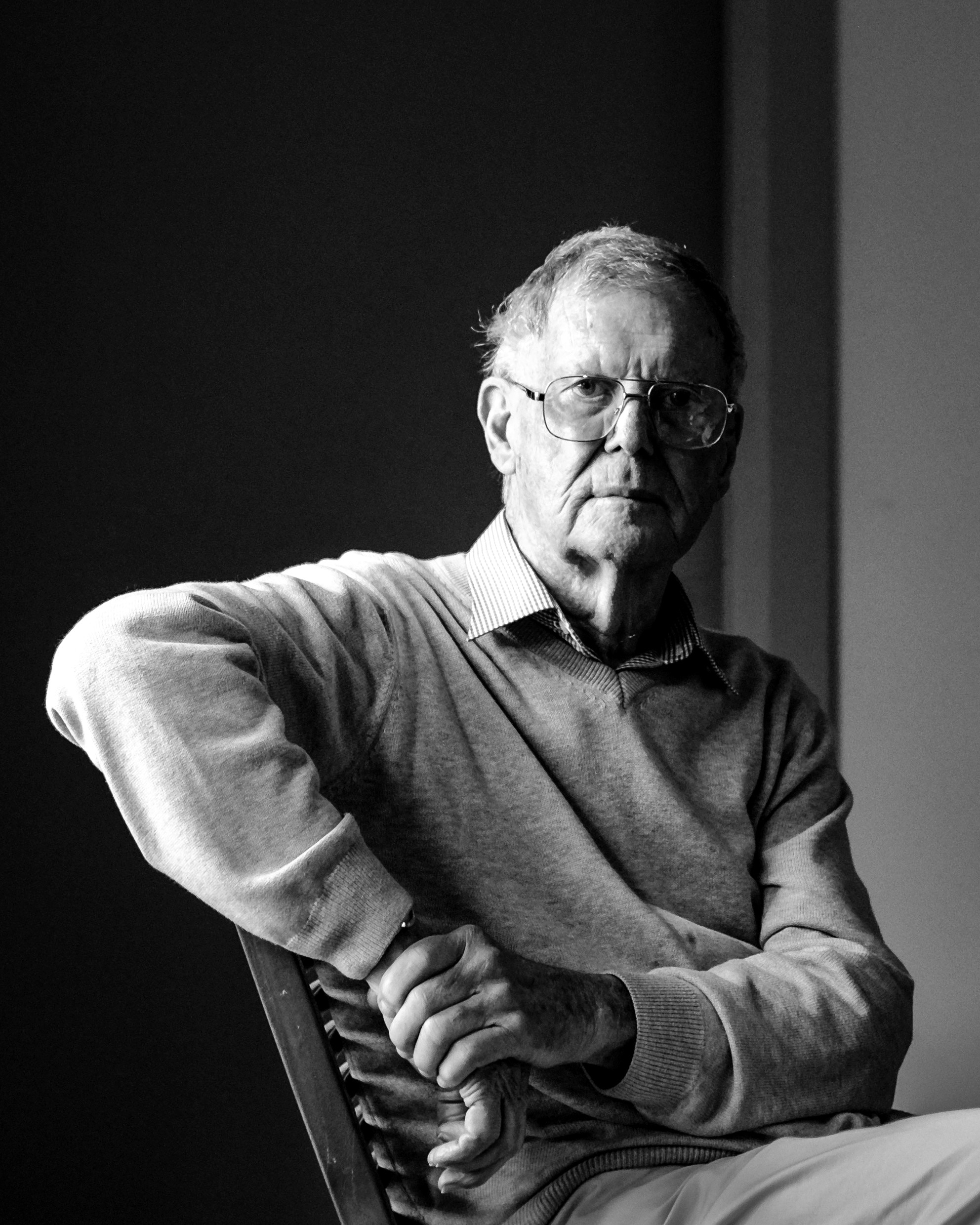
We note the passing of Professor John Carmody, UNSW lecturer and researcher in the School of Physiology and Pharmacology and a prolific broadcaster on science and music on ABC Radio. On Ockham’s Razor he asked whether Australians relish science as much as they do sport. His answer was a resounding no!
Lab Notes: Earth's missing billion years
Sections of rock are completely missing from our geological record across continents.
The great unconformity spans just over a billion years of history, leaving out critical periods in the evolution of life.
Jonathan Webb speaks with Associate Professor Nicolas Flament about this geological puzzle and what could have caused it.
You can binge more episodes of the Lab Notes podcast with science editor and presenter Jonathan Webb on the ABC Listen app (Australia). You'll find episodes on animal behaviour, human health, space exploration and so much more.
Get in touch with...
The history and challenges for Australian media and arts bodies
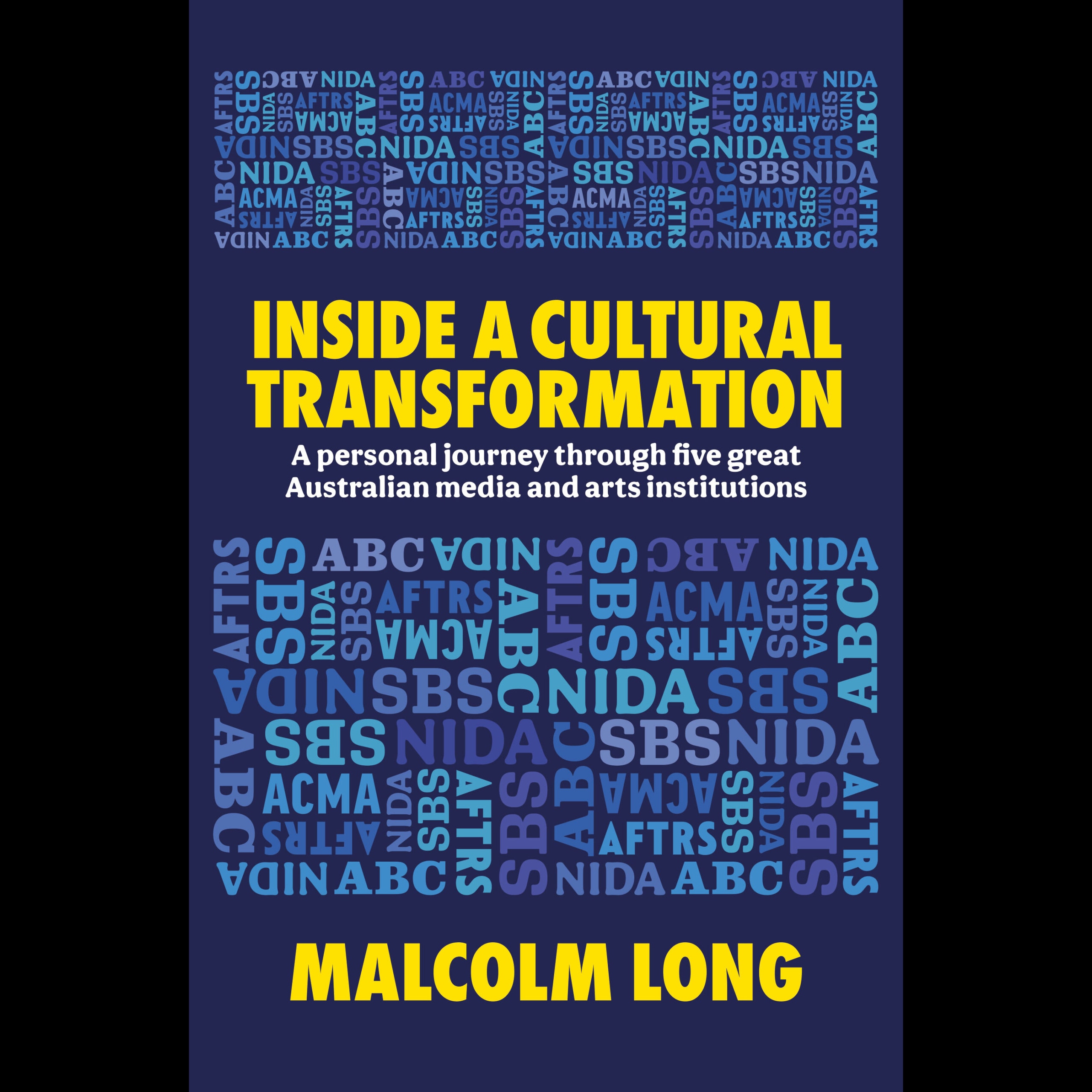
Since the 1960s five public media and arts organisations have been key players in the emergence of a uniquely Australian national identity. They are the ABC, Australia’s multicultural broadcaster SBS, the renowned performing arts school NIDA, AFTRS, the world-leading film, television and radio school, and Australia’s media regulator, the Australian Communications and Media Authority, ACMA.
The collective impact of these institutions as builders of culture for Australia is a largely untold though important story. Malcolm Long tells the tale having been a leader in each of them and he explores their uncertain future in today’s era...
Hop to it! It’s FrogID week!
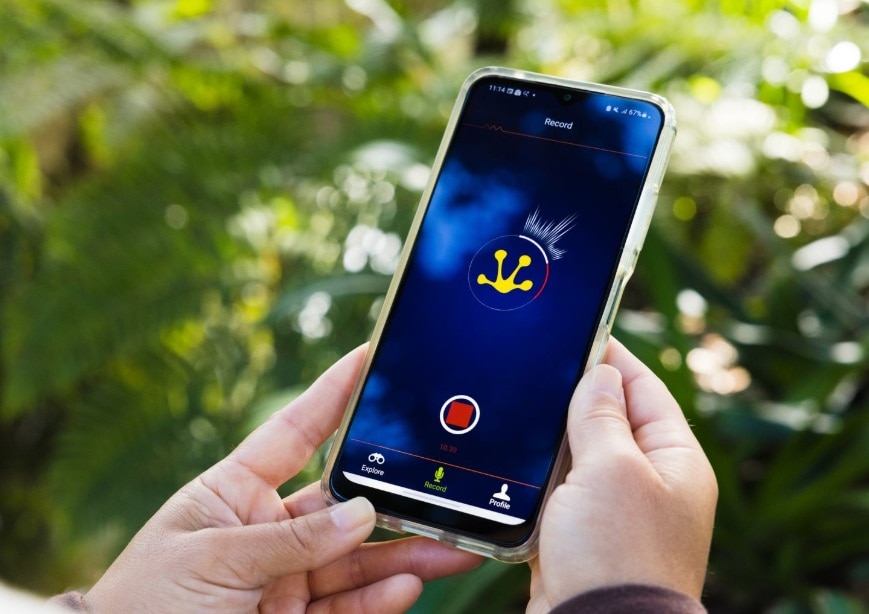
Frog ID is an initiative of The Australian Museum in Sydney where anyone, anywhere in Australia can record frog calls using a phone app. The frog is then properly identified and positioned. Over time, the data shows how frogs are responding to changes in their environment and assists conservation efforts.
Penguin behaviour hidden, now reassessed
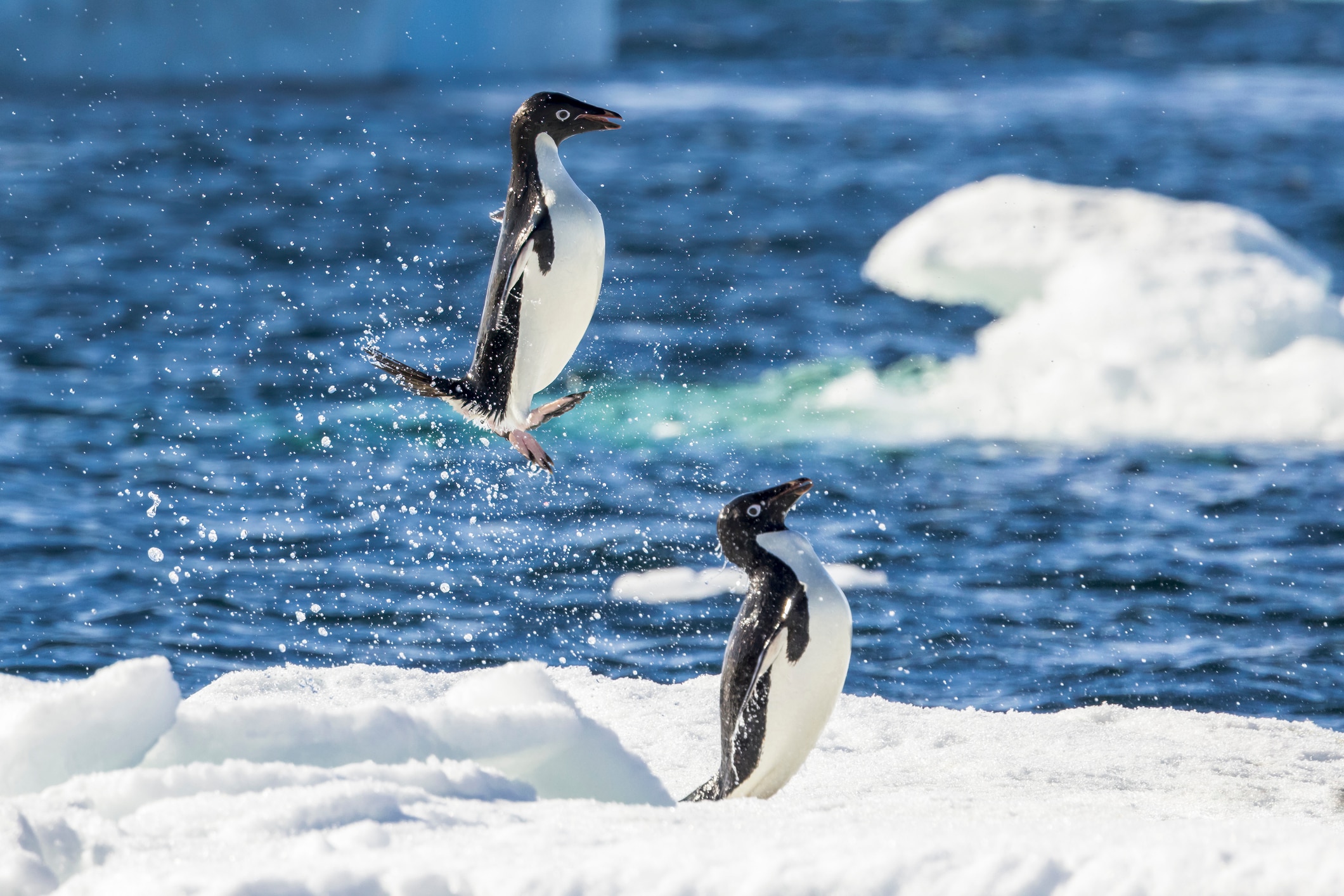
A record kept by scientists at the UK’s Natural History Museum about a century ago, shows penguin behaviour so extreme that it was left unpublished. It was written in Greek so fewer English-speaking people would understand it. George Murray Levick’s report described homosexual acts, sexual abuse of chicks and attempts by male penguins to mate with dead females. Could those ‘formally dressed’ Antarctic birds we love so much really be out of control? Present day science has other answers.
Making sense of the chaos

Professor Jim Falk of Melbourne looks at crumbling connections where there used to be unity. His concern is that issues being treated separately such as immigration, food supplies and climate, could affect each other adversely if not thought of as a whole, thus leading to even more chaos. The answer is scientific systems analysis. Jim Falk argues the case.
New spins in the nanoworld
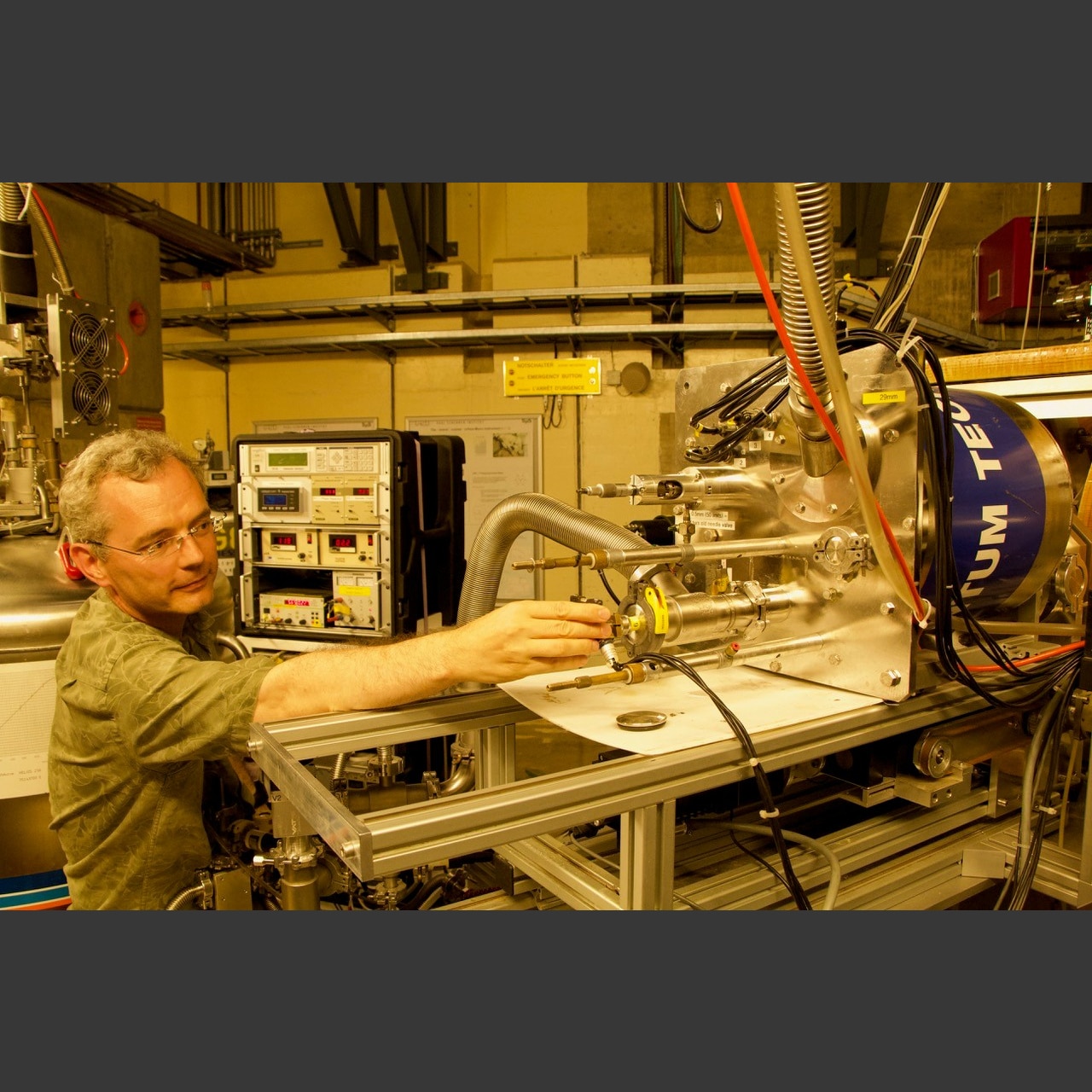
Atomic particles are extraordinary enough, winding left or right, spinning this way or that, entangling with each other though worlds apart. But now there’s more. Professor of Physics at Oxford University, Stephen Blundell tells us that particles are spinning in ways never noticed before. His team is analysing them to find new combinations – a new kind of chemistry! This could mean an entirely different way to make materials.
Lab Notes: The end of the world — on Friday
66 years ago, three researchers published a paper in the Journal Science titled Doomsday: Friday, 13 November, A.D. 2026.
In it, they predicted the end of the world, but a few assumptions they made make the event unlikely.
Jonathan Webb unravels this prediction with our myth-busting science reporter, Ellen Phiddian, explaining why we shouldn't worry… hopefully.
You can binge more episodes of the Lab Notes podcast with science editor and presenter Jonathan Webb on the ABC Listen app (Australia). You'll find episodes on animal behaviour, human health, space exploration and so much more.
Ge...
Lab Notes: Eel sex ball
We don't know a lot about deep-sea eels, so when 2.8 million of them are found in the same place every year, scientists (and science reporters) get excited.
Why are they there? Where are they coming from, and why should we care about these creatures from the depths?
Jonathan Webb dives into this world of eels off the coast of Tasmania with environment reporter Peter de Kruijff.
You can binge more episodes of the Lab Notes podcast with science editor and presenter Jonathan Webb on the ABC Listen app (Australia). You'll find episodes on...
Fear as support for eugenics rises
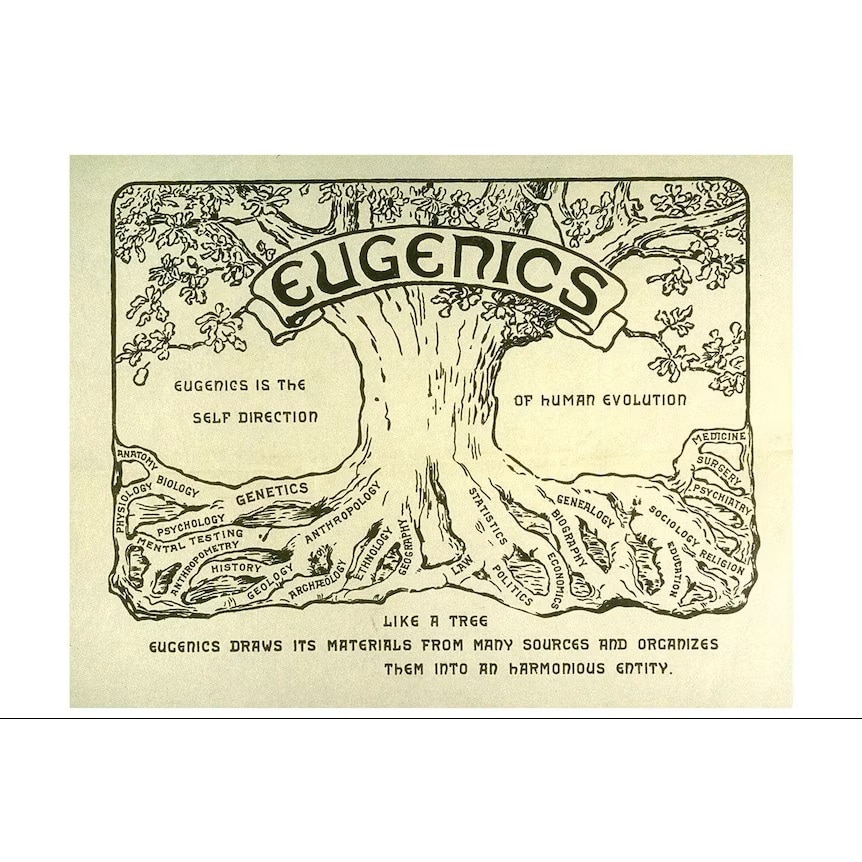
The rise of eugenics troubles Professor of Psychology, Rebecca Sear, at Brunel University in London. Very powerful, influential, wealthy people are on board with eugenics. It is OK to use gene technology to alleviate maladies, she suggests, but trying to implant the ”gene-for-Harvard” or remove spurious “inferiority” from communities, she avers, is simply the re-emergence of racism.
Genetics brings the beauty of biology

Chloroplasts in plant cells and mitochondria in animal cells were once free-living organisms. Now they are organelles fully incorporated in animal and plant cells. So how did this merging take place and how was outside DNA accepted and come to play a vital role in the operation of plant and animal cells? Yan Wong and Alexandra Martin-Geary presented some of these fascinating ideas and the big questions in genetics at this year’s British Science Festival in Southampton.
The impact of ships in port

Southampton’s population is 260,000. When 5 cruise ships dock, some carrying 10,000 people, the city’s power demands can be almost 15-20% higher. Then there’s the impact on air quality. Nat Easton is measuring fine particles such as vanadium and arsenic and studying their effects on people’s health. She says local governments in the UK need more power and support to deliver cleaner air to local populations.
New methods to track population

Population data is vital as countries allocate resources. But it is costly to collect and data can quickly become out of date. Andy Tatem is using new sources of data from mobile phones and satellites to produce more accurate population data.
Earliest example of long-distance ocean voyaging by first Australians
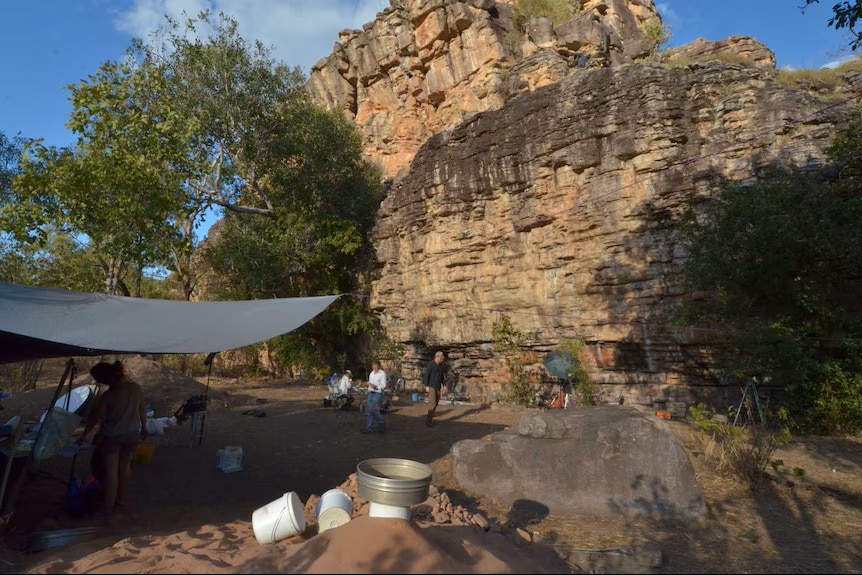
Oceans were the focus at the opening of this year’s British Science Festival in Southampton UK. Professor of Maritime Archaeology Helen Farr describes the first example of long-distance voyaging by Australian Aborigines as they sailed to Australia. While the first evidence of human occupation in Australia is dated at 65,000 years at the Madjedbebe cave east of Darwin, the site is inland and so earlier sites are likely awaiting discovery closer to the coast.
Lab Notes: Bogong moths bounce back?
Across south-eastern Australia, bogong moths seem to be everywhere.
A few years ago, it was a different picture: scientists witnessed a population crash, and habitat threats put the species on the IUCN Red List. Are we seeing a bogong bounce-back? Jonathan Webb speaks to Dr Kate Umbers about these incredible critters, the many unsolved mysteries of their lives — and what their future could look like.
You can binge more episodes of the Lab Notes podcast with science editor and presenter Jonathan Webb on the ABC Listen app (Australia). You'll find episodes on animal behaviour, human heal...
Call for accuracy in dinosaur displays
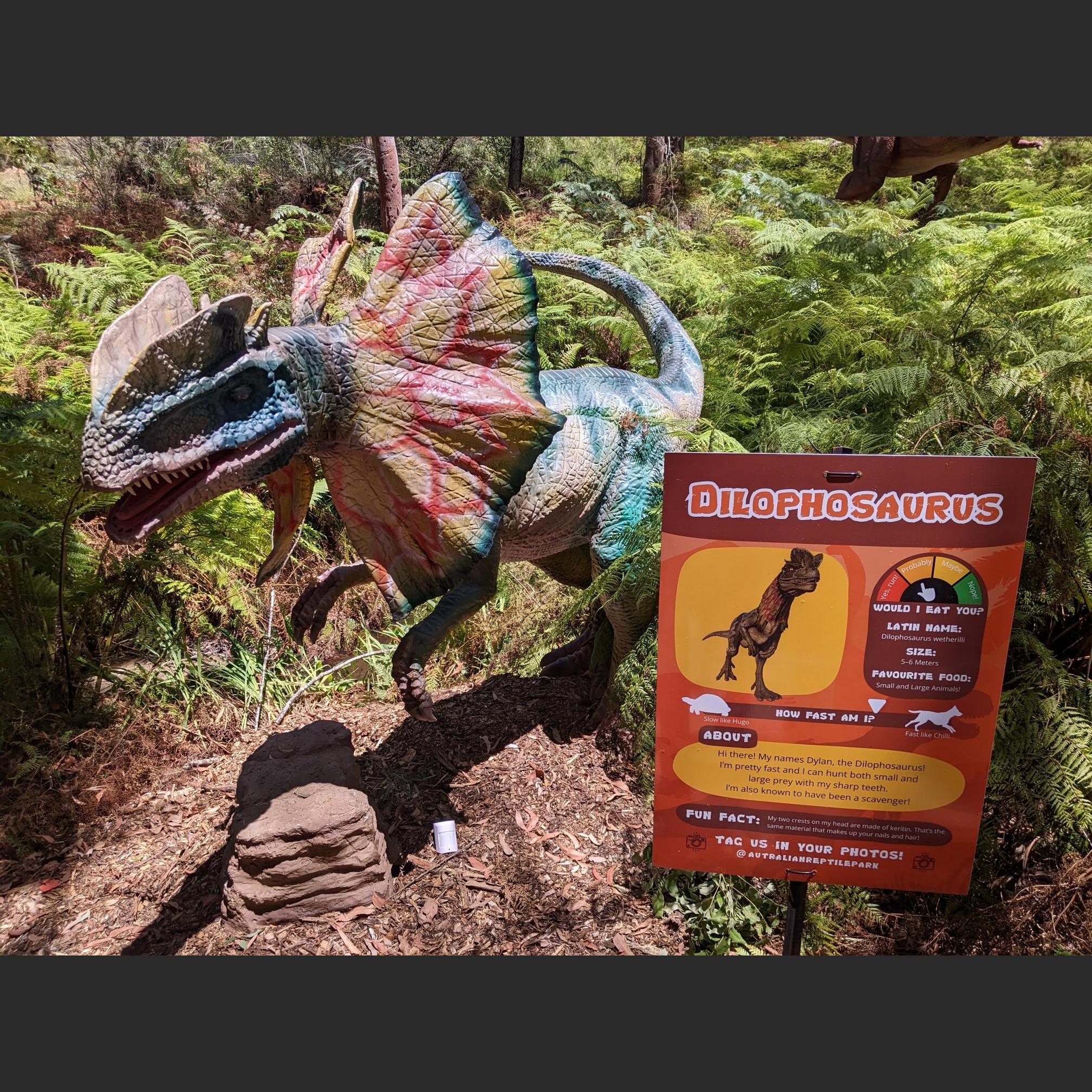
Theme parks and museums draw big crowds for dinosaurs. Kids love them. But palaeontologist James Ronan says some displays are based on ideas from the 1970s and present sound effects from movies. He says it is important to present current ideas about palaeontology accurately. So James Ronan is undertaking a worldwide audit of dinosaurs. Science communicator and podcast host Conor O’Keefe is also disturbed by inaccurate dinosaur displays at theme parks and supports the dinosaur edit saying it is long overdue.
The battle between reptiles and mammals
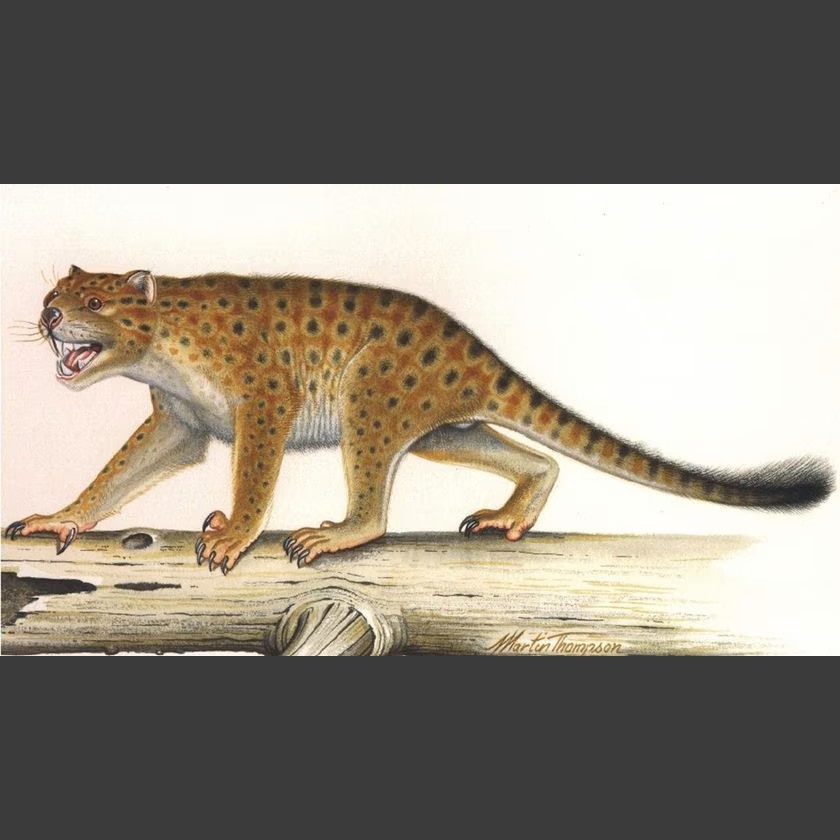
Why did reptiles prevail for so long and why did mammals take so long to become dominant predators? Adam Lindholm is looking at body size, availability of prey and environmental conditions to reconsider our understanding of the history of reptiles and mammals.
Climate change to increase pressure on lions in Africa
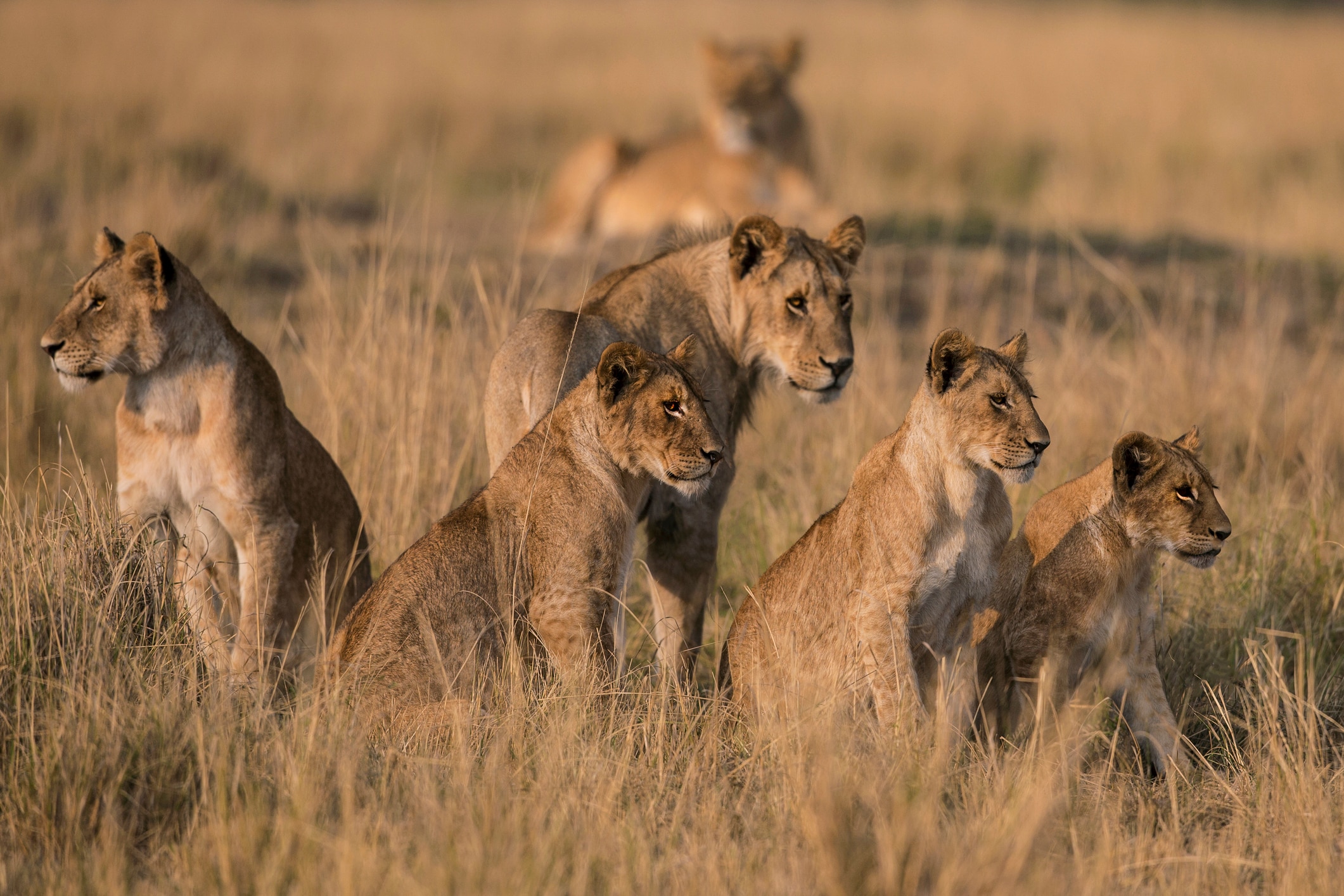
Lions are under considerable stress across Africa. Their habitat is fragmented and impacted by human activity such as agriculture. Being unable to roam freely, has led to inbreeding. Climate change is expected to impact their habitat and bring additional stress.
How bees protect their hives from disease
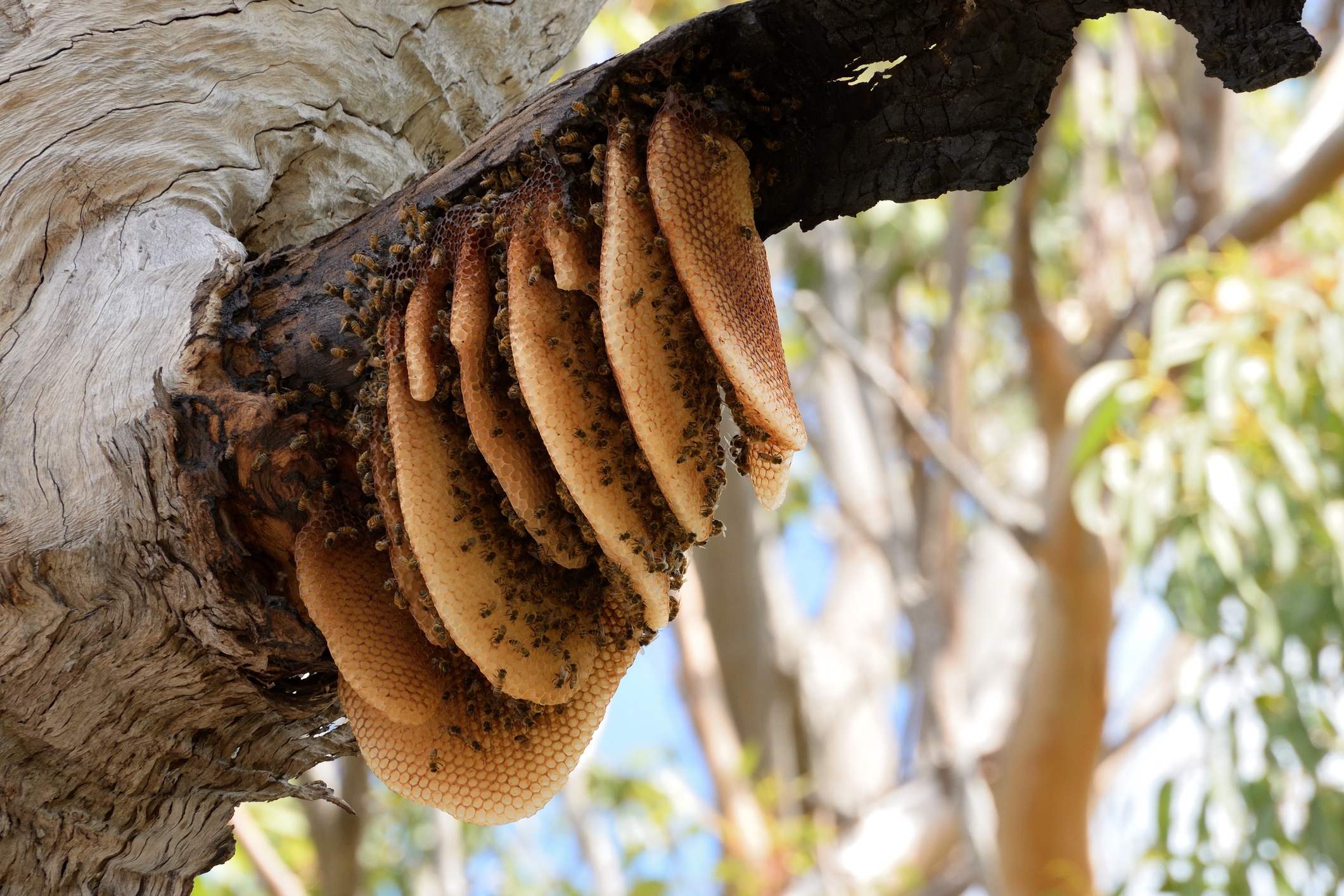
Bees survive by collaboration. To fight infection, bees arrange their honey and other stores in ways that repel disease. Microbiologist and bee researcher Kenya Fernandes led a study into the ways bees arrange their hives for maximum protection from microbial infection.
Togetherness - Symbiosis and the hidden story of life’s hidden collaborations
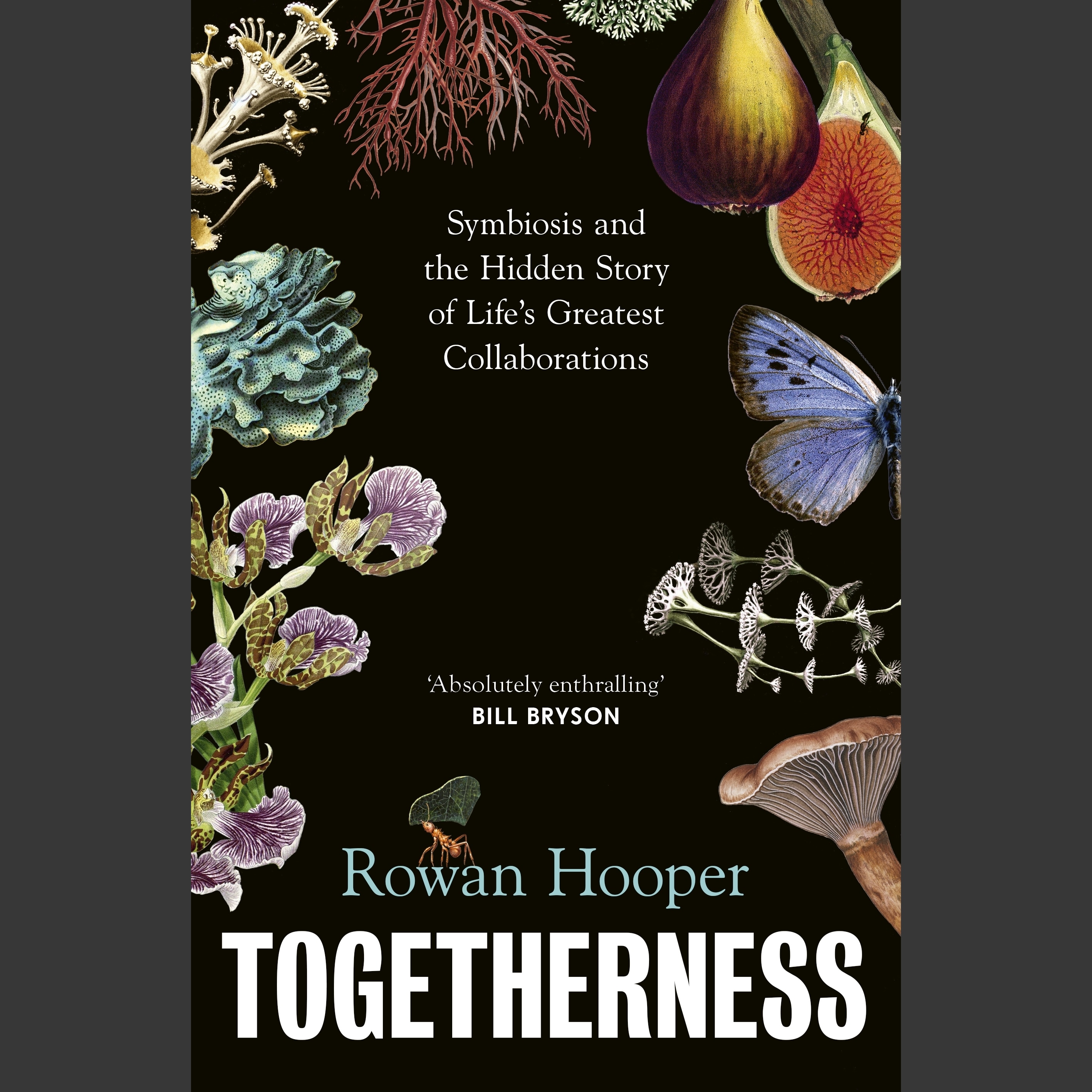
No more “Red In Tooth and Claw”? Well, that’s not the only story in evolution – from the beginning. Rowan Hooper in his latest book, Togetherness, shows how lichens, corals and even ourselves, flourish by means of other life forms. We have mitochondria, plants have chloroplasts, both formerly free-living creatures. We would not have evolved to our current form and could not survive without these once-invaders.
Lab Notes: What's in store for wildlife this summer?
Over the past few years, our environment seems to have experienced multiple extreme events in quick succession.
With a summer fuelled by what may be the strongest and wettest El Niño ever, can our wildlife withstand more extremes?
Jonathan Webb speaks with Professor Euan Ritchie about what we're currently seeing with flying foxes, what could happen to other species over the summer, and what we can do to help our native creatures.
You can binge more episodes of the Lab Notes podcast with science editor and presenter Jonathan Webb on the ABC L...
Crossing the language barrier teaching astronomy and physics
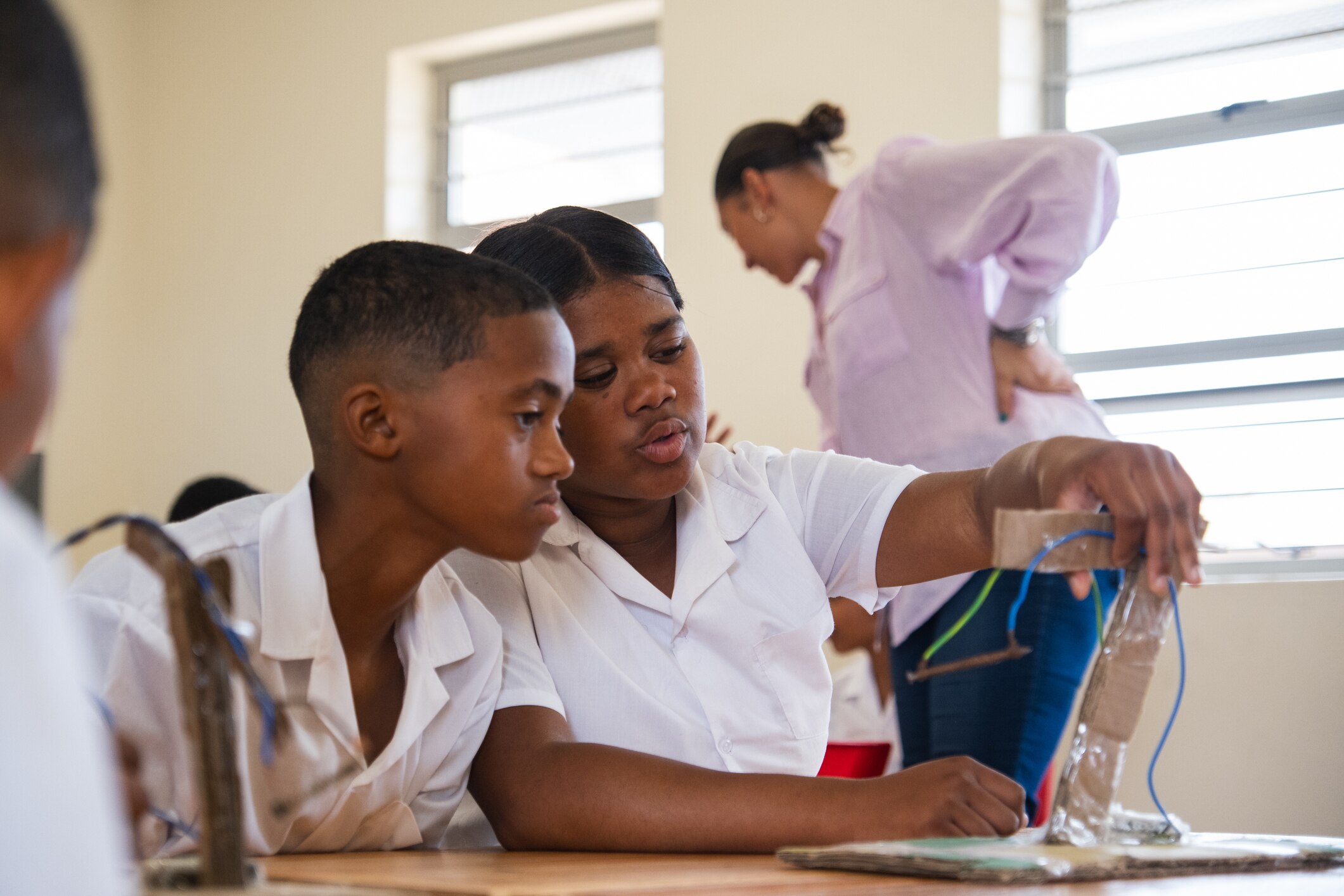
As a professor in astrophysics, Katherine Blundell studies variable objects in the night sky. These are colliding or exploding objects. She uses spectroscopy to infer the dynamics of the objects.
In addition to her astronomy, Professor Blundell has established the STEP initiative which offers science to students where science literature is unavailable in their native languages. A monthly online magazine presents information about astronomy and physics.
Investigating primary sclerosing cholangitis
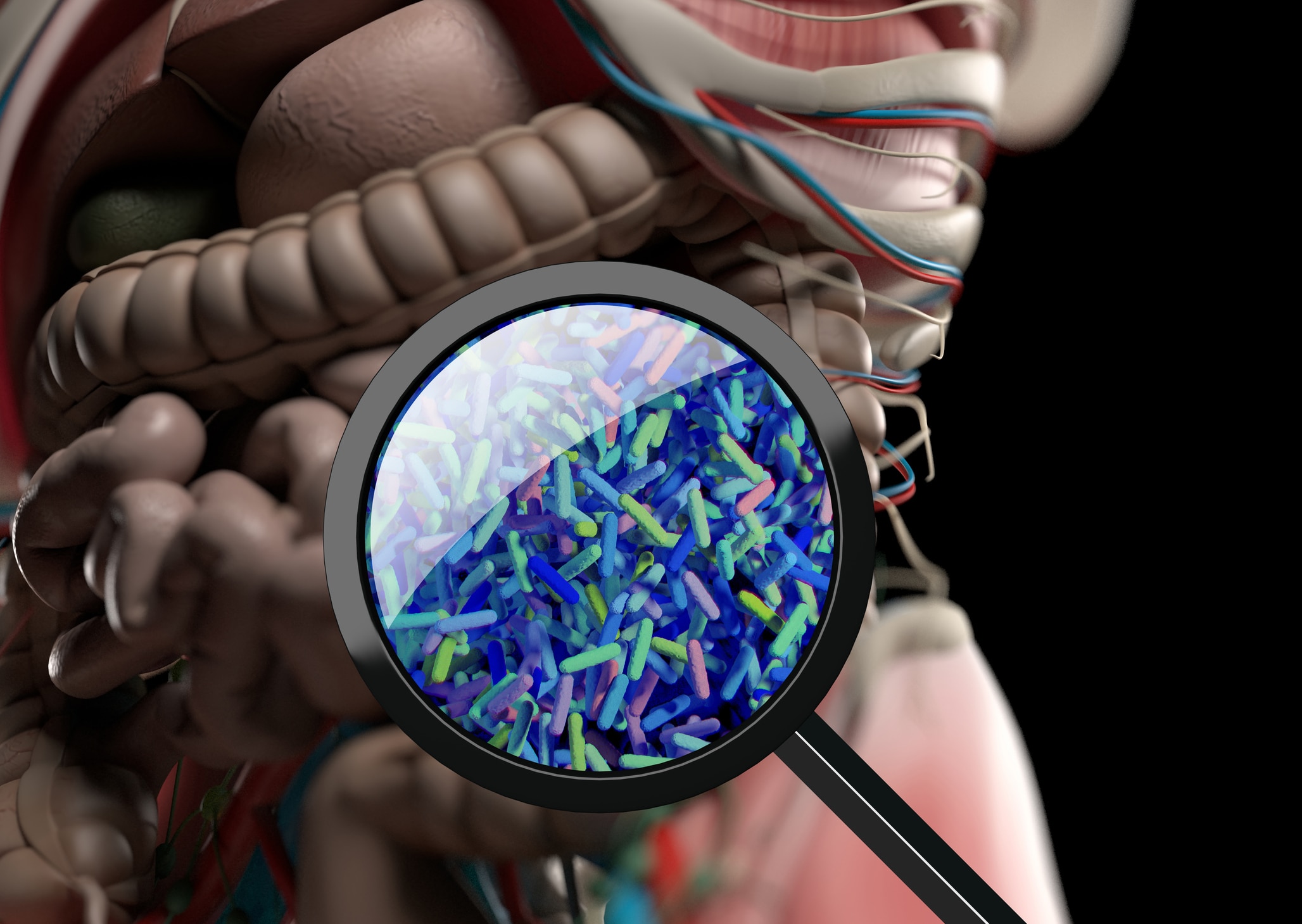
Primary sclerosing cholangitis (PSC) is a rare, chronic liver disease characterised by inflammation, scarring, and narrowing of bile ducts. Scar tissue restricts the flow of bile from the liver into the digestive tract, causing bile to back up and damage liver cells over time. The cause is unknown. There is no treatment. And those with the condition eventually need a liver transplant, and the condition later returns. Kate Coldwell in Oxford is investigating possible links between PSC and the gut microbiome, as patients with PSC have gut microbiomes with similar features. If the gut microbiome does play a role...
Breeding potatoes is like herding cats
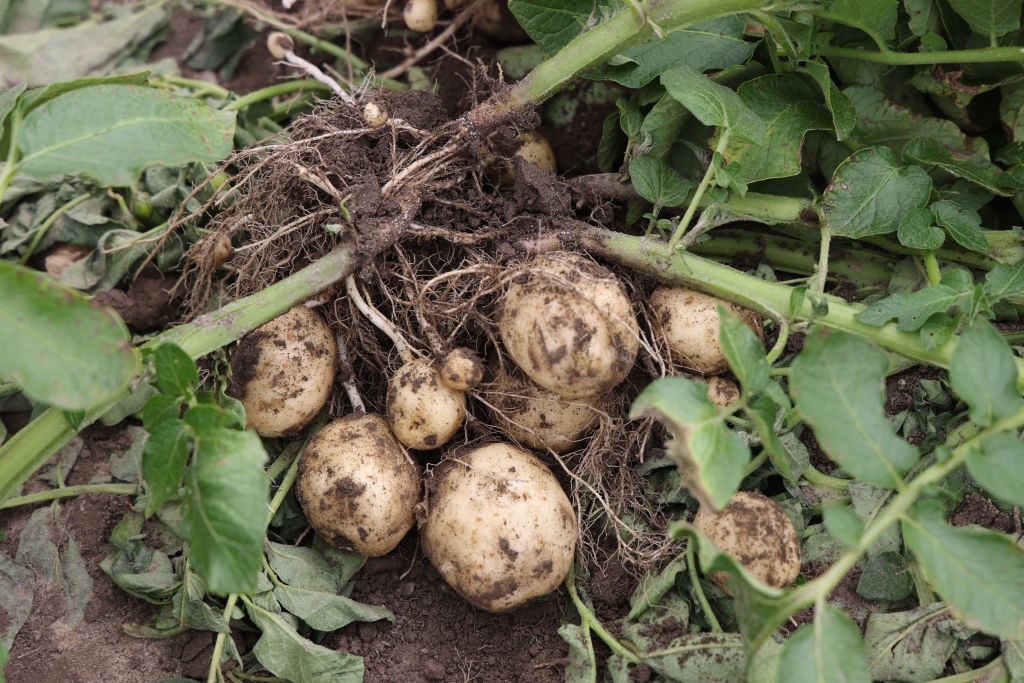
So says potato geneticist Ingo Hein. It’s due to the chaos which results when two potato plants are crossed. The result can be one of tens of thousands of variations, which is challenging when you just want to combine a few favourable traits. As Professor Hein explains, potato geneticists are using all the tools in the box to painstakingly come up with new potato varieties to suit the demands of modern agrifood in a changing climate.
London street trees threatened by changing climate
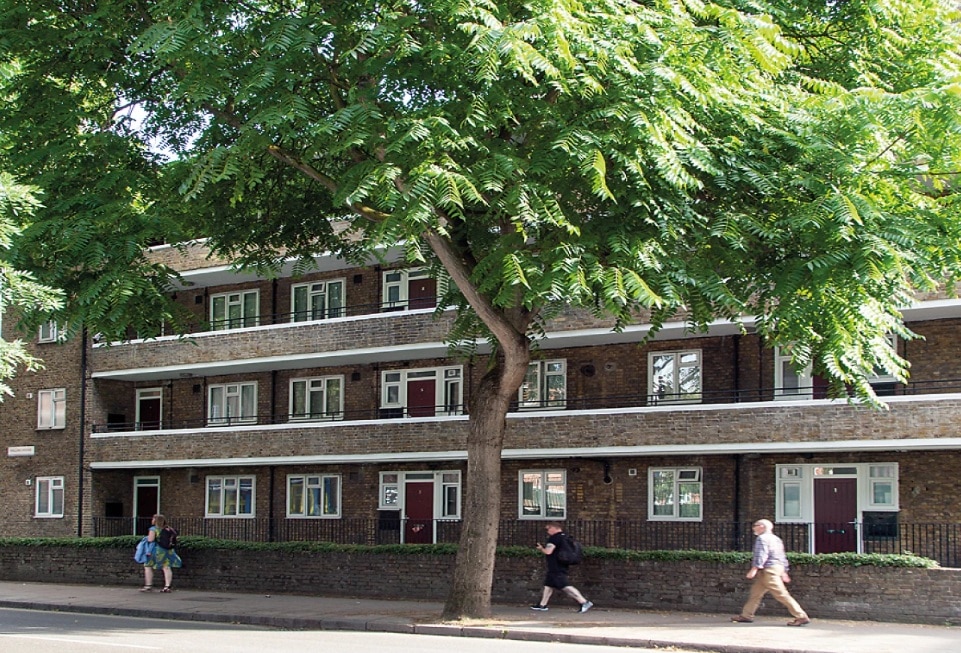
Trees in Kew Gardens, like many across Europe this year, have suffered intensely from baking hot summers. The head of the gardens’ tree collections, Kevin Martin, reports that 72 per cent of street trees in London are threatened by increased heat and humidity and lower rainfall – including many of the rare examples grown in the famous Kew Botanic Gardens.
Some success with palm oil. Nickel mines the next challenge
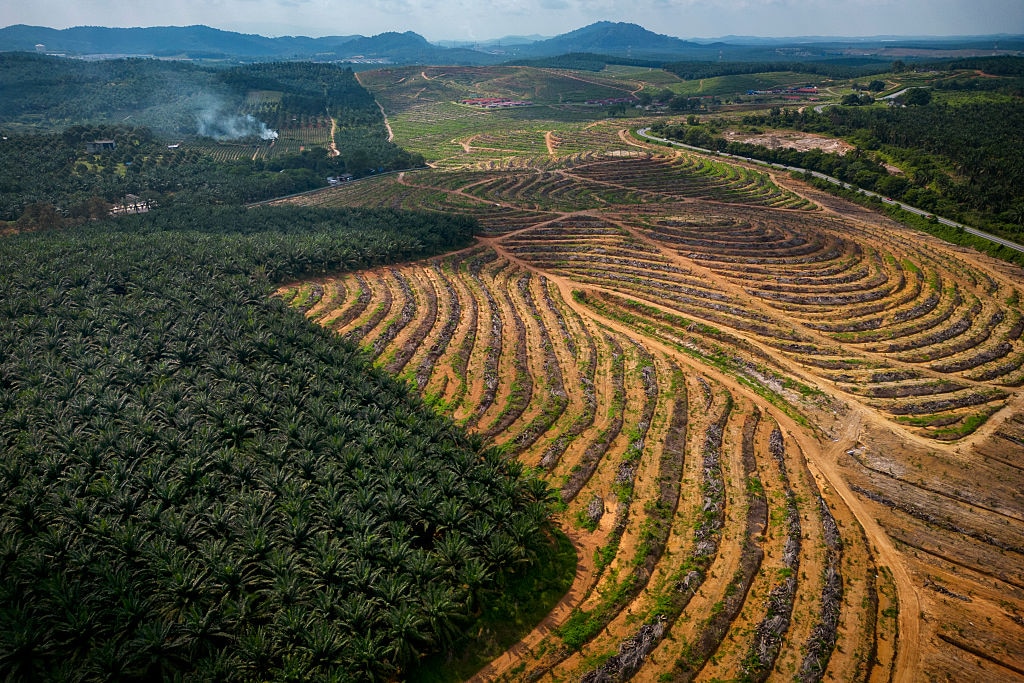
Brendan May is a London-based environmental adviser to businesses around the world and has been specialising in South Pacific regions including Indonesia and South-East Asia. He has been concerned about the huge plantations of palm oil yielding trees threatening all plants and animals including the once many orangutans. After decades, corporations are taking notice of his warnings. But now, it seems a new threat is looming – nickel mines.
Lab Notes: When astronomers make mistakes
In March 2018, a South African astronomer looking into the distant universe "discovered" a bright red spot in the sky that hadn't been there previously; it felt like an exciting potential discovery. A message was sent to other astronomers, asking them to look at this new dot and study it further.
After forty minutes and a few more calculations, he realised this "star" was much closer to home and nothing new at all: it was the planet Mars.
According to Dr Kat Ross, making this kind of mistake is something of a rite of passage for...
First major biography of Francis Crick
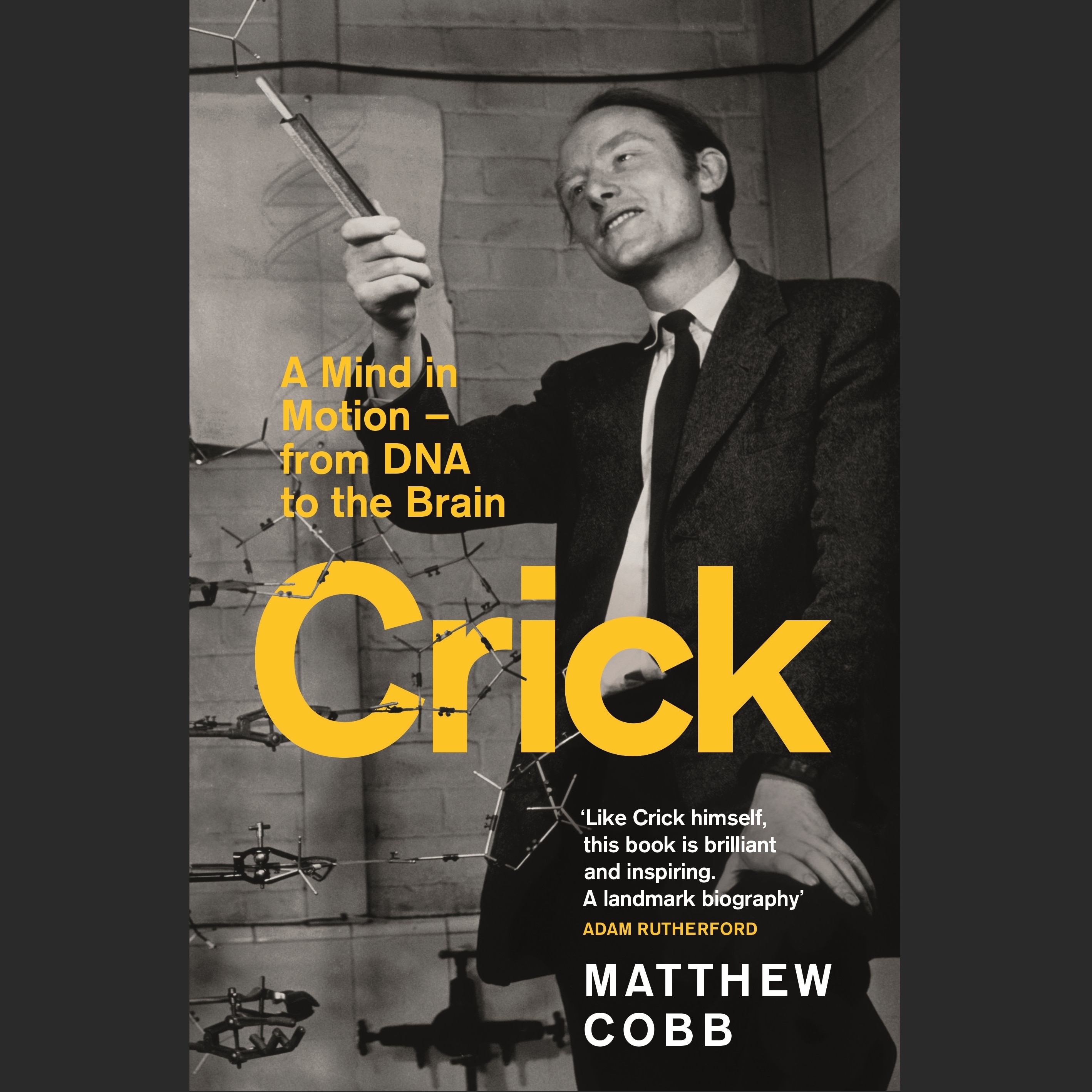
Crick: A Mind in Motion – from DNA to the Brain was published in 2025, full of new information and the disposal of false tales. The story is so vibrant that, after the West End play about him, author Matthew Cobb tells Robyn Williams there is a Hollywood film about Crick in production and even an opera.
Air fryer vs deep fryer: Which produces more indoor air pollution?

Poor household air quality can affect people’s health, and high pollution levels lead to increased risk of cardiovascular, respiratory and neurological disease. With the kitchen being a primary pollution-producing area in the home, Belinda Smith discovers which cooking methods release the most harmful emissions, and what we can do to reduce health risks.
2026 Nobel Prizes in science
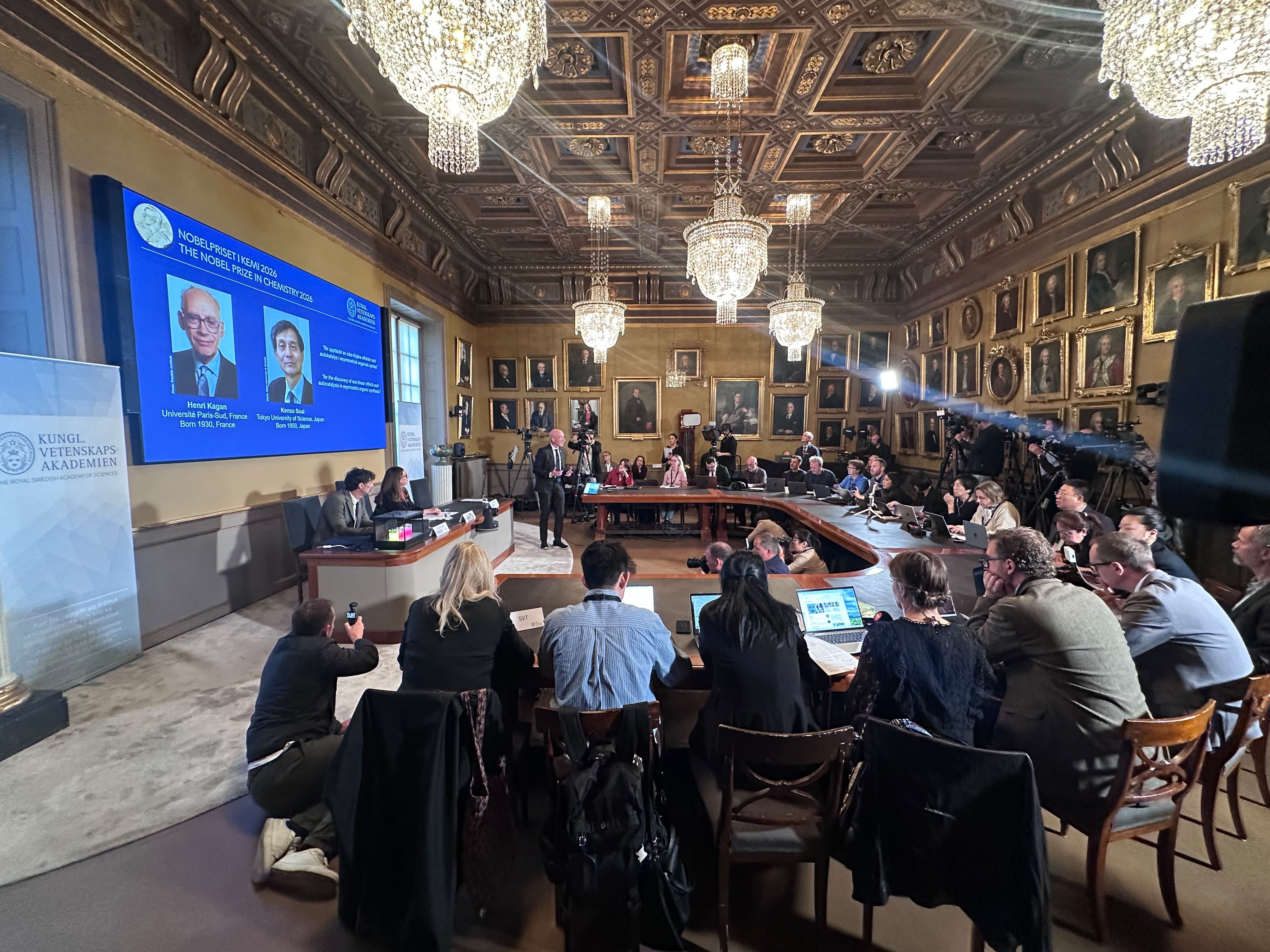
Belinda Smith reports on the winners of this year’s Nobel Prizes in medicine, physics and chemistry.
Lab Notes: When is it time to throw in the towel?
If you reach for the old tea towel in the cupboard, this episode is for you.
It's time to talk textiles: why older towels seem to be better at drying, and when it may be time to throw out your more well-worn towels.
Jonathan follows the thread with Ellen Phiddian to find out what we can do with our linen.
You can binge more episodes of the Lab Notes podcast with science editor and presenter Jonathan Webb on the ABC Listen app (Australia). You'll find episodes on animal behaviour, human health, space exploration an...
What the Flora?
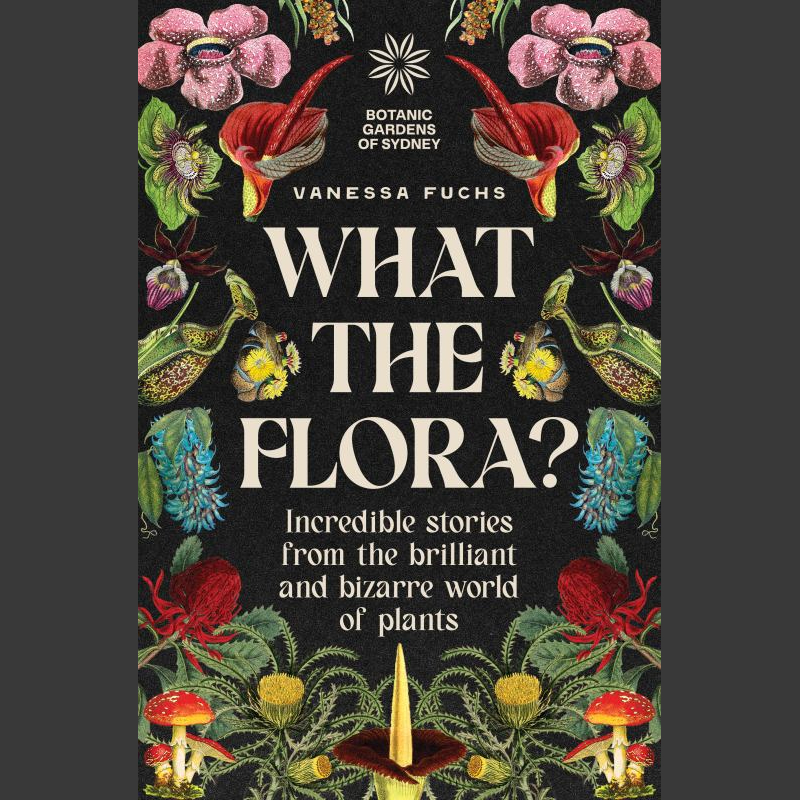
In her book What the Flora? Vanessa Fuchs tells of the remarkable ways plants have shaped our world: fuelling civilisations, inspiring innovation and sustaining all life on Earth. Blending science, true crime, history and a touch of lore, What the Flora? offers a fresh perspective on the ingenuity and wonders of the plant kingdom.
Checking the conservation status of Australia’s trees
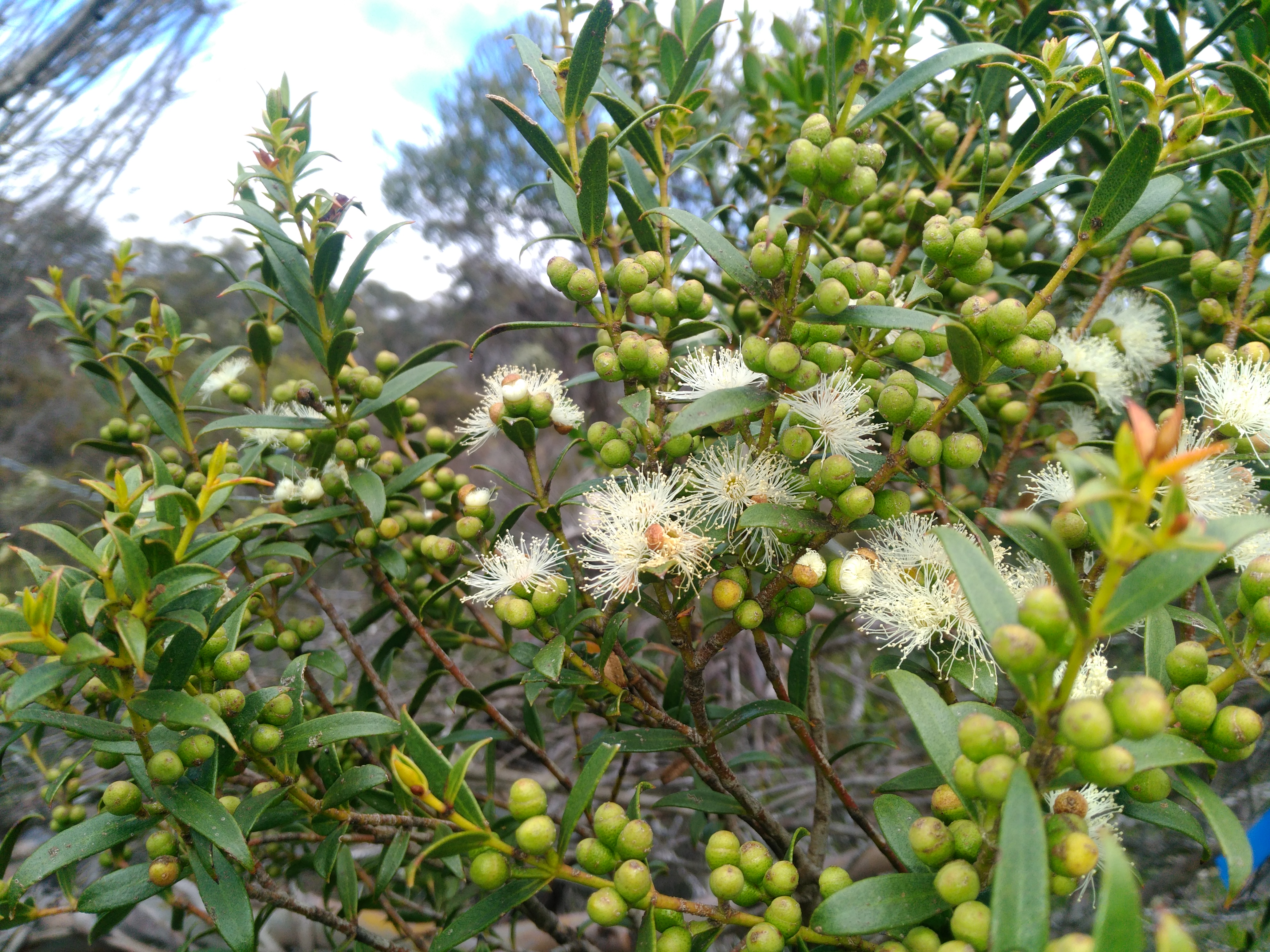
Many Australian native trees are struggling. Nearly 25 per cent of all eucalypt species are threatened with extinction, impacted by land clearing, climate change and other factors.
In 2015 it was decided to assess the conservation status of all Australian trees. Chantelle Doyle meets two ecologists, Ella Plumanns Pouton and Rachael Gallagher, coordinating Australia’s contribution to The International Union for Conservation of Nature’s Red List of Threatened Species.
Dogs widely distributed across western Eurasia at least 14,300 years ago
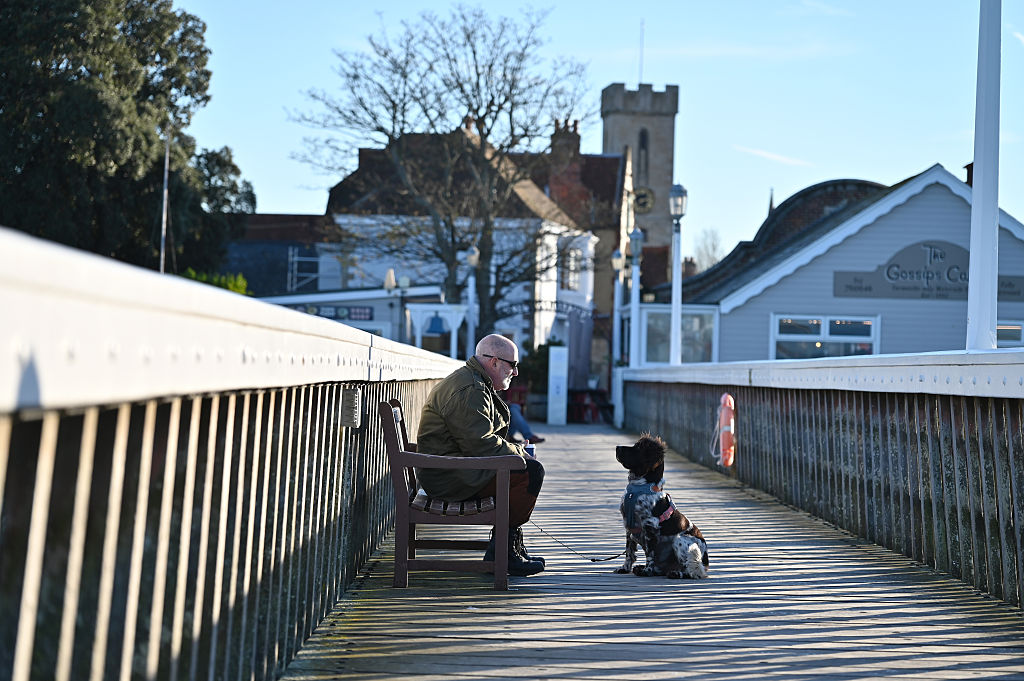
The bones were found in 2013 by a team in Türkiye. They look like granules of instant coffee. 40 bones were recovered, with analysis applied to 10, producing one success. This is the genetic lottery with the result being genome sequences of two dogs dating back 14,000–16,000 years, the earliest dogs to be sequenced. Dogs at that time were already genetically distinct from wolves. The work shows that dogs were widely distributed across western Eurasia long before the introduction of agriculture with evidence that the genetic diversification of dogs started much earlier than previously thought.
Science battles the rise of right-wing populism
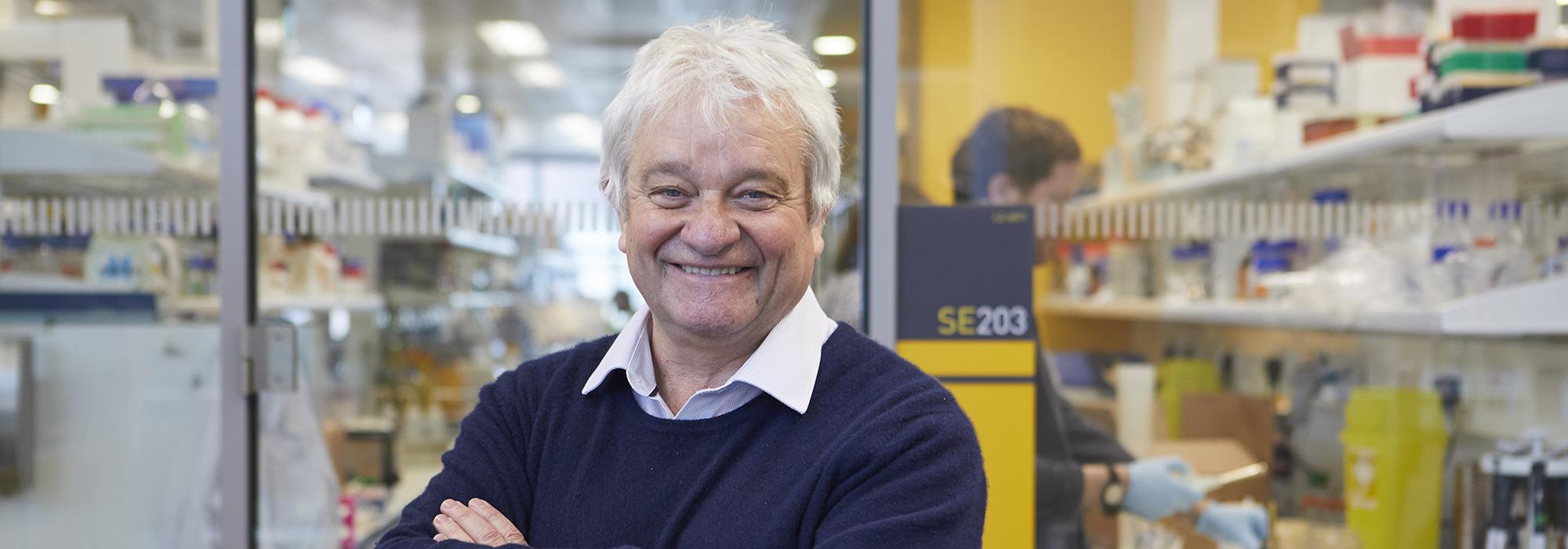
Sir Paul Nurse, president of the Royal Society of London, discusses the responsibility of science in a world where ideology-driven politics is on the rise. A Nobel Prize winner, Paul Nurse was the inaugural Director and Chief Executive Officer of the Francis Crick Institute in London, a centre for biomedical research in a collaboration between six major UK research institutions.
