The American Idea
The American Idea explores America's history and principles and what they mean today. The podcast is a production of the Ashbrook Center and hosted by Dr. Jeff Sikkenga.
A Sober View of Human Nature: Federalist 10 and Factions
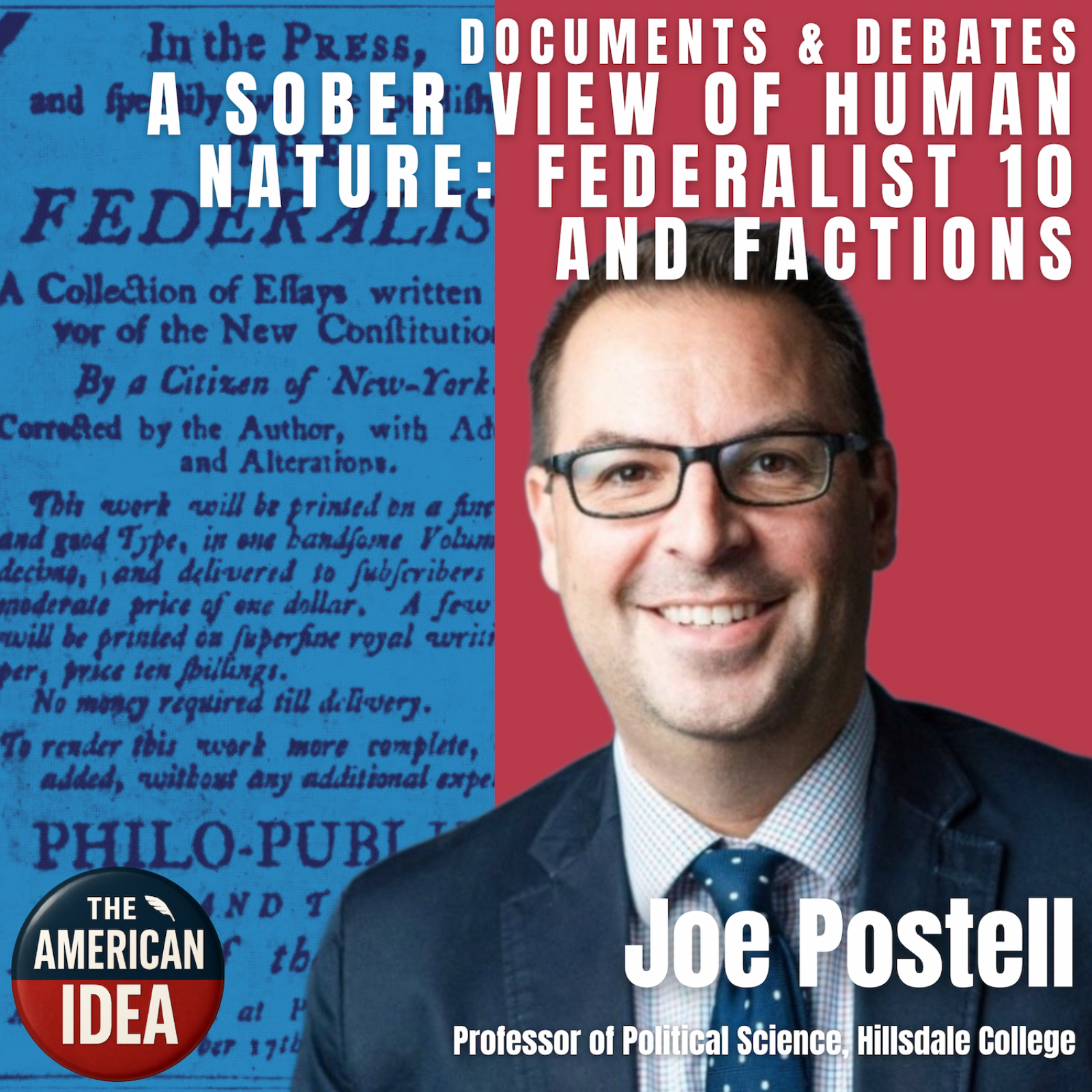
In Federalist 10, James Madison identified what he saw as one of the greatest dangers to popular government: factions. How did he define and understand them? Does his definition and his argument still stand up today? How can, by understanding the view on this issue at the Founding, better understand our current politics?
Read Federalist 10: https://teachingamericanhistory.org/document/federalist-no-10-3/
Read Madison’s “Consolidation”: https://teachingamericanhistory.org/document/consolidation/
Read Madison’s “A Candid State of Parties”: https://teachingamericanhistory.org/document/a-candid-state-of-parties-2/
Read Joe’s article on political parties: https://www.heritage.org/p...
More than a Document: Living the Declaration of Independence
The ideals, values, and aspirations in the Declaration of Independence aren’t just the words of an old document - they’re a statement of political and public faith in how we should see one another and how we should conduct ourselves as a political body.
In preparation for America’s 250th birthday, don’t just focus on the years and accomplishments - get in touch with the ideas that underpin them, and consider how you can live out the Declaration of Independence, and encourage others, as well, so that we can bequeath another 250 years of freedom to the g...
Our Right to Privacy and the 4th Amendment
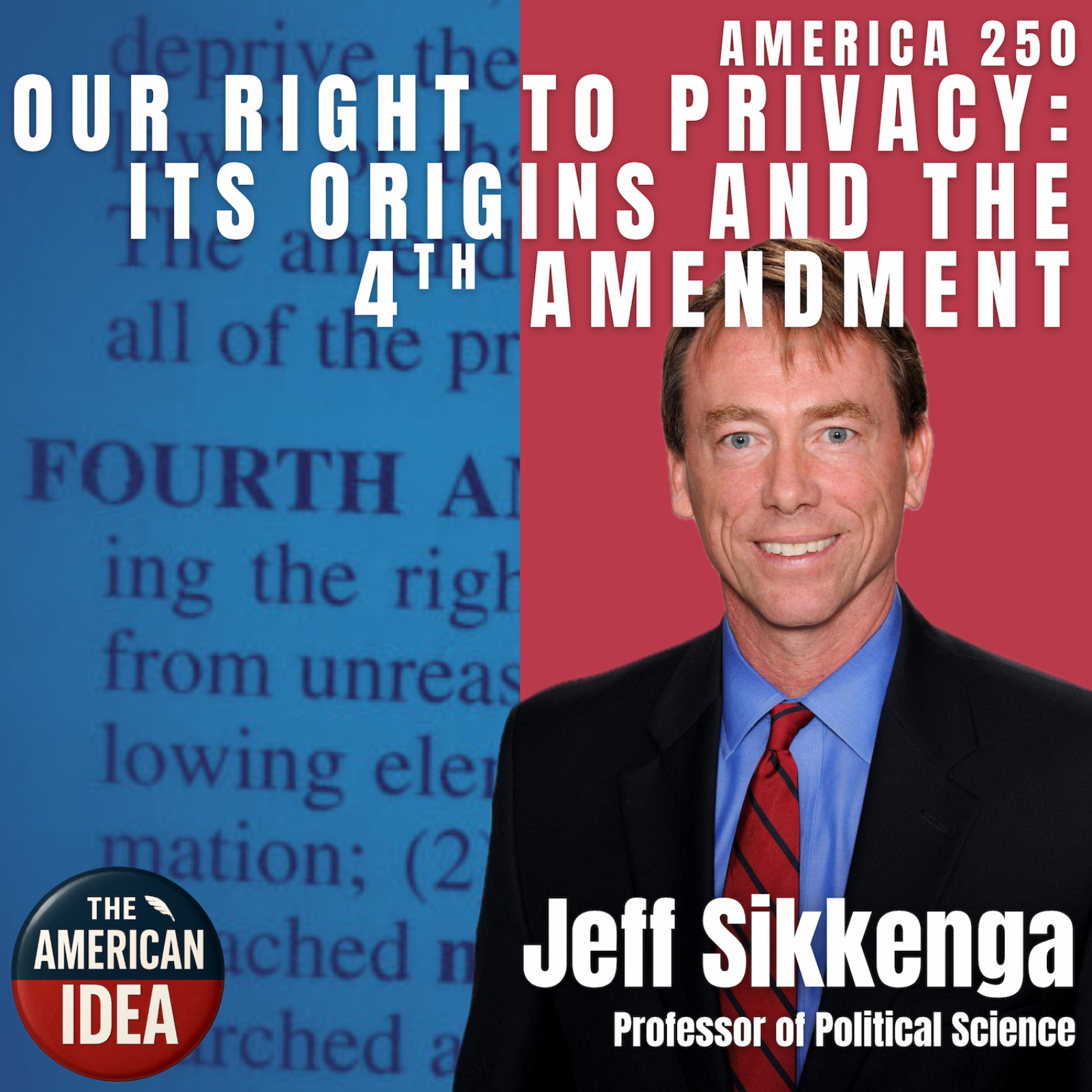
Our 4th Amendment rights to privacy, in various forms, has its origins before the Declaration of Independence, and is at the foundation of Americans’ understanding of natural rights. In this episode, Dr. Cara Rogers-Stevens discusses the importance and evolution of our privacy rights, and how they set us apart from so many other peoples in the world.
Host: Jeff Sikkenga
Executive Producer: Jeremy Gypton
Subscribe: https://linktr.ee/theamericanidea
Homepage: https://ashbrook.org/the-american-idea-podcast/
Adam Smith's Wealth of Nations at 250 Years
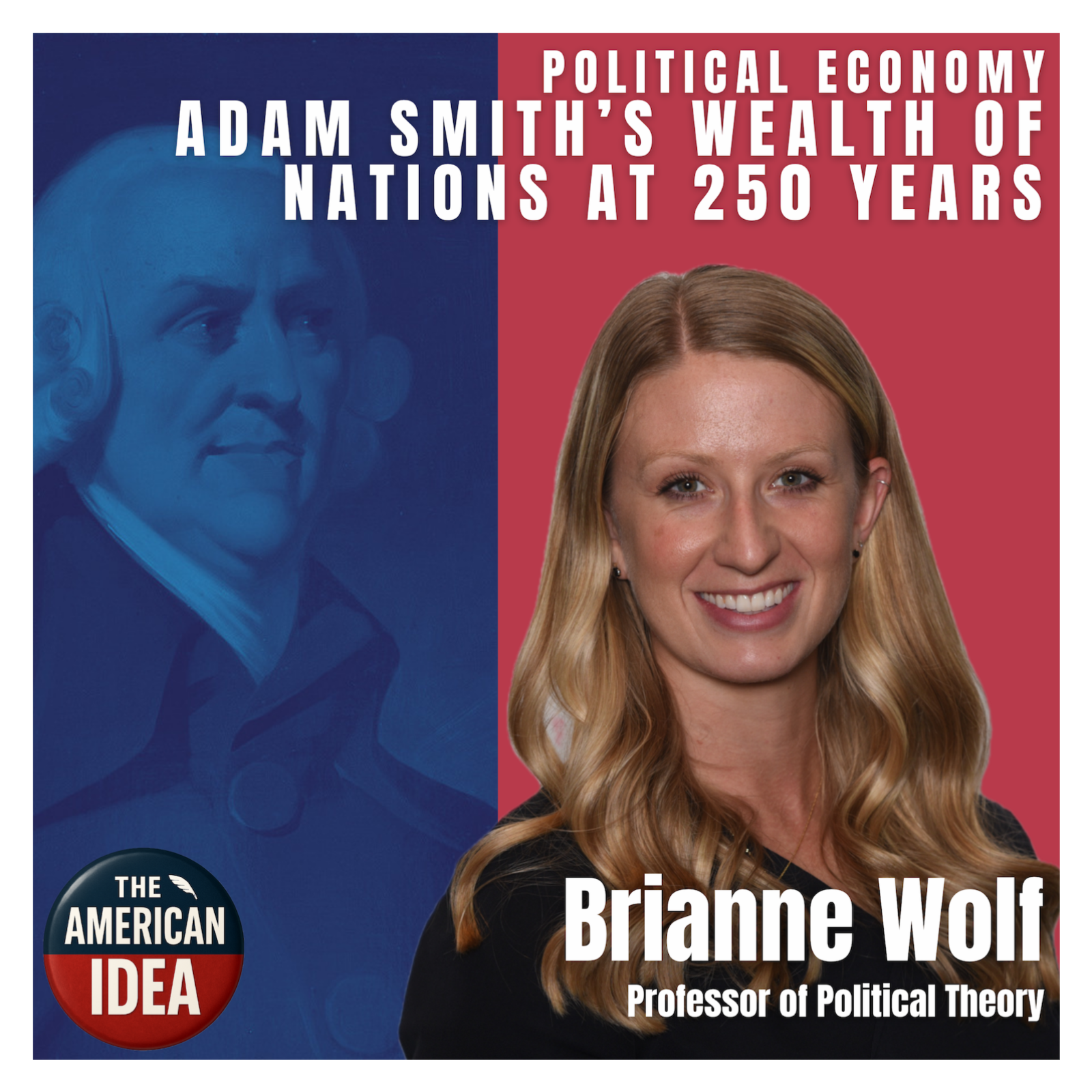
Adam Smith’s “Wealth of Nations” was published in 1776, shortly before America’s Declaration of Independence. Smith famously described an “invisible hand” at work behind markets and exchanges, but what did he really mean, and how have so many people misunderstood his many ideas about trade, markets, and free enterprise?
Professor Brianne Wolf discusses Smith in surprising terms: he was first concerned with human morality and behavior, in the connections and community that individuals built with one another. Trade and economics were downstream of those fundamentals. Beyond that, Smith’s explanation of the advantages of markets over central planni...
Returning to First Principles: America's Machiavellian Moment?
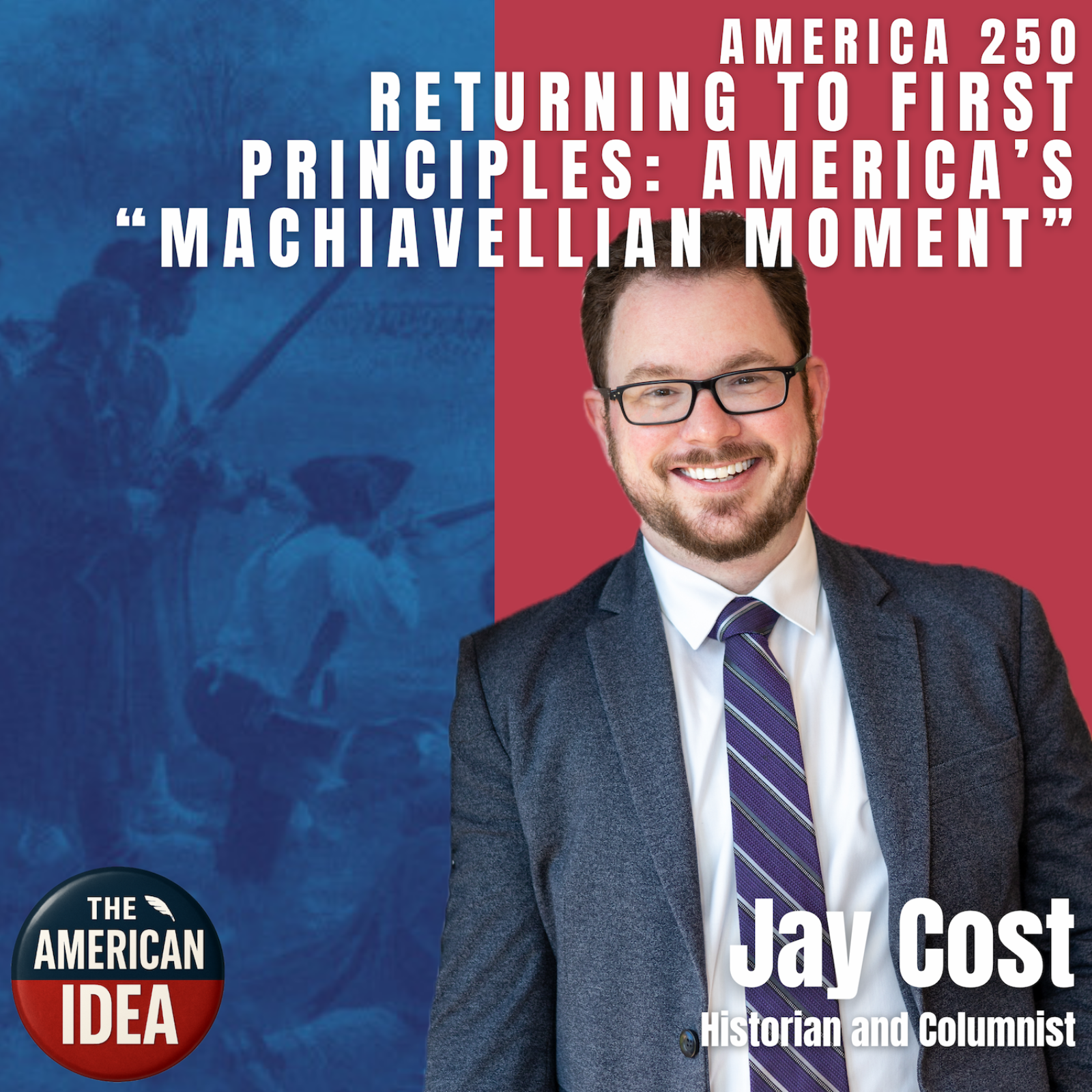
Niccolo Machiavelli, is usually cast as something of a villain for supposedly promoting cut-throat politics. Regarded as the father of modern political theory and science, however, among his many ideas was that when regimes - governments - slip into a state of decline, a return to first principles was necessary to save them. Turning back to the ideas that were most pure at a founding was, he believed, essential to revive a country that had lost its way.
Is America at such a point today? Political theorist, commentator, and author Jay Cost believes we are, and discusses...
Religious Liberty at the Founding and Today
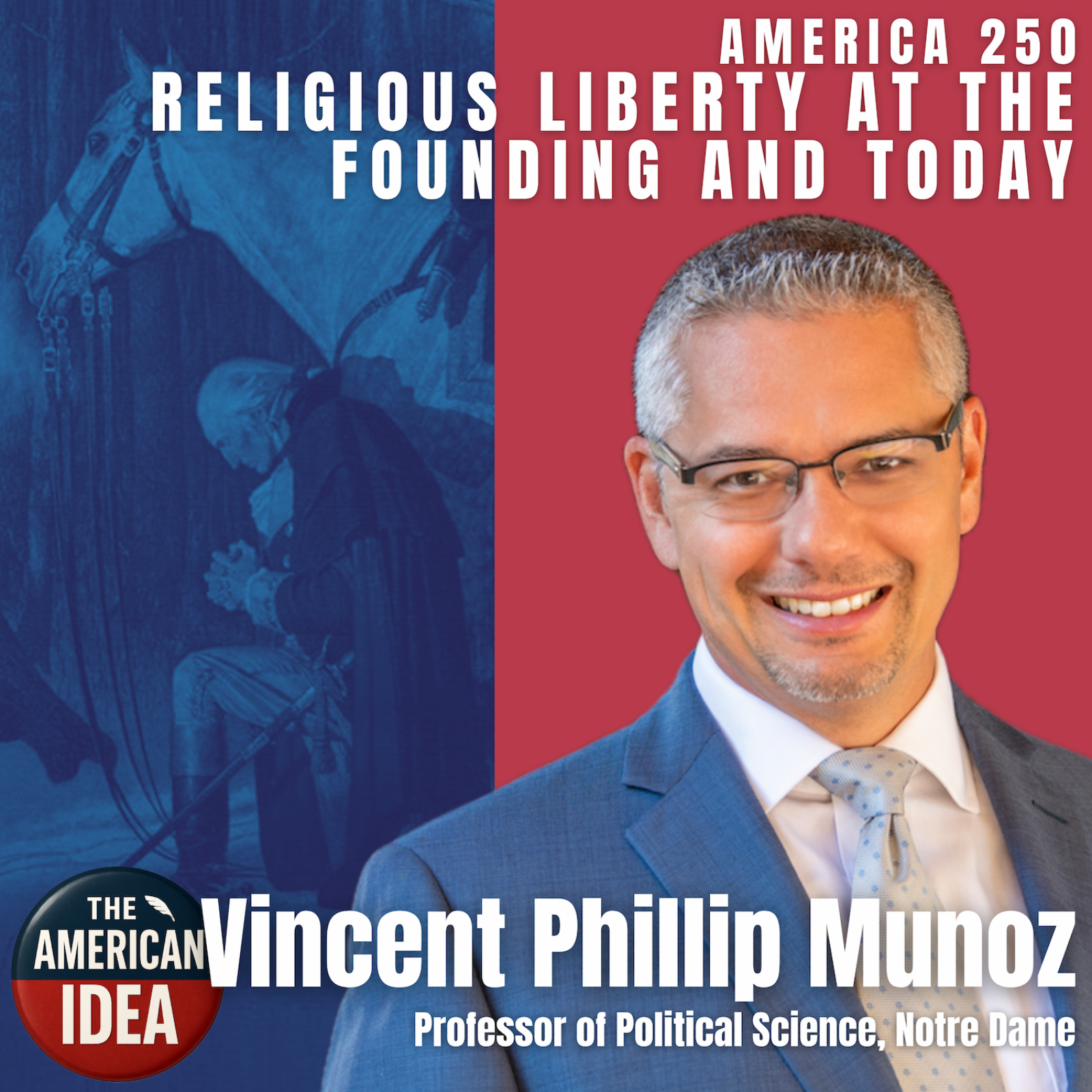
Religious liberty is at the foundation of the American Idea - but how was it understood and protected at America’s Founding, and how what does this fundamental right look like today? Jeff and Dr. Vincent Phillip Munoz, of Notre Dame University, discuss the earliest state of religious freedom, and how it has evolved today.
Read the Virginia Declaration of Rights: https://teachingamericanhistory.org/document/virginia-declaration-of-rights-2/
Read the Virginia Statue for Religious Freedom: https://teachingamericanhistory.org/document/virginia-statute-for-religious-liberty/
Read Washington’s Letter to the Hebrew Congregation: https://teachingamericanhistory.org/document/letter-to-the-hebrew-congregation-at-newport/
Read...
The Voting Rights Act and the Callais Supreme Court Decision - Context and Analysis
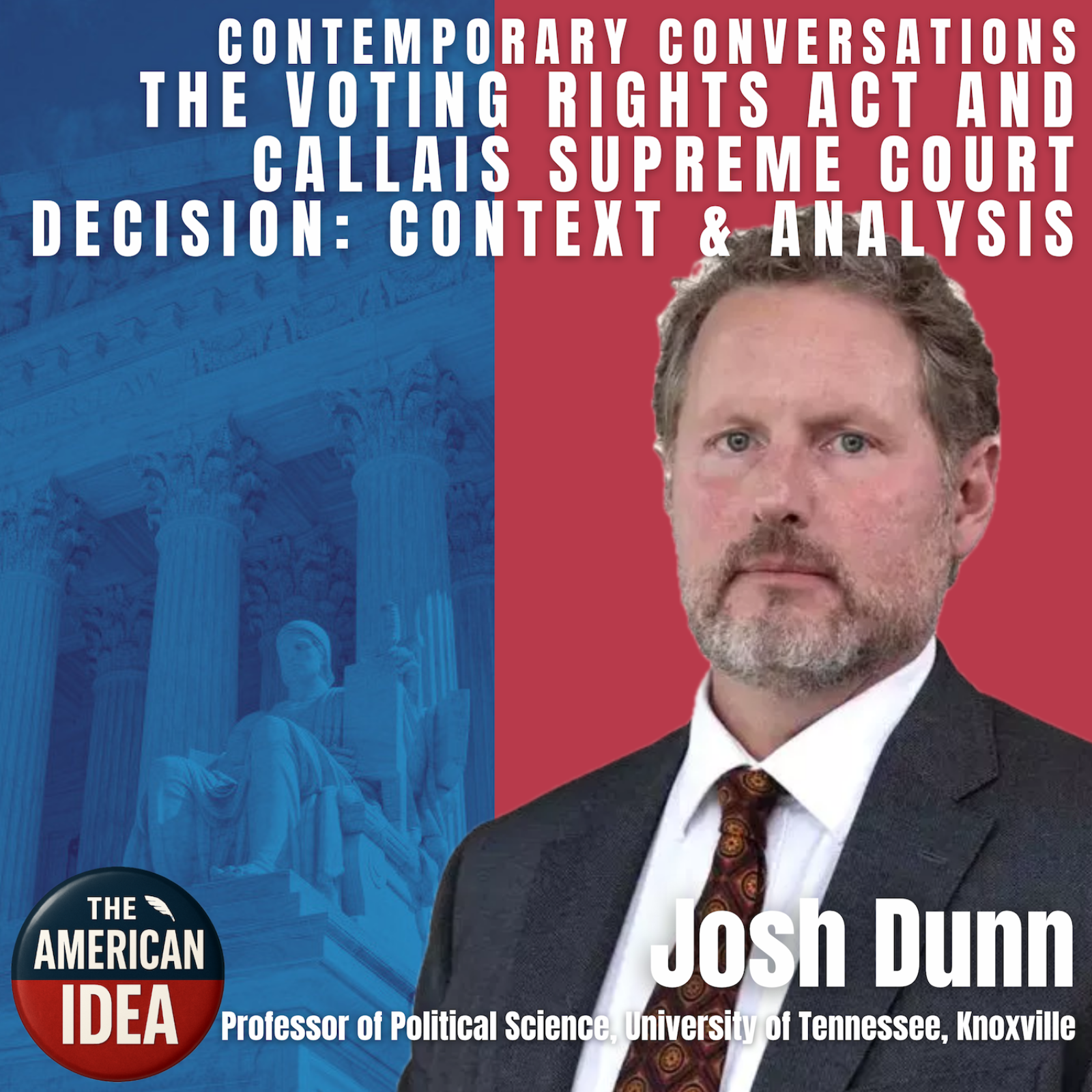
The United States Supreme Court handed down its decision on Louisiana v. Callais in early May, and it’s impossible to understand this 6-3 ruling without having some background knowledge of the Voting Rights Act of 1965 and how courts between then and now have interpreted it. Don’t get lost in the political rhetoric surrounding this case; learn the background for yourself and make up your own mind.
Host: Jeff Sikkenga
Executive Producer: Jeremy Gypton
Subscribe: https://linktr.ee/theamericanidea
Homepage: https://ashbrook.org/the-american-idea-podcast/
School Choice: The Past, Present, and Future of a Movement
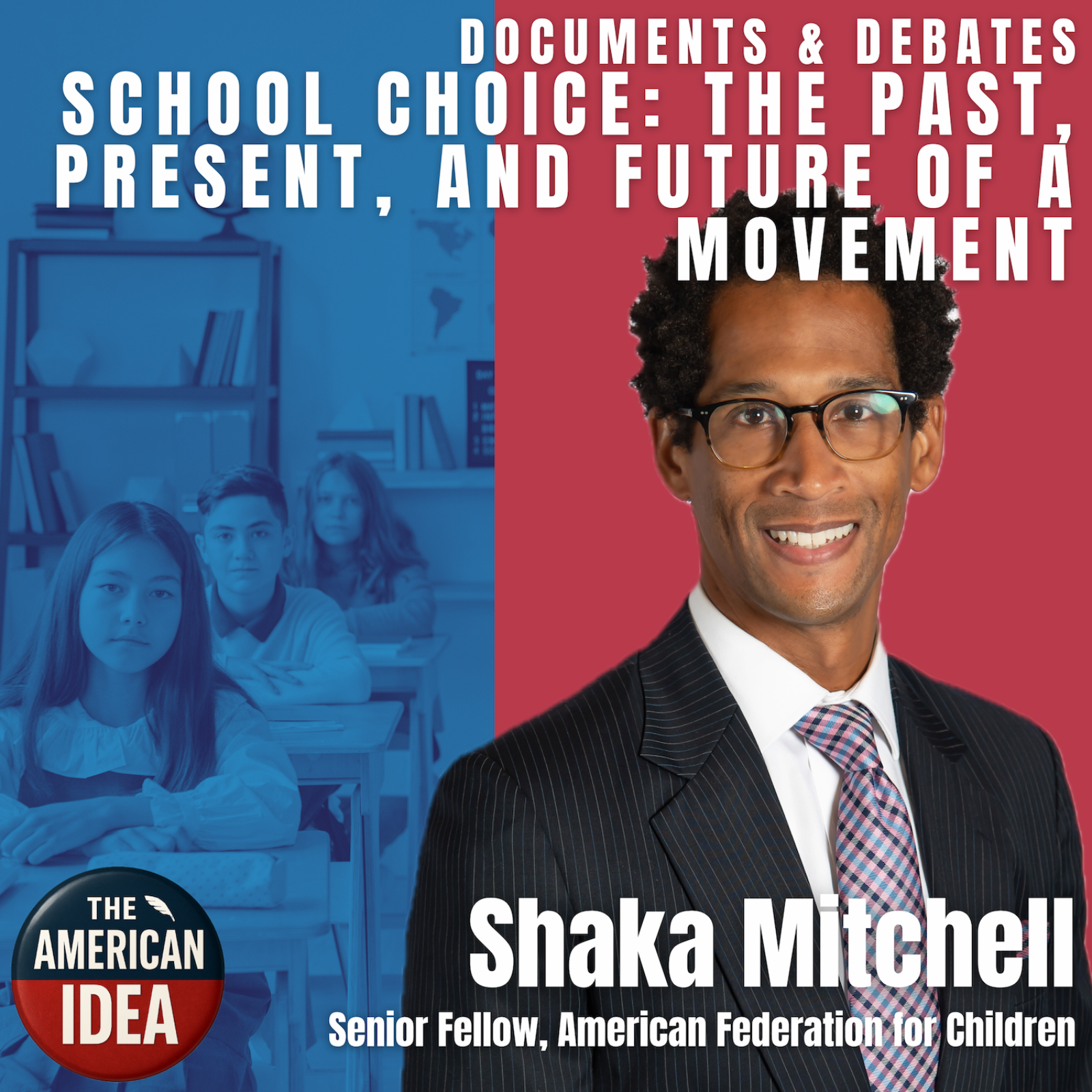
School choice has moved to the forefront of national conversations and debates most notably since COVID; however the ‘educational choice’ movement is not new in America at all.
Jeff is joined by Shaka Mitchell, Senior Fellow at the American Federation for Children, to trace the history of school choice and schooling in America, drawing clear policy, political, and cultural connections between what was, what has been, and what is ‘normal’ now, and how that’s changing.
You can follow Shaka on his Substack: https://shakamitchell.substack.com/
Host: Jeff Sikkenga
Executive Producer...
"Mischievous Cousins' - A British Perspective on the American Revolution
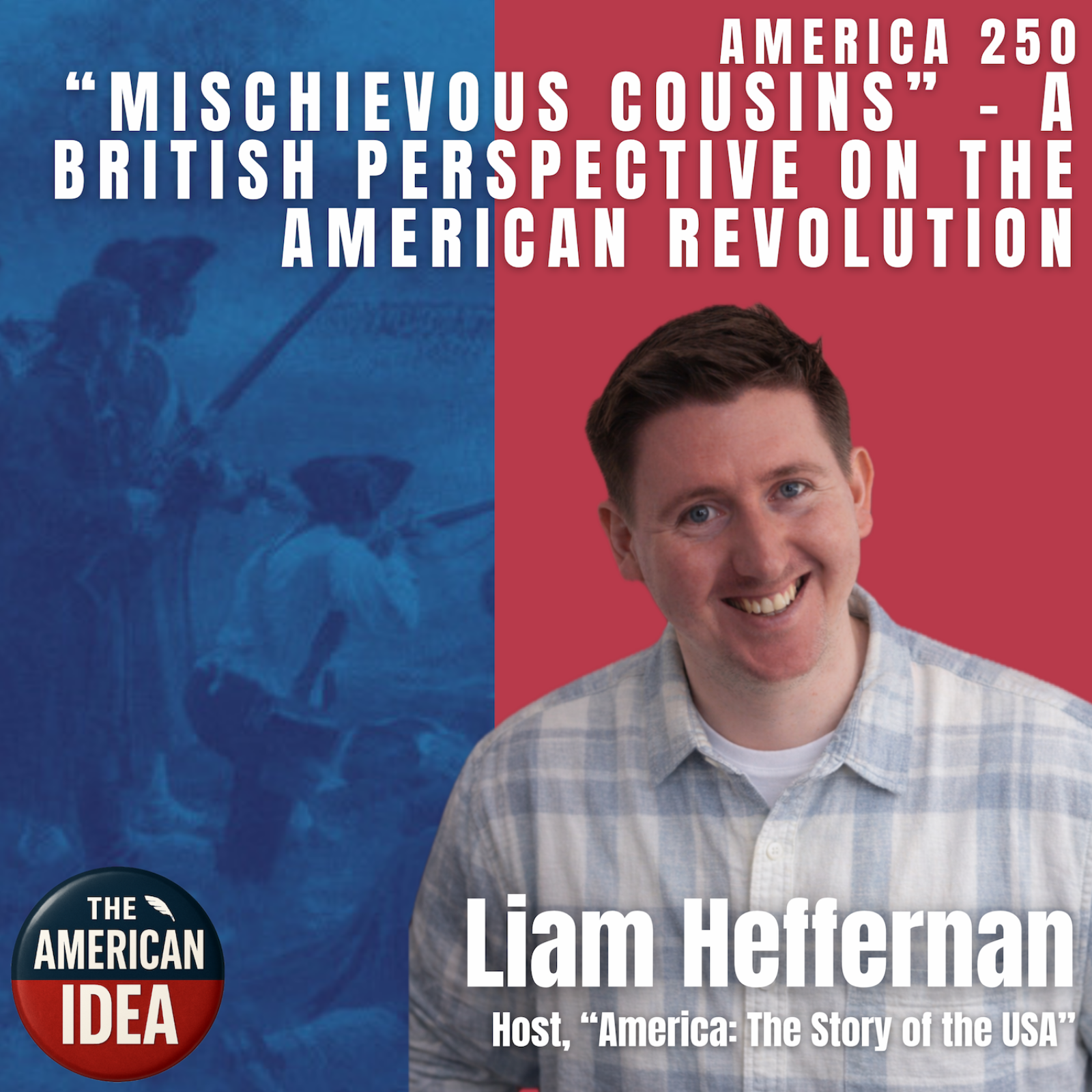
What’s taught in British schools about the American Revolution? How are Americans’ motivations during the Founding understood by our ‘cousins’ on the other side of the Atlantic? Jeff discusses the fascinating history of British history and perspectives on America with Liam Heffernan, host of America: The Story of the USA, a British podcast that seeks to explain American to the British.
You can find Liam's pod at https://tinyurl.com/puysecxp
Host: Jeff Sikkenga
Executive Producer: Jeremy Gypton
Subscribe: https://linktr.ee/theamericanidea
Homepage: https://ashbrook.org/the-american-idea-podcast/
From 1776 to Civil Rights: How the Declaration Shaped the Struggle for Equality
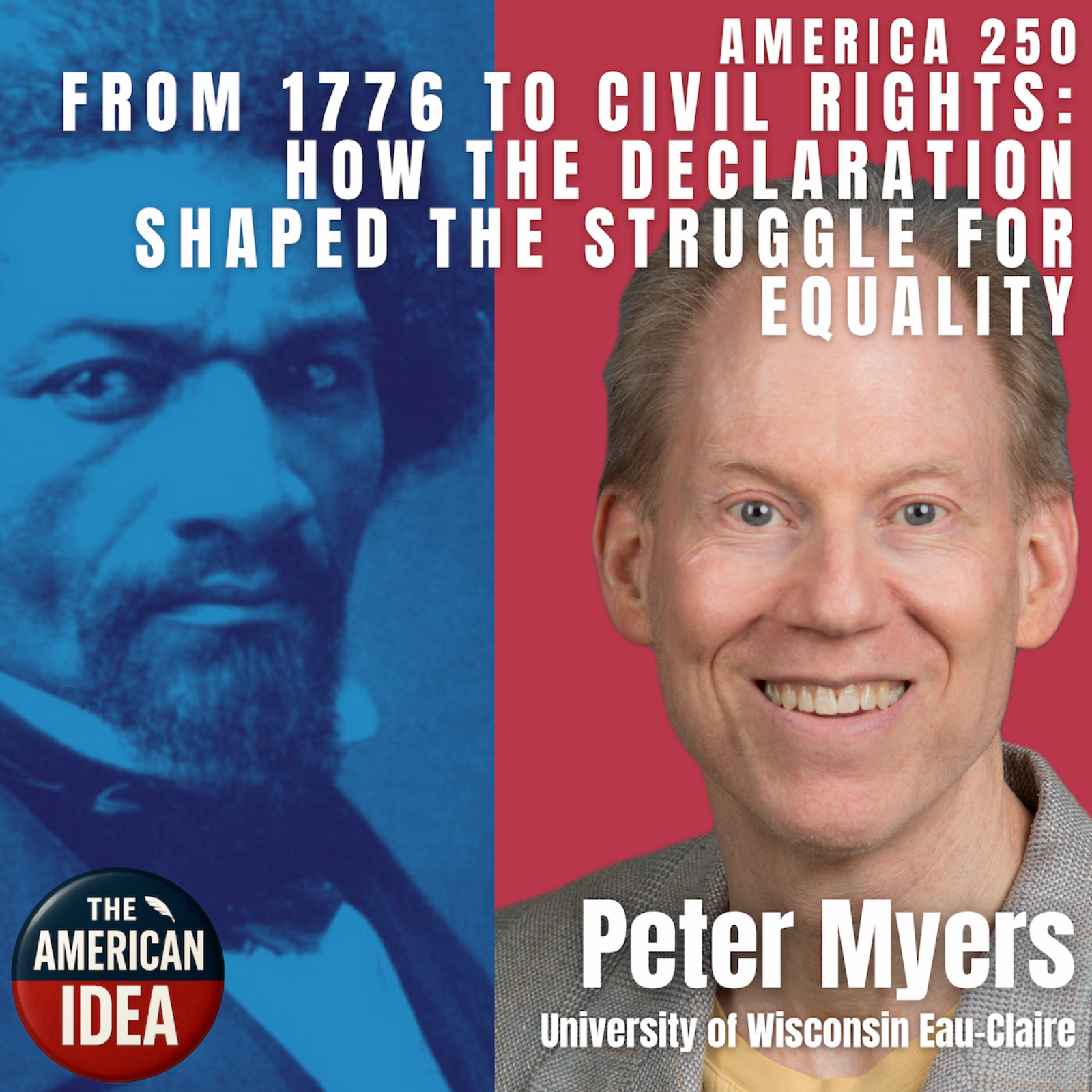
The Abolition and Civil Rights movements are often presented as solutions to the failures of the American Founding, or replacements for its ideas. The relationship between the core ideas of America, as asserted in the Declaration of Independence and those of these two movements is complicated and has evolved over time. As we approach our 250th birthday, let’s take a look at how the Declaration is, in fact, the moral and intellectual foundation of both abolition and civil rights.
Jeff is joined by Dr. Peter Myers, Professor of Political Science and expert in the politics of ab...
Ronald Reagan and the Declaration of Independence
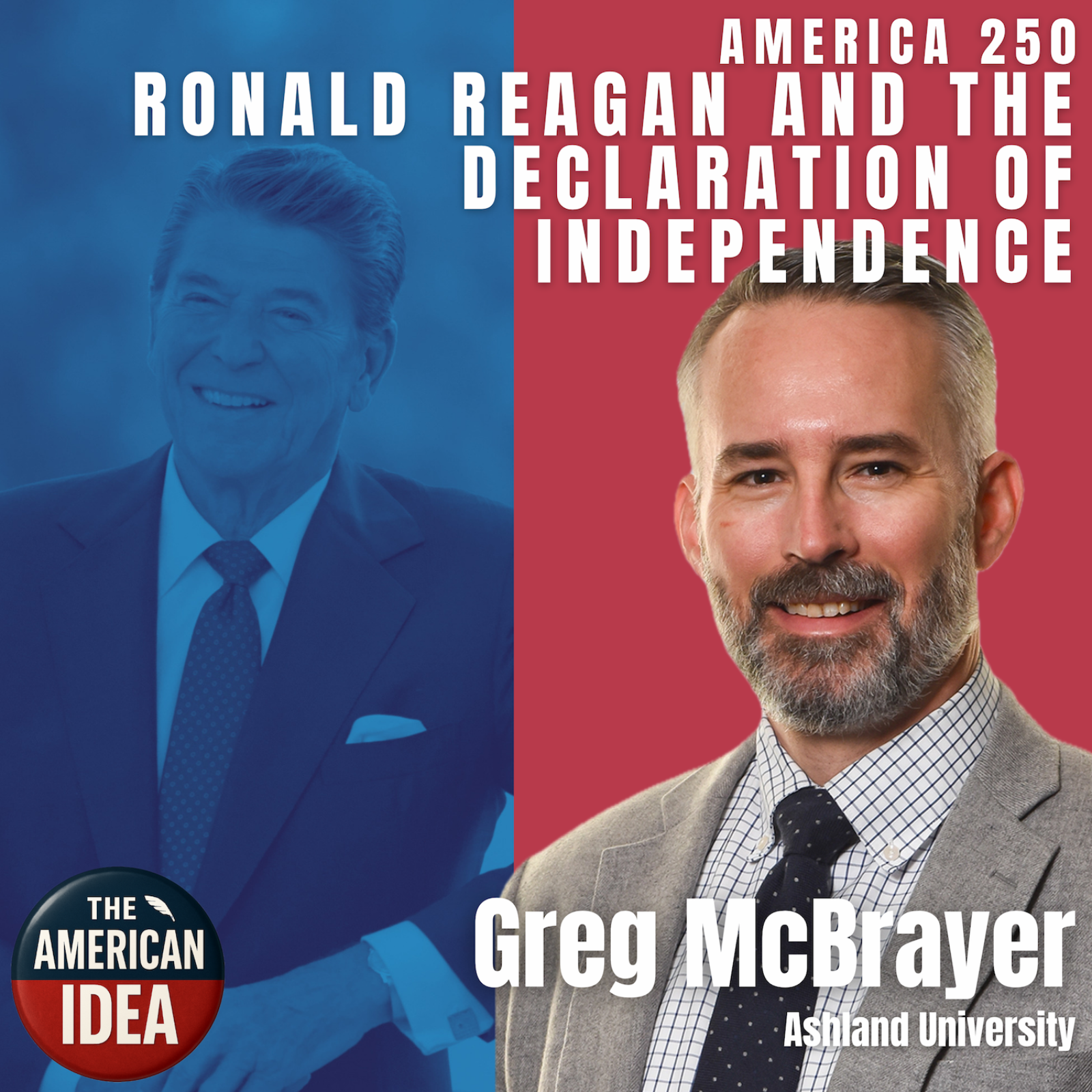
Abraham Lincoln once asserted that all of his political philosophy was rooted in the Declaration of Independence. Other presidents have spoken positively about our founding document, and some have disparaged the ideas promoted in it. What about Ronald Reagan? Where did he stand on the Declaration’s core ideas of natural rights, limited government, and liberty?
Jeff is joined by Greg McBrayer, who looks back on decades of speeches from Reagan in order to establish a clear connection between the principles of our 40th president and America’s original mission statement.
Read Reagan’s “A Time for...
From Madison to Modern Politics: The Separation of Powers Debate
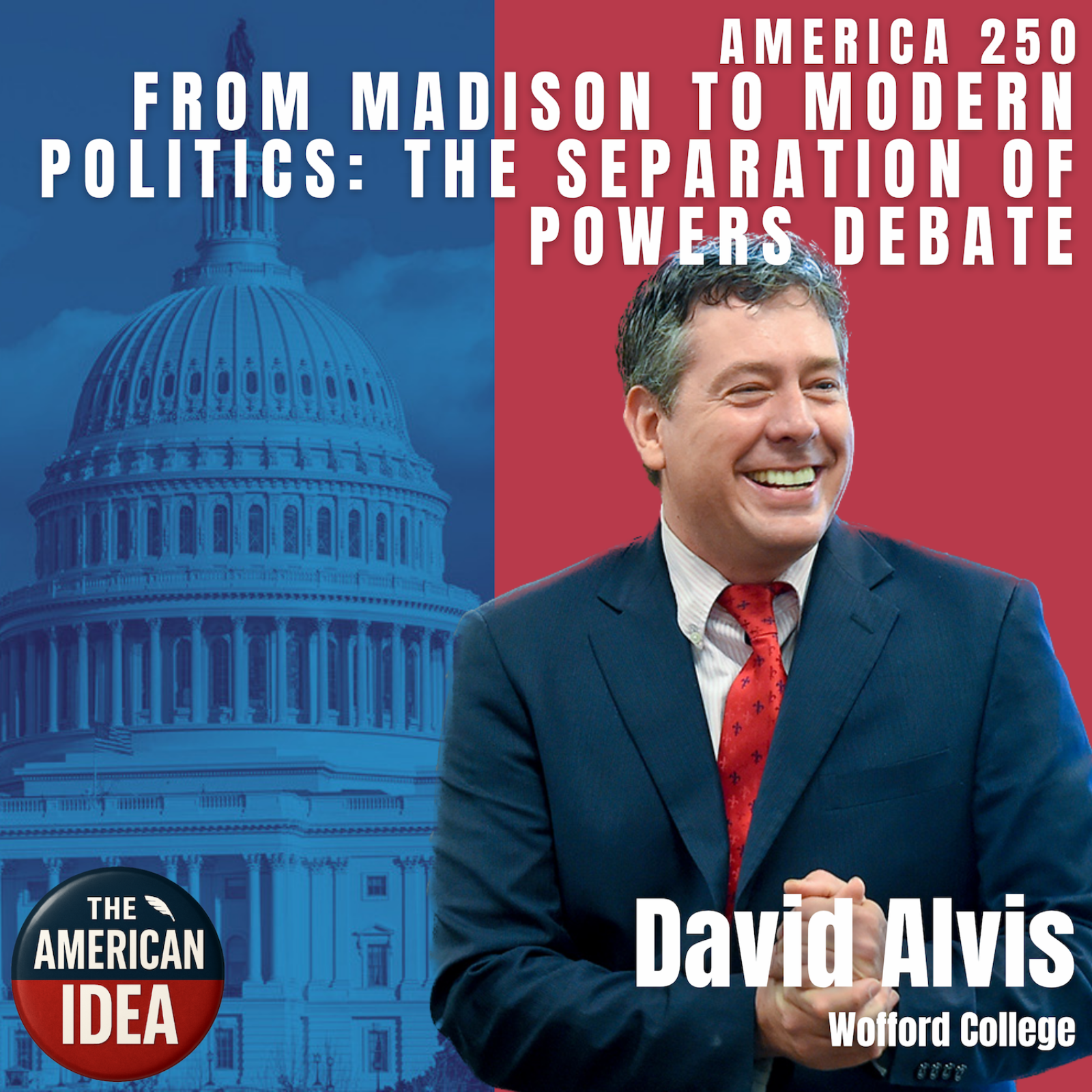
This episode examines the constitutional principle of separation of powers: what it is, why the American founders considered it essential to liberty, and how it works in practice through checks and balances. The conversation explores the distinct roles of Congress, the presidency, and the courts, and then turns to major controversies that continue to shape American government, including executive removal power, independent agencies, and war powers. The result is a clear discussion of why separation of powers remains one of the most important and contested features of the American constitutional order.
Download the Separation of Powers documents...
Mobilize: How to Reboot the American Industrial Base and Prevent World War III
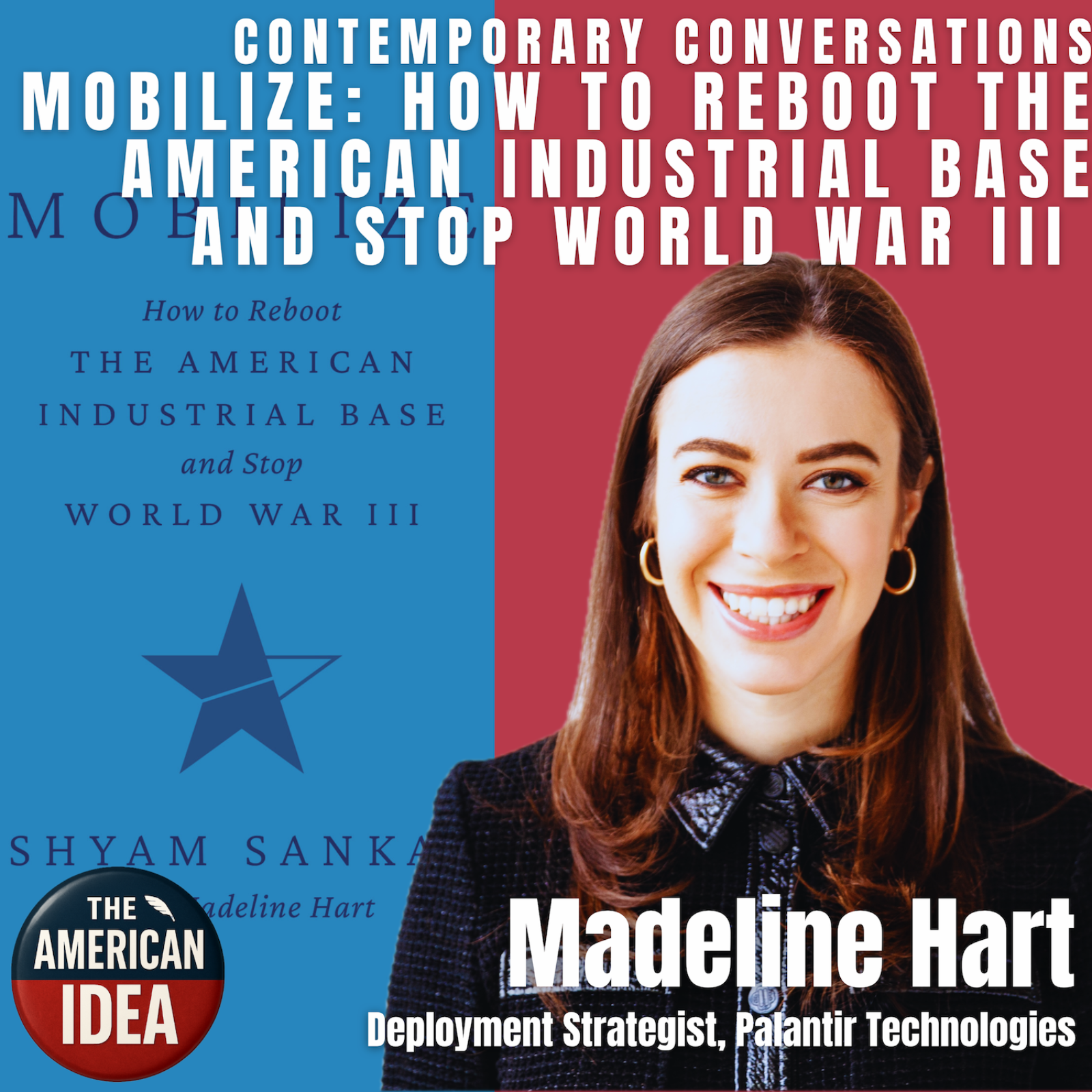
Jeff is joined by Palantir Technologies Development Strategist and author Madeline Hart to discuss her book, co-authored with Palantir’s CTO, about what’s wrong with America’s military industrial base, how we got here, and what we can do to fix this vital part of our national defense.
Read about Madeline’s book: https://mobilizebook.com/
Get the book: https://a.co/d/0ikuJ5tb
Host: Jeff Sikkenga
Executive Producer: Jeremy Gypton
Subscribe: https://linktr.ee/theamericanidea
Homepage: https://ashbrook.org/the-american-idea-podcast/
Missouri v. Biden: Free Speech, Coercion, and Government Power
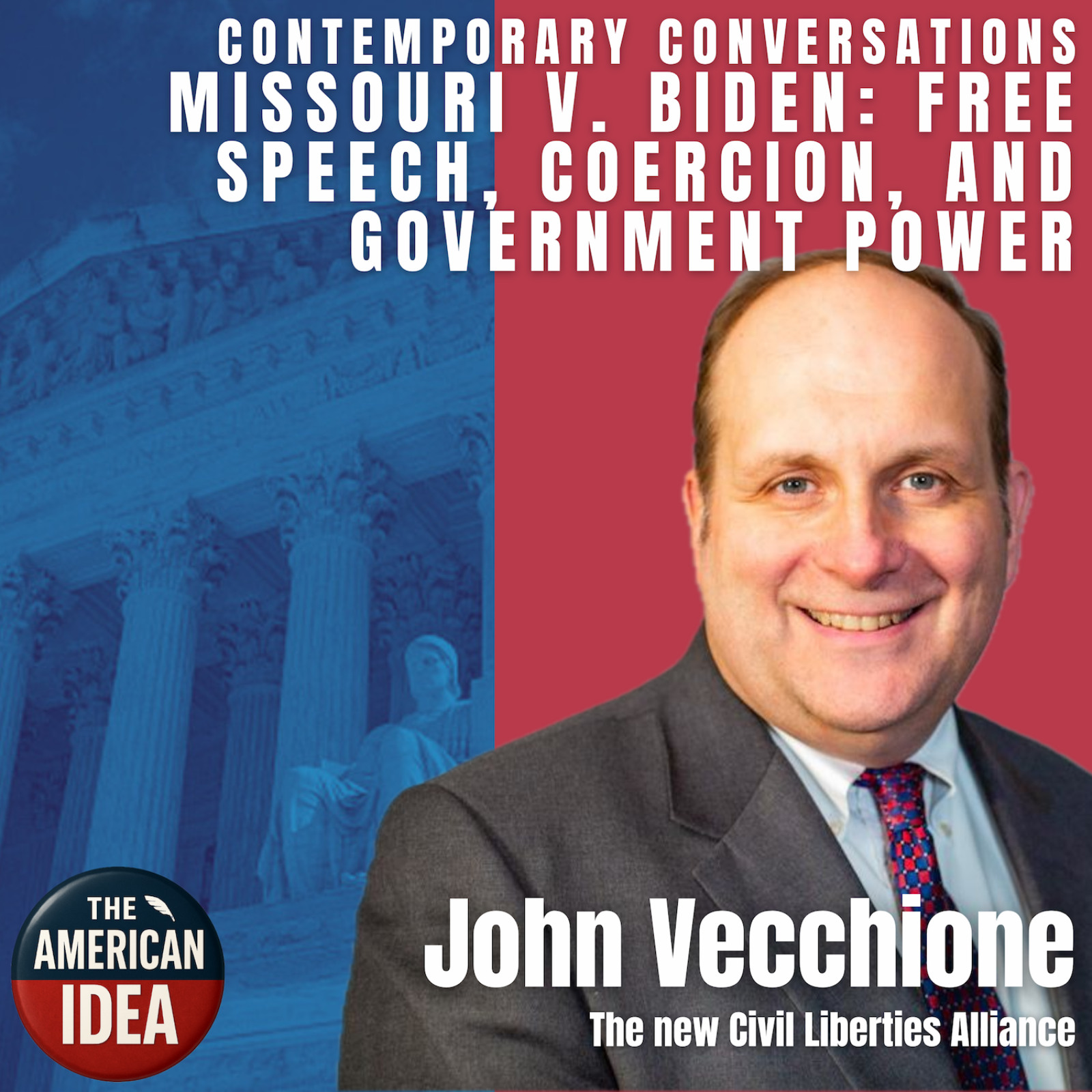
The First Amendment’s free speech clause is meant to protect Americans against government abridgment of free expression. How does this apply to social media companies when they are subjected to both formal and informal pressure from members of a president’s inner circle?
Although a narrow ruling, MO v. Biden makes clear the relevance of free speech, regardless of the state of technology at a given time in our history.
Read NCLA’s press release: https://nclalegal.org/press_release/ncla-reaches-historic-settlement-strikes-major-blow-against-governments-social-media-censorship/
Host: Jeff Sikkenga
Executive Producer: Jeremy Gypton
Subscr...
Natural Rights: The Declaration's Central Claim
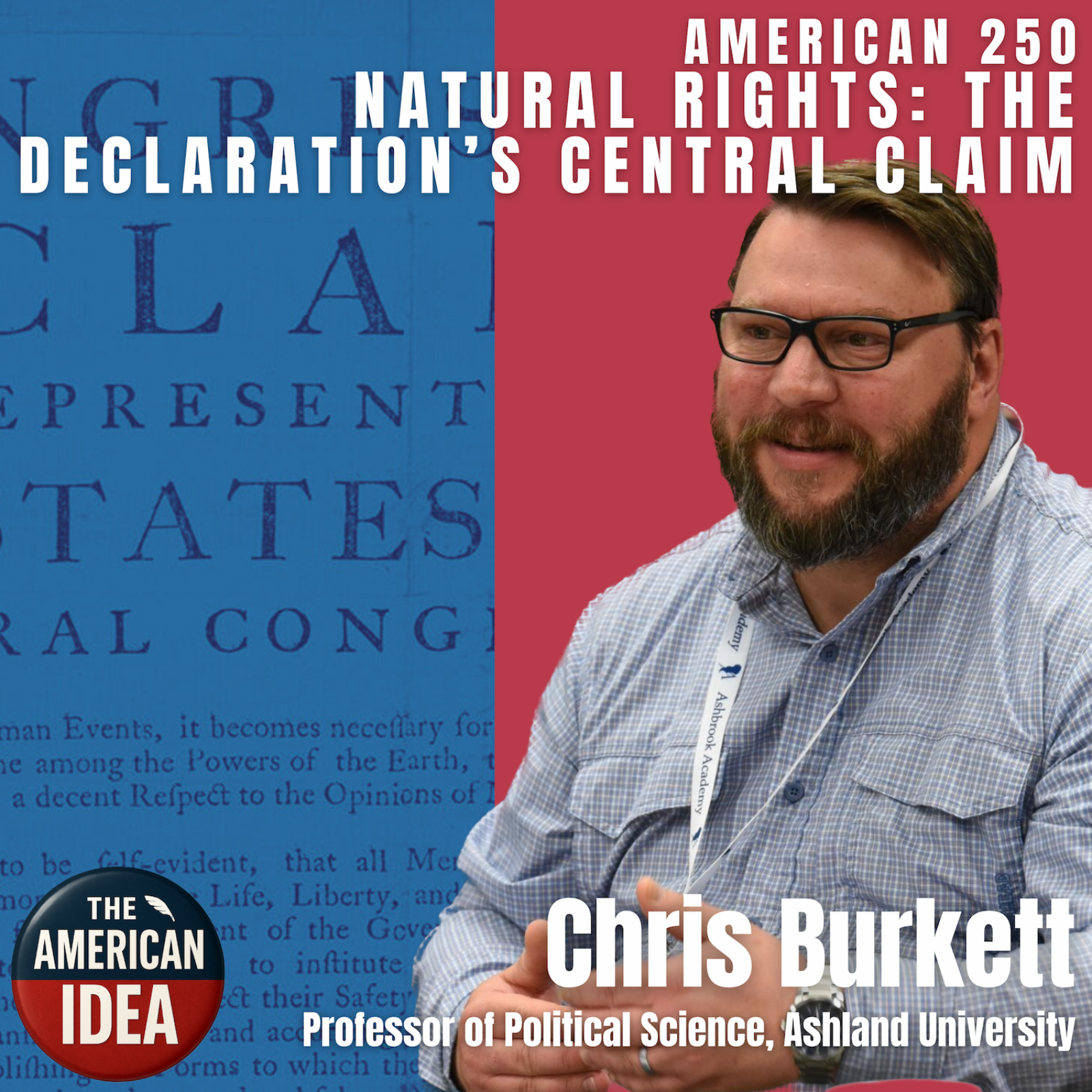
What are natural rights, and why, without them, are the ideas in the Declaration of Independence empty without them?
Americans talk a lot about rights, but natural rights are the foundation of them all, and all the Declaration’s assertions and ideals flow from them. Jeff discusses what they are, how they relate to government, and why the are at the core of what Jefferson called ‘the American mind.”
Download the 50 Core Documents book mentioned in the episode for free: https://tinyurl.com/yckez9c3
Host: Jeff Sikkenga
Executive Producer: Jeremy Gypton...
The Causes and Politics of Financial Bubbles
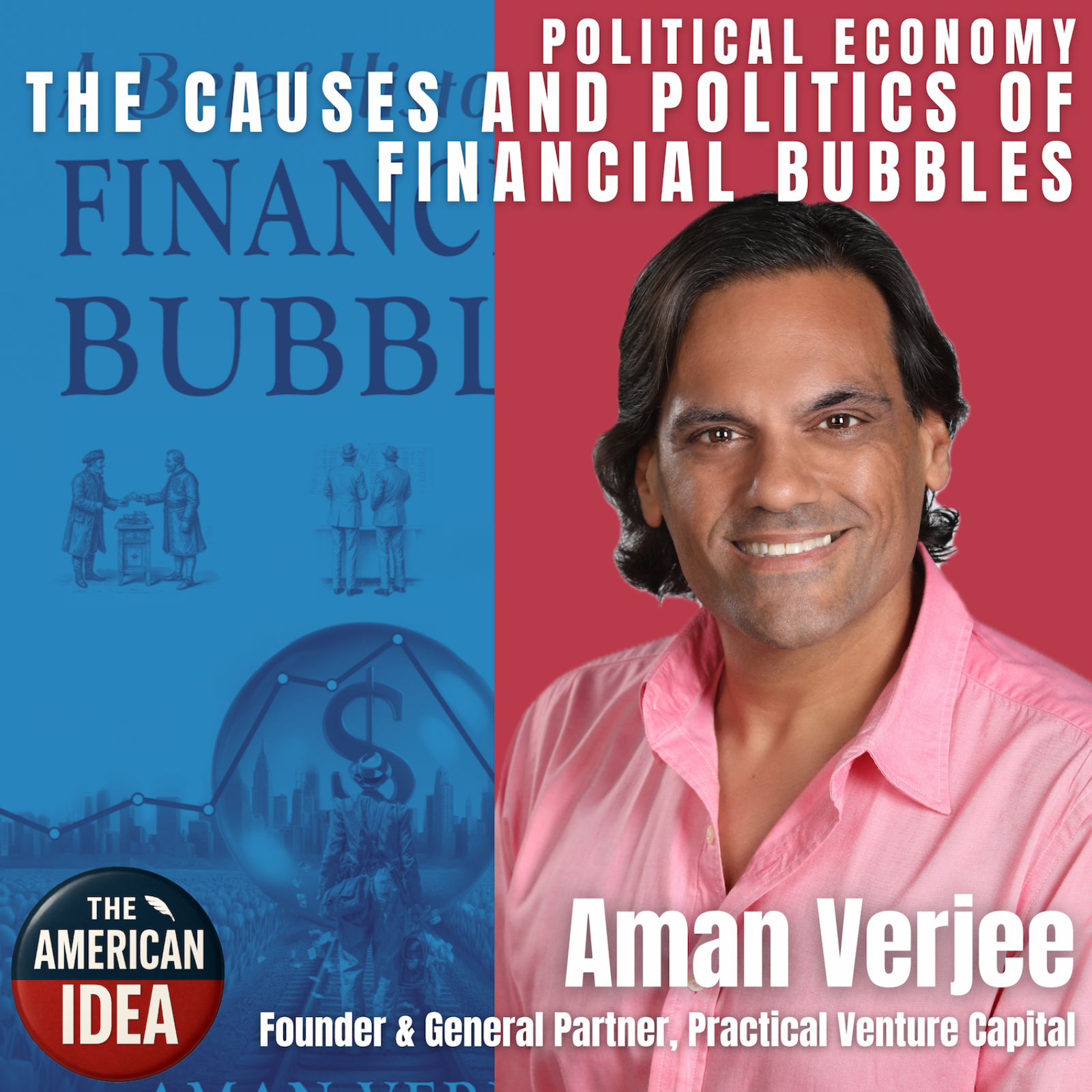
What is a financial bubble, and what are its causes? What are the political, as well as economic, impacts of these events? Jeff welcomes investment capital expert Aman Verjee to discuss these events, and the role they’ve played throughout history. You’ll learn not only a great deal more about what really caused the stock market crash of 1929, but how it compares to a tulip sales bubble (yes, tulips) in the Netherlands in the 1600s.
Read Aman’s new book about the topic: https://www.amanverjee.com/the-book
Host: Jeff Sikkenga
Executive Produc...
Did FDR Threaten the Fundamental Freedoms in the Bill of Rights?
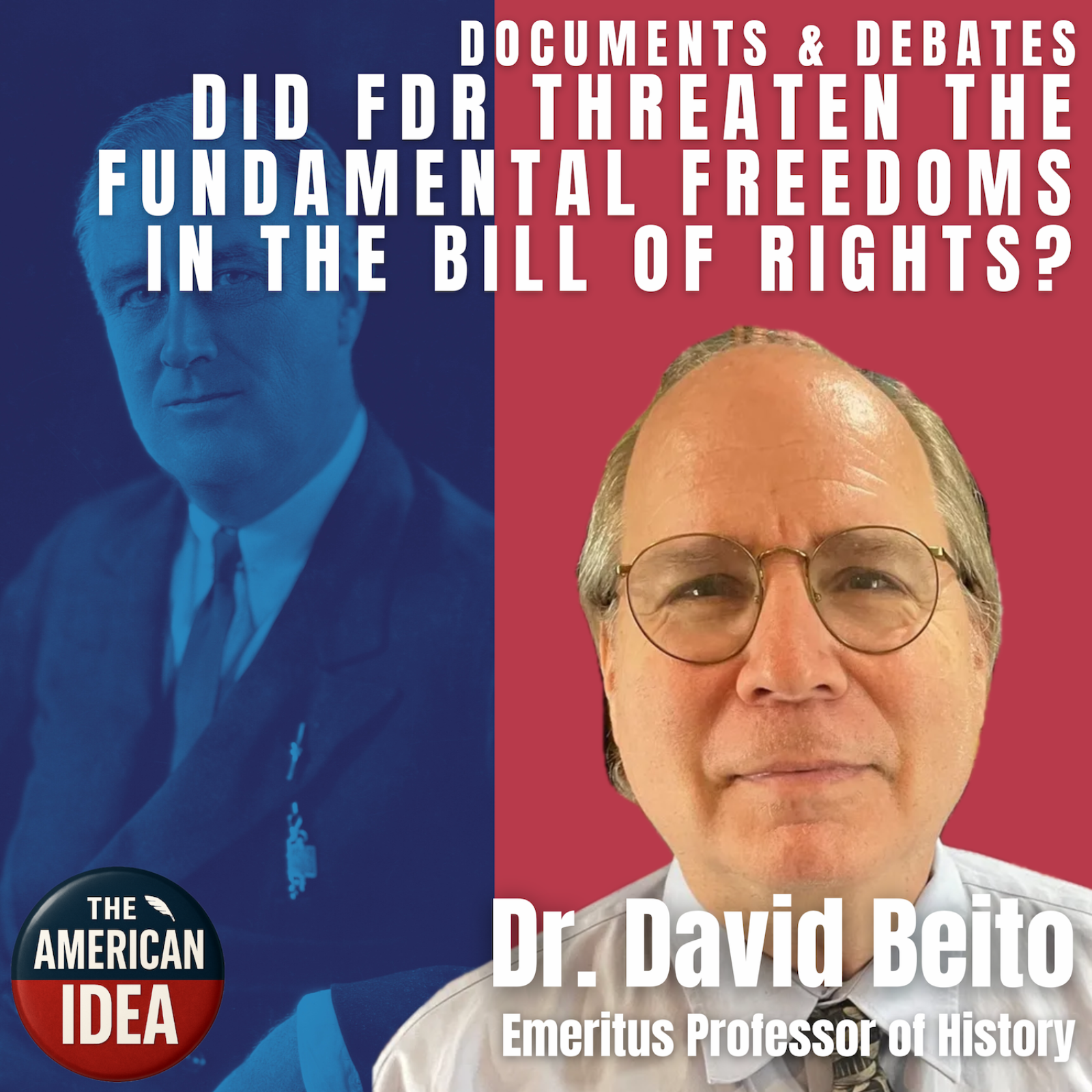
Historian David Beito joins Jeff this week to discuss the dark side of FDR: a seeming disregard for constitutional process and a lack of respect for the fundamental freedoms protected by the Bill of Rights. Long lauded as a great president, is there more to his story and impact on America?
Host: Jeff Sikkenga
Executive Producer: Jeremy Gypton
Subscribe: https://linktr.ee/theamericanidea
Homepage: https://ashbrook.org/the-american-idea-podcast/
Thomas Willing: The Revolution’s Forgotten Financier
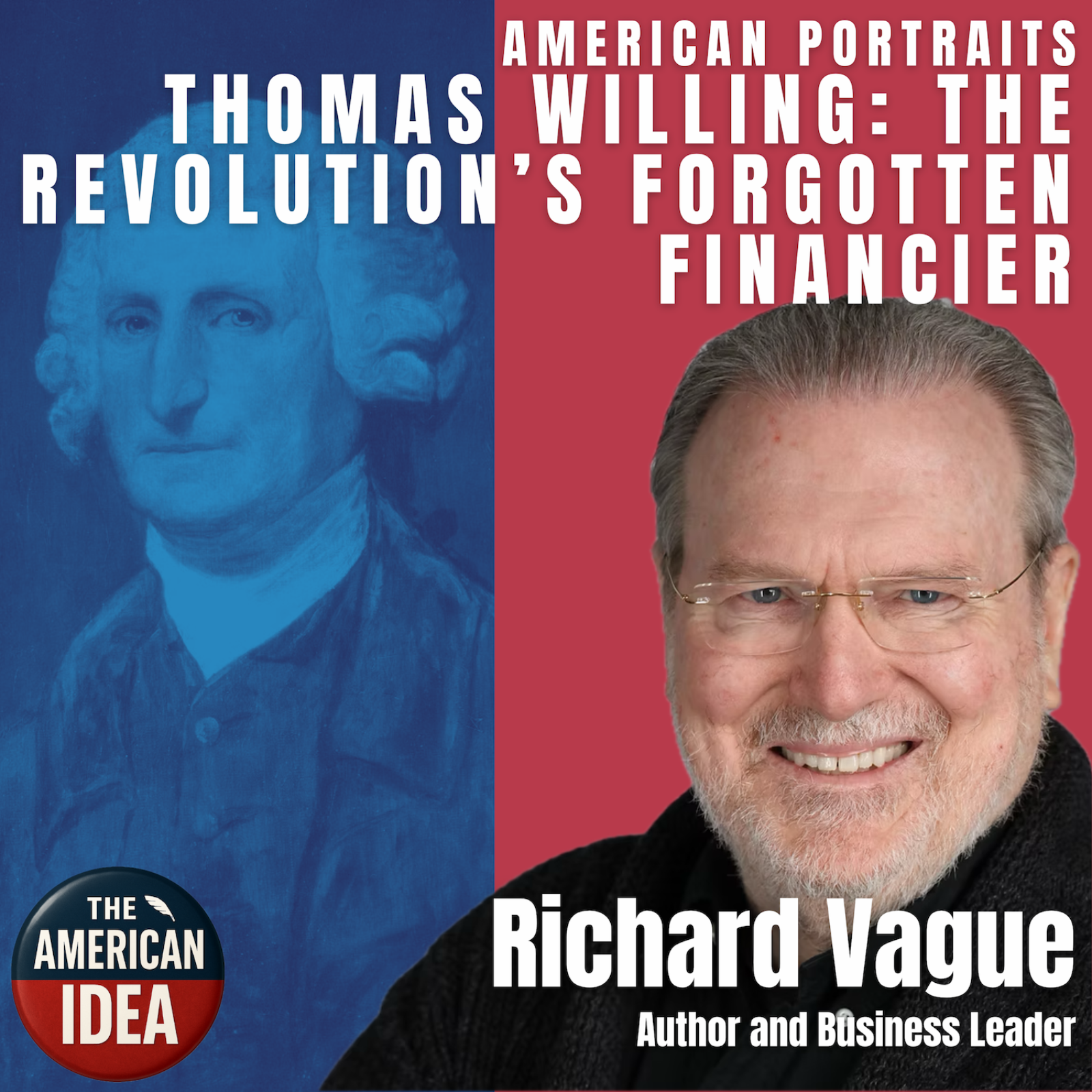
When we think of the American Revolution, we usually consider the ideas and animated the patriots and those leaders who organized and directed the war. Largely forgotten in all of this is a simple question: how was it all financed? And who did it?
Thomas Willing, one of the most prominent merchants of the Middle Colonies, was at the forefront of solving the logistical and financial problems that plagued the American cause from the outset. Why, then, is he overlooked in all mainstream histories?
Jeff meets with author Richard Vague to discuss Willing’s place in...
What Can We Learn from the Antifederalists?
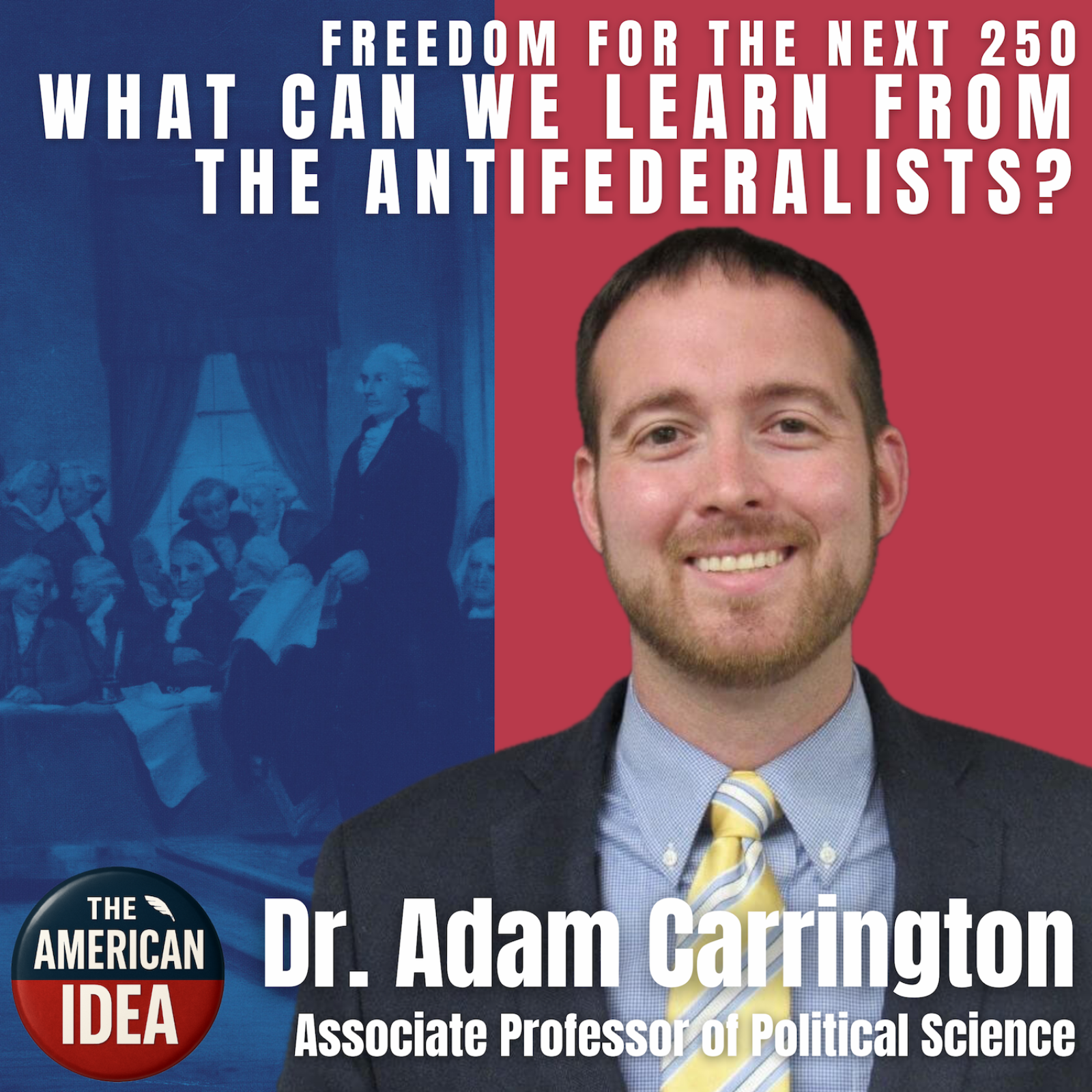
The Anti-Federalists are often overlooked in the story of America's founding, but their arguments helped shape the Constitution we live under today. In this episode of The American Idea, host Jeff Sikkenga sits down with Professor Adam Carrington of Ashland University to explore what the Anti-Federalists actually stood for, why they opposed ratification of the Constitution, and why their warnings still resonate in American political life. From fears of consolidation and judicial overreach to the "fetus of monarchy" critique of the presidency, the Anti-Federalists raised serious constitutional questions that the Federalists could not simply dismiss.
Together, Jeff...
James Madison and The Federalist
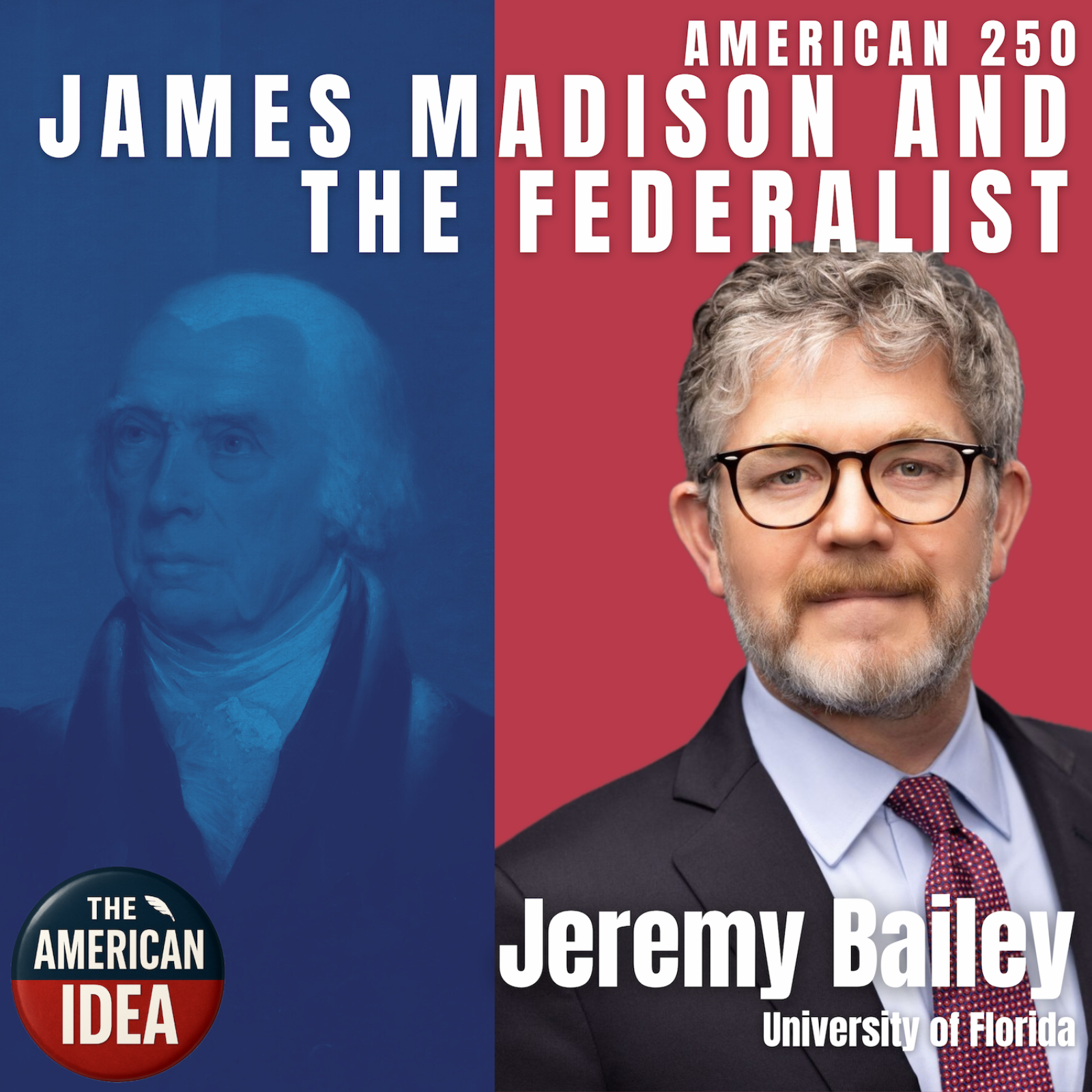
James Madison was one of the two primary authors of The Federalist. What ideas did he promote through his essays? Where did he disagree with the points he argued? As we consider the American Founding and try to understand how the Founders turned goals into ideas in systems, we examine Madison’s contributions to The Federalist and what they meant over 200 years ago, and what we can learn from them now.
Host: Jeff Sikkenga
Executive Producer: Jeremy Gypton
Subscribe: https://linktr.ee/theamericanidea
Homepage: https://ashbrook.org/the-american-idea-podcast/
How to Read The Federalist
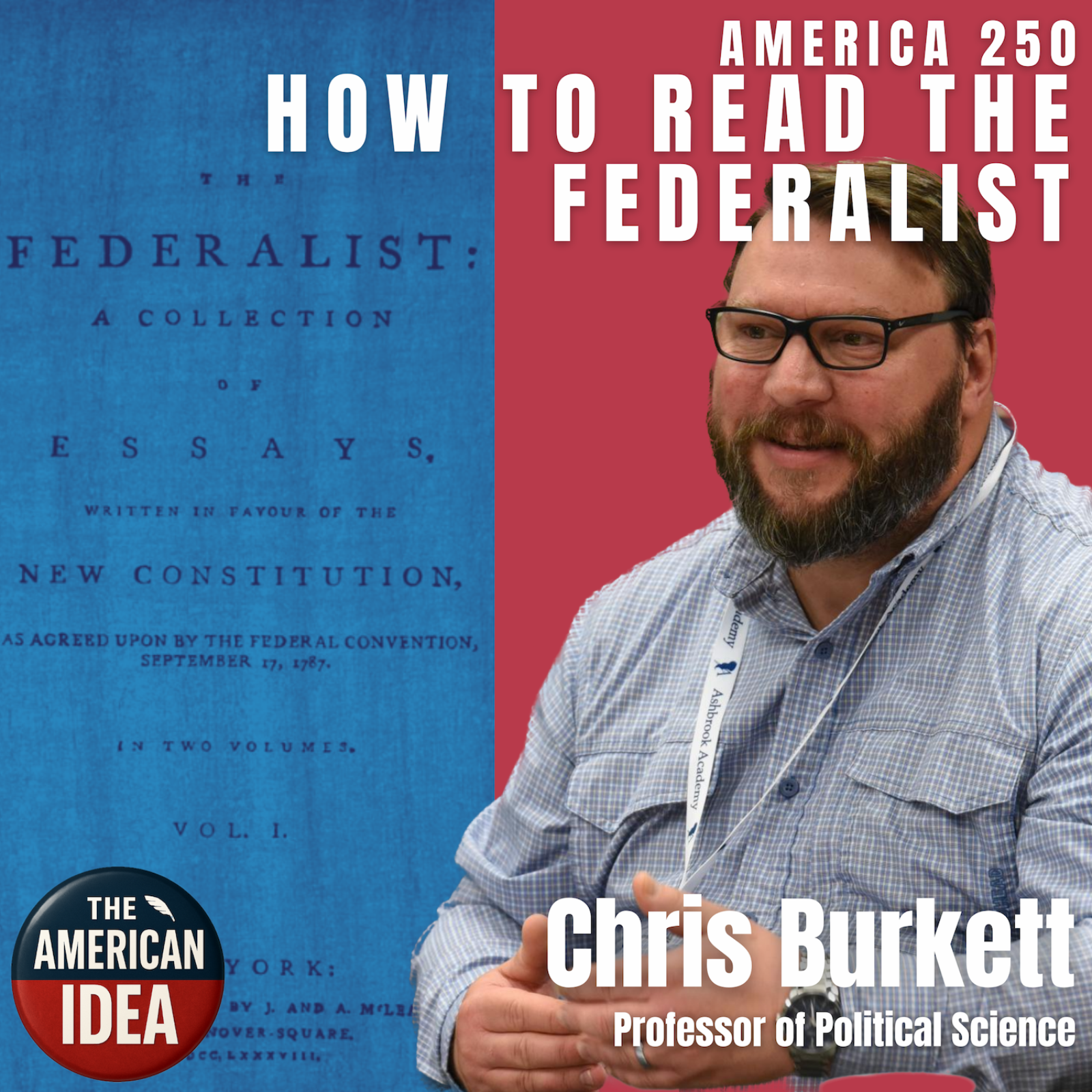
The Federalist, or more broadly known as the Federalist Papers, is looked on as the definitive defense of the Constitution as written in 1787, and by that, a clear explanation of its contents and rationale. Whether it’s those things or not, how should you study them? Should you at all? If so, what do you need to know before turning to Hamilton’s Federalist 1?
Chris Burkett, Professor of Political Science, joins Jeff to explain the historical and political context around this collection of essays when they were written, and how best we can read and understand them toda...
George Washington - The Indispensable Founding Father
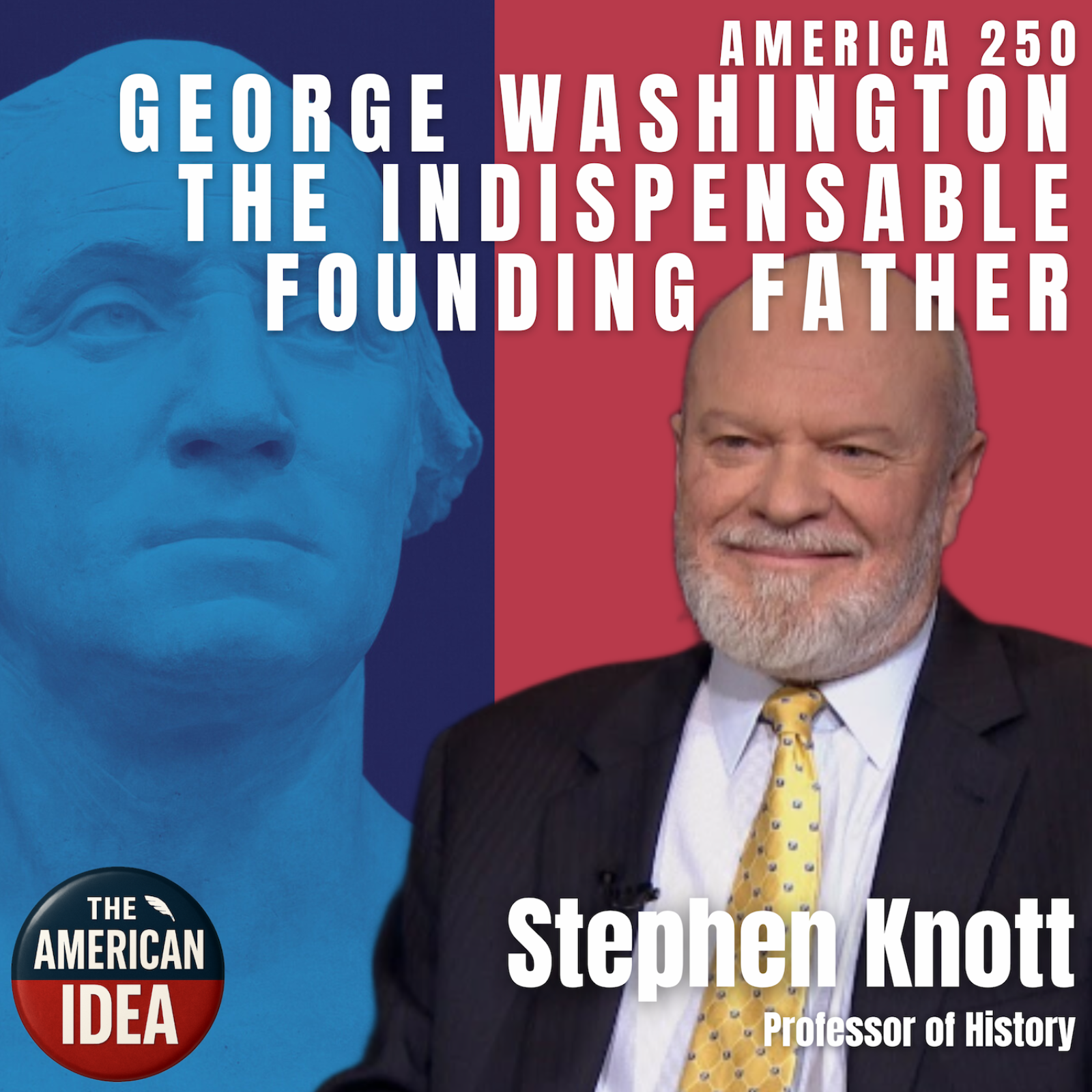
George Washington has been referred to as the “indispensable man,” and was looked to during and after the Revolution as the one person who could be trusted to lead the country. Why? What made him such a trusted figure then and for generations after his death? What can we learn from him today?
Read his Farewell Address: https://teachingamericanhistory.org/document/farewell-address-5/
Read “Washington’s Crossing”: https://a.co/d/16aXe2p
Read: “Washington & Hamilton”: https://a.co/d/cnPC6xb
Host: Jeff Sikkenga
Executive Producer: Jeremy Gypton
Subscribe: h...
Thomas Jefferson: Essential American Founder
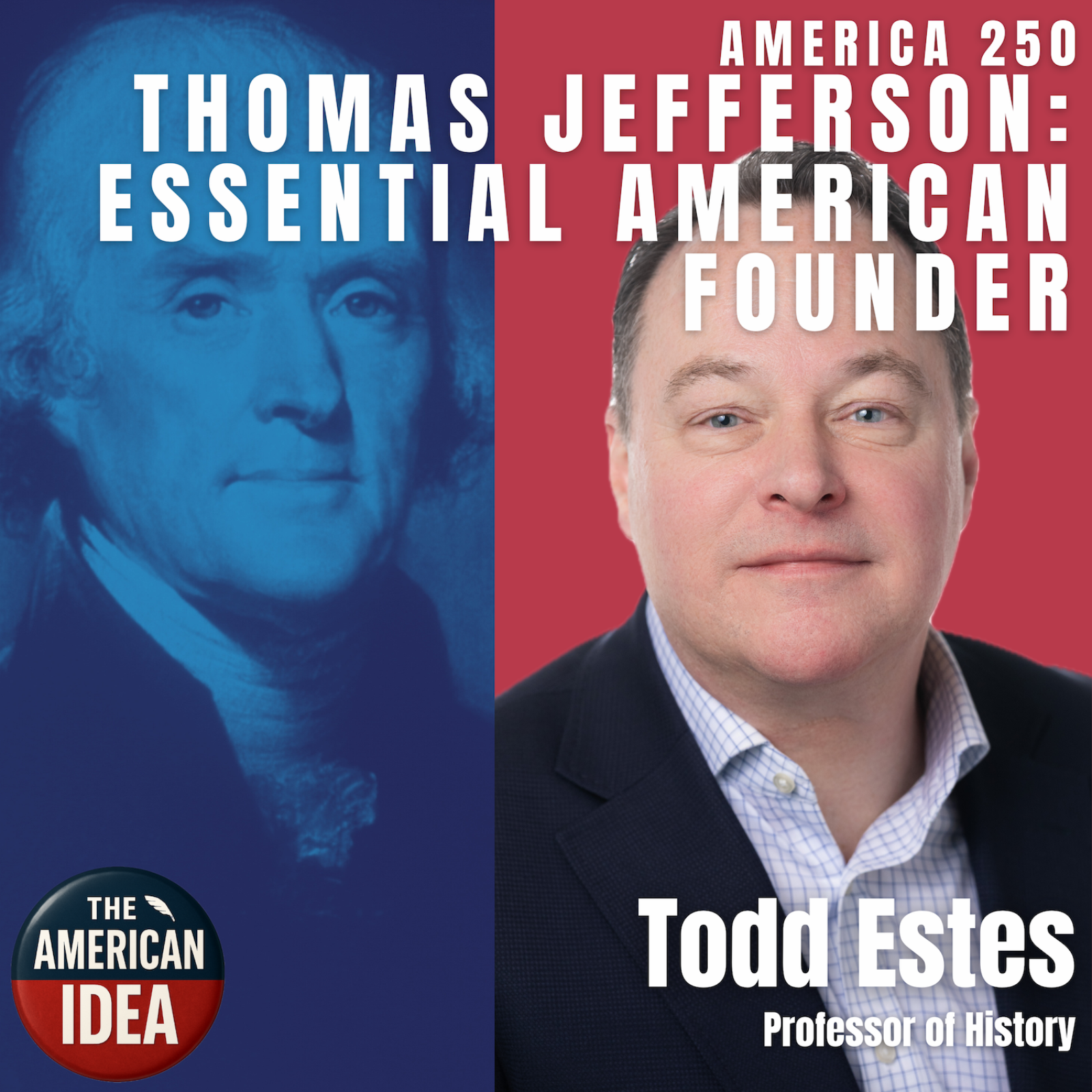
Thomas Jefferson: “Author of the Declaration of American Independence [and] of the Statute of Virginia for religious freedom & Father of the University of Virginia.”
So says his tombstone, as he requested. Who was Jefferson, beyond the Declaration’s author? What were his beliefs and hopes? What else did he write and how can we better understand this essential American Founder today?
Join Jeff as he discusses Jefferson with Todd Estes, Professor of History.
Read “A Summary View of the Rights of British America”: https://teachingamericanhistory.org/document/a-summary-view-of-the-rights-of-british-america-2/
Read the Rockfish Gap Report...
Huey Long - American Populist
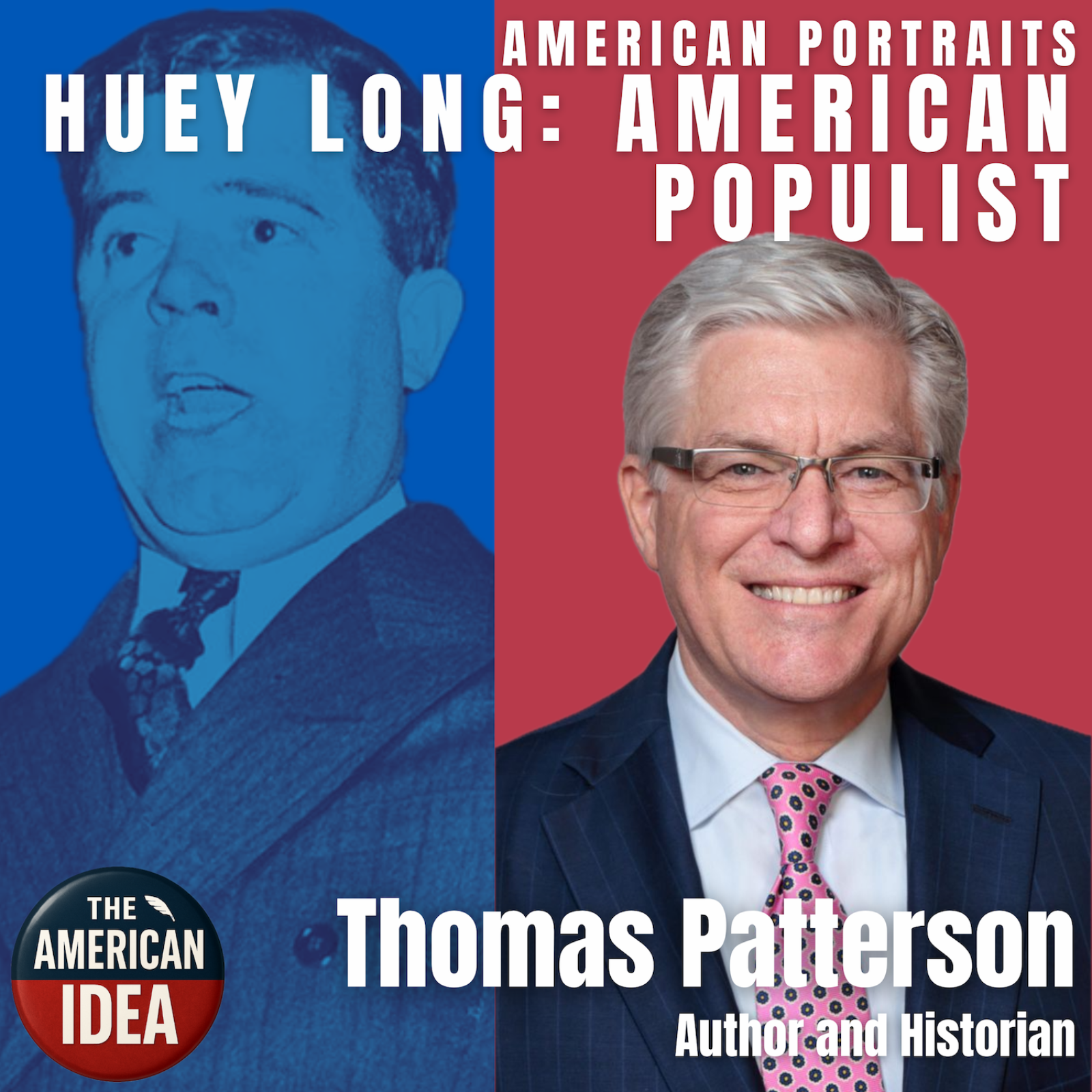
Huey Long of Louisiana casts a long shadow over American populist politics. Often cast as a villain or troublemaker, author Thomas Patterson offers a nuanced look at the politics and impact of this important figure in 20th Century history.
Find his book on Amazon: https://a.co/d/0sS3baz
Host: Jeff Sikkenga
Executive Producer: Jeremy Gypton
Subscribe: https://linktr.ee/theamericanidea
Homepage: https://ashbrook.org/the-american-idea-podcast/
Women’s Suffrage, Elizabeth Cady Stanton, and the Declaration of Independence
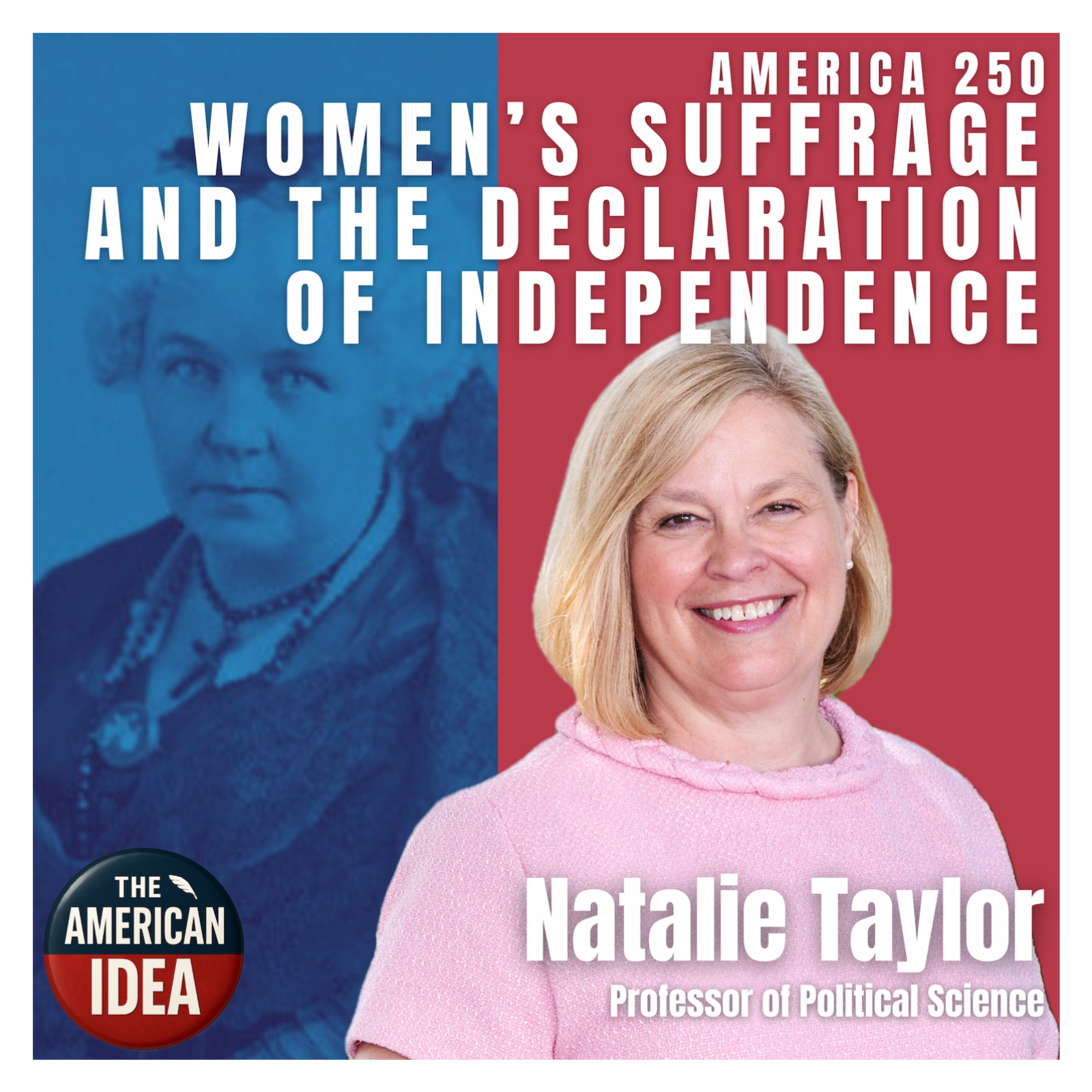
Who was Elizabeth Cady Stanton, and why is she largely forgotten in popular history? How did she show that the Declaration of Independence promised women’s rights, too? Dr. Natalie Taylor, Professor Political Science at Skidmore College, discusses this fascinating American, who formed much of the intellectual foundation of the Suffrage Movement in the 19th Century.
Read her Declaration of Sentiments and see how it parallels the form and substance of the Declaration of Independence: https://teachingamericanhistory.org/document/declaration-of-sentiments/
Host: Jeff Sikkenga
Executive Producer: Jeremy Gypton
Subscribe: https://linktr.ee/th...
What Makes Americans a "Declarational" People?
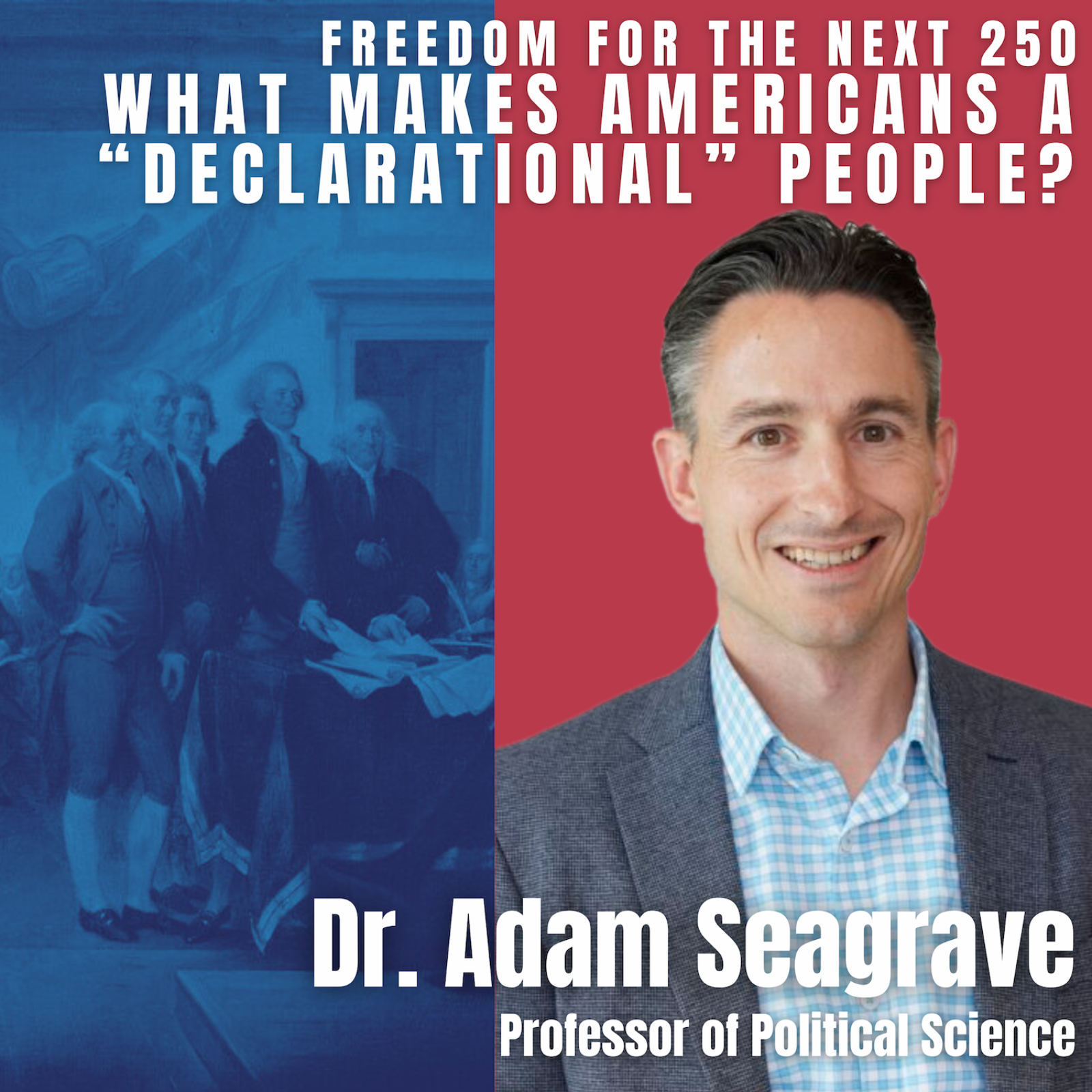
The Declaration of Independence is not, properly understood, a historical document. It is a statement of beliefs and principles describing the proper relationship between the individual and the state, and how the individual should view others in political matters. As such, it is not tied to a moment in time - 1776 - but should serve as the foundation of the American Idea for all time.
What does that mean, and what can it mean for you? Join Jeff and Dr. Adam Seagrave as they discuss our Declaration, and how “faith, hope, and love” informed the American founding, and...
The American Revolution and the Fate of the World
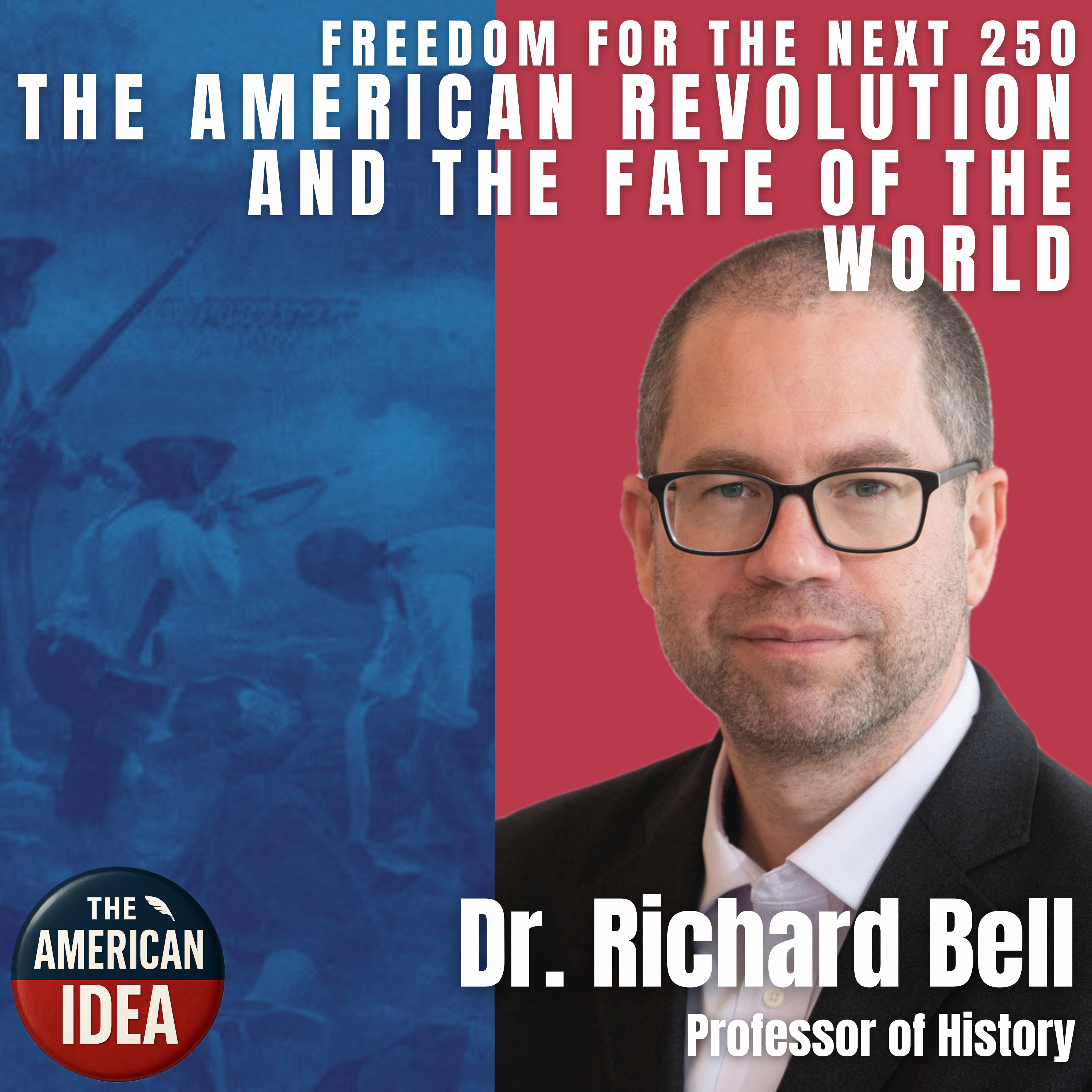
Was the American Revolution just a regional rebellion on the eastern seaboard, or something far larger? Professor Richard Bell, author of The American Revolution and the Fate of the World, argues it was a geopolitical earthquake that reshaped the global order. In this episode, Bell explores how France, Spain, and the Netherlands entered the conflict for their own strategic reasons, why Jamaica mattered more to Britain than Virginia, and how foreign intervention proved decisive at battles like Yorktown. Along the way, he shares remarkable stories: Benjamin Franklin organizing his own privateering fleet from Paris, 50,000 ordinary Americans taking to the...
2025 End of Year Message: Looking Back and Forward
Jeff Sikkenga, Professor of Political Science and Executive Director of the Ashbrook Center, shares a brief message about the reasons behind and goals of The American Idea, as well as Ashbrook’s plans to celebrate 250 years of America’s independence.
Learn more at Ashbrook.org, or about our celebratory plans for 2026 at AshbrookFreedom250.org
Host: Jeff Sikkenga
Executive Producer: Jeremy Gypton
Subscribe: https://linktr.ee/theamericanidea
Homepage: https://ashbrook.org/the-american-idea-podcast/
Special Episode: Born American, But in the Wrong Place
What does it mean to be American? How does one become an American? Join us for this special episode as Peter Schramm, past Executive Director of the Ashbrook Center and Professor of Political Science, discusses his family's flight from Communist Hungary, move to California, and growing up in his adopted home, learning the answers to those questions and, in his career, teaching native-born Americans about their homeland and the legacy they had been gifted by past generations.
In this season of reflection and the impending start of a new year, take some time to consider what being...
How Does the Declaration of Independence Influence the Constitution?
The Declaration of Independence summarizes and defends the most fundamental ideas about America - about our government, the relationship between it and individuals, and how its proper place in public life. If the Constitution is a set of rules and processes, with a 'mission statement' in the Preamble, the Declaration of Independence presents the ideas that call for those rules and processes, and make sense of that mission statement.
As we prepare for America's 250th birthday, let's understand the connection between these two fundamental documents and how the relate to our ongoing experiment in self-government.
...
When in the Course of Human Events: Creating the Declaration of Independence
Summer, 1776: the war for independence is over a year old and the leaders of the 13 colonies have finally decided that independence is their goal. How shall they explain America’s aims and reasons to her own people and to the world?
A committee of five was selected to draft the document; the Second Continental Congress debated, revised, and voted on the document; and the world was never the same again.
Read the document: https://teachingamericanhistory.org/document/declaration-of-independence/
Read the original draft: https://teachingamericanhistory.org/document/draft-of-the-declaration-of-independence/
Host: Jeff Sikkenga
...
“If they mean to have a war...”: The Causes of the American Revolution
The American Revolution, born in the hearts and minds of Americans in response to British tyranny, is one of the most pivotal moments in human political and national history. But what caused it? It’s a lot deeper than taxes or tea, and as we prepare for America’s 250th birthday, it’s a good time to look back, and look deeply at the roots of the revolution, and what our Founders thought about the relationship between individuals and the state, and the appropriate limits of government - enduring ideas for all times.
Host: Jeff Sikkenga
Exec...
What Did Frederick Douglass Think of Abraham Lincoln?
What Did Frederick Douglass Really Think of Abraham Lincoln?
Discover the complex relationship between two of America's most influential figures in this revealing conversation about a groundbreaking new book. Historians John White and Lucas Morel unveil previously unknown letters and documents that transform our understanding of how Frederick Douglass viewed Abraham Lincoln—from harsh critic to reluctant admirer.
Featured Guests:
Dr. John White, Professor of American Studies at Christopher Newport University and co-winner of the 2023 Gilder Lehrman Lincoln PrizeDr. Lucas Morel, Professor of Politics at Washington and Lee University and trustee of the Supreme Co...The Constitution and the Rule of Law
Jeff is joined by Justice Sharon Kennedy, Chief Justice of the Ohio State Supreme Court to discuss the Rule of Law - what is it? Why is it so essential to limited, fair government? How is it promoted, protected, and how can we understand it better so as to pass on its value to future generations?
Join us as we look at some of the most foundational, essential ideas, moments, and events in our history as we look forward to America's 250th birthday.
Host: Jeff Sikkenga
Executive Producer: Jeremy Gypton
Subscribe...
Want to Understand America? Study the Gettysburg Address
America is, at its core, a nation founded on ideas, and those ideas have faced criticism, revision, and review over the centuries. Abraham Lincoln, who once said that he didn’t have a political idea that didn’t spring from the Declaration of Independence, not only reframed the meaning of the Civil War, but also pointed back to America’s Founding to assert what America should and could be in the future.
The Gettysburg Address is far more than commentary on the Civil War; it was a critique of how America had, by 1863, let down the promise of the...
Entitlement Reform: A Problem We Can No Longer Avoid

What are entitlements? How did they come to be so entrenched in American politics and economics? Why is it that people say that Social Security is going to run out of money? What does this have to do with you? Jeff welcomes analyst Jim Capretta to discuss the origins of America’s entitlement programs, how they have evolved, and why we are reaching a point where something must be done to shore up programs that are no longer fiscally solvent.
Read Jim's book on the subject: https://a.co/d/hn2gsDk
Host: Jeff Sikkenga
...Inside Camp David - The Private World of the Presidential Retreat
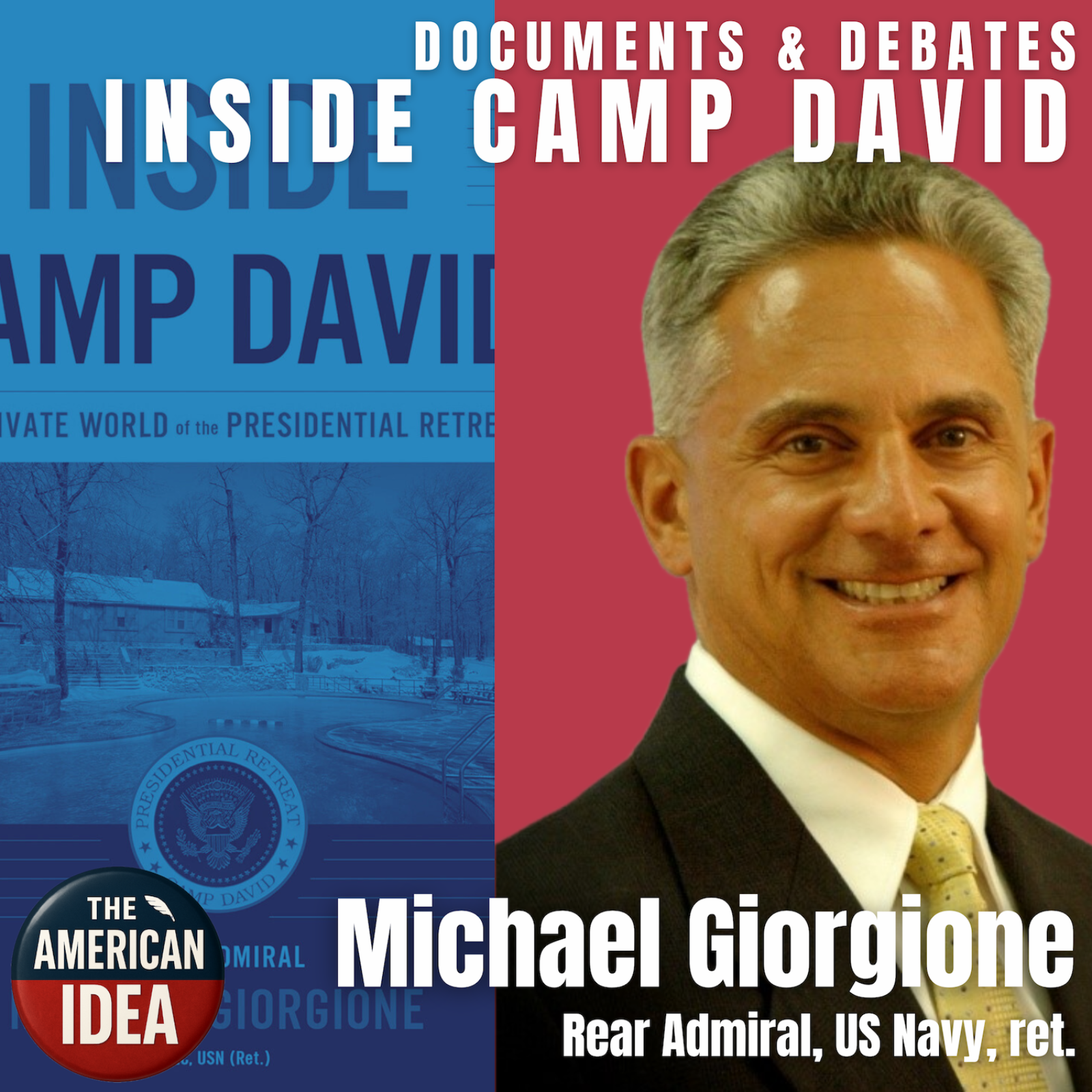
Jeff is joined this week by Rear Admiral Mike Giorgione (ret.), former commander of Camp David during the Clinton and Bush administrations, to discuss the creation, evolution, and role of the president’s Maryland retreat.
Get the book here: https://a.co/d/aHCzcuS
Host: Jeff Sikkenga
Executive Producer: Jeremy Gypton
Subscribe: https://linktr.ee/theamericanidea
Alexander Hamilton and the Federalist
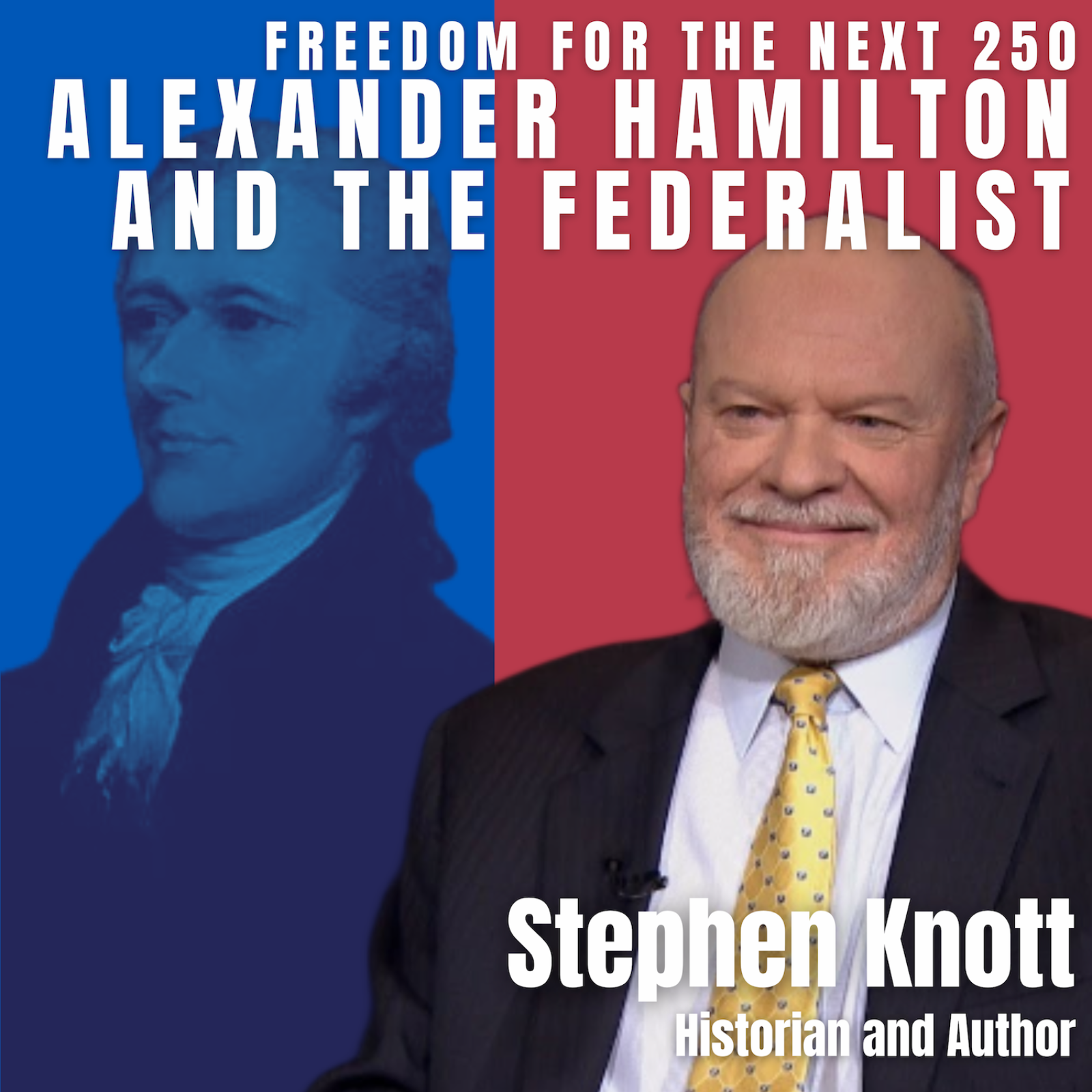
Alexander Hamilton didn’t get his due until a Hip-Hip musical brought him to the public eye, over 200 years after his death. But what did he contribute to the American Founding? What did he contribute to the #1 cited source by the Supreme Court, The Federalist? Renowned historian and author Stephen Knott joins Jeff to kick off our series of “Freedom for the Next 250” episodes, leading up to America's 250th birthday.
Host: Jeff Sikkenga
Executive Producer: Jeremy Gypton
Subscribe: https://linktr.ee/theamericanidea
What Can We Learn from Herbert Hoover?
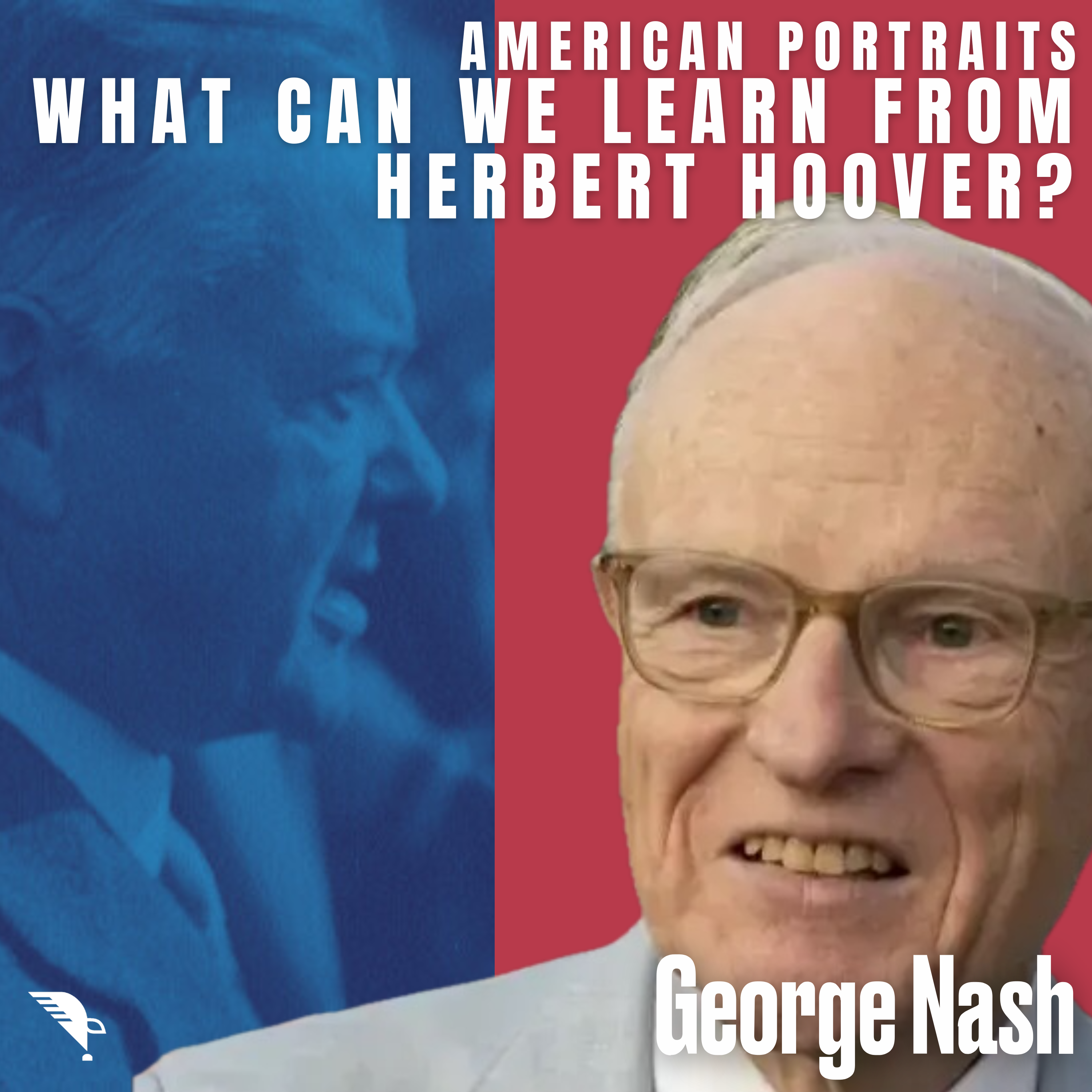
Think Herbert Hoover was just a failed Great Depression president? Think again. Historian George Nash reveals the shocking truth about one of America's most misunderstood leaders in this eye-opening episode of The American Idea.
What You'll Discover: How Hoover saved more lives than perhaps any person in history through WWI humanitarian efforts Why both Democrats AND Republicans wanted him as president in 1920 (FDR even supported him!) The real story behind his Great Depression response - and the external shocks that derailed recovery How a Quaker orphan from Iowa became a global mining engineer and international hero Why...
Taking Manhattan - The Creation of New York
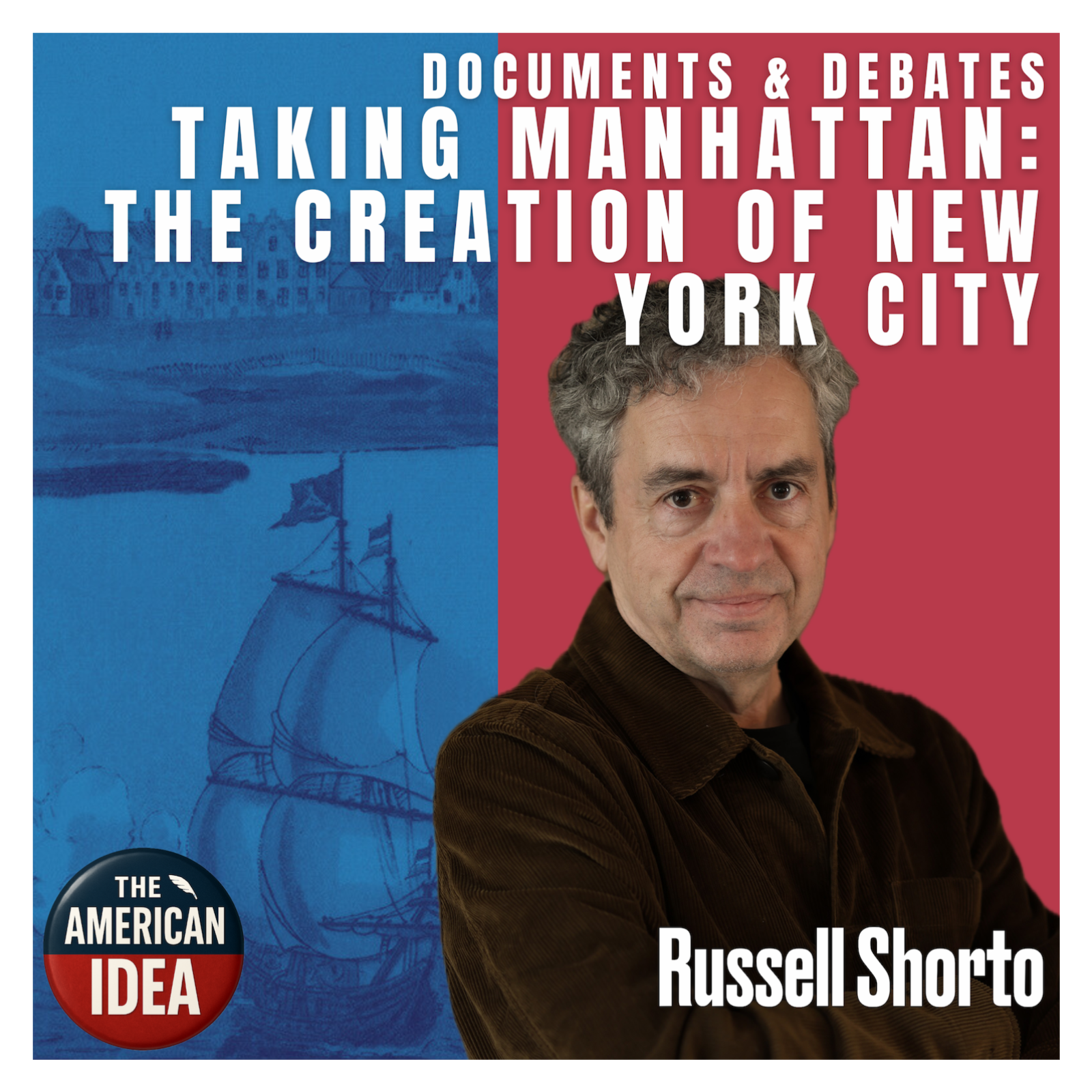
Taking Manhattan, available on Amazon - https://a.co/d/eQTNGWV https://www.newnetherlandinstitute.org/
Host: Jeff Sikkenga
Executive Producer: Jeremy Gypton
On Apple Podcasts: https://tr.ee/aTARALr9Gx
On Spotify: https://tr.ee/09Ca21CCp-
On iHeartRadio: https://www.iheart.com/podcast/269-the-american-idea-119582945/