New Species

Just a fraction of the species on our planet are known to science, but more are described and published every day. This podcast talks to the authors of these new species to get the behind-the-scenes stories of how new species are found and named, as well as why these discoveries should matter to everyone, not just scientists. Join us on our journey to better understand the wonderful biodiversity of our planet! Be sure to follow New Species on Twitter (@PodcastSpecies), and support the podcast at https://www.patreon.com/NewSpeciesPod
Two New Catfish with Ananda Serejo
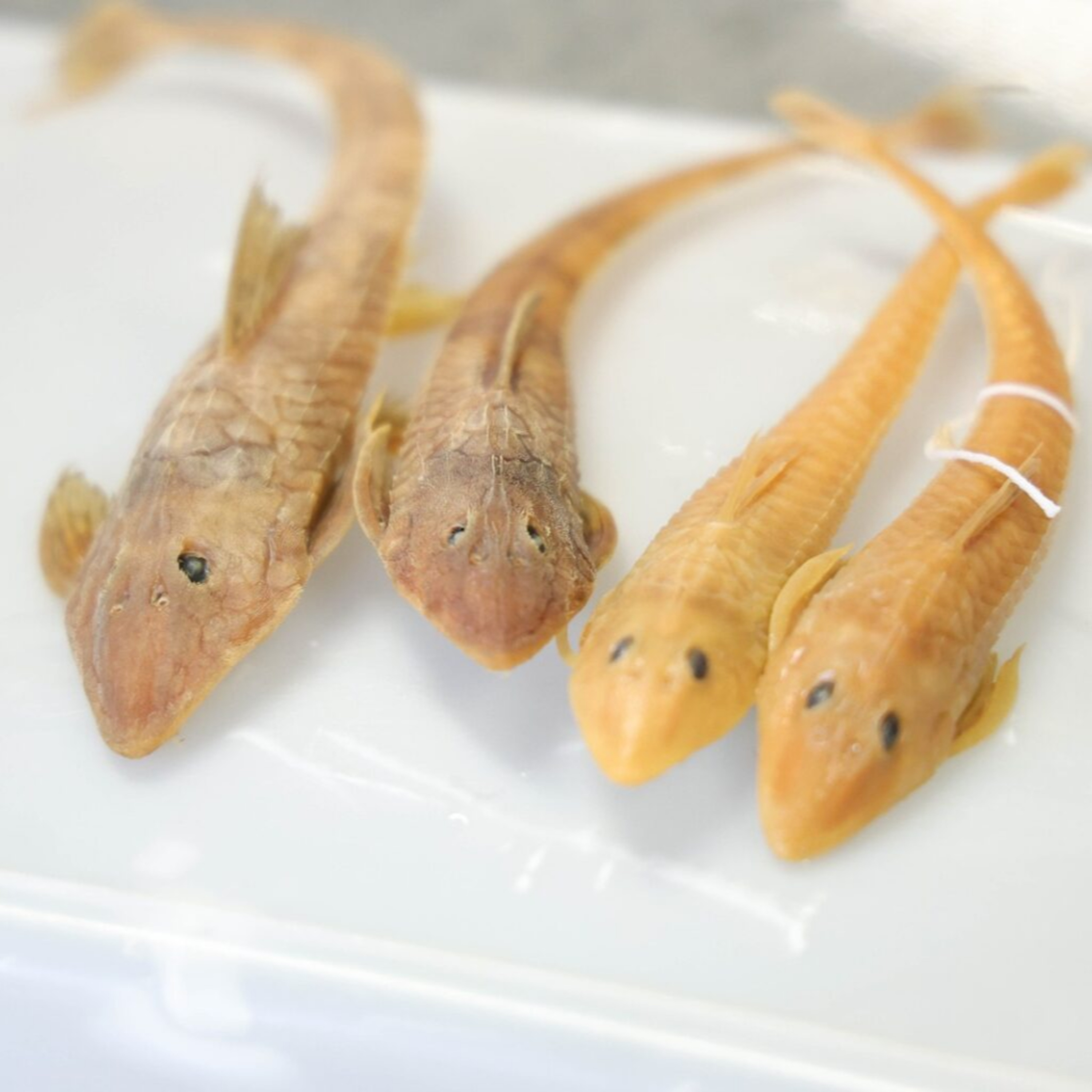
What kind of catfish are in your local river? In Northeastern Brazil, catfish are so diverse and specialized that sometimes each river its own species. In fact, Ananda Serejo has been studying this group of catfish for 10 years, working hard to untangle their phylogeny. “The intraspecific variation, it's very, very, very hard to find” she says. “You need to have this integrative approach, use more than one line of evidence that you could be more sure about what you are proposing”
Ananda is mainly working on the taxonomy of this group, but she found a way to engage he...
A New Scale Insect with Lily Deeter
Lily Deeter works on scale insects, tiny creatures that many people aren’t familiar with, or only see as a pest. But once you get to know them, you’ll be hooked. Not only do they have fascinating morphology, physical characteristics that at times can seem otherworldly, but with a little practice you’ll be looking for them everywhere. “I don't think that the insect is just hanging out where entomologists tend to hang out,” Lily explains; the locations she found her new species include her neighborhood park, a brewery, at an entomology conference, and right outside her office. “You just kin...
The Shared Practice of Art and Science with Aissa, Nicole, and Kathleen
If you want to be a scientist, you enroll in 4-10 years of higher education. If you want to be an artist, you go to art school and learn a classic technique. Two choices; a binary. Right?
Or, could it be that there’s an entire spectrum of choices in between? In this episode, we explore the places where art and science connect with three talented people who have a foot in both worlds. Aissa Domingo is an artist, photographer, and illustrator, Nicole Parish is an artist and naturalist, and Kathleen Baraan is a nature-based art educator. Al...
All About Crayfish with Zack Graham
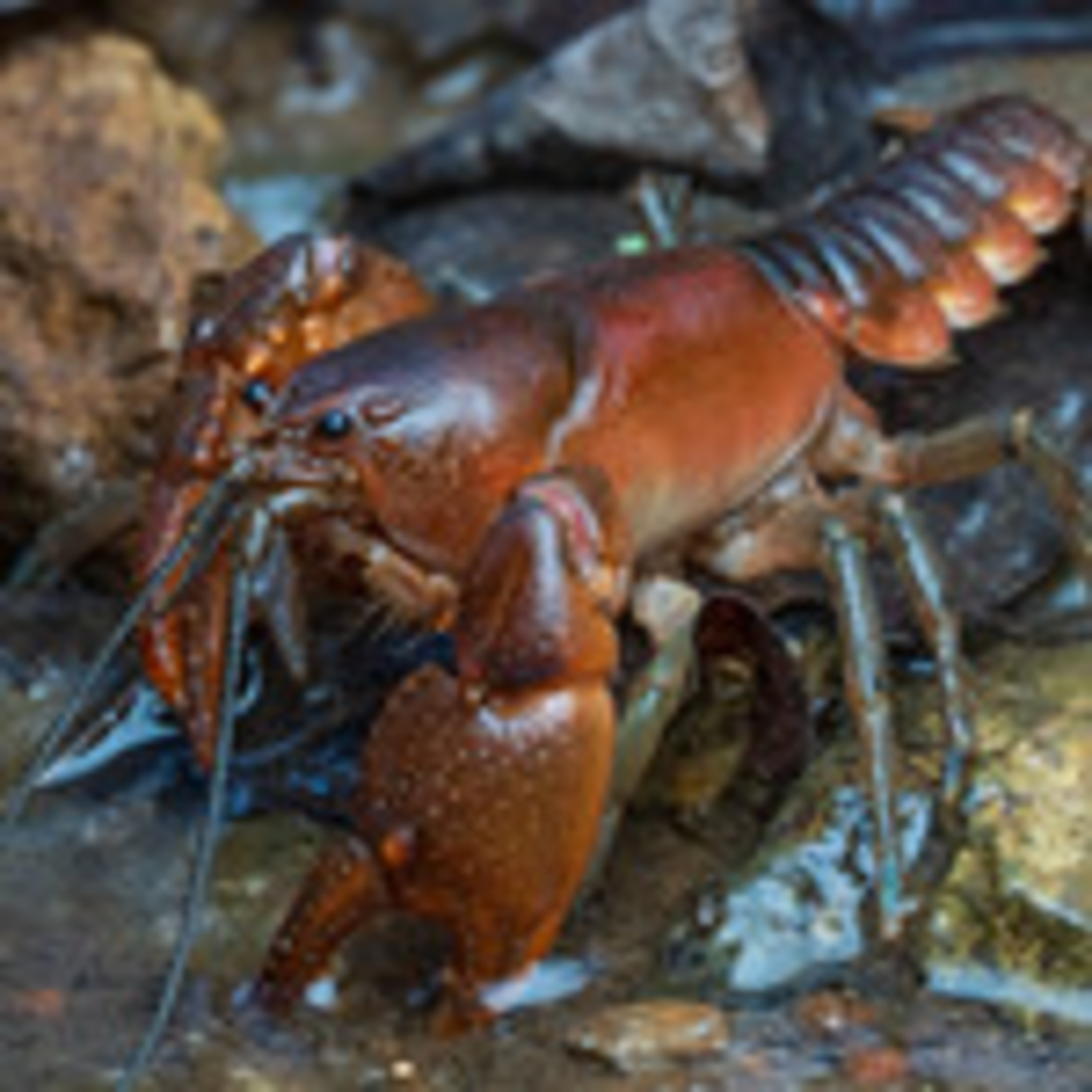
Crayfish, Crawfish, Crawdad; no matter what you call them, If you live in the southeastern United States, their biodiversity hotspot is in your backyard! Astacologist (crayfish biologist) Dr. Zack Graham joins us on this episode to tell us just how wild these freshwater crustaceans are. He shares just a bit of his knowledge on their biodiversity, interesting behaviors, their impact on American culture, and some of the unique threats they continue to face.
At the end of the day, why do crayfish matter? Zack says, “I think at a basic level, humans are just generally curious about wha...
A New Cordyceps Spider with Alex Bently
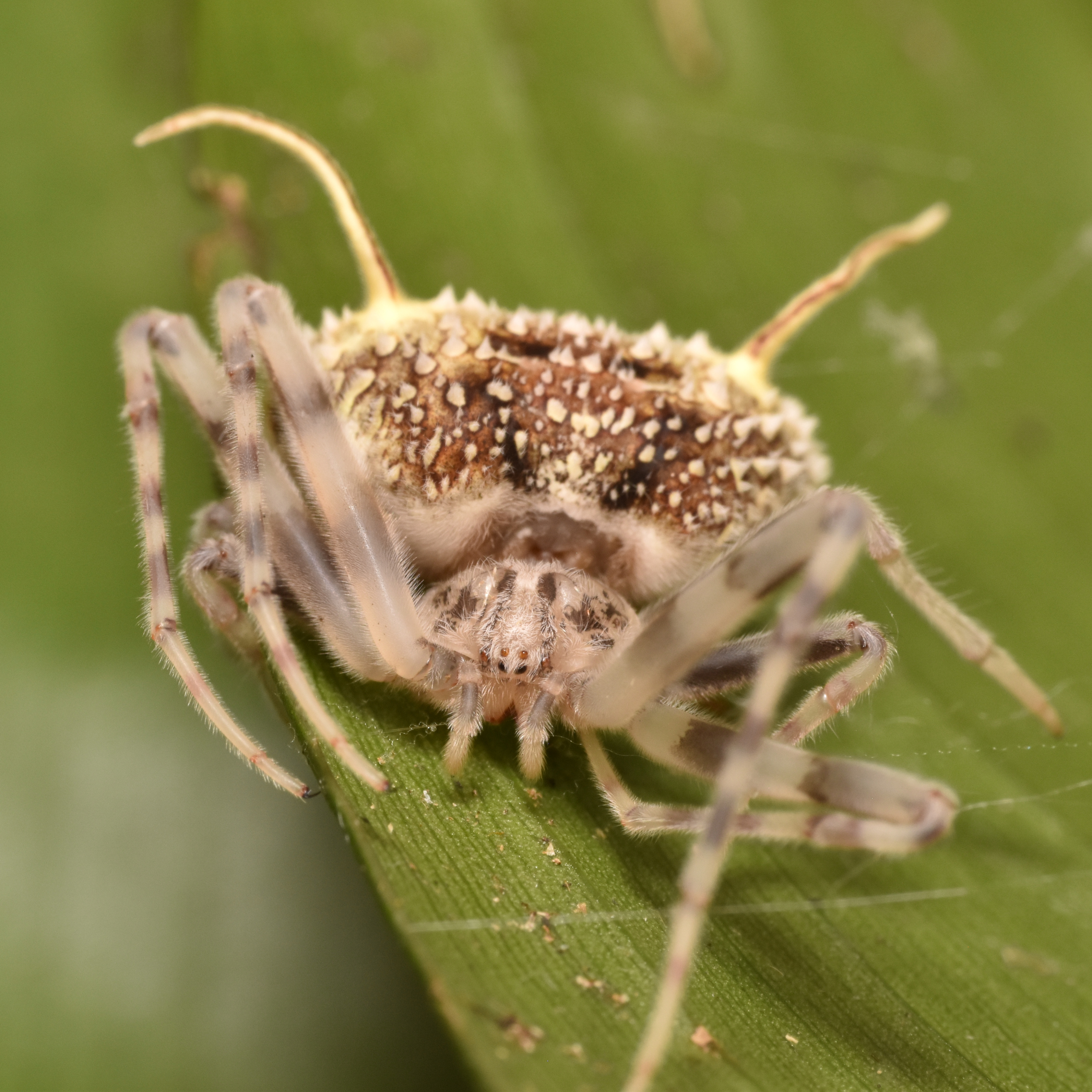
While giving a tour in the Ecuadorian Amazon, Alex Bently identified a clump on a leaf as a dead spider parasitized by a Cordyceps fungus. When it moved under his touch, he realized that it was actually a unique case of mimicry, and worked with David Ricardo Díaz Guevara and Nadine Dupérré to describe it as a new species. In this episode, Alex shares the unique nature of this spider, as well as what we can learn from it about the complex relationships that can occur between fungi and other organisms.
Alex Bent...
Rediscovered Freshwater Shrimps with Prakash Sanjeevi and Maclean Santos
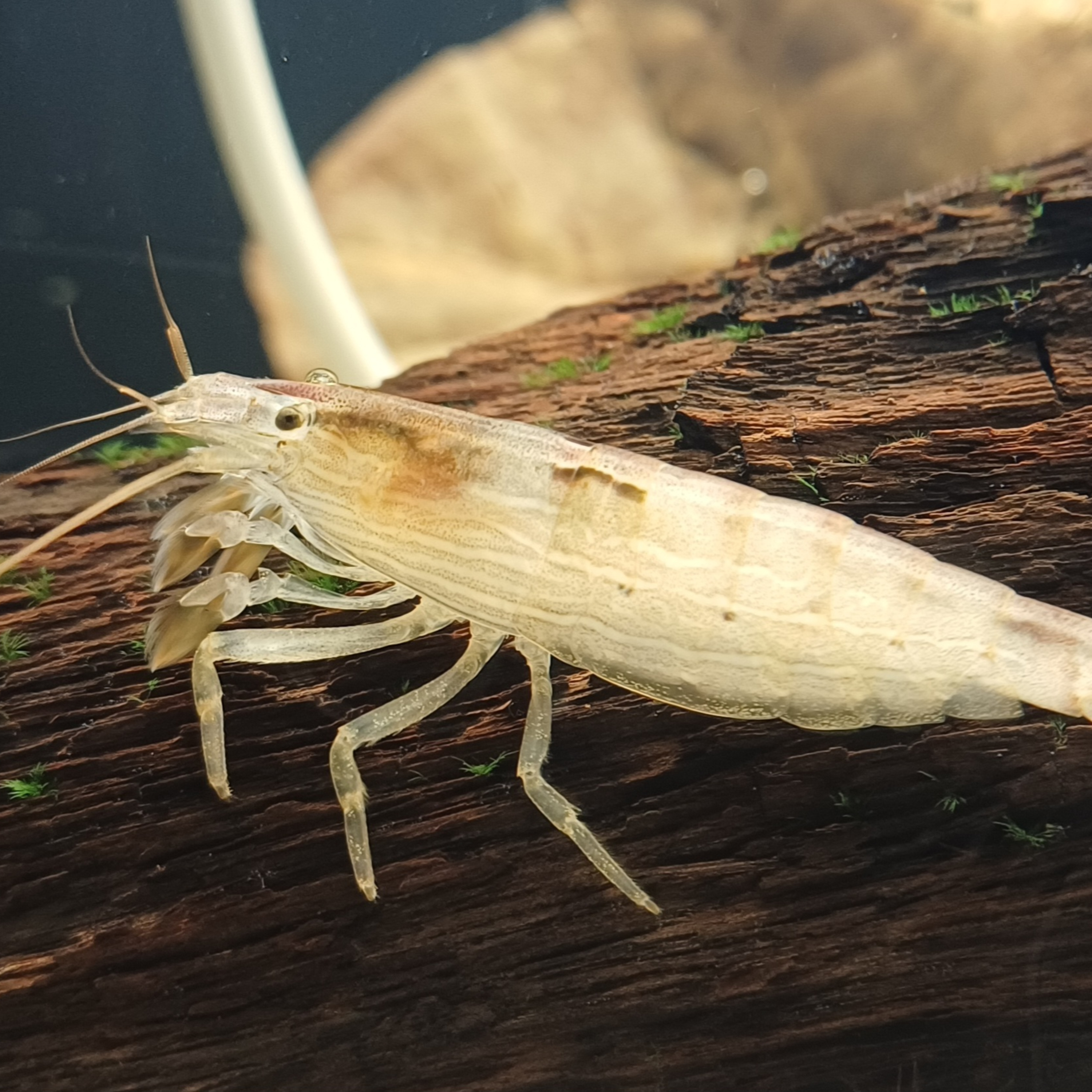
Freshwater shrimps are difficult to study. They’re nocturnal, they live in leaf litter, and yet they are involved in both commercial fishing and the pet trade, making research on their diversity critical. Dr. Prakash Sanjeevi and Maclean Santos have a new strategy for adapting to these challenges: harnessing the power of community. Through educational videos, social media, workshops, and more they provide training to already-interested hobbyists, who in turn help them find rare specimens for papers like this one, in which they redescribe a species that hadn’t been seen in Indian waters for 72 years.
“I truly f...
Who Describes the Spiders? With Katherine Montana and Cláudia Xavier
“I hope that individual taxonomists take a step back and really think about the choices they make when it comes to collaboration…I want taxonomists to consider equity in their work, and not just consider that but actively support actions that are making a difference in the way we do science.” Cláudia Xavier’s words here address the issue that is the focus of her new paper; who actually gets the opportunity to be a taxonomist?
In this episode, I talk to Katherine and Cláudia about their experiences writing this paper, but also being taxonomists in a field...
Coming Soon - New Species en Español!
New Species en Español will be a Spanish-language version of the New Species Podcast, hosted by Ivonne Garzón.
Subscribe to it here: https://open.spotify.com/user/31jdpbfn26x3w7sa2b76db3z2vxa?si=160a1a8eac644f00Or wherever you get your podcasts.
No New Species! With Takahiro Sugiyama, Ryutaro Goto, & Chloé Fourreau
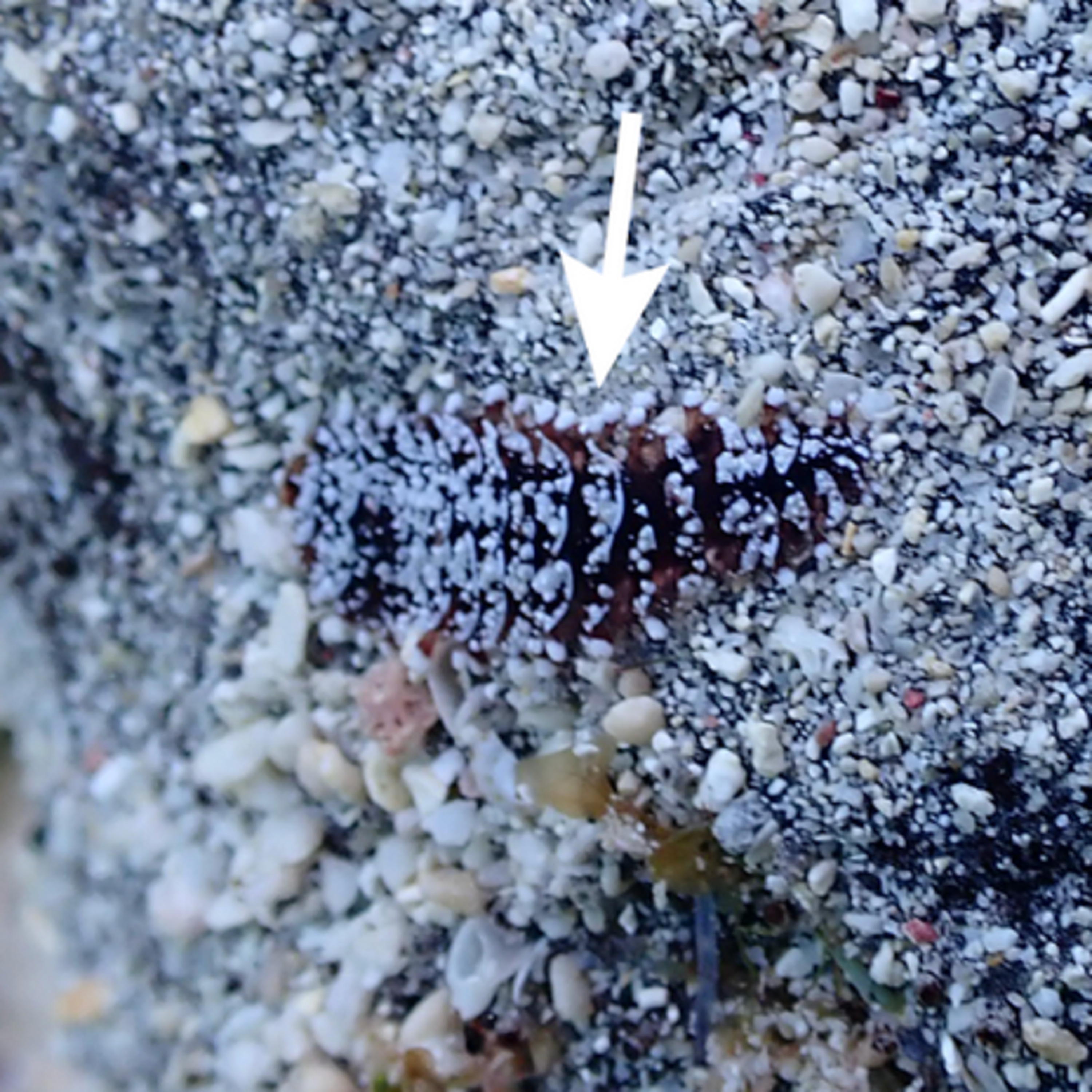
Sometimes, a collection of new species turns out to be… no new species!
Takahiro Sugiyama, Ryutaro Goto, and Chloé Fourreau began studying the unique ectoparasitic scale worm Gastrolepidia clavigera in part because of its fascinating diversity of color, likely contributing to its ability to camouflage on sea cucumbers. After some genetic work, they found that this entire rainbow of scale worms all actually seem to belong to the same species!
Takahiro Sugiyama, Ryutaro Goto, and Chloé Fourreau’s paper “Host specific camouflage in a holothurian-ectoparasitic scale worm: testing the host-race hypothesis using COI and g...
Two New Trapdoor Spiders with Donard Geci
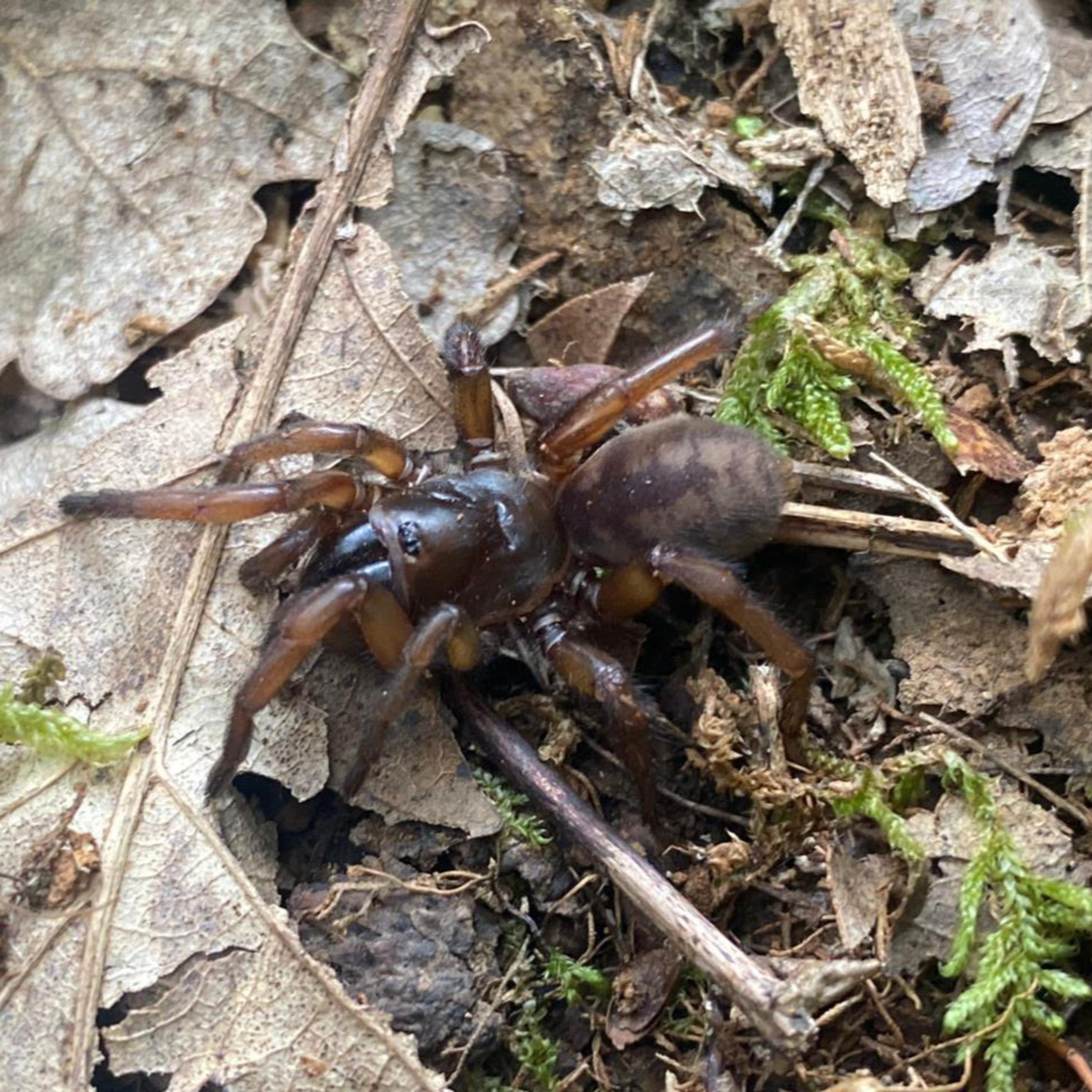
Donard Geci fell into studying spiders by accident, but now he can’t imagine his life without them. He’s one of the only arachnologists in the Balkans, a hotspot for spiders as well as plenty of other flora and fauna. It’s difficult, he says, “but you have many things to do here because many groups are unexplored.”
Trapdoor spiders are masterful architects, and there is so much work to do in order to better understand their relationships to one another. Fortunately, Donard isn’t deterred at all and wants to encourage even more scientists to study the am...
Two New Tachinid Flies with Rodrigo Dios
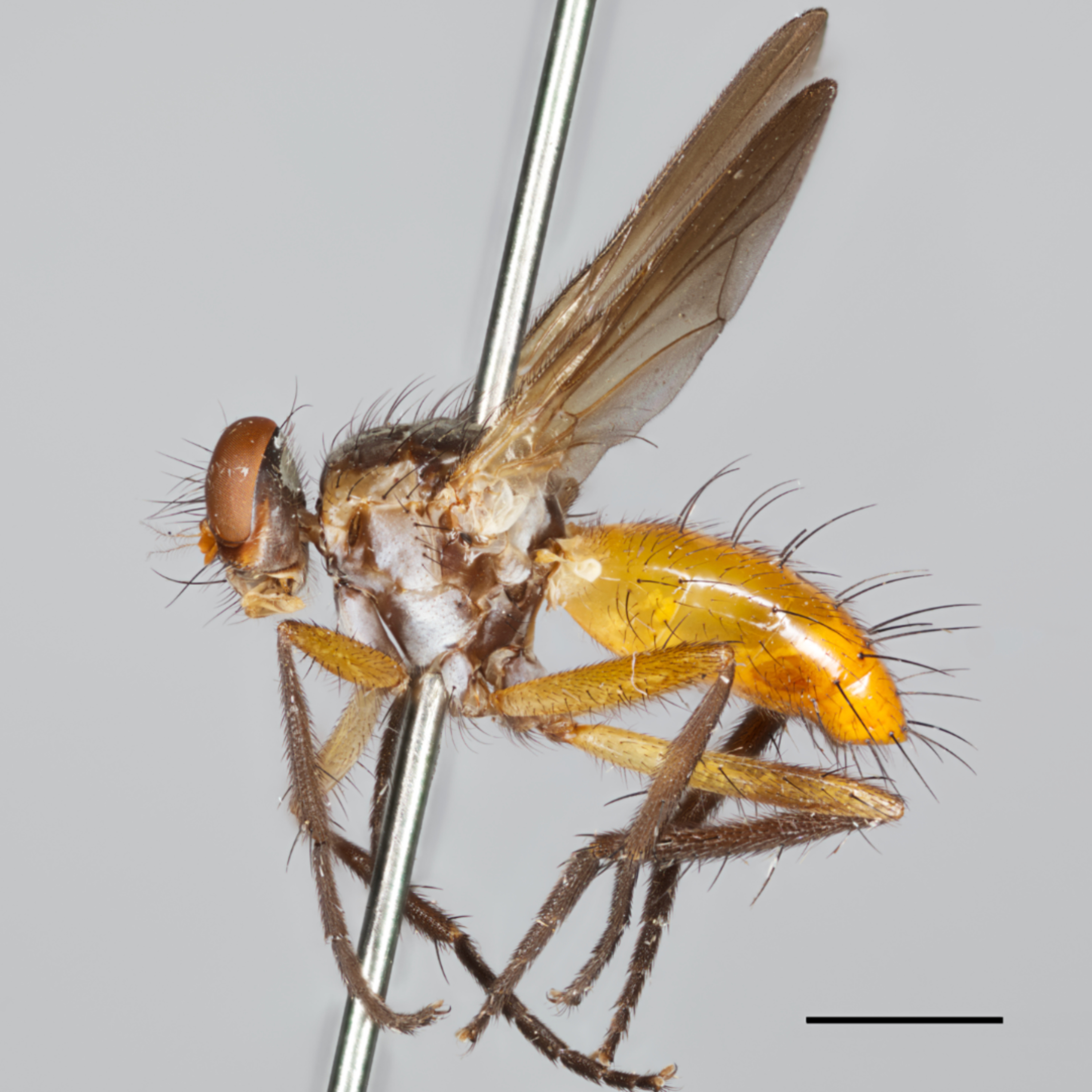
There are plenty of taxonomists who use museum collections as a resource, but not everyone makes collections the basis of their work. Rodrigo Dios studies Tachinid flies, a group that displays some of the most diverse parasitism behavior of all animals. By reorganizing and rediscribing museum specimens, he finds that we have a lot to learn from both flies and museum collections. “It's crazy,” says Rodrigo, about working in collections. “You can actually assess all this knowledge, all this variation between time and between space as well. It's like infinite knowledge.”
Rodrigo Dios’ paper “Taxonomic update on Cordyliga...
A Bug's Life (1998) with Jesse and Charleigh Hurlburt
“The queen especially was not like, like totally not like mad mad, but like mad at him…”
That analysis is from Charleigh (age 6 ), who I talked to along with her dad Jesse (older than 6) about the 1998 classic A Bug’s Life! We discussed serious matters such as the number of legs ants have, if insects have blood, and if the movie missed an opportunity by not including a dung beetle (I think they did).
Charleigh and Jesse co-host the amazing podcast arthropod adventures, which teaches listeners about arthropods they might see in their backyard. Stay inqu...
New Species Census 2026
Hi everyone, incredibly it's time for the third biennial New Species Census! Every two years I ask listeners to answer a few questions about who they are, how they listen, and what they would like from the podcast in the future.
Take the survey: https://forms.gle/V8G9VSKxfvaxhxdx5
The survey will be open until February 13th 2026, after which time I'll post a summary of the feedback on instagram.* Please take a few minutes to share your thoughts! I'm so grateful to everyone who listens to this little...
A New Isopod with Benedikt Kästle
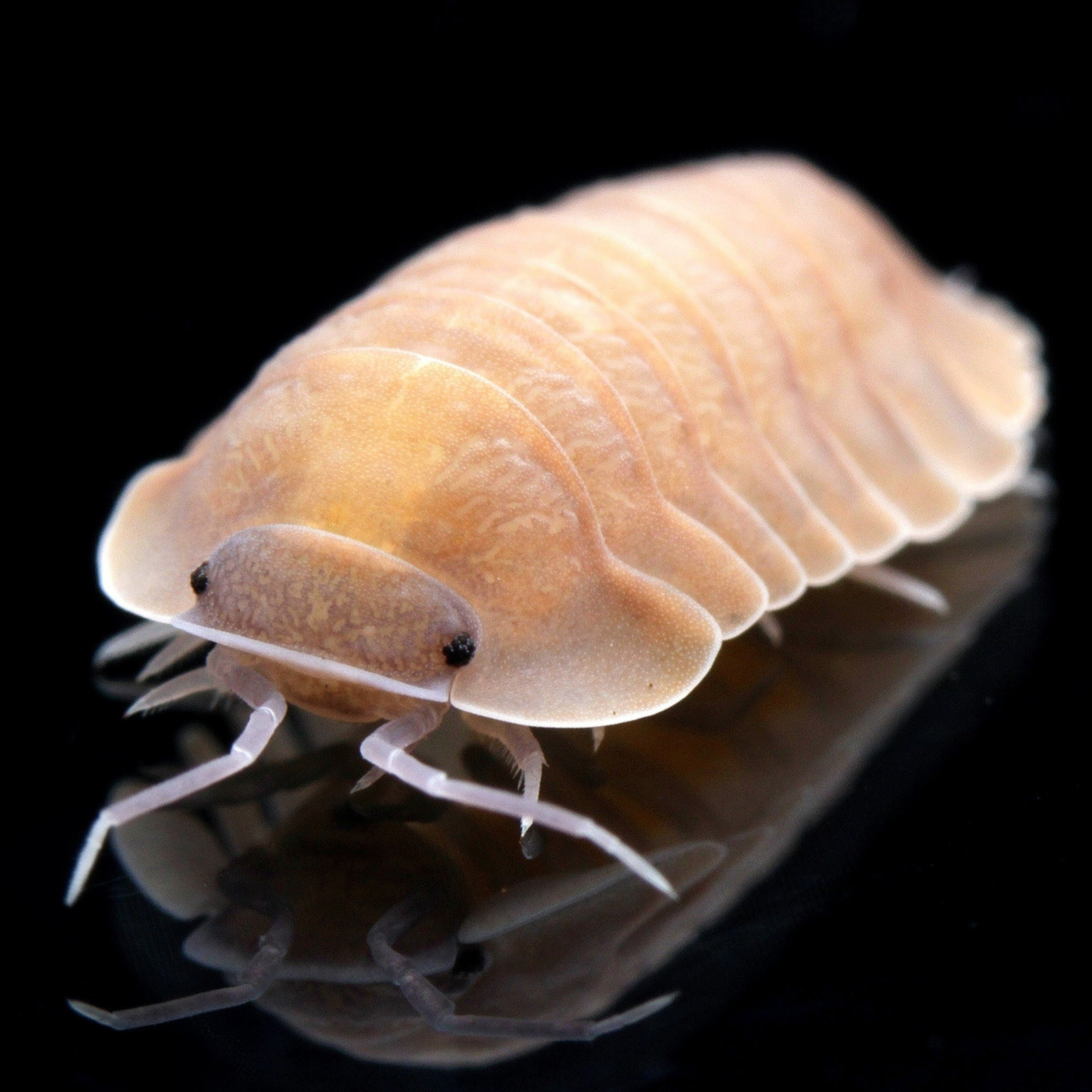
Do you ever wonder if your pet could be a new species? Paleontologist Benedikt Kästle took a closer look at his, and it led to a brand new genus and species! Also known as woodlice, these popular pets are easy to keep and easier to enjoy for the way they skitter and roll up. Benedikt explains that his scientific background can help members of the isopod community connect the valuable experience they have from rearing isopods to the broader research community, where much about isopods is still unknown.
Benedikt does this both through his instagram account a...
All About Stoneflies with Anna Eichert
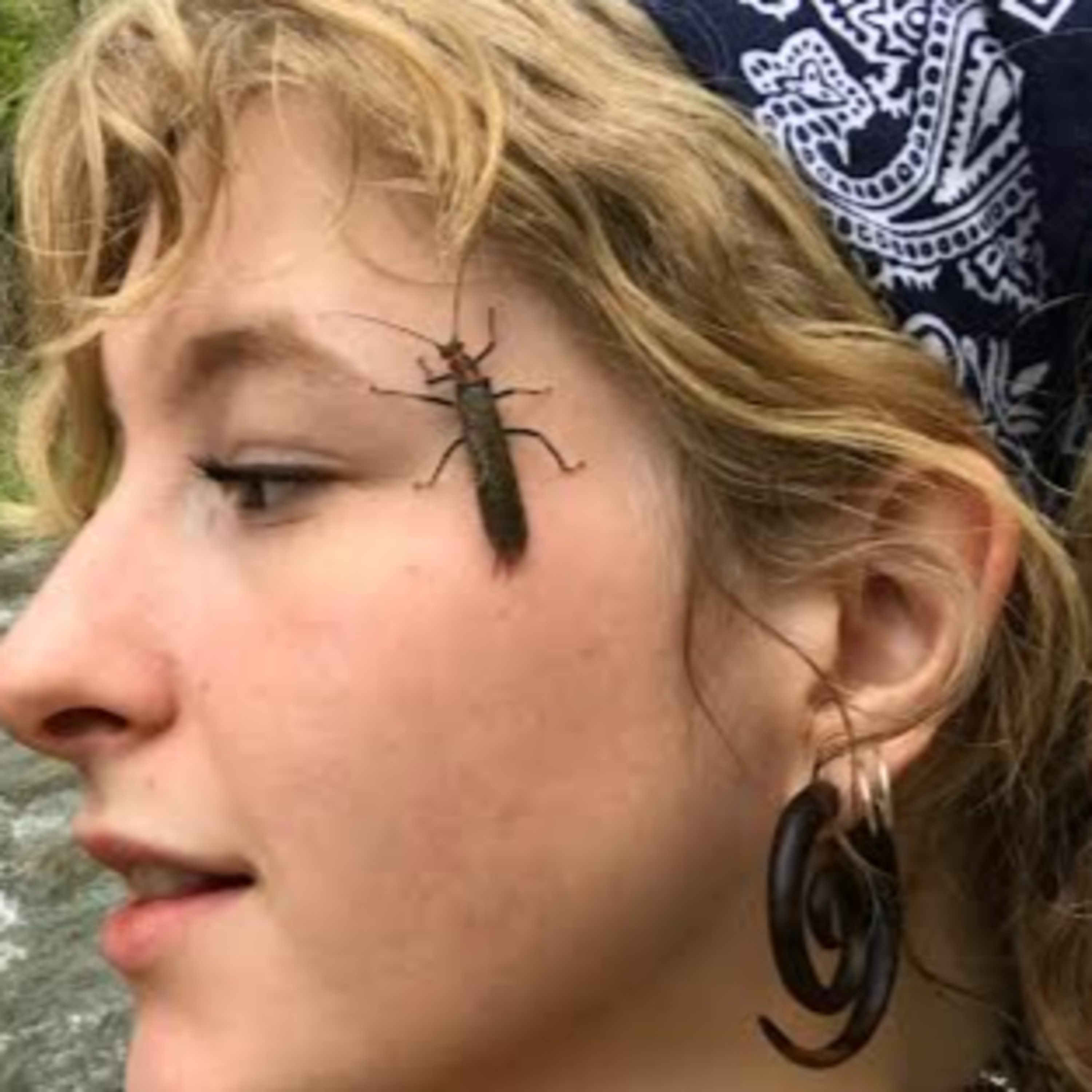
Stoneflies, or Plecoptera, are an order of insects with around 4,000 species. But that’s about to change. In her paper “Stonefly systematics: past, present, and future,” Anna Eichert and her colleagues from around the world map out the way stoneflies have changed as a group over time, some of the factors that shape our current understanding of the stoneflies, and what can change in the future to make sure our knowledge of stonefly diversity continues to grow. Learn from Anna’s account of her experiences and her passion for stoneflies in this episode, and next time you encounter a stream...
New Adelopsis Beetles with Eduardo Gomyde
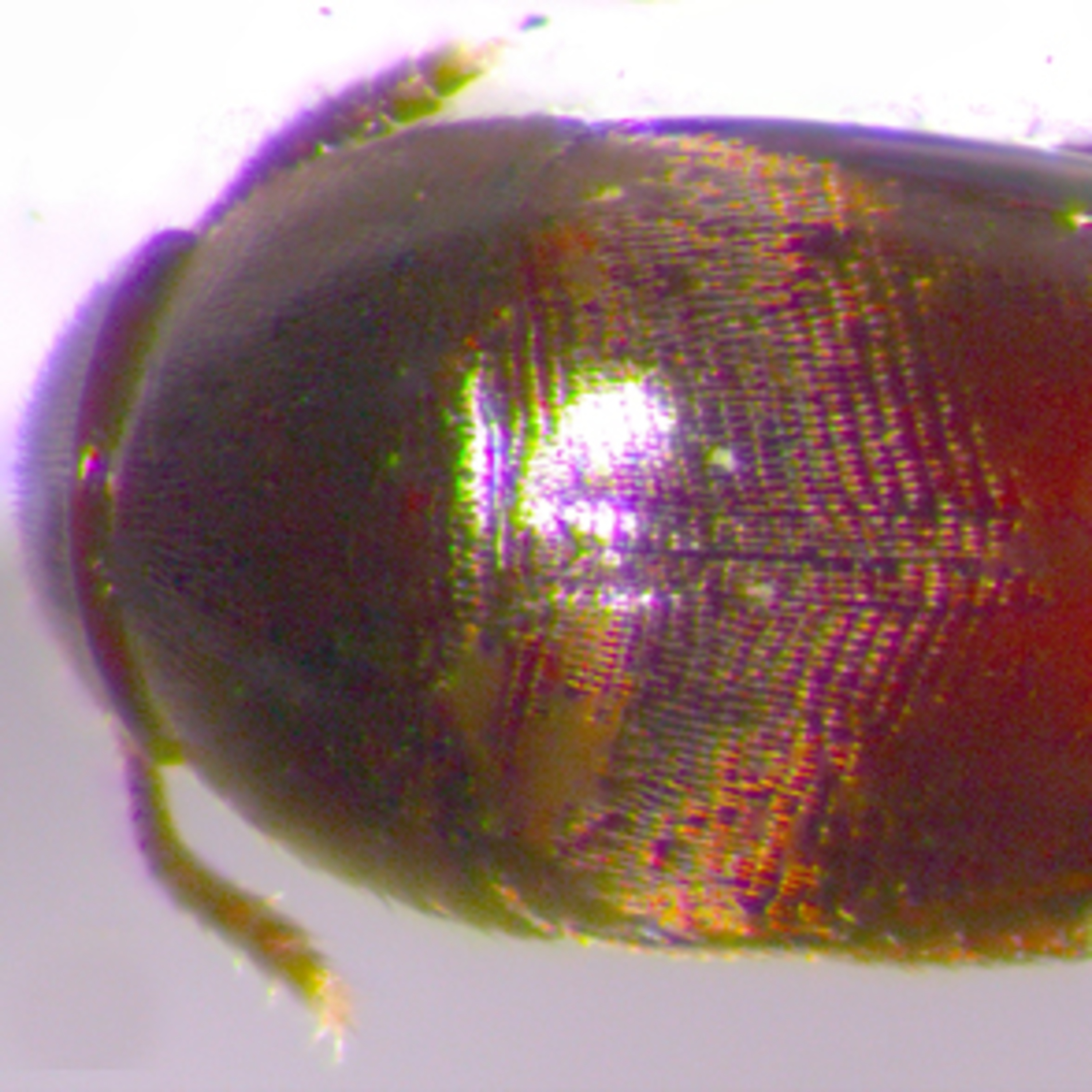
The genus Adelopsis is one of the many groups of LBB’s, ‘little brown beetles’ that often get left behind or unidentified by researchers. Eduardo Gomyde is a scientist giving them a closer look. “We're not just identifying species,” he explains, “but we are also analyzing and understanding the finer scale of the [features] that help us to differentiate them.”
Using Scanning Electron Microscopy, Eduardo and his coauthor carefully examined the tiniest of details. To find these specimens they had to sort through countless vials of “bycatch”, material leftover from other research that gets deposited in museum collections. Liste...
Three New Lichens with Erin Manzitto-Tripp
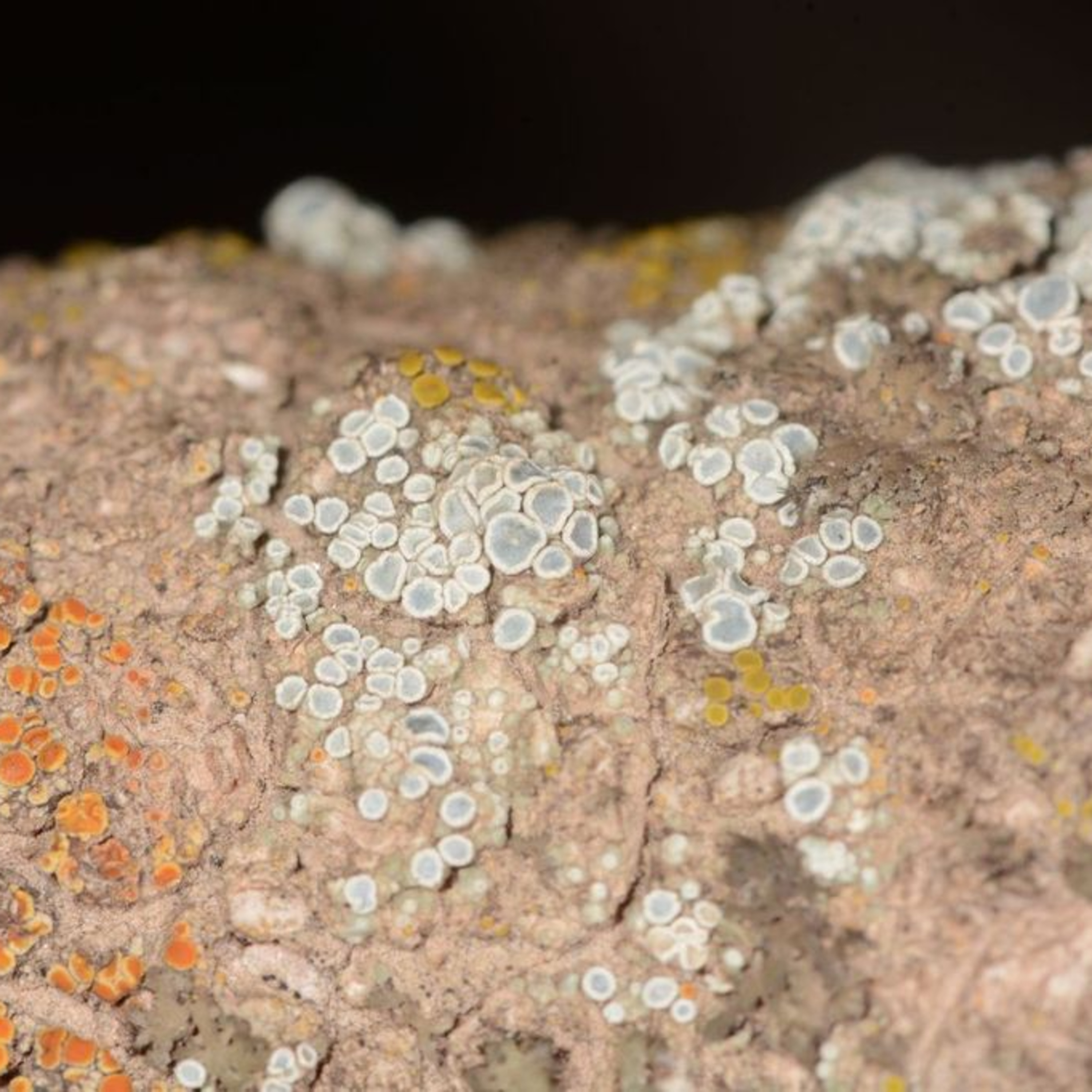
How much do you know about lichens? These incredible taxa are understudied, but today’s guest is making sure they’re not undervalued. “You can’t look at lichens under a microscope and not become immediately obsessed,” says Dr. Erin Manzitto-Tripp. “It’s an endless world of magnificent, beautiful biodiversity.”
Erin works in the mountains of Colorado to describe new species of lichens along with the rest of her fantastic lab. For this paper they called not just on the power of nature, but also on the power of music. These three new species are named after the Indigo Girls...
Three New Fossil Dictyopterans with Soo Bin Lee
The Cretaceous insects in the family Umenocoleidae have been difficult to classify, but for Soo Bin Lee they are a window into one of the most interesting periods of our prehistoric world. While closely related to the modern cockroaches in order Blattodea, fossil Umenocoleids have been found and researched across the world and found to be present across a larger portion of geologic time than expected. They’re linked to the Cretaceous Terrestrial Revolution, an important period of change when angiosperms, or flowering plants, exploded in diversity and prevalence and changed the development of insects as a result.
B...
A New Geometrid Moth with Ivonne Garzón
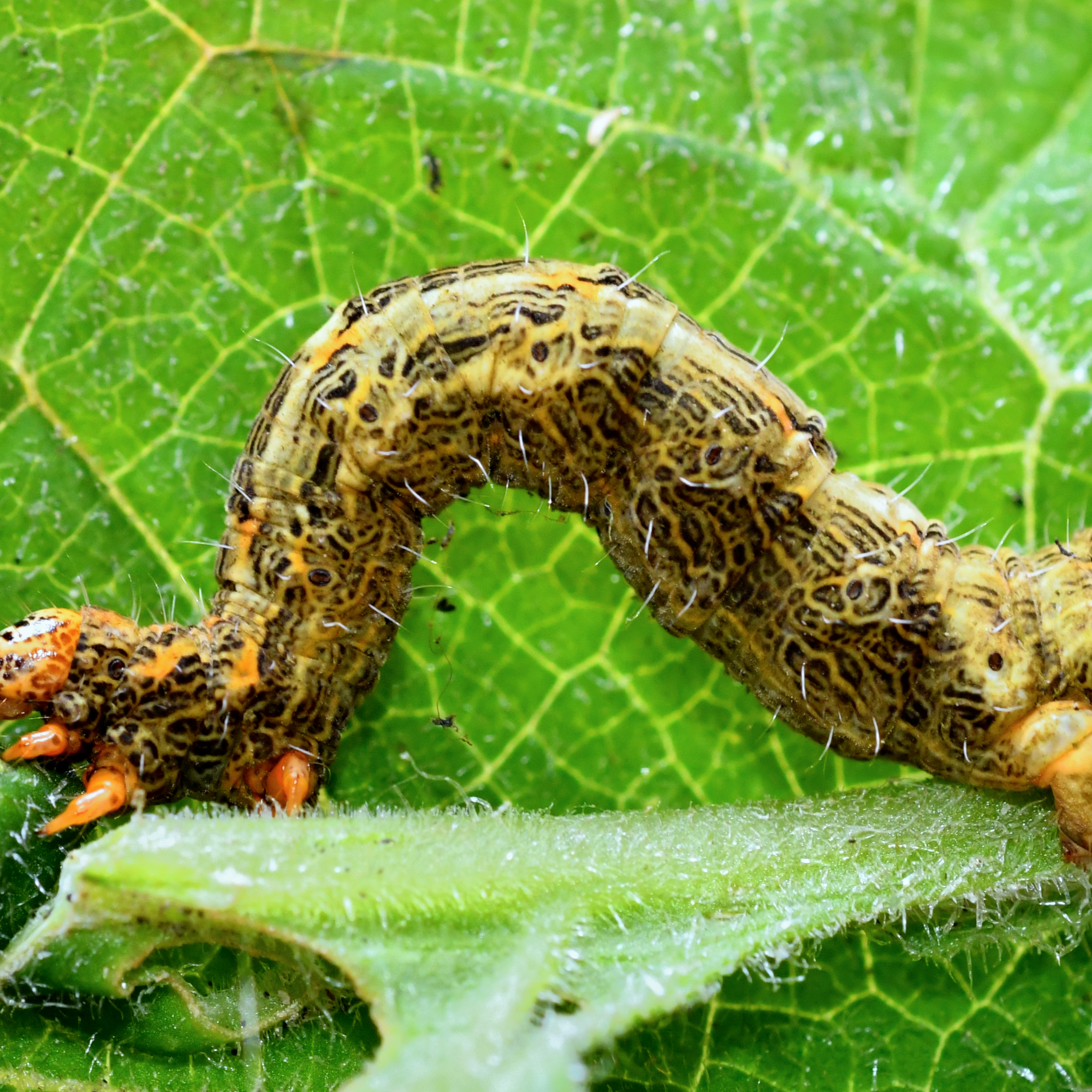
Do you have a love of holometabolic insects? Ivonne Garzón is the president of their fan club! She studies a subset of geometrid moths that may look drab, but their colorful caterpillars and relationships with toxic plants make them endlessly interesting. “There is no way to get bored,” Ivonne says, “There is no way! You are amazed all the time.”
The story of these moths also includes community; a visit to a caterpillar lab, a collaboration with the local herbarium, and a poll where over 5,000 people chose the name for one of her new species. For Ivonne, ta...
Un Nuevo Puercoespín con Héctor Ramírez-Chaves
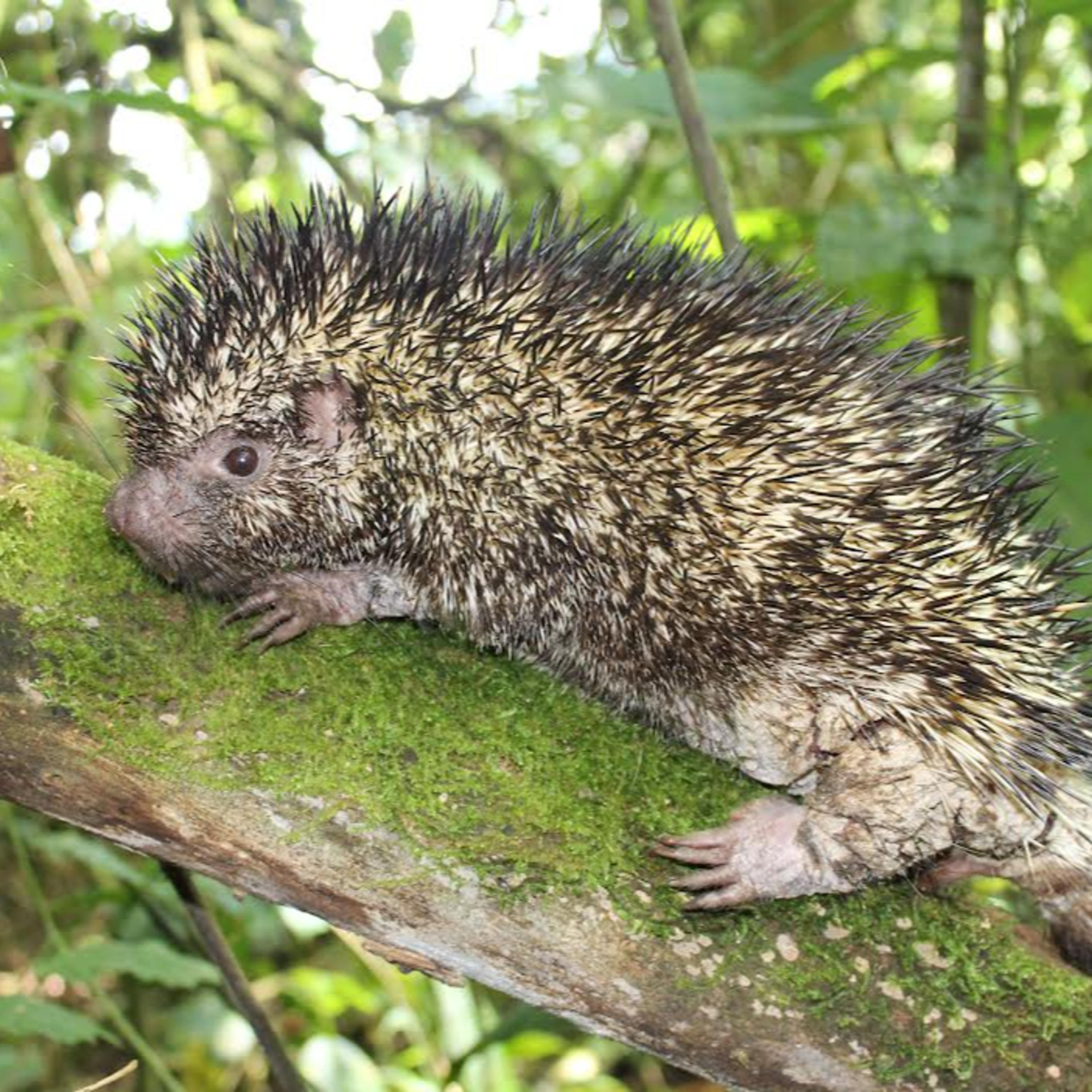
Los puercoespines, una de las criaturas más adorables y dolorosas a la vez, captan la atención en toda su área de distribución mundial. En este artículo, Héctor Ramírez-Chaves y sus coautores describen una nueva especie de puercoespín de los Andes colombianos. El trabajo los ha llevado a recorrer diferentes ecosistemas y a numerosos museos internacionales. Mientras Héctor describe la increíble biodiversidad de Colombia, también aborda la importancia crucial de su trabajo. "Aún necesitamos estudiar a los roedores aquí en Colombia", afirma. "Hay muchos grupos de especies nuevos que no se han est...
A New Porcupine with Héctor Ramirez-Chaves
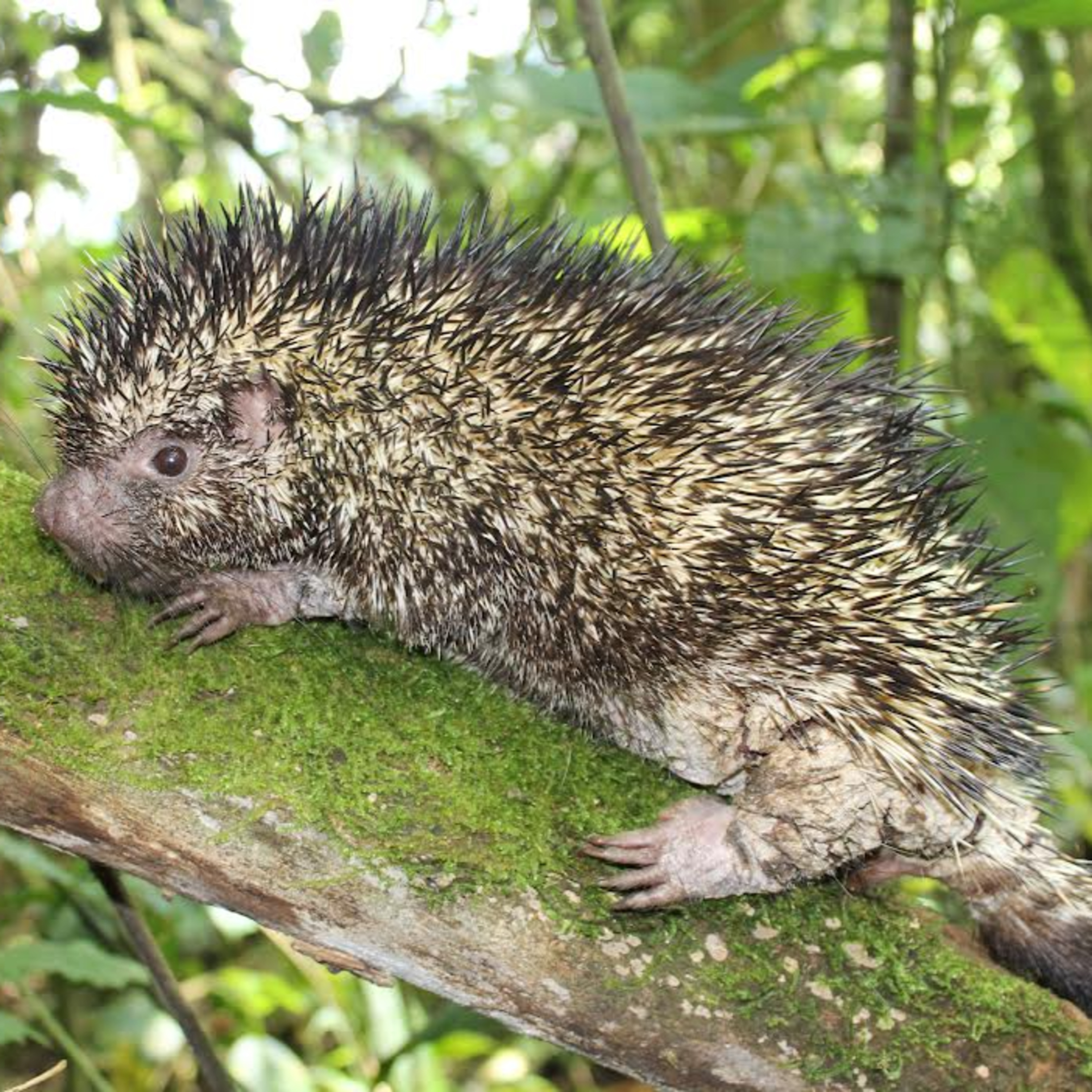
Simultaneously one of the cutest and most pain-inducing creatures, porcupines capture attention all over their worldwide range. In this paper, Héctor Ramirez-Chaves and his coauthors describe a new species of porcupine from the Andes of Colombia. The work has taken them across different ecosystems and to a good handful of international museums. As Héctor describes Colombia’s incredible biodiversity, he also addresses the critical nature of his work. “We still need to study rodents here in Colombia,” he says. “There are plenty of new species groups that have not been studied at all because they are not very chari...
A New (Old) Apple with Todd, Cameron, and John
The moment John Bunker saw the 200+ year old tree, he knew it might be special. He had no idea however, that it was one of America’s oldest surviving apple trees, a French ancestor to many of the apple varieties we know and love today. Combining Todd Little-Siebold’s historical research and Cameron Peace’s genetic work, in this special interview the three of them are able to tell a story of this apple tree that is not unlike the story of many new species discoveries.
A transcript of this episode can be found here: D...
A New Butterfly with Zac MacDonald and Julian Dupuis
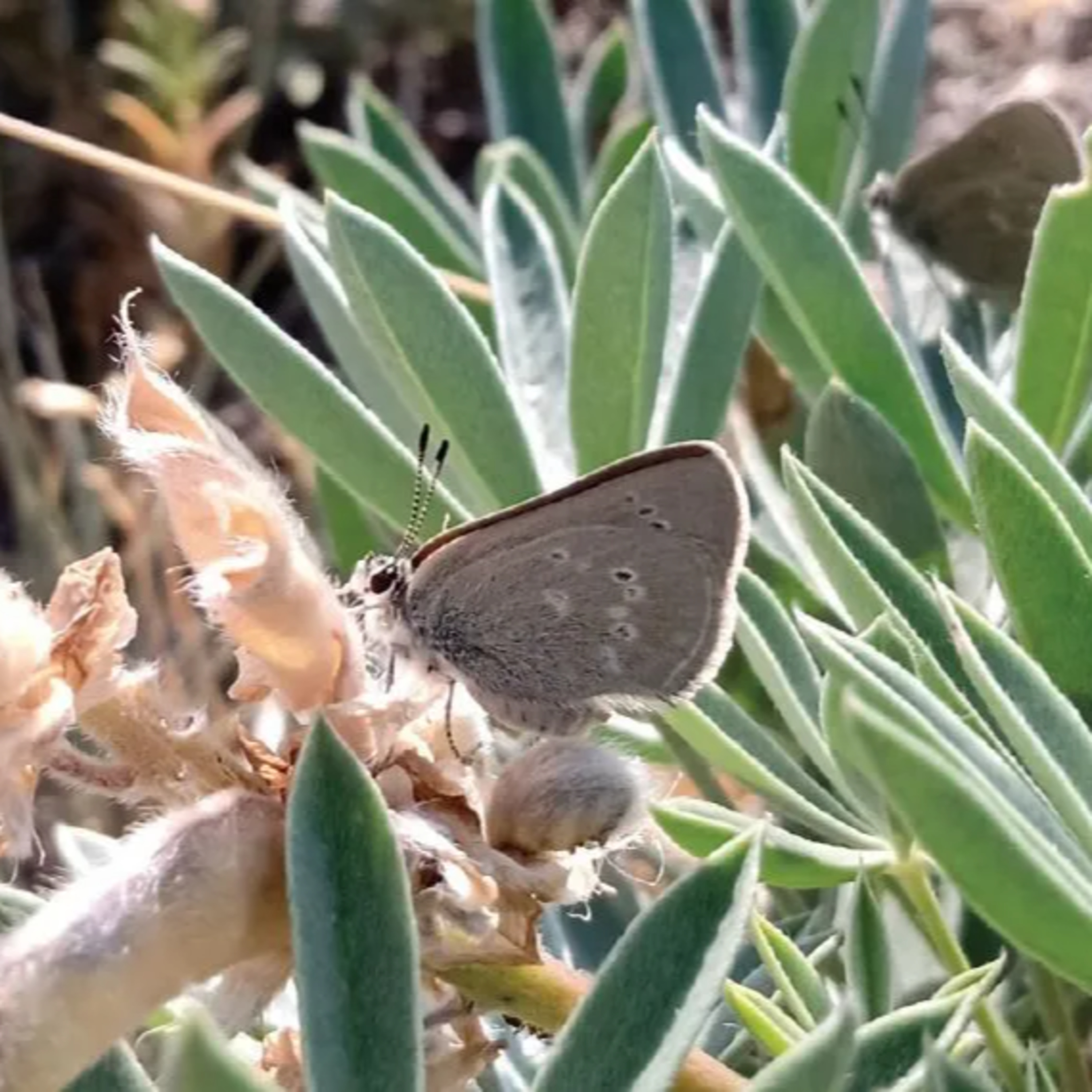
Think butterfly genomics is a simple topic? Think again, but this time think alongside Zac MacDonald and Julian Dupuis. Not only are they answering some of the most interesting contemporary conservation questions, but they’re doing so using a very curious butterfly as their model organism. “One of the difficult things with studying these kinds of butterflies….is we don't really understand fitness or adaptive value as well as we do in cougars or in foxes or in dogs or in other vertebrates that we've studied a lot more.” Julian says. “We don't really have these characteristic signals of, what does...
Five Deep-sea Isopods with Henry Knauber
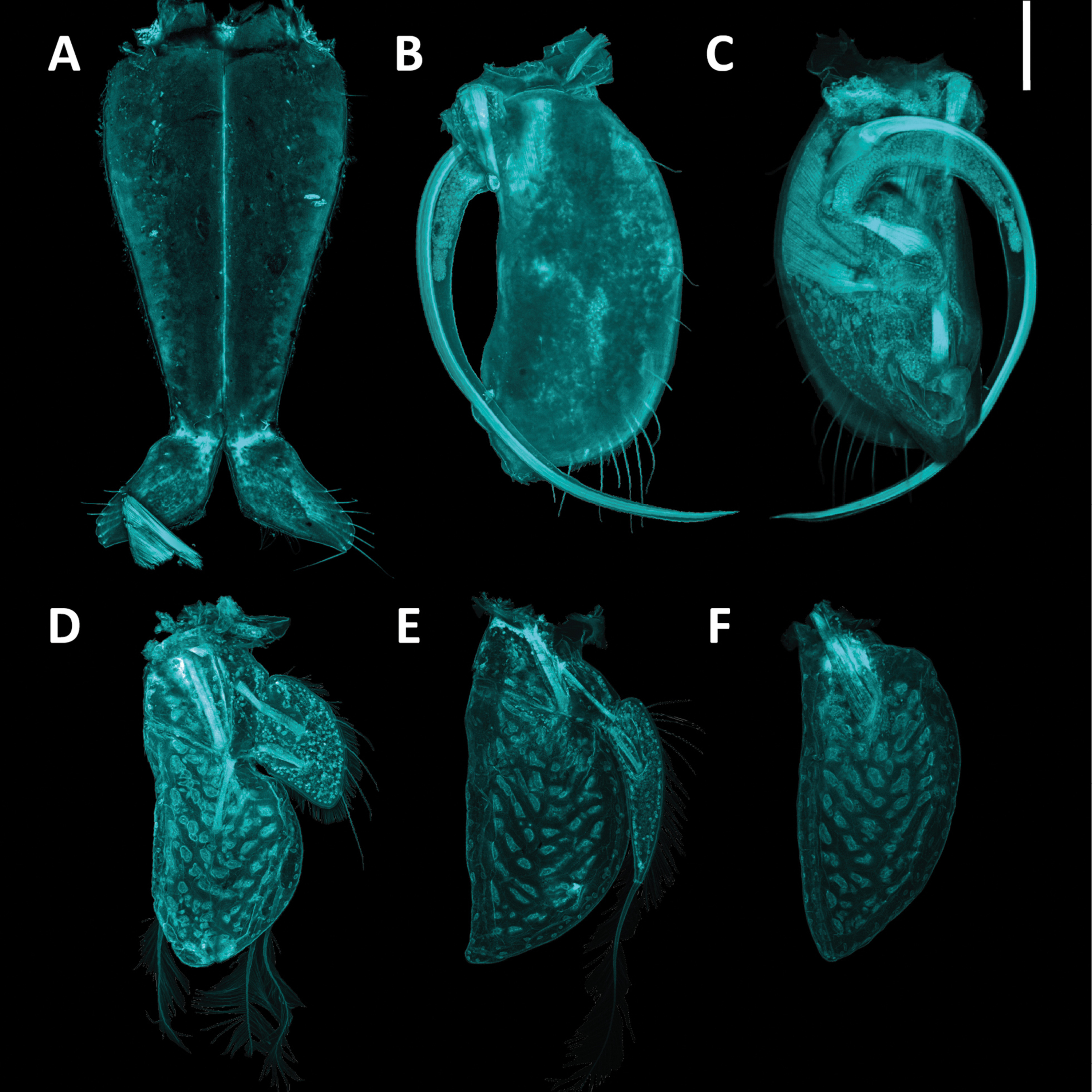
Deep-sea isopods come in all shapes and sizes, and Henry Knauber is excited to see all of them. In this paper, he and his coauthors describe five new species and redescribe another as part of a large expedition to examine the biodiversity of the Kuril-Kamchatka Trench region of the northwest Pacific Ocean. These new species are part of what he calls his “god complex,” a cluster of closely-related cryptic species he has spent much of his scientific career distinguishing and naming after Greek gods and mythical characters. Listen along as Henry describes a paper that is a culmination of year...
A New Toxungenous Scorpion with Léo Laborieux

“Serendipity is a real grabbing force of science,” says Léo Laborieux as he shares his experience describing his new species of scorpion. While at a remote research station in the Colombian rainforest, Léo found a handful of scorpions that exhibited a unique venom ‘flicking’ behavior. Armed only with his phone and a few basic supplies, Léo documented the behavior, diagnosed the scorpions as being a new species, and came to fascinating conclusions about venom biomechanics. In this episode he brings us deep into the world of scorpion venoms and shares his love of these creatures and their start...
A New Begonia with Dipankar Borah

Begonias are known around the world as a plant of beauty and diversity. What can they teach us about the world around us? Through his work on Begonias and other flowering plants found in Northeast India, Professor Dipankar Borah sees the world differently. It’s not just for his own benefit though.
“Much of my time is spent making students aware of their surroundings,” He says. “We trek to forests, cook food from the wilderness, and then find joy in the simple yet profound experiences. Through these moments of exploration and laughter, I hope to rekindle their sense of...
A New Bee Fly with Lisa Rollinson and Allan Cabrero

For some people, a box of 100-year-old bee flies might seem daunting, but for Lisa Rollinson and Allan Cabrero, It was an exciting challenge. As part of a Smithsonian-based internship, Lisa worked with Allan to identify the flies, creating a new key for several genera and discovering a new species along the way.
Flies aren’t the most charismatic group, but Lisa sees them as an unexpected opportunity to introduce people to taxonomy. “I think science can be really good for getting people curious and getting them invested in things they don’t think about very often...
Two New Damselflies with Shantanu Joshi

Shantanu Joshi is fascinated with creatures of all kinds, but especially damselflies, the small quick fliers of the order Odonata. In this episode he takes us deep into the forests of Northeast India, a place of immense beauty and interfering colonial history. Undersampling and poor specimen quality are a few reasons the diversity of this area is not well known, and Shantanu and his coauthors are determined to fill in the gaps. As with his project The Odonata of India, Shantanu shares in incredible detail the morphology, ecology, and even behaviors of these two new species, and discusses what...
A New Astigmatid Mite with Hemen Sendi

What if I told you that the oldest known biotic association of arthropods is a piece of Lebanese amber from the Cretaceous period? At the same time that flowering plants were diversifying, astigmatid mites were finding a very convenient way to get around: on the backs of termites. Can mites and termites be friends? How does one identify a tiny mite specimen without damaging its equally-important host? Learn the answers to these questions and more from Dr. Hemen Sendi on this episode of the New Species Podcast.
Hemen’s paper “The oldest continuous association between astigmatid mites and...
A New Woolly Devil with Isaac Lichter Marck

Sunflowers come in all shapes and sizes, and the group has gained a new member. Nicknamed the “woolly devil,” Ovicula biradiata is the product of the amazing bi-national collaboration between taxonomists, conservationists, and community scientists in Big Bend National Park. But it comes at a time when the future of National Parks is uncertain.
“I think this particular discovery has inspired a lot of people outside of the world of biodiversity science to recognize that we still have a lot of work to do in terms of just describing the biodiversity in environments as iconic as the US Nat...
Science Communication: Hard Conversations with Ethan Tapper
Someone who identifies as a nature lover might not be excited to see trees cut down or large machines rolling across the forest floor. Science doesn’t always align with everyone’s expectations, and often scientists have to explain their work to audiences that aren’t interested or who don’t agree. Ethan Tapper has many of these conversations. Ethan works to manage Vermont forests sustainably and help them thrive, which often includes practices that might seem destructive or contrary to a forest’s best interests. Science is about communicating, and Ethan has worked hard to use communication as a tool to...
BONUS: Bats! (1999) with Amanda Grunwald
Amanda and I discuss and review Bats! (1999)
Our ratings:
Enjoyability: 🦇 🦇 🦇 🦇
Accuracy: 🦇🦇 🦇 🦇 🦇
This episode is the first in a new bonus series where I watch B-list horror movies with scientists and we rate them on accuracy and enjoyability.
All episodes are free, for future episodes you will just have to sign up through Patreon at Patreon.com/NewSpeciesPod. If you choose to support the podcast with a paid subscription, it is really appreciated! My 2025 goal is to cover the cost of hosting the website (about $80/year) which would be $7/month.
<...
A New Malagasy Spider with Matjaž Gregorič

On an expedition to Madagascar, Matjaž Gregorič and his research team came upon a damaged termite nest that had a few other invertebrate visitors. When they experimentally damaged the nest again, they found two unexpected things: spiders ballooning in to prey on the termites as they rebuilt, and hopeful ants standing by to steal termites from those spiders. It created what the authors called “a perilous Malagasy triad”, a three-way predator-prey-kleptoparasite interaction that tells a very interesting story about chemical signaling and arthropod behavior. As a bonus, they identified the spider involved as a brand new genus and species, named...
Two New Cave-Dwelling Snails with Rodrigo Salvador

Rodrigo’s paper “Idiopyrgus Pilsbry, 1911 (Gastropoda, Tomichiidae): a relict genus radiating into subterranean environments” is in November 8th issue of Zoosystematics and Evolution
It can be found here: https://doi.org/10.3897/zse.100.136428
A transcript of this episode can be found here: Rodrigo Salvador - Transcript
Follow Rodrigo on X/Bluesky: @Kraken_Scholar and @krakenscholar.bsky.social
Follow the Journal of Geek Studies on X/Bluesky:@JGeekStudies and @jgeekstudies.bsky.social
New Species: Idiopyrgus eowynae, Idiopyrgus meriadoci
Episode image credit: Rodrigo Salvador
Journal of Gee...
A New Schizomid with Sean Birk Bek Craig

What happens when a hymenopterist finds a mysterious arachnid in a Danish hothouse? Sean Birk Bek Craig was exploring the floor of a hothouse, also known as a greenhouse, when he came upon an interesting creature. “I could see that it was an arachnid when I looked up close,” he said, “but immediately just looking at it with my eyes… I was really perplexed about what the devil that was!” Short-tailed whip-scorpions, or members of the order Schizomida, are tiny arachnids who aren’t typically in Denmark, but with a lot of research, Sean concluded it had probably been accidentally...
Two New Pseudoscorpions with Danniella Sherwood

In this episode, Danniella Sherwood brings us two new pseudoscorpions from Ascension Island, one of the most remote islands in the world. Ascension’s ecological history is full of many twists and turns, and it is home to amazing biodiversity that is in desperate need of conservation. Danni and her team worked together to address this need, producing a paper titled ‘David and Goliath’ with one very small and one very large new species. They also provide new faunistic records, or records that show that Ascension and the nearby Boatswain Bird Island are home to stunning endemic pseudoscorpion diversity.
...
A New Polychaete Worm with Chloé, Marcos, and Juan

This paper started because Chloé Löis Fourreau and Marcos Teixeira were both too sick to dive during a NEON (National Ecological Observatory Network) bioblitz expedition in the Red Sea. Hoping to at least collect something, they swam to the shoreline and began snorkeling in the shallow water. When they began turning over rocks, what felt like a wasted day turned into an amazing intertidal discovery. In this episode, Chloé and Marcos are joined by their colleague Juan Sempere-Valverde to tell the exciting story of their new segmented polychaete worm, and to encourage everyone to pay attention to annelids and...
A New Gall Wasp with Louis Nastasi

Louis Nastasi has a deep love of wasps, and a particular fascination with Cynipid wasps, gall wasps that can specialize on just a few plants or even a single species. In this episode he tells us about their diversity and the tangled phylogenies he works on, and answers the question his paper poses; “Cryptic or underworked?” There’s so much we don’t know about gall wasps, and it has so many implications for conservation, agriculture, and more!
Louis Nastasi’s paper “Cryptic or underworked? Taxonomic revision of the Antistrophus rufus species complex (Cynipoidea, Aulacideini...
10 New Staphylinid Beetles with Adam Haberski

What can tiny, flightless beetles tell us about the history of mountain geography and climate? It turns out, quite a bit! In this episode, Dr. Adam Haberski introduces us to the wild world of Staphylinid beetles, some of the most diverse creatures on the planet. We learn about the joys (and pitfalls) of collecting in the Southern Appalachians, as well as their billion-year-old history and the amazing beetle lineages that they helped shape.
Adam Haberski’s paper “A review of Nearctic Lathrobium (Coleoptera, Staphylinidae), with revision and descriptions of new flightless species from the mount...
Basics 3: Description with Marc Milne

In part 3 of Taxonomy Basics, Marc Milne of the University of Indianapolis tells us all about the process of identifying and publishing new species. He has tips and tricks for microscope work, finding online resources, and many other facets of the description process.
Marc is a spider taxonomist and ecologist who specializes in several different groups including Linyphiids and Nesticids. He is also a professor of Biology, and teaches classes that include ecology and genetics.
Taxonomy Basics is a three part series on basic components of species description including collecting, preserving, and describing new species. T...
