Just Grow Something | Evidence-Based Home Gardening
Grow a better vegetable garden, whether you're a seasoned gardener or have never grown a thing in your life. Karin helps home gardeners learn to grow their own food using evidence-based techniques and research. She talks all about specific plants, pests, diseases, soil and plant health, mulch, garden planning, and more. It's not just the "how" but also the "why" that makes us better. The goal? For everyone to know how to grow their own food no matter what sized space they have or their experience level. Tune in each week to plan, learn, and grow with your friend in...
End-of-Season Tomato Rescue: Ripening, Freezing, and Preserving - Ep. 319
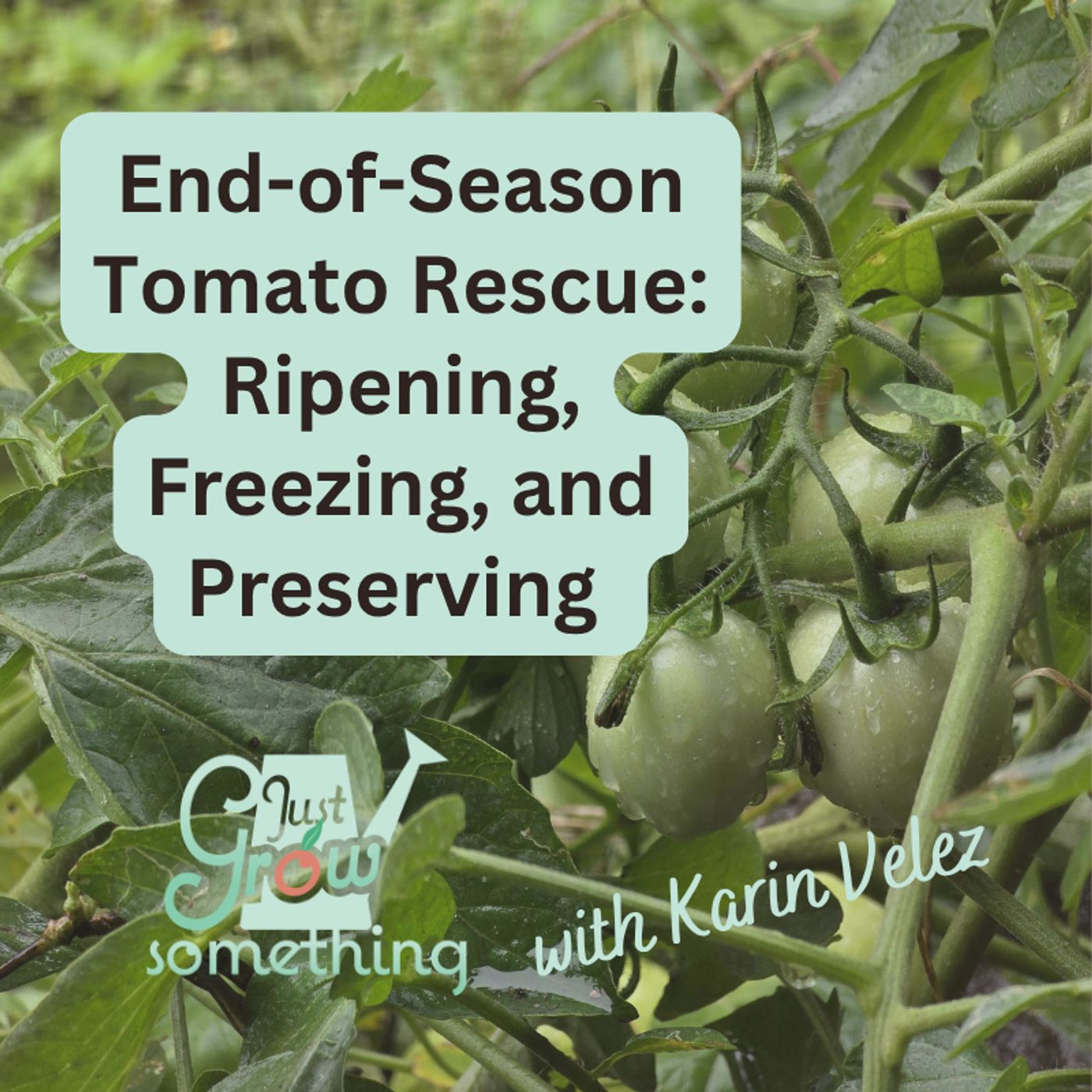
Frost is on the way, and the vines are still loaded with green tomatoes. In this episode, we sort out which green tomatoes will finish ripening on your counter (the mature greens and the blushers) and which ones belong in the skillet, the freezer, or a tested relish recipe.
You'll learn what cold does to a tomato, why a stretch of chilly weather can cost you ripening ability before frost ever shows up, and four ways to ripen fruit indoors, including how to stage a harvest for a steady supply into November.
Then we dig...
Cover Crops in the Home Garden - Ep. 318
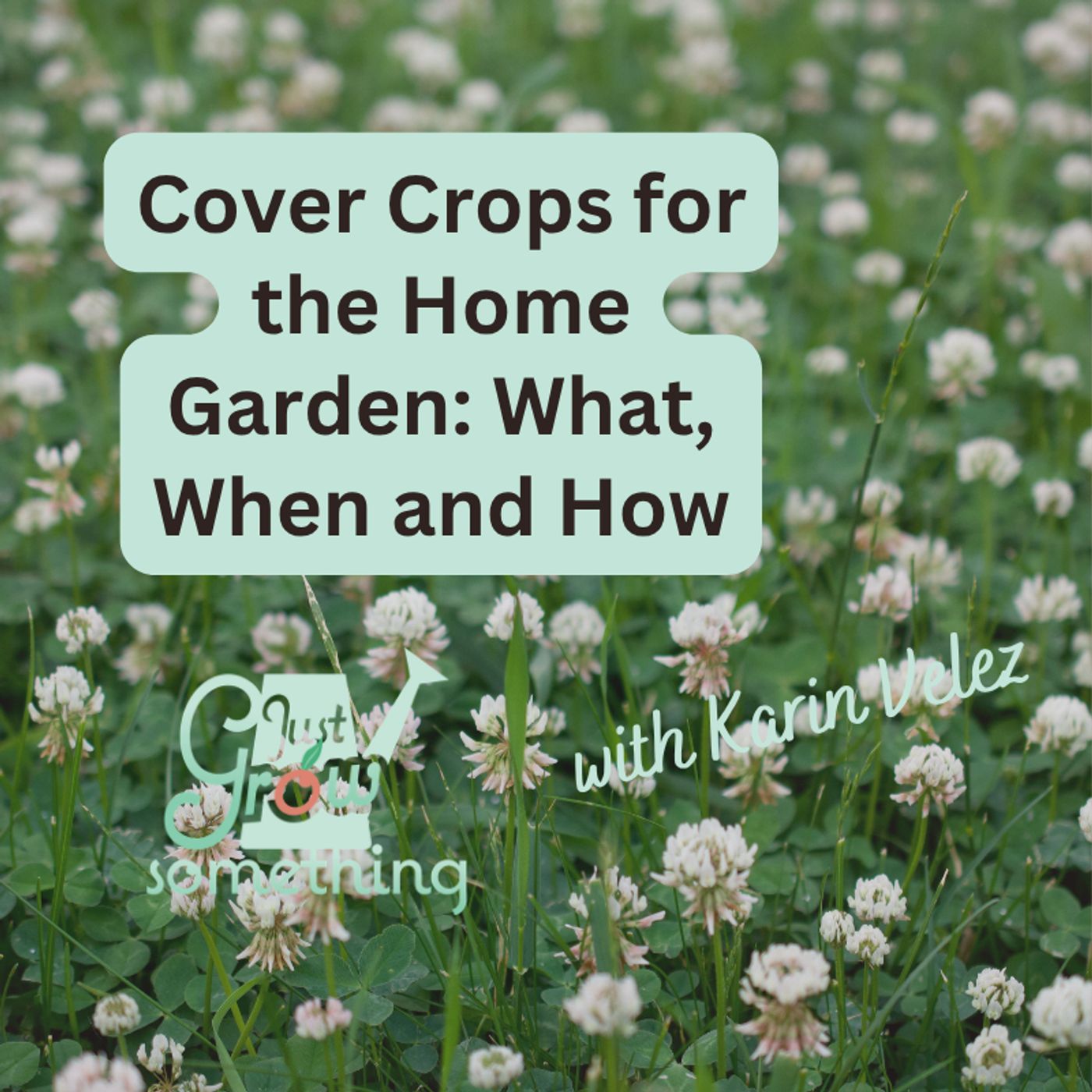
Every empty bed in your garden is either growing something for you or growing weeds and losing topsoil. Cover crops are how you make sure it's the first one.
In this episode, we get into why cover crops work in both in-ground beds and raised planters, which ones perform best when you sow them in fall, and which ones are worth a spot in your rotation come spring. We'll look at nitrogen-fixing legumes like crimson clover and hairy vetch, soil-building grasses like winter rye and oats, and fast-growing summer options like buckwheat that can turn a bare...
Fall-Planted vs. Spring-Planted Onions: Choosing the Right System for Your Garden - Ep. 317
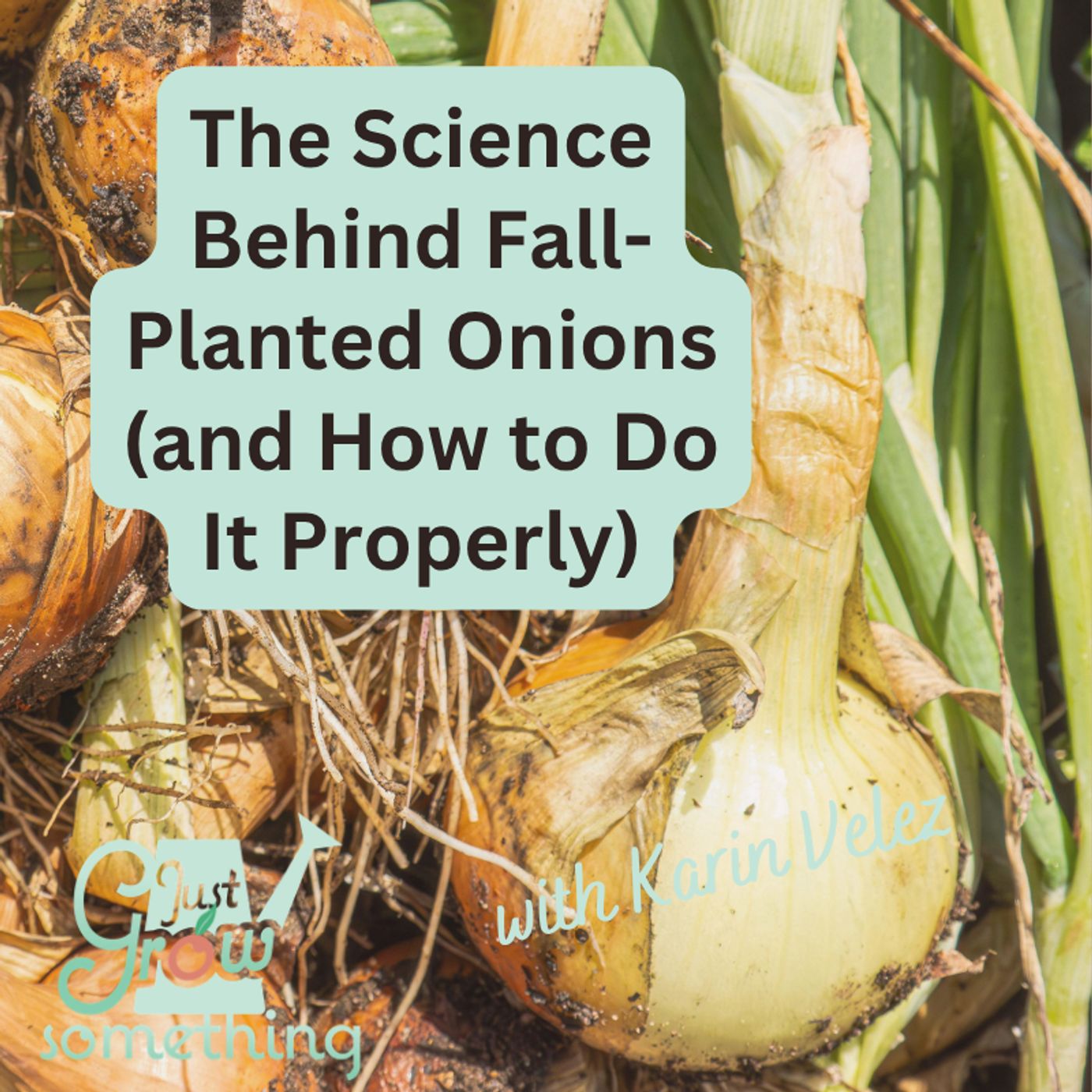
Onions are having a moment in the seed catalogs right now, and a lot of that buzz is about overwintering them, tucking small transplants into the bed in September, letting them sit through the cold, and pulling bigger, earlier bulbs the following June. It sounds like a clear win. But the biology underneath it is more particular than the marketing lets on, and the trade-offs are real.
In this episode, I'm breaking down the day-length science that controls when an onion decides to bulb, the separate cold-exposure trigger that can send it to flower instead, and why...
Choosing a Garlic Variety Based on the Science - Ep. 316
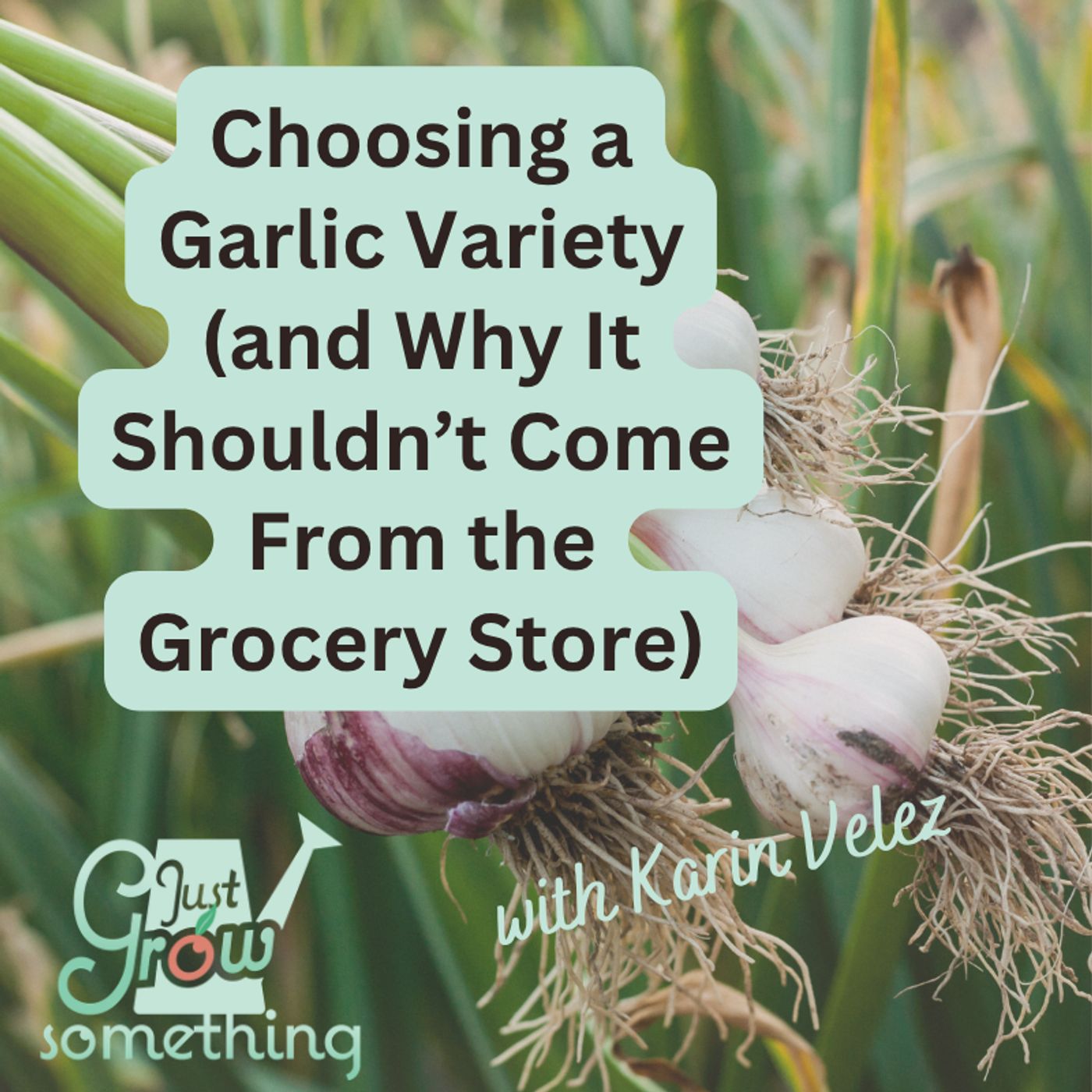
It's the middle of summer, and I want you thinking about garlic. Not because it's time to plant, but because if you wait until it's time to plant, the good seed garlic may already be gone!
In this episode, I'm breaking down the real difference between hardneck and softneck garlic: the cold-exposure requirement called vernalization that decides which type will bulb properly in your garden, how clove structure and storage life differ between the two, and how to match your choice to your specific climate.
I'll also cover why garlic bought at the grocery store...
How to Know When Winter Squash is Ready to Harvest (and How to Store Them) - Ep. 315
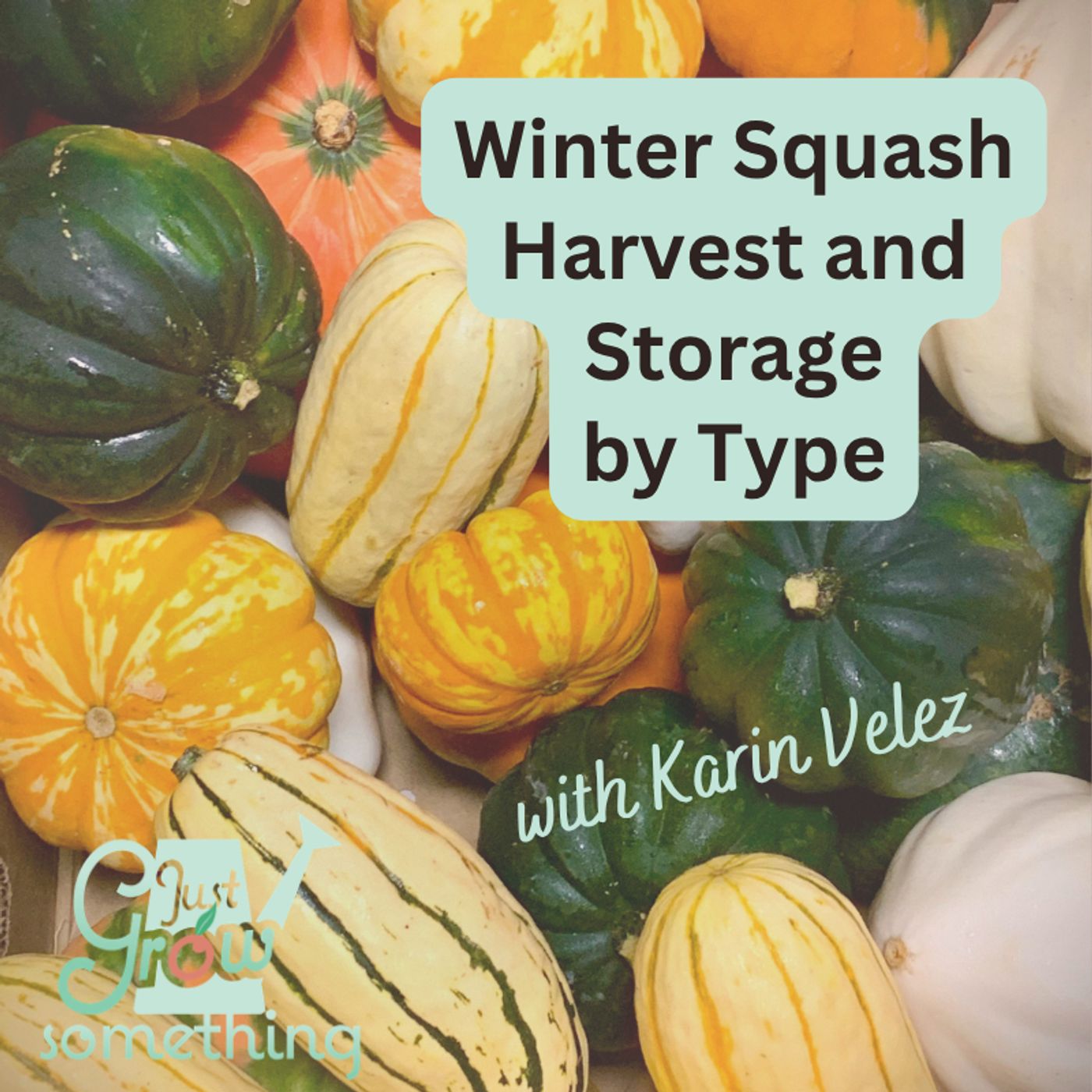
Winter squash gives you almost no obvious warning before it's ready, and pulling it too early is one of the most common mistakes gardeners make. And that mistake costs you flavor, sugar content, and months of storage life. In this episode, we're breaking down exactly how to read maturity on butternut, acorn, spaghetti, delicata, and storage pumpkins: the rind test, the ground spot, and the specific cues for each type. Then we'll cover what to do with a squash patch when frost is bearing down on you, why curing helps some squash and actively ruins others, and how to...
Who's Eating My Garden? Identifying and Deterring Common Backyard Wildlife - Ep. 314
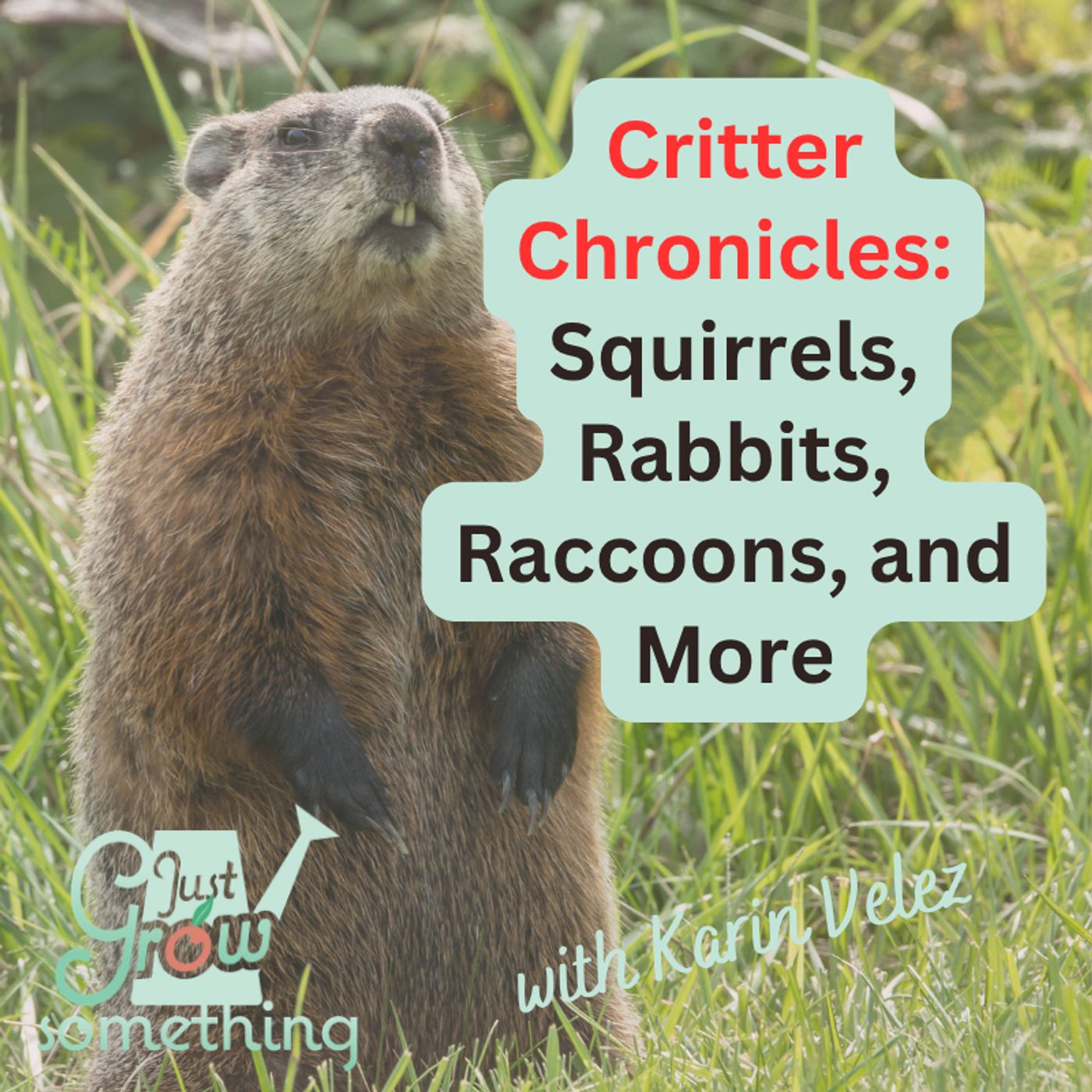
Something has been eating your tomatoes, mowing your green beans down to nubs overnight, or turning your flower bed into a construction site, and you want to know who's responsible and what will make them stop. In this episode, we're working through the full lineup of backyard garden critters, starting with the animals most home gardeners deal with every season: squirrels, chipmunks, rabbits, deer, and raccoons. Then we're digging into two animals that caused real trouble this year: groundhogs, which mowed down entire rows in my own garden, and armadillos, a first-time visitor here on the farm.
...
Organic, Conventional, or Homegrown: What the Research Really Shows About Nutrition - Ep. 313
You've probably heard both sides of this argument: that organic and conventional produce are nutritionally identical, and that homegrown vegetables blow store-bought out of the water. Which one is true?
In this episode, I dig through the peer-reviewed research on three separate questions: whether organic farming produces more nutritious food, whether soil health itself changes the nutrient content of what we eat, and what happens to those nutrients in the days between harvest and the moment food lands on your plate. I'm treating this as a real meta-analysis, pulling together findings from major systematic reviews, long-term field...
Why I Trust University Extension - Ep. 312
If you've listened to this show for any length of time, you've heard me point to University Extension again and again as my go-to source. But I've never actually explained why.
In this episode, we're pulling back the curtain on the Cooperative Extension System: where it came from, starting with farmers comparing notes in the early 1800s, through the Morrill Act's creation of land-grant universities in 1862, the Hatch Act's 1887 research mandate, and the 1914 Smith-Lever Act that built the nationwide Extension system we know today.
We'll also trace the Master Gardener program from its 1972 origins in...
The Science We Got Wrong: How Plant Research Rewrote the Rules for Gardening - Ep. 311
For most of the last century, gardeners were taught to cultivate their soil after every rain to conserve moisture, to think of plant roots as lone competitors, and to treat "plant communication" as science fiction. All of that was built on the best evidence available at the time, and all of it has been revised, in some cases more than once, as better tools let researchers see what earlier generations simply could not. In this episode, we walk through four real case studies of plant science changing its mind. Along the way, we talk about how the scientific method...
The Mid-Season Soil Check - Ep. 310
Your garden is at its busiest in July, and so is the wear and tear on your soil. In this episode we get past the fertilizer conversation and into whether your soil is still functioning at all — how traffic, pounding rain, heat, and heavy-feeding crops degrade soil mid-season, the physical, chemical, and biological warning signs to look for right now, and tests you can run this week to sort the problems. Plus, how to use a mid-season open bed as a soil-building opportunity.
Let's dig in!
REFERENCES & RESOURCES
University of Delaware Cooperative Extension — "Combating Soil...Battling Blossom End Rot the Right Way - Ep. 309
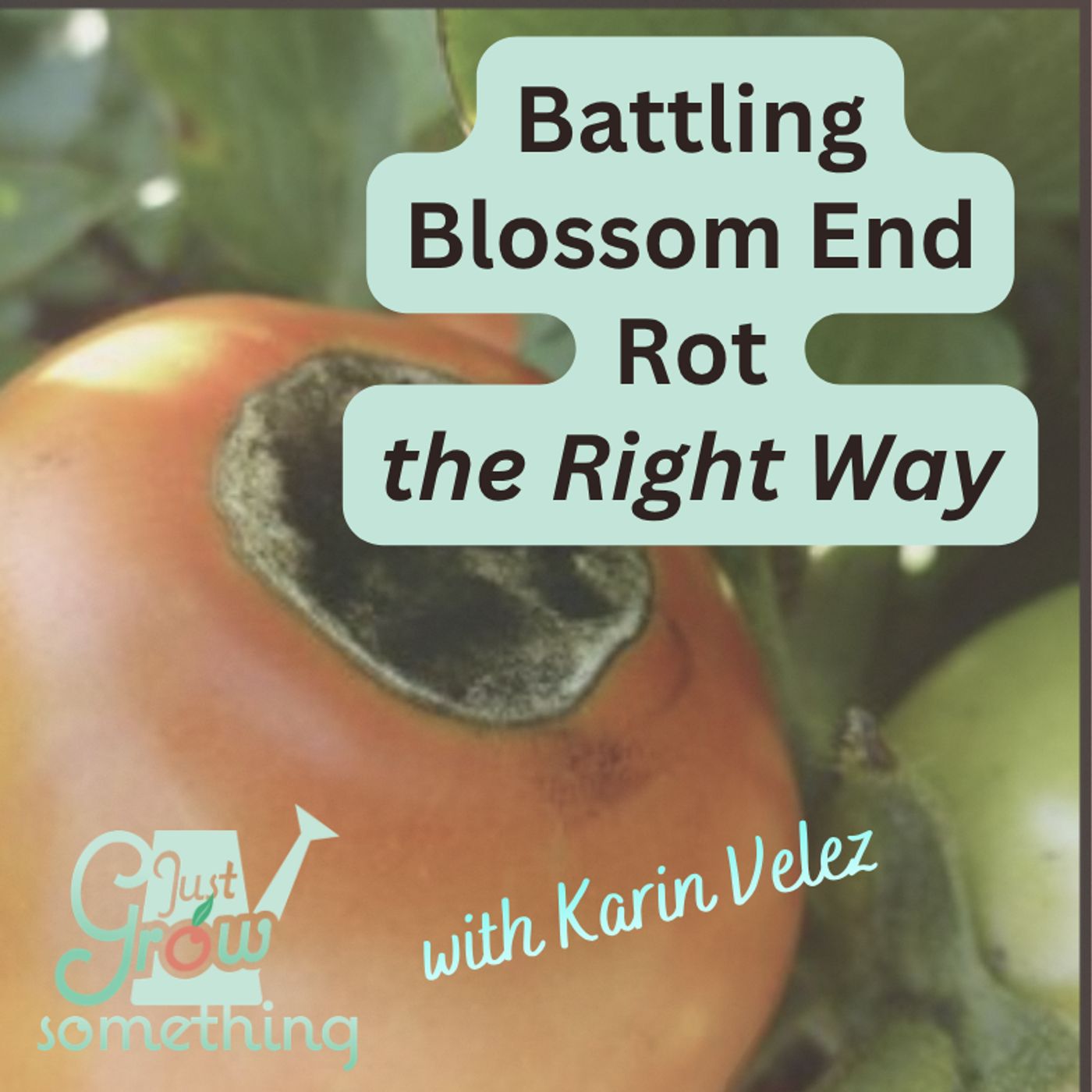
If you've grown tomatoes or peppers for more than one season, you more than likely know the feeling been waiting that first tomato to ripen, finally see it’s blushing red, and you flip it over to find a sunken, leathery patch covering half the bottom of the fruit. And if you went looking for answers, you probably found three of them repeated everywhere you turned: sprinkle in some crushed eggshells, spray on some calcium, add a scoop of Epsom salt. All three of those are extremely common advice. Two of them do close to nothing. And one of th...
Heat Stress vs Drought Stress in the Vegetable Garden - Ep. 308
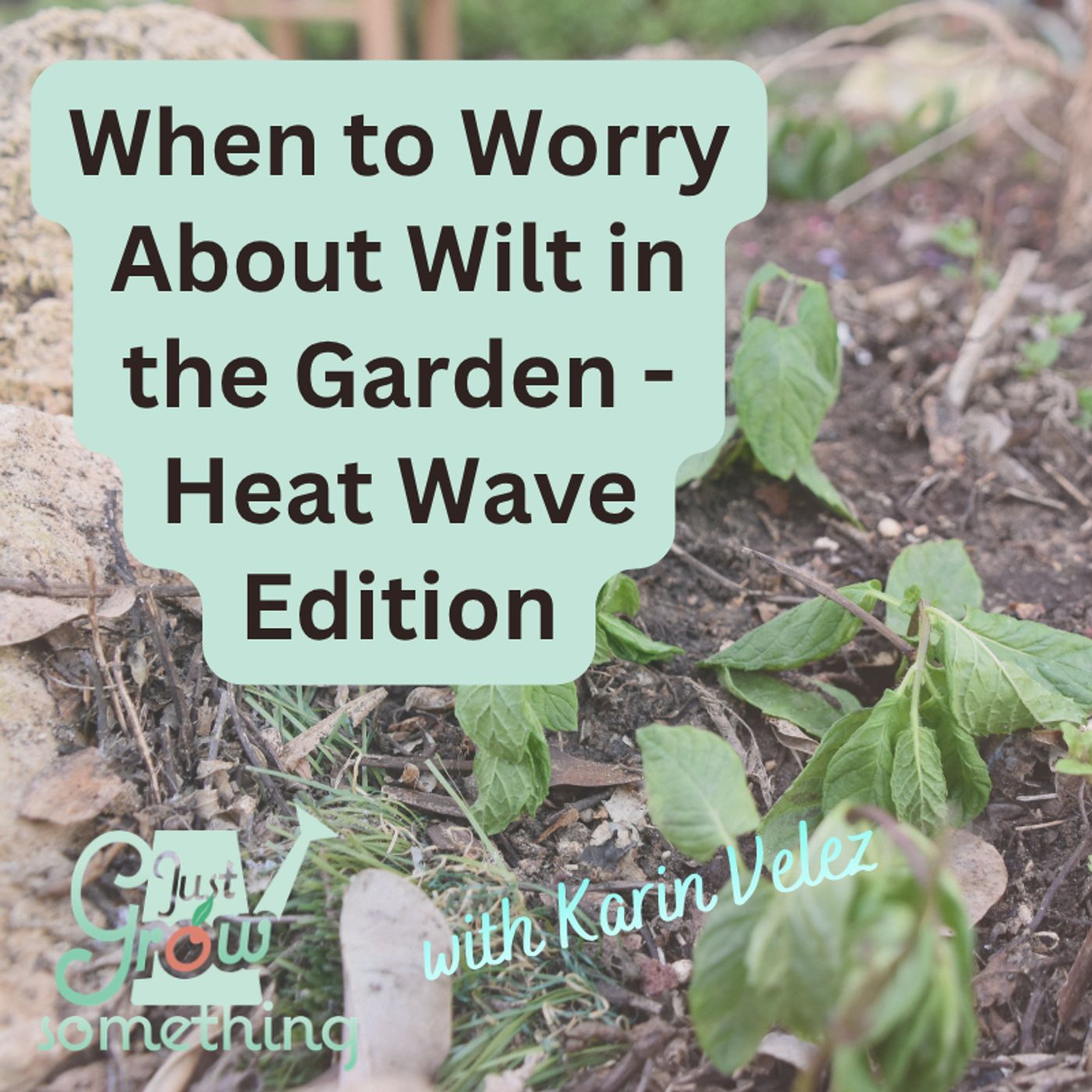
It's two o'clock on a July afternoon. You walk out to check the garden, and your squash leaves are drooping so low they're nearly touching the mulch. Your tomato plants look like they've given up on the whole season. If your first thought, every single time, is “I need to water right now,” hold on a second before you grab that hose. Because that dramatic afternoon collapse you're looking at likely has absolutely nothing to do with how much water is in your soil.
So today on Just Grow Something we're covering three things: what's actually happening insi...
How to Time Your Fall Brassicas - Ep. 307
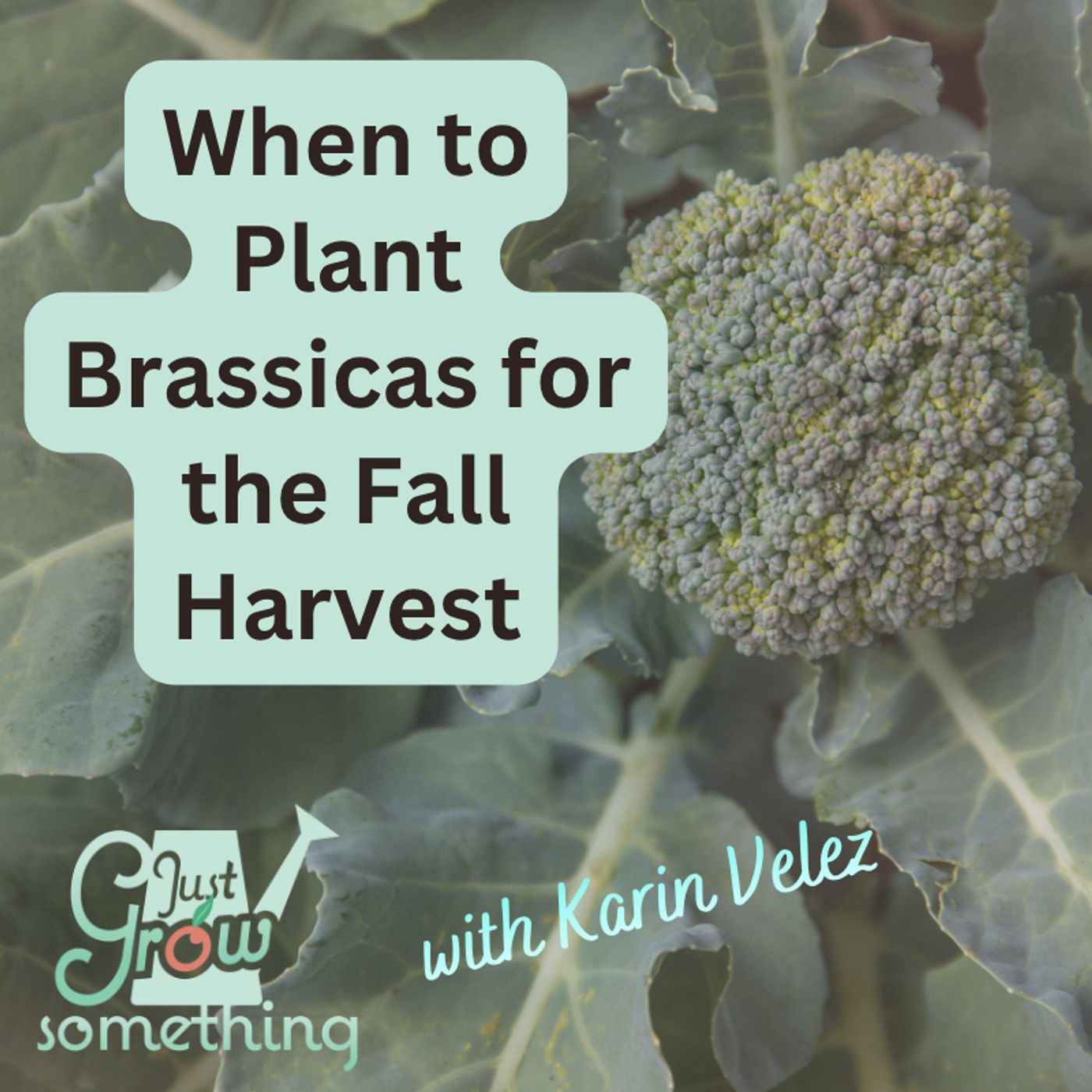
Fall gardening doesn't start in September. For the crops that take a long time to produce, your broccoli, your cauliflower, your cabbage, your Brussels sprouts, it starts right now in late June and early July. And if you've never had a productive fall brassica bed, it's almost certainly because you started too late and it took me a lot of years to master this.
This episode is about fall gardening planning, and specifically about the crops that require you to be thinking ahead right now, in late June and into July, when literally nothing about summer conditions...
Mid-Season Fertilizing: How to Know What Your Vegetables Actually Need - Ep. 306
It’s June, your tomatoes are climbing, your corn is waist-high, and the internet is full of fertilizing advice—most of it missing the most important variable: timing. In this episode, we dig into what your vegetables need right now at mid-season, why nitrogen timing is the thing most gardeners get wrong, how fruiting crops and leafy crops have completely different needs, and when fertilizing can actually hurt instead of help. We’ll cover how to read your plants for deficiency signs, how to side-dress correctly, and why the most common mid-season mistake isn’t under-fertilizing—it’s fertilizing at the wrong...
Early Blight Versus Late Blight in Tomatoes: Don't Get This One Wrong! - Ep. 305
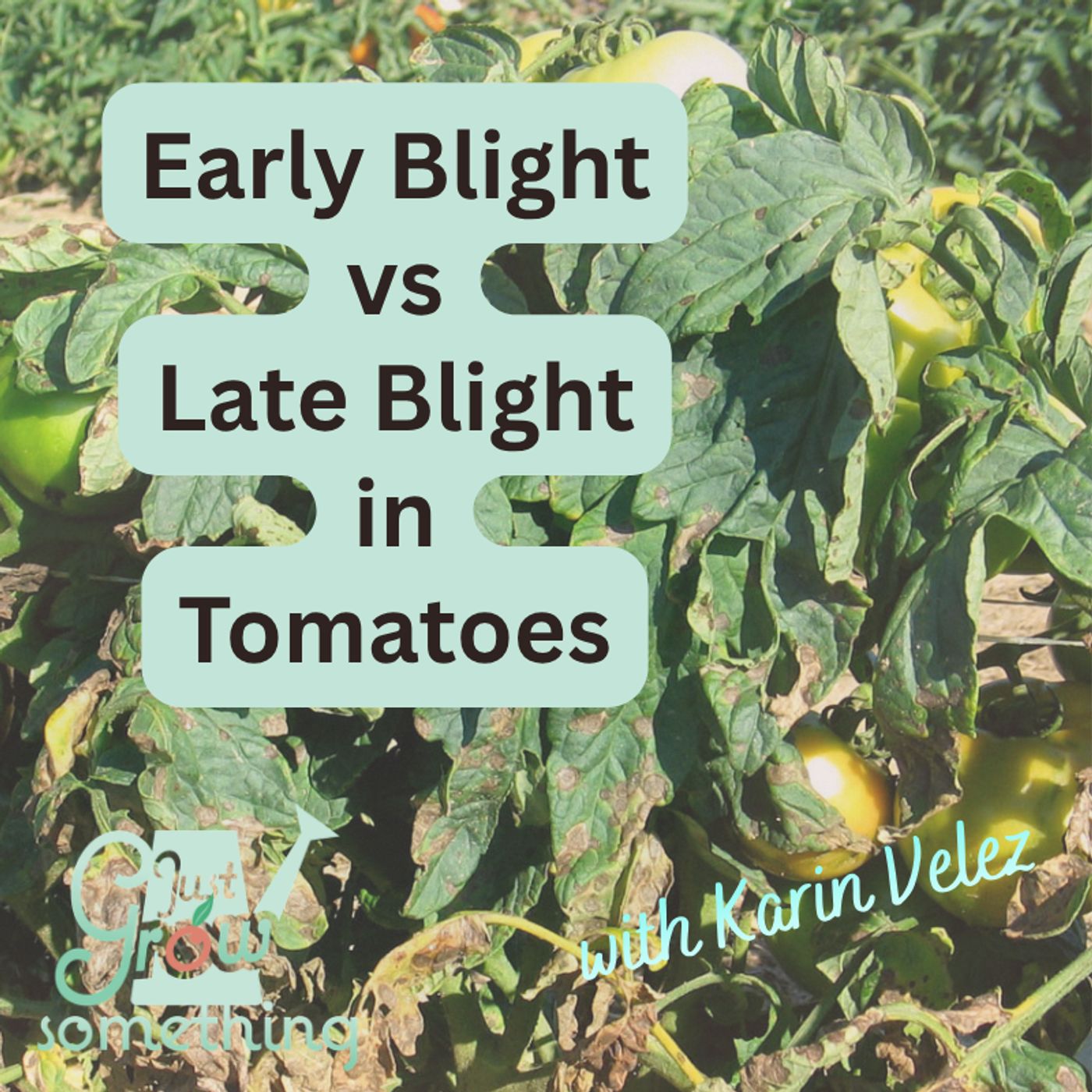
Every June, one of the most common questions that floods gardening groups, emails, and extension offices is some version of: “My tomato leaves are turning brown — do I have blight?” The confusion is completely understandable, because there are two diseases that get lumped under that word — and they are caused by completely different organisms, show up in different ways, and require completely different responses. Treating late blight like early blight — or vice versa — can mean the difference between saving your plants and losing your entire harvest.
In this episode, horticulturist and market farmer Karin Velez breaks both diseases dow...
How to Manage Squash Vine Borer - Ep. 304
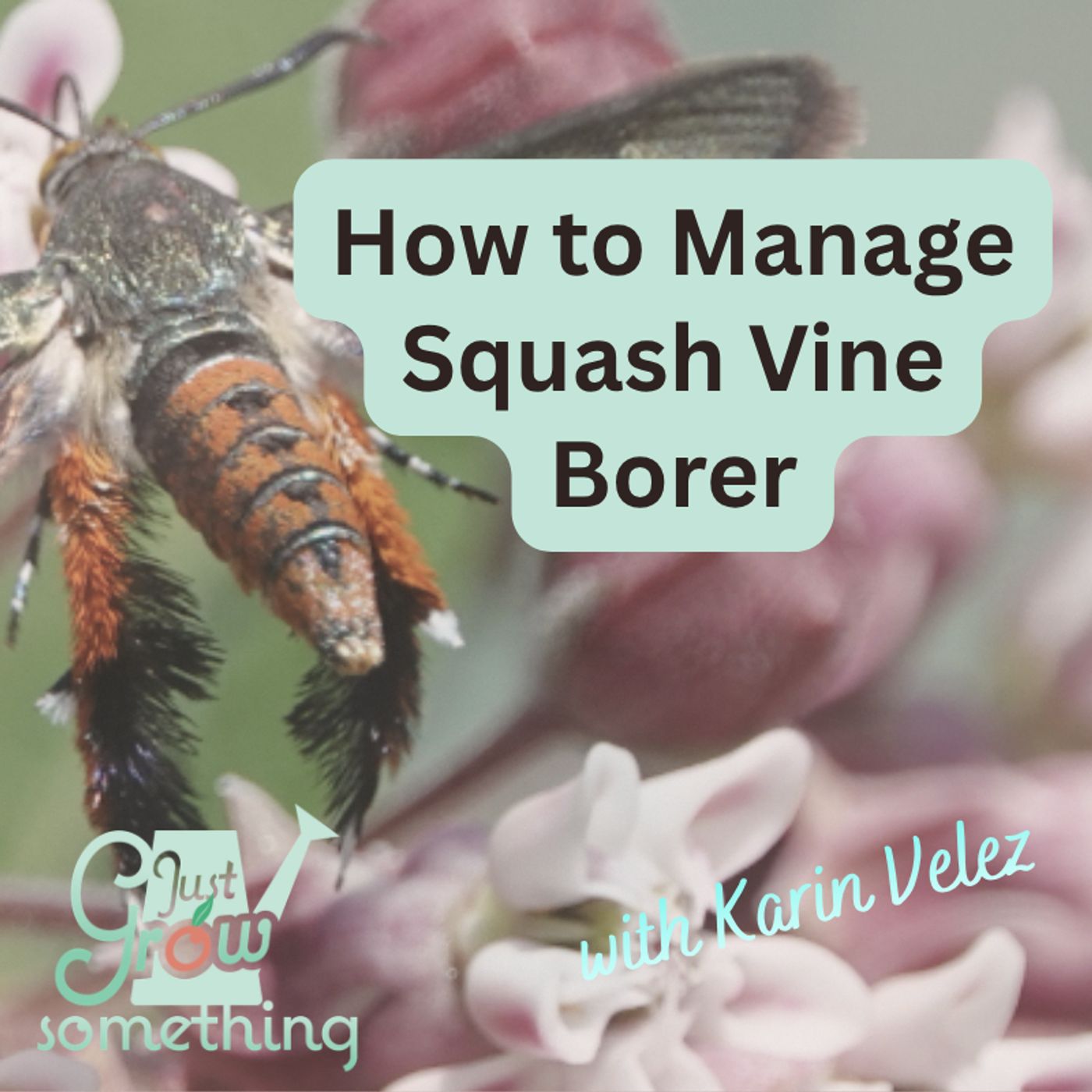
Every year, gardeners across the country watch their squash plants collapse overnight and have absolutely no idea why until it’s too late. The culprit is the squash vine borer, and it is one of the most misunderstood pests in the home garden.
In this episode, Karin Velez breaks down the full life cycle of the squash vine borer, including regional timing differences that explain why gardeners in Florida, Missouri, and New Hampshire are fighting very different battles. She covers the remedies that likely don’t work (no matter how many gardening blogs swear by them), the stra...
How to Identify and Manage Perennial Weeds (Without the Viral Sprays) - Ep. 303
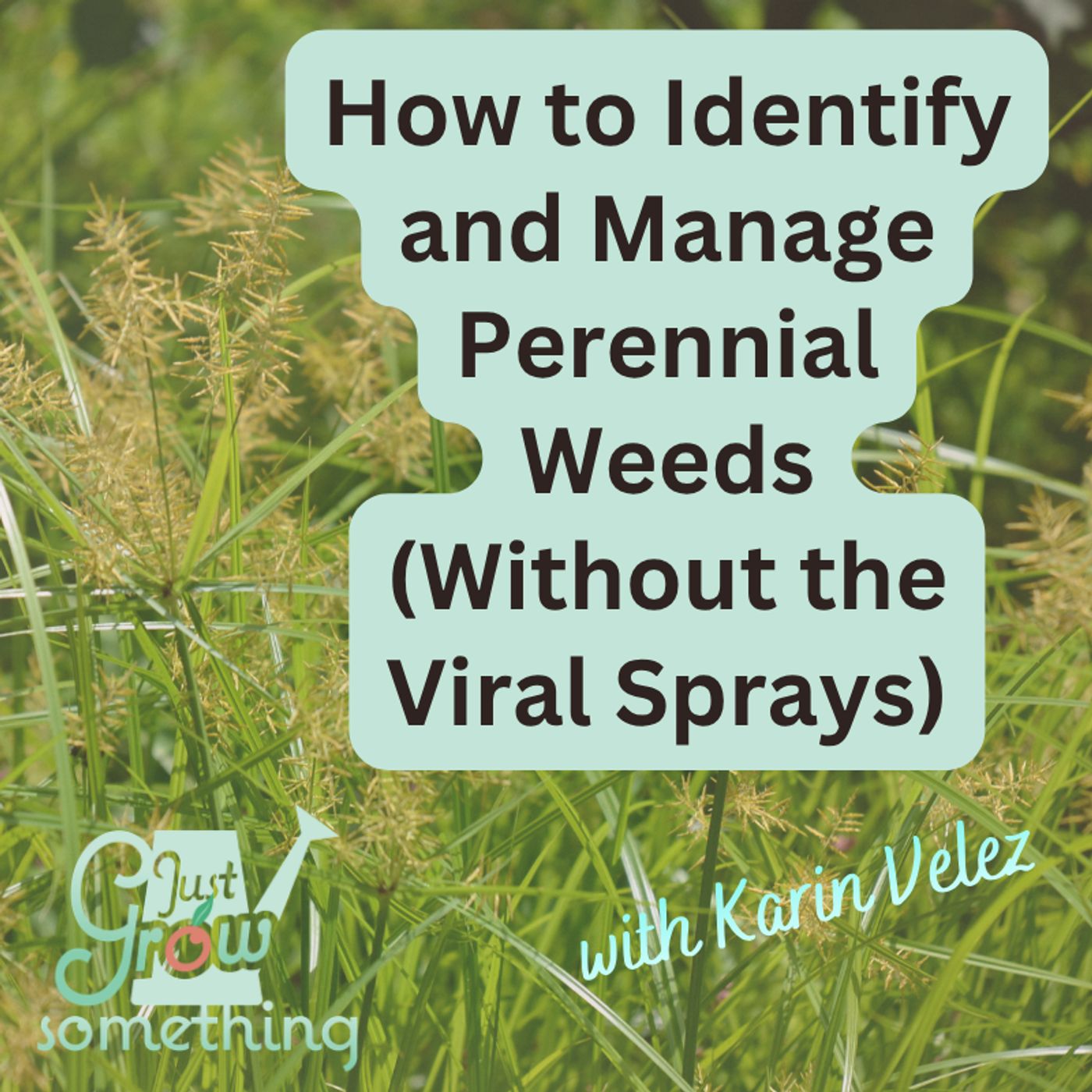
Perennial weeds are in a different category than annuals. They don’t just re-seed, they regrow from the ground up, season after season, from root systems that can run three feet deep or spread fifteen feet sideways underground. In this episode, we’re tackling them systematically. First, a regional tour of the most aggressive perennial weeds in the U.S. - what they look like, how they spread, and why they’re so hard to beat.
Then, we work on management using Integrated Pest Management principles, starting with prevention and exclusion, moving through cultural and mechanical controls, and kn...
Mulch Matchmaking: Choosing the Right Mulch for Your Vegetable Garden - Ep. 302
Mulch is one of the highest-return investments you can make in your vegetable garden and yet most gardeners are using whatever happens to be available rather than whatever would actually work best for their situation.
In this episode, we dig into the full lineup of organic mulches—straw, shredded leaves, wood chips, pine needles, grass clippings, and compost—as well as a shorter look at inorganic options like landscape fabric and black plastic.
For each type, you’ll learn how well it suppresses annual, perennial, and invasive weeds, how it handles moisture retention and heavy rainfa...
Spring-Planted Bulbs and Summer Blooms: A Guide to Growing and Storing Dahlias, Gladiolus, and More - Ep. 301
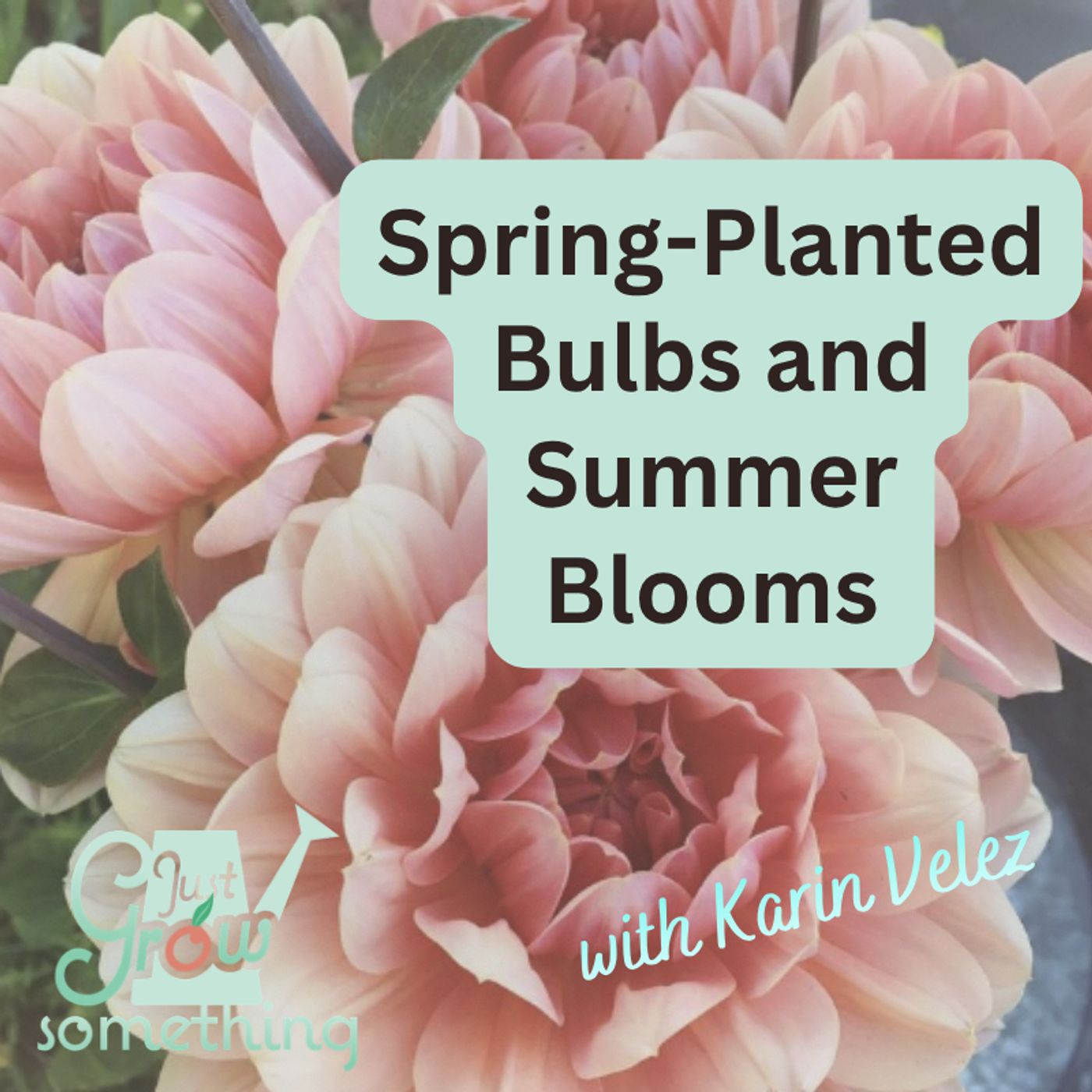
A listener asked for a deep dive on dahlias and I’m delivering, from the ground up (pun intended). But we’re not stopping there. In this episode, I’m covering the full world of spring-planted bulbs: dahlias, gladiolus, cannas, calla lilies, and tuberous begonias. You’ll learn when and how to plant them, how to grow them for maximum blooms, how to cut them for the vase (because that’s half the fun), and, critically, how to handle end-of-season care based on where you live. If you’re in a warmer zone, some of these can stay in the ground...
Episode 300: The Questions You Keep Asking (and What the Research Actually Says)
We made it to 300 episodes! And to celebrate, I’m doing something a little different. I went looking for the questions home gardeners are asking most, the ones showing up in Reddit threads, Facebook groups, university extension Q&A lines, master gardener helplines, and my own DMs and emails, over and over and over again. Then I went to the research: university extensions, peer-reviewed horticulture studies, and land-grant university publications, to find the best science-backed answers available. The result is this episode, ten of the most common gardening questions, answered with evidence, nuance, and a little bit of real-world ga...
Topping Peppers: What does the science say, yay or nay? - Ep. 299
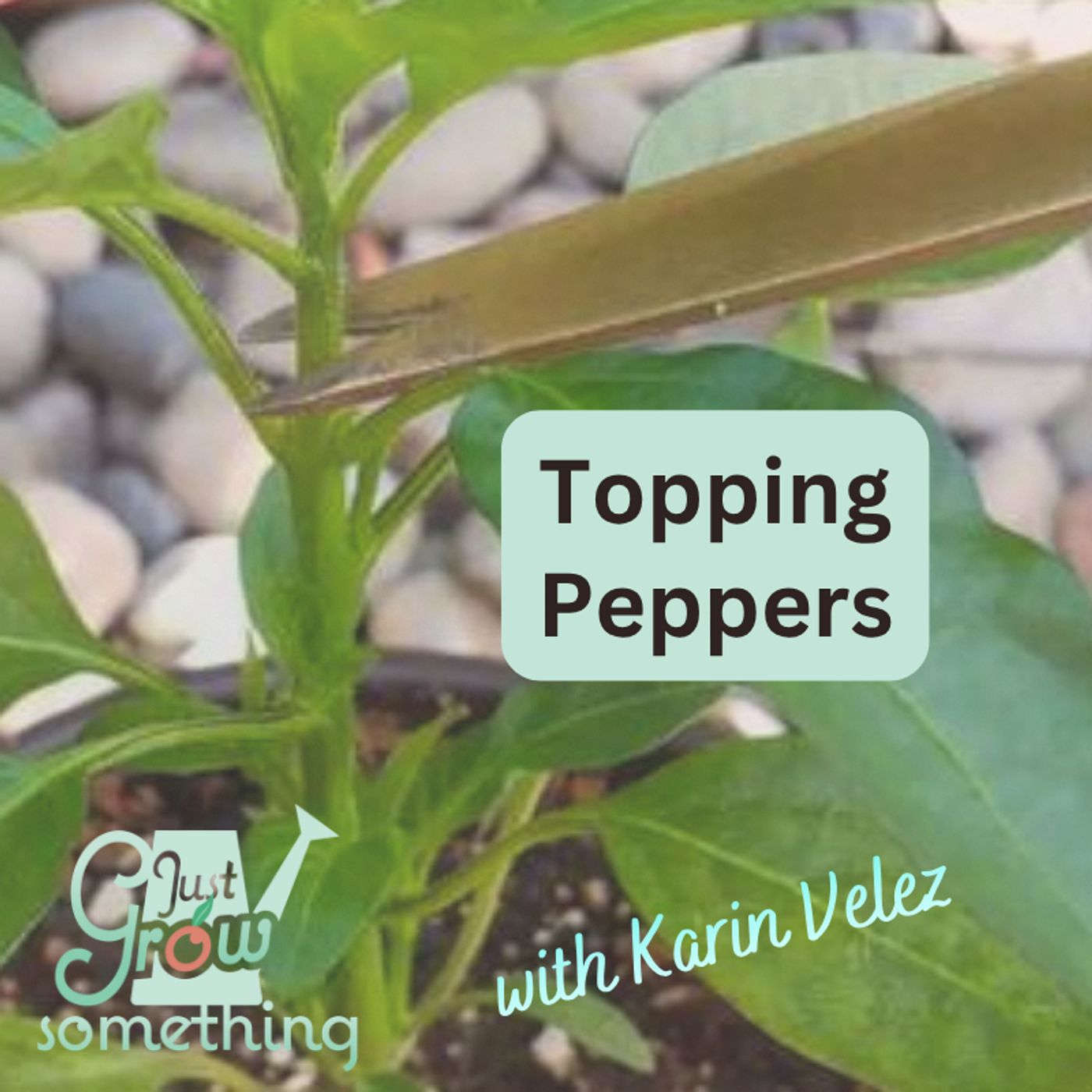
The subject of whether you should top your pepper plants can bring on a pretty strong debate among gardeners. That’s because this is one of those topics where the answer genuinely is: it depends. And I mean that in a very specific, evidence-based way that comes down to two things: your climate and your pepper type.
I’ll be straight with you, I do not top my peppers. We are in a zone 6b in west central Missouri and our season is just short enough that for our large sweet peppers, by the time a topped plan...
Growing Tomatoes, Peppers, and Lettuce in Pots - Ep. 298
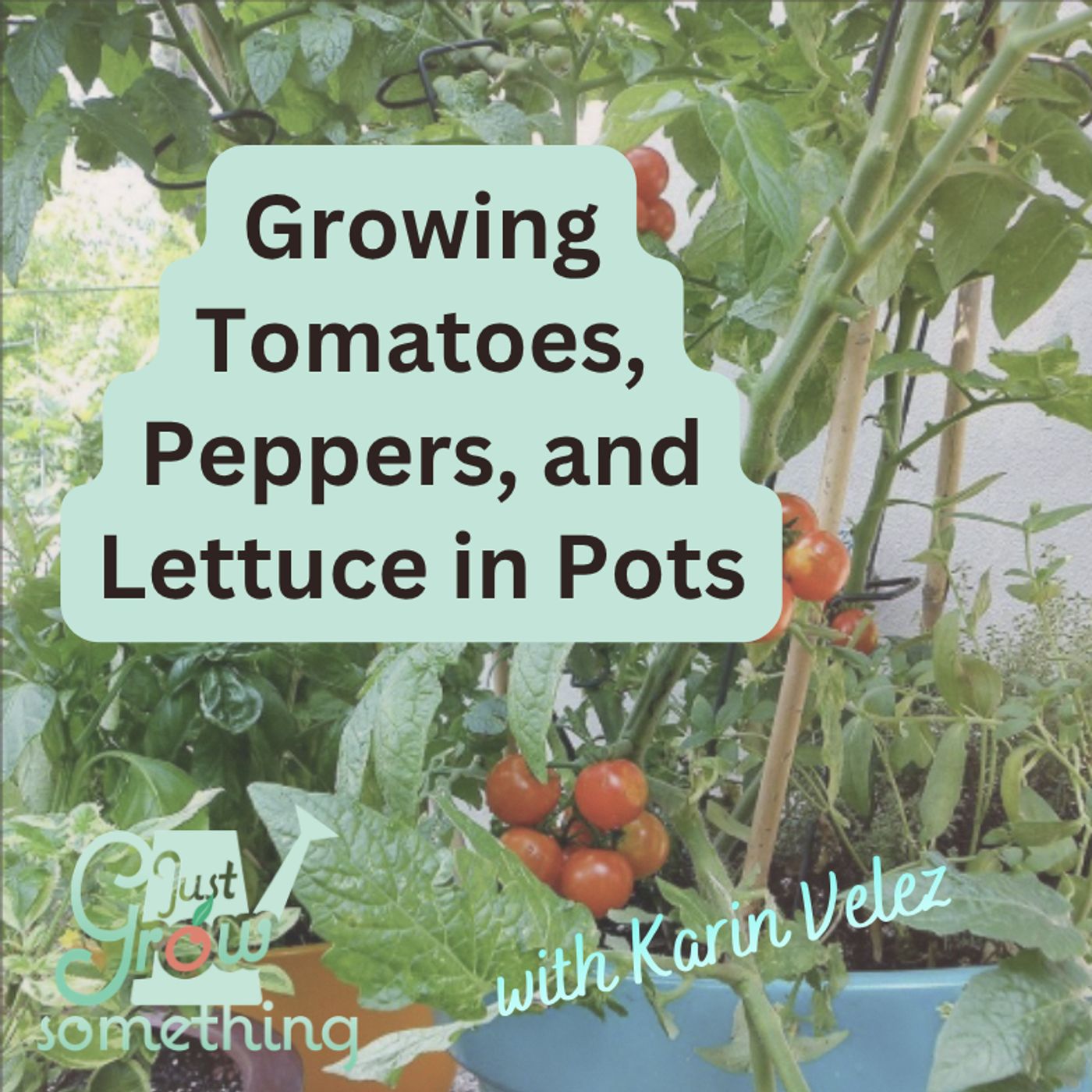
Last week on the show we talked about the basic considerations for growing in containers, and that included how to evaluate whether a crop is a good candidate for growing in a pot.
This week we’re digging into the three crops I get asked about the most often when it comes to growing in containers: tomatoes, peppers, and lettuce. And while, technically, you can grow most anything in the right sized pot, these three are the ones folks tend to try first, so we’re going to get specific on them. And yes, each one of them...
Container Gardening 101 - Ep. 297
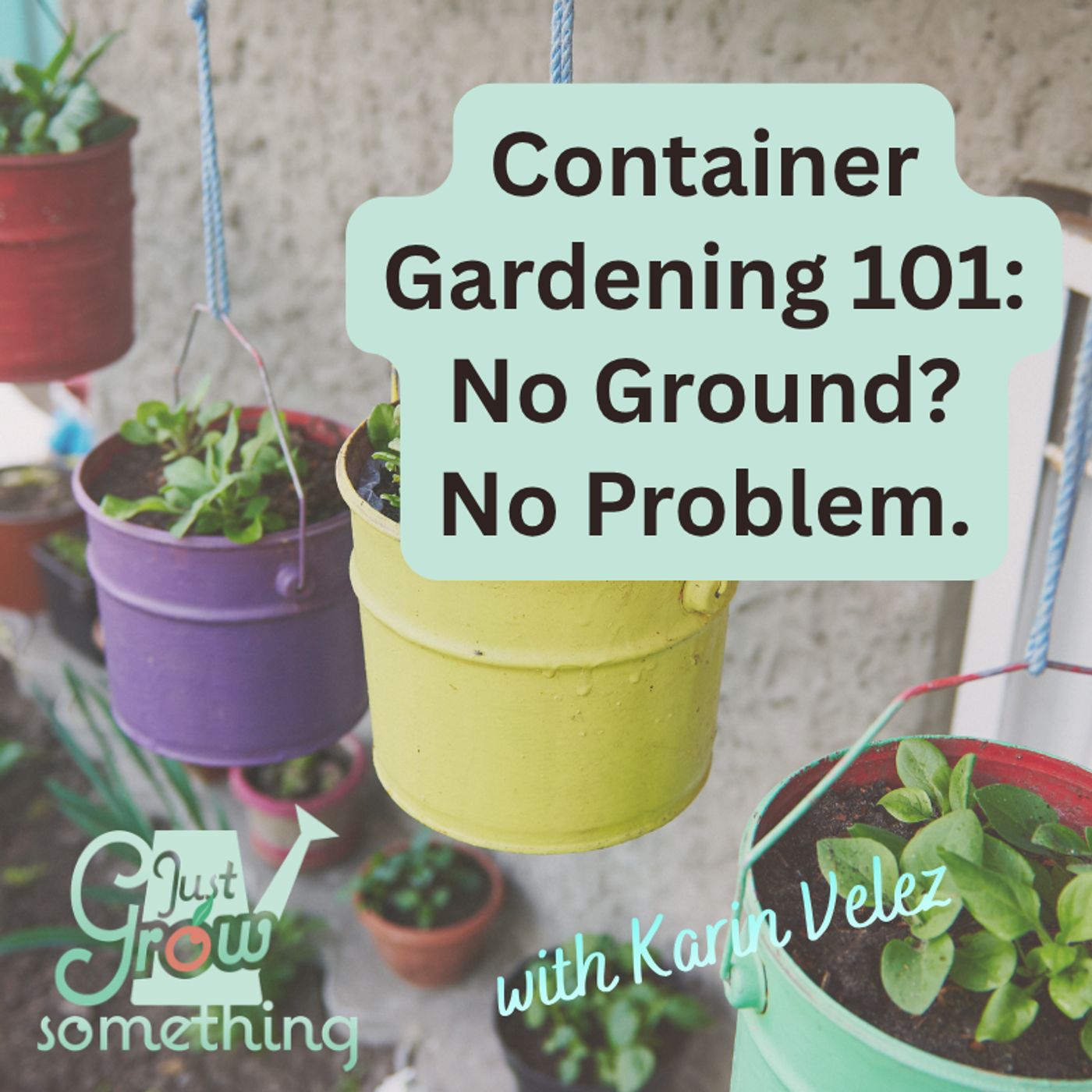
No yard? No tiller? No problem. If you've got a patio, a porch, a balcony, or even a sunny driveway, you can grow a real, productive vegetable garden in containers.
Today on Just Grow Something, we walk through the essentials of container gardening from the ground up: how to evaluate whether a crop is a good candidate for a pot, how to pick the right container size based on root system and mature plant size, what kind of soil to use (and what NOT to use), how to feed your plants organically, and the special considerations that...
Succession Planting 101: How to Keep Your Garden Producing from Spring Through Frost - Ep. 296
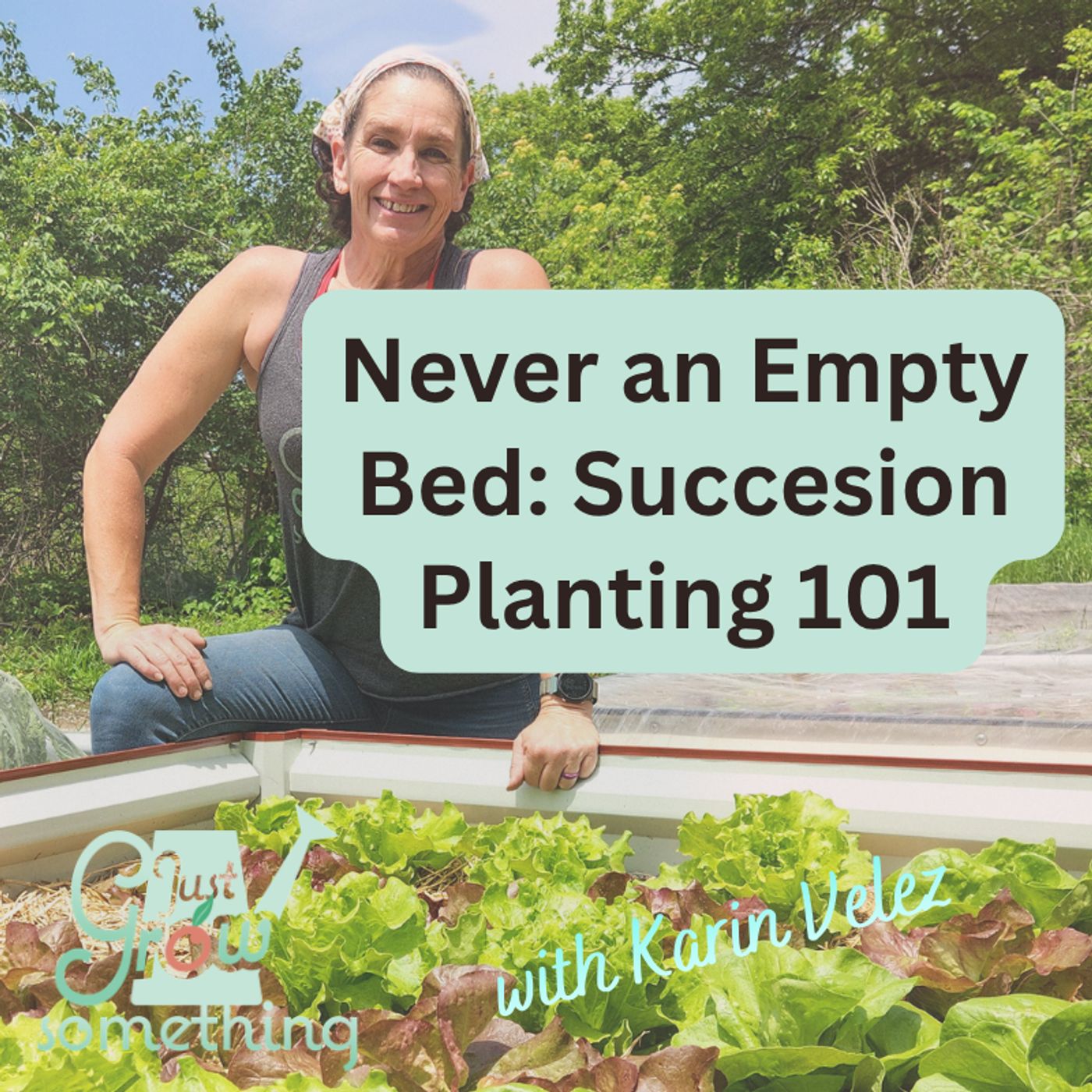
Empty beds mean missed harvests. But with the right plan, they're completely avoidable. Today on Just Grow Something I'm walking you through succession planting and relay planting, the strategies that keep your garden productive not just across space, but across time.
Whether you're dealing with a four-month growing season or gardening in year-round heat, there's a succession approach that works for your climate. I break down the three types of succession crops, explain how to build a planting calendar that eliminates gaps, and get into relay planting, where you plant your next crop into your current one...
Interplanting Done Right: The High, Low, Fast, Slow Method for Bigger Harvests - Ep. 295
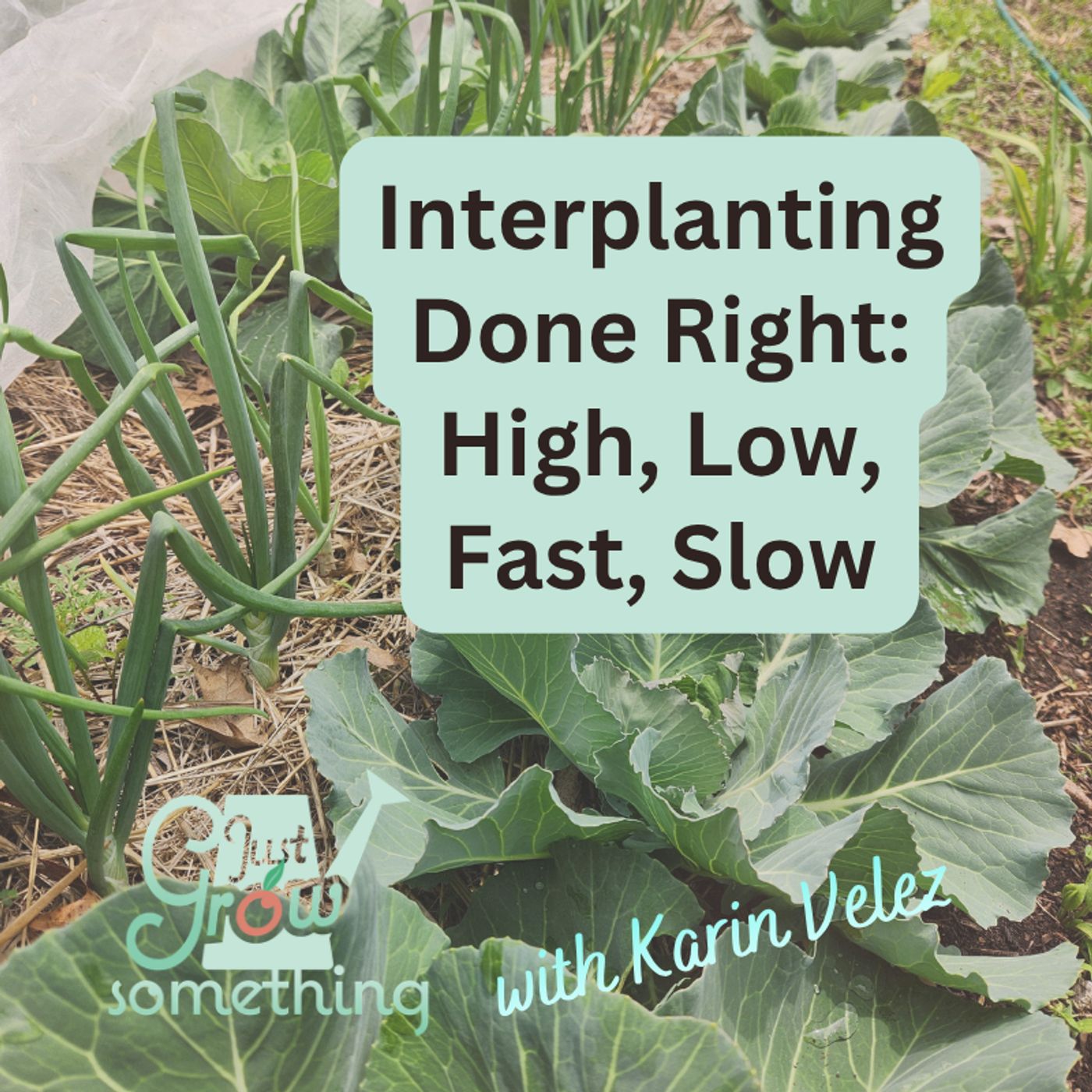
What if you could get more food from the exact same garden space, without expanding a single bed? That's the promise of interplanting, and today on Just Grow Something I break down exactly how to do it right.
Building on the "high, low, fast, slow" mantra I use in my own garden and teach in my Plan Like a Pro course, I walk you through the framework that makes interplanting work and the common mistakes that turn it into overcrowding. I cover what to consider before you ever put two plants together (mature size, water needs, nutrient...
Your Greenhouse Operating Manual - Ep. 294
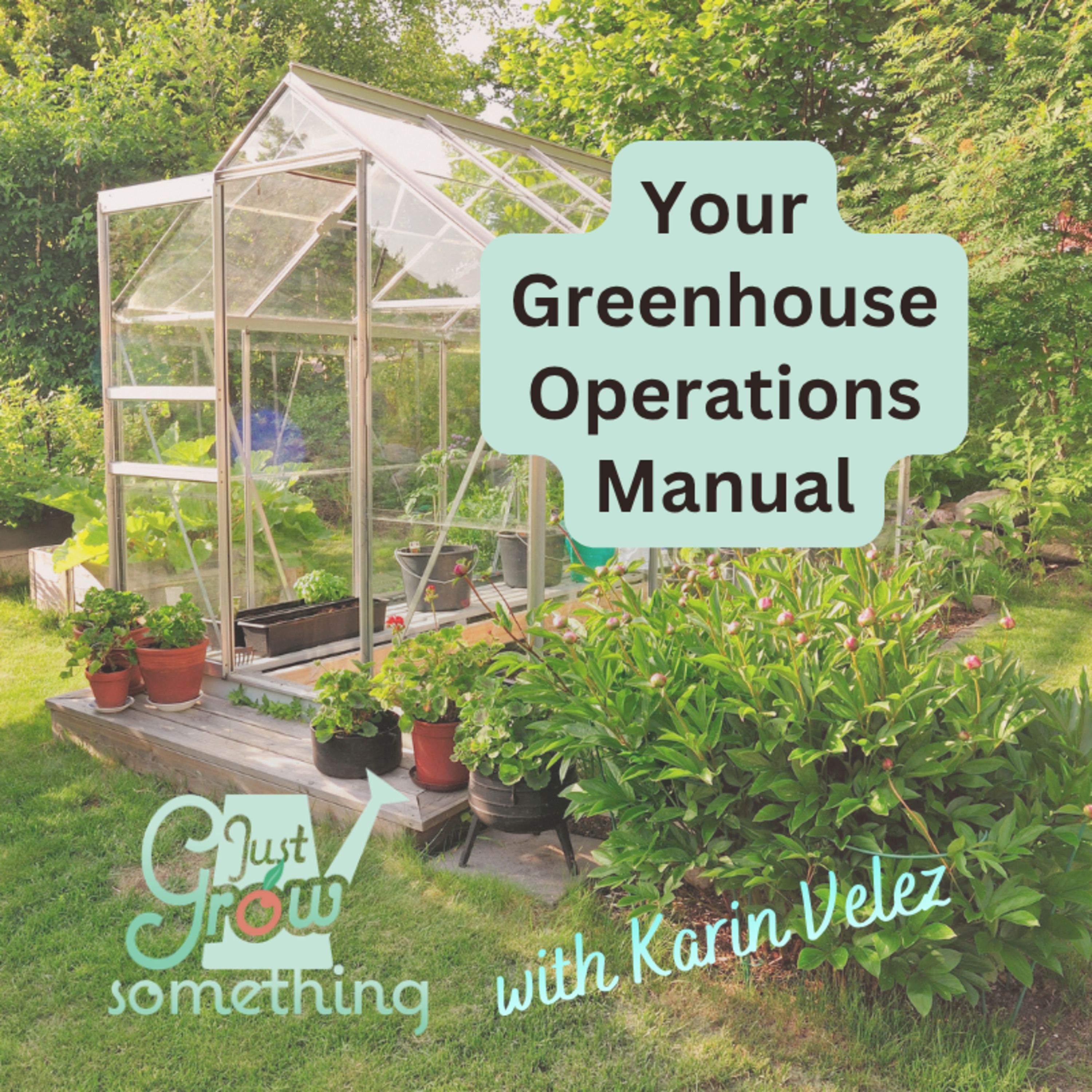
Get my greenhouse selection guide to help you choose which protected growing structure is right for you: https://justgrowsomethingpodcast.com/greenhouse
A protected growing structure isn’t “set it and forget it” but a microclimate you manage. In this final episode of our greenhouse mini-series, you’ll get a practical operating manual for cold frames, low tunnels, caterpillar tunnels, high tunnels, and home greenhouses.
We’ll cover ventilation, heating and cooling strategies, watering and irrigation basics, container vs raised-bed vs in-ground considerations, pollination management, and an evidence-based approach to pest and disease control.
We’ll also...
Greenhouse Tradeoffs: Heat, Humidity, Pests, and Practicality - Ep. 293
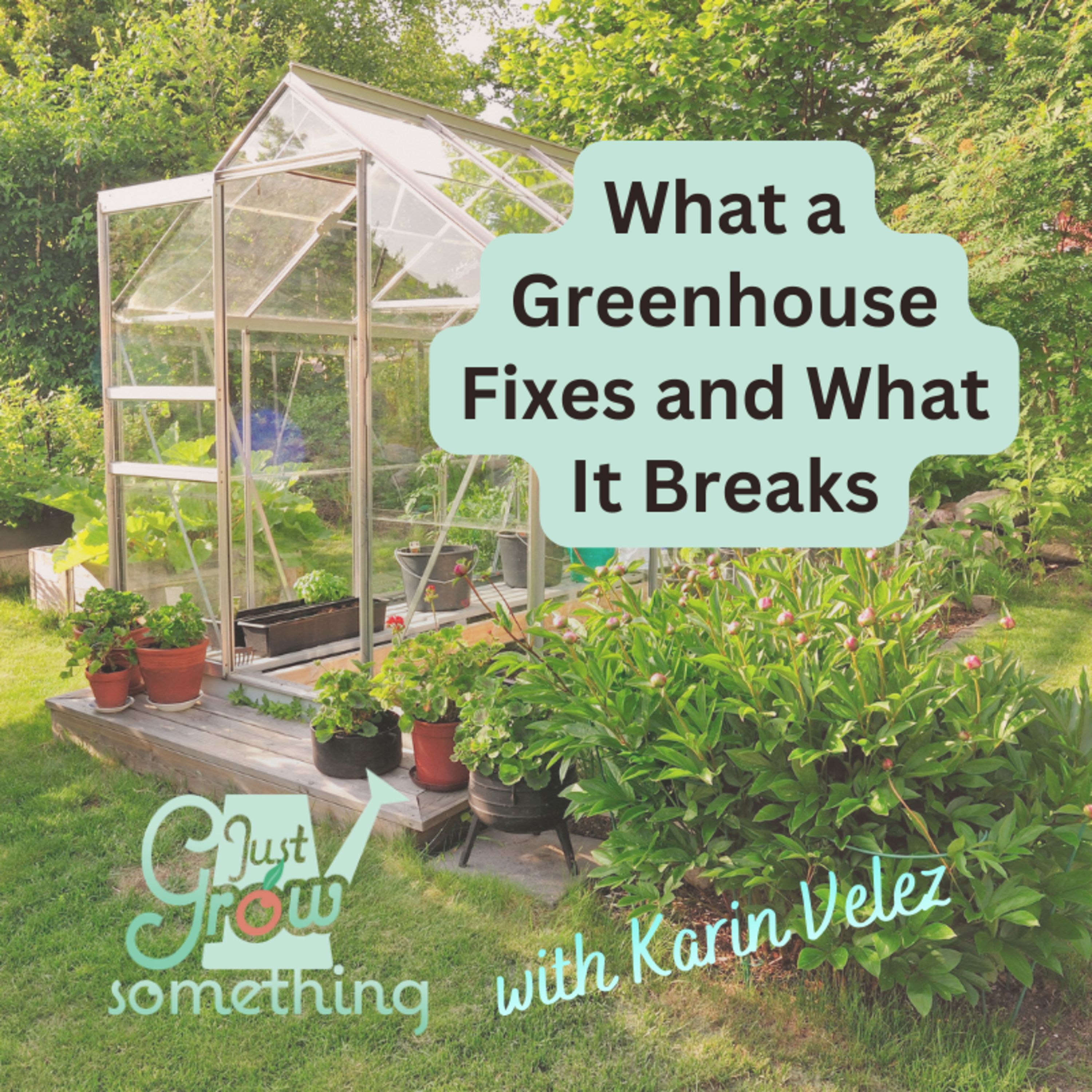
Get my free guide to choosing which protected gardening structure you should choose - https://justgrowsomethingpodcast.com/greenhouse
Protected growing structures like greenhouses can be game-changers - earlier harvests, fewer rain-splashed diseases, better crop quality, and more reliable timing. But they also create a new microclimate with new rules: overheating, humidity spikes, irrigation demands, shifting pest pressure, and sometimes pollination problems.
Today on Just Grow Something, we break down what problems protected culture solves, what it tends to make harder, and how to predict those tradeoffs before you invest. You’ll learn the core principals of...
How to Pick the Right Greenhouse, Tunnel, or Cold Frame - Ep. 292
Download my Protected Growing Quick Guide to help you make the decision on what type of structure would work best in your garden: https://justgrowsomethingpodcast.com/greenhouse
Thinking about a greenhouse but not sure if you really need one? There are some beautiful and expensive options out there, but greenhouses aren’t the only option for extending the season your garden.
Today on Just Grow Something, we map out the full spectrum of protected growing structures for home gardeners: from cold frames and covered shelving to low tunnels, caterpillar tunnels, hoop houses/high tunnels, and ho...
Hardening Off Homegrown AND Storebought Seedlings - Ep. 291
Hardening off is the difference between sturdy transplants that take off fast and seedlings that stall, scorch, or collapse after planting.
Today on Just Grow Something, you’ll learn what to do indoors before hardening off, a simple step-by-step hardening-off schedule (including temperature guidelines, shade vs. sun, wind protection, and watering adjustments), and what to watch for when you transplant.
We’ll also cover the “mystery variable” of purchased seedlings and how to treat garden-center starts if you’re not sure they’ve been acclimated.
Then, in the second half, we’ll talk about how the...
How to Time Seed Starting for Your Garden: Start Dates That Make Sense - Ep. 290
Timing your seed starting shouldn't be hard. There are plenty of calendars to follow, right? Until following a calendar means you start too early, run out of space, and end up babysitting leggy, root-bound seedlings for weeks. Or you start too late and miss the planting window you planned for.
So, today on Just Grow Something, we're connecting the dots between frost dates, planting calendars, and harvest windows to build a seed-starting schedule that fits your garden and your climate.
You’ll learn which crops are best started indoors vs direct sown, which plant families ne...
Spring Garden Bed Preparation - Ep. 289
If you want an easier garden season, February is the time to set the foundation. Two steps do most of the heavy lifting: getting a soil test and prepping beds without damaging soil structure. Done well, these tasks reduce fertilizer guesswork and improve root growth.
You can do a lot right now that sets you up for success without rushing into two classic mistakes:
1. throwing amendments at the garden without knowing what the soil actually needs, and
2. working soil while it’s still too wet, which can damage structure for the long haul.
...Indoor Seedling Troubleshooting - Ep. 288
Today is a clinic episode, a Seedling Troubleshooting Clinic to be exact, because if you’re starting seeds indoors, something is eventually going to look weird. A tray that was perfect yesterday is suddenly leaning. Something looks fuzzy on the soil surface. Or a seedling that seemed fine just flops over.
The good news is most seedling problems come from a small handful of causes, causes that we can actually control - light, temperature, water, airflow, or sanitation. And once you know what you’re looking at, you can usually fix it quickly or at least stop it f...
Onions vs Shallots in the Kitchen and the Garden - Ep. 287
Onions and shallots are closely related, they can be used in similar ways, and they look similar at the store, but they behave differently in both the kitchen and the garden.
So, today on Just Grow Something we’re doing a side-by-side comparison of these alliums. We’ll cover how they differ in taste and cooking uses, how they differ in growth habit, how to grow each one, and finally, how to adapt for hot climates and short-season climates, because those two extremes can make or break your allium crop.
Let’s dig in.
Refe...
Five Spring Crops to Plant Earlier Than You Think - Ep. 286
If you’ve ever planted a big patch of arugula at the same time you planted the rest of the spring garden, only to watch it shoot up a flower stalk a few weeks later, you’ve already met this week’s topic: heat-sensitive crops.
Heat-sensitive doesn’t always mean a plant can’t survive warm weather. It usually means warm temperatures and lengthening days change the plant’s priorities. Instead of producing the leaves, heads, or tubers we want to harvest, the plant pivots toward flowering and seed production or it keeps growing, but quality drops.
So, tod...
Creating Your Garden Calendar - Ep. 285
My Plan Like A Pro Course is Open for Registration: https://justgrowsomethingpodcast.com/pro
If you’ve ever gone into a Facebook gardening group and asked, “When am I supposed to plant this?” and then gotten ten different answers, you are not alone.
And if you’ve ever started seeds too early, ended up with giant leggy plants taking over your house, and then still got hit with a late cold snap? Also not alone.
Today on Just Grow Something we’re going to make garden timing feel simple, flexible, and predictable.<...
The Low Maintenance Garden Plan - Ep. 284
If you’ve ever planned a garden that looked amazing on paper and then halfway through summer you thought, “I do not have the time for this,” this episode is for you.
Because a garden can be beautiful, productive, and fun and still be too much if the plan doesn’t match your real life.
Today on Just Grow Something we’re building a low-maintenance garden plan. Not by choosing “easy plants,” but by designing your garden around the things that actually determine how much work it takes: location, layout, watering, weed control, and disease pressure and h...
How to Keep the Garden Producing All Season - Ep. 283
If you’ve ever had that one magical week where the garden is giving you exactly what you want - some lettuce, a few carrots, a handful of beans, a couple tomatoes - and then two weeks later you’re drowning in zucchini while everything else is kind of between harvests ...
Today we’re fixing that.
Because the goal for a lot of home gardeners isn’t “the biggest harvest possible on one weekend.” The goal is steady, usable harvests week after week so you’re actually eating from the garden regularly, without a sudden produce avalan...
Building Your 2026 Garden Plan - Ep. 282
If you’ve ever stared at a seed catalog in January and thought, “I want all of it,” and then somehow ended up with a garden that felt chaotic by mid-summer, today’s episode is for you.
Because most “garden planning” advice starts with the fun part—varieties, colors, wish lists—and then we wonder why the plan falls apart when real life shows up.
So today on Just Grow Something, we’re going to flip the order.
I’m going to give you four questions that can lead you to an actual usable plan. These q...
Garden Goal Setting for the New Year – Ep. 281
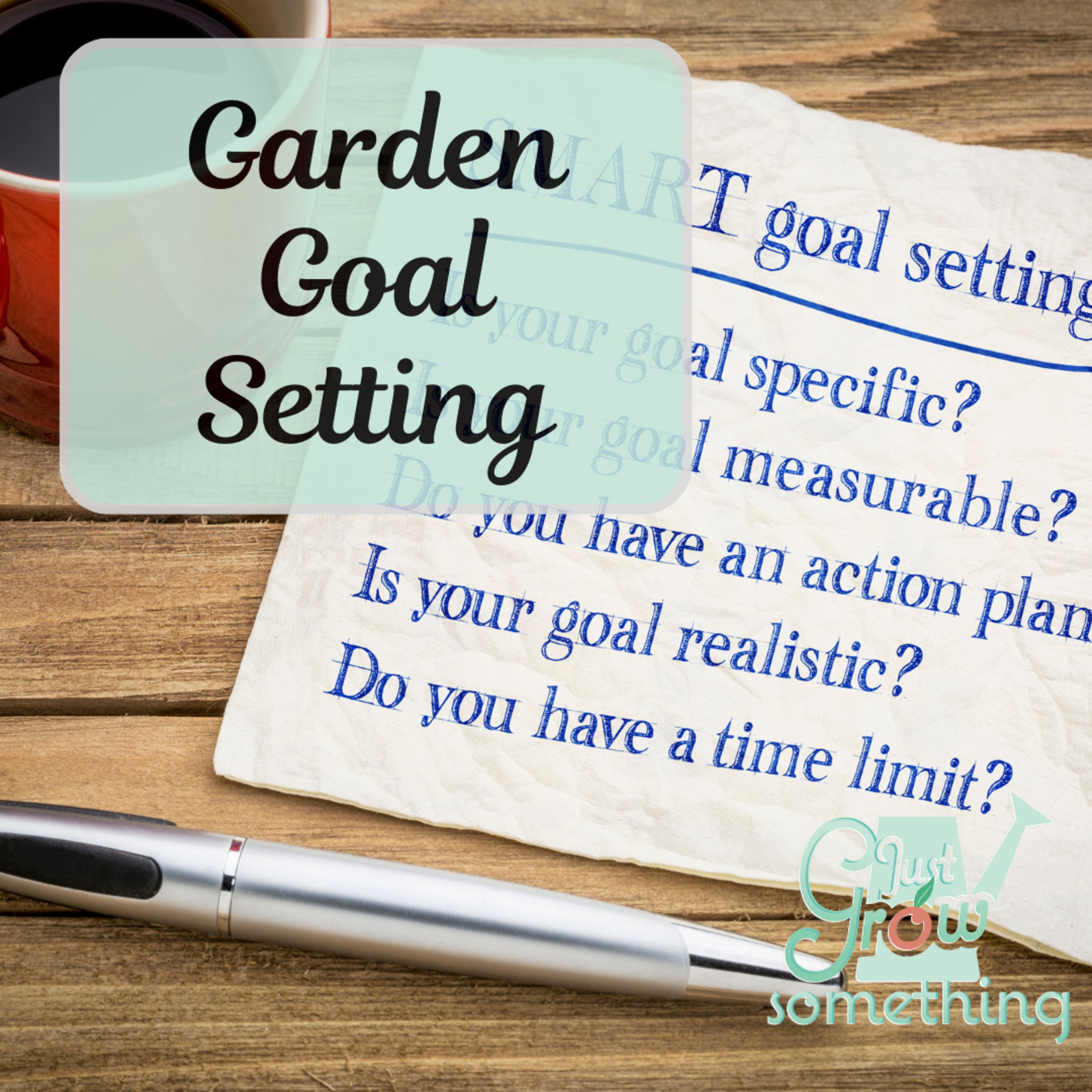
We’ve reached the end of another gardening year. Maybe your garden was spectacular. Maybe it was just so-so. Maybe it was an absolute disaster in certain beds and you’re still a little salty about the squash vine borers.
However it went, this is a powerful moment in the gardening calendar.
Today we’re going to slow down and talk about taking time to reflect on the past season, reset your expectations, and reimagine what you want from your garden next year.
Extension programs and planning guides consistently recommend end-of-season evaluation, note-taking, and ma...
Seed Catalog Season - Ep. 280
Seed catalog season is fun, but it can also be overwhelming. If you’ve ever ordered way more seed than you can possibly plant, chosen a variety that just did not perform in your climate, or gotten confused by all the codes, abbreviations, and marketing language this episode is for you.
Today on Just Grow Something we’re going to talk about how to read a seed catalog.
We’ll cover:
1. Why seed catalogs are tools, not just wish books
2. The key pieces of information in a catalog listing (and what they a...
