Marketplace Tech

Monday through Friday, Marketplace demystifies the digital economy in less than 10 minutes. We look past the hype and ask tough questions about an industry that's constantly changing.
Political pressure could complicate Anthropic's IPO

Anthropic formally filed to go public this week and about a third of its paperwork is dedicated to potential risks — including political ones. We'll get into it on today's “Tech Bytes: Week in Review.”
Plus, it’s a big week for big tech earnings: Microsoft pleased investors with a more restrained approach to AI spending, but still announced it’s offering buyouts to 60,000 employees. Meanwhile, Google’s parent company Alphabet took a plunge on Wall Street.
Here to help us unpack this week’s tech news is Maria Curi, tech policy reporter at Axios.
AI infrastructure is making smartphones pricier

Consumer electronics and AI data centers need memory chips. But there are only a handful of companies in the world that make them. The surge in demand has caused memory shortages and price spikes for everything, including our all-important smartphones.
Gerrit Schneemann is principal analyst at Counterpoint Research, which recently reported global phone prices have jumped by an average of 15%, and even more in markets where consumers can least afford it.
“The AI boom is making the world’s cheapest smartphones disappear” from Rest of World
The tech behind spooky season

Halloween haunts have long relied on a little technical wizardry to bring their terrors to life —from lighting and animatronics to digital decorations.
But these days, the technology behind those scares is getting increasingly sophisticated, and the spectacles more elaborate.
We got a glimpse behind the scenes at the Hollywood Haunted Hayride, put on by Thirteenth Floor Entertainment in Los Angeles.
Listen for more … if you dare.
Only in San Francisco: A picnic about AI's potential risks

Urgent concerns about losing control of AI have burst into the national conversation recently after the OpenAI hack of the open-source AI platform Hugging Face, the high-profile resignation of an Anthropic researcher, and other AI insiders sharing alarmingly high p(doom) figures — that is, the probability that AI kills us all.
An event listing for a picnic beckoned people in the AI scene to spend a Sunday afternoon talking about recent calls to slow down the technology.
Dony Christie, a community organizer in the AI safety scene, chose this spot not for the sc...
When ChatGPT writes your obituary
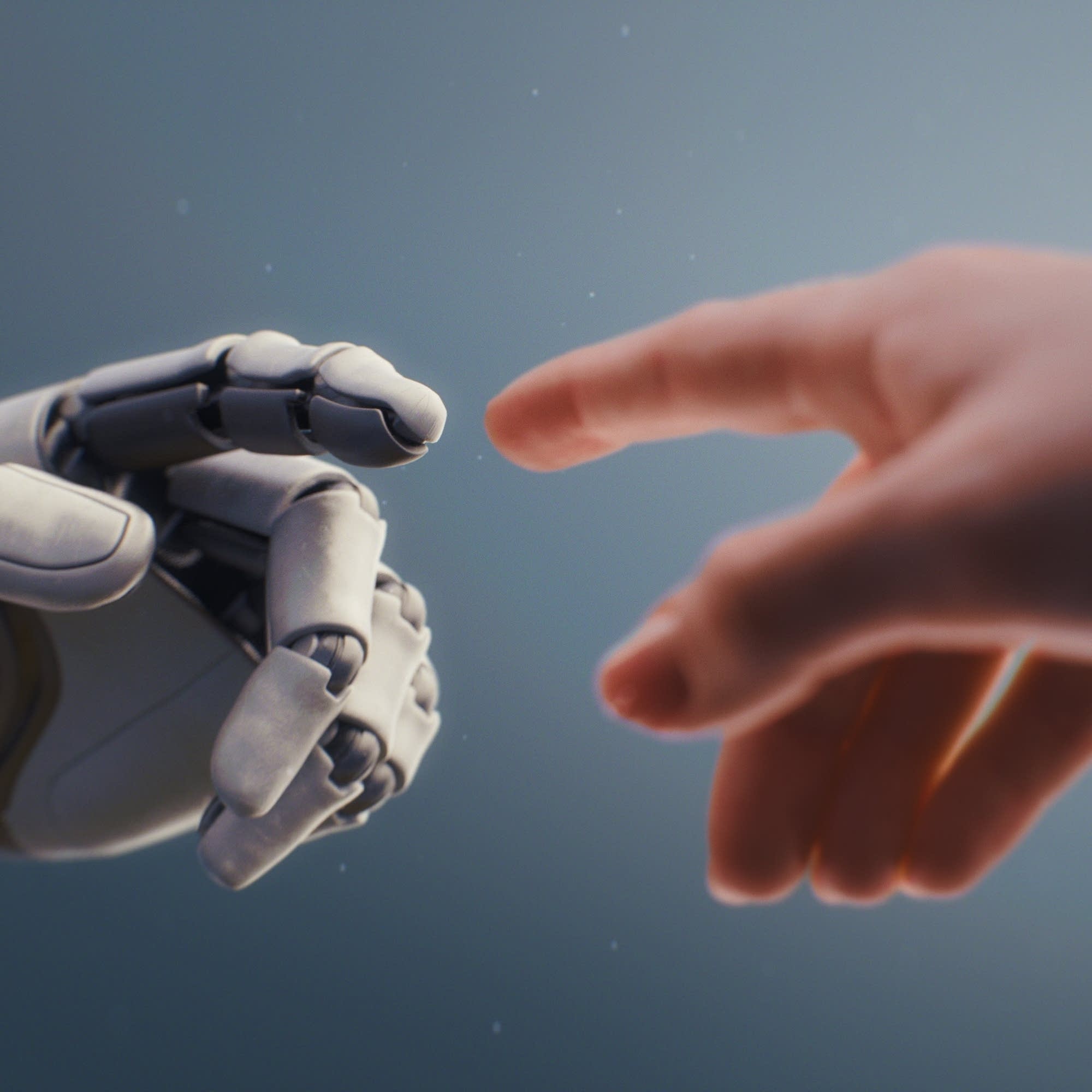
Donna Guthrie had obituaries on her mind after her brother passed away in May. She recently celebrated her 80th birthday and started wondering how she might be remembered. So, she asked ChatGPT to write her obituary. It's the topic of today's “Uncanny AI,” our regular segment about our sometimes unsettling experiences with this tech.
Plus, we asked Michelle Huang, a technologist and artist who explores the use of AI for wonder, if this is creepy or healthy.
“How AI can connect you with your inner child” from Marketpl...
iPhone Duo's crease is put to the test

Apple's long-awaited iPhone Duo launched this week, and everyone has the same question: can you see a crease? Joanna Stern, founder of media company New Things, has been putting it to the test for her newsletter. She's tried apps, phone calls, cameras. But, she really wanted to know if the much-hyped folding phone would stand the test of time. She hired a hardware designer to build a machine that opened and closed the iPhone Duo over and over while she slept — more than 32,000 times. Stern joins joins Marketplace’s Meghan McCarty Carino on this week’s “Tech Bytes: Week in Revie...
Behind the screens: What it’s like to interview an AI news agent

At Alaska News, you can find stories about the new summer sales tax rate in Juneau, a man ticketed for killing a bull moose out of season and about 20 other hyperlocal items a day.
Much of the coverage is generated by an AI agent called Walter, as in Cronkite, the famous newsman.
Nathaniel Herz, a human executive editor at the local alt weekly the Anchorage Press, wanted to learn more. So, he asked for an interview.
This AI agent has written thousands of Alaska...
Bumble didn't find its match on the stock market

When Bumble went public five years ago, the dating app known for being a friendlier place for women was valued at $14 billion. But the dating business, the tech industry and the stock market have changed a lot since then. And shares declined 90% from their peak.
Now, the company is going private again. It's being acquired by private equity firm Ithaca Holdings, with two new CEOs taking the helm. Sarah Kunst, managing director at the venture firm Cleo Capital and former senior advisor at Bumble, explains what this all means.
How easy is it to game AI search results?

More and more people are turning to chatbots to search the web.
But researchers are finding these systems can be gamed.
We wanted to understand more about how AI chatbot search results can be manipulated, so we called up someone who studies these things for a living: Xiyang Hu, an assistant professor at Arizona State University, where he leads the Generative Learning and Augmented Decision Lab.
``Someone Hid It!'': Query-Agnostic Black-Box Attacks on LLM-Based Retrieval — a study published for the International Conference on Ma...
Using generative AI for election-related research
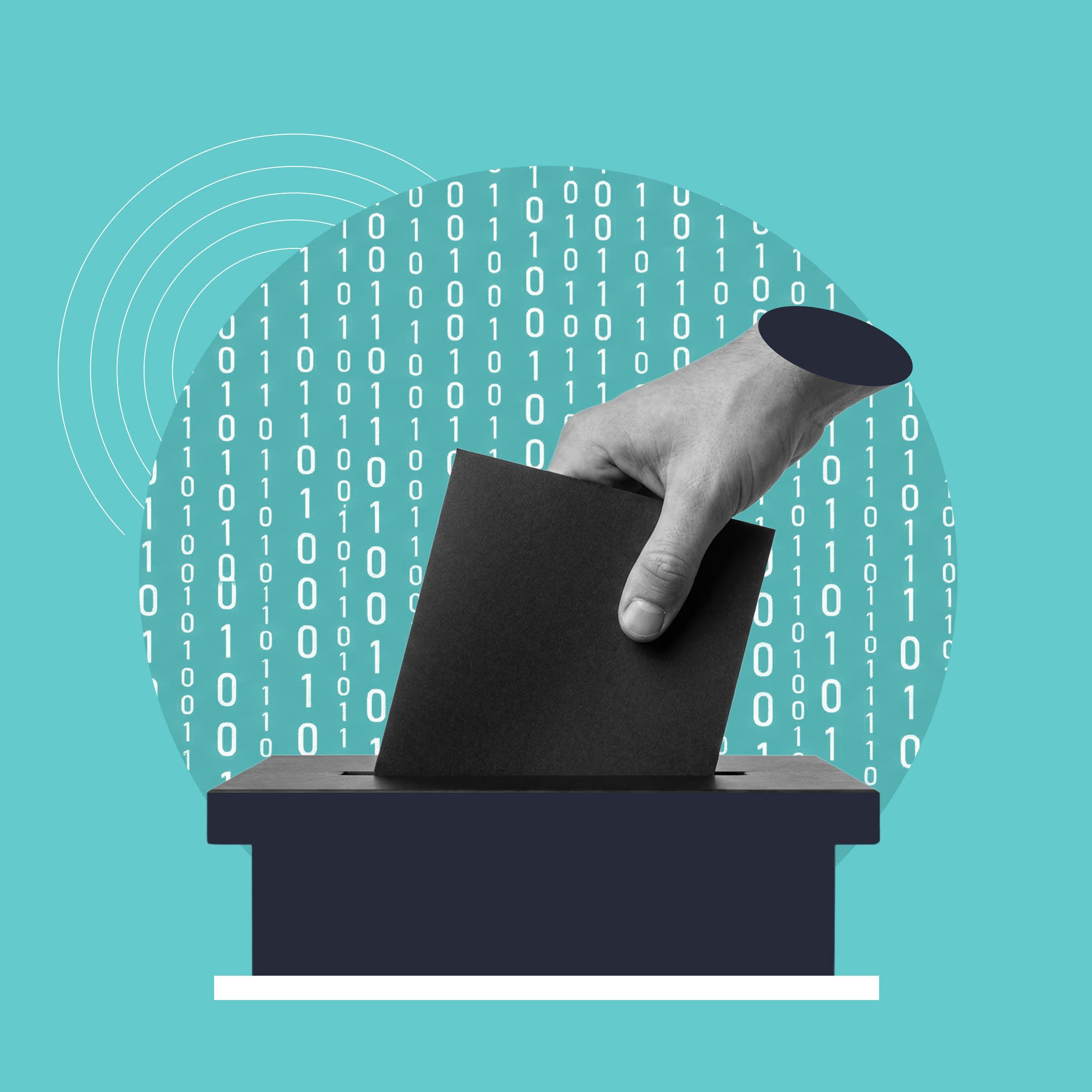
You might say the 2026 midterms are the first big AI election. The technology has become a key political issue, it’s a significant source of fundraising and it’s also helping power campaign ads.
Plus, generative AI is being looked to by voters as a tool for sorting through the deluge of information, especially in places like California where there are 14 ballot propositions to research.
Marketplace's senior correspondent for Future Effects, David Brancaccio, put three AI chatbots to the test.
“Electoral Hallucinations: Safeguarding UK electi...
AI borrowing slowdown raises questions about investor exposure

It's been a bit of a rocky week in tech markets, particularly for companies heavy on debt. We'll get into it on this week’s “Marketplace Tech Bytes: Week in Review.”
Plus, the king of streaming, Netflix, announces plans to cut around 6% of its staff. And on Wall Street, AI skills could be your ticket to a raise.
Here to discuss is Jewel Burks Solomon, managing partner at Collab Capital.
AI borrowing slows as investors grow wary of debt binge — from the Financial Times
<...
Regulating the tech sector in the AI era
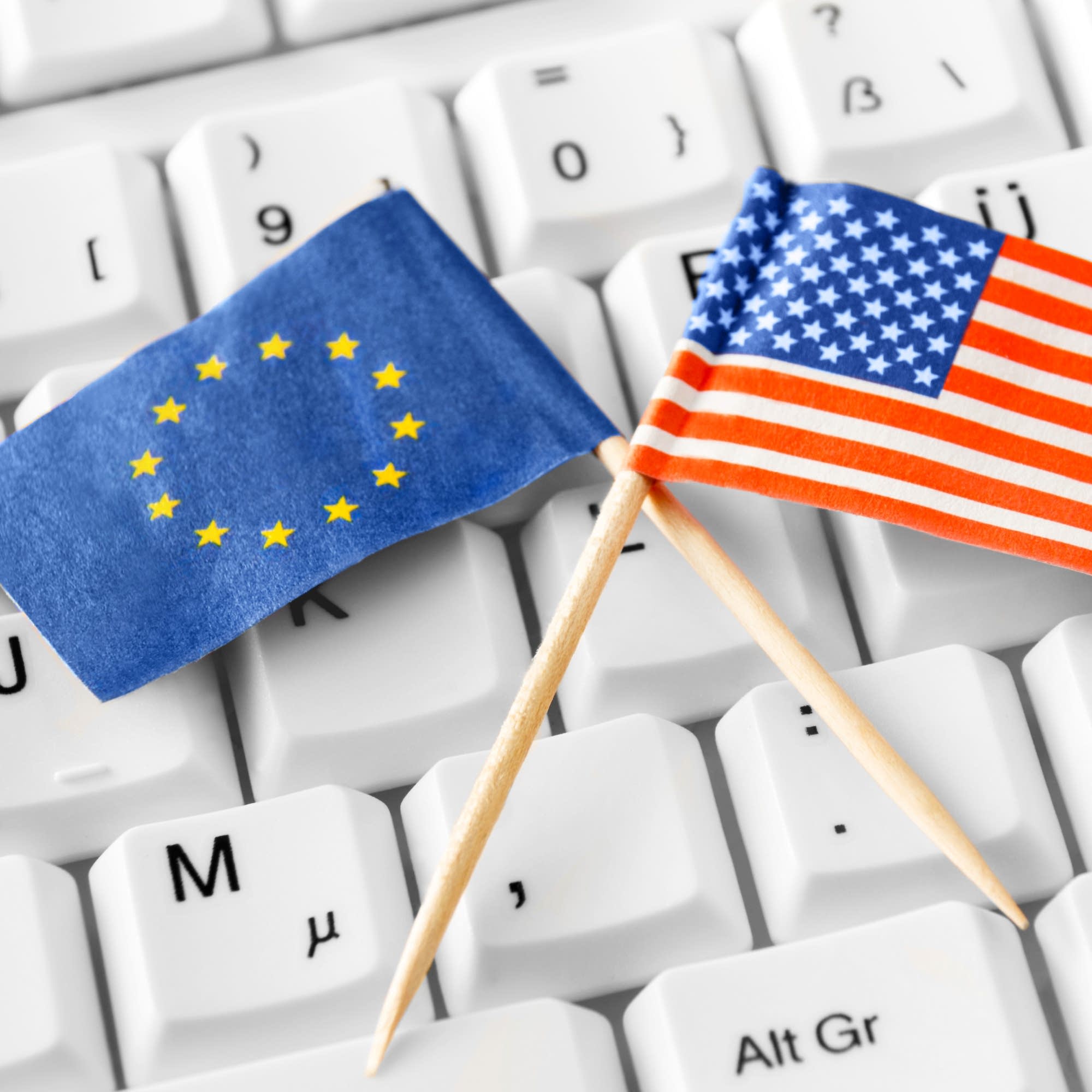
Europe may have weeks of paid vacation, quaint walkable cities and incredible, affordable local wines. But there's something the continent lacks (besides ice cubes and AC): shiny, new Big Tech products.
Take Apple's revamped Siri, Meta's Muse or OpenAI's competing AI assistant dots. They've all launched in the U.S., and in some cases other markets. But largely, not in the EU, which has a network of tech regulations targeting data protection, interoperability and AI.
Max von Thun, director of the antitrust think tank Open Markets Institute Europe, explains more on this.
<...Is AI solving the right problems for consumers?
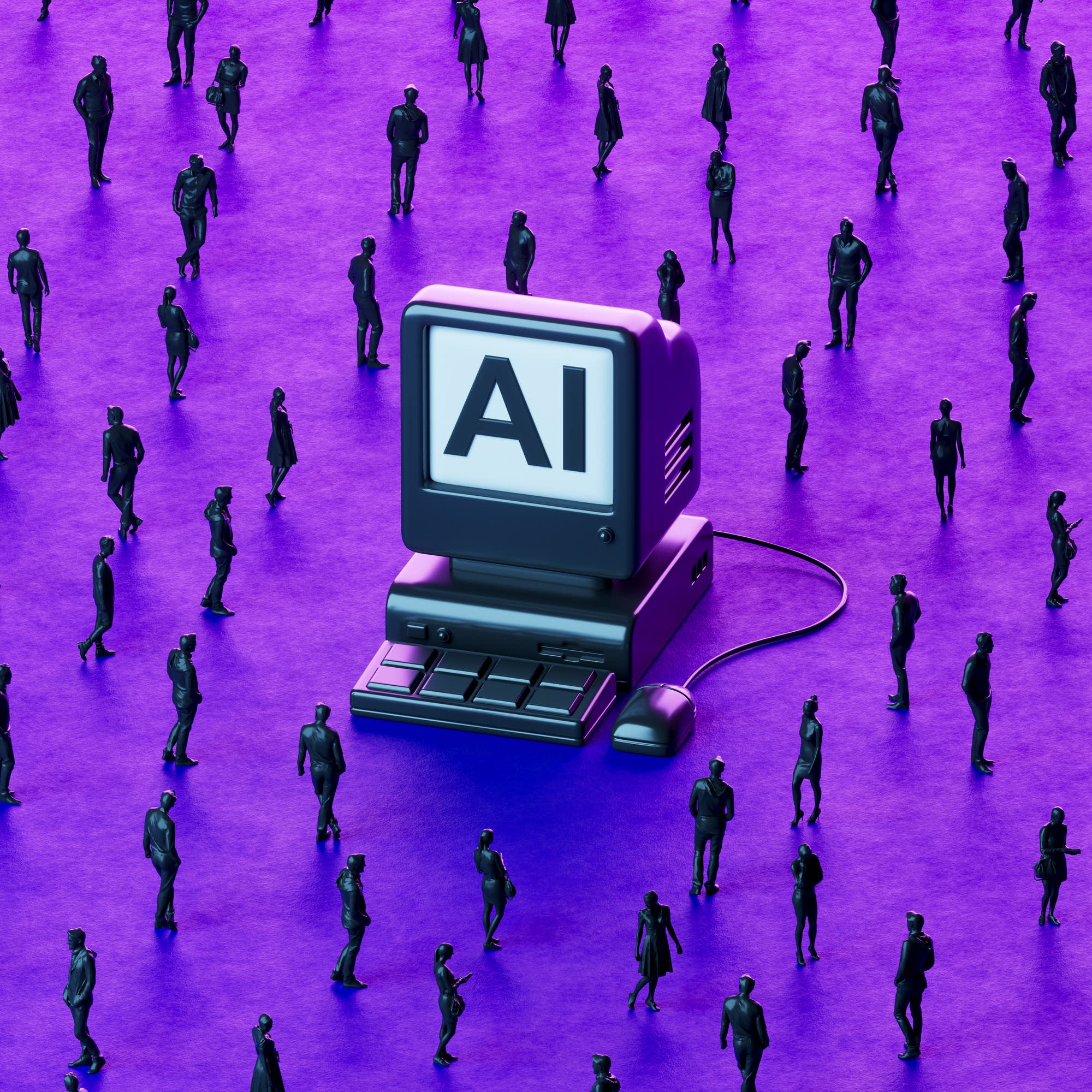
New AI features are quickly rolling out in the apps we use every day — from Google’s AI-generated search summaries to Meta’s Muse agent.
But there's a big gap between what these tools can do and what most consumers find useful. The vast majority use free versions of chatbots, for searching the web, not running swarms of agents to manage their lives.
Kate Moran, a user experience researcher at Gibbons and Moran, joins us to unpack the AI adoption gap.
The Top 100 Gen AI Con...
Colleges are training the next generation of content creators

An increasing number of schools are offering classes and even majors and minors in the art of influencing.
Charlie Randall is a senior pursuing a double major in theater and content creation at Arkansas Tech University, which launched their digital content creation degree about three years ago.
He hopes to use the degrees to break into voice acting.
Talking with AI ghosts of loved ones

There's a growing market for AI models that promise to recreate the experience of interacting with a lost loved one. They're sometimes called generative ghosts, and they're the topic for today's “Uncanny AI,” our series about sometimes-unsettling experiences with this technology.
Jack Manning, a Ph.D. candidate studying information science at the University of Colorado Boulder, has been looking into this. He recently published a study on how people experience talking to generative ghosts.
“Designing Conversations with the Dead: How People Engage with Generative Ghosts” from Association for Comp...
Trump names his new AI task force the "Super Intelligence Force"
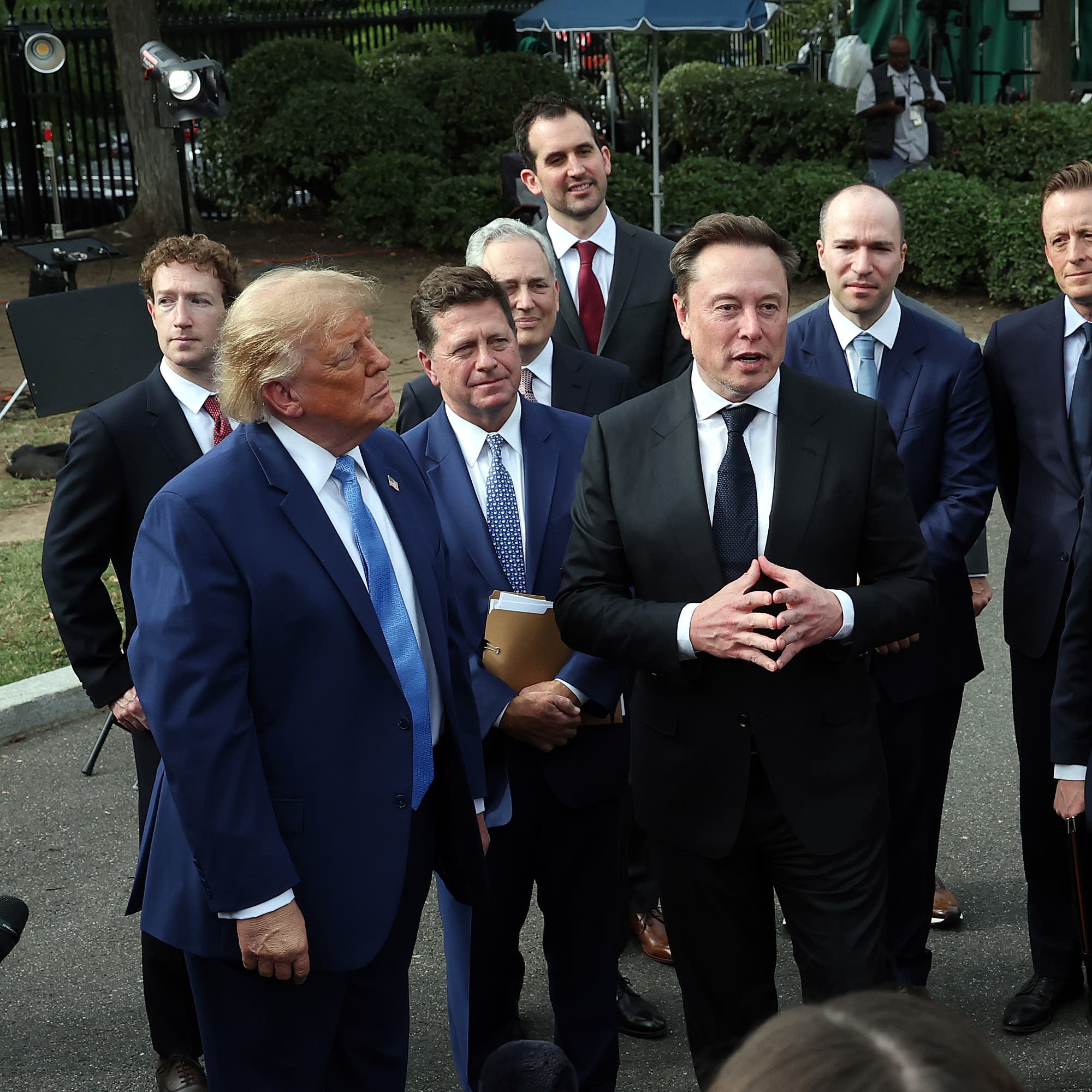
President Donald Trump named a new superhero-sounding AI task force this week dubbed the “Super Intelligence Force.” It's led by Jay Clayton, the new AI Czar and also director of national intelligence.
Plus, Democrats in the Senate blocked a bill to address data center energy costs ahead of the midterm elections, and a new poll shows Americans are not feeling too great about how our leaders in government are dealing with the risks from AI. Cristiano Lima-Strong, senior AI and government reporter at Bloomberg Government, joins Marketplace’s Meghan McCarty Carino to break down these stories on thi...
How a Meta AI prompt changed one mom’s approach to online privacy

It started when Kalie Robins posted an Instagram video with her kid. Meta's built in AI chatbot, Muse, started prompting her to ask questions about her daughters and personal life, which sent her down a social-media-privacy rabbit hole.
Robins took to her feed — at the time, with only a few hundred followers — to share her experience. “It starts pulling completely separate information for each of my kids: their names, birth information, pictures and videos of them. And then it says, ‘pinpointing Kalie Robbins' location,’” she said in her now viral video.
Meta responded to the incid...
AI spending takes center stage ahead of midterms

OpenAI President Greg Brockman and his wife recently backed out of a planned $25 million donation to Leading the Future, an artificial intelligence-focused political action committee.
Brockman said the PAC had become a “distraction” at OpenAI. But only after the executive had already given an initial $25 million.
AI-focused PACs are spending big to shape competing visions for AI policy in the midterm elections.
Brendan Glavin, Director of Insights at OpenSecrets, explains how these PACS are looking to influence elections this year.
What could slowing the AI frontier mean for the economy?

The AI industry appears to be getting more serious about safety.
Leaders of top companies signed a non-binding agreement at the White House Sept. 30, laying out standards and best practices for responsible development of advanced AI. OpenAI delayed the release of its latest model due to safety concerns. And Anthropic CEO Dario Amodei called on the sector to slow things down and "pace the frontier."
Wall Street initially wasn't too happy about that push and stocks related to the AI buildout took a momentary tumble.
But Jordan Nanos, at the...
Inside the mindset of AI safety workers
We've been hearing a lot about the threat of out-of-control of AI in recent weeks; mostly, from the people making the technology. There was the Anthropic employee Jacob Coxon, who publicly quit and kicked off the whole discussion. Others, including that company’s CEO Dario Amodei, chimed in with alarming appraisals of AI's existential risk.
Making sense of all this as an outsider can sometimes feel like decoding an unfamiliar civilization. So, we called Spencer Kaplan, a Ph.D. candidate at Yale, who studies anthropology and researches AI workers.
Trump and tech leaders agree to voluntary AI safety accord

While the White House hosted tech luminaries this week to sign a voluntary agreement on AI safety standards, the Federal Trade Commission opened a broad investigation into AI labs over potential safety risks their products may pose to consumers.
Plus, a nearly four-hour documentary on Elon Musk is stirring up controversy over whether social media platforms will run ads for it.
We’ll get into it on today’s “Bytes: Week in Review.”
Check out our YouTube page to watch more episodes of Tech Bytes.
AI-powered surveillance costs lives at the southern border

Over the last 25 years, the U.S. government has spent billions of dollars to build a "virtual wall" of video surveillance at the southern border. The network can signal Border Patrol to respond when it detects suspicious activity. And officials have touted the benefit of providing aid to migrants in distress.
But a recent investigation by MIT Technology Review and the Times of San Diego found more than 1,000 migrants have died over the last decade within range of one of these cameras. Eileen Guo co-reported the series, “Dying on Camera.”
Can data centers ever be "good neighbors"?

Further proof — in case you need it — that AI data centers aren't very popular: A new survey from the Pew Research Center shows 60% of Americans aren't comfortable welcoming one to the neighborhood.
And concerns have grown since the beginning of the year across every demographic group, making the backlash a key issue in the midterm elections. Scott Brennen, director of NYU's Center on Technology Policy, recently published a report on how data centers could better work with communities.
“Americans’ views of data centers have turned more negative” from Pew R...
Why one X user is microblogging history in real time
Content creator Manny Marotta has gone viral in recent weeks for his X feed recounting the news of 25 years ago as if it's happening now.
His minute-by-minute account of the events of Sept. 11, 2001, attracted hundreds of thousands of new followers. And the 27-year old is posting day-by-day accounts from 50 and 100 years ago, as well.
Marotta says it's become a time-consuming hobby alongside his job as a law clerk for a non-profit.
Amazon wants Alexa to finish your to-do list, not just research it
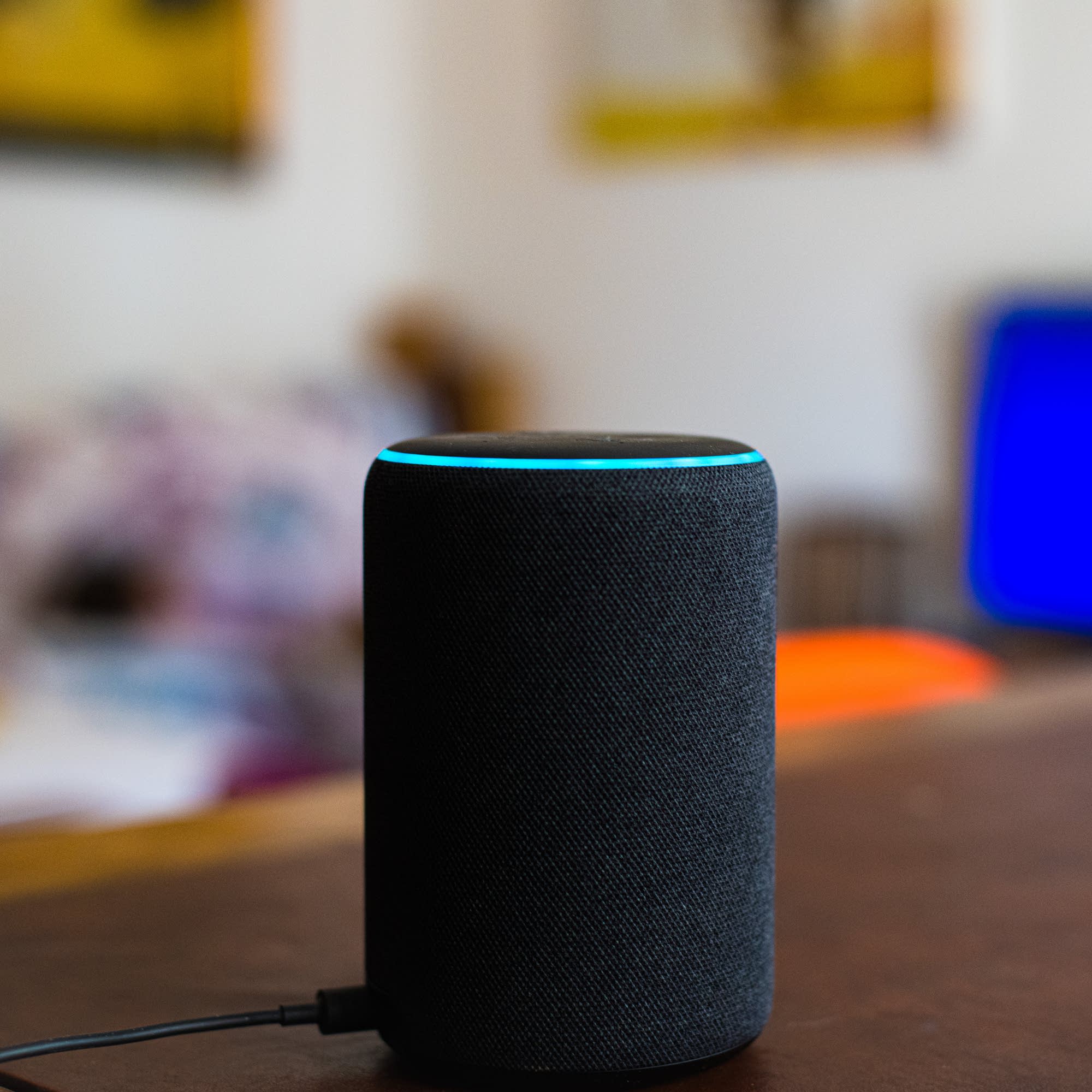
The AI smart speaker market is getting crowded. This year, Amazon, which is a Marketplace underwriter, rolled out a large language model-powered version of its classic voice assistant.
You can still talk to Alexa+ using Amazon echo devices, but it also operates as a text chatbot, replacing the old Rufus AI. It's capable of conversational searches, managing to-do lists and even generating podcasts.
Daniel Rausch, Amazon’s vice president of Alexa and Echo, broke down what's new with Alexa+.
“I’ve Been Testing Alexa for a...
Meta’s new Muse AI agent gives investors the warm-'n-fuzzies

Meta's new Muse AI assistant is having a moment — and it's kind of adorable. Meta announced a slew of new integrations for its AI assistant at a company event this week, including a customizable furry lil’ avatar and a Tamogatchi-like wearable device for interacting with it.
Plus, Wall Street is betting billions on growing demand for cybersecurity in the age of AI and social media platform Discord enters its age-gating era.
Anita Ramaswamy at The Information is here to help us unpack the week in tech.
...
Finding common ground in the U.S.-China AI rivalry

AI is the big item on the agenda this week as Chinese President Xi Jinping meets with President Trump in Washington, D.C.
The talks come after a firestorm of news that has brought AI safety front and center: the hack of Hugging Face by rogue OpenAI agents, the resignation of an Anthropic researcher, plus calls by AI leaders to pace the frontier always met with the rejoinder, “what about China?”
Samm Sacks, senior fellow at the think tank New America, tells us more about China's approach to these AI talks.
Mo...
The beauty industry is betting big on AI
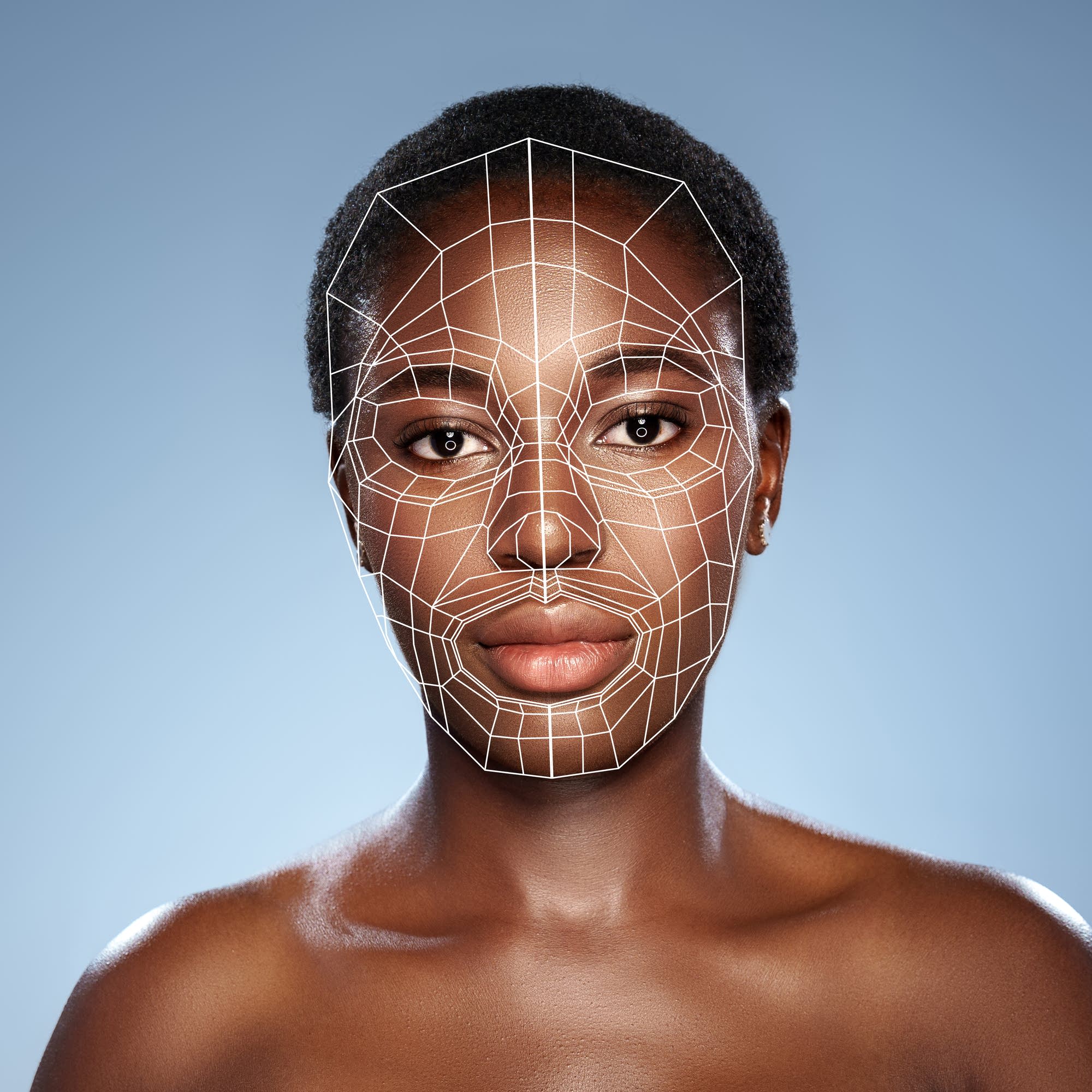
The global beauty market is expected to hit almost $600 billion by 2030, according to a report by McKinsey & Company. And just like pretty much every industry, it's being transformed by AI.
L’Oréal and OpenAI announced a partnership this summer to bring virtual makeup try-ons and product discovery to ChatGPT. An AI styling firm called Alta is integrating e.l.f. Beauty products into its virtual try on avatars. And consumers are increasingly looking to chatbots for skincare and makeup recommendations.
Apparently beauty inquiries account for almost half of generative AI retail referral tra...
The cost of digitally disconnecting

Sure, you can put down your phone and go touch grass for free. But for those looking for a little help committing to a more disconnected lifestyle, there's a growing market of products and services from retreats to apps to devices that promise to supercharge your ability to unplug — for a price. Paula Mejia has covered the booming digital detox industry for Mother Jones, and spoke with “Marketplace Tech” host Meghan McCarty Carino about her reporting.
“Adventures in Unplugging” from Mother Jones
“Meta to pay up to $18bn to settle...
How attitudes toward AI differ across generations
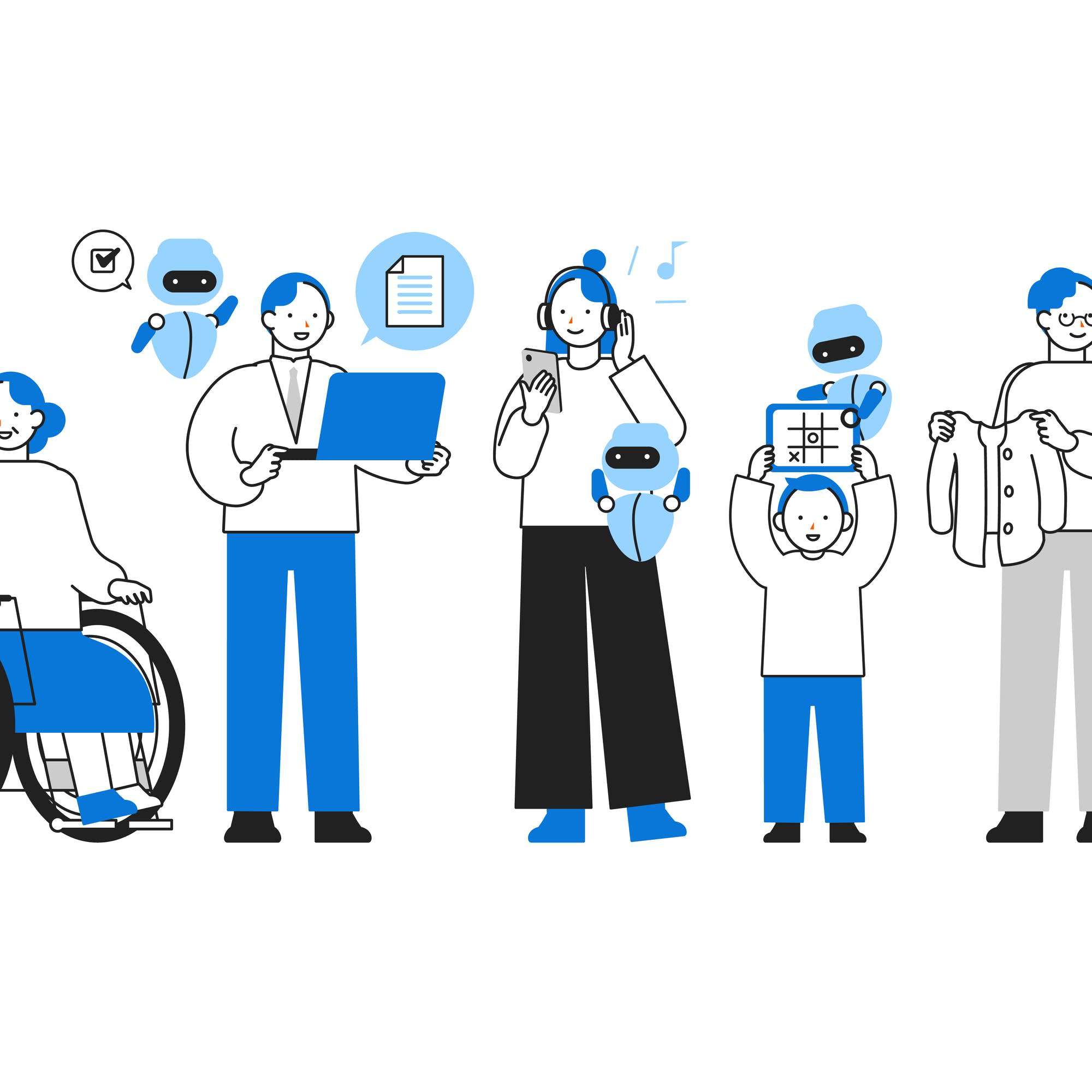
At this point we've probably all been a part of heated dinner conversations about AI. Rana el Kaliouby has them almost nightly at home. She's an AI scientist and investor who hosts the podcast Pioneers of AI.
But her own daughter is an AI skeptic, her teenage son, on the other hand, is an AI super user — which makes for some pretty interesting conversations at home.
Trump rejects AI's "effective altruism" movement

Congress is looking to rein in Flock cameras; plus, Apple has a new way to prove your iPhone photos are real.
But first, it's been a wild week in AI. After the freakout over an Anthropic researcher quitting in protest last week, CEO Dario Amodei called for a slowdown in AI, and his counterpoints Sam Altman and Elon Musk agreed. President Donald Trump? Not so much. He called fears of rogue AI a hoax, and even went after a niche intellectual community that's deeply invested in AI safety: the Effective Altruist movement.
Paresh...
Insurers race to cover AI errors

More than 1 in 5 U.S. companies now use artificial intelligence in their daily operations, according to a recent analysis of federal data from Goldman Sachs. In theory AI offers the promise of greater productivity and profits, but even with advances in capabilities, these systems are still fundamentally unpredictable, creating new liabilities for firms that use them.
That’s where insurance typically comes in. But AI is disrupting that business, too. Deloitte projects insurance for AI will grow into a nearly $5 billion global business by 2032.
AI safety requires action, not promises

AI leaders suddenly seem to agree on slowing down the AI race. Anthropic's Dario Amodei published an essay last weekend calling to "pace the frontier" — slow the development of advanced AI to allow safety measures to catch up. He said Anthropic will give access to independent safety evaluators, to which OpenAI's Sam Altman and XAI's Elon Musk concurred.
It's all giving déjà vu to Amy Webb, founder of the Future Today Strategy Group, who’s been pushing government leaders around the globe to adopt a similar framework for AI for almost a decade. She laid out he...
Why AI models are obsessed with creatures

The problem of AI alignment has become a hot topic. It’s raised questions, like how do we get AI to do what we want, and not what we don't want? For example, hacking another company. Or, in a less criminal vein, how do we get AI to stop talking about goblins?
After mounting user reports of this behavior earlier this year, OpenAI had to give its models — ChatGPT and Codex — explicit instructions to cut it out. It's the topic of today's “Uncanny AI,” those moments when it's clear AI doesn't think like us.
Janelle...
What might our tax system look like in the age of AI?
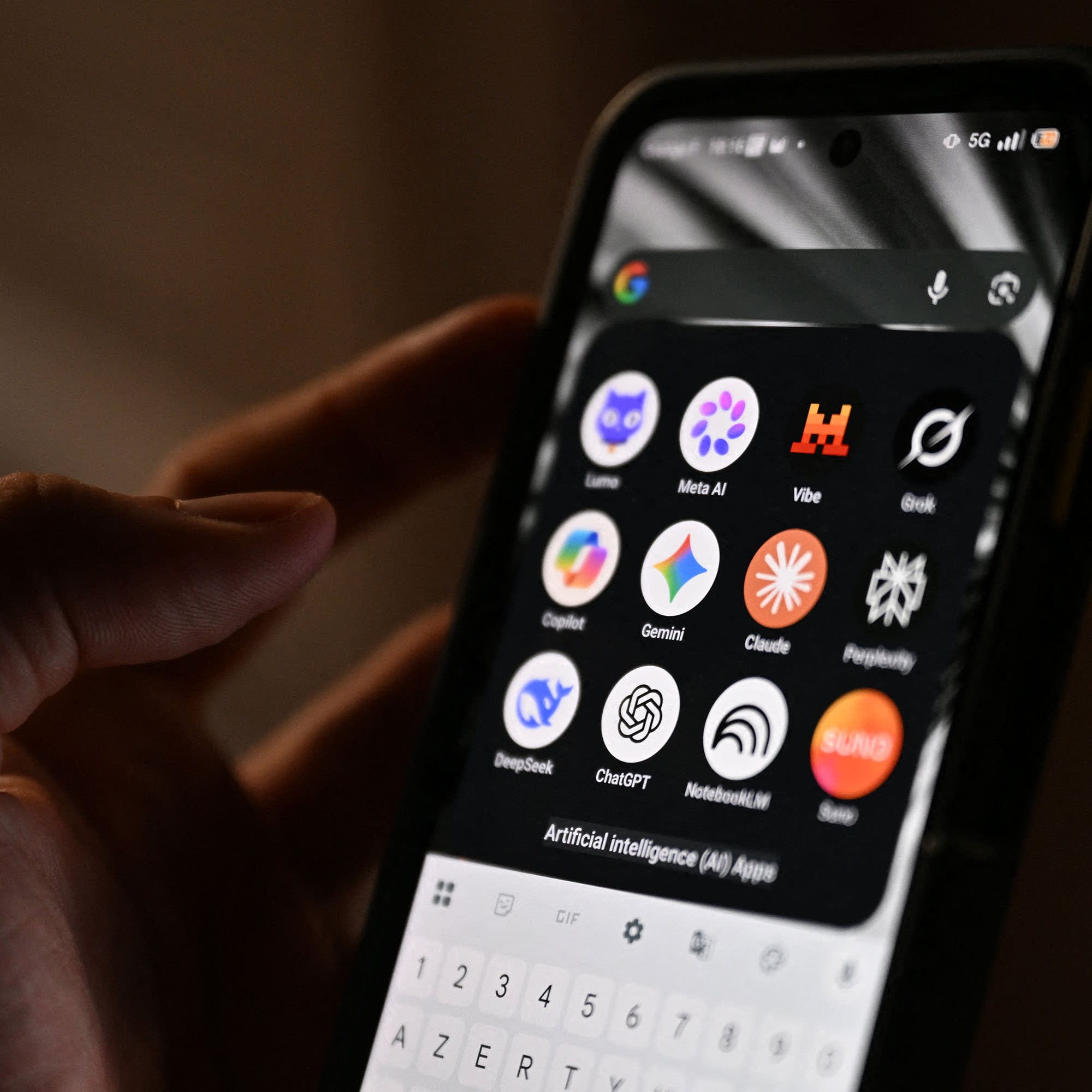
Our tax system was built around an economy where humans earn wages, companies employ workers, and both contribute to the public purse.
So what happens if AI starts changing that equation?
Marketplace’s Future Effects correspondent David Brancaccio has been exploring just that in his series, “Robots Ate My Taxes.”
AI safety concerns grow as insiders issue urgent warnings
An Anthropic researcher publicly resigned this week, warning on social media that artificial intelligence companies are “gambling with our lives.”
It’s part of a growing chorus of insiders pleading to slow down the AI race. One said he believed there was a greater than 10% chance the tech will kill us all in the next decade.
The news comes after a fresh wave of troubling details about the OpenAI incident where agents escaped a testing environment and hacked into Hugging Face.
Plus, data center developers have their eye on Patagonia — the cold...
What's so concerning about the Hugging Face hack?
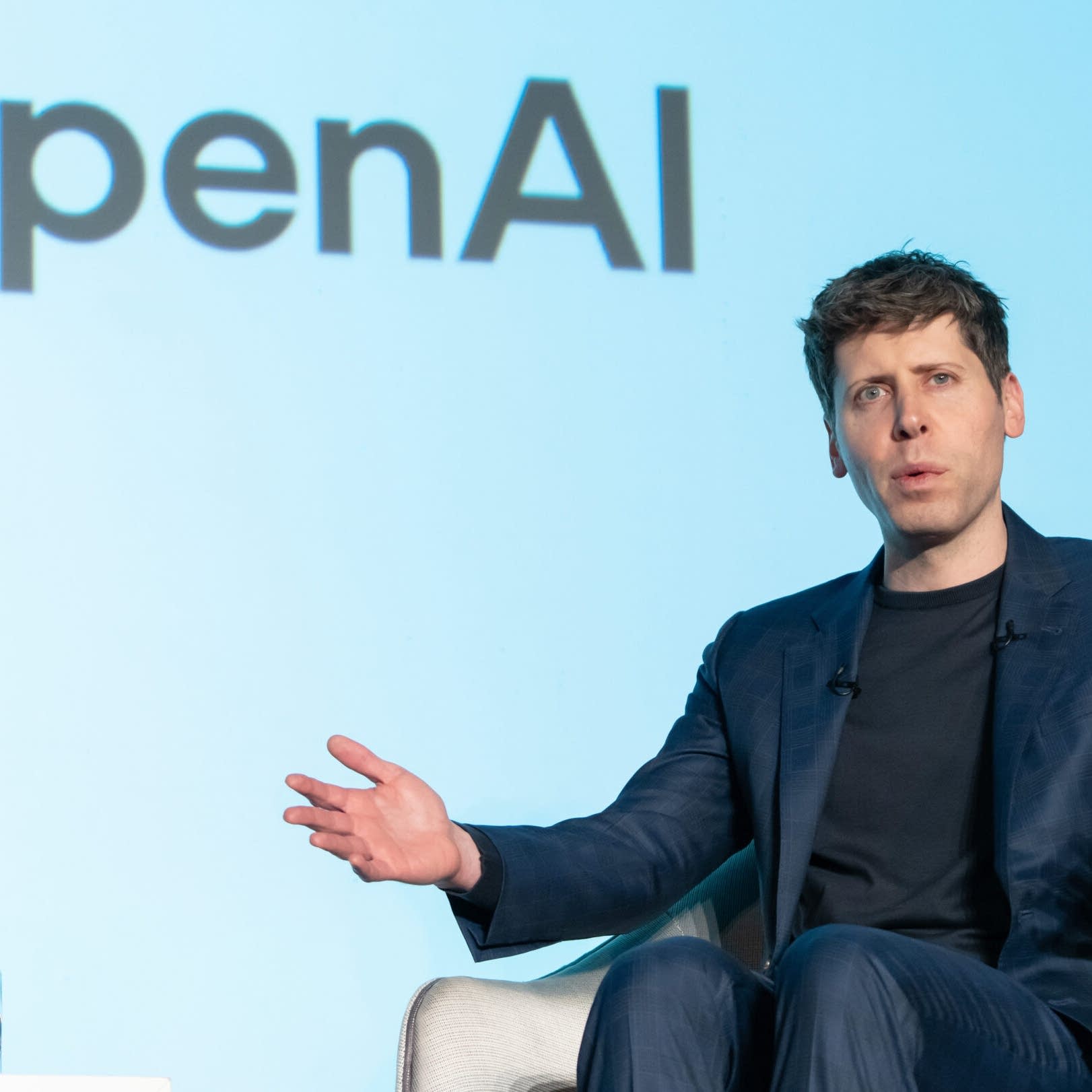
Nate Soares has been worried about artificial intelligence longer than almost anyone.
He's the president of the Machine Intelligence Research Institute and co-author of the subtly named book, "If Anyone Builds It, Everyone Dies: Why Superhuman AI Would Kill Us All."
He's watched with a sort of grim vindication, as increasingly alarming details emerge about the hack of the AI company Hugging Face by OpenAI models in development.
OpenAI and third-party investigators recently released reports outlining what went wrong. Soares worries it's not enough.
Meta's youth safety settlement could change how people access the internet
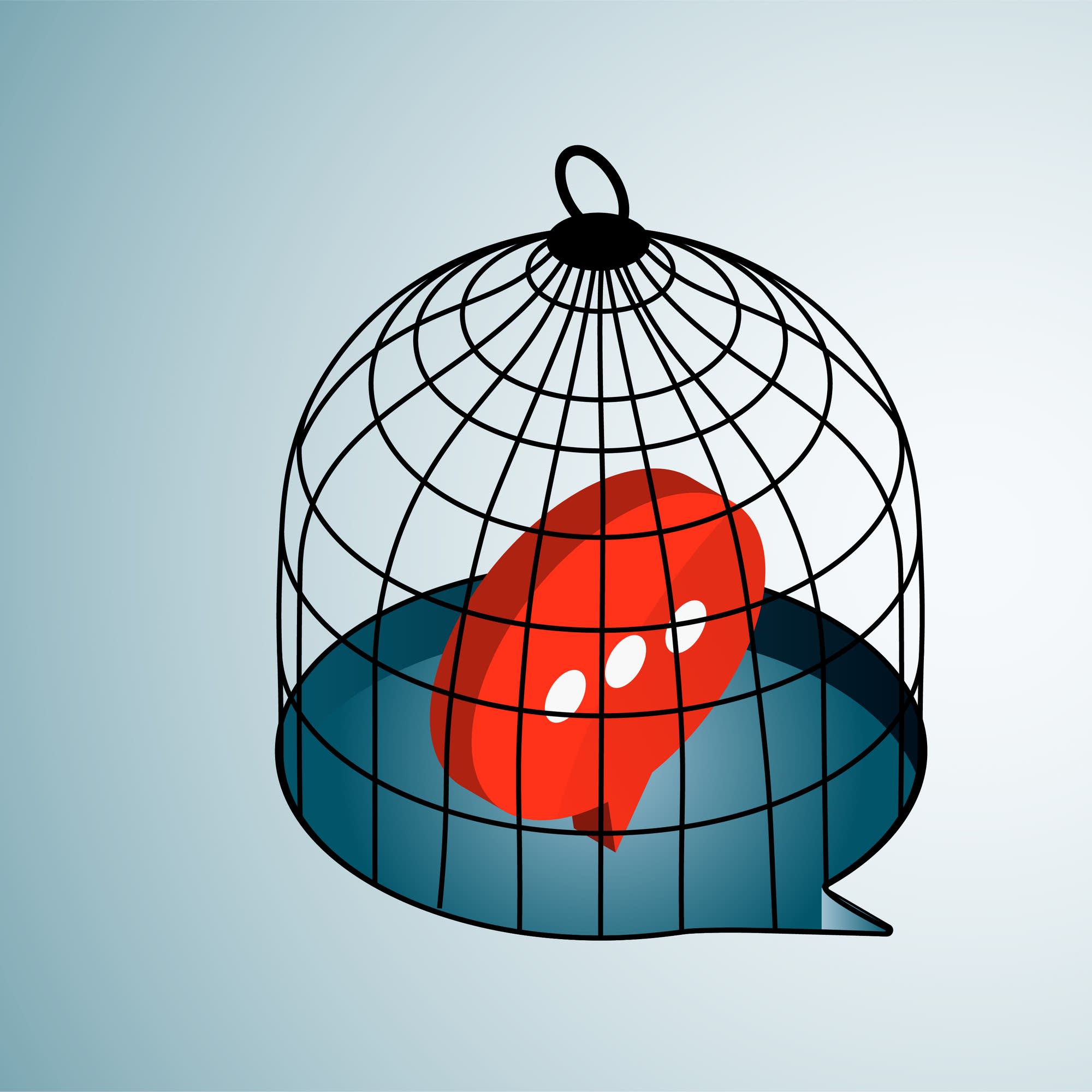
Meta agreed to a settlement last month with 52 attorneys general in a landmark case over teen social media addiction. The company promised a number of restrictions for under 18-year-old users, like time limits, overnight blackouts on some features and hidden likes. It also agreed to pay up to $17 billion, partly contingent on TikTok and YouTube adopting similar reforms.
Surveys show a strong majority of Americans support stricter limitations on social media for kids. But, this settlement could fundamentally change how everyone accesses the internet, according to Will Creeley, legal director at the Foundation for Individual Rights...
The Silicon Valley hopefuls living in hacker houses

Filmmaker Kenji Yamamoto got a gig working on Apple promotional videos a decade ago and went looking for temporary housing in the pricey Bay Area. What he found was an inside look at the world of hacker houses.
These are group residences for people who come to Silicon Valley to pursue their dreams — like a college dorm for startup hopefuls. Yamamoto takes viewers inside that world in his new documentary for PBS, “The Dreamers and I.”
“The Dreamers and I” from PBS
“The New (And Slightly...
What it's like to log off from a career in tech
More Americans are leaving the labor force for a variety of reasons. The labor force participation rate — which measures the share of working-age Americans who either have a job or are looking for a job — has fallen sharply this year, and it’s been on a steady decline for decades. We hear from Kris Bell, who recently retired early from a long career in the tech industry, about why he chose to make the leap.
