Sadler's Lectures

I'm that YouTube Philosophy Guy! Find more than 3,000 videos in my main channel. Support my video and podcast work! https://www.patreon.com/sadler or https://www.buymeacoffee.com/A4quYdWoM Learn more about this podcast channel - https://youtu.be/qRvL0gqlyrw and https://gregorybsadler.substack.com/p/the-sadlers-lectures-podcast Due to popular demand - and with the work underwritten by my Patreon supporters - I have been converting my videos into MP3 files listeners can listen to anywhere they want! I have a second podcast, Mind & Desire, publishing original episodes on a variety of topics in philosophy, which you...
Thomas Nagel, What Is It Like To Be A Bat? - Deceptive Clarity In Identification - Sadler's Lectures
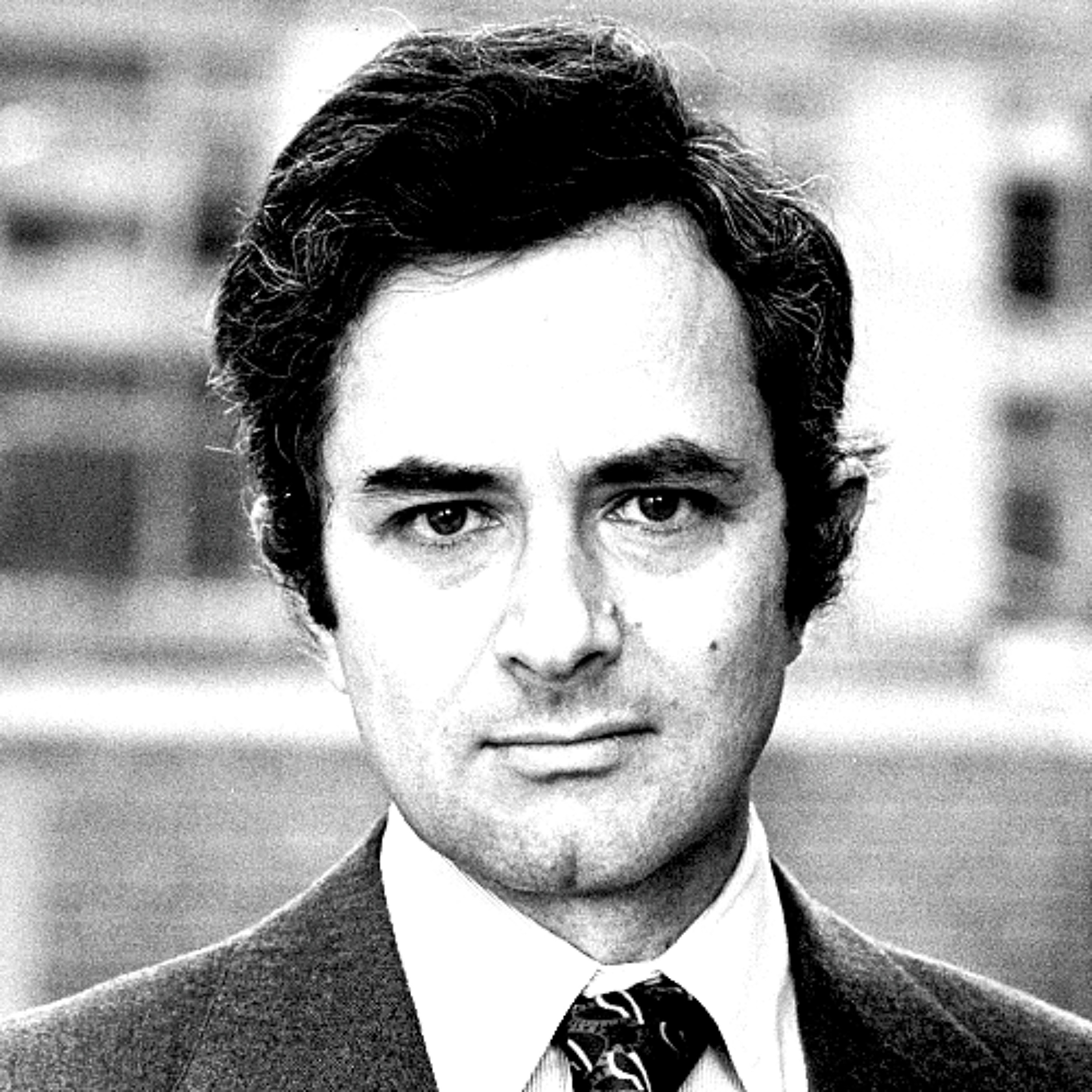
This lecture discusses the 20th century Analytic philosopher, Thomas Nagel's essay "What Is It Like To Be A Bat", and focuses upon one of the key points Nagel makes in his criticisms of reductionist projects aimed at explaining mind entirely in physical terms, namely that in order to make the deceptively clear "is" or "are" involved in those putative identifications make sense, what is required is some sort of coherent and robust theoretical scheme explaining how the mental can be reduced to the physical. At the present time, that simply isn't available to us, so those sorts of identifications amount...
Thomas Nagel, What Is It Like To Be A Bat? - Objective Understanding And Experience
This lecture discusses the 20th century Analytic philosopher, Thomas Nagel's essay "What Is It Like To Be A Bat", and focuses upon Nagel's analysis of one way that a person who acknowledges that we cannot imagine or conceptualize the subjective experience of a bat might try to get around that, by appealing to more objective concepts and facts about the organs, body, and brain of the bat. He notes that this doesn't yield us the subjective experience and we are not even sure how to correlate the subjective and objective characters of matters like this, including how the human mind...
Thomas Nagel, What Is It Like To Be A Bat? - Subjective Experiences Of Other Species
This lecture discusses the 20th century Analytic philosopher, Thomas Nagel's essay "What Is It Like To Be A Bat", and focuses upon he portion of his article in which he begins to explore what subjective experience of other species would be and whether we have the capacity to imagine or understand what it is like to be to be that animal. He selects bats in particular since they are mammals but have a very different sensorium from us, in that they rely upon echolocation and have weak eyesight. To support my ongoing work, go to my Patreon site - www...
Thomas Nagel, What Is It Like To Be A Bat? - Reductionist Accounts And Conscious Experience
This lecture discusses the 20th century Analytic philosopher, Thomas Nagel's essay "What Is It Like To Be A Bat", and focuses upon the first part of the article, in which Nagel raises a number of general problems for adopting a physicalist reductionist analysis of mind to resolve the mind-body problem by explaining conscious experience in terms of something non-mental, e.g. the brain. To support my ongoing work, go to my Patreon site - www.patreon.com/sadler or Buy Me A Coffee - https://buymeacoffee.com/a4quydwom If you'd like to make a direct contribution, you can do...
Thomas Hobbes, De Corpore - "Of Identity And Difference" - Sadler's Lectures
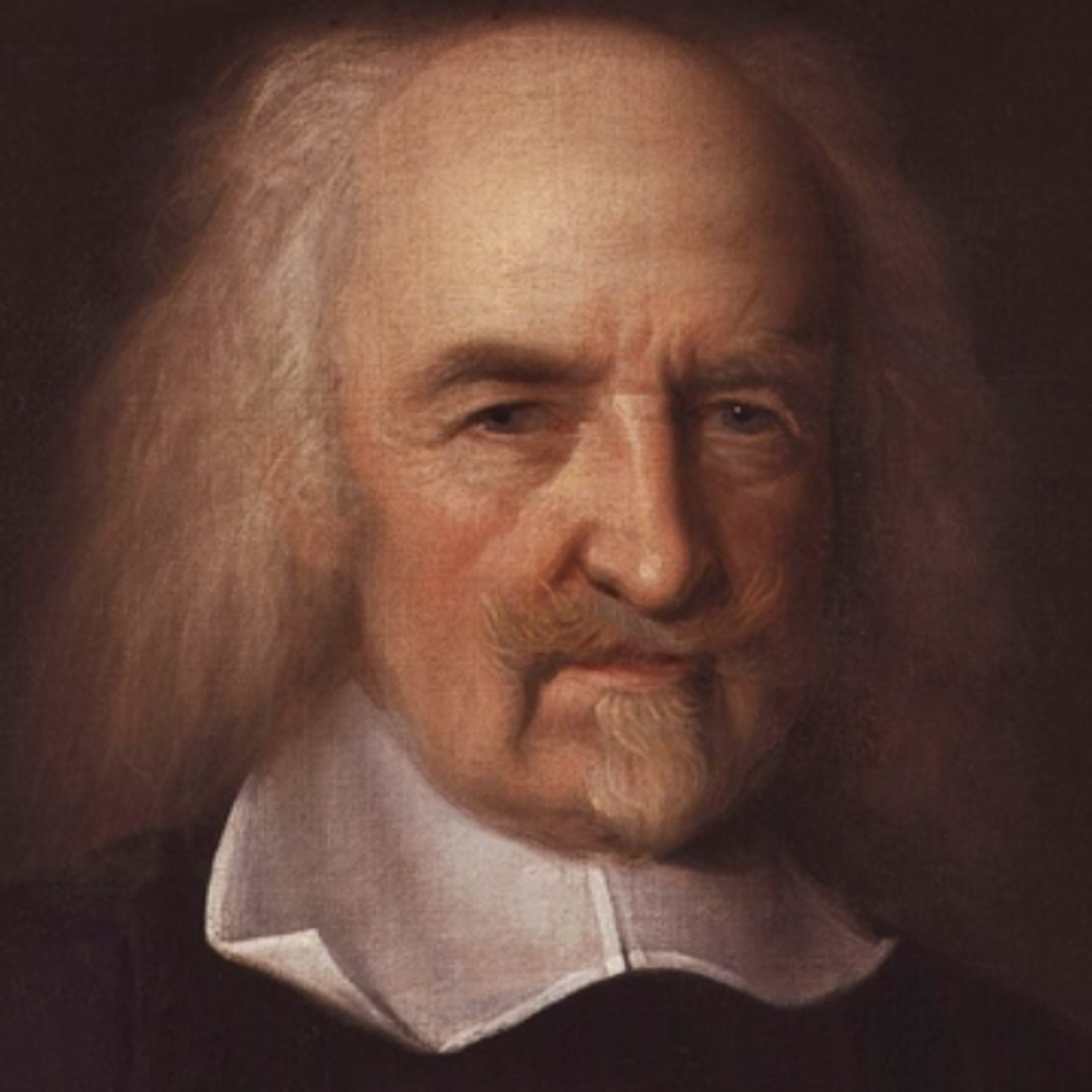
This lecture discusses key ideas from the modern philosopher Thomas Hobbes' work De Corpore, specifically ch 11. "Of Identity and Difference", part 7 In this section, Hobbes explores questions and problems of what makes a thing remain the same thing throughout its changes over time or in composition. He considers several different philosophical approaches to the issue, one which focuses on the matter, another which focuses on the form, and a third which focuses on the accidents of the presumed substance in question. He references Plutarch's famous Ship of Theseus problem in the course of his discussion. To support my ongoing work...
Stanislaw Lem, Summa Technologiae - Defrosting And Duplicating - Sadler's Lectures
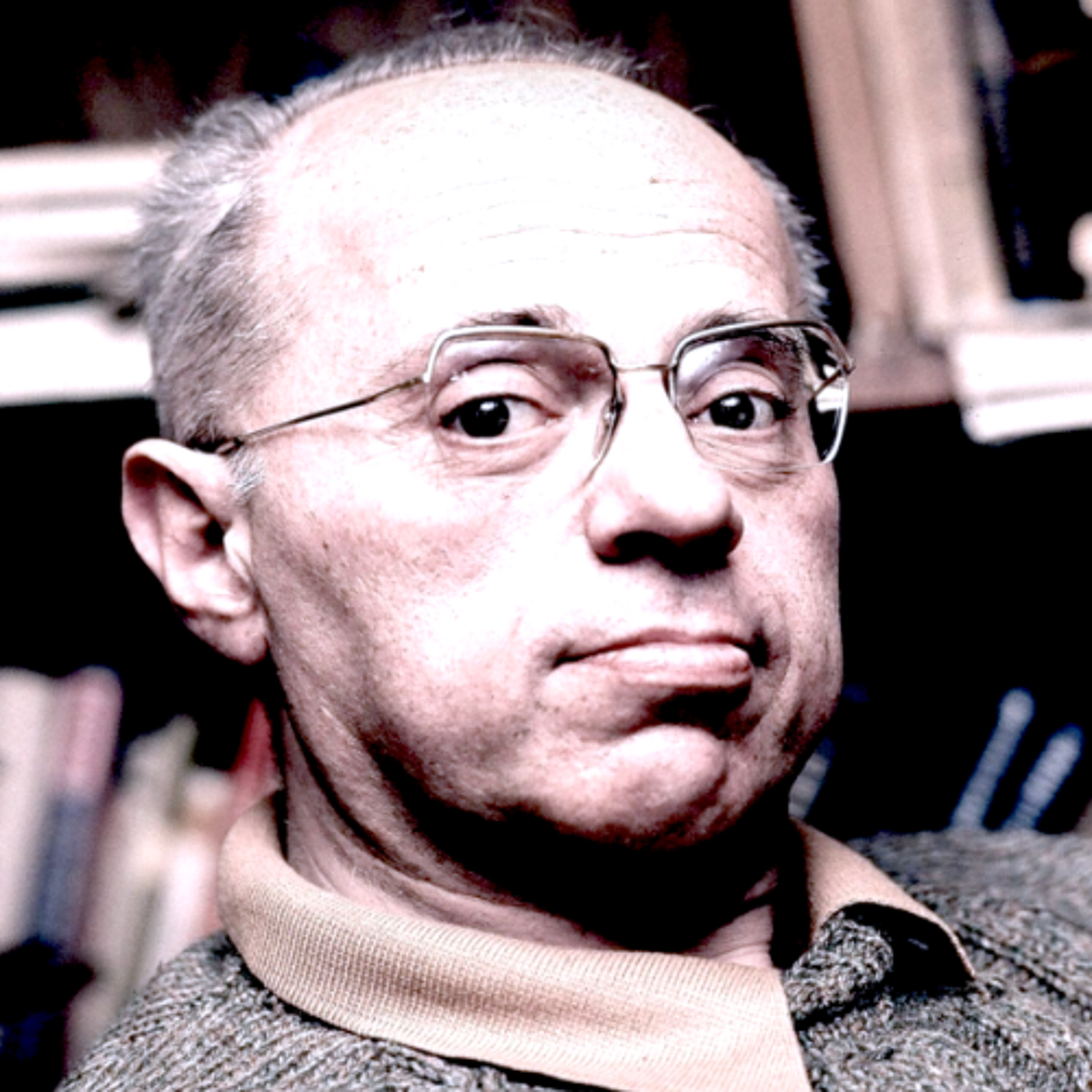
This video focuses on chapter 6 of Stanislaw Lem's Summa Technologiae, specifically the section “Personality and Information”, which discusses thought experiments that bear on turning a person into information and reconstituting that person somewhere else or at a different point in time. Specifically it examines on a somewhat different kind of thought-experiment, involving freezing a person, taking all of their atoms out of them while keeping records of their configurations, and then reconstituting and thawing them. To support my ongoing work, go to my Patreon site - www.patreon.com/sadler If you'd like to make a direct contribution, you can do s...
Stanislaw Lem, Summa Technologiae - Killing the Telegraphed Person - Sadler's Lectures
This video focuses on chapter 6 of Stanislaw Lem's Summa Technologiae, specifically the section “Personality and Information”, which discusses thought experiments that bear on turning a person into information and reconstituting that person somewhere else or at a different point in time. Specifically it examines one feature of these types of situations that is morally problematic, namely that it seems like the process has to in some way or another kill the original person who is telegraphed or transported. To support my ongoing work, go to my Patreon site - www.patreon.com/sadler If you'd like to make a direct cont...
Stanislaw Lem, Summa Technologiae - Paradoxes Of Telegraphing Persons - Sadler's Lectures
This video focuses on chapter 6 of Stanislaw Lem's Summa Technologiae, specifically the section “Personality and Information”, which discusses thought experiments that bear on turning a person into information and reconstituting that person somewhere else or at a different point in time. Specifically it examines the paradoxes and problems that arise when we start thinking through the implications of telegraphing (or in Star Trek, transporting) people by transmitting atomic-level information about them to a different place and then reconstituting them (or something that is a copy of them) there. To support my ongoing work, go to my Patreon site - www.patr...
William Clifford, The Ethics Of Belief - The Limits Of Inference - Sadler's Lectures
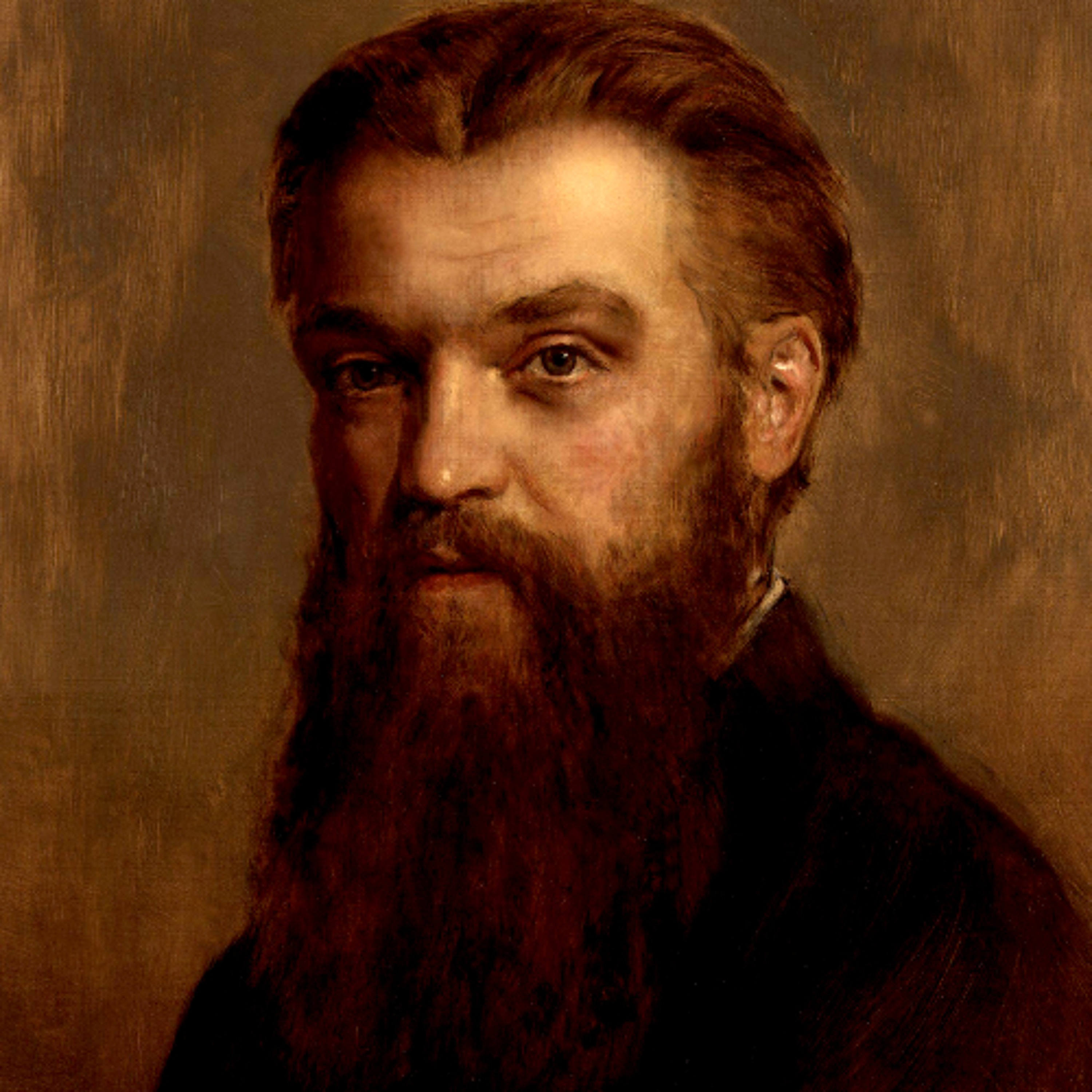
This lecture discusses the William Clifford's 1877 essay "The Ethics Of Belief", in which he makes and argued for the central claim "it is wrong always, everywhere, and for any one, to believe anything upon insufficient evidence." It focuses on the third section of his essay, titled "The Limits Of Inference" in which Clifford discusses conditions for having well-founded beliefs of matters we don't have direct experience of, for example matters of everyday life, science, or history. We inevitably rely upon the assumption that the future or present will resemble what we have experienced in the past To support my ongoing...
William Clifford, The Ethics Of Belief - Beliefs and Traditions - Sadler's Lectures
This lecture discusses the William Clifford's 1877 essay "The Ethics Of Belief", in which he makes and argued for the central claim "it is wrong always, everywhere, and for any one, to believe anything upon insufficient evidence." It focuses on portion of part 2 of the essay that is devoted to Clifford's analysis of tradition. He distinguishes between particular traditions, developing within a specific group, culture, or civilization and the "tradition of the human race". He also makes an important distinction with the latter, arguing that any "tradition" that closes off inquiry does not actually serve humanity, and that a robust, useful...
William Clifford, The Ethics Of Belief - Veracity, Knowledge, and Judgement - Sadler's Lectures
This lecture discusses the William Clifford's 1877 essay "The Ethics Of Belief", in which he makes and argued for the central claim "it is wrong always, everywhere, and for any one, to believe anything upon insufficient evidence." It focuses on Clifford's criteria for determining when and whether we ought to give credence to the testimony of other people, especially those who have made assertions we cannot directly verify. He identifies three key qualities we can look for in these persons, namely: veracity, knowledge, and judgement, explains what they are, and applies them to some example cases. To support my ongoing work...
William Clifford, The Ethics Of Belief - Individuals' Beliefs, Society, And Humanity
This lecture discusses the William Clifford's 1877 essay "The Ethics Of Belief", in which he makes and argued for the central claim "it is wrong always, everywhere, and for any one, to believe anything upon insufficient evidence." It focuses on Clifford's contention that the beliefs people hold, even if they seem to be quite trivial, can have significant importance and consequences. His argument is that we inevitably draw upon and share the beliefs of others, not only in the present, but across generations To support my ongoing work, go to my Patreon site - www.patreon.com/sadler If you'd like...
William Clifford, The Ethics Of Belief - Belief, Action, and Duty Of Inquiry - Sadler's Lectures
This lecture discusses the William Clifford's 1877 essay "The Ethics Of Belief", in which he makes and argued for the central claim "it is wrong always, everywhere, and for any one, to believe anything upon insufficient evidence." It focuses on the two cases that Clifford's essay uses to illustrate the ethical duty he argues that we have not to believe anything without having gathered and weighed evidence for or against the belief. One example has to do with a ship owner who takes on passengers for a voyage without knowing whether or not the ship is actually seaworthy. The other example...
Seneca, Letter 90 - Philosophy, Technology, And Wisdom - Sadler's Lectures
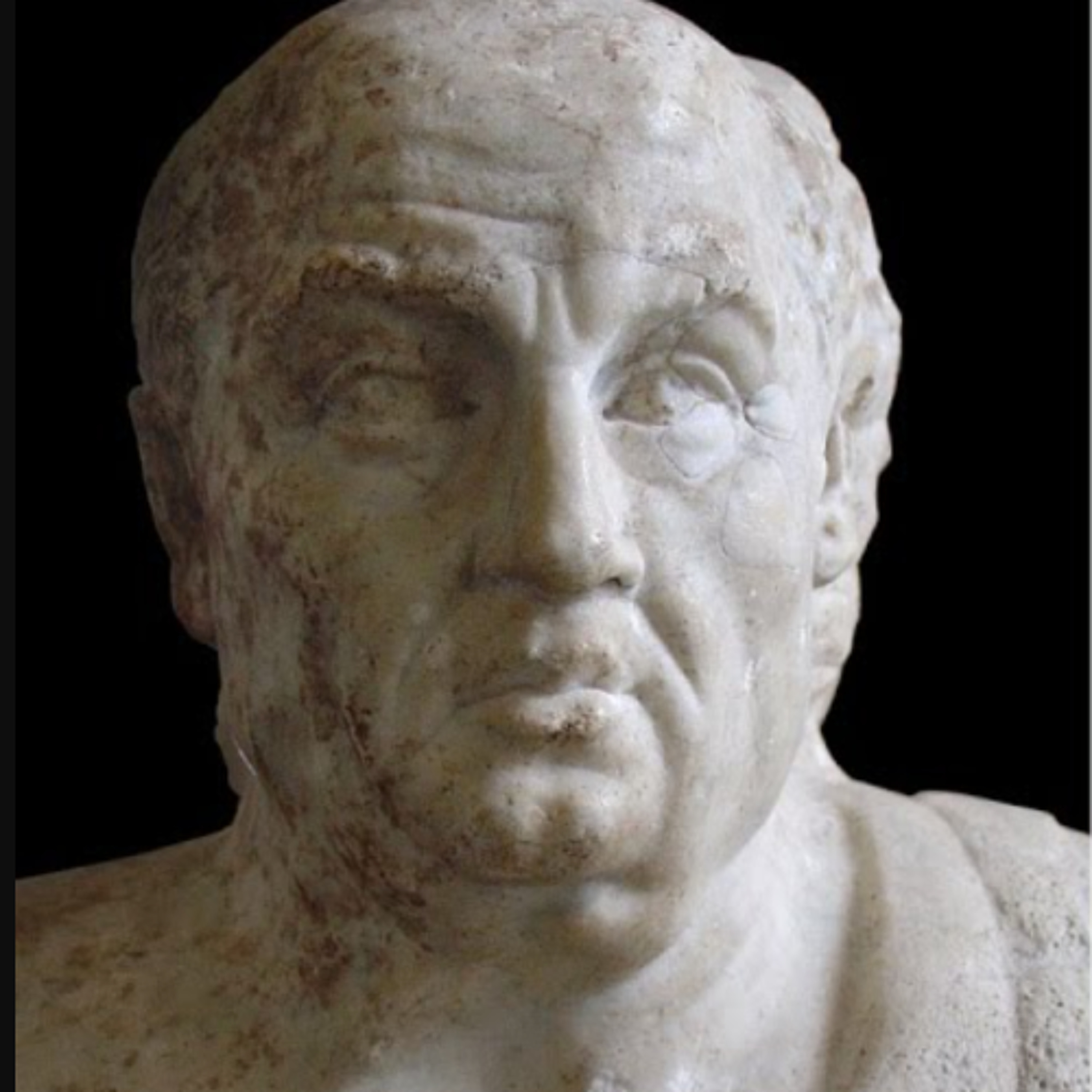
This lecture discusses key ideas from the ancient Stoic philosopher Seneca's Letters, this one looking at Letter 90 It focuses specifically on Seneca's engagement with another earlier Stoic philosopher, Posidonius, who developed theories about the development of human disciplines and technology (artes), having to do with wisdom and philosophy. Posidonius postulates a golden age in which human beings lived in accordance with nature and were ruled over by the wise, and then a degeneration through greed, self-indulgence, and other vices into a lesser state in which they needed more and more technologies. Seneca argues that these were developed using human reason...
William Gass, The Case Of The Obliging Stranger - Moral Philosophers & Principles
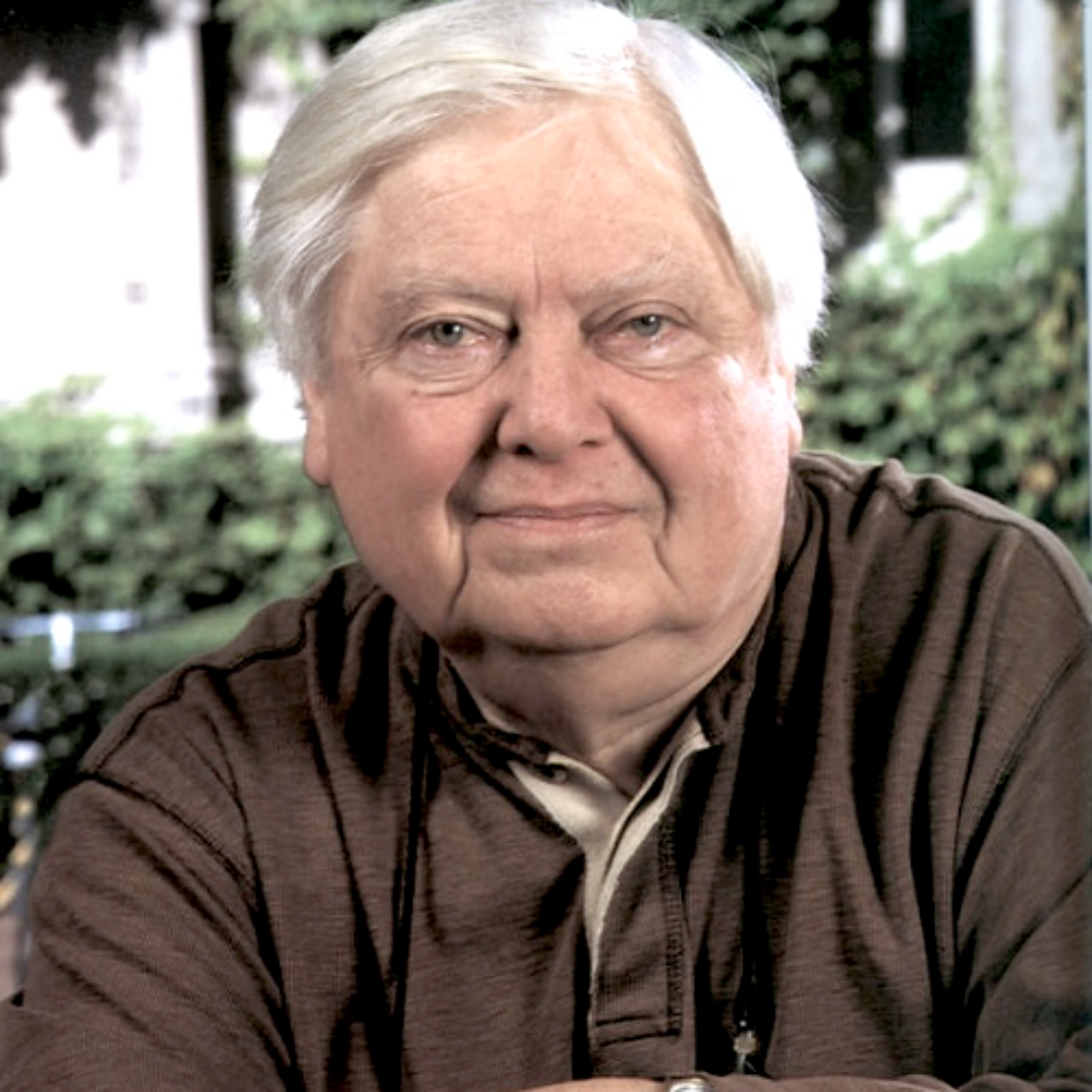
This lecture discusses key ideas from the 20th century philosopher and novelist William Gass' article "The Case Of The Obliging Stranger", which begins with a case that runs: "Imagine I approach a stranger on the street and say to him, "If you please, sir, I desire to perform an experiment with your aid." The stranger is obliging, and I lead him away. In a dark place conveniently by, I strike his head with the broad of an axe and cart him home. I place him, buttered and trussed, in an ample electric oven. The thermostat reads 4500 F. Thereupon I go...
William Gass, The Case Of The Obliging Stranger - Clear Cases And Unclear Cases - Sadler's Lectures
This lecture discusses key ideas from the 20th century philosopher and novelist William Gass' article "The Case Of The Obliging Stranger", which begins with a case that runs: "Imagine I approach a stranger on the street and say to him, "If you please, sir, I desire to perform an experiment with your aid." The stranger is obliging, and I lead him away. In a dark place conveniently by, I strike his head with the broad of an axe and cart him home. I place him, buttered and trussed, in an ample electric oven. The thermostat reads 4500 F. Thereupon I go...
William Gass, The Case Of The Obliging Stranger - The Case and Moral Theories - Sadler's Lectures
This lecture discusses key ideas from the 20th century philosopher and novelist William Gass' article "The Case Of The Obliging Stranger", which begins with a case that runs: "Imagine I approach a stranger on the street and say to him, "If you please, sir, I desire to perform an experiment with your aid." The stranger is obliging, and I lead him away. In a dark place conveniently by, I strike his head with the broad of an axe and cart him home. I place him, buttered and trussed, in an ample electric oven. The thermostat reads 4500 F. Thereupon I go...
Aristotle, On Interpretation - Contraries Of Affirmative Propositions - Sadler's Lectures
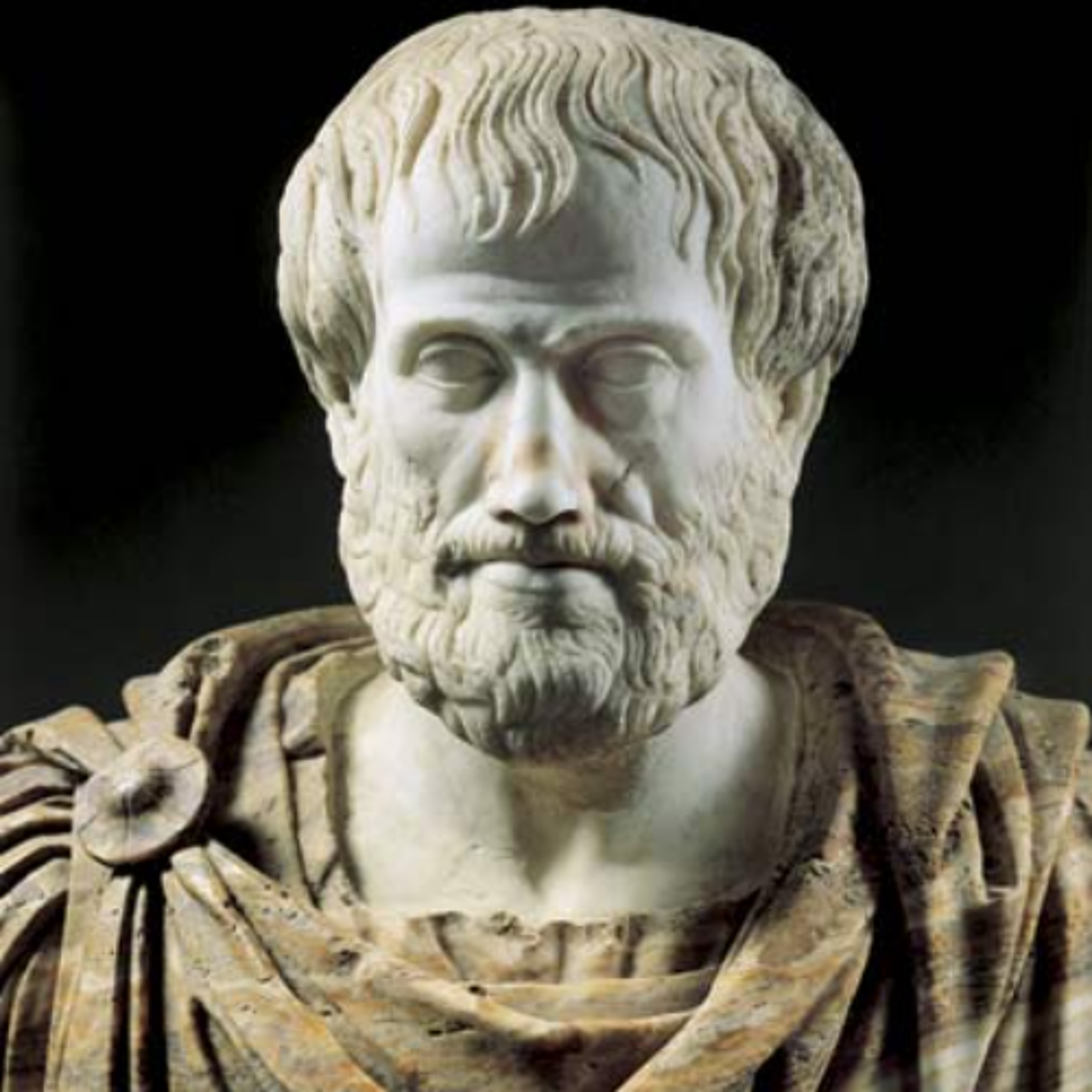
This lecture discusses the ancient Greek philosopher Aristotle' work, On Interpretation, focusing on his discussion near the end of the work bearing on what the contraries of affirmative, generally universal, proposition, actually are, since this is an issue that people often get confused over. Aristotle will resolve this partly by considering in propositions what is the case by essence (kath'heato), or accidentally (kata sumbebēkos). To support my ongoing work, go to my Patreon site - www.patreon.com/sadler If you'd like to make a direct contribution, you can do so here - www.paypal.me/ReasonIO You can f...
Aristotle, On Interpretation - Distinctions Among Potentialities - Sadler's Lectures
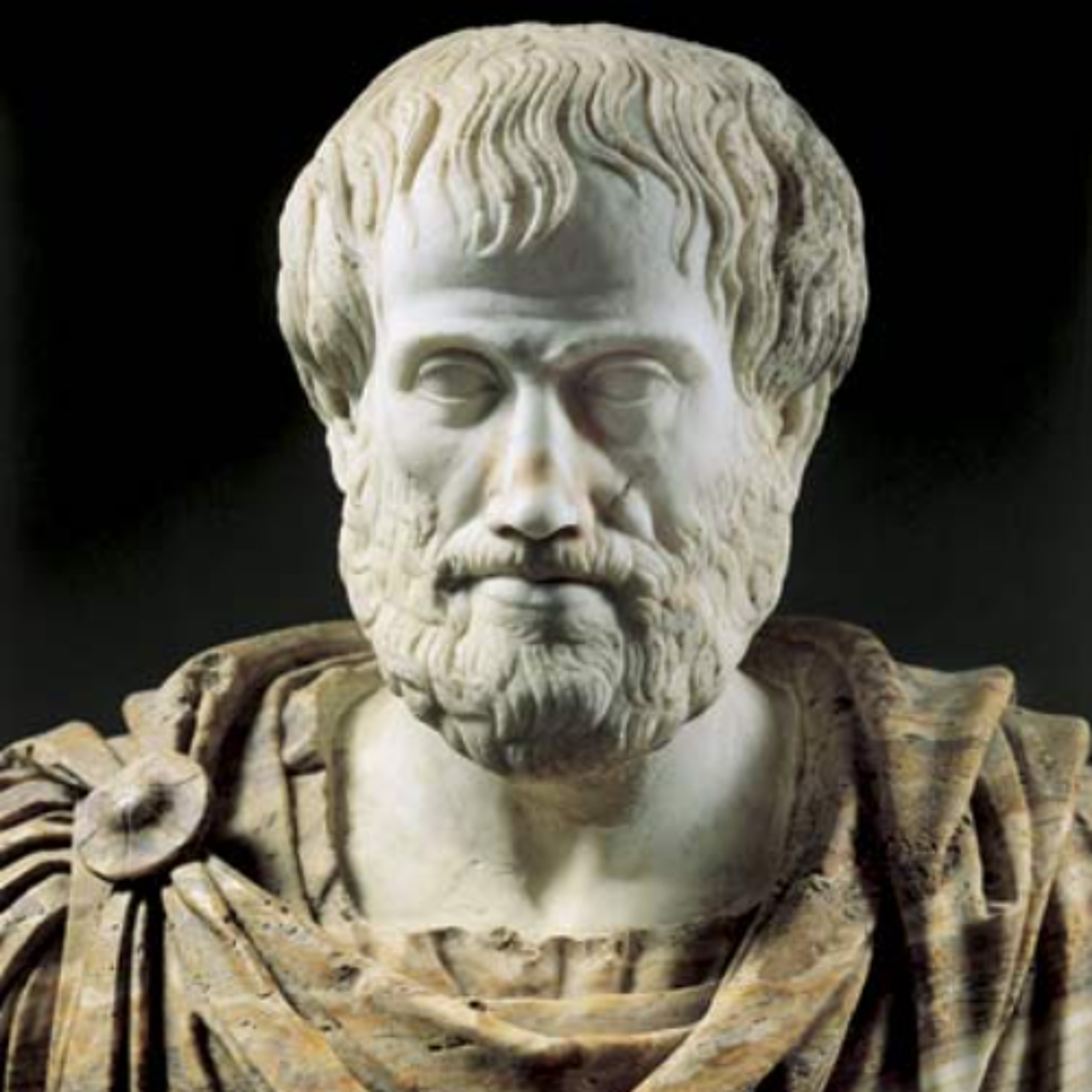
This lecture discusses the ancient Greek philosopher Aristotle' work, On Interpretation, focusing on his discussion of different ways in which something can be potential (dunamis) or possible (dunaton), terms that have multiple senses and are thus ambiguous. He distinguishes between rational and irrational possibilities, a difference which gets used by many later authors. He clarifies ways that potentiality or possibilities can be related to the actual or things in activity, and to what is necessary as well. To support my ongoing work, go to my Patreon site - www.patreon.com/sadler If you'd like to make a direct contribution...
Aristotle, On Interpretation - Necessity, Contradictories, and Contraries - Sadler's Lectures
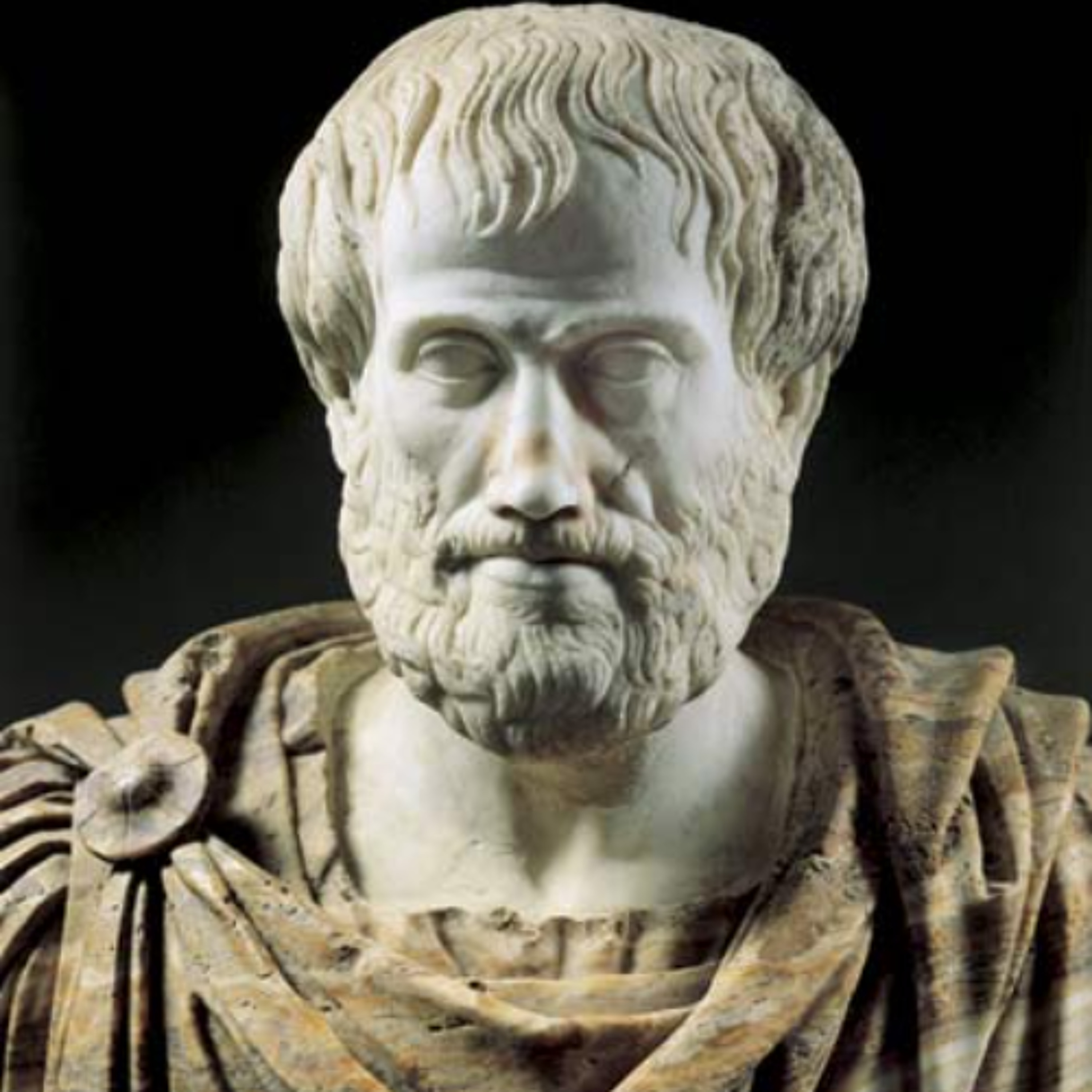
This lecture discusses the ancient Greek philosopher Aristotle' work, On Interpretation, focusing on his discussion of modal propositions that include or reference necessity. He notes that there is an inverse relation between necessity and impossibility, that with necessity, contraries follow upon contradictories, and that possibility follows from necessity but not the converse. To support my ongoing work, go to my Patreon site - www.patreon.com/sadler If you'd like to make a direct contribution, you can do so here - www.paypal.me/ReasonIO You can find over 4,000 philosophy videos in my main YouTube channel - www.youtube.com...
Aristotle, On Interpretation - Implications Of Modal Propositions - Sadler's Lectures
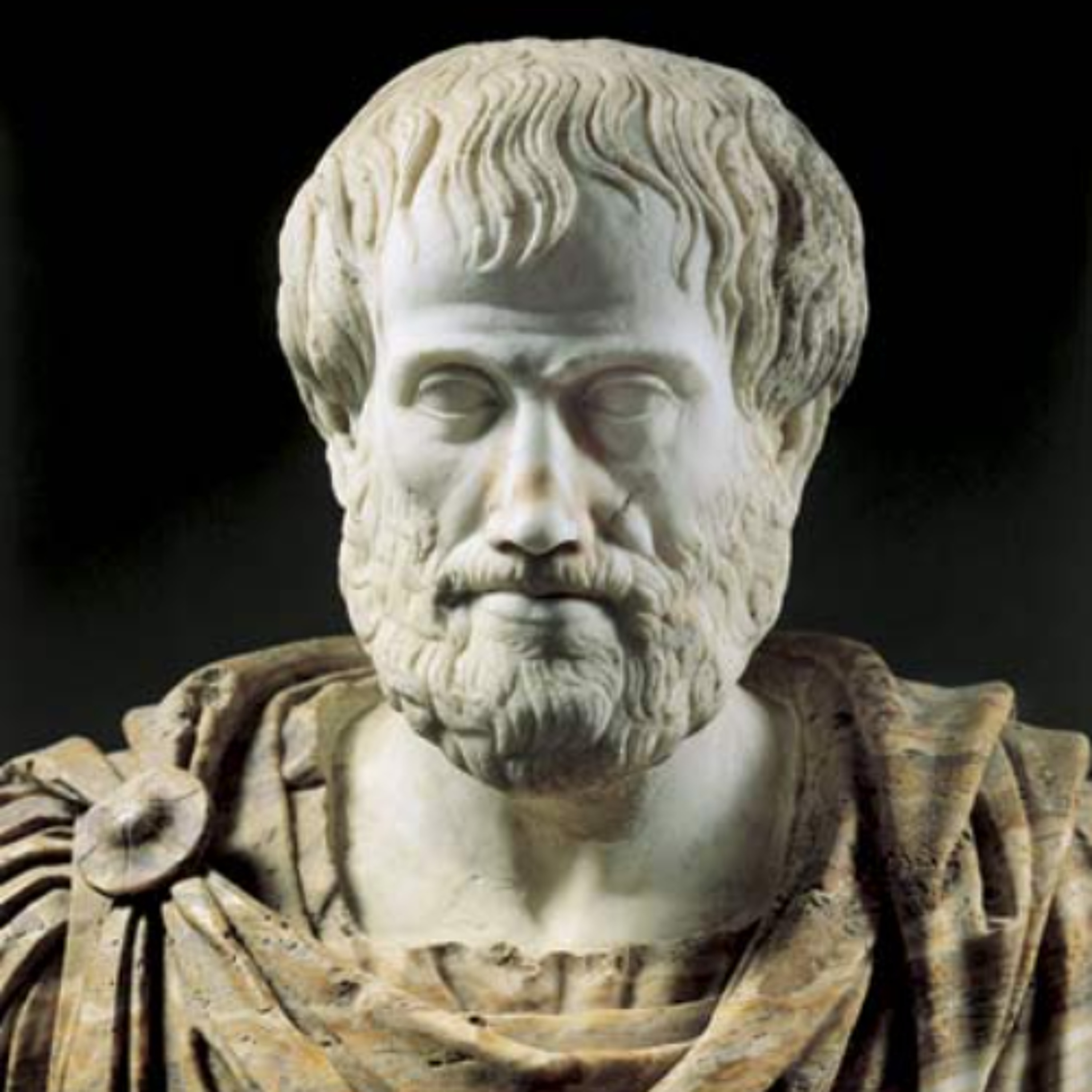
This lecture discusses the ancient Greek philosopher Aristotle' work, On Interpretation, focusing on his discussion of what the implications of modal propositions are, that is, propositions that bear upon possibility, contingency, impossibility, and necessity. He identifies propositions of these sorts that imply each other. To support my ongoing work, go to my Patreon site - www.patreon.com/sadler If you'd like to make a direct contribution, you can do so here - www.paypal.me/ReasonIO You can find over 4,000 philosophy videos in my main YouTube channel - www.youtube.com/user/gbisadler Purchase Aristotle's On Interpretation - amzn...
William Clifford, The Ethics Of Belief - The Limits Of Inference
William Clifford, The Ethics Of Belief - The Limits Of Inference by Lectures on classic and contemporary philosophical texts and thinkers by Gregory B. Sadler
Aristotle, On Interpretation - Possible, Contingent, Impossible, Necessary - Sadler's Lectures
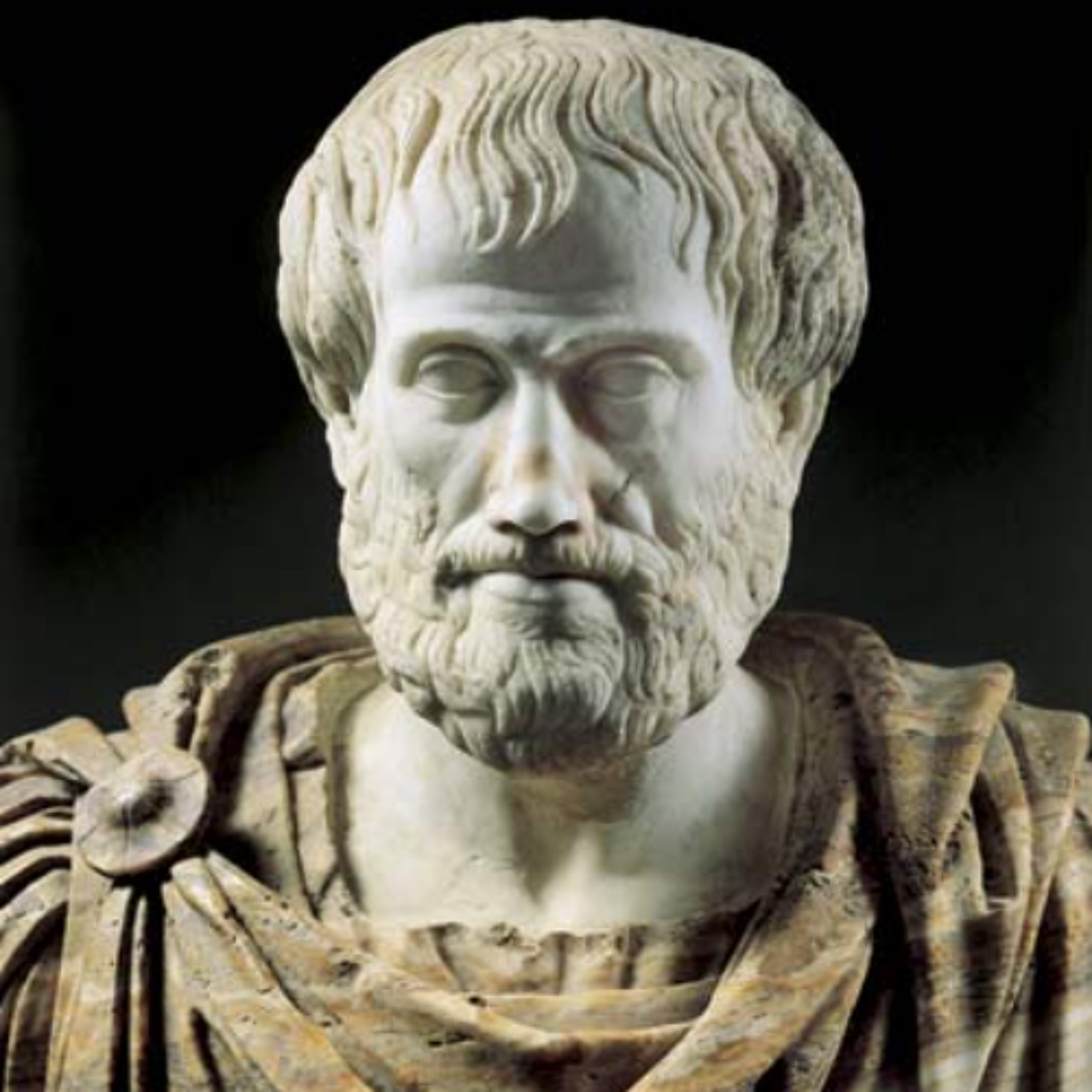
This lecture discusses the ancient Greek philosopher Aristotle' work, On Interpretation, focusing on his discussion of modal terms such as possible (dunaton), contingent (endekhomenon), impossible (adunaton), and necessary (anankhaion) as they are used in propositions, where affirmations or negations possess truth or falsity. He also discusses what real and mistaken contradictions of these types of propositions are. To support my ongoing work, go to my Patreon site - www.patreon.com/sadler If you'd like to make a direct contribution, you can do so here - www.paypal.me/ReasonIO You can find over 4,000 philosophy videos in my main YouTube...
Aristotle, On Interpretation - Combining Predicates Into One - Sadler's Lectures
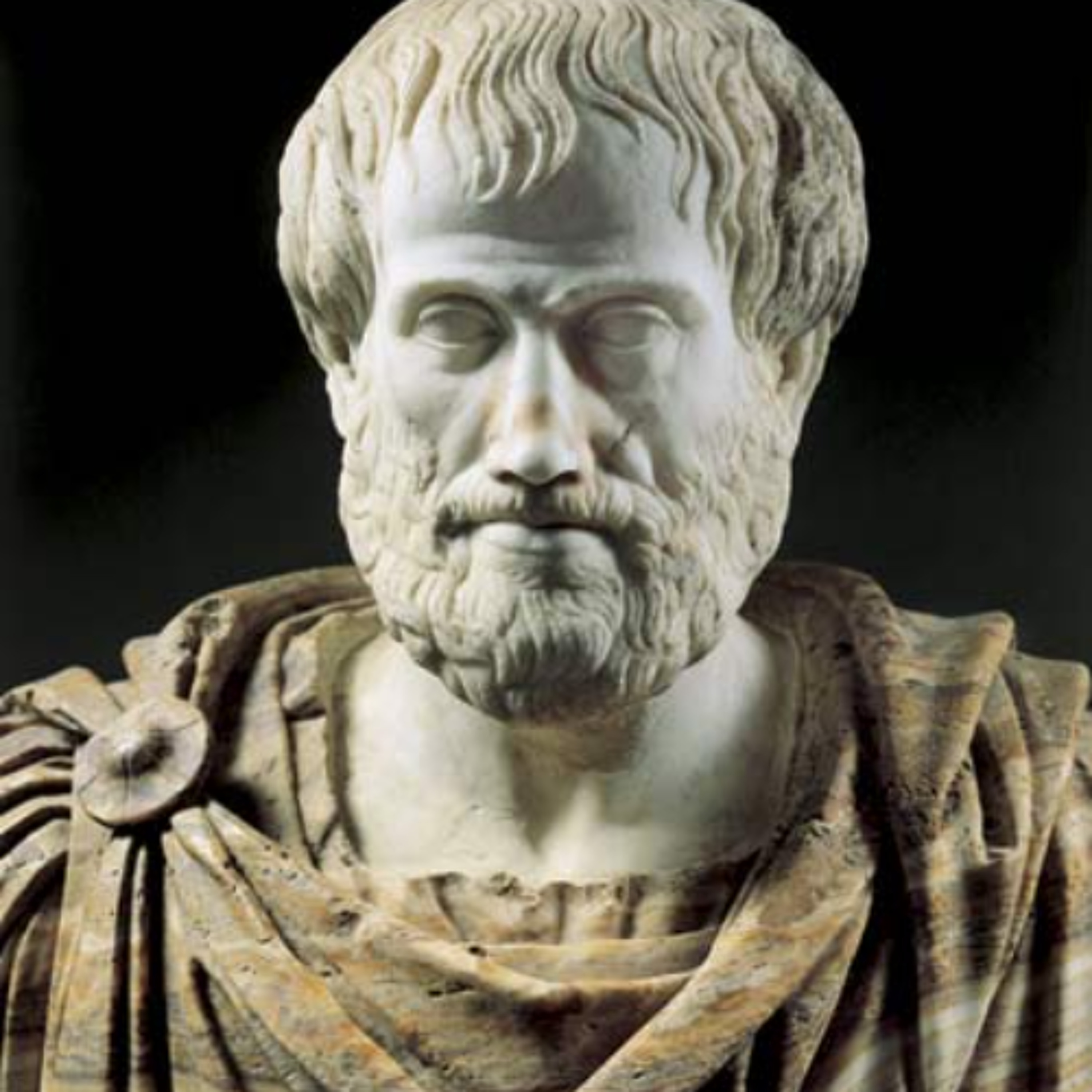
This lecture discusses the ancient Greek philosopher Aristotle' work, On Interpretation, focusing on his discussion bearing on whether and when it is possible to combine multiple predicates into one predicate for a given subject in propositions. As it turns out, in some cases this is possible, but in many other cases starting with true propositions leads to a false proposition when the predicates are combined To support my ongoing work, go to my Patreon site - www.patreon.com/sadler If you'd like to make a direct contribution, you can do so here - www.paypal.me/ReasonIO You can...
Aristotle, On Interpretation - Necessity, Contingency, and Future Propositions - Sadler's Lectures
This lecture discusses the ancient Greek philosopher Aristotle' work, On Interpretation, focusing on his discussion of what have come to be called "modalities" such as necessity, contingency, possibility, and impossibility, with the truth values of future seemingly contingent propositions in mind, for example that a sea-battle will or will not take place tomorrow. One possible approach is to say that since propositions must be either true or false, future propositions already are true or false of necessity and that we simply don't know their truth or falsity. Another is to say that it is necessary for them to be either...
Aristotle, On Interpretation - Indefinite Subjects And Predicates - Sadler's Lectures
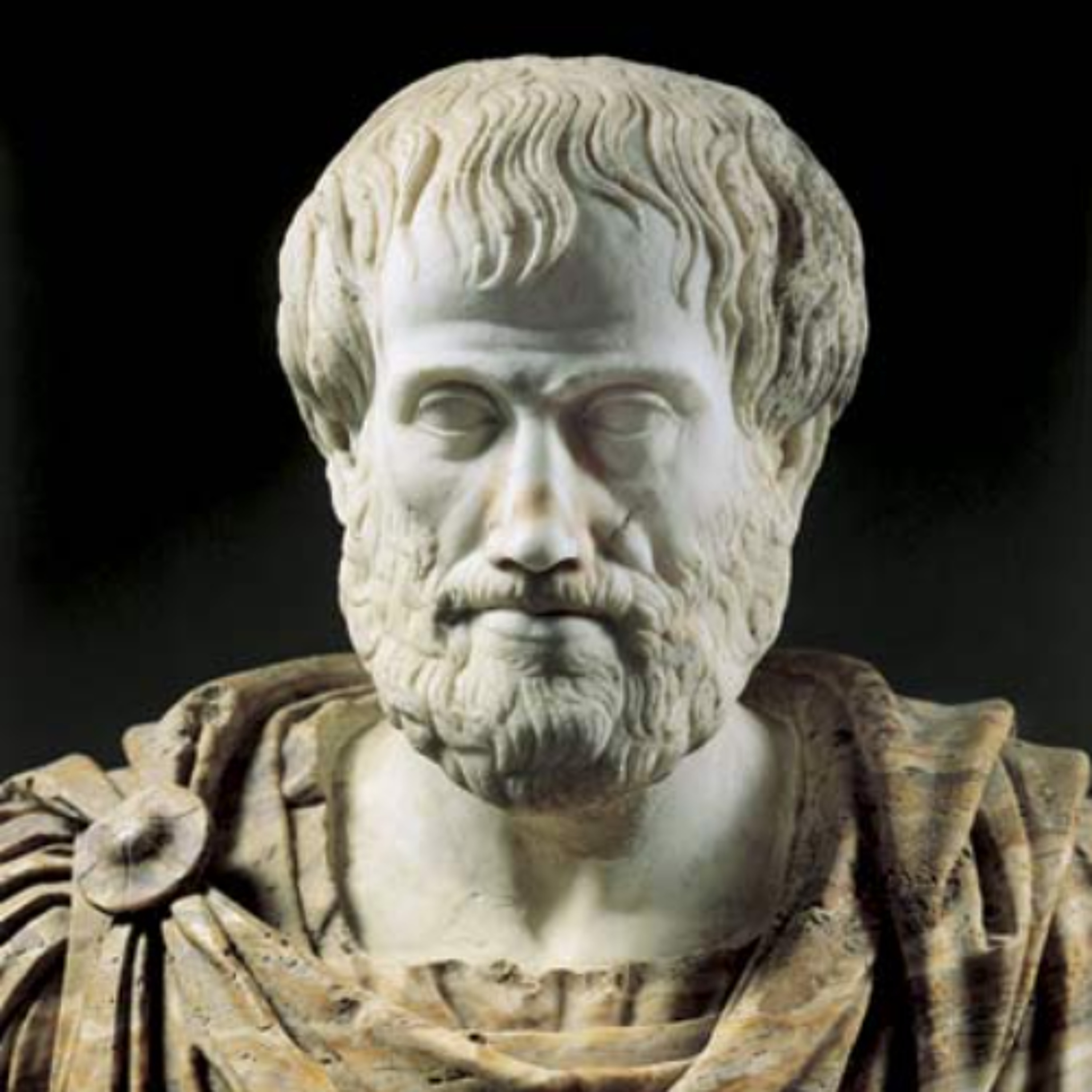
This lecture discusses the ancient Greek philosopher Aristotle' work, On Interpretation, focusing on his discussion of what he calls propositions that contain "indefinite" subjects or predicates. These can be ambiguous and create problems for interpretation that do not arise when propositions are made universal or particular by using universal terms such as "all," "every" "no", "none", or when singling out a particular or using "some". To support my ongoing work, go to my Patreon site - www.patreon.com/sadler If you'd like to make a direct contribution, you can do so here - www.paypal.me/ReasonIO You can...
Aristotle, On Interpretation - Contrary and Contradictory Propositions - Sadler's Lectures
This lecture discusses the ancient Greek philosopher Aristotle' work, On Interpretation, focusing on his discussion of contrary and contradictory propositions, both of which are ways in which propositions are opposed to each other, with contradictories being more opposed to each other than contraries. With contrary propositions, if they are universal, one of them must be false (and it is possible for both of them to be false). With contradictory propositions, one of them must be true and the other false. To support my ongoing work, go to my Patreon site - www.patreon.com/sadler If you'd like to make...
Aristotle, On Interpretation - Universal and Particular Propositions - Sadler's Lectures
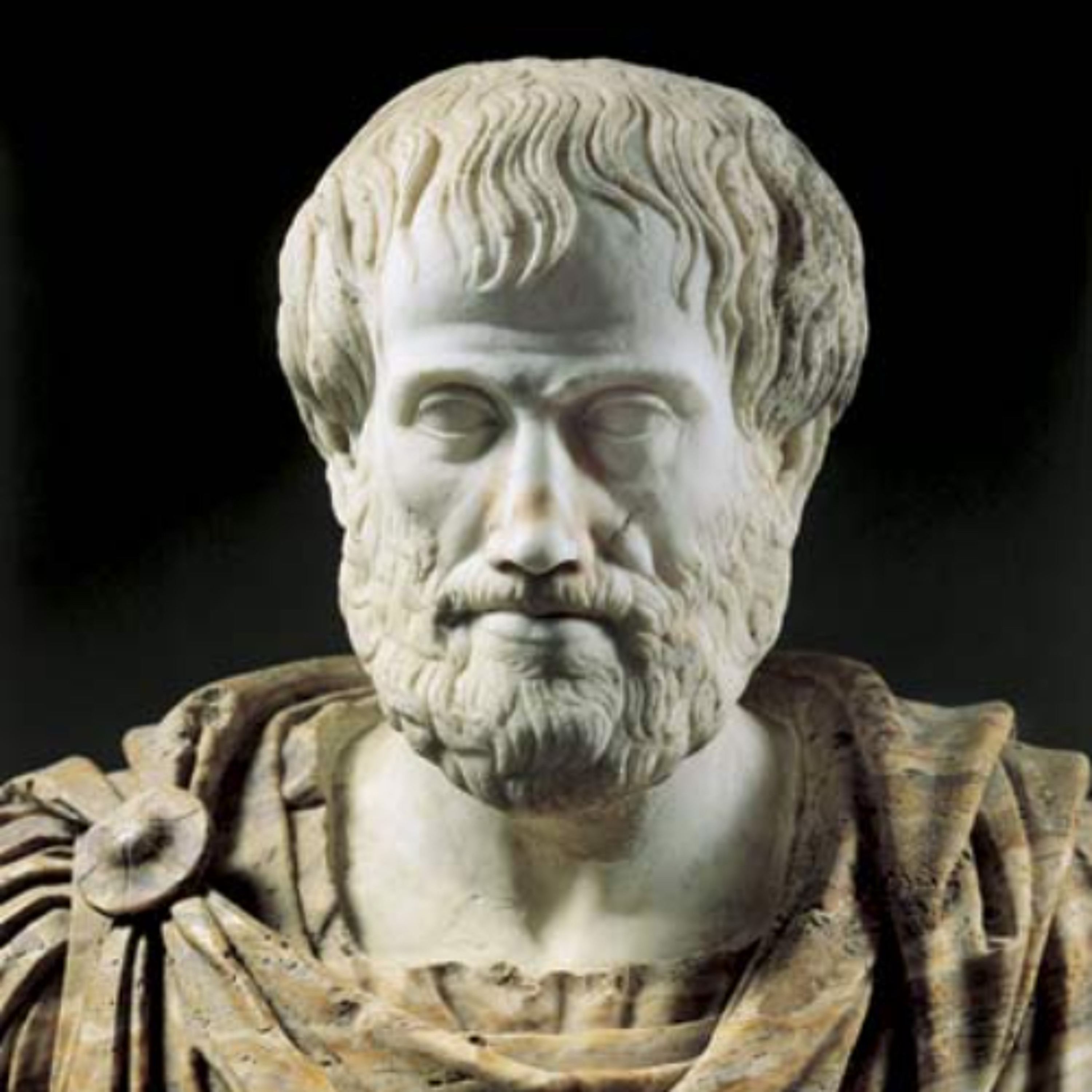
This lecture discusses the ancient Greek philosopher Aristotle' work, On Interpretation, focusing on his discussion of universal and particular propositions. Universal (katholou) propositions will generally be indicated by terms like "all", "every" or "no" applied to the subject, and refer to an entire group or class of things. Particular propositions (kath' hekaston) apply to at least one individual subject, but could also be framed to include more. Aristotle does also note that not all propositions are universal or particular, since some of them could be indefinite. To support my ongoing work, go to my Patreon site - www.patreon.com...
Aristotle, On Interpretation - Propositions, Truth, and Falsity - Sadler's Lectures
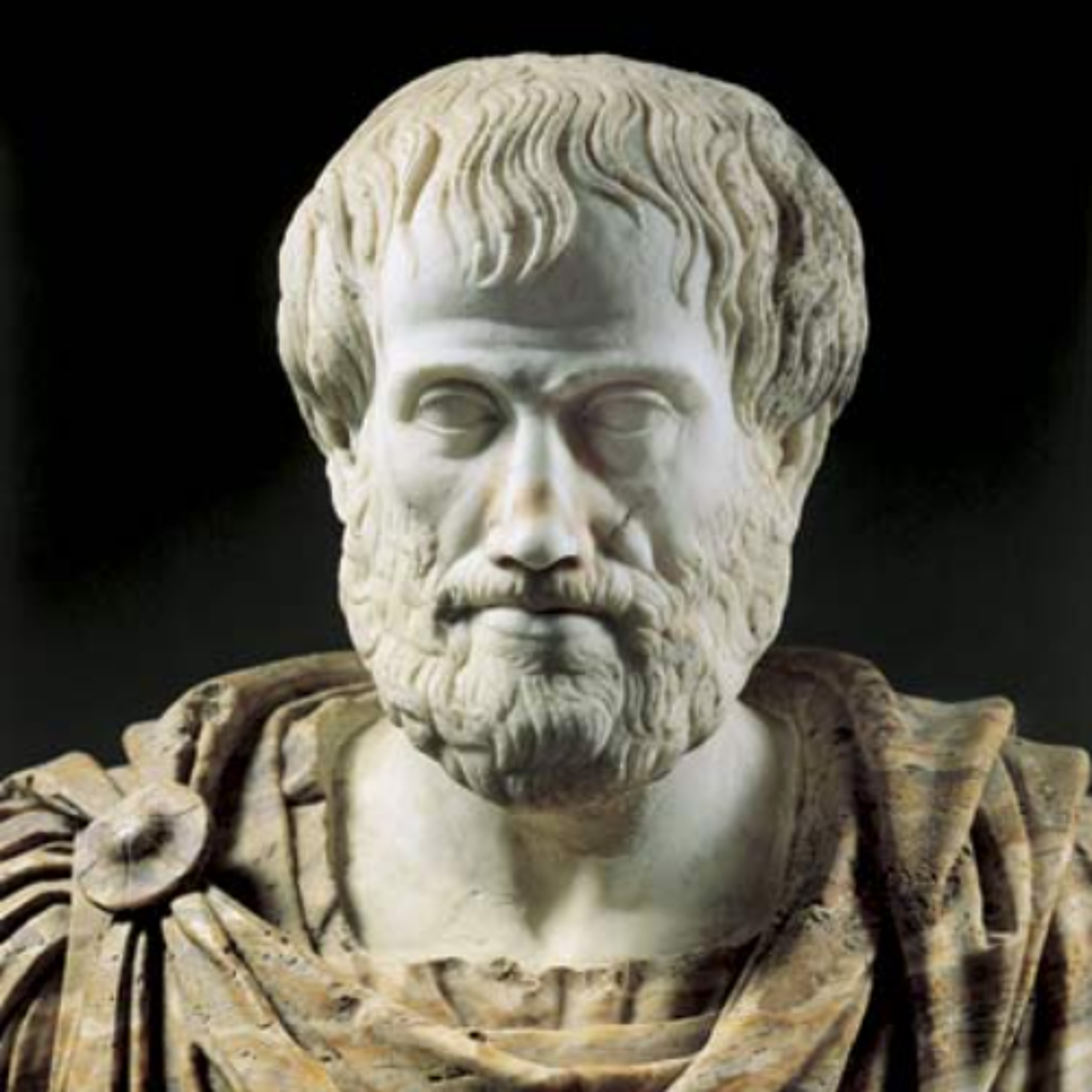
This lecture discusses the ancient Greek philosopher Aristotle' work, On Interpretation, focusing on his discussion of propositions (apophanseis), which are a common type of sentence (logos), characterized by being either true or false. Propositions are generally affirmations (kataphaseis) or denials (apophaseis), and are the main focus of the work On Interpretation. To support my ongoing work, go to my Patreon site - www.patreon.com/sadler If you'd like to make a direct contribution, you can do so here - www.paypal.me/ReasonIO You can find over 4,000 philosophy videos in my main YouTube channel - www.youtube.com/user...
Aristotle, On Interpretation - Nouns, Verbs, and Sentences - Sadler's Lectures
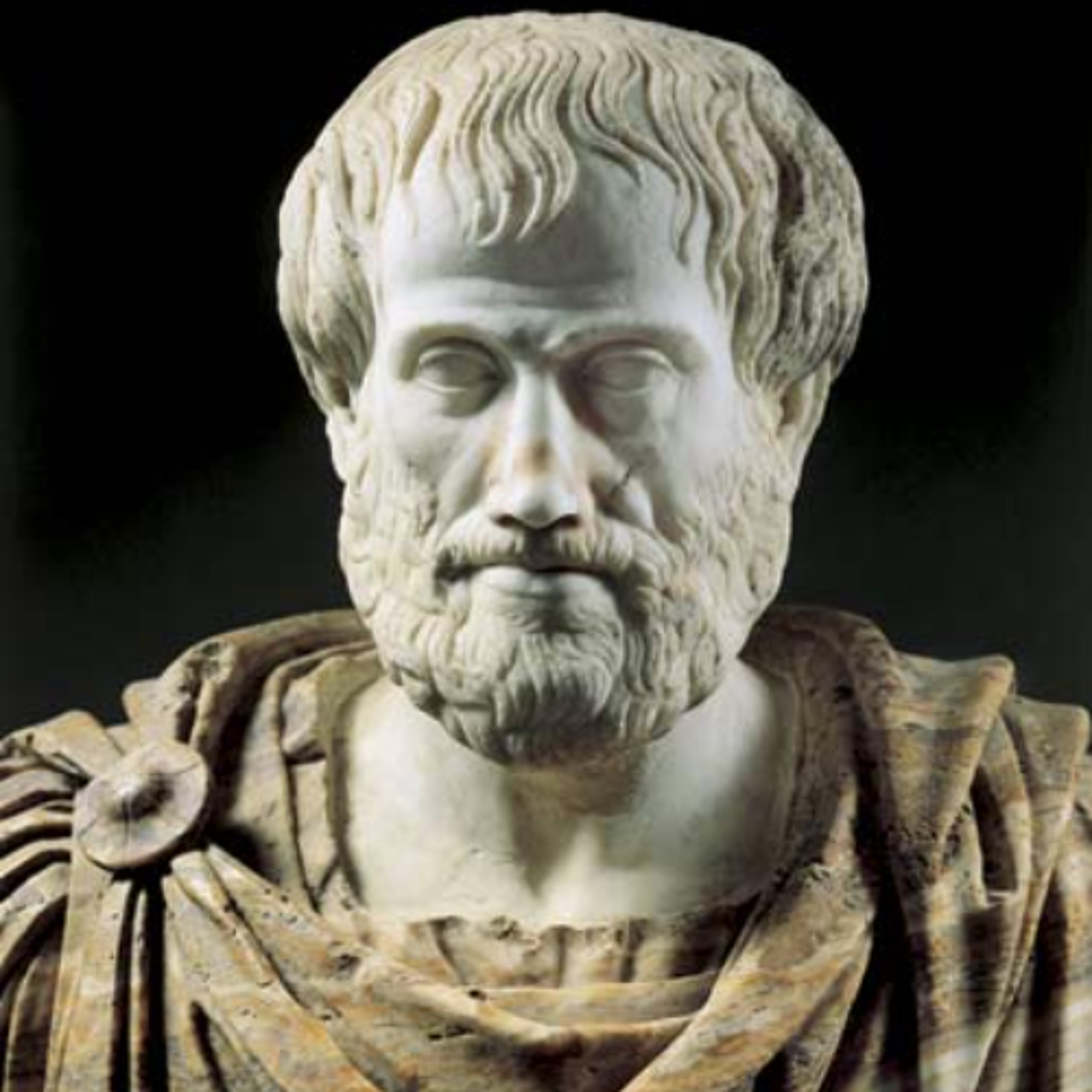
This lecture discusses the ancient Greek philosopher Aristotle' work, On Interpretation, focusing on his discussion of nouns or names (omonata), verbs (rhemata) and sentences (logoi). Sentences are significant parts of speech, often composed of nouns and verbs, but not all of them are propositions (apophanseis), since they are not all affirmations or denials which have either truth or falsity to them. To support my ongoing work, go to my Patreon site - www.patreon.com/sadler If you'd like to make a direct contribution, you can do so here - www.paypal.me/ReasonIO You can find over 4,000 philosophy videos...
William Gass, The Case Of The Obliging Stranger - The Case and Moral Theories
William Gass, The Case Of The Obliging Stranger - The Case and Moral Theories by Lectures on classic and contemporary philosophical texts and thinkers by Gregory B. Sadler
Plato, Persons, and the Highest Good (part 2) - Sadler's Lectures
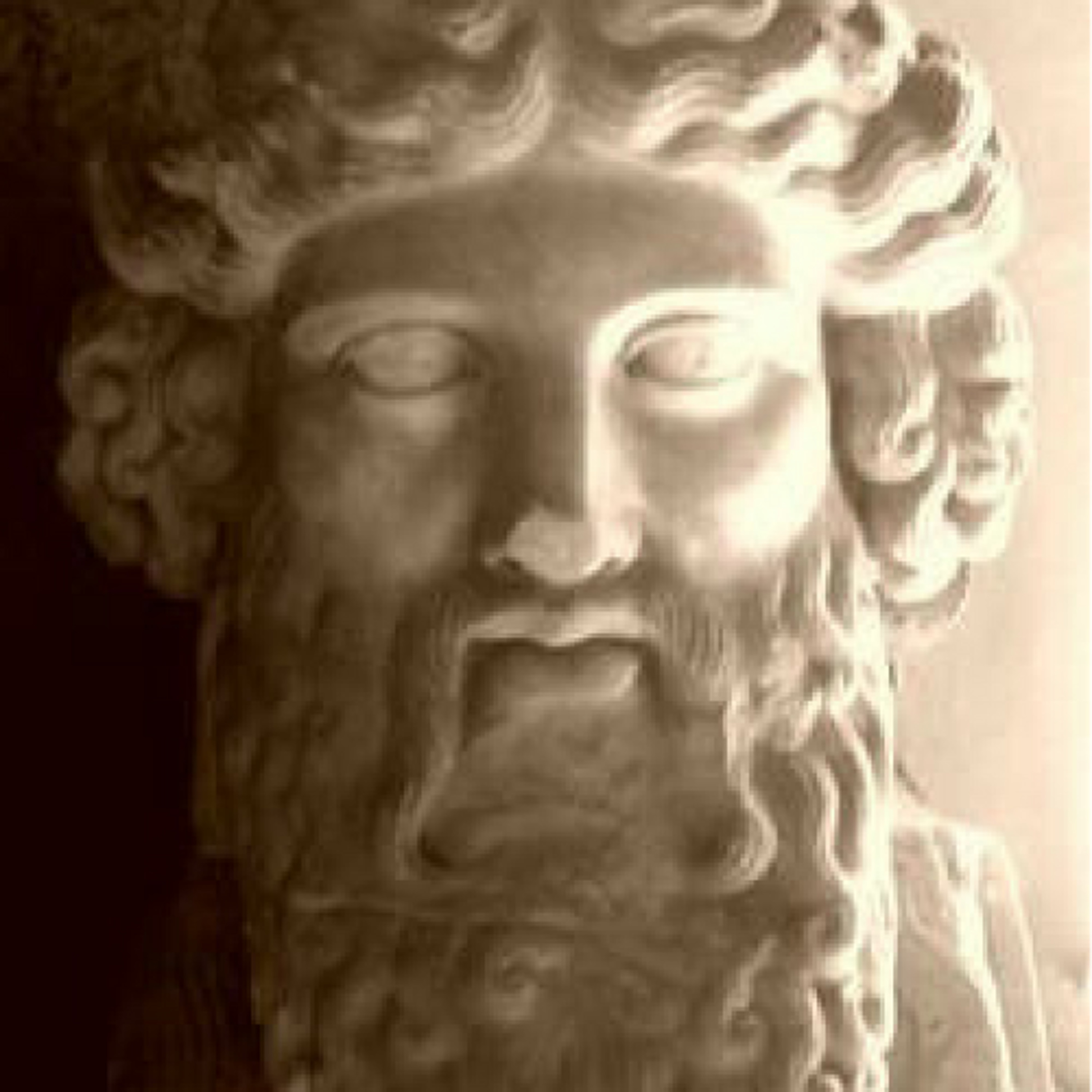
This is part 2 of the recording of my invited talk at Christopher Newport University, "Plato, Persons, And The Highest Good". It focuses on the question of whether the highest good in Plato is personal (as it would be e.g. for Christian Platonists) or impersonal (as it's usually taken to be). Centering the discussion on the ascent to the highest Good in the Symposium, I also discuss portions of the Republic, Phaedrus, Phaedo, Apology, and Gorgias To support my ongoing work, go to my Patreon site - www.patreon.com/sadler If you'd like to make a direct contribution, you...
Plato, Persons, and the Highest Good (part 1) - Sadler's Lectures
This is part 1 of the recording of my invited talk at Christopher Newport University, "Plato, Persons, And The Highest Good". It focuses on the question of whether the highest good in Plato is personal (as it would be e.g. for Christian Platonists) or impersonal (as it's usually taken to be). Centering the discussion on the ascent to the highest Good in the Symposium, I also discuss portions of the Republic, Phaedrus, Phaedo, Apology, and Gorgias To support my ongoing work, go to my Patreon site - www.patreon.com/sadler If you'd like to make a direct contribution, you...
Peter Wessel Zapffe, The Last Messiah - Modern Civilization And Messiahs - Sadler's Lectures
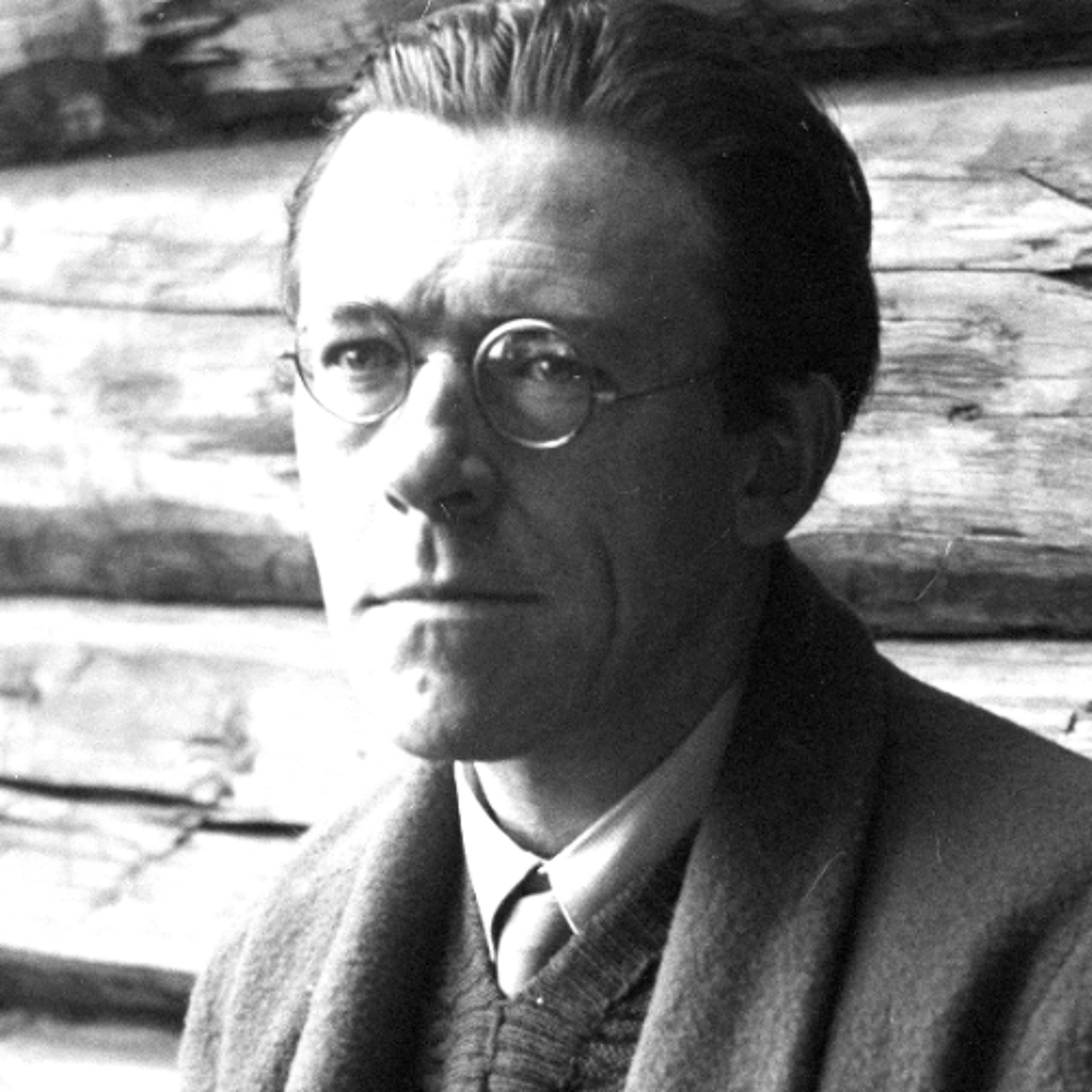
This lecture discusses key ideas from the 20th century pessimist philosopher and environmentalist Peter Wessel Zapffe's "The Last Messiah" It focuses specifically on the final parts of the work, where he considers and rejects several possible solutions to the problem posed by modern society for the human animal beset by a surplus of consciousness and a tendency to fall into "cosmic panic" when realizing their existential condition. He then narrates the coming of a "last messiah", who has stripped their soul naked and subjected themselves to the most profound questioning, who advocates no longer reproducing and letting the human race...
Peter Wessel Zapffe, The Last Messiah - Diversion As A Suppression Mechanism - Sadler's Lectures
This lecture discusses key ideas from the 20th century pessimist philosopher and environmentalist Peter Wessel Zapffe's "The Last Messiah" It focuses specifically on the third of the four "suppression mechanisms" that he identifies, which he calls "diversion". It might also be accurately called "distraction", and involves keeping our attention and consciousness occupied by a succession of changing contents. He discusses a number of ways in which we engage in this ranging from entertainment to projects, even religious life and commitments. To support my ongoing work, go to my Patreon site - www.patreon.com/sadler If you'd like to make...
Peter Wessel Zapffe, The Last Messiah - Attachment As A Suppression Mechanism - Sadler's Lectures
This lecture discusses key ideas from the 20th century pessimist philosopher and environmentalist Peter Wessel Zapffe's "The Last Messiah" It focuses specifically on attachment as one of the four "suppression mechanisms" he discusses in the essay, which involves creating fixed points in or a wall around the shifting chaos of consciousness. This occurs at the individual, the interpersonal, and the societal level, and older attachments can often be replaced by newer attachments To support my ongoing work, go to my Patreon site - www.patreon.com/sadler If you'd like to make a direct contribution, you can do so here...
Peter Wessel Zapffe, The Last Messiah - Cosmic Panic And Suppression Mechanisms - Sadler's Lectures
This lecture discusses key ideas from the 20th century pessimist philosopher and environmentalist Peter Wessel Zapffe's "The Last Messiah" It focuses specifically on the first portion of the work, where he sets out the human condition as he sees it, where as a species the trait that was our great advantage, consciousness, has become too developed in us, leading ultimately to a "cosmic panic", which we attempt to set aside through four main "suppression mechanisms": isolation, attachment, diversion, and sublimation. To support my ongoing work, go to my Patreon site - www.patreon.com/sadler If you'd like to make...
Lev Shestov, All Things Are Possible - Assessments Of Leo Tolstoy - Sadler's Lectures
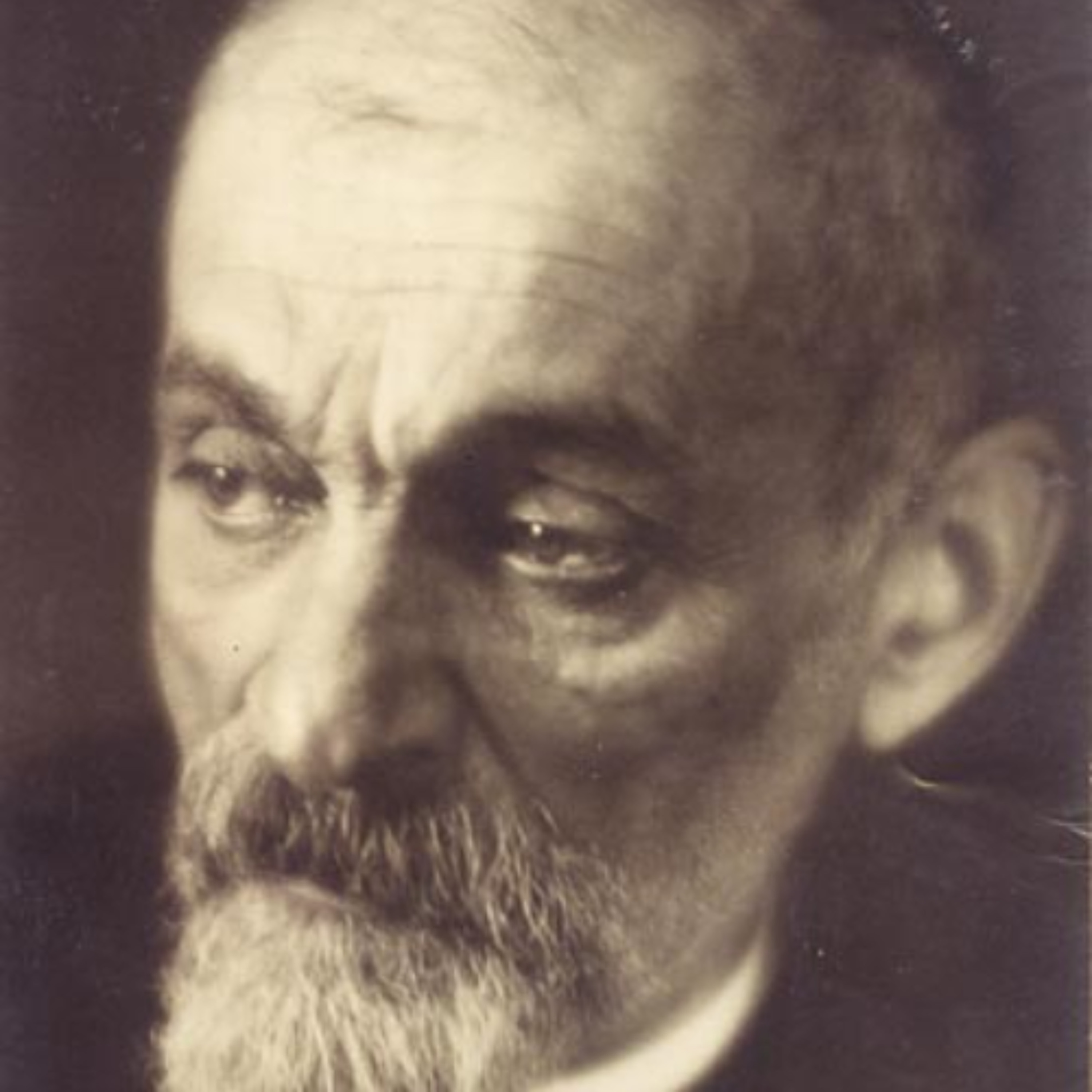
This lecture discusses key ideas from the 19th and 20th century existentialist philosopher Lev Shestov's book "All Things Are Possible" It focuses specifically on his interpretation and assessment of the Russian author Leo Tolstoy, who Shestov says is much more interesting in his vices and inconsistencies than in his virtues. Tolstoy was someone who didn't simply write but attempted to live out his views on life, not always with great success, and struggled against ideas and worries most other people can put aside. To support my ongoing work, go to my Patreon site - www.patreon.com/sadler If you'd...
Lev Shestov, All Things Are Possible - Assessments Of Ivan Turgenev - Sadler's Lectures
This lecture discusses key ideas from the 19th and 20th century existentialist philosopher Lev Shestov's book "All Things Are Possible" It focuses specifically on his references to the work, thought, and life of Ivan Turgenev, a Russian author who was perhaps one of the most westernized of his generation. He also discusses the conflict between Turgenev and Tolstoy and what it represented. To support my ongoing work, go to my Patreon site - www.patreon.com/sadler If you'd like to make a direct contribution, you can do so here - www.paypal.me/ReasonIO - or at BuyMeACoffee...
Lev Shestov, All Things Are Possible - Assessments Of Anton Chekhov - Sadler's Lectures
This lecture discusses key ideas from the 19th and 20th century existentialist philosopher Lev Shestov's book "All Things Are Possible" It focuses specifically on his references to and evaluation of Anton Chekhov, who Shestov credits with a more realistic attitude towards philosophies than many other writers, namely that they are very helpful for characters to have and to articulate, but less so for the writer or person himself. To support my ongoing work, go to my Patreon site - www.patreon.com/sadler If you'd like to make a direct contribution, you can do so here - www.paypal.me...
