HISTORY This Week
Visit htwpod.com for ad-free listening and bonus content!This week, something big happened. You might have never heard of it, but this moment changed the course of history. A HISTORY Channel original podcast, HISTORY This Week gives you insight into the people—both famous and unknown—whose decisions reshaped the world we live in today. Through interviews with experts and eyewitnesses, each episode will give you a new perspective on how history is written. Stay up-to-date at historythisweekpodcast.com and to get in touch, email us at [email protected] This Week is a production of Back Pocket Studio...
Salem’s First Witch Trial
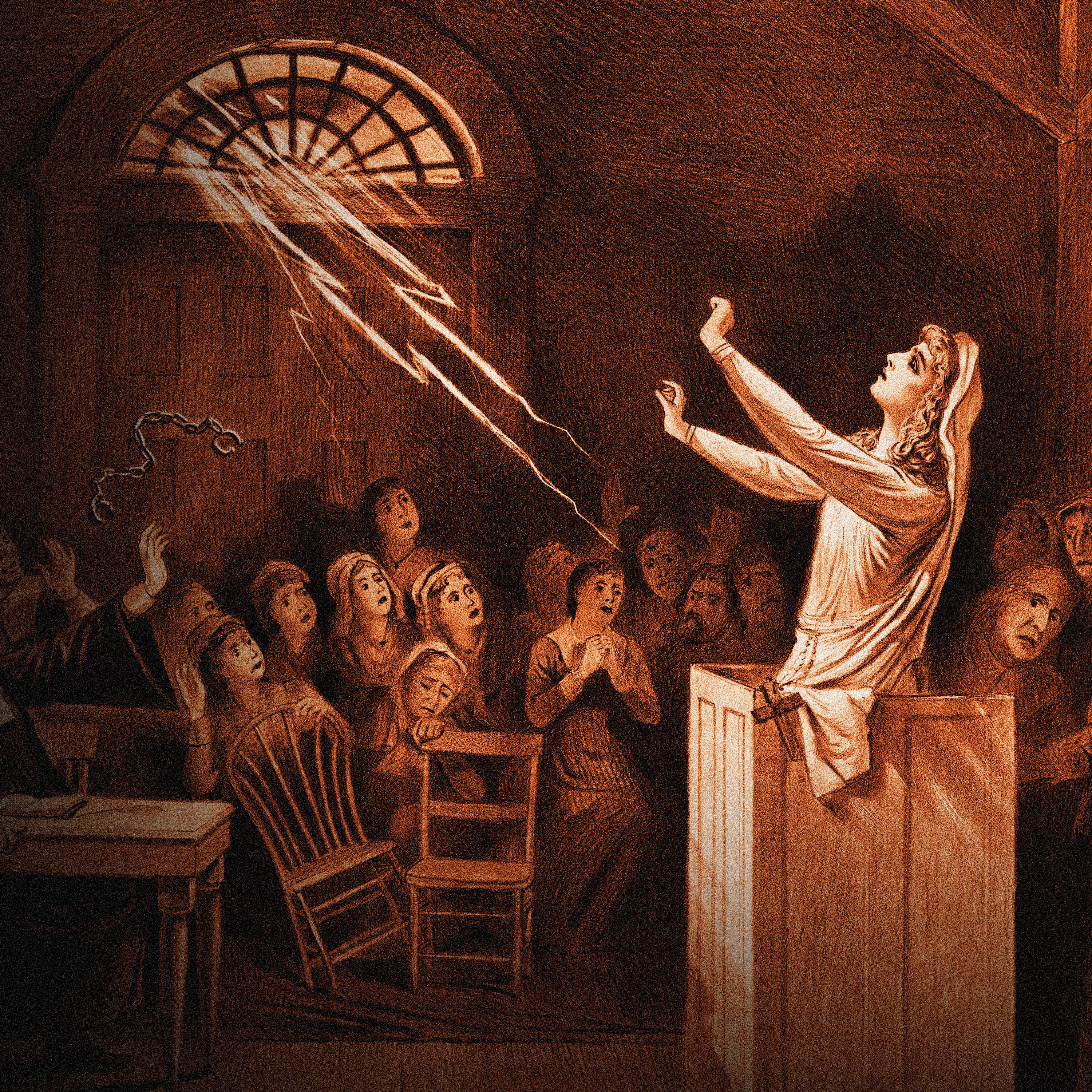
Happy Halloween! Today, we're bringing back a particularly spooky episode from the archives...
June 10, 1692. Bridget Bishop is loaded into a two-wheeled cart and brought from her Salem jail cell to a pasture on a hill, where a rope is hanging from freshly-installed gallows. A crowd forms around her: law officers to read the death warrant, ministers to offer last rites, and onlookers, curious to see a witch in the flesh. Bishop’s execution raises doubts that could have stopped the Salem witch trials in their tracks. But instead, it became the first in a deluge of convictions, tr...
1066: The Brother Who Broke England (w/ Greg Jenner)
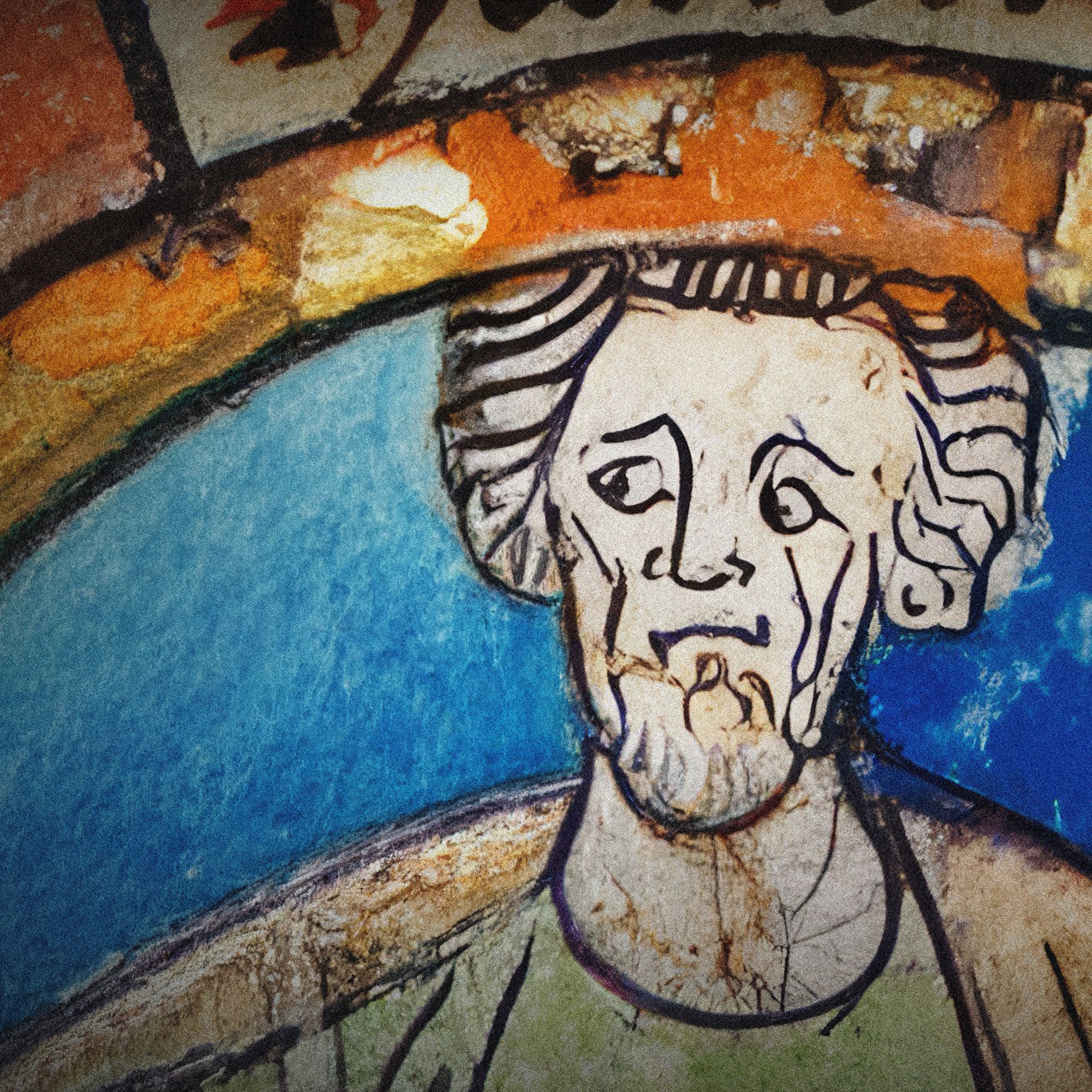
October 28, 1065. The king’s council meets in Oxford and throws a man out of England. His name is Tostig Godwinson, and the north of England already hates him. His own brother Harold, the most powerful earl in the realm and the likely next king, refuses to save him.
Tostig does not take it well. Over the next year, he sails from royal court to royal court, pitching anyone with ships on an invasion of England. He finds takers. And the year that follows, 1066, becomes the most pivotal in English history: three men claiming one crown, two invasions in...
Introducing: Platypus Economics
From world events to everyday decisions, economics explains it all. Platypus Economics makes it clear, useful, and actually fun. Available now: link.pscrb.fm/f0281/PE_HTW
Venus, Earth’s Evil Twin
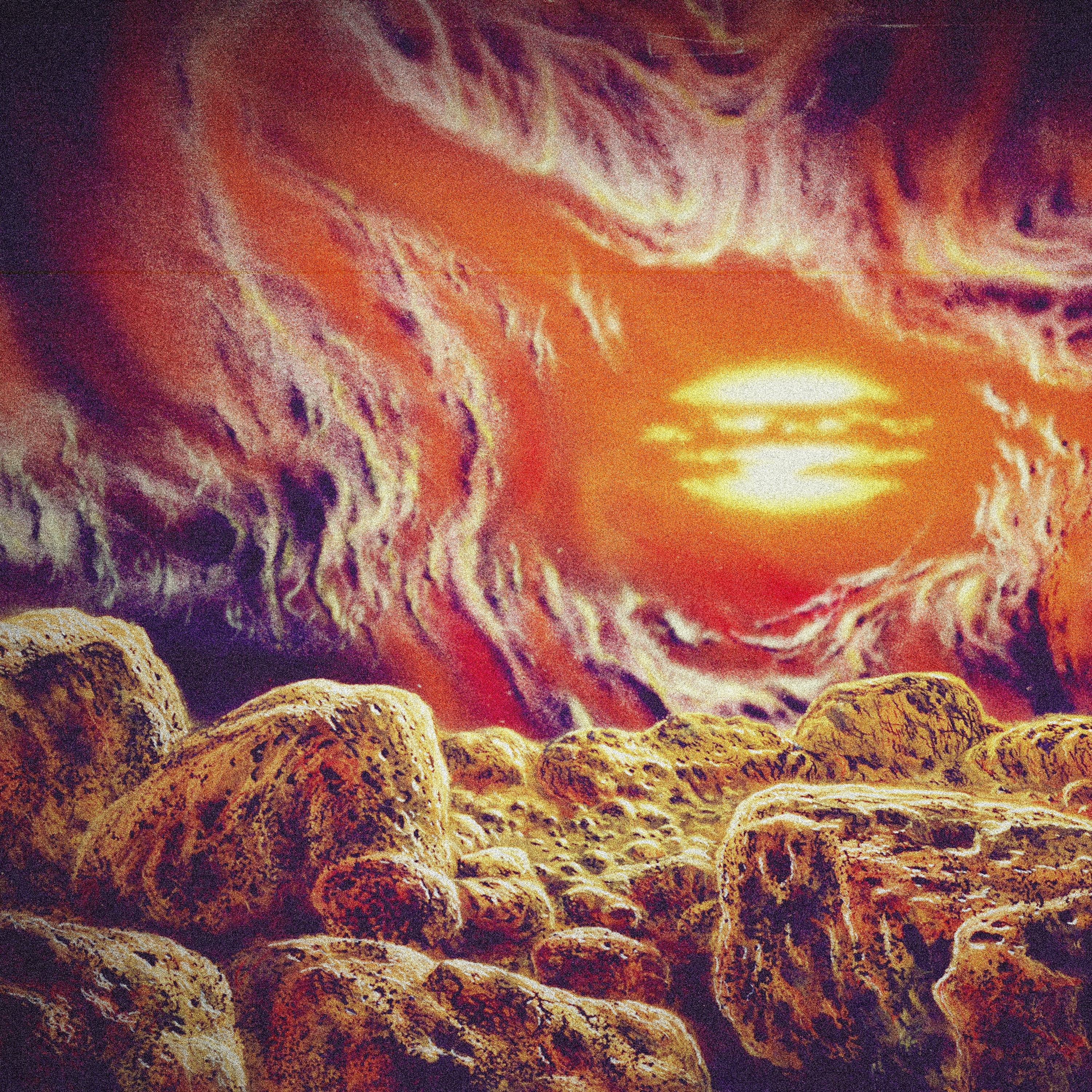
October 22, 1975. After traveling millions of miles through space, a Soviet spacecraft plunges through thick clouds of sulfuric acid to land on Venus. Its goal: take a photograph of another planet’s surface and send it back home—history’s first up-close glimpse at a world other than our own. Venus, our closest neighbor, is similar in size to Earth and may even share some planetary material. It’s why scientists sometimes call it our twin planet. Yet its rock-melting temperatures and poisonous atmosphere make it profoundly different. If anything, it is our evil twin. What’s behind humanity's long fascinatio...
Audubon’s Birds Come Home to Roost
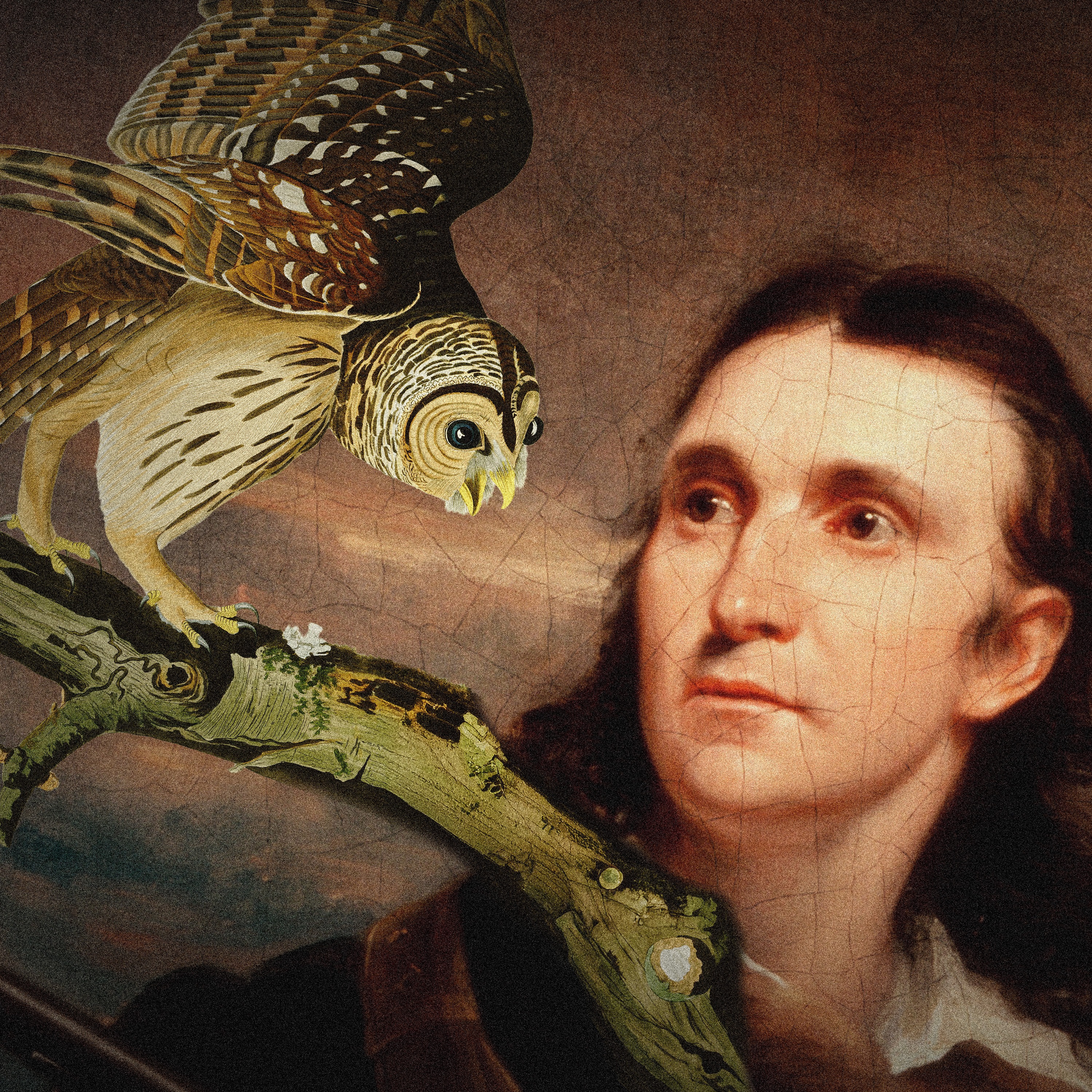
October 12, 1820. John James Audubon—a failed shopkeeper, grist miller, and steamboat investor—sets off from Cincinnati on a flatboat down the Ohio River. He is bankrupt. The bank has taken everything except his clothes, his gun, and a portfolio of 62 bird drawings. His plan is to float south, paint every bird in America at life size, and sell the results. Somehow, it works. The Birds of America becomes one of the most valuable books ever printed, and Audubon’s name becomes shorthand for loving nature.
But the man behind the myth is harder to pin down. He hid wh...
The Freemasons Get Away With Murder (Probably)
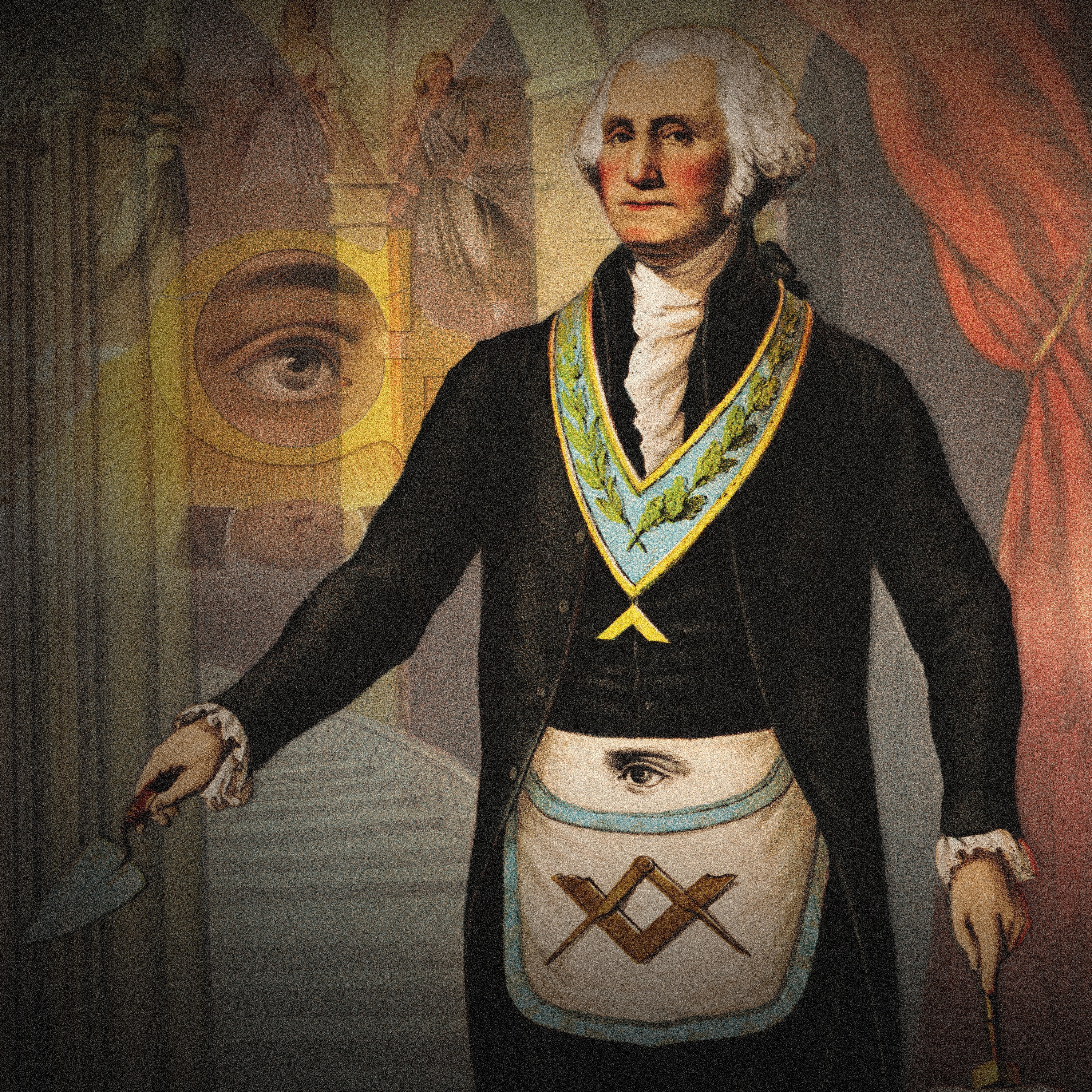
October 7, 1827. A body washes up on the shore of Lake Ontario. A Rochester newspaperman named Thurlow Weed believes he knows whose it is: William Morgan, a down-on-his-luck ex-Freemason who threatened to publish the order's secrets. He was pulled from a jail in Canandaigua a year earlier, and never seen again.
How does one man's disappearance set off a panic about secret societies, gut Freemasonry in America, and build the country's first third party? And why do the Anti-Masons, who vanish almost as fast as they rose, leave behind a playbook that shapes American politics for a century?<...
Free preview: The Real Blackbeard (HTW+)
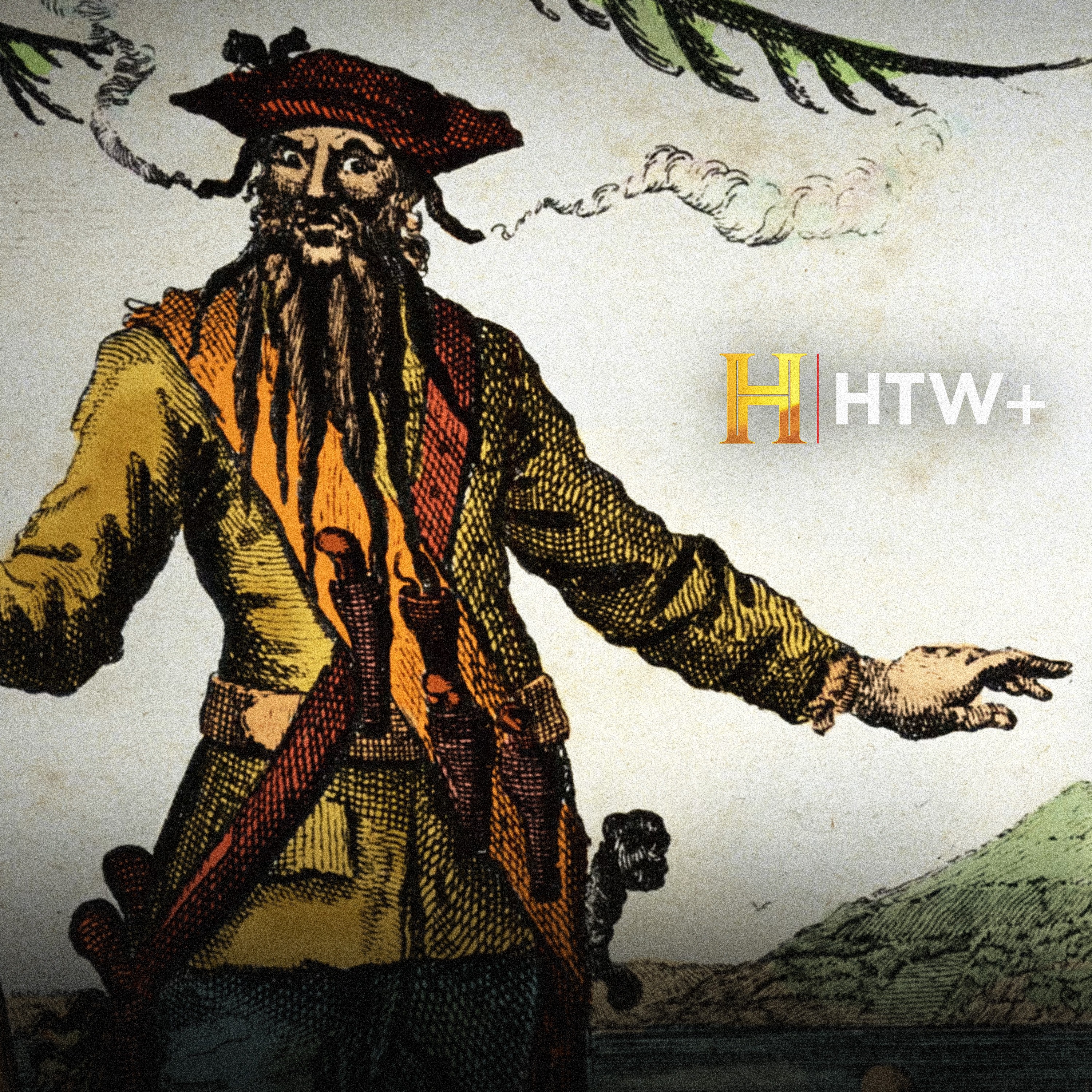
A 5-min sample of our full interview about who Blackbeard really was, and the truth behind his pirate friends. Subscribe to HTW+ at htwpod.com or in your Apple Podcasts app to unlock full behind-the-scenes episodes.
Eric Jay Dolin is the author of Black Flags, Blue Waters: The Epic History of America's Most Notorious Pirates.
How Did Nixon Fumble the First TV Debate?
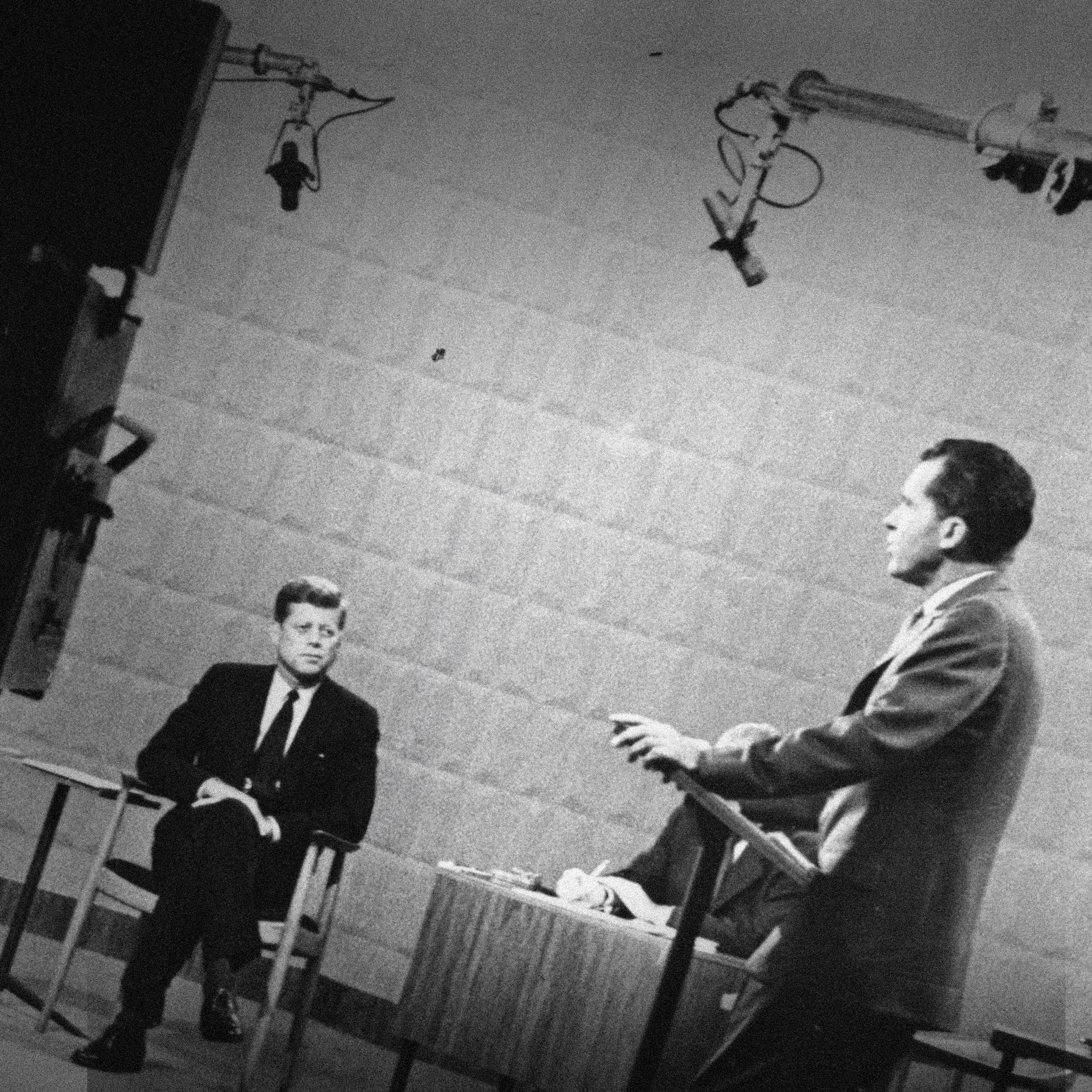
September 26, 1960. John F. Kennedy and Richard Nixon meet in a CBS studio in Chicago for the first televised debate between presidential nominees. Kennedy arrives tan, relaxed, and fully prepped. Nixon arrives with a fever and a bad knee, turns down the studio makeup, and goes on live TV covered in a drugstore powder called "Lazy Shave."
It took CBS president Frank Stanton years of lobbying, and a change in federal law, to get the two men on stage. Seventy million Americans watched, and the night has been remembered ever since as the moment image beat substance. But...
From History's Greatest Mysteries: The Ark of the Covenant

Introducing History's Greatest Mysteries–a new History Channel podcast from Rewind Studios–available wherever you get your podcasts. New episodes every Wednesday.
One of the holiest and most powerful relics from the Bible has been missing for over 2,000 years. While some believe the Ark of the Covenant was destroyed, many people think it’s still out there. Could new clues finally tell us what happened to the Ark, and lead us to where it can be found?
The Man Who Taught America to Fear Fat
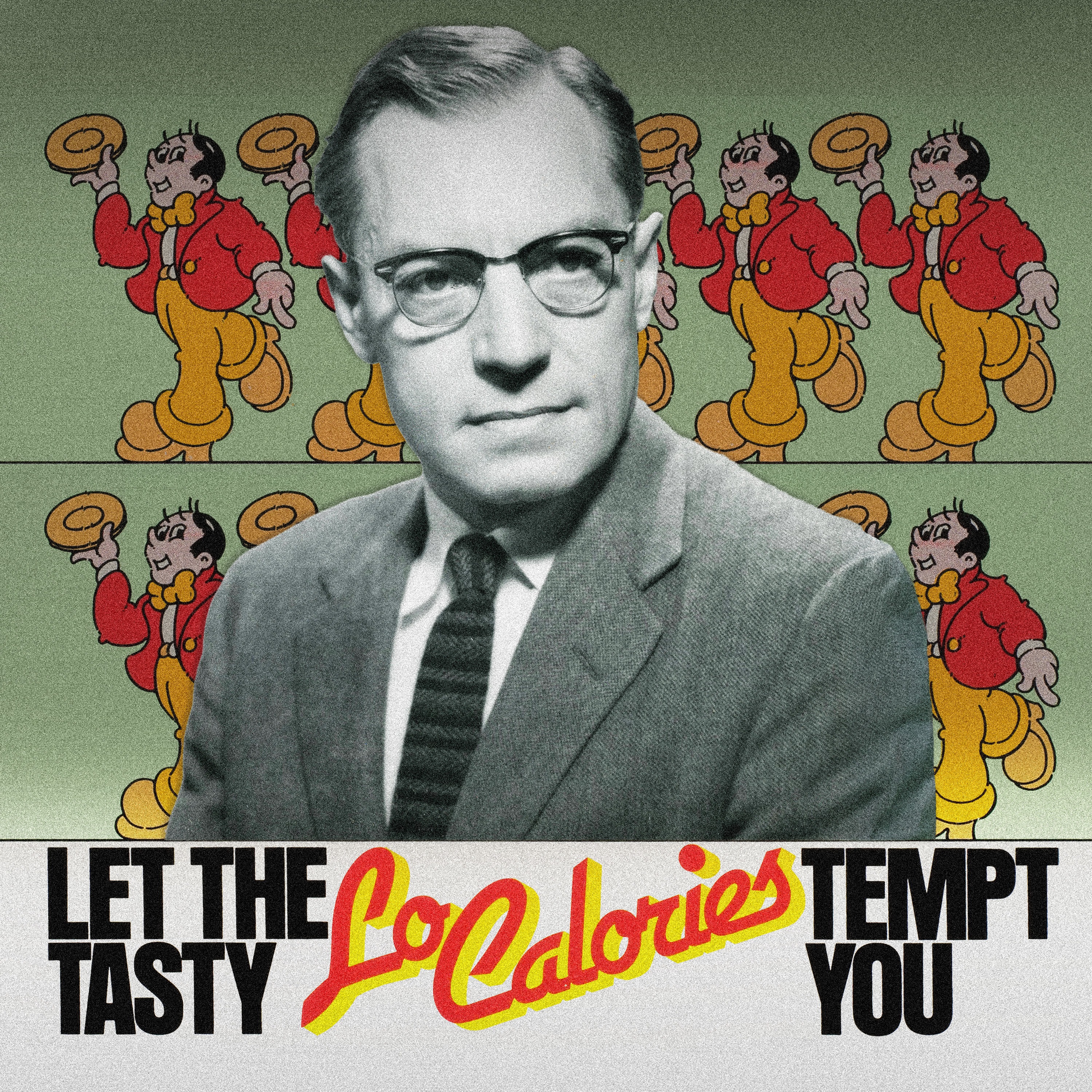
September 24, 1955. President Eisenhower is asleep in his bed at his in-laws’ house in Denver. At around 2 AM in the morning, he’s jolted awake by chest pains. No one realizes it until the morning, but Eisenhower has had a heart attack. His cardiologist calms the public and tells them that their President will be alright – with some lifestyle changes partially inspired by new, cutting-edge research from a little-known scientist: Ancel Keys. And that very research will change the way Americans, and the world, will eat forever. How did Keys, an oceanographer-turned-nutrition-scientist, end up changing the world’s relationship with fats? An...
The Uprising: Why the Peasants Loved Their King (w/ Paul Greengrass and Dan Jones)
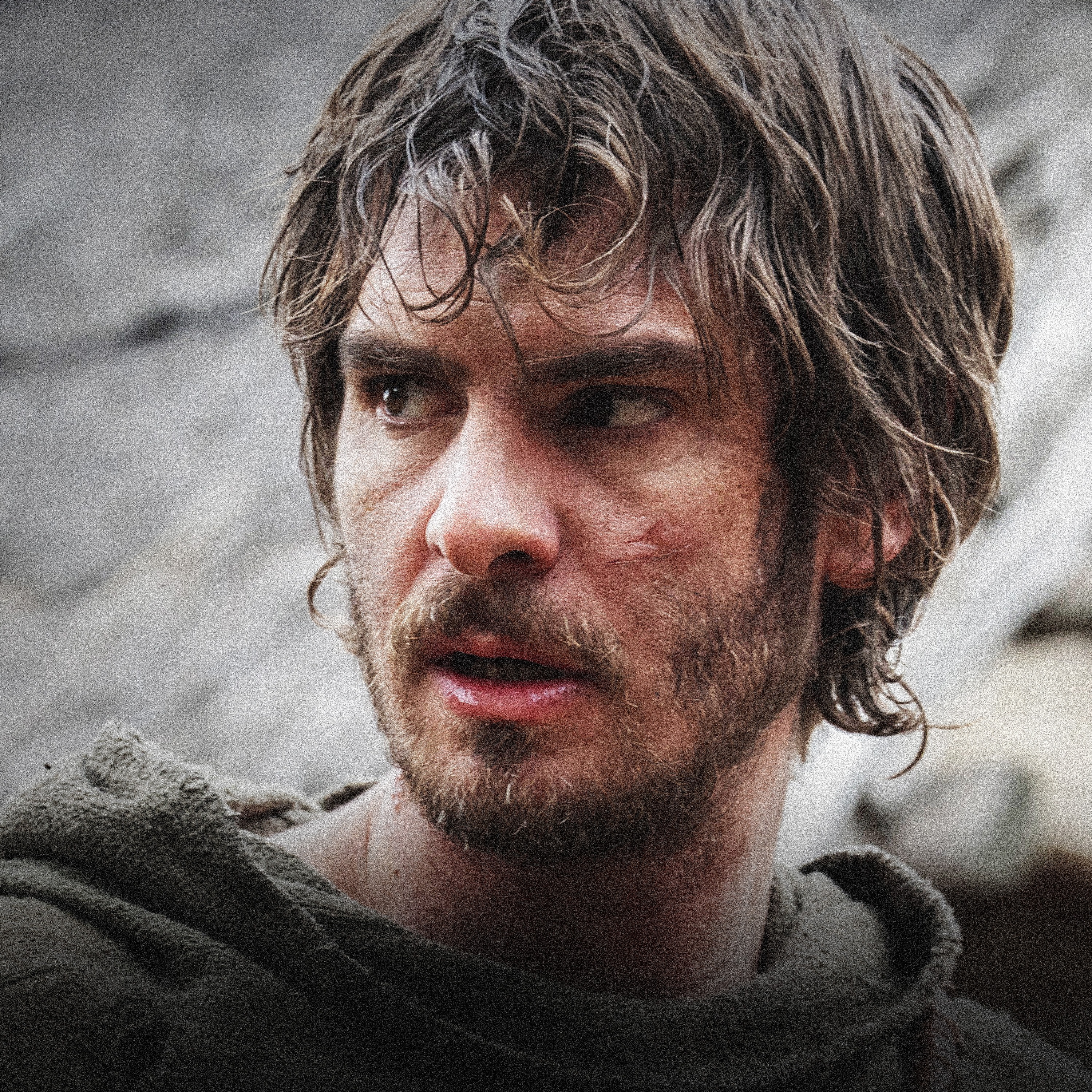
1381. In the English countryside, one peasant has had enough. His resistance leads tens of thousands of armed peasants to march on London. They’re furious about taxes, about wages held down by law, about a world that feels abandoned by God. But they aren’t marching to overthrow the king. They are marching to rescue him.
Paul Greengrass and Dan Jones join Sally Helm to talk about The Uprising, the new film starring Andrew Garfield as a fictional plowman who becomes the face of England's Peasants' Revolt. They get into what life was actually like a generation afte...
Saladin at the Gates of Jerusalem
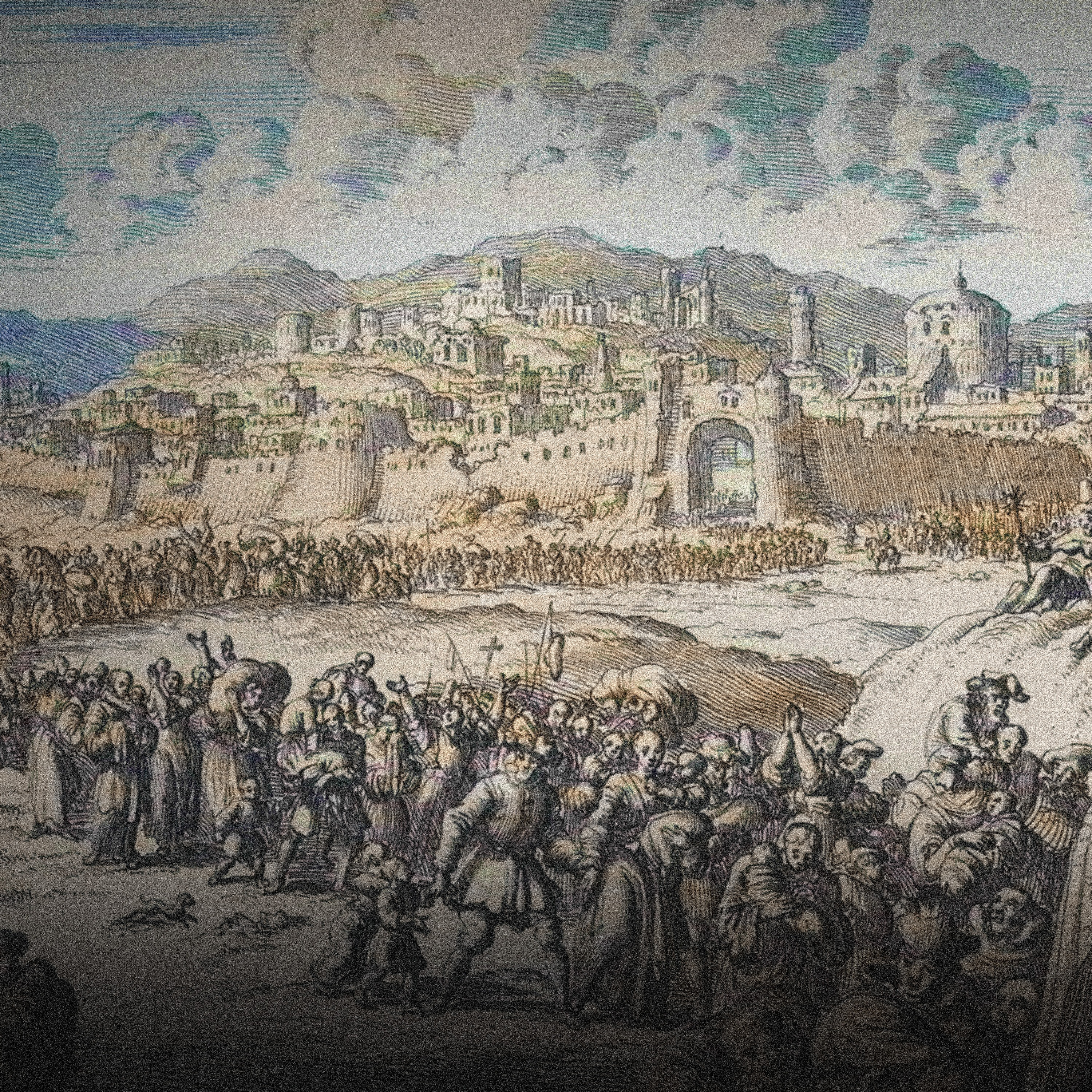
September 20, 1187. It’s daytime outside the walls of Jerusalem. Saladin, the Sultan of Egypt, ponders his next attack. His troops encircle and lay siege to the city. They vastly outnumber the Crusader knights inside, and Saladin is on the cusp of a victory he never dreamed possible. But he has a problem. Balian of Ibelin leads the Crusader defenses within the city walls. He threatens to destroy Muslim holy sites if Saladin attacks. The Sultan must make a choice. One that will impact his legacy, the lives of thousands, and the future of Jerusalem.
Special thanks to our...
Blindspot: The Road to 9/11
On the 25th anniversary of 9/11, we're bringing you Blindspot: The Road to 9/11 – a collaboration between the History Channel and WNYC Studios. This was adapted from the complete nine-part series, which you can find by searching for Blindspot: The Road to 9/11 wherever you get your podcasts.
9/11: Rescue on the Water
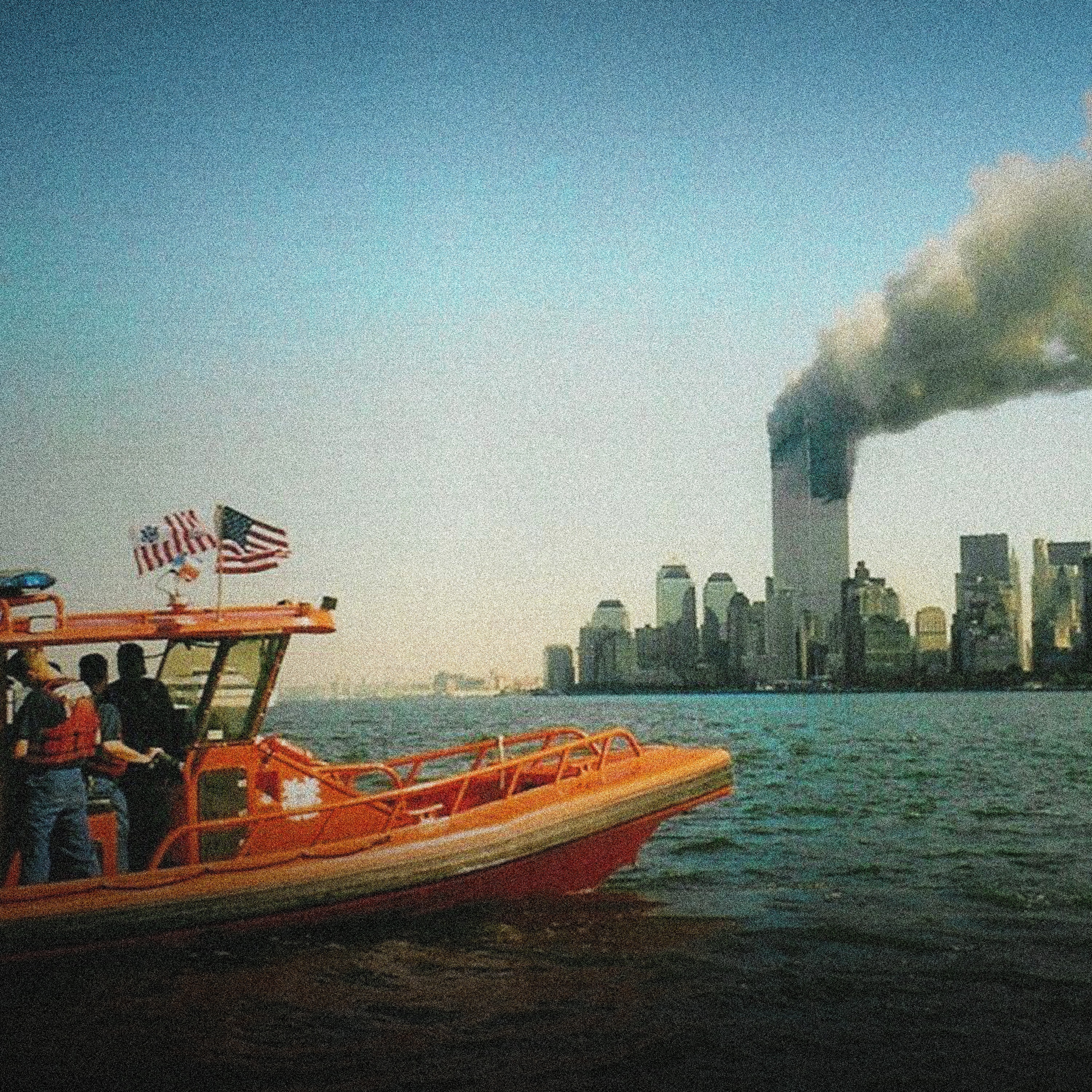
September 11, 2001. On a clear and sunny day, Captain Richard Thornton is piloting his ferry boat back and forth between New Jersey and New York City. But when he hears an airplane flying too low to the ground, he knows something is wrong. After the World Trade Center’s North Tower is struck, Thornton instinctively drives his ship down towards Lower Manhattan. He will soon be joined by countless other marine craft: ferries, fishing boats, tugboats, and more.
With the roads, bridges, and trains that connect the island of Manhattan to the rest of the world shut down, thi...
The Radium Girls Fight Back
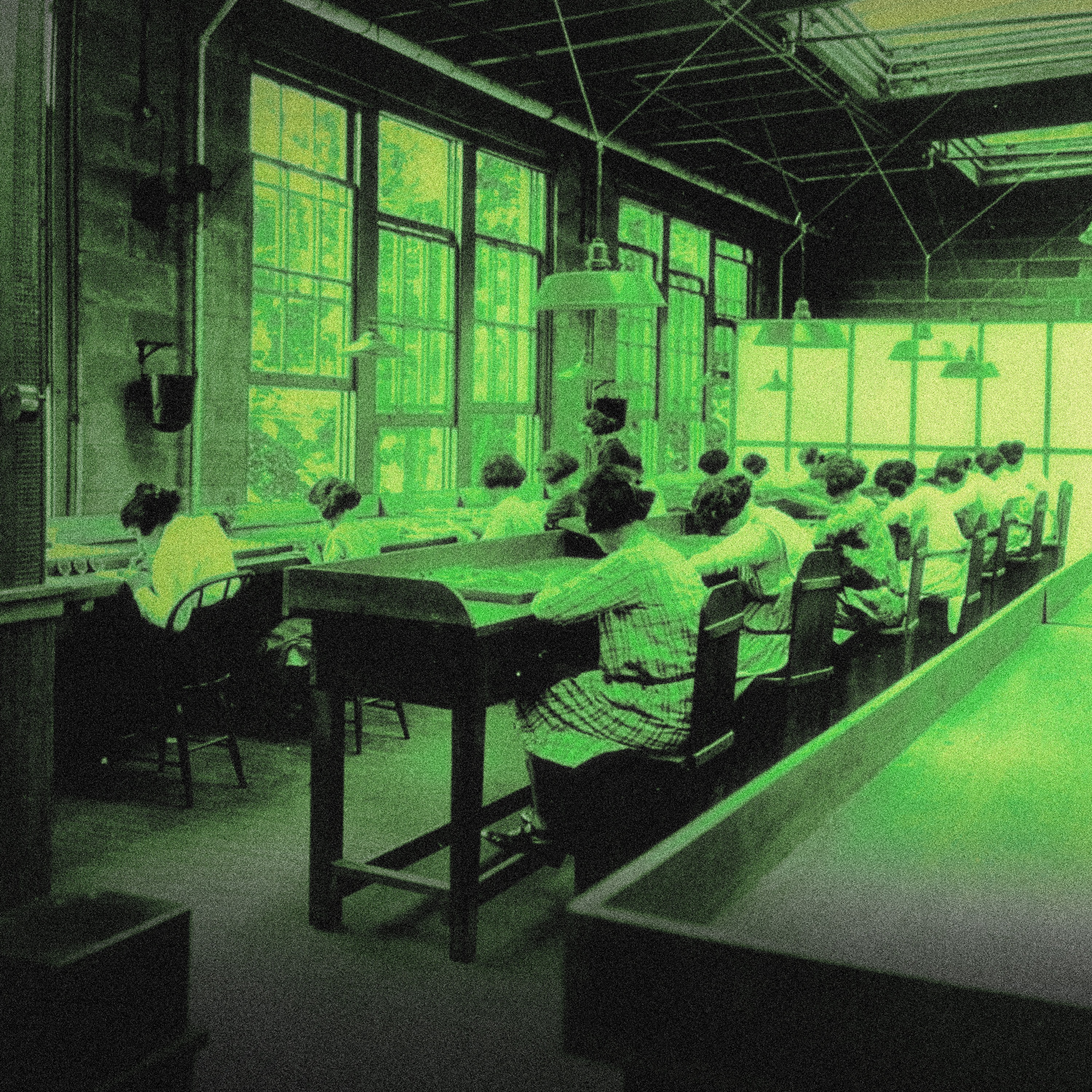
September 12, 1922. Twenty-four-year-old Mollie Maggia has a toothache. In less than a year, this otherwise healthy young woman will be dead. Others like her will soon follow. They’d all shared what seemed to be a dream job: applying glow-in-the-dark paint to clock faces. The paint glowed because it was saturated with radium, the wonder element of its day. And now that radium has burrowed inside the bones and lungs of the women. How did a supposed wonder element and cure-all come to be seen for what it was – a deadly poison? And how did a group of courageous young wome...
Free preview: How Las Vegas Made America a Gambling Nation (HTW+)
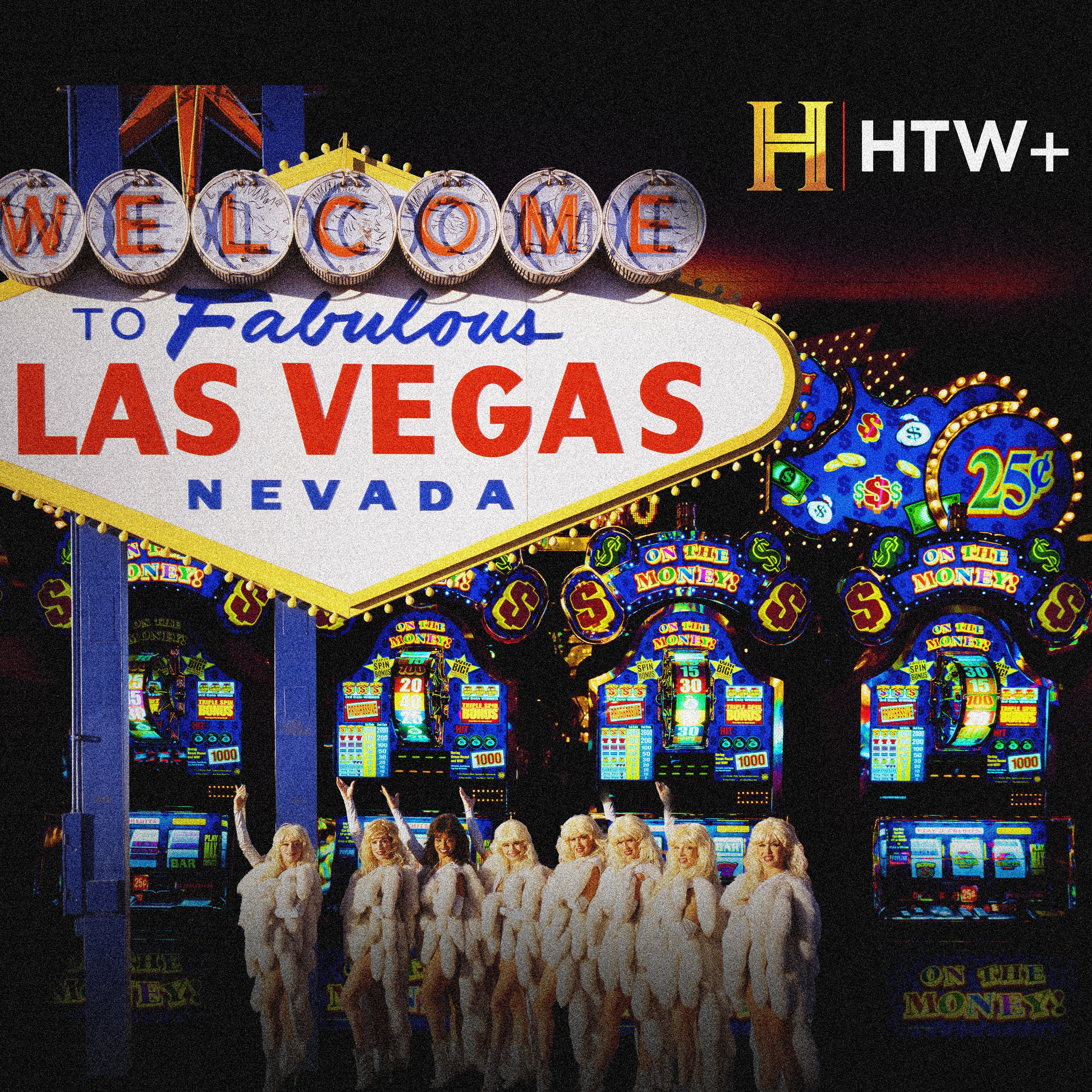
A five-minute taste of our full interview on how Las Vegas became Las Vegas. Subscribe to HTW+ to hear the rest at htwpod.com or in your Apple Podcasts app.
Did Homer Write the Odyssey? (Was He Even Real?)
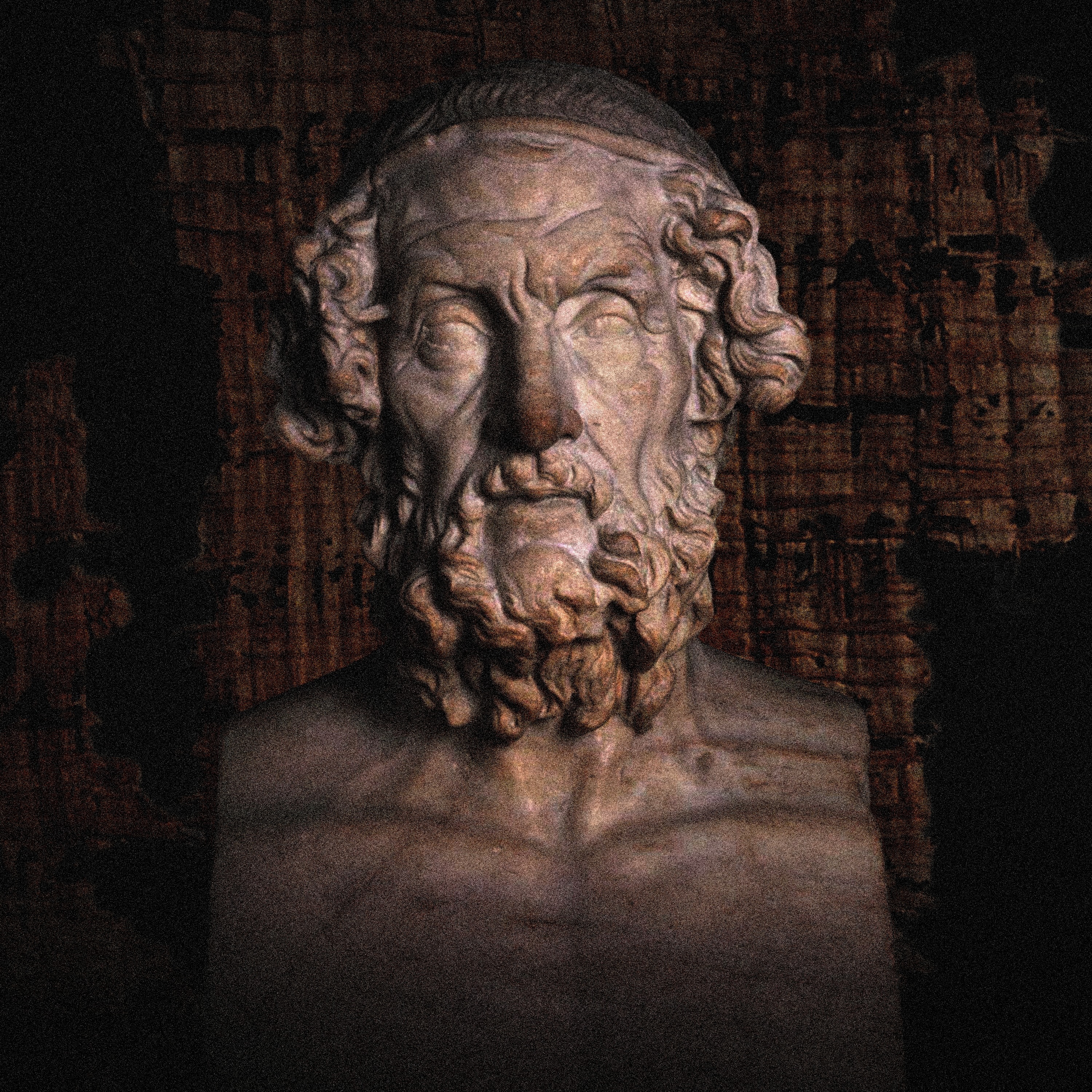
August, sometime in the 500s BCE. In Athens, the Great Panathenaia is in full swing: chariot races, boat races, a hundred cattle slaughtered for the feast. And at the center of it, a competition in which performers recite the work of one poet, and one poet only: Homer. But nobody recites the Odyssey alone. It takes some eighteen hours. So the performers hand it off in relay, each one picking up exactly where the last man stopped.
That relay may be the closest thing we have to the truth about Homer. Almost no scholar today believes a...
The Wire That Connected the World
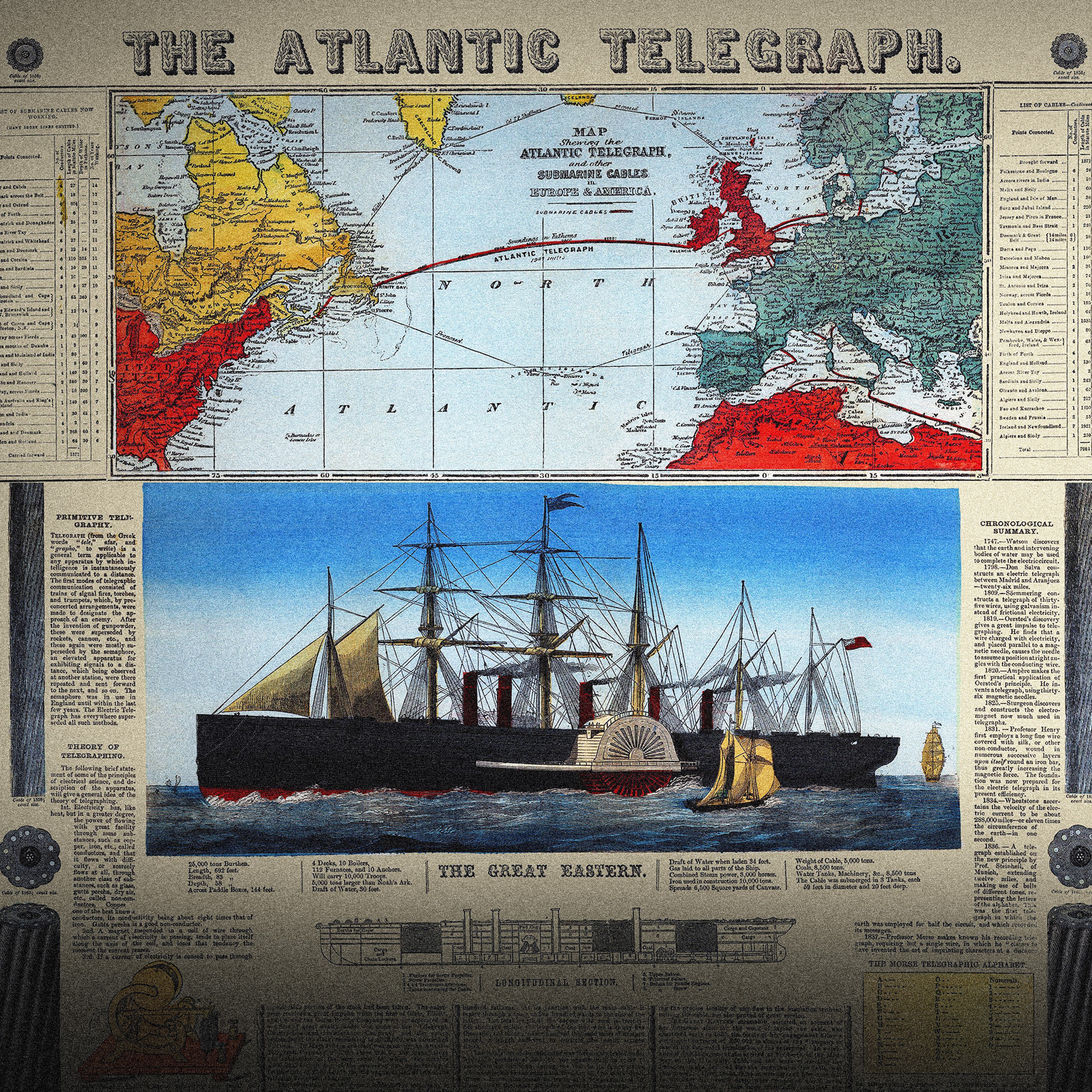
August 17, 1858. New York City wakes to a hundred-gun salute. Church bells ring, flags fly from public buildings, and by nightfall, fireworks light up the sky. The city is celebrating a telegram from Queen Victoria to President Buchanan. Not what it says, but how it traveled: along a 2,000-mile cable running under the Atlantic Ocean. Messages that once took two weeks by steamship now arrive in an instant. And the man behind the cable, a retired paper tycoon named Cyrus Field, is about to become the most famous person in America. But Field has a secret. His cable is already...
The French Monarchy Falls in a Day
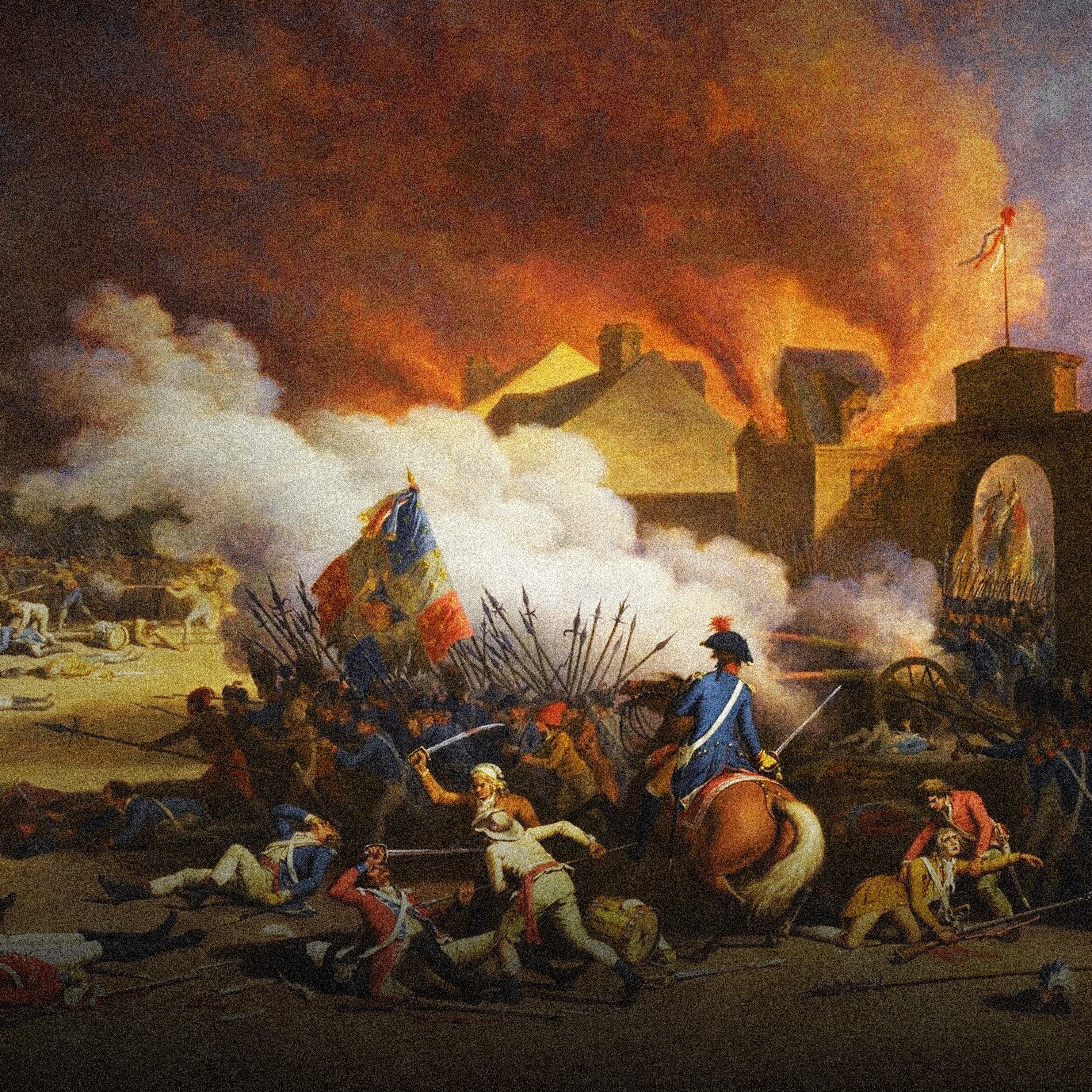
August 10, 1792. At midnight, a single church bell begins to ring in Paris. Then another. And another. It's not a call to mass… it's a call to arms. For three years, King Louis XVI and his family have been living as prisoners in a palace, under virtual house arrest at the Tuileries, while France fights over one seething question: can the monarchy survive the Revolution? The radicals have issued a deadline: get rid of the king by the end of August 9th, or we'll take matters into our own hands. The deadline has just passed.
Today, midnight for th...
Arsenic, Adultery, and an American on Trial
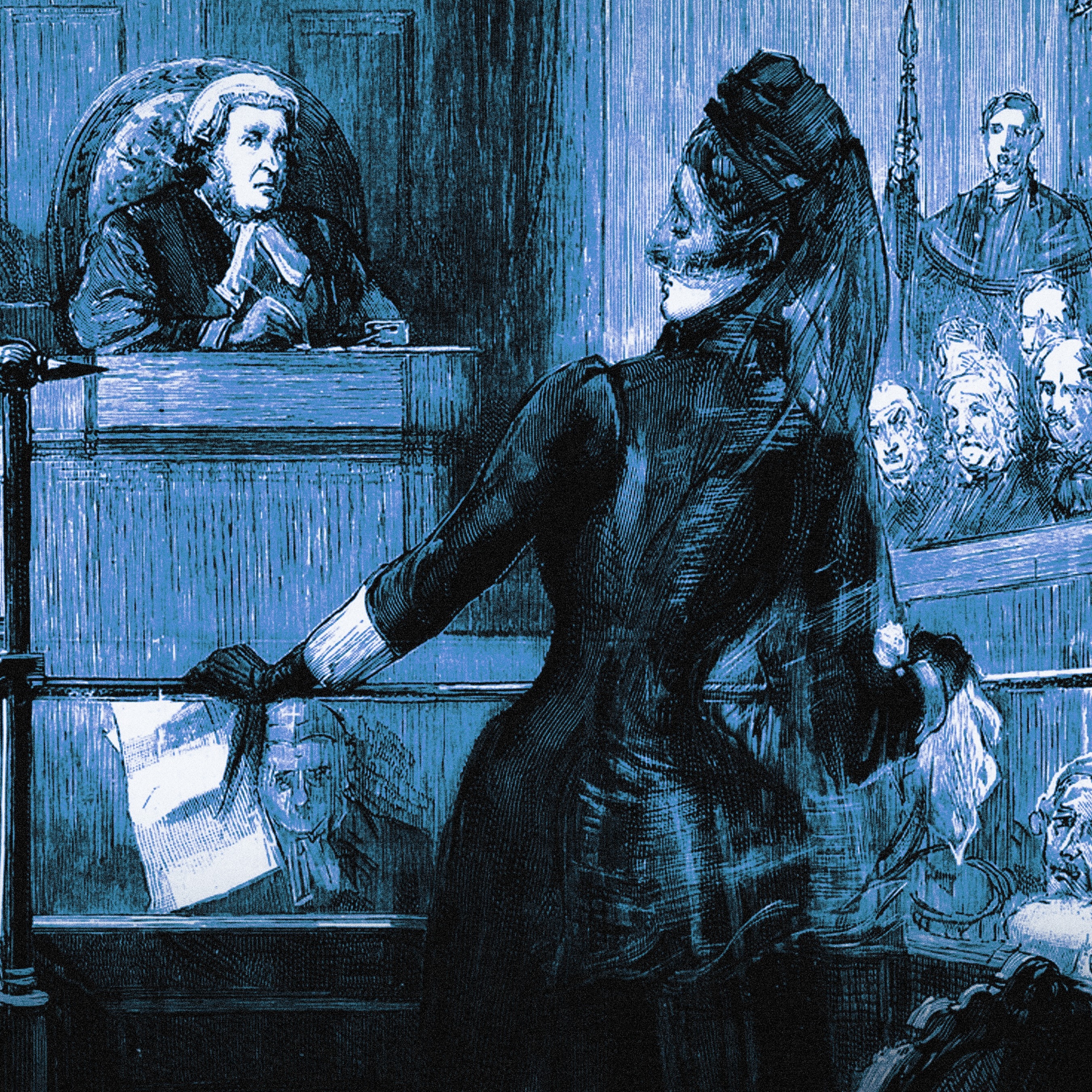
August 7, 1889. In Liverpool's St. George's Hall, an American woman named Florence Maybrick stands behind iron bars, dressed in mourning black… for the husband she's accused of murdering. The evidence against her is thin: James Maybrick was a longtime arsenic addict who bought the poison daily, and none was found in his stomach when he died. But Florence had committed another kind of crime in the eyes of Victorian society. She'd had an affair. And to many, that moral transgression was proof enough of murder.
How did a 17-year-old American socialite end up married to a secret addict, an...
Fall Out (Finale)
Listen to all 20 episodes of World War II with Tom Hanks wherever you get your podcasts!
The war is over, and the Allies are triumphant. The United States and the Soviet Union initially work together to establish a new world order, but over the course of the next four years these two nations will go from Allies of convenience to ideological adversaries, launching the next phase of global conflict under the shadow of nuclear war.
This episode features interviews with (in order of appearance):
Michel Paradis, professor, Columbia UniversityJon Meacham, presidential historianSimon Sebag Montefiore...Washington: Hero of the Revolution, from The Rest is History
Sharing an episode of a show we really love, called The Rest is History. Hosted by historians Tom Holland and Dominic Sandbrook, the show brings the past to life through gripping storytelling, sharp analysis and a huge sense of drama. From the rise and fall of the Roman Empire, the French Revolution and the Norman Conquest of 1066, to the sinking of the Titanic, the Second World War and the lives of history’s most powerful rulers, Tom and Dominic unpack the people, battles and world-changing events that shaped the modern world. Their latest series explores the Founding Fathers of th...
Ben Franklin Gets Fired
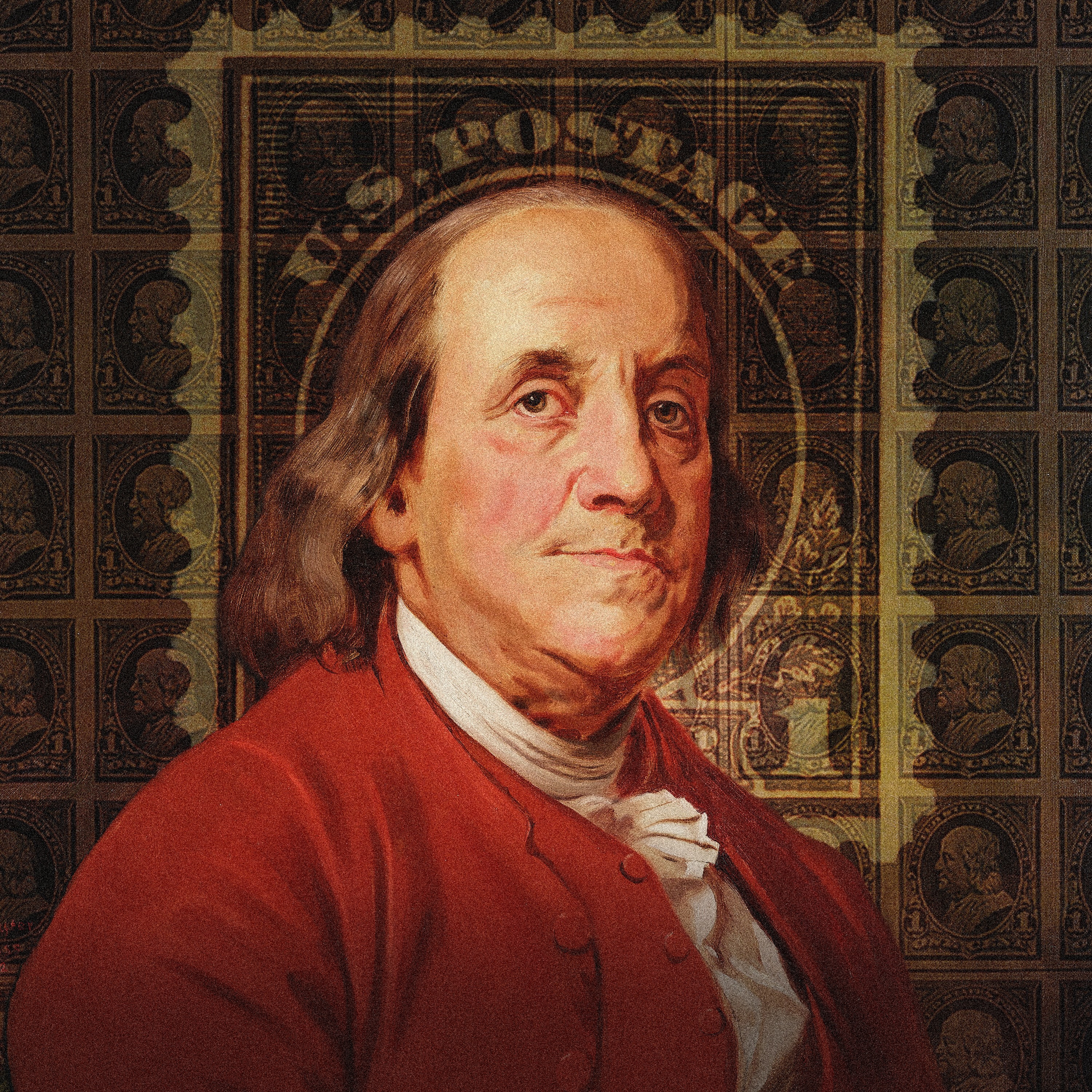
July 26, 1775. In a stately mansion turned rebel headquarters in Cambridge, Massachusetts, George Washington sits down at a dining room table and writes out his orders for the day. The brand-new commander-in-chief has a problem: his army is outfunded, outmanned, and outgunned — and if he can't communicate, he can't win.
What Washington doesn't know is that on this very day, the Congress in Philadelphia is appointing a different kind of general to help him. A postmaster general: Benjamin Franklin. It's a strange homecoming. Franklin spent forty years building the colonial post into a marvel of efficiency… until the Crown...
From First America: "Merciless Indian Savages"
We have been told the American Revolution was fought over taxation and representation. But that's not what the Declaration of Independence says. According to our founders, in their own words, what they were most upset about was Native Americans. How does a whole country miss a point of its own founding document? That's the question at the heart of a new podcast called First America. Hosted and reported by Rebecca Nagle, an Indigenous author and the former host of Crooked’s This Land podcast, and featuring leading Native historians, First America unveils how our current political moment was 250 years in...
The Forgotten Father of Air Conditioning
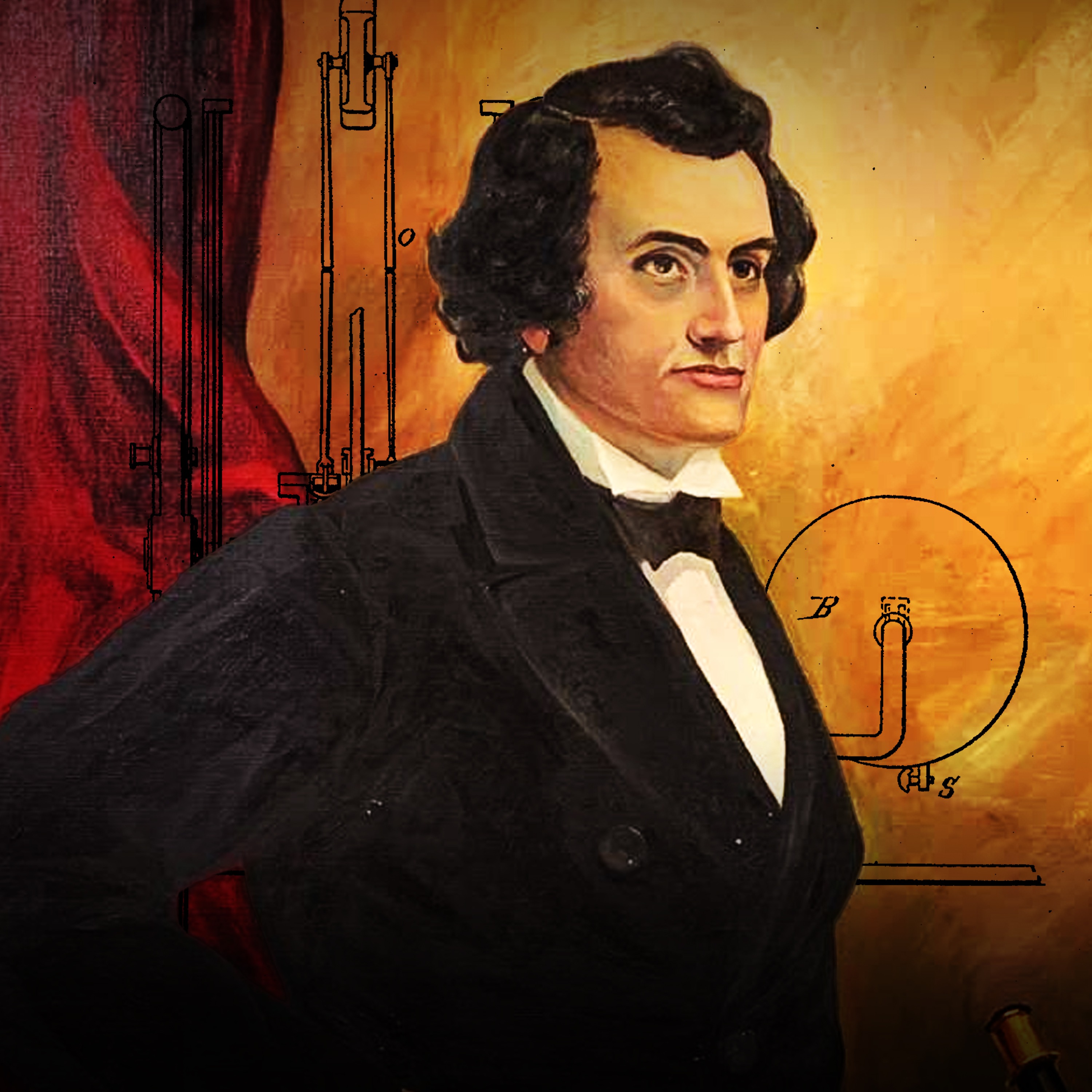
July 14, 1850. At a swanky hotel in Apalachicola, Florida, the French consul is throwing a Bastille Day party, and he's promised his guests ice-cold champagne. There's just one problem: the town's ice shipment is delayed, and in 1850, you can't simply make ice. Or can you? Enter Dr. John Gorrie, a country physician who's spent years waging a private war against heat itself, convinced that cooling the air could stop the deadly fevers ravaging his town.
How did a doctor on the Florida frontier invent artificial cooling and take on the "Ice King" of New England? And why has...
The *Other* Declaration of Independence (Part II)
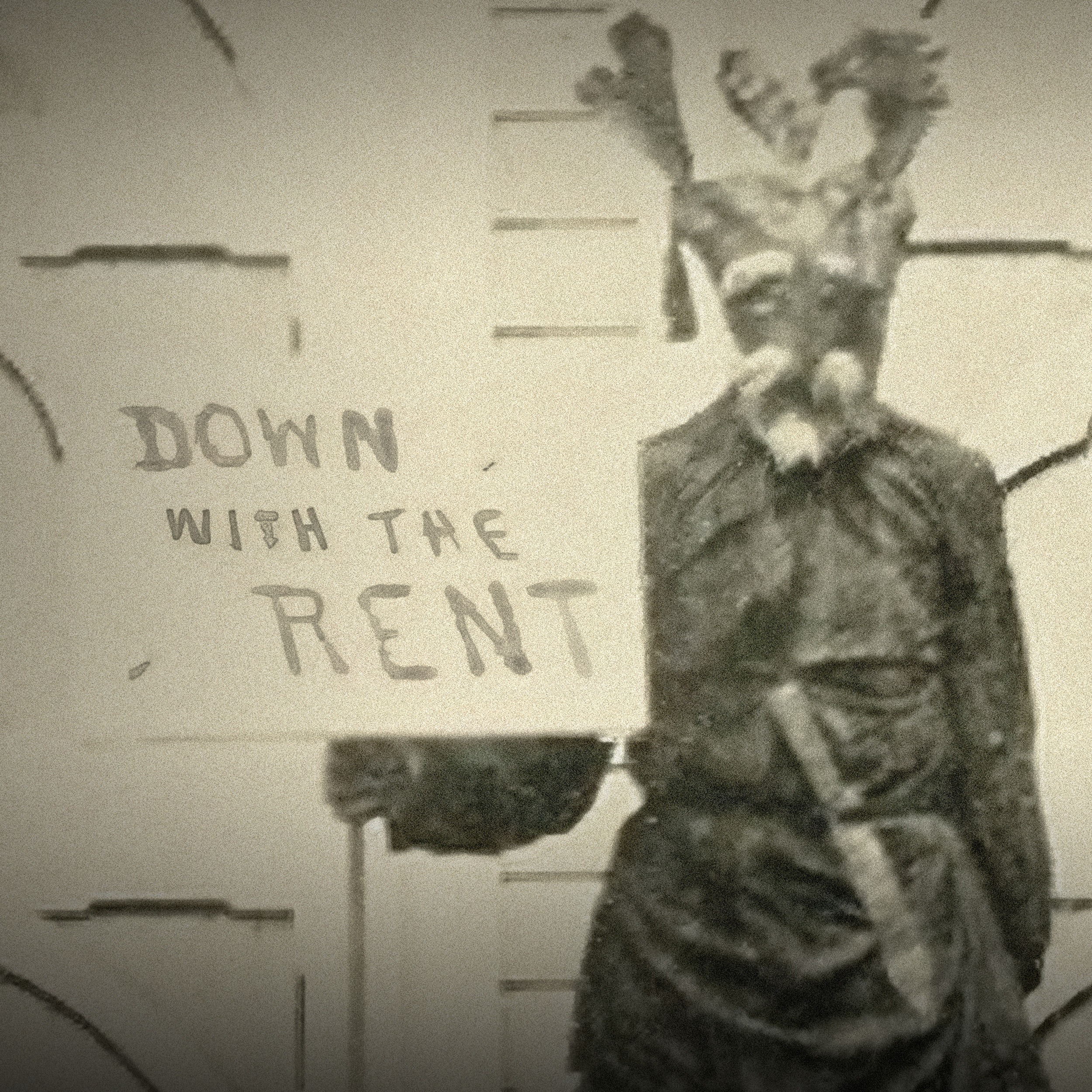
July, 1845. Dr. Smith Boughton, the man behind the mask of "Big Thunder," is sitting in a Hudson jail after a trial that ended in a hung jury.
The Anti-Renters had to celebrate Independence Day with cannon fire and readings of the Declaration, but without their leader.
The rebellion across Upstate New York is escalating: an undersheriff with a bully's reputation is terrorizing farm families in the Catskills, masked Calico Indians are massing at rent sales, and before summer's end, a lawman will lie dying in a tenant farmer's bed. New York now has to decide: a...
Free HTW+ preview: Ken Burns on the American Revolution (Extended Interview)
Today, to celebrate America's 250th birthday, we have a special announcement: we are launching HISTORY This Week+ to all of our followers! (historythisweekpodcast.com/subscribe)
This is something we’ve wanted to do for a while… we’ve been listening to your feedback: you don’t love the ads, you want more history. Well, HTW+ solves both of those problems.
We are offering two tiers of our premium subscription, allowing you to unlock ad-free listening and gain access to bonus content, especially extended cuts of our interviews.
When producing these episodes, the majority of our i...
The *Other* Declaration of Independence (Part I)
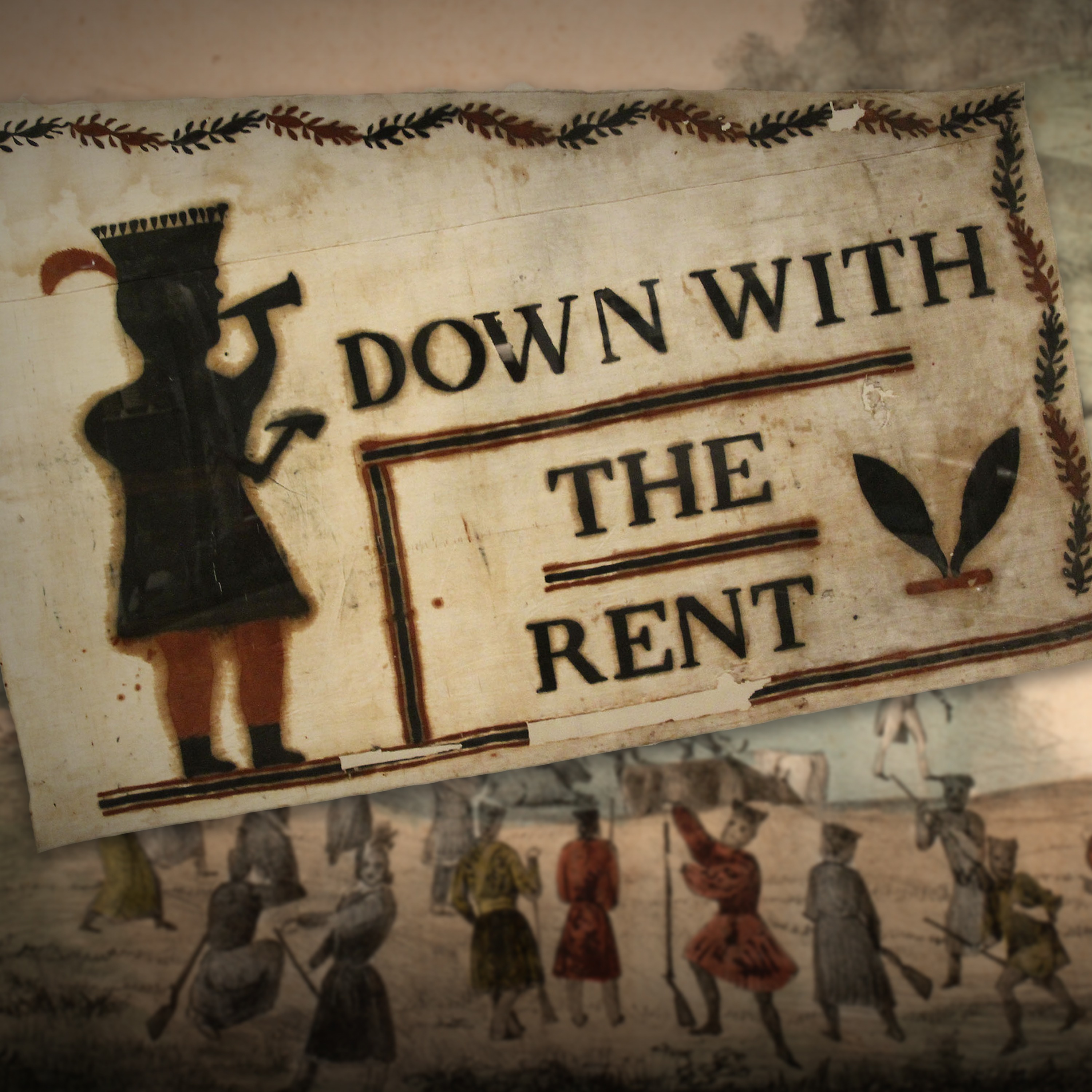
July 4, 1839. Sixty-three years after 1776—and centuries after the medieval period—feudalism is alive and well in the United States.
High on a rocky plain in upstate New York, a crowd of tenant farmers gathers in the village of Berne to read aloud a declaration of independence… but not the one you're thinking of. These families are still bound to a landlord by perpetual leases their grandfathers signed, owing bushels of wheat and a share of every sale for as long as the land exists.
Today they're done. They call their leases "voluntary slavery" and vow to "tak...
A Mob Boss Starts A Movement
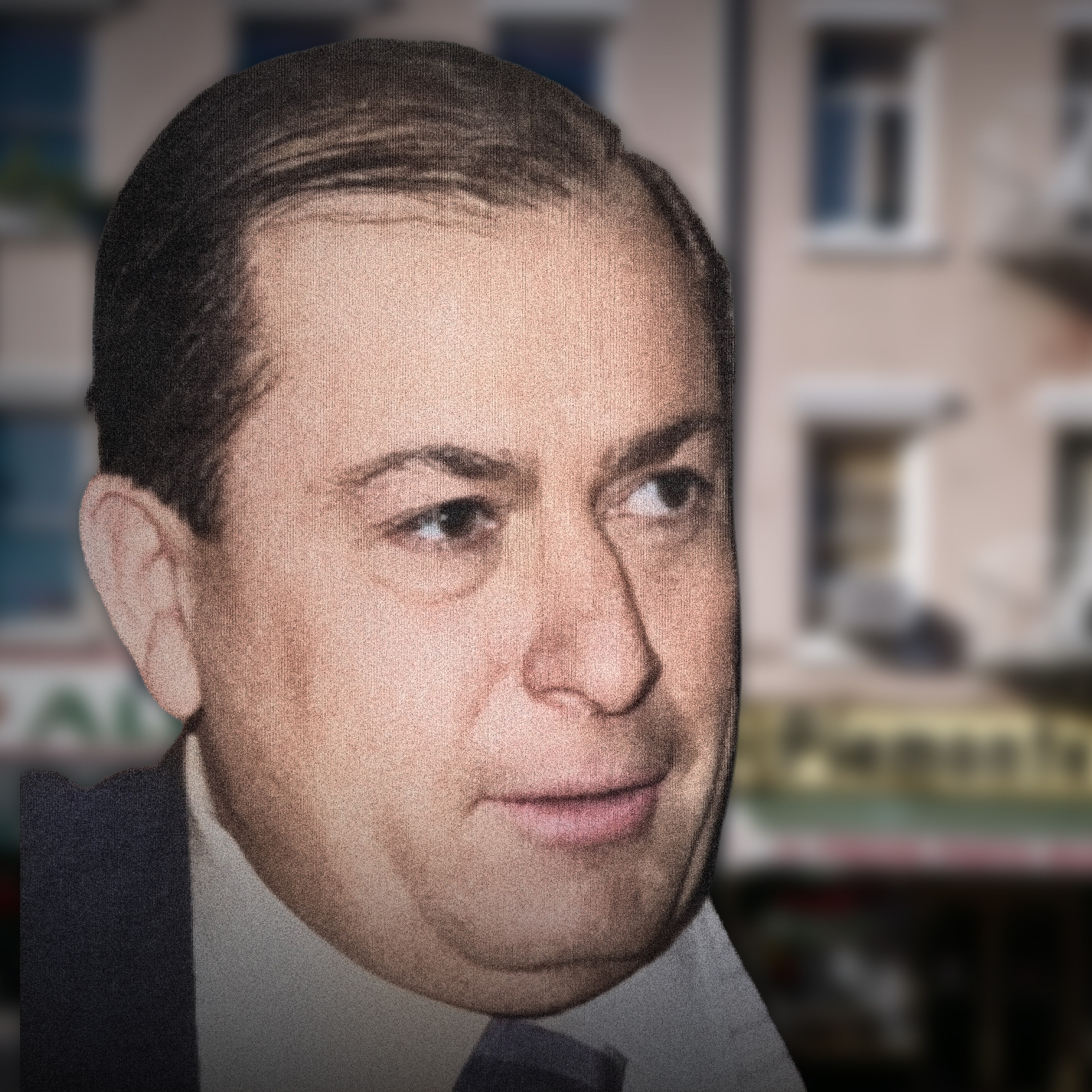
June 28, 1971. It’s the second annual “Unity Day” rally at Columbus Circle in New York City, organized by the Italian American Civil Rights League. Joe Colombo is the very public face of the League, a group that actively fights discrimination and ugly stereotypes against the Italian-American community, such as their association with organized crime and the Mafia. The problem? That same Joe Colombo is a leader of the Mafia, one of the heads of the “Five Families” in New York. It’s an open secret; many people across the city know who he really is, and the FBI is hot on his t...
Reconstruction: The Unfinished Promise – Prologue
Malcolm Gladwell and President Barack Obama introduce us to one of the most chaotic,
complicated, and fascinating times in American history, revealing why Reconstruction still
defines our country today.
Listen to Reconstruction: The Unfinished Promise on Audible, or wherever you get your podcasts.
Reconstruction begins where, for most Americans, the story of the Civil War ends: The North is
victorious and slavery is abolished. But what happened next was one of the most important
decades in American history, a moment when our country grappled with its original...
Malcolm Gladwell on Reconstruction’s Unfinished Questions
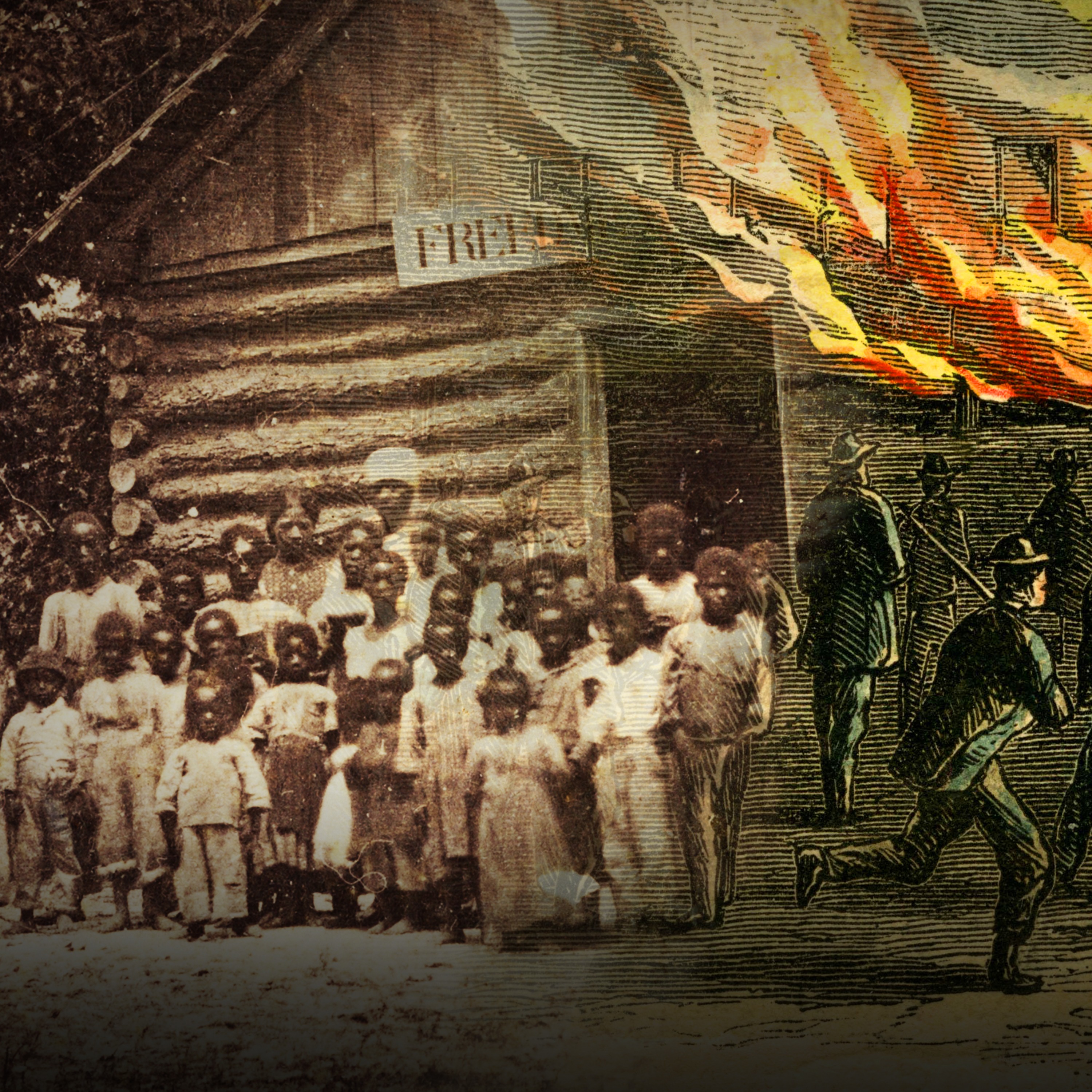
June 15, 1865. German-American statesman Carl Schurz is traveling to Washington to meet with President Andrew Johnson when he stops at a friend’s home in Philadelphia. That night, during a séance, a teenage medium claims to summon the spirit of Abraham Lincoln… and delivers Schurz a mysterious command from beyond the grave.
Soon, Johnson sends Schurz on a fact-finding mission through the defeated South. What he discovers will help shape the course of Reconstruction and expose the violence threatening America’s fragile new democracy.
Today, Sally speaks with bestselling author and podcaster Malcolm Gladwell about Reconst...
Why the Crusades Became Cool Again
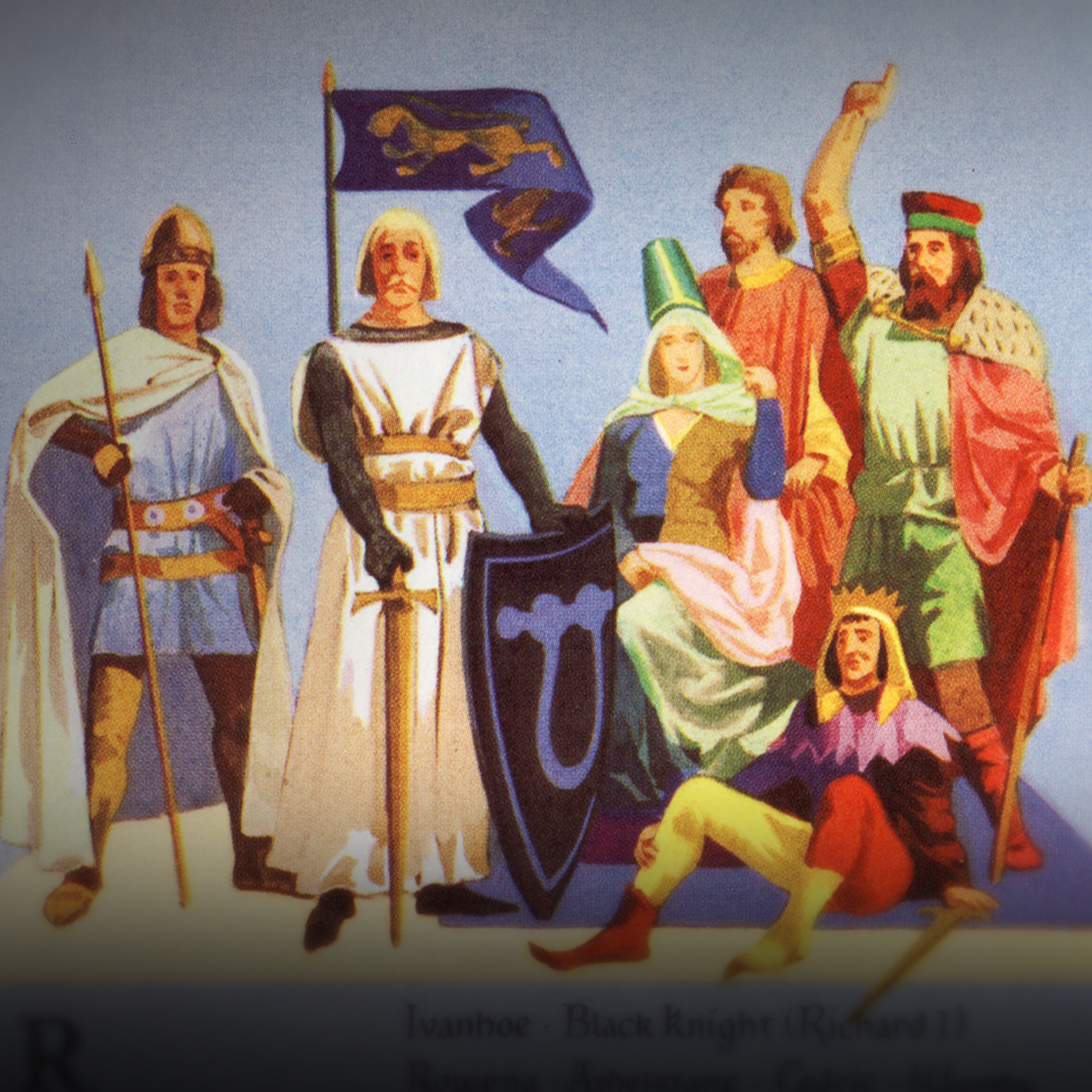
June 8, 1191. The Crusaders and Muslim forces are locked in battle over the city of Acre. On one side is Saladin, the great Muslim leader who has already recaptured Jerusalem. On the other, an armada arrives carrying England’s king: Richard the Lionheart.
The Crusades will become one of the defining conflicts of the Middle Ages. But for centuries, their history fades into legend… until a Scottish writer named Walter Scott brings them roaring back. His novels turn knights, tournaments, and holy war into blockbuster entertainment. But Scott’s message was more complicated than simple nostalgia: he saw the Cr...
How Higgins and His Boats Won the War
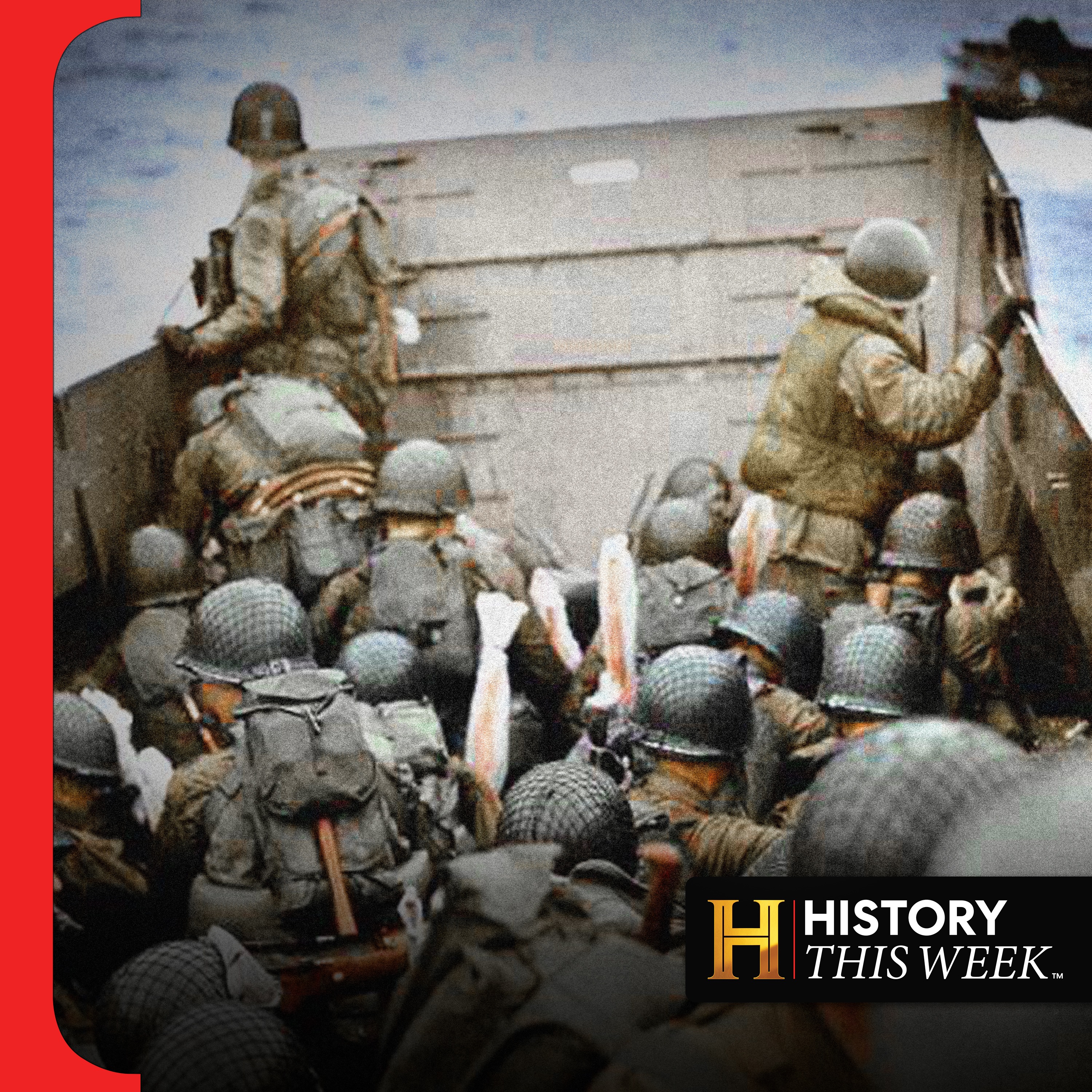
June 6, 1944. As thousands of Allied soldiers prepare to storm the beaches of Normandy, they climb down rope nets into small wooden landing craft bobbing in the dark waters of the English Channel. Within hours, these boats will carry them into the largest amphibious invasion in history.
The craft are known as Higgins boats, named for their inventor, Andrew Higgins: a hard-driving New Orleans boatbuilder who built his reputation designing vessels that could speed through swamps, crash through obstacles, and go places other boats couldn't. Higgins was stubborn, abrasive, and relentless. The Navy repeatedly dismissed his ideas. He...
WWII with Tom Hanks (Episode 1 – The Beginning)
Search "World War II with Tom Hanks" wherever you get your podcasts! New episodes drop every Tuesday.
World War II with Tom Hanks reexamines history’s most devastating conflict for a new century. Across twenty hours, the series traces the war’s full arc–from the rise of fascism to Hiroshima–uncovering the decisions, hidden networks, and lasting consequences that continue to shape our world.
Episode 1 – The Beginning
In September 1939, enabled by a secret pact between Adolf Hitler and Josef Stalin, Germany invades Poland with its lightning style of tank warfare, plunging Europe back into...
The Secretary of War Who Feared the Bomb
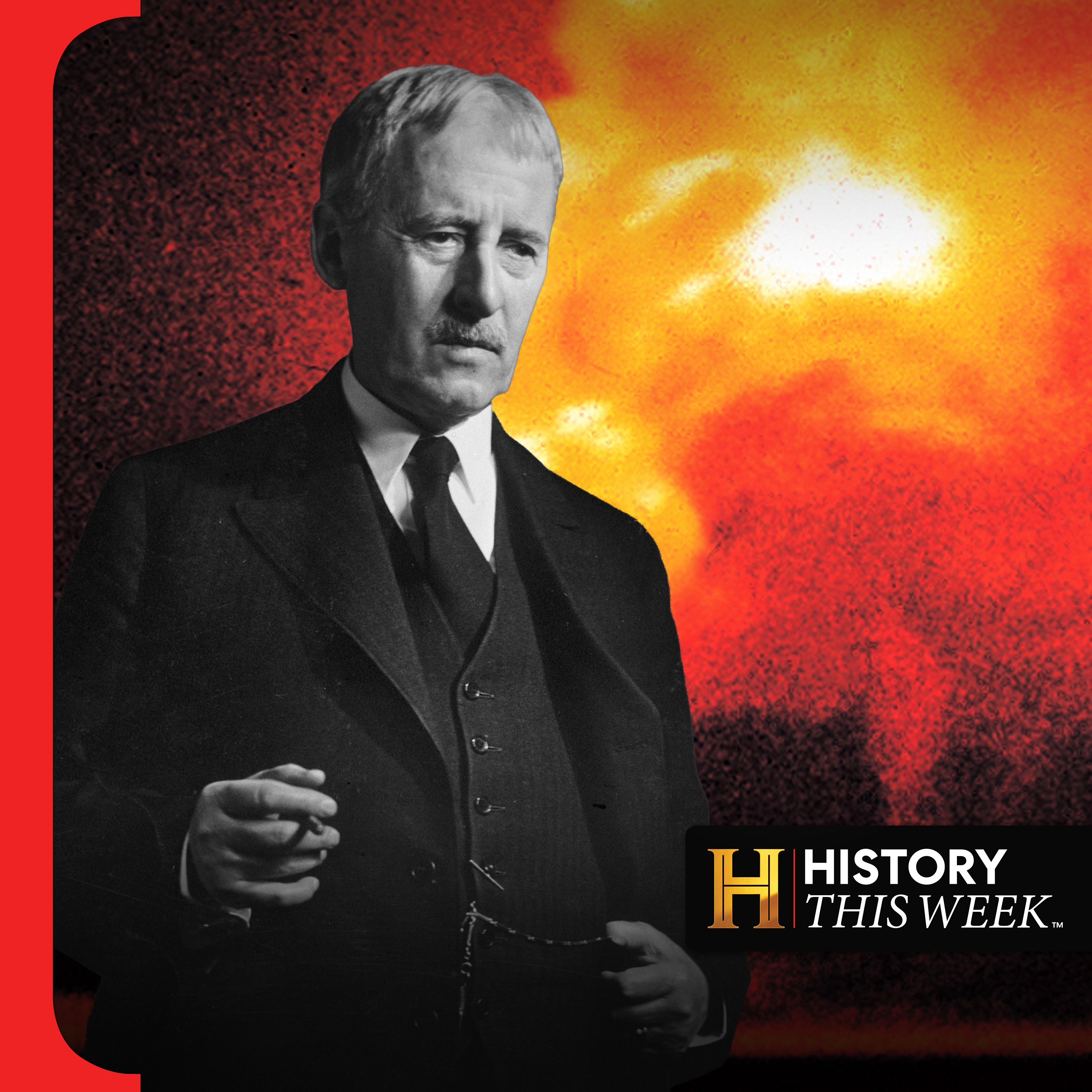
May 30, 1945. In Washington, Secretary of War Henry Stimson calls General Leslie Groves to his office and demands answers: which Japanese cities are about to become targets for the atomic bomb? What follows will pull Stimson—a deeply religious statesman who believed in restraint, but also in overwhelming force—into a profound crisis over morality, destruction, and what modern war is becoming.
How did Henry Stimson grapple with the bomb? And after helping usher in the atomic age, how did he reckon with what he’d done?
Special thanks to Evan Thomas, journalist and New York Times b...
Bonnie and Clyde’s Final Ride
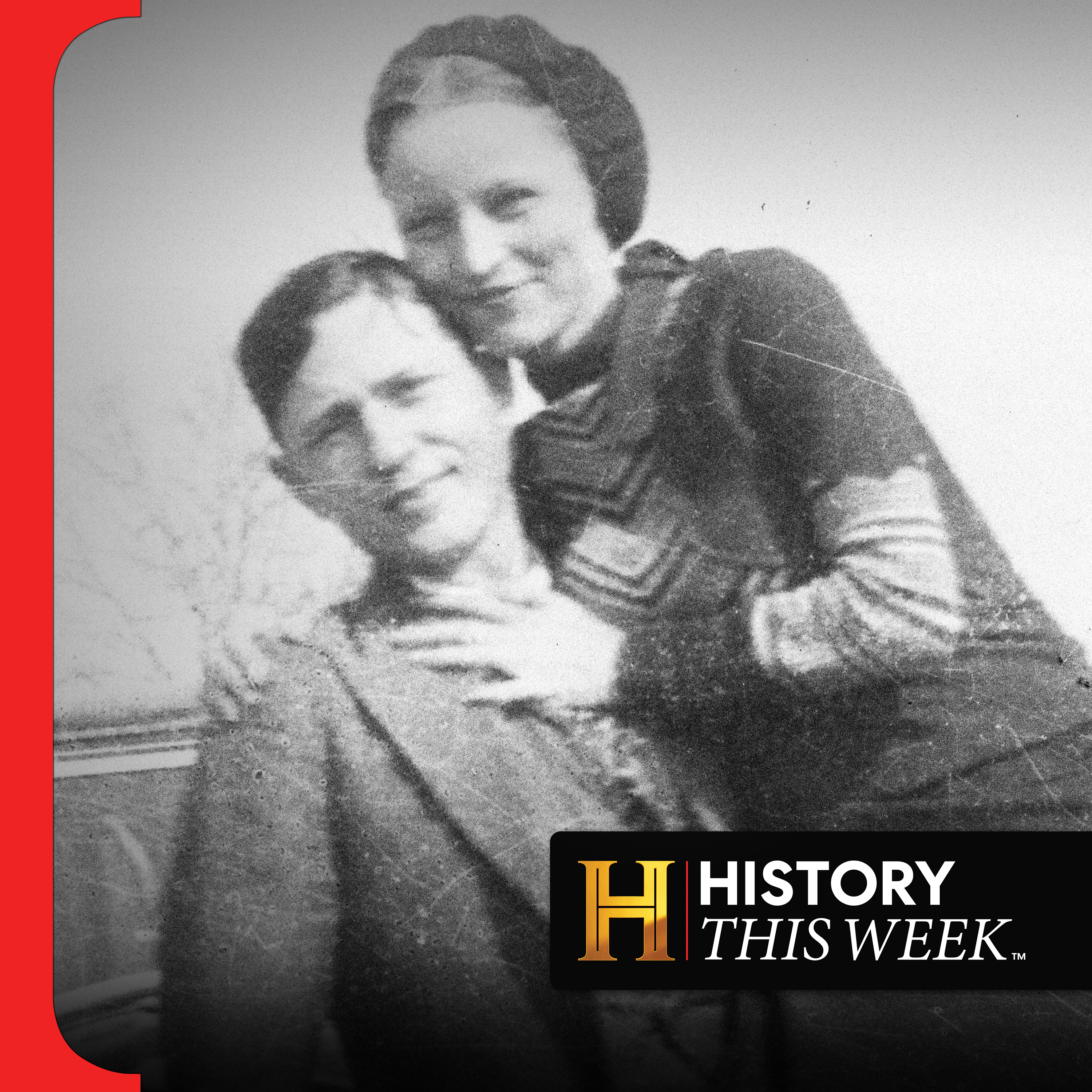
May 23, 1934. On a muggy Louisiana morning, Bonnie Parker and Clyde Barrow speed toward the Texas border. They’ve been on the run for over a year—wanted for robbery and murder—and the lurid news accounts of their exploits have made them famous. But today, Bonnie and Clyde’s legendary crime spree comes to an end … in a hail of bullets.
Why did some come to view these Depression Era outlaws as agents of chaos the country needed? And what was the real motivation behind their crimes?
Special thanks to our guest, John Neal Phillips, author of...
The Berlin Airlift and the Birth of the New World Order (Part 2)
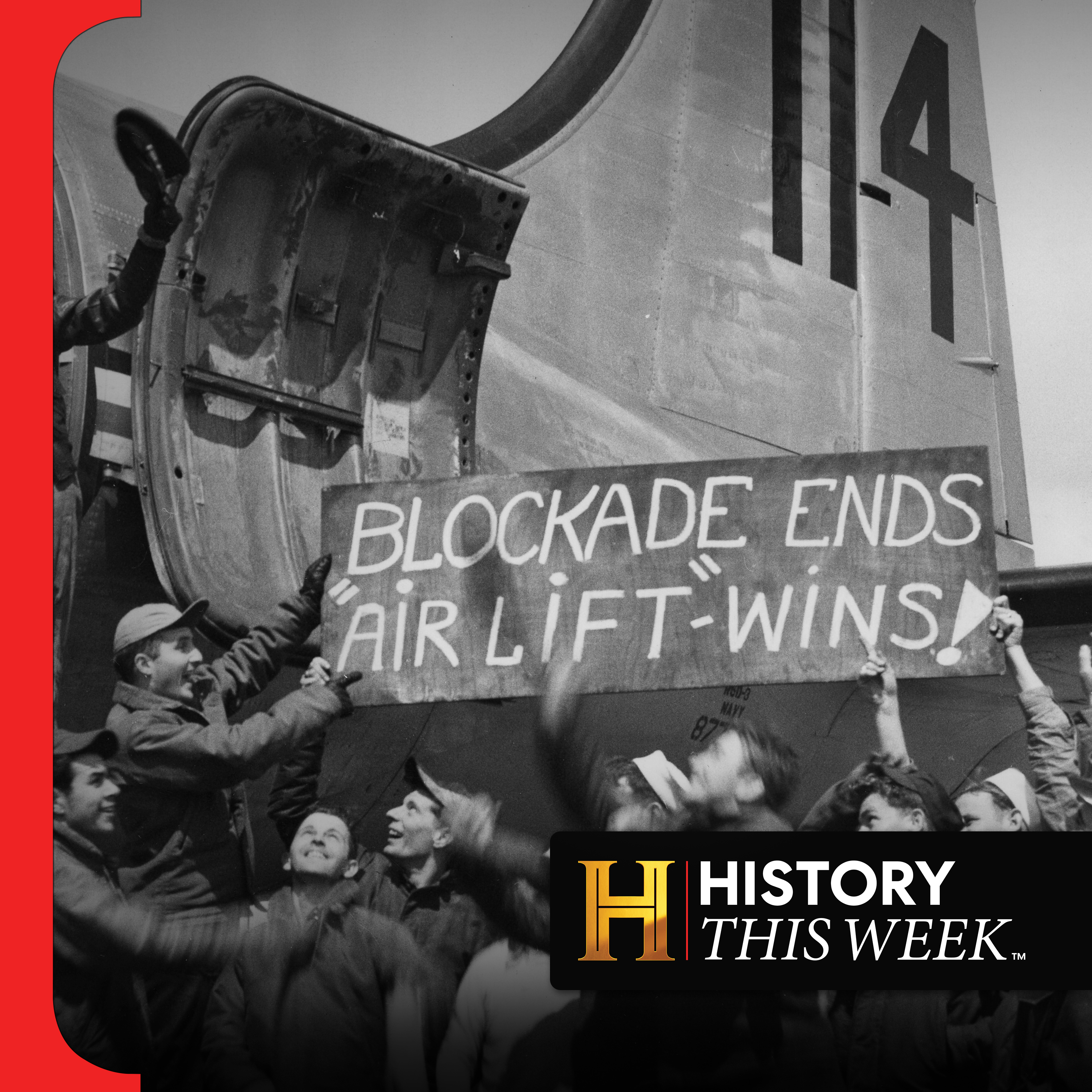
May 12, 1949. After eleven months under Soviet blockade, the people of West Berlin flood into the streets to celebrate. The lights are back on. The autobahn is open. The siege is over.
But just months earlier, West Berlin seemed doomed.
Surrounded deep inside Soviet-controlled territory, more than two million Berliners are suddenly cut off from food, fuel, electricity, and supplies after Joseph Stalin seals the city’s borders. Many fear the Western Allies will abandon Berlin altogether. Instead, American and British leaders gamble on something unprecedented: supplying an entire city by air.
In this ep...
Introducing: Family Lore
Family Lore is a weekly narrative podcast that celebrates and investigates ancestral mystique. Each episode begins with a guest sharing a fascinating family legend, followed by a historical deep-dive to uncover the truth and meaning behind the tale. Available now: link.pscrb.fm/f0281/FLFD
Surviving the Mad Propagandist of Nazi Berlin (Part 1)
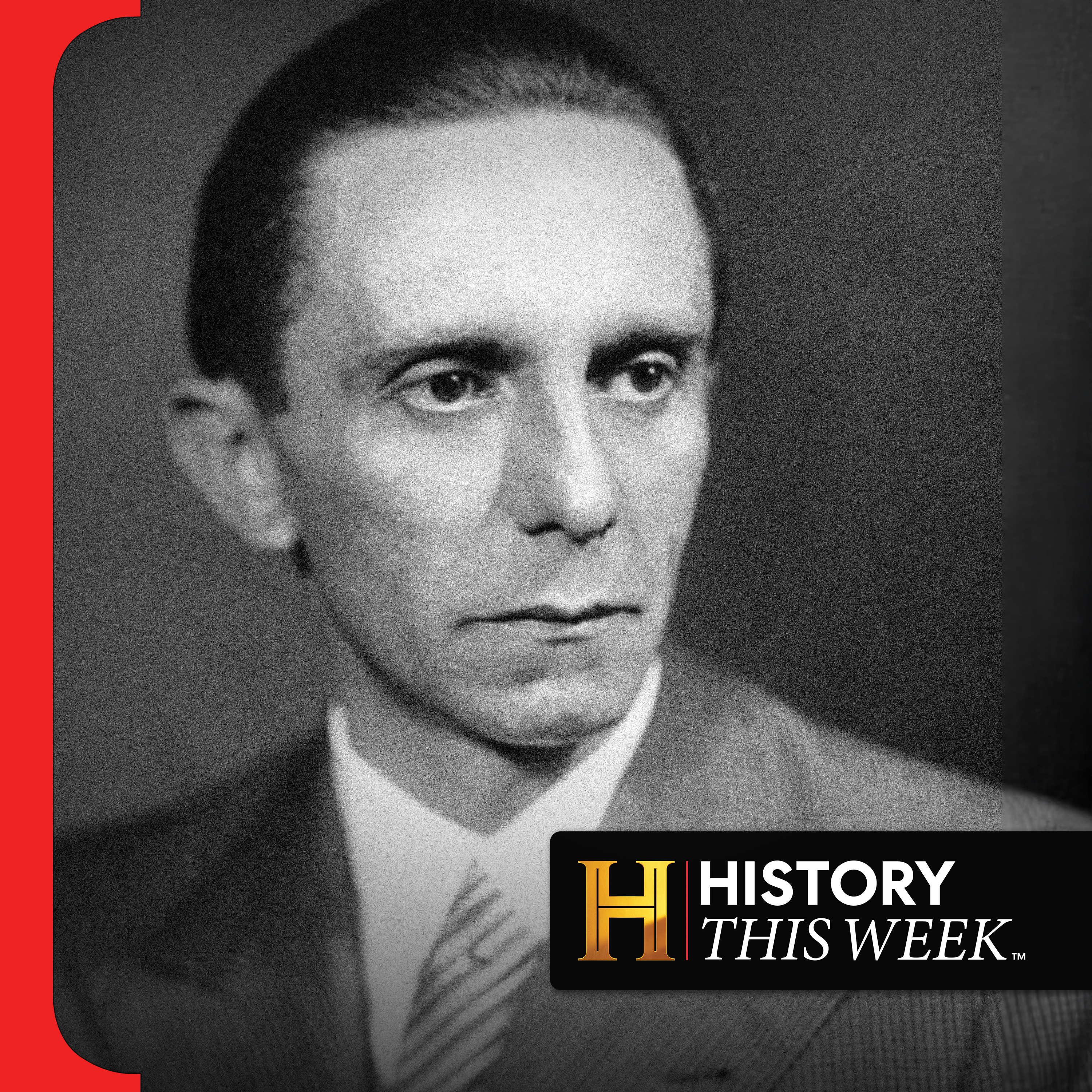
May 9th, 1942. In the Lustgarten, a sprawling park in the center of Berlin, a strange new attraction opens to the public. It’s a maze of tents, glowing under red lightbulbs. Inside: a staged vision of the Soviet Union. Filthy streets, starving children, torture chambers. A horror show.
The man behind it all is Joseph Goebbels, Hitler’s minister of propaganda, and the most powerful figure in Berlin. Posters, radio broadcasts, films, classrooms… his message is everywhere. The enemy is at the gates. The war must be won. No matter the cost.
And Berliners are watchi...
Parting the Desert Between Two Seas
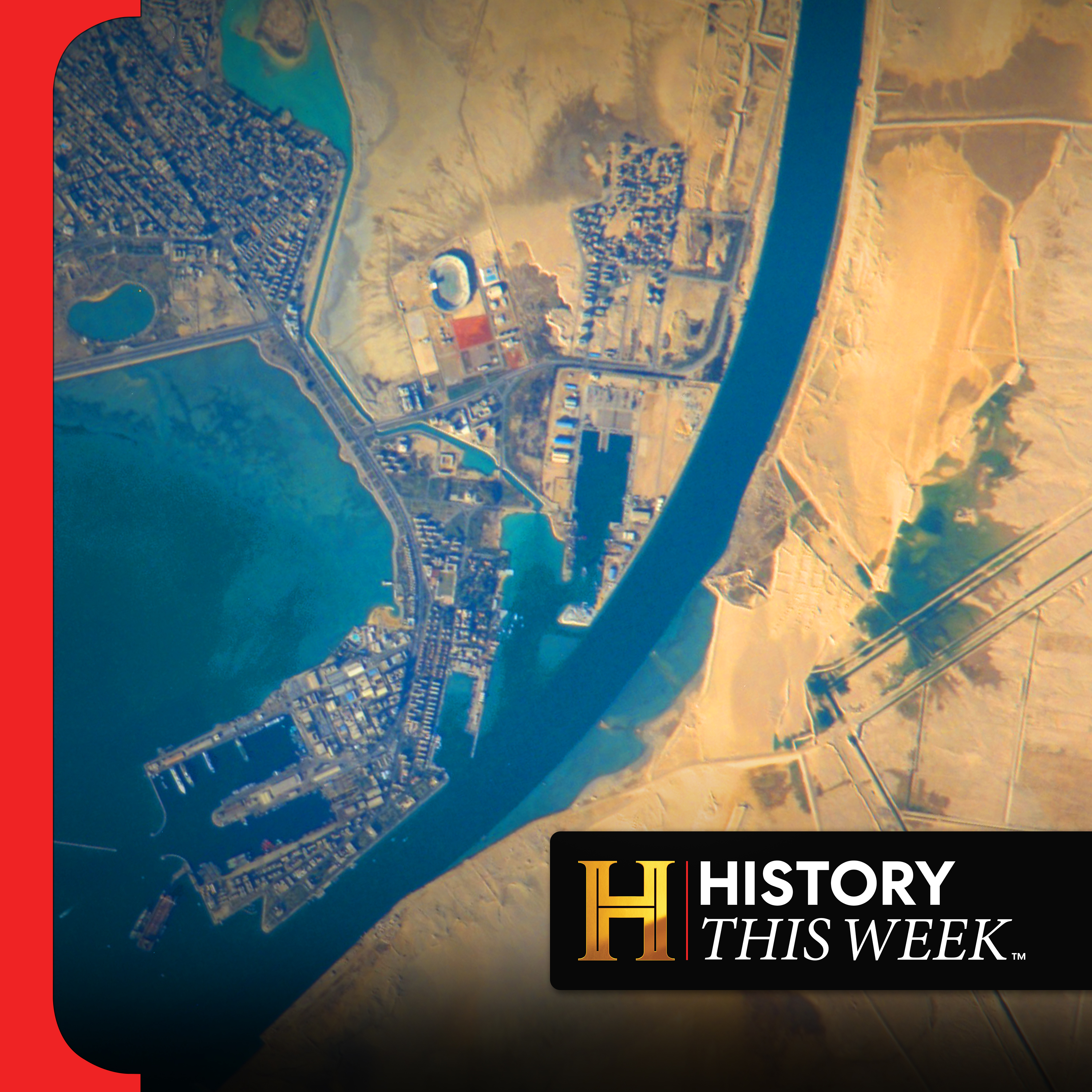
April 25, 1859. About 150 people have gathered on the shores of Lake Manzala in Egypt. And one of them, a mustachioed, retired French diplomat, steps forward. He raises his pickaxe and strikes a ceremonial blow.
The audacious goal is to cut through the desert to connect the Mediterranean Sea with the Red Sea, creating a new trade route between the East and the West. Changing global trade and geopolitics forever. Today: the Suez Canal. Why did the tremendous efforts of a Frenchman end up enriching the British Empire? And how, decades later, did the canal play an unexpected role...
