Talk Cocktail
Jeff Schechtman talks with authors, journalists, newsmakers and opinion shapers, and sheds light on the issues of the day, from local stories to national and international headlines and ideas. jeffschechtman.substack.com
The Cruelest Game
Lose a pickup basketball game and you shrug it off. Lose a tennis match, Matthew Futterman learned, and it feels like you got beaten up.
As the US Open gets under way this week, Futterman, veteran sports journalist for The Athletic and author of The Cruelest Game, goes inside the sport’s real battleground — the head — where even the greatest lose nearly half the points they play, and the hardest thing any champion does is learn when to leave.
Then there’s the money. At the top, fifty to a hundred million a year rides on winni...
An Inversion of AI’s Discontent

San Francisco Chronicle reporter Emily Hoeven expected the towns hosting America’s new data centers to be the angry. She found the opposite. In a recent column — titled “‘We were a dying little town’: How Silicon Valley data centers are reshaping rural America” — she maps a strange disconnect: the dread over data centers looms large in the Bay Area, cradle of the artificial intelligence boom, while places bearing the weight, like Ellendale, North Dakota, have made their peace.
Get full access to Talk Cocktail Podcast at jeffschechtman.substack.com/subscribe
The Age of AI Will Require Intuitive Leadership, Not More Data
We're told the leader with the most data wins. Ronald Kraft, PhD, argues in his new book “The 7 Laws of Intuitive Leadership,” the opposite. As AI makes information infinite and answers instant, he says the real edge is disciplined intuition — a trainable "third system" of judgment no machine can copy. Can today's leaders relearn to trust the instinct the data keeps drowning out?
Get full access to Talk Cocktail Podcast at jeffschechtman.substack.com/subscribe
Does Fascism Have American Roots?
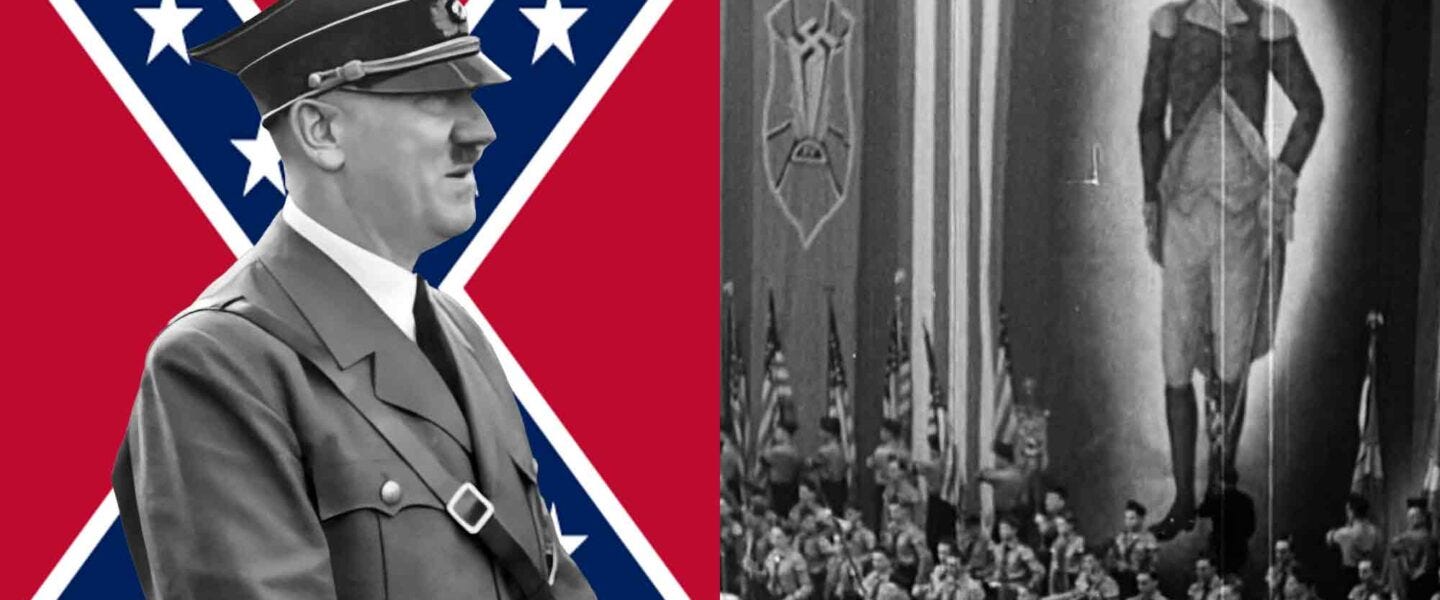
What if the roots of fascism weren’t European at all, but embedded in America’s founding struggles over democracy and race?
For more than a decade, we’ve been flooded with books warning about fascism — how to recognize it, how it spreads, how democracies lose their way. Almost all begin with the same assumption: Fascism was a European creation that eventually washed up on American shores.
Joseph Kelly says we’ve got it backwards.
Kelly, a professor at the College of Charleston and author of The Biggest Lie: The Prehistory of American Fascism 18...
Can Code Have a Conscience?
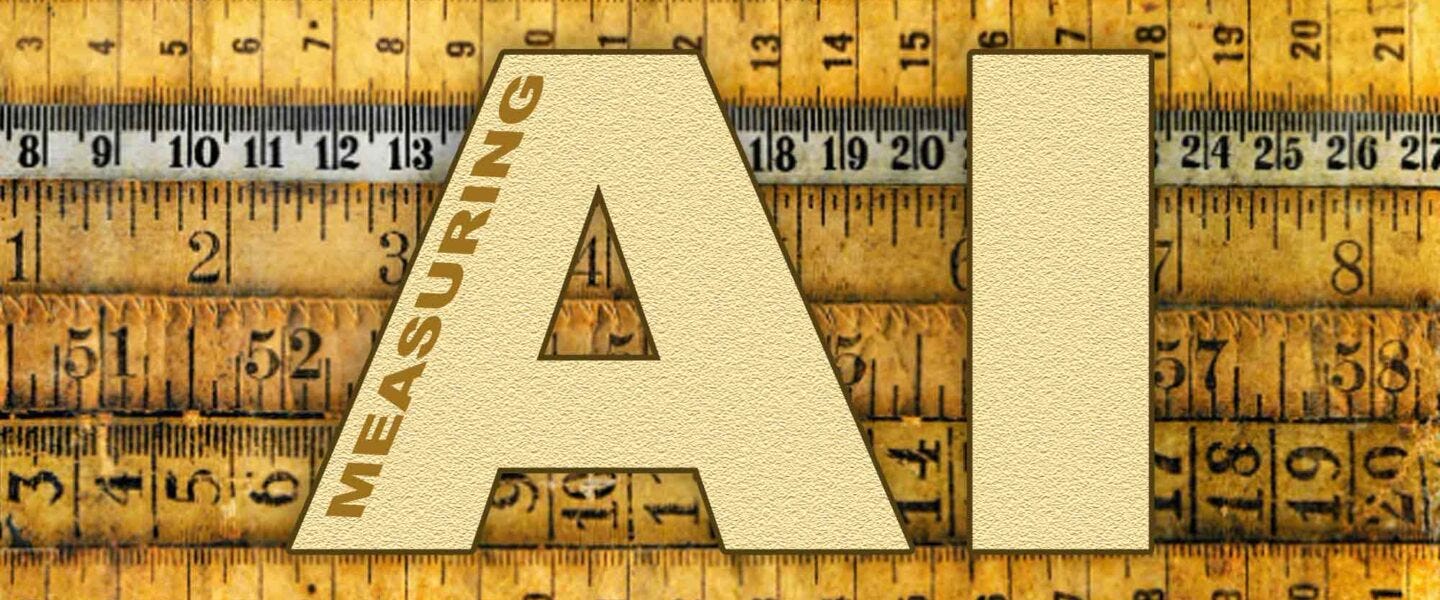
The AI debate is endless. One writer decided to measure it by asking not how smart the machines are, but how humane they are.
Talking about artificial intelligence has become its own industry. AI will save us or doom us. It will cure cancer or end work. Panels, manifestos, congressional hearings, op-eds without end — and through all of it, the machines keep getting better at talking back, and no one can tell you whether the thing you confided in last night was good for you or not.
My guest on this recent WhoWhatWhy podcast, Erika An...
Design as an Act of Inclusion
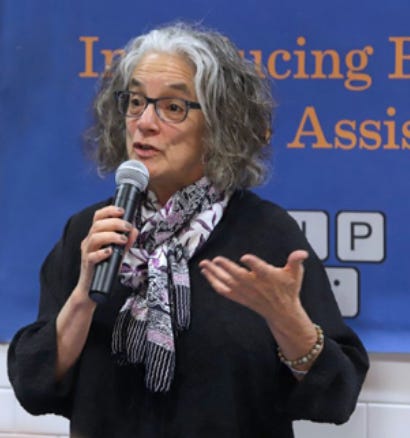
The digital world is being rebuilt around AI, and for the first time in a generation the concrete of that world is still wet.
Lainey Feingold thinks that's the opportunity! Technology can now read any text aloud, describe any image, caption any voice in real time — the most powerful equalizer disabled people have ever had, if it's designed in rather than bolted on.
Feingold, a disability rights lawyer who won talking ATMs and accessible banking without ever filing a lawsuit, has gathered thirty-nine authors from ten countries into Digital Accessibility Ethics. Their case: build for th...
The Real California That Gavin Newsom Will Have to Defend
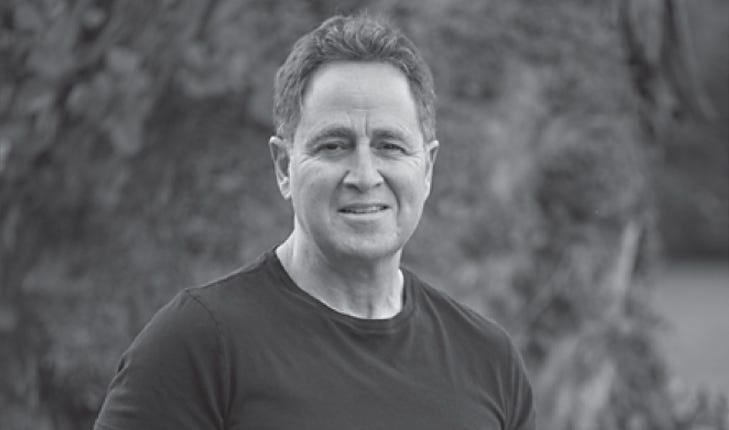
The author and journalist Mark Arax joins me on the California Sun podcast to discuss his recent sweeping essay in the Guardian, published under the headline “California: Land of Plunder and Hypocrisy.”
From the Gold Rush to the artificial intelligence boom, Arax explores how California’s myths, ambitions, and repeated reinventions have often concealed a far more complicated history of extraction, contradiction, and self-deception.
Get full access to Talk Cocktail Podcast at jeffschechtman.substack.com/subscribe
As America Becomes a Gerontocracy, Its Future Keeps Getting Delayed
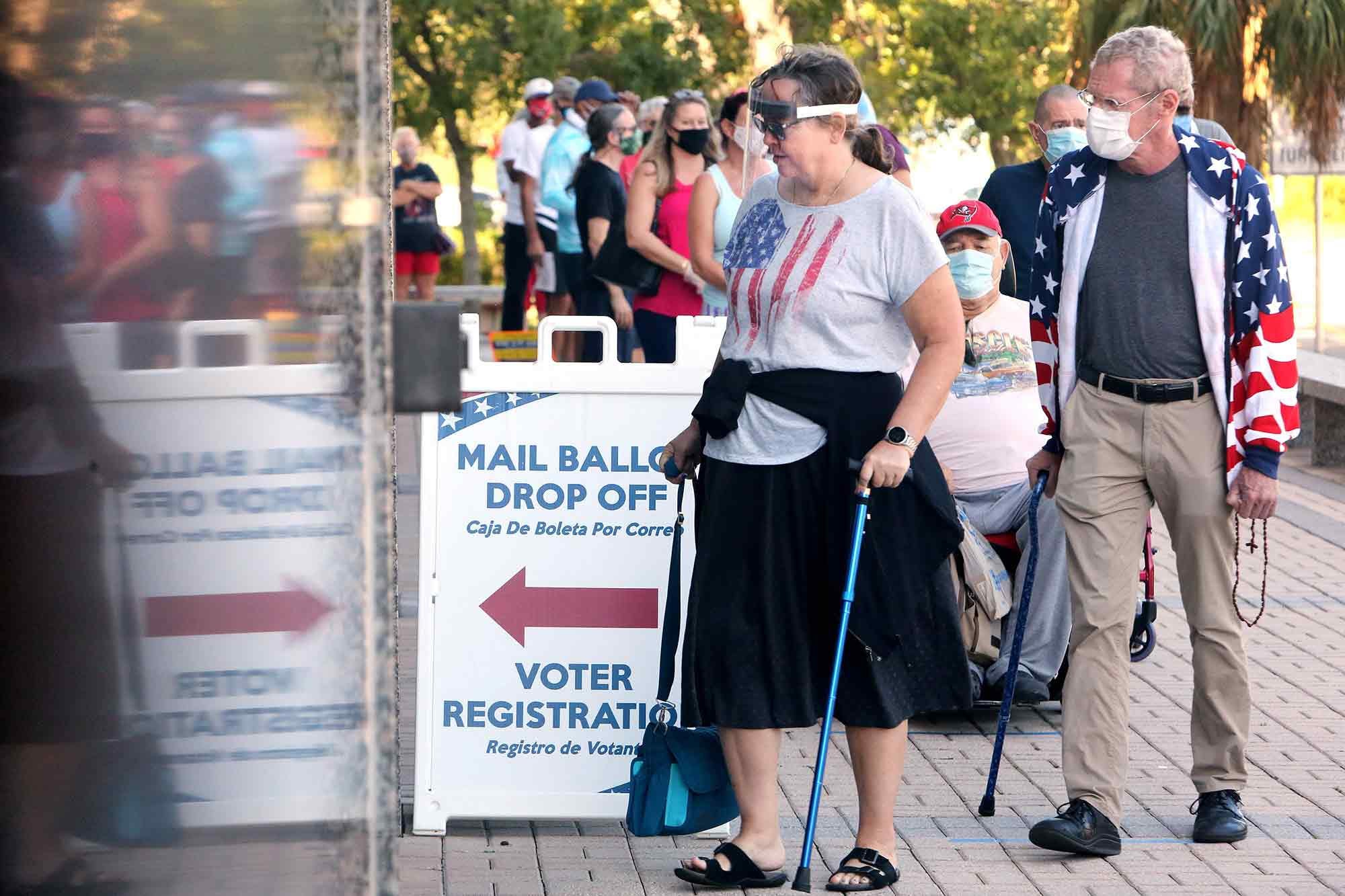
We’re living through the greatest transfer of wealth in history. Trillions of dollars are slowly passing from one generation to the next. Yet for all the money that’s changing hands, something far more important isn’t: Power.
Our guest on this WhoWhatWhy podcast, Yale historian Samuel Moyn, believes America has quietly become something few of us have recognized: an aging society where the balance between generations has fundamentally shifted.
The cohort of people making the biggest political decisions, controlling the most valuable assets, dominating elections, and shaping the country’s future are getting older, n...
Progress Should Be Our Most Important Product

The future is arriving faster than ever. So why are we more anxious than excited?
We are living through one of the most extraordinary periods of technological advancement in modern history. Artificial intelligence is reshaping knowledge work. Biotechnology is opening doors to better health and longevity once thought impossible. SpaceX has redefined spaceflight, and a new generation of innovators is tackling problems that seemed beyond our reach just a decade ago.
So why does the future feel so frightening?
In this WhoWhatWhy podcast, economic policy expert and futurist James Pethokoukis argues that America...
Before the Trillions, There Was Once Joy in Silicon Valley
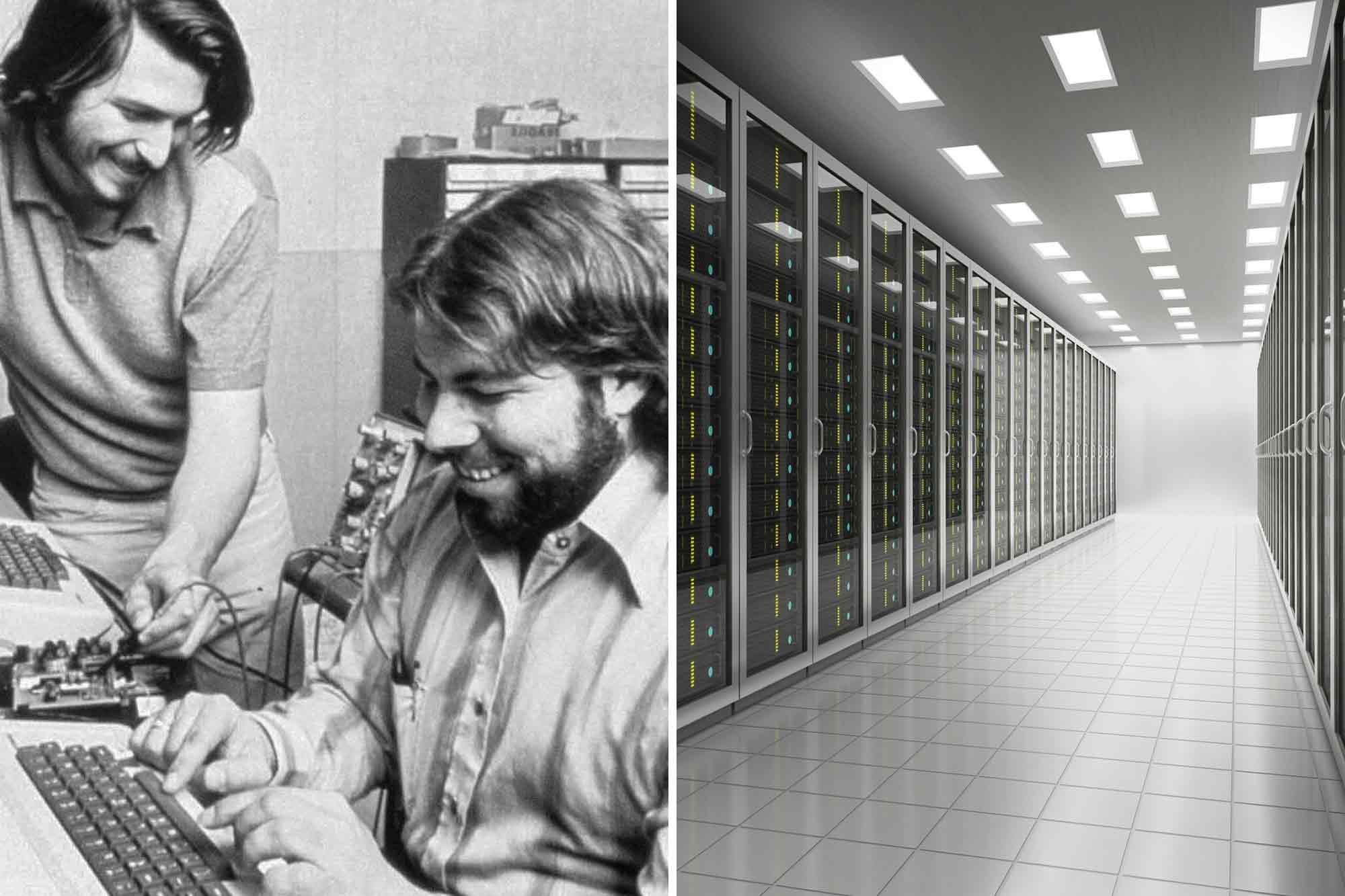
A veteran of three tech eras on how the innocence was lost — and whether AI actually might win it back, through what he calls “enlightened AI.”
Recently, on WhoWhatWhy podcast, Matthew Stepka — early internet-café founder, McKinsey alum, nine-year Google veteran who shepherded many of the company’s mission projects including the first self-driving cars, and now an investor in what he calls “enlightened AI” — walks us back through the Valley’s reinventions and asks what each one cost.
Before the trillion-dollar IPOs, before the data centers and the doom, before “Silicon Valley” became shorthand for unaccountable power and...
The Water Knows Something
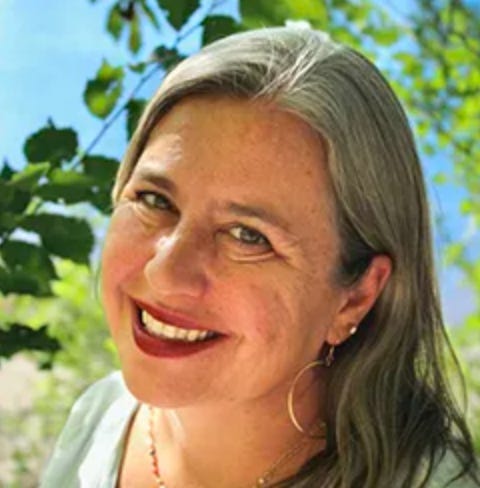
Water is the oldest promise we have. Baptism, ablution, the plunge that separates who you were from who you're about to be. Every summer we go back to it — lakes, rivers, the cold shock of an ocean in June — as if some part of us still believes the water knows something.
Kate Washington, on a recent California Sun Podcast, talks to me about the fifty immersions she did before her fiftieth birthday, after caregiving and motherhood and a dissolving marriage had emptied her out. The author of "Midstream: A Life Remade in 50 Swims" on depletion, endurance, and what...
As America Becomes a Gerontocracy, Its Future Keeps Getting Delayed
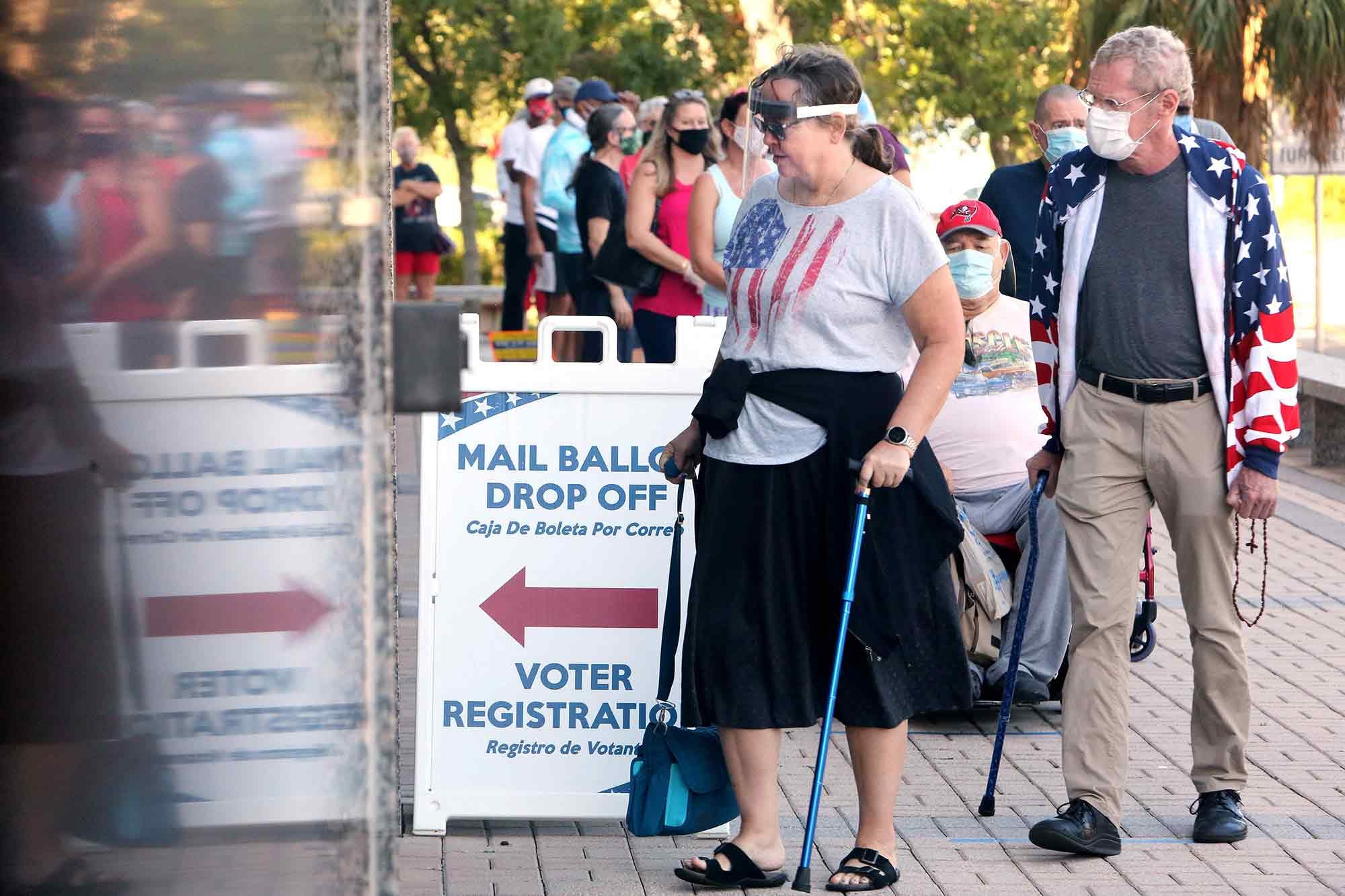
What if the real crisis isn’t aging leaders, but an aging democracy where power never seems to change hands?
My guest on this recentWhoWhatWhy podcast, Yale historian Samuel Moyn, believes America has quietly become something few of us have recognized: an aging society where the balance between generations has fundamentally shifted.
The cohort of people making the biggest political decisions, controlling the most valuable assets, dominating elections, and shaping the country’s future are getting older, not younger.
We’ve spent years arguing over whether this politician or that president is too old. B...
AI May Be the Tool That Brings Government Back to Life?
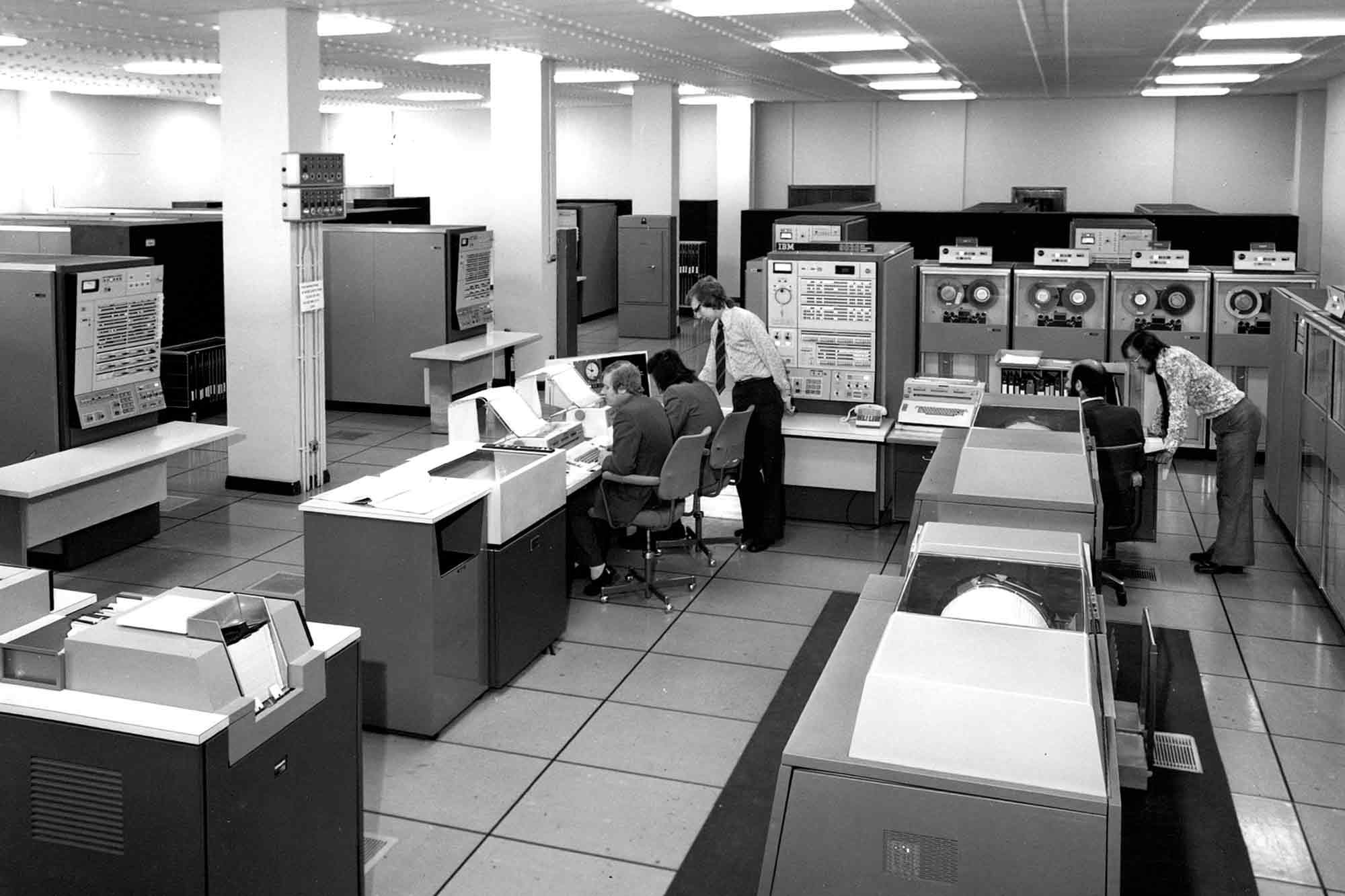
What if the real threat to democracy isn’t artificial intelligence, but a government that never learns to use it?
In this WhoWhatWhy podcast, Beth Simone Noveck makes the unexpectedly optimistic case that AI is not just one more thing for government to regulate. It may be the tool that finally reinvents how government works, and more to the point, how it feels to deal with it.
For 50 years we have been told government is the problem: slow, bloated, hopeless, a relic that could never keep pace with the modern world. Then came DOGE, swinging a...
Brian Wilson, the Beach Boys, And The Music That Called Us West
One year after the death of the legendary Beach Boys leader Brian Wilson, author David Beard joins me on the California Sun podcast to talk about his new book, “All Summer Long: Conversations with The Beach Boys from Surfin’ to SMiLE.” Beard discusses how the Beach Boys didn’t just make iconic music but defined Southern California itself — surf, sun, cars, the postcard invitation west — while Wilson quietly pushed pop into uncharted territory for the whole country.
Get full access to Talk Cocktail Podcast at jeffschechtman.substack.com/subscribe
New York, the 1980s, and the World It Created

New York in the 1980s was a city in convulsion — deindustrializing, gentrifying, financializing — and the young urban professionals who flooded its trading floors and law firms weren't just a cultural moment. They were the architects of the America we live in now. Historian Dylan Gottlieb explains how the yuppie takeover of New York wrote the blueprint for today's inequality — and why we're still living inside it.
Get full access to Talk Cocktail Podcast at jeffschechtman.substack.com/subscribe
Russia’s Descent Into Madness: Slowly, Then All at Once

Putin didn’t seize a democracy — he hollowed one out. Twenty-five years inside Russia’s slow spiral, and what it tells us about our own moment.
My guest on this recent WhoWhatWhy podcast, Marc Bennetts, arrived in Moscow in January1997, before most of the world had ever heard of Vladimir Putin. He stayed for 25 years. He watched Putin rise, the economy boom and bust, and freedoms quietly disappear.
Russia has fallen off the front page. The global conversation has moved on — to China, to trade wars, to the Middle East, to whatever is consuming the news cyc...
No Rules, No Order: The World on a Knife’s Edge
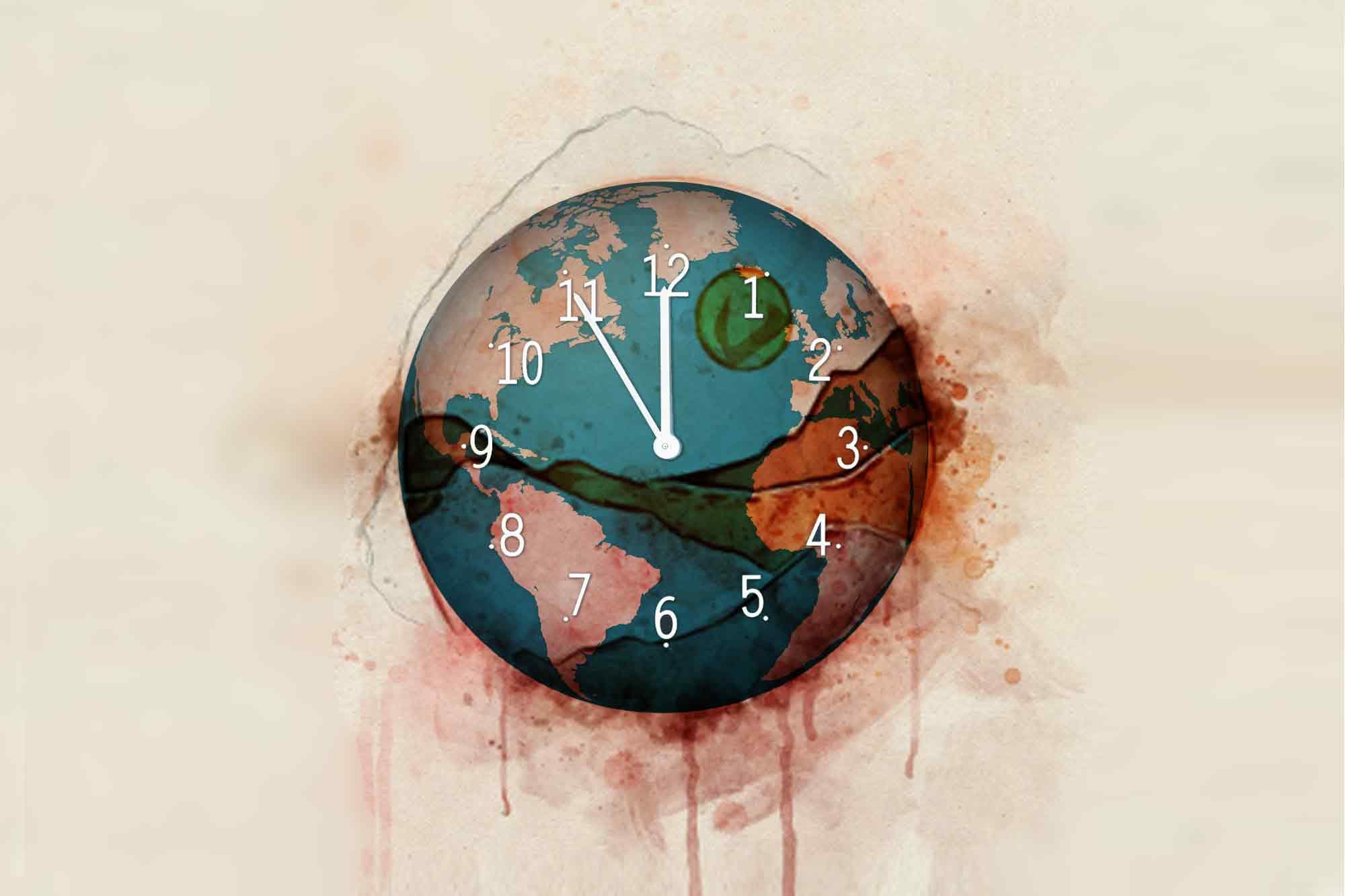
From Beijing to Washington to Cuba, the old world order has collapsed. Is this the most dangerous moment since 1945? One man says yes, and the clock is ticking.
My guest on this recent WhoWhatWhy podcast is Peter Apps. As Reuters’s global defense commentator, he has spent two decades in the rooms and on the roads where history is actually made. His new book, The Next World War, puts the odds of major war within the next 10 years at 1 in 3.
He argues that the world is more dangerous right now than at any po...
The Democracy of Grief
Grief is the one experience nobody escapes, nobody schedules, and nobody gets to opt out of. In that sense it's almost democratic — ruthlessly, mercilessly so. I’m joined by Danielle Crittenden, long time journalist and the author of Dispatches from Grief. Danielle lost her daughter Miranda suddenly in 2024. She writes about it the way a foreign correspondent files from a war zone — dispatches from a country we think we're prepared for, until we arrive.
Get full access to Talk Cocktail Podcast at jeffschechtman.substack.com/subscribe
California's Generic Governor's Race and the End of Local Politics
With just days to go before the June 2 California primary, Joe Mathews joins me on the California Sun podcast to examine how California’s race for governor has become strangely disconnected from the state itself and what it says about local politics everywhere.
With almost all the campaigns built around generic national talking points and anti-Trump messaging, Mathews explores the growing nationalization of state politics, and why the actual mechanics of governing barely seem to be part of the conversation.
Get full access to Talk Cocktail Podcast at jeffschechtman.substack.com/subscribe
How Civilizations Lose the Signal
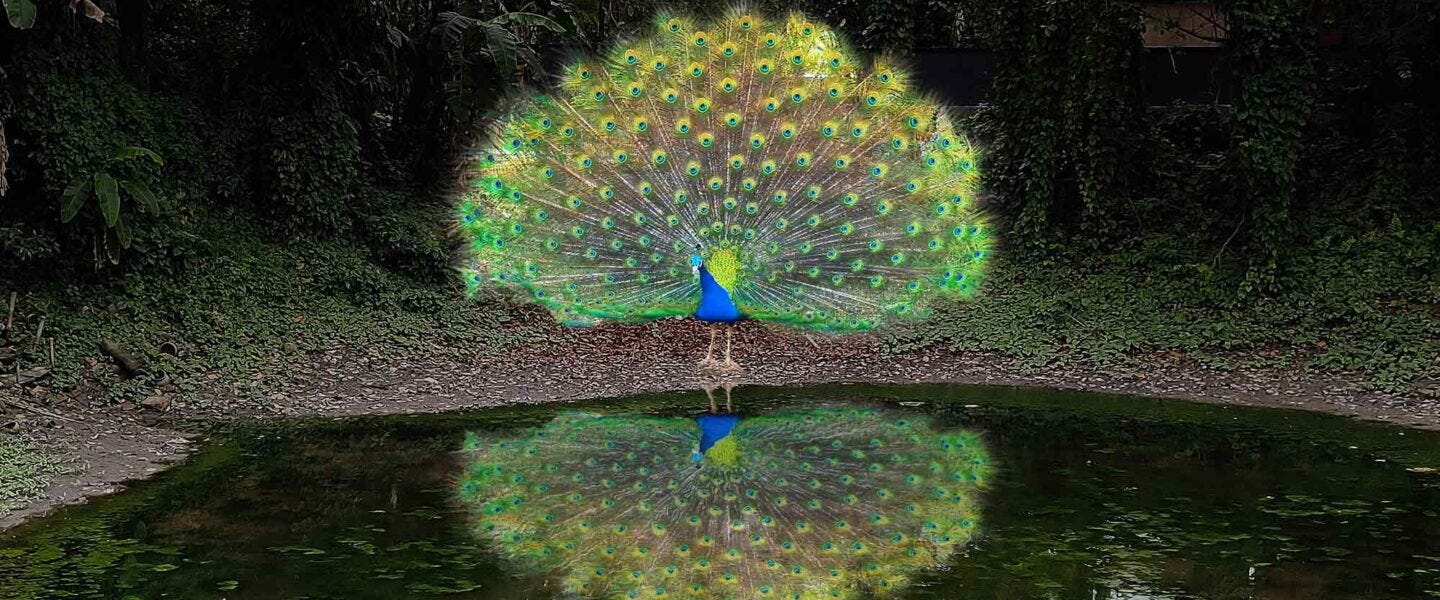
In my latest WhoWhatWhy podcast, you’ll see that there’s a moment in the conversation when something clicks. When the thread connecting baby names to the fall of the Roman Empire to Bitcoin to Jeffrey Epstein to the basket of deplorables to the last reserve currency suddenly becomes visible. And once you see it, you can’t look away.
That thread is the signal. Not communication. Not language. Something older and more fundamental than either: the mechanism by which civilization itself coordinates billions of people who will never meet, across timescales no single human life can fully...
Teaching Students to Navigate Algorithms and Deepfakes
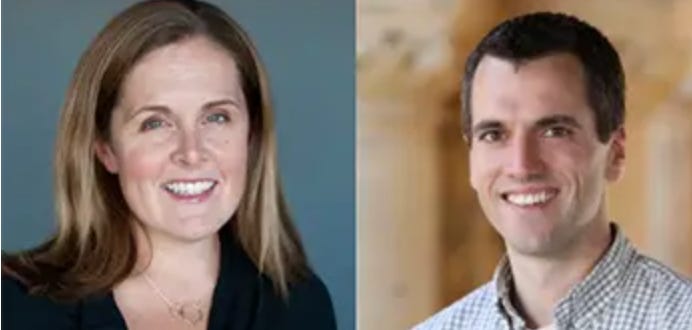
Valerie Ziegler, a high school teacher in San Francisco, and Joel Breakstone, executive director of Stanford’s Digital Inquiry Group, join me on this California Sun podcast to talk about digital literacy in the classroom. Many self-described “screenagers,” they say, can no longer tell real from fake. Together, Ziegler and Breakstone are at the forefront of a movement to prepare young people for a world of influencers, algorithmic manipulation, and artificial intelligence, an effort recently profiled in the New York Times.
Get full access to Talk Cocktail Podcast at jeffschechtman.substack.com/subscribe
Why Do We Fear Waymos More Than We Fear Bad Drivers

On this California Sun Podcast I’m joined by William Riggs, a professor of engineering and management at the University of San Francisco and an expert on transportation innovation.
He expalins how San Francisco — now ground zero for America’s autonomous vehicle future, with more than 1,000 Waymos on its streets — is exposing a strange contradiction: Society tolerates the deadly carnage caused by human drivers while holding self-driving cars to an impossible standard, even as the data increasingly suggests the technology will save lives.
Get full access to Talk Cocktail Podcast at jeffschechtman.substack.com/subscrib
Betting on Reality

Everybody’s talking about prediction markets.
In the hours before the US struck Iran, a cluster of large anonymous bets landed on exactly the right answer as to when the war would start.
But almost nobody is explaining what these markets actually are, how they work, or why they keep getting the future right when everyone else gets it wrong. My guest on last week’s WhoWhatWhy podcast is Robin Hanson, an economist who saw this coming.
A professor at George Mason University, he started the first internal corporate prediction market in 1990 — decades before...
Beyond Doomism: Why Climate Progress Is Happening Without the Panic
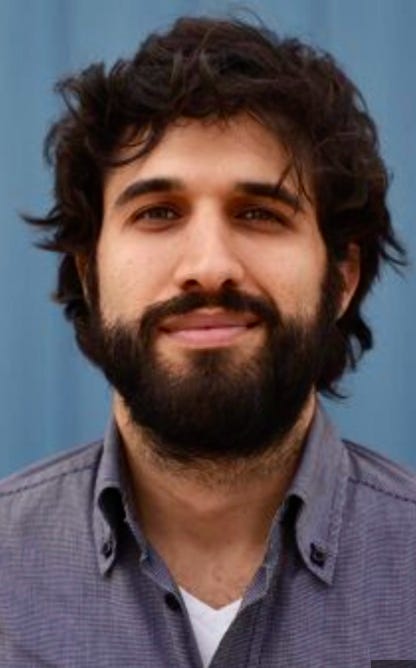
Climate researcher and SOLARCYCLE co-founder Pablo Dias discusses why collective action is better than individual guilt in addressing environmental challenges. From China's renewable energy surge to the dangers of "doomism," Dias argues technology and markets are already delivering progress—but only if we move beyond lifestyle policing. The future isn't written, but are we reading the present correctly?
Get full access to Talk Cocktail Podcast at jeffschechtman.substack.com/subscribe
Power Without Ideology Is Doomed
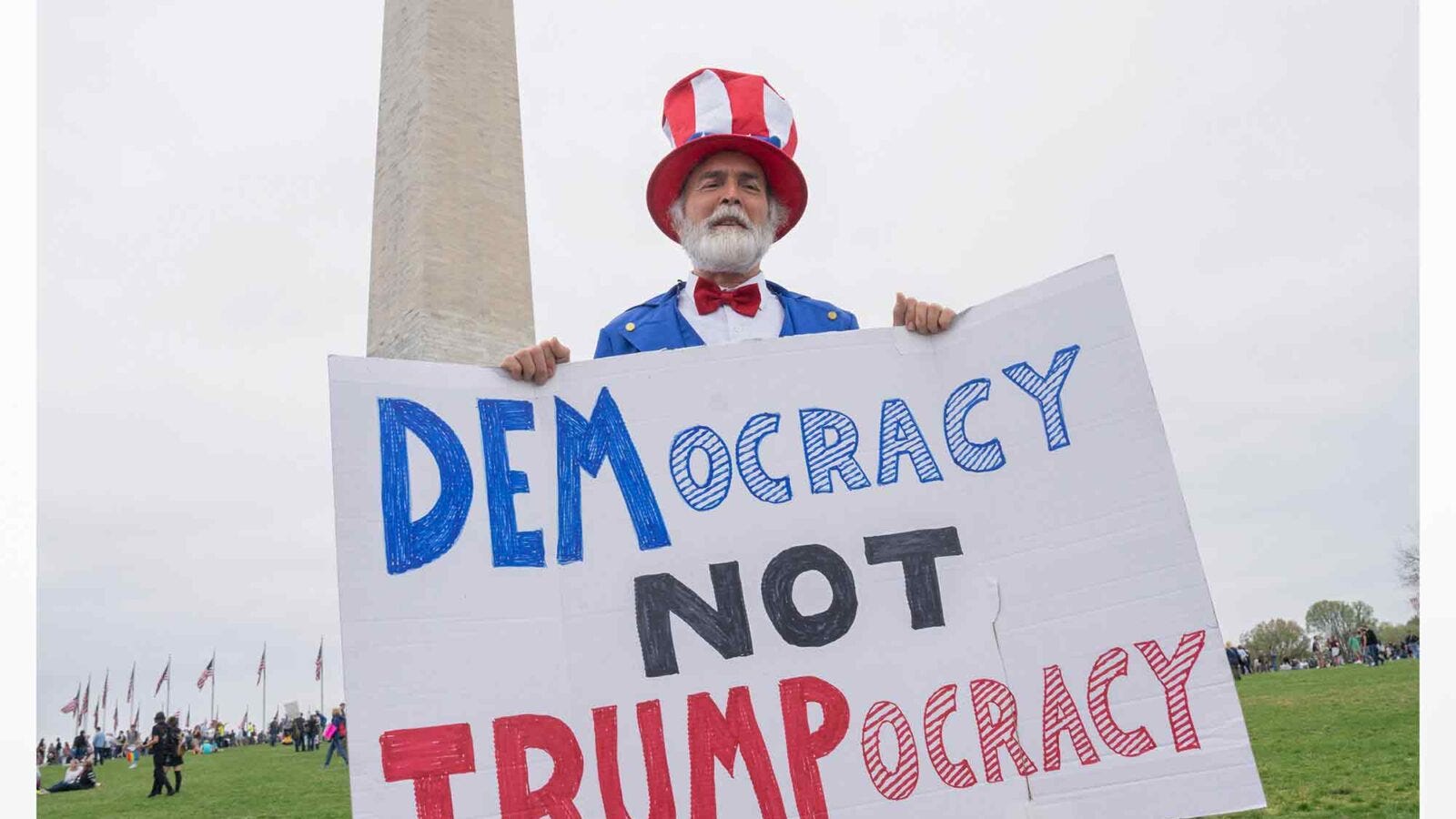
When an authoritarian regime offers no ideology, no story, no reason to believe, it plants the seeds of its own destruction. Minneapolis and Iran show this story.
In this recent WhoWhatWhy podcast, I talk with political theorist John Ambrosio, about the moral failure that’s becoming to impossible to ignore.
Every authoritarian regime in history has understood something that Donald Trump apparently does not: People need a reason to go along. Not necessarily a good reason, or even a true one. But something they can tell themselves — some story, some larger purpose, some ideological cover that...
L.A.’s Air Was Once A Punchline. It Could Be Again
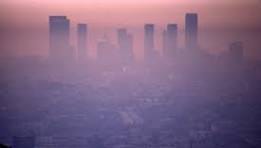
Smog was once as much a symbol of L.A. as palm trees — a bane to public health and a national punchline on Johnny Carson’s “Tonight Show.”
My guest on this California Sun podcast, Ann Carlson, author of “Smog and Sunshine: The Surprising Story of How Los Angeles Cleaned Up Its Air.” details the decades-long battle that transformed the air from toxic to breathable. Today’s rollbacks once again threaten the air in L.A. and everywhere else.
Get full access to Talk Cocktail Podcast at jeffschechtman.substack.com/subscribe
Iran, Hungary, Ukraine: The World Is Running on Outdated Legacy Software
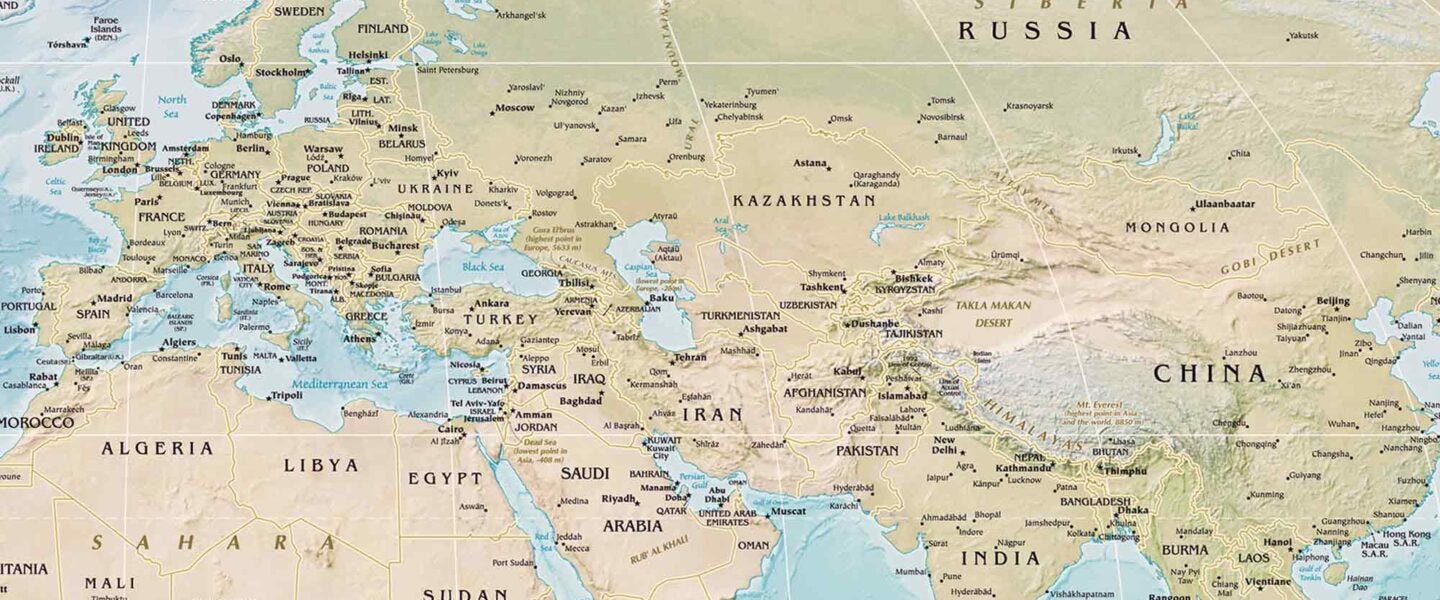
The old rules are gone. The new ones aren’t written yet. And no one in charge knows how to write them. Detail in my recent WhoWhatWhy podcast.
The old world order is dead. The new one hasn’t been written yet. And the people currently in charge — on both sides of the Atlantic — are structurally incapable of writing it.
That’s not a provocative opinion. It’s an analytical conclusion, and few people are better positioned to make it than Bianka Banova. Bulgarian-born, Switzerland-based, she runs the Waronomics Substack with what she calls Balkan candor and s...
How Rolling Stone shaped a social revolution … at least for a while
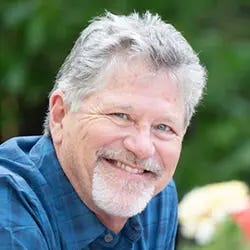
My California Sun conversation with Peter Richardson, author of the new book “Brand New Beat: The Wild Rise of Rolling Stone Magazine.” A time when the media had a different kind of power — between 1967 and 1977 — when the Bay Area’s counterculture reshaped music and the journalism. From Haight-Ashbury to the Fillmore, Hunter S. Thompson to Annie Leibovitz, the magazine documented a social revolution while simultaneously creating it.
Get full access to Talk Cocktail Podcast at jeffschechtman.substack.com/subscribe
AI Is Humans, All the Way Down
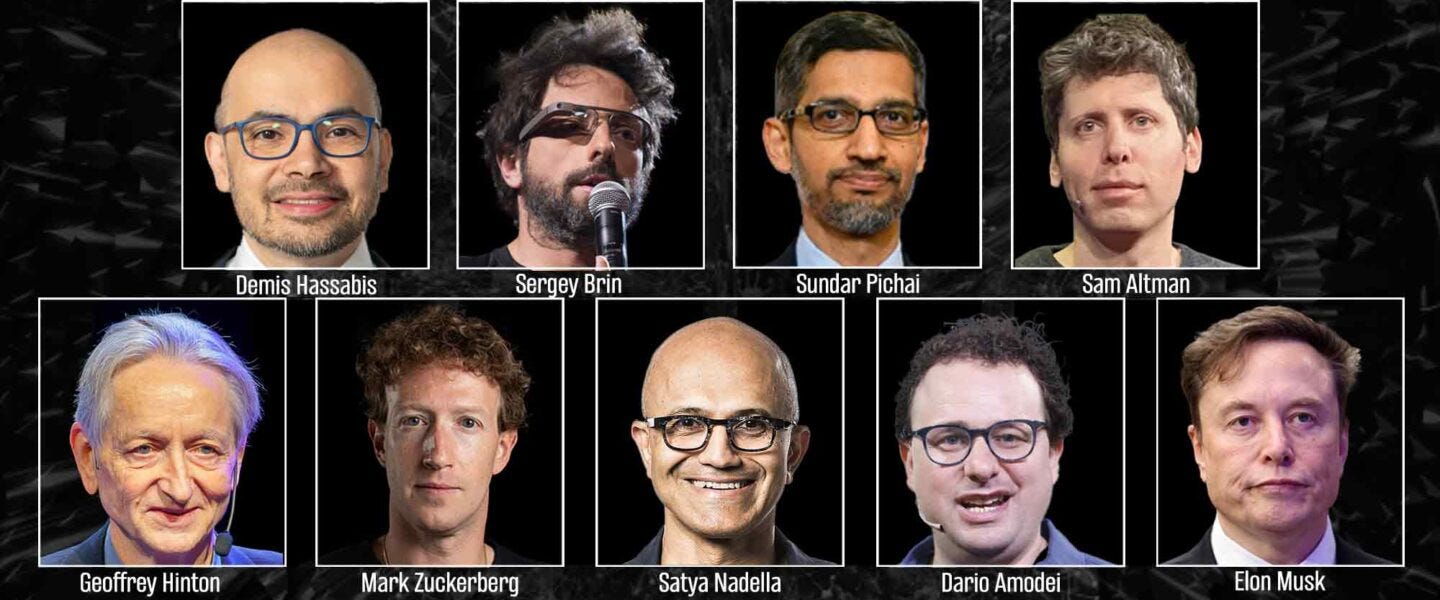
he inside story of how greed, ambition, and rivalry destroyed AI’s safety mechanisms — and why human failings, not technology, are driving us toward catastrophe.
Despite everything you think you know about artificial intelligence — the models, the capabilities, the existential predictions — it’s simply humans all the way down. Men building things, making choices, placing bets, and abandoning safeguards the moment competitive pressure intensifies.
On this recent WhoWhatWhy podcast I talk with Sebastian Mallaby, who spent three years embedded in the world of AI as it evolved from research lab to civilizational force. With over 30 hours of a...
Social Media Had Gun-Level Immunity. That Just Ended
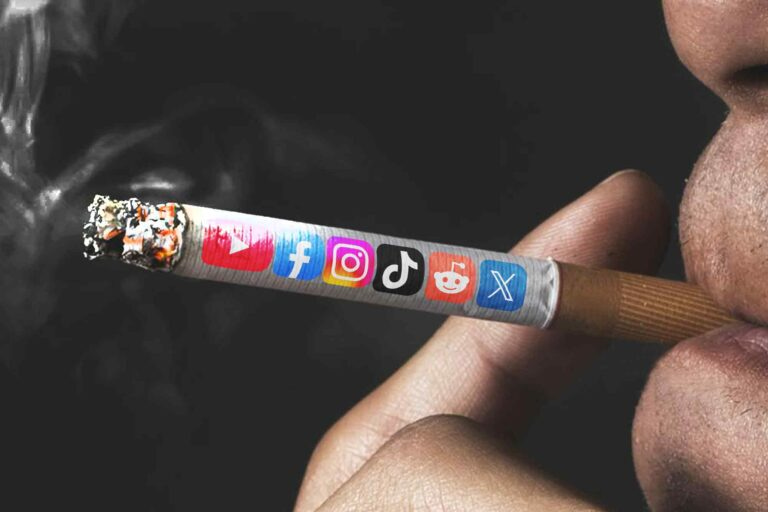
A jury recently shattered Big Tech’s legal shield. Meta and YouTube: guilty of engineering addiction. This is social media’s tobacco moment .
Two industries in America have enjoyed near-total legal immunity for their products: gun manufacturers and social media platforms. Now, juries found Meta and YouTube guilty of harming users by deliberately engineering addiction, knowing the harm, and doing it anyway. Legal experts are calling it social media’s tobacco moment.
On a recent WhoWhatWhy podcast I spoke with Fordham University law professor Olivier Sylvain, a former senior adviser at the Federal Trade Commission and au...
Understanding Global Oil Shocks
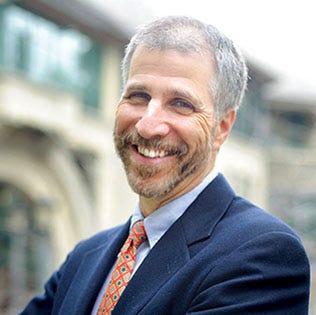
Severin Borenstein, is a professor at UC Berkeley’s Haas School of Business and one of he nations leading experts on the economics of energy. He joins me on this California Sun podcast to explain exactly how the Iran war is disrupting global oil markets and why California especially faces even sharp price impacts.
Get full access to Talk Cocktail Podcast at jeffschechtman.substack.com/subscribe
The Unexplained War: Stumbling Toward World War III
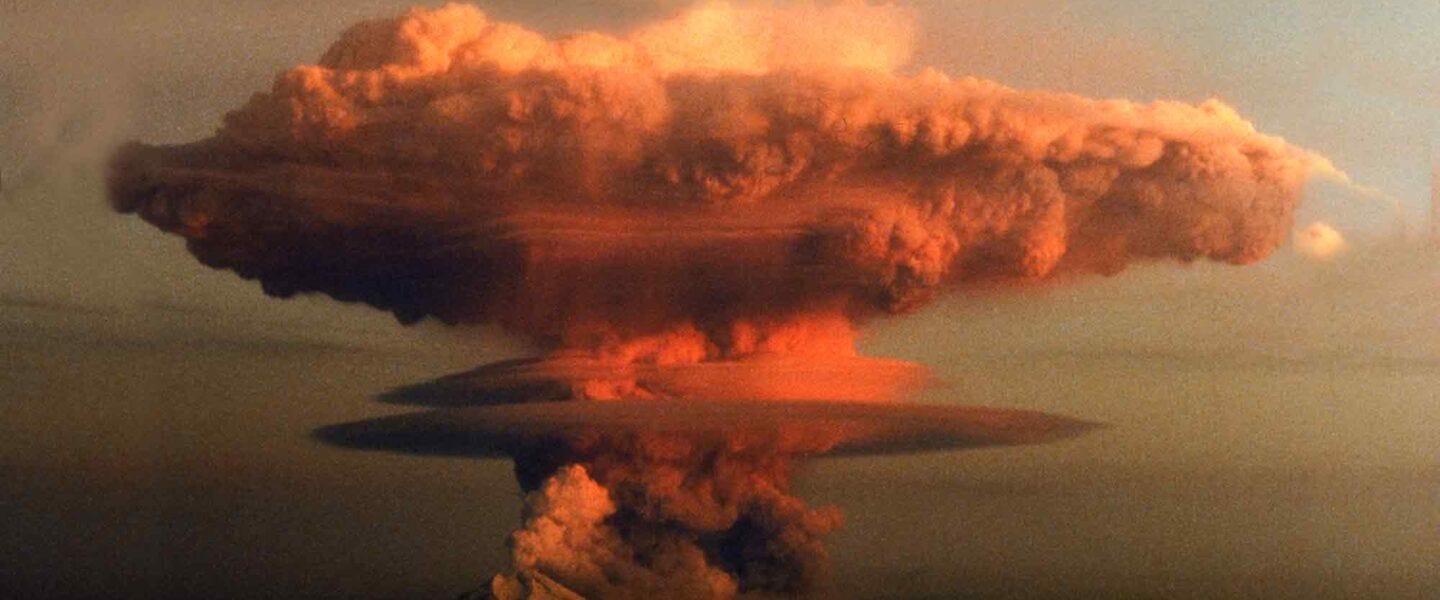
War without strategy. Drones without limits. Data without wisdom. How the Iran conflict is stumbling toward World War III — and no one can explain why.
My guest on this recent WhoWhatWhy podcast, RAND senior defense analyst David Shlapak, has for decades made a living by imagining how wars spiral out of control — war-gaming the scenarios where miscalculation becomes catastrophe, where deterrence fails, where World War III stops being theoretical.
Today, those scenarios are no longer simulations. They’re unfolding in real time over Iranian airspace, and the people running them may not have thought through what h...
The Chavez Myth Comes Apart
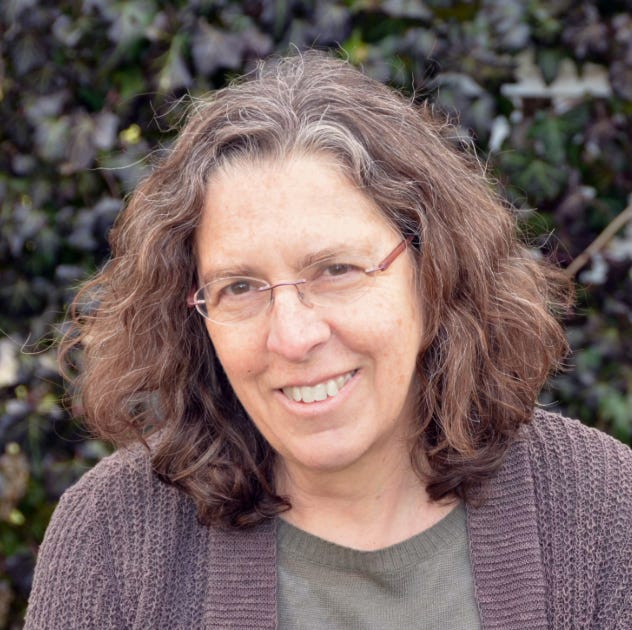
Miriam Pawel, author of the definitive Cesar Chavez biography, "The Crusades of Cesar Chavez," joins me on this recent California Sun Podcast to reflect on the shattering of the Cesar Chavez myth — and the harder questions beneath it: what was known, what was ignored, and why movements so often need saints. In this wide-ranging conversation, Pawel explores Chavez’s charisma, control, contradictions, and the challenge of holding both his historic achievements and the harm he may have caused in the same frame.
Get full access to Talk Cocktail Podcast at jeffschechtman.substack.com/subscribe
We Cut Off Its Oil & Attacked Its Partners; China Seems Willing to Wait...Why?
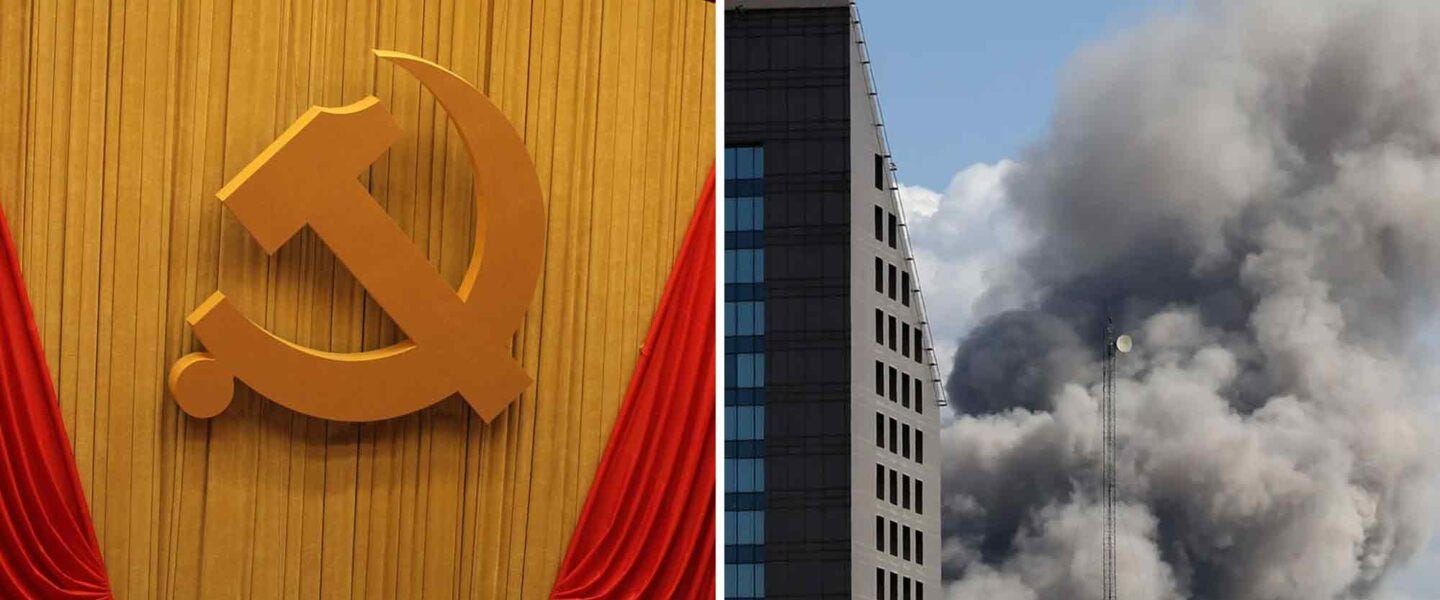
China loses two oil partners to US action in Iran. Their response? Strategic patience. Are we watching restraint or preparation for what’s next?
There’s an old saying: When your enemy is digging himself a hole, the smart move is to hand them a bigger shovel. China appears to be doing exactly that — watching, waiting, keeping its powder dry while America commits massive military resources to the other side of the world.
On this week’s WhoWhatWhy podcast, USC professor of international affairs David C. Kang returns to examine whether China’s restraint vindicates his contra...
The Brief Life of Public Outrage: Why Corporate Scandals Matter—Until They Don't
On this recent TalkCocktial podcast I’m joined by Oxford political scientist Pepper Culpepper, who has spent a decade studying when corporate scandals force actual change—Dieselgate, Cambridge Analytica, Goldman Sachs—and when they just fade away. His book Billionaire Backlash argues scandals briefly overwhelm corporate lobbying when they tap simmering public resentment. He pushes back hard on whether billionaire wealth reflects value creation for society or corruption, and whether making policy through outrage is democracy working or failing.
Get full access to Talk Cocktail Podcast at jeffschechtman.substack.com/subscribe
The Service Fee That Sparked a National Firestorm
Chef Geoff Davis opened Burdell in Oakland to cook the soul food his grandmothers made — a distinct American cuisine rooted in migration and adaptation rather than Southern tradition. In 2024, Food & Wine named Burdell the “Restaurant of the Year.”
On our recent California Sun podcast, he expalins how it was a 20% service fee at the bottom of Burdell’s receipts that recently started a national conversation about labor, class, and whether we’ve ever really reckoned with the racial history of tipping.
Get full access to Talk Cocktail Podcast at jeffschechtman.substack.com/subscribe
Hidden Cables—Global Risk
We imagine the internet as invisible—wireless, ethereal, everywhere and nowhere. The truth is far more precarious. Nearly 95% of global data moves through 900,000 miles of fiber optic cable lying unprotected on the ocean floor, controlled increasingly by four American tech giants. When Tonga's single cable was severed in 2022, ATMs went dark and the country vanished from the world. That was an accident. Samanth Subramanian, author of The Web Beneath the Waves, reveals that what comes next might not be.
Get full access to Talk Cocktail Podcast at jeffschechtman.substack.com/subscribe
The Iran Nobody in Washington Wanted to Listen To

Jeff Schechtman 03/06/26
Iran didn’t ask for regime change. It asked for bread. How a protest movement got hijacked — and turned into a war nobody planned for.
And the man who saw all of this coming has been saying so, loudly and at personal cost, for 20 years.
My guest on this very recent WhoWhatWhy podcast is Hooman Majd, the grandson of an ayatollah, the son of a diplomat who served the shah, a contributor to NBC News and The New Yorker, and the author of four books on modern Iran — most recent...
American Democracy Isn’t Broken… It Never Worked as Advertised
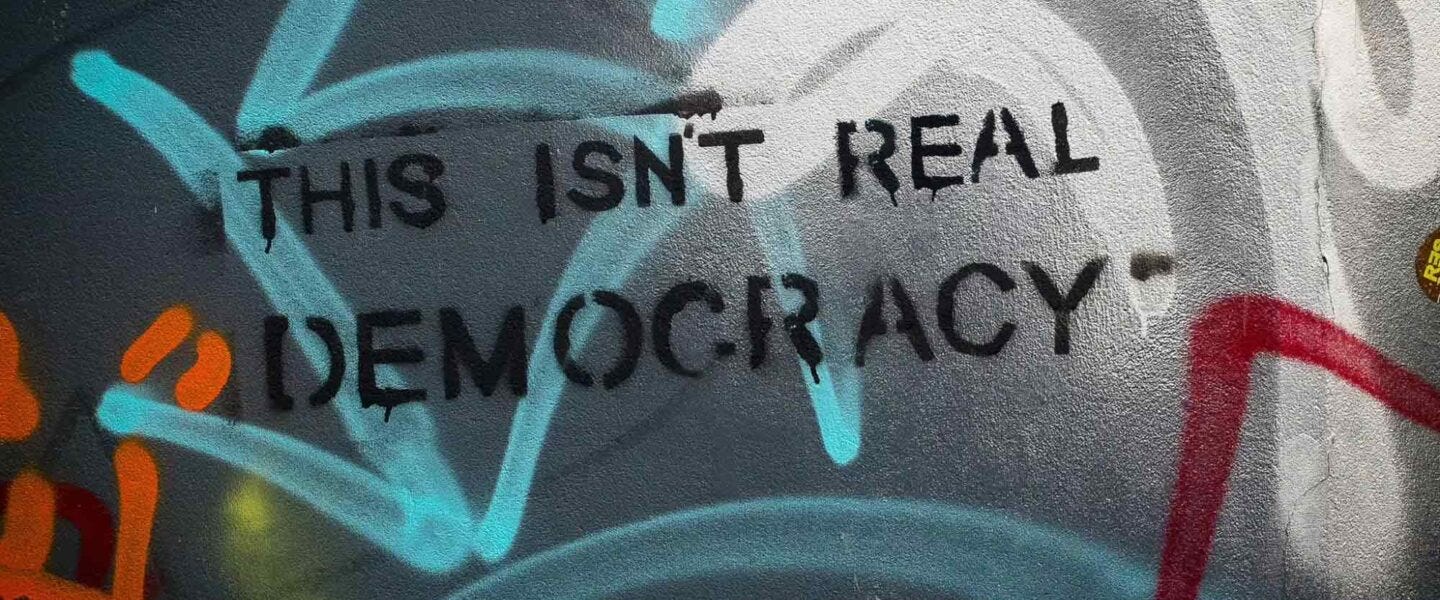
The guardrails weren’t real — they were simply norms. The Constitution wasn’t a firewall. And the Madisonian dream? Always more myth than reality. So now what?
The Federalist Papers, argues our guest, University of Maryland law professor Maxwell Stearns, belongs in the fiction section of the library. And after watching the Trump years dismantle everything we were told would hold, it’s getting harder to disagree.
Back in 2024, we asked the hypothetical question of Stearns whether American democracy had reached its sell-by date? It’s no longer hypothetical.
Stearns, author of Parliamentary America: T...
A View From Israel: A Conversation with Ambassador Michael Oren
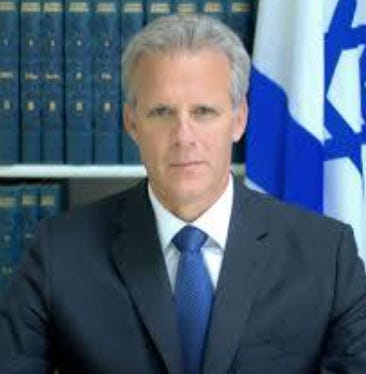
For decades the conflict between Israel and Iran lived in the shadows—proxies, sabotage, and covert strikes. Not anymore.
According to my guest, Michael Oren—historian and former Israeli ambassador to the United States—what began with Hamas’s October 7 attack has spiraled into a widening regional war stretching from Gaza to Tehran.
Oren shares his view of how a long-building confrontation suddenly burst into the open, drew in the United States, and what it may mean for the future of the Middle East and the world.
Get full access to Talk Cocktail...
