Rear Vision — How History Shaped Today
Move beyond the headlines to see how the past defines our world. Whether it's a local or international story, Rear Vision's expert analysis gives you the background you need to understand today's news.
Understanding the Houthis, their history and their role in the current Middle East conflict
The crisis in the Middle East has once again thrown a spotlight on the Houthis, a militia group from Yemen who, in conjunction with Iran, have been disrupting international shipping and global supply chains. The Houthis have long been derided as an Iranian "proxy", but their recent attacks against Saudi Arabia and capture of the Strait of Bab el-Mandeb show they are a formidable force in their own right. In this episode we examine the Houthis origins and rising influence.
Jane Kinninmont - Middle East specialist, United Nations Association, UK
Baraa Shaban - Associate Fellow a...
Why do white people still own most of South Africa's land?
More than 30 years after apartheid ended in South Africa, why is it still the most unequal country in the world?Guests:
Bulelwa Mabasa - Director and Head of Land Reform, Werksmans Attorneys
Professor Ruth Hall - Director, Institute for Poverty, Land and Agrarian Studies at University of the Western Cape
Wandile Sihlobo - Chief Economist, Agricultural Business Chamber of South Africa and South Africa’s Presidential Envoy on Agriculture and Land
How an obsession with time has come to enslave us
The English language is dotted with expressions that betray a distrust of time – we talk of “racing against time” or we express a frustration that “time is not on our side”. In this episode of Rear Vision, we look at the history of time as a concept. Why time from the Industrial Revolution onwards became wedded to ideas of progress and productivity. And how at both a personal and societal level time became a means of constraint as much as organisation.
Guests:
Dr Adrian Bardon – Professor of Philosophy, Wake Forest University
Dr Emily Thomas – Profe...
The American Israel lobby – powerful political force or antisemitic fiction
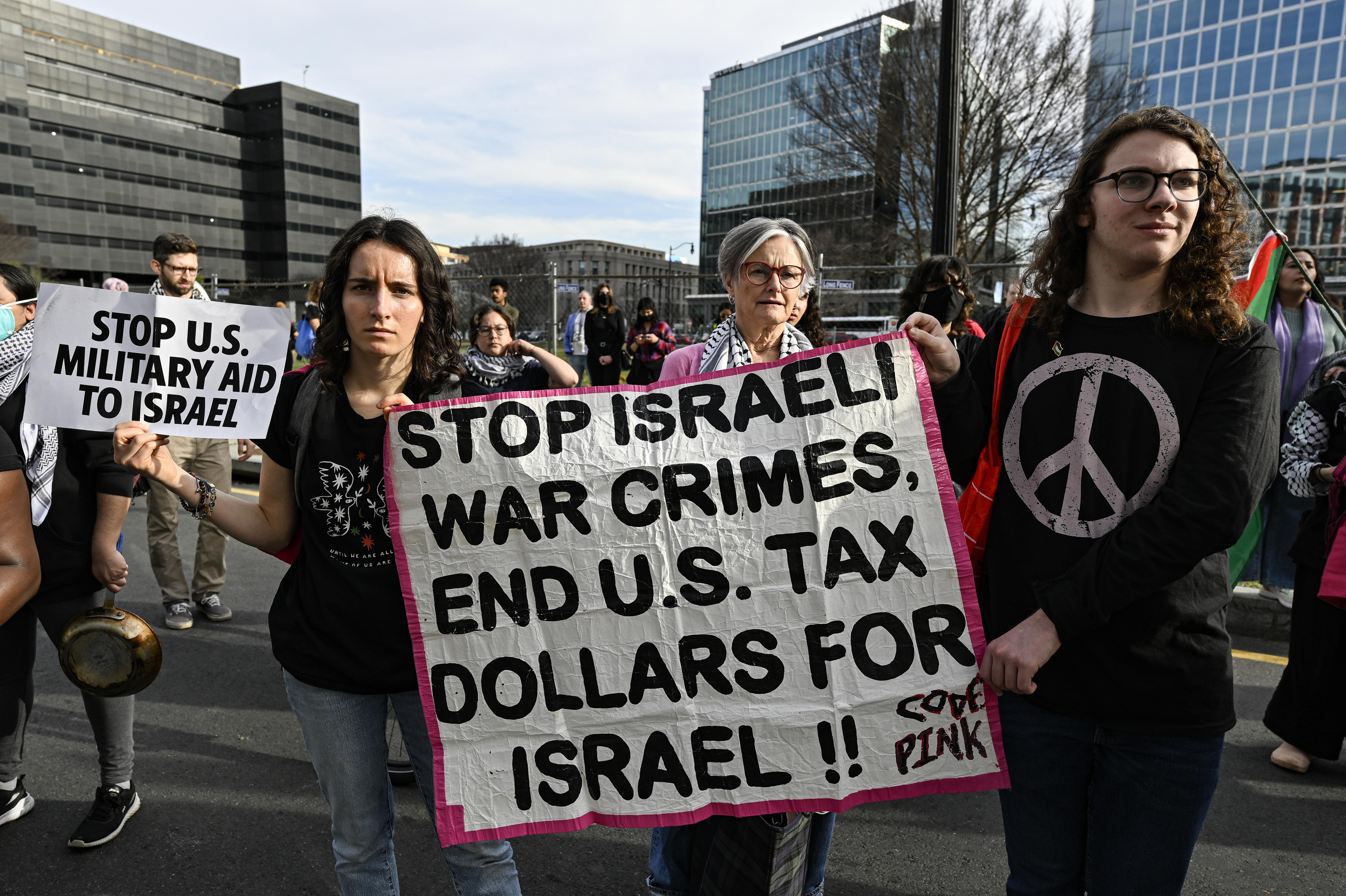
Depending on who you talk to the American Israel Lobby is either one of the most powerful forces in US politics or an anti-Semitic conspiracy theory.
In this Rear Vision we explore the history and ask if the Israel Lobby exist? And if it does what impact it may have had on US politics and US foreign policy in the Middle East.
Ebola – a fifty-year history of outbreaks, fear and misunderstanding
Once again communities in Central Africa are plagued by Ebola and the current outbreak shows no sign of being brought under control any time soon. What have medical researchers and practitioners learnt about the nature of the virus over its fifty-year history and just as importantly, how it’s spread? Given its deadly nature, why isn’t there more concern about the possibility of global transmission?
Guests:
Dr Holly Seale – Professor of Social Science, School of Population Health, University of New South Wales
Dr Seth Judson - Assistant Professor-in-Residence, Division of Infectious Diseases, Universi...
Pacific pit-stop: cannabis to cocaine
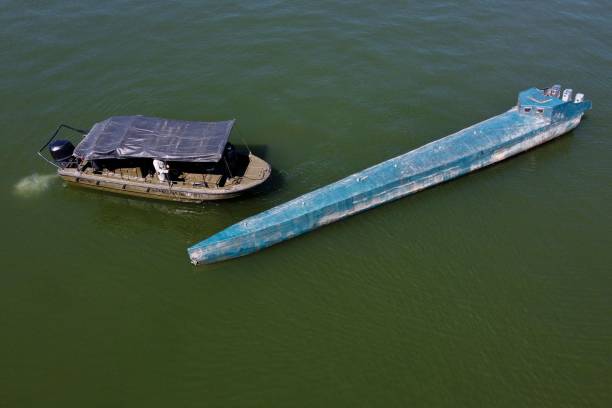
Drug trafficking across the Pacific. Why is it increasing and can it be stopped?
Alberta Separatists and the grey hand of foreign interference

Separatist sentiments are stirring in the Canadian province of Alberta. Voters will soon cast their ballots in a referendum on whether to begin moves to formally separate from the rest of the nation. We look at the history of separatism in Canada and at the pernicious impact of foreign interference.
Guests:
Marcus Kolga - Director of DisinfoWatch. Senior fellow, Macdonald-Laurier Institute
Robert Currie – King’s Counsel. Professor of Law, Schulich School of Law, Dalhousie University
Randy Boissonnault - former Member of the Canadian Parliament for Edmonton Centre
Dr Ryan Griffi...
Pine Gap - 60 years of Secrecy
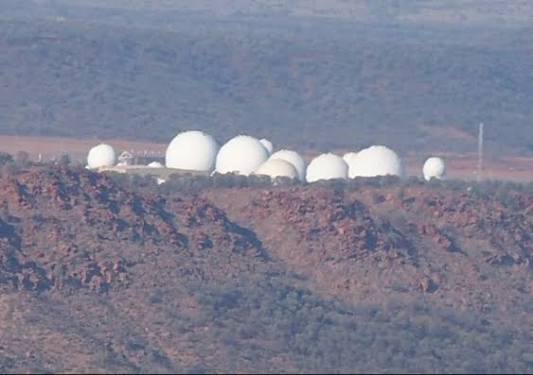
How a Cold War listening post in outback Australia has become a nerve centre of U.S. surveillance
Why Australian history has always had a revisionist edge
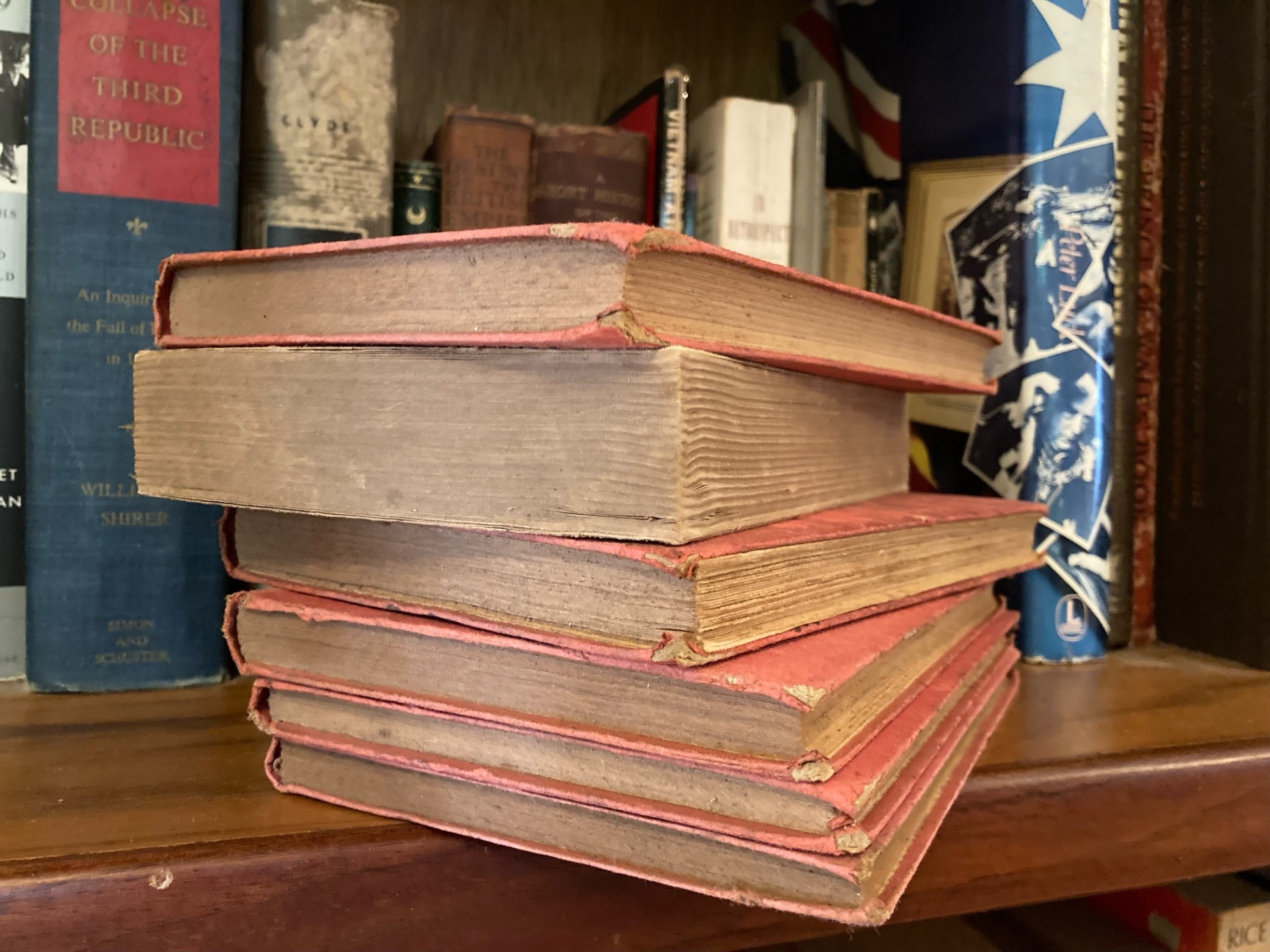
Our understanding of the past has always been contentious and ripe for argumentation.
How we think and write about historic events changes as new sources of information are found, and fresh details emerge about people and events.
In this episode, as part of ABC Radio National’s Top 100 Australian Books, we hear from three leading Australian authors about the history of Australian history.
Guests:
Dr Anna Clark – Professor of History, University of Technology Sydney
Dr Tim Rowse – Emeritus Professor, Western Sydney University
Dr Michelle Arrow – Professor of Modern Hist...
The Red Sea - maritime mayhem at Bab el-Mandeb
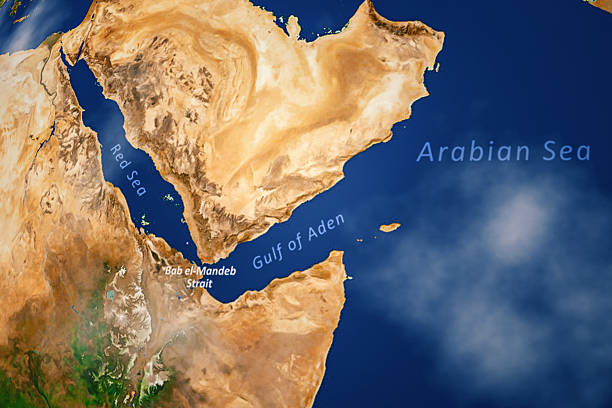
Today the Red Sea’s crucial choke-point at the Bab el-Mandeb is becoming as infamous as the Strait of Hormuz.
Reality check - why a belief in human rights has never really been universal
Dictators and autocrats deride human rights as a “western concept” – think Vladamir Putin and Xi Jinping, among others. They reject the narrative that a global concern for individual freedoms has steadily grown since the end of WWII. What if they’re correct? At least partially so. What if international support for the ideal of universal human rights was never really as strong as it seemed? Could a reassessment of the history of human rights help us explain current threats to personal freedoms across the globe?
Guests:
Dr Alison Brysk – Distinguished Professor of Global Studies, University of Califor...
North Korea - powerplay in the Northwest Pacific
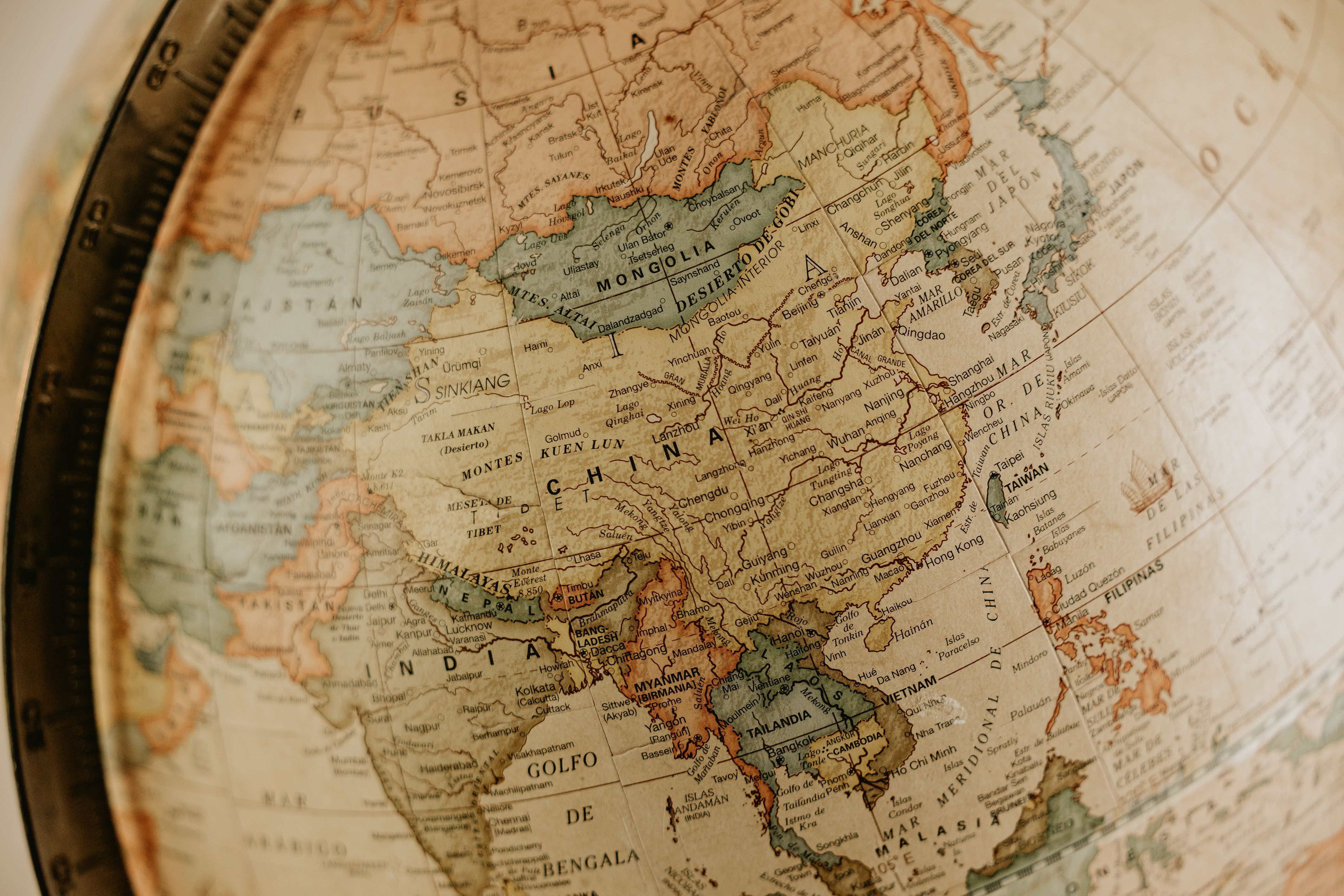
This year has seen an uncharacteristic flurry of meetings and engagement between North Korea, China and Russia.
Is a North Asia bromance blossoming or are we seeing a calculated collaboration?
Israel Lebanon and the Palestinian story
The conflict between Israel and Lebanon that flared up in March this year is not new. Despite having no major border dispute or a struggle over resources, Israel and Lebanon have been in conflict for decades.
The history of Lebanon’s relationship with Israel and how it continues to be shaped by the story of the Palestinian people.
Hezbollah: Resistance fighters or terrorists
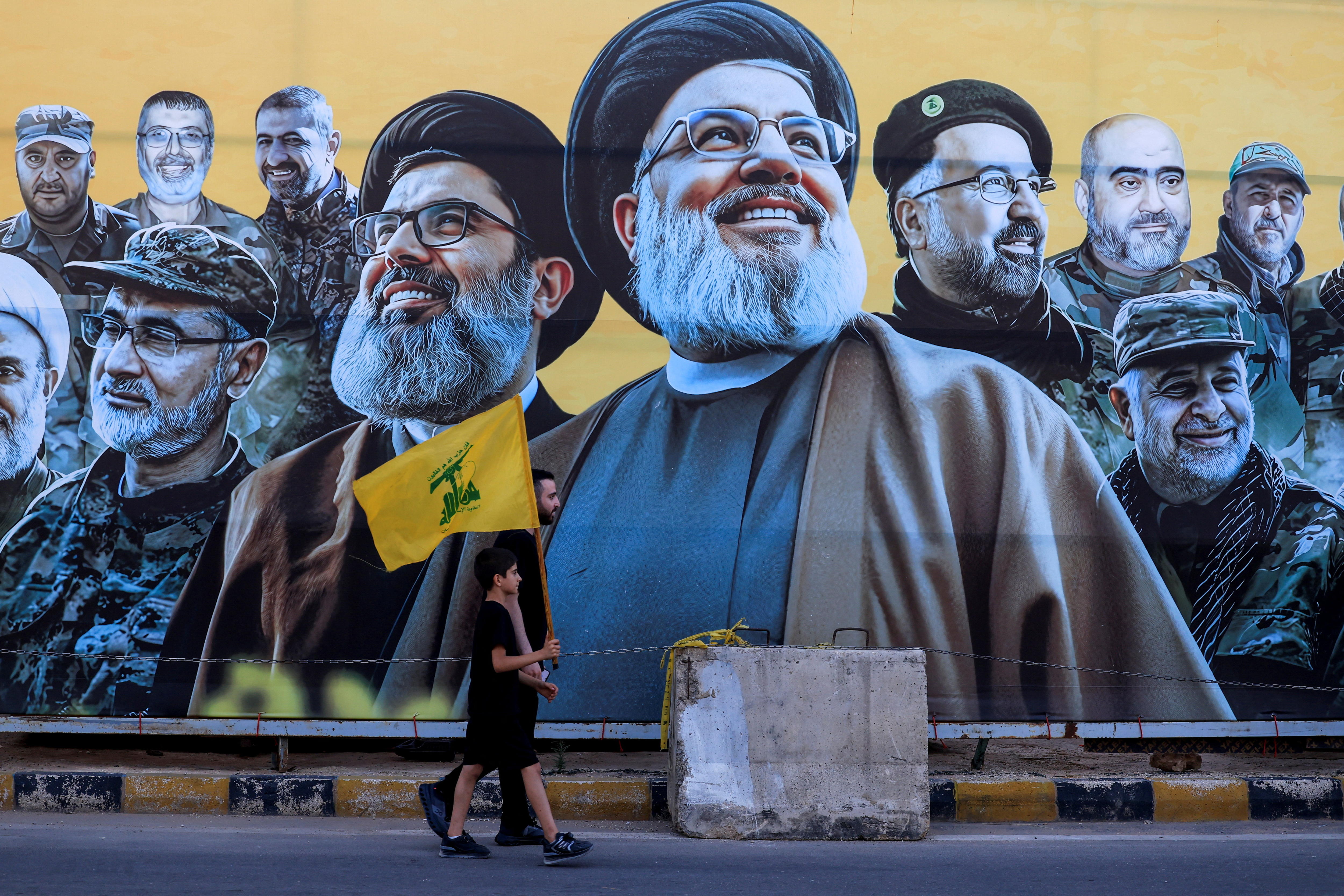
Hezbollah has been a key political and military player in Lebanon for decades.
In 2000 it forced the Israeli military out of Southern Lebanon and since then has been in almost constant conflict with Israel. Since the October 7 terrorist attack by Hamas in Israel, that conflict has escalated resulting in an invasion of Southern Lebanon by the Israel military.
For many in the Arab world Hezbollah is an organisation leading the resistance against Israeli aggression in the Middle East. In the West they are seen as an Iranian proxy and a terrorist group. Where does the tr...
Whatever happened to Libya?
Fifteen years ago, events in Libya dominated world headlines. In 2011, during the “Arab Spring”, Western leaders pledged their determination to free the Libyan people from decades of oppression under Muammar Gaddafi. NATO jets were deployed. Today, a decade and a half later, Libya is effectively two nations not one, tyrany still rules, and the plight of the Libyan people has largely been forgotten. We ask, how and why? We also find out why a Trump emissary is now sniffing around Tripoli and Benghazi
Guests:
Tim Eaton – Senior Researcher Fellow, Middle East and North Africa Programme, Chatham...
Islam in Australia - history and hysteria

Despite their long history in this country, Muslims in Australia are often the flashpoint for immigration fears and concern about extremism.
Understanding slavery as an enduring form of economic and social control
The United States has just imposed new tariffs on Australia and other countries for supposedly not doing enough to combat forced labour in international supply chains. Analysts say the move is political, but regardless it does once again highlight the ongoing issue of slavery. Slavery has been a constant of human history from ancient to modern times. The human rights group Walk Free estimates that almost 50 million people world-wide live in a modern form of enslavement. So how has our understanding of slavery changed over time? And why is it often still portrayed as a thing of the past?
War damage - the cost of rebuilding after conflict
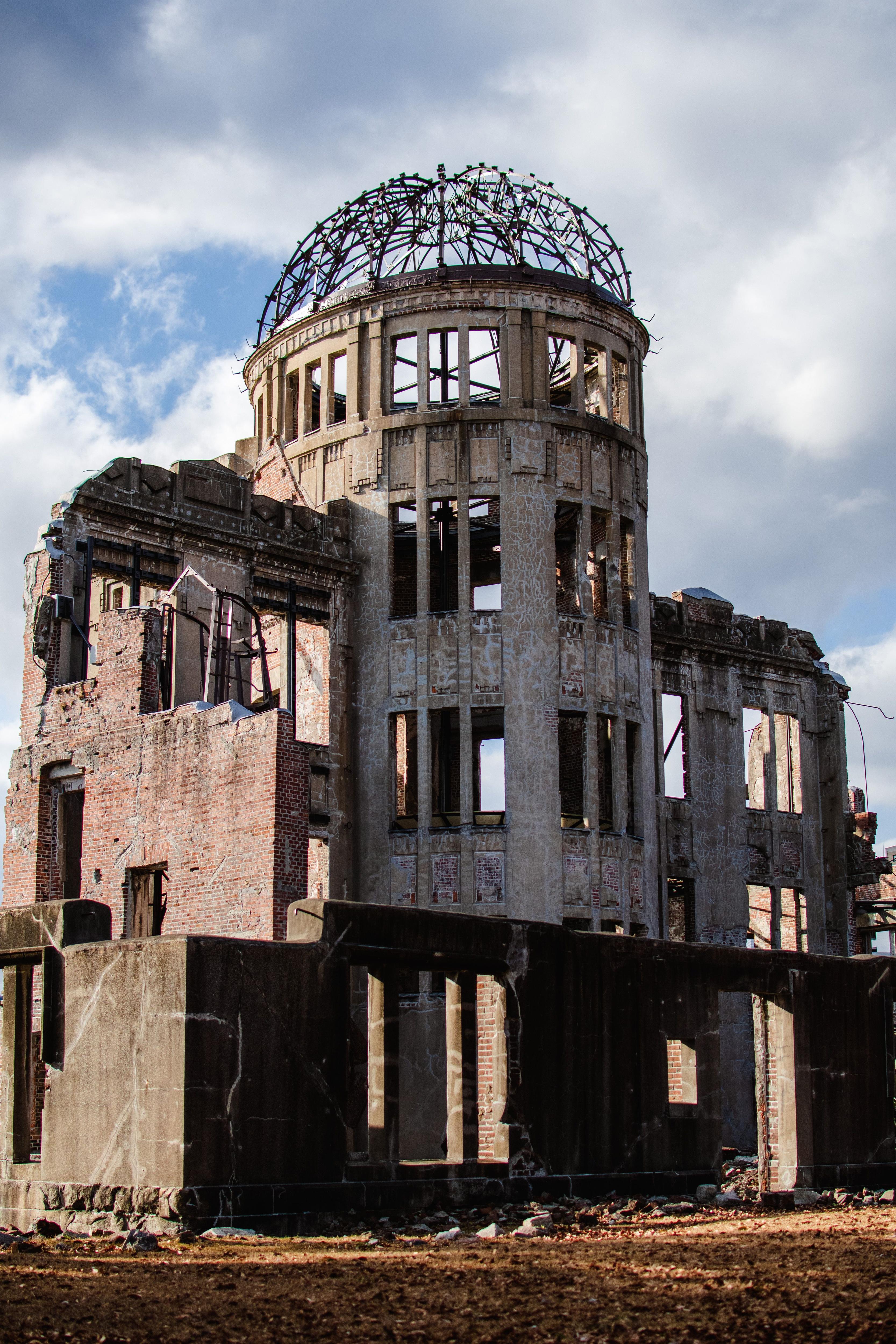
What happens when the bombs and the fighting stop? Who pays for all the damage?
It’s estimated that rebuilding Gaza alone, will cost more than US$70 billion.
What strategy is needed to turn battlefields and ruins into peace and prosperity?
Are France’s indo-pacific ambitions coming unstuck?
The government of Emmanuel Macron is struggling to deal with ongoing tension and resentment in France’s external territory, New Caledonia. The latest diplomatic and legislative efforts to determine the archipelago’s future have failed, and recent local elections have only cemented the stalemate between pro-independence supporters and those New Caledonians who want to remain a part of France. We explore what that means for the people of New Caledonia; France’s historic presence in the Pacific; President Macron’s grand Indo-pacific strategy; and for the 2027 French presidential elections.
Guests:
Dr Denise Fisher – Visiting Fellow, Centre for...
Gas to grain - when fertiliser supply stops

One third of the world's fertiliser is shipped through the Strait of Hormuz. How did fertiliser supply become so concentrated in the Middle East and what happens when this supply is suddenly at risk?
The true story of the American Revolution
Americans are preparing for an orgy of red, white and blue as the 250th anniversary of their Declaration of Independence draws near. But what’s not likely to be widely mentioned is the fact that the conflict wasn’t just a revolution against British rule, it was actually America’s first civil war – a bloody and divisive internal conflict. And those rebels who rejected the Crown and called themselves "patriots" were by no means in the majority when war broke out. Historians say understanding more about the conflict could help Americans come to terms with the issues they face today.<...
Saudi Arabia and the U.S - a marriage of convenience under strain
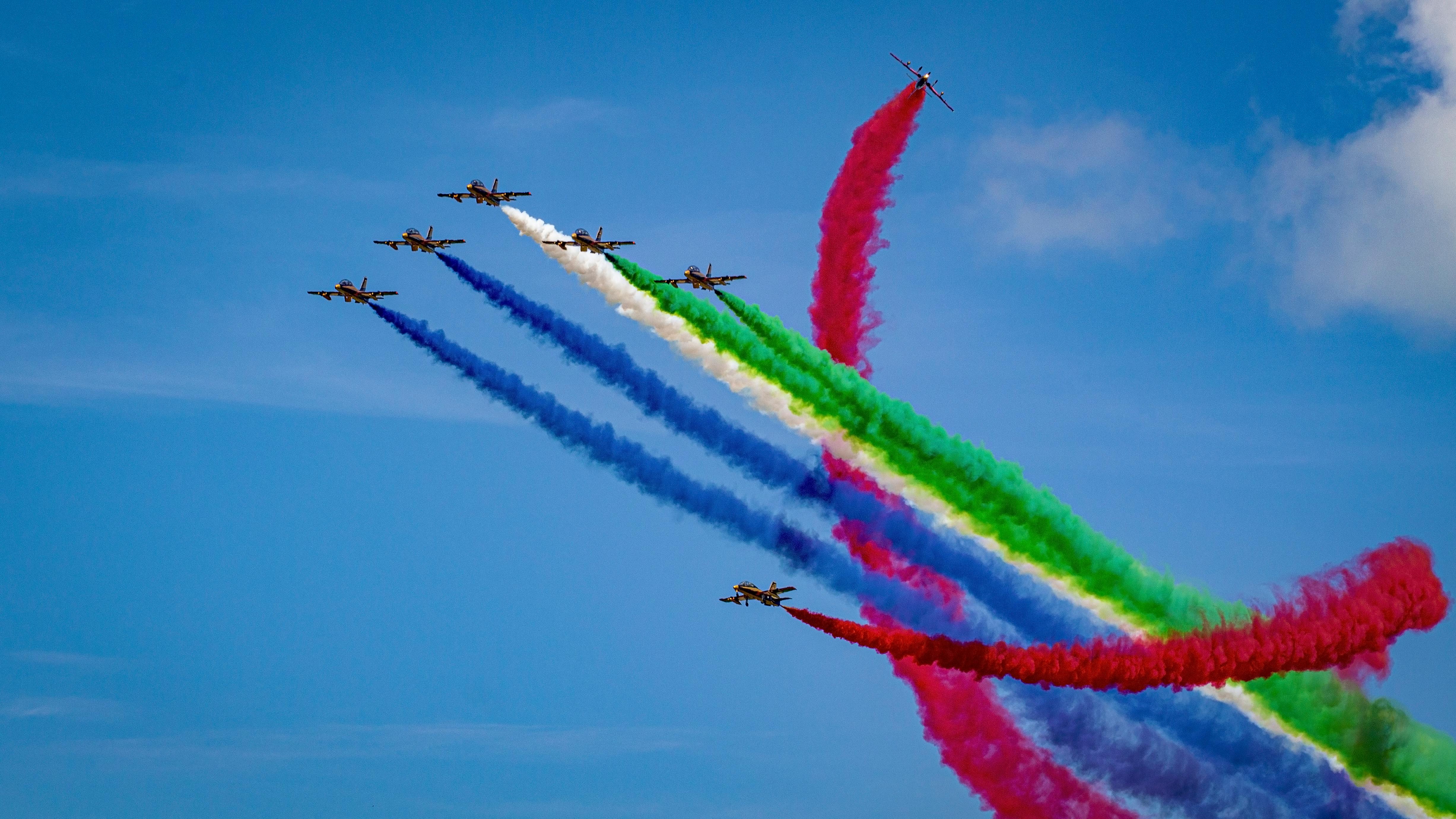
As the war in the Middle East teeters on a peace deal, the carefully managed relationship between Saudi Arabia and the United States is starting to show cracks.
Beyond NATO – is it finally time for a pan-European Army?
Despite constant criticism from the Americans, European NATO members are actively rebuilding and strengthening their militaries. Some are even beginning to think beyond the Alliance and the United States, to an independent united European fighting force. NATO members will meet in early July for their 36th summit.
Guests:
Dr Hugo Bromley – Historian of manufacturing, geopolitics, and international trade, Centre for geopolitics, University of Cambridge
Dr Simon J. Smith – Associate Professor of Security and International Relations at the Royal Danish Defence College
Stuart Dowell – political journalist and commentator based in Warsaw
Max Bergman...
Trump might be sceptical of nuclear diplomacy, but it’s worked between enemies in the past
President Trump has made it clear he doesn’t think diplomacy on its own will stop Iran from developing nuclear weapons.So what does history tell us about what actually works? We’re looking back at one of the greatest nuclear risk reduction efforts ever — when the US and Russia joined forces to contain the weapons fallout from the Soviet collapse and convince countries like Ukraine to give up the nuclear arsenal they inherited.
An effort that was led by diplomacy, pragmatism and scientific expertise during a brief period of goodwill between the two countries.
GUESTSG...
America – land of the free, home of the gerrymander!
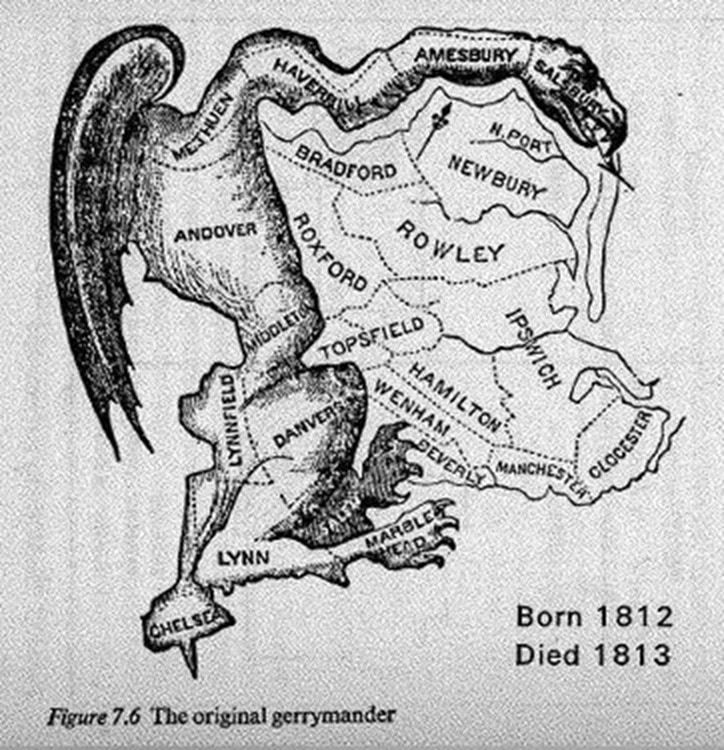
Gerrymandering is endemic in the United States and could determine the outcome of this year's mid-term elections. It has been a feature of the American political system since the beginning of the republic, according to Princeton University's Samuel Wang. So, how did the self-styled “world’s greatest democracy” end up with a system that former California Governor, Arnold Schwarzenegger, says is being rigged by both major parties?
Guests:
Dr John Hart – School of Politics and International Relations, Australian National University
Dr Samuel Wang – Professor of Neuroscience and Head of the Princeton Gerrymandering Project, Princeton Univ...
Russia's Oil story - pipelines to Putin

The closure of the Strait of Hormuz continues to affect economies around the world. But Russia has not only escaped the financial fallout, but has prospered.
Who has the power and right to declare war in a democracy?

It may surprise you to know that the Australian parliament has no real say over whether the country goes to war. In the United States its effectively the same, with analysts saying the US Congress has now basically ceded its war powers to the president. A process, by the way, that began long before the arrival of Donald Trump. In this episode we look at how that happened and why calls for war powers reform have had so little success.
Guests:
Dr Russell Berman – Professor in the Humanities, Stanford University
Dr Sarah Percy – Assoc...
Capital gains tax in Australia — the essential backstory

The Federal Government is hoping tax reform will help address the widening generational wealth gap and rebalance the tax system in favour of younger people.One policy being targeted for an overhaul in this year's budget is the 50 per cent capital gains tax discount.
Australia started taxing capital gains in the mid-1980s to tackle tax avoidance and evasion which was a huge problem at the time.So why in 1999 did the Howard government introduce a discount on that tax?
And why does the concession encourage investment in established housing stock?
Guests:Chris Ev...
Is Scottish independence once again in play?
In 1707 the Scottish national parliament was disbanded, not to be reconvened until 1999. How and why Scotland regained its own Assembly is the story of rising Scottish nationalism and Westminster’s attempts to dampen such feelings and keep Scotland in the Union. On May 7th, Scots go to the polls, and the outcome could impact significantly on both the nationalist cause in Scotland and on the ongoing viability of Keir Starmer’s Labour government at Westminster.
Guests:
Dr Clement Macintyre – Professor Emeritus, School of Society and Culture, Adelaide University
Dr Nicola McEwen – Professor of Public Po...
Cuba and the US President - from FDR to Trump

IN 1959 Fidel Castro transformed Cuba into a socialist state. And ever since then, American presidents have been trying to undo it.
Now it’s Donald Trump’s turn – and he’s determined to succeed.
The history and future of women in combat
Australia’s incoming Chief of Army, Lt. General Susan Coyle, will be the first woman ever to hold the Army’s top post. Her appointment in the lead-up to Anzac Day reflects a change that’s been decades in the making. The true history of warfare is the story of men and women together on the battlefield. But in the early 20th century that reality changed, and at the same time, female fighters began to be written out of the history books. This is the story of how western women successfully fought their way back onto the front line. It’s al...
Ending conflict — the art of negotiation
It’s a truism of peace talks that we’re not negotiating with our friends but rather with our enemies. And when our enemies have been designated as terrorists and murderers, it’s not an easy task.
How have violent conflicts ended in the past and are there lessons we can learn from previous peace negotiations?
Guests
Youssef Mahmoud, Senior Advisor at the International Peace Institute. Former United Nations Under-Secretary-General and head of peace operations in Burundi, the Central African Republic and Chad.
Randall Lesaffer, Professor of Legal History at KU Univers...
Australia’s energy security and resilience

The conflict in the Middle East has led to a sharp rise in energy prices – and highlighted the issue of Australia’s energy security.
Why haven’t we all transitioned to renewables? The story of Australia’s energy transition and why it’s had so many false starts and missteps.
Flags, “flag-shaggers” and the co-opting of historic symbols
Wrapping yourself in the national flag has become a common practice for far-right activists right across the Western world, particularly anti-immigration demonstrators. In the UK the co-opting of the Union Jack and the flag of St George has become so common it’s now described in derogatory terms as “flag-shagging”. In this episode, we explore the historic power of national flags as symbols of division, not just national unity.
Guests:
Dr Anne Platoff – Flag expert and former librarian, University of California, Santa Barbara
Laura Scofield – Design Director, The Atlantic
Dr Dominic Bryan – Profe...
Pete Hegseth - war monger or true believer?

Pete Hegseth U.S. Secretary for War (previously Defense) is one of the most powerful people on the planet. He says that two things have defined his life – his military service and his religious faith.
Beijing’s justification for wanting to invade Taiwan
Donald Trump and China’s Xi Jinping are due to meet in Beijing in the near future, following a March postponement. China’s wish to subsume democratic Taiwan is certain to be one of the topics on the summit agenda. President Xi has reportedly instructed his military to be at capacity for an invasion by 2027, so 2026 could be Taiwan’s last year of freedom. Some analysts fear US military action in Iran and Venezuela may embolden Beijing. The Chinese Communist Party justifies its claim to Taiwan based on what it calls its “One China Principle”. But what exactly does “One China” m...
Innovation — from the spinning jenny to AI

A wide-angle lens on the history of Innovation.
An unprecedented surge in human ingenuity has created six great waves of innovation.
What drove these breakthroughs? And where are we headed?
Singapore and the long shadow of Lee Kuan Yew
The government of Singapore this year sacked the leader of the Opposition — that's the way things happen in Singaporean politics. Though it looks like a model Westminster democracy, critics say it's actually a one-party state, dominated for more than 60 years by the People's Action Party. So, how is it that such a prosperous and modern nation has never managed to free itself from the long shadow of its authoritarian founder, Lee Kuan Yew.
Guests:
Dr Stephan Ortmann — Assistant Professor of Politics and Public Administration, Hong Kong Metropolitan University
Dr Michael Barr — Associate Professor of Int...
China and the U.S - on a collision course in Latin America?

China is now the number one trading partner of South America.
How realistic are U.S. plans to dominate the Western hemisphere?
High speed rail in Australia - is it a dream that can ever become a reality

High speed rail spread around the globe from the 1960s when the first bullet trains took off in Japan. Rear Vision looks at why previous attempts to introduce high speed rail in Australia have failed.
Japan opened the world's first high-speed rail line - between Tokyo and Osaka - in time for the 1964 Olympics. Japan’s ‘Bullet Train’ was the first to run on a dedicated line – a high speed service for passengers only. Over the last 30 years, millions of dollars have been spent in Australia on studies and proposals but is a fast train service on the east...
