Alcohol Minimalist: Mindful Drinking & Behavior Change

Join coach Molly Watts on the Alcohol Minimalist Podcast to explore mindful drinking, behavior change, and mental wellness. This show offers science-based strategies to help you break drinking habits and overcome anxiety linked to alcohol use. Whether you're an adult child of alcoholics or seeking peace with your drinking, discover tools for lasting change without shame or guilt. New episodes every Monday and Thursday. Becoming an alcohol minimalist means: Choosing how to include alcohol in our lives following low-risk guidelines. Freedom from anxiety around alcohol use. Less alcohol without feeling deprived. Using the power of our own brains to overcome...
When Drinking Less Feels Hard: Alcohol is Fun & Everyone is Drinking!
In this episode of the Alcohol Minimalist Podcast, Molly continues the series “When Drinking Less Feels Hard” by looking at one of the most common places drinking less can feel difficult: social situations where alcohol feels like part of the fun and everyone else is drinking.
This episode explores two powerful Alcohol Core Beliefs: alcohol makes things more fun and alcohol creates connection. These beliefs often show up around dinners out, parties, weekends, vacations, celebrations, and those moments when you had a plan—until you were surrounded by other people drinking.
Molly explai...
Think Thursday: The Encodings You Haven't Discovered Yet
This week on Think Thursday, Molly explores a fascinating concept from Jim Collins' newest book, What to Make of a Life: encodings—the unique interests, abilities, and areas of engagement that make us come alive.
Using the remarkable story of NFL legend and Minnesota Supreme Court Justice Alan Page, Molly examines how our lives may hold more possibilities than we realize and why the person we are today is not the final version of ourselves.
Drawing connections to Benjamin Hardy's Personality Isn't Permanent and the science of neuroplasticity, this episode challenges the belief that our id...
When Drinking Less Feels Hard: Alcohol Helps Me Relieve Stress
In this episode of the Alcohol Minimalist podcast, Molly kicks off the series When Drinking Less Feels Hard, inspired by real responses from the Alcohol Minimalist community about the hardest parts of changing drinking habits.
Today’s episode focuses on one of the five Alcohol Core Beliefs: Alcohol Helps Me Relieve Stress.
Alcohol can feel like relief in the moment because it creates a short-term shift in the brain and body. But that does not mean it is actually reducing stress. Molly explains how alcohol can disrupt sleep, increase next-day anxiety, and keep the brain st...
Revisiting-Think Thursday: Unbreakable Habits & The Voice That Keeps Them Alive
In this Think Thursday episode, Molly revisits the past episode on why habits can feel unbreakable—and why the real issue is often not the behavior itself, but the story we keep repeating about it.
Your brain is not broken. It is designed to recognize patterns, conserve energy, and repeat what feels familiar. But when familiar patterns are fueled by negative self-talk, change can feel harder than it needs to be.
Molly explains how the negativity bias keeps us focused on what went wrong and shares a simple framework to help interrupt old thought patterns: Se...
Revisiting: Alcohol & ADHD
In this revisited episode of the Alcohol Minimalist Podcast, Molly explores the connection between ADHD and alcohol use. For many people with ADHD, alcohol can seem helpful at first—quieting a busy brain, easing anxiety, or creating a sense of calm—but it can also worsen impulsivity, sleep, emotional regulation, and decision-making over time.
Molly explains why ADHD may increase vulnerability to overdrinking, binge drinking, and using alcohol as a coping tool. She also discusses why it’s important to be thoughtful about drinking when taking ADHD medications and why support, planning, and self-compassion matter.
In This...
Think Thursday: The Hidden Cost of Emotional Suppression
In this final Think Thursday episode for Mental Health Awareness Month, Molly explores the difference between emotional regulation and emotional suppression — and why so many high-functioning people are carrying emotional stress they’ve never fully acknowledged.
You’ll learn how the nervous system continues responding to emotions even when we try to override or ignore them, why coping behaviors often emerge when emotions go unnamed, and how becoming more aware of your thoughts and feelings can create powerful emotional agency and lasting behavior change.
This episode also explores:
The neuroscience of emotional suppression and stress ...Revisiting: Buffering with Alcohol
In this episode of the Alcohol Minimalist Podcast, Molly revisits one of the show’s most popular topics: buffering.
Buffering is what we do when we use alcohol, food, shopping, scrolling, or other distractions to avoid uncomfortable emotions. It is not a character flaw—it is a human coping strategy driven by a brain wired to seek pleasure and avoid pain.
Molly explains how alcohol can become a buffer for stress, boredom, insecurity, or discomfort, and why temporary relief often leads to more anxiety, regret, or overconsumption later. The goal is not to feel good all...
Think Thursday: Your Brain Wasn't Meant to Multitask
Do you ever reach the end of the day feeling mentally exhausted but wonder what you actually accomplished? You’re not imagining it. What we often call multitasking is actually rapid task switching, and every shift in attention comes with a hidden cost.
In this Think Thursday episode, Molly explores the neuroscience behind attention, cognitive fatigue, and why modern life constantly pulls our brains in more directions than they were designed to handle. You'll learn why your brain can feel drained even when you haven’t done anything physically demanding and why protecting your attention may be one...
Revisiting: Peaceful Holidays Start with a Plan
Memorial Day weekend marks the unofficial start of summer, and for many of us, summer brings familiar alcohol cues: barbecues, beach trips, camping weekends, and backyard gatherings.
In this episode, Molly shares how to head into holiday weekends and summer events with more clarity, confidence, and peace. You’ll learn how the habit loop of cue, behavior, and reward can show up around seasonal drinking, why cravings are not a sign that you’re powerless, and how to make a simple plan that supports the version of you who wants to drink less.
Whether you plan...
Think Thursday: Why Your Brain Needs to Move
On this Think Thursday episode of the Alcohol Minimalist Podcast, Molly explores the strange kind of exhaustion that happens when your brain is overstimulated but your body has barely moved.
Inspired by a TED Talk from journalist Manoush Zomorodi and research from Dr. Keith Diaz at Columbia University, this episode looks at how prolonged sitting, constant screen input, and disconnection from body signals can affect focus, energy, mood, and nervous system regulation.
The takeaway: your brain is not just a thinking machine. It is part of a moving biological system, and even small movement breaks...
Revisiting: I Come from a Long Line of Drinkers
In this episode of the Alcohol Minimalist Podcast, Molly revisits the powerful belief so many people carry: “I come from a long line of drinkers.” Whether that story comes from family history, cultural identity, holiday traditions, or growing up with a parent who struggled with alcohol, it can quietly shape the way we think about our own drinking.
Molly shares how her mother’s alcohol use impacted her life, her relationship with alcohol, and the narrative she carried for years about genetics and inevitability. But while genetics may play a role in alcohol use disorder, Molly reminds listen...
Think Thursday: Sleep, Mental Health & The Science of Flourishing
Sleep, Mental Health, and the Science of Flourishing
This week on Think Thursday, Molly revisits a topic that has shown up many times on the podcast: sleep. But this conversation takes a different angle in recognition of Mental Health Awareness Month.
Drawing from recent research from the National Sleep Foundation, Molly explores the connection between sleep and “flourishing” — not just the absence of anxiety or depression, but the ability to feel emotionally well, resilient, hopeful, connected, and capable in daily life.
In this episode:
Why sleep is foundational to emotional regulation and mental...Revisiting: The Five Things I Needed to Change Before I Could Change My Drinking
In this episode of the Alcohol Minimalist Podcast, Molly revisits episode 100: “5 Things I Had to Change Before I Changed My Drinking.”
Originally released in November 2022, this conversation is just as relevant today because lasting change doesn’t begin with the perfect drink plan. It begins with mindset.
Molly shares the five foundational shifts she had to make before she could create a peaceful relationship with alcohol. From giving up the need to know she would succeed, to no longer using fear, failure, timing, or life circumstances as reasons to stay stuck, this episode is a practic...
Think Thursday: Living Alongside Mental Illness-The Hidden Impact on Your Brain & Behavior
Episode Summary
What is it like to live with someone who is struggling with their mental health?
In this Think Thursday episode, Molly explores the often-overlooked experience of living alongside mental illness—and how growing up with or caring for someone with emotional unpredictability can shape the way your brain processes safety, relationships, and control.
This conversation is especially relevant as we enter Mental Health Awareness Month, offering both insight and compassion for those navigating these complex environments.
What You’ll Learn
The difference between having mental illness and l...Alcohol Awareness Month: What Alcohol Awareness Really Means
As Alcohol Awareness Month comes to a close, Molly reflects on what alcohol awareness really means and why it is about more than fear, labels, or all-or-nothing thinking. Drawing on this month’s episodes about alcohol facts, moderation support, and alcohol-free alternatives, she reframes awareness as something empowering: a way to make more honest, informed choices about your relationship with alcohol.
In this episode, Molly explores why awareness begins with informed truth, why the “middle ground” of drinking deserves more attention, and how support does not have to be one-size-fits-all. She also shares how alcohol-free alternatives can help pr...
Think Thursday: The Story Your Brain Tells First
Your brain doesn’t wait to tell a story about your life—it creates one in real time.
In this Think Thursday episode, Molly builds on the foundational concept of “the gap and the gain” and takes it one step further. Instead of focusing on how we reinterpret our past, she explores how the brain assigns meaning in the moment—and how those interpretations quietly shape identity, behavior, and long-term change.
By understanding how your brain predicts, labels, and stores experiences, you can begin to create space between what happens and what you decide it means—unlo...
Alcohol Awareness Month: How Curious Elixirs Is Redefining What Drinking Less Can Look Like with J.W. Wiseman
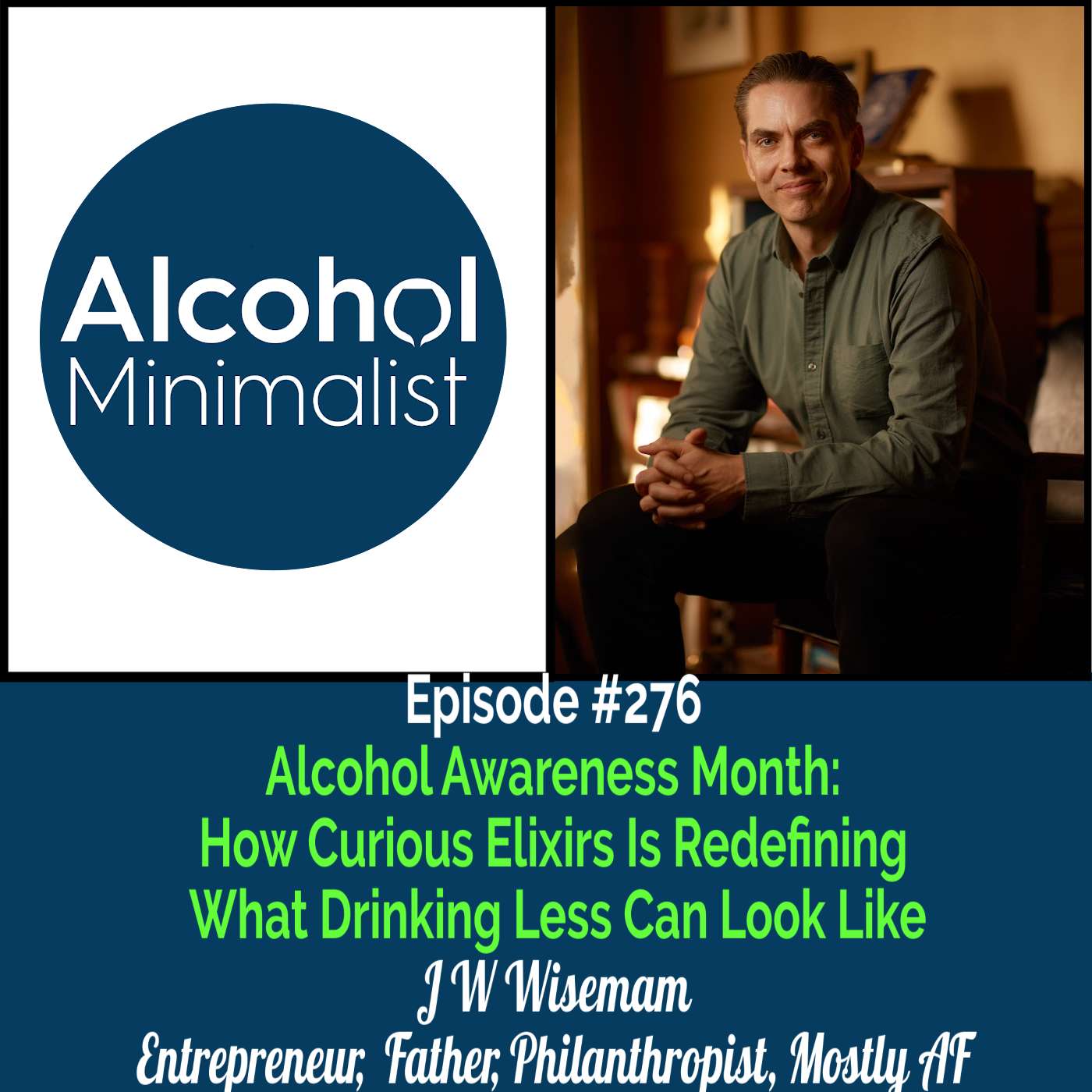
In this episode of the Alcohol Minimalist Podcast, Molly talks with J.W. Wiseman, founder of Curious Elixirs, about the rise of craft non-alcoholic cocktails and why they matter so much for people who want a more peaceful relationship with alcohol. J.W. shares how his own desire to drink less led him to create one of the earliest brands in the non-alcoholic beverage space, long before “sober curious” became a mainstream term.
Together, Molly and J.W. explore the idea that drinking less does not have to mean settling for something boring, basic, or deprived—it can sti...
Revisiting-Think Thursday: How Mindset Impact's the Body's Biology
In this Think Thursday episode, Molly revisits a timely conversation on mindset, neuroscience, and the biology of belief. Drawing on the work of Stanford health psychologist Dr. Alia Crum, she explores how our thoughts and expectations can influence physical outcomes, stress responses, and even the way we experience cravings and behavior change. The episode connects that research directly to becoming an alcohol minimalist by showing that lasting change is not just about behavior. It is also about how we think about our behavior.
In This Episode, You’ll Hear
Alcohol Awareness Month: 8 Facts Everyone Should Know About Alcohol
In this episode of the Alcohol Minimalist Podcast, Molly shares 8 evidence-based facts everyone should know about alcohol. From cancer risk and “safe” drinking limits to binge drinking, sleep, tolerance, and decision-making, this conversation is designed to cut through myths and mixed messages and help you think more clearly about your relationship with alcohol.
This episode is not about fear, shame, or labels. It is about awareness. Because when we understand alcohol more clearly, we can make more honest, informed choices.
In this episode, Molly discusses:
Why alcohol is a known carcinogen and how alcoh...Think Thursday: Paradox-The Power of "Both/And"
In this Think Thursday episode, Molly explores Brené Brown’s ideas on paradox and why emotional resilience is less about certainty and more about our capacity to hold two truths at once. When we stop forcing life into either/or thinking, we create space for growth, self-compassion, and lasting behavior change.
This episode looks at why the brain prefers simple answers, how paradox shows up in everyday life, and why allowing both sides of a tension to exist can make us stronger, more grounded, and more emotionally mature.
In This Episode
What paradox really mean...Alcohol Awareness Month: Moderation Management 2.0 with Andrea Pain, Executive Director
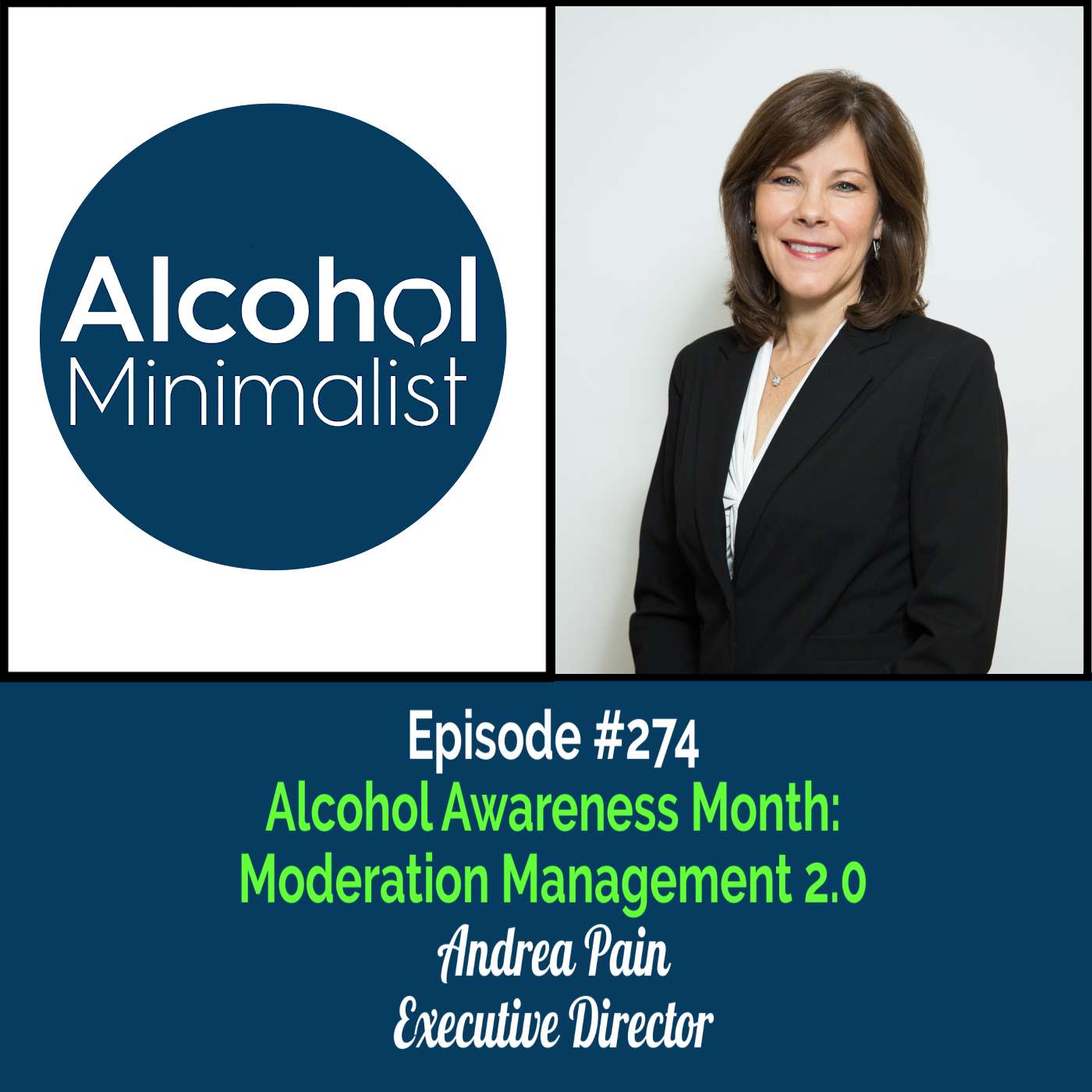
In this episode of The Alcohol Minimalist Podcast, Molly talks with Andrea Pain, Executive Director of Moderation Management, about alcohol support options for people who want to drink less, explore moderation, or change their relationship with alcohol without shame or rigid labels. Released during Alcohol Awareness Month, this conversation highlights how Moderation Management offers free meetings, online community, and practical programs that help people take the next step toward a healthier, more peaceful relationship with alcohol.
In This Episode, You’ll Hear:
What Alcohol Awareness Month can mean beyond traditional recovery narratives How Andrea Payne found Modera...Revisiting: Think Thursday-The Neuroscience of New Habit Formation
In this revisited Think Thursday episode, Molly explains why March may be a better time than January to build lasting habits. If your New Year’s goals have faded, this conversation offers a science-backed reframe: you have not failed. Your brain may simply respond better to change when routines are steadier and the timing supports follow-through.
Molly explores the neuroscience of habit formation, the difference between short-term challenges like Dry January and sustainable behavior change, and why the fresh start effect can help you begin again at any time of year. She also shares simple strategies to ma...
Why Your Partner Doesn't Have to Change for You to Change Your Drinking with Matt Wing
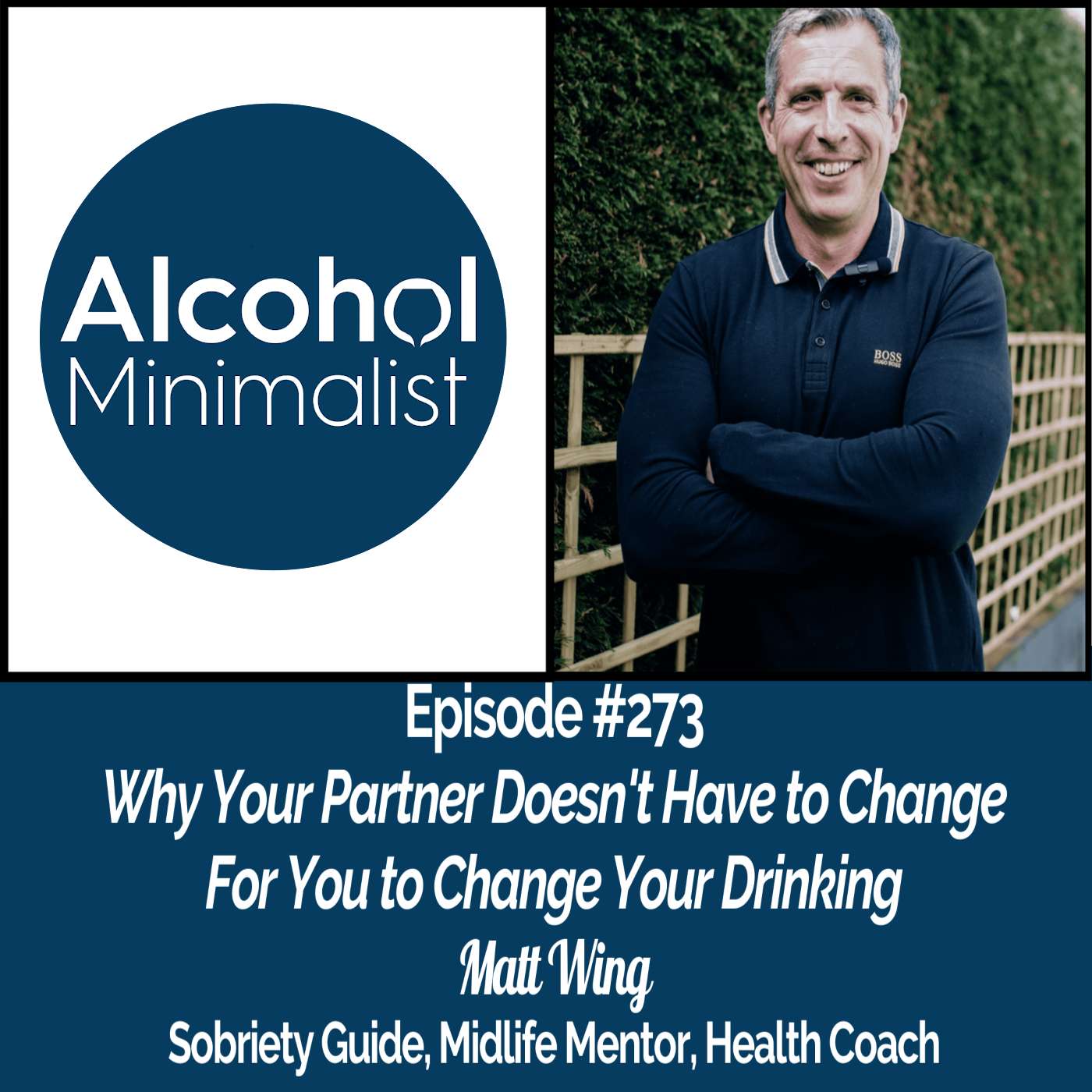
What happens when you want to drink less—but your partner doesn’t?
In this episode, Molly talks with midlife sobriety coach Matt Wing about how to change your relationship with alcohol, even when your partner is still drinking. This is one of the most common challenges people face when they start working on drinking less.
Matt shares his journey from years of binge drinking to becoming alcohol-free at 52, along with the mindset shifts and simple strategies that helped him stop.
Together, they explore why some people can moderate and others can’t—and how...
Think Thursday: The Zeigarnik Effect: Why Your Brain Won’t Let Things Go
Episode Summary
Why does your brain keep bringing things back up—especially when you’re trying to relax?
In this Think Thursday episode, Molly expands on the Zeigarnik Effect, a psychological principle that explains why unfinished tasks stay active in your mind. What feels like overwhelm isn’t always about how much you have to do—it’s often about how many “open loops” your brain is trying to track.
By understanding how your brain holds onto incomplete tasks, you can begin to reduce mental noise, ease cognitive tension, and create more clarity without needin...
March Madness Series: Play Until the Clock Says 0:00
In this final installment of the March Madness series, Molly brings the conversation full circle by focusing on the long game.
After exploring your playbook, your scoreboard, and how to rebound when you drift, this episode answers the most important question: how do you keep going?
Using the powerful metaphor of the game clock, Molly reminds listeners that change is always possible as long as there is time left. In the context of your life, that means right now.
This episode weaves together neuroscience and lived experience, explaining how real change happens through...
Think Thursday: The Neuroscience of Luck
We talk about luck constantly. Lucky breaks. Bad luck. Some people just seem to “have it.”
But what if luck isn’t magic at all?
In this Think Thursday episode, Molly explores what’s happening in the brain when we attribute outcomes to luck. From attentional style to the Reticular Activating System and attribution bias, this episode unpacks how mindset and neural filtering shape what we see, what we miss, and what we believe about ourselves.
If you’ve ever caught yourself thinking, “I never get lucky like that,” this episode will challenge that narrative...
March Madness Series: Drift Happens-Here's How You Rebound
Episode Summary
In this third episode of the March basketball series, Molly shares transparently about a recent three-week stretch of travel that disrupted her Mostly Alcohol-Free rhythm.
With retreats, vacation, conferences, disrupted sleep, and limited access to her usual alternatives, she drifted from her typical low-risk limits and had fewer alcohol-free days than usual.
Instead of spiraling, she chose to rebound.
This episode explores the neuroscience of short-term pattern shifts, why regulation comes before restriction, and how to interrupt a streak without shame. Molly shares her real-time rebound plan — including five al...
Think Thursday: Subtraction-Why Less Might Be Better For Your Brain
When something in life is not working, most of us instinctively try to add something. A new habit. A new system. A new goal. Another tool.
But what if the smarter move is removing instead of adding?
In this episode of Think Thursday, we explore the neuroscience behind why the brain defaults to addition, why subtraction can feel uncomfortable or even threatening, and how learning to simplify may be one of the most powerful behavior change strategies available to us.
In This Episode
Why the brain equates improvement with accumulationResearch from Dr...March Madness Series: Know the Scoreboard-What is Your Drinking Costing You?
In this second installment of the March basketball series, Molly takes the analogy one step further. Last week was about knowing your playbook — recognizing the patterns behind your drinking. This week is about knowing the scoreboard.
Because it’s not just about how many drinks you had.
It’s about what the game is costing you.
Molly explores the difference between evaluating a single night of drinking and looking at your overall “season record.” One off night may not define you. But trends over time tell a deeper story. Are you moving toward more peace...
Think Thursday: Just Do the Thing-Why the Brain Respects Action
We all have something we keep saying we’ll do — take the trip, write the book, make the call, start the business.
In this episode, Molly explores why dreaming feels productive (dopamine loves anticipation), but behavior is what actually builds identity. She revisits cognitive dissonance, explains the Zeigarnik effect, and shares a personal story about choosing to prioritize travel in 2025 — and how taking action created momentum.
The message is simple: movement builds evidence. Evidence builds identity.
In This Episode
Why anticipation activates dopamineHow cognitive dissonance quietly reshapes identityWhy behavior resolves tension more than b...March Madness Series: Do You Know Your Alcohol Playbook?

In this March kickoff episode, Molly introduces a month-long basketball theme inspired by her childhood love of the game and the five life lessons she previously shared with her community. Drawing from her experience playing basketball she explores how the structure and strategy of the game mirror the patterned nature of drinking habits.
The central message: before you can change your drinking, you have to understand your playbook.
Molly explains how drinking often feels spontaneous and emotional, but when slowed down, reveals predictable thought patterns. Using personal examples from her own decades-long 6 p.m. “unwind pl...
Revisiting-Think Thursday: Belief Echoes-Why Change Feels Hard
When Change Feels Hard: Understanding “Belief Echoes”
In this episode of Think Thursday, Molly revisits a powerful concept at the heart of behavior change—belief echoes. If you’ve ever told yourself, “Change is just hard for me” or “I’m not someone who sticks with things,” this episode will help you understand what’s actually happening in your brain—and why you’re not broken.
Grounded in neuroscience and mindset work, Molly explains why lasting change isn’t about willpower. It’s about the thoughts you’ve practiced for years without realizing it.
What You’ll Learn
1. W...
Less Alcohol...But Are We More Resilient?
Alcohol consumption in the United States is declining. Gallup reports that only 54% of Americans now drink — the lowest level recorded in decades — and nearly half of Americans say they are actively trying to drink less.
On the surface, this sounds like clear progress.
But in this episode, Molly explores an important question raised by Dr. Adi Jaffe in a recent article: Are we truly becoming more emotionally resilient… or are we simply swapping one escape route for another?
As cannabis use rises alongside declining alcohol consumption, it’s worth examining whether substitution equals transfor...
Think Thursday: The Brain's Need for Coherence
In this week’s Think Thursday, Molly builds on last week’s conversation about overwhelm and takes it one level deeper—into uncertainty and the brain’s fundamental need for coherence.
Many people say, “I’m overwhelmed by everything.” But often, what they’re describing isn’t simply busyness. It’s destabilization. The pace of technological change, the relentless news cycle, economic uncertainty, global conflict, and cultural instability create a steady stream of input that the human brain was not designed to process.
Our brains evolved for village-level information flow—not constant global exposure in real time.
The B...
Are You Giving Alcohol Too Much Power?
On this episode of The Alcohol Minimalist Podcast, Molly reflects on what would have been her mother’s 95th birthday and the years lost not only at the end of her life, but throughout decades spent in active addiction. With compassion and clarity, she explores the difference between alcohol dependence and alcohol reliance, and why that distinction matters more than most people realize.
Drawing from her recent conversation with Dr. Charles Knowles , Molly breaks down the difference between the small percentage of adults who are physically dependent on alcohol and the much larger group who fall into gr...
Think Thursday: When the Brain Stops Organizing and Starts Alarming
Many people are saying the same thing lately: “I’m overwhelmed by everything.”
In this Think Thursday episode, Molly explores what overwhelm actually is from a neuroscience perspective. Is it just busyness? Or is something deeper happening in the brain?
Drawing from research on the amygdala, stress hormones, working memory, and executive function, Molly explains how overwhelm is not about volume alone. It is about perceived overload and a loss of prioritization. When the brain detects too many competing demands and not enough resources, it shifts from organizing to alarming.
This episode also revisi...
Alcohol & Cancer: Understanding the Risk
Last week marked World Cancer Day, and in this episode, Molly revisits an important—and often misunderstood—topic: the relationship between alcohol and cancer.
This is not a new conversation, and it’s not a reaction to headlines. Instead, it’s part of an ongoing commitment to helping you understand the science well enough to make informed, intentional choices about alcohol—without fear, shame, or all-or-nothing thinking.
One reason this topic continues to matter is a striking gap in awareness: while nearly 90% of adults recognize smoking as a cancer risk, fewer than half realize that alcohol is...
Think Thursday: Intentional Discomfort & Hedonic Reset
In this Think Thursday episode, we explore how the human brain evolved to use discomfort as information—and what happens when modern life removes nearly all friction, effort, and delay.
Our brains weren’t designed for constant comfort. Discomfort once served as critical feedback, helping guide behavior, attention, rest, and problem-solving. But in today’s world of instant gratification and instant relief, discomfort is often treated as a problem to eliminate rather than a signal to interpret.
This episode unpacks why that shift matters for brain health, motivation, resilience, and long-term satisfaction—and how intentional discomfo...
Why We Drink Too Much: The Impact of Alcohol on our Bodies & Culture with Dr. Charles Knowles
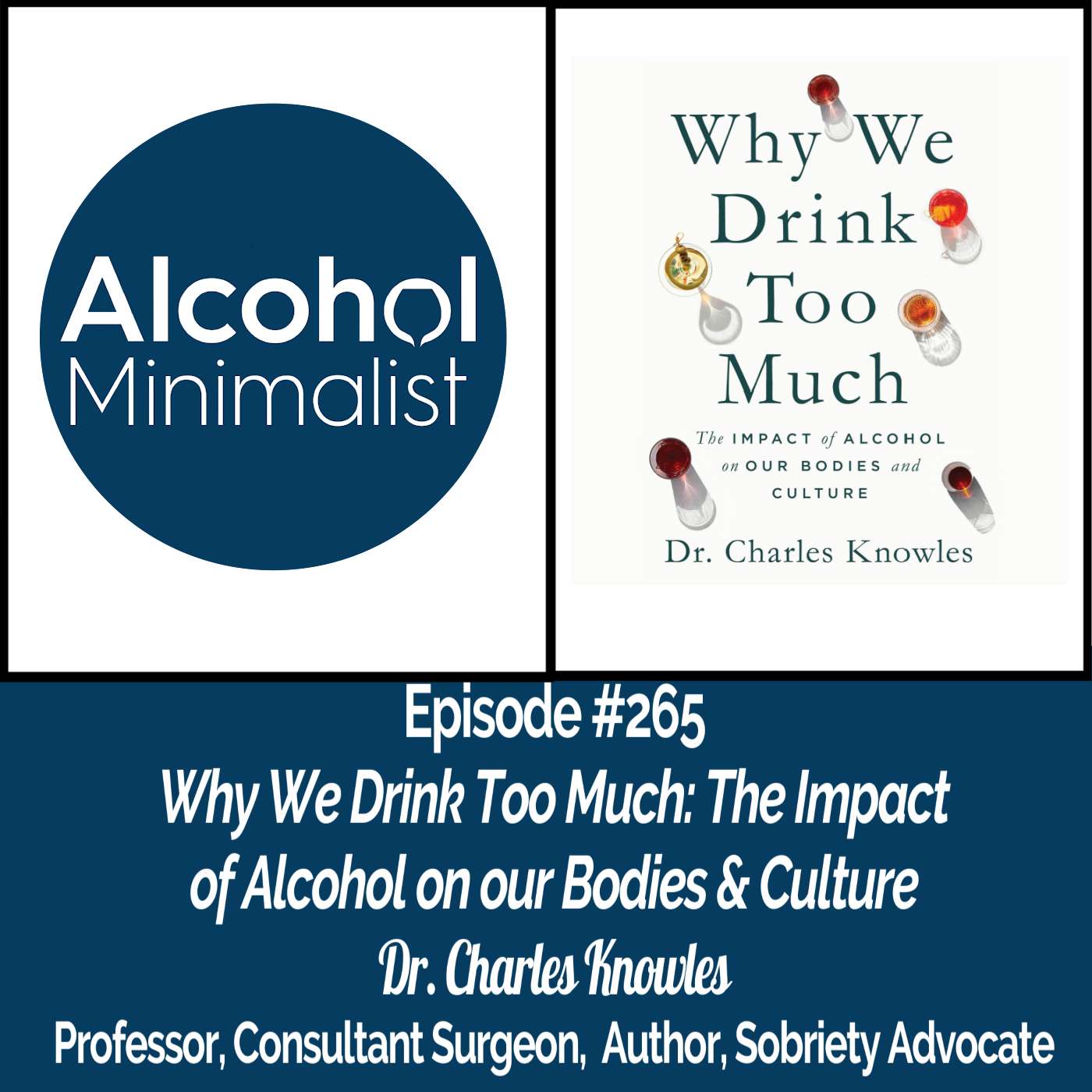
In this episode of the Alcohol Minimalist Podcast, Molly sits down with Dr. Charles Knowles, professor of surgery at Queen Mary University of London and author of Why We Drink Too Much.
This is a deep, science-forward conversation about why humans drink alcohol, why some people lose control while others don’t, and how culture, biology, psychology, and learning all intersect in our relationship with alcohol.
Dr. Knowles shares his personal journey through alcohol dependence, recovery, and ultimately peace—alongside the neuroscience, history, and behavioral science that explain why alcohol can quietly shift from pleasure to r...
Think Thursday: When Progress is Invisible-The Psychology of Change You Can't See
In this final Think Thursday of Mostly Dry January, Molly delivers an empowering message for anyone questioning whether their efforts this month "counted." If you’ve found yourself wondering why change feels so slow, or why your results don’t match your effort, this episode is for you.
She explains why progress in behavior change is often invisible at first — especially when it comes to changing deeply ingrained habits like drinking. Backed by neuroscience, Molly reveals how your brain rewires itself through small wins, micro-pauses, and increased awareness, even if those changes aren’t yet reflected in your hab...
