LitReading - Short Stories and Timeless Tales
LitReading: Great Short Stories Read AloudGreat stories deserve to be heard.LitReading brings you a complete short stories, unabridged and narrated by veteran broadcaster and voice actor Don McDonald. Hear the masters of the form, including Edgar Allan Poe, Mark Twain, O. Henry, Edith Wharton, Anton Chekhov, Kate Chopin, William Faulkner, Katherine Mansfield, Stephen Crane, Saki, Bret Harte and Virginia Woolf. Along with them come overlooked gems from the golden age of American, British and Russian literature that deserve a second hearing.Each episode is one full story, from a few minutes to a deeply immersive hour. Think of it...
Listen to Season's Reading — Great Stories for the Holiday Season
A few Christmas stories will wander through Litreading over the coming weeks. They won’t stay long.
The whole season lives on Season’s Readings: A Christmas Carol in three parts, classic holiday tales you’ve likely never heard, every new story Don McDonald wrote this fall. Some will warm you. A couple may catch you in the throat.
Search Season’s Readings wherever you listen, tap follow. It takes two seconds. Litreading will be right here when you get back.
If you enjoyed this story, buy me an e-book!
https...
Dusk by Saki — How to Determine the Truth
Hyde Park, half past six on a March evening. Norman Gortsby has taken a bench in the failing light to watch the down-and-out drift past, and to congratulate himself on seeing through every one of them. Then a well-dressed young man sits down beside him with a problem, a perfectly reasonable explanation, and twopence in his pocket.
Saki needed about eleven minutes to tell one of the slyest short stories in English. First collected in 1914.
A story from our archives recently remastered.
If you enjoyed this story, buy me an e-book!<...
The Celebrated Jumping Frog of Calaveras County by Mark Twain — A Sure Bet Takes an Unexpected Leap
An errand, a name, a question. That's all it takes.
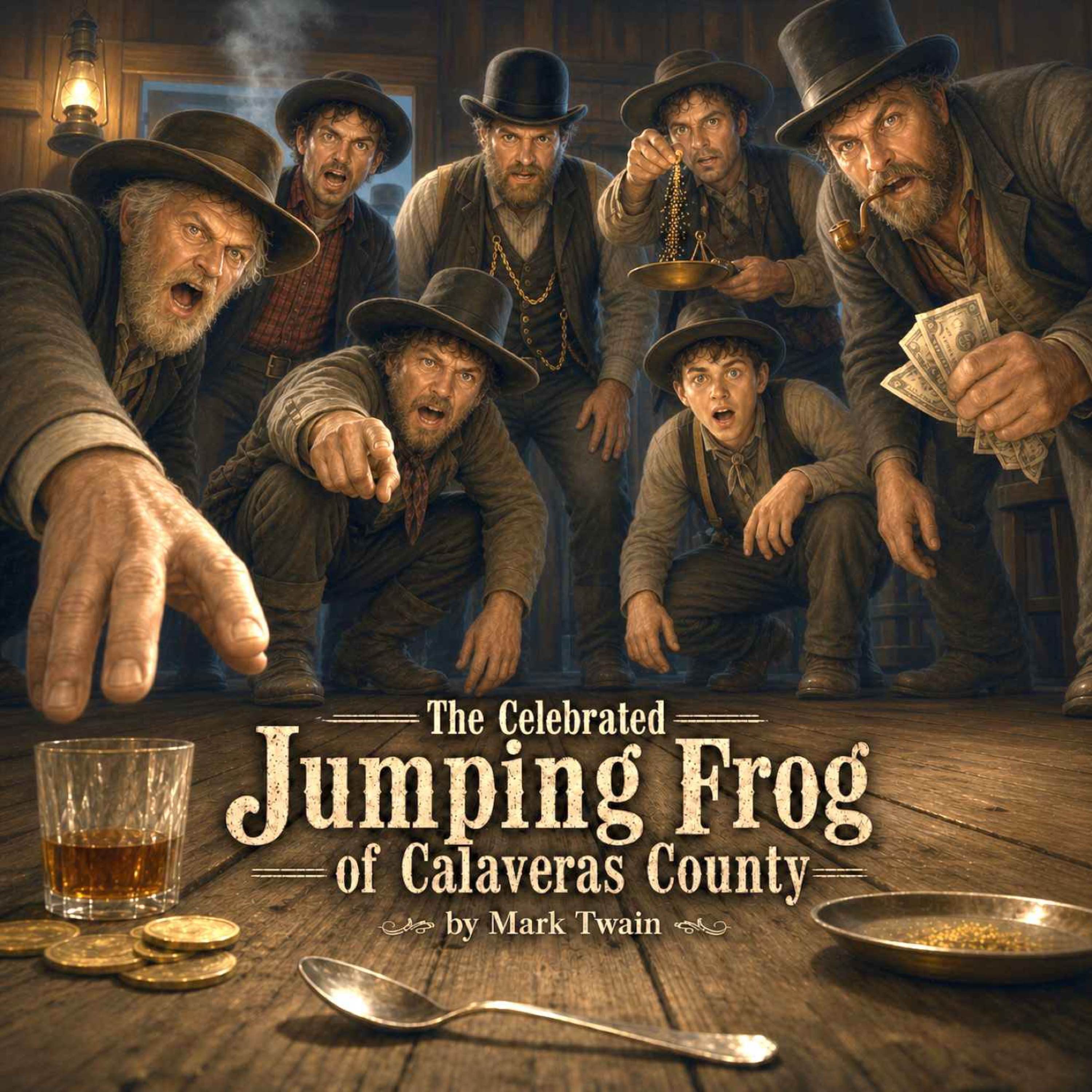
Sent east to west on a friend's behalf, a traveler walks into a decayed mining camp in Calaveras County and asks one polite question of one agreeable old man. He is then backed into a corner, blockaded there with a chair, and told at enormous length about Jim Smiley, a gambler who would bet on a horse race, a dog fight, a camp meeting, or two birds on a fence, and who once spent three solid months in his back yard teaching a frog to jump.<...
The Clerk by Don McDonald — A Quiet Man, the Biggest Job
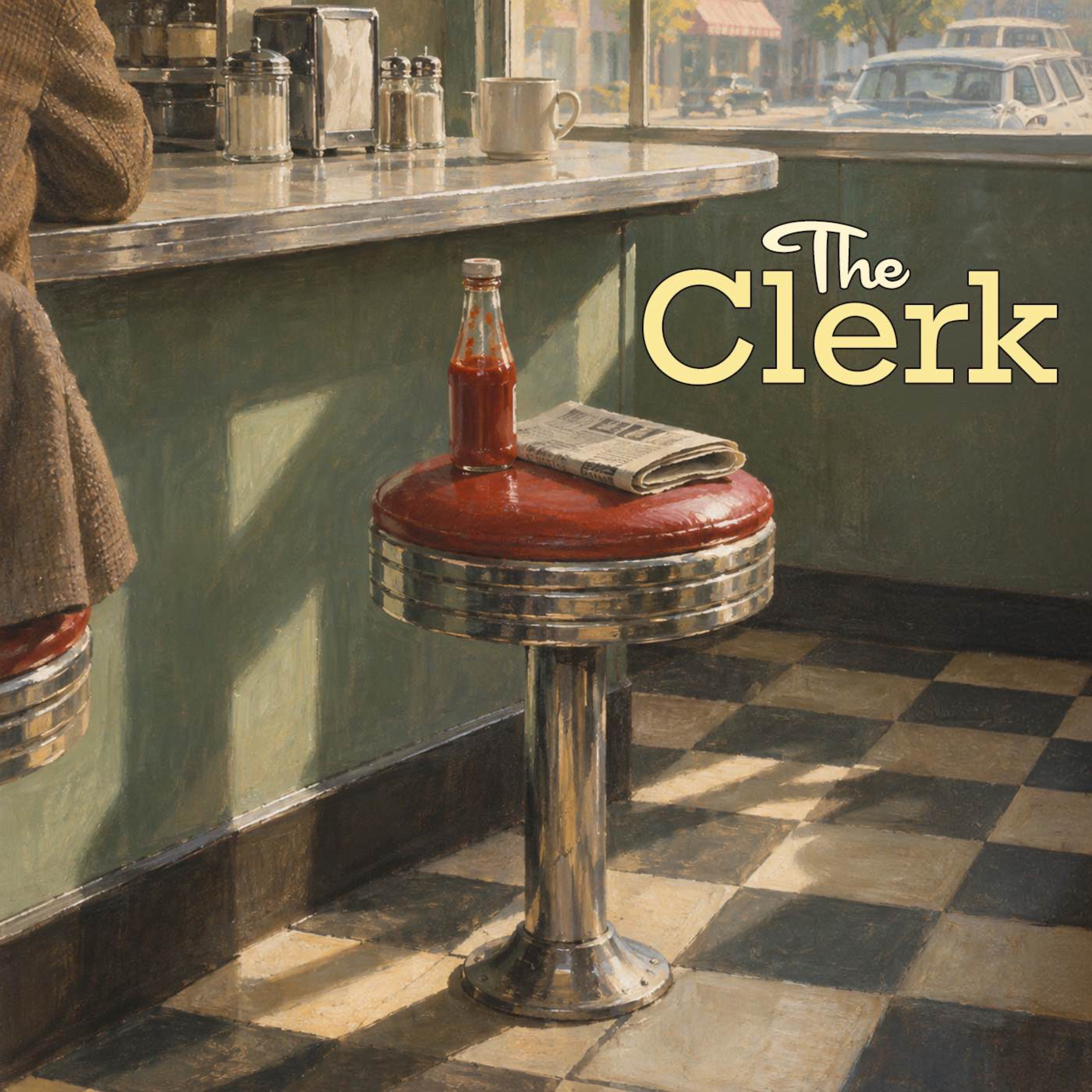
You have stood behind him in line, and you couldn’t describe him now. He lives alone, eats the same lunch on the same stool, rides the same bus home, and has never once broken the rules of the peculiar office where he works. Then a pink slip of paper crosses his desk with a name on it.
An original story, written and read by Don McDonald.
If you enjoyed this story, buy me an e-book!
https://www.buymeacoffee.com/donmcdonald
or take a no cost path: Follow the podcast so...
Gipsy by Booth Tarkington — One Free Spirit Upends a Respectable Household
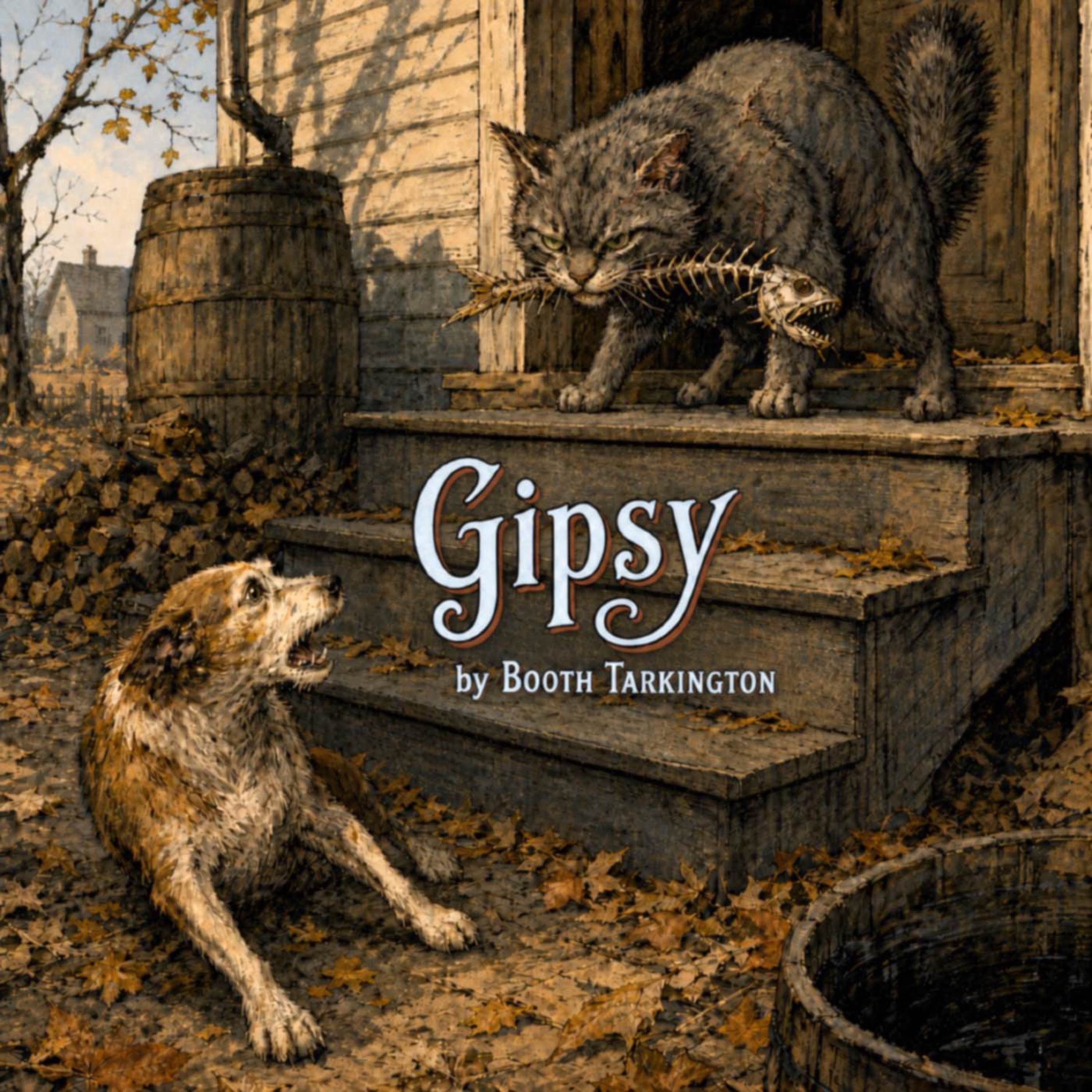
Duke is a little old dog with a pessimistic worldview and a well-earned suspicion that life rarely improves. Gipsy is a rangy, scarred, yellow-eyed stray cat who lives by his own code and has never met a creature he could not intimidate. When Gipsy helps himself to a fishbone resting near Duke's sleeping nose, the afternoon explodes into a comic war of nerves, claws, and theatrical yelping that draws every boy in the neighborhood running to witness the spectacle.
Booth Tarkington, one of only three writers to win two Pulitzer Prizes for Fiction, brings his gift...
The Canary by Katherine Mansfield — A Small Bird, a Great Love
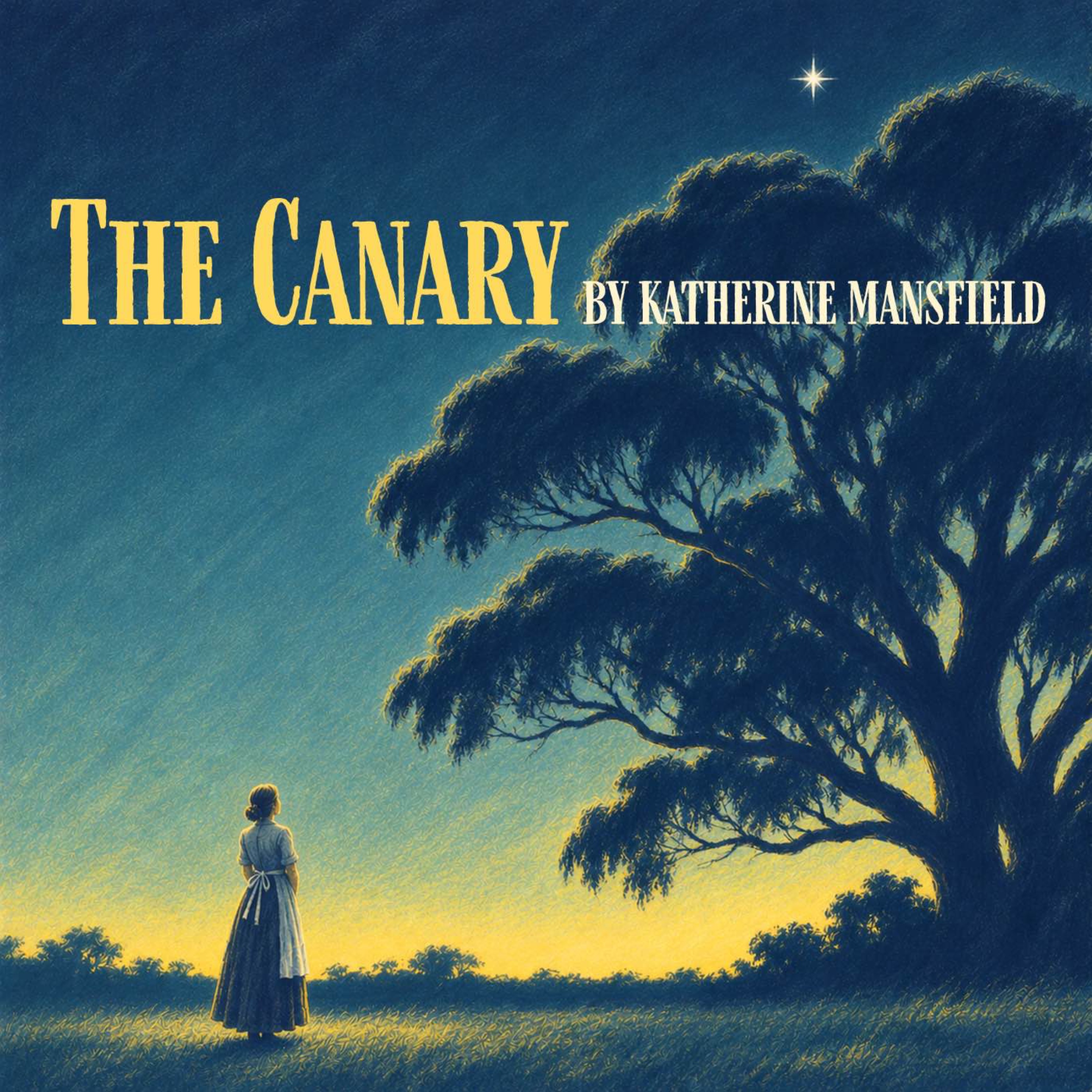
here is a big nail to the right of her front door, and she cannot bring herself to take it out.
A woman who keeps a small house and cooks for three young lodgers sits on her veranda with her sewing, talking to a visitor about the best company she ever had. He was neat. He was vain about his bath. He sang whole songs, with a beginning and an end to them, and strangers stopped at the gate to listen.
Katherine Mansfield wrote “The Canary” in the summer of 1922. It was the last...
The Whirligig of Life by O. Henry — A Divorcing Couple Discovers They Cannot Stay Apart
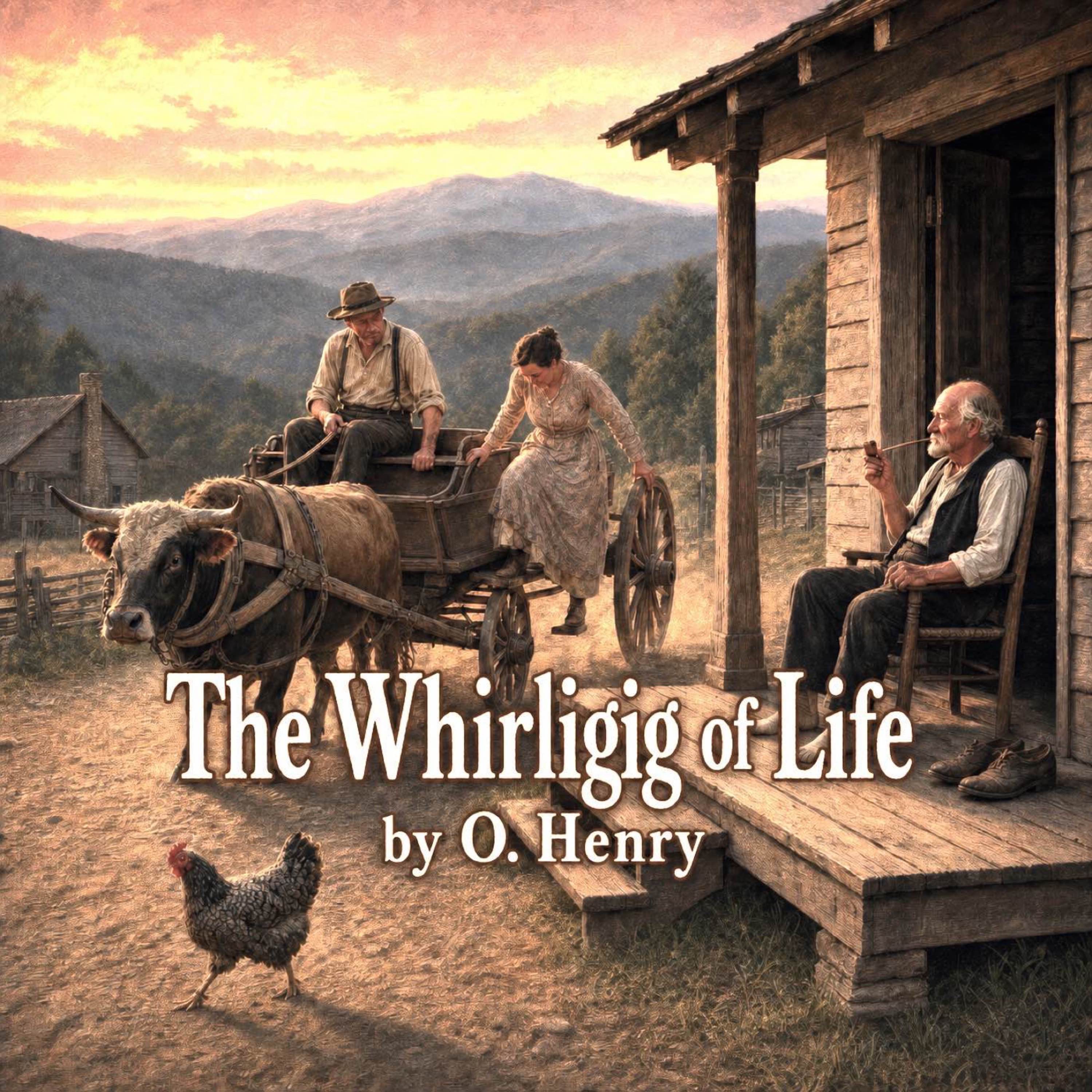
Ransie and Ariela Bilbro come down out of the Cumberland Mountains to have their marriage undone. Justice of the Peace Benaja Widdup can find no law on the subject, so he invents one, and prices it at five dollars, which happens to be every cent Ransie made on his furs. Then Ariela wants alimony. What follows is a night ride, a masked man, a bill rolled tight and pushed down a rifle barrel, and a decree that nobody much wants by morning. O. Henry watches a single five-dollar bill travel in a perfect circle, and two stubborn people get...
A Chance of Death by Don McDonald — Can a Storm Bring the Calm She Never Thought She’d Find?

Please note: "A Chance of Death" is the inaugural episode of my new podcast, New Tales Told. I published it here first to share it with my large Litreading audience. However, it will eventually only be available on New Tales Told. If you haven't yet done so, please search for New Tales Told on this podcast service or visit shortstoryverses.com to listen to this and my other original stories.
Publishing this story has been one of the scarier things I’ve done in my life. Reading the works of others is far different th...
The Good and the Bad Little Boy by Mark Twain — Virtue Is Punished and Mischief Rewarded
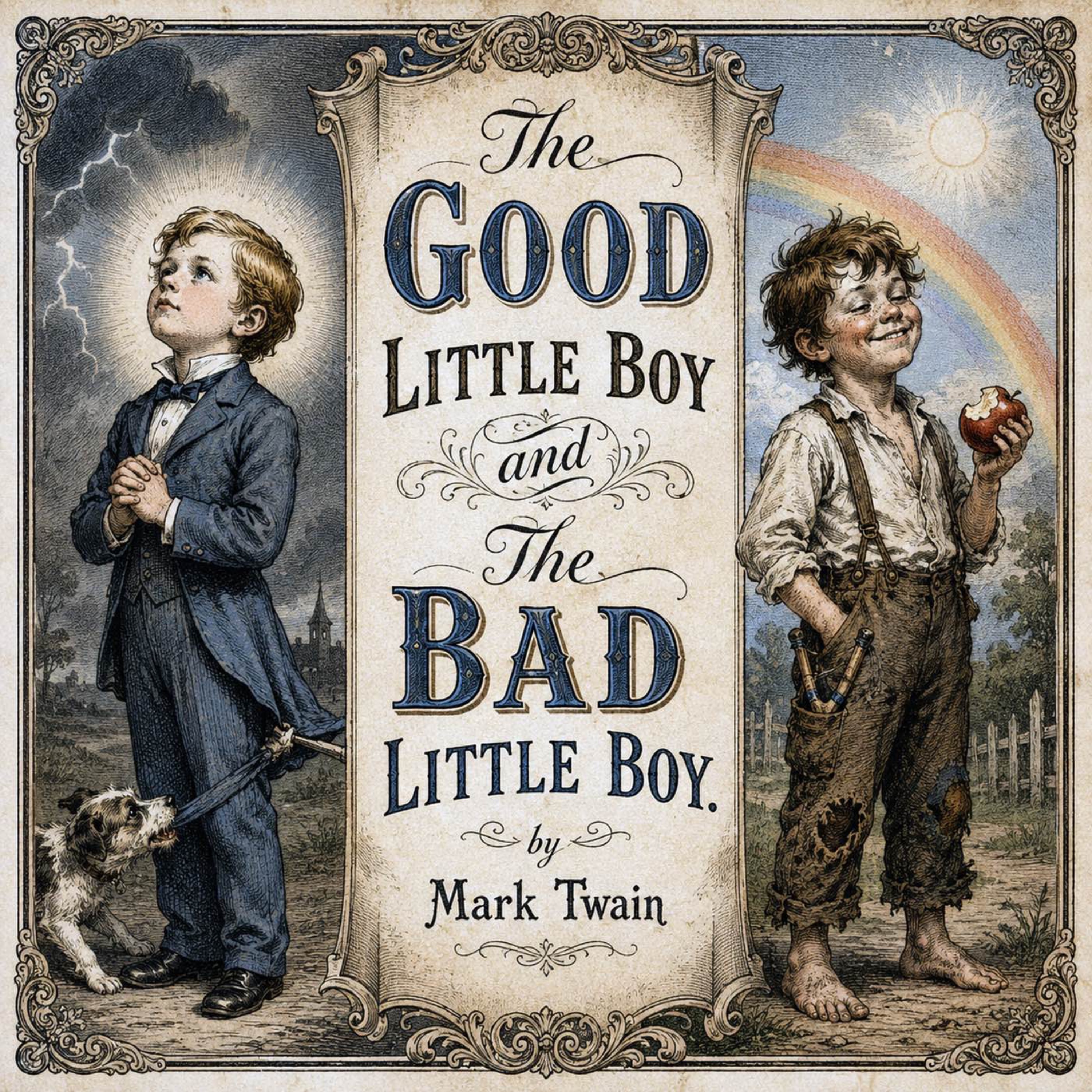
Mark Twain had a bone to pick with the Sunday-school storybook — that pious little genre where good children are showered with rewards and bad children are struck by lightning, broken by apple trees, and buried under weeping relatives by the final page. So he wrote two stories to set the record straight.
In this paired episode we run both, back-to-back, framed like an old-time radio hour. First, The Story of the Good Little Boy: meet Jacob Blivens, who obeys his parents, learns his book, never plays hooky, and longs above all else to be printed in a...
Memoirs of a Yellow Dog by O. Henry — A Dog and His Master Escape an Unhappy Home
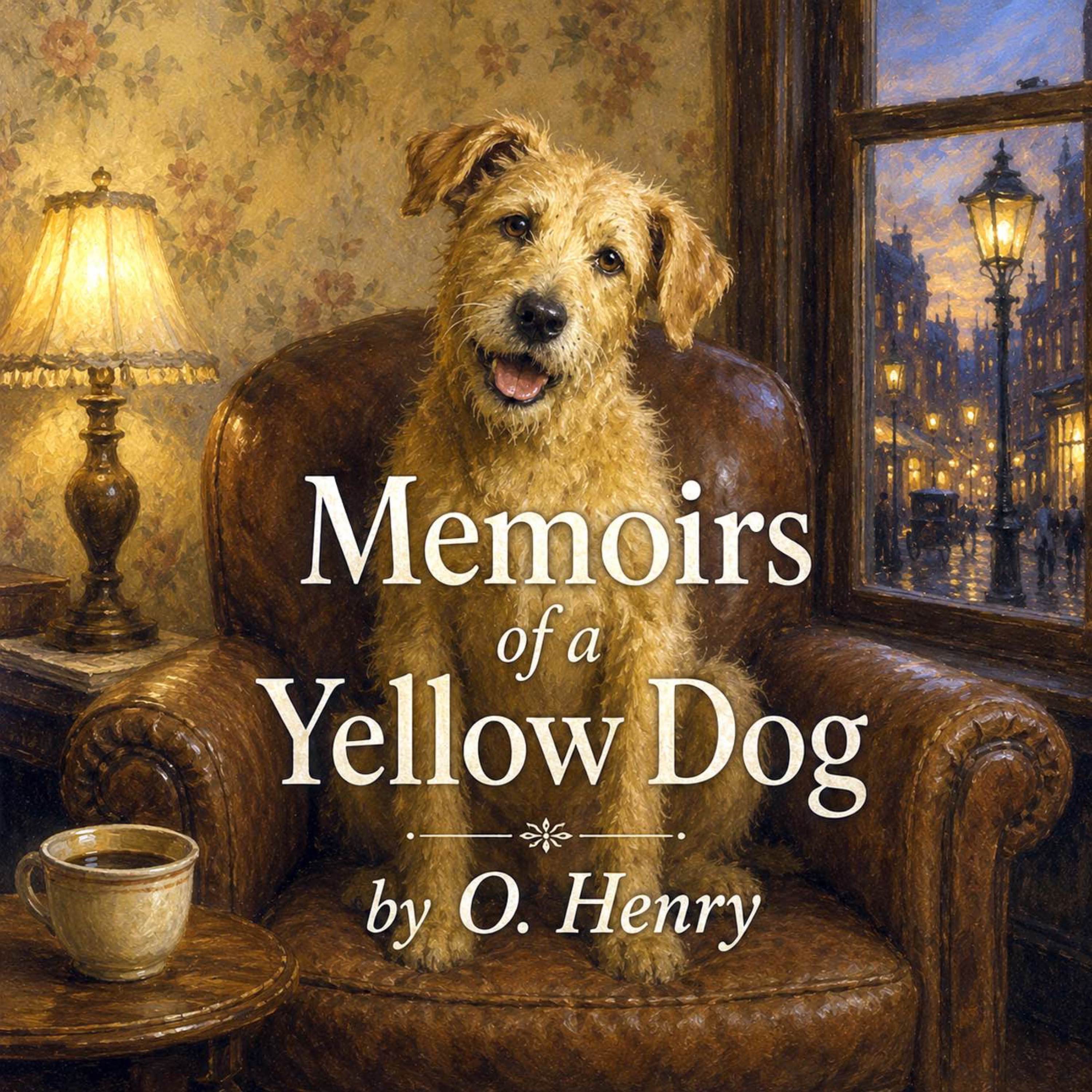
O. Henry usually saves his surprises for the last line. This time he starts with one: the narrator is a dog. In The Memoirs of a Yellow Dog, a mangy, good-natured mutt gives us his candid review of apartment life, married humans, and the fine art of knowing when it's time to go. Wry, tender, and very funny — it's a small classic told from just below the dinner table.
Few writers could make a stray dog sound this much like a philosopher. O. Henry's yellow dog sees his humans clearly, loves them anyway, and still knows a...
Final Shift by Don McDonald — The Day the Universe Caught Up
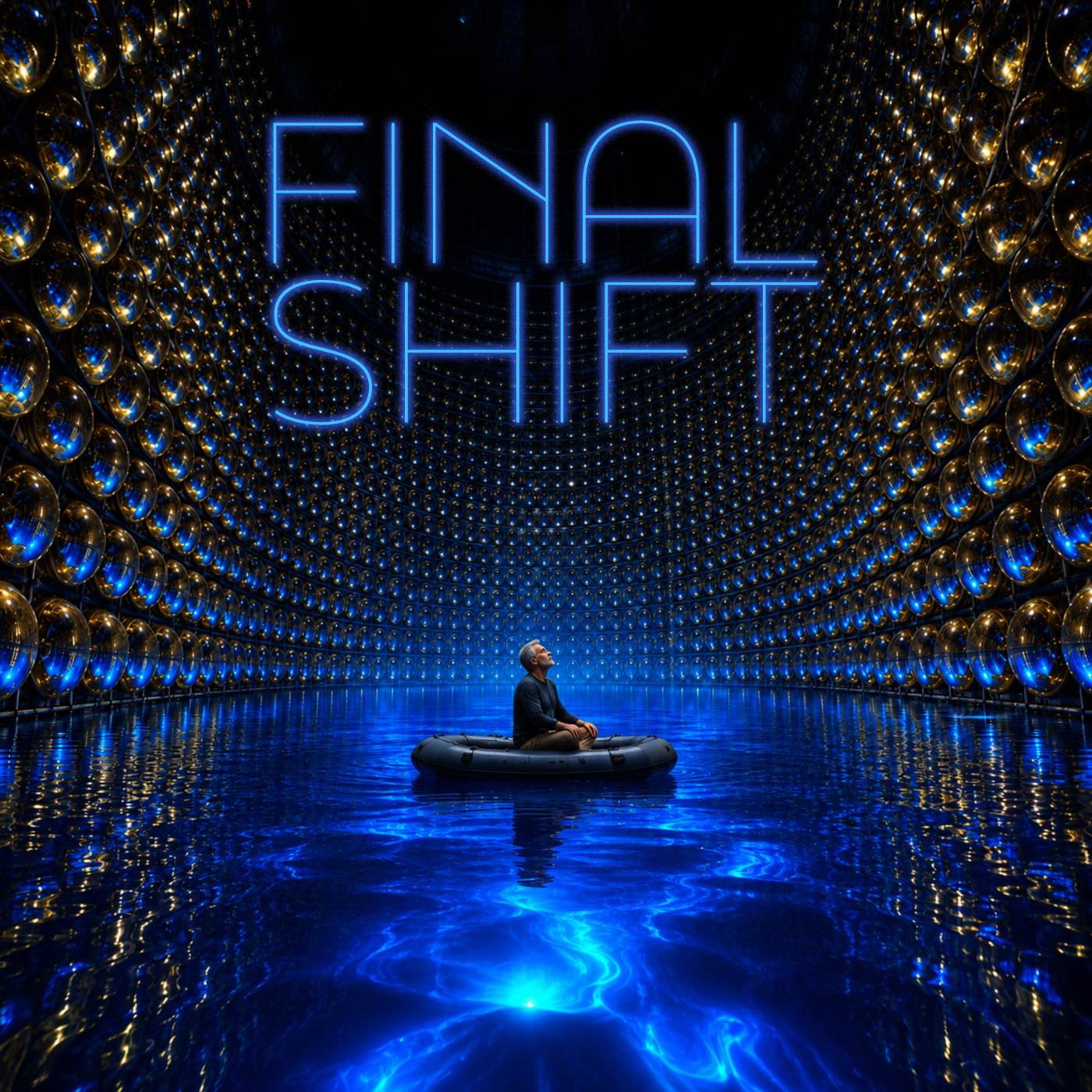
Eli has spent thirty years a mile under Lead, South Dakota, in an old gold mine turned physics lab, catching neutrinos, the ghost particles that pass through everything. On an ordinary Tuesday he's alone on a rubber raft inside the Well, a steel tank lined with eleven thousand golden sensors, when the water lights up. Up top, the whole world felt something. Below, the cage has stopped. And the only instrument on Earth that saw it is his.
An original story written and read by Don McDonald.
If you enjoy short fiction, please...
The Great American Pie Company by Ellis Parker Butler — A Pie Company Finds a Recipe for Endless Profit
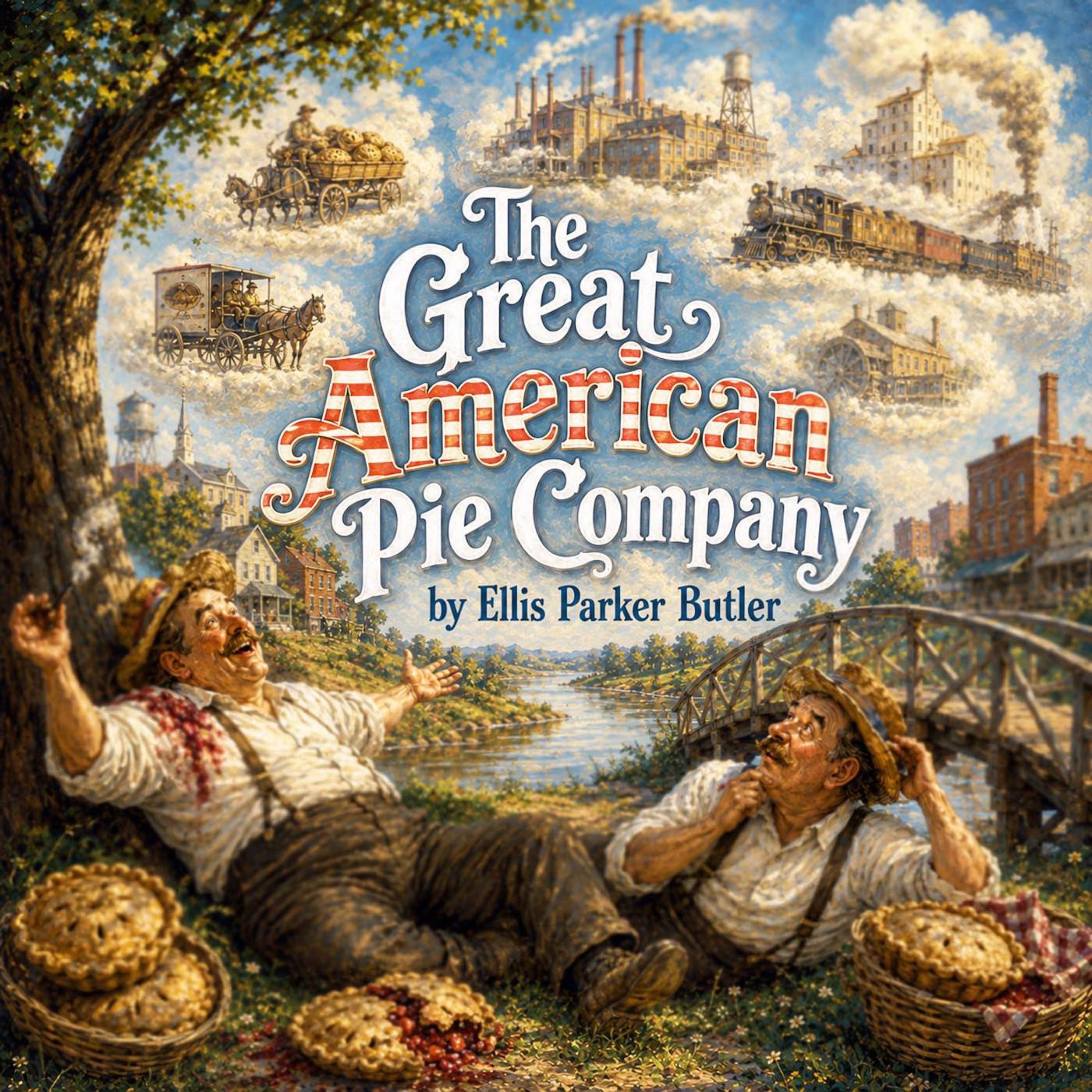
Eph Deacon sells pies for a living, or rather his wife bakes them and he carries the basket, which suits his philosophy just fine. Then Phineas Doolittle starts undercutting him from across the river, and what begins as a squabble on a bridge turns into something much bigger, and much sillier. Before long the two men have talked themselves into buying up farms, bakeries, and even a railroad, all in the name of cornering the pie market once and for all. Ellis Parker Butler, the man who gave the world "Pigs Is Pigs," turns small-town rivalry into an empire...
My Financial Career by Stephen Leacock — A Nervous Man Tries to Open a Bank Account
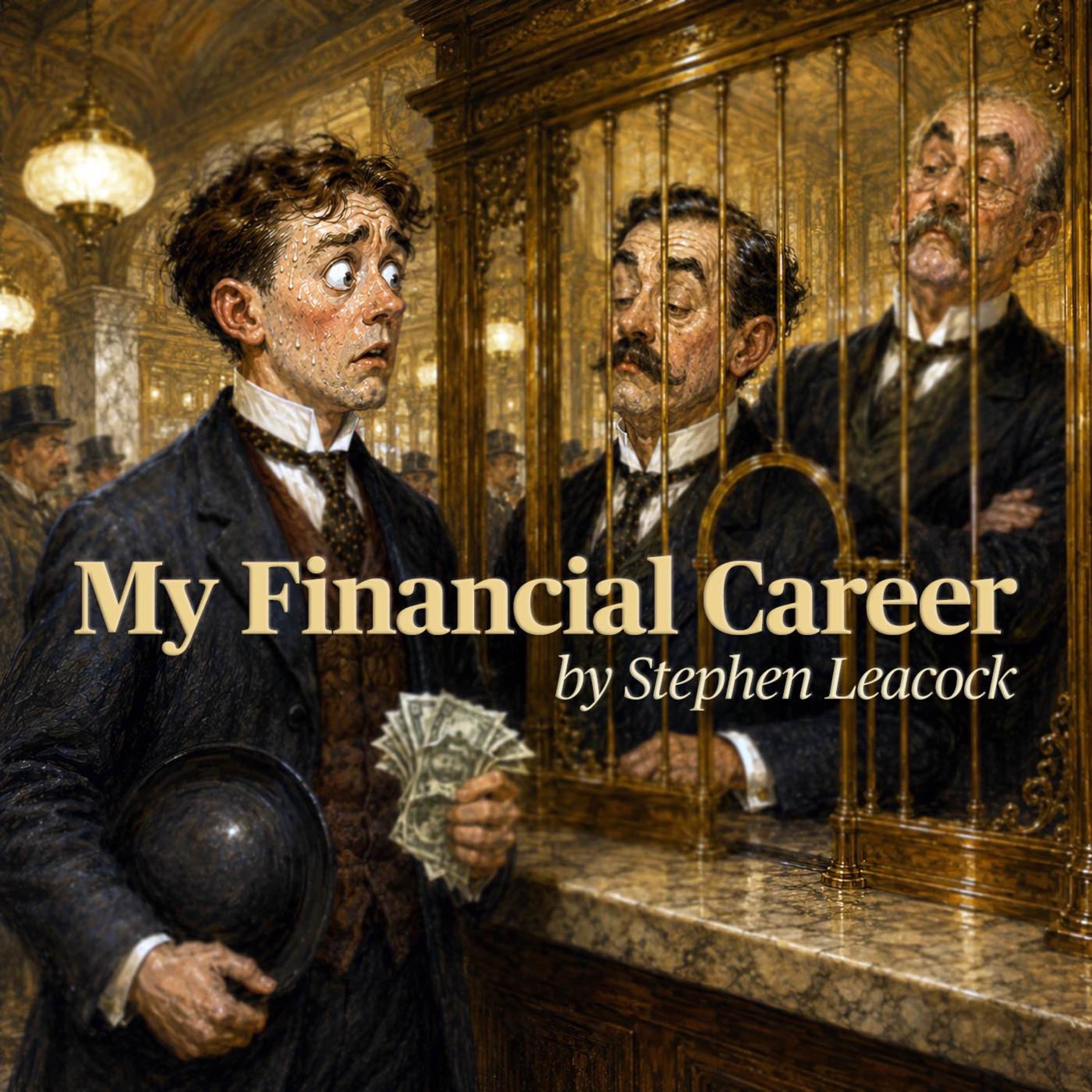
He only wants to open an account. That's all. Fifty-six dollars, a polite request, and maybe two minutes of a bank manager's time. But the moment our narrator steps inside the building, something happens to his brain, and every word that comes out of his mouth makes the situation worse. Stephen Leacock built an entire career on watching ordinary people crumble under ordinary pressure, and few pieces do it faster, or funnier, than this one.
Stephen Leacock was a Canadian economist, political scientist, and, by wide agreement, the funniest English-speaking writer of the early twentieth century...
The Million Pound Bank Note by Mark Twain — A Penniless Man Is Handed a Million-Pound Note
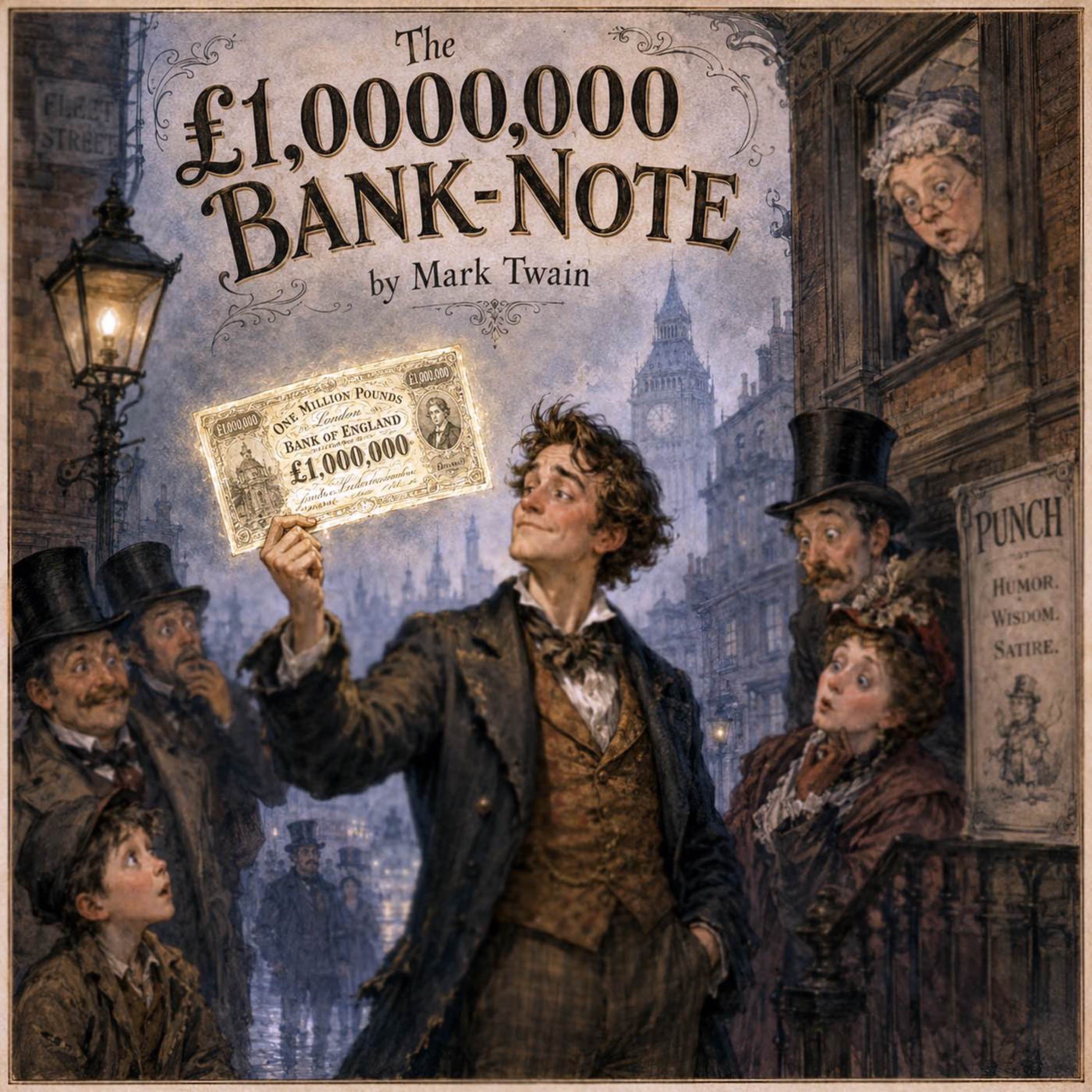
Henry Adams has one dollar to his name, a coat gone thin at the elbows, and a hunger that's stopped being polite about it. Then two rich old brothers hand him an envelope and vanish for thirty days, leaving him holding the single strangest piece of paper in London. It isn't counterfeit. It isn't a joke. And it is worth more than Henry can spend, prove, or even safely admit to owning. Mark Twain turns a penniless clerk loose on Victorian high society and lets the absurdity do exactly what it wants.
Mark Twain, born Samuel...
Nevada Funeral: Scotty Briggs and the Clergyman by Mark Twain — A Frontier Funeral Goes Spectacularly Off Script
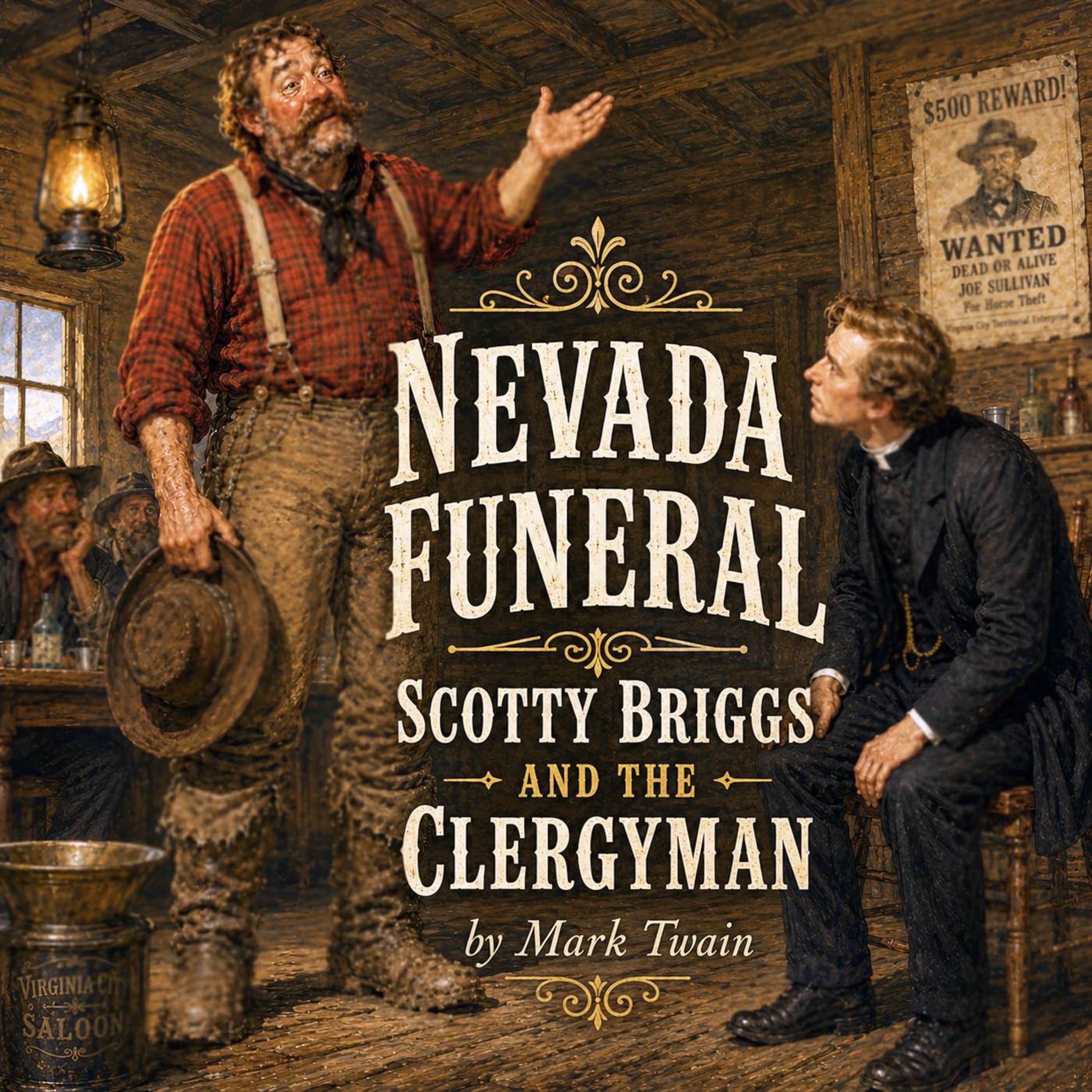
Out in the Nevada mining camps of the 1870s, men learned to speak a language all their own, part slang, part swagger, part pure invention, and woe to the outsider who couldn't keep up. When a rough-hewn miner named Scotty Briggs marches into town to fetch a proper burial for a fallen friend, he finds himself face to face with a young, freshly minted clergyman who speaks only the King's English, and neither man has the faintest idea what the other is talking about. What follows is one of Mark Twain's funniest, and strangely most tender, character sketches, a...
Eve’s Diary by Mark Twain — The First Woman Explains Love, Beauty and Adam
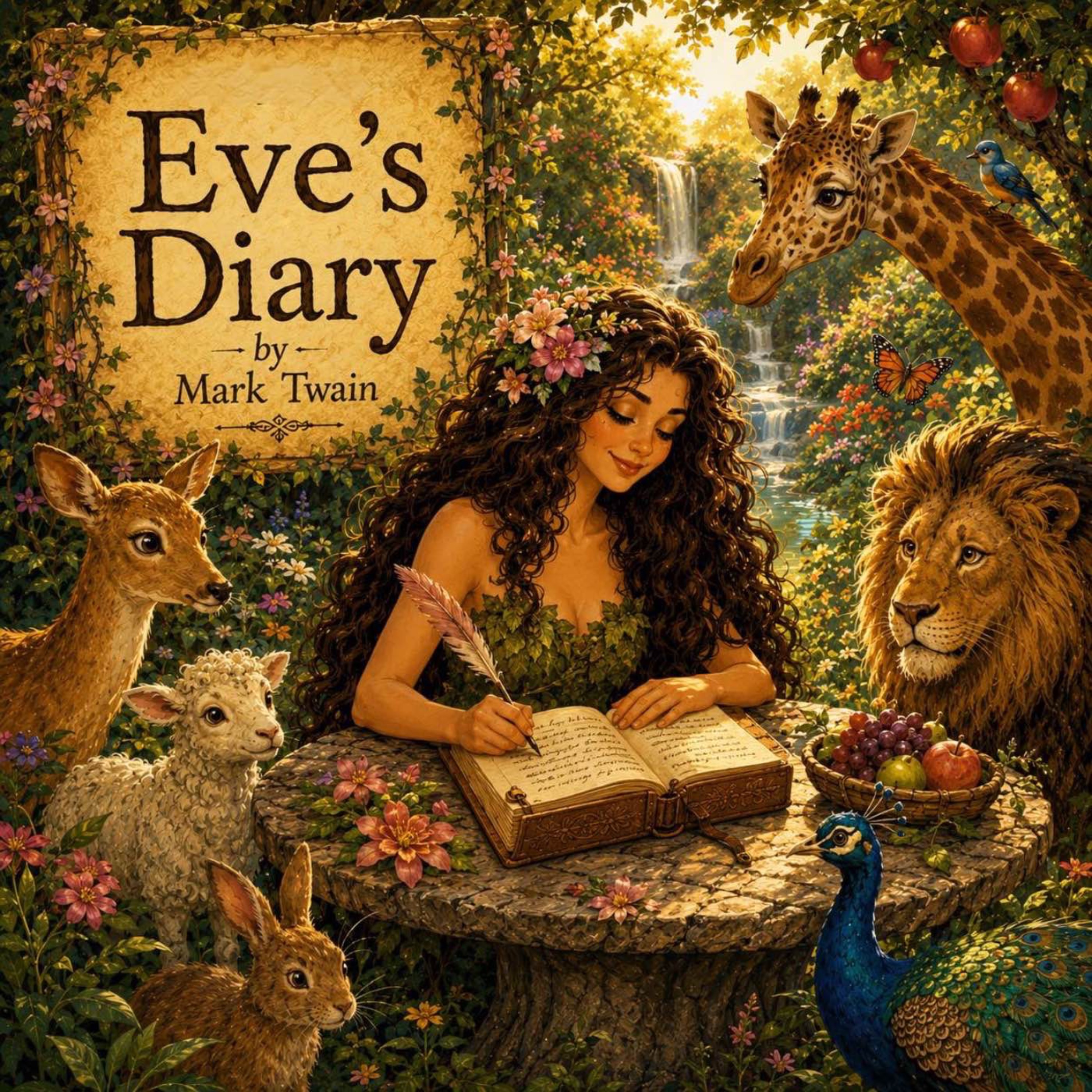
Where Adam's diary gave us one grumpy, bewildered account of those first days in Eden, Twain gives Eve her own version, and it changes everything. She's curious about everything, endlessly talkative, and cheerfully certain she's right about most of it. It's Twain at his funniest, and, by the end, at his most tender. This one will surprise you.
Mark Twain, born Samuel Langhorne Clemens in 1835, remains one of America's most enduring literary voices, celebrated for wit as sharp as his social criticism. Eve's Diary stands apart in his body of work, a companion piece to Extracts...
Excerpts from Adam’s Diary by Mark Twain — The First Man Tries to Understand the First Woman
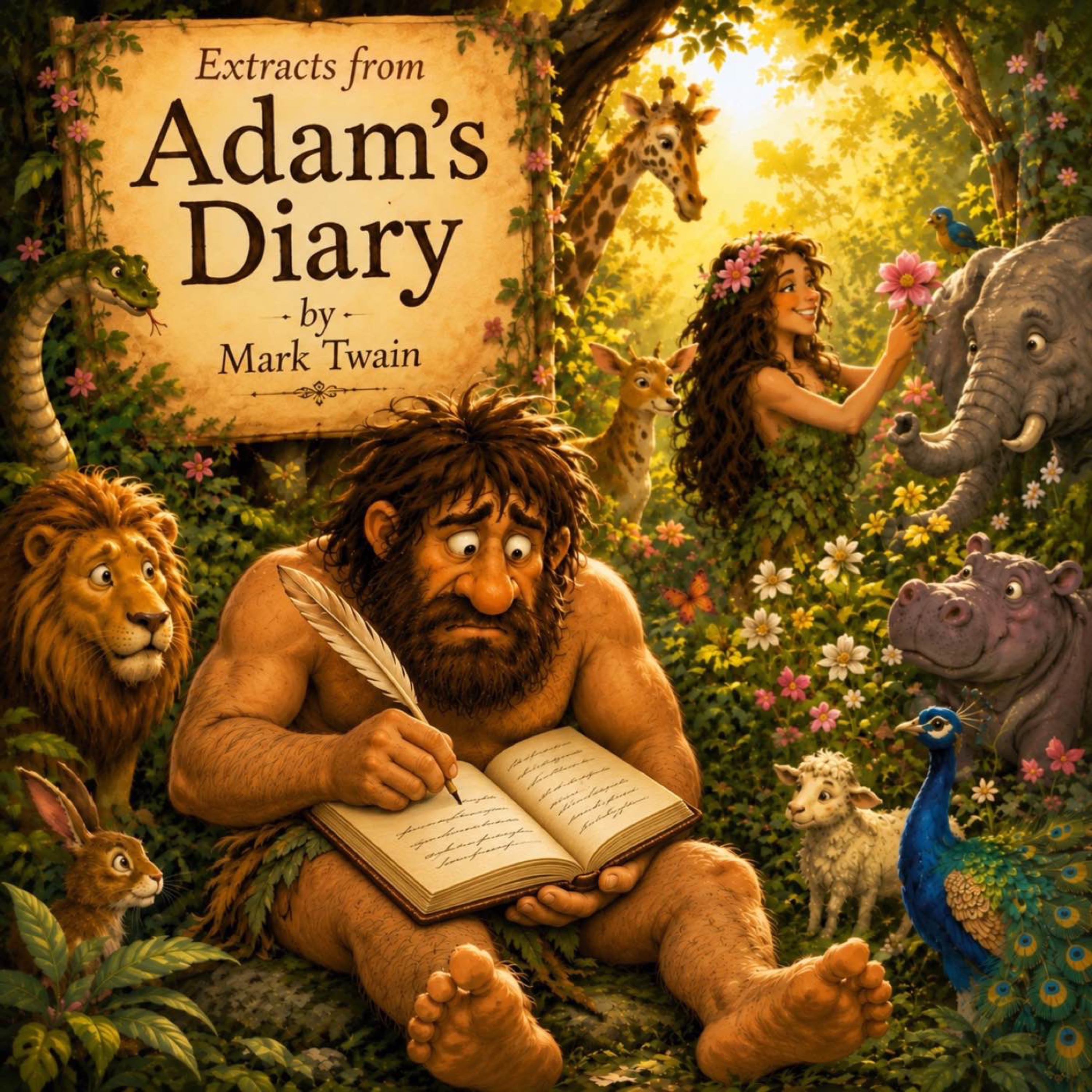
Before there was marriage counseling, there was Adam's diary. Mark Twain's comic monologue imagines the Garden of Eden's first resident keeping a running, increasingly exasperated account of the strange new creature who's moved in, started naming his animals, and rewritten the rules of the place without asking. It's Genesis as domestic comedy, and it's every bit as sharp as Twain at his best.
Mark Twain, born Samuel Langhorne Clemens in 1835, remains one of America's most enduring literary voices, known for wit as sharp as his social criticism. From The Adventures of Huckleberry Finn to shorter satirical...
An Occurrence at Owl Creek Bridge by Ambrose Bierce — A Rope, a River, and a Reckoning
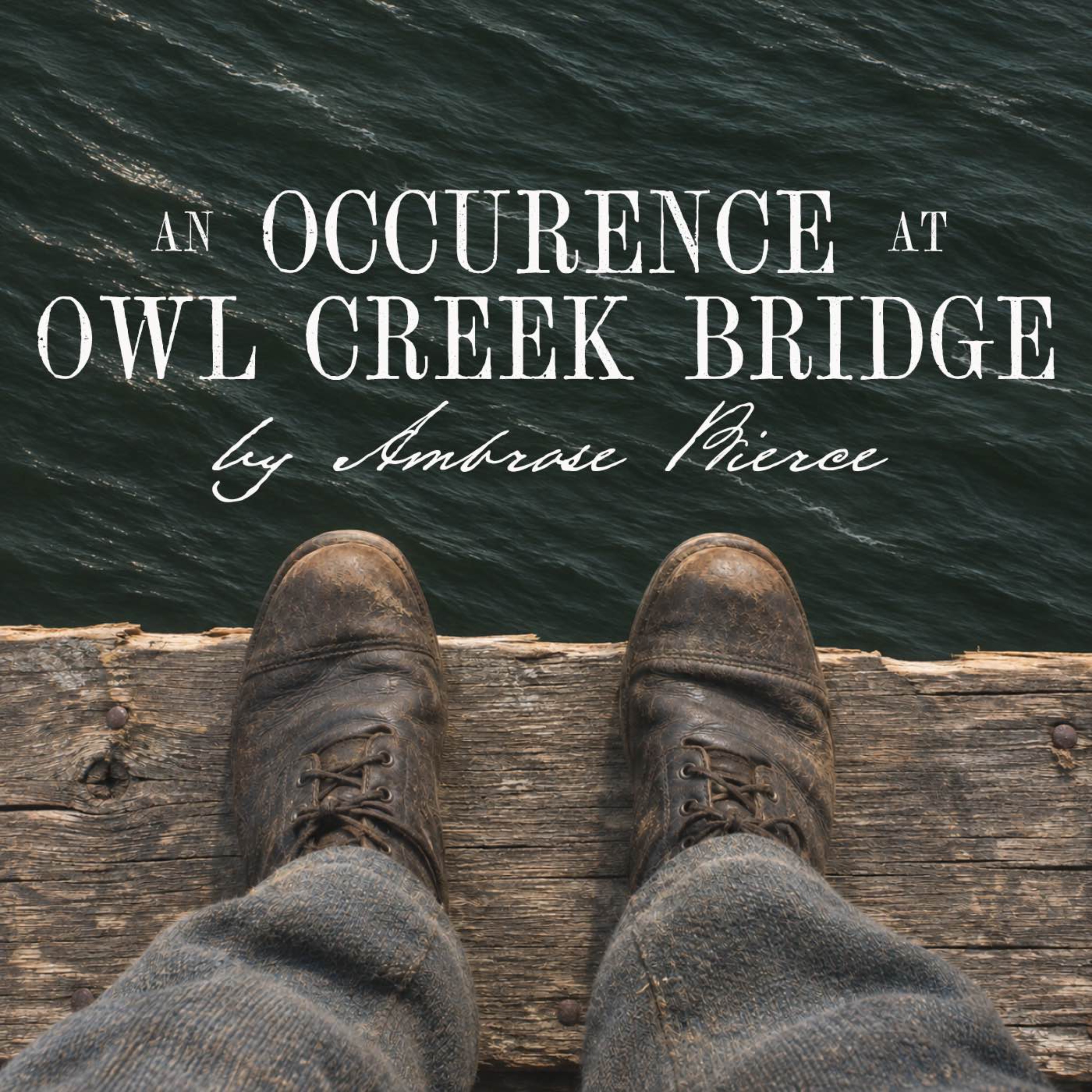
Early morning on a railroad bridge in northern Alabama. Federal soldiers have laid a loose plank across the ties. A planter in a good frock coat stands on one end of it, hands bound, a rope closely around his neck. His wife and children are thirty miles away, still beyond the Union lines. The water below runs fast and gold in the sun, and he can't stop watching it.
Ambrose Bierce served four years in the Union army, and he wrote this in 1890 with a soldier's eye for every rifle, rope and order. An Occurrence at...
The Baker’s Dozen by Saki — A Wedding Nearly Collapses Under the Weight of Thirteen Children
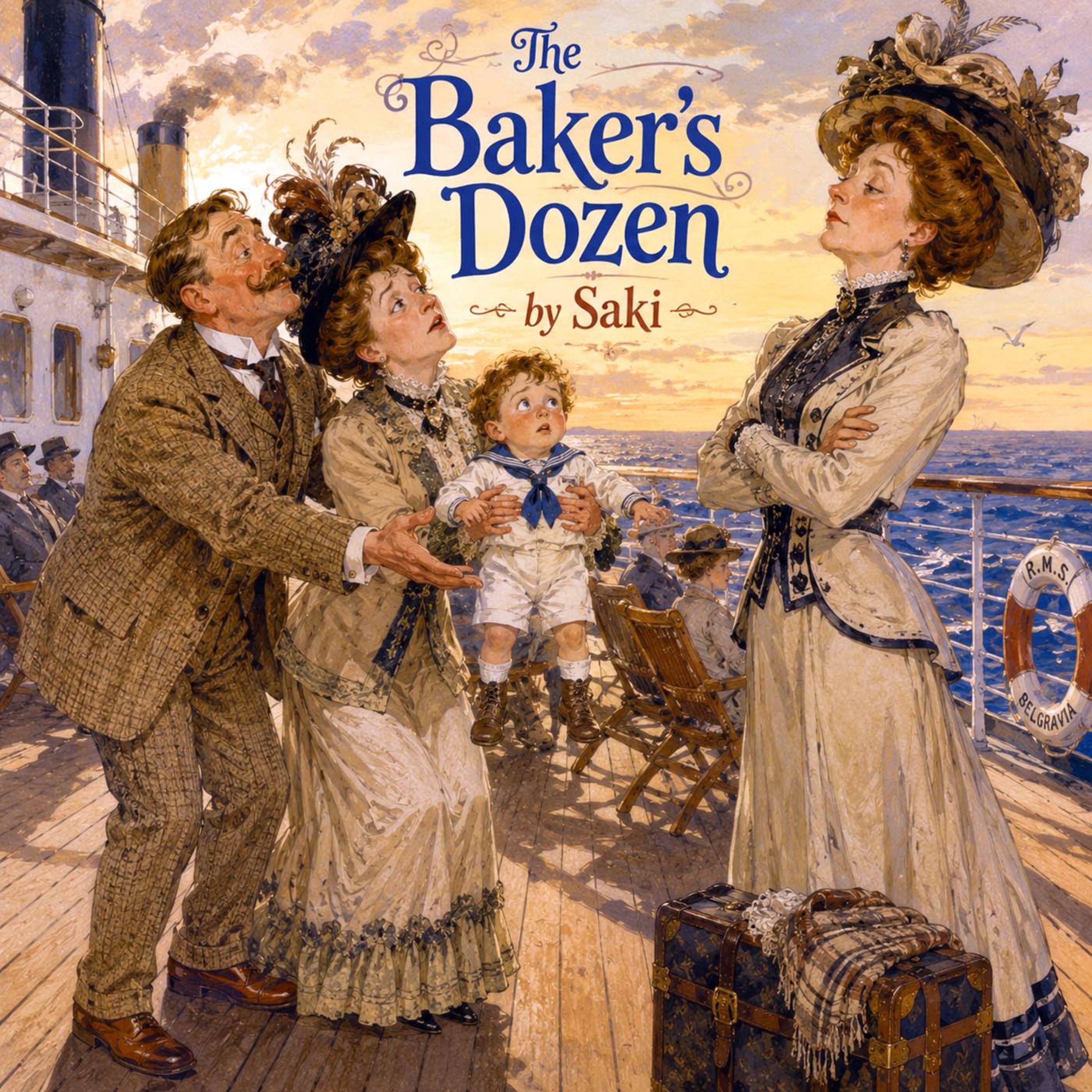
Major Richard Dumbarton and Emily Carewe haven’t seen each other in years, not since old grudges and other marriages got in the way. A chance reunion aboard an eastward-bound steamer changes that fast, deck chairs bribed into place and all. But romance runs into arithmetic when the subject of children comes up, and the resulting scramble to make the numbers work is pure Saki mischief. A quick, witty shipboard farce about love, superstition, and creative counting.
Hector Hugh Munro, better known by his pen name Saki, was a British writer active in the early twentieth ce...
Pigs Is Pigs by Ellis Parker Butler — Two Guinea Pigs Become an Accounting Catastrophe
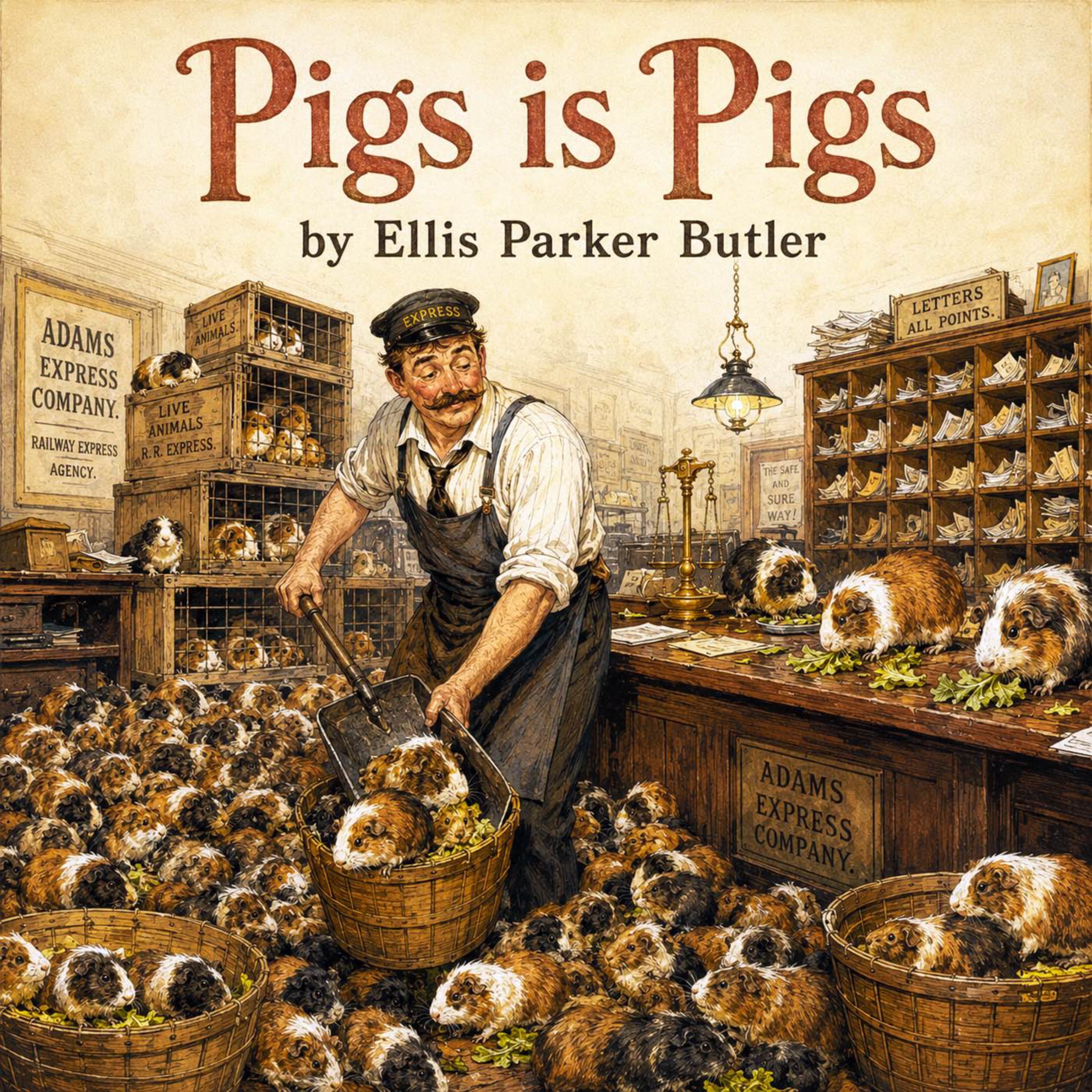
This story is a small masterpiece of exasperation from 1905. Ellis Parker Butler wrote "Pigs Is Pigs" as a jab at corporate red tape, and somehow, more than a hundred years on, it has only gotten funnier. Two guinea pigs arrive at a railway express office. A clerk named Mike Flannery decides they are pigs, the customer insists they are pets, and a single nickel of disagreement sets off a cascade of letters, departments, and, well, arithmetic. You’ll see.
Ellis Parker Butler, 1869 to 1937, was one of America’s most prolific humorists, an Iowa-born writer who turned out...
Two Hearts That Beat as One by Frank Norris — Two Friends, One Woman, and a Boxing Match
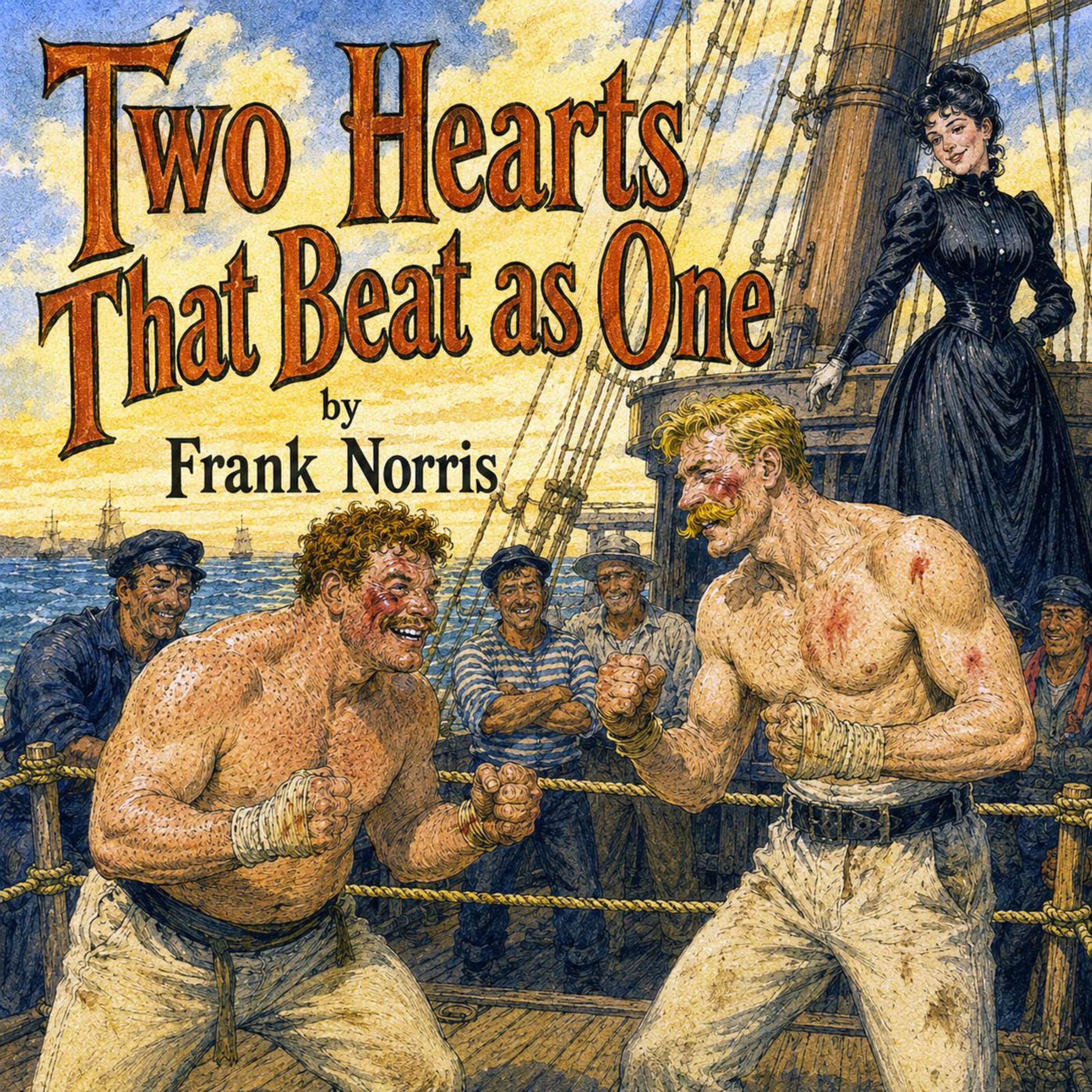
Frank Norris could grind a man down to nothing in three hundred naturalist pages. He could also, when the rent was due, write something this loose and this funny. "Two Hearts That Beat as One" sends two soldiers of fortune, one American, one English, gunrunning down the Pacific coast, where they make the oldest mistake there is and fall for the same woman. The cure they settle on is a boxing match. It does not cure them.
Frank Norris was thirty-two when he died, in 1902, which is the kind of fact that stops you cold, because...
A Scandal in Bohemia by Arthur Conan Doyle — The Woman Who Outsmarted Sherlock Holmes
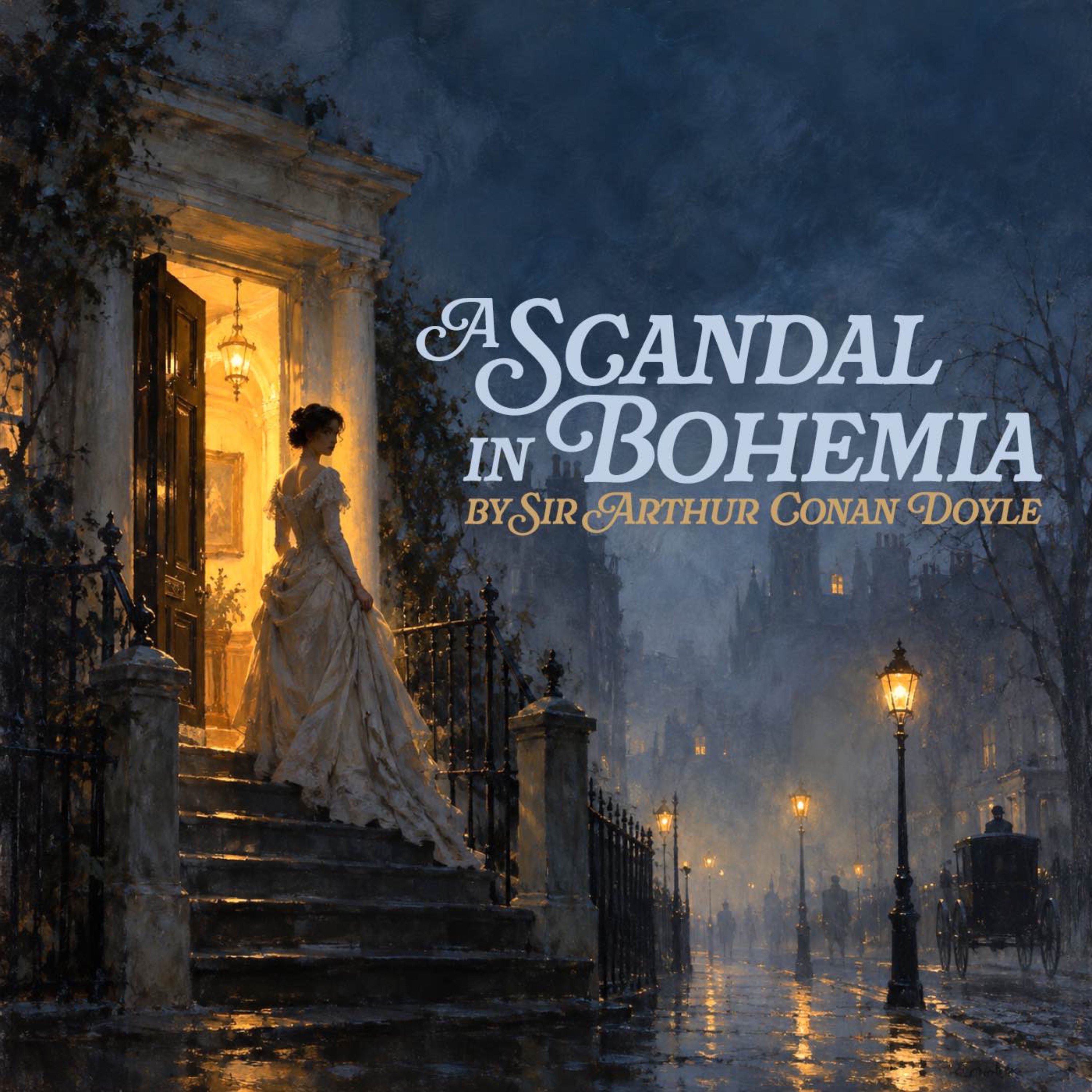
The note comes on heavy paper from somewhere in Bohemia, unsigned, promising a visitor who will not show his face. He turns out to be very large, very rich, and in a great deal of trouble. Somewhere in a small house in St. John’s Wood there is a photograph. Five attempts to take it have failed.
Holmes has three days, a wardrobe full of other men, and Watson, newly married and glad of the excuse, back at his side for an evening of breaking the law in a good cause.
The first Sh...
The Black Cat by Edgar Allan Poe — A Gentle Man Has Much to Confess
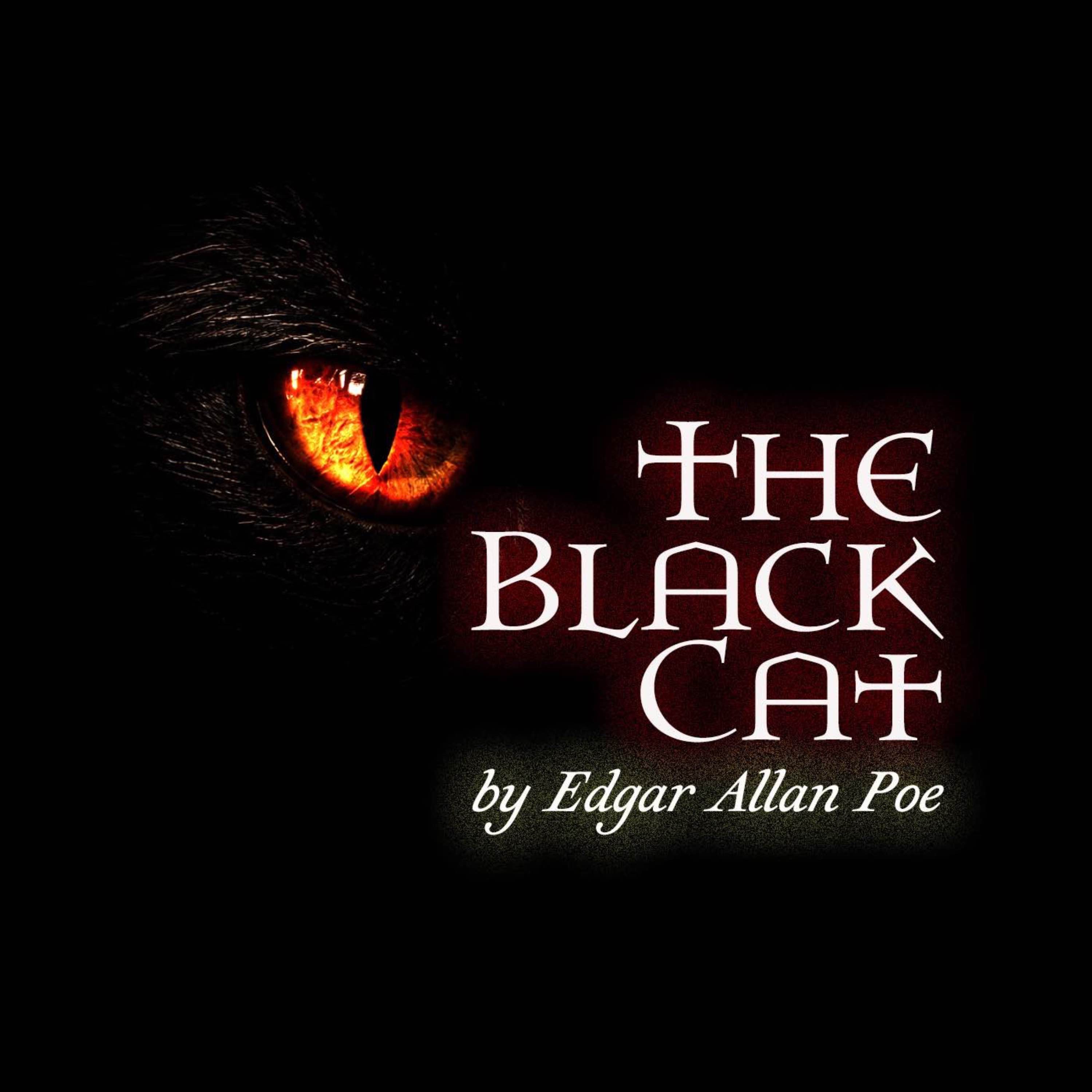
As a boy he was teased for his tenderness. He kept birds, rabbits, a dog, a small monkey. And a cat, enormous and entirely black, who followed him from room to room and would have followed him into the street. Now he sits in a cell with a pen, determined to set the record down plainly. He is not mad, he tells us. He is not dreaming. Edgar Allan Poe's 1843 tale.
WARNING: Contains graphic animal and human violence.
Follow and each new story will show up in your library as soon as it's released. No...
The Hanging Stranger by Philip K. Dick — Why Is No One Else Horrified?
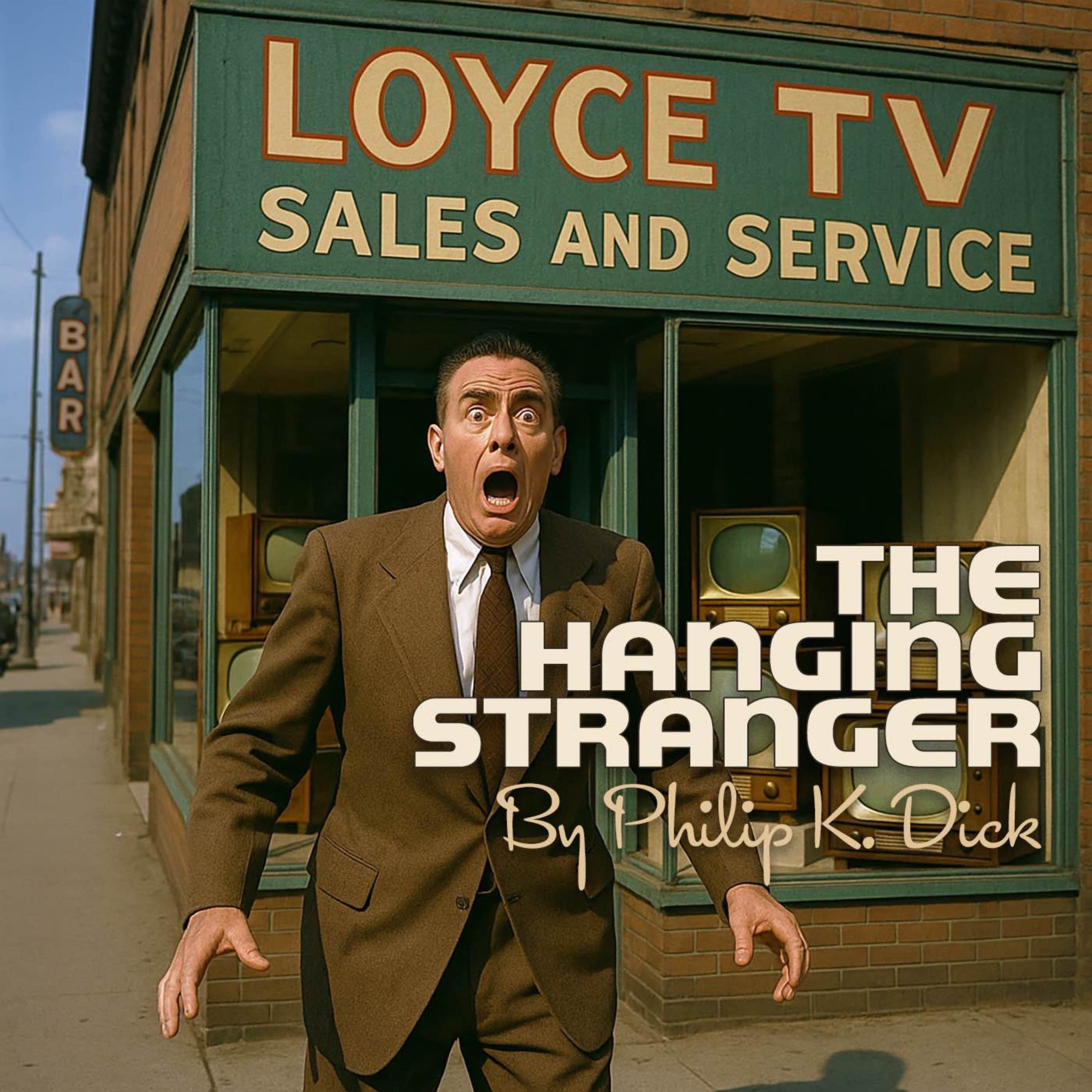
Ed Loyce spends his days fixing radios and televisions in a small town where nothing much happens. One evening he climbs out of his basement workroom, walks into the square, and sees something no decent town would put up with.
Then he notices how everyone else is taking it.
Philip K. Dick wrote "The Hanging Stranger" in 1953, a year when plenty of Americans had started keeping an eye on their neighbors. Seventy years on, it still makes you check who's standing behind you.
Philip K. Dick was born in Chicago in 1928 and spent...
Murder of Crows by Don McDonald — The Frontier Has a Long Memory
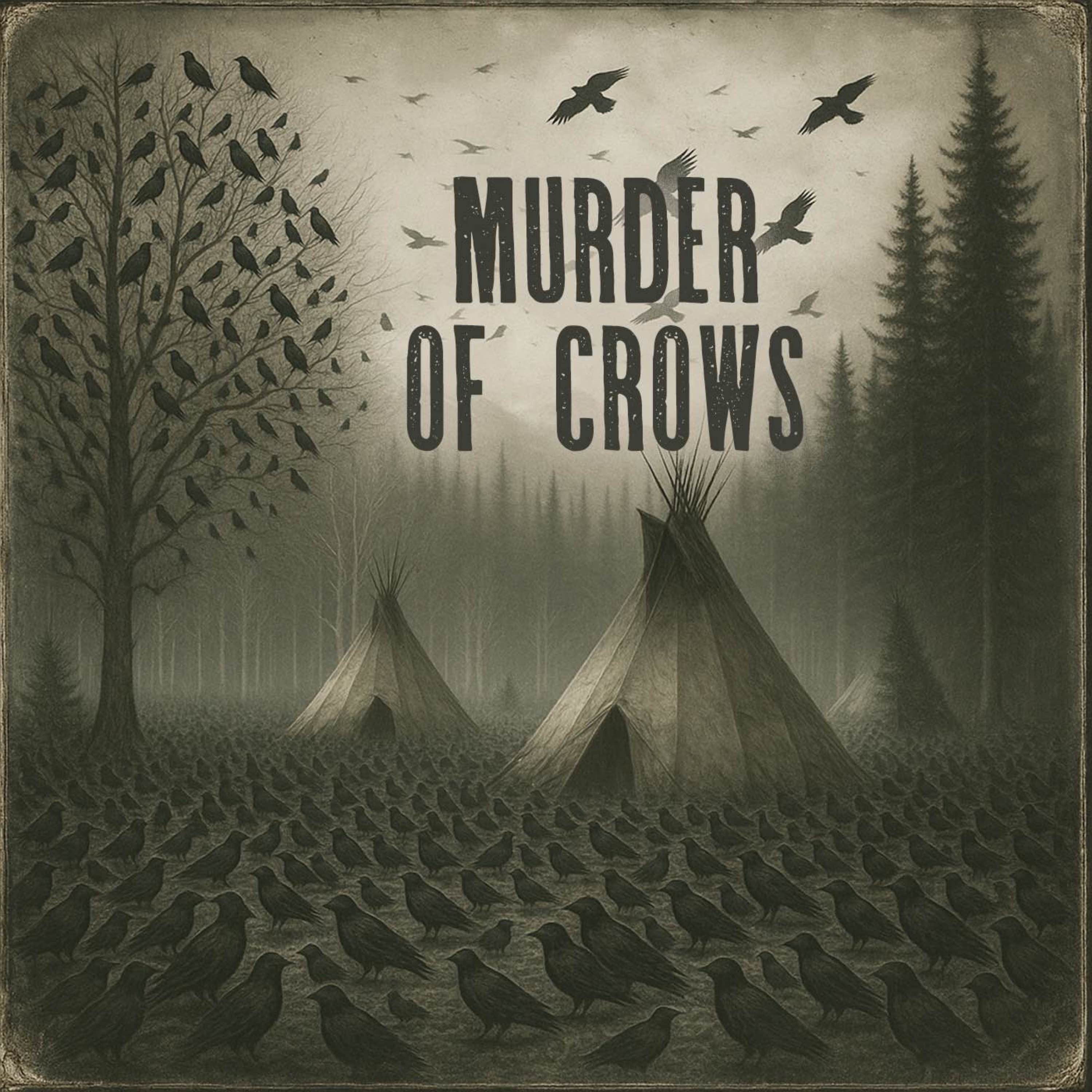
There’s a reason crows gather in cemeteries. They remember. They watch. And sometimes, they wait. Murder of Crows isn’t a tale borrowed from the past—it’s one I wrote for New Tales Told, a series of original stories that echo in the spaces between memory and myth. This one lingers in the cold silence of the American frontier, where the shadows are long and the watchers have wings.
Set in Montana Territory, 1868, Murder of Crows is a western—but not the kind you remember from Saturday matinees. The dead don’t rest. The land doesn’t forg...
The Willow Walk by Sinclair Lewis — A Respectable Man’s Other Life
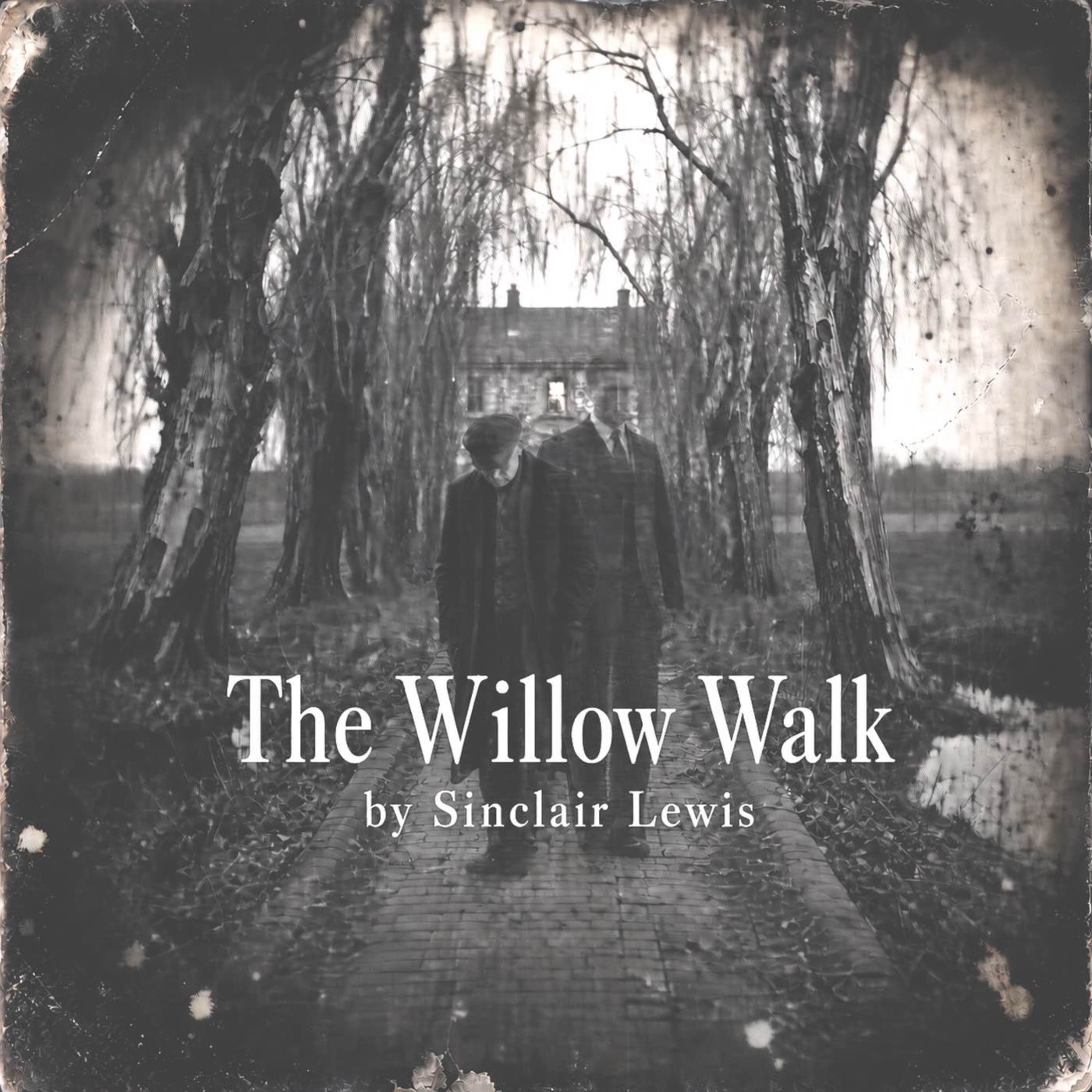
Jasper Holt counts other people's money at the Lumber National Bank, and he is very good at it. Out in Rosebank, at the end of a brick path a block long and roofed over with willows, his brother John lives alone, shabby, devout, and nearly invisible. The brothers are not much alike. Sinclair Lewis builds this one patiently, a small arrangement at a time, and then lets the willows lose their leaves.
Sinclair Lewis was born in 1885 in Sauk Centre, Minnesota, a small town he spent the rest of his life dissecting. He worked his way...
August Heat by W. F. Harvey — Two Strangers Have Until Midnight
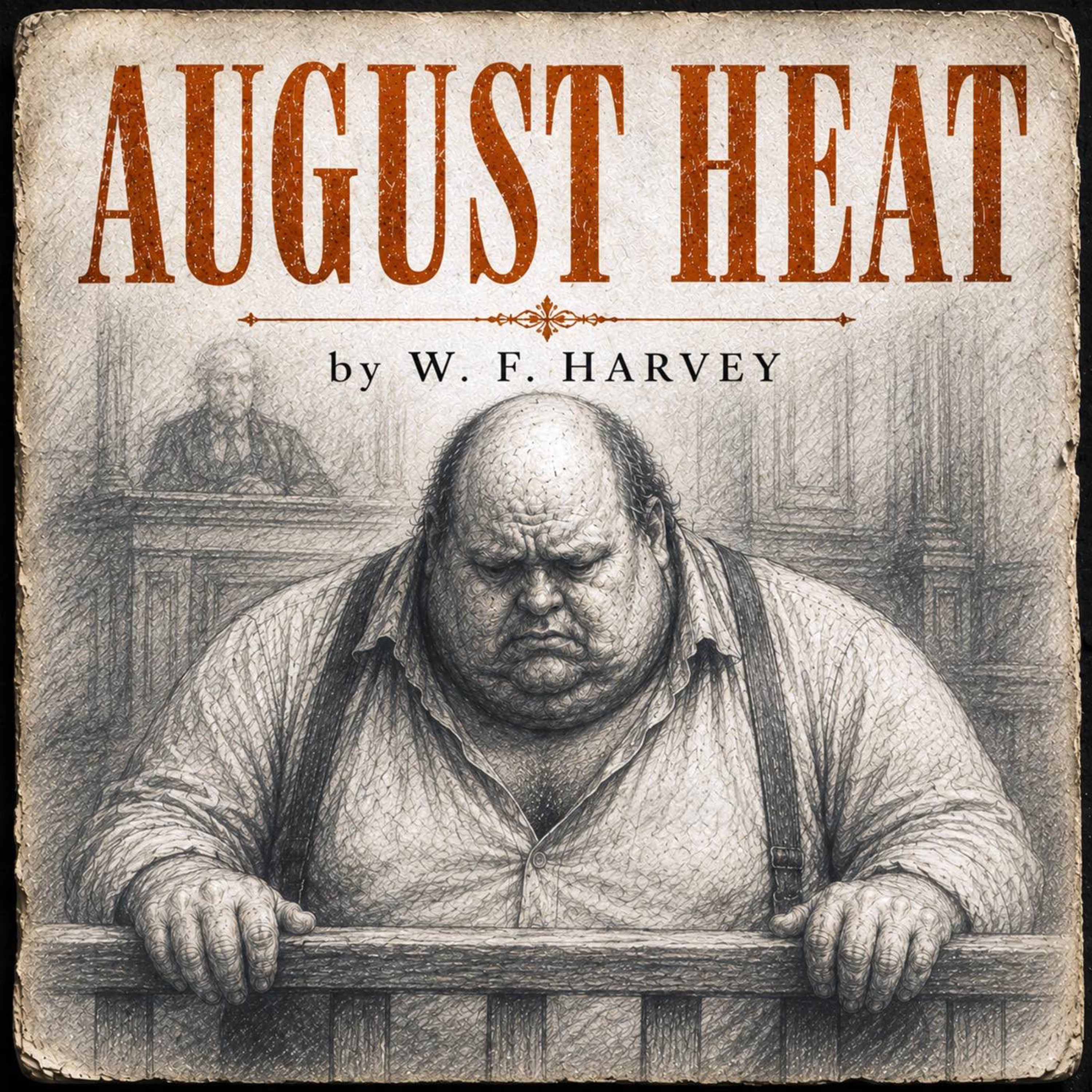
August 20th, 1910. The worst heat in living memory, the kind that flattens a city and slows the blood.
An artist named James Clarence Withencroft spends the morning drawing a man in the dock, caught at the instant sentence is passed on him. Then he walks out into the glare, wanders without direction, and finds himself in a stonemason's yard, where the man from his drawing sits carving a headstone. Neither has ever laid eyes on the other. The name cut into the stone is Withencroft's own, and so is the date.
They agree...
The Rips by Don McDonald — Her World Is Coming Apart at the Seams
There are things we expect from the world.
Walls stay still. Rooms hold their shape. The spaces we live in behave.
And when they don’t, we look for explanations.
Old houses settle. Pipes shift. Light plays tricks.
But sometimes the world doesn’t explain itself.
When an answer can’t be seen, that doesn’t mean there isn’t one.
There is something.
Something all too real.
Something beyond frightening.
If you enjoyed th...
The Diary of a Madman by Guy de Maupassant — The Private Thoughts of a Respected Man
There is a special horror in hearing a mind unravel from the inside. In The Diary of a Madman, Guy de Maupassant pulls us into the private writings of a man who can no longer trust his own thoughts. His diary entries begin quietly enough—simple observations, small disturbances—until each page edges closer to something darker, something unmoored, something deeply and intimately wrong.
This is the slow, suffocating terror of a mind turning against itself.
Guy de Maupassant, one of France’s great masters of psychological horror, wrote with an uncanny instinct for th...
The Tell-Tale Heart by Edgar Allan Poe — A Quiet Murder Makes Too Much Noise
A man insists he is calm… reasonable… even kind. Yet something small and ordinary, something most people would ignore, begins to consume him. It creeps into his thoughts, scrapes against his nerves, and finally drives him toward an act he believes is both necessary and brilliant. But the mind doesn’t stay quiet for long. As the story tightens, the world around him narrows to a single sound he cannot escape. Poe’s tale is a descent told from inside the fall—where the truth comes knocking long before anyone else does.
Edgar Allan Poe (1809–1849) reshaped American lit...
A Haunted House by Virginia Woolf — Two Ghosts Search for What They Left Behind
There’s a certain kind of ghost story that doesn’t knock at the door or rattle chains. It whispers. It lingers. It asks you to listen a little more closely than you usually do.
Virginia Woolf remains one of the most influential voices in 20th-century literature, and A Haunted House shows why. In just a few pages she turns a simple domestic space into something tender, uncanny, and alive with memory. It’s a ghost story without the usual theatrics—quiet, rhythmic, almost like the house itself is breathing.
If you enjoy these cl...
The Damned Thing by Ambrose Bierce — What Killed Him Was There to Be Unseen
In this unsettling tale, Ambrose Bierce invites us to witness an inquest—one that begins as a routine matter and unravels into something far stranger. A man has died. The evidence is sparse. The testimony is contradictory. And the truth… well, it might be standing right there in the room, unseen.
Prepare for a story that taps on the thin walls of perception and asks whether the most terrifying things are the ones we simply cannot see.
Ambrose Bierce (1842–circa 1914) was an American master of the uncanny—sharp-tongued, mordantly funny, and unafraid to drag rea...
The Monkey’s Paw by W. W. Jacobs — Three Wishes and No Guarantees
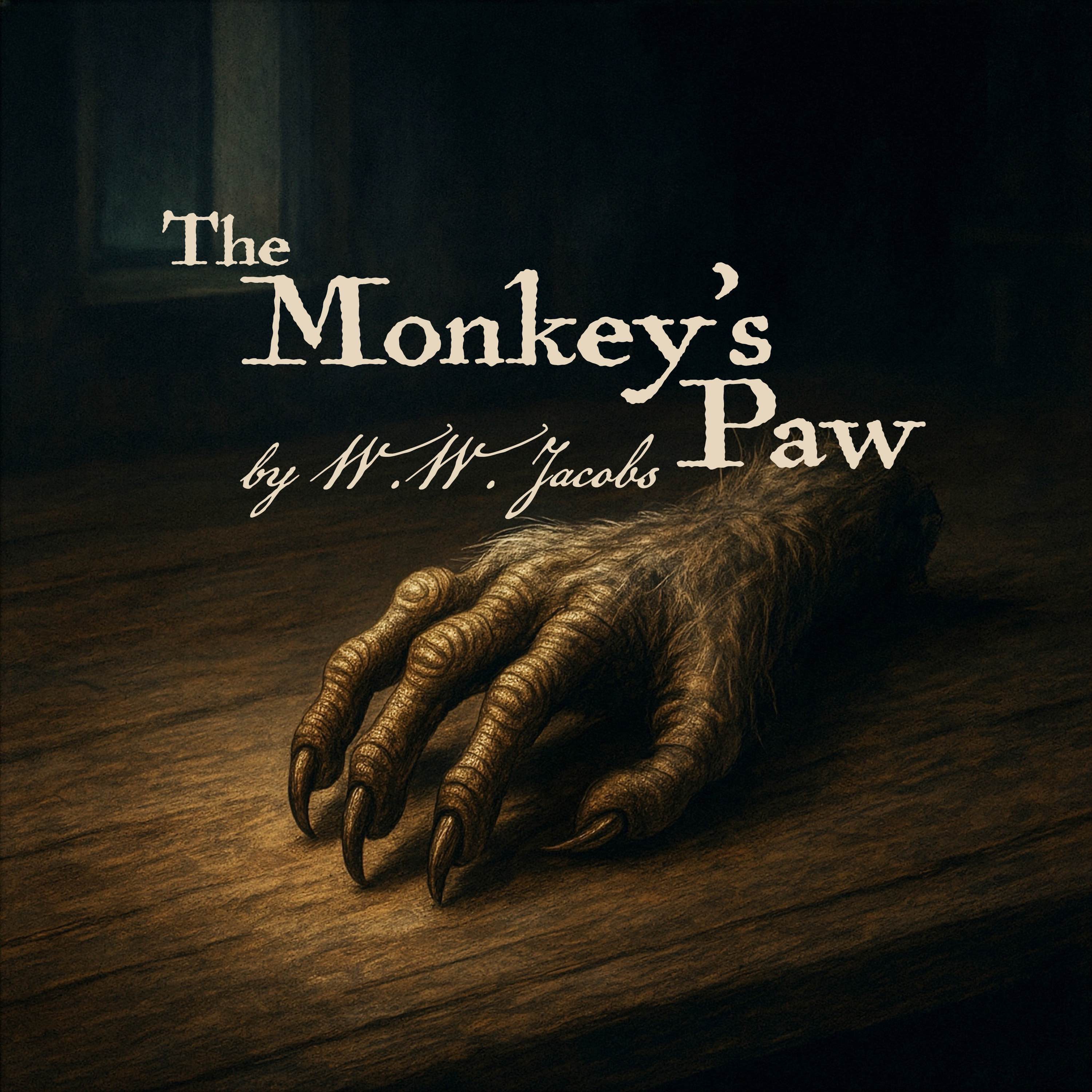
There are stories that whisper warnings, and then there are stories that lean in close and breathe those warnings right into your ear. This is one of the latter. It begins, as these things often do, with an ordinary family in an ordinary home… until a strange relic from a far-off land arrives and tilts the whole world off its axis. It’s a tale about wishes—how badly we want them, and how steep the bill can be when they’re granted.
W. W. Jacobs (1863–1943) was a British writer best known for spinning everyday moments into dark...
The Pale Man by Julius Long — The Stranger Down the Hall Is Getting Closer
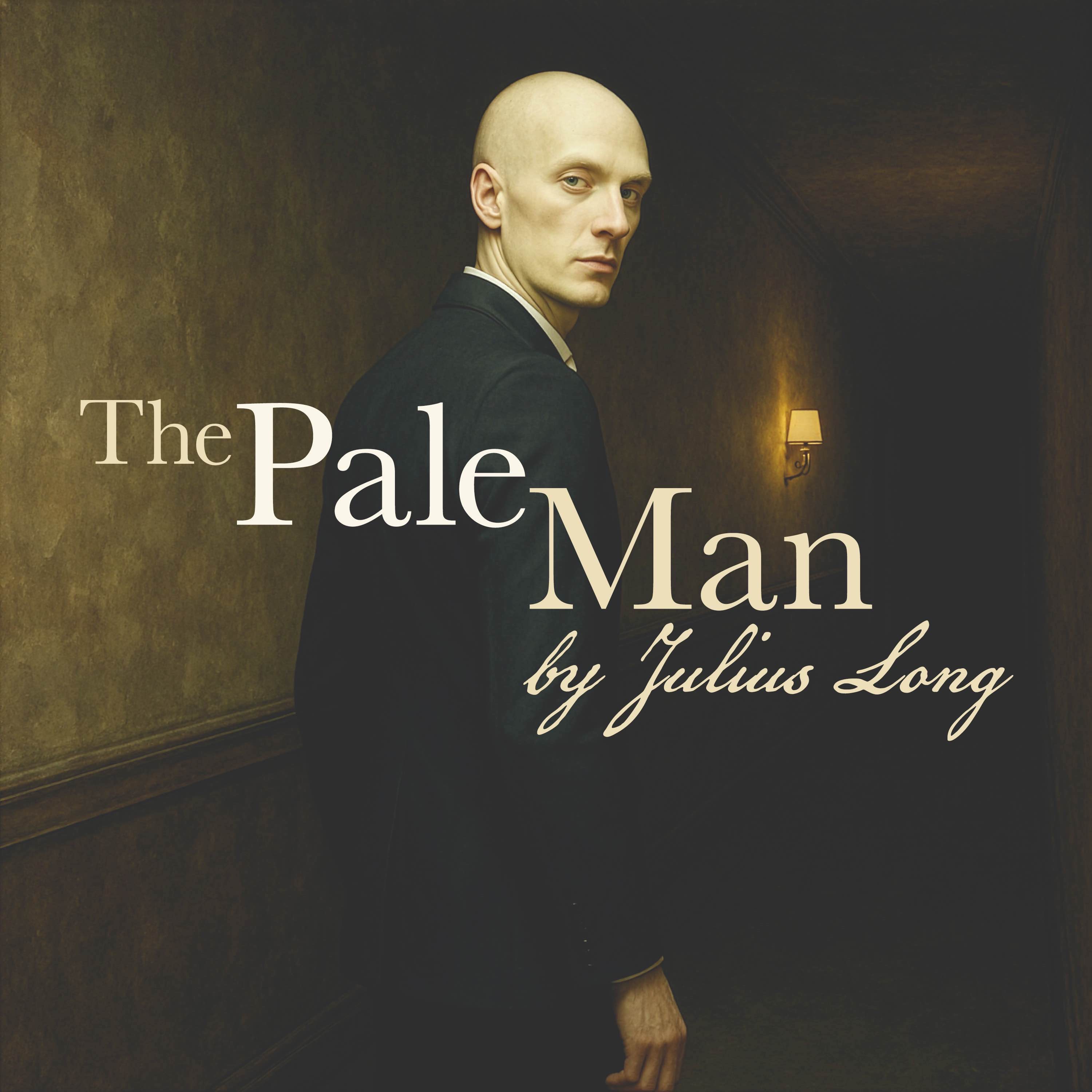
Julius Long’s The Pale Man is a masterclass in quiet dread—an intimate journal of a traveler who becomes aware of a strange newcomer haunting the corridors of his hotel. Nothing overt happens, nothing jumps out, yet the sense of creeping inevitability grows with every page. Its power lies in what we notice… and what we don’t want to.
Julius Long (1907–1955) was an American author best known for short, tightly constructed tales of mystery and the macabre. Though he never became a household name, his work appeared in popular pulp magazines of the era, where read...
The Judge’s House by Bram Stoker — A Student Finds More Than Solitude
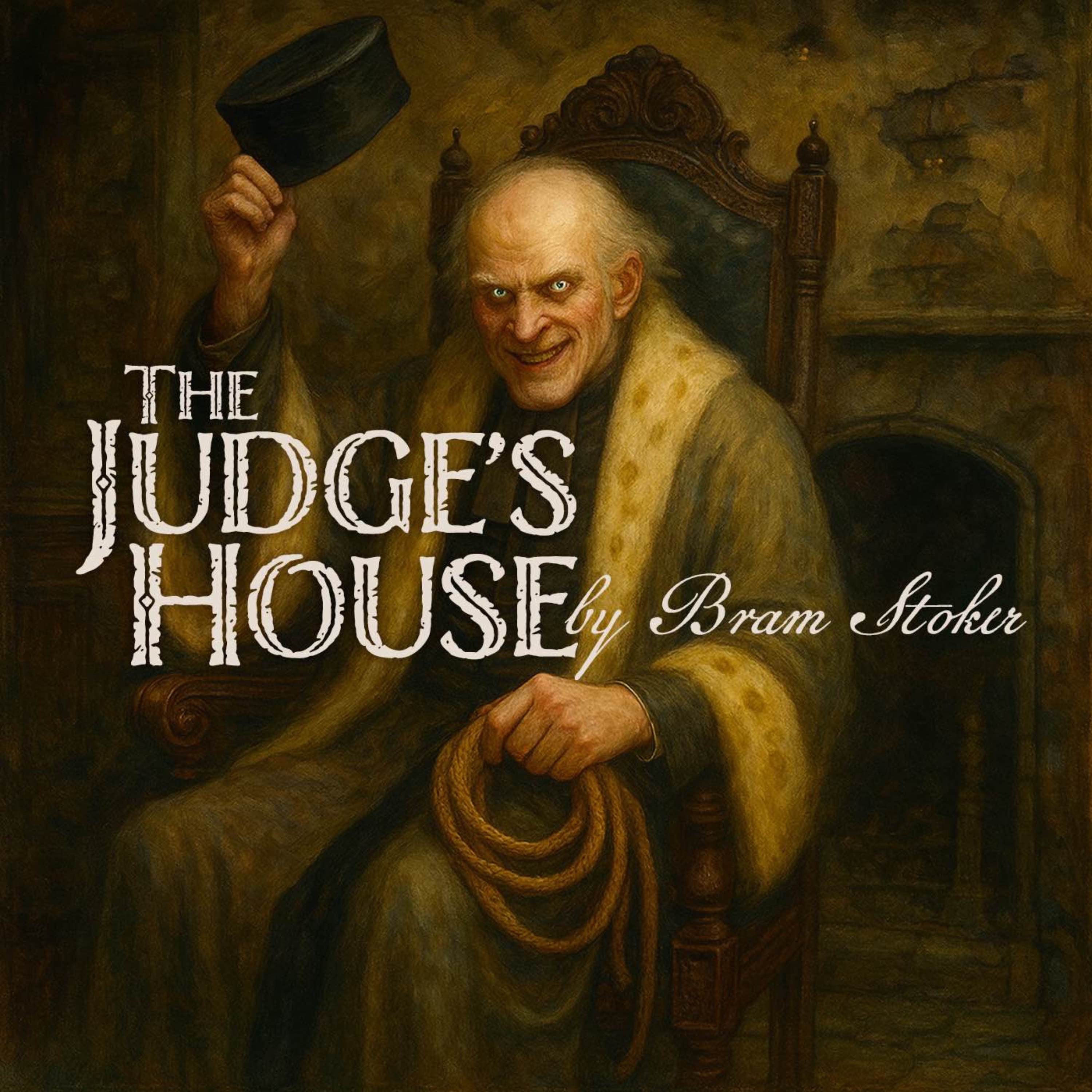
Some houses advertise their menace. Others wait. In The Judge’s House, Bram Stoker gives us a quiet old home with a history no one wants to speak aloud. A university student, seeking absolute solitude to study, leases the abandoned residence of a long-dead magistrate known for his severity—and for something darker. At first, it is only the silence that unnerves him. Then comes the persistent scurrying of a single gray rat. Then the eyes. And finally, the feeling that the judgment passed in this house never truly ended.
Bram Stoker (1847–1912) was an Irish writer whose...
A Wireless Message by Ambrose Bierce — An Impossible Warning Far from Home
A Wireless Message is a brief, uncanny tale about a man who receives an impossible warning in the dead of night—one that seems to pass through neither voice nor wire, but something far more mysterious. What begins as a mundane moment on a quiet country road turns suddenly intimate and chilling, as the narrator confronts a message meant only for him, delivered by someone who could not possibly be there. Bierce builds the tension with his trademark simplicity: no theatrics, no tricks, just a quiet encounter that unsettles the rational mind and lingers long after the telling.
The Furnished Room by O. Henry — A Missing Woman’s Perfume Lingers
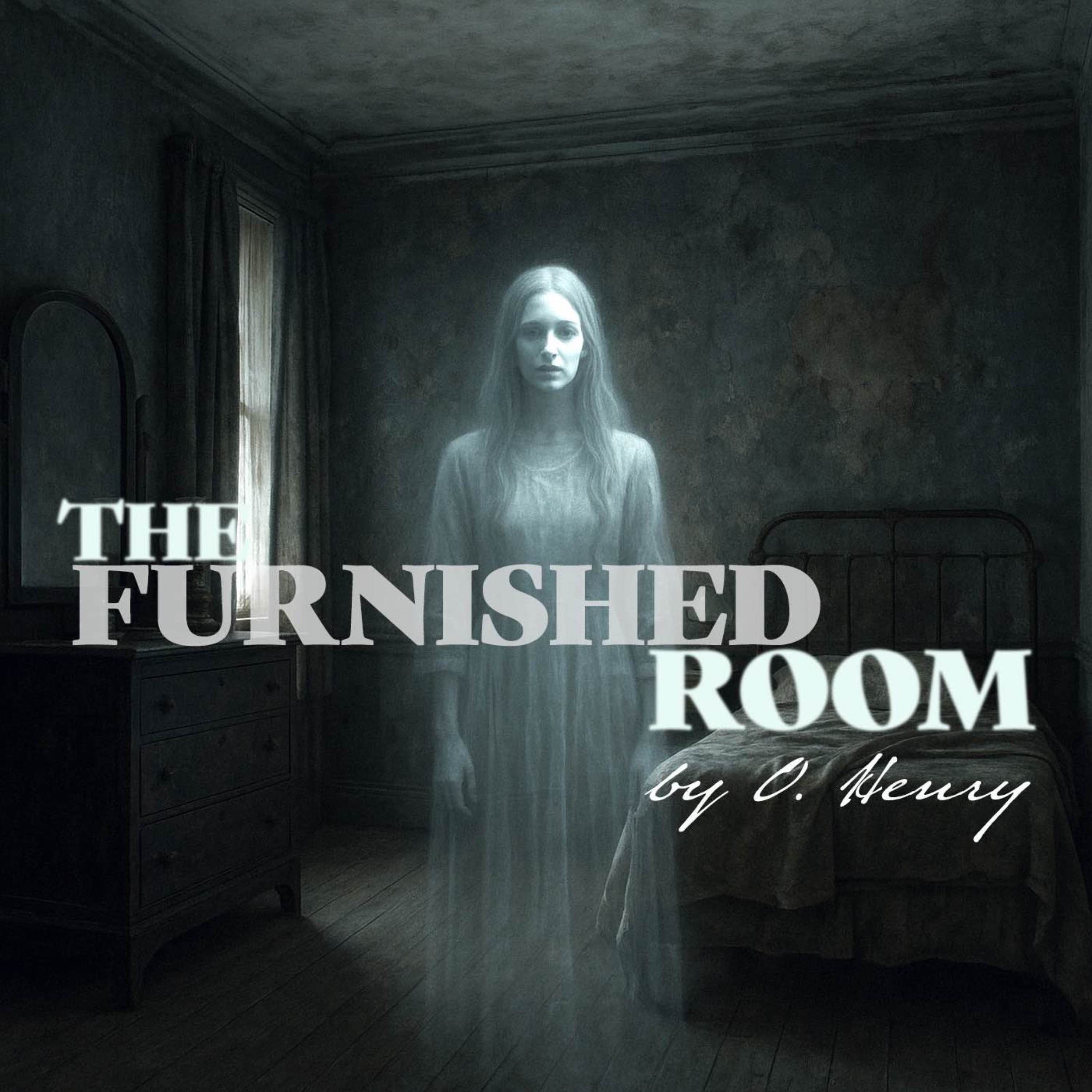
In “The Furnished Room,” O. Henry trades his usual light touch for something far more haunting. A weary young man arrives at a shabby New York boarding house, desperately searching for the woman he loves. The room he rents feels strangely steeped in old emotions… and in secrets the landlady would rather not discuss. As he follows faint traces of her presence—a perfume, a song, a whispered memory—the line between the living and the dead begins to blur. This is O. Henry at his darkest: a tale of obsession, despair, and a rented room that holds on to its tra...
The Man with Two Lives by Ambrose Bierce — Surviving Was Only the Beginning
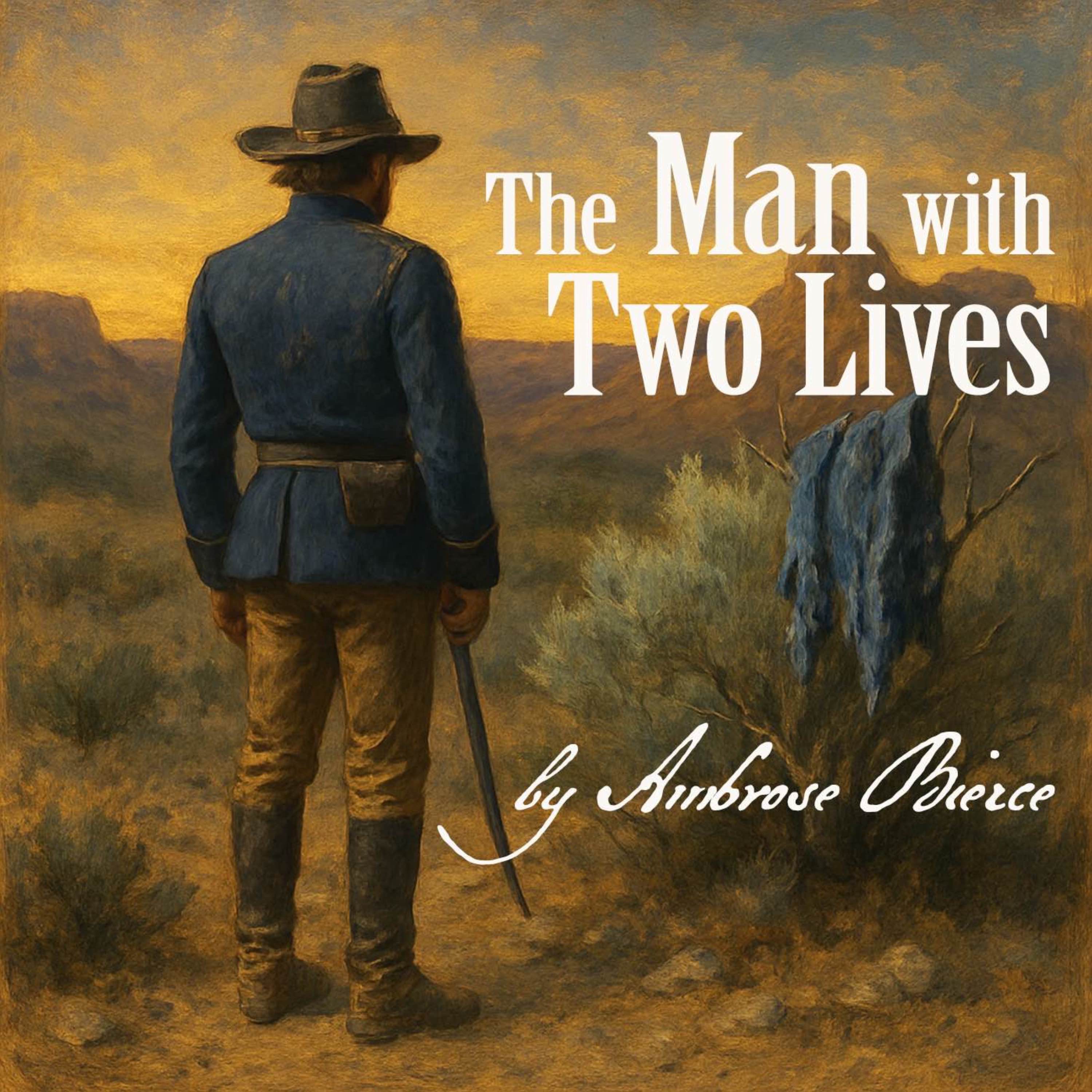
When a young man survives an event that should have ended his story, he returns changed in ways no doctor—or priest—can explain. Lean, eerie, and unmistakably Bierce, The Man with Two Lives follows a life restored… but not returned intact. What happens when a man comes back carrying more than himself?
Ambrose Bierce (1842–circa 1914) carved his place in American literature with a soldier’s grit and a cynic’s clarity. A Civil War veteran turned journalist and satirist, he wrote with a precision that could cut glass. His supernatural and psychological tales — brief, brutal, unforgettable...
The Cask of Amontillado by Edgar Allan Poe — An Old Grudge and a Rare Wine
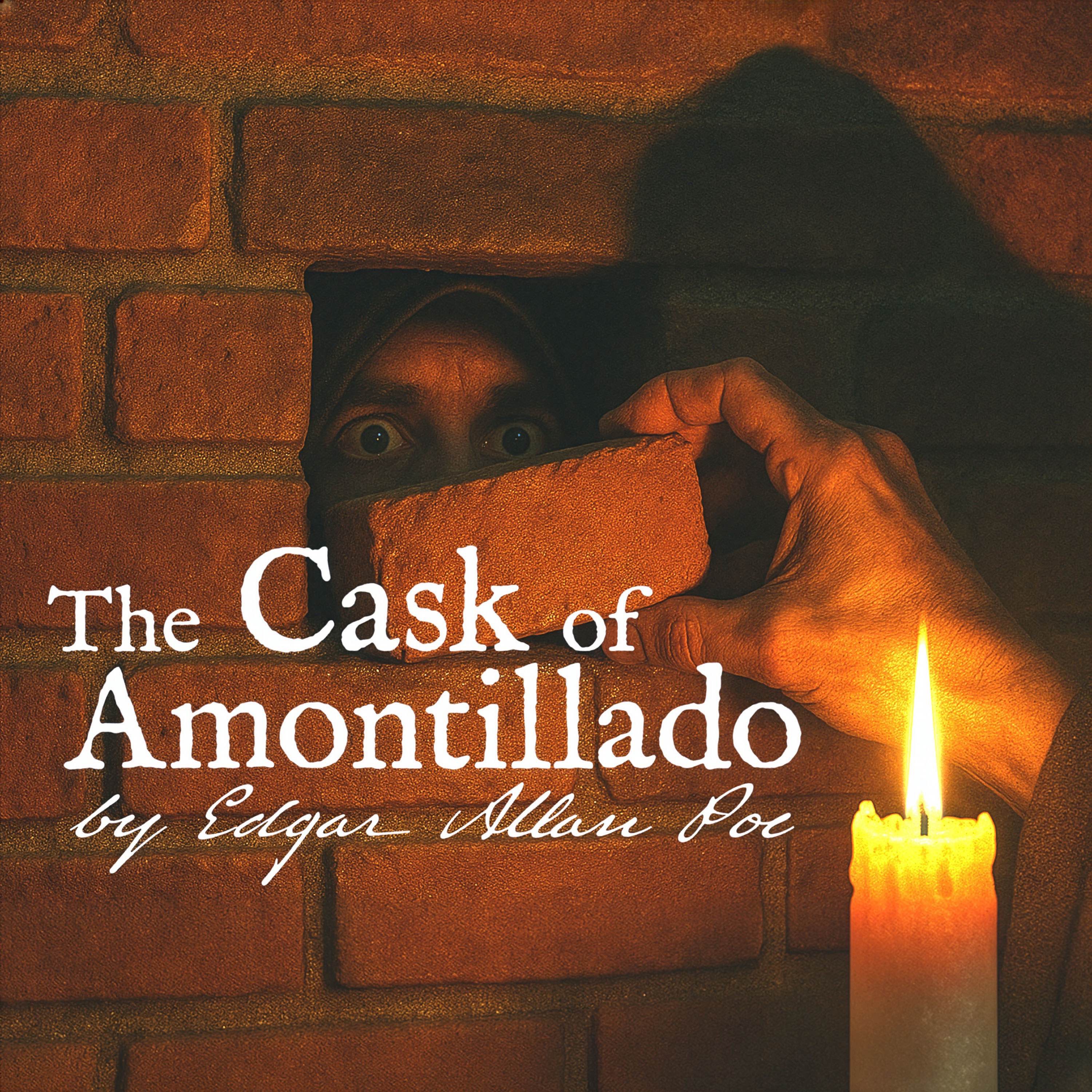
Beneath the streets of old Italy, where carnival laughter drowns out good judgment, Edgar Allan Poe takes us into one of literature’s most unsettling descents. The Cask of Amontillado is a cold, precise story of pride, manipulation, and a man who knows exactly how far he’s willing to go to avenge an unnamed insult. What begins as a simple invitation to taste a rare wine turns into a slow walk into the darkness—brick by brick, step by chilling step. Poe doesn’t rush. He lets the dread spread, flicker, and settle in the reader’s bones. This is on...
The Rocking-Horse Winner by D. H. Lawrence — How Much Luck Is Enough?
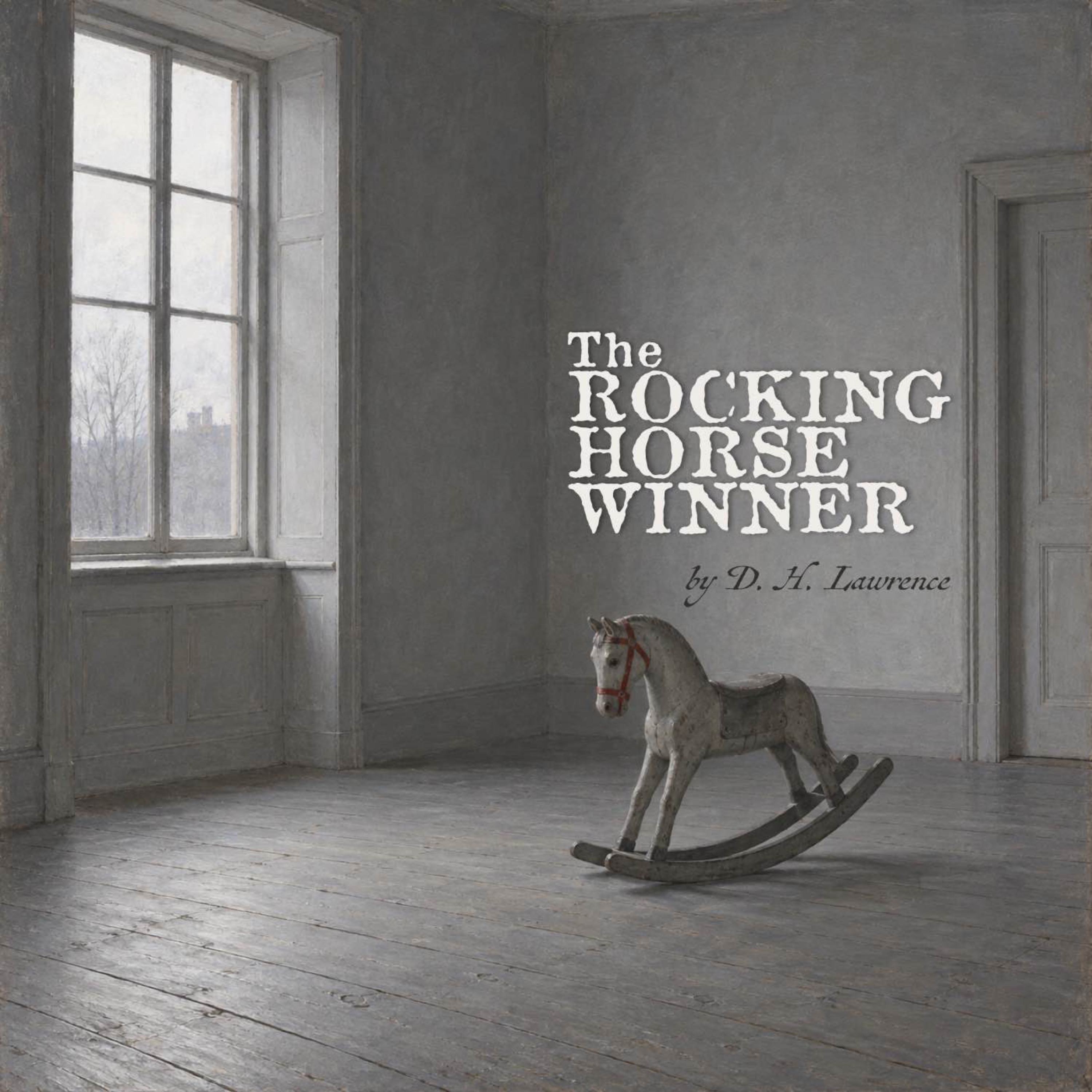
A beautiful woman married for love, and the love turned to dust. The family lives in style, always a little past its means, and the house has started to whisper. Her small son hears it. He would like very much to be lucky. D. H. Lawrence wrote this for a book of ghost stories in 1926, and it remains one of the most unsettling things he ever put on paper.
If you enjoy great stories visit shortstoryverses.com and please be sure to follow us on your favorite podcast service.
This is a story...
