WTF Bach

J.S. Bach explained: Music analysis, Baroque history, counterpoint and performance practice. A classical music podcast for listeners who want to understand what they're hearing. Weekly history, Well-Tempered Clavier, Brandenburg Concertos, St. Matthew Passion, The Art of Fugue, Cello Suites, and more. Classical music education for all levels! wtfbach.substack.com
152: Bach’s Obituary (1754)
One of the most important documents we posses about J.S. Bach— indeed the first biographical writing— is his obituary, written by his son, C.P.E., and his student, Agricola.
Also referred to as the ‘Nekrolog,’ the obituary appeared in Mizler’s (yes, the Society of Musical Sciences gentleman) publication, Musikalische Bibliothek, in its very last installment.
In this brief portrait of the greatest composer, we are struck by the renown of his family tree, the unanimous admiration of all those who heard Bach, but ultimately by the humility of his spirit despite his towering a...
(Rant) ‘More Than Food.’
The music at the end is BWV 600, from a forthcoming ‘electrified’ arrangement of Bach’s Orgelbüchlein.
The beautiful passage toward the end of my rant— with the koto accompaniment and bird song— comes from one of my absolute favorite books: R.H. Blythe’s writings about Haiku. Blyth considered the three greatest geniuses of time to be Basho, Bach, and Shakespeare— in that order! Wow! What am I missing with Basho!?
More than a podcast. This is WTF Bach.
I take my groceries from the bag and notice the bag says,
Thi...
151: New Album! (& New Sonic Experience?)
Volume 6 in ‘J.S. Bach: Complete Keyboard Works’ is on presale today! Here are the relevant links:
* J.S. Bach: Complete Keyboard Works, Vol. 6 - Arrangements of Albinoni and Reincken(https://modernclassicalx.lnk.to/JSBachCompleteKeyboardWorksVol6FromArrangementsofAlbinoniandReincken)
I might call this volume a ‘headphones album’ or perhaps one to listen to in the car: The sonic space shifts throughout the course of these pieces. I describe this process in depth in the episode, but essentially each track is two recordings of the piece, playing simultaneously: one recording is the original live performance, while another is that very sam...
150: The Early Cantatas, All Summed Up.
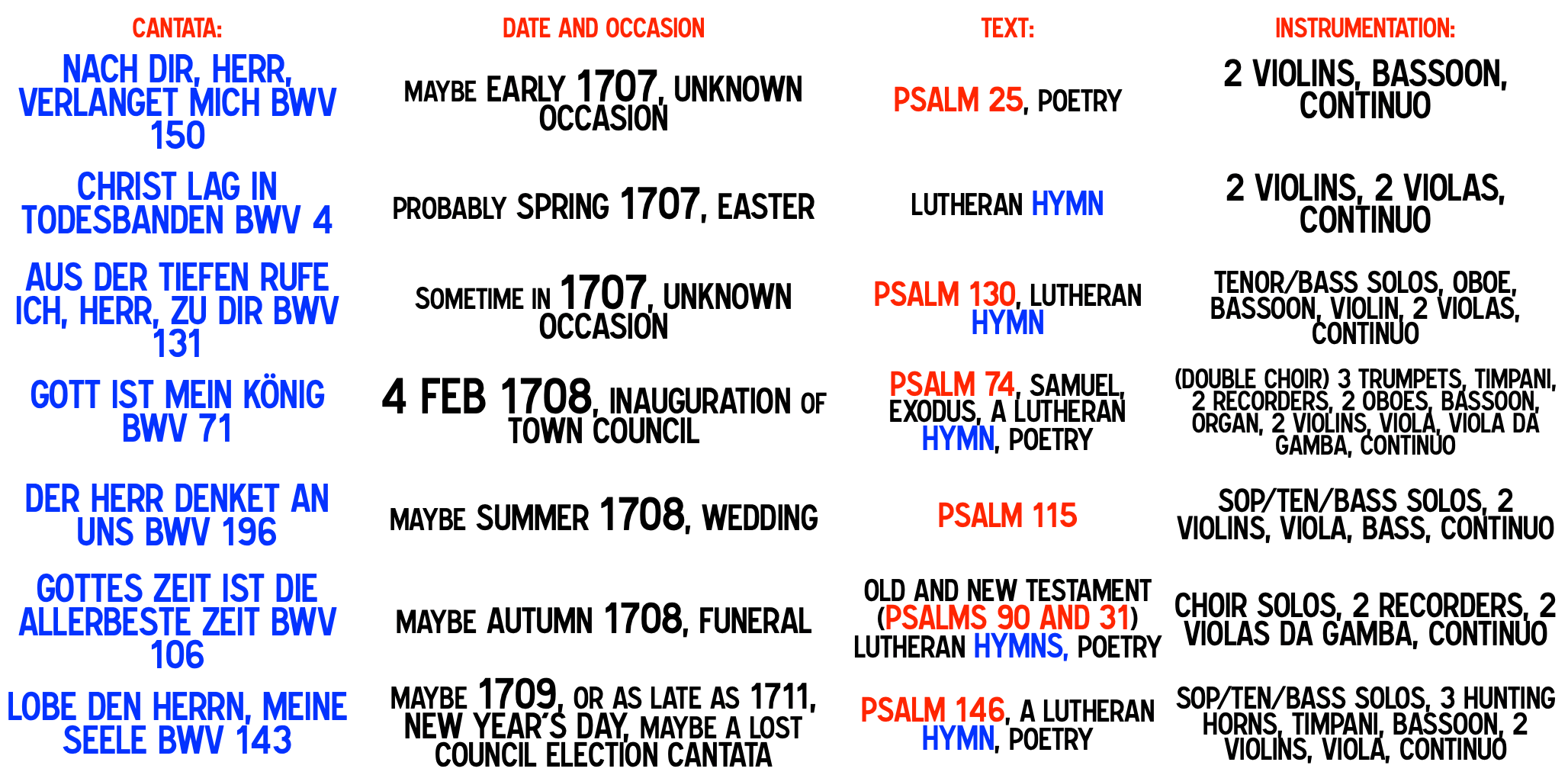
We’ve now covered the seven surviving earliest vocal works by Johann Sebastian Bach! This episode is a brief tour through the episodes we dedicated to these pieces, refreshing our memories and attempting to identify unifying stylistic features.
All the episodes covering the Arnstadt/Mülhausen cantatas can be found at:https://wtfbach.substack.com/t/early-cantatas
Wanna Cantata?
Here’s an image that might help you wrap your head around the earliest cantatas:
For the first time I spoke about Bach’s librettists. We will meet them as our stu...
149: The Battle Between Life and Death
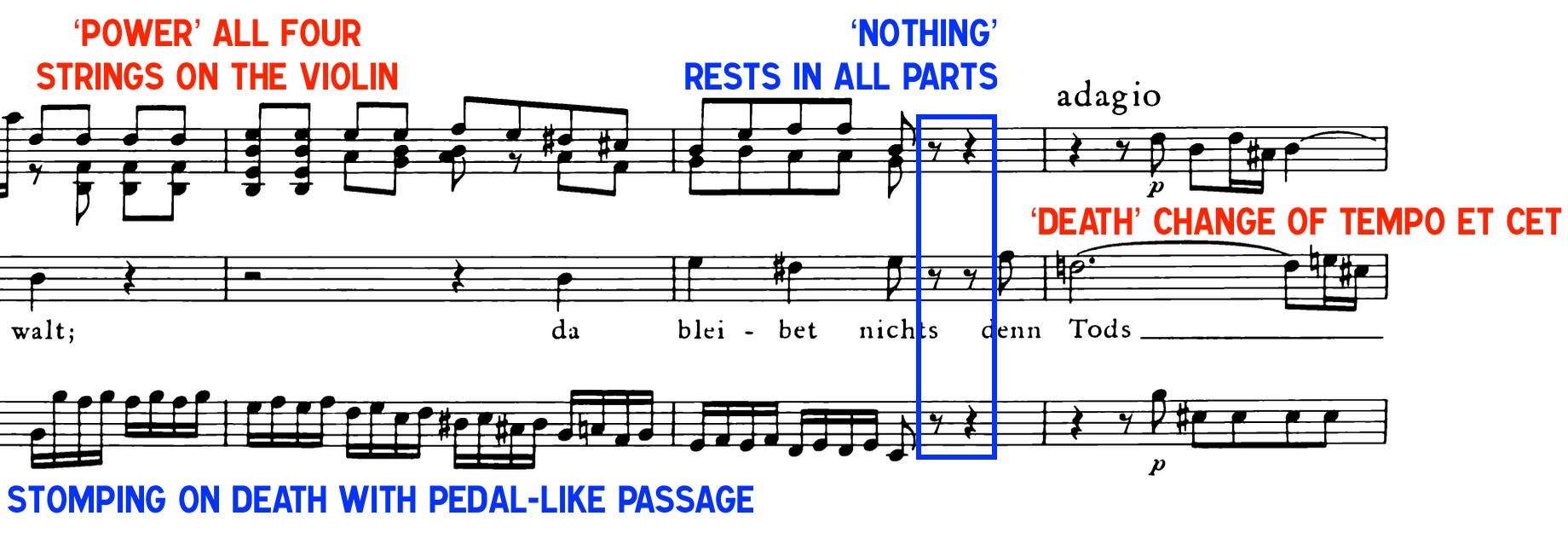
“The consummate expressiveness of {BWV 4] has always been marvelled at. Each verse is as if chiselled in music.” -Albert Schweitzer, Vol. 2
Bach’s early Easter cantata remains one of the most beloved in the entire canon. Barely 22 years old, he is already in full command of his tone-painting. Here are three measures particularly packed with symbolism:
Filling the music with rests at the word nothing, ‘one death eating another’ through the closest possible canon, crosses both in shape and every note ‘sharped’ (gekreuzt,) dripping blood on the Passover doors with short 8th notes, leaping a diminished 12t...
148: Ballooning! (Flying in the 18th Century)
Sometimes an article from the EB strikes me as so amusing, I simply have to share it with you. See you next week (or the week after, latest) for the conclusion of our early cantata survey, with Christ lag in Todes Banden, BWV 4. Thanks for listening!
Well, That’s Fascinating!
We Rely Exclusively on Paid Subscriptions! Help WTF Bach endure:Join at WTFBach.comThis is the only place Evan checks comments regularly.You can also make a one-time donation here:https://www.paypal.me/wtfbachhttps://venmo.com/wtfbachThank you for your help!
147: Is This Cantata Even By Bach?
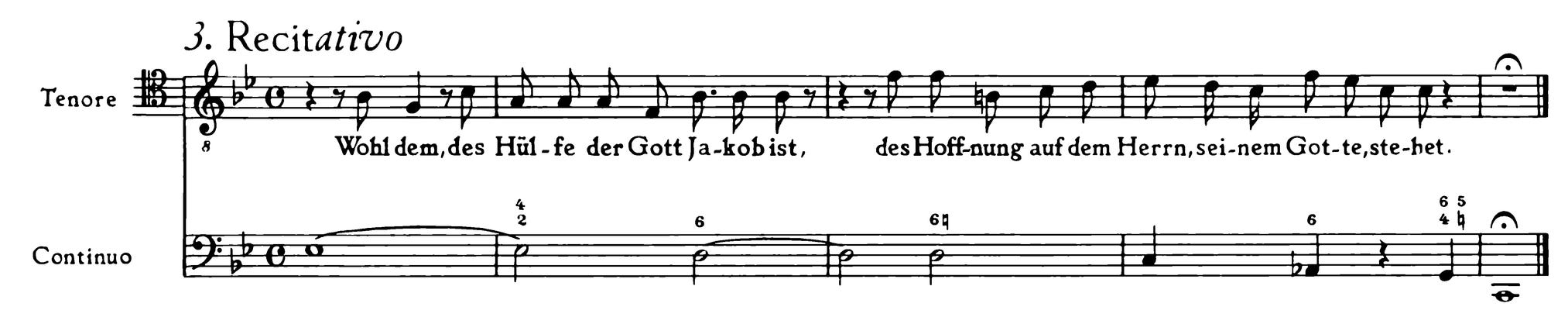
Q: If, after you attended a Bach concert, someone told you that your favorite piece on the program was not, after all, by Bach… how would you feel?
Does this cantata actually fail to move us? Or does it fail to move us when we know its authenticity is up for debate? Can we truly hear some compositional weaknesses?
If we are to ascribe this music to Bach, it was probably from the years 1709-1711. No other cantatas from the period from his first years in Weimar (that is, before being promoted to concertmaster) survive. Th...
146: Toccata’s Twin! Double Fugue in F
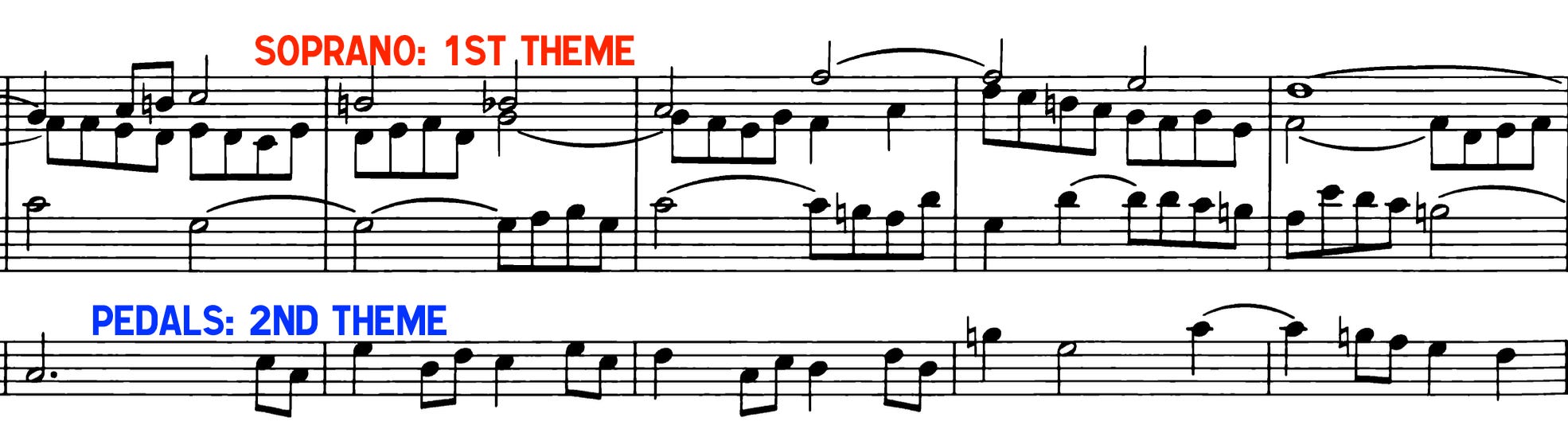
Forever paired with the giant Toccata BWV 540, it’s unlikely the two were conceived together. Still, owing to certain sources and the fact that this fugue is a dignified and stately complement to the capricious toccata, the pairing works delightfully.
Now, is this the fugue, BWV 540? Or which piece is this?
And is this not the same music?
Top: Italian Concerto. Bottom: today’s fugue. Seeing such similar vocabulary is as thrilling as it is remarkably rare in Bach’s works.
Wow. That Fugue!
Here are the fugue’...
145: Der Herr denket an uns, BWV 196
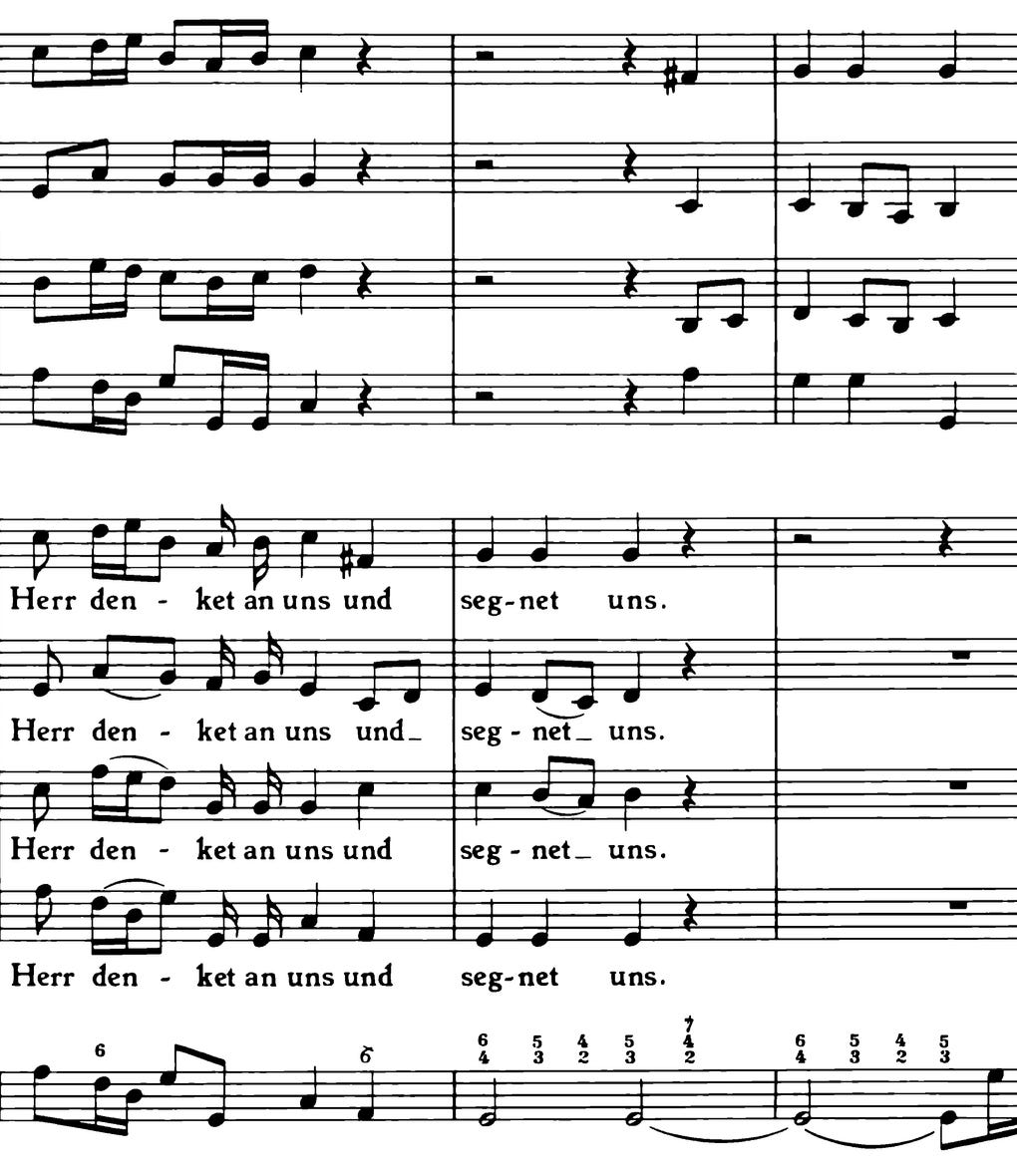
Bach married his second cousin, Maria Barbara, on October 17, 1707, in St. Bartholomäi’s Church (pictured in the cover image) in a charming little village called Dornheim. They were both 22. According to Spitta, some eight months later, Bach and Maria returned to that same church to attend the wedding of the man who had officiated their own: Johann Lorenz Stauber. J.S. Bach carried with him the parts to a cantata, and this work was heard for the first time in June, 1708.
…or so the legend goes. Modern scholarship calls Spitta’s anecdote into question, but in any cas...
144: Why (And How) I Became An Organist
Opsimath Organist
My first trip to Germany (I was 21) I walked into a church in Weimar and heard— by beautiful coincidence— an unseen organist play Bach’s Passacaglia and Fugue, BWV 582. This was a piece I heard for the first time only a year before. I remember exactly in which chair I first heard it. If the Chaconne is Bach’s universe tightly wound into a handheld box, the Passacaglia is a different vision of the same, exploding through thousands of pipes. It is a piece you cannot overlook when thinking of the crowning achievements in Bach’s career.<...
143: Special Guest, Emma Smith (University of Oxford)
“For something to be relevant, is it outside of time, or is it somehow speaking to us directly, now?” -Emma Smith
Today’s guest is Emma Smith! Professor of Shakespeare studies at the University of Oxford. We discuss the Brook and the Bard, what do they have in common? Are there shared philosophies that helped these two figures to become the most influential in their fields?Hope you enjoy the episode! Here are the some things we chatted about:
Parallel career arcs — Both Bach and Shakespeare moved from early imitations of their predecessors through mature masterpi...
142: Monster Toccata in F, BWV 540
About four years ago I made an episode about Bach’s ‘longest’ piece:
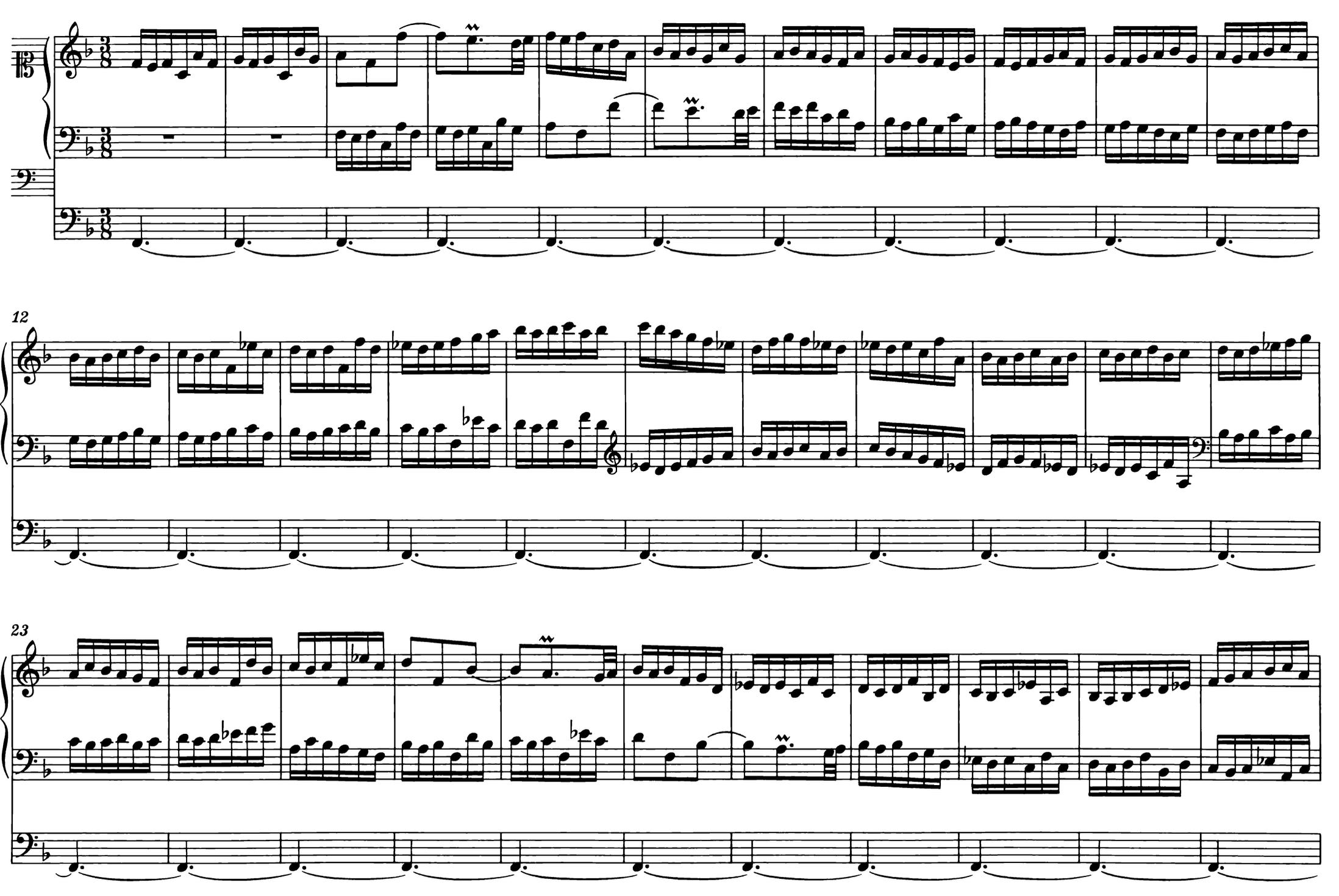
Somehow I missed a piece which should definitely be in contention for his ‘longest.’ At 437 measures, the Toccata in F, BWV 540, is (I think!) the longest stretch of Bach’s music, in terms of measures. It probably also holds the record for longest single note. Take a look at page one— an inanimate object could play the pedal part on page one:
From easiest pedal page, to tap-dancing nightmare, the feet on the very next page:
…and all that happens twice. What a pi...
Classical Music ...Robots.
PG-13 Warning
Songs Without Lungs
Of course I’m not worried about AI replacing me. I’m a pianist. No one will ever pay to watch robots perform.
And then we met Sophia.
That’s right. Earlier this year, with the Baptist University Symphony Orchestra in Hong Kong, a robot took the stage and ‘sang.’ She’s called Sophia. She seems so human with a name like Sophia. Much better than C-137. I’m less likely to confuse her with a robot now that she’s called Sophia.
In what was dubbed...
141: Bach's Orchestral Debut
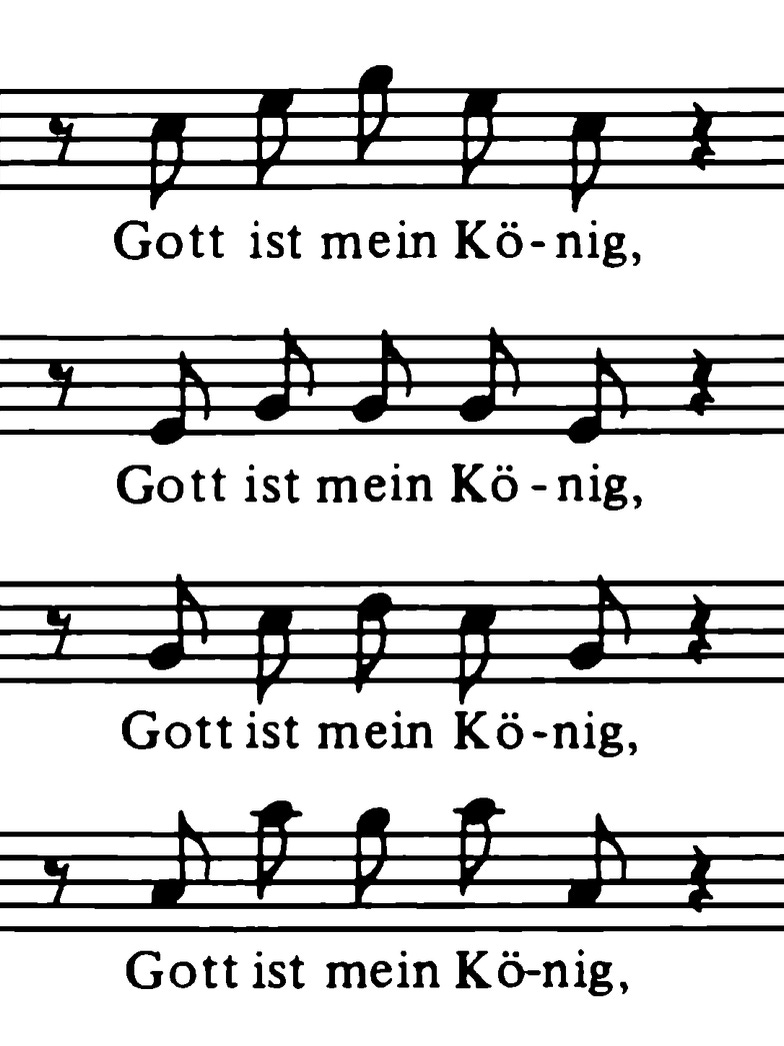
As part of his new job, the 22-year-old Bach had to provide music for Mülhausen’s city council elections. For the first time, he officially had an occasion to write for a large orchestra: brass, timpani, woodwinds, flutes, strings, two choirs— this is BWV 71, Gott ist mein König. Scoring so largely on the page must have been exciting for the young Bach:
That’s a lot of parts! The first time Bach writes for brass and drums! Notice the ‘J.J.’ in the upper left corner, Jesu Juva, ‘Jesus help me.’ We see it spelled out on the title...
140a: Passacaglia Supplement
I hope you get something out of this experiment!
Enjoy Paul Jacobs’ beautiful live performance, followed by, at 16:20, an extremely slow MIDI version of BWV 582. The idea is that you, the listener, can adjust the playback speed to alter your perception of the counterpoint.
Perhaps you listen to the slow version at .5x as a three-hour sound bath?
Write That Fugue!
We Rely Exclusively on Paid Subscriptions! Help WTF Bach endure:Join at WTFBach.comThis is the only place Evan checks comments regularly.You can also make a one-time do...
140: PASSACALIA
Bachian folklore claims Bach used to disguise himself and wander into random churches to play the organ. After a few minutes the warden was frightened it was either the devil himself or Johann Sebastian Bach. I imagine this piece would have given such an impression.
Pedal Shoes Anyone?
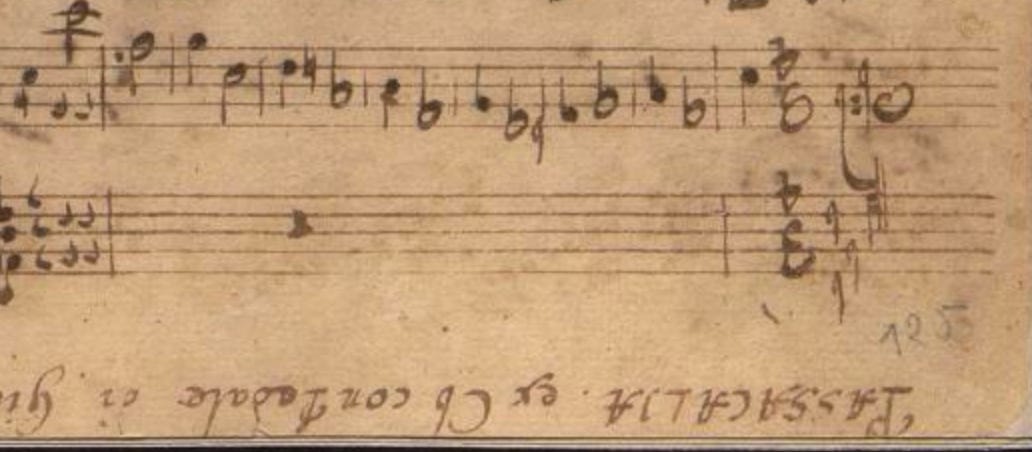
The Passacaglia BWV 582 appears in the Andreas Bach Book upside down. Its title is in all capitals, spelled like the title of this episode. (Curiously, Buxtehude’s Passacaglia in D Minor BuxWV 16 also appears in all capitals, spelled the same— but it is not upside down...
139: Bach's Second (or Third) Cantata
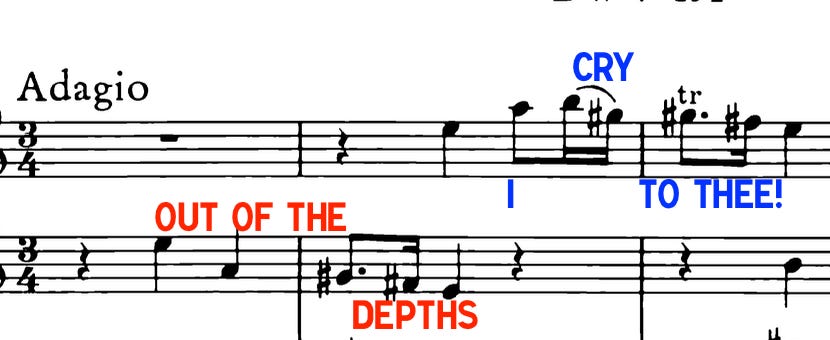
At just 22 years old, Bach set the immortal words of David, ‘Out of the depths I cry to thee, O Lord.’ From the opening bars, we see depths, cries:
The second and fourth movements already show Bach’s interest in using chorale melodies in his cantatas. To the Psalm text, Bach adds a 1588 Hymn by Bartholomäus Ringwaldt, asking for mercy, Erbarm dich mein. How lucky we are to see seeds of the Matthew Passion planted as early as 1707!
The finale uses a fugue with a countersubject to paint one single line of text: And he will...
138: Bach's Very First Cantata
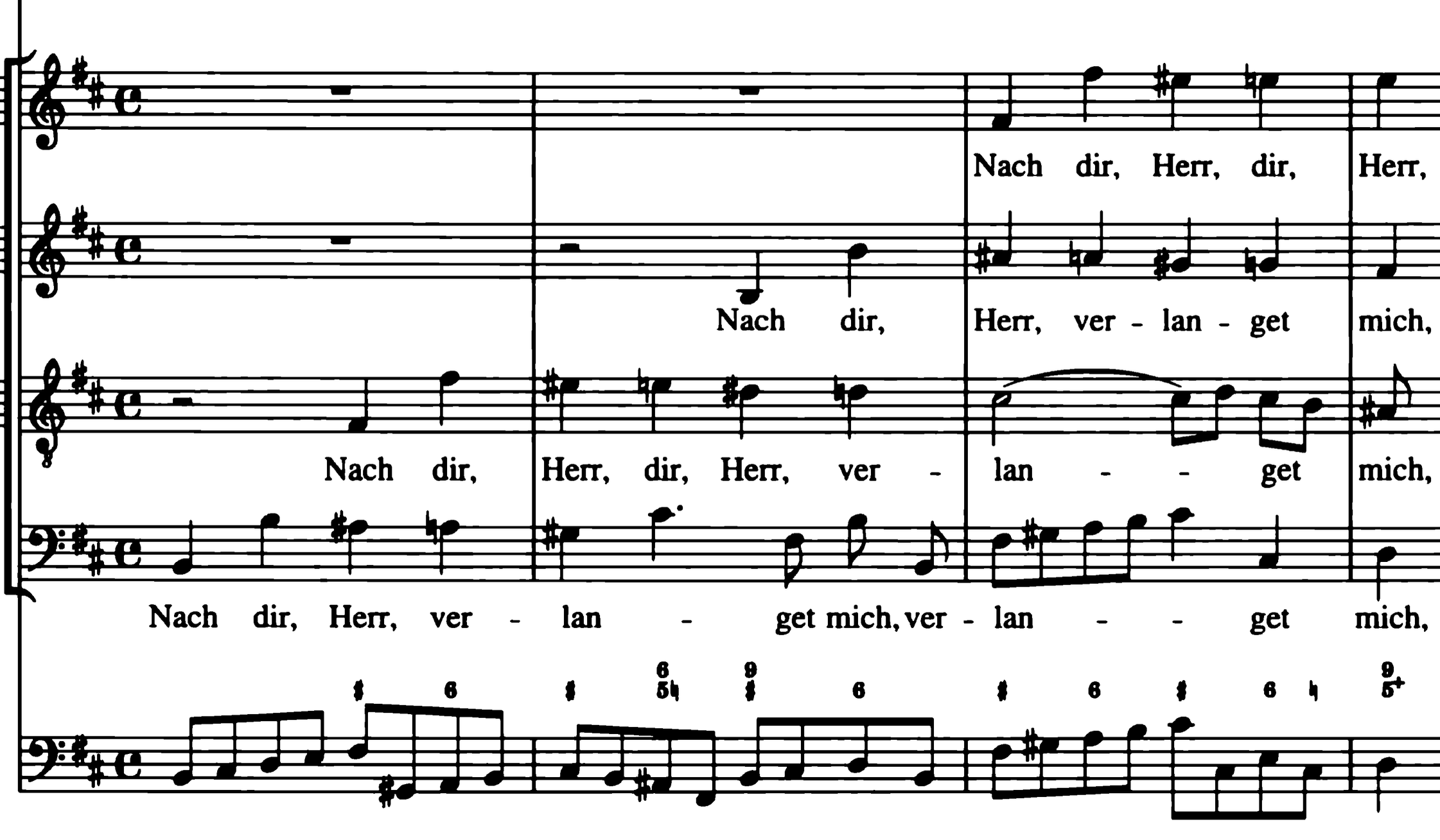
Who is Doctor Conrad Meckbach, and what is he doing in the middle of cantata 150?!
Using clues from a clever acrostic spread throughout the text, scholars have securely dated this cantata to Bach’s years in Arnstadt. Penitential in theme, it would have been performed during Lent, 1707. It is now considered Bach’s earliest cantata.
You Oughta Cantata!
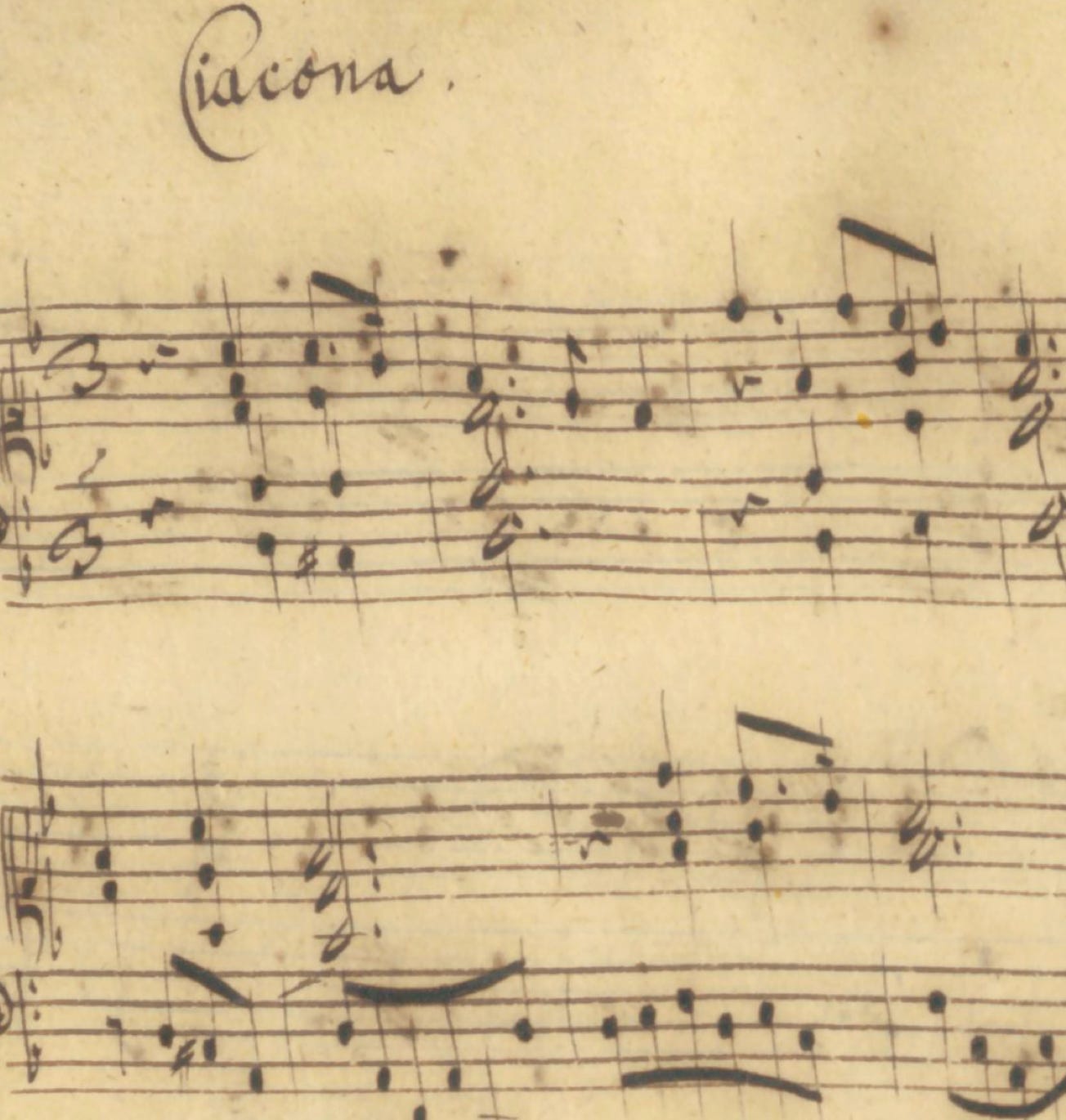
The finale, an early chaconne, (as I forgot to mention in the episode!) served as Brahms’ inspiration for his own chaconne in the last movement of his last symphony. Brahms was one of the ed...
A Classical Musician's Thoughts at a Party
Yeah.Evan.Likewise.What I…? Oh what I do…
Right, well, if you ask me what I do, I’m going to tell you: I breathe, I walk, I sit, I sleep, just like you! Just like you. What I do.
I might venture that I’m an inventor, or no longer need to work, because, right out of university, you see, I came up with a really clever patent for trampolines that has prevented the paralysis of hundreds of bouncing children— if not thousands.
Yes, yes, every month, every month checks. …for all the new...
137: Special Guest! Peter Wollny
Last December, I spoke with Peter Wollny, one of today’s most important Bach scholars. We discuss how one becomes a Bach scholar, what it’s like to be in close proximity with Bach’s handwritten manuscripts, using watermarks within the paper to form a compositional chronology, and forming a ‘personal relationship’ with a figure from the past. Here are some of my favorite quotes from our interview:
Q: Is there something that surprises you when reading a piece with scholarly intent vs. hearing it?A: What you can’t predict is how deeply it will go to your hear...
136: Bach's 12-Tone Fugue (WTC Finale!)
(Fear not the length of this episode: the last 25 minutes or so are three different playings of the piece.)
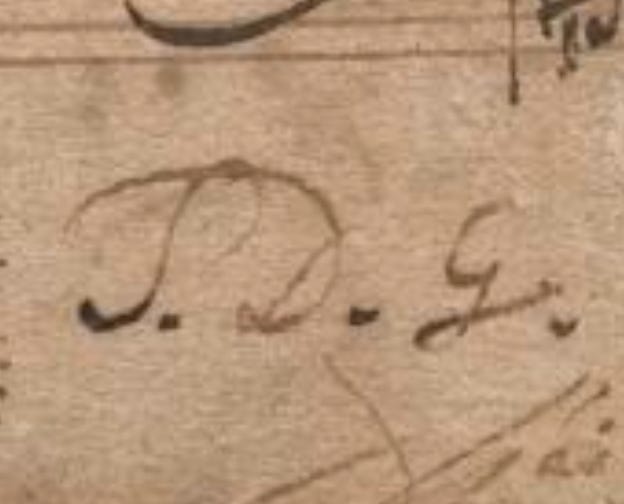
Having written a prelude and fugue in every possible key, having created a single temperament for all of those pieces, having stretched the thematic growth from a 6-note fugal subject to one with all 12 possible notes, Bach achieves a victory that would become the very foundations of music. At the very end, in one of his layerings from the 1730s, he adds, S.D.G., Soli Deo Gloria, glory to God alone:
While all pieces in...
135: H Major! The Final Major (And Tuning It...)

We reach the last note in The Well-Tempered Clavier, B natural. To this point, Bach has climbed chromatically from C, visiting both minor and major modes in every half step, and before the stunning finale in b minor, Bach writes a somewhat simpler prelude and fugue, BWV 868, in B major.
Thank Bach for God!
There are few revisions between the earliest and latest copies, the most striking is the inner voice at measure 11 in the prelude. Which do you prefer:
or,
The two tuning schemes used in today’s ep...
134: 5 Flats, 5 Voices: Bach in B-flat Minor
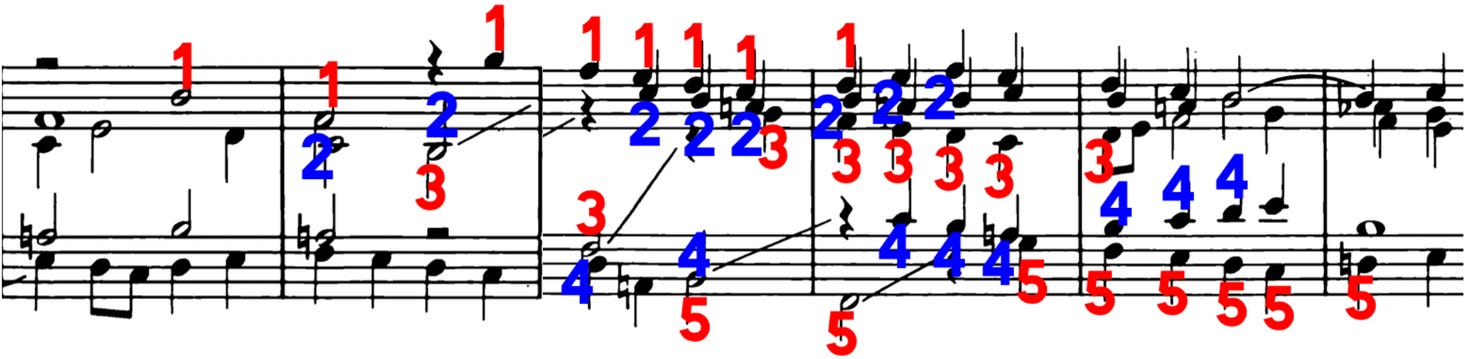
“While the c# minor fugue awakens the conception of a mighty cathedral, the two numbers in b-flat minor may be likened to artistically wrought side-chapel’s vaults, in which things most precious are kept.” —Busoni’s remarks on BWV 867.
Things most precious, indeed. We might well wrap up this dark pearl of b-flat minor and guard it in the ‘side-chapel vaults’ of our hearts. What noble suffering, what secret anguish, what quiet pain is here! To know this music is to be changed, to expand one’s emotional capacity.
Notice how, in Bach’s calligraphy, each note in this...
133: ¿Por qué César Vallejo?
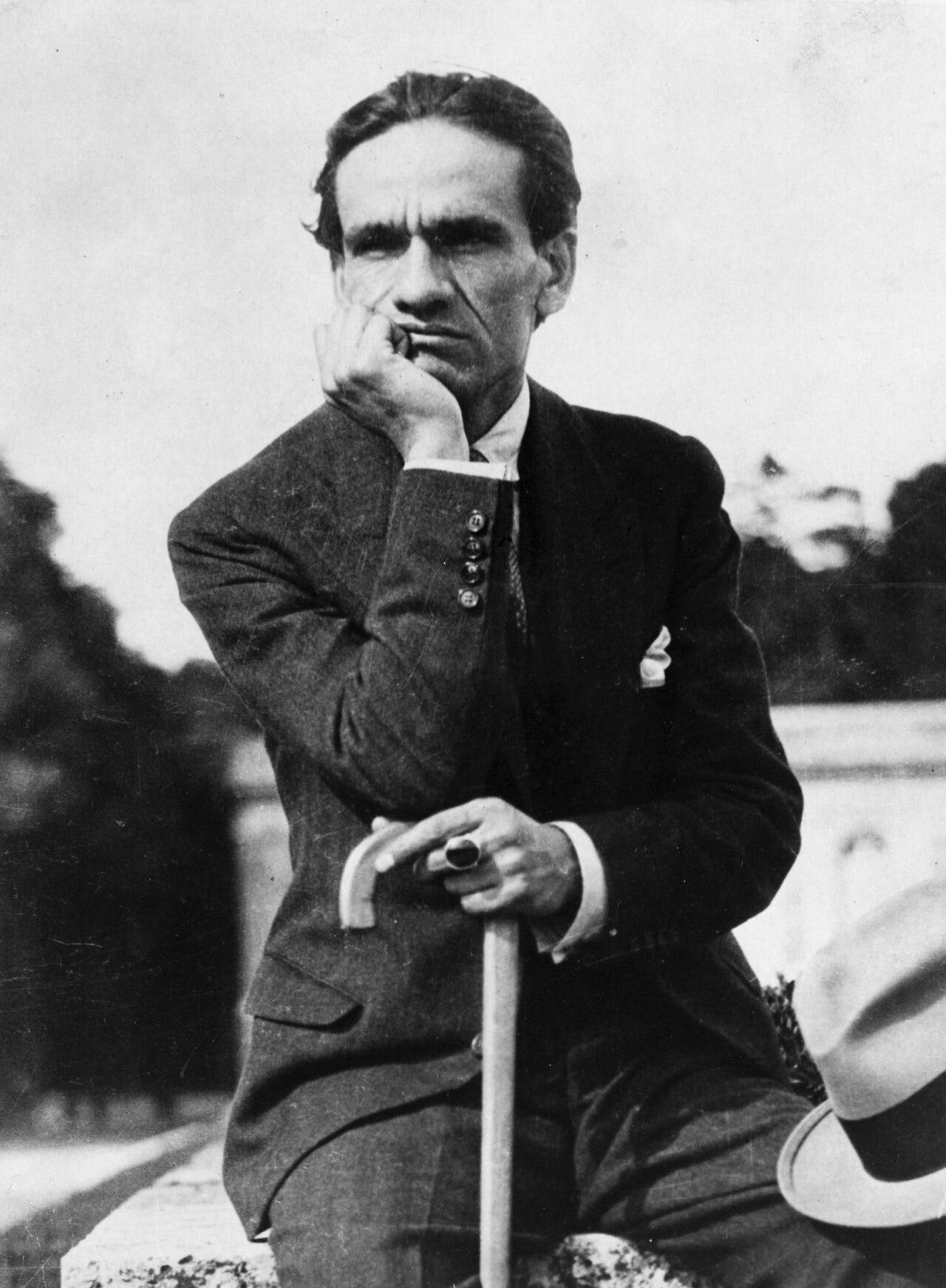
César Vallejo (1892-1938) is one of my favorite poets. To define his style is difficult: one doesn’t understand his poems so much as one absorbs them. His words— seemingly impenetrable— have a sense to them which gnaws and tugs at dormant parts of the mind.
Some 12 years ago I holed up in a little shack near the Canada/USA border with nothing but his poetry to keep me sane— but he began unraveling my mind in a beautiful way that left an indelible mark on me as a reader. Please enjoy my anecdote as well as the pr...
132: The Other Bach Piece You Probably Played
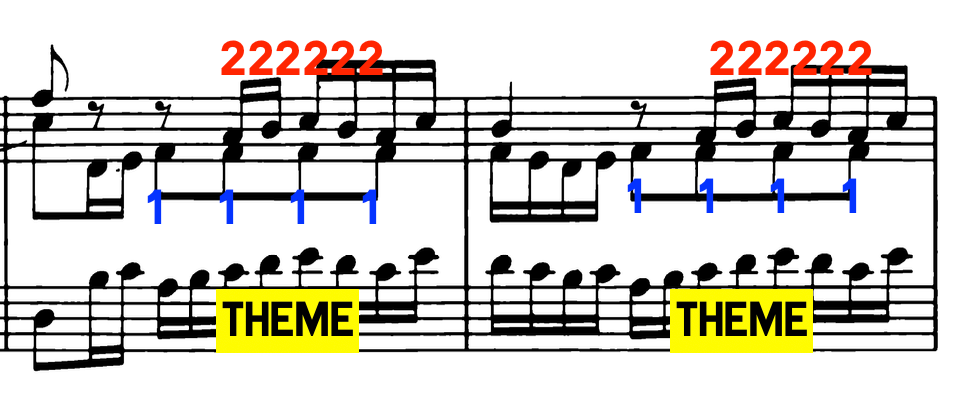
It’s thrilling to look at the music of Bach’s predecessors. We see the very shape of Bach to come (I say, referencing my own album…) In several of Buxtehude’s works, we find this texture:
Bach tossed the trick into his bag for later deployment:
Notice the ending: subtle, elegant, humble. Czerny didn’t think it was enough:
Be on the lookout for the extra measure in your own edition! Tovey calls Czerny’s added bar, “perhaps the most Philistine single printed chord in the whole history of music.” Ouch!
I Can Canta...
131: Dissecting The Dragon, A Minor Book 1
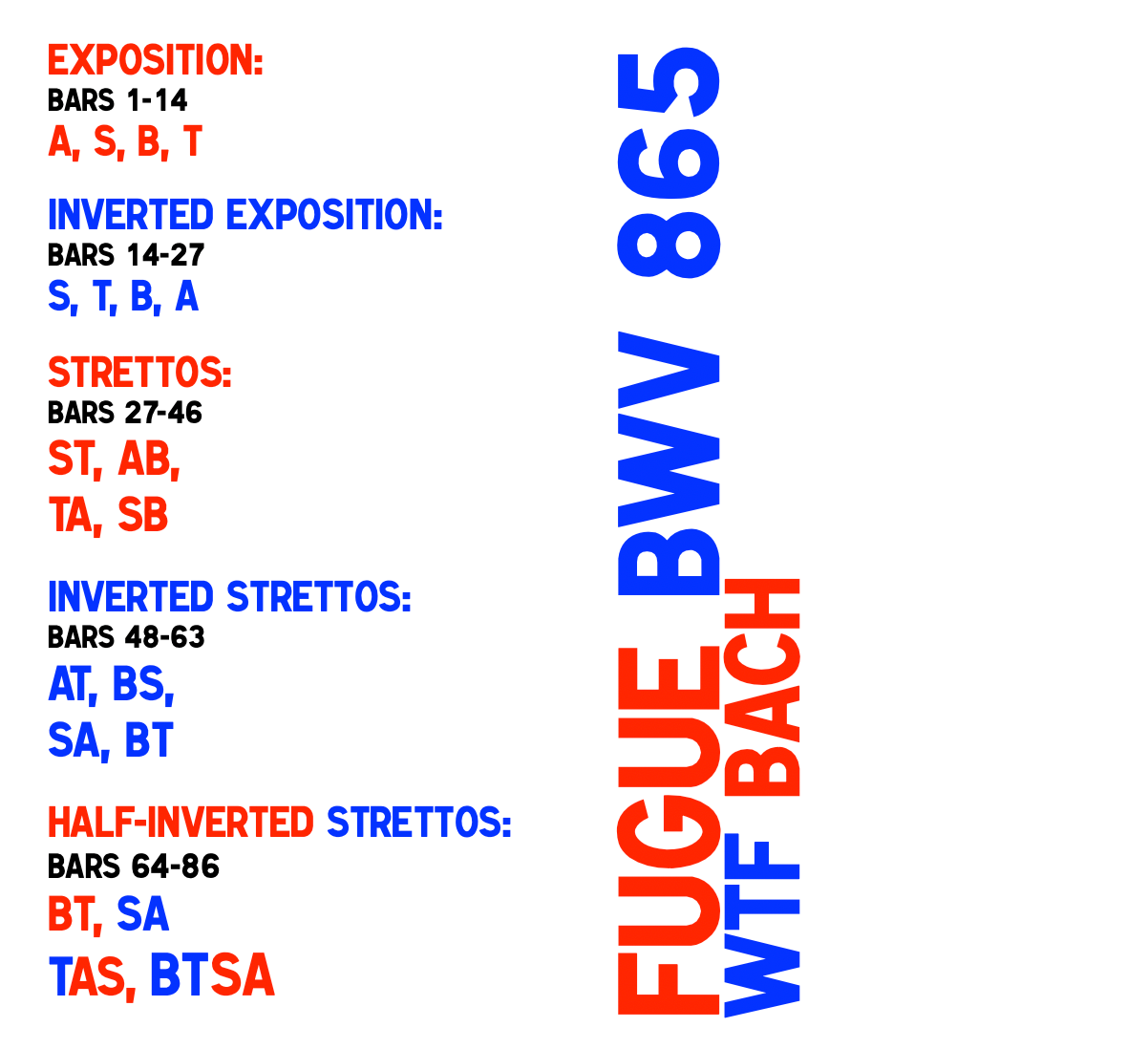
Perhaps before composing the bulk of The Well-Tempered Clavier, Bach had been challenging himself to create a fugue with real technical daring. This fugue, in a minor BWV 865, represents some of the composer’s most ambitious fugal writing. Have a look at an outline of the subjects alone—you might even follow this image while listening to the episode— this might give you some idea of the task Bach undertook:
From the beginning of the piece to the end, the combinations of themes become more complex, from entries one by one, to a three-voice stretto and finally all fo...
130: A Double Fugue & A Second Manuscript
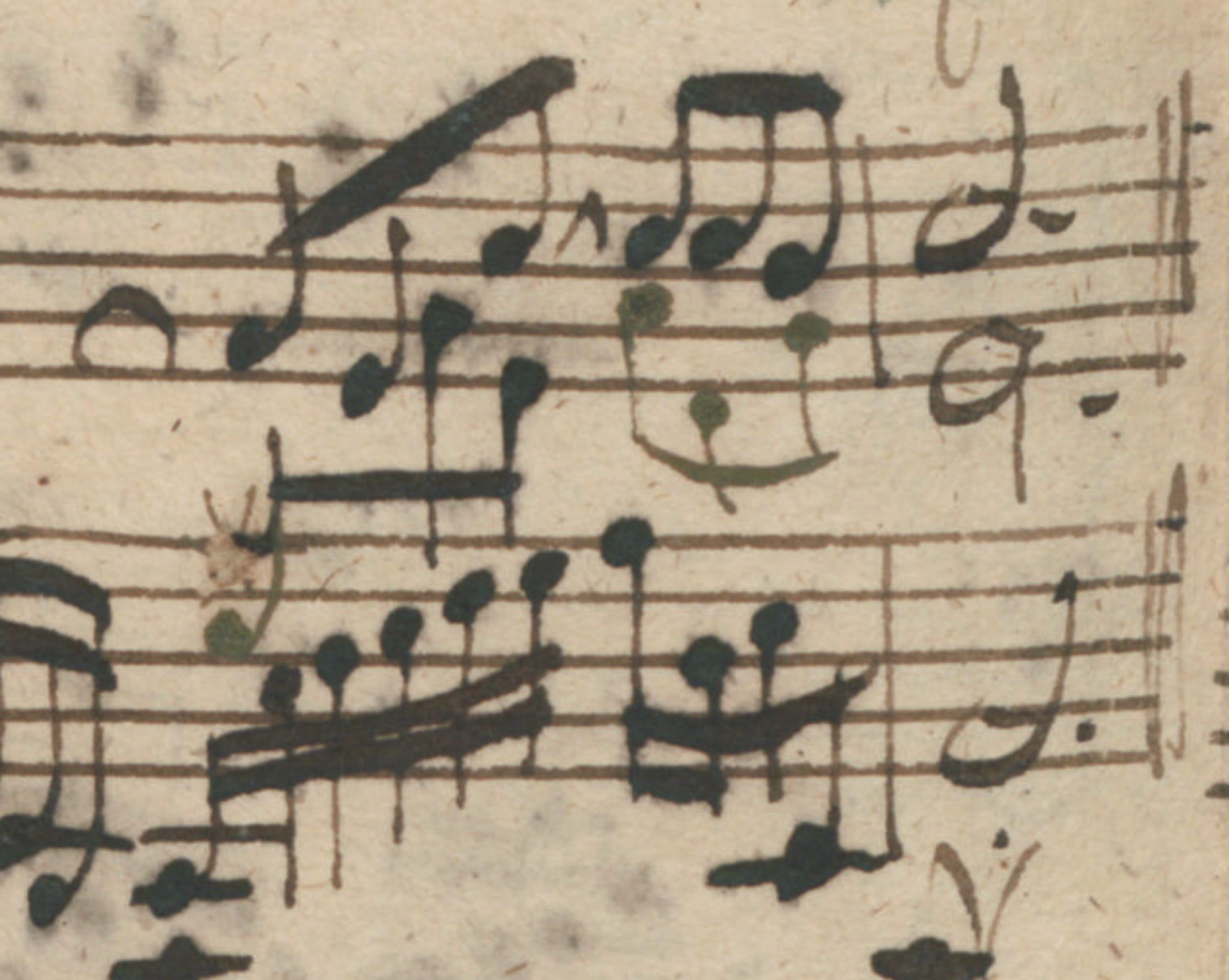
Remember this image from the E-flat Major Prelude and Fugue epsiode, where Bach puts a double fugue at the half within the half?
Bach does it once more in today’s episode. We’ve arrived at the other double fugue in this collection, BWV 864 in A major. Bach begins the prelude by juggling three ideas:
The ordering of these ideas will switch. A few bars later we see the same three ideas shifted around:
Bach presents the same ideas a total of six times in the prelude. Whereas we logicians would love to see...
129: I Got Rid Of All My Books (11 Years Ago...)
Back to Bach next week! In the meantime, I thought you’d appreciate a story I wrote after I ‘discarded’ the majority of my possessions— mostly books. Whereas I easily tossed things like clothes, artwork, komono, plates, pens, et cetera, getting rid of my massive library took months and was an emotional rollercoaster. I haven’t ever looked back! …mostly.
Sans Eyes, Sans Books, Sans Everything
If you go home with somebody and they don’t have any books, don’t f*** ‘em!-Not so old aphorism
Last scene of all,That ends this strange event...
128: Donald Francis Tovey's Well-Tempered
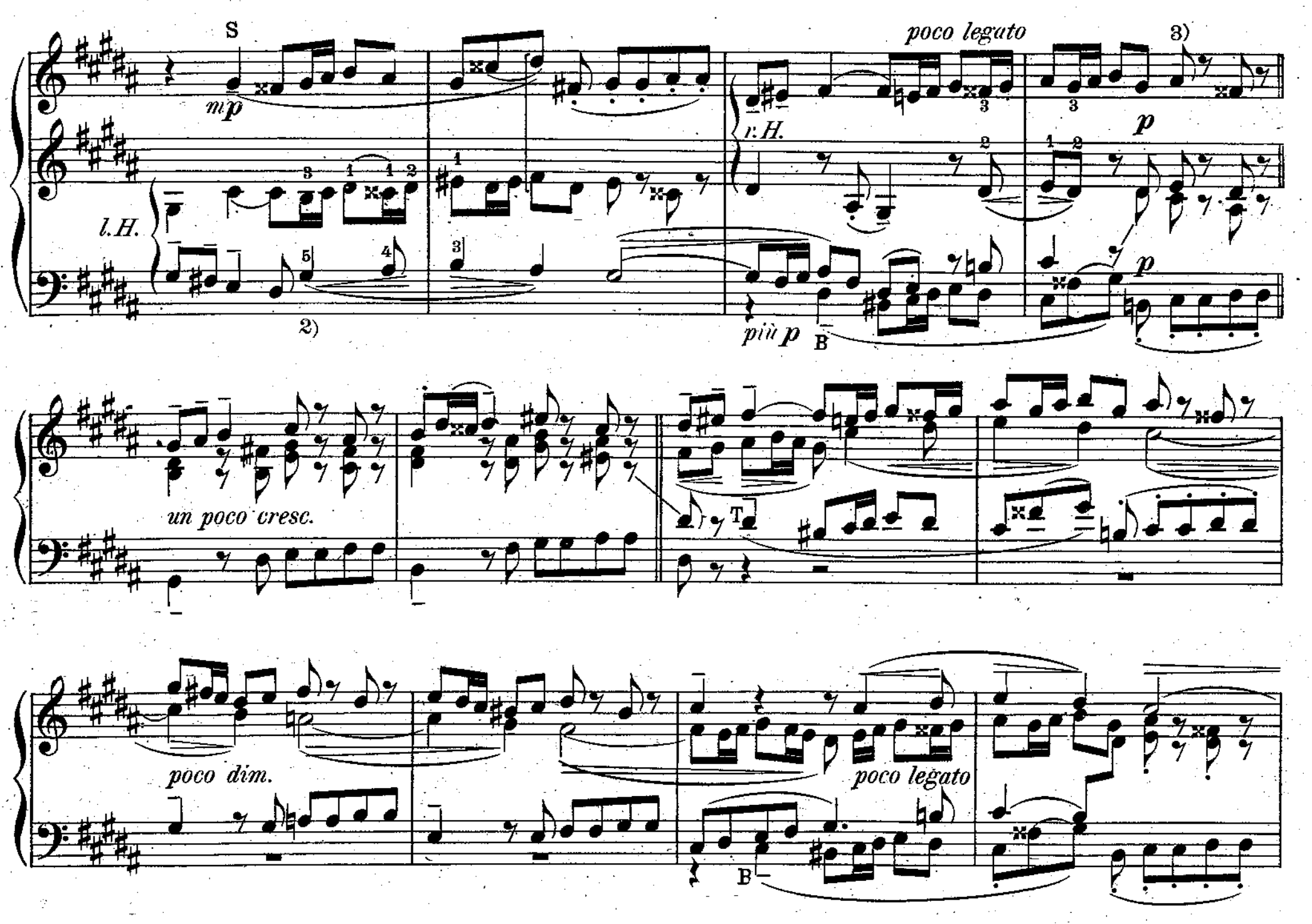
I don’t blame us for preferring our rather clean, modern Bach editions to this:
But are we so confident in our own interpretations that we can throw out the likes of Hans Bischoff, Carl Czerny, Ferruccio Busoni (pictured) and Donald Francis Tovey? These heavily annotated performance editions, while, yes, they should be read alongside a ‘cleaner’ modern edition, can certainly still teach us some beautiful musicianship.
In this episode, I let Sir Donald Francis Tovey’s remarks on the g-sharp minor prelude and fugue, BWV 863, lead us through an analysis of the work.
Some m...
Bach's Birthday is NOT March 31st.
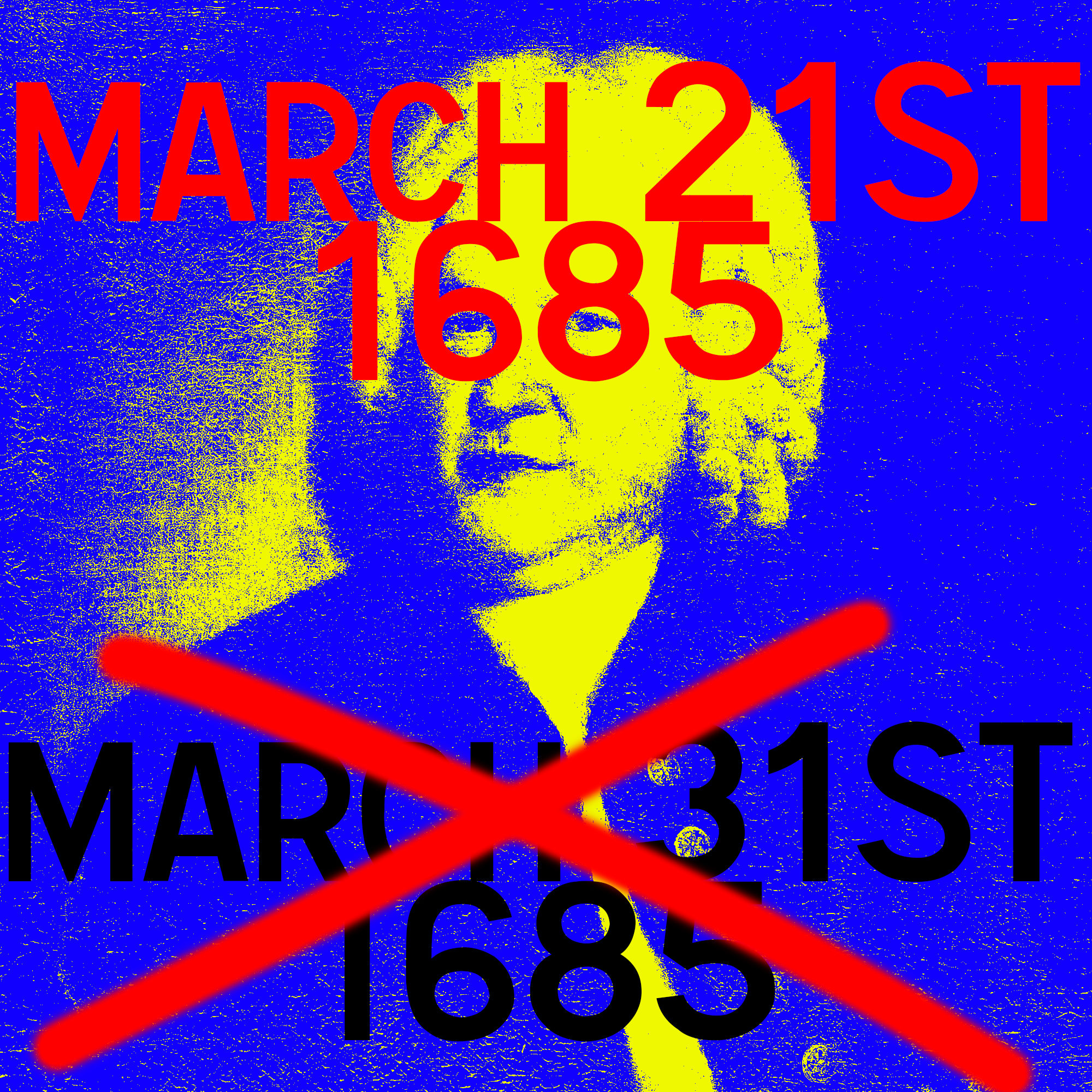
Happy Birthday Johann. Today, March 21st, not March 31st.
Let me repeat that for those of you feeling clever or citing google without thinking:
Happy Birthday Johann. Today, March 21st, not March 31st.
Why are people confused about this? How did this become a thing? And what extremely boring person got so frustrated with a toccata they started tampering with Bach’s wikipedia page?
There were two main calendars in Europe at the time: the Julian and the Gregorian. We are currently on the Gregorian, but it took a while to ge...
127: How I Memorize Bach (By Ear)

I was always jealous of jazz musicians, simply learning music off recordings— no sheet music necessary. Why couldn’t I do that? Why don’t classical musicians have this skill? It seems like all musical cultures in the world learn this way, so what was I missing?
About 12 years ago I decided I wanted to be part of this tradition. After some trial and error, I hit upon a method that allowed me to learn Bach (or any other composer) by ear. And more than just being glad for having developed the skill of transcribing, the method is ext...
126: What The Instrument Tells You About The Music

Analysis starts at 17 minutes. Sorry, I got carried away talking about the possible peculiar paradox of being a pianist. Just before making this episode, my harpsichord forced upon me a change of interpretation, so I started thinking about how and why this happens. I spoke about the way classical musicians are ‘bred,’ asking the following questions:
How can we spend our lives playing music from the 18th century without any contact with the instruments used then? Can we know objective aspects of older music while playing on a single model of an instrument developed toward the end of t...
125: What Is An Ornament?

“The discontent of being between two notes; the urge to break free of a single note.”-Lionel Party (Paraphrased ca. 2005)
What an opening:
In this episode we listen to at least 14 different interpreters play this expressive trill. Such a simple idea, but how many different ways this idea can be realized! At an even speed or speeding up? With a turn at the end or a turn at the beginning or no turn at all? Crescendo all the way through or perhaps even diminuendo?
Between earliest version and the fair copy, Bach seems to s...
(5 Min. Rant) Customer Support Hero

“But if thought corrupts language, language can also corrupt thought.”-Politics and the English Language
Thanks for reading W.T.F. Bach?! This post is public so feel free to share it.
Enjoying your contrapuntal journey? Here’s how you can help:
We encourage our listeners to become a paid subscriber atwtfbach.substack.comFree subscriptions are also beneficial for our numbers.
You can make a one-time donation here. We run a 501(c)3, so let us know if you want a tax deduction:
https://www.paypal.me/wtfbachhttps://venmo...
124: Joy is G Major. Book One.

G Major: Bach’s key of virtuosity, celebration, exuberance (with his occasional contented reflections on mortality.) The passion music and death in the previous prelude and fugue is conquered by this G Major set, BWV 860 from The Well-Tempered Clavier Book One. The fugue is a brilliant model of contrapuntal technique.
The three-voice fugue begins:
But after only a few bars, Bach is ready to bring in all the voices again— this time with the melodies upside down. (Inverted exposition.) N.B. The middle voice’s theme began on the previous page:
And there are st...
123: The Negroni & 'Paradise Lost'

A new type of episode, Quodlibets! Quod (what) + libet (it pleases) or, ‘whatever you like,’ ‘anything at all.’ This episode centers on a beautiful chorale prelude, but first, my, Ode to the Negroni: The Meeting of Etymology and Entomology at the top, then some Bach, and finally, how Paradise Lost was written, as explained by the English scholar, John Carey.
Erbarm dich mein, o Herre Gott, BWV 721, in f-sharp minor (note the Phrygian key signature!) is an extraordinary little piece. Written around 1709, it is a profound and most elusive chord progression. Here is the first page:
The te...
122: Was F-Sharp Minor, Golgotha?

“It’s not that Bach writes music and then sits in an armchair and thinks about God... Bach writing music is Bach thinking about God.”
Individual keys are often loaded with personal significance to the composer. To what extent was Bach thinking of the double sense of Kreuze— both as ‘cross’ and the musical sign for a sharp?
As discussed in the episode, f# minor wasn’t necessarily the key signature with three ‘crosses,’ as Bach’s f# minor looks like this on the page:
Is it more likely that Bach saw b minor as the image o...
121: So... What Does 'Well-Tempered' Mean?

The Well-Tempered Clavier …what does it actually imply?
In this episode I seek (in 18 minutes) to demonstrate mathematically pure intervals, alongside ‘tempered’ intervals. The circle of fifths is in fact a spiral of fifths— it is infinite. We seek to make it a circle for convenience, but this means that the distance between what would be mathematically pure intervals must be altered (!) in order to force the spiral into a circle.
The question remains: how do we do that? Music today is heard in equal temperament, where all keys, all tonalities sound the same. Pure interval...
120: A Double Canon (4 Parts from 2 Lines)

A double canon from Bach’s Orgelbüchlein! A bit late, but Bach’s take on this Christmas tune is really wonderful. See how both melodies combine to make a double canon:
German mystic, Heinrcih Seuse, author of ‘In Dulci Jubilo’
English composer R. J. Pearsell’s setting of the melody.
Spread the Love, Doubly Canonic:
N.B. I’ve been wanting to make this rebrand for a while: The title of this podcast is no longer “The WTF Bach Podcast” but simply, “WTF Bach” — I hope this doesn’t cause any problems, if...
119: Special Guest! Paul Jacobs

I had the great pleasure of speaking with Mr. Paul Jacobs. On the 250th anniversary of Bach’s death, July 28th, 2000, Jacobs played Bach’s complete organ works in one giant 18 hour concert— he was 23.
Our conversation spans how to memorize, scholars vs. performers, pianists playing the organ, pop music, music for consumption, ‘social media musicians,’ music as a substitute for God, The Art of Fugue (harpsichord or organ?) and more…
Become Your Best Buxtehude:
Some links mentioned in the chat:
Organmaster Shoes
The Robertsbridge Codex
Schumann’s...
