Cool Science Radio

Cool Science Radio is a weekly, hour-long program that focuses on the latest developments and discoveries in the fields of science and technology. Co-hosts Lynn Ware Peek and Scott Greenberg decipher what's new with science and technology experts in an entertaining, amusing and accessible way.
How technology transforms society and disrupts industries

Jeffrey Cole, founding director of the Center for the Digital Future at USC Annenberg, explores how technological change reshapes society, why established institutions can be caught off guard and what decades of internet research reveal about America's changing relationship with technology.
Research suggests pollutants may affect diabetes risk
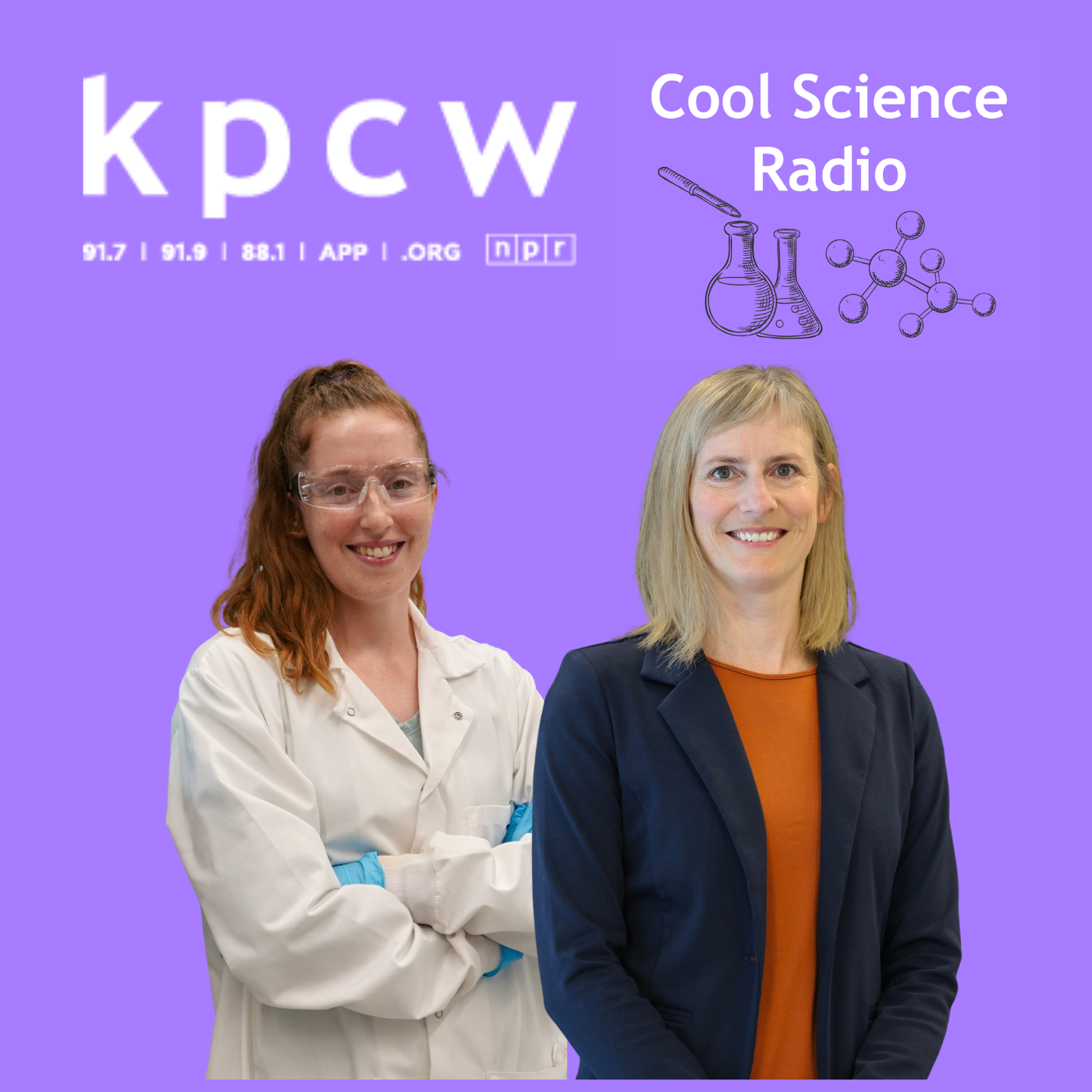
Carleton University biologists Jennifer Bruin and Myriam Hoyeck discuss new research finding persistent environmental pollutants in the human pancreas and explore how these chemicals may affect insulin secretion and metabolic health.
Technology is changing the fight to protect endangered wildlife
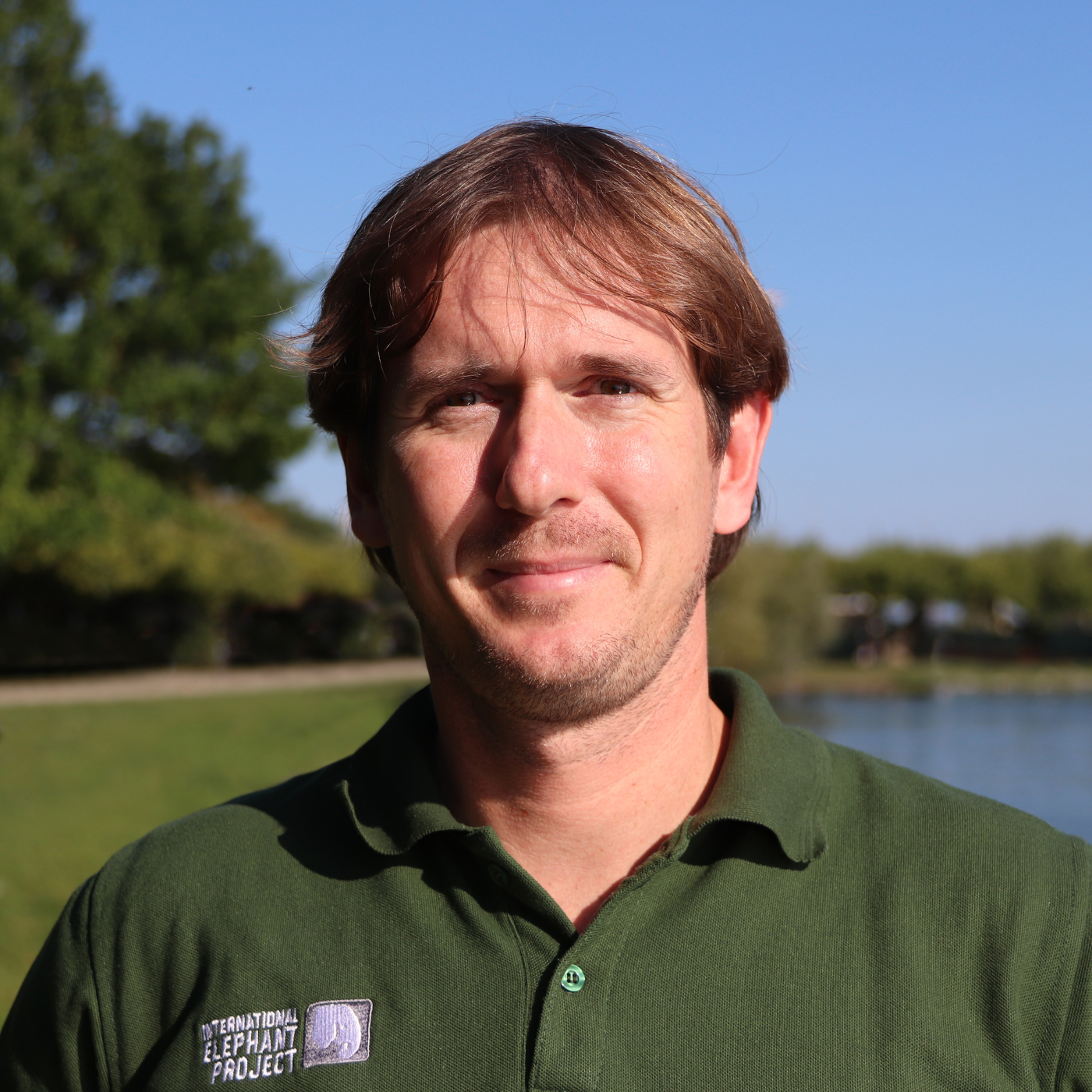
Dr. Alexander Mossbrucker discusses how bioacoustics, artificial intelligence and digital monitoring tools are helping conservationists track endangered wildlife. From detecting Asian elephants by their vocalizations to training rangers in Sumatra, Mossbrucker explores how better data can strengthen efforts to protect animals and their habitats.
Gravitational waves are revealing a hidden universe
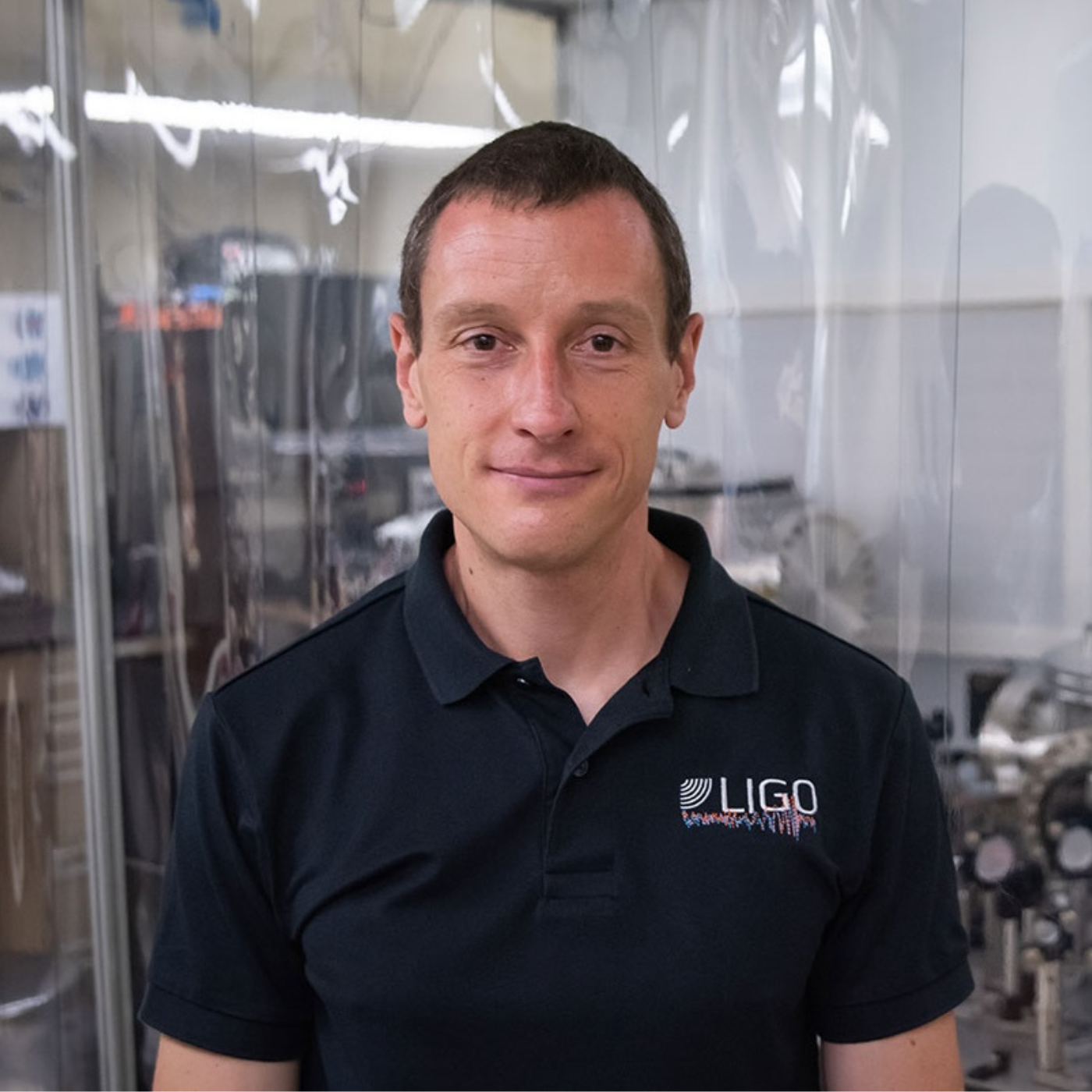
Caltech physicist and engineer Gabriele Vajente explains how LIGO detects the faint ripples in spacetime known as gravitational waves. He explores the engineering behind the world's most sensitive measuring instruments, what we've learned from black hole collisions and neutron stars, and what future observations could reveal.
The strange science behind 'tiny people' hallucinations
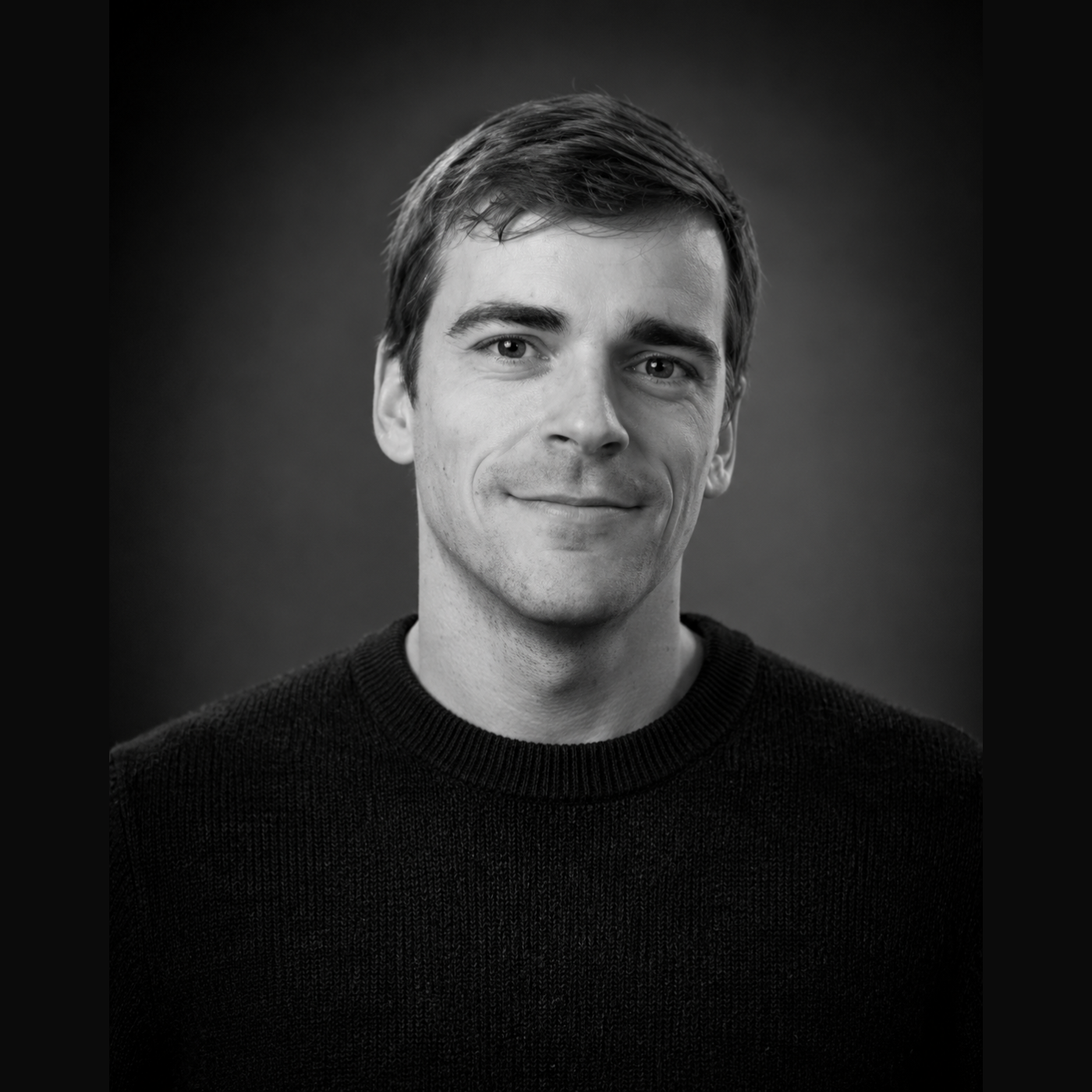
University of Utah doctoral student Colin Domnauer discusses new research linking reports of vivid “tiny people” hallucinations to a single mushroom species — and what the discovery could reveal about an unidentified hallucinogenic compound.
Designing innovations that work around the world
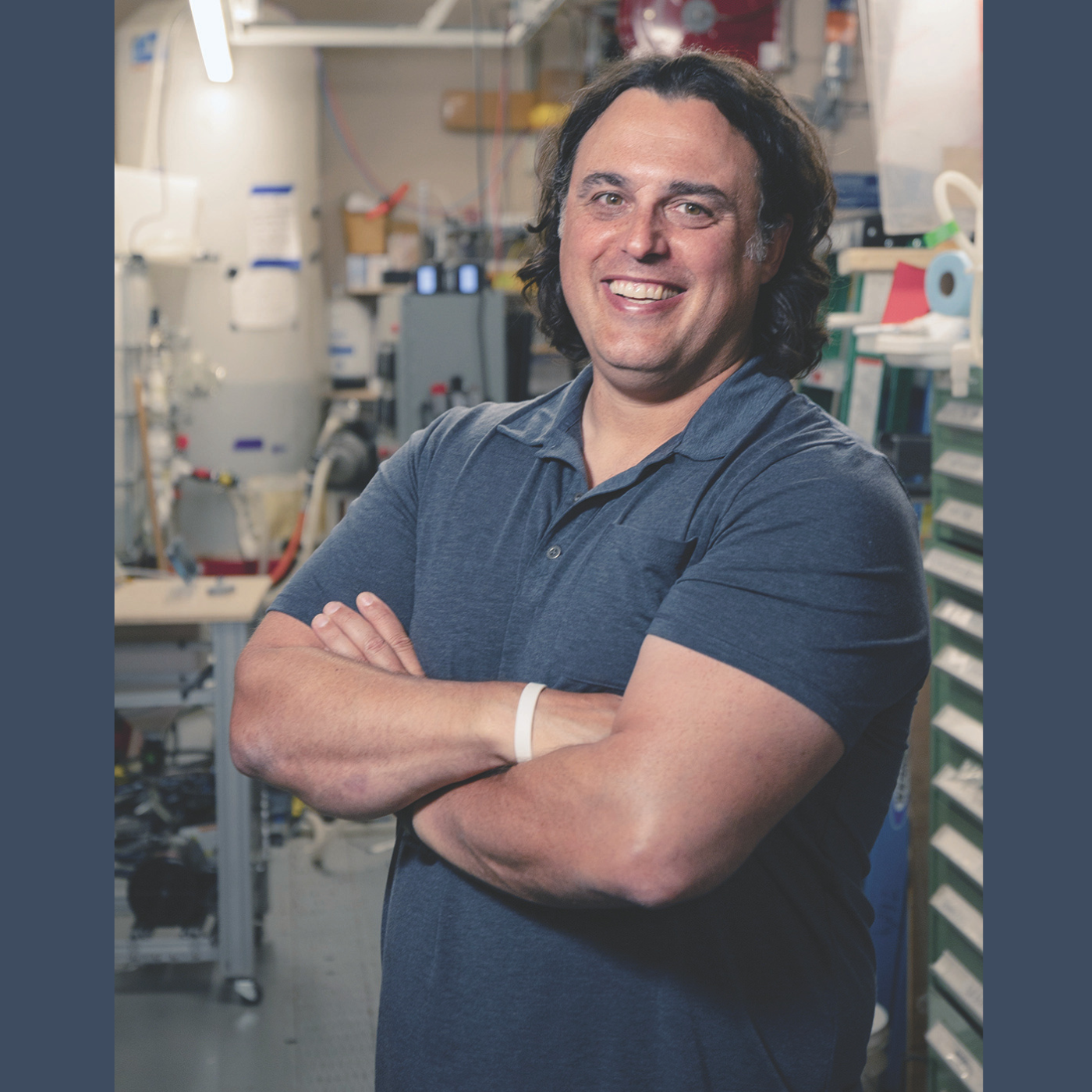
MIT engineer Amos Winter discusses how to design affordable, high-performance products that can succeed in different global markets. Drawing on examples from eye care, prosthetics, mobility and clean water, Winter explains how engineers can create innovations that scale and make a lasting impact.
Gene editing could change the fight against cancer
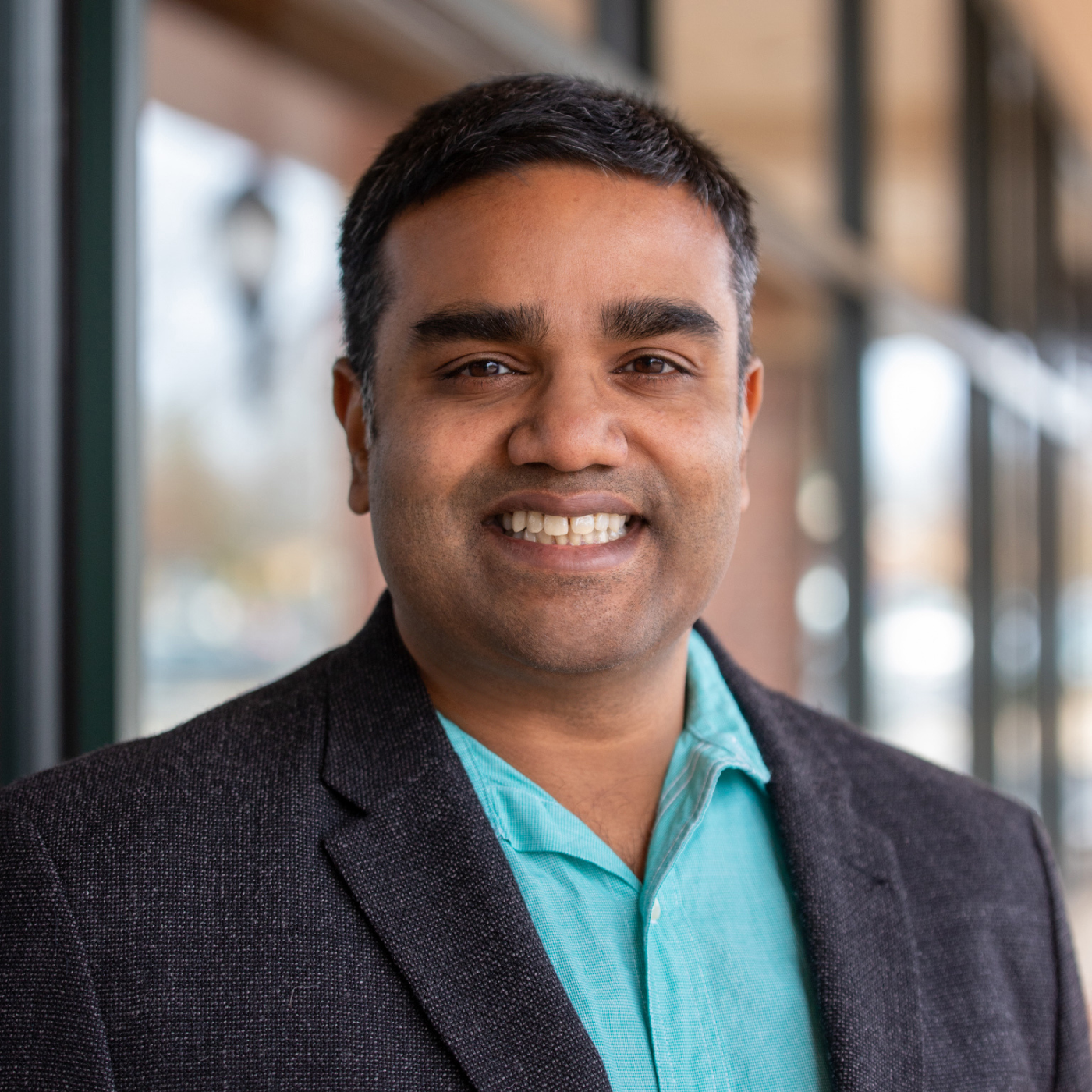
Gene-editing researcher Raj Chari discusses how CRISPR technology is being used to study cancer, develop potential new treatments, and explore the challenges of bringing gene-editing therapies from the laboratory into clinical care.
How gambling pioneers helped shape modern computing
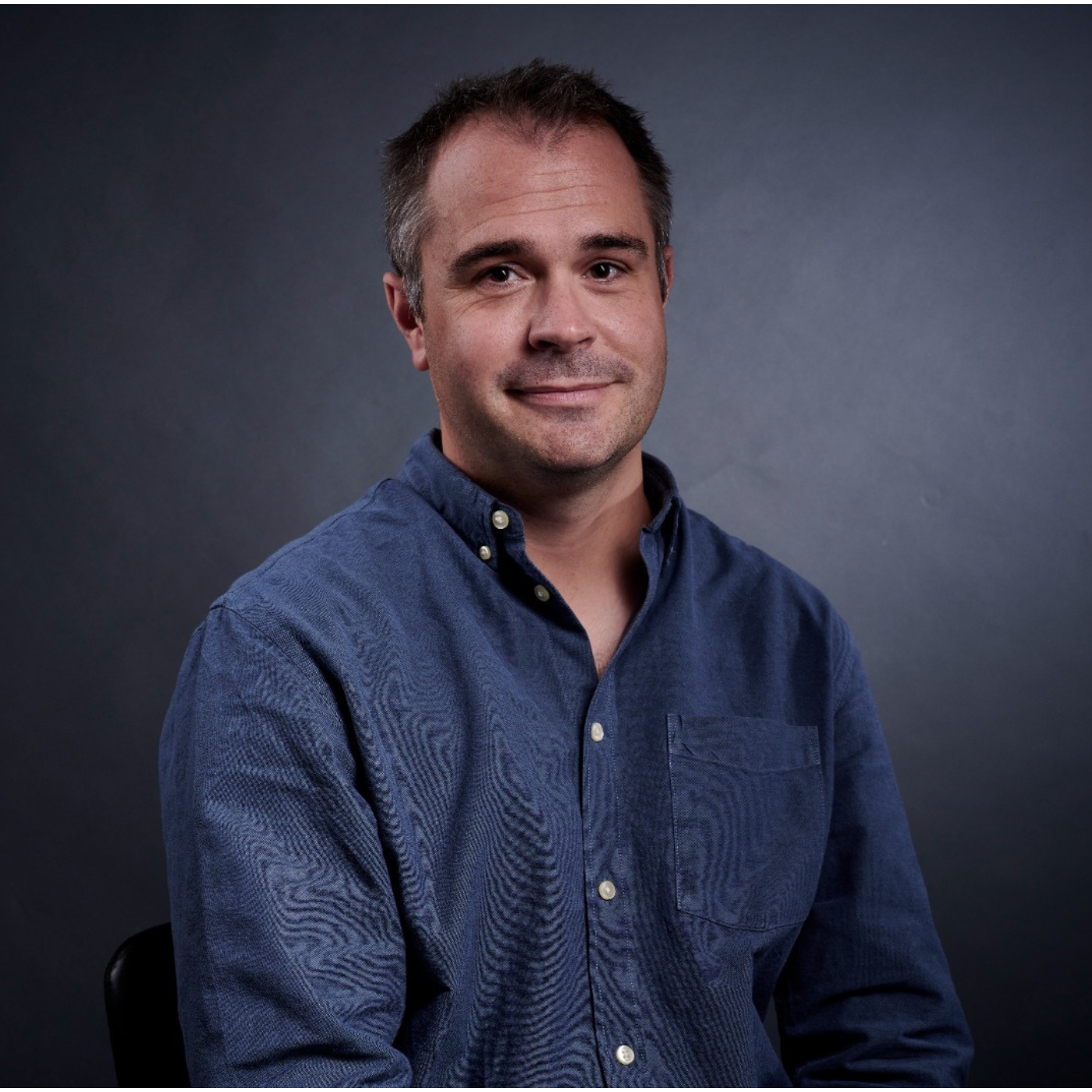
Bloomberg investigative journalist Kit Chellel explores the surprising history of gamblers who used mathematics, early computers, and engineering to beat casinos and sportsbooks, while helping pioneer technologies that would influence the modern computing and AI landscape.
Bringing the stars down to Earth

Kalpana Pot, a self-proclaimed Space Nerd, mixes her unique brand of storytelling and humor to make complicated astrophysics topics entertaining and understandable in her new book, "Spaced Out: A Casual Approach To The Cosmos."
Why some pain treatments work in mice but not in people

Carleton University neuroscientist Michael Hildebrand discusses new research revealing important differences in how mice, rats and humans process pain — findings that could help explain failed treatments and point to better therapies for chronic pain.
The science of opera: Sound, resonance and the human voice

What happens when physics, physiology, and music collide? Opera turns the human body into an extraordinary acoustic instrument, and there’s a surprising amount of science behind the sound.
Why science needs uncertainty

Stuart Firestein, Professor of Neuroscience at Columbia University, explores why uncertainty is essential to science and how embracing what we don't know can foster creativity, innovation and a more informed understanding of the world.
Using virtual reality to prove people are job-ready

Nick Day of Roundtable Learning discusses how virtual reality is transforming workforce training by measuring real skills, helping employers verify learning outcomes and preparing workers for high-stakes jobs.
AI may shift healthcare from reactive to predictive

AI entrepreneur Anmol Madan, founder and CEO of RadiantGraph, explores how artificial intelligence is helping healthcare move beyond treating illness to predicting health risks before they become serious.
Astronomers uncover the magnetic signature of a cosmic explosion

Astronomer Tanmoy Laskar of the University of Utah explains how researchers detected the magnetic fingerprint of a gamma-ray burst for the first time, offering new clues about some of the universe's most powerful explosions.
The man behind modern conservation
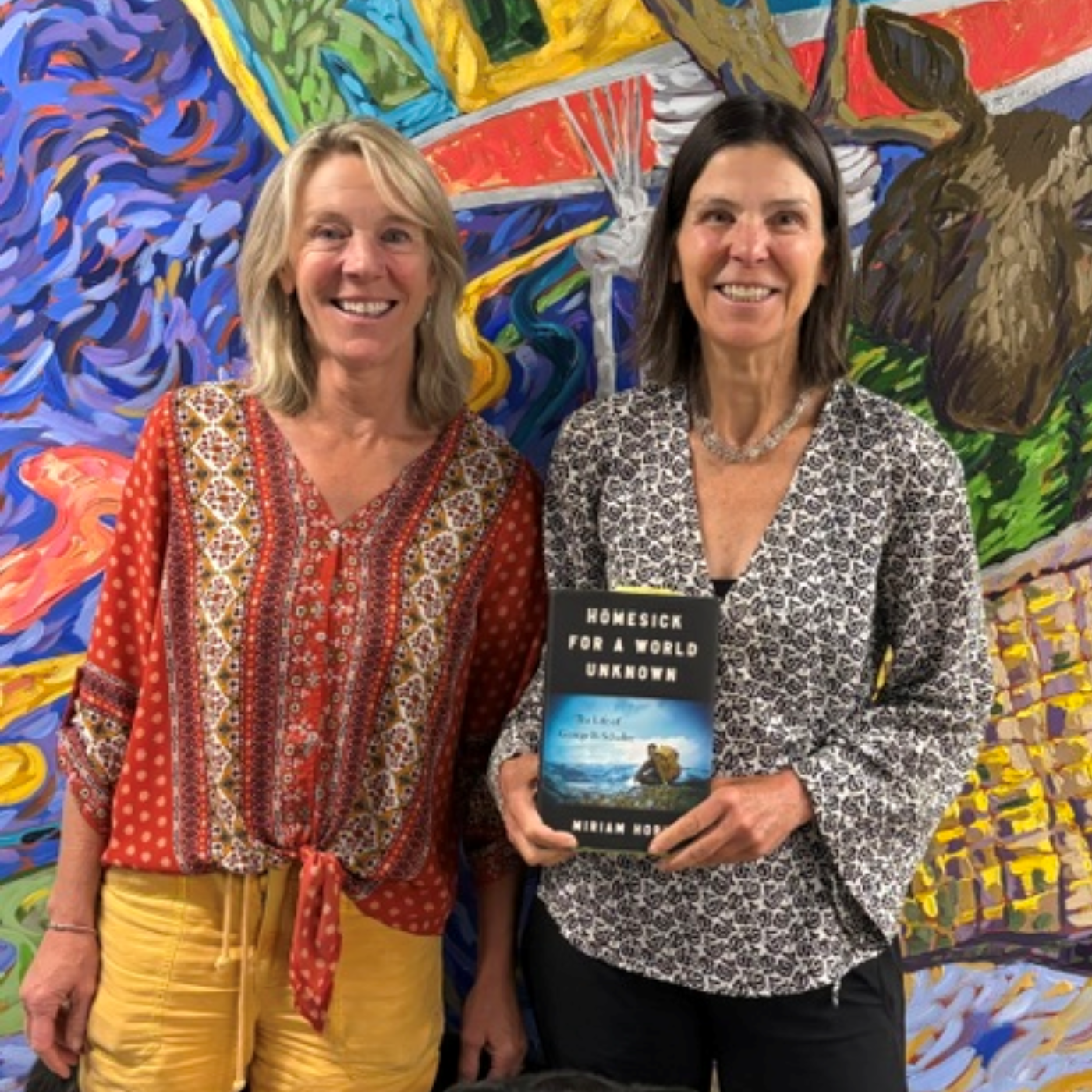
George Schaller helped transform modern conservation through decades of groundbreaking wildlife research. Author Miriam Horn shares the story behind one of the most influential scientists you've probably never heard of.
How data is transforming care in nursing homes

Healthcare innovation isn't limited to hospitals. Landon Gibb, senior vice president of technology and systems at PACS Group, discusses how data analytics is helping post-acute care providers improve patient outcomes and give caregivers better tools to make informed decisions.
The story of birds from dinosaurs to today

Paleontologist Steve Brusatte explores the remarkable evolutionary journey of birds and explains why they are the only dinosaurs still living today.
The ripple effect of saving a life
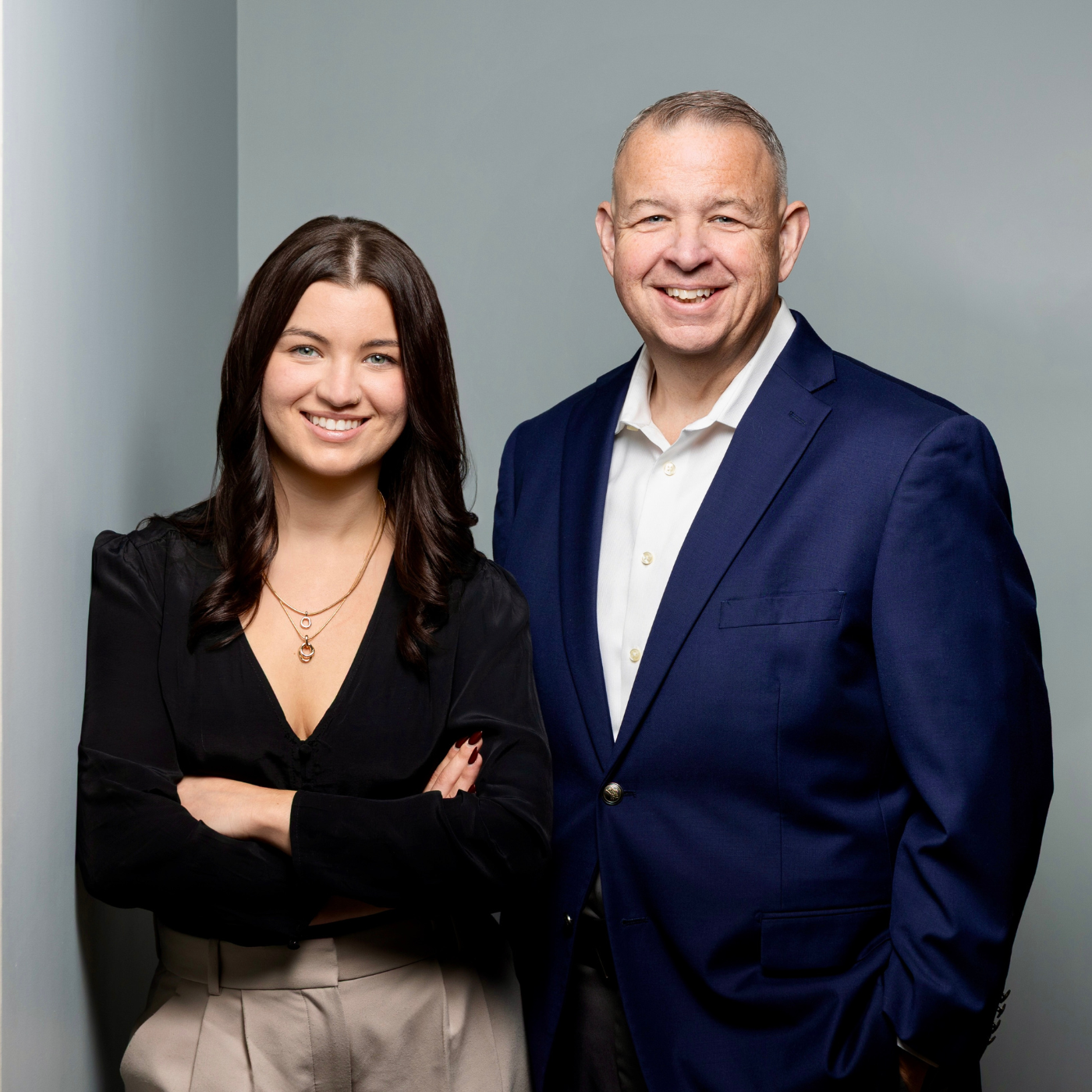
Veteran firefighter-paramedic Brad Newbury and EMT Kiera Newbury discuss the life-saving impact of CPR, AEDs and emergency response and how a single act can change countless lives.
The weird and wonderful science of reproduction

Biologist Lixing Sun explores the astonishing diversity of reproduction across the natural world and what it reveals about the evolution of life.
Keeping patients safe and warm during surgery

Adam Hauke, global director of product strategy and innovation at Gentherm Medical, discusses how innovations in patient warming technology are improving safety and outcomes in the operating room.
Can virtual reality solve the skilled labor shortage?

Doug Donovan, CEO of Interplay Learning, discusses how virtual reality and immersive simulations are transforming workforce training for data centers and other trades.