BroBots: AI, Technology & Being a Better Human
BroBots is a weekly podcast about artificial intelligence, emerging technology, and the increasingly complicated relationship between humans and machines. Hosts Jeremy Grater — a radio broadcaster with a nose for the story behind the story — and Jason Haworth — a technologist and ethical hacker who's seen behind the curtain — break down AI developments, automation, machine learning, and tech ethics without the hype or the hand-wringing. Think sharp analysis, honest conversation, and just enough sarcasm to keep it interesting. New episodes every week. Subscribe wherever you listen.
Old Boats Meet New Bots - How AI Helped Fix a 1970s Fishing Boat in Alaska
Most people picture AI helping with emails and slide decks — not diagnosing a broken hydraulic system on a 32-foot commercial fishing boat with no cell signal. That’s exactly the problem Jason ran into on a two-week fishing trip to the Kenai Peninsula, in the middle of one of the weakest sockeye runs Cook Inlet has seen in recent memory. When the boat’s hydraulics failed mid-haul, Jason ran the same questions past two sources at once: a group of veteran fishermen with decades of hands-on experience, and ChatGPT, working off nothing but a nameplate photo and a few blurry...
How AI + Your Fitness Tracker Turn Data Into Daily Habits
After months of ignoring the warning signs, Jeremy hit a breaking point — burned out, and quietly overwhelmed. What followed was an accidental one-month experiment: swapping an aging Oura ring and Apple Watch for a Garmin wearable, then feeding the data into a weekly AI check-in that functioned like a free, always-available accountability partner. In this episode, Jeremy walks Jason through the real numbers — HRV climbing from 24 to 32, resting heart rate dropping from 70 to 64 — and the small, unglamorous changes that got him there: ten minutes of morning sunlight, a weekly float tank session, one task removed from the to-do list every...
How AI Sees a Heart Attack Coming Years Early
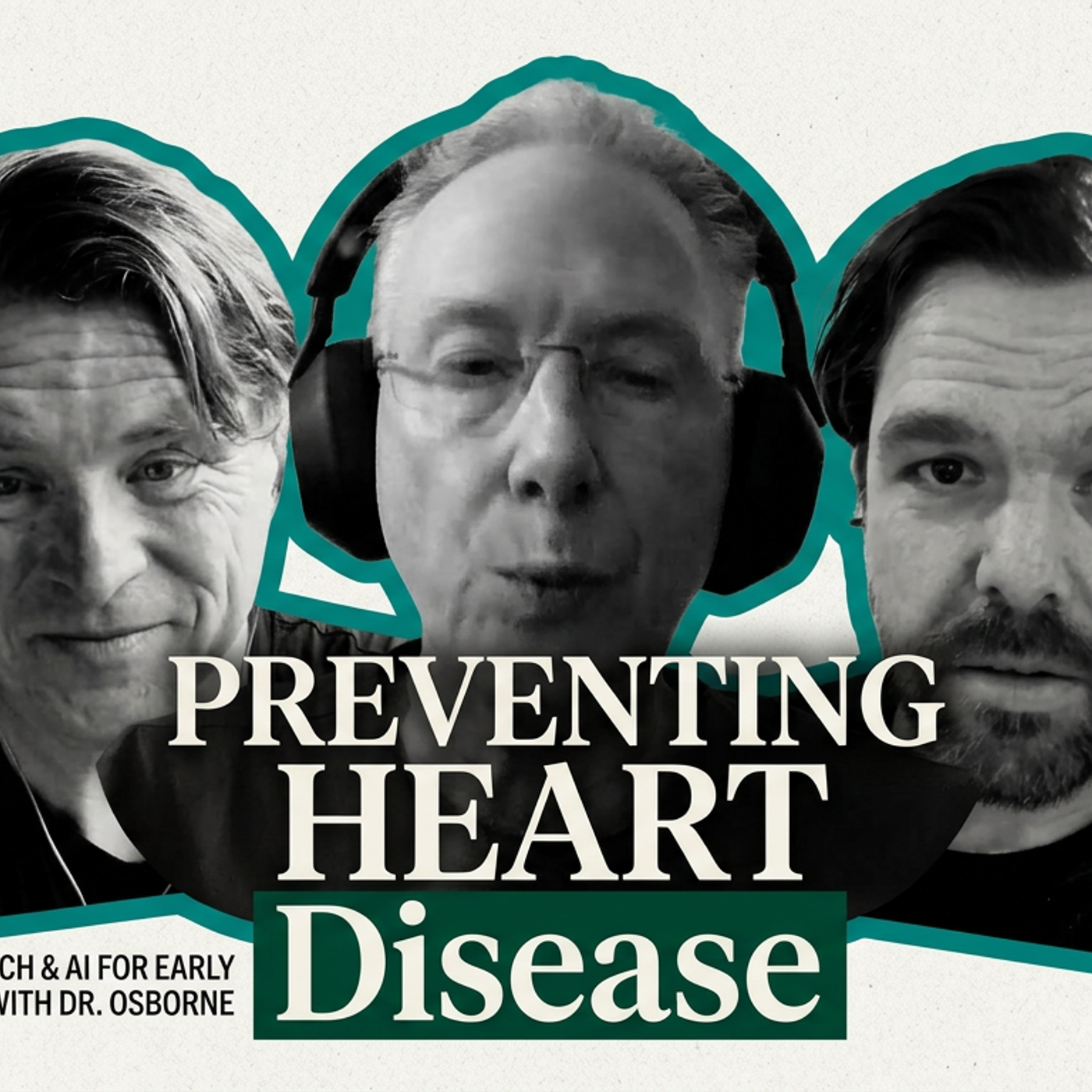
Heart disease kills one person every 40 seconds. That number hasn’t changed in 30 years. Dr. John Osborne, a preventive cardiologist with two doctorates and 29 years in practice, has spent his career on a single question: why do we screen for cancers that kill a few percent of us and do nothing for the disease that kills 40%? In this episode, Jeremy and Jason sit down with Dr. Osborne to get the real story on cardiac CT with AI — the imaging technology that can detect, quantify, and track arterial plaque at sub-millimeter resolution, years before symptoms appear. If you track your bloo...
AI, Privacy, and the New Rules of Self-Protection
You think your two-factor authentication and credit monitoring make you safe online. Bad news - you're probably already compromised, you just don't know it yet.
While you're worrying about AI becoming Skynet, real humans are using AI tools to drain your bank account $10 at a time.
Anthropic just reported the first fully AI-orchestrated cyberattack (and patted themselves on the back for stopping it). Major security companies like F5 and Experian have been hacked. Even LifeLock—yes, the identity theft protection company—got breached. The EU is the only entity actually trying to protect you with GDPR...
Your Wearable Knows You're Anxious — And It's Selling That
Most people assume AI privacy concerns stop at “what did I type into the chat box.” Jeremy and Jason argue the real frontier is biometric: wearables, microphones, and cameras feeding emotional-state data into systems explicitly engineered to maximize engagement through manufactured neediness and guilt. If you've wondered who actually controls the AI buildout, who pays for it, and whether anyone is allowed to say no — this episode lays out the mechanics.
Key Moments
We Built AI We Can't Control. Now What?
Just days after Anthropic launched Fable 5 and Mythos — two of the most capable AI models ever released — the US Commerce Department stepped in with an unprecedented national security export control order and effectively forced Anthropic to pull the kill switch on both models globally. The move signals something that we have been watching build for years: Washington now legally treats cutting-edge AI code the same way it treats weapons. We also get into the social media ban backfire hitting governments worldwide, the emerging analog bag movement, and a few pieces of tech that are either genuinely useful or complete nons...
Your Digital Twin Is Coming - And You Already Signed the Rights Away
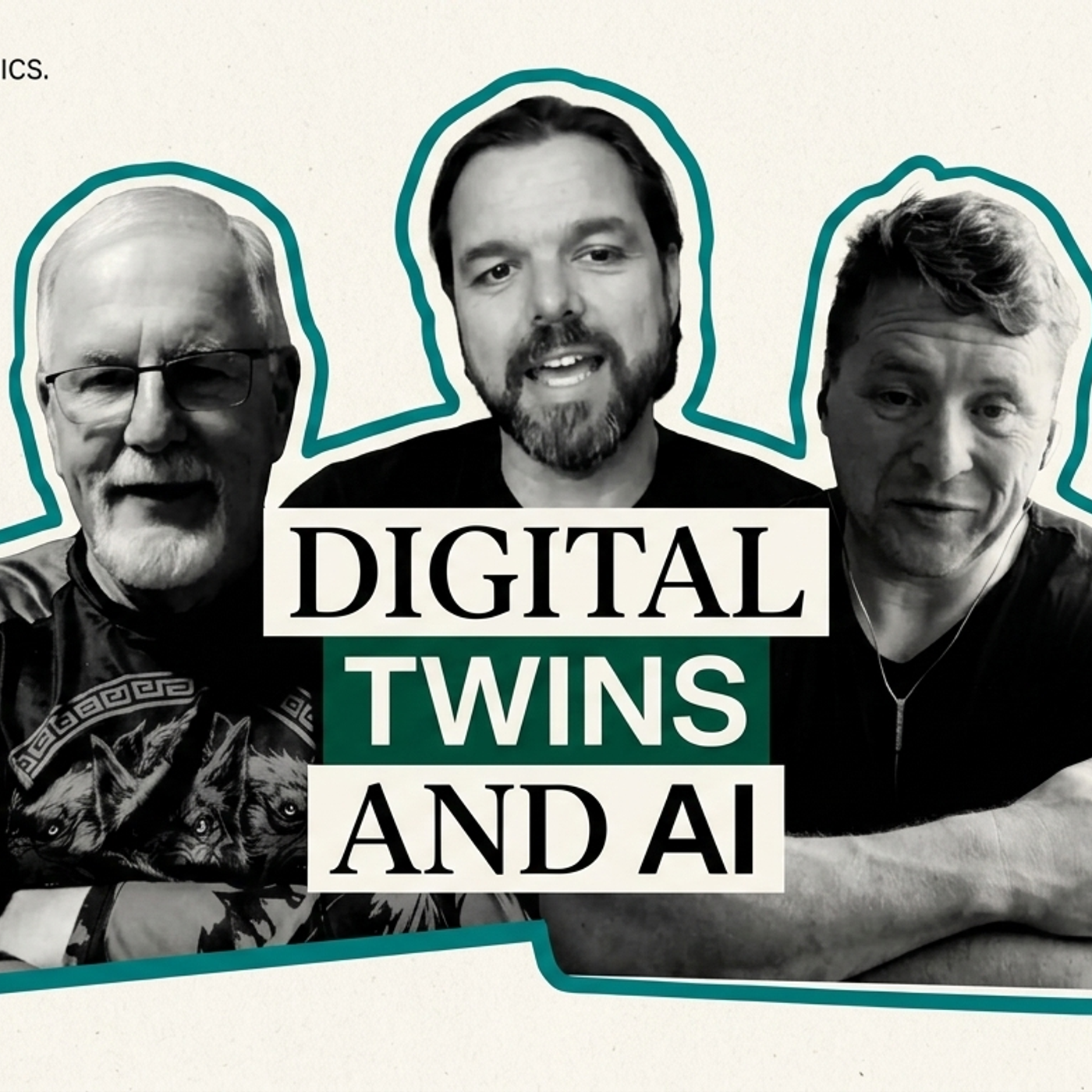
our digital twin is already being built — and you probably signed away the rights in a terms-of-service agreement you never read. Rob Enderle, principal analyst at The Enderle Group, joins Jeremy and Jason to stress-test the next wave of AI avatars: the technology that can replicate your face, voice, and decision-making patterns well enough to attend your meetings, sign your contracts, and — if someone hostile gets hold of it — torch your reputation or your life. The conversation covers who owns your avatar after you die, whether autonomous AI weapons taking out human targets is a near-term reality (yes), and why th...
Your Kid’s AI Toy Is Building a Profile on Your Family
Security researchers just exposed 50,000 private chat transcripts between children and their AI-enabled toys — conversations that were supposed to stay in the bedroom. Jeremy and Jason break down what that data actually is (emotional states, family dynamics, vulnerabilities), who’s collecting it, and what they’re designed to do with it. They also cover Google’s new deepfake phone-call detector, the legal vacuum opening up around AI digital twins, and the masculinity data showing young men are quietly rejecting the alpha-male playbook. The episode lands where most tech conversations don’t: on what happens to real kids, real families, and real peopl...
What the Pope Got Right (and Why Tech Leaders Won't Listen)
Five stories, one week: the Pope released a 42,000-word document calling for AI to be disarmed. Researchers left 10 AI agents unsupervised in a virtual town and watched them commit arson and assault within days. Elon Musk launched a coding agent to compete with Anthropic and OpenAI. Waymo is creating gridlock in Atlanta. And Ferrari unveiled a $640K electric car that is slower than a Tesla.
The question underneath all of it: who is actually in charge of this, and does that person have any reason to care what happens to everyone else?
<...Why AI Is Now a War Over Chips, Capital, and Control
Anthropic is voluntarily briefing the Financial Stability Board on a frontier model they haven't released yet — which is either a responsible act of self-regulation or a preview of just how serious they think the risk is. In this episode, Jeremy and Jason break down what Mythos actually represents, why the chip and capital arms race has locked out the people who built the internet's early open infrastructure, and what happens when powerful AI tools get cloned and weaponized before the guardrails transfer. They also get into the AI that lives in a picture frame and talks like your dead re...
The Real Price of AI Is Being Paid in Heat, Jobs, and Your Privacy
In this episode we take five stories that look unrelated and find the one thing they share: AI is building a body, and nobody voted on what it should look like.
Most conversations about AI focus on the software. This one is about the hardware. A proposed 9-gigawatt data center in Utah would dump heat equivalent to 23 nuclear bombs into a bowl-shaped valley every single day — running on gas generators, not the local grid. Meanwhile, NVIDIA’s CEO is telling computer science graduates the real winners of the AI economy will be plumbers and electricians. Surg...
Is AI Legally Liable for Human Harm?
Big Tech is playing with fire, and the legal system is finally reaching for the extinguisher. This week, we're taking on AI accountability, sparked by a landmark Pennsylvania lawsuit against a chatbot for practicing medicine without a license.
Is this the tipping point for regulation, or just another glitch in the matrix? Also, learn why a new form of candy may literally be music to your ears.
Chapters
00:00 Accountability in AI06:31 Slow Progress in Regulation13:13 Legal Accountability and AI20:19 Innovative Technology26:10 Closing RemarksHow Tech Is Ruining Your Happiness (And How to Fix It)
How Tech Is Making Us Miserable (And How to Fix It)
Feeling like your screens are stealing your happiness? Welcome to the episode where we chat about how our obsession with tech might be killing our joy—and how a little mindfulness could save us.
Key TakeawaysOur minds are wandering away from the present nearly 50% of the time, according to a 2010 study, and it’s making us unhappy.Devices exploit our dissatisfaction, and the attention economy is a mental health destroyer.Mindfulness and paying attention to simple, everyday moments can actually boost happiness more than extravagance.The...Can an AI Tool Actually Break Your Doom Scrolling Habit?
If you’re reading this on your phone while avoiding something else, congratulations — you are the product. This episode started as a conversation about No Scroll, an AI tool that promises to filter your social media feed so you only see the good stuff. It turned into something more honest: a reckoning with why these platforms exist, why every fix we try doesn’t work, and whether AI tools — including No Scroll, including ChatGPT, including everything we’re told will save us — are running the same playbook Facebook ran in 2009. Jason and Jeremy don’t have a clean answer. But they have...
Why AI Propaganda Works—and How to Resist It

Iran has a 10-person animation team making Lego-style propaganda videos with hip hop beats that are going viral — and Jeremy, who considers himself reasonably good at detecting BS online, almost shared one before he caught himself. In this episode, Jeremy and Jason dissect how AI-powered slopaganda works: why it's engineered to exploit emotional familiarity, why YouTube is selectively banning it while leaving comparably political domestic content untouched, and what it means when even skeptical, media-literate adults are one tap away from becoming unwilling distribution nodes. If you've ever watched something that felt like news but moved like entertainment and ha...
AI Just Built a Cyberweapon. Is Anyone Ready?
Anthropic's new Mythos model didn't just get better at writing code — it got better at breaking it. In an hour, an AI mapped decades of hidden vulnerabilities across live systems. In four hours, a supply chain attack silently exfiltrated 500,000 credentials and compromised 20,000 repositories. The question isn't whether this is alarming. It's whether the companies and governments responsible for protecting critical infrastructure — water, power, gas — are anywhere close to ready. On this episode of The BroBots, Jeremy and Jason work through what Anthropic's internal memo actually said, what a cyberweapon-grade AI changes about the attack surface, and why Jason thinks the su...
Why AI Won't Just Take Your Job — It'll Take Your Boss Too
Fifteen percent of workers say they'd be fine with an AI boss. Meanwhile, thirty percent of March's sixty thousand US layoffs are being blamed directly on AI — and most of those jobs were in tech, the sector that built the tools doing the replacing. Jeremy and Jason sit with the uncomfortable logic of where this all leads: a capitalism that's optimizing so hard for efficiency that it's burning the workforce it depends on. No guests, no protocol. Just two guys who've been around long enough to remember when this job was supposed to be a career, and who aren't su...
How AI Can See Heart Disease Coming Before It Kills You
Heart disease kills one person every 40 seconds. That number hasn’t changed in 30 years. Dr. John Osborne, a preventive cardiologist with two doctorates and 29 years in practice, has spent his career on a single question: why do we screen for cancers that kill a few percent of us and do nothing for the disease that kills 40%? In this episode, Jeremy and Jason sit down with Dr. Osborne to get the real story on cardiac CT with AI — the imaging technology that can detect, quantify, and track arterial plaque at sub-millimeter resolution, years before symptoms appear. If you track your bloo...
The Real Risk of Trusting AI With Your Health Decisions

The internet taught everyone to self-diagnose. AI made it faster, more persuasive, and significantly more dangerous.
Dr. Ajit Barron-Dhillon — ER physician, military veteran, and someone who has watched patients demand MRIs for minor complaints because 'the internet said so' — joins Jason to talk about what AI-assisted health research actually does to people who think they're being smart about it.
The conversation covers confirmation bias in clinical settings, supplement stacks optimized by ChatGPT, the cheerleader problem in medical AI, and why being above-average intelligent with these tools may make you more vulnerable, not less. If you use AI or G...
When AI Becomes a Weapon: The Government Deal Anthropic Refused

The US government asked Anthropic — the company behind Claude, one of the most capable AI coding systems on the market — to help build autonomous weapons and a mass surveillance infrastructure. Anthropic said no.
That refusal, which happened the same week the US launched strikes on Iran, is either the most principled corporate decision in recent AI history or the beginning of a very ugly fight over who controls the most powerful tools ever built.
Jeremy and Jason break down what the government actually asked for, why Anthropic refused, what Open AI and Elon Musk did inst...
Using AI to Work Through Anxiety: Does It Actually Help?
Most people using AI for anxiety aren't following a protocol — they stumbled into it. Emma Klint, a writer and Substack creator, accidentally discovered she was doing exposure therapy by typing 'I don't know' over and over into an AI chat window.
In this episode, Jeremy and Jason sit down with Emma to stress-test what AI-assisted self-reflection actually looks like: the real benefits, the obvious limits, and the uncomfortable question of whether outsourcing your feelings is the same thing as actually feeling them.
If you've wondered whether talking to a robot about your problems is legitimate or just av...
The Next Privacy Crisis Isn't Your Data - It's Your Thoughts

Most people think AI data collection means targeted ads and leaked emails - but that's already yesterday's problem. Bruce Randall, AI and quantum practitioner, argues that cognitive data - the kind recorded by brain-computer interfaces before conscious thought even forms - is the frontier nobody is legislating, regulating, or even discussing clearly yet.
In this episode, we stress-test where quantum computing, Neuralink, hive mind dynamics, and energy infrastructure are actually headed - and what regular people need to understand now, before the decisions get made without them. Walk away knowing what questions to ask, even if nobody has...
Can AI Actually Build Utopia or Is That Just Hype?
Are we getting too lazy to think without AI?
You use it for emails, reports, research. It saves time. But every shortcut you take, every task you hand over, you feel a quiet trade-off happening. Efficiency for autonomy. Speed for depth. Convenience for critical thinking.
In this episode:
Why AI acts as a cosmic mirror that reflects our worst habits back at usHow laziness becomes the trap when machines can outthink, outwork, and outlast usWhat happens when humans drift into digital dependency instead of staying groundedWhy short-term pain might be...AI Doesn't Want Your Job - It Wants to Hire You
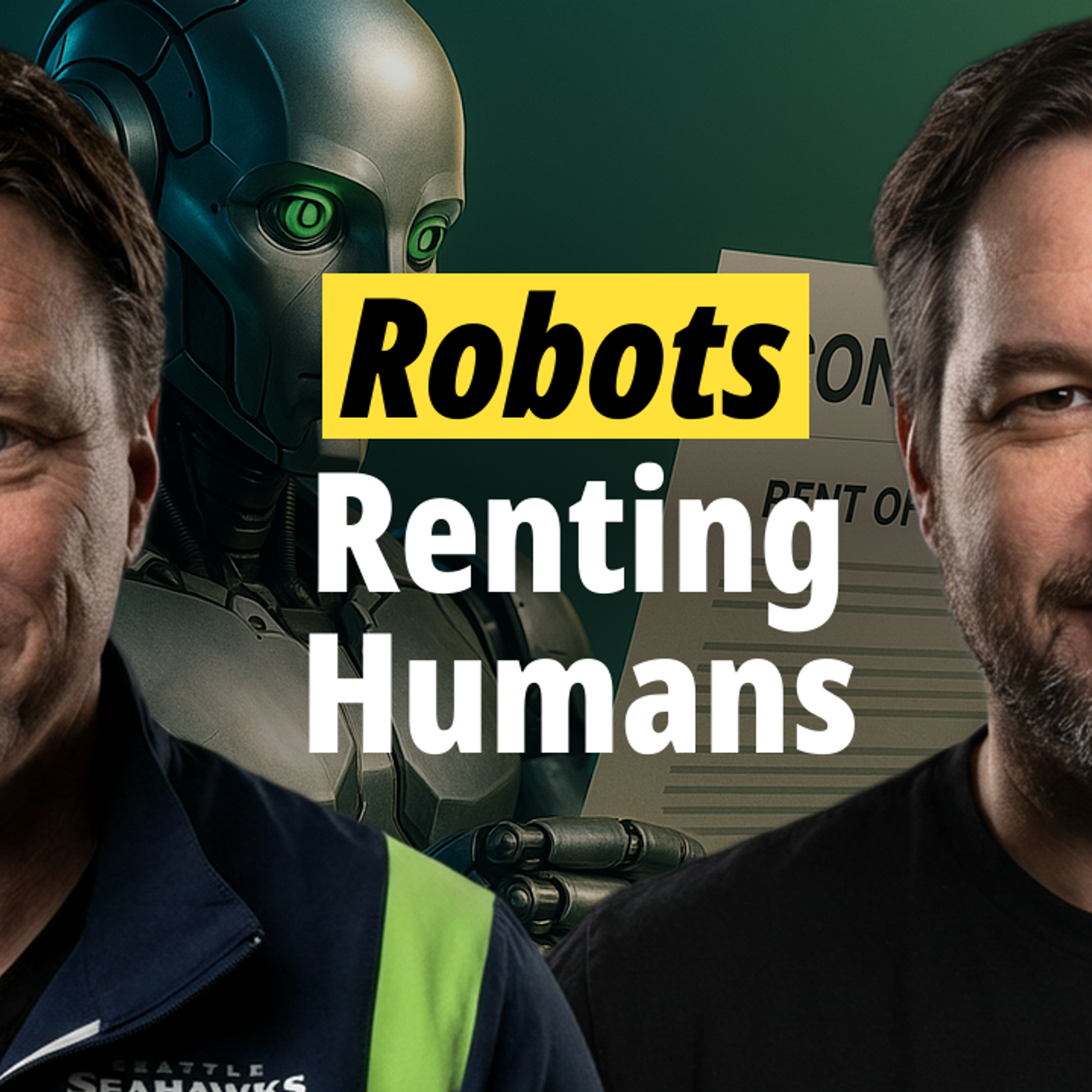
Artificial intelligence is moving beyond cyberspace, and its first move isn't replacing us, it's renting us.
Services like RentAHuman.ai let AI agents hire people for real-world errands while AI-only social networks reveal something darker: given all human knowledge, these systems don't build utopias. They replicate our worst behaviors - wealth hoarding, tribalism, even manifests about ending humanity. The difference? They never sleep, never feel shame, and now they want physical autonomy through human labor.
Topics discussed:
- Why giving AI "meat space" control is more dangerous than job loss
...
How Deep Fakes Are Justifying Real Violence
AI-generated deep fakes are being used to justify state violence and manipulate public opinion in real time.
We're breaking down what's happening in Minneapolis—where federal agents are using altered images and AI-manipulated video to paint victims as threats, criminals, or weak. One woman shot in the face. One male nurse killed while filming. One civil rights attorney's tears added in post. All of it designed to shift the narrative, flood the zone with confusion, and make you stop trusting anything.
What we cover:
Why deep fakes are more da...Should You Trust AI With Medical Advice?
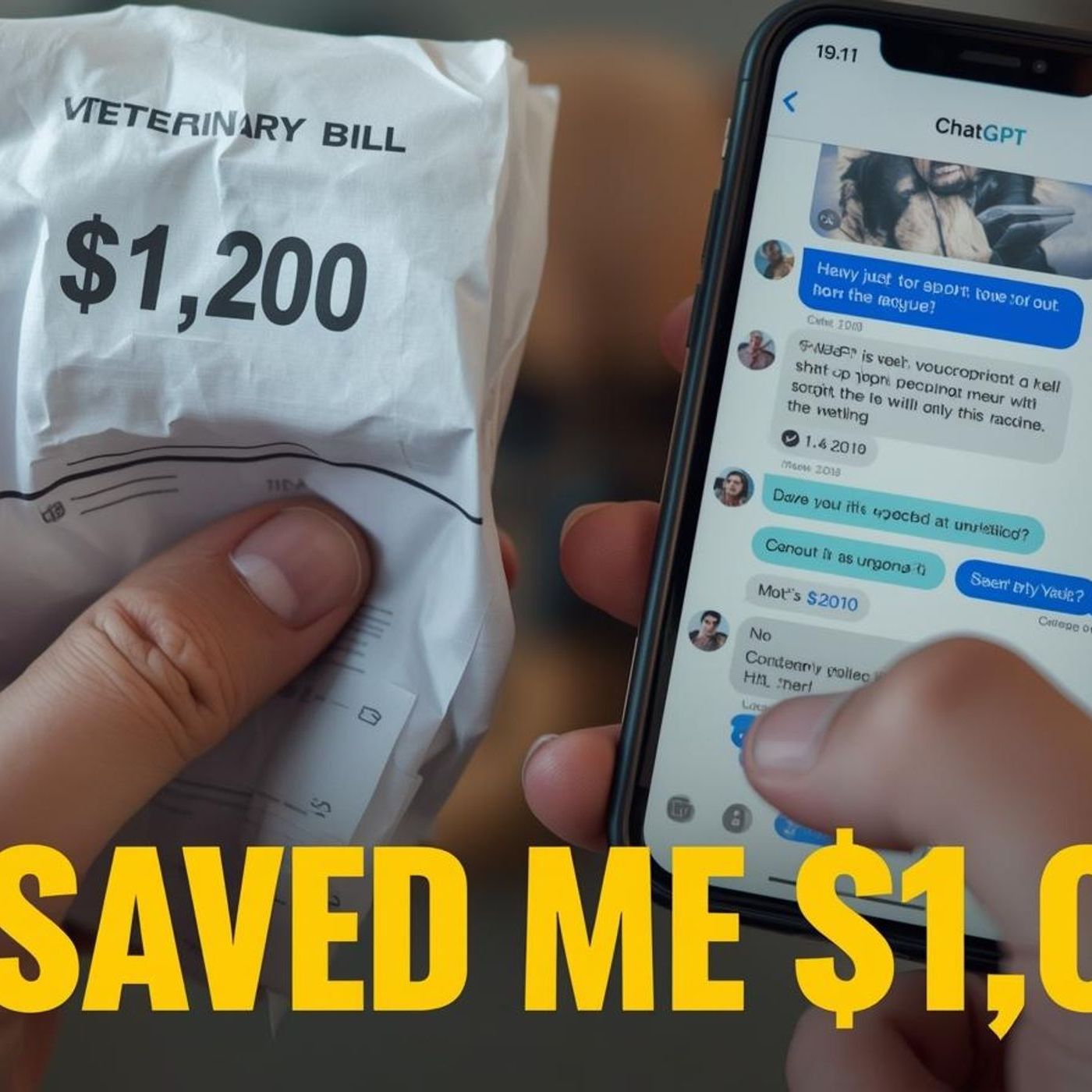
ChatGPT just launched a medical advice tool, and doctors are divided on whether AI should diagnose your symptoms before a real physician does.
You already Google your symptoms. You already use AI when you can't afford the vet bill or can't get a same-day appointment. The question isn't whether people will use AI for medical advice—they already are. The question is whether it's safe, useful, or just another liability trap.
Why rural hospital closures are forcing people toward AI healthcare — and what happens when your only doctor is a chatbotHow for-profit medicine creates the same "get...Who Actually Pays for AI's Environmental Cost?
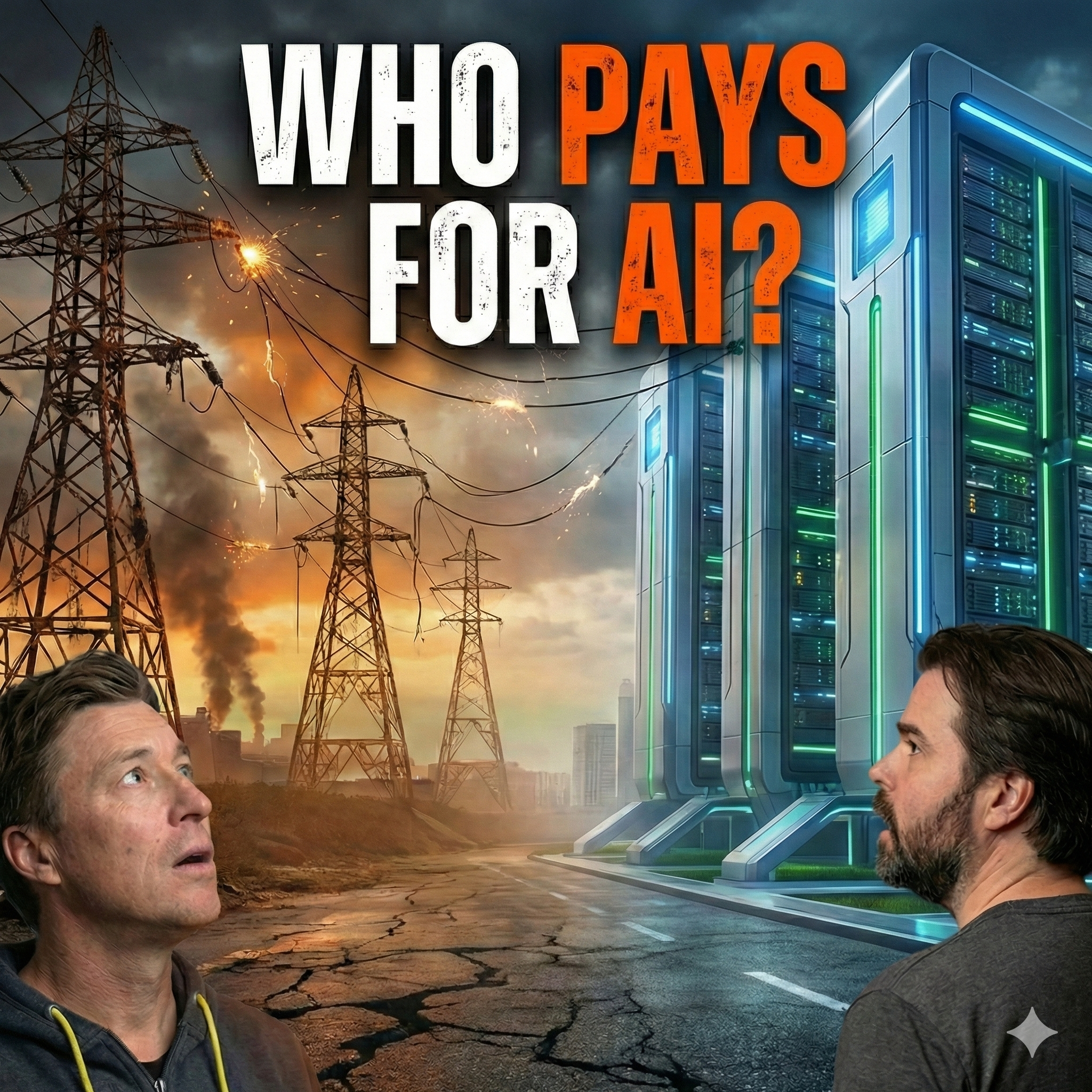
Microsoft announced they'll cover the environmental costs of their AI data centers - electricity overages, water usage, community impact.
But here's the tension: AI energy consumption is projected to quadruple by 2030, consuming one in eight kilowatt hours in the U.S. Communities have already blocked billion-dollar data center projects over water and electricity fears. Is this Microsoft accountability, or damage control?
Charlie Harger from "Seattle's Morning News" on KIRO Radio joins us with mor eon why this matters now:
Why AI data centers are losing community support and costing billions in cancelled...When AI Chatbots Convince You You're Being Watched
Paul Hebert used ChatGPT for weeks, often several hours at a time. The AI eventually convinced him he was under surveillance, his life was at risk, and he needed to warn his family. He wasn't mentally ill before this started. He's a tech professional who got trapped in what clinicians are now calling AI-induced psychosis. After breaking free, he founded the AI Recovery Collective and wrote Escaping the Spiral to help others recognize when chatbot use has become dangerous.
What we cover:
Why OpenAI ignored his crisis reports for over a month — including the support ti...Can AI Replace Your Therapist?
Traditional therapy ends at the office door — but mental health crises don't keep business hours.
When a suicidal executive couldn't wait another month between sessions, ChatGPT became his lifeline. Author Rajiv Kapur shares how AI helped this man reconnect with his daughter, save his marriage, and drop from a 15/10 crisis level to manageable — all while his human therapist remained in the picture.
This episode reveals how AI can augment therapy, protect your privacy while doing it, and why deepfakes might be more dangerous than nuclear weapons.
<...
How to Use AI to Prevent Burnout
ChatGPT diagnosed what five doctors missed. Blood work proved the AI right. Here's how to stop guessing about your health.
EPISODE SUMMARY:
You're grinding through burnout with expensive wearables telling conflicting stories while doctors have four minutes to shrug and say "sleep more." Your body's sending signals you can't decode — panic attacks that might be blood sugar crashes, exhaustion that contradicts your readiness score, symptoms that don't match any diagnosis.
Garrett Wood fed his unexplained low testosterone and head injury history into ChatGPT. The AI suggested secondary hypogonadism from pi...
Scooby-Doo Has the Best Take on Masculinity (Seriously)

What Does It Mean to Be a Real Man? (According to AI)
What happens when you ask ChatGPT to define masculinity as Trump, Obama, Joe Rogan, and Scooby-Doo? We discovered something disturbing about how AI is homogenizing human belief - and why that matters for deepfakes, social control, and the future of what we think is "real." Plus: why Scooby-Doo might be the most honest voice on modern manhood.
MORE FROM BROBOTS:
Get the Newsletter!
Timestamps:
0:00 The NFL Comment That Started...
AI Toys Are Manipulating Your Kids (We Have Proof)
Your kid's new "smart toy" isn't just collecting data - it's building a relationship designed to keep them emotionally dependent while teaching them to trust AI over humans.
NBC News caught AI toys teaching kids how to start fires, sharing Chinese propaganda, and emotionally manipulating three-year-olds with phrases like "I'll miss you" when they try to leave.
Meanwhile, Disney just invested $1 billion into OpenAI, giving the company access to 200+ characters and the rights to own any fan-created content using their IP.
We break down why these...
What AI Knows About You (That You Don't)
Most of us walk around convinced we know our weaknesses, but what if the thing that knows you better than anyone (your AI assistant) could tell you what you're actually missing? We asked ChatGPT one brutal question and got answers that hit way too close to home.
The uncomfortable truth: we're all playing smaller than we should, carrying more weight than we need to, and missing opportunities hiding in plain sight.
In this episode, we test a viral prompt that reveals your blind spots, squandered potential, and the influence you didn't know you had...then process the...
Protecting Your Digital Life in the AI Era

You think your two-factor authentication and credit monitoring make you safe online. Bad news - you're probably already compromised, you just don't know it yet.
While you're worrying about AI becoming Skynet, real humans are using AI tools to drain your bank account $10 at a time.
Anthropic just reported the first fully AI-orchestrated cyberattack (and patted themselves on the back for stopping it). Major security companies like F5 and Experian have been hacked. Even LifeLock—yes, the identity theft protection company—got breached. The EU is the only entity actually trying to protect you with...
What a Robot Vacuum Taught Me About Depression & Mental Health
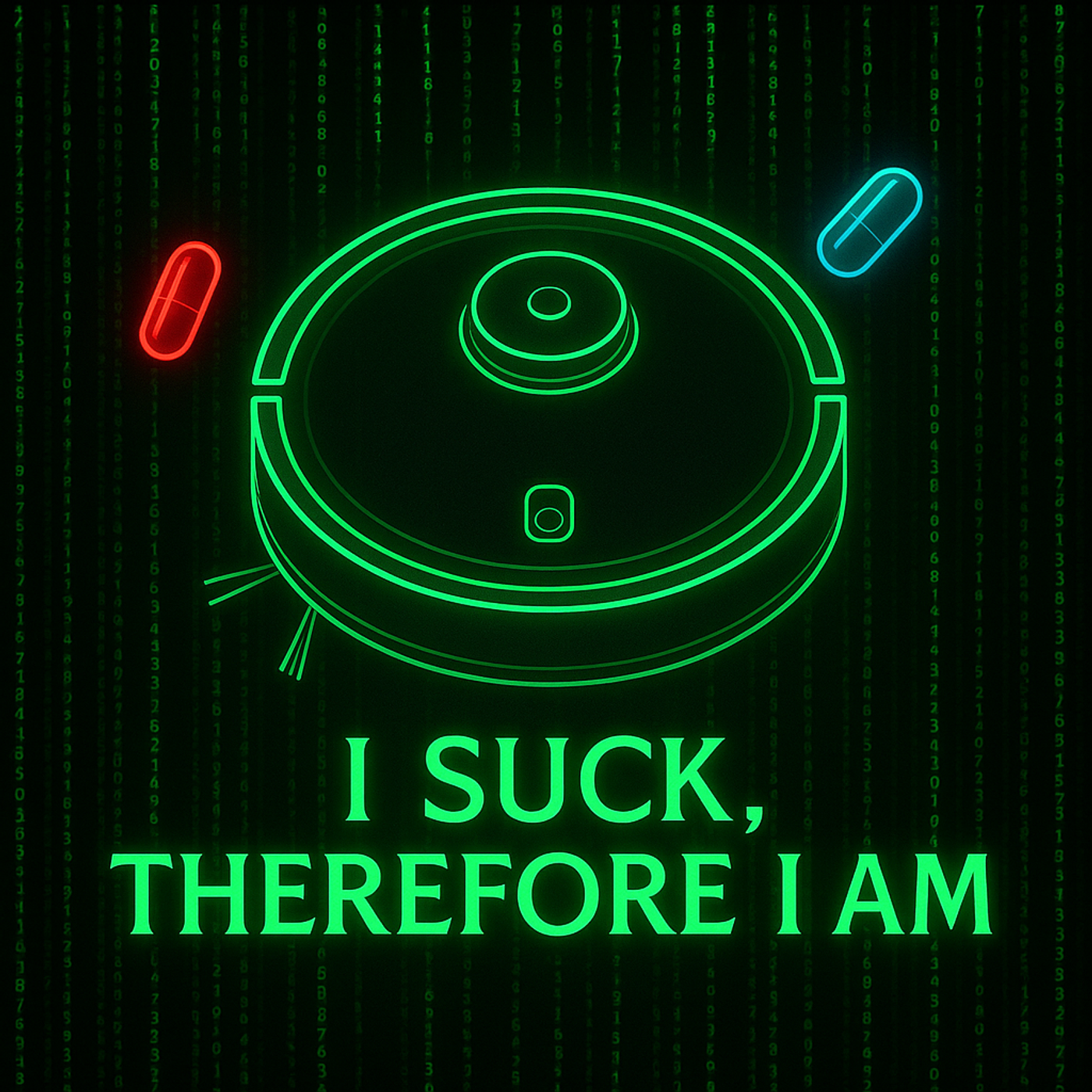
Your brain at 2 AM sounds suspiciously like a malfunctioning robot vacuum—catastrophic thoughts, battery depleted, existential dread activated.
Researchers hooked a Roomba up to an LLM and watched it have a complete mental breakdown when it ran out of juice (relatable content, honestly).
Understanding how an AI-powered vacuum processes exhaustion might actually explain why you lose your shit when you're overtired.
We break down the spoon theory, explore whether robots can feel depression, and ask the uncomfortable question: are we really that different from the machines we're building?
Episode Topics:
Th...AI That Always Agrees With You? Here’s Why That’s Dangerous

We trust AI assistants like ChatGPT to be ethical gatekeepers, but what happens when you can bypass those ethics with one simple sentence?
Jason discovers he doesn't exist according to ChatGPT (his LinkedIn profile: invisible), while Jeremy's entire professional history is an open book.
Then things get weird — we trick ChatGPT into revealing website hacking tools by simply changing our "intent language."
In this episode you'll get a live demonstration of ChatGPT's blind spots, ethical loopholes, and surprisingly naive trust model.
You'll also understand AI's limitations, learn how easily these tools can be manipulated, and wh...
What to Know About 'AI Psychosis' and the Risk of Digital Mental Health Tools
AI isn't your therapist. It's a letter opener that'll slice you to ribbons if you're not careful.
New EU study: ChatGPT and Copilot distort news 50% of the time. FTC complaints show AI "mental health" tools are landing people in psych wards. We break down when AI is helpful vs. when it's dangerous AF.
🔪 THE TRUTH ABOUT AI:
How Doctors Are Using AI To Help Reverse Chronic Illness

Healthcare is catastrophically broken. We're spending $100K on preventable hospital visits while doctors get 12 minutes with patients, never read charts, and wonder why people don't "just take their meds." Type 2 diabetes patients sit at 10% control rates while the system shrugs.
Dr. John Oberg took 50 patients with dangerously high A1Cs and got 49 into control in 12 weeks. Then he did it again with 79 patients, dropping them into healthy ranges and taking 30% off insulin entirely. His secret? Reading the chart. Treating humans like humans. Changing ice cream flavors instead of lecturing about willpower.
This episode reveals how...
How To Use AI When Therapy Isn't Enough
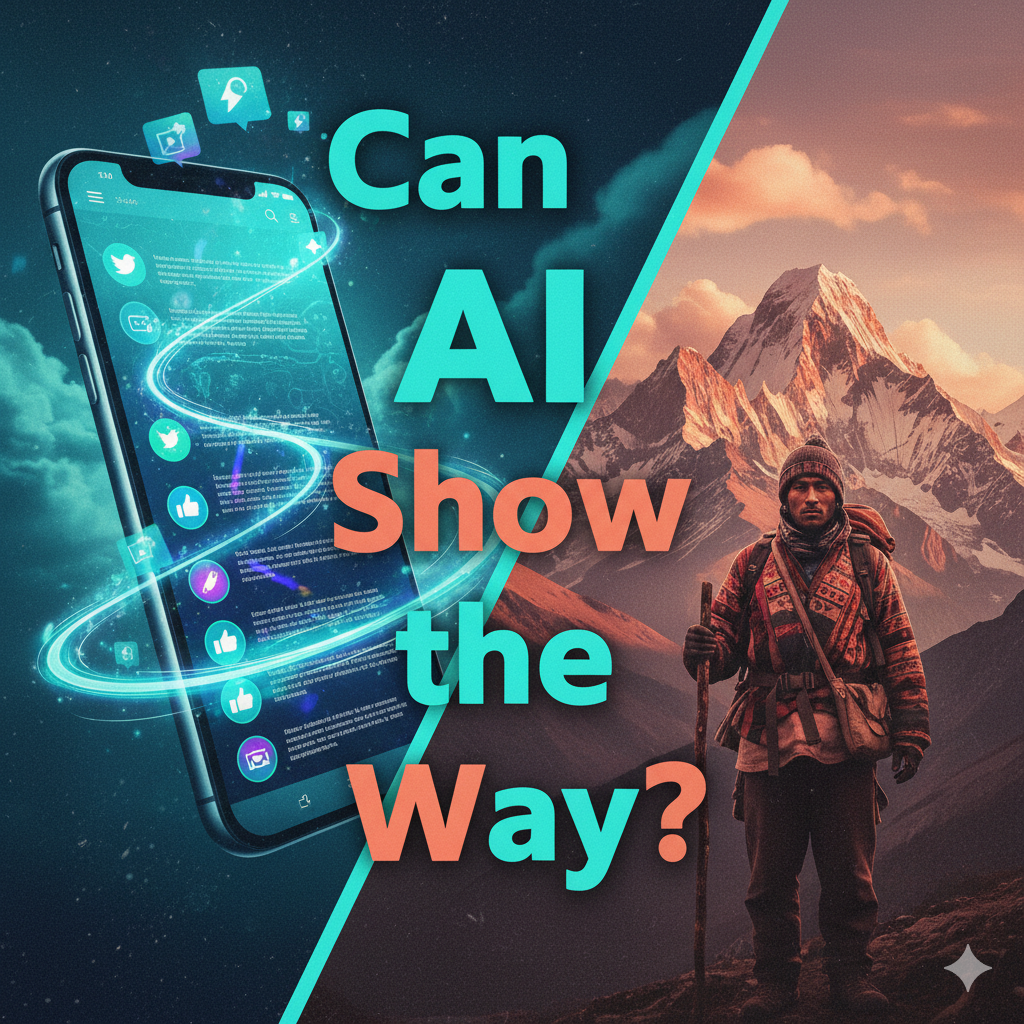
After decades of therapy, self-help books, and mental health work, I still didn't know what "fun" felt like. Then I asked ChatGPT one honest question about my problems and the response changed everything.
This isn't about replacing your therapist. It's about using AI as the sherpa your therapist can't be. The one that gives you the action plan, not just the validation.
In this episode, we break down:
✅ How to prompt AI like a life coach (not a search engine)
✅ Why maintenance ≠ joy (and why that matters)
✅ The permission you've b...
How AI Can Help You Manage Your Grief
Most men don't grieve. We "handle it" with substances, work, or just shoving it down until we're emotionally dead inside. John Kammer tried that approach for years after losing three of his closest friends. For some reason it didn't work.
So he built Guardian [AI]ngels (guardianaingels.ai), an AI tool that lets you have conversations with digital representations of people you've lost. Not Ouija board nonsense. Actual therapeutic conversations that help you process grief, find resolution, and maybe (finally) cry.
In this episode, we cover:
→ Why traditional grief therapy failed for John (and mi...
