Zen Community of Oregon Dharma Talks

New podcasts every Tues, Thurs and Sat. Here you can find talks from various teachers involved with the Zen Community of Oregon. We share talks from our retreats, as well as our different weekly offerings between Great Vow Zen Monastery and Heart of Wisdom Zen Temple. Zen Community of Oregon's purpose is to express and make accessible the wisdom and compassion of the Buddha’s teachings, as transmitted through an authentic, historical lineage. To support and maintain Zen Buddhist practice in order to realize and actualize our Buddha nature in everyday life. For more information, please visit zendust.org.
Chanting Our Way to Wholeness - Hogen Roshi
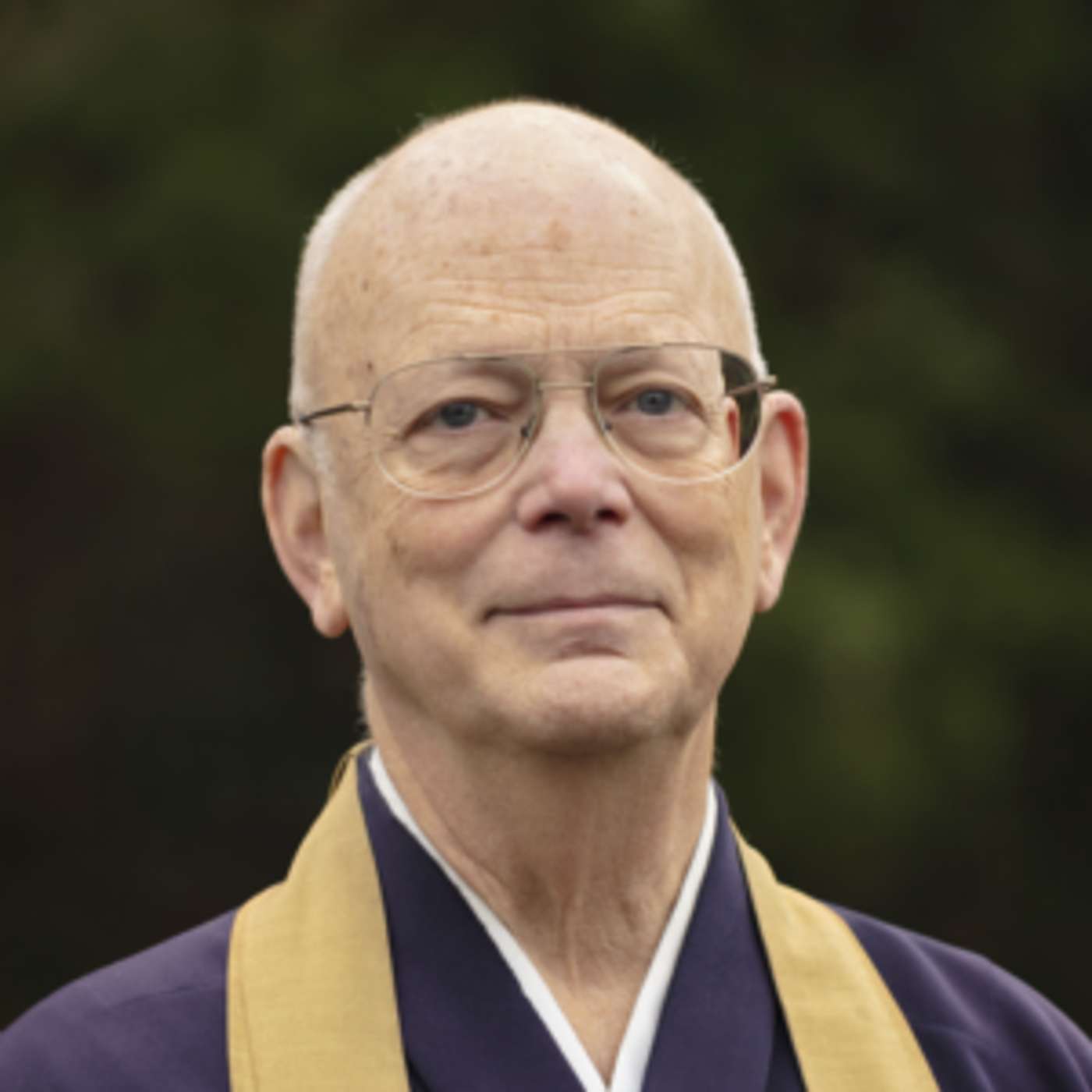
Hogen explores how chanting the Buddha’s name can loosen our sense of separation and help us reconnect with the fullness of our experience. Through wholehearted practice, we gradually awaken parts of ourselves that have been buried or excluded, finding greater clarity, compassion, and intimacy with the world around us.
Awakening Is Already Here - Shonin Ashton, Zen Teacher

This talk explores stories of awakening from Japanese women Zen practitioners, showing how moments of insight can reveal the Buddha nature present in all of life. Through the koan Mu, the oxherding pictures, and Dogen’s teachings, Shonin reminds us that practice is not about chasing a special experience, but about returning to this moment again and again until our whole lives become the practice.
★ Support this podcast ★The Crucible of Practice - Bansho Green, Sensei
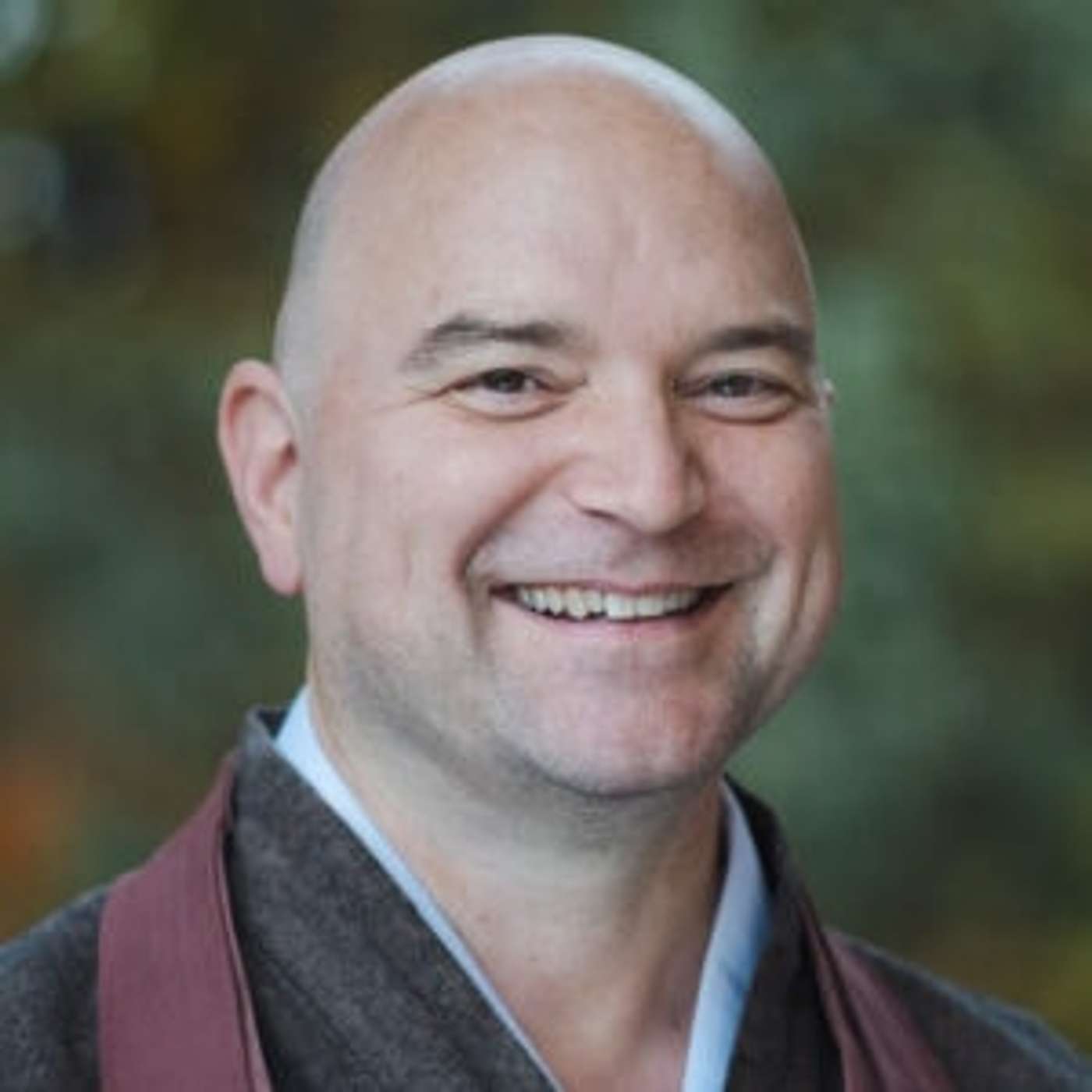
Bansho explores Zen practice through the image of fire, which can both destroy and transform, forging us through the challenges of being human. Drawing on Dogen’s teachings, he invites us to meet grief, anger, change, and uncertainty with intimacy rather than trying to escape them, and to listen for the Dharma within our own experience.
★ Support this podcast ★The Teachings of Deepa Ma - Shonin Ashton, Zen Teacher

Deepa Ma’s life offers a powerful example of how meditation can transform suffering into concentration, loving-kindness, and peace. Drawing on her teachings, this talk explores the importance of committing to a practice, meeting difficulties with patience, letting go of the stories we tell ourselves, and discovering that awakening is possible in any circumstance. Her journey reminds us that the ancient way is always available, right here in the midst of our everyday lives.
★ Support this podcast ★Karma and Freedom - Jogen Salzberg, Sensei

Jogen continues his exploration of karma, focusing on how habitual actions and desires can shape our lives and lead us away from ultimate peace. He explores atonement, the cultivation of skillful actions, and ultimately the possibility of becoming free from karmic patterns by resting in awareness and responding from a deeper place of choice.
★ Support this podcast ★Patience In Practice - Bansho Green, Sensei
Bansho explores patience as one of the six paramitas, a practice that helps us meet ourselves, others, and the changing circumstances of life with presence and curiosity. Through meditation and everyday relationships, patience becomes less about waiting for things to change and more about learning to respond with wisdom, compassion, and steadiness.
★ Support this podcast ★The Shape of Karma - Jogen Salzberg, Sensei

Jogen explores karma as the ongoing relationship between our actions, habits, and experience, emphasizing that practice gives us freedom in how we respond to the results of past actions. Drawing on the Buddha’s teachings, including the Salt Crystal Sutta, he invites us to meet difficult patterns with greater awareness, spaciousness, and curiosity.
★ Support this podcast ★Don't Expect Applause - Bansho Sensei
Threaded through this talk by Bansho Sensei is the tension between wanting recognition for helping others and the practice of "not expecting applause." It frames true generosity as releasing the need to be thanked or acknowledged. It distinguishes ordinary impatience (wanting the red light to change) from a deeper "Dharma patience" of truly being with others and with our own discomfort.
★ Support this podcast ★Give Life to Life - Hogen Roshi
Centered on the idea of "futuring" or craving, this talk by Hogen Roshi examines how the mind actively shapes an infinite, formless world into a narrow personal story through wanting. It suggests liberation comes from noticing this shaping process rather than being unconsciously driven by it.
★ Support this podcast ★Slipping Beneath the Difficulty - Hogen Roshi
This talk by Hogen Roshi explores craving as the mind's habitual grasping — "I want, I want" — and how it quietly generates most of our dissatisfaction. It contrasts two retreat experiences, agony and freedom, to show that both can lead to the same insight once we stop resisting and sink beneath the thought.
★ Support this podcast ★Avoiding Foolish Ways - Hogen Roshi
This talk by Hogen Roshi unpacks a traditional chant on "blessings" by redefining the word away from divine reward and toward human capacity. It centers on discernment — recognizing foolish paths to happiness versus wise ones — and treats association with wisdom as something actively built, not passively found.
★ Support this podcast ★A Whole Forest Within You - Kisei Sensei

Using poetry, koans, and personal story, this talk paints practice as a slow accumulation of intimacy with the world — with fear, with joy, with the earth itself. It closes on the idea that these encounters don't disappear when we leave formal practice; they continue quietly shaping how we sit, dream, and live.
★ Support this podcast ★Remembering How to Come Home - Kisei Sensei

This talk Kisei explores practice as homecoming — returning to a natural ease we knew as children but lost through striving and adulthood. A folk tale and the Buddha's own reflections before awakening sre explored forgetting and remembering as central to the spiritual path.
★ Support this podcast ★Listen With Your Eyes - Kisei Sensei

This talk explores what it means to listen beyond the ears — to the earth, to silence, to a mind not bound by self and asks whether the boundary between "sentient" and "insentient" is one we've simply mistaken for the truth.
★ Support this podcast ★Creatively Companioning Distress- Jogen, Sensei

This talk explores the emotional and spiritual dimensions of caring for someone who is suffering, arguing that presence — flawed, tiring, and imperfect as it is — matters more than solutions. It also explores how our own inner work with fear, mortality, and discomfort directly shapes what we're able to offer someone else in their hardest moments.
★ Support this podcast ★Sipping From Many Flowers - Jogen Sensei

Reflecting on today's overwhelming availability of spiritual teachings from every tradition, this talk asks whether sampling freely across lineages creates confusion and explores how practice is a rhythm of deconstructing our misperceptions of self and world, and reconstructing ourselves toward compassion, embodiment, and ease.
★ Support this podcast ★What the River Says: on Vocation and Calling- Hogen, Roshi
This talk explores vocation not as a career choice but as a calling that arises from deep within the heart. The speaker weaves in poetry from William Stafford, David Whyte and others to illustrate how a life of meaning flows from staying connected to an inner current rather than external trappings.
★ Support this podcast ★I'm a Thing! : How Craving Dreams Us Into Lumps- Hogen, Roshi
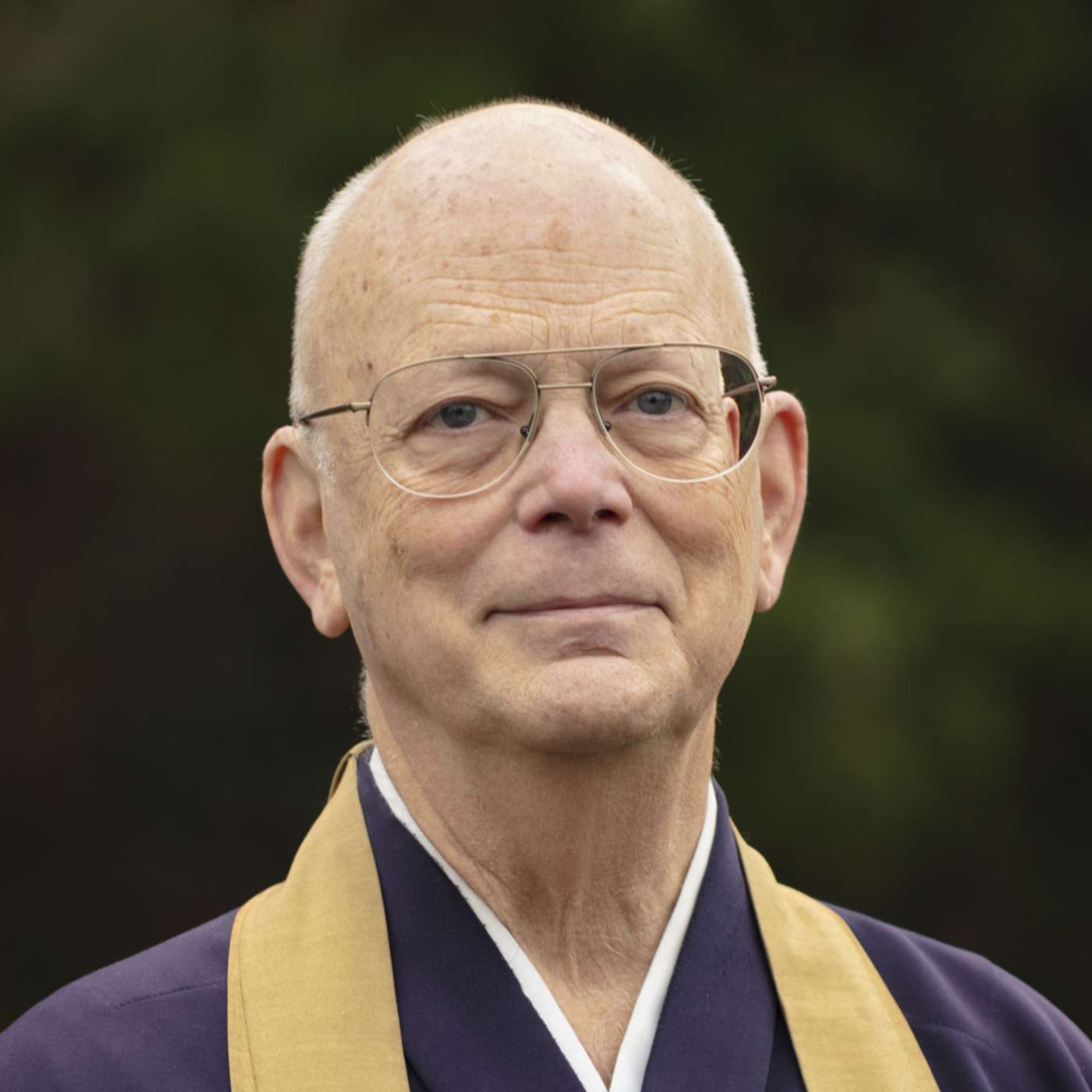
The Tanha Sutta's core teaching, Hogen explains, is that craving turns the fluid, ever-changing experience of being alive into a fixed identity — "I am this," "I am that" — which then must be defended and reinforced. This talk explores this as an attempt to become a solid "thing" and how that goes against reality itself, making us smaller and more fearful rather than secure.
★ Support this podcast ★The Weaver That Chokes the World: on Grasping Thoughts- Hogen, Roshi
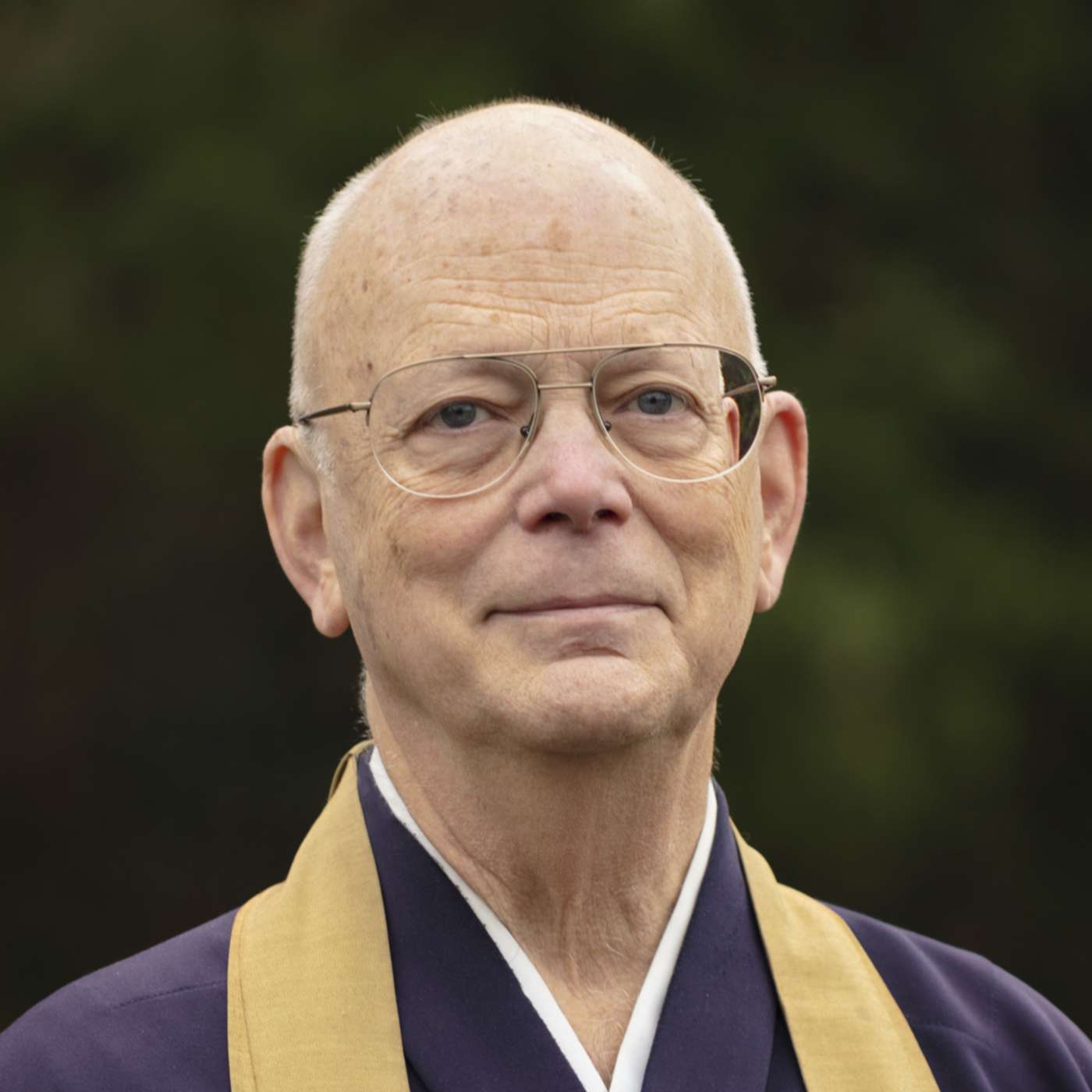
This talk explores the observation that craving turns ordinary desire into compulsive thinking, creating a tangle of self-concepts — "I am a failure," "I am a success" — that we then mistake for fixed truths.
★ Support this podcast ★What's the Hurry? - Bansho Sensei

This talk explores patience (kshanti), one of the six Paramitas in Mahayana Buddhism, as an essential practice in a culture built for instant gratification and constant phone-driven distraction. Bansho distinguishes true patience from mere "waiting," framing it instead as fully meeting the present moment without needing it to be different.
★ Support this podcast ★Not Personal, Permanent, or Perfect: The Three Dharma Seals- Zen Teacher Jomon

This talk on reflects on the Five Remembrances — that we are of the nature to age, get sick, die, and be separated from loved ones — as a practice for living wisely rather than in denial. Rather than being purely somber, these reflections are offered as a way to "sweeten the deal," deepening appreciation for the present moment and one's relationships.
★ Support this podcast ★Good in the Beginning, Good in the Middle, Good in the End -Zen Teacher Jomon

This talk explores how the ups and downs of a single sitting period mirror the larger arc of a retreat or an entire life of practice.
Drawing on the image of a snake in a bamboo tube, a long marriage and retreat as a modern rite of passage, they explore how difficulty, doubt, and disillusionment aren't failures but essential parts of deepening commitment.
Courage To Be Afraid- Working Our Edges- Jogen Sensei

Drawing on the eleventh-century yogini Machig Labdron's uncompromising slogans—confess your hidden faults, approach what repels you, help those you think you cannot help—this talk explores how genuine spiritual growth requires more than acceptance.
★ Support this podcast ★The Timeless in Direct Experience- Hogen Roshi
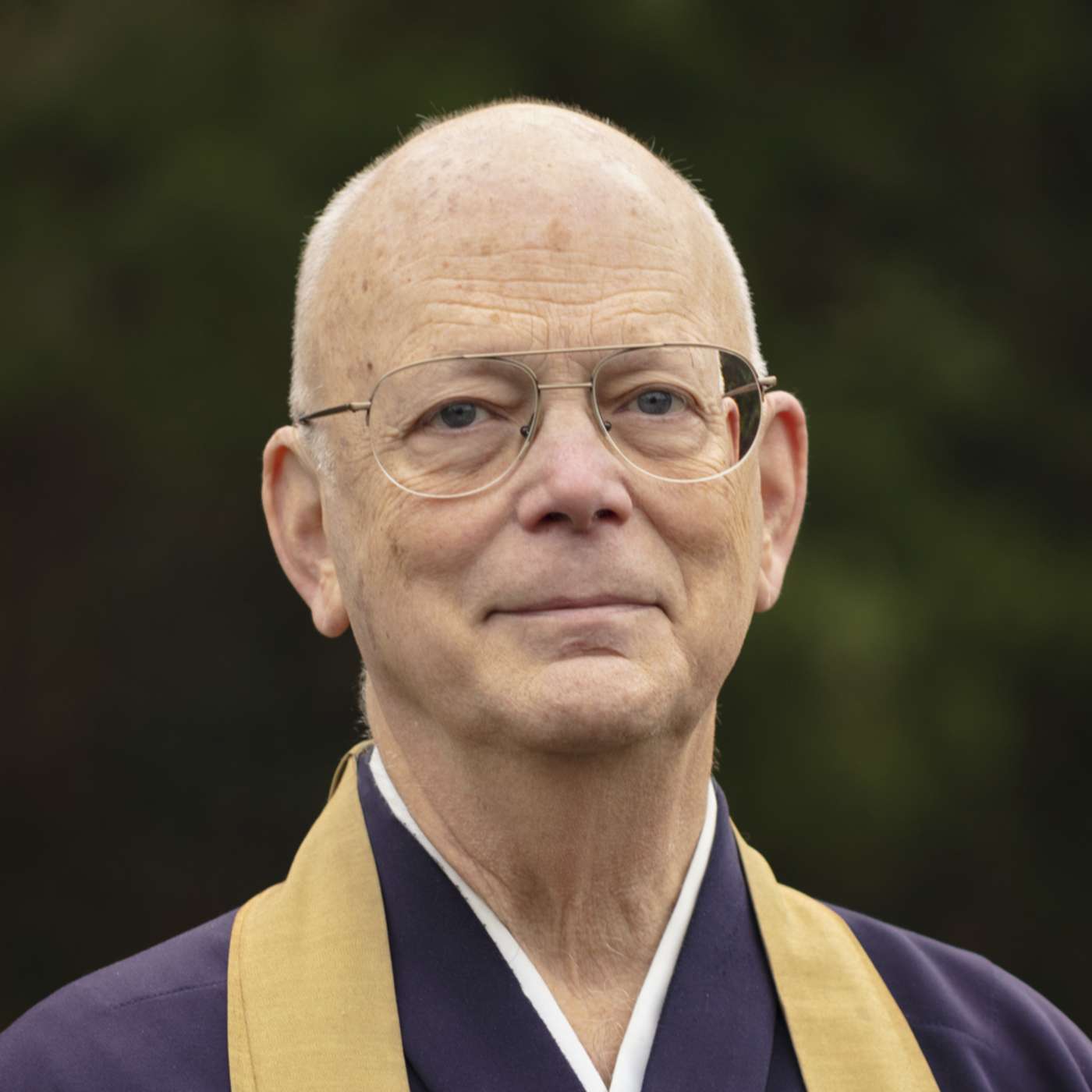
This talk is a teaching on the ageless, ever-present awareness beneath our changing thoughts and circumstances. Drawing on the Mangala Sutta, this talk explores how recognizing (not manufacturing) this ground allows the mind to remain unshaken "beyond all sorrow."
★ Support this podcast ★Our Inseparability From The Natural World- Zen Teacher Jomon

Drawing from an annual outdoor meditation retreat , this talk explores how sitting in silence among deer, mosquitoes, and fallen apples can reveal our inseparability from the natural world
★ Support this podcast ★Making Peace with Your Inner Critic - Zen Teacher Jomon

This talk explores the inner critic as a habitual pattern of thought, emotion, and body sensation—not a fixed truth- as well as offering practices of self-compassion.
★ Support this podcast ★This Heart is Mirrored Everywhere- Jogen Sensei
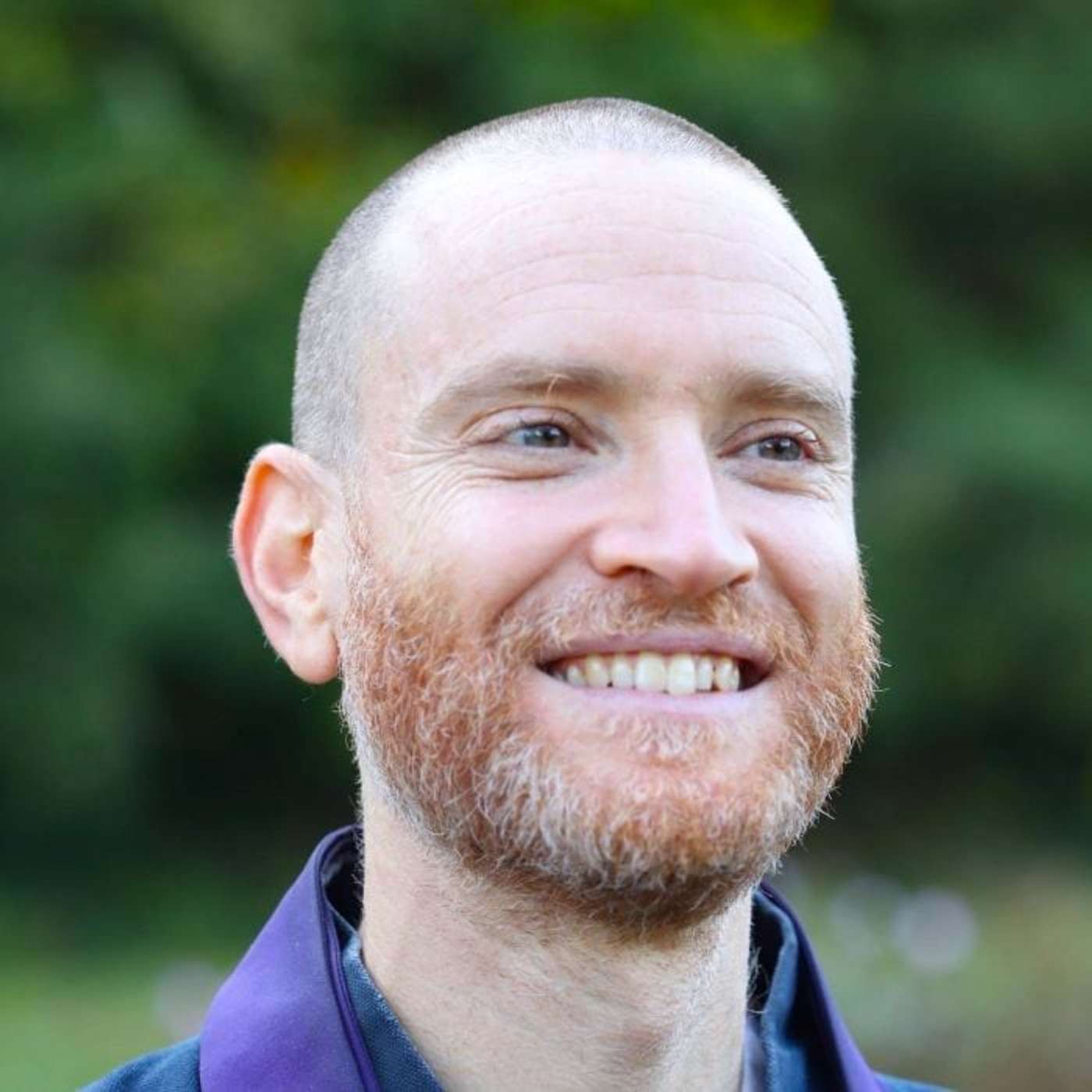
By stepping out and seeing the noisy marketplace of endless consumption and self-fixation, we align with a source that never loses its luster. Living from this allows us to begin meeting every person and situation as our family, and embody the true spirit of the Bodhisattva Vow in everyday life.
★ Support this podcast ★The World Lies To Us- Jogen Sensei
This talk emphasizes that by alertly seeing through life's illusions—rather than chasing temporary worldly comforts or getting caught in abstract spiritual concepts—we step into a grounded, unshakeable presence that is free from grasping.
★ Support this podcast ★Serenity Is a Stance Not a State- Jogen Sensei
When you sit and look for the self you never find it — just thoughts, feelings, space and energy — and this talk traces how that discovery becomes practical liberation, how being your own primary witness dissolves the hunger for others' approval, and how the vast flexible awareness Hongzhi calls empty wide open mind turns out to be the most dignified place a human being can stand.
★ Support this podcast ★Looking for Something Dependable - Hogen Roshi
The Buddha said he kept looking for real stability and kept reaching for things that couldn't provide it — and this talk uses a dying biohacker, the nature of vow, and the frank reality that we will all die before we finish everything we wanted to do, to point toward the only ground that doesn't shift: settled acceptance of this particular karmic bundle, right here, right now.
★ Support this podcast ★Joyful Mind, Grandmother Mind, Magnanimous Mind: Dogen's Three Hearts of Practice - Bansho Sensei
Drawing on Dogen's instructions for the monastery cook, this talk unpacks three orientations that Dogen considered essential to wholeheartedly engaging the way — the happy heart that finds joy in vacuum lines and borrowed victories, the fierce nurturing love of grandmother mind, and the vast unbiased ocean of magnanimous mind that meets every turn of fortune with "we'll see."
★ Support this podcast ★This Is Not Mine- Not-Self and Thoughts That Moved In Without Paying Rent- Bansho Sensei
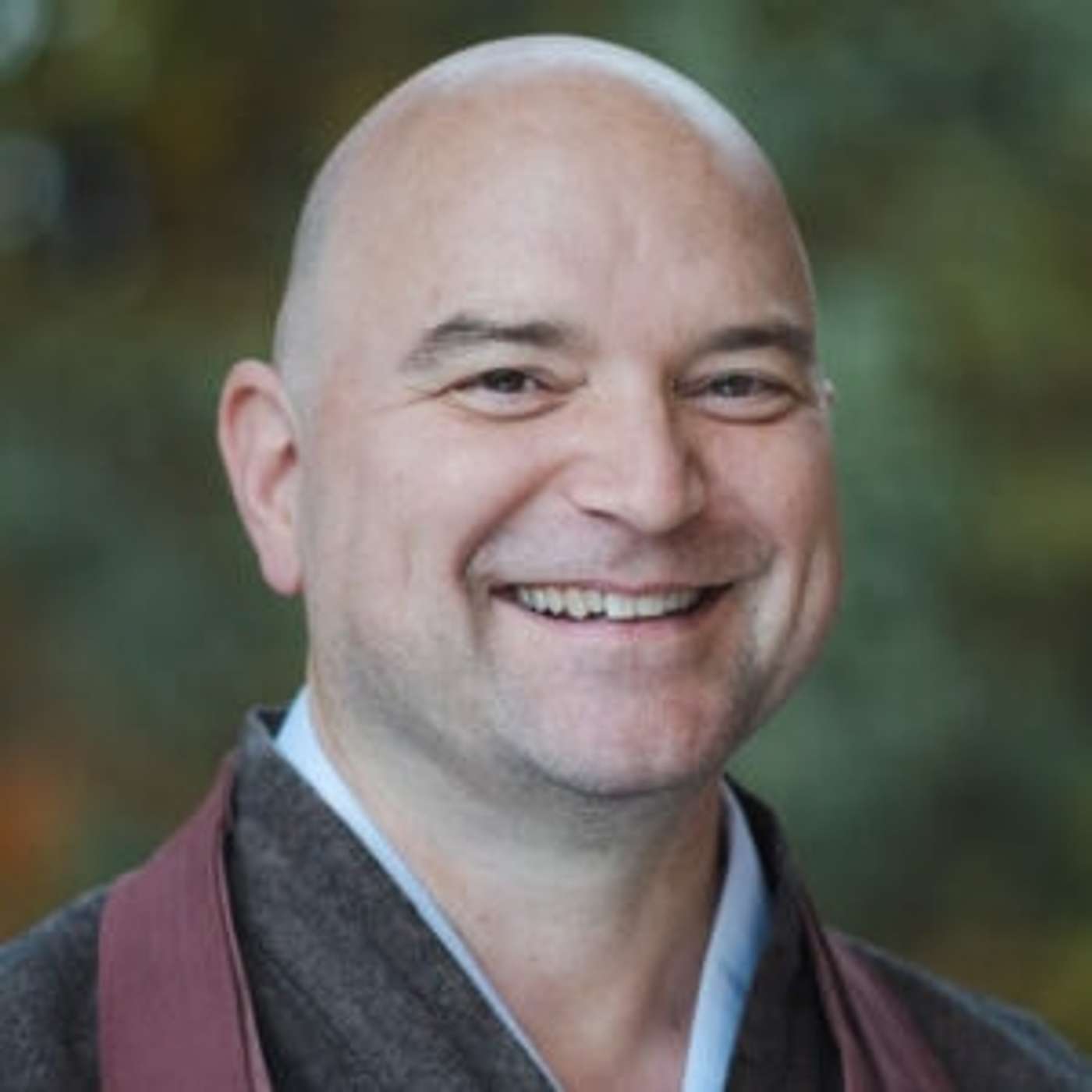
Walking through the Buddha's discourse on the five aggregates — form, feeling, perception, thought, consciousness — this sesshin talk asks a deceptively simple question: if you can't command your knee to stop hurting or choose tomorrow's mood, in what sense is any of this really yours, and what becomes possible when you stop taking it personally?
★ Support this podcast ★Right Now It's Like This: Practicing Honestly with Heat, Sweat, and a Wandering Mind- Bansho Sensei
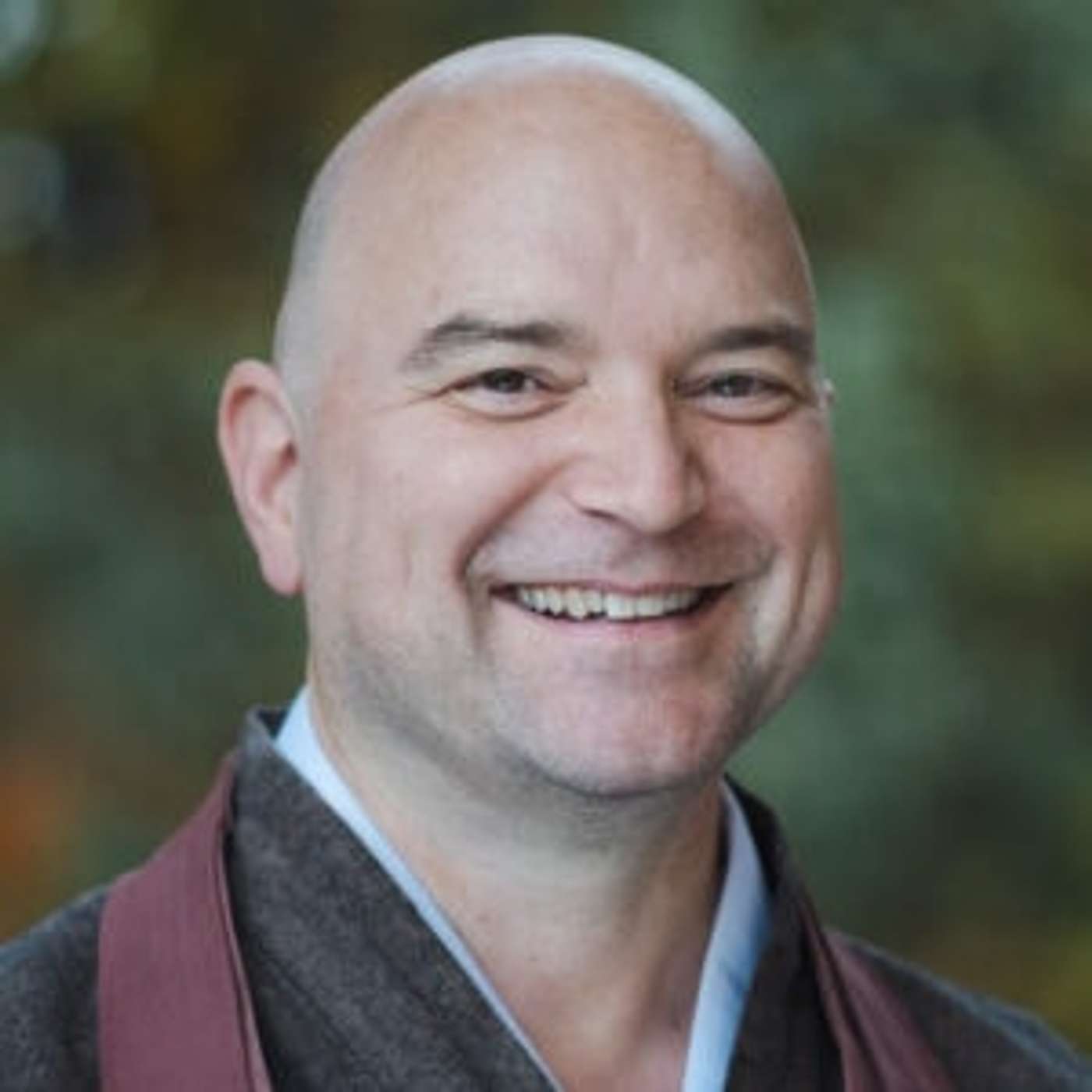
Borrowing Ajahn Sumedho's simple phrase as its anchor, this sesshin talk invites practitioners to stop arguing with their experience — the drowsiness, the pain, the restless commentary — and instead meet each moment with the complete honesty Hongzhi calls straightforwardly abandoning stratagems, which turns out to be both harder and simpler than any technique.
★ Support this podcast ★The Diamond Sutra, a Tea Lady, and the Freedom of Not Knowing - Zen Teacher Jomon

The Diamond Sutra says there is no such thing as x, it is only called x — and this talk traces what that teaching looks like when it stops being a concept and starts being a way of actually meeting your brother, your assumptions, your most cherished ideas about who you are and how the world works.
★ Support this podcast ★Dharma Travels: Meeting the Extended Family of Western Zen- Zen Teacher Jomon

From a Gen X teachers conference in Virginia to a White Plum Asanga gathering in the Dutch wheat fields, this talk traces a month of encounters with the living, ever-expanding family of Western Buddhism — Theravadan monks from Guadalajara, Tendai priests in Springfield, Chan teachers from Dublin — and brings back the felt sense that our practice is part of something vastly larger than any single room.
★ Support this podcast ★Dancing and Singing with Shakyamuni- Zen Teacher Jomon

Starting from Maezumi Roshi's question — what prevents you from seeing yourself as constantly dancing and singing with the Buddha? — this talk uses the koan of Mu and the practice of breathing in the whole universe to suggest that what we're looking for isn't somewhere else, isn't achievable through cleverness, and can only be lived directly.
★ Support this podcast ★The Eternal Child, The Old Man and Spiritual Commitment - Jogen Sensei
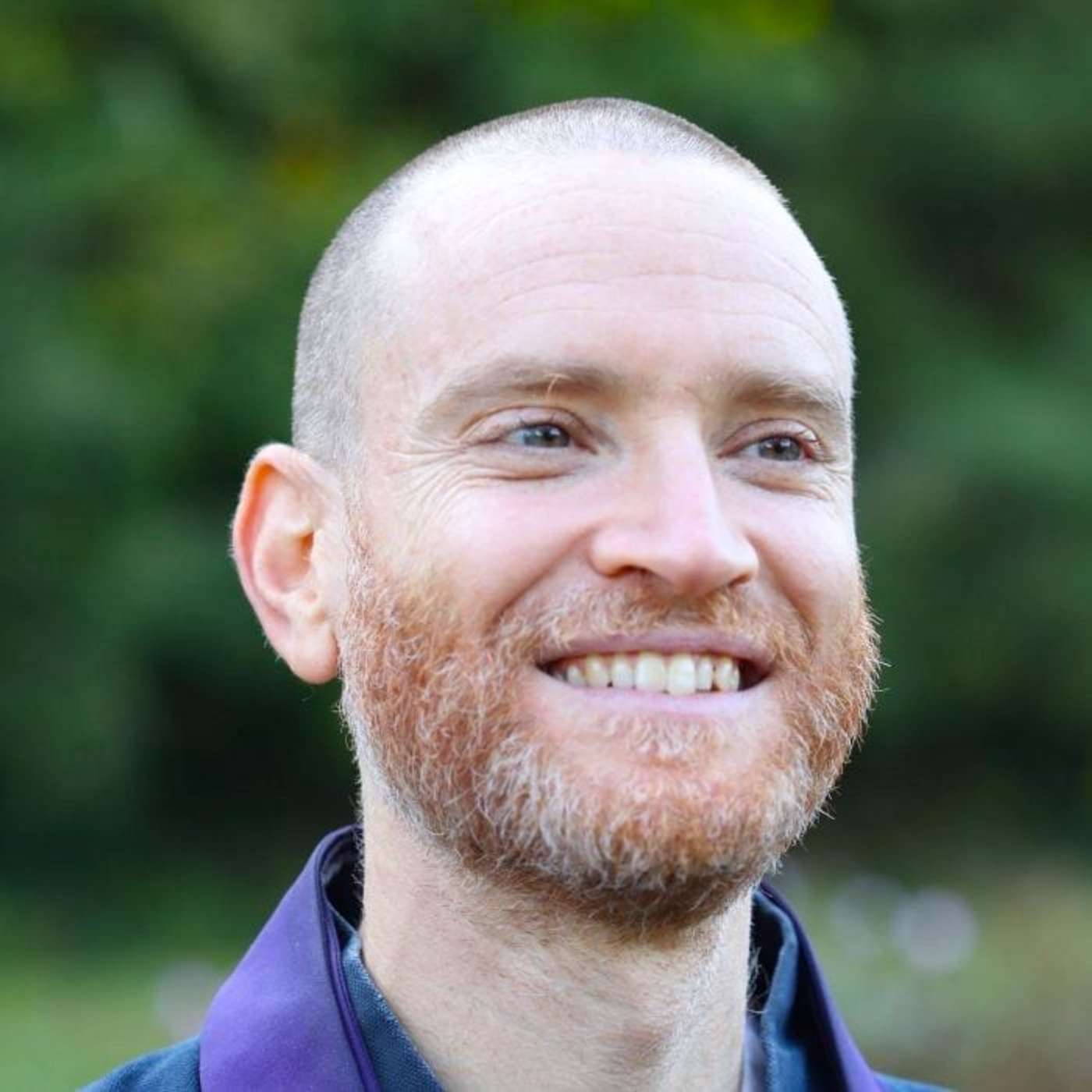
Using the Jungian archetypes of the eternal child and the wise elder, this talk maps the tension between following inspiration wherever it leads and committing deeply enough to actually cook — arguing that neither without the other is anything but a different kind of neurosis, and that real spiritual commitment somehow needs both.
★ Support this podcast ★How To Be A Mystic In The City- Jogen Sensei
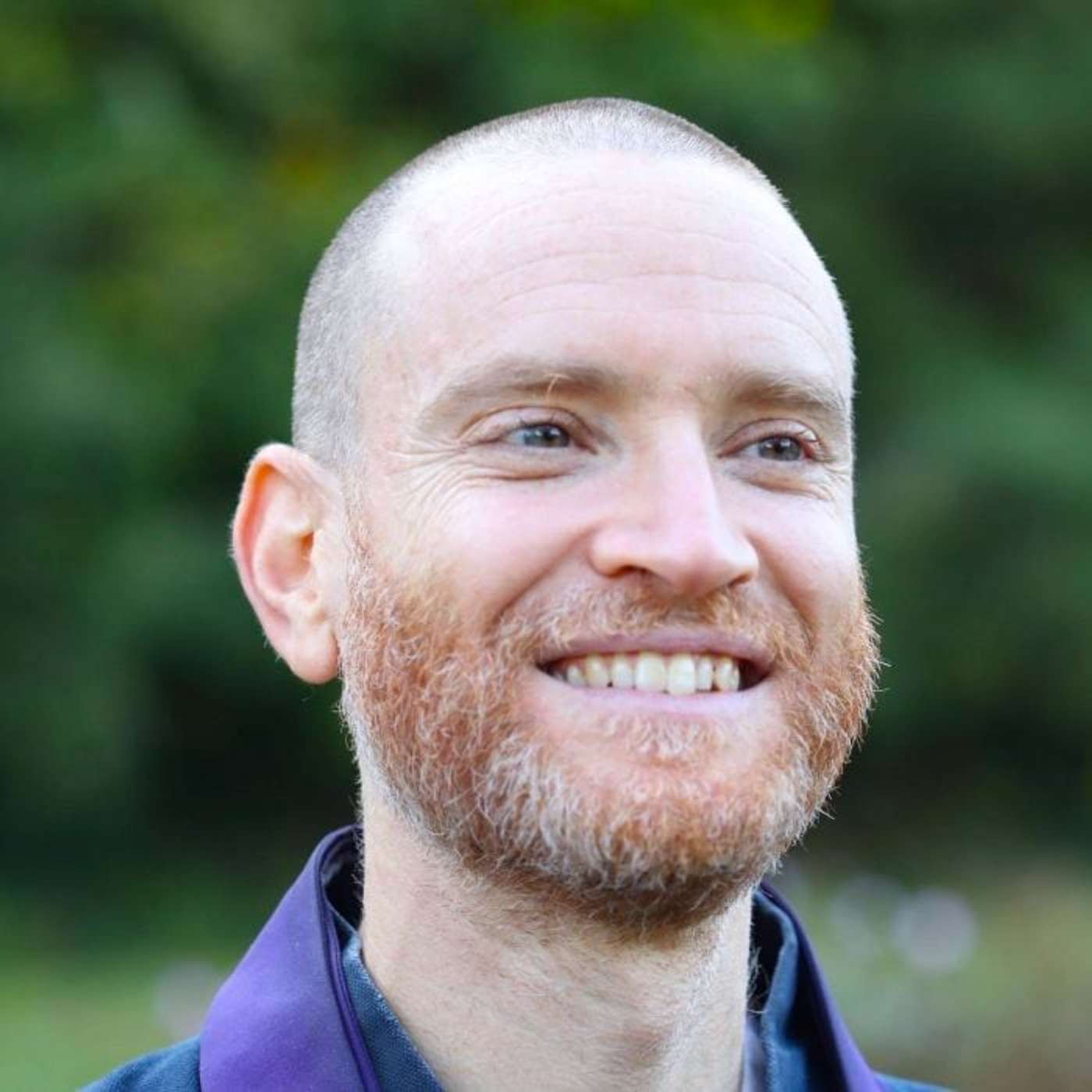
Jogen offers five categories for living a mystical life right in the middle of it — microdosing stillness, staying connected to the tender fleetingness of existence, liquefying your fixity through play, following whatever opens your heart, and finding the skeletal principles that guide you without making your life tight.
★ Support this podcast ★According to Me: Opinions About Reality Keep Us From Living It- Hogen Roshi
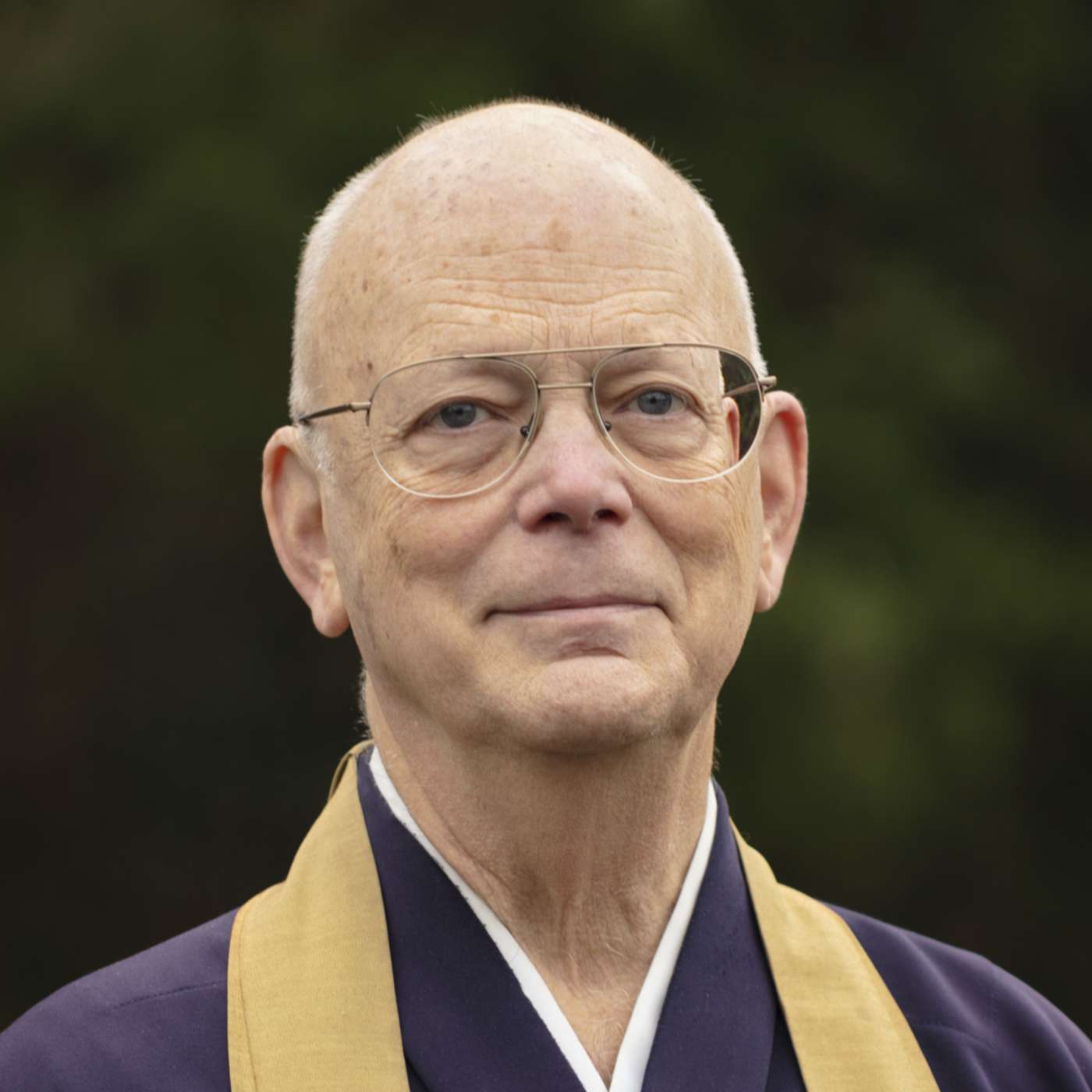
Drawing on the Mangala Sutta's teaching on gratefulness and a recent pilgrimage to 400-year-old Soto Zen monasteries in Japan, this talk by Hogen Roshi traces how the abiding belief that "the world should work according to me" cuts us off from the very life we're trying to improve.
★ Support this podcast ★Trusting Your Sense of the Divine - Jogen Sensei
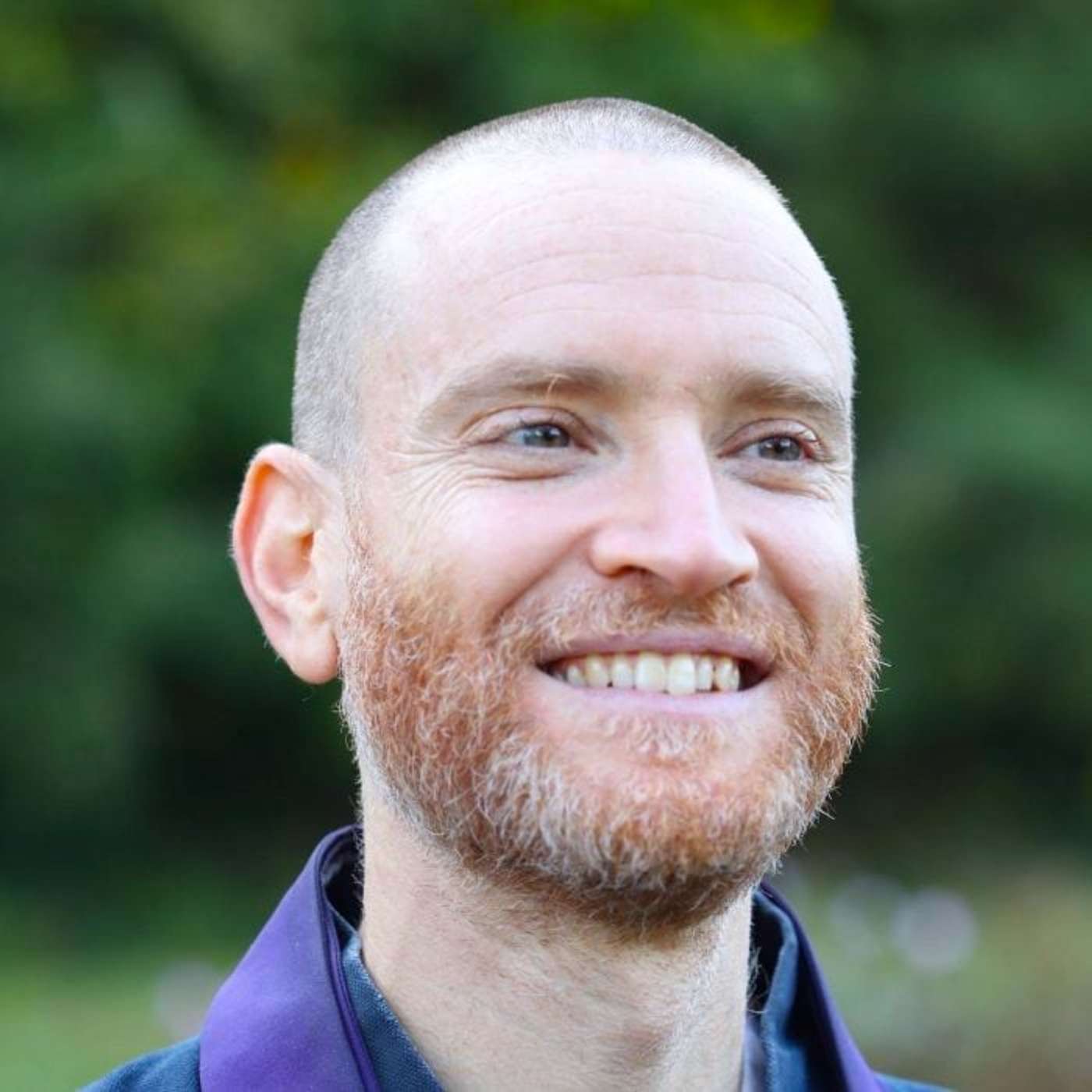
This talk addresses people who know or have known a natural sense of the sacred — and who may have set it aside when they entered a formal tradition — arguing that what you already know is not less valid than what any lama, priest, or roshi says, and that the meeting of inborn spirituality with a tradition can be the most potent combination of all.
★ Support this podcast ★