Travelers In The Night
A real "Science Snack" for anyone who is interested in the extraterrestrial.Dr. Al Grauer is a member of the Catalina Sky Survey which has led the world in near Earth asteroid discoveries for 17 of the past 19 years.The music is "Eternity" by John Lyell.Astronomy Asteroids Space NASA Comets Earth Impact Aliens
917-Space Dust
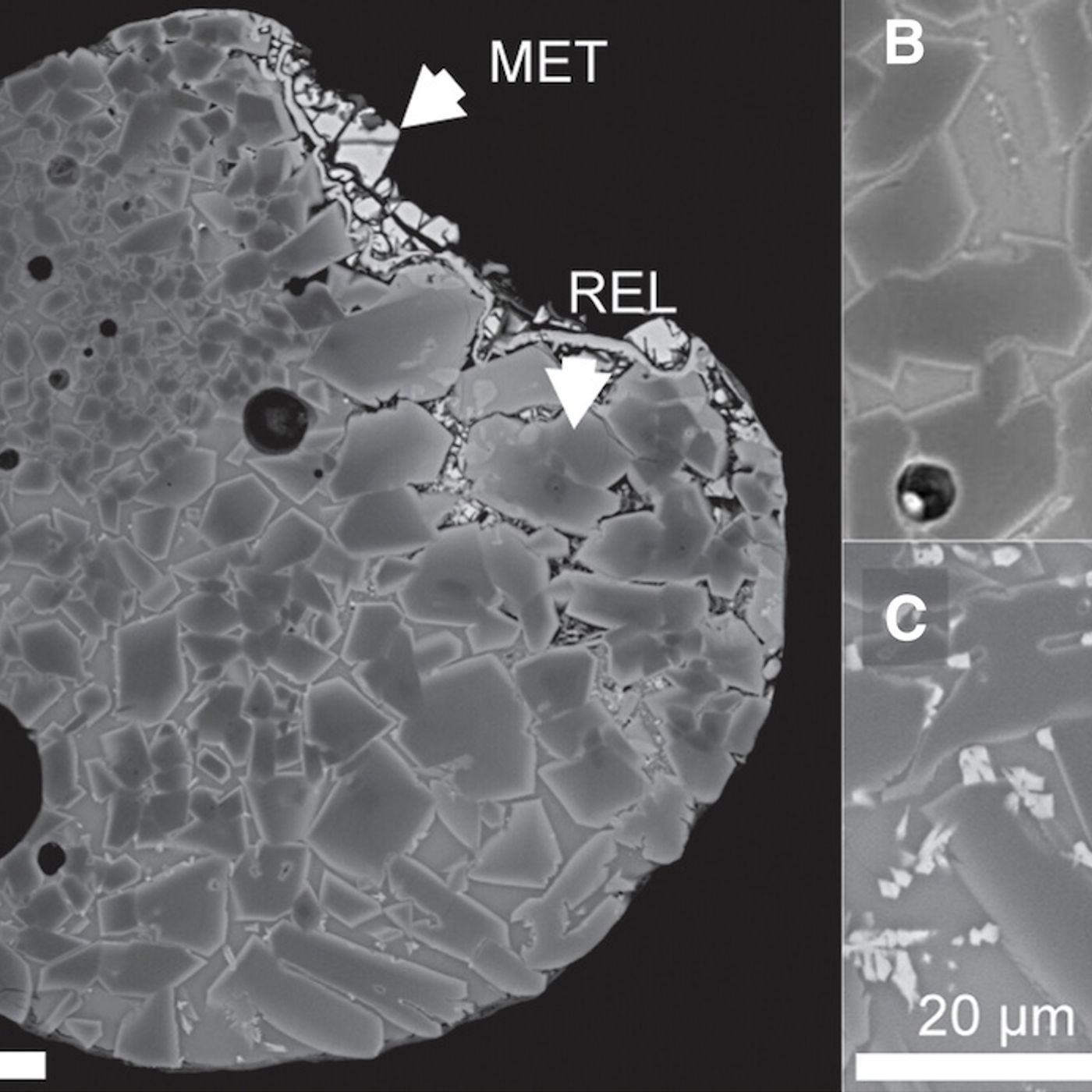
As the Earth orbits the Sun at 18.5 mi/s it sweeps up about 100 tons of micrometeorites and space dust every day of which some 14 tons eventually makes it to the ground. You can even find some of these particles of space dust by using a magnet on material in the rain gutters attached to your roof.
406E-447-Nuking An Asteroid
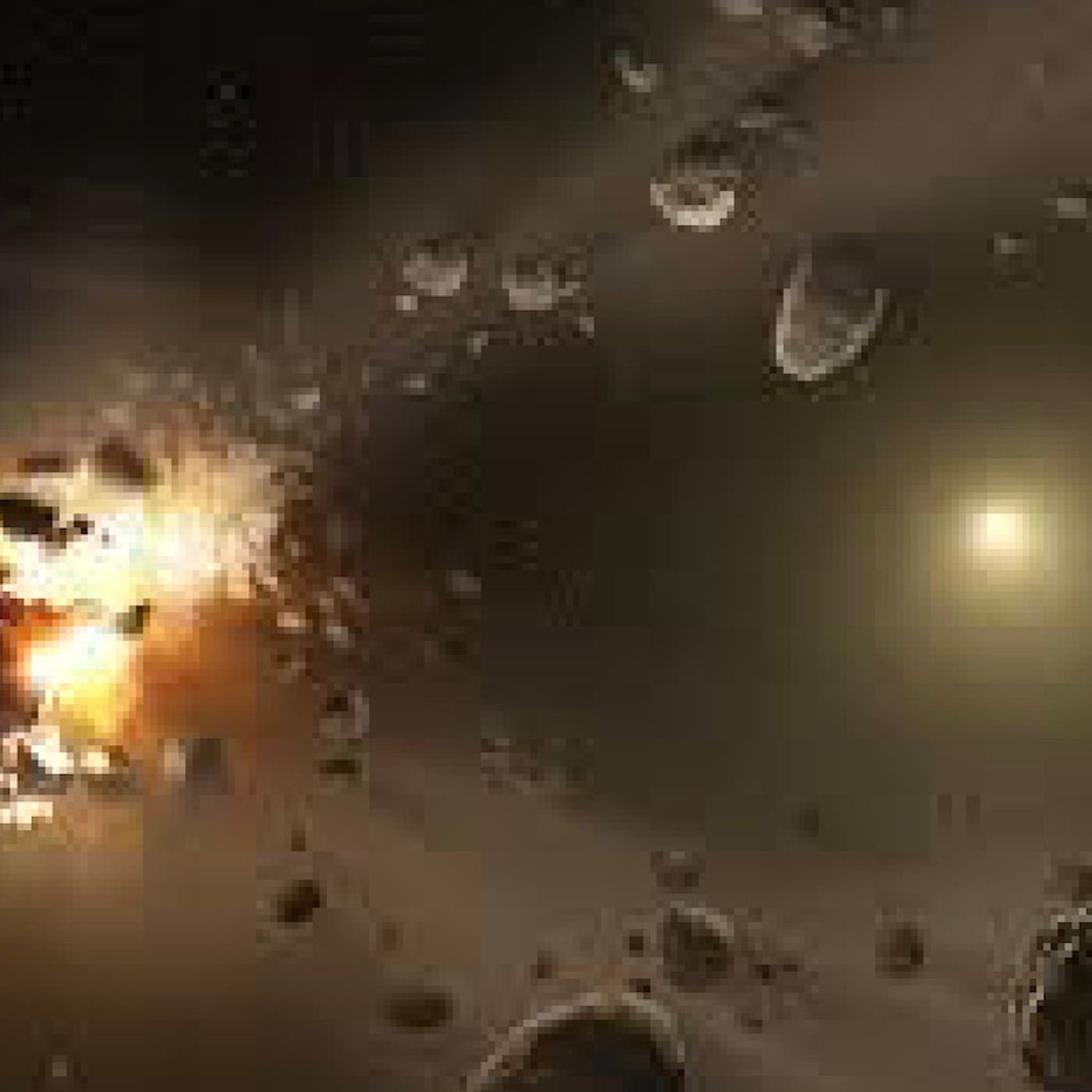
Tonight, even though the chances are extremely slim, an asteroid hunter could find a sizable asteroid on a collision course with planet Earth. If we have decades warning, the potential impactor's arrival time could be changed by impacting the dangerous object with a high velocity mass or if we have less time we will need to nuke it which will either blow it to bits or give it a rocket like push.
916-Past Glory
When accurately recorded historical observations do not agree with what we what we see today it is often very rewarding to find out why. In modern telescopes we see Theta Eridani to a be pair separated by about 425 times our distance from the Sun orbiting a common center of gravity. Detailed observations of the spectrum of one of these show it to be itself a pair of stars orbiting each other every 4.1 days. One of this very close pair, as it is aging, dumps matter onto its companion causing it to brightened significantly. In the past this mass transfer rate...
405E-446-Asteroid Homestead
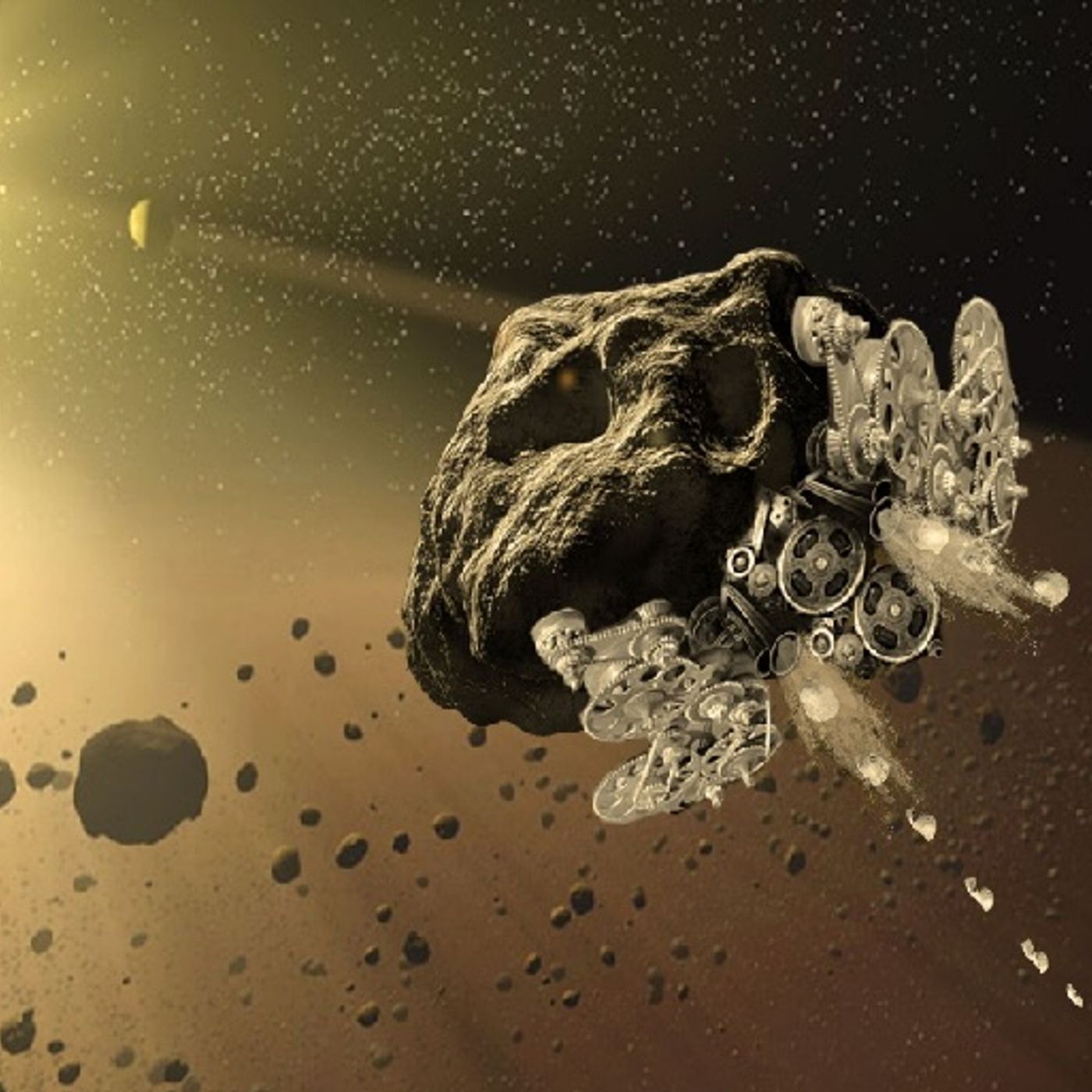
In the future one can envision a space mining family boarding a descendent of the SpaceX Falcon Heavy Launch Vehicle for a trip into low Earth orbit. A few hundred miles above the Earth's surface they would rendezvous with their asteroid mining spacecraft which will be their home for the next five years or so.
915-Raining Comets
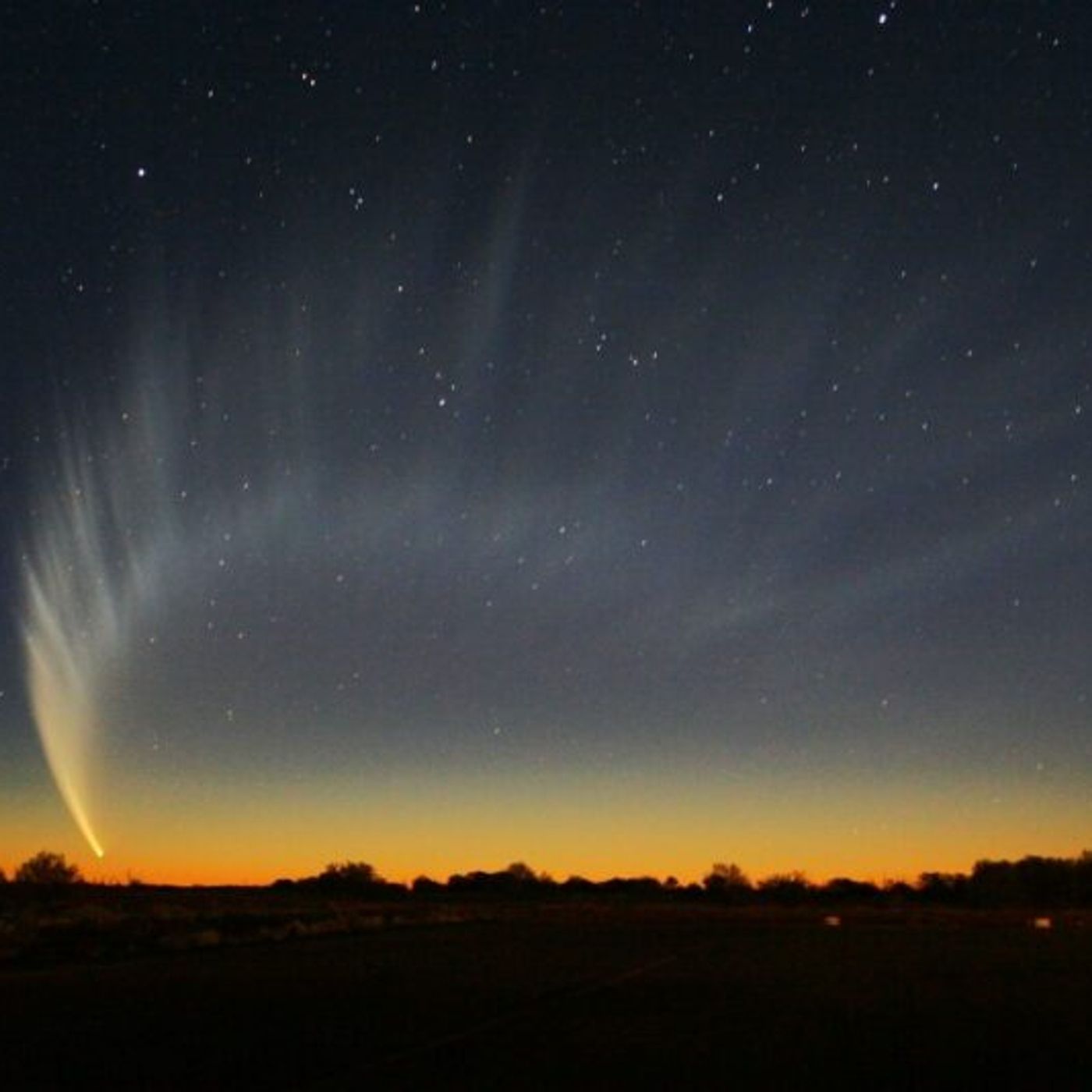
The comets we observe generally start out as icy dirty snowballs of frozen gases like water and frozen carbon dioxide in the Oort cloud. If recent scientific analysis is correct, we are now witnessing a parade of comets produced by the passage of a star when our first ancestors began to roam the Earth in Africa.
404E-445-Not So Secret
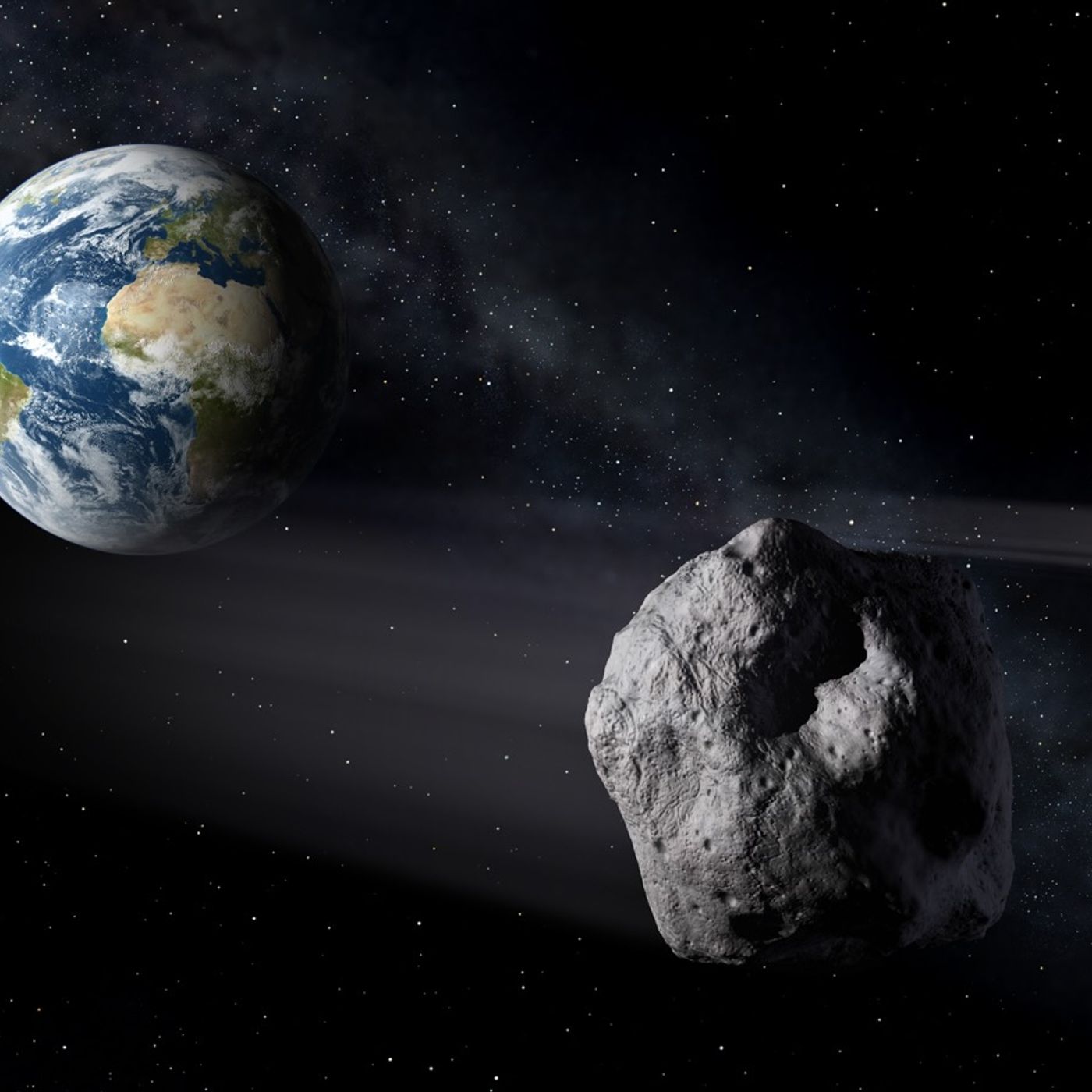
A partnership of humans and computers will help to minimize the damage when asteroid hunters find a space rock with our number on it.
914-Deep Synoptic Array
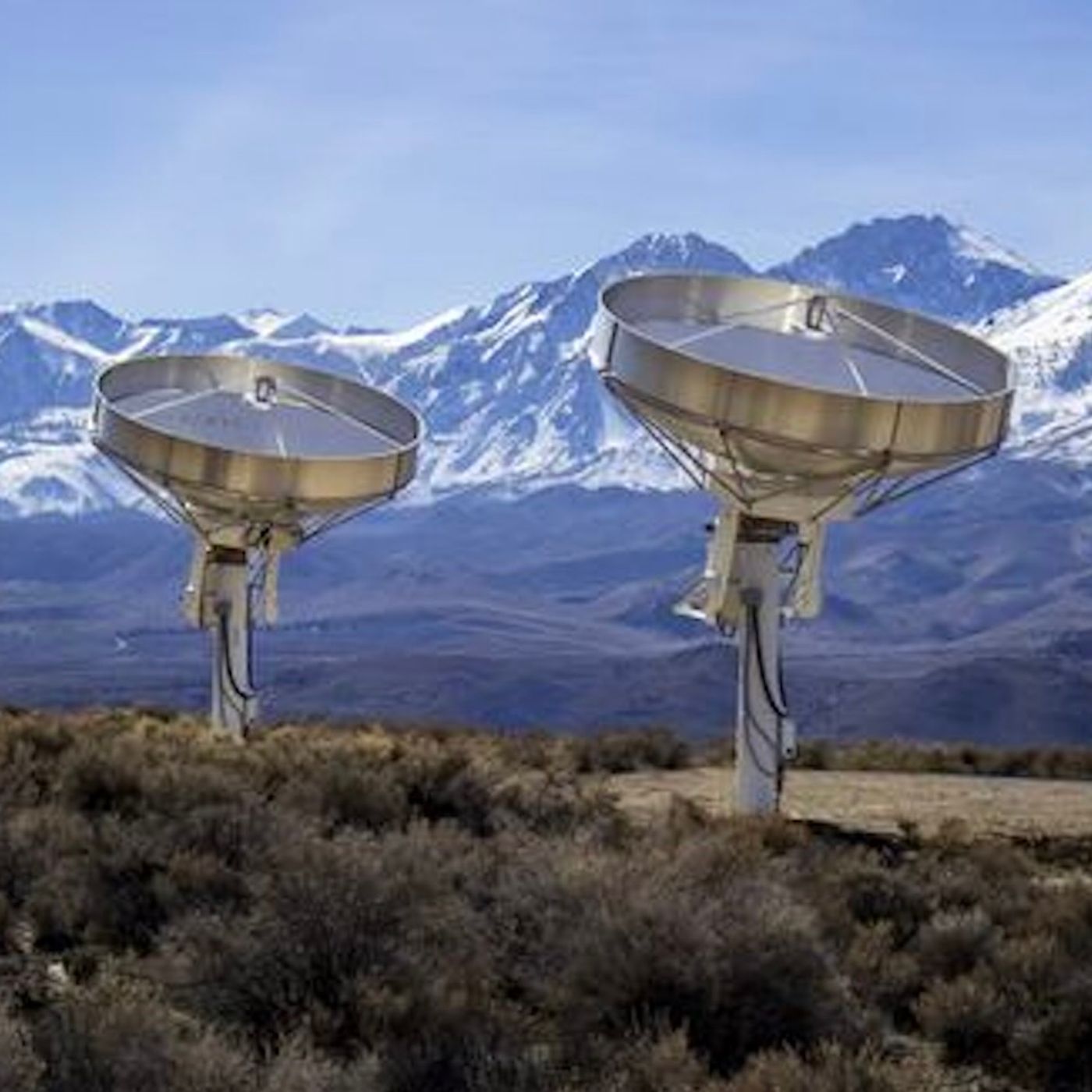
Looking into the sky at night with radio eyes you would not see the points of starlight forming the constellations instead you would see a very bright, colorful and wildly changing scene. In a desert valley near the Great Basin National Park Caltech is building the world’s largest radio telescope called the Deep Synoptic Array or DSA for short.
403E-444-Near Comets
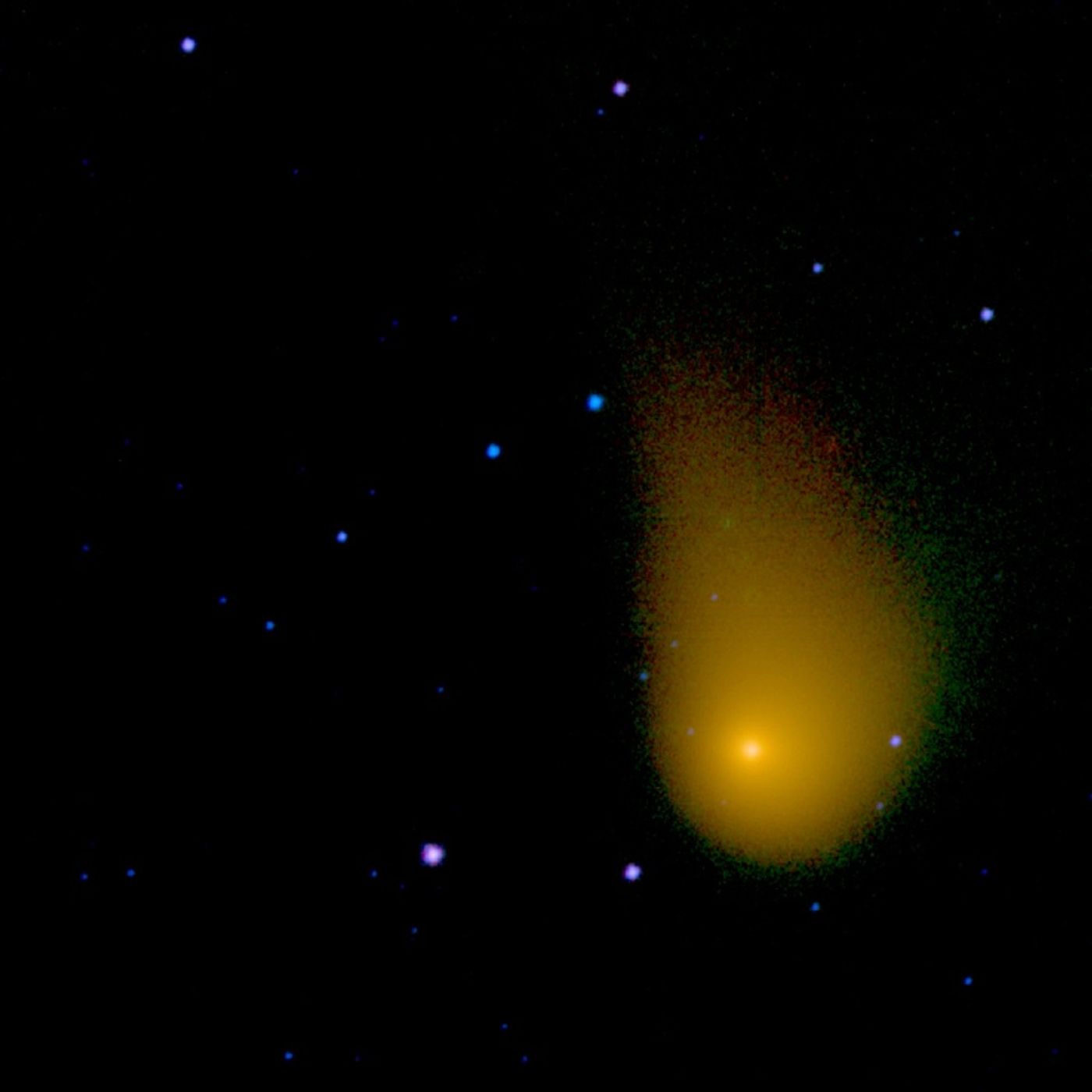
Although no comet nucleus impact on the Earth has been conclusively identified, there is some evidence that suggests the 1908 Tunguska event in Russia, which knocked down trees over a 770 square mile area, could have been caused by a fragment of Comet Encke. However there is no doubt that the Earth's collision with dust and small debris left trailing from comets produces some of the meteor showers we enjoy so much.
913-Moon Impact
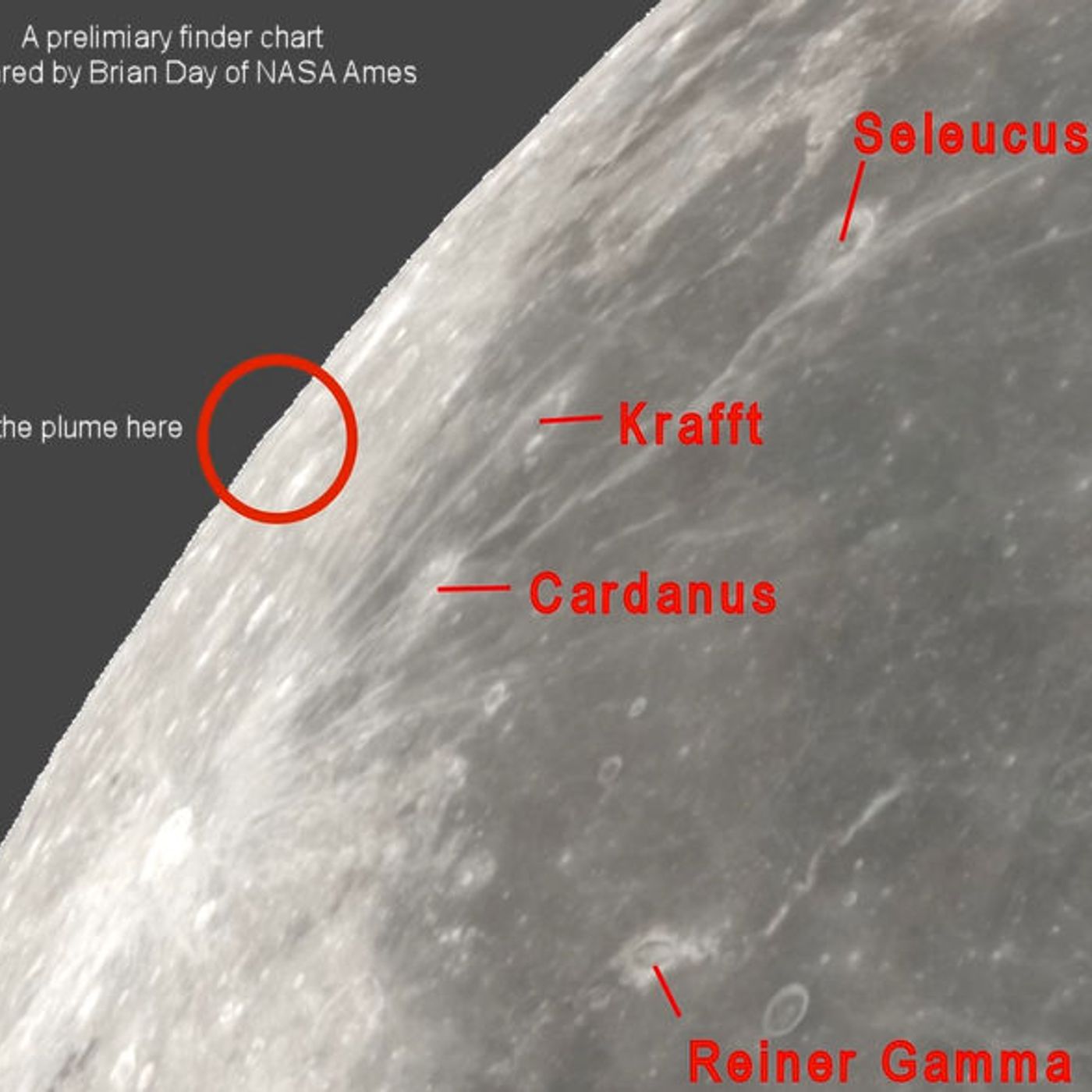
Bill Gray is an astronomer who specializes in tracking objects in space which come near the Earth. In addition to natural objects like asteroids and comets Bill also tracks rocket boosters and space junk that humans have discarded. On several occasions he has helped asteroid hunters to not waste time following a piece of space junk which initially appeared to be a threatening Earth approaching asteroid. Recently Bill used observations by very well equipped and talented amateur observers in Utah, England, China, and Mississippi to predict that the upper stage of a SpaceX Falcon 9 rocket will hit the Moon at 5,400...
402E-443-Unsung Heroes
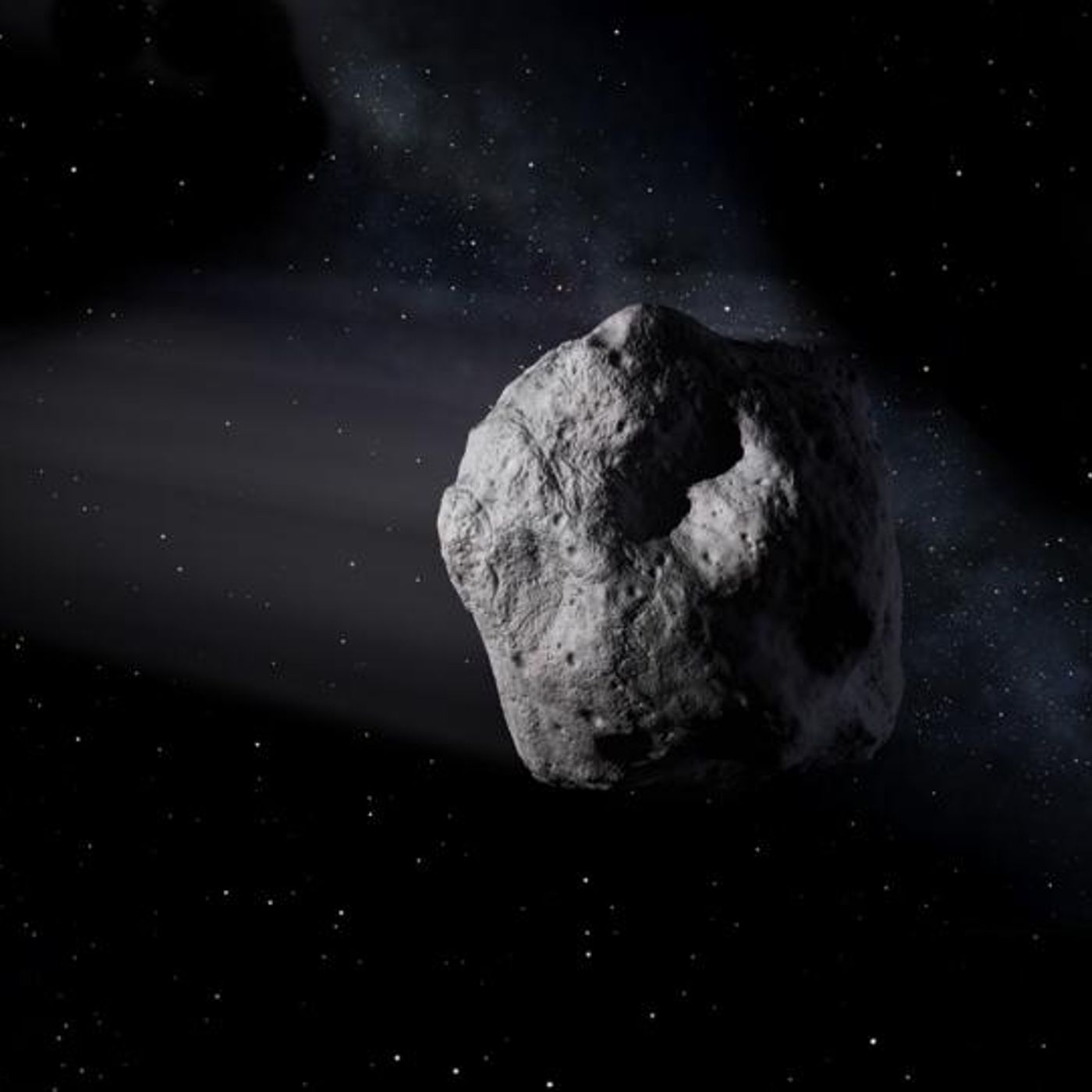
In 2017 observers in 50 countries at 440 different observatories made nearly 19 million observations of asteroids and comets which enable scientists to calculate where about 800,000 objects will be in the future.
912-Boston Bolide
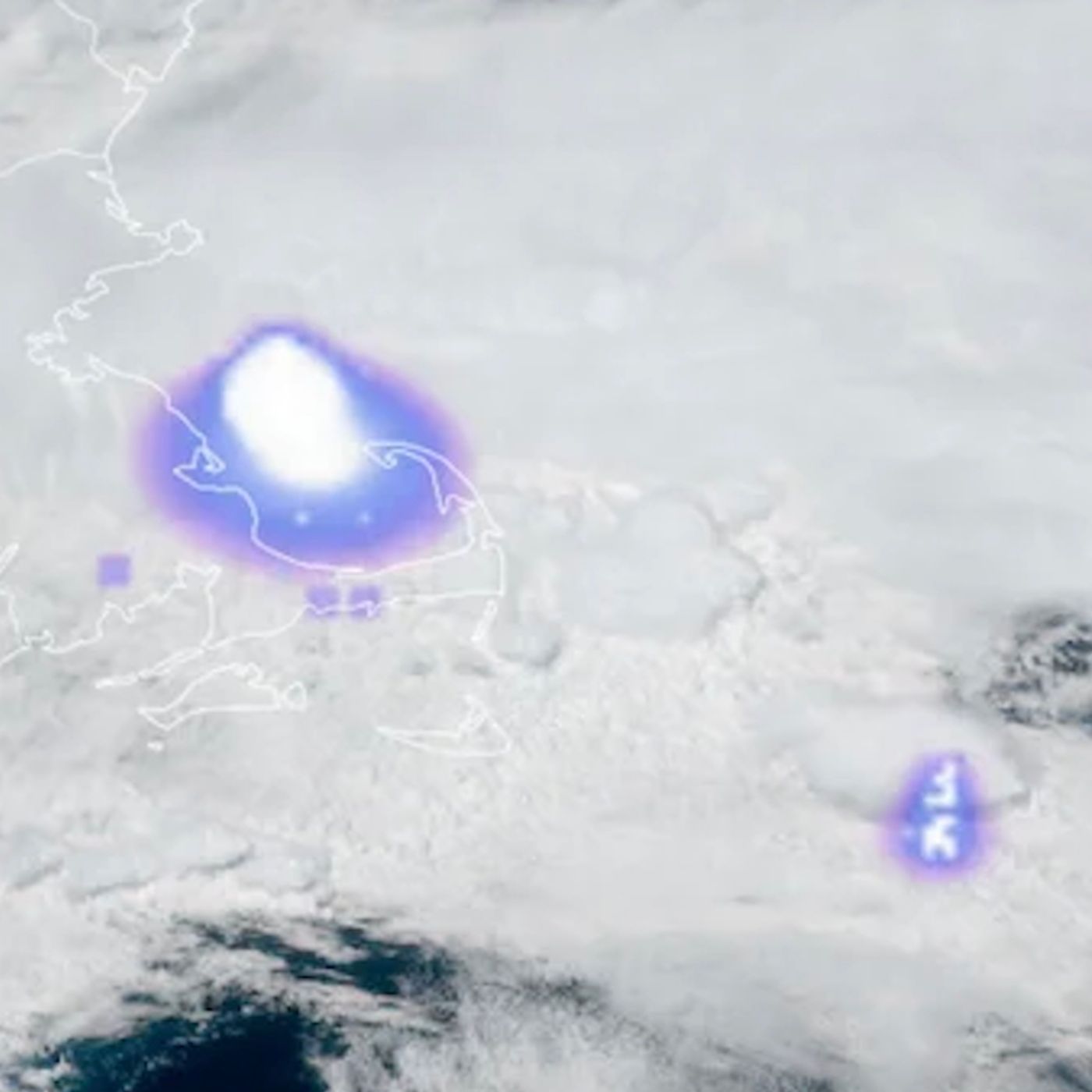
Recently on a Saturday afternoon a loud double booming sound startled residents of Massachusetts and Rhode Island as a large bolide meteor exploded high above. This type of space rock is a message from nature which reveals the conditions which existed when the planets formed.
401E-442-Brian's Debut
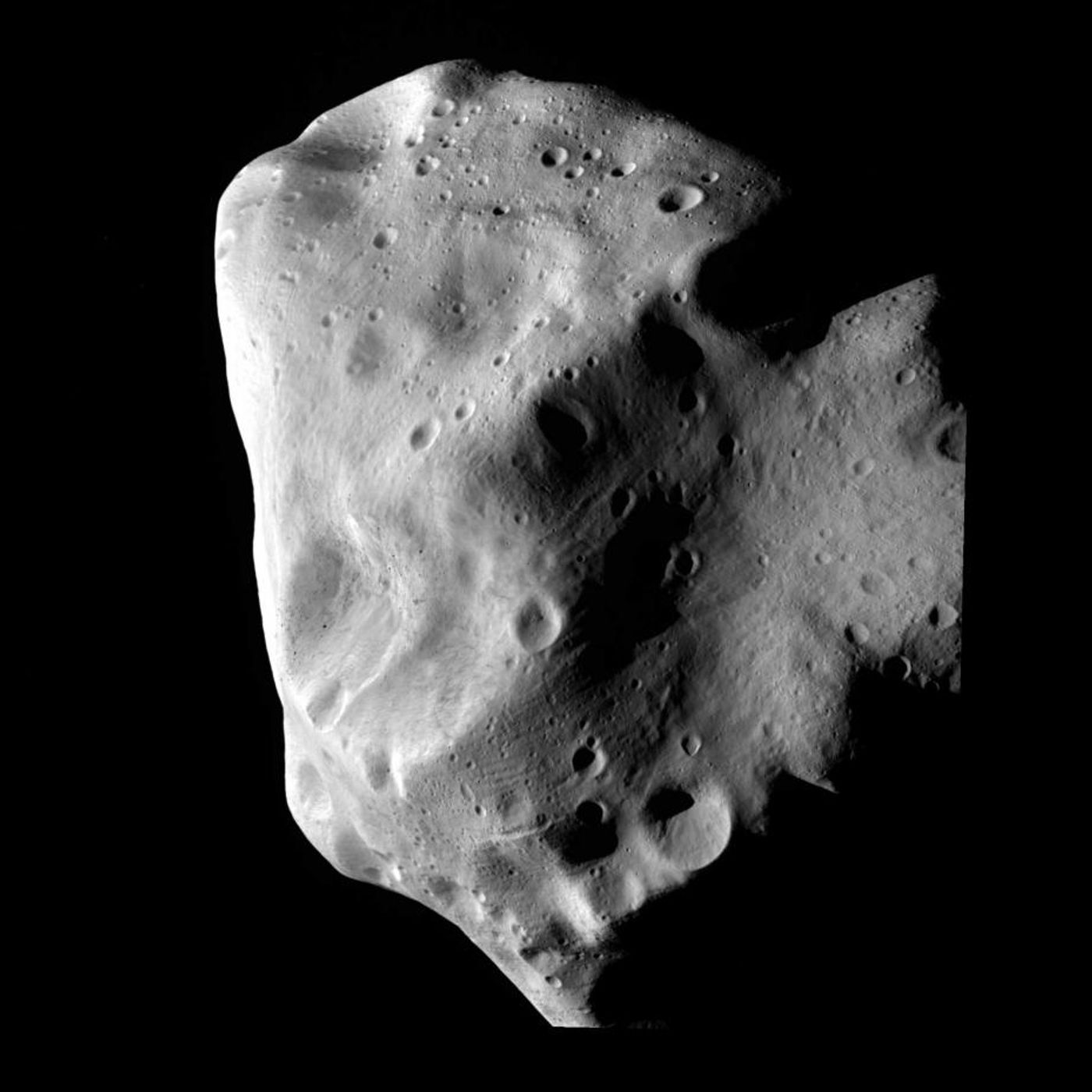
During the only 3 clears hours of his first night solo as an asteroid hunter, my new Catalina Sky Survey teammate Brian Africano discovered two new Earth approaching asteroids with our Schmidt Telescope on Mt. Bigelow, Arizona. Since one of Brian's discoveries is almost 300 feet in diameter, astronomers at 18 different observatories around the world stayed on it for more than 68 hours, after Brian posted his discovery observations, to determine a reasonable orbit for it.
911-Comet Brightness Explosion
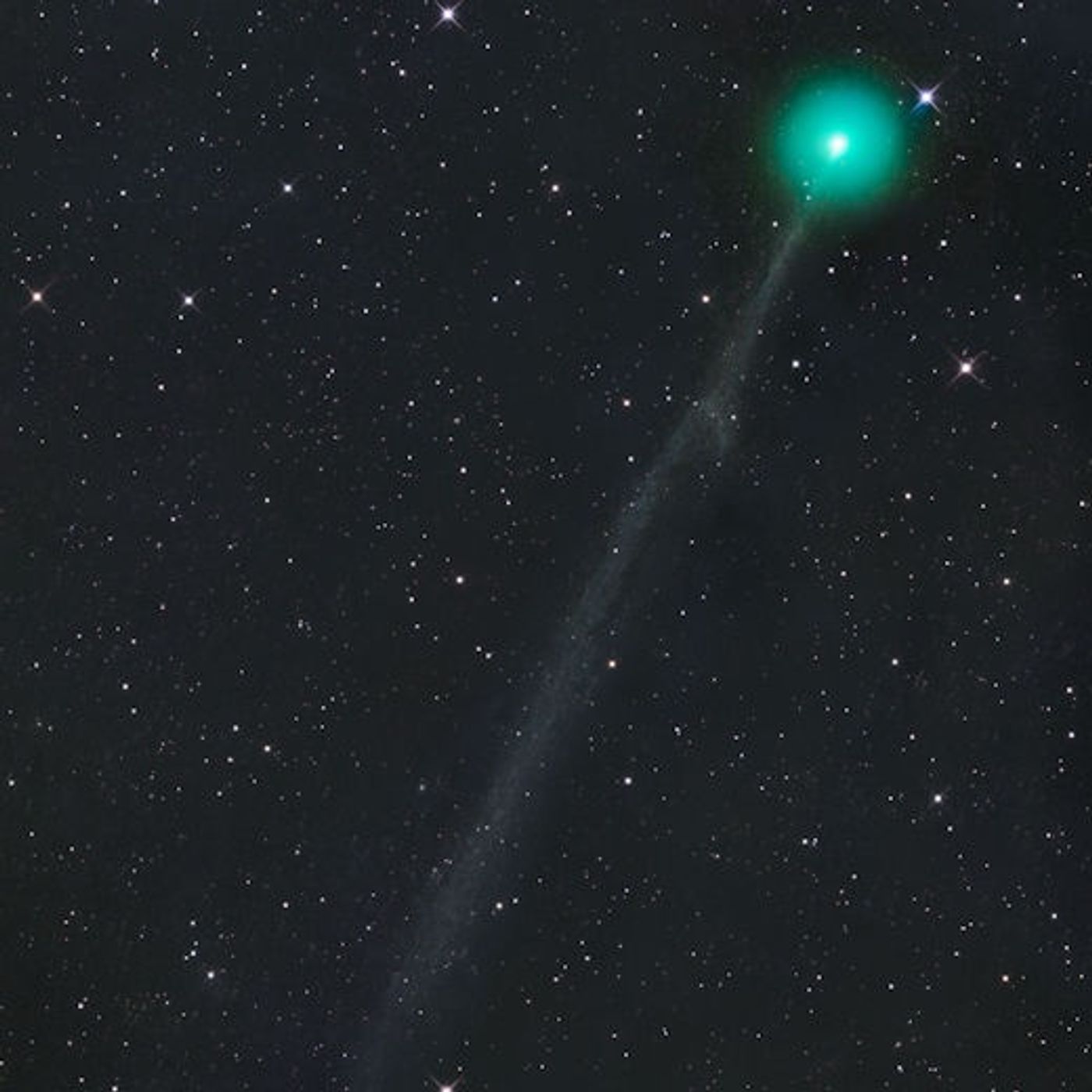
Comet 220P/McNaught orbits the Sun once every 5.5 years on a path which is between Mars and Jupiter. At that extreme distance, more than 1.5 times the Earth’s distance from the Sun, it still receives a significant amount of solar radiation. In 2026 Comet 220P/McNaught had an outburst which caused it to brighten 600 times in about 13 hours and then to continue to brighten to about 8,000 times brighter than in was in its pre-outburst state.
400E-441-Carson's Pair
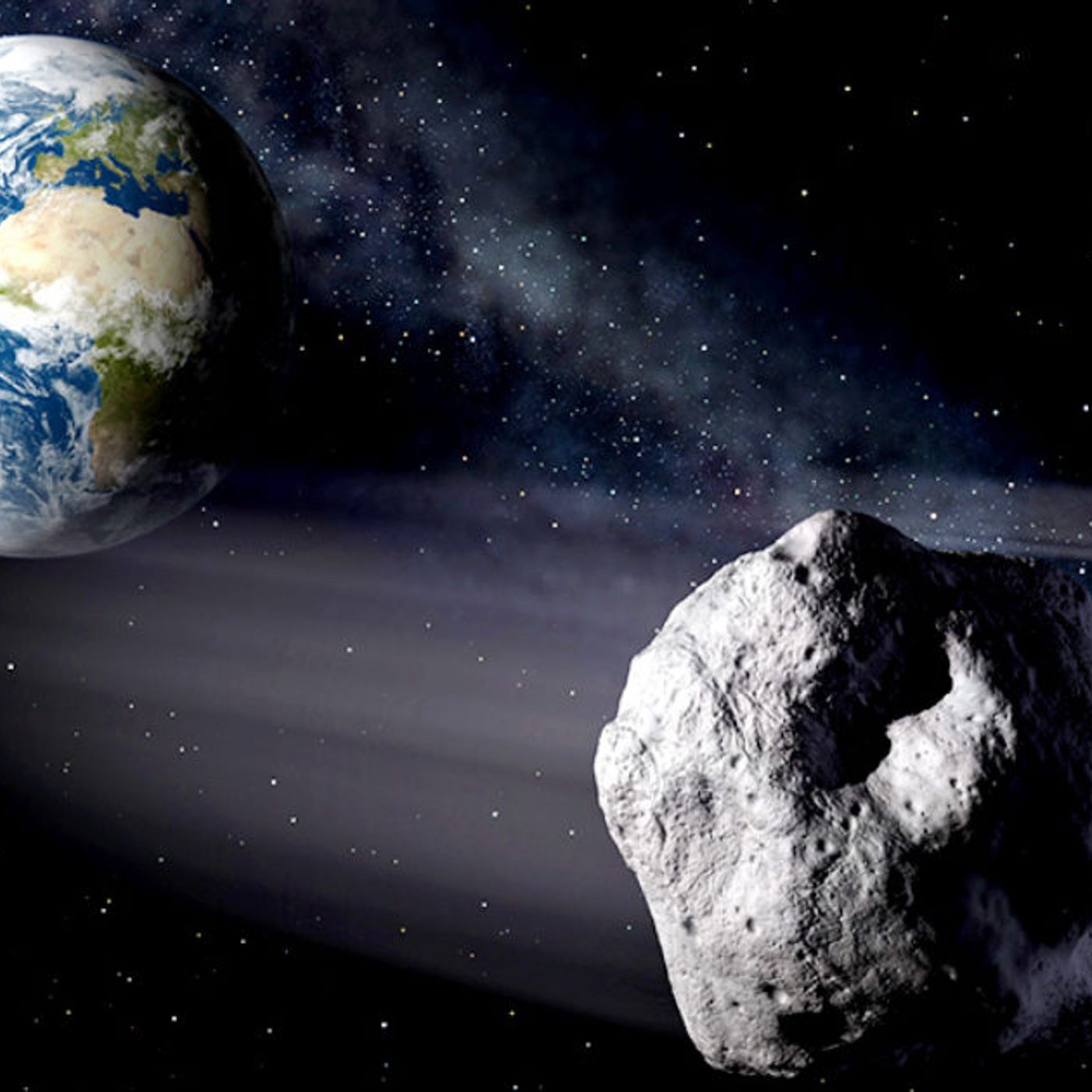
My Catalina Sky Survey teammate Carson Fuls was observing, in the constellation Lynx, with our Schmidt telescope on Mt. Bigelow, Arizona , when within the space of only 35 minutes, he discovered two small space rocks well before they made very close approaches to Earth. 79 hours after Carson discovered the first, 2018 CB, this approximately 70 foot diameter space rock passed about 1/5 of the Moon's distance from us. Turns out that the second of Carson's duo, an approximately 50 foot diameter space rock got near us first, when 62 hours after Carson discovered 2018 CC, it came to less than 1/2 of the Moon's distance from the surface...
910-Mega Constellations
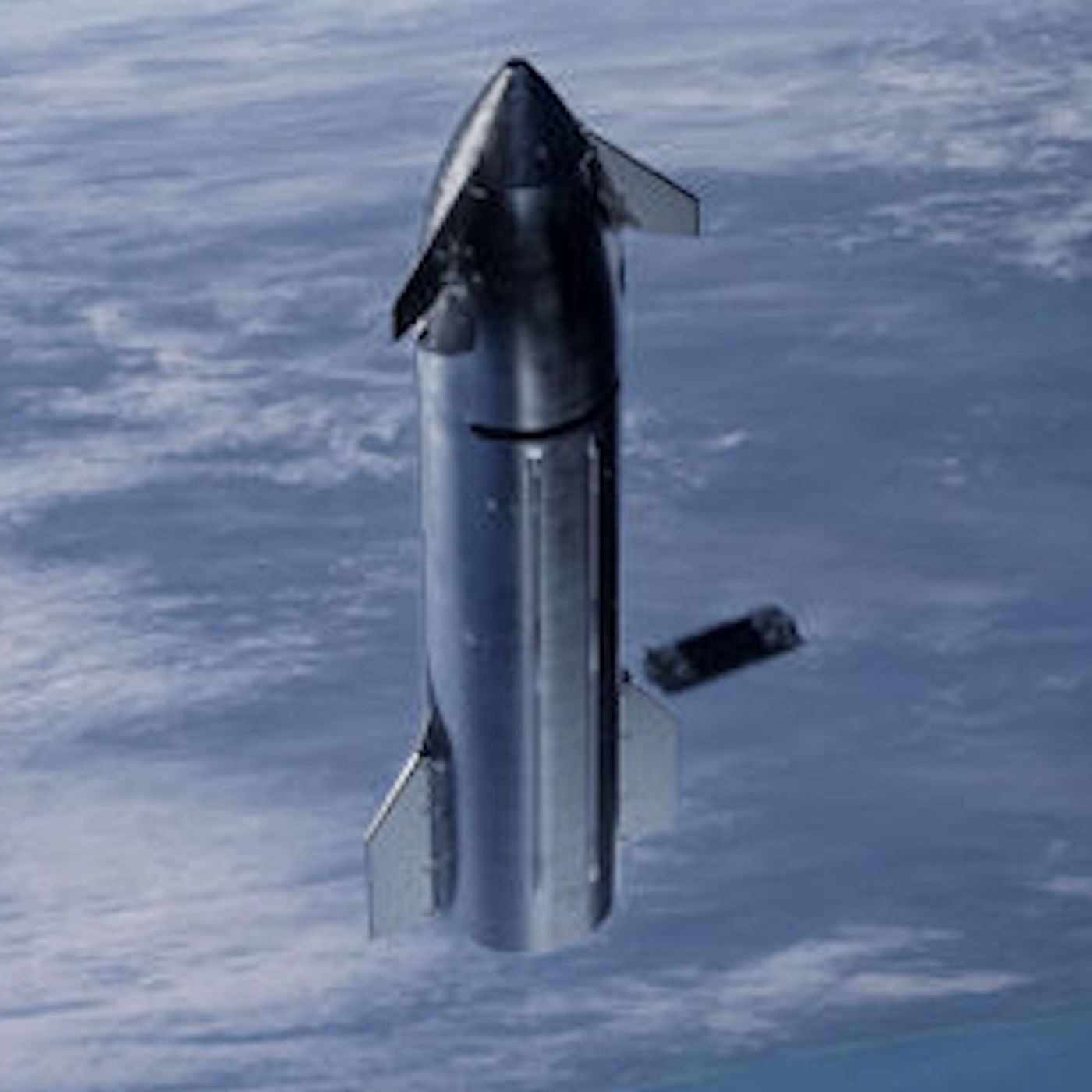
In an experiment that will involve all of the residents of planet Earth SpaceX has asked the FCC for permission to launch 1 million satellites into low Earth orbit to create a solar powered data center. Since the agriculture which produces our food is very sensitive to weather and climate it is important to conduct serious research about the effect of a mega constellation of satellites before allowing such a project to produce changes to the environment we don’t understand.
399E-440-Tracking Elon's Car
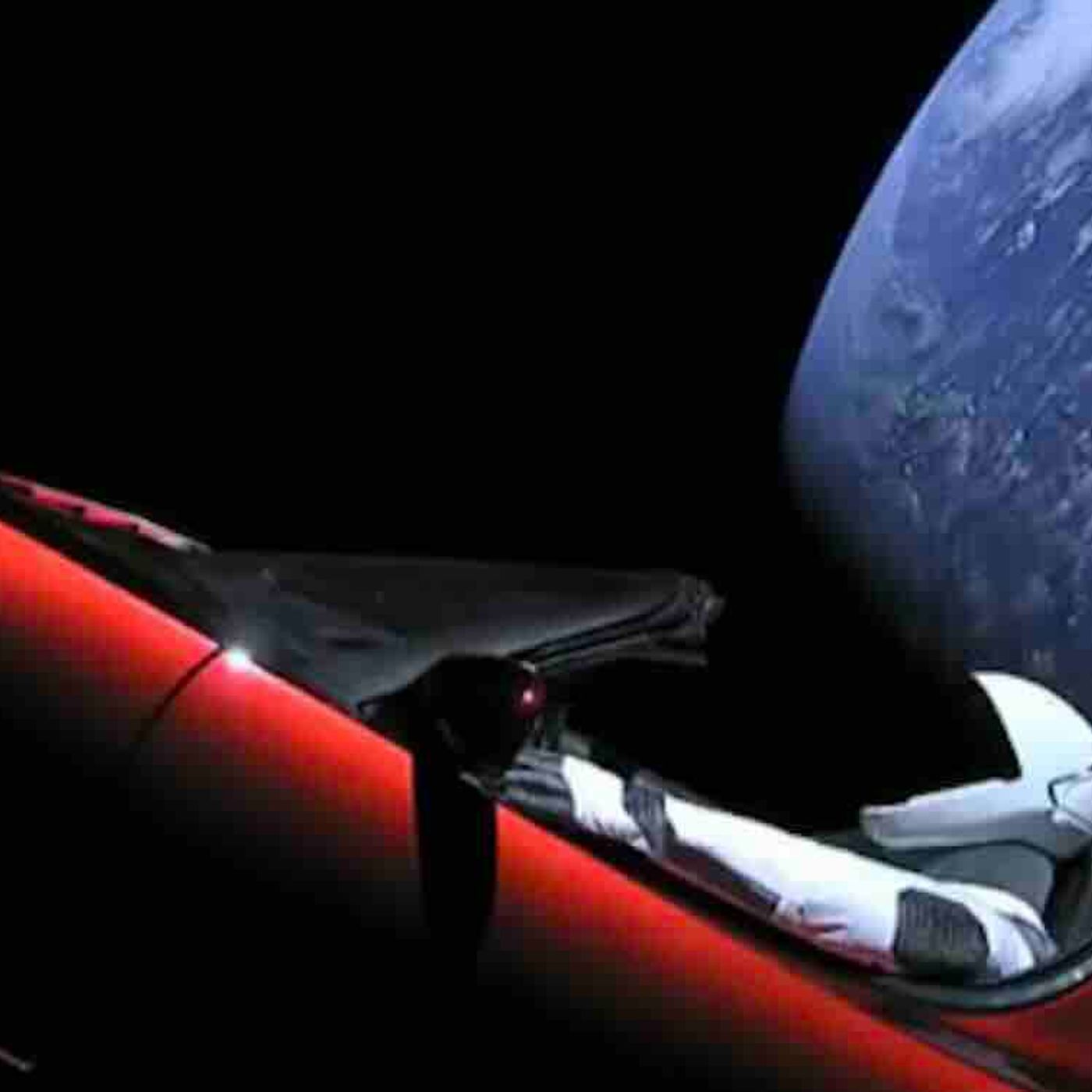
Elon Musk decided not to use a traditional mundane concrete block dummy payload for the first launch of the SpaceX Falcon Heavy launch vehicle to test his rockets lifting capabilities. After orbiting the Earth for 5 hours a third burn by the Falcon second stage placed a 2,750 pound payload consisting of a 2008 Tesla Roadster, Starman mannequin, Hot Wheels toy model roadster, electronic copy of Isaac Asimov's Foundation novels, and plaque etched with the names of more than 6,000 Space X employees into orbit around the Sun. Surrealistic video from a camera mounted ahead of this unusual spacecraft showed the red roadster and...
909- 2026 JH2
My Catalina Sky Survey teammates Josh Hogan and Alessandra Serrano were asteroid hunting in the constellation of Ursa Major when they discovered a fast moving point of light in the night sky. My team the Catalina Sky Survey operates 5 telescopes on top of mountains near Tucson, Arizona except for the 3 nights per month when the moon is too bright. Our goal is to detect an impacting object like 2026 JH2 in advance to warn people in the effected area to stay away from doors and windows.
398E-439-Big and Close
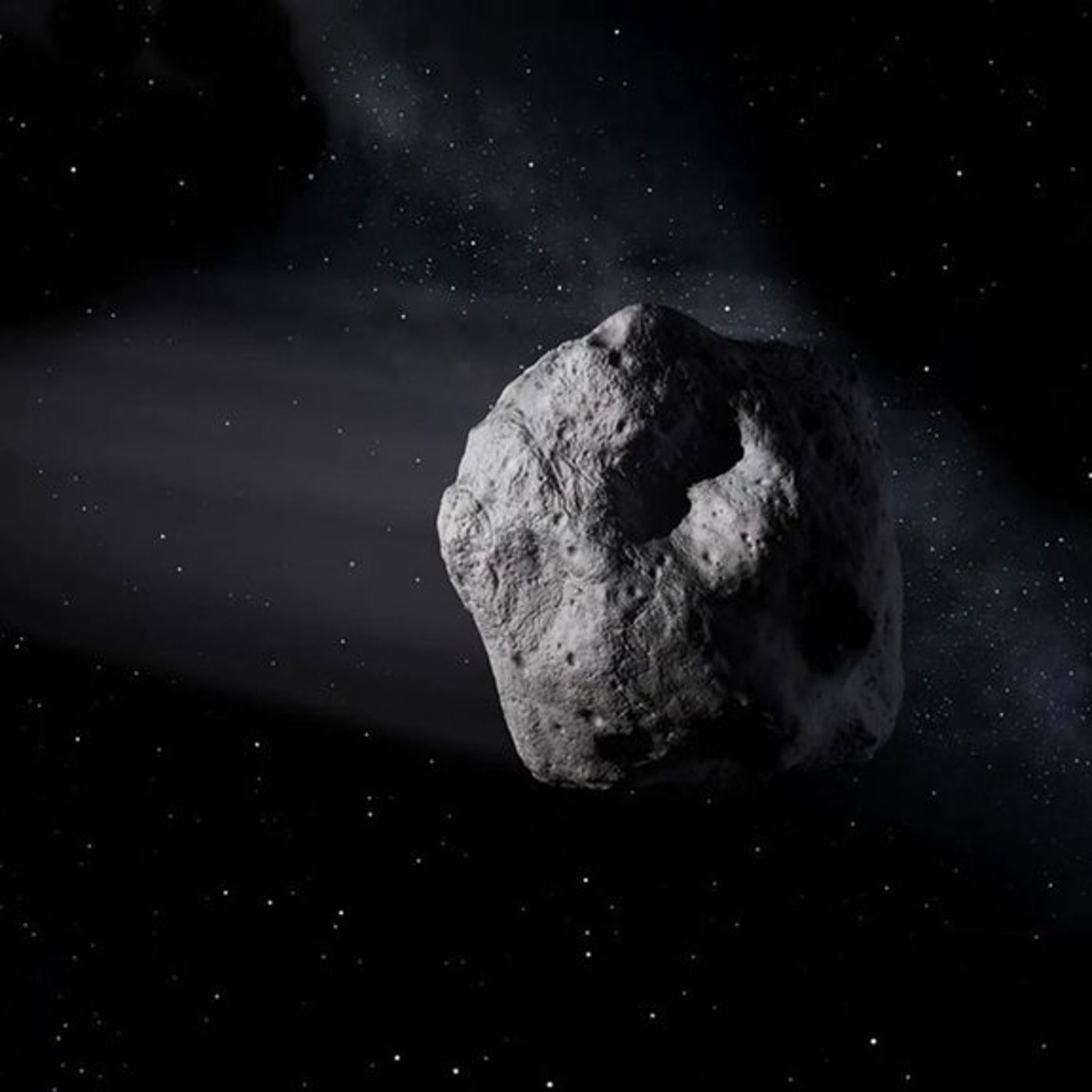
Using our Schmidt telescope on Mt. Bigelow, Arizona, my Catalina Sky Survey teammate Richard Kowalski was searching for Earth approaching asteroids in the constellation of Virgo when he discovered a moving point of light which had suddenly appeared and was about 40 times brighter than is typical for a near Earth asteroid. 75 hours later, scientists at the Minor Planet Center used data from 17 different observatories around the globe to calculate it's orbit around the Sun, estimate it's size to be 630 feet in diameter, and give it the name 2018 BT6. Three weeks before Richard discovered 2018 BT6, it was very dim with less...
908-Head On
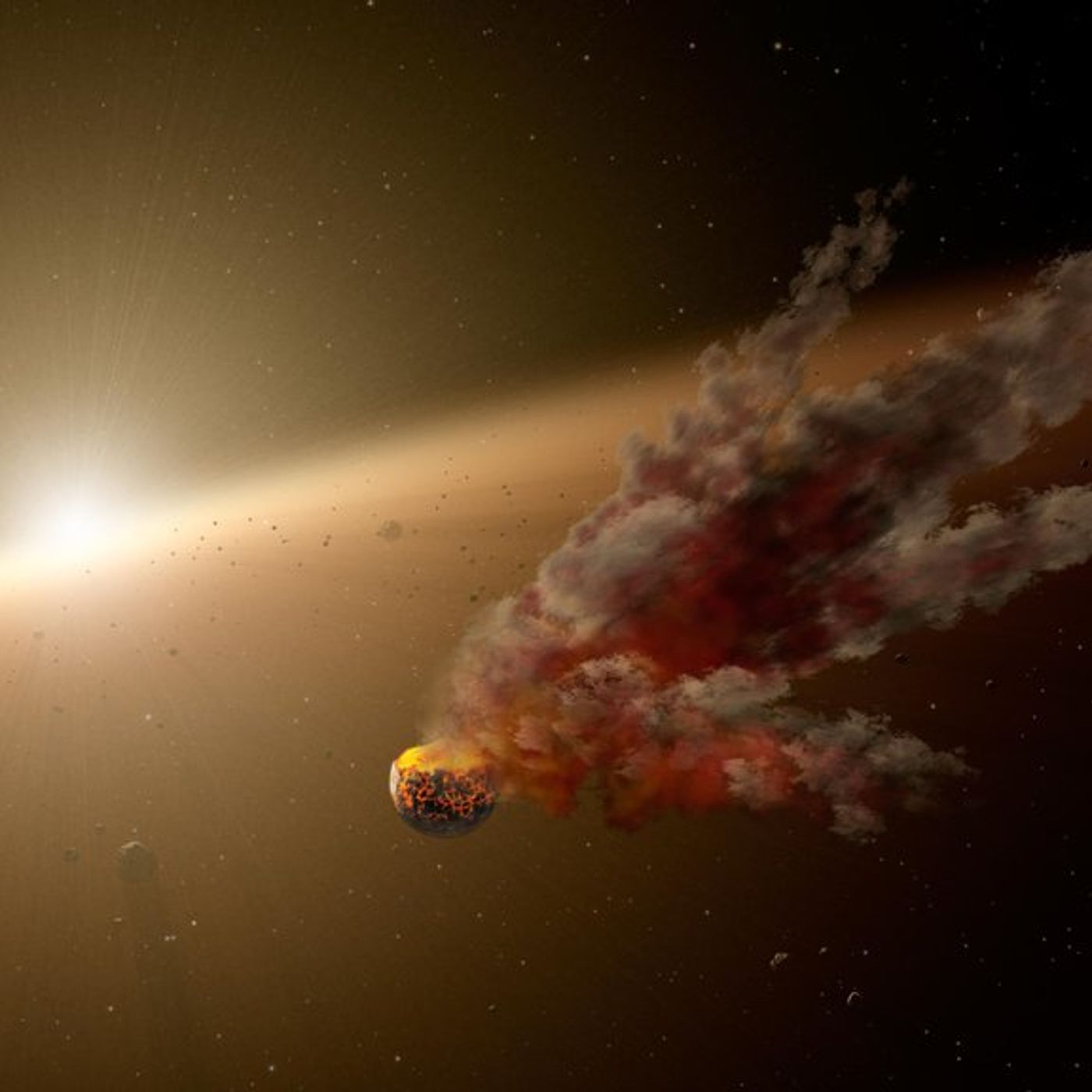
Asteroid hunters find asteroids by looking for objects which change their position relative to the stars. If an asteroid happened to match the Earth’s motion it might appear stationary and thus be virtually undetectable until it is right on top of us. The trick is finding potentially dangerous asteroids at some other point in their orbit so we know about them before they have a chance to approach Earth.
397E-438-Bright Darkness
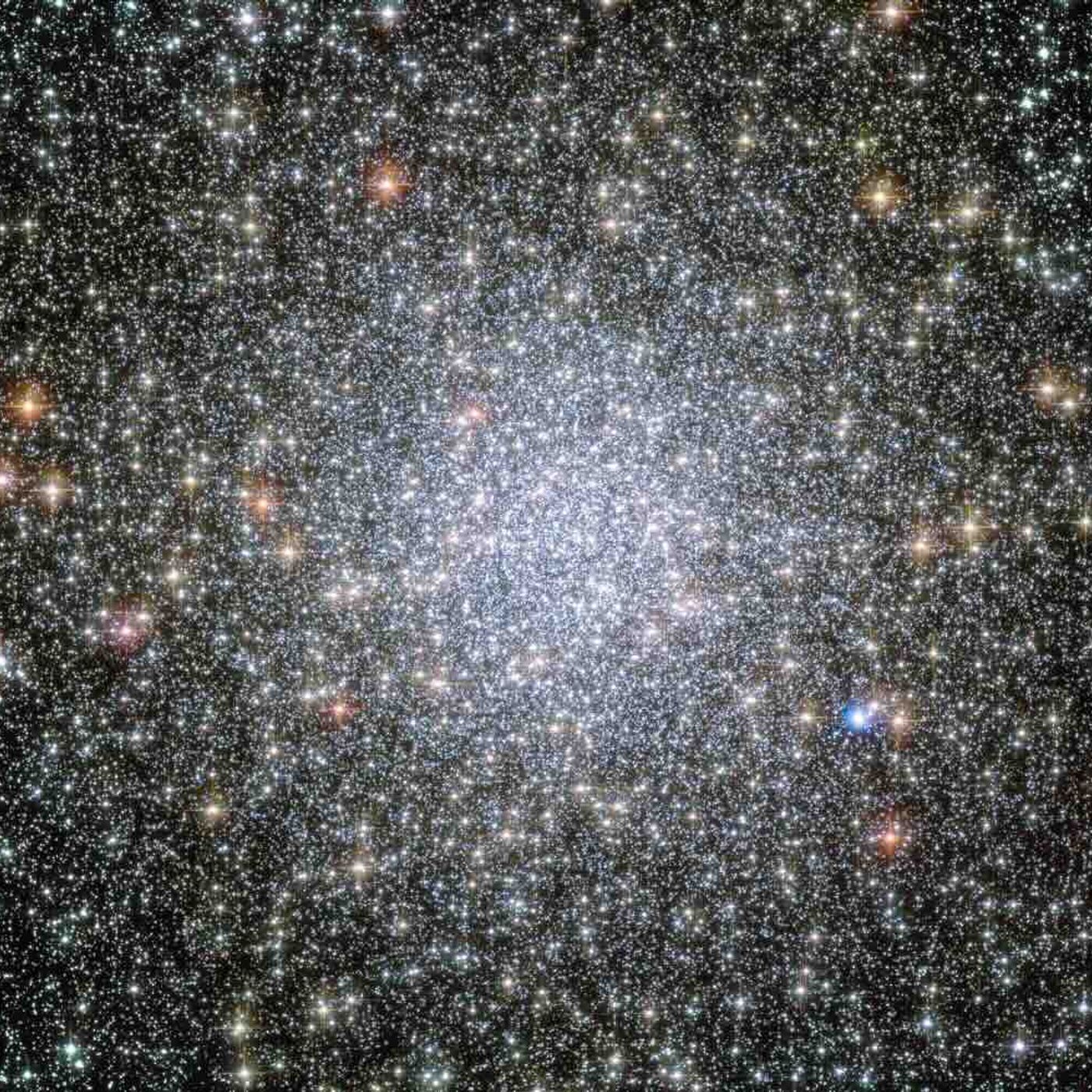
Most of the humans on planet Earth have never witnessed that the natural night sky is not dark; but rather it is alive with it's own lights. To see for yourself, pick a dark sky place near you like the Cosmic Campground International Dark Sky Sanctuary from the International Dark Sky Association's website, darksky.org, and recruit a friend. Do a bit of research on how to achieve and sustain your night vision. Bring a red filtered flashlight, reclining lawn chair, star maps, binoculars, warm clothes, a telescope if you have one, and snacks. Keep on the look out for...
907-Large and Close
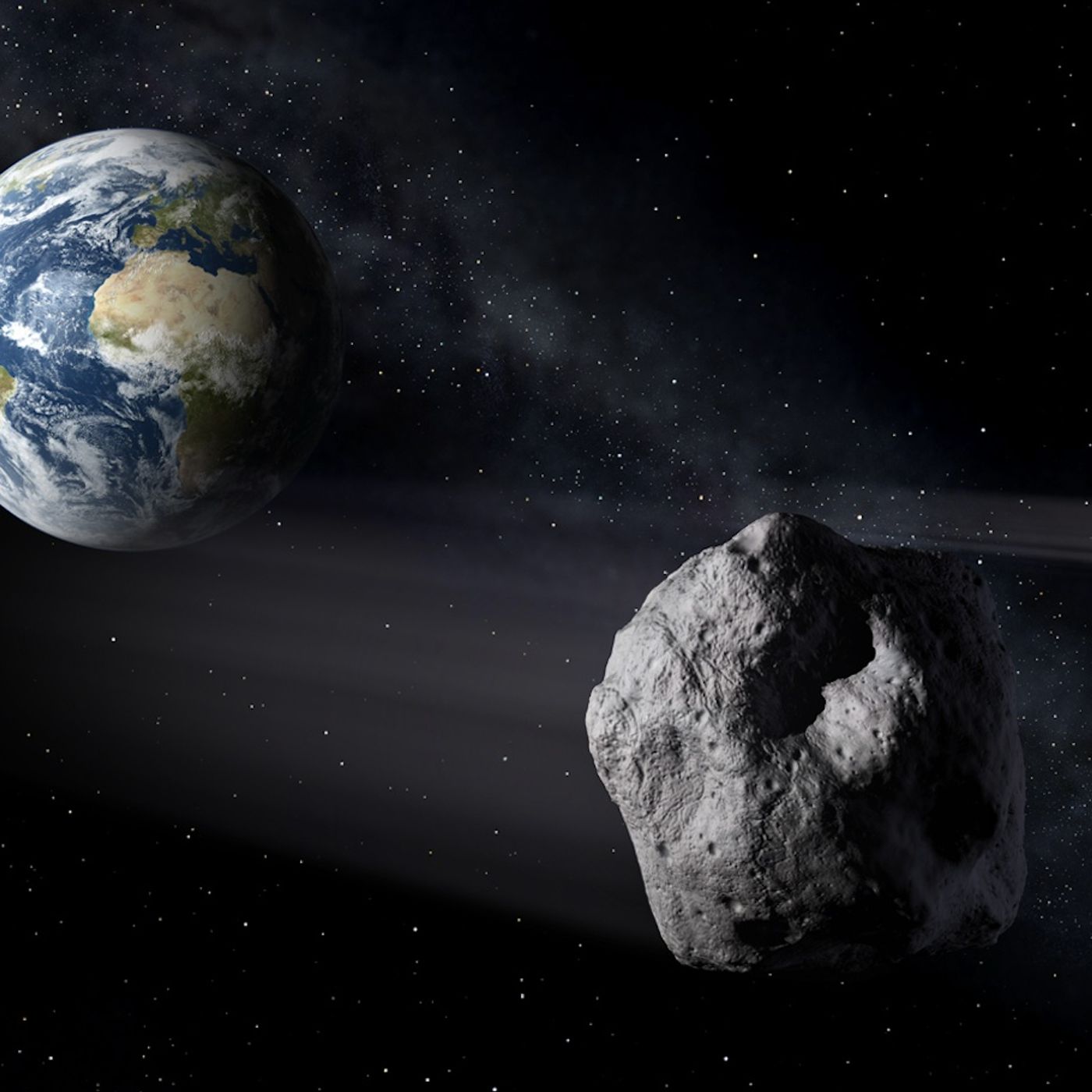
My Catalina Sky Survey teammate Josh Hogan was asteroid hunting in the constellation of Ursa Major with our small but mighty Schmidt telescope when he spotted a fast moving point of light in a set of his images and posted his observations on the Near Earth Object Confirmation Page or NEOCP for short. The NASA Sentry software system automatically scans the NEOCP and from the initial observations of Josh’s discovery predicted there was a tiny minuscule but non zero chance that it could impact our home planet in the next 100 years. Asteroid hunters were able to show that 2026 GB is...
396E-437-Christmas Comet
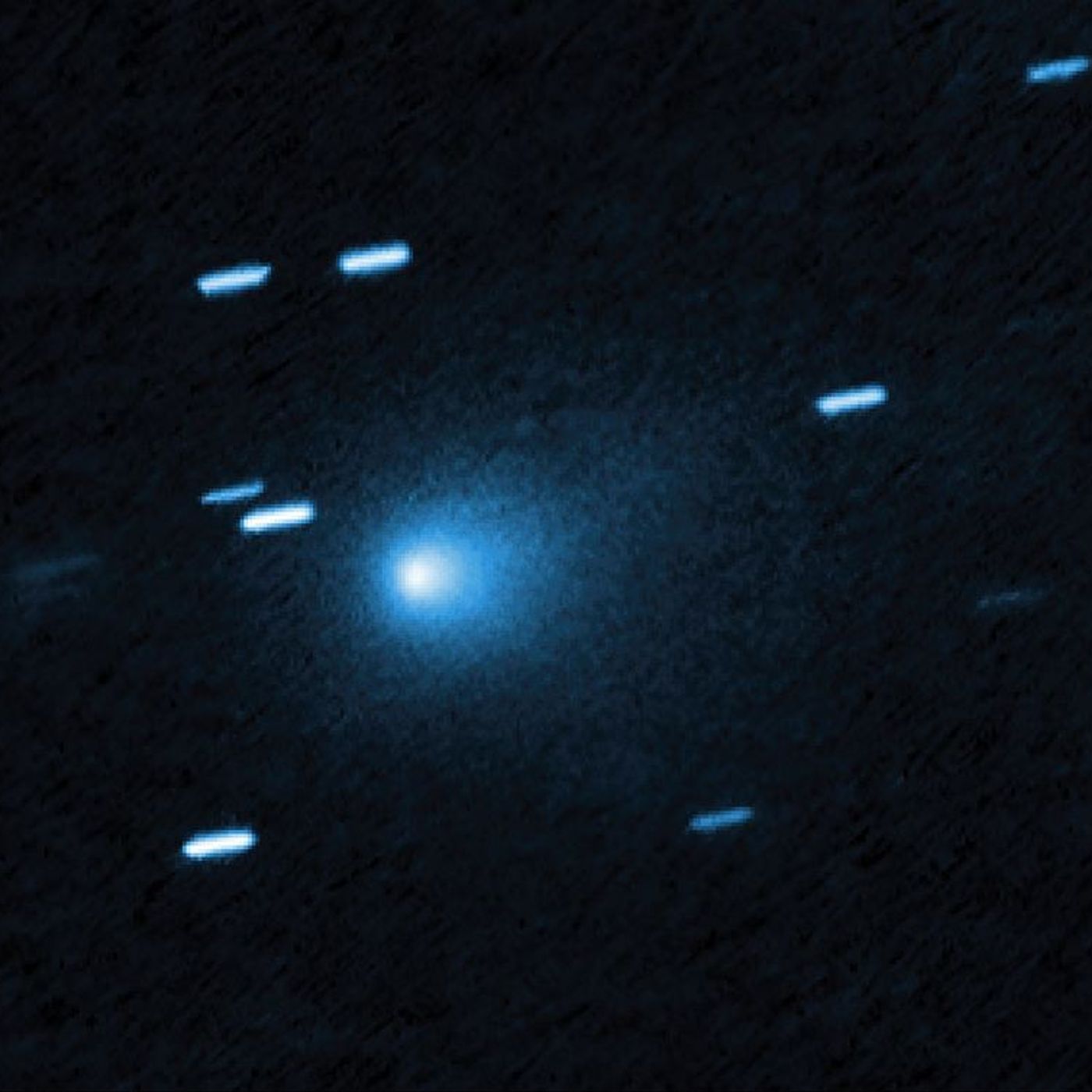
On December 25, 2017, while searching for Earth approaching asteroids in the constellation of Virgo, the Universe gave my Catalina Sky Survey teammate Greg Leonard a Christmas present in the form of a comet which now bears his name. Comet P/2017 Y3 (Leonard) orbits the Sun once every 31 years on a highly elliptical path which takes it from between the orbits of Earth and Mars out to almost the planet Uranus's average distance from the Sun. Since it has been observed for only a very short piece of it's path about the Sun, it is not possible to accurately predict Comet Leonard's...
906-Pierazzo Lunar Crater
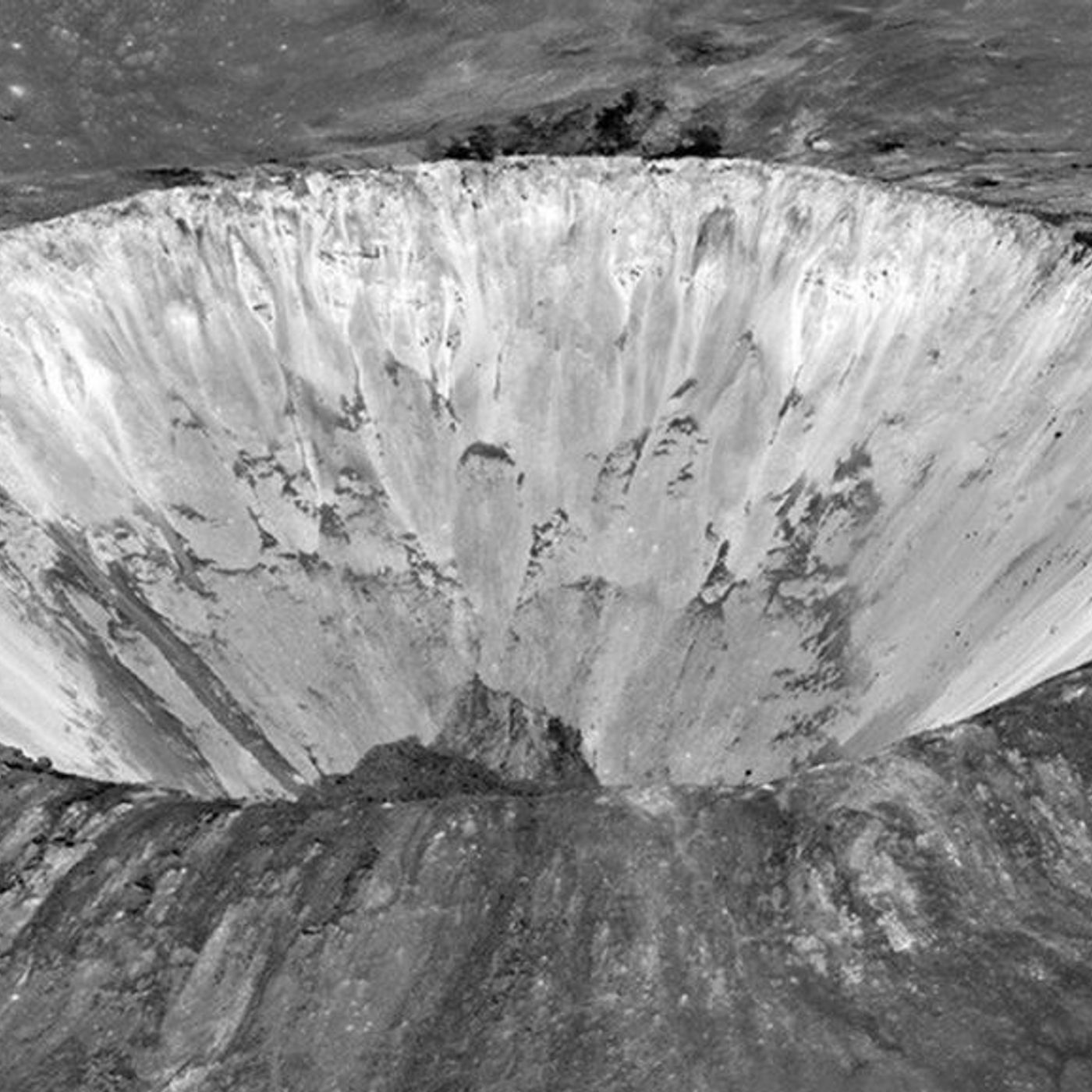
The visually stunning Lunar Crater Pierazzo, named for the late Planetary Scientist Elizabeth “Betty” Pierazzo was observed by the Artemis II Crew as they passed over the Moon’s far side. It is a 5.9 mile diameter crater with white streaks or rays which extend more than 50 miles in all directions.
395E-436-Lonely Asteroids
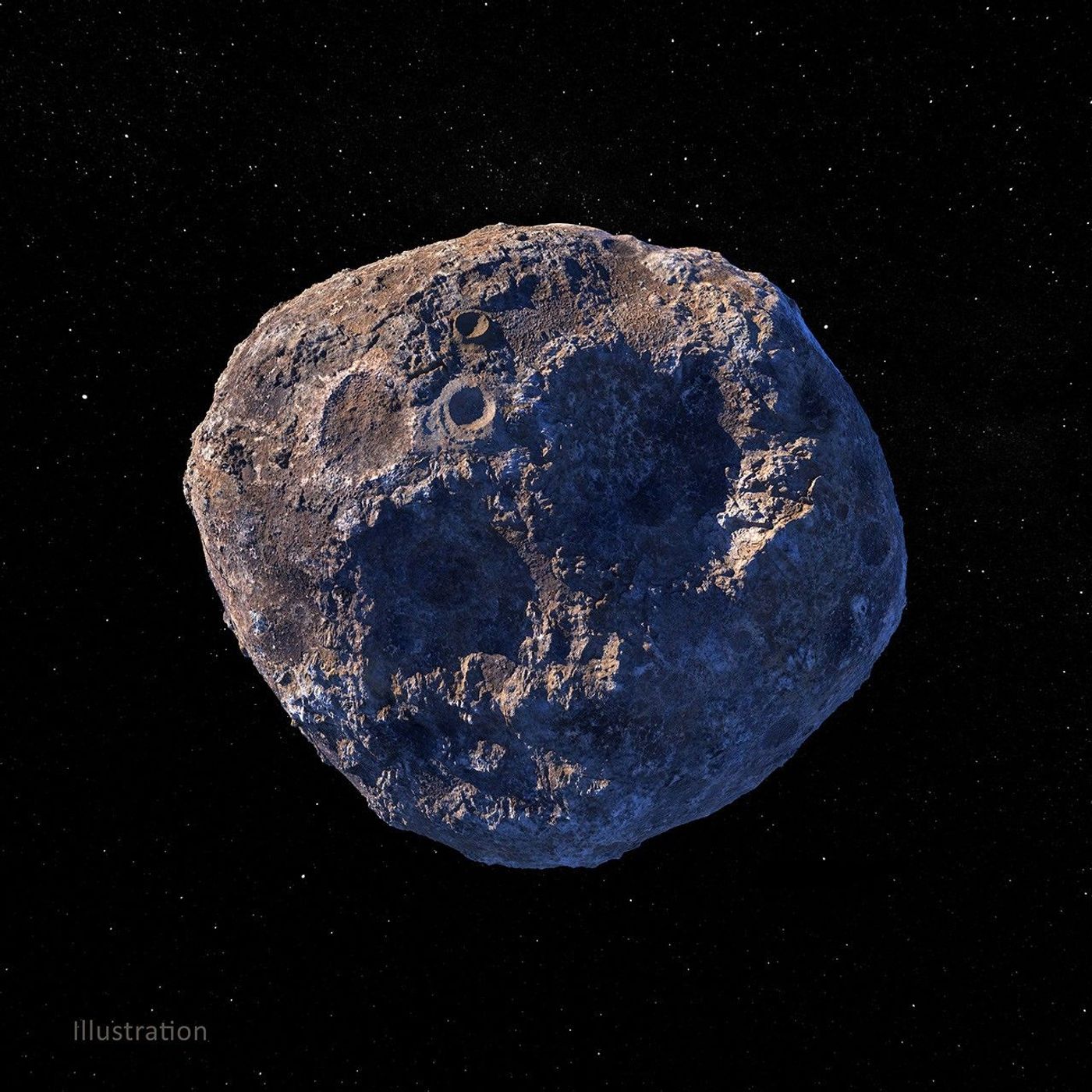
Most asteroids are located in the lonely space between Mars and Jupiter where the average distance between two asteroids is about 600,000 miles. Even though there is a tremendous space between asteroids they occasionally collide and pieces of them become Earth approaching objects. Most of them remain close to the plane of the solar system, however, a few are sent on paths which take them into the extremely lonely space high above and far below the orbits of the planets about the Sun. In 2017, my team, the Catalina Sky Survey, discovered 13 of these loneliest asteroids whose paths are tilted more than 45...
905-Hogan’s Interesting PHA
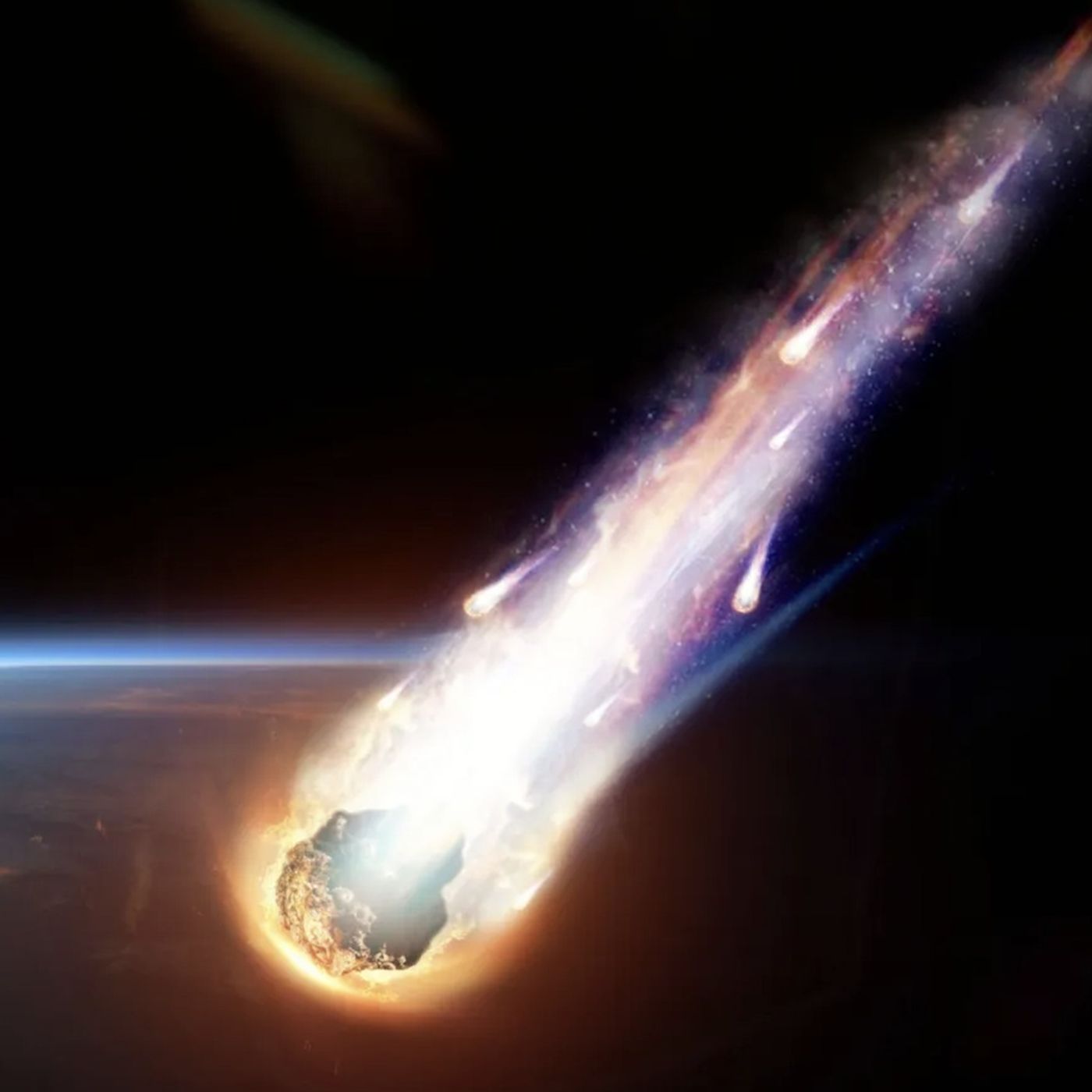
My Catalina Sky Survey teammate Josh Hogan has discovered a 2 football field diameter asteroid that was placed on NASA’s Sentry list because it has a tiny minuscule but non-zero chance of impacting our home planet. With this motivation my team the Catalina Sky Survey, the Pan STARRS group in Hawaii, the ATLAS group with telescopes Hawaii, Chile, and South Africa , the Vera C. Rubin telescope in Chile, will be soon joined NASA’s NEO Surveyor and groups world wide in a planet wide defense network.
394E-435-Number 31
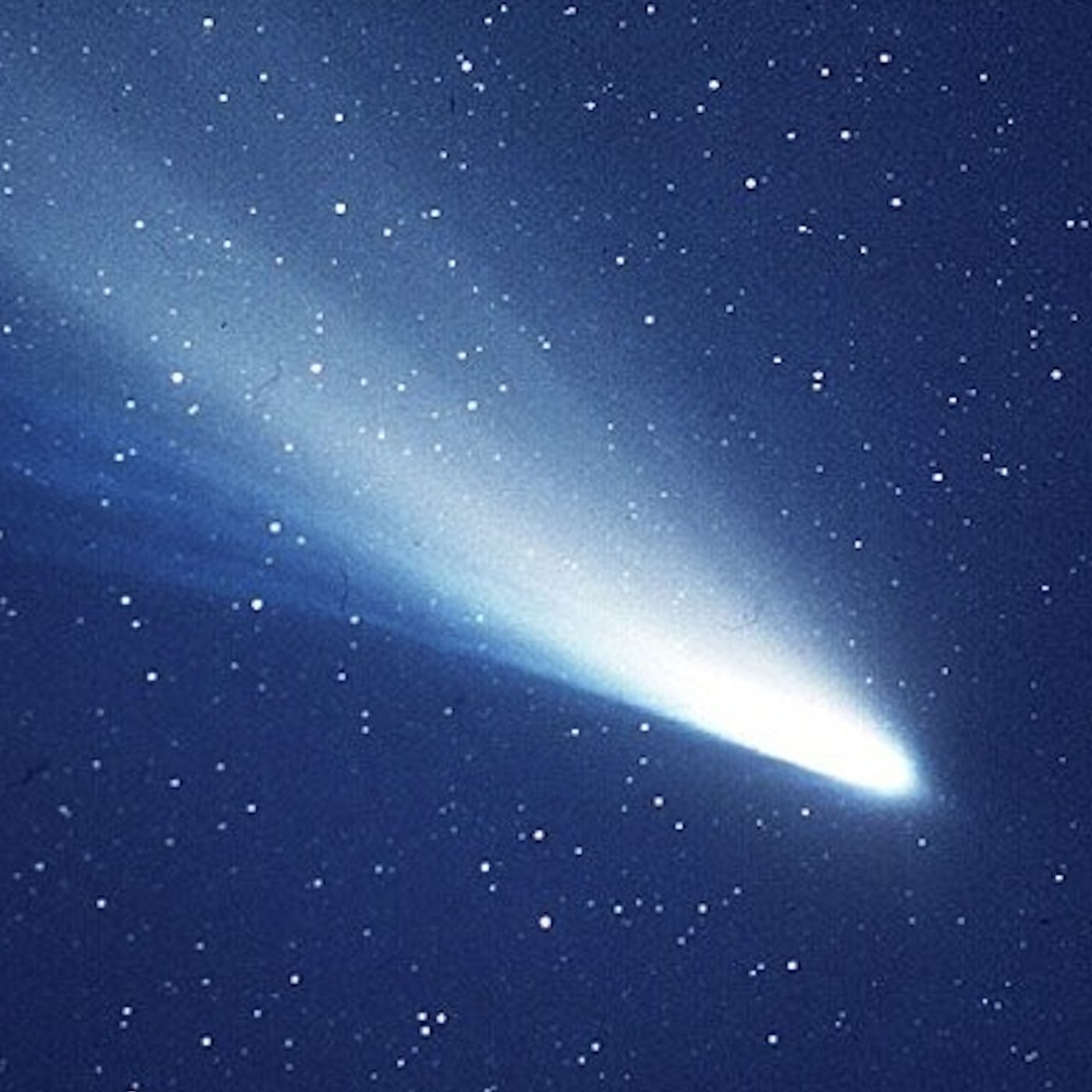
Asteroids appear as moving points of light in an asteroid hunter's images so that when my Catalina Sky Survey teammate Alex Gibbs spotted a fuzzy moving object he immediately suspected it to be a comet. The data obtained by astronomers over the next 8 days enabled scientists at the Minor Planet Center to verify Alex's 31st comet discovery and give it the name C/2018 A6 (Gibbs). In January of 2018 it was in the constellation of Leo traveling from the vast empty space above the Sun's north pole toward the plane of the solar system which contains all of the planets and...
904-Ohio Fireball
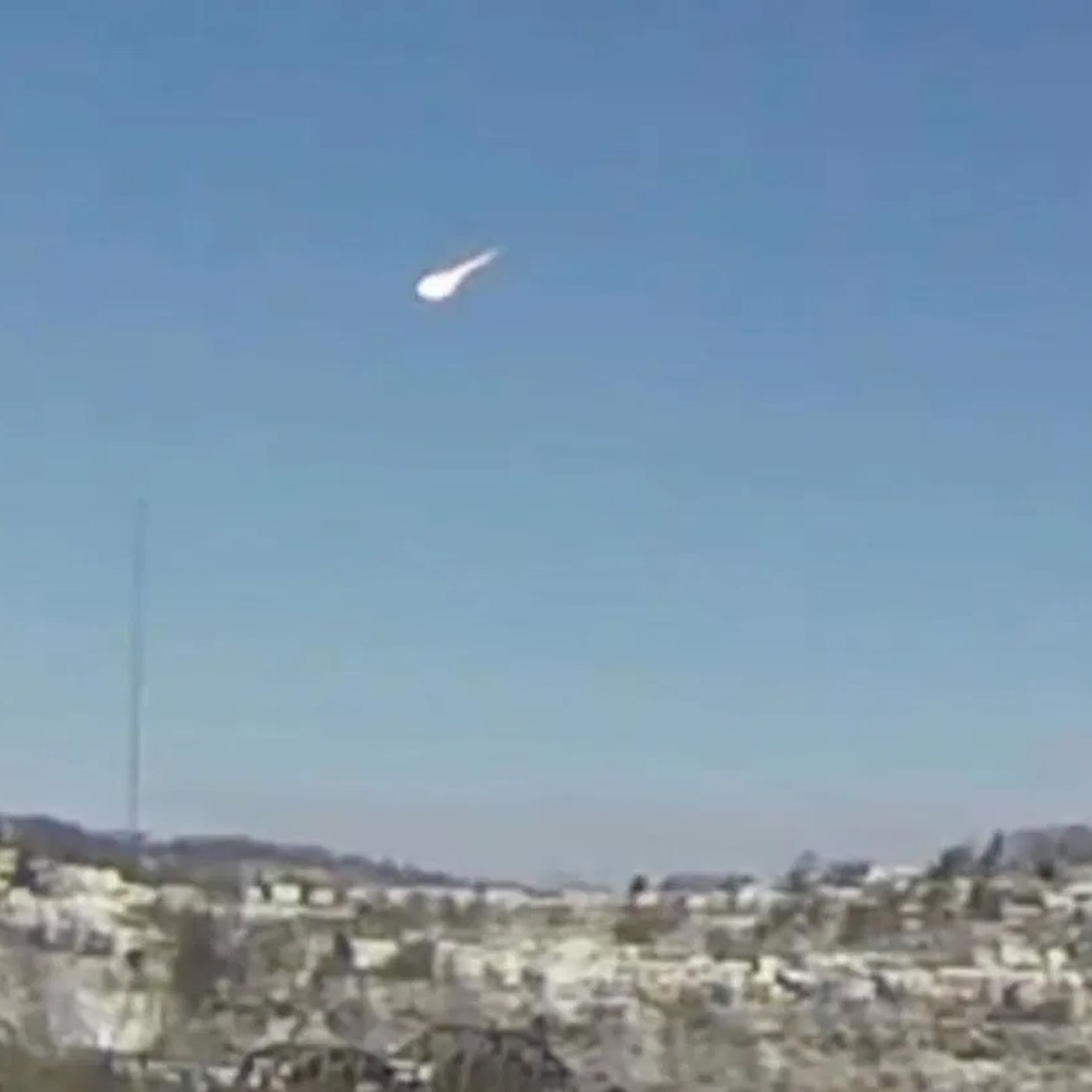
On St. Patrick’s day 2026 a fireball meteor brighter than the full moon streaked across the daytime sky. The American Meteor Society received 223 eyewitness reports from observers in 15 states, the District of Columbia, and Ontario Canada as well as 5 videos and 6 photos. NASA reported that the incoming object was approximately 6 feet in diameter, weighed about 7 tons, released the energy of 250 tons of TNT, created a sonic boom heard over a wide area , and rained bits of itself onto the ground in Medina county Ohio.
393E-431-Tough Space Rocks
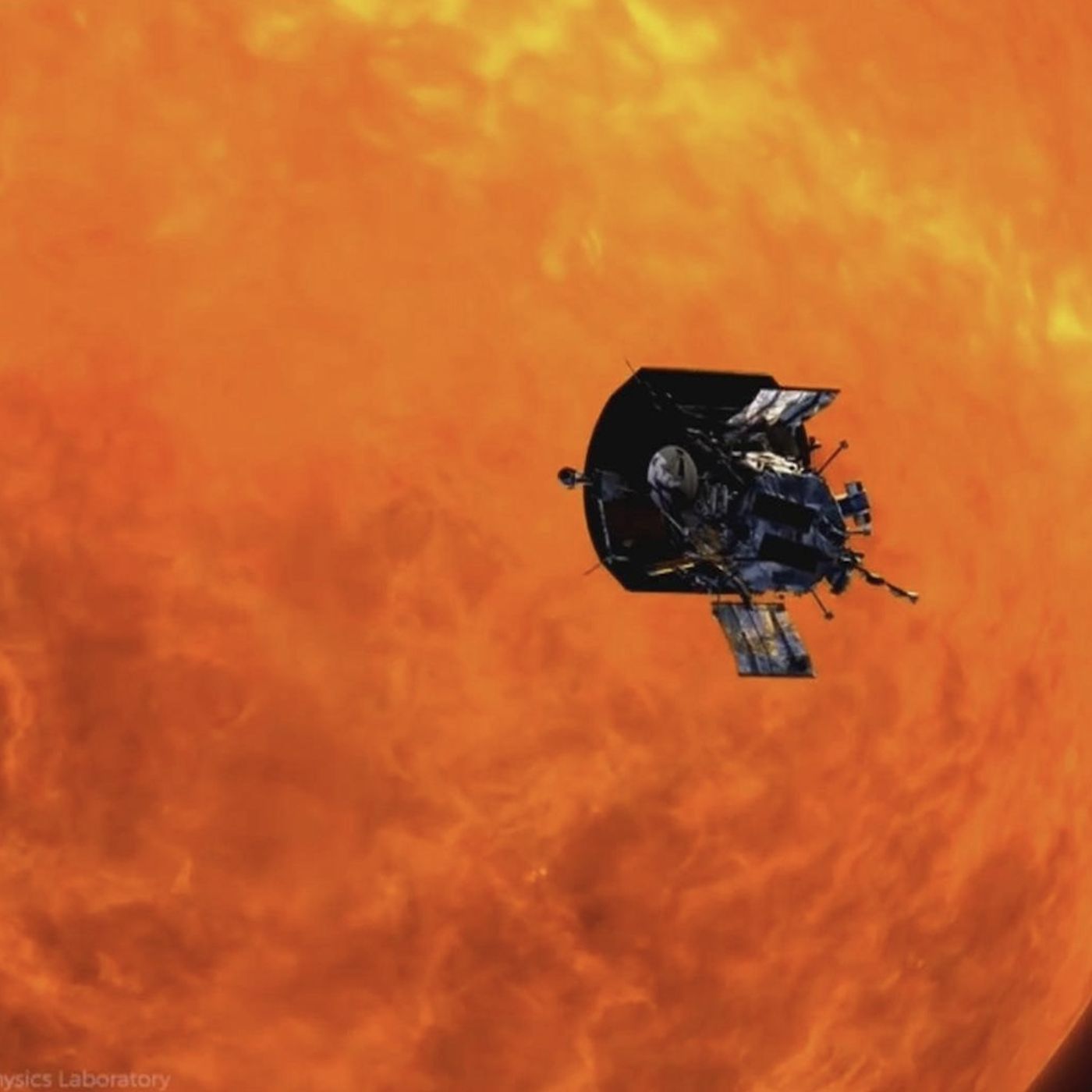
Most small asteroids are likely to be rubble piles of small rocks and dust loosely held together by their weak force of gravity while others may be made of ices of various substances. A few are solid objects which may contain metals like iron and nickel as well as gold, silver, and platinum. As they whiz by us it is hard to tell much about them from their overall brightness and distance from us. In 2017 my team the Catalina Sky Survey found 21 asteroids having an average diameter of 750 feet which pass closer to the Sun than the planet Mercury. They...
903-Eclipse of the Moon Observing
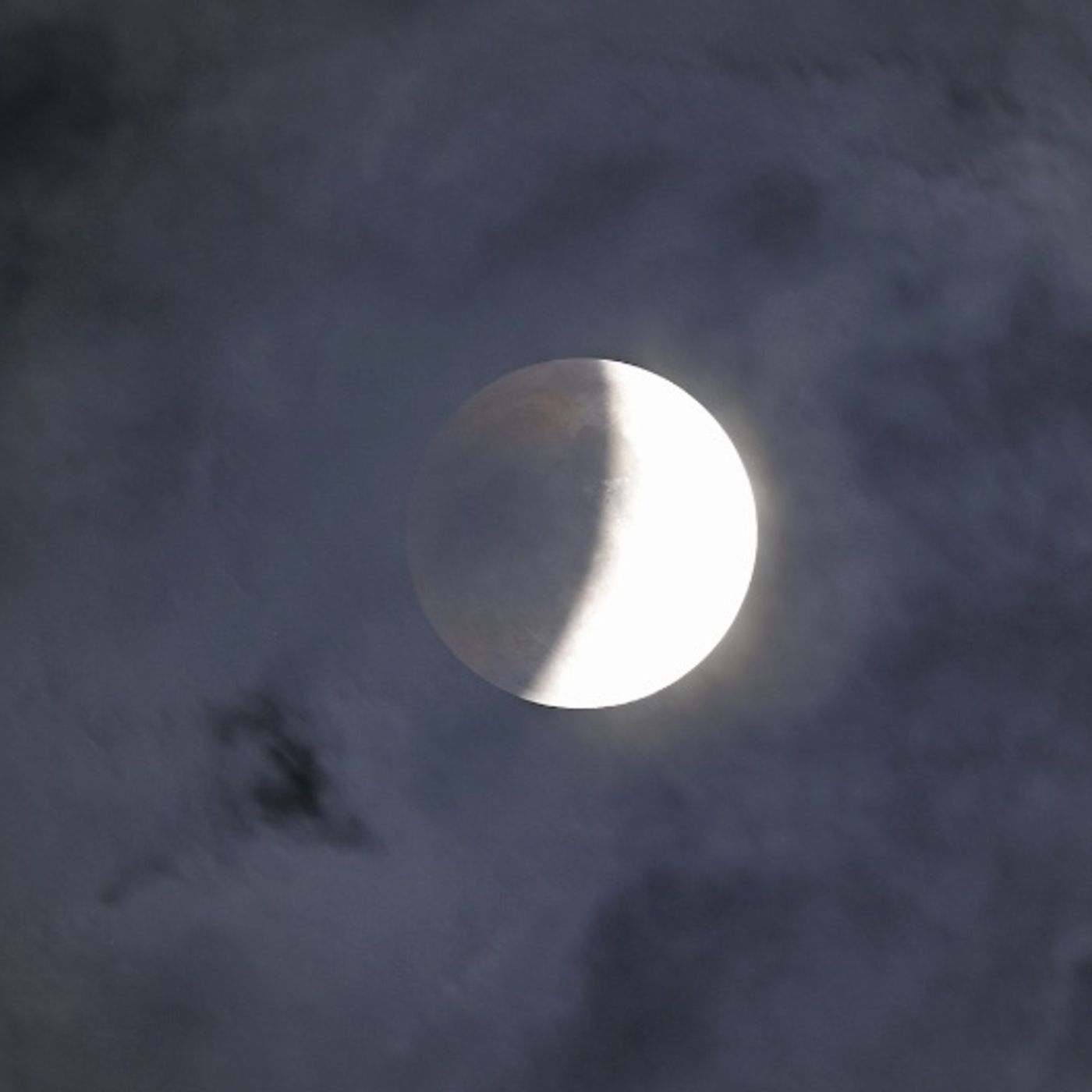
My team the Catalina Sky Survey has pioneered searching for asteroids coming from the direction of the dark side of the moon.
392E-430-Deportee
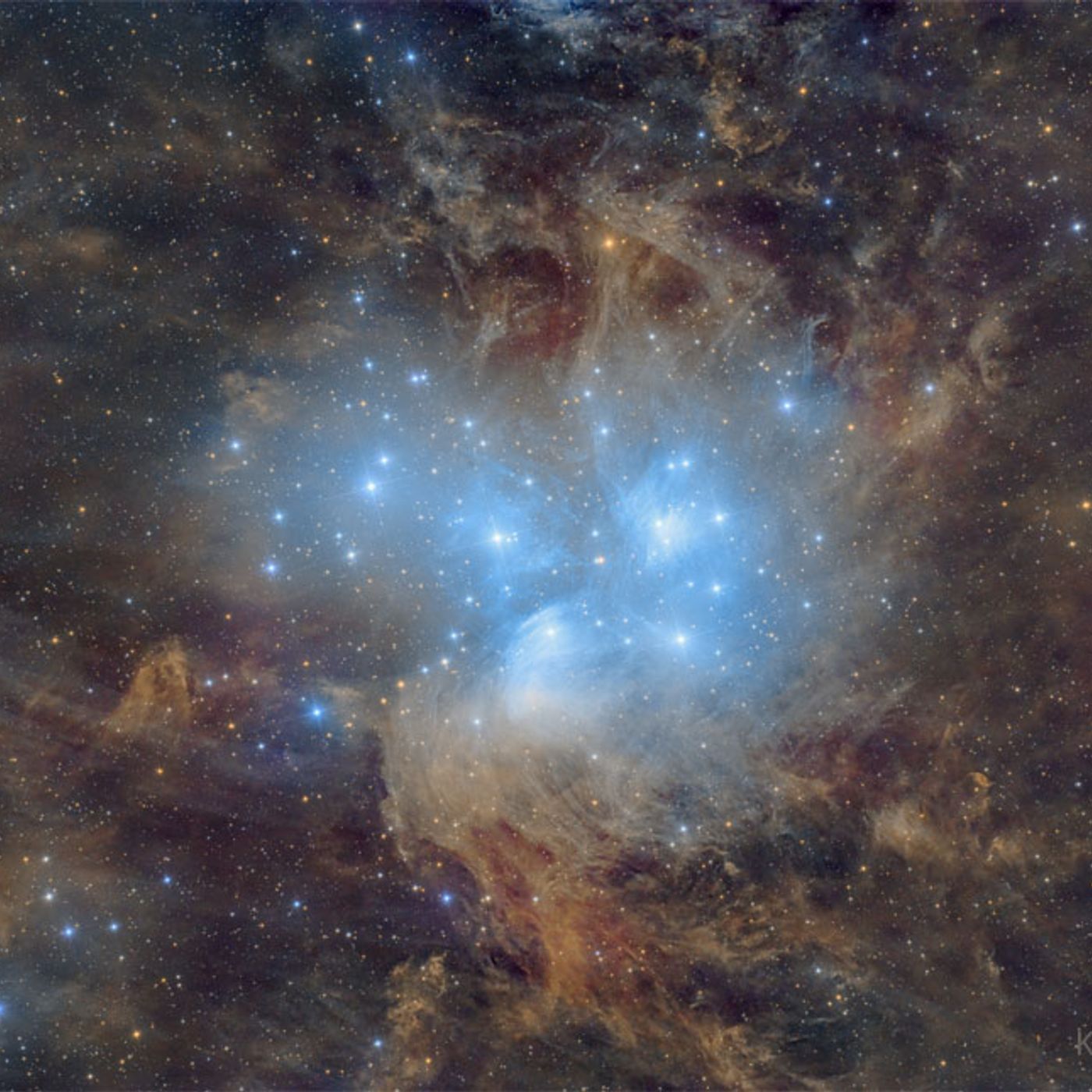
The beautiful star cluster the Pleiades in the constellation of Tauris is about 100 million years old making it one of the youngest objects that you can see in the natural night sky. Data obtained by observing Oumuamua (“Oh-moo-ah-moo-ah”), the first object humans have identified which is definitely from outside of our solar system suggests that it is an icy body with a red, rock appearing shell, of carbon rich organic material. By tracing Omuamua's path for millions of years into the past, Dr. Fabo Feng of the University of Hertfordshire , found that it's slow speed in the vicinity of 5 stars in t...
902-Lighting Up The Night

A start up company Reflect Orbital is proposing to launch 50,000 satellite mirrors by 2035 to illuminate solar panels on Earth all night long. This would be devastating for human sleep cycles, birds, insects, plants and many of the biological systems of organisms on which we all depend.
391E-428-Phaethon
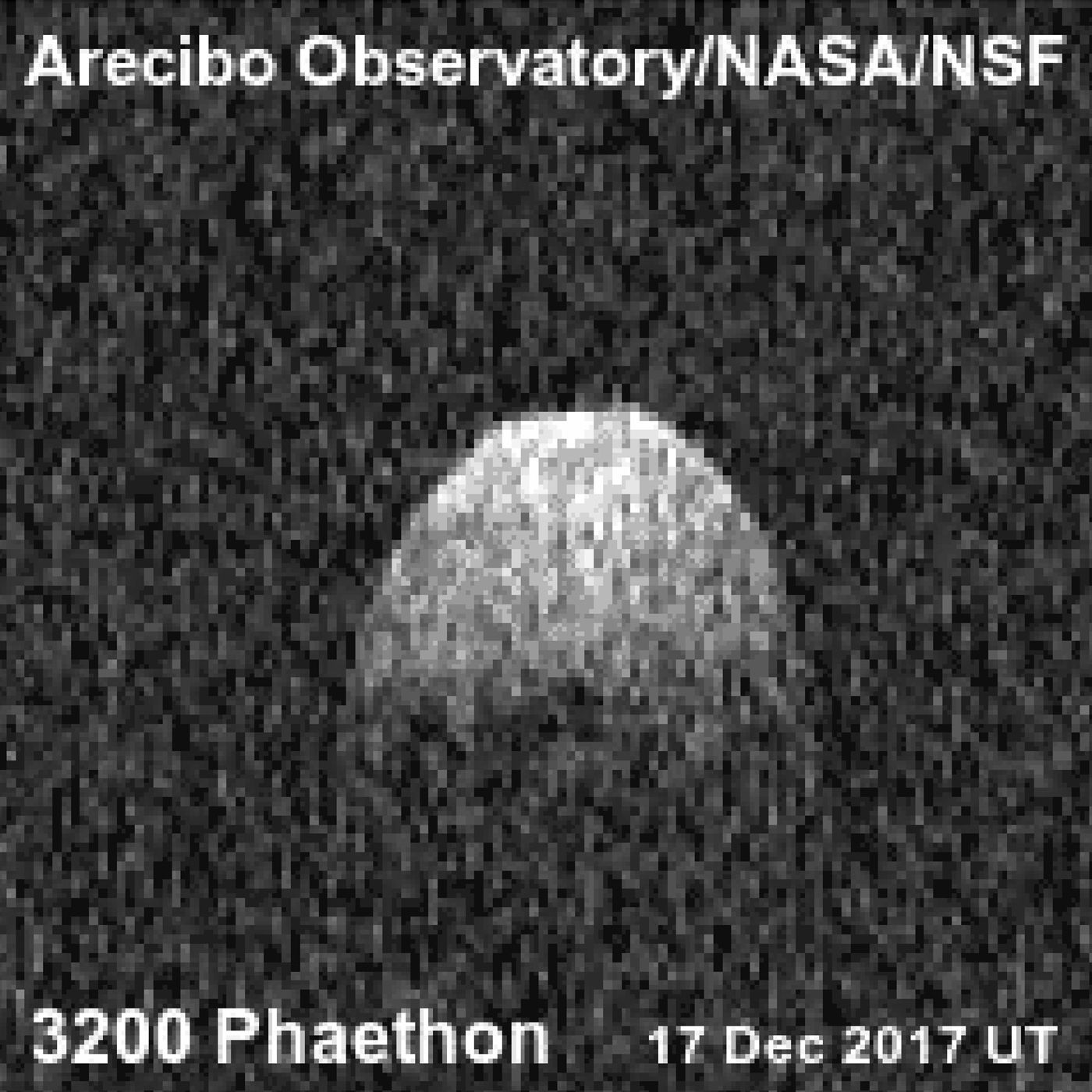
The mysterious Earth approaching object Phaethon (FAY-eh-thon) does not fit neatly into our definition of either an asteroid or a comet. Further it appears to be like the Peanuts character Pigpen in that it leaves a trail of dust and other fine debris in it's wake which in the case of Phaethon produces the Geminid Meteor Shower to delight us every year around Christmas time. Phaethon is amazing in that every 524 days it makes a death defying flight to a point less than one of half of the planet Mercury's distance from the Sun, where it's surface temperature reaches a...
901-Rubin and Incoming Asteroids
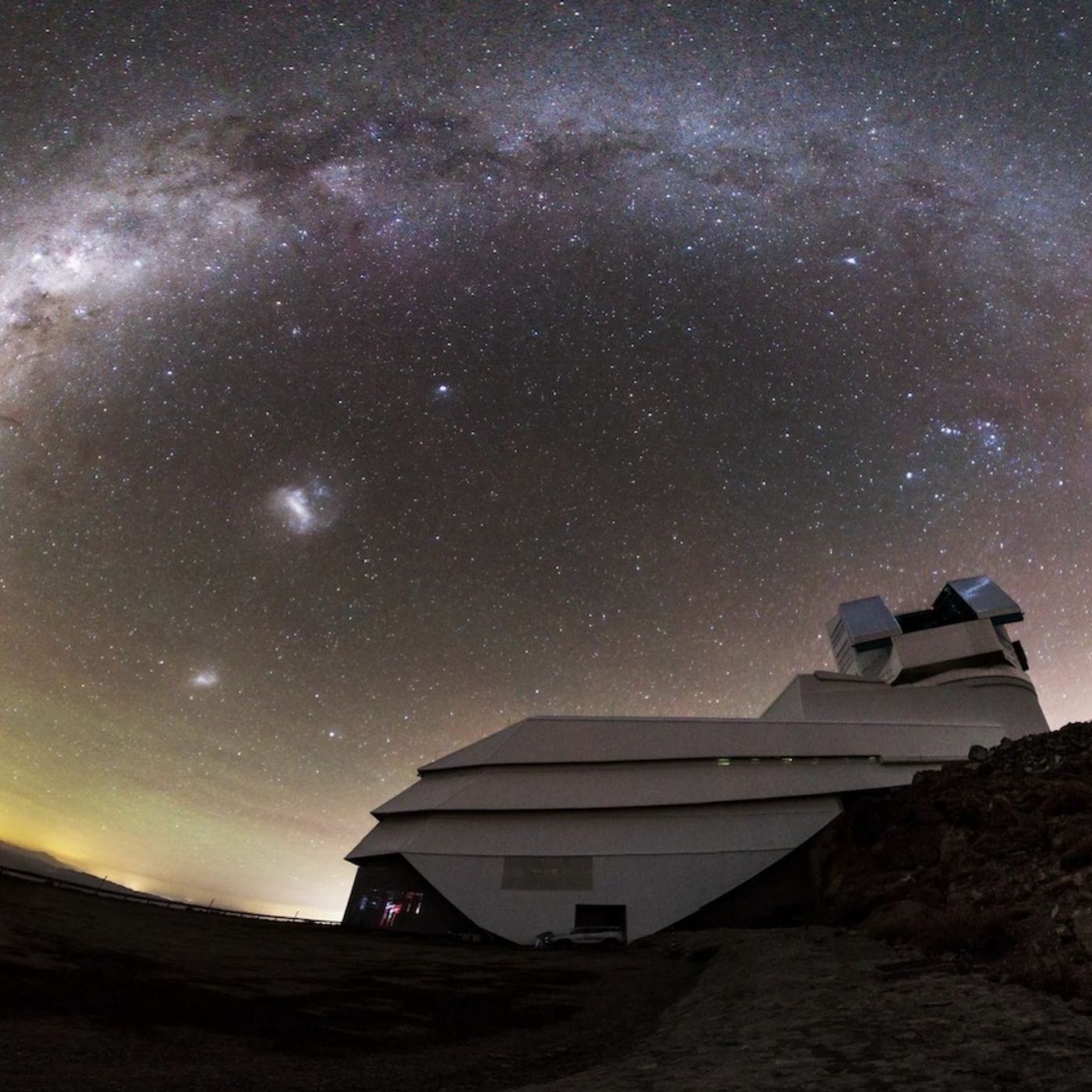
However, according to a recent research project, the Rubin Observatory will discover but not give an adequate warning time for objects destined to hit the Earth. To provide time to take action to deflect an incoming object we will need to rely on ground based telescopes used by my Catalina Sky Survey teammates and other asteroid hunting groups as well as NASA’s NEO Surveyor satellite when it is launched.
390E-427-Meteor Whispers
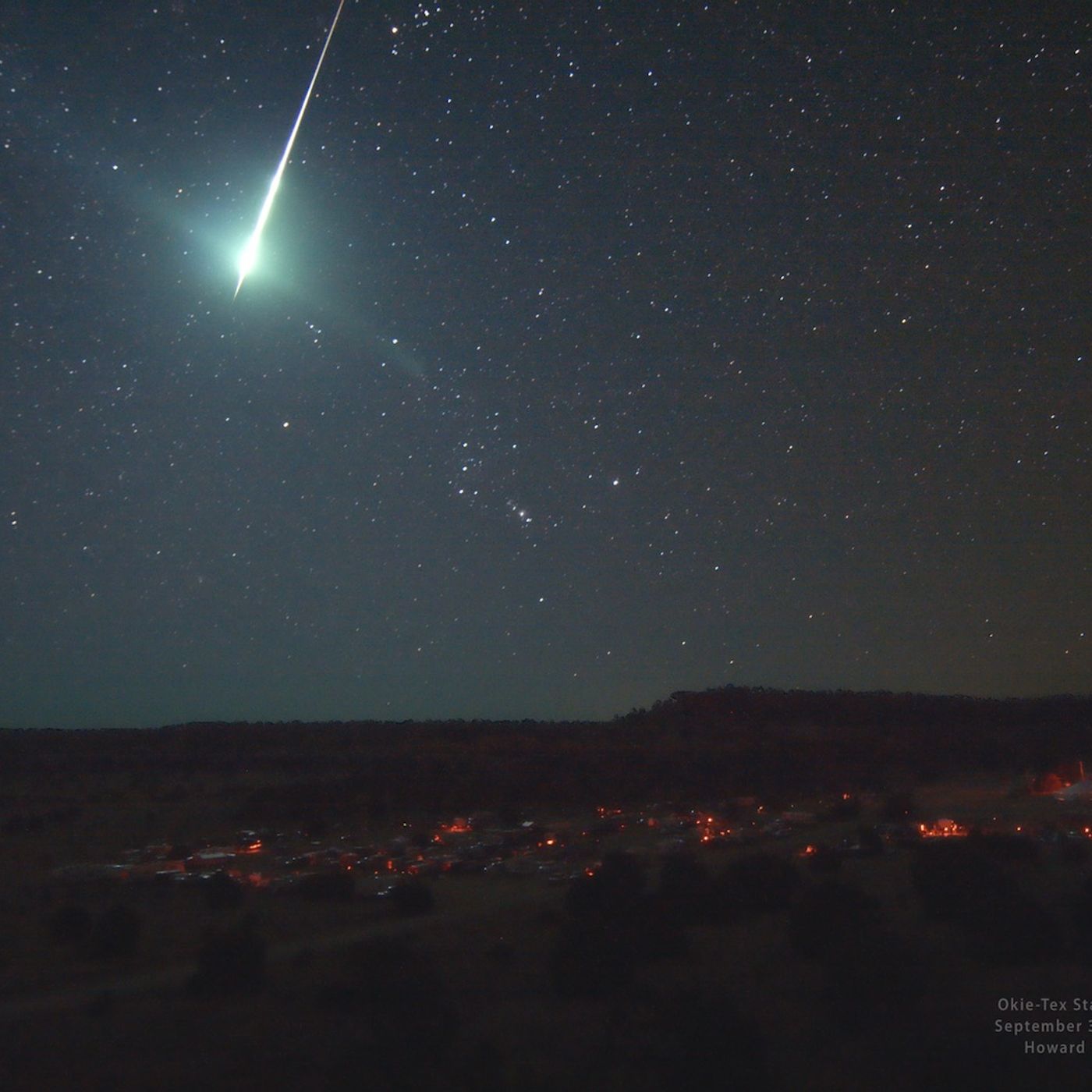
Often observers report hearing a percussive sound, like a sonic boom from an aircraft, minutes after viewing a bright meteor fireball. In addition, in a fewer number of instances, there are many reliable reports of observers hearing popping, hissing, and rustling sounds at the same time they are observing a very bright meteor traveling though the night sky. Professional astronomers have long dismissed these reports saying that what these people hear simultaneously with their visual observations cannot be due to to sound traveling from the meteors path since sound travels 800,000 times slower than light and would take 1.5 to 4 minutes to...
900-Earth Life from Mars
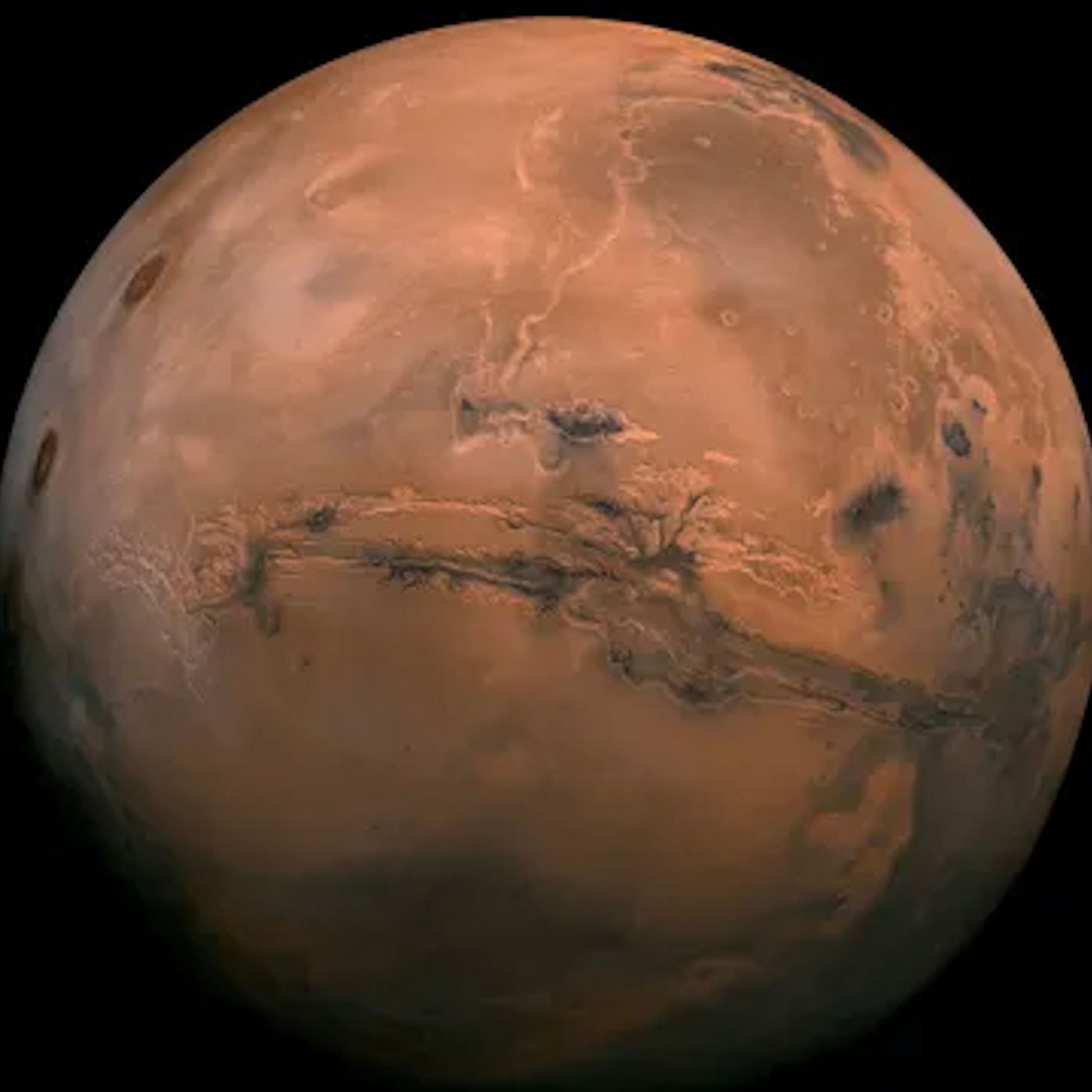
Some of the 635,000 impact craters found on Mars are the result of such violent impacts that pieces of Mars are ejected, travel around the solar system, and a few become one of the several hundred Martian meteorites which have been discovered here on Earth. An experiment is described which does not prove we are descendants of martian bacteria however it does improve our ability to protect our planet and understand where life may be possible elsewhere in the universe.
389E-426-Rose Rules Again
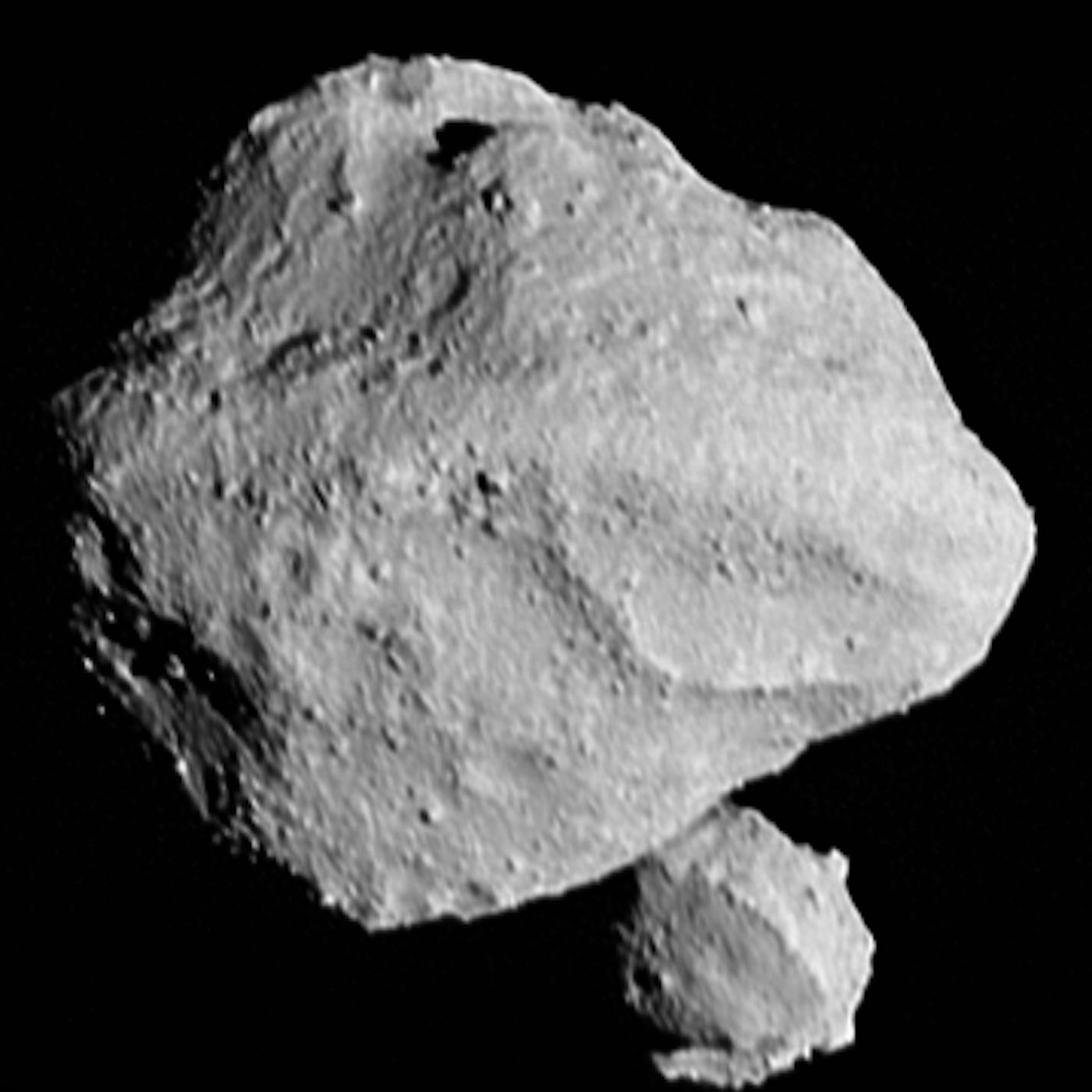
389E-426-Rose Rules Again Recently my Catalina Sky Survey teammate Rose Matheny discovered 8 new Earth approaching object candidates on a single night with our Schmidt telescope on Mt. Bigelow, Arizona. One of them, 2017 YO is a mile and a half diameter, main belt asteroid, while the other 7 are interesting Earth approaching objects. Another one of Rose's single night discoveries is 2017 YM1. When Rose first spotted it this space rock was moving rapidly north, at 6.9 miles per second, away from the Earth in the constellation of Ursae Major. About 5 days earlier it had passed near both the Earth and Our Moon...
899-Hitch Hiking an Asteroid to Mars
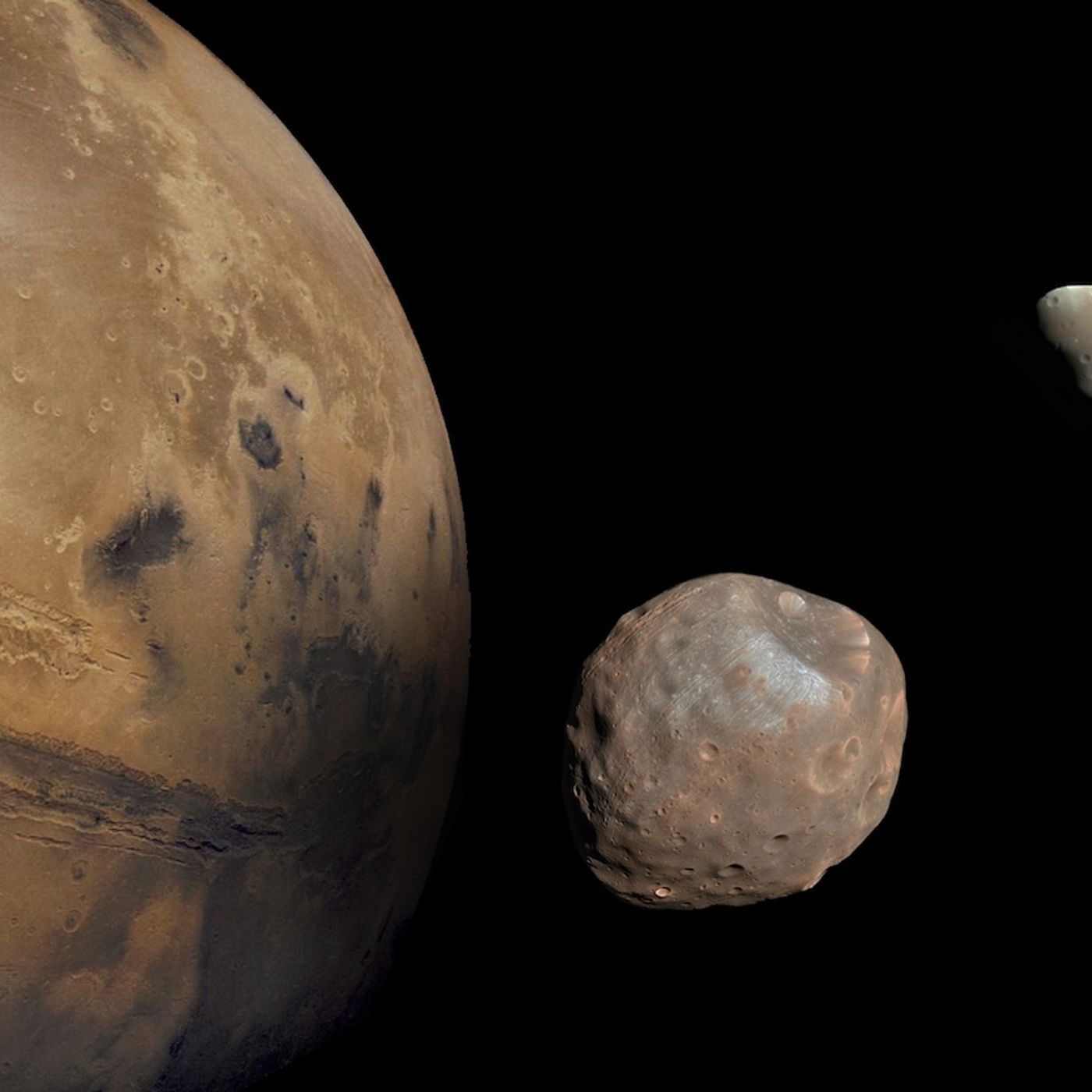
Asteroids could provide a solution for the serious problem of how to protect astronauts from harmful solar and cosmic radiation during long duration space flights and thus eliminate the need for the spacecraft itself to have heavy shielding material. The idea is for the spacecraft to spend most of the journey inside the asteroid.
388E-425-Greg's Comet
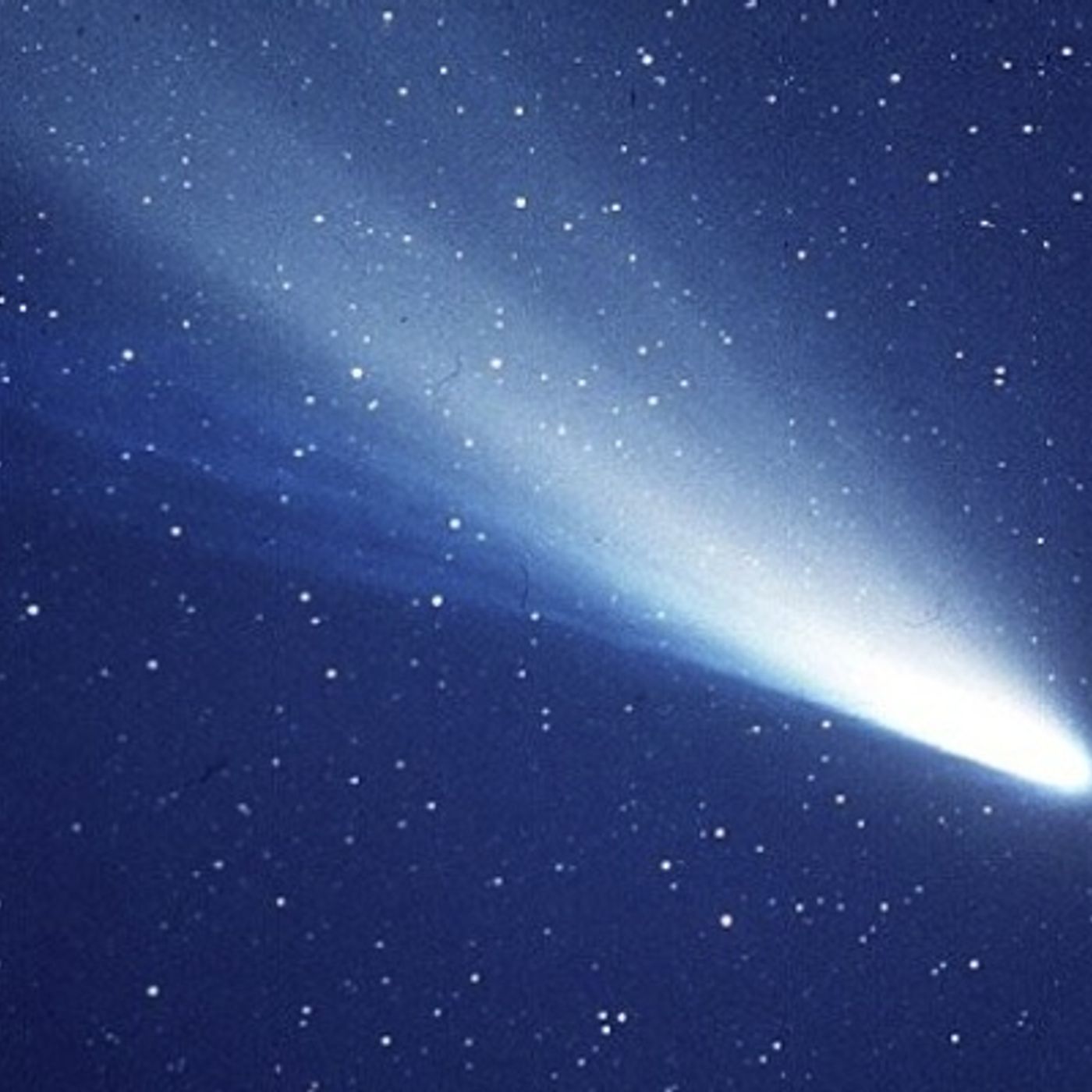
My Catalina Sky Survey teammate Greg Leonard was searching for Earth approaching objects with our 60 inch telescope on Mt. Lemmon, Arizona when he discovered an interesting new comet moving through the constellation of Leo. After Greg posted his discovery observations on the Minor Planet Center's Near Earth Confirmation Page it was observed over the next 3 weeks by 10 different observatories around the world. These data were used to calculate the details of the new object's 51 year path around the Sun and give it the name Comet C/2017 W2 (Leonard) . Greg's newly discovered comet's orbital plane is almost at a right angle...
898-Pandora
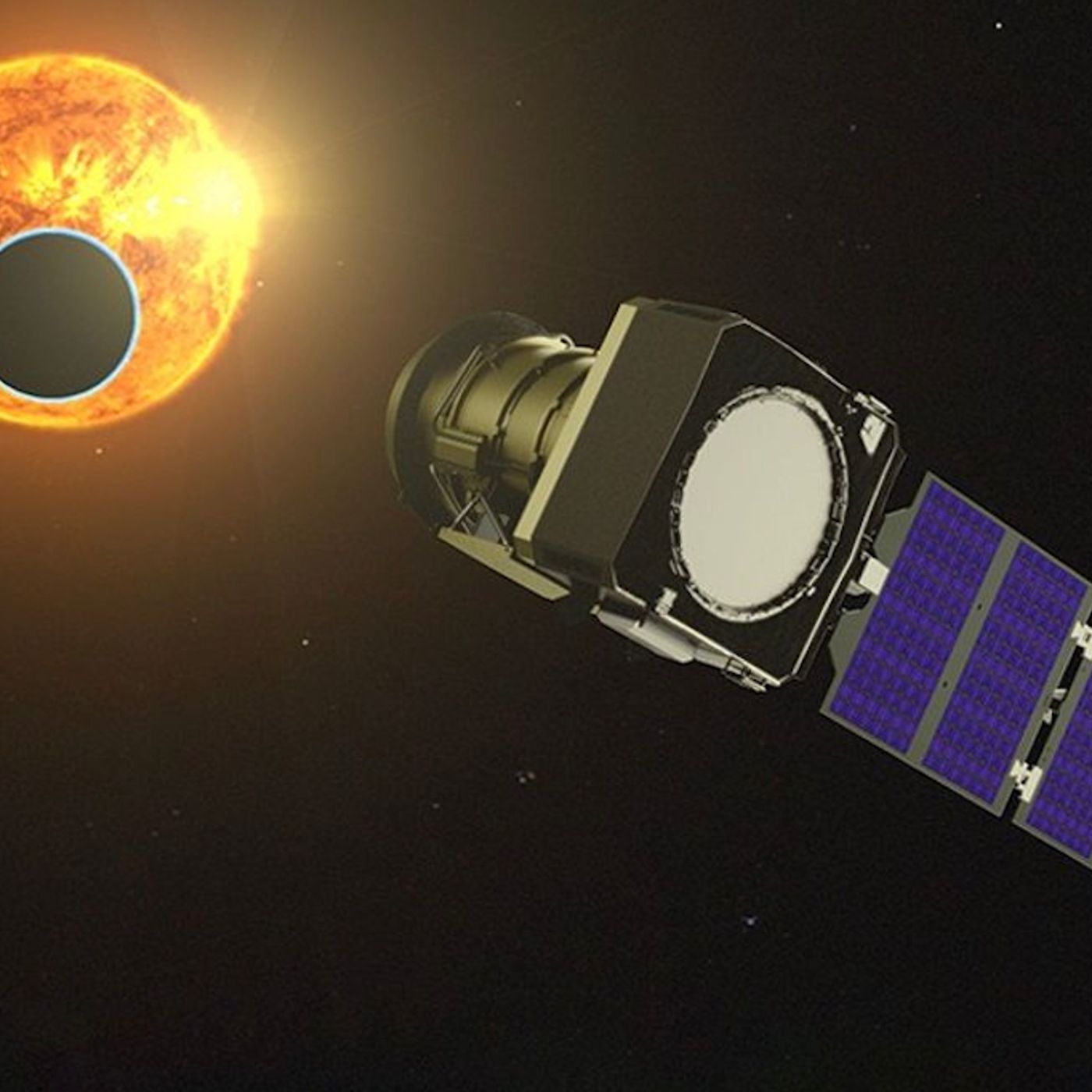
Looking into a star filled sky at a place like the Cosmic Campground International Dark Sky Sanctuary in New Mexico inspires a person to wonder if our home planet is unique in the Universe. To begin to answer this question, NASA launched the small satellite Pandora on January 11, 2026 . It is on at least a one year long mission to study the chemical composition of more than 20 planets orbiting nearby stars in the Milky Way.The Pandora satellite’s results will hopefully include a list of potentially habitable planets to be observed the James Webb Space Telescope and other observatories in th...
387E-424-Long Winter Nights
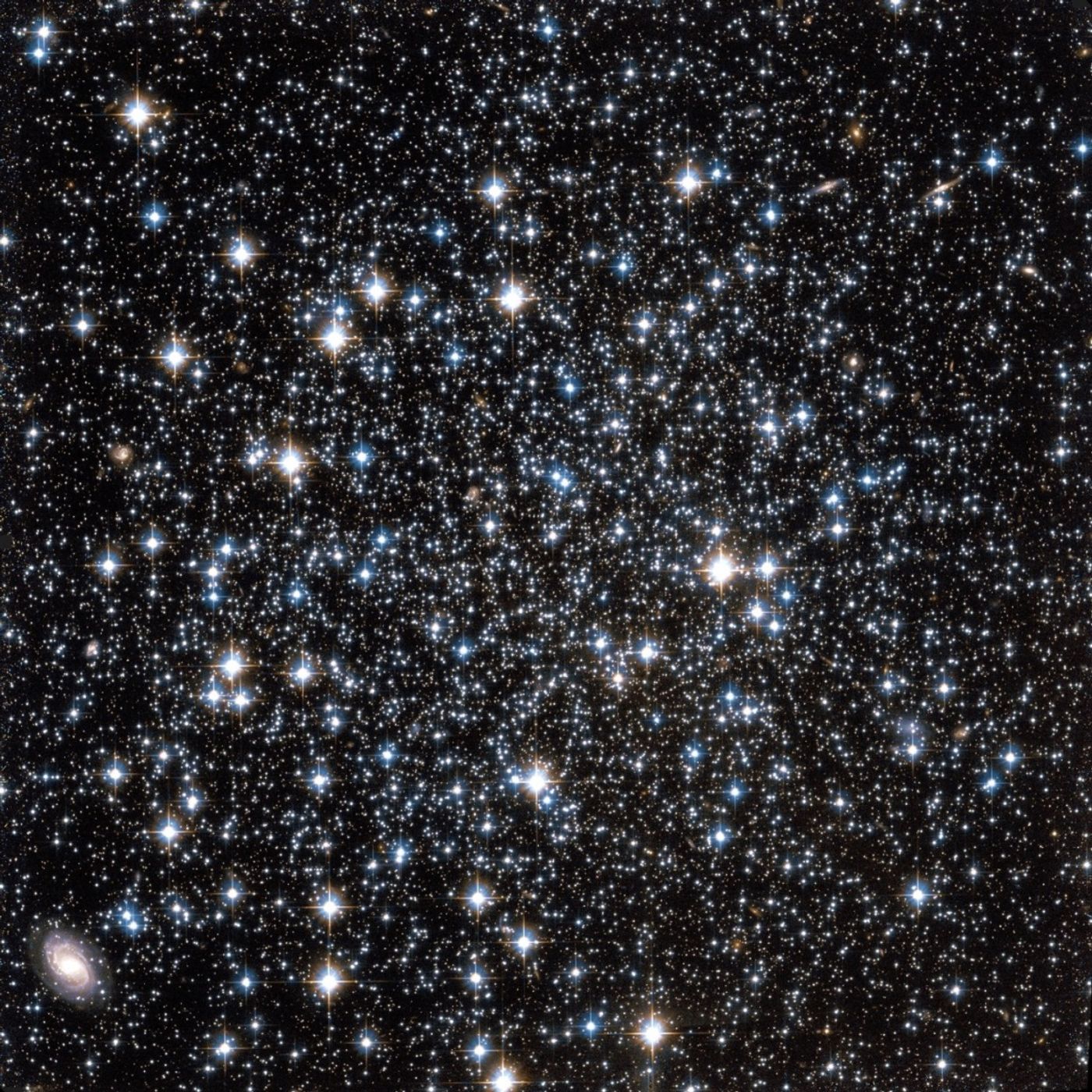
Winter nights can be exhausting, productive, as well as sometimes frustrating for asteroid hunters. At the Sixty Inch Telescope on Mt. Lemmon, Arizona, near winter solstice, the night's observing starts at 6:30 PM and continues till after 6 AM which combined with start up and end tasks makes the asteroid hunter's work "day" more than 13 hours long. On such a recent long winter work night, my Catalina Sky Survey Teammate, Carson Fuls discovered an impressing total of 18 new Earth approaching objects. On the other hand on the next 3 night shift, I was treated to one night which was clear followed by two...