Fertility Friday | Fertility Awareness Mastery for Women's Health Professionals

Are you ready to uplevel your women's health practice? Welcome to the Fertility Friday Podcast! A podcast designed to empower you to use fertility awareness both personally and professionally. If you are a woman's health professional — and you're not fully utilizing the menstrual cycle as a vital sign — it's time to change that right away! Through evidence-based literature reviews, engaging discussions, expert interviews, and compelling client stories, Lisa Hendrickson-Jack, FAE, HRHP covers everything from complex menstrual cycle chart interpretation and balancing hormones to overcoming fertility challenges and more. With over 20 years of experience teaching fertility awareness, Lisa combines her real-world expe...
Can You Really Meditate Away Your Period Problems?

In episode 653, Lisa speaks with Afsaneh Maza, an abortion doula, fertility awareness educator, and FAMM practitioner in training, about how spiritual approaches to menstrual health and science-based cycle charting can work together. Afsaneh shares how unplanned pregnancies led her to the symptothermal method, and how her chart revealed a short luteal phase that months of emotional and spiritual work had not changed. Lisa discusses why she grounds her approach to fertility awareness in research and evidence, and how she builds her practice through systems and support.
Follow this link to view the full show notes page!
<...Top 5 Reasons to Teach your Clients to Chart their Cycles

In this episode of the Fertility Friday Podcast, Lisa Hendrickson-Jack shares five research-informed reasons why women's health professionals should teach clients to chart their cycles. She discusses the gap in fertility awareness training among health providers, why most women use cycle tracking apps only to log their periods, and data showing that only 13% of more than 600,000 cycles were 28 days long. Lisa also reviews research linking fertility sign tracking with higher odds of conception, and explains how client charts can show practitioners whether their recommendations are working.
Follow this link to view the full show notes page!
<...Uh oh, Women Are Talking About Birth Control on Instagram Again

In this episode, Lisa discusses a recent study that analyzed over 30,000 German-language Instagram posts about birth control and found that posts about the pill focused largely on side effects, while posts about natural family planning tended to be positive. She explores why the side effects women shared online were consistent with the research, why fertility awareness was the second most discussed method, and what it means that the researchers acknowledged the effectiveness of the properly taught symptothermal method.
Follow this link to view the full show notes page!
This episode is sponsored by Lisa's new...
Which Supplements Actually Improve Sperm Quality?

In this episode, Lisa reviews a recent meta-analysis of 18 trials involving nearly 2,000 men with abnormal semen analysis, which ranked eight antioxidants by their effects on sperm parameters. She explains why CoQ10 stood out for sperm concentration, why carnitine was associated with the largest gains in motility, and what it may mean that the other antioxidants studied did not outperform placebo. Lisa also discusses the limits of relying on supplements alone and the role of a nutrient-dense diet in supporting sperm quality.
Follow this link to view the full show notes page!
This episode is sponsored b...
How Much Do Practitioners Really Know About Fertility Awareness?

In episode 649, Lisa examines research on how much physicians, midwives, and other women's health professionals actually know about fertility awareness. Drawing on several studies, she explains why many practitioners scored no better than their patients on basic fertility knowledge, why most physicians recommended calendar-based timing over cervical mucus observation, and why fewer than 6% knew the perfect use effectiveness of modern fertility awareness-based methods. Lisa frames fertility awareness instruction as its own area of specialization and explores what these knowledge gaps mean for women seeking accurate information and the practitioners who support them.
Follow this link to view...
Is Progesterone Testing Always Accurate?

In this solo episode, Lisa explores what a progesterone blood draw can and cannot reveal about the luteal phase. Drawing on two studies, she explains why mid to late luteal progesterone levels can vary widely within minutes, why some women who have ovulated may still test low, and why the common cycle day 21 test often misses the mark. Lisa makes the case that progesterone results may be most meaningful when interpreted alongside daily cycle charting data such as basal body temperature and cervical fluid.
Follow this link to view the full show notes page!
This...
Top 4 Reasons to Eat Liver for Fertility

In this solo episode, Lisa explores four research-based reasons to consider liver for fertility. She explains the role of vitamin A in egg development, discusses a study in which organ meat intake was associated with higher sperm count, concentration, and motility, and covers why folate, choline, and iron matter before conception. Lisa also emphasizes the importance of relying on evidence-based resources when it comes to preconception nutrition.
Follow this link to view the full show notes page!
This episode is sponsored by Lisa's new book Real Food for Fertility, co-authored with Lily Nichols! Grab your...
Is Ovulation The Fifth Vital Sign?

In this solo episode, Lisa explores why the menstrual cycle, and ovulation in particular, may be considered a fifth vital sign. She discusses the 2006 ACOG statement on evaluating the cycle as a vital sign in adolescents, the research linking cycle irregularities to concerns such as bone loss and type 2 diabetes risk, and why suppressing ovulation with hormonal contraceptives does not address underlying cycle issues. Lisa also explains how fertility awareness charting can offer real-time insight into hormonal health for women and the practitioners who support them.
Follow this link to view the full show notes page!
<...Does The Depo Shot Impact Fertility?

Is the Depo shot associated with a delay in the return of fertility? In this solo episode, Lisa reviews a recent study comparing how long ovulation takes to return after stopping intramuscular and subcutaneous Depo injections, and why the average of six to seven months places the Depo shot on the longer end of hormonal birth control options. She also explains the difference between the return of ovulation and time to pregnancy, and how cycle charting may help clients and practitioners recognize when ovulation is resuming.
Follow this link to view the full show notes page!
<...Does The Pill Lower Ovarian Reserve?

Does the pill lower ovarian reserve? In this episode, Lisa examines a recent clinical commentary on how hormonal contraceptives suppress AMH and antral follicle count (AFC), and why ovarian reserve testing can be misleading for women who have recently stopped birth control. She discusses the 6 to 12 month recovery timeline, the well-documented period of post-pill subfertility, and why these markers are better predictors of IVF response than natural fertility. Lisa also shares two case studies that highlight the risks of premature diagnosis and explores how fertility awareness charting can support women through the post-pill transition.
Follow this link...
The Problem With the Day 21 Progesterone Test

Lisa examines why the standard day 21 progesterone test may not accurately reflect luteal phase health — especially when ovulation timing hasn't been confirmed. Drawing on a committee opinion from the American Society for Reproductive Medicine, she explores the limitations of spot testing and why menstrual cycle charting offers practitioners a more reliable framework for identifying and addressing short luteal phases.
Follow this link to view the full show notes page!
This episode is sponsored by Lisa's new book, Real Food for Fertility, co-authored with Lily Nichols! Grab your copy here!
🎧 Would you prefer to liste...
Do Perimenopausal Women Really Have Low Estrogen?

Lisa breaks down new research showing perimenopausal estrogen doesn't just decline — nearly half of women in a 1,300-person study saw a significant rise before their final period, linked to symptoms like heavy bleeding, breast tenderness, and headaches. She unpacks what's driving this pattern and why cycle charting is a key tool for understanding and supporting women through this transition.
Follow this link to view the full show notes page!
This episode is sponsored by Lisa's new book, Real Food for Fertility, co-authored with Lily Nichols! Grab your copy here!
🎧 Would you prefer to liste...
Do Your TTC Clients Know When They're Ovulating? | FAMM Research Series

A new study of nearly 98,000 women trying to conceive found that 41% couldn't identify their fertile window — even among those with "regular" cycles. Lisa breaks down what the data reveals about cycle knowledge gaps, and why this matters for anyone trying to conceive or supporting clients who are.
Follow this link to view the full show notes page!
This episode is sponsored by Lisa's new book, Real Food for Fertility, co-authored with Lily Nichols! Grab your copy here!
🎧 Would you prefer to listen to the audiobook version of Real Food for Fertility instead? 🎧 Listen here!
Pregnant at 40 and Again at 42 | FAMM Practitioner Series | Rachael-Beth Moss

Fertility educator Rachael-Beth Moss shares her journey from painful, unexplained periods to charting her cycle, addressing pregnancy loss, and conceiving naturally at 40 and 42.
Follow this link to view the full show notes page!
This episode is sponsored by Lisa's new book, Real Food for Fertility, co-authored with Lily Nichols! Grab your copy here!
🎧 Would you prefer to listen to the audiobook version of Real Food for Fertility instead? 🎧 Listen here!
💥This episode is also sponsored by FAMM, the Fertility Awareness Mastery MentorshipTM program! Apply now to join our next class! We start on S...
Blindsided by Depo | FAMM Practitioner Series | Carla Lagunas

Carla Lagunas shares her personal journey through hormonal birth control, including her experience with Depo-Provera and prolonged amenorrhea, and how it led her to fertility awareness education. She discusses language barriers in accessing fertility awareness resources and her path toward opening a practice in Costa Rica.
Follow this link to view the full show notes page!
This episode is sponsored by Lisa's new book, Real Food for Fertility, co-authored with Lily Nichols! Grab your copy here!
🎧 Would you prefer to listen to the audiobook version of Real Food for Fertility instead? 🎧 Listen here!
...
Sperm DNA Damage and Recurrent Miscarriage

Lisa breaks down a research paper on sperm DNA fragmentation and its link to recurrent first-trimester miscarriage. The study found that most men classified as "normal" under the WHO 2021 semen analysis criteria still had elevated DNA fragmentation, and that double-stranded DNA damage specifically was tied to miscarriage risk. Lisa explains why standard semen analysis may miss this issue, why ICSI doesn't necessarily solve it, and why couples facing unexplained or recurrent loss may benefit from pushing for deeper sperm testing.
Follow this link to view the full show notes page!
This episode is sponsored by...
Time To Discuss The New WHO Sperm Guidelines

Lisa breaks down the WHO's 2021 update to its semen analysis guidelines — the first revision since 2010. She explains how these reference values are calculated, why the new numbers changed only marginally from 2010, and what this means for interpreting a semen analysis. Lisa also contrasts the WHO's "normal" thresholds with research on optimal ranges for natural conception.
Follow this link to view the full show notes page!
This episode is sponsored by Lisa's new book Real Food for Fertility, co-authored with Lily Nichols! Grab your copy here!
Would you prefer to listen to the audiobook ve...
The New PCOS/PMOS Guidelines | What Changed and What's Missing

Lisa reviews the 2023 international PCOS guidelines that preceded the recent PCOS-to-PMOS name change. She covers key updates including AMH testing as an ultrasound alternative, revised hyperandrogenism criteria, mental health screening recommendations, and a shift toward weight-inclusive care. Lisa also highlights a notable gap in the guidelines: the lack of attention to lean PCOS and its impact on diagnosis.
Follow this link to view the full show notes page!
This episode is sponsored by Lisa's new book Real Food for Fertility, co-authored with Lily Nichols! Grab your copy here!
Would you prefer to listen...
New Research: Persistent Organic Pollutants and Ovarian Reserve

New research links persistent organic pollutants to lower ovarian reserve — even when AMH looks normal. Lisa breaks down the study's findings on legacy chemicals, the "cocktail effect," and what this may mean across generations.
Follow this link to view the full show notes page!
This episode is sponsored by Lisa's new book Real Food for Fertility, co-authored with Lily Nichols! Grab your copy here!
Would you prefer to listen to the audiobook version of Real Food for Fertility instead? 🎧 Listen here!
This episode is also sponsored by FAMM, the Fertility Awareness Maste...
Are Everyday Chemicals Disrupting Your Menstrual Cycle?

In this episode, Lisa breaks down findings from a recent review paper on how endocrine disrupting chemicals like BPA, phthalates, PFAS, and PCBs may be linked to menstrual cycle changes, hormone levels, and fertility outcomes. She explores why female fertility remains understudied compared to male fertility, what the research shows about chemical exposure and subfertility, and why swapping to "BPA-free" products isn't the fix it's marketed to be. Lisa offers a practical, non-alarmist approach to reducing chemical exposure over time — useful both for individuals trying to conceive and for practitioners supporting fertility clients.
Follow this link to vi...
Is Your Period Draining Your Iron Stores?

Lisa examines a recent review paper on iron deficiency in women, covering the role of heavy menstrual bleeding, updated ferritin reference ranges, and why non-anemic iron deficiency still carries meaningful health risks. She also addresses iron deficiency in pregnancy, the case for preconception nutrition focused on iron-rich foods, and racial disparities in iron deficiency anemia prevalence among Black women.
Follow this link to view the full show notes page!
This episode is sponsored by Lisa's new book Real Food for Fertility, co-authored with Lily Nichols! Grab your copy here!
Would you prefer...
FFP 632 | Can Your Period Predict Heart Disease?

In this episode, Lisa reviews a landmark 2023 study that followed over 700,000 women across 26 years to examine the association between menstrual cycle characteristics and cardiometabolic outcomes. Lisa highlights how different types of menstrual cycle irregularity appear to be associated with distinct cardiometabolic risk factors, reinforcing the case for treating the menstrual cycle as a vital sign rather than an exclusively reproductive concern. This episode offers meaningful context for women's health practitioners who want to better understand how cycle patterns may reflect broader systemic health.
Follow this link to view the full show notes page!
This episode...
Are You Really Ovulating? | Luteinized Unruptured Follicle Syndrome (LUFS)

In episode 631, Lisa explores luteinized unruptured follicle syndrome (LUFS) — a lesser-known ovulatory dysfunction in which the dominant follicle fails to rupture and release the egg despite a normal-appearing LH surge and progesterone rise. Because LUFS can mimic a textbook ovulatory cycle on a fertility awareness chart, it represents one of the more challenging silent contributors to unexplained infertility that practitioners may encounter in clinical practice. This episode offers fertility awareness practitioners essential clinical context for supporting clients with apparently ovulatory charts who continue to face unexplained fertility challenges.
Follow this link to view the full show notes pa...
Does The Pill Impact Fertility?

In this solo episode, Lisa takes a critical look at two recent studies examining the return of fertility after stopping hormonal contraception, one published in 2020 and one published in the BMJ in 2023. Rather than accepting their conclusions at face value, Lisa walks through the methodology of each study and identifies significant design flaws that call their findings into question. Lisa discusses the difference between time-to-pregnancy studies and discontinuation studies that track cycle characteristics, and makes the case for more robust, inclusive research designs that could provide clearer answers for women and the practitioners supporting them.
Follow...
Is Eating Liver More Effective Than Supplementation?

Lisa examines a peer-reviewed study that tracked liver consumption and vitamin A status in young children from an impoverished South African community — and what the findings reveal about food as a nutrient delivery system. Lisa unpacks a striking paradox at the heart of the research: the poorest households consumed the most liver not for health reasons, but out of economic necessity and were consequently the most protected against vitamin A deficiency. Whether through whole food sources or desiccated liver capsules, Lisa makes the case that eating liver for vitamin A remains one of the most efficient and nutrient-dense strategies av...
The Nutrient Gaps Behind Female Infertility

In this solo episode, Lisa breaks down the findings of a large cross-sectional study analyzing nutrient intake data from just under 4,000 women aged 18 to 44, drawn from the National Health and Nutrition Examination Survey (NHANES). The study compared dietary intake between women who self-reported infertility — defined as difficulty conceiving for at least one year — and women who had conceived within a 12-month period. Researchers examined 21 nutrients across both food-only and food-plus-supplement intake, revealing that women experiencing infertility had measurably lower intakes of several nutrients known to play a role in reproductive health, including vitamin A (retinol), vitamin E, vitamin K, lute...
New Research: Women With PCOS Don't Actually Have More "Cysts"

In this episode, Lisa continues her PCOS series by reviewing a newly published research letter titled "Ovarian Cysts in Polycystic Ovary Syndrome", a cross-sectional analysis of nearly 2,000 women asking one key question: do women with PCOS actually have more pathological ovarian cysts than women without PCOS? Contrary to what the name implies, the study found no statistically significant difference in pathological ovarian cysts between the two groups. Lisa contextualizes these findings within a foundational understanding of the menstrual cycle, explaining how insulin resistance may interfere with the normal progression toward ovulation, resulting in arrested follicular development rather than the p...
What is Polyendocrine Metabolic Ovarian Syndrome? | The New Name for PCOS

In this episode of the Fertility Friday Podcast, Lisa down the landmark renaming of PCOS to polyendocrine metabolic ovarian syndrome (PMOS), published officially on May 12, 2026, following an 11-year global consensus process involving input from over 22,000 patients and clinicians. Lisa explores the rationale behind the name change, explaining how the term PCOS has long been criticized for implying a pathological ovarian condition when the underlying drivers of the syndrome are primarily metabolic and endocrine in nature. Drawing on her clinical experience and the framework she developed in Real Food for Fertility, Lisa offers a measured and informed perspective on whether...
The Case for Progesterone in Perimenopause | Dr. Jerilynn Prior
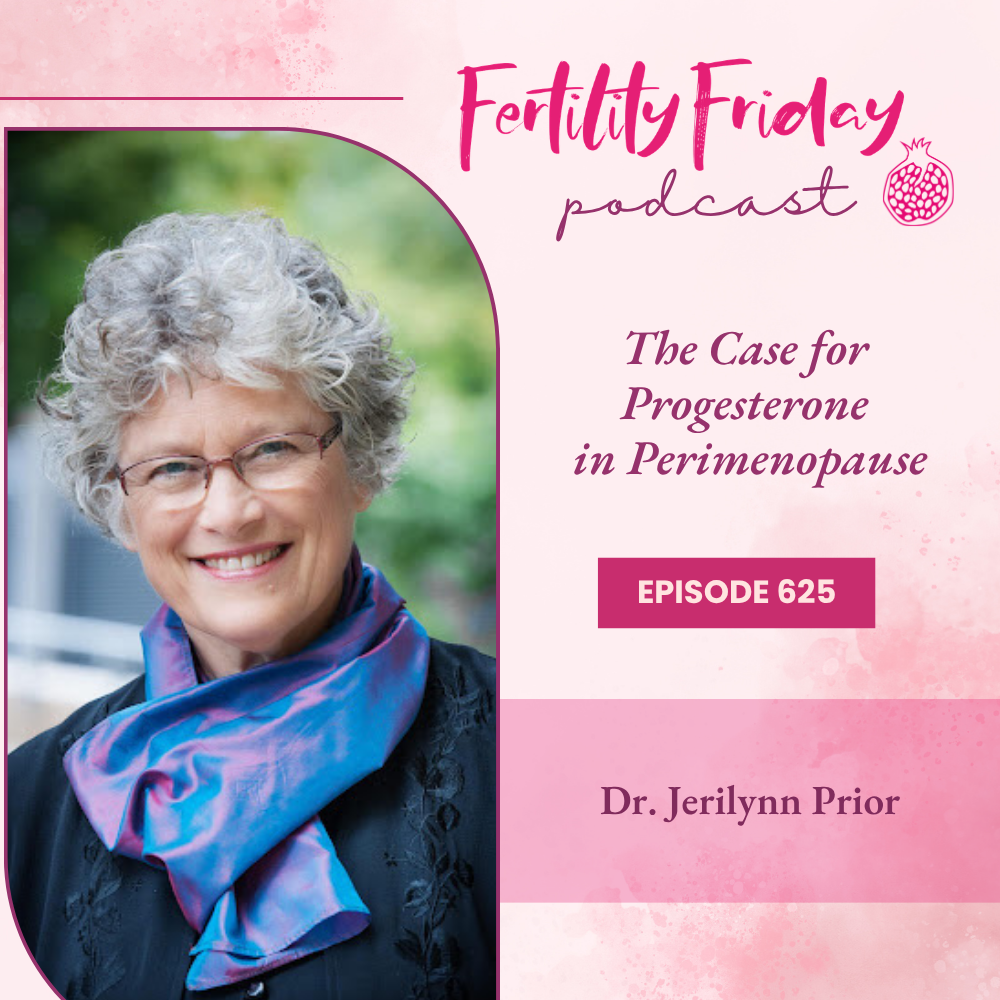
In this episode, Lisa welcomes back Dr. Jerilynn Prior, endocrinologist, UBC Professor Emerita, and founder of the Centre for Menstrual Cycle and Ovulation Research (CeMCOR), for a thought-provoking conversation that challenges mainstream narratives about perimenopause and hormone therapy. Dr. Prior shares her research-backed perspective on why perimenopause is often characterized by erratically high estrogen rather than low estrogen, and how this physiological reality reshapes the conversation around symptoms like night sweats, sleep disturbances, heavy flow, and sore breasts. She discusses her randomized controlled trial demonstrating that progesterone is effective for night sweats and sleep in perimenopausal women, and explains...
Is Hospital Birth Really Safer? | Dr. Stuart Fischbein, MD

In this episode, Lisa sits down with Stuart James Fischbein, MD — obstetrician, homebirth physician, and host of the Birthing Instincts Podcast — to examine one of the most consequential questions in modern maternity care: is hospital birth actually safer? Dr. Fischbein draws on more than 40 years of obstetric experience to trace how the medical model came to frame pregnancy as a high-risk condition requiring active management, and how that framing has shaped the interventions women encounter today. The conversation explores the steep rise in cesarean section rates, induction rates, and NICU admissions since the 1970s — alongside the sobering reality that matern...
Cycle Charting as Primary Care: A Midwife's Perspective | FAMM Practitioner Series | Harriet Thorn

In Episode 623 of the Fertility Friday Podcast, Lisa sits down with Harriet Thorn, a Switzerland-based midwife and recent graduate of the Fertility Awareness Mastery Mentorship (FAMM) program, for a wide-ranging conversation about cycle charting in midwifery practice. Harriet shares her personal journey from biotechnology PhD to midwife — including her own experience navigating heavy and painful periods, hormonal contraception, and eventually discovering fertility awareness charting as a tool for both personal and professional use. The conversation explores why midwives, despite being primary caregivers for women across the full reproductive lifespan, receive minimal training in fertility awareness — and how the FAMM cert...
Healing Your Cycle From the Inside Out with | FAMM Practitioner Series | Carol da Selva

In this episode of the Fertility Friday Podcast, Lisa sits down with Carol da Selva — founder of Sacred Womb Rites and a practitioner completing her Fertility Awareness Mastery Mentorship (FAMM) certification — for a candid conversation about spiritual approaches to menstrual cycle health and where they intersect with evidence-based practice. Carol shares her personal journey with irregular cycles, painful periods, and the role that ancestral and spiritual practices played in her early healing path, alongside the limitations she encountered when those approaches alone were not enough. Together, Lisa and Carol explore why grounding spiritual and intuitive frameworks in peer-reviewed research may...
30+ Years: Taking Charge of Your Fertility with Toni Weschler
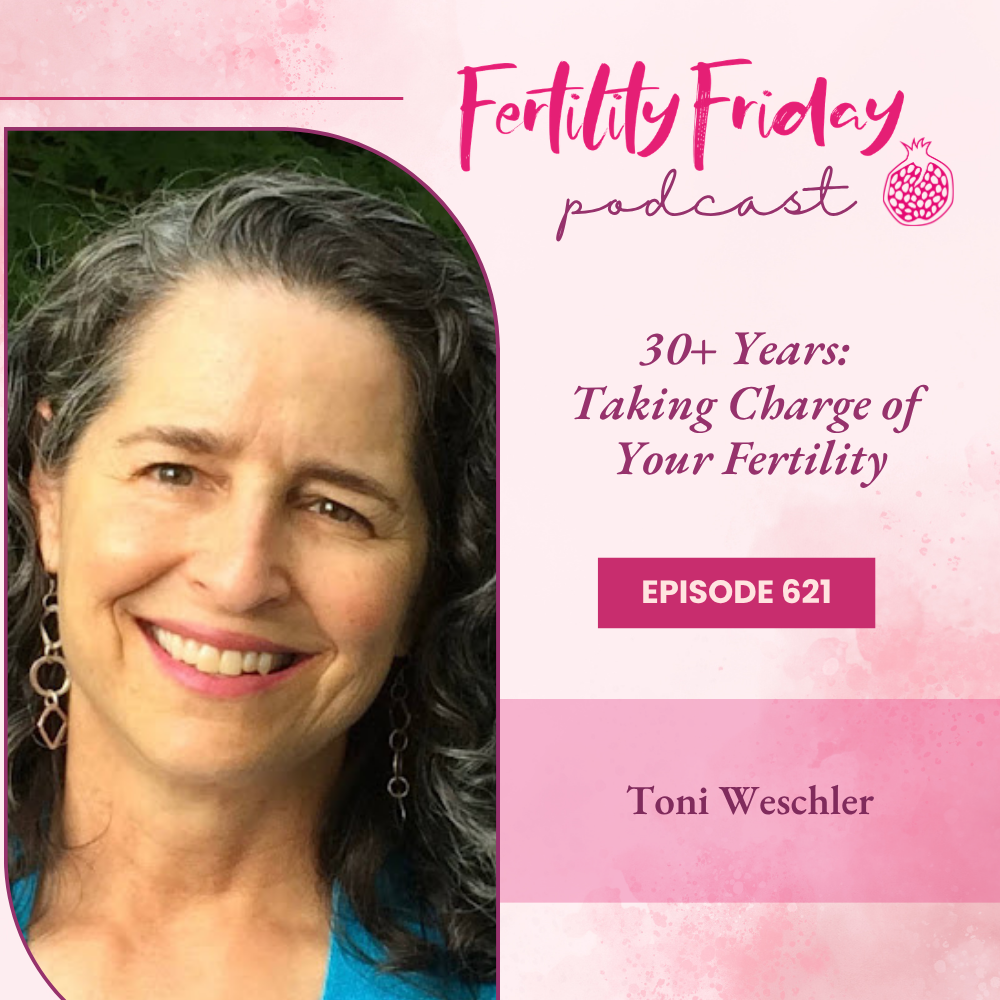
In this episode of the Fertility Friday Podcast, Lisa welcomes back Toni Weschler, MPH, author of the landmark book Taking Charge of Your Fertility, along with Toni's niece Sabrina Nowicki, co-creator and product lead of the Cyclisity app. Toni shares the behind-the-scenes story of how Taking Charge of Your Fertility came to be — from a humbling experience at a women's health clinic in the late 1980s to a bidding war among major publishers — and reflects on what has changed in the field of fertility awareness over the past 30-plus years. Sabrina walks listeners through the vision behind Cyclisity, explaining how...
Is It Really Your Eggs? Rethinking Unexplained Infertility with Aimee Raupp

In this episode of the Fertility Friday Podcast, Lisa welcomes back Aimee Raupp, MS, LAc, to celebrate the newly updated and expanded edition of Yes, You Can Get Pregnant — and the conversation covers far more than a book launch. Lisa and Aimee explore why a diagnosis of unexplained infertility should be a starting point for deeper investigation, not a final answer, and discuss the four core factors every practitioner and client should be considering: egg quality, sperm health, the uterine environment, and immune function.
Follow this link to view the full show notes page!
This epi...
New Research: Does Omega 3 Improve Your Chances of Getting Pregnant?

In Episode 619, Lisa dives into a compelling meta-analysis examining the effect of omega-3 supplements and dietary intake on fertility outcomes in women. For practitioners supporting clients in the preconception window, this episode offers a clinically grounded look at where omega-3 supplements and fertility intersect in the current evidence base.
Follow this link to view the full show notes page!
This episode is sponsored by Lisa's new book Real Food for Fertility, co-authored with Lily Nichols! Grab your copy here!
Would you prefer to listen to the audiobook version of Real Food for Fertility i...
Is Sperm DNA Damage the Missing Piece in Early Pregnancy Loss?

Miscarriage affects somewhere between 10 to 15 out of every 100 pregnancies, yet the male contribution to early pregnancy loss is rarely part of the clinical conversation. In this episode of the Fertility Friday Podcast, Lisa breaks down a 2021 study examining sperm DNA fragmentation as a biomarker for miscarriage — and what the findings may mean for practitioners supporting couples through fertility challenges.
Follow this link to view the full show notes page!
This episode is sponsored by Lisa's new book Real Food for Fertility, co-authored with Lily Nichols! Grab your copy here!
Would you prefer to list...
Is Sperm Quality A Vital Sign For Men?

In this episode, Lisa explores a landmark Danish study — the largest of its kind — examining the relationship between sperm quality and life expectancy in nearly 80,000 men followed for up to 50 years. The headline finding: men with the highest total motile sperm counts lived an average of 2.7 years longer than men with the lowest counts, and this association held consistently across multiple semen parameters, including sperm concentration, semen volume, and total sperm count. Lisa walks through her five key takeaways from the research, including how pre-existing illness did not account for the association and why men with azoospermia fell into a di...
Is Your Menstrual Cycle Making Your ADHD Worse?
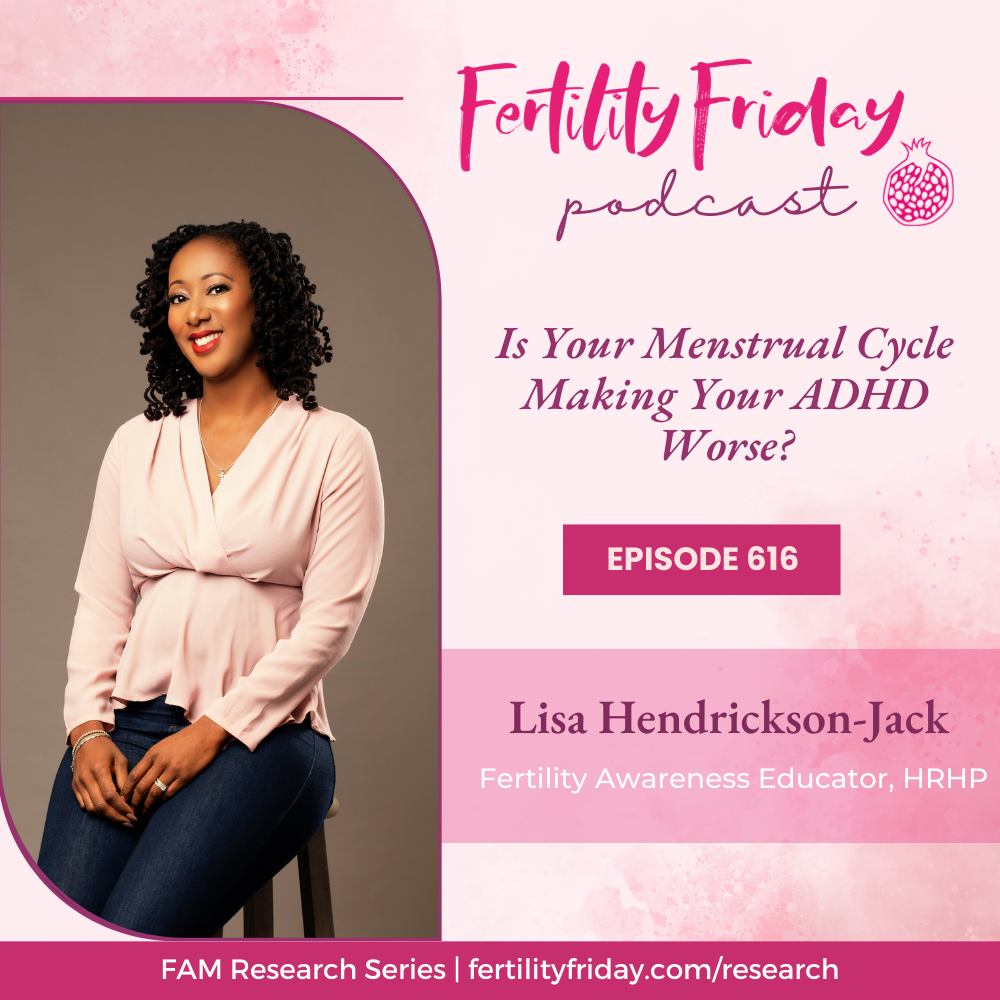
In this episode of the FAMM Research Series, Lisa examines peer-reviewed research on the relationship between ADHD symptoms and the menstrual cycle, exploring how reproductive hormones may influence symptom variability in women. The episode draws on a study titled "Reproductive Steroids and ADHD Symptoms Across the Menstrual Cycle," which tracked salivary hormone levels and self-reported ADHD symptoms throughout participants' cycles. Lisa discusses key findings suggesting that the luteal phase — when progesterone is elevated and estrogen is comparatively lower — may be associated with a higher presentation of ADHD-related symptoms in women. She also highlights a secondary study on misdiagnosis, examining the...
Fertility-Preserving Surgery for Endometriosis and PCOS | Dr. Kyle Beiter

Lisa Hendrickson-Jack speaks with Dr. Kyle Beiter, MD, a board-certified obstetrician-gynecologist and trained NaproTechnology surgeon. Dr. Beiter walks through the foundational principles of NaproTechnology surgical care, which prioritizes reconstructing and preserving reproductive tissues rather than suppressing symptoms through hormonal intervention. The conversation explores the clinical considerations involved in evaluating fibroids, endometriosis, and PCOS for surgical management, including a detailed discussion of laparoscopic myomectomy, endometriosis excision, and ovarian wedge resection.
Follow this link to view the full show notes page!
This episode is sponsored by Lisa's new book Real Food for Fertility, co-authored with Lily Nichols...
How to Choose the Right Endometriosis Surgeon | Dr. Ken Sinervo
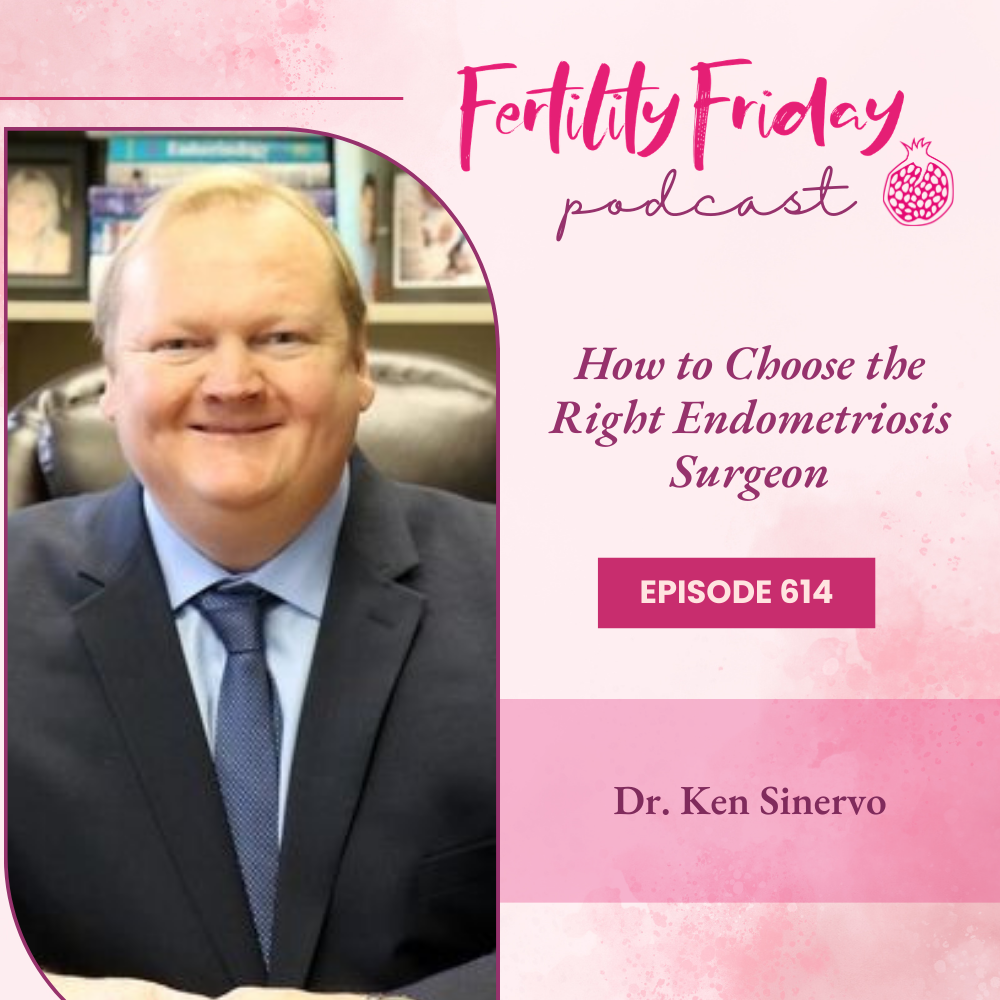
In this episode, Dr. Ken Sinervo of the Center for Endometriosis Care joins Lisa to discuss what patients need to know before pursuing endometriosis surgery. They explore the difference between diagnostic and excision-based procedures, what sets expert laparoscopic surgeons apart, and how to recognize red flags during the consultation process. Dr. Sinervo also shares insights on misdiagnosis, surgical outcomes, and why early intervention is essential for quality of life. This conversation offers practical guidance for anyone navigating endometriosis treatment options.
Follow this link to view the full show notes page!
This episode is sponsored by...
