Cold War Conversations

"Listening to even one episode of "Cold War Conversations" will make this sprawling, potentially intimidating period of history feel vivid and compelling." The New York Times Experience the Cold War like never before with Cold War Conversations — an award-winning podcast. Each week, host Ian Sanders brings you raw, firsthand accounts from the people who lived through one of history’s most tense and transformative eras — soldiers, spies, civilians, and more. These aren’t stories from textbooks. They’re unfiltered voices from the frontlines of history — emotional, gripping, and deeply human. This is Cold War history, told from the inside out.
Hungary 1956: Twelve Days That Shook the Soviet Empire

At 5:20 on the morning of 4 November 1956, Hungarian Prime Minister Imre Nagy went on the radio with a desperate announcement: Soviet forces were attacking Budapest. Within hours, tanks and artillery would crush one of the most dramatic uprisings of the Cold War.
But how had a student demonstration just twelve days earlier grown into a national revolution that brought Hungary’s Stalinist regime to the brink of collapse?
In this episode, we follow the extraordinary story of the Hungarian Revolution of 1956: from political terror and secret police repression to the de...
What did Jacqueline Kennedy privately believe about the JFK Assassination?

What did Jacqueline Kennedy privately believe happened in Dallas on 22 November 1963?
In the second part of Peter Lamas’s extraordinary story, he recalls the trust he developed with the former First Lady while working as her personal hairstylist.
During preparations for an event marking the twenty-fifth anniversary of President John F. Kennedy’s assassination, Peter says Jackie spoke candidly about the shooting, her desperate movements across the presidential limousine and her fear that she might be killed next.
She also shared her doubts about the...
My Cuba Encounters with Hemingway, Batista, Che Guevara and Fidel Castro

What happens when a Cuban teenager who has lost his homeland finds himself sitting across the lunch table from Fidel Castro?
Peter Lamas recalls an extraordinary childhood in pre-revolutionary Havana and a life touched by history. He describes meeting Ernest Hemingway, Cuban dictator Fulgencio Batista, Che Guevara and Fidel Castro.
Political upheaval forced his family to flee Cuba, leaving everything behind. Beginning again in New York with little money and no English, Peter found kindness in unexpected places—before a remarkable invitation brought him face-to-face with Castro, the man he...
From Mao's Red Guard to conscription into the Chinese People's Liberation Army

At twelve years old, Bing became a Red Guard—and for a few intoxicating months, he felt invincible.
Growing up in Mao’s Beijing, Bing was taught to worship Chairman Mao, recite the Little Red Book and attack the old order. But the Cultural Revolution soon turned against his own family.
His parents were condemned & sent to labour in the countryside, his grandmother was driven from Beijing, and Bing was left to care for his nine-year-old sister after she suffered a devastating injury during a Red Guard raid.
The Birth of Poland's Free Trade Union Solidarity
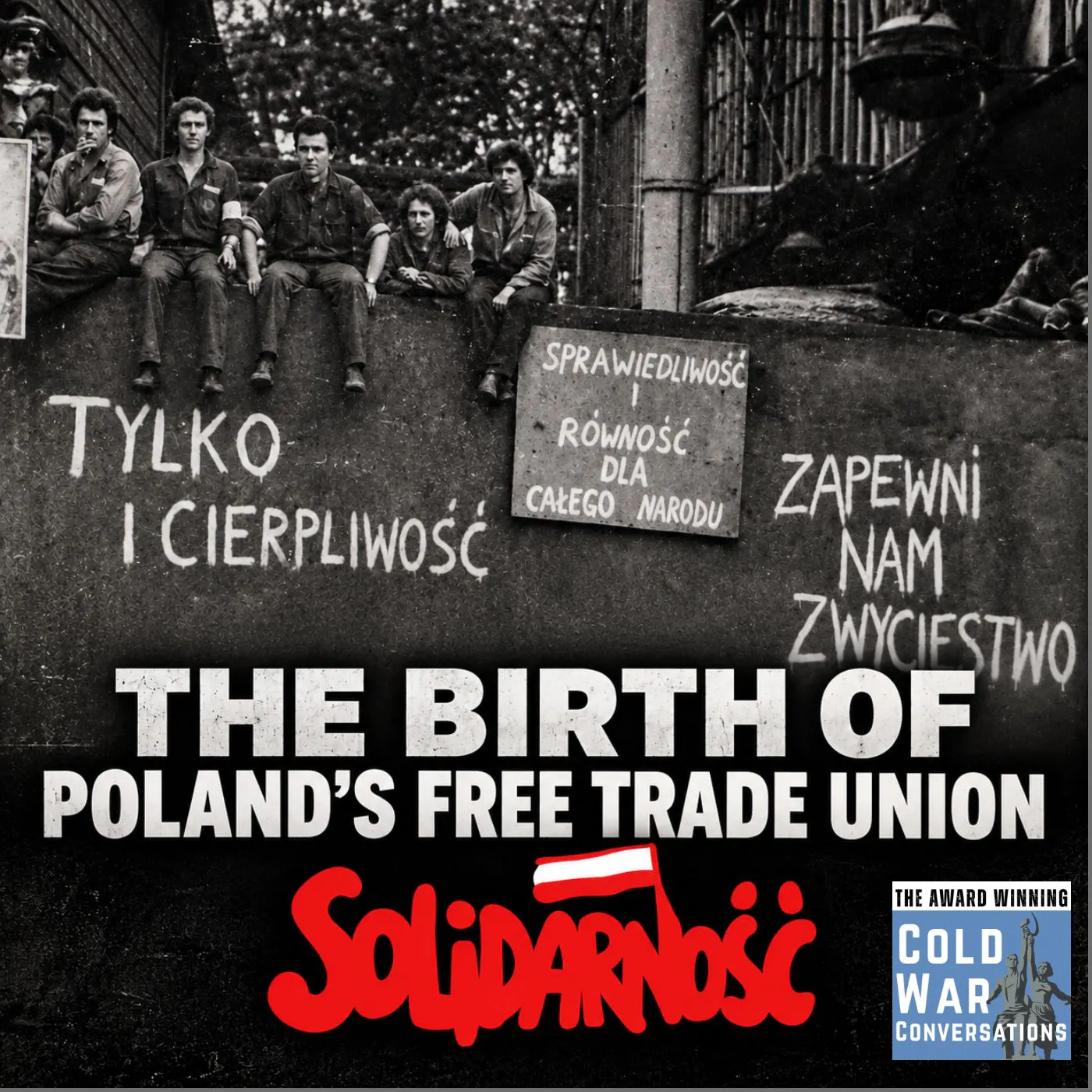
One morning in August 1980, the noise of 10,000 shipyard workers suddenly stopped. Something extraordinary was happening.
As a young shipbuilding student, Bogdan finds himself inside Gdańsk’s Lenin Shipyard as workers down tools and the movement that will become Solidarity begins to take shape. What follows is a remarkable journey through the final decade of communist Poland.
Bogdan recalls student occupation strikes, the shock of martial law, encounters with riot police, and his unconventional escape from military conscription by becoming a teacher. He describes his first intoxicating glimpse of the...
Growing Up Under Communism on Cold War Poland’s Baltic Coast

Bogdan was born just a month before the Berlin Wall went up—and left communist Poland a month before it came down. In between lay a childhood shaped by shortages, censorship, compulsory conformity and a growing determination to escape.
Raised in Słupsk, a formerly German city near the Baltic coast, Bogdan remembers crowded post-war housing, Saturday school, packed Catholic churches and a world where bananas, meat and even bicycles depended on contacts and barter. His family carried deeper scars: wartime forced labour, a father shot while fleeing captivity, and an uncle whose unexpected ret...
If the Soviets Invaded : Sweden's Secret Underground Resistance Plan

For decades, ordinary Swedes secretly prepared for the day Soviet forces might occupy their country. Farmers, factory workers, gamekeepers and travelling salesmen were recruited into a clandestine resistance network, trained to operate radios, use dead drops, scout escape routes and, if necessary, sabotage an invading army.
Historian Johan Wennström joins me to reveal the extraordinary story behind Sweden’s Stay Behind organisation. He explains why officially neutral Sweden quietly collaborated with MI6, the CIA and NATO, how the organisation preserved its secrecy, and why the royal family and government might have fled to Britain. We hear of...
Bandit Country - The IRA and South Armagh
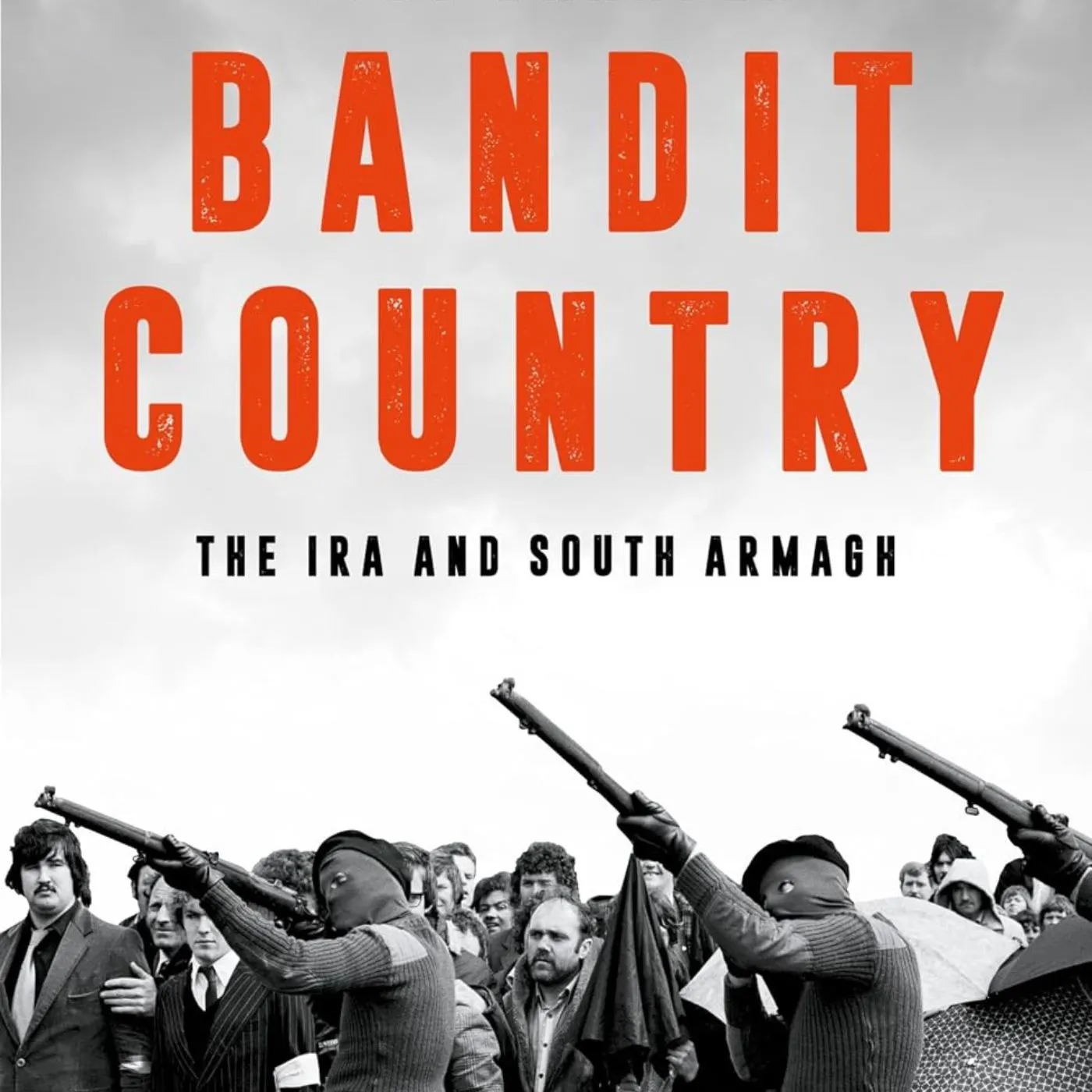
During the Cold War, British soldiers fought a Provisional IRA insurgency in Northern Ireland. Probably the toughest location was South Armagh, where they had to travel by helicopter, while watchtowers scanned the fields, and an IRA sniper could strike without warning.
In this episode, journalist and Royal Navy officer Toby Harnden takes us inside his book “Bandit Country”, which describes the borderland of South Armagh where the Provisional IRA fought one of its most formidable campaigns.
Harnden recalls arriving during the uneasy peace of 1996, meeting IRA members and security personnel, and learning how family ties, loca...
A Czech Border Guard’s Daring Escape to the West

What happens when the man guarding the Iron Curtain decides to escape through it himself?
In 1975, Jiří Barteček was a Czechoslovak border guard, trained to track fugitives with a German shepherd and ordered to stop anyone attempting to reach Austria. Yet Jiří had no intention of defending the communist system. Haunted by the Soviet-led invasion of 1968 and determined never to shoot an innocent person, he secretly studied the border’s weaknesses and planned an audacious escape.
One night, accompanied by two friends and carrying his AK-47, he disabled the ala...
Twenty-Six Years Apart: A Family Reunited Behind the Iron Curtain

For twenty-six years, war, exile and the Iron Curtain kept one Polish family apart. Torn from his homeland and sent into Stalin’s labour camp system, Aleksander Jablonski survived hunger, forced labour and a wartime journey through Russia, Iran and Italy before fighting at Monte Cassino.
When the war ended, returning to communist Poland was impossible. He built a new life in Britain, but the family he had left behind remained painfully out of reach. Then, after more than a quarter of a century, came the chance to cross back behind the Iron Curtain.
...Announcing Cold War Conversations History Tours
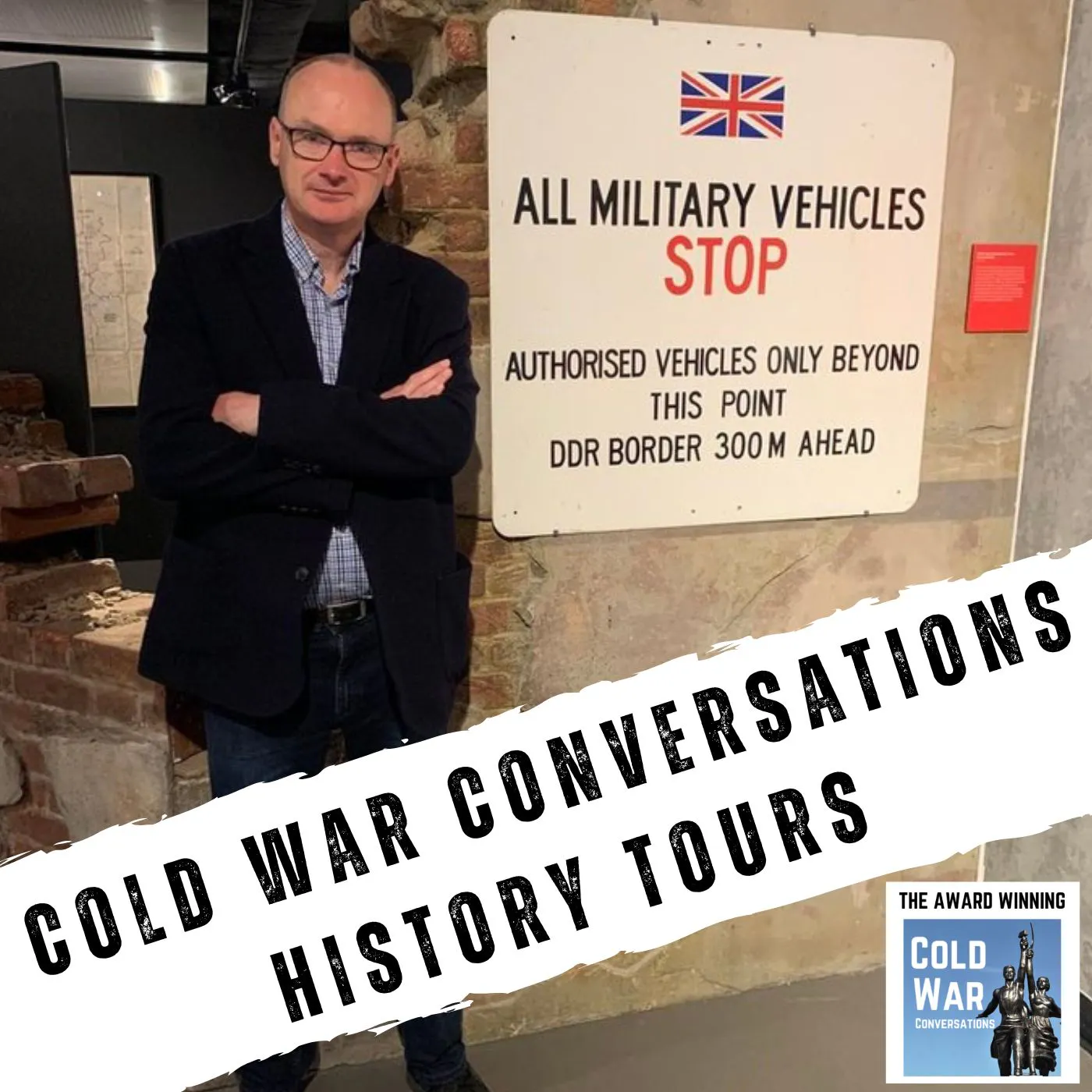
I’m delighted to tell you about Cold War Conversations History Tours
I'm exploring the idea of hosting a Cold War history tour via a specialist tour company, and I'd like your help working out what it should be.
There are several directions it could take, and your answers will shape the plan. There’s a short survey which should take about 5 minutes.
Here's the link https://survey.chasehistorytours.com/coldwar
As a thank you, those who complete the survey will be eligible for a discount if a tour is ann...
Between Two Air Forces: From East German Officer to German Captain
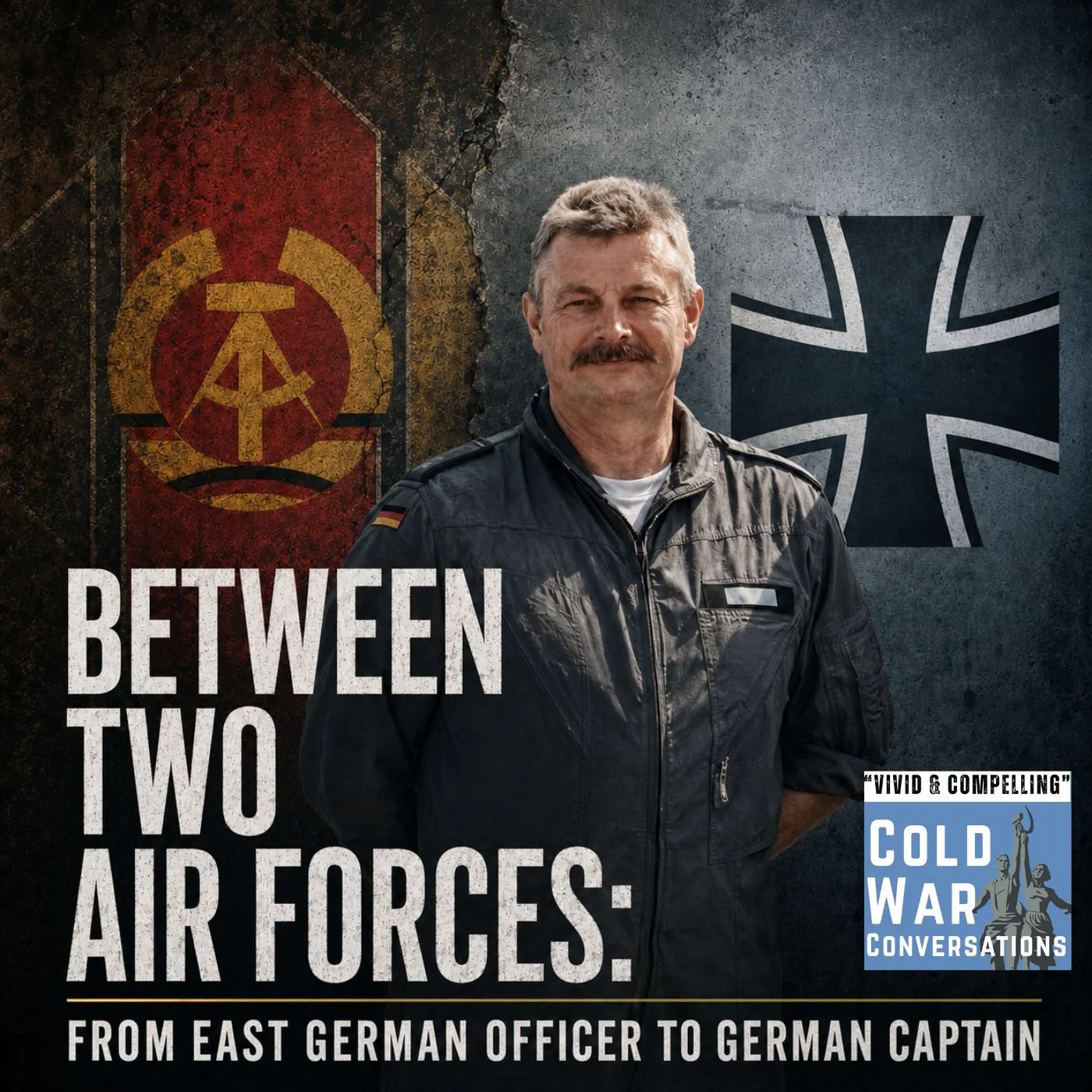
After German reunification, former East German Air Force officer Roland faced an extraordinary transformation: joining the military alliance he had once been trained to fight.
Roland recounts his difficult passage from the East German military into the Bundeswehr. His experience, qualifications and years of service suddenly counted for less.
Having been a member of the Communist Party, he endured intensive screening, as well as a reduction in rank, lower pay than western colleagues and long separations from his family. Some new comrades welcomed him; others regarded him with suspicion...
MiGs, Helicopters and Ideology: Life as an East German Air Force Officer

What did it mean to train as an officer in the East German Air Force, where technical skill, military discipline and socialist ideology were inseparable?
Roland recalls his journey into the air arm of the Nationale Volksarmee, from dreams of flying MiG fighters to the demanding realities of officer training and service with Mi-8 helicopters. He describes the long days, intensive political instruction and constant expectation that war with NATO could erupt at any moment.
Behind the impressive aircraft and tightly controlled military routines lay a system shaped by...
Growing Up Grey: Childhood in Cold War Romania

Romania in the 1980s was a country of empty shops, power cuts, rationing and fear—but for one little girl it was also home. In this episode, author Oana Aristide shares the remarkable childhood experiences that inspired her novel Astronaut.
From writing an anti-Ceaușescu protest demanding more cartoons to surviving freezing winters, queuing for food and learning not to trust the wrong people, her memories bring Cold War Romania vividly to life.
Oana explains how children experienced dictatorship differently from adults, revealing a world where imagination flourished despite rep...
Defection, Spies and the Shadow of Georgi Markov

In 1986, Oggy Boytchev made a split-second decision that would change his life forever. Sent to Egypt by a Bulgarian shipping company, he seized an unexpected opportunity to escape communist Bulgaria, boarding a flight to London and claiming political asylum at Heathrow.
In this 2nd episode with Oggy, he recounts details of his extraordinary escape to becoming a broadcaster with the BBC World Service. He describes the emotional impact of leaving his family behind, the pride his father felt hearing his son’s voice broadcasting back into Bulgaria, and the dramatic events that followed the co...
My Father The Enemy of the People: A Bulgarian Family’s Cold War Story
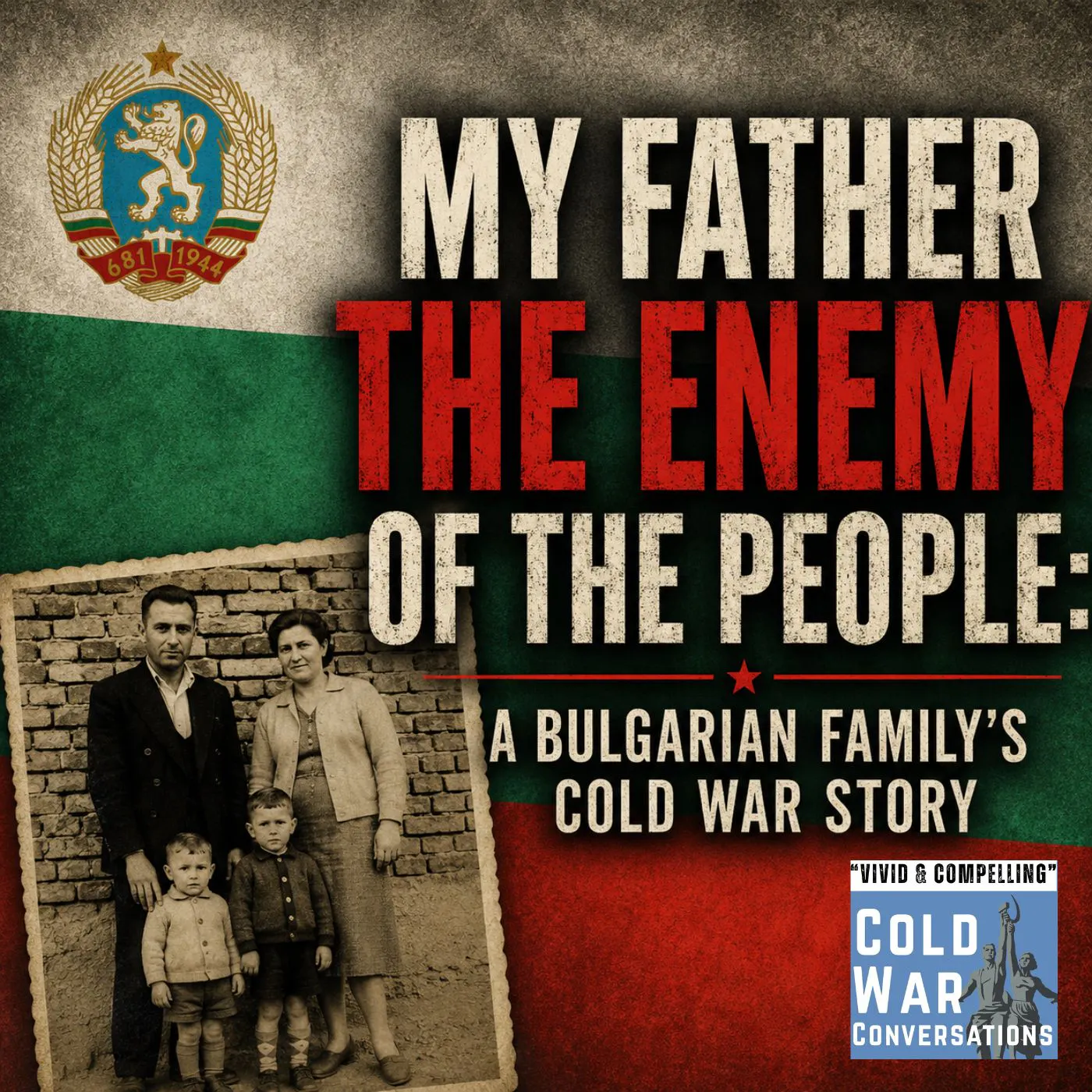
Oggy Boytchev is a former BBC journalist with more than three decades of experience reporting from conflict zones across the Middle East, the Balkans and the former Soviet Union.
Born in 1955, Oggy grew up under the shadow of a family secret. His father had been branded an “enemy of the people” and interned without trial in a remote Bulgarian town, where he spent years under police supervision and forced labour. Even after his release, the family lived under the constant fear of surveillance, informers and political persecution.
From secretly listening to the BBC...
Face to Face with War Criminals

Richard Lyntton’s life has taken him from Cold War Moscow to the deserts of the Gulf War and the shattered streets of Sarajevo.
In this powerful episode, he recalls studying in the Soviet Union during the hopeful Gorbachev years, travelling across Russia by train, and later serving as a tank commander during the First Gulf War.
At the heart of this conversation is Bosnia, where Richard witnessed the siege of Sarajevo, came face to face with Bosnian Serb war criminal Radovan Karadžić, and narrowly escaped trouble after secretly filming General Ratko Mladić.
Ric...
Inside a USAF Cold War Fighter Squdron

Step behind the wire of one of NATO’s most elite tactical fighter squadrons—the 10th Tactical Fighter Squadron—during the tense final years of the Cold War and into Operation Desert Storm.
Former US Air Force officer Michael Makatura’s new book, The Fightin’ Tenth, takes you inside the hardened aircraft shelters of Hahn Air Base and witness life on the front lines of the Cold War. From the heart of West Germany to the skies above Iraq, this gripping episode captures what it means to stand ready for war at a moment’s notice, fly the iconic F...
The Cambridge Five - new files reveal untold stories
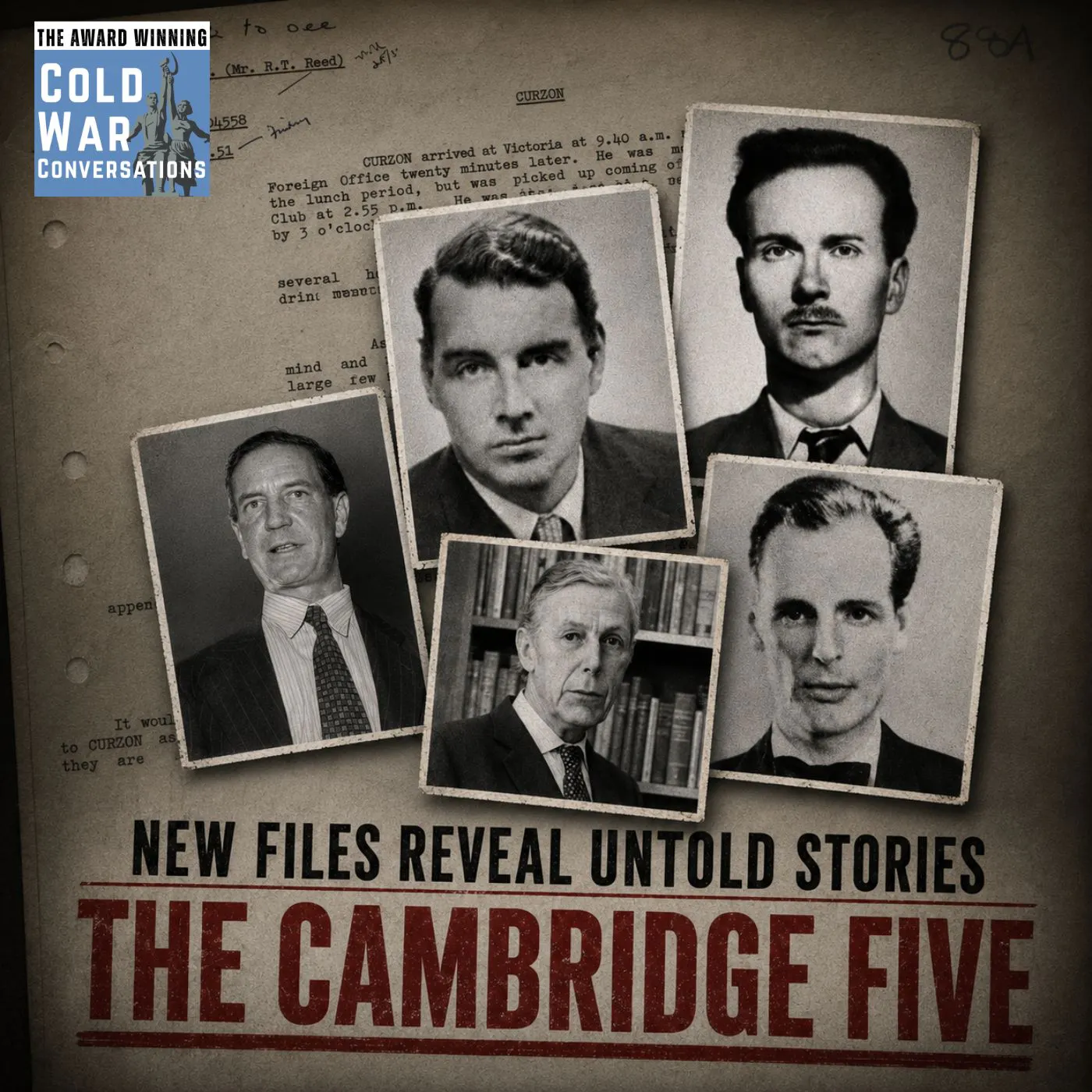
Antonia Senior’s new book, "Stalin’s Apostles", challenges what you may have believed about the Cambridge Five, a group of British citizens who spied for the Soviet Union.
Antonia argues that their actions during the Cold War have long been romanticised in popular culture., however, the reality is far more complex and tragic.
Kim Philby, Donald Maclean, Guy Burgess, Anthony Blunt, and John Cairncross, were not merely glamorous rogues; their espionage activities had dire consequences for countless individuals in Eastern and Central Europe.
Antonia challenges the traditional narrative that often portrays them as v...
Malta & West Germany - Memories of an RAF Childhood Abroad

Mark Thompson shares his captivating journey as the child of Royal Air Force personnel during the Cold War. From the moment his parents met in Singapore to their adventures across various military bases, Mark's stories are filled with nostalgia and insight.
Mark's father, a skilled electrician, joined the Royal Air Force and was posted to different locations, including Malta and Germany. His childhood memories revolve around the vibrant life he experienced on these bases, from playing with friends to witnessing Vulcan bombers flying overhead. He recalls the joy of living in Malta, where he...
Cold War Football: A History in Ten Matches

The Cold War was a huge battle for hearts and minds — a true “people’s war.” But where did the “people’s game” fit into it?
In their new book, Cold War Football: A History in Ten Matches, Tony Shaw and Alan McDougall explore the surprising and fascinating links between football and the global struggle between capitalism and communism. From East Germany’s famous victory over West Germany at the 1974 World Cup to North Korea’s remarkable run in 1966, they show how football became much more than a game.
Tony and Alan reve...
CIA and MI6 Covert Action in Communist Albania at the Dawn of the Cold War
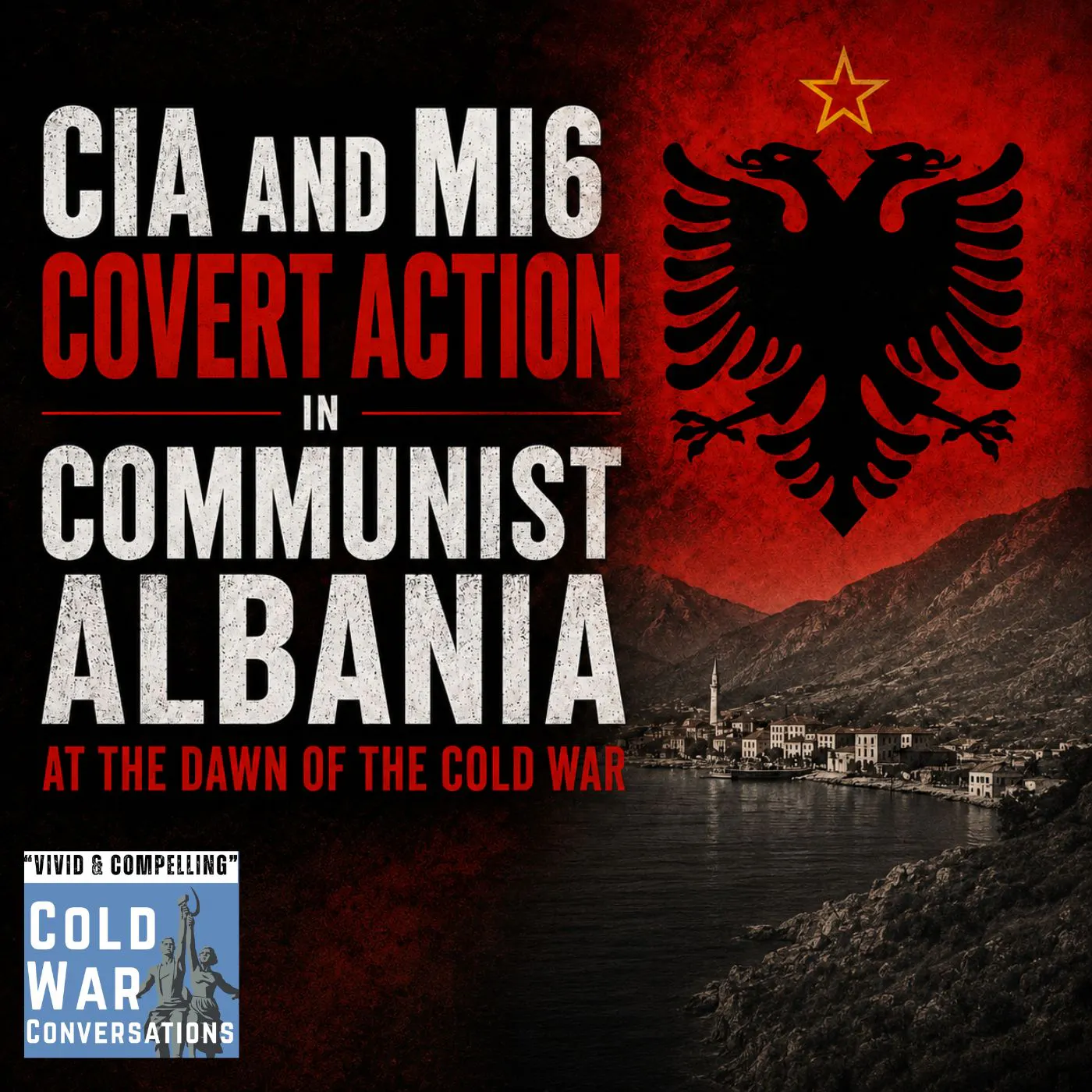
In June 1949, the US and British governments secretly agreed to mount a joint covert action operation to overthrow the communist government in Albania. The top-secret plan would use exiled dissidents to conduct subversive intelligence, paramilitary and propaganda operations to foment an uprising against Albania's authoritarian ruler Enver Hoxha.
I speak with Stephen Long, the author of A Rich Harvest of Bitter Fruit: CIA and MI6 Covert Action in Communist Albania at the Dawn of the Cold War. He describes how the Albanian operation is a vital but misunderstood part of Cold War history and...
On the edge of war: A V-Force pilot during the Cuban Missile Crisis

I had the honour of speaking with Tony Dobbie, a former RAF V- Force bomber pilot who joined the RAF in 1960.
Tony shares amazing anecdotes from his training, including his experiences flying jets like the Meteor and the Vampire, and the transition to the mighty Victor bomber. He candidly discusses the realities of nuclear missions during the Cold War, revealing the tension and responsibility that came with such roles.
One of the most gripping parts of our conversation revolves around the Cuban Missile Crisis. Tony was on QRA on...
Conscripted to a West German Nuclear Missile Unit

Kris is a former conscript in the West German Bundeswehr during the Cold War. He shares his experiences from the moment he received his conscription notice at 17, ultimately joining the Luftwaffe, where he served with the Pershing nuclear missile system.
Basic training was a rite of passage filled with challenges. Kris recounts the camaraderie formed with fellow recruits and the harsh realities of military life. Still, it was during this time that he learned valuable lessons about discipline, teamwork, and resilience.
As the conversation unfolds, we explore the operational...
Fakers: A Top-Secret Tale of Phantoms and Forgeries on the Cold War Disinformation Front Line
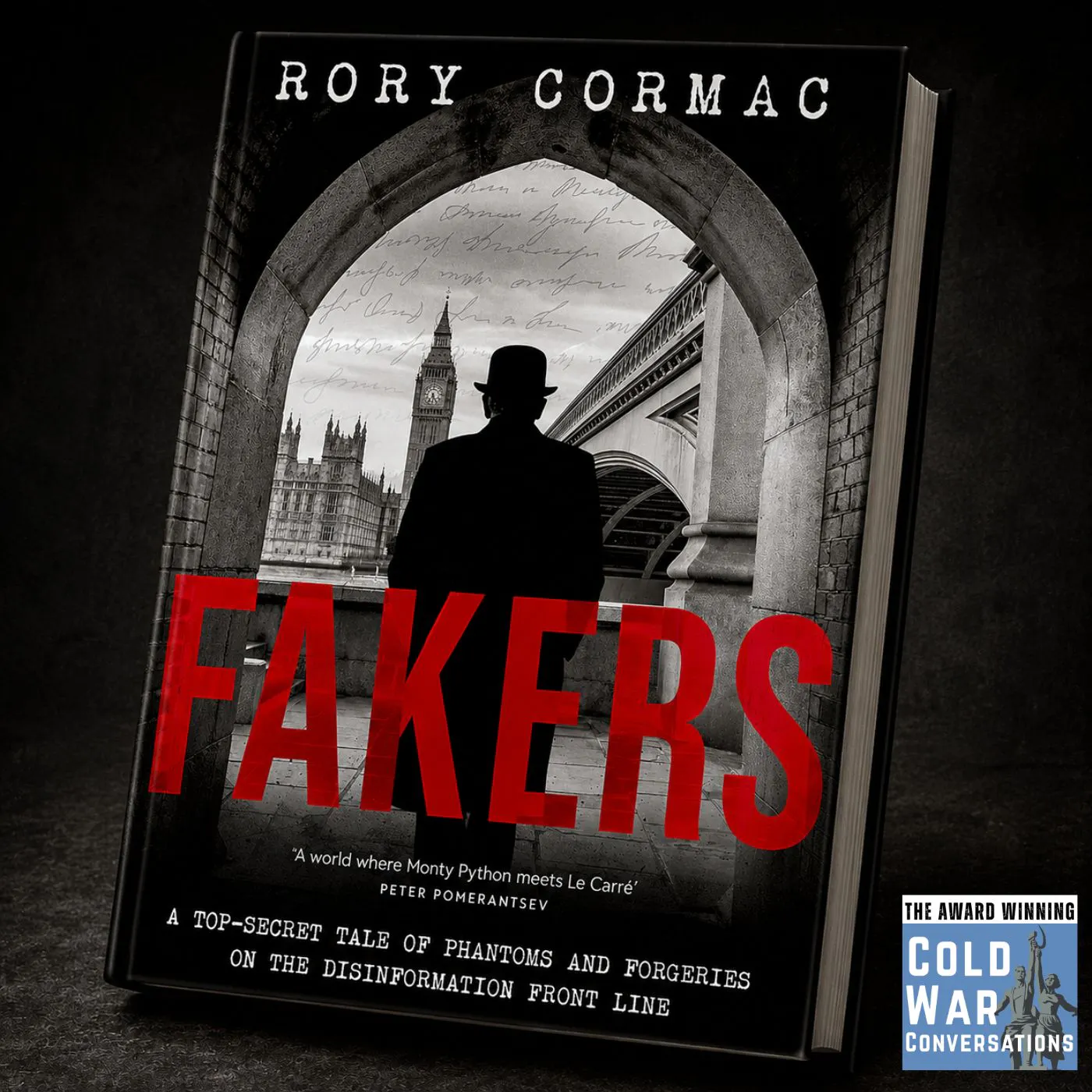
I delve into the fascinating world of Cold War propaganda with historian Rory Cormac, author of a new book “Fakers - 'A Top Secret Tale of Phantoms and Forgeries on the Disinformation Front Line'. The episode uncovers the clandestine operations carried out by the Information Research Department (IRD), a little-known unit of the British Foreign Office that specialised in covert propaganda during the Cold War.
Rory shares insights into the recent declassification of 8,000 files, which revealed the astonishing operational details of the IRD. From bizarre forgeries to the creation of phantom organisations, the episode hi...
30 Miles from the North Korean Border - A US Military Childhood
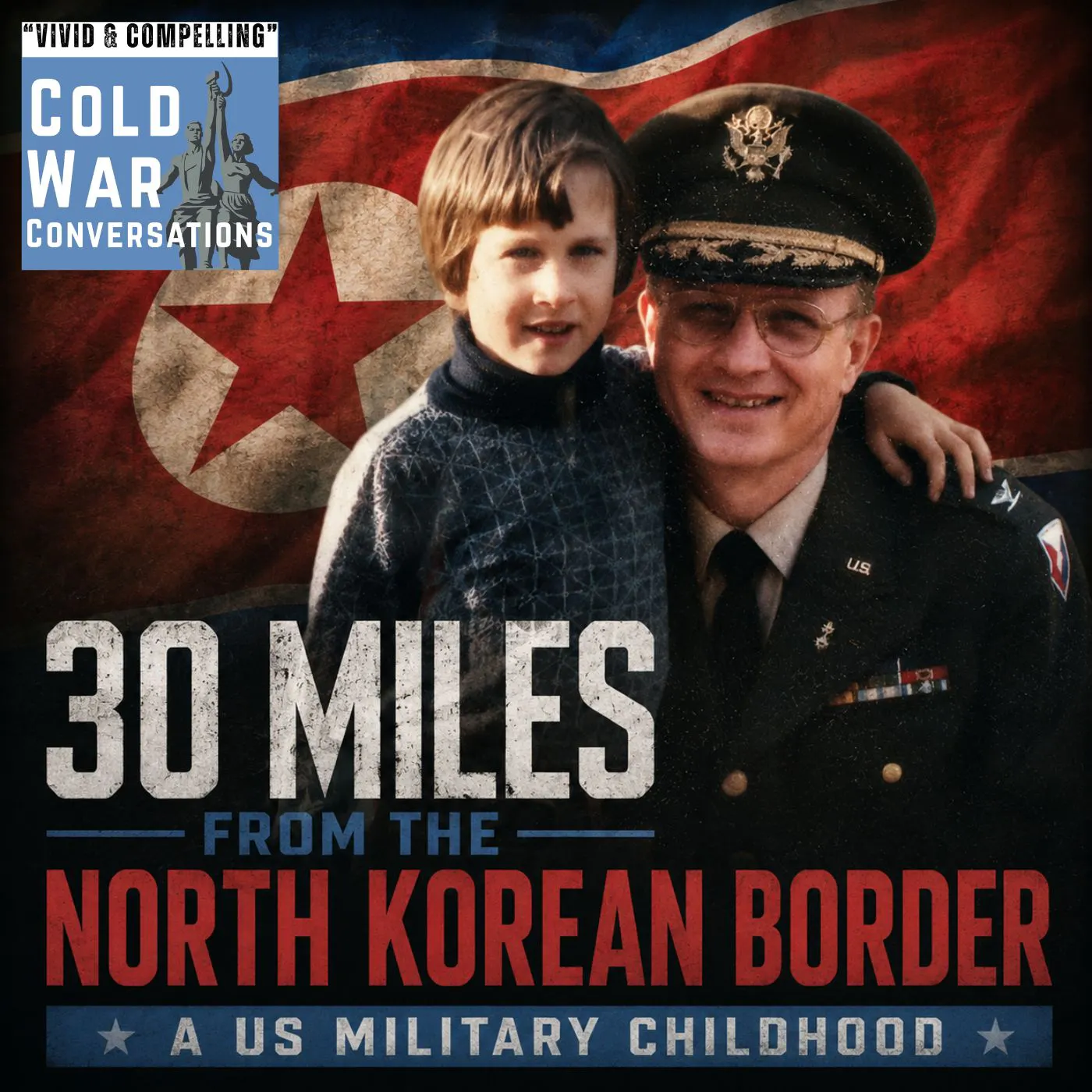
Flynn describes life as a US military child just 30 miles from the North Korean Border during the 1970s.
The political landscape of the time was tumultuous, marked by significant events such as the assassination of President Park and a number of serious border incursions and incidents. Flynn reflects on how these events affected his understanding of the world around him, even as a child. He recalls the fear instilled by air raid drills and the constant presence of military operations, which painted a stark picture of being within artillery range of North Korea.
<...The JFK Assassination: The human narratives behind one of history's most scrutinised events
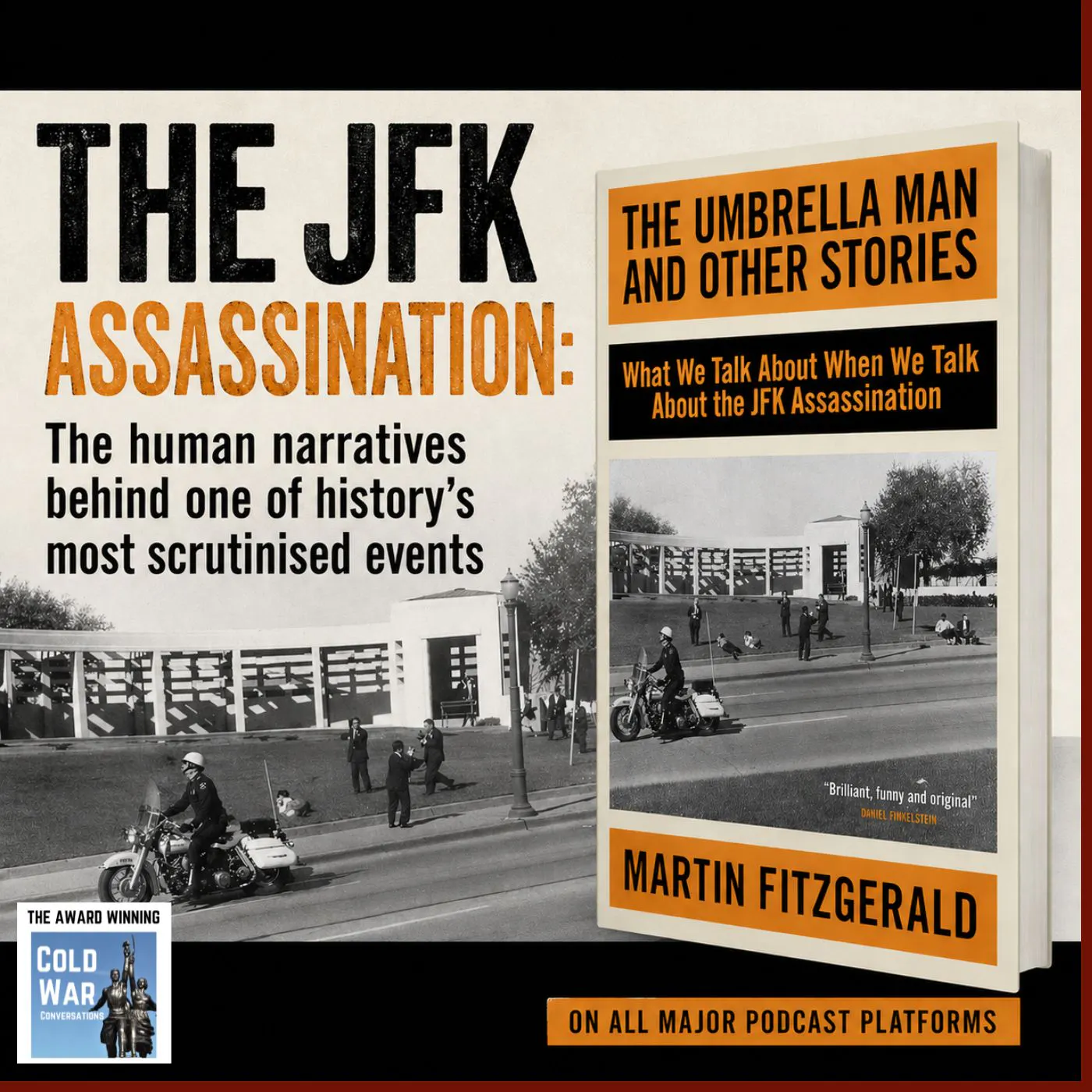
Dallas, 22 November 1963. The main event is supposed to be on the appropriately named Main Street. News footage shows office workers leaning out of windows, peering at the motorcade through a blizzard of ticker tape. On the sidewalks, the crowds are fifty deep, a wall of noise and celebration. Everyone thinks this is the place to be. Well, nearly everyone....
A few blocks away, in Dealey Plaza, the scene is different. There is no ticker tape here, and the crowds are thin. A dressmaker with vertigo films the action balanced on a concrete plinth. A man is opening...
Chernobyl: Anatomy of a Catastrophe
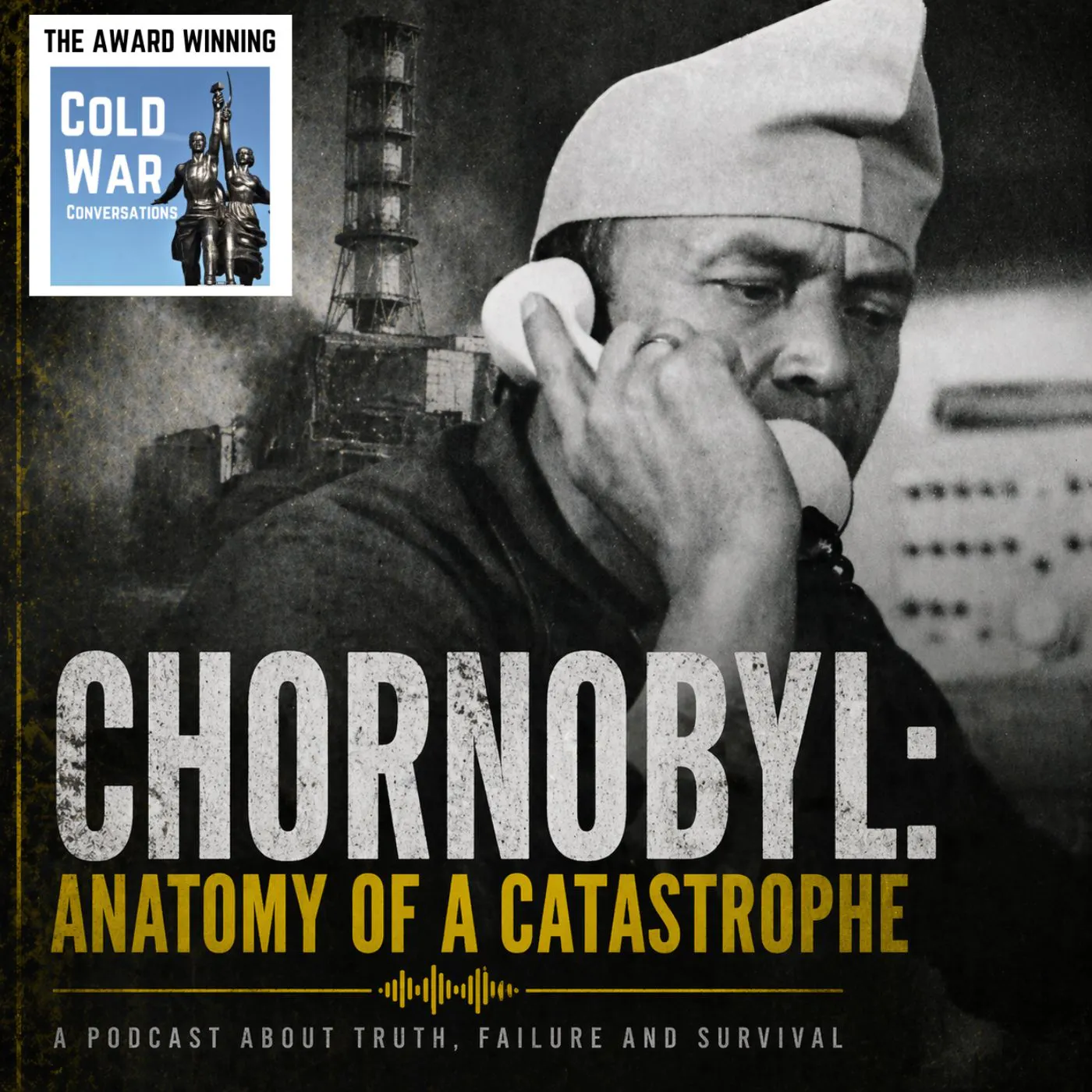
40 years ago at 1:23 a.m. on April 26, 1986, a routine safety test inside Reactor Four at the Chornobyl Nuclear Power Plant spiralled into the worst nuclear disaster in history.
This episode traces the catastrophe from the control room, where exhausted operators struggled with an unstable reactor they did not fully understand, to the streets of Pripyat, where thousands of residents woke the next morning unaware that radioactive contamination had already settled around them.
Through a dramatic, chronological account, I examine the fatal combination of human pressure, flawed reactor design, secrecy, and delayed decision-making...
From East Berlin to West Ireland
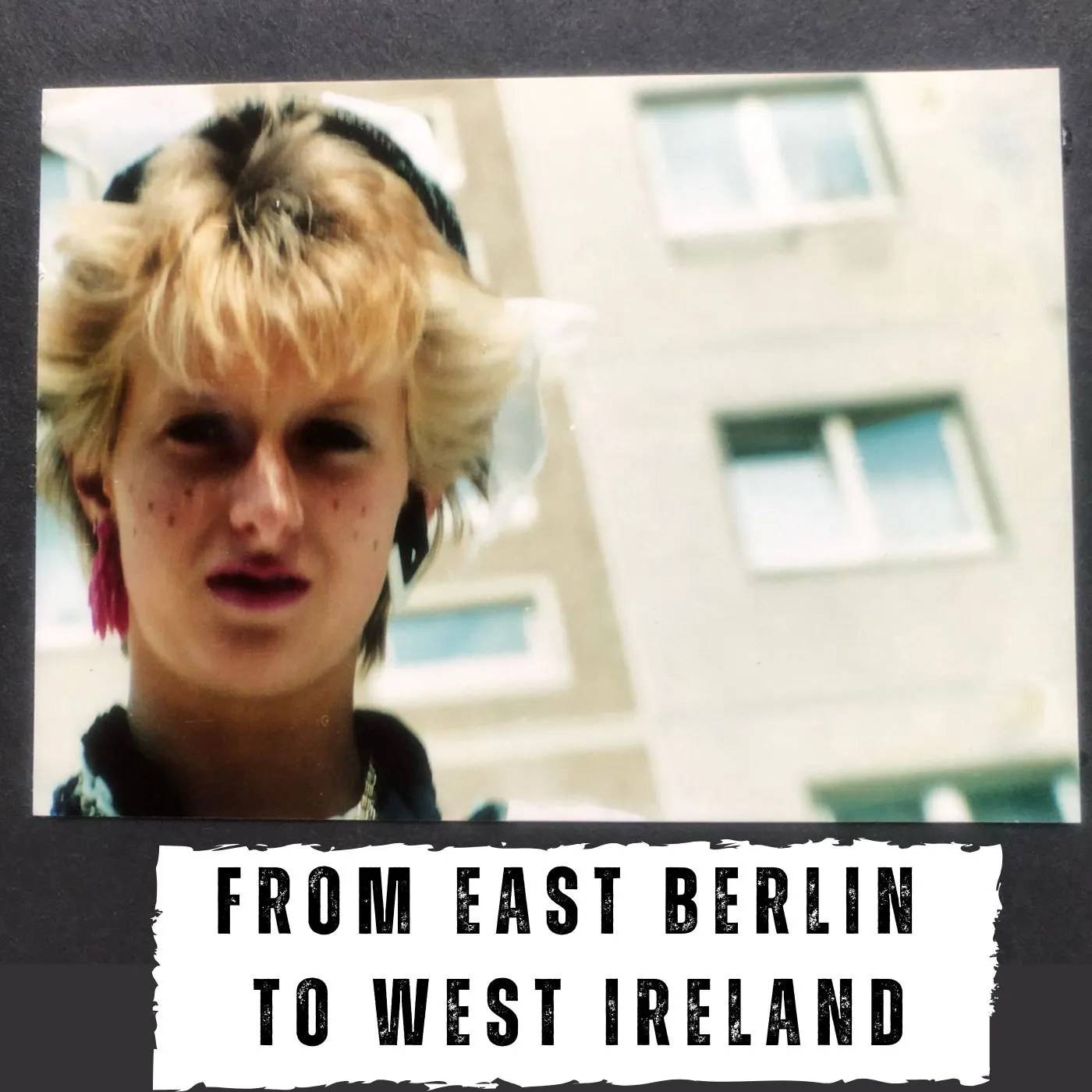
Juli begins by recounting her early years in East Berlin, a time marked by the tragic loss of her father. Drafted into the army just days before her birth, her father continually deserted to see his family, ultimately leading to his untimely death. This early loss left Juli and her mother to navigate a harsh landscape in East Germany alone.
Life in East Berlin was a world of contrasts. Juli describes the indoctrination she experienced in school, where lessons were steeped in socialist propaganda. The Berlin Wall, a symbol of division and oppression, loomed...
Guarding the Wire at Guantanamo Bay, Cuba
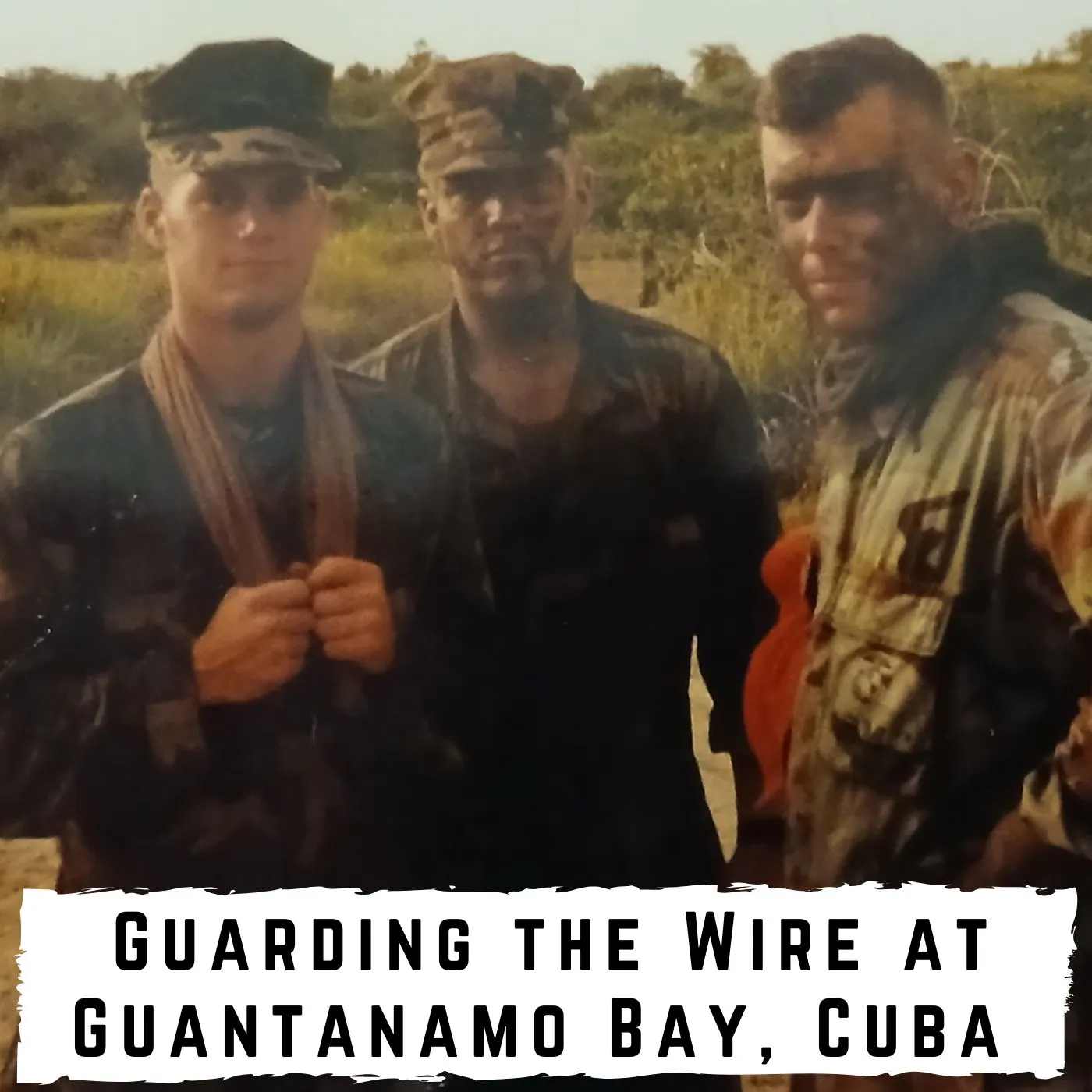
Chris was a US Marine assigned to Guantanamo Bay, Cuba, a sprawling US base on the Communist island of Cuba.
Chris describes the guard duty along the fence line, where the proximity to the Cuban border created an unusual tension. Chris also shares anecdotes of encounters with defectors and the fascinating dynamics of life on the base. From observing Cuban life across the fence to the camaraderie among Marines, his stories paint a vivid picture of military life.
Chris also touches on the challenges faced by service members, including the isolation and the impact of...
Soviet Invasion, Mujahideen Resistance: The Fight for Zhawar

In this episode, historian and writer Michael G. Stroud explores how decades of political instability drew the Soviet Union into Afghanistan in 1979—and why the intervention quickly spiralled into a protracted and unwinnable war.
From the struggle to control vast, rugged terrain to the challenge of winning support from a fiercely independent population, we examine the realities faced by Soviet and Afghan government forces.
At the centre of the discussion are the battles for Zhawar, a vast cave complex on the Afghan-Pakistan border that served as a critical Mujahideen st...
MI6 Director Looks Back at His Time in Cold War Berlin
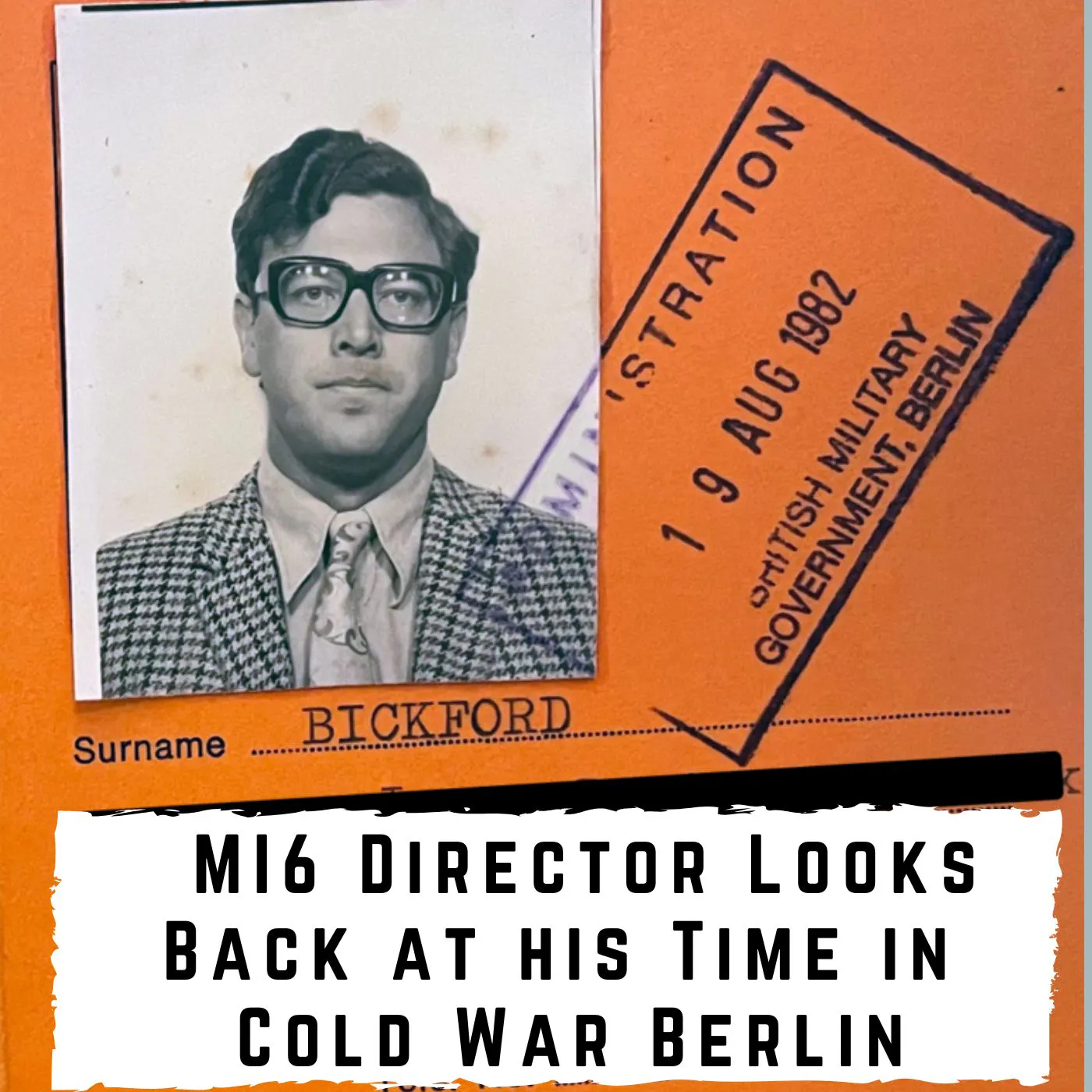
Former Legal Director MI5 & MI6, David Bickford, takes us behind the scenes of one of the most unusual and precarious postings of the Cold War. Arriving in Berlin in 1979, the city is still technically under Allied occupation—surrounded by East Germany and governed through a complex web of agreements dating back to the Second World War.
He recounts the day-to-day realities of maintaining access routes into the city, negotiating with the Soviets without the backing of force, and managing constant disputes over transport, tariffs, and air corridors. Against the backdrop of rising tensions following the Soviet invasion of...
An officer in The Internal Troops of the Soviet Ministry of Internal Affairs
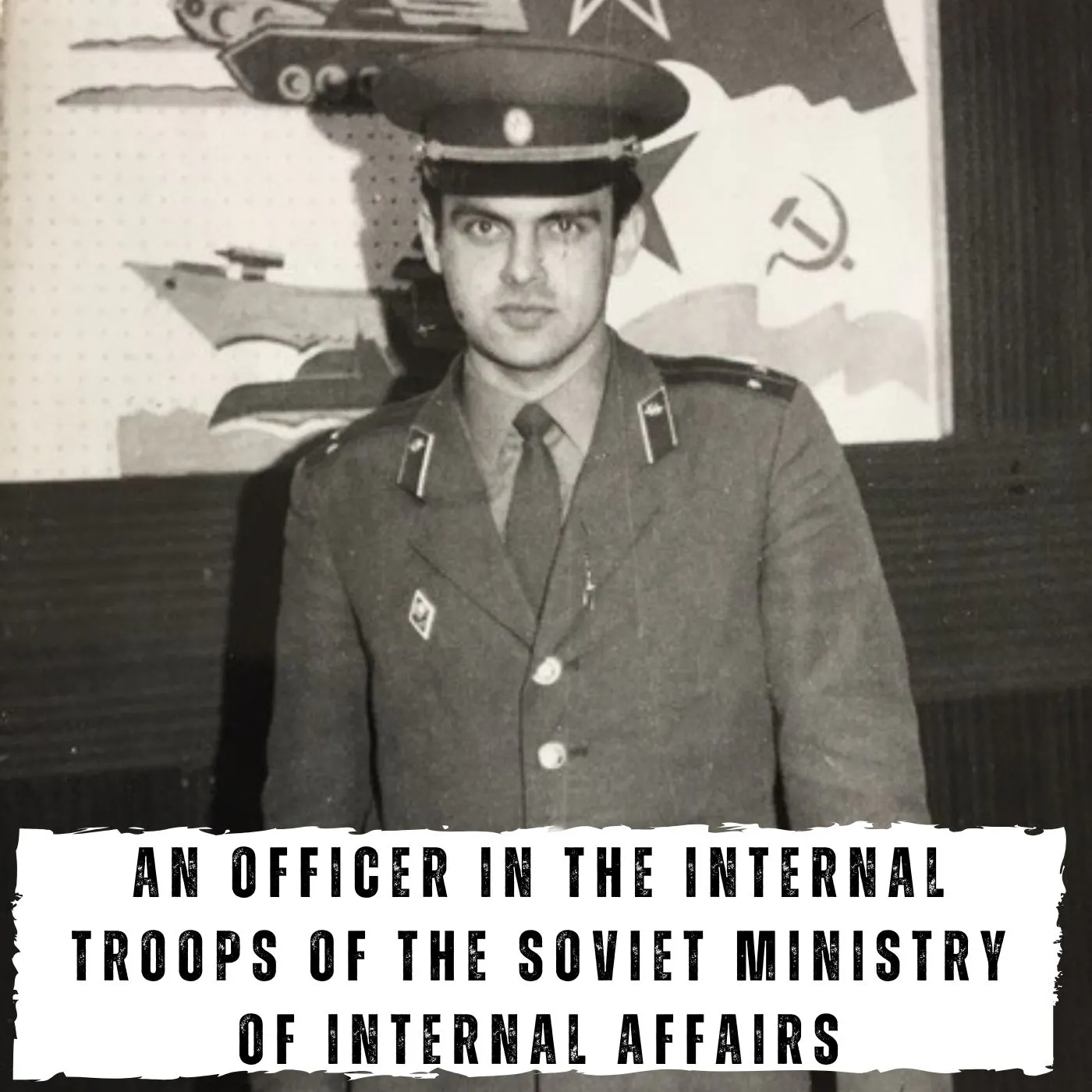
Ihor reflects on his time serving as an officer in the Soviet Union’s Ministry of Interior troops. After volunteering for military service, he found himself travelling from Lviv to Lithuania to begin officer training in communications and field operations.
The training program brought together recruits from across the Soviet Union and beyond communications; these troops had a wide range of responsibilities—from guarding strategic facilities to responding to hostage crises and public disturbances.
This is a rare opportunity to hear the everyday realities of military service inside the Sovi...
Growing up in Soviet Ukraine in the 1960s and 70s

Born in Lviv in Ukraine, in 1958, Ihor grew up in a city where borders shifted, but memories endured. In this episode, he recalls a childhood shaped by silence, censorship, and family stories that could only be told in private.
While official history came from Moscow, a very different past survived in the countryside—passed down by grandparents who had lived through empire, war, and occupation.
This is a unique personal account of what it meant to grow up in Soviet Ukraine in the 1950s and 60s.
Episode extras here https://coldwarconversations.com/episode447 Go to https...
Secret Warriors - British Submarines during the Cold War
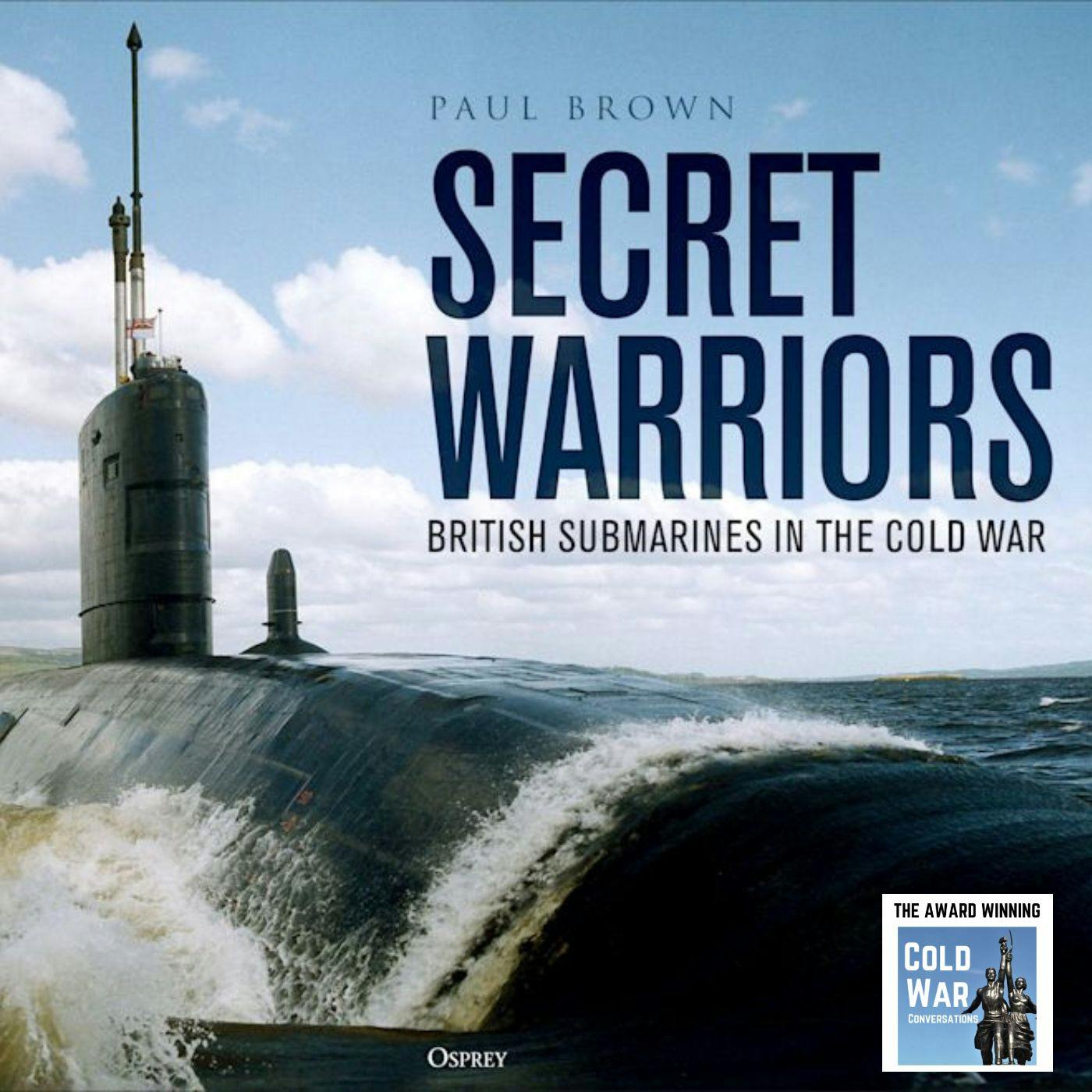
During the Cold War, some of the most dangerous encounters between East and West took place far beneath the ocean’s surface.
I speak with historian Dr. Paul Brown, author of Secret Warriors: British Submarines during the Cold War. Brown reveals the extraordinary covert missions carried out by Royal Navy submarines as they monitored Soviet naval bases near Murmansk and the Barents Sea.
British boats gathered vital intelligence by recording the acoustic signatures of Soviet submarines, trailing enemy vessels, and observing major naval exercises. These missions were risky and occasionally resulted in collisions, such as th...
American MiG Pilot: Inside the Top Secret USAF "Red Eagles" MiG Squadron
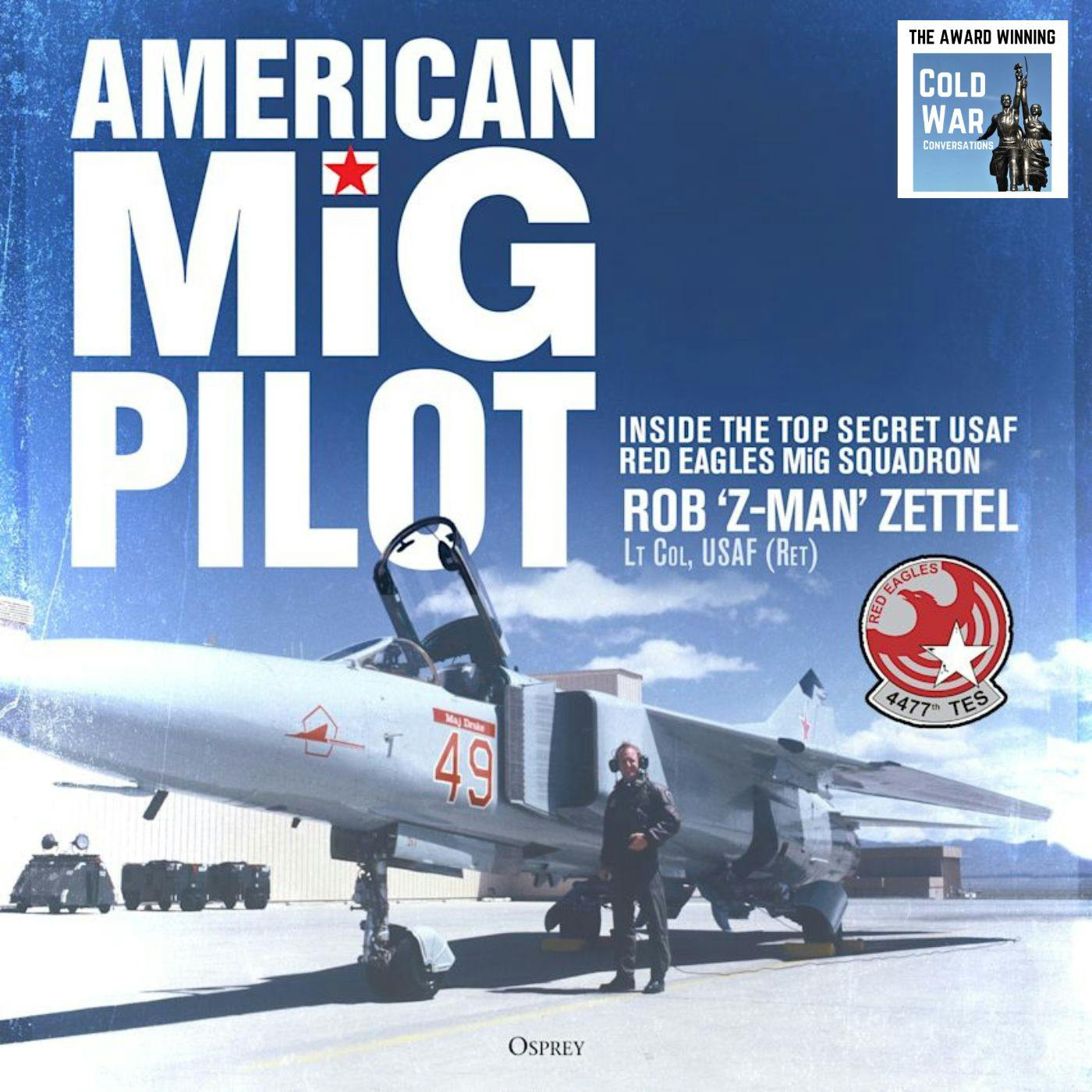
Lt Col Rob “Z-Man” Zettel is the author of American MiG Pilot - Inside the Top Secret USAF “Red Eagles. He tells the Red Eagles story for the first time through the experiences of a pilot who flew Soviet MiGs to their maximum performance in simulated combat engagements, often several times a day, against some of the very best fighter pilots hand-picked from the ranks of the USAF, US Navy and US Marine Corps.
With controls labelled in Russian and the only spare parts being the ones they could salvage, the pilots who climbed into the MiGs - the...
High School Student to The Top Secret USAF Red Eagles Soviet MIG Squadron Part 1

Rob “Z-Man” Zettel is the author of American MiG Pilot - Inside the Top Secret USAF “Red Eagles. In part one of a two-part episode, he reveals how he made it into this top-secret US operation that wouldn't feel out of place in 'Top Gun'.
From a high school student with no aviation background, Rob discovered he had a natural aptitude for flying via the USAF Reserve Officer Training Corps. He then joined the USAF, progressing to an Aggressor Squadron where his unit replicated enemy tactics, techniques, and procedures.
Rob shares anecdotes of training, close calls...
The Moscow Playbook: How Russia Used, Abused, and Transformed Sports in the Hunt for Gold
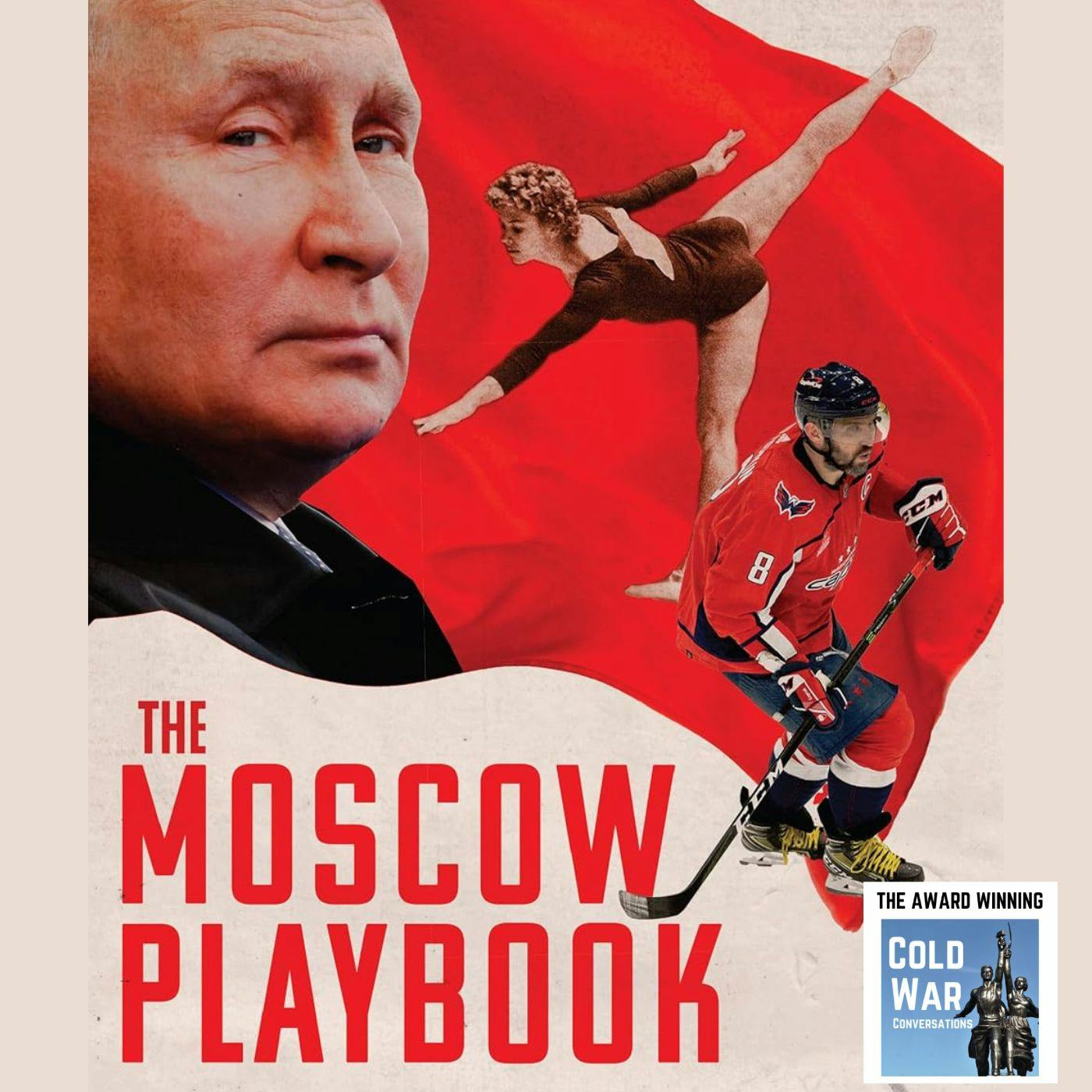
I speak with Bruce Berglund, the author of The Moscow Playbook: How Russia Used, Abused, and Transformed Sports in the Hunt for Power, which is a fascinating journey through the world of Soviet sports and its intricate ties to politics as a means of soft power and national pride.
We learn how the Soviets achieved strategic advantage through women's sports, the abuse of amateur status, the controversial topic of doping and how sports science revolutionised the performance of athletes.
Listeners will also hear about the iconic "Miracle on Ice" ice hockey game in 1980, where the...
Chasing Rogue Nukes after the Fall of the Soviet Union

Susan Miller continues the story of her CIA career, recalling a harrowing experience of the 1991 US embassy fire in Moscow, and the unexpected humanity displayed by a KGB officer who helped save lives during the crisis. Episode one is here https://coldwarconversations.com/episode441/
In Poland, a KGB walk-in claims to have microfiche containing the names of every spy the KGB was running overseas.
And as CIA Chief in Vilnius, Susan is confronted by another KGB walk-in with a box of weapons-grade uranium
Listen to part one here https://coldwarconversations.com/episode441/
<...Dead Drops and Disguises - A Female CIA Officer in 1980s Moscow

I explore the remarkable journey of a CIA operations officer who transitioned from a quiet childhood in California to the thrilling world of espionage.
What began as a joke application to the CIA turned into a life-changing opportunity.
The episode delves into her rigorous training, including paramilitary courses that prepared her for the realities of fieldwork and thrilling stories from her time in Moscow during the late 1980s.
Susan also gives tradecraft insights on surveillance techniques and the unique challenges faced by women in intelligence roles during that era.
Episode extras https://cold...
