Sunday Extra - Separate stories podcast
Sunday Extra presents a lively mix of national and international affairs, analysis and investigation, as well as a lighter touch.
Can science save the insects?
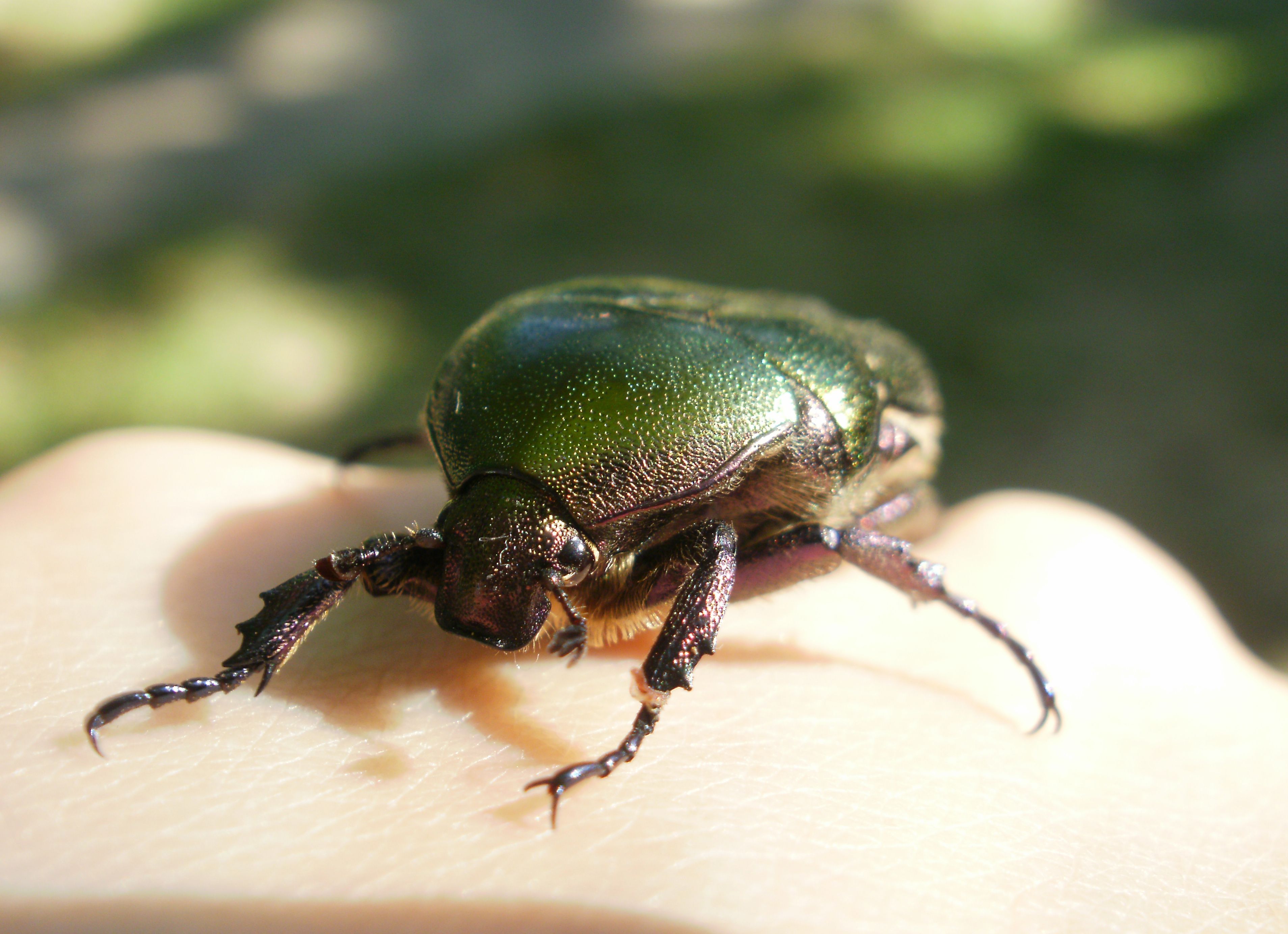
While attention focuses on saving the bees, what is happening to the wider insect world that underpins global ecosystems?
Entomologist Jonathan Finch explores the gaps in current research on insect decline, and the new innovations that may still help turn the tide.
Guest: Jonathan Finch, entomologist at the Tasmania Institute of Agriculture, part of the University of Tasmania.
The Year that Made Me: Anna Funder, 1988

In 1988 Anna Funder was a student in Berlin, unaware that the East German dissidents she had befriended were about to have their lives changed by the fall of the Berlin Wall. Years later these events would change her own life, inspiring her to pen her award winning book Stasiland.
How scientists celebrate midwinter in Antarctica
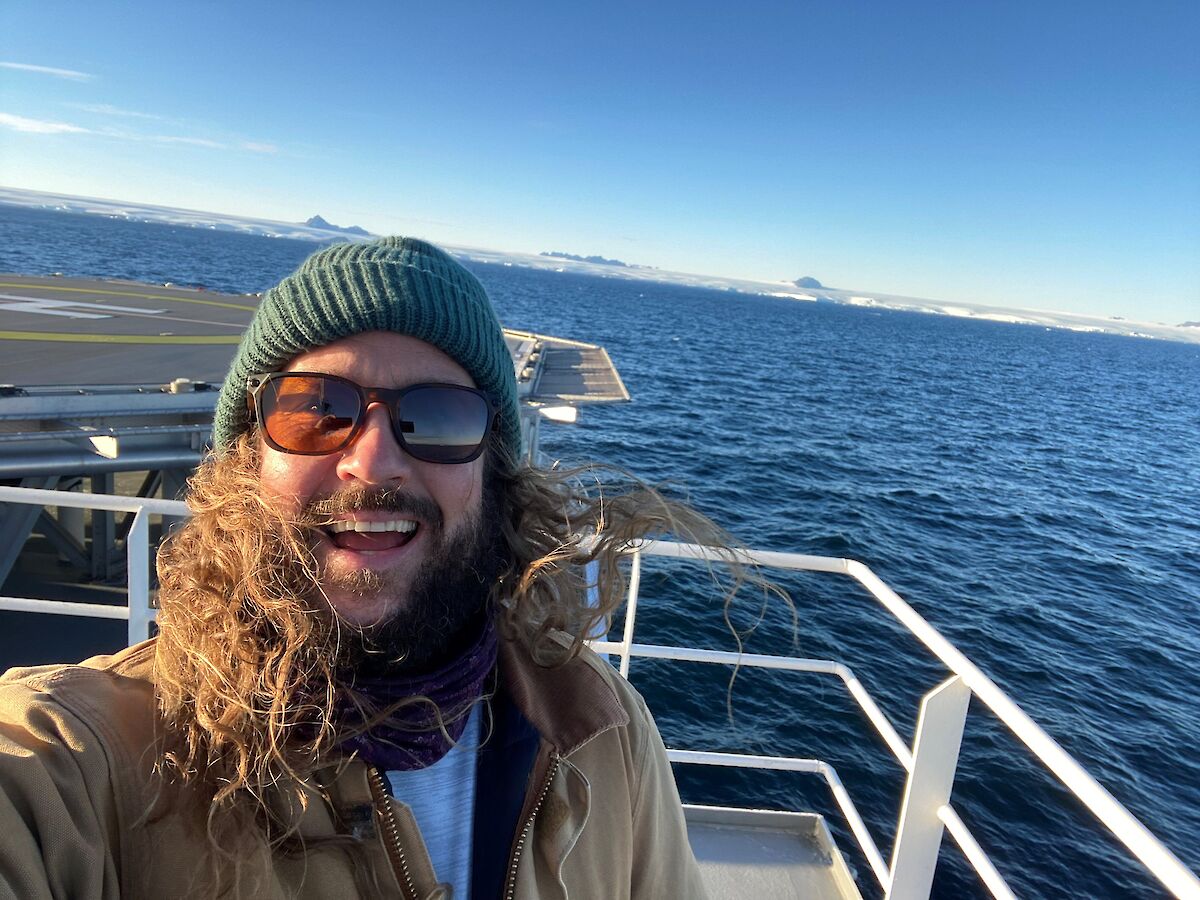
For the small communities of scientists, researchers and support staff who live in Antarctica, Midwinter means a day spent in almost total darkness, and, in temperatures hovering around -20 degrees, a dip in the Antarctic waters. It also when the Australian Antarctic Medal is awarded, which recognises “those who have rendered outstanding service in scientific research or exploration in connection with an Australian Antarctic expedition, or in support of such work, for 12 months or more in the Antarctic region”. Guest: Shaun Gillies, Engineering Services Supervisor at Davis Station, Antarctica
Arthur Boyd's monumental tapestries
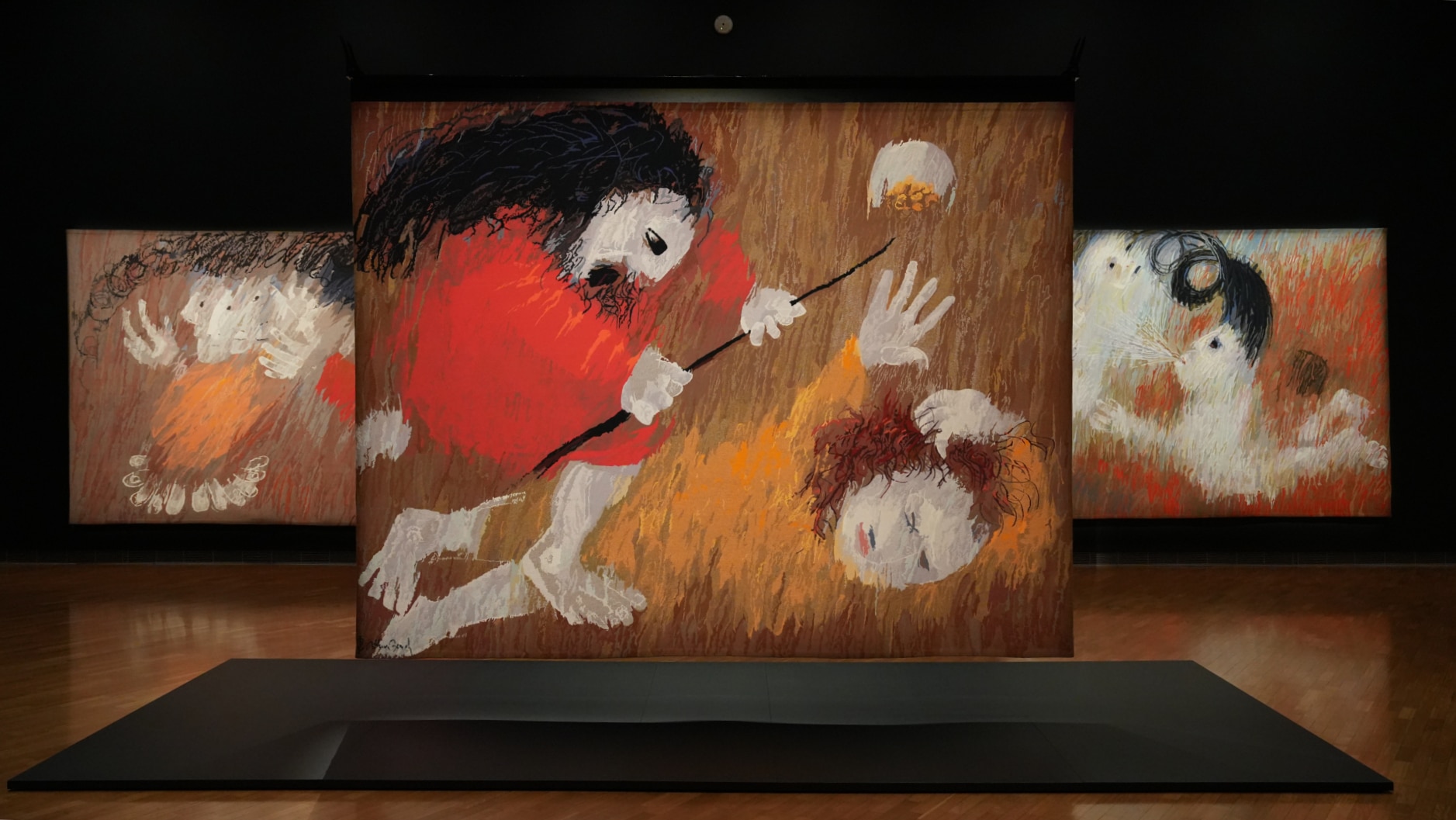
A lesser known artistic project of Arthur Boyd is on display at the National Gallery of Australia. Arthur Boyd: Tapestries
The 20 tapestries, commissioned by Boyd, were part of his extensive artistic exploration of the life of Saint Francis, from the Manufactura de Tapeçarias de Portalegre, Portugal.
Guest: Elspeth Pitt, Senior Curator, Australian Art, at the National Gallery of Australia
Colombia's first left-wing government threatened by Trump's ally "The Tiger"
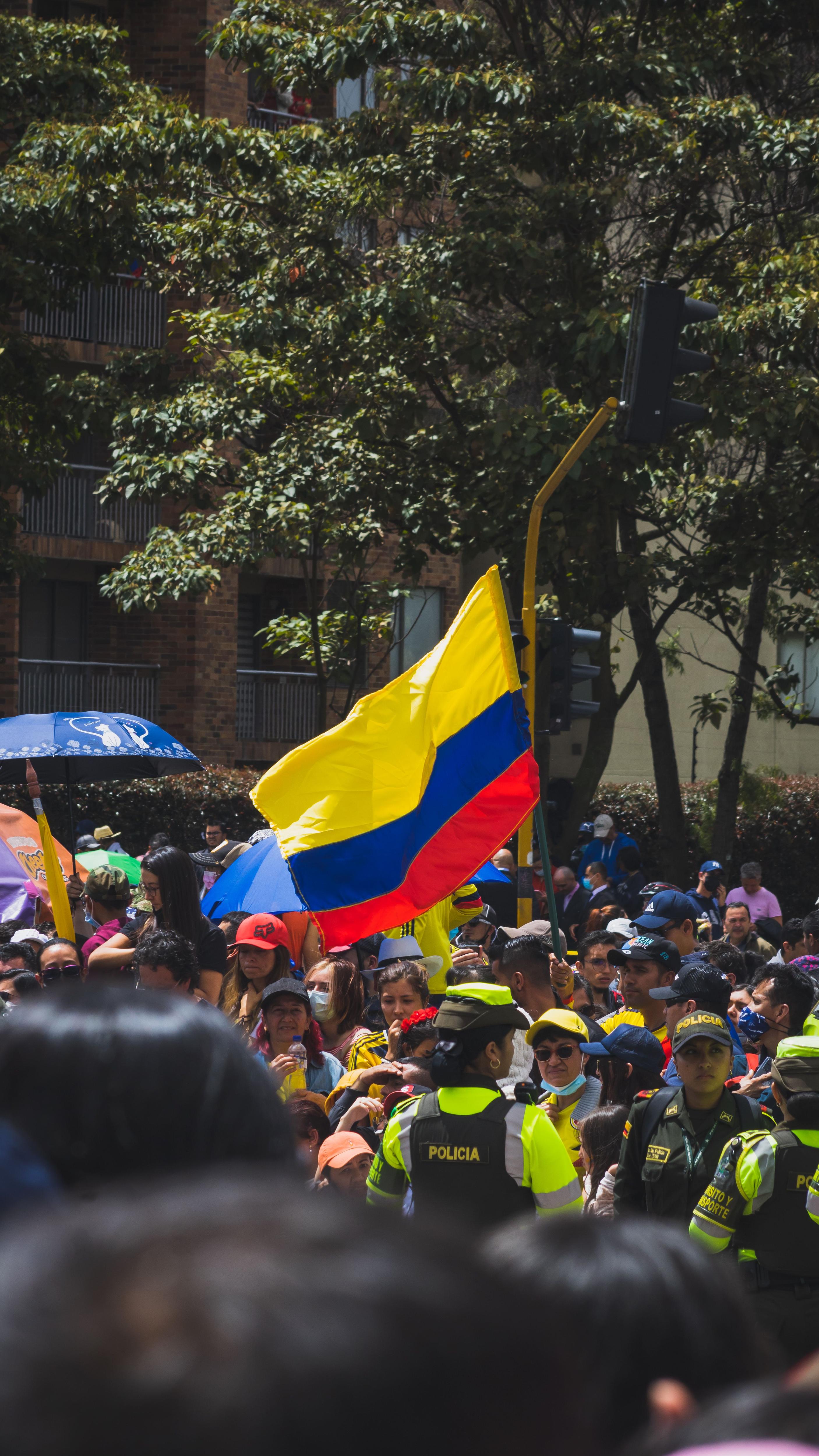
It's “perhaps the most polarised choice of any election in the world in recent memory”. Increasing gang violence related to the cocaine trade is front of mind for voters, who are split between “bookish” philosopher and ex-Communist Iván Cepeda, and Abelardo de la Espriella, a populist, hard-right lawyer with no political experience who dubs himself “El Tigre”. Guest: Laura Lizarazo, Associate Director for the Andean region at the Control Risks Global Risk consultancy.
How long will it take for Andy Burnham to become the UK's next PM?

Former Mayor of Greater Manchester Andy Burnham is about to be sworn in as an MP for Makerfield at Westminster, but the biggest question in UK politics now is how long until he’s sworn in as Labour’s new Prime Minister? Guest: Emily Maitlis, journalist, broadcaster and co-host of the podcast ‘The News Agents’
Taiwan's first International Booker Prize
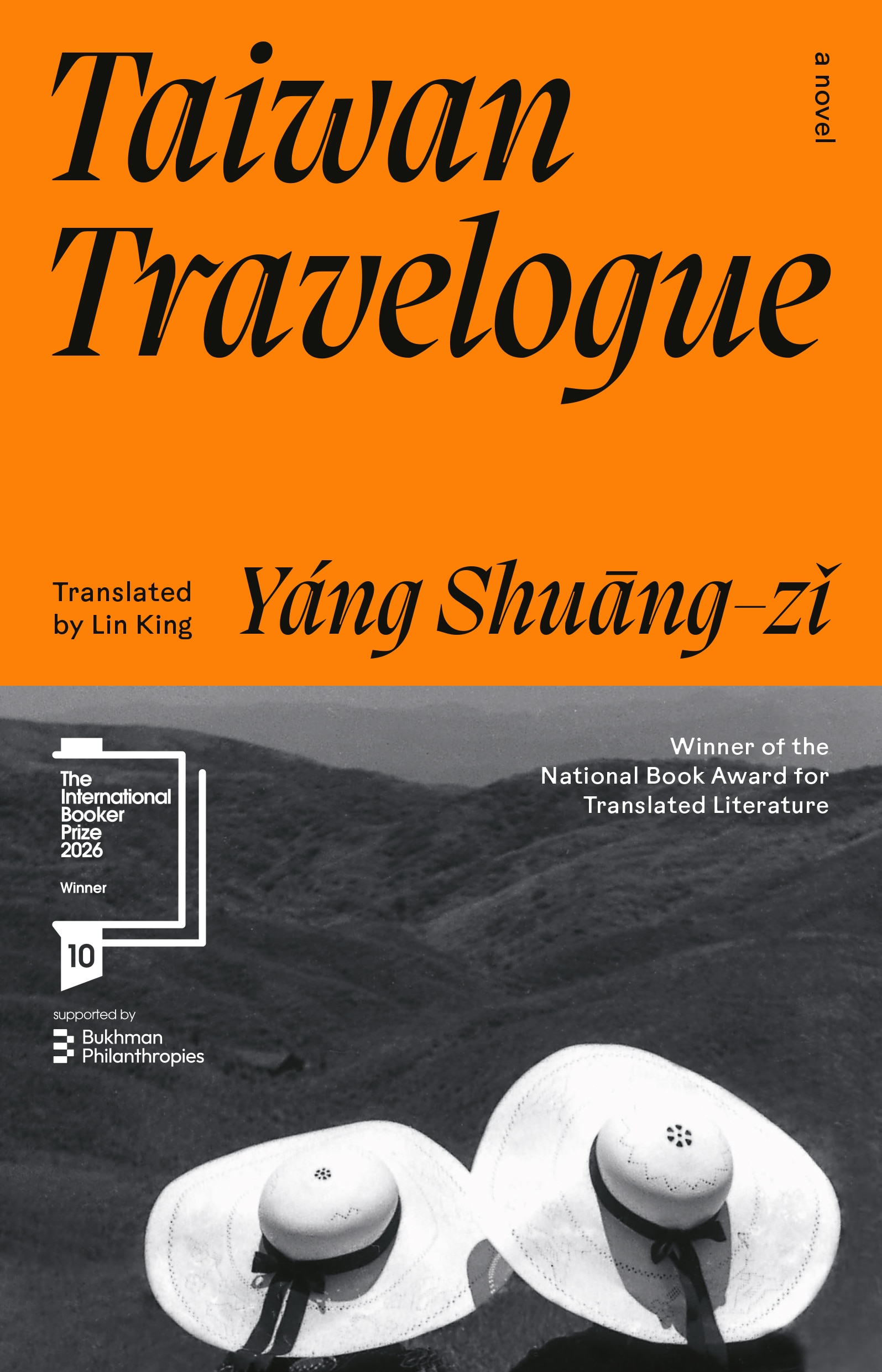
Taiwan Travelogue by Yáng Shuāng-zǐ, and its English translation by Lin King has been awarded the 2026 International Booker Prize. It is the first time the award has been given to a Taiwanese writer, or to a work translated from Mandarin Chinese.
The Year That Made Me: Sophie Cape, 2010
Sophie Cape was forced to give up a promising career as an elite athlete, first as a downhill skier, and then as a track cyclist, after a series of catastrophic physical injuries left her unable to continue. From a place of deep personal crisis, Sophie found a new passion as an artist, and has taken her creative outlet to the same physical extremes that marked her time as a sportswoman.
Guest: Award winning artist, Sophie Cape
Why was a fragment of Homer's Iliad inside an Egyptian mummy
Archaeologists in Egypt were amazed to find a fragment of Homer's epic poem the Iliad stuffed inside a 1,600 year-old mummy. The discovery prompted questions as to how and why the papyrus sheet written in ancient Greek came to be there.
Audio play about four teens in an Irish cemetery wins prestigious BBC Award
Australian playwright Finegan Kruckemeyer has won the prestigious BBC World Service International Audio Drama Competition for an audio play about four teenagers in an Irish cemetery.
Why is bird watching so hot right now?
Research commissioned by the UK’s Royal Society for the Protection of Birds shows a tenfold increase in birding by Gen Zs since 2018, within a 47% rise in birdwatching by people of all ages over that time.
And at home, BirdLife Australia’s annual Aussie Bird Count survey recorded a record-breaking 5 million birds counted by nearly 64,000 people across Australia in 2025.
Guest: Louise Williams, President of the Hunter Bird Observers Club, and PhD candidate at the University of Newcastle.
Prominient Miskito Indigenous rights activist dies of "enforced disappearance"
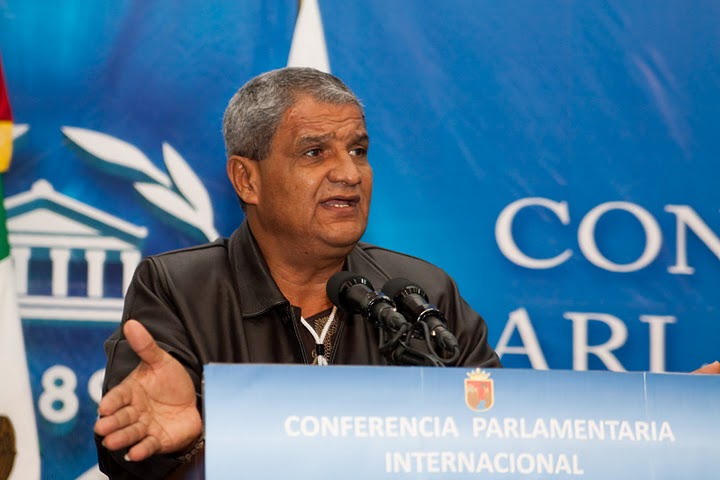
Brooklyn Rivera spent his life fighting for the rights of the Indigenous Miskito people of Nicaragua's resource-rich Caribbean coast. He died in state custody this month, where he was arbitrarily detained by the Nicaraguan government in 2023. The UN Group of Human Rights Experts on Nicaragua say Mr Rivera's death highlights the human rights abuses occurring under the regime of President Daniel Ortega and his wife and co-president Rosario Murillo. Guest: Reed Brody, Member of the United Nations Group of Human Rights Experts on Nicaragua.
Russia and the Taliban cozy up
There is a developing bilateral relationship between Russia and the Taliban-led government in Afghanistan. The two nations recently signed an as-yet undisclosed military cooperation agreement in what the Afghan defence minister described as “an expansion of the bilateral relations between the two countries.”
Is a 13-year-old girl being positioned as North Korea's future leader?
Since 2022, Kim Jong Un’s daughter has become a regular fixture at formal events with her father, leading many to speculate that North Korea's Supreme Leader is positioning her to be his successor.
Newly discovered document sheds light on sick leave during the Black Death
Despite taking place more that 500 years ago, the Black Death plague still fascinates us, and historians are still unearthing new facts about the medieval pandemic.
The Year That Made Me: Chris Wilson, 1976
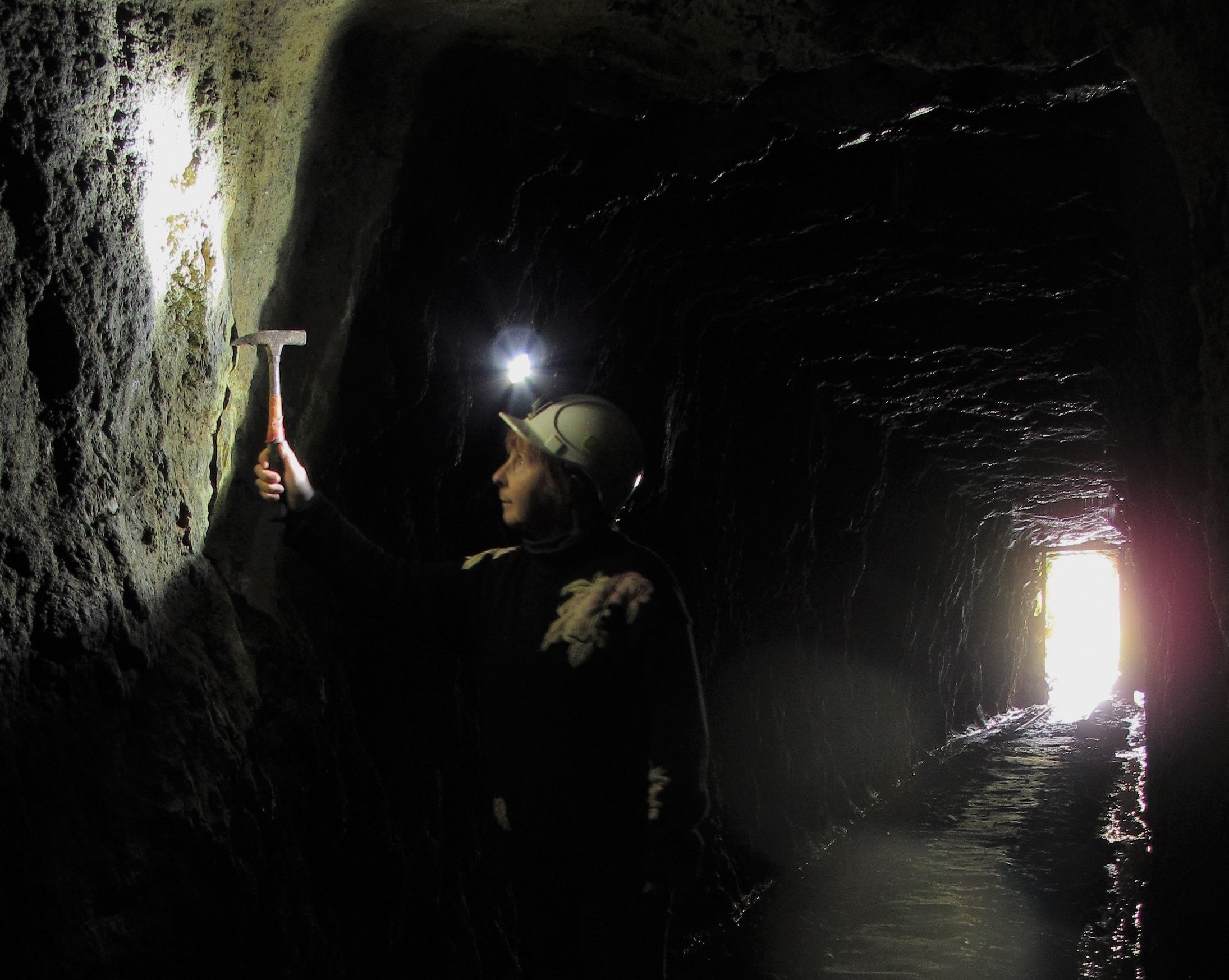
Chris Wilson was the first woman to work in an underground mine in Tasmania. She is also a visual artist, a tour guide, and lives in a colourful Romani-style caravan on the west coast of Tasmania. In 1976, while teaching in Queenstown, Chris was part of the Franklin River campaign, and kayaked down the Franklin not long after Bob Brown's transformative journey. A series of unfortunate events forced Chris out of town, but a job ad for a mining exploration company was the ticket home that changed her life forever.
"When people ask me about the ‘situation’ in Iran"
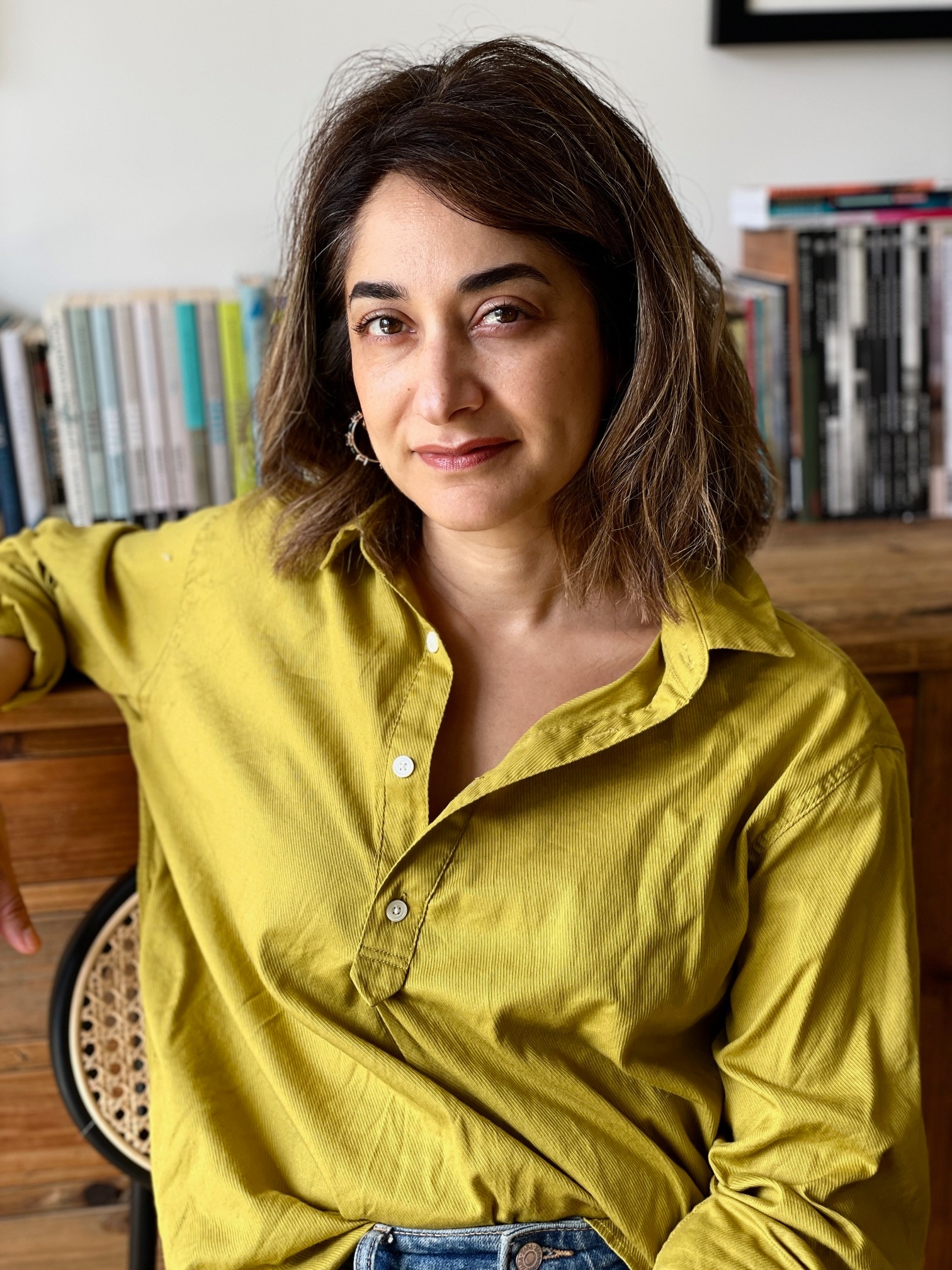
Marjon Mossammaparast is an Iranian poet and English teacher. Now based in Melbourne, she was born in Iran in 1979, the year of the Islamic Revolution.
Cane: the complex story of South Sea Islander history and culture
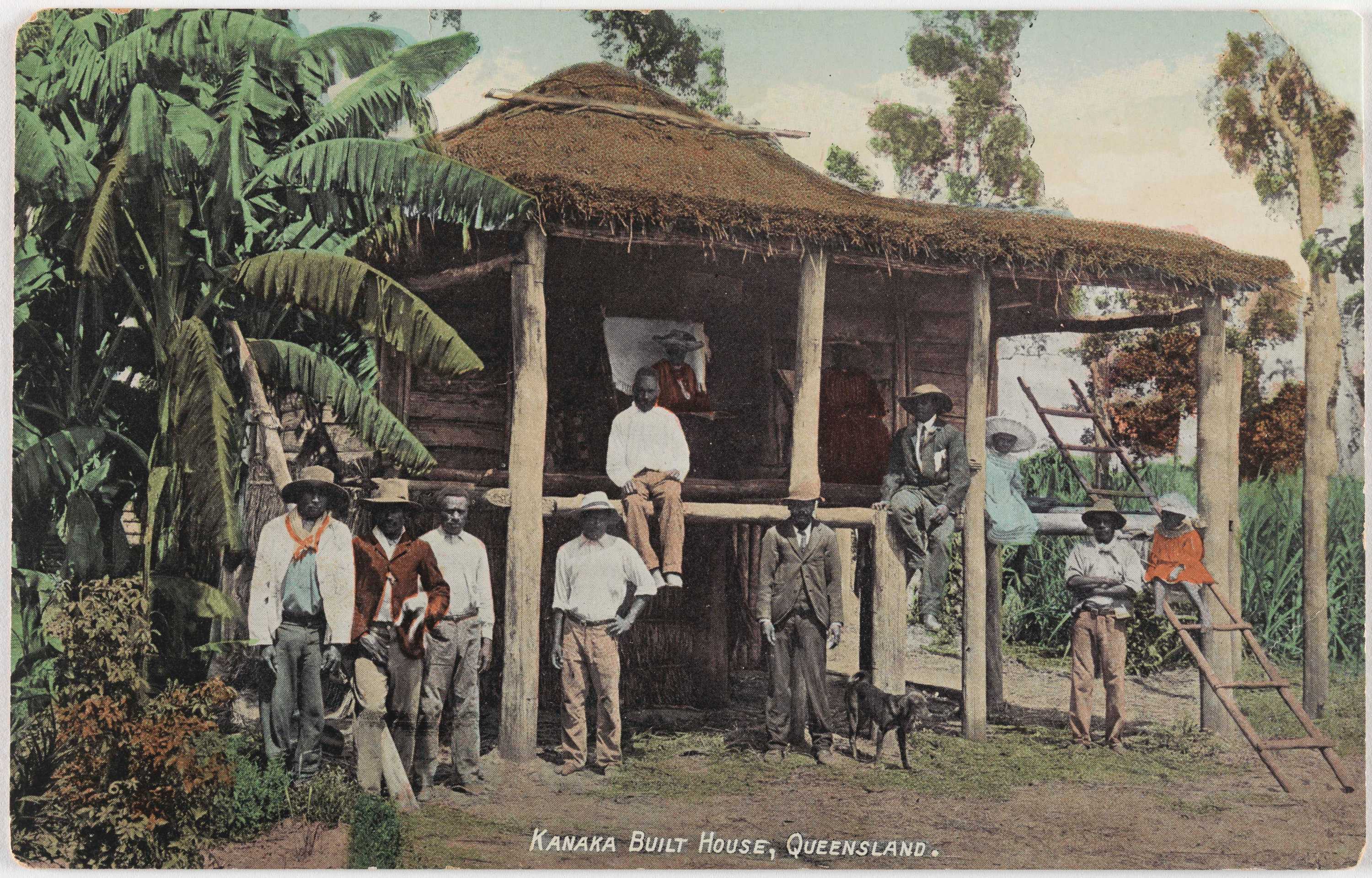
An exhibition called Cane at the Rockhampton Museum of Art is giving voice to the little discussed stories of the South Sea Islander community in Central Queensland. The exhibition features artworks from artists with South Sea Islander lineage, addressing the history, heritage, and identity of these unique communities in Queensland.
Guest: Melinda Mann
Film about healing after genocide wins Rwanda's first Camera d'Or
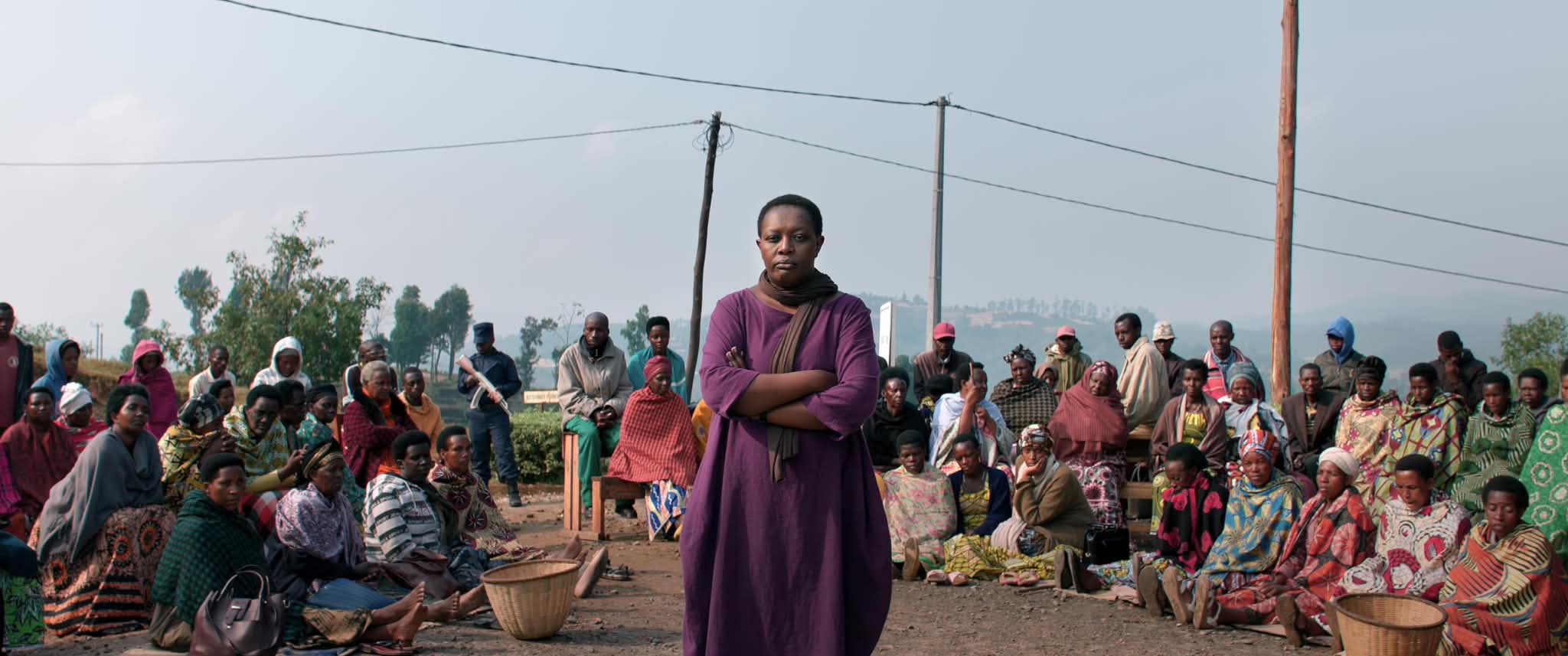
Ben’Imana is set in Rwanda in 2012, during the Gacaca people’s court trials that sought justice and community reconciliation after the 1994 Rwandan genocide. Alongside the court proceedings, a genocide survivor organises discussion groups between women from both sides of the conflict: survivors, and those who are related to male perpetrators. Sometimes they are within the same family. Guest: Marie-Clémentine Dusabejambo, writer and director of Ben'Imana.
Communism, corruption and parental expectations: why China fails at football: why China fails at football

Why is the world’s most populous country, which is rapidly advancing in so many arenas, failing to live up to its dreams of glory on the pitch?
Armenia votes, but don't call it a choice between Russia and the West
Armenia heads to the polls on Sunday in what has been described as “one of its most pivotal elections since regaining independence in 1991.” Just don't describe it as a choice between Russia and the West says Laurence Borers.
Burmese artist Sai Redacted wins prize for creative dissent
At the 2026 Oslo Freedom Forum, Burmese artist Sai Redacted was one of the recipients of the Vaclav Havel International Prize for Creative Dissent.
The Pakistani Field Marshall Between Washington and Tehran
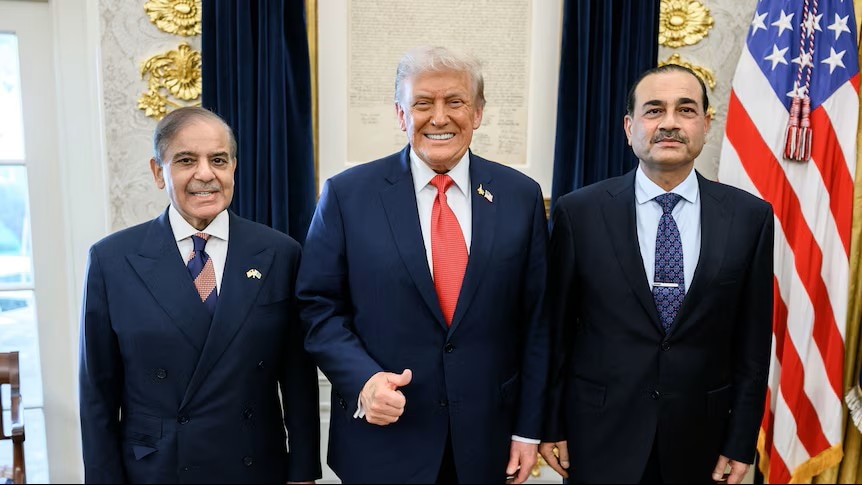
Who is Field Marshal Asim Munir, the Pakistani military leader balancing negotiations between the US and Iran? How did he win the trust of Iran and become Trump's 'favourite Field Marshal', rising in power and influence abroad and at home in Pakistan?
Guest: Bobby Ghosh, geopolitical analyst and commentator
You can read Bobby's post on Asim Munir on his Substack Ghoshworld.
The Power and Punishment of Competitive Chess

Chess may not look physically gruelling, but at the elite level it is one of the world's most intense competitive pursuits. Journalist and author Jordan Himelfarb discusses his new book on the fierce battle to become the next world chess champion.
Guest: Jordan Himelfarb, journalist and author of Interregnum: Inside the Grueling and Glamorous Battle to Become the Next King of Chess
Tweet of the week, 26 May 2026
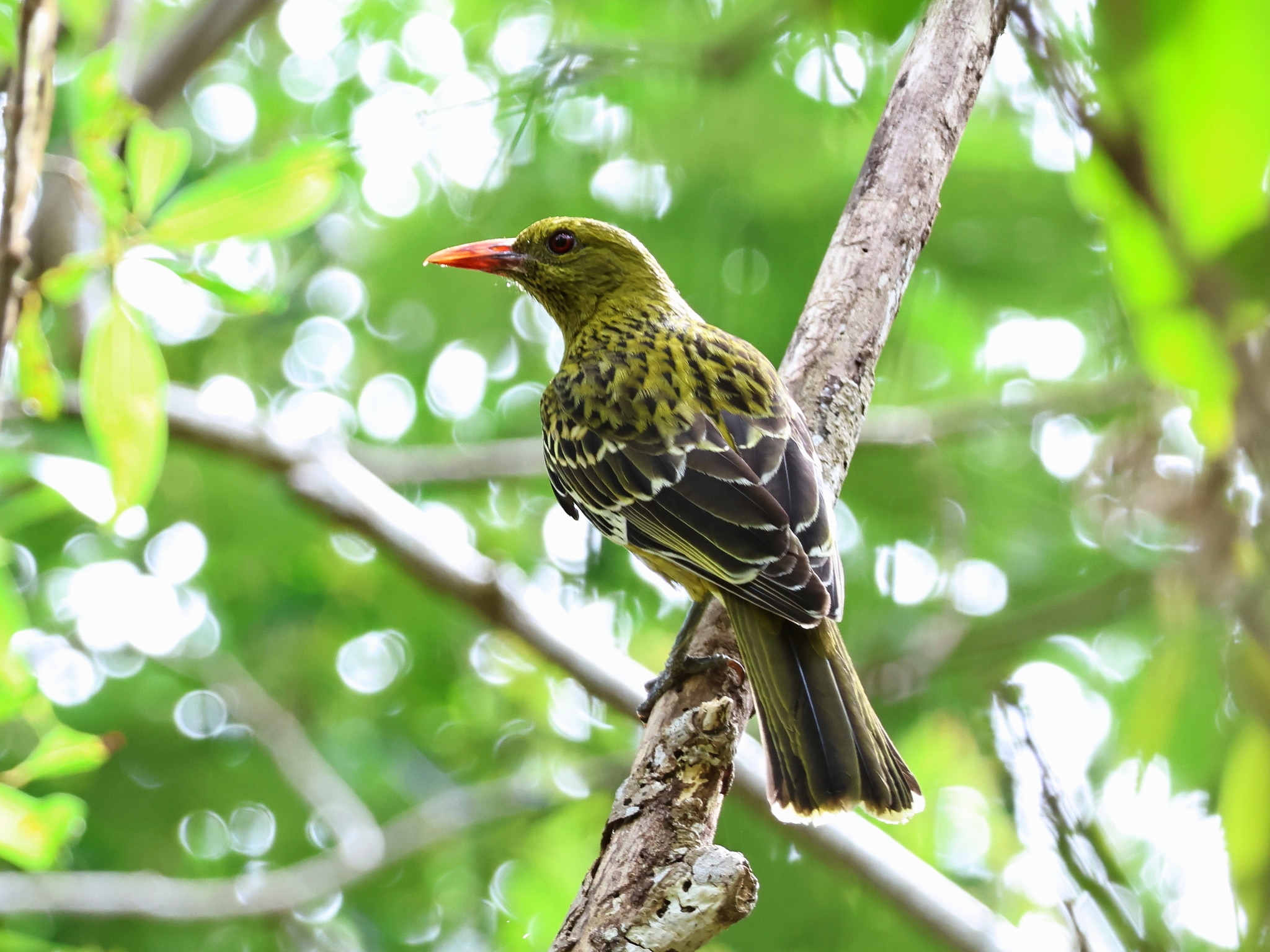
This week's mystery caller of the north was spotted tapping at the door of a Sunday Extra listener – the Yellow Oriole.
The Year That Made Me: Jason Gillespie, 1995
Jason "Dizzy" Gillespie is one of cricket's greats, not just because of his career on the field, but also his second career, fostering a new generation of cricket talent, coaching teams in Australia, UK, Zimbabwe and Pakistan.
Guest: Jason Gillespie, former international cricketer and Australian cricket coach.
The historians turned spies who saved Greece's treasures from the Nazis
During World War II, a motley crew of US historians and archaeologists were drawn into a covert mission to protect Greece's the ancient treasures from the Nazis. Author Stephan Talty discusses the remarkable true story behind his new book The American School of Spies.
Catching the Bigfoot Hunters
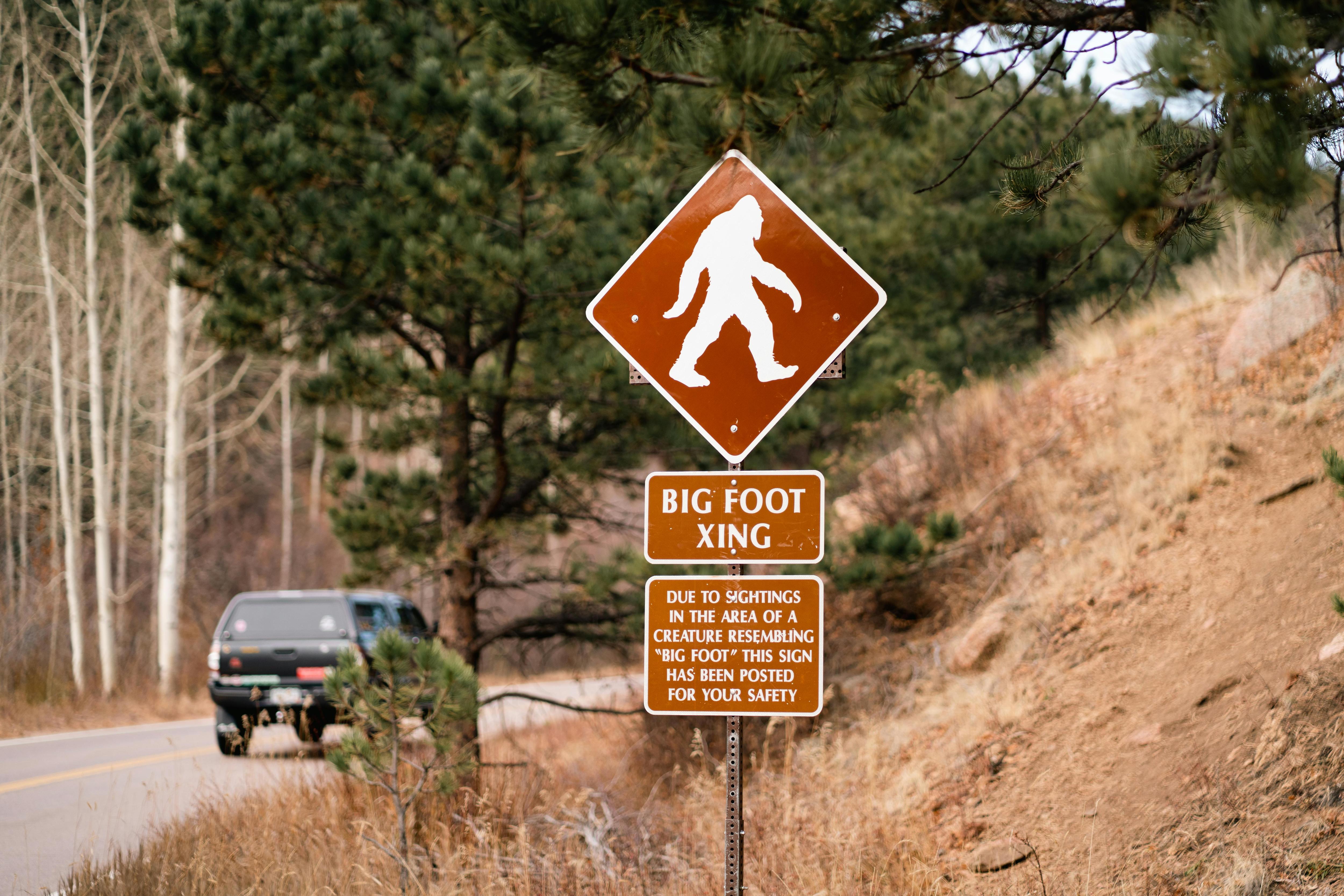
Being a Bigfooter is an identity in the US, complete with conferences, research organisations and online social groups. They believe Bigfoot is real, and they intend to prove it. But across the Atlantic British sociological researchers are less interested in finding Bigfoot, then uncovering the massive coalition of Bigfoot hunters and the line they toe between mythology and science.
Guest: Dr Jamie Lewis, sociologist at Cardiff University and co-author of Bigfooters and Scientific Inquiry: On the Borderlands of Legitimate Science
Happy home: The UK's first housing cooperative for older women

Britain’s first housing cooperative for women over 50 opened its doors 10 years ago. The New Ground housing project houses 26 women, almost all of whom previously lived alone. Today, 21 of the original 26 women still live at New Ground, the youngest resident is 60, and the oldest is 96. Guest: Maria Brenton, one of the founders of New Ground co-housing in North London, and UK Cohousing Network’s Senior Co-housing Ambassador.
China lifts regulation on internal migration but not everyone benefits
China's hukou system, which has long restricted the rights of internal migrant workers is undergoing significant reform. What might these changes mean for China's economy, workforce and social structure?
Renewing an old theory of the New Zealand accent
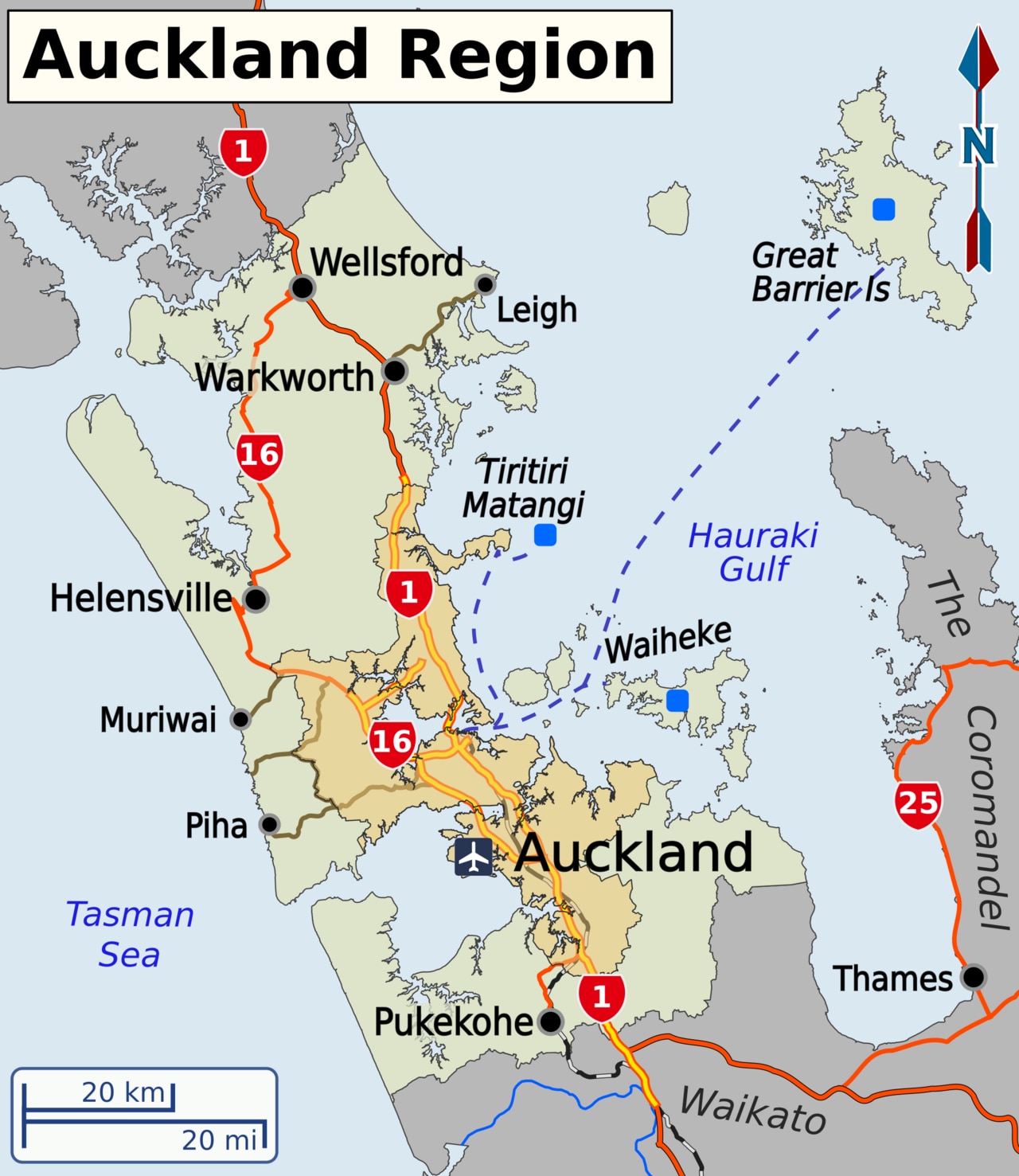
Why do New Zealanders say “fush and chups”, and “hair” like “here”? A new theory about the origins of the distinctive NZ accent is being explored by researchers at the University of Auckland, based on a doctoral thesis they re-discovered from 1921. Guest: Dr Brooke Ross, postdoctoral research fellow at the University of Auckland.
The Melbournian running for parliament in Cyprus

Costa Constanti, who was born and bred in Melbourne - is running for parliament in Cyprus with the Volt Party, which calls itself “the first Pan-European party”.
The Nightline wants to hear your late-night thoughts

The Nightline is an instalment work coming to the Malthouse Theatre in Melbourne, and the creators are calling on night owls, shift workers, insomniacs and anyone who happens to find themselves awake in the small hours for anonymous contributions. Guest: Roslyn Oades, director of The Nightline.
Tweet of the week, 24 May 2026
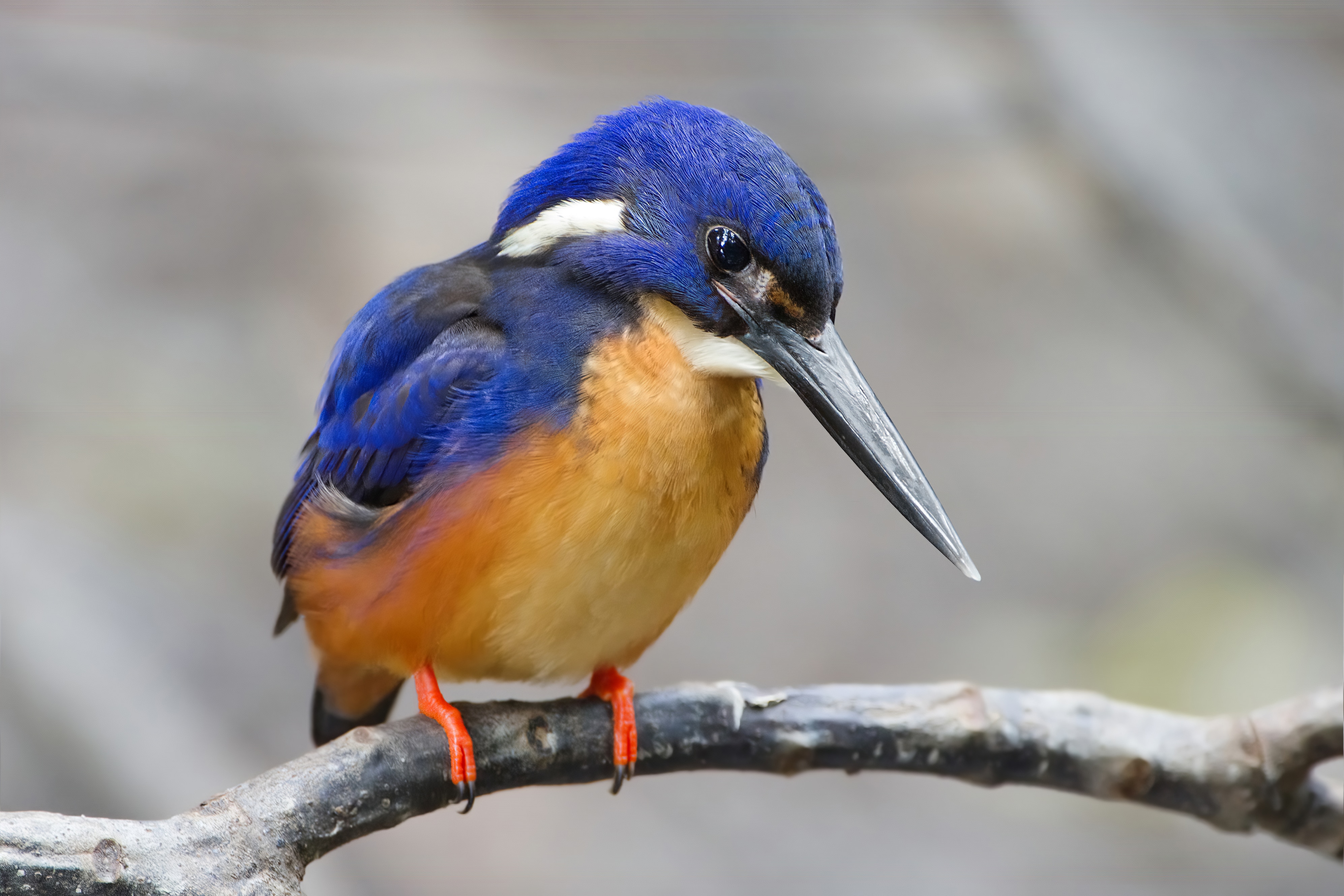
This week's colourful wetland caller is found across the north and down the east — the Azure Kingfisher.
The Year That Made Me: Sheila Fitzpatrick, 1989
Acclaimed Soviet historian Professor Sheila Fitzpatrick reflects on the experiences and historical and personal events of 1989 that shaped her life and career.
Rediscovering Australian fantasy novel The Land Behind The World - and its intriguing author
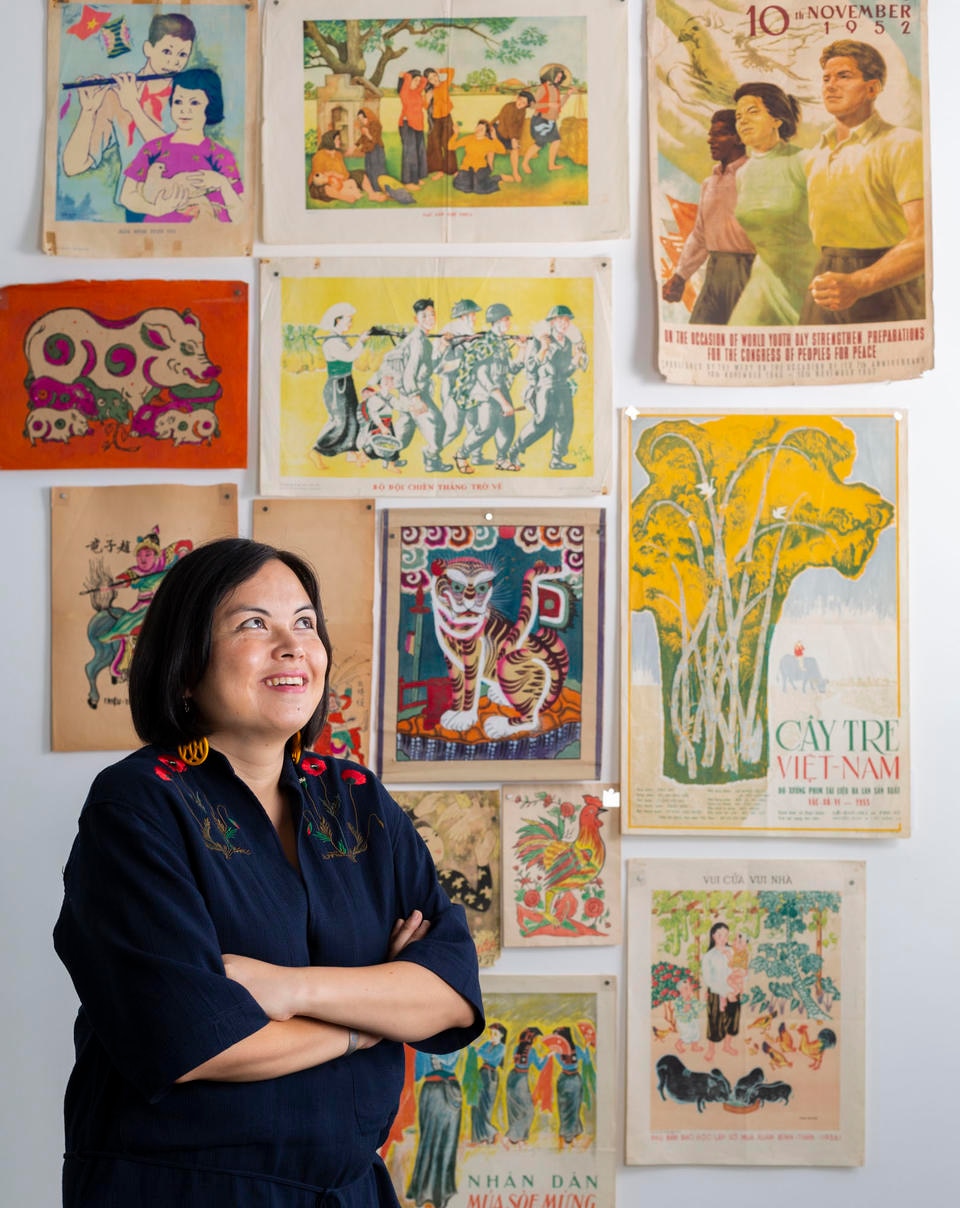
Australian author Anne Spencer Parry's debut 1976 fantasy novel The Land Behind the World was described by the Sydney Morning Herald as "weird, complex, fanciful — and intriguing". Sheila Ngọc Phạm describes Parry as someone whose “works are a testament to the life she formed from unusual, difficult and brave choices”.
The library that no one alive will read

Future Library is a long-term literary project based in Norway. It currently holds 11 unpublished manuscripts and a growing forest of spruce trees, planted to supply paper for books that will not be printed until 2114. No one has read the manuscripts, and they will remain sealed for almost a century.
Guest: Anne Beate Hovind, Chair and producer of Future Library, in Oslo.
The bizarre story of Honduras-gate
A strange international scandal known as “Honduras-gate” has raised allegations of a covert disinformation campaign targeting left-wing Latin American governments. Former diplomat Jeremy Dicker unpacks the claims and the geopolitical intrigue surrounding the story.
Ukraine's new Minister for Defence goes all in on killer drones
A bitter disagreement has emerged between Ukraine's Ministry of Defence and military leadership over the use of autonomous weapons.
Ukraine is emerging as a world-leading drone technology producer, as a result of the Russian invasion, and the new Minister is going all in on battlefield tech capable of making lethal decisions with no human oversight.
Welsh Labour defeated for first time in over a century
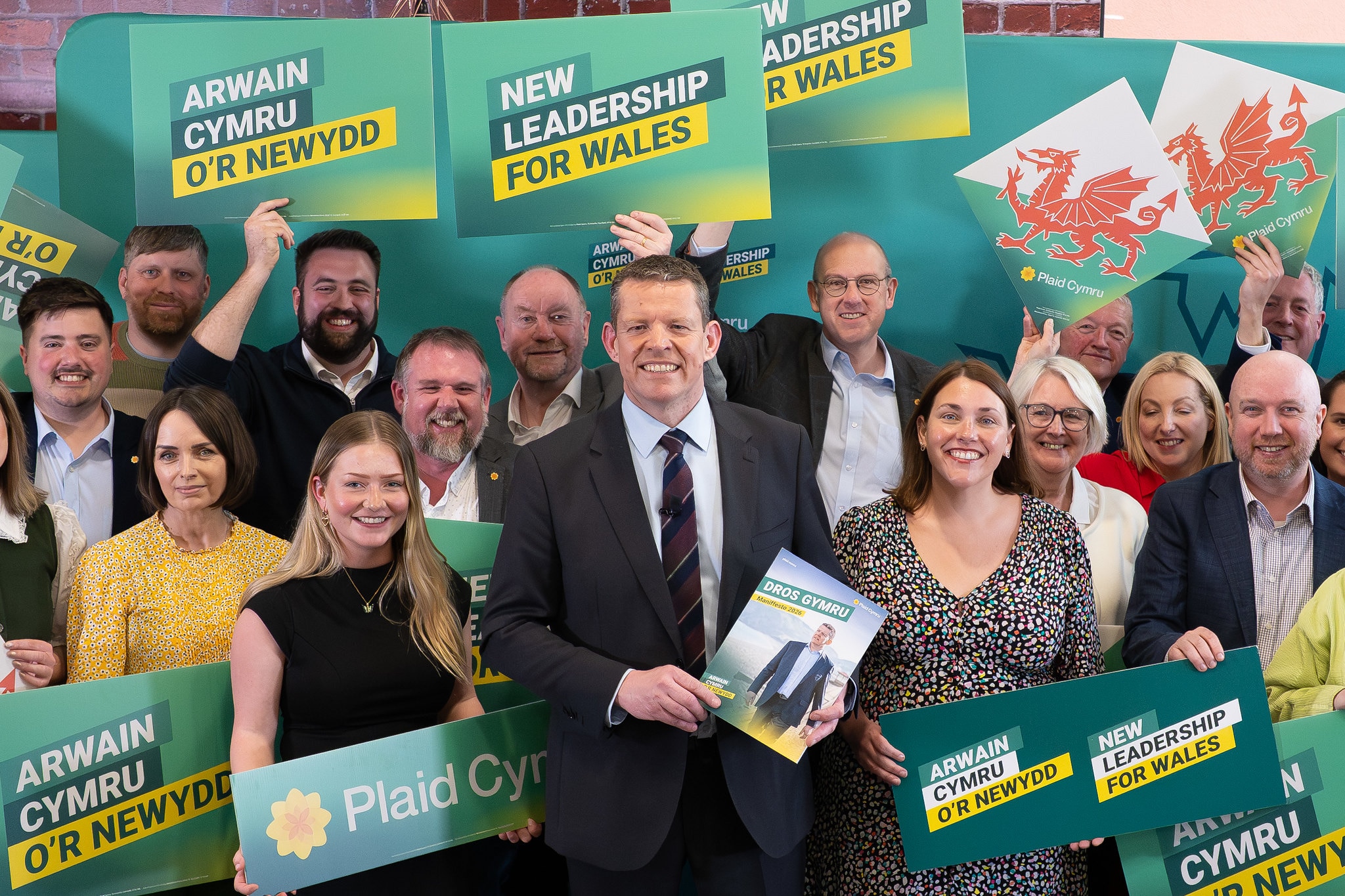
The Welsh nationalist party Plaid Cymru - which translates to the Party of Wales - is forming government for the first time after an historic electoral victory. While Plaid Cymru has stood for Welsh independence for 100 years, party leader Rhun ap Iorwerth has ruled out an independence referendum in their first term. Guest: Elliw Gwawr, Political Correspondent at BBC Wales.
